<?xml version="1.0" encoding="UTF-8"?>
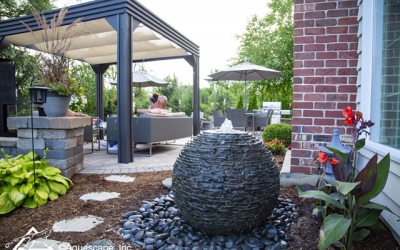
<?xml-stylesheet type="text/xsl" media="screen" href="/~d/styles/rss2full.xsl"?><?xml-stylesheet type="text/css" media="screen" href="http://feeds.feedburner.com/~d/styles/itemcontent.css"?><rss xmlns:atom="http://www.w3.org/2005/Atom" xmlns:feedburner="http://rssnamespace.org/feedburner/ext/1.0" version="2.0"><channel><title>Aquascapeinc.com Articles</title><description>The latest water gardening articles by Aquascape, Inc.</description><link>http://www.aquascapeinc.com</link><language>en-us</language><copyright>(C)2012, Aquascape, Inc.</copyright><image><url>http://www.aquascapeinc.com/upload/rss-logo.jpg</url><title>Aquascapeinc.com Articles</title><link>http://www.aquascapeinc.com</link></image><atom10:link xmlns:atom10="http://www.w3.org/2005/Atom" rel="self" type="application/rss+xml" href="http://feeds.feedburner.com/AquascapeArticles" /><feedburner:info uri="aquascapearticles" /><atom10:link xmlns:atom10="http://www.w3.org/2005/Atom" rel="hub" href="http://pubsubhubbub.appspot.com/" /><item><title>Tuck a Fountain in Your Garden</title><description>&lt;br /&gt;&lt;span class="Header"&gt;Tuck a Fountain in Your Garden&lt;/span&gt;&lt;br /&gt;&lt;br /&gt;&lt;img class="imgWhiteBorder" src="http://resource.aquascapeinc.com/pondside_monthly/images/2012/feb/fountain.jpg" alt="Aquascape Mini Fountain Kit" width="300" height="357" align="right" /&gt;Got a spot in the garden leaving you befuddled about what to do with it? Maybe it&amp;rsquo;s a shady spot where grass struggles to grow. Perhaps the soil isn&amp;rsquo;t the best for nurturing healthy perennials and annuals. Or maybe you&amp;rsquo;re just interested in attracting a few more birds and butterflies to that location. &lt;br /&gt;&lt;br /&gt;Why not add a small fountain to that odd spot of your garden? It doesn&amp;rsquo;t matter if it&amp;rsquo;s shady or sunny, or whether the soil is acidic or not. A small water feature can be a great addition to your garden &amp;hellip; even if you already have a pond in your yard!&lt;br /&gt;&lt;br /&gt;You might have an area between the front sidewalk and garage where you&amp;rsquo;d like to create something unique. Rather than opt for the standard evergreen shrub, tuck a bubbling urn in that cozy corner to welcome guests with the enchanted sound of water splashing playfully. &lt;br /&gt;&lt;br /&gt;As you laze away the hours on your front porch, you&amp;rsquo;ll enjoy birds bathing in the fountain and butterflies lighting gently to enjoy the water. Passersby will enjoy walking past your house to take in the sight of a fountain and will wish they had one of their own.&lt;br /&gt;&lt;br /&gt;Or maybe you have a lackluster walkway alongside your house leading to the backyard. A melodic fountain would lend a surprising touch to this otherwise ho-hum strip of landscape.&lt;br /&gt;&lt;br /&gt;Wherever you decide to plant your decorative water feature, be assured that small fountains are easy to install and don&amp;rsquo;t require an entire day of labor. Aquascape offers a variety of Mini AquaBasin Fountain Kits that retail for less than $140. You&amp;rsquo;ll be able to install this unique addition to your landscape in just a couple hours. Simply dig the hole for the underground reservoir, plug in the pump and connect the fountain, fill with water, cover the basin with decorative rock and gravel, then plug in your new water feature and you&amp;rsquo;re ready to relax and enjoy!&lt;br /&gt;&lt;br /&gt;For information on where to purchase these beautiful Mini AquaBasin Fountain Kits, visit &lt;a href="/shop-online" target="_blank"&gt;http://www.aquascapeinc.com/shop-online&lt;/a&gt;. &lt;br /&gt;&lt;br /&gt;Watch the video to see how easy it is to install!&lt;br /&gt;&lt;br /&gt; &lt;iframe frameborder="0" src="http://www.youtube.com/embed/mo_ttt90vVw?rel=0" width="353" height="231"&gt;&lt;/iframe&gt;&lt;img src="http://feeds.feedburner.com/~r/AquascapeArticles/~4/B2mKvogIrmM" height="1" width="1"/&gt;</description><link>http://feedproxy.google.com/~r/AquascapeArticles/~3/B2mKvogIrmM/index.php</link><guid isPermaLink="false">http://www.aquascapeinc.com/index.php?page=articles&amp;a_id=278</guid><pubDate>Thu, 09 Feb 2012 22:12:53 +0000</pubDate><feedburner:origLink>http://www.aquascapeinc.com/index.php?page=articles&amp;a_id=278</feedburner:origLink></item> <item><title>Tips for Buying Healthy Fish</title><description>&lt;br /&gt;&lt;span class="Header"&gt;Tips for Buying Healthy Fish&lt;/span&gt;&lt;br /&gt;&lt;br /&gt;&lt;img class="imgWhiteBorder" src="http://resource.aquascapeinc.com/pondside_monthly/images/2012/feb/fish.jpg" alt="Aquascape Pond Fish" width="300" height="199" align="right" /&gt;When spring breezes begin to blow, most pond owners start thinking about adding new fish to their pond. Will you add some colorful koi, or opt for another type of pond fish like shubunkins or sarassas? When purchasing new fish from a pet or pond store, there are certain things that you should look for and ask about to make sure that you are receiving healthy fish. &lt;br /&gt;&lt;ol&gt;&lt;li&gt;&lt;strong&gt;Cleanliness&lt;/strong&gt; &amp;ndash; Look at the cleanliness of the store. If the store is not clean and well cared for, more than likely, the retailer does not care about their fish either.&lt;/li&gt;&lt;li&gt;&lt;strong&gt;Dead Fish&lt;/strong&gt; &amp;ndash; If you see any dead fish floating in the tanks &amp;ndash; even just one &amp;ndash; stay away. This can be an indication of a poorly maintained, diseased tank.&amp;nbsp;&lt;/li&gt;&lt;li&gt;&lt;strong&gt;Quarantine &lt;/strong&gt;&amp;ndash; Does the retailer quarantine their fish and for how long? It is very important that all fish are quarantined for at least 14 to 21 days for salt treatments to ensure the fish are not carriers of disease or parasites.&lt;/li&gt;&lt;li&gt;&lt;strong&gt;Water Testing and Changes&lt;/strong&gt;&amp;ndash; Find out how often the water is tested and changed. Testing the water monitors ammonia and pH levels, as well as nitrites and nitrates indicating when the water should be changed.&amp;nbsp;&lt;/li&gt;&lt;li&gt;&lt;strong&gt;Sick Fish &lt;/strong&gt;&amp;ndash; Look to see if any of the fish are hanging out alone, with clamped fins. This is a good sign that the fish is sick.&lt;/li&gt;&lt;li&gt;&lt;strong&gt;Parasites &lt;/strong&gt;&amp;ndash; Ask if new fish are tested for the presence of parasites with a microscope. Doing so indicates whether the fish are carriers of parasites and can be treated accordingly before they are sold. &lt;/li&gt;&lt;li&gt;&lt;strong&gt;Net Sharing&lt;/strong&gt; &amp;ndash; Make sure the clerk uses a different net for each tank. Using the same net for all tanks can spread disease from one tank to another.&amp;nbsp;&lt;/li&gt;&lt;li&gt;&lt;strong&gt;Clear Skin&lt;/strong&gt; &amp;ndash; Look for fish with no marks, missing scales, sores, or broken or missing fins. Any of these are signs of a bacterial infection or parasite.&amp;nbsp;&lt;/li&gt;&lt;li&gt;&lt;strong&gt;Sizes &lt;/strong&gt;&amp;ndash; You need to take the size of the fish into consideration so you don&amp;rsquo;t overstock your pond. Remember, 1&amp;rdquo; for every square foot of surface water or five gallons.&amp;nbsp;&lt;/li&gt;&lt;li&gt;&lt;strong&gt;Knowledgeable Staff &lt;/strong&gt;&amp;ndash; You want to purchase fish from a knowledgeable and honest merchant that can help educate you about your pond pets. &lt;/li&gt;&lt;/ol&gt;Whatever type fish you choose to add to your pond, first and foremost you want to make sure they&amp;rsquo;re healthy. Don&amp;rsquo;t be shy about asking a few questions. In the end, you&amp;rsquo;ll be glad you took the time to purchase the right fish for your pond.&lt;img src="http://feeds.feedburner.com/~r/AquascapeArticles/~4/dR_r2Efla_k" height="1" width="1"/&gt;</description><link>http://feedproxy.google.com/~r/AquascapeArticles/~3/dR_r2Efla_k/index.php</link><guid isPermaLink="false">http://www.aquascapeinc.com/index.php?page=articles&amp;a_id=277</guid><pubDate>Thu, 09 Feb 2012 22:06:06 +0000</pubDate><feedburner:origLink>http://www.aquascapeinc.com/index.php?page=articles&amp;a_id=277</feedburner:origLink></item> <item><title>Waterlilies: Hardy and Tropical</title><description>&lt;br /&gt;&lt;span class="Header"&gt;Waterlilies: Hardy and Tropical&lt;/span&gt;&lt;br /&gt;&lt;br /&gt;&lt;img class="imgWhiteBorder" src="http://resource.aquascapeinc.com/pondside_monthly/images/2012/feb/waterlilies-th.jpg" alt="Aquascape Waterlilies" width="300" height="200" align="right" /&gt;Waterlilies are stunning creatures in the water garden and often the reason why many gardeners add a pond to their landscape. These beauties are characterized by amazing flowers representing all colors in the light spectrum &amp;hellip; red, orange, yellow, green, blue, indigo and violet (including the collective white), and a number of shades in between. &lt;br /&gt;&lt;br /&gt;The flowers range from a mere 2&amp;rdquo; in diameter to some blooms measuring 12&amp;rdquo; or more. Their leaves typically float unless they&amp;rsquo;re crowded, and are more or less round, ranging from 2&amp;rdquo; across to over 6 feet for the giant Victoria. Waterlilies are perennial and can be broken down into 2 basic groups; hardy and tropical.&lt;br /&gt;&lt;br /&gt;&lt;span class="SubHeader"&gt;Hardy Waterlilies&lt;/span&gt;&lt;br /&gt;&lt;img class="imgWhiteBorder" src="http://resource.aquascapeinc.com/pondside_monthly/images/2012/feb/hardy.jpg" alt="Aquascape Hardy Waterlily" width="300" height="225" align="right" /&gt;Hardy waterlilies are the most familiar plant in the water garden. They have mildly fragrant flowers that usually float on the water&amp;rsquo;s surface, and almost round green or maroon floating leaves &amp;hellip; the familiar lily pad. These waterlilies are called hardy due to their ability to withstand winters in Zones as low as 4 or 5 where they go dormant and rise again in the spring.&lt;br /&gt;&lt;br /&gt;Hardy waterlilies bloom during the day, with flowers ranging in size from 2 to 7&amp;rdquo; in diameter. They come in an assortment of colors; red, pink, yellow, white, and &amp;ldquo;changeable&amp;rdquo; which starts off as yellow, but can change into a reddish-yellow over the 3 to 5 day blooming period of each flower.&lt;br /&gt;&lt;br /&gt;Hardy waterlilies prefer a water depth of 12 to 30&amp;rdquo; and most varieties require a soil space of at least 15&amp;rdquo; x 6&amp;rdquo; for best results. &lt;br /&gt;&lt;br /&gt;&lt;span class="SubHeader"&gt;Tropical Waterlilies&lt;/span&gt;&lt;br /&gt;&lt;img class="imgWhiteBorder" src="http://resource.aquascapeinc.com/pondside_monthly/images/2012/feb/tropical.jpg" alt="Aquascape Tropical Waterlily" width="300" height="225" align="right" /&gt;Tropical waterlilies are larger, showier, and much more fragrant than their hardy counterparts, but the plants are not hardy enough to withstand winters in most areas of North America. Tropicals are perennial, but are most commonly grown as annuals in colder parts of the country.&lt;br /&gt;&lt;br /&gt;They are available in both day and night-blooming varieties, and their flowers sit 6 to 12&amp;rdquo; above the water&amp;rsquo;s surface. Tropical day-blooming waterlilies come in brilliant hues of blue and violet, in addition to white, yellow, pink, and sunset. Night-blooming varieties are limited to white and shades of red or pink.&lt;br /&gt;&lt;br /&gt;Tropical waterlilies require a soil space of at least 10&amp;rdquo; or greater in diameter and 5&amp;rdquo; deep. They are extremely heavy feeders and should be fertilized often.&lt;br /&gt;&lt;span class="SubHeader"&gt;&lt;br /&gt;Essentials for Waterlilies&lt;/span&gt;&lt;br /&gt;Waterlilies are low-maintenance beauties and will provide hours of viewing pleasure when you add them to your pond. To grow knock-out waterlilies in your water garden, be sure the lilies receive full sun, are planted in adequate-sized pot or planting pocket, and are fertilized regularly according to package instructions.&lt;img src="http://feeds.feedburner.com/~r/AquascapeArticles/~4/Kb2v5hNSFWM" height="1" width="1"/&gt;</description><link>http://feedproxy.google.com/~r/AquascapeArticles/~3/Kb2v5hNSFWM/index.php</link><guid isPermaLink="false">http://www.aquascapeinc.com/index.php?page=articles&amp;a_id=276</guid><pubDate>Thu, 09 Feb 2012 22:01:36 +0000</pubDate><feedburner:origLink>http://www.aquascapeinc.com/index.php?page=articles&amp;a_id=276</feedburner:origLink></item> <item><title>AquaForce(R)  Solids Handling Pump</title><description>&lt;p&gt;&lt;br /&gt;&lt;span class="Header"&gt;AquaForce&amp;reg;&amp;nbsp;Solids Handling Pump&lt;br /&gt;&lt;/span&gt;&lt;br /&gt;&lt;img class="imgWhiteBorder" src="http://resource.aquascapeinc.com/pondside_monthly/images/2012/jan/AquaForce.jpg" alt="Aquascape AquaForce Solids Handling Pump" width="250" height="217" align="right" /&gt;Unlike most pumps, the AquaForce&amp;reg; is a water garden pump that&amp;rsquo;s designed to be placed directly into the pond. The AquaForce&amp;reg; is housed in what&amp;rsquo;s called a &amp;lsquo;pre-filter cage&amp;rsquo; that prevents leaves, algae and other debris from clogging the pump. This cage also makes the pump safe to use in ponds with fish.&lt;/p&gt;&lt;p&gt;The AquaForce&amp;reg; comes with a convenient line of fittings, saving you time and frustration when trying to determine what plumbing is necessary for your particular pond&amp;rsquo;s set-up needs. The threaded collar on all fittings eliminates the need for tools during installation and removal. &lt;/p&gt;&lt;p&gt;The pump&amp;rsquo;s rotational ball fitting makes it easy to adjust the discharge position for your water feature. The unique location of the plumbing discharge on the side of the AquaForce&amp;reg;, positions the hose in a perfect location to run along the bottom of the pond (see illustration at end of article). Simply submerge the AquaForce&amp;reg; into the pond and it&amp;rsquo;s ready to supply water to an external filter. Since the pump can be submersed directly into the pond, it can double as a winter deicer.&amp;nbsp; &lt;/p&gt;&lt;p&gt;&lt;img src="http://resource.aquascapeinc.com/pondside_monthly/images/2012/jan/AquaForce-Cross-Section.jpg" alt="Aquascape AquaForce Pump" width="250" height="173" align="left" /&gt;The AquaForce&amp;reg; is equipped with an asynchronous motor, which makes the pump more powerful and energy-efficient than traditional water garden pumps. The pump&amp;rsquo;s high performance is achieved by combining the electrical efficiency of a mag-drive pump with the flow rates of a conventional motor driven pump. The hybrid style motor of the AquaForce&amp;reg; saves you hundreds of dollars in annually, costing less to operate than a 100-watt light bulb.&lt;/p&gt;&lt;p&gt;The pump&amp;rsquo;s rotor and internal housing are built of stainless steel to resist corrosion. The ceramic shaft and bearing provide exceptional durability and less rotating resistance compared to standard steel bearings, ensuring the rotor spins smoothly and efficiently. &lt;br /&gt;&lt;br /&gt;The AquaForce&amp;reg; includes a 3-year warranty and is designed to meet the rigorous demands of operating 24 hours per day, seven days a week.&lt;/p&gt;&lt;p&gt;The combination of the pump&amp;rsquo;s high energy performance, high volume water flow, and ease of installation makes the AquaForce&amp;reg; a highly valued choice for discriminating pond owners.&amp;nbsp;&amp;nbsp;&lt;br /&gt;&lt;br /&gt;&lt;span class="SubHeader"&gt;Benefits of the AquaForce&amp;reg;&lt;br /&gt;&lt;/span&gt;&lt;/p&gt;&lt;ol&gt;&lt;li&gt;&lt;div&gt;Protective pump cage prevents large debris from clogging or damaging pump, thereby reducing maintenance&lt;/div&gt;&lt;/li&gt;&lt;li&gt;&lt;div&gt;Large cage openings allow for solids to be easily processed by pump, allowing debris to be passed and filtered, preventing the pump from being clogged or damaged&lt;/div&gt;&lt;/li&gt;&lt;li&gt;&lt;div&gt;Simple pump cage clips make it easy to open the protective pump cage to perform pump maintenance or remove debris&lt;/div&gt;&lt;/li&gt;&lt;li&gt;&lt;div&gt;The wide, flat shape of the pump cage makes it stable and easy to place in the pond&lt;/div&gt;&lt;/li&gt;&lt;li&gt;&lt;div&gt;The rotational ball output allows the pump discharge position to be easily adjusted, making this pump ideal for all shapes and sizes of ponds. This also allows the pump output to be used as a winterizing pump, preventing the pond from freezing completely over in colder climates&lt;/div&gt;&lt;/li&gt;&lt;li&gt;&lt;div&gt;The simple and secure threaded disconnect allows for the pump to be easily removed from the pond for maintenance or winterization without removing hose clamps or plumbing assemblies&lt;/div&gt;&lt;/li&gt;&lt;li&gt;&lt;div&gt;Asynchronous motor technology makes this pump more powerful and more efficient than traditional mag-drive or magnetically driven pond pumps&lt;/div&gt;&lt;/li&gt;&lt;/ol&gt;&lt;p&gt;For information on other Aquascape pond products, please see our 2012 downloadable catalog at &lt;a href="/product-catalogs"&gt;www.aquascapeinc.com/product-catalogs&lt;/a&gt;. &lt;br /&gt;&lt;br /&gt;For information on where to buy, log onto &lt;a href="/shop-online"&gt;http://www.aquascapeinc.com/shop-online&lt;/a&gt;. &lt;br /&gt;&lt;img src="http://resource.aquascapeinc.com/pondside_monthly/images/2012/jan/AquaForce-in-Pond.jpg" alt="Aquascape AquaForce Pump in Pond Diagram" width="450" height="182" /&gt;&lt;/p&gt;&lt;div align="center"&gt;&lt;br /&gt;&lt;br /&gt;&lt;iframe frameborder="0" src="http://www.youtube.com/embed/OMYM8VrH7m8?rel=0" width="353" height="231" scrolling="auto"&gt;&lt;/iframe&gt;&lt;/div&gt;&lt;img src="http://feeds.feedburner.com/~r/AquascapeArticles/~4/nmS-MnGGWvs" height="1" width="1"/&gt;</description><link>http://feedproxy.google.com/~r/AquascapeArticles/~3/nmS-MnGGWvs/index.php</link><guid isPermaLink="false">http://www.aquascapeinc.com/index.php?page=articles&amp;a_id=273</guid><pubDate>Fri, 06 Jan 2012 22:02:47 +0000</pubDate><feedburner:origLink>http://www.aquascapeinc.com/index.php?page=articles&amp;a_id=273</feedburner:origLink></item> <item><title>Creeping Jenny</title><description>&lt;p&gt;&lt;br /&gt;&lt;span class="Header"&gt;Creeping Jenny&lt;br /&gt;&lt;br /&gt;&lt;/span&gt;&lt;span class="SubHeader"&gt;&lt;em&gt;&lt;img class="imgWhiteBorder" src="http://resource.aquascapeinc.com/pondside_monthly/images/2012/jan/CreepingJenny.jpg" alt="Creeping Jenny, Lysimachia nummularia" width="250" height="203" align="right" /&gt;Lysimachia nummularia&lt;br /&gt;&lt;/em&gt;&lt;/span&gt;&lt;br /&gt;Often used as groundcover or as an accent plant in containers, Creeping Jenny fares excellently when used in water gardening applications. Its round, shiny Chartreuse leaves clasp to each side of its stem creating a wonderful chain that cascades over sides of tubs or trails along rocks in a pond.&lt;/p&gt;&lt;p&gt;Creeping Jenny enjoys very moist soil or water up to one-inch deep, making it an excellent choice for use as a marginal plant in your water garden. Growing approximately two inches in height, Creeping Jenny is a great filler to soften edges of rocks, its cheerful, bright leaves creating a vivid contrast against the cool grays of wet stone. Tiny, delightful yellow flowers appear throughout the summer, providing added beauty and interest. &lt;/p&gt;&lt;p&gt;&lt;img class="imgWhiteBorder" src="http://resource.aquascapeinc.com/pondside_monthly/images/2012/jan/Jenny-2.jpg" alt="Creeping Jenny" width="250" height="166" align="right" /&gt;Creeping Jenny is quite prolific and considered to be invasive in some areas, but it&amp;rsquo;s easily pulled and can be managed quite nicely. Nestled in between rocks at the pond&amp;rsquo;s edge, its trailing foliage floats into the water creating wonderful, lacy texture. Use this easy-to-grow charmer in a gentle stream, or let it tumble down the sides of a waterfall for visual interest. &lt;/p&gt;&lt;p&gt;Besides visual appeal, Creeping Jenny offers medicinal care. In traditional Chinese medicine, Lysimachia is used to treat gall stones and urinary bladder stones. The plant contains a number of phenolic acids and is also used by herbalists for treating wounds. Some practitioners use the plant to battle gout symptoms. &lt;/p&gt;&lt;p&gt;Also known as Moneywort due to its round, penny-sized leaves, Lysimachia nummalaria is a perennial, native to Europe and best grown in Zones 3-10. For optimal growing results, keep its feet wet and plant in part-sun to sun. &lt;/p&gt;&lt;img src="http://feeds.feedburner.com/~r/AquascapeArticles/~4/Fru4vzUjPQQ" height="1" width="1"/&gt;</description><link>http://feedproxy.google.com/~r/AquascapeArticles/~3/Fru4vzUjPQQ/index.php</link><guid isPermaLink="false">http://www.aquascapeinc.com/index.php?page=articles&amp;a_id=272</guid><pubDate>Fri, 06 Jan 2012 21:54:10 +0000</pubDate><feedburner:origLink>http://www.aquascapeinc.com/index.php?page=articles&amp;a_id=272</feedburner:origLink></item> <item><title>Caring for Your Pond during Winter</title><description>&lt;p&gt;&lt;br /&gt;&lt;span class="Header"&gt;Caring for Your Pond during Winter&lt;br /&gt;&lt;/span&gt;&lt;br /&gt;&lt;img class="imgWhiteBorder" src="http://resource.aquascapeinc.com/pondside_monthly/images/2012/jan/winter-th.jpg" alt="Aquascape Winter Pond" width="250" height="186" align="right" /&gt;Caring for your pond during the winter months can mean different things, depending on where you live. If you&amp;rsquo;re fortunate enough to reside in a mild climate, simply removing your pond&amp;rsquo;s excess debris and adding Aquascape Activated Pond Carbon should set you up for the winter. &lt;/p&gt;&lt;p&gt;If you live in the north, you may begin to see ice formation instead. This is what most of us in North America will see, and we&amp;rsquo;ll spend the next few months longingly viewing our ponds from indoors. &lt;/p&gt;&lt;p&gt;During these frosty months, you can either keep your pond running for the winter, or shut it down. To shut your pond down, first unplug the pump, pull it out of the pond, and store it in a frost-free location, submerged in a bucket of water to keep the seals from drying out. &lt;/p&gt;&lt;p&gt;&lt;span class="SubHeader"&gt;Pond Shutdown for the Fish&lt;br /&gt;&lt;/span&gt;If you have fish and live in a climate cold enough to cause your pond to freeze over, you&amp;rsquo;ll need to be concerned with two things. First, is oxygenating the water. To do this, place a small pump on the second shelf of your pond so it bubbles right at the surface of the water. This will replace the oxygenation that your waterfalls were taking care of during the pond season. &lt;/p&gt;&lt;p&gt;In all but extremely low temperatures, the bubbling of the pump will also keep a hole open in the ice to allow for gas exchange. This is the second thing that you need to do for your fish. A hole in the ice allows the escape of harmful gasses created by decay of organic matter that would otherwise build up under the ice.&lt;/p&gt;&lt;p&gt;&lt;img class="imgWhiteBorder" src="http://resource.aquascapeinc.com/pondside_monthly/images/2012/jan/Hole.jpg" alt="Aquascape Winter Pond" width="250" height="206" align="right" /&gt;If your geographic area experiences long periods of exceptionally cold weather, the pump won&amp;rsquo;t be enough to keep a hole open in the ice, and you&amp;rsquo;ll want to consider adding a floating Aquascape Pond De-icer. Controlled by a thermostat, the unit only runs when the water temperature is at or below freezing, heating only the surrounding water to just above freezing, and then shutting off again. &lt;/p&gt;&lt;p&gt;The best thing you can do if you live in extremely cold climates is to incorporate a combination of the pump and floating deicer. Be sure to position them so the two units are not near each other, otherwise the Aquascape Pond&amp;nbsp;De-icer will run continuously in order to heat the that water that&amp;rsquo;s constantly being circulated by the pump. &lt;/p&gt;&lt;p&gt;&lt;span class="SubHeader"&gt;Beautiful Ice Sculptures&lt;br /&gt;&lt;/span&gt;Leaving your pond up and running is an option many people prefer. Not only does the&amp;nbsp;waterfall and/or stream&amp;nbsp;provide the beautiful sound of running water, but also the freezing water creates outstanding ice sculptures along the stream and waterfall area. The water movement created by running the pond during the winter also eliminates the need for additional oxygenation of the water.&lt;br /&gt;&lt;br /&gt;There are many benefits to operating your pond and waterfall year-round, but there are also a couple things you need to watch out for. As the water in the falls or stream freezes, the possibility of water loss due to ice damming is increased. When the ice freezes, a dam that pushes the flowing water over the edge of the liner can be created. This isn&amp;rsquo;t always a problem, but it is something that you need to be aware of and watch out for. &lt;/p&gt;&lt;p&gt;You&amp;rsquo;ll probably be surprised to learn, that even during the winter, running water is still exposed to evaporation. Although water loss in your pond is considerably less than during warm months, you will still need to add water to make up for this loss. Simply keep an eye on your pond&amp;rsquo;s water level during the winter months and top off as needed.&lt;/p&gt;&lt;p&gt;Whether you choose to shut down your pond or leave it running during the winter months, a bit of minor maintenance is all that&amp;rsquo;s needed to ensure that your pond will perform optimally when warmer breezes begin to blow.&lt;br /&gt;&lt;br /&gt;For more tips on winter care, watch our short video on winter pond maintenance:&lt;/p&gt;&lt;br /&gt;&lt;iframe frameborder="0" src="http://www.youtube.com/embed/eqrnP5-b0mU?rel=0" width="353" height="231" scrolling="auto"&gt;&lt;/iframe&gt;&lt;br /&gt;&lt;br /&gt;For information on where to purchase pond products, visit &lt;a href="/shop-online"&gt;http://www.aquascapeinc.com/shop-online&lt;/a&gt;.&lt;img src="http://feeds.feedburner.com/~r/AquascapeArticles/~4/BwbiKyXxhhM" height="1" width="1"/&gt;</description><link>http://feedproxy.google.com/~r/AquascapeArticles/~3/BwbiKyXxhhM/index.php</link><guid isPermaLink="false">http://www.aquascapeinc.com/index.php?page=articles&amp;a_id=271</guid><pubDate>Fri, 06 Jan 2012 21:48:52 +0000</pubDate><feedburner:origLink>http://www.aquascapeinc.com/index.php?page=articles&amp;a_id=271</feedburner:origLink></item> <item><title>Red Leaved Canna</title><description>&lt;p&gt;&lt;br /&gt;&lt;span class="Header"&gt;Red Leaved Canna&lt;br /&gt;&lt;/span&gt;&lt;br /&gt;&lt;span class="SubHeader"&gt;&lt;em&gt;Canna australis&lt;br /&gt;&lt;/em&gt;&lt;/span&gt;&lt;br /&gt;&lt;img class="imgWhiteBorder" src="http://resource.aquascapeinc.com/pondside_monthly/images/2011/dec/Redleaved-Canna.jpg" alt="Red Leaved Canna, Canna australis" width="250" height="376" align="right" /&gt;The leaves of any colored-foliage canna can&amp;rsquo;t be beat, but Red Leaved Canna (Canna australis) beats them all, and yes, it loves water! Dark, deep-chocolate, reddish leaves seem to radiate in the sun and are so thin they allow the light to shine through. &lt;/p&gt;&lt;p&gt;The plant produces an abundance of red flowers and, at 3 to 5 feet in height, not only does it make a great backdrop plant, it makes a big statement when used in a container water garden, too! &lt;/p&gt;&lt;p&gt;They enjoy full sun and grow at a medium rate. Butterflies and hummingbirds love this plant, which you can place in the water garden or bog, or even use in flower beds provided you keep their feet wet.&lt;/p&gt;&lt;p&gt;If you use tender cannas in your pond or container water garden, you&amp;rsquo;ll need to find an indoor spot to protect them from the winter in Zones colder than 6 or 7.&amp;nbsp; &lt;/p&gt;&lt;img src="http://feeds.feedburner.com/~r/AquascapeArticles/~4/3pIIVQvZX3k" height="1" width="1"/&gt;</description><link>http://feedproxy.google.com/~r/AquascapeArticles/~3/3pIIVQvZX3k/index.php</link><guid isPermaLink="false">http://www.aquascapeinc.com/index.php?page=articles&amp;a_id=268</guid><pubDate>Wed, 07 Dec 2011 22:56:52 +0000</pubDate><feedburner:origLink>http://www.aquascapeinc.com/index.php?page=articles&amp;a_id=268</feedburner:origLink></item> <item><title>The Other Pond Fish</title><description>&lt;p&gt;&lt;br /&gt;&lt;span class="Header"&gt;The Other Pond Fish&lt;br /&gt;&lt;br /&gt;&lt;/span&gt;Who doesn&amp;rsquo;t love koi in their pond? They&amp;rsquo;re beautiful and friendly, providing glimmers of color as they weave their way beneath the lily pads. Certainly they deserve their rightful place in a tranquil water garden. But what about other options? An array of pond fish is just waiting to call your pond their home.&lt;/p&gt;&lt;p&gt;&lt;span class="SubHeader"&gt;Goldfish&lt;br /&gt;&lt;/span&gt;&lt;img src="http://resource.aquascapeinc.com/pondside_monthly/images/2011/dec/Fantail-Goldfish.jpg" alt="Fantail Goldfish" width="250" height="159" align="right" /&gt;Goldfish are perfect for your pond &amp;hellip; resilient and able to handle all different kinds of water. For the newbie pond owner, goldfish are a great choice for getting started with fish-keeping. Several varieties of goldfish are available, from comets (plain orange and white) to the exotics like ranchus and bubble-eyes.&lt;/p&gt;&lt;p&gt;&lt;span class="SubHeader"&gt;Exotic Goldfish&lt;br /&gt;&lt;/span&gt;Included in this showy category are lionheads, telescopes, black moors, orandas, ranchus, and ryukins. The single most distinguishing characteristic of this group as a whole, are their round, bulbous abdomens. &lt;/p&gt;&lt;p&gt;&lt;img src="http://resource.aquascapeinc.com/pondside_monthly/images/2011/dec/Oranda.jpg" alt="Oranda" width="250" height="201" align="right" /&gt;With this exotic group, extra caution should be taken if they are going to be placed outdoors, especially over the winter. Because they&amp;rsquo;re not as hardy as some of the other goldfish, they may become ill if left outdoors in the winter. This is especially true of the adults of these varieties.&lt;/p&gt;&lt;p&gt;The reason for this overwintering weakness is thought to be related to the compacted, contorted abdomen of these fish. Their abdomens serve as a delicate balancing act of downward ballast, intestine, and fat versus the buoyant structure of the airbladder. The hardship of winter almost always degrades this equilibrium, resulting in the fish flipping over and eventually dying. This is easy to overcome by bringing these finned friends indoors to join you just in time for the holidays!&lt;/p&gt;&lt;p&gt;&lt;span class="SubHeader"&gt;Shubunkins&lt;br /&gt;&lt;/span&gt;&lt;img src="http://resource.aquascapeinc.com/pondside_monthly/images/2011/dec/shubunkin.jpg" alt="Shubunkin" width="250" height="133" align="right" /&gt;The shubunkins is a type of single-tailed, long-bodied goldfish that originated in China. There are two different types of shubunkins. One has a long tail fin, with broad tail fin lobes that are rounded on the end. The other one looks more like a common goldfish, with a short tail fin. Bred mainly for their coloring, shubunkins often have a red, black, and sky blue coloring &amp;hellip; sort of like a calico.&lt;/p&gt;&lt;p&gt;The most valuable of the shubunkins are mostly blue with strong accents of white and red, and the overall pattern sparingly flecked with black. In fact, when blessed with a white, black, and orange pattern, some may resemble baby koi but are far from it. They are different in size and markings. Most notably, they lack barbells (whiskers of sorts) that are found on koi. Shubunkins are hardy fish that can survive sweltering summers and severe winters, and can grow up to 14 inches in a minimum 180-gallon pond.&lt;/p&gt;&lt;p&gt;&lt;span class="SubHeader"&gt;Sarassas&lt;br /&gt;&lt;/span&gt;&lt;img src="http://resource.aquascapeinc.com/pondside_monthly/images/2011/dec/Sarassa.jpg" alt="Sarassa" width="250" height="124" align="right" /&gt;Sarassas are very similar to shubunkins in that they both have a similar body shape, however, they do not quite reach the same size as their larger shubunkins counterparts. The sarassa features a white base color and brilliant red highlights. It is believed that they came from a cross between the red cap oranda and the comet goldfish, and are sometimes referred to as the poor man&amp;rsquo;s koi. &lt;/p&gt;&lt;p&gt;Amazingly, the brilliant red of the true sarassa is a lifelong proposition and the fish are very enjoyable. Uncontrolled breeding of the sarassa will yield more and more brown fish until the pond population has returned to unselected comet and brown goldfish ancestry.&lt;/p&gt;&lt;p&gt;&lt;span class="SubHeader"&gt;Orfes&lt;br /&gt;&lt;/span&gt;&lt;img src="http://resource.aquascapeinc.com/pondside_monthly/images/2011/dec/golden-orfe.jpg" alt="Golden Orfe" width="250" height="97" align="right" /&gt;There are also some fish, which you may have never heard of, that would make great pond fish. Orfes, for example, call many a backyard pond home. In its native habitat, the Danube River, the golden orfe is a dark silvery color, but received its golden color when bred in Europe. The bright orange color is very attractive, especially since they characteristically swim near the surface of most ponds with the rest of their group. This is helpful because their presence near the top of the pond can also encourage koi and other goldfish to visit the surface of the water as well.&lt;/p&gt;&lt;p&gt;One thing to keep in mind is that golden orfe grow extremely fast. A 2 to 3-inch golden orfe can quickly reach sizes of 2 to 2 &amp;frac12; feet! While golden orfe feed mostly on insect larvae, worms, and fallen insects, they are derived from the predatory side (in its original silver color) and could pose a risk to the rest of the aquatic life, although it is unlikely. Orfe are highly sensitive to fish medications of most kinds, and extreme care must be taken.&lt;/p&gt;&lt;p&gt;&lt;span class="SubHeader"&gt;Catfish&lt;br /&gt;&lt;/span&gt;Catfish are another popular fish seen in the water garden. They are commonly sold as scavengers to help clean up the pond, but they really don&amp;rsquo;t do that much of it. Caution should be taken with these fish because they can become quite large in a short period of time. When they become large, they can cause trouble because they may start eating whatever they can fit in their mouth &amp;hellip; including other fish!&lt;/p&gt;&lt;p&gt;&lt;span class="SubHeader"&gt;Learning about Fish&lt;br /&gt;&lt;/span&gt;Getting to know the background of the pond fish you plan to keep as pets is vital to their survival and your sanity. By knowing their defining characteristics, you will have a thorough understanding of how the fish will interact in your pond with other fish, plants, and aquatic life.&lt;/p&gt;&lt;p&gt;&lt;span class="SubHeader"&gt;Other Fish to Consider:&lt;/span&gt;&lt;/p&gt;&lt;ul&gt;&lt;li&gt;&lt;span class="SubHeader"&gt;&lt;/span&gt;Bluegill&lt;/li&gt;&lt;li&gt;Perch&lt;/li&gt;&lt;li&gt;Sunfish&lt;/li&gt;&lt;li&gt;Carp&lt;/li&gt;&lt;li&gt;Rudd&lt;/li&gt;&lt;li&gt;Tench&lt;/li&gt;&lt;li&gt;Minnow&lt;/li&gt;&lt;li&gt;Sturgeon&lt;/li&gt;&lt;/ul&gt;&lt;img src="http://feeds.feedburner.com/~r/AquascapeArticles/~4/wC_jE9IFY7w" height="1" width="1"/&gt;</description><link>http://feedproxy.google.com/~r/AquascapeArticles/~3/wC_jE9IFY7w/index.php</link><guid isPermaLink="false">http://www.aquascapeinc.com/index.php?page=articles&amp;a_id=267</guid><pubDate>Wed, 07 Dec 2011 22:50:26 +0000</pubDate><feedburner:origLink>http://www.aquascapeinc.com/index.php?page=articles&amp;a_id=267</feedburner:origLink></item> <item><title>Dwarf Variegated Sweetflag</title><description>&lt;p&gt;&lt;br /&gt;&lt;span class="Header"&gt;Dwarf Variegated Sweetflag&lt;br /&gt;&lt;/span&gt;&lt;em&gt;Acorus gramineus &amp;lsquo;Ogon&amp;rsquo;&amp;nbsp;&amp;nbsp;&lt;br /&gt;&lt;/em&gt;&lt;/p&gt;&lt;p&gt;&lt;img class="imgWhiteBorder" src="http://resource.aquascapeinc.com/pondside_monthly/images/2011/nov/Sweetflag.jpg" alt="Aquascape Dwarf Variegated Sweetflag" width="250" height="302" align="right" /&gt;Also known as golden Japanese sweetflag, this plant is ideal for container water gardens and water gardens alike. It&amp;rsquo;s extremely flexible, as it can be grown with its toes in the water or partially submerged. &lt;/p&gt;&lt;p&gt;The beautiful foliage is light green and highlighted with bright yellow stripes, remaining beautiful all season and sometimes through the winter. To maintain a neat appearance, be sure to remove old foliage before new leaves emerge. You&amp;rsquo;ll find you might need to divide the clumps every 2 to 3 years in early spring.&lt;/p&gt;&lt;p&gt;Since it tolerates some shade, you can use Dwarf Variegated Sweetflag to brighten shady areas of your water garden, while adding texture and color to the borders and edges of your pond. You can even use this versatile plant in soil-type containers, provided you keep it well-watered. &lt;/p&gt;&lt;p&gt;Great companion plants for Dwarf Variegated Sweetflag include Iris, Heath, Sedge, Sweetspire, and even Ajuga. Its golden leaves provide a stunning contrast to plants with purple foliage and/or flowers.&lt;/p&gt;&lt;p&gt;Does well in Zones 6 to 11, tolerates some shade, and grows 8 to 12 inches tall. An all-around great plant that adds a bright, cheerful spot to any water feature!&lt;/p&gt;&lt;img src="http://feeds.feedburner.com/~r/AquascapeArticles/~4/Xk6hlpYihQk" height="1" width="1"/&gt;</description><link>http://feedproxy.google.com/~r/AquascapeArticles/~3/Xk6hlpYihQk/index.php</link><guid isPermaLink="false">http://www.aquascapeinc.com/index.php?page=articles&amp;a_id=264</guid><pubDate>Tue, 01 Nov 2011 21:49:22 +0000</pubDate><feedburner:origLink>http://www.aquascapeinc.com/index.php?page=articles&amp;a_id=264</feedburner:origLink></item> <item><title>Helping Your Fish Survive the Winter</title><description>&lt;p&gt;&lt;br /&gt;&lt;span class="Header"&gt;Helping Your Fish Survive the Winter&lt;br /&gt;&lt;br /&gt;&lt;/span&gt;&lt;img class="imgWhiteBorder" src="http://resource.aquascapeinc.com/pondside_monthly/images/2011/nov/Winter-Fish-th.jpg" alt="Aquascape Koi in Winter" width="250" height="167" align="right" /&gt;Goldfish and koi hate wintertime more than we do. Neither species of fish are indigenous to North America, so in our colder climates, they merely &amp;ldquo;survive&amp;rdquo; winter. They don't flourish in it.&lt;/p&gt;&lt;p&gt;In the southern part of our country, the winters are pretty balmy and very little ice appears on the ponds. However, winter's effects on the fish seem to be the same whether the pond is merely icy, or completely iced over. Some important wintertime facts will help you guide your fish through winter and into a safe and healthy springtime. &lt;/p&gt;&lt;p&gt;&lt;span class="Subheader"&gt;&lt;strong&gt;Wintertime &amp;ldquo;Factoids&amp;rdquo;&lt;br /&gt;&lt;/strong&gt;&lt;/span&gt;There are certain things you should realize about winter so you can properly interpret certain events and conditions come spring. &lt;/p&gt;&lt;p&gt;&lt;span class="Subheader"&gt;&lt;strong&gt;Important Factoid #1&lt;br /&gt;&lt;/strong&gt;&lt;/span&gt;During the winter, the fish&amp;rsquo;s immune system is in a predominantly non-functional condition. In other words, their immune system is in hibernation.&lt;/p&gt;&lt;p&gt;&lt;span class="Subheader"&gt;&lt;strong&gt;Important Factoid #2&lt;br /&gt;&lt;/strong&gt;&lt;/span&gt;Temperature swings within the pond of 20&amp;deg; F or more are very stressful for the fish and moving water through a thin phase aids it in the gain or loss of heat. This is a simple statement with a lot of meaning. When you pour a cup of hot soup back and forth from one cup to another, you can rapidly cool it. In the same way, a waterfall can dissipate or pick up heat from the pond&amp;rsquo;s water. &lt;/p&gt;&lt;p&gt;In certain climates, such as in the Sierra Nevadas and other desert areas, air temperatures can be very warm by day and ice cold at night. This matters because if your waterfall runs around the clock, you could be warming the water by day, and super cooling it by night. Again, this is a geographical phenomenon, and may not apply to you but a simple pond thermometer could tell you for sure. The stress caused by fluctuating water temperatures makes the fish more vulnerable to infection. &lt;/p&gt;&lt;p&gt;To avoid this problem, some people run their waterfalls during the day to pick up valuable free heat, and turn the falls off (making sure to have some other form of submerged pond circulation for aeration) at night to spare that free energy and avoid super-cooling. &lt;/p&gt;&lt;p&gt;&lt;span class="Subheader"&gt;&lt;strong&gt;Important Factoid #3&lt;br /&gt;&lt;/strong&gt;&lt;/span&gt;Turning off your waterfall may spare heat loss at night, but it can also deprive fish of oxygen and circulation. It is important, especially if water temperatures are climbing, to always have some circulation in the pond to maintain sufficient aeration or oxygen exchange for the fish. &lt;/p&gt;&lt;p&gt;&lt;span class="Subheader"&gt;&lt;strong&gt;Important Factoid #4&lt;br /&gt;&lt;/strong&gt;&lt;/span&gt;Fish cannot freeze into a block of ice and survive. This is a wintertime factoid that should be destroyed once and for all. Many people see their fish in small ponds, &amp;ldquo;frozen&amp;rdquo; under a solid layer of ice. The fish are utterly motionless due to the cold. They perceive that the fish are frozen in the ice and so they say, &amp;ldquo;My fish were frozen solid and lived!&amp;rdquo; but this is not the case. &lt;/p&gt;&lt;p&gt;&lt;span class="Subheader"&gt;&lt;strong&gt;Important Factoid #5&lt;br /&gt;&lt;/strong&gt;&lt;/span&gt;Another common myth in this hobby is that fish are safer from parasites and pathogens, like bacterial infections, in the dead of winter because these &amp;ldquo;bugs&amp;rdquo; slow down, or even stop, in icy water. However, the opposite is true. &lt;/p&gt;&lt;p&gt;Parasites do not necessarily slow down in ice-cold water. In fact, certain species of flukes are actually more active in the icy water of winter, and species of ich, trichodina, and costia are also busy at work in icy water. It&amp;rsquo;s an important fact that the fish can be more heavily infected with parasites in winter than any other time of the year. &lt;/p&gt;&lt;p&gt;Becoming familiar with these facts will give you the understanding to help your fish have a restful winter and a healthy and active spring next year!&lt;/p&gt;&lt;img src="http://feeds.feedburner.com/~r/AquascapeArticles/~4/rvuOG1AsXeA" height="1" width="1"/&gt;</description><link>http://feedproxy.google.com/~r/AquascapeArticles/~3/rvuOG1AsXeA/index.php</link><guid isPermaLink="false">http://www.aquascapeinc.com/index.php?page=articles&amp;a_id=263</guid><pubDate>Tue, 01 Nov 2011 21:39:33 +0000</pubDate><feedburner:origLink>http://www.aquascapeinc.com/index.php?page=articles&amp;a_id=263</feedburner:origLink></item> <item><title>Feeding Fish in the Fall</title><description>&lt;p&gt;&lt;br /&gt;&lt;span class="Header"&gt;Feeding Fish in the Fall&lt;br /&gt;&lt;/span&gt;&lt;br /&gt;&lt;img class="imgWhiteBorder" src="http://resource.aquascapeinc.com/pondside_monthly/images/2011/oct/fish.jpg" alt="Aquascape Koi and Pond Fish" width="250" height="167" align="right" /&gt;You&amp;rsquo;ve enjoyed watching and feeding your fish all summer, and now it&amp;rsquo;s time to help them prepare for their winter&amp;rsquo;s nap. You want to make sure your fish are strong and healthy as Old Man Winter makes his way to your pond. A well-balanced diet is critical to the health of your fish.&lt;/p&gt;&lt;p&gt;When pond temperatures fall below 60-degrees, your fishes&amp;rsquo; metabolism and digestive system begins to slow down. Investing in a pond thermometer will help you determine when to change the eating regimen of your beloved finned friends.&lt;/p&gt;&lt;p&gt;&lt;a href="http://store.aquascapeinc.com/products/productdetail/Cold+Water+Fish+Food+Pellets+2kg/part_number=98872/1784.0.1.1.62547.62548.0.0.0?pp=20&amp;amp;" target="_blank"&gt;Aquascape Premium Cold Water Fish Food&lt;/a&gt; has been scientifically formulated to provide quality nutrition to all pond fish, including goldfish and koi. The inclusion of spirulina and wheat germ helps make the food easier to digest at colder water temperatures. Feeding your fish the proper food will help ensure your fish survive their winter slumber. &lt;br /&gt;&lt;/p&gt;&lt;p&gt;When spring rolls around and you&amp;rsquo;re anxiously waiting to see your playful koi once again, you&amp;rsquo;ll be glad you took consideration in the fall to properly care for them. And remember, you can feed them &lt;a href="http://store.aquascapeinc.com/products/productdetail/Cold+Water+Fish+Food+Pellets+2kg/part_number=98872/1784.0.1.1.62547.62548.0.0.0?pp=20&amp;amp;" target="_blank"&gt;&lt;font color="#810081"&gt;Aquascape Premium Cold Water Fish Food &lt;/font&gt;&lt;/a&gt;up until the pond water rises above 60-degrees!&lt;/p&gt;&lt;br /&gt;&lt;ul&gt;&lt;li&gt;&lt;a href="http://www.youtube.com/aquascape4#p/u/27/Xc2bDm1et9w" target="_blank"&gt;Click here&lt;/a&gt; to watch a video on feeding fish.&lt;/li&gt;&lt;li&gt;&lt;a href="/shop-online" target="_blank"&gt;Click here&lt;/a&gt; for information on where to buy Aquascape Fish Foods.&lt;/li&gt;&lt;/ul&gt;&lt;img src="http://feeds.feedburner.com/~r/AquascapeArticles/~4/ChZG13lc8HU" height="1" width="1"/&gt;</description><link>http://feedproxy.google.com/~r/AquascapeArticles/~3/ChZG13lc8HU/index.php</link><guid isPermaLink="false">http://www.aquascapeinc.com/index.php?page=articles&amp;a_id=259</guid><pubDate>Thu, 29 Sep 2011 22:01:51 +0000</pubDate><feedburner:origLink>http://www.aquascapeinc.com/index.php?page=articles&amp;a_id=259</feedburner:origLink></item> <item><title>Keeping Your Pond Free of Leaves</title><description>&lt;p&gt;&lt;br /&gt;&lt;span class="Header"&gt;Keeping Your Pond Free of Leaves&lt;br /&gt;&lt;/span&gt;&lt;br /&gt;&lt;img class="imgWhiteBorder" src="http://resource.aquascapeinc.com/pondside_monthly/images/2011/oct/fall-th.jpg" alt="Aquascape Fall Pond" width="250" height="217" align="right" /&gt;Bursts of red, gold and orange in the trees signify an important event for pond owners &amp;hellip; it&amp;rsquo;s time to do a little fall maintenance in your water garden. Preparing your pond for the winter greatly reduces the amount of work you need to do in the spring to get your pond in tip-top shape.&lt;/p&gt;&lt;p&gt;While the colorful spectrum of leaves are still clinging to the tree&amp;rsquo;s branches, now&amp;rsquo;s a good time to determine your strategy for keeping that beautiful foliage out of your pond. Sure, the lacy, colorful leaves look pretty floating on your pond&amp;rsquo;s surface, but eventually they&amp;rsquo;ll sink to the bottom where they&amp;rsquo;ll decay and wreak havoc with your water quality. As leaf matter decomposes, the balance of your water changes and can become toxic for your fish.&lt;/p&gt;&lt;p&gt;&lt;img class="imgWhiteBorder" src="http://resource.aquascapeinc.com/pondside_monthly/images/2011/oct/fall-2.jpg" alt="Aquascape Pond Netting" width="250" height="167" align="right" /&gt;Netting your pond is an easy, obvious choice for addressing leaf control. It doesn&amp;rsquo;t take much time to set the net up over your water garden, and the hours of future work it saves you is priceless. You can purchase pond netting from your local garden center or an internet pond retailer.&lt;/p&gt;&lt;p&gt;If you choose not to net your pond, you&amp;rsquo;ll need to make sure that you&amp;rsquo;re checking the pond&amp;rsquo;s skimmer basket every couple of days to remove the pile-up of leaves. Luckily, this is an easy task and doesn&amp;rsquo;t take much time. Once you pull the leaves out of the basket, be sure to toss them in your compost pile.&lt;/p&gt;&lt;p&gt;Finally, if you failed to net your pond and all those colorful, floating leaves have found their way to the pond&amp;rsquo;s bottom, you&amp;rsquo;ll want to remove them before they decay into ugly sludge that has to be cleaned out in the spring. Grab a long-handled pond net and scoop the debris from the floor of your water garden. Or if you don&amp;rsquo;t mind getting your feet wet, wade on into the pond and fish them out by hand.&lt;/p&gt;&lt;p&gt;Whatever your strategy to combat the onslaught of beautiful fall foliage that floats into your pond, you can rest assured that your efforts to control it now, will be well rewarded come springtime.&lt;br /&gt;&lt;br /&gt;&lt;a href="http://www.youtube.com/aquascape4#p/u/2/Oql2550YZl0" target="_blank"&gt;Click here&lt;/a&gt; to watch a video on getting your pond ready for winter.&lt;/p&gt;&lt;img src="http://feeds.feedburner.com/~r/AquascapeArticles/~4/D5J4pyT5vuk" height="1" width="1"/&gt;</description><link>http://feedproxy.google.com/~r/AquascapeArticles/~3/D5J4pyT5vuk/index.php</link><guid isPermaLink="false">http://www.aquascapeinc.com/index.php?page=articles&amp;a_id=258</guid><pubDate>Thu, 29 Sep 2011 21:22:46 +0000</pubDate><feedburner:origLink>http://www.aquascapeinc.com/index.php?page=articles&amp;a_id=258</feedburner:origLink></item> <item><title>Adding Beneficial Bacteria to Your Pond</title><description>&lt;p&gt;&lt;br /&gt;&lt;span class="Header"&gt;Adding Beneficial Bacteria to Your Pond&lt;br /&gt;&lt;/span&gt;&lt;br /&gt;&lt;img src="http://resource.aquascapeinc.com/pondside_monthly/images/2011/sept/Beneficial-Bacteria.jpg" alt="Aquascape Cold Water Beneficial Bacteria" width="250" height="254" align="right" /&gt;Shorter, cooler days mean your pond could benefit from some special attention. To keep your pond clean and clear throughout the fall season, be sure to stock up on Aquascape Cold Water Beneficial Bacteria, which works at temperatures below 50F and contains 7 pure strains of concentrated beneficial bacteria that go to work quickly, cleaning and balancing your ornamental pond.&lt;/p&gt;&lt;p&gt;Aquascape Cold Water Beneficial Bacteria maintains a strong biological balance, providing clean, clear, and healthy water conditions. It reduces ammonia, nitrite, and organic debris, meaning less maintenance for you! Cold Water Beneficial Bacteria is safe for plants and fish.&lt;/p&gt;&lt;p&gt;&lt;br /&gt;For information on where to purchase Aquascape products, log on to &lt;a href="/shop-online"&gt;http://www.aquascapeinc.com/shop-online&lt;/a&gt;. &lt;/p&gt;&lt;img src="http://feeds.feedburner.com/~r/AquascapeArticles/~4/yn4mPtFK0OY" height="1" width="1"/&gt;</description><link>http://feedproxy.google.com/~r/AquascapeArticles/~3/yn4mPtFK0OY/index.php</link><guid isPermaLink="false">http://www.aquascapeinc.com/index.php?page=articles&amp;a_id=255</guid><pubDate>Fri, 02 Sep 2011 21:45:11 +0000</pubDate><feedburner:origLink>http://www.aquascapeinc.com/index.php?page=articles&amp;a_id=255</feedburner:origLink></item> <item><title>Snowflakes on the Water</title><description>&lt;p&gt;&lt;br /&gt;&lt;span class="Header"&gt;Snowflakes on the Water&lt;br /&gt;&lt;/span&gt;&lt;br /&gt;&lt;img class="imgWhiteBorder" src="http://resource.aquascapeinc.com/pondside_monthly/images/2011/sept/White-Water-Snowflake.jpg" alt="White Water Snowflake, nymphoides" width="200" height="265" align="right" /&gt;While it&amp;rsquo;s a little early to be thinking about snowflakes, it&amp;rsquo;s perfectly fine to be talking about the dainty Water Snowflake you may have floating in your pond. Water snowflake (Nymphoides spp.) is part of a large family of what are commonly called waterlily-like plants because their leaves float at the surface of the water while the roots are anchored in soil below &amp;ndash; much like the habit of a waterlily.&lt;/p&gt;&lt;p&gt;The plant is constantly reproducing, spreading runners out along the surface of the pond. Like water lettuce, you can pinch off the new plantlets to share with friends and help control growth. Because it&amp;rsquo;s a hardy grower, the Water Snowflake is great for ponds that suffer from constant algae blooms. The leaves will quickly spread across the water, providing shade and minimizing algae growth.&lt;/p&gt;&lt;p&gt;Popular snowflakes for the water garden include:&lt;/p&gt;&lt;p&gt;&lt;span class="SubHeader"&gt;&lt;img class="imgWhiteBorder" src="http://resource.aquascapeinc.com/pondside_monthly/images/2011/sept/Yellow-Snowflake.jpg" alt="Yellow Water Snowflake nymphoides" width="200" height="200" align="right" /&gt;White Water Snowflake, &lt;em&gt;Nymphoides indica&lt;br /&gt;&lt;/em&gt;&lt;/span&gt;White Water Snowflake has round, floating, 2-inch leaves that are green with maroon variegation. Because they exchange oxygen on the surface, they need to remain dry and away from the spray of waterfalls and fountainheads. Hardy in Zones 8-11.&lt;/p&gt;&lt;p&gt;&lt;span class="SubHeader"&gt;Yellow Water Snowflake, &lt;em&gt;Nymphoides geminata&lt;br /&gt;&lt;/em&gt;&lt;/span&gt;Yellow Water Snowflake has very frilly, star-shaped yellow flowers, green leaves, and is hardy in Zones 5-11. This free flowering plant has a fast-growing, running spreading habit. Ideally it grows in 4 to 24 inches of water.&lt;/p&gt;&lt;p&gt;&lt;span class="SubHeader"&gt;&lt;img class="imgWhiteBorder" src="http://resource.aquascapeinc.com/pondside_monthly/images/2011/sept/Orange-Snowflake.jpg" alt="Orange Water Snowflake nymphoides" width="200" height="152" align="right" /&gt;Orange Water Snowflake, &lt;em&gt;Nymphoides hydrocharioides&lt;br /&gt;&lt;/em&gt;&lt;/span&gt;Native to Australia, this plant has orange, star-shaped flowers and bright green leaves with dark red or brown variegation, and is hardy in Zones 7-11.&lt;/p&gt;&lt;p&gt;&lt;br /&gt;&lt;strong&gt;Note:&lt;/strong&gt; Some states include Water Snowflake on its list of invasive species. Check with your local government for its invasive species list. &lt;/p&gt;&lt;img src="http://feeds.feedburner.com/~r/AquascapeArticles/~4/KIQorUNYb4I" height="1" width="1"/&gt;</description><link>http://feedproxy.google.com/~r/AquascapeArticles/~3/KIQorUNYb4I/index.php</link><guid isPermaLink="false">http://www.aquascapeinc.com/index.php?page=articles&amp;a_id=254</guid><pubDate>Fri, 02 Sep 2011 21:41:33 +0000</pubDate><feedburner:origLink>http://www.aquascapeinc.com/index.php?page=articles&amp;a_id=254</feedburner:origLink></item> <item><title>Pond Considerations for the Fall Season</title><description>&lt;p&gt;&lt;br /&gt;&lt;span class="Header"&gt;Pond Considerations for the Fall Season&lt;br /&gt;&lt;/span&gt;&lt;br /&gt;&lt;img class="imgWhiteBorder" src="http://resource.aquascapeinc.com/pondside_monthly/images/2011/sept/September-Pond-th.jpg" alt="Aquascape Ecosystem Pond" width="250" height="167" align="right" /&gt;Autumn officially begins this year on September 23rd. While you may hate bidding adieu to the long, sunny days of summer, you have to face the inevitable approach of cooler, shorter days. For pond owners across the continent, what you do with your pond during this seasonal transition depends largely on where you live.&lt;/p&gt;&lt;p&gt;&lt;span class="SubHeader"&gt;THE NORTHERN NECK OF THE WOODS&lt;br /&gt;&lt;/span&gt;What a wonderful feeling during the summer months to see your plants thrive to the point of producing flowering buds almost at will, or the constant activity of growing fish that crave attention and food. Hopefully you were able to spend ample time by your pond to enjoy its many nuances and pleasures.&lt;/p&gt;&lt;p&gt;And now, as we turn the corner into another season, fall pondering is really just beginning. What do you have planned for your water feature? If you&amp;rsquo;re like many other water feature enthusiasts, improvements and change are always at the forefront. Here&amp;rsquo;s a few things to consider, going into the fall months. Please keep in mind that these suggestions may vary based on the zone in which you live.&lt;/p&gt;&lt;p&gt;&lt;span class="SubHeader"&gt;Aquatic Plants&lt;br /&gt;&lt;/span&gt;Most aquatic plants are installed in the spring and early summer months however, don&amp;rsquo;t discount the beauty and maturity of the aquatic plants that may be supplied in late season by a dedicated grower. In the North, water gardeners typically stop planting in September. As they say, &amp;ldquo;It&amp;rsquo;s never too late&amp;rdquo;&amp;hellip; until the end of September. &lt;/p&gt;&lt;p&gt;If you&amp;rsquo;ve decided to plant this fall, keep in mind that most aquatic marginals prefer to be planted at 0 to 2 inches of depth. Reference the plant&amp;rsquo;s information tag for planting instructions specific to that plant. &lt;/p&gt;&lt;p&gt;&lt;span class="SubHeader"&gt;Fish&lt;br /&gt;&lt;/span&gt;In most climates, growing fish will begin to store massive amounts of energy. This survival process will carry them through dormancy during the approaching winter months. Furthermore, during these important months of energy consumption and storage, attention to the fish&amp;rsquo;s diet is critical. Where applicable, a low-temperature fish food should be considered. The formulation of this food will be easier for the fish to digest during these cooler days and nights. &lt;a href="http://store.aquascapeinc.com/products/productdetail/Cold+Water+Fish+Food+Pellets+2kg/part_number=98872/1784.0.1.1.62547.62548.0.0.0?pp=20&amp;amp;" target="_blank"&gt;Aquascape Premium Cold Water Fish Food&lt;/a&gt; contains high quality protein and is specifically formulated for pond fish (including koi and goldfish) at colder water temperatures.&lt;/p&gt;&lt;p&gt;&lt;span class="SubHeader"&gt;Water Feature Aesthetics&lt;br /&gt;&lt;/span&gt;When was the last time you gave your water feature a face-lift? Now&amp;rsquo;s the time! A few simple improvements can have a dramatic impact on your water feature&amp;rsquo;s appearance. For example, hand select and install a few character boulders around the pond&amp;rsquo;s edge or stream. Pick up a bag or two of gravel and cover that annoying exposed liner. How about adding some extra lighting to the waterfall, pond, or stream? This is a great way to create additional nighttime interest. &lt;a href="http://store.aquascapeinc.com/products/productdetail/Pond+and+Landscape+Light+Kit+%28LED%29/part_number=84000/1784.0.1.1.1176.0.0.0.0?pp=25&amp;amp;" target="_blank"&gt;Aquascape&amp;rsquo;s Pond and Landscape LED Light Kit&lt;/a&gt; makes it easy to add lights to your water feature, and once you add lights, you extend the length of time you can enjoy your pond. This is especially important as the days grow shorter!&lt;/p&gt;&lt;p&gt;&lt;span class="SubHeader"&gt;It&amp;rsquo;s Still Pond Season&lt;br /&gt;&lt;/span&gt;Hopefully you&amp;rsquo;ve enjoyed your water feature as much as possible through the summer season. But remember, just because one season ends, doesn&amp;rsquo;t mean that the pond season has ended. Enjoy the changes in your pond as the seasons transition from one to the next. There&amp;rsquo;s always something new to discover in the wonderful world of water gardening.&lt;/p&gt;&lt;p&gt;&lt;span class="SubHeader"&gt;IN THE DEEP SOUTH&lt;br /&gt;&lt;/span&gt;When you live in the southern states, you really have no clue that summer has turned into fall, unless you check your calendar. Unlike your neighbors in the North, fall rolls in without any fanfare. Cool breezes don&amp;rsquo;t signify that it&amp;rsquo;s scarf-buying time. Nope, fall is basically signified by the beginning of football season. &lt;/p&gt;&lt;p&gt;&lt;span class="SubHeader"&gt;Don&amp;rsquo;t Ignore Your Pond&lt;br /&gt;&lt;/span&gt;In warmer climates, there&amp;rsquo;s no doubt things are still happening in your pond. Your aquatic plants, for example, should be looked at, because once the water temperature gets below 70&amp;deg; F (it does happen down yonder), you should stop fertilizing them and continue to remove all the spent leaves from the waterlilies so they can keep producing more. &lt;/p&gt;&lt;p&gt;Depending on the hardiness zone you water garden in, this might also be a good time to grab those tropical lilies and store them in a water-filled container somewhere inside so they don&amp;rsquo;t get hit by a winter frost. And don&amp;rsquo;t forget about your marginals; they could use a good pruning around this time too.&lt;/p&gt;&lt;p&gt;If you&amp;rsquo;re in an area of the South where your water temperature does get to the mid-50s, you&amp;rsquo;ll want to stop feeding your fish so they can go into hibernation. Don&amp;rsquo;t feed them too much before these temperatures hit. While feeding a healthy amount prior to the end of the season is great, overfeeding can be deadly to them. A nice low-temperature fish food, containing highly digestible food, is a good fit for fall.&amp;nbsp;&lt;/p&gt;&lt;p&gt;If you&amp;rsquo;re not sure about your water temperature, invest in a small &lt;a href="http://store.aquascapeinc.com/products/productdetail/part_number=98222/1784.0.1.1" target="_blank"&gt;pond thermometer&lt;/a&gt; and keep checking it as the temps begin to drop. You don&amp;rsquo;t need to pack your fish up and bring them inside, as long as your pond is over two-feet deep. They&amp;rsquo;ll be just fine hanging out at the bottom of your pond. And don&amp;rsquo;t forget about how lazily your fish move around once the water starts to chill a bit. Unfortunately, their predators are still hungry and see fall as an opportune time to feast on fish as they slow down a bit. Make sure your decoys and motion detectors are ready to keep your fish safe.&lt;/p&gt;&lt;p&gt;While we may not get as many leaves as those in the North, trees around your pond can drop a few this time of year, so keep an eye out for them and be sure to clean out your debris baskets a few more times per week. You&amp;rsquo;ll want to keep the nutrient levels low for your fish when they decide to take a long winter&amp;rsquo;s nap. &lt;/p&gt;&lt;p&gt;&lt;span class="SubHeader"&gt;Design Ideas&lt;br /&gt;&lt;/span&gt;When you aren&amp;rsquo;t taking all your fall precautions, remember that fall is a great time to work on those design ideas. It&amp;rsquo;s not too hot to spend a few weekends by the pond, and it&amp;rsquo;s not too cold to chill you out. Make your pond bigger, add some more rocks, or even work on that waterfall you&amp;rsquo;ve always wanted. Now is a great time to put all those thoughts into action. Imagine beginning the spring season with a whole new pond. Now wouldn&amp;rsquo;t that be exciting?&lt;/p&gt;&lt;p&gt;&lt;span class="SubHeader"&gt;Enjoy the Lifestyle&lt;br /&gt;&lt;/span&gt;No matter where you live, these special considerations should be given to your pond as summer rolls into fall. No need to be melancholy over the shortening of days. Now&amp;rsquo;s a great time to pick up a fire pit on sale to warm your bones as you relax by the pond, or add some pond and landscape lighting for cozy, cooler evenings listening to your waterfalls. You still have plenty of time to enjoy the water garden lifestyle.&lt;br /&gt;&lt;br /&gt;For information on where to buy fall maintenance pond products, visit &lt;a href="/shop-online"&gt;http://www.aquascapeinc.com/shop-online&lt;/a&gt;. &lt;/p&gt;&lt;img src="http://feeds.feedburner.com/~r/AquascapeArticles/~4/TLE5OEitcdA" height="1" width="1"/&gt;</description><link>http://feedproxy.google.com/~r/AquascapeArticles/~3/TLE5OEitcdA/index.php</link><guid isPermaLink="false">http://www.aquascapeinc.com/index.php?page=articles&amp;a_id=253</guid><pubDate>Fri, 02 Sep 2011 21:32:25 +0000</pubDate><feedburner:origLink>http://www.aquascapeinc.com/index.php?page=articles&amp;a_id=253</feedburner:origLink></item> </channel></rss>