 Over the past several weeks, there has been significant discussion about Verisign and its management of the .com top-level domain (TLD) registry. Much of this discussion has been distorted by factual inaccuracies, a misunderstanding of core technical concepts, and misinterpretations regarding pricing, competition, and market dynamics in the domain name industry. Billions of internet users […]
The post Setting the Record Straight – Myths vs. Facts about .com appeared first on Verisign Blog.
]]>Over the past several weeks, there has been significant discussion about Verisign and its management of the .com top-level domain (TLD) registry. Much of this discussion has been distorted by factual inaccuracies, a misunderstanding of core technical concepts, and misinterpretations regarding pricing, competition, and market dynamics in the domain name industry.
Billions of internet users and trillions of dollars in global commerce rely on the continuing security, stability, and resiliency of the .com TLD and the technical infrastructure that powers it, so it is vital that discussions about this topic be rooted in fact.
To set the record straight, we have collected and addressed the most common myths currently circulating about the .com TLD.
Myths vs. Facts about .com
Myth: The technology that powers the .com TLD is not sophisticated.
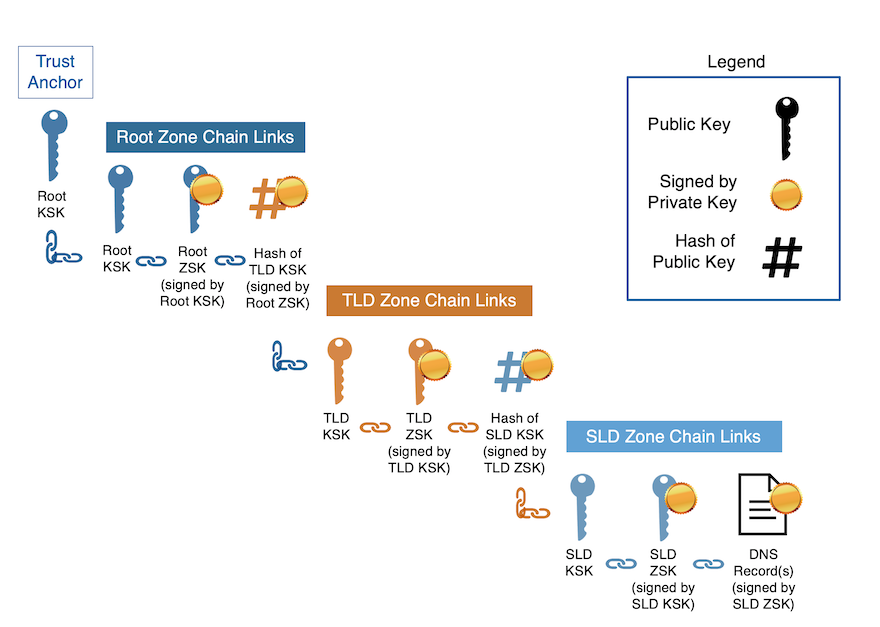
Fact: Verisign has invested continuously for decades to build and evolve the infrastructure that powers the .com TLD, which is the most technically sophisticated of its kind. This infrastructure includes an advanced registration system, which reliably updates and maintains an accurate record of all registered .com domain names on a continuous basis, ensuring that millions of registry transactions are processed correctly, and millions of daily changes – including cryptographic updates to support Domain Name System Security Extensions (DNSSEC) – are distributed to a highly resilient global resolution constellation within seconds. This system ensures that users around the world maintain continuous, round-the-clock access to .com domain names and all the resources and services they support. Verisign has also played a vital role in the development and deployment of DNSSEC technology which uses cryptographic protections to ensure those connections are delivered with reliability and trust.
Verisign’s infrastructure processes an average of 329 billion Domain Name System (DNS) transactions each day, operating at a peak of more than six million transactions per second so far this year. Verisign’s resolution infrastructure is engineered to handle peak query loads significantly greater than the highest ever observed, to ensure continuous operation regardless of demand. This infrastructure has delivered 100 percent DNS availability for .com for more than 27 years without interruption. Verisign accomplishes this by operating a large, globally distributed registry operation, made up of hundreds of technical sites spread across 60+ nations on six continents. These sites run purpose-built technology invented by Verisign technologists for the unique demands of the .com TLD. Verisign engineers have developed specialized technologies and protocols that are designed to achieve higher availability and resiliency to prevent disruption. Examples of this design include employing network, system, and application-level diversification approaches such as using hardware from multiple vendors for network and data center operations and using multiple operating system providers to better withstand localized failures or single-threaded supplier issues. Using in-house purpose-built systems, as opposed to leveraging public cloud operations, lowers the risks of circular dependencies as most public cloud providers also rely on .com and the root infrastructure operated by Verisign. These approaches ensure diversity and redundancy for every component of .com operations.
Verisign is also tasked with defending against highly sophisticated and massive volumetric cyberattacks while managing ever-increasing global demand. Trillions of dollars in global commerce and billions of internet users depend on the availability of Verisign infrastructure 24/7. To defend .com against cyberattacks, including by highly sophisticated nation-state actors, Verisign employs a comprehensive enterprise risk management program and threat-driven defensive practices that drive continuous improvements to Verisign’s systems and programs. Verisign has operationalized the National Institute of Standards and Technology’s (NIST) Cybersecurity Framework and the Center for Internet Security’s (CIS) Critical Security Controls in the ongoing design and evolution of its infrastructure, with a security-first mindset. In addition, Verisign employs advanced information security measures such as continuous monitoring, real-time threat detection, ongoing vulnerability assessments, bug bounty programs, and rigorous security audits to safeguard its infrastructure.
Verisign’s infrastructure powers more than just .com. In addition to operating other TLDs, Verisign plays a unique role as Root Zone Maintainer and operator of two of the world’s 13 root servers, a critical function necessary for internet navigation. Hundreds of Verisign employees have developed highly specialized skills, honed over decades, to develop, maintain, and operate this unique global infrastructure. Verisign holds more than 500 patents for DNS and related technologies, and its innovations are deployed globally by other critical internet infrastructure operators. Verisign has made many of its critical DNS patents available on a royalty-free basis to the global DNS community and those technologies have been deployed around the world.
Myth: The annual wholesale price for .com domain names – $10.26 as of Sept. 1 – is much higher than market value and is harming consumers.
Fact: While other generic TLDs (gTLDs) do not share .com’s pricing transparency, the annual wholesale renewal price of a .com domain name is lower than 87 percent of the 448 gTLDs for which such data is available from registrars. Based on that data, some of the largest original gTLDs, which have been in the market for over 20 years, have renewal pricing of $9.93 (.org), $15.00 (.biz), and $17.50 (.info). Some of the largest new gTLDs, which have been in the market for over 10 years, have renewal pricing of $10 (.xyz – increasing to $11 by the end of September), $25.00 (.online), and $40.00 (.store). The available market data makes it clear that .com domain names are priced at or below market value. It is notable that competing TLDs have continued to grow market share while pricing their domain names over twice as high as .com domain names.
Customers of .com domain names are more likely to be affected by two factors outside of Verisign’s control: 1) the rising cost of retail registrations that are outpacing wholesale prices, with some registrars now charging more than double the wholesale price to renew a .com domain name; and 2) the unregulated secondary market, which accumulates large inventories of domain names and charges markups that are – in some cases – thousands of times higher than the regulated wholesale price.
Myth: Verisign spends an unusual amount on share repurchases and dividends at the expense of infrastructure investment.
Fact: Verisign’s technological infrastructure is unmatched in the DNS industry for its scale, technical diversity, security, and resiliency. Verisign has invested for years to evolve and harden that technology, a fact illustrated by the company’s 27-year DNS uptime record. During the 2000s, Verisign offered a number of DNS-related services, including distributed denial-of-service (DDoS) attack mitigation and managed DNS. Significant capacity was added during that period. In 2018, when Verisign divested the last of its non-core businesses to focus on .com and other DNS operations, the company not only maintained, but increased capacity in order to meet growing DNS demand as well as to address growing DDoS volumetric attacks.
Verisign is certainly a profitable company and is proud of its operational success and history of sound financial management, which are important factors in maintaining the security, stability, and resiliency of the DNS. Some critics have singled out Verisign’s methods of increasing shareholder value, a duty of all public companies. Verisign has fulfilled this duty in part through share repurchases and dividends, which benefit a large and diverse group of shareholders including individuals, public employee retirement systems, index funds, and mutual funds (benefiting their millions of investors). Less than one percent of Verisign’s shares are held by company officers and directors.
Verisign’s return of capital practices are well in line with those of other successful public companies. In 2023, more than 90 percent of S&P 500 companies returned capital to shareholders and Verisign ranked 216th out of the S&P 500 in terms of cash returned to shareholders as a percentage of market capitalization. In terms of profitability, market expectation of Verisign’s earnings per share (a reliable measure of profitability) is $8.36 for the next 12 months, which places it 198th in the S&P 500.
Verisign’s sound and transparent financial management underpins its successful management of the .com TLD and other key internet infrastructure. Verisign has been a public company for 26 years and an S&P 500 company for 18 years. As a publicly listed company operating critical internet infrastructure, the public and the DNS ecosystem benefit from Verisign’s transparency in its operating and financial results, which must comply with the SEC’s disclosure rules and regulations for public companies. Verisign’s financial statements must also undergo an independent audit each year. By contrast, many other registries, registrars, and resellers, including some who focus on the secondary market, serve only the narrow interests of their private owners and do so with no obligations surrounding public disclosure or transparency of their ownership, profitability, operations, or otherwise. Adding obligations for these entities to report ownership, profitability, and other metrics to The Internet Corporation for Assigned Names and Numbers (ICANN) and the public would benefit the entire DNS ecosystem.
Myth: Contracts to operate gTLD registries should be routinely rebid, and a presumptive right of renewal for such contracts is bad for consumers and the internet.
Fact: The National Telecommunications and Information Administration (NTIA) recently opined that “The security, stability, and resilience of the Internet’s unique identifier systems is of paramount importance…” This position is shared by Verisign and the majority of participants in the global multistakeholder system of internet governance. ICANN has supported and clarified this priority and the role it plays in registry contracts. The contracts for .com and all other gTLDs reflect this priority (i.e., that stability and predictability in registry operations leads to long-term investments by operators). Verisign’s right to renew its .com Registry Agreement is conditioned on meeting rigorous technical and operational requirements to ensure .com’s continued security, stability, and continuous availability to billions of internet users. This contractual approach encourages gTLD operators to invest in infrastructure to support rising demand and defend against cyberattacks. Due to its investments, Verisign has operated .com with 100 percent DNS uptime for over 27 years.
Myth: Verisign’s operation of .com constitutes a “monopoly.”
Fact: There are nearly 1,200 gTLDs, and more than 250 country-code TLDs (ccTLDs), operating today. Each of these TLDs offer the same core functionality, allowing users to establish and maintain an online presence, establish websites, and create email addresses. Globally, there are over 362 million registered domain names – the majority of which are registered in TLDs not operated by Verisign. The number of domain names registered in non-Verisign operated gTLDs and ccTLDs has grown consistently as those TLDs have grown their share of the marketplace. In addition to this competition at the wholesale level, there are more than 2,800 ICANN-accredited registrars, and thousands more resellers, offering domain names at a range of prices and in a range of packages to consumers.
Further, from a practical perspective, the technical nature of TLD registries requires that they each be run by a single operator, but with so many operators in the marketplace, consumers have a broad and diverse array of choices at a range of prices. Other TLDs like .org, .shop, .ai, and .uk are not “monopolies” and neither is .com.
Myth: Verisign sets .com domain name prices for consumers.
Fact: Domain name registrars set unregulated retail prices for .com domain names, and those prices vary widely among the 2,800 ICANN-accredited registrars and associated resellers. Some registrars charge more than double the annual wholesale price for .com domain name renewals, and, in many cases, those price increases have outpaced Verisign’s tightly regulated .com wholesale price increases. In analyzing registrar pricing, it is important to distinguish introductory offers – which are often set lower to attract new customers – from renewal prices, which is what registrars charge existing customers to maintain their domain name registrations.
In addition to the retail registrar market, there is also a multibillion-dollar secondary market for domain names, in which domain investors, or “domainers,” accumulate millions of desirable domain names in order to resell them at markups that can be thousands of times higher than Verisign’s regulated wholesale prices. The gap between wholesale prices and secondary market prices makes it possible for domainers to hold names for years – making them prohibitively expensive to the general public. The profitability of the secondary market has also attracted successful retail registrars to expand into it, acquiring large portfolios of .com domain names and creating auction sites where they are sold well above retail prices. A blog that reports on high-profile domain name sales reported that just one reselling site handled $90 million in secondary sales in the second quarter of 2024 alone. Although the secondary marketplace may serve a function within the DNS ecosystem, it is completely unregulated.
Myth: The U.S. Government lifted price caps on .com domain names in 2018.
Fact: Amendment 35 to the Cooperative Agreement retained wholesale price restrictions in the .com TLD, while also retaining legacy regulations prohibiting Verisign from operating as a registrar in the .com TLD. Of the nearly 1,200 gTLDs overseen by ICANN and the global multistakeholder community, .com, .net, and .name (also operated by Verisign) remain the only three that are governed by maximum price restrictions. Those restrictions remain in place today and will remain in place after the .com Registry Agreement is renewed later this year.
The post Setting the Record Straight – Myths vs. Facts about .com appeared first on Verisign Blog.
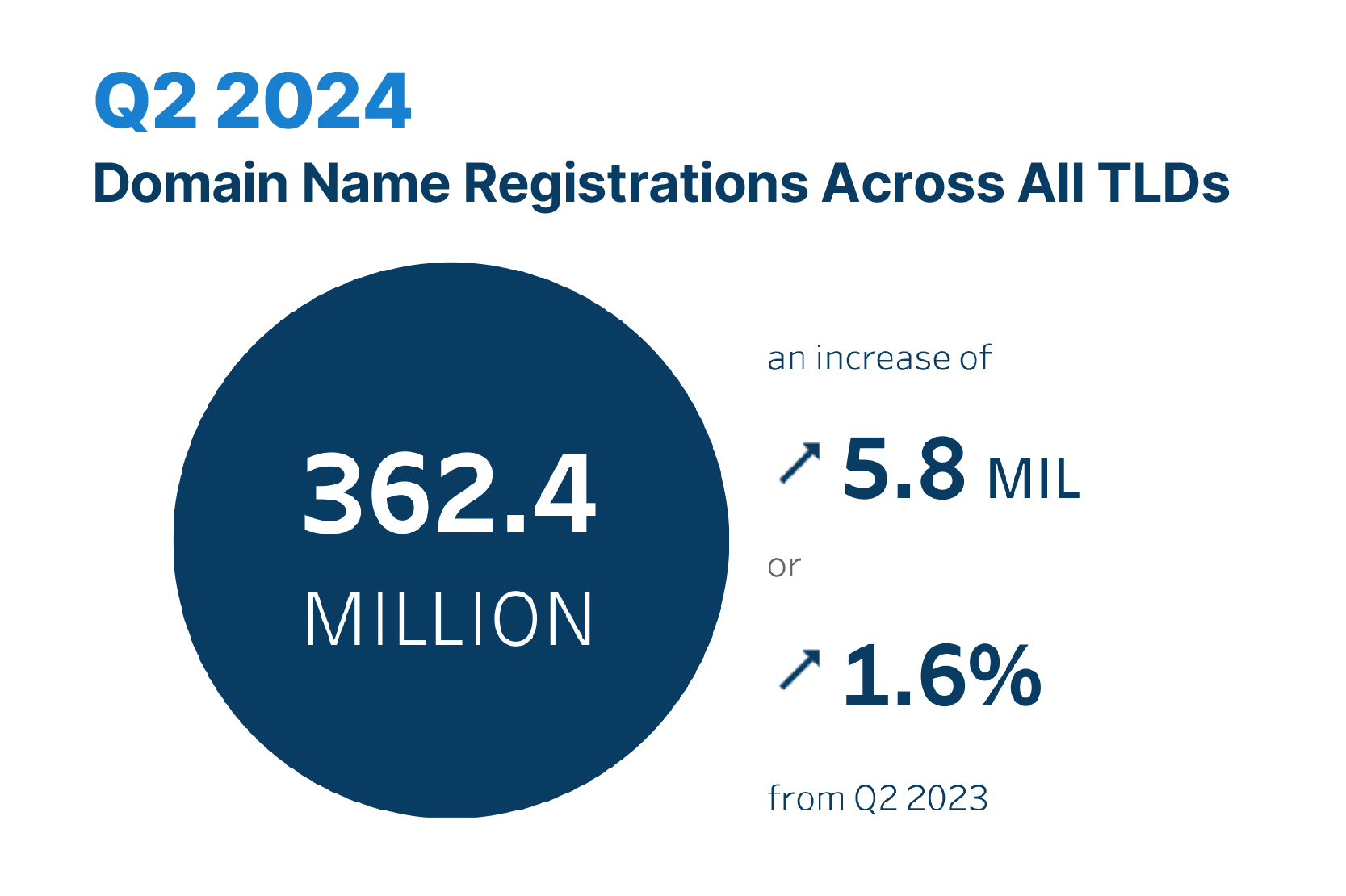
]]> Today, the latest issue of The Domain Name Industry Brief Quarterly Report was released by DNIB.com, showing the second quarter of 2024 closed with 362.4 million domain name registrations across all top-level domains (TLDs), unchanged compared to the first quarter of 2024. Domain name registrations increased by 5.8 million, or 1.6%, year over year. Check […]
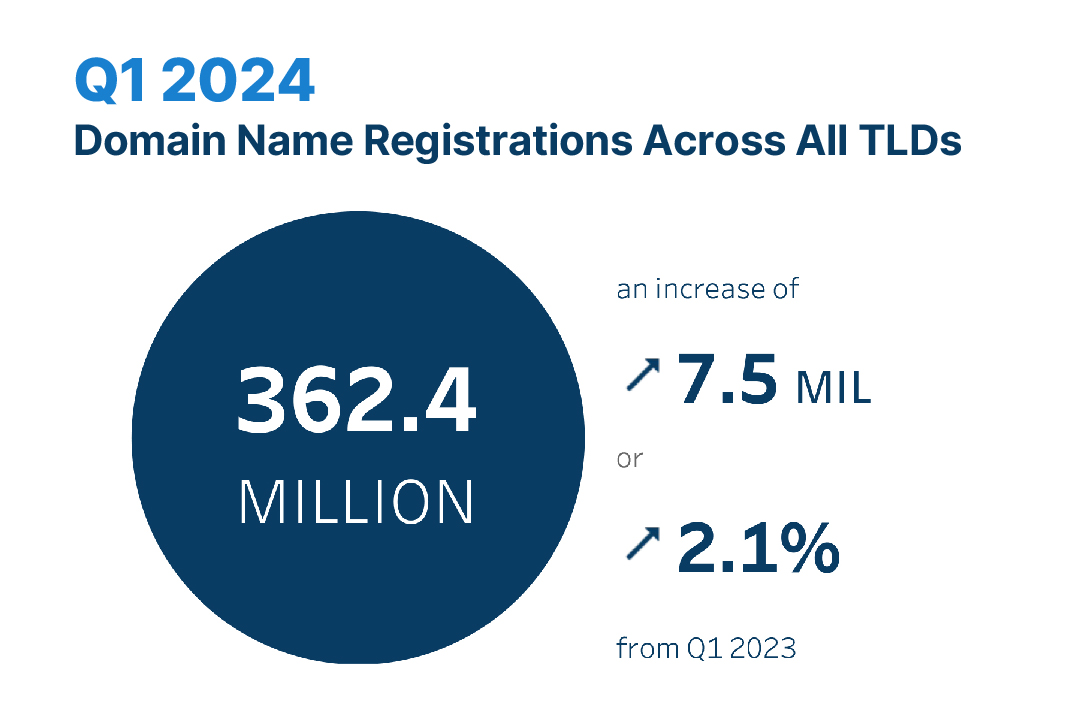
 Today, the latest issue of The Domain Name Industry Brief Quarterly Report was released by DNIB.com, showing the first quarter of 2024 closed with 362.4 million domain name registrations across all top-level domains (TLDs), an increase of 2.5 million domain name registrations, or 0.7%, compared to the fourth quarter of 2023. Domain name registrations also […]
 Every day, there are tens of thousands of domain names registered across the globe – often as a key first step in creating a unique online presence. Making that experience possible for Verisign-operated top-level domains (TLDs) like .com and .net is a powerful and flexible technology platform first introduced 25 years ago. Thanks to the […]
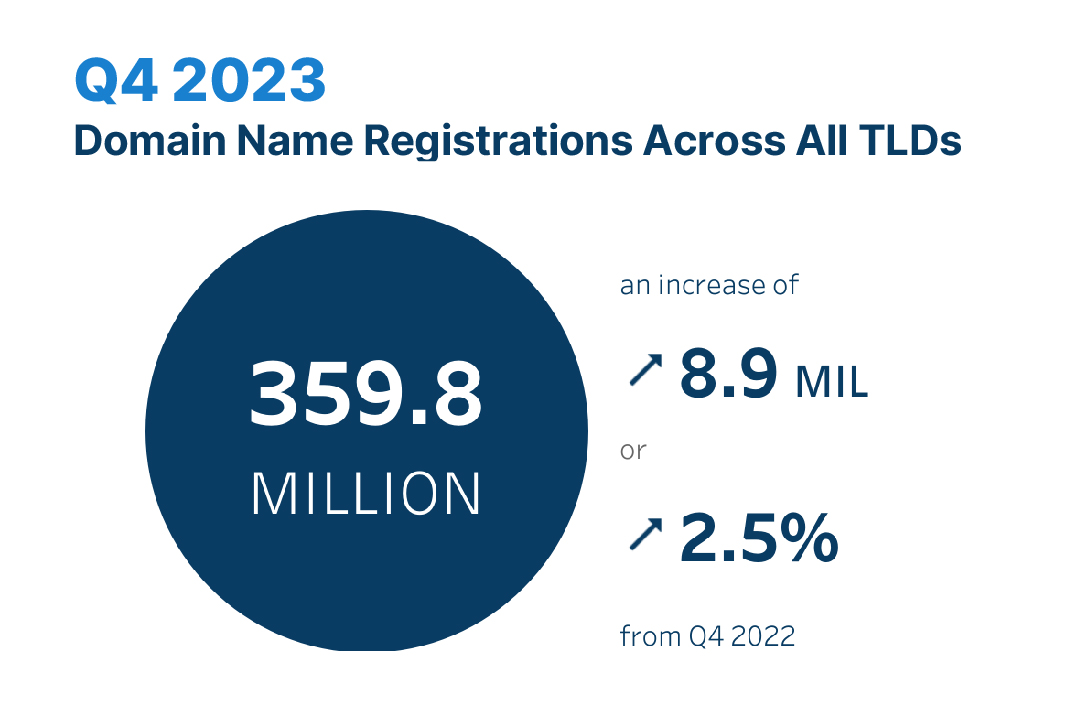
 Today, the latest issue of The Domain Name Industry Brief Quarterly Report was released by DNIB.com, showing the fourth quarter of 2023 closed with 359.8 million domain name registrations across all top-level domains (TLDs), an increase of 0.6 million domain name registrations, or 0.2%, compared to the third quarter of 2023. Domain name registrations also […]
 The quantum computing era is coming, and it will change everything about how the world connects online. While quantum computing will yield tremendous benefits, it will also create new risks, so it’s essential that we prepare our critical internet infrastructure for what’s to come. That’s why we’re so pleased to share our latest efforts in […]
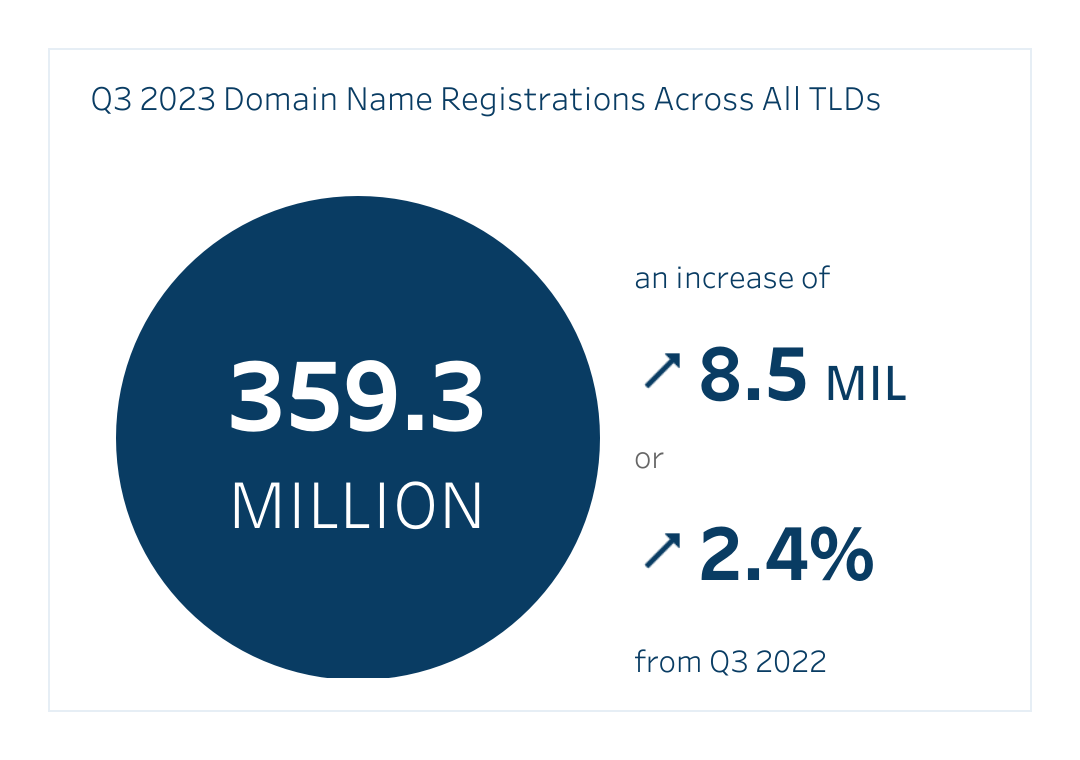
 Today, the latest issue of The Domain Name Industry Brief Quarterly Report was released by DNIB.com, showing the third quarter of 2023 closed with 359.3 million domain name registrations across all top-level domains (TLDs), an increase of 2.7 million domain name registrations, or 0.8%, compared to the second quarter of 2023. Domain name registrations also […]
 Celebrating National Hispanic Heritage Month reminds us how the wide range of perspectives and experiences among our employees makes us stronger both as a company and as a steward of the internet. In honor of this month, we are proud to recognize the stories of three of our Hispanic employees, and the positive impact they […]
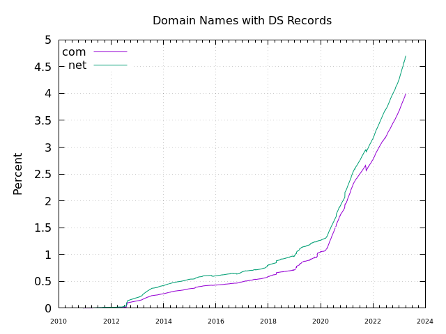
 As part of Verisign’s ongoing effort to make global internet infrastructure more secure, stable, and resilient, we will soon make an important technology update to how we protect the top-level domains (TLDs) we operate. The vast majority of internet users won’t notice any difference, but the update will support enhanced security for several Verisign-operated TLDs […]
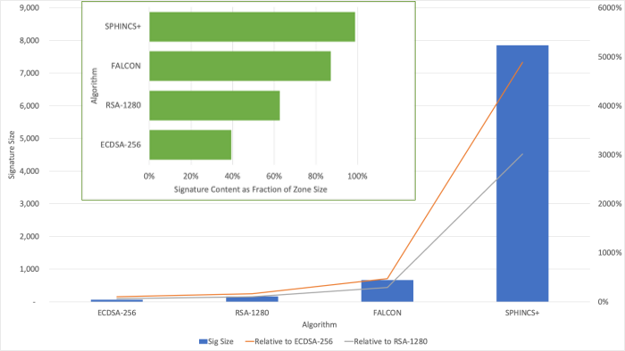
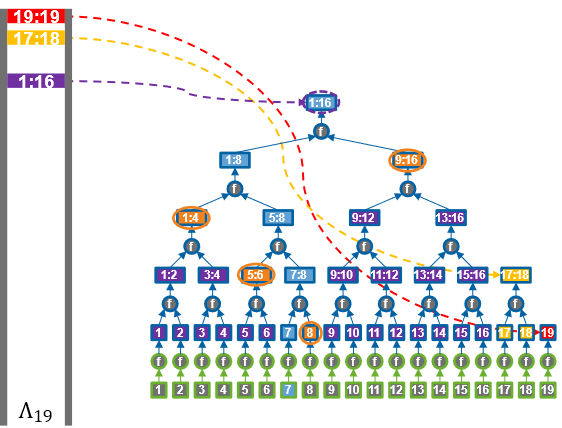
 In 2021, we discussed a potential future shift from established public-key algorithms to so-called “post-quantum” algorithms, which may help protect sensitive information after the advent of quantum computers. We also shared some of our initial research on how to apply these algorithms to the Domain Name System Security Extensions, or DNSSEC. In the time since […]
 Verisign today announced the launch of DNIB.com, the new Domain Name Industry Brief (DNIB) website. Sponsored by Verisign, DNIB.com is a source for insights and analysis from subject-matter experts on key topics relevant to the global Domain Name System (DNS). DNIB.com will offer insight on policy, governance, technology, security, and business trends relevant to analysts, […]
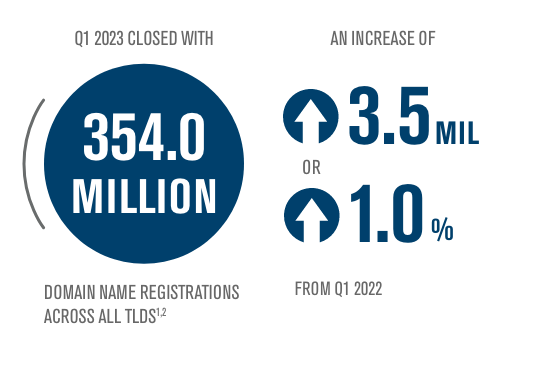
 Today, we released the latest issue of The Domain Name Industry Brief, which shows that the first quarter of 2023 closed with 354.0 million domain name registrations across all top-level domains (TLDs), an increase of 3.5 million domain name registrations, or 1.0%, compared to the fourth quarter of 2022.1,2 Domain name registrations also increased by […]
 This blog was co-authored by Verisign Distinguished Engineer Mike Hollyman and Verisign Director – Engineering Hasan Siddique. It is based on a lightning talk they gave at NANOG 87 in February 2023, the slides from which are available on the NANOG website. At Verisign, we believe that continuous improvements to the safety and security of […]
 For Murray Green, working for a company that is a steward of critical internet infrastructure is a mission that he can get behind. Green, a senior engineering manager at Verisign, is a U.S. Army veteran who served during Operation Desert Storm and sees stewardship as a lifelong mission. In both roles, he has stayed focused […]
 The Domain Name System (DNS) root zone will soon be getting a new record type, called ZONEMD, to further ensure the security, stability, and resiliency of the global DNS in the face of emerging new approaches to DNS operation. While this change will be unnoticeable for the vast majority of DNS operators (such as registrars, […]
 Over the past several years, domain name queries – a critical element of internet communication – have quietly become more secure, thanks, in large part, to a little-known set of technologies that are having a global impact. Verisign CTO Dr. Burt Kaliski covered these in a recent Internet Protocol Journal article, and I’m excited to […]
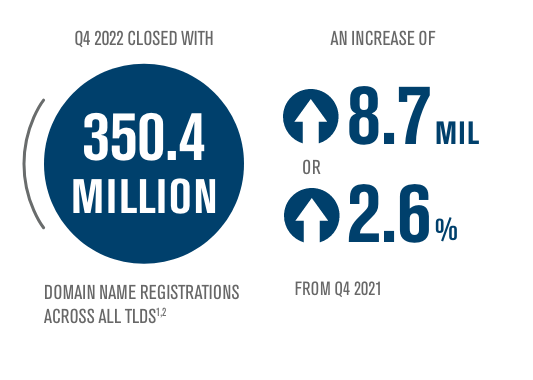
 Today, we released the latest issue of The Domain Name Industry Brief, which shows that the fourth quarter of 2022 closed with 350.4 million domain name registrations across all top-level domains (TLDs), an increase of 0.5 million domain name registrations, or 0.1%, compared to the third quarter of 2022.1,2 Domain name registrations have increased by […]
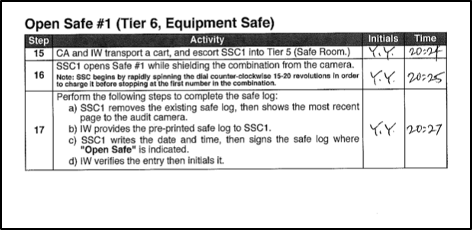
 Every few months, an important ceremony takes place. It’s not splashed all over the news, and it’s not attended by global dignitaries. It goes unnoticed by many, but its effects are felt across the globe. This ceremony helps make the internet more secure for billions of people. This unique ceremony began in 2010 when Verisign, […]
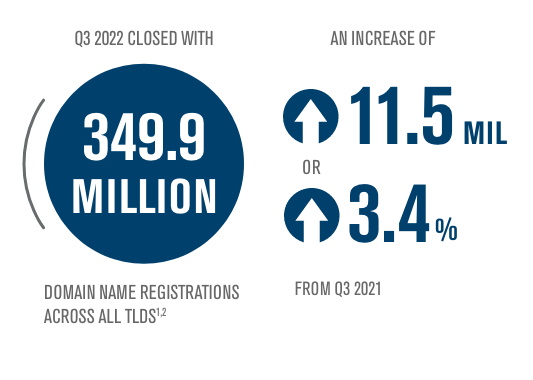
 Today, we released the latest issue of The Domain Name Industry Brief, which shows that the third quarter of 2022 closed with 349.9 million domain name registrations across all top-level domains, a decrease of 1.6 million domain name registrations, or 0.4%, compared to the second quarter of 2022.1,2 Domain name registrations have increased by 11.5 […]
 In 1987, CompuServe introduced GIF images, Steve Wozniak left Apple and IBM introduced the PS/2 personal computer with improved graphics and a 3.5-inch diskette drive. Behind the scenes, one more critical piece of internet infrastructure was quietly taking form to help establish the internet we know today. November of 1987 saw the establishment of the […]
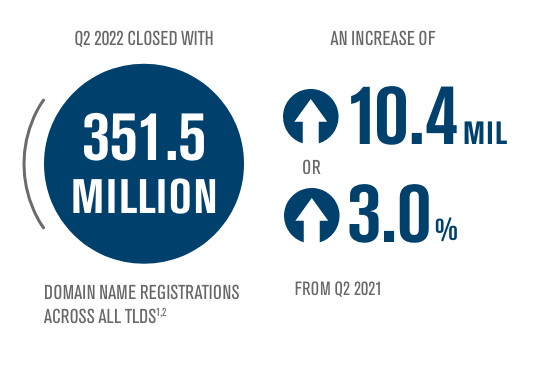
 Today, we released the latest issue of The Domain Name Industry Brief, which shows that the second quarter of 2022 closed with 351.5 million domain name registrations across all top-level domains, an increase of 1.0 million domain name registrations, or 0.3%, compared to the first quarter of 2022.1,2 Domain name registrations have increased by 10.4 […]
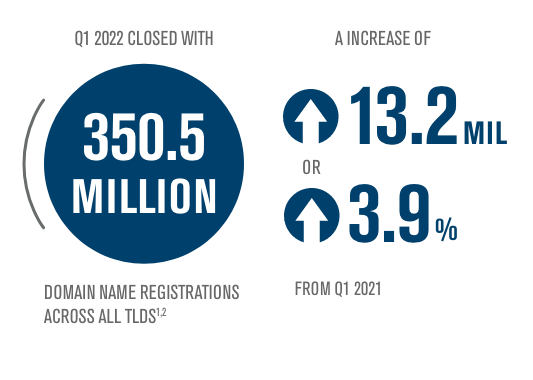
 Today, we released the latest issue of The Domain Name Industry Brief, which shows that the first quarter of 2022 closed with 350.5 million domain name registrations across all top-level domains, an increase of 8.8 million domain name registrations, or 2.6%, compared to the fourth quarter of 2021.1,2 Domain name registrations have increased by 13.2 […]
 Today, as the world celebrates International Women in Engineering Day, we recognize and honor women engineers at Verisign, whose own stories have helped shape dreams and encouraged young women and girls to take up engineering careers. Here are three of their stories: Shama Khakurel, Senior Software Engineer When Shama Khakurel was in high school, she […]
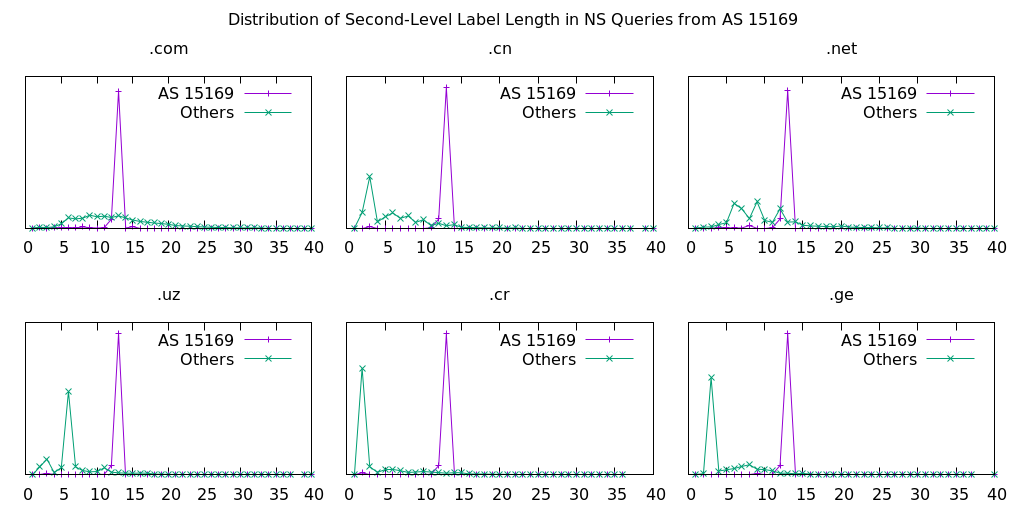
 This blog was also published by APNIC. With so much traffic on the global internet day after day, it’s not always easy to spot the occasional irregularity. After all, there are numerous layers of complexity that go into the serving of webpages, with multiple companies, agencies and organizations each playing a role. That’s why when […]
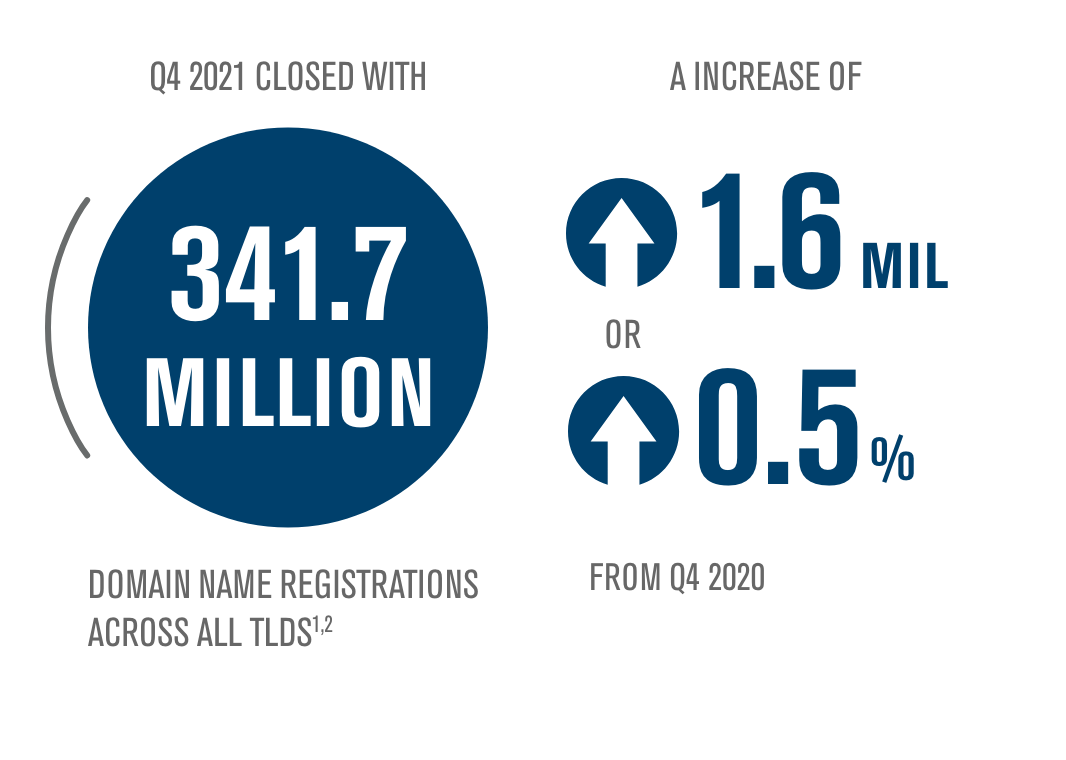
 Today, we released the latest issue of The Domain Name Industry Brief, which shows that the fourth quarter of 2021 closed with 341.7 million domain name registrations across all top-level domains, an increase of 3.3 million domain name registrations, or 1.0%, compared to the third quarter of 2021.1,2 Domain name registrations have increased by 1.6 […]
 This article is based on a paper originally published as part of the Global Commission on the Stability of Cyberspace’s Cyberstability Paper Series, “New Conditions and Constellations in Cyber,” on Dec. 9, 2021. The Domain Name System has provided the fundamental service of mapping internet names to addresses from almost the earliest days of the […]
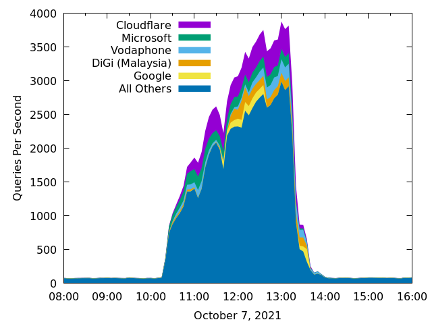
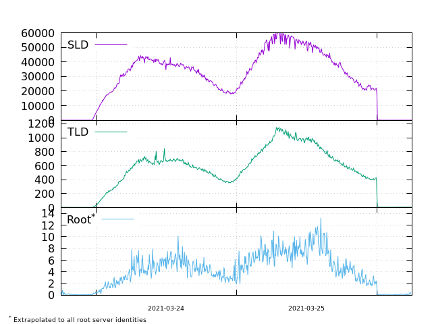
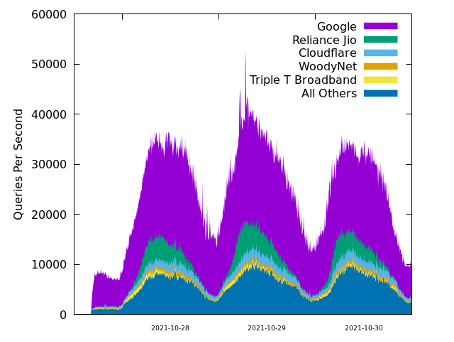
 When an outage affects a component of the internet infrastructure, there can often be downstream ripple effects affecting other components or services, either directly or indirectly. We would like to share our observations of this impact in the case of two recent such outages, measured at various levels of the DNS hierarchy, and discuss the […]
 The .web Independent Review Process (IRP) Panel issued a Final Decision six months ago, in May 2021. Immediately thereafter, the claimant, Afilias Domains No. 3 Limited (now a shell entity known as AltaNovo Domains Limited), filed an application seeking reconsideration of the Final Decision under Rule 33 of the arbitration rules. Rule 33 allows for […]
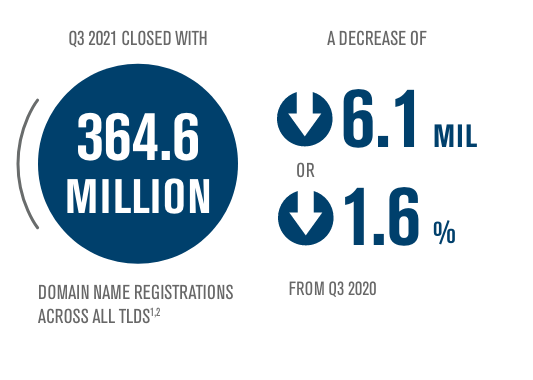
 Today, we released the latest issue of The Domain Name Industry Brief, which shows that the third quarter of 2021 closed with 364.6 million domain name registrations across all top-level domains, a decrease of 2.7 million domain name registrations, or 0.7%, compared to the second quarter of 2021.1,2 Domain name registrations have decreased by 6.1 […]
 For over a decade, the Internet Corporation for Assigned Names and Numbers (ICANN) and its multi-stakeholder community have engaged in an extended dialogue on the topic of DNS abuse, and the need to define, measure and mitigate DNS-related security threats. With increasing global reliance on the internet and DNS for communication, connectivity and commerce, the […]
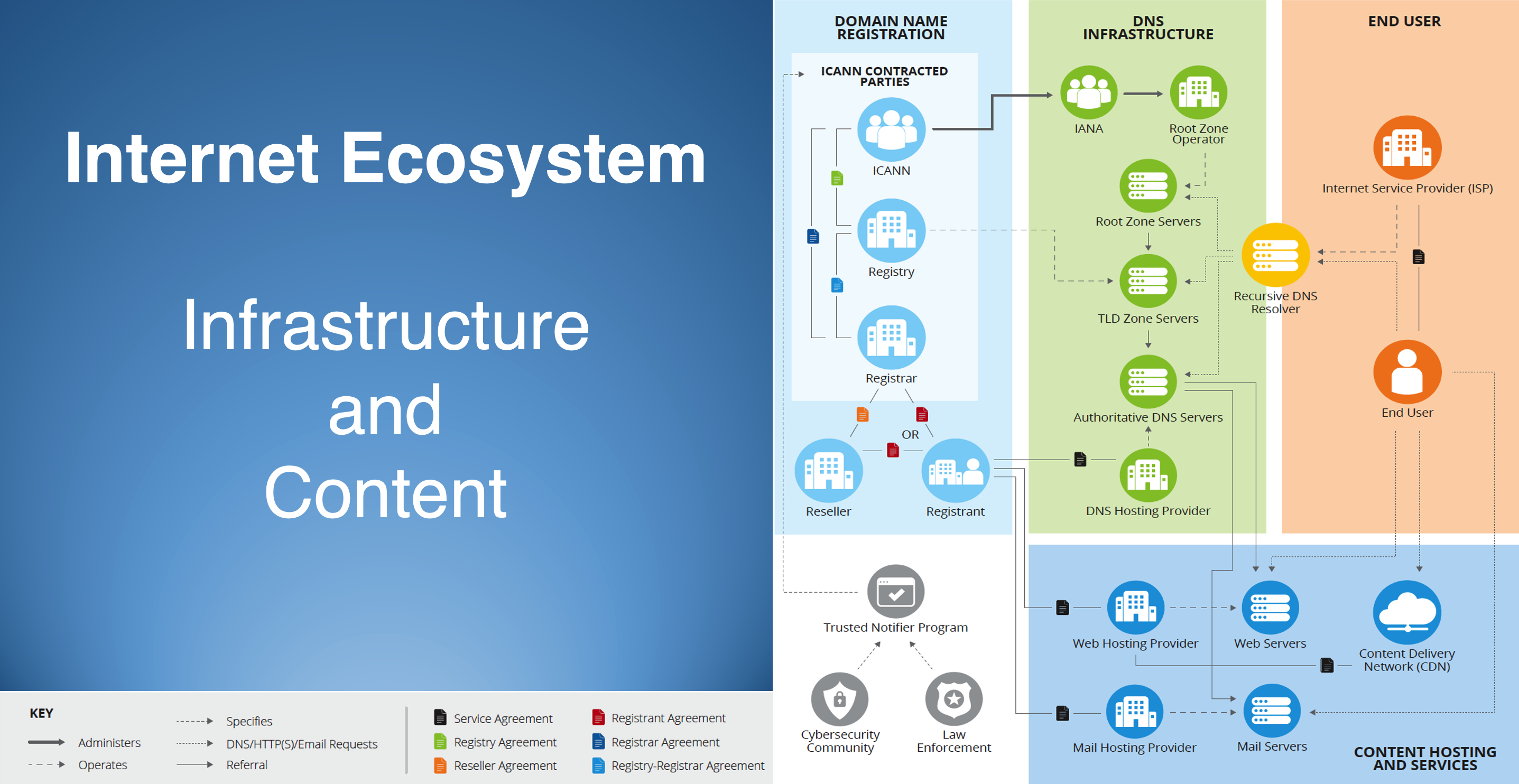
 This article originally appeared in The Domain Name Industry Brief (Volume 18, Issue 3) Earlier this year, the Internet Engineering Task Force’s (IETF’s) Internet Engineering Steering Group (IESG) announced that several Proposed Standards related to the Registration Data Access Protocol (RDAP), including three that I co-authored, were being promoted to the prestigious designation of Internet […]
 Study Commissioned by Verisign Shows Websites Can Help Add Credibility and Drive New Business Businesses today have many options for interacting with customers online. The findings of our independent survey of online consumers suggest that websites and branded email continue to be critical components of many businesses’ online presence, essential to supporting consumer confidence and […]
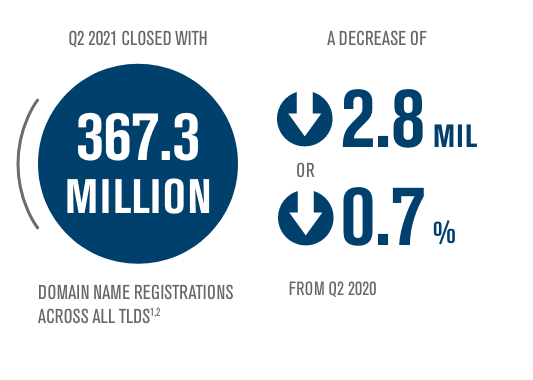
 Today, we released the latest issue of The Domain Name Industry Brief, which shows that the second quarter of 2021 closed with 367.3 million domain name registrations across all top-level domains (TLDs), an increase of 3.8 million domain name registrations, or 1.0%, compared to the first quarter of 2021.1,2 Domain name registrations have decreased by […]
 The global internet, from the perspective of its billions of users, has often been envisioned as a cloud — a shapeless structure that connects users to applications and to one another, with the internal details left up to the infrastructure operators inside. From the perspective of the infrastructure operators, however, the global internet is a […]
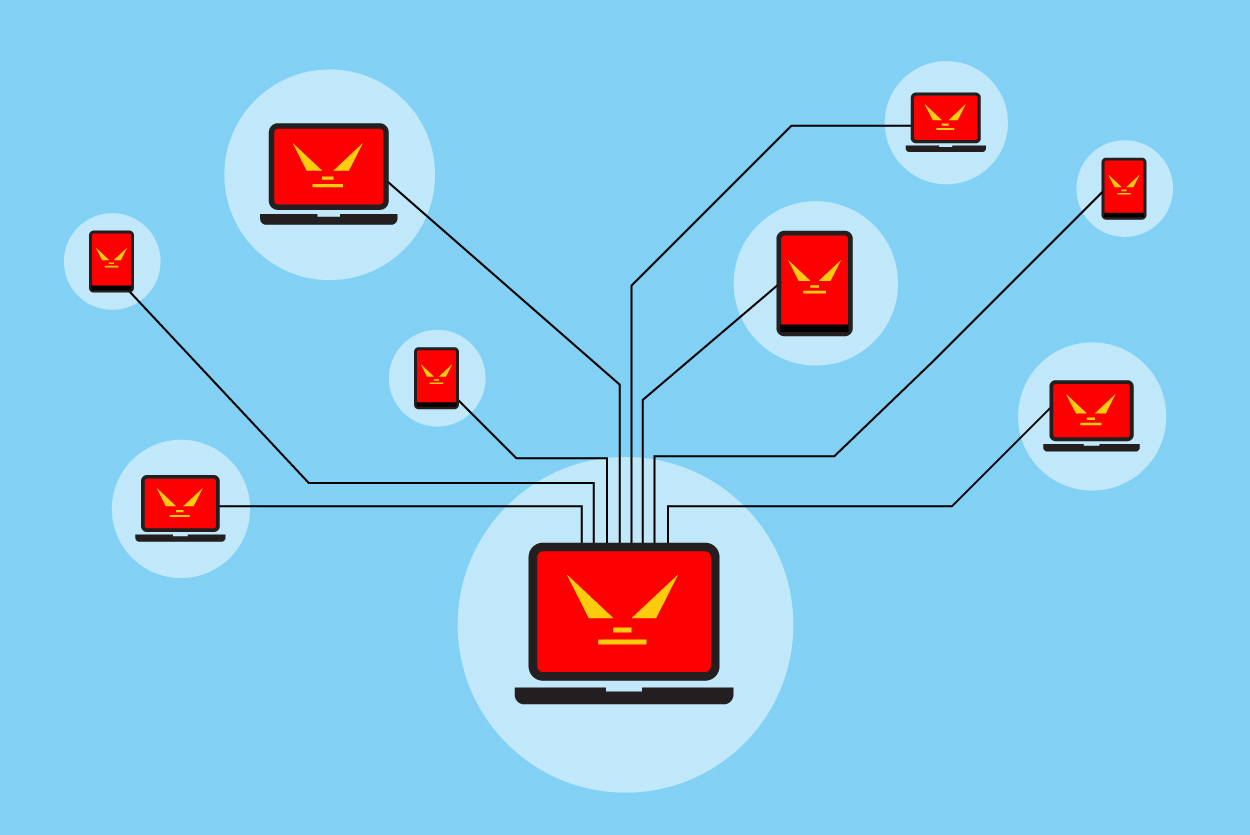 Note: This article originally appeared in Verisign’s Q1 2021 Domain Name Industry Brief. This article expands on observations of a botnet traffic group at various levels of the Domain Name System (DNS) hierarchy, presented at DNS-OARC 35. Addressing DNS abuse and maintaining a healthy DNS ecosystem are important components of Verisign’s commitment to being a […]
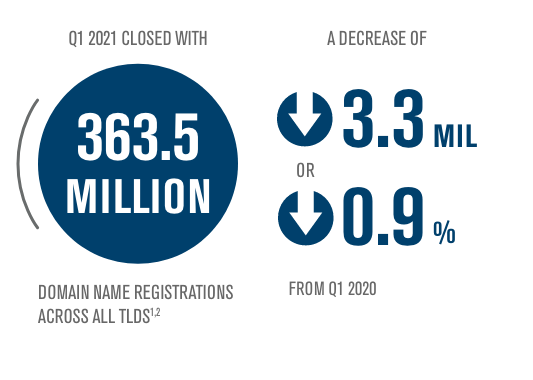
 Today, we released the latest issue of the Domain Name Industry Brief, which shows that the first quarter of 2021 closed with 363.5 million domain name registrations across all top-level domains (TLDs), a decrease of 2.8 million domain name registrations, or 0.8%, compared to the fourth quarter of 2020.1,2 Domain name registrations have decreased by […]
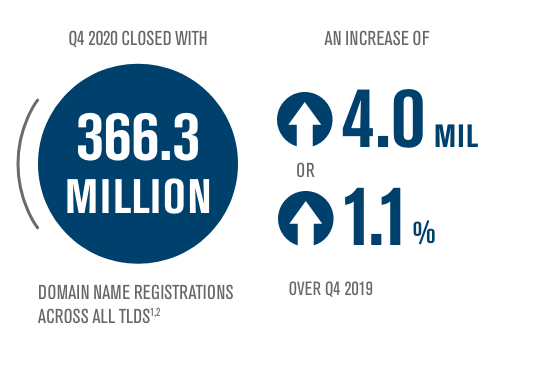
 Today, we released the latest issue of the Domain Name Industry Brief, which shows that the fourth quarter of 2020 closed with 366.3 million domain name registrations across all top-level domains (TLDs), a decrease of 4.4 million domain name registrations, or 1.2 percent, compared to the third quarter of 2020.1,2 Domain name registrations have grown […]
 This is the final in a multi-part series on cryptography and the Domain Name System (DNS). In previous posts in this series, I’ve discussed a number of applications of cryptography to the DNS, many of them related to the Domain Name System Security Extensions (DNSSEC). In this final blog post, I’ll turn attention to another […]
 This is the fifth in a multi-part series on cryptography and the Domain Name System (DNS). In my last article, I described efforts underway to standardize new cryptographic algorithms that are designed to be less vulnerable to potential future advances in quantum computing. I also reviewed operational challenges to be considered when adding new algorithms […]
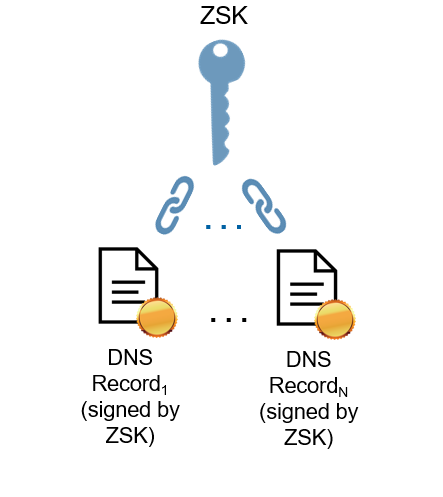
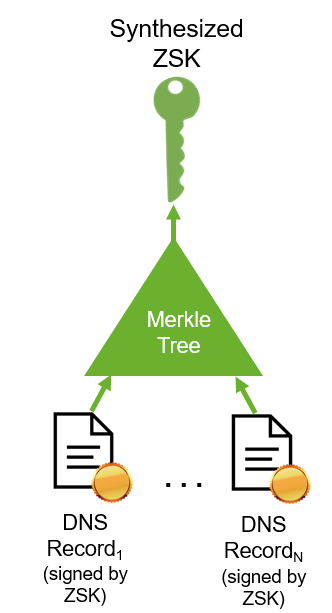
 This is the fourth in a multi-part series on cryptography and the Domain Name System (DNS). One of the “key” questions cryptographers have been asking for the past decade or more is what to do about the potential future development of a large-scale quantum computer. If theory holds, a quantum computer could break established public-key […]
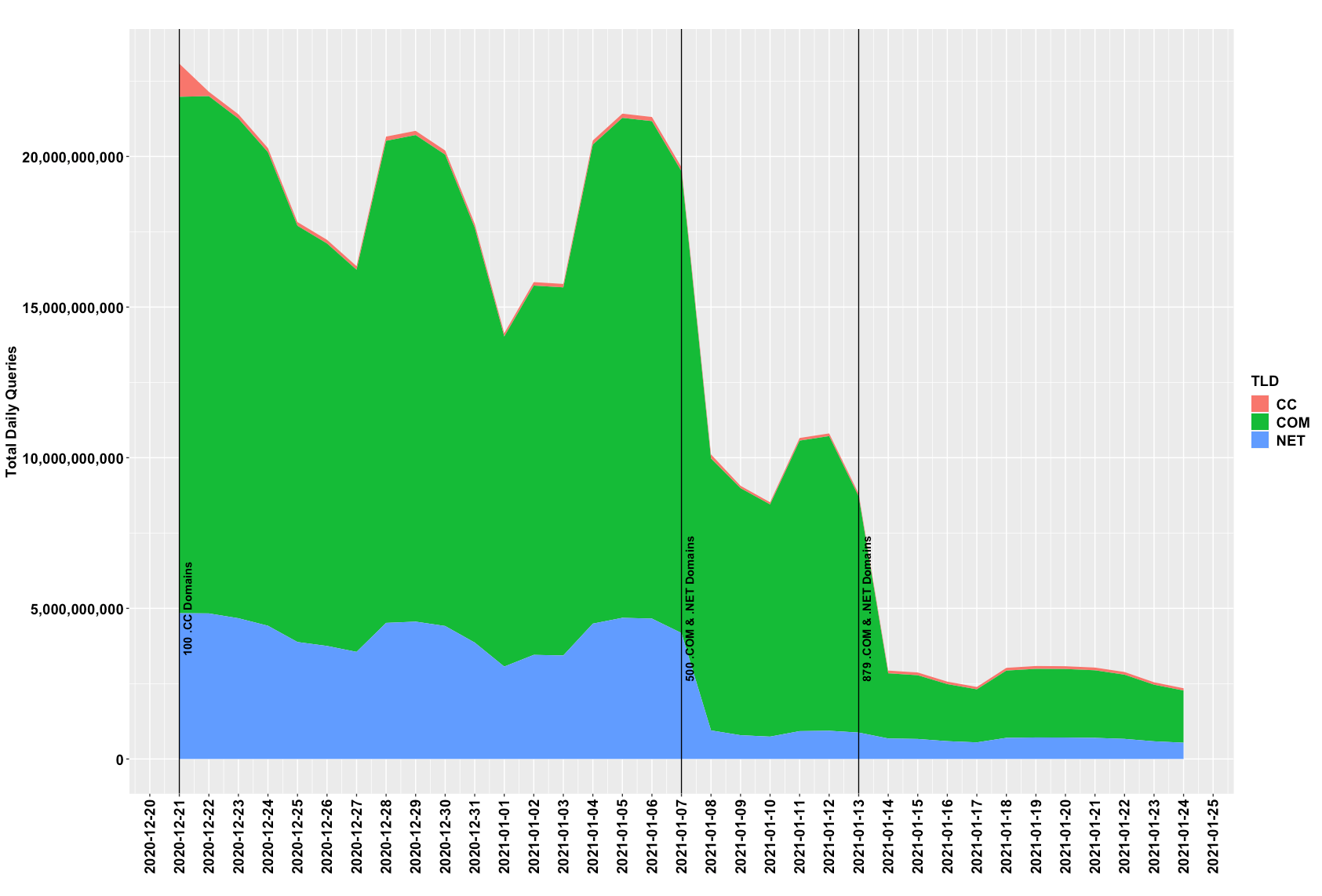
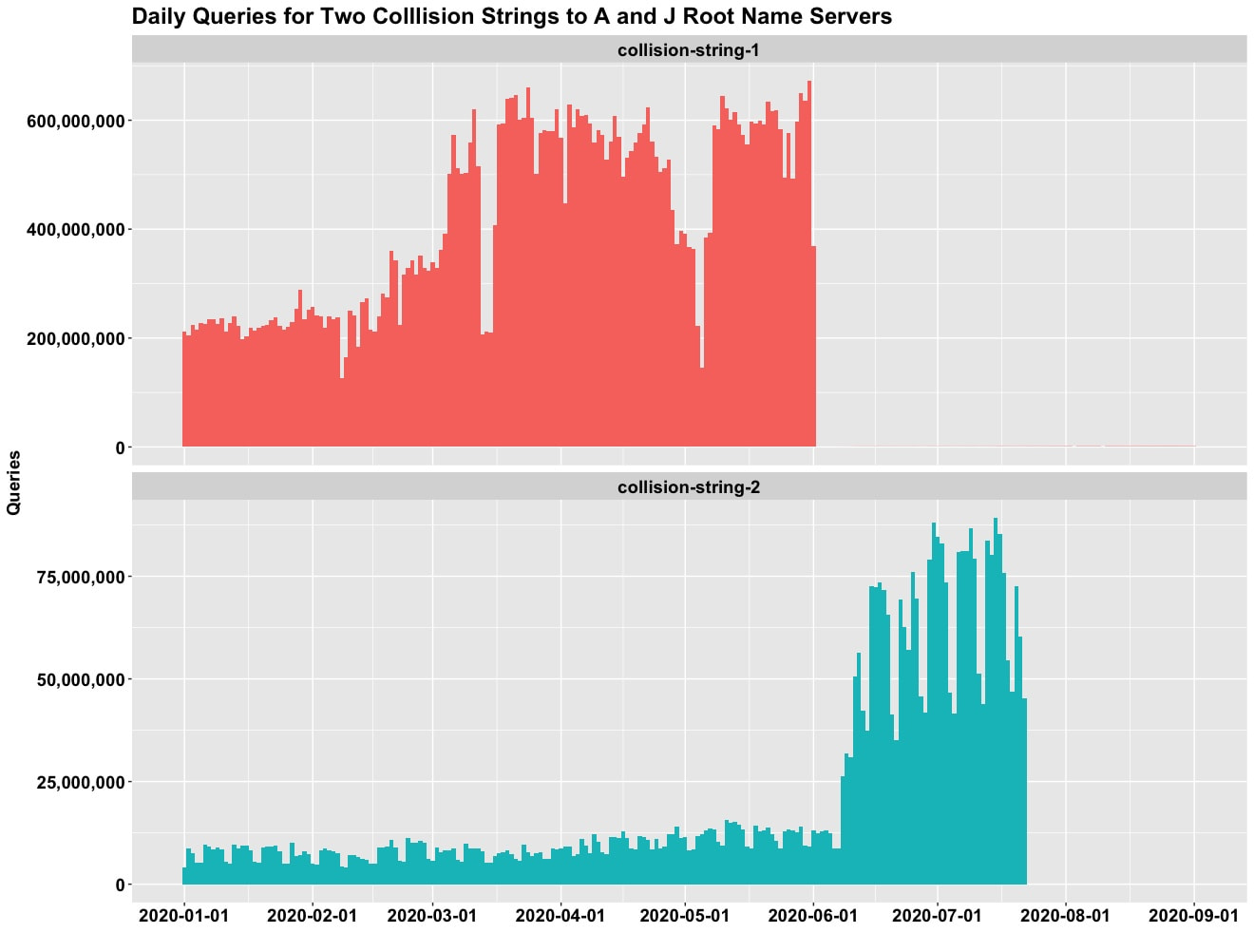
 A name collision occurs when a user attempts to resolve a domain in one namespace, but it unexpectedly resolves in a different namespace. Name collision issues in the public global Domain Name System (DNS) cause billions of unnecessary and potentially unsafe DNS queries every day. A targeted outreach program that Verisign started in March 2020 […]
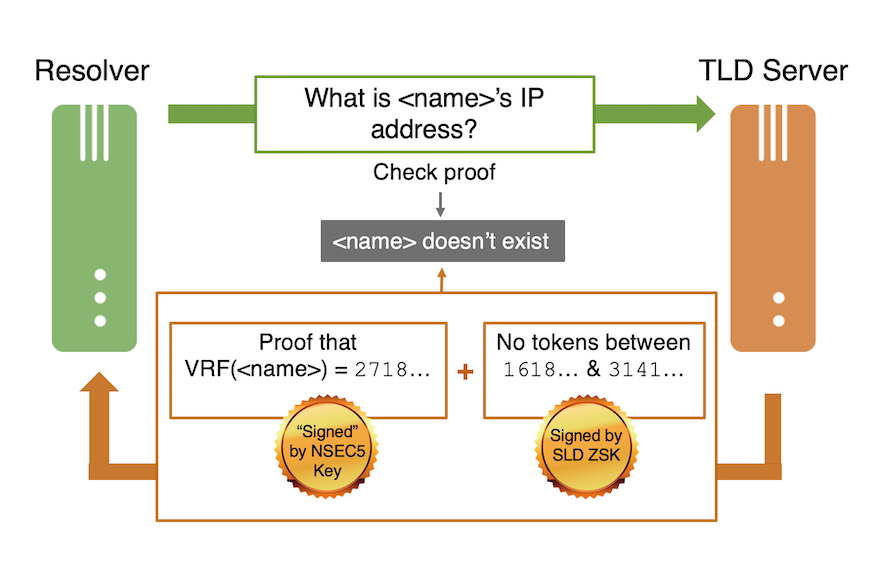
 This is the third in a multi-part blog series on cryptography and the Domain Name System (DNS). In my last post, I looked at what happens when a DNS query renders a “negative” response – i.e., when a domain name doesn’t exist. I then examined two cryptographic approaches to handling negative responses: NSEC and NSEC3. […]
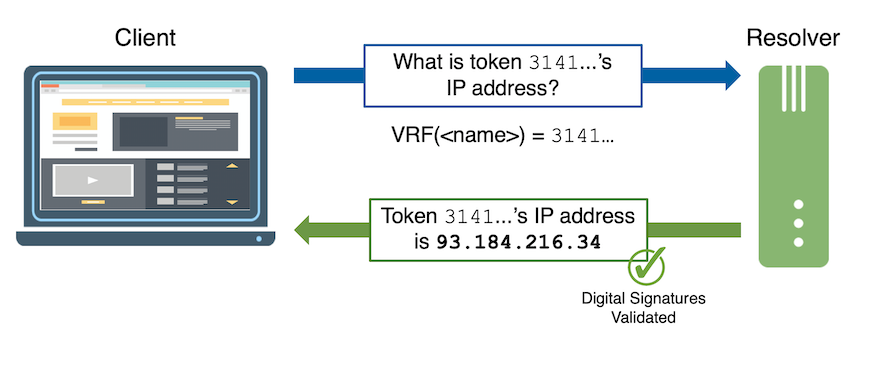
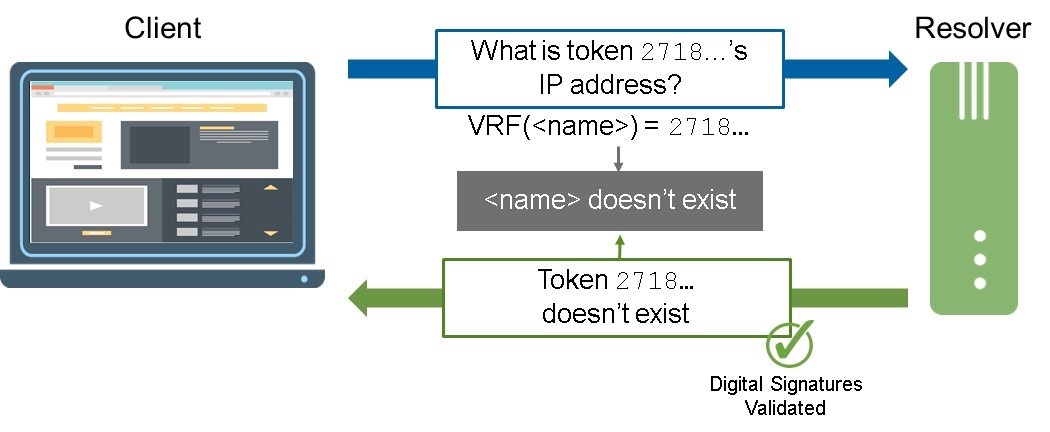
 This is the second in a multi-part blog series on cryptography and the Domain Name System (DNS). In my previous post, I described the first broad scale deployment of cryptography in the DNS, known as the Domain Name System Security Extensions (DNSSEC). I described how a name server can enable a requester to validate the […]
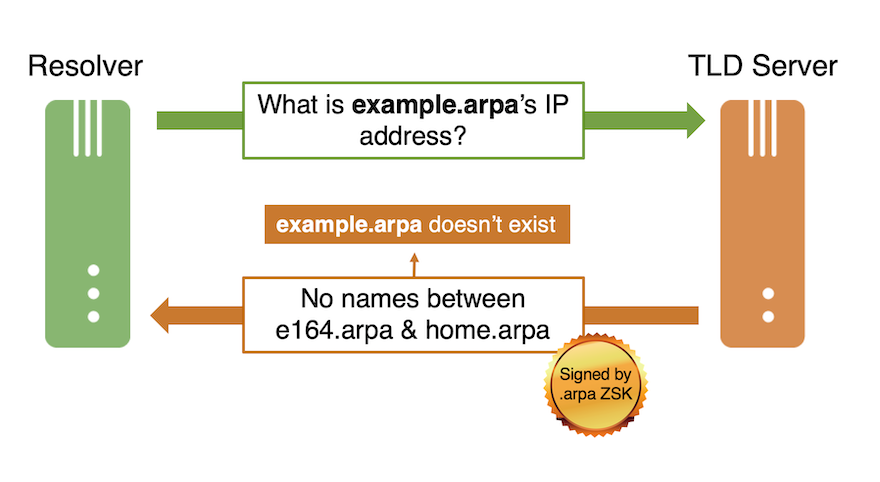
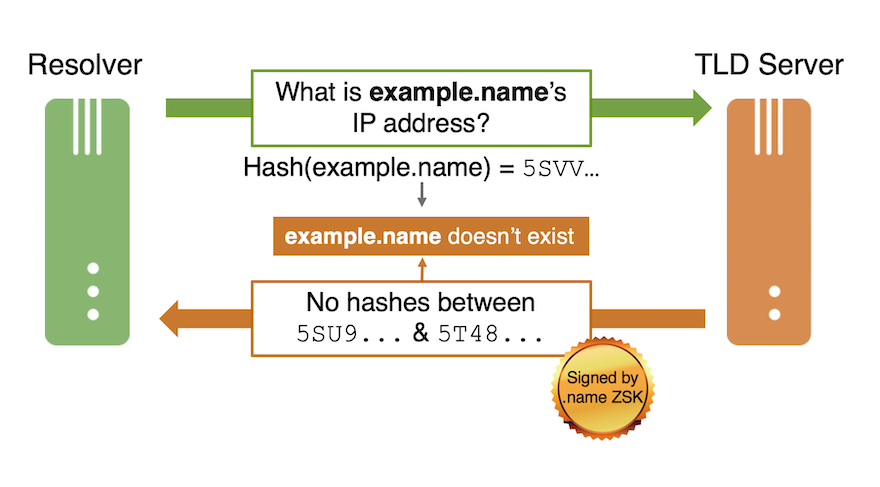
 This is the first in a multi-part blog series on cryptography and the Domain Name System (DNS). As one of the earliest protocols in the internet, the DNS emerged in an era in which today’s global network was still an experiment. Security was not a primary consideration then, and the design of the DNS, like […]