<?xml version="1.0" encoding="UTF-8"?>
<feed xml:lang="en" xmlns="http://www.w3.org/2005/Atom" xmlns:opensearch="http://a9.com/-/spec/opensearch/1.1/" xmlns:s="http://jadedpixel.com/-/spec/shopify">
  <id>https://www.bootstrapfarmer.com/blogs/grow-bags.atom</id>
  <link rel="alternate" type="text/html" href="https://www.bootstrapfarmer.com/blogs/grow-bags"/>
  <link rel="self" type="application/atom+xml" href="https://www.bootstrapfarmer.com/blogs/grow-bags.atom"/>
  <title>Bootstrap Farmer - Grow Bags- Growing in Fabric Containers</title>
  <updated>2021-12-16T13:38:07-05:00</updated>
  <author>
    <name>Bootstrap Farmer</name>
  </author>
  <entry>
    <id>https://www.bootstrapfarmer.com/blogs/grow-bags/grow-bags-vs-pots-advantages-of-grow-bags</id>
    <published>2021-12-16T13:38:07-05:00</published>
    <updated>2025-05-23T11:23:24-04:00</updated>
    <link rel="alternate" type="text/html" href="https://www.bootstrapfarmer.com/blogs/grow-bags/grow-bags-vs-pots-advantages-of-grow-bags"/>
    <title>Grow Bags vs. Plastic Pots - Planting Containers</title>
    <author>
      <name>Katie Russo</name>
    </author>
    <summary type="html">
      <![CDATA[<p>Comparing fabric grow bags and plastic pots for growing vegetables and flowers. Learn more about the pros and cons of nonwoven fabric grow bags. Perfect for small-space gardening and areas with poor soil quality.</p><p><a class="read-more" href="https://www.bootstrapfarmer.com/blogs/grow-bags/grow-bags-vs-pots-advantages-of-grow-bags">More</a></p>]]>
    </summary>
    <content type="html">
      <![CDATA[<h2><b>The How-to-Guide for Growing Plants in Fabric Grow Bags</b></h2>
<p><a href="https://www.bootstrapfarmer.com/collections/grow-bags"><span style="font-weight: 400;">Grow bags</span></a> <span style="font-weight: 400;">have been gaining popularity over the last few years as more growers see the benefits of growing plants in containers with air pruning and superior drainage capabilities. They can also be used in place of garden beds in areas with poor soil quality.</span></p>
<p><span style="font-weight: 400;">Trees, flowers, and vegetables alike can be grown in fabric bags. They are versatile, inexpensive, and hold up to years of use. Most importantly, plants of all kinds thrive in them.</span></p>
<h3><span style="font-weight: 400;">TOP 5 ADVANTAGES OF GROW BAGS</span></h3>
<ol>
<li style="font-weight: 400;">
<b>Healthier Root System</b><span style="font-weight: 400;"> - Encourages air pruning of roots rather than root circling</span>
</li>
<li style="font-weight: 400;">
<b>Temperature Control</b><span style="font-weight: 400;"> - Sheds excess heat through the breathable fabric, soil warms quicker in the spring</span>
</li>
<li style="font-weight: 400;">
<b>Prevents Over Watering</b><span style="font-weight: 400;"> - Excess water will percolate through the fabric material</span>
</li>
<li style="font-weight: 400;">
<b>Easy Storage</b><span style="font-weight: 400;"> - Can be folded up and stored with minimal space during the off season</span>
</li>
<li style="font-weight: 400;">
<b>Versatile</b><span style="font-weight: 400;"> - Can be easily moved or planted directly in the ground</span>
</li>
</ol>
<h2><span style="font-weight: 400;">Plants Grown in Bags have a Healthier Root System</span></h2>
<p><span style="font-weight: 400;">Fabric pots efficiently keep plant roots pruned and promote a more developed root system with more fibrous growth. These grow bags encourage better-formed root mass helps with nutrient uptake and the plant's overall well-being. </span></p>
<p><span style="font-weight: 400;">These qualities are especially helpful in tree production. Trees grown in grow bags retain a better-formed root system when transplanted. Grow bags also prevent the encircling of roots that can choke a transplanted tree even as far out as several years after the initial transplant.</span></p>
<h2><span style="font-weight: 400;">What grows well in a grow bag?</span></h2>
<p><span style="font-weight: 400;">Most plants will grow well in grow bags as long as you consider the root space that your plants will need. Above-ground crops, like lettuce, have shallow roots that take up space below the soil equivalent to the size of the full-grown plant.</span></p>
<p><span style="font-weight: 400;"> Read the </span><a href="https://www.bootstrapfarmer.com/blogs/how-to-grow-seedlings/the-ultimate-seed-starting-guide"><span style="font-weight: 400;">Complete Guide to Seed Starting</span></a> <span style="font-weight: 400;">to learn about starting vegetables from seed in </span><a href="https://www.bootstrapfarmer.com/collections/seed-starting-equipment"><span style="font-weight: 400;">cell trays</span></a> <span style="font-weight: 400;">and later transplanting them into a garden space. Root crops, like carrots or beets, take up space below the soil 3-4 times the size of what you see growing above the soil. We have also seen growers </span><a href="https://www.bootstrapfarmer.com/blogs/grow-bags/planting-blueberries-in-grow-bags"><span style="font-weight: 400;">plant blueberry bushes in grow bags</span></a><span style="font-weight: 400;">.</span></p>
<h2><span style="font-weight: 400;">Are grow bags as good as pots?</span></h2>
<p><span style="font-weight: 400;">Grow bags are better than hard-sided planting containers or pots for many applications. </span></p>
<p><span style="font-weight: 400;">In pots, the roots of the plants tend to grow in circles entangling themselves, often referred to as becoming root-bound. This overcrowding increases the likelihood of having aeration and water stagnation issues, especially in larger pots that lack proper drainage. </span></p>
<p><span style="font-weight: 400;">When the roots reach the edge of a plastic pot, they continue growing in search of more water and nutrients. This begins the process of structural damage to your plants. The roots become constricted, leading to less water and nutrient intake.</span></p>
<p><span style="font-weight: 400;">Grow bags help alleviate this issue because as the roots come in contact with the edges of the fabric pot, they sense the drier soil exposed to the air. At this point, they know they have reached their growth limit. The roots become "air pruned." This prevents overgrowth, eliminating girdling roots (roots that damage the structure of the plant). </span></p>
<p><span style="font-weight: 400;">This air pruning leads to more fibrous root systems, including more feeder roots for more efficient nutrition and water uptake. Plastic potted plants encourage a few larger roots to dominate and encircle the pot, reducing the plant's ability to take in nutrients.</span></p>
<p><span style="font-weight: 400;"><img alt="transplanting into grow bags" src="https://cdn.shopify.com/s/files/1/1338/7937/files/4_c9fe8fbc-4222-4730-98d1-170cd5fb802d_480x480.jpg?v=1639679593"></span></p>
<h2><span style="font-weight: 400;">How do I know what size of grow bag to get?</span></h2>
<p><span style="font-weight: 400;">The size of grow bag you need will depend on what you are planning to grow. The charts below give you a good idea of the size of each type of grow bag as well as some suggestions of what grows well in each size. </span></p>
<h2><b>Fabric Grow Bag Guide</b></h2>
<p><em>(Grow bag sizes and approx. cubic ft of soil: approximate measurements if filled to the top.)</em></p>
<table border="1" style="border-collapse: collapse; width: 100%;">
<tbody>
<tr>
<td style="width: 15.5622%; text-align: center;"><span style="font-weight: 400;">2 gal</span></td>
<td style="width: 17.3694%; text-align: center;"><span style="font-weight: 400;"> .30 cf</span></td>
<td style="width: 67.0683%; text-align: center;">
<p><span style="font-weight: 400;">A single plant (house plant, annual flowers)</span></p>
</td>
</tr>
<tr style="height: 21px;">
<td style="width: 15.5622%; height: 21px; text-align: center;"><span style="font-weight: 400;">5 gal</span></td>
<td style="width: 17.3694%; height: 21px; text-align: center;"><span style="font-weight: 400;">.66 cf</span></td>
<td style="width: 67.0683%; height: 21px; text-align: center;">
<p><span style="font-weight: 400;">A single plant </span><span style="font-weight: 400;">or a combination of smaller leafy greens.</span></p>
</td>
</tr>
<tr style="height: 21px;">
<td style="width: 15.5622%; height: 21px; text-align: center;"><span style="font-weight: 400;">7 gal</span></td>
<td style="width: 17.3694%; height: 21px; text-align: center;"><span style="font-weight: 400;">.93 cf </span></td>
<td style="width: 67.0683%; height: 21px;">
<p style="text-align: center;"><span style="font-weight: 400;">Tomato, peppers, eggplants, potatoes, and woody herbs like rosemary. </span><span style="font-weight: 400;"> </span><span style="font-weight: 400;">Mixed food crops like a cocktail garden </span></p>
</td>
</tr>
<tr style="height: 21px;">
<td style="width: 15.5622%; height: 21px; text-align: center;"><span style="font-weight: 400;">10 gal</span></td>
<td style="width: 17.3694%; height: 21px; text-align: center;"><span style="font-weight: 400;">1.3 cf </span></td>
<td style="width: 67.0683%; height: 21px; text-align: center;">
<p><span style="font-weight: 400;">Long season root crops like garlic or onions, carrots, and beets: large herbs or </span><span style="font-weight: 400;">small fruit trees, bay tree</span></p>
</td>
</tr>
<tr>
<td style="width: 15.5622%; text-align: center;"><span style="font-weight: 400;">25 g</span></td>
<td style="width: 17.3694%; text-align: center;"><span style="font-weight: 400;">4.0 cf</span></td>
<td style="width: 67.0683%; text-align: center;">
<p><span style="font-weight: 400;">Long season root crops, potatoes, mixed greens, flowers, herbs</span></p>
</td>
</tr>
<tr style="height: 21px;">
<td style="width: 15.5622%; height: 21px; text-align: center;"><span style="font-weight: 400;">100 gal</span></td>
<td style="width: 17.3694%; height: 21px; text-align: center;"><span style="font-weight: 400;">10.3 cf </span></td>
<td style="width: 67.0683%; height: 21px; text-align: center;">
<p><span style="font-weight: 400;">Used in place of a raised bed, shallow-rooted crops,</span><span style="font-weight: 400;"> leafy greens, and lettuce</span></p>
</td>
</tr>
<tr style="height: 21px;">
<td style="width: 15.5622%; height: 21px; text-align: center;"><span style="font-weight: 400;">200 gal</span></td>
<td style="width: 17.3694%; height: 21px; text-align: center;"><span style="font-weight: 400;">26 cf.</span></td>
<td style="width: 67.0683%; height: 21px; text-align: center;">
<p><span style="font-weight: 400;">Used in place of a raised bed (perennials, vegetable crops)</span></p>
</td>
</tr>
</tbody>
</table>
<p><br></p>
<p><span style="font-weight: 400;">Keep in mind that you can companion plant easily in grow bags.  When planting more than one variety of plant in a bag; the plants will have less space overall but the air pruning quality of the bags will keep the plants to an appropriate size.</span></p>
<p><span style="font-weight: 400;"> Similar to the theory behind growing bonsai trees, limiting root space will limit growth to a certain point. Feeding your planted grow bags with extra nutrients will increase the overall size. </span></p>
<h2><span style="font-weight: 400;">Can I grow houseplants in a grow bag?</span></h2>
<p><span style="font-weight: 400;">Grow bags are an excellent tool for housing plants indoors. They can support larger plants than containers because of their root management. They are easy to move around, especially in grow bags with reinforced handles. This mobility is helpful if plants need to be moved to benefit from southern exposure during the winter months. </span></p>
<p><span style="font-weight: 400;">One of our favorite methods of growing indoors is to line heavier, larger pots. Using grow bags as a liner in a terracotta or decorative pot gives you the best of both worlds. The outer pot is more pleasing to the eye for interior decoration, and the plant receives the breathability that comes with a fabric grow bag.</span></p>
<p><span style="font-weight: 400;">In addition to that, plant grow bags are much more mobile when the time comes for repotting. </span><b>You can easily change the exterior pot without the stress of transplanting</b><span style="font-weight: 400;">. Being able to carry the pot and the planted bag separately is also far easier on your back. </span></p>
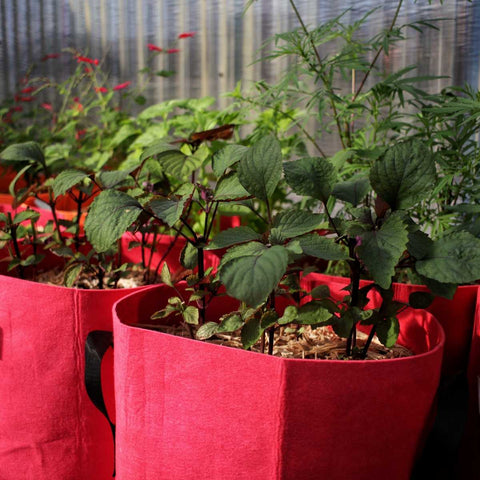
<p><meta charset="utf-8"><img alt="Grow bags" src="https://cdn.shopify.com/s/files/1/1338/7937/files/Little_White_Greenhouse_-11_480x480.jpg?v=1626977945"></p>
<h2><span style="font-weight: 400;">Do you need trays under grow bags? </span></h2>
<p><span style="font-weight: 400;">Because grow bags allow for excellent drainage, you should place a tray or protective layer between them and the surface they are sitting on. This is particularly important if you use them indoors to avoid moisture damage to your floors or furniture. </span></p>
<p><span style="font-weight: 400;">Grow bags can be placed directly on the ground or on a deck outside. Some people choose to place them up on a rack or pallet to increase drainage. </span></p>
<p><span style="font-weight: 400;">If you wish to use a tray underneath a grow bag, we recommend using one filled with gravel or decorative rocks. Doing so will help prevent any rot or mold growth from setting the bag in stagnant water. If you are dealing with drought conditions or trying to conserve water, check out the methods used here in our </span><a href="https://www.bootstrapfarmer.com/blogs/grow-bags/how-to-keep-outdoor-plants-alive-during-a-drought"><span style="font-weight: 400;">How to Keep Outdoor Plants Alive During a Drought.</span></a></p>
<h2><span style="font-weight: 400;">Can you grow salad greens in a grow bag?</span></h2>
<p><span style="font-weight: 400;">You can absolutely grow salad greens in bags. A grow bag anywhere from </span><a href="https://www.bootstrapfarmer.com/collections/grow-bags/products/grow-bags"><span style="font-weight: 400;">2-25 gallons</span></a> <span style="font-weight: 400;">will work for growing lettuce and other salad greens for small spaces. The only difference will be the number of plants you can fit into a grow bag. For most types of greens, 6 inches is enough space. Meaning you could fit 1-2 plants in a smaller bag and up to 7 in a larger bag. </span></p>
<p><span style="font-weight: 400;">If you have a larger space, a </span><a href="https://www.bootstrapfarmer.com/collections/grow-bags/products/100-gallon-grow-bags"><span style="font-weight: 400;">100 gallon grow bag</span></a> <span style="font-weight: 400;">is a great way to grow salad greens on a porch or deck. Just give each plant around 6 inches of space from its neighbor for full-sized plants.</span></p>
<p><span style="font-weight: 400;"> If you want to grow baby greens for salads, you can sow plants every 1-2 inches and harvest individual leaves continuously. The 100-gallon bags can also be used as a raised bed out in the garden to help keep your baby greens weed-free throughout the year. </span></p>
<h2><span style="font-weight: 400;">Is it better to grow tomatoes in grow bags or pots?</span></h2>
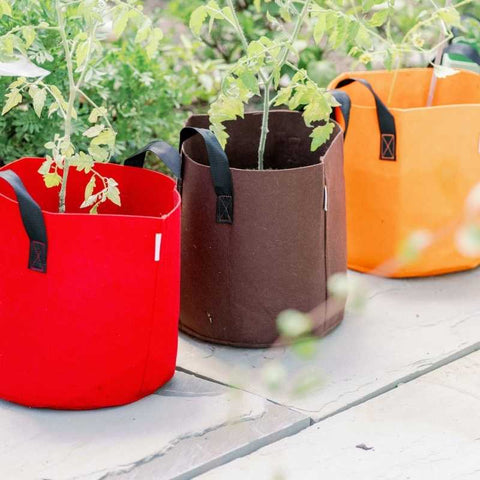
<p><b>We love growing tomato plants in grow bags.</b><span style="font-weight: 400;"> There are a couple of reasons why but the top one is that tomato plants grown in regular pots are highly susceptible to becoming root-bound. </span></p>
<p><span style="font-weight: 400;">The continuous air pruning of roots in a fabric bag means your tomato plant will be growing a robust root system throughout the growing season while staying just the right size for its pot. </span></p>
<p><span style="font-weight: 400;">Tomatoes are also a heat-loving crop that benefits from the additional warming of the soil that happens with black fabric grow bags. The leaves of tomato plants hate getting wet, and the plants generally do not like too much water. The excellent drainage supplied by the nonwoven fabric grow bag material keeps the roots happy. </span></p>
<p><span style="font-weight: 400;"><img alt="tomatoes in grow bags" src="https://cdn.shopify.com/s/files/1/1338/7937/files/1_d97ac34a-3c28-40f4-a439-a7a2b5e392d7_480x480.jpg?v=1639678987"></span></p>
<h2><span style="font-weight: 400;">Can I Grow Potatoes in a Grow Bag? </span></h2>
<p><span style="font-weight: 400;">Growing potatoes and other root vegetables in fabric grow bags is not only possible, it can be far easier to grow them this way than in the ground. Because the entire root system is contained you will not be leaving valuable crops hiding in the dirt.</span></p>
<p><span style="font-weight: 400;"> A </span><a href="https://www.bootstrapfarmer.com/collections/grow-bags/products/grow-bags-multi-color-7-gallon"><span style="font-weight: 400;">7 gallon grow bag</span></a><span style="font-weight: 400;"> is just the right size for most potato varieties. Once the plant is ready to harvest you just dump the plant, soil and all out onto a tarp and collect all your delicious potatoes. </span></p>
<p><span style="font-weight: 400;">For other root crops like beets or carrots, using a grow bag at least 12” tall is ideal. Because the soil is easy to loosen in a bag it is far easier to harvest one or two roots without disturbing the rest of the plants. This looser soil also means you can get taller, straighter root crops than those grown in soil that have to contend with rocks and uneven watering.  </span></p>
<h2><span style="font-weight: 400;">Top 5 Plants to Grow in Fabric Grow Bags</span></h2>
<ol>
<li style="font-weight: 400;"><span style="font-weight: 400;">Tomatoes</span></li>
<li style="font-weight: 400;"><span style="font-weight: 400;">Potatoes</span></li>
<li style="font-weight: 400;"><span style="font-weight: 400;">Lettuce Greens</span></li>
<li style="font-weight: 400;"><span style="font-weight: 400;">Peppers</span></li>
<li style="font-weight: 400;"><span style="font-weight: 400;">Herbs</span></li>
</ol>
<p><b>Tip:</b><span style="font-weight: 400;"> It is very important that when planting that there is no air space left around the edges of the bags. You want the soil to fill out the bag entirely without leftover creases as they can lead to air pockets that can house pests or lead to root dry-out.</span></p>
<h2><span style="font-weight: 400;">Growing Flowers in Grow Bag Containers</span></h2>
<p><span style="font-weight: 400;">Planting flowers in grow bags has many benefits. They can be easily kept protected in the early Spring, either in a high tunnel or by bringing the plants inside if a freeze is predicted. This way you can plant your flowers far earlier to get a jump on the growing season. For more on starting flowers check out this article on </span><a href="https://www.bootstrapfarmer.com/blogs/how-to-grow-seedlings/5x5-trays-for-starting-flowers-and-herbs"><span style="font-weight: 400;">Space Saving Tips for Seed Starting.</span></a><span style="font-weight: 400;"> </span></p>
<p><span style="font-weight: 400;">Once the weather has settled,  your plants can be moved out to the garden to reach their glory. Fabric pots can be placed around the garden or buried in the soil or in mulch to give the roots access to more nutrients and space. A </span><a href="https://www.bootstrapfarmer.com/products/200-gallon-grow-bag"><span style="font-weight: 400;">200 gal. grow bag</span></a> <span style="font-weight: 400;">can be used to plant a miniature cutting garden with zinnias, sunflowers, and cosmos. </span></p>
<p><span style="font-weight: 400;">Flowers that benefit from drier soil like dahlias do extremely well in grow bags. It also makes digging up the bulbs for division in the fall a far easier project. Growers also use bags to grow varieties of edible flowers. Check out </span><a href="https://www.bootstrapfarmer.com/pages/cultivating-edible-blooms"><span style="font-weight: 400;">Cultivating Edible Blooms</span></a> <span style="font-weight: 400;">to learn more about what flowers are often used in culinary dishes.</span></p>
<p><img alt="grow pot" src="https://cdn.shopify.com/s/files/1/1338/7937/files/6_36650a5a-3e48-47f3-bcd3-61c69454d917_480x480.jpg?v=1639678953"><br></p>
<h2><span style="font-weight: 400;">Using flowers to attract beneficial insects</span></h2>
<p><span style="font-weight: 400;">The adult form of many beneficial insects rely on nectar producing flowers for food. The closer these flowers are to vulnerable plants the more likely you are to see pest reduction in the surrounding crops. By planting flowers fabric plant pots you can move the flowers right up next to crops that are experiencing pest pressure. </span></p>
<p><span style="font-weight: 400;">Flowering herbs like coriander and thyme are great for attracting small insects like parasitic wasps whose larvae attract caterpillars and aphids. Nasturtiums are a favorite of the amazing, aphid eating ladybugs. You can frequently see their pupal casings hiding on the underside of the leaves as they mature into their adult form. </span></p>
<p><span style="font-weight: 400;">For more on this topic we have put together this guide on </span><a href="https://www.bootstrapfarmer.com/blogs/building-a-greenhouse/the-importance-of-beneficial-insects-for-your-greenhouse"><span style="font-weight: 400;">The Importance of Beneficial Insects for Your Greenhouse. </span></a></p>
<h2><span style="font-weight: 400;">Temperature Control with Fabric Grow Bags</span></h2>
<p><span style="font-weight: 400;">During the heat of summer and in direct sunlight, plastic pots can get quite hot. Since they are not breathable, they trap all the heat which can cook your plants. Grow bags regulate temperature due to the breathable quality of the nonwoven fabric. Excess heat can escape from all sides.</span></p>
<p><b>Tip:</b><span style="font-weight: 400;"> Bootstrap Farmers bags come with convenient handles, making it easy to move grow bags up to 25 gallons out of the intense sun as needed.</span></p>
<p><span style="font-weight: 400;"><img alt="Fabric Grow Bag" src="https://cdn.shopify.com/s/files/1/1338/7937/files/3_190a7bad-eaaf-4643-91ac-e43dd28c6afd_480x480.jpg?v=1639678922"></span></p>
<h2><span style="font-weight: 400;">How often should you water a grow bag?</span></h2>
<p><span style="font-weight: 400;">Grow bags are porous. They require more frequent watering than plants grown in plastic pots. However, it is harder to over-water using a grow bag, as any excess moisture can wick out of the container. If you overwater a plant in a conventional pot, they could drown and develop mold or fungus.</span></p>
<p><span style="font-weight: 400;">In the heat of Summer or areas with high winds you can extend the time between waterings by providing your grow bags with a saucer to hold extra water.</span> </p>
<p><span style="font-weight: 400;">Another method growers use with fabric bags is drip irrigation. Grow bags can be watered with ease using </span><a href="https://www.bootstrapfarmer.com/products/ml50-raised-bed-drip-kit?_pos=1&amp;_sid=59338f56a&amp;_ss=r"><span style="font-weight: 400;">raised bed irrigation kits</span></a><span style="font-weight: 400;">, making it easy to water multiple bags at once. These kits also include a bluetooth timer. This is helpful when multiple waterings are needed daily during hot weather.</span></p>
<h2><span style="font-weight: 400;">Can you overwater a grow bag?</span></h2>
<p><span style="font-weight: 400;">No, it is pretty much impossible to overwater a grow bag. The air circulation on all sides of the plants roots means they have access to oxygen and that any excess water can quickly drain and evaporate away. </span></p>
<p><span style="font-weight: 400;">For these reasons grow bags do benefit from more frequent waterings in drier climates. If you need to water your plants less frequently you can always place them in some type of water reservoir to give them continuous access. </span></p>
<h2><span style="font-weight: 400;">Do you put drainage holes in grow bags?</span></h2>
<p><span style="font-weight: 400;">There is no need to add drainage holes to a fabric grow bag. The fabric material of the bag easily drains excess water and allows plenty of air flow to prevent any rot or decay from excess moisture. If you are worried about getting enough drainage, we recommend using a </span><a href="https://www.bootstrapfarmer.com/collections/grow-media"><span style="font-weight: 400;">growing media</span></a> <span style="font-weight: 400;">with extra drainage such as </span><a href="https://www.bootstrapfarmer.com/products/premier-pro-mix-hp-mycorrhizae-3-8-cu-ft"><span style="font-weight: 400;">promix</span></a> <span style="font-weight: 400;">or </span><a href="https://www.bootstrapfarmer.com/collections/grow-media/products/coco-coir-bricks"><span style="font-weight: 400;">coco coir</span></a><span style="font-weight: 400;">. </span></p>
<h2><span style="font-weight: 400;">Do Grow Bags Mold?</span></h2>
<p><span style="font-weight: 400;">It is possible but rare to have mold issues in grow bags. If this is the case, you may want to reconsider your growing medium or the frequency of watering. Some growing mediums are more susceptible to issues with molds as they are less penetrable and allow water to accumulate on top. This is a correctable issue with a little trial and error. Oftentimes adding perlite to your mixture will help this issue. </span></p>
<p><span style="font-weight: 400;">While fuzzy mold growing on the surface of soil is a problem you will want to correct; It is good to know that healthy plants will develop mycorrhizae with their roots. This is a beneficial fungus that grows </span><b>below</b><span style="font-weight: 400;"> the surface of the soil and resembles an intricate web. </span></p>
<p><span style="font-weight: 400;">If you are using bark, straw or wood chips as a mulch in your grow bags you may see this amazing fungal network growing into the mulch. It helps your plants to get all of the good stuff they need from the surrounding soil and is not a problem. </span></p>
<p><span style="font-weight: 400;">In wetter climates grow bags will occasionally grow moss on the exterior. Far from being a problem this is usually an indicator that your grow bag is a healthy growing environment. </span></p>
<h2><span style="font-weight: 400;">How do I keep my grow bag from drying out?</span></h2>
<p><span style="font-weight: 400;">Frequent watering will be required during the hot months to prevent dry-out. There are also a few tricks we find beneficial as a preventative measure. Mulching the top of a grow bag will help lessen the risk of dry out.</span></p>
<p><span style="font-weight: 400;"> Another great trick is to stick the grow bags in a filled baby pool during really hot days to help retain moisture when you just can’t keep up with the watering. Lastly, use those reinforced handles to move the bags out of the direct sun or wind on days that are especially hot or windy as both of these conditions cause dry-out. </span></p>
<h2><span style="font-weight: 400;">Best Way to Clean Fabric Grow Bags</span></h2>
<p><span style="font-weight: 400;">Grow bags need to be cleaned thoroughly after use. Wash fabric grow bags with a diluted detergent, followed by a soak in a diluted vinegar solution. Thoroughly rinse bags and air dry completely before storage. </span><b>Taking care to clean the bags will ensure a longer lifespan for your grow bags and better health for the plants housed in them.</b><span style="font-weight: 400;"> Bags that are dirty before replanting can pass plant pathogens as any pre-used pot can.</span></p>
<h2><span style="font-weight: 400;">How Do You Store a Grow Bag?</span></h2>
<p><span style="font-weight: 400;">Grow bags can be folded up and stored with minimal space each season. Storing bags this way ensures repeated use of them at your farm. We recommend storing them in plastic totes or any sealed container. </span></p>
<p><span style="font-weight: 400;">Mice will be the biggest issue you will encounter when storing your grow bags in the offseason. You will want them protected, and we also recommend storing them with cotton balls soaked in peppermint oil or dried herbs like rosemary or lavender. Mice have a rather strong sense of smell and are repelled by these scents. </span></p>
<h2><span style="font-weight: 400;">Are grow bags effective?</span></h2>
<p><span style="font-weight: 400;">Grow bags are a convenient option for growers. One of the main benefits of growing in them is their versatility and mobility. They are also an inexpensive way to add to your garden or handle the overflow. They are much more lightweight, and most sizes come with built-in handles, making them easy to move to different locations. </span></p>
<p><span style="font-weight: 400;">They are popular among RV'ers since they can be brought from inside to out quickly, allowing you to take your garden with you. Grow bags can even be planted directly in the ground to prevent transplant shock. Available in many colors and sizes, they are a great addition to any garden and make a great gift.</span></p>
<p> </p>]]>
    </content>
  </entry>
  <entry>
    <id>https://www.bootstrapfarmer.com/blogs/grow-bags/how-to-keep-outdoor-plants-alive-during-a-drought</id>
    <published>2021-08-17T12:36:48-04:00</published>
    <updated>2024-06-26T14:10:20-04:00</updated>
    <link rel="alternate" type="text/html" href="https://www.bootstrapfarmer.com/blogs/grow-bags/how-to-keep-outdoor-plants-alive-during-a-drought"/>
    <title>How to Keep Outdoor Plants Alive During a Drought</title>
    <author>
      <name>Emily Gaines</name>
    </author>
    <summary type="html">
      <![CDATA[<meta charset="utf-8"><span>During times of drought there are things you can do to keep your outdoor plants in grow bags alive even with water restrictions put into place. Watering grow bags and container pots during a drought can be challenging. When water must be conserved, here are some ways to keep your plants alive in grow bags.</span><p><a class="read-more" href="https://www.bootstrapfarmer.com/blogs/grow-bags/how-to-keep-outdoor-plants-alive-during-a-drought">More</a></p>]]>
    </summary>
    <content type="html">
      <![CDATA[<h2>How do I keep my plants thriving?</h2>
<p><span style="font-weight: 400;">During times of drought there are things you can do to keep your outdoor plants in grow bags alive even with water restrictions put into place. Watering grow bags and container pots during a drought can be challenging. When water must be conserved, here are some ways to keep your plants alive in <a title="grow bags" href="https://www.bootstrapfarmer.com/collections/grow-bags">grow bags</a>.</span></p>
<p><img alt="Grow bags" src="https://cdn.shopify.com/s/files/1/1338/7937/files/1-min_2cda8da7-8d79-40d8-82ef-9b607d190731_480x480.jpg?v=1626974376"></p>
<h3>Ways to keep plants alive in a drought</h3>
<ol>
<li style="font-weight: 400;"><span style="font-weight: 400;">Mulch Your Containers</span></li>
<li style="font-weight: 400;"><span style="font-weight: 400;">Implement Watering Schedules</span></li>
<li style="font-weight: 400;"><span style="font-weight: 400;">Reservoir Watering </span></li>
<li style="font-weight: 400;"><span style="font-weight: 400;">Quit Fertilizing or Feed Lightly</span></li>
<li style="font-weight: 400;"><span style="font-weight: 400;">Avoid Pruning</span></li>
<li style="font-weight: 400;"><span style="font-weight: 400;">Use Drip Irrigation</span></li>
<li style="font-weight: 400;"><span style="font-weight: 400;">Select Soils with Water-Holding qualities</span></li>
<li style="font-weight: 400;"><span style="font-weight: 400;">Plant Hardy Varieties</span></li>
</ol>
<h2><span style="font-weight: 400;">Signs that Your Grow Bag Plants are Water Stressed</span></h2>
<p><span style="font-weight: 400;">If you are noticing that your plants’ leaves are curling, wilting or appearing to lack their luster- they might be water stressed. Intense heat and UV rays can take a lot out of your plant. If you notice these things, you may want to adjust your water methods and schedule to ensure your plant is receiving enough water to thrive.</span></p>
<br>
<h2><span style="font-weight: 400;">Mulching Potted Plants and Grow Bags</span></h2>
<p><span style="font-weight: 400;">You will want to mulch the top of the container and if using grow bags, we recommend burying them in a little mulch as grow bags tend to dry out quicker. Surface mulch helps to keep the moisture in and prevent soil crusting. Soil crusting can occur from water pressure during overhead watering or from intense sun. When the soil crusts over, water will not absorb evenly on the surface and will tend to run to the edges of the bag where it does not have the chance to saturate deep into the soil. Using 2-3 inches of organic matter on top of your soil will prevent crusting, evaporation, and keep the underlying soil healthier. The mulch used will depend on the availability in your growing region as well as personal preference. </span></p>
<h2><span style="font-weight: 400;">Best Mulches to use in containers and grow bags:</span></h2>
<ul>
<li style="font-weight: 400;"><span style="font-weight: 400;"><strong>Wheat Straw</strong> - Commonly available in many areas. Has far fewer seeds than hay.</span></li>
<li style="font-weight: 400;"><span style="font-weight: 400;"><strong>Rice Straw</strong> - Super absorbent and typically seed free.</span></li>
<li style="font-weight: 400;"><span style="font-weight: 400;"><strong>Rice Hulls</strong> - A byproduct of the rice industry, hulls are great for preventing evaporation. They are sold in bags and are easier to manage than bales of straw.  </span></li>
<li style="font-weight: 400;"><span style="font-weight: 400;"><strong>Shredded Bark / Shavings</strong> - Can be purchased in bags or truck loads depending on the size of your operation. Allows more water to percolate through than the above types if you are overhead watering.</span></li>
<li style="font-weight: 400;"><span style="font-weight: 400;"><strong>Wood Chip</strong> - A good choice for larger grow bags. Often available free or inexpensively from landscape supply stores. </span></li>
<li style="font-weight: 400;"><span style="font-weight: 400;"><strong>Pebbles</strong> - Can be used decoratively in smaller grow bags. Allows for excellent percolation of water. Darker colors can increase heat so stick with lighter colors.</span></li>
</ul>
<h2><span style="font-weight: 400;">What time of day is best for watering gardens?</span></h2>
<p><span style="font-weight: 400;">The best time of day to water is early morning. Try to be done before the breezes pick up and the sun heats the soil surface increasing evaporation. If you cannot water in the mornings the next best time is just before dusk. If watering in the evening be sure to avoid wetting the leaves to prevent issues like downy mildew and sunburn caused by water droplets. </span></p>
<h2><span style="font-weight: 400;">How often should I water my plants in grow bags?</span></h2>
<p><span style="font-weight: 400;">Plants need more frequent watering when they are small as the roots are shallower and have less absorption power. 2-3 times per week should be plenty to keep shallow rooted crops happy. Mature plants that are well mulched should do well with one deep watering per week. High temperatures and high winds can dry out plants and necessitate adding an additional watering session during the week. </span></p>
<h2><span style="font-weight: 400;">How to make easy water reservoirs for bottom-watering outdoor plants.</span></h2>
<p><span style="font-weight: 400;">What is a reservoir? A reservoir is a container used to hold water that can be filled at any time to be used later. It is a great way to supply a constant supply to plants in need of extra support during dry times. Setting up a water reservoir system allows you to have water accessible during restricted times. They also supply your plants with a constant source of water available for bottom watering during the hottest, most vulnerable times for dryout. Many items can be used for this process. </span></p>
<br>
<h2><span style="font-weight: 400;">What to Use for Bottom-Watering Outdoor Plants?</span></h2>
<ul>
<li style="font-weight: 400;"><span style="font-weight: 400;"><a title="1020 deep trays" href="https://www.bootstrapfarmer.com/products/extra-strength-seedling-propagation-tray?_pos=3&amp;_sid=50bef606b&amp;_ss=r&amp;variant=17129471475802">1020 Deep Trays</a> - Smaller grow bags can be grouped together in trays for convenience, both in watering and carrying. </span></li>
<li style="font-weight: 400;"><span style="font-weight: 400;">Saucers - Some garden supply stores carry a range of pot saucers that will hold an inch or two of water. Choose one that is a few inches wider than your grow bag.</span></li>
<li style="font-weight: 400;"><span style="font-weight: 400;">Lids - The lids from large plastic totes work well as shallow reservoirs for larger numbers of small bags. Particularly the yellow lids that come with black construction totes.</span></li>
<li style="font-weight: 400;"><span style="font-weight: 400;">Wading Pools - The smaller pools made for little kids to enjoy in hot weather make easy and inexpensive solutions for holding water.</span></li>
<li style="font-weight: 400;"><span style="font-weight: 400;"><a title="Flood Tray" href="https://www.bootstrapfarmer.com/collections/flood-trays/products/rack-tray-2-ft-x-4-ft">Grow Rack Trays</a> - Made of far thicker plastic than wading pools, rack trays are a long lasting, heavy-duty solution for watering multiple grow bags. </span></li>
<li style="font-weight: 400;"><span style="font-weight: 400;">Pond Liner - Building a frame to fit your growing space and lining it will allow you to make a reservoir of any shape and size you need. </span></li>
</ul>
<br>
<h2><span style="font-weight: 400;">The best drip irrigation system optimized for grow bags</span></h2>
<p><span style="font-weight: 400;">What is a drip irrigation system? A drip system is a type of micro-irrigation that consists of a series of tubes and emitters that deliver water directly to plants on grids or rows. The speed of application with drip systems is ideal for maximum soil absorption. Grow bags can be arranged in rows to take advantage of drip tape emitter spacing. A spacing of 6” between emitters will allow for one drip per smaller bags and two for larger bags. If your bags are arranged differently or you are using 100-200 gallon bags, soaker hose or drip tape with 12” spacing works well.</span></p>
<p><span style="font-weight: 400;">Solid ½” poly hose with smaller ¼” tubing attached with individual emitters works well when plants on the same system have different water needs as emitters can have different flow rates. </span></p>
<br>
<h3><strong>Overhead watering as a last resort for grow bags</strong></h3>
<p><span style="font-weight: 400;">Watering using a watering can or hose can be problematic as the speed of application can cause runoff. Using mulch and a water reservoir will make overhead watering far less wasteful as any runoff will collect in the reservoir for plants to use later. If you have a number of pots or fabric grow bags, try watering each a few times in a circuit to increase absorption. It is also important to avoid wetting the leaves too much as this leads to fungal issues and sun damage. Sun damage occurs when the water droplets magnify the sun’s ray on the plant. This type of damage often leads to weaker, more pest vulnerable plants.  </span></p>
<h2><span style="font-weight: 400;">What soil should be used in grow bags?</span></h2>
<p><span style="font-weight: 400;">When selecting <a title="growing medium" href="https://www.bootstrapfarmer.com/collections/grow-media">soil</a> for use in grow bags the ideal choice will depend on the size of your bag and what you are planning to grow. Because grow bags have built in drainage it is better to choose a soil that retains more water than traditional potting mixes. This can easily be done by mixing water retentive material like coco coir or clay into your potting mix. Many soil suppliers also carry a “raised bed mix” that has more organic material and less perlite or stone. Organic material works as a sponge and allows the plants to absorb water over time as they need it.<br><br></span></p>
<h2><span style="font-weight: 400;">Watering plants in grow bags.</span></h2>
<p><span style="font-weight: 400;">Keeping your plants carefully watered during a drought can require a little extra effort but the rewards are worth it. Following these tips and tricks will help you get the most out of every drop. You will see healthier plants, less water waste, lower water bills and increased harvests. Many of the techniques discussed here work well in raised beds, plastic pots, and other types of containers.</span></p>]]>
    </content>
  </entry>
  <entry>
    <id>https://www.bootstrapfarmer.com/blogs/grow-bags/planting-blueberries-in-grow-bags</id>
    <published>2021-03-09T13:59:26-05:00</published>
    <updated>2025-01-16T13:17:13-05:00</updated>
    <link rel="alternate" type="text/html" href="https://www.bootstrapfarmer.com/blogs/grow-bags/planting-blueberries-in-grow-bags"/>
    <title>Planting Blueberries in Grow Bags</title>
    <author>
      <name>Emily Gaines</name>
    </author>
    <summary type="html">
      <![CDATA[<meta charset="utf-8"><span>Grow bags have superior drainage and root pruning capabilities. Learn how to use them for growing blueberries.</span><p><a class="read-more" href="https://www.bootstrapfarmer.com/blogs/grow-bags/planting-blueberries-in-grow-bags">More</a></p>]]>
    </summary>
    <content type="html">
      <![CDATA[<p> </p>
<p><a title="Grow bags for plants collection page" href="https://www.bootstrapfarmer.com/collections/grow-bags" rel="noopener noreferrer" target="_blank">Grow bags</a> are an excellent choice for planting blueberries. Different sizes allow you to choose your plant's footprint; they can be used anywhere from the front porch to the backyard garden up to the production-level farm or greenhouse. The constant air pruning of roots ensures that the plant will stay an appropriate size for the space you have. Blueberries are great for edible landscapes as they have long-lasting foliage, turn a lovely scarlet in the fall, and have beautiful white to pink blossoms in the spring.</p>
<div style="text-align: left;"><img src="https://cdn.shopify.com/s/files/1/1338/7937/files/blueberry_in_hand_480x480.jpg?v=1724083307" alt="hand holding out cluster of freshly picked blueberries" style="float: none;"></div>
<h3><span data-preserver-spaces="true">QUICK FACTS ABOUT BLUEBERRIES</span></h3>
<ul>
<li><span data-preserver-spaces="true">Blueberries are native to North America.</span></li>
<li><span data-preserver-spaces="true">Blueberries do best in full sun but can tolerate some shade.</span></li>
<li><span data-preserver-spaces="true">Blueberries require acidic soil to produce fruit.</span></li>
<li><span data-preserver-spaces="true">Two or more varieties are needed for optimum pollination.</span></li>
<li><span data-preserver-spaces="true">Plants don't produce much fruit in the first 2 to 3 years.</span></li>
<li><span data-preserver-spaces="true">Harvest is significantly larger after 5 years.</span></li>
<li><span data-preserver-spaces="true">Blueberries grow slowly, and plants reach full size in 8 to 10 years.</span></li>
<li><span data-preserver-spaces="true">Plants require pruning every few years to shape and remove dead wood or spindly branches.</span></li>
</ul>
<div style="text-align: left;"><img style="float: none;" alt="Blueberries growing on a bush in grow bags" src="https://cdn.shopify.com/s/files/1/1338/7937/files/BlueBerryPlant_480x480.jpg?v=1718290563"></div>
<h2><span data-preserver-spaces="true">WHAT DO BLUEBERRIES NEED TO GROW?</span></h2>
<p><span data-preserver-spaces="true">Blueberries require a higher soil acid level (4.5 to 5.5 pH) than most garden crops. Creating the perfect soil environment is much easier in a grow bag to treat and feed them for optimum fruit production. It is also essential to provide the blueberries with a higher acid level fertilizer; 10-10-10 is best.</span></p>
<p><span data-preserver-spaces="true">Getting the bags ready for transplanting requires a few ingredients. Your planting mix will be layered to mimic natural soil strata and encourage multiple levels of root growth. For 10 gallon or larger Grow Bags, including live worms is ideal. The worms will help break down larger material and provide continuous food for your plants. </span></p>
<p><span data-preserver-spaces="true">The <a title="25 gallon grow bags for larger plants." href="https://www.bootstrapfarmer.com/collections/grow-bags/products/grow-bags?variant=12341935833178" rel="noopener noreferrer" target="_blank">25 gallon size</a> is perfect for perennial plants that will need space to mature. They can even be used for dwarf fruit trees. If you are looking to grow fruit trees but feel like your clay soil is too heavy, check out the choices in our <a href="https://www.bootstrapfarmer.com/blogs/homesteading/top-10-fruit-trees-best-for-clay-soil" target="_blank" title="Internal link to blog on the top 10 fruits to grow in clay soil. " rel="noopener">Top 10 Best Fruit Trees for Clay Soil</a>. Blueberries can tolerate some clay soil, so if you want to eventually transplant from your grow bags into your landscape, be sure to mix some of your native soil into the bag. Once your blueberries have had a few years to develop strong roots in their grow bag, they will be better able to tolerate less-than-ideal conditions than small plants. </span></p>
<p><span data-preserver-spaces="true">Check out this <a rel="noopener noreferrer" title="atl grow blueberry article" href="https://www.atlgrow.net/blog/growing-blueberries-in-grow-bags" target="_blank">guide from ATL Grow</a> on growing blueberries in grow bags.</span></p>
<p><strong>In order to properly pot up your plants, you will need:</strong></p>
<ul>
<li><span data-preserver-spaces="true">One 2.5 cubic foot bag of high acidity shredded mulch</span></li>
<li><span data-preserver-spaces="true">A few flakes of rice straw (or other seed-free straw)</span></li>
<li><span data-preserver-spaces="true">Two or three 1.5 cubic foot bags of good potting soil, depending on the size of your transplants.</span></li>
<li><span data-preserver-spaces="true">Worm castings with live worms (you can buy live worms from most nurseries/hardware garden centers).</span></li>
</ul>
<div style="text-align: left;"><img src="https://cdn.shopify.com/s/files/1/1338/7937/files/Blueberry_in_grow_bag_480x480.jpg?v=1724083340" alt="blueberry plant growing in grow bag 25 gallon" style="float: none;"></div>
<h2><span data-preserver-spaces="true">How to Plant Blueberry Plants in Grow Bags</span></h2>
<ul>
<li><span data-preserver-spaces="true">Start by placing 6 inches of mulch in the bottom of the bag.</span></li>
<li><span data-preserver-spaces="true">Break apart the straw flakes and put 6-8 inches of straw on top of the mulch.</span></li>
<li><span data-preserver-spaces="true">Pour ⅓ of a bag of soil on top of the straw.</span></li>
<li><span data-preserver-spaces="true">Water well. This will help push some of the air out and compress the layers.</span></li>
<li><span data-preserver-spaces="true">Add another 6 inches of straw.</span></li>
<li><span data-preserver-spaces="true">Pour another ⅓ of the soil on top of the straw and make a depression in the center to receive the plant.</span></li>
</ul>
<p><strong>Optional: At this point, add a good-sized handful of live worms to the soil.</strong></p>
<ul>
<li><span data-preserver-spaces="true">Place the plant in the hole and water lightly.</span></li>
<li><span data-preserver-spaces="true">Pour the remaining ⅓ of the bag of soil around the plant, ensuring that it comes up to the level of the root ball but not above.</span></li>
<li><span data-preserver-spaces="true">Finish with 3-6 inches of mulch and water well.</span></li>
<li><span data-preserver-spaces="true">Press down around the base of the plant to remove any large air pockets.</span></li>
</ul>
<p><span data-preserver-spaces="true">Pinching off blossoms the first year will allow the plant to dedicate its energy to establishing roots.</span></p>
<p><span data-preserver-spaces="true">Blueberries should be fed a 10-10-10 fertilizer one month after planting and once a year following that.</span></p>
<div style="text-align: left;"><img style="float: none;" alt="Basil planted in a 3.3 pot for companion planting in grow bags" src="https://cdn.shopify.com/s/files/1/1338/7937/files/BasilMicrogreensIn3InchPots_480x480.jpg?v=1716499329"></div>
<h2><span data-preserver-spaces="true">COMPANION PLANTING WITH BLUEBERRIES</span></h2>
<p><span data-preserver-spaces="true">Basil and thyme make excellent companions for blueberries. They act as a living ground cover, help deter pests and give you extra crops from the space while your bushes are on their way to full size. High bush varieties can take up to 5 years to reach full production.</span></p>
<p><span data-preserver-spaces="true">You can plant your blueberries near rhododendrons and azaleas as they are relatives and enjoy the same soil and fertilizer types. Keep in mind that both rhododendrons and azaleas are poisonous to humans and some domestic animals.</span></p>
<h3><span data-preserver-spaces="true">Featured Products</span></h3>
<div id="product-component-1718399133809"></div>
<p> </p>]]>
    </content>
  </entry>
  <entry>
    <id>https://www.bootstrapfarmer.com/blogs/grow-bags/a-fulltimers-guide-to-gardening-on-the-road</id>
    <published>2017-09-13T14:21:00-04:00</published>
    <updated>2022-03-08T16:20:38-05:00</updated>
    <link rel="alternate" type="text/html" href="https://www.bootstrapfarmer.com/blogs/grow-bags/a-fulltimers-guide-to-gardening-on-the-road"/>
    <title>A Fulltimers Guide to Gardening on the Road</title>
    <author>
      <name>Katie Russo</name>
    </author>
    <content type="html">
      <![CDATA[<p><strong></strong><em>Hope is not lost for RVers looking to grow their own food. </em></p>
<p>Life is about sacrifices and choices.  Fulltime RVers know this as well as anybody.  One sacrifice one assumes a full-timer must make is not having a garden (or any homegrown nutrition for that matter).  Whether you're planning on camping out for a while or always on the road - we've got some ideas.</p>
<p>Allow us to inspire you with new possibilities.  It's a lot easier than you think to grow super nutritious food no matter what part of the world you are in. </p>
<p>Lets start taking a look at our options:</p>
<h2><strong>Grow Bags</strong></h2>
<p>Grow bags have a variety of benefits.  The obvious ones for full-timers are that they are small, lightweight and can be picked up and moved anywhere on a moment's notice.  But the best part about grow bags?  The fact that the bag lets in so much oxygen is <em>really</em> good for plant health, you'll likely see better growth than you're used to with standard pots.</p>
<p> </p>
<div style="text-align: left;"><img src="//cdn.shopify.com/s/files/1/1338/7937/files/howtoenjoyplantsonanrv_large.jpg?v=1586543510" alt="Growing vegetable in grow bags" width="" height="" style="float: none;"></div>
<p> </p>
<h2><strong>Microgreens</strong></h2>
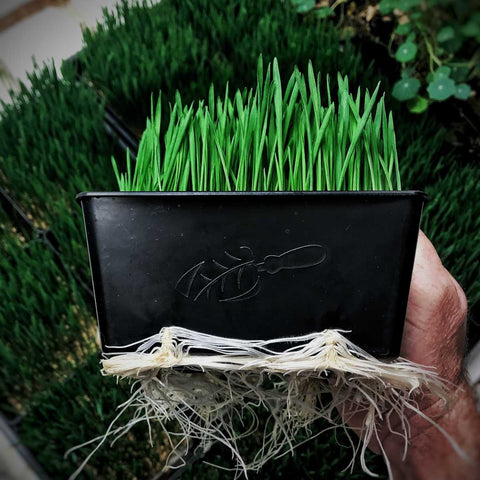
<p>Looking for add nutrition to your diet while on the road?  I can't think of anything healthier or cost efficient than growing your own microgreens.  There's a growing number of studies showing that microgreens are potent in essential vitamins and minerals. </p>
<p>They are super easy to grow no matter where you are, going from seed to harvest in 1-2 weeks. They are great in smoothies, as garnishes, salads and more.  If you're like me and obsessed with the health benefits, you'll skip all that.  I tend to grab a handful and start munching.</p>
<br>
<p> </p>
<div style="text-align: left;"><img src="//cdn.shopify.com/s/files/1/1338/7937/files/GrowingWheatgrass_large.jpg?v=1586458961" alt="Growing microgreens" width="" height="" style="float: none;"></div>
<br>
<h2><strong>Kratky</strong></h2>
<p>This is an electricity free method of hydroponic growing that can work for just about anybody, anywhere.  As long as your temperatures are in range for what you're growing, this is an excellent method to look into.   Basically you set a young seedling on top of a raft or bucket, whereby the roots sit in a hydroponic solution, and as the nutrient level depletes, the roots follow it down to the bottom of the container, forcing the plant to grow full, lush roots that make for delicious vegetables &amp; herbs. </p>
<p><strong>Check out this tutorial on the Kratky method:</strong> <iframe width="560" height="315" src="https://www.youtube.com/embed/KWUirDxgavc" frameborder="0" allowfullscreen=""></iframe></p>
<p> </p>
<strong>What about lighting? </strong>
<p>Simple.  If it's a warm Spring or Summer, you should be all set.  If not, hang this <a href="https://www.bootstrapfarmer.com/products/led-grow-lights-48in" target="_blank" rel="noopener noreferrer">48" LED light bar</a> anywhere in your camper and enjoy fresh microgreens all year long.  Use the same light to start seedlings or grow any plant that can withstand its ambient temperature. </p>
<p>Lettuce, kale chard &amp; collard are an excellent cool season crop and also make great microgreens!</p>
<p>Hope this was helpful!  </p>
<p><strong>Next level tip:</strong>  Imagine grow bags surrounding your RV, full of flowers, vegetables &amp; herbs.</p>
<p>Now, all of a sudden you're not only growing your own pesticide free food, it's some of the healthiest &amp; freshest you've ever eaten grown in a rich ecosystem of nutrients &amp; beneficial microbes provided by the compost tea. </p>
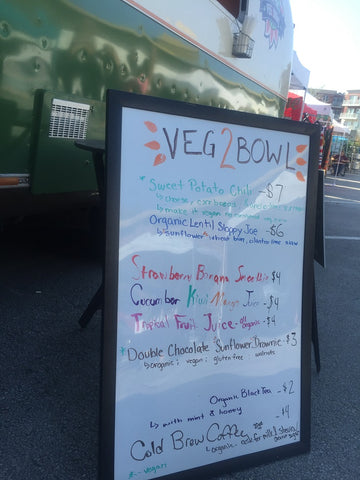
<p>You'll be growing so much, you'll be the talk of the campground.  You might just consider turning that camper into a food truck.</p>
<p> </p>
<div style="text-align: left;"><img src="//cdn.shopify.com/s/files/1/1338/7937/files/IMG_1074_small_cc77dd76-13c2-4032-a617-0211349c51d7_large.jpg?v=1505328046" alt="Selling market vegetables" width="" height="" style="float: none;"></div>
<p> </p>
<p> </p>
<h2></h2>
<div>
<div></div>
</div>
<div></div>
<div></div>]]>
    </content>
  </entry>
</feed>