

<?xml version="1.0" encoding="UTF-8"?>
<?xml-stylesheet type="text/xsl" media="screen" href="/~d/styles/rss2full.xsl"?><?xml-stylesheet type="text/css" media="screen" href="http://feeds.feedburner.com/~d/styles/itemcontent.css"?><rss xmlns:feedburner="http://rssnamespace.org/feedburner/ext/1.0" version="2.0">
				<channel>
				<title>Burgundy And Beyond</title>
				<link>http://www.burgundyandbeyond.com/index.cfm?method=blog.bloglist</link>
				<description>Burgundy And Beyond Blog</description>
				<language>en-us</language>
				<pubDate>Fri, 10 Feb 2012 16:52:23 -0800</pubDate>
				<lastBuildDate>Mon, 19 Oct 2009 16:33:00 -0800</lastBuildDate>
				<generator>Loosely Based On Ray Camden's BlogCFC</generator>
				<docs>http://blogs.law.harvard.edu/tech/rss</docs>
				<managingEditor>info@burgundyandbeyond.com</managingEditor>
				<webMaster>info@burgundyandbeyond.com</webMaster>
				
				<atom10:link xmlns:atom10="http://www.w3.org/2005/Atom" rel="self" type="application/rss+xml" href="http://feeds.feedburner.com/BurgundyBeyond" /><feedburner:info uri="burgundybeyond" /><atom10:link xmlns:atom10="http://www.w3.org/2005/Atom" rel="hub" href="http://pubsubhubbub.appspot.com/" /><item>
					<title>Wine &amp; chemicals - what all serious sippers should know</title>
					
						<link>http://feedproxy.google.com/~r/BurgundyBeyond/~3/eU7egzbrv4Y/index.cfm</link>
					
					<description>


					<![CDATA[ <p>The information age; like it or despise it &ndash; you have the world at your fingertips.  But do you ever find that an overabundance of information leads to complete and utter confusion, <em>especially</em> when conflicting facts are advocated by equally qualified experts on both sides?  How can we sift through the sky-high piles of data to find the precious stone or nugget of truth buried under all of the blabla?  <br />
<br />
The information age has completely transformed our understanding of wine.  We understand its chemical makeup, the processes that lead to its creation, how it is affected by heat and light and which grapes make up a blend.  Most of these advances have translated into increased authenticity and an effort towards transparency in the marketplace.  So what is the truth regarding wine and pesticides? Can we truly understand as consumers the impact of a given winery&rsquo;s vineyard practices on what we are drinking?<br />
<br />
I read a fascinating article from France&rsquo;s <strong><em>Le Figaro</em></strong> this week that addressed certain journalists&rsquo; misconception of the effects of pesticides, sulfur and additives on wine.  The beauty of this article lies in the no-nonsense, succinct, scientific approach to explaining the true impact of chemicals on what you end up pouring into your glass.  Simple and surprising, what follows is a little breakdown of the articles&rsquo; main arguments.<br />
<br />
<em><strong>&lsquo;La v&eacute;rit&eacute; sur le pesticides et les additifs&rsquo;</strong></em><strong> </strong>was a response to a much-disputed comment made by a journalist in the television program <strong><em>&lsquo;Envoy&eacute; Sp&eacute;cial&rsquo;</em></strong>: &quot;In most bottles (of wine), even the grand crus, chemical substances are added that the consumer is completely unaware of.  Dozens of chemical additives are used in the vinification of certain wines.  What is the purpose of these additives?  Why are they not mentioned on the wine labels?  We have also discovered that in order to sell their products at more expensive price points, and to confuse the consumer, winemakers add even more chemicals, beyond the legal limit. And that&rsquo;s not all&hellip;&hellip;&quot;<br />
<br />
The article responds to this onslaught of accusations calmly and rationally:<br />
First of all, wine is not a natural product.  If grape juice were left on its own in a bucket, it would not turn into wine on its own, abracadabra style, but would rather be transformed into a rather rustic version of vinegar.  The author of the article adds that this is a well-known fact that has been documented for centuries; wine must be protected from oxidation, just as ham and homemade jams must be cared for in order to avoid contamination.  Since the 17th century, vintners have used sulfur to prevent the undesirable effects of oxidation.  Sulfur was first chosen because it occurs naturally in grapes (many consumers are very surprised to learn this), is a byproduct of alcoholic fermentation, and has antiseptic qualities.  The quantity of sulfur used must be regulated and monitored, of course, but according to this article, the maximum quantities authorized since the mid-1900s have been proven safe (unless, that is,  you decide to drink 100 liters -<strong>133 bottles</strong> - of wine in one sitting, which we do not recommend!).<br />
<br />
Now the truth on pesticides.  France has always had a heavy hand when it comes to using chemicals to intervene in the fields and vineyards.  However, unlike with fruits and vegetables, which can be completely tainted by whatever treatments were used at the farm, wine undergoes the magic of fermentation.  How does this modify the chemicals used to treat grapes?  According to this article, alcoholic fermentation is an incredibly violent chemical process that ends up completely eliminating heavy molecules, including pesticides.  Even the most sophisticated modern analyses are rarely able to find the slightest trace of pesticides in the post-fermentation product which ends up on your table.   <br />
<br />
And last but not least - the truth on alcohol?  It is a powerful antiseptic.  Though chemical additives can be dangerous in aqueous environments, the same molecules seem to lose their effects in alcohol.  This article argues that eating a green salad is thus <strong>&quot;i</strong><strong>ncomparably more dangerous&quot;</strong> than drinking one glass of wine.  Good news?  Perhaps not if you are an avid vegetarian but then again, you can spend the big bucks on the organic salads and continue to drink your favorite wine without a second thought!  <br />
<br />
(I have to add, however, that though pesticides would seem to have little or no effect on the healthiness of the wine you drink, we still must consider their environmental impact, especially on ground water and soils&hellip;.good subject matter for another blog entry).<br />
<br />
A safe conclusion to draw, if we agree with the author of this article, is that wine is one of the rare products that is hardly affected by man&rsquo;s reckless treatment of the earth, since vinification acts as a sort of alchemistic cleansing fire.  <br />
<br />
We would like to hear your thoughts on the truth of wine and pesticides.  What have you read on the subject?  How does the environmental aspect influence your wine buying?  <br />
&nbsp;</p> ]]>
					
					
					</description>
					
					<category />
					<pubDate>Mon, 19 Oct 2009 16:33:00 -0800</pubDate>
					<guid isPermaLink="false">http://www.burgundyandbeyond.com/index.cfm?method=blog.blogdrilldown&amp;blogentryid=6f26f85e-d19d-3c45-6f90-110350a26c3e</guid>
				<feedburner:origLink>http://www.burgundyandbeyond.com/index.cfm?method=blog.blogdrilldown&amp;blogentryid=6f26f85e-d19d-3c45-6f90-110350a26c3e</feedburner:origLink></item>
				
				<item>
					<title>Three Sauvignon Blancs for summer drinking - the Saint, the Lady and Clos Nardian</title>
					
						<link>http://feedproxy.google.com/~r/BurgundyBeyond/~3/0TjCcxtSFlE/index.cfm</link>
					
					<description>


					<![CDATA[ <p>On a scorching 105 degree summer day, the mind tends to seek refuge in cool places.  If your mind is anything like ours in these moments of intense heat, it likely finds solace in the thought of an ice-cold glass of Sauvignon Blanc after a long day of work under the glaring July sun.  Here are three you can turn to for refreshment this summer.<br />
<br />
<strong>Saint Bris Sauvignon Blanc 2007</strong><br />
<br />
One of the most exciting aspects of this Sauvignon Blanc is its origin, which is neither the Loire nor Bordeaux, but rather Burgundy.  Even well-informed French wine drinkers often mistakenly believe that whites from this region are exclusively Chardonnay-based.  Surprise &ndash; there is Sauvignon Blanc to be found in the North and they are definitely worth the detour.<br />
<br />
The appellation of Saint Bris is a tiny Sauvignon Blanc oasis nestled in the region of Auxerrois, adjacent and to the west of Chablis.   The Auxerrois and Chablisien vineyards constitute the northernmost sub-region of Burgundy.  Saint Bris is therefore known for having cooler temperatures than most Sauvignon Blanc winegrowing regions, which translate into a longer growing season and slower ripening of the grapes.  The resulting Sauvignon Blancs are subtly ripe, express aromatic depth, have pronounced minerality and offer distinct freshness.  Saint Bris is the saint of Sauvingon Blancs because it is perhaps the purest of them all: uninhibited, clean, precise and 100% representative of its terroir.<br />
<br />
Try the <a href="http://www.burgundyandbeyond.com/index.cfm?method=products.productDrilldown&amp;productID=b9137640-1e0b-4e34-f009-a65d0765ea88">2007 Saint Bris from Simonnet Febvre</a> for a sampling of this appellation&rsquo;s potential.  Made from the fruit of 25+ year old vines, this Sauvignon Blanc is &ldquo;very fresh and intense, with zesty lemon hints, a grassy nose, a very creamy texture and elegant flavors that linger on the silky smooth finish.&rdquo; &ndash;Winemaker Jean-Philppe Archambaud.  <br />
<br />
<strong>Mademoiselle de T Pouilly Fum&eacute; 2008</strong><br />
<br />
Pouilly Fum&eacute;, by contrast, is perhaps the most famous Sauvignon Blanc territory in the world (though New Zealand does seem to be gaining ground!).  Kimmeridgian limestone and flint slopes are this region&rsquo;s secret weapon.  The flavor profile of Sauvignon Blanc grown on these soils is so unique that even amateur tasters can usually pick out the Pouilly Fum&eacute; in a blind tasting.   The style of wine here is irreproducible outside the confines of the Loire.  Typical flavors include lemongrass, gooseberries, flint, citrus, freshly-cut herbs and musk.  These are perfumed wines that possess great acidity and amazing aromatics. <br />
<br />
<a href="http://www.burgundyandbeyond.com/index.cfm?method=products.productDrilldown&amp;productID=710fa379-1e0b-4e34-f0bb-b50447773a83">Mademoiselle de T 2008</a> is an excellent example of the typical, classical style of Pouilly Fum&eacute;. This is 13th century estate Ch&acirc;teau de Tracy&rsquo;s second label.  It is perhaps a bit less complicated than Tracy, but is also more approachable and pleasant.  25+ year old vines contribute the fruit for this Sauvignon Blanc, which in the 2008 vintage is amazingly fresh and concentrated.  Count Henry d&rsquo;Assay, who manages the estate, describes this wine as follows: &lsquo;Very grassy, herbaceous aromas lead to a wine that is dominated by minerality and pink grapefruit. It is intense, ripe and concentrated, but there is an element of tension in its crisp aftertaste.&rsquo; This is perhaps one of the rare Pouilly Fum&eacute;s that retails for under $20.  It rivals the saint for the title of best value in Sauvignon Blancs!<br />
<br />
<strong>Clos Nardian 2004</strong><br />
<br />
Though Bordeaux has not built its dazzling reputation on high-quality Sauvignon Blancs, there are many to be found and enjoyed.  Their style is once again unique:  many of Bordeaux&rsquo;s best Sauvignon Blancs are actually a blend,with S&eacute;millon and often Muscadelle completing the palette.  Unlike the racy, zesty Sauvignon Blancs from the northern regions, Bordeaux are often softened by oak ageing.  This adds vanilla and spices to the mix of flavors.  These Sauvignon Blancs are therefore less a reflection of their particular terroir and more an expression of the particular ch&acirc;teau&rsquo;s house style. <br />
<br />
<a href="http://www.burgundyandbeyond.com/index.cfm?method=products.productDrilldown&amp;productID=710f2b2c-1e0b-4e34-f073-47377c49c94c">Clos Nardian 2004</a> is a delicious example of a Sauvignon Blanc blend from Bordeaux that benefited from oak ageing.  Made by Ch&acirc;teau Teyssier, this white is a blend of 40% Sauvignon Blanc, 40% S&eacute;millon and 20%  Muscadelle.  The grapes come from two acres in and around Saint Aubin de Branne near Saint Emilion.  Six months of ageing in new oak barrels confer a rich, custard-like quality to this wine.  Lemons, baked apples, peach cobbler and cloves characterize the palate.  Clos Nardian has a great deal of viscosity and weight on the tongue.  This is the ideal style for those who enjoy California&rsquo;s new trend of oaked Sauvignon Blancs.  <br />
<br />
These three unique versions of Sauvignon Blanc will get you through the blazing summer months. Buy the Saint, Mademoiselle and Clos Nardian and stick them in the fridge before work.  All day long you will look forward to an exciting (and refreshing!) taste adventure through France&rsquo;s best Sauvignon Blanc regions.  <br />
&nbsp;</p>
<p>&nbsp;</p> ]]>
					
					
					</description>
					
					<category />
					<pubDate>Tue, 14 Jul 2009 09:05:00 -0800</pubDate>
					<guid isPermaLink="false">http://www.burgundyandbeyond.com/index.cfm?method=blog.blogdrilldown&amp;blogentryid=7a17bd20-0924-9a4c-830e-1459fea1f997</guid>
				<feedburner:origLink>http://www.burgundyandbeyond.com/index.cfm?method=blog.blogdrilldown&amp;blogentryid=7a17bd20-0924-9a4c-830e-1459fea1f997</feedburner:origLink></item>
				
				<item>
					<title>Aloxe Corton Les Chaillots 2006:  The darling of our new release tastings. </title>
					
						<link>http://feedproxy.google.com/~r/BurgundyBeyond/~3/TxE0MFT1qK8/index.cfm</link>
					
					<description>


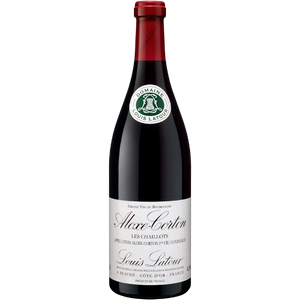
					<![CDATA[ <p>This wine may seem like a mouthful. Compared to known California entities such as Sanford, Roar or even the more French Etude, this seven-syllable Pinot necessitates some serious tongue contortions. But the mystique behind the fancy French words is worth the extra effort. This mouthful of a wine is also one of the most mouth-filling, intricate Pinot Noirs from the Louis Latour estate (domaine) portfolio and it happens to be a consistent favorite among tasters at this year&rsquo;s new release events.<br />
<br />
According to Robert Parker, &ldquo;The most impressive domaine in Aloxe-Corton is that of Louis Latour&rdquo;. One cannot properly taste the wines of this village without dedicating the majority of his or her time to Louis Latour&rsquo;s do<img hspace="10" alt="" vspace="10" align="right" width="200" height="122" src="http://www.burgundyandbeyond.com/assets/client/Image/BW Old Grancey.jpg" />maine Pinot Noirs and Chardonnays. Aloxe Corton is, afterall, the native village of the Latour family who moved there in 1768 to purchase a small estate of a few acres. Through the acquisition of Ch&acirc;teau Corton Grancey in 1891, Louis Latour III added another 70 acres to the family domaine, in the heart of the Montagne de Corton, crowned by the imposing ch&acirc;teau of the Counts de Grancey. Today, the Latours own just over 13% of the total acreage under vine. <br />
<br />
<img hspace="10" alt="" vspace="10" align="left" width="200" height="126" src="http://www.burgundyandbeyond.com/assets/client/Image/PHOTOS 2006 small 098.jpg" />The village of Aloxe Corton is situated just North of Beaune at the base of the Colline de Corton (the hill of Corton), whose slopes are graced by 21 red Grand Crus and 1 white. It harbors over 600 acres of vineyards, the fruit of which is among the most coveted in the world. The Premier Crus (there are a dozen or so that are famous) lie mid-slope. <br />
<br />
Les Chaillots is in the middle of the Premier Cru strip, bordered by Grand Crus Les Gr&egrave;ves and Les Perri&egrave;res and Premier Crus Les F<img hspace="10" alt="" vspace="10" align="right" width="200" height="129" src="http://www.burgundyandbeyond.com/assets/client/Image/PHOTOS 2006 104 small.jpg" />ourni&egrave;res and Les Valozi&egrave;res. The terroir of les Chaillots is composed of limestone with alluvial sand and gravel. Not surprisingly, &lsquo;Chaillots&rsquo; refers to the &lsquo;cailloux&rsquo; or pebbles that nature sprinkled throughout the vineyard, similar to those one would see during a stroll through the Graves vineyards of Bordeaux. The main virtue of these pebbles, aside from their obvious esthetic appeal, is to reflect the heat of those brilliant rays of sunshine onto the Pinot grapes, thereby favoring ripeness. <br />
<a href="http://www.burgundyandbeyond.com/index.cfm?method=products.productDrilldown&amp;productID=b913ef29-1e0b-4e34-f0d7-ef054b4ec550"><img hspace="10" alt="" vspace="10" align="left" width="58" height="201" src="http://www.burgundyandbeyond.com/assets/client/Image/Aloxe-Corton Les Chaillots.jpg" /></a><br />
Les Chaillots typically has intense and perfumed aromatics, which is classic in Aloxe-Corton. It is resolutely earthy and spicy, unloading cherries and licorice on the palate. In good vintages, this Pinot Noir can age a decade or more. It has longevity but is habitually approachable in its youth. Delicate and intriguing, Les Chaillots is a definite personality in the world of Pinot Noir. <br />
<br />
Do you enjoy Pinot Noirs with finesse? Does the thought of delicate red berries, gout de terroir and perfumed spice make you salivate? Try our new release <a href="http://www.burgundyandbeyond.com/index.cfm?method=products.productDrilldown&amp;productID=b913ef29-1e0b-4e34-f0d7-ef054b4ec550">Aloxe Corton Les Chaillots 2006</a> this summer. If you get past the intimidating verbiage, we think you&rsquo;ll come to the conclusion that this is astoundingly good Pinot Noir:)<br />
&nbsp;</p> ]]>
					
					
					</description>
					
					<category />
					<pubDate>Thu, 11 Jun 2009 11:02:00 -0800</pubDate>
					<guid isPermaLink="false">http://www.burgundyandbeyond.com/index.cfm?method=blog.blogdrilldown&amp;blogentryid=d07d37b6-08fc-b330-1155-6bc91b1449a5</guid>
				<feedburner:origLink>http://www.burgundyandbeyond.com/index.cfm?method=blog.blogdrilldown&amp;blogentryid=d07d37b6-08fc-b330-1155-6bc91b1449a5</feedburner:origLink></item>
				
				<item>
					<title>Why do we like acidity in wine?</title>
					
						<link>http://feedproxy.google.com/~r/BurgundyBeyond/~3/pdaWgn_W-r4/index.cfm</link>
					
					<description>


					<![CDATA[ <p><strong>Ever wondered why you crave that glass (or three) of chilled-to-perfection Champagne on a hot August morning?</strong> In all truthfulness, you've probably never journeyed that far down the road of gastronomical introspection - bubbly is, after all, a natural beverage choice for ultimate weekend relaxation. When you consider the <em>pourquoi</em> of it, however, you quickly realize that it is the thirst-quenching quality of Champagne that makes it what the parched mouth most desires. And therein lies the beauty of acidity!&nbsp;<br />
<br />
<strong>Acid</strong> is a term most would consider somewhat negative, suggestive of sour stomach sensations and frantic Tums consumption, doubling over in pain from reflux or reeling from some outrageous psychedelic experience. It is amazing to consider that despite these very real and gut-wrenching associations, <strong>acid is absolutely vital</strong> for a wine to be considered pleasant and balanced. Acidity affects the <strong>color</strong>, <strong>flavor components </strong>and <strong>age-ability </strong>of a wine, and is responsible for its<strong> refreshing quality</strong>.<br />
<br />
Wines high in acidity can be tart or sour but when the levels are just right, the wine seems to <strong>dance on the palate</strong>, with a sensation of <strong>freshness </strong>and <strong>vibrancy</strong>. The acidity counterbalances any sweetness or bitterness and gives volume to the wine on the tongue, which becomes <strong>energetic</strong> and <strong>lively</strong>, as opposed to fat, flabby and lethargic. Acids also stimulate the salivary glands, preparing the mouth for more tasteful pleasures.<br />
<br />
We all agree that Champagne is the perfect aperitif because of this principal; as the French would say, <em><strong>le champagne ouvre l&rsquo;app&eacute;tit&rsquo; </strong></em>&ndash; it opens the appetite and prepares the body for good digestion. This is the objective aspect of acidity &ndash; it is very necessary to your enjoyment of the food and wine experience. The amount of acid that is desirable in this equation is what is so very subjective, depending on the preferences and habits of each individual taster. <strong>What is indisputable, however, is that higher acid wines pair much better with food, lifting up the flavors and enhancing the unity in the composition of disparate tastes.<br />
</strong><br />
The levels of acidity in wine are highly variable and depend largely on the climate where the grapes are grown. <strong>French wines tend to have more pronounced acidity when compared to new world wines</strong>, given that the French microclimates are relatively milder and the grapes can mature phenolically without developing an overabundance of sugars. <strong>Their gastronomy has been artfully crafted in such as way as to smoothly and seamlessly harmonize with these higher-acid wines on the palate</strong>, with neither element being perceived as dominant. If such dishes were to be paired with low acid wines, the combination would likely deflate like a balloon in the mouth and give way to a flat, nondescript agglomeration of competing flavors.<br />
<br />
French wine drinkers usually come to crave the acid feeling they perceive in their wines of choice, having fine-tuned their palates to both detect and evaluate acidity when considering the quality of wine. <strong>Burgundy is the acid lover&rsquo;s treasure trove</strong>, offering an unlimited selection of refreshing Chardonnays and Pinot Noirs that boast good grip and excellent sugar-tannin-acid balances. Though many of the whites undergo 100% malo-lactic fermentation (which transforms the tart, green apple-like malic acid into softer, milk-like lactic acid), they retain an unbelievable freshness which can handle a great degree of ripe fruit and oak without getting flabby.<br />
<br />
<strong>If there is a perfectly-oaked Chardonnay, there is also a perfectly acidic one &ndash;</strong> and many of these can be found in Chablis. According to the Wine Enthusiast, Chablis is &ldquo;the purest expression of Chardonnay&rdquo;, thanks to a terroir well-suited to making fresh, steely and enticing wines that maintain their zing, even after barrel fermentation, oak aging and/or malo-lactic fermentation. <strong>A good Chablis demonstrates the sheer beauty of acidity&hellip;and makes you thirst for more. Taste one today and then let us know how the acid impacted your experience.<br />
</strong>&nbsp;</p> ]]>
					
					
					</description>
					
					<category />
					<pubDate>Tue, 28 Apr 2009 11:30:00 -0800</pubDate>
					<guid isPermaLink="false">http://www.burgundyandbeyond.com/index.cfm?method=blog.blogdrilldown&amp;blogentryid=ee0cd651-d02a-f0f4-3972-7e965c270612</guid>
				<feedburner:origLink>http://www.burgundyandbeyond.com/index.cfm?method=blog.blogdrilldown&amp;blogentryid=ee0cd651-d02a-f0f4-3972-7e965c270612</feedburner:origLink></item>
				
				<item>
					<title>The aromatics of Red Burgundy</title>
					
						<link>http://feedproxy.google.com/~r/BurgundyBeyond/~3/OvDSN37nQbQ/index.cfm</link>
					
					<description>


					<![CDATA[ <p>The study of <strong>aromatics</strong> is likely one of the most intriguing applications of science for the wine lover, firmly rooted in chemistry and yet inevitably and perfectly sensual.&nbsp;</p>
<p>In my family, we have a longstanding tradition of &ldquo;<strong>group sensory analysis</strong>&rdquo;; we gather around the dinner table and purpose to discuss the evening&rsquo;s wine, much as another family would debate politics or current affairs. We try to use a universal language with simple descriptors and sensations that can be understood by everyone in the family, whether amateurs or professionals, as if we were commenting on something as simple and universal as the weather.</p>
<p>After a few such sessions, I quickly came to the conclusion that the layman experience is anything but scientific. While my father is describing cherries and cola, my mother is marveling at the almond liquor, plums and caramel that her glass exudes. I may smell licorice and roses while the person to my right is raving about the subtle mint notes and wild strawberries.</p>
<p><img class="featureLeft" height="250" alt="" hspace="10" width="188" src="http://www.burgundyandbeyond.com/assets/client/Image/IMG_37431.jpg" />The analysis of the aromatics of wine in a group setting can be likened to a conversation between an Italian, a Frenchman and a Spaniard on the subject of the world's most beautiful language. &quot;<strong>Io preferisco italiano....che bello e dolcissimo</strong>...&quot; to which the Frenchman responds, &quot;<strong>Je ne vous comprends pas mais tout le monde sait que le fran&ccedil;ais est la plus belle langue du monde</strong>&quot;,&nbsp;with the&nbsp;Spaniard adding his two cents&rsquo; worth, &quot;<strong>No entiendo nada de lo que dicen pero que viva el espa&ntilde;ol</strong>!&quot; In sum, we often can't see eye to eye (or in this case, <strong>nose to nose</strong>) on what the wine is communicating to our sense of smell. Each taster seems to speak his or her own language when talking wine. How, then, can we hope to understand each other or reach any sort of consensus?</p>
<p>Amidst such blatant subjectivity, I wanted to know if there was anything objective in the nose of a wine, some foothold, some scientific basis one could use to sift through the hundreds of different descriptors that one wine can provoke. Given that most good sommeliers can determine blindly the grapes in their glass of wine, I knew something concrete had to exist.</p>
<p>In my quest for explanations, I stumbled upon the fascinating world of <strong>thiols</strong>. A thiol can be defined according to Webster's dictionary as &quot;any of a class of compounds that are analogous to alcohols and phenols but contain sulfur in place of oxygen&quot;. In simple terms, thiols are <strong>the building blocks of each particular scent in a given wine, and are determined by the varietal, the pre-fermentation chemical reactions, the fermentation and the aging process of the wine.</strong> These four factors along with terroir influence the chemical compounds in the wine and determine its aromatics. The concentration of the particular compound is important in determining how it is perceived by the nose. Further complicating the matter, each taster&rsquo;s threshold of perception varies drastically.</p>
<p>For example, in a recent French wine seminar, I learned that one person may smell cherry while the next will smell almond because both scents share the same chemical compounds in differing concentrations. The more sensitive nose will smell the almond. This variance in sensitivity is partly responsible for our dinner table scenario.</p>
<p>In light of the complexity of smell and the pace at which new research is changing our understanding of it, I recommend that you research the &lsquo;<strong>typicity</strong>&rsquo; or typical primary aromas of your favorite grapes, and then try to identify those descriptors when tasting. Let&rsquo;s take Pinot Noir as an example. According to experts, Pinot Noirs exhibit any number of the following fruits, flowers, spices, herbs and terroir, depending on where and how it is crafted: <strong>cherries, strawberries, red cassis, raspberries, wild berries, plums, ripe tomatoes, violets, rose petals, rosemary, cinnamon, peppermint, licorice, anise, caraway, rhubarb, oregano, green tea, black olives, mushrooms, earth, leather and truffles.</strong> In Pinot Noirs from Burgundy, you are more likely to detect minerals and earthiness (much as you would in water from a mountain spring). Practice searching for these particular scents next time you have a glass of red Burgundy in hand. You&rsquo;ll find it&rsquo;s much easier to identify them once you call upon your &lsquo;olfactory memory&rsquo; and try to conjure up the smell of, say, a plum, as you take in the nose of your wine.</p>
<p>Though this technique will in no way guarantee consensus with your fellow tasters, it can certainly serve as a guide that will eventually enable you to recognize (blindly!) the grapes in your glass.</p>
<p><strong>Good luck at the dinner table.....and happy tasting!</strong></p>
<p>&nbsp;</p> ]]>
					
					
					</description>
					
					<category />
					<pubDate>Mon, 02 Feb 2009 13:40:00 -0800</pubDate>
					<guid isPermaLink="false">http://www.burgundyandbeyond.com/index.cfm?method=blog.blogdrilldown&amp;blogentryid=38104084-0e29-5654-51bb-36811dc4b2b2</guid>
				<feedburner:origLink>http://www.burgundyandbeyond.com/index.cfm?method=blog.blogdrilldown&amp;blogentryid=38104084-0e29-5654-51bb-36811dc4b2b2</feedburner:origLink></item>
				
				<item>
					<title>Bonne Année 2009!  Happy New Year!</title>
					
						<link>http://feedproxy.google.com/~r/BurgundyBeyond/~3/tqAyM7GeRNU/index.cfm</link>
					
					<description>


					<![CDATA[ <p>After much thought (and a few glasses of wine), we have compiled the following list of New Year's resolution suggestions for the dedicated French wine aficionado:&nbsp;</p>
<p style="margin-left: 40px">#1&nbsp; Drink more French wine in 2009</p>
<p style="margin-left: 40px">#2&nbsp; Drink better French wine in 2009</p>
<p style="margin-left: 40px">#3&nbsp; Drink two glasses of red wine a night</p>
<p style="margin-left: 40px">#4&nbsp; Learn a new recipe each month and pair it with a French wine</p>
<p style="margin-left: 40px">#5&nbsp; Become proficient in the major French wine regions</p>
<p style="margin-left: 40px">#6&nbsp; Learn the descriptors to analyze what's in your glass - Nez du Vin</p>
<p style="margin-left: 40px">#7&nbsp; Blind taste more regularly</p>
<p style="margin-left: 40px">#8&nbsp; Learn how to pronounce the appellations&nbsp;of Burgundy</p>
<p style="margin-left: 40px">#9&nbsp;&nbsp;Study French</p>
<p style="margin-left: 40px">#10&nbsp;Move to Burgundy</p>
<p><br />
<img class="featureLeft" height="225" alt="" hspace="10" width="169" align="left" src="http://www.burgundyandbeyond.com/assets/client/Image/coupe.jpg" />Here is a toast to each one of you, to the new challenges and adventures that await you in 2009, to health and peace, to remembering what is truly important, to cultivating beauty on a daily basis, to continual growth and awareness, to good friends, food and wine and to the limitless possibilities that 2009 has in store for us.</p>
<p>We wish you all a happy and safe New Year's celebration and we look forward to&nbsp;seeing you in 2009. A la v&ocirc;tre!</p> ]]>
					
					
					</description>
					
					<category />
					<pubDate>Tue, 30 Dec 2008 09:31:00 -0800</pubDate>
					<guid isPermaLink="false">http://www.burgundyandbeyond.com/index.cfm?method=blog.blogdrilldown&amp;blogentryid=88f47972-d8c0-aacf-6a80-39d3bf05e7da</guid>
				<feedburner:origLink>http://www.burgundyandbeyond.com/index.cfm?method=blog.blogdrilldown&amp;blogentryid=88f47972-d8c0-aacf-6a80-39d3bf05e7da</feedburner:origLink></item>
				
				<item>
					<title>Beaujolais Nouveau Has Arrived!</title>
					
						<link>http://feedproxy.google.com/~r/BurgundyBeyond/~3/VUPeZ3ciIB8/index.cfm</link>			
					
					<description>


					<![CDATA[ <p><a href="http://www.burgundyandbeyond.com/index.cfm?method=products.wineList&amp;productBrandID=c134d681-c583-c675-54b8-1d69c0a0fa1f"><img class="featureRight" height="160" alt="" hspace="10" width="215" align="left" src="http://www.burgundyandbeyond.com/assets/client/Image/BN.jpg" /></a>I like that we still make a <strong>festive fuss </strong>in this country over the arrival of the world's fruitiest wine: <strong>Beaujolais Nouveau</strong>. <strong><a href="http://en.wikipedia.org/wiki/Bacchus">Bacchus</a></strong>, the&nbsp;Roman god of wine, knows that a mid-November party is just what we mortals need to combat the stress of the daily grind by reveling in a little French culture.&nbsp;</p>
<p>Despite its reputation as an easy-drinking, fruit cocktail sort of wine to be consumed in its youth (Beaujolais Nouveau, not to be confused with traditional Beaujolais, is only a few months old when it hits the market), the particular terroir and artful winemaking behind this very unique beverage are noteworthy.</p>
<p>For starters, the region of Beaujolais offers a very <strong>unique soil and climate</strong>, sandwiched between Burgundy and the Rh&ocirc;ne, where sandy granite parcels give birth to tender, ripe wines. The early-ripening grapes allow for a head start in the winemaking.</p>
<p>Secondly, did you know that along with Champagne, Beaujolais is the only region which forbids machine harvests? As the grapes are <strong>whole-cluster fermented</strong> in Beaujolais, the bunches must be in tact and healthy upon arrival in the cellars. Part of the art of Beaujolais winemaking is to craft a supple, low-tannin wine and to therefore avoid extracting elements from the stems and seeds.&nbsp;</p>
<p>Thirdly, the temperatures during the <em>cuvaison</em>, or vat-period, and duration of the fermentation and maceration are unique and quite critical to the quality of the resulting wine. A short vat period (usually around <strong>four</strong> <strong>days</strong>) means less extraction of elements from the skins, preserving the <strong>fresh berries</strong> and aromatics of classic Nouveau. In the absence of astringency from the tannins, these Gamays are consumed <em><strong>en primeur</strong></em>.</p>
<p>Lastly, <a href="http://en.wikipedia.org/wiki/Carbonic_maceration"><strong>carbonic maceration</strong></a> sets Nouveau apart from traditional Beaujolais. Vats are filled with whole clusters of Gamay grapes which are neither pressed, nor crushed nor de-stemmed. As the weight of the top layers crushes the grapes on the bottom, juice accumulates and a traditional yeast-based fermentation begins, releasing copious amounts of carbon dioxide.</p>
<p>In the middle of the vat, the juice and solid particles also begin to ferment. An anaerobic environment is created, provoking a unique biochemical fermentation inside each of the intact grapes above. This process is called carbonic maceration and is responsible for the bright berry character and grapey flavors that a Beaujo (Nouveau drinker) so cherishes in a glass of Beaujolais Nouveau.&nbsp;</p>
<p>The skins are then&nbsp;removed, fermentation concludes, malo-lactic begins and then the wine is briefly aged and bottled. The whole process from grape to bottle only lasts a few months.&nbsp;</p>
<p>All of these particularities make Nouveau a very special wine indeed. Since the <strong>1980s</strong>, Beaujolais Nouveau has enlivened the <strong>third Thursday </strong>of every November, giving countless&nbsp;lackluster Americans&nbsp;another occasion for celebration. Paired with typical French hors d'oeuvres of which cheese puffs are by far my favorite, glasses of ruby-colored Gamay are slurped down&nbsp;all across the nation.&nbsp; Most&nbsp;parties also&nbsp;set the&nbsp;ambiance,&nbsp;with French&nbsp;pop from the&nbsp;'80s&nbsp;as the preferred genre.</p>
<p>Do not miss out on this year's Nouveau!&nbsp;<strong>Now that you know what's in your glass, let's make merry and may the uproarious festivities begin!</strong></p> ]]>
					
					
					</description>
					
					<category />
					<pubDate>Thu, 20 Nov 2008 10:43:00 -0800</pubDate>
					<guid isPermaLink="false">http://www.burgundyandbeyond.com/index.cfm?method=blog.blogdrilldown&amp;blogentryid=bb3952ae-c767-c26c-dcc7-487247129666</guid>
				<feedburner:origLink>http://www.burgundyandbeyond.com/index.cfm?method=blog.blogdrilldown&amp;blogentryid=bb3952ae-c767-c26c-dcc7-487247129666</feedburner:origLink></item>
				
				<item>
					<title>Valmoissine Pinot Noir - Our high-altitude movie star wine</title>
					
						<link>http://feedproxy.google.com/~r/BurgundyBeyond/~3/kMdIICIaAEg/index.cfm</link>			
					
					<description>


					<![CDATA[ <p><a href="http://www.burgundyandbeyond.com/index.cfm?method=products.productDrilldown&amp;productID=b913911b-1e0b-4e34-f0b1-d3184df9d895"><img class="featureLeftNoBorder" height="257" hspace="10" width="80" align="left" alt="" src="http://www.burgundyandbeyond.com/assets/client/Image/Valmoissine1.jpg" /></a>Domaine de Valmoissine is considered by some wine critics to be one of the highest quality <strong>Vin de Pays</strong> from France. Located just 50 miles North of <strong>Saint Tropez</strong>, you would expect this Pinot Noir to be flashy and exuberant, much like the people that frequent Cannes. You imagine big alcohol, feeble acidity, sun-dried fruit and considerable weight on the palate. A Rh&ocirc;ne version of the delicate Pinot Noir grape seems only natural.</p>
<p>One taste of Valmoissine demonstrates the contrary. This Southern French wine is actually Burgundian in style. Tom Stevenson of 'The New Sotheby's Wine Encyclopedia' commented, <strong>&quot;Few Burgundians would believe this is not a Burgundy, and a fine one at that</strong>.&quot; He goes on to say that Domaine de Valmoissine Pinot Noir is &quot;better than most Burgundies twice its price.&quot; How does Louis Latour obtain Burgundian finesse and elegance in the South of France?</p>
<p>One of the secrets is <strong>altitude</strong>. Due to global warming,&nbsp;a&nbsp;good number of&nbsp;smart winemakers are running for the hills in order to find suitable terroir that still benefits from a longer growing season and moderate temperatures. Ahead of the trend, Louis Latour found just such a spot high up in the hills of Provence in 1989.&nbsp; The vineyards of Valmoissine were planted at an altitude of <strong>1,500 feet </strong>above sea level,&nbsp;on the site of the ancient monastery of Valmoissine.&nbsp;At that altitude, the&nbsp;evenings&nbsp;are cool and almost frostless while the days are full of Provencal sunshine.&nbsp; Ripeness is obtained while acidity is preserved during&nbsp;a hang time as long as that of the&nbsp;<strong>Grand crus of Burgundy</strong>.&nbsp;</p>
<p>Speaking of the Grand Crus, <strong>Louis Latour treats Valmoissine as if it were one</strong>. With the&nbsp;freedom to choose the best plots and orientation during planting, Louis Latour was able to optimize the vineyard conditions.&nbsp; The vines are south-facing, creating the perfect exposure to the sun.&nbsp;They are treated with the same care as those of the ubiquitous Chambertin. Yields are kept low to ensure optimal ripeness and sugar content in the grapes. Rigorous sorting in the vineyard is commonplace.&nbsp; The harvest is entirely&nbsp;performed by hand.</p>
<p>The grapes are then sorted and vinified in open-top vats as in Burgundy. The wine is then aged in Louis Latour's own barrels, which complement and enhance the bright Pinot Noir fruit.&nbsp; The resulting wine is rich in color and balanced in tannins.</p>
<p>Perhaps the best&nbsp;aspect of Louis Latour's Domaine de Valmoissine Pinot Noir is that it is able to masquerade as a <strong>Village-level </strong>Burgundian Pinot Noir. Despite its origins in the South of France and its status as a Vin de Pays, Valmoissine surprises amateurs and experienced tasters alike with its elegance, ripeness, balance and complexity.&nbsp;At only&nbsp;$15 a bottle,&nbsp;this&nbsp;movie star is also a bargain.&nbsp;<a href="http://www.burgundyandbeyond.com/index.cfm?method=products.productDrilldown&amp;productID=b913911b-1e0b-4e34-f0b1-d3184df9d895"><strong>Try a bottle today - we think you will be bedazzled!</strong></a></p> ]]>
					
					
					</description>
					
					<category />
					<pubDate>Tue, 30 Sep 2008 09:24:00 -0800</pubDate>
					<guid isPermaLink="false">http://www.burgundyandbeyond.com/index.cfm?method=blog.blogdrilldown&amp;blogentryid=b420d06a-a994-e299-9f51-e8f89dbd8115</guid>
				<feedburner:origLink>http://www.burgundyandbeyond.com/index.cfm?method=blog.blogdrilldown&amp;blogentryid=b420d06a-a994-e299-9f51-e8f89dbd8115</feedburner:origLink></item>
				
				<item>
					<title>Crémant - Not just a pretty name</title>
					
						<link>http://feedproxy.google.com/~r/BurgundyBeyond/~3/29mPdpyZ4Y8/index.cfm</link>			
					
					<description>


					<![CDATA[ <p><img height="500" alt="" width="190" align="left" src="http://www.burgundyandbeyond.com/assets/client/Image/champ flute1.jpg" /></p>
<p>Over dinner at <strong><em><a href="http://www.legaragesausalito.com">Le Garage</a></em></strong> last week, a fellow wine aficionado asked the classic question - 'If you were stranded on a deserted island with only one beverage, which would it be?'&nbsp; To a seemingly difficult dilemma, I replied without hesitation:&nbsp; <strong>Champagne</strong>!!!&nbsp;&nbsp;Is that even a question?&nbsp; What better to quench your thirst and refresh your parched&nbsp;palate than an ice-cold flute of sparkling French Pinot Noir?&nbsp; And for a prolonged s&eacute;jour on a budget, I would take a case of <strong>Cr&eacute;mant de Bourgogne.</strong></p>
<p>Speaking of Cr&eacute;mant, don't be confused by the <em>tr&egrave;s</em> <em>chic</em> local versions from Northern California which have very little to do with the real gig.&nbsp;&nbsp;True Cr&eacute;mant&nbsp;comes from France&nbsp;and&nbsp; is&nbsp;the&nbsp;fruit of strict regulations&nbsp;defining every part of the&nbsp;winemaking process, from grape to bottle.&nbsp; I know what you are thinking - and have to agree that the French&nbsp;seem obnoxiously rule-happy!&nbsp; Besides the boasting factor, what's the point?&nbsp;&nbsp;Amazingly enough, these regulations are not intended to be cumbersome; they actually serve to&nbsp;sketch the&nbsp;outlines&nbsp;of&nbsp;a targeted&nbsp;taste profile within which each Cr&eacute;mant should fall.&nbsp; More importantly, they establish a standard of quality to which each Cr&eacute;mant should adhere.&nbsp;&nbsp;</p>
<p>Cr&eacute;mants are&nbsp;by definition&nbsp;vinified in <em>la m&eacute;thode tradionnelle</em>, as in Champagne, and&nbsp;are subject to the pre-1994 yield limits of Champagne (100 liters from 150 kilograms of grapes). The most&nbsp;well-known are <strong>Cr&eacute;mant de Bourgogne</strong>, <strong>Cr&eacute;mant de Loire</strong>, <strong>Cr&eacute;mant d'Alsace</strong> and <strong>Cr&eacute;mant de Limoux</strong>, although these sparklers are made in virtually every region&nbsp;from&nbsp;local varietals.&nbsp;&nbsp;<strong><a href="http://www.burgundyandbeyond.com/index.cfm?method=products.wineList&amp;wineTypeID=8d508377-1e0b-4e34-f032-dc1bdb9cafcf&amp;wineVarietalID=4ab999b9-db96-6537-13b7-6cd85bcc9c4e">Cr&eacute;mant de Bourgogne</a></strong>, for example, is composed of Chardonnay and/or Pinot Noir, and is typically a blend of over 50 different still wines from multiple vintages.&nbsp; This particular Cr&eacute;mant&nbsp;would more appropriately&nbsp;be dubbed&nbsp;<em><strong>petit champagne</strong></em>, for&nbsp;all&nbsp;the commonalities it shares&nbsp;with the more glamorous sparklers to the West.&nbsp;&nbsp;Cr&eacute;mants de Bourgogne&nbsp;can&nbsp;therefore be considered&nbsp;an inexpensive version of the world's most sought after wine!&nbsp;</p>
<p><a href="http://www.burgundyandbeyond.com/index.cfm?method=pages.showPage&amp;pageID=bcd3991c-9101-599a-72c7-36f9adc07deb"><strong>Simonnet Febvre</strong></a> has specialized in and built a name for itself producing high-quality Cr&eacute;mants&nbsp;since 1840, sourcing&nbsp;its fruit exclusively within the appellation of Chablis.&nbsp;&nbsp;The Kimmeridgian limestone found in both Chablis and nearby Champagne&nbsp;translates into a mineral-driven wine that dances on the palate.&nbsp; Simonnet-Febvre takes great pride in&nbsp;its Cr&eacute;mants,&nbsp;and each cuv&eacute;e is truly a labor of love.&nbsp; Many of the cellar tasks that would be automated elsewhere are performed&nbsp;by hand at Simonnet&nbsp;Febvre.&nbsp;&nbsp; A passion for&nbsp;purity&nbsp;and&nbsp;a respect for place guide each step of winemaker Jean-Philippe Archambaud's decisions in the cellar.&nbsp;</p>
<p>Cr&eacute;mants are ideal for&nbsp; refreshment on a desert island but they also serve as the perfect&nbsp;<strong><em>daily sparkler</em></strong>, the bubbly&nbsp;that&nbsp;affords you a&nbsp;daily celebration of life.&nbsp; They make a rejuvenating ap&eacute;ritif, a classy pairing for your favorite pasta and white meat dishes and a luxurious mimosa.&nbsp;Celebrate the beginning of September today with a glass of <a href="http://www.burgundyandbeyond.com/index.cfm?method=products.productDrilldown&amp;productID=b91438b5-1e0b-4e34-f086-3cc23769ac83"><strong>Simonnet Febvre Cr&eacute;mant Ros&eacute;</strong></a>.&nbsp;</p> ]]>
					
					
					</description>
					
					<category />
					<pubDate>Tue, 02 Sep 2008 10:02:00 -0800</pubDate>
					<guid isPermaLink="false">http://www.burgundyandbeyond.com/index.cfm?method=blog.blogdrilldown&amp;blogentryid=2410b5cc-fc26-edfe-b061-32db0b3e47a6</guid>
				<feedburner:origLink>http://www.burgundyandbeyond.com/index.cfm?method=blog.blogdrilldown&amp;blogentryid=2410b5cc-fc26-edfe-b061-32db0b3e47a6</feedburner:origLink></item>
				
				<item>
					<title>Côtes du Rhône Villages - Qu'est-ce que c'est?</title>
					
						<link>http://feedproxy.google.com/~r/BurgundyBeyond/~3/og6CRXIZo2s/index.cfm</link>
					
					<description>


					<![CDATA[ <p>&quot;<em><strong>Des C&ocirc;tes-du-Rh&ocirc;ne-Villages &agrave; prix tr&egrave;s raisonnables qui ne manquent ni de couleur, ni de charpente, ni de beaux tanins, ni de finesse</strong></em>...&quot; -<strong>Le Nouveau Guide des Vins de France</strong></p>
<p>Among the oldest winegrowing regions&nbsp;in France, C&ocirc;tes-du-Rh&ocirc;ne-Villages is now recognized worldwide for producing wines of intense bouquet and typified aromas. We affectionately call them baby Ch&acirc;teauneuf-du-Papes since their taste profile&nbsp;is very similar to that of&nbsp;the Southern Rh&ocirc;ne's most treasured appellation. With the same red clayey soil and colorful stones scattered throughout the rows of vines, several of the villages within the C&ocirc;tes-du-Rh&ocirc;ne-Villages appellation are very similar to their more famous neighbor, in terms of micro-climate and varietals, and they can yield amazingly structured and deeply colored wines.&nbsp;</p>
<p>95 communes take part in this appellation which distinguishes itself from straight C&ocirc;tes-du-Rh&ocirc;ne by lower yields, older vines and superior plots. Both appellations, however, are known for offering an excellent quality-to-price ratio, perhaps the best in the Rh&ocirc;ne valley. Around 20 varietals are authorized and planted in the Villages, the majority of which are Grenache, Syrah, Cinsault and Mourv&egrave;dre.</p>
<p>Poets and wine critics&nbsp;have&nbsp;likened tasting a good C&ocirc;tes-du-Rh&ocirc;ne-Villages to taking a stroll across the Pont du Gard, glancing at the Roman arches at dusk, the crickets in full chorus, while the scent of lavender and olive leaves drift on the soft evening breeze.&nbsp; But poetry aside, the fruits and herbs that jump from the glass&nbsp;of a lovely, unoaked C&ocirc;tes-du-Rh&ocirc;ne-Villages seem to encapsulate the very fragrances and flavors of Southern France. These are 5-sense wines, appealing to more than just the palate, offering a true <em><strong>experience</strong></em>.</p>
<p align="left"><a href="http://burgundyandbeyond.k1technology.com/index.cfm?method=products.wineDrilldown&amp;productid=710ee5c6-1e0b-4e34-f074-a64d8ec1307e&amp;wineTypeID=c5743e3e-c8e1-ac3d-db79-39bb3c6ea0b1&amp;wineVarietalID=8d500e56-1e0b-4e34-f0cc-803914056bfb&amp;wineRegionID=&amp;wineAppellationID=&amp;vintage=&amp;lowPrice=&amp;highPrice=&amp;productBrandID=&amp;sortBy=ProductTitle">Rouge Garance 2006</a> is a delicious, palate-coating example of this experience. With the pop of its cork, you may find&nbsp;yourself in Avignon! We hope you enjoy a glass of this wine with roasted lamb covered in Herbes de Provence and rubbed with garlic.</p>
<p align="left"><img height="95" alt="" width="325" vspace="5" src="http://burgundyandbeyond.k1technology.com/assets/client/Image/chateau-rouge-garance.jpg" /></p> ]]>
					
					
					</description>
					
					<category />
					<pubDate>Mon, 18 Aug 2008 10:32:00 -0800</pubDate>
					<guid isPermaLink="false">http://www.burgundyandbeyond.com/index.cfm?method=blog.blogdrilldown&amp;blogentryid=d6f6759f-d01f-2409-500b-e812f9a274bb</guid>
				<feedburner:origLink>http://www.burgundyandbeyond.com/index.cfm?method=blog.blogdrilldown&amp;blogentryid=d6f6759f-d01f-2409-500b-e812f9a274bb</feedburner:origLink></item>
				
				<item>
					<title>La Piperade and Simonnet Febvre Chablis</title>
					
						<link>http://feedproxy.google.com/~r/BurgundyBeyond/~3/tH2msHuXUTQ/index.cfm</link>
					
					<description>


					<![CDATA[ <p><a href="http://www.piperade.com/">Piperade</a> is without a shadow of a doubt one of San Francisco's best Basque restaurants. The menu is exhilarating, the ambiance warm with a natural wood decor, the owner and&nbsp;servers professional and wine savvy. In the comfort of the atrium and under cloudless blue skies (so very rare for the City of Fog), we were feeling in good spirits; a sampling of the seemingly innumerable and hopelessly appealing hors d'oeuvres was in order. Having uncorked a bottle of <a href="http://burgundyandbeyond.k1technology.com/index.cfm?method=products.wineDrilldown&amp;productid=710f53a3-1e0b-4e34-f0f4-1b6cd4ecea26&amp;wineTypeID=&amp;wineVarietalID=&amp;wineRegionID=&amp;wineAppellationID=&amp;vintage=&amp;lowPrice=&amp;highPrice=&amp;productBrandID=c134b359-0258-506a-cf5c-bd588646a8c0&amp;sortBy=ProductTitle">Simonnet Febvre Chablis 2005</a>, we were prepared for the ripe watermelon and tomato salad, tossed green beans, cala a la plancha and stuffed piquillo peppers.</p>
<p>The magic occurred when we tasted the stuffed piquillo peppers along with a sip of Chablis.&nbsp; The warm and oozing goat cheese with the firm, flavorful peppers and fresh herbs were met by the vibrant citrus of this un-oaked Chardonnay in a splash of warm and cold, tangy and rich. The French kiss of flavorful Basque cuisine and minerally Chablisien wine combined with the&nbsp;caress of the sun&nbsp;in a sort of Spanish&nbsp;pueblo setting, &nbsp;was no less than sublime - and yet at the same time so very simple. The key was in the harmony and I must say we couldn't have planned it. Some (if not most!) of the best&nbsp;pairings are fortuitous.</p>
<p>Try this&nbsp;combination&nbsp;at home and let us know if it moves you, too!</p> ]]>
					
					
					</description>
					
					<category />
					<pubDate>Fri, 15 Aug 2008 10:39:00 -0800</pubDate>
					<guid isPermaLink="false">http://www.burgundyandbeyond.com/index.cfm?method=blog.blogdrilldown&amp;blogentryid=c776c4f5-db61-f433-c525-7552ad71cfa3</guid>
				<feedburner:origLink>http://www.burgundyandbeyond.com/index.cfm?method=blog.blogdrilldown&amp;blogentryid=c776c4f5-db61-f433-c525-7552ad71cfa3</feedburner:origLink></item>
				
				<item>
					<title>Red Burgundy - can California make it?</title>
					
						<link>http://feedproxy.google.com/~r/BurgundyBeyond/~3/qZR88gT6bA4/index.cfm</link>
					
					<description>


					<![CDATA[ <p>
	<img alt="" class="featureRight" src="http://www.burgundyandbeyond.com/assets/client/Image/IMG_3898_1.JPG" style="margin-left: 0px; margin-right: 0px; width: 200px; height: 113px;" />We just returned from a pleasant wine tasting pilgrimage to one of California&#39;s epicenters for quality Pinot Noir: <strong>San Luis Obispo</strong>. Given that the majority of the bottles we consume on a weekly basis are from Burgundy, we figured we needed to change it up a bit, experience other versions of Pinot Noir to &ldquo;better appreciate the grape&#39;s potential&rdquo;. In short, we were thirsty!</p>
<p>
	Market research has never been so enjoyable, so easy on the eyes and taste buds. The countryside in San Luis is simply breathtakingly beautiful, with extinct volcanic craters lining up on the horizon, nestled between rolling golden hills, orange orchards interspersed with olive trees and lavender, lazy grazing cows and sheep, and my favorite - row upon row of vivacious vines, extending as far as the eye can see. The coastal influence makes San Luis Obispo the Carneros of mid-California and locals believe they are well situated to craft Burgundian-style Pinot Noir.</p>
<p>
	<a href="http://www.wolffvineyards.com/">Wolff vineyards</a> in particular went to great lengths to explain the Burgundian-like techniques they practice in the vineyards and cellars to make their Pinot more Fren<img alt="" class="featureLeft" src="http://www.burgundyandbeyond.com/assets/client/Image/IMG_3899_1.JPG" style="margin-left: 0px; margin-right: 0px; float: left; width: 200px; height: 113px;" />ch in style. Indeed, one of the proprietors described Wolff&#39;s Estate Pinot Noir as a stepping stone between California and Burgundian Pinots. The vineyard is planted on the slope of one of those striking extinct craters and benefits from volcanic soil with excellent drainage. The Pinot Noir is hardly irrigated and the clones are all straight from <strong>Dijon</strong> and <strong>Pommard</strong>. Additionally, the vineyards are farmed organically (and I understand the winery will soon be solar-powered). We were definitely impressed with the resulting wines, and had to agree that despite the higher alcohol content (which is inevitable in California) of their Pinot Noir, it did taste and smell of Burgundy.</p>
<p>
	That said (and thank you again to Wolff vineyards for the warm welcome and the informative tasting), if you really want to get your palate on a Burgundian style Pinot, we have to recommend that you return to the source. Though California releases many truly excellent Pinots, they are often more expensive (alas!) and higher in alcohol than your average delicious red Burgundy, and our market research indicates they lack that hint of <em>je ne sais quoi</em> that can only come from Burgundian <em>terroir</em>.</p>
<p>
	For less than $20 a bottle, <a href="http://burgundyandbeyond.k1technology.com/index.cfm?method=pages.showPage&amp;pageID=bcd0b100-ae81-c253-5306-2cceff2a8b58">Louis Latour</a> brings you <a href="http://burgundyandbeyond.k1technology.com/index.cfm?method=products.wineDrilldown&amp;productid=b913fd33-1e0b-4e34-f05f-ac7bb02f20e0&amp;wineTypeID=c5743e3e-c8e1-ac3d-db79-39bb3c6ea0b1&amp;wineVarietalID=8d501329-1e0b-4e34-f0db-5b897a06fd1d&amp;wineRegionID=&amp;wineAppellationID=&amp;vintage=&amp;lowPrice=&amp;highPrice=&amp;productBrandID=&amp;sortBy=ProductTitle">Santenay 2003</a> and <a href="http://burgundyandbeyond.k1technology.com/index.cfm?method=products.wineDrilldown&amp;productid=b914326c-1e0b-4e34-f019-278f927bf727&amp;wineTypeID=c5743e3e-c8e1-ac3d-db79-39bb3c6ea0b1&amp;wineVarietalID=8d501329-1e0b-4e34-f0db-5b897a06fd1d&amp;wineRegionID=&amp;wineAppellationID=&amp;vintage=&amp;lowPrice=&amp;highPrice=&amp;productBrandID=&amp;sortBy=ProductTitle">Marsannay 2006</a>, both from the famed <a href="http://burgundyandbeyond.k1technology.com/index.cfm?method=pages.showPage&amp;pageID=bcbb9ef7-edfd-d02b-18f9-d7015965f210">C&ocirc;te d&#39;Or</a>. These two Pinots provide the minerality, the depth of fruit and the slight touch of wood coupled with nice acidity and ripe tannins that, when combined in your glass, form the perfect picture of Burgundian Pinot. Because the fruit is kept in balance and the alcohol is moderate, your palate is able to perceive of the minerality that would otherwise be overshadowed.&nbsp; Delicate nuances are also able to shine through and acidity creates shape in the mouth.&nbsp; Unmistakable earthiness is&nbsp;the final seal of authenticity on the palate. These Pinot Noirs&nbsp;exemplify what local winemakers are striving for:&nbsp;true Burgundian style&nbsp;- balanced yet unbridled pleasure.</p>
<p>
	There is no doubt that Californian Pinots yield tons of pleasure as well &ndash; or that their particular flair should be appreciated for its own intrinsic qualities and uniqueness (once again, the point of our market research!). But if it&rsquo;s truly Burgundy you want, our advice is that you look no further. <em><strong>Bonne degustation!</strong></em></p>
 ]]>
					
					
					</description>
					
					<category />
					<pubDate>Mon, 04 Aug 2008 11:47:00 -0800</pubDate>
					<guid isPermaLink="false">http://www.burgundyandbeyond.com/index.cfm?method=blog.blogdrilldown&amp;blogentryid=8f0e654d-dfe7-6e00-ba57-3fdef3ea5edc</guid>
				<feedburner:origLink>http://www.burgundyandbeyond.com/index.cfm?method=blog.blogdrilldown&amp;blogentryid=8f0e654d-dfe7-6e00-ba57-3fdef3ea5edc</feedburner:origLink></item>
				
				<item>
					<title>2006 White Burgundy</title>
					
						<link>http://feedproxy.google.com/~r/BurgundyBeyond/~3/meaIhpVXAXw/index.cfm</link>
					
					<description>


					<![CDATA[ <h2>Our Top Three Values of 2006 (Whites)</h2>
<p>The very first reviews of this vintage were unbelievably optimistic. The press had gained its second wind after the rush of the 2005 red and white Burgundies. Critics were proclaiming that the 2006 was to eclipse its predecessor, offering some of the best examples of perfectly balanced Chardonnay in decades. With less Botrytis than in 2005, these wines were said to have the purity of fruit that only comes from optimally ripe and healthy grapes.</p>
<p>Given more time to review and re-taste, a number of critics have come to a different conclusion altogether - 2006 is indeed great, but overshadowing the immense quality of the vintage are the staggering price tags which make the 2005s seem like royal bargains in comparison. Considering the exchange rate when importers were purchasing these wines, the prices seem justifiable but nevertheless shocking. Collectors take one quick glance at price lists before hustling to snatch up any remaining 2005s, as if the slogan for the 2006s read: &quot;Last year was just phenomenal, wasn't it?.&quot;</p>
<p>It was. But 2006 offers wines with lower acidity and better fruit. They are more approchable and can be consumed earlier. For restaurants, these wines spell 'bonheur' because they have the prestige of a legendary vintage with the early-drinking advantage so typical of lesser vintages. Burgundy expert Allen Meadows comments: &quot;There is so much richness to the wines that they will probably always provide quality drinking experiences in much the same way that the &lsquo;92s did in their youth as they never did really close up. Perhaps the best thing about 2006 is that it should be an ideal vintage for restaurant wine lists or even as wine by the glass alternatives.&quot;Indeed, the quality of the 2006 vintage in undeniable and there <em>are </em>values to be had - for those willing to hunt. You really don't need to look far but for those unwilling, we will make it simple. Here are our <strong>top three values</strong> in the 2006 vintage:</p>
<h3>1. <a href="http://burgundyandbeyond.k1technology.com/index.cfm?method=products.wineDrilldown&amp;productid=b914153f-1e0b-4e34-f094-33d63f92661d&amp;wineTypeID=c57455dd-af16-7db6-8f30-873e0f59e637&amp;wineVarietalID=&amp;wineRegionID=&amp;wineAppellationID=&amp;vintage=&amp;lowPrice=&amp;highPrice=&amp;productBrandID=&amp;sortBy=Title">Montagny La Grande Roche 1er cru 2006</a></h3>
<p>This wine offers Premier cru quality from an up and coming appellation in the C&ocirc;te Chalonnaise. It has repeatedly been praised by international wine critics. Unoaked, sleek and clean with brilliant minerality, ripe peaches and lemon zest, this $25 white Burgundy is a striking value on its own but is clearly unrivaled when on a shelf with California Chardonnays.</p>
<p>Robert Parker says: 'Louis Latour...for all intents and purposes, but Montagny on the wine map.'</p>
<h3>2. <a href="http://burgundyandbeyond.k1technology.com/index.cfm?method=products.wineDrilldown&amp;productid=b91466f9-1e0b-4e34-f09c-4d9ff0506e3c&amp;wineTypeID=c57455dd-af16-7db6-8f30-873e0f59e637&amp;wineVarietalID=&amp;wineRegionID=&amp;wineAppellationID=&amp;vintage=&amp;lowPrice=&amp;highPrice=&amp;productBrandID=&amp;sortBy=Title">Vir&eacute; Cless&eacute; 2006</a></h3>
<p>Everyone who tastes this wine marvels at the lovely oak accents and rich texture on the palate. We then explain that this Chardonnay from the M&acirc;connais is 100% unoaked. Such spice, such round, mouth-filling body is remarkable in a wine from the M&acirc;connais. Apple pie with cinnamon, vanilla and lemon cream coat the palate. In blind tastings, this wine has been mistaken for high-ranking premier cru Burgundy. At $18, the sheer quality of this wine shines brighter than that of any other white we have seen in this category.</p>
<h3>3. <a href="http://burgundyandbeyond.k1technology.com/product/Beaune-Blanc-2006?wineTypeID=c57455dd-af16-7db6-8f30-873e0f59e637&amp;wineVarietalID=&amp;wineRegionID=&amp;wineAppellationID=&amp;vintage=&amp;lowPrice=&amp;highPrice=&amp;productBrandID=&amp;sortBy=Title">Beaune Blanc 2006</a></h3>
<p>And yes, values can be found in the C&ocirc;te d'Or as well. This is a favorite among true Louis Latour aficionados. Consistent in quality and perfectly-oaked, this wine also offers relative value compared to its neighbors. Beaune Blanc 2006 was Bruce Sanderson's favorite wine of the vintage: 'The 2006 whites achieved a high level of ripeness, and the acidity is on the low side; my favorites were those with the best balance, like the fresh, honey and peach-scented Beaune (87-90, non-blind).' At only $27, this is perhaps the quintessential value of the 2006 vintage.</p> ]]>
					
					
					</description>
					
					<category />
					<pubDate>Mon, 07 Jul 2008 14:19:00 -0800</pubDate>
					<guid isPermaLink="false">http://www.burgundyandbeyond.com/index.cfm?method=blog.blogdrilldown&amp;blogentryid=db5ab3ce-feac-ad4a-134e-eb8a36ae9efb</guid>
				<feedburner:origLink>http://www.burgundyandbeyond.com/index.cfm?method=blog.blogdrilldown&amp;blogentryid=db5ab3ce-feac-ad4a-134e-eb8a36ae9efb</feedburner:origLink></item>
				
				<item>
					<title>Pinot Days - Good juice, cheese and chocolate for all</title>
					
						<link>http://feedproxy.google.com/~r/BurgundyBeyond/~3/zWOGVD6ljTA/index.cfm</link>
					
					<description>


					<![CDATA[ <p>It's too bad Pinot Days is an annual tasting. For those who had the distinct pleasure of attending or working the event this year, you understand when we say that such wonderful wine and fare should be showcased more often! Over 3,000 trade members and consumers filed into the Grand Hall at Fort Mason this weekend to enjoy 400 Pinot Noirs from all over the world, sipped alongside morsels of cheese, wine-infused chocolates, local olives in&nbsp;blood-orange&nbsp;citrus&nbsp;&nbsp;marinades and spicy charcuterie.</p>
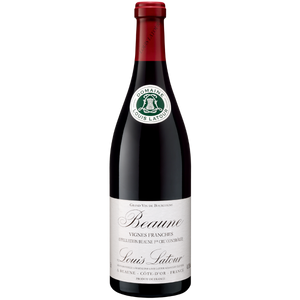
<p>It is difficult to list just a few highlights&nbsp;since quality was so widespread. As you can imagine, the wines from Louis Latour attracted quite a following and many commented that they were among the best in the room.&nbsp;With the advantage of being a few tables down from some of the&nbsp;ripest cheeses in the tasting, our 2005s were well received with a plate full of aged goudas and Spanish blue goat cheese. The <strong><a href="http://burgundyandbeyond.k1technology.com/index.cfm?method=products.wineDrilldown&amp;productid=b91425d9-1e0b-4e34-f04f-17ae8c8c9723&amp;wineTypeID=c5743e3e-c8e1-ac3d-db79-39bb3c6ea0b1&amp;wineVarietalID=&amp;wineRegionID=&amp;wineAppellationID=&amp;vintage=&amp;lowPrice=&amp;highPrice=&amp;productBrandID=&amp;sortBy=Title">Beaune Vignes Franches 2005</a></strong> was definitely the highlight. Served out of a decanter, it was dark and pure with blackberries, licorice, black raspberries and minerals. A half hour of air opened it up immensely and allowed the quality of the 2005 vintage to show through in the absence of harsh tannins or gripping acidity.</p>
<p>Despite a few random bottle thieves and a sleepy start due to the Euro Cup final, we feel that this tasting was a grand success. With each passing year, the locals seem to get a better grip on Burgundy. Their questions are more intelligent, their gazes more confident, their tasting experience more complete. One gentleman shared with us that he put on his 'Burgundy hat' before tasting our wines because after sampling several Russian River Pinots, he needed to adjust his expectations in terms of acidity, fruit and alcohol. This mental shift enabled him to appreciate the elegance and subtle refinement of our Pinot Noirs.&nbsp;</p>
<p>We hope that all those who stopped by for a taste of Louis Latour will send us their comments on The Grand Tasting.&nbsp; See you next year at Pinot Days 2009!</p> ]]>
					
					
					</description>
					
					<category />
					<pubDate>Mon, 30 Jun 2008 11:03:00 -0800</pubDate>
					<guid isPermaLink="false">http://www.burgundyandbeyond.com/index.cfm?method=blog.blogdrilldown&amp;blogentryid=dabad403-dcc8-d1f9-dfa1-0f881f5dc25f</guid>
				<feedburner:origLink>http://www.burgundyandbeyond.com/index.cfm?method=blog.blogdrilldown&amp;blogentryid=dabad403-dcc8-d1f9-dfa1-0f881f5dc25f</feedburner:origLink></item>
				
				<item>
					<title>The Wines of Henry Fessy</title>
					
						<link>http://feedproxy.google.com/~r/BurgundyBeyond/~3/5kJm3kcuAYQ/index.cfm</link>
					
					<description>


					<![CDATA[ <p>
	<img alt="" class="featureRight" src="http://www.burgundyandbeyond.com/assets/client/Image/HF-vineyard-horizontal.jpg" style="border-width: 0px; border-style: solid; margin: 10px; float: right; width: 275px; height: 139px;" /><font color="#333333">Not to be confused with the grapey party drink Beaujolais Nouveau, the wines from the <strong>10 picturesque crus of Beaujolais</strong> represent high-quality Gamay, similar in status to Village-level, Pinot Noir-based wines from Burgundy with the distinct advantage of a more modest price tag. Some would argue that these intricate, terroir-driven <strong>Gamays</strong> are among the best values in France. Though somewhat misunderstood and overlooked by the majority of Burgundy-lovers, the crus are vinified using traditional Burgundian techniques and are more often than not treated to Grand Cru-style care in the cellars. Each cru is a reflection of its particular terroir with transparency as one of the guding principals in the Cuverie.&nbsp;These wines are especially remarkable for their ability to <strong>pair well with food</strong>, thanks to the pronounced acidity of the Gamay grape, and for the enjoyment they offer after only a few months in the bottle.</font></p>
<p>
	<font color="#333333"><strong>Louis Latour</strong> has always kept a distant but careful eye on Beaujolais, awaiting an opportunity to invest in what he estimated to be one of the most undervalued wine regions of France. The current economic crisis in Beaujolais and the relatively inexpensive land prices have created much opportunity for interested winery owners from the C&ocirc;te d&#39;Or. Louis Latour seized the occasion in January of this year, purchasing the winery of <strong>Vins Henry Fessy</strong>, a <strong>120-year-old&nbsp;<em>domaine</em></strong> that was still family-run, like Maison Louis Latour, and that offered&nbsp;pure and elegant&nbsp;Gamays and Chardonnays from some of Beaujolais&#39; best terroirs.&nbsp; <a href="http://www.burgundyandbeyond.com/About-Us/The-Story-behind-the-Winery/Vins-Henry-Fessy"><em><strong>More on Henry Fessy.</strong></em> </a></font></p>
<p>
	<font color="#333333">The <strong>US launch of Henry Fessy&#39;s wines</strong> is set for <strong>July 1st</strong>. We are proud to offer you the following Cru Beaujolais, all from the <strong>2007 vintage</strong>: &nbsp;<strong>Fleurie</strong>, <strong>Morgon</strong>, <strong>Brouilly</strong>, <strong>Moulin &agrave; Vent</strong> and <strong>R&eacute;gni&eacute;</strong>.&nbsp;<br />
	</font></p>
 ]]>
					
					
					</description>
					
					<category />
					<pubDate>Mon, 23 Jun 2008 10:57:00 -0800</pubDate>
					<guid isPermaLink="false">http://www.burgundyandbeyond.com/index.cfm?method=blog.blogdrilldown&amp;blogentryid=b693838a-d8a3-cba0-74fa-6dad8c6943b7</guid>
				<feedburner:origLink>http://www.burgundyandbeyond.com/index.cfm?method=blog.blogdrilldown&amp;blogentryid=b693838a-d8a3-cba0-74fa-6dad8c6943b7</feedburner:origLink></item>
				</channel></rss>