
<?xml version="1.0" encoding="utf-8"?>
<rss version="2.0"
  xmlns:dc="http://purl.org/dc/elements/1.1/"
  xmlns:content="http://purl.org/rss/1.0/modules/content/"
  xmlns:admin="http://webns.net/mvcb/"
  xmlns:rdf="http://www.w3.org/1999/02/22-rdf-syntax-ns#">
<channel>
<title>Fattoria di Maiano</title>
<link>http://www.fattoriadimaiano.com/</link>
<description>Il feed rss del sito Fattoria di Maiano</description>
<webMaster>storiediweb@gmail.com</webMaster>
<lastBuildDate> Ven, 19 Giu 2009 00:00:01 GMT </lastBuildDate>
<docs>http://blogs.law.harvard.edu/tech/rss</docs>
<managingEditor>storiediweb@gmail.com</managingEditor>
<dc:language>EN-en</dc:language>

<dc:creator>www.storiediweb.it</dc:creator>
<dc:rights>Copyright 2009 StoriediWeb</dc:rights>
<dc:date>2002-10-18T16:10:15-05:00</dc:date>
<item>
<title>24 e 25 Novembre MERCATO ARTIGIANALE a Villa MIARI FULCIS Modolo -BL-</title>

<link>http://www.fattoriadimaiano.com/en/news_details_eng.php?idnews=71</link>

<pubDate>2012-11-20</pubDate>

<author>La Fattoria di Maiano</author>

<content:encoded><![CDATA[<font class="Apple-style-span" size="4">24-25 Novembre a Villa MIARI FULCIS &nbsp;loc. Modolo -BL- si terr&agrave; la 3a edizione dell&#39atteso MERCATO ARTIGIANO DI NATALE a cura della sezione femminile di Belluno della CRI. L&#39attesa manifestazione &egrave; gi&agrave; diventata un classico di stagione.</font><span class="Apple-style-span" style="font-size: large; ">&nbsp;</span>

<style type="text/css">@import url(../rte/rte.css);</style>

]]></content:encoded>

</item>
<item>
<title>FRANCIS BACON AND THE EXISTENTIAL CONDITION IN CONTEMPARY ART</title>

<link>http://www.fattoriadimaiano.com/en/news_details_eng.php?idnews=69</link>

<pubDate>2012-10-01</pubDate>

<author>La Fattoria di Maiano</author>

<content:encoded><![CDATA[
  <b>Francis Bacon And The Existential Condition In Contemporary Art<br />Nathalie Djurberg, Adrian Ghenie, Arcangelo Sassolino, Chiharu Shiota, Annegret Soltau</b><br /><br />5 October 2012&minus;27 January 2013<br />Opening: Thursday 4 October<br /><br />Francis Bacon and the Existential Condition in Contemporary Art, an exhibition co-curated by Franziska Nori (Director of the CCC Strozzina) and Barbara Dawson (Director of the Dublin City Gallery The Hugh Lane), will be presenting work by contemporary artists who exam today&rsquo;s existential state of societal mind. Their work explores the kind of questions man asks himself in his relationship with his own interior being, his body and the outside world.&nbsp; At the core of the exhibition are paintings by Francis Bacon (1909-1992), whose work is placed in dialogue with that of five contemporary artists of international renown: Nathalie Djurberg, Adrian Ghenie, Arcangelo Sassolino, Chiharu Shiota and Annegret Soltau. These artists share Bacon&rsquo;s reflection on man&rsquo;s existential condition and on the depiction of the human figure.<br /><br />Bacon&rsquo;s paintings on display are set against a selection of photographic and hardcopy material from the artist&rsquo;s archive: photo portraits, reproductions of masterpieces of the past, film stills, and pictures from books and magazines. This material, which Bacon used as a working tool when creating his art, is presented in the exhibition thanks to the CCC Strozzina&rsquo;s cooperation with the Dublin City Gallery The Hugh Lane, which acquired an authentic and perfectly preserved reconstruction of the artist&rsquo;s last London workshop in 1998.<br /><br />His mingling of the figurative and the abstract, his bodies transfigured, his reference to autobiographical elements, his use of a variety of different iconographic sources and of tension and isolation as metaphors of man&rsquo;s life can also be found as crucial aspects of in the work of the five contemporary artists that is arranged in a situation of dialogue with Bacon in an effort to trigger an existential reflection on contemporary living.<br /><br />Adrian Ghenie (Romania, 1977) creates paintings in which he merges personal images or images that are emblematic of recent history by dipping into such varied sources as catalogues, history books, film stills and pictures discovered on the Internet. Ghenie explores the depiction of the human figure, which he almost assaults, especially around the face, the symbol of a person&rsquo;s individuality.<br />In her installations, Chiharu Shiota (Japan, 1972) seems to translate emotional states and existential reflections onto a three-dimensional plane, addressing such issues as the memory and dreams, autobiographical elements and traces of a past that take on an evocative, collective physical form. Nathalie Djurberg (Sweden, 1978) works with clay and plasticine to create the symbolic and disturbing environments and figures which populate her installations and her video animation. Djurberg raises existential doubts and asks existential questions shifting between life and death, fear and desire, moving between unsettling taboos and such complex facets of the human condition as vulnerability, solitude, sexuality and death.<br />Arcangelo Sassolino (Italy, 1967) creates installations in which mechanical systems explore the effects caused by extreme forces. His works shows us both the shaping and the transience of things in their essentiality, deliberately rejecting all explicit recourse to metaphor. They are a latter-day memento mori warning, depicting man&rsquo;s inability to go beyond the expectation of an event, or vice-versa, beyond its end.<br />From the 1970s till today, Annegret Soltau (Germany, 1946) works on the themes of the body and of identity through performances, video art and photography. This experimentation with photography achieves its apex with the so-called photo sewings, in which the artist&rsquo;s face or fragments of different faces are criss-crossed by thin black thread. The wounds, constrictions and fragmentation of her faces and bodies are transformed into a tool for reflection on the depiction and expression of the human existential condition.<br /><br />Francis Bacon and the Existential Condition in Contemporary Art is organised by the Centre di Cultura Contemporanea Strozzina in conjunction with the Dublin City Gallery The Hugh Lane (Dublin).<br /><br />Information:<br />Tel. +39 055 2645155<br />news@strozzina.org<br /><br />Press Office:<br />Lavinia Rinaldi<br />Tel. +39 055 3917122, Fax +39 055 2646560,<br />l.rinaldi@palazzostrozzi.org<br /><br /><a href="http://www.strozzina.org/en/exhibitions/francis-bacon/" target="_self">http://www.strozzina.org/en/exhibitions/francis-bacon/</a><style type="text/css">@import url(../rte/rte.css);</style>
        <style type="text/css">@import url(../rte/rte.css);</style>
    
<style type="text/css">@import url(../rte/rte.css);</style>

]]></content:encoded>

</item>
<item>
<title>VILLA DI MAIANO AND OLIVE GUIDED TOUR</title>

<link>http://www.fattoriadimaiano.com/en/news_details_eng.php?idnews=59</link>

<pubDate>2012-09-21</pubDate>

<author>La Fattoria di Maiano</author>

<content:encoded><![CDATA[
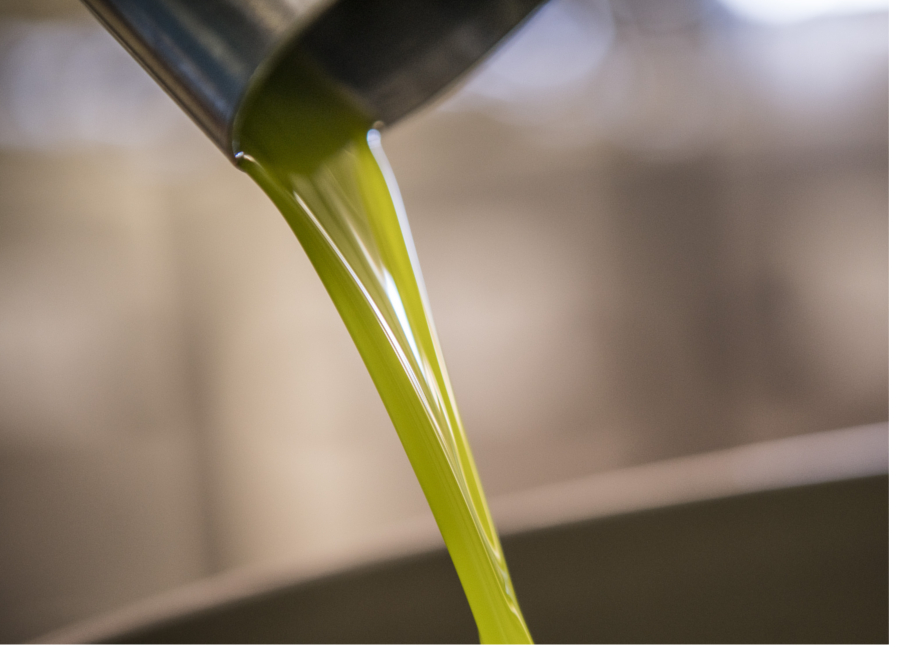
                                                                          Tour includes gardens and halls of Villa di Maiano, the elegant main house of Fattoria di Maiano. You will see beautiful corners of the Villa like: the majestic Sala degli Arazzi (Ball Room) with beautiful French tapestries; Sala delle Bambole (Dolls&rsquo; Room) and Sala da Pranzo (Dining Room) where James Ivory filmed some scenes of A room with a view.<br /><br />Walking through the olive grooves , you will easily reach Fattoria di Maiano, a completely organic farm. Here you will see the estate olive mill, operating in the months of November and December. We will explain to you the whole olive oil making process.The tour ends with our olive oil tasting. In addition to the guided tour, we can arrange a delicious lunch with local products.<br /><br />The tours are subject to early booking:<br />phone + 39 055 599600 <br /><style type="text/css">@import url(../rte/rte.css);</style>
                                                                                <style type="text/css">@import url(../rte/rte.css);</style>
                                                                              <style type="text/css">@import url(../rte/rte.css);</style>
                                                                            <style type="text/css">@import url(../rte/rte.css);</style>
                                                                          <style type="text/css">@import url(../rte/rte.css);</style>
                                                                        <style type="text/css">@import url(../rte/rte.css);</style>
                                                                      <style type="text/css">@import url(../rte/rte.css);</style>
                                                                    <style type="text/css">@import url(../rte/rte.css);</style>
                                                                  <style type="text/css">@import url(../rte/rte.css);</style>
                                                                <style type="text/css">@import url(../rte/rte.css);</style>
                                                              <style type="text/css">@import url(../rte/rte.css);</style>
                                                            <style type="text/css">@import url(../rte/rte.css);</style>
                                                          <style type="text/css">@import url(../rte/rte.css);</style>
                                                        <style type="text/css">@import url(../rte/rte.css);</style>
                                                      <style type="text/css">@import url(../rte/rte.css);</style>
                                                    <style type="text/css">@import url(../rte/rte.css);</style>
                                                  <style type="text/css">@import url(../rte/rte.css);</style>
                                                <style type="text/css">@import url(../rte/rte.css);</style>
                                              <style type="text/css">@import url(../rte/rte.css);</style>
                                            <style type="text/css">@import url(../rte/rte.css);</style>
                                          <style type="text/css">@import url(../rte/rte.css);</style>
                                        <style type="text/css">@import url(../rte/rte.css);</style>
                                      <style type="text/css">@import url(../rte/rte.css);</style>
                                    <style type="text/css">@import url(../rte/rte.css);</style>
                                  <style type="text/css">@import url(../rte/rte.css);</style>
                                <style type="text/css">@import url(../rte/rte.css);</style>
                              <style type="text/css">@import url(../rte/rte.css);</style>
                            <style type="text/css">@import url(../rte/rte.css);</style>
                          <style type="text/css">@import url(../rte/rte.css);</style>
                        <style type="text/css">@import url(../rte/rte.css);</style>
                      <style type="text/css">@import url(../rte/rte.css);</style>
                    <style type="text/css">@import url(../rte/rte.css);</style>
                  <style type="text/css">@import url(../rte/rte.css);</style>
                <style type="text/css">@import url(../rte/rte.css);</style>
              <style type="text/css">@import url(../rte/rte.css);</style>
            <style type="text/css">@import url(../rte/rte.css);</style>
          <style type="text/css">@import url(../rte/rte.css);</style>
        <style type="text/css">@import url(../rte/rte.css);</style>
    
<style type="text/css">@import url(../rte/rte.css);</style>

]]></content:encoded>

</item>
<item>
<title>THE MYTH, THE SACRED, THE PORTRAIT</title>

<link>http://www.fattoriadimaiano.com/en/news_details_eng.php?idnews=68</link>

<pubDate>2012-08-25</pubDate>

<author>La Fattoria di Maiano</author>

<content:encoded><![CDATA[The myth, the sacred, the portrait<br />Paintings from the repositories of the Palatine Gallery<br /><br />04-17-2012 | 12-22-2012<br /><br />The Sala delle Nicchie&nbsp;in the Palatine Gallery hosts the exhibition&nbsp;The Myth, the Sacred, the Portrait, paintings from the repositories of the Palatine Gallery. It is a short anthology designed to enable the public to approach knowledge of an inexhaustible and always surprising artistic heritage, the result of the lengthy collecting of the Medici and the indissoluble link that the reigning family wished to set up with Florence when it bequeathed its treasures to the city permanently &ldquo;as ornament of the State, for Public utility and to attract the curiosity of Foreigners&rdquo;.&#8232;&#8232;The nineteen paintings gathered here tell the stories of the places they come from, the palazzi and the grand-ducal villas, of the commissioners that ordered them from the most fashionable painters of the the time, or who purchased them on the antiques market urged by the desire to enhance their &nbsp;collections.<br />The exhibition route is divided into four sections that illustrate the subjects that were most common and pleasing to the tastes of the collectors, within a timespan comprised between the 1560s and the first half of the seventeenth century.&nbsp; &#8232;&#8232;The fulcrum of the exhibition is the monumental painting of Hercules and the Hydra of Lerna, executed by Guido Reni around 1638-40 and originating from the collection of Cardinal Giovan Carlo in the Casino Mediceo of Via della Scala. Hercules, the symbol of strength and the emblematic Medici hero, is also the mentor who accompanies the prince on the spiritual journey amidst the celestial spheres in the five Rooms of the Planets frescoed by Pietro da Cortona, which come immediately after this room. The two canvases portraying Tarquin and Lucretia, executed by Simone Pignoni are related to the myth as exemplum virtutis, and allude to female chastity and strength.&#8232;<br />The section devoted to Sacred Stories comprises subjects from the Old and New Testaments addressed by both Flemish artists such as Frans Floris, (active in Italy from around 1540) and Italian painters including Artemisia Gentileschi and the Veronese Jacopo Ligozzi, an artist much-loved by both Francesco I and his brother and successor Ferdinando I.<br />Then comes a short tribute to&nbsp;Don Lorenzo de&rsquo; Medici, the son of Ferdinando I and Christine of Lorraine, a sophisticated art lover and an attentive patron to some of the greatest geniuses of his time, including Volterrano, Dandini, Stefano della Bella and Michele Desubleo. Outstanding among the many works commissioned for the picture gallery arranged in his favourite residence, the Villa della Petraia, were the large canvas showing Orlando in the Brigands&rsquo; Cave, illustrating the taste for subjects taken from Orlando Furioso and the Gerusalemme Liberata, as well as a series of ovals showing Hylas, Zephyr, the Youth in a Blue Doublet and the Allegory of Comedy, complete with their original frames, destined to one of the small rooms on the ground floor.&#8232;<br />The&nbsp;Portrait, as an expression of family and political ties, as a gift, or as a symbol of the moral virtues of the person portrayed, is the subject that closes the exhibition. The five paintings displayed here portray Gaston of Orleans, Henrietta Maria and Elisabeth, the younger children of Maria de&rsquo; Medici and Henry IV of France, together with Cosimo III de&rsquo; Medici and Margherita de&rsquo; Medici as Saint Margaret. They were executed by two of the greatest specialists in the genre, Frans Pourbus the Younger and Justus Suttermans, and reflect various moments in the history of the grand-ducal family and the role and importance that it assumed on the stage of European politics.<br /><br /><a href="http://www.uffizi.firenze.it/en/mostre/mostra.php?t=4fa90280f1c3bcf80b000000" target="_self">http://www.uffizi.firenze.it/en/mostre/mostra.php?t=4fa90280f1c3bcf80b000000</a><style type="text/css">@import url(../rte/rte.css);</style>

]]></content:encoded>

</item>
<item>
<title>THE FATTORIA DI MAIANO SAFARI TOUR</title>

<link>http://www.fattoriadimaiano.com/en/news_details_eng.php?idnews=67</link>

<pubDate>2012-06-26</pubDate>

<author>La Fattoria di Maiano</author>

<content:encoded><![CDATA[
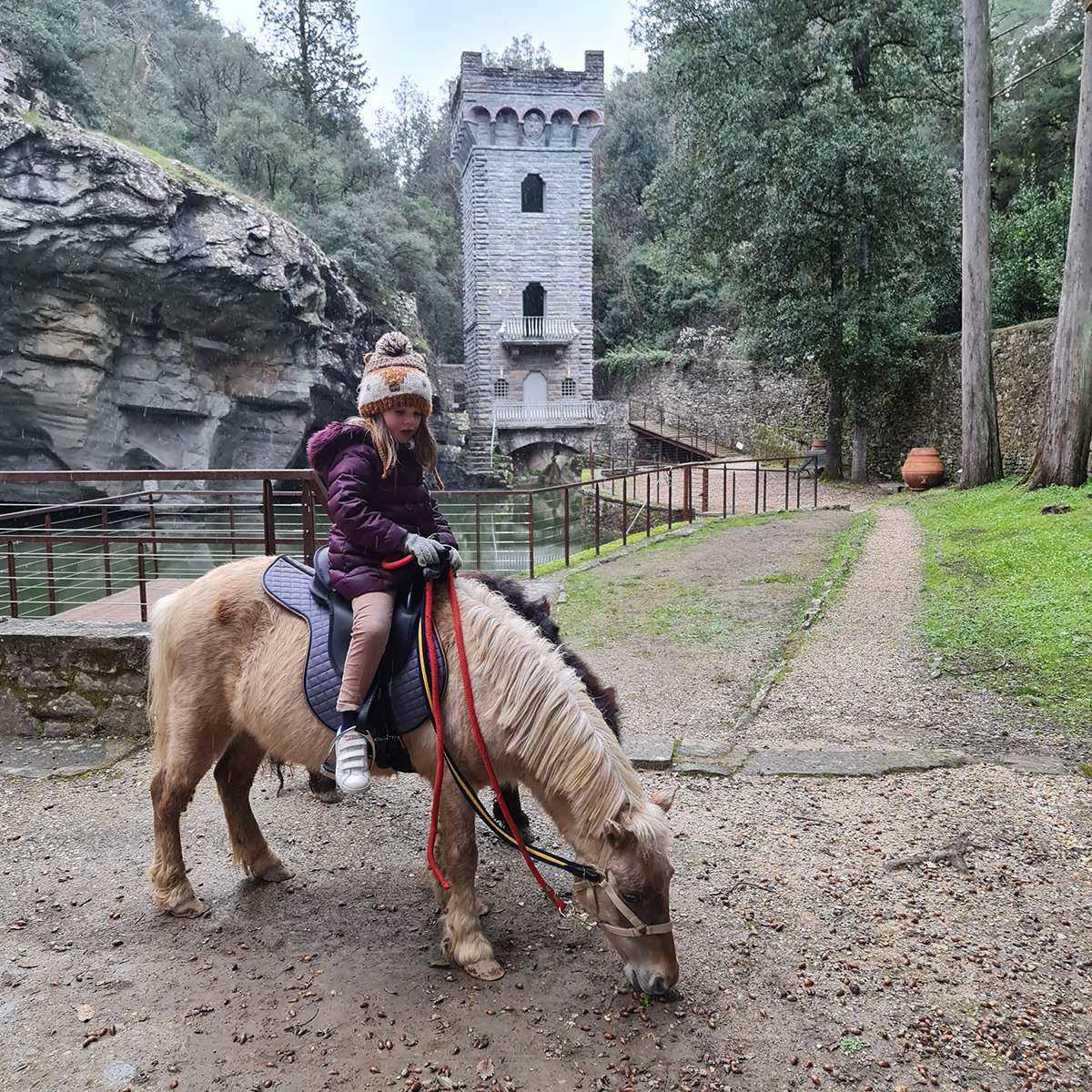
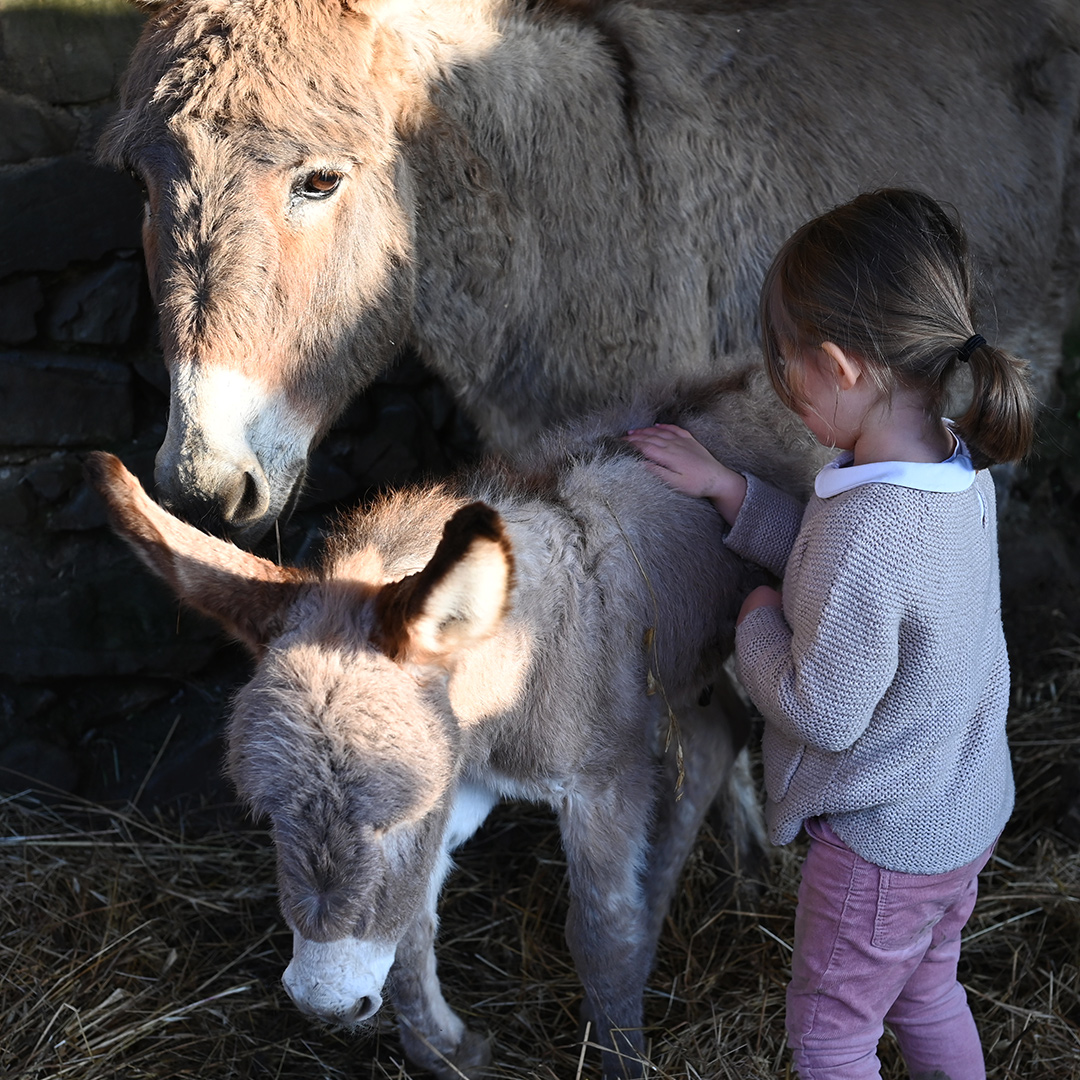
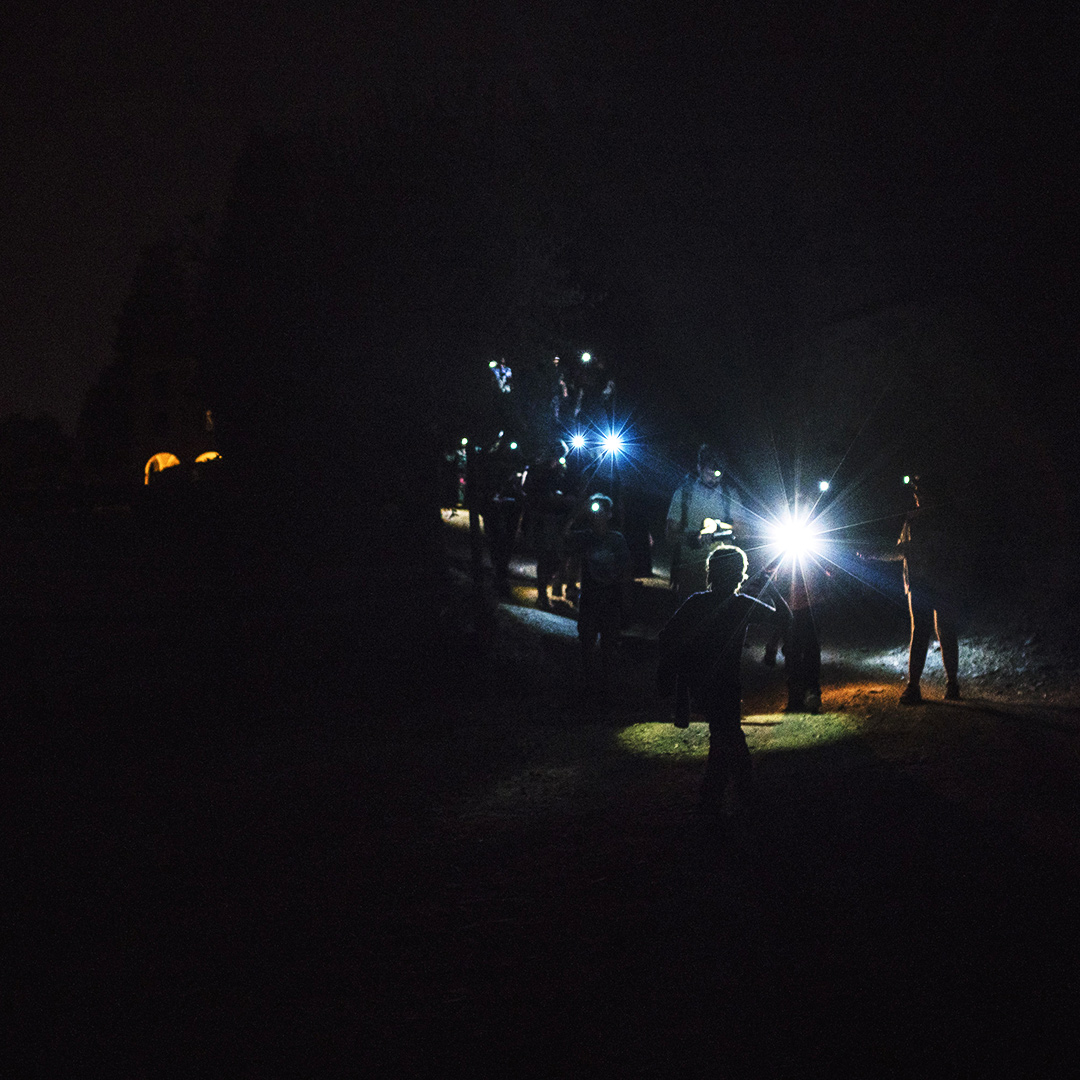
      The pathways wind throughout the Fattoria di Maiano estate. The itinerary is specially designed to introduce to our visitors the animals that live in their natural habitat: Limousine cows, a bull and Amiata donkeys. Those animals will captivate you with their friendliness and docility. Exceptionally included in the &ldquo;Safari tour&rdquo;, a visit to the charming &ldquo;Laghetto delle Colonne&rdquo;, situated at the heart of the estate, whose name celebrates the fact that the quarry at its centre is reputed to have provided the columns for the church of San Lorenzo in Florence. Among the many illustrious visitors, was Queen Victoria who sketched&nbsp; the lake of the columns while staying at the Temple Leader&rsquo;s villa.&#8232;The same tour can be held also by night, when you will be charmed by a special atmosphere: you will discover and admire the wildlife - foxes, deer, porcupines, pheasants and many other odd animals<br />We assure: amazing views of the city of Florence by unusual corners of the Tuscan landscape, out of the caothic traffic life and&nbsp; a great fun.<br />Bring your camera!<br />Length: about 1h30<br /><br /><a href="http://www.fattoriadimaiano.com/en/en_safari-tour.php" target="_self">http://www.fattoriadimaiano.com/en/en_safari-tour.php</a><style type="text/css">@import url(../rte/rte.css);</style>
            <style type="text/css">@import url(../rte/rte.css);</style>
          <style type="text/css">@import url(../rte/rte.css);</style>
        <style type="text/css">@import url(../rte/rte.css);</style>
    
<style type="text/css">@import url(../rte/rte.css);</style>

]]></content:encoded>

</item>
<item>
<title>THE SPRINGTIME OF THE RENAISSANCE.SCUPLTURE AND THE ARTS IN FLORENCE.</title>

<link>http://www.fattoriadimaiano.com/en/news_details_eng.php?idnews=62</link>

<pubDate>2012-06-01</pubDate>

<author>La Fattoria di Maiano</author>

<content:encoded><![CDATA[
                                                                              <br /><span style="font-weight: bold;">The Springtime of the Renaissance. Sculpture and the Arts in Florence 1400-1460</span><br style="font-weight: bold;" /><span style="font-weight: bold;">Palazzo Strozzi, 21 March-18 August 2013 Mus&eacute;e du Louvre, 23 September 2013-6 January 2014</span><br /><br />Organised by: Fondazione Palazzo Strozzi and Mus&eacute;e du Louvre<br />Curated by: Beatrice Paolozzi Strozzi and Marc Bormand<br /><br />The exhibition proposes to illustrate, in theme-based Sections, the origin of what is still known today as the "miracle" of the Renaissance in Florence, doing so principally through masterpieces of sculpture, the branch of figurative art in which that new season first saw the light of day. <br /><br />The first section is devoted to the rediscovery of the ancient world during the "rebirth" that occurred between the 13th and 14th centuries&ndash;from Nicola Pisano to Arnolfo and their successors&ndash;and following assimilating the expressive richness of the Gothic style, especially of French origin (Section I: The Legacy of the Fathers), the two panels depicting the Sacrifice of Isaac by Lorenzo Ghiberti and Filippo Brunelleschi and the model of Brunelleschi&#39s Cupola represent the fundamental starting point of the Early Renaissance (Section II: Florence 1401. The Dawn of the Renaissance).<br />At that time the writings of the great Humanists, singing the praises of the Florentine Republic&#39s political achievements, its economic power and its social harmony, were spreading the legend of Florence as the heir to the Roman Republic and as a model for other Italian city-states.<br />Monumental public sculpture (by Donatello, Ghiberti, Nanni di Banco, Michelozzo and others in those veritable beehives of innovation that were the city&#39s major construction sites, the Cathedral and Orsanmichele for example) is the first and loftiest testimony to this exaltation of Florence and its leading citizens (Section III: Civic and Christian Romanitas), while it also had a profound influence on the painting of such artists as Masaccio, Paolo Uccello, Andrea del Castagno and Filippo Lippi (Section VI: Sculpture in Paint). Other themes of classical antiquity were assimilated and transformed through sculpture in this new language that gave voice not only to the city&#39s creative fervour but also to its spiritual and intellectual mood (Section IV: &#39Spirits&#39 Both Sacred and Profane; Section V: The Rebirth of the Condottieri). The search for a &#39rational&#39 space and Brunelleschi&#39s discovery of perspective were implemented in their most advanced forms precisely in the art of sculpture, in Donatello&#39s bas-reliefs, for instance the predella of the St George and Herod&#39s Banquet in Lille, and their echo reached well into the middle part of the century in the work of Desiderio da Settignano and Agostino di Duccio in an ongoing dialogue-cum-debate with painting, including that of the classical era (Section VII: History &#39in Perspective&#39).<br />From the 1420s on, the new standards of sculpture perfected by the great masters and illustrated by a number of masterpieces&mdash;like Donatello&#39s Pazzi Madonna from Berlin and the Fiesole Madonna attributed to Brunelleschi&mdash;spread via a seemingly endless output of bas-reliefs for private devotion (in marble, stucco, polychrome terracotta and glazed terracotta), which fostered the widespread propagation of a taste for the &#39new&#39 beauty in every level of society (Section VIII: The Spread of Beauty; Section IX: The Eternity of Colour. Luca Della Robbia and the Invention of Glazed Terracotta). At the same time, the most prestigious artistic commissions in Florence began to focus on venues of solidarity and of prayer (churches, confraternities and hospitals) (Section X: Beauty and Charity).<br />Thus, arranged around the city&#39s absolute symbol&mdash;the wooden model of Brunelleschi&#39s Cupola for Santa Maria del Fiore&mdash;the exhibition offers a retrospective of sculpture that was also to have a crucial impact on the development of the other figurative arts, in a direct debate with its classical predecessors, from the tombs of the Humanists, to the inspiration provided by ancient sarcophagi, to the rebirth of the equestrian monument and the carved portrait. The carved portrait, which started to become popular towards the middle of the century&mdash;in the marble busts of Mino da Fiesole, Desiderio da Settignano and Antonio Rossellino&mdash;heralds the transition from fiorentina libertas to the private patronage that was soon to lead to the hegemony of the Medici family (Section XI: From City to Palace. The New Patrons of the Arts).<br /><br /><a href="www.palazzostrozzi.org" target="_self">www.palazzostrozzi.org</a><br /><br /><style type="text/css">@import url(../rte/rte.css);</style>
                                                                                    <style type="text/css">@import url(../rte/rte.css);</style>
                                                                                  <style type="text/css">@import url(../rte/rte.css);</style>
                                                                                <style type="text/css">@import url(../rte/rte.css);</style>
                                                                              <style type="text/css">@import url(../rte/rte.css);</style>
                                                                            <style type="text/css">@import url(../rte/rte.css);</style>
                                                                          <style type="text/css">@import url(../rte/rte.css);</style>
                                                                        <style type="text/css">@import url(../rte/rte.css);</style>
                                                                      <style type="text/css">@import url(../rte/rte.css);</style>
                                                                    <style type="text/css">@import url(../rte/rte.css);</style>
                                                                  <style type="text/css">@import url(../rte/rte.css);</style>
                                                                <style type="text/css">@import url(../rte/rte.css);</style>
                                                              <style type="text/css">@import url(../rte/rte.css);</style>
                                                            <style type="text/css">@import url(../rte/rte.css);</style>
                                                          <style type="text/css">@import url(../rte/rte.css);</style>
                                                        <style type="text/css">@import url(../rte/rte.css);</style>
                                                      <style type="text/css">@import url(../rte/rte.css);</style>
                                                    <style type="text/css">@import url(../rte/rte.css);</style>
                                                  <style type="text/css">@import url(../rte/rte.css);</style>
                                                <style type="text/css">@import url(../rte/rte.css);</style>
                                              <style type="text/css">@import url(../rte/rte.css);</style>
                                            <style type="text/css">@import url(../rte/rte.css);</style>
                                          <style type="text/css">@import url(../rte/rte.css);</style>
                                        <style type="text/css">@import url(../rte/rte.css);</style>
                                      <style type="text/css">@import url(../rte/rte.css);</style>
                                    <style type="text/css">@import url(../rte/rte.css);</style>
                                  <style type="text/css">@import url(../rte/rte.css);</style>
                                <style type="text/css">@import url(../rte/rte.css);</style>
                              <style type="text/css">@import url(../rte/rte.css);</style>
                            <style type="text/css">@import url(../rte/rte.css);</style>
                          <style type="text/css">@import url(../rte/rte.css);</style>
                        <style type="text/css">@import url(../rte/rte.css);</style>
                      <style type="text/css">@import url(../rte/rte.css);</style>
                    <style type="text/css">@import url(../rte/rte.css);</style>
                  <style type="text/css">@import url(../rte/rte.css);</style>
                <style type="text/css">@import url(../rte/rte.css);</style>
              <style type="text/css">@import url(../rte/rte.css);</style>
            <style type="text/css">@import url(../rte/rte.css);</style>
          <style type="text/css">@import url(../rte/rte.css);</style>
        <style type="text/css">@import url(../rte/rte.css);</style>
    
<style type="text/css">@import url(../rte/rte.css);</style>

]]></content:encoded>

</item>
<item>
<title>AS IF MADE WITH THE BRUSH-ITALIAN CHIAROSCURO WOODCUTS</title>

<link>http://www.fattoriadimaiano.com/en/news_details_eng.php?idnews=63</link>

<pubDate>2012-03-10</pubDate>

<author>La Fattoria di Maiano</author>

<content:encoded><![CDATA[
                                  from 6 Dec 11 until 11 Mar 12<br /><br />Prints and Drawings Department of the Uffizi<br />&laquo;As if Made with the Brush&raquo;<br />Italian Chiaroscuro Woodcuts from the Sixteenth to the Eighteenth Century<br /><br />In parallel with the quest for an increasingly faithful reproduction of the drawings of the great Renaissance masters, at the dawn of the sixteenth century the introduction of colour in the production of prints already seemed an essential requisite. The chiaroscuro xylograph, or woodcut, that was capable of evoking the chromatic and material effects of the drawing, immediately became popular in Italy as a result of the experiments of Ugo da Carpi, already identified as the inventor of the technique by Vasari, who &ndash; in view of their exceptional imitative potential &ndash; defined these prints as &ldquo;looking as if they had been made with the brush&rdquo;. This felicitous season of colour xylography was therefore the consequence of the attempts of engraving techniques to aspire to the most elevated examples of contemporary painting.<br />A selection of fifty drawings from the collections of the Prints and Drawings Department invites us to trace the development of what was at once a phenomenon of taste and of collecting, but also of intelligent interpretation of the specific aesthetic values of the drawing. The activity of Ugo da Carpi was connected first with Titian in Venice and then in Rome with Raphael, and afterwards with the post-Raphael artistic developments, and in particular the works of Parmigianino. Later, the new technique spread to the contemporary engraving production of Antonio da Trento and Niccol&ograve; Vicentino, the specific experiments of Domenico Beccafumi in the middle of the century and the revival of these graphic approaches in the woodcuts of Bartolomeo Coriolano taken from models by Reni in seventeenth-century Bologna, and in those of Count Anton Maria Zanetti in Venice in the eighteenth century.<br />In this respect too, the graphic collections of the Uffizi &ndash; which are exceptional in terms of the unique history that roots them in the collecting activities of the Medici dynasty &ndash; are able to exhaustively document a singular phenomenon among the engraving techniques, which is also linked to the special attitude that the Tuscan figurative culture had towards the graphic arts. In some cases, it is actually possible to view alongside the drawings of Parmigianino, of Medici provenance, and the reproductions using sixteenth-century chiaroscuro techniques taken from these same drawings. The collection boasts over half the colour woodcuts currently known in academic circles, and it is no coincidence that it was here that the very first exhibition devoted to the Italian chiaroscuro from the sixteenth to the eighteenth century was organised in 1956.<br /><br />Ticket prices:<br />Entrance with ticket to the Uffizi Gallery<br /><br />Hours<br />Uffizi Gallery hours, Tuesday &ndash; Sunday 8.15 - 18.50<br />Closed on Monday<br /><br /><a href="http://www.polomuseale.firenze.it/english/mostre/mostra.asp?id=267" target="_self">http://www.polomuseale.firenze.it/english/mostre/mostra.asp?id=267</a><br /><br /><style type="text/css">@import url(../rte/rte.css);</style>
                                        <style type="text/css">@import url(../rte/rte.css);</style>
                                      <style type="text/css">@import url(../rte/rte.css);</style>
                                    <style type="text/css">@import url(../rte/rte.css);</style>
                                  <style type="text/css">@import url(../rte/rte.css);</style>
                                <style type="text/css">@import url(../rte/rte.css);</style>
                              <style type="text/css">@import url(../rte/rte.css);</style>
                            <style type="text/css">@import url(../rte/rte.css);</style>
                          <style type="text/css">@import url(../rte/rte.css);</style>
                        <style type="text/css">@import url(../rte/rte.css);</style>
                      <style type="text/css">@import url(../rte/rte.css);</style>
                    <style type="text/css">@import url(../rte/rte.css);</style>
                  <style type="text/css">@import url(../rte/rte.css);</style>
                <style type="text/css">@import url(../rte/rte.css);</style>
              <style type="text/css">@import url(../rte/rte.css);</style>
            <style type="text/css">@import url(../rte/rte.css);</style>
          <style type="text/css">@import url(../rte/rte.css);</style>
        <style type="text/css">@import url(../rte/rte.css);</style>
    
<style type="text/css">@import url(../rte/rte.css);</style>

]]></content:encoded>

</item>
<item>
<title>MERRY CHRISTMAS AND HAPPY NEW YEAR!</title>

<link>http://www.fattoriadimaiano.com/en/news_details_eng.php?idnews=64</link>

<pubDate>2011-12-25</pubDate>

<author>La Fattoria di Maiano</author>

<content:encoded><![CDATA[
  Fattoria and Villa di Maiano<br />wish you a Merry Christmas and&nbsp;a Happy New Year!<style type="text/css">@import url(../rte/rte.css);</style>
        <style type="text/css">@import url(../rte/rte.css);</style>
    
<style type="text/css">@import url(../rte/rte.css);</style>

]]></content:encoded>

</item>
<item>
<title>MONEY AND BEAUTY. BANKERS, BOTTICELLI AND THE BONFIRE OF THE VANITIES.</title>

<link>http://www.fattoriadimaiano.com/en/news_details_eng.php?idnews=60</link>

<pubDate>2011-12-11</pubDate>

<author>La Fattoria di Maiano</author>

<content:encoded><![CDATA[
                                17 September 2011-22 January 2012<br />Organized by: Fondazione Palazzo Strozzi<br />From an idea of: James M. Bradburne<br />Curated by: &nbsp;Ludovica Sebregondi&nbsp;and&nbsp;Tim Parks <br /><br />Masterpieces by Botticelli, Beato Angelico, Piero del Pollaiolo,the Della Robbia family,and Lorenzo di Credi-the cream of Renaissance artists-show how the modern banking system developed in parallel alongside the most important artistic flowering in the history of the Western world. The exhibition also explores the links between that unique interweave of high finance, economy and art, and the religious and political upheavals of the time.&#8232;Money and Beauty. Bankers, Botticelli and the Bonfire of the Vanities recounts the birth of our modern banking system and of the economic boom that it triggered, providing a reconstruction of European life and the continent&#39s economy from the Middle Ages to the Renaissance. Visitors can delve into the daily life of the families that controlled the banking system and perceive the ongoing clash between spiritual and economic values that was such a feature of it. The saga of the art patrons is closely linked to that of the bankers who financed the ventures of princes and nobles alike, and indeed it was that very convergence that provided the humus in which some of the leading artists of all time were able to flourish.&#8232;The exhibition takes the visitor on a journey to the roots of Florentine power in Europe, but it also explores the economic mechanisms which allowed the Florentines to dominate the world of trade and business 500 years before modern communication methods were invented, and in so doing, to finance the Renaissance. The exhibition analyses the systems that bankers used to build up their immense fortunes, it illustrates the way in which they handled international relations and it also sheds light on the birth of modern art patronage, which frequently began as a penitential gesture only to then turn into a tool for wielding power.<br />Curated by art historian Ludovica Sebregondi, author of Iconography of Girolamo Savonarola, 1495-1998, and Tim Parks, writer, translator and author of Medici Money &ndash; Banking, Metaphysics and Art in Fifteenth-century Florence, the exhibition aims to provide the visitor with an opportunity to look at art from a cross-disciplinary perspective involving economists, politicians and diplomats. It examines the story of how the Florentine Renaissance grew from the supposedly open, but more often actually hidden, relationship between art, power and money.&#8232;The exhibition&rsquo;s distinguished scholarly committee includes: Cristina Acidini, Superintendant for the Historic, Artistic, and Ethno-anthropological Heritage and Polo Museale of the City of Florence (Chair); Alessandro Cecchi, Director of the Galleria Palatina and the Boboli Gardens; Franco Franceschi, Professor of Medieval History at the University of Siena, Arezzo; Dora Liscia, Professor of the History of Applied Art and Goldsmiths&rsquo; Work at the University of Florence; Robert Mundell, Nobel Economy Prizewinner; Beatrice Paolozzi Strozzi, Director of the Museo Nazionale del Bargello; Jacob Rothschild, British investment banker and philanthropist; and Gerhard Wolf, Director of the Kunsthistorisches Institut in Florenz-Max Planck Institut.&#8232;&#8232;Crucial to the illustration of this story are the masterpieces created for the great banking families, while the trajectory of some of Florence&#39s great families, rocked by financial setbacks, drew to a close with the political and religious storm triggered by Savonarola. With his &ldquo;bonfires of the vanities&rdquo;, the Dominican friar rejected everything that the Renaissance had stood for, even though he was part and parcel of it himself.&#8232;The exhibition also uses the detailed depiction of episodes in bankers&#39 daily lives (the work of several leading Flemish artists) to illustrate the era when Florence was the financial capital of the world, and an array of multimedia tools help the visitor to get a clear perception of the ways in which trade was conducted and money travelled throughout the known world at the time.&#8232;&#8232;&#8232;<br /><br />Info: +39 055 2645155 <br />Opening times: Daily 9.00-20.00, Thurdays 9.00-23.00 &#8232;Tickets sold until one hour before closing time<br /><a href="http://www.palazzostrozzi.org/SezioneDenaro.jsp?idSezione=1214&amp;idProgetto=2&amp;idLinguaSito=2" target="_self">http://www.palazzostrozzi.org/SezioneDenaro.jsp?idSezione=1214&amp;idProgetto=2&amp;idLinguaSito=2</a><br /><br /><br /><style type="text/css">@import url(../rte/rte.css);</style>
                                      <style type="text/css">@import url(../rte/rte.css);</style>
                                    <style type="text/css">@import url(../rte/rte.css);</style>
                                  <style type="text/css">@import url(../rte/rte.css);</style>
                                <style type="text/css">@import url(../rte/rte.css);</style>
                              <style type="text/css">@import url(../rte/rte.css);</style>
                            <style type="text/css">@import url(../rte/rte.css);</style>
                          <style type="text/css">@import url(../rte/rte.css);</style>
                        <style type="text/css">@import url(../rte/rte.css);</style>
                      <style type="text/css">@import url(../rte/rte.css);</style>
                    <style type="text/css">@import url(../rte/rte.css);</style>
                  <style type="text/css">@import url(../rte/rte.css);</style>
                <style type="text/css">@import url(../rte/rte.css);</style>
              <style type="text/css">@import url(../rte/rte.css);</style>
            <style type="text/css">@import url(../rte/rte.css);</style>
          <style type="text/css">@import url(../rte/rte.css);</style>
        <style type="text/css">@import url(../rte/rte.css);</style>
    
<style type="text/css">@import url(../rte/rte.css);</style>

]]></content:encoded>

</item>
<item>
<title>AMERICANS IN FLORENCE. SARGENT AND THE AMERICAN IMPRESSIONISTS.</title>

<link>http://www.fattoriadimaiano.com/en/news_details_eng.php?idnews=61</link>

<pubDate>2011-11-26</pubDate>

<author>La Fattoria di Maiano</author>

<content:encoded><![CDATA[
              <span style="font-weight: bold;">  Americans in Florence. Sargent and the American Impressionists</span><br style="font-weight: bold;" /><span style="font-weight: bold;">3 March-15 July 2012</span><br /><br />Organised by: Fondazione Palazzo Strozzi<br />Curated by: Francesca Bardazzi&nbsp;and Carlo Sisi<br /><br />In 2012, exactly 500 years since the death of Amerigo Vespucci, Florence will be marking this event with an exhibition designed to celebrate the strong ties linking the Old World and the New, and the cosmopolitan ambiance that bound the city to the New World for ever, transmitting European culture and sophistication to America.<br />The exhibition explores the American impressionists&#39 relationship with Italy, and with Florence in particular, in the decades spanning the close of the 19th and dawn of the 20th centuries. There was a marked upswing in the number of American artists travelling to Europe after the Civil War ended in 1865, and the trend continued on into the early 20th century. Hundreds of painters came to Paris and other parts of France while others studied in Germany, with England, Holland and Spain being other favourite locations. Italy, however, was an inescapable pole of attraction for most of them. Florence, Venice and Rome had been at the heart of the Grand tour for centuries and had become legendary for all those eager to study the art of the past, quite apart from their appeal in terms of the climate, the countryside, the people, and the overall atmosphere prevailing in them.<br />For the first time since recent exhibitions in France and England explored these American artists&#39 relationship with those two countries, this exhibition will be hosting the work of American painters who embraced the artistic vocabulary of Impressionism and spent time in Italy.<br />The exhibition will contain works by painters who, while not explicitly subscribing to the new style, were nevertheless crucial masters for the younger generations: men such as Winslow Homer, William Morris Hunt, John La Farge and Thomas Eakins.<br />These will be followed by the great forerunners, artists such as John Singer Sargent, Mary Cassatt and James Abbott McNeill Whistler, who could boast of strong cosmopolitan leanings.<br />The main part of the exhibition will comprise works by artists of remarkable quality who spent time in Florence and who deserve to be better known. Their number includes members of the American impressionist group known as the Ten American Painters: William Merrit Chase, John Henry Twachman and Frederick Childe Hassam. Franck Duveneck also played an important role in fostering relations between American and local artists by putting together the &ldquo;Duveneck boys&ldquo;, a group that included his wife Elisabeth Boott and the painter Joseph Rodefer De Camp.<br />The Americans in Florence lived their lives and pursued their activities in close contact with their scholar, collector, writer and art critic compatriots in the city, with some of whom they had previously had dealings in America: Gertrude Stein, Mabel Dodge, Bernard Berenson, the brothers Henry and William James, Egisto Fabbri and his family (his sisters Ernestine, a painter, and Cora, a poet) Mabel Hooper La Farge, Bancel La Farge, Charles Loeser and Edith Wharton. Though tending not to mix with the local population, these American colonies in Italy learnt the lesson of the most up-to-date Italian painting of the day &ndash; in Florence it is worth highlighting the importance of the Macchiaioli &ndash; and had a certain impact on Italian artists and thinkers, introducing sophisticated and cosmopolitan lifestyles and adopting a more relaxed attitude towards women.<br />The exhibition will include female portraits of great quality in which women symbolise the modern American nation: young girls, adolescents and even children, often dressed in white, personify the purity and hopes of an entire nation. The female portrait theme provides a link with the activity of American women painters, who were far more emancipated than their French and European counterparts. The more enterprising among them came to Europe and contributed to the cultural osmosis between their country and the Old World, a shining example of this trend being Mary Cassatt. Painting for women was considered little more than a passtime in Europe. Women painters in America were allowed to frequent the academies on an equal footing with their male countparts, while in Paris they had no option but to enrol in private schools for a long time yet.<br /><br />Info: Ph. + 39 055 2645155<br /><br /><a href="http://www.palazzostrozzi.org/Sezione.jsp?idSezione=683&amp;idProgetto=2&amp;idLinguaSito=2" target="_self">http://www.palazzostrozzi.org/Sezione.jsp?idSezione=683&amp;idProgetto=2&amp;idLinguaSito=2</a><br /><br /><br /><br /><style type="text/css">@import url(../rte/rte.css);</style>
                      <style type="text/css">@import url(../rte/rte.css);</style>
                    <style type="text/css">@import url(../rte/rte.css);</style>
                  <style type="text/css">@import url(../rte/rte.css);</style>
                <style type="text/css">@import url(../rte/rte.css);</style>
              <style type="text/css">@import url(../rte/rte.css);</style>
            <style type="text/css">@import url(../rte/rte.css);</style>
          <style type="text/css">@import url(../rte/rte.css);</style>
        <style type="text/css">@import url(../rte/rte.css);</style>
    
<style type="text/css">@import url(../rte/rte.css);</style>

]]></content:encoded>

</item>
<item>
<title>VASARI, THE UFFIZI AND THE DUKE</title>

<link>http://www.fattoriadimaiano.com/en/news_details_eng.php?idnews=58</link>

<pubDate>2011-09-12</pubDate>

<author>La Fattoria di Maiano</author>

<content:encoded><![CDATA[
                                  On the fifth centenary of the birth of Giorgio Vasari (1511-1574), this exhibition is devoted to the foundation of the Uffizi (1559-1560): more than a building, an architectural system on urban scale that emerged from the close collaboration between the Duke, Cosimo I de&#39 Medici, and Vasari, his favourite artist. Standing in the heart of the city, where it reflects the absolutist and centralising policy of Cosimo I, the complex was designed to bring together the administrative institutions of government, the so-called Magistrature and the Guilds, subjecting them &ndash; logistically and symbolically &ndash; to the direct rule of the young Duke. The memory of this original destination lives on in the name of the Uffizi, literally &ldquo;offices&rdquo;. The ingenious versatility of the Arezzo-born Vasari was displayed in his capacity to give spatial form and architectural conviction to his commissioner&rsquo;s political programme and desire for self-representation. The building is in fact an emblematic fragment of a new city, sealing into a single organism the two ducal residences of Palazzo Vecchio (the seat of government) and the Pitti Palace beyond the Arno, impressing upon the city the physical presence of Power in the shape of architecture. The long colonnaded piazza of the Uffizi also functions as an authentic open-air antechamber leading into both Piazza della Signoria, with its whirl of statues celebrating the Duke, and into Palazzo Vecchio where the rooms renovated and redecorated by Vasari celebrate the apotheosis of Cosimo and his dynasty. The architectural structure of the Uffizi, which was without paragon in the sixteenth-century world and was destined to become a model, was crowned at the top by a long loggia which, when construction was complete, came to house precious antique statues from the Medici collections. This secondary and almost incidental use then developed over the centuries into the collection and display functions that now characterise the Uffizi, the epitome of the art museum. The exhibition, which takes as its cue the personalities of the protagonists &ndash; the Duke and his artist &ndash; starts by training the spotlight on the urban layout of the area between Palazzo Vecchio and the Arno prior to the construction of the Uffizi; it then goes on to illustrate the phases of design and construction of the complex, which was the most extensive and most demanding building site of sixteenth-century Florence. The spatial and figurative connotations of the monumental complex are underscored, comprising the wooden doors of the Magistrates&rsquo; offices. The formal and typological elements drew inspiration from the antique Roman architecture well known to Vasari and to the erudite humanists of his circle, including Paolo Giovio and Vincenzo Borghini, but also from the contemporary architecture of both Venice and Rome, where the artist had frequently sojourned. The highly-organised building site, masterfully controlled by the military architect Bernardo Puccini, is evoked here by the working tools of the time, alongside finds only recently discovered after having been buried for centuries in the infill of the vaults. Beyond all this, the Uffizi was also the mature fruit of an exuberant artistic milieu polarised by the court, looming over which was the terrible magnificence of the genius of Michelangelo. Gravitating around it were lead roles and supporting players: Pierfrancesco Riccio, major-domo to the Duke, Luca Martini, Cosimo Bartoli and Benedetto Varchi, who are also evoked in the exhibition. This was a competitive ambience, which held aloof from and challenged Vasari as a provincial from Arezzo, up to his triumphal entry into the service of the Duke in 1554. These two phases of rejection and acceptance are illustrated in the exhibition by the works of the artists who hampered Vasari&rsquo;s admittance and those who fostered it, unfurling a dense artistic and cultural weft that marked the apex of the flowering of the Florentine Renaissance, emblematically illustrated by the legendary pomp of the wedding of Prince Francesco and Joanna of Austria (1565), the inaugural ceremony for the as yet unfinished Uffizi complex. The artistic consolidation of Vasari, which went hand-in-hand with his political legitimisation, was driven not only by his artistic activity, but also by his work as a historian, boosted by the foundation of the Accademia del Disegno. The two editions of his Lives of the Artists (1550 and 1568), which brought the enterprising provincial a fame that went beyond the confines of the Duchy, are on display alongside his sonnets, letters and drawings, together with the statutes of the Accademia behind which he was the driving force.<br /><br /><a href="http://www.uffizi.firenze.it/english/mostre/mostra.asp?id=238" target="_self">http://www.uffizi.firenze.it/english/mostre/mostra.asp?id=238</a><br /><br /><style type="text/css">@import url(../rte/rte.css);</style>
                                        <style type="text/css">@import url(../rte/rte.css);</style>
                                      <style type="text/css">@import url(../rte/rte.css);</style>
                                    <style type="text/css">@import url(../rte/rte.css);</style>
                                  <style type="text/css">@import url(../rte/rte.css);</style>
                                <style type="text/css">@import url(../rte/rte.css);</style>
                              <style type="text/css">@import url(../rte/rte.css);</style>
                            <style type="text/css">@import url(../rte/rte.css);</style>
                          <style type="text/css">@import url(../rte/rte.css);</style>
                        <style type="text/css">@import url(../rte/rte.css);</style>
                      <style type="text/css">@import url(../rte/rte.css);</style>
                    <style type="text/css">@import url(../rte/rte.css);</style>
                  <style type="text/css">@import url(../rte/rte.css);</style>
                <style type="text/css">@import url(../rte/rte.css);</style>
              <style type="text/css">@import url(../rte/rte.css);</style>
            <style type="text/css">@import url(../rte/rte.css);</style>
          <style type="text/css">@import url(../rte/rte.css);</style>
        <style type="text/css">@import url(../rte/rte.css);</style>
    
<style type="text/css">@import url(../rte/rte.css);</style>

]]></content:encoded>

</item>
<item>
<title>PICASSO,MIRO&#39,DALI&#39. ANGRY YOUNG MEN:THE BIRTH OF MODERNITY</title>

<link>http://www.fattoriadimaiano.com/en/news_details_eng.php?idnews=57</link>

<pubDate>2011-06-22</pubDate>

<author>La Fattoria di Maiano</author>

<content:encoded><![CDATA[
                        12 March-17 July 2011<br /><br />Organised by: Fondazione Palazzo Strozzi &#8232;<br />Curated by: Eugenio Carmona, Christoph Vitali<br /><br />&#8232;&#8232;The exhibition is dedicated to the early work of Picasso, Mir&oacute; and Dal&iacute;, which played a decisive role in the beginning of modern art in Spain. The exhibition concentrates on Picasso&rsquo;s pre-cubist period 1900 &ndash; 1905, whilst Juan Mir&oacute;&rsquo;s works of 1915&ndash;1920 are presented along with Salvador Dali&rsquo;s from 1920&ndash;1925, both artists painting in the period before the discovery of surrealism. Each artist will be represented by 25 &ndash; 30 masterpieces selected to show aspects of the three artists in their earliest periods, works that are rarely shown in mainstream catalogues and exhibitions. For instance, Picasso&rsquo;s early work was often coloured by his strong political convictions.&#8232;&#8232;In Madrid in 1901, Picasso and his anarchist friend Francisco de As&iacute;s Soler founded the magazine Arte Joven (Young Art), which published five issues. Picasso illustrated the journal, mostly contributing grim cartoons depicting and sympathizing with the state of the poor. Mir&oacute; too understood art as political, and Mir&oacute;&rsquo;s oft-quoted assassination of painting is derived from a dislike of bourgeois art of any kind, especially when used as a way to promote cultural identity among the wealthy. Specifically, Mir&oacute; saw Cubism in this way, and he is quoted as saying I will break their guitars, referring to Picasso and Braque&rsquo;s early Cubist paintings. Much younger than Picasso and Mir&oacute;, Dal&iacute; was expelled from the Academia in 1926 shortly before his final exams when he stated that no one on the faculty was competent enough to examine him. His mastery of painting skills is well documented in his early works, such as the flawlessly realistic Girl at the window, which was painted in 1926.&#8232;&#8232;That same year he made his first visit to Paris where he met with Pablo Picasso, whom young Dal&iacute; revered &ndash; Picasso had already heard favourable things about Dal&iacute; from Joan Mir&oacute;.<br /><br />&#8232;Info: +39 055/2645155 &#8232;&#8232;<br />Opening times: Daily 9.00-20.00, Thurdays 9.00-23.00<br /><a href="http://www.palazzostrozzi.org/Sezione.jsp?idSezione=604&amp;idProgetto=2&amp;idLinguaSito=2" target="_self">http://www.palazzostrozzi.org/Sezione.jsp?idSezione=604&amp;idProgetto=2&amp;idLinguaSito=2</a><br /><br /><style type="text/css">@import url(../rte/rte.css);</style>
                            <style type="text/css">@import url(../rte/rte.css);</style>
                          <style type="text/css">@import url(../rte/rte.css);</style>
                        <style type="text/css">@import url(../rte/rte.css);</style>
                      <style type="text/css">@import url(../rte/rte.css);</style>
                    <style type="text/css">@import url(../rte/rte.css);</style>
                  <style type="text/css">@import url(../rte/rte.css);</style>
                <style type="text/css">@import url(../rte/rte.css);</style>
                <style type="text/css">@import url(../rte/rte.css);</style>
              <style type="text/css">@import url(../rte/rte.css);</style>
            <style type="text/css">@import url(../rte/rte.css);</style>
          <style type="text/css">@import url(../rte/rte.css);</style>
        <style type="text/css">@import url(../rte/rte.css);</style>
    
<style type="text/css">@import url(../rte/rte.css);</style>

]]></content:encoded>

</item>
<item>
<title>"LO SPACCIO" OF THE FATTORIA DI MAIANO</title>

<link>http://www.fattoriadimaiano.com/en/news_details_eng.php?idnews=53</link>

<pubDate>2011-06-02</pubDate>

<author>La Fattoria di Maiano</author>

<content:encoded><![CDATA[
                                          &ldquo;Lo Spaccio&rdquo; of the Fattoria di Maiano is back in next season!<br /><br />By popular demand, on April 15th &ldquo;Lo Spaccio&rdquo; re-opening: for your self-service lunch breaks, afternoon snacks and delicatessen shopping Enjoy our food specialities sitting on the panoramic terrace or into the cosy rooms or take your afternoon snack while you&rsquo;re visiting the &ldquo;Teaching farm&rdquo;!<a href="../en/teaching-farm.php" target="_self">http://www.fattoriadimaiano.com/en/teaching-farm.php</a><br /><br />For information: <a href="spaccio@contemiarifulcis.it" target="_self">spaccio@contemiarifulcis.it</a><br /><br /><style type="text/css">@import url(../rte/rte.css);</style>
                                                                              <style type="text/css">@import url(../rte/rte.css);</style>
                                                                            <style type="text/css">@import url(../rte/rte.css);</style>
                                                                          <style type="text/css">@import url(../rte/rte.css);</style>
                                                                        <style type="text/css">@import url(../rte/rte.css);</style>
                                                                      <style type="text/css">@import url(../rte/rte.css);</style>
                                                                    <style type="text/css">@import url(../rte/rte.css);</style>
                                                                  <style type="text/css">@import url(../rte/rte.css);</style>
                                                                <style type="text/css">@import url(../rte/rte.css);</style>
                                                              <style type="text/css">@import url(../rte/rte.css);</style>
                                                            <style type="text/css">@import url(../rte/rte.css);</style>
                                                          <style type="text/css">@import url(../rte/rte.css);</style>
                                                        <style type="text/css">@import url(../rte/rte.css);</style>
                                                      <style type="text/css">@import url(../rte/rte.css);</style>
                                                    <style type="text/css">@import url(../rte/rte.css);</style>
                                                  <style type="text/css">@import url(../rte/rte.css);</style>
                                                <style type="text/css">@import url(../rte/rte.css);</style>
                                              <style type="text/css">@import url(../rte/rte.css);</style>
                                            <style type="text/css">@import url(../rte/rte.css);</style>
                                          <style type="text/css">@import url(../rte/rte.css);</style>
                                        <style type="text/css">@import url(../rte/rte.css);</style>
                                      <style type="text/css">@import url(../rte/rte.css);</style>
                                    <style type="text/css">@import url(../rte/rte.css);</style>
                                  <style type="text/css">@import url(../rte/rte.css);</style>
                                <style type="text/css">@import url(../rte/rte.css);</style>
                              <style type="text/css">@import url(../rte/rte.css);</style>
                            <style type="text/css">@import url(../rte/rte.css);</style>
                          <style type="text/css">@import url(../rte/rte.css);</style>
                        <style type="text/css">@import url(../rte/rte.css);</style>
                      <style type="text/css">@import url(../rte/rte.css);</style>
                    <style type="text/css">@import url(../rte/rte.css);</style>
                  <style type="text/css">@import url(../rte/rte.css);</style>
                <style type="text/css">@import url(../rte/rte.css);</style>
              <style type="text/css">@import url(../rte/rte.css);</style>
              <style type="text/css">@import url(../rte/rte.css);</style>
            <style type="text/css">@import url(../rte/rte.css);</style>
          <style type="text/css">@import url(../rte/rte.css);</style>
        <style type="text/css">@import url(../rte/rte.css);</style>
    
<style type="text/css">@import url(../rte/rte.css);</style>

]]></content:encoded>

</item>
<item>
<title>COURSES OF RESTORATION AT THE MAIANO ESTATE</title>

<link>http://www.fattoriadimaiano.com/en/news_details_eng.php?idnews=56</link>

<pubDate>2011-05-27</pubDate>

<author>La Fattoria di Maiano</author>

<content:encoded><![CDATA[Special Gilding, Painting &amp; Restoration&#8232;Courses at the Maiano Estate<br /><br />16-23 April 2011: a full 6 days (plus studio time) of excellent practical instruction from extremely experienced and professional teachers in the arts of Gilding, Restoration and Decoration of Frames and Furniture, and newly added Restoration of Paintings<br /><br /><a href="http://florenceart.net/courses/maiano/" target="_self">http://florenceart.net/courses/maiano/</a><br /><style type="text/css">@import url(../rte/rte.css);</style>
                                                        <style type="text/css">@import url(../rte/rte.css);</style>
                                                      <style type="text/css">@import url(../rte/rte.css);</style>
                                                    <style type="text/css">@import url(../rte/rte.css);</style>
                                                  <style type="text/css">@import url(../rte/rte.css);</style>
                                                <style type="text/css">@import url(../rte/rte.css);</style>
                                              <style type="text/css">@import url(../rte/rte.css);</style>
                                            <style type="text/css">@import url(../rte/rte.css);</style>
                                          <style type="text/css">@import url(../rte/rte.css);</style>
                                        <style type="text/css">@import url(../rte/rte.css);</style>
                                      <style type="text/css">@import url(../rte/rte.css);</style>
                                    <style type="text/css">@import url(../rte/rte.css);</style>
                                  <style type="text/css">@import url(../rte/rte.css);</style>
                                <style type="text/css">@import url(../rte/rte.css);</style>
                              <style type="text/css">@import url(../rte/rte.css);</style>
                            <style type="text/css">@import url(../rte/rte.css);</style>
                          <style type="text/css">@import url(../rte/rte.css);</style>
                        <style type="text/css">@import url(../rte/rte.css);</style>
                      <style type="text/css">@import url(../rte/rte.css);</style>
                    <style type="text/css">@import url(../rte/rte.css);</style>
                  <style type="text/css">@import url(../rte/rte.css);</style>
                <style type="text/css">@import url(../rte/rte.css);</style>
              <style type="text/css">@import url(../rte/rte.css);</style>
            <style type="text/css">@import url(../rte/rte.css);</style>
          <style type="text/css">@import url(../rte/rte.css);</style>
          <style type="text/css">@import url(../rte/rte.css);</style>
        <style type="text/css">@import url(../rte/rte.css);</style>
    
<style type="text/css">@import url(../rte/rte.css);</style>

]]></content:encoded>

</item>
<item>
<title>MERRY CHRISTMAS</title>

<link>http://www.fattoriadimaiano.com/en/news_details_eng.php?idnews=55</link>

<pubDate>2010-12-16</pubDate>

<author>La Fattoria di Maiano</author>

<content:encoded><![CDATA[Fattoria and Villa di Maiano wish you Merry Christmas and Happy New Year!<br /><br /><style type="text/css">@import url(../rte/rte.css);</style>
            <style type="text/css">@import url(../rte/rte.css);</style>
          <style type="text/css">@import url(../rte/rte.css);</style>
        <style type="text/css">@import url(../rte/rte.css);</style>
      <style type="text/css">@import url(../rte/rte.css);</style>
  
<style type="text/css">@import url(../rte/rte.css);</style>
]]></content:encoded>

</item>
</channel>
</rss>