Cool Japan Guide
http://satoh490625.blog50.fc2.com/
Introducing and sending Information regarding enjoyable Cool Japan Spot to world wide.ja
http://satoh490625.blog50.fc2.com/blog-entry-1243.html
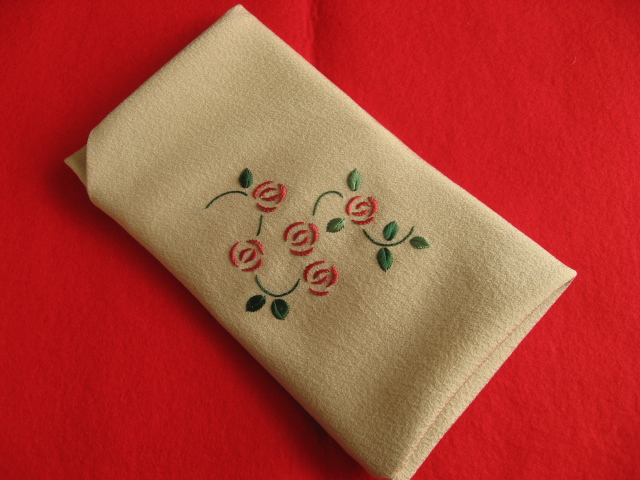
Cool Japan Guide / Fukusa (袱紗)(Fukusa)Fukusa is a silk square cloth used to cover a gift during a formal presentation. Originally, it was put on the box containing a precious gift to prevent it from getting dusty. Today, however, it is an indispensable item on a formal gift-giving occasion. (Fukusa) Fukusa is a silk square cloth used to cover a gift during a formal presentation. Originally, it was put on the box containing a precious gift to prevent it from getting dusty. Today, however, it is an indispensable item on a formal gift-giving occasion. ]]>Cool Japan2012-09-07T07:50:01+09:00T. SATOHFC2-BLOG
http://satoh490625.blog50.fc2.com/blog-entry-1245.html
Cool Japan Guide / Japan's Famous Hot Springs Chubu - Tokai - Hokuriku (No, 1)Yudanaka-onsen Hot Spring / Nagano Address: Yudanaka-onsen, Yamanouchi-machi, Simotakai-gun, Nagano Directions: 45 min ride from JR Nagano Station to Yudanaka Station (Nagano Electric Railway) by Limited-stop Express. (Yudanaka-onsen)Yudanaka-onsen, loved by Kobayashi Issa (regarded as the greatest haiku poet), has a long history of approximately 1350 years. It is a unique hot spring village that Yudanaka-onsen Hot Spring / Nagano
Address: Yudanaka-onsen, Yamanouchi-machi, Simotakai-gun, Nagano Directions: 45 min ride from JR Nagano Station to Yudanaka Station (Nagano Electric Railway) by Limited-stop Express.
(Yudanaka-onsen)
Yudanaka-onsen, loved by Kobayashi Issa (regarded as the greatest haiku poet), has a long history of approximately 1350 years. It is a unique hot spring village that has springs close to the ground surface, which can be found everywhere in town. Many shrines are also spotted here, and each one preserves and treasures "stones" demonstrating the ancient history of Japan. After taking a bath, you can relax your soul and body while strolling through the village. Visit the Link: http://www.jnto.go.jp/eng/attractions/rest/onsen/onsen_p3.html]]>Cool Japan2012-09-02T07:50:01+09:00T. SATOHFC2-BLOG
http://satoh490625.blog50.fc2.com/blog-entry-1244.html
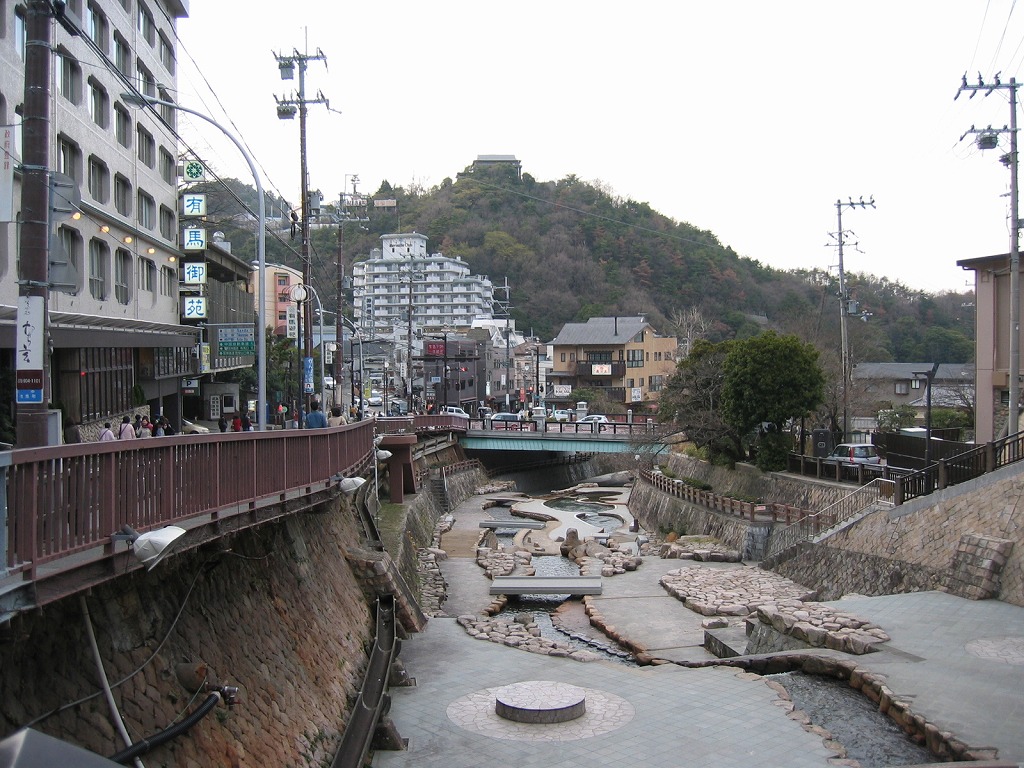
Cool Japan Guide / Arima hot springs (有馬温泉)(Arima Hot Springs / 有馬温泉)Arima is the oldest spa area in Japan. Arima hot springs are natural ones that have been used since ancient times when people had no skills of digging in the ground. Presently the digging skills are highly-developed, however, they are also providing us with hot water full of natural blessings or active ingredients from near the surface (within 300 meters in depth) in (Arima Hot Springs / 有馬温泉) Arima is the oldest spa area in Japan. Arima hot springs are natural ones that have been used since ancient times when people had no skills of digging in the ground. Presently the digging skills are highly-developed, however, they are also providing us with hot water full of natural blessings or active ingredients from near the surface (within 300 meters in depth) in the earth. Visit and enjoy the Link: http://www.arima-onsen.com/eng/spa.html ]]>Cool Japan2012-09-01T07:50:01+09:00T. SATOHFC2-BLOG
http://satoh490625.blog50.fc2.com/blog-entry-1242.html
Cool Japan Guide / Chichibu Meisen (秩父銘仙)(Chichibu Meisen)Chichibu Meisen is the silk fabric made from Chichibu silk that has been manufactured since ancient time in Chichibu City, Saitama Prefecture. The origin of Chichibu Meisen dates back as early as the Emperor Sujin era (BC149~BC29) when Chichibuhiko-no-mikoto taught the technology of sericulture and the weaving to local people. (Chichibu Meisen) Chichibu Meisen is the silk fabric made from Chichibu silk that has been manufactured since ancient time in Chichibu City, Saitama Prefecture. The origin of Chichibu Meisen dates back as early as the Emperor Sujin era (BC149~BC29) when Chichibuhiko-no-mikoto taught the technology of sericulture and the weaving to local people. ]]>Cool Japan2012-08-31T07:50:01+09:00T. SATOHFC2-BLOG
http://satoh490625.blog50.fc2.com/blog-entry-1240.html
Cool Japan Guide / Niigata Lacquer Ware (新潟漆器 / Niigata-shikki)(Niigata Lacquer Ware)Niigata lacquer ware is a traditional handicraft in the cities of Niigata and Kamo in Niigata Prefecture. It is a nationally designated Traditional Craft Product. As a port used by Kitamae ships in the Edo period (1603-1868), various cultures were brought into this town both by land and sea, which contributed to the development of various craft techniques in this area. (Niigata Lacquer Ware) Niigata lacquer ware is a traditional handicraft in the cities of Niigata and Kamo in Niigata Prefecture. It is a nationally designated Traditional Craft Product. As a port used by Kitamae ships in the Edo period (1603-1868), various cultures were brought into this town both by land and sea, which contributed to the development of various craft techniques in this area. ]]>Cool Japan2012-08-30T07:50:01+09:00T. SATOHFC2-BLOG
http://satoh490625.blog50.fc2.com/blog-entry-1239.html
Cool Japan Guide / Japan's Famous Hot Springs Kanto Region / Kanagawa & ShizuokaKanagawa / Hakone-onsen Hot Spring Address: Hakone-machi, Ashigarashimo-gun, Kanagawa Directions: Take Hakone Tozan Railway from Hakone-Yumoto Station (Odakyu Line). (Kanagawa / Hakone-onsen Hot Spring)Hakone-onsen is a generic name for several hot springs located around Mt. Hakone-yama, situated in the center of Fuji Hakone Izu National Park. This hot spring was very popular during the Edo PerioKanagawa / Hakone-onsen Hot Spring
Address: Hakone-machi, Ashigarashimo-gun, Kanagawa Directions: Take Hakone Tozan Railway from Hakone-Yumoto Station (Odakyu Line).
(Kanagawa / Hakone-onsen Hot Spring)
Hakone-onsen is a generic name for several hot springs located around Mt. Hakone-yama, situated in the center of Fuji Hakone Izu National Park. This hot spring was very popular during the Edo Period (1603-1867) as an important site located on Tokaido Street. Each hot spring has a different atmosphere and spring quality, and many variations of Japanese hot springs can be enjoyed here. Also, there are a number of sightseeing points such as the range of mountains from Mt. Kami-yama (the highest elevation in Hakone) to Mt. Komagatake over the central cone, Lake Ashino-ko (a caldera formation) on the crater basin, sacred Mt. Fuji in the west, and the magnificent scenery of Suruga-wan and Sagami-wan bays in the southeast. It takes only 90 minutes from Shinjuku (Tokyo) to visit this hot spring, one of the most popular in Japan. Link: http://www.jnto.go.jp/eng/attractions/rest/onsen/onsen_p2.html]]>Non Category2012-08-29T07:50:01+09:00T. SATOHFC2-BLOG
http://satoh490625.blog50.fc2.com/blog-entry-1238.html
Cool Japan Guide / One-day trip / Mt. Takao-san(Mt. Takao-san)Mt. Takao-san is 599 m high and located in western Tokyo. It is blessed with Nature's rich bounty and is designated as a national park. About an hour from the center of Tokyo, it is a popular spot for mountain hiking. The autumn leaves of November and the plum blossom season in February are particularly beautiful, attracting many people to the mountain. There is a famous temple near (Mt. Takao-san) Mt. Takao-san is 599 m high and located in western Tokyo. It is blessed with Nature's rich bounty and is designated as a national park. About an hour from the center of Tokyo, it is a popular spot for mountain hiking. The autumn leaves of November and the plum blossom season in February are particularly beautiful, attracting many people to the mountain. There is a famous temple near the peak.
Traveling: Go to Takao-san-guchi Station on the Limited Express from Shinjuku Station on the Keio Line. It takes 45 minutes by Limited Express. Fare: 370 yen ]]>Non Category2012-08-28T07:50:01+09:00T. SATOHFC2-BLOG
http://satoh490625.blog50.fc2.com/blog-entry-1241.html
Cool Japan Guide / Jetstar eyes Kansai as second hubJetstar eyes Kansai as second hub Japan Times - Aug 25, 2012 New budget carrier Jetstar Japan Co. plans to use Kansai International Airport in Osaka as its second base following Narita airport near Tokyo from October, its President Miyuki Suzuki said Thursday. (Japan Times) Link: http://www.japantimes.co.jp/text/nb20120825a7.htmlJetstar eyes Kansai as second hub Japan Times - Aug 25, 2012
New budget carrier Jetstar Japan Co. plans to use Kansai International Airport in Osaka as its second base following Narita airport near Tokyo from October, its President Miyuki Suzuki said Thursday. (Japan Times) Link: http://www.japantimes.co.jp/text/nb20120825a7.html ]]>Cool Japan2012-08-27T07:50:01+09:00T. SATOHFC2-BLOG
http://satoh490625.blog50.fc2.com/blog-entry-1236.html
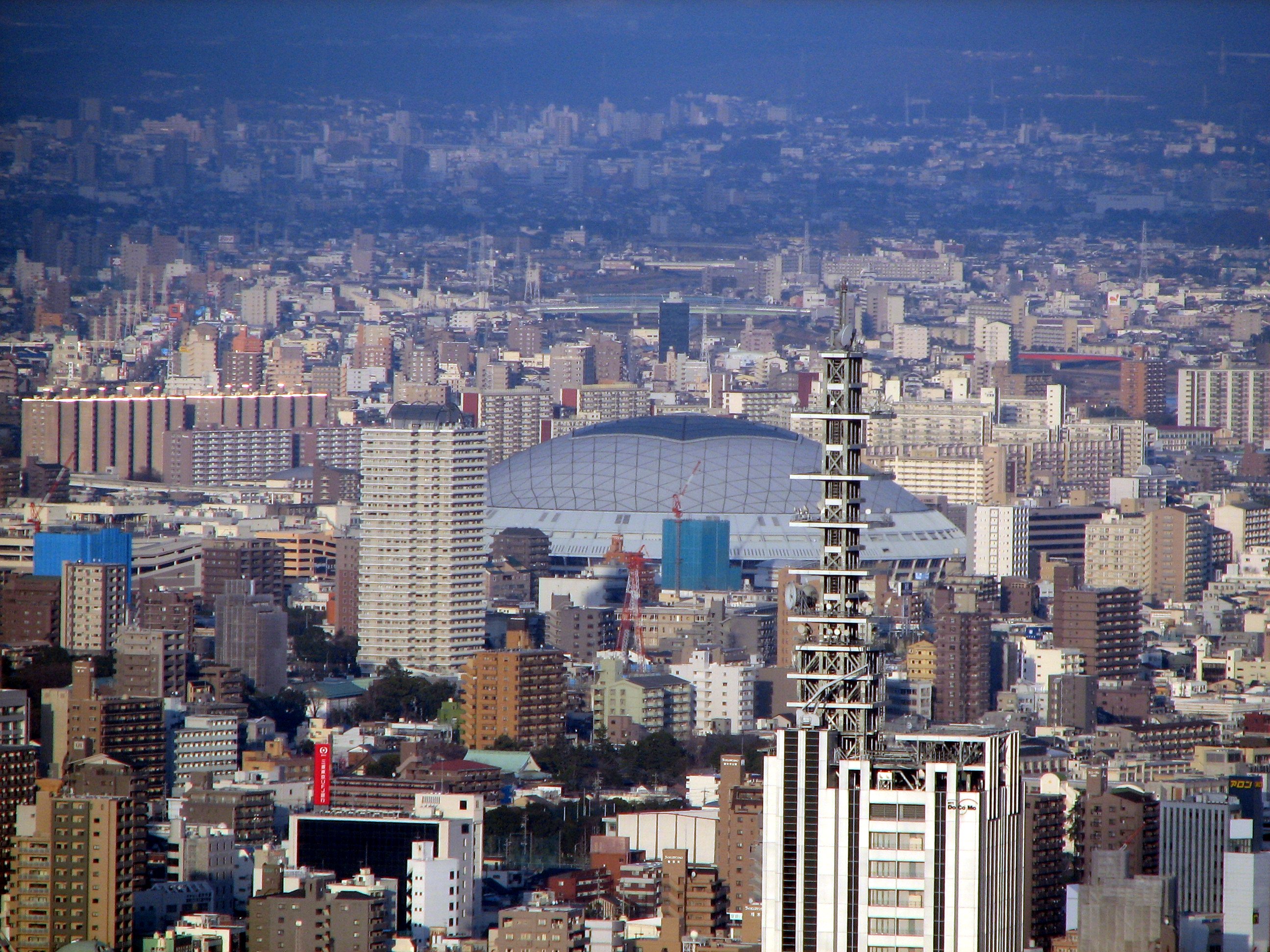
Cool Japan Guide / One-day trip / NagoyaEnjoy the linear motor car, Toyota Automobile Museum and the best observatory facility in Japan in the town that has made its place in history with a castle from the age of the samurai warrior. Traveling: Nagoya Station > (25 minutes by subway, 290 yen) > Fujigaoka Station > (8 minutes by Linimo, 280 yen) > Geidai-dori Station > (5-minute walk) > Toyota Automobile Museum > (Li Enjoy the linear motor car, Toyota Automobile Museum and the best observatory facility in Japan in the town that has made its place in history with a castle from the age of the samurai warrior.
Traveling: Nagoya Station > (25 minutes by subway, 290 yen) > Fujigaoka Station > (8 minutes by Linimo, 280 yen) > Geidai-dori Station > (5-minute walk) > Toyota Automobile Museum > (Linimo/subway, 570 yen) > City office > (5-minute walk) > Nagoya Castle/Meijo Park > City office > (40-minute walk) > White wall area > Tokugawa Art Museum > (20 minutes by bus, 200 yen) > Noritake-no-Mori > (10-minute walk) > Midland Square, JR Central Towers ]]>Cool Japan2012-08-26T07:50:01+09:00T. SATOHFC2-BLOG
http://satoh490625.blog50.fc2.com/blog-entry-1229.html
CooL Japan Guide / One-day trip / Fukuoka, Kyushu(The Fukuoka Prefectural International Hall)Visiting the most crowded festival in Japan 'Hakata Dontaku' and the God of learning in the town that has fostered history and culture since ancient times. Traveling: Hakata Station > (7 minutes by subway) > Gion Station > (5-minute walk) > Kushida-jinja Shrine > Hakata-machiya Furusatokan Hall > (10-minute walk) > Nishitetsu Fukuoka (The Fukuoka Prefectural International Hall) Visiting the most crowded festival in Japan 'Hakata Dontaku' and the God of learning in the town that has fostered history and culture since ancient times.
Traveling: Hakata Station > (7 minutes by subway) > Gion Station > (5-minute walk) > Kushida-jinja Shrine > Hakata-machiya Furusatokan Hall > (10-minute walk) > Nishitetsu Fukuoka Station (20 minutes by Limited Express/local train) > Nishitetsu Dazaifu Station > (5-minute walk) > Dazaifu Tenmangu Shrine > (3-minute walk) > Kyushu National Museum > (5-minute walk) > Komyozen-ji Temple > (8-minute walk) > Nishitetsu Dazaifu Station > (20 minutes by train) > Nishitetsu Fukuoka Station > Subway Tenjin Station > (5 minutes by subway) > Ohori Park > (3 minutes by subway) > Nishijin Station > (10 minutes by bus) > Fukuoka Tower Visit the Link: http://www.jnto.go.jp/eng/location/routes/g_route/golden_fukuoka.html ]]>Cool Japan2012-08-25T07:50:01+09:00T. SATOHFC2-BLOG
http://satoh490625.blog50.fc2.com/blog-entry-1226.html
Cool Japan Guide / Traditional Annual Events in SeptemberOwara Kaze-no-Bon Festival A festival praying for protection against wind damage and for an abundant autumn harvest. Dates: September 1st-3rd City: Yatsuo-machi, Toyama City, Toyama Prefecture (Owara Kaze-no-Bon Festival) This is a traditional folk event to appease the wind and pray for a bountiful crop, and is held every year for three days from September 1st. It corresponds to the 210th day froOwara Kaze-no-Bon Festival
A festival praying for protection against wind damage and for an abundant autumn harvest. Dates: September 1st-3rd City: Yatsuo-machi, Toyama City, Toyama Prefecture
This is a traditional folk event to appease the wind and pray for a bountiful crop, and is held every year for three days from September 1st. It corresponds to the 210th day from the first day of spring according to the traditional Japanese calendar and is considered a day often beset by calamities when farmers are frequently struck by typhoons. Although there are many explanations about its origins, it is generally believed that the Bon ritual of paying homage to ancestors merged with a festival praying for a rich harvest. Full story to be checked via Link: http://www.jnto.go.jp/eng/attractions/event/traditionalevents/a50_fes_bon.html
]]>Cool Japan2012-08-24T07:50:01+09:00T. SATOHFC2-BLOG
http://satoh490625.blog50.fc2.com/blog-entry-1230.html
Cool Japan Guide / Japan's Famous Hot Springs Hokkaido - Tohoku Yamagata - Zao-onsen Hot Spring Address: Zao-onsen, Yamagata Directions: Take a bus for Zao-onsen from JR Yamagata Station (Yamagata Shinkansen Line) to Zao-onsen Bus Terminal. (Yamagata - Zao-onsen Hot Spring)Zao-onsen is a hot spring village founded approximately 1900 years ago, located at the foot of the Zao Mountain Range over Yamagata and Miyagi prefectures. Adjacent skiing areas welcome a nuYamagata - Zao-onsen Hot Spring
Address: Zao-onsen, Yamagata Directions: Take a bus for Zao-onsen from JR Yamagata Station (Yamagata Shinkansen Line) to Zao-onsen Bus Terminal.
(Yamagata - Zao-onsen Hot Spring)
Zao-onsen is a hot spring village founded approximately 1900 years ago, located at the foot of the Zao Mountain Range over Yamagata and Miyagi prefectures. Adjacent skiing areas welcome a number of visitors, since its high altitude assures enough snow for skiing even during warm winters. With the special water supplied by the acidic sulfur spring, which has a unique smell, you can't make any soap bubbles. However, the water is very popular among people as "water to nurture the health in children" and "water for making skin light, smooth and beautiful." Link: http://www.jnto.go.jp/eng/attractions/rest/onsen/onsen_p1.html]]>Cool Japan2012-08-23T07:50:01+09:00T. SATOHFC2-BLOG
http://satoh490625.blog50.fc2.com/blog-entry-1234.html
Cool Japan Guide / Japan's Famous Hot Springs Kanto Region / GunmaIkaho-onsen Hot Spring Address: Ikaho-machi, Shibukawa, Gunma Directions: 25 min ride by bus for Ikaho-onsen from JR Shibukawa Station (Joetsu Line) to the final bus stop, Ikaho-onsen. (Ikaho-onsen Hot Spring)Ikaho-onsen is a hot spring town that has been popular among people since the period of Manyo in the first half of the 8th century. People of cultural eminence, such as Yumeji Takehisa and RIkaho-onsen Hot Spring
Address: Ikaho-machi, Shibukawa, Gunma Directions: 25 min ride by bus for Ikaho-onsen from JR Shibukawa Station (Joetsu Line) to the final bus stop, Ikaho-onsen.
(Ikaho-onsen Hot Spring)
Ikaho-onsen is a hot spring town that has been popular among people since the period of Manyo in the first half of the 8th century. People of cultural eminence, such as Yumeji Takehisa and Roka Tokutomi, also embraced this place with its stone steps that symbolize the town. After walking up 360 stone steps, through a number of inns and souvenir shops, you can find Ikaho-jinja Shrine. Further along, you will see hot water escaping from the dome-shaped glass at the spring. The water is a brownish-red color, unique to Ikaho, and is directly taken from the spring. It works for neuralgic pains and for backaches, and is famous as "the water to be blessed by children." Some say that Onsen-manju (hot spring cake) was first made in this town. Visit the Link: http://www.jnto.go.jp/eng/attractions/rest/onsen/onsen_p2.html]]>Cool Japan2012-08-21T07:50:01+09:00T. SATOHFC2-BLOG
http://satoh490625.blog50.fc2.com/blog-entry-1232.html
Cool Japan Guide / Japan's Famous Hot Springs Kanto Region / TochigiNasu-onsen-kyo Hot Spring Village Address: Nasu-machi, Nasu-gun, Tochigi Directions: 50 min ride from JR Nasu-Shiobara Station (Tohoku Shinkansen Line) by bus for Nasu-Yumoto. (Nasu-onsen-kyo Hot Spring Village)It is believed that a deer was witnessed healing its wounds in this hot spring about 1400 years ago. Seven hot springs are spotted on the slope of Nasu-dake Valley. Its main hot spring, NaNasu-onsen-kyo Hot Spring Village
Address: Nasu-machi, Nasu-gun, Tochigi Directions: 50 min ride from JR Nasu-Shiobara Station (Tohoku Shinkansen Line) by bus for Nasu-Yumoto.
(Nasu-onsen-kyo Hot Spring Village)
It is believed that a deer was witnessed healing its wounds in this hot spring about 1400 years ago. Seven hot springs are spotted on the slope of Nasu-dake Valley. Its main hot spring, Nasu-Yumoto-onsen, includes a historical spot called "Sessho-seki," a stone that is believed to be the transformation of a legendary fox with nine tails, while a communal bath called "Shika-no-yu (deer's bath)" still maintains the atmosphere of a traditional therapeutic bath. Santogoya-onsen is a secluded hot spring in a deep mountain area that you can reach only on foot. Yahata-onsen is a popular sightseeing spot especially in mid-May to early June, when the azaleas bloom. Visit the Link: http://www.jnto.go.jp/eng/attractions/rest/onsen/onsen_p2.html]]>Cool Japan2012-08-19T07:50:01+09:00T. SATOHFC2-BLOG
http://satoh490625.blog50.fc2.com/blog-entry-1231.html
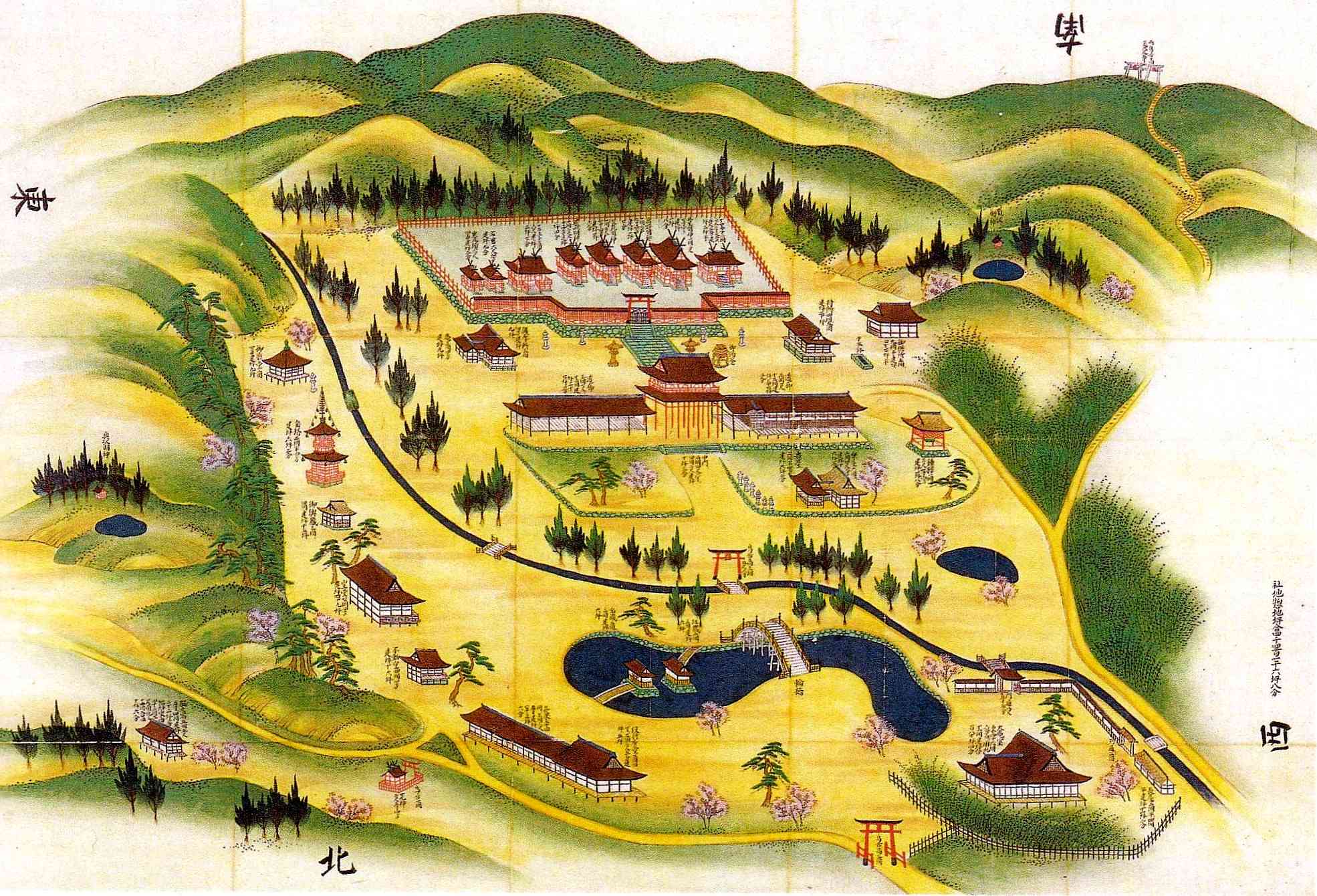
Cool Japan Guide / One-day trip / Mt. Koya-san (World Heritage Site)(Koya-san Image Map)Mt. Koya-san, 900 m high, is where the Shingon Buddhist sect was introduced 1200 years ago by the priest Kukai (774-835) (also known as Kobo Daishi). If you have extra time, you are welcome to stay at one of the temple's accommodation facilities called shukubo and experience the ascetic training of this sect. Visit the Link: http://www.jnto.go.jp/eng/location/routes/g_route/gol (Koya-san Image Map) Mt. Koya-san, 900 m high, is where the Shingon Buddhist sect was introduced 1200 years ago by the priest Kukai (774-835) (also known as Kobo Daishi). If you have extra time, you are welcome to stay at one of the temple's accommodation facilities called shukubo and experience the ascetic training of this sect. Visit the Link: http://www.jnto.go.jp/eng/location/routes/g_route/golden_07.html
]]>Cool Japan2012-08-18T07:50:01+09:00T. SATOHFC2-BLOG
http://satoh490625.blog50.fc2.com/blog-entry-1224.html
Cool Japan Guide / Japan throws in practice for its cops and cobbersOn any ordinary occasion scrapping with a cop would result in cuffs, a paddy wagon, a cell and probably worse. Yet, that is exactly what Australian Jake Andrewartha has been doing before his Olympic debut at London's ExCel arena this week. Surrounded by armoured trucks, water cannon and automatic weapons, he sharpened up for the fight of his life in Fukuoka, Japan, measuring himself against the ha On any ordinary occasion scrapping with a cop would result in cuffs, a paddy wagon, a cell and probably worse. Yet, that is exactly what Australian Jake Andrewartha has been doing before his Olympic debut at London's ExCel arena this week. Surrounded by armoured trucks, water cannon and automatic weapons, he sharpened up for the fight of his life in Fukuoka, Japan, measuring himself against the hardened, professional martial arts warriors that are the city's riot police. ]]>Cool Japan2012-08-17T07:50:01+09:00T. SATOHFC2-BLOG
http://satoh490625.blog50.fc2.com/blog-entry-1228.html
Cool Japan Guide / Japan's Famous Hot Springs Hokkaido - Tohoku Iwate - Hanamaki-onsen Hot Spring Address: Hanamaki, Iwate Directions: 20 min ride by Iwate-ken Kotsu Bus from JR Hanamaki Station (Tohoku Line). (Iwate - Hanamaki-onsen Hot Spring)Hanamaki-onsen, representing Iwate Prefecture, is the generic name for several hot springs including Dai-onsen, Hanamaki-onsen, Shidotaira-onsen (along the Toyosawa-gawa River) and Hanamaki-minami-onsen-kyo Village, whIwate - Hanamaki-onsen Hot Spring
Address: Hanamaki, Iwate Directions: 20 min ride by Iwate-ken Kotsu Bus from JR Hanamaki Station (Tohoku Line).
Hanamaki-onsen, representing Iwate Prefecture, is the generic name for several hot springs including Dai-onsen, Hanamaki-onsen, Shidotaira-onsen (along the Toyosawa-gawa River) and Hanamaki-minami-onsen-kyo Village, which consists of eight different hot springs like Osawa-onsen. This location has developed as a popular travel destination over the years and is well known as a hot spring and therapeutic bath resort area for people living in Hanamaki. A number of famous literaries such as Kenji Miyazawa and Kotaro Takamura have immensely enjoyed this hot spring. Nearby, you can find the "Hanamaki-onsen Rose & Herb Garden" built at the remains of Nansha-kadan Garden designed by Kenji Miyazawa, who spent his entire life in Hanamaki. Link: http://www.jnto.go.jp/eng/attractions/rest/onsen/onsen_p1.html ]]>Cool Japan2012-08-16T07:50:01+09:00T. SATOHFC2-BLOG
http://satoh490625.blog50.fc2.com/blog-entry-1237.html
Cool Japan Guide / The Gyokuon-hoso (玉音放送) Today is the 67th Aniversary Day regarding the Termination of the World War II in 1945. We, Japanese, hope and expect "World Peace" and also all the war or war like operation including civil war in Syria or so to be terminated very very soonest. To remember the tragedy of World War II in Japan, today taking up herewith "The Gyokuon-hoso (玉音放送)". Today is the 67th Aniversary Day regarding the Termination of the World War II in 1945. We, Japanese, hope and expect "World Peace" and also all the war or war like operation including civil war in Syria or so to be terminated very very soonest. To remember the tragedy of World War II in Japan, today taking up herewith "The Gyokuon-hoso (玉音放送)".
]]>Non Category2012-08-15T07:50:01+09:00T. SATOHFC2-BLOG
http://satoh490625.blog50.fc2.com/blog-entry-1227.html
Cool Japan Guide / Japan's Famous Hot Springs Hokkaido - Tohoku Hokkaido - Jozankei-onsen Hot Spring Address: Jozankei-onsen, Minami-ku, Sapporo, Hokkaido Directions: 1h10min ride by Jotetsu Bus (Jozankei Line) from JR Sapporo Station to Jozankei. (Jozankei Onsen / 定山渓温泉) Jozankei-onsen is a hot spring village found in a green valley, located in Shikotsu-Toya National Park. ... There, you can enjoy forest bathing and a stroll on the promenade along the THokkaido - Jozankei-onsen Hot Spring
Address: Jozankei-onsen, Minami-ku, Sapporo, Hokkaido Directions: 1h10min ride by Jotetsu Bus (Jozankei Line) from JR Sapporo Station to Jozankei.
(Jozankei Onsen / 定山渓温泉)
Jozankei-onsen is a hot spring village found in a green valley, located in Shikotsu-Toya National Park. ... There, you can enjoy forest bathing and a stroll on the promenade along the Toyohira-gawa River, which has hot water springing from its bottom, to the suspension bridge of Futami-koen Park and Kappa-fuchi Abyss known for the story of a legendary creature, kappa. Its Na-Cl Spring, which contains clear and colorless water of a mild salty taste, is one of the most popular qualities of any of the hot springs in Japan. Full Story to be checked via Link: http://www.jnto.go.jp/eng/attractions/rest/onsen/onsen_p1.html ]]>Non Category2012-08-14T07:50:01+09:00T. SATOHFC2-BLOG
http://satoh490625.blog50.fc2.com/blog-entry-1235.html
Cool Japan Guide / How not to climb Mount FujiHow not to climb Mount Fuji Japan Times - Aug. 5, 2012 (Once in a lifetime: Your rashly intrepid correspondent (on the left in both photos) poses with panache in comfortable conditions on the lower slopes of Japan's highest mountain (left). By the time the summit was reached in freezing mist, it was all she could do to "grin like one demented" for a photo (below right).)If you're considering trekHow not to climb Mount Fuji Japan Times - Aug. 5, 2012
(Once in a lifetime: Your rashly intrepid correspondent (on the left in both photos) poses with panache in comfortable conditions on the lower slopes of Japan's highest mountain (left). By the time the summit was reached in freezing mist, it was all she could do to "grin like one demented" for a photo (below right).)
If you're considering trekking Mount Fuji this year, look sharp — just four weeks remain of the official open season. But if you're making last-minute plans for an ascent of those conical 3,776 meters, think carefully about what you're taking on. Unless, that is, you've always pictured yourself summiting on all fours during a white-out, drenched to the skin. As I did. Full Story to be checked via Link: http://www.japantimes.co.jp/text/fv20120805a1.html]]>Cool Japan2012-08-13T07:50:01+09:00T. SATOHFC2-BLOG
http://satoh490625.blog50.fc2.com/blog-entry-1225.html
Cool Japan Guide / Sadou (茶道 / Tea Ceremony)Japanese Tea Ceremony: Tea At Koken WITH SOUND Powdered green tea was introduced from China in the Heian period (794 to 1192). It gradually became popular as a luxury item. In the meantime, as opposed to the enjoyment of tea at a lively banquet, Sado (way of tea) or Wabi-cha appeared.Japanese Tea Ceremony: Tea At Koken WITH SOUND
Powdered green tea was introduced from China in the Heian period (794 to 1192). It gradually became popular as a luxury item. In the meantime, as opposed to the enjoyment of tea at a lively banquet, Sado (way of tea) or Wabi-cha appeared. ]]>Cool Japan2012-08-12T07:50:01+09:00T. SATOHFC2-BLOG
http://satoh490625.blog50.fc2.com/blog-entry-1222.html
Cool Japan Guide / In Japan, a nuclear ghost town stirs to lifeThe main street is deserted and quiet except for the eerie echoes of music being played somewhere in the distance. Pieces of shattered glass lie scattered along sidewalks outside collapsed buildings, some with their second-story roofs smashed flat on the pavement. Yards and driveways are overgrown with weeds, and schools and playgrounds are silent and forlorn. The main street is deserted and quiet except for the eerie echoes of music being played somewhere in the distance. Pieces of shattered glass lie scattered along sidewalks outside collapsed buildings, some with their second-story roofs smashed flat on the pavement. Yards and driveways are overgrown with weeds, and schools and playgrounds are silent and forlorn. ]]>Travel News2012-08-11T07:50:01+09:00T. SATOHFC2-BLOG
http://satoh490625.blog50.fc2.com/blog-entry-1216.html
Cool Japan Guide / One-day trip / KobeVisiting the exotic streets of the port town of Kobe, a base for international exchange, and a shrine with a 1800 year history. (Kobe Night Scenery)Traveling: San-no-miya > (5 minutes by Kobe City Subway, 200 yen) > Shin-Kobe > (Ropeway/10-minute walk) > Nunobiki Herb Park > Shin-Kobe > Kitano Ijinkan Hall > (10-minute walk) > TOR Road > Ikuta-jinja Shrine (5-minute walk
(Kobe Night Scenery)
Traveling: San-no-miya > (5 minutes by Kobe City Subway, 200 yen) > Shin-Kobe > (Ropeway/10-minute walk) > Nunobiki Herb Park > Shin-Kobe > Kitano Ijinkan Hall > (10-minute walk) > TOR Road > Ikuta-jinja Shrine (5-minute walk) > San-no-miya Station > (10-minute walk) > Kobe City Museum > Meriken Park
]]>Cool Japan2012-08-10T07:50:01+09:00T. SATOHFC2-BLOG
http://satoh490625.blog50.fc2.com/blog-entry-1221.html
Cool Japan Guide / Nagasaki City (長崎市)Five peninsulas, 971 islands and many exotic streets. A diverse, exciting and pulsating area of varied cultural and topographical differences. (Nagasaki City and The Port of Nagasaki)Nagasaki Prefecture lies in the northwestern part of Kyushu, the third-largest island of Japan and most southwesterly of its four main islands, and consists of five peninsulas and numerous islands. With the sea in beFive peninsulas, 971 islands and many exotic streets. A diverse, exciting and pulsating area of varied cultural and topographical differences.
(Nagasaki City and The Port of Nagasaki)
Nagasaki Prefecture lies in the northwestern part of Kyushu, the third-largest island of Japan and most southwesterly of its four main islands, and consists of five peninsulas and numerous islands. With the sea in between, it stands face-to-face with a continent, part of which is China, and the Korean Peninsula. It has therefore long been an important transportation point facing the continent of Asia. Ports for trade with Portugal and Holland were also established there in the 16th century. In addition, since it was once the center of Christian propagation, there are many exotic historical ruins and buildings that still remain within the prefecture.
]]>Cool Japan2012-08-09T07:50:01+09:00T. SATOHFC2-BLOG
http://satoh490625.blog50.fc2.com/blog-entry-1212.html
Cool Japan Guide / One-day trip / Enjoying both the traditional and contemporary sights of TokyoThis tour offers glimpses of the traditional craftsmanship and customs inherited from the people of the Edo period, as well as the exciting contemporary scenes of Tokyo. In the morning: Tour of Tsukiji Jou-gai Shijo (Tsukiji Jou-gai Shijo)Direction: 5-minute walk from Tsukiji Station on the Tokyo Metro Hibiya Line or from Tsukiji Shijou Station on the Toei Oedo Line Tsukiji Market represents the Tokyo.
In the morning: Tour of Tsukiji Jou-gai Shijo
(Tsukiji Jou-gai Shijo)
Direction: 5-minute walk from Tsukiji Station on the Tokyo Metro Hibiya Line or from Tsukiji Shijou Station on the Toei Oedo Line
Tsukiji Market represents the typical wholesale market of Japan, running 24 hours a day. The general consumer is not allowed to shop there, but you are welcome to visit. On the other hand, there are 300 shops in the Jou-gai, or Off-market, where anyone can not only buy but also dine on sashimi, sushi or tempura made with fresh ingredients on the spot. ... ]]>Cool Japan2012-08-08T07:50:01+09:00T. SATOHFC2-BLOG
http://satoh490625.blog50.fc2.com/blog-entry-1223.html
Cool Japan Guide / Lower Skytree deck draws millionth visitor AirAsia Japan begins no-frills domestic flights Yomiuri - Aug 2, 2012 AirAsia Japan started its domestic flight service on Wednesday, becoming the third major Japanese low-cost carrier. The no-frills airline launched flights between Narita Airport and New Chitose Airport in Hokkaido, and between Narita and Fukuoka Airport. The Narita Airport-based airline will begin flights linking to Naha on FridAirAsia Japan begins no-frills domestic flights Yomiuri - Aug 2, 2012
AirAsia Japan started its domestic flight service on Wednesday, becoming the third major Japanese low-cost carrier. The no-frills airline launched flights between Narita Airport and New Chitose Airport in Hokkaido, and between Narita and Fukuoka Airport. The Narita Airport-based airline will begin flights linking to Naha on Friday and between Narita and the South Korean cities of Seoul and Busan in October. Its fares are 15 percent to 50 percent of those of major airlines. (Yomiuri) Link : http://www.yomiuri.co.jp/dy/business/T120801004979.htm ]]>Travel News2012-08-07T07:50:01+09:00T. SATOHFC2-BLOG
http://satoh490625.blog50.fc2.com/blog-entry-1219.html
Cool Japan Guide / Gozan no Okuribi (五山送り火) / KyotoGozan no Okuribi (五山送り火), more commonly known as Daimonji (大文字), is a festival in Kyoto, Japan. It is the culmination of the O-Bon festival on August 16, in which five giant bonfires are lit on mountains surrounding the city. It signifies the moment when the spirits of deceased family members, who are said to visit this world during O-Bon, are believed to be returning to the spirit world&# Gozan no Okuribi (五山送り火), more commonly known as Daimonji (大文字), is a festival in Kyoto, Japan. It is the culmination of the O-Bon festival on August 16, in which five giant bonfires are lit on mountains surrounding the city. It signifies the moment when the spirits of deceased family members, who are said to visit this world during O-Bon, are believed to be returning to the spirit world—thus the name Okuribi (送り火) (roughly, "send-off fire"). ]]>Cool Japan2012-08-06T07:50:01+09:00T. SATOHFC2-BLOG
http://satoh490625.blog50.fc2.com/blog-entry-1220.html
Cool Japan Guide / Hiroshima City (広島市) - Six rivers flow in this "City of Water." Restored from the devastation caused by the atom bomb. (Hiroshima City Scenery)Hiroshima City, facing the Seto Inland Sea, is one of the most prominent cities in the Chugoku region, and a center of the administration and economy of Hiroshima Prefecture. Six rivers flow through the city, so it is often called the "City of Water." It was devastated by an atoSix rivers flow in this "City of Water." Restored from the devastation caused by the atom bomb.
(Hiroshima City Scenery)
Hiroshima City, facing the Seto Inland Sea, is one of the most prominent cities in the Chugoku region, and a center of the administration and economy of Hiroshima Prefecture. Six rivers flow through the city, so it is often called the "City of Water." It was devastated by an atomic bomb in World War II. All of the buildings in the surrounding area were destroyed. Hiroshima, where the Hiroshima Atomic Bomb Dome (Genbaku Dome) miraculously remained standing, is internationally known as the "City of Peace."
]]>Cool Japan2012-08-05T07:50:01+09:00T. SATOHFC2-BLOG
http://satoh490625.blog50.fc2.com/blog-entry-1233.html
Cool Japan Guide / Japan beats Brazil 2-0 in Olympic women's soccer Japan beats Brazil 2-0 in Olympic women's soccer Two long balls, two sharp finishes and Brazil's hopes of its first Olympic gold were over. Japan's 2-0 victory Friday means it will travel to Manchester for a semifinal against France and a chance to add an Olympic medal to the World Cup it won last year in Germany. It created few chances, but strikers Yuki Ogimi and Shinobu Ohno took them when it mJapan beats Brazil 2-0 in Olympic women's soccer
Two long balls, two sharp finishes and Brazil's hopes of its first Olympic gold were over. Japan's 2-0 victory Friday means it will travel to Manchester for a semifinal against France and a chance to add an Olympic medal to the World Cup it won last year in Germany. It created few chances, but strikers Yuki Ogimi and Shinobu Ohno took them when it mattered, midway through each half.
Link via ESPN: http://sports.espn.go.com/espn/wire?section=oly&id=8230604 ]]>
World News2012-08-05T06:45:54+09:00T. SATOHFC2-BLOG
http://satoh490625.blog50.fc2.com/blog-entry-1215.html
Cool Japan Guide / One-day trip / Kamakura(Kamakura Street View)Kamakura is an ancient city. It has flourished since warlord Minamoto Yoritomo established a new government in 1192. Kamakura is surrounded on three sides by mountains and the south side faces the sea, so this landscape was highly suitable for constructing a fort. With its many historical temples and abundant natural scenery, the city is crowded with visitors throughout the y (Kamakura Street View) Kamakura is an ancient city. It has flourished since warlord Minamoto Yoritomo established a new government in 1192. Kamakura is surrounded on three sides by mountains and the south side faces the sea, so this landscape was highly suitable for constructing a fort. With its many historical temples and abundant natural scenery, the city is crowded with visitors throughout the year. ]]>Cool Japan2012-08-04T07:50:01+09:00T. SATOHFC2-BLOG