News & Topics on Japan
http://japantrend.blog94.fc2.com/
Sending information about Japan in relation to Japanese Cooking, High Technology, Business and etc.ja
http://japantrend.blog94.fc2.com/blog-entry-878.html
Tofu Lasagna(Tofu Lasagna / Image)A little and making a vegetarian lasagna with tofu – and it was fantastic! This recipe will serve about four, or three hungry people! (Tofu Lasagna / Image) A little and making a vegetarian lasagna with tofu – and it was fantastic! This recipe will serve about four, or three hungry people! ]]>Japanese Food & Cooking2011-08-29T07:50:03+09:00jsatoFC2-BLOG
http://japantrend.blog94.fc2.com/blog-entry-877.html
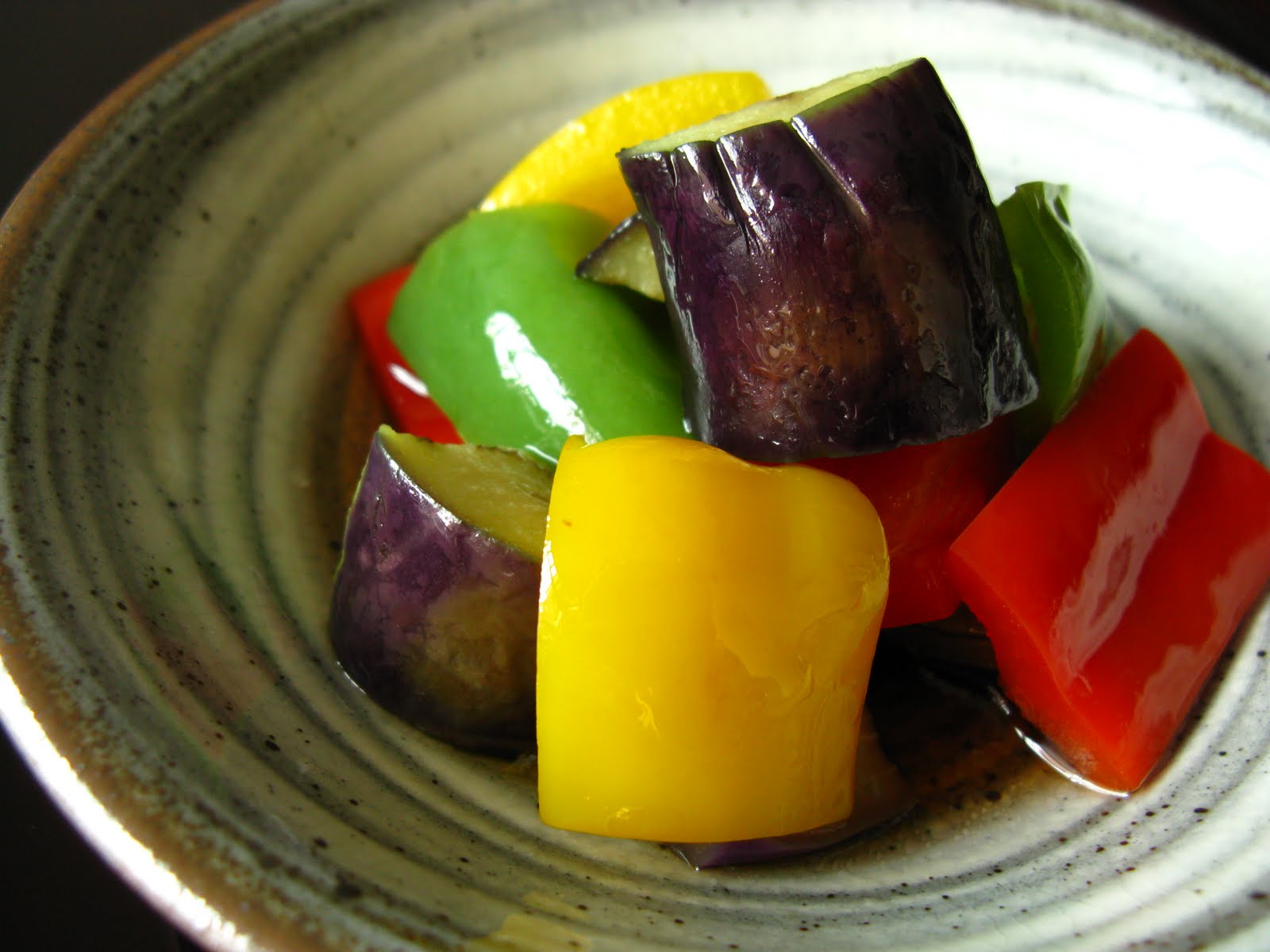
Grilled eggplant / JAPANESE HOME COOKING(Grilled eggplant / Image)The height of summer has arrived and eggplants are in season. They can be enjoyed in many ways, but this week we will try them simply grilled. Immersed in cool "dashi" stock, the eggplant's slightly bitter taste is drawn out. "No need to get nervous when you hear the word 'dashi.' Just bring the bonito flakes and the seasoning to a boil," says Japanese cooking expert Tats (Grilled eggplant / Image) The height of summer has arrived and eggplants are in season. They can be enjoyed in many ways, but this week we will try them simply grilled. Immersed in cool "dashi" stock, the eggplant's slightly bitter taste is drawn out. "No need to get nervous when you hear the word 'dashi.' Just bring the bonito flakes and the seasoning to a boil," says Japanese cooking expert Tatsuo Saito.
]]>Japanese Food & Cooking2011-08-27T07:50:07+09:00jsatoFC2-BLOG
http://japantrend.blog94.fc2.com/blog-entry-876.html
Matcha Kanten Shiratama(Matcha Kanten Shiratama / Image)It's a traditional Japanese dessert made with shiratama dumplings, matcha flavored kanten jelly, and anko (sweet azuki bean paste). Top with vanilla ice cream if you would like. (Matcha Kanten Shiratama / Image) It's a traditional Japanese dessert made with shiratama dumplings, matcha flavored kanten jelly, and anko (sweet azuki bean paste). Top with vanilla ice cream if you would like. ]]>Japanese Food & Cooking2011-08-26T07:50:07+09:00jsatoFC2-BLOG
http://japantrend.blog94.fc2.com/blog-entry-875.html
Deep-fried and Marinated Vegetables(Deep-fried and Marinated Vegetables)It's often called age-bitashi as age means deep-frying and bitashi means marinating in Japanese cooking. Other vegetables can be used to make this dish, such as green beans and bell peppers. (Deep-fried and Marinated Vegetables) It's often called age-bitashi as age means deep-frying and bitashi means marinating in Japanese cooking. Other vegetables can be used to make this dish, such as green beans and bell peppers. ]]>Japanese Food & Cooking2011-08-24T07:50:03+09:00jsatoFC2-BLOG
http://japantrend.blog94.fc2.com/blog-entry-873.html
Unadon (うな丼)(Unadon (うな丼) / Image)It's a rice bowl topped with unagi-no-kabayaki (filleted and deboned, glaze-grilled freshwater eel). Vacuum-sealed unagi-no-kabayaki is often available at Asian grocery stores. (Unadon (うな丼) / Image) It's a rice bowl topped with unagi-no-kabayaki (filleted and deboned, glaze-grilled freshwater eel). Vacuum-sealed unagi-no-kabayaki is often available at Asian grocery stores. ]]>Japanese Food & Cooking2011-08-22T07:50:06+09:00jsatoFC2-BLOG
http://japantrend.blog94.fc2.com/blog-entry-874.html
Curry with Vegetables(Curry with Vegetables / Image)Pan-fried vegetables are added in basic curry made with pre-packaged Japanese curry roux. (Curry with Vegetables / Image) Pan-fried vegetables are added in basic curry made with pre-packaged Japanese curry roux.]]>Non Category2011-08-21T07:50:08+09:00jsatoFC2-BLOG
http://japantrend.blog94.fc2.com/blog-entry-872.html
Grilled and deep fried chicken wing tip(Grilled and deep fried chicken wing tip)The chewy meat and gelatinous skin make chicken wing tips quite appealing but don't you wish they were easier to eat? "A certain step in preparation will change the impression," says cooking expert Masayo Waki. The key, she says, is to cut free the joint that links the thick and thin bones. Make soup stock by cooking the cut off tips with carrot, onion, cel (Grilled and deep fried chicken wing tip) The chewy meat and gelatinous skin make chicken wing tips quite appealing but don't you wish they were easier to eat? "A certain step in preparation will change the impression," says cooking expert Masayo Waki. The key, she says, is to cut free the joint that links the thick and thin bones. Make soup stock by cooking the cut off tips with carrot, onion, celery and other potherbs. ]]>Japanese Food & Cooking2011-08-20T07:50:09+09:00jsatoFC2-BLOG
http://japantrend.blog94.fc2.com/blog-entry-871.html
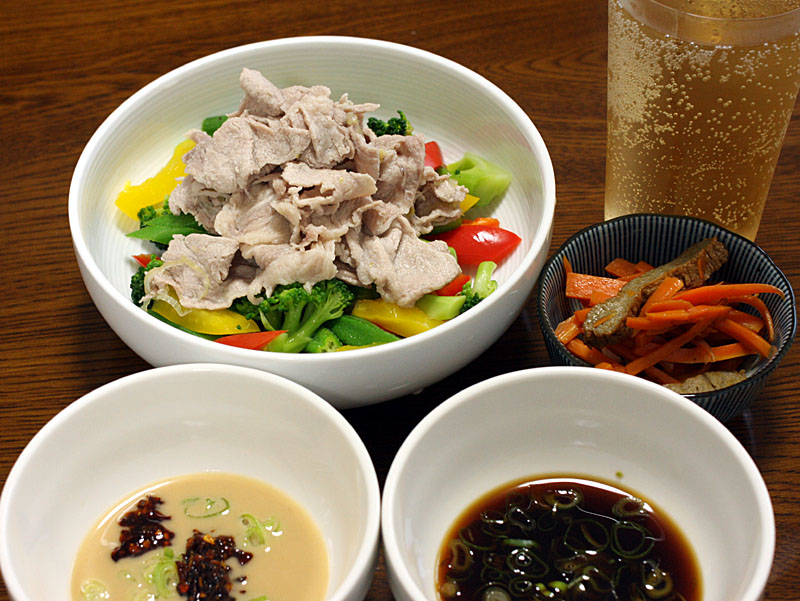
Rei-shabu (冷シャブ)(Rei-shabu (冷シャブ) / Image)It's like a salad with boiled thinly sliced pork. Plese use your favorite vegetables or mushrooms. (Rei-shabu (冷シャブ) / Image) It's like a salad with boiled thinly sliced pork. Plese use your favorite vegetables or mushrooms. ]]>Japanese Food & Cooking2011-08-19T07:50:06+09:00jsatoFC2-BLOG
http://japantrend.blog94.fc2.com/blog-entry-870.html
Hiyayakko (冷やっこ)(Hiyayakko (冷やっこ))It's a chilled tofu appetizer served with toppings. Toppings and seasonings can vary. (Hiyayakko (冷やっこ)) It's a chilled tofu appetizer served with toppings. Toppings and seasonings can vary. ]]>Japanese Food & Cooking2011-08-17T07:50:08+09:00jsatoFC2-BLOG
http://japantrend.blog94.fc2.com/blog-entry-869.html
Nira Chive Soup(Nira Chive Soup / Image)It's a simple soup made with garlic chives and egg. This soup can be seasoned with miso if you would like. (Nira Chive Soup / Image) It's a simple soup made with garlic chives and egg. This soup can be seasoned with miso if you would like. ]]>Japanese Food & Cooking2011-08-15T07:50:05+09:00jsatoFC2-BLOG
http://japantrend.blog94.fc2.com/blog-entry-868.html
Cold Somen with Sesame-Miso Dipping Sauce(Cold Somen with Sesame-Miso Dipping Sauce / Image)"Somen (素麺)", wheat noodles, is thin like angel hair pasta, and take all of two minutes to prepare. And the dipping sauce is a function of mixing, not cooking -- so perfect for summer. The key is the suribachi, or a traditional Japanese-style mortar and pestle. The mortar is an earthenware bowl lined with grinding ridges, while the pestle is mad (Cold Somen with Sesame-Miso Dipping Sauce / Image) "Somen (素麺)", wheat noodles, is thin like angel hair pasta, and take all of two minutes to prepare. And the dipping sauce is a function of mixing, not cooking -- so perfect for summer. The key is the suribachi, or a traditional Japanese-style mortar and pestle. The mortar is an earthenware bowl lined with grinding ridges, while the pestle is made from wood (the finest pestles are made from sansho pepper tree wood, which imparts its own delicate essence). The suribachi is ideal for grinding sesame seeds, the first step in the recipe; in fact, you can prepare the entire sauce in this one bowl (so fewer things to wash, another summer treat!). ]]>Japanese Food & Cooking2011-08-14T09:48:04+09:00jsatoFC2-BLOG
http://japantrend.blog94.fc2.com/blog-entry-867.html
Salmon and Prawn Tsukune(Salmon and Prawn Tsukune / Image)Introduce herewith Salmon and Prawn Tsukune. (Salmon and Prawn Tsukune / Image) Introduce herewith Salmon and Prawn Tsukune.]]>Japanese Food & Cooking2011-07-29T07:50:08+09:00jsatoFC2-BLOG
http://japantrend.blog94.fc2.com/blog-entry-866.html
Yuzu-flavored Two-color Pickled Salad(Yuzu-flavored Two-color Pickled Salad / Image)Taking up herewith one of salad recipes named "Yuzu-flavored Two-color Pickled Salad". It will be one of the recipes which will be enjoyable for summer season. (Yuzu-flavored Two-color Pickled Salad / Image) Taking up herewith one of salad recipes named "Yuzu-flavored Two-color Pickled Salad". It will be one of the recipes which will be enjoyable for summer season.]]>Japanese Food & Cooking2011-07-27T07:50:01+09:00jsatoFC2-BLOG
http://japantrend.blog94.fc2.com/blog-entry-865.html
Steamed Rice with Chicken and Vegetables(Steamed Rice with Chicken and Vegetables / Image)Taking up herewith one of Rice Recipes named "Steamed Rice with Chicken and Vegetables". (Steamed Rice with Chicken and Vegetables / Image) Taking up herewith one of Rice Recipes named "Steamed Rice with Chicken and Vegetables".]]>Japanese Food & Cooking2011-07-25T07:50:09+09:00jsatoFC2-BLOG
http://japantrend.blog94.fc2.com/blog-entry-864.html
Flounder Kara-age(Flounder Kara-age / Image)Kara-age is a technique for deep frying without a batter, to highlight the natural taste of an ingredient. Foods are simply dredged in flour or starch, to seal the surface, and plopped into a vat of bubbling oil. Flat fish like flounder is delicious deep-fried this way (so is tofu and chicken). The grated daikon adds fresh flavor, and when added to the dipping sauce, thi (Flounder Kara-age / Image) Kara-age is a technique for deep frying without a batter, to highlight the natural taste of an ingredient. Foods are simply dredged in flour or starch, to seal the surface, and plopped into a vat of bubbling oil. Flat fish like flounder is delicious deep-fried this way (so is tofu and chicken). The grated daikon adds fresh flavor, and when added to the dipping sauce, thickens it and helps it adhere to the flounder. ]]>Japanese Food & Cooking2011-07-24T07:50:02+09:00jsatoFC2-BLOG
http://japantrend.blog94.fc2.com/blog-entry-863.html
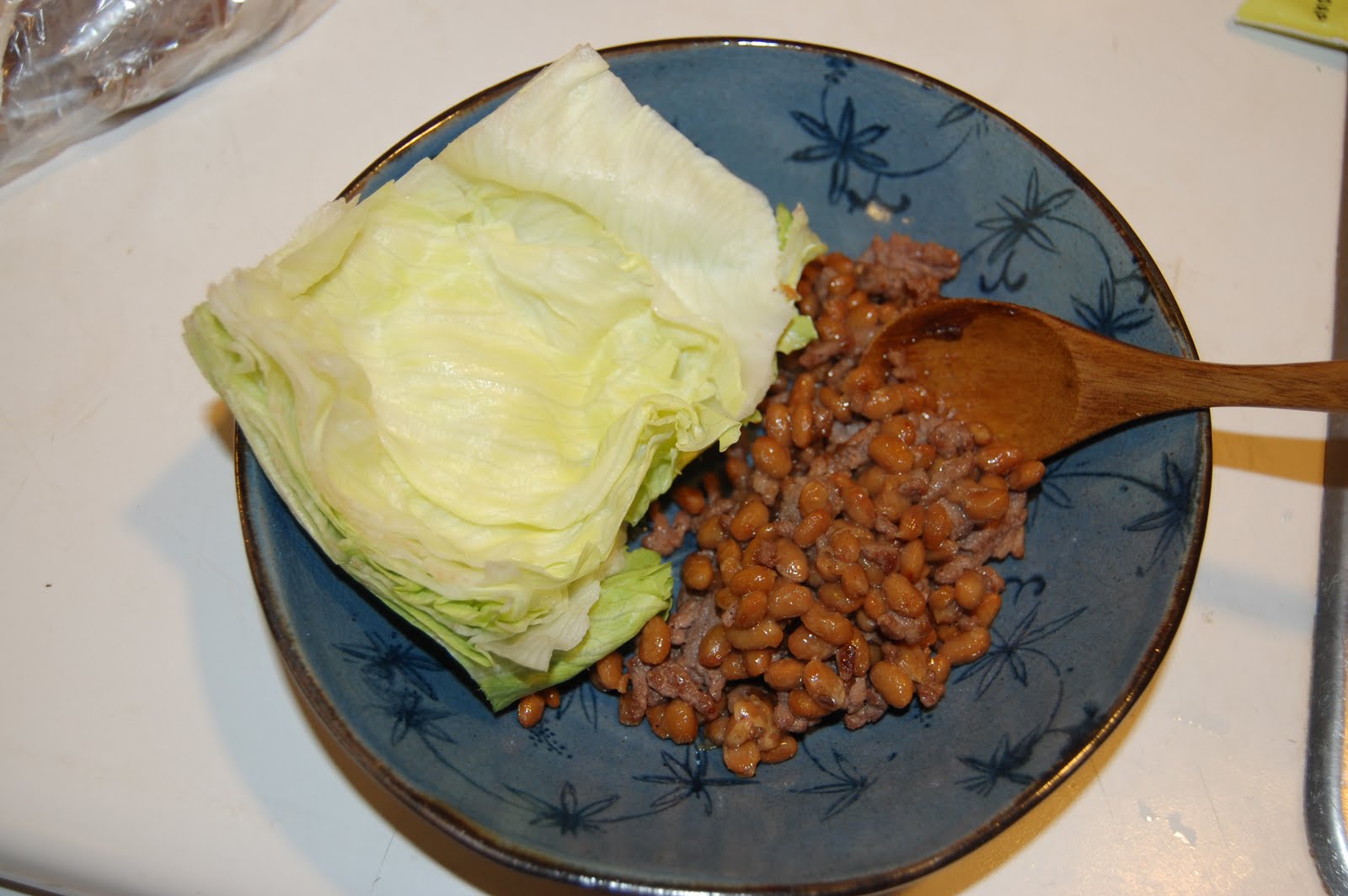
Natto & Pork Sake Bites (Natto & Pork Sake Bites / Image)Our favorite way of eating it is simply over a bowl of hot rice. Other options include serving it with some tuna sashimi or grated yamaimo. (Natto & Pork Sake Bites / Image) Our favorite way of eating it is simply over a bowl of hot rice. Other options include serving it with some tuna sashimi or grated yamaimo. ]]>Japanese Food & Cooking2011-07-23T07:50:06+09:00jsatoFC2-BLOG
http://japantrend.blog94.fc2.com/blog-entry-862.html
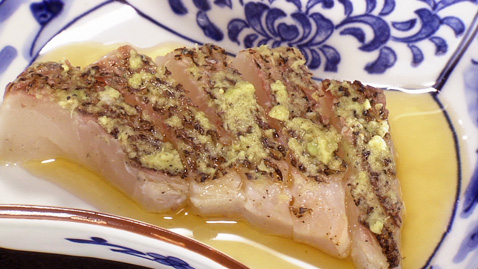
Seared Tai (Red Snapper) with Wasabi and Sesame Oil(Seared Tai with Wasabi and Sesame Oil / Image)This recipe comes from NHK's Tameshite Gatten. The program last night was on the king of fish in Japan, tai, or red snapper. This recipe is so easy and looks so delicious. (Seared Tai with Wasabi and Sesame Oil / Image) This recipe comes from NHK's Tameshite Gatten. The program last night was on the king of fish in Japan, tai, or red snapper. This recipe is so easy and looks so delicious.]]>Japanese Food & Cooking2011-07-22T07:50:05+09:00jsatoFC2-BLOG
http://japantrend.blog94.fc2.com/blog-entry-861.html
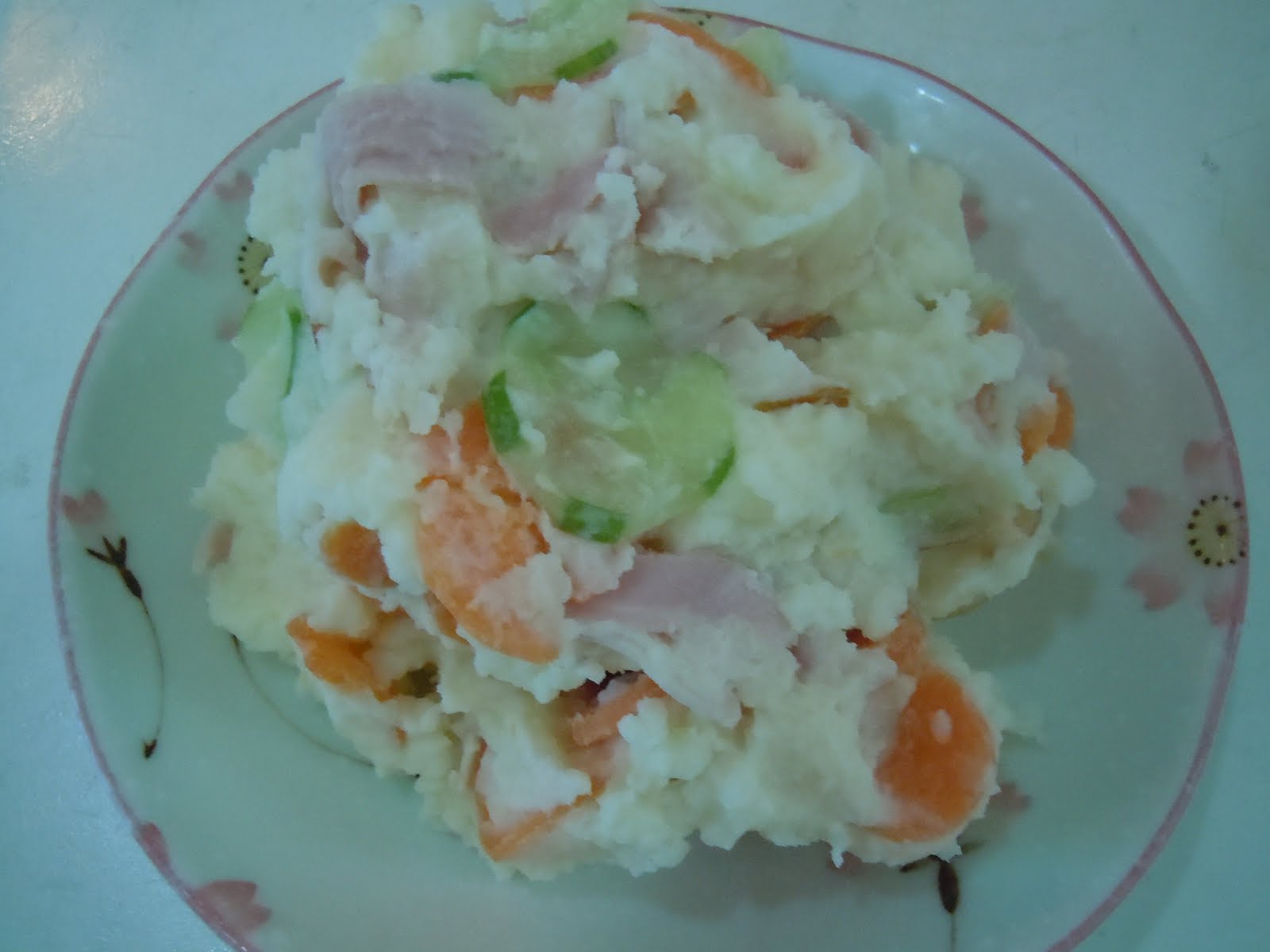
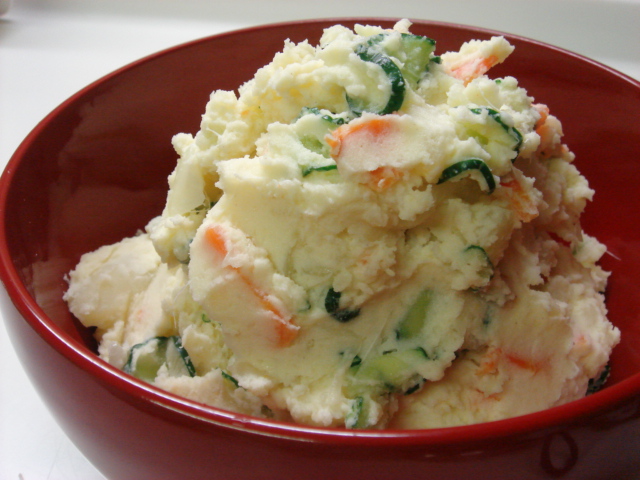
Potato Salad / JAPANESE FOOD & COOKING(Potato Salad / JAPANESE FOOD & COOKING)In Japanese potato salad the potatoes are mashed for a smooth texture. On top of that there is crunchy cucumbers, soft carrots, and ham. The dressing includes some rice wine vinegar that rounds out the rich mayonnaise. (Potato Salad / JAPANESE FOOD & COOKING) In Japanese potato salad the potatoes are mashed for a smooth texture. On top of that there is crunchy cucumbers, soft carrots, and ham. The dressing includes some rice wine vinegar that rounds out the rich mayonnaise. ]]>Japanese Food & Cooking2011-07-20T07:50:01+09:00jsatoFC2-BLOG
http://japantrend.blog94.fc2.com/blog-entry-860.html
Spicy Chicken(Spicy Chicken / Image)Freshly fried chicken or fish are sometimes seasoned with sour sauce to make the dishes refreshing. The sauce can be spicy as you would like, and various vegetables can be added. In this dish, spicy and sour sauce is simply poured over fried chicken pieces, and it's easy to make. It might be a good dish to increase your appetite during the hot season. (Spicy Chicken / Image) Freshly fried chicken or fish are sometimes seasoned with sour sauce to make the dishes refreshing. The sauce can be spicy as you would like, and various vegetables can be added. In this dish, spicy and sour sauce is simply poured over fried chicken pieces, and it's easy to make. It might be a good dish to increase your appetite during the hot season. ]]>Japanese Food & Cooking2011-07-18T07:50:07+09:00jsatoFC2-BLOG
http://japantrend.blog94.fc2.com/blog-entry-859.html
Hiyashi Chuka with Sesame Flavored DressingBoiled and chilled Chukamen noodles are served with sesame flavored dressing. There are many other choices for toppings. Boiled and chilled Chukamen noodles are served with sesame flavored dressing. There are many other choices for toppings. ]]>Japanese Food & Cooking2011-07-17T07:50:09+09:00jsatoFC2-BLOG
http://japantrend.blog94.fc2.com/blog-entry-858.html
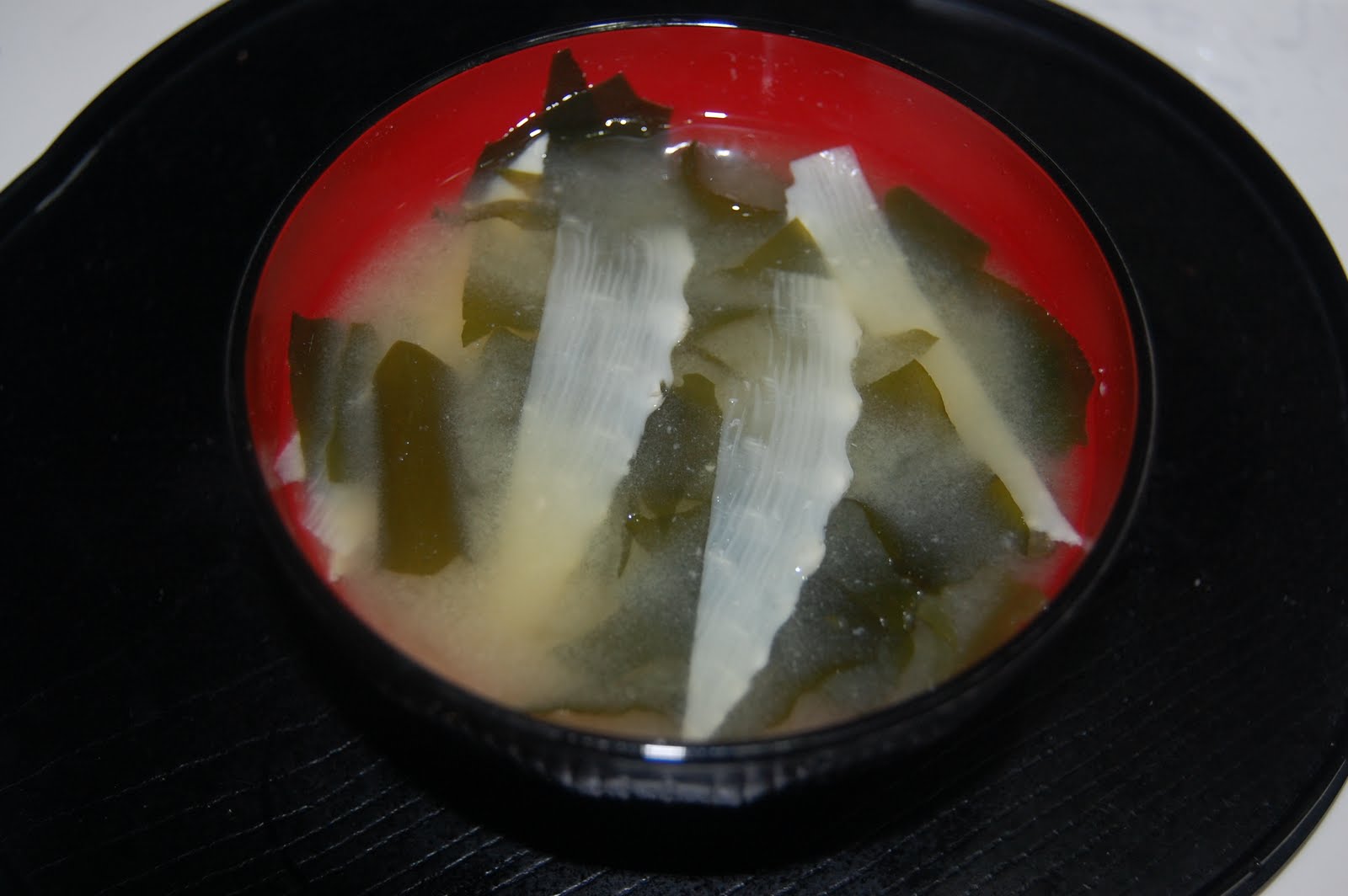
Easy Bamboo Shoot Recipes(Miso Soup with shaved bamboo shoots and wakame)Taking up herewith some bamboo shoot recipes that not only looked delicious but simple. The first recipe was miso soup with shaved bamboo shoots and wakame. Refreshing and light. (Miso Soup with shaved bamboo shoots and wakame) Taking up herewith some bamboo shoot recipes that not only looked delicious but simple. The first recipe was miso soup with shaved bamboo shoots and wakame. Refreshing and light.]]>Japanese Food & Cooking2011-07-16T07:50:01+09:00jsatoFC2-BLOG
http://japantrend.blog94.fc2.com/blog-entry-857.html
Chinese-style hot salad / JAPANESE HOME COOKINGIt is not always easy to eat enough vegetables, but here's a good way to pack more in by reducing their volume through cooking. The key to this week's hot salad is boiling the green vegetables quickly in the Chinese soup. "The flavor of the soup will seep into the vegetables and enhance the flavor," says chef and restaurant owner Tomoshige Ichikawa. Adding oil to the soup is another time-saving ti It is not always easy to eat enough vegetables, but here's a good way to pack more in by reducing their volume through cooking. The key to this week's hot salad is boiling the green vegetables quickly in the Chinese soup. "The flavor of the soup will seep into the vegetables and enhance the flavor," says chef and restaurant owner Tomoshige Ichikawa. Adding oil to the soup is another time-saving tip. The higher boiling point allows the vegetables to cook more quickly. The light coating of oil adds a glossy shine to the vegetables and prevents the sauce from being overabsorbed to make them soggy. ]]>Japanese Food & Cooking2011-07-15T07:50:01+09:00jsatoFC2-BLOG
http://japantrend.blog94.fc2.com/blog-entry-856.html
"Mabo dofu" spicy tofu and beef(mabodoufu (マーボー豆腐) / Image)In Japan, mabodoufu (マーボー豆腐) was introduced by Chen Kenmin who opened the first Sichuanese restaurant in Tokyo in the 1950s. Instead of using only the salty and spicy bean paste, Chen also adopted sweet bean paste in the recipe and make the dish less spicy and less oily. (mabodoufu (マーボー豆腐) / Image) In Japan, mabodoufu (マーボー豆腐) was introduced by Chen Kenmin who opened the first Sichuanese restaurant in Tokyo in the 1950s. Instead of using only the salty and spicy bean paste, Chen also adopted sweet bean paste in the recipe and make the dish less spicy and less oily. ]]>Japanese Food & Cooking2011-07-13T07:50:08+09:00jsatoFC2-BLOG
http://japantrend.blog94.fc2.com/blog-entry-855.html
Spring Vegetables Steeped in Dashi (Ohitashi)(Spring Vegetables Steeped in Dashi (Ohitashi) / Image)Ohitashi is a method of steeping vegetables in a delicate dashi, which infuses ingredients with umami and lovely flavor but retains the food's natural taste and sensibility. The trick is to first blanch and shock the vegetables (quickly boiling in water, "blanching," then halting the cooking by plunging in ice-water, a.k.a. "shocking"). By par (Spring Vegetables Steeped in Dashi (Ohitashi) / Image) Ohitashi is a method of steeping vegetables in a delicate dashi, which infuses ingredients with umami and lovely flavor but retains the food's natural taste and sensibility. The trick is to first blanch and shock the vegetables (quickly boiling in water, "blanching," then halting the cooking by plunging in ice-water, a.k.a. "shocking"). By partially cooking this way, you transform ingredients from the raw state, but still retain their integrity, and allow them to absorb the dashi. ]]>Japanese Food & Cooking2011-07-11T07:50:07+09:00jsatoFC2-BLOG
http://japantrend.blog94.fc2.com/blog-entry-854.html
Steamed Rice with Chicken and Vegetables(Steamed Rice with Chicken and Vegetables / Image)Steamed rice is traditionally prepared in one of two ways. Actual steaming is done by placing a bowl or pot containing dry rice into a food steamer, and cooking it until done. Steamed rice is normally cooked by adding dry rice and a small amount of salt to water and boiling it in a covered pot. Today, most rice is prepared in electric rice cookers, (Steamed Rice with Chicken and Vegetables / Image) Steamed rice is traditionally prepared in one of two ways. Actual steaming is done by placing a bowl or pot containing dry rice into a food steamer, and cooking it until done. Steamed rice is normally cooked by adding dry rice and a small amount of salt to water and boiling it in a covered pot. Today, most rice is prepared in electric rice cookers, that work the same way. ]]>Japanese Food & Cooking2011-07-10T07:50:06+09:00jsatoFC2-BLOG
http://japantrend.blog94.fc2.com/blog-entry-853.html
Kaisendon (海鮮丼)"Kaisen" means very fresh seafood. This dish is gorgeous meal. Various "Sashimi(raw fish)" are placed on the rice. So freshness of ingredients is the most important. But when you have an opportunity to go to Japan, it is worth to try them. "Kaisen" means very fresh seafood. This dish is gorgeous meal. Various "Sashimi(raw fish)" are placed on the rice. So freshness of ingredients is the most important. But when you have an opportunity to go to Japan, it is worth to try them. ]]>Japanese Food & Cooking2011-07-09T07:50:05+09:00jsatoFC2-BLOG
http://japantrend.blog94.fc2.com/blog-entry-852.html
Fried Noodles with Pork and Vegetables(Fried Noodles with Pork and Vegetables / Image)Here in Japan, we ahve many kinds of Noodle Recipes. "Fried Noodles with Pork and Vegetables" is also one of the popular noodle recipes. (Fried Noodles with Pork and Vegetables / Image) Here in Japan, we ahve many kinds of Noodle Recipes. "Fried Noodles with Pork and Vegetables" is also one of the popular noodle recipes.]]>Japanese Food & Cooking2011-07-08T07:50:02+09:00jsatoFC2-BLOG
http://japantrend.blog94.fc2.com/blog-entry-851.html
Potato Salad(Potato Salad / Image)Potato salad is a dish made from potatoes, the versions of which vary throughout different regions and countries of the world. Although called a salad, it is generally considered a side dish, as it generally accompanies the main course. And here in Japan, it's also very popular as one of Japanese Dishes. (Potato Salad / Image) Potato salad is a dish made from potatoes, the versions of which vary throughout different regions and countries of the world. Although called a salad, it is generally considered a side dish, as it generally accompanies the main course. And here in Japan, it's also very popular as one of Japanese Dishes. ]]>Japanese Food & Cooking2011-07-06T07:50:05+09:00jsatoFC2-BLOG
http://japantrend.blog94.fc2.com/blog-entry-850.html
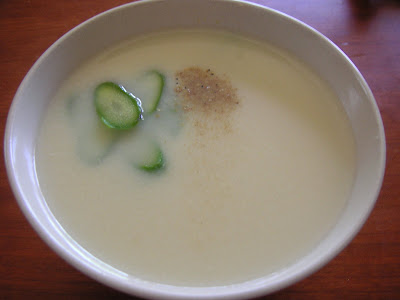
Creamy Bamboo Shoot Soup With Miso(Creamy Bamboo Shoot Soup With Miso / Image)Takenoko or bamboo shoot is a quintessential harbinger of spring in Japan. There are many kinds of takenoko recipes, that is to say, takenoko rice, takenoko in stir-fries, and much more. As a change of pace from all the traditional takenoko dishes, taking up herewith very creamy, subtle soup that was a big hit. The gentle flavor of the takenoko comes thr (Creamy Bamboo Shoot Soup With Miso / Image) Takenoko or bamboo shoot is a quintessential harbinger of spring in Japan. There are many kinds of takenoko recipes, that is to say, takenoko rice, takenoko in stir-fries, and much more. As a change of pace from all the traditional takenoko dishes, taking up herewith very creamy, subtle soup that was a big hit. The gentle flavor of the takenoko comes through very well, and it’s a great way to use up bits of the shoots that aren’t as good looking, like the heel. And the creaminess is not derived from a flour-based roux (it’s thickened with cooked rice), so this soup is gluten-free. ]]>Japanese Food & Cooking2011-07-04T07:50:03+09:00jsatoFC2-BLOG
http://japantrend.blog94.fc2.com/blog-entry-849.html
Shortlist of Sansai (山菜)(ふきのとう(Fuki no to) / Image)SANSAI (Mountain Vegetables) 山菜 There are over 200 varieties of sansai, the mountain vegetables that spring forth from the ground in the spring. When sansai arrive at the market, you can overhear customers talk about the arrival of spring. It is served many ways including ohitashi (simmered), sunomono (vinegared), tempura, aemono (dressed with a sauce), and kinpir (ふきのとう(Fuki no to) / Image) SANSAI (Mountain Vegetables) 山菜
There are over 200 varieties of sansai, the mountain vegetables that spring forth from the ground in the spring. When sansai arrive at the market, you can overhear customers talk about the arrival of spring. It is served many ways including ohitashi (simmered), sunomono (vinegared), tempura, aemono (dressed with a sauce), and kinpira (julienned and stir-fried). Over a bowl of soba noodles the bitterness of the sansai is a nice contrast to the earthy buckwheat noodles. There is something special about the bitter vegetables when served up in tempura. ]]>Japanese Food & Cooking2011-07-03T07:50:06+09:00jsatoFC2-BLOG