<?xml version="1.0" encoding="UTF-8"?>
<feed xml:lang="en" xmlns="http://www.w3.org/2005/Atom" xmlns:opensearch="http://a9.com/-/spec/opensearch/1.1/" xmlns:s="http://jadedpixel.com/-/spec/shopify">
  <id>https://www.liccdonate.org/blogs/news.atom</id>
  <link rel="alternate" type="text/html" href="https://www.liccdonate.org/blogs/news"/>
  <link rel="self" type="application/atom+xml" href="https://www.liccdonate.org/blogs/news.atom"/>
  <title>LICC Emergency Food Donation &amp; More - Thoughts Worth Sharing</title>
  <updated>2025-01-06T17:30:43-05:00</updated>
  <author>
    <name>LICC Emergency Food Donation &amp; More</name>
  </author>
  <entry>
    <id>https://www.liccdonate.org/blogs/news/7191476-the-face-of-poverty-in-suffolk-county-it-could-be-your-neighbor</id>
    <published>2025-01-06T17:30:43-05:00</published>
    <updated>2025-01-06T17:30:43-05:00</updated>
    <link rel="alternate" type="text/html" href="https://www.liccdonate.org/blogs/news/7191476-the-face-of-poverty-in-suffolk-county-it-could-be-your-neighbor"/>
    <title>The Face of Poverty In Suffolk County-It Could Be Your Neighbor</title>
    <author>
      <name>Anthony Achong</name>
    </author>
    <content type="html">
      <![CDATA[<h3>Who are the poor on Long Island? </h3>
<p>They are your friends and neighbors.  While there are some who believe people are poor because they are lazy or otherwise “deficient,” the reality is very different.  The poor are very much like us – they are our neighbors.  They work hard, they desperately want to be self-sufficient, and they are demographically like us.  They have the same dreams, hopes and wishes.  <br> <span style="color: #a64d79;"><b><br> Before reading further, make a commitment to forward this article to one other person.</b></span><br> <br> <b>Shattering the stereotype</b><br> <br> The stereotype of the poor was shattered by a report published in December 2012 by the Suffolk County Legislature’s Welfare to Work Commission.  Last December the Commission published a report on surveys they conducted last year entitled Struggling in Suburbia:  Meeting the Challenges of Poverty in Suffolk County.  The Commission gathered information from and interviewed 102 government officials, academic experts, agency representatives and the public.  They quickly learned that the Federal Poverty Level designation of $23,050 for a family of four is woefully inadequate given the high cost of living on Long Island. Instead, they recommended $46,100 as a more realistic amount, although Long Island Association Chief Economist Pearl Kamer stated that in our region, a family of four needs to earn $75,000 to pay for basic necessities. When she calculated the actual Suffolk County costs of housing, child care, food, transportation and other basic expenses for a family of four, Professor Diana Pearce, determined that the true figure is $86,245.  It should be noted that Suffolk County’s median income is $87,187 according to the U.S. Census Bureau.<br> <br> <b>1 in 5 Are poor</b><br> <br> Using the Federal Poverty Level measure, 6% of Suffolk residents would be classified as poor.  However, using the Commission’s $46,100 annual household income as a more realistic measure of Suffolk’s poverty level means that 20% of Suffolk households are poor.  Dr. Richard Koubek, Chair of the report, said in an e-mail that almost everything they found for Suffolk is true for Nassau County, though currently there is no funding for a similar study in Nassau.<br> <br> <b>Commission findings</b><br> <br> The Commission heard more than 20 hours of testimony from 102 witnesses about and from the working poor.  Testimony revealed that rigid program regulations for government assistance too often prevented these households from receiving public assistance, leaving them essentially on their own or having to turn to charities for help.  Barriers include lack of health insurance, inadequate transportation, child care, lack of affordable housing, and insufficient training programs appropriate for Suffolk’s economy.  Instead, the restrictive policies tend to force people onto welfare when they would rather work, discourage others from working because the additional income would disqualify them from public assistance, and otherwise create barriers to self-sufficiency.  The Commission further found that many of the Federal, State and County programs designed to help poor households are underfunded, among the first to experience funding cuts, and include regulations that either discourage people from applying or outright deny them access to such services.<br>   <br> <b>Where will funding come from?</b><br> <br> While the Commission understands that Suffolk County government is itself seriously impaired by rigid State and Federal regulations, unfunded mandates and insufficient funding, it urges that the County find new sources of revenue to alleviate the revenue shortfall.  It recommends that the County raise an additional $71 million in new revenues through modest tax increases, of which $15 million should be devoted to programs designed to reverse poverty in Suffolk County. Recommendations include a ¼ of one cent sales tax increase next year, and an increase of 2% for the General Fund Tax, which hasn’t been raised in nine years, among other recommendations. <br> <br> <b>Mistaken beliefs</b><br> <br> The Commission believes that many of the restrictive government regulations are based on a mistaken belief that people are poor because they are lazy or because of other negative behaviors, whereas in reality, it is systems and structures that create and perpetuate poverty. The report refers to a New York Times article published in late 2011 that described a dramatic shift from “urban” poor to “suburban” poor, shattering such stereotypes.  Trudi Renwick, Chief of the Poverty Statistics Branch, Social, Economic and Housing Statistics Division of the U.S. Census Bureau, told the Commission that between 2000 and 2010, the number of people living at the Federal Poverty Level has increased by 66.2% in the suburbs compared to 46.8% in major cities.  Ms. Renwick noted that “work alone is not sufficient to keep one out of poverty.”  <br> <br> <b>28% of the poor work full time, year round</b><br> <br> According to the Times, “Demographically they [the suburban poor and near-poor] look more like the Brady Bunch . . . . Half live in households headed by married couples; 49 percent live in the suburbs.  Nearly half are non-Hispanic white, 18 percent are black and 26 percent are Latino.  Perhaps the most surprising finding is that 28 percent work full-time, year round” (The New York Times, November 19, 2011).  <br> <br> Particularly striking was abundant testimony to the Commission documenting the struggles poor families face when they find that working disqualifies them from public assistance, yet they can’t earn enough to pay for the most basic needs for themselves and their families.  Here is an example from the report:  <br> <br> <b>Meet Mr. C; he could be your neighbor</b><br> <br> Mr. C. is in his late 40’s.  He is a security manager with a wife and two pre-school age children.  He earns a gross salary of $49,000/year which is just over 200% of the federal poverty level and about $3,000 above the poverty level the Commission recommended as the real poverty level for Suffolk County residents.  His taxes, medical care and transportation consume a fifth of his gross income, leaving about $39,000 to pay for everything else. Mrs. C. had planned to work after the birth of her youngest child, but found that the cost of child care would be more than she could earn.  They were also caring for Mr. C’s ailing parents.  The family fell behind in their mortgage and utility payments, and sought assistance from United Way of Long Island.  Theresa Regnante, President &amp; C.E.O. of UWLI said their real problem was lack of sufficient income to meet their basic needs. <br> <br> <b>What the LICC is doing</b><br> <br> These are the individuals and families in crisis the Long Island Council of Churches helps throughout the year.  We feed more than 66,000 hungry Long Islanders a year and help thousands more with other basic needs such as utilities, gas, fuel, transportation, prescriptions, coats, sweaters, clothing, bedding and blankets.  For many years we also provided housing assistance.  Your donations through <a href="http://www.liccdonate.org/">www.LICCDonate.org</a> help us to fill the gap for these households, for whom we are often the place of last resort. Thank you for helping us help Long Island’s most vulnerable populations – they are your neighbors in need.<br> <br> <span style="color: #a64d79;"><b>Now-share this with one other person.</b></span></p>
<p><span style="color: #a64d79;"><b><span> </span></b></span></p>]]>
    </content>
  </entry>
  <entry>
    <id>https://www.liccdonate.org/blogs/news/9849412-feed-a-family-of-four-this-thanksgiving</id>
    <published>2013-10-29T04:03:00-04:00</published>
    <updated>2025-01-06T17:23:53-05:00</updated>
    <link rel="alternate" type="text/html" href="https://www.liccdonate.org/blogs/news/9849412-feed-a-family-of-four-this-thanksgiving"/>
    <title>Feed A Family of Four This Thanksgiving</title>
    <author>
      <name>Don Metznik</name>
    </author>
    <content type="html">
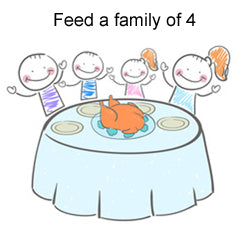
      <![CDATA[<p><span style="color: #e69138;"><strong>Overwhelming Need For Food Assistance: End of SNAP</strong></span><br><br><img src="//cdn.shopify.com/s/files/1/0160/7296/files/feed-family-of-four-generic_small.jpg?112" style="float: right;">Our Freeport Emergency Food Center has been almost overwhelmed this fall with requests for assistance. Congress has at least temporarily continued funding for WIC, the Commodities Surplus Food Program and other emergency food programs, but on November 1st benefits will be cut for all SNAP recipients (the Supplemental Nutrition Assistance Program, formerly known as the food stamp program) because of legislation passed by the United States Congress in 2010. 76% of households receiving SNAP include at least one child, elderly person, or disabled person. SNAP has been helping more than 47 million low-income Americans put food on the table by providing benefits that are timely, targeted, and temporary—and with the benefit cuts more of these people are going to turn up at our food pantries in the coming weeks. If you have been collecting food for the LICC, this would be a great time to donate it!<br> <br><span style="color: #e69138;"><strong>Spare Change For Hungry Kids: Creative Idea</strong></span><br><br>Like many food pantries, those operated by the LICC always need donations of baby food, infant formula, and diapers. One local church found a great way to keep this need on people’s minds. They collected empty baby food jars, put a label on them that said something like, “Spare Change for Hungry Kids” and asked the congregation with pennies or other loose change to pay for food for children in need.  We would love to do this at the LICC. If you know anyone with young children, could you ask them to save the empty jars for us? And, of course, we’d love to have unused formula, baby food, and diapers that their children no longer need, too. This might make a great project for your Sunday School, daycare program, or Scout troop - maybe even an Eagle project. <br> <br><span style="color: #e69138;"><strong>The Need For Emergency Food Grows And Grows</strong></span><br><br>At our Freeport Emergency Center, we feed more people from year to year, particularly more children. Donations always slow down during the summer months, when many of our regular supporters are away on vacation. If you have been collecting food or shopping bags for us, this would be a great time to donate them. <br><br><span style="color: #e69138;"><strong>Where And How To Donate</strong></span><br><br>Donations of food, personal care items, small household goods, and shopping bags can be dropped off in Freeport (353 West Sunrise Highway, Freeport, 516-868-4989)<br>Our Emergency Food Center is open Monday, Tuesday, Wednesday, Friday, 9:30 am to 2:45 pm. <span>Please call if you plan to make a delivery to the pantry.</span><br>And, of course, monetary donations to support our emergency food center would be greatly appreciated.</p>
<p>These should be sent to the LICC at<br>353 West Sunrise Highway<br>Freeport, NY 11520<br><br>Donate Now Online</p>
<p><a href="https://www.liccdonate.org/collections" title="Feed a family of four for Thanksgiving"><img src="//cdn.shopify.com/s/files/1/0160/7296/files/donate_now_small.jpg?112"></a></p>
<p>Updated 01/2025</p>]]>
    </content>
  </entry>
  <entry>
    <id>https://www.liccdonate.org/blogs/news/9102345-what-does-it-really-cost-to-feed-a-family-of-four</id>
    <published>2013-09-14T10:34:00-04:00</published>
    <updated>2025-01-06T17:36:19-05:00</updated>
    <link rel="alternate" type="text/html" href="https://www.liccdonate.org/blogs/news/9102345-what-does-it-really-cost-to-feed-a-family-of-four"/>
    <title>What Does It Really Cost To Feed A Family Of Four?</title>
    <author>
      <name>Don Metznik</name>
    </author>
    <content type="html">
      <![CDATA[<p><img alt="" src="//cdn.shopify.com/s/files/1/0160/7296/files/feed-family-of-four-generic_medium.jpg?109" style="float: right;">According to the <a href="http://www.usatoday.com/story/news/nation/2013/05/01/grocery-costs-for-family/2104165/" title="US Department of Agriculture cost to feed family of four">U.S. Department of Agriculture</a>, the cost to feed a family of four ranges from $153 to $305 per week. But these are just numbers. Compare them to what you spend per week and perhaps you'll have a different perspective. I did.<br><br>There are no luxuries at these levels. The food can be good and wholesome, but the treats and indulgences that we all enjoy don't make the cut. What boggles the mind is the stress and anxiety associated with having to live with a food budget as low as $153 per week.</p>
<p>You may contribute to a week (or partial week or several weeks) of food to feed a family of four <a href="http://www.liccdonate.org/collections/feed-a-family-of-four" title="Feed a family of four">here</a>.</p>
<p>Rev. 01/2025</p>]]>
    </content>
  </entry>
  <entry>
    <id>https://www.liccdonate.org/blogs/news/7962243-how-distant-tragedies-can-prepare-us-for-local-emergencies</id>
    <published>2013-05-25T17:01:00-04:00</published>
    <updated>2018-10-05T10:53:26-04:00</updated>
    <link rel="alternate" type="text/html" href="https://www.liccdonate.org/blogs/news/7962243-how-distant-tragedies-can-prepare-us-for-local-emergencies"/>
    <title>How Distant Tragedies Can Prepare Us For Local Emergencies</title>
    <author>
      <name>Don Metznik</name>
    </author>
    <content type="html">
      <![CDATA[<p><strong>The Lesson From The Oklahoma Tornado</strong><br><br>The magnitude of the tragedy in Moore, Oklahoma from an unimaginably devastating EF5 tornado, is being matched by the outpouring of assistance from organizations and individuals who provide and donate services, money, and supplies. This assistance is critical to the recovery and healing of body and spirit for individuals and communities alike. (See the before/after satellite image, below.)</p>
<p> </p>
<p style="text-align: center;"><img alt="" src="//cdn.shopify.com/s/files/1/0160/7296/files/Moore-Oklahoma-before-after-photo_large.jpg?78"></p>
<p><br>Having this assistance on the scene and in sufficient quantity is vitally important. This is why it is necessary to be well stocked and prepared. How can you and I participate in this work?<br><br><strong>The Fastest Why To Help</strong><br><br>The media emphasize that the best support someone can provide is to donate to the agencies that are on the ground, and for good reason. They have the experience, equipment, and processes to organize and distribute vitally needed items like food, water, toiletries, and medications. As valuable as a case of food, for example, might seem as a donation, in reality it may never get into the disaster relief system in time. And this is why monetary donations are requested, because money is the fastest and most effective way that relief services can be provided after an emergency occurs.<br><br><strong>The Lesson For Local Emergency Relief Agencies</strong><br><br>Local emergency relief agencies don’t have the benefit of mass media drawing attention to their needs. For these agencies it is even more important to be well stocked. And because supplies tend to be small and quickly consumed, having a ready and easy way to replenish supplies can mean the difference between a partial and full relief effort.</p>
<p><br>The lesson from Oklahoma, and all the other disasters we’ve heard about, is to support the relief agency of your choice before supplies are needed, and to respond immediately with additional monetary support when a local disaster occurs.<br><br><strong>Find And Support The Agency of Your Choice</strong><br><br>You probably know of several now or can easily learn of them through your civic organizations, house of worship, or local government. Commit to taking action now. An excellent resource for help services on Long Island is the Long Island Council of Churches.<br><br><strong>Consider the Long Island Council of Churches</strong><br><br>The <a title="Long Island Council of Churches Emergency Relief Services" href="http://www.ncccusa.org/ecmin/licc/index.html">Long Island Council of Churches</a> serves nearly 800 faith communities in Nassau and Suffolk County, Long Island, with emergency food assistance and so much more.<br><br>Recently, the LICC developed an online donation website, <a title="Fast and easy donation site of the Long Island Council of Churches" href="http://www.liccdonate.org/">liccdonate.org</a>, that can make giving quick and easy. <br><br></p>
<p><strong>Don't Wait For Another Disaster</strong></p>
<p>So, regardless of what agency you donate to, <em>donate now</em> so that it will be prepared for the emergencies of the future.</p>
<p><a title="Long Island Council of Churches donation website" href="http://www.liccdonate.org/collections"><img alt="" src="//cdn.shopify.com/s/files/1/0160/7296/files/donate_now_small.jpg?78"></a><br><br><span style="color: #999999;">(Image courtesy of Gizmodo.)</span><br><br></p>]]>
    </content>
  </entry>
  <entry>
    <id>https://www.liccdonate.org/blogs/news/7782805-how-two-organizations-fight-hunger-on-long-island</id>
    <published>2013-05-01T12:05:00-04:00</published>
    <updated>2018-10-05T10:54:12-04:00</updated>
    <link rel="alternate" type="text/html" href="https://www.liccdonate.org/blogs/news/7782805-how-two-organizations-fight-hunger-on-long-island"/>
    <title>How Two Organizations Fight Hunger on Long Island</title>
    <author>
      <name>Don Metznik</name>
    </author>
    <content type="html">
      <![CDATA[<h3>It's about hunger: those who have it and those who can do something about it.<img style="float: right;" alt="" src="//cdn.shopify.com/s/files/1/0160/7296/files/Island-Harvest-volunteer-handing-out-food_copy_medium.jpg?76">
</h3>
<p><strong>It's beyond the statistics of hunger, which are harrowing, to gut level discomfort, disorientation, shame, fear, and real pain.<br></strong><br><strong>It's about the imagination, hard work, and inspiration of organizations like <a title="Island Harvest reclaiming food on long island" href="http://www.islandharvest.org">Island Harvest</a> and <a title="Long Island Cares Food Donation on Long Island" href="http://www.licares.org">Long Island Cares</a> that are taking action to fight hunger; the millions of pounds of food distributed, the millions of meals provided, and the hundreds of organizations - like Long Island Council of Churches - that benefit.<br></strong></p>
<p><br><span style="color: #e69138;"><strong>Island Harvest: Reclaiming Food That Would Be Thrown Away</strong></span></p>
<p><strong>The Island Harvest Story</strong></p>
<p>Island Harvest was created in 1992 by one woman with a cooler, a station wagon, and a strong desire to help people in need.  Linda Breitstone, founder, was infuriated that food from a local convenience store was being thrown away at the end of the day – with a safe house for women and children down the street.  In response, she established Island Harvest and the mission, “to end hunger and reduce food waste on Long Island.”<br><br><strong>What it does</strong><br><br>Island Harvest delivers millions of pounds of good, surplus food – much of which might otherwise go to waste – to a network of over 500 Long Island-based food pantries, soup kitchens, and other non-profit organization that offer feeding services for those in need.<br><br><strong>Its success</strong><br><br>Since inception, Island Harvest has delivered 71 million pounds of food, supplementing close to 66 million meals.<br><br><span style="color: #e69138;"><strong>Long Island Cares: Facilitating food donations to provide emergency food relief</strong></span><br><br><strong>The Long Island Cares Story</strong><br><br>In response to the need for a year-round emergency food resource, Long Island Cares (founded in 1980) opened The Harry Chapin Food Bank.<br><br><strong>What it does</strong><br><br>The Food Bank receives, warehouses, and distributes millions of pounds of donated and purchased food from various sources to member agencies serving the needy population of Nassau and Suffolk counties. The Food Bank delivers food to over 500 agencies: food pantries, soup kitchens, shelters, group homes, day treatment facilities, senior nutrition sites and day care centers.<br><br><strong>Its success </strong><br><br>In 2010, The Harry Chapin Food Bank distributed over 6 million pounds of food and household goods.<br><br><span style="color: #e69138;"><strong>Beyond Food - Innovative Programs</strong></span><br><br>The fight against hunger only begins with food. Here are samples of innovative programs from each organization.<br><br><strong>New Paths to Achievement:</strong> The New Paths to Achievement Program addresses the need for education and job skills training to aid low-income, single head-of-household females in gaining independence. The Program prepares economically disadvantaged women to become financially independent by boosting their self-esteem and giving them specific employment-seeking skills to help them reenter the workforce. <a title="Long Island Cares education and job training programs" href="http://www.licares.org/LICpages/New_Paths.htm">Read more...</a><br><br><strong>Operation HOPE:</strong> To help the many veterans that are struggling and in need of food assistance, Island Harvest launched Operation:  HOPE – a new program specifically designed to assist veterans and the families of active duty personnel deployed overseas. Staffed with volunteers who are also veterans, and working with local veterans organizations, Operation: HOPE will deliver food and supplies to the doors of Long Island veterans and their families 2 days a week.  In addition, Operation: HOPE volunteers will provide information and referrals to link veterans and military families with benefits and services that can help them. <a title="Island Harvest veterans assistance program" href="http://www.islandharvest.org/page.aspx?id=187&amp;name=Operation:%20HOPE">Read more…</a><br><br><strong>School Tools:</strong> Beyond giving a child the proper nourishment for learning (read about the <a title="Long Island Cares Kids Cafe " href="http://www.licares.org/LICpages/Kids_Cafe.htm">Kids Cafe</a>), School Tools donates items such as backpacks, notebooks, planners, paper, binders, crayons, pens and pencils to help make a child's learning experience a positive one. <a title="Long Island Cares School Tools for child learning" href="http://www.licares.org/LICpages/School_Tools.htm">Read more…</a><br><br><strong>Finding Solutions Education Series:</strong> Island Harvest hosts <a title="Island Harvest education series on hunger" href="http://www.islandharvest.org/page.aspx?id=99&amp;name=Finding%20Solutions">monthly workshops</a> that cover a variety of topics that relate to the critical issue of hunger, and include:<br><br>• Accessing Food Stamps.<br>• Nutrition - making healthy choices with limited funds.<br>• Identifying ways to lower non-food monthly expenses.<br>• Important facts about safe food handling and health.<br>• Information on affordable housing issues.<br>• Health insurance programs.<br><br><span style="color: #e69138;"><strong>How to be part of the fight</strong></span><br><br>Island Harvest and Long Island Cares are resources to help you help in the fight against hunger and to inspire you to innovative ways of your own.<br><br><strong>Contact Information:</strong><br><br><strong>Island Harvest:</strong> <a title="Island Harvest food bank for long island" href="http://www.islandharvest.org">www.islandharvest.org</a> / (516) 294-8528 <br><br><strong>Long Island Cares:</strong> <a title="Long Island Cares Food Bank and Hunger Assistance" href="http://www.licares.org">www.licares.org</a> / (631) 582-3663<br><br><span style="color: #e69138;"><strong>About the Long Island Council of Churches</strong></span><br><br>The <a title="Long Island Council of Churches ecumenical coordination" href="http://www.liccny.org/">Long Island Council of Churches</a> (LICC) is the coordinating body for the ecumenical work of churches throughout Nassau and Suffolk Counties. LICC shares in the mission of Island Harvest and Long Island Cares and is greatly supported by both organizations. Contributing to both organizations is encouraged, and you may also make a contribution to LICC via its <a title="Long Island Council of Churches food donation website" href="http://www.liccdonate.org/">emergency food donation &amp; more website</a>. <br><br><a title="Long Island Council of Churches food donation " href="http://www.liccdonate.org/collections"><img alt="" src="//cdn.shopify.com/s/files/1/0160/7296/files/donate_now_small.jpg?70"></a><br><br></p>
<p><span style="color: #cccccc;">Image from Island Harvest website.</span></p>]]>
    </content>
  </entry>
  <entry>
    <id>https://www.liccdonate.org/blogs/news/7397476-the-poor-give-more</id>
    <published>2013-02-24T21:35:00-05:00</published>
    <updated>2018-10-05T10:50:59-04:00</updated>
    <link rel="alternate" type="text/html" href="https://www.liccdonate.org/blogs/news/7397476-the-poor-give-more"/>
    <title>The Poor Give More</title>
    <author>
      <name>Don Metznik</name>
    </author>
    <content type="html">
      <![CDATA[<p> </p>
<p><strong>THE POOR GIVE MORE</strong></p>
<p>Jesus taught that a poor widow who gave a small copper coin was more worthy of praise than a rich man who put gold into the Temple treasury (the Gospel according to <span>Mark 12:41-44 &amp; the Gospel according to Luke 21:1-4), because he gave only "out of his abidance" but she "gave all she had." The poor often give more. </span></p>
<p>We saw this few Octobers ago at  “Share the Harvest,” the Long Island Council of Churches’ annual fundraising event at Crest Hollow Country Club in Woodbury. Auctioneer Rudy Saviano urged attendees to “adopt a family,” donating money to feed a family of four. One of our waiters--who was perhaps not poor but certainly not the wealthiest person in the room, either--approached Grace Simonette, the event co-chair.  A young Muslim from India, he was so touched by our request for support for hungry families that he made a $40 donation, much of the money he earned that evening serving us.</p>
<p>Grace thanked him and asked where, in India, he was from. He replied, “I come from a village so small that no one over here would ever have heard of it.” Grace persisted, saying she has traveled extensively in India. He answered,”Dehra Dun. It’s in the foothills of the Himalayan Mountain Range.”</p>
<p>Grace replied that she knows the village well. “It’s the last stop on the train from Dehli on the way to a school called Woodstock in Missoorie, quite near Dehra Dun."</p>
<p>Internationally it’s a well-known school, kindergarten through 12<sup>th</sup> grade, attended by children from foreign countries, children of diplomats, children of foreign workers, and of local families. The village is surrounded by unimaginable beauty.” The man was astonished, and asked Grace to tell him more.</p>
<p>“My maternal grandmother was a missionary in India. My mother was born in India, grew up there, and attended and later taught at the Woodstock School in Missoorie, very near Dehra Dun,” Grace explained. “My daughter lived in the village and attended the school there by herself – no relatives, she didn’t know anyone, and she loved it.”</p>
<p>And so two caring people of different faiths, born and raised half-way across the world from each other, came together at Share the Harvest: Helping Neighbors in Need.” Their unexpected meeting helped to feed the hungry and heal our broken world.</p>
<p>By Grace Simonette </p>]]>
    </content>
  </entry>
  <entry>
    <id>https://www.liccdonate.org/blogs/news/7268776-you-have-more-food-to-donate-than-you-think</id>
    <published>2013-02-22T20:43:00-05:00</published>
    <updated>2025-01-06T17:37:31-05:00</updated>
    <link rel="alternate" type="text/html" href="https://www.liccdonate.org/blogs/news/7268776-you-have-more-food-to-donate-than-you-think"/>
    <title>YOU HAVE MORE FOOD TO DONATE THAN YOU THINK.</title>
    <author>
      <name>Tom Goodhue</name>
    </author>
    <content type="html">
      <![CDATA[<p><b>JUST REACH TO THE BACK OF YOUR SHELF</b><br> <br> It's there, but you don't remember. The can or jar that you bought and forgot about, hidden in the back of your shelf. "Oh," you say, "it's expired. I'll have to throw it out." <br> <br> <b>Don't throw it out - donate it.</b><br> <br> Someone asked recently if they can donate food to our emergency pantries that has passed its “expiration date.” Yes. We will take nearly anything, with a few exceptions: you really do need to throw out rusted cans, cans dented along the seams, or baby food or infant formula that has passed the date on the can or jar.<br> <br> <b>Food can be salvaged.</b><br> <br> On other nonperishable items, though, it is difficult to decode the labels and what appears to be a do-not-use date may simply be a “pull-date” for grocery deliveries: the item may still be safe to use, but the retailer wants it off their shelves by that date. We send our pantry staff to Island Harvest and Long Island Cares regularly for “food rescue” training to learn the intricacies of pull-dates, best-if-used-by-dates, and when-to-chuck-it dates, and they can determine if it safe to distribute donations. The state issues us a “food salvage” license.<br> <br> The Rev. Dwight Wolter, pastor of Patchogue Congregational Church, had a great suggestion for his church: donate the stuff at the back of your shelf, which you probably aren't using, before it is too ancient to help someone who needs it. We’ll even take fruitcake and excess Valentine’s Day candy—and while you are pulling these from your kitchen, you might see what else you could donate. <br> <br> <b>Baby food is different.</b><br> <br> We cannot distribute baby food or formula after they reach the expiration date, which is fairly easy to read on their labels. So please encourage parents to donate the baby food or formula that their children no longer need immediately, so that someone in need can use it. What should you do with past-date formula? Our Riverhead manager Carolyn Gumbs has found that pet shelters are often glad to receive it and can safely feed it to puppies. <br> <br> <b>How to donate.</b><br> <br> The LICC gladly accepts all sorts of non-perishable food. We can often take perishable donations, too, but it is best to call first to see if we have room in or refrigerators and freezers. Donations can be dropped off at our Freeport Emergency Food Center (353 West Sunrise Highway, Freeport, 516-868-4989). And if you have a large quantity of food to donate, we would be glad to pick it up.<br>  <br> <b>New: Buy food online - it's quick and easy</b><br> <br> You can also buy food for our food pantries through <a href="http://www.liccdonate.org/collections">this Web site</a>, which allows us to get as much as possible from your donation and to get the items that our neighbors need the most. <br>  <a href="http://www.liccdonate.org/collections"><img src="//cdn.shopify.com/s/files/1/0160/7296/files/Donate_Now_CTA_compact.jpg?59" alt="Donate Now button"></a></p>
<p>Rev. 01/2025</p>]]>
    </content>
  </entry>
  <entry>
    <id>https://www.liccdonate.org/blogs/news/7284296-why-so-many-seniors-need-emergency-food-donations</id>
    <published>2013-02-22T20:38:00-05:00</published>
    <updated>2025-01-06T17:27:02-05:00</updated>
    <link rel="alternate" type="text/html" href="https://www.liccdonate.org/blogs/news/7284296-why-so-many-seniors-need-emergency-food-donations"/>
    <title>WHY SO MANY SENIORS NEED EMERGENCY FOOD DONATIONS</title>
    <author>
      <name>Tom Goodhue</name>
    </author>
    <content type="html">
      <![CDATA[<p>Not long ago, few seniors came to the LICC’s emergency food center, except those who came as volunteers and those who brought donations to help their neighbors in need. Lately, though, we have been feeding a steadily increasing number of senior citizens, nearly 200 a month. It is sad, of course, that our elders are having a hard time making ends meet. The constant increase in cost of living—which has outstripped any COLA increases in government benefits—combined with lower returns on their savings is squeezing them harder each year.<br>  <br> <b>Special Dietary Needs</b><br> These growing numbers of elderly clients challenges our ability to combat hunger. Not only do we need more donations to assist an ever-increasing number of Long Islanders, seniors also often need food that emergency food centers seldom have in stock, such as low sodium dietetic, sugar free, and low fat foods, vitamins, and dietary supplements (Ensure, Boost, etc.)<br>  <br> <b>Hunger Takes A Psychological Toll</b><br> Moreover, seniors are turning to us for help who have never before had to seek assistance from anyone. Five years ago, I could tell without a thought whether a car that pulled up in front of our Riverhead office was someone seeking food or somebody schlepping donations from their congregation. I can’t tell anymore, both because those who once brought baskets of food may now need help themselves and also because the elderly often dress up to seek assistance, doing whatever they can to preserve what remains of their dignity.<br>  <br> <b>Our Seniors Need To Be Fed With Compassion</b><br> It takes compassion and patience to extend help to those who are not accustomed to needing assistance. We have created reception areas that are welcoming, places where our guests can sit comfortably while they fill out our minimal paperwork, get a cup of coffee or a glass of water, and choose the food or clothes or household items that they need, rather than simply accepting a one-size-fits-all box of food. We also have recruited those who need help to assist others, delivering groceries to a shut-in neighbor while discreetly accepting a bag for themselves. </p>
<p> <span style="color: #0000ff;"><a style="color: #0000ff;" title="The Facts Behind Seniors in Hunger" href="http://www.aginginplace.org/the-facts-behind-senior-hunger/">See The Facts Behind Seniors in Hunger</a></span><br> <br> <b>Low-fat, low-sodium: Donate What You Dislike</b><br> That low-fat food you tried and disliked may be a godsend to someone else. The no-salt tomato sauce you don’t care for may be just what they need. If you have food they need in your home that you probably will not eat—particularly low-sodium, dietetic, sugar free, and low fat foods, vitamins, Ensure, Boost, and such—please donate it. We could use carpeting or area rugs in Hempstead and some comfortable chairs or small couches in Freeport and Riverhead to welcome our guests a bit more graciously. If you have none of these to give, please consider donating money so that we can assist your neighbors in need.<br> <br> <b>How To Donate</b><br> The LICC gladly accepts all sorts of non-perishable food, and we can often take perishable donations, too, but it is best to call first to see if we have room in or refrigerators and freezers. Donations can be dropped off at our Freeport Emergency Food Center (353 West Sunrise, Freeport, 516-868-4989). Please call if you plan to make a delivery to the pantry. And if you have a large quantity of food to donate, we would be glad to pick it up.<br>  <br> You can also <a href="http://www.liccdonate.org/collections">buy food for our food pantries</a> through the links on this <a href="http://www.liccdonate.org">Web site</a>, which allows us to get as much as possible from your donation and to get the items that our neighbors need the most. <br> <br> <a href="http://www.liccdonate.org/collections"><img src="//cdn.shopify.com/s/files/1/0160/7296/files/Donate_Now_CTA_small.jpg?61"></a><br>  <br> Thanks for your support!<br>  </p>
<p>Updated 01/2025<br> </p>]]>
    </content>
  </entry>
  <entry>
    <id>https://www.liccdonate.org/blogs/news/7273184-want-to-donate-food-but-have-no-time-heres-how-to-do-it-in-a-minute</id>
    <published>2013-02-01T13:17:00-05:00</published>
    <updated>2018-10-05T10:54:37-04:00</updated>
    <link rel="alternate" type="text/html" href="https://www.liccdonate.org/blogs/news/7273184-want-to-donate-food-but-have-no-time-heres-how-to-do-it-in-a-minute"/>
    <title>Want To Donate Food But Have No Time? Here&apos;s How To Do It In A Minute.</title>
    <author>
      <name>Don Metznik</name>
    </author>
    <content type="html">
      <![CDATA[<p>Donating food can be a hassle. There's the trip to the store, the checkout, and the drop off. Many times I've forgotten to drop off the food, only to be reminded when I open the hatchback door. There are other times when my church is not open. And, of course, there's the issue with the receipt for tax purposes.<br> <br> I'd donate more, more often, if it were easier.<br> <br> <b style="text-align: right;"><img style="float: right;" alt="food donation page at liccdonate.org" src="//cdn.shopify.com/s/files/1/0160/7296/files/licc_donate_web_page_large.jpg?61">The Easy Way To Donate Food</b><br> <br> The Long Island Council of Churches has developed an easy way to donate food (and other items). It's part of a new website that you can check out at<a href="http://www.liccdonate.org"> liccdonate.org</a>.<br> <br> Donating food is now as easy as buying a book from Amazon and sending it to a relative or friend. You select the item(s) you want to donate, add them to the online shopping cart, and pay with a credit card. You get your receipt via email, instantly. And it only takes a minute or two.<br> <br> Having a birthday party for a young child and don't want gifts? Suggest that food be donated instead and include the www.liccdonate.org website in the invitation.<br> <br> More food to more hungry people. That's what it's all about.  </p>
<p><a href="http://www.liccdonate.org/collections"><img src="//cdn.shopify.com/s/files/1/0160/7296/files/Donate_Now_CTA_compact.jpg?59"></a> </p>]]>
    </content>
  </entry>
  <entry>
    <id>https://www.liccdonate.org/blogs/news/7043928-holiday-leftovers-make-great-food-donations</id>
    <published>2012-12-13T15:42:00-05:00</published>
    <updated>2025-01-06T17:20:01-05:00</updated>
    <link rel="alternate" type="text/html" href="https://www.liccdonate.org/blogs/news/7043928-holiday-leftovers-make-great-food-donations"/>
    <title>Holiday Leftovers Make Great Food Donations</title>
    <author>
      <name>Tom Goodhue</name>
    </author>
    <content type="html">
      <![CDATA[<p><b>Sad But True: This Holiday Your Leftovers May Be Someone's Main Meal</b></p>
<p>Are you having a holiday party? What are you going to do with the leftovers? The LICC would be glad to receive nonperishable food, and Island Harvest or the Interfaith Nutrition Network may be able to point you toward a nearby soup kitchen that can take prepared food that has not been served. Planning in advance can get your leftovers to someone who really needs them. Last Christmas Eve one well-intentioned person left a message on my home phone on Christmas Eve asking where to take a large quantity of party food—a message I did not receive in time to help them find someone who needed it.</p>
<p><br> <b>And Then There's The Superbowl</b><br> <br> And it is not too early to start planning for Superbowl party leftovers. In addition to observing Souper Bowl Sunday—where youth collect canned goods and donations for a local emergency food pantry during worship on Sunday-- the Congregational Church of Huntington collected food last year the day after the game for a homeless shelter. It is important to work with a soup kitchen or shelter whose staff has been trained in food rescue—our staff is trained regularly by Island Harvest and Long Island Cares, our region’s major food bank and food rescue organizations. Island Harvest can point you toward a nearby shelter or soup kitchen that would be glad to receive donations if you call 516-294-8528.</p>
<p><br> <b>How LICC Makes The Most Of Your Food Donations</b><br> <br> The LICC gladly accepts all sorts of non-perishable food, and we can often take perishable donations, too, but it is best to call first to see if we have room in or refrigerators and freezers. Donations can be dropped off at our Freeport Emergency Food Center (353 West Sunrise Highway, Freeport, 516-868-4989). <span>Please call if you plan to make a delivery to the pantry. </span>And if you have a large quantity of food to donate, we would be glad to pick it up.<br> <br> You can also <a href="http://www.liccdonate.org/collections">buy food</a> for our food pantries through the links on this Web site, which allows us to get as much as possible from your donation and to get the items that our neighbors need the most.</p>
<p><a href="http://www.liccdonate.org/collections"><img src="//cdn.shopify.com/s/files/1/0160/7296/files/donate_now_compact.jpg?49"></a><br>Updated 01/2025</p>]]>
    </content>
  </entry>
  <entry>
    <id>https://www.liccdonate.org/blogs/news/7032024-what-if-you-had-to-decide-between-food-or-electric</id>
    <published>2012-12-11T14:42:00-05:00</published>
    <updated>2025-01-06T17:19:28-05:00</updated>
    <link rel="alternate" type="text/html" href="https://www.liccdonate.org/blogs/news/7032024-what-if-you-had-to-decide-between-food-or-electric"/>
    <title>What if You Had to Decide Between Food or Electric?</title>
    <author>
      <name>Tom Goodhue</name>
    </author>
    <content type="html">
      <![CDATA[<p>Each year we feed more and more hard-working Long Islanders at the LICC who just cannot make ends meet. Every month they face a “Sophie’s Choice”: pay the rent or fill a prescription, keep the lights on or put food on the table. </p>
<p>At the LICC we often feed more than 3,000 of our neighbors each month. Many people assume that those who need emergency food pantries and soup kitchens are unemployed, but this is no longer true on Long Island. 85% of the families we feed each month at our Freeport Emergency Food Center in Freeport have at least one adult member who is employed. It is not that they are not working—though they might like to work more hours or earn more money doing so—it is that their paycheck does not cover life’s necessities.  The same is true in many emergency shelters where most of the people who stay there get up in the morning and go to work—or go to grade school.<br>  <br> The LICC gladly accepts all sorts of non-perishable food. These can be dropped off at our Freeport Emergency Food Center (353 West Sunrise Highway, Freeport, 516-868-4989). <span>Please call if you plan to make a delivery to the pantry. </span>And if you have a large quantity of food to donate, we would be glad to pick it up.<br>  <br> You can also buy food for our food pantries through the <a href="http://www.liccdonate.org/collections">links on this Web site</a>, which allows us to get as much as possible from your donation and to get the items that our neighbors need the most. <br>  <br> Thanks for your support!<br>  <br> <a href="http://www.liccdonate.org/collections"><img src="//cdn.shopify.com/s/files/1/0160/7296/files/donate_now_compact.jpg?46"></a></p>
<p>Updated 01/2025</p>]]>
    </content>
  </entry>
  <entry>
    <id>https://www.liccdonate.org/blogs/news/6750884-try-finding-a-house-on-long-island-for-60-000-the-plight-of-the-working-poor</id>
    <published>2012-11-30T12:25:00-05:00</published>
    <updated>2025-01-06T17:31:42-05:00</updated>
    <link rel="alternate" type="text/html" href="https://www.liccdonate.org/blogs/news/6750884-try-finding-a-house-on-long-island-for-60-000-the-plight-of-the-working-poor"/>
    <title>Try finding a house on Long Island for $60,000- the plight of the working poor.</title>
    <author>
      <name>Anthony Achong</name>
    </author>
    <content type="html">
      <![CDATA[<p><b> HUNGER AND THE LACK OF AFFORDABLE HOUSING</b><br> <br> The number one reason why hungry Long Islanders come to us for help is the lack of affordable housing.  Here are a few local stats compiled by the Long Island Community Foundation. <br> <br> •    To stay within the traditional formula of paying no more than 30% of household income for housing costs (includes rent or mortgage and taxes + utilities), a Long Island household would have to have an income of $67,682 a year to be able to afford housing in our region.  <br> <br> •    Primary concerns for local residents are the high cost of taxes and affordability of the region.<br> <br> •    Long Island property taxes increased by 64% from 2002-2009.<br> <br> •    Foreclosure filings for Nassau and Suffolk Counties increased by 44% from February to March of 2012.<br> <br> •    Only three out of 100 homes are affordable for young adults.<br> <br> •    According to the US Bureau of Labor Statistics, when compared to the national average, Long Island’s electricity rates are 45.3% higher, utility piped gas is 12.8% higher, and gasoline is 4% higher. <br> <br> Fifty-five percent of our guests are the working poor.  Despite working as many hours as is humanly possible, they cannot earn enough to pay their housing costs and also put food on the table, or feed their families and also pay their utilities.  Even if their household income is slightly above the current poverty level of $23,050 for a family of four, it is still only a small fraction of the Area Median Income (AMI) for Long Island.   According to the most recent U.S. Census figures for median income (2006-2010), Nassau County’s median household income is $93,613 and Suffolk County’s is $84,506. Ninety-nine percent of our clients have a per-household income of $24,000 or less (25.6% of AMI or less for Nassau, and 28.4% of AMI or less for Suffolk).  <br> <br> According to the 30% rule, any housing that costs more than $600 per month ($7,200/year) is out of reach for our guests.  Utilizing an alternative yardstick, namely, a house should not cost more than 2.5 times one’s annual household income, the people we serve could not afford to buy a home that costs more than $60,000.  Who could find such a bargain on Long Island?!</p>
<p>What You Can Do. Make a donation to our emergency food bank. </p>
<p><a href="http://www.liccdonate.org/collections/food"><img src="//cdn.shopify.com/s/files/1/0160/7296/files/Donate_Now_CTA.jpg?6"></a></p>
<p> Rev. 01/2025</p>
<p> </p>
<p> </p>]]>
    </content>
  </entry>
  <entry>
    <id>https://www.liccdonate.org/blogs/news/6949376-what-does-it-mean-to-lose-a-child-every-3-seconds-to-hunger-or-disease</id>
    <published>2012-11-27T10:27:00-05:00</published>
    <updated>2018-10-05T11:01:34-04:00</updated>
    <link rel="alternate" type="text/html" href="https://www.liccdonate.org/blogs/news/6949376-what-does-it-mean-to-lose-a-child-every-3-seconds-to-hunger-or-disease"/>
    <title>What Does It Mean To Lose a Child Every 3 Seconds To Hunger Or Disease?</title>
    <author>
      <name>Don Metznik</name>
    </author>
    <content type="html">
      <![CDATA[<p>Statistics can be cold and unemotional. Take, for example, the statistic that every three seconds a child meets an end that should have been preventable. (Hunger and disease are the main culprits.) As horrifying as it may seem, this statistic is almost impossible to comprehend and, if comprehended, may be blotted out of consciousness due to its horrific nature.</p>
<p>But what if this statistic were represented in a video? </p>
<p>That's the purpose of the video below making the rounds on the Internet. The video shows a boys' choir singing in harmony that is interrupted as one boy after another walks away. Hard. Chilling. Riveting. </p>
<p> </p>
<p><iframe src="//www.youtube.com/embed/Dl4lHdtuizw" allowfullscreen="" frameborder="0" height="315" width="560"></iframe></p>
<p>Hunger has a face to it. It is real. It steals our youth and saps the life out of all of us. The Long Island Council of Churches (LICC) is one of numerous organizations that address hunger head-on. <a href="http://www.liccdonate.org/">Support the work of the LICC here</a> or another organization of your choice because we can't let our young ones simply disappear from want of food.</p>
<p>(Don Metznik is a guest blogger and his comments are entirely his own. The video was found on the International Children's Fund Channel on YouTube. The use of the video is intended to dramatize a situation and does not endorse any particular organization. You may reach Don at <a href="http://www.metznik.com">www.metznik.com</a>)</p>]]>
    </content>
  </entry>
  <entry>
    <id>https://www.liccdonate.org/blogs/news/6891909-how-far-would-you-walk-if-your-baby-needed-food</id>
    <published>2012-11-26T13:52:00-05:00</published>
    <updated>2025-01-06T17:25:34-05:00</updated>
    <link rel="alternate" type="text/html" href="https://www.liccdonate.org/blogs/news/6891909-how-far-would-you-walk-if-your-baby-needed-food"/>
    <title>HOW FAR WOULD YOU WALK IF YOUR BABY NEEDED FOOD?</title>
    <author>
      <name>Don Metznik</name>
    </author>
    <content type="html">
      <![CDATA[<p><b>Would you walk one mile? Two miles? More? Of course you would. Here's the story of one desperate mother who walked 5 miles.</b><br> <br> Few of us can imagine how desperate people can be to find the stuff we toss. One mother who had lost her job and was now destitute, pushed her seven-month old baby five miles in a stroller to our Freeport Emergency Food Center because she could not afford bus fare.  She had run out of infant formula when WIC had reduced her infant formula allowance to six cans of Enfamil a month, enough to feed a seven-month old baby for only about 10 days, and her SNAP (food stamp) benefits covered even less, let alone the cost of feeding an adult for a month.  We gave her what we had on hand at the time, but this was only two cans of infant formula, two boxes of baby cereal and a few jars of baby food.<br> <br> <b>BABY FOOD: THE PROBLEM OF SHORT SHELF-LIVES</b><br>  <br> Emergency food centers like ours often find it hard to keep enough food on their shelves to serve the growing number of our neighbors who need assistance. And it is even more difficult to give them the food they really need. The Long Island Council of Churches, for example, our region’s largest ecumenical and interfaith organization, operates emergency food centers in Nassau County. For us, it is particularly hard to come by donations of baby food and formula and items that meet the dietary restrictions of our older clients. Baby food and infant formula have very short shelf-lives, and unlike other canned goods, these must be discarded as soon as they reach their pull date.<br>  <br> <b>WHAT OUR NEIGHBORS NEED MOST</b><br>  <br> So if you have formula or baby food that your children have outgrown, please donate them right away while they can do somebody some good. If you have diapers or pre-natal vitamins you no longer need, give them too.  And if you have low-salt, low-fat, or sugar-free food on your shelf that you probably will never eat, please donate it to someone who desperately needs it. It’s a shame to let food go to waste when our neighbors are going hungry.<br>  <br> <b>WHERE TO DONATE</b><br> <br> The LICC gladly accepts all sorts of non-perishable food. These can be dropped off at our  Freeport Emergency Food Center (353 West Sunrise Highway, Freeport, 516-868-4989). <span>Please call if you plan to make a delivery to the pantry. </span>And if you have a large quantity of food to donate, we would be glad to pick it up.<br>  <br> You can also buy food for our food pantries through the links on our web site, www.liccdonate.org, which allows us to get as much as possible from your donation and to get the items that our neighbors need the most.</p>
<p><a href="http://www.liccdonate.org/collections"><img src="//cdn.shopify.com/s/files/1/0160/7296/files/donate_now_compact.jpg?18"></a><br>  <br> Thanks for your support!<br>Rev. 01/2025</p>]]>
    </content>
  </entry>
</feed>