<?xml version="1.0" encoding="UTF-8"?>
<?xml-stylesheet type="text/xsl" media="screen" href="/~d/styles/rss2full.xsl"?><?xml-stylesheet type="text/css" media="screen" href="http://feeds.feedburner.com/~d/styles/itemcontent.css"?><rss xmlns:content="http://purl.org/rss/1.0/modules/content/" xmlns:wfw="http://wellformedweb.org/CommentAPI/" xmlns:dc="http://purl.org/dc/elements/1.1/" xmlns:atom="http://www.w3.org/2005/Atom" xmlns:sy="http://purl.org/rss/1.0/modules/syndication/" xmlns:slash="http://purl.org/rss/1.0/modules/slash/" version="2.0">

<channel>
	<title>Optics Blog</title>
	
	<link>http://www.opticsblog.com</link>
	<description>Just another WordPress site</description>
	<lastBuildDate>Fri, 17 May 2013 18:43:30 +0000</lastBuildDate>
	<language>en-US</language>
	<sy:updatePeriod>hourly</sy:updatePeriod>
	<sy:updateFrequency>1</sy:updateFrequency>
	<generator>http://wordpress.org/?v=3.4.1</generator>
		<atom10:link xmlns:atom10="http://www.w3.org/2005/Atom" rel="self" type="application/rss+xml" href="http://feeds.feedburner.com/OpticsBlog" /><feedburner:info xmlns:feedburner="http://rssnamespace.org/feedburner/ext/1.0" uri="opticsblog" /><atom10:link xmlns:atom10="http://www.w3.org/2005/Atom" rel="hub" href="http://pubsubhubbub.appspot.com/" /><item>
		<title>At the Range with the New Bushnell PCL</title>
		<link>http://www.opticsblog.com/2013/05/at-the-range-with-the-new-bushnell-pcl.html</link>
		<comments>http://www.opticsblog.com/2013/05/at-the-range-with-the-new-bushnell-pcl.html#comments</comments>
		<pubDate>Fri, 17 May 2013 18:43:30 +0000</pubDate>
		<dc:creator>Trevor Bending</dc:creator>
				<category><![CDATA[Uncategorized]]></category>

		<guid isPermaLink="false">http://www.opticsblog.com/?p=1621</guid>
		<description><![CDATA[<p>
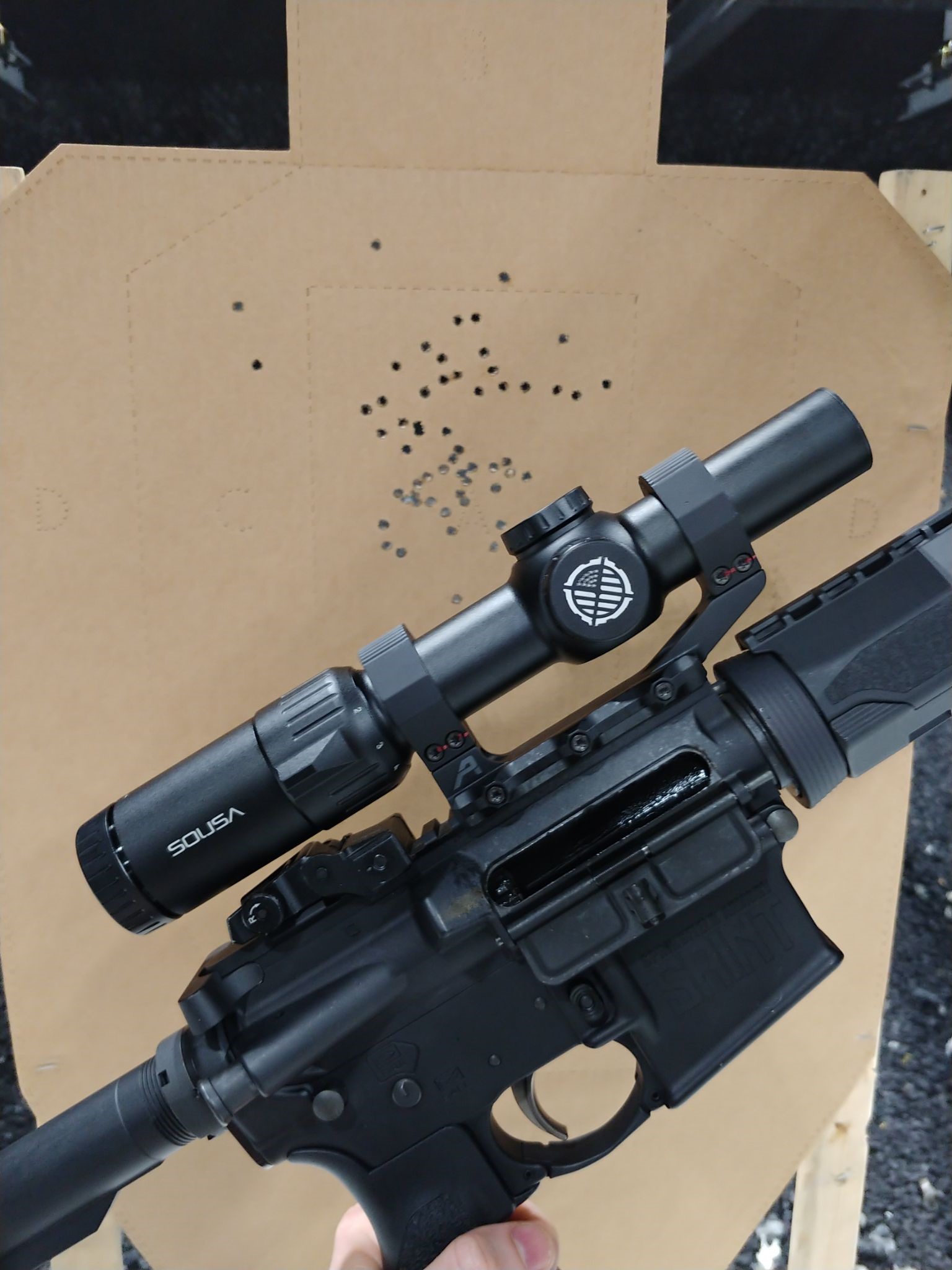
	Bushnell 1-4x24mm Throw Down PCL mounted on a Rock River AR with a Burris PEPR 30mm mount.&#160; All torqued down to specification and ready to go.
</p>
<p>
	This was a fun shoot in that I was trying out not only a new scope but a new build as well.&#160; So there is always that excitement in the very first round down the pipe.&#160; Complete virgin build, every spring, detent, and screw.&#160; Needless to say, first shot went off perfectly.&#160; As always, I stick to Winchester Ammunition.&#160; Never have had an issue and it&#8217;s always my go to.&#160; Had 62 gr., 55 &#8230; <a href="http://www.opticsblog.com/2013/05/at-the-range-with-the-new-bushnell-pcl.html" class="read-more"><br /><br />Continue reading <span class="meta-nav">&#8594;</span></a><div style="clear:both;"></div></p>]]></description>
		<wfw:commentRss>http://www.opticsblog.com/2013/05/at-the-range-with-the-new-bushnell-pcl.html/feed</wfw:commentRss>
		<slash:comments>0</slash:comments>
		</item>
		<item>
		<title>FORE!</title>
		<link>http://www.opticsblog.com/2013/05/fore.html</link>
		<comments>http://www.opticsblog.com/2013/05/fore.html#comments</comments>
		<pubDate>Thu, 09 May 2013 20:31:03 +0000</pubDate>
		<dc:creator>George Poulos</dc:creator>
				<category><![CDATA[Uncategorized]]></category>

		<guid isPermaLink="false">http://www.opticsblog.com/?p=1604</guid>
		<description><![CDATA[<p>
	Okay, I know this is an Optics Blog, but this is about a product from an optics company, so in my opinion, I can talk about it. After all, we all know that &#34;B.L.O.G.&#34; stands for &#34;Bullsh_t, Lies, and Other Gossip&#34;, so here we go. Many years ago, and for many years, I was an avid golfer. I&#39;ve always enjoyed the game but have never been really good, but at my best I had a handicap very close (but not quite) to single digits. As a young kid growing up on the West Side of Chicago, I would frequently take &#8230; <a href="http://www.opticsblog.com/2013/05/fore.html" class="read-more"><br /><br />Continue reading <span class="meta-nav">&#8594;</span></a><div style="clear:both;"></div></p>]]></description>
		<wfw:commentRss>http://www.opticsblog.com/2013/05/fore.html/feed</wfw:commentRss>
		<slash:comments>0</slash:comments>
		</item>
		<item>
		<title>Colorful language</title>
		<link>http://www.opticsblog.com/2013/05/colorful-language.html</link>
		<comments>http://www.opticsblog.com/2013/05/colorful-language.html#comments</comments>
		<pubDate>Wed, 01 May 2013 20:51:36 +0000</pubDate>
		<dc:creator>Mark Harris</dc:creator>
				<category><![CDATA[Uncategorized]]></category>

		<guid isPermaLink="false">http://www.opticsblog.com/?p=1590</guid>
		<description><![CDATA[<p>
	True story:&#160;Our next-door neighbors, the Jarretts, had the first color television I had ever seen.&#160; I want to say it was 1965-1966, because it was in the summer between morning kindergarten and first grade.&#160; At that time, I was a morning person, I guess.&#160; I would get out of the house as early as possible, and head next door to play with the twin boys&#160;that were a couple of years older than me, in the large lot between our houses.
</p>
<p>
	One morning in particular, I knocked on their door, Mrs. Jarrett let me in and I headed straight to their &#8230; <a href="http://www.opticsblog.com/2013/05/colorful-language.html" class="read-more"><br /><br />Continue reading <span class="meta-nav">&#8594;</span></a><div style="clear:both;"></div></p>]]></description>
		<wfw:commentRss>http://www.opticsblog.com/2013/05/colorful-language.html/feed</wfw:commentRss>
		<slash:comments>0</slash:comments>
		</item>
		<item>
		<title>Aimpoint PRO and Magpul</title>
		<link>http://www.opticsblog.com/2013/04/1568.html</link>
		<comments>http://www.opticsblog.com/2013/04/1568.html#comments</comments>
		<pubDate>Fri, 26 Apr 2013 16:09:27 +0000</pubDate>
		<dc:creator>Chase Bending</dc:creator>
				<category><![CDATA[Uncategorized]]></category>

		<guid isPermaLink="false">http://www.opticsblog.com/?p=1568</guid>
		<description><![CDATA[<p>
	A few months ago I decided I need a change.&#160; I began to notice that my Colt M4 Carbine had been gaining some weight lately.&#160; It was starting to feel more and more like the M4 with M203 I was issued while in the Army.&#160; It thought this was odd because the only thing I was feed it was 5.56mm&#8230;&#160; All kidding aside, the gun was getting surprisingly heavy.&#160; At one point I have a Knights Armament hand guard, Harris bipod, Surefire XM07 light, LMT crane stock, and a Trijicon TA01NSN.&#160; This was a great setup, but it was heavy.&#160; &#8230; <a href="http://www.opticsblog.com/2013/04/1568.html" class="read-more"><br /><br />Continue reading <span class="meta-nav">&#8594;</span></a><div style="clear:both;"></div></p>]]></description>
		<wfw:commentRss>http://www.opticsblog.com/2013/04/1568.html/feed</wfw:commentRss>
		<slash:comments>0</slash:comments>
		</item>
		<item>
		<title>Showing off the NEW Bushnell 1-4×24 PCL Throw Down</title>
		<link>http://www.opticsblog.com/2013/04/showing-off-the-new-bushnell-1-4x24-pcl-throw-down.html</link>
		<comments>http://www.opticsblog.com/2013/04/showing-off-the-new-bushnell-1-4x24-pcl-throw-down.html#comments</comments>
		<pubDate>Fri, 19 Apr 2013 17:10:17 +0000</pubDate>
		<dc:creator>Trevor Bending</dc:creator>
				<category><![CDATA[Uncategorized]]></category>

		<guid isPermaLink="false">http://www.opticsblog.com/?p=1559</guid>
		<description><![CDATA[<p>
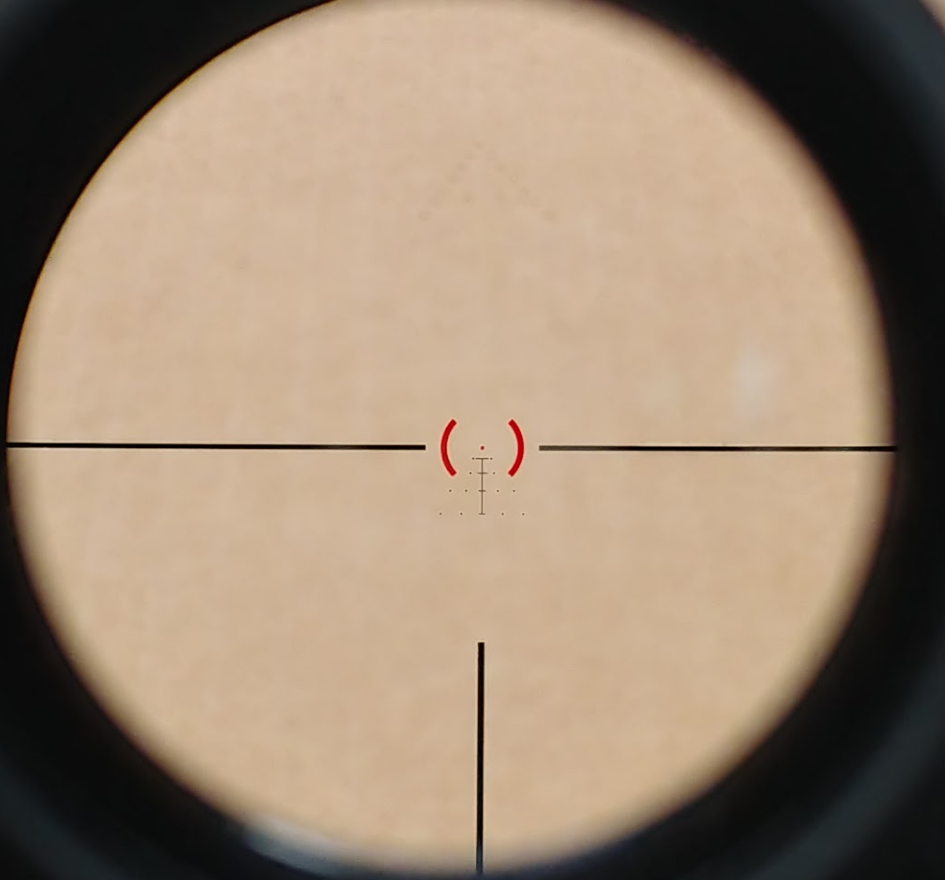
	Alright guys, here is a preliminary review, more will follow, and some pictures of the new PCL from Bushnell.
</p>
<p>
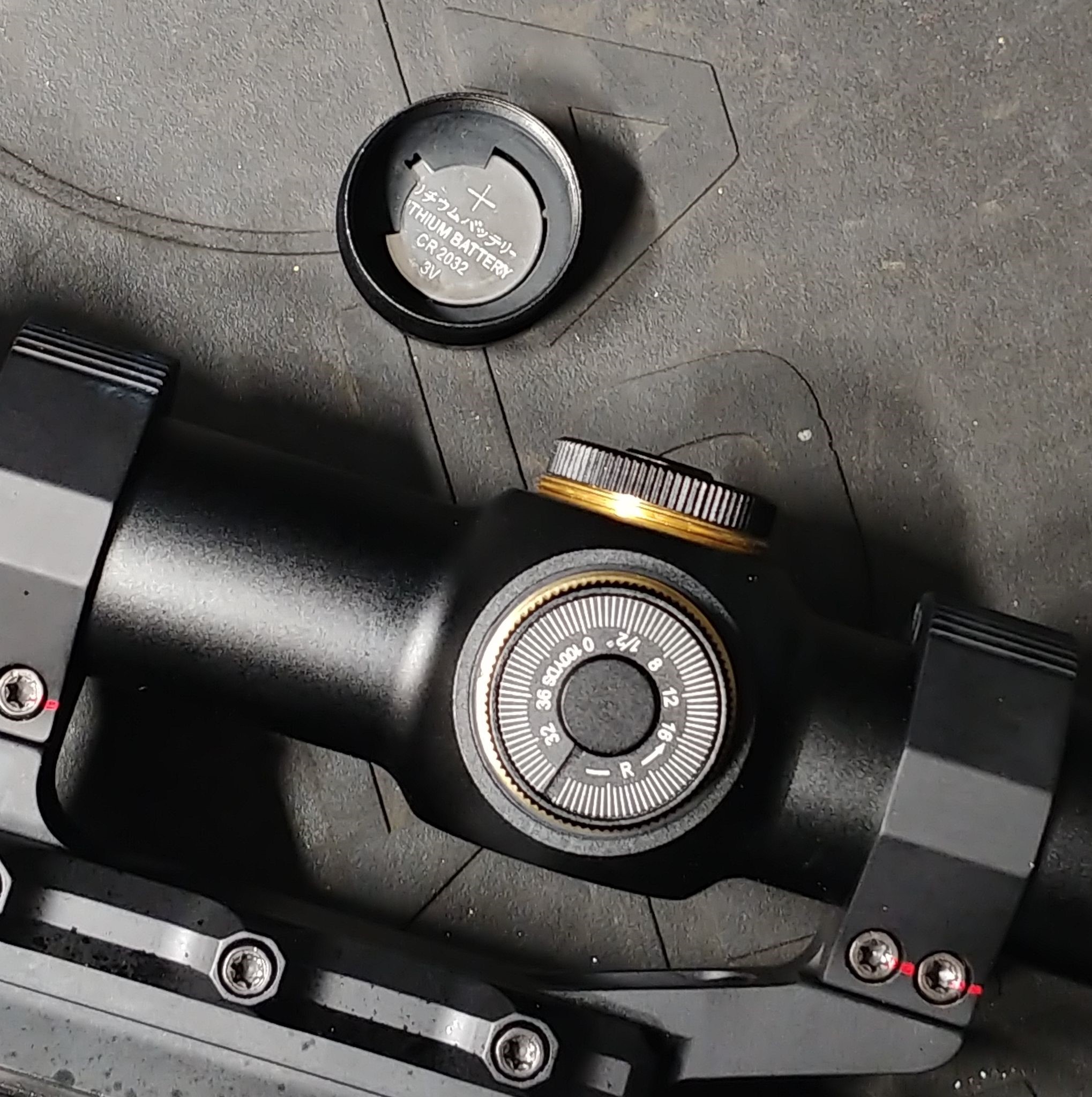
	Starting it off, the Throw Down PCL is a new optic in the AR Optics series from Bushnell that has more features than you would ever think to find in a scope at this price point.&#160; 30mm tube with about 60&#8217;&#8217; of internal travel at 100 yards, roughly 60 &#8216;shooters&#8217; MOA of travel, Illuminated reticle with 11 positions on the rheostat, Bushnell&#8217;s new BTR-1 reticle, First Focal Plane reticle, fully multicoated optics, folding power control lever, .1 mil click adjustments, roughly &#8230; <a href="http://www.opticsblog.com/2013/04/showing-off-the-new-bushnell-1-4x24-pcl-throw-down.html" class="read-more"><br /><br />Continue reading <span class="meta-nav">&#8594;</span></a><div style="clear:both;"></div></p>]]></description>
		<wfw:commentRss>http://www.opticsblog.com/2013/04/showing-off-the-new-bushnell-1-4x24-pcl-throw-down.html/feed</wfw:commentRss>
		<slash:comments>0</slash:comments>
		</item>
		<item>
		<title>EOTech part 2</title>
		<link>http://www.opticsblog.com/2013/04/eotech-part-2.html</link>
		<comments>http://www.opticsblog.com/2013/04/eotech-part-2.html#comments</comments>
		<pubDate>Fri, 12 Apr 2013 20:07:47 +0000</pubDate>
		<dc:creator>Mark Harris</dc:creator>
				<category><![CDATA[Uncategorized]]></category>

		<guid isPermaLink="false">http://www.opticsblog.com/?p=1541</guid>
		<description><![CDATA[<p>
	Through an unfortunate result of taking turns with these blog posts, my friend Chase was able to talk about his experiences at EOTech before me. While my lawyer addresses the issue of Chase posting my likeness without permission or compensation, I&#39;ll add to Chase&#39;s recollection of our trip.
</p>
<p>
	It&#39;s a bit of a drive from Chicago to Ann Arbor, Michigan, and we met up with our rep Tom in Indiana to ride together so we could spend some guy-time during the drive over. After a delicious lunch of fish and chips at a competitor in Portage, Indiana (the ONLY thing &#8230; <a href="http://www.opticsblog.com/2013/04/eotech-part-2.html" class="read-more"><br /><br />Continue reading <span class="meta-nav">&#8594;</span></a><div style="clear:both;"></div></p>]]></description>
		<wfw:commentRss>http://www.opticsblog.com/2013/04/eotech-part-2.html/feed</wfw:commentRss>
		<slash:comments>0</slash:comments>
		</item>
		<item>
		<title>Sneak Peek – STEINER Riflescope Series</title>
		<link>http://www.opticsblog.com/2013/04/sneak-peek-steiner-riflescope-series.html</link>
		<comments>http://www.opticsblog.com/2013/04/sneak-peek-steiner-riflescope-series.html#comments</comments>
		<pubDate>Mon, 08 Apr 2013 23:31:16 +0000</pubDate>
		<dc:creator>George Poulos</dc:creator>
				<category><![CDATA[Uncategorized]]></category>

		<guid isPermaLink="false">http://www.opticsblog.com/?p=1520</guid>
		<description><![CDATA[<p>
	Since Optics Planet is a large, well respected retailer, we often get the opportunity to see new products as soon as they come out of the prototype shop.&#160; Well that is the case with the new STEINER NightHunter Xtreme Rifle Scopes. These scopes just arrived from the IWA Outdoor Classics Show in Nurnberg, Germany. This show is Europe&#8217;s version of our S.H.O.T. Show where all of the latest new gear is introduced. So, the samples shown here are the only ones in North America at this time and for the immediately foreseeable future. Initially, there are four models in the &#8230; <a href="http://www.opticsblog.com/2013/04/sneak-peek-steiner-riflescope-series.html" class="read-more"><br /><br />Continue reading <span class="meta-nav">&#8594;</span></a><div style="clear:both;"></div></p>]]></description>
		<wfw:commentRss>http://www.opticsblog.com/2013/04/sneak-peek-steiner-riflescope-series.html/feed</wfw:commentRss>
		<slash:comments>0</slash:comments>
		</item>
		<item>
		<title>EOTech Production Tour</title>
		<link>http://www.opticsblog.com/2013/03/eotech-production-tour.html</link>
		<comments>http://www.opticsblog.com/2013/03/eotech-production-tour.html#comments</comments>
		<pubDate>Thu, 28 Mar 2013 15:39:40 +0000</pubDate>
		<dc:creator>Chase Bending</dc:creator>
				<category><![CDATA[Uncategorized]]></category>

		<guid isPermaLink="false">http://www.opticsblog.com/?p=1507</guid>
		<description><![CDATA[<p>
	Last week I was fortunate enough to be part of a contingent representing OP on a visit to our friends from EOTech in Ann Arbor, Michigan.&#160; Also attending was one of my colleagues and partners in crime Mr. Mark Harris.&#160; There were a number of tasks and objectives for this visit, but the big one on my list was the production floor tour!
</p>
<p>
	I really love the technical stuff.&#160; Whenever I look at a mechanical device it always intrigues me on how that device works.&#160; Some of my earliest memories as a child are of me tearing apart old VCRs &#8230; <a href="http://www.opticsblog.com/2013/03/eotech-production-tour.html" class="read-more"><br /><br />Continue reading <span class="meta-nav">&#8594;</span></a><div style="clear:both;"></div></p>]]></description>
		<wfw:commentRss>http://www.opticsblog.com/2013/03/eotech-production-tour.html/feed</wfw:commentRss>
		<slash:comments>0</slash:comments>
		</item>
		<item>
		<title>3rd Times a Charm</title>
		<link>http://www.opticsblog.com/2013/03/3rd-times-a-charm.html</link>
		<comments>http://www.opticsblog.com/2013/03/3rd-times-a-charm.html#comments</comments>
		<pubDate>Fri, 22 Mar 2013 18:43:56 +0000</pubDate>
		<dc:creator>Trevor Bending</dc:creator>
				<category><![CDATA[Uncategorized]]></category>

		<guid isPermaLink="false">http://www.opticsblog.com/?p=1500</guid>
		<description><![CDATA[<p>
	I have been extremely lucky in that I have been invited to the Nikon Spot On invitational for the past 3 years.&#160; I was ecstatic when I received and email from Jon LaCorte of Nikon inviting me to the 4th annual Spot On Invitational this upcoming May in Dallas, Texas.
</p>
<p>
	What is the Nikon Spot On Invitational?&#160; This is a shooting competition that is put on by Nikon and their rep groups to allow the people that are behind the counters, on the phones, selling to customers, etc, &#160;to actually use and test their scopes and Spot On technology.&#160; Shooting &#8230; <a href="http://www.opticsblog.com/2013/03/3rd-times-a-charm.html" class="read-more"><br /><br />Continue reading <span class="meta-nav">&#8594;</span></a><div style="clear:both;"></div></p>]]></description>
		<wfw:commentRss>http://www.opticsblog.com/2013/03/3rd-times-a-charm.html/feed</wfw:commentRss>
		<slash:comments>0</slash:comments>
		</item>
		<item>
		<title>Warehouse dreams</title>
		<link>http://www.opticsblog.com/2013/03/warehouse-dreams.html</link>
		<comments>http://www.opticsblog.com/2013/03/warehouse-dreams.html#comments</comments>
		<pubDate>Fri, 15 Mar 2013 16:52:57 +0000</pubDate>
		<dc:creator>Mark Harris</dc:creator>
				<category><![CDATA[Uncategorized]]></category>

		<guid isPermaLink="false">http://www.opticsblog.com/?p=1491</guid>
		<description><![CDATA[<p>When I was a kid, on one of the four television stations (imagine such a thing – and they actually WENT OFF THE AIR AT NIGHT) had kids programming three times a day.  WTTV Channel 4 out of Bloomington, Indiana had a show called Popeye and Janie in the morning before school, Cowboy Bob and Tumbleweed at noon, and damned if I can remember the after-school host.  Every so often, there would be a contest where the lucky winner, after mailing in Kahn’s Wieners paper wrappers with your entry to 3490 Bluff Road (I can barely remember what I had &#8230; <a href="http://www.opticsblog.com/2013/03/warehouse-dreams.html" class="read-more"><br /><br />Continue reading <span class="meta-nav">&#8594;</span></a><div style="clear:both;"></div></p>]]></description>
		<wfw:commentRss>http://www.opticsblog.com/2013/03/warehouse-dreams.html/feed</wfw:commentRss>
		<slash:comments>1</slash:comments>
		</item>
		<item>
		<title>After The Hunt</title>
		<link>http://www.opticsblog.com/2013/03/after-the-hunt.html</link>
		<comments>http://www.opticsblog.com/2013/03/after-the-hunt.html#comments</comments>
		<pubDate>Fri, 08 Mar 2013 19:43:42 +0000</pubDate>
		<dc:creator>George Poulos</dc:creator>
				<category><![CDATA[Uncategorized]]></category>

		<guid isPermaLink="false">http://www.opticsblog.com/?p=1462</guid>
		<description><![CDATA[<p>Well, the first OpticsPlanet sponsored hunt is over and it was absolutely fantastic! As mentioned last month, I was able to go along with the Trophy Deer Dream Hunt Sweepstakes winner and his two sons to Utopia, TX at the Record Buck Ranch. It was three days and two nights of non-stop fun and excitement!</p>
<p>First, for those of you who haven’t travelled by air with a firearm lately, I’ll refrain from too much detail here, but it’s interesting to say the least. I checked my bag and rifle with no issues and proceeded to security where in my backpack &#8230; <a href="http://www.opticsblog.com/2013/03/after-the-hunt.html" class="read-more"><br /><br />Continue reading <span class="meta-nav">&#8594;</span></a><div style="clear:both;"></div></p>]]></description>
		<wfw:commentRss>http://www.opticsblog.com/2013/03/after-the-hunt.html/feed</wfw:commentRss>
		<slash:comments>0</slash:comments>
		</item>
		<item>
		<title>First Attempt at Scope Mounting</title>
		<link>http://www.opticsblog.com/2013/03/first-attempt-at-scope-mounting.html</link>
		<comments>http://www.opticsblog.com/2013/03/first-attempt-at-scope-mounting.html#comments</comments>
		<pubDate>Fri, 01 Mar 2013 15:21:42 +0000</pubDate>
		<dc:creator>Chase Bending</dc:creator>
				<category><![CDATA[Uncategorized]]></category>

		<guid isPermaLink="false">http://www.opticsblog.com/?p=1427</guid>
		<description><![CDATA[<p>I finally got around to mounting a scope on my Savage 116 .270 WIN that I purchased a few years back. I really have not done much scope mounting, so this was a new experience for me. Most of the shooting I do is with a black gun and a red dot sight. Mounting an Aimpoint, EOTech or ACOG on an AR is not a difficult task: put optic on rail, screw down finger tight, zero… shoot… enjoy… As I found out, mounting a scope on a hunting rifle is slightly more labor intensive than mounting a red dot sight.
&#8230; <a href="http://www.opticsblog.com/2013/03/first-attempt-at-scope-mounting.html" class="read-more"><br /><br />Continue reading <span class="meta-nav">&#8594;</span></a><div style="clear:both;"></div></p>]]></description>
		<wfw:commentRss>http://www.opticsblog.com/2013/03/first-attempt-at-scope-mounting.html/feed</wfw:commentRss>
		<slash:comments>0</slash:comments>
		</item>
		<item>
		<title>Where have the prices gone?</title>
		<link>http://www.opticsblog.com/2013/02/where-have-the-prices-gone.html</link>
		<comments>http://www.opticsblog.com/2013/02/where-have-the-prices-gone.html#comments</comments>
		<pubDate>Fri, 22 Feb 2013 19:42:08 +0000</pubDate>
		<dc:creator>Trevor Bending</dc:creator>
				<category><![CDATA[Uncategorized]]></category>

		<guid isPermaLink="false">http://www.opticsblog.com/?p=1419</guid>
		<description><![CDATA[<p>Seems like year after year prices are going up. A Remington 700 BDL 30-06 is costing $650+, decent scope and mounts can run you anywhere from $300-$2000+. Mounts can be $40-$100, and we can’t forget the $35-$65 a box of 20 for ammunition. It’s no secret that shooting is expensive, but there are still those sweet setups that won’t break the bank</p>
<p>My friend Lou picked up a Ruger 10/22 recently. He wanted a different look so he went with the digital camo pattern. Not really my taste, but the finish was done very well, retail around $299.</p>
<p></p>
<p>So now &#8230; <a href="http://www.opticsblog.com/2013/02/where-have-the-prices-gone.html" class="read-more"><br /><br />Continue reading <span class="meta-nav">&#8594;</span></a><div style="clear:both;"></div></p>]]></description>
		<wfw:commentRss>http://www.opticsblog.com/2013/02/where-have-the-prices-gone.html/feed</wfw:commentRss>
		<slash:comments>0</slash:comments>
		</item>
		<item>
		<title>Is Everything Really Bigger In Texas?</title>
		<link>http://www.opticsblog.com/2013/02/is-everything-really-bigger-in-texas.html</link>
		<comments>http://www.opticsblog.com/2013/02/is-everything-really-bigger-in-texas.html#comments</comments>
		<pubDate>Fri, 15 Feb 2013 17:25:13 +0000</pubDate>
		<dc:creator>George Poulos</dc:creator>
				<category><![CDATA[Uncategorized]]></category>

		<guid isPermaLink="false">http://www.opticsblog.com/?p=1409</guid>
		<description><![CDATA[<p>We’re all gadget freaks here. You’ll hear from everyone in my department how cool it is to handle and use the latest gear for a myriad of activities. We thoroughly enjoy visually (and sometimes physically) dissecting a new product – some good and some not so good. One of the other “perks” of this job is that occasionally we get to go out and really use this stuff and later write reviews on them. Well recently, Steven L. (our boss), gave me a golden opportunity for a rare adventure!</p>
<p>Late in 2012, OpticsPlanet partnered with Weaver Optics and announced our &#8230; <a href="http://www.opticsblog.com/2013/02/is-everything-really-bigger-in-texas.html" class="read-more"><br /><br />Continue reading <span class="meta-nav">&#8594;</span></a><div style="clear:both;"></div></p>]]></description>
		<wfw:commentRss>http://www.opticsblog.com/2013/02/is-everything-really-bigger-in-texas.html/feed</wfw:commentRss>
		<slash:comments>0</slash:comments>
		</item>
		<item>
		<title>We live in the future</title>
		<link>http://www.opticsblog.com/2013/02/1398.html</link>
		<comments>http://www.opticsblog.com/2013/02/1398.html#comments</comments>
		<pubDate>Fri, 08 Feb 2013 19:59:36 +0000</pubDate>
		<dc:creator>Mark Harris</dc:creator>
				<category><![CDATA[Uncategorized]]></category>

		<guid isPermaLink="false">http://www.opticsblog.com/?p=1398</guid>
		<description><![CDATA[<p>Working here, I occasionally kind of get into kind of a habit.  We’re surrounded by all sorts of cool stuff, and most of the conversation here is related to questions we’re asked in e-mails and on forums.  Our department has a lending library of equipment for our use, and we’re pretty good about stocking it with decent equipment.</p>
<p>The habit is, that I routinely lose my sense of just how lucky we all are to have so many choices, and just take for granted how sophisticated these products have become.  Out of a four-man team in our department, one of &#8230; <a href="http://www.opticsblog.com/2013/02/1398.html" class="read-more"><br /><br />Continue reading <span class="meta-nav">&#8594;</span></a><div style="clear:both;"></div></p>]]></description>
		<wfw:commentRss>http://www.opticsblog.com/2013/02/1398.html/feed</wfw:commentRss>
		<slash:comments>0</slash:comments>
		</item>
		<item>
		<title>My last optics blog</title>
		<link>http://www.opticsblog.com/2012/06/my-last-optics-blog.html</link>
		<comments>http://www.opticsblog.com/2012/06/my-last-optics-blog.html#comments</comments>
		<pubDate>Fri, 29 Jun 2012 11:08:00 +0000</pubDate>
		<dc:creator>Optics Blog Experts</dc:creator>
				<category><![CDATA[Uncategorized]]></category>

		<guid isPermaLink="false">http://opticsblog.com/?p=5</guid>
		<description><![CDATA[<p>Today is my last OpticsBlog, thanks to my long-awaited retirement or, I should say, full retirement, as these blogs were a source of part-time income, these last few years.</p>
<p>I&#8217;ve much enjoyed writing but optics in general with this blog and having the freedom to blog on just about any optical category that catches my fancy, whether it be telescopes, telescope accessories, spotting scopes, digital cameras, tripods, and even rifle scopes, now and then. Whew! That&#8217;s over 1300 posts, but I suspect I could do another 1300 and still have something to write on this always fascinating topic.</p>
<p>No farewell &#8230; <a href="http://www.opticsblog.com/2012/06/my-last-optics-blog.html" class="read-more"><br /><br />Continue reading <span class="meta-nav">&#8594;</span></a><div style="clear:both;"></div></p>]]></description>
		<wfw:commentRss>http://www.opticsblog.com/2012/06/my-last-optics-blog.html/feed</wfw:commentRss>
		<slash:comments>0</slash:comments>
		</item>
		<item>
		<title>Small telescope fun</title>
		<link>http://www.opticsblog.com/2012/06/small-telescope-fun.html</link>
		<comments>http://www.opticsblog.com/2012/06/small-telescope-fun.html#comments</comments>
		<pubDate>Thu, 28 Jun 2012 10:19:00 +0000</pubDate>
		<dc:creator>Optics Blog Experts</dc:creator>
				<category><![CDATA[Uncategorized]]></category>

		<guid isPermaLink="false">http://opticsblog.com/?p=6</guid>
		<description><![CDATA[<p>Using small telescopes of 60 mm to 90 mm in aperture (diameter of the telescope lens or main mirror) is fun. Larger telescopes have their place, of course, but some of us diehard astronomers tend to forget how enjoyable it is to grab a small telescope, now and then, for the sake of simplicity, or convenience, or ease of use or, heck, just to do something different. For darn sure, my small telescopes do not collect dust.</p>
<p>The moon is tailor made for viewing in small telescopes, since the moon is such a bright object and image brightness is where &#8230; <a href="http://www.opticsblog.com/2012/06/small-telescope-fun.html" class="read-more"><br /><br />Continue reading <span class="meta-nav">&#8594;</span></a><div style="clear:both;"></div></p>]]></description>
		<wfw:commentRss>http://www.opticsblog.com/2012/06/small-telescope-fun.html/feed</wfw:commentRss>
		<slash:comments>0</slash:comments>
		</item>
		<item>
		<title>How many telescopes do I need?</title>
		<link>http://www.opticsblog.com/2012/06/how-many-telescopes-do-i-need.html</link>
		<comments>http://www.opticsblog.com/2012/06/how-many-telescopes-do-i-need.html#comments</comments>
		<pubDate>Wed, 27 Jun 2012 11:24:00 +0000</pubDate>
		<dc:creator>Optics Blog Experts</dc:creator>
				<category><![CDATA[Uncategorized]]></category>

		<guid isPermaLink="false">http://opticsblog.com/?p=7</guid>
		<description><![CDATA[<p>The skies have been clear, this week, so I’ve gotten some good observing time with the astronomy binoculars and telescopes. I could still use another clear night or two for the sake of using all my telescopes and binoculars to the extent I&#8217;d like, but I am grateful for the time I&#8217;ve had at the telescope eyepiece, this week. In these parts, you can get cloudy nights for weeks at a stretch, so when you do get clear skies at night, you’d best get out and use your binoculars and telescopes.</p>
<p>Now, in case my writing have given the impression &#8230; <a href="http://www.opticsblog.com/2012/06/how-many-telescopes-do-i-need.html" class="read-more"><br /><br />Continue reading <span class="meta-nav">&#8594;</span></a><div style="clear:both;"></div></p>]]></description>
		<wfw:commentRss>http://www.opticsblog.com/2012/06/how-many-telescopes-do-i-need.html/feed</wfw:commentRss>
		<slash:comments>0</slash:comments>
		</item>
		<item>
		<title>Old Weaver riflescopes</title>
		<link>http://www.opticsblog.com/2012/06/old-weaver-riflescopes.html</link>
		<comments>http://www.opticsblog.com/2012/06/old-weaver-riflescopes.html#comments</comments>
		<pubDate>Tue, 26 Jun 2012 10:30:00 +0000</pubDate>
		<dc:creator>Optics Blog Experts</dc:creator>
				<category><![CDATA[Uncategorized]]></category>

		<guid isPermaLink="false">http://opticsblog.com/?p=8</guid>
		<description><![CDATA[<p>I like old guns and I also like the old rifle scopes that went on those old guns, especially those old Weaver rifle scopes that were made in El Paso, Texas, sometimes known as El Paso Weavers, to distinguish them from newer Weaver riflescopes, since Weaver, like so many rifle scope companies, was bought and sold a number of times, over the years, and eventually went to overseas production. New Weaver rifle scopes are still available, by the way, and they&#8217;re even better, optically, than the old Weavers, but they are no longer made in the good old U.S of &#8230; <a href="http://www.opticsblog.com/2012/06/old-weaver-riflescopes.html" class="read-more"><br /><br />Continue reading <span class="meta-nav">&#8594;</span></a><div style="clear:both;"></div></p>]]></description>
		<wfw:commentRss>http://www.opticsblog.com/2012/06/old-weaver-riflescopes.html/feed</wfw:commentRss>
		<slash:comments>0</slash:comments>
		</item>
		<item>
		<title>Getting comfortable with telescopes and binoculars</title>
		<link>http://www.opticsblog.com/2012/06/getting-comfortable-with-telescopes-and.html</link>
		<comments>http://www.opticsblog.com/2012/06/getting-comfortable-with-telescopes-and.html#comments</comments>
		<pubDate>Mon, 25 Jun 2012 11:35:00 +0000</pubDate>
		<dc:creator>Optics Blog Experts</dc:creator>
				<category><![CDATA[Uncategorized]]></category>

		<guid isPermaLink="false">http://opticsblog.com/?p=9</guid>
		<description><![CDATA[<p>You’ll never see telescopes rated as to their “comfort” factor, but certain types of telescopes are potentially more comfortable to use than others. Refractor telescopes, for instance and other types of telescopes where the telescope eyepiece is located at the bottom of the telescope optical tube, allow you to sit down and use a chair for viewing. Not that I don’t mind standing to look through the telescope eyepiece when using my reflector telescopes, with their eyepiece located at the top of the optical tube, but it is nice to be able to sit while you observe for the sake &#8230; <a href="http://www.opticsblog.com/2012/06/getting-comfortable-with-telescopes-and.html" class="read-more"><br /><br />Continue reading <span class="meta-nav">&#8594;</span></a><div style="clear:both;"></div></p>]]></description>
		<wfw:commentRss>http://www.opticsblog.com/2012/06/getting-comfortable-with-telescopes-and.html/feed</wfw:commentRss>
		<slash:comments>0</slash:comments>
		</item>
		<item>
		<title>Buying digital cameras</title>
		<link>http://www.opticsblog.com/2012/06/buying-digital-cameras.html</link>
		<comments>http://www.opticsblog.com/2012/06/buying-digital-cameras.html#comments</comments>
		<pubDate>Fri, 22 Jun 2012 11:13:00 +0000</pubDate>
		<dc:creator>Optics Blog Experts</dc:creator>
				<category><![CDATA[Uncategorized]]></category>

		<guid isPermaLink="false">http://opticsblog.com/?p=10</guid>
		<description><![CDATA[<p>I’m about to the point of needing to buy a digital camera. I have to say, I dread buying digital cameras, but the way I use small digital cameras &#8211; outdoor photography, some astrophotography and a whole lot of digiscoping &#8211; I only get a few years out of them, at most, so time to bite the bullet and buy a digital camera, again. </p>
<p>Buying digital cameras always makes a bit uncomfortable in that I worry that the camera folks will have have another newer, faster, better model to replace the one I just bought in a few months. I &#8230; <a href="http://www.opticsblog.com/2012/06/buying-digital-cameras.html" class="read-more"><br /><br />Continue reading <span class="meta-nav">&#8594;</span></a><div style="clear:both;"></div></p>]]></description>
		<wfw:commentRss>http://www.opticsblog.com/2012/06/buying-digital-cameras.html/feed</wfw:commentRss>
		<slash:comments>0</slash:comments>
		</item>
		<item>
		<title>Spotting scope quality</title>
		<link>http://www.opticsblog.com/2012/06/spotting-scope-quality.html</link>
		<comments>http://www.opticsblog.com/2012/06/spotting-scope-quality.html#comments</comments>
		<pubDate>Thu, 21 Jun 2012 12:17:00 +0000</pubDate>
		<dc:creator>Optics Blog Experts</dc:creator>
				<category><![CDATA[Uncategorized]]></category>

		<guid isPermaLink="false">http://opticsblog.com/?p=11</guid>
		<description><![CDATA[<p>When you’ve used an optically excellent spotting scopes or, for that matter, optically excellent rifle scopes, telescopes, binoculars or optically excellent anything, it really does spoil you. It makes it very hard to go back to just average optics, even though “average optics” may well be perfectly functional, useful and all that is required to do the job at hand.</p>
<p>Spotting scopes, though, really show this difference between the low end and the high end. To be sure, all but the lowest quality junk spotting scopes will appear pretty decent at 20x or so. It’s no mean trick to produce &#8230; <a href="http://www.opticsblog.com/2012/06/spotting-scope-quality.html" class="read-more"><br /><br />Continue reading <span class="meta-nav">&#8594;</span></a><div style="clear:both;"></div></p>]]></description>
		<wfw:commentRss>http://www.opticsblog.com/2012/06/spotting-scope-quality.html/feed</wfw:commentRss>
		<slash:comments>0</slash:comments>
		</item>
		<item>
		<title>How does your telescope rate?</title>
		<link>http://www.opticsblog.com/2012/06/how-does-your-telescope-rate.html</link>
		<comments>http://www.opticsblog.com/2012/06/how-does-your-telescope-rate.html#comments</comments>
		<pubDate>Wed, 20 Jun 2012 12:18:00 +0000</pubDate>
		<dc:creator>Optics Blog Experts</dc:creator>
				<category><![CDATA[Uncategorized]]></category>

		<guid isPermaLink="false">http://opticsblog.com/?p=12</guid>
		<description><![CDATA[<p>
How does your telescope rate in terms of quality and, especially, as far as optics? 

Chances are, it is more than good enough and, perhaps, as with any of my telescopes, it rates as truly excellent. Fact is, unless you have been spoiled (as I have) by great optics or unless you have bought something at the absolute bottom of the telescope market, your telescope probably delivers anything you want within its optical powers to grant when you look through the telescope eyepiece. Today’s mass produced telescopes, thanks to computerized production, offer consistently usable optics across the board. Pick from &#8230; <a href="http://www.opticsblog.com/2012/06/how-does-your-telescope-rate.html" class="read-more"><br /><br />Continue reading <span class="meta-nav">&#8594;</span></a><div style="clear:both;"></div></p>]]></description>
		<wfw:commentRss>http://www.opticsblog.com/2012/06/how-does-your-telescope-rate.html/feed</wfw:commentRss>
		<slash:comments>0</slash:comments>
		</item>
		<item>
		<title>Photo tripods as astronomy binocular tripods</title>
		<link>http://www.opticsblog.com/2012/06/photo-tripods-as-astronomy-binocular.html</link>
		<comments>http://www.opticsblog.com/2012/06/photo-tripods-as-astronomy-binocular.html#comments</comments>
		<pubDate>Tue, 19 Jun 2012 13:51:00 +0000</pubDate>
		<dc:creator>Optics Blog Experts</dc:creator>
				<category><![CDATA[Uncategorized]]></category>

		<guid isPermaLink="false">http://opticsblog.com/?p=13</guid>
		<description><![CDATA[<p>
Finally, after years of wanting a parallelogram mount for my astronomy binoculars, I found a used one and it’s on its way in the mail. It’s a mount I should have bought years, ago, but just never made it a priority, probably because I kept using standard photo tripods to get by when I needed to use tripodswith my binoculars. Photo tripods will work for astronomy binoculars, of course, and I already had some for use with my spotting scopes and digital cameras, so I was in no hurry to buy a tripod specifically for use with my astronomy binoculars. &#8230; <a href="http://www.opticsblog.com/2012/06/photo-tripods-as-astronomy-binocular.html" class="read-more"><br /><br />Continue reading <span class="meta-nav">&#8594;</span></a><div style="clear:both;"></div></p>]]></description>
		<wfw:commentRss>http://www.opticsblog.com/2012/06/photo-tripods-as-astronomy-binocular.html/feed</wfw:commentRss>
		<slash:comments>0</slash:comments>
		</item>
		<item>
		<title>Getting started in astronomy</title>
		<link>http://www.opticsblog.com/2012/06/getting-started-in-astronomy.html</link>
		<comments>http://www.opticsblog.com/2012/06/getting-started-in-astronomy.html#comments</comments>
		<pubDate>Mon, 18 Jun 2012 12:37:00 +0000</pubDate>
		<dc:creator>Optics Blog Experts</dc:creator>
				<category><![CDATA[Uncategorized]]></category>

		<guid isPermaLink="false">http://opticsblog.com/?p=14</guid>
		<description><![CDATA[<p>
When I first started in astronomy, oh so many years, ago, I used to read accounts written by other astronomers of objects they could see in the telescope eyepiece. It was all very mysterious and fascinating, of course, and made me all the more eager to buy a telescope and see what I could see.

Didn’t take long and I had my own little refractor telescope to do just that. Only problem was, I wasn’t sure what to expect. Was my little telescope big enough to see some of those objects other astronomers were seeing? Would I recognize these objects &#8230; <a href="http://www.opticsblog.com/2012/06/getting-started-in-astronomy.html" class="read-more"><br /><br />Continue reading <span class="meta-nav">&#8594;</span></a><div style="clear:both;"></div></p>]]></description>
		<wfw:commentRss>http://www.opticsblog.com/2012/06/getting-started-in-astronomy.html/feed</wfw:commentRss>
		<slash:comments>0</slash:comments>
		</item>
		<item>
		<title>Wooden tripod legs for telescopes</title>
		<link>http://www.opticsblog.com/2012/06/wooden-tripod-legs-for-telescopes.html</link>
		<comments>http://www.opticsblog.com/2012/06/wooden-tripod-legs-for-telescopes.html#comments</comments>
		<pubDate>Fri, 15 Jun 2012 16:06:00 +0000</pubDate>
		<dc:creator>Optics Blog Experts</dc:creator>
				<category><![CDATA[Uncategorized]]></category>

		<guid isPermaLink="false">http://opticsblog.com/?p=15</guid>
		<description><![CDATA[<p>
I’m hardly an old stick in the mud when it comes to technology. When I think of all the advances that have been made in the world of telescopes and telescope accessories because of new technologies … well, let’s just say that we amateur astronomers have never had it so good. Still, there are some old materials and technologies in the telescope world that never go out of style. They still do as well as the new stuff and maybe even better. 

One of these is the use of wood in telescope mount tripods. Wood does a better job than &#8230; <a href="http://www.opticsblog.com/2012/06/wooden-tripod-legs-for-telescopes.html" class="read-more"><br /><br />Continue reading <span class="meta-nav">&#8594;</span></a><div style="clear:both;"></div></p>]]></description>
		<wfw:commentRss>http://www.opticsblog.com/2012/06/wooden-tripod-legs-for-telescopes.html/feed</wfw:commentRss>
		<slash:comments>0</slash:comments>
		</item>
		<item>
		<title>Heading to the target range</title>
		<link>http://www.opticsblog.com/2012/06/heading-to-target-range.html</link>
		<comments>http://www.opticsblog.com/2012/06/heading-to-target-range.html#comments</comments>
		<pubDate>Thu, 14 Jun 2012 11:28:00 +0000</pubDate>
		<dc:creator>Optics Blog Experts</dc:creator>
				<category><![CDATA[Uncategorized]]></category>

		<guid isPermaLink="false">http://opticsblog.com/?p=16</guid>
		<description><![CDATA[<p>We’ll be heading to the target range, today, to sight in some new riflescopes and pistol scopes we’ve purchased for our various target rifles and pistols. As usual, we have more projects and more guns than we can work on in a single shooting session, but avid target shooters like us see that as a blessing. It’s a nice “problem” to have.</p>
<p>We seem to be constantly in this position, because I seem unable to resist good rifle scopes, pistol scopes or red dot sights when I see one. Next thing I know, I am wondering how said riflescope, pistol &#8230; <a href="http://www.opticsblog.com/2012/06/heading-to-target-range.html" class="read-more"><br /><br />Continue reading <span class="meta-nav">&#8594;</span></a><div style="clear:both;"></div></p>]]></description>
		<wfw:commentRss>http://www.opticsblog.com/2012/06/heading-to-target-range.html/feed</wfw:commentRss>
		<slash:comments>0</slash:comments>
		</item>
		<item>
		<title>Binoculars or spotting scopes for target shooting?</title>
		<link>http://www.opticsblog.com/2012/06/binoculars-or-spotting-scopes-for.html</link>
		<comments>http://www.opticsblog.com/2012/06/binoculars-or-spotting-scopes-for.html#comments</comments>
		<pubDate>Wed, 13 Jun 2012 13:48:00 +0000</pubDate>
		<dc:creator>Optics Blog Experts</dc:creator>
				<category><![CDATA[Uncategorized]]></category>

		<guid isPermaLink="false">http://opticsblog.com/?p=17</guid>
		<description><![CDATA[<p>Binoculars or spotting scopes for target shooting? </p>
<p>My husband and I do a lot of target shooting at varying distances and we’ve been able to put both binoculars and spotting scopes to good use.</p>
<p>For most of our pistol shooting, ordinary 10x birding binoculars or even compact binoculars are all that is needed out to about 50 yards, though sometimes seeing small 22 caliber holes at 50 yards is tough at 10x. Splatter type targets, though, solve that issue, nicely.  Checking hits for larger calibers, such as a 38 or 44, is a cinch at 50 yards with the binoculars, &#8230; <a href="http://www.opticsblog.com/2012/06/binoculars-or-spotting-scopes-for.html" class="read-more"><br /><br />Continue reading <span class="meta-nav">&#8594;</span></a><div style="clear:both;"></div></p>]]></description>
		<wfw:commentRss>http://www.opticsblog.com/2012/06/binoculars-or-spotting-scopes-for.html/feed</wfw:commentRss>
		<slash:comments>0</slash:comments>
		</item>
		<item>
		<title>Telescope size and types</title>
		<link>http://www.opticsblog.com/2012/06/telescope-size-and-types.html</link>
		<comments>http://www.opticsblog.com/2012/06/telescope-size-and-types.html#comments</comments>
		<pubDate>Tue, 12 Jun 2012 13:33:00 +0000</pubDate>
		<dc:creator>Optics Blog Experts</dc:creator>
				<category><![CDATA[Uncategorized]]></category>

		<guid isPermaLink="false">http://opticsblog.com/?p=18</guid>
		<description><![CDATA[<p>Amateur astronomers are actually quite a varied group of people as to what motivates them to setup &#038; use a telescope to see view the wonders of the night sky, but quite a few of us old salts are the types that like a challenge, be it trying to spot a very faint galaxy in the telescope eyepiece or, often as not, be it pushing our equipment to the limits as in, okay, that galaxy is an easy object in the big telescope, but can I see it in the small telescope or maybe even the astronomy binoculars? Hey, what’s &#8230; <a href="http://www.opticsblog.com/2012/06/telescope-size-and-types.html" class="read-more"><br /><br />Continue reading <span class="meta-nav">&#8594;</span></a><div style="clear:both;"></div></p>]]></description>
		<wfw:commentRss>http://www.opticsblog.com/2012/06/telescope-size-and-types.html/feed</wfw:commentRss>
		<slash:comments>0</slash:comments>
		</item>
		<item>
		<title>Summertime is telescope time</title>
		<link>http://www.opticsblog.com/2012/06/summertime-is-telescope-time.html</link>
		<comments>http://www.opticsblog.com/2012/06/summertime-is-telescope-time.html#comments</comments>
		<pubDate>Mon, 11 Jun 2012 12:17:00 +0000</pubDate>
		<dc:creator>Optics Blog Experts</dc:creator>
				<category><![CDATA[Uncategorized]]></category>

		<guid isPermaLink="false">http://opticsblog.com/?p=19</guid>
		<description><![CDATA[<p>
If you haven’t noticed, I tend do a lot of blogs on astronomy in the summer months and, okay, yes, I also blog a lot about telescopes, telescope accessories and astronomy binoculars throughout the year. What can I say? I&#8217;m an astronomy nut. It’s just that summer is the time of year that I first managed to save enough to buy a telescope and that summer I went a little nuts using that telescope, so it’s hard for me not to have telescopes on the mind in the summer. Summertime is telescope time for me and it will always be. 

&#8230; <a href="http://www.opticsblog.com/2012/06/summertime-is-telescope-time.html" class="read-more"><br /><br />Continue reading <span class="meta-nav">&#8594;</span></a><div style="clear:both;"></div></p>]]></description>
		<wfw:commentRss>http://www.opticsblog.com/2012/06/summertime-is-telescope-time.html/feed</wfw:commentRss>
		<slash:comments>0</slash:comments>
		</item>
		<item>
		<title>How portable is your telescope?</title>
		<link>http://www.opticsblog.com/2012/06/how-portable-is-your-telescope.html</link>
		<comments>http://www.opticsblog.com/2012/06/how-portable-is-your-telescope.html#comments</comments>
		<pubDate>Fri, 08 Jun 2012 11:51:00 +0000</pubDate>
		<dc:creator>Optics Blog Experts</dc:creator>
				<category><![CDATA[Uncategorized]]></category>

		<guid isPermaLink="false">http://opticsblog.com/?p=20</guid>
		<description><![CDATA[<p>How portable is your telescope? </p>
<p>There are, of course, many ways to rate telescopes as to their portability. You can, for instance, list the overall weight of your telescope, but if you can’t move the telescope as a single unit, it makes more sense to consider the weight of each individual unit that you have to transport. Weight, either overall weight or unit weight, can give you a rough idea of what to expect when it comes time to setup &#038; use a telescope, but there is still a matter of how awkward some parts are to lift compared to &#8230; <a href="http://www.opticsblog.com/2012/06/how-portable-is-your-telescope.html" class="read-more"><br /><br />Continue reading <span class="meta-nav">&#8594;</span></a><div style="clear:both;"></div></p>]]></description>
		<wfw:commentRss>http://www.opticsblog.com/2012/06/how-portable-is-your-telescope.html/feed</wfw:commentRss>
		<slash:comments>0</slash:comments>
		</item>
		<item>
		<title>Wildlife in the binoculars</title>
		<link>http://www.opticsblog.com/2012/06/wildlife-in-binoculars.html</link>
		<comments>http://www.opticsblog.com/2012/06/wildlife-in-binoculars.html#comments</comments>
		<pubDate>Thu, 07 Jun 2012 12:30:00 +0000</pubDate>
		<dc:creator>Optics Blog Experts</dc:creator>
				<category><![CDATA[Uncategorized]]></category>

		<guid isPermaLink="false">http://opticsblog.com/?p=21</guid>
		<description><![CDATA[<p>While I have seen a lot of the local wildlife in the binoculars and spotting scopes, it’s the wildlife that I haven’t seen and that is known to frequent these parts that keeps me glued to the binocular or spotting scope eyepiece. When I hear stories about sightings of wolves, moose, fishers, bobcats and more, I almost feel guilty about not spending all day with the spotting scope. No wonder I carry at compact binoculars wherever I go and have been thinking of leaving a spotting scope in the car, too, just in case.</p>
<p>I know that it’s a matter &#8230; <a href="http://www.opticsblog.com/2012/06/wildlife-in-binoculars.html" class="read-more"><br /><br />Continue reading <span class="meta-nav">&#8594;</span></a><div style="clear:both;"></div></p>]]></description>
		<wfw:commentRss>http://www.opticsblog.com/2012/06/wildlife-in-binoculars.html/feed</wfw:commentRss>
		<slash:comments>0</slash:comments>
		</item>
		<item>
		<title>Summer astronomy challenges</title>
		<link>http://www.opticsblog.com/2012/06/summer-astronomy-challenges.html</link>
		<comments>http://www.opticsblog.com/2012/06/summer-astronomy-challenges.html#comments</comments>
		<pubDate>Wed, 06 Jun 2012 12:50:00 +0000</pubDate>
		<dc:creator>Optics Blog Experts</dc:creator>
				<category><![CDATA[Uncategorized]]></category>

		<guid isPermaLink="false">http://opticsblog.com/?p=22</guid>
		<description><![CDATA[<p>
Summer nights at the telescope eyepiece are some of the busiest times of the year for an astronomer and it&#8217;s certainly that way for me. There is so much to see with the telescopes and astronomy binoculars in the summer sky, certainly far, far more than you can see on these short summer nights. 

These short summer nights are a problem, too, especially for me. For one, it doesn’t get dark till late in the evening in June and, for another, I have only a small window of opportunity on these humid nights before the dew and moisture in the &#8230; <a href="http://www.opticsblog.com/2012/06/summer-astronomy-challenges.html" class="read-more"><br /><br />Continue reading <span class="meta-nav">&#8594;</span></a><div style="clear:both;"></div></p>]]></description>
		<wfw:commentRss>http://www.opticsblog.com/2012/06/summer-astronomy-challenges.html/feed</wfw:commentRss>
		<slash:comments>0</slash:comments>
		</item>
		<item>
		<title>Venus transit</title>
		<link>http://www.opticsblog.com/2012/06/venus-transit.html</link>
		<comments>http://www.opticsblog.com/2012/06/venus-transit.html#comments</comments>
		<pubDate>Tue, 05 Jun 2012 13:32:00 +0000</pubDate>
		<dc:creator>Optics Blog Experts</dc:creator>
				<category><![CDATA[Uncategorized]]></category>

		<guid isPermaLink="false">http://opticsblog.com/?p=23</guid>
		<description><![CDATA[<p>Try and try, again until you finally succeed is an old saying that has a lot of merit, but, okay, sometimes you can try and try, again, and not succeed. The not succeed version often happens in astronomy because there are so many variables beyond your control when it comes time to setup &#038; use a telescope or the astronomy binoculars. Roll the dice and see what you get in the telescope eyepiece, so to speak. Sunday evening’s transit of Venus was a good example for us.</p>
<p>The day did not get off to a good start, what with the &#8230; <a href="http://www.opticsblog.com/2012/06/venus-transit.html" class="read-more"><br /><br />Continue reading <span class="meta-nav">&#8594;</span></a><div style="clear:both;"></div></p>]]></description>
		<wfw:commentRss>http://www.opticsblog.com/2012/06/venus-transit.html/feed</wfw:commentRss>
		<slash:comments>0</slash:comments>
		</item>
		<item>
		<title>Seeing is believing with telescopes</title>
		<link>http://www.opticsblog.com/2012/06/seeing-is-believing-with-telescopes.html</link>
		<comments>http://www.opticsblog.com/2012/06/seeing-is-believing-with-telescopes.html#comments</comments>
		<pubDate>Mon, 04 Jun 2012 12:35:00 +0000</pubDate>
		<dc:creator>Optics Blog Experts</dc:creator>
				<category><![CDATA[Uncategorized]]></category>

		<guid isPermaLink="false">http://opticsblog.com/?p=24</guid>
		<description><![CDATA[<p>“Seeing is believing” is an old saying that describes a person who prefers to actually see something, personally, rather than take someone’s word for it.</p>
<p>I think there’s a bit of “seeing is believing” in every astronomer. Those of us who take the time to setup &#038; use a telescope or uncase the astronomy binoculars have a compelling desire to see objects in the night sky, up close and personal with our telescopes and binoculars. It’s not that we doubt those things are there and, goodness knows, if we just want images of those things, we could go online or &#8230; <a href="http://www.opticsblog.com/2012/06/seeing-is-believing-with-telescopes.html" class="read-more"><br /><br />Continue reading <span class="meta-nav">&#8594;</span></a><div style="clear:both;"></div></p>]]></description>
		<wfw:commentRss>http://www.opticsblog.com/2012/06/seeing-is-believing-with-telescopes.html/feed</wfw:commentRss>
		<slash:comments>0</slash:comments>
		</item>
		<item>
		<title>Computerized telescopes</title>
		<link>http://www.opticsblog.com/2012/06/computerized-telescopes.html</link>
		<comments>http://www.opticsblog.com/2012/06/computerized-telescopes.html#comments</comments>
		<pubDate>Fri, 01 Jun 2012 13:51:00 +0000</pubDate>
		<dc:creator>Optics Blog Experts</dc:creator>
				<category><![CDATA[Uncategorized]]></category>

		<guid isPermaLink="false">http://opticsblog.com/?p=25</guid>
		<description><![CDATA[<p>As many a beginner in astronomy has discovered, it takes skill and a whole truckload of patience to find objects to view in the telescope eyepiece by using nothing more than a star atlas. Acquiring skill with this old-fashioned method of “celestial navigation” does not happen overnight &#8211; not by a long, long shot &#8211; but once acquired, it can be very rewarding. Nothing quite like matching up a tiny, dim object that you see on the page of a star atlas and then actually centering it in one of my telescopes without the aid of computers or other digital &#8230; <a href="http://www.opticsblog.com/2012/06/computerized-telescopes.html" class="read-more"><br /><br />Continue reading <span class="meta-nav">&#8594;</span></a><div style="clear:both;"></div></p>]]></description>
		<wfw:commentRss>http://www.opticsblog.com/2012/06/computerized-telescopes.html/feed</wfw:commentRss>
		<slash:comments>0</slash:comments>
		</item>
		<item>
		<title>Collimating a reflector telescope</title>
		<link>http://www.opticsblog.com/2012/05/collimating-reflector-telescope.html</link>
		<comments>http://www.opticsblog.com/2012/05/collimating-reflector-telescope.html#comments</comments>
		<pubDate>Thu, 31 May 2012 13:58:00 +0000</pubDate>
		<dc:creator>Optics Blog Experts</dc:creator>
				<category><![CDATA[Uncategorized]]></category>

		<guid isPermaLink="false">http://opticsblog.com/?p=26</guid>
		<description><![CDATA[<p>I’ve been trying to choose the right telescope and I’ve settled on a reflector telescope because that gets me the biggest telescope for my telescope dollars. My only concern is collimating the mirrors. Is this a big deal?</p>
<p>This is a major concern about reflector telescopes for many beginners. Collimating, by the way, means adjusting the mirrors so that they are properly aligned to provide the best in optical performance. So, just how hard is it to collimate reflector telescopes?</p>
<p>Like so many things, it’s just a matter of experience. Once you’ve done it a few times, no big deal, &#8230; <a href="http://www.opticsblog.com/2012/05/collimating-reflector-telescope.html" class="read-more"><br /><br />Continue reading <span class="meta-nav">&#8594;</span></a><div style="clear:both;"></div></p>]]></description>
		<wfw:commentRss>http://www.opticsblog.com/2012/05/collimating-reflector-telescope.html/feed</wfw:commentRss>
		<slash:comments>0</slash:comments>
		</item>
		<item>
		<title>Looking at the moon</title>
		<link>http://www.opticsblog.com/2012/05/looking-at-moon.html</link>
		<comments>http://www.opticsblog.com/2012/05/looking-at-moon.html#comments</comments>
		<pubDate>Wed, 30 May 2012 14:01:00 +0000</pubDate>
		<dc:creator>Optics Blog Experts</dc:creator>
				<category><![CDATA[Uncategorized]]></category>

		<guid isPermaLink="false">http://opticsblog.com/?p=27</guid>
		<description><![CDATA[<p>Like so many astronomers who love to hunt faint galaxies and nebulae, I regard dark nights with no light pollution and great atmospheric transparency as gold. For this kind of work, even the least amount of light pollution will render these very faint objects invisible in the telescope eyepiece and , for sure, those nights are all too rare.</p>
<p>Like many astronomers, then, I USED to hate the part of the month when the moon was in the sky, because even the worst urban light pollution can’t keep up with a full moon when it comes to making faint objects &#8230; <a href="http://www.opticsblog.com/2012/05/looking-at-moon.html" class="read-more"><br /><br />Continue reading <span class="meta-nav">&#8594;</span></a><div style="clear:both;"></div></p>]]></description>
		<wfw:commentRss>http://www.opticsblog.com/2012/05/looking-at-moon.html/feed</wfw:commentRss>
		<slash:comments>0</slash:comments>
		</item>
		<item>
		<title>Do you remember your first telescope?</title>
		<link>http://www.opticsblog.com/2012/05/do-you-remember-your-first-telescope.html</link>
		<comments>http://www.opticsblog.com/2012/05/do-you-remember-your-first-telescope.html#comments</comments>
		<pubDate>Tue, 29 May 2012 10:33:00 +0000</pubDate>
		<dc:creator>Optics Blog Experts</dc:creator>
				<category><![CDATA[Uncategorized]]></category>

		<guid isPermaLink="false">http://opticsblog.com/?p=28</guid>
		<description><![CDATA[<p>Do you remember your first telescope? I sure remember mine and that’s saying a lot, after some forty years of doing astronomy with both astronomy binoculars and telescopes of all types.</p>
<p>My first telescope was nothing special, even by 70s standards, but it did get me started in astronomy and, because of that, I loved that telescope. It was one of those ubiquitous 60 mm refractor telescopes of the department store variety that I actually bought at a sporting goods store for the then enormous sum of thirty dollars and, believe me, thirty dollars was an enormous sum for a &#8230; <a href="http://www.opticsblog.com/2012/05/do-you-remember-your-first-telescope.html" class="read-more"><br /><br />Continue reading <span class="meta-nav">&#8594;</span></a><div style="clear:both;"></div></p>]]></description>
		<wfw:commentRss>http://www.opticsblog.com/2012/05/do-you-remember-your-first-telescope.html/feed</wfw:commentRss>
		<slash:comments>0</slash:comments>
		</item>
		<item>
		<title>Grab and go telescopes</title>
		<link>http://www.opticsblog.com/2012/05/grab-and-go-telescopes.html</link>
		<comments>http://www.opticsblog.com/2012/05/grab-and-go-telescopes.html#comments</comments>
		<pubDate>Fri, 25 May 2012 13:41:00 +0000</pubDate>
		<dc:creator>Optics Blog Experts</dc:creator>
				<category><![CDATA[Uncategorized]]></category>

		<guid isPermaLink="false">http://opticsblog.com/?p=29</guid>
		<description><![CDATA[<p>Grab and go telescopes for astronomy are more popular than ever in this busy, light-polluted world of ours. So many astronomers have limited time to setup &#038; use a telescope, thanks to the demands of career and family, so it’s nice to have a telescope that can have you observing in a matter of minutes. It’s also a sad fact of life that many astronomers live in light-polluted areas, so telescopes that can be quickly and easily packed in the car and driven to a darker site can also be very useful.</p>
<p>Grab and go telescopes, then, mean telescopes that &#8230; <a href="http://www.opticsblog.com/2012/05/grab-and-go-telescopes.html" class="read-more"><br /><br />Continue reading <span class="meta-nav">&#8594;</span></a><div style="clear:both;"></div></p>]]></description>
		<wfw:commentRss>http://www.opticsblog.com/2012/05/grab-and-go-telescopes.html/feed</wfw:commentRss>
		<slash:comments>0</slash:comments>
		</item>
		<item>
		<title>Astronomy binoculars or telescopes?</title>
		<link>http://www.opticsblog.com/2012/05/astronomy-binoculars-or-telescopes.html</link>
		<comments>http://www.opticsblog.com/2012/05/astronomy-binoculars-or-telescopes.html#comments</comments>
		<pubDate>Thu, 24 May 2012 10:55:00 +0000</pubDate>
		<dc:creator>Optics Blog Experts</dc:creator>
				<category><![CDATA[Uncategorized]]></category>

		<guid isPermaLink="false">http://opticsblog.com/?p=30</guid>
		<description><![CDATA[<p>As an astronomer who uses both astronomy binoculars and telescopes with equal passion, I am sometimes asked, why bother with binoculars? Gee, you have such wonderful telescopes, why do you even mess with binoculars? Surely there is nothing that you can see in binoculars that you cannot see better in the telescope eyepiece.</p>

<p>This attitude, though understandable in someone who is not acquainted with using binoculars for astronomy, is wrong, for two reasons. First, there really are some objects that are better viewed in the wide fields of view provided by binoculars &#8211; objects too expansive to fit in the &#8230; <a href="http://www.opticsblog.com/2012/05/astronomy-binoculars-or-telescopes.html" class="read-more"><br /><br />Continue reading <span class="meta-nav">&#8594;</span></a><div style="clear:both;"></div></p>]]></description>
		<wfw:commentRss>http://www.opticsblog.com/2012/05/astronomy-binoculars-or-telescopes.html/feed</wfw:commentRss>
		<slash:comments>0</slash:comments>
		</item>
		<item>
		<title>Galaxies in Ursa Major</title>
		<link>http://www.opticsblog.com/2012/05/galaxies-in-ursa-major.html</link>
		<comments>http://www.opticsblog.com/2012/05/galaxies-in-ursa-major.html#comments</comments>
		<pubDate>Wed, 23 May 2012 13:21:00 +0000</pubDate>
		<dc:creator>Optics Blog Experts</dc:creator>
				<category><![CDATA[Uncategorized]]></category>

		<guid isPermaLink="false">http://opticsblog.com/?p=31</guid>
		<description><![CDATA[<p>One of the first thing beginning astronomers learn is that the things we astronomers like to see in our telescopes and astronomy binoculars are not evenly distributed across the sky &#8211; some constellations seem to packed to the gills with things to see in the telescope eyepiece and others seem almost barren by comparison. It’s all just a matter of the perspective from our earth-based platform in space, of course; a matter of coincidence as to what we can see from this planet. The view would be quite different were we observing on a planet in another star system.</p>
<p>This &#8230; <a href="http://www.opticsblog.com/2012/05/galaxies-in-ursa-major.html" class="read-more"><br /><br />Continue reading <span class="meta-nav">&#8594;</span></a><div style="clear:both;"></div></p>]]></description>
		<wfw:commentRss>http://www.opticsblog.com/2012/05/galaxies-in-ursa-major.html/feed</wfw:commentRss>
		<slash:comments>0</slash:comments>
		</item>
		<item>
		<title>Seeing galaxies in the telescope</title>
		<link>http://www.opticsblog.com/2012/05/seeing-galaxies-in-telescope.html</link>
		<comments>http://www.opticsblog.com/2012/05/seeing-galaxies-in-telescope.html#comments</comments>
		<pubDate>Tue, 22 May 2012 12:49:00 +0000</pubDate>
		<dc:creator>Optics Blog Experts</dc:creator>
				<category><![CDATA[Uncategorized]]></category>

		<guid isPermaLink="false">http://opticsblog.com/?p=32</guid>
		<description><![CDATA[<p>After 40 plus years of doing astronomy with telescopes and astronomy binoculars, I am still a bit amazed at how quickly seeing conditions can change and drastically alter what you see in the telescope eyepiece. Seems like every time you setup &#038; use a telescope, you are rolling the dice as far as what you will have for viewing conditions and, oh, how quickly things can change!</p>
<p>Last Friday night, I was galaxy hunting in the constellation Draco, using my large Dobsonian telescope. I had just located the galaxy NGC 5866 and as I admired the view, I made a &#8230; <a href="http://www.opticsblog.com/2012/05/seeing-galaxies-in-telescope.html" class="read-more"><br /><br />Continue reading <span class="meta-nav">&#8594;</span></a><div style="clear:both;"></div></p>]]></description>
		<wfw:commentRss>http://www.opticsblog.com/2012/05/seeing-galaxies-in-telescope.html/feed</wfw:commentRss>
		<slash:comments>0</slash:comments>
		</item>
		<item>
		<title>How many telescopes?</title>
		<link>http://www.opticsblog.com/2012/05/how-many-telescopes.html</link>
		<comments>http://www.opticsblog.com/2012/05/how-many-telescopes.html#comments</comments>
		<pubDate>Mon, 21 May 2012 13:16:00 +0000</pubDate>
		<dc:creator>Optics Blog Experts</dc:creator>
				<category><![CDATA[Uncategorized]]></category>

		<guid isPermaLink="false">http://opticsblog.com/?p=33</guid>
		<description><![CDATA[<p>My three telescopes do not collect dust – I use all three on a regular basis for the various astronomical objects I like to observe. Now, three telescopes may seem like an abundance of telescopes to someone who is not an astronomer, but it’s actually not. I do know several astronomers with a dozen or more telescopes, though they typically do the bulk of their observing with only a couple of telescopes. Some folks just like to collect telescopes and I would no doubt do the same if my budget could take the strain.</p>
<p>Three telescopes, though, easily covers all &#8230; <a href="http://www.opticsblog.com/2012/05/how-many-telescopes.html" class="read-more"><br /><br />Continue reading <span class="meta-nav">&#8594;</span></a><div style="clear:both;"></div></p>]]></description>
		<wfw:commentRss>http://www.opticsblog.com/2012/05/how-many-telescopes.html/feed</wfw:commentRss>
		<slash:comments>0</slash:comments>
		</item>
		<item>
		<title>Astronomy weather forecast</title>
		<link>http://www.opticsblog.com/2012/05/astronomy-weather-forecast.html</link>
		<comments>http://www.opticsblog.com/2012/05/astronomy-weather-forecast.html#comments</comments>
		<pubDate>Fri, 18 May 2012 13:28:00 +0000</pubDate>
		<dc:creator>Optics Blog Experts</dc:creator>
				<category><![CDATA[Uncategorized]]></category>

		<guid isPermaLink="false">http://opticsblog.com/?p=34</guid>
		<description><![CDATA[<p>It’s probably a stretch to include weather forecasts under the category of telescope accessories, but for darn sure, I do use weather forecasts as much as I do any of my telescope accessories. I like to plan, ahead, as to when I can setup &#038; use a telescope or my astronomy binoculars and weather forecasts allow me to do just that. Weather forecasts, for an astronomer like me, are for more than checking to see if I will have clear skies, too. That’s a place to start, of course, but if the forecast is for clear skies, I still dig &#8230; <a href="http://www.opticsblog.com/2012/05/astronomy-weather-forecast.html" class="read-more"><br /><br />Continue reading <span class="meta-nav">&#8594;</span></a><div style="clear:both;"></div></p>]]></description>
		<wfw:commentRss>http://www.opticsblog.com/2012/05/astronomy-weather-forecast.html/feed</wfw:commentRss>
		<slash:comments>0</slash:comments>
		</item>
		<item>
		<title>Bootes in the telescope</title>
		<link>http://www.opticsblog.com/2012/05/bootes-in-telescope.html</link>
		<comments>http://www.opticsblog.com/2012/05/bootes-in-telescope.html#comments</comments>
		<pubDate>Thu, 17 May 2012 12:55:00 +0000</pubDate>
		<dc:creator>Optics Blog Experts</dc:creator>
				<category><![CDATA[Uncategorized]]></category>

		<guid isPermaLink="false">http://opticsblog.com/?p=35</guid>
		<description><![CDATA[<p>Had a clear sky, last night, so I rolled out my large Dobsonian telescope (it’s equipped with a wheel barrow handle and wheels, so I did literally roll it out) in the hopes of seeing … well, something different, something other than the famous deep-sky objects, something I wouldn’t normally seek out to see in the telescope eyepiece. Time to look for something off the beaten path, so to speak. While I was at it, why not browse through constellations that are not known for their wealth of deep-sky objects?</p>
<p>Bootes is just such a constellation. It&#8217;s an easy to &#8230; <a href="http://www.opticsblog.com/2012/05/bootes-in-telescope.html" class="read-more"><br /><br />Continue reading <span class="meta-nav">&#8594;</span></a><div style="clear:both;"></div></p>]]></description>
		<wfw:commentRss>http://www.opticsblog.com/2012/05/bootes-in-telescope.html/feed</wfw:commentRss>
		<slash:comments>0</slash:comments>
		</item>
		<item>
		<title>Light pollution</title>
		<link>http://www.opticsblog.com/2012/05/light-pollution.html</link>
		<comments>http://www.opticsblog.com/2012/05/light-pollution.html#comments</comments>
		<pubDate>Wed, 16 May 2012 13:09:00 +0000</pubDate>
		<dc:creator>Optics Blog Experts</dc:creator>
				<category><![CDATA[Uncategorized]]></category>

		<guid isPermaLink="false">http://opticsblog.com/?p=36</guid>
		<description><![CDATA[<p>City-bound astronomers, plagued with light pollution, often dream of opportunities to setup &#038; use a telescope or use their astronomy binoculars under a dark sky, free of light-pollution. I’ve been there and for more years than I would have liked, too. Dealing with light pollution is frustrating, especially if you moved to the big city from a rural area as I did, some years, ago. One look at those awful Chicago night skies and I was ready to sell my binoculars and telescopes. I was sick. No doubt about it, light pollution makes astronomy a different game.</p>
<p> It doesn’t end &#8230; <a href="http://www.opticsblog.com/2012/05/light-pollution.html" class="read-more"><br /><br />Continue reading <span class="meta-nav">&#8594;</span></a><div style="clear:both;"></div></p>]]></description>
		<wfw:commentRss>http://www.opticsblog.com/2012/05/light-pollution.html/feed</wfw:commentRss>
		<slash:comments>0</slash:comments>
		</item>
		<item>
		<title>Spotting scopes that use telescope eyepieces</title>
		<link>http://www.opticsblog.com/2012/05/spotting-scopes-that-use-telescope.html</link>
		<comments>http://www.opticsblog.com/2012/05/spotting-scopes-that-use-telescope.html#comments</comments>
		<pubDate>Tue, 15 May 2012 13:21:00 +0000</pubDate>
		<dc:creator>Optics Blog Experts</dc:creator>
				<category><![CDATA[Uncategorized]]></category>

		<guid isPermaLink="false">http://opticsblog.com/?p=37</guid>
		<description><![CDATA[<p>I’ve always liked spotting scopes that use telescope eyepieces, rather than spotting scopes that only use the few eyepieces that the manufacturer supplies for that particular model. In the world of telescopes, eyepieces are standardized as to size and are largely interchangeable, one brand to the next. A spotting scope, then, that can use a telescope eyepiece gives you the option of using literally hundreds of different eyepieces. Compare that to inexpensive spotting scopes where you are stuck with the single eyepiece the manufacturer supplies that that model of spotting scope and you can see the difference in versatility.</p>
<p>This &#8230; <a href="http://www.opticsblog.com/2012/05/spotting-scopes-that-use-telescope.html" class="read-more"><br /><br />Continue reading <span class="meta-nav">&#8594;</span></a><div style="clear:both;"></div></p>]]></description>
		<wfw:commentRss>http://www.opticsblog.com/2012/05/spotting-scopes-that-use-telescope.html/feed</wfw:commentRss>
		<slash:comments>0</slash:comments>
		</item>
		<item>
		<title>Refractor telescopes, galaxies</title>
		<link>http://www.opticsblog.com/2012/05/refractor-telescopes-galaxies.html</link>
		<comments>http://www.opticsblog.com/2012/05/refractor-telescopes-galaxies.html#comments</comments>
		<pubDate>Mon, 14 May 2012 13:17:00 +0000</pubDate>
		<dc:creator>Optics Blog Experts</dc:creator>
				<category><![CDATA[Uncategorized]]></category>

		<guid isPermaLink="false">http://opticsblog.com/?p=38</guid>
		<description><![CDATA[<p>When I used to live a bit farther to the south, the more southerly constellations were placed high enough in the sky to make for excellent seeing in the telescopes and astronomy binoculars. Now that I live farther north, those same constellations sit lower in the sky and many of the objects I used to see in them are now permanently hidden below the horizon.</p>
<p>As always, though, I take advantage of what I do have and, I am pleased to say, that I do not feel at all deprived for living as far north as I do. Being farther &#8230; <a href="http://www.opticsblog.com/2012/05/refractor-telescopes-galaxies.html" class="read-more"><br /><br />Continue reading <span class="meta-nav">&#8594;</span></a><div style="clear:both;"></div></p>]]></description>
		<wfw:commentRss>http://www.opticsblog.com/2012/05/refractor-telescopes-galaxies.html/feed</wfw:commentRss>
		<slash:comments>0</slash:comments>
		</item>
		<item>
		<title>Summer astronomy</title>
		<link>http://www.opticsblog.com/2012/05/summer-astronomy.html</link>
		<comments>http://www.opticsblog.com/2012/05/summer-astronomy.html#comments</comments>
		<pubDate>Fri, 11 May 2012 11:47:00 +0000</pubDate>
		<dc:creator>Optics Blog Experts</dc:creator>
				<category><![CDATA[Uncategorized]]></category>

		<guid isPermaLink="false">http://opticsblog.com/?p=39</guid>
		<description><![CDATA[<p>The days are getting longer as we move toward summer and, like any diehard north woods resident, I’m not complaining at all. Winter comes early and stays late at these latitudes and there is so much to do in the summer, around here, that the days don’t seem long enough.</p>
<p>As an astronomer, though, I have to adjust to a new schedule of getting out with the telescopes and astronomy binoculars. Summer means I have to stay up much later before I can start looking through the telescope eyepiece. In winter months, I can setup &#038; use a telescope right &#8230; <a href="http://www.opticsblog.com/2012/05/summer-astronomy.html" class="read-more"><br /><br />Continue reading <span class="meta-nav">&#8594;</span></a><div style="clear:both;"></div></p>]]></description>
		<wfw:commentRss>http://www.opticsblog.com/2012/05/summer-astronomy.html/feed</wfw:commentRss>
		<slash:comments>1</slash:comments>
		</item>
		<item>
		<title>Spotting scopes, how much is good enough?</title>
		<link>http://www.opticsblog.com/2012/05/spotting-scopes-how-much-is-good-enough.html</link>
		<comments>http://www.opticsblog.com/2012/05/spotting-scopes-how-much-is-good-enough.html#comments</comments>
		<pubDate>Thu, 10 May 2012 13:24:00 +0000</pubDate>
		<dc:creator>Optics Blog Experts</dc:creator>
				<category><![CDATA[Uncategorized]]></category>

		<guid isPermaLink="false">http://opticsblog.com/?p=40</guid>
		<description><![CDATA[<p>How much is good enough when it comes to spotting scopes? After all, the prices on spotting scopes run from amazingly affordable to, well, the point where you have to sit down or risk fainting. So, again, how much is good enough when it comes time to buy, say, a birding spotting scope or a spotting scope for target shooting?</p>
<p>With binoculars, there isn’t always an obvious difference between, say, a cheap 10&#215;42 binocular and an expensive 10-x42 binocular, until you start getting a little more critical about what you see. If you are casual or simply uninformed about optics, &#8230; <a href="http://www.opticsblog.com/2012/05/spotting-scopes-how-much-is-good-enough.html" class="read-more"><br /><br />Continue reading <span class="meta-nav">&#8594;</span></a><div style="clear:both;"></div></p>]]></description>
		<wfw:commentRss>http://www.opticsblog.com/2012/05/spotting-scopes-how-much-is-good-enough.html/feed</wfw:commentRss>
		<slash:comments>0</slash:comments>
		</item>
		<item>
		<title>Telescope time</title>
		<link>http://www.opticsblog.com/2012/05/telescope-time.html</link>
		<comments>http://www.opticsblog.com/2012/05/telescope-time.html#comments</comments>
		<pubDate>Wed, 09 May 2012 12:48:00 +0000</pubDate>
		<dc:creator>Optics Blog Experts</dc:creator>
				<category><![CDATA[Uncategorized]]></category>

		<guid isPermaLink="false">http://opticsblog.com/?p=41</guid>
		<description><![CDATA[<p>The astronomy gods have not been smiling at me, lately, so haven’t been able to setup &#038; use a telescope or uncase the astronomy binoculars for a couple of weeks. Two weeks is just about my limit of not getting out to some astronomy with the telescopes or binoculars before I start to go a little nutty. When I don’t get my astronomy fix, I can get a bit irritable and grouchy, as my husband well knows. Help! I need some telescope time.</p>

<p>The good news is that it only takes a matter of minutes at the telescope eyepiece or &#8230; <a href="http://www.opticsblog.com/2012/05/telescope-time.html" class="read-more"><br /><br />Continue reading <span class="meta-nav">&#8594;</span></a><div style="clear:both;"></div></p>]]></description>
		<wfw:commentRss>http://www.opticsblog.com/2012/05/telescope-time.html/feed</wfw:commentRss>
		<slash:comments>0</slash:comments>
		</item>
		<item>
		<title>Sitting on the dock</title>
		<link>http://www.opticsblog.com/2012/05/sitting-on-dock.html</link>
		<comments>http://www.opticsblog.com/2012/05/sitting-on-dock.html#comments</comments>
		<pubDate>Tue, 08 May 2012 12:04:00 +0000</pubDate>
		<dc:creator>Optics Blog Experts</dc:creator>
				<category><![CDATA[Uncategorized]]></category>

		<guid isPermaLink="false">http://opticsblog.com/?p=42</guid>
		<description><![CDATA[<p>My husband, Bill, built a couple of heavy-duty wooden benches for our dock and we love them, already. They’re just what our dock needed to make our dock the perfect place to do a little birdwatching by day or even some astronomy at night.</p>
<p>We had been using folding lawn chairs on our dock, but the darn things do not make for sturdy platforms for using binoculars, spotting scopes or telescopes, not to mention that the lightweight chairs have a tendency to blow off the dock in a strong breeze if we leave them, there. Our new, wooden benches are &#8230; <a href="http://www.opticsblog.com/2012/05/sitting-on-dock.html" class="read-more"><br /><br />Continue reading <span class="meta-nav">&#8594;</span></a><div style="clear:both;"></div></p>]]></description>
		<wfw:commentRss>http://www.opticsblog.com/2012/05/sitting-on-dock.html/feed</wfw:commentRss>
		<slash:comments>1</slash:comments>
		</item>
		<item>
		<title>Know your skies before you buy … telescopes or telescope accessories</title>
		<link>http://www.opticsblog.com/2012/05/know-your-skies-before-you-buy.html</link>
		<comments>http://www.opticsblog.com/2012/05/know-your-skies-before-you-buy.html#comments</comments>
		<pubDate>Mon, 07 May 2012 13:04:00 +0000</pubDate>
		<dc:creator>Optics Blog Experts</dc:creator>
				<category><![CDATA[Uncategorized]]></category>

		<guid isPermaLink="false">http://opticsblog.com/?p=43</guid>
		<description><![CDATA[<p>When it comes time to choose the right telescope or the right telescope accessories, it&#8217;s not enough to just check the specs and all the technical data on telescopes and telescope accessories and go from there. You also need to factor in what the skies at your observing site can handle and what they cannot handle in terms of the objects you want to view. Failure to do this may mean you end up with equipment that can&#8217;t be used, effectively, or even at all.</p>
<p>Telescope eyepieces are a good example. Like many astronomers, I prefer magnifications in the 200x &#8230; <a href="http://www.opticsblog.com/2012/05/know-your-skies-before-you-buy.html" class="read-more"><br /><br />Continue reading <span class="meta-nav">&#8594;</span></a><div style="clear:both;"></div></p>]]></description>
		<wfw:commentRss>http://www.opticsblog.com/2012/05/know-your-skies-before-you-buy.html/feed</wfw:commentRss>
		<slash:comments>0</slash:comments>
		</item>
		<item>
		<title>Digiscoping from our dock</title>
		<link>http://www.opticsblog.com/2012/05/digiscoping-from-our-dock.html</link>
		<comments>http://www.opticsblog.com/2012/05/digiscoping-from-our-dock.html#comments</comments>
		<pubDate>Fri, 04 May 2012 13:29:00 +0000</pubDate>
		<dc:creator>Optics Blog Experts</dc:creator>
				<category><![CDATA[Uncategorized]]></category>

		<guid isPermaLink="false">http://opticsblog.com/?p=44</guid>
		<description><![CDATA[<p>
My husband, Bill, is building some wooden benches, today, that will be placed on our dock. This will allow us to setup the spotting scope and observe all the wildlife on our lake with a bit more comfort. 


Our little lake is too shallow and weedy for motorboats and its dark stained waters are not inviting for swimming, but those are things that help make it a great place to see wildlife. It’s one of those lakes, in other words, that is used more by wildlife than people. We like it that way. Some folks watch their favorite TV show &#8230; <a href="http://www.opticsblog.com/2012/05/digiscoping-from-our-dock.html" class="read-more"><br /><br />Continue reading <span class="meta-nav">&#8594;</span></a><div style="clear:both;"></div></p>]]></description>
		<wfw:commentRss>http://www.opticsblog.com/2012/05/digiscoping-from-our-dock.html/feed</wfw:commentRss>
		<slash:comments>0</slash:comments>
		</item>
		<item>
		<title>Crossover scopes</title>
		<link>http://www.opticsblog.com/2012/05/crossover-scopes.html</link>
		<comments>http://www.opticsblog.com/2012/05/crossover-scopes.html#comments</comments>
		<pubDate>Thu, 03 May 2012 12:46:00 +0000</pubDate>
		<dc:creator>Optics Blog Experts</dc:creator>
				<category><![CDATA[Uncategorized]]></category>

		<guid isPermaLink="false">http://opticsblog.com/?p=45</guid>
		<description><![CDATA[<p>We sometimes describe small refractor and Maksutov telescopes in the 60mm to 90mm size range as crossover scopes, because they can be used for both astronomy and some daytime work, such as birdwatching. In other words, they can be classified as spotting scopes (daytime scopes) or telescopes (astronomy scopes), depending on how you plan to use them. Good examples include the venerable Celestron C90 and several of the small Televue telescopes, such as TV60 and TV76 or even the TV85. Small is the key, though, for a crossover scope, because a lot of daytime uses call for something small and &#8230; <a href="http://www.opticsblog.com/2012/05/crossover-scopes.html" class="read-more"><br /><br />Continue reading <span class="meta-nav">&#8594;</span></a><div style="clear:both;"></div></p>]]></description>
		<wfw:commentRss>http://www.opticsblog.com/2012/05/crossover-scopes.html/feed</wfw:commentRss>
		<slash:comments>0</slash:comments>
		</item>
		<item>
		<title>Loctions for astronomy?</title>
		<link>http://www.opticsblog.com/2012/05/loctions-for-astronomy.html</link>
		<comments>http://www.opticsblog.com/2012/05/loctions-for-astronomy.html#comments</comments>
		<pubDate>Wed, 02 May 2012 13:02:00 +0000</pubDate>
		<dc:creator>Optics Blog Experts</dc:creator>
				<category><![CDATA[Uncategorized]]></category>

		<guid isPermaLink="false">http://opticsblog.com/?p=46</guid>
		<description><![CDATA[<p>Ever wonder what other locations have to offer when it comes to doing astronomy with telescopes and binoculars? We’re talking, of course, about how often a given location offers clear nights and other weather/climate factors that relate to astronomy. A website that I have found to be very useful for estimating the potential of a location for doing astronomy is not an astronomy website, at all, but very useful all the same. It’s city-data. I used this website to research places I wanted to live when I retired  and I highly recommend it for anyone who is thinking of doing &#8230; <a href="http://www.opticsblog.com/2012/05/loctions-for-astronomy.html" class="read-more"><br /><br />Continue reading <span class="meta-nav">&#8594;</span></a><div style="clear:both;"></div></p>]]></description>
		<wfw:commentRss>http://www.opticsblog.com/2012/05/loctions-for-astronomy.html/feed</wfw:commentRss>
		<slash:comments>0</slash:comments>
		</item>
		<item>
		<title>Dark skies for binoculars and telescopes</title>
		<link>http://www.opticsblog.com/2012/05/dark-skies-for-binoculars-and.html</link>
		<comments>http://www.opticsblog.com/2012/05/dark-skies-for-binoculars-and.html#comments</comments>
		<pubDate>Tue, 01 May 2012 13:11:00 +0000</pubDate>
		<dc:creator>Optics Blog Experts</dc:creator>
				<category><![CDATA[Uncategorized]]></category>

		<guid isPermaLink="false">http://opticsblog.com/?p=47</guid>
		<description><![CDATA[<p>How good are your skies when it comes times to setup &#038; use a telescope and do some astronomy? By that I mean, just how dark do the skies get at your location? Over the years, astronomers have devised various ways to calculate the limiting magnitude for a given location or, to put it another way, a way to calculate the dimmest star that can be seen with the naked eye for a location. Some of these techniques can yield a quite exact number, if you’re so inclined to use them.I’ve always been a bit more approximate in my estimating &#8230; <a href="http://www.opticsblog.com/2012/05/dark-skies-for-binoculars-and.html" class="read-more"><br /><br />Continue reading <span class="meta-nav">&#8594;</span></a><div style="clear:both;"></div></p>]]></description>
		<wfw:commentRss>http://www.opticsblog.com/2012/05/dark-skies-for-binoculars-and.html/feed</wfw:commentRss>
		<slash:comments>1</slash:comments>
		</item>
		<item>
		<title>Televie Nagler eyepieces</title>
		<link>http://www.opticsblog.com/2012/04/televie-nagler-eyepieces.html</link>
		<comments>http://www.opticsblog.com/2012/04/televie-nagler-eyepieces.html#comments</comments>
		<pubDate>Mon, 30 Apr 2012 12:12:00 +0000</pubDate>
		<dc:creator>Optics Blog Experts</dc:creator>
				<category><![CDATA[Uncategorized]]></category>

		<guid isPermaLink="false">http://opticsblog.com/?p=48</guid>
		<description><![CDATA[<p>

</p><p>The world of telescopes and telescope accessories and the astronomers who buy them have never been immune for the bigger, better, newer syndrome. We astronomers may not be as bad as fishermen to try the newest and latest, but we do like to explore, tinker and test new products, all the same, or the folks that make telescopes and telescope accessories probably wouldn’t be in business. Yes, we do like our equipment. We can be real gear freaks at times.</p>
<p>I’m no exception to taking the bait on new astronomy products, though I am actually conservative compared to some astronomers &#8230; <a href="http://www.opticsblog.com/2012/04/televie-nagler-eyepieces.html" class="read-more"><br /><br />Continue reading <span class="meta-nav">&#8594;</span></a><div style="clear:both;"></div></p>]]></description>
		<wfw:commentRss>http://www.opticsblog.com/2012/04/televie-nagler-eyepieces.html/feed</wfw:commentRss>
		<slash:comments>0</slash:comments>
		</item>
		<item>
		<title>On call astronomy</title>
		<link>http://www.opticsblog.com/2012/04/on-call-astronomy.html</link>
		<comments>http://www.opticsblog.com/2012/04/on-call-astronomy.html#comments</comments>
		<pubDate>Fri, 27 Apr 2012 12:49:00 +0000</pubDate>
		<dc:creator>Optics Blog Experts</dc:creator>
				<category><![CDATA[Uncategorized]]></category>

		<guid isPermaLink="false">http://opticsblog.com/?p=49</guid>
		<description><![CDATA[<p>Snow flurries and stiff north wind, this morning, but, hey, this is the north woods and that’s not at all unusual for April in these latitudes. It’s not great birdwatching weather and definitely not good canoeing weather, but there is a positive side to it. The skies are beginning to clear, high pressure is building, things are drying out, so tonight may be a good night to setup &#038; use the telescope and do some astronomy.</p>
<p>Being an astronomer in our area is like being an on-call doctor. You have to make room for astronomy in your schedule when the &#8230; <a href="http://www.opticsblog.com/2012/04/on-call-astronomy.html" class="read-more"><br /><br />Continue reading <span class="meta-nav">&#8594;</span></a><div style="clear:both;"></div></p>]]></description>
		<wfw:commentRss>http://www.opticsblog.com/2012/04/on-call-astronomy.html/feed</wfw:commentRss>
		<slash:comments>0</slash:comments>
		</item>
		<item>
		<title>Binoculars or telescope, first, for astronomy?</title>
		<link>http://www.opticsblog.com/2012/04/binoculars-or-telescope-first-for.html</link>
		<comments>http://www.opticsblog.com/2012/04/binoculars-or-telescope-first-for.html#comments</comments>
		<pubDate>Thu, 26 Apr 2012 12:43:00 +0000</pubDate>
		<dc:creator>Optics Blog Experts</dc:creator>
				<category><![CDATA[Uncategorized]]></category>

		<guid isPermaLink="false">http://opticsblog.com/?p=50</guid>
		<description><![CDATA[<p>There have been times in my life when we simply could not afford to buy telescopes and telescope accessories, though I’ve always managed to have astronomy binoculars and the binoculars did do a good job of keeping me a happy and contented astronomer. Still, when it comes to astronomy, people think telescopes and telescopes accessories, first and maybe then consider binoculars, either as an alternative to telescopes or as a supplement to telescopes.</p>
<p>I can’t argue with this, since most astronomers who choose binoculars as their “first” telescope end up with a telescope, anyway. On the other hand, I think &#8230; <a href="http://www.opticsblog.com/2012/04/binoculars-or-telescope-first-for.html" class="read-more"><br /><br />Continue reading <span class="meta-nav">&#8594;</span></a><div style="clear:both;"></div></p>]]></description>
		<wfw:commentRss>http://www.opticsblog.com/2012/04/binoculars-or-telescope-first-for.html/feed</wfw:commentRss>
		<slash:comments>0</slash:comments>
		</item>
		<item>
		<title />
		<link>http://www.opticsblog.com/2012/04/much-of-my-life-ive-lived-in-suburbs.html</link>
		<comments>http://www.opticsblog.com/2012/04/much-of-my-life-ive-lived-in-suburbs.html#comments</comments>
		<pubDate>Wed, 25 Apr 2012 12:03:00 +0000</pubDate>
		<dc:creator>Optics Blog Experts</dc:creator>
				<category><![CDATA[Uncategorized]]></category>

		<guid isPermaLink="false">http://opticsblog.com/?p=51</guid>
		<description><![CDATA[<p>Much of my life, I’ve lived in the suburbs and city and, while I did own spotting scopes, I had to travel outside the city to put a spotting scope to good use. Being the country girl I have always been, I naturally dreamed of the day when I could escape the city and live in a place where I was surrounded by birds and wildlife that I could observe, right from my own home, through my binoculars and spotting scope.</p>
<p>My dream has come true and it is everything I thought it would be. My birding spotting scope sees &#8230; <a href="http://www.opticsblog.com/2012/04/much-of-my-life-ive-lived-in-suburbs.html" class="read-more"><br /><br />Continue reading <span class="meta-nav">&#8594;</span></a><div style="clear:both;"></div></p>]]></description>
		<wfw:commentRss>http://www.opticsblog.com/2012/04/much-of-my-life-ive-lived-in-suburbs.html/feed</wfw:commentRss>
		<slash:comments>0</slash:comments>
		</item>
		<item>
		<title>Experience counts when using a telescope.</title>
		<link>http://www.opticsblog.com/2012/04/experience-counts-when-using-telescope.html</link>
		<comments>http://www.opticsblog.com/2012/04/experience-counts-when-using-telescope.html#comments</comments>
		<pubDate>Tue, 24 Apr 2012 13:58:00 +0000</pubDate>
		<dc:creator>Optics Blog Experts</dc:creator>
				<category><![CDATA[Uncategorized]]></category>

		<guid isPermaLink="false">http://opticsblog.com/?p=52</guid>
		<description><![CDATA[<p>
You can buy the very best in telescopes, telescope accessories and even astronomy binoculars if you have the money, but owning the best equipment money can buy won’t automatically make you a good astronomer. Far from it. It takes a truckload of experience and skill to get the most out of even a small telescope. It&#8217;s not as simple as being able to setup &#038; use a telescope and have the universe magically materialize before you. 

I’ve been sharing views in the telescope eyepiece with non-astronomers all my life, so I know how experience can make all the difference even &#8230; <a href="http://www.opticsblog.com/2012/04/experience-counts-when-using-telescope.html" class="read-more"><br /><br />Continue reading <span class="meta-nav">&#8594;</span></a><div style="clear:both;"></div></p>]]></description>
		<wfw:commentRss>http://www.opticsblog.com/2012/04/experience-counts-when-using-telescope.html/feed</wfw:commentRss>
		<slash:comments>0</slash:comments>
		</item>
		<item>
		<title>Telescope time</title>
		<link>http://www.opticsblog.com/2012/04/telescope-time_20.html</link>
		<comments>http://www.opticsblog.com/2012/04/telescope-time_20.html#comments</comments>
		<pubDate>Fri, 20 Apr 2012 14:52:00 +0000</pubDate>
		<dc:creator>Optics Blog Experts</dc:creator>
				<category><![CDATA[Uncategorized]]></category>

		<guid isPermaLink="false">http://opticsblog.com/?p=53</guid>
		<description><![CDATA[<p>
Okay, the forecast for the evening is for clear skies and you are an astronomer. What’s the first thing you do?

The first thing I do is check the phase of the moon as well as when the moon will rise and set. The presence or absence of the moon in the sky determines what kind of observing I will do and that, in turn, influences my choice of telescope. If the moon is up, I will use one of small refractor telescopes since those are more than adequate for viewing the moon or planets. If the moon is not &#8230; <a href="http://www.opticsblog.com/2012/04/telescope-time_20.html" class="read-more"><br /><br />Continue reading <span class="meta-nav">&#8594;</span></a><div style="clear:both;"></div></p>]]></description>
		<wfw:commentRss>http://www.opticsblog.com/2012/04/telescope-time_20.html/feed</wfw:commentRss>
		<slash:comments>0</slash:comments>
		</item>
		<item>
		<title>Spotting scope size</title>
		<link>http://www.opticsblog.com/2012/04/spotting-scope-size_19.html</link>
		<comments>http://www.opticsblog.com/2012/04/spotting-scope-size_19.html#comments</comments>
		<pubDate>Thu, 19 Apr 2012 18:59:00 +0000</pubDate>
		<dc:creator>Optics Blog Experts</dc:creator>
				<category><![CDATA[Uncategorized]]></category>

		<guid isPermaLink="false">http://opticsblog.com/?p=54</guid>
		<description><![CDATA[A spotting scope is a small telescope, designed for day use, but the word small needs to be taken in the correct context. Spotting scopes are indeed small compared to many telescopes used in astronomy, but spotting scopes do come in different sizes and you do need to tailor spotting scope size to the way you plan to use your spotting scope. 

There was a day, for instance, when I carried a birding spotting scope and tripod over my shoulder, traveling great distances, hiking through thick brush and cover to reach remote marshes. Every ounce of spotting scope size counted&#8230; <a href="http://www.opticsblog.com/2012/04/spotting-scope-size_19.html" class="read-more"><br /><br />Continue reading <span class="meta-nav">&#8594;</span></a><div style="clear:both;"></div>]]></description>
		<wfw:commentRss>http://www.opticsblog.com/2012/04/spotting-scope-size_19.html/feed</wfw:commentRss>
		<slash:comments>0</slash:comments>
		</item>
		<item>
		<title>Rainy days and cloudy nights</title>
		<link>http://www.opticsblog.com/2012/04/rainy-days-and-cloudy-nights.html</link>
		<comments>http://www.opticsblog.com/2012/04/rainy-days-and-cloudy-nights.html#comments</comments>
		<pubDate>Wed, 18 Apr 2012 16:36:00 +0000</pubDate>
		<dc:creator>Optics Blog Experts</dc:creator>
				<category><![CDATA[Uncategorized]]></category>

		<guid isPermaLink="false">http://opticsblog.com/?p=55</guid>
		<description><![CDATA[Rainy days for a bird watcher are akin to cloudy nights for an astronomer – both can shut you down. 

With birdwatching, though, you can still do some work with your birding binoculars from indoors on a rainy day by looking out through a window at the birds in the yard or birds out on a lake (if you’re lucky enough to have such a view), assuming the birds haven’t taken cover in the rain. Sure, if I was really ambitious, I could brave the elements and do some birding in the rain. I have been known to do that&#8230; <a href="http://www.opticsblog.com/2012/04/rainy-days-and-cloudy-nights.html" class="read-more"><br /><br />Continue reading <span class="meta-nav">&#8594;</span></a><div style="clear:both;"></div>]]></description>
		<wfw:commentRss>http://www.opticsblog.com/2012/04/rainy-days-and-cloudy-nights.html/feed</wfw:commentRss>
		<slash:comments>0</slash:comments>
		</item>
		<item>
		<title>Where you use your spotting scope …</title>
		<link>http://www.opticsblog.com/2012/04/where-you-use-your-spotting-scope.html</link>
		<comments>http://www.opticsblog.com/2012/04/where-you-use-your-spotting-scope.html#comments</comments>
		<pubDate>Tue, 17 Apr 2012 15:46:00 +0000</pubDate>
		<dc:creator>Optics Blog Experts</dc:creator>
				<category><![CDATA[Uncategorized]]></category>

		<guid isPermaLink="false">http://opticsblog.com/?p=56</guid>
		<description><![CDATA[<p>
Where you use your spotting scope can be just as important as the optical quality of your spotting scope when it comes to how much magnification you can use. 

This is not something you’ll see listed in the specifications for any spotting scope, but it’s true. I’ve experienced it many times. 

I’ve lived out western mountains areas where the air was dry and thin, thanks to both climate and elevation. In those locations, there were days where the usual 60x maximum on most spotting scopes provided great images. In fact, there were days when I could have used 80x or &#8230; <a href="http://www.opticsblog.com/2012/04/where-you-use-your-spotting-scope.html" class="read-more"><br /><br />Continue reading <span class="meta-nav">&#8594;</span></a><div style="clear:both;"></div></p>]]></description>
		<wfw:commentRss>http://www.opticsblog.com/2012/04/where-you-use-your-spotting-scope.html/feed</wfw:commentRss>
		<slash:comments>0</slash:comments>
		</item>
		<item>
		<title>Where do you store your telescopes?</title>
		<link>http://www.opticsblog.com/2012/04/where-do-you-store-your-telescopes.html</link>
		<comments>http://www.opticsblog.com/2012/04/where-do-you-store-your-telescopes.html#comments</comments>
		<pubDate>Mon, 16 Apr 2012 15:34:00 +0000</pubDate>
		<dc:creator>Optics Blog Experts</dc:creator>
				<category><![CDATA[Uncategorized]]></category>

		<guid isPermaLink="false">http://opticsblog.com/?p=57</guid>
		<description><![CDATA[<p>
Where do you store your telescopes? Some folks store their telescopes in a garage; some folks store their telescopes in a closet; some folks store their telescopes in the basement; some folks even build an observatory over their telescope so they don’t have to move it.

My telescopes are typically parked in my living room, of all places. It’s not that I intentionally set out to decorate my house with telescopes as furniture, though I do like the look &#8211; it grows on you. It’s just that there’s no room in the usual telescope storage spaces in our house, so &#8230; <a href="http://www.opticsblog.com/2012/04/where-do-you-store-your-telescopes.html" class="read-more"><br /><br />Continue reading <span class="meta-nav">&#8594;</span></a><div style="clear:both;"></div></p>]]></description>
		<wfw:commentRss>http://www.opticsblog.com/2012/04/where-do-you-store-your-telescopes.html/feed</wfw:commentRss>
		<slash:comments>0</slash:comments>
		</item>
		<item>
		<title>Telescope time</title>
		<link>http://www.opticsblog.com/2012/04/telescope-time.html</link>
		<comments>http://www.opticsblog.com/2012/04/telescope-time.html#comments</comments>
		<pubDate>Fri, 13 Apr 2012 14:57:00 +0000</pubDate>
		<dc:creator>Optics Blog Experts</dc:creator>
				<category><![CDATA[Uncategorized]]></category>

		<guid isPermaLink="false">http://opticsblog.com/?p=58</guid>
		<description><![CDATA[<p>
Since I tend to complain a bit about too much about all the cloudy nights I endure and not being able to setup &#038; use a telescope for my astronomy, I feel I should also mention those nights when the sky is clear and I get to spend time looking through the telescope eyepiece. I had several of those, last week, so it was good week as far as telescope time. There, I&#8217;ve done my duty.

Like most astronomers, though, I am a bit greedy when it comes time to do my thing with the telescopes and astronomy binoculars. It’s &#8230; <a href="http://www.opticsblog.com/2012/04/telescope-time.html" class="read-more"><br /><br />Continue reading <span class="meta-nav">&#8594;</span></a><div style="clear:both;"></div></p>]]></description>
		<wfw:commentRss>http://www.opticsblog.com/2012/04/telescope-time.html/feed</wfw:commentRss>
		<slash:comments>0</slash:comments>
		</item>
		<item>
		<title>Astronomy and bird watching</title>
		<link>http://www.opticsblog.com/2012/04/astronomy-and-bird-watching.html</link>
		<comments>http://www.opticsblog.com/2012/04/astronomy-and-bird-watching.html#comments</comments>
		<pubDate>Thu, 12 Apr 2012 15:26:00 +0000</pubDate>
		<dc:creator>Optics Blog Experts</dc:creator>
				<category><![CDATA[Uncategorized]]></category>

		<guid isPermaLink="false">http://opticsblog.com/?p=59</guid>
		<description><![CDATA[Astronomy and birdwatching are not typically things that you get to do at the same time, unless you happen to live, as we do, in an area that has a lot of owls.

Last night, was a beautiful, dark, clear night, so naturally, I wheeled out my large Dobsonian telescope and proceeded to hunt for faint galaxies in the constellation Leo. Now, Leo has enough galaxies to keep an astronomer busy for a long time, assuming you have a large enough telescope to see them all and, fortunately, I do. 

Saw plenty of galaxies in the telescope eyepiece, last night,&#8230; <a href="http://www.opticsblog.com/2012/04/astronomy-and-bird-watching.html" class="read-more"><br /><br />Continue reading <span class="meta-nav">&#8594;</span></a><div style="clear:both;"></div>]]></description>
		<wfw:commentRss>http://www.opticsblog.com/2012/04/astronomy-and-bird-watching.html/feed</wfw:commentRss>
		<slash:comments>0</slash:comments>
		</item>
		<item>
		<title>Laser collimators for telescopes.</title>
		<link>http://www.opticsblog.com/2012/04/laser-collimators-for-telescopes.html</link>
		<comments>http://www.opticsblog.com/2012/04/laser-collimators-for-telescopes.html#comments</comments>
		<pubDate>Wed, 11 Apr 2012 15:23:00 +0000</pubDate>
		<dc:creator>Optics Blog Experts</dc:creator>
				<category><![CDATA[Uncategorized]]></category>

		<guid isPermaLink="false">http://opticsblog.com/?p=60</guid>
		<description><![CDATA[<p>
I helped my friend, Peter, do the initial collimation on a Dobsonian telescope he just completed and, I must say, my friend did an excellent job on this telescope. We did the complete collimation, starting with squaring the focuser and worked our way down to the primary mirror and were done in record time, thanks to Peter doing such a nice job on the telescope construction and thanks to my laser collimator. 

Laser collimators have sure made life easier for those of us that use reflector telescopes and Dobsonian telescopes (a type of reflector telescope). What used to be a &#8230; <a href="http://www.opticsblog.com/2012/04/laser-collimators-for-telescopes.html" class="read-more"><br /><br />Continue reading <span class="meta-nav">&#8594;</span></a><div style="clear:both;"></div></p>]]></description>
		<wfw:commentRss>http://www.opticsblog.com/2012/04/laser-collimators-for-telescopes.html/feed</wfw:commentRss>
		<slash:comments>0</slash:comments>
		</item>
		<item>
		<title>All around astronomer</title>
		<link>http://www.opticsblog.com/2012/04/all-around-astronomer.html</link>
		<comments>http://www.opticsblog.com/2012/04/all-around-astronomer.html#comments</comments>
		<pubDate>Tue, 10 Apr 2012 15:56:00 +0000</pubDate>
		<dc:creator>Optics Blog Experts</dc:creator>
				<category><![CDATA[Uncategorized]]></category>

		<guid isPermaLink="false">http://opticsblog.com/?p=61</guid>
		<description><![CDATA[I love all types of astronomy, be it astronomy with telescopes or be it astronomy with binoculars. I can also say that I love all types of astronomy as far as what I try to center in the telescope eyepiece &#8211; I love observing the moon, I love observing the planets and I dearly love searching for galaxies, nebulae and star clusters. Yup, I am an all around astronomer. 

I got to this point, I suspect, by taking advantage of what ever I had in the way of opportunities presented to me at all the various places I have lived&#8230; <a href="http://www.opticsblog.com/2012/04/all-around-astronomer.html" class="read-more"><br /><br />Continue reading <span class="meta-nav">&#8594;</span></a><div style="clear:both;"></div>]]></description>
		<wfw:commentRss>http://www.opticsblog.com/2012/04/all-around-astronomer.html/feed</wfw:commentRss>
		<slash:comments>0</slash:comments>
		</item>
		<item>
		<title>Tasco red dot sights</title>
		<link>http://www.opticsblog.com/2012/04/tasco-red-dot-sights.html</link>
		<comments>http://www.opticsblog.com/2012/04/tasco-red-dot-sights.html#comments</comments>
		<pubDate>Mon, 09 Apr 2012 15:07:00 +0000</pubDate>
		<dc:creator>Optics Blog Experts</dc:creator>
				<category><![CDATA[Uncategorized]]></category>

		<guid isPermaLink="false">http://opticsblog.com/?p=62</guid>
		<description><![CDATA[<p>
Tasco red dot sights have been around about as long as there have been red dot sights. While these affordable red dot sights may not be the best choice for heavy magnum work, they are great for rimfire work. I use them on our 22 pistols and so do a lot of other shooters I know. Indeed, these red dots have been one of the most popular red dot sights ever made. They work and they work, well. Tasco red dot sights are are a great value. We use them on both of our 22 target pistols.

I have a &#8230; <a href="http://www.opticsblog.com/2012/04/tasco-red-dot-sights.html" class="read-more"><br /><br />Continue reading <span class="meta-nav">&#8594;</span></a><div style="clear:both;"></div></p>]]></description>
		<wfw:commentRss>http://www.opticsblog.com/2012/04/tasco-red-dot-sights.html/feed</wfw:commentRss>
		<slash:comments>0</slash:comments>
		</item>
		<item>
		<title>Long-distance bird watching</title>
		<link>http://www.opticsblog.com/2012/04/long-distance-bird-watching.html</link>
		<comments>http://www.opticsblog.com/2012/04/long-distance-bird-watching.html#comments</comments>
		<pubDate>Fri, 06 Apr 2012 15:08:00 +0000</pubDate>
		<dc:creator>Optics Blog Experts</dc:creator>
				<category><![CDATA[Uncategorized]]></category>

		<guid isPermaLink="false">http://opticsblog.com/?p=63</guid>
		<description><![CDATA[<p>
We’ve had a brisk, chilly wind out of the north the last few days, so I haven’t been too keen on taking the spotting scope down to the dock to do a little birdwatching and/or digiscoping. Our dock is situated in such a way that I have a long expanse of lake and lake shoreline that is visible, so it’s the ideal location to setup a spotting scope and tripod, assuming the weather is pleasant enough for these old bones

Out on the open water of the lake, waterfowl are ideal targets for spotting scopes. Ducks, geese, swans, grebes, loons &#8230; <a href="http://www.opticsblog.com/2012/04/long-distance-bird-watching.html" class="read-more"><br /><br />Continue reading <span class="meta-nav">&#8594;</span></a><div style="clear:both;"></div></p>]]></description>
		<wfw:commentRss>http://www.opticsblog.com/2012/04/long-distance-bird-watching.html/feed</wfw:commentRss>
		<slash:comments>0</slash:comments>
		</item>
		<item>
		<title>Telescopes and galaxy hunting</title>
		<link>http://www.opticsblog.com/2012/04/telescopes-and-galaxy-hunting.html</link>
		<comments>http://www.opticsblog.com/2012/04/telescopes-and-galaxy-hunting.html#comments</comments>
		<pubDate>Thu, 05 Apr 2012 15:33:00 +0000</pubDate>
		<dc:creator>Optics Blog Experts</dc:creator>
				<category><![CDATA[Uncategorized]]></category>

		<guid isPermaLink="false">http://opticsblog.com/?p=64</guid>
		<description><![CDATA[Cool, dry Canadian air has moved into our area and that’s good news for my astronomy. I’ve had a string of clear nights to use my telescopes and my astronomy binoculars, at last. 

The moon has been up all night this week, so my viewing in the telescope eyepiece has been all about restricted to lunar craters and other lunar features. I enjoy that, of course, but I’m also greedy enough to want a clear night or two without the moon so that I can roll out the big Dobsonian telescopes and do some galaxy hunting. That kind of work&#8230; <a href="http://www.opticsblog.com/2012/04/telescopes-and-galaxy-hunting.html" class="read-more"><br /><br />Continue reading <span class="meta-nav">&#8594;</span></a><div style="clear:both;"></div>]]></description>
		<wfw:commentRss>http://www.opticsblog.com/2012/04/telescopes-and-galaxy-hunting.html/feed</wfw:commentRss>
		<slash:comments>0</slash:comments>
		</item>
		<item>
		<title>Spotting scope size</title>
		<link>http://www.opticsblog.com/2012/04/spotting-scope-size.html</link>
		<comments>http://www.opticsblog.com/2012/04/spotting-scope-size.html#comments</comments>
		<pubDate>Wed, 04 Apr 2012 13:57:00 +0000</pubDate>
		<dc:creator>Optics Blog Experts</dc:creator>
				<category><![CDATA[Uncategorized]]></category>

		<guid isPermaLink="false">http://opticsblog.com/?p=65</guid>
		<description><![CDATA[<p>
A lot of birders, myself included, own and use several binoculars and, in fact, we tend to accumulate binoculars. Sometimes we opt for smaller binoculars for ease of carrying and sometimes we opt for full size birding binoculars to get all the performance possible.

You typically don’t see this with spotting scopes, though. Most folks who own and use birding spotting scopes tend to own only one. One good spotting scope, though, is usually enough, assuming you’ve chosen the right size spotting scope as far as size and weight. 

I used to carry the big 80 mm and even larger &#8230; <a href="http://www.opticsblog.com/2012/04/spotting-scope-size.html" class="read-more"><br /><br />Continue reading <span class="meta-nav">&#8594;</span></a><div style="clear:both;"></div></p>]]></description>
		<wfw:commentRss>http://www.opticsblog.com/2012/04/spotting-scope-size.html/feed</wfw:commentRss>
		<slash:comments>0</slash:comments>
		</item>
		<item>
		<title>The moon is full this week</title>
		<link>http://www.opticsblog.com/2012/04/moon-is-full-this-week.html</link>
		<comments>http://www.opticsblog.com/2012/04/moon-is-full-this-week.html#comments</comments>
		<pubDate>Tue, 03 Apr 2012 23:07:00 +0000</pubDate>
		<dc:creator>Optics Blog Experts</dc:creator>
				<category><![CDATA[Uncategorized]]></category>

		<guid isPermaLink="false">http://opticsblog.com/?p=66</guid>
		<description><![CDATA[<p>
A quick check with our local weather forecast shows that we have a near full moon, tonight, so time to pickup the small refractor telescope and have some fun. No, the full moon is not the best phase to actually see detail on the moon, but who says you have to observe only when conditions are at their best? After two solid weeks of cloudy nights, just a chance to look through a telescope eyepiece is reward, enough for this girl. Best of all, observing the moon with telescopes or binoculars is as easy as it gets when it comes &#8230; <a href="http://www.opticsblog.com/2012/04/moon-is-full-this-week.html" class="read-more"><br /><br />Continue reading <span class="meta-nav">&#8594;</span></a><div style="clear:both;"></div></p>]]></description>
		<wfw:commentRss>http://www.opticsblog.com/2012/04/moon-is-full-this-week.html/feed</wfw:commentRss>
		<slash:comments>0</slash:comments>
		</item>
		<item>
		<title>partly cloudy nights for astronomy</title>
		<link>http://www.opticsblog.com/2012/04/partly-cloudy-nights-for-astronomy.html</link>
		<comments>http://www.opticsblog.com/2012/04/partly-cloudy-nights-for-astronomy.html#comments</comments>
		<pubDate>Mon, 02 Apr 2012 15:56:00 +0000</pubDate>
		<dc:creator>Optics Blog Experts</dc:creator>
				<category><![CDATA[Uncategorized]]></category>

		<guid isPermaLink="false">http://opticsblog.com/?p=67</guid>
		<description><![CDATA[Most astronomers wait until they have a sky that is at least mostly fee of clouds before they setup &#038; use a telescope or uncase the astronomy binoculars, but most astronomers don’t live where I do. Even a small patch of open sky between the clouds is enough to get me out with the telescopes and binoculars. If I waited for a sky completely free of clouds, my nights at the telescope would be even fewer and far between. 

Doing astronomy under partly cloudy skies has its challenges. For one, it’s easy to lose you way among the constellations because&#8230; <a href="http://www.opticsblog.com/2012/04/partly-cloudy-nights-for-astronomy.html" class="read-more"><br /><br />Continue reading <span class="meta-nav">&#8594;</span></a><div style="clear:both;"></div>]]></description>
		<wfw:commentRss>http://www.opticsblog.com/2012/04/partly-cloudy-nights-for-astronomy.html/feed</wfw:commentRss>
		<slash:comments>0</slash:comments>
		</item>
		<item>
		<title>Spring is here</title>
		<link>http://www.opticsblog.com/2012/03/spring-is-here.html</link>
		<comments>http://www.opticsblog.com/2012/03/spring-is-here.html#comments</comments>
		<pubDate>Fri, 30 Mar 2012 14:50:00 +0000</pubDate>
		<dc:creator>Optics Blog Experts</dc:creator>
				<category><![CDATA[Uncategorized]]></category>

		<guid isPermaLink="false">http://opticsblog.com/?p=68</guid>
		<description><![CDATA[<p>
Spring is here. My skis have been put away until the snow returns, again, next November. My kayaks now sit, down at the dock, waiting for me to do some exploring, out on the lake. Fishing season will be here before you know it and I’ll be ready.  Each change of season brings a change of hobbies for me.

Many of the things I love to do, though, are year around things. I do them spring, summer, fall and winter, but they are still affected by the change in seasons.

My astronomy is a good example. Whether it’s with my &#8230; <a href="http://www.opticsblog.com/2012/03/spring-is-here.html" class="read-more"><br /><br />Continue reading <span class="meta-nav">&#8594;</span></a><div style="clear:both;"></div></p>]]></description>
		<wfw:commentRss>http://www.opticsblog.com/2012/03/spring-is-here.html/feed</wfw:commentRss>
		<slash:comments>0</slash:comments>
		</item>
		<item>
		<title>Telescope time</title>
		<link>http://www.opticsblog.com/2012/03/telescope-time.html</link>
		<comments>http://www.opticsblog.com/2012/03/telescope-time.html#comments</comments>
		<pubDate>Thu, 29 Mar 2012 15:50:00 +0000</pubDate>
		<dc:creator>Optics Blog Experts</dc:creator>
				<category><![CDATA[Uncategorized]]></category>

		<guid isPermaLink="false">http://opticsblog.com/?p=69</guid>
		<description><![CDATA[You know you’re an astronomer when the first peek of sunshine after a week of clouds instantly makes you think of astronomy, even though you know the odds of breaking out the telescopes or astronomy binoculars by nightfall are still slim. Oh, yeah, a week of cloudy days and nights will have many astronomers daydreaming about getting some time at the telescope eyepiece. I&#8217;m definitely one of them.

When I am running a bit short on telescope time, I sometimes cuss myself for moving to a location with so many cloudy nights and so few good opportunities to setup &#038;&#8230; <a href="http://www.opticsblog.com/2012/03/telescope-time.html" class="read-more"><br /><br />Continue reading <span class="meta-nav">&#8594;</span></a><div style="clear:both;"></div>]]></description>
		<wfw:commentRss>http://www.opticsblog.com/2012/03/telescope-time.html/feed</wfw:commentRss>
		<slash:comments>0</slash:comments>
		</item>
		<item>
		<title>Astronomy location, location, location</title>
		<link>http://www.opticsblog.com/2012/03/astronomy-location-location-location.html</link>
		<comments>http://www.opticsblog.com/2012/03/astronomy-location-location-location.html#comments</comments>
		<pubDate>Wed, 28 Mar 2012 15:02:00 +0000</pubDate>
		<dc:creator>Optics Blog Experts</dc:creator>
				<category><![CDATA[Uncategorized]]></category>

		<guid isPermaLink="false">http://opticsblog.com/?p=70</guid>
		<description><![CDATA[When it comes time to setup &#038; use a telescope for astronomy, your location may be even more important than the telescope you use. “Location, location, location” doesn’t just apply to real estate, you know. It’s every bit as important for astronomy. 

Based on a scale of 1 to 10, with 10 being an optimal location for astronomy with telescopes or binoculars, our location, up here in the north woods. I rate as about a 5.  Our location scores high for lack of light pollution and smog, but it scores low for number of clear nights and the all too&#8230; <a href="http://www.opticsblog.com/2012/03/astronomy-location-location-location.html" class="read-more"><br /><br />Continue reading <span class="meta-nav">&#8594;</span></a><div style="clear:both;"></div>]]></description>
		<wfw:commentRss>http://www.opticsblog.com/2012/03/astronomy-location-location-location.html/feed</wfw:commentRss>
		<slash:comments>0</slash:comments>
		</item>
		<item>
		<title>Binoculars, spotting scopes, telescopes, riflescopes</title>
		<link>http://www.opticsblog.com/2012/03/binoculars-spotting-scopes-telescopes.html</link>
		<comments>http://www.opticsblog.com/2012/03/binoculars-spotting-scopes-telescopes.html#comments</comments>
		<pubDate>Tue, 27 Mar 2012 15:13:00 +0000</pubDate>
		<dc:creator>Optics Blog Experts</dc:creator>
				<category><![CDATA[Uncategorized]]></category>

		<guid isPermaLink="false">http://opticsblog.com/?p=71</guid>
		<description><![CDATA[One visit to our home and you will quickly observe that I am a very visual person by all the binoculars, spotting scopes and telescopes scattered here and there. Age is catching up with me, though. My birding binoculars, my favorite spotting scope and my favorite telescope don’t seem as sharp as they used to be. 

It’s not them, of course, it’s my aging eyes. 

I’m ever grateful, though, for what I do have left as far as visual abilities as I enter my retirement years and I’m by no means in any danger of loosing any significant measure of&#8230; <a href="http://www.opticsblog.com/2012/03/binoculars-spotting-scopes-telescopes.html" class="read-more"><br /><br />Continue reading <span class="meta-nav">&#8594;</span></a><div style="clear:both;"></div>]]></description>
		<wfw:commentRss>http://www.opticsblog.com/2012/03/binoculars-spotting-scopes-telescopes.html/feed</wfw:commentRss>
		<slash:comments>0</slash:comments>
		</item>
		<item>
		<title>Clothing for astronomy</title>
		<link>http://www.opticsblog.com/2012/03/clothing-for-astronomy.html</link>
		<comments>http://www.opticsblog.com/2012/03/clothing-for-astronomy.html#comments</comments>
		<pubDate>Mon, 26 Mar 2012 17:22:00 +0000</pubDate>
		<dc:creator>Optics Blog Experts</dc:creator>
				<category><![CDATA[Uncategorized]]></category>

		<guid isPermaLink="false">http://opticsblog.com/?p=72</guid>
		<description><![CDATA[Unlike some other pursuits and interests, astronomy is relatively free of outwear that marks one as someone who uses astronomy binoculars and telescopes. Bicycling, tennis, hunting, flyfishing and so many other sports have their distinctive type of clothing and outwear. Most of this attire associated with these sports is designed with function in mind, rather than style, but it does advertise that you are a practitioner of that sport. 

Not that we astronomers aren’t clothing conscious, but it is a clothing awareness for the sake of survival. You gotta dress warm on cold winter nights when peering through a telescope&#8230; <a href="http://www.opticsblog.com/2012/03/clothing-for-astronomy.html" class="read-more"><br /><br />Continue reading <span class="meta-nav">&#8594;</span></a><div style="clear:both;"></div>]]></description>
		<wfw:commentRss>http://www.opticsblog.com/2012/03/clothing-for-astronomy.html/feed</wfw:commentRss>
		<slash:comments>0</slash:comments>
		</item>
		<item>
		<title>Binoculars, spotting scopes and telescopes in the home</title>
		<link>http://www.opticsblog.com/2012/03/binoculars-spotting-scopes-and.html</link>
		<comments>http://www.opticsblog.com/2012/03/binoculars-spotting-scopes-and.html#comments</comments>
		<pubDate>Fri, 23 Mar 2012 14:48:00 +0000</pubDate>
		<dc:creator>Optics Blog Experts</dc:creator>
				<category><![CDATA[Uncategorized]]></category>

		<guid isPermaLink="false">http://opticsblog.com/?p=73</guid>
		<description><![CDATA[What do you do when you’re eating breakfast and then look out your kitchen window and spot a flock of large white birds out along the far shore of the lake? Why, you grab one of your birding binoculars, of course, and take a look. A quick peek through my Nikon Monarch 3 10&#215;42 (which I keep parked on our kitchen table) showed we had a flock of swans on our lake. Which species of swan, though? Were they Tundra or Trumpeter?

I also keep a spotting scope parked near our kitchen table for such occasions. At 40x in the&#8230; <a href="http://www.opticsblog.com/2012/03/binoculars-spotting-scopes-and.html" class="read-more"><br /><br />Continue reading <span class="meta-nav">&#8594;</span></a><div style="clear:both;"></div>]]></description>
		<wfw:commentRss>http://www.opticsblog.com/2012/03/binoculars-spotting-scopes-and.html/feed</wfw:commentRss>
		<slash:comments>0</slash:comments>
		</item>
		<item>
		<title>Spotting scope and window mount</title>
		<link>http://www.opticsblog.com/2012/03/spotting-scope-and-window-mount.html</link>
		<comments>http://www.opticsblog.com/2012/03/spotting-scope-and-window-mount.html#comments</comments>
		<pubDate>Thu, 22 Mar 2012 14:17:00 +0000</pubDate>
		<dc:creator>Optics Blog Experts</dc:creator>
				<category><![CDATA[Uncategorized]]></category>

		<guid isPermaLink="false">http://opticsblog.com/?p=74</guid>
		<description><![CDATA[<p>
When we say the weather is fit for ducks, we usually mean that it is not so nice for humans. On cold, windy and rainy spring days, most of us humans would just as soon stay indoors. 

Count me in that group. I’m not at all crazy about tromping in the woods with my binoculars in search of birds on such days, especially when I can stay warm and dry in my kitchen and do some birding by watching birds out on the lake through my spotting scope. 

When I’m feeling a bit more ambitious, I have also been known &#8230; <a href="http://www.opticsblog.com/2012/03/spotting-scope-and-window-mount.html" class="read-more"><br /><br />Continue reading <span class="meta-nav">&#8594;</span></a><div style="clear:both;"></div></p>]]></description>
		<wfw:commentRss>http://www.opticsblog.com/2012/03/spotting-scope-and-window-mount.html/feed</wfw:commentRss>
		<slash:comments>0</slash:comments>
		</item>
		<item>
		<title>Portability is an important feature in a telescope</title>
		<link>http://www.opticsblog.com/2012/03/portability-is-important-feature-in.html</link>
		<comments>http://www.opticsblog.com/2012/03/portability-is-important-feature-in.html#comments</comments>
		<pubDate>Wed, 21 Mar 2012 14:34:00 +0000</pubDate>
		<dc:creator>Optics Blog Experts</dc:creator>
				<category><![CDATA[Uncategorized]]></category>

		<guid isPermaLink="false">http://opticsblog.com/?p=75</guid>
		<description><![CDATA[<p>
Portability is an important feature in a telescope for astronomers who need to travel to escape city lights and light pollution. Portability can even be important in a telescope that never leaves the backyard if you have to carry up and down a flight of stairs to get it into the backyard. In fact, portability is an important feature if there are limits as to just how big a telescope or its component parts you can lift. 

Portability in telescopes is an important telescope feature to me for all of the above reasons. Portability versus size is in a telescope &#8230; <a href="http://www.opticsblog.com/2012/03/portability-is-important-feature-in.html" class="read-more"><br /><br />Continue reading <span class="meta-nav">&#8594;</span></a><div style="clear:both;"></div></p>]]></description>
		<wfw:commentRss>http://www.opticsblog.com/2012/03/portability-is-important-feature-in.html/feed</wfw:commentRss>
		<slash:comments>0</slash:comments>
		</item>
		<item>
		<title>Warm weather astronomy in March?</title>
		<link>http://www.opticsblog.com/2012/03/warm-weather-astronomy-in-march.html</link>
		<comments>http://www.opticsblog.com/2012/03/warm-weather-astronomy-in-march.html#comments</comments>
		<pubDate>Tue, 20 Mar 2012 15:07:00 +0000</pubDate>
		<dc:creator>Optics Blog Experts</dc:creator>
				<category><![CDATA[Uncategorized]]></category>

		<guid isPermaLink="false">http://opticsblog.com/?p=76</guid>
		<description><![CDATA[I’ve been out with the telescopes and astronomy binoculars, enjoying some shirt sleeve type astronomy with our crazy “summer in March” weather. Normally, I would have to bundle up in winter garb to comfortably look through the telescope eyepiece on March nights, but not this March. Thanks to our summer like weather, it&#8217;s like I&#8217;ve packed up my telescopes and taken a trip a thousand miles to the south and a warmer climate. It&#8217;s take an astronomy trip time without leaving the farm.

Can’t say that I miss the cold weather astronomy that we usually get in March. After four&#8230; <a href="http://www.opticsblog.com/2012/03/warm-weather-astronomy-in-march.html" class="read-more"><br /><br />Continue reading <span class="meta-nav">&#8594;</span></a><div style="clear:both;"></div>]]></description>
		<wfw:commentRss>http://www.opticsblog.com/2012/03/warm-weather-astronomy-in-march.html/feed</wfw:commentRss>
		<slash:comments>0</slash:comments>
		</item>
		<item>
		<title>There are times when a birder must use a spotting scope.</title>
		<link>http://www.opticsblog.com/2012/03/there-are-times-when-birder-must-use.html</link>
		<comments>http://www.opticsblog.com/2012/03/there-are-times-when-birder-must-use.html#comments</comments>
		<pubDate>Mon, 19 Mar 2012 14:54:00 +0000</pubDate>
		<dc:creator>Optics Blog Experts</dc:creator>
				<category><![CDATA[Uncategorized]]></category>

		<guid isPermaLink="false">http://opticsblog.com/?p=77</guid>
		<description><![CDATA[<p>
There are times when a birder must use a spotting scope.

Now that my bird feeders are temporarily out of service, thanks to bears being out and about, I’ve had to look past my yard and out to the lake to regularly see birds. That’s just a bit too far for my binoculars to really see fine detail on the birds, but it is within easy reach of my spotting scope. 

That’s the beauty of spotting scopes for someone who loves to watch birds or wildlife &#8211; no need to get close and, in the process, disturb anyone. In my &#8230; <a href="http://www.opticsblog.com/2012/03/there-are-times-when-birder-must-use.html" class="read-more"><br /><br />Continue reading <span class="meta-nav">&#8594;</span></a><div style="clear:both;"></div></p>]]></description>
		<wfw:commentRss>http://www.opticsblog.com/2012/03/there-are-times-when-birder-must-use.html/feed</wfw:commentRss>
		<slash:comments>0</slash:comments>
		</item>
		<item>
		<title>Galaxy hunting with a telescope</title>
		<link>http://www.opticsblog.com/2012/03/galaxy-hunting-with-telescope.html</link>
		<comments>http://www.opticsblog.com/2012/03/galaxy-hunting-with-telescope.html#comments</comments>
		<pubDate>Fri, 16 Mar 2012 15:15:00 +0000</pubDate>
		<dc:creator>Optics Blog Experts</dc:creator>
				<category><![CDATA[Uncategorized]]></category>

		<guid isPermaLink="false">http://opticsblog.com/?p=78</guid>
		<description><![CDATA[<p>
Still waiting for a good night to hunt galaxies in the telescope eyepiece, but nights with great transparency are not at all common in our neck of the woods. Transparency is what it takes, too, when it comes to setup &#038; use the telescope with galaxy hunting in mind. The least bit of haze or even too much moisture in the air and the number of galaxies you see in even a large telescope is drastically reduced. Galaxies are some of the faintest of fuzzies in the astronomy world. 

Galaxy hunting with a telescope is all a game, of course &#8230; <a href="http://www.opticsblog.com/2012/03/galaxy-hunting-with-telescope.html" class="read-more"><br /><br />Continue reading <span class="meta-nav">&#8594;</span></a><div style="clear:both;"></div></p>]]></description>
		<wfw:commentRss>http://www.opticsblog.com/2012/03/galaxy-hunting-with-telescope.html/feed</wfw:commentRss>
		<slash:comments>1</slash:comments>
		</item>
		<item>
		<title>Refractor telescopes, refractor people</title>
		<link>http://www.opticsblog.com/2012/03/refractor-telescopes-refractor-people.html</link>
		<comments>http://www.opticsblog.com/2012/03/refractor-telescopes-refractor-people.html#comments</comments>
		<pubDate>Wed, 14 Mar 2012 15:29:00 +0000</pubDate>
		<dc:creator>Optics Blog Experts</dc:creator>
				<category><![CDATA[Uncategorized]]></category>

		<guid isPermaLink="false">http://opticsblog.com/?p=79</guid>
		<description><![CDATA[<p>
“You’re one of those refactor people!” 

Yes, I am one of those refractor telescope people, but when another astronomer addresses me that way, I’m never quite sure if it’s a good thing or a bad thing. You see, “refractor people” can be almost cultish in their preference for refractor telescopes, sometimes eschewing all other types of telescopes, regardless of the fact that refractor telescopes can be some of the most expensive telescopes made and regardless of the fact refractor telescopes can’t keep up in size with other designs of telescopes. This zeal for refractors often rubs other, more eclectic astronomers &#8230; <a href="http://www.opticsblog.com/2012/03/refractor-telescopes-refractor-people.html" class="read-more"><br /><br />Continue reading <span class="meta-nav">&#8594;</span></a><div style="clear:both;"></div></p>]]></description>
		<wfw:commentRss>http://www.opticsblog.com/2012/03/refractor-telescopes-refractor-people.html/feed</wfw:commentRss>
		<slash:comments>0</slash:comments>
		</item>
		<item>
		<title>Spring nights with the telescope</title>
		<link>http://www.opticsblog.com/2012/03/spring-nights-with-telescope.html</link>
		<comments>http://www.opticsblog.com/2012/03/spring-nights-with-telescope.html#comments</comments>
		<pubDate>Wed, 14 Mar 2012 14:07:00 +0000</pubDate>
		<dc:creator>Optics Blog Experts</dc:creator>
				<category><![CDATA[Uncategorized]]></category>

		<guid isPermaLink="false">http://opticsblog.com/?p=80</guid>
		<description><![CDATA[<p>
When people think of spring, they usually think of pleasant, warm days filled with sunshine, days filled with blooming flowers and greening grass. I think of spring in these terms, too, but spring for me also includes spring nights. 

I do astronomy with my astronomy binoculars and telescopes all seasons of the year because each season of the year brings different constellations into view. Each season has its astronomical delights for those who take time to setup &#038; use a telescope. Each season is different for an astronomer.

I can also tell you that each season has its own “feel” &#8230; <a href="http://www.opticsblog.com/2012/03/spring-nights-with-telescope.html" class="read-more"><br /><br />Continue reading <span class="meta-nav">&#8594;</span></a><div style="clear:both;"></div></p>]]></description>
		<wfw:commentRss>http://www.opticsblog.com/2012/03/spring-nights-with-telescope.html/feed</wfw:commentRss>
		<slash:comments>0</slash:comments>
		</item>
		<item>
		<title>Astronomy with friends</title>
		<link>http://www.opticsblog.com/2012/03/astronomy-with-friends.html</link>
		<comments>http://www.opticsblog.com/2012/03/astronomy-with-friends.html#comments</comments>
		<pubDate>Tue, 13 Mar 2012 15:39:00 +0000</pubDate>
		<dc:creator>Optics Blog Experts</dc:creator>
				<category><![CDATA[Uncategorized]]></category>

		<guid isPermaLink="false">http://opticsblog.com/?p=81</guid>
		<description><![CDATA[We have friends visiting this week and one of the things we have on our “must do” list is some astronomy with the binoculars or telescopes, sky permitting, of course. Our city friends don&#8217;t get the dark skies we get up here in the north woods, so they love our astronomy sessions.  So do I. What can be more fun than doing astronomy with astronomy binoculars and telescopes? Doing astronomy with friends, that’s what.

Now, make no mistake, I am so addicted to astronomy that I will setup &#038; use a telescope every chance I get, even if it means&#8230; <a href="http://www.opticsblog.com/2012/03/astronomy-with-friends.html" class="read-more"><br /><br />Continue reading <span class="meta-nav">&#8594;</span></a><div style="clear:both;"></div>]]></description>
		<wfw:commentRss>http://www.opticsblog.com/2012/03/astronomy-with-friends.html/feed</wfw:commentRss>
		<slash:comments>0</slash:comments>
		</item>
		<item>
		<title>Spotting scopes for waterfowl</title>
		<link>http://www.opticsblog.com/2012/03/spotting-scopes-for-waterfowl.html</link>
		<comments>http://www.opticsblog.com/2012/03/spotting-scopes-for-waterfowl.html#comments</comments>
		<pubDate>Mon, 12 Mar 2012 15:17:00 +0000</pubDate>
		<dc:creator>Optics Blog Experts</dc:creator>
				<category><![CDATA[Uncategorized]]></category>

		<guid isPermaLink="false">http://opticsblog.com/?p=82</guid>
		<description><![CDATA[<p>
March used to be a very busy time for my spotting scopes, back in the days when I lived on the Nebraska prairies.  March was a big month for waterfowl migration and the concentrations of waterfowl – ducks and geese – on prairie marshes in central Nebraska had to be seen to be believed. It is a birdwatching spectacle of the highest order. I could literally setup my birding spotting scope in a single location and count dozens of species of ducks and geese. Ah, the memories!

March is not a big month for my spotting scope now that I &#8230; <a href="http://www.opticsblog.com/2012/03/spotting-scopes-for-waterfowl.html" class="read-more"><br /><br />Continue reading <span class="meta-nav">&#8594;</span></a><div style="clear:both;"></div></p>]]></description>
		<wfw:commentRss>http://www.opticsblog.com/2012/03/spotting-scopes-for-waterfowl.html/feed</wfw:commentRss>
		<slash:comments>0</slash:comments>
		</item>
		<item>
		<title>Make mine spotting scopes.</title>
		<link>http://www.opticsblog.com/2012/03/make-mine-spotting-scopes.html</link>
		<comments>http://www.opticsblog.com/2012/03/make-mine-spotting-scopes.html#comments</comments>
		<pubDate>Fri, 09 Mar 2012 16:05:00 +0000</pubDate>
		<dc:creator>Optics Blog Experts</dc:creator>
				<category><![CDATA[Uncategorized]]></category>

		<guid isPermaLink="false">http://opticsblog.com/?p=83</guid>
		<description><![CDATA[<p>
When it comes time to choose optics for long distance viewing, you have a choice between long range observation binoculars or spotting scopes. Each option has its advantages and disadvantages and, in the end, it usually comes down to personal preference. 

Make mine spotting scopes. Even though you don’t get the option of using two eyes as with binoculars, spotting scopes are more versatile. I like the idea of being able to choose different magnifications, for one thing, and spotting scopes tend to be smaller and more compact than giant binoculars, so they don’t require as large or heavy-duty a &#8230; <a href="http://www.opticsblog.com/2012/03/make-mine-spotting-scopes.html" class="read-more"><br /><br />Continue reading <span class="meta-nav">&#8594;</span></a><div style="clear:both;"></div></p>]]></description>
		<wfw:commentRss>http://www.opticsblog.com/2012/03/make-mine-spotting-scopes.html/feed</wfw:commentRss>
		<slash:comments>0</slash:comments>
		</item>
		<item>
		<title>Luxury astronomy</title>
		<link>http://www.opticsblog.com/2012/03/luxury-astronomy.html</link>
		<comments>http://www.opticsblog.com/2012/03/luxury-astronomy.html#comments</comments>
		<pubDate>Thu, 08 Mar 2012 17:57:00 +0000</pubDate>
		<dc:creator>Optics Blog Experts</dc:creator>
				<category><![CDATA[Uncategorized]]></category>

		<guid isPermaLink="false">http://opticsblog.com/?p=84</guid>
		<description><![CDATA[<p>
Like so many astronomers, I’m addicted to wide-angle and optically excellent images in the telescope eyepiece. Show me a breathtaking image of a large star cluster or nebula against an inky dark background filled with pinpoints of stars and I swoon. Never fails. It&#8217;s the biggest reason I take the time to setup &#038; use a telescope every chance I get.

This is more than simply seeing objects or seeing detail in objects. It is seeing objects in all their glorious best. It is luxury astronomy, if you can call it that and that luxury costs. To get those excellent &#8230; <a href="http://www.opticsblog.com/2012/03/luxury-astronomy.html" class="read-more"><br /><br />Continue reading <span class="meta-nav">&#8594;</span></a><div style="clear:both;"></div></p>]]></description>
		<wfw:commentRss>http://www.opticsblog.com/2012/03/luxury-astronomy.html/feed</wfw:commentRss>
		<slash:comments>0</slash:comments>
		</item>
		<item>
		<title>Telescope observatory</title>
		<link>http://www.opticsblog.com/2012/03/telescope-observatory.html</link>
		<comments>http://www.opticsblog.com/2012/03/telescope-observatory.html#comments</comments>
		<pubDate>Wed, 07 Mar 2012 15:59:00 +0000</pubDate>
		<dc:creator>Optics Blog Experts</dc:creator>
				<category><![CDATA[Uncategorized]]></category>

		<guid isPermaLink="false">http://opticsblog.com/?p=85</guid>
		<description><![CDATA[<p>
Right now, if I want to do any astronomy with my telescopes, the only dry spot for miles around is our deck. Two feet of slushy, melting snow on the ground does not make for a good location to setup &#038; use a telescope, so my telescopes now see a lot of time on our deck. Decks do not make the best platforms for using a telescope, but at least ours is dry at the moment. That’s more than I can say for any other spot in our yard. Two feet of melting snow makes for a gooey mess. 

Lucky, &#8230; <a href="http://www.opticsblog.com/2012/03/telescope-observatory.html" class="read-more"><br /><br />Continue reading <span class="meta-nav">&#8594;</span></a><div style="clear:both;"></div></p>]]></description>
		<wfw:commentRss>http://www.opticsblog.com/2012/03/telescope-observatory.html/feed</wfw:commentRss>
		<slash:comments>0</slash:comments>
		</item>
		<item>
		<title>Cheap tripods or good tripods?</title>
		<link>http://www.opticsblog.com/2012/03/cheap-tripods-or-good-tripods.html</link>
		<comments>http://www.opticsblog.com/2012/03/cheap-tripods-or-good-tripods.html#comments</comments>
		<pubDate>Tue, 06 Mar 2012 16:25:00 +0000</pubDate>
		<dc:creator>Optics Blog Experts</dc:creator>
				<category><![CDATA[Uncategorized]]></category>

		<guid isPermaLink="false">http://opticsblog.com/?p=86</guid>
		<description><![CDATA[<p>
Let’s face it: most people don’t get too excited about tripods. A tripod is one of those pieces of equipment we are most likely to notice when it fails to work the way we want it to work. Then we notice our tripod, right away. If the tripod is doing its job, though, we happily focus our attention on whatever sits on the tripod, be it a tripod for digital cameras, spotting scopes, long range observation binoculars, astronomy binoculars or even telescopes. 

In my early days of birding with a spotting scope, I saved and scrounged to get the birding &#8230; <a href="http://www.opticsblog.com/2012/03/cheap-tripods-or-good-tripods.html" class="read-more"><br /><br />Continue reading <span class="meta-nav">&#8594;</span></a><div style="clear:both;"></div></p>]]></description>
		<wfw:commentRss>http://www.opticsblog.com/2012/03/cheap-tripods-or-good-tripods.html/feed</wfw:commentRss>
		<slash:comments>0</slash:comments>
		</item>
		<item>
		<title>Galaxies in the telescope!</title>
		<link>http://www.opticsblog.com/2012/03/galaxies-in-telescope.html</link>
		<comments>http://www.opticsblog.com/2012/03/galaxies-in-telescope.html#comments</comments>
		<pubDate>Mon, 05 Mar 2012 15:55:00 +0000</pubDate>
		<dc:creator>Optics Blog Experts</dc:creator>
				<category><![CDATA[Uncategorized]]></category>

		<guid isPermaLink="false">http://opticsblog.com/?p=87</guid>
		<description><![CDATA[<p>
We still have a lot of winter to come in the north country. Still, I can’t help but look forward to some spring astronomy, especially since spring is galaxy hunting time for an astronomer and I now own a telescope up to the task. The area of the sky that is home to the constellation Virgo and Leo is high in the sky, come spring, and it contains more galaxies than I can see in a single observing session. Ah, galaxies in the telescope! Bring on the galaxies. 

Now, make no mistake, you can see a few galaxies in even &#8230; <a href="http://www.opticsblog.com/2012/03/galaxies-in-telescope.html" class="read-more"><br /><br />Continue reading <span class="meta-nav">&#8594;</span></a><div style="clear:both;"></div></p>]]></description>
		<wfw:commentRss>http://www.opticsblog.com/2012/03/galaxies-in-telescope.html/feed</wfw:commentRss>
		<slash:comments>2</slash:comments>
		</item>
		<item>
		<title>Red dot sights and pistol scopes to the rescue!</title>
		<link>http://www.opticsblog.com/2012/03/red-dot-sights-and-pistol-scopes-to.html</link>
		<comments>http://www.opticsblog.com/2012/03/red-dot-sights-and-pistol-scopes-to.html#comments</comments>
		<pubDate>Fri, 02 Mar 2012 15:01:00 +0000</pubDate>
		<dc:creator>Optics Blog Experts</dc:creator>
				<category><![CDATA[Uncategorized]]></category>

		<guid isPermaLink="false">http://opticsblog.com/?p=88</guid>
		<description><![CDATA[<p>
As some of you may know, I love target shooting, especially target shooting with revolvers and pistols of all kinds. I bought my first “handgun” when I was eighteen and have been shooting, off and on, ever since. These days it’s been definitely the on phase. 

Unfortunately, my eyes are not eighteen any more. That means that I can’t focus on the rear sight and then the front sight and then the target as well as I used to. It’s a common problem with older shooters (and I’m getting older by the day). Going with red dot sights or pistol &#8230; <a href="http://www.opticsblog.com/2012/03/red-dot-sights-and-pistol-scopes-to.html" class="read-more"><br /><br />Continue reading <span class="meta-nav">&#8594;</span></a><div style="clear:both;"></div></p>]]></description>
		<wfw:commentRss>http://www.opticsblog.com/2012/03/red-dot-sights-and-pistol-scopes-to.html/feed</wfw:commentRss>
		<slash:comments>0</slash:comments>
		</item>
		<item>
		<title>The view in the telescope eyepiece</title>
		<link>http://www.opticsblog.com/2012/03/view-in-telescope-eyepiece.html</link>
		<comments>http://www.opticsblog.com/2012/03/view-in-telescope-eyepiece.html#comments</comments>
		<pubDate>Thu, 01 Mar 2012 16:18:00 +0000</pubDate>
		<dc:creator>Optics Blog Experts</dc:creator>
				<category><![CDATA[Uncategorized]]></category>

		<guid isPermaLink="false">http://opticsblog.com/?p=89</guid>
		<description><![CDATA[<p>
Much of what I have collected in the way of telescopes and telescope accessories is as much about enjoying the view as it is in seeing fine detail. Sure, we astronomers want to see fine detail in the telescope eyepiece and we love to rate our telescopes on their ability to do so, but we also love the view and we’ll sometimes sacrifice a little detail to get a more pleasing view of an object. Beauty in the telescope eyepiece is in the eye of the beholder. 

I have, for instance, rolled out my 12.5” Dobsonian telescope, aimed it at &#8230; <a href="http://www.opticsblog.com/2012/03/view-in-telescope-eyepiece.html" class="read-more"><br /><br />Continue reading <span class="meta-nav">&#8594;</span></a><div style="clear:both;"></div></p>]]></description>
		<wfw:commentRss>http://www.opticsblog.com/2012/03/view-in-telescope-eyepiece.html/feed</wfw:commentRss>
		<slash:comments>0</slash:comments>
		</item>
	</channel>
</rss>