<?xml version="1.0" encoding="UTF-8"?>
<feed xml:lang="en" xmlns="http://www.w3.org/2005/Atom" xmlns:opensearch="http://a9.com/-/spec/opensearch/1.1/" xmlns:s="http://jadedpixel.com/-/spec/shopify">
  <id>https://www.patioandpizza.com/blogs/pizza-life.atom</id>
  <link rel="alternate" type="text/html" href="https://www.patioandpizza.com/blogs/pizza-life"/>
  <link rel="self" type="application/atom+xml" href="https://www.patioandpizza.com/blogs/pizza-life.atom"/>
  <title>Patio &amp; Pizza Outdoor Furnishings - Pizza Oven Recipes</title>
  <updated>2025-06-27T15:57:14-04:00</updated>
  <author>
    <name>Patio &amp; Pizza Outdoor Furnishings</name>
  </author>
  <entry>
    <id>https://www.patioandpizza.com/blogs/pizza-life/how-to-prepare-the-perfect-dough-for-delicious-empanadas</id>
    <published>2025-06-27T15:57:14-04:00</published>
    <updated>2025-06-27T15:57:17-04:00</updated>
    <link rel="alternate" type="text/html" href="https://www.patioandpizza.com/blogs/pizza-life/how-to-prepare-the-perfect-dough-for-delicious-empanadas"/>
    <title>How to Prepare the Perfect Dough for Delicious Empanadas</title>
    <author>
      <name>Patio &amp; Pizza</name>
    </author>
    <content type="html">
      <![CDATA[<p>Empanadas are quite loved worldwide and are made to be eaten at different occasions, like an appetizer, snack or meal. These small pastries filled with meat or other fillers are a symbol of comfort and creativity in cooking. The most important thing about a good empanada, however, is the dough. Good dough can give that crisp, flaky, perfectly textured base for the filling that you want in your empanadas.</p>
<p>This article takes you step by step in making the perfect <a href="https://argentineasado.com/empanada/" target="_blank">empanada dough</a>, keeping it simple-beautiful enough to bake or fry, light, tender, and savory. It will all include important tips and ingredients, and techniques wherein you will master the dough that makes your homemade empanadas stand out. Whether for something special or just out of an impulse to reward yourself with a tasty little snack, good dough for perfect empanadas is a must-have.</p>
<img src="https://cdn.shopify.com/s/files/1/1273/1937/files/cheese_empanadas.jpg?v=1751053243">
<h2 style="font-family: -apple-system, BlinkMacSystemFont, 'San Francisco', 'Segoe UI', Roboto, 'Helvetica Neue', sans-serif;">Understanding the Basics of Empanada Dough</h2>
<p>Empanada dough happens to provide this wonder of fluffiness and flakiness, along with the rest; it is the best form of base for pastries. Empanada dough results mostly from mixing flour, fat (butter or lard), salt, and water with a bit of sugar. The right balance of ingredients should be achieved in making the perfect dough to yield pliability and crispness after baking or frying.</p>
<p>In making empanada dough, it is also important to consider how you are going to cook the empanadas. Some doughs will be very good for frying; others would be excellent if baked. In this case, we are going to make a really simple, easy empanada dough that performs very well either way, so there is an option for how you want to cook.</p>
<h3 style="font-family: -apple-system, BlinkMacSystemFont, 'San Francisco', 'Segoe UI', Roboto, 'Helvetica Neue', sans-serif;">What Makes Empanada Dough Unique</h3>
<p>The dough for these empanadas differs from regular pastry dough in that it has to be sturdy enough to hold a variety of fillings while still being soft and tender enough to melt upon eating. When properly made, empanada dough finds a delicate balance of being puffed and crispy when fried or golden and crunchy when baked.</p>
<p>Key characteristics of a perfect empanada dough include:
  </p><ul>
    <li>
<strong>Tender</strong>: The dough must be soft and melt-in-mouth, but needs sufficient structure to hold moist fillings. </li>
    <li>
<strong>Layers</strong>: You want a slightly flaky texture, achieved through the ratio of fat you use: butter or lard; flexibility: The dough must be flexible enough to roll out into the thinnest discs, without ripping or breaking. </li>
    <li>
<strong>Crisp</strong>: Whether it gets fried or baked, the dough ought to crisp out well, producing a nice crunch when bitten into.</li>
  </ul>
<h2 style="font-family: -apple-system, BlinkMacSystemFont, 'San Francisco', 'Segoe UI', Roboto, 'Helvetica Neue', sans-serif;">The Essential Ingredients for Empanada Dough</h2>
<p>In that sense, various regions and countries may have their variations, but the basic ingredients are simple for making empanada dough. Ingredients include:
  </p><ul>
    <li>
<strong>Flour</strong>: All-purpose flour is the most commonly used for the preparation, allowing the formation of a dough structure by way of its balanced protein content. </li>
    <li>
<strong>Fat</strong>: Either butter, lard, or vegetable oil could be used. Butter gives a fuller flavor, while lard imparts more of a traditional flaky texture. </li>
    <li>
<strong>Salt</strong>: Salt serves to balance the flavor and texture of the dough. </li>
    <li>
<strong>Water</strong>: Cold water binds the dough, and vinegar is sometimes added for extra tenderness. </li>
    <li>
<strong>Egg</strong>: Some recipes use a beaten egg for enriching the dough and for a softer texture, while also using it as a binding compound to seal the edges of the empanadas. </li>
    <li>
<strong>Sugar</strong>: A little may be added if sweet empanadas are to be made, whereas in savory varieties, sugar is usually optional. </li>
    <li>
<strong>Optional ingredient</strong>: A little milk and/or baking powder may also appear in some recipes for better texture or color.</li>
  </ul>
  <img src="https://cdn.shopify.com/s/files/1/1273/1937/files/preparing_the_dough.jpg?v=1751053394">
<h2 style="font-family: -apple-system, BlinkMacSystemFont, 'San Francisco', 'Segoe UI', Roboto, 'Helvetica Neue', sans-serif;">Rolling Out the Dough and Making Empanada Discs</h2>
<p>After the dough has rested, it is time to roll it out and prepare the empanada discs. Rolling the dough into thin discs is key to achieving a crisp, light texture once baked or fried.</p>
<ol>
  <li>
<strong>Flouring the surface</strong>: Gently flour the board and pin to avoid sticking with the dough.</li>
  <li>
<strong>Rolling out the dough</strong>: With a rolling pin, roll out the dough to 1/8 inch thickness. Try to keep the dough and even thickness; otherwise, if the dough is uneven, it will cook too fast or too slow in some parts.</li>
  <li>
<strong>Cutting the discs</strong>: Use a round cutter or the rim of a glass to cut the dough into discs of about 4-6 inches in diameter. This size is suitable for regular empanadas; however, feel free to change it based on your preference. </li>
  <li>
<strong>Re-rolling the scraps</strong>: Don’t waste the remaining dough! Gather the scraps, knead briefly, and roll out again to cut more discs.</li>
</ol>
<h2 style="font-family: -apple-system, BlinkMacSystemFont, 'San Francisco', 'Segoe UI', Roboto, 'Helvetica Neue', sans-serif;">How to Make Empanada Dough for Baking</h2>
<p>In case you are planning on baking rather than frying your empanadas, you will need to have a slightly sturdier dough that can withstand baking. Luckily, with the following few tweaks, this is still easily achievable using the same method as above:
</p>
<p style="margin-left: 20px;"><strong>• Less fat helps</strong>: Using slightly less butter or lard will avoid a greasier dough in the oven.
  <br>
  <strong>• More flour helps</strong>: If worried a little about the dough losing structure in the oven, adding just a little more flour will ensure the dough maintains its shape nicely.</p>
<p>Baked empanadas are healthier than fried and still delightfully crispy. Bake the filled empanadas for about 20 to 25 minutes at 375°F (190°C) or until golden brown.</p>
<h2 style="font-family: -apple-system, BlinkMacSystemFont, 'San Francisco', 'Segoe UI', Roboto, 'Helvetica Neue', sans-serif;">Tips for Perfect Empanada Dough Every Time</h2>
<ol>
  <li>
<strong>Use cold ingredients</strong>: Cold butter and cold water are needed. Cold fat in the dough is very important for flaky texture.</li>
  <li>
<strong>Don't overwork the dough</strong>: Over-kneading can lead to tough dough, which will affect the texture of your empanadas.</li>
  <li>
<strong>Let the dough rest</strong>: Resting the dough gives it better texture and easier handling.</li>
  <li>
<strong>Ensure an even roll of the dough</strong>: An even thickness guarantees that all of them are cooked at the same time, to avoid part being undercooked or over-cooked.</li>
  <li>
<strong>Seal the edges tightly</strong>: For both baking and frying, give well-sealed edges with either a fork or crimp with your hands. To keep filling from spilling during the cooking process.</li>
</ol>
<p>The only thing necessary to make the perfect dough for your empanadas is knowing the key steps and procedures. Focus on using the correct ingredients, follow a simple method, and think about how you plan to cook the empanadas: and you will end up with light, flaky, and utterly delicious empanadas every time. </p>
<p>The right empanada dough will make the difference between a good empanada and a great empanada, no matter if baked or fried. With the knowledge now at your disposal, you will be able to easily whip up an empanada dough that goes with any filling and fry to crispy, flavorsome perfection. Now, just get rolling with your empanada discs and enjoy the art!</p>
<img src="https://cdn.shopify.com/s/files/1/1273/1937/files/perfect_empanada.jpg?v=1751053243">
  ]]>
    </content>
  </entry>
  <entry>
    <id>https://www.patioandpizza.com/blogs/pizza-life/the-ultimate-guide-to-grilling-the-perfect-steak-outdoors</id>
    <published>2025-02-10T12:54:11-05:00</published>
    <updated>2025-03-25T12:19:38-04:00</updated>
    <link rel="alternate" type="text/html" href="https://www.patioandpizza.com/blogs/pizza-life/the-ultimate-guide-to-grilling-the-perfect-steak-outdoors"/>
    <title>The Ultimate Guide to Grilling the Perfect Steak Outdoors</title>
    <author>
      <name>Patio &amp; Pizza</name>
    </author>
    <content type="html">
      <![CDATA[<p>Grilling a steak outdoors is more than just a cooking method—it’s an experience, a craft, and for many, an essential culinary skill. Achieving that perfect crust, juicy interior, and rich flavor requires knowledge, technique, and the right tools.</p>
<p>Whether you are a weekend warrior firing up the grill for a backyard cookout or a steak aficionado in pursuit of grilling perfection, this guide will provide you with everything you need to master the art of outdoor steak grilling.</p>
<p><img src="https://cdn.shopify.com/s/files/1/1273/1937/files/Ultimate_Guide_to_Grilling_the_Perfect_Steak_Outdoors_2.jpg?v=1739208508"></p>
<h3>Choosing the Right Cut: Quality Matters</h3>
<p>The foundation of any great steak begins with selecting the right cut. Different cuts offer distinct textures, flavors, and levels of marbling, which all play a crucial role in how they cook on the grill. Understanding these differences can elevate your grilling game and ensure you choose the best steak for your desired result.</p>
<p>When considering options, marbling—the white flecks of fat within the meat—is a key indicator of flavor and tenderness. Cuts such as <a href="https://destinationwagyu.com/blogs/news/new-york-steak-vs-ribeye-a-detailed-comparison" target="_blank">ribeye and New York strip</a> are well-marbled and deliver a rich, buttery texture when grilled correctly. A ribeye provides a more pronounced beefy flavor with abundant fat, while a New York strip offers a firmer bite with balanced marbling.</p>
<p>Beyond marbling, thickness is another crucial factor. Ideally, a steak should be at least 1 to 1.5 inches thick to ensure a beautifully charred exterior while retaining a juicy interior. Thinner steaks tend to cook too quickly, making it challenging to achieve the perfect medium-rare or medium doneness without overcooking. Opting for high-quality, well-aged beef from reputable butchers or specialty meat providers also ensures superior flavor and tenderness.</p>
<h3>Preparing Your Steak: Seasoning and Resting</h3>
<p>Proper preparation before grilling can make the difference between an average and an exceptional steak. Seasoning, resting, and bringing your steak to the right temperature are all essential steps that should not be overlooked.</p>
<ul>
<li>Start by generously seasoning your steak with coarse salt and freshly ground black pepper. While simple, this classic seasoning combination enhances the beef’s natural flavors. For those who enjoy deeper complexity, a dry rub with garlic powder, smoked paprika, or a touch of cayenne can add additional layers of taste. If you prefer a marinade, keep it simple—olive oil, garlic, rosemary, and a splash of balsamic vinegar work well to complement the meat’s richness.</li>
<li>Before grilling, allow the steak to rest at room temperature for about 30 to 45 minutes. This helps it cook more evenly, preventing the outside from overcooking before the interior reaches the desired doneness.</li>
<li>Pat the steak dry with paper towels before placing it on the grill to ensure a perfect sear.</li>
<li>Finally, brushing a light coat of high-smoke-point oil, such as avocado or grapeseed oil, can further prevent sticking and enhance browning.</li>
</ul>
<p><img src="https://cdn.shopify.com/s/files/1/1273/1937/files/Ultimate_Guide_to_Grilling_the_Perfect_Steak_Outdoors_4.jpg?v=1739208508"></p>
<h3>Mastering the Grill Setup: Heat Zones and Fuel Choices</h3>
<p>A well-prepared grill is just as important as the steak itself. Understanding heat zones, fuel choices, and proper grill maintenance ensures consistent results and optimal flavor development.</p>
<p>When grilling steak, it’s crucial to establish two heat zones—one side with direct high heat for searing and another with lower indirect heat for finishing the cooking process. This setup allows you to develop a flavorful crust while controlling doneness without burning the exterior. If you’re using a charcoal grill, arrange the coals to create a hot and cooler side. For gas grills, simply adjust the burners accordingly.</p>
<p><a href="https://www.patioandpizza.com/collections/bbq-grills" target="_blank">Choosing the right fuel</a> also affects the taste of your steak. Charcoal grills impart a smoky depth, especially when using hardwood lump charcoal or adding wood chips like hickory or mesquite. Gas grills, while more convenient, offer precise temperature control and even heating. Whichever method you choose, ensuring your grill grates are clean and properly preheated is essential for achieving an even sear and preventing sticking.</p>
<h3>Achieving the Perfect Sear: The Maillard Reaction</h3>
<p>One of the hallmarks of an expertly grilled steak is a beautifully seared crust. This occurs due to the Maillard reaction, a chemical process where amino acids and reducing sugars react under high heat, producing complex flavors and a visually appealing brown crust.</p>
<p>To achieve this, place your steak on the hottest part of the grill and let it sear undisturbed for 3 to 5 minutes per side, depending on thickness. Avoid excessive flipping, as this prevents proper browning. Instead, allow the crust to form before turning. If flare-ups occur, move the steak to the indirect heat zone temporarily to prevent charring.</p>
<p>Using a <a href="https://www.patioandpizza.com/blogs/resources/10-tips-for-cast-iron-cooking" target="_blank">cast-iron skillet</a> on the grill can also intensify the searing effect. The skillet retains heat well and ensures even browning. Adding a small amount of butter or aromatics like crushed garlic and thyme during the last minute of searing can enhance the flavor and richness of the crust.</p>
<p><img src="https://cdn.shopify.com/s/files/1/1273/1937/files/Ultimate_Guide_to_Grilling_the_Perfect_Steak_Outdoors_1.jpg?v=1739208508"></p>
<h3>Managing Internal Temperature: Cooking to Perfection</h3>
<p>The most accurate way to ensure your steak reaches the desired doneness is by using a meat thermometer. While visual cues and touch tests can be helpful, a thermometer eliminates guesswork and guarantees precision.</p>
<p>For a classic medium-rare steak, aim for an internal temperature of 130–135°F, while medium requires 140–145°F. Medium-well steaks should reach 150–155°F, and well-done steaks require 160°F and above. Always insert the thermometer into the thickest part of the steak, avoiding bone or fat pockets that could skew readings.</p>
<p>Once the steak reaches about 5°F below the target temperature, remove it from the grill and let it rest. Resting allows the juices to redistribute, ensuring a moist and flavorful bite. Cover the steak loosely with foil and let it rest for at least 5 to 10 minutes before slicing.</p>
<h3>Serving and Pairing: Enhancing the Experience</h3>
<p>The final steps of slicing and pairing can elevate your steak from great to extraordinary. Cutting against the grain—perpendicular to the muscle fibers—ensures tenderness, as it shortens the muscle strands, making each bite more enjoyable.</p>
<p>Complementing your steak with the right accompaniments enhances its flavor. Classic pairings include roasted garlic mashed potatoes, grilled asparagus, or a fresh arugula salad with balsamic glaze. A high-quality steak sauce or a simple compound butter with herbs and garlic can add another layer of richness.</p>
<p>For beverages, a full-bodied red wine, such as Cabernet Sauvignon or Malbec, pairs beautifully with grilled steak, as the tannins balance the richness of the meat. If you prefer beer, a robust porter or a hoppy IPA can complement the smoky flavors of the grill.</p>
<p><img src="https://cdn.shopify.com/s/files/1/1273/1937/files/Ultimate_Guide_to_Grilling_the_Perfect_Steak_Outdoors_3.jpg?v=1739208508"></p>
<h3>Final Thoughts: Perfecting Your Grilling Craft</h3>
<p>Grilling the perfect steak outdoors is a combination of science, technique, and passion. From selecting the right cut to mastering the grill setup, searing, and achieving the ideal doneness, each step plays a crucial role in the final result.</p>
<p>By paying attention to details such as seasoning, heat management, and proper resting, you can elevate your steak-grilling skills and impress with restaurant-quality results in your own backyard.</p>
<p>With the right knowledge and practice, every steak you grill can be a masterpiece. So fire up the grill, enjoy the process, and savor the rewards of your culinary expertise.</p>]]>
    </content>
  </entry>
  <entry>
    <id>https://www.patioandpizza.com/blogs/pizza-life/peach-cobbler-recipe</id>
    <published>2024-12-13T12:24:20-05:00</published>
    <updated>2026-03-05T14:52:42-05:00</updated>
    <link rel="alternate" type="text/html" href="https://www.patioandpizza.com/blogs/pizza-life/peach-cobbler-recipe"/>
    <title>Cast Iron Skillet Wood Fired Peach Cobbler Recipe</title>
    <author>
      <name>Patio &amp; Pizza</name>
    </author>
    <summary type="html">
      <![CDATA[<span>An all-time favorite peach cobbler wood fired recipe! It's so much better cooked in the wood-fired oven and it's SO EASY. Check out the recipe here on the Pizza Life Blog!</span><p><a class="read-more" href="https://www.patioandpizza.com/blogs/pizza-life/peach-cobbler-recipe">More</a></p>]]>
    </summary>
    <content type="html">
      <![CDATA[<p>Wood fired oven dessert recipes are one of our favorite cast iron skillet dishes!  Below are peach and fig cobblers that are cooking in a wood-fired pizza oven.</p>
<p style="text-align: left;"><img src="https://cdn.shopify.com/s/files/1/1273/1937/files/Cast_Iron_Skillet_Cobblers.jpg?v=1580431815" alt="Cast iron skillet peach cobbler &amp; fig cobbler in wood fired oven"></p>
<p>This is my all time favorite peach cobbler recipe. It's so much better in the wood-fired oven and it's SO EASY... here it is...<br><strong></strong><br></p>]]>
    </content>
  </entry>
  <entry>
    <id>https://www.patioandpizza.com/blogs/pizza-life/sauce-sensations-spicy-classics-to-add-a-kick-to-any-meal</id>
    <published>2024-11-08T15:24:34-05:00</published>
    <updated>2025-03-18T10:01:41-04:00</updated>
    <link rel="alternate" type="text/html" href="https://www.patioandpizza.com/blogs/pizza-life/sauce-sensations-spicy-classics-to-add-a-kick-to-any-meal"/>
    <title>7 Spicy Sauces to Fire Up Your Meal</title>
    <author>
      <name>Patio &amp; Pizza</name>
    </author>
    <content type="html">
      <![CDATA[<p>Spicy sauces turn meals from bland to grand, and can give one that burning sensation which immediately heightens taste buds. Be it subtle warmth or mouth-burning heat, spicy sauces are so versatile.</p>
<p><img src="https://cdn.shopify.com/s/files/1/1273/1937/files/Sauce_Sensations_3.jpg?v=1731097118"></p>]]>
    </content>
  </entry>
  <entry>
    <id>https://www.patioandpizza.com/blogs/pizza-life/what-can-you-cook-in-a-wood-fired-oven</id>
    <published>2024-05-30T08:00:02-04:00</published>
    <updated>2025-03-25T13:42:08-04:00</updated>
    <link rel="alternate" type="text/html" href="https://www.patioandpizza.com/blogs/pizza-life/what-can-you-cook-in-a-wood-fired-oven"/>
    <title>What Can You Cook In A Pizza Oven?</title>
    <author>
      <name>Patio &amp; Pizza</name>
    </author>
    <summary type="html">
      <![CDATA[Have you been wondering what <span>can you cook in a pizza oven beside pizza?  </span>Pizza ovens aren't just for pizza!  This post will help you learn more about things you can cook in a pizza oven to <span>impress your family and friends with your awesome wood-fired cooking skills!</span><p><a class="read-more" href="https://www.patioandpizza.com/blogs/pizza-life/what-can-you-cook-in-a-wood-fired-oven">More</a></p>]]>
    </summary>
    <content type="html">
      <![CDATA[<h2 id="table-of-contents-0">Things To Cook In A Pizza Oven</h2>
<p>Ever dreamed of delicious, doughy pizza and perfectly crusted bread that makes your mouth water just by smelling its freshly baked aroma? How about moist, yet crispy-skinned salmon filet or a juicy, savory piece of steak that just melts in your mouth when you bite into it? Heaven.</p>
<p>You can make all those dreams and more come true when you realize what can be cooked in a pizza oven. An <a href="https://www.patioandpizza.com/collections/wood-burning-ovens" title="Wood burning pizza ovens">outdoor Wood Burning Pizza Oven</a> is the ultimate cooking accessory, perfect for satisfying almost any craving, any time, any day!</p>
<p>This article will help you expand your list of pizza oven recipes with 11 popular dishes when you're wondering what to make in your pizza oven.</p>
<!-- Begin Table of Contents -->
<ol>
<li><a data-list="" href="#table-of-contents-4">Rib-eye steaks</a></li>
<li><a data-list="" href="#table-of-contents-5">Barbecue ribs</a></li>
<li><a data-list="" href="#table-of-contents-7">Italian-style focaccia</a></li>
<li><a data-list="" href="#table-of-contents-8">Roasted summer vegetables</a></li>
<li><a data-list="" href="#table-of-contents-9">Seasoned potato chips</a></li>
<li><a data-list="" href="#table-of-contents-10">Basque burnt cheesecake</a></li>
<li><a data-list="" href="#table-of-contents-21">Neapolitan Pizza</a></li>
<li><a data-list="" href="#table-of-contents-22">New York-Style Pizza</a></li>
<li><a data-list="" href="#table-of-contents-23">Detroit-Style Pizza</a></li>
<li><a data-list="" href="#table-of-contents-24">Sicilian Pizza</a></li>
<li><a data-list="" href="#table-of-contents-25">Chicago Deep Dish Pizza</a></li>
</ol>
<!-- End Table of Contents -->
<p><strong>Here's the deal:</strong></p>
<p>A traditional old-school oven is so versatile! There are a variety of methods you can utilize to cook your food including roasting, grilling, and baking. Backyard BBQs will never be the same when you go from cooking meat in a wood-fired pizza oven to amazing <a href="https://www.patioandpizza.com/blogs/pizza-life/calzone-wood-fired-oven-dessert-recipe" title="Wood fired dessert recipe">pizza oven desserts</a>!</p>
<p>As shown in the video below, cast-iron skillet cornbread and baked fish dish cooked in the <a href="https://www.patioandpizza.com/products/maximus-prime-pizza-oven-arena">Maximus Prime wood-fired oven</a> locks in so much more flavor due to the high-heat cooking technique.</p>
<p><iframe width="560" height="315" src="https://www.youtube.com/embed/dUMWlzosklY?rel=0&amp;controls=0"></iframe></p>
<h3 id="table-of-contents-1">What Else Can You Cook In A Pizza Oven?</h3>
<p>You’re probably wondering what can you cook in a pizza oven besides pizza? The answer is PLENTY! Anything you can make in your conventional oven or on the grill, you can make even better in a <a href="/collections/brick-pizza-ovens-authentic" title="authentic pizza ovens">traditional brick wood-fired oven</a>; from chestnuts for snacking to fish for lunch, to warm and hearty stews for dinner.</p>
<ol>
<ol></ol>
</ol>
<h2 id="table-of-contents-2">Pizza Oven Recipes Not Pizza</h2>
<p>While many first-time wood-fired chefs start with a simple <a href="/blogs/pizza-life/what-is-neapolitan-pizza" title="Sourdough Neapolitan Pizza Dough Recipe">Neapolitan Pizza</a>, their meals soon grow to embrace cuisines from all over the world. In addition to baking any pizza of your choice, you can enjoy a wide range of incredibly delectable pastries like galettes, calzones, and bread with a crust that you would never achieve in a regular oven. </p>
<p>Let's check out 7 recipes you'll want to try in your pizza oven.</p>
<h3 id="table-of-contents-3">Recipes To Cook In A Pizza Oven</h3>
<ol>
<li>Rib-eye Steaks</li>
<li>BBQ Ribs</li>
<li>Italian-style focaccia</li>
<li>Roasted summer vegetables</li>
<li>Seasoned potato chips</li>
<li>Basque burnt cheesecake</li>
</ol>
<h3 id="table-of-contents-4"><strong>Rib-eye steaks</strong></h3>
<p>Of course, you can’t possibly bypass the fact that you can grill meat in your outdoor oven! Cooking <a href="/blogs/pizza-life/the-ultimate-guide-to-grilling-the-perfect-steak-outdoors" title="cooking steak in a wood burning pizza oven">steak in a pizza oven</a> will spoil you! Imagine watching your steak disappearing into the flames only to arrive again with a unique, smoky flavor and infused crunch that will surely leave you and your guests wanting more!  </p>
<p>The ribeye cut is a popular piece of meat that often has an extra dose of flavor and moisture. If you think your ribeye off the grill is delicious, just wait until you up your game to wood-fired cooking!</p>
<p><a href="https://www.patioandpizza.com/blogs/pizza-life/wood-fired-rib-eye-steaks-recipe" title="Ribeye steak recipe for cooking in wood fired oven" target="_blank"><img alt="" src="https://cdn.shopify.com/s/files/1/1273/1937/files/Wood_Fired_Cooking_1280x400_14a53f01-a7a4-45a9-9842-728035a97a74.jpg?v=1491742122"></a></p>
<p><a href="https://www.patioandpizza.com/blogs/pizza-life/wood-fired-rib-eye-steaks-recipe" title="Wood fired steak">This recipe from Chicago Brick Oven</a> offers important tips offered for seasoning and cooking the perfect Rib-Eye steak!</p>
<h3 id="table-of-contents-5"><strong><em>Barbecue ribs</em></strong></h3>
<p>Well-cooked ribs of any kind are a point of pride for pitmasters at any cooking level. However, these delicious cuts of meat are finding their way off the grill rack and into the smoky wood-fired oven!</p>
<p>Barbecue ribs require a lot of heat and a lot of time, which makes them the perfect food to cook in a wood-fired oven capable of supplying both of these things.</p>
<p><a href="https://www.patioandpizza.com/blogs/pizza-life/baby-back-rib-recipe" title="Wood-fired rib recipe" target="_blank"><img src="https://cdn.shopify.com/s/files/1/1273/1937/files/Baby-Back-Ribs-Wood-1200.jpg?v=1572455425" alt="Cooking bbq ribs in a wood-fired oven"></a></p>
<p>With the right combination of searing oven temperature and some culinary chops, <a href="https://www.patioandpizza.com/blogs/pizza-life/baby-back-rib-recipe" title="BBQ Baby Back Rib Recipe">this delectable baby back rib recipe</a> will make a mouthwatering addition to your book of wood-fired recipes! </p>
<p>If these aren't enough recipes to get your mouth watering and your pizza oven fired up, check out our <a href="https://www.patioandpizza.com/products/ebook-7-days-of-wood-fired-recipes" title="Pizza recipe book">recipe book with even more wood-fired recipes</a>!</p>
<h2 class="p1" id="table-of-contents-6">Side Dishes For Your Pizza Oven</h2>
<p>By now, you’ve probably realized your pizza oven has a lot more versatility than you originally thought it did. There’s quite simply a lot you can do with an open flame and some inspired craftsmanship, and that provides ample opportunity to cook full meals, <a href="https://www.patioandpizza.com/blogs/pizza-life/healthy-side-dishes-for-pizza" target="_blank">sides included</a>, along with delicious pizza!</p>
<p>How about an extra homey take on side dishes such as fire-roasted potatoes, fresh veggies, and creamy soups (yes, soups!), and you can even dive in your own seafood-induced platter filled with buttery shrimp, scallops, salmon, clams, mussels, and squid!</p>
<p style="text-align: left;"><img alt="What can you cook in a pizza oven" src="https://cdn.shopify.com/s/files/1/1273/1937/files/Wood-burning-stove-meal-300.jpg?v=1491740341" style="display: block; margin-left: auto; margin-right: auto; float: none;"></p>
<p>It’s also important to note that many of these require some delicate temperature management in order to avoid burns or undercooking. While your oven’s built-in thermometer should work fine in most cases, the added precision of a <a href="/products/temperature-gun-infrared-thermometer-cbo">handheld infrared temperature gun</a> may lend some peace of mind for these recipes.</p>
<p>Here are some of our favorite ideas for side dish wood-fired recipes you can cook alongside your pizza in your wood-burning oven.</p>
<h3 id="table-of-contents-7"><strong><em>Italian-style focaccia</em></strong></h3>
<p>Your authentic pizza oven can handle all kinds of baked goods; that’s what pizza is, after all. But one bread that stands out both on its own and as a delectable side is the traditional Italian focaccia, a yeast bread that combines Mediterranean flavors like olive oil, garlic, rosemary, and other herbs. </p>
<p class="p4"><span class="s1"><span><img src="https://cdn.shopify.com/s/files/1/1273/1937/files/Focaccia-Bread-Recipe-1200.jpg?v=1572396904" alt="Foccacia bread baked in a wood-fired oven"></span></span></p>
<p><a href="https://www.inspiredtaste.net/19313/easy-focaccia-bread-recipe-with-herbs/" target="_blank">Inspired Taste has a simple recipe for homemade focaccia</a> that will truly shine if baked inside the smoky confines of a pizza oven, boosting both its natural flavors and giving it a golden-brown outer roast that truly cannot be beaten. <em>Mangiamo!</em></p>
<h3 id="table-of-contents-8"><strong><em>Roasted summer vegetables</em></strong></h3>
<p>One of your oven’s hidden superpowers is the smoldering coals that its fire leaves behind, which can be turned into the perfect bed for fresh vegetables seasoned with choices like dill, salt and pepper, thyme, garlic, and countless other variations wrapped in foil and placed in the red-hot. </p>
<p class="p4"><span class="s1"><span><img src="https://cdn.shopify.com/s/files/1/1273/1937/files/roasted-vegetables.jpg?v=1572396926" alt="Roasted vegetables on a beautiful plate"></span></span></p>
<p class="p1"><span class="s1"><a href="https://www.esquire.com/food-drink/food/a19694649/coal-roasted-vegetable-recipe/" title="Roasted vegetable recipe" target="_blank">Esquire featured a recipe</a></span><span class="s1"><span> </span> for these roasted vegetables that emphasizes their smoky, sweetened flavor and complements it with soft cheese and toasted sunflower seeds. It’s a recipe that screams summer!</span></p>
<h3 class="p5" id="table-of-contents-9"><em><strong><span class="s1">Seasoned potato chips</span></strong></em></h3>
<p class="p4"><span class="s1">Chips make the perfect side to a pizza dinner; they’re a crunchy complement to a pizza’s often tender and chewy outer crust and are highly versatile in what their flavors can be. That being said, potato chips out of a bag are often fried in oil and end up becoming sad reflections of the proud potatoes they once were. (Opening a bag of potato chips at a homemade pizza party isn’t the most impressive look, either.)</span></p>
<p class="p4"> <img src="https://cdn.shopify.com/s/files/1/1273/1937/files/Potato_Chips.jpg?v=1572396915" alt="Home cooked potato chips"></p>
<p> </p>
<p>Thankfully, your pizza oven is here to save the day once again!  <a href="https://www.marthastewart.com/313063/baked-potato-chips" target="_blank">Martha Stewart’s recipe</a> uses salt and cracked pepper, but you have all the control in what seasonings go on your chips after they’ve been sliced. Experimenting with different oils, herbs, seasonings, or even essences can lead to a mouthwatering creation of its own merit.</p>
<h3 id="table-of-contents-10"><strong><em>Basque burnt cheesecake</em></strong></h3>
<p>While this more accurately is classified as a dessert, we can’t seem to recall any law prohibiting you from eating this at the same time as dinner.  <a href="https://www.bonappetit.com/recipe/basque-burnt-cheesecake" target="_blank">This recipe from Bon Appetit</a> was inspired by a tradition found in the Basque nation that straddles the western coasts of northern Spain and southern France. It calls for high heat and a final consistency full of exterior roasting, cracks, and pops while maintaining a divinely soft interior.</p>
<p class="p6"><a href="https://www.bonappetit.com/recipe/basque-burnt-cheesecake" title="Basque cheesecake recipe" target="_blank"><span class="s1"><img src="https://cdn.shopify.com/s/files/1/1273/1937/files/burnt-basque-cheesecake.jpg?v=1572396893" alt="Piece of burnt basque cheesecake"></span></a></p>
<p>In short, this is the cheesecake your pizza oven was made for. Though this recipe is a little more involved, it is certainly worth it; the smoky flavors of your oven and the unparalleled ability of open flame to create perfect charring will mean this cheesecake might steal the spotlight from the pizza at your next party.</p>
<p><span>Want more ideas? Check out our </span><a href="https://www.patioandpizza.com/products/ebook-7-days-of-wood-fired-recipes" title="Pizza recipe book">7 Days of Wood-Fired Oven Recipes ebook</a><span> for more recipes to get you started with pizza oven cooking! Use the code EBOOK5 to take $5 off the Recipe Book's price.</span><span></span></p>
<h2>5 Popular Pizza Styles</h2>
<p>Most people would agree, pizza is the most iconic invention of all time. Sweet blessings to those Italian bakers who thought, “Hey! Let’s invent pizza!”. </p>
<p>Since its invention, pizza has gotten explosively popular all around the world. Here in the USA, it has become one of the most commonly eaten food, and rightly so.</p>
<p>Compared to other foods, pizza offers near-limitless flexibility and creative possibilities. This is why there are so many types of pizzas which all have a legitimate claim as the best pizza ever!</p>
<p>But there are some pizzas that have stood the test of time. Many people have depended on these pizzas to get their taste buds rejoicing and have their bellies rumbling in appreciation. The pizzas have been around for so long, and they show no signs of going out of our menus anytime soon.</p>
<h3><strong>5 Most Popular Pizza Doughs</strong></h3>
<ol>
<li>Neapolitan <meta charset="utf-8">Pizza Dough</li>
<li>New York-Style <meta charset="utf-8">Pizza Dough</li>
<li>
<meta charset="utf-8">Detroit-Style <meta charset="utf-8">Pizza Dough<meta charset="utf-8">
</li>
<li>Sicilian Pizza Dough</li>
<li>Chicago Deep Dish Pizza Dough</li>
</ol>
<h3 id="table-of-contents-21">Neapolitan Pizza Dough</h3>
<p>🍕 <strong>Unique Characteristics:</strong></p>
<ul>
<li>Soft and airy with a slight chew</li>
<li>Charred, puffy crust with leopard spotting</li>
<li>Minimal ingredients for a pure flavor</li>
</ul>
<p>🥣 <strong>Type of Flour:</strong></p>
<ul>
<li>
<strong>00 flour</strong> (finely milled, high-protein Italian flour for elasticity and a tender crust)</li>
</ul>
<p>🔄 <strong>Best Mixing Method:</strong></p>
<ul>
<li>Mix by hand or with a stand mixer on low speed to avoid overworking the dough</li>
<li>Use a long fermentation (24–48 hours) to develop flavor</li>
<li>No oil or sugar added—just flour, water, salt, and yeast</li>
</ul>
<h3 id="table-of-contents-22">2. <strong>New York-Style Pizza Dough</strong>
</h3>
<p>🍕 <strong>Unique Characteristics:</strong></p>
<ul data-start="1149" data-end="1245">
<li data-start="1149" data-end="1204">Thin, foldable crust with a crisp yet chewy texture</li>
<li data-start="1205" data-end="1245">Slightly oily with a balanced flavor</li>
</ul>
<p data-start="1247" data-end="1270">🥣 <strong>Type of Flour:</strong></p>
<ul data-start="1271" data-end="1345">
<li data-start="1271" data-end="1345">
<strong data-start="1273" data-end="1288">Bread flour</strong> (higher protein content for a chewy, structured crust)</li>
</ul>
<p data-start="1347" data-end="1375">🔄 <strong>Best Mixing Method:</strong></p>
<ul data-start="1376" data-end="1554">
<li data-start="1376" data-end="1434">Mix using a stand mixer with a dough hook until smooth</li>
<li data-start="1435" data-end="1491">Cold ferment for at least 24 hours to enhance flavor</li>
<li data-start="1492" data-end="1554">Includes oil and sugar for extended freshness and browning</li>
</ul>
<h3 id="table-of-contents-23" data-start="1556" data-end="1605">3. <strong data-start="1562" data-end="1603">Sicilian (Focaccia-Style) Pizza Dough</strong>
</h3>
<p data-start="1606" data-end="1638">🍕 <strong>Unique Characteristics:</strong></p>
<ul data-start="1639" data-end="1751">
<li data-start="1639" data-end="1685">Thick, airy, and soft with a crispy bottom</li>
<li data-start="1686" data-end="1751">Baked in a rectangular pan with a generous layer of olive oil</li>
</ul>
<p data-start="1753" data-end="1776">🥣 <strong>Type of Flour:</strong></p>
<ul data-start="1777" data-end="1843">
<li data-start="1777" data-end="1843">
<strong data-start="1779" data-end="1809">High-hydration bread flour</strong> (for a light, fluffy structure)</li>
</ul>
<p data-start="1845" data-end="1873">🔄 <strong>Best Mixing Method:</strong></p>
<ul data-start="1874" data-end="2060">
<li data-start="1874" data-end="1940">Use a high-hydration, no-knead method for open crumb structure</li>
<li data-start="1941" data-end="2002">Stretch and fold technique instead of aggressive kneading</li>
<li data-start="2003" data-end="2060">Allow long fermentation (12–24 hours) for deep flavor</li>
</ul>
<h3 id="table-of-contents-24" data-start="2062" data-end="2099">4. <strong data-start="2068" data-end="2097">Detroit-Style Pizza Dough</strong>
</h3>
<p data-start="2100" data-end="2132">🍕 <strong>Unique Characteristics:</strong></p>
<ul data-start="2133" data-end="2237">
<li data-start="2133" data-end="2194">Thick, airy crust with a crunchy, caramelized cheese edge</li>
<li data-start="2195" data-end="2237">Baked in a deep, rectangular steel pan</li>
</ul>
<p data-start="2239" data-end="2262">🥣 <strong>Type of Flour:</strong></p>
<ul data-start="2263" data-end="2347">
<li data-start="2263" data-end="2347">
<strong data-start="2265" data-end="2295">All-purpose or bread flour</strong> (moderate to high protein for structure and chew)</li>
</ul>
<p data-start="2349" data-end="2377">🔄 <strong>Best Mixing Method:</strong></p>
<ul data-start="2378" data-end="2597">
<li data-start="2378" data-end="2446">Mix until smooth and allow bulk fermentation at room temperature</li>
<li data-start="2447" data-end="2545">High-hydration dough; spread in a well-oiled pan and let it rise for a few hours before baking</li>
<li data-start="2546" data-end="2597">No need for heavy kneading—gentle mixing is key</li>
</ul>
<h3 id="table-of-contents-25" data-start="3070" data-end="3111"><strong data-start="3076" data-end="3109">5. Chicago Deep Dish Pizza Dough</strong></h3>
<p data-start="3112" data-end="3144">🍕 <strong>Unique Characteristics:</strong></p>
<ul data-start="3145" data-end="3302">
<li data-start="3145" data-end="3206">Buttery, flaky, and rich crust that resembles a pie dough</li>
<li data-start="3207" data-end="3271">Thick crust that holds layers of cheese, sauce, and toppings</li>
<li data-start="3272" data-end="3302">Baked in a round, deep pan</li>
</ul>
<p data-start="3304" data-end="3327">🥣 <strong>Type of Flour:</strong></p>
<ul data-start="3328" data-end="3414">
<li data-start="3328" data-end="3414">
<strong data-start="3330" data-end="3351">All-purpose flour</strong> (lower protein than bread flour for a tender, flaky texture)</li>
</ul>
<p data-start="3416" data-end="3444">🔄 <strong>Best Mixing Method:</strong></p>
<ul data-start="3445" data-end="3676">
<li data-start="3445" data-end="3517">Mix with a stand mixer or by hand until just combined—don’t overwork</li>
<li data-start="3518" data-end="3591">Fat (butter or oil) is mixed into the dough for a short, tender crumb</li>
<li data-start="3592" data-end="3676">No long fermentation needed—short resting period (1–2 hours) for easier handling</li>
</ul>
<p>It's almost agonizing for us to leave some other pizzas out of this list. If we could have our way, this list would be endless, as there are just so many other pizzas that are worthy of making it to this list. And, so many pizza sauce recipes to try!</p>
<p style="text-align: left;"><a href="/pages/pizza-oven-quiz" title="Which pizza oven is right for you?"><img alt="Backyard BBQ Party" src="https://cdn.shopify.com/s/files/1/1273/1937/files/GroupPicnic_800.jpg?v=1512995951" style="float: none;"></a></p>
<p>Enjoy life outdoors and feel like a chef in your own backyard by impressing your family and friends with your awesome wood-fired cooking skills in a <a href="https://www.patioandpizza.com/collections/brick-pizza-ovens-authentic" target="_blank">traditional Brick Pizza Oven handmade in Portugal</a>.</p>
<p>Make any dish as savory and delicious as can be by finding the right recipes and ingredients. <a href="https://www.patioandpizza.com/blogs/pizza-life" target="_blank">Click here for tons of great wood-fired recipes</a>!</p>
<p>Want more ideas? Check out our <a href="https://www.patioandpizza.com/products/ebook-7-days-of-wood-fired-recipes" target="_blank">7 Days of Wood-Fired Oven Recipes ebook</a> for more recipes to get you started with pizza oven cooking! <strong>Use the code EBOOK5 to take $5 off the Recipe Book's price</strong>.</p>
<p>What will you try in your oven?</p>]]>
    </content>
  </entry>
  <entry>
    <id>https://www.patioandpizza.com/blogs/pizza-life/ingredients-in-pizza</id>
    <published>2024-03-20T10:56:57-04:00</published>
    <updated>2024-11-11T13:53:25-05:00</updated>
    <link rel="alternate" type="text/html" href="https://www.patioandpizza.com/blogs/pizza-life/ingredients-in-pizza"/>
    <title>20 Best Ingredients In Easy Homemade Pizza Recipe</title>
    <author>
      <name>Patio &amp; Pizza</name>
    </author>
    <summary type="html">
      <![CDATA[<meta charset="utf-8"><span data-mce-fragment="1">Creating the perfect homemade pizza starts with a well-crafted dough, and understanding the role of each ingredient and its percentage in the recipe. In this guide, we'll explore the 10 essential ingredients for making homemade pizza dough and delve into the percentages that are typically used for each component.</span><p><a class="read-more" href="https://www.patioandpizza.com/blogs/pizza-life/ingredients-in-pizza">More</a></p>]]>
    </summary>
    <content type="html">
      <![CDATA[<meta charset="utf-8">
<p data-mce-fragment="1">Creating the perfect homemade pizza starts with a well-crafted dough, and understanding the role of each ingredient and its percentage in the recipe is key to achieving that delicious, crispy crust or soft and chewy base. In this guide, we'll explore the 10 essential ingredients for making homemade pizza dough and delve into the percentages that are typically used for each component.</p>
<p data-mce-fragment="1">We'll also look at the most common ingredients used as pizza toppings. Whether you're a seasoned pizza enthusiast or a beginner looking to master the art of pizza making, this comprehensive breakdown will help you craft the perfect dough for your next pizza night at home.</p>
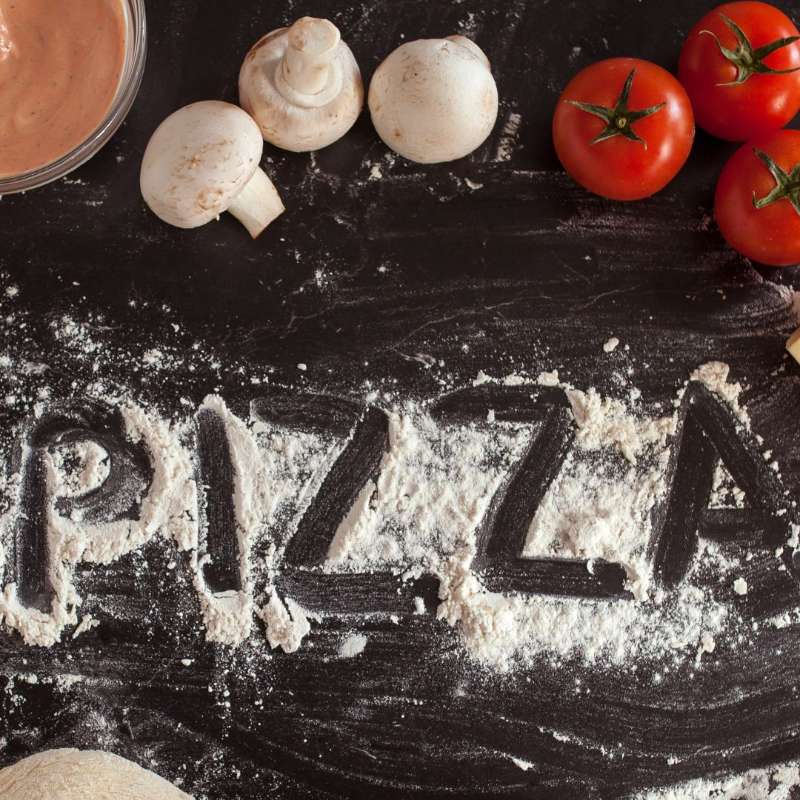
<div style="text-align: center;"><img style="float: none;" src="https://cdn.shopify.com/s/files/1/1273/1937/files/ingredients-in-pizza-003.jpg?v=1710943953" alt="Flour with pizza spelled in it"></div>
<p data-mce-fragment="1">Using the best ingredients is crucial for enhancing your pizza's flavor and appearance. High-quality ingredients of pizza such as fresh mozzarella cheese, ripe tomatoes for sauce, and aromatic herbs like basil can elevate the taste profile of your homemade pizza recipe, providing a burst of freshness and depth of flavor with each bite.</p>
<p data-mce-fragment="1">Additionally, using premium ingredients can improve the overall appearance of your pizza, creating an appetizing visual appeal that entices the senses even before the first slice is taken. From vibrant colors to enticing aromas, choosing the best ingredients ensures that every aspect of your pizza, from taste to presentation, is of the highest caliber, guaranteeing a memorable dining experience for you and your guests.</p>
<h2 data-mce-fragment="1">Ingredients in Pizza</h2>
<p id="isPasted" data-mce-fragment="1">Here's a list of the 10 key ingredients for making homemade pizza dough and the 10 <meta charset="utf-8">most popular toppings:</p>
<p data-mce-fragment="1"><strong data-mce-fragment="1">10 Common Pizza Dough Ingredients:</strong></p>
<ol data-mce-fragment="1">
<li data-mce-fragment="1">All-purpose flour</li>
<li data-mce-fragment="1">Yeast (active dry or instant)</li>
<li data-mce-fragment="1">Warm water</li>
<li data-mce-fragment="1">Olive oil</li>
<li data-mce-fragment="1">Salt</li>
<li data-mce-fragment="1">Sugar (optional, helps with yeast activation)</li>
<li data-mce-fragment="1">Cornmeal (for dusting and adding texture)</li>
<li data-mce-fragment="1">Herbs and spices (such as oregano, basil, garlic powder)</li>
<li data-mce-fragment="1">Honey or agave syrup (for a touch of sweetness, optional)</li>
<li data-mce-fragment="1">Whole wheat flour (for a healthier dough option)</li>
</ol>
<p data-mce-fragment="1"><strong data-mce-fragment="1"><meta charset="utf-8">10 Common<span data-mce-fragment="1"> </span>Pizza Toppings:</strong></p>
<ol data-mce-fragment="1">
<li data-mce-fragment="1">Mozzarella cheese (shredded or fresh)</li>
<li data-mce-fragment="1">Tomato sauce or crushed tomatoes</li>
<li data-mce-fragment="1">Pepperoni slices</li>
<li data-mce-fragment="1">Sliced bell peppers (green, red, yellow)</li>
<li data-mce-fragment="1">Sliced onions (red or yellow)</li>
<li data-mce-fragment="1">Mushrooms (sliced)</li>
<li data-mce-fragment="1">Cooked sausage (Italian sausage, chorizo, etc.)</li>
<li data-mce-fragment="1">Fresh basil leaves</li>
<li data-mce-fragment="1">Pineapple chunks (for Hawaiian pizza)</li>
<li data-mce-fragment="1">Black olives (sliced)</li>
</ol>
<p data-mce-fragment="1">These ingredients are versatile and can be mixed and matched to create a wide variety of delicious homemade pizzas. </p>
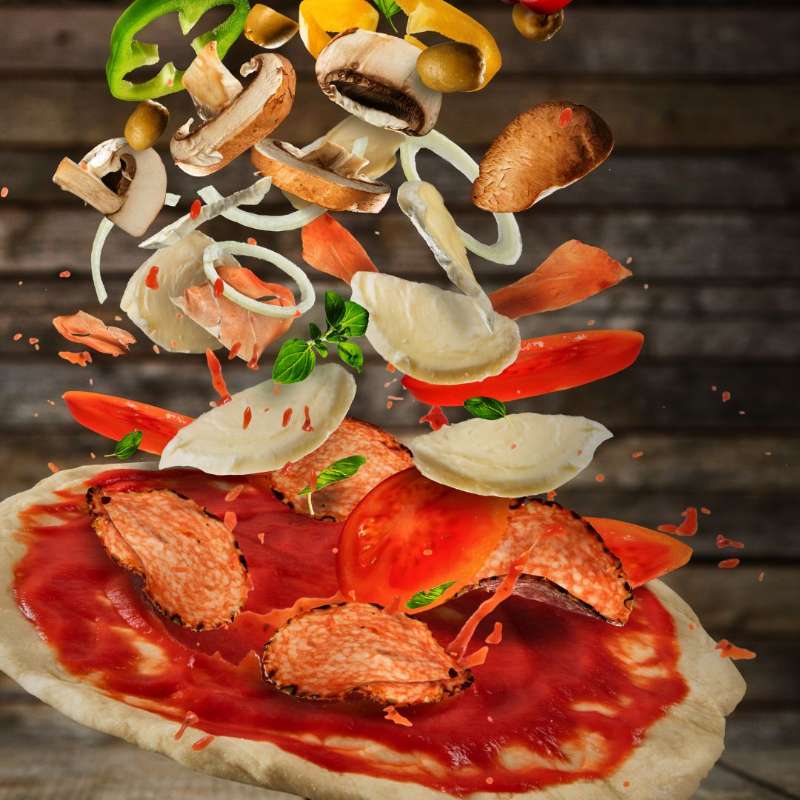
<div style="text-align: center;"><img style="float: none;" alt="Pizza toppings dropping on pizza dough" src="https://cdn.shopify.com/s/files/1/1273/1937/files/ingredients-in-pizza-000.jpg?v=1710943953"></div>
<h2 data-mce-fragment="1">Fresh Ingredients vs Store-Bought Ingredients</h2>
<p id="isPasted" data-mce-fragment="1">Using fresh ingredients versus store-bought ingredients in cooking, including making pizza, has its pros and cons from both convenience and nutritional perspectives.</p>
<p data-mce-fragment="1"><span style="text-decoration: underline;"><strong data-mce-fragment="1">Fresh Ingredients</strong></span></p>
<p data-mce-fragment="1"><strong data-mce-fragment="1">Pros:</strong></p>
<ol data-mce-fragment="1">
<li data-mce-fragment="1">
<strong data-mce-fragment="1">Flavor:</strong><span data-mce-fragment="1"> </span>Fresh ingredients often have a superior flavor compared to their store-bought counterparts. For example, using freshly picked basil or tomatoes can impart a vibrant and authentic taste to your pizza.</li>
<li data-mce-fragment="1">
<strong data-mce-fragment="1">Nutritional Value:</strong><span data-mce-fragment="1"> </span>Fresh ingredients are typically higher in nutrients compared to processed or preserved ones. For instance, fresh vegetables and herbs contain more vitamins, minerals, and antioxidants.</li>
<li data-mce-fragment="1">
<strong data-mce-fragment="1">Customization:</strong><span data-mce-fragment="1"> </span>Using fresh ingredients allows you to customize your pizza toppings exactly as you like them. You can mix and match fresh vegetables, meats, and cheeses to create unique flavor combinations.</li>
</ol>
<p data-mce-fragment="1"><strong data-mce-fragment="1">Cons:</strong></p>
<ol data-mce-fragment="1">
<li data-mce-fragment="1">
<strong data-mce-fragment="1">Availability:</strong><span data-mce-fragment="1"> </span>Fresh ingredients may not always be readily available, especially if you're looking for seasonal or locally sourced produce.</li>
<li data-mce-fragment="1">
<strong data-mce-fragment="1">Short Shelf Life:</strong><span data-mce-fragment="1"> </span>Fresh ingredients have a limited shelf life and may spoil quickly if not used promptly. This can lead to food waste if not planned and utilized effectively.</li>
<li data-mce-fragment="1">
<strong data-mce-fragment="1">Preparation Time:</strong><span data-mce-fragment="1"> </span>Using fresh ingredients often requires more preparation time, such as washing, chopping, and slicing, which can add to the overall cooking process.</li>
</ol>
<p data-mce-fragment="1"><span style="text-decoration: underline;"><strong data-mce-fragment="1">Store-Bought Ingredients</strong></span></p>
<p data-mce-fragment="1"><strong data-mce-fragment="1">Pros:</strong></p>
<ol data-mce-fragment="1">
<li data-mce-fragment="1">
<strong data-mce-fragment="1">Convenience:</strong><span data-mce-fragment="1"> </span>Store-bought ingredients are convenient and readily available at supermarkets and grocery stores, saving you time and effort in sourcing and preparing them.</li>
<li data-mce-fragment="1">
<strong data-mce-fragment="1">Longer Shelf Life:</strong><span data-mce-fragment="1"> </span>Store-bought ingredients, especially canned or preserved ones, have a longer shelf life compared to fresh ingredients, reducing the risk of spoilage and food waste.</li>
<li data-mce-fragment="1">
<strong data-mce-fragment="1">Consistency:</strong><span data-mce-fragment="1"> </span>Store-bought ingredients, such as pre-shredded cheese or canned tomato sauce, offer consistency in flavor and texture, ensuring a predictable outcome in your recipes.</li>
</ol>
<p data-mce-fragment="1"><strong data-mce-fragment="1">Cons:</strong></p>
<ol data-mce-fragment="1">
<li data-mce-fragment="1">
<strong data-mce-fragment="1">Flavor and Nutritional Value:</strong><span data-mce-fragment="1"> </span>Some store-bought ingredients, particularly processed or pre-packaged ones, may lack the freshness and nutritional value of their fresh counterparts. For example, canned tomato sauce may contain added sugars or preservatives.</li>
<li data-mce-fragment="1">
<strong data-mce-fragment="1">Limited Customization:</strong><span data-mce-fragment="1"> </span>Store-bought ingredients may limit your ability to customize your pizza toppings exactly as you prefer. You may be constrained by the available options and may not achieve the same level of freshness and variety.</li>
<li data-mce-fragment="1">
<strong data-mce-fragment="1">Cost:</strong><span data-mce-fragment="1"> </span>In some cases, store-bought ingredients can be more expensive than buying fresh ingredients, especially if you opt for premium or specialty brands.</li>
</ol>
<p data-mce-fragment="1">Both fresh and store-bought ingredients have their advantages and disadvantages. The choice between them often depends on factors such as availability, time constraints, budget, and personal preferences. For the best results, consider using a combination of fresh and store-bought ingredients to balance convenience, flavor, and nutritional value in your homemade pizzas.</p>
<h2 data-mce-fragment="1">Homemade Pizza Sauce Recipe</h2>
<p id="isPasted" data-mce-fragment="1">Creating your own homemade pizza sauce is not only easy but also allows you to customize the flavors to suit your taste preferences. This delicious sauce is the perfect complement to homemade pizza dough and fresh toppings, elevating your pizza-making experience to a whole new level.</p>
<div style="text-align: center;"><img style="float: none;" src="https://cdn.shopify.com/s/files/1/1273/1937/files/ingredients-in-pizza-002.jpg?v=1710943953" alt="Homemade pizza sauce"></div>
<p data-mce-fragment="1">With simple ingredients and a few minutes of preparation, you can enjoy a rich and flavorful pizza sauce that will make your homemade pizzas truly exceptional.</p>
<p data-mce-fragment="1"><strong data-mce-fragment="1">Ingredients:</strong></p>
<ul data-mce-fragment="1">
<li data-mce-fragment="1">1 can (28 ounces) crushed tomatoes</li>
<li data-mce-fragment="1">2 tablespoons tomato paste</li>
<li data-mce-fragment="1">2 cloves garlic, minced</li>
<li data-mce-fragment="1">1 teaspoon dried oregano</li>
<li data-mce-fragment="1">1 teaspoon dried basil</li>
<li data-mce-fragment="1">1/2 teaspoon dried thyme</li>
<li data-mce-fragment="1">1/2 teaspoon onion powder</li>
<li data-mce-fragment="1">1/4 teaspoon red pepper flakes (optional, for a spicy kick)</li>
<li data-mce-fragment="1">Salt and black pepper to taste</li>
<li data-mce-fragment="1">1 tablespoon olive oil</li>
<li data-mce-fragment="1">1 teaspoon sugar (optional, to balance acidity)</li>
</ul>
<p data-mce-fragment="1"><strong data-mce-fragment="1">Instructions:</strong></p>
<ol data-mce-fragment="1">
<li data-mce-fragment="1">In a saucepan, heat olive oil over medium heat. Add minced garlic and sauté until fragrant, about 1 minute.</li>
<li data-mce-fragment="1">Stir in crushed tomatoes, tomato paste, dried oregano, dried basil, dried thyme, onion powder, red pepper flakes (if using), salt, black pepper, and sugar (if using).</li>
<li data-mce-fragment="1">Bring the sauce to a simmer, then reduce the heat to low and let it cook for about 15-20 minutes, stirring occasionally, until the sauce thickens to your desired consistency.</li>
<li data-mce-fragment="1">Taste the sauce and adjust seasoning as needed, adding more salt, pepper, or sugar if desired.</li>
<li data-mce-fragment="1">Remove the sauce from heat and let it cool slightly before using it as a base for your homemade pizzas.</li>
</ol>
<p data-mce-fragment="1">This homemade pizza sauce can be stored in an airtight container in the refrigerator for up to a week or frozen for longer storage. Enjoy spreading this flavorful sauce on your freshly made pizza dough and topping it with your favorite ingredients for a delicious homemade pizza experience.</p>
<h2 data-mce-fragment="1">
<meta charset="utf-8"> <span>Homemade pizza dough recipe</span>
</h2>
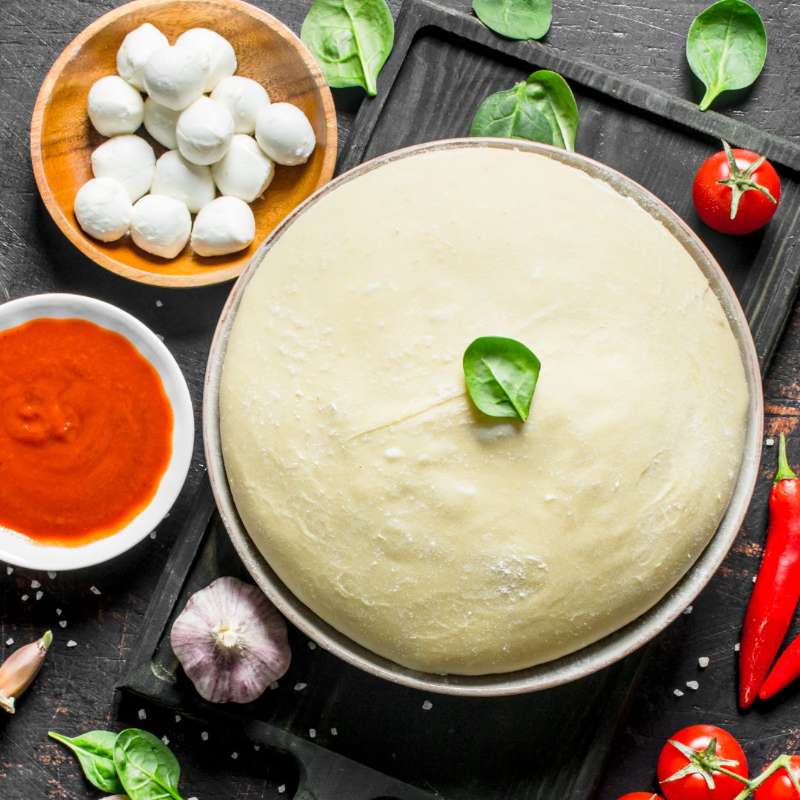
<p><span><meta charset="utf-8">Making your own pizza dough allows you complete control over the quality and flavor of your crust. By selecting high-quality ingredients and adjusting the ratios to suit your preferences, you can create a dough that perfectly complements your favorite toppings.</span></p>
<div style="text-align: center;"><img src="https://cdn.shopify.com/s/files/1/1273/1937/files/ingredients-in-pizza-001.jpg?v=1710943953" alt="Homemade pizza dough in bowl with mozzarella balls beside it" style="float: none;"></div>
<p><span>Additionally, the process of making pizza dough from scratch is a rewarding and enjoyable experience, providing a sense of accomplishment and connection to the food you create.  Here's an easy recipe for making your own dough.</span></p>
<p data-mce-fragment="1"><strong data-mce-fragment="1">Ingredients:</strong></p>
<div data-check-for-order="true" id="isPasted">
<section>
<section>
<ul>
<li>
<p>1-1/2 cups warm water (about 110°F to 115°F)</p>
</li>
<li>
<p>1 teaspoon sugar</p>
</li>
<li>
<p>1/4 ounce active dry yeast - this is necessary for your dough to rise</p>
</li>
<li>
<p>3-1/2 cups<span> </span><a href="http://shrsl.com/1mc4y" target="_blank">Artisan "00" Pizza Flour</a></p>
</li>
<li>
<p>1/2 cup semolina flour or fine ground yellow cornmeal</p>
</li>
<li>
<p>1/3 cup olive oil<span> </span><a href="http://shrsl.com/1mcra" target="_blank">Black Truffle Extra Virgin Olive Oil</a></p>
</li>
<li>
<p>1 teaspoon salt</p>
</li>
</ul>
<p><meta charset="utf-8"><strong data-mce-fragment="1">Instructions:</strong></p>
<ol>
<li>
<p>Combine the yeast, water, and sugar in a mixing bowl and stir.</p>
</li>
<li>
<p>Let this combination sit until foamy on top.</p>
</li>
<li>
<p>Add 1/2 cup flour, the semolina flour, and 1/3 cup olive oil with the salt.</p>
</li>
<li>
<p>Mix and continue working in the flour a 1/4 cup at a time until completed.</p>
</li>
<li>
<p>Put the dough on a lightly floured work surface and knead until smooth and tacky.</p>
</li>
<li>
<p>Prepare a large mixing bowl coated with olive oil and place the dough in it.</p>
</li>
<li>
<p>Cover the bowl with wax paper or a wet towel.</p>
</li>
<li>
<p>Place in a warm area and let double in size; this usually takes more than an hour.</p>
</li>
<li>
<p>Knead the dough a little and separate into 2 equal portions.</p>
</li>
<li>
<p>At this point, use a large bowl with plastic wrap or store in an airtight bags; your dough is ready to use as directed in recipes with your favorite toppings.</p>
</li>
</ol>
</section>
</section>
</div>
<h2 data-mce-fragment="1">Traditional Pizza Dough Percentages</h2>
<p id="isPasted" data-mce-fragment="1">In pizza dough recipes, ingredient percentages are often expressed in relation to the weight of the flour, which is considered 100%. This method, known as baker's percentage or baker's math, allows for easy scaling of recipes and ensures consistent results.</p>
<div style="text-align: center;"><img src="https://cdn.shopify.com/s/files/1/1273/1937/files/NY_Style_Pizza_Ingredients.jpg?v=1696531605" alt="Ingredients in pizza dough" style="float: none;"></div>
<p data-mce-fragment="1">Here are the typical percentage ranges for each ingredient in pizza dough:</p>
<div id="isPasted" data-testid="conversation-turn-7" data-mce-fragment="1">
<div data-message-id="a62f8735-5ebd-46ff-8469-01219898f285" data-message-author-role="assistant" data-mce-fragment="1">
<ol data-mce-fragment="1">
<li data-mce-fragment="1">
<p data-mce-fragment="1"><strong data-mce-fragment="1">Flour (100%):</strong></p>
<ul data-mce-fragment="1">
<li data-mce-fragment="1">The flour serves as the base ingredient and is always represented as 100% in baker's percentage. You can use all-purpose flour or a combination of all-purpose and whole wheat flour, adjusting hydration accordingly.</li>
</ul>
</li>
<li data-mce-fragment="1">
<p data-mce-fragment="1"><strong data-mce-fragment="1">Yeast (0.5% to 2%):</strong></p>
<ul data-mce-fragment="1">
<li data-mce-fragment="1">The yeast percentage varies based on the desired fermentation time and flavor development. A lower percentage (0.5% to 1%) is suitable for longer fermentation, resulting in a more complex flavor profile. A higher percentage (1.5% to 2%) is used for quicker rises and a milder taste.</li>
</ul>
</li>
<li data-mce-fragment="1">
<p data-mce-fragment="1"><strong data-mce-fragment="1">Water (60% to 70%):</strong></p>
<ul data-mce-fragment="1">
<li data-mce-fragment="1">The hydration level of the dough, expressed as a percentage of water relative to flour weight, affects dough texture. A higher hydration percentage (65% to 70%) results in a softer, more elastic dough, while a lower percentage (60% to 65%) yields a firmer dough.</li>
</ul>
</li>
<li data-mce-fragment="1">
<p data-mce-fragment="1"><strong data-mce-fragment="1">Olive oil (1% to 5%):</strong></p>
<ul data-mce-fragment="1">
<li data-mce-fragment="1">Olive oil adds richness to the dough and contributes to its texture and flavor. A lower percentage (1% to 2%) is sufficient for a subtle olive oil flavor, while a higher percentage (3% to 5%) creates a richer and softer dough.</li>
</ul>
</li>
<li data-mce-fragment="1">
<p data-mce-fragment="1"><strong data-mce-fragment="1">Salt (1.5% to 2.5%):</strong></p>
<ul data-mce-fragment="1">
<li data-mce-fragment="1">Salt enhances the flavor of the dough and regulates yeast activity. The percentage of salt is typically between 1.5% to 2.5%, with variations based on personal taste preferences.</li>
</ul>
</li>
<li data-mce-fragment="1">
<p data-mce-fragment="1"><strong data-mce-fragment="1">Sugar (0% to 2%):</strong></p>
<ul data-mce-fragment="1">
<li data-mce-fragment="1">Sugar is optional but can be added to the dough to provide a touch of sweetness and aid in yeast activation. The percentage of sugar ranges from 0% (for savory dough) to 2% (for slightly sweet dough).</li>
</ul>
</li>
<li data-mce-fragment="1">
<p data-mce-fragment="1"><strong data-mce-fragment="1">Cornmeal (not included in baker's percentage):</strong></p>
<ul data-mce-fragment="1">
<li data-mce-fragment="1">Cornmeal is used for dusting the pizza peel or baking surface and adds texture to the crust. It's not included in baker's percentage calculations for the dough.</li>
</ul>
</li>
<li data-mce-fragment="1">
<p data-mce-fragment="1"><strong data-mce-fragment="1">Herbs and spices (small percentage relative to flour):</strong></p>
<ul data-mce-fragment="1">
<li data-mce-fragment="1">Herbs like oregano and basil, along with spices like garlic powder, are added based on personal preference. These are typically used in small quantities relative to the flour, enhancing the flavor of the dough.</li>
</ul>
</li>
<li data-mce-fragment="1">
<p data-mce-fragment="1"><strong data-mce-fragment="1">Honey or agave syrup (less than 1%):</strong></p>
<ul data-mce-fragment="1">
<li data-mce-fragment="1">Honey or agave syrup can be added in small amounts (less than 1% of flour weight) to provide a subtle sweetness to the dough. This addition is optional and depends on the desired flavor profile.</li>
</ul>
</li>
<li data-mce-fragment="1">
<p data-mce-fragment="1"><strong data-mce-fragment="1">Whole wheat flour (up to 50% of flour weight):</strong></p>
<ul data-mce-fragment="1">
<li data-mce-fragment="1">Whole wheat flour can replace up to 50% of the all-purpose flour in the dough, adjusting hydration as needed to account for the higher absorption rate of whole wheat flour.</li>
</ul>
</li>
</ol>
<p data-mce-fragment="1">These percentages serve as guidelines and can be adjusted based on factors such as dough consistency, desired flavor, and baking conditions. Experienced bakers may adjust their favorite pizza recipes slightly based on factors like humidity, flour type, and desired dough characteristics.  </p>
<p data-mce-fragment="1">The baker's percentage is a flexible guideline rather than a strict rule, allowing for customization and experimentation in pizza dough recipes.  You'll also find that personal preference plays a key role in achieving the perfect pizza dough.</p>
<h3>What are the 4 Main Components of Pizza?</h3>
<p id="isPasted">The four main components of pizza are:</p>
<ol>
<li>
<p><strong>Dough:</strong><span> </span>The base of the pizza, typically made from flour, active or instant yeast, water, salt, and sometimes olive oil. The dough is rolled out or stretched into a round shape to form the crust of the pizza.</p>
</li>
<li>
<p><strong>Sauce:</strong><span> </span>The sauce is spread over the pizza dough and serves as the base flavoring for the entire pizza. Traditional pizza sauce is made from crushed tomatoes, garlic, herbs (such as oregano and basil), and seasonings.</p>
</li>
<li>
<p><strong>Cheese:</strong><span> </span>Cheese is a key ingredient that adds richness and creaminess to the pizza. The most commonly used cheese on pizza is mozzarella, either fresh or shredded. Other cheeses like Parmesan, cheddar, provolone, or goat cheese can also be used.</p>
</li>
<li>
<p><strong>Toppings:</strong><span> </span>Toppings are the ingredients placed on top of the sauce and cheese to add flavor, texture, and variety to the pizza. Popular toppings include pepperoni, mushrooms, onions, bell peppers, olives, sausage, chili pepper, bacon, tomatoes, spinach, a drizzle of olive oil, and more. The choice of toppings is flexible and can be customized according to personal preferences.</p>
</li>
</ol>
<h3>What Ingredients are on a "Certified" Neapolitan pizza?</h3>
<div data-testid="conversation-turn-25" id="isPasted">
<div data-message-author-role="assistant" data-message-id="1c54e8c5-6a76-46a1-8061-9a9da789a18e">
<p>A traditional Neapolitan pizza, also known as Pizza Napoletana, follows specific guidelines and is made with a limited number of high-quality ingredients. </p>
<p>The ingredients on a Neapolitan pizza are as follows:</p>
<ol>
<li>
<p><strong>Dough:</strong><span> </span>The dough for Neapolitan pizza is made from the best flour, usually Italian 00 flour, water, yeast, and salt. It's kneaded by hand and fermented for a minimum of 8 to 24 hours to develop flavor and texture.</p>
</li>
<li>
<p><strong>Tomato Sauce:</strong><span> </span>The sauce for Neapolitan pizza is made from San Marzano tomatoes, which are known for their sweetness and low acidity. The tomatoes are crushed or pureed and seasoned with a small amount of salt and sometimes a touch of olive oil.</p>
</li>
<li>
<p><strong>Mozzarella Cheese:</strong><span> </span>Neapolitan pizza traditionally uses fresh mozzarella cheese made from buffalo milk (mozzarella di bufala) or cow's milk (fior di latte). The cheese is sliced or torn into small pieces and scattered over the pizza.</p>
</li>
<li>
<p><strong>Basil:</strong><span> </span>Fresh basil leaves are a signature topping on Neapolitan pizza. The basil is added after the pizza comes out of the oven, allowing its aroma and flavor to infuse the hot pizza.</p>
</li>
<li>
<p><strong>Olive Oil:</strong><span> </span>A drizzle of extra virgin olive oil is often added to Neapolitan pizza before or after baking to enhance the flavors and add a hint of richness.</p>
</li>
<li>
<p><strong>Salt:</strong><span> </span>A sprinkle of sea salt may be added to the pizza before or after baking to balance the flavors and enhance the overall taste.</p>
</li>
</ol>
<p>It's important to note that Neapolitan pizza follows strict guidelines set by the Associazione Verace Pizza Napoletana (AVPN) to ensure authenticity. These guidelines include using specific ingredients, such as Italian 00 flour, San Marzano tomatoes, fresh mozzarella, and fresh basil, as well as adhering to specific dough preparation and baking methods in a wood-fired oven at high temperatures.</p>
</div>
</div>
<h3>Can you freeze homemade pizza dough?<strong><br></strong>
</h3>
<p id="isPasted">Yes, you can freeze homemade pizza dough. Freezing pizza dough is a convenient way to prepare ahead of time and have dough ready for future pizza-making sessions. To freeze homemade pizza dough, follow these steps:</p>
<ol>
<li>Prepare the dough according to your favorite recipe and let it rise until it doubles in size.</li>
<li>Punch down the dough to remove excess air and shape it into a ball.</li>
<li>Lightly coat the ball of dough with olive oil to prevent it from sticking.</li>
<li>Place the dough ball in a freezer-safe bag or container, making sure to remove as much air as possible before sealing.</li>
<li>Label the bag or container with the date and type of dough (e.g., pizza dough) for easy identification.</li>
<li>Place the dough in the freezer, where it can be stored for up to 3 months.</li>
</ol>
<p>When you're ready to use the frozen pizza dough, remove it from the freezer and let it thaw in the refrigerator overnight. Once thawed, allow the dough to come to room temperature for about 30 minutes before shaping and baking your pizzas as usual.</p>
<p>Using an easy pizza dough recipe and then freezing your own pizza dough is a convenient way to have fresh dough on hand whenever you crave homemade pizza. <meta charset="utf-8">Homemade pizza dough also allows for customization, whether you prefer a thin and crispy crust or a thicker, chewier one. Ultimately, making your own pizza dough ensures that each slice is not just a meal but a culinary journey tailored to your taste buds.</p>
<div>
<section>
<h3>
<meta charset="utf-8"> <span>How long can dough stay frozen?</span>
</h3>
<p>Homemade pizza dough can stay frozen for up to 3 months without significant loss of quality. It's important to properly store the dough in a freezer bag or container to prevent freezer burn and maintain its freshness. Labeling the dough with the date of freezing can help you keep track of its storage time and ensure that you use it within the recommended timeframe for the best results.</p>
</section>
</div>
</div>
</div>]]>
    </content>
  </entry>
  <entry>
    <id>https://www.patioandpizza.com/blogs/pizza-life/biga-vs-poolish-pizza</id>
    <published>2024-02-15T08:50:59-05:00</published>
    <updated>2024-03-22T11:28:34-04:00</updated>
    <link rel="alternate" type="text/html" href="https://www.patioandpizza.com/blogs/pizza-life/biga-vs-poolish-pizza"/>
    <title>Biga vs Poolish: The Secret Ingredients to Perfect Pizza Dough</title>
    <author>
      <name>Pam Wiselogel</name>
    </author>
    <summary type="html">
      <![CDATA[<meta charset="utf-8"><span data-mce-fragment="1">Discover the difference between biga and poolish in pizza dough. Learn how each pre-ferment affects flavor, texture, and baking results for your perfect pizza.</span><p><a class="read-more" href="https://www.patioandpizza.com/blogs/pizza-life/biga-vs-poolish-pizza">More</a></p>]]>
    </summary>
    <content type="html">
      <![CDATA[<p>Imagine the quintessential sizzle of bubbling cheese, the aromatic punch of fresh tomato sauce, and the satisfying crunch of the first bite into a perfectly blistered pizza crust. At the heart of this culinary symphony lies the unsung hero, pizza dough.</p>
<p>But not all pizza dough is created equal, and for those embarking on the journey of dough perfection, terms like "Biga" and "Poolish" can make the difference between culinary mediocrity and the sublime. </p>
<p>To the DIY-at-home pizza artist, understanding the nuances of these pre-fermentation techniques is akin to wielding a magic wand that can conjure a variety of flavors and textures within your crust.</p>
<p>In the great Biga vs Poolish debate, which technique is the doughy Dumbledore to your pizza's Potter? Let's dive in and knead out the main differences.</p>
<h2>What is a Pre-ferment?</h2>
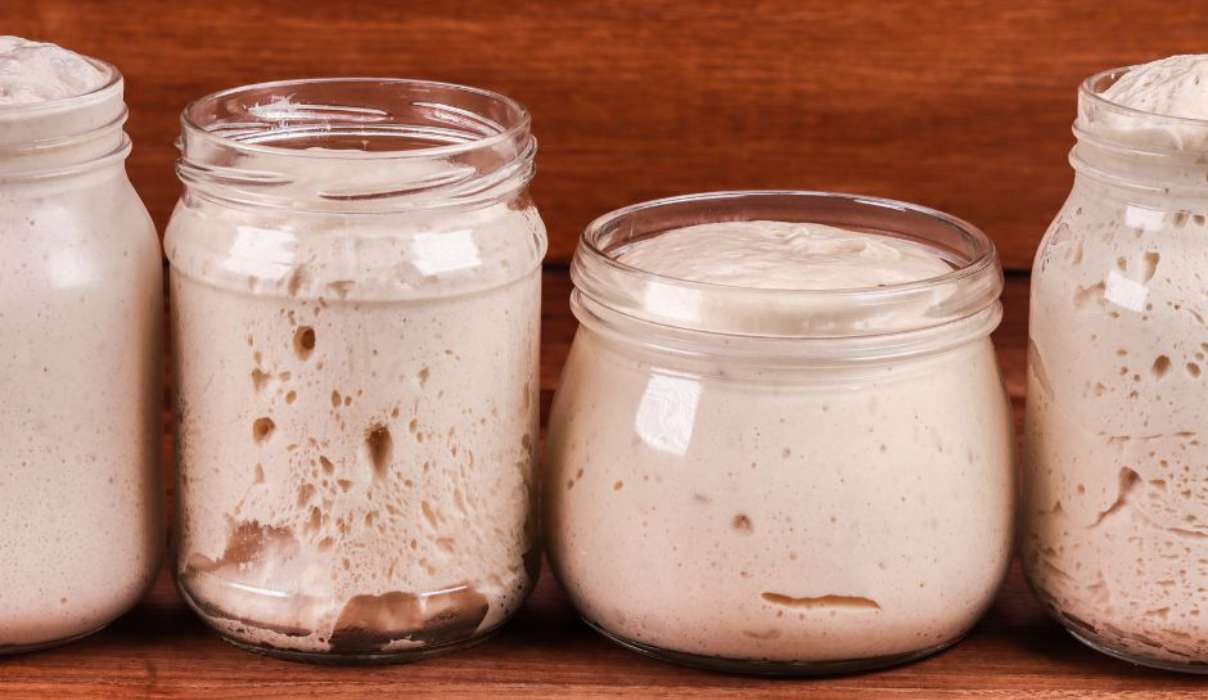
<p><meta charset="utf-8"><span>Before we start making the dough, let's understand why pre-fermentation is important. Pre-fermentation is like magic for baking. It turns basic flour and water into flavorful and textured doughs.  </span></p>
<p><span>Sourdough starter is a great example of a pre-ferment.  However, a sourdough starter requires <meta charset="utf-8">ongoing care and maintenance to keep it active and healthy.</span></p>
<p><span><strong>Biga</strong> and <strong>Poolish</strong> are two types of pre-ferments that are made fresh for each baking session. They are like the opening acts before the main event—the pizza dough. They set the stage for creating delicious pizza by giving the dough extra flavor and texture.</span></p>
<div style="text-align: center;"><img style="float: none;" alt="Poolish vs Biga Pre-Ferment in jars" src="https://cdn.shopify.com/s/files/1/1273/1937/files/Biga_vs_Poolish_Pizza_-_Preferment.jpg?v=1708004219"></div>
<h3></h3>
<h2>Understanding Biga and Poolish</h2>
<h3>What is Biga?</h3>
<p>Biga is a pre-ferment used in Italian bread-making, particularly for rustic breads like ciabatta or focaccia. It's essentially a simple mixture of flour, water, and yeast that is allowed to ferment for a period of time before being incorporated into the final dough. </p>
<p>Here's how it works:</p>
<ol>
<li>
<p><strong>Ingredients</strong>: Biga typically consists of flour, water, and a small amount of yeast. The ratios can vary depending on the recipe, but it's usually a higher hydration mixture, meaning there's more water relative to flour compared to the final dough.</p>
</li>
<li>
<p><strong>Mixing</strong>: To make Biga, you simply mix the flour, water, and yeast together until it forms a shaggy dough. It's then left to ferment at room temperature for a specified amount of time, usually anywhere from 12 to 24 hours, although some recipes might call for longer or shorter fermentation times.</p>
</li>
<li>
<p><strong>Fermentation</strong>: During this fermentation period, the yeast in the Biga begins to feed on the sugars present in the flour, producing carbon dioxide gas and alcohol. This process helps to develop flavor in the Biga and also contributes to the rise and texture of the final bread.</p>
</li>
<li>
<p><strong>Incorporation into final dough</strong>: Once the Biga has fermented sufficiently, it's added to the remaining ingredients in the recipe, such as more flour, water, salt, and sometimes additional yeast. This mixture is then kneaded together to form the final dough, which is allowed to rise before baking.</p>
</li>
</ol>
<h3>Biga Benefits</h3>
<p>The Biga method is beloved for its ability to develop the dough’s gluten structure, leading to a chewy, textured crust. Its long fermentation time also imparts a depth of flavor and a subtle sourness that can elevate the taste of the final product. Think earthy, complex notes that sing on the palate.  </p>
<div>
<div>
<p>Using Biga in pizza-making can enhance the flavor, texture, and overall quality of the crust by adding complexity through the fermentation process. It's a technique that requires a bit of planning ahead due to the fermentation time involved, but it's relatively simple and can elevate your homemade pizza to a whole new level. </p>
<ol>
<li>
<p><strong>Enhanced Flavor</strong>: Biga typically undergoes a longer fermentation period compared to Poolish, which allows for more complex flavors to develop. The extended fermentation time allows the yeast to produce a wider range of flavor compounds, resulting in a pizza crust with a rich, deep flavor profile.</p>
</li>
<li>
<p><strong>Improved Texture</strong>: The use of Biga in pizza can lead to a crust with a slightly chewier texture and a more open crumb structure. The long fermentation time helps to develop gluten strands, resulting in a better structure and a more airy interior.</p>
</li>
<li>
<p><strong>Extended Shelf Life</strong>: Because of its longer fermentation period, pizza made with Biga tends to have a longer shelf life compared to pizza made with Poolish. The fermentation process helps to improve the keeping quality of the pizza, keeping it fresher for longer.</p>
</li>
</ol>
</div>
</div>
<h3>What is Poolish?</h3>
<p>Poolish is another type of pre-ferment used in bread-making, particularly in French bread recipes like baguettes. Similar to Biga, it's a mixture of flour, water, and yeast that is allowed to ferment before being incorporated into the final dough. </p>
<p>Here's a breakdown:</p>
<ol>
<li>
<p><strong>Ingredients</strong>: Poolish typically consists of equal parts flour and water, along with a small amount of yeast. The ratio of flour to water can vary depending on the recipe, but it's generally a high hydration mixture, meaning there's more water relative to flour compared to the final dough.</p>
</li>
<li>
<p><strong>Mixing</strong>: To make Poolish, you simply mix the flour, water, and yeast together until it forms a loose, wet dough. It's then left to ferment at room temperature for a certain period of time, usually anywhere from 8 to 16 hours, although some dough recipes might call for longer or shorter fermentation times.</p>
</li>
<li>
<p><strong>Fermentation</strong>: During the fermentation period, the yeast in the Poolish begins to feed on the sugars present in the flour, producing carbon dioxide gas and alcohol. This process helps to develop flavor in the Poolish and also contributes to the rise and texture of the pizza crust.</p>
</li>
<li>
<p><strong>Incorporation into final dough</strong>: Once the Poolish has fermented sufficiently, it's added to the remaining ingredients in the dough recipe, such as more flour, water, salt, and sometimes additional yeast. This mixture is then kneaded together to form the final dough, which is allowed to rise before baking.</p>
</li>
</ol>
<p>Using Poolish in pizza recipes can enhance the flavor, texture, and overall quality of your crust by adding depth of flavor and a more open crumb structure. It's a technique that requires some advance planning due to the fermentation time involved, but it's relatively straightforward and can take your authentic pizza to a higher level of artisanal quality.</p>
<h3></h3>
<h3>Poolish Perks</h3>
<p>Poolish is prized for its contribution to dough extensibility, giving the final crust a light, airy texture. Its short fermentation window ensures a rapid rise in the oven, perfect for those who seek a quick turnaround without compromising on flavor. The result is a softer, more elastic crust that marries well with a spectrum of pizza styles.</p>
<ol>
<li>
<p><strong>Quick Fermentation</strong>: Poolish typically ferments for a shorter period of time compared to Biga, usually around 8 to 16 hours. This shorter fermentation time makes Poolish a great option for bakers who want to make bread or pizza with a pre-ferment but don't have as much time to spare.</p>
</li>
<li>
<p><strong>Lighter Flavor Profile</strong>: Because of its shorter fermentation time, Poolish tends to produce crust with a milder, sweeter flavor compared to Biga. This can be desirable for pizzas where you want the flavor of the flour to shine through without being overshadowed by more intense fermentation flavors.</p>
</li>
<li>
<p><strong>Soft, Tender Crumb</strong>: Bread and pizza made with Poolish often has a softer, more tender crumb compared to those made with Biga. The shorter fermentation time allows for less gluten development, resulting in a more delicate texture. </p>
</li>
</ol>
<div style="text-align: center;"><img style="float: none;" alt="Flour, water, and yeast in a bowl" src="https://cdn.shopify.com/s/files/1/1273/1937/files/Biga_vs_Poolish_Pizza.jpg?v=1708004310"></div>
<h2>Biga vs Poolish: A Doughy Duel</h2>
<p>Both Biga and Poolish are pre-ferments used in bread and pizza recipes, and while they share some similarities, they also have distinct characteristics and benefits.The Biga and Poolish techniques may appear almost identical, with their flour, water, and yeast trinity, yet subtle differences grow into pronounced effects on your pizza dough.</p>
<h3>Ingredient and Preparation Variance</h3>
<p>While both Biga and Poolish serve similar purposes as pre-ferments, there are some differences in their ingredients and preparation methods. </p>
<p>Here's a comparison of the ingredients and preparation for Biga versus Poolish:</p>
<p><strong>Ingredients:</strong></p>
<ol>
<li>
<p><strong>Biga:</strong></p>
<ul>
<li>Typically consists of flour, water, and yeast.</li>
<li>The ratio of flour to water can vary, but Biga is generally a lower hydration level, meaning it has less water relative to flour compared to Poolish.</li>
<li>Some recipes may call for the use of a small amount of salt in the Biga, but this is less common.</li>
</ul>
</li>
<li>
<p><strong>Poolish:</strong></p>
<ul>
<li>Also consists of flour, water, and yeast.</li>
<li>The ratio of flour to water in Poolish is typically 1:1 or close to it, making it a higher hydration pre-ferment compared to Biga.</li>
<li>Like Biga, Poolish recipes generally do not include salt in the pre-ferment.</li>
</ul>
</li>
</ol>
<p><strong>Preparation Variations:</strong></p>
<ol>
<li>
<p><strong>Biga:</strong></p>
<ul>
<li>Biga is traditionally associated with Italian bread-making, particularly rustic breads like ciabatta or focaccia.</li>
<li>It is typically mixed together into a shaggy dough and left to ferment at room temperature for a longer period of time, usually around 12 to 24 hours or even longer.</li>
<li>The longer fermentation time of Biga allows for more complex flavors to develop, resulting in a bread with a rich, deep flavor profile and chewy texture.</li>
</ul>
</li>
<li>
<p><strong>Poolish:</strong></p>
<ul>
<li>Poolish is commonly used in French bread recipes, such as baguettes.</li>
<li>It is mixed into a loose, wet dough and fermented for a shorter period of time compared to Biga, usually around 8 to 16 hours.</li>
<li>The shorter fermentation time of Poolish produces a bread with a milder, sweeter flavor and a softer, more tender crumb compared to Biga.</li>
</ul>
</li>
</ol>
<p>In summary, while both Biga and Poolish consist of similar basic ingredients (flour, water, and yeast), they differ in their hydration levels, fermentation times, and the types of breads they are traditionally used for. Biga tends to result in breads with more complex flavors and chewier textures, while Poolish produces breads with milder flavors and softer crumbs. Both pre-ferments offer bakers flexibility in creating homemade bread with unique characteristics.</p>
<h3>Flavor and Textural Development</h3>
<p>The flavor and textural development of bread made with Biga versus Poolish can vary significantly due to differences in fermentation time, hydration levels, and the resulting biochemical processes. Here's a comparison of how Biga and Poolish contribute to flavor and texture:</p>
<p><strong>Flavor Development:</strong></p>
<ol>
<li>
<p><strong>Biga:</strong></p>
<ul>
<li>Biga typically undergoes a longer fermentation period, ranging from 12 to 24 hours or even longer. During this time, the yeast in the Biga consumes the sugars in the flour, producing carbon dioxide, alcohol, and a variety of flavor compounds through fermentation.</li>
<li>The extended fermentation allows for more complex flavor development, resulting in a bread with a rich, deep flavor profile. Biga imparts a slightly tangy and nuanced taste to the bread, often described as more "earthy" or "nutty."</li>
<li>The flavors produced during the long fermentation process can include subtle hints of sourness, sweetness, and complexity, contributing to a well-rounded flavor in the final bread.</li>
</ul>
</li>
<li>
<p><strong>Poolish:</strong></p>
<ul>
<li>Poolish undergoes a shorter fermentation period compared to Biga, typically around 8 to 16 hours. The shorter fermentation time means that there is less time for flavor development compared to Biga.</li>
<li>Bread made with Poolish tends to have a milder, sweeter flavor profile compared to Biga. The shorter fermentation allows for fewer fermentation byproducts to develop, resulting in a bread with a cleaner, more straightforward taste.</li>
<li>While Poolish imparts a pleasant flavor to the bread, it is generally less complex and nuanced compared to bread made with Biga. However, Poolish can still contribute to a flavorful and enjoyable loaf, particularly in breads where a lighter taste is desired.</li>
</ul>
</li>
</ol>
<p><strong>Textural Development:</strong></p>
<ol>
<li>
<p><strong>Biga:</strong></p>
<ul>
<li>The longer fermentation time of Biga allows for more gluten development in the dough. As a result, bread made with Biga tends to have a chewier texture with a more open crumb structure.</li>
<li>The gluten strands formed during fermentation contribute to the bread's structure, giving it a satisfyingly hearty and substantial texture. Biga helps create breads with a rustic, artisanal feel, characterized by a crusty exterior and a moist, chewy interior.</li>
</ul>
</li>
<li>
<p><strong>Poolish:</strong></p>
<ul>
<li>Bread made with Poolish typically has a softer, more tender crumb compared to bread made with Biga. The shorter fermentation time in Poolish results in less gluten development, leading to a lighter and more delicate texture.</li>
<li>Poolish contributes to a bread with a softer mouthfeel and a finer crumb structure. This makes Poolish ideal for producing breads with a more delicate and refined texture, such as French baguettes or sandwich loaves.</li>
</ul>
</li>
</ol>
<p>While both Biga and Poolish contribute to flavor and textural development in pizza-making, they offer distinct characteristics. Biga pizza dough has complex flavors and chewy textures, while Poolish pizza dough has milder flavors and softer, more tender crust. The choice between Biga and Poolish depends on the desired flavor profile, texture, and style of bread being made. </p>
<h2>Prepping the Preferments</h2>
<p>The distinguishing factor here is the rate of fermentation and rise. Biga, being stiffer and benefiting from a longer fermentation, provides a slower, more controlled rise, perfect for thicker, chewier crusts or those wanting to explore longer baking times. Poolish, with its higher hydration and quicker fermentation profile, is ideal for thinner crispier pizzas or those lacking patience (which is okay, we all do sometimes).</p>
<p>Here's how to work the magic of Biga and Poolish into your home pizza-making routine.</p>
<h3>Biga Recipe</h3>
<p>Ingredients:</p>
<ul>
<li>1 cup (120g) bread flour</li>
<li>1/2 cup (118g) room temperature water</li>
<li>1/8 teaspoon (equal to a pinch) instant yeast</li>
</ul>
<div>
<div>
<p>Directions:</p>
</div>
</div>
<ol>
<li>Mix the ingredients in a bowl until you get a rough, shaggy dough.</li>
<li>Cover and let it ferment at room temperature for 12 to 48 hours.</li>
</ol>
<h3>Poolish Recipe</h3>
<p>Ingredients:</p>
<ul>
<li>1 cup (120g) bread flour</li>
<li>1 cup (236g) room temperature water</li>
<li>1/8 teaspoon (equal to a pinch) instant yeast</li>
</ul>
<p>Directions:</p>
<ol>
<li>Mix the ingredients in a bowl until just combined.</li>
<li>Cover and let it ferment at room temperature for 8 to 16 hours.</li>
</ol>
<h2></h2>
<h2>How Much Pre-Ferment to Put in Your Pizza Dough Recipe?</h2>
<p>The amount of Biga dough used in a <a href="https://www.patioandpizza.com/blogs/pizza-life/homemade-pizza-dough-recipe">pizza dough recipe</a> can vary depending on the specific recipe and the desired characteristics of the final pizza crust. However, as a general guideline, Biga typically makes up a portion of the total flour in the pizza dough recipe, usually around 20% to 30%.</p>
<p><strong>For example, if you're making a pizza dough recipe that calls for a total of 500 grams of flour, you might use around 100 to 150 grams of Biga. </strong></p>
<p>When using a Poolish dough in a pizza dough recipe, the amount of Poolish used can vary depending on the specific recipe and the desired characteristics of the final pizza crust. However, as a general guideline, Poolish typically makes up a portion of the total flour and water in the pizza dough recipe, usually around 20% to 30% of the total flour weight.</p>
<p><strong>For example, if you're making a pizza dough recipe that calls for a total of 500 grams of flour and 300 grams of water, you might use around 100 to 150 grams of flour and 100 to 150 grams of water to make the Poolish.</strong></p>
<p>Keep in mind that these are just rough estimates, and the actual amount of Biga or Poolish used may vary based on factors such as the amount of water in the type of preferment, the type of yeast, the desired flavor and texture of the pizza crust, and personal preference.</p>
<h2>Which Technique to Choose?</h2>
<p>Deciding between Biga and Poolish is a matter of taste, patience, and the type of pizza you're striving to craft. When it comes to pizza dough, both Biga and Poolish pre-ferments can be used to enhance flavor, texture, and overall quality. However, the choice between Biga and Poolish can influence the characteristics of the pizza dough. </p>
<p>Here's how each pre-ferment can be used effectively with different types of pizza dough:</p>
<p><strong>Pizza Dough with Biga Pre-ferment:</strong></p>
<ol>
<li>
<p><strong>Neapolitan Pizza Dough:</strong></p>
<ul>
<li>Neapolitan pizza dough, which is characterized by its thin crust and slightly chewy texture, can benefit from the use of a Biga pre-ferment.</li>
<li>Biga adds complexity to the flavor profile of the dough, resulting in a more nuanced and satisfying taste.</li>
<li>The extended fermentation of Biga helps develop gluten strands, contributing to the dough's elasticity and chewiness, which are desirable qualities in <a href="https://www.patioandpizza.com/blogs/pizza-life/what-is-neapolitan-pizza">Neapolitan-style pizza</a>.</li>
</ul>
</li>
<li>
<p><strong>Rustic or Artisanal Pizza Dough:</strong></p>
<ul>
<li>Pizza dough intended for rustic or artisanal pizzas, such as those with thicker crusts or more substantial toppings, can also benefit from a Biga pre-ferment.</li>
<li>Biga enhances the flavor of the dough, giving it a deeper, more robust taste that complements hearty toppings like roasted vegetables, cured meats, or aged cheeses.</li>
<li>The chewy texture achieved through Biga fermentation adds to the overall satisfaction of biting into a slice of rustic or artisanal pizza.</li>
</ul>
</li>
</ol>
<div style="text-align: center;"><img style="float: none;" alt="Neapolitan pizza dough made with a Biga pre-ferment" src="https://cdn.shopify.com/s/files/1/1273/1937/files/Biga_vs_Poolish_Pizza_-_Neapolitan.jpg?v=1708004458"></div>
<p><strong>Pizza Dough with Poolish Pre-ferment:</strong></p>
<ol>
<li>
<p><strong>New York Style Pizza Dough:</strong></p>
<ul>
<li>New York style pizza dough, known for its thin, crisp crust and foldable slices, can be enhanced by using a Poolish pre-ferment.</li>
<li>Poolish contributes to a lighter, airier texture in the dough, resulting in a crust that is both tender and slightly chewy.</li>
<li>The mild, sweet flavor profile of Poolish complements classic New York style pizza toppings such as tomato sauce, mozzarella cheese, and pepperoni.</li>
</ul>
</li>
<li>
<p><strong>Thin Crust or Cracker-style Pizza Dough:</strong></p>
<ul>
<li>Pizza dough intended for thin crust or cracker-style pizzas, which are characterized by their crisp, thin bases, can benefit from the use of a Poolish pre-ferment.</li>
<li>Poolish fermentation produces a dough with a delicate, crispy texture that is ideal for thin crust pizzas.</li>
<li>The subtle flavor of Poolish enhances the overall eating experience without overwhelming the palate, allowing the flavors of the toppings to shine through.</li>
</ul>
</li>
</ol>
<div style="text-align: center;"><img style="float: none;" alt="NY pizza slice made with a Poolish pre-ferment" src="https://cdn.shopify.com/s/files/1/1273/1937/files/Biga_vs_Poolish_Pizza_-_NY.jpg?v=1708004467"></div>
<p>In summary, Biga pre-ferment is well-suited for pizza doughs that require a chewy, rustic texture and complex flavor profile, such as Neapolitan or artisanal pizzas. On the other hand, Poolish pre-ferment works best with pizza doughs that benefit from a lighter, airier texture and a more delicate flavor, such as New York style or thin crust pizzas. Ultimately, the choice between Biga and Poolish depends on the desired characteristics of the pizza dough and the style of pizza being prepared. </p>
<h3></h3>
<h2>Pro Tips for At-Home Pizzaiolos</h2>
<p>Regardless of your preferment of choice, these tips will set you on the path to pizza triumph.</p>
<h3>General Guidance</h3>
<ul>
<li>Keep your prefermented dough at room temperature, ideally 70°F (21°C). This environment encourages the growth of wild yeast and bacteria that contribute to flavor development.</li>
<li>Use a kitchen scale to measure your ingredients for precision and consistency. Every gram and ounce counts in the world of baking.</li>
<li>Do not forget to adjust the final dough recipe to take into account the flour and water used in the preferment. This will prevent the dough from becoming too dry or too wet.</li>
</ul>
<h3>Troubleshooting the Tough Dough</h3>
<ul>
<li>If your dough feels too dense or tight, consider increasing the hydration slightly. A wetter dough can lead to a lighter texture, especially if you encounter any kneading resistance.</li>
<li>If the dough feels too slack and difficult to shape, reduce the water content in your final dough or increase the flour-giving more structure and making it easier to manage.</li>
<li>Adjusting fermentation times can also affect the final outcome. A shorter fermentation results in a less sour and less aerated dough, and vice versa.</li>
</ul>
<h2>Crafting the Perfect Pizza</h2>
<p>The choice between Biga and Poolish signifies a quantum leap in your evolution from pizza lover to pizza maker. As with all culinary journeys, personal preference is the guiding light. Experiment, taste, and listen to the crust as it tells you its tale in every bite.</p>
<p>In the eternal Biga vs Poolish debate, there's no need to pledge allegiance to one or the other. Blend them, tweak the hydration, vary the time, and observe the metamorphosis. Craft each dough as an express that showcases your vision of perfection.</p>
<p>Embrace the floury adventure, and may the crust be ever in your favor.</p>]]>
    </content>
  </entry>
  <entry>
    <id>https://www.patioandpizza.com/blogs/pizza-life/plant-based-pizza</id>
    <published>2023-12-28T09:06:07-05:00</published>
    <updated>2023-12-28T09:06:07-05:00</updated>
    <link rel="alternate" type="text/html" href="https://www.patioandpizza.com/blogs/pizza-life/plant-based-pizza"/>
    <title>Plant Based Pizza (Recipes and Toppings)</title>
    <author>
      <name>Pam Wiselogel</name>
    </author>
    <summary type="html">
      <![CDATA[<meta charset="utf-8"><span data-mce-fragment="1">Say goodbye to the guilt and hello to flavor! Plant-based pizza is taking the culinary world by storm, offering a delicious and eco-friendly twist on a classic favorite. Check out the best recipes and toppings for your vegan friends!</span><p><a class="read-more" href="https://www.patioandpizza.com/blogs/pizza-life/plant-based-pizza">More</a></p>]]>
    </summary>
    <content type="html">
      <![CDATA[<meta charset="utf-8">
<p data-mce-fragment="1">Say goodbye to the guilt and hello to flavor! Plant-based pizza is taking the culinary world by storm, offering a delicious and eco-friendly twist on a classic favorite.</p>
<div data-testid="conversation-turn-5" id="isPasted" data-mce-fragment="1">
<div style="text-align: center;" data-message-author-role="assistant" data-message-id="cb241e84-30e4-432d-ba1b-4778c8046f24" data-mce-fragment="1" data-mce-style="text-align: center;">
<p style="text-align: left;" data-mce-fragment="1" data-mce-style="text-align: left;">Have you noticed the green revolution happening on your plate? It's more than just a trend; it's a lifestyle shift that's transforming the way we eat. Welcome to the world of plant-based living, where the focus is on embracing a diet primarily derived from plants—fruits, vegetables, grains, legumes, nuts, and seeds.</p>
<p style="text-align: left;" data-mce-fragment="1" data-mce-style="text-align: left;"><meta charset="utf-8">In this blog post, we'll uncover the layers of this delicious phenomenon, exploring the components that make plant-based living not just a choice but a culinary adventure. Get ready to savor the flavor of plant-powered pizza and discover why this trend is more than just a passing craze—it's a lifestyle that's here to stay.</p>
<p data-mce-fragment="1"><img style="float: none;" alt="Plant based pizza with vegetables on top" src="https://cdn.shopify.com/s/files/1/1273/1937/files/vegan-pizza-002.jpg?v=1703770333" data-mce-fragment="1" data-mce-src="https://cdn.shopify.com/s/files/1/1273/1937/files/vegan-pizza-002.jpg?v=1703770333" data-mce-style="float: none;"> </p>
</div>
</div>
<form data-mce-fragment="1">
<h2 style="text-align: left;" data-mce-fragment="1" data-mce-style="text-align: left;">I. Crafting the Perfect Plant-Based Pizza</h2>
<div data-testid="conversation-turn-9" id="isPasted" data-mce-fragment="1">
<div style="text-align: center;" data-message-author-role="assistant" data-message-id="6fdf5fd5-a21d-4a9f-9fbc-57fb0b007128" data-mce-fragment="1" data-mce-style="text-align: center;">
<p style="text-align: left;" data-mce-fragment="1" data-mce-style="text-align: left;"><strong data-mce-fragment="1">A. The Foundation: Choosing the Right Crust:</strong></p>
<p style="text-align: left;" data-mce-fragment="1" data-mce-style="text-align: left;">The cornerstone of any great pizza is its crust, and the world of plant-based pizzas offers a plethora of options to suit every taste and dietary preference. If you're llooking for convenience, many grocery stores now stock ready-made plant-based pizza crusts or vegan pizza dough. These can include traditional wheat-based options as well as gluten-free alternatives made from ingredients like cauliflower, rice, or chickpea flour.</p>
<p style="text-align: left;" data-mce-fragment="1" data-mce-style="text-align: left;">You can explore the joy of crafting your crusts at home, experimenting with whole-grain flours or even adding nutrient-rich seeds like chia or flaxseed. The crust sets the stage for the entire pizza experience, making it a crucial element in crafting the perfect plant-based pie.</p>
<p style="text-align: left;" data-mce-fragment="1" data-mce-style="text-align: left;"><strong data-mce-fragment="1">B. Saucy Business: Flavorful Plant-Based Sauces:</strong></p>
<p style="text-align: left;" data-mce-fragment="1" data-mce-style="text-align: left;">Step into the saucy realm of plant-based pizzas, where traditional tomato sauce meets a spectrum of creative and flavorful alternatives. While classic tomato sauce remains a staple, plant-based enthusiasts have expanded their horizons to include pesto, hummus, or even a sun-dried tomato puree.</p>
<p style="text-align: left;" data-mce-fragment="1" data-mce-style="text-align: left;">These sauces not only add depth and richness but also serve as a canvas for diverse flavor profiles. The world of plant-based pizza encourages experimentation, inviting you to play with various sauces to create a pizza that tantalizes your taste buds and adds a unique twist to a beloved classic.</p>
<p style="text-align: left;" data-mce-fragment="1" data-mce-style="text-align: left;"><strong data-mce-fragment="1">C. Load it Up: Vibrant Veggie Toppings:</strong></p>
<p style="text-align: left;" data-mce-fragment="1" data-mce-style="text-align: left;">The vibrant colors of plant-based pizzas come to life with an array of fresh, seasonal veggies that not only enhance visual appeal but also contribute to a spectrum of flavors and textures. From the crispiness of bell peppers to the juiciness of tomatoes and the earthiness of mushrooms, the possibilities are endless.</p>
<p style="text-align: left;" data-mce-fragment="1" data-mce-style="text-align: left;">Plant-based pizza allows you to play with a variety of toppings, encouraging you to explore both raw and roasted options. The key is to celebrate the natural goodness of plant-based ingredients, creating a pizza that's not just delicious but also a celebration of the bountiful offerings of the earth.</p>
<p style="text-align: left;" data-mce-fragment="1" data-mce-style="text-align: left;">Here are 20 of the most popular vegan toppings:</p>
<ol style="text-align: left;" data-mce-style="text-align: left;">
<li>
<strong>Vegan Cheese:</strong> Opt for a variety of plant-based cheeses, including vegan mozzarella, cheddar, or a flavorful cashew-based option.</li>
<li>
<strong>Tomato Sauce:</strong> A classic choice, rich and savory tomato sauce serves as the perfect base for your vegan pizza.</li>
<li>
<strong>Fresh Basil:</strong> Add a burst of freshness with fragrant basil leaves, either chopped or whole.</li>
<li>
<strong>Sliced Tomatoes:</strong> Juicy and vibrant, sliced tomatoes are a delicious addition to any vegan pizza.</li>
<li>
<strong>Kalamata Olives:</strong> Pitted and sliced, these olives bring a briny and salty flavor.</li>
<li>
<strong>Artichoke Hearts:</strong> Marinated or grilled artichoke hearts contribute a unique and earthy taste.</li>
<li>
<strong>Red Onion:</strong> Thinly sliced red onions add a sweet and slightly spicy kick.</li>
<li>
<strong>Bell Peppers:</strong> Colorful bell peppers provide a sweet and crunchy element to your pizza.</li>
<li>
<strong>Spinach:</strong> Fresh or sautéed spinach adds a nutritious and leafy green layer.</li>
<li>
<strong>Mushrooms:</strong> Sliced or sautéed mushrooms bring an umami-rich flavor to your pizza.</li>
<li>
<strong>Caramelized Onions:</strong> Sweet and golden, caramelized onions add depth and richness.</li>
<li>
<strong>Pineapple:</strong> For a touch of sweetness, consider adding chunks of pineapple.</li>
<li>
<strong>Roasted Garlic:</strong> Roasted garlic cloves offer a mellow and savory flavor.</li>
<li>
<strong>Sun-Dried Tomatoes:</strong> Intensely flavored sun-dried tomatoes bring a concentrated burst of tomato goodness.</li>
<li>
<strong>Vegan Sausage Crumbles:</strong> Plant-based sausage crumbles provide a hearty and savory topping.</li>
<li>
<strong>Jalapeños:</strong> Sliced jalapeños add a spicy kick for those who enjoy a bit of heat.</li>
<li>
<strong>Capers:</strong> These briny little bursts of flavor can add a gourmet touch to your pizza.</li>
<li>
<strong>Vegan Pesto:</strong> Drizzle vegan pesto over your pizza for a burst of herby and garlicky goodness.</li>
<li>
<strong>Arugula:</strong> Fresh arugula adds a peppery and slightly bitter note, perfect for topping after baking.</li>
<li>
<strong>Vegan Feta Cheese:</strong> Crumbled vegan feta provides a tangy and creamy element to your pizza.</li>
</ol>
<p> </p>
</div>
</div>
<p style="text-align: left;" data-mce-fragment="1" data-mce-style="text-align: left;"><strong data-mce-fragment="1">D. Cheesy Goodness: Plant-Based Cheese Alternatives:</strong></p>
<p style="text-align: left;" data-mce-fragment="1" data-mce-style="text-align: left;">No pizza is complete without cheese, and, for many, this is where they draw the line when going vegan.  But, the plant-based world offers an exciting array of dairy-free alternatives that capture the essence of cheesy goodness.</p>
<p style="text-align: left;" data-mce-fragment="1" data-mce-style="text-align: left;">Whether you opt for store-bought vegan mozzarella, vegan parmesan, or embark on the adventure of crafting your cashew or almond-based cheese, plant-based pizzas prove that you don't need dairy to achieve that irresistible melt-in-your-mouth quality. The plant-based cheese landscape is continually evolving, offering options that stretch, melt, and impart a savory flavor profile to rival their traditional counterparts.</p>
<p style="text-align: left;" data-mce-fragment="1" data-mce-style="text-align: left;"><strong data-mce-fragment="1">E. Elevate with Proteins: Plant-Based Protein Options:</strong></p>
<p style="text-align: left;" data-mce-fragment="1" data-mce-style="text-align: left;">Elevate your plant-based pizza experience by incorporating protein-packed alternatives to traditional meat toppings. Tofu, tempeh, and seitan offer meaty textures with a plant-based twist, while legumes and beans bring a hearty protein punch.</p>
<p style="text-align: left;" data-mce-fragment="1" data-mce-style="text-align: left;">These protein sources not only enhance the nutritional profile of your pizza but also contribute to a satisfying and filling meal. Plant-based meats provide a tasty and cruelty-free way to enjoy the familiar satisfaction of a protein-loaded pizza without compromising your commitment to a plant-centric lifestyle.</p>
<div style="text-align: center;" data-mce-style="text-align: center;"><img style="float: none;" alt="Vegan Pizza with olives, peppers, corn, mushrooms and cucumbers" src="https://cdn.shopify.com/s/files/1/1273/1937/files/vegan-pizza-001.jpg?v=1703770338" data-mce-style="float: none;"></div>
<h2 data-mce-fragment="1">II. Plant-Based Pizza Recipes</h2>
<h3 id="isPasted" data-mce-fragment="1"><strong data-mce-fragment="1">A. Classic Margherita with a Twist:</strong></h3>
<p data-mce-fragment="1">Let's start our plant-based pizza journey with a classic that never goes out of style – the Margherita. Instead of relying on traditional mozzarella, opt for a high-quality vegan mozzarella that achieves that perfect melt. Pair it with juicy, ripe tomatoes, fresh basil, and a drizzle of balsamic glaze to elevate the flavors. The result? A plant-based Margherita pizza that captures the essence of this timeless favorite while adding a modern, cruelty-free twist.</p>
<h3>PLANT-BASED MARGHERITA PIZZA WITH BASIL PESTO DRIZZLE RECIPE</h3>
<h4 data-mce-fragment="1">Pizza Dough Ingredients</h4>
<ul data-mce-fragment="1">
<li data-mce-fragment="1">2 1/4 teaspoons (1 packet) active dry yeast</li>
<li data-mce-fragment="1">1 teaspoon sugar</li>
<li data-mce-fragment="1">1 cup warm water (110°F/43°C)</li>
<li data-mce-fragment="1">2 1/2 cups all-purpose flour</li>
<li data-mce-fragment="1">1 teaspoon salt</li>
<li data-mce-fragment="1">1 tablespoon olive oil</li>
</ul>
<h4 data-mce-fragment="1">Pizza Toppings</h4>
<ul data-mce-fragment="1">
<li data-mce-fragment="1">1/2 cup tomato sauce (store-bought or homemade)</li>
<li data-mce-fragment="1">1 1/2 cups vegan mozzarella cheese, shredded</li>
<li data-mce-fragment="1">2 large tomatoes, thinly sliced</li>
<li data-mce-fragment="1">Fresh basil leaves, for garnish</li>
<li data-mce-fragment="1">Olive oil, for drizzling</li>
</ul>
<h4 data-mce-fragment="1">Basil Pesto Drizzle</h4>
<ul data-mce-fragment="1">
<li data-mce-fragment="1">1 cup fresh basil leaves, packed</li>
<li data-mce-fragment="1">1/3 cup pine nuts, toasted</li>
<li data-mce-fragment="1">1/3 cup nutritional yeast</li>
<li data-mce-fragment="1">2 cloves garlic</li>
<li data-mce-fragment="1">1/2 cup extra-virgin olive oil</li>
<li data-mce-fragment="1">Salt and pepper to taste</li>
</ul>
<h3 data-mce-fragment="1">Instructions:</h3>
<h4 data-mce-fragment="1">1. Pizza Dough Preparation</h4>
<ol data-mce-fragment="1">
<li data-mce-fragment="1">In a small bowl, combine the warm water, sugar, and active dry yeast. Let it sit for about 5 minutes until frothy.</li>
<li data-mce-fragment="1">In a large bowl, combine the flour and salt. Make a well in the center and pour in the yeast mixture and olive oil.</li>
<li data-mce-fragment="1">Mix until a dough forms, then knead on a floured surface for about 5-7 minutes until smooth and elastic.</li>
<li data-mce-fragment="1">Place the dough in a lightly oiled bowl, cover with a damp cloth, and let it rise in a warm place for 1-1.5 hours or until doubled in size.</li>
</ol>
<h4 data-mce-fragment="1">2. Basil Pesto Drizzle</h4>
<ol data-mce-fragment="1">
<li data-mce-fragment="1">In a food processor, combine the fresh basil, toasted pine nuts, nutritional yeast, and garlic.</li>
<li data-mce-fragment="1">Pulse until the ingredients are finely chopped.</li>
<li data-mce-fragment="1">With the processor running, slowly pour in the olive oil until a smooth pesto consistency is achieved.</li>
<li data-mce-fragment="1">Season with salt and pepper to taste. Set aside.</li>
</ol>
<h4 data-mce-fragment="1">3. Pizza Assembly</h4>
<ol data-mce-fragment="1">
<li data-mce-fragment="1">Preheat your oven to 475°F (245°C).</li>
<li data-mce-fragment="1">Punch down the risen dough and roll it out on a floured surface to your desired thickness.</li>
<li data-mce-fragment="1">Transfer the rolled-out dough to a pizza stone or baking sheet.</li>
<li data-mce-fragment="1">Spread an even layer of pizza sauce over the dough, leaving a small border for the crust.</li>
<li data-mce-fragment="1">Sprinkle the vegan mozzarella cheese evenly over the sauce.</li>
<li data-mce-fragment="1">Arrange the sliced tomatoes on top of the cheese.</li>
<li data-mce-fragment="1">Bake in the preheated oven for 12-15 minutes or until the crust is golden and the cheese is melted and bubbly.</li>
<li data-mce-fragment="1">Remove from the oven rack, garnish with fresh basil leaves, and drizzle with basil pesto.</li>
<li data-mce-fragment="1">Drizzle with a little olive oil, slice, and serve your delicious plant-based Margherita pizza!</li>
</ol>
<p data-mce-fragment="1">This plant-based pizza combines the classic flavors of a Margherita with the vibrant freshness of tomatoes and a basil pesto drizzle, making it a delightful and satisfying plant-powered meal. </p>
<h3 data-mce-fragment="1"><strong data-mce-fragment="1">B. Mediterranean Delight:</strong></h3>
<p data-mce-fragment="1">Transport your taste buds to the sun-soaked shores of the Mediterranean with a plant-based veggie pizza recipe that's bursting with flavor.</p>
<p data-mce-fragment="1">Begin with a base of hummus, adding a rich and creamy dimension that replaces traditional red tomato sauce. Top it off with a colorful medley of kalamata olives, artichokes, and cherry tomatoes. For the final touch, sprinkle a generous amount of vegan feta to mimic the tangy goodness of its dairy counterpart.</p>
<p data-mce-fragment="1">This Mediterranean-inspired delight is not just a feast for the senses but also a celebration of fresh, wholesome ingredients.</p>
<div data-testid="conversation-turn-23" id="isPasted" data-mce-fragment="1">
<div data-message-author-role="assistant" data-message-id="866d1399-c633-4366-b773-24122a252386" data-mce-fragment="1">
<h3 data-mce-fragment="1">MEDITERRANEAN DELIGHT PLANT-BASED PIZZA RECIPE</h3>
<h4 data-mce-fragment="1">Pizza Dough Ingredients</h4>
<ul data-mce-fragment="1">
<li data-mce-fragment="1">2 1/4 teaspoons (1 packet) active dry yeast</li>
<li data-mce-fragment="1">1 teaspoon sugar</li>
<li data-mce-fragment="1">1 cup warm water (110°F/43°C)</li>
<li data-mce-fragment="1">2 1/2 cups all-purpose flour</li>
<li data-mce-fragment="1">1 teaspoon salt</li>
<li data-mce-fragment="1">1 tablespoon olive oil</li>
</ul>
<h4 data-mce-fragment="1">Pizza Toppings</h4>
<ul data-mce-fragment="1">
<li data-mce-fragment="1">1/2 cup hummus (store-bought or homemade)</li>
<li data-mce-fragment="1">1 cup cherry tomatoes, halved</li>
<li data-mce-fragment="1">1/2 cup kalamata olives, pitted and sliced</li>
<li data-mce-fragment="1">1/2 cup marinated artichoke hearts, quartered</li>
<li data-mce-fragment="1">1/4 cup red onion, thinly sliced</li>
<li data-mce-fragment="1">1/4 cup fresh basil leaves, torn</li>
<li data-mce-fragment="1">1/2 cup vegan feta cheese, crumbled</li>
<li data-mce-fragment="1">Extra-virgin olive oil, for drizzling</li>
</ul>
<h3 data-mce-fragment="1">Instructions:</h3>
<h4 data-mce-fragment="1">1. Pizza Dough Preparation</h4>
<ol data-mce-fragment="1">
<li data-mce-fragment="1">In a small bowl, combine the warm water, sugar, and active dry yeast. Let it sit for about 5 minutes until frothy.</li>
<li data-mce-fragment="1">In a large mixing bowl, combine the flour and salt. Make a well in the center and pour in the yeast mixture and olive oil.</li>
<li data-mce-fragment="1">Mix until a dough forms, then knead on a floured surface for about 5-7 minutes until smooth and elastic.</li>
<li data-mce-fragment="1">Place the dough in a lightly oiled bowl, cover with a damp cloth, and let it rise in a warm place for 1-1.5 hours or until doubled in size.</li>
</ol>
<h4 data-mce-fragment="1">2. Pizza Assembly</h4>
<ol data-mce-fragment="1">
<li data-mce-fragment="1">Preheat your oven to 475°F (245°C).</li>
<li data-mce-fragment="1">Roll out the pizza dough on a floured surface to your desired thickness and transfer it to a pizza stone or baking sheet.</li>
<li data-mce-fragment="1">Spread an even layer of hummus over the dough, leaving a small border for the crust.</li>
<li data-mce-fragment="1">Arrange the halved cherry tomatoes, sliced olives, quartered artichoke hearts, and thinly sliced red onion evenly on top of the hummus.</li>
<li data-mce-fragment="1">Sprinkle torn fresh basil leaves and crumbled vegan feta cheese over the vegetables.</li>
<li data-mce-fragment="1">Drizzle the entire pizza with extra-virgin olive oil for added richness and flavor.</li>
<li data-mce-fragment="1">Bake in the preheated oven for 12-15 minutes or until the crust is golden and the toppings are heated through.</li>
<li data-mce-fragment="1">Remove from the oven, let it cool for a few minutes, and then slice.</li>
<li data-mce-fragment="1">Serve and savor the Mediterranean flavors of this plant-based delight!</li>
</ol>
<p data-mce-fragment="1">This Mediterranean Delight pizza brings together the rich flavors of hummus, olives, artichokes, and vegan feta for a plant-based pizza experience that's both wholesome and delicious. </p>
</div>
</div>
<h3 data-mce-fragment="1"><strong data-mce-fragment="1">C. BBQ Jackfruit Extravaganza:</strong></h3>
<p data-mce-fragment="1">For those craving a hearty and savory experience, the BBQ Jackfruit pizza is a plant-based diet revelation. Swap out traditional meat toppings with jackfruit – a versatile fruit that, when seasoned and cooked, mimics the texture of pulled pork.</p>
<p data-mce-fragment="1">Brush on your favorite bbq sauce, add thinly sliced red onions, and finish it off with a sprinkle of fresh cilantro. The result is a smoky, sweet, and utterly satisfying plant-based pizza that proves you don't need meat to indulge in a BBQ flavor explosion.</p>
<h3 id="isPasted" data-mce-fragment="1">VEGAN BBQ JACKFRUIT PIZZA RECIPE</h3>
<h4 data-mce-fragment="1">Pizza Dough Ingredients</h4>
<ul data-mce-fragment="1">
<li data-mce-fragment="1">2 1/4 teaspoons (1 packet) active dry yeast</li>
<li data-mce-fragment="1">1 teaspoon sugar</li>
<li data-mce-fragment="1">1 cup warm water (110°F/43°C)</li>
<li data-mce-fragment="1">2 1/2 cups all-purpose flour</li>
<li data-mce-fragment="1">1 teaspoon salt</li>
<li data-mce-fragment="1">1 tablespoon olive oil</li>
</ul>
<h4 data-mce-fragment="1">Pizza Toppings</h4>
<ul data-mce-fragment="1">
<li data-mce-fragment="1">1/2 cup barbecue sauce (store-bought or homemade)</li>
<li data-mce-fragment="1">1 1/2 cups canned young green jackfruit, shredded</li>
<li data-mce-fragment="1">1/2 red onion, thinly sliced</li>
<li data-mce-fragment="1">1/2 cup corn kernels, fresh or thawed if frozen</li>
<li data-mce-fragment="1">1 cup vegan mozzarella cheese, shredded</li>
<li data-mce-fragment="1">Fresh cilantro, chopped, for garnish</li>
<li data-mce-fragment="1">Olive oil, for drizzling</li>
</ul>
<h3 data-mce-fragment="1">Instructions:</h3>
<h4 data-mce-fragment="1">1. Pizza Dough Preparation</h4>
<ol data-mce-fragment="1">
<li data-mce-fragment="1">In a small bowl, combine the warm water, sugar, and active dry yeast. Let it sit for about 5 minutes until frothy.</li>
<li data-mce-fragment="1">In a large mixing bowl, combine the flour and salt. Make a well in the center and pour in the yeast mixture and olive oil.</li>
<li data-mce-fragment="1">Mix until a dough forms, then knead on a floured surface for about 5-7 minutes until smooth and elastic.</li>
<li data-mce-fragment="1">Place the dough in a lightly oiled bowl, cover with a damp cloth, and let it rise in a warm place for 1-1.5 hours or until doubled in size.</li>
</ol>
<h4 data-mce-fragment="1">2. Pizza Assembly</h4>
<ol data-mce-fragment="1">
<li data-mce-fragment="1">Preheat your oven to 475°F (245°C).</li>
<li data-mce-fragment="1">In a small bowl, mix the shredded jackfruit with a few tablespoons of barbecue sauce, ensuring the jackfruit is well coated.</li>
<li data-mce-fragment="1">Roll out the pizza dough on a floured surface to your desired thickness and transfer it to a pizza stone, baking sheet or pizza pan.</li>
<li data-mce-fragment="1">Spread a generous layer of barbecue sauce over the dough, leaving a small border for the crust.</li>
<li data-mce-fragment="1">Sprinkle the vegan mozzarella cheese evenly over the sauce.</li>
<li data-mce-fragment="1">Distribute the barbecue-coated jackfruit, sliced red onion, and corn kernels evenly across the pizza.</li>
<li data-mce-fragment="1">Bake in the preheated oven for 12-15 minutes or until the crust is golden and the cheese is melted and bubbly.</li>
<li data-mce-fragment="1">Remove from the oven, sprinkle with fresh cilantro, and drizzle with olive oil.</li>
<li data-mce-fragment="1">Slice and serve your savory and satisfying vegan BBQ jackfruit pizza!</li>
</ol>
<p data-mce-fragment="1">This homemade vegan pizza celebrates the smoky flavors of barbecue jackfruit, complemented by the sweetness of corn and the sharpness of red onions. Enjoy this cruelty-free and delectable plant-based healthy pizza tonight!</p>
<p data-mce-fragment="1">These recipes showcase the versatility and creativity that plant-based pizza brings to the table. Whether you're a purist or an adventurous flavor explorer, these plant-based pizza recipes offer a delicious alternative that doesn't compromise on taste or ethical considerations. So, preheat that oven and get ready to savor plant-powered pizza perfection!</p>
<p data-mce-fragment="1"> <meta charset="utf-8"></p>
<div style="text-align: center;" data-mce-style="text-align: center;"><img style="float: none;" alt="Plant based margherita pizza with tomato, mozzarella, and basil" src="https://cdn.shopify.com/s/files/1/1273/1937/files/vegan-pizza-003.jpg?v=1703770328" data-mce-style="float: none;"></div>
<h2 data-mce-fragment="1">III. Tips for a Successful Plant-Based Pizza Experience</h2>
<p id="isPasted" data-mce-fragment="1"><strong data-mce-fragment="1">A. Preparing and pre-cooking certain toppings:</strong></p>
<p data-mce-fragment="1">Achieving the perfect plant-based pizza is all about balance and ensuring each component is cooked to perfection. Some toppings, especially those with high water content like mushrooms or tomatoes, can release moisture during baking, potentially making the crust soggy.</p>
<p data-mce-fragment="1">To combat this, consider pre-cooking these toppings slightly to remove excess water before placing them on your pizza. A quick sauté or roast not only intensifies their flavors but also helps maintain the ideal pizza crust texture.</p>
<p data-mce-fragment="1"><strong data-mce-fragment="1">B. Balancing flavors and textures:</strong></p>
<p data-mce-fragment="1">The magic of a great pizza lies in the harmonious balance of flavors and textures. When creating your plant-based pies, aim for a diverse combination of tastes – sweet, savory, salty, and umami – and a mix of textures, from the crunch of crust to the chewiness of cheese.</p>
<p data-mce-fragment="1">Don't shy away from experimenting with contrasting elements, like pairing creamy vegan cheese with crispy vegetables or adding a touch of sweetness with caramelized onions. Balancing these components ensures each bite is a delightful symphony of tastes and textures.</p>
<p data-mce-fragment="1"><strong data-mce-fragment="1">C. Experimenting with different combinations:</strong></p>
<p data-mce-fragment="1">Plant-based pizza is a canvas waiting for your culinary creativity. Don't be afraid to step outside your comfort zone and experiment with different flavor combinations. Mix and match your favorite veggies, try unique pizza sauces, or even explore unconventional toppings like marinated tofu or grilled peaches.</p>
<p data-mce-fragment="1">The beauty of plant-based pizza is its versatility, so let your taste buds guide you on a delicious journey of discovery. You might just stumble upon a new favorite combination that becomes a regular feature in your plant-based pizza repertoire.</p>
<p data-mce-fragment="1">These tips serve as a guide to help you navigate the world of plant-based pizza with confidence and creativity. Remember, there are no strict rules – the joy of plant-based cooking lies in the freedom to experiment and tailor your pizza to your preferences. So, embrace the art of plant-based pizza making, and let your culinary imagination run wild!</p>
<div style="text-align: center;" data-mce-style="text-align: center;"><img style="float: none;" alt="Plant-based pizza with peppers, carrots, corn broccoli, and cabbage toppings" src="https://cdn.shopify.com/s/files/1/1273/1937/files/vegan-pizza-000.jpg?v=1703770344" data-mce-style="float: none;"></div>
<h2 data-mce-fragment="1">IV. Where to Find Plant-Based Pizza</h2>
<p id="isPasted" data-mce-fragment="1"><strong data-mce-fragment="1">A. Popular pizza chains with plant-based options:</strong></p>
<p data-mce-fragment="1">Embracing a plant-based lifestyle doesn't mean bidding farewell to the convenience of ordering pizza. Many popular pizza chains have recognized the growing demand for plant-based options and have expanded their menus to accommodate diverse dietary preferences.</p>
<p data-mce-fragment="1">From nationwide chains to local favorites, you can now find plant-based pizzas topped with vegan cheese, an array of veggies, and even plant-based proteins. Check the menus of well-known pizza establishments, and you might be pleasantly surprised to discover a delicious plant-powered slice waiting for you to savor.</p>
<p data-mce-fragment="1">Here are 5 pizza chains who offer plant-based or vegan pizza options:</p>
<ol id="isPasted" data-mce-fragment="1">
<li data-mce-fragment="1">
<p data-mce-fragment="1"><strong data-mce-fragment="1">Blaze Pizza: </strong>Blaze Pizza is known for its build-your-own pizza concept, offering a variety of fresh and customizable ingredients. They have vegan cheese options and a selection of plant-based toppings, making it easy for customers to create their own delicious plant-based pizza.</p>
</li>
<li data-mce-fragment="1">
<p data-mce-fragment="1"><strong data-mce-fragment="1">MOD Pizza: </strong>MOD Pizza is another customizable pizza chain that caters to various dietary preferences. They offer vegan cheese and a range of vegetable toppings, allowing customers to craft their own unique plant-based pizza. Their commitment to customization makes it a favorite for those seeking a vegan pizza option.</p>
</li>
<li data-mce-fragment="1">
<p data-mce-fragment="1"><strong data-mce-fragment="1">Mellow Mushroom: </strong>Mellow Mushroom is a pizza franchise that has embraced the demand for plant-based options. They offer a dedicated vegan menu with plant-based proteins, vegan cheese, and a variety of vegetable toppings. Their creative and diverse menu ensures a satisfying experience for all your vegan friends.</p>
</li>
<li data-mce-fragment="1">
<p data-mce-fragment="1"><strong data-mce-fragment="1">Virtuous Pie: </strong>Virtuous Pie is a plant-based pizzeria with locations in several cities. Their entire menu is centered around vegan pizzas, featuring innovative and gourmet plant-based toppings. From cashew-based cheeses to unique flavor combinations, Virtuous Pie is a haven for those looking for a purely vegan pizza experience.</p>
</li>
<li data-mce-fragment="1">
<p data-mce-fragment="1"><strong data-mce-fragment="1">PizzaRev: </strong>PizzaRev is a fast-casual pizza chain that allows customers to customize their pizzas. They provide vegan cheese options and a range of plant-based toppings, making it convenient for individuals following a plant-based diet to enjoy a delicious and personalized vegan pizza.</p>
</li>
</ol>
<p data-mce-fragment="1"><strong data-mce-fragment="1">B. Local pizzerias embracing the plant-based trend:</strong></p>
<p data-mce-fragment="1">While major pizza chains are jumping on the plant-based bandwagon, don't overlook your local pizzerias. Many neighborhood pizza joints are also embracing the plant-based trend, offering creative and flavorful plant-based pizza options.</p>
<p data-mce-fragment="1">Engage with your local community, inquire about plant-based offerings, and don't hesitate to make special requests. Local pizzerias often appreciate feedback from their customers and may be willing to customize a plant-based pizza tailored to your preferences.</p>
<p data-mce-fragment="1">Supporting local businesses while enjoying a tasty plant-based meal? It's a win-win!</p>
<p data-mce-fragment="1"><strong data-mce-fragment="1">C. DIY pizza nights with friends and family:</strong></p>
<p data-mce-fragment="1">Sometimes, the best plant-based pizza experience is the one you create at home. Organize a DIY pizza night with friends and family, providing an opportunity for everyone to customize their plant-based pizzas.</p>
<p data-mce-fragment="1">Lay out an assortment of crusts, sauces, your favorite vegan pizza toppings, and plant-based cheeses, and let the creativity flow. You can even let everyone make their own homemade pizza dough. Not only is this a fun and interactive way to enjoy plant-based pizza, but it also allows you to share the experience with the whole family, fostering a sense of community and camaraderie around delicious, cruelty-free food.</p>
<h2>V. The Rise of Plant-Based Diets</h2>
<p data-mce-fragment="1">Picture this - pizzas adorned with vibrant veggies, savory sauces, and delectable plant-based cheeses. The rise of the plant-based lifestyle isn't just about what's on your plate; it's a conscious choice that considers the environmental impact, animal welfare, and personal health.</p>
<p data-mce-fragment="1">As more people seek sustainable alternatives and explore the diverse benefits of a plant-powered diet, the popularity of plant-based living has soared. So, what's driving this green wave? It's a perfect storm of awareness, ethical considerations, and a growing understanding of the health benefits associated with reducing animal products in our diets.</p>
<p data-mce-fragment="1">As the world becomes more eco-conscious, individuals are increasingly drawn to the idea that what we eat can be a powerful force for positive change. But it's not just about salads and smoothies—plant-based enthusiasts are reinventing classic dishes, and one of the most delightful examples is plant-based pizza.</p>
<h3 data-mce-fragment="1"><strong data-mce-fragment="1">Why is a plant-based lifestyle so popular?</strong></h3>
<p data-mce-fragment="1">In recent years, there's been an unmistakable surge in the popularity of plant-based lifestyles, and it's not just a passing fad. More people than ever are embracing the idea of reducing their reliance on animal products, seeking a diet that aligns with their values and contributes to a more sustainable future.</p>
<p data-mce-fragment="1">This shift is not confined to a niche group; it's a global movement, with individuals from various backgrounds recognizing the impact their food choices can have on both personal well-being and the health of the planet. Whether driven by ethical concerns, environmental consciousness, or a desire for improved health, the appeal of plant-based living is undeniably on the rise.</p>
<h3 data-mce-fragment="1"><strong data-mce-fragment="1">Is a plant-based lifestyle healthier?</strong></h3>
<p data-mce-fragment="1">One of the driving forces behind the surge in plant-based diets is the growing awareness of their positive impact on the environment and individual health. Plant-based diets have been linked to a reduced carbon footprint, lower water usage, and decreased deforestation compared to traditional animal-centric diets.</p>
<p data-mce-fragment="1">Beyond the environmental benefits, adopting a plant-based lifestyle has been associated with various health advantages, including lower risks of heart disease, diabetes, and certain types of cancers. As individuals become more conscious of the interconnectedness of their food choices with personal well-being and the health of the planet, the appeal of plant-based diets continues to grow.</p>
<h3 data-mce-fragment="1"><strong data-mce-fragment="1">Are plant-based foods more sustainability?</strong></h3>
<p data-mce-fragment="1">As the global population continues to grow, so does the demand for food. Plant-based choices are emerging as a sustainable solution to address the environmental challenges associated with traditional animal agriculture.</p>
<p data-mce-fragment="1">By opting for plant-centric diets, individuals can contribute to reduced greenhouse gas emissions, conserve water resources, and promote biodiversity. The shift towards plant-based living is seen as a key strategy in achieving a more sustainable and resilient food system, with the potential to alleviate pressure on natural ecosystems and mitigate the environmental impact of food production.</p>
<p data-mce-fragment="1">This awareness of the broader sustainability implications is a significant factor propelling the rise of plant-based diets into the mainstream. Whether you're on the go and craving a quick bite, exploring local flavors, or creating culinary memories at home, there are abundant opportunities to indulge in plant-based pizza.</p>
<p data-mce-fragment="1">The growing availability of plant-based options across diverse pizza outlets makes it easier than ever to enjoy this delightful and sustainable twist on a beloved classic. So, go ahead – savor the plant-based pizza revolution and try a plant-based pizza recipe at your next pizza party!</p>
</form>]]>
    </content>
  </entry>
  <entry>
    <id>https://www.patioandpizza.com/blogs/pizza-life/pizza-pan-with-holes-vs-no-holes-which-to-use</id>
    <published>2023-12-22T13:11:24-05:00</published>
    <updated>2023-12-22T13:37:48-05:00</updated>
    <link rel="alternate" type="text/html" href="https://www.patioandpizza.com/blogs/pizza-life/pizza-pan-with-holes-vs-no-holes-which-to-use"/>
    <title>Pizza Pan With Holes Vs No Holes: Which To Use?</title>
    <author>
      <name>Pam Wiselogel</name>
    </author>
    <summary type="html">
      <![CDATA[<meta charset="utf-8"><span data-mce-fragment="1">Whether you're a home pizza cook or a professional chef, this blog post is your guide to navigating the crispy versus chewy debate and finding the right pizza pan that will have your taste buds singing. Let's get ready to rumble in the oven!</span><p><a class="read-more" href="https://www.patioandpizza.com/blogs/pizza-life/pizza-pan-with-holes-vs-no-holes-which-to-use">More</a></p>]]>
    </summary>
    <content type="html">
      <![CDATA[<meta charset="utf-8">
<p data-mce-fragment="1">Welcome to the ultimate showdown in the pizza kitchen – a clash between two heavyweight contenders that can make or break your pizza game: Holey Moley, the pizza pan with more holes than a spaghetti strainer, and Solid <meta charset="utf-8"><span data-mce-fragment="1">Sally</span>, the pan without a single opening to its name. </p>
<p data-mce-fragment="1">Choosing the best pizza pan can be the secret ingredient to achieving pizza perfection.  It's obvious that the main difference between these two different types of pizza pans is that one has holes and one doesn't.  But wait... there's more...</p>
<p data-mce-fragment="1">We're diving deep into the crusty world of pizza-making to explore the top 5 differences between cooking with a pizza pan that has holes versus the type of pan without holes. Whether you're a home pizza cook or a professional chef, this blog post is your guide to navigating the crispy versus chewy debate and finding the right pan that will have your taste buds singing. Let's get ready to rumble in the oven!</p>
<h2 data-mce-fragment="1">Perforated vs Non-Perforated Pizza Pans</h2>
<p data-mce-fragment="1">Before we embark on our pizza pan showdown, let's clear the fog surrounding the contenders. A perforated pan, affectionately known as the 'Holey Moley' (Pizza Pan with Holes)<strong data-mce-fragment="1" id="isPasted"> </strong>in our culinary arena, boasts a surface peppered with perforations or holes. These openings serve a crucial role in facilitating air circulation, resulting in a crispier crust and faster cooking times. </p>
<div style="text-align: center;"><img src="https://cdn.shopify.com/s/files/1/1273/1937/files/Pizza_Pan_With_Holes_600x600.jpg?v=1703269799" alt="Silver pizza pan with holes and one slice of pizza on it" style="float: none;"></div>
<p data-mce-fragment="1"> </p>
<p data-mce-fragment="1">On the other side of the ring, we have the non-perforated pizza pan, aptly named 'Solid Sally' (Pizza Pan without Holes). This pan, with a flat surface as smooth as a calm lake, lacks any openings, providing a solid foundation for even heat distribution. The absence of holes in non-perforated pans ensures a slower and more uniform cooking process, offering a canvas for pizza enthusiasts who appreciate a softer, more doughy crust.</p>
<div style="text-align: center;"><img src="https://cdn.shopify.com/s/files/1/1273/1937/files/Pizza_Pan_Without_Holes_600x600.jpg?v=1703269808" alt="Silver solid pizza pan with no holes" style="float: none;"></div>
<p data-mce-fragment="1">Now that we've unmasked our contenders let the battle of flavors begin!</p>
<p data-mce-fragment="1"><strong data-mce-fragment="1">1. Heat Circulation</strong></p>
<p data-mce-fragment="1">If you're looking to cook your pizza quickly, a pan with holes may be the way to go. The holes allow for hot air to circulate, resulting in a quicker cooking time. This can be great for those days when you're short on baking time or just really craving pizza. However, if you have a little bit more time and want to get that crispy crust we mentioned earlier, a pan without holes may be the way to go. The lack of holes means that the crust will take a little longer to cook, but the end result will be worth it.</p>
<p data-mce-fragment="1"><strong data-mce-fragment="1">Holey Moley:</strong></p>
<p data-mce-fragment="1"><em data-mce-fragment="1">Pros:</em><span data-mce-fragment="1"> </span>The holes in the pan allow hot air to circulate, resulting in a crispy crust. This is perfect if you love a crispy pizza for a crunchy bite.</p>
<p data-mce-fragment="1"><em data-mce-fragment="1">Cons:</em><span data-mce-fragment="1"> </span>The heat circulation can be too efficient, causing the top of the pizza to cook faster than the crust, potentially leading to uneven cooking.</p>
<p data-mce-fragment="1"><strong data-mce-fragment="1">Solid Sally:</strong></p>
<p data-mce-fragment="1"><em data-mce-fragment="1">Pros:</em><span data-mce-fragment="1"> </span>Solid pans provide a more even distribution of heat, ensuring that both the crust and toppings cook at a similar rate. Ideal for those who prefer a balanced texture in each bite.</p>
<p data-mce-fragment="1"><em data-mce-fragment="1">Cons:</em><span data-mce-fragment="1"> </span>The lack of air circulation might make the crust less crispy, leaning towards a softer texture.</p>
<p data-mce-fragment="1"><strong data-mce-fragment="1">2. Crust Texture</strong></p>
<p data-mce-fragment="1">When it comes to crust texture, using a pizza pan without holes is a great way to achieve a crispy crust. The lack of holes means that the pizza dough won't be exposed to as much air as it would be with a pan that has holes. This can be great for those who enjoy a thin, crispy crust. On the other hand, using a pan with holes allows for a more evenly cooked crust. The holes allow for more air to circulate, resulting in a dough that's crispy on the outside and soft on the inside.  </p>
<p data-mce-fragment="1"><strong data-mce-fragment="1">Holey Moley:</strong></p>
<p data-mce-fragment="1"><em data-mce-fragment="1">Pros:</em><span data-mce-fragment="1"> </span>The holes in the pan allow moisture to escape, preventing a soggy crust and resulting in a delightful crunch.</p>
<p data-mce-fragment="1"><em data-mce-fragment="1">Cons:</em><span data-mce-fragment="1"> </span>Overcooking or high temperatures can lead to an excessively crunchy crust, which may not be appealing to everyone.</p>
<p data-mce-fragment="1"><strong data-mce-fragment="1">Solid <meta charset="utf-8"> <span data-mce-fragment="1">Sally</span>:</strong></p>
<p data-mce-fragment="1"><em data-mce-fragment="1">Pros:</em><span data-mce-fragment="1"> </span>Without holes, the solid pan helps retain moisture, producing a softer and chewier crust. Perfect for those who enjoy a more doughy texture.</p>
<p data-mce-fragment="1"><em data-mce-fragment="1">Cons:</em><span data-mce-fragment="1"> </span>If not monitored closely, the crust might end up too doughy and lack the desired crispiness.</p>
<p data-mce-fragment="1"><strong data-mce-fragment="1">3. Topping Perfectio<u data-mce-fragment="1">n</u></strong></p>
<p data-mce-fragment="1">If you're someone who likes to go all out with toppings on your pizza, using a pan with holes can be a game-changer. The holes allow for excess moisture to escape, preventing the crust from getting soggy. This also means that toppings like mushrooms and olives won't get too wet from their own juices and will cook evenly. However, if you're someone who likes a lot of cheese on your pizza, you may want to opt for a pan without holes. The lack of holes means that there won't be any spaces for cheese to fall through, resulting in a more cheesy pizza.<strong data-mce-fragment="1">​</strong></p>
<p data-mce-fragment="1"><strong data-mce-fragment="1">Holey Moley:</strong></p>
<p data-mce-fragment="1"><em data-mce-fragment="1">Pros:</em><span data-mce-fragment="1"> </span>Faster cooking of toppings due to enhanced heat circulation, ensuring they are cooked to perfection without overcooking the crust.</p>
<p data-mce-fragment="1"><em data-mce-fragment="1">Cons:</em><span data-mce-fragment="1"> </span>It requires more attention to prevent toppings from burning or drying out due to the efficient heat transfer. Nobody wants burnt pizzas!</p>
<p data-mce-fragment="1"><strong data-mce-fragment="1">Solid <meta charset="utf-8">Sally:</strong></p>
<p data-mce-fragment="1"><em data-mce-fragment="1">Pros:</em><span data-mce-fragment="1"> </span>Toppings cook more gradually, reducing the risk of burning. Great for those who want to savor the distinct flavors of each topping.</p>
<p data-mce-fragment="1"><em data-mce-fragment="1">Cons:</em><span data-mce-fragment="1"> </span>The slower cooking process might not suit those who prefer their toppings with a slightly charred or caramelized flavor.</p>
<p data-mce-fragment="1"><strong data-mce-fragment="1">4. Versatility</strong></p>
<p data-mce-fragment="1">When it comes down to it, the best option for your pizza game really depends on the type of pizza you're making. If you're someone who likes a lot of toppings or is looking to cook your pizza quickly, a pan with holes may be the way to go. But if you're a pizza lover who values a crispy crust or wants to make a pizza with a lot of cheese, solid pizza pans may be the better option. Ultimately, the decision is yours and you can always try both options to see which one works best for you.<strong data-mce-fragment="1">​</strong></p>
<p data-mce-fragment="1"><strong data-mce-fragment="1">Holey Moley:</strong></p>
<p data-mce-fragment="1"><em data-mce-fragment="1">Pros:</em><span data-mce-fragment="1"> </span>Ideal for thin-crust pizza, as the holes help achieve that perfect crispy texture. Also works well for reheating leftovers and achieving a crispy bottom on other baked goods.</p>
<p data-mce-fragment="1"><em data-mce-fragment="1">Cons:</em><span data-mce-fragment="1"> </span>Not the best choice for thick-crust pizzas or dishes with a high moisture content, as the efficient heat circulation may lead to uneven cooking.</p>
<p data-mce-fragment="1"><strong data-mce-fragment="1">Solid <meta charset="utf-8">Sally:</strong></p>
<p data-mce-fragment="1"><em data-mce-fragment="1">Pros:</em><span data-mce-fragment="1"> </span>Versatile for various pizza styles, including deep-dish. Suitable for baking other dishes like casseroles and quiches that benefit from even heating.</p>
<p data-mce-fragment="1"><em data-mce-fragment="1">Cons:</em><span data-mce-fragment="1"> </span>May not provide the desired crispy crust for those who are particular about their homemade pizza texture.</p>
<p><strong>5. Ease of Handling</strong></p>
<p>Ease of handling can be a game-changer in the kitchen, especially when the aroma of a freshly baked pizza beckons. In this round of our pizza pan face-off, we're putting the spotlight on how easy (or not) it is to wrangle these kitchen champs in the heat of culinary battle. The Holey Moley, with its airy design, and the Solid <meta charset="utf-8">Sally, a sturdy heavyweight, both vie for the title of the most user-friendly pizza pan. From seamless maneuvering to heat retention, let's explore how these contenders stack up in the realm of ease of handling.</p>
<p><strong>Holey Moley:</strong></p>
<p><em>Pros:</em><span> </span>The perforated design often makes the pan lighter and easier to handle. Its reduced weight, coupled with the potential for non-stick coatings, facilitates seamless maneuvering in and out of the oven.</p>
<p><em>Cons:</em><span> </span>The lightweight nature of the pan may result in less heat retention, requiring swift serving to keep the pizza warm.</p>
<p><strong>Solid <meta charset="utf-8">Sally:</strong></p>
<p><em>Pros:</em><span> </span>Non-perforated pans, being typically thicker and heavier, retain heat well. This feature ensures that your pizza stays warm for a more extended period after it leaves the oven.</p>
<p><em>Cons:</em><span> </span>The added weight might make the pan a bit more cumbersome to handle, especially when dealing with larger pizzas.</p>
<p><strong>6. Beyond Pizza</strong></p>
<p>While pizzas undoubtedly steal the spotlight, a pizza pan's versatility can elevate it from a one-hit wonder to a kitchen MVP. In this segment, we unravel the culinary magic that extends beyond the realm of pizza, examining how the Holey Moley and Solid Sally pans flex their muscles in the kitchen. From crispy appetizers to delectable desserts, these pans have more than a few tricks up their sleeves.</p>
<p><strong>Holey Moley:</strong></p>
<p><em>Pros:</em><span> </span>Besides pizzas, the Holey Moley excels at baking a variety of crispy delights, such as appetizers, flatbreads, and even cookies. Its perforated design offers a versatility that extends to other baked goods with a desire for a crispy finish.</p>
<p><em>Cons:</em><span> </span>While great for achieving crispy textures, it may not be the top choice for dishes requiring a softer touch, like certain cakes or bread with a tender crumb. Foods may cook or brown too quickly at the bottoms due to the increased heat circulation.</p>
<p><strong>Solid <meta charset="utf-8">Sally:</strong></p>
<p><em>Pros:</em><span> </span>The Solid Sally is a versatile workhorse in the kitchen, ideal for baking not only thick-crust pizzas but also a range of savory and sweet treats. Its even heat distribution makes it a reliable choice for casseroles, pies, and bread, allowing for a broader spectrum of culinary creativity.</p>
<p><em>Cons:</em><span> </span>The lack of holes limits its ability to deliver the same level of crispiness achieved by a perforated pan, making it less suitable for certain crispy-textured dishes.  Without holes to drain away excess fat, foods can end up being greasy.</p>
<p data-mce-fragment="1"><strong data-mce-fragment="1">7. Cleanup Ease</strong></p>
<p data-mce-fragment="1">Let's face it, cleaning up after cooking can be a pain. When it comes to regular pizza pans, the same applies. However, using a pan with holes can actually make cleaning up a little easier. The excess moisture that escapes through the holes means that there won't be as much of a mess to clean up. On the other hand, using a pan without holes means you'll have more surface of the pan to clean. And, there won't be any holes for water to escape through, so it's important to make sure you thoroughly dry the pan after cleaning.</p>
<p data-mce-fragment="1"><strong data-mce-fragment="1">Holey Moley:</strong></p>
<p data-mce-fragment="1"><em data-mce-fragment="1">Pros:</em><span data-mce-fragment="1"> </span>The pizza pan holes make it easier for air to circulate around the crust, reducing the chances of sticking. Often easier to clean due to less baked-on residue.</p>
<p data-mce-fragment="1"><em data-mce-fragment="1">Cons:</em><span data-mce-fragment="1"> </span>Toppings or crumbs can sometimes fall through the holes, making cleanup a bit more involved.</p>
<p data-mce-fragment="1"><strong data-mce-fragment="1">Solid <meta charset="utf-8"> <span data-mce-fragment="1">Sally</span>:</strong></p>
<p data-mce-fragment="1"><em data-mce-fragment="1">Pros:</em><span data-mce-fragment="1"> </span>The lack of holes simplifies cleanup, as there are no gaps for food to get stuck in. Ideal for those who value a straightforward post-meal cleanup or dishwasher use.</p>
<p data-mce-fragment="1"><em data-mce-fragment="1">Cons:</em><span data-mce-fragment="1"> </span>The absence of holes may require a bit more effort to remove any stuck-on food, especially if it has baked onto the surface.</p>
<h3 data-mce-fragment="1">Pizza Pan With Holes</h3>
<p data-mce-fragment="1">When it comes to the Holey Moley, its unique design lends itself to certain pizza styles that truly shine with its perforated prowess. Thin-crust enthusiasts, rejoice! The perforated pizza pan is your ticket to pizza paradise. </p>
<p data-mce-fragment="1">The small holes allow hot air to circulate efficiently, crisping up that thin layer of dough to perfection.  If you're a fan of the classic Neapolitan pizza or New York-style slices with a delightful crunch, the Holey Moley is your go-to. Moreover, this pan excels at reheating leftover pizza, breathing new life into slices with a crispy bottom. </p>
<p data-mce-fragment="1">Beyond the realm of pizzas, the Holey Moley steps into the spotlight for baking thin-crust tarts, flatbreads, and even achieving that elusive crispy texture for appetizers. So, if you're a devotee of the thin and crispy, let the Holey Moley be your culinary companion in the pursuit of the perfect bite.</p>
<h3 data-mce-fragment="1" id="isPasted">Pizza Pan Without Holes</h3>
<p data-mce-fragment="1">On the flip side of the pizza pan spectrum, we have the Solid <meta charset="utf-8"><span data-mce-fragment="1">Sally</span>, the unsung hero for those who appreciate a heartier pizza experience. This non-perforated wonder is tailor-made for pizza styles that thrive on a more substantial crust.  Deep-dish enthusiasts, this is your moment to rejoice! </p>
<p data-mce-fragment="1">The Solid <meta charset="utf-8"><span data-mce-fragment="1">Sally</span> pan provides a consistent and even heat distribution, resulting in a thick, doughy crust that stands up to the weight of generous toppings. Whether you're crafting a Chicago-style deep-dish pizza or experimenting with delicious thick crust pizzas, the Solid <meta charset="utf-8"><span data-mce-fragment="1">Sally</span> pan offers a reliable foundation. </p>
<p data-mce-fragment="1">Its versatility extends beyond pizzas; it's the ideal choice for baking quiches, and other savory delights that benefit from a slower, more controlled baking process. If you find joy in sinking your teeth into a satisfyingly chewy crust that perfectly complements robust toppings, let Solid <meta charset="utf-8"><span data-mce-fragment="1">Sally</span> be your kitchen companion in the pursuit of pizza perfection.</p>
<p data-mce-fragment="1">In the end, whether you go for Holey Moley or Solid <meta charset="utf-8"><span data-mce-fragment="1">Sally</span> depends on your pizza crust preferences and cooking style. Whether you're a fan of the crispy crust or just looking for a better way to distribute your toppings, there's the right pizza pan out there for you. Experiment with both types of pans to find the perfect pan for the perfect pizza!</p>]]>
    </content>
  </entry>
  <entry>
    <id>https://www.patioandpizza.com/blogs/pizza-life/pizza-vs-flatbread</id>
    <published>2023-12-22T08:30:08-05:00</published>
    <updated>2023-12-22T13:43:00-05:00</updated>
    <link rel="alternate" type="text/html" href="https://www.patioandpizza.com/blogs/pizza-life/pizza-vs-flatbread"/>
    <title>Pizza vs. Flatbread: What&apos;s The Difference?</title>
    <author>
      <name>Pam Wiselogel</name>
    </author>
    <summary type="html">
      <![CDATA[<meta charset="utf-8"><span data-mce-fragment="1">In this sizzling showdown, we'll explore the top 5 distinctions that set pizza and flatbread apart.</span><p><a class="read-more" href="https://www.patioandpizza.com/blogs/pizza-life/pizza-vs-flatbread">More</a></p>]]>
    </summary>
    <content type="html">
      <![CDATA[<meta charset="utf-8">
<p data-mce-fragment="1">Get ready for a culinary clash that's as delicious as it is legendary—Pizza vs. Flatbread! These two beloved dishes share the spotlight in kitchens worldwide, yet their subtle differences make each a unique delight for our taste buds. </p>
<p data-mce-fragment="1">In this sizzling showdown, we'll explore the top 5 distinctions that set pizza and flatbread apart. From doughy dramas to topping tales, saucy situations, cheese choices, and even a trip around the globe, it's time to unravel the mysteries behind these delectable creations. </p>
<p data-mce-fragment="1">So, grab a seat at the table and join us on this flavor-filled journey as we dive deep into the world of pizza and flatbread, discovering what makes each a culinary masterpiece in its own right!</p>
<h2 data-mce-fragment="1">Flatbread vs Pizza </h2>
<ol data-mce-fragment="1" id="isPasted">
<li data-mce-fragment="1">
<p data-mce-fragment="1"><strong data-mce-fragment="1">Dough Drama:</strong></p>
<ul data-mce-fragment="1">
<li data-mce-fragment="1">
<p data-mce-fragment="1"><em data-mce-fragment="1">Pizza:</em><span data-mce-fragment="1"> </span>It's all about that fluffy, chewy crust! Pizza dough usually contains yeast, giving it time to rise and develop its signature texture. This results in a thicker, bread-like base that's perfect for loading up with toppings.</p>
</li>
<li data-mce-fragment="1">
<p data-mce-fragment="1"><em data-mce-fragment="1">Flatbread:</em><span data-mce-fragment="1"> </span>Think thin and crispy! Traditional flatbread dough tends to be a simpler affair, often made without a leavening agent (ie, yeast). The lack of rising time in this unleavened dough results in a thinner, crisper crust that's more akin to a giant cracker than a pillowy pizza base.</p>
</li>
</ul>
</li>
<li data-mce-fragment="1">
<p data-mce-fragment="1"><strong data-mce-fragment="1">Topping Tales:</strong></p>
<ul data-mce-fragment="1">
<li data-mce-fragment="1">
<p data-mce-fragment="1"><em data-mce-fragment="1">Pizza:</em><span data-mce-fragment="1"> </span>The king of toppings! From classic tomato sauce and mozzarella to exotic combinations like pineapple and ham (yes, we went there), pizza is a canvas for creativity. You'll find everything from meats to veggies, creating a delightful flavor symphony.</p>
</li>
<li data-mce-fragment="1">
<p data-mce-fragment="1"><em data-mce-fragment="1">Flatbread:</em><span data-mce-fragment="1"> </span>Less is more! Flatbreads often showcase a select few high-quality toppings. Fresh herbs, cheeses, and artisanal ingredients shine on the simple canvas of a flatbread. It's about savoring the individual flavors rather than creating overload with flatbread toppings.</p>
</li>
</ul>
</li>
<li data-mce-fragment="1">
<p data-mce-fragment="1"><strong data-mce-fragment="1">Saucy Situations:</strong></p>
<ul data-mce-fragment="1">
<li data-mce-fragment="1">
<p data-mce-fragment="1"><em data-mce-fragment="1">Pizza:</em><span data-mce-fragment="1"> </span>The saucier, the better! Pizza sauces are often tomato-based and play a crucial role in adding moisture and depth to the dish. Whether it's a classic marinara or a white sauce, the right base can elevate your pizza experience.</p>
</li>
<li data-mce-fragment="1">
<p data-mce-fragment="1"><em data-mce-fragment="1">Flatbread:</em><span data-mce-fragment="1"> </span>A hint of sauce will do! Flatbread recipes may feature a light drizzle of olive oil, a smear of pesto, or a touch of yogurt-based sauce. It's about complementing the toppings without overwhelming the delicate balance of flavors.</p>
</li>
</ul>
</li>
<li data-mce-fragment="1">
<p data-mce-fragment="1"><strong data-mce-fragment="1">Cheese Choices:</strong></p>
<ul data-mce-fragment="1">
<li data-mce-fragment="1">
<p data-mce-fragment="1"><em data-mce-fragment="1">Pizza:</em><span data-mce-fragment="1"> </span>Melty, gooey, and abundant! Pizza is a cheese lover's paradise. Mozzarella, cheddar, parmesan—take your pick. The cheese on pizza is often a key player in creating that irresistible, stretchy goodness we all know and love.</p>
</li>
<li data-mce-fragment="1">
<p data-mce-fragment="1"><em data-mce-fragment="1">Flatbread:</em><span data-mce-fragment="1"> </span>Less cheese, more finesse! Flatbreads embrace a restrained approach to cheese. A sprinkle of feta, a few crumbles of goat cheese, or a light dusting of Parmesan is all it takes to enhance the overall experience without drowning out other flavors.</p>
</li>
</ul>
</li>
<li data-mce-fragment="1">
<p data-mce-fragment="1"><strong data-mce-fragment="1">Cultural Origins:</strong></p>
<ul data-mce-fragment="1">
<li data-mce-fragment="1">
<p data-mce-fragment="1"><em data-mce-fragment="1">Pizza:</em><span data-mce-fragment="1"> </span>The Italian Stallion! Hailing from Naples, Italy, pizza has conquered the world with its versatile and comforting appeal. Whether you're a fan of the classic Margherita or the adventurous BBQ chicken pizza, there's a slice for everyone.</p>
</li>
<li data-mce-fragment="1">
<p data-mce-fragment="1"><em data-mce-fragment="1">Flatbread:</em><span data-mce-fragment="1"> </span>A Global Affair! Flatbreads are a culinary canvas found in various cultures—naan in India, pita in the Middle East, and lavash in Armenia. Each region puts its unique spin on flatbreads, making them a global favorite with diverse flavor profiles. </p>
</li>
</ul>
</li>
</ol>
<div style="text-align: center;"><img src="https://cdn.shopify.com/s/files/1/1273/1937/files/Flatbread_Pizza_480x480.jpg?v=1703189321" alt="Flatbread pizzas on a cutting board" style="float: none;"></div>
<h2 data-mce-fragment="1">Store-bought vs Homemade </h2>
<p data-mce-fragment="1">Regardless of whether you want a pizza or flatbread, the age-old debate between store-bought and homemade often arises. While convenience may tip the scales in favor of pre-packaged options lining the shelves in grocery stores, the differences between store-bought and their homemade counterparts are palpable. </p>
<p data-mce-fragment="1">Most store-bought doughs, though convenient, often contain a list of preservatives and additives to prolong their shelf life. On the flip side, crafting homemade pizza dough at home allows you to control the quality of ingredients, ensuring a fresher and more wholesome product. </p>
<p data-mce-fragment="1">The texture and flavor of homemade flatbreads and pizzas are unmatched, offering a delightful chewiness or crispiness depending on your preference. Plus, the aroma that fills your kitchen as the dough transforms into golden rounds is an experience in itself. So, while the convenience of store-bought flatbread is undeniable, the satisfaction, nutritional value, and flavor of crafting your own are worth the extra effort—providing a truly authentic and personalized culinary experience.</p>
<h2 data-mce-fragment="1">5 Popular Flatbreads</h2>
<p data-mce-fragment="1">Much of the time, the type of bread you are eating is considered various types of flatbread. These are often made with simple ingredients although their flavors suggest years of experience.  Here are five types of crust that are flatbread options. </p>
<ol data-mce-fragment="1" id="isPasted">
<li data-mce-fragment="1">
<p data-mce-fragment="1"><strong data-mce-fragment="1">Naan:</strong></p>
<ul data-mce-fragment="1">
<li data-mce-fragment="1">Originating from South Asia, naan is a leavened flatbread made with all-purpose flour, yogurt, and yeast. It's typically cooked in a tandoor, resulting in a soft, slightly chewy texture. Naan is a versatile flatbread that pairs well with various Indian dishes or can be enjoyed on its own.</li>
</ul>
</li>
<li data-mce-fragment="1">
<p data-mce-fragment="1"><strong data-mce-fragment="1">Pita:</strong></p>
<ul data-mce-fragment="1">
<li data-mce-fragment="1">Hailing from the Middle East, pita is a round, pocketed flatbread made with wheat flour. The high heat of an oven causes the dough to puff up, creating a hollow center. Pita bread is perfect for stuffing with falafel, kebabs, or fresh vegetables, making it a staple in Mediterranean cuisine.</li>
</ul>
</li>
<li data-mce-fragment="1">
<p data-mce-fragment="1"><strong data-mce-fragment="1">Lavash:</strong></p>
<ul data-mce-fragment="1">
<li data-mce-fragment="1">A thin and unleavened flatbread, lavash has its roots in Armenian and Middle Eastern cuisines. Made with flour, water, and salt, lavash is rolled thin and baked until crisp. It's often served with dips, cheese, or used as a wrap for meats and veggies.</li>
</ul>
</li>
<li data-mce-fragment="1">
<p data-mce-fragment="1"><strong data-mce-fragment="1">Tortilla:</strong></p>
<ul data-mce-fragment="1">
<li data-mce-fragment="1">Originating in Mexico, the tortilla is a thin, unleavened flatbread made from corn or wheat flour. Corn tortillas have a distinct flavor and are commonly used for tacos, while larger flour tortillas are popular for burritos and wraps. They're a versatile choice for a wide range of Mexican and Tex-Mex dishes.</li>
</ul>
</li>
<li data-mce-fragment="1">
<p data-mce-fragment="1"><strong data-mce-fragment="1">Matzo:</strong></p>
<ul data-mce-fragment="1">
<li data-mce-fragment="1">A traditional Jewish flatbread, matzo is a type of unleavened bread made with only flour and water. It is a central element of the Passover celebration, symbolizing the haste with which the Israelites left Egypt. Matzo has a crisp texture and is often enjoyed with various toppings or used in recipes as a substitute for leavened bread.</li>
</ul>
</li>
</ol>
<p data-mce-fragment="1">These five types of flatbreads showcase the diversity of this beloved food category, each bringing its unique characteristics and cultural significance to the global table. Whether you're indulging in the chewiness of naan or savoring the crunch of lavash, flatbreads are a culinary adventure waiting to be explored.</p>
<p data-mce-fragment="1"> <meta charset="utf-8"></p>
<div style="text-align: center;"><img src="https://cdn.shopify.com/s/files/1/1273/1937/files/Flatbread_Naan_480x480.jpg?v=1703189383" alt="Naan flatbread stacked on a cutting board" style="float: none;"></div>
<h2 data-mce-fragment="1">5 Popular Types of Pizzas</h2>
<p data-mce-fragment="1">If you're a lover of traditional pizza dough, here are five pizzas with the most popular favorite pizza toppings. Whether you're a traditionalist or an adventurous foodie, there's a pizza waiting to steal a slice of your heart. </p>
<ol data-mce-fragment="1" id="isPasted">
<li data-mce-fragment="1">
<p data-mce-fragment="1"><strong data-mce-fragment="1">Margherita:</strong></p>
<ul data-mce-fragment="1">
<li data-mce-fragment="1">The epitome of simplicity and elegance, the Margherita pizza is a classic Neapolitan creation. Topped with fresh mozzarella, tomato sauce, basil, and a drizzle of olive oil, this pizza celebrates the flavors of Italy in a harmonious combination.</li>
</ul>
</li>
<li data-mce-fragment="1">
<p data-mce-fragment="1"><strong data-mce-fragment="1">Pepperoni:</strong></p>
<ul data-mce-fragment="1">
<li data-mce-fragment="1">A perennial favorite, the pepperoni pizza is a crowd-pleaser with its generous layer of spicy, cured pepperoni slices. This American classic often features gooey mozzarella and a zesty tomato sauce, delivering a satisfying blend of savory and tangy notes.</li>
</ul>
</li>
<li data-mce-fragment="1">
<p data-mce-fragment="1"><strong data-mce-fragment="1">Hawaiian:</strong></p>
<ul data-mce-fragment="1">
<li data-mce-fragment="1">Mixing sweet and savory, the Hawaiian pizza brings a taste of the tropics to your palate. Topped with ham, pineapple, and melted mozzarella, this controversial yet beloved pizza variety offers a delightful contrast of flavors.</li>
</ul>
</li>
<li data-mce-fragment="1">
<p data-mce-fragment="1"><strong data-mce-fragment="1">BBQ Chicken:</strong></p>
<ul data-mce-fragment="1">
<li data-mce-fragment="1">A twist on the traditional, the BBQ chicken pizza swaps tomato sauce for barbecue sauce, creating a smoky and tangy flavor profile. Topped with grilled chicken, red onions, cilantro, and a blend of cheeses, this pizza is a savory-sweet sensation.</li>
</ul>
</li>
<li data-mce-fragment="1">
<p data-mce-fragment="1"><strong data-mce-fragment="1">Mushroom and Truffle Oil:</strong></p>
<ul data-mce-fragment="1">
<li data-mce-fragment="1">Catering to the more sophisticated palate, the mushroom and truffle oil pizza is a gourmet delight. Earthy mushrooms, truffle-infused oil, creamy cheeses, and perhaps a sprinkle of fresh herbs create a rich and indulgent flavor experience.</li>
</ul>
</li>
</ol>
<p data-mce-fragment="1">These five popular types of pizzas exemplify the versatility of this beloved dish. Whether you're a fan of the timeless Margherita or an adventurous soul exploring the unique flavors of a BBQ chicken pizza, the world of pizza offers a diverse array of options to suit every taste and craving. So, whether you're a traditionalist or a culinary explorer, there's a pizza variety waiting to captivate your senses.</p>
<h2 data-mce-fragment="1" id="isPasted"><strong data-mce-fragment="1">Simple Homemade Flatbread Crust Recipe</strong></h2>
<p data-mce-fragment="1"><em data-mce-fragment="1">Ingredients:</em></p>
<ul data-mce-fragment="1">
<li data-mce-fragment="1">2 cups all-purpose flour</li>
<li data-mce-fragment="1">1 teaspoon baking powder</li>
<li data-mce-fragment="1">1/2 teaspoon salt</li>
<li data-mce-fragment="1">1 cup plain Greek yogurt</li>
<li data-mce-fragment="1">2 tablespoons olive oil</li>
<li data-mce-fragment="1">Additional flour for dusting</li>
</ul>
<p data-mce-fragment="1"><em data-mce-fragment="1">Instructions:</em></p>
<ol data-mce-fragment="1">
<li data-mce-fragment="1">
<p data-mce-fragment="1"><strong data-mce-fragment="1">Prepare the Dough:</strong></p>
<ul data-mce-fragment="1">
<li data-mce-fragment="1">In a mixing bowl, whisk together the all-purpose flour, baking powder, and salt.</li>
</ul>
</li>
<li data-mce-fragment="1">
<p data-mce-fragment="1"><strong data-mce-fragment="1">Combine Wet Ingredients:</strong></p>
<ul data-mce-fragment="1">
<li data-mce-fragment="1">Add the Greek yogurt and olive oil to the dry ingredients. Mix well until a shaggy dough forms.</li>
</ul>
</li>
<li data-mce-fragment="1">
<p data-mce-fragment="1"><strong data-mce-fragment="1">Knead the Dough:</strong></p>
<ul data-mce-fragment="1">
<li data-mce-fragment="1">Transfer the dough to a lightly floured surface and knead it for about 5 minutes, or until it becomes smooth and elastic. If the dough is too sticky, add a bit more flour.</li>
</ul>
</li>
<li data-mce-fragment="1">
<p data-mce-fragment="1"><strong data-mce-fragment="1">Rest the Dough:</strong></p>
<ul data-mce-fragment="1">
<li data-mce-fragment="1">Place the dough back into the mixing bowl, cover it with a clean kitchen towel, and let it rest for 30 minutes. This gives the gluten in the dough time to relax.</li>
</ul>
</li>
<li data-mce-fragment="1">
<p data-mce-fragment="1"><strong data-mce-fragment="1">Divide and Roll:</strong></p>
<ul data-mce-fragment="1">
<li data-mce-fragment="1">After the resting period, divide the dough into golf ball-sized portions. On a floured surface, roll each ball into a thin round, about 1/8 inch thick.</li>
</ul>
</li>
<li data-mce-fragment="1">
<p data-mce-fragment="1"><strong data-mce-fragment="1">Cook the Flatbreads:</strong></p>
<ul data-mce-fragment="1">
<li data-mce-fragment="1">Heat a non-stick skillet or griddle over medium-high heat. Cook each flatbread for 1-2 minutes per side, or until golden brown spots appear. You can brush the tops with a bit of olive oil for added flavor.</li>
</ul>
</li>
<li data-mce-fragment="1">
<p data-mce-fragment="1"><strong data-mce-fragment="1">Serve and Enjoy:</strong></p>
<ul data-mce-fragment="1">
<li data-mce-fragment="1">Once cooked, stack the flatbreads on a plate and cover them with a kitchen towel to keep them warm. Serve with your favorite toppings, dips, or enjoy them plain!</li>
</ul>
</li>
</ol>
<p data-mce-fragment="1">This easy flatbread recipe is not only quick to make but also incredibly versatile. Use it as a base for Mediterranean-inspired toppings, wrap it around your favorite fillings, or tear and dip into your preferred sauces. The possibilities are as endless as your culinary imagination!</p>
<p data-mce-fragment="1"> </p>
<h2 data-mce-fragment="1">FAQs About Flatbread and Pizza </h2>
<h3 data-mce-fragment="1">Is Flatbread Pizza Healthier Than Regular Pizza?</h3>
<p data-mce-fragment="1">The healthiness of flatbread pizza versus a regular type of pizza is not inherent in the type of crust but rather in the overall composition and ingredient choices. Making conscious decisions about toppings, crust, and portion sizes can contribute to a healthier pizza option with fewer calories, regardless of whether it's on a traditional or flatbread crust.</p>
<p data-mce-fragment="1" id="isPasted">The healthiness of flatbread pizza versus regular pizza depends on various factors, including the specific ingredients used, portion size, and individual dietary preferences. Here are some considerations to keep in mind: </p>
<ol data-mce-fragment="1">
<li data-mce-fragment="1">
<p data-mce-fragment="1"><strong data-mce-fragment="1">Crust Thickness:</strong></p>
<ul data-mce-fragment="1">
<li data-mce-fragment="1">Flatbread pizza often has a thinner crust compared to traditional pizza. A thinner crust can result in a lower calorie and carbohydrate content, making it a potential choice for those looking to reduce their calorie intake.</li>
</ul>
</li>
<li data-mce-fragment="1">
<p data-mce-fragment="1"><strong data-mce-fragment="1">Ingredients:</strong></p>
<ul data-mce-fragment="1">
<li data-mce-fragment="1">The healthiness of the pizza depends heavily on the ingredients used. Both flatbread and regular pizza can be made with a variety of toppings, ranging from vegetables and lean proteins to higher-calorie options like processed meats and extra cheese. Choosing fresh, whole ingredients and opting for lean proteins and veggies can enhance the nutritional profile of either type.</li>
</ul>
</li>
<li data-mce-fragment="1">
<p data-mce-fragment="1"><strong data-mce-fragment="1">Portion Size:</strong></p>
<ul data-mce-fragment="1">
<li data-mce-fragment="1">Portion control is crucial for overall health. If you choose a smaller portion size and load your pizza with nutritious toppings, it can be a balanced and satisfying meal.</li>
</ul>
</li>
<li data-mce-fragment="1">
<p data-mce-fragment="1"><strong data-mce-fragment="1">Nutrient Content:</strong></p>
<ul data-mce-fragment="1">
<li data-mce-fragment="1">Flatbreads made with whole grains or alternative flours can contribute more fiber and nutrients compared to traditional pizza crusts. Consider whole wheat or multigrain flatbreads for added nutritional value.</li>
</ul>
</li>
<li data-mce-fragment="1">
<p data-mce-fragment="1"><strong data-mce-fragment="1">Sauce and Cheese:</strong></p>
<ul data-mce-fragment="1">
<li data-mce-fragment="1">Both flatbread and regular pizza can be heavy on sauces and cheese, which can contribute to calorie and fat content. Opting for lighter amounts of cheese or choosing lower-fat cheese options and using tomato-based sauces can be a healthier choice.</li>
</ul>
</li>
<li data-mce-fragment="1">
<p data-mce-fragment="1"><strong data-mce-fragment="1">Personal Preferences:</strong></p>
<ul data-mce-fragment="1">
<li data-mce-fragment="1">Dietary preferences and health goals vary among individuals. Some may find flatbread pizza aligns better with their nutritional goals, while others may prefer the heartier, more traditional crust.</li>
</ul>
</li>
</ol>
<h3 data-mce-fragment="1" id="isPasted">Is Flat Crust Pizza Healthier?</h3>
<div data-mce-fragment="1" id="isPasted" data-testid="conversation-turn-25">
<div data-mce-fragment="1" data-message-id="1ed59f6f-60d6-4051-836c-78ad3dd2cc0a" data-message-author-role="assistant">
<div data-mce-fragment="1" id="isPasted">
<div data-mce-fragment="1">
<p data-mce-fragment="1">The healthiness of flat crust pizza depends on various factors, primarily the choice of ingredients and portion control. Generally, flat crust pizza, often featuring a thinner and sometimes whole grain crust, can be perceived as a potentially healthier option compared to traditional thick-crust pizza. The thin crust may contribute to a lower calorie and carbohydrate content, while whole grain variations can provide added fiber and nutrients. </p>
<p data-mce-fragment="1">However, the overall nutritional profile is heavily influenced by toppings, sauce, and cheese choices. Opting for fresh, nutrient-dense toppings, using lighter amounts of cheese, and practicing portion control are essential for making flat crust pizza a healthier choice.</p>
<p data-mce-fragment="1">Ultimately, it's about striking a balance between enjoyment and nutritional considerations based on individual dietary preferences and health goals when eating the world's most perfect food.</p>
</div>
</div>
</div>
</div>
<h3 data-mce-fragment="1">What is the Difference Between Flatbread and Thin Crust Pizza?</h3>
<p data-mce-fragment="1" id="isPasted">The distinction between flatbread and thin-crust pizza lies in both the composition of the dough and the culinary traditions associated with each.</p>
<p data-mce-fragment="1"><strong data-mce-fragment="1">Flatbread: </strong>Flatbread is a category of unleavened or lightly leavened bread that is, as the name suggests, flat. The dough for flatbread can vary widely, incorporating ingredients such as flour, water, salt, and sometimes yeast or baking powder. Flatbreads come in various shapes and sizes and are staples in many cuisines worldwide, like naan in Indian cuisine, pita in Middle Eastern cuisine, or lavash in Armenian cuisine. Humble flatbread is typically thinner than traditional pizza crusts and have a varied texture, ranging from soft and pliable to crisp and cracker-like.</p>
<p data-mce-fragment="1"><strong data-mce-fragment="1">Thin-Crust Pizza: </strong>Thin-crust pizza, on the other hand, is a specific style of pizza characterized by a thin and crispy crust. The dough for thin-crust pizza is usually made with flour, water, yeast, salt, and sometimes a small amount of oil. Unlike flatbread, thin-crust pizza dough often undergoes a rising process, albeit a shorter one compared to thicker crusts. </p>
<p data-mce-fragment="1">Thin-crust pizza is popular in various regional pizza styles, such as New York or Neapolitan, each with its unique characteristics. The emphasis on a thin, crisp crust allows the toppings to shine without overwhelming the palate with doughiness.</p>
<p data-mce-fragment="1">In summary, while both flatbread and thin-crust pizza share the trait of having a thinner crust compared to traditional pizza, flatbreads encompass a broader category of unleavened or lightly leavened bread from diverse culinary traditions, whereas thin-crust pizza refers specifically to a style of pizza with a thin and crispy crust, often associated with certain regional pizza styles.</p>
<p data-mce-fragment="1" id="isPasted">As we wrap up this culinary face-off between Pizza and Flatbread, we hope your taste buds are tingling with anticipation. Whether you're a die-hard pizza fanatic or a flatbread enthusiast, there's no denying the magic that happens when dough, toppings, and creativity come together.  </p>
<p data-mce-fragment="1">Now that you've savored the top 5 differences, it's time to delve into the intriguing history behind one of the world's most beloved dishes. Curious about who invented pizza?</p>
<p data-mce-fragment="1">Unlock the secrets and embark on a journey through time by reading our blog post, '<a href="https://www.patioandpizza.com/blogs/resources/who-invented-pizza" title="Who Invented Pizza?">Who Invented Pizza</a>' Trust us; it's a slice of history you won't want to miss. </p>]]>
    </content>
  </entry>
  <entry>
    <id>https://www.patioandpizza.com/blogs/pizza-life/detroit-style-vs-chicago-deep-dish-pizza</id>
    <published>2023-12-22T08:27:31-05:00</published>
    <updated>2024-03-08T11:34:27-05:00</updated>
    <link rel="alternate" type="text/html" href="https://www.patioandpizza.com/blogs/pizza-life/detroit-style-vs-chicago-deep-dish-pizza"/>
    <title>Detroit-Style vs. Chicago Deep Dish Pizza</title>
    <author>
      <name>Pam Wiselogel</name>
    </author>
    <summary type="html">
      <![CDATA[<meta charset="utf-8"><span data-mce-fragment="1">In this post, we'll take a look at the history of Detroit and Chicago pizza, and break down the top 5 differences that make these pizzas stand out from each other.</span><p><a class="read-more" href="https://www.patioandpizza.com/blogs/pizza-life/detroit-style-vs-chicago-deep-dish-pizza">More</a></p>]]>
    </summary>
    <content type="html">
      <![CDATA[<meta charset="utf-8">
<p id="isPasted" data-mce-fragment="1">If there's one thing that can spark a heated debate among pizza enthusiasts, it's the classic clash of Detroit versus Chicago pizza. These two titans of the pizza world each boast a unique style that has captured the hearts (and stomachs) of many. </p>
<p id="isPasted" data-mce-fragment="1">While both pizzas feature a deep, hearty crust and plenty of cheese, they are very different in many ways. In this post, we'll take a look at the history of Detroit and Chicago pizza, and break down the top 5 differences that make these pizzas stand out from each other.</p>
<h2 id="isPasted" data-mce-fragment="1">Origination and Style</h2>
<p data-mce-fragment="1">Before we start with the origins of these two iconic pizzas, it's important to thank New York City for bringing Italian pizza flair to the United States.  The roots of New York-style pizza can be traced back to the early 20th century when Italian immigrants brought their pizza-making traditions to the US. Lombardi's, often regarded as the first pizzeria in the United States, opened in New York City in 1905 and is credited with popularizing the New York-style pizza.</p>
<p data-mce-fragment="1">Chicago pizza, particularly the deep-dish variety, has a later origin. Pizzeria Uno, located in Chicago, is often credited with creating the first deep-dish pizza in the 1940s. The deep-dish style gained popularity in Chicago during the mid-20th century.</p>
<p data-mce-fragment="1">It is believed that Chicago-style pizza was invented by a pair of Italian immigrants seeking to make a pizza that would appeal to the city's working-class population. The pizza quickly became famous for its thick, doughy crust and hearty toppings.</p>
<p data-mce-fragment="1"> </p>
<div style="text-align: center;" data-mce-style="text-align: center;"><img style="float: none;" alt="Chicago Style Pizza" src="https://cdn.shopify.com/s/files/1/1273/1937/files/Chicago_Style_Pizza_800.jpg?v=1703277663" data-mce-style="float: none;"></div>
<p data-mce-fragment="1">Detroit pizza on the other hand, has a more recent origin. The style is commonly associated with the city of Detroit (Motor City) and is said to have been created in the mid-20th century.</p>
<p data-mce-fragment="1">The rectangular, deep-dish pizzas with a thick, crispy crust became popular in Detroit during the 1940s and 1950s. Legend has it that the pizza was born out of necessity, as chefs would use the deep, rectangular pans originally used to hold spare parts during assembly line construction.</p>
<p data-mce-fragment="1">The sides of the pan were then covered in butter and the crust is cooked until crispy. This creates a unique texture that is a signature of Detroit-style pizza crust.</p>
<p data-mce-fragment="1"> </p>
<div style="text-align: center;" data-mce-style="text-align: center;"><img style="float: none;" alt="Square pizza Detroit-style" src="https://cdn.shopify.com/s/files/1/1273/1937/files/Detroit_Style_Pizza_800.jpg?v=1703277671" data-mce-style="float: none;"></div>
<div style="text-align: left;" data-mce-style="text-align: left;"></div>
<p data-mce-fragment="1">Despite their similarities, Detroit and Chicago pizza are very different in many ways. Perhaps the biggest difference is the pan in which they are cooked - Detroit pizza is cooked in a shallow rectangular pan, while Chicago pizza is cooked in a deep-dish round pan.</p>
<p data-mce-fragment="1">Detroit-style pie is also thinner than its Chicago counterpart, and is more crispy and chewy. Chicago pizza, meanwhile, is known for its thick, doughy crust that can be up to two inches high!  Talk about the ultimate thick-crusted pizzas.</p>
<h2 id="isPasted" data-mce-fragment="1">Let's look at the Top 5 Differences </h2>
<div data-testid="conversation-turn-3" data-mce-fragment="1">
<div data-message-author-role="assistant" data-message-id="6460d24b-90b0-4957-bd3d-fe14e01f41c1" data-mce-fragment="1">
<ol data-mce-fragment="1">
<li data-mce-fragment="1">
<p data-mce-fragment="1"><strong data-mce-fragment="1">Crust Wars: Deep Dish vs. Detroit-Style</strong></p>
<ul data-mce-fragment="1">
<li data-mce-fragment="1">
<strong data-mce-fragment="1">Chicago (The Windy City Wow):</strong><span data-mce-fragment="1"> </span>The deep-dish royalty! Chicago pizza is synonymous with its thick, buttery crust that cradles a saucy, cheesy heaven. It's a veritable pizza fortress, ready to tackle your hunger with its hearty layers. The deep-dish crust in Chicago pizza is a buttery fortress of indulgence. Made with a combination of flour, cornmeal, and butter, it's a sturdy foundation for the pizza's towering toppings. Some might even argue that the crust is a separate dish on its own – a buttery canvas for culinary artistry.</li>
<li data-mce-fragment="1">
<strong data-mce-fragment="1">Detroit (Motor City Magic):</strong><span data-mce-fragment="1"> </span>Enter the Detroit square pie, known for its crispy, chewy, and thicker crust that's practically a flavor sponge. The secret? It's baked in a square pan, creating those irresistibly crunchy edges. It's like a pizza and a panini had a beautiful, doughy love child. Detroit pizza crust is a unique blend of chewy and crunchy. Made with a high-hydration dough, it gets its crispy edges from the square pan in which it's baked. The result is a golden, caramelized crust that adds a delightful crunch to every bite.</li>
</ul>
</li>
<li data-mce-fragment="1">
<p data-mce-fragment="1"><strong>Cheese Chronicles: Chicago vs. Detroit Edition</strong></p>
<ul data-mce-fragment="1">
<li data-mce-fragment="1">
<strong data-mce-fragment="1">Chicago (The Cheese Crown):</strong><span data-mce-fragment="1"> </span>IIn the Windy City deep-dish kingdom, mozzarella cheese is the undisputed crown jewel. The cheese is added before the red sauce so that it won't burn during the longer cooking times required for this pie. It's often a whole-milk mozzarella that adds a creamy texture to the already indulgent pizza.</li>
<li data-mce-fragment="1">
<strong data-mce-fragment="1">Detroit (Undercover Cheese):</strong><span data-mce-fragment="1"> Detroit pizza is a master of disguise. The cheese hides beneath the sauce, forming a delightful blend of flavors. It's like a pizza secret society, where the cheese works undercover to surprise your taste buds. Often a blend of Wisconsin brick cheese and provolone, it hides beneath the sauce, creating a gooey, melty layer that fuses with the crust. The provolone brings a tangy, sharp flavor that complements the overall experience of the traditional detroit-style pizza.</span>
</li>
</ul>
</li>
<li data-mce-fragment="1">
<p data-mce-fragment="1"><strong data-mce-fragment="1">Sauce Sensations: Chunky vs. Saucy Smooth</strong></p>
<ul data-mce-fragment="1">
<li data-mce-fragment="1">
<strong data-mce-fragment="1">Chicago (Chunky Tomato Tango):</strong><span data-mce-fragment="1"> </span>The sauce in Chicago pizza is a celebration of chunky tomatoes, garlic, and oregano. It's robust, zesty, and often chunkier than a salsa at a summer barbecue. The tomatoes play a starring role, delivering a burst of freshness that cuts through the richness of the cheese and the hearty crust.</li>
<li data-mce-fragment="1">
<strong data-mce-fragment="1">Detroit (Saucy Smooth Operator):</strong><span data-mce-fragment="1"> </span>In Detroit-style pizza, the sauce takes a smoother route, covering the pizza with a velvety layer of tomato goodness.  It's smoother, sometimes sweetened, and delicately seasoned. The sauce in Detroit pizza acts as the supporting actor, gracefully enhancing the overall flavor profile without stealing the spotlight. It's a perfect balance to the crispy crust, creating a harmony of textures in every bite. </li>
</ul>
</li>
<li data-mce-fragment="1">
<p data-mce-fragment="1"><strong data-mce-fragment="1">Topping Territory: Edge-to-Edge or Center Stage?</strong></p>
<ul data-mce-fragment="1">
<li data-mce-fragment="1">
<strong data-mce-fragment="1">Chicago (Topping Kingdom):</strong><span data-mce-fragment="1"> </span>Chicago-style deep-dish pizza is a playground for toppings. From the classic sausage and pepperoni to gourmet variations like spinach and artichoke, the Windy City knows how to load up a pizza. The toppings are a colorful array that transforms each slice of pizza into a flavor explosion.</li>
<li data-mce-fragment="1">
<strong data-mce-fragment="1">Detroit (Centered Excellence):</strong><span data-mce-fragment="1"> </span>Detroit pizza takes a more measured approach to toppings. While it doesn't shy away from flavor, The toppings are often strategically placed at the center, ensuring that each bite captures the essence of the chosen ingredients. It's a lesson in simplicity and balance.</li>
</ul>
</li>
<li data-mce-fragment="1">
<p data-mce-fragment="1"><strong data-mce-fragment="1">Serving Style: Slices vs. Squares</strong></p>
<ul data-mce-fragment="1">
<li data-mce-fragment="1">
<strong data-mce-fragment="1">Chicago (Slice of Skyline):</strong><span data-mce-fragment="1"> </span>Chicago pizza is often served in hefty slices that require a fork and knife to tackle. It's a meal in itself, a commitment to flavor that can't be rushed.</li>
<li data-mce-fragment="1">
<strong data-mce-fragment="1">Detroit (Square Dance):</strong><span data-mce-fragment="1"> </span>Detroit pizza comes in squares, making it perfect for sharing (or not, we won't judge). The square shape slices offer a satisfying crunch and a perfect ratio of toppings to crust in every bite.</li>
</ul>
</li>
</ol>
</div>
</div>
<p data-mce-fragment="1"> </p>
<h2 id="isPasted" data-mce-fragment="1">Ingredient Differences</h2>
<p data-mce-fragment="1">While both Detroit and Chicago pizza share some similarities, there are also major differences between the two. The ingredients are a big part of what sets these pizzas apart. For both pizzas, the dough recipe is similar, made with flour, yeast, salt, and water.</p>
<p data-mce-fragment="1">However, Detroit pizza dough has a higher hydration level than Chicago pizza dough, giving it a more airy and light texture. The cheese used in Detroit pizza is usually Wisconsin brick cheese, while Chicago pizza uses a combination of mozzarella and provolone cheese.</p>
<p data-mce-fragment="1"><span data-mce-fragment="1">Detroit pizza has a rectangular shape because its cooked in a steel or aluminum pan and has a thick crust that's crispy on the outside and soft on the inside. The toppings are layered in reverse order, with cheese on the bottom and sauce on top. This pizza is known for its edges that are caramelized and crispy.</span></p>
<p data-mce-fragment="1"><span data-mce-fragment="1">Chicago style</span><span data-mce-fragment="1"> </span>pizza has a deep, dense crust and is cooked in a high-sided pan. It's also known as "deep dish pizza" and takes longer to bake than other pizza types. The crust is crispy on the outside and soft on the inside, and it's loaded with cheese, sauce, and toppings. Chicago deep dish<span data-mce-fragment="1"> </span>pizza is known for its abundance of sauce and cheese, which often spills over the edges of the crust.</p>
<p data-mce-fragment="1">In terms of pizza sauce, Detroit style pizza often has a slightly sweeter sauce made with canned tomatoes, while Chicago pizza has a thicker and chunkier sauce. The toppings on Detroit pizza are typically spread in an even layer, while the Chicago pizza is known for its abundance of toppings. One popular topping for Chicago pizza is Italian sausage, which is crumbled and spread over the pizza, while Detroit pizza often features pepperoni or bacon.</p>
<p id="isPasted"><strong>The Science of Cheese Placement</strong></p>
<p>In both Chicago and Detroit styles, the decision to place the cheese beneath the toppings and sauce serves a purpose. In a Chicago deep-dish pizza, it creates a protective barrier, preventing the crust from becoming overly soggy and ensuring a delightful interplay of textures. The mozzarella's creamy meltiness melds with the toppings and sauce, creating a flavor symphony.</p>
<p>In the Detroit-style pizza recipe, the cheese placement strategy is akin to a culinary magic trick. By hiding beneath the sauce, the blend of Wisconsin brick cheese and provolone surprises the taste buds with its unique combination of sharpness and richness. The cheese becomes an undercover agent, enhancing the overall experience without stealing the show.</p>
<p>In the end, whether you're savoring the mozzarella majesty of Chicago or the Wisconsin provolone prowess of Detroit, the cheese in these iconic pizza styles plays a crucial role in delivering a slice of pizza perfection. So, cheese lovers, rejoice, and take another bite into the deliciously cheesy rivalry between Chicago and Detroit pizza!</p>
<div style="text-align: center;" data-mce-style="text-align: center;"><img style="float: none;" alt="Detroit style pizza" src="https://cdn.shopify.com/s/files/1/1273/1937/files/Detroit_pizza_800.jpg?v=1703277677" data-mce-style="float: none;"></div>
<h2>Choosing Your Favorite Pizza Pie</h2>
<p data-mce-fragment="1">As the battle of Chicago versus Detroit pizza rages on, it's clear that these cities have crafted their own unique pizza identities. Whether you're savoring the chunky tomatoes of Chicago or the undercover provolone of Detroit, one thing is certain – pizza lovers have plenty to celebrate in both these iconic styles. </p>
<p data-mce-fragment="1">Both Detroit and Chicago pizza styles are unique and delicious in their own ways. Whether you prefer a crispy, chewy Detroit-style pizza or a hearty, doughy Chicago-style pizza crust, there's no denying that both dishes are beloved by pizza lovers all over the world. Regardless of which type of pizza you prefer, both Detroit and Chicago pizza are delicious options that are sure to satisfy your pizza cravings. </p>
<div id="isPasted" data-mce-fragment="1">
<div data-mce-fragment="1">
<p data-mce-fragment="1">In the end, whether you're on #TeamChicago or #TeamDetroit, one thing's for sure – the pizza scene is richer for having these two heavyweights. So, grab a slice (or square) of your favorite, take a bite, and let your taste buds decide the winner in this delicious pizza showdown!</p>
</div>
</div>]]>
    </content>
  </entry>
  <entry>
    <id>https://www.patioandpizza.com/blogs/pizza-life/fireside-delights-baking-a-wood-fired-holiday-cake</id>
    <published>2023-12-08T14:13:19-05:00</published>
    <updated>2024-03-20T10:48:03-04:00</updated>
    <link rel="alternate" type="text/html" href="https://www.patioandpizza.com/blogs/pizza-life/fireside-delights-baking-a-wood-fired-holiday-cake"/>
    <title>Fireside Delights: Baking a Wood-Fired Holiday Cake</title>
    <author>
      <name>Patio &amp; Pizza</name>
    </author>
    <content type="html">
      <![CDATA[<p data-mce-fragment="1">The holiday season is upon us, and what better way to celebrate than by indulging in the warmth of family, friends, and the rustic charm of a wood-fired oven? As the flames dance and the embers glow, there's something truly magical about the ambiance it creates.</p>
<p data-mce-fragment="1">So, why not take advantage of this enchanting setting and bake a holiday cake in your wood-fired oven? In this blog post, we'll guide you through the steps to create a mouthwatering, wood-fired holiday cake that will be the star of your festive gatherings.</p>
<p data-mce-fragment="1"> </p>]]>
    </content>
  </entry>
  <entry>
    <id>https://www.patioandpizza.com/blogs/pizza-life/a-rustic-holiday-feast-wood-fired-oven-turkey-recipe</id>
    <published>2023-12-08T14:10:27-05:00</published>
    <updated>2024-03-26T02:06:21-04:00</updated>
    <link rel="alternate" type="text/html" href="https://www.patioandpizza.com/blogs/pizza-life/a-rustic-holiday-feast-wood-fired-oven-turkey-recipe"/>
    <title>A Rustic Holiday Feast: Wood-Fired Oven Turkey Recipe</title>
    <author>
      <name>Patio &amp; Pizza</name>
    </author>
    <content type="html">
      <![CDATA[<p data-mce-fragment="1">The holidays are approaching, and it's the perfect time to create unforgettable culinary memories. If you're looking to add a touch of rustic charm to your festive feast, why not consider cooking your holiday turkey in a wood-fired oven? The smoky, aromatic flavors that infuse the bird are sure to delight your guests and make your holiday meal truly special.</p>
<p data-mce-fragment="1">In this guide, we'll take you through the steps to prepare and cook a succulent turkey in a wood-fired oven. Whether you have a dedicated outdoor pizza oven or a wood-fired grill, this method will bring a unique and mouthwatering twist to your holiday celebration.</p>
<ul data-mce-fragment="1"></ul>
<p data-mce-fragment="1">Cooking a holiday turkey in a wood-fired oven is a labor of love that will be well worth the effort. The smoky, rustic flavors and the crispy, golden skin will leave your guests raving about your culinary skills.</p>
<p data-mce-fragment="1">It's a unique way to celebrate the holidays and create cherished memories with your loved ones. So, this holiday season, embrace the warmth and tradition of wood-fired cooking, and savor the delicious results. Happy feasting!</p>]]>
    </content>
  </entry>
  <entry>
    <id>https://www.patioandpizza.com/blogs/pizza-life/savory-sweetness-wood-fired-butternut-squash-with-maple-and-sage</id>
    <published>2023-12-08T14:06:48-05:00</published>
    <updated>2024-01-18T10:04:05-05:00</updated>
    <link rel="alternate" type="text/html" href="https://www.patioandpizza.com/blogs/pizza-life/savory-sweetness-wood-fired-butternut-squash-with-maple-and-sage"/>
    <title>Savory Sweetness: Wood-Fired Butternut Squash with Maple and Sage</title>
    <author>
      <name>Patio &amp; Pizza</name>
    </author>
    <content type="html">
      <![CDATA[<p><span data-mce-fragment="1">Wintertime is a time for flavors that warm the heart and fill the soul. Our wood-fired roasted butternut squash with a drizzle of maple syrup and hints of fresh sage is one of our favorite side dishes that embodies the essence of the season.</span></p>
<meta charset="utf-8">
<p data-mce-fragment="1">In this recipe, we invite you to indulge in the exquisite fusion of smoky char, sweet maple syrup, and the aromatic essence of sage, all embracing the velvety sweetness of butternut squash.</p>
<p data-mce-fragment="1">As the flames dance and the wood crackles, the natural sugars caramelize, creating a symphony of textures and tastes that elevate this humble vegetable to a sublime masterpiece. Join us as we harness the power of the open flame to transform a simple butternut squash into a dish that will undoubtedly become a cherished seasonal favorite.</p>]]>
    </content>
  </entry>
  <entry>
    <id>https://www.patioandpizza.com/blogs/pizza-life/hearty-comfort-wood-fired-garlic-and-herb-roasted-potatoes</id>
    <published>2023-12-08T13:56:23-05:00</published>
    <updated>2025-03-26T12:53:02-04:00</updated>
    <link rel="alternate" type="text/html" href="https://www.patioandpizza.com/blogs/pizza-life/hearty-comfort-wood-fired-garlic-and-herb-roasted-potatoes"/>
    <title>Hearty Comfort: Wood-Fired Garlic and Herb Roasted Potatoes</title>
    <author>
      <name>Patio &amp; Pizza</name>
    </author>
    <content type="html">
      <![CDATA[<p><span data-mce-fragment="1">There's something undeniably comforting about the aroma of roasted potatoes wafting through the crisp autumn air. When you add the smoky, wood-fired touch to these golden treasures and infuse them with fragrant garlic and herbs, you take a classic side dish to a whole new level. </span></p>
<p><span data-mce-fragment="1">Join us in the wood-fired adventure as we guide you through creating these hearty and delicious roasted potatoes, perfect for your family feast.</span><strong></strong></p>
<p><span>Roasted potatoes have been a staple at dining room tables for generations, and it's easy to see why. The comforting aroma of garlic and herbs combined with the wood-fired smokiness takes this classic side dish to new heights. </span></p>
<p><span>Your family gathering deserves a touch of hearty comfort, and these wood-fired garlic and herb roasted potatoes are just the answer. </span></p>]]>
    </content>
  </entry>
  <entry>
    <id>https://www.patioandpizza.com/blogs/pizza-life/rustic-elegance-wood-fired-brussels-sprouts-with-balsamic-glaze</id>
    <published>2023-12-08T13:50:50-05:00</published>
    <updated>2024-01-18T10:03:26-05:00</updated>
    <link rel="alternate" type="text/html" href="https://www.patioandpizza.com/blogs/pizza-life/rustic-elegance-wood-fired-brussels-sprouts-with-balsamic-glaze"/>
    <title>Wood-Fired Brussels Sprouts with Balsamic Glaze</title>
    <author>
      <name>Patio &amp; Pizza</name>
    </author>
    <content type="html">
      <![CDATA[<p><span data-mce-fragment="1">The holidays are the perfect time to embrace tradition, but that doesn't mean you can't add a dash of rustic elegance to your holiday table. Imagine the delightful, smoky aroma of wood-fired Brussels sprouts, perfectly roasted to crispy perfection, and drizzled with a luscious balsamic glaze. </span></p>
<p><span data-mce-fragment="1">In this simple recipe, we'll show you how to elevate a humble vegetable into a show-stopping side dish that will have your guests coming back for seconds.</span></p>
<h3><strong></strong></h3>]]>
    </content>
  </entry>
  <entry>
    <id>https://www.patioandpizza.com/blogs/pizza-life/how-to-host-a-wood-fired-thanksgiving</id>
    <published>2023-11-03T08:36:26-04:00</published>
    <updated>2023-11-03T08:36:26-04:00</updated>
    <link rel="alternate" type="text/html" href="https://www.patioandpizza.com/blogs/pizza-life/how-to-host-a-wood-fired-thanksgiving"/>
    <title>How to Cook a Wood Fired Thanksgiving</title>
    <author>
      <name>Pam Wiselogel</name>
    </author>
    <summary type="html">
      <![CDATA[<meta charset="utf-8"><span>Thanksgiving is a time to gather with family &amp; friends. Cook an entire Thanksgiving meal in your wood fired pizza oven. Click to see recipes at Patio &amp; Pizza.</span><p><a class="read-more" href="https://www.patioandpizza.com/blogs/pizza-life/how-to-host-a-wood-fired-thanksgiving">More</a></p>]]>
    </summary>
    <content type="html">
      <![CDATA[<h1><b>Impress your friends with a wood fired Thanksgiving</b></h1>
<p><span style="font-weight: 400;">To say we are excited about Thanksgiving this year is an understatement.  Thanksgiving is when we feast, and it's a simply tradition to put together a decadent and delicious Fall spread.  </span></p>
<p><span style="font-weight: 400;">Plus, the fact that you can cook an entire Thanksgiving meal in a wood fired oven just gets us so excited - It’s our time to shine baby!  </span></p>
<p><span style="font-weight: 400;">So, whether you plan to roast the whole meal or just a dish, we’ve put together a quick guide to help you make a meal to remember this holiday season.</span></p>
<meta charset="utf-8">
<p><span style="font-weight: 400;"><img src="https://cdn.shopify.com/s/files/1/1273/1937/files/Wood_Fired_Roast_Turkey_800_480x480.png?v=1606219549" alt="Turkey cooked in a wood-fired pizza oven" style="display: block; margin-left: auto; margin-right: auto;"></span></p>
<br>
<p><span style="font-weight: 400;">FOR STARTERS</span></p>
<p><span style="font-weight: 400;">Before getting started you will need to map out your approach, get all your ingredients and the right tools put together so that this comes together smoothly.  Here are a couple things to consider as you start getting ready to cook.</span></p>
<p><span style="font-weight: 400;">Get your cooking utensils and basics all covered:</span></p>
<ul>
<li style="font-weight: 400;">
<b>Dried Cooking Firewood</b><span style="font-weight: 400;"> – </span><i><span style="font-weight: 400;">more on this below</span></i>
</li>
<li style="font-weight: 400;">
<b>Cast Iron Skillet</b><span style="font-weight: 400;"> – </span><i><span style="font-weight: 400;">you may want to have a couple handy</span></i>
</li>
<li style="font-weight: 400;">
<b>Aluminum Foil</b><span style="font-weight: 400;"> – </span><i><span style="font-weight: 400;">very important for cooking and not burning your turkey</span></i>
</li>
<li style="font-weight: 400;">
<b>Grill Pan with Drip Pan</b><span style="font-weight: 400;"> – </span><i><span style="font-weight: 400;">helps to keep the inside of the oven grease free</span></i>
</li>
<li style="font-weight: 400;">
<b>Infrared Thermometer –</b> <i><span style="font-weight: 400;">key for cooking each dish at just the right temp</span></i>
</li>
</ul>
<br>
<p><b><i><a href="https://www.patioandpizza.com/blogs/resources/top-5-pizza-oven-accessories">-CLICK HERE- For More Recommendations For Helpful Items To Have On Hand While Cooking</a></i></b></p>
<h2><span style="font-weight: 400;">DRIED COOKING WOOD ESSENTIALS</span></h2>
<p><span style="font-weight: 400;">This is hands down the #1 most important factor to consider for smoking a Thanksgiving turkey in a wood-fired oven.  Suffice us to say that not all woods are created equal, and can lead to a dry bird, charred meat, or just not the right flavor profile.  </span></p>
<p><span style="font-weight: 400;">Here are a couple things to keep in mind regarding smoking a turkey:</span></p>
<ul>
<li style="font-weight: 400;">
<b>Best Wood For Cooking</b><span style="font-weight: 400;"> – Maple, Pecan, Applewood, Beech, Cherry, Chestnut, Cottonwood, Fig, and Plum.</span>
</li>
<li style="font-weight: 400;">
<b>Do Not Use</b><span style="font-weight: 400;"> – Pine, Fir, Spruce, Redwood Conifer, Cedar, Elm, Eucalyptus, Sycamore, Liquid Amber, Cypress, Elderberry, or Sweet Gum. </span><i><span style="font-weight: 400;">Never use lumber scraps, painted wood or wood from old pallets.</span></i>
</li>
<li style="font-weight: 400;"><span style="font-weight: 400;"><strong>Un-Soaked Wood Chunks</strong> work well and are often better than chips, as they will start to produce smoke quicker and last much longer.</span></li>
<li style="font-weight: 400;"><span style="font-weight: 400;"><strong>No Bark No Bite</strong> – Some people swear by only <a href="https://www.patioandpizza.com/products/alfa-cooking-wood" title="Cooking with wood">cooking with wood</a> that is with or without bark, but there really isn’t much of a difference in the taste in our opinion.</span></li>
</ul>
<br>
<div style="text-align: center;"><img src="https://cdn.shopify.com/s/files/1/1273/1937/files/best_wood_for_smoking_fe683ffb-619c-4ae9-96d3-40bc36b08c2b.png?v=1605357337" alt="Best wood for smoking in your pizza oven" style="float: none;"></div>
<br>
<p><a href="https://www.patioandpizza.com/blogs/resources/wood-for-pizza-oven"><b><i>-CLICK HERE- For More Info On Selecting The Right Type Of Wood To Cook With</i></b></a></p>
<h2><span style="font-weight: 400;">COOKING TEMPERATURES</span></h2>
<p><span style="font-weight: 400;">Other than the wonderful smoky taste of cooking on a wood-fired oven, our favorite thing about smoking our dishes is the way an outdoor oven can roast, smoke, sear, and bake food all at once, creating some mouth-watering outcomes.  But getting this just right is all about the right temperatures for each dish.  </span></p>
<p><span style="font-weight: 400;">Use the chart below to plan this out right, and you will have a smooth symphony of dishes steadily going in and out of the oven as temperatures slowly cool down or heat up, and a perfect flow of delicious food.  </span></p>
<meta charset="utf-8">
<h3><span style="font-weight: 400;">Guide to Wood-Fired Oven Cooking Temperatures</span></h3>
<div style="text-align: left;"><img src="https://cdn.shopify.com/s/files/1/1273/1937/files/Temperatures_for_cooking_600x600.jpg?v=1605560162" alt="Cooking temperatures for pizza oven" style="margin-right: 210px; margin-left: 210px; float: none;" width="600x600" height="600x600"></div>
<br>
<p><b><i><a href="https://www.patioandpizza.com/blogs/resources/wood-fired-cooking-temperatures" target="_blank" title="Temperatures for cooking in a wood fired pizza oven" rel="noopener noreferrer">Don’t Worry We Are Here To Help -CLICK HERE- For Our Recommendations For Getting The Temperatures Right</a></i></b></p>
<h2><span style="font-weight: 400;">OK LET’S GET COOKING!!</span></h2>
<p><span style="font-weight: 400;">We will start with the most important dish of the day – the turkey!</span></p>
<p><span style="font-weight: 400;"><img src="https://cdn.shopify.com/s/files/1/1273/1937/files/Thanksgiving_Turkey_480x480.jpg?v=1605561698" alt="Turkey cooked in a wood-fired pizza oven"></span></p>
<p><span style="font-weight: 400;">For starters timing will be extremely critical here, as the oven will heat up hot at first, and then cool throughout the day. You may have to add wood during some of the cooking phases to maintain a steady temperature range. </span></p>
<p><span style="font-weight: 400;">When the oven is at its hottest many of the sides will cook best such as any squash, potato, or other vegetable dishes you are planning.  It is important to make sure you have all your ingredients prepared before proceeding.</span> </p>
<p><b>To brine the bird with a fancy brown sugar mix:</b></p>
<ol>
<li style="font-weight: 400;"><span style="font-weight: 400;">The night before cooking, combine the 1 cup brown sugar, 1 1/2 cups Kosher salt, 1/4 cup peppercorns, 2 tablespoons allspice berries, and 2 gallons of water in a 4-gallon container; set aside for now.</span></li>
<li style="font-weight: 400;"><span style="font-weight: 400;">Remove giblets and neck from the turkey cavity. Reserve and refrigerate the neck; discard the giblets or reserve them for another use. Remove any wire or plastic holding the legs together. Rinse the turkey inside and out with cold water. Holding the legs, slowly submerge the turkey into the salt-water solution. Cover and refrigerate for 8 to 10 hours.</span></li>
<li style="font-weight: 400;"><span style="font-weight: 400;">The next day, remove the turkey from the brine, rinse with cold water, and pat dry with paper towels. Place on a baking sheet and refrigerate, uncovered, for at least 2 hours.</span></li>
</ol>
<br>
<p><b>To prep the bird:</b></p>
<ul>
<li style="font-weight: 400;"><span style="font-weight: 400;">1x 13 lb. turkey</span></li>
<li style="font-weight: 400;"><span style="font-weight: 400;">1x Lemon quartered</span></li>
<li style="font-weight: 400;"><span style="font-weight: 400;">1x Granny Smith apple quartered</span></li>
<li style="font-weight: 400;"><span style="font-weight: 400;">1/2 bunch Sage</span></li>
<li style="font-weight: 400;"><span style="font-weight: 400;">1/2 bunch thyme</span></li>
<li style="font-weight: 400;"><span style="font-weight: 400;">1/2 bunch Italian Parsley</span></li>
<li style="font-weight: 400;"><span style="font-weight: 400;">Kosher salt and black pepper to taste</span></li>
<li style="font-weight: 400;"><span style="font-weight: 400;">1/4 cup water</span></li>
</ul>
<br>
<p><b>Compound Butter Recipe</b></p>
<ul>
<li style="font-weight: 400;"><span style="font-weight: 400;">4 oz. softened butter</span></li>
<li style="font-weight: 400;"><span style="font-weight: 400;">1 tbsp maple syrup</span></li>
<li style="font-weight: 400;"><span style="font-weight: 400;">1 tsp lemon zest</span></li>
<li style="font-weight: 400;"><span style="font-weight: 400;">1 tsp orange zest</span></li>
<li style="font-weight: 400;"><span style="font-weight: 400;">Kosher salt to taste</span></li>
</ul>
<br>
<p><b>To smoke the bird:</b></p>
<ol>
<ol>
<li style="font-weight: 400;"><span style="font-weight: 400;">To get a good heat soak and temperature reduction, light your oven about 1 hour before inserting .</span></li>
<li style="font-weight: 400;"><span style="font-weight: 400;">Make the compound butter and rub under the skin of the turkey. Any leftover butter can be rubbed on the outside of the turkey. Salt and pepper the outside of the turkey.</span></li>
<li style="font-weight: 400;"><span style="font-weight: 400;">Place the apple, lemon, thyme, sage, Italian parsley in the turkey cavity. Place remaining herbs in the pan along with enough water to cover the bottom of the pan.</span></li>
</ol>
</ol>
<i>
<li style="font-weight: 400;">
<span style="font-weight: 400;">Keep your wood oven temperature between 350 - 450 degrees. </span><span style="font-weight: 400;">(You do not need to maintain an active flame; rather you can just spread the remaining coals around the edge of the oven. The temperatures will drop slightly as the bird cooks.)</span>
</li>
</i>
<ol>
<li style="font-weight: 400;"><span style="font-weight: 400;">Place the turkey inside the warmed oven and brown for 15 minutes uncovered, then tent with aluminum foil. </span></li>
<li style="font-weight: 400;"><span style="font-weight: 400;">Set a timer for 30 minutes, check progress and rotate 180 degrees. If you find that the temperature drops below 350 degrees, remove the turkey and add some wood.</span></li>
<li style="font-weight: 400;"><span style="font-weight: 400;">After about 60-90 minutes, remove the turkey and flip it over, breast side down and repeat the 30-minute interval rotation.</span></li>
<li style="font-weight: 400;">
<span style="font-weight: 400;">Cook approximately 4 hours </span><i><span style="font-weight: 400;">(depending on the size of the bird)</span></i><span style="font-weight: 400;"> until it is cooked to the recommended temperature. Use a probe in the thickest part of the bird to determine the temperature or about 160 degrees Fahrenheit.</span>
</li>
<li style="font-weight: 400;"><span style="font-weight: 400;">Remove the foil, turn the bird breast side up and allow the skin to crisp up. Make sure the skin doesn’t burn.</span></li>
<li style="font-weight: 400;"><span style="font-weight: 400;">Let the turkey rest for 15-20 minutes before carving.</span></li>
</ol>
<h2><span style="font-weight: 400;">COMPLETE THE MENU</span></h2>
<p><span style="font-weight: 400;">Here are some delicious recipe options for Thanksgiving side dishes and desserts, all of which can be cooked in a wood fired oven.</span></p>
<p><span style="font-weight: 400;">SALADS</span></p>
<ul>
<li style="font-weight: 400;"><a href="https://azestforlife.com/recipe/wood-fired-beet-salad-with-avocado-citrus-vinaigrette/" target="_blank" rel="noopener noreferrer"><span style="font-weight: 400;">Wood Fired Beet Salad</span></a></li>
</ul>
<p><span style="font-weight: 400;">SIDES</span></p>
<ul>
<li><a href="https://www.cafelynnylu.com/wood-fired-oven-cornbread/" target="_blank" rel="noopener noreferrer">Wood Fired Cornbread</a></li>
<li><a href="https://www.youtube.com/watch?v=pdczNL2PfNE">Blistered Cranberry &amp; Jalapeno Sauce</a></li>
<li><a href="https://www.thestonebakeovencompany.co.uk/recipes/ultimate-wood-fired-roast-potatoes/" target="_blank" rel="noopener noreferrer">Wood Fired Roasted or Mashed Potatoes</a></li>
<li><a href="https://www.ilfornino.com/blog/easy-roasted-vegetables-in-wood-fired-oven/" target="_blank" rel="noopener noreferrer">Easy Roasted Vegetables</a></li>
<li><a href="https://foodterra.com/wood-fired-shaved-brussels-sprouts/" target="_blank" rel="noopener noreferrer">Shaved Brussel Sprouts</a></li>
</ul>
<ul></ul>
<br>
<p><span style="font-weight: 400;">DESSERTS</span></p>
<ul>
<li><a href="https://www.patioandpizza.com/blogs/pizza-life/peach-cobbler-recipe" target="_blank" rel="noopener noreferrer"><span>Wood Fired Peach Cobbler</span></a></li>
<li><a href="https://www.patioandpizza.com/blogs/pizza-life/wood-fired-apple-pie-recipe" target="_blank" rel="noopener noreferrer"><span>Smoky Apple Pie</span></a></li>
</ul>
<ul></ul>
<br>
<p><i>We hope you enjoy your Thanksgiving just as much as we will, and we can’t wait to hear how everything turns out for you. Make sure to share your delicious creations with us on social media.  </i></p>
<p><b><i>Tag us @patioandpizza or use #patioandpizza</i></b></p>
<meta charset="utf-8">
<p><i>Want more ideas?  Check out our <a href="https://www.patioandpizza.com/products/ebook-7-days-of-wood-fired-recipes" title="Recipes for wood burning ovens">7 Days of Wood-Fired Oven Recipes ebook</a> for more recipes to get you started with pizza oven cooking!  Use the code EBOOK5 to take $5 off the Recipe Book's price.</i></p>]]>
    </content>
  </entry>
  <entry>
    <id>https://www.patioandpizza.com/blogs/pizza-life/choosing-the-right-bbq-menu</id>
    <published>2023-11-02T17:55:27-04:00</published>
    <updated>2024-12-03T08:27:18-05:00</updated>
    <link rel="alternate" type="text/html" href="https://www.patioandpizza.com/blogs/pizza-life/choosing-the-right-bbq-menu"/>
    <title>Sizzling Success: Choosing The Right BBQ Menu For Your Evening Soiree</title>
    <author>
      <name>Patio &amp; Pizza</name>
    </author>
    <summary type="html">
      <![CDATA[Summer evenings, a touch of jasmine in the air, and the delightful sizzle of a BBQ grill – these are the elements that compose the magical moments of outdoor soirees!<p><a class="read-more" href="https://www.patioandpizza.com/blogs/pizza-life/choosing-the-right-bbq-menu">More</a></p>]]>
    </summary>
    <content type="html">
      <![CDATA[<p><span style="font-weight: 400;" data-mce-style="font-weight: 400;">Summer evenings, a touch of jasmine in the air, and the delightful sizzle of a BBQ grill – these are the elements that compose the magical moments of outdoor soirees. </span></p>
<p data-mce-fragment="1"> </p>
<div style="text-align: center;"><img src="https://cdn.shopify.com/s/files/1/1273/1937/files/danny-de-jong-Np5GnOfsfo0-unsplash_600x600.jpg?v=1695235286" alt="Fire Barbecue Grill" style="margin-right: 41.1328px; margin-left: 41.1328px; float: none;"></div>
<p style="text-align: center;" data-mce-style="text-align: center;"><i><span style="font-weight: 400;" data-mce-style="font-weight: 400;">Photo by</span></i> <i><span style="font-weight: 400;" data-mce-style="font-weight: 400;">Danny de Jong</span></i></p>
However, the very heart of such events is the food, and what better way to entertain than by serving delectable BBQ dishes? High-quality <a href="https://www.themeatbox.co.nz/collections/bbq-weekend-1" target="_blank">BBQ meat</a> is the foundation of any successful barbecue gathering.<br><br>While the options are vast, certain delicacies, such as pulled pork, stand out for their universal appeal and versatility. <br><br>Let's dive into how to select the perfect BBQ menu to ensure a sizzling success for your evening gathering.<br><br>
<h2><span style="font-weight: 400;" data-mce-style="font-weight: 400;">Pulled Pork: The Classic Choice For BBQ Enthusiasts</span></h2>
<p><span style="font-weight: 400;" data-mce-style="font-weight: 400;">Pulled pork, with its tender, melt-in-the-mouth texture and smoky flavor, has remained an all-time favorite in BBQ menus. </span></p>
<p><span style="font-weight: 400;" data-mce-style="font-weight: 400;">Given its popularity and adaptability, it’s an ideal centerpiece for your soiree.</span></p>
<h4><strong>Finding A Relevant Guide On Serving Sizes</strong></h4>
<p><span style="font-weight: 400;" data-mce-style="font-weight: 400;">The key to a successful BBQ event is ensuring that there's ample food for everyone without an excess that leads to wastage. </span></p>
<p><span style="font-weight: 400;" data-mce-style="font-weight: 400;">Too little can leave guests unsatisfied, while too much might feel like overindulgence. So, how do you strike the right balance? </span> </p>
<p><span style="font-weight: 400;" data-mce-style="font-weight: 400;">Begin by researching online resources or cookbooks dedicated to BBQ catering. These guides generally offer insights based on the number of guests and the variety of dishes you plan to serve. </span></p>
<p><span style="font-weight: 400;" data-mce-style="font-weight: 400;">Moreover, consider the side dishes and beverages in your menu, as they too influence the overall serving size. </span></p>
<p><span style="font-weight: 400;" data-mce-style="font-weight: 400;">Keep in mind that it's always better to have a little extra, as pulled pork can be refrigerated and enjoyed later.</span></p>
<h4><strong>Methods To Enhance The Flavor</strong></h4>
<p><span style="font-weight: 400;" data-mce-style="font-weight: 400;">Every BBQ enthusiast has their secret technique to get that perfect flavor and texture. </span></p>
<p><span style="font-weight: 400;" data-mce-style="font-weight: 400;">Some swear by marinating the pork for 24 hours, while others might insist on a particular wood chip for smoking. </span></p>
<p><span style="font-weight: 400;" data-mce-style="font-weight: 400;">To get the best results, experiment with different marinades, spices, and smoking techniques well in advance of your soiree. </span></p>
<p><span style="font-weight: 400;" data-mce-style="font-weight: 400;">The inclusion of ingredients like apple cider vinegar, brown sugar, or chili can introduce distinct notes to your pulled pork.</span></p>
<h4><strong>Serving Ideas To Wow Your Guests</strong></h4>
<p><span style="font-weight: 400;" data-mce-style="font-weight: 400;">Pulled pork can be served in myriad ways. Some prefer it heaped on a plate, accompanied by coleslaw and cornbread, while others love it in a sandwich form. </span></p>
<p><span style="font-weight: 400;" data-mce-style="font-weight: 400;">Consider sliders for easy handling during outdoor events. Garnishing with pickles, onions, or a dollop of BBQ sauce can elevate the experience further.</span></p>
<h2><span style="font-weight: 400;" data-mce-style="font-weight: 400;">Perfecting The Pulled Pork Burger: A Modern Twist</span></h2>
<p><span style="font-weight: 400;" data-mce-style="font-weight: 400;">Taking the classic pulled pork and transforming it into a burger is not only innovative but offers a familiar yet fresh experience to your guests.</span></p>
<h4><strong>Traditional Pulled Pork Burger</strong></h4>
<p><span style="font-weight: 400;" data-mce-style="font-weight: 400;">A traditional pulled pork burger involves piling up </span><a href="https://bbqhost.com/how-much-pulled-pork-per-person/" target="_blank" data-mce-href="https://bbqhost.com/how-much-pulled-pork-per-person/"><span style="font-weight: 400;" data-mce-style="font-weight: 400;">generous amounts of pulled pork</span></a><span style="font-weight: 400;" data-mce-style="font-weight: 400;"> between burger buns. </span></p>
<p><span style="font-weight: 400;" data-mce-style="font-weight: 400;">The contrast of the soft pork with the slight crunch of the bun makes for an exquisite texture. Add in some lettuce, tomatoes, and a tangy sauce, and you have a dish that’s sure to be a hit.</span></p>
<h4><strong>Jackfruit Pulled Pork Burger: A Vegan Delight</strong></h4>
<p><span style="font-weight: 400;" data-mce-style="font-weight: 400;">In recent times, vegan and vegetarian diets have gained prominence. Catering to such dietary preferences can make your event inclusive. </span></p>
<p><span style="font-weight: 400;" data-mce-style="font-weight: 400;">The jackfruit pulled pork burger is a worthy substitute for the real thing. </span></p>
<p><span style="font-weight: 400;" data-mce-style="font-weight: 400;">When cooked right, jackfruit mimics the texture of pork, and with the right seasonings, it can taste remarkably similar. </span></p>
<p><span style="font-weight: 400;" data-mce-style="font-weight: 400;">Your guests, irrespective of their diet, might be pleasantly surprised by this offering.</span></p>
<h4><strong>Complementing Sides For Your Burger</strong></h4>
<p><span style="font-weight: 400;" data-mce-style="font-weight: 400;">While the burger itself is the star, the sides play a supporting role that can enhance the dining experience. </span></p>
<p><span style="font-weight: 400;" data-mce-style="font-weight: 400;">Consider serving thin-cut fries, onion rings, or a fresh salad. These not only add variety but also cater to different taste preferences among your guests.</span></p>
<h2><span style="font-weight: 400;" data-mce-style="font-weight: 400;">Outdoor Fire Pits: Setting The Ambiance For Your Soiree</span></h2>
<p><span style="font-weight: 400;" data-mce-style="font-weight: 400;">Beyond the food, the ambiance plays a pivotal role in the success of your BBQ evening. </span></p>
<p><span style="font-weight: 400;" data-mce-style="font-weight: 400;">And what better way to set the mood than with an </span><a href="https://www.patioandpizza.com/collections/outdoor-fire-pits" target="_blank" data-mce-href="https://www.patioandpizza.com/collections/outdoor-fire-pits"><span style="font-weight: 400;" data-mce-style="font-weight: 400;">outdoor fire pit</span></a><span style="font-weight: 400;" data-mce-style="font-weight: 400;">?</span></p>
<h4><strong>The Rustic Charm Of Wood-Burning Pits </strong></h4>
<p><span style="font-weight: 400;" data-mce-style="font-weight: 400;">There’s an undeniable allure to wood-burning fire pits. </span></p>
<p><span style="font-weight: 400;" data-mce-style="font-weight: 400;">The crackling sound, the dancing flames, and the aroma of burning wood set a rustic and cozy atmosphere. </span></p>
<p><span style="font-weight: 400;" data-mce-style="font-weight: 400;">Placing comfortable seating around the pit can encourage guests to gather, chat, and bond.</span></p>
<h4><strong>Gas Fire Pits: Convenience And Elegance</strong></h4>
<p><span style="font-weight: 400;" data-mce-style="font-weight: 400;">If you seek convenience and a cleaner burn, gas fire pits might be your go-to. </span></p>
<p><span style="font-weight: 400;" data-mce-style="font-weight: 400;">They can be turned on and off at will, and there’s no smoke or ash to contend with. </span></p>
<p><span style="font-weight: 400;" data-mce-style="font-weight: 400;">Though they miss the authentic wood-burning experience, they make up for it with their ease of use and sleek designs.</span></p>
<h4><strong>Safety First: Ensuring A Worry-Free Evening</strong></h4>
<p><span style="font-weight: 400;" data-mce-style="font-weight: 400;">While fire pits enhance the ambiance, they also introduce an element of risk.</span> </p>
<p><span style="font-weight: 400;" data-mce-style="font-weight: 400;">Ensure they're placed away from flammable materials, and there's a clear boundary around them. </span></p>
<p><span style="font-weight: 400;" data-mce-style="font-weight: 400;">Having a fire extinguisher or a bucket of sand nearby is a prudent measure. </span></p>
<p><span style="font-weight: 400;" data-mce-style="font-weight: 400;">Educating your guests, especially children, about fire safety can prevent potential mishaps and ensure a memorable evening for all the right reasons.</span></p>
<h2><span style="font-weight: 400;" data-mce-style="font-weight: 400;">Marinating Magic: Unleashing Depth Of Flavor In Bbq Dishes</span></h2>
<p><span style="font-weight: 400;" data-mce-style="font-weight: 400;">Marination, the unsung hero of the culinary world, holds the power to transform ordinary dishes into gastronomic delights. </span></p>
<p><span style="font-weight: 400;" data-mce-style="font-weight: 400;">In the realm of BBQ, marinating meats is pivotal to infuse flavors deep within, ensuring every bite is an explosion of taste. Let’s explore the nuances of marinating that can elevate your BBQ offerings.</span></p>
<h4><strong>Choosing The Right Marinade Base</strong></h4>
<p><span style="font-weight: 400;" data-mce-style="font-weight: 400;">The foundation of any marinade, the base plays a significant role in how your BBQ dish will taste. </span></p>
<p><span style="font-weight: 400;" data-mce-style="font-weight: 400;">For most BBQ dishes, a combination of acidic components (like vinegar or citrus) with oils works wonders. </span></p>
<p><span style="font-weight: 400;" data-mce-style="font-weight: 400;">The acidic element helps in breaking down the fibers, tenderizing the meat, while the oil carries the flavor of herbs and spices into the meat.</span></p>
<h4><strong>The Importance Of Marination Time</strong></h4>
<p><span style="font-weight: 400;" data-mce-style="font-weight: 400;">While marinating, time is of the essence. Too little and the flavors won't penetrate enough; too long and the meat might become too soft or the acidic components might overpower. </span></p>
<p><span style="font-weight: 400;" data-mce-style="font-weight: 400;">For most meats, a marination time of 4-12 hours is ideal. However, always refer to specific recipes, as some delicate meats or seafood might require shorter periods.</span></p>
<h4><strong>Adding Fresh Herbs And Spices</strong></h4>
<p><span style="font-weight: 400;" data-mce-style="font-weight: 400;">To accentuate flavors, adding freshly crushed herbs and spices to your marinade is advisable. Ingredients like rosemary, thyme, garlic, and chili can introduce complex flavors.</span> </p>
<p><span style="font-weight: 400;" data-mce-style="font-weight: 400;">However, remember to balance </span><a href="https://www.healthline.com/nutrition/10-healthy-herbs-and-spices" target="_blank" data-mce-href="https://www.healthline.com/nutrition/10-healthy-herbs-and-spices"><span style="font-weight: 400;" data-mce-style="font-weight: 400;">strong herbs</span></a><span style="font-weight: 400;" data-mce-style="font-weight: 400;"> and spices, ensuring one doesn't overshadow the others, creating a harmonious taste profile.</span></p>
<h2><span style="font-weight: 400;" data-mce-style="font-weight: 400;">Final Thoughts</span></h2>
<p><span style="font-weight: 400;" data-mce-style="font-weight: 400;">In conclusion, a successful BBQ soiree is a blend of delicious food and the right ambiance. </span></p>
<p><span style="font-weight: 400;" data-mce-style="font-weight: 400;">By offering classics like pulled pork in innovative forms and setting the right mood with an outdoor fire pit, you're well on your way to hosting an evening that will be fondly remembered.</span></p>]]>
    </content>
  </entry>
  <entry>
    <id>https://www.patioandpizza.com/blogs/pizza-life/woodfired-eclairs</id>
    <published>2023-10-23T07:06:12-04:00</published>
    <updated>2025-03-26T13:05:12-04:00</updated>
    <link rel="alternate" type="text/html" href="https://www.patioandpizza.com/blogs/pizza-life/woodfired-eclairs"/>
    <title>Wood Fired Éclairs</title>
    <author>
      <name>Patio &amp; Pizza</name>
    </author>
    <content type="html">
      <![CDATA[<p data-mce-fragment="1">When it comes to desserts, eclairs are a beloved classic that never goes out of style. These delicate pastry shells, filled with luscious cream and topped with a glossy chocolate glaze, are the epitome of indulgence.</p>
<p data-mce-fragment="1">But what if we told you that you could take this beloved dessert to a whole new level of deliciousness? Enter wood-fired eclairs—a delightful twist on the classic eclair that infuses smoky, rustic flavors into this elegant treat.</p>
<p data-mce-fragment="1">In this blog post, we'll explore the magic of wood-fired eclairs and how to make them at home.</p>]]>
    </content>
  </entry>
  <entry>
    <id>https://www.patioandpizza.com/blogs/pizza-life/campfire-lasagna</id>
    <published>2023-10-23T07:02:28-04:00</published>
    <updated>2025-03-26T13:22:35-04:00</updated>
    <link rel="alternate" type="text/html" href="https://www.patioandpizza.com/blogs/pizza-life/campfire-lasagna"/>
    <title>Campfire Lasagna</title>
    <author>
      <name>Patio &amp; Pizza</name>
    </author>
    <content type="html">
      <![CDATA[<p dir="auto" data-pm-slice="1 1 []" data-mce-fragment="1"><span>Imagine the crackling of a roaring campfire, the scent of the great outdoors, and the anticipation of a hearty meal that's about to be cooked in the most rustic and satisfying way possible. Campfire lasagna is the epitome of outdoor culinary adventure, a dish that combines the comfort of traditional Italian flavors with the thrill of cooking over an open flame. </span></p>
<p dir="auto" data-pm-slice="1 1 []" data-mce-fragment="1"><span>As you embark on this culinary journey, you'll discover that campfire lasagna isn't just a meal; it's an experience. The combination of fresh ingredients, bubbling cheese, and the subtle smokiness from the flames infuses each layer with a unique, earthy flavor that's hard to replicate in a conventional kitchen. </span></p>
<p dir="auto" data-pm-slice="1 1 []" data-mce-fragment="1"><span>Whether you're surrounded by fellow campers, friends, or family, there's something undeniably special about sharing this wholesome, campfire-cooked delight under the vast, starry sky. So, prepare to bond over the crackling embers and tantalizing aromas, creating memories that will be as enduring as the taste of your homemade campfire lasagna.</span></p>
<p dir="auto" data-pm-slice="1 1 []" data-mce-fragment="1"><span><meta charset="utf-8">This recipe will show you how to create a mouthwatering lasagna that's as memorable as the setting in which it's prepared; whether it's deep in the wilderness with only a campfire or sitting in your backyard with a wood-fired oven.</span></p>]]>
    </content>
  </entry>
  <entry>
    <id>https://www.patioandpizza.com/blogs/pizza-life/foil-pack-french-dip-sandwiches</id>
    <published>2023-10-23T06:57:51-04:00</published>
    <updated>2025-03-26T13:23:24-04:00</updated>
    <link rel="alternate" type="text/html" href="https://www.patioandpizza.com/blogs/pizza-life/foil-pack-french-dip-sandwiches"/>
    <title>Foil Pack French Dip Sandwiches</title>
    <author>
      <name>Patio &amp; Pizza</name>
    </author>
    <content type="html">
      <![CDATA[<p>In the world of sandwiches, there are classics, and then there are classics that truly stand the test of time. Among the latter, the French Dip sandwich reigns supreme.</p>
<p>With its mouthwatering combination of tender, thinly sliced roast beef nestled inside a soft baguette, and a savory au jus for dipping, it's no wonder that French Dip sandwiches have captured the hearts and taste buds of food lovers around the globe.</p>
<p>In this blog post, we're diving into the world of French Dip sandwiches and exploring just why they are so irresistibly delicious and their versatility.</p>
<p>The story of the French Dip sandwich is as flavorful as the dish itself. While there is some debate about its origin, one popular legend attributes its creation to Philippe Mathieu, a French immigrant who opened the now-famous Philippe The Original restaurant in Los Angeles in 1908. According to the story, a happy accident occurred when a sandwich roll accidentally fell into a pan of drippings from a roasting beef, leading to the creation of the iconic French Dip.</p>
<p><span>Eating a French Dip sandwich is a sensory journey like no other. The first bite reveals the tender beef, its juices mingling with the au jus-soaked bread. The combination of flavors and textures is nothing short of heavenly. As you continue to dip and savor, each bite feels like a delicious adventure, with the au jus enhancing the meat's richness and the bread's softness.</span></p>
<p><span>The beauty of French Dip sandwiches lies in their adaptability. While the classic version is a time-tested favorite, culinary innovators have found ways to put their own spin on this beloved sandwich. Some use different cuts of meat like lamb or turkey, while others experiment with diverse types of bread or creative dipping sauces. </span></p>
<p><span>Below, you will find one of our favorite twists on this beloved classic that utilizes one of our favorite methods of cooking; fire! </span><span data-mce-fragment="1"></span></p>]]>
    </content>
  </entry>
  <entry>
    <id>https://www.patioandpizza.com/blogs/pizza-life/chili-and-cornbread-cobbler</id>
    <published>2023-10-23T06:54:42-04:00</published>
    <updated>2025-03-26T13:24:16-04:00</updated>
    <link rel="alternate" type="text/html" href="https://www.patioandpizza.com/blogs/pizza-life/chili-and-cornbread-cobbler"/>
    <title>Chili and Cornbread Cobbler</title>
    <author>
      <name>Patio &amp; Pizza</name>
    </author>
    <content type="html">
      <![CDATA[<p data-mce-fragment="1" dir="auto" data-pm-slice="1 1 []">Not only does cooking outdoors create delectable dishes, but it also creates lasting memories. Whether it's a weekend camping trip or a backyard cookout, these moments spent together become cherished traditions.</p>
<p data-mce-fragment="1" dir="auto" data-pm-slice="1 1 []">From teaching your kids how to flip burgers to swapping family recipes around the picnic table, these shared experiences strengthen bonds and create stories that will be told for generations.</p>
<p data-mce-fragment="1" dir="auto" data-pm-slice="1 1 []">Below you will find a chili and cornbread recipe that is definitely going to be shared at the future family gatherings. </p>]]>
    </content>
  </entry>
  <entry>
    <id>https://www.patioandpizza.com/blogs/pizza-life/strawberry-smores</id>
    <published>2023-10-20T10:34:23-04:00</published>
    <updated>2024-11-11T13:45:00-05:00</updated>
    <link rel="alternate" type="text/html" href="https://www.patioandpizza.com/blogs/pizza-life/strawberry-smores"/>
    <title>Strawberry S&apos;mores</title>
    <author>
      <name>Patio &amp; Pizza</name>
    </author>
    <content type="html">
      <![CDATA[<p dir="auto" data-pm-slice="1 1 []" data-mce-fragment="1"><span data-mce-fragment="1">Get ready to embark on a delightful journey of sweet and smoky indulgence with our Campfire Strawberry S'mores recipe! With just a few simple ingredients and a fire source, you'll be creating a mouthwatering treat that's as fun to make as it is to eat. </span></p>
<p dir="auto" data-pm-slice="1 1 []" data-mce-fragment="1"><span data-mce-fragment="1">Picture yourself gathered around a crackling fire, skewering juicy strawberries and transforming them into the ultimate campfire dessert. It's a recipe that combines the classic s'mores components with the freshness of strawberries, resulting in a flavor explosion you won't want to miss. </span></p>
<p dir="auto" data-pm-slice="1 1 []" data-mce-fragment="1"><span data-mce-fragment="1">As the fire crackles and dances, you'll be crafting a dessert that's not only a feast for the senses but also a source of joy and laughter, perfect for sharing with friends and family. So, get ready to embrace the magic of campfire cooking and embark on a sweet adventure that combines the freshness of strawberries with the classic charm of s'mores.</span></p>]]>
    </content>
  </entry>
  <entry>
    <id>https://www.patioandpizza.com/blogs/pizza-life/what-is-neapolitan-pizza</id>
    <published>2023-10-13T15:09:15-04:00</published>
    <updated>2023-10-18T08:43:40-04:00</updated>
    <link rel="alternate" type="text/html" href="https://www.patioandpizza.com/blogs/pizza-life/what-is-neapolitan-pizza"/>
    <title>What Is Neapolitan-Style Pizza?</title>
    <author>
      <name>Pam Wiselogel</name>
    </author>
    <summary type="html">
      <![CDATA[<meta charset="utf-8"><span data-mce-fragment="1">Learn the step-by-step process on how to prepare authentic Neapolitan pizza dough at home, transforming your kitchen into a slice of Naples.</span><p><a class="read-more" href="https://www.patioandpizza.com/blogs/pizza-life/what-is-neapolitan-pizza">More</a></p>]]>
    </summary>
    <content type="html">
      <![CDATA[<meta charset="utf-8">
<h2 dir="ltr" id="isPasted" data-mce-fragment="1"><strong data-mce-fragment="1">Who can resist a traditional Neapolitan pizza?</strong></h2>
<p dir="ltr" data-mce-fragment="1">Neapolitan pizza, an iconic emblem of Italy's gastronomic prowess, has captivated the hearts and palates of food enthusiasts worldwide. This pizza, which hails from the vibrant city of Naples, stands as a testament to the Italian tradition of culinary simplicity and excellence. </p>
<p dir="ltr" data-mce-fragment="1">The goal of this blog post is to delve into the delicious world of Neapolitan pizza, unraveling its unique defining characteristics and timeless allure. We will also guide you through a step-by-step process on how to prepare authentic Neapolitan pizza dough at home, transforming your kitchen into a slice of Naples.</p>
<h3 dir="ltr" data-mce-fragment="1"><strong data-mce-fragment="1">The Origins of Neapolitan Pizza</strong></h3>
<p dir="ltr" data-mce-fragment="1">The popularity of Neapolitan pizza stretches far and wide, transcending borders and cultures. It's not just another pizza style; it's a beloved masterpiece savored across the globe. </p>
<p dir="ltr" data-mce-fragment="1">Originating in the streets of Naples, this pizza has traveled from the vibrant Italian neighborhoods to the bustling cities of New York, Tokyo, and beyond. It's a testament to how a simple combination of fresh ingredients can create something universally cherished.  The charm of true Neapolitan pizza lies in its authentic taste and the traditional method of preparation, making it a favorite among connoisseurs and casual diners alike.</p>
<p id="isPasted" data-mce-fragment="1">Raffaele Esposito is a historical figure closely associated with the creation and popularization of Neapolitan pizza. He was an Italian pizzaiolo (pizza maker) who worked at the Pizzeria Brandi in Naples, Italy, during the late 19th century. In 1889, Raffaele Esposito and his wife, Maria Giovanna Brandi, had the honor of preparing pizzas for the visit of King Umberto I and Queen Margherita of Savoy. </p>
<p data-mce-fragment="1">The story goes that to honor the royal visit, Raffaele created a special pizza with patriotic ingredients to represent the colors of the Italian flag: red tomatoes, white mozzarella cheese, and green basil. This pizza, known as the "Pizza Margherita," is now considered a classic Neapolitan pizza style and is often cited as one of the earliest examples of this iconic Italian dish.</p>
<div style="text-align: start;"><img style="float: none;" alt="Margherita pizza with tomato sauce, buffalo cheese, and basil" src="https://cdn.shopify.com/s/files/1/1273/1937/files/Neapolitan_Pizza_Baked.jpg?v=1697218555"></div>
<p data-mce-fragment="1">Raffaele Esposito's contribution to the history of pizza is significant, as he played a role in popularizing Neapolitan pizza and showcasing it to the world, especially with the Pizza Margherita, which has become an enduring symbol of Italy's culinary heritage. His legacy lives on as Neapolitan pizza continues to be celebrated and enjoyed globally.</p>
<p dir="ltr" data-mce-fragment="1">New York-style pizza, along with various other regional pizza styles, can be traced back to the traditional Neapolitan pizza. Neapolitan pizza, with its thin, soft, and slightly chewy crust, was introduced to the United States by Italian immigrants in the late 19th and early 20th centuries. Over time, as it made its way to New York City, this classic Italian dish underwent a culinary transformation. New Yorkers adapted Neapolitan pizza to suit local tastes and available ingredients, resulting in the iconic New York-style pizza characterized by its large, foldable slices and a balance of flavors. </p>
<p dir="ltr" data-mce-fragment="1">Similarly, other regional pizza styles across the United States, such as Chicago's deep-dish pizza and Detroit's square pan pizza, have their roots in Neapolitan pizza but have evolved into distinct variations that reflect the culinary preferences and available resources of their respective regions. Thus, the Neapolitan pizza tradition serves as the cornerstone upon which America's diverse and beloved pizza landscape was built.</p>
<h3 dir="ltr" data-mce-fragment="1"><strong data-mce-fragment="1">How is Making a Neapolitan Pizza Different Than Making Other Pizzas?</strong></h3>
<p dir="ltr" data-mce-fragment="1">The process of making Neapolitan-style pizza differs considerably from preparing other types of pizzas. The uniqueness lies in its traditional methods and stringent rules, adhering to centuries-old Italian techniques that elevate it beyond the ordinary pizza. A few distinguishing factors include:</p>
<ol data-mce-fragment="1">
<li value="1" data-mce-fragment="1">
<strong data-mce-fragment="1">The Dough:</strong><span data-mce-fragment="1"> </span>Unlike other pizzas where commercial yeast is often used, Neapolitan pizza dough calls for natural yeast or sourdough. The dough is then left to rise for a minimum of 8 hours and up to 24 hours. This slow fermentation contributes significantly to the flavor and texture. </li>
<li value="2" data-mce-fragment="1">
<strong data-mce-fragment="1">The Technique:</strong><span data-mce-fragment="1"> </span>The dough for a classic Neapolitan pizza is hand-stretched and not rolled with a rolling pin like many other pizza types. This technique preserves the dough's gas bubbles and results in the characteristic airy and puffy crust.</li>
<li value="3" data-mce-fragment="1">
<strong data-mce-fragment="1">The Sauce:</strong><span data-mce-fragment="1"> </span>Authentic Neapolitan pizza showcases a simple yet flavorful sauce made from ripe San Marzano tomatoes, which grow in the volcanic soil of Mount Vesuvius. The sauce is usually uncooked and applied in a circular motion from the center of the dough outwards, leaving a border for the crust.</li>
<li value="4" data-mce-fragment="1">
<strong data-mce-fragment="1">The Toppings:</strong><span data-mce-fragment="1"> </span>The insistence on using authentic, high-quality Italian ingredients sets Neapolitan style pizza apart. The preferred cheese is Mozzarella di Bufala, made from the milk of Italian water buffaloes, or Fior di Latte, a cow's milk mozzarella.The crowning glory of a Neapolitan pizza is fresh basil leaves, adding a fragrant burst of flavor. These ingredients, forming the colors of the Italian flag, are not common in other varieties of pizza, making the Neapolitan type a unique culinary experience.</li>
<li value="5" data-mce-fragment="1">
<strong data-mce-fragment="1">The Oven:</strong><span data-mce-fragment="1"> </span>Neapolitan pizza is strictly baked in a blazing hot, wood-fired, dome-shaped oven, which is a rarity among other pizza types. The oven's high temperature (800°F or more) and the wood fuel contribute to the pizza's unique flavor and charred crust. This quick, high-heat process gives the pizza its characteristic blistered, slightly charred crust.</li>
<li value="6" data-mce-fragment="1">
<strong data-mce-fragment="1">The Cooking Time:</strong><span data-mce-fragment="1"> </span>Neapolitan pizzas cook incredibly quickly due to the high oven temperatures. The cooking time is typically 90 seconds, much shorter than other types of pizza.</li>
</ol>
<p dir="ltr" data-mce-fragment="1">This meticulous process and the use of high-quality ingredients embody the essence of Neapolitan pizza. It's not just about the taste, but the experience and tradition that each bite encapsulates.</p>
<p dir="ltr" data-mce-fragment="1">Each of these elements results in a pizza that is distinctly Neapolitan, offering a taste and texture that stands out from other pizzas. The strict adherence to these traditional methods of preparation is what has earned Neapolitan pizza the coveted DOP (Denominazione d'Origine Protetta) status, recognizing its cultural and culinary importance.</p>
<p dir="ltr" data-mce-fragment="1"><img alt="Putting buffalo mozzarella cheese on Neapolitan style pizza dough" src="https://cdn.shopify.com/s/files/1/1273/1937/files/Neapolitan_Pizza_Cheese.jpg?v=1697218806"></p>
<h3 dir="ltr" data-mce-fragment="1"><strong data-mce-fragment="1">Choosing the Right Flour and Starter for Neapolitan Pizza Dough</strong></h3>
<p dir="ltr" data-mce-fragment="1">One of the secrets behind the charm of an authentic Neapolitan pizza lies in the choice of flour and starter.  When it comes to flour, 'Tipo 00' is the gold standard for making Neapolitan pizza dough. This Italian milled flour is exceptionally fine and high in gluten, which allows the dough to stretch thinly without tearing. It also contributes to a tender yet crisp crust, a hallmark of Neapolitan pizza.</p>
<p dir="ltr" data-mce-fragment="1">As for the starter, many traditionalists prefer natural yeast or a sourdough starter over commercial yeast. Utilizing a sourdough starter is a time-honored method that can provide your dough with a deep, complex flavor and subtle tanginess. It also enhances the texture, giving your crust that coveted airy, bubbled edge. However, working with a sourdough starter requires patience and practice, as it takes more time to rise compared to commercial yeast.</p>
<p dir="ltr" data-mce-fragment="1">Remember, whether you choose 'Tipo 00' flour or a sourdough starter, the key is consistency and patience. Conquering the art of pizza dough making is a journey, and each step you take brings you closer to that perfect traditional Neapolitan pizza.</p>
<h3 dir="ltr" data-mce-fragment="1"><strong data-mce-fragment="1">Sourdough Neapolitan Pizza Dough Recipe</strong></h3>
<p dir="ltr" data-mce-fragment="1">Transforming your kitchen into a Neapolitan pizzeria is a delightful journey, and it begins with crafting the perfect base: the pizza dough. For this recipe, we'll be using a sourdough starter, which imparts a complex flavor profile and a lovely, chewy texture to your pizza crust. </p>
<p dir="ltr" data-mce-fragment="1"><strong data-mce-fragment="1">Ingredients:</strong></p>
<ul data-mce-fragment="1">
<li value="1" data-mce-fragment="1">500 grams of '00' pizza flour (3 3/4 cups)</li>
<li value="2" data-mce-fragment="1">350 grams of water (1.5 cups)</li>
<li value="3" data-mce-fragment="1">150 grams of active sourdough starter (approx. 1 cup)</li>
<li value="4" data-mce-fragment="1">10 grams of salt (approx. 1 2/3 tsp)</li>
<li value="5" data-mce-fragment="1">A drizzle of olive oil</li>
</ul>
<p dir="ltr" data-mce-fragment="1"><strong data-mce-fragment="1">Step 1: Preparing the Dough</strong></p>
<ol>
<li>
<strong>Mix</strong>: In a large bowl, combine the flour and the water until a rough dough forms. </li>
<li>
<strong>Add Starter</strong>: Incorporate the active sourdough starter into the mixture. Mix until well combined.</li>
<li>
<strong>Add Salt</strong>: Add the salt. Mix until incorporated into dough.</li>
<li>
<strong>Rest</strong>: Rest this mixture for about 20 minutes to hydrate the flour thoroughly.</li>
<li>
<strong>Knead</strong>: Knead the dough on a lightly floured surface for about 10 minutes or until it becomes smooth and elastic.</li>
<li>
<strong>Bulk Fermentation</strong>: Transfer the dough to a lightly oiled bowl. Cover the bowl with a damp cloth and let the dough rest at room temperature for 2-4 hours.</li>
<li>
<strong>Divide and Shape</strong>: Divide the dough into four equal portions. Shape each portion into a ball, cover, and let them rest for an additional 8-24 hours in the refrigerator for final proofing.</li>
</ol>
<ol data-mce-fragment="1"></ol>
<p dir="ltr" data-mce-fragment="1"> <strong data-mce-fragment="1">Step 2: Prepping the Ingredients</strong></p>
<ul data-mce-fragment="1">
<li value="1" data-mce-fragment="1">Crush San Marzano tomatoes by hand to create a chunky sauce. No cooking is needed.</li>
<li value="1" data-mce-fragment="1">Slice Mozzarella di Bufala or Fiore di Latte into thin pieces.</li>
<li value="1" data-mce-fragment="1">Hand tear fresh basil leaves.</li>
</ul>
<p dir="ltr" data-mce-fragment="1"><strong data-mce-fragment="1">Step 3: Shaping the Pizza</strong></p>
<ul data-mce-fragment="1">
<li value="1" data-mce-fragment="1">Preheat your oven to its maximum temperature. If you have a pizza stone, place it in the oven.</li>
<li value="1" data-mce-fragment="1">Take one of your dough balls and begin to stretch it from the center to the edges, leaving a slightly thicker crust around the rim.</li>
<li value="1" data-mce-fragment="1">Be gentle to preserve the air bubbles in the dough. Avoid using a rolling pin as it could deflate the dough.</li>
</ul>
<p dir="ltr" data-mce-fragment="1"><strong data-mce-fragment="1">Step 4: Assembling the Pizza</strong></p>
<ul data-mce-fragment="1">
<li value="1" data-mce-fragment="1">Spread a thin layer of the crushed San Marzano tomatoes over the stretched dough.</li>
<li value="1" data-mce-fragment="1">Add slices of buffalo mozzarella, leaving some spaces in between.</li>
<li value="1" data-mce-fragment="1">Drizzle a little extra virgin olive oil on top.</li>
</ul>
<p dir="ltr" data-mce-fragment="1"><strong data-mce-fragment="1">Step 5: Baking the Pizza</strong></p>
<ul data-mce-fragment="1">
<li value="1" data-mce-fragment="1">If you have a pizza peel, use it to transfer the pizza onto the preheated pizza stone in the oven. If using a traditional pizza oven, you will typically cook directly on the floor of your oven.</li>
<li value="1" data-mce-fragment="1">Bake at the highest temperature until the crust is puffed up and slightly charred.  This could be 60-90 seconds in a wood-burning oven or several minutes in a regular oven.</li>
<li value="1" data-mce-fragment="1">Keep a close eye on the pizza as it cooks pretty quickly.</li>
</ul>
<p dir="ltr" data-mce-fragment="1"><strong data-mce-fragment="1">Step 6: Serving the Pizza</strong></p>
<ul data-mce-fragment="1">
<li value="1" data-mce-fragment="1">Once out of the oven, add the fresh basil leaves.</li>
<li value="1" data-mce-fragment="1">Let it cool slightly before slicing.</li>
<li value="1" data-mce-fragment="1">Enjoy your homemade Neapolitan pizza, a masterpiece of Italian tradition in the comfort of your home.</li>
</ul>
<p dir="ltr" data-mce-fragment="1">Bear in mind that while this guide is simplified for home cooks, the key to a great Neapolitan pizza lies in attention to detail, the quality of the ingredients, and the love you put into making it. Mastering the art of sourdough pizza dough takes time and practice. Don't be disheartened if your first few tries are not perfect. Each attempt brings you closer to achieving your ideal sourdough Neapolitan pizza. Enjoy the process!</p>
<h3 dir="ltr" data-mce-fragment="1"><strong data-mce-fragment="1">Serving Neapolitan Pizza</strong></h3>
<p dir="ltr" data-mce-fragment="1">When it comes to serving your homemade Neapolitan pizza, presentation is key. Place the pizza on a large wooden board or a preheated pizza stone to retain its temperature. A fresh sprinkle of basil leaves or a drizzle of extra-virgin olive oil just before serving can add a vibrant touch. </p>
<p dir="ltr" data-mce-fragment="1">To keep the authentic Neapolitan pizza experience, cut the pizza into four large slices using a pizza wheel. This way, each slice can be folded in half, as per Neapolitan tradition, and enjoyed to the fullest. Remember, the charm of a homemade Neapolitan pizza lies not only in its taste but also in the overall experience; it's a culinary journey to the heart of Italy, right from your kitchen.</p>
<p dir="ltr" data-mce-fragment="1"><img alt="Neapolitan-style pizza cut into 4 sections with a pizza peel" src="https://cdn.shopify.com/s/files/1/1273/1937/files/Neapolitan_Pizza_Sliced.jpg?v=1697218671" style="display: block; margin-left: auto; margin-right: auto;"></p>
<h3 dir="ltr" data-mce-fragment="1"><strong data-mce-fragment="1">What To Drink With Neapolitan Pizza </strong></h3>
<p dir="ltr" data-mce-fragment="1">Pairing your homemade Neapolitan pizza with the right beverage can elevate your dining experience to new heights. If you're a wine enthusiast, an Italian red, such as a light and fruity Chianti or a smooth Primitivo, can complement the rich tomato sauce and creamy mozzarella.  </p>
<p dir="ltr" data-mce-fragment="1">For white wine lovers, a crisp Vermentino or a refreshing Fiano might do the trick. These wines possess the acidity needed to cut through the richness of the cheese and the sweetness of the tomatoes.</p>
<p dir="ltr" data-mce-fragment="1">If you lean towards beer, opt for a craft lager or pilsner. Their lightness won't overpower the pizza's flavors, while their crisp finish will cleanse your palate between bites. For non-alcoholic options, consider an Italian soda or a sparkling water to provide a refreshing contrast to the pizza's richness.</p>
<h3 dir="ltr" data-mce-fragment="1"><strong data-mce-fragment="1">Common Mistakes and How to Avoid Them</strong></h3>
<p dir="ltr" data-mce-fragment="1">Making real Neapolitan pizza at home can be an exciting yet intimidating endeavor, especially for novices. Here are some of the common mistakes you might encounter, along with tips to help you overcome these challenges:</p>
<ol data-mce-fragment="1">
<li value="1" data-mce-fragment="1">
<strong data-mce-fragment="1">Not Letting the Dough Rise Enough:</strong><span data-mce-fragment="1"> </span>Patience is key when it comes to making Neapolitan pizza dough. Failure to allow the dough to rise for an adequate amount of time can result in a dense and heavy crust, rather than the light and airy texture that is the hallmark of Neapolitan pizza. Tip: Be patient and allow the dough to rise for at least 8 hours, if not longer.</li>
<li value="2" data-mce-fragment="1">
<strong data-mce-fragment="1">Overloading the Pizza with Toppings:</strong><span data-mce-fragment="1"> </span>While it’s tempting to add a mountain of toppings, doing so can make your pizza soggy and difficult to cook properly. Neapolitan pizza is appreciated for its simplicity and balance of flavors. Tip: Stick to the essentials – tomatoes, fresh mozzarella cheese, olive oil, and basil. Less is more in this case.</li>
<li value="3" data-mce-fragment="1">
<strong data-mce-fragment="1">Not Using a Pizza Stone or Steel:</strong><span data-mce-fragment="1"> </span>Attempting to bake your pizza on a regular baking sheet can lead to a crust that’s not properly cooked. Tip: Invest in a pizza stone or steel that mimics the effect of a wood-fired oven, achieving that desired crispy bottom.</li>
<li value="4" data-mce-fragment="1">
<strong data-mce-fragment="1">Incorrect Oven Temperature:</strong><span data-mce-fragment="1"> </span>Neapolitan pizza requires a very hot oven. If the temperature is too low, you won't achieve the characteristic char on the crust. Tip: Preheat your oven to its maximum temperature, ideally with a pizza stone or steel inside.</li>
<li value="5" data-mce-fragment="1">
<strong data-mce-fragment="1">Mismanaging the Dough:</strong><span data-mce-fragment="1"> </span>Overworking your dough or using a rolling pin can result in a flat and dense crust, losing the airy, bubbled edge that makes Neapolitan pizza so special. Tip: Learn to gently hand-stretch your dough, preserving its natural structure.</li>
</ol>
<p dir="ltr" data-mce-fragment="1">Remember, practice makes perfect. Don't be disheartened by initial hiccups; each attempt brings you one step closer to creating your perfect Neapolitan pizza at home.</p>
<p dir="ltr" data-mce-fragment="1">The art of making Neapolitan pizza at home is a blend of patience, simplicity, and authenticity - from the careful preparation of dough with just four staple ingredients, to the meticulous hand-stretching, and the thoughtful assembly of San Marzano tomatoes, fresh mozzarella, and fragrant basil leaves.  It's a journey that extends beyond the realm of cooking, offering an immersive experience steeped in tradition, culture, and passion. Each slice embodies the heart of Naples and the expertise of generations of pizzaiolos. </p>
<p dir="ltr" data-mce-fragment="1">As you venture into making your own Neapolitan pizza at home, remember that perfection lies in practice and the joy of cooking is in its process. Embrace each step, relish each bite, and share your culinary journey with others. </p>
<p dir="ltr" data-mce-fragment="1">Whether you're a novice or an experienced cook, we encourage you to roll up your sleeves, dust off your pizza stone, and embark on your Neapolitan pizza adventure. We can't wait to hear about your homemade pizza triumphs. Buon appetito!</p>]]>
    </content>
  </entry>
  <entry>
    <id>https://www.patioandpizza.com/blogs/pizza-life/blueberry-cinnamon-woodfired-bread</id>
    <published>2023-09-17T08:04:26-04:00</published>
    <updated>2024-03-20T10:56:38-04:00</updated>
    <link rel="alternate" type="text/html" href="https://www.patioandpizza.com/blogs/pizza-life/blueberry-cinnamon-woodfired-bread"/>
    <title>Blueberry-Cinnamon Wood Fired Bread</title>
    <author>
      <name>Patio &amp; Pizza</name>
    </author>
    <content type="html">
      <![CDATA[<p data-pm-slice="1 1 []" dir="auto"><span data-mce-fragment="1">In our fast-paced, technology-driven world, there's something truly magical about gathering around a fire with friends and family to cook and share a meal. The crackling flames, the scent of burning wood, and the primal connection to nature make cooking over an open fire an unforgettable experience. With this Blueberry-Cinnamon Wood Fired Bread, we'll explore the joys of cooking around a fire with loved ones and making unexpected, wood-fired meals that will leave your taste buds tingling and your heart full.</span></p>
<p data-pm-slice="1 1 []" dir="auto"><span data-mce-fragment="1">Cooking over an open fire taps into our most primal instincts. It's a ritual that has been passed down through generations, connecting us to our ancestors and the roots of humanity. There's a sense of wonder that comes with building a fire, tending to it, and watching it grow. The flames dance and sway, captivating our attention and creating an atmosphere of warmth and togetherness.</span></p>
<p data-pm-slice="1 1 []" dir="auto"><span data-mce-fragment="1">The beauty of cooking around a fire lies in the togetherness it fosters. It's a communal activity that brings people closer, as they huddle around the fire, sharing stories, laughter, and anticipation for the meal to come. Whether you're in your own backyard, a campsite, or a rustic cabin in the woods, the experience is a testament to the power of human connection.</span></p>
<p data-pm-slice="1 1 []" dir="auto">Get ready to create unforgettable memories with your loved ones as you cook up a delicious outdoor treat! There's nothing quite like the warmth of the fire and the joy of sharing a meal with friends and family. So, gather 'round and let's dive into this mouthwatering recipe that will make your outdoor cooking experience truly delightful.</p>]]>
    </content>
  </entry>
  <entry>
    <id>https://www.patioandpizza.com/blogs/pizza-life/woodfired-pizza-nachos</id>
    <published>2023-09-15T15:49:37-04:00</published>
    <updated>2025-03-26T13:34:04-04:00</updated>
    <link rel="alternate" type="text/html" href="https://www.patioandpizza.com/blogs/pizza-life/woodfired-pizza-nachos"/>
    <title>Wood Fired Pizza Nachos</title>
    <author>
      <name>Patio &amp; Pizza</name>
    </author>
    <content type="html">
      <![CDATA[<p data-mce-fragment="1" data-pm-slice="1 1 []" dir="auto">Picture this: a warm, crackling wood fire, the aromatic scent of smoky embers, and the tantalizing promise of an unforgettable culinary experience. In the world of outdoor cooking, few things evoke the same sense of rustic charm and flavor as a blazing fire. But what if we told you that you could bring that wood-fired magic right into your backyard, and onto your plate? Introducing a culinary masterpiece that marries the irresistible appeal of pizza with the indulgent crunch of nachos – Wood Fired Pizza Nachos.<br><br>Imagine the fusion of perfectly blistered mozzarella, zesty tomato sauce, and your favorite pizza toppings all layered atop crispy, homemade tortilla chips. The result? A sensational dish that captures the essence of a wood-fired pizzeria, served in a fun, shareable format. Whether you're hosting a casual outdoor gathering, tailgating with friends, or simply looking to elevate your weeknight dinner game, Wood Fired Pizza Nachos are the answer.</p>
<p data-mce-fragment="1" data-pm-slice="1 1 []" dir="auto"><meta charset="utf-8">One of the biggest benefits of cooking on a fire pit is the sense of community it fosters. Gathering around the warm glow of the flames with family and friends creates an intimate atmosphere where stories are shared, laughter fills the air, and bonds are strengthened. It's an opportunity to disconnect from technology and reconnect with loved ones in a meaningful way. <br><br>In this blog post, we'll take you on a culinary journey to create this delectable masterpiece right in the comfort of your own outdoor cooking space.  Discover the joy of outdoor cooking as you create mouthwatering meals together and make lasting memories that will warm your heart for years to come with the recipe below. </p>
<p data-mce-fragment="1" data-pm-slice="1 1 []" dir="auto">Grab your apron and gather 'round the fire pit, because it's time to embark on a flavorful adventure that's sure to become a favorite in your household. Let's dive in!</p>]]>
    </content>
  </entry>
  <entry>
    <id>https://www.patioandpizza.com/blogs/pizza-life/pizza-dough-calculator</id>
    <published>2023-09-14T11:26:39-04:00</published>
    <updated>2024-11-11T13:44:02-05:00</updated>
    <link rel="alternate" type="text/html" href="https://www.patioandpizza.com/blogs/pizza-life/pizza-dough-calculator"/>
    <title>Learn How to Make Perfect Pizza Dough with this Easy Calculator</title>
    <author>
      <name>Patio &amp; Pizza</name>
    </author>
    <content type="html">
      <![CDATA[<p>Pizza is a universally beloved comfort food that comes in countless variations, but the foundation of a great pizza is undoubtedly its dough.  If you’re a beginner, you may be intimidated by the thought of making your dough.  Making the perfect pizza dough is both an art and a science, and it all starts with understanding the ingredients and their proportions.  It requires precise measurements, accurate ingredients, and a lot of practice to get it right. But don’t worry, we’ve got you covered!  </p>
<p>In this blog post, we’ll introduce you to a simple pizza dough calculator that will help you get it just right. Whether you're a newbie or a seasoned home chef, a pizza recipe calculator can be your best friend in the kitchen. With just a few clicks, you can determine the perfect amounts of ingredients you need to make your pizza dough, whether you’re going for a thin and crispy crust, or a thick and doughy one.  We’ll also provide tips and tricks on how how tweaking the ingredients can influence the texture and flavor of your pizza.</p>
<h2>Using the right ingredients</h2>
<p>Pizza is one of the most popular dishes that people love, and there’s nothing quite like a homemade pizza, especially when it’s made from scratch.  Let’s talk about the ingredients you’ll need for your pizza dough recipe. The four essential ingredients are pizza flour, water, yeast, and salt. Each ingredient plays a vital role in determining the texture, flavor, and overall quality of your dough.  </p>
<h3><strong>Flour: The Backbone of Your Dough</strong></h3>
<p>First, let's start with the flour. You can use any wheat flour, but if you want to achieve a particular texture, here’s a quick guide. A strong bread flour has a high protein content, which creates chewy, bouncy dough. All-purpose flour is great for thin-crust pizza. Gluten-free flour is an alternative for people who cannot consume gluten. The pizza calculators will help you determine how much flour you need based on your serving size and crust thickness.</p>
<p>Flour is the primary ingredient in pizza dough and is responsible for its structure and texture. Common types include all-purpose, bread flour, and Tipo 00.</p>
<ul>
<li>All-purpose flour results in a softer and more tender crust.</li>
<li>Bread flour provides a chewier and slightly denser crust.</li>
<li>Tipo 00 flour creates an incredibly thin and crispy crust, perfect for Neapolitan-style pizza.</li>
<li>The quantity of flour you use will directly affect the thickness of your crust. More flour leads to a thicker crust, while less flour makes a thinner one.</li>
</ul>
<h3><strong>Water: The Hydration Factor</strong></h3>
<p>Next, water is essential for making the dough rise. If you want a crisp crust, use less water. A little bit more water will give you a bread-like texture. You can add milk, beer, or other liquids in place of water to adjust the taste. Use cold or room temperature water to slow down the fermentation and create more complex flavors. However, hot water helps to dissolve the sugar, salt, and yeast and provide the fast fermentation process.</p>
<p>Water hydrates the flour and activates the gluten, giving your dough its elasticity and stretchiness. The amount of water can be adjusted to control the dough's hydration level, which impacts the dough's texture.</p>
<ul>
<li>More water leads to a softer, airier crust.</li>
<li>Less water results in a denser, crunchier crust.</li>
<li>Achieving the right hydration level is crucial, so you may need to experiment to find your ideal balance.</li>
</ul>
<h3><strong>Yeast: The Leavening Agent</strong></h3>
<p>Yeast is another crucial ingredient. It gives the dough its rise and creates air pockets. Instant yeast is the most common type of yeast to work with because it does not require activating, like active dry yeast. If you are using active dry yeast, proof it in warm water first for about 5 minutes before adding it to your dough. Too much yeast can make your pizza taste yeasty. To get the perfect amount of yeast, enter your crust and serving size into the online calculator.</p>
<p>Yeast is responsible for the dough's rise. You can choose between active dry yeast and instant yeast.</p>
<ul>
<li>Active dry yeast requires proofing in warm water before adding to the dough.</li>
<li>Instant yeast can be mixed directly with the dry ingredients.</li>
<li>The quantity of yeast you use affects the dough's fermentation time and flavor. More yeast speeds up fermentation but may yield a milder flavor, while less yeast requires longer fermentation and results in a more complex taste.</li>
</ul>
<h3><strong>Salt: Enhancing Flavor and Texture</strong></h3>
<p>Salt adds flavor to your pizza dough. Too little and your dough will be flavorless, too much, and it will overpower all other ingredients. Aim for around 2% salt in your dough. You can use table salt, kosher salt, or sea salt. Add it to the flour before mixing in the wet ingredients.</p>
<p>Salt not only enhances the dough's flavor but also strengthens the gluten structure. It helps control fermentation and prevents excessive yeast activity. Too little salt can lead to an overly soft, bland crust, while too much can make it too tough and salty.</p>
<h3><strong>Sugar: Balancing Sweetness</strong></h3>
<p>Sugar adds a touch of sweetness to your dough and aids in fermentation by feeding the yeast. It can also promote browning during baking. Adjusting the amount of sugar can influence the crust's color and flavor.</p>
<h3><strong>Olive Oil: Adding Richness</strong></h3>
<p>Finally, oil or fat is optional, but it will add richness to your dough. You can use olive oil or melted butter. It also helps the dough to develop a crispy crust if the dough is baked in high heat or fry the dough.</p>
<p>Olive oil is an optional but often welcome addition to pizza dough. It contributes to the dough's flavor, making it richer and more tender. It also aids in browning during baking.</p>
<h3><strong>Other Flavorings: The Creative Touch</strong></h3>
<p>You can get creative by adding herbs, garlic, or even cheese to your dough for extra flavor. Experiment with different seasonings to find your unique pizza dough profile. </p>
<p>If you want a crispy and chewy crust, you’ll need to add more water and less flour. If you prefer a thinner and crispy crust, use less water and more flour. The yeast is responsible for the rise of your pizza dough. The amount of yeast you use will affect how fast your dough rises and how much it rises. Salt not only gives flavor to your dough but also inhibits the growth of yeast. It is essential to use the right amount of salt for a balanced taste.</p>
<h2>The Pizza Dough Calculator: Your Blueprint for Success</h2>
<p>Now let’s move on to the pizza dough calculator. This calculator will take the guesswork out of making pizza dough. All you need to do is enter the number of pizzas you want to make, and the calculator will automatically calculate the required amount of ingredients. You can adjust the calculator for the type of pizza you want to make.</p>
<iframe width="750" height="800" src="https://onedrive.live.com/embed?resid=32BC59B24F28134F%21124&amp;authkey=!AE-lvHuJb1iWDe8&amp;em=2&amp;wdAllowInteractivity=True&amp;AllowTyping=True&amp;ActiveCell='Pizza%20Calculator'!E5&amp;Item=Pizza.Calc&amp;wdHideGridlines=True&amp;wdInConfigurator=True&amp;wdInConfigurator=True&amp;wdHideSheetTabs=True" frameborder="0" scrolling="no"></iframe>
<h2></h2>
<h2>Pizza Dough Styles</h2>
<p>Creating different pizza styles is like crafting unique works of art, and the secret lies in the carefully chosen combination of ingredients. Each pizza style uses a distinct blend of flour types, hydration levels, leavening agents, oils, seasonings, and toppings to achieve its characteristic flavor, texture, and appearance. </p>
<p>Understanding these distinct ingredient choices is essential so it's beneficial to use a pizza dough calculator, as it empowers pizza enthusiasts to customize their dough to match their desired pizza style perfectly.</p>
<p>Below are explanations of the five most popular types of pizza and how each one uses a distinct combination of ingredients to create its unique style.</p>
<h3><strong>1. Neapolitan Pizza</strong></h3>
<ol></ol>
<p>Neapolitan pizza is the quintessential Italian classic known for its simplicity and high-quality ingredients. It features a thin, soft, and slightly chewy crust with a charred edge, often referred to as the "cornicione."</p>
<p>Neapolitan pizza dough typically consists of just four ingredients: high-protein Tipo 00 flour, water, salt, and a small amount of yeast. The key to its flavor and texture is a high hydration dough, usually around 60-65%, resulting in a light, airy, and tender crust.</p>
<p>San Marzano tomatoes, fresh mozzarella cheese, extra-virgin olive oil, and fresh basil are common toppings. The pizza is quickly cooked in a wood-fired oven, achieving a blistered, leopard-spotted crust.</p>
<h3>
<strong>2. New York-Style Pizza</strong> </h3>
<ol start="2"></ol>
<p>New York-style pizza is characterized by its large, foldable slices with a thin and crisp crust that's slightly thicker than Neapolitan. The dough incorporates bread flour for extra chewiness and a moderate hydration level, around 60%.</p>
<p>Olive oil is often added for flavor and texture. The sauce is made from tomato paste or crushed tomatoes, typically seasoned with herbs and garlic. Toppings can vary widely, but mozzarella cheese is a staple. The result is a balanced pizza with a crisp exterior and a soft, pliable interior.</p>
<h3><strong>3. Detroit Pizza</strong></h3>
<p><span>Detroit style pizza is a unique and delicious pizza style known for its distinctive characteristics. It originated in Detroit, Michigan, and has gained popularity for its thick, square or rectangular-shaped crust, which is crisp on the outside and light and airy on the inside.  </span></p>
<p><span><meta charset="utf-8">What truly sets Detroit style pizza apart is the use of a special pan, often referred to as a "Detroit-style pizza pan" or a "blue steel pan." These pans have deep, straight sides, which allow the dough to rise and create a distinctive, thick crust with a crispy, caramelized edge. </span></p>
<p><span><meta charset="utf-8">Detroit style pizza follows a unique order for its toppings. First, a layer of cheese is spread directly onto the dough all the way to the edges. Next, toppings like pepperoni, vegetables, or sausage are added on top of the cheese, followed by a hearty ladling of tomato sauce, often dolloped in rows on the pizza's surface. The sauce on top creates a sweet-tangy flavor profile that's characteristic of Detroit style pizza.</span></p>
<h3><strong></strong></h3>
<h3><strong>4. Sicilian Pizza</strong></h3>
<p>Sicilian pizza is square or rectangular in shape and features a thick, fluffy, and pillowy crust. The dough is prepared with high-gluten bread flour, oil, and water, resulting in a dough with a tender interior and a crisp bottom. It's allowed to rise twice, giving it its characteristic airy texture.</p>
<p>The sauce is typically made with canned tomato sauce or crushed tomatoes, seasoned with garlic and herbs. Cheese, often mozzarella or a blend of cheeses, is generously spread over the sauce. Sicilian pizza is known for its satisfyingly thick slices and hearty toppings.</p>
<h3><strong>5. Margherita Pizza</strong></h3>
<ol start="5"></ol>
<p>The Margherita pizza is a Neapolitan classic named after Queen Margherita of Italy. It features a simple yet elegant combination of ingredients: a thin, soft crust made with Tipo 00 flour, water, salt, and yeast; a tomato sauce made from San Marzano tomatoes, seasoned with salt and fresh basil leaves; and fresh mozzarella cheese.</p>
<p>The toppings are arranged to resemble the Italian flag, with tomato sauce symbolizing red, mozzarella representing white, and basil leaves as green. The result is a pizza with a harmonious blend of flavors and a visually appealing presentation.</p>
<h3><strong>6. Chicago Deep-Dish Pizza</strong></h3>
<ol start="3"></ol>
<p>Chicago deep-dish pizza is a hearty and indulgent creation. The dough is made with all-purpose flour, cornmeal, and butter, resulting in a thick, buttery, and crumbly crust. It's pressed into a deep, round pan, creating a deep well for fillings.</p>
<p>Traditional toppings include mozzarella cheese, Italian sausage, and chunky tomato sauce. The layers of cheese, toppings, and sauce are stacked high, giving this pizza its distinctive, casserole-like appearance. It's baked until golden brown and often topped with a layer of grated Parmesan cheese.</p>
<p>Each of these pizza styles offers a distinct experience, showcasing how the choice of ingredients and dough preparation can create a world of difference in taste, texture, and overall appeal. Your pizza dough calculator can be a valuable tool for aspiring pizza chefs to customize their dough for these various styles and beyond.</p>
<h2></h2>
<h2><strong>Customizing Your Dough</strong></h2>
<p>But wait, there’s more! If you want to customize the flavor of your dough, you can do so by adding herbs, spices, or even cheese to your dough ingredients. Herbs like oregano and basil can give a unique flavor to your dough. Spices like red pepper flakes, garlic powder, and black pepper can give a spicy kick to your dough. Cheese can add extra richness and flavor to your dough. Just mix in the herbs, spices or cheese when you’re preparing the dough, and you’ll have a pizza that is uniquely yours. </p>
<p>Another way to improve the flavor of your pizza is by letting the dough rise for a longer time. This process is called fermentation. The longer you let the dough balls rise, the more flavor they will develop. The optimal time to ferment your dough is 24-48 hours. You’ll be amazed at the flavor of your pizza dough after a long rise.</p>
<p>Lastly, the way you bake your pizza also affects the texture and flavor of your pizza. For a crispy crust, place your pizza on a preheated pizza stone in a hot home oven or in a high temperature pizza oven. For a softer crust, place your pizza on a baking sheet. Toppings also play a crucial role in the taste of your pizza. Use fresh, quality ingredients like tomatoes, mozzarella cheese, and fresh herbs.</p>
<p><strong>Final Thoughts...</strong></p>
<p>With the right pizza dough calculator, you can master the art of pizza-making and customize your pizza to your heart's desire. Understanding the role of each ingredient and how they interact with one another will allow you to create the perfect pizza dough for your personal taste.  </p>
<p>For example, Neapolitan pizza relies on high-protein Tipo 00 flour and a high hydration dough for a soft, tender crust, while New York-style pizza opts for bread flour and a moderate hydration level to achieve a thin and crisp yet foldable crust. Chicago deep-dish pizza features a buttery, crumbly crust made with all-purpose flour and cornmeal, while Sicilian pizza uses high-gluten bread flour and a double rise for its thick, fluffy texture. Margherita pizza showcases the beauty of simplicity with its combination of Tipo 00 flour, San Marzano tomatoes, fresh mozzarella, and basil.</p>
<p>Remember, pizza-making is an art, and practice makes perfect. Don't be afraid to experiment with different ingredient ratios until you achieve the texture and flavor you desire.  With the help of this easy-to-use pizza dough calculator, you’ll be making your homemade pizza in no time.   So, roll up your sleeves, put on your apron, and let the fun begin!</p>]]>
    </content>
  </entry>
  <entry>
    <id>https://www.patioandpizza.com/blogs/pizza-life/gluten-free-pizza-dough-recipe</id>
    <published>2023-02-09T13:13:06-05:00</published>
    <updated>2023-12-14T19:46:59-05:00</updated>
    <link rel="alternate" type="text/html" href="https://www.patioandpizza.com/blogs/pizza-life/gluten-free-pizza-dough-recipe"/>
    <title>Gluten-Free Pizza Dough Recipe</title>
    <author>
      <name>Patio &amp; Pizza</name>
    </author>
    <summary type="html">
      <![CDATA[<meta charset="utf-8"><span>There’s a treasure trove of resources available to make awesome recipes without gluten, and pizza is no exception! Read on to learn about how to make pizza dough, gluten-free.</span><p><a class="read-more" href="https://www.patioandpizza.com/blogs/pizza-life/gluten-free-pizza-dough-recipe">More</a></p>]]>
    </summary>
    <content type="html">
      <![CDATA[<p>Hey there, campers and outdoor cooks! This post is for you if you're looking for a delicious gluten-free dough recipe.</p>
<p><span class="s1">Gluten sensitivities can be a hassle, and can sometimes stop people from enjoying good food that is offered to them or that they want to make themselves. Fortunately, there’s a treasure trove of resources available to make awesome recipes without gluten, and pizza is no exception! Read on to learn about how to make pizza dough, gluten-free.</span></p>
<!-- Begin Table of Contents -->
<div style="position: relative; border: 1px solid #b9deed; padding: 15px 30px 15px 30px; margin-bottom: 35px; width: auto; background: #f5fcff; border-radius: 10px;" data-mce-style="position: relative; border: 1px solid #b9deed; padding: 15px 30px 15px 30px; margin-bottom: 35px; width: auto; background: #f5fcff; border-radius: 10px;">
<h2 class="title" style="margin-top: 8px;" data-mce-style="margin-top: 8px;">Table of Contents</h2>
<ul style="list-style-type: none;" data-mce-style="list-style-type: none;">
<li><a data-list="" href="#table-of-contents-1">What is gluten free dough and why you should care</a></li>
<li><a data-list="" href="#table-of-contents-2">What makes a recipe gluten-free?</a></li>
<li><a data-list="" href="#table-of-contents-3">How to make gluten free dough?</a></li>
<li><a data-list="" href="#table-of-contents-4">How to use gluten free dough</a></li>
<li><a data-list="" href="#table-of-contents-5">Recipes for gluten free dough</a></li>
<ul style="list-style-type: none;" data-mce-style="list-style-type: none;">
<li><a data-list="" href="#table-of-contents-6">Gluten free pizza dough for wood fired oven</a></li>
<li><a data-list="" href="#table-of-contents-7">Gluten free focaccia recipe</a></li>
<li><a data-list="" href="#table-of-contents-8">Gluten free neapolitan pizza dough</a></li>
<li><a data-list="" href="#table-of-contents-9">Gluten free pizza dough for bread machine</a></li>
<li><a data-list="" href="#table-of-contents-10">Caputo gluten free pizza dough recipe</a></li>
<li><a data-list="" href="#table-of-contents-11">Gluten-free pizza recipe that uses instant yeast</a></li>
<li><a data-list="" href="#table-of-contents-12">Gluten free pizza dough without xanthan gum</a></li>
</ul>
<li><a data-list="" href="#table-of-contents-14">FAQS About Gluten Free Dough</a></li>
<ul style="list-style-type: none;" data-mce-style="list-style-type: none;">
<li><a data-list="" href="#table-of-contents-15">Is gluten bad for you?</a></li>
<li><a data-list="" href="#table-of-contents-16">Is gluten free pizza crust better for you?</a></li>
<li><a data-list="" href="#table-of-contents-17">Is gluten free pizza healthy?</a></li>
<li><a data-list="" href="#table-of-contents-18">How long does gluten free pizza dough last in the fridge</a></li>
<li><a data-list="" href="#table-of-contents-19">Can you eat gluten free pizza crust on keto?</a></li>
<li><a data-list="" href="#table-of-contents-20">Is gluten free pizza crust keto?</a></li>
<li><a data-list="" href="#table-of-contents-21">Is gluten free pizza crust low carb?</a></li>
<li><a data-list="" href="#table-of-contents-22">Does gluten free pizza dough taste different?</a></li>
<li><a data-list="" href="#table-of-contents-13">Can you make pizza dough with gluten free flour?</a></li>
<li><a data-list="" href="#table-of-contents-23">Where to buy gluten free pizza dough</a></li>
<li><a data-list="" href="#table-of-contents-24">5 Grocery stores that usually carry gluten free pizza dough</a></li>
<li><a data-list="" href="#table-of-contents-25">20 Popular brands of gluten free dough</a></li>
<li><a data-list="" href="#table-of-contents-26">What is gluten free pizza crust made of?</a></li>
</ul>
</ul>
</div>
<!-- End Table of Contents -->
<h2 id="table-of-contents-1">What is gluten free dough and why you should care</h2>
<p>Gluten free dough is something of an innovation for bakers who have been looking for a way to suit the needs of clients with gluten-based intolerances or allergies. This type of dough has no traces of gluten, making it safe and accessible to everyone.</p>
<p>Not only that, but it can be just as flavorful and delicious as traditional recipes – meaning anyone can enjoy baking and eating delightful treats regardless of dietary limitations. Even if you don't suffer from gluten-sensitivity, experimenting with different types of dough is part of the fun. A loaf made with gluten free dough might just be your new favorite!</p>
<h2 id="table-of-contents-2">What makes a recipe gluten-free?</h2>
<p>Before attempting to cook gluten free pizza, it helps to be familiar with what gluten is and how to avoid it. <a href="https://celiac.org/gluten-free-living/what-is-gluten/" target="_blank">Gluten is a mix of proteins found in grains</a> like wheat, barley, and rye, according to the Celiac Foundation. It’s gluten that gives grain-based foods their shape and texture, but gluten can also cause illness to people with gluten sensitivities.</p>
<p>Gluten-free cooking involves the use of grains free of gluten, and the incorporation of a non-allergenic binding agent to restore the food’s shape and texture without the risk of a negative reaction. Taste of Home has <a href="https://www.tasteofhome.com/article/converting-recipes-to-gluten-free/" title="How to convert recipe to gluten free" target="_blank">some information on gluten-free cooking</a> centered around the use of gluten-free or rice-based flours, and binding agents like xanthan gum or arrowroot powder.</p>
<div style="text-align: center;" data-mce-style="text-align: center;"><img src="https://cdn.shopify.com/s/files/1/1273/1937/files/pizza-dough-1200-003.jpg?v=1676337099" alt="Two women making gluten free pizza dough" style="float: none;" data-mce-style="float: none;"></div>
<h2 id="table-of-contents-3">How to make gluten free dough?</h2>
<p>Gluten-free baking doesn’t have to be intimidating. The key to making a delicious gluten-free dough starts with having the right ingredients or a premade mix.</p>
<p>Utilizing naturally gluten free grains, like oats, sorghum, and quinoa flour are great alternatives for wheat and other grain based flours. If you're using a packaged mix, it's as simple as following instructions on the box. After mixing your ingredients together and forming your dough, consider letting it sit for a few minutes before rolling out for pizza or pie crusts, or shape into balls for cookies.</p>
<p>Don't forget to lightly grease cooking pans or sheets if desired with non stick spray or oil of your choice before placing raw dough on them - this will help prevent sticking and keep your finished product from sticking too! Have fun experimenting in the kitchen and finding new ways of creating delicious gluten-free dough recipes!</p>
<p>Making gluten free dough is actually a lot easier than it looks. First, get a good blend of gluten free flours including almond flour and breadcrumb substitutes. You'll also want to make sure you have xantham gum and baking powder on hand before you get started.</p>
<p>When the time comes to combine the ingredients, mix them together thoroughly until the whole mixture has an even consistency. The next step is to roll out the dough, making sure it's not too thick or thin - if you're planning to achieve something like pizza crust this will be particularly important!</p>
<p>Finally, bake according to whatever recipe you are using and enjoy scrumptious gluten free fare that won't leave your stomach feeling heavy afterwards!</p>
<h2 id="table-of-contents-4">How to use gluten free dough</h2>
<p>Gluten free dough is a great way to enjoy delicious meals without worrying about the side effects of wheat or other gluten products. Whether you're looking for something sweet or savory, there are tons of recipes available to explore with gluten-free dough.</p>
<p>Pizza, cinnamon rolls, calzones and quiche can all be created using this type of dough, as can pot pie casseroles, pierogis and even Chinese Dumplings. For a healthier twist, you can make gluten-free flatbreads from dough that has been made with almond meal or nut butters and spices.</p>
<p>And for a true treat, check out the recipes for delicious gluten-free pastry shells that are perfect for desserts like strawberry rhubarb pie!</p>
<h2 id="table-of-contents-5">
<span></span>Recipes for gluten free dough</h2>
<p>Are you looking for some delicious, gluten free dough recipes? You’re in luck! There’s no need to stick to plain old gluten free bread anymore; now you have access to so many amazing recipes and ideas.</p>
<p>From pizza dough and focaccia to cinnamon rolls and even gnocchi, there’s a recipe out there that’s suitable for every taste bud. Not only are these recipes delicious and satisfying, but they are also easy to make with ingredients that can most likely be found in your pantry.</p>
<p>Experimenting with different flavors and toppings can make your meals more exciting while still sticking to a gluten-free diet. So why not try something new today?</p>
<div style="text-align: center;" data-mce-style="text-align: center;"><img src="https://cdn.shopify.com/s/files/1/1273/1937/files/pizza-dough-1200-004.jpg?v=1676337099" alt="Cooking gluten free dough in wood fired pizza oven" style="float: none;" data-mce-style="float: none;"></div>
<h3 id="table-of-contents-6"><span></span></h3>
<h3 id="table-of-contents-8">Gluten free neapolitan pizza dough</h3>
<meta charset="utf-8">
<p> Making a gluten free Neapolitan pizza dough is surprisingly easy! All you need is a few simple ingredients and some patience to let the dough rise. </p>
<meta charset="utf-8">
<p>This dough is perfect for campsite pizzas, flatbreads, or even just for snacking on (it's that good). So whether you're avoiding gluten or just looking for a new cooking adventure, read on for this easy and tasty recipe.</p>
<p>Ingredients</p>
<ul>
<li>2 cups of warm water</li>
<li>1 teaspoon of active dry yeast</li>
<li>4 cups of <a href="https://amzn.to/3phVmTW" target="_blank">gluten free flour</a> (any variety)</li>
<li>1 teaspoon of salt</li>
<li>2 tablespoons of olive oil</li>
</ul>
<p>Instructions</p>
<ol>
<li>To make the dough, start by combining the warm water and yeast in a large bowl.</li>
<li>Stir until the yeast has dissolved, then let it sit for 5 minutes or until frothy.</li>
<li>Next, add in the flour and salt, stirring to combine everything together.</li>
<li>Finally, drizzle in the olive oil and knead the dough for 8-10 minutes, or until it's elastic and smooth.</li>
<li>Once you're done kneading, transfer the dough to a lightly greased bowl and cover with plastic wrap or a damp towel.</li>
<li>Allow the dough to rise at room temperature for 1-2 hours, or until it's doubled in size. Now your dough is ready to use!</li>
</ol>
<p>Go ahead and make your favorite Neapolitan pizza with this delicious gluten free pizza dough recipe - you won't regret it! Enjoy!</p>
<h3 id="table-of-contents-9">Gluten free pizza dough for bread machine</h3>
<p>If you’re looking to make a delicious gluten free pizza dough in your <a title="Bread machine for purchase" href="https://amzn.to/3uSreAI" target="_blank" data-mce-href="https://amzn.to/3uSreAI">bread machine</a>, here are the ingredients and steps to do so!</p>
<p>Ingredients:</p>
<p>- 1/2 teaspoon baking powder</p>
<p>- 2 teaspoons <a href="https://amzn.to/3JAZG7x" target="_blank">xantham gum</a></p>
<p>- 3 cups gluten free flour blend (look for one without rice flour for the best texture)</p>
<p>- 1/4 cup sugar</p>
<p>- 2 teaspoons salt</p>
<p>- 3 tablespoons olive oil</p>
<p>- 2 teaspoons active dry yeast</p>
<p>- 11/2 cups warm water (110 degrees)</p>
<p>Instructions:</p>
<p>1. Start by adding all the dry ingredients to your bread machine pan: gluten free flour blend, baking powder, xantham gum, sugar, salt and yeast.</p>
<p>2. Add the olive oil and warm water to the mix.</p>
<p>3. Select your bread machine’s dough cycle (or pizza crust cycle if you have one) and let it run until it’s completed.</p>
<p>4. When the cycle is done, your dough should be soft and pliable. Take it out of the machine, form it into whatever shape you’d like for your pizza crust and add your favorite toppings!</p>
<p>5. Preheat the oven to 425 degrees Fahrenheit, then bake the pizza for about 15-20 minutes until golden and bubbly. Enjoy your gluten free pizza dough!</p>
<p>Note: If you have any leftovers, the bakery dough can be stored in an airtight container in the refrigerator for up to three days. Just make sure to bring it back up to room temperature before using it again.</p>
<h3 id="table-of-contents-10">Caputo gluten free pizza dough recipe</h3>
<p>Preheat your oven to 500°F before you get started making the Caputo Gluten Free Pizza Dough.</p>
<meta charset="utf-8">
<p><span>Ingredients:</span></p>
<ul>
<li>3 ½ cups of warm water</li>
<li>2 tablespoons of active dry yeast</li>
<li>1 tablespoon sugar</li>
<li>5.5 pounds of <a href="https://amzn.to/44dUkae" target="_blank">Caputo gluten free pizza flour</a>
</li>
</ul>
<p>Instructions:</p>
<ol>
<li>Start by combining the yeast, sugar and warm water in a bowl and stir until the yeast is dissolved. Let the mixture sit for about 10 minutes so it can activate.</li>
<li>In a separate bowl, mix together the Caputo gluten free pizza flour and 1 tablespoon of salt until everything is evenly combined. Slowly pour in the yeast mixture to the dry ingredients while stirring continuously. Keep stirring until all of the ingredients are completely combined, forming a dough ball.</li>
<li>Transfer the dough to a lightly floured surface and knead for 10 minutes until it’s smooth, elastic and non-sticky.</li>
<li>Place the dough in a lightly oiled bowl (to prevent sticking) and let it rise at room temperature for about 1 hour or until doubled in size.</li>
<li>Once the dough has risen, cut it into 8 equal sized pieces and roll each piece into a ball.</li>
<li>Place the balls of dough on a lightly floured surface and press them down slightly with your fingertips to flatten.</li>
<li>Sprinkle some cornmeal onto a pizza peel or baking sheet before you place your pizza dough onto it.</li>
<li>Shape the dough into a thin round then brush with olive oil and add your favorite toppings.</li>
<li>Bake in the preheated oven for 15-20 minutes, or until the crust is golden brown.</li>
</ol>
<p>Note: Don’t spoil your perfect gluten-free dough with the wrong ingredients, though; instead, follow some advice from Deiorios and use their <a href="https://www.deiorios.com/what-toppings-to-use-on-gluten-free-pizza-2/" title="Toppings for gluten free pizza" data-mce-href="https://www.deiorios.com/what-toppings-to-use-on-gluten-free-pizza-2/" target="_blank">recommendations for gluten free toppings</a>, including:</p>
<ul>
<li>Gluten-free cheeses (mozzarella, gorgonzola, cheddar, feta, and many more)</li>
<li>Gluten-free meats (Pork products, chicken, sausage, even shrimp!)</li>
<li>Almost all vegetables</li>
</ul>
<h3 id="table-of-contents-11">Gluten-free pizza recipe that uses instant yeast</h3>
<p>There's no need to worry if you're looking for a gluten-free pizza recipe that uses instant yeast. We've got you covered with this easy and delicious recipe.</p>
<p>Ingredients:</p>
<ul>
<li>1 cup gluten-free all-purpose flour</li>
<li>1 teaspoon instant yeast</li>
<li>1/2 teaspoon salt</li>
<li>1/2 cup warm milk</li>
<li>2 tablespoons olive oil</li>
</ul>
<p>Instructions:</p>
<p>1. In a large bowl, mix together the gluten-free flour, instant yeast, and salt.</p>
<p>2. Slowly pour in the warm milk and olive oil while whisking until combined into a dough-like consistency. If the batter is too dry, add some more warm milk.</p>
<p>3. Knead the dough for about 8 minutes or until it's soft and pliable. If you have a stand mixer with a dough hook, you can use that instead of kneading by hand.</p>
<p>4. Place the dough in an oiled bowl, cover with plastic wrap, and let rise for one hour.</p>
<p>5. After the dough has doubled in size, punch it down and place on a floured surface. Use a rolling pin to form a large circle and transfer it to a parchment-lined baking sheet.</p>
<p>6. Top with your favorite sauce, cheese, and toppings before baking at 350F for 25 minutes or until the edges are golden brown.</p>
<p>Enjoy!</p>
<h3 id="table-of-contents-12">Gluten free pizza dough without xanthan gum</h3>
<p>You don't need xanthan gum to make gluten free pizza dough. Instead, you can use a combination of other ingredients such as psyllium husk, almond flour, tapioca starch, and potato starch.</p>
<p>It's important that the ratio of these ingredients is correct in order to create a dough-like consistency. You can also use other ingredients such as baking powder, arrowroot, and ground flax seeds to improve the texture of the pizza dough. With the right combination, you can make a delicious gluten free pizza crust without xanthan gum!</p>
<p>Here is a great recipe for "gluten free pizza dough without xanthan gum".</p>
<p>Ingredients:</p>
<ul>
<li>1/2 cup <a href="https://amzn.to/44nlLOY" target="_blank">Psyllium Husk Powder</a>
</li>
<li>2 cups Almond Flour</li>
<li>2/3 cup Tapioca Starch</li>
<li>2/3 cup Potato Starch</li>
<li>1 teaspoon Baking Powder</li>
<li>1 tablespoon <a href="https://amzn.to/44oYbRF" target="_blank">Arrowroot Starch</a> (optional)</li>
<li>2 tablespoons Ground Flax Seeds (optional)</li>
<li>1 teaspoon Salt</li>
<li>1/2 cup Lukewarm Water</li>
<li>2 tablespoons Olive Oil </li>
</ul>
<p>Instructions:</p>
<p>1. In a large bowl, mix together the psyllium husk powder, almond flour, tapioca starch, potato starch, baking powder, arrowroot starch (optional), ground flax seeds (optional) and salt.</p>
<p>2. Add the lukewarm water and olive oil to the dry ingredients and mix until you get a thick dough.</p>
<p>3. Knead the dough on a lightly floured surface for 3-5 minutes until it is smooth and elastic.</p>
<p>4. Place the dough in a lightly greased bowl, cover it with plastic wrap and let it rest for 30 minutes before using.</p>
<p>5. Preheat oven to 375F and roll out the dough on a lightly floured surface to desired thickness. Transfer to a baking sheet lined with parchment paper or greased pizza stone.</p>
<p>6. Bake for 18-25 minutes or until the crust is golden brown and cooked through. Enjoy!</p>
<p>With this recipe, you can easily make gluten free pizza dough without xanthan gum!</p>
<div style="text-align: center;" data-mce-style="text-align: center;"><img src="https://cdn.shopify.com/s/files/1/1273/1937/files/pizza-dough-1200-006.jpg?v=1676337099" alt="Woman rolling pizza dough that is gluten-free" style="float: none;" data-mce-style="float: none;"></div>
<div style="text-align: center;" data-mce-style="text-align: center;"></div>
<div style="text-align: center;" data-mce-style="text-align: center;">
<meta charset="utf-8">
<h3 style="text-align: left;" id="table-of-contents-6" data-mce-style="text-align: left;"><span>Gluten free pizza dough for wood fired oven</span></h3>
<p style="text-align: left;" data-mce-style="text-align: left;">Learning how to make gluten free pizza dough for a wood-fired oven is a great way to make sure everyone can enjoy your homemade pizzas. Before you start, there are a few things you need to know about gluten free dough.</p>
<p style="text-align: left;" data-mce-style="text-align: left;">First, it is important to use a special gluten-free flour blend when making the dough. You want to make sure that the combination of flours provides an optimal texture and flavor for your pizza. Rice flour, potato starch, and tapioca starch are all good options for making a gluten-free crust.</p>
<p style="text-align: left;" data-mce-style="text-align: left;">Another tip is to make sure that your oven is preheated to the proper temperature before you start baking. Gluten-free dough won’t rise as much as regular dough, so it needs to be cooked at a slightly higher heat. This will ensure that the crust is crispy and golden-brown when it’s done cooking.</p>
<p style="text-align: left;" data-mce-style="text-align: left;">Start off by gathering the necessary ingredients.</p>
<p style="text-align: left;" data-mce-style="text-align: left;">Ingredients:</p>
<ul>
<li style="text-align: left;" data-mce-style="text-align: left;">1 cup of gluten free all-purpose flour</li>
<li style="text-align: left;" data-mce-style="text-align: left;">1 teaspoon of active dry yeast</li>
<li style="text-align: left;" data-mce-style="text-align: left;">3 tablespoons of extra virgin olive oil</li>
<li style="text-align: left;" data-mce-style="text-align: left;">1/2 cup of warm water</li>
</ul>
<p style="text-align: left;" data-mce-style="text-align: left;">Make sure you purchase gluten free ingredients to prevent cross contamination.</p>
<p style="text-align: left;" data-mce-style="text-align: left;">Instructions:</p>
<ol>
<li style="text-align: left;" data-mce-style="text-align: left;">In a large bowl, mix together the flour and yeast until everything is well combined.</li>
<li style="text-align: left;" data-mce-style="text-align: left;">Slowly add in the oil and warm water, stirring everything together. The dough should start to form and become slightly sticky as you mix.</li>
<li style="text-align: left;" data-mce-style="text-align: left;">Using your hands, knead the dough for a few minutes until it's soft and pliable.</li>
<li style="text-align: left;" data-mce-style="text-align: left;">If the dough is too dry, add a bit more warm water until it reaches the desired consistency.</li>
<li style="text-align: left;" data-mce-style="text-align: left;">Cover the bowl with a damp dish towel and let the dough rest for around 30 minutes.</li>
<li style="text-align: left;" data-mce-style="text-align: left;">The dough is now ready to use! Shape it into a ball or flatten it out with your hands and place it on a pizza paddle.</li>
<li style="text-align: left;" data-mce-style="text-align: left;">Top it with your favorite sauce, toppings, and cheese before transferring the pizza to the wood-fired oven.</li>
<li style="text-align: left;" data-mce-style="text-align: left;">Bake for 15-20 minutes or until the crust is golden brown and crispy. Enjoy!</li>
</ol>
<p style="text-align: left;" data-mce-style="text-align: left;">Making gluten free pizza dough for a wood-fired oven doesn't have to be difficult. With the right ingredients and a bit of patience, you can make delicious pizzas in no time. So why not give it a try? You won't regret it!</p>
<h3 style="text-align: left;" id="table-of-contents-7" data-mce-style="text-align: left;">Gluten free focaccia recipe</h3>
<p style="text-align: left;" data-mce-style="text-align: left;">This gluten free focaccia bread is not only delicious but it's also super easy to make. All you need is a few simple ingredients and some extra virgin olive oil to get started.</p>
<p style="text-align: left;" data-mce-style="text-align: left;">Start by preheating your oven to 375°F (190°C). In a bowl, mix together 2 cups of <a href="https://amzn.to/3phVmTW" data-mce-href="https://amzn.to/3phVmTW" target="_blank">gluten-free all-purpose flour</a>, 1 teaspoon of baking powder, and ½ teaspoon of sea salt. Then add in ½ cup of warm water and 2 tablespoons of extra virgin olive oil until the dough forms a soft ball.</p>
<p style="text-align: left;" data-mce-style="text-align: left;">On a lightly floured piece of parchment paper, roll out the dough until it forms a circle about 8 inches (20 cm) in diameter. Place the dough onto a lightly greased baking sheet and use your fingers to press dimples into the surface of the focaccia.</p>
<p style="text-align: left;" data-mce-style="text-align: left;">Once you’ve done that, brush the top with extra virgin olive oil and sprinkle with sea salt. Bake in preheated oven for 25 minutes or until golden brown. Let cool before serving. Enjoy!</p>
</div>
<h2 id="table-of-contents-13"></h2>
<h2 id="table-of-contents-14">FAQS About Gluten Free Dough</h2>
<h3 id="table-of-contents-15">Is gluten bad for you?</h3>
<p>The short answer is it depends. Generally speaking, gluten-free diets are recommended for those who are celiac, or have a wheat allergy or intolerance. For the majority of people though, there’s no clear health benefit to following a gluten-free diet and there’s some concern that avoiding whole grains might be detrimental to health.</p>
<p>It’s important to remember that not all gluten-containing foods are unhealthy, and many contain beneficial nutrients like fiber, iron and B vitamins. If you don't need a gluten-free diet for medical reasons but still want to cut down on your gluten intake, it's a good idea to focus on eating more whole grains that are naturally gluten-free like quinoa, buckwheat and millet. Plus, a balanced diet that includes plenty of fresh fruit and veg is always the best way to make sure you’re getting all the nutrients you need.</p>
<p>Ultimately, it’s up to you how much or little gluten you choose to include in your diet. Just make sure it fits with your nutritional goals so that you can feel and look your best.</p>
<h3 id="table-of-contents-16">Is gluten free pizza crust better for you?</h3>
<p>It depends. If you are avoiding gluten for medical reasons, like celiac disease, then a gluten free pizza crust is definitely the best choice for your health. But if you're not avoiding gluten and just looking to eat healthier, it may or may not be better depending on what type of crust you choose.</p>
<p>Gluten-free pizza crusts can range from being made with nutrient-dense ingredients, such as whole grains, to being made with refined starches that offer little nutritional value. So it really comes down to what type of gluten free crust you choose and how it fits in with your overall diet and nutrition goals.</p>
<p>If you're looking for a healthier pizza option, look for one with a whole grain gluten-free crust and plenty of vegetables. That way you'll get more nutrients while still enjoying your favorite treat!</p>
<h3 id="table-of-contents-17">Is gluten free pizza healthy?</h3>
<p>Gluten free pizza can be a healthier option than regular pizzas, depending on what other ingredients are used. Gluten free pizza usually contains fewer calories and carbohydrates, as well as more fiber and protein.</p>
<p>In addition, gluten free dough tends to use less processed grains like oats or quinoa in the recipe, which adds even more nutritional value. All of these things can help make gluten free pizza a healthier option than regular pizza, but it depends on what toppings and ingredients you choose.</p>
<p>Adding lots of cheese and processed meats on top can still result in an unhealthy meal. In general, it's best to choose leaner proteins and vegetables for your toppings if you want a truly healthy pizza. And of course, don't forget to enjoy your pizza in moderation!</p>
<h3 id="table-of-contents-18">How long does gluten free pizza dough last in the fridge</h3>
<p>The short answer is usually 3-4 days. To store your gluten-free pizza dough properly, wrap it tightly in plastic wrap and place it in an airtight container before putting it in the fridge. If you’re not planning on using the dough within a few days, you can also freeze it for up to three months.</p>
<h3 id="table-of-contents-19">Can you eat gluten free pizza crust on keto?</h3>
<p>Yes, you can eat gluten-free pizza crust on a keto diet. While regular pizza is typically high in carbs and not suitable for the low-carb lifestyle of the keto diet, there are some great options available for gluten-free and keto-friendly pizza dough recipes.</p>
<p>These include using almond flour or coconut flour as replacements for regular wheat flour. Alternatively, you can try a pizza crust made with cheese and egg as the main ingredients.</p>
<p>Whichever way you go, these gluten-free and keto-friendly options make it possible to enjoy pizza while still staying within the guidelines of your diet! Bon appetit!</p>
<h3 id="table-of-contents-20">Is gluten free pizza crust keto?</h3>
<p>Yes, gluten free pizza crust can be keto friendly. However, it is important to check the label and make sure that the ingredients are low in carbs. Many store-bought options contain high amounts of sugar, so it's best to make your own using almond flour or coconut flour instead. Be sure to top your pizza with plenty of veggies, proteins, and healthy fats to make it a complete keto meal.</p>
<h3 id="table-of-contents-21">Is gluten free pizza crust low carb?</h3>
<p>The answer to this depends on the ingredients used when making the pizza crust. Generally, gluten free pizza crusts are made with a combination of gluten-free flours such as rice or almond flour, arrowroot starch, psyllium husk powder and xanthan gum for binding. The carb count of these ingredients varies, so it's hard to say definitively whether or not a gluten free pizza crust is low carb.</p>
<p>However, if you're looking for a lower carbohydrate option, you may want to opt for a crust made with almond flour and arrowroot starch as these tend to be lower in carbs than the other ingredients. Also, be sure to check labels carefully as some gluten free pizza crusts may use additional ingredients that could increase the carb count.</p>
<p>Ultimately, it's best to consult your doctor or nutritionist to make sure a gluten free pizza crust is right for you and fits within your dietary needs.</p>
<h3 id="table-of-contents-22">Does gluten free pizza dough taste different?</h3>
<p>The short answer is yes, gluten free pizza dough does taste different than regular pizza dough. Because it doesn't have gluten, the texture of the dough can be slightly denser and chewier.</p>
<p>Additionally, depending on the type of ingredients used in the recipe for gluten free pizza dough, you may find that there's a slight difference in flavor. However, most people find that the differences between regular and gluten free pizza dough are subtle. With a few simple tweaks to your pizza-making techniques, you can easily create a delicious gluten free pizza!</p>
<h3 id="table-of-contents-13">Can you make pizza dough with gluten free flour?</h3>
<p>Yes, you can definitely make pizza dough with gluten free flour! All you need to do is substitute the all-purpose flour in your favorite pizza dough recipe for a gluten-free alternative.</p>
<p>Common gluten-free flours that are great for making pizza dough include almond flour, buckwheat flour, and coconut flour. Depending on the type of flour you use, you may need to adjust the amount of liquid in the recipe. If your dough feels too dry, simply add a few more tablespoons of water or oil until it comes together.</p>
<h3 id="table-of-contents-23">Where to buy gluten free pizza dough</h3>
<p>If you're looking for gluten free pizza dough, your best bet is to look online. There are several stores that specialize in gluten free ingredients and products, including dough. Your grocery store may also carry gluten free dough if you don't want to order online. Additionally, many local bakeries will provide custom orders of gluten free dough — so it's worth giving them a call or visiting their website to see what they can do for you.</p>
<h3 id="table-of-contents-24">5 Grocery stores that usually carry gluten free pizza dough</h3>
<p>1. Whole Foods Market</p>
<p>2. Sprouts Farmers Market</p>
<p>3. Trader Joe's</p>
<p>4. Walmart</p>
<p>5. Kroger</p>
<p>Of course, it's always important to read the ingredient labels carefully and make sure that there are no traces of gluten before purchasing any product labeled as "gluten free."</p>
<div style="text-align: center;" data-mce-style="text-align: center;"><img src="https://cdn.shopify.com/s/files/1/1273/1937/files/pizza-dough-1200-001.jpg?v=1676337099" alt="Home chef holding pizza dough over floured surface" style="float: none;" data-mce-style="float: none;"></div>
<h3 id="table-of-contents-25">20 Popular brands of gluten free dough</h3>
<ol>
<li>Glutino - This is a favorite among gluten-free bakers, offering a range of flours and mixes for breads, cakes, and more.</li>
<li>Bob's Red Mill - The vast majority of Bob's products are certified gluten free, so you can be sure whatever you get isn't contaminated with even trace amounts of gluten. Bob's red mill gluten free pizza crust is a popular pizza dough choice.</li>
<li>King Arthur Gluten-Free - This brand has a great selection of flours and baking mixes, including the popular King Arthur Gluten-Free Pizza Crust Mix. Lots of home chefs make King Arthur gluten free pizza dough</li>
<li>Enjoy Life Foods - Enjoy Life offers a variety of allergen-free and gluten-free products, from baking mixes to cookies, cakes and brownies.</li>
<li>Pillsbury - This well-known baking brand offers a range of gluten-free mixes, including brownie mixes and ready-to-bake cookie doughs. Pillsbury gluten free pizza dough and crescent roll dough are also available. They have a special gluten-free section on their website that details all of their products and provides helpful information.</li>
<li>Namaste Foods - Their products are 100% gluten free, as well as vegan and organic, making them ideal for those with dietary restrictions.</li>
<li>Cup4Cup - They offer an impressive selection of baking mixes, from breads to cakes and pizza crusts. Plus, their products are certified gluten free by a third-party organization.</li>
<li>Udi's Gluten Free - This company carries an array of gluten-free products, from pizza crusts to bagels and muffins.</li>
<li>Jules Gluten Free - This brand is considered one of the leading experts in gluten-free baking, offering a variety of flours and mixes for breads, cakes and more.</li>
<li>Schär - This company has an extensive line of gluten-free products, including breads, pastries and pizza crust. Plus, their products are certified gluten free.</li>
<li>Wholly Gluten Free - This company specializes in gluten-free pizza dough and frozen crusts, along with other baking mixes like bread and cake. Wholly gluten free pizza dough and crusts are made with whole-grain ancient grains and other high-quality ingredients, so you can feel good about eating them. Plus, they're GMO-free and packed with nutrients.</li>
<li>Aleia's Gluten Free Foods - This brand offers a wide range of gluten-free goodies, from breads and cakes to cookies and pizza crusts.</li>
<li>Miss Roben's Gluten Free Bakery - Their products are certified gluten free, making them ideal for those on restricted diets. They offer a variety of baking mixes, from breads to pies and pizza dough.</li>
<li>Canyon Bakehouse - This all-natural bakery offers a variety of gluten-free products, including rolls, flatbreads and pizza crusts.</li>
<li>Bakery on Main - This company has an array of specialty baking mixes and products, such as granola and breads, as well as gluten-free pizza dough. Bakery on main gluten free pizza crust mix.</li>
<li>Annie's Homegrown - The well-known brand offers a variety of gluten-free products, from mac 'n cheese to crescent rolls and pizza dough.</li>
<li>BFree Foods - This company specialises in making gluten-free and vegan products, such as wraps, bagels, breads and pizza bases.</li>
<li>Against the Grain Gourmet - They offer a range of frozen pizzas and baking mixes that are certified gluten free.</li>
<li>Caputo Fioreglut - This Italian company offers a variety of gluten-free flours and baking mixes, from pizza doughs to cakes and breads. Caputo fioreglut gluten free flour is perfect for making your own gluten-free dough!</li>
<li>Gluten Free Mama - This brand has a great selection of baking mixes, from pancakes and waffles to pizza crusts and bread. Plus, they use natural sweeteners like coconut sugar.</li>
<li>Maninis - This dough is certified gluten-free, and it's also made without common allergens like dairy and soy. Their pre-made dough comes in a convenient resealable bag, making meal prep a breeze! With Manini's gluten free pizza dough, you can make restaurant-quality pizza without all the hassle.</li>
</ol>
<p>No matter which brand you choose, there are plenty of options out there for gluten-free bakers! So if you're looking to bake something special without gluten, give some of these a try. You won't be disappointed!</p>
<meta charset="utf-8">
<h3 id="table-of-contents-26"><span>What is gluten free pizza crust made of?</span></h3>
<p>Gluten free pizza crust is usually made with a blend of gluten-free flours, such as rice flour, tapioca starch, and potato starch. It can also contain xanthan gum or guar gum to help hold it together and provide a chewy texture similar to traditional pizza crust.</p>
<p>Some recipes even include ground flaxseed or chia seeds for added nutrition and flavor. The type of flour and other ingredients used will vary depending on the recipe, so be sure to check the label for any potential allergens. Most gluten-free pizza crusts are vegan and dairy free as well.</p>
<p>A gluten-free crust doesn’t have to mean sacrificing an easy pizza dough recipe. Rather, you can try what the ladies at The Minimalist Baker did and simply <a href="https://minimalistbaker.com/the-best-gluten-free-pizza-crust-sauce/" target="_blank">substitute the wheat flour used in the dough</a> for a gluten-free alternative. The end result might be a little more delicate than a traditional pizza crust, but this is made up for by the dough’s tendency to become perfectly crisp on the outside and tender, yet firm, in the middle.</p>
<p>The Gluten Free Palate advises something similar, <a href="https://www.glutenfreepalate.com/gluten-free-pizza-9-ingredients/" target="_blank">recommending either a 1-to-1 gluten free flour mix</a>, like the one offered by Bob’s Red Mill, or your own experimentation with rice-based flours and other alternatives. This recipe can even be made vegan with the replacement of the egg with flax egg, and cheese with dairy-free cheese or butter alternatives.</p>
<ul></ul>
<ul class="ul1"></ul>
<p class="p5">Try these options in your <a href="https://www.patioandpizza.com/products/alfa-ciao-oven" title="Home Pizza Oven for Residence">home pizza oven</a> for either you or someone you love who’s on bad terms with gluten. After all, there’s no better way to feel better than with pizza; especially the kind you can eat!<br><span class="s1"></span></p>]]>
    </content>
  </entry>
  <entry>
    <id>https://www.patioandpizza.com/blogs/pizza-life/wood-fired-garlic-parmesan-chicken-wings-recipe</id>
    <published>2022-08-09T10:50:53-04:00</published>
    <updated>2024-03-20T11:12:43-04:00</updated>
    <link rel="alternate" type="text/html" href="https://www.patioandpizza.com/blogs/pizza-life/wood-fired-garlic-parmesan-chicken-wings-recipe"/>
    <title>Wood Fired Garlic Parmesan Chicken Wing Recipe</title>
    <author>
      <name>Pam Wiselogel</name>
    </author>
    <content type="html">
      <![CDATA[<p>Chicken wings are the perfect food! They work well as appetizers, for snacks, or just when you are in the mood for crispy deliciousness. If you want to take your chicken wings to the next level, fire up your wood oven and make these amazing garlic parmesan wings!</p>
<div style="text-align: center;"><img style="float: none;" alt="Chicken wing recipe baked in a wood fired pizza oven" src="https://cdn.shopify.com/s/files/1/1273/1937/files/chicken_wings_1200.jpg?v=1660055308"></div>
<h2></h2>
<h2>Choose Chicken Wings of Similar Size</h2>
<p>When buying your chicken wings, choose ones that are of similar sizes to one another. This way, they will cook at a similar rate. This makes it easier to determine when the entire batch is done. There is also less of a chance of some of the wings ending up burnt during the process.</p>
<p>The other option is to separate the chicken wings into batches according to size. Then, cook the batches separately so that they all end up evenly cooked.</p>
<h2>How to Get Your Chicken Wings Crispy</h2>
<p>One of the trickiest parts of cooking chicken wings is getting them nice and crispy. A <a title="Cooking chicken wings" href="https://catheadsbbq.com/chicken-wings-on-pit-boss/" target="_blank">little known secret</a> to getting them to crisp up is to dry brine the wings.</p>
<p>This causes the surface of the wings to dry out but the meat to remain nice and plump.</p>
<p>To dry brine the wings, use kosher salt. Liberally sprinkle kosher salt all over the wings. Then, place a wire rack on top of a baking sheet. Arrange the wings on the wire rack and then place in the refrigerator overnight.</p>
<p>When the skin is dry to the touch, then you know that they are ready to be cooked.</p>
<h2>Baking the Chicken Wings As-Is</h2>
<p>It can be a bit confusing to see that you simply must pop the chicken wings in the oven without doing anything too them.</p>
<p>But, if you dry brine the wings, then you have already added salt and a lot of flavor. You don’t need anything else at this point.</p>
<p>It can be tempting to want to apply a thin layer of oil to the chicken wings, but you shouldn’t. When dry brining the wings, you made a lot of effort to ensure that the surface is dried out.</p>
<p>If you apply any oil, you will be undoing all your hard work.</p>
<h2>Choose a Good Quality Cheese</h2>
<p>Now, you may not want to buy a top-notch parmesan cheese for this recipe, but it is a good idea not to skimp on the quality, either. As a key ingredient, a <a title="parmesan cheese options" href="https://www.realsimple.com/food-recipes/shopping-storing/food/how-to-shop-for-parmesan-cheese" target="_blank">good quality parmesan</a> can make all the difference to this recipe.</p>
<p>If you prefer your wings to have a milky, creamy sauce, then look for a younger parmesan. If you want your cheese sauce to have some tang to it and be a little spicier, then opt for a cheese that has been aged for longer.</p>
<div style="text-align: center;"><img style="float: none;" alt="Grated cheese for use in wood fired chicken recipe" src="https://cdn.shopify.com/s/files/1/1273/1937/files/grating_parmesan_cheese_1200.jpg?v=1660055183"></div>
<p>Make sure to avoid parmesan that has already been grated. Instead, if possible, but a wedge of cheese straight from the wheel. Then, grate the cheese yourself, just before you use it in the sauce.</p>
<h2>Making the Sauce – Fresh Garlic vs. Garlic Powder?</h2>
<p>As you can see from the recipe, you have the option of using either <a title="which garlic should you use?" href="https://www.masterclass.com/articles/garlic-powder-vs-garlic-explained" target="_blank">fresh or powdered garlic</a> – which one should you choose?</p>
<p>Well, there is no right or wrong answer. Instead, you need to consider what kind of flavor profile you prefer with your sauce.</p>
<div style="text-align: center;"><img style="float: none;" alt="Bowl of garlic to use in chicken wing recipe" src="https://cdn.shopify.com/s/files/1/1273/1937/files/bowl_of_garlic_1200.jpg?v=1660055126"></div>
<p>Do you prefer a strong taste of garlic? If so, go with the garlic powder as it has a more potent taste. On the other hand, if you prefer a milder flavor, then fresh garlic is the way to go.</p>
<p>If you want your chicken wings to have some added texture, however, the minced garlic can help here.</p>
<h2>Cooking the Chicken Wings According to Internal Temperature</h2>
<p>A lot of people prefer to cook chicken wings based on time and appearance. The problem here, though, is that the margin for error is just too high.</p>
<p>If you end up <a title="Cooking temperatures to use for wood pizza oven" href="https://www.patioandpizza.com/blogs/resources/wood-fired-cooking-temperatures">cooking at the wrong temperature</a> for too long, you will overcook the wings and end up with a dried-out dish.</p>
<p>This is why you should always use a meat thermometer to guide you. Stick one into the fleshiest part of the chicken wing to get an accurate reading.</p>
<p>When the internal temperature hits 145°F, then it is time to take the chicken wings out. Go ahead and give it a try – you will see how much easier it is to get perfect chicken wings this way.</p>
<h2>Should You Cook the Wings in the Sauce?</h2>
<p>As you can see from the recipe, once the wings are almost done, you take them out, slather them in sauce and pop them in for a little longer.</p>
<p>This is a good technique because it ensures that the ingredients in the sauce cook through, allowing those flavors to really pop and meld with one another. It also lets the sauce really work its way into the chicken wings.</p>
<p>If you feel like this is too much hassle, though, you can choose to skip this step. Instead, cook the chicken wings to 145°F. Take them out and then toss them in the sauce. This technique will not have quite the same effect, nonetheless. </p>
<p>This is the best wood fired garlic parmesan chicken wings recipe you can find. It is tasty, creamy, tangy, and a whole lot more! Try it just once and it is sure to become a favorite for game day or whenever you have guests over. Or you may just end up making a batch for you to enjoy!</p>]]>
    </content>
  </entry>
  <entry>
    <id>https://www.patioandpizza.com/blogs/pizza-life/healthy-side-dishes-for-pizza</id>
    <published>2022-08-04T09:19:38-04:00</published>
    <updated>2022-08-19T12:34:02-04:00</updated>
    <link rel="alternate" type="text/html" href="https://www.patioandpizza.com/blogs/pizza-life/healthy-side-dishes-for-pizza"/>
    <title>107 Unique and Healthy Side Dishes For Pizza</title>
    <author>
      <name>Pam Wiselogel</name>
    </author>
    <content type="html">
      <![CDATA[<meta charset="utf-8">
<p>Looking for healthy side dishes to eat with pizza? Look no further!</p>
<p>In this article, we will provide you with a list of 107 healthy and delicious options. These dishes are all healthy and nutritious, and they will pair perfectly with your pizza. From roasted vegetables to quinoa salads, there is something for everyone on this list. And, you can enjoy your pizza without feeling guilty afterwards!</p>
<p>So next time you cook a pizza, be sure to bookmark this page for healthy side dish inspiration! Whether you are looking for a side dish that is savory or sweet, we have got you covered.</p>
<p>Below are 107 of the Best Side Dishes to Eat with Pizza!</p>
<p> </p>
<h2>10 Healthy Sides for Your Pizza Dinner</h2>
<h3>1. Antipasto Salad - A Delicious and Easy Italian Appetizer</h3>
<p>This antipasto salad is a delicious and easy Italian appetizer that is perfect for any occasion. It is packed with flavor and can be made in advance. This salad is sure to please everyone's taste buds at your next pizza party.</p>
<p>Ingredients:</p>
<ul>
<li>One pound of Italian salami, cubed</li>
<li>One pound of mozzarella cheese, cubed</li>
<li>One cup of pitted black olives</li>
<li>One cup of roasted red peppers, diced</li>
<li>One cup of grape tomatoes, halved</li>
<li>One/two cup of Italian dressing (homemade or store-bought)</li>
</ul>
<p>Instructions:</p>
<p>-In a large bowl, mix together all of the ingredients.</p>
<p>-Pour the dressing over the salad and mix until everything is coated.</p>
<p>-Cover and refrigerate for at least an hour, or overnight. Serve cold or at room temperature.</p>
<h3><span>2. Caprese Pasta Salad </span></h3>
<p>This salad is perfect for a summer potluck or picnic! It's light and refreshing, but still filling and satisfying. The key ingredients are: rotini pasta, tomatoes (mix of grape and cherry tomatoes), fresh mozzarella, basil leaves, balsamic vinegar, olive oil, salt and pepper.</p>
<p>Start by cooking the pasta according to package instructions. Once it's cooked, run it under cold water to stop the cooking process and to prevent the pasta from sticking together. Next, add in all of the chopped vegetables and mix everything together. </p>
<p>To finish, drizzle on some balsamic vinegar and olive oil. Season with salt and pepper to taste. Serve chilled or at room temperature.</p>
<h3><span>3. Lemon Ricotta Pasta With Asparagus</span></h3>
<p>The light and fluffy ricotta pairs perfectly with the fresh and vibrant lemon, while the asparagus provides a beautiful and colorful garnish. This dish is sure to please any crowd, and it's so easy to make as a side dish or the main course! Just be sure to have all of your ingredients prepped and ready to go before you begin cooking.</p>
<p>To start, bring a pot of water to a boil and cook the pasta according to the package directions. While the pasta is cooking, heat up some olive oil in a large skillet over medium-high heat. Add the asparagus to the skillet and cook for about five minutes, or until it's nice and tender.</p>
<p>Once the pasta is cooked, drain it and add it to the skillet with the asparagus. Add in the ricotta and lemon juice, and give everything a good stir. Season to taste with salt and pepper, then serve hot.</p>
<h3>4. Spinach Salad With Feta And Strawberries</h3>
<p>This salad is so easy to make and is perfect for a summer pizza party or BBQ! The sweetness of the strawberries mixes well with the salty feta cheese and tangy balsamic vinaigrette. If you are looking for a healthy, yet tasty salad recipe, this one is definitely a winner! The best part is that it can be made ahead of time, so all you have to do is throw it together before serving.</p>
<h3><span>5. Vegetable Platter </span></h3>
<p>A vegetable platter is the perfect choice for a tasty side or great appetizer before eating your favorite slice of pizza. The best thing is that it's a great way to get your vegetables in without having to cook them.</p>
<h3><span>6. Italian Salad Pears, Walnuts, And Gorgonzola Cheese</span></h3>
<p>The next time you are at the store, pick up some Italian salad pears, walnuts, and Gorgonzola cheese. This simple recipe combination is so good, you will want to put it on everything! The sweetness of the pear, the creaminess of the cheese, and the crunch of the walnuts is a perfect combination.</p>
<p>All you need is a variety of vegetables, a dip, and some crackers or chips. Just head to the grocery store to pick up a variety of vegetables like baby carrots, celery sticks, cherry tomatoes, and cucumber slices.</p>
<p>For the dip, you can use store-bought ranch dressing or make your own. The crackers or chips are just for dipping and can be anything you like.</p>
<h3>7. Farro Salad With Roasted Vegetables</h3>
<p>This salad is a great way to use up any leftover vegetables you have in your fridge. The key is to roast the vegetables until they are tender and slightly charred. </p>
<p>Any combination of grains like farro, quinoa, and lentils will work in this salad. The dressing is a simple vinaigrette made with olive oil, lemon juice, and Dijon mustard. You can also add a little bit of honey to balance out the acidity of the lemon juice.</p>
<p>This salad can be served as a side dish or a main course. If you are serving it as a main course, you can add a protein like grilled chicken or shrimp. This salad is best when served immediately, but it will keep in the fridge for a next day meal.</p>
<h3>8. Cucumber Yogurt Dip</h3>
<p>This Cucumber Yogurt Dip is a cool and refreshing dip that's perfect for summer barbecues and pizza parties. It's also a healthy alternative to mayonnaise-based dips.</p>
<p>To make the dip, you'll need:</p>
<p>- Plain yogurt</p>
<p>- Cucumber, peeled and diced</p>
<p>- Garlic, minced</p>
<p>- Dill weed</p>
<p>- Salt and pepper</p>
<p>Simply mix all of the ingredients together in a bowl and refrigerate for an hour or so before serving. Serve with fresh vegetables or pita chips. Enjoy!</p>
<p>This dip is so easy to make and only requires a few simple ingredients that you probably already have in your kitchen.</p>
<h3><span>9. Italian-Style Lentils</span></h3>
<p>Lentils are so versatile. You can use them in soups, stews, salads, and even pasta dishes. And they're packed with nutrients like fiber and protein. Italian-Style Lentils can be a complete meal or a great pizza side dish.</p>
<p>This dish is simple to make and only requires a few ingredients.</p>
<ul>
<li>Start by cooking the lentils in some water or vegetable broth.</li>
<li>While the lentils are cooking, you'll sauté some onions, garlic, and carrots in a bit of olive oil.</li>
<li>Once the lentils are cooked, you'll add them to the vegetables along with some diced tomatoes, Italian seasoning, and salt and pepper.</li>
<li>Everything gets simmered together for a few minutes, and then it's ready to serve.</li>
</ul>
<h3>10. Mashed Cauliflower</h3>
<p>Mashed cauliflower is a versatile dish that can be used as a replacement for many traditional carbohydrates. When paired with pizza, it provides a lovely crunch to each bite.</p>
<p>But it's not just good for pizzas; mashed cauliflower is also great with pasta. The cauliflower absorbs all of the sauce, making each bite incredibly flavorful. So the next time you're looking for a delicious and healthy alternative to mashed potatoes or rice, give mashed cauliflower a try. You won't be disappointed!</p>
<h2>10 Vegetarian Side Dishes to Serve with Pizza</h2>
<p>A vegetarian side dish is a great option for anyone looking to add more vegetables to their diet. There are many reasons why someone might want to make a vegetarian side dish, including the fact that vegetables are a great source of nutrients and fiber.</p>
<p>In addition, vegetable-based dishes are often lower in calories than those made with meat or dairy products. Moreover, cooking a vegetarian dish can be a fun and creative way to experiment with new flavors and ingredients.</p>
<p>Whether you're looking to add more veggies to your diet or simply want to try something new, a vegetarian side dish is a great option.</p>
<h3>1. Quinoa and Vegetable Salad</h3>
<p>This salad is full of healthy ingredients like quinoa, veggies, and a light dressing. It’s the perfect pizza side dish and sure to be a crowd pleaser.</p>
<h3>2. Roasted Sweet Potatoes</h3>
<p>Sweet potatoes are a great source of fiber and vitamins A and C. Roasting them brings out their natural sweetness and makes them a perfect side dish for any meal.</p>
<h3>3. Grilled Vegetables</h3>
<p>Grilling vegetables is a great way to add flavor without adding calories. Try grilling zucchini, eggplant, or peppers as a healthy side to your next meal. Not only are they exciting side dishes but you can also put these on a slice of pizza!</p>
<h3>4. Sauteed Kale</h3>
<p>Kale is a superfood that’s packed with vitamins and minerals. Sautéing it with a little olive oil and garlic is the perfect way to enjoy its healthy benefits.</p>
<h3>5. Roasted Cauliflower</h3>
<p>Cauliflower is a versatile vegetable that can be roasted, mashed, or used in stir-fries. Roasting it brings out its nutty flavor and makes it a great side dish for any meal.</p>
<h3>6. Mashed Potatoes</h3>
<p>Mashed potatoes are a comfort food that can be made healthier by using low-fat milk and skipping the butter. They’re a good source of potassium and vitamins B and C.</p>
<p>While it may seem strange to include mashed potatoes as a great pizza side dish, they really are the perfect complement to a nice slice of pizza. Mashed potatoes have a creamy, smooth texture that pairs well with the crispy crust of a pizza.</p>
<p>Plus, mashed potatoes are a great way to soak up any extra sauce that may be on your slice. You can even add simple ingredients like italian herbs, parmesan cheese, black pepper, or sour cream to take them to the next level.</p>
<h3><span>7. Corn on the Cob</span></h3>
<p>Corn is a summertime staple that can be grilled, boiled, or roasted. It’s a good source of fiber and vitamin C.</p>
<h3>8. Fruit Salad</h3>
<p>A fruit salad is a refreshing side dish that’s perfect for summer. It can be made with any combination of fresh or frozen fruits.</p>
<h3>9. Green Beans</h3>
<p>Green beans are a classic side dish that can be enjoyed fresh, canned, or frozen. They’re a good source of fiber and vitamins A and C.</p>
<h3>10. Brussel Sprouts</h3>
<p>Brussel sprouts are a great versatile side dish for pizza. When it comes to cooking them, there are many different methods you can use. You can roast them, saute them, steam them or even fry them.</p>
<p>Roasting is a great way to bring out the flavor of Brussels sprouts. First, cut the sprouts in half. Next, toss them with olive oil and sea salt. Then, roast in a preheated oven at 400 degrees for 20-25 minutes.</p>
<p>Sautéing is another great way to cook Brussels sprouts. First, cut the sprouts in half. Next, heat olive oil in a skillet over medium heat. Add the Brussels sprouts and cook for about five minutes. Add salt and pepper to taste.</p>
<p>Brussels sprouts can also be steamed. First, cut the sprouts in half. Next, place them in a steamer basket over boiling water. Cover and steam for five minutes. Remove from the heat and season with salt and pepper to taste.</p>
<p>Brussel sprouts are a great source of vitamins and minerals, including vitamin C, potassium, and fiber. You can even cook them on your wood-fired pizza oven to lock in all the great nutrients. </p>
<p>The vegetarian side dishes listed above can offer a variety of benefits. For one, they can be a great way to add more fruits and vegetables to your diet.</p>
<p>Studies have shown that people who eat more plant-based foods tend to be healthier overall. In addition, a vegetarian side dish can be a good option if you're trying to cut back on your meat intake.</p>
<p>Reducing your meat consumption can have positive environmental impacts, and it can also help you save money. There are lots of vegetable pizza options to cook as well. Whether you're looking for health benefits, financial savings, or an eco-friendly option, one of these vegetarian side dish options is definitely worth considering.</p>
<h2>Additional Pizza Dinner Side Dishes</h2>
<ol>
<li>Assorted Nuts</li>
<li><span>Baked Beans</span></li>
<li><span>Baked Potato</span></li>
<li>Bell Peppers</li>
<li><span>Bruschetta</span></li>
<li><span>Caesar Salad</span></li>
<li><span>Calamari Rings</span></li>
<li><span>Cauliflower Rice</span></li>
<li>Cauliflower Rice Pilaf</li>
<li>Chicken Wings</li>
<li>Classic Caesar Salad</li>
<li><span>Coleslaw</span></li>
<li><span>Corn On The Cob</span></li>
<li>Cream Of Mushroom Soup</li>
<li>Dark Chocolate</li>
<li>Easy Pasta Salad</li>
<li>French Fries</li>
<li>Fresh Fruit</li>
<li>Fresh Veggies</li>
<li>Fruit Salad</li>
<li><span>Fruit Salad</span></li>
<li>Garlic Cheese Bread</li>
<li>Garlic Knots</li>
<li>Green Beans</li>
<li>Green Salads</li>
<li>Green Smoothie</li>
<li>Grilled Vegetables</li>
<li><span>Hasselback Potatoes</span></li>
<li>Italian Bruschetta Bar</li>
<li><span>Italian Pistachio Cream</span></li>
<li>Jalapeno Poppers</li>
<li>Kale Salad With Lemon Dressing</li>
<li><span>King Crab Salad</span></li>
<li><span>Macaroni And Cheese</span></li>
<li>Minestrone Soup</li>
<li>Mozzarella Cheese Balls</li>
<li>Mozzarella Sticks</li>
<li>Onion Rings</li>
<li><span>Pasta Salad With Arugula</span></li>
<li><span>Petite Peas</span></li>
<li>Pita Chips</li>
<li>Potato Salad</li>
<li>Quinoa Salad With Cranberries And Pecans</li>
<li><span>Ratatouille</span></li>
<li>Roasted Brussels Sprouts</li>
<li>Roasted Red Pepper Hummus</li>
<li>Roasted Sweet Potatoes</li>
<li><span>Roasted Vegetables</span></li>
<li>Romaine Lettuce</li>
<li>Sautéed Greens</li>
<li>Seasonal Fruits</li>
<li>Simple Salad</li>
<li>Spinach Artichoke Dip</li>
<li>Spinach Salad</li>
<li><span>Steamed Broccoli</span></li>
<li>Stuffed Mushrooms</li>
<li>Sweet Potatoes</li>
<li>Tater Tots</li>
<li>Tomato Soup</li>
<li><span>Tortellini Pasta Salad</span></li>
<li>Whole Wheat Tortillas</li>
<li><span>Zucchini And Cheese Pasta</span></li>
<li>Zucchini Fries</li>
<li>Zucchini Noodles</li>
</ol>
<h2>23 of the Best Desserts for Your Pizza Party</h2>
<ol>
<li>Baked pears with maple syrup</li>
<li>Banana and honey ice cream</li>
<li>Brown rice pudding with cinnamon</li>
<li>Bundt cakes</li>
<li>Cannoli</li>
<li>Cheesecake</li>
<li>Chocolate avocado mousse</li>
<li>Chocolate Cake</li>
<li>Coconut macaroons</li>
<li>Cookies</li>
<li>Dessert pizzas</li>
<li>Flourless chocolate cake</li>
<li>Frozen grapes</li>
<li>Fruit salad with yogurt dressing</li>
<li>Fruit Tart</li>
<li>Ice cream</li>
<li>Panna Cotta</li>
<li>Pazooki</li>
<li>Profiteroles</li>
<li>Roasted peaches</li>
<li>Souffle</li>
<li>Strawberry rhubarb crisp</li>
<li>Tiramisu</li>
</ol>
<p>Pizza is one of the most versatile foods out there. You can eat it with just about anything! These are just a few good side dish ideas to prepare for your next pizza night.</p>
<p>Be creative and experiment with different flavors and ingredients to find what you like best. And remember, pizza night doesn't have to be unhealthy. With a little planning, you can enjoy a delicious and nutritious meal that everyone will love!</p>]]>
    </content>
  </entry>
</feed>