<?xml version="1.0" encoding="UTF-8"?><feed
	xmlns="http://www.w3.org/2005/Atom"
	xmlns:thr="http://purl.org/syndication/thread/1.0"
	xml:lang="en-US"
	>
	<title type="text">Comprehensive Online Gambling Standards 2025 | Security, Compliance &amp; Player Protection</title>
	<subtitle type="text"></subtitle>

	<updated>2025-07-24T16:20:02Z</updated>

	<link rel="alternate" type="text/html" href="https://pokerbloggs.com/" />
	<id>https://pokerbloggs.com/feed/atom/</id>
	<link rel="self" type="application/atom+xml" href="https://pokerbloggs.com/feed/atom/" />

	<generator uri="https://wordpress.org/" version="6.8.5">WordPress</generator>
<icon>https://pokerbloggs.com/wp-content/uploads/2025/07/poker-cards-100x100.png</icon>
	<entry>
		<author>
			<name>Sergey Pitt</name>
					</author>

		<title type="html"><![CDATA[Customer Protection Protocols: Dispute Resolution and Player Rights]]></title>
		<link rel="alternate" type="text/html" href="https://pokerbloggs.com/customer-protection-protocols-dispute-resolution-and-player-rights/" />

		<id>https://pokerbloggs.com/?p=20</id>
		<updated>2025-07-24T16:20:02Z</updated>
		<published>2025-07-28T16:17:23Z</published>
		<category scheme="https://pokerbloggs.com/" term="Blog" />
		<summary type="html"><![CDATA[<p>Introduction In the booming world of online gambling, ensuring customer protection is critical. Players expect secure financial transactions, fair gaming, clear policies, and effective means to resolve disputes. With millions participating globally, operators and regulators must establish robust protocols to maintain trust, comply with regulations, and safeguard user rights. This article explores dispute resolution frameworks &#8230; </p>
<div class="link-more text-center"><a href="https://pokerbloggs.com/customer-protection-protocols-dispute-resolution-and-player-rights/" class="more-link py-2 px-4">Read More<span class="screen-reader-text"> "Customer Protection Protocols: Dispute Resolution and Player Rights"</span></a></div>
<p>The post <a href="https://pokerbloggs.com/customer-protection-protocols-dispute-resolution-and-player-rights/">Customer Protection Protocols: Dispute Resolution and Player Rights</a> appeared first on <a href="https://pokerbloggs.com">Comprehensive Online Gambling Standards 2025 | Security, Compliance &amp; Player Protection</a>.</p>
]]></summary>

					<content type="html" xml:base="https://pokerbloggs.com/customer-protection-protocols-dispute-resolution-and-player-rights/"><![CDATA[
<h2 class="wp-block-heading"><strong>Introduction</strong></h2>


<p>In the booming world of online gambling, ensuring customer protection is critical. Players expect secure financial transactions, fair gaming, clear policies, and effective means to resolve disputes. With millions participating globally, operators and regulators must establish robust protocols to maintain trust, comply with regulations, and safeguard user rights. This article explores dispute resolution frameworks and player rights, highlighting international standards, best practices, and actionable guidelines for both operators and players.</p>


<hr class="wp-block-separator has-alpha-channel-opacity" />


<h2 class="wp-block-heading"><strong>Why Dispute Resolution Matters</strong></h2>


<ul class="wp-block-list">
<li><strong>Preserves trust &amp; reputation</strong>: Prompt, transparent handling of grievances enhances operator credibility.<br></li>


<li><strong>Reduces regulatory escalation</strong>: Internal dispute mechanisms can prevent issues from escalating to legal interventions.<br></li>


<li><strong>Ensures fairness &amp; compliance</strong>: Regulatory oversight enforces accountability and dispute transparency.<br></li>
</ul>


<hr class="wp-block-separator has-alpha-channel-opacity" />


<h2 class="wp-block-heading"><strong>Core Player Rights</strong></h2>


<p>Every player globally typically holds the following rights:</p>


<ol class="wp-block-list">
<li><strong>Right to Fair Play &amp; RNG-certified games</strong><strong><br></strong> Operators must employ certified RNGs and undergo independent audits.<br></li>


<li><strong>Protection of player funds</strong><strong><br></strong> Segregated accounts and swift withdrawals safeguard finances.<br></li>


<li><strong>Privacy &amp; data protection</strong><strong><br></strong> Compliance with GDPR, Data Protection Act, and similar laws is mandatory.<br></li>


<li><strong>Access to dispute resolution &amp; complaint mechanisms</strong><strong><br></strong> Operators must offer internal procedures and independent ADR/EDR channels.<br></li>


<li><strong>Responsible gambling measures</strong><strong><br></strong> Tools like self-exclusion, deposit limits, and reality checks are essential.<br></li>
</ol>


<hr class="wp-block-separator has-alpha-channel-opacity" />


<h2 class="wp-block-heading"><strong>Global Regulatory Framework</strong></h2>


<h3 class="wp-block-heading"><strong>1. United Kingdom – UK Gambling Commission (UKGC)</strong></h3>


<ul class="wp-block-list">
<li>Mandates ADR via IBAS and other approved services.<br></li>


<li>Requires disclosure of complaints and operator accountability.<br></li>
</ul>


<h3 class="wp-block-heading"><strong>2. Malta – Malta Gaming Authority (MGA)</strong></h3>


<ul class="wp-block-list">
<li>Protects general player rights and enforces dispute protocols.<br></li>


<li>Operates audit systems and authorizes ADR interventions.<br></li>
</ul>


<h3 class="wp-block-heading"><strong>3. United States – Regulated vs. Prohibited States</strong></h3>


<ul class="wp-block-list">
<li>States like New Jersey, Pennsylvania use gaming boards for dispute handling.<br></li>


<li>Federal UIGEA restricts payment methods but doesn’t directly address dispute resolution.<br></li>
</ul>


<h3 class="wp-block-heading"><strong>4. Other jurisdictions</strong></h3>


<ul class="wp-block-list">
<li>Many EU countries apply Online Dispute Resolution frameworks (ODR).<br></li>


<li>Coverage varies in Asia, Latin America, and Africa—an evolving domain.<br></li>
</ul>


<hr class="wp-block-separator has-alpha-channel-opacity" />


<h2 class="wp-block-heading"><strong>Dispute Resolution Mechanisms</strong></h2>


<h3 class="wp-block-heading"><strong>A. Internal Dispute Resolution</strong></h3>


<ol class="wp-block-list">
<li><strong>Customer support escalation</strong><strong><br></strong> Tiered approach: FAQs → support → account review teams.<br></li>


<li><strong>Documentation &amp; transparency</strong><strong><br></strong> Operators must maintain logs of all communications and decisions.<br></li>


<li><strong>Timeliness requirements</strong><strong><br></strong> Internal systems often commit to resolution within 14–30 days.<br></li>
</ol>


<h3 class="wp-block-heading"><strong>B. Alternative/External Dispute Resolution (ADR/EDR)</strong></h3>


<ol class="wp-block-list">
<li><strong>IBAS (UK)</strong><strong><br></strong> A binding, third-party adjudicator since 1998; upheld player decisions ~2.9% in recent years.<br></li>


<li><strong>MGA ADR services</strong><strong><br></strong> Utilized for unresolved disputes; provides mediation and directives.<br></li>


<li><strong>Global EDR providers</strong><strong><br></strong> Entities like eCOGRA, ADRg, ProMediate assist international users.<br></li>


<li><strong>Casino Guru Complaints Center</strong><strong><br></strong> Free third-party arbitration for site policy violations.<br></li>
</ol>


<h3 class="wp-block-heading"><strong>C. Online Dispute Resolution (ODR)</strong></h3>


<ul class="wp-block-list">
<li>Utilizes tech-based mediation, arbitration, and negotiation.<br></li>


<li>Offers efficient remote resolution across borders.<br></li>
</ul>


<h3 class="wp-block-heading"><strong>D. Legal &amp; Judicial Options</strong></h3>


<ol class="wp-block-list">
<li><strong>Civil litigation</strong><strong><br></strong> Suits are filed for severe breaches like withheld winnings.<br></li>


<li><strong>Regulatory enforcement</strong><strong><br></strong> Authorities may impose fines or revoke licenses for unresolved systematic issues.<br></li>


<li><strong>Chargebacks</strong><strong><br></strong> Can be issued via credit cards for unauthorized or contract-violating charges.<br></li>
</ol>


<hr class="wp-block-separator has-alpha-channel-opacity" />


<h2 class="wp-block-heading"><strong>Common Dispute Scenarios</strong></h2>


<ol class="wp-block-list">
<li><strong>Refused or delayed withdrawals</strong><strong><br></strong> Often due to unmet KYC or bonus terms.<br></li>


<li><strong>Misleading promotions</strong><strong><br></strong> Ambiguous T&amp;C language can cause conflicts.<br></li>


<li><strong>Security &amp; privacy breaches</strong><strong><br></strong> DPI issues or unauthorized data usage prompt serious violations.<br></li>


<li><strong>Game fairness doubts</strong><strong><br></strong> Requests for RNG audits or payout evidence may trigger conflicts.<br></li>
</ol>


<hr class="wp-block-separator has-alpha-channel-opacity" />


<h2 class="wp-block-heading"><strong>Best Practices for Operators</strong></h2>


<h3 class="wp-block-heading"><strong>A. Clear Policies &amp; T&amp;C</strong></h3>


<ul class="wp-block-list">
<li>Publish user-friendly rules with flowcharts and examples.<br></li>


<li>Ensure clarity on dispute timelines, escalation steps, and withdrawal procedures.<br></li>
</ul>


<h3 class="wp-block-heading"><strong>B. Proactive Support Teams</strong></h3>


<ul class="wp-block-list">
<li>Establish internal review teams with defined SLAs.<br></li>


<li>Train staff in communication and compliance.<br></li>
</ul>


<h3 class="wp-block-heading"><strong>C. ADR Partnerships</strong></h3>


<ul class="wp-block-list">
<li>Partner with recognized ADR providers and display their credentials.<br></li>
</ul>


<h3 class="wp-block-heading"><strong>D. Tech-Enabled Resolution</strong></h3>


<ul class="wp-block-list">
<li>Utilize CRM systems like InTarget to monitor tickets and timelines.<br></li>
</ul>


<h3 class="wp-block-heading"><strong>E. Reporting &amp; Transparency</strong></h3>


<ul class="wp-block-list">
<li>Publish complaint data: volume, resolution rate, average time.<br></li>


<li>Good for operator integrity and regulatory compliance.<br></li>
</ul>


<hr class="wp-block-separator has-alpha-channel-opacity" />


<h2 class="wp-block-heading"><strong>Best Practices for Players</strong></h2>


<ol class="wp-block-list">
<li><strong>Review T&amp;Cs before depositing</strong><strong><br></strong> Understand wagering requirements and withdrawal rules.<br></li>


<li><strong>Keep detailed records</strong><strong><br></strong> Save chat logs, dates, screenshots of issues.<br></li>


<li><strong>Start with internal support</strong><strong><br></strong> Be calm, clear, and polite.<br></li>


<li><strong>Escalate through chosen ADR</strong><strong><br></strong> Use channels like IBAS, MGA, Casino Guru, or national bodies.<br></li>


<li><strong>Use chargebacks when needed</strong><strong><br></strong> If terms are breached and operator is unresponsive.<br></li>


<li><strong>Seek legal advice</strong><strong><br></strong> For large sum disputes or non-compliance in license jurisdictions.<br></li>
</ol>


<hr class="wp-block-separator has-alpha-channel-opacity" />


<h2 class="wp-block-heading"><strong>Case Studies &amp; Industry Trends</strong></h2>


<h3 class="wp-block-heading"><strong>1. UK IBAS: Low Claim Success vs. Authoritative Role</strong></h3>


<ul class="wp-block-list">
<li>In recent years, only a small percentage of adjudications finalized in player favor.<br></li>


<li>Shows the importance of clearly defined terms and documented complaints.<br></li>
</ul>


<h3 class="wp-block-heading"><strong>2. MGA’s Player-First Ethos</strong></h3>


<ul class="wp-block-list">
<li>MGA licenses include responsibility mandates, fund segregation, ADR readiness.<br></li>
</ul>


<h3 class="wp-block-heading"><strong>3. Tech-Powered Resolutions</strong></h3>


<ul class="wp-block-list">
<li>ODR systems reduce resolution time and encourage cross-border complaint handling.<br></li>
</ul>


<hr class="wp-block-separator has-alpha-channel-opacity" />


<h2 class="wp-block-heading"><strong>Recommended Protocol Checklist</strong></h2>


<figure class="wp-block-table"><table class="has-fixed-layout"><tbody><tr><td><strong>Step</strong></td><td><strong>Action</strong></td><td><strong>Notes</strong></td></tr><tr><td>1</td><td>Establish clear T&amp;Cs</td><td>Define rights, timelines, ADR options</td></tr><tr><td>2</td><td>Train support teams</td><td>Communication, documentation</td></tr><tr><td>3</td><td>Use CRM &amp; tech</td><td>Ticket tracking, SLA compliance</td></tr><tr><td>4</td><td>Integrate ADR</td><td>IBAS, MGA services, Casino Guru ROI</td></tr><tr><td>5</td><td>Report metrics</td><td>Publish quarterly dispute data</td></tr><tr><td>6</td><td>Audit &amp; review</td><td>Annual internal audit of support &amp; compliance</td></tr></tbody></table></figure>


<hr class="wp-block-separator has-alpha-channel-opacity" />


<h2 class="wp-block-heading"><strong>Conclusion</strong></h2>


<p>The integrity of online gambling hinges on <strong>transparent dispute resolution</strong> and <strong>respect for player rights</strong>. Operators must craft clear policies, train teams, leverage technology, and partner with ADR providers such as IBAS, MGA, and Casino Guru. Regulators enforce accountability and drive industry standards. Players benefit from awareness, preparation, and assertiveness—it&#8217;s their right to secure fair outcomes. Together, these measures foster a trustworthy, compliant, and sustainable online gambling ecosystem worldwide.</p>
<p>The post <a href="https://pokerbloggs.com/customer-protection-protocols-dispute-resolution-and-player-rights/">Customer Protection Protocols: Dispute Resolution and Player Rights</a> appeared first on <a href="https://pokerbloggs.com">Comprehensive Online Gambling Standards 2025 | Security, Compliance &amp; Player Protection</a>.</p>
]]></content>
		
			</entry>
		<entry>
		<author>
			<name>Sergey Pitt</name>
					</author>

		<title type="html"><![CDATA[Responsible Gambling Standards: Industry Best Practices and Implementation]]></title>
		<link rel="alternate" type="text/html" href="https://pokerbloggs.com/responsible-gambling-standards-industry-best-practices-and-implementation/" />

		<id>https://pokerbloggs.com/?p=17</id>
		<updated>2025-07-24T16:16:16Z</updated>
		<published>2025-07-27T16:13:26Z</published>
		<category scheme="https://pokerbloggs.com/" term="Blog" />
		<summary type="html"><![CDATA[<p>The global gambling industry stands at a critical juncture where technological innovation meets social responsibility. As the market approaches $213 billion by 2028, operators face an unprecedented challenge: balancing commercial success with comprehensive player protection measures. The implementation of responsible gambling standards has evolved from a regulatory checkbox to a fundamental pillar of sustainable business &#8230; </p>
<div class="link-more text-center"><a href="https://pokerbloggs.com/responsible-gambling-standards-industry-best-practices-and-implementation/" class="more-link py-2 px-4">Read More<span class="screen-reader-text"> "Responsible Gambling Standards: Industry Best Practices and Implementation"</span></a></div>
<p>The post <a href="https://pokerbloggs.com/responsible-gambling-standards-industry-best-practices-and-implementation/">Responsible Gambling Standards: Industry Best Practices and Implementation</a> appeared first on <a href="https://pokerbloggs.com">Comprehensive Online Gambling Standards 2025 | Security, Compliance &amp; Player Protection</a>.</p>
]]></summary>

					<content type="html" xml:base="https://pokerbloggs.com/responsible-gambling-standards-industry-best-practices-and-implementation/"><![CDATA[
<p>The global gambling industry stands at a critical juncture where technological innovation meets social responsibility. As the market approaches $213 billion by 2028, operators face an unprecedented challenge: balancing commercial success with comprehensive player protection measures. The implementation of responsible gambling standards has evolved from a regulatory checkbox to a fundamental pillar of sustainable business strategy.</p>


<h2 class="wp-block-heading"><strong>The Economic and Social Imperative of Responsible Gaming</strong></h2>


<p>The numbers tell a compelling story. The gaming industry commits nearly a half a billion dollars each year to responsible gaming initiatives, encompassing independent research, technological innovations, educational campaigns, and treatment services. This investment isn&#8217;t merely altruistic—it represents a strategic response to evolving regulatory landscapes and shifting consumer expectations.</p>


<p>Consider the scale of the challenge: Gambling disorder affects around 0.5% of the general adult population, though prevalence varies globally from below 1% to approximately 5-6%. With 61% of the American population participating in video games and the expansion of online gambling platforms, the potential for problematic behavior has never been more significant.</p>


<h2 class="wp-block-heading"><strong>Regulatory Frameworks: A Global Perspective</strong></h2>


<h3 class="wp-block-heading"><strong>United States: State-by-State Innovation</strong></h3>


<p>The American approach to responsible gambling regulation demonstrates remarkable diversity and innovation. In recent years certain states, including Colorado, Massachusetts, New Jersey and North Carolina, have implemented rules that require use of data and automatic algorithmic triggers for responsible and problem gambling intervention.</p>


<p>Key regulatory developments include:</p>


<ul class="wp-block-list">
<li><strong>Mandatory Responsible Gaming Plans</strong>: 28 jurisdictions mandate that land-based and online gaming operators prepare and submit for approval a wide ranging plan for addressing responsible gaming issues</li>


<li><strong>Self-Exclusion Programs</strong>: All 38 U.S. jurisdictions with commercial gambling require comprehensive self-exclusion systems</li>


<li><strong>Wager and Time Limits</strong>: Indiana, Kentucky, North Carolina and Vermont are among states that have instituted wager and/or time limits as part of their responsible gaming frameworks since 2022</li>
</ul>


<h3 class="wp-block-heading"><strong>European Standards: Leading Through Innovation</strong></h3>


<p>European markets continue to set global benchmarks for responsible gambling practices. The UK&#8217;s approach particularly stands out, with operators involved in a 6-month pilot programme commencing on 31 August 2024 to assess whether enhanced checks for customers spending larger amounts can be conducted in a frictionless manner.</p>


<h3 class="wp-block-heading"><strong>Emerging Markets: Rapid Evolution</strong></h3>


<p>Canada&#8217;s Ontario market exemplifies rapid regulatory adaptation. As of July 11, 2025, the Alcohol and Gaming Commission of Ontario (AGCO) no longer requires Registrar approval for responsible gambling (RG) training programs for casino and lottery employees, reflecting a shift toward outcomes-based regulation that encourages innovation while maintaining high protection standards.</p>


<h2 class="wp-block-heading"><strong>Technological Revolution: AI and Machine Learning in Player Protection</strong></h2>


<p>The integration of artificial intelligence represents perhaps the most significant advancement in responsible gambling implementation. According to a report by Symphony Solutions, over 62% of business leaders acknowledge that personalized experiences significantly improve customer retention, but this same technology serves dual purposes in player protection.</p>


<h3 class="wp-block-heading"><strong>Advanced Detection Systems</strong></h3>


<p>Modern AI platforms demonstrate remarkable capabilities:</p>


<ul class="wp-block-list">
<li><strong>Behavioral Pattern Recognition</strong>: AI-powered tools like GameScanner from Mindway AI help proactively identify problem gambling behaviour, ensuring operators meet evolving regulations while protecting players</li>


<li><strong>Real-Time Intervention</strong>: AI can promote responsible gambling practices among users by keeping an eye on player habits and picking up on red flags like chasing losses</li>


<li><strong>Predictive Analytics</strong>: Self-reported problem gambling can be predicted by AI algorithms with high accuracy based on player tracking data</li>
</ul>


<h3 class="wp-block-heading"><strong>Case Study: Swedish Behavioral Feedback System</strong></h3>


<p>A groundbreaking Swedish study demonstrates AI&#8217;s potential impact. Researchers tracked 7,134 gamblers whose gambling behavior was monitored by a behavioral feedback system that sent personalized messages. The study found that 65% of players reduced their gambling activities on the day they read a message and 60% reduced their betting seven days after the message.</p>


<h2 class="wp-block-heading"><strong>Industry Best Practices: A Comprehensive Framework</strong></h2>


<h3 class="wp-block-heading"><strong>1. Proactive Player Monitoring</strong></h3>


<p>Leading operators implement multi-layered monitoring systems:</p>


<p><strong>Automated Risk Assessment</strong></p>


<ul class="wp-block-list">
<li>Continuous analysis of betting patterns</li>


<li>Machine learning algorithms identifying early warning signs</li>


<li>Dynamic risk scoring based on multiple behavioral indicators</li>
</ul>


<p><strong>Human Oversight Integration</strong></p>


<ul class="wp-block-list">
<li>Expert review of high-risk cases</li>


<li>Personalized intervention strategies</li>


<li>Cultural and contextual considerations</li>
</ul>


<h3 class="wp-block-heading"><strong>2. Transparent Communication Standards</strong></h3>


<p>The National Council on Problem Gambling&#8217;s Internet Responsible Gambling Standards contain specific recommendations in the areas of policy, staff training, informed decision-making, assisting players, self-exclusion, advertising and promotion, game and site features, and working with research.</p>


<p>Essential communication elements include:</p>


<ul class="wp-block-list">
<li>Clear display of time and money spent</li>


<li>Regular reality checks during gaming sessions</li>


<li>Easy access to self-limitation tools</li>


<li>Prominent display of helpline information</li>
</ul>


<h3 class="wp-block-heading"><strong>3. Financial Control Mechanisms</strong></h3>


<p>Modern platforms offer sophisticated financial management tools:</p>


<ul class="wp-block-list">
<li><strong>Deposit Limits</strong>: Daily, weekly, and monthly restrictions</li>


<li><strong>Loss Limits</strong>: Maximum acceptable losses over defined periods</li>


<li><strong>Session Time Limits</strong>: Automatic logouts after predetermined durations</li>


<li><strong>Cool-off Periods</strong>: Temporary account suspensions</li>
</ul>


<h3 class="wp-block-heading"><strong>4. Staff Training and Culture Development</strong></h3>


<p>Training must still be mandatory, regularly updated, and based on best practices. Successful programs incorporate:</p>


<ul class="wp-block-list">
<li>Regular certification updates</li>


<li>Scenario-based training modules</li>


<li>Cross-functional collaboration exercises</li>


<li>Performance metrics tied to responsible gaming outcomes</li>
</ul>


<h2 class="wp-block-heading"><strong>Implementation Strategies: From Theory to Practice</strong></h2>


<h3 class="wp-block-heading"><strong>Phase 1: Assessment and Planning (Months 1-2)</strong></h3>


<ol class="wp-block-list">
<li><strong>Regulatory Gap Analysis</strong><strong><br></strong>
<ul class="wp-block-list">
<li>Review jurisdiction-specific requirements</li>


<li>Identify technology infrastructure needs</li>


<li>Assess current player protection measures</li>
</ul>
</li>


<li><strong>Stakeholder Engagement</strong><strong><br></strong>
<ul class="wp-block-list">
<li>Board-level commitment securing</li>


<li>Cross-departmental team formation</li>


<li>External expert consultation</li>
</ul>
</li>
</ol>


<h3 class="wp-block-heading"><strong>Phase 2: Technology Deployment (Months 3-4)</strong></h3>


<ol class="wp-block-list">
<li><strong>AI System Integration</strong><strong><br></strong>
<ul class="wp-block-list">
<li>Select appropriate detection algorithms</li>


<li>Configure risk thresholds</li>


<li>Establish intervention protocols</li>
</ul>
</li>


<li><strong>Data Infrastructure Development</strong><strong><br></strong>
<ul class="wp-block-list">
<li>Implement real-time monitoring capabilities</li>


<li>Create comprehensive reporting dashboards</li>


<li>Ensure regulatory compliance tracking</li>
</ul>
</li>
</ol>


<h3 class="wp-block-heading"><strong>Phase 3: Operational Launch (Months 5-6)</strong></h3>


<ol class="wp-block-list">
<li><strong>Pilot Program Execution</strong><strong><br></strong>
<ul class="wp-block-list">
<li>Limited rollout to test systems</li>


<li>Feedback collection and analysis</li>


<li>Iterative improvements</li>
</ul>
</li>


<li><strong>Full-Scale Implementation</strong><strong><br></strong>
<ul class="wp-block-list">
<li>Company-wide deployment</li>


<li>Continuous monitoring establishment</li>


<li>Success metrics tracking</li>
</ul>
</li>
</ol>


<h2 class="wp-block-heading"><strong>Measuring Success: Key Performance Indicators</strong></h2>


<p>Effective responsible gambling programs track multiple metrics:</p>


<h3 class="wp-block-heading"><strong>Player Protection Metrics</strong></h3>


<ul class="wp-block-list">
<li>Self-exclusion activation rates</li>


<li>Limit-setting tool usage</li>


<li>Intervention success rates</li>


<li>Problem gambling incident reduction</li>
</ul>


<h3 class="wp-block-heading"><strong>Business Impact Indicators</strong></h3>


<ul class="wp-block-list">
<li>Customer lifetime value changes</li>


<li>Retention rates among moderate players</li>


<li>Regulatory compliance scores</li>


<li>Brand reputation measurements</li>
</ul>


<h3 class="wp-block-heading"><strong>Social Responsibility Outcomes</strong></h3>


<ul class="wp-block-list">
<li>Treatment referral numbers</li>


<li>Community impact assessments</li>


<li>Stakeholder satisfaction surveys</li>


<li>Industry benchmark comparisons</li>
</ul>


<h2 class="wp-block-heading"><strong>Future Directions: The Next Frontier</strong></h2>


<h3 class="wp-block-heading"><strong>Emerging Technologies</strong></h3>


<p>The industry stands poised for revolutionary changes:</p>


<ol class="wp-block-list">
<li><strong>Quantum Computing Applications</strong><strong><br></strong>
<ul class="wp-block-list">
<li>Enhanced pattern recognition capabilities</li>


<li>Real-time complex behavior modeling</li>


<li>Predictive intervention optimization</li>
</ul>
</li>


<li><strong>Blockchain Integration</strong><strong><br></strong>
<ul class="wp-block-list">
<li>Transparent self-exclusion registries</li>


<li>Cross-operator data sharing</li>


<li>Immutable audit trails</li>
</ul>
</li>


<li><strong>Virtual Reality Considerations</strong><strong><br></strong>
<ul class="wp-block-list">
<li>Immersive environment risk factors</li>


<li>New intervention methodologies</li>


<li>Enhanced player awareness tools</li>
</ul>
</li>
</ol>


<h3 class="wp-block-heading"><strong>Regulatory Evolution</strong></h3>


<p>AI&#8217;s potential to enhance consumer protection by identifying at-risk behaviors and intervening appropriately is well acknowledged. Future regulatory frameworks will likely mandate:</p>


<ul class="wp-block-list">
<li>AI transparency requirements</li>


<li>Algorithmic auditing standards</li>


<li>Cross-jurisdictional data sharing protocols</li>


<li>Real-time reporting capabilities</li>
</ul>


<h3 class="wp-block-heading"><strong>Industry Collaboration</strong></h3>


<p>The International Gaming Standards Association&#8217;s Ethical AI Standards Committee announced that it would begin developing a best practices framework to help gambling regulators better understand AI&#8217;s role in the industry, signaling increased cooperation between operators, regulators, and technology providers.</p>


<h2 class="wp-block-heading"><strong>The Business Case for Excellence</strong></h2>


<p>Investment in responsible gambling delivers measurable returns:</p>


<h3 class="wp-block-heading"><strong>Financial Benefits</strong></h3>


<ul class="wp-block-list">
<li>Reduced regulatory penalties and sanctions</li>


<li>Lower insurance premiums for comprehensive programs</li>


<li>Enhanced payment processor relationships</li>


<li>Improved investor confidence</li>
</ul>


<h3 class="wp-block-heading"><strong>Operational Advantages</strong></h3>


<ul class="wp-block-list">
<li>Decreased customer service incidents</li>


<li>Streamlined compliance processes</li>


<li>Reduced fraud and money laundering risks</li>


<li>Better resource allocation</li>
</ul>


<h3 class="wp-block-heading"><strong>Market Positioning</strong></h3>


<ul class="wp-block-list">
<li>Competitive differentiation in mature markets</li>


<li>Access to restricted jurisdictions</li>


<li>Partnership opportunities with premium brands</li>


<li>Enhanced merger and acquisition valuations</li>
</ul>


<h2 class="wp-block-heading"><strong>Conclusion: Responsibility as Competitive Advantage</strong></h2>


<p>The evolution of responsible gambling standards represents more than regulatory compliance—it embodies a fundamental shift in how the industry conceptualizes sustainable growth. As AI systems designed to optimize profit could identify and target players susceptible to addiction, the same technology offers unprecedented opportunities for player protection when deployed ethically.</p>


<p>Success in implementing responsible gambling standards requires a holistic approach combining technological innovation, regulatory compliance, operational excellence, and genuine commitment to player welfare. Organizations that view these standards as integral to their business model rather than external impositions will lead the industry&#8217;s next phase of growth.</p>


<p>The message resonates clearly across jurisdictions: responsible gambling isn&#8217;t just good ethics—it&#8217;s good business. As the industry continues its technological transformation, those who master the balance between commercial success and social responsibility will define the future of gambling entertainment.</p>
<p>The post <a href="https://pokerbloggs.com/responsible-gambling-standards-industry-best-practices-and-implementation/">Responsible Gambling Standards: Industry Best Practices and Implementation</a> appeared first on <a href="https://pokerbloggs.com">Comprehensive Online Gambling Standards 2025 | Security, Compliance &amp; Player Protection</a>.</p>
]]></content>
		
			</entry>
		<entry>
		<author>
			<name>Sergey Pitt</name>
					</author>

		<title type="html"><![CDATA[Fair Play Certification: RNG Testing and Third-Party Auditing Processes]]></title>
		<link rel="alternate" type="text/html" href="https://pokerbloggs.com/fair-play-certification-rng-testing-and-third-party-auditing-processes/" />

		<id>https://pokerbloggs.com/?p=14</id>
		<updated>2025-07-24T16:13:13Z</updated>
		<published>2025-07-26T16:10:36Z</published>
		<category scheme="https://pokerbloggs.com/" term="Blog" />
		<summary type="html"><![CDATA[<p>The digital transformation of the gaming industry has created an unprecedented demand for transparent, verifiable fairness standards. In an ecosystem where trust directly correlates with revenue, Random Number Generator (RNG) certification and third-party auditing have evolved from optional enhancements to fundamental business requirements. As the global online gaming market approaches its projected valuation, these certification &#8230; </p>
<div class="link-more text-center"><a href="https://pokerbloggs.com/fair-play-certification-rng-testing-and-third-party-auditing-processes/" class="more-link py-2 px-4">Read More<span class="screen-reader-text"> "Fair Play Certification: RNG Testing and Third-Party Auditing Processes"</span></a></div>
<p>The post <a href="https://pokerbloggs.com/fair-play-certification-rng-testing-and-third-party-auditing-processes/">Fair Play Certification: RNG Testing and Third-Party Auditing Processes</a> appeared first on <a href="https://pokerbloggs.com">Comprehensive Online Gambling Standards 2025 | Security, Compliance &amp; Player Protection</a>.</p>
]]></summary>

					<content type="html" xml:base="https://pokerbloggs.com/fair-play-certification-rng-testing-and-third-party-auditing-processes/"><![CDATA[
<p>The digital transformation of the gaming industry has created an unprecedented demand for transparent, verifiable fairness standards. In an ecosystem where trust directly correlates with revenue, Random Number Generator (RNG) certification and third-party auditing have evolved from optional enhancements to fundamental business requirements. As the global online gaming market approaches its projected valuation, these certification processes represent the technical backbone of player confidence.</p>


<h2 class="wp-block-heading"><strong>The Foundation of Digital Trust: Understanding RNG Technology</strong></h2>


<p>At the core of every legitimate online gaming operation lies a sophisticated Random Number Generator system. These algorithms determine everything from card sequences in virtual poker to symbol combinations in slot machines. The technology operates on mathematical principles that ensure each outcome remains genuinely unpredictable and unbiased.</p>


<p>Modern RNG systems fall into three primary categories:</p>


<h3 class="wp-block-heading"><strong>Software-Based (Pseudo-Algorithmic) RNGs</strong></h3>


<p>These systems use complex mathematical algorithms to generate number sequences that appear random. GLI uses custom software written and validated through the collaborative effort of our in-house mathematicians and industry consultants since our inception in 1989, demonstrating the sophisticated approach required for proper implementation.</p>


<h3 class="wp-block-heading"><strong>Hardware RNGs</strong></h3>


<p>Physical devices that generate randomness through natural phenomena, such as atmospheric noise or radioactive decay. These provide true randomness but require specialized equipment and maintenance.</p>


<h3 class="wp-block-heading"><strong>Hybrid Systems</strong></h3>


<p>Combining both software and hardware elements, these systems offer enhanced security and unpredictability, representing the gold standard for high-stakes operations.</p>


<h2 class="wp-block-heading"><strong>The Mathematics Behind Fair Play</strong></h2>


<p>The testing process involves rigorous mathematical analysis that goes far beyond simple randomness checks. The numbers generated by this RNG have passed Marsaglia&#8217;s &#8220;diehard&#8221; tests for statistical randomness, a comprehensive suite of statistical tests considered the industry benchmark.</p>


<p>Key testing parameters include:</p>


<ul class="wp-block-list">
<li><strong>Distribution uniformity</strong>: Ensuring all possible outcomes occur with expected frequency</li>


<li><strong>Non-repeatability</strong>: Verifying sequences don&#8217;t follow predictable patterns</li>


<li><strong>Scaling accuracy</strong>: Confirming proper mapping of random numbers to game outcomes</li>


<li><strong>Statistical independence</strong>: Guaranteeing previous results don&#8217;t influence future outcomes</li>
</ul>


<p>The scaling tests were conducted on large enough samples to give the calculations sufficient statistical power, typically involving millions of iterations to achieve statistical confidence.</p>


<h2 class="wp-block-heading"><strong>Global Leaders in Gaming Certification</strong></h2>


<p>The certification landscape is dominated by several internationally recognized testing laboratories, each bringing unique expertise and regional specializations:</p>


<h3 class="wp-block-heading"><strong>Gaming Laboratories International (GLI)</strong></h3>


<p>Since 1989, GLI has certified nearly 2 million items and has tested equipment for 710 jurisdictions resulting in over 5.3 million approved gaming components. Their global reach extends across six continents, with expertise in over 700 jurisdictions to help them navigate the complex world of testing and compliance.</p>


<p>GLI&#8217;s comprehensive approach includes:</p>


<ul class="wp-block-list">
<li>Land-based and online gaming certification</li>


<li>Sports betting platform verification</li>


<li>Lottery system validation</li>


<li>Cybersecurity assessments</li>
</ul>


<h3 class="wp-block-heading"><strong>iTech Labs</strong></h3>


<p>Originally independent, iTech Labs now operates as a subsidiary of GLI while maintaining its distinct brand identity. The experienced staff at iTech Labs have been at the forefront of the development of the Australian Internet Gaming Standards, which are now used in various forms by regulators worldwide.</p>


<p>Their specializations include:</p>


<ul class="wp-block-list">
<li>Multi-jurisdictional compliance testing</li>


<li>Quality assurance services</li>


<li>Custom testing protocols for emerging markets</li>
</ul>


<h3 class="wp-block-heading"><strong>eCOGRA (eCommerce Online Gaming Regulation and Assurance)</strong></h3>


<p>Founded in 2003 and headquartered in the United Kingdom, eCOGRA stands as a prominent independent game testing laboratory. The organization maintains multiple ISO accreditations:</p>


<ul class="wp-block-list">
<li>ISO/IEC 17025:2017: General Requirements for the competence of testing and calibration laboratories, for Great Britain, Greece, Denmark, Sweden and Switzerland</li>


<li>ISO/IEC 17021-1:2015 for management system certification</li>


<li>ISO/IEC 17020:2012 for inspection bodies</li>


<li>ISO/IEC 17065:2012 for product certification</li>
</ul>


<h2 class="wp-block-heading"><strong>The Certification Process: From Application to Approval</strong></h2>


<p>The journey to RNG certification involves multiple stages, each designed to verify different aspects of system integrity:</p>


<h3 class="wp-block-heading"><strong>Phase 1: Initial Assessment and Documentation</strong></h3>


<p>Operators must provide comprehensive technical documentation, including:</p>


<ul class="wp-block-list">
<li>Algorithm specifications and source code</li>


<li>System architecture diagrams</li>


<li>Security protocols and access controls</li>


<li>Historical performance data (if applicable)</li>
</ul>


<h3 class="wp-block-heading"><strong>Phase 2: Laboratory Testing</strong></h3>


<p>Gaming Associates&#8217; Random Number Generator (RNG) evaluation consists of verifying multiple technical aspects through sophisticated testing suites. This phase typically involves:</p>


<ul class="wp-block-list">
<li><strong>Algorithm analysis</strong>: Examining the mathematical foundations</li>


<li><strong>Output testing</strong>: Running millions of iterations to verify randomness</li>


<li><strong>Integration assessment</strong>: Ensuring proper implementation within gaming systems</li>


<li><strong>Stress testing</strong>: Evaluating performance under extreme conditions</li>
</ul>


<h3 class="wp-block-heading"><strong>Phase 3: Compliance Verification</strong></h3>


<p>Testing laboratories verify adherence to jurisdiction-specific requirements. We test based on the specific requirements of each gaming jurisdiction, as regulations vary significantly across markets.</p>


<h3 class="wp-block-heading"><strong>Phase 4: Certification and Monitoring</strong></h3>


<p>Upon successful completion, operators receive certification valid for specified periods. The certified code for the RNG has been fingerprinted, creating a unique identifier that prevents tampering.</p>


<h2 class="wp-block-heading"><strong>Business Impact: Beyond Regulatory Compliance</strong></h2>


<p>RNG certification delivers tangible business benefits that extend well beyond meeting regulatory requirements:</p>


<h3 class="wp-block-heading"><strong>Market Access and Expansion</strong></h3>


<p>Some countries require businesses to report their company adherence to ESG standards, with certification often serving as a prerequisite for market entry. Major jurisdictions requiring certified RNGs include:</p>


<ul class="wp-block-list">
<li><strong>European Union</strong>: Malta, Gibraltar, UK, Sweden</li>


<li><strong>Americas</strong>: New Jersey, Pennsylvania, Ontario</li>


<li><strong>Asia-Pacific</strong>: Philippines, India (state-specific)</li>


<li><strong>Emerging Markets</strong>: Brazil, Colombia, various African nations</li>
</ul>


<h3 class="wp-block-heading"><strong>Player Trust and Retention</strong></h3>


<p>An RNG-certified system builds trust with users by guaranteeing that every outcome is genuinely random and not manipulated. This trust translates directly into:</p>


<ul class="wp-block-list">
<li>Higher player acquisition rates</li>


<li>Improved retention metrics</li>


<li>Enhanced lifetime value per customer</li>


<li>Positive word-of-mouth marketing</li>
</ul>


<h3 class="wp-block-heading"><strong>Operational Advantages</strong></h3>


<p>Certified operations benefit from:</p>


<ul class="wp-block-list">
<li>Simplified payment processor partnerships</li>


<li>Access to premium software providers</li>


<li>Reduced dispute rates</li>


<li>Lower insurance premiums</li>
</ul>


<h2 class="wp-block-heading"><strong>The Evolution of Testing Standards</strong></h2>


<p>The certification landscape continues to evolve in response to technological advancement and emerging threats:</p>


<h3 class="wp-block-heading"><strong>Blockchain Integration</strong></h3>


<p>Smart contract-based RNGs require new testing methodologies that verify both on-chain and off-chain components. Testing laboratories are developing specialized protocols for decentralized systems.</p>


<h3 class="wp-block-heading"><strong>Real-Time Monitoring</strong></h3>


<p>Modern certification increasingly includes continuous monitoring capabilities, moving beyond periodic audits to real-time compliance verification.</p>


<h3 class="wp-block-heading"><strong>AI-Enhanced Testing</strong></h3>


<p>Machine learning algorithms are being deployed to identify subtle patterns that traditional statistical tests might miss, enhancing the robustness of certification processes.</p>


<h2 class="wp-block-heading"><strong>Cost Considerations and ROI</strong></h2>


<p>Investment in proper certification varies significantly based on scope and complexity:</p>


<h3 class="wp-block-heading"><strong>Certification Costs</strong></h3>


<ul class="wp-block-list">
<li><strong>Basic RNG testing</strong>: $10,000 &#8211; $25,000</li>


<li><strong>Multi-game platform certification</strong>: $50,000 &#8211; $150,000</li>


<li><strong>Full compliance package</strong>: $200,000+ annually</li>


<li><strong>Ongoing monitoring and renewals</strong>: 20-30% of initial costs</li>
</ul>


<h3 class="wp-block-heading"><strong>Return on Investment Metrics</strong></h3>


<p>Leading operators report:</p>


<ul class="wp-block-list">
<li>40-60% reduction in player complaints</li>


<li>25-35% improvement in conversion rates</li>


<li>50-70% faster market entry in regulated jurisdictions</li>


<li>30-40% lower compliance-related operational costs</li>
</ul>


<h2 class="wp-block-heading"><strong>Future Directions: The Next Generation of Fair Play</strong></h2>


<p>The certification industry stands at the cusp of significant transformation:</p>


<h3 class="wp-block-heading"><strong>Emerging Technologies</strong></h3>


<ul class="wp-block-list">
<li><strong>Quantum RNGs</strong>: Leveraging quantum mechanics for true randomness</li>


<li><strong>Federated testing networks</strong>: Collaborative certification across jurisdictions</li>


<li><strong>Self-auditing systems</strong>: Automated compliance verification</li>
</ul>


<h3 class="wp-block-heading"><strong>Regulatory Harmonization</strong></h3>


<p>International bodies are working toward standardized testing protocols that could significantly reduce certification costs and timeframes.</p>


<h3 class="wp-block-heading"><strong>Player-Facing Transparency</strong></h3>


<p>Next-generation systems may allow players to verify game fairness in real-time, creating unprecedented transparency.</p>


<h2 class="wp-block-heading"><strong>Strategic Implementation: Best Practices for Operators</strong></h2>


<p>Success in RNG certification requires strategic planning and execution:</p>


<h3 class="wp-block-heading"><strong>Pre-Certification Preparation</strong></h3>


<ol class="wp-block-list">
<li><strong>Conduct internal audits</strong> to identify potential issues</li>


<li><strong>Engage testing laboratories early</strong> for guidance</li>


<li><strong>Document all systems comprehensively</strong></li>


<li><strong>Implement robust change management</strong> protocols</li>
</ol>


<h3 class="wp-block-heading"><strong>Selecting Testing Partners</strong></h3>


<p>Consider these factors:</p>


<ul class="wp-block-list">
<li>Jurisdictional recognition and accreditations</li>


<li>Technical expertise in your game types</li>


<li>Turnaround times and support quality</li>


<li>Long-term partnership potential</li>
</ul>


<h3 class="wp-block-heading"><strong>Maintaining Certification</strong></h3>


<ul class="wp-block-list">
<li>Schedule regular re-certifications before expiration</li>


<li>Implement version control for certified systems</li>


<li>Maintain detailed logs of all system changes</li>


<li>Establish clear communication channels with testing laboratories</li>
</ul>


<h2 class="wp-block-heading"><strong>Conclusion: Certification as Competitive Advantage</strong></h2>


<p>In today&#8217;s hypercompetitive gaming landscape, RNG certification and third-party auditing represent more than regulatory checkboxes—they constitute fundamental pillars of sustainable business strategy. Our issued certificates demonstrates your compliance with regulatory requirements of various regulated online gaming jurisdictions instilling trust in your product and increase its acceptance in the gaming industry.</p>


<p>The investment in comprehensive certification processes yields dividends across multiple dimensions: regulatory compliance, player trust, operational efficiency, and market access. As the industry continues its trajectory toward greater sophistication and scrutiny, operators who embrace rigorous certification standards position themselves not just for compliance, but for leadership in the evolving digital gaming ecosystem.</p>


<p>For forward-thinking operators, the question isn&#8217;t whether to pursue certification, but how to leverage it as a cornerstone of competitive differentiation. In an industry where trust equals revenue, third-party validation represents the gold standard of operational excellence.</p>
<p>The post <a href="https://pokerbloggs.com/fair-play-certification-rng-testing-and-third-party-auditing-processes/">Fair Play Certification: RNG Testing and Third-Party Auditing Processes</a> appeared first on <a href="https://pokerbloggs.com">Comprehensive Online Gambling Standards 2025 | Security, Compliance &amp; Player Protection</a>.</p>
]]></content>
		
			</entry>
		<entry>
		<author>
			<name>Sergey Pitt</name>
					</author>

		<title type="html"><![CDATA[Regulatory Compliance Framework: Meeting International Gaming Standards]]></title>
		<link rel="alternate" type="text/html" href="https://pokerbloggs.com/regulatory-compliance-framework-meeting-international-gaming-standards/" />

		<id>https://pokerbloggs.com/?p=11</id>
		<updated>2025-07-24T16:10:30Z</updated>
		<published>2025-07-25T16:07:21Z</published>
		<category scheme="https://pokerbloggs.com/" term="Blog" />
		<summary type="html"><![CDATA[<p>The global gaming industry has reached a critical inflection point. With the market approaching $100 billion by 2025, operators worldwide face an increasingly complex regulatory landscape that demands sophisticated compliance strategies. Whether you&#8217;re launching a new operation or expanding into international markets, understanding these frameworks isn&#8217;t just important—it&#8217;s absolutely essential for survival. The Evolution of &#8230; </p>
<div class="link-more text-center"><a href="https://pokerbloggs.com/regulatory-compliance-framework-meeting-international-gaming-standards/" class="more-link py-2 px-4">Read More<span class="screen-reader-text"> "Regulatory Compliance Framework: Meeting International Gaming Standards"</span></a></div>
<p>The post <a href="https://pokerbloggs.com/regulatory-compliance-framework-meeting-international-gaming-standards/">Regulatory Compliance Framework: Meeting International Gaming Standards</a> appeared first on <a href="https://pokerbloggs.com">Comprehensive Online Gambling Standards 2025 | Security, Compliance &amp; Player Protection</a>.</p>
]]></summary>

					<content type="html" xml:base="https://pokerbloggs.com/regulatory-compliance-framework-meeting-international-gaming-standards/"><![CDATA[
<p>The global gaming industry has reached a critical inflection point. With the market approaching $100 billion by 2025, operators worldwide face an increasingly complex regulatory landscape that demands sophisticated compliance strategies. Whether you&#8217;re launching a new operation or expanding into international markets, understanding these frameworks isn&#8217;t just important—it&#8217;s absolutely essential for survival.</p>


<h2 class="wp-block-heading"><strong>The Evolution of Global Gaming Regulation</strong></h2>


<p>The transformation has been remarkable. What once existed as a patchwork of loosely enforced rules has evolved into a sophisticated network of international standards. Countries are enforcing tougher rules, raising capital requirements, and tightening control over gambling services. This shift represents both a challenge and an opportunity for forward-thinking operators.</p>


<p>Consider the dramatic changes we&#8217;ve witnessed in just the first months of 2025:</p>


<ul class="wp-block-list">
<li><strong>Brazil</strong> officially launched its regulated market on January 1st, with projections suggesting the market could generate up to €6.54 billion in revenue this year</li>


<li><strong>Uzbekistan</strong> introduced some of the world&#8217;s highest financial thresholds, requiring online operators must hold a minimum of $4.4 million in authorized capital and maintain a $2.2 million reserve fund</li>


<li><strong>Curaçao</strong> is undergoing a complete regulatory transformation, replacing its light-touch approach with comprehensive standards</li>
</ul>


<p>These aren&#8217;t isolated events—they&#8217;re part of a global trend toward stricter, more sophisticated regulation.</p>


<h2 class="wp-block-heading"><strong>Understanding Core Compliance Requirements</strong></h2>


<h3 class="wp-block-heading"><strong>Licensing: The Foundation of Legitimacy</strong></h3>


<p>Obtaining licenses has never been more crucial this year. A valid license doesn&#8217;t just grant market access; it provides the credibility essential for attracting players, securing payment partnerships, and building sustainable operations.</p>


<p>The licensing landscape varies significantly:</p>


<ul class="wp-block-list">
<li><strong>Multi-jurisdictional approaches</strong>: Many operators pursue what&#8217;s called a &#8220;multi-licensing&#8221; hub-and-spoke model (e.g., Malta + local approvals)</li>


<li><strong>Recognition notices</strong>: Some jurisdictions, like Malta, offer recognition for licenses from equivalent regulatory bodies</li>


<li><strong>White-label solutions</strong>: In 2025, white-label solutions will be at their peak as jurisdictions offer comprehensive licensing options</li>
</ul>


<h3 class="wp-block-heading"><strong>Financial Requirements: Meeting the Bar</strong></h3>


<p>The financial barriers to entry have risen dramatically. Let&#8217;s break down what operators face:</p>


<p><strong>Capital Requirements by Jurisdiction:</strong></p>


<ul class="wp-block-list">
<li>Uzbekistan: $4.4 million minimum capital + $2.2 million reserve</li>


<li>Malta: Variable based on license type, with additional supervisory fees</li>


<li>Brazil: Specific requirements under the new SPA authority</li>
</ul>


<p>These aren&#8217;t arbitrary numbers—they&#8217;re designed to ensure operators have the financial stability to protect player funds and meet operational obligations.</p>


<h3 class="wp-block-heading"><strong>Anti-Money Laundering (AML) and Know Your Customer (KYC)</strong></h3>


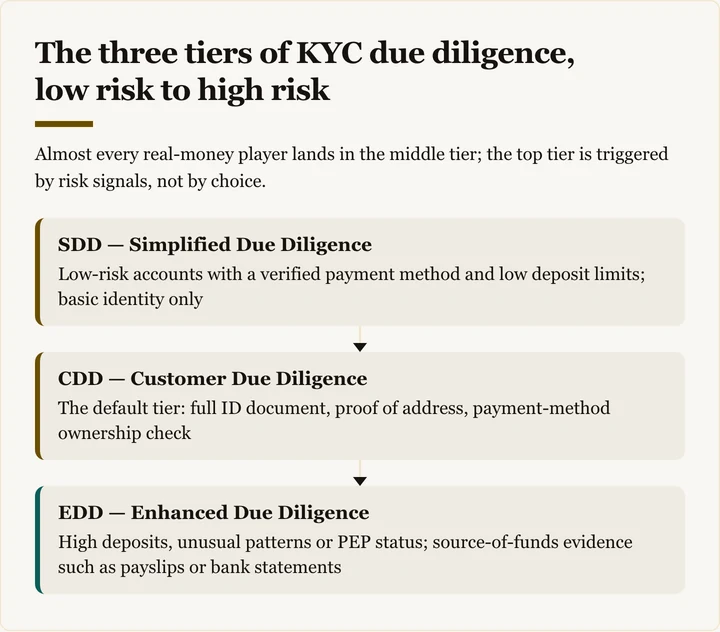
<p>Compliance with AML/KYC isn&#8217;t optional—it&#8217;s the foundation for building a trustworthy, technologically advanced, and future-ready gaming brand. Modern requirements include:</p>


<ul class="wp-block-list">
<li><strong>Digital identity verification</strong>: Face-matching technology and photo-based ID checks</li>


<li><strong>Transaction monitoring</strong>: Real-time analysis of player behavior and fund movements</li>


<li><strong>Enhanced due diligence</strong>: For high-risk players and jurisdictions</li>


<li><strong>Reporting obligations</strong>: Suspicious activity reports and regulatory submissions</li>
</ul>


<h3 class="wp-block-heading"><strong>Data Protection and Privacy</strong></h3>


<p>With GDPR setting the global standard, data protection has become a critical compliance area. Failure to comply with GDPR can lead to severe financial penalties, with fines reaching up to €20 million or 4% of global annual turnover, whichever is higher.</p>


<p>Key requirements include:</p>


<ul class="wp-block-list">
<li>Clear consent mechanisms for data collection</li>


<li>Right to access and deletion requests</li>


<li>Data breach notification procedures</li>


<li>Cross-border data transfer protocols</li>
</ul>


<h2 class="wp-block-heading"><strong>Regional Regulatory Frameworks: A Global Perspective</strong></h2>


<h3 class="wp-block-heading"><strong>European Union: The Gold Standard</strong></h3>


<p>Europe continues to lead in regulatory sophistication. The Malta Gaming Authority (MGA) remains particularly influential:</p>


<ul class="wp-block-list">
<li><strong>License validity</strong>: B2B and B2C gaming licences are valid for a term of 10 years and are renewable subject to ongoing compliance</li>


<li><strong>Comprehensive oversight</strong>: In 2021 alone, the MGA carried out 54 on-site compliance audits and 230 desktop reviews, covering 65.5% of all licensees</li>


<li><strong>Financial transparency</strong>: New requirements include annual and interim financial reports with strict submission deadlines</li>
</ul>


<h3 class="wp-block-heading"><strong>Americas: A Market in Transition</strong></h3>


<p>The United States presents a unique challenge with its state-by-state approach. Since each state has its own gambling laws, iGaming operators must verify a player&#8217;s location before they can be allowed to place a single bet.</p>


<p>Meanwhile, Latin America is experiencing rapid regulatory development:</p>


<ul class="wp-block-list">
<li>Brazil&#8217;s newly regulated market under the Secretariat of Prizes and Bets (SPA)</li>


<li>Paraguay positioning itself as a transparent, competitive market</li>


<li>Colombia and Mexico continuing to refine their frameworks</li>
</ul>


<h3 class="wp-block-heading"><strong>Asia-Pacific: Diverse Approaches</strong></h3>


<p>The region presents a complex tapestry of regulations:</p>


<ul class="wp-block-list">
<li><strong>China</strong>: Traditional gambling largely outlawed, with a focus on mobile games and digital lottery</li>


<li><strong>Philippines</strong>: Well-established licensing regime for offshore operators</li>


<li><strong>India</strong>: State-specific regulations creating a fragmented landscape</li>
</ul>


<h3 class="wp-block-heading"><strong>Africa: Emerging Opportunities</strong></h3>


<p>The African gambling industry has grown rapidly, with an estimated annual growth rate of 6.28%. Key markets include:</p>


<ul class="wp-block-list">
<li>South Africa: Accounting for 40-50% of continental revenues</li>


<li>Nigeria: Rapidly growing online gaming sector</li>


<li>Kenya and Ghana: Rising betting platforms and player bases</li>
</ul>


<h2 class="wp-block-heading"><strong>Technology Solutions: The RegTech Revolution</strong></h2>


<p>Modern compliance isn&#8217;t possible without sophisticated technology. Regulatory technology (RegTech) for casinos now underpins the compliance stack, offering solutions that can reduce manual workloads by up to 60%.</p>


<h3 class="wp-block-heading"><strong>Essential RegTech Components</strong></h3>


<ol class="wp-block-list">
<li><strong>Automated Compliance Monitoring</strong><strong><br></strong>
<ul class="wp-block-list">
<li>Real-time transaction analysis</li>


<li>Pattern recognition for suspicious activities</li>


<li>Automated reporting generation</li>
</ul>
</li>


<li><strong>Smart Contract Integration</strong><strong><br></strong>
<ul class="wp-block-list">
<li>Smart contracts can automate compliance checks, ensuring that operators meet their current regulatory requirements without manual intervention</li>


<li>Blockchain-based audit trails</li>


<li>Transparent compliance verification</li>
</ul>
</li>


<li><strong>Geo-fencing and Location Services</strong><strong><br></strong>
<ul class="wp-block-list">
<li>Precise player location verification</li>


<li>Dynamic content adaptation based on jurisdiction</li>


<li>Automated market restrictions</li>
</ul>
</li>


<li><strong>Multi-Currency and Tax Management</strong><strong><br></strong>
<ul class="wp-block-list">
<li>Multi-currency ledgers and FX reporting</li>


<li>Automated tax calculations by jurisdiction</li>


<li>Real-time currency conversion compliance</li>
</ul>
</li>
</ol>


<h2 class="wp-block-heading"><strong>Building a Compliance-First Culture</strong></h2>


<p>Successful regulatory compliance extends beyond technology and processes—it requires a fundamental shift in organizational culture. Here&#8217;s how leading operators approach it:</p>


<h3 class="wp-block-heading"><strong>Organizational Structure</strong></h3>


<ul class="wp-block-list">
<li><strong>Dedicated compliance teams</strong>: Not just a single officer, but integrated teams across departments</li>


<li><strong>Regular training programs</strong>: Keeping all staff updated on regulatory changes</li>


<li><strong>Clear escalation procedures</strong>: Ensuring potential issues are addressed promptly</li>
</ul>


<h3 class="wp-block-heading"><strong>Continuous Improvement</strong></h3>


<p>The regulatory landscape never stands still. As regulations evolve—from age classifications to virtual currency compliance—MoRs can help you stay up-to-date with regulatory changes around the world.</p>


<p>Best practices include:</p>


<ul class="wp-block-list">
<li>Monthly regulatory updates and briefings</li>


<li>Quarterly compliance audits</li>


<li>Annual strategic reviews</li>


<li>Participation in industry associations like IAGR</li>
</ul>


<h2 class="wp-block-heading"><strong>Future Trends: What&#8217;s Coming Next</strong></h2>


<p>As we look ahead, several trends are shaping the future of gaming compliance:</p>


<h3 class="wp-block-heading"><strong>1. Enhanced Player Protection</strong></h3>


<p>The MGA will enhance oversight of self-exclusion mechanisms and responsible gaming detection systems. Expect to see:</p>


<ul class="wp-block-list">
<li>AI-driven player behavior analysis</li>


<li>Cross-operator exclusion databases</li>


<li>Real-time intervention capabilities</li>
</ul>


<h3 class="wp-block-heading"><strong>2. Cryptocurrency and Digital Assets</strong></h3>


<p>With the rise of crypto gaming, regulators are developing new frameworks:</p>


<ul class="wp-block-list">
<li>Specific cryptocurrency licensing requirements</li>


<li>Blockchain transaction monitoring</li>


<li>Digital wallet compliance standards</li>
</ul>


<h3 class="wp-block-heading"><strong>3. Cross-Border Cooperation</strong></h3>


<p>International regulatory cooperation is increasing:</p>


<ul class="wp-block-list">
<li>Shared databases for operator verification</li>


<li>Harmonized technical standards</li>


<li>Mutual recognition agreements</li>
</ul>


<h3 class="wp-block-heading"><strong>4. ESG Requirements</strong></h3>


<p>The advent of the Corporate Sustainability Reporting Directive (&#8220;CSRD&#8221;) on the EU landscape will see the first sustainability reports published in 2025. Gaming operators must prepare for:</p>


<ul class="wp-block-list">
<li>Environmental impact reporting</li>


<li>Social responsibility metrics</li>


<li>Governance transparency requirements</li>
</ul>


<h2 class="wp-block-heading"><strong>Practical Implementation: Your Compliance Roadmap</strong></h2>


<p>Ready to build a world-class compliance framework? Here&#8217;s your action plan:</p>


<h3 class="wp-block-heading"><strong>Phase 1: Assessment (Months 1-2)</strong></h3>


<ol class="wp-block-list">
<li>Conduct a comprehensive regulatory gap analysis</li>


<li>Identify target markets and their specific requirements</li>


<li>Evaluate current systems and processes</li>


<li>Develop a compliance budget</li>
</ol>


<h3 class="wp-block-heading"><strong>Phase 2: Foundation (Months 3-4)</strong></h3>


<ol class="wp-block-list">
<li>Establish governance structures</li>


<li>Implement core technology solutions</li>


<li>Develop policies and procedures</li>


<li>Begin staff training programs</li>
</ol>


<h3 class="wp-block-heading"><strong>Phase 3: Implementation (Months 5-6)</strong></h3>


<ol class="wp-block-list">
<li>Deploy compliance systems</li>


<li>Conduct initial testing and audits</li>


<li>Refine processes based on findings</li>


<li>Prepare license applications</li>
</ol>


<h3 class="wp-block-heading"><strong>Phase 4: Optimization (Ongoing)</strong></h3>


<ol class="wp-block-list">
<li>Monitor regulatory changes</li>


<li>Update systems and processes</li>


<li>Conduct regular audits</li>


<li>Maintain stakeholder engagement</li>
</ol>


<h2 class="wp-block-heading"><strong>The Cost of Non-Compliance</strong></h2>


<p>Let&#8217;s be crystal clear: Non-compliance can lead to license suspension, heavy fines, reputational damage, and restricted payment processing. The stakes have never been higher:</p>


<ul class="wp-block-list">
<li><strong>Financial penalties</strong>: Up to €20 million or 4% of global turnover under GDPR alone</li>


<li><strong>License revocation</strong>: Immediate loss of market access</li>


<li><strong>Criminal prosecution</strong>: Personal liability for executives in severe cases</li>


<li><strong>Reputational damage</strong>: Long-lasting impact on brand trust</li>
</ul>


<h2 class="wp-block-heading"><strong>Conclusion: Compliance as Competitive Advantage</strong></h2>


<p>In today&#8217;s global gaming market, regulatory compliance isn&#8217;t just about avoiding penalties—it&#8217;s about building sustainable, trustworthy operations that can thrive in any jurisdiction. The operators who view compliance as a strategic investment rather than a cost center are the ones positioning themselves for long-term success.</p>


<p>The message is clear: 2025 is the year the iGaming market got real: light-touch licensing and legal grey zones belong to the past now. Whether you&#8217;re a startup looking to enter the market or an established operator planning expansion, the time to act is now.</p>


<p>Success in the modern gaming industry requires more than great games and marketing—it demands a sophisticated understanding of regulatory frameworks and the commitment to meet the highest international standards. Those who embrace this reality won&#8217;t just survive; they&#8217;ll lead the industry into its next chapter of growth and innovation.</p>


<p>Remember, in the world of international gaming, compliance isn&#8217;t the destination—it&#8217;s the foundation upon which sustainable success is built.</p>


<p></p>
<p>The post <a href="https://pokerbloggs.com/regulatory-compliance-framework-meeting-international-gaming-standards/">Regulatory Compliance Framework: Meeting International Gaming Standards</a> appeared first on <a href="https://pokerbloggs.com">Comprehensive Online Gambling Standards 2025 | Security, Compliance &amp; Player Protection</a>.</p>
]]></content>
		
			</entry>
		<entry>
		<author>
			<name>Sergey Pitt</name>
					</author>

		<title type="html"><![CDATA[Best Online Gambling Website Standards: Security-First Approach to Digital Gaming]]></title>
		<link rel="alternate" type="text/html" href="https://pokerbloggs.com/best-online-gambling-website-standards-security-first-approach-to-digital-gaming/" />

		<id>https://pokerbloggs.com/?p=8</id>
		<updated>2025-07-24T16:07:17Z</updated>
		<published>2025-07-24T16:06:43Z</published>
		<category scheme="https://pokerbloggs.com/" term="Blog" />
		<summary type="html"><![CDATA[<p>The online gambling sector continues its unprecedented expansion, with market projections reaching $100 billion by 2025. This exponential growth brings both opportunities and challenges, fundamentally transforming how operators—including those striving to be recognized as the <a href="https://yummyspins.com/canada/gambling/">best online gambling website</a></p>
<p>The post <a href="https://pokerbloggs.com/best-online-gambling-website-standards-security-first-approach-to-digital-gaming/">Best Online Gambling Website Standards: Security-First Approach to Digital Gaming</a> appeared first on <a href="https://pokerbloggs.com">Comprehensive Online Gambling Standards 2025 | Security, Compliance &amp; Player Protection</a>.</p>
]]></summary>

					<content type="html" xml:base="https://pokerbloggs.com/best-online-gambling-website-standards-security-first-approach-to-digital-gaming/"><![CDATA[
<p>The online gambling sector continues its unprecedented expansion, with market projections reaching $100 billion by 2025. This exponential growth brings both opportunities and challenges, fundamentally transforming how operators—including those striving to be recognized as the <a href="https://yummyspins.com/canada/gambling/">best online gambling website</a>—approach security infrastructure and player protection. Companies aiming for this status are investing significantly in cutting-edge technologies and robust regulatory practices to ensure a secure and fair environment for their players, further accelerating industry innovation and competitiveness.</p>


<h2 class="wp-block-heading"><strong>Market Dynamics: Understanding the Security Imperative</strong></h2>


<p>The global gambling landscape presents a complex security matrix. According to recent industry analysis, approximately 56% of Americans who gamble online cannot distinguish between legal and illegal gambling websites. This knowledge gap creates vulnerabilities that sophisticated cybercriminals exploit with increasing frequency.</p>


<p>Key Market Indicators: • Nearly 40% of all online gambling operators have experienced a data breach involving payment card data • Since 2020, global fines for gambling operators have increased by over 394% • The gaming industry commits nearly a half a billion dollars each year to responsible gaming initiatives</p>


<p>The economic implications are substantial: operators face not only direct financial losses from breaches but also regulatory penalties that can reach £17.5 million or 4% of global turnover under GDPR alone.</p>


<h2 class="wp-block-heading"><strong>Core Security Standards: Building Digital Fortresses</strong></h2>


<h3 class="wp-block-heading"><strong>1. Encryption Architecture</strong></h3>


<p>Modern gambling platforms must implement multi-layered encryption protocols that exceed traditional banking standards. Standard security measures on regulated platforms include: SSL/TLS encryption (the same technology used by banks)</p>


<p>Essential Components:</p>


<ul class="wp-block-list">
<li>256-bit SSL/TLS encryption for all data transmission</li>


<li>End-to-end encryption for financial transactions</li>


<li>Advanced tokenization for payment card data</li>


<li>Quantum-resistant encryption protocols (emerging standard)</li>
</ul>


<h3 class="wp-block-heading"><strong>2. Regulatory Compliance Framework</strong></h3>


<p>The regulatory landscape demands comprehensive compliance strategies. PCI compliance is a set of security standards designed to protect card transactions against data theft and fraud. It is established by the PCI Security Standards Council (PCI SSC)</p>


<p>Compliance Requirements: • <strong>PCI DSS Version 4.0</strong>: Enhanced flexibility with targeted risk analyses • <strong>GDPR</strong>: Data protection with fines up to €20 million or 4% of global revenue • <strong>Jurisdiction-Specific Standards</strong>: UK Gambling Commission, Malta Gaming Authority, Isle of Man requirements • <strong>AML/KYC Protocols</strong>: Enhanced due diligence and transaction monitoring</p>


<h3 class="wp-block-heading"><strong>3. Advanced Authentication Systems</strong></h3>


<p>Multi-factor authentication represents the minimum acceptable standard for player protection. Leading platforms implement:</p>


<ul class="wp-block-list">
<li>Biometric authentication (fingerprint, facial recognition)</li>


<li>Hardware token integration</li>


<li>Behavioral biometrics analysis</li>


<li>Risk-based authentication algorithms</li>
</ul>


<h2 class="wp-block-heading"><strong>Responsible Gaming: The New Competitive Differentiator</strong></h2>


<p>The gaming industry commits nearly a half a billion dollars each year to responsible gaming initiatives, reflecting a fundamental shift in industry priorities.</p>


<h3 class="wp-block-heading"><strong>Implementation Standards</strong></h3>


<p>Progressive platforms integrate: • <strong>Player Protection Tools</strong></p>


<ul class="wp-block-list">
<li>Deposit limits with real-time enforcement</li>


<li>Time-based session reminders</li>


<li>Self-exclusion systems (mandatory in 38 US jurisdictions)</li>


<li>AI-powered behavioral analysis</li>
</ul>


<p>• <strong>Data-Driven Interventions</strong></p>


<ul class="wp-block-list">
<li>Colorado, Massachusetts, New Jersey and North Carolina have implemented rules that require use of data and automatic algorithmic triggers for responsible and problem gambling intervention</li>


<li>Machine learning algorithms for risk pattern detection</li>


<li>Proactive player communication systems</li>
</ul>


<h3 class="wp-block-heading"><strong>Economic Impact</strong></h3>


<p>Responsible gaming implementation drives measurable business outcomes:</p>


<ul class="wp-block-list">
<li>Enhanced player retention through trust building</li>


<li>Reduced regulatory penalties and compliance costs</li>


<li>Access to restricted markets with stringent requirements</li>


<li>Improved brand reputation and market positioning</li>
</ul>


<h2 class="wp-block-heading"><strong>Emerging Technologies: The Security Evolution</strong></h2>


<h3 class="wp-block-heading"><strong>Blockchain Integration</strong></h3>


<p>Blockchain technology promises a new level of transparency in online gambling by acting as a &#8220;digital notary,&#8221; ensuring every transaction—every bet, win, and loss—is tamper-proof and independently verifiable</p>


<p>Blockchain Applications:</p>


<ul class="wp-block-list">
<li>Smart contract automation for payouts</li>


<li>Immutable transaction records</li>


<li>Decentralized random number generation</li>


<li>Cross-platform asset portability</li>
</ul>


<h3 class="wp-block-heading"><strong>Artificial Intelligence and Machine Learning</strong></h3>


<p>Regulated operators are investing heavily in artificial intelligence to detect fraud patterns and abnormal player behavior that might indicate account takeovers or money laundering attempts</p>


<p>AI Implementation Areas:</p>


<ul class="wp-block-list">
<li>Real-time fraud detection</li>


<li>Predictive risk modeling</li>


<li>Automated compliance monitoring</li>


<li>Personalized responsible gaming interventions</li>
</ul>


<h2 class="wp-block-heading"><strong>Market Differentiation Through Security Excellence</strong></h2>


<h3 class="wp-block-heading"><strong>The Trust Economy</strong></h3>


<p>In an industry where approximately 56% of Americans who gamble online cannot distinguish between legal and illegal gambling websites, security excellence becomes the primary differentiator.</p>


<p>Competitive Advantages: • <strong>Operational Excellence</strong>: Reduced fraud losses and chargeback rates • <strong>Market Access</strong>: Compliance enables entry to regulated jurisdictions • <strong>Player Acquisition</strong>: Security-conscious players choose verified platforms • <strong>Partnership Opportunities</strong>: Major payment processors require robust security</p>


<h3 class="wp-block-heading"><strong>Financial Performance Correlation</strong></h3>


<p>Security investment demonstrates clear ROI:</p>


<ul class="wp-block-list">
<li>40% reduction in fraud-related losses (industry average)</li>


<li>25% increase in player lifetime value through trust building</li>


<li>60% reduction in regulatory compliance costs through automation</li>
</ul>


<h2 class="wp-block-heading"><strong>Future-Proofing: 2025 and Beyond</strong></h2>


<h3 class="wp-block-heading"><strong>Quantum Computing Preparedness</strong></h3>


<p>With quantum computing advancing rapidly, forward-thinking operators implement:</p>


<ul class="wp-block-list">
<li>Post-quantum cryptography protocols</li>


<li>Hybrid encryption models</li>


<li>Quantum-safe key management systems</li>
</ul>


<h3 class="wp-block-heading"><strong>Regulatory Evolution</strong></h3>


<p>Lawmakers are considering a nationwide standard for online gambling protections, signaling increased standardization ahead.</p>


<p>Anticipated Changes:</p>


<ul class="wp-block-list">
<li>Unified cross-state security standards</li>


<li>Enhanced biometric requirements</li>


<li>Mandatory AI-powered monitoring</li>


<li>Blockchain verification standards</li>
</ul>


<h2 class="wp-block-heading"><strong>Strategic Implementation Roadmap</strong></h2>


<h3 class="wp-block-heading"><strong>Phase 1: Foundation (0-6 months)</strong></h3>


<ul class="wp-block-list">
<li>Security audit and gap analysis</li>


<li>Core infrastructure upgrades</li>


<li>Basic compliance implementation</li>
</ul>


<h3 class="wp-block-heading"><strong>Phase 2: Enhancement (6-12 months)</strong></h3>


<ul class="wp-block-list">
<li>Advanced authentication deployment</li>


<li>AI-powered monitoring systems</li>


<li>Responsible gaming tool integration</li>
</ul>


<h3 class="wp-block-heading"><strong>Phase 3: Innovation (12+ months)</strong></h3>


<ul class="wp-block-list">
<li>Blockchain integration</li>


<li>Quantum-resistant protocols</li>


<li>Predictive security modeling</li>
</ul>


<h2 class="wp-block-heading"><strong>Conclusion: Security as Strategic Imperative</strong></h2>


<p>The online gambling industry stands at a crucial inflection point. With market valuations approaching $100 billion and regulatory penalties increasing by 394%, security excellence transitions from operational necessity to strategic imperative.</p>


<p>Successful operators recognize that comprehensive security frameworks deliver beyond risk mitigation—they create sustainable competitive advantages, enable market expansion, and build enduring player trust. In an industry where reputation defines survival, security-first approaches represent not just best practice but essential business strategy.</p>


<p>The equation is clear: invest in security infrastructure today or face existential threats tomorrow. As the industry evolves toward greater standardization and technological sophistication, operators who lead in security implementation will define the market&#8217;s future trajectory.</p>
<p>The post <a href="https://pokerbloggs.com/best-online-gambling-website-standards-security-first-approach-to-digital-gaming/">Best Online Gambling Website Standards: Security-First Approach to Digital Gaming</a> appeared first on <a href="https://pokerbloggs.com">Comprehensive Online Gambling Standards 2025 | Security, Compliance &amp; Player Protection</a>.</p>
]]></content>
		
			</entry>
	</feed>