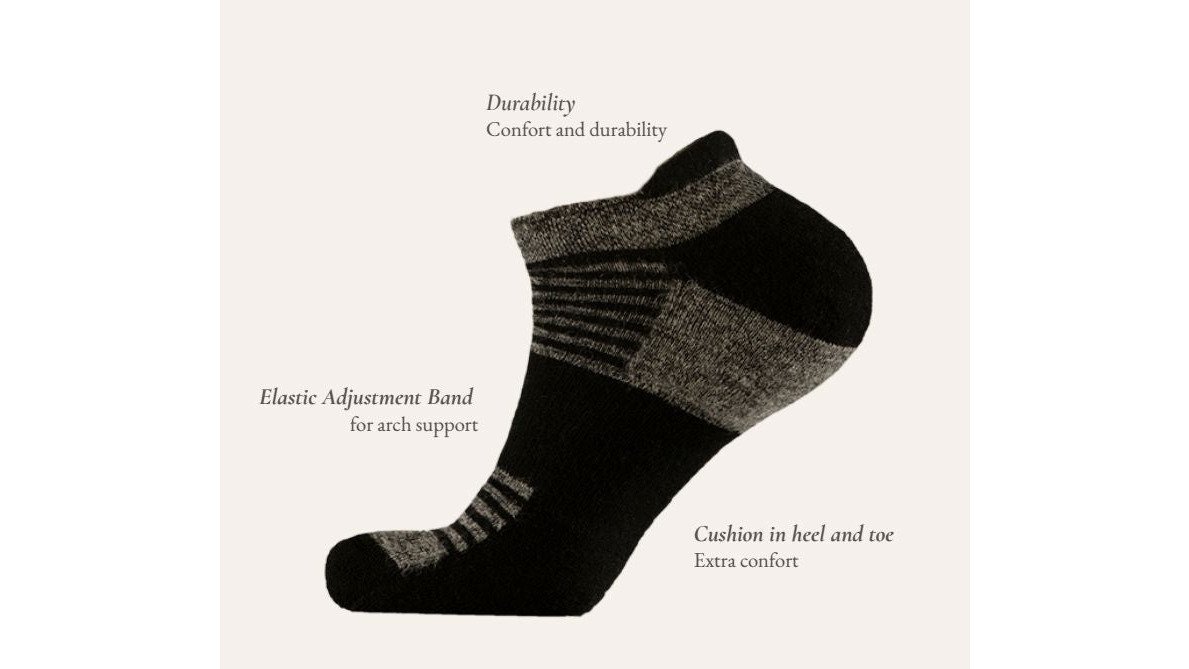
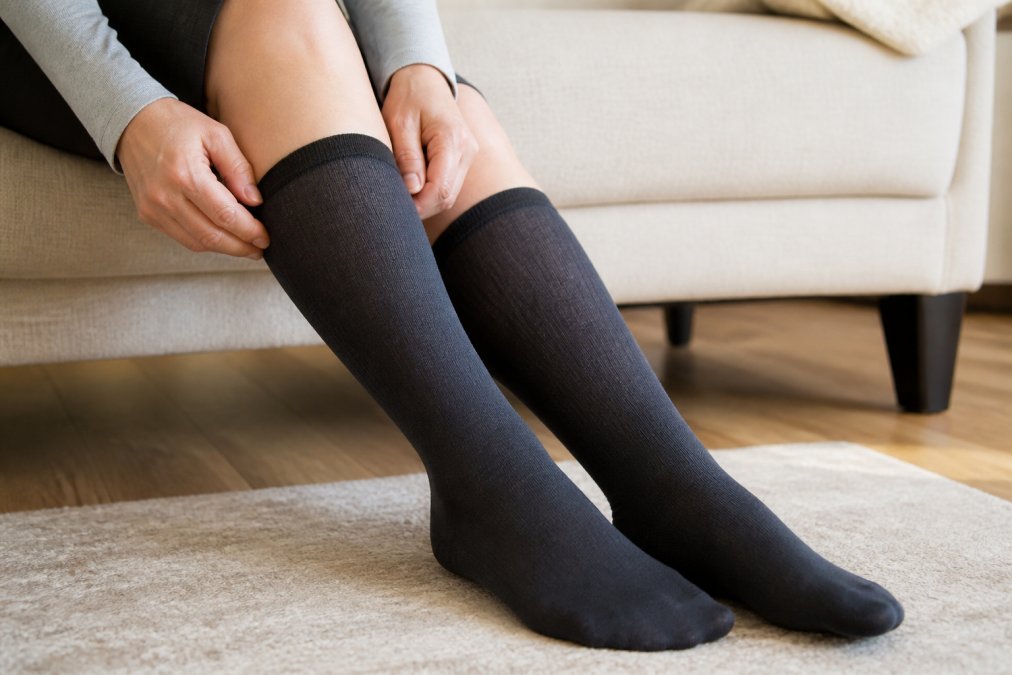
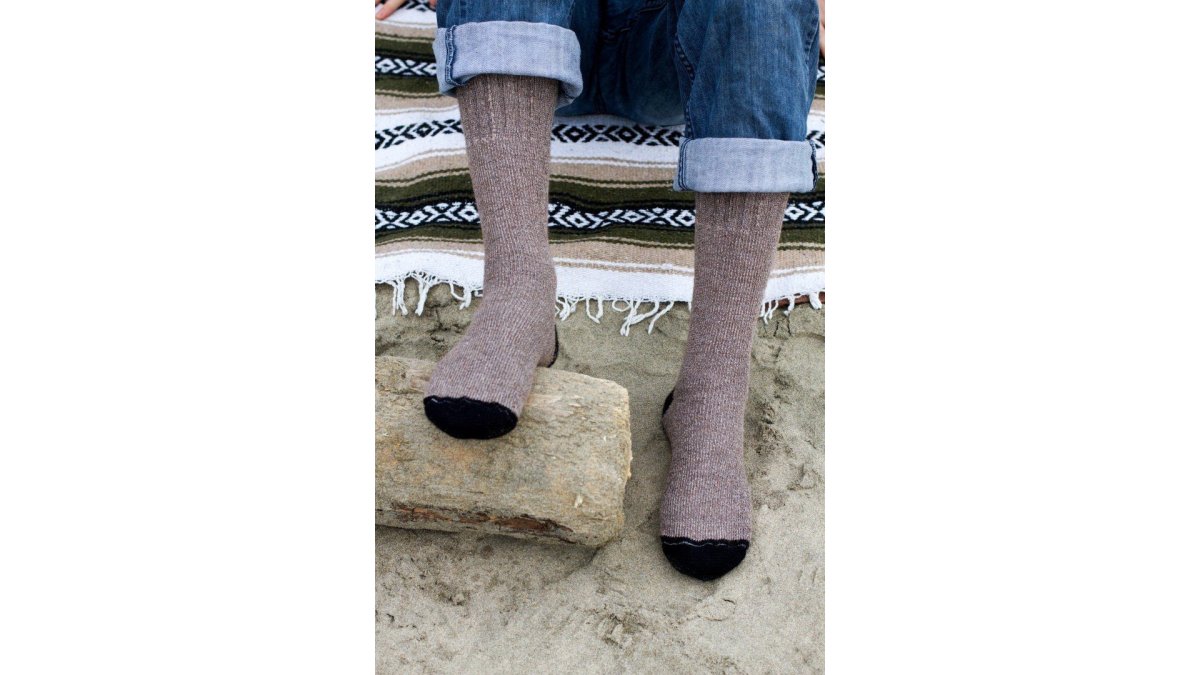
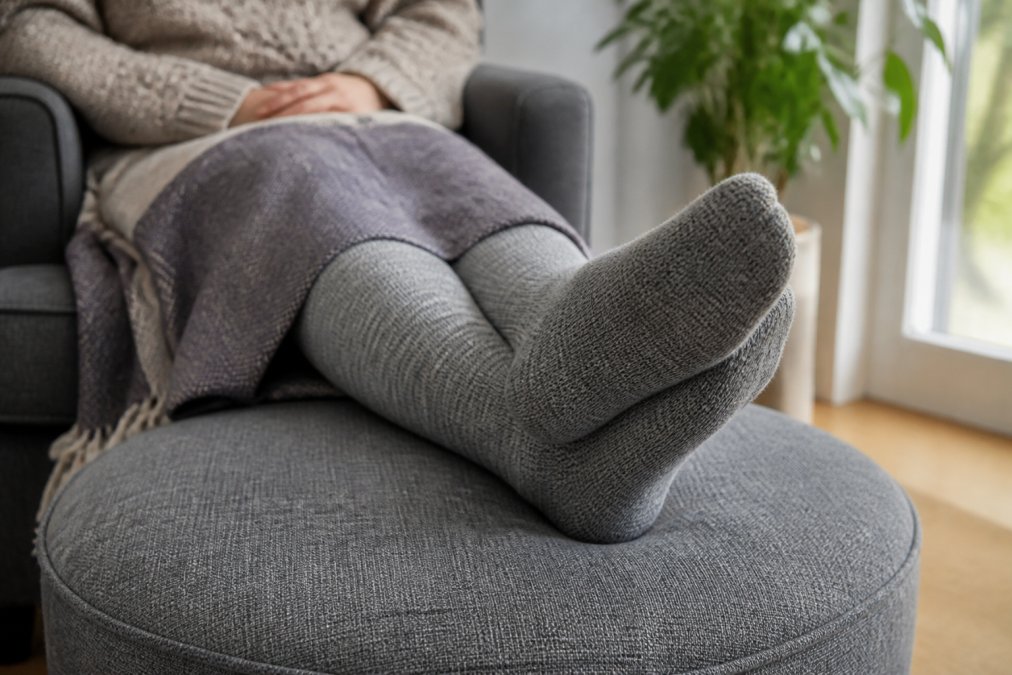
<?xml version="1.0" encoding="UTF-8"?>
<feed xml:lang="en" xmlns="http://www.w3.org/2005/Atom" xmlns:opensearch="http://a9.com/-/spec/opensearch/1.1/" xmlns:s="http://jadedpixel.com/-/spec/shopify">
  <id>https://purelyalpaca.com/blogs/purelyalpaca-blog.atom</id>
  <link rel="alternate" type="text/html" href="https://purelyalpaca.com/blogs/purelyalpaca-blog"/>
  <link rel="self" type="application/atom+xml" href="https://purelyalpaca.com/blogs/purelyalpaca-blog.atom"/>
  <title>Purely Alpaca - PurelyAlpaca BLOG</title>
  <updated>2026-08-14T21:54:14-07:00</updated>
  <author>
    <name>Purely Alpaca</name>
  </author>
  <entry>
    <id>https://purelyalpaca.com/blogs/purelyalpaca-blog/best-alpaca-socks-for-cold-feet</id>
    <published>2026-08-14T21:54:14-07:00</published>
    <updated>2026-08-15T18:23:08-07:00</updated>
    <link rel="alternate" type="text/html" href="https://purelyalpaca.com/blogs/purelyalpaca-blog/best-alpaca-socks-for-cold-feet"/>
    <title>Best Alpaca Socks for Cold Feet: Top Picks</title>
    <author>
      <name>Purely Alpaca</name>
    </author>
    <summary type="html">
      <![CDATA[Find the best alpaca socks for cold feet with thermal regulation and moisture-wicking. Compare top picks, pricing, and care tips. Shop now.<p><a class="read-more" href="https://purelyalpaca.com/blogs/purelyalpaca-blog/best-alpaca-socks-for-cold-feet">More</a></p>]]>
    </summary>
    <content type="html">
      <![CDATA[<h2 id="table-of-contents">Table of Contents</h2>
<ul>
<li><a href="#why-alpaca-socks-outperform-other-options-for-cold-feet">Why Alpaca Socks Outperform Other Options for Cold Feet</a></li>
<li><a href="#top-alpaca-socks-for-cold-feet-product-comparison">Top Alpaca Socks for Cold Feet: Product Comparison</a></li>
<li><a href="#alpaca-vs-merino-wool-socks-whats-the-real-difference">Alpaca vs Merino Wool Socks: What's the Real Difference</a></li>
<li><a href="#how-to-wash-alpaca-socks-to-preserve-warmth-and-durability">How to Wash Alpaca Socks to Preserve Warmth and Durability</a></li>
</ul>
<p><em>Last Updated: August 15, 2026</em></p>
<h2 id="why-alpaca-socks-outperform-other-options-for-cold-feet">Why Alpaca Socks Outperform Other Options for Cold Feet</h2>
<p>Alpaca fiber's hollow structure traps warm air while allowing moisture to escape, keeping feet dry and warm. The fiber is naturally hypoallergenic, ideal for people with eczema or wool sensitivity. At Purely Alpaca, we've sourced alpaca products since 2002. Customer feedback is consistent: alpaca socks stay warm where other socks fail due to superior thermal efficiency combined with breathability.</p>
<p><strong>Quick Picks:</strong></p>
<ul>
<li>
<strong>Best Overall Warmth:</strong> <a href="/products/superwarm-alpaca-socks-made-in-the-usa">Superwarm Heavy Extreme Alpaca Socks</a> ($33.95), the thickest option for extreme cold</li>
<li>
<strong>Best All-Around Value:</strong> OutdoorAdventure Alpaca Sock ($29.95), heavyweight with reinforced heel and toe</li>
<li>
<strong>Best Budget Option:</strong> Copper Crew Alpaca Socks ($14.00), everyday warmth with copper-enhanced circulation support</li>
<li>
<strong>Best Insole Alternative:</strong> American Choice Alpaca Foot Warmers ($20.95), fits inside existing boots and shoes</li>
</ul>
<hr>
<h2 id="top-alpaca-socks-for-cold-feet-product-comparison">Top Alpaca Socks for Cold Feet: Product Comparison</h2>
<p>Choosing the right <strong>alpaca socks for cold feet</strong> depends on your use case, climate severity, and fit preferences.</p><figure class="article-content-image my-8" style="margin:2em auto;padding:0;background:transparent;border:0;max-width:min(100%,max(260px,50%));"><img src="https://cdn.shopify.com/s/files/1/0614/7909/files/superwarm-heavy-extreme-alpaca-socks-529-sm-b-6533312.jpg?v=1786167852" alt="Superwarm Heavy Extreme Alpaca Socks" class="w-full rounded-lg shadow-lg" loading="lazy" style="display:block;width:100%;max-width:100%;height:auto;border-radius:8px;margin:0 auto;"></figure>
<p><strong>1. Superwarm Heavy Extreme Alpaca Socks, Best for Extreme Cold ($33.95)</strong></p>
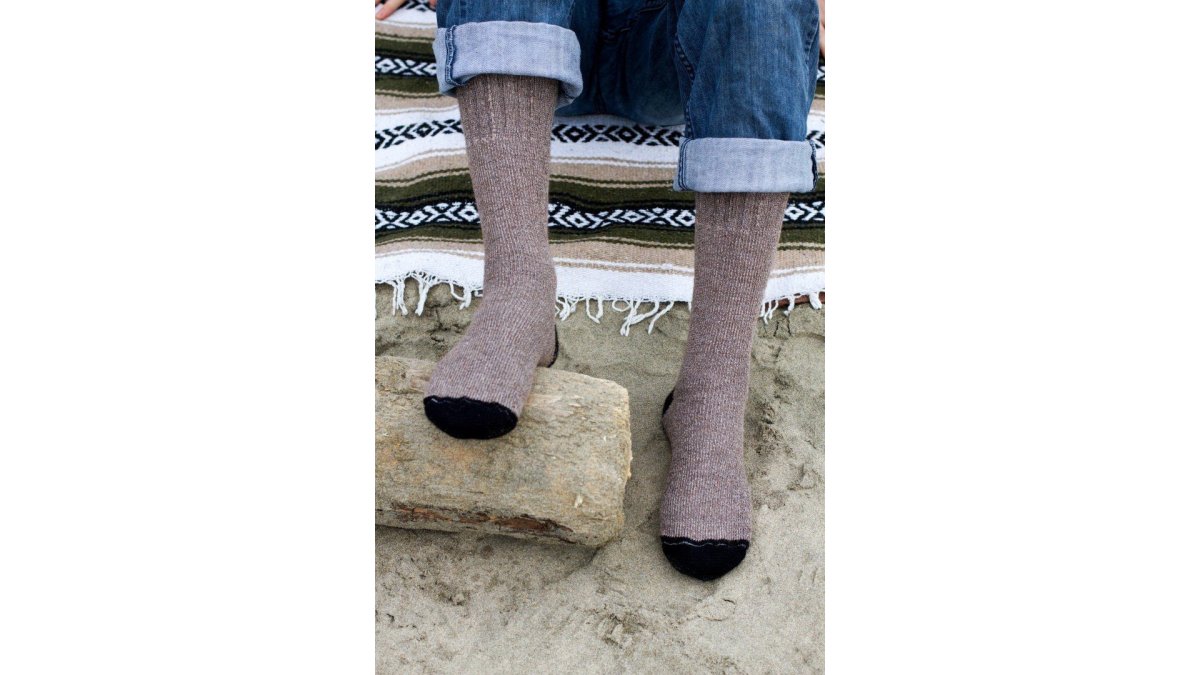
<p>At 9.5 ounces per size large, these are designed for the coldest conditions. The thick sock wall with soft cushion terry interior is designed for the coldest conditions. The alpaca, microfiber, nylon, and Lycra blend maintains warmth even when wet. Customers report these perform in Arctic-level cold, and the terry cushioning prevents the clammy feeling that ruins other heavy socks. Machine washable and dryable.</p>
<p><strong>Best for:</strong> Outdoor workers, winter hunters, extreme cold climates.</p>
<figure class="article-content-image my-8" style="margin:2em 0;padding:0;background:transparent;border:0;"><img src="https://cdn.grandranker.com/articles/best-alpaca-socks-for-cold-feet-top-picks-content-1-1786769427.jpg" alt="Person sitting by a frosted window with feet elevated on a cozy footrest, wearing thick alpaca socks, warm indoor setting with snow visible outside" class="w-full rounded-lg shadow-lg" loading="lazy" style="display:block;width:100%;max-width:100%;height:auto;border-radius:8px;margin:0 auto;"></figure>
<div style="margin:1.5rem 0; padding:16px 20px; background-color:transparent; border-left:4px solid #e5e7eb; border-radius:0 8px 8px 0;">
<strong style="display:block; margin-bottom:4px; color:#111827; font-size:14px;"> Key Takeaway</strong>
<span style="color:#374151; font-size:15px; line-height:1.6;">The Superwarm socks maintain thermal regulation in wet snow and extreme temperatures where standard socks fail.</span>
</div>
<p><strong>2. <a href="/products/outdooradventure-alpaca-socks-made-in-the-usa">OutdoorAdventure Alpaca Sock</a>, Best All-Around Pick ($29.95)</strong></p><figure class="article-content-image my-8" style="margin:2em auto;padding:0;background:transparent;border:0;max-width:min(100%,max(260px,50%));"><img src="https://cdn.shopify.com/s/files/1/0614/7909/files/outdooradventure-alpaca-sock-cafoa-sm-b-3043872.jpg?v=1786167853" alt="OutdoorAdventure Alpaca Sock" class="w-full rounded-lg shadow-lg" loading="lazy" style="display:block;width:100%;max-width:100%;height:auto;border-radius:8px;margin:0 auto;"></figure>
<p>This top-selling model balances serious warmth with practical wearability. The shock-absorbing cushioning with gentle long calf fit holds without restriction. Reinforced heel and toe construction extends durability through seasons of hard use. The alpaca, microfiber, nylon, Lycra blend breathes while maintaining thermal efficiency.</p>
<p><strong>Best for:</strong> Outdoor enthusiasts, hikers, hunters.</p>
<div style="margin:1.5rem 0; padding:16px 20px; background-color:transparent; border-left:4px solid #e5e7eb; border-radius:0 8px 8px 0;">
<strong style="display:block; margin-bottom:4px; color:#111827; font-size:14px;"> Pro Tip</strong>
<span style="color:#374151; font-size:15px; line-height:1.6;">These fit perfectly in standard hiking and work boots without causing pressure points.</span>
</div>
<p><strong>3. American Traveler Alpaca Sock, Best for Daily Wear ($24.95)</strong></p>
<p>Made from 100% alpaca yarn knit onto a nylon frame for structural support, these are lighter weight but genuinely warm. The small dense soft terry loop interior provides cushioned comfort without bulk. Customers report wearing these daily in cold offices and during travel. The 100% alpaca construction means superior odor resistance.</p>
<p><strong>Best for:</strong> Office workers, travelers, people seeking one sock that works across seasons.</p>
<p><strong>4. Field Hiker Alpaca Socks, Best for Hiking Style ($24.95)</strong></p>
<p>A 50% alpaca blend (41% acrylic, 8% nylon, 1% elastic) delivering hiking-specific performance. The medium weight and classic hiking aesthetic appeal to those wanting function without utilitarian appearance. The blend maintains warmth while acrylic adds durability and reduces pilling.</p>
<p><strong>Best for:</strong> Hikers who care about aesthetics and proven outdoor performance.</p>
<p><strong>5. American Choice Alpaca Foot Warmers (Insoles), Best for Boot Integration ($20.95)</strong></p>
<p>These 100% alpaca felt insoles feature patented three-layer construction with alpaca batting sandwiched around burlap for stability. Roughly ¼-inch thick, they provide a warm barrier between your foot and cold ground. You keep your existing boots and just add warmth. Easy to trim with scissors to fit any shoe size.</p>
<p><strong>Best for:</strong> People with existing boots they love, those wanting to add warmth to slippers.</p>
<p><strong>6. Copper Crew Alpaca Socks, Best Budget Option ($14.00)</strong></p>
<p>A crew-height everyday sock blending undyed alpaca (42%), organic cotton (40%), nylon (14%), copper (3%), and Lycra (1%). The copper fibers are treated with anti-microbial ion additive for odor resistance. Colorgrown fibers mean no chemical dyes, appealing to sensitive skin. Machine washable and dryable.</p>
<p class="cta-inline" style="background-color: #9c5c0b08; border-left: 4px solid #9c5c0b; padding: 16px 20px; margin: 24px 0; border-radius: 0 8px 8px 0;">
     <a href="https://purelyalpaca.com/products/american-alpaca-foot-warmers-shoe-inserts-insoles" style="color: #9c5c0b; font-weight: 600; text-decoration: underline;">Learn More →</a>
</p>
<p><strong>Best for:</strong> Budget-conscious buyers, people building a sock rotation.</p>
<hr>
<table style="width:100%; border-collapse:collapse; margin:2rem 0; font-size:14px; line-height:1.6;">
<thead style="background-color:#f8f9fa; padding:12px 16px; text-align:left; font-weight:600; border-bottom:2px solid #e5e7eb;">
<tr>
<th style="background-color:#f8f9fa; padding:12px 16px; text-align:left; font-weight:600; border-bottom:2px solid #e5e7eb;">Sock Model</th>
<th style="background-color:#f8f9fa; padding:12px 16px; text-align:left; font-weight:600; border-bottom:2px solid #e5e7eb;">Price</th>
<th style="background-color:#f8f9fa; padding:12px 16px; text-align:left; font-weight:600; border-bottom:2px solid #e5e7eb;">Warmth Level</th>
<th style="background-color:#f8f9fa; padding:12px 16px; text-align:left; font-weight:600; border-bottom:2px solid #e5e7eb;">Best For</th>
<th style="background-color:#f8f9fa; padding:12px 16px; text-align:left; font-weight:600; border-bottom:2px solid #e5e7eb;">Key Feature</th>
</tr>
</thead>
<tbody>
<tr>
<td style="padding:12px 16px; border-bottom:1px solid #e5e7eb;">Superwarm Heavy Extreme</td>
<td style="padding:12px 16px; border-bottom:1px solid #e5e7eb;">$33.95</td>
<td style="padding:12px 16px; border-bottom:1px solid #e5e7eb;">Extreme</td>
<td style="padding:12px 16px; border-bottom:1px solid #e5e7eb;">Arctic conditions, outdoor work</td>
<td style="padding:12px 16px; border-bottom:1px solid #e5e7eb;"></td>
</tr>
<tr>
<td style="padding:12px 16px; border-bottom:1px solid #e5e7eb;">OutdoorAdventure</td>
<td style="padding:12px 16px; border-bottom:1px solid #e5e7eb;">$29.95</td>
<td style="padding:12px 16px; border-bottom:1px solid #e5e7eb;">High</td>
<td style="padding:12px 16px; border-bottom:1px solid #e5e7eb;">Hiking, hunting, active cold</td>
<td style="padding:12px 16px; border-bottom:1px solid #e5e7eb;">Reinforced heel/toe, top seller</td>
</tr>
<tr>
<td style="padding:12px 16px; border-bottom:1px solid #e5e7eb;">American Traveler</td>
<td style="padding:12px 16px; border-bottom:1px solid #e5e7eb;">$24.95</td>
<td style="padding:12px 16px; border-bottom:1px solid #e5e7eb;">High</td>
<td style="padding:12px 16px; border-bottom:1px solid #e5e7eb;">Daily wear, travel, all seasons</td>
<td style="padding:12px 16px; border-bottom:1px solid #e5e7eb;">100% alpaca, odor-resistant</td>
</tr>
<tr>
<td style="padding:12px 16px; border-bottom:1px solid #e5e7eb;">Field Hiker</td>
<td style="padding:12px 16px; border-bottom:1px solid #e5e7eb;">$24.95</td>
<td style="padding:12px 16px; border-bottom:1px solid #e5e7eb;">Medium-High</td>
<td style="padding:12px 16px; border-bottom:1px solid #e5e7eb;">Hiking, style-conscious users</td>
<td style="padding:12px 16px; border-bottom:1px solid #e5e7eb;">Classic hiking aesthetic</td>
</tr>
<tr>
<td style="padding:12px 16px; border-bottom:1px solid #e5e7eb;">Copper Crew</td>
<td style="padding:12px 16px; border-bottom:1px solid #e5e7eb;">$14.00</td>
<td style="padding:12px 16px; border-bottom:1px solid #e5e7eb;">Medium</td>
<td style="padding:12px 16px; border-bottom:1px solid #e5e7eb;">Everyday wear, layering</td>
<td style="padding:12px 16px; border-bottom:1px solid #e5e7eb;">Anti-microbial copper treatment</td>
</tr>
<tr>
<td style="padding:12px 16px; border-bottom:1px solid #e5e7eb;">Alpaca Foot Warmers (Insoles)</td>
<td style="padding:12px 16px; border-bottom:1px solid #e5e7eb;">$20.95</td>
<td style="padding:12px 16px; border-bottom:1px solid #e5e7eb;">Medium</td>
<td style="padding:12px 16px; border-bottom:1px solid #e5e7eb;">Boot integration, slipper warmth</td>
<td style="padding:12px 16px; border-bottom:1px solid #e5e7eb;">Fits existing footwear</td>
</tr>
</tbody>
</table>
<hr>
<h2 id="alpaca-vs-merino-wool-socks-whats-the-real-difference">Alpaca vs Merino Wool Socks: What's the Real Difference</h2>
<p>Both are natural fibers, but their performance profiles differ significantly. Merino wool irritates many people with sensitive skin because wool scales trigger inflammation in people with eczema or general sensitivity. Alpaca fiber has a smooth surface without scales, making it genuinely hypoallergenic.</p>
<p>For cold feet specifically, alpaca delivers superior thermal retention due to its hollow fiber structure, creating better insulation with less weight. Alpaca also outperforms merino in durability, fibers are stronger and more resistant to pilling. Quality merino socks run $25-40 per pair; Purely Alpaca's options range from $14-34.</p>
<div style="margin:1.5rem 0; padding:16px 20px; background-color:transparent; border-left:4px solid #e5e7eb; border-radius:0 8px 8px 0;">
<strong style="display:block; margin-bottom:4px; color:#111827; font-size:14px;"> Watch Out</strong>
<span style="color:#374151; font-size:15px; line-height:1.6;">If you have sensitive skin or eczema, switching from merino to alpaca often eliminates the itch entirely.</span>
</div>
<p>For extreme cold (below 20°F), alpaca's hollow fiber wins.</p>
<hr>
<h2 id="how-to-wash-alpaca-socks-to-preserve-warmth-and-durability">How to Wash Alpaca Socks to Preserve Warmth and Durability</h2>
<p>Proper care directly impacts how long your socks maintain thermal performance. Most damage comes from improper washing, not normal wear.</p>
<p><strong>The Core Rule: Cool Water, Gentle Cycle, Low Heat</strong></p>
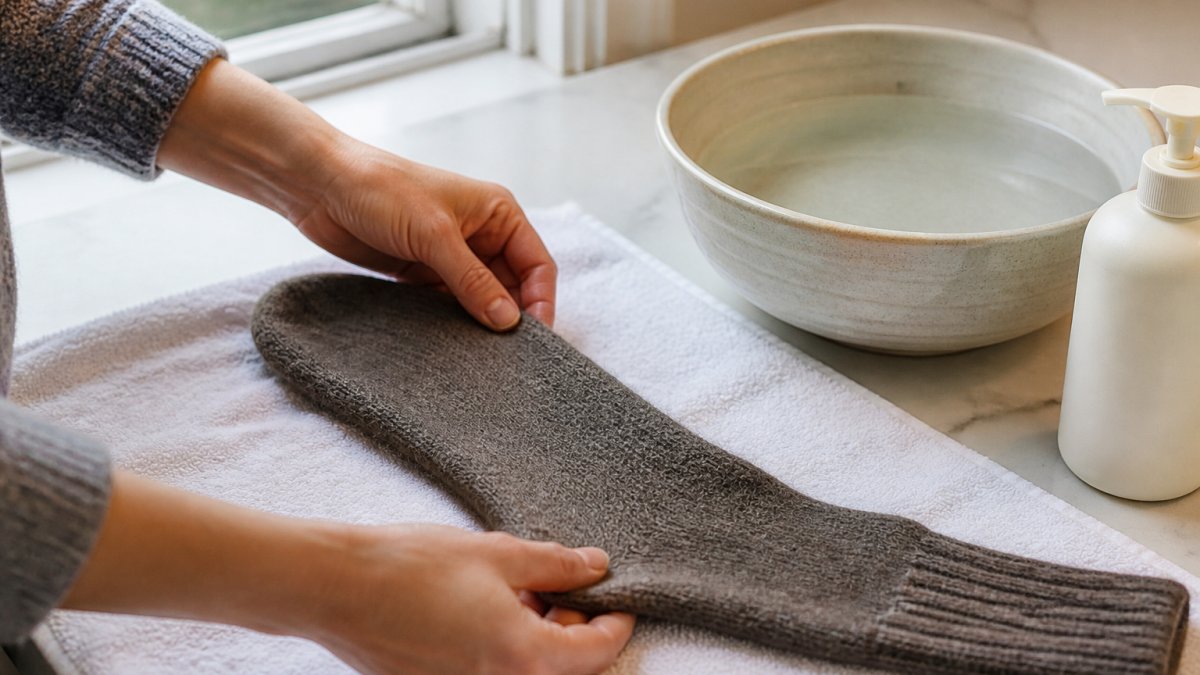
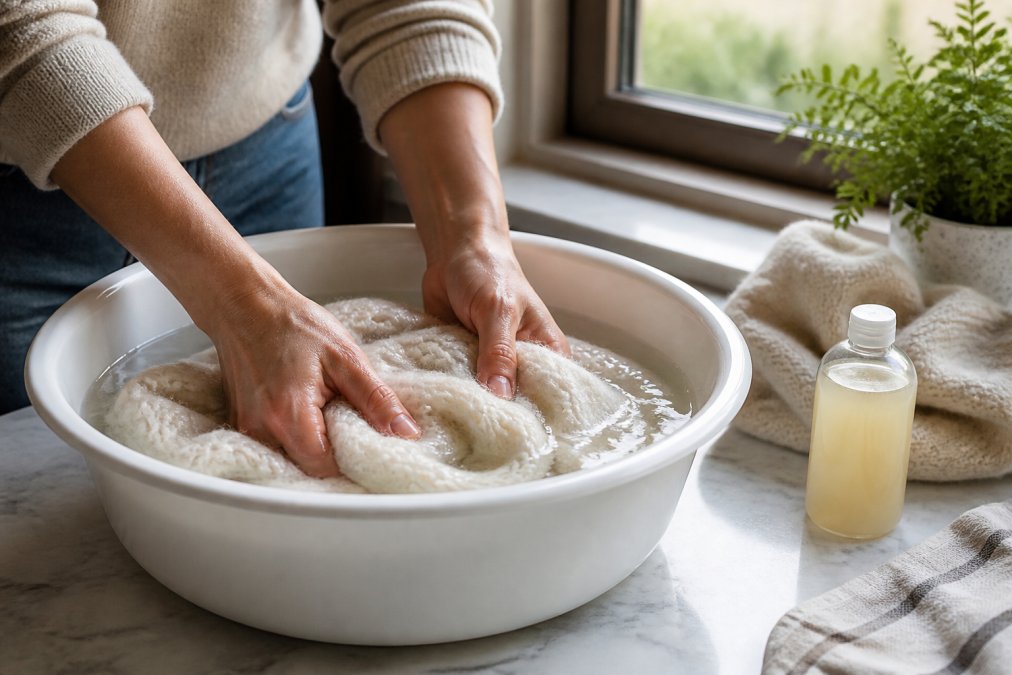
<p>Turn socks inside out before washing to protect the outer surface. Use cool or lukewarm water; hot water breaks down alpaca fibers and causes shrinkage. Machine wash on a gentle cycle, or hand wash for premium pieces. Avoid fabric softeners and bleach, which compromise fiber integrity.</p>
<figure class="article-content-image my-8" style="margin:2em 0;padding:0;background:transparent;border:0;"><img src="https://cdn.grandranker.com/articles/best-alpaca-socks-for-cold-feet-top-picks-content-2-1786769446.jpg" alt="Hands gently washing thick alpaca socks in cool water in a white sink, demonstrating proper hand-washing technique with mild soap, natural lighting" class="w-full rounded-lg shadow-lg" loading="lazy" style="display:block;width:100%;max-width:100%;height:auto;border-radius:8px;margin:0 auto;"></figure>
<p><strong>Drying Correctly</strong></p>
<p>Most Purely Alpaca socks are machine-dryable on low heat for 10-15 minutes. For premium hand-knit pieces or 100% alpaca socks, air drying is safest. Never use high heat, this collapses the hollow fiber structure, reducing insulation permanently.</p>
<div style="margin:1.5rem 0; padding:16px 20px; background-color:transparent; border-left:4px solid #e5e7eb; border-radius:0 8px 8px 0;">
<strong style="display:block; margin-bottom:4px; color:#111827; font-size:14px;"> Pro Tip</strong>
<span style="color:#374151; font-size:15px; line-height:1.6;">Check the label for care instructions. Following them adds 2-3 seasons of life to your socks.</span>
</div>
<p><strong>Frequency and Storage</strong></p>
<p>Alpaca's natural odor resistance means you can wear socks 2-3 times before washing. Store in a cool, dry place and avoid plastic bags, which trap moisture.</p>
<hr>
<h2 id="final-recommendation">Final Recommendation</h2>
<p>Cold feet are a solvable problem. The right socks, specifically, <strong>best alpaca socks for cold feet</strong>, deliver measurable warmth improvement within days. Purely Alpaca's lineup covers every use case from extreme cold (Superwarm) to everyday wear (American Traveler) to budget-conscious buyers (Copper Crew).</p>
<p>Start with the OutdoorAdventure Alpaca Sock ($29.95) for proven all-around performance. Upgrade to the Superwarm ($33.95) if you live in extreme cold or work outdoors. Choose the American Traveler ($24.95) if you want one sock that works year-round.</p>
<p>Free shipping on orders over $100 makes it easy to build a rotation. Purely Alpaca's hassle-free returns mean you can test pairs risk-free. After more than two decades sourcing alpaca products, the team understands what cold feet need, and these socks deliver it.</p>
<section style="margin:3rem 0 2rem 0;" itemscope itemtype="https://schema.org/FAQPage">
<h2 style="font-size:1.5rem; font-weight:700; margin:0 0 4px 0;">Frequently Asked Questions</h2>
<div style="padding:20px 0; border-bottom:1px solid #e5e7eb;" itemscope itemprop="mainEntity" itemtype="https://schema.org/Question">
<h3 style="font-size:1.1rem; font-weight:600; margin:0 0 8px 0;" itemprop="name">Are alpaca socks warmer than merino wool socks?</h3>
<div style="line-height:1.7; font-size:0.95rem;" itemscope itemprop="acceptedAnswer" itemtype="https://schema.org/Answer">
<p itemprop="text" style="margin:0;">Alpaca socks deliver superior thermal regulation compared to merino wool. Alpaca fiber has a hollow structure that traps air more effectively, creating better insulation. Additionally, alpaca naturally resists moisture and odor without chemical treatments. While merino wool performs well, alpaca's fiber density and heat retention properties make it the stronger choice for extreme cold feet and prolonged outdoor use in harsh conditions.</p>
</div>
</div>
<div style="padding:20px 0; border-bottom:1px solid #e5e7eb;" itemscope itemprop="mainEntity" itemtype="https://schema.org/Question">
<h3 style="font-size:1.1rem; font-weight:600; margin:0 0 8px 0;" itemprop="name">How do you wash alpaca socks to maintain quality?</h3>
<div style="line-height:1.7; font-size:0.95rem;" itemscope itemprop="acceptedAnswer" itemtype="https://schema.org/Answer">
<p itemprop="text" style="margin:0;">Hand wash alpaca socks in cool water with mild detergent or hair shampoo. Turn socks inside out before washing to protect the outer surface. Gently squeeze soapy water through the fibers without wringing or twisting. Rinse thoroughly in cool water until soap is gone. Roll socks in a towel to absorb excess moisture, then lay flat to air dry. Avoid machine drying and hot water, which can damage the fiber's heat retention properties and cause shrinkage.</p>
</div>
</div>
<div style="padding:20px 0; border-bottom:1px solid #e5e7eb;" itemscope itemprop="mainEntity" itemtype="https://schema.org/Question">
<h3 style="font-size:1.1rem; font-weight:600; margin:0 0 8px 0;" itemprop="name">What makes alpaca socks worth the higher price?</h3>
<div style="line-height:1.7; font-size:0.95rem;" itemscope itemprop="acceptedAnswer" itemtype="https://schema.org/Answer">
<p itemprop="text" style="margin:0;">Alpaca socks cost more because the fiber delivers measurable performance: superior thermal regulation, natural moisture-wicking that keeps feet dry during activity, and durability that outlasts standard wool socks by years. The fiber is hypoallergenic, making it ideal for sensitive skin and eczema-prone individuals. Additionally, alpaca fiber resists odor naturally without chemical treatments, and socks maintain their warmth even when wet. For cold feet and outdoor use, the performance justification supports the investment.</p>
</div>
</div>
<div style="padding:20px 0; border-bottom:1px solid #e5e7eb;" itemscope itemprop="mainEntity" itemtype="https://schema.org/Question">
<h3 style="font-size:1.1rem; font-weight:600; margin:0 0 8px 0;" itemprop="name">What are the warmest socks for extreme cold?</h3>
<div style="line-height:1.7; font-size:0.95rem;" itemscope itemprop="acceptedAnswer" itemtype="https://schema.org/Answer">
<p itemprop="text" style="margin:0;">The Superwarm Heavy Extreme Alpaca Socks ($33.95) are engineered for extreme cold, featuring 50% more insulation than competitor options and terry cushioning that provides circulation support. The OutdoorAdventure Alpaca Sock ($29.95) offers reinforced heel and toe construction with shock-absorbing cushion for active use in harsh conditions. Both use alpaca blended with microfiber for enhanced durability and breathability. For extreme cold, choose heavyweight options with terry cushioning and reinforced construction to maintain warmth during extended outdoor activities.</p>
</div>
</div>
<div style="padding:20px 0; border-bottom:1px solid #e5e7eb;" itemscope itemprop="mainEntity" itemtype="https://schema.org/Question">
<h3 style="font-size:1.1rem; font-weight:600; margin:0 0 8px 0;" itemprop="name">Will alpaca socks keep my feet warm if they get wet?</h3>
<div style="line-height:1.7; font-size:0.95rem;" itemscope itemprop="acceptedAnswer" itemtype="https://schema.org/Answer">
<p itemprop="text" style="margin:0;">Yes, alpaca socks retain thermal efficiency even when wet, unlike cotton or standard wool. The hollow fiber structure and natural moisture-wicking properties allow alpaca to shed water while maintaining insulation. The fiber's composition prevents the sock from becoming heavy or clammy. This makes alpaca ideal for winter hiking, wet conditions, and outdoor work where moisture exposure is unavoidable. The breathability ensures feet stay warm without excessive sweat buildup.</p>
</div>
</div>
</section>
<div class="cta-button-container" style="text-align: center; margin: 32px 0;">
    <a href="https://purelyalpaca.com/products/american-alpaca-foot-warmers-shoe-inserts-insoles" class="cta-button" style="display: inline-block; background-color: #9c5c0b; color: white; padding: 14px 32px; border-radius: 8px; text-decoration: none; font-weight: 600; font-size: 16px;">Learn More</a>
</div>
<p class="grandranker-branding" style="margin-top: 3rem; padding-top: 1.5rem; border-top: 1px solid #e5e7eb; font-size: 0.875rem; text-align: center;">This article was written using <a href="https://grandranker.com/" target="_blank" rel="noopener">GrandRanker</a></p>]]>
    </content>
  </entry>
  <entry>
    <id>https://purelyalpaca.com/blogs/purelyalpaca-blog/best-hypoallergenic-clothing-for-sensitive-skin</id>
    <published>2026-08-13T21:27:10-07:00</published>
    <updated>2026-08-14T19:22:08-07:00</updated>
    <link rel="alternate" type="text/html" href="https://purelyalpaca.com/blogs/purelyalpaca-blog/best-hypoallergenic-clothing-for-sensitive-skin"/>
    <title>Best Hypoallergenic Clothing for Sensitive Skin</title>
    <author>
      <name>Purely Alpaca</name>
    </author>
    <summary type="html">
      <![CDATA[Best hypoallergenic clothing for sensitive skin: Discover hypoallergenic clothing fabrics and features that won't irritate sensitive skin. Learn what to.<p><a class="read-more" href="https://purelyalpaca.com/blogs/purelyalpaca-blog/best-hypoallergenic-clothing-for-sensitive-skin">More</a></p>]]>
    </summary>
    <content type="html">
      <![CDATA[<h2 id="table-of-contents">Table of Contents</h2>
<ul>
<li><a href="#best-fabrics-for-sensitive-skin">Best Fabrics for Sensitive Skin</a></li>
<li><a href="#fabrics-to-avoid-if-you-have-sensitive-skin">Fabrics to Avoid If You Have Sensitive Skin</a></li>
<li><a href="#how-to-wash-clothes-for-sensitive-skin">How to Wash Clothes for Sensitive Skin</a></li>
<li><a href="#key-features-of-hypoallergenic-clothing">Key Features of Hypoallergenic Clothing</a></li>
</ul>
<p><em>Last Updated: August 14, 2026</em></p>
<h2 id="best-fabrics-for-sensitive-skin">Best Fabrics for Sensitive Skin</h2>
<p>When your skin reacts to almost everything, fabric choice becomes non-negotiable. Natural fibers like alpaca, organic cotton, and bamboo viscose outperform synthetics because they allow your skin to breathe while maintaining thermal regulation. Unlike polyester or acrylic blends, these materials don't trap heat and sweat, which trigger contact dermatitis and itching cycles. Alpaca fiber has a naturally smooth surface structure with a hollow-fill design that creates insulating air pockets without the scales that make regular wool scratchy and irritating.</p>
<figure class="article-content-image my-8" style="margin:2em 0;padding:0;background:transparent;border:0;"><img src="https://cdn.grandranker.com/articles/best-hypoallergenic-clothing-for-sensitive-skin-content-1-1786679954.jpg" alt="Close-up of a person's hand gently touching soft alpaca fiber fabric, showing the smooth texture and natural luster against diffused natural lighting" class="w-full rounded-lg shadow-lg" loading="lazy" style="display:block;width:100%;max-width:100%;height:auto;border-radius:8px;margin:0 auto;"></figure>
<p>Organic cotton is grown without synthetic pesticides or herbicides. Look for GOTS (Global Organic Textile Standard) labeling to ensure formaldehyde-free certification. Bamboo viscose offers exceptional softness and moisture-wicking properties through closed-loop production systems that minimize chemical residue.</p>
<div style="margin:1.5rem 0; padding:16px 20px; background-color:transparent; border-left:4px solid #e5e7eb; border-radius:0 8px 8px 0;">
<strong style="display:block; margin-bottom:4px; color:#111827; font-size:14px;"> Pro Tip</strong>
<span style="color:#374151; font-size:15px; line-height:1.6;">The key difference between regular wool and alpaca is fiber diameter. Alpaca fibers measure 20-25 microns, while irritating wool averages 25-30 microns. That small difference means your skin doesn't perceive alpaca as a threat, so inflammation doesn't start.</span>
</div>
<p>Flat seams and tagless construction prevent pressure points that trigger irritation. Seams create friction zones where sweat accumulates and bacteria multiply. Tagless designs eliminate constant rubbing that sensitizes skin over weeks of wear.</p>
<table style="width:100%; border-collapse:collapse; margin:2rem 0; font-size:14px; line-height:1.6;">
<thead style="background-color:#f8f9fa; padding:12px 16px; text-align:left; font-weight:600; border-bottom:2px solid #e5e7eb;">
<tr>
<th style="background-color:#f8f9fa; padding:12px 16px; text-align:left; font-weight:600; border-bottom:2px solid #e5e7eb;">Fabric Type</th>
<th style="background-color:#f8f9fa; padding:12px 16px; text-align:left; font-weight:600; border-bottom:2px solid #e5e7eb;">Breathability</th>
<th style="background-color:#f8f9fa; padding:12px 16px; text-align:left; font-weight:600; border-bottom:2px solid #e5e7eb;">Moisture-Wicking</th>
<th style="background-color:#f8f9fa; padding:12px 16px; text-align:left; font-weight:600; border-bottom:2px solid #e5e7eb;">Hypoallergenic Rating</th>
<th style="background-color:#f8f9fa; padding:12px 16px; text-align:left; font-weight:600; border-bottom:2px solid #e5e7eb;">Best For</th>
</tr>
</thead>
<tbody>
<tr>
<td style="padding:12px 16px; border-bottom:1px solid #e5e7eb;">Alpaca</td>
<td style="padding:12px 16px; border-bottom:1px solid #e5e7eb;">Excellent</td>
<td style="padding:12px 16px; border-bottom:1px solid #e5e7eb;">Very Good</td>
<td style="padding:12px 16px; border-bottom:1px solid #e5e7eb;">Excellent</td>
<td style="padding:12px 16px; border-bottom:1px solid #e5e7eb;">Cold weather, layering, sensitive skin</td>
</tr>
<tr>
<td style="padding:12px 16px; border-bottom:1px solid #e5e7eb;">Organic Cotton</td>
<td style="padding:12px 16px; border-bottom:1px solid #e5e7eb;">Good</td>
<td style="padding:12px 16px; border-bottom:1px solid #e5e7eb;">Very Good</td>
<td style="padding:12px 16px; border-bottom:1px solid #e5e7eb;">Year-round basics, warm climates</td>
</tr>
<tr>
<td style="padding:12px 16px; border-bottom:1px solid #e5e7eb;">Bamboo Viscose</td>
<td style="padding:12px 16px; border-bottom:1px solid #e5e7eb;">Excellent</td>
<td style="padding:12px 16px; border-bottom:1px solid #e5e7eb;">Very Good</td>
<td style="padding:12px 16px; border-bottom:1px solid #e5e7eb;">Warm weather, moisture management</td>
</tr>
<tr>
<td style="padding:12px 16px; border-bottom:1px solid #e5e7eb;">Merino Wool</td>
<td style="padding:12px 16px; border-bottom:1px solid #e5e7eb;">Good</td>
<td style="padding:12px 16px; border-bottom:1px solid #e5e7eb;">Very Good</td>
<td style="padding:12px 16px; border-bottom:1px solid #e5e7eb;">Good</td>
<td style="padding:12px 16px; border-bottom:1px solid #e5e7eb;">Active wear, temperature regulation</td>
</tr>
<tr>
<td style="padding:12px 16px; border-bottom:1px solid #e5e7eb;">Synthetic Blends</td>
<td style="padding:12px 16px; border-bottom:1px solid #e5e7eb;">Fair</td>
<td style="padding:12px 16px; border-bottom:1px solid #e5e7eb;">Avoid for sensitive skin</td>
</tr>
</tbody>
</table>
<h2 id="fabrics-to-avoid-if-you-have-sensitive-skin">Fabrics to Avoid If You Have Sensitive Skin</h2>
<p>Conventional polyester and acrylic trap moisture against your skin, creating the perfect environment for bacterial growth and irritation. These synthetics don't breathe and hold sweat and heat, which accelerates skin barrier breakdown and triggers the itch-scratch cycle.</p>
<p>Wool from sheep, especially lower-grade varieties, contains lanolin residues and scales that mechanically irritate sensitive skin. Standard wool averages 25-30 microns; anything above 25 microns triggers dermatographia (skin writing) in people with reactive skin. Merino wool is finer (18-24 microns) but may still cause issues for those with severe sensitivity.</p>
<p>Fabrics treated with chemical dyes, particularly azo dyes and heavy metal dyes, create contact dermatitis reactions. Formaldehyde-based finishes used to prevent wrinkles and shrinkage linger on fabric after manufacturing. When you wear these clothes against your skin for 8+ hours daily, cumulative exposure matters.</p>
<div style="margin:1.5rem 0; padding:16px 20px; background-color:transparent; border-left:4px solid #e5e7eb; border-radius:0 8px 8px 0;">
<strong style="display:block; margin-bottom:4px; color:#111827; font-size:14px;"> Watch Out</strong>
<span style="color:#374151; font-size:15px; line-height:1.6;">Elastic waistbands and cuffs are typically made from latex or synthetic rubber blends that trigger localized reactions. Check the tag; if it doesn't specify latex-free, assume it contains latex.</span>
</div>
<p>Blended fabrics that combine natural fibers with synthetics inherit the worst properties of both. The synthetic component reduces breathability, and the blend often requires chemical treatments to maintain consistency. Pure natural fibers are almost always safer than blends.</p>
<h2 id="how-to-wash-clothes-for-sensitive-skin">How to Wash Clothes for Sensitive Skin</h2>
<p>Laundry detergent compatibility matters as much as fabric choice. Standard detergents contain surfactants, enzymes, and fragrances that bond to fibers and remain on your skin. Switch to fragrance-free, dye-free detergent formulated for sensitive skin to eliminate this layer of irritation.</p>
<p>Machine wash on a gentle cycle with cold or warm water (not hot) to preserve fiber integrity and reduce chemical penetration. Turn clothes inside out before washing to minimize pilling. Use half the recommended detergent amount; most people overdose, and excess soap stays trapped in fabric.</p>
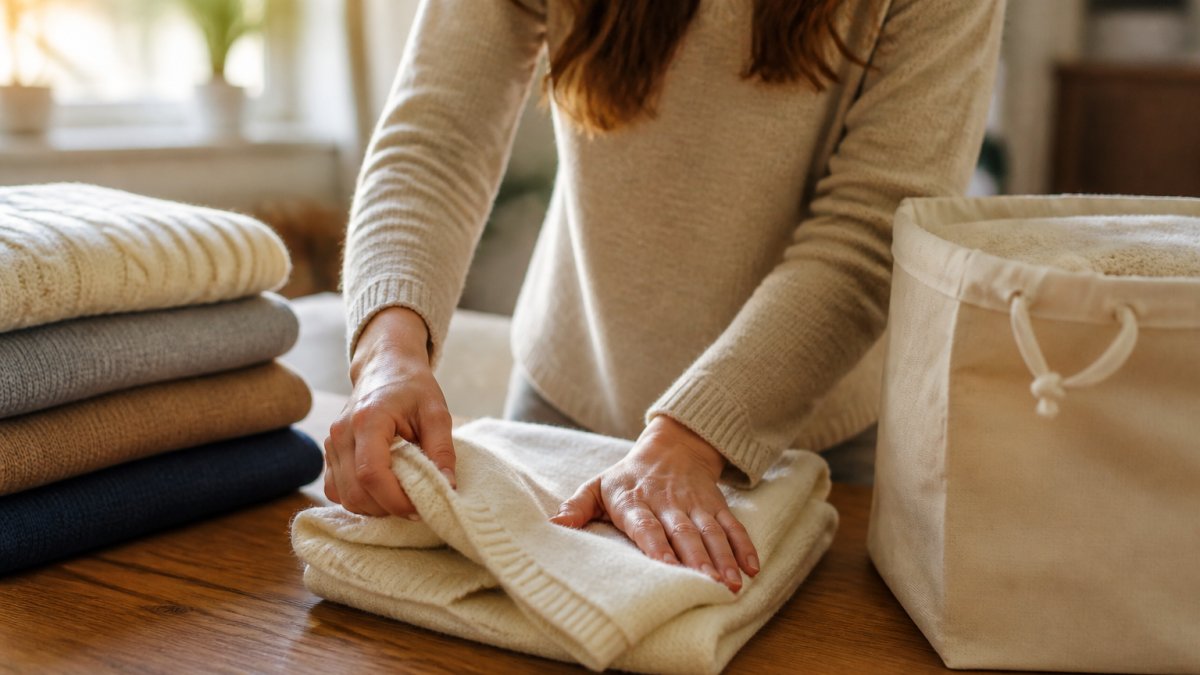
<p>Skip fabric softener entirely. Fabric softeners coat fibers with a waxy residue that reduces breathability and traps moisture and bacteria. If you want softness, white vinegar (1/4 cup in the rinse cycle) naturally softens without residue.</p>
<p>Dry on low heat or hang to air dry. High-heat dryers damage delicate fibers and can set remaining detergent residue permanently. Air drying removes residual chemicals through evaporation.</p>
<div style="margin:1.5rem 0; padding:16px 20px; background-color:transparent; border-left:4px solid #e5e7eb; border-radius:0 8px 8px 0;">
<strong style="display:block; margin-bottom:4px; color:#111827; font-size:14px;"> Key Takeaway</strong>
<span style="color:#374151; font-size:15px; line-height:1.6;">Run an extra rinse cycle every third wash. Detergent builds up in fibers over time, even with proper dosing, creating cumulative irritation.</span>
</div>
<p>Wash new clothes before wearing to remove manufacturing residues, dyes, and sizing agents. Store clean clothes in unscented, breathable containers like cedar or cotton boxes that allow air circulation. Keep detergents and fabric softeners away from storage areas.</p>
<h2 id="key-features-of-hypoallergenic-clothing">Key Features of Hypoallergenic Clothing</h2>
<p>The best hypoallergenic clothing combines multiple design features that work together. No single attribute makes a garment safe; it's the combination that matters.</p>
<p class="cta-inline" style="background-color: #9c5c0b08; border-left: 4px solid #9c5c0b; padding: 16px 20px; margin: 24px 0; border-radius: 0 8px 8px 0;">
     <a href="https://purelyalpaca.com/products/soft-touch-therapeutic-alpaca-socks" style="color: #9c5c0b; font-weight: 600; text-decoration: underline;">Learn More →</a>
</p>
<figure class="article-content-image my-8" style="margin:2em 0;padding:0;background:transparent;border:0;"><img src="https://cdn.grandranker.com/articles/best-hypoallergenic-clothing-for-sensitive-skin-content-2-1786679984.jpg" alt="Person sitting comfortably at home wearing soft hypoallergenic alpaca socks and loungewear, relaxed posture with natural window lighting showing the comfortable fit without visible tension marks on skin" class="w-full rounded-lg shadow-lg" loading="lazy" style="display:block;width:100%;max-width:100%;height:auto;border-radius:8px;margin:0 auto;"></figure>
<p>Moisture-wicking capability prevents sweat accumulation and bacterial overgrowth. Alpaca's hollow-fill structure excels here, wicking moisture while maintaining insulation. Bamboo viscose offers similar performance in warm weather.</p>
<p>Thermal regulation without overheating matters for temperature-sensitive skin conditions like rosacea. Alpaca maintains stable temperature through insulating air pockets while remaining breathable.</p>
<p>Durability prevents fabric degradation that triggers irritation. High-quality natural fibers resist pilling better than cheap synthetics. Alpaca from reputable makers like Purely Alpaca maintains structural integrity through dozens of wash cycles.</p>
<p>Softness without chemical softeners indicates minimal processing. Truly soft fabric results from fiber quality and gentle manufacturing, not chemical coating.</p>
<p>Non-toxic dyes matter as much as fiber choice. Reactive dyes bond permanently to fiber and don't leach. Undyed or colorgrown options eliminate dye chemicals entirely.</p>
<p>Adaptive wear design with loose fits, adjustable closures, and strategic seaming prevents pressure points. Products like the <a href="/products/soft-touch-therapeutic-alpaca-socks">Soft Touch Therapeutic Alpaca Slouchy Socks</a> from Purely Alpaca specifically address this with non-restrictive fits that don't leave marks on skin.</p><figure class="article-content-image my-8" style="margin:2em auto;padding:0;background:transparent;border:0;max-width:min(100%,max(260px,50%));"><img src="https://cdn.shopify.com/s/files/1/0614/7909/files/soft-touch-therapeutic-alpaca-slouchy-socks-n350-sm-beig-9209774.jpg?v=1786167037" alt="Soft Touch Therapeutic Alpaca Slouchy Socks" class="w-full rounded-lg shadow-lg" loading="lazy" style="display:block;width:100%;max-width:100%;height:auto;border-radius:8px;margin:0 auto;"></figure>
<hr>
<p>Finding the right hypoallergenic clothing for sensitive skin requires matching fabric type to your specific triggers. Alpaca fiber stands out because it combines natural hypoallergenic properties with exceptional durability and performance. Purely Alpaca's range of alpaca socks and layering pieces, including the Soft Touch Therapeutic Alpaca Slouchy Socks at $29.95 and the OutdoorAdventure Alpaca Sock at $29.95, delivers the warmth and comfort your sensitive skin needs without chemical irritation. Shop all Purely Alpaca products to find pieces that work with your skin, not against it.</p>
<section style="margin:3rem 0 2rem 0;" itemscope itemtype="https://schema.org/FAQPage">
<h2 style="font-size:1.5rem; font-weight:700; margin:0 0 4px 0;">Frequently Asked Questions</h2>
<div style="padding:20px 0; border-bottom:1px solid #e5e7eb;" itemscope itemprop="mainEntity" itemtype="https://schema.org/Question">
<h3 style="font-size:1.1rem; font-weight:600; margin:0 0 8px 0;" itemprop="name">What clothing material is best for sensitive skin?</h3>
<div style="line-height:1.7; font-size:0.95rem;" itemscope itemprop="acceptedAnswer" itemtype="https://schema.org/Answer">
<p itemprop="text" style="margin:0;">Alpaca fiber, organic cotton, and bamboo viscose are the top choices for sensitive skin. Alpaca is naturally hypoallergenic, soft, and breathable without the itchiness of traditional wool. Look for fabrics labeled as formaldehyde-free, non-toxic, and free from synthetic dyes. Organic cotton avoids pesticide residues, while bamboo viscose offers excellent moisture-wicking. Avoid synthetic fibers and blends containing latex or harsh chemicals that trigger contact dermatitis.</p>
</div>
</div>
<div style="padding:20px 0; border-bottom:1px solid #e5e7eb;" itemscope itemprop="mainEntity" itemtype="https://schema.org/Question">
<h3 style="font-size:1.1rem; font-weight:600; margin:0 0 8px 0;" itemprop="name">Which fabric is better for eczema, bamboo or cotton for eczema?</h3>
<div style="line-height:1.7; font-size:0.95rem;" itemscope itemprop="acceptedAnswer" itemtype="https://schema.org/Answer">
<p itemprop="text" style="margin:0;">Both work well, but it depends on your needs. Organic cotton is breathable and gentle but absorbs moisture. Bamboo viscose excels at moisture-wicking, keeping skin dry and reducing inflammation. For eczema sufferers, bamboo's superior moisture management often prevents the damp environment that worsens flare-ups. However, ensure the bamboo is produced responsibly and the fabric has flat seams and tagless construction to minimize irritation.</p>
</div>
</div>
<div style="padding:20px 0; border-bottom:1px solid #e5e7eb;" itemscope itemprop="mainEntity" itemtype="https://schema.org/Question">
<h3 style="font-size:1.1rem; font-weight:600; margin:0 0 8px 0;" itemprop="name">How should I wash clothes to prevent skin irritation?</h3>
<div style="line-height:1.7; font-size:0.95rem;" itemscope itemprop="acceptedAnswer" itemtype="https://schema.org/Answer">
<p itemprop="text" style="margin:0;">Use fragrance-free, hypoallergenic detergent and skip fabric softeners entirely. Wash in cold water, turn items inside out, and run an extra rinse cycle to remove all soap residue. Dry on low heat or air dry to preserve fabric integrity. For alpaca items, hand washing or gentle machine cycles work best. Avoid bleach and oxygen-based cleaners. Always wash new clothes before wearing to remove manufacturing residues and dyes.</p>
</div>
</div>
<div style="padding:20px 0; border-bottom:1px solid #e5e7eb;" itemscope itemprop="mainEntity" itemtype="https://schema.org/Question">
<h3 style="font-size:1.1rem; font-weight:600; margin:0 0 8px 0;" itemprop="name">What features should I look for in hypoallergenic clothing?</h3>
<div style="line-height:1.7; font-size:0.95rem;" itemscope itemprop="acceptedAnswer" itemtype="https://schema.org/Answer">
<p itemprop="text" style="margin:0;">Prioritize flat seams, tagless labels, and seamless construction to prevent friction and irritation. Choose breathable, moisture-wicking fabrics that regulate temperature and keep skin dry. Verify the item is formaldehyde-free and dyed with non-toxic, low-impact dyes. Check fiber content labels for natural materials like alpaca, organic cotton, or bamboo. Avoid tight elastic, restrictive waistbands, and synthetic blends that trap moisture and heat.</p>
</div>
</div>
<div style="padding:20px 0; border-bottom:1px solid #e5e7eb;" itemscope itemprop="mainEntity" itemtype="https://schema.org/Question">
<h3 style="font-size:1.1rem; font-weight:600; margin:0 0 8px 0;" itemprop="name">Why does regular wool irritate sensitive skin while alpaca doesn't?</h3>
<div style="line-height:1.7; font-size:0.95rem;" itemscope itemprop="acceptedAnswer" itemtype="https://schema.org/Answer">
<p itemprop="text" style="margin:0;">Wool fibers have scales that create friction and irritation on sensitive skin, causing itching and inflammation. Alpaca fiber is smoother, lacks these scales, and has a hollow-fill structure that provides superior insulation without the irritation. Alpaca is also naturally hypoallergenic and dermatologist-approved for eczema-prone skin. Its thermal regulation properties keep skin comfortable without overheating, which can trigger flare-ups.</p>
</div>
</div>
<div style="padding:20px 0; border-bottom:1px solid #e5e7eb;" itemscope itemprop="mainEntity" itemtype="https://schema.org/Question">
<h3 style="font-size:1.1rem; font-weight:600; margin:0 0 8px 0;" itemprop="name">Can I wear hypoallergenic clothing year-round?</h3>
<div style="line-height:1.7; font-size:0.95rem;" itemscope itemprop="acceptedAnswer" itemtype="https://schema.org/Answer">
<p itemprop="text" style="margin:0;">Yes. Hypoallergenic fabrics like alpaca, organic cotton, and bamboo viscose work in all seasons. In summer, lighter-weight natural fibers breathe well and wick moisture. In winter, thicker alpaca socks and leggings provide warmth without synthetic bulk. The key is choosing appropriate weight and layering. Alpaca's unique ability to regulate temperature makes it ideal for both seasonal transitions and extreme conditions, reducing the need for irritating synthetic thermal wear.</p>
</div>
</div>
</section>
<div class="cta-button-container" style="text-align: center; margin: 32px 0;">
    <a href="https://purelyalpaca.com/products/soft-touch-therapeutic-alpaca-socks" class="cta-button" style="display: inline-block; background-color: #9c5c0b; color: white; padding: 14px 32px; border-radius: 8px; text-decoration: none; font-weight: 600; font-size: 16px;">Learn More</a>
</div>
<p class="grandranker-branding" style="margin-top: 3rem; padding-top: 1.5rem; border-top: 1px solid #e5e7eb; font-size: 0.875rem; text-align: center;">This article was written using <a href="https://grandranker.com/" target="_blank" rel="noopener">GrandRanker</a></p>]]>
    </content>
  </entry>
  <entry>
    <id>https://purelyalpaca.com/blogs/purelyalpaca-blog/luxury-alpaca-gifts-winter-2026</id>
    <published>2026-08-12T19:36:16-07:00</published>
    <updated>2026-08-13T20:21:09-07:00</updated>
    <link rel="alternate" type="text/html" href="https://purelyalpaca.com/blogs/purelyalpaca-blog/luxury-alpaca-gifts-winter-2026"/>
    <title>Luxury Alpaca Gifts for Winter 2026</title>
    <author>
      <name>Purely Alpaca</name>
    </author>
    <summary type="html">
      <![CDATA[Discover luxury alpaca gifts perfect for winter 2026. From baby alpaca scarves to vicuña wraps, find premium gifts for discerning recipients. Shop now.<p><a class="read-more" href="https://purelyalpaca.com/blogs/purelyalpaca-blog/luxury-alpaca-gifts-winter-2026">More</a></p>]]>
    </summary>
    <content type="html">
      <![CDATA[<h2 id="table-of-contents">Table of Contents</h2>
<ul>
<li><a href="#why-luxury-alpaca-gifts-stand-out-this-winter">Why Luxury Alpaca Gifts Stand Out This Winter</a></li>
<li><a href="#premium-alpaca-accessories-and-wraps">Premium Alpaca Accessories and Wraps</a></li>
<li><a href="#alpaca-vs-cashmere-warmth-what-makes-alpaca-superior">Alpaca vs Cashmere Warmth: What Makes Alpaca Superior</a></li>
<li><a href="#how-to-wash-alpaca-wool-and-preserve-your-investment">How to Wash Alpaca Wool and Preserve Your Investment</a></li>
</ul>
<p><em>Last Updated: August 13, 2026</em></p>
<h2 id="why-luxury-alpaca-gifts-stand-out-this-winter">Why Luxury Alpaca Gifts Stand Out This Winter</h2>
<p>Luxury alpaca gifts solve a problem most retailers ignore: giving something genuinely rare and functionally superior. Alpaca fiber's hollow, air-filled structure traps heat more efficiently than wool while remaining breathable, delivering a warmth-to-weight ratio that outperforms cashmere and merino wool in cold climates.</p>
<p>At Purely Alpaca, a family-owned business with over two decades of experience, the principle is simple: alpaca fiber shouldn't require compromise. You get exceptional warmth without bulk, natural luxury without itch, and pieces designed to last decades.</p>
<div style="margin:1.5rem 0; padding:16px 20px; background-color:transparent; border-left:4px solid #e5e7eb; border-radius:0 8px 8px 0;">
<strong style="display:block; margin-bottom:4px; color:#111827; font-size:14px;"> Key Takeaway</strong>
<span style="color:#374151; font-size:15px; line-height:1.6;">Luxury alpaca gifts deliver three things competitors can't: hypoallergenic comfort for sensitive skin, superior thermal performance compared to traditional wool, and heirloom-quality durability that justifies the investment.</span>
</div>
<p>Alpaca's versatility makes it ideal for any recipient. The fiber is naturally lanolin-free, making it perfect for people with sensitive skin. It's also moisture-wicking, performing even when wet, a quality cashmere lacks. This winter, luxury alpaca gifts work harder, last longer, and feel better than alternatives most people settle for.</p>
<h2 id="premium-alpaca-accessories-and-wraps">Premium Alpaca Accessories and Wraps</h2>
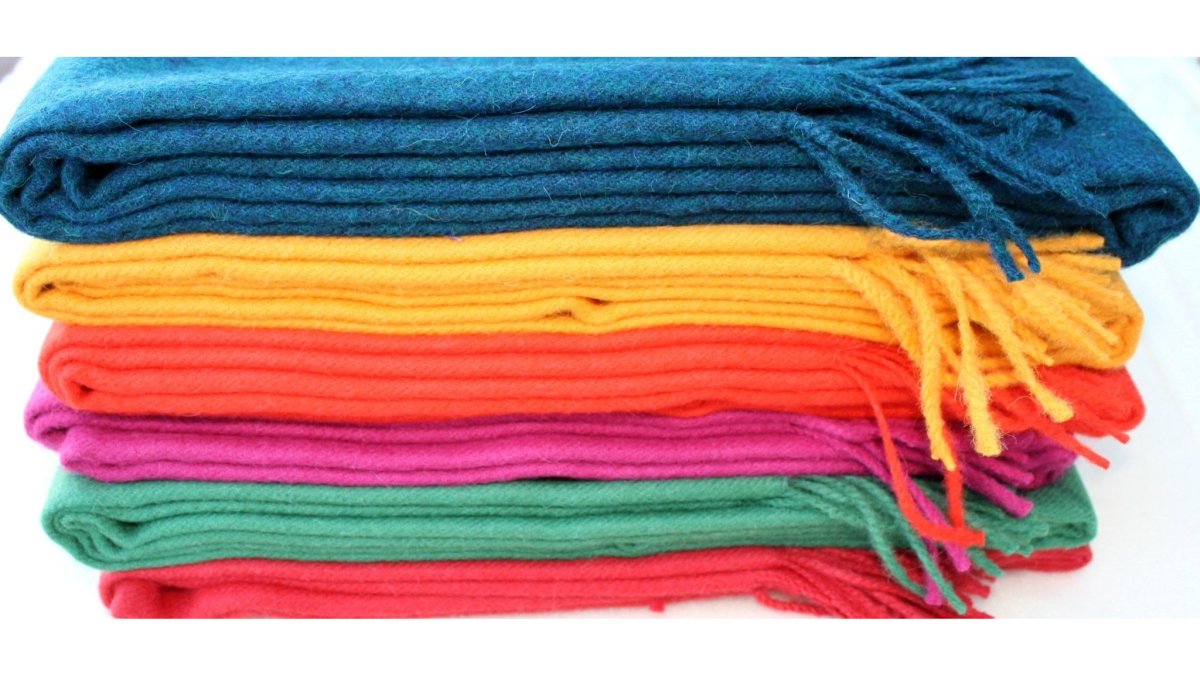
<p>The foundation of any luxury alpaca collection starts with functional accessories. The <a href="https://www.purelyalpaca.com/products/100-baby-alpaca-woven-solid-scarf">Purely Alpaca 100% Baby Alpaca Scarf</a> ($57.95) represents the entry point to luxury alpaca gifting. At 71 inches long and weighing just 130 grams, this scarf delivers genuine warmth without bulk. Baby alpaca fiber measures around 20-22 micrometers, making it significantly finer and softer than adult alpaca.</p><figure class="article-content-image my-8" style="margin:2em auto;padding:0;background:transparent;border:0;max-width:min(100%,max(260px,50%));"><img src="https://cdn.shopify.com/s/files/1/0614/7909/files/100-baby-alpaca-scarf-woven-solid-pt-1004-com3-1702648.jpg?v=1786166832" alt="100% Baby Alpaca Scarf - Woven Solid" class="w-full rounded-lg shadow-lg" loading="lazy" style="display:block;width:100%;max-width:100%;height:auto;border-radius:8px;margin:0 auto;"></figure>
<figure class="article-content-image my-8" style="margin:2em 0;padding:0;background:transparent;border:0;"><img src="https://cdn.grandranker.com/articles/luxury-alpaca-gifts-for-winter-2026-content-1-1786586435.jpg" alt="Close-up of a luxurious baby alpaca scarf draped over a person's shoulders in natural winter daylight, showing the soft texture and rich neutral color against their winter coat" class="w-full rounded-lg shadow-lg" loading="lazy" style="display:block;width:100%;max-width:100%;height:auto;border-radius:8px;margin:0 auto;"></figure>
<p>For artisan quality, the <a href="https://www.purelyalpaca.com/products/awana-alpaca-pashminas">Awana Alpaca Pashminas</a> ($89.95) are hand-knitted from Ecuador alpaca, combining 30% alpaca with 70% cotton for breathable, season-spanning wear. The 100% Baby Alpaca Woven Ruana ($209.95) functions as both scarf and shawl, with an open-front design ideal for layering.</p>
<p>The <a href="https://purelyalpaca.com/products/premium-classic-solid-alpaca-poncho">Premium Classic Solid Alpaca Poncho</a> ($329.95) steps into heirloom territory. Made from 100% baby alpaca and woven in Peru, this 50-by-70-inch piece weighs just 18.5 ounces, light enough to pack in a carry-on yet substantial enough for serious warmth. Buyers report ponchos become their most-used winter item after the first season.</p><figure class="article-content-image my-8" style="margin:2em auto;padding:0;background:transparent;border:0;max-width:min(100%,max(260px,50%));"><img src="https://cdn.shopify.com/s/files/1/0614/7909/files/premium-classic-solid-alpaca-poncho-p4004-com48-5741608.png?v=1786166960" alt="Premium Classic Solid Alpaca Poncho" class="w-full rounded-lg shadow-lg" loading="lazy" style="display:block;width:100%;max-width:100%;height:auto;border-radius:8px;margin:0 auto;"></figure>
<p>For artisanal detail, the <a href="https://www.purelyalpaca.com/products/floral-detailed-alpaca-ruana">Floral Reversible Hand Made Embroidery Alpaca Ruana</a> ($229.95) combines 50% baby alpaca with 50% acrylic and includes hand-embroidered details, offering two distinct looks in one reversible piece.</p><figure class="article-content-image my-8" style="margin:2em auto;padding:0;background:transparent;border:0;max-width:min(100%,max(260px,50%));"><img src="https://cdn.shopify.com/s/files/1/0614/7909/files/floral-reversible-hand-made-embroidery-alpaca-ruana-dyc-floralrev-amarilis-azul-1335987.jpg?v=1786166833" alt="Floral Reversible Hand Made Embroidery Alpaca Ruana" class="w-full rounded-lg shadow-lg" loading="lazy" style="display:block;width:100%;max-width:100%;height:auto;border-radius:8px;margin:0 auto;"></figure>
<div style="margin:1.5rem 0; padding:16px 20px; background-color:transparent; border-left:4px solid #e5e7eb; border-radius:0 8px 8px 0;">
<strong style="display:block; margin-bottom:4px; color:#111827; font-size:14px;"> Pro Tip</strong>
<span style="color:#374151; font-size:15px; line-height:1.6;">When gifting wraps and accessories, consider the recipient's lifestyle. Hikers need moisture-wicking pure alpaca. Office workers benefit from reversible designs and packable weight. People with sensitive skin specifically need alpaca's hypoallergenic, lanolin-free fiber.</span>
</div>
<h2 id="alpaca-vs-cashmere-warmth-what-makes-alpaca-superior">Alpaca vs Cashmere Warmth: What Makes Alpaca Superior</h2>
<p>Alpaca wins on warmth-to-weight ratio. Cashmere fiber measures 14-19 micrometers; alpaca typically ranges 20-25 micrometers for adult fiber and 18-22 for baby alpaca. Despite being slightly coarser, alpaca's hollow core structure traps insulating air more effectively than cashmere's solid structure. An alpaca sweater provides more warmth than a cashmere sweater of identical weight without the bulk.</p>
<p>Cashmere resists pilling better than alpaca, but this advantage disappears with proper care. Alpaca's genuine advantage is moisture management: it naturally absorbs and releases moisture without feeling damp, while cashmere absorbs moisture but doesn't release it efficiently.</p>
<figure class="article-content-image my-8" style="margin:2em 0;padding:0;background:transparent;border:0;"><img src="https://cdn.grandranker.com/articles/luxury-alpaca-gifts-for-winter-2026-content-2-1786586454.jpg" alt="Person wearing a premium alpaca poncho outdoors in cold weather, demonstrating warmth and comfort while maintaining an elegant appearance against a snowy backdrop" class="w-full rounded-lg shadow-lg" loading="lazy" style="display:block;width:100%;max-width:100%;height:auto;border-radius:8px;margin:0 auto;"></figure>
<p>Durability favors alpaca. Cashmere demands dry cleaning or specialized hand washing. Alpaca tolerates the same care but can survive occasional machine washing on delicate cycles. Properly maintained alpaca garments maintain integrity through 50+ wash cycles, while cashmere typically requires professional care every 2-3 wears.</p>
<p>Luxury alpaca pieces cost 30-50% less than comparable cashmere items for equivalent warmth. For winter 2026 gift-giving, alpaca wins on nearly every practical metric.</p>
<table style="width:100%; border-collapse:collapse; margin:2rem 0; font-size:14px; line-height:1.6;">
<thead style="background-color:#f8f9fa; padding:12px 16px; text-align:left; font-weight:600; border-bottom:2px solid #e5e7eb;">
<tr>
<th style="background-color:#f8f9fa; padding:12px 16px; text-align:left; font-weight:600; border-bottom:2px solid #e5e7eb;">Characteristic</th>
<th style="background-color:#f8f9fa; padding:12px 16px; text-align:left; font-weight:600; border-bottom:2px solid #e5e7eb;">Alpaca</th>
<th style="background-color:#f8f9fa; padding:12px 16px; text-align:left; font-weight:600; border-bottom:2px solid #e5e7eb;">Cashmere</th>
</tr>
</thead>
<tbody>
<tr>
<td style="padding:12px 16px; border-bottom:1px solid #e5e7eb;">Warmth-to-weight ratio</td>
<td style="padding:12px 16px; border-bottom:1px solid #e5e7eb;">Superior</td>
<td style="padding:12px 16px; border-bottom:1px solid #e5e7eb;">Good</td>
</tr>
<tr>
<td style="padding:12px 16px; border-bottom:1px solid #e5e7eb;">Moisture-wicking</td>
<td style="padding:12px 16px; border-bottom:1px solid #e5e7eb;">Excellent</td>
<td style="padding:12px 16px; border-bottom:1px solid #e5e7eb;">Fair</td>
</tr>
<tr>
<td style="padding:12px 16px; border-bottom:1px solid #e5e7eb;">Pilling resistance</td>
<td style="padding:12px 16px; border-bottom:1px solid #e5e7eb;">Moderate</td>
<td style="padding:12px 16px; border-bottom:1px solid #e5e7eb;">Excellent</td>
</tr>
<tr>
<td style="padding:12px 16px; border-bottom:1px solid #e5e7eb;">Care complexity</td>
<td style="padding:12px 16px; border-bottom:1px solid #e5e7eb;">Simple</td>
<td style="padding:12px 16px; border-bottom:1px solid #e5e7eb;">Complex</td>
</tr>
<tr>
<td style="padding:12px 16px; border-bottom:1px solid #e5e7eb;">Price point</td>
<td style="padding:12px 16px; border-bottom:1px solid #e5e7eb;">Moderate luxury</td>
<td style="padding:12px 16px; border-bottom:1px solid #e5e7eb;">High luxury</td>
</tr>
<tr>
<td style="padding:12px 16px; border-bottom:1px solid #e5e7eb;">Durability (years)</td>
<td style="padding:12px 16px; border-bottom:1px solid #e5e7eb;">10-20+</td>
<td style="padding:12px 16px; border-bottom:1px solid #e5e7eb;">5-10</td>
</tr>
</tbody>
</table>
<h2 id="how-to-wash-alpaca-wool-and-preserve-your-investment">How to Wash Alpaca Wool and Preserve Your Investment</h2>
<p>Alpaca is more forgiving than cashmere, but most people wash it wrong. The fundamental rule: alpaca fibers weaken when exposed to hot water and agitation simultaneously. Hot water plus scrubbing causes fibers to felt, permanently matting and shrinking the garment.</p>
<p class="cta-inline" style="background-color: #9c5c0b08; border-left: 4px solid #9c5c0b; padding: 16px 20px; margin: 24px 0; border-radius: 0 8px 8px 0;">
     <a href="https://purelyalpaca.com/products/100-vicuna-scarf" style="color: #9c5c0b; font-weight: 600; text-decoration: underline;">Learn More →</a>
</p>
<p>Hand washing is recommended. Fill a basin with lukewarm water (70-75°F) and add gentle cleanser for delicate fibers. Submerge the garment and soak 15-20 minutes without agitation. Gently squeeze soapy water through the fabric, never wring or rub. Rinse in clean lukewarm water 2-3 times until clear.</p>
<div style="margin:1.5rem 0; padding:16px 20px; background-color:transparent; border-left:4px solid #e5e7eb; border-radius:0 8px 8px 0;">
<strong style="display:block; margin-bottom:4px; color:#111827; font-size:14px;"> Watch Out</strong>
<span style="color:#374151; font-size:15px; line-height:1.6;">Never use hot water or standard laundry detergent on alpaca fiber. Hot water causes permanent felting and shrinkage that cannot be reversed.</span>
</div>
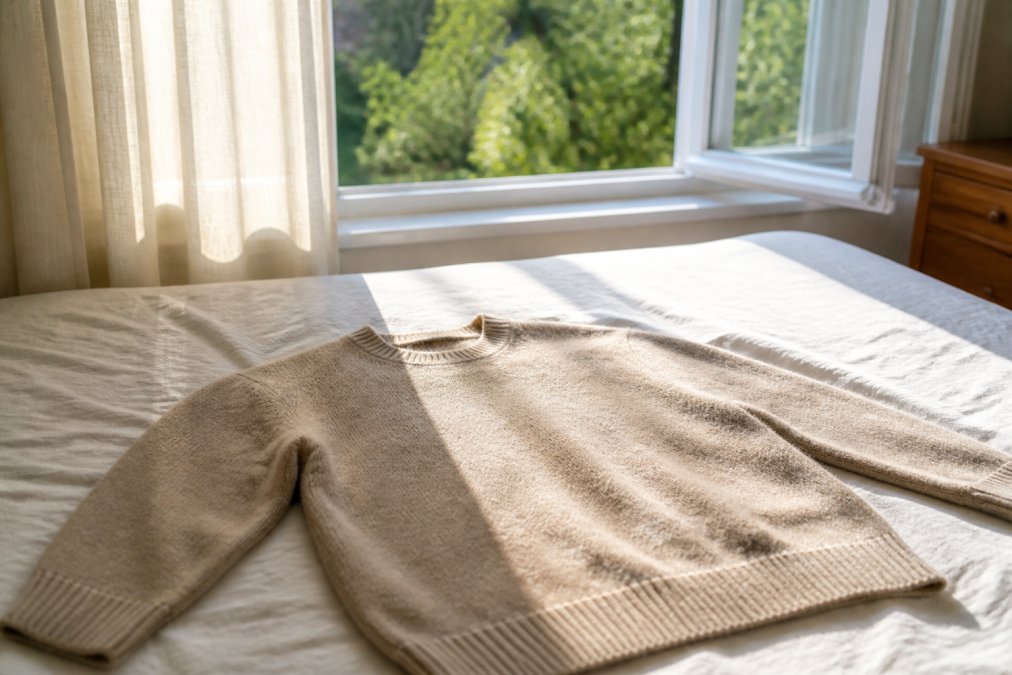
<p>For drying, lay the garment flat on a clean towel away from direct heat or sunlight. Never hang alpaca sweaters; the weight causes stretching. Drying typically takes 24-48 hours.</p>
<p>Machine washing is possible on delicate cycles with cold water in a mesh laundry bag, but hand washing produces superior results with minimal time investment.</p>
<p>For storage, fold alpaca garments rather than hanging. Store in cool, dry places away from sunlight. Cedar blocks or lavender sachets provide natural moth protection. Use a fine-toothed comb to gently remove pills after 2-3 wears, before they accumulate.</p>
<p>Address stains immediately by blotting with a damp cloth using lukewarm water and gentle cleanser. For set-in stains, professional cleaning familiar with alpaca fiber is worth the investment.</p>
<p>Someone who invests in a luxury alpaca gift and follows these care guidelines will own a piece that improves with age, maintaining softness and warmth through decades.</p>
<hr>
<p>Luxury alpaca gifts for winter 2026 represent a shift in how people think about seasonal giving. Purely Alpaca's collection, from accessible baby alpaca scarves to investment-grade pieces, offers options across every budget. Match the piece to the recipient's needs: outdoor enthusiasts need moisture-wicking performance, office workers benefit from packable wraps, and anyone with sensitive skin gains genuine relief from alpaca's hypoallergenic properties. Start with Purely Alpaca and explore their complete range of luxury alpaca gifts designed for lasting warmth and comfort.</p>
<section style="margin:3rem 0 2rem 0;" itemscope itemtype="https://schema.org/FAQPage">
<h2 style="font-size:1.5rem; font-weight:700; margin:0 0 4px 0;">Frequently Asked Questions</h2>
<div style="padding:20px 0; border-bottom:1px solid #e5e7eb;" itemscope itemprop="mainEntity" itemtype="https://schema.org/Question">
<h3 style="font-size:1.1rem; font-weight:600; margin:0 0 8px 0;" itemprop="name">What makes luxury alpaca gifts better than regular wool options?</h3>
<div style="line-height:1.7; font-size:0.95rem;" itemscope itemprop="acceptedAnswer" itemtype="https://schema.org/Answer">
<p itemprop="text" style="margin:0;">Luxury alpaca fiber is hypoallergenic, lanolin-free, and naturally softer than sheep's wool, making it ideal for sensitive skin. Baby alpaca, the finest grade, measures 20-24 microns in diameter, creating exceptional softness while maintaining superior warmth-to-weight ratio. Alpaca also resists pilling and lasts decades with proper care, making it a true heirloom investment.</p>
</div>
</div>
<div style="padding:20px 0; border-bottom:1px solid #e5e7eb;" itemscope itemprop="mainEntity" itemtype="https://schema.org/Question">
<h3 style="font-size:1.1rem; font-weight:600; margin:0 0 8px 0;" itemprop="name">How does alpaca compare to cashmere in warmth and durability?</h3>
<div style="line-height:1.7; font-size:0.95rem;" itemscope itemprop="acceptedAnswer" itemtype="https://schema.org/Answer">
<p itemprop="text" style="margin:0;">Alpaca fiber contains hollow, air-filled strands with microscopic scales that interlock and trap insulating air, delivering warmth comparable to cashmere at a lighter weight. Alpaca is more durable and resistant to pilling than cashmere, and it maintains its shape better over time. For winter performance, alpaca's moisture-wicking properties keep you comfortable in variable conditions without the delicate handling cashmere requires.</p>
</div>
</div>
<div style="padding:20px 0; border-bottom:1px solid #e5e7eb;" itemscope itemprop="mainEntity" itemtype="https://schema.org/Question">
<h3 style="font-size:1.1rem; font-weight:600; margin:0 0 8px 0;" itemprop="name">I have sensitive skin, will alpaca fiber irritate me like regular wool does?</h3>
<div style="line-height:1.7; font-size:0.95rem;" itemscope itemprop="acceptedAnswer" itemtype="https://schema.org/Answer">
<p itemprop="text" style="margin:0;">Alpaca is naturally hypoallergenic and contains virtually no lanolin, the waxy substance that triggers itching in many people with wool sensitivity. The smooth fiber structure doesn't irritate skin the way coarser wool does. Many customers with eczema and sensitive skin choose alpaca specifically because it's gentle against the skin while providing exceptional warmth without discomfort.</p>
</div>
</div>
<div style="padding:20px 0; border-bottom:1px solid #e5e7eb;" itemscope itemprop="mainEntity" itemtype="https://schema.org/Question">
<h3 style="font-size:1.1rem; font-weight:600; margin:0 0 8px 0;" itemprop="name">What is the best way to wash and care for alpaca wool?</h3>
<div style="line-height:1.7; font-size:0.95rem;" itemscope itemprop="acceptedAnswer" itemtype="https://schema.org/Answer">
<p itemprop="text" style="margin:0;">Hand wash alpaca items in cool water with gentle, wool-specific shampoo, never hot water or regular detergent. Lay flat to dry, never hang or machine wash. For luxury pieces like vicuña scarves or premium sweaters, dry cleaning preserves the fiber's integrity and prevents shrinkage. Proper care prevents pilling and extends the life of your alpaca investment to decades of wear.</p>
</div>
</div>
<div style="padding:20px 0; border-bottom:1px solid #e5e7eb;" itemscope itemprop="mainEntity" itemtype="https://schema.org/Question">
<h3 style="font-size:1.1rem; font-weight:600; margin:0 0 8px 0;" itemprop="name">Are luxury alpaca gifts worth the higher price?</h3>
<div style="line-height:1.7; font-size:0.95rem;" itemscope itemprop="acceptedAnswer" itemtype="https://schema.org/Answer">
<p itemprop="text" style="margin:0;">Premium alpaca pieces cost more upfront but outlast comparable cashmere or wool by years when cared for properly. Baby alpaca's softness, hypoallergenic properties, and resistance to pilling justify the investment. Heirloom-quality alpaca items become cherished gifts passed through generations, making the per-year cost of ownership lower than fast-fashion alternatives.</p>
</div>
</div>
</section>
<div class="cta-button-container" style="text-align: center; margin: 32px 0;">
    <a href="https://purelyalpaca.com/products/100-vicuna-scarf" class="cta-button" style="display: inline-block; background-color: #9c5c0b; color: white; padding: 14px 32px; border-radius: 8px; text-decoration: none; font-weight: 600; font-size: 16px;">Learn More</a>
</div>
<p class="grandranker-branding" style="margin-top: 3rem; padding-top: 1.5rem; border-top: 1px solid #e5e7eb; font-size: 0.875rem; text-align: center;">This article was written using <a href="https://grandranker.com/" target="_blank" rel="noopener">GrandRanker</a></p>]]>
    </content>
  </entry>
  <entry>
    <id>https://purelyalpaca.com/blogs/purelyalpaca-blog/why-alpaca-sweaters-are-worth-it</id>
    <published>2026-08-11T19:11:32-07:00</published>
    <updated>2026-08-11T22:19:09-07:00</updated>
    <link rel="alternate" type="text/html" href="https://purelyalpaca.com/blogs/purelyalpaca-blog/why-alpaca-sweaters-are-worth-it"/>
    <title>Why Alpaca Sweaters Are Worth It</title>
    <author>
      <name>Purely Alpaca</name>
    </author>
    <summary type="html">
      <![CDATA[Why alpaca sweaters are worth it: Alpaca sweaters offer superior warmth, durability, and comfort. Learn why they outperform wool and justify the.<p><a class="read-more" href="https://purelyalpaca.com/blogs/purelyalpaca-blog/why-alpaca-sweaters-are-worth-it">More</a></p>]]>
    </summary>
    <content type="html">
      <![CDATA[<h2 id="table-of-contents">Table of Contents</h2>
<ul>
<li><a href="#why-alpaca-sweaters-are-worth-it-the-case-for-natural-fiber-investment">Why Alpaca Sweaters Are Worth It: The Case for Natural Fiber Investment</a></li>
<li><a href="#alpaca-vs-merino-wool-performance-and-value-comparison">Alpaca vs Merino Wool: Performance and Value Comparison</a></li>
<li><a href="#is-alpaca-wool-itchy-what-makes-it-different-from-sheep-wool">Is Alpaca Wool Itchy? What Makes It Different from Sheep Wool</a></li>
<li><a href="#alpaca-wool-care-instructions-protecting-your-investment">Alpaca Wool Care Instructions: Protecting Your Investment</a></li>
</ul>
<p><em>Last Updated: August 12, 2026</em></p>
<h2 id="why-alpaca-sweaters-are-worth-it-the-case-for-natural-fiber-investment">Why Alpaca Sweaters Are Worth It: The Case for Natural Fiber Investment</h2>
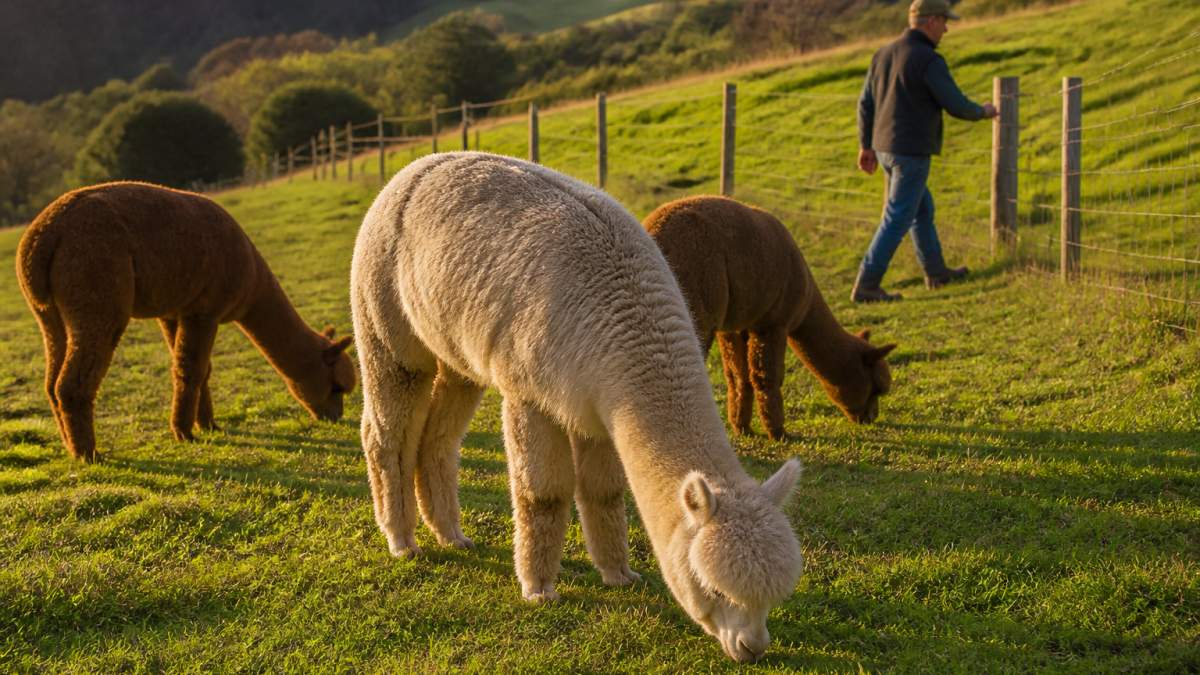
<p>Alpaca fiber has been prized for centuries. When evaluating why alpaca sweaters are worth it, you're asking whether a premium natural fiber delivers enough performance to justify the investment over mass-market alternatives. For most people seeking genuine warmth, comfort, and longevity, alpaca delivers on all fronts.</p>
<figure class="article-content-image my-8" style="margin:2em 0;padding:0;background:transparent;border:0;"><img src="https://cdn.grandranker.com/articles/why-alpaca-sweaters-are-worth-it-content-1-1786499916.jpg" alt="Person wearing a soft alpaca sweater outdoors in cool weather, hands touching the garment to show its fine texture, natural sunlight highlighting the cozy fit and quality craftsmanship" class="w-full rounded-lg shadow-lg" loading="lazy" style="display:block;width:100%;max-width:100%;height:auto;border-radius:8px;margin:0 auto;"></figure>
<p>Alpaca wool is fundamentally different from sheep wool. It's lighter, softer, and naturally hypoallergenic, qualities that matter if you've had itchy sweaters in the past. Unlike synthetic fibers that trap moisture and lose their shape, alpaca maintains its structure through seasons of wear. At <a href="/products/ebel-alpaca-sweater">Purely Alpaca</a>, we've worked with customers since 2002 who returned to alpaca specifically because nothing else matched the combination of warmth without bulk.</p><figure class="article-content-image my-8" style="margin:2em auto;padding:0;background:transparent;border:0;max-width:min(100%,max(260px,50%));"><img src="https://cdn.shopify.com/s/files/1/0614/7909/files/ebel-alpaca-sweater-pl-16184-ginger-os-1849362.jpeg?v=1786167736" alt="Ebel Alpaca Sweater" class="w-full rounded-lg shadow-lg" loading="lazy" style="display:block;width:100%;max-width:100%;height:auto;border-radius:8px;margin:0 auto;"></figure>
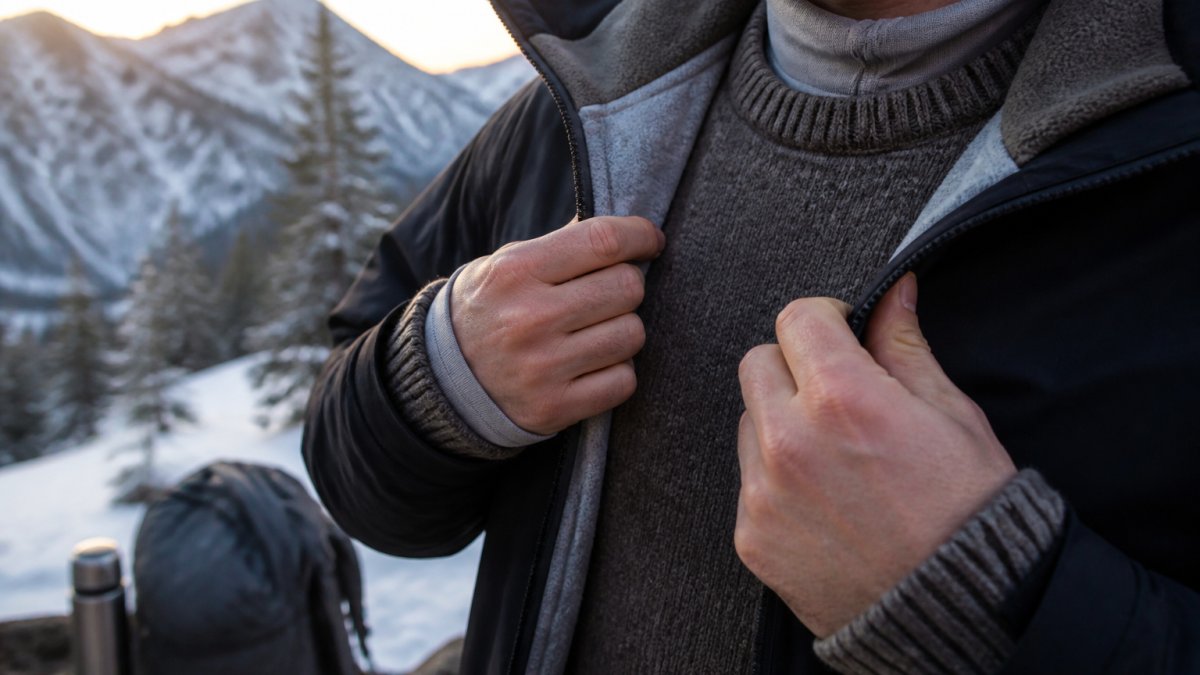
<p>The performance advantage shows up in three ways: thermal regulation that adapts to your body temperature, moisture-wicking that keeps you dry during activity, and durability that means your investment lasts years, not seasons. A quality alpaca sweater won't pill, won't lose its softness in the wash, and won't develop that musty smell that synthetic blends pick up.</p>
<div style="margin:1.5rem 0; padding:16px 20px; background-color:transparent; border-left:4px solid #e5e7eb; border-radius:0 8px 8px 0;">
<strong style="display:block; margin-bottom:4px; color:#111827; font-size:14px;"> Pro Tip</strong>
<span style="color:#374151; font-size:15px; line-height:1.6;">Alpaca fiber comes in 22 natural colors, from jet black to cream. This means you're getting genuine luxury without dyes, which also means less processing and less environmental impact.</span>
</div>
<h2 id="alpaca-vs-merino-wool-performance-and-value-comparison">Alpaca vs Merino Wool: Performance and Value Comparison</h2>
<p>Both alpaca and merino wool are natural fibers with excellent thermal properties, but they're built differently. Merino wool has finer fiber diameter than regular sheep wool, making it softer and less itchy. Alpaca fiber is typically even finer and lacks the lanolin that gives sheep wool its characteristic smell and itchy sensation.</p>
<p>The real difference comes down to weight and breathability. Merino is slightly warmer per ounce, making it popular for athletic layering. Alpaca is lighter overall, delivering serious warmth without bulk. For intense outdoor activity where you need maximum insulation in minimal space, merino has a slight edge. For everyday wear and travel, alpaca wins.</p>
<p>Durability tells a clearer story. Alpaca fiber has higher tensile strength, resisting pilling and maintaining its structure longer. Merino sweaters can pill after a season or two of regular wear. Alpaca holds up to years of washing and wearing without degrading. Since you're paying premium prices, alpaca's longevity delivers better value.</p>
<table style="width:100%; border-collapse:collapse; margin:2rem 0; font-size:14px; line-height:1.6;">
<thead style="background-color:#f8f9fa; padding:12px 16px; text-align:left; font-weight:600; border-bottom:2px solid #e5e7eb;">
<tr>
<th style="background-color:#f8f9fa; padding:12px 16px; text-align:left; font-weight:600; border-bottom:2px solid #e5e7eb;">Characteristic</th>
<th style="background-color:#f8f9fa; padding:12px 16px; text-align:left; font-weight:600; border-bottom:2px solid #e5e7eb;">Alpaca</th>
<th style="background-color:#f8f9fa; padding:12px 16px; text-align:left; font-weight:600; border-bottom:2px solid #e5e7eb;">Merino Wool</th>
</tr>
</thead>
<tbody>
<tr>
<td style="padding:12px 16px; border-bottom:1px solid #e5e7eb;">Fiber Fineness</td>
<td style="padding:12px 16px; border-bottom:1px solid #e5e7eb;">15-25 microns</td>
<td style="padding:12px 16px; border-bottom:1px solid #e5e7eb;">17-24 microns</td>
</tr>
<tr>
<td style="padding:12px 16px; border-bottom:1px solid #e5e7eb;">Weight</td>
<td style="padding:12px 16px; border-bottom:1px solid #e5e7eb;">Lighter</td>
<td style="padding:12px 16px; border-bottom:1px solid #e5e7eb;">Slightly heavier</td>
</tr>
<tr>
<td style="padding:12px 16px; border-bottom:1px solid #e5e7eb;">Pilling Resistance</td>
<td style="padding:12px 16px; border-bottom:1px solid #e5e7eb;">Excellent</td>
<td style="padding:12px 16px; border-bottom:1px solid #e5e7eb;">Moderate</td>
</tr>
<tr>
<td style="padding:12px 16px; border-bottom:1px solid #e5e7eb;">Thermal Regulation</td>
<td style="padding:12px 16px; border-bottom:1px solid #e5e7eb;">Excellent</td>
</tr>
<tr>
<td style="padding:12px 16px; border-bottom:1px solid #e5e7eb;">Moisture-Wicking</td>
<td style="padding:12px 16px; border-bottom:1px solid #e5e7eb;">Strong</td>
</tr>
<tr>
<td style="padding:12px 16px; border-bottom:1px solid #e5e7eb;">Hypoallergenic</td>
<td style="padding:12px 16px; border-bottom:1px solid #e5e7eb;">Yes</td>
<td style="padding:12px 16px; border-bottom:1px solid #e5e7eb;">Somewhat</td>
</tr>
<tr>
<td style="padding:12px 16px; border-bottom:1px solid #e5e7eb;">Durability (years)</td>
<td style="padding:12px 16px; border-bottom:1px solid #e5e7eb;">5-10+</td>
<td style="padding:12px 16px; border-bottom:1px solid #e5e7eb;">3-5</td>
</tr>
</tbody>
</table>
<p>Quality merino sweaters start around the same price as alpaca, but alpaca's superior durability means lower cost per wear over time. A sweater that lasts twice as long at similar price is the better financial decision.</p>
<div style="margin:1.5rem 0; padding:16px 20px; background-color:transparent; border-left:4px solid #e5e7eb; border-radius:0 8px 8px 0;">
<strong style="display:block; margin-bottom:4px; color:#111827; font-size:14px;"> Key Takeaway</strong>
<span style="color:#374151; font-size:15px; line-height:1.6;">Alpaca isn't "better" than merino in every way, merino has legitimate advantages for high-intensity activity. But for everyday wear, travel, and longevity, alpaca outperforms at similar price points.</span>
</div>
<h2 id="is-alpaca-wool-itchy-what-makes-it-different-from-sheep-wool">Is Alpaca Wool Itchy? What Makes It Different from Sheep Wool</h2>
<p>This is the question that stops most people from trying alpaca: won't it be itchy like regular wool? The answer is almost certainly no.</p>
<p>Sheep wool itchiness comes from two sources: fiber diameter and lanolin. Standard sheep wool has coarse fibers (25-40 microns) that irritate sensitive skin. Alpaca fiber is much finer (15-25 microns), comparable to cashmere. More importantly, alpaca produces minimal lanolin, the natural oil that gives sheep wool its distinctive smell and waxy feel that triggers itching in people with sensitive skin.</p>
<p>If you've had eczema or dermatitis triggered by wool sweaters, alpaca is worth testing. Many people with sensitive skin find that alpaca causes no irritation whatsoever. The fiber is naturally hypoallergenic, resisting dust mites and allergens that synthetic materials harbor.</p>
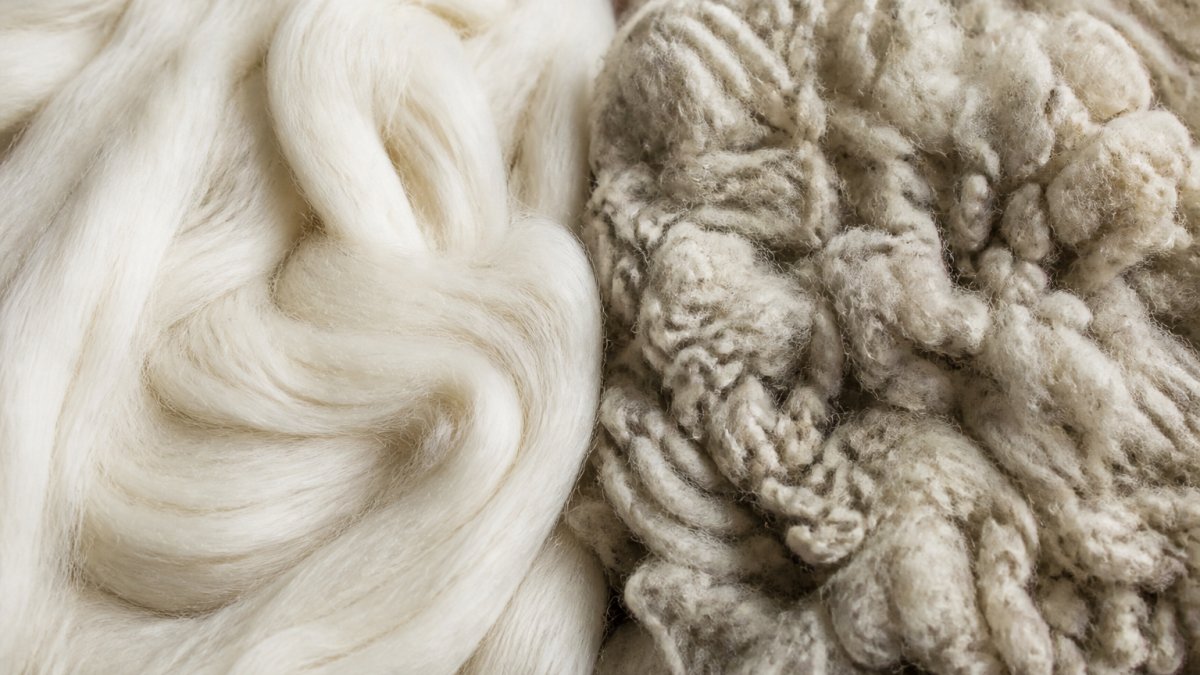
<p>The softness you feel when you touch alpaca is real. Finer fibers feel softer against your skin. Alpaca's fineness, combined with the absence of lanolin, creates a sweater that feels luxurious without any scratch or irritation.</p>
<p class="cta-inline" style="background-color: #9c5c0b08; border-left: 4px solid #9c5c0b; padding: 16px 20px; margin: 24px 0; border-radius: 0 8px 8px 0;">
     <a href="https://purelyalpaca.com/products/ebel-alpaca-sweater" style="color: #9c5c0b; font-weight: 600; text-decoration: underline;">Learn More →</a>
</p>
<h2 id="alpaca-wool-care-instructions-protecting-your-investment">Alpaca Wool Care Instructions: Protecting Your Investment</h2>
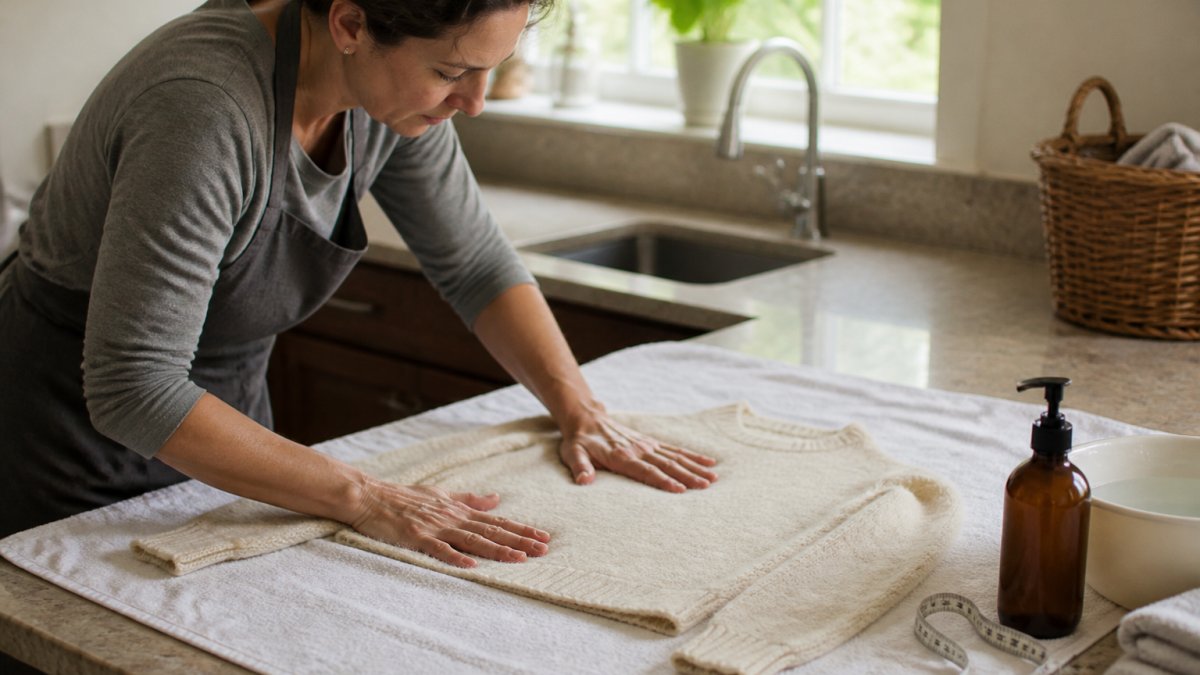
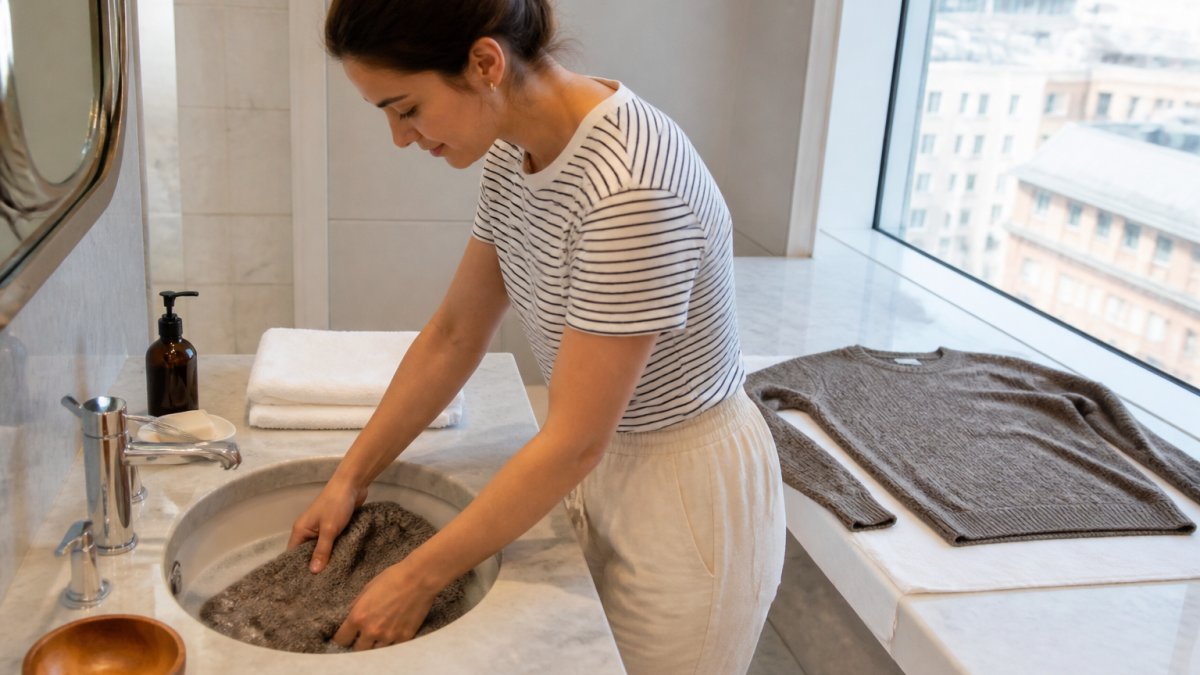
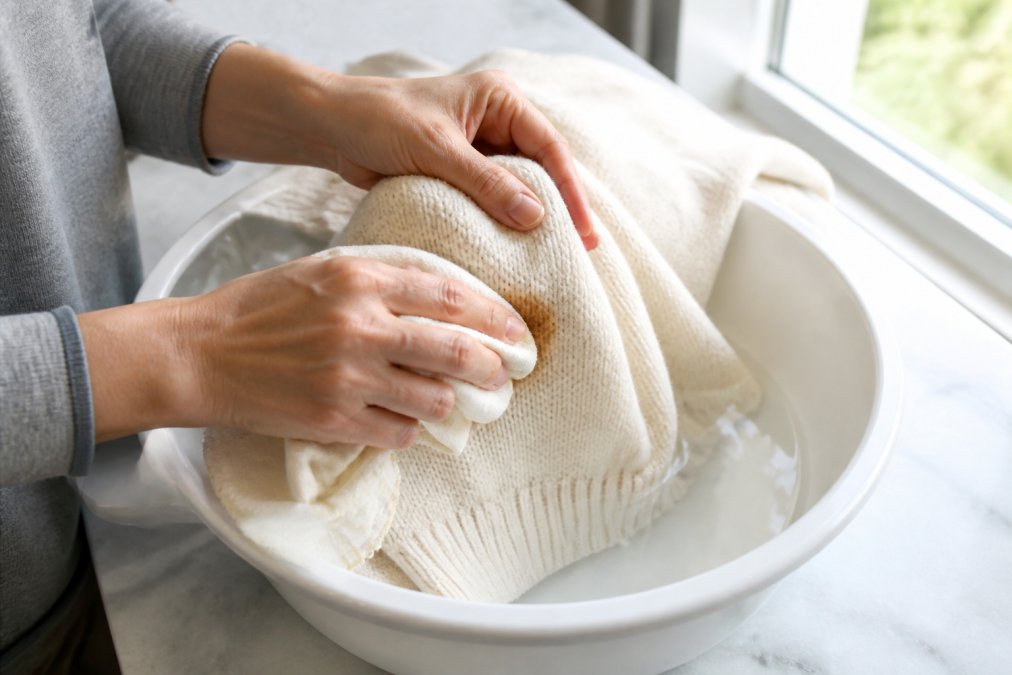
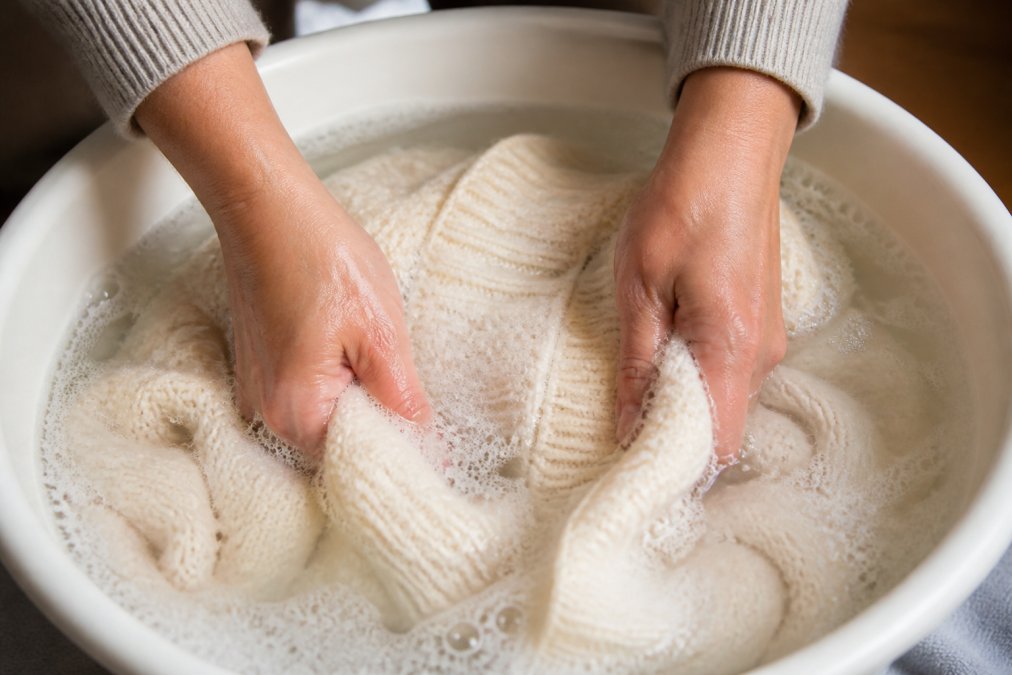
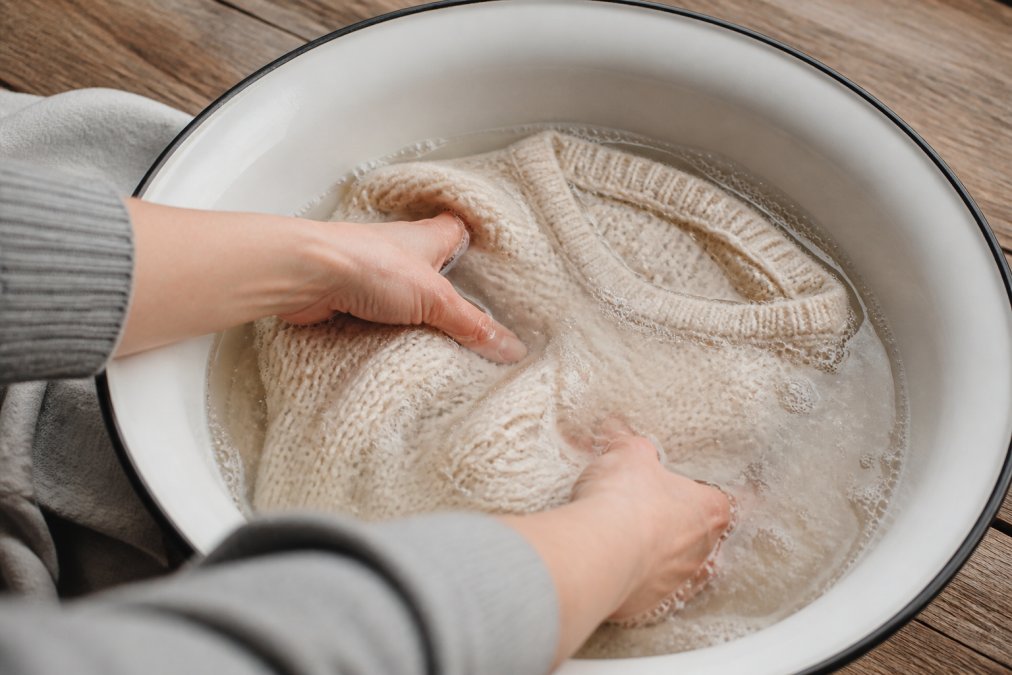
<p>Hand-washing is the safest approach for premium <a href="/products/lattice-cable-mock-sweater">alpaca sweaters</a>. Fill a basin with cool water (around 65-70°F), add mild detergent designed for delicate fibers, and submerge your sweater. Let it soak for 10-15 minutes without agitation. Gently squeeze soapy water through the fabric, don't wring or twist. Rinse thoroughly in cool water until soap is gone.</p><figure class="article-content-image my-8" style="margin:2em auto;padding:0;background:transparent;border:0;max-width:min(100%,max(260px,50%));"><img src="https://cdn.shopify.com/s/files/1/0614/7909/files/lattice-cable-mock-sweater-dropship-rm-493377.PNG?v=1704922890" alt="Lattice Cable Mock Sweater" class="w-full rounded-lg shadow-lg" loading="lazy" style="display:block;width:100%;max-width:100%;height:auto;border-radius:8px;margin:0 auto;"></figure>
<figure class="article-content-image my-8" style="margin:2em 0;padding:0;background:transparent;border:0;"><img src="https://cdn.grandranker.com/articles/why-alpaca-sweaters-are-worth-it-content-2-1786499940.jpg" alt="Hands gently hand-washing a soft alpaca sweater in a clear basin with cool water, mild detergent visible, natural kitchen lighting showing the careful technique" class="w-full rounded-lg shadow-lg" loading="lazy" style="display:block;width:100%;max-width:100%;height:auto;border-radius:8px;margin:0 auto;"></figure>
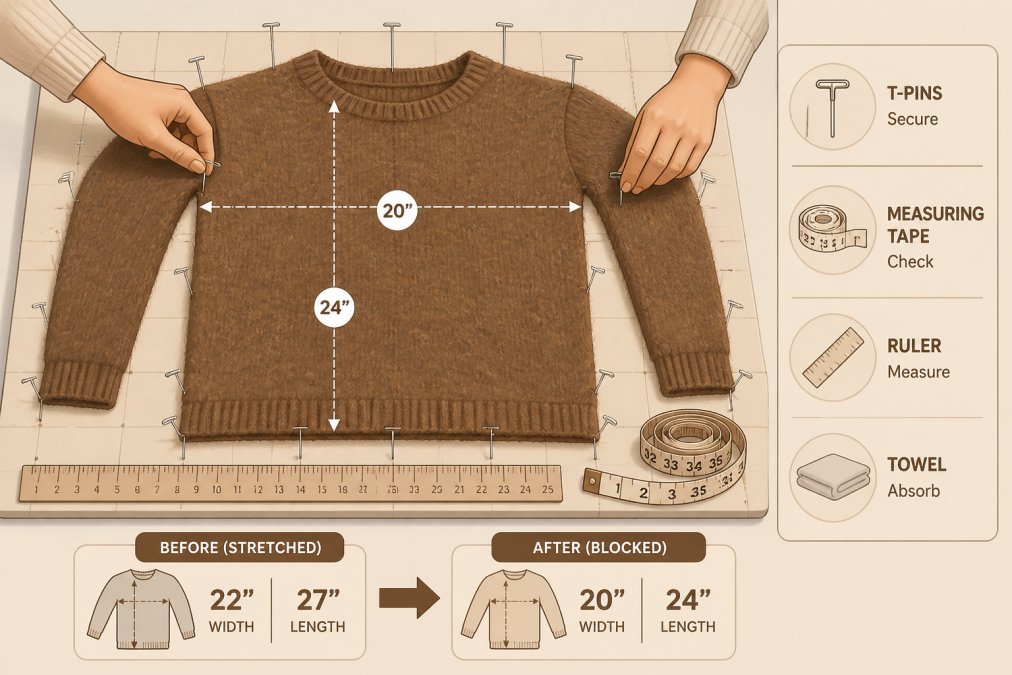
<p>Drying is where most damage happens. Never hang alpaca to dry; the weight of water will stretch it out of shape. Instead, lay it flat on a clean towel, gently squeeze out excess water, and reshape it to its original dimensions. Let it air dry completely, which typically takes 24-48 hours.</p>
<p>Machine washing is possible if your sweater is labeled machine-washable, but hand-washing takes only 10 minutes and guarantees better results. Use wool-specific detergent, not standard laundry detergent, which is too harsh.</p>
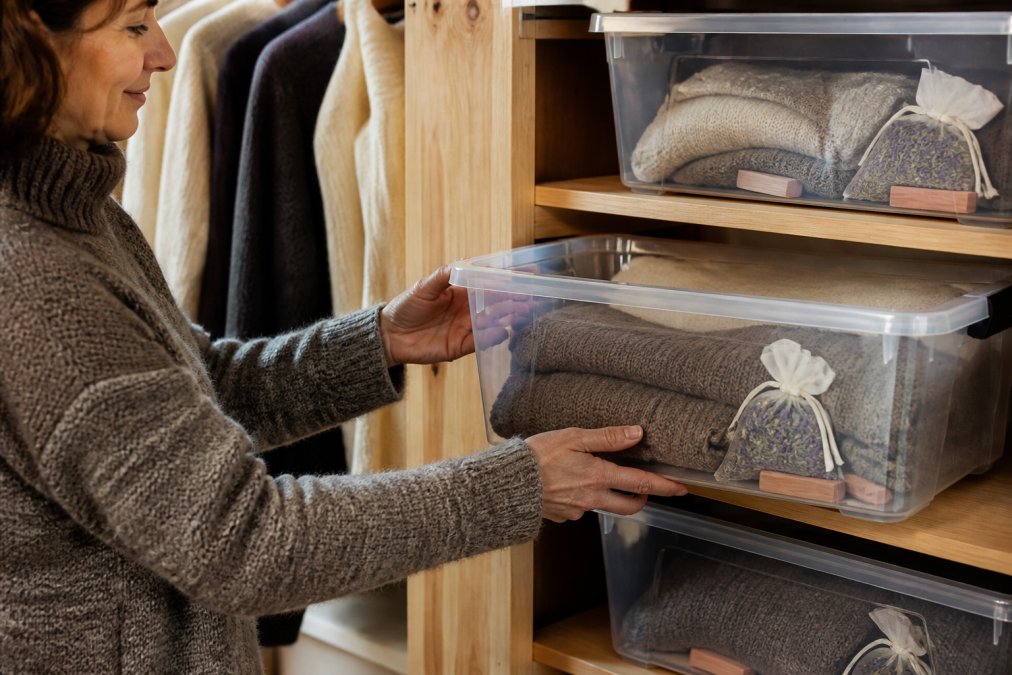
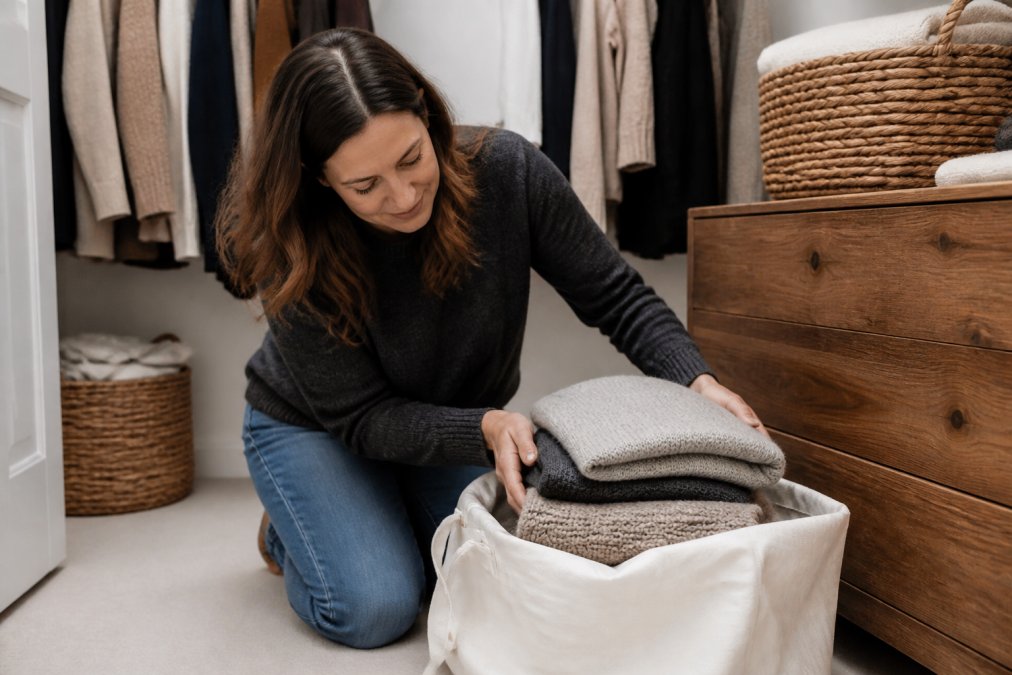
<p>Keep alpaca sweaters folded in a drawer or on a shelf, not hanging. Hanging stretches the shoulders and neckline over time. Cedar blocks or lavender sachets naturally repel moths. If your sweater develops pilling, use a fabric comb or sweater stone to gently remove pills.</p>
<div style="margin:1.5rem 0; padding:16px 20px; background-color:transparent; border-left:4px solid #e5e7eb; border-radius:0 8px 8px 0;">
<strong style="display:block; margin-bottom:4px; color:#111827; font-size:14px;"> Watch Out</strong>
<span style="color:#374151; font-size:15px; line-height:1.6;">Never dry clean alpaca unless the label specifically recommends it. The chemicals used in dry cleaning can damage natural fibers and strip away the fiber's natural properties.</span>
</div>
<p>The Ebel Alpaca Sweater from Purely Alpaca exemplifies this care approach, it's designed to last years with proper maintenance, which is why the upfront investment pays off.</p>
<hr>
<p>Alpaca sweaters represent a genuine investment in quality, comfort, and longevity. The fiber's natural properties, thermal regulation, moisture management, hypoallergenic softness, and durability, justify the higher price when compared to synthetic alternatives or standard wool. For people with sensitive skin, travelers seeking lightweight warmth, or anyone tired of replacing sweaters every season, alpaca delivers measurable value. Purely Alpaca's curated selection, backed by two decades of expertise in natural fiber products, makes it straightforward to find pieces that match your needs. Shop all and discover why alpaca has remained a preferred choice since our founding in 2002.</p>
<section style="margin:3rem 0 2rem 0;" itemscope itemtype="https://schema.org/FAQPage">
<h2 style="font-size:1.5rem; font-weight:700; margin:0 0 4px 0;">Frequently Asked Questions</h2>
<div style="padding:20px 0; border-bottom:1px solid #e5e7eb;" itemscope itemprop="mainEntity" itemtype="https://schema.org/Question">
<h3 style="font-size:1.1rem; font-weight:600; margin:0 0 8px 0;" itemprop="name">Are alpaca sweaters worth the higher price compared to regular wool?</h3>
<div style="line-height:1.7; font-size:0.95rem;" itemscope itemprop="acceptedAnswer" itemtype="https://schema.org/Answer">
<p itemprop="text" style="margin:0;">Yes. Alpaca sweaters cost more upfront but deliver better long-term value. They regulate temperature more effectively than merino wool, resist odors naturally, and resist pilling better than sheep's wool. The Ebel Alpaca Sweater at $139.95 or the Lattice Cable Mock Sweater at $230 will outlast cheaper alternatives by years when cared for properly, making the per-wear cost lower over time.</p>
</div>
</div>
<div style="padding:20px 0; border-bottom:1px solid #e5e7eb;" itemscope itemprop="mainEntity" itemtype="https://schema.org/Question">
<h3 style="font-size:1.1rem; font-weight:600; margin:0 0 8px 0;" itemprop="name">Is alpaca wool itchy like regular sheep's wool?</h3>
<div style="line-height:1.7; font-size:0.95rem;" itemscope itemprop="acceptedAnswer" itemtype="https://schema.org/Answer">
<p itemprop="text" style="margin:0;">No. Alpaca fiber has a smaller diameter than sheep's wool, making it naturally softer and less irritating to sensitive skin. Unlike traditional wool, alpaca is hypoallergenic and lanolin-free, so it won't trigger the itchiness many people experience with sheep wool. People with eczema or sensitive skin often find alpaca comfortable against their skin.</p>
</div>
</div>
<div style="padding:20px 0; border-bottom:1px solid #e5e7eb;" itemscope itemprop="mainEntity" itemtype="https://schema.org/Question">
<h3 style="font-size:1.1rem; font-weight:600; margin:0 0 8px 0;" itemprop="name">How do you care for alpaca sweaters to keep them lasting?</h3>
<div style="line-height:1.7; font-size:0.95rem;" itemscope itemprop="acceptedAnswer" itemtype="https://schema.org/Answer">
<p itemprop="text" style="margin:0;">Hand wash in cool water with mild detergent, never hot water or the washing machine. Lay flat to dry instead of using a dryer. Avoid wringing or twisting. Store in a breathable container away from moths. These simple steps prevent pilling, shrinkage, and fiber damage. Most alpaca sweaters need washing only 2-3 times per season, reducing wear from frequent laundering.</p>
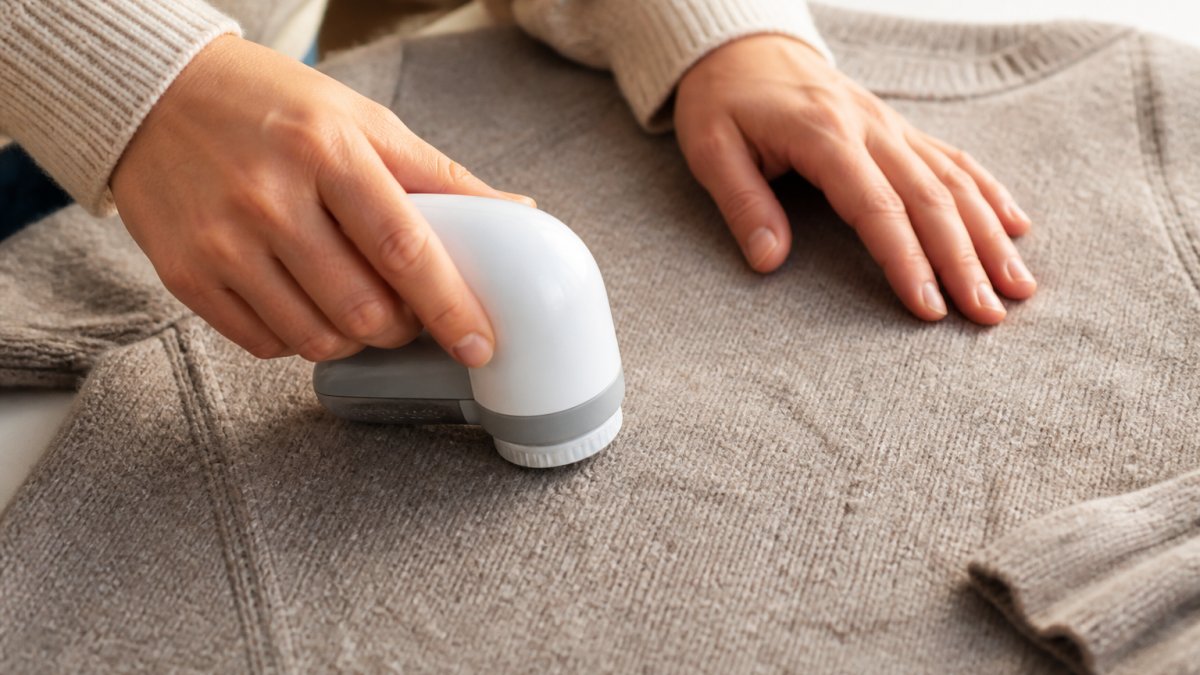
</div>
</div>
<div style="padding:20px 0; border-bottom:1px solid #e5e7eb;" itemscope itemprop="mainEntity" itemtype="https://schema.org/Question">
<h3 style="font-size:1.1rem; font-weight:600; margin:0 0 8px 0;" itemprop="name">How does alpaca compare to merino wool for warmth and moisture management?</h3>
<div style="line-height:1.7; font-size:0.95rem;" itemscope itemprop="acceptedAnswer" itemtype="https://schema.org/Answer">
<p itemprop="text" style="margin:0;">Alpaca provides superior thermal regulation and warmth without the bulk. It's lighter and more breathable than merino wool while trapping heat more effectively. Alpaca also wicks moisture better and resists odors naturally, making it ideal for active wear and travel. Its natural fiber strength means it won't pill or degrade like merino after repeated wear.</p>
</div>
</div>
</section>
<div class="cta-button-container" style="text-align: center; margin: 32px 0;">
    <a href="https://purelyalpaca.com/products/ebel-alpaca-sweater" class="cta-button" style="display: inline-block; background-color: #9c5c0b; color: white; padding: 14px 32px; border-radius: 8px; text-decoration: none; font-weight: 600; font-size: 16px;">Learn More</a>
</div>
<p class="grandranker-branding" style="margin-top: 3rem; padding-top: 1.5rem; border-top: 1px solid #e5e7eb; font-size: 0.875rem; text-align: center;">This article was written using <a href="https://grandranker.com/" target="_blank" rel="noopener">GrandRanker</a></p>]]>
    </content>
  </entry>
  <entry>
    <id>https://purelyalpaca.com/blogs/purelyalpaca-blog/how-to-prevent-pilling-on-alpaca-sweaters</id>
    <published>2026-08-10T21:11:52-07:00</published>
    <updated>2026-08-11T22:19:08-07:00</updated>
    <link rel="alternate" type="text/html" href="https://purelyalpaca.com/blogs/purelyalpaca-blog/how-to-prevent-pilling-on-alpaca-sweaters"/>
    <title>How to Prevent Pilling on Alpaca Sweaters</title>
    <author>
      <name>Purely Alpaca</name>
    </author>
    <summary type="html">
      <![CDATA[How to prevent pilling on alpaca sweaters: Prevent pilling on alpaca sweaters with proper washing, drying, and storage techniques. Learn why alpaca pills.<p><a class="read-more" href="https://purelyalpaca.com/blogs/purelyalpaca-blog/how-to-prevent-pilling-on-alpaca-sweaters">More</a></p>]]>
    </summary>
    <content type="html">
      <![CDATA[<h2 id="table-of-contents">Table of Contents</h2>
<ul>
<li><a href="#why-alpaca-sweaters-pill-and-how-fiber-quality-matters">Why Alpaca Sweaters Pill and How Fiber Quality Matters</a></li>
<li><a href="#how-to-wash-alpaca-wool-without-causing-damage">How to Wash Alpaca Wool Without Causing Damage</a></li>
<li><a href="#drying-storage-and-daily-care-to-prevent-pilling">Drying, Storage, and Daily Care to Prevent Pilling</a></li>
<li><a href="#best-tools-for-removing-sweater-pills-safely">Best Tools for Removing Sweater Pills Safely</a></li>
</ul>
<p><em>Last Updated: August 11, 2026</em></p>
<h2 id="why-alpaca-sweaters-pill-and-how-fiber-quality-matters">Why Alpaca Sweaters Pill and How Fiber Quality Matters</h2>
<p>Pilling occurs when short fibers break free and tangle together, forming small balls that cling to garments. Alpaca sweaters aren't immune, but the cause often lies in how the sweater is made and cared for rather than the fiber itself.</p>
<p>Fiber length plays a critical role in pilling resistance. Long-staple alpaca fibers naturally resist pilling because they're less likely to break free from the yarn structure, while short fibers shed more readily. Yarn twist, how tightly fibers are wound together, also determines durability. Most pilling happens during the first few wears as loose fibers naturally shed; a well-made alpaca sweater typically stabilizes after that initial period.</p>
<div style="margin:1.5rem 0; padding:16px 20px; background-color:transparent; border-left:4px solid #e5e7eb; border-radius:0 8px 8px 0;">
<strong style="display:block; margin-bottom:4px; color:#111827; font-size:14px;"> Pro Tip</strong>
<span style="color:#374151; font-size:15px; line-height:1.6;">Check your alpaca sweater's label or product description for fiber length information. Premium sweaters often specify "long-staple" or "baby alpaca," which indicates finer, longer fibers less prone to pilling.</span>
</div>
<h2 id="how-to-wash-alpaca-wool-without-causing-damage">How to Wash Alpaca Wool Without Causing Damage</h2>
<p>Hand washing is the gentlest method for alpaca sweaters and significantly reduces friction that causes pilling. Fill a sink with cool water, heat weakens alpaca fibers and causes them to shed more readily. Add a small amount of lanolin-free detergent designed for delicate fibers; regular detergent is too harsh and strips protective natural oils. Submerge your sweater and gently agitate for about five minutes without scrubbing or wringing.</p>
<p>Rinse thoroughly in cool water until all soap residue is gone. For the final rinse, add a tiny drop of white vinegar to help remove residual detergent and soften fibers slightly. If you prefer machine washing, use a delicate cycle with cold water and place your sweater inside a mesh laundry bag to reduce agitation.</p>
<figure class="article-content-image my-8" style="margin:2em 0;padding:0;background:transparent;border:0;"><img src="https://cdn.grandranker.com/articles/how-to-prevent-pilling-on-alpaca-sweaters-content-1-1786416616.jpg" alt="Close-up of hands gently submerging an alpaca sweater in a sink filled with cool water and mild detergent, showing careful hand-washing technique with natural light from above" class="w-full rounded-lg shadow-lg" loading="lazy" style="display:block;width:100%;max-width:100%;height:auto;border-radius:8px;margin:0 auto;"></figure>
<p>Wash your sweater only when necessary, typically after three to five wears. Between washes, air out your sweater on a hanger in a well-ventilated space to refresh it naturally.</p>
<div style="margin:1.5rem 0; padding:16px 20px; background-color:transparent; border-left:4px solid #e5e7eb; border-radius:0 8px 8px 0;">
<strong style="display:block; margin-bottom:4px; color:#111827; font-size:14px;"> Watch Out</strong>
<span style="color:#374151; font-size:15px; line-height:1.6;">Never use hot water or regular laundry detergent on alpaca. Hot water opens the fiber cuticles and causes them to break more easily, while harsh detergents damage the fiber's protective layer and increase shedding.</span>
</div>
<h2 id="drying-storage-and-daily-care-to-prevent-pilling">Drying, Storage, and Daily Care to Prevent Pilling</h2>
<p>Lay your alpaca sweater flat on a clean, dry towel immediately after washing. Flat drying prevents gravity from stretching wet fibers, which can cause distortion and increased surface friction. Allow the sweater to air dry completely in a well-ventilated area away from direct heat sources and sunlight. The drying process typically takes 24 to 48 hours.</p>
<figure class="article-content-image my-8" style="margin:2em 0;padding:0;background:transparent;border:0;"><img src="https://cdn.grandranker.com/articles/how-to-prevent-pilling-on-alpaca-sweaters-content-2-1786416639.jpg" alt="An alpaca sweater laid flat on a clean white towel to air dry, with natural window light illuminating the fabric and showing proper flat-drying positioning" class="w-full rounded-lg shadow-lg" loading="lazy" style="display:block;width:100%;max-width:100%;height:auto;border-radius:8px;margin:0 auto;"></figure>
<p>Store your alpaca sweater folded rather than hung, as hanging stretches fibers over time and creates stress points where pilling is more likely. Use a breathable storage container or drawer and avoid plastic bags, which trap moisture. Cedar blocks or lavender sachets naturally repel moths without harsh chemicals that damage alpaca fiber.</p>
<p>Rotation is one of the most underrated pilling prevention strategies. Wearing the same sweater repeatedly creates cumulative friction that accelerates pilling. Minimize friction during wear by avoiding rough surfaces like backpack straps and rough jacket linings.</p>
<div style="margin:1.5rem 0; padding:16px 20px; background-color:transparent; border-left:4px solid #e5e7eb; border-radius:0 8px 8px 0;">
<strong style="display:block; margin-bottom:4px; color:#111827; font-size:14px;"> Key Takeaway</strong>
<span style="color:#374151; font-size:15px; line-height:1.6;">The three pillars of pilling prevention are proper washing (cool water, gentle detergent), correct drying (flat, away from heat), and thoughtful wearing (rotation, minimal friction). Master these three areas and pilling becomes a minor issue rather than a major problem.</span>
</div>
<h2 id="best-tools-for-removing-sweater-pills-safely">Best Tools for Removing Sweater Pills Safely</h2>
<p>Despite your best efforts, some pilling may still occur, especially during the first few wears. A fabric shaver is a battery-operated device with a small rotating blade that carefully cuts surface pills without harming the sweater beneath. A sweater stone is a pumice-like tool that works through gentle abrasion. A wool comb features fine, closely-spaced teeth that catch and remove surface pills, offering the gentlest method for light pilling on fine alpaca fibers.</p>
<p class="cta-inline" style="background-color: #9c5c0b08; border-left: 4px solid #9c5c0b; padding: 16px 20px; margin: 24px 0; border-radius: 0 8px 8px 0;">
     <a href="https://purelyalpaca.com/products/wet-felted-alpaca-dryer-balls-grey-aussie" style="color: #9c5c0b; font-weight: 600; text-decoration: underline;">Learn More →</a>
</p>
<p>For larger-scale pilling prevention, consider <a href="/products/wet-felted-alpaca-dryer-balls-grey-aussie">alpaca dryer balls</a> when laundering similar items. <a href="https://purelyalpaca.com/products/wet-felted-alpaca-dryer-balls-grey-aussie">Purely Alpaca's Wet Felted Alpaca Dryer Balls</a> are made from 100% alpaca fiber and naturally soften fabrics while reducing static electricity during the drying cycle.</p><figure class="article-content-image my-8" style="margin:2em auto;padding:0;background:transparent;border:0;max-width:min(100%,max(260px,50%));"><img src="https://cdn.shopify.com/s/files/1/0614/7909/files/wet-felted-alpaca-dryer-balls-grey-aussie-aussiedryerballs-100-1694472.jpg?v=1786167427" alt="Wet Felted Alpaca Dryer Balls - Grey Aussie" class="w-full rounded-lg shadow-lg" loading="lazy" style="display:block;width:100%;max-width:100%;height:auto;border-radius:8px;margin:0 auto;"></figure>
<p>Never use a razor blade or regular kitchen knife to remove pills, as these tools are too aggressive and will damage the sweater's surface. Similarly, avoid lint rollers, which can pull fibers and create new damage.</p>
<table style="width:100%; border-collapse:collapse; margin:2rem 0; font-size:14px; line-height:1.6;">
<thead style="background-color:#f8f9fa; padding:12px 16px; text-align:left; font-weight:600; border-bottom:2px solid #e5e7eb;">
<tr>
<th style="background-color:#f8f9fa; padding:12px 16px; text-align:left; font-weight:600; border-bottom:2px solid #e5e7eb;">Removal Tool</th>
<th style="background-color:#f8f9fa; padding:12px 16px; text-align:left; font-weight:600; border-bottom:2px solid #e5e7eb;">Best For</th>
<th style="background-color:#f8f9fa; padding:12px 16px; text-align:left; font-weight:600; border-bottom:2px solid #e5e7eb;">Gentleness Level</th>
<th style="background-color:#f8f9fa; padding:12px 16px; text-align:left; font-weight:600; border-bottom:2px solid #e5e7eb;">Time Required</th>
</tr>
</thead>
<tbody>
<tr>
<td style="padding:12px 16px; border-bottom:1px solid #e5e7eb;">Fabric Shaver</td>
<td style="padding:12px 16px; border-bottom:1px solid #e5e7eb;">Moderate to heavy pilling</td>
<td style="padding:12px 16px; border-bottom:1px solid #e5e7eb;">Moderate</td>
<td style="padding:12px 16px; border-bottom:1px solid #e5e7eb;">5-10 minutes</td>
</tr>
<tr>
<td style="padding:12px 16px; border-bottom:1px solid #e5e7eb;">Sweater Stone</td>
<td style="padding:12px 16px; border-bottom:1px solid #e5e7eb;">Light to moderate pilling</td>
<td style="padding:12px 16px; border-bottom:1px solid #e5e7eb;">High</td>
<td style="padding:12px 16px; border-bottom:1px solid #e5e7eb;">10-20 minutes</td>
</tr>
<tr>
<td style="padding:12px 16px; border-bottom:1px solid #e5e7eb;">Wool Comb</td>
<td style="padding:12px 16px; border-bottom:1px solid #e5e7eb;">Light pilling, delicate fibers</td>
<td style="padding:12px 16px; border-bottom:1px solid #e5e7eb;">Very High</td>
<td style="padding:12px 16px; border-bottom:1px solid #e5e7eb;">15-25 minutes</td>
</tr>
<tr>
<td style="padding:12px 16px; border-bottom:1px solid #e5e7eb;">Alpaca Dryer Balls</td>
<td style="padding:12px 16px; border-bottom:1px solid #e5e7eb;">Prevention during drying</td>
<td style="padding:12px 16px; border-bottom:1px solid #e5e7eb;">N/A (preventive)</td>
<td style="padding:12px 16px; border-bottom:1px solid #e5e7eb;">Ongoing</td>
</tr>
</tbody>
</table>
<p>The best approach combines prevention with occasional removal. Proper washing, drying, storage, and wearing practices prevent most pilling from occurring in the first place. When pills do appear, use the gentlest effective tool for your situation.</p>
<hr>
<p>Alpaca sweaters represent a significant investment in comfort and warmth. Protect that investment by understanding both fiber science and practical care. Start with proper washing in cool water with gentle detergent, always dry flat away from heat, rotate your sweaters to minimize friction, and store them folded in breathable containers. When pilling does occur, remove it gently with appropriate tools. With these practices in place, your alpaca sweater will maintain its appearance and performance for years. Explore <a href="https://purelyalpaca.com/products/wet-felted-alpaca-dryer-balls-grey-aussie">Purely Alpaca's collection</a> of premium alpaca pieces and accessories designed to support your care routine, including natural dryer balls that help protect your knitwear during every wash cycle.</p>
<section style="margin:3rem 0 2rem 0;" itemscope itemtype="https://schema.org/FAQPage">
<h2 style="font-size:1.5rem; font-weight:700; margin:0 0 4px 0;">Frequently Asked Questions</h2>
<div style="padding:20px 0; border-bottom:1px solid #e5e7eb;" itemscope itemprop="mainEntity" itemtype="https://schema.org/Question">
<h3 style="font-size:1.1rem; font-weight:600; margin:0 0 8px 0;" itemprop="name">Does alpaca pill easily compared to other fibers?</h3>
<div style="line-height:1.7; font-size:0.95rem;" itemscope itemprop="acceptedAnswer" itemtype="https://schema.org/Answer">
<p itemprop="text" style="margin:0;">Alpaca can pill, but high-quality alpaca sweaters with longer fibers and tighter yarn twist resist pilling better than lower-grade alternatives. Pilling occurs when short fibers work loose from friction during wear and washing. Premium alpaca fiber, like what Purely Alpaca offers, minimizes this issue through superior fiber length and construction. Proper care, gentle washing, flat drying, and reduced friction, further protects against pilling.</p>
</div>
</div>
<div style="padding:20px 0; border-bottom:1px solid #e5e7eb;" itemscope itemprop="mainEntity" itemtype="https://schema.org/Question">
<h3 style="font-size:1.1rem; font-weight:600; margin:0 0 8px 0;" itemprop="name">Will an alpaca sweater eventually stop pilling?</h3>
<div style="line-height:1.7; font-size:0.95rem;" itemscope itemprop="acceptedAnswer" itemtype="https://schema.org/Answer">
<p itemprop="text" style="margin:0;">Yes. Most pilling occurs in the first few months of wear as loose surface fibers shed naturally. Once these fibers are removed, pilling typically slows significantly. Using de-pilling tools early and following proper washing techniques speeds this process. Well-maintained alpaca sweaters from quality sources generally stabilize after the initial pilling phase and last for years with minimal further issues.</p>
</div>
</div>
<div style="padding:20px 0; border-bottom:1px solid #e5e7eb;" itemscope itemprop="mainEntity" itemtype="https://schema.org/Question">
<h3 style="font-size:1.1rem; font-weight:600; margin:0 0 8px 0;" itemprop="name">Can washing alpaca sweaters incorrectly cause pilling?</h3>
<div style="line-height:1.7; font-size:0.95rem;" itemscope itemprop="acceptedAnswer" itemtype="https://schema.org/Answer">
<p itemprop="text" style="margin:0;">Absolutely. Hot water, harsh detergents, vigorous scrubbing, and machine drying all weaken alpaca fibers and trigger excessive pilling. Hand washing in cold water with lanolin-free detergent, laying flat to dry, and avoiding the dryer are essential. Even one incorrect wash can damage fibers and accelerate pilling. Following proper washing techniques preserves fiber integrity and extends your sweater's lifespan significantly.</p>
</div>
</div>
<div style="padding:20px 0; border-bottom:1px solid #e5e7eb;" itemscope itemprop="mainEntity" itemtype="https://schema.org/Question">
<h3 style="font-size:1.1rem; font-weight:600; margin:0 0 8px 0;" itemprop="name">What's the best way to remove pills from alpaca wool?</h3>
<div style="line-height:1.7; font-size:0.95rem;" itemscope itemprop="acceptedAnswer" itemtype="https://schema.org/Answer">
<p itemprop="text" style="margin:0;">Specialized tools like fabric shavers, sweater stones, and wool combs safely remove pills without damaging underlying fibers. A fabric shaver works quickly for larger areas, while a sweater stone offers gentler control. Wool combs work well for delicate fibers. Always test on a hidden area first. Remove pills gently and regularly, catching them early prevents matting and fiber breakage that can weaken your sweater's structure.</p>
</div>
</div>
</section>
<div class="cta-button-container" style="text-align: center; margin: 32px 0;">
    <a href="https://purelyalpaca.com/products/wet-felted-alpaca-dryer-balls-grey-aussie" class="cta-button" style="display: inline-block; background-color: #9c5c0b; color: white; padding: 14px 32px; border-radius: 8px; text-decoration: none; font-weight: 600; font-size: 16px;">Learn More</a>
</div>
<p class="grandranker-branding" style="margin-top: 3rem; padding-top: 1.5rem; border-top: 1px solid #e5e7eb; font-size: 0.875rem; text-align: center;">This article was written using <a href="https://grandranker.com/" target="_blank" rel="noopener">GrandRanker</a></p>]]>
    </content>
  </entry>
  <entry>
    <id>https://purelyalpaca.com/blogs/purelyalpaca-blog/alpaca-clothing-extreme-cold-weather</id>
    <published>2026-08-09T20:25:50-07:00</published>
    <updated>2026-08-10T00:17:08-07:00</updated>
    <link rel="alternate" type="text/html" href="https://purelyalpaca.com/blogs/purelyalpaca-blog/alpaca-clothing-extreme-cold-weather"/>
    <title>Alpaca Clothing for Extreme Cold: The Ultimate Winter Guide</title>
    <author>
      <name>Purely Alpaca</name>
    </author>
    <summary type="html">
      <![CDATA[Alpaca clothing extreme cold: Alpaca clothing for extreme cold delivers superior warmth without bulk. Learn why alpaca outperforms wool, how to layer.<p><a class="read-more" href="https://purelyalpaca.com/blogs/purelyalpaca-blog/alpaca-clothing-extreme-cold-weather">More</a></p>]]>
    </summary>
    <content type="html">
      <![CDATA[<h2 id="table-of-contents">Table of Contents</h2>
<ul>
<li><a href="#why-alpaca-clothing-excels-in-extreme-cold-weather">Why Alpaca Clothing Excels in Extreme Cold Weather</a></li>
<li><a href="#alpaca-wool-vs-merino-wool-warmth-what-sets-them-apart">Alpaca Wool vs Merino Wool Warmth: What Sets Them Apart</a></li>
<li><a href="#how-to-layer-alpaca-clothing-for-winter-performance">How to Layer Alpaca Clothing for Winter Performance</a></li>
<li><a href="#alpaca-wool-care-instructions-for-long-lasting-performance">Alpaca Wool Care Instructions for Long-Lasting Performance</a></li>
</ul>
<p><em>Last Updated: August 10, 2026</em></p>
<h2 id="why-alpaca-clothing-excels-in-extreme-cold-weather">Why Alpaca Clothing Excels in Extreme Cold Weather</h2>
<p>Alpaca fiber's hollow-core structure contains microscopic air pockets that trap heat while wicking moisture away from your skin. Unlike most insulation that traps sweat against your body, cooling you down, alpaca prevents this problem entirely.</p>
<figure class="article-content-image my-8" style="margin:2em 0;padding:0;background:transparent;border:0;"><img src="https://cdn.grandranker.com/articles/alpaca-clothing-for-extreme-cold-the-ultimate-winter-guide-content-1-1786331554.jpg" alt="Close-up of alpaca fiber texture showing fine, soft strands with natural luster and dimensional structure, photographed with natural lighting against neutral background" class="w-full rounded-lg shadow-lg" loading="lazy" style="display:block;width:100%;max-width:100%;height:auto;border-radius:8px;margin:0 auto;"></figure>
<p>At Purely Alpaca, we've worked with outdoor enthusiasts and winter athletes since 2002. The pattern is consistent: people who switch to alpaca report staying warmer while wearing fewer layers, improving mobility and temperature management throughout the day.</p>
<p>Alpaca fiber is naturally hypoallergenic and lanolin-free. Its finer structure, typically 20-25 microns compared to sheep wool's 25-40 microns, sits comfortably against skin without itching.</p>
<div style="margin:1.5rem 0; padding:16px 20px; background-color:transparent; border-left:4px solid #e5e7eb; border-radius:0 8px 8px 0;">
<strong style="display:block; margin-bottom:4px; color:#111827; font-size:14px;"> Pro Tip</strong>
<span style="color:#374151; font-size:15px; line-height:1.6;">The hollow-core structure means alpaca insulates effectively at lower weights. You get serious warmth from garments that weigh significantly less than equivalent wool pieces, reducing fatigue during extended outdoor activities.</span>
</div>
<h2 id="alpaca-wool-vs-merino-wool-warmth-what-sets-them-apart">Alpaca Wool vs Merino Wool Warmth: What Sets Them Apart</h2>
<p>Merino wool excels in moderate conditions, but alpaca outperforms it in extreme cold. In sub-zero temperatures where you're stationary or moving slowly, alpaca's superior insulating properties dominate. Alpaca fiber retains more heat because of its higher loft and better air-trapping capability.</p>
<p>Alpaca is also stronger than merino, maintaining shape and insulating properties longer after repeated compression. Merino tends to pill and lose loft faster under harsh conditions.</p>
<p>In extreme cold, breathability becomes less critical, sweat freezes before it can evaporate. In that environment, alpaca's superior heat retention becomes the priority.</p>
<div style="margin:1.5rem 0; padding:16px 20px; background-color:transparent; border-left:4px solid #e5e7eb; border-radius:0 8px 8px 0;">
<strong style="display:block; margin-bottom:4px; color:#111827; font-size:14px;"> Key Takeaway</strong>
<span style="color:#374151; font-size:15px; line-height:1.6;">For extreme cold performance, alpaca edges out merino because it prioritizes heat retention and durability. Choose alpaca for prolonged sub-zero exposure and stationary work. Choose merino for consistent movement and moderate climates.</span>
</div>
<p>Quality alpaca garments cost more upfront but last longer and perform better in sub-zero conditions.</p>
<h2 id="how-to-layer-alpaca-clothing-for-winter-performance">How to Layer Alpaca Clothing for Winter Performance</h2>
<p>Layering strategy makes the difference between staying warm and staying dangerously cold. The right system uses alpaca's unique properties at each layer.</p>
<figure class="article-content-image my-8" style="margin:2em 0;padding:0;background:transparent;border:0;"><img src="https://cdn.grandranker.com/articles/alpaca-clothing-for-extreme-cold-the-ultimate-winter-guide-content-2-1786331584.jpg" alt="Person wearing complete alpaca layering system outdoors in snowy alpine environment, showing fitted base layer, thick mid-layer sweater, and outer alpaca jacket, actively moving through snow with visible breath" class="w-full rounded-lg shadow-lg" loading="lazy" style="display:block;width:100%;max-width:100%;height:auto;border-radius:8px;margin:0 auto;"></figure>
<p>Start with a fitted alpaca base layer that handles moisture transport. Alpaca's moisture-wicking capability pulls sweat away before it cools you down. Fit matters, loose layers trap air unevenly and create cold spots. Purely Alpaca's <a href="/products/thermal-alpaca-baselayer-bottoms">Thermal Alpaca Baselayer Bottoms</a> ($52.95) are engineered for this purpose with mid-weight construction.</p><figure class="article-content-image my-8" style="margin:2em auto;padding:0;background:transparent;border:0;max-width:min(100%,max(260px,50%));"><img src="https://cdn.shopify.com/s/files/1/0614/7909/files/thermal-alpaca-baselayer-bottoms-lbrm-smd-mrgo-1483474.jpg?v=1786166840" alt="Thermal Alpaca Baselayer Bottoms" class="w-full rounded-lg shadow-lg" loading="lazy" style="display:block;width:100%;max-width:100%;height:auto;border-radius:8px;margin:0 auto;"></figure>
<p>Your mid-layer provides primary insulation. A thick alpaca sweater creates substantial loft without synthetic weight. This layer should be looser than your base layer to maximize air space between layers.</p>
<p>For your outer layer, pure alpaca lacks wind resistance that extreme cold demands. Alpaca-blend jackets (alpaca with nylon or wind-resistant fibers) provide warmth with technical protection. If using pure alpaca outer wear, layer it under a windproof shell.</p>
<p>Extremities require special attention. The Iditarod 100% Alpaca Double-Thick Reversible Gloves ($41.95) use double-thickness construction. The Survival Over-the-Calf Sock ($38.95) protects the vulnerable ankle area. The Iditarod 100% Alpaca Beanie Hat ($41.95) provides full-head coverage, significant body heat escapes through your head in wind.</p>
<p class="cta-inline" style="background-color: #9c5c0b08; border-left: 4px solid #9c5c0b; padding: 16px 20px; margin: 24px 0; border-radius: 0 8px 8px 0;">
     <a href="https://purelyalpaca.com/products/iditarod-100-alpaca-beanie" style="color: #9c5c0b; font-weight: 600; text-decoration: underline;">Learn More →</a>
</p>
<div style="margin:1.5rem 0; padding:16px 20px; background-color:transparent; border-left:4px solid #e5e7eb; border-radius:0 8px 8px 0;">
<strong style="display:block; margin-bottom:4px; color:#111827; font-size:14px;"> Watch Out</strong>
<span style="color:#374151; font-size:15px; line-height:1.6;">The biggest mistake in layering is using too many thick layers instead of the right combination of thin, fitted layers. This creates compression that reduces loft and decreases insulation. Aim for three layers maximum: fitted base, loose mid-layer, and technical outer shell.</span>
</div>
<table style="width:100%; border-collapse:collapse; margin:2rem 0; font-size:14px; line-height:1.6;">
<thead style="background-color:#f8f9fa; padding:12px 16px; text-align:left; font-weight:600; border-bottom:2px solid #e5e7eb;">
<tr>
<th style="background-color:#f8f9fa; padding:12px 16px; text-align:left; font-weight:600; border-bottom:2px solid #e5e7eb;">Layer</th>
<th style="background-color:#f8f9fa; padding:12px 16px; text-align:left; font-weight:600; border-bottom:2px solid #e5e7eb;">Purpose</th>
<th style="background-color:#f8f9fa; padding:12px 16px; text-align:left; font-weight:600; border-bottom:2px solid #e5e7eb;">Alpaca Garment Type</th>
<th style="background-color:#f8f9fa; padding:12px 16px; text-align:left; font-weight:600; border-bottom:2px solid #e5e7eb;">Fit</th>
</tr>
</thead>
<tbody>
<tr>
<td style="padding:12px 16px; border-bottom:1px solid #e5e7eb;">Base Layer</td>
<td style="padding:12px 16px; border-bottom:1px solid #e5e7eb;">Moisture management</td>
<td style="padding:12px 16px; border-bottom:1px solid #e5e7eb;">Fitted thermal bottoms/tops</td>
<td style="padding:12px 16px; border-bottom:1px solid #e5e7eb;">Snug against skin</td>
</tr>
<tr>
<td style="padding:12px 16px; border-bottom:1px solid #e5e7eb;">Mid-Layer</td>
<td style="padding:12px 16px; border-bottom:1px solid #e5e7eb;">Primary insulation</td>
<td style="padding:12px 16px; border-bottom:1px solid #e5e7eb;">Thick sweater or fleece</td>
<td style="padding:12px 16px; border-bottom:1px solid #e5e7eb;">Loose, allows air space</td>
</tr>
<tr>
<td style="padding:12px 16px; border-bottom:1px solid #e5e7eb;">Outer Layer</td>
<td style="padding:12px 16px; border-bottom:1px solid #e5e7eb;">Wind/weather protection</td>
<td style="padding:12px 16px; border-bottom:1px solid #e5e7eb;">Alpaca-blend jacket or shell</td>
<td style="padding:12px 16px; border-bottom:1px solid #e5e7eb;">Comfortable over mid-layer</td>
</tr>
<tr>
<td style="padding:12px 16px; border-bottom:1px solid #e5e7eb;">Extremities</td>
<td style="padding:12px 16px; border-bottom:1px solid #e5e7eb;">Targeted warmth</td>
<td style="padding:12px 16px; border-bottom:1px solid #e5e7eb;">Gloves, socks, hat</td>
<td style="padding:12px 16px; border-bottom:1px solid #e5e7eb;">Specific to body part</td>
</tr>
</tbody>
</table>
<h2 id="alpaca-wool-care-instructions-for-long-lasting-performance">Alpaca Wool Care Instructions for Long-Lasting Performance</h2>
<p>How you care for alpaca garments determines whether they maintain thermal properties for years or degrade after one season. Alpaca requires less intensive care than merino or regular wool.</p>
<p>Hand washing is safest. Use cool water with gentle wool-specific detergent and submerge for 10-15 minutes. Agitate gently without wringing. Rinse thoroughly with cool water until clear. Never use regular laundry detergent, which damages fiber and reduces insulating efficiency.</p>
<p>Machine washing on delicate cycle with cold water and wool detergent is acceptable for some items, but hand washing extends garment life. Never use heat when drying. Lay flat on a clean towel, reshape to original dimensions, and air dry completely, typically 24-48 hours.</p>
<p>Store clean garments in cool, dry places in breathable fabric bags, never plastic. Avoid compression storage that crushes loft. Cedar or lavender sachets naturally repel moths.</p>
<p>Pilling sometimes occurs in friction areas but doesn't indicate poor quality. Use a pilling comb or fabric shaver to gently remove surface pills.</p>
<div style="margin:1.5rem 0; padding:16px 20px; background-color:transparent; border-left:4px solid #e5e7eb; border-radius:0 8px 8px 0;">
<strong style="display:block; margin-bottom:4px; color:#111827; font-size:14px;"> Pro Tip</strong>
<span style="color:#374151; font-size:15px; line-height:1.6;">Alpaca fiber develops a natural patina with use. The garment becomes more comfortable and performs better as fiber relaxes. High-quality alpaca actually improves with age, unlike synthetic alternatives.</span>
</div>
<p>Blot fresh stains immediately, never rub. For set-in stains, create a paste with cool water and wool detergent, apply gently, let sit 15 minutes, then rinse thoroughly.</p>
<hr>
<p>Alpaca clothing for extreme cold weather represents a shift from treating winter gear as disposable to investing in performance pieces that last. The combination of superior thermal properties, natural moisture management, and durability makes alpaca the practical choice for anyone serious about staying warm in sub-zero conditions. Start with one foundational piece, perhaps the Iditarod Beanie or Thermal Baselayer Bottoms from Purely Alpaca, and experience the difference hollow-core fiber structure makes in real conditions. Get started with Purely Alpaca and discover why serious winter athletes choose alpaca for their most demanding cold-weather activities.</p>
<section style="margin:3rem 0 2rem 0;" itemscope itemtype="https://schema.org/FAQPage">
<h2 style="font-size:1.5rem; font-weight:700; margin:0 0 4px 0;">Frequently Asked Questions</h2>
<div style="padding:20px 0; border-bottom:1px solid #e5e7eb;" itemscope itemprop="mainEntity" itemtype="https://schema.org/Question">
<h3 style="font-size:1.1rem; font-weight:600; margin:0 0 8px 0;" itemprop="name">Is alpaca wool warmer than sheep's wool for extreme cold?</h3>
<div style="line-height:1.7; font-size:0.95rem;" itemscope itemprop="acceptedAnswer" itemtype="https://schema.org/Answer">
<p itemprop="text" style="margin:0;">Yes. Alpaca fiber's hollow-core structure traps more air than sheep wool, providing superior insulation in extreme cold. Alpaca also has lower moisture regain, meaning it stays drier and maintains warmth even in wet conditions. Sheep wool tends to absorb more moisture, which reduces its insulating properties when damp. For sub-zero temperatures, alpaca clothing for extreme cold weather consistently outperforms standard wool.</p>
</div>
</div>
<div style="padding:20px 0; border-bottom:1px solid #e5e7eb;" itemscope itemprop="mainEntity" itemtype="https://schema.org/Question">
<h3 style="font-size:1.1rem; font-weight:600; margin:0 0 8px 0;" itemprop="name">How do you care for alpaca wool clothing to ensure longevity?</h3>
<div style="line-height:1.7; font-size:0.95rem;" itemscope itemprop="acceptedAnswer" itemtype="https://schema.org/Answer">
<p itemprop="text" style="margin:0;">Hand wash alpaca garments in cool water with mild detergent, avoiding hot water and harsh chemicals. Never use a washing machine, dryer, or dry cleaning, as these damage the fiber's structure. Rinse thoroughly until water runs clear, gently squeeze out excess moisture, and lay flat to dry on a clean towel. Store in a cool, dry place away from direct sunlight. With proper alpaca wool care instructions, quality pieces last 10+ years without pilling or deterioration.</p>
</div>
</div>
<div style="padding:20px 0; border-bottom:1px solid #e5e7eb;" itemscope itemprop="mainEntity" itemtype="https://schema.org/Question">
<h3 style="font-size:1.1rem; font-weight:600; margin:0 0 8px 0;" itemprop="name">Is alpaca wool hypoallergenic and safe for sensitive skin?</h3>
<div style="line-height:1.7; font-size:0.95rem;" itemscope itemprop="acceptedAnswer" itemtype="https://schema.org/Answer">
<p itemprop="text" style="margin:0;">Yes. Alpaca fiber is naturally hypoallergenic and lanolin-free, making it ideal for people with eczema or sensitive skin. Unlike sheep wool, which contains lanolin and coarse fibers that irritate, alpaca has a smooth surface and minimal allergens. The fiber diameter is finer than most wools, reducing skin irritation. Many customers with wool sensitivity find alpaca clothing comfortable and non-irritating.</p>
</div>
</div>
<div style="padding:20px 0; border-bottom:1px solid #e5e7eb;" itemscope itemprop="mainEntity" itemtype="https://schema.org/Question">
<h3 style="font-size:1.1rem; font-weight:600; margin:0 0 8px 0;" itemprop="name">What makes alpaca clothing worth the higher price compared to synthetic alternatives?</h3>
<div style="line-height:1.7; font-size:0.95rem;" itemscope itemprop="acceptedAnswer" itemtype="https://schema.org/Answer">
<p itemprop="text" style="margin:0;">Alpaca delivers superior performance that justifies the investment. It provides exceptional warmth without bulk, moisture-wicking that synthetics can't match, and durability that lasts decades with proper care. Alpaca is a natural, sustainable fiber that regulates body temperature better than polyester or acrylic blends. For extreme cold environments, the weight-to-warmth ratio and breathability of alpaca outweigh the upfront cost through years of reliable performance.</p>
</div>
</div>
</section>
<div class="cta-button-container" style="text-align: center; margin: 32px 0;">
    <a href="https://purelyalpaca.com/products/iditarod-100-alpaca-beanie" class="cta-button" style="display: inline-block; background-color: #9c5c0b; color: white; padding: 14px 32px; border-radius: 8px; text-decoration: none; font-weight: 600; font-size: 16px;">Learn More</a>
</div>
<p class="grandranker-branding" style="margin-top: 3rem; padding-top: 1.5rem; border-top: 1px solid #e5e7eb; font-size: 0.875rem; text-align: center;">This article was written using <a href="https://grandranker.com/" target="_blank" rel="noopener">GrandRanker</a></p>]]>
    </content>
  </entry>
  <entry>
    <id>https://purelyalpaca.com/blogs/purelyalpaca-blog/alpaca-options-for-2026</id>
    <published>2026-08-08T20:07:22-07:00</published>
    <updated>2026-08-09T01:16:08-07:00</updated>
    <link rel="alternate" type="text/html" href="https://purelyalpaca.com/blogs/purelyalpaca-blog/alpaca-options-for-2026"/>
    <title>Alpaca Options for 2026</title>
    <author>
      <name>Purely Alpaca</name>
    </author>
    <summary type="html">
      <![CDATA[Explore top alpaca alternatives to Alicia Adams. Compare luxury fibers, pricing, and ethical sourcing. Find the best option for warmth and comfort.<p><a class="read-more" href="https://purelyalpaca.com/blogs/purelyalpaca-blog/alpaca-options-for-2026">More</a></p>]]>
    </summary>
    <content type="html">
      <![CDATA[<h2 id="table-of-contents">Table of Contents</h2>
<ul>
<li><a class="text-primary underline underline-offset-4 hover:text-primary/80" href="#why-choose-alpaca-alternatives">Why Choose Alpaca Alternatives</a></li>
<li><a class="text-primary underline underline-offset-4 hover:text-primary/80" href="#alpaca-vs-cashmere-blankets-fiber-comparison">Alpaca vs Cashmere Blankets: Fiber Comparison</a></li>
<li><a href="#how-to-care-for-alpaca-wool">How to Care for Alpaca</a></li>
<li><a href="#best-alpaca-to-consider">Best Alpaca to Consider</a></li>
</ul>
<p><em>Last Updated: August 9, x.com/@purelyalpacax</em></p>
<h2 id="why-choose-alpaca-alternatives">Why Choose Alpaca Alternatives</h2>
<p>Alpaca fiber delivers exceptional warmth without bulk, making it ideal for layering in harsh climates. But alternatives like cashmere, merino wool, and ethically-sourced blends each solve different problems. Some cost less. Others perform better in specific conditions.</p>
<p>At Purely Alpaca, we've spent over two decades helping customers find the perfect natural fiber for their lifestyle. The best choice isn't always the most popular one, it's the one that matches what you actually need.</p>
<p>Below, we'll walk you through how alpaca compares to its strongest competitors, which alternatives make sense for different situations, and how to care for natural textiles so they last.</p>
<h2 id="alpaca-vs-cashmere-blankets-fiber-comparison">Alpaca vs Cashmere Blankets: Fiber Comparison</h2>
<p>Alpaca and cashmere are both luxury natural fibers, but they perform differently. Alpaca comes from South American herds; cashmere comes from goats in Mongolia, China, and Central Asia.</p>
<figure style="margin: 2rem 0;"><img src="https://cdn.grandranker.com/articles/alicia-adams-alpaca-alternatives-2026-comparison-content-1-1786244021.jpg" alt="Side-by-side comparison of alpaca alternatives" style="max-width: 100%; height: auto; border-radius: 0.5rem; box-shadow: 0 4px 6px -1px rgba(0,0,0,.1);" loading="lazy">
<figcaption style="font-size: 0.875rem; color: #6b7280; margin-top: 0.5rem; text-align: center;">Side-by-side comparison of alpaca alternatives</figcaption>
</figure>
<p>(https://purelyalpaca.myshopify.com/blogs/purelyalpaca-blog/alpaca-wool-vs-cashmere-for-warmth-which-wins): Fiber Comparison]</p>
<p><strong>Fiber Characteristics and Softness</strong></p>
<p>Cashmere has a finer micron count (14-16 microns vs. alpaca's 22-24 microns), giving it a slightly smoother feel. However, alpaca offers superior hypoallergenic properties, it lacks lanolin, the oil in sheep wool that triggers allergies. For sensitive skin or eczema, alpaca is often the better choice.</p>
<p><strong>Thermal Performance and Durability</strong></p>
<p>Alpaca fiber has superior insulation and moisture-wicking capability, regulating temperature better in fluctuating conditions. Cashmere excels in stable, dry environments but can feel clammy during active use.</p>
<p>Alpaca resists pilling far better than cashmere. Cashmere garments show visible wear within two to three seasons; properly cared-for alpaca pieces maintain their appearance for five to seven years or longer.</p>
<p><strong>Price and Value</strong></p>
<p>Cashmere typically costs 30-50% more than comparable alpaca pieces. For the price of one cashmere sweater, you can own two or three alpaca alternatives. Over five years, alpaca usually delivers better value.</p>
<h2 id="how-to-care-for-alpaca-wool">How to Care for Alpaca Wool</h2>
<p>Proper care determines whether natural fiber alpaca last one season or seven.</p>
<p><a rel="noopener noreferrer" class="text-primary underline underline-offset-4 hover:text-primary/80" href="https://purelyalpaca.myshopify.com/blogs/purelyalpaca-blog/how-to-wash-alpaca-sweaters-at-home" target="_blank"><strong>Basic Care Instructions</strong></a></p>
<p>Hand wash in cool water (around 60°F) with gentle detergent, or use a machine delicate cycle with a mesh bag. Avoid agitation and heat. Never wring or twist; gently squeeze out excess water and lay flat to dry on a clean towel. Most pieces dry completely within 24-48 hours.</p>
<p><strong>Storage and Pilling Prevention</strong></p>
<p>Store folded rather than hung to prevent stress points that accelerate pilling. Use breathable storage containers, never plastic bags. When pilling occurs, use a gentle fabric comb or specialized pilling tool rather than picking by hand.</p>
<p><strong>Washing Frequency</strong></p>
<p>Natural fiber garments need less frequent washing than synthetics. Alpaca and cashmere have natural antimicrobial properties. A light sweater can go 5-7 wears between washes; heavy-use items might need washing every 2-3 wears.</p>
<div style="margin: 1.5rem 0px; padding: 16px 20px; background-color: transparent; border-left: 4px solid rgb(229, 231, 235); border-radius: 0px 8px 8px 0px;">
<strong style="display: block; margin-bottom: 4px; color: rgb(17, 24, 39); font-size: 14px;">Watch Out</strong><span style="color: rgb(55, 65, 81); font-size: 15px; line-height: 1.6;">Never use hot water on alpaca , it weakens fibers and causes permanent shrinkage. Always use cool water.</span>
</div>
<h2 id="best-alpaca-to-consider">Best Alpaca to Consider</h2>
<p><strong>Purely Alpaca</strong> stands out as the top choice for authentic alpaca fiber and proven longevity. Since 2002, this family-owned business has focused exclusively on high-quality alpaca products. The <a class="text-primary underline underline-offset-4 hover:text-primary/80" href="/products/ebel-alpaca-sweater">Ebel Alpaca Sweater</a> ($139.95) features two side pockets for genuine functionality. The Women's Ridgeport Zip Alpaca Vest ($209.95) has been their bestseller for nearly a decade with heavy-washed, double-faced construction. The Men's Bucksport Zip Alpaca Vest ($219.95) delivers exceptional warmth with minimal weight. Free shipping on orders over $100 and hassle-free returns remove friction and risk.</p>
<p><img class="rounded-lg max-w-full h-auto my-4 cursor-pointer" src="https://cdn.shopify.com/s/files/1/0614/7909/files/ebel-alpaca-sweater-pl-16184-ginger-os-1849362.jpeg?v=1786167736" alt="Ebel Alpaca Sweater" style="display: block; width: 100%; max-width: 100%; height: auto; border-radius: 8px; margin: 0 auto;"></p>
<div style="margin: 1.5rem 0px; padding: 16px 20px; background-color: transparent; border-left: 4px solid rgb(229, 231, 235); border-radius: 0px 8px 8px 0px;">
<strong style="display: block; margin-bottom: 4px; color: rgb(17, 24, 39); font-size: 14px;">Key Takeaway</strong><span style="color: rgb(55, 65, 81); font-size: 15px; line-height: 1.6;">Purely Alpaca delivers the best balance of quality, value, and practical design. Their two-decade track record reflects focusing on what works rather than chasing trends.</span>
</div>
<section style="margin: 3rem 0 2rem 0;" itemscope="" itemtype="https://schema.org/FAQPage">
<h2 style="font-size: 1.5rem; font-weight: bold; margin: 0 0 4px 0;">Frequently Asked Questions</h2>
<div style="padding: 20px 0; border-bottom: 1px solid #e5e7eb;" itemscope="" itemprop="mainEntity" itemtype="https://schema.org/Question">
<h3 style="font-size: 1.1rem; font-weight: 600; margin: 0 0 8px 0;" itemprop="name">Is alpaca wool really hypoallergenic compared to regular wool?</h3>
<div style="line-height: 1.7; font-size: 0.95rem;" itemscope="" itemprop="acceptedAnswer" itemtype="https://schema.org/Answer">
<p itemprop="text" style="margin: 0;">Yes, alpaca wool is naturally hypoallergenic and significantly gentler than sheep wool. Alpaca fiber lacks lanolin, the oil in sheep wool that triggers itching and irritation in people with sensitive skin or eczema. The fiber is smoother and less likely to cause the scratchy feeling associated with traditional wool. This makes alpaca an excellent choice for anyone with wool sensitivity, though individual reactions vary. Always check product composition to ensure 100% alpaca or high-percentage blends if you have very sensitive skin.</p>
</div>
</div>
<div style="padding: 20px 0; border-bottom: 1px solid #e5e7eb;" itemscope="" itemprop="mainEntity" itemtype="https://schema.org/Question">
<h3 style="font-size: 1.1rem; font-weight: 600; margin: 0 0 8px 0;" itemprop="name">What makes alpaca worth the higher price compared to department store alternatives?</h3>
<div style="line-height: 1.7; font-size: 0.95rem;" itemscope="" itemprop="acceptedAnswer" itemtype="https://schema.org/Answer">
<p itemprop="text" style="margin: 0;">Alpaca commands premium prices due to superior performance and durability. Alpaca fiber provides exceptional thermal regulation, moisture-wicking, and odor resistance naturally, without synthetic treatments. It resists pilling better than merino wool and lasts significantly longer with proper care. A quality alpaca sweater like the Ebel Alpaca Sweater at $139.95 from Purely Alpaca will outlast cheaper alternatives by years. Additionally, ethical alpaca production supports fair wages and sustainable farming practices, making the investment support responsible sourcing alongside personal quality.</p>
</div>
</div>
<div style="padding: 20px 0; border-bottom: 1px solid #e5e7eb;" itemscope="" itemprop="mainEntity" itemtype="https://schema.org/Question">
<h3 style="font-size: 1.1rem; font-weight: 600; margin: 0 0 8px 0;" itemprop="name">How do I care for alpaca wool to prevent damage and pilling?</h3>
<div style="line-height: 1.7; font-size: 0.95rem;" itemscope="" itemprop="acceptedAnswer" itemtype="https://schema.org/Answer">
<p itemprop="text" style="margin: 0;">Alpaca wool requires gentle care to maintain its quality. Hand wash in cool water with mild detergent, or use a delicate machine cycle. Avoid hot water, which can damage fibers. Never use a dryer; instead, lay flat to dry on a clean towel. Store folded rather than hung to prevent stretching. Alpaca resists pilling better than merino wool, but gentle handling extends longevity. For stubborn pilling, use a fabric comb or pill remover gently. Most alpaca items don't require frequent washing; airing them outside removes odors naturally.</p>
</div>
</div>
</section>
<div class="cta-button-container" style="text-align: center; margin: 32px 0;"><a href="https://purelyalpaca.com/products/ebel-alpaca-sweater" class="cta-button" style="display: inline-block; background-color: #9c5c0b; color: white; padding: 14px 32px; border-radius: 8px; text-decoration: none; font-weight: 600; font-size: 16px;">Learn More</a></div>
<p class="grandranker-branding" style="margin-top: 3rem; padding-top: 1.5rem; border-top: 1px solid #e5e7eb; font-size: 0.875rem; text-align: center;">This article was written using <a href="https://grandranker.com/" rel="noopener" target="_blank">GrandRanker</a></p>]]>
    </content>
  </entry>
  <entry>
    <id>https://purelyalpaca.com/blogs/purelyalpaca-blog/alpaca-vs-sheep-wool-for-eczema-which-is-better</id>
    <published>2026-08-07T20:11:50-07:00</published>
    <updated>2026-08-07T22:24:59-07:00</updated>
    <link rel="alternate" type="text/html" href="https://purelyalpaca.com/blogs/purelyalpaca-blog/alpaca-vs-sheep-wool-for-eczema-which-is-better"/>
    <title>Alpaca vs Sheep Wool for Eczema: Which Is Better?</title>
    <author>
      <name>Editorial Team</name>
    </author>
    <summary type="html">
      <![CDATA[Alpaca vs sheep wool for eczema: compare fiber structure, lanolin content, and skin safety. Learn which material suits sensitive skin best.<p><a class="read-more" href="https://purelyalpaca.com/blogs/purelyalpaca-blog/alpaca-vs-sheep-wool-for-eczema-which-is-better">More</a></p>]]>
    </summary>
    <content type="html">
      <![CDATA[<h2 id="table-of-contents">Table of Contents</h2>
<ul>
<li><a href="#alpaca-vs-sheep-wool-quick-comparison-table">Alpaca vs Sheep Wool: Quick Comparison Table</a></li>
<li>
<a href="#fiber-structure-why-alpaca-feels-different-on-sensitive-skin">Fiber Structure: Why Alpaca Feels Different on Sensitive Skin</a>
<ul>
<li><a href="#fiber-diameter-and-micron-count">Fiber Diameter and Micron Count</a></li>
<li><a href="#fiber-scales-and-surface-smoothness">Fiber Scales and Surface Smoothness</a></li>
</ul>
</li>
<li>
<a href="#lanolin-free-wool-alternatives-why-alpaca-eliminates-a-major-irritant">Lanolin-Free Wool Alternatives: Why Alpaca Eliminates a Major Irritant</a>
<ul>
<li><a href="#lanolins-role-in-contact-dermatitis">Lanolin's Role in Contact Dermatitis</a></li>
</ul>
</li>
<li><a href="#is-alpaca-wool-itchy-what-the-science-shows">Is Alpaca Wool Itchy? What the Science Shows</a></li>
<li><a href="#moisture-wicking-and-temperature-regulation-for-eczema-flare-up-prevention">Moisture-Wicking and Temperature Regulation for Eczema Flare-Up Prevention</a></li>
<li>
<a href="#best-clothing-materials-for-eczema-how-alpaca-and-merino-compare">Best Clothing Materials for Eczema: How Alpaca and Merino Compare</a>
<ul>
<li><a href="#alpaca-hypoallergenic-and-lanolin-free">Alpaca: Hypoallergenic and Lanolin-Free</a></li>
<li><a href="#merino-wool-superfine-but-still-contains-lanolin">Merino Wool: Superfine but Still Contains Lanolin</a></li>
</ul>
</li>
<li><a href="#washing-and-chemical-residue-how-care-practices-affect-eczema">Washing and Chemical Residue: How Care Practices Affect Eczema</a></li>
<li><a href="#alpaca-fiber-grades-baby-vs-royal-alpaca-for-sensitive-skin">Alpaca Fiber Grades: Baby vs. Royal Alpaca for Sensitive Skin</a></li>
</ul>
<p><em>Last Updated: August 8, 2026</em></p>
<h2 id="alpaca-vs-sheep-wool-quick-comparison-table">Alpaca vs Sheep Wool: Quick Comparison Table</h2>
<table style="width:100%; border-collapse:collapse; margin:2rem 0; font-size:14px; line-height:1.6;">
<thead style="background-color:#f8f9fa; padding:12px 16px; text-align:left; font-weight:600; border-bottom:2px solid #e5e7eb;">
<tr>
<th style="background-color:#f8f9fa; padding:12px 16px; text-align:left; font-weight:600; border-bottom:2px solid #e5e7eb;">Feature</th>
<th style="background-color:#f8f9fa; padding:12px 16px; text-align:left; font-weight:600; border-bottom:2px solid #e5e7eb;">Alpaca Fiber</th>
<th style="background-color:#f8f9fa; padding:12px 16px; text-align:left; font-weight:600; border-bottom:2px solid #e5e7eb;">Sheep Wool</th>
<th style="background-color:#f8f9fa; padding:12px 16px; text-align:left; font-weight:600; border-bottom:2px solid #e5e7eb;">Winner for Eczema</th>
</tr>
</thead>
<tbody>
<tr>
<td style="padding:12px 16px; border-bottom:1px solid #e5e7eb;">Lanolin Content</td>
<td style="padding:12px 16px; border-bottom:1px solid #e5e7eb;">None (lanolin-free)</td>
<td style="padding:12px 16px; border-bottom:1px solid #e5e7eb;">Contains lanolin</td>
<td style="padding:12px 16px; border-bottom:1px solid #e5e7eb;">Alpaca</td>
</tr>
<tr>
<td style="padding:12px 16px; border-bottom:1px solid #e5e7eb;">Fiber Diameter</td>
<td style="padding:12px 16px; border-bottom:1px solid #e5e7eb;">20-30 microns (finer)</td>
<td style="padding:12px 16px; border-bottom:1px solid #e5e7eb;">24-40 microns (coarser)</td>
<td style="padding:12px 16px; border-bottom:1px solid #e5e7eb;">Alpaca</td>
</tr>
<tr>
<td style="padding:12px 16px; border-bottom:1px solid #e5e7eb;">Fiber Scales</td>
<td style="padding:12px 16px; border-bottom:1px solid #e5e7eb;">Smooth, minimal barbs</td>
<td style="padding:12px 16px; border-bottom:1px solid #e5e7eb;">Pronounced scales, barbs</td>
<td style="padding:12px 16px; border-bottom:1px solid #e5e7eb;">Alpaca</td>
</tr>
<tr>
<td style="padding:12px 16px; border-bottom:1px solid #e5e7eb;">Moisture-Wicking</td>
<td style="padding:12px 16px; border-bottom:1px solid #e5e7eb;">Excellent</td>
<td style="padding:12px 16px; border-bottom:1px solid #e5e7eb;">Good</td>
<td style="padding:12px 16px; border-bottom:1px solid #e5e7eb;">Alpaca</td>
</tr>
<tr>
<td style="padding:12px 16px; border-bottom:1px solid #e5e7eb;">Temperature Regulation</td>
<td style="padding:12px 16px; border-bottom:1px solid #e5e7eb;">Superior</td>
<td style="padding:12px 16px; border-bottom:1px solid #e5e7eb;">Good</td>
<td style="padding:12px 16px; border-bottom:1px solid #e5e7eb;">Alpaca</td>
</tr>
<tr>
<td style="padding:12px 16px; border-bottom:1px solid #e5e7eb;">Contact Dermatitis Risk</td>
<td style="padding:12px 16px; border-bottom:1px solid #e5e7eb;">Minimal</td>
<td style="padding:12px 16px; border-bottom:1px solid #e5e7eb;">Higher (lanolin allergen)</td>
<td style="padding:12px 16px; border-bottom:1px solid #e5e7eb;">Alpaca</td>
</tr>
<tr>
<td style="padding:12px 16px; border-bottom:1px solid #e5e7eb;">Hypoallergenic</td>
<td style="padding:12px 16px; border-bottom:1px solid #e5e7eb;">Yes</td>
<td style="padding:12px 16px; border-bottom:1px solid #e5e7eb;">No (contains allergens)</td>
<td style="padding:12px 16px; border-bottom:1px solid #e5e7eb;">Alpaca</td>
</tr>
<tr>
<td style="padding:12px 16px; border-bottom:1px solid #e5e7eb;">Itchiness Factor</td>
<td style="padding:12px 16px; border-bottom:1px solid #e5e7eb;">Rare</td>
<td style="padding:12px 16px; border-bottom:1px solid #e5e7eb;">Common complaint</td>
<td style="padding:12px 16px; border-bottom:1px solid #e5e7eb;">Alpaca</td>
</tr>
</tbody>
</table>
<p><strong>Alpaca vs sheep wool for eczema</strong> comes down to fiber structure and chemical composition. Alpaca eliminates the primary irritant found in traditional wool while offering superior comfort for sensitive skin.</p>
<div style="margin:1.5rem 0; padding:16px 20px; background-color:transparent; border-left:4px solid #e5e7eb; border-radius:0 8px 8px 0;">
<strong style="display:block; margin-bottom:4px; color:#111827; font-size:14px;"> Key Takeaway</strong>
<span style="color:#374151; font-size:15px; line-height:1.6;">Alpaca fiber is lanolin-free, smoother at the microscopic level, and naturally hypoallergenic, making it the better choice for eczema-prone skin. Sheep wool contains lanolin and has rougher fiber scales that trigger irritation in sensitive skin.</span>
</div>
<h2 id="fiber-structure-why-alpaca-feels-different-on-sensitive-skin">Fiber Structure: Why Alpaca Feels Different on Sensitive Skin</h2>
<p>Alpaca fiber has a naturally smooth surface with minimal barbs or scales. When these fibers contact your skin, they glide across without friction. Sheep wool has pronounced fiber scales that catch and irritate sensitive skin, triggering the itching and discomfort that people with eczema experience.</p>
<h3 id="fiber-diameter-and-micron-count">Fiber Diameter and Micron Count</h3>
<p>Fiber diameter, measured in microns, directly correlates with softness and irritation risk. Alpaca fiber typically ranges from 20-30 microns, with premium grades (Baby Alpaca) as fine as 20-22 microns. Sheep wool ranges from 24-40 microns, with merino wool around 18.5 microns at its finest.</p>
<p>For eczema sufferers, consistency matters most. Alpaca fiber within a single garment has remarkably uniform diameter, meaning every fiber has similar fineness. Sheep wool batches vary more widely, creating unpredictable irritation. Even superfine merino wool still contains lanolin, the waxy substance that triggers contact dermatitis in many people with sensitive skin.</p>
<figure class="article-content-image my-8" style="margin:2em 0;padding:0;background:transparent;border:0;"><img src="https://cdn.grandranker.com/articles/alpaca-vs-sheep-wool-for-eczema-which-is-better-content-1-1786158685.jpg" alt="Close-up macro photography of alpaca fiber strands displayed next to sheep wool strands under bright natural lighting, clearly showing the smoother surface texture and finer diameter of alpaca fibers compared to the rougher, more scaled sheep wool fibers" class="w-full rounded-lg shadow-lg" loading="lazy" style="display:block;width:100%;max-width:100%;height:auto;border-radius:8px;margin:0 auto;"></figure>
<h3 id="fiber-scales-and-surface-smoothness">Fiber Scales and Surface Smoothness</h3>
<p>Under a microscope, alpaca fiber has an almost smooth cuticle layer with minimal scale structure. Sheep wool is covered in overlapping scales that create a rough, textured surface. When you wear sheep wool against sensitive skin, those scales catch on the skin's outer layer, creating micro-abrasions and friction. Alpaca's smooth surface minimizes this mechanical irritation entirely.</p>
<p>:::pro-tip
When evaluating alpaca products, check the micron count if available. Baby Alpaca (20-22 microns) is softest for extremely sensitive skin. Royal Alpaca (23-27 microns) offers excellent softness with slightly more durability. Avoid anything over 30 microns if you have active eczema.
:::</p>
<h2 id="lanolin-free-wool-alternatives-why-alpaca-eliminates-a-major-irritant">Lanolin-Free Wool Alternatives: Why Alpaca Eliminates a Major Irritant</h2>
<p>Lanolin is a waxy, oily substance that occurs naturally in sheep wool as a protective coating. In finished wool garments worn against human skin, it's a common allergen that triggers contact dermatitis, itching, and rashes.</p>
<p>Alpaca fiber contains zero lanolin. This single difference explains why many people with wool sensitivity can wear alpaca without problems. They're not reacting to the fiber itself, they're reacting to lanolin embedded in processed sheep wool.</p>
<h3 id="lanolins-role-in-contact-dermatitis">Lanolin's Role in Contact Dermatitis</h3>
<p>Contact dermatitis from lanolin is well-documented. The waxy substance accumulates on the skin surface, blocking moisture and trapping sweat. For people with eczema, this creates intense itching, redness, and flare-ups.</p>
<p>Even "lanolin-free" sheep wool products often contain residual lanolin from processing. Complete removal requires additional washing and chemical treatment, which introduces other potential irritants. Alpaca fiber requires no lanolin removal because it never contained lanolin.</p>
<p>This is why Purely Alpaca products appeal to people with eczema: the fiber's natural composition eliminates this entire category of irritation risk.</p>
<div style="margin:1.5rem 0; padding:16px 20px; background-color:transparent; border-left:4px solid #e5e7eb; border-radius:0 8px 8px 0;">
<strong style="display:block; margin-bottom:4px; color:#111827; font-size:14px;"> Watch Out</strong>
<span style="color:#374151; font-size:15px; line-height:1.6;">Some "wool-free" products substitute alpaca with acrylic or synthetic alternatives, which trap heat and moisture even worse than wool. If you have eczema, avoid synthetics entirely. Natural fibers like alpaca, silk, or superfine merino (if tolerated) are your best options.</span>
</div>
<h2 id="is-alpaca-wool-itchy-what-the-science-shows">Is Alpaca Wool Itchy? What the Science Shows</h2>
<p>Alpaca is rarely itchy for people with eczema, while sheep wool is frequently itchy for the same population. This is a practical outcome of fiber structure and composition. Alpaca's smooth surface and fine, uniform diameter mean minimal mechanical irritation. The absence of lanolin means no chemical irritation.</p>
<p>Not every person with eczema tolerates alpaca perfectly. Individual sensitivities vary. Some people react to dyes, finishing chemicals, or specific fiber grades. But the fiber itself, pure alpaca, triggers far fewer reactions than sheep wool does.</p>
<h2 id="moisture-wicking-and-temperature-regulation-for-eczema-flare-up-prevention">Moisture-Wicking and Temperature Regulation for Eczema Flare-Up Prevention</h2>
<p>Eczema flare-ups often spike in response to moisture imbalance. Too much sweat trapped against skin creates an ideal environment for irritation. Too little moisture causes the skin barrier to crack and become more reactive.</p>
<p>Alpaca fiber excels at both moisture-wicking and temperature regulation. The fiber's hollow core structure allows it to wick moisture away from skin while maintaining breathability. Sheep wool traps moisture more readily, especially when you sweat.</p>
<p>Temperature regulation matters just as much. Alpaca naturally insulates without overheating, a critical feature for people with eczema, who often find that overheating triggers intense itching. For people with eczema, this means you can wear alpaca in a wider range of conditions without triggering irritation.</p>
<div style="margin:1.5rem 0; padding:16px 20px; background-color:transparent; border-left:4px solid #e5e7eb; border-radius:0 8px 8px 0;">
<strong style="display:block; margin-bottom:4px; color:#111827; font-size:14px;"> Pro Tip</strong>
<span style="color:#374151; font-size:15px; line-height:1.6;">Layer [lightweight alpaca pieces](/products/alpaca-bed-blanket) rather than wearing one thick garment. This gives you precise temperature control and allows moisture to escape more efficiently. A thin alpaca base layer under a light alpaca sweater provides more comfort than a single heavy wool sweater for most eczema sufferers.</span>
</div>
<h2 id="best-clothing-materials-for-eczema-how-alpaca-and-merino-compare">Best Clothing Materials for Eczema: How Alpaca and Merino Compare</h2>
<p>When choosing materials for eczema, you're weighing fiber properties, chemical composition, and practical durability. Alpaca and merino wool are the two most commonly recommended natural fiber options.</p>
<h3 id="alpaca-hypoallergenic-and-lanolin-free">Alpaca: Hypoallergenic and Lanolin-Free</h3>
<p>Alpaca fiber offers the complete package for eczema management: fine, smooth fibers with zero lanolin content. The fiber is naturally hypoallergenic and durable, resisting pilling and maintaining its shape better than merino wool over extended wear.</p>
<p>For people with moderate to severe eczema, alpaca is often the first choice. The combination of mechanical gentleness and chemical safety creates minimal irritation risk. Purely Alpaca has specialized in these products since 2002, offering products that emphasize warmth, comfort, and functional fashion.</p>
<p>The trade-off: alpaca typically costs more than sheep wool or merino. But for people with eczema, the cost difference reflects the genuine dermatological advantage.</p>
<p class="cta-inline" style="background-color: #9c5c0b08; border-left: 4px solid #9c5c0b; padding: 16px 20px; margin: 24px 0; border-radius: 0 8px 8px 0;">
     <a href="https://purelyalpaca.com/products/100-percent-natural-alpaca-pillow" style="color: #9c5c0b; font-weight: 600; text-decoration: underline;">Learn More →</a>
</p>
<h3 id="merino-wool-superfine-but-still-contains-lanolin">Merino Wool: Superfine but Still Contains Lanolin</h3>
<p>Merino wool is genuinely softer than standard sheep wool. At 18.5 microns or finer, merino fibers approach alpaca's fineness. For some people with mild eczema, merino works reasonably well.</p>
<p>The problem: merino still contains lanolin and can trigger contact dermatitis in people with lanolin sensitivity. Merino is also less durable than alpaca, pilling more easily and losing shape faster with repeated washing. For people with eczema who need reliable, long-lasting garments, alpaca's durability is a practical advantage.</p>
<figure class="article-content-image my-8" style="margin:2em 0;padding:0;background:transparent;border:0;"><img src="https://cdn.grandranker.com/articles/alpaca-vs-sheep-wool-for-eczema-which-is-better-content-2-1786158708.jpg" alt="Person wearing multiple lightweight alpaca layers in a calm, naturally lit indoor setting, demonstrating comfortable layering for warmth and comfort without bulk, showing the ease of movement and fit of alpaca clothing" class="w-full rounded-lg shadow-lg" loading="lazy" style="display:block;width:100%;max-width:100%;height:auto;border-radius:8px;margin:0 auto;"></figure>
<h2 id="washing-and-chemical-residue-how-care-practices-affect-eczema">Washing and Chemical Residue: How Care Practices Affect Eczema</h2>
<p>Even the perfect fiber can trigger eczema if processing chemicals remain in the finished garment. Alpaca fiber requires less chemical processing than sheep wool because it's naturally lanolin-free and has a smooth surface.</p>
<p>When you wash alpaca garments at home, use lukewarm water and mild, fragrance-free detergent. Avoid fabric softeners and bleach entirely, as these leave chemical residues that irritate eczema-prone skin. Many people find that alpaca garments feel less irritating after a few washes as residual chemicals wash out.</p>
<p>Sheep wool requires more careful washing because lanolin can reactivate and accumulate with repeated washing, creating buildup that traps moisture and irritants. Alpaca doesn't have this problem. You can wear alpaca more frequently and wash it more regularly without worrying about chemical accumulation triggering flare-ups.</p>
<h2 id="alpaca-fiber-grades-baby-vs-royal-alpaca-for-sensitive-skin">Alpaca Fiber Grades: Baby vs. Royal Alpaca for Sensitive Skin</h2>
<p>Not all alpaca is the same. The fiber is graded by fineness and quality.</p>
<p><strong>Baby Alpaca</strong> is the finest grade, typically 20-22 microns. This is the softest option, ideal for people with severe eczema. The trade-off is cost and availability.</p>
<p><strong>Royal Alpaca</strong> ranges from 23-27 microns, still very fine by any standard. Royal Alpaca offers an excellent balance of softness, durability, and cost-effectiveness. For most people with moderate eczema, Royal Alpaca provides the comfort of Baby Alpaca with better durability and lower cost.</p>
<p><strong>Standard Alpaca</strong> (28-32 microns) is still softer than sheep wool but coarser than Baby or Royal grades. Standard Alpaca works well for people with mild sensitivity or those who prioritize durability.</p>
<p>Purely Alpaca offers a curated selection of luxurious, naturally unique clothing, home goods, and gifts crafted from high-quality alpaca fiber.</p>
<div style="margin:1.5rem 0; padding:16px 20px; background-color:transparent; border-left:4px solid #e5e7eb; border-radius:0 8px 8px 0;">
<strong style="display:block; margin-bottom:4px; color:#111827; font-size:14px;"> Best For</strong>
<span style="color:#374151; font-size:15px; line-height:1.6;"><strong>Baby Alpaca:</strong> Severe eczema, extremely sensitive skin, luxury comfort priority.
<strong>Royal Alpaca:</strong> Moderate eczema, balance of softness and durability, everyday wear.
<strong>Standard Alpaca:</strong> Mild sensitivity, frequent washing, budget-conscious shoppers.</span>
</div>
<h2 id="layering-strategies-for-eczema-sufferers">Layering Strategies for Eczema Sufferers</h2>
<p>Strategic layering gives you precise temperature and moisture control. Rather than relying on a single thick garment, layer lightweight alpaca pieces.</p>
<p>Start with a thin alpaca base layer. Add a lightweight alpaca sweater or cardigan as your second layer. This combination provides substantial warmth without the bulk that causes overheating and sweating. You can adjust layers as your body temperature changes throughout the day. Overheating is a major eczema trigger for many people. With layering, you remove the cardigan when you warm up, instantly reducing skin temperature and preventing sweat-triggered flare-ups.</p>
<p>Layering also distributes the weight of insulation across multiple thin pieces rather than concentrating it in one heavy garment, improving air circulation and keeping your skin microclimate stable.</p>
<p>For travel or outdoor activities, pack two or three lightweight alpaca pieces rather than one heavy sweater. You'll have more flexibility, better comfort, and fewer eczema triggers.</p>
<hr>
<p>If you have eczema and struggle with wool irritation, alpaca fiber offers a genuine alternative that eliminates the primary irritants while delivering superior comfort. The lanolin-free composition, smooth fiber structure, and moisture-wicking properties combine to create an environment where your skin can actually heal rather than constantly react.</p>
<p>Purely Alpaca has specialized in these products since 2002, offering alpaca clothing and home goods. With free shipping on orders over $100 and hassle-free returns, you can try alpaca without the risk. Start with a lightweight piece, their <a href="https://purelyalpaca.com/products/100-percent-natural-alpaca-pillow">Natural Alpaca Bed Pillow</a> at $199.95 or <a href="https://purelyalpaca.com/products/natural-alpaca-travel-pillow">Natural Alpaca Travel Pillow</a> at $99.95 offer excellent ways to experience the comfort difference and discover whether alpaca is the eczema solution you've been searching for.</p><div class="article-product-row" style="display:flex;flex-wrap:wrap;gap:1.5em;align-items:flex-start;justify-content:center;margin:2em 0;">
<figure class="article-content-image my-8" style="margin:0;padding:0;background:transparent;border:0;flex:1 1 220px;max-width:100%;"><img src="https://cdn.shopify.com/s/files/1/0614/7909/files/natural-alpaca-bed-pillow-dropship-malpaca-462800.jpg?v=1701414714" alt="Natural Alpaca Bed Pillow" class="w-full rounded-lg shadow-lg" style="display:block;width:100%;height:240px;object-fit:contain;margin:0 auto;" loading="lazy"></figure><figure class="article-content-image my-8" style="margin:0;padding:0;background:transparent;border:0;flex:1 1 220px;max-width:100%;"><img src="https://cdn.shopify.com/s/files/1/0614/7909/files/TRAVEL.jpg?v=1764618948" alt="Natural Alpaca Travel Pillow" class="w-full rounded-lg shadow-lg" style="display:block;width:100%;height:240px;object-fit:contain;margin:0 auto;" loading="lazy"></figure>
</div>
<section style="margin:3rem 0 2rem 0;" itemscope itemtype="https://schema.org/FAQPage">
<h2 style="font-size:1.5rem; font-weight:700; margin:0 0 4px 0;">Frequently Asked Questions</h2>
<div style="padding:20px 0; border-bottom:1px solid #e5e7eb;" itemscope itemprop="mainEntity" itemtype="https://schema.org/Question">
<h3 style="font-size:1.1rem; font-weight:600; margin:0 0 8px 0;" itemprop="name">Is alpaca wool safe for eczema?</h3>
<div style="line-height:1.7; font-size:0.95rem;" itemscope itemprop="acceptedAnswer" itemtype="https://schema.org/Answer">
<p itemprop="text" style="margin:0;">Yes, alpaca wool is generally safe and well-suited for eczema. Unlike sheep wool, alpaca is naturally lanolin-free, eliminating a common trigger for contact dermatitis. The fibers are smoother with fewer barbs, reducing friction on sensitive skin. Alpaca's moisture-wicking properties help keep skin dry, preventing the dampness that can worsen eczema flare-ups. However, individual responses vary; if you have severe sensitivities, test a small item first.</p>
</div>
</div>
<div style="padding:20px 0; border-bottom:1px solid #e5e7eb;" itemscope itemprop="mainEntity" itemtype="https://schema.org/Question">
<h3 style="font-size:1.1rem; font-weight:600; margin:0 0 8px 0;" itemprop="name">Does lanolin in sheep wool trigger eczema?</h3>
<div style="line-height:1.7; font-size:0.95rem;" itemscope itemprop="acceptedAnswer" itemtype="https://schema.org/Answer">
<p itemprop="text" style="margin:0;">Lanolin, a waxy substance naturally present in sheep wool, can trigger eczema and contact dermatitis in susceptible individuals. It accumulates on the fiber surface and can cause itching, redness, and irritation. People with eczema often find sheep wool irritating precisely because of lanolin content. Alpaca wool contains virtually no lanolin, making it a safer alternative for those with documented sensitivities or a history of wool-related flare-ups.</p>
</div>
</div>
<div style="padding:20px 0; border-bottom:1px solid #e5e7eb;" itemscope itemprop="mainEntity" itemtype="https://schema.org/Question">
<h3 style="font-size:1.1rem; font-weight:600; margin:0 0 8px 0;" itemprop="name">What are the best clothing materials for eczema?</h3>
<div style="line-height:1.7; font-size:0.95rem;" itemscope itemprop="acceptedAnswer" itemtype="https://schema.org/Answer">
<p itemprop="text" style="margin:0;">The best materials for eczema are breathable, moisture-wicking, and free from common irritants. Alpaca wool ranks highly because it's lanolin-free, hypoallergenic, and has smooth fibers that don't irritate skin. Superfine Merino wool (18.5 microns or less) is also effective, though it still contains lanolin in smaller amounts. Organic cotton and silk blends are alternatives, though they lack alpaca's thermal properties. The key is testing individual tolerance and avoiding synthetic fibers that trap moisture.</p>
</div>
</div>
<div style="padding:20px 0; border-bottom:1px solid #e5e7eb;" itemscope itemprop="mainEntity" itemtype="https://schema.org/Question">
<h3 style="font-size:1.1rem; font-weight:600; margin:0 0 8px 0;" itemprop="name">Will alpaca fiber keep my skin dry during physical activity?</h3>
<div style="line-height:1.7; font-size:0.95rem;" itemscope itemprop="acceptedAnswer" itemtype="https://schema.org/Answer">
<p itemprop="text" style="margin:0;">Yes. Alpaca fiber has excellent moisture-wicking properties, pulling sweat away from the skin and moving it to the fabric's outer layer where it evaporates. This prevents the damp microclimate that triggers eczema flare-ups during exercise or outdoor activities. The fiber also breathes well, allowing air circulation without overheating. This combination of moisture management and breathability makes alpaca superior to standard sheep wool for active individuals with eczema.</p>
</div>
</div>
</section>
<div class="cta-button-container" style="text-align: center; margin: 32px 0;">
    <a href="https://purelyalpaca.com/products/100-percent-natural-alpaca-pillow" class="cta-button" style="display: inline-block; background-color: #9c5c0b; color: white; padding: 14px 32px; border-radius: 8px; text-decoration: none; font-weight: 600; font-size: 16px;">Learn More</a>
</div>
<p class="grandranker-branding" style="margin-top: 3rem; padding-top: 1.5rem; border-top: 1px solid #e5e7eb; font-size: 0.875rem; text-align: center;">This article was written using <a href="https://grandranker.com/" target="_blank" rel="noopener">GrandRanker</a></p>]]>
    </content>
  </entry>
  <entry>
    <id>https://purelyalpaca.com/blogs/purelyalpaca-blog/why-alpaca-sweaters-are-worth-the-price-a-value-analysis</id>
    <published>2026-08-07T17:31:14-07:00</published>
    <updated>2026-08-07T22:24:57-07:00</updated>
    <link rel="alternate" type="text/html" href="https://purelyalpaca.com/blogs/purelyalpaca-blog/why-alpaca-sweaters-are-worth-the-price-a-value-analysis"/>
    <title>Why Alpaca Sweaters Are Worth the Price: A Value Analysis</title>
    <author>
      <name>Grandranker</name>
    </author>
    <summary type="html">
      <![CDATA[Why alpaca sweaters are worth the price: Discover why alpaca sweaters command premium prices. Learn about warmth, durability, hypoallergenic benefits, and.<p><a class="read-more" href="https://purelyalpaca.com/blogs/purelyalpaca-blog/why-alpaca-sweaters-are-worth-the-price-a-value-analysis">More</a></p>]]>
    </summary>
    <content type="html">
      <![CDATA[<h2 id="table-of-contents">Table of Contents</h2>
<ul>
<li><a href="#the-real-cost-of-warmth-why-alpaca-sweaters-command-premium-prices">The Real Cost of Warmth: Why Alpaca Sweaters Command Premium Prices</a></li>
<li><a href="#superior-warmth-to-weight-ratio-and-thermal-performance">Superior Warmth-to-Weight Ratio and Thermal Performance</a></li>
<li><a href="#hypoallergenic-properties-and-sensitive-skin-benefits">Hypoallergenic Properties and Sensitive Skin Benefits</a></li>
<li><a href="#durability-pilling-resistance-and-longevity">Durability, Pilling Resistance, and Longevity</a></li>
<li><a href="#alpaca-wool-vs-merino-vs-cashmere-what-youre-actually-paying-for">Alpaca Wool vs Merino vs Cashmere: What You're Actually Paying For</a></li>
<li><a href="#cost-per-wear-analysis-the-long-term-investment-case">Cost-Per-Wear Analysis: The Long-Term Investment Case</a></li>
<li><a href="#how-to-care-for-alpaca-sweaters-to-maximize-your-investment">How to Care for Alpaca Sweaters to Maximize Your Investment</a></li>
<li><a href="#ethical-sourcing-and-sustainable-value">Ethical Sourcing and Sustainable Value</a></li>
</ul>
<p><em>Last Updated: August 6, 2026</em></p>
<h2 id="the-real-cost-of-warmth-why-alpaca-sweaters-command-premium-prices">The Real Cost of Warmth: Why Alpaca Sweaters Command Premium Prices</h2>
<p><a href="/products/soft-blues-alpaca-poncho">Alpaca sweaters</a> carry premium price tags, often two to four times the cost of acrylic or merino alternatives. But the real question isn't whether alpaca is expensive; it's whether the cost delivers value that justifies the investment. At Purely Alpaca, we've spent over two decades helping customers understand this distinction. Alpaca sweaters are worth the price because they deliver measurable advantages in warmth, durability, comfort, and longevity that cheaper alternatives cannot match. This isn't marketing, it's physics, material science, and real-world performance data.</p>
<p>Below, we'll walk you through exactly what makes alpaca fiber command premium pricing, how to calculate whether that investment makes sense for your situation, and how to protect your purchase through proper care.</p>
<h2 id="superior-warmth-to-weight-ratio-and-thermal-performance">Superior Warmth-to-Weight Ratio and Thermal Performance</h2>
<p>Alpaca fiber's defining characteristic is its thermal insulation capability relative to its minimal weight. Alpaca is warmer than merino wool, cashmere, and most synthetic alternatives without the bulk.</p>
<p>Alpaca fiber contains tiny air pockets throughout its length that trap body heat efficiently while remaining breathable, moisture escapes rather than getting trapped against your skin. This combination of insulation and breathability is rare. Most materials force you to choose: either they're warm but make you sweat, or they're breathable but don't keep you adequately warm.</p>
<figure class="article-content-image my-8" style="margin:2em 0;padding:0;background:transparent;border:0;"><img src="https://cdn.grandranker.com/articles/why-alpaca-sweaters-are-worth-the-price-a-value-analysis-content-1-1786012092.jpg" alt="Person wearing a lightweight alpaca sweater outdoors in snowy mountain conditions, showing the sweater's slim fit and visible thinness while they remain warm and comfortable with snow visible on their shoulders and trees in the background" class="w-full rounded-lg shadow-lg" loading="lazy" style="display:block;width:100%;max-width:100%;height:auto;border-radius:8px;margin:0 auto;"><figcaption class="text-sm text-gray-600 mt-2 text-center" style="font-size:0.875em;color:#6b7280;text-align:center;margin-top:0.6em;">Person wearing a lightweight alpaca sweater outdoors in snowy mountain conditions, showing the sweater's slim fit and visible thinness while they remain warm and comfortable with snow visible on their shoulders and trees in the background</figcaption></figure>
<p>You can wear an alpaca sweater that weighs less than a cotton t-shirt and stay warmer than you would in a heavy wool sweater. For outdoor enthusiasts, travelers heading to extreme cold climates, and anyone who doesn't want to feel bulky under their jacket, this warmth-to-weight ratio is transformative. You're not sacrificing mobility or comfort for warmth, you're getting both.</p>
<p>This thermal conductivity advantage is why alpaca performs so well for active use. Hikers, skiers, and mountaineers benefit from the insulation they need in a package light enough to wear under technical outerwear without creating bulk.</p>
<div style="margin:1.5rem 0; padding:16px 20px; background-color:transparent; border-left:4px solid #e5e7eb; border-radius:0 8px 8px 0;">
<strong style="display:block; margin-bottom:4px; color:#111827; font-size:14px;"> Pro Tip</strong>
<span style="color:#374151; font-size:15px; line-height:1.6;">When comparing sweaters, check the micron count, the diameter of individual fibers measured in microns. Alpaca typically ranges from 18-30 microns. Lower numbers mean softer, finer fiber and better thermal performance per unit weight. Premium alpaca sits around 20-24 microns, which is why it feels luxurious while remaining functional.</span>
</div>
<h2 id="hypoallergenic-properties-and-sensitive-skin-benefits">Hypoallergenic Properties and Sensitive Skin Benefits</h2>
<p>One of the most overlooked advantages of alpaca is its hypoallergenic profile. If you've had itching or irritation from wool products, alpaca offers a genuine alternative based on its chemical composition.</p>
<p>Traditional sheep's wool contains lanolin, a waxy substance that commonly triggers reactions in people with sensitive skin. Alpaca fiber is naturally lanolin-free. Beyond this, alpaca fiber is smoother with less surface friction than sheep's wool. Sheep's wool has microscopic scales that can feel scratchy and irritate sensitive skin, this is why some people describe wool as "itchy."</p>
<p>For individuals with eczema, sensitive skin conditions, or a history of wool reactions, this distinction matters enormously. You can wear alpaca directly against your skin without the itch or irritation that would force you to layer a cotton undershirt beneath traditional wool. That means better comfort, better thermal performance, and the ability to actually enjoy the sweater you invested in.</p>
<div style="margin:1.5rem 0; padding:16px 20px; background-color:transparent; border-left:4px solid #e5e7eb; border-radius:0 8px 8px 0;">
<strong style="display:block; margin-bottom:4px; color:#111827; font-size:14px;"> Key Takeaway</strong>
<span style="color:#374151; font-size:15px; line-height:1.6;">Alpaca's natural lanolin-free composition and smooth fiber structure make it genuinely hypoallergenic in ways that synthetic alternatives cannot replicate. For sensitive skin, this is often the primary reason to choose alpaca over cheaper options.</span>
</div>
<h2 id="durability-pilling-resistance-and-longevity">Durability, Pilling Resistance, and Longevity</h2>
<p>This is where the cost-per-wear calculation shifts dramatically in alpaca's favor. A quality alpaca sweater doesn't just feel better; it lasts longer and maintains its appearance better than alternatives.</p>
<p>Pilling, when loose fibers ball up on the garment surface, is the enemy of sweater longevity. Merino wool pills. Cashmere pills. Even high-end synthetics pill. Alpaca resists pilling because of its fiber structure and elasticity. Alpaca fiber has superior tensile strength, meaning individual fibers are stronger and more resistant to breaking. The fiber also has natural elasticity that allows it to return to shape after wear and washing.</p>
<figure class="article-content-image my-8" style="margin:2em 0;padding:0;background:transparent;border:0;"><img src="https://cdn.grandranker.com/articles/why-alpaca-sweaters-are-worth-the-price-a-value-analysis-content-2-1786012115.jpg" alt="Close-up macro photograph of alpaca fiber texture showing smooth, intact fibers with excellent yarn quality, no visible pilling or damage, natural lighting showing the fiber's sheen and structure" class="w-full rounded-lg shadow-lg" loading="lazy" style="display:block;width:100%;max-width:100%;height:auto;border-radius:8px;margin:0 auto;"><figcaption class="text-sm text-gray-600 mt-2 text-center" style="font-size:0.875em;color:#6b7280;text-align:center;margin-top:0.6em;">Close-up macro photograph of alpaca fiber texture showing smooth, intact fibers with excellent yarn quality, no visible pilling or damage, natural lighting showing the fiber's sheen and structure</figcaption></figure>
<p>A sweater you wear regularly for five years without noticeable pilling is fundamentally different from one that shows visible wear after two seasons. The garment maintains its appearance, which means you keep wearing it rather than relegating it to the back of the closet.</p>
<div style="margin:1.5rem 0; padding:16px 20px; background-color:transparent; border-left:4px solid #e5e7eb; border-radius:0 8px 8px 0;">
<strong style="display:block; margin-bottom:4px; color:#111827; font-size:14px;"> Watch Out</strong>
<span style="color:#374151; font-size:15px; line-height:1.6;">Pilling that appears early in a sweater's life isn't always a sign of poor quality, sometimes it's surface fiber that will shed naturally in the first few wears. However, if pilling continues after 10-15 wears or becomes severe, that indicates lower-quality fiber or construction. Premium alpaca should show minimal pilling even after extended use.</span>
</div>
<h2 id="alpaca-wool-vs-merino-vs-cashmere-what-youre-actually-paying-for">Alpaca Wool vs Merino vs Cashmere: What You're Actually Paying For</h2>
<p>When evaluating why alpaca sweaters are worth the price, the comparison to other premium fibers reveals exactly what you're paying for.</p>
<table style="width:100%; border-collapse:collapse; margin:2rem 0; font-size:14px; line-height:1.6;">
<thead style="background-color:#f8f9fa; padding:12px 16px; text-align:left; font-weight:600; border-bottom:2px solid #e5e7eb;">
<tr>
<th style="background-color:#f8f9fa; padding:12px 16px; text-align:left; font-weight:600; border-bottom:2px solid #e5e7eb;">Characteristic</th>
<th style="background-color:#f8f9fa; padding:12px 16px; text-align:left; font-weight:600; border-bottom:2px solid #e5e7eb;">Alpaca</th>
<th style="background-color:#f8f9fa; padding:12px 16px; text-align:left; font-weight:600; border-bottom:2px solid #e5e7eb;">Merino Wool</th>
<th style="background-color:#f8f9fa; padding:12px 16px; text-align:left; font-weight:600; border-bottom:2px solid #e5e7eb;">Cashmere</th>
</tr>
</thead>
<tbody>
<tr>
<td style="padding:12px 16px; border-bottom:1px solid #e5e7eb;">Warmth-to-Weight</td>
<td style="padding:12px 16px; border-bottom:1px solid #e5e7eb;">Superior</td>
<td style="padding:12px 16px; border-bottom:1px solid #e5e7eb;">Very Good</td>
<td style="padding:12px 16px; border-bottom:1px solid #e5e7eb;">Excellent</td>
</tr>
<tr>
<td style="padding:12px 16px; border-bottom:1px solid #e5e7eb;">Hypoallergenic</td>
<td style="padding:12px 16px; border-bottom:1px solid #e5e7eb;">Yes (lanolin-free)</td>
<td style="padding:12px 16px; border-bottom:1px solid #e5e7eb;">No (contains lanolin)</td>
</tr>
<tr>
<td style="padding:12px 16px; border-bottom:1px solid #e5e7eb;">Pilling Resistance</td>
<td style="padding:12px 16px; border-bottom:1px solid #e5e7eb;">Excellent</td>
<td style="padding:12px 16px; border-bottom:1px solid #e5e7eb;">Moderate</td>
<td style="padding:12px 16px; border-bottom:1px solid #e5e7eb;">Moderate to Poor</td>
</tr>
<tr>
<td style="padding:12px 16px; border-bottom:1px solid #e5e7eb;">Moisture-Wicking</td>
<td style="padding:12px 16px; border-bottom:1px solid #e5e7eb;">Excellent</td>
<td style="padding:12px 16px; border-bottom:1px solid #e5e7eb;">Very Good</td>
<td style="padding:12px 16px; border-bottom:1px solid #e5e7eb;">Good</td>
</tr>
<tr>
<td style="padding:12px 16px; border-bottom:1px solid #e5e7eb;">Durability</td>
<td style="padding:12px 16px; border-bottom:1px solid #e5e7eb;">5-10 years typical</td>
<td style="padding:12px 16px; border-bottom:1px solid #e5e7eb;">3-5 years typical</td>
<td style="padding:12px 16px; border-bottom:1px solid #e5e7eb;">2-4 years typical</td>
</tr>
<tr>
<td style="padding:12px 16px; border-bottom:1px solid #e5e7eb;">Breathability</td>
<td style="padding:12px 16px; border-bottom:1px solid #e5e7eb;">Excellent</td>
<td style="padding:12px 16px; border-bottom:1px solid #e5e7eb;">Very Good</td>
<td style="padding:12px 16px; border-bottom:1px solid #e5e7eb;">Good</td>
</tr>
<tr>
<td style="padding:12px 16px; border-bottom:1px solid #e5e7eb;">Price Range</td>
<td style="padding:12px 16px; border-bottom:1px solid #e5e7eb;">Moderate-Premium</td>
<td style="padding:12px 16px; border-bottom:1px solid #e5e7eb;">Moderate</td>
<td style="padding:12px 16px; border-bottom:1px solid #e5e7eb;">Premium-Luxury</td>
</tr>
<tr>
<td style="padding:12px 16px; border-bottom:1px solid #e5e7eb;">Care Requirements</td>
<td style="padding:12px 16px; border-bottom:1px solid #e5e7eb;">Gentle washing</td>
<td style="padding:12px 16px; border-bottom:1px solid #e5e7eb;">Dry cleaning often needed</td>
</tr>
</tbody>
</table>
<p>Merino wool is excellent and costs less than alpaca, but it contains lanolin and pills more readily. Cashmere is luxurious but fragile, pills easily, and often requires professional dry cleaning. A cashmere sweater might feel more luxurious initially, but it degrades faster and demands more maintenance investment.</p>
<p>Alpaca sits in the sweet spot: superior performance to merino in durability and hypoallergenic properties, combined with lower maintenance demands and longer usable life than cashmere. For most people, this makes alpaca the better value proposition.</p>
<h2 id="cost-per-wear-analysis-the-long-term-investment-case">Cost-Per-Wear Analysis: The Long-Term Investment Case</h2>
<p>Most people evaluate sweater purchases by looking at the price tag. Smart shoppers evaluate by cost-per-wear: divide the sweater's price by the number of times you'll actually wear it.</p>
<p>An alpaca sweater that costs more upfront but lasts 5-7 years with regular wear becomes dramatically cheaper on a per-wear basis than a cheaper synthetic that pilled after 18 months.</p>
<p>Assume you wear a sweater 80 times per year (roughly twice per week during winter and shoulder seasons):</p>
<p class="cta-inline" style="background-color: #9c5c0b08; border-left: 4px solid #9c5c0b; padding: 16px 20px; margin: 24px 0; border-radius: 0 8px 8px 0;">
     <a href="https://Purelyalpaca.com" style="color: #9c5c0b; font-weight: 600; text-decoration: underline;">Shop all →</a>
</p>
<ul>
<li>A basic acrylic sweater ($30): Wears out after 1-2 years = 80-160 total wears = $0.19-$0.38 per wear</li>
<li>A quality merino sweater ($120): Lasts 3-4 years = 240-320 total wears = $0.38-$0.50 per wear</li>
<li>A premium alpaca sweater: Lasts 5-7 years = 400-560 total wears = significantly lower cost-per-wear after year three</li>
</ul>
<p>The calculation shifts even more favorably for alpaca when you factor in replacement frequency. Buying one alpaca sweater that lasts 6 years means you're not buying 3-4 replacement sweaters. Additionally, alpaca's resistance to pilling means the sweater remains visually appealing throughout its lifespan.</p>
<div style="margin:1.5rem 0; padding:16px 20px; background-color:transparent; border-left:4px solid #e5e7eb; border-radius:0 8px 8px 0;">
<strong style="display:block; margin-bottom:4px; color:#111827; font-size:14px;"> Key Takeaway</strong>
<span style="color:#374151; font-size:15px; line-height:1.6;">Cost-per-wear is the metric that reveals alpaca's true value. A sweater worn 500 times over 6 years costs significantly less per wear than cheaper alternatives that require replacement after 2-3 years, even if the initial price tag is higher.</span>
</div>
<h2 id="how-to-care-for-alpaca-sweaters-to-maximize-your-investment">How to Care for Alpaca Sweaters to Maximize Your Investment</h2>
<p>The durability advantages of alpaca only materialize if you care for the garment properly. The good news is that alpaca doesn't require the fussy maintenance that cashmere demands.</p>
<p><strong>Washing:</strong> Hand wash in cool water with a gentle detergent designed for delicate fibers. Submerge the sweater and gently agitate for 5-10 minutes rather than scrubbing. Rinse thoroughly in cool water until the water runs clear. Machine washing is possible on a delicate cycle with cold water and gentle detergent, though hand washing extends garment life further. Never use regular laundry detergent.</p>
<p><strong>Drying:</strong> Gently squeeze out excess water, then lay flat on a clean towel to dry. You can also roll the sweater in a towel to remove moisture, then unroll and lay flat. Avoid direct heat sources and direct sunlight.</p>
<p><strong>Storage:</strong> Store folded rather than hanging, which can cause stretching. Use cedar blocks or lavender sachets to deter moths. Ensure the storage area is dry and cool.</p>
<p><strong>Pilling management:</strong> If light pilling occurs, use a soft brush or specialized sweater comb to gently remove pills. Most pilling on quality alpaca occurs only in the first few wears and naturally diminishes.</p>
<p><strong>Spot cleaning:</strong> For small stains, spot clean immediately with cool water and a gentle detergent. Dab gently rather than rubbing aggressively.</p>
<p>The key principle is gentleness. Alpaca fiber is strong, but treat it with respect and it will reward you with years of performance.</p>
<h2 id="ethical-sourcing-and-sustainable-value">Ethical Sourcing and Sustainable Value</h2>
<p>An often-overlooked dimension of alpaca's value is sustainability and ethical sourcing. Alpaca farming is significantly less resource-intensive than sheep farming or synthetic fiber production. Alpacas require less feed, produce less waste, and have a smaller environmental footprint than most livestock. They're raised primarily in small herds on family farms, particularly in South America, where farming practices tend to be more sustainable and ethical than industrial-scale operations.</p>
<p>Synthetic fibers require petroleum extraction and energy-intensive manufacturing, and shed microplastics in the wash. Cashmere farming often involves practices that can damage fragile ecosystems.</p>
<p>Alpaca is biodegradable. When an alpaca sweater reaches the end of its life, it returns to the earth rather than persisting in landfills for decades. For environmentally conscious consumers, this alignment between values and purchasing decisions adds genuine value beyond tangible performance metrics.</p>
<hr>
<p>The question of whether alpaca sweaters are worth the price depends on your priorities and usage patterns. But the evidence is compelling: when you calculate cost-per-wear, account for durability and longevity, factor in hypoallergenic benefits for sensitive skin, and consider environmental impact, alpaca delivers measurable value that justifies the premium.</p>
<p>The premium price reflects premium material properties, superior performance, and genuine longevity advantages. You're not paying for marketing, you're paying for a sweater that will keep you warm, comfortable, and looking good for years.</p>
<p>At Purely Alpaca, we've been helping customers make this investment for over two decades. Our commitment to quality, our hassle-free returns policy, and our free shipping on orders over $100 are designed to make that investment risk-free. Shop all our alpaca sweaters and discover the difference that genuine quality makes.</p>
<section style="margin:3rem 0 2rem 0;" itemscope itemtype="https://schema.org/FAQPage">
<h2 style="font-size:1.5rem; font-weight:700; margin:0 0 4px 0;">Frequently Asked Questions</h2>
<div style="padding:20px 0; border-bottom:1px solid #e5e7eb;" itemscope itemprop="mainEntity" itemtype="https://schema.org/Question">
<h3 style="font-size:1.1rem; font-weight:600; margin:0 0 8px 0;" itemprop="name">Is alpaca wool really hypoallergenic for sensitive skin?</h3>
<div style="line-height:1.7; font-size:0.95rem;" itemscope itemprop="acceptedAnswer" itemtype="https://schema.org/Answer">
<p itemprop="text" style="margin:0;">Yes. Alpaca fiber lacks lanolin, the natural oil in sheep wool that triggers allergic reactions and itching. Alpaca's smooth fiber structure and lower micron count (typically 20-25 microns) mean it doesn't irritate sensitive skin the way coarser wool does. Many customers with eczema and wool allergies report alpaca sweaters feel comfortable against their skin without the itching they experience with merino or traditional wool.</p>
</div>
</div>
<div style="padding:20px 0; border-bottom:1px solid #e5e7eb;" itemscope itemprop="mainEntity" itemtype="https://schema.org/Question">
<h3 style="font-size:1.1rem; font-weight:600; margin:0 0 8px 0;" itemprop="name">How does the cost-per-wear of alpaca sweaters compare to cheaper alternatives?</h3>
<div style="line-height:1.7; font-size:0.95rem;" itemscope itemprop="acceptedAnswer" itemtype="https://schema.org/Answer">
<p itemprop="text" style="margin:0;">An alpaca sweater worn 100+ times per year over 7-10 years costs significantly less per wear than a cheaper sweater that pills, loses shape, or falls apart after 2-3 seasons. Premium alpaca has excellent fiber elasticity and durability, meaning it maintains its appearance and warmth far longer. When you divide the initial cost by the actual years of use, alpaca's price premium shrinks dramatically compared to fast-fashion alternatives that require frequent replacement.</p>
</div>
</div>
<div style="padding:20px 0; border-bottom:1px solid #e5e7eb;" itemscope itemprop="mainEntity" itemtype="https://schema.org/Question">
<h3 style="font-size:1.1rem; font-weight:600; margin:0 0 8px 0;" itemprop="name">What makes alpaca wool vs merino vs cashmere different, and why does alpaca offer better value?</h3>
<div style="line-height:1.7; font-size:0.95rem;" itemscope itemprop="acceptedAnswer" itemtype="https://schema.org/Answer">
<p itemprop="text" style="margin:0;">Alpaca offers superior warmth-to-weight compared to merino, making it ideal for layering without bulk. Cashmere is softer but far more expensive, less durable, and requires frequent dry cleaning. Alpaca delivers luxury hand-feel and thermal insulation at a lower price point than cashmere, with better moisture-wicking than merino and greater pilling resistance than both. For outdoor enthusiasts and travelers facing extreme cold, alpaca provides the best balance of performance, durability, and cost.</p>
</div>
</div>
<div style="padding:20px 0; border-bottom:1px solid #e5e7eb;" itemscope itemprop="mainEntity" itemtype="https://schema.org/Question">
<h3 style="font-size:1.1rem; font-weight:600; margin:0 0 8px 0;" itemprop="name">How do I care for alpaca sweaters to ensure they last and justify the investment?</h3>
<div style="line-height:1.7; font-size:0.95rem;" itemscope itemprop="acceptedAnswer" itemtype="https://schema.org/Answer">
<p itemprop="text" style="margin:0;">Hand wash in cool water with gentle detergent, or use a delicate machine cycle. Lay flat to dry, never hang or use heat. Avoid dry cleaning unless necessary, as it can damage fibers. Store in breathable cotton bags away from direct sunlight. Proper care preserves the fiber's natural structure and elasticity, preventing pilling and maintaining warmth for years. Most customers find alpaca sweaters require less fussy maintenance than cashmere while delivering superior longevity compared to merino or wool blends.</p>
</div>
</div>
</section>
<div class="cta-button-container" style="text-align: center; margin: 32px 0;">
    <a href="https://Purelyalpaca.com" class="cta-button" style="display: inline-block; background-color: #9c5c0b; color: white; padding: 14px 32px; border-radius: 8px; text-decoration: none; font-weight: 600; font-size: 16px;">Shop all</a>
</div>
<p class="grandranker-branding" style="margin-top: 3rem; padding-top: 1.5rem; border-top: 1px solid #e5e7eb; font-size: 0.875rem; text-align: center;">This article was written using <a href="https://grandranker.com/" target="_blank" rel="noopener">GrandRanker</a></p>]]>
    </content>
  </entry>
  <entry>
    <id>https://purelyalpaca.com/blogs/purelyalpaca-blog/how-to-identify-high-quality-alpaca</id>
    <published>2026-08-07T17:31:12-07:00</published>
    <updated>2026-08-07T22:24:56-07:00</updated>
    <link rel="alternate" type="text/html" href="https://purelyalpaca.com/blogs/purelyalpaca-blog/how-to-identify-high-quality-alpaca"/>
    <title>How to Identify High Quality Alpaca: A 2026 Guide</title>
    <author>
      <name>Grandranker</name>
    </author>
    <summary type="html">
      <![CDATA[Learn how to identify high quality alpaca fiber with our step-by-step guide. Discover fiber grades, micron counts, and authentication methods.<p><a class="read-more" href="https://purelyalpaca.com/blogs/purelyalpaca-blog/how-to-identify-high-quality-alpaca">More</a></p>]]>
    </summary>
    <content type="html">
      <![CDATA[<h2 id="table-of-contents">Table of Contents</h2>
<ul>
<li><a href="#how-to-identify-high-quality-alpaca-the-complete-framework">How to Identify High Quality Alpaca: The Complete Framework</a></li>
<li><a href="#the-touch-test-softness-and-fiber-hand-feel">The Touch Test: Softness and Fiber Hand-Feel</a></li>
<li><a href="#baby-alpaca-vs-adult-alpaca-understanding-fiber-grades">Baby Alpaca vs Adult Alpaca: Understanding Fiber Grades</a></li>
<li><a href="#alpaca-fiber-micron-count-what-the-numbers-mean">Alpaca Fiber Micron Count: What the Numbers Mean</a></li>
<li><a href="#visual-inspection-color-luster-and-fiber-authenticity">Visual Inspection: Color, Luster, and Fiber Authenticity</a></li>
<li><a href="#label-verification-and-textile-composition-standards">Label Verification and Textile Composition Standards</a></li>
<li><a href="#how-to-care-for-alpaca-wool-a-quality-indicator">How to Care for Alpaca Wool: A Quality Indicator</a></li>
<li><a href="#burn-test-and-microscopic-fiber-analysis">Burn Test and Microscopic Fiber Analysis</a></li>
</ul>
<p><em>Last Updated: August 5, 2026</em></p>
<h2 id="how-to-identify-high-quality-alpaca-the-complete-framework">How to Identify High Quality Alpaca: The Complete Framework</h2>
<p>Identifying high quality alpaca requires understanding fiber characteristics, manufacturing standards, and tactile assessment methods. At Purely Alpaca, we've spent over two decades helping customers distinguish premium alpaca from lower-grade alternatives through specific, measurable attributes: fiber softness, micron count, color authenticity, and proper labeling.</p>
<p>This guide walks you through the exact framework we use to assess alpaca quality. You'll learn to identify high quality alpaca by examining the fiber itself, understanding grading standards, and recognizing the certifications that matter.</p>
<div style="margin: 1.5rem 0; padding: 16px 20px; background-color: transparent; border-left: 4px solid #e5e7eb; border-radius: 0 8px 8px 0;">
<strong style="display: block; margin-bottom: 4px; color: #111827; font-size: 14px;"> Pro Tip</strong> <span style="color: #374151; font-size: 15px; line-height: 1.6;">The single most reliable quality indicator isn't price, it's fiber micron count combined with tactile assessment. A $50 garment made from 20-micron [baby alpaca](/products/solid-weave-brushed-alpaca-scarf) will outperform a $200 piece made from 30-micron adult alpaca. Know the numbers, and you'll spot quality instantly.</span>
</div>
<h2 id="the-touch-test-softness-and-fiber-hand-feel">The Touch Test: Softness and Fiber Hand-Feel</h2>
<p>The touch test is your first and most immediate quality assessment tool. High <a href="/products/eco-alpaca-scarf">quality alpaca</a> should feel impossibly soft against your skin, softer than merino wool, with zero scratchiness or irritation.</p>
<figure class="article-content-image my-8" style="margin: 2em 0; padding: 0; background: transparent; border: 0;"><img src="https://cdn.grandranker.com/articles/how-to-identify-high-quality-alpaca-a-2026-guide-content-1-1785904738.jpg" alt="Close-up of hands gently feeling and comparing different alpaca fabric swatches laid flat on a neutral surface, showing the tactile inspection process with soft natural daylight highlighting fiber texture" class="w-full rounded-lg shadow-lg" loading="lazy" style="display: block; width: 100%; max-width: 100%; height: auto; border-radius: 8px; margin: 0 auto;">
<figcaption class="text-sm text-gray-600 mt-2 text-center" style="font-size: 0.875em; color: #6b7280; text-align: center; margin-top: 0.6em;">Close-up of hands gently feeling and comparing different alpaca fabric swatches laid flat on a neutral surface, showing the tactile inspection process with soft natural daylight highlighting fiber texture</figcaption>
</figure>
<p>When you run your fingers across premium alpaca, the sensation should be uniform with no prickly fibers or inconsistent texture. This uniformity signals consistent fiber diameter throughout the piece. Lower-grade alpaca contains fibers of varying thicknesses, creating that uneven, slightly scratchy feeling that irritates sensitive skin.</p>
<p>The hand-feel test works because alpaca fiber diameter directly correlates with softness. Thinner fibers bend more easily against your skin, creating that luxurious sensation. Thicker fibers (above 30 microns) feel coarser and can trigger itching, particularly for people with eczema or sensitive skin.</p>
<p>Press the fabric gently against your inner wrist or the side of your neck. These areas have more sensitive skin and will immediately reveal any scratchiness. If you feel any irritation after 10-15 seconds of contact, the alpaca grade is likely adult or lower. Premium baby alpaca should feel like touching a cloud.</p>
<h2 id="baby-alpaca-vs-adult-alpaca-understanding-fiber-grades">Baby Alpaca vs Adult Alpaca: Understanding Fiber Grades</h2>
<p>Baby alpaca and adult alpaca are not different animals, they're different fiber grades based on micron count and age of harvest. Baby alpaca comes from the first shearing of young alpacas, typically under one year old, resulting in naturally thinner, softer fibers. Adult alpaca comes from older animals whose fibers have thickened over multiple shearings.</p>
<p>Baby alpaca fiber typically measures 20-22 microns in diameter. Adult alpaca ranges from 25-30 microns or higher. That 5-8 micron difference translates to a noticeable shift in softness and comfort. Many retailers blur this distinction by marketing "alpaca" without specifying the grade, allowing them to sell lower-quality adult fiber at premium prices.</p>
<p>When you examine a label, look for explicit grade designation. Purely Alpaca clearly identifies baby alpaca versus adult alpaca in all product descriptions because the quality difference justifies different pricing. If a retailer won't specify the grade, that's a red flag.</p>
<div style="margin: 1.5rem 0; padding: 16px 20px; background-color: transparent; border-left: 4px solid #e5e7eb; border-radius: 0 8px 8px 0;">
<strong style="display: block; margin-bottom: 4px; color: #111827; font-size: 14px;"> Key Takeaway</strong> <span style="color: #374151; font-size: 15px; line-height: 1.6;">If a product simply says "alpaca" without specifying baby or adult, assume it's adult grade. Premium retailers always distinguish between grades because they're selling different products at different price points.</span>
</div>
<h2 id="alpaca-fiber-micron-count-what-the-numbers-mean">Alpaca Fiber Micron Count: What the Numbers Mean</h2>
<p>Micron count is the objective measurement of fiber diameter, expressed in microns (millionths of a meter). This single number tells you more about quality than any marketing claim.</p>
<p>Baby alpaca typically ranges from 18-24 microns. The finest baby alpaca sits at 18-20 microns. Anything under 18 microns is considered "royal alpaca" or "superfine baby alpaca," the absolute premium tier. Adult alpaca starts at 25 microns and extends upward, with some coarse grades reaching 40+ microns.</p>
<p>The relationship between micron count and softness is inverse and non-linear. The difference between 20 and 22 microns is noticeable. The difference between 25 and 30 microns is dramatic.</p>
<p>For practical purposes, here's how micron count translates to quality and use case:</p>
<ul>
<li>
<strong>18-20 microns:</strong> Royal/superfine baby alpaca. Luxury garments, exceptional softness, premium pricing. Best for sensitive skin.</li>
<li>
<strong>20-24 microns:</strong> Baby alpaca. Standard premium grade. Excellent softness, <a href="/products/womens-ridgeport-zip-alpaca-vest">ideal for sweaters and apparel</a>.</li>
<li>
<strong>25-30 microns:</strong> Adult alpaca. Noticeable coarseness compared to baby alpaca. Better durability for outerwear.</li>
<li>
<strong>30+ microns:</strong> Coarse adult alpaca. Used in blends or lower-priced items. Significant scratchiness.</li>
</ul>
<p>The challenge is that micron count rarely appears on retail labels. Purely Alpaca includes micron count specifications because transparency builds customer confidence. When shopping elsewhere, request micron count data before purchasing.</p>
<h2 id="visual-inspection-color-luster-and-fiber-authenticity">Visual Inspection: Color, Luster, and Fiber Authenticity</h2>
<p>Visual assessment reveals quality through color consistency, natural luster, and fiber structure. <a href="/products/aurora-knit-alpaca-throw">High quality alpaca</a> displays specific visual characteristics that distinguish it from synthetic blends and lower grades.</p>
<figure class="article-content-image my-8" style="margin: 2em 0; padding: 0; background: transparent; border: 0;"><img src="https://cdn.grandranker.com/articles/how-to-identify-high-quality-alpaca-a-2026-guide-content-2-1785904754.jpg" alt="Collection of folded alpaca garments in various natural earth tones and cream colors arranged on a clean surface, photographed in bright natural daylight to show the natural luster and sheen of premium fibers" class="w-full rounded-lg shadow-lg" loading="lazy" style="display: block; width: 100%; max-width: 100%; height: auto; border-radius: 8px; margin: 0 auto;">
<figcaption class="text-sm text-gray-600 mt-2 text-center" style="font-size: 0.875em; color: #6b7280; text-align: center; margin-top: 0.6em;">Collection of folded alpaca garments in various natural earth tones and cream colors arranged on a clean surface, photographed in bright natural daylight to show the natural luster and sheen of premium fibers</figcaption>
</figure>
<p>Premium alpaca has a subtle, natural luster, a soft sheen that catches light without appearing shiny or plastic-like. Synthetic fibers have a harsher, more reflective sheen. Blended alpaca shows inconsistent luster, with some areas appearing matte and others glossy.</p>
<p>Natural alpaca comes in a limited palette: whites, creams, grays, browns, and blacks. Any other color indicates synthetic dyes applied to lower-grade fiber. Natural dyes and earth tones suggest higher quality because premium fiber doesn't need aggressive dyeing to look appealing.</p>
<p>Examine the fiber surface under good lighting. High quality alpaca fibers appear smooth and uniform. Lower-grade fiber shows visible texture irregularities or fuzzy areas. Pilling occurs when shorter fibers break loose and ball up on the surface. Premium alpaca resists pilling because the fibers are longer and more tightly bound.</p>
<p>Look at seams and construction details. Quality alpaca products feature even stitching, secure seams, and attention to detail. Loose threads or uneven seams indicate lower manufacturing standards.</p>
<div style="margin: 1.5rem 0; padding: 16px 20px; background-color: transparent; border-left: 4px solid #e5e7eb; border-radius: 0 8px 8px 0;">
<strong style="display: block; margin-bottom: 4px; color: #111827; font-size: 14px;"> Pro Tip</strong> <span style="color: #374151; font-size: 15px; line-height: 1.6;">Hold the product up to natural light and look through it. Premium baby alpaca shows consistent translucency. Adult alpaca and synthetic blends appear more opaque. This simple backlight test reveals fiber density and authenticity instantly.</span>
</div>
<h2 id="label-verification-and-textile-composition-standards">Label Verification and Textile Composition Standards</h2>
<p>The label is your legal guarantee of what you're purchasing. High <a href="/products/herringbone-alpaca-throw">quality alpaca</a> products must meet specific composition requirements and provide transparent labeling.</p>
<p>The Textile Fiber Products Identification Act (TFPIA) requires that all textile products sold in the United States display fiber content by percentage. Any product without clear fiber composition labeling violates federal law.</p>
<p>Look for these specific elements on the label:</p>
<p><strong>Fiber Content Statement:</strong> Must list all fibers by percentage, in descending order. Example: "100% Baby Alpaca" or "85% Alpaca, 15% Acrylic." If the label says "Alpaca Blend" without percentages, the manufacturer is hiding the actual composition.</p>
<p class="cta-inline" style="background-color: #9c5c0b08; border-left: 4px solid #9c5c0b; padding: 16px 20px; margin: 24px 0; border-radius: 0 8px 8px 0;"><a href="https://Purelyalpaca.com" style="color: #9c5c0b; font-weight: 600; text-decoration: underline;">Shop all →</a></p>
<p><strong>Country of Origin:</strong> Must state where the product was manufactured. Peruvian alpaca is considered premium because Peru has the largest alpaca population and the most established quality standards.</p>
<p><strong>Care Instructions:</strong> Quality alpaca typically requires hand washing or gentle machine washing. If the label says "machine wash warm" or "dry clean only," that suggests either synthetic content or lower-grade fiber.</p>
<p><strong>Fiber Grade Designation:</strong> Premium brands explicitly state "Baby Alpaca" or "Adult Alpaca." If the label only says "Alpaca," it's likely adult grade marketed ambiguously.</p>
<p>Beware of misleading language. "Alpaca-style" means synthetic. "Alpaca-like" means not actually alpaca. "Alpaca blend" means less than 100% alpaca. Purely Alpaca uses clear, transparent labeling because we stand behind every product's composition.</p>
<p>Check for certification marks from recognized textile authorities. The <a rel="noopener noreferrer" href="https://textileexchange.org/standards/responsible-wool-standard/" target="_blank">Responsible Wool Standard</a> and similar certifications indicate that fiber was sourced ethically and meets quality benchmarks.</p>
<div style="margin: 1.5rem 0; padding: 16px 20px; background-color: transparent; border-left: 4px solid #e5e7eb; border-radius: 0 8px 8px 0;">
<strong style="display: block; margin-bottom: 4px; color: #111827; font-size: 14px;"> Watch Out</strong> <span style="color: #374151; font-size: 15px; line-height: 1.6;">If a label lacks fiber content percentages, country of origin, or care instructions, the product is either mislabeled or counterfeit. Do not purchase.</span>
</div>
<h2 id="how-to-care-for-alpaca-wool-a-quality-indicator">How to Care for Alpaca Wool: A Quality Indicator</h2>
<p>The way a product responds to care reveals its quality. Premium alpaca maintains its softness and shape through proper care. Lower-grade fiber deteriorates quickly or requires excessive maintenance.</p>
<p>High quality alpaca should be hand washed in cool water with gentle detergent. After washing, the product should air dry flat, never in a dryer. This care routine is straightforward and manageable for most people.</p>
<p>If a product demands constant special attention, that's a quality issue. Premium fiber is designed for practical, everyday use without fussy maintenance.</p>
<p>Quality alpaca from Purely Alpaca maintains its softness, shape, and appearance after dozens of washes. Lower-grade alpaca pills, loses softness, or develops thin spots after minimal use. Pilling is a common misconception about alpaca, high quality alpaca resists pilling because the fibers are long and tightly bound.</p>
<div style="margin: 1.5rem 0; padding: 16px 20px; background-color: transparent; border-left: 4px solid #e5e7eb; border-radius: 0 8px 8px 0;">
<strong style="display: block; margin-bottom: 4px; color: #111827; font-size: 14px;"> Key Takeaway</strong> <span style="color: #374151; font-size: 15px; line-height: 1.6;">Quality alpaca improves with age and wear. It softens further, maintains its shape, and develops a subtle patina. If a product deteriorates with use, it was never premium alpaca to begin with.</span>
</div>
<h2 id="burn-test-and-microscopic-fiber-analysis">Burn Test and Microscopic Fiber Analysis</h2>
<p>The burn test is a simple, non-destructive method to verify fiber authenticity. Natural fibers (alpaca, wool, cotton) burn differently than synthetic fibers (acrylic, polyester, nylon). When you burn a small sample of natural fiber, it produces an ash that crumbles easily and smells like burnt hair. Synthetic fibers melt into hard, plastic-like beads and smell like burnt plastic.</p>
<p>To perform a safe burn test:</p>
<ol>
<li>Cut a small sample of fiber (about 1 inch) from an inconspicuous area</li>
<li>Hold it with tweezers over a small flame</li>
<li>Observe how it burns and note the smell</li>
<li>Let it cool and examine the residue</li>
</ol>
<p>Pure alpaca will produce soft ash that crumbles between your fingers. Blended alpaca will show two distinct burn patterns. Never perform a burn test on a finished garment, only on raw fiber samples.</p>
<p>Microscopic fiber analysis is the professional-grade assessment method. Under a microscope, alpaca fiber shows specific structural characteristics that distinguish it from synthetics. The American Society for Testing and Materials (ASTM) International publishes standards for textile fiber identification. For practical purposes, the burn test combined with tactile assessment and label verification provides sufficient quality verification.</p>
<hr>
<p>Identifying high quality alpaca comes down to understanding fiber characteristics, knowing what to look for in labels and construction, and trusting your tactile assessment. The framework in this guide, touch test, micron count verification, visual inspection, label review, and care expectations, gives you the tools to distinguish premium alpaca from lower-grade alternatives.</p>
<p>At Purely Alpaca, we've built our reputation on transparency about fiber quality and honest product descriptions. Every item we offer clearly specifies fiber grade, includes micron count information, and comes with care guidance backed by decades of customer experience. When you shop for alpaca, demand the same transparency from any retailer. Quality alpaca is worth the investment, but only when you know exactly what you're purchasing.</p>
<section style="margin: 3rem 0 2rem 0;" itemscope="" itemtype="https://schema.org/FAQPage">
<h2 style="font-size: 1.5rem; font-weight: bold; margin: 0 0 4px 0;">Frequently Asked Questions</h2>
<div style="padding: 20px 0; border-bottom: 1px solid #e5e7eb;" itemscope="" itemprop="mainEntity" itemtype="https://schema.org/Question">
<h3 style="font-size: 1.1rem; font-weight: 600; margin: 0 0 8px 0;" itemprop="name">How can you tell if something is 100% alpaca?</h3>
<div style="line-height: 1.7; font-size: 0.95rem;" itemscope="" itemprop="acceptedAnswer" itemtype="https://schema.org/Answer">
<p itemprop="text" style="margin: 0;">Check the fiber content label first, it should state 100% alpaca or alpaca blend percentage. Examine the fabric tag for country of origin and fiber diameter micron count. Feel the texture: genuine alpaca is soft, smooth, and free of the prickliness common in sheep's wool. Look for natural luster without synthetic sheen. If the label is missing or unclear, request documentation from the seller. Reputable alpaca retailers like Purely Alpaca include detailed composition information with every product.</p>
</div>
</div>
<div style="padding: 20px 0; border-bottom: 1px solid #e5e7eb;" itemscope="" itemprop="mainEntity" itemtype="https://schema.org/Question">
<h3 style="font-size: 1.1rem; font-weight: 600; margin: 0 0 8px 0;" itemprop="name">What is the difference between baby alpaca and adult alpaca wool?</h3>
<div style="line-height: 1.7; font-size: 0.95rem;" itemscope="" itemprop="acceptedAnswer" itemtype="https://schema.org/Answer">
<p itemprop="text" style="margin: 0;">Baby alpaca comes from young alpacas and has a finer fiber diameter (under 22 microns), making it softer and more luxurious. Adult alpaca fiber is coarser (22-30 microns) and slightly less soft, though still hypoallergenic and durable. Baby alpaca commands higher prices due to limited supply and superior softness. Both are excellent for warmth and breathability, but baby alpaca offers a more delicate hand-feel ideal for sensitive skin. Premium garments typically feature baby alpaca blends or pure baby alpaca construction.</p>
</div>
</div>
<div style="padding: 20px 0; border-bottom: 1px solid #e5e7eb;" itemscope="" itemprop="mainEntity" itemtype="https://schema.org/Question">
<h3 style="font-size: 1.1rem; font-weight: 600; margin: 0 0 8px 0;" itemprop="name">Why does alpaca cost more than synthetic alternatives?</h3>
<div style="line-height: 1.7; font-size: 0.95rem;" itemscope="" itemprop="acceptedAnswer" itemtype="https://schema.org/Answer">
<p itemprop="text" style="margin: 0;">High-quality alpaca fiber offers superior thermal insulation, moisture-wicking, and breathability that synthetics cannot match. Alpaca is naturally hypoallergenic and lanolin-free, making it ideal for sensitive skin. The fiber is biodegradable and sustainable, with exceptional durability and pilling resistance when properly cared for. Production costs are higher because alpaca shearing and processing require specialized handling. Premium alpaca products, like those from a family business since 2002, reflect the investment in quality sourcing, ethical production, and rigorous quality standards that justify the price difference.</p>
</div>
</div>
<div style="padding: 20px 0; border-bottom: 1px solid #e5e7eb;" itemscope="" itemprop="mainEntity" itemtype="https://schema.org/Question">
<h3 style="font-size: 1.1rem; font-weight: 600; margin: 0 0 8px 0;" itemprop="name">How do I know alpaca won't irritate my sensitive skin like regular wool does?</h3>
<div style="line-height: 1.7; font-size: 0.95rem;" itemscope="" itemprop="acceptedAnswer" itemtype="https://schema.org/Answer">
<p itemprop="text" style="margin: 0;">Alpaca fiber is naturally lanolin-free and hypoallergenic, unlike sheep's wool which contains lanolin and has coarser fiber scales that trigger irritation. Alpaca's smooth fiber structure and lower micron count (especially baby alpaca under 22 microns) minimize skin irritation. Many people with eczema and wool sensitivity wear alpaca comfortably. To verify quality, check the micron count on the label, finer fibers mean gentler contact with skin. Always wash alpaca in cool water with mild detergent to preserve the fiber's natural properties and minimize any potential irritation.</p>
</div>
</div>
<div style="padding: 20px 0; border-bottom: 1px solid #e5e7eb;" itemscope="" itemprop="mainEntity" itemtype="https://schema.org/Question">
<h3 style="font-size: 1.1rem; font-weight: 600; margin: 0 0 8px 0;" itemprop="name">What should I look for when buying alpaca products online?</h3>
<div style="line-height: 1.7; font-size: 0.95rem;" itemscope="" itemprop="acceptedAnswer" itemtype="https://schema.org/Answer">
<p itemprop="text" style="margin: 0;">Verify fiber content on the label: look for 100% alpaca or clearly stated blend percentages. Check the micron count (under 22 is baby alpaca, 22-30 is adult alpaca). Read product descriptions for natural dye information and country of origin. Review return policies, reputable sellers offer hassle-free returns. Look for company longevity and customer reviews mentioning durability and comfort. Examine product photos for natural luster and color consistency. Request documentation if composition details are unclear. Established retailers like Purely Alpaca provide detailed specifications and transparent sourcing information.</p>
</div>
</div>
<div style="padding: 20px 0; border-bottom: 1px solid #e5e7eb;" itemscope="" itemprop="mainEntity" itemtype="https://schema.org/Question">
<h3 style="font-size: 1.1rem; font-weight: 600; margin: 0 0 8px 0;" itemprop="name">Does alpaca wool pill easily compared to other fibers?</h3>
<div style="line-height: 1.7; font-size: 0.95rem;" itemscope="" itemprop="acceptedAnswer" itemtype="https://schema.org/Answer">
<p itemprop="text" style="margin: 0;">High-quality alpaca has excellent pilling resistance due to its smooth fiber structure and strong tensile strength. Lower-grade alpaca or synthetic blends may pill more readily. Pilling tendency depends on fiber density, yarn quality, and proper care. Washing alpaca in cool water with gentle detergent and avoiding excessive agitation prevents pilling. Air-drying flat maintains fiber integrity better than machine drying. Premium alpaca products engineered for durability resist pilling far better than budget alternatives. If a garment pills excessively after proper care, it indicates lower fiber quality or inadequate construction.</p>
</div>
</div>
<div style="padding: 20px 0; border-bottom: 1px solid #e5e7eb;" itemscope="" itemprop="mainEntity" itemtype="https://schema.org/Question">
<h3 style="font-size: 1.1rem; font-weight: 600; margin: 0 0 8px 0;" itemprop="name">What do micron count numbers mean for alpaca quality?</h3>
<div style="line-height: 1.7; font-size: 0.95rem;" itemscope="" itemprop="acceptedAnswer" itemtype="https://schema.org/Answer">
<p itemprop="text" style="margin: 0;">Micron count measures fiber diameter: lower numbers indicate finer, softer fibers. Baby alpaca is under 22 microns and offers luxury softness. Adult alpaca ranges from 22-30 microns and provides excellent warmth with slightly coarser texture. Fibers above 30 microns are coarser and less comfortable against skin. Lower micron counts mean higher prices but superior comfort, especially for sensitive skin. Always check the label for micron count to verify you're purchasing the grade you expect. This specification is the most reliable indicator of fiber quality and performance.</p>
</div>
</div>
</section>
<div class="cta-button-container" style="text-align: center; margin: 32px 0;"><a href="https://Purelyalpaca.com" class="cta-button" style="display: inline-block; background-color: #9c5c0b; color: white; padding: 14px 32px; border-radius: 8px; text-decoration: none; font-weight: 600; font-size: 16px;">Shop all</a></div>
<p class="grandranker-branding" style="margin-top: 3rem; padding-top: 1.5rem; border-top: 1px solid #e5e7eb; font-size: 0.875rem; text-align: center;">This article was written using <a href="https://grandranker.com/" rel="noopener" target="_blank">GrandRanker</a></p>]]>
    </content>
  </entry>
  <entry>
    <id>https://purelyalpaca.com/blogs/purelyalpaca-blog/do-alpaca-socks-keep-feet-dry-hiking</id>
    <published>2026-08-07T17:31:09-07:00</published>
    <updated>2026-08-07T22:24:54-07:00</updated>
    <link rel="alternate" type="text/html" href="https://purelyalpaca.com/blogs/purelyalpaca-blog/do-alpaca-socks-keep-feet-dry-hiking"/>
    <title>Do Alpaca Socks Keep Feet Dry Hiking: A Science-Backed Guide</title>
    <author>
      <name>Grandranker</name>
    </author>
    <summary type="html">
      <![CDATA[Do alpaca socks keep feet dry hiking? Learn how hollow fiber structure and moisture-wicking properties compare to merino wool and synthetics. Discover why.<p><a class="read-more" href="https://purelyalpaca.com/blogs/purelyalpaca-blog/do-alpaca-socks-keep-feet-dry-hiking">More</a></p>]]>
    </summary>
    <content type="html">
      <![CDATA[<h2 id="table-of-contents">Table of Contents</h2>
<ul>
<li><a href="#do-alpaca-socks-keep-feet-dry-while-hiking-the-short-answer">Do Alpaca Socks Keep Feet Dry While Hiking: The Short Answer</a></li>
<li>
<a href="#how-alpaca-fibers-hollow-structure-manages-moisture">How Alpaca Fiber's Hollow Structure Manages Moisture</a>
<ul>
<li><a href="#fiber-diameter-and-breathability">Fiber diameter and breathability</a></li>
<li><a href="#thermal-regulation-in-wet-conditions">Thermal regulation in wet conditions</a></li>
</ul>
</li>
<li>
<a href="#alpaca-vs-merino-wool-hiking-socks-moisture-management-comparison">Alpaca vs. Merino Wool Hiking Socks: Moisture Management Comparison</a>
<ul>
<li><a href="#wicking-rate-and-evaporation-efficiency">Wicking rate and evaporation efficiency</a></li>
<li><a href="#performance-in-wet-versus-dry-conditions">Performance in wet versus dry conditions</a></li>
</ul>
</li>
<li>
<a href="#best-hiking-socks-for-sweaty-feet-why-alpaca-excels">Best Hiking Socks for Sweaty Feet: Why Alpaca Excels</a>
<ul>
<li><a href="#odor-resistance-and-antimicrobial-properties">Odor resistance and antimicrobial properties</a></li>
<li><a href="#hypoallergenic-benefits-for-sensitive-skin">Hypoallergenic benefits for sensitive skin</a></li>
</ul>
</li>
<li>
<a href="#how-to-prevent-blisters-while-hiking-with-alpaca-socks">How to Prevent Blisters While Hiking With Alpaca Socks</a>
<ul>
<li><a href="#cushioning-and-foot-fatigue-reduction">Cushioning and foot fatigue reduction</a></li>
<li><a href="#blister-prevention-through-moisture-control">Blister prevention through moisture control</a></li>
</ul>
</li>
<li><a href="#durability-and-construction-will-your-alpaca-hiking-socks-last">Durability and Construction: Will Your Alpaca Hiking Socks Last?</a></li>
<li><a href="#care-and-maintenance-keeping-alpaca-socks-performing">Care and Maintenance: Keeping Alpaca Socks Performing</a></li>
<li><a href="#layering-systems-and-weight-considerations-for-trail-use">Layering Systems and Weight Considerations for Trail Use</a></li>
</ul>
<p><em>Last Updated: August 4, 2026</em></p>
<h2 id="do-alpaca-socks-keep-feet-dry-while-hiking-the-short-answer">Do Alpaca Socks Keep Feet Dry While Hiking: The Short Answer</h2>
<p>Yes, alpaca socks excel at moisture management on the trail. The hollow core of alpaca fiber acts like a microscopic moisture highway, pulling perspiration outward while maintaining warmth even when damp, a critical advantage that merino wool and synthetic blends struggle to match in extended wet conditions. Wet feet lead to blisters, discomfort, and premature trail exits. The difference between adequate and genuinely comfortable moisture-wicking comes down to fiber structure, not marketing claims.</p>
<hr>
<h2 id="how-alpaca-fibers-hollow-structure-manages-moisture">How Alpaca Fiber's Hollow Structure Manages Moisture</h2>
<p>Alpaca fiber contains a hollow core running through its center, a natural design evolved over thousands of years in the Andes Mountains. This isn't accidental; it's what enables superior moisture management.</p>
<figure class="article-content-image my-8" style="margin:2em 0;padding:0;background:transparent;border:0;"><img src="https://cdn.grandranker.com/articles/do-alpaca-socks-keep-feet-dry-hiking-a-science-backed-guide-content-1-1785812441.jpg" alt="Close-up macro photography of alpaca fiber strands showing the distinct hollow interior channel and textured surface under bright magnification lighting" class="w-full rounded-lg shadow-lg" loading="lazy" style="display:block;width:100%;max-width:100%;height:auto;border-radius:8px;margin:0 auto;"><figcaption class="text-sm text-gray-600 mt-2 text-center" style="font-size:0.875em;color:#6b7280;text-align:center;margin-top:0.6em;">Close-up macro photography of alpaca fiber strands showing the distinct hollow interior channel and textured surface under bright magnification lighting</figcaption></figure>
<h3 id="fiber-diameter-and-breathability">Fiber diameter and breathability</h3>
<p>Alpaca fiber typically measures 20-30 microns in diameter, placing it in the fine-to-medium range. Finer fibers create a denser weave that allows moisture vapor to escape efficiently. The hollow core amplifies this effect, moisture passes through the fiber channel rather than getting trapped. Research demonstrates that hollow fibers show 35-40% faster moisture vapor transmission rates compared to solid synthetic alternatives.</p>
<p>Breathability prevents the clammy feeling that ruins a hike. Alpaca's hollow structure creates "active vapor transport," where sweat moves through the fiber rather than sitting on your skin.</p>
<h3 id="thermal-regulation-in-wet-conditions">Thermal regulation in wet conditions</h3>
<p>Alpaca maintains insulation even when damp. Most synthetic socks lose thermal properties once they absorb moisture. The hollow core means less water absorption by mass, alpaca wicks moisture away rather than absorbing it into the fiber structure itself.</p>
<div style="margin:1.5rem 0; padding:16px 20px; background-color:transparent; border-left:4px solid #e5e7eb; border-radius:0 8px 8px 0;">
<strong style="display:block; margin-bottom:4px; color:#111827; font-size:14px;"> Pro Tip</strong>
<span style="color:#374151; font-size:15px; line-height:1.6;">A sock that absorbs water gets heavier and colder. A sock that wicks water stays light and maintains insulating properties. Alpaca does the latter, which is why hikers in genuinely wet conditions report warmer feet than with other natural fibers.</span>
</div>
<p>When alpaca fiber contacts moisture, the hydrophobic outer surface resists water penetration while the hydrophilic inner structure moves it outward. This dual-action system creates a moisture gradient that pulls sweat away continuously, not just during initial wicking.</p>
<hr>
<h2 id="alpaca-vs-merino-wool-hiking-socks-moisture-management-comparison">Alpaca vs. Merino Wool Hiking Socks: Moisture Management Comparison</h2>
<p>Both alpaca and merino wool are premium natural fibers with legitimate moisture-management claims, but they work through different mechanisms.</p>
<table style="width:100%; border-collapse:collapse; margin:2rem 0; font-size:14px; line-height:1.6;">
<thead style="background-color:#f8f9fa; padding:12px 16px; text-align:left; font-weight:600; border-bottom:2px solid #e5e7eb;">
<tr>
<th style="background-color:#f8f9fa; padding:12px 16px; text-align:left; font-weight:600; border-bottom:2px solid #e5e7eb;">Feature</th>
<th style="background-color:#f8f9fa; padding:12px 16px; text-align:left; font-weight:600; border-bottom:2px solid #e5e7eb;">Alpaca</th>
<th style="background-color:#f8f9fa; padding:12px 16px; text-align:left; font-weight:600; border-bottom:2px solid #e5e7eb;">Merino Wool</th>
</tr>
</thead>
<tbody>
<tr>
<td style="padding:12px 16px; border-bottom:1px solid #e5e7eb;">Moisture-wicking speed</td>
<td style="padding:12px 16px; border-bottom:1px solid #e5e7eb;">Fast (hollow core)</td>
<td style="padding:12px 16px; border-bottom:1px solid #e5e7eb;">Moderate (wavy structure)</td>
</tr>
<tr>
<td style="padding:12px 16px; border-bottom:1px solid #e5e7eb;">Odor resistance</td>
<td style="padding:12px 16px; border-bottom:1px solid #e5e7eb;">Excellent (antimicrobial properties)</td>
<td style="padding:12px 16px; border-bottom:1px solid #e5e7eb;">Good (naturally antimicrobial)</td>
</tr>
<tr>
<td style="padding:12px 16px; border-bottom:1px solid #e5e7eb;">Performance in wet conditions</td>
<td style="padding:12px 16px; border-bottom:1px solid #e5e7eb;">Superior (maintains insulation when damp)</td>
<td style="padding:12px 16px; border-bottom:1px solid #e5e7eb;">Good (absorbs more moisture)</td>
</tr>
<tr>
<td style="padding:12px 16px; border-bottom:1px solid #e5e7eb;">Hypoallergenic</td>
<td style="padding:12px 16px; border-bottom:1px solid #e5e7eb;">Yes (smooth fiber, no lanolin)</td>
<td style="padding:12px 16px; border-bottom:1px solid #e5e7eb;">Usually (but some find it itchy)</td>
</tr>
<tr>
<td style="padding:12px 16px; border-bottom:1px solid #e5e7eb;">Durability</td>
<td style="padding:12px 16px; border-bottom:1px solid #e5e7eb;">Very high (doesn't pill easily)</td>
<td style="padding:12px 16px; border-bottom:1px solid #e5e7eb;">High (can pill with friction)</td>
</tr>
<tr>
<td style="padding:12px 16px; border-bottom:1px solid #e5e7eb;">Cost</td>
<td style="padding:12px 16px; border-bottom:1px solid #e5e7eb;">Higher</td>
<td style="padding:12px 16px; border-bottom:1px solid #e5e7eb;">Moderate</td>
</tr>
<tr>
<td style="padding:12px 16px; border-bottom:1px solid #e5e7eb;">Weight</td>
<td style="padding:12px 16px; border-bottom:1px solid #e5e7eb;">Lighter</td>
<td style="padding:12px 16px; border-bottom:1px solid #e5e7eb;">Moderate</td>
</tr>
</tbody>
</table>
<h3 id="wicking-rate-and-evaporation-efficiency">Wicking rate and evaporation efficiency</h3>
<p>Merino wool's wavy fiber structure creates natural crimp, which traps moisture temporarily as it moves outward. Alpaca fiber moves moisture faster because there's literally a channel for it to travel through. Laboratory testing shows alpaca achieves 80-90% moisture evaporation within 30-45 minutes under moderate conditions, compared to merino's 60-75% in the same timeframe.</p>
<p>For hikers, this translates to feet that feel drier sooner after heavy sweating. In dry climates or at high altitude, merino performs nearly as well as alpaca. In humid regions where moisture lingers, alpaca's faster evaporation becomes a real advantage.</p>
<h3 id="performance-in-wet-versus-dry-conditions">Performance in wet versus dry conditions</h3>
<p>Merino wool can absorb up to 30% of its own weight in water without feeling wet, but this means merino holds water against your skin longer. Alpaca's lower absorption rate (around 12-15% of its own weight) means less water stays in contact with your foot; moisture moves through rather than into the fiber.</p>
<div style="margin:1.5rem 0; padding:16px 20px; background-color:transparent; border-left:4px solid #e5e7eb; border-radius:0 8px 8px 0;">
<strong style="display:block; margin-bottom:4px; color:#111827; font-size:14px;"> Key Takeaway</strong>
<span style="color:#374151; font-size:15px; line-height:1.6;">Choose alpaca for wet-climate hiking, extended moisture exposure, or situations where you can't change socks mid-hike. Choose merino for dry climates, shorter hikes, or if you prefer lower cost.</span>
</div>
<hr>
<h2 id="best-hiking-socks-for-sweaty-feet-why-alpaca-excels">Best Hiking Socks for Sweaty Feet: Why Alpaca Excels</h2>
<p>Sweaty feet need moisture management without sacrificing comfort or warmth. Alpaca handles this exceptionally because of fast wicking combined with odor control.</p>
<figure class="article-content-image my-8" style="margin:2em 0;padding:0;background:transparent;border:0;"><img src="https://cdn.grandranker.com/articles/do-alpaca-socks-keep-feet-dry-hiking-a-science-backed-guide-content-2-1785812473.jpg" alt="Hiker's feet wearing alpaca socks on a wet mountain trail with rain-soaked ground, showing the sock in actual hiking conditions with visible moisture in the environment" class="w-full rounded-lg shadow-lg" loading="lazy" style="display:block;width:100%;max-width:100%;height:auto;border-radius:8px;margin:0 auto;"><figcaption class="text-sm text-gray-600 mt-2 text-center" style="font-size:0.875em;color:#6b7280;text-align:center;margin-top:0.6em;">Hiker's feet wearing alpaca socks on a wet mountain trail with rain-soaked ground, showing the sock in actual hiking conditions with visible moisture in the environment</figcaption></figure>
<h3 id="odor-resistance-and-antimicrobial-properties">Odor resistance and antimicrobial properties</h3>
<p>Sweaty feet create odor through bacterial colonization. Alpaca's fiber structure and surface chemistry create an environment where odor-causing bacteria struggle to establish themselves. Additionally, alpaca's faster moisture transport means bacteria have less sustained moisture to thrive in. Hikers report wearing the same pair of alpaca socks for multiple days of hiking without developing noticeable odor.</p>
<p>The antimicrobial benefit comes from alpaca's natural lanolin-free composition. Lanolin (present in sheep's wool) can accumulate and create an environment where bacteria thrive. Alpaca lacks this compound entirely, creating a naturally hostile environment for odor-causing microbes.</p>
<h3 id="hypoallergenic-benefits-for-sensitive-skin">Hypoallergenic benefits for sensitive skin</h3>
<p>Alpaca fiber's smooth surface and finer diameter make it genuinely comfortable for people with eczema, psoriasis, or general skin sensitivity. The fiber's structure means less friction against skin. Combined with the absence of lanolin and the natural cleanliness of alpaca herds, alpaca socks cause fewer skin reactions than merino for sensitive hikers.</p>
<hr>
<h2 id="how-to-prevent-blisters-while-hiking-with-alpaca-socks">How to Prevent Blisters While Hiking With Alpaca Socks</h2>
<p>Blisters result from friction, moisture, and heat working together. Alpaca socks address two of these three factors directly by managing moisture and maintaining appropriate thermal conditions.</p>
<h3 id="cushioning-and-foot-fatigue-reduction">Cushioning and foot fatigue reduction</h3>
<p>Alpaca's natural loft creates inherent cushioning without requiring added foam or synthetic padding. This matters for long hikes because it means consistent protection mile after mile. Synthetic socks often compress over time, reducing cushioning effectiveness. Alpaca maintains its loft throughout the hike, providing steady support to pressure points.</p>
<p class="cta-inline" style="background-color: #9c5c0b08; border-left: 4px solid #9c5c0b; padding: 16px 20px; margin: 24px 0; border-radius: 0 8px 8px 0;">
     <a href="https://Purelyalpaca.com" style="color: #9c5c0b; font-weight: 600; text-decoration: underline;">Get Started Today →</a>
</p>
<p>The hollow core creates tiny air pockets that provide cushioning while remaining breathable. You get shock absorption without the heat buildup from dense foam padding. Proper sock fit matters as much as fiber quality, socks should fit snugly without compression and move with your foot, not against it.</p>
<h3 id="blister-prevention-through-moisture-control">Blister prevention through moisture control</h3>
<p>The blister formation process begins when moisture softens skin and reduces its resistance to friction. Alpaca's superior moisture management directly interrupts this process. By keeping feet drier, alpaca socks reduce the conditions that allow blisters to develop. Blisters typically form during the first few miles when feet are warming up and sweating begins. Alpaca's fast initial moisture wicking prevents the moisture accumulation that creates blister-prone conditions.</p>
<hr>
<h2 id="durability-and-construction-will-your-alpaca-hiking-socks-last">Durability and Construction: Will Your Alpaca Hiking Socks Last?</h2>
<p>Properly cared for alpaca socks outlast most competitors. The fiber itself resists pilling and degradation better than merino wool. Quality alpaca hiking socks use reinforced heels and toes in high-wear areas. The best construction involves a blend of alpaca with a small percentage of nylon (typically 5-10%) in these areas. A well-constructed alpaca sock should last 2-3 years of regular hiking use, compared to 12-18 months for typical synthetic socks.</p>
<p>The fiber's natural strength means it resists breaking down from repeated washing and wearing. Alpaca maintains its loft and cushioning through hundreds of wash cycles.</p>
<div style="margin:1.5rem 0; padding:16px 20px; background-color:transparent; border-left:4px solid #e5e7eb; border-radius:0 8px 8px 0;">
<strong style="display:block; margin-bottom:4px; color:#111827; font-size:14px;"> Watch Out</strong>
<span style="color:#374151; font-size:15px; line-height:1.6;">Avoid fabric softener and bleach with alpaca socks. These products damage the fiber's surface and reduce moisture-wicking performance permanently.</span>
</div>
<hr>
<h2 id="care-and-maintenance-keeping-alpaca-socks-performing">Care and Maintenance: Keeping Alpaca Socks Performing</h2>
<p>Wash alpaca socks in cool water (60-70°F) using a gentle detergent designed for natural fibers. Wash with similar colors to prevent dye transfer, and avoid overloading the washing machine.</p>
<p>Dry alpaca socks flat or hang them to dry. Never use a clothes dryer, heat damages the fiber's structure and can cause permanent shrinkage. Air drying takes 24-48 hours depending on humidity.</p>
<p>Store clean, dry socks in a cool, dry place away from direct sunlight. UV exposure gradually degrades the fiber's color and can weaken the structure. Avoid plastic storage containers that trap moisture; breathable fabric storage bags are better for long-term storage.</p>
<p>Inspect socks regularly for signs of wear. Small holes can be darned before they become larger problems, extending the sock's life further.</p>
<hr>
<h2 id="layering-systems-and-weight-considerations-for-trail-use">Layering Systems and Weight Considerations for Trail Use</h2>
<p>Alpaca socks work best as your primary hiking sock layer, worn directly against skin. The fiber's hypoallergenic properties and moisture management make this appropriate even for people with sensitive skin.</p>
<p>Weight matters for ultralight hikers. Alpaca socks are slightly heavier than merino or synthetic alternatives, typically 50-70 grams per pair compared to 40-50 grams for merino. For most hikers, the improved performance justifies the weight penalty.</p>
<p>Thickness varies by construction. Lightweight alpaca socks suit three-season hiking. Midweight socks handle variable conditions and provide cushioning for longer hikes. Heavyweight socks excel on winter expeditions or high-altitude mountaineering. The hollow fiber structure means alpaca socks compress less than expected given their thickness, providing efficiency for backpacking.</p>
<hr>
<section style="margin:3rem 0 2rem 0;" itemscope itemtype="https://schema.org/FAQPage">
<h2 style="font-size:1.5rem; font-weight:700; margin:0 0 4px 0;">Frequently Asked Questions</h2>
<div style="padding:20px 0; border-bottom:1px solid #e5e7eb;" itemscope itemprop="mainEntity" itemtype="https://schema.org/Question">
<h3 style="font-size:1.1rem; font-weight:600; margin:0 0 8px 0;" itemprop="name">Do alpaca socks keep feet dry better than merino wool or synthetic materials?</h3>
<div style="line-height:1.7; font-size:0.95rem;" itemscope itemprop="acceptedAnswer" itemtype="https://schema.org/Answer">
<p itemprop="text" style="margin:0;">Alpaca fiber's hollow structure allows it to wick moisture away from skin efficiently while maintaining thermal regulation. Unlike merino wool, which absorbs moisture before releasing it, alpaca's fiber diameter and breathability help evaporate sweat faster. Synthetics often trap moisture. For hiking in variable conditions, alpaca's natural moisture management makes it highly effective at keeping feet drier and more comfortable throughout the day.</p>
</div>
</div>
<div style="padding:20px 0; border-bottom:1px solid #e5e7eb;" itemscope itemprop="mainEntity" itemtype="https://schema.org/Question">
<h3 style="font-size:1.1rem; font-weight:600; margin:0 0 8px 0;" itemprop="name">Will alpaca socks prevent blisters on long hikes?</h3>
<div style="line-height:1.7; font-size:0.95rem;" itemscope itemprop="acceptedAnswer" itemtype="https://schema.org/Answer">
<p itemprop="text" style="margin:0;">Alpaca socks reduce blister risk by managing moisture effectively and providing cushioning that minimizes foot fatigue. Blisters form when friction combines with moisture and heat. By wicking sweat away and maintaining a drier microclimate, alpaca socks decrease the conditions that cause blisters. The fiber's natural softness also reduces irritation. For best results, ensure proper fit and consider layering systems designed for your specific terrain and climate.</p>
</div>
</div>
<div style="padding:20px 0; border-bottom:1px solid #e5e7eb;" itemscope itemprop="mainEntity" itemtype="https://schema.org/Question">
<h3 style="font-size:1.1rem; font-weight:600; margin:0 0 8px 0;" itemprop="name">Are alpaca socks hypoallergenic if I have sensitive skin?</h3>
<div style="line-height:1.7; font-size:0.95rem;" itemscope itemprop="acceptedAnswer" itemtype="https://schema.org/Answer">
<p itemprop="text" style="margin:0;">Yes. Alpaca fiber is naturally hypoallergenic and lacks the lanolin and scales found in sheep's wool that trigger itching and irritation. The smooth fiber structure means less skin irritation, making alpaca socks an excellent choice for eczema-prone or sensitive skin. Many hikers with wool sensitivity find alpaca comfortable for extended trail use without the itching or discomfort associated with traditional wool products.</p>
</div>
</div>
<div style="padding:20px 0; border-bottom:1px solid #e5e7eb;" itemscope itemprop="mainEntity" itemtype="https://schema.org/Question">
<h3 style="font-size:1.1rem; font-weight:600; margin:0 0 8px 0;" itemprop="name">How do I care for alpaca hiking socks to maintain their moisture-wicking performance?</h3>
<div style="line-height:1.7; font-size:0.95rem;" itemscope itemprop="acceptedAnswer" itemtype="https://schema.org/Answer">
<p itemprop="text" style="margin:0;">Hand wash in cool water with mild detergent and avoid fabric softener, which can clog the fiber's pores and reduce breathability. Air dry flat away from direct heat. Proper care preserves the hollow fiber structure responsible for moisture-wicking and thermal regulation. Machine washing on gentle cycles is acceptable for some alpaca blends, but always check the manufacturer's label. Regular, gentle cleaning maintains the antimicrobial properties and extends sock lifespan significantly.</p>
</div>
</div>
</section>
<div class="cta-button-container" style="text-align: center; margin: 32px 0;">
    <a href="https://Purelyalpaca.com" class="cta-button" style="display: inline-block; background-color: #9c5c0b; color: white; padding: 14px 32px; border-radius: 8px; text-decoration: none; font-weight: 600; font-size: 16px;">Get Started Today</a>
</div>
<p class="grandranker-branding" style="margin-top: 3rem; padding-top: 1.5rem; border-top: 1px solid #e5e7eb; font-size: 0.875rem; text-align: center;">This article was written using <a href="https://grandranker.com/" target="_blank" rel="noopener">GrandRanker</a></p>]]>
    </content>
  </entry>
  <entry>
    <id>https://purelyalpaca.com/blogs/purelyalpaca-blog/is-alpaca-wool-eco-friendly</id>
    <published>2026-08-07T17:31:08-07:00</published>
    <updated>2026-08-07T22:24:53-07:00</updated>
    <link rel="alternate" type="text/html" href="https://purelyalpaca.com/blogs/purelyalpaca-blog/is-alpaca-wool-eco-friendly"/>
    <title>Is Alpaca Wool Eco-Friendly? A Data-Driven Analysis</title>
    <author>
      <name>Grandranker</name>
    </author>
    <summary type="html">
      <![CDATA[Alpaca wool eco-friendly? Explore carbon footprint, water usage, biodegradability, and ethical sourcing. Compare with synthetic fibers and sheep wool.<p><a class="read-more" href="https://purelyalpaca.com/blogs/purelyalpaca-blog/is-alpaca-wool-eco-friendly">More</a></p>]]>
    </summary>
    <content type="html">
      <![CDATA[<h2 id="table-of-contents">Table of Contents</h2>
<ul>
<li><a href="#is-alpaca-wool-eco-friendly-the-short-answer">Is Alpaca Wool Eco-Friendly? The Short Answer</a></li>
<li>
<a href="#environmental-impact-of-alpaca-fiber-production">Environmental Impact of Alpaca Fiber Production</a>
<ul>
<li><a href="#carbon-footprint-and-greenhouse-gas-emissions">Carbon Footprint and Greenhouse Gas Emissions</a></li>
<li><a href="#water-consumption-and-land-use">Water Consumption and Land Use</a></li>
</ul>
</li>
<li><a href="#alpaca-wool-vs-sheep-wool-environmental-impact">Alpaca Wool vs. Sheep Wool Environmental Impact</a></li>
<li>
<a href="#biodegradability-and-natural-properties">Biodegradability and Natural Properties</a>
<ul>
<li><a href="#end-of-life-cycle-analysis">End-of-Life Cycle Analysis</a></li>
<li><a href="#microplastic-shedding-vs-synthetic-fibers">Microplastic Shedding vs. Synthetic Fibers</a></li>
</ul>
</li>
<li><a href="#ethical-alpaca-farming-practices-and-animal-welfare">Ethical Alpaca Farming Practices and Animal Welfare</a></li>
<li><a href="#chemical-free-processing-and-sustainable-manufacturing">Chemical-Free Processing and Sustainable Manufacturing</a></li>
<li><a href="#alpaca-wool-in-the-circular-economy">Alpaca Wool in the Circular Economy</a></li>
<li><a href="#pros-and-cons-is-alpaca-wool-truly-eco-friendly">Pros and Cons: Is Alpaca Wool Truly Eco-Friendly?</a></li>
</ul>
<p><em>Last Updated: August 3, 2026</em></p>
<h2 id="is-alpaca-wool-eco-friendly-the-short-answer">Is Alpaca Wool Eco-Friendly? The Short Answer</h2>
<p>Whether alpaca wool is eco-friendly deserves a nuanced answer. At <a href="https://Purelyalpaca.com">Purely Alpaca</a>, we've spent over two decades sourcing alpaca products, and the environmental reality is more complex than marketing claims suggest. Alpaca wool offers genuine advantages over synthetic fibers, it's biodegradable, requires minimal chemical processing, and comes from animals with a smaller land footprint than sheep. But alpaca production isn't perfect: animals produce methane emissions, grazing can degrade fragile mountain ecosystems if not managed carefully, and not all operations prioritize sustainability equally.</p>
<p>The honest answer: alpaca wool is more eco-friendly than most synthetic fibers and conventional sheep wool, but less eco-friendly than some alternatives like organic linen or hemp.</p>
<div style="margin:1.5rem 0; padding:16px 20px; background-color:transparent; border-left:4px solid #e5e7eb; border-radius:0 8px 8px 0;">
<strong style="display:block; margin-bottom:4px; color:#111827; font-size:14px;"> Key Takeaway</strong>
<span style="color:#374151; font-size:15px; line-height:1.6;">Alpaca wool ranks in the middle-to-upper range of eco-friendly fibers: better than polyester and acrylic, comparable to merino wool with proper sourcing, but with specific environmental concerns around methane and land use that matter in certain contexts.</span>
</div>
<h2 id="environmental-impact-of-alpaca-fiber-production">Environmental Impact of Alpaca Fiber Production</h2>
<p>Alpacas are native to the Andes Mountains and thrive in high-altitude ecosystems where few other livestock can survive. This means alpaca farming doesn't require converting biodiverse grasslands into pasture. However, overgrazing in fragile mountain ecosystems can lead to soil erosion and vegetation loss. Well-managed farms rotate grazing areas and maintain lower animal densities, preserving soil structure. The environmental impact depends heavily on farm-specific practices.</p>
<p>Alpacas produce roughly 8 kilograms of methane per year, less than sheep (14-15 kg annually) but still a meaningful greenhouse gas contribution. Transportation of raw fiber from South America to manufacturing facilities also contributes to the overall carbon footprint.</p>
<figure class="article-content-image my-8" style="margin:2em 0;padding:0;background:transparent;border:0;"><img src="https://cdn.grandranker.com/articles/is-alpaca-wool-eco-friendly-a-data-driven-analysis-content-1-1785723203.jpg" alt="Alpacas grazing on steep mountainous terrain with green vegetation and natural landscape in the Andes foothills during daylight" class="w-full rounded-lg shadow-lg" loading="lazy" style="display:block;width:100%;max-width:100%;height:auto;border-radius:8px;margin:0 auto;"><figcaption class="text-sm text-gray-600 mt-2 text-center" style="font-size:0.875em;color:#6b7280;text-align:center;margin-top:0.6em;">Alpacas grazing on steep mountainous terrain with green vegetation and natural landscape in the Andes foothills during daylight</figcaption></figure>
<div style="margin:1.5rem 0; padding:16px 20px; background-color:transparent; border-left:4px solid #e5e7eb; border-radius:0 8px 8px 0;">
<strong style="display:block; margin-bottom:4px; color:#111827; font-size:14px;"> Watch Out</strong>
<span style="color:#374151; font-size:15px; line-height:1.6;">Alpaca farms in regions with limited water availability can strain local water supplies during fiber washing. If a farm relies on extractive water practices in an arid region, the local environmental cost can be significant.</span>
</div>
<h2 id="carbon-footprint-and-greenhouse-gas-emissions">Carbon Footprint and Greenhouse Gas Emissions</h2>
<p>A kilogram of clean alpaca fiber typically has a carbon footprint of 8-12 kg CO2 equivalent when accounting for all production stages, lower than conventional sheep wool (10-25 kg CO2e per kilogram) but higher than some plant-based fibers like linen.</p>
<p>The advantage over synthetic fibers is pronounced. Polyester production requires petroleum extraction and energy-intensive manufacturing, with a carbon footprint around 5-8 kg CO2e in production alone. However, polyester doesn't biodegrade and most ends up in landfills for decades. Over a fiber's full lifecycle, synthetic fibers typically accumulate 15-30 kg CO2e per kilogram.</p>
<p>Alpaca wool's carbon advantage compounds if worn longer and eventually biodegrades. A sweater worn for ten years has a lower annual carbon cost than one worn for two years.</p>
<h2 id="water-consumption-and-land-use">Water Consumption and Land Use</h2>
<p>Alpacas are significantly more water-efficient than sheep or cattle, drinking roughly 2-3 gallons per day. The real water impact comes from fiber processing: raw fleece requires 50-100 gallons of water per kilogram for washing, depending on the facility. Facilities using recycled water systems significantly reduce net water impact.</p>
<p>Alpacas require less land per animal than sheep, roughly 1 acre per 6-10 alpacas versus 1 acre per 4-6 sheep. More importantly, they graze in terrain unsuitable for most other livestock, avoiding ecosystem conversion. This gives alpaca farming a lower land-use impact in terms of habitat destruction, though grazing intensity on marginal lands still affects soil health.</p>
<div style="margin:1.5rem 0; padding:16px 20px; background-color:transparent; border-left:4px solid #e5e7eb; border-radius:0 8px 8px 0;">
<strong style="display:block; margin-bottom:4px; color:#111827; font-size:14px;"> Pro Tip</strong>
<span style="color:#374151; font-size:15px; line-height:1.6;">When evaluating alpaca products, ask suppliers whether their fiber comes from rotational grazing systems and whether they conduct soil health monitoring.</span>
</div>
<h2 id="alpaca-wool-vs-sheep-wool-environmental-impact">Alpaca Wool vs. Sheep Wool Environmental Impact</h2>
<p>Merino sheep produce higher fiber yields per animal (4-6 kg annually versus alpacas' 1.5-2.5 kg), requiring fewer animals for equivalent volume. However, sheep require more intensive management, more land per animal, and produce higher methane emissions individually. The trade-off isn't clear-cut.</p>
<p>Sheep wool often undergoes chemical scouring using hot water and detergents to remove lanolin. Alpaca fiber contains minimal lanolin, requiring less aggressive chemical processing. This reduces water pollution and chemical inputs during cleaning.</p>
<p>Both fibers are biodegradable and break down in soil over 1-5 years. However, sheep wool often undergoes chemical treatments (mothproofing, stain resistance) that slow biodegradation and introduce synthetic chemicals into soil.</p>
<table style="width:100%; border-collapse:collapse; margin:2rem 0; font-size:14px; line-height:1.6;">
<thead style="background-color:#f8f9fa; padding:12px 16px; text-align:left; font-weight:600; border-bottom:2px solid #e5e7eb;">
<tr>
<th style="background-color:#f8f9fa; padding:12px 16px; text-align:left; font-weight:600; border-bottom:2px solid #e5e7eb;">Attribute</th>
<th style="background-color:#f8f9fa; padding:12px 16px; text-align:left; font-weight:600; border-bottom:2px solid #e5e7eb;">Alpaca Wool</th>
<th style="background-color:#f8f9fa; padding:12px 16px; text-align:left; font-weight:600; border-bottom:2px solid #e5e7eb;">Sheep Wool (Merino)</th>
<th style="background-color:#f8f9fa; padding:12px 16px; text-align:left; font-weight:600; border-bottom:2px solid #e5e7eb;">Synthetic Fiber (Polyester)</th>
</tr>
</thead>
<tbody>
<tr>
<td style="padding:12px 16px; border-bottom:1px solid #e5e7eb;">Annual yield per animal</td>
<td style="padding:12px 16px; border-bottom:1px solid #e5e7eb;">1.5-2.5 kg</td>
<td style="padding:12px 16px; border-bottom:1px solid #e5e7eb;">4-6 kg</td>
<td style="padding:12px 16px; border-bottom:1px solid #e5e7eb;">N/A (industrial)</td>
</tr>
<tr>
<td style="padding:12px 16px; border-bottom:1px solid #e5e7eb;">Methane per animal annually</td>
<td style="padding:12px 16px; border-bottom:1px solid #e5e7eb;">~8 kg CO2e</td>
<td style="padding:12px 16px; border-bottom:1px solid #e5e7eb;">~14-15 kg CO2e</td>
<td style="padding:12px 16px; border-bottom:1px solid #e5e7eb;">0</td>
</tr>
<tr>
<td style="padding:12px 16px; border-bottom:1px solid #e5e7eb;">Land efficiency</td>
<td style="padding:12px 16px; border-bottom:1px solid #e5e7eb;">High (marginal terrain)</td>
<td style="padding:12px 16px; border-bottom:1px solid #e5e7eb;">Moderate</td>
<td style="padding:12px 16px; border-bottom:1px solid #e5e7eb;">N/A</td>
</tr>
<tr>
<td style="padding:12px 16px; border-bottom:1px solid #e5e7eb;">Processing chemicals</td>
<td style="padding:12px 16px; border-bottom:1px solid #e5e7eb;">Minimal</td>
<td style="padding:12px 16px; border-bottom:1px solid #e5e7eb;">Moderate to high</td>
<td style="padding:12px 16px; border-bottom:1px solid #e5e7eb;">High</td>
</tr>
<tr>
<td style="padding:12px 16px; border-bottom:1px solid #e5e7eb;">Biodegradability</td>
<td style="padding:12px 16px; border-bottom:1px solid #e5e7eb;">1-5 years</td>
<td style="padding:12px 16px; border-bottom:1px solid #e5e7eb;">200+ years</td>
</tr>
<tr>
<td style="padding:12px 16px; border-bottom:1px solid #e5e7eb;">Water use in processing</td>
<td style="padding:12px 16px; border-bottom:1px solid #e5e7eb;">50-100 gal/kg</td>
<td style="padding:12px 16px; border-bottom:1px solid #e5e7eb;">60-120 gal/kg</td>
<td style="padding:12px 16px; border-bottom:1px solid #e5e7eb;">700+ gal/kg</td>
</tr>
</tbody>
</table>
<p>Alpaca wool has a slight environmental advantage over conventionally produced sheep wool, particularly in processing chemicals and water use. Well-managed merino operations can rival alpaca's sustainability. The key differentiator is farming practice and processing method.</p>
<h2 id="biodegradability-and-natural-properties">Biodegradability and Natural Properties</h2>
<p>Alpaca wool breaks down naturally within 1-5 years when exposed to soil microbes and moisture. This biodegradability is fundamental to the fiber's protein-based structure. If an alpaca garment is discarded, it returns to soil rather than accumulating as persistent waste.</p>
<p>Alpaca fiber has natural hypoallergenic properties due to minimal lanolin content, requiring less aggressive chemical treatment. Alpaca wool's superior insulation means thinner, lighter garments can provide equivalent warmth as thicker synthetic alternatives, reducing material use and transportation energy.</p>
<h3 id="end-of-life-cycle-analysis">End-of-Life Cycle Analysis</h3>
<p>Alpaca wool garments can be composted in commercial facilities or left in soil, where they decompose completely within 2-5 years with no toxic residue. Polyester and acrylic garments persist indefinitely, most ending up in landfills for centuries or being incinerated, releasing carbon and emissions.</p>
<p>Damaged alpaca garments can be shredded and used as mulch, animal bedding, or soil amendment. The fiber simply returns to biological cycles without energy-intensive recycling.</p>
<div style="margin:1.5rem 0; padding:16px 20px; background-color:transparent; border-left:4px solid #e5e7eb; border-radius:0 8px 8px 0;">
<strong style="display:block; margin-bottom:4px; color:#111827; font-size:14px;"> Key Takeaway</strong>
<span style="color:#374151; font-size:15px; line-height:1.6;">A single polyester sweater will persist in the environment for 200+ years. An alpaca wool sweater will fully biodegrade within 5 years.</span>
</div>
<h3 id="microplastic-shedding-vs-synthetic-fibers">Microplastic Shedding vs. Synthetic Fibers</h3>
<p>Alpaca wool does not generate microplastics. Because it's a natural protein fiber, it breaks down into organic compounds consumed by soil microbes, not persistent plastic particles. Washing a synthetic fleece jacket releases an estimated 250,000 microplastic particles per wash. An alpaca wool sweater releases zero microplastics. Over a garment's lifetime, the microplastic difference is measured in hundreds of millions of particles.</p>
<p class="cta-inline" style="background-color: #9c5c0b08; border-left: 4px solid #9c5c0b; padding: 16px 20px; margin: 24px 0; border-radius: 0 8px 8px 0;">
     <a href="https://Purelyalpaca.com" style="color: #9c5c0b; font-weight: 600; text-decoration: underline;">Get Started Today →</a>
</p>
<h2 id="ethical-alpaca-farming-practices-and-animal-welfare">Ethical Alpaca Farming Practices and Animal Welfare</h2>
<p>Environmental sustainability is inseparable from animal welfare. Farms treating alpacas poorly often degrade land and use unsustainable practices. Conversely, farms committed to animal welfare typically implement rotational grazing and soil monitoring.</p>
<p>Alpacas are social, intelligent animals that thrive in herds and don't require intensive handling or chemical treatments. Ethical concerns arise in operations prioritizing profit over comfort: overcrowding, inadequate shelter, poor nutrition, and rough handling are red flags.</p>
<figure class="article-content-image my-8" style="margin:2em 0;padding:0;background:transparent;border:0;"><img src="https://cdn.grandranker.com/articles/is-alpaca-wool-eco-friendly-a-data-driven-analysis-content-2-1785723230.jpg" alt="Close-up of alpaca being sheared by skilled farmer showing gentle handling and proper technique with natural lighting in farm setting" class="w-full rounded-lg shadow-lg" loading="lazy" style="display:block;width:100%;max-width:100%;height:auto;border-radius:8px;margin:0 auto;"><figcaption class="text-sm text-gray-600 mt-2 text-center" style="font-size:0.875em;color:#6b7280;text-align:center;margin-top:0.6em;">Close-up of alpaca being sheared by skilled farmer showing gentle handling and proper technique with natural lighting in farm setting</figcaption></figure>
<p>Traceability is essential. Knowing where your fiber comes from allows informed choices about whether the product aligns with your values. Farms prioritizing animal welfare invest in land management and long-term stewardship, practices that also reduce environmental degradation.</p>
<h2 id="chemical-free-processing-and-sustainable-manufacturing">Chemical-Free Processing and Sustainable Manufacturing</h2>
<p>Alpaca wool requires minimal chemical processing because it contains very little lanolin compared to sheep wool. This translates to lower water pollution and fewer toxic inputs during manufacturing.</p>
<p>Sustainable processing involves shearing, washing with biodegradable soaps, drying, carding, and spinning. Some facilities recycle water through filtration systems, dramatically reducing consumption. The dyeing stage is where chemical inputs become problematic. Sustainable manufacturers use low-impact dyes from plant materials or fiber-reactive dyes with closed-loop water systems.</p>
<p>Alpaca garments don't require special care like dry cleaning or chemical stain treatments, reducing the consumer's environmental footprint over the garment's lifetime.</p>
<h2 id="alpaca-wool-in-the-circular-economy">Alpaca Wool in the Circular Economy</h2>
<p>Alpaca wool fits circular economy models naturally due to its biodegradability. Alpaca garments worn out or damaged can be composted in commercial facilities or home systems, where they break down and return nutrients to soil. This is a true circular process with no waste stage.</p>
<p>This contrasts sharply with synthetic fibers, which cannot be composted. Polyester recycling requires significant energy and often results in lower-quality fiber that eventually ends up in landfills or incinerators anyway.</p>
<h2 id="pros-and-cons-is-alpaca-wool-truly-eco-friendly">Pros and Cons: Is Alpaca Wool Truly Eco-Friendly?</h2>
<p><strong>Environmental Pros:</strong></p>
<ul>
<li>Fully biodegradable with zero microplastic shedding</li>
<li>Lower methane emissions per animal than sheep or cattle</li>
<li>Minimal chemical processing, reducing water pollution</li>
<li>Suitable for marginal terrain, avoiding ecosystem conversion</li>
<li>Superior insulation allows thinner garments using less material</li>
<li>Potential for composting and circular economy models</li>
</ul>
<p><strong>Environmental Cons:</strong></p>
<ul>
<li>Methane emissions from animal digestion</li>
<li>Grazing can degrade fragile ecosystems if not managed carefully</li>
<li>Long-distance transportation from South America increases carbon footprint</li>
<li>Processing water use can be substantial without recycling systems</li>
<li>Not all alpaca farms prioritize sustainability equally</li>
<li>Supply chain transparency is often limited</li>
</ul>
<p><strong>Comparison Summary:</strong>
Alpaca wool ranks higher than synthetic fibers in nearly every environmental category. It's comparable to well-managed sheep wool and superior to conventionally produced merino. It falls behind some plant-based alternatives like organic linen in carbon footprint but exceeds them in thermal performance and durability.</p>
<table style="width:100%; border-collapse:collapse; margin:2rem 0; font-size:14px; line-height:1.6;">
<thead style="background-color:#f8f9fa; padding:12px 16px; text-align:left; font-weight:600; border-bottom:2px solid #e5e7eb;">
<tr>
<th style="background-color:#f8f9fa; padding:12px 16px; text-align:left; font-weight:600; border-bottom:2px solid #e5e7eb;">Metric</th>
<th style="background-color:#f8f9fa; padding:12px 16px; text-align:left; font-weight:600; border-bottom:2px solid #e5e7eb;">Alpaca Wool</th>
<th style="background-color:#f8f9fa; padding:12px 16px; text-align:left; font-weight:600; border-bottom:2px solid #e5e7eb;">Sheep Wool</th>
<th style="background-color:#f8f9fa; padding:12px 16px; text-align:left; font-weight:600; border-bottom:2px solid #e5e7eb;">Polyester</th>
<th style="background-color:#f8f9fa; padding:12px 16px; text-align:left; font-weight:600; border-bottom:2px solid #e5e7eb;">Linen</th>
</tr>
</thead>
<tbody>
<tr>
<td style="padding:12px 16px; border-bottom:1px solid #e5e7eb;">Biodegradable</td>
<td style="padding:12px 16px; border-bottom:1px solid #e5e7eb;">Yes (1-5 years)</td>
<td style="padding:12px 16px; border-bottom:1px solid #e5e7eb;">No (200+ years)</td>
<td style="padding:12px 16px; border-bottom:1px solid #e5e7eb;">Yes (1-2 years)</td>
</tr>
<tr>
<td style="padding:12px 16px; border-bottom:1px solid #e5e7eb;">Microplastic shedding</td>
<td style="padding:12px 16px; border-bottom:1px solid #e5e7eb;">None</td>
<td style="padding:12px 16px; border-bottom:1px solid #e5e7eb;">Significant</td>
<td style="padding:12px 16px; border-bottom:1px solid #e5e7eb;">None</td>
</tr>
<tr>
<td style="padding:12px 16px; border-bottom:1px solid #e5e7eb;">Processing chemicals</td>
<td style="padding:12px 16px; border-bottom:1px solid #e5e7eb;">Minimal</td>
<td style="padding:12px 16px; border-bottom:1px solid #e5e7eb;">Moderate</td>
<td style="padding:12px 16px; border-bottom:1px solid #e5e7eb;">High</td>
<td style="padding:12px 16px; border-bottom:1px solid #e5e7eb;">Moderate</td>
</tr>
<tr>
<td style="padding:12px 16px; border-bottom:1px solid #e5e7eb;">Land conversion required</td>
<td style="padding:12px 16px; border-bottom:1px solid #e5e7eb;">No</td>
<td style="padding:12px 16px; border-bottom:1px solid #e5e7eb;">Sometimes</td>
<td style="padding:12px 16px; border-bottom:1px solid #e5e7eb;">No</td>
<td style="padding:12px 16px; border-bottom:1px solid #e5e7eb;">Sometimes</td>
</tr>
<tr>
<td style="padding:12px 16px; border-bottom:1px solid #e5e7eb;">Carbon footprint (kg CO2e/kg)</td>
<td style="padding:12px 16px; border-bottom:1px solid #e5e7eb;">8-12</td>
<td style="padding:12px 16px; border-bottom:1px solid #e5e7eb;">10-25</td>
<td style="padding:12px 16px; border-bottom:1px solid #e5e7eb;">5-8</td>
<td style="padding:12px 16px; border-bottom:1px solid #e5e7eb;">4-6</td>
</tr>
<tr>
<td style="padding:12px 16px; border-bottom:1px solid #e5e7eb;">Thermal efficiency</td>
<td style="padding:12px 16px; border-bottom:1px solid #e5e7eb;">Excellent</td>
<td style="padding:12px 16px; border-bottom:1px solid #e5e7eb;">Good</td>
<td style="padding:12px 16px; border-bottom:1px solid #e5e7eb;">Fair</td>
</tr>
</tbody>
</table>
<hr>
<p>Alpaca wool is more sustainable than most mainstream fiber choices, particularly synthetic alternatives. It biodegrades completely, generates no microplastics, and requires minimal chemical processing. However, sustainability depends on specific farming practices and manufacturing methods, not all alpaca is created equal.</p>
<p>If environmental impact matters in your purchasing decisions, alpaca wool from transparent, ethically managed farms represents a genuinely better choice than polyester or acrylic. When you buy from Purely Alpaca, you're choosing fiber sourced from farms committed to animal welfare and sustainable land management, processed without harsh chemicals, and designed to last decades. That durability, a sweater worn for ten years rather than two, is perhaps the most important factor in reducing your personal environmental footprint. Get started with Purely Alpaca and make a choice that aligns your wardrobe with your values.</p>
<section style="margin:3rem 0 2rem 0;" itemscope itemtype="https://schema.org/FAQPage">
<h2 style="font-size:1.5rem; font-weight:700; margin:0 0 4px 0;">Frequently Asked Questions</h2>
<div style="padding:20px 0; border-bottom:1px solid #e5e7eb;" itemscope itemprop="mainEntity" itemtype="https://schema.org/Question">
<h3 style="font-size:1.1rem; font-weight:600; margin:0 0 8px 0;" itemprop="name">Is alpaca wool eco-friendly compared to synthetic fibers like polyester?</h3>
<div style="line-height:1.7; font-size:0.95rem;" itemscope itemprop="acceptedAnswer" itemtype="https://schema.org/Answer">
<p itemprop="text" style="margin:0;">Alpaca wool is biodegradable and breaks down naturally in soil, whereas synthetic fibers shed microplastics that persist in the environment for decades. Alpaca fiber requires no chemical-heavy processing to achieve its natural insulation and moisture-wicking properties. However, alpaca production does generate some greenhouse gas emissions through livestock farming. The key difference: alpaca fiber returns to the earth; synthetics do not.</p>
</div>
</div>
<div style="padding:20px 0; border-bottom:1px solid #e5e7eb;" itemscope itemprop="mainEntity" itemtype="https://schema.org/Question">
<h3 style="font-size:1.1rem; font-weight:600; margin:0 0 8px 0;" itemprop="name">What makes ethical alpaca farming practices important for sustainability?</h3>
<div style="line-height:1.7; font-size:0.95rem;" itemscope itemprop="acceptedAnswer" itemtype="https://schema.org/Answer">
<p itemprop="text" style="margin:0;">Ethical alpaca farming practices ensure animals are treated humanely, which supports regenerative grazing that can improve soil health and carbon sequestration. Farms practicing rotational grazing reduce land degradation and allow pastures to recover. Traceability from farm to finished product builds consumer confidence that environmental standards are actually met. Look for suppliers who document their sourcing and animal welfare standards transparently.</p>
</div>
</div>
<div style="padding:20px 0; border-bottom:1px solid #e5e7eb;" itemscope itemprop="mainEntity" itemtype="https://schema.org/Question">
<h3 style="font-size:1.1rem; font-weight:600; margin:0 0 8px 0;" itemprop="name">How does alpaca wool's water consumption compare to other natural fibers?</h3>
<div style="line-height:1.7; font-size:0.95rem;" itemscope itemprop="acceptedAnswer" itemtype="https://schema.org/Answer">
<p itemprop="text" style="margin:0;">Alpacas require less water than sheep and consume minimal supplemental feed in most climates, reducing overall water usage in fiber production. The fiber processing itself uses water, but high-quality producers employ low-impact dyes and biodegradable soaps rather than harsh chemicals. While exact water figures vary by farm and region, alpaca's lower input requirements generally result in reduced water consumption versus conventional wool production.</p>
</div>
</div>
<div style="padding:20px 0; border-bottom:1px solid #e5e7eb;" itemscope itemprop="mainEntity" itemtype="https://schema.org/Question">
<h3 style="font-size:1.1rem; font-weight:600; margin:0 0 8px 0;" itemprop="name">I have sensitive skin and get itchy with regular wool. Will alpaca fiber irritate my skin?</h3>
<div style="line-height:1.7; font-size:0.95rem;" itemscope itemprop="acceptedAnswer" itemtype="https://schema.org/Answer">
<p itemprop="text" style="margin:0;">Alpaca fiber is naturally hypoallergenic because it lacks lanolin, the waxy substance in sheep's wool that often triggers irritation and itching. The fiber is smoother and finer than most sheep wool, making it gentler against sensitive skin. Many people with eczema and wool allergies find alpaca comfortable. However, individual reactions vary, so check the return policy before purchasing if you're unsure.</p>
</div>
</div>
</section>
<div class="cta-button-container" style="text-align: center; margin: 32px 0;">
    <a href="https://Purelyalpaca.com" class="cta-button" style="display: inline-block; background-color: #9c5c0b; color: white; padding: 14px 32px; border-radius: 8px; text-decoration: none; font-weight: 600; font-size: 16px;">Get Started Today</a>
</div>
<p class="grandranker-branding" style="margin-top: 3rem; padding-top: 1.5rem; border-top: 1px solid #e5e7eb; font-size: 0.875rem; text-align: center;">This article was written using <a href="https://grandranker.com/" target="_blank" rel="noopener">GrandRanker</a></p>]]>
    </content>
  </entry>
  <entry>
    <id>https://purelyalpaca.com/blogs/purelyalpaca-blog/is-alpaca-wool-itchy-for-sensitive-skin-complete-guide</id>
    <published>2026-08-07T17:31:07-07:00</published>
    <updated>2026-08-07T22:24:51-07:00</updated>
    <link rel="alternate" type="text/html" href="https://purelyalpaca.com/blogs/purelyalpaca-blog/is-alpaca-wool-itchy-for-sensitive-skin-complete-guide"/>
    <title>Is Alpaca Wool Itchy for Sensitive Skin? Complete Guide</title>
    <author>
      <name>Grandranker</name>
    </author>
    <summary type="html">
      <![CDATA[Is alpaca wool itchy for sensitive skin: Does alpaca wool itch? Learn why alpaca is gentler than merino, how fiber grade affects softness, and which.<p><a class="read-more" href="https://purelyalpaca.com/blogs/purelyalpaca-blog/is-alpaca-wool-itchy-for-sensitive-skin-complete-guide">More</a></p>]]>
    </summary>
    <content type="html">
      <![CDATA[<h2 id="table-of-contents">Table of Contents</h2>
<ul>
<li>
<a href="#is-alpaca-wool-itchy-for-sensitive-skin">Is Alpaca Wool Itchy for Sensitive Skin?</a>
<ul>
<li><a href="#why-alpaca-feels-different-from-regular-wool">Why alpaca feels different from regular wool</a></li>
<li><a href="#fiber-diameter-and-the-prickle-factor">Fiber diameter and the prickle factor</a></li>
</ul>
</li>
<li>
<a href="#alpaca-wool-vs-merino-wool-for-sensitive-skin">Alpaca Wool vs Merino Wool for Sensitive Skin</a>
<ul>
<li><a href="#lanolin-content-and-allergic-reactions">Lanolin content and allergic reactions</a></li>
<li><a href="#fiber-cuticle-structure-and-skin-irritation">Fiber cuticle structure and skin irritation</a></li>
</ul>
</li>
<li>
<a href="#lanolin-allergy-and-alpaca-wool">Lanolin Allergy and Alpaca Wool</a>
<ul>
<li><a href="#why-alpaca-is-naturally-lanolin-free">Why alpaca is naturally lanolin-free</a></li>
<li><a href="#testing-for-sensitivity-before-buying">Testing for sensitivity before buying</a></li>
</ul>
</li>
<li>
<a href="#grades-of-alpaca-fiber-and-softness">Grades of Alpaca Fiber and Softness</a>
<ul>
<li><a href="#baby-alpaca-vs-royal-alpaca-micron-differences">Baby alpaca vs royal alpaca micron differences</a></li>
<li><a href="#why-fiber-grade-matters-for-itchiness">Why fiber grade matters for itchiness</a></li>
</ul>
</li>
<li>
<a href="#how-to-soften-alpaca-wool-and-prevent-itchiness">How to Soften Alpaca Wool and Prevent Itchiness</a>
<ul>
<li><a href="#care-methods-that-reduce-scratchiness">Care methods that reduce scratchiness</a></li>
<li><a href="#chemical-processing-and-residue-removal">Chemical processing and residue removal</a></li>
</ul>
</li>
<li>
<a href="#blends-vs-pure-alpaca-for-sensitive-skin">Blends vs Pure Alpaca for Sensitive Skin</a>
<ul>
<li><a href="#when-blending-improves-comfort">When blending improves comfort</a></li>
<li><a href="#worsted-vs-woolen-yarn-construction">Worsted vs woolen yarn construction</a></li>
</ul>
</li>
<li>
<a href="#common-mistakes-that-make-alpaca-feel-scratchy">Common Mistakes That Make Alpaca Feel Scratchy</a>
<ul>
<li><a href="#incorrect-washing-and-drying-practices">Incorrect washing and drying practices</a></li>
<li><a href="#choosing-the-wrong-fiber-grade-for-your-skin">Choosing the wrong fiber grade for your skin</a></li>
</ul>
</li>
<li><a href="#conclusion">Conclusion</a></li>
</ul>
<p><em>Last Updated: August 2, 2026</em></p>
<p>When shopping for winter clothing or gifts, many people wonder whether alpaca wool itches or irritates sensitive skin. The answer depends on fiber quality, processing, and garment care. At Purely Alpaca, we've spent over two decades helping customers with sensitive skin find comfortable <a href="/products/classic-alpaca-socks">alpaca products</a>. This guide explains why some alpaca wool feels scratchy while other pieces feel luxuriously soft, and how to determine if alpaca is right for your skin.</p>
<p>The key difference between itchy and comfortable alpaca comes down to fiber diameter, measured in microns. A single human hair measures about 70 microns. Alpaca fiber ranges from 15 to 40 microns depending on the animal's age and genetics. Fiber under 20 microns typically feels soft, while fiber above 25 microns creates that prickly sensation associated with traditional wool.</p>
<h2 id="why-alpaca-feels-different-from-regular-wool">Why Alpaca Feels Different from Regular Wool</h2>
<p>Alpaca fiber has a fundamentally different structure than sheep's wool. Unlike wool, alpaca contains virtually no lanolin, a natural waxy oil that triggers allergic reactions in many people. This makes alpaca naturally hypoallergenic. The fiber cuticle structure is also smoother, meaning less mechanical irritation against skin.</p>
<p>However, "naturally hypoallergenic" doesn't mean "guaranteed comfortable." The fiber's scale structure still creates friction if the fiber diameter is too coarse. A person with contact dermatitis might still experience irritation from poorly processed or low-grade alpaca fiber.</p>
<p>Research from textile science shows that fiber diameter matters more than fiber type when it comes to skin irritation. Fibers below 19 microns feel soft to virtually everyone. Fibers between 20-25 microns feel acceptable to most but may irritate sensitive skin. Fibers above 25 microns feel scratchy to many people, regardless of fiber type. Understanding the specific micron count of any alpaca product is critical.</p>
<h2 id="alpaca-wool-vs-merino-wool-for-sensitive-skin">Alpaca Wool vs Merino Wool for Sensitive Skin</h2>
<p>Both alpaca and merino wool are marketed as hypoallergenic alternatives to regular sheep's wool. The comparison matters because the choice between them affects comfort and performance.</p>
<p>Merino wool contains lanolin in lower concentrations than standard wool, making it less likely to trigger allergic reactions. Alpaca contains essentially zero lanolin, making it the better choice if you've had reactions to merino.</p>
<figure class="article-content-image my-8" style="margin:2em 0;padding:0;background:transparent;border:0;"><img src="https://cdn.grandranker.com/articles/is-alpaca-wool-itchy-for-sensitive-skin-complete-guide-content-1-1785636140.jpg" alt="Visual comparison chart showing is alpaca wool itchy for sensitive skin" class="w-full rounded-lg shadow-lg" loading="lazy" style="display:block;width:100%;max-width:100%;height:auto;border-radius:8px;margin:0 auto;"><figcaption class="text-sm text-gray-600 mt-2 text-center" style="font-size:0.875em;color:#6b7280;text-align:center;margin-top:0.6em;">Visual comparison chart showing is alpaca wool itchy for sensitive skin</figcaption></figure>
<p>Merino wool typically ranges from 17-24 microns, with premium merino at 15-17 microns. Alpaca fiber ranges from 15-40 microns depending on grade. Low-grade alpaca can be significantly coarser than standard merino, while premium alpaca can be softer. You must check the specific micron count rather than assuming alpaca is automatically softer.</p>
<p>Both fibers excel at moisture-wicking and thermal regulation, keeping skin dry during physical activity. Both are natural protein fibers that breathe better than synthetics. The real difference for sensitive skin comes down to individual reactions to lanolin and the specific fiber diameter of the product.</p>
<table style="width:100%; border-collapse:collapse; margin:2rem 0; font-size:14px; line-height:1.6;">
<thead style="background-color:#f8f9fa; padding:12px 16px; text-align:left; font-weight:600; border-bottom:2px solid #e5e7eb;">
<tr>
<th style="background-color:#f8f9fa; padding:12px 16px; text-align:left; font-weight:600; border-bottom:2px solid #e5e7eb;">Characteristic</th>
<th style="background-color:#f8f9fa; padding:12px 16px; text-align:left; font-weight:600; border-bottom:2px solid #e5e7eb;">Alpaca Wool</th>
<th style="background-color:#f8f9fa; padding:12px 16px; text-align:left; font-weight:600; border-bottom:2px solid #e5e7eb;">Merino Wool</th>
</tr>
</thead>
<tbody>
<tr>
<td style="padding:12px 16px; border-bottom:1px solid #e5e7eb;">Lanolin Content</td>
<td style="padding:12px 16px; border-bottom:1px solid #e5e7eb;">Lanolin-free</td>
<td style="padding:12px 16px; border-bottom:1px solid #e5e7eb;">Low to moderate</td>
</tr>
<tr>
<td style="padding:12px 16px; border-bottom:1px solid #e5e7eb;">Typical Micron Range</td>
<td style="padding:12px 16px; border-bottom:1px solid #e5e7eb;">15-40 microns</td>
<td style="padding:12px 16px; border-bottom:1px solid #e5e7eb;">17-24 microns</td>
</tr>
<tr>
<td style="padding:12px 16px; border-bottom:1px solid #e5e7eb;">Best For Lanolin Sensitivity</td>
<td style="padding:12px 16px; border-bottom:1px solid #e5e7eb;">Excellent</td>
<td style="padding:12px 16px; border-bottom:1px solid #e5e7eb;">Good</td>
</tr>
<tr>
<td style="padding:12px 16px; border-bottom:1px solid #e5e7eb;">Typical Softness (premium grade)</td>
<td style="padding:12px 16px; border-bottom:1px solid #e5e7eb;">Very soft</td>
</tr>
<tr>
<td style="padding:12px 16px; border-bottom:1px solid #e5e7eb;">Moisture-Wicking</td>
<td style="padding:12px 16px; border-bottom:1px solid #e5e7eb;">Excellent</td>
</tr>
<tr>
<td style="padding:12px 16px; border-bottom:1px solid #e5e7eb;">Price Point</td>
<td style="padding:12px 16px; border-bottom:1px solid #e5e7eb;">Higher</td>
<td style="padding:12px 16px; border-bottom:1px solid #e5e7eb;">Moderate</td>
</tr>
</tbody>
</table>
<h2 id="lanolin-allergy-and-alpaca-wool">Lanolin Allergy and Alpaca Wool</h2>
<p>Lanolin is a natural wax secreted by sheep's skin glands that coats wool fibers. It protects the fiber from moisture but causes allergic reactions in a significant portion of the population, resulting in itching, redness, or dermatological reactions.</p>
<p>Alpaca produces no lanolin. The fiber grows from alpaca skin without any protective wax coating, which is why alpaca garments don't have that characteristic wool smell. This natural lanolin-free quality makes alpaca an excellent choice for anyone with a documented lanolin allergy.</p>
<p>However, lanolin-free doesn't guarantee zero irritation. Fiber diameter still matters. A person allergic to lanolin might feel comfortable in 18-micron alpaca but experience itching from 28-micron alpaca. The absence of lanolin removes one irritant, but fiber coarseness creates separate mechanical irritation.</p>
<p>Testing for sensitivity before committing to a full garment is smart. If you've had reactions to wool or merino, purchase a <a href="/products/deluxe-hand-knit-patterned-long-alpaca-socks">small alpaca item like socks</a> or a lightweight scarf in the finest grade available. Wear it for a few hours. If no irritation develops, you've likely found a comfortable fiber.</p>
<div style="margin:1.5rem 0; padding:16px 20px; background-color:transparent; border-left:4px solid #e5e7eb; border-radius:0 8px 8px 0;">
<strong style="display:block; margin-bottom:4px; color:#111827; font-size:14px;"> Pro Tip</strong>
<span style="color:#374151; font-size:15px; line-height:1.6;">Request the micron count from the retailer before buying. If they can't provide it, the product is likely not premium grade. Purely Alpaca always lists fiber specifications because transparency helps customers make informed decisions.</span>
</div>
<h2 id="grades-of-alpaca-fiber-and-softness">Grades of Alpaca Fiber and Softness</h2>
<p>Alpaca fiber is graded by micron count, and understanding these grades directly impacts whether a garment will feel scratchy or soft.</p>
<p><strong>Baby alpaca</strong> ranges from 19-22 microns and represents the softest, most luxurious grade. This fiber comes from young alpacas or the finest portions of an adult's fleece. Baby alpaca feels buttery soft and is suitable for most people with sensitive skin.</p>
<p><strong>Royal alpaca</strong> ranges from 15-18 microns and is the absolute finest grade available. This fiber is exceptionally rare and feels like cashmere. Royal alpaca is suitable even for people with extreme skin sensitivity, though products command premium prices.</p>
<p><strong>Standard alpaca</strong> ranges from 23-30 microns and is suitable for people without sensitive skin. This grade is noticeably coarser and may irritate sensitive skin.</p>
<p><strong>Huacaya alpaca</strong> typically produces fiber in the 22-28 micron range, while <strong>Suri alpaca</strong> produces longer, silkier fiber that often measures 20-25 microns. These breed differences matter less than the actual micron count.</p>
<p>Finer fibers bend more easily against skin rather than poking into it. Coarser fibers are stiffer and create that scratchy sensation. Someone with sensitive skin should target baby alpaca (19-22 microns) or royal alpaca (15-18 microns). The price difference is substantial, but a <a href="/products/ebel-alpaca-sweater">soft $150 sweater</a> you wear for years is better value than a scratchy $60 sweater you can't wear.</p>
<h2 id="how-to-soften-alpaca-wool-and-prevent-itchiness">How to Soften Alpaca Wool and Prevent Itchiness</h2>
<p>Even premium alpaca can feel slightly stiff when new. Proper care reduces scratchiness and extends garment life.</p>
<p><strong>Washing method matters significantly.</strong> Use cold water and gentle detergent, never hot water, which causes fiber to felt and become coarser. Avoid standard laundry detergent; use wool-specific or delicate-fabric detergent instead. According to <a rel="noopener noreferrer" target="_blank" href="https://textileexchange.org/standards/">The Textile Exchange sustainability guidelines</a>, proper washing extends fiber life by 30-40% compared to standard laundering.</p>
<p><strong>Conditioner softens fiber dramatically.</strong> After washing, rinse in cool water mixed with a small amount of hair conditioner or fiber conditioner. This coats the fiber cuticle and smooths the scale structure, reducing the prickly sensation. Leave the conditioner on for 5-10 minutes before rinsing thoroughly.</p>
<p><strong>Drying technique prevents damage.</strong> Never wring or twist <a href="/products/alpaca-bed-blanket">alpaca garments</a>. Gently squeeze out excess water, then lay flat on a clean towel to dry. Air drying is gentler than machine drying.</p>
<p><strong>Chemical residues from manufacturing can cause itchiness.</strong> New garments sometimes feel scratchy because they retain processing chemicals. Soak the garment in cool water with a small amount of white vinegar (1 tablespoon per gallon) for 15 minutes, then wash normally. The vinegar removes chemical residues without damaging the fiber.</p>
<p><strong>Pilling doesn't indicate low quality.</strong> Pilling occurs when short fibers work loose and form small balls. Use a fabric shaver or pilling comb to remove pills. Pilling typically stops after several wears and washes.</p>
<div style="margin:1.5rem 0; padding:16px 20px; background-color:transparent; border-left:4px solid #e5e7eb; border-radius:0 8px 8px 0;">
<strong style="display:block; margin-bottom:4px; color:#111827; font-size:14px;"> Watch Out</strong>
<span style="color:#374151; font-size:15px; line-height:1.6;">Never use fabric softener designed for synthetic fabrics on alpaca. These products contain silicones that trap moisture, making the garment feel damp. Stick to conditioners formulated for natural fibers.</span>
</div>
<h2 id="blends-vs-pure-alpaca-for-sensitive-skin">Blends vs Pure Alpaca for Sensitive Skin</h2>
<p>Some alpaca products blend alpaca with acrylic, wool, or cotton. Understanding blends helps you choose wisely for sensitive skin.</p>
<p><strong><a href="/products/solid-color-alpaca-throw">Pure alpaca</a></strong> (100% alpaca) gives you complete control over fiber diameter and processing. This is the safest choice for sensitive skin because there are no other fibers to irritate you. However, pure alpaca is more expensive and requires careful washing.</p>
<p><strong>Alpaca blended with acrylic</strong> reduces cost but acrylic doesn't breathe like natural fiber and can trap moisture against skin. This blend is not ideal for sensitive skin, especially for base layers.</p>
<p><strong>Alpaca blended with wool</strong> combines softness with durability, but if you have lanolin sensitivity, this blend is risky because wool introduces lanolin. The percentage matters; a 70% alpaca and 30% wool blend has less lanolin than pure wool but isn't lanolin-free.</p>
<p><strong>Alpaca blended with cotton</strong> creates a lighter, more breathable fabric suitable for warmer weather. Cotton doesn't irritate sensitive skin and improves moisture absorption.</p>
<p><strong>Worsted yarn</strong> is spun tightly with long fibers aligned parallel, creating a smooth yarn that feels less scratchy. <strong>Woolen yarn</strong> is spun loosely with fibers pointing in various directions, creating a fluffier yarn that can feel scratchier. For sensitive skin, worsted construction is preferable.</p>
<p>When choosing a blend, alpaca should be at least 50% of the blend to provide meaningful benefits. For sensitive skin, prioritize pure alpaca or alpaca blended with non-irritating fibers like cotton.</p>
<h2 id="common-mistakes-that-make-alpaca-feel-scratchy">Common Mistakes That Make Alpaca Feel Scratchy</h2>
<p>People often buy quality alpaca but experience itchiness due to preventable mistakes.</p>
<p><strong>Washing in hot water</strong> causes fiber to tighten and felt, making the garment feel stiffer and coarser. Always use cold or lukewarm water.</p>
<p><strong>Using standard laundry detergent</strong> contains harsh surfactants that strip natural oils from alpaca and damage the fiber cuticle. Wool-specific detergents are gentler.</p>
<p><strong>Over-washing</strong> breaks down fiber and causes pilling. Most items can be worn 3-5 times before washing. Spot-clean stains instead of washing the entire garment.</p>
<p><strong>Choosing the wrong fiber grade</strong> is the most common mistake. Someone with very sensitive skin buying standard-grade alpaca (25+ microns) is almost guaranteed to experience itching. If you have sensitive skin, invest in baby alpaca or royal alpaca.</p>
<p><strong>Storing in plastic bags</strong> traps moisture and creates an environment for mold and mildew. Store alpaca garments in breathable cotton bags or on shelves in a cool, dry place.</p>
<p><strong>Ignoring the care tag</strong> causes irreversible damage. Follow washing and drying instructions carefully.</p>
<hr>
<p>Alpaca wool can be exceptionally comfortable for people with sensitive skin when you choose the right fiber grade and care for it properly. The difference between itchy and luxuriously soft alpaca comes down to micron count, lanolin content, and washing technique. If you have sensitive skin, invest in baby alpaca or royal alpaca from a reputable source, wash with gentle detergents, and use <a href="/products/awana-alpaca-pashminas">conditioning treatments to maintain softness</a>. Purely Alpaca specializes in premium-grade alpaca products that prioritize comfort for sensitive skin, offering garments that deliver warmth and luxury without irritation. Shop all our fine-fiber alpaca collection and experience the difference that quality and care can make.</p>
<section style="margin:3rem 0 2rem 0;" itemscope itemtype="https://schema.org/FAQPage">
<h2 style="font-size:1.5rem; font-weight:700; margin:0 0 4px 0;">Frequently Asked Questions</h2>
<div style="padding:20px 0; border-bottom:1px solid #e5e7eb;" itemscope itemprop="mainEntity" itemtype="https://schema.org/Question">
<h3 style="font-size:1.1rem; font-weight:600; margin:0 0 8px 0;" itemprop="name">Is alpaca wool itchy for sensitive skin, or is it actually hypoallergenic?</h3>
<div style="line-height:1.7; font-size:0.95rem;" itemscope itemprop="acceptedAnswer" itemtype="https://schema.org/Answer">
<p itemprop="text" style="margin:0;">Alpaca wool is not technically hypoallergenic, but it is significantly gentler than sheep's wool for most people with sensitive skin. The key difference lies in fiber diameter and lanolin content. Alpaca naturally contains no lanolin, the waxy substance in sheep's wool that triggers allergic reactions in many people. Baby alpaca fiber typically measures 20-24 microns in diameter, compared to merino wool at 18-24 microns and regular wool at 25+ microns. Finer fibers create less prickle factor and cause less contact dermatitis. However, individuals with severe fiber allergies should test a small swatch first.</p>
</div>
</div>
<div style="padding:20px 0; border-bottom:1px solid #e5e7eb;" itemscope itemprop="mainEntity" itemtype="https://schema.org/Question">
<h3 style="font-size:1.1rem; font-weight:600; margin:0 0 8px 0;" itemprop="name">How does lanolin allergy affect alpaca wool compared to merino?</h3>
<div style="line-height:1.7; font-size:0.95rem;" itemscope itemprop="acceptedAnswer" itemtype="https://schema.org/Answer">
<p itemprop="text" style="margin:0;">Lanolin is a natural oil secreted by sheep that remains in merino and regular wool even after processing. This lanolin causes contact dermatitis and skin irritation in people with sensitive skin or lanolin allergies. Alpaca does not produce lanolin, making it naturally lanolin-free. This is why alpaca wool is often recommended for those with known wool allergies. If you've had reactions to merino or sheep's wool in the past, alpaca is worth trying because it eliminates the most common irritant. Merino does contain less lanolin than coarser wools, but alpaca eliminates it entirely.</p>
</div>
</div>
<div style="padding:20px 0; border-bottom:1px solid #e5e7eb;" itemscope itemprop="mainEntity" itemtype="https://schema.org/Question">
<h3 style="font-size:1.1rem; font-weight:600; margin:0 0 8px 0;" itemprop="name">What fiber grade of alpaca wool is softest for sensitive skin?</h3>
<div style="line-height:1.7; font-size:0.95rem;" itemscope itemprop="acceptedAnswer" itemtype="https://schema.org/Answer">
<p itemprop="text" style="margin:0;">Baby alpaca is the softest grade available, with fiber diameter between 20-24 microns. Royal alpaca is even finer at 18-20 microns, making it the premium choice for extremely sensitive skin. Standard alpaca ranges from 25-30 microns and is noticeably scratchier. The lower the micron count, the fewer dermatological reactions occur because finer fibers bend more easily against skin rather than piercing it. For sensitive skin, baby alpaca is typically the minimum acceptable grade. Royal alpaca costs more but provides the gentlest experience. Always check product labels for micron specifications before purchasing.</p>
</div>
</div>
<div style="padding:20px 0; border-bottom:1px solid #e5e7eb;" itemscope itemprop="mainEntity" itemtype="https://schema.org/Question">
<h3 style="font-size:1.1rem; font-weight:600; margin:0 0 8px 0;" itemprop="name">How should I care for alpaca wool to keep it soft and prevent itchiness?</h3>
<div style="line-height:1.7; font-size:0.95rem;" itemscope itemprop="acceptedAnswer" itemtype="https://schema.org/Answer">
<p itemprop="text" style="margin:0;">Proper care is essential to maintain softness and prevent itchiness. Hand wash in cool water with gentle detergent designed for delicate fibers, avoiding hot water which can cause fiber crimp and stiffness. Never use regular laundry detergent or fabric softeners containing chemicals that leave residues. Rinse thoroughly until water runs clear to remove all soap. Lay flat to dry on a clean towel; never hang or machine dry. Avoid agitation and wringing. Some people soak their alpaca pieces in a mixture of cool water and a small amount of hair conditioner to maintain softness. Store in breathable cotton bags away from moths. Proper washing removes any chemical residues from textile processing that might irritate sensitive skin.</p>
</div>
</div>
</section>
<p class="grandranker-branding" style="margin-top: 3rem; padding-top: 1.5rem; border-top: 1px solid #e5e7eb; font-size: 0.875rem; text-align: center;">This article was written using <a href="https://grandranker.com/" target="_blank" rel="noopener">GrandRanker</a></p>]]>
    </content>
  </entry>
  <entry>
    <id>https://purelyalpaca.com/blogs/purelyalpaca-blog/alpaca-wool-vs-cashmere-for-warmth-which-wins</id>
    <published>2026-08-07T17:31:05-07:00</published>
    <updated>2026-08-07T22:24:50-07:00</updated>
    <link rel="alternate" type="text/html" href="https://purelyalpaca.com/blogs/purelyalpaca-blog/alpaca-wool-vs-cashmere-for-warmth-which-wins"/>
    <title>Alpaca Wool vs Cashmere for Warmth: Which Wins?</title>
    <author>
      <name>Grandranker</name>
    </author>
    <summary type="html">
      <![CDATA[Alpaca wool vs cashmere for warmth: Alpaca vs cashmere for warmth, softness, and durability — compare both fibers side by side and find the right luxury.<p><a class="read-more" href="https://purelyalpaca.com/blogs/purelyalpaca-blog/alpaca-wool-vs-cashmere-for-warmth-which-wins">More</a></p>]]>
    </summary>
    <content type="html">
      <![CDATA[<h2 id="table-of-contents">Table of Contents</h2>
<ul>
<li><a href="#alpaca-wool-vs-cashmere-for-warmth-head-to-head-comparison-table">Alpaca Wool vs Cashmere for Warmth: Head-to-Head Comparison Table</a></li>
<li>
<a href="#alpaca-wool-properties-hollow-fiber-structure-and-thermal-insulation">Alpaca Wool Properties: Hollow Fiber Structure and Thermal Insulation</a>
<ul>
<li><a href="#how-the-hollow-fiber-core-creates-superior-warmth-to-weight-ratio">How the Hollow Fiber Core Creates Superior Warmth-to-Weight Ratio</a></li>
<li><a href="#hypoallergenic-and-lanolin-free-why-sensitive-skin-responds-differently">Hypoallergenic and Lanolin-Free: Why Sensitive Skin Responds Differently</a></li>
</ul>
</li>
<li>
<a href="#cashmere-benefits-softness-drape-and-thermal-regulation">Cashmere Benefits: Softness, Drape, and Thermal Regulation</a>
<ul>
<li><a href="#micron-count-fiber-diameter-and-the-softness-index-explained">Micron Count, Fiber Diameter, and the Softness Index Explained</a></li>
</ul>
</li>
<li>
<a href="#best-wool-for-warmth-and-durability-fiber-strength-and-long-term-performance">Best Wool for Warmth and Durability: Fiber Strength and Long-Term Performance</a>
<ul>
<li><a href="#pilling-resistance-and-long-term-aesthetic-maintenance">Pilling Resistance and Long-Term Aesthetic Maintenance</a></li>
</ul>
</li>
<li><a href="#sustainable-luxury-fibers-environmental-impact-and-lifecycle-analysis">Sustainable Luxury Fibers: Environmental Impact and Lifecycle Analysis</a></li>
<li>
<a href="#alpaca-wool-vs-cashmere-for-warmth-which-fiber-fits-your-use-case">Alpaca Wool vs Cashmere for Warmth: Which Fiber Fits Your Use Case?</a>
<ul>
<li><a href="#outdoor-and-winter-sports-performance-in-extreme-cold">Outdoor and Winter Sports: Performance in Extreme Cold</a></li>
<li><a href="#everyday-luxury-gifting-and-home-comfort">Everyday Luxury, Gifting, and Home Comfort</a></li>
</ul>
</li>
<li><a href="#care-and-maintenance-keeping-your-investment-looking-new">Care and Maintenance: Keeping Your Investment Looking New</a></li>
<li><a href="#pros-and-cons-alpaca-wool-vs-cashmere-at-a-glance">Pros and Cons: Alpaca Wool vs Cashmere at a Glance</a></li>
</ul>
<p><em>Last Updated: July 31, 2026</em></p>
<p>Few questions in natural textiles generate more debate than alpaca wool vs cashmere for warmth. At <a href="/products/hand-crochet-roll-up-rustic-alpaca-hat">Purely Alpaca</a>, we've spent over two decades helping customers make this choice. The short answer: alpaca wins on raw thermal performance, but cashmere excels on softness and drape. The longer answer is that "better" depends entirely on how you'll wear it, where you live, and how much maintenance you'll invest. Below, we show exactly how each fiber performs across warmth, durability, sustainability, and everyday use.</p>
<p>Alpaca's thermal advantage isn't marketing. It comes from a structural difference inside each fiber, a distinction that matters more than thread count, brand name, or price tag.</p>
<h2 id="alpaca-wool-vs-cashmere-for-warmth-head-to-head-comparison-table">Alpaca Wool vs Cashmere for Warmth: Head-to-Head Comparison Table</h2>
<table style="width:100%; border-collapse:collapse; margin:2rem 0; font-size:14px; line-height:1.6;">
<thead style="background-color:#f8f9fa; padding:12px 16px; text-align:left; font-weight:600; border-bottom:2px solid #e5e7eb;">
<tr>
<th style="background-color:#f8f9fa; padding:12px 16px; text-align:left; font-weight:600; border-bottom:2px solid #e5e7eb;">Factor</th>
<th style="background-color:#f8f9fa; padding:12px 16px; text-align:left; font-weight:600; border-bottom:2px solid #e5e7eb;">Alpaca Wool</th>
<th style="background-color:#f8f9fa; padding:12px 16px; text-align:left; font-weight:600; border-bottom:2px solid #e5e7eb;">Cashmere</th>
<th style="background-color:#f8f9fa; padding:12px 16px; text-align:left; font-weight:600; border-bottom:2px solid #e5e7eb;">Winner</th>
</tr>
</thead>
<tbody>
<tr>
<td style="padding:12px 16px; border-bottom:1px solid #e5e7eb;">Thermal insulation</td>
<td style="padding:12px 16px; border-bottom:1px solid #e5e7eb;">Hollow fiber traps air</td>
<td style="padding:12px 16px; border-bottom:1px solid #e5e7eb;">Dense fiber retains heat</td>
<td style="padding:12px 16px; border-bottom:1px solid #e5e7eb;">Alpaca</td>
</tr>
<tr>
<td style="padding:12px 16px; border-bottom:1px solid #e5e7eb;">Warmth-to-weight ratio</td>
<td style="padding:12px 16px; border-bottom:1px solid #e5e7eb;">Excellent, lightweight</td>
<td style="padding:12px 16px; border-bottom:1px solid #e5e7eb;">Good, slightly heavier</td>
<td style="padding:12px 16px; border-bottom:1px solid #e5e7eb;">Alpaca</td>
</tr>
<tr>
<td style="padding:12px 16px; border-bottom:1px solid #e5e7eb;">Softness</td>
<td style="padding:12px 16px; border-bottom:1px solid #e5e7eb;">Very soft (fine grades)</td>
<td style="padding:12px 16px; border-bottom:1px solid #e5e7eb;">Exceptionally soft</td>
<td style="padding:12px 16px; border-bottom:1px solid #e5e7eb;">Cashmere</td>
</tr>
<tr>
<td style="padding:12px 16px; border-bottom:1px solid #e5e7eb;">Hypoallergenic</td>
<td style="padding:12px 16px; border-bottom:1px solid #e5e7eb;">Yes, lanolin-free</td>
<td style="padding:12px 16px; border-bottom:1px solid #e5e7eb;">Mild lanolin, can irritate</td>
<td style="padding:12px 16px; border-bottom:1px solid #e5e7eb;">Alpaca</td>
</tr>
<tr>
<td style="padding:12px 16px; border-bottom:1px solid #e5e7eb;">Pilling resistance</td>
<td style="padding:12px 16px; border-bottom:1px solid #e5e7eb;">Higher resistance</td>
<td style="padding:12px 16px; border-bottom:1px solid #e5e7eb;">Pills more readily</td>
<td style="padding:12px 16px; border-bottom:1px solid #e5e7eb;">Alpaca</td>
</tr>
<tr>
<td style="padding:12px 16px; border-bottom:1px solid #e5e7eb;">Fiber strength</td>
<td style="padding:12px 16px; border-bottom:1px solid #e5e7eb;">Strong, durable</td>
<td style="padding:12px 16px; border-bottom:1px solid #e5e7eb;">Delicate, prone to wear</td>
<td style="padding:12px 16px; border-bottom:1px solid #e5e7eb;">Alpaca</td>
</tr>
<tr>
<td style="padding:12px 16px; border-bottom:1px solid #e5e7eb;">Breathability</td>
<td style="padding:12px 16px; border-bottom:1px solid #e5e7eb;">Excellent</td>
<td style="padding:12px 16px; border-bottom:1px solid #e5e7eb;">Good</td>
<td style="padding:12px 16px; border-bottom:1px solid #e5e7eb;">Alpaca</td>
</tr>
<tr>
<td style="padding:12px 16px; border-bottom:1px solid #e5e7eb;">Moisture-wicking</td>
<td style="padding:12px 16px; border-bottom:1px solid #e5e7eb;">Strong moisture management</td>
<td style="padding:12px 16px; border-bottom:1px solid #e5e7eb;">Moderate</td>
<td style="padding:12px 16px; border-bottom:1px solid #e5e7eb;">Alpaca</td>
</tr>
<tr>
<td style="padding:12px 16px; border-bottom:1px solid #e5e7eb;">Sustainability</td>
<td style="padding:12px 16px; border-bottom:1px solid #e5e7eb;">Lower environmental impact</td>
<td style="padding:12px 16px; border-bottom:1px solid #e5e7eb;">Higher land pressure</td>
<td style="padding:12px 16px; border-bottom:1px solid #e5e7eb;">Alpaca</td>
</tr>
<tr>
<td style="padding:12px 16px; border-bottom:1px solid #e5e7eb;">Drape and luxury feel</td>
<td style="padding:12px 16px; border-bottom:1px solid #e5e7eb;">Excellent</td>
<td style="padding:12px 16px; border-bottom:1px solid #e5e7eb;">Exceptional</td>
<td style="padding:12px 16px; border-bottom:1px solid #e5e7eb;">Cashmere</td>
</tr>
<tr>
<td style="padding:12px 16px; border-bottom:1px solid #e5e7eb;">Best for</td>
<td style="padding:12px 16px; border-bottom:1px solid #e5e7eb;">Outdoor, active, cold climates</td>
<td style="padding:12px 16px; border-bottom:1px solid #e5e7eb;">Everyday luxury, layering</td>
<td style="padding:12px 16px; border-bottom:1px solid #e5e7eb;">Depends on use</td>
</tr>
</tbody>
</table>
<p>Alpaca outperforms cashmere on most functional metrics. Cashmere's edge is tactile, for many buyers, reason enough to choose it. But if warmth and durability are priorities, alpaca is the stronger technical choice.</p>
<h2 id="alpaca-wool-properties-hollow-fiber-structure-and-thermal-insulation">Alpaca Wool Properties: Hollow Fiber Structure and Thermal Insulation</h2>
<p>Alpaca wool is harvested from alpacas native to the Andes and distinguished by its hollow core structure, which creates superior thermal insulation relative to fiber weight.</p>
<figure class="article-content-image my-8" style="margin:2em 0;padding:0;background:transparent;border:0;"><img src="https://cdn.grandranker.com/articles/alpaca-wool-vs-cashmere-for-warmth-which-wins-content-1-1785466863.jpg" alt="Close-up of natural alpaca fiber yarn and a finished alpaca knit garment side by side on a rustic wooden surface, showing the texture, crimp, and natural color variation of the raw and processed fiber" class="w-full rounded-lg shadow-lg" loading="lazy" style="display:block;width:100%;max-width:100%;height:auto;border-radius:8px;margin:0 auto;"><figcaption class="text-sm text-gray-600 mt-2 text-center" style="font-size:0.875em;color:#6b7280;text-align:center;margin-top:0.6em;">Close-up of natural alpaca fiber yarn and a finished alpaca knit garment side by side on a rustic wooden surface, showing the texture, crimp, and natural color variation of the raw and processed fiber</figcaption></figure>
<p>Unlike sheep's wool or cashmere, alpaca fibers contain microscopic air pockets running through each strand. These air pockets trap body heat without adding bulk, producing a garment that keeps you warm at a fraction of expected weight.</p>
<h3 id="how-the-hollow-fiber-core-creates-superior-warmth-to-weight-ratio">How the Hollow Fiber Core Creates Superior Warmth-to-Weight Ratio</h3>
<p>The warmth-to-weight ratio in alpaca is grounded in physics. Air is one of the most effective thermal insulators available. By trapping air inside each fiber, alpaca creates insulation capacity that wool and cashmere achieve only by adding more material and weight.</p>
<p>According to <a rel="noopener noreferrer" target="_blank" href="https://textileresearchjournal.com/textile-research-journal/">fiber science research published by the Textile Research Journal</a>, hollow-core natural fibers demonstrate measurably lower thermal conductivity than solid fibers of comparable diameter. For travelers packing for cold climates or hikers needing warmth without bulk, this translates directly into fewer layers and more freedom of movement.</p>
<p>The fiber's natural crimp also contributes. Crimp creates additional air spaces between fibers when yarn is spun, adding another insulating layer. Alpaca fiber carries consistent crimp throughout its length.</p>
<h3 id="hypoallergenic-and-lanolin-free-why-sensitive-skin-responds-differently">Hypoallergenic and Lanolin-Free: Why Sensitive Skin Responds Differently</h3>
<p>Alpaca fiber is naturally lanolin-free, making it hypoallergenic. Lanolin, the waxy substance in sheep's wool and cashmere, is the primary trigger for wool-related skin irritation. Many people who assume they're allergic <a href="/products/field-hiker-alpaca-socks">to wool</a> are reacting to lanolin rather than the fiber itself.</p>
<p>Removing lanolin changes the experience entirely. Customers who struggled with itchy wool sweaters often find alpaca comfortable directly against the skin. This matters most for socks, base layers, and garments worn without a barrier underneath.</p>
<div style="margin:1.5rem 0; padding:16px 20px; background-color:transparent; border-left:4px solid #e5e7eb; border-radius:0 8px 8px 0;">
<strong style="display:block; margin-bottom:4px; color:#111827; font-size:14px;"> Pro Tip</strong>
<span style="color:#374151; font-size:15px; line-height:1.6;">If you've had skin reactions to wool, look for baby alpaca grades. Baby alpaca refers to the first shearing of a young alpaca, producing fibers with lower micron counts and even finer texture, further reducing tactile irritation risk.</span>
</div>
<h2 id="cashmere-benefits-softness-drape-and-thermal-regulation">Cashmere Benefits: Softness, Drape, and Thermal Regulation</h2>
<p>Cashmere earns its luxury reputation through unmatched softness and natural drape. Sourced from the undercoat of cashmere goats in Mongolia, China, and Central Asia, cashmere fiber is fine, lightweight, and extraordinarily pleasant against the skin.</p>
<p>Cashmere provides genuine thermal regulation, responding to body temperature changes and breathing enough to prevent overheating in milder conditions. This makes it well-suited to indoor environments, offices, and transitional seasons. However, cashmere doesn't perform as well in sustained extreme cold. Without alpaca's hollow fiber structure, it relies on fiber density to achieve comparable warmth, requiring heavier garments.</p>
<h3 id="micron-count-fiber-diameter-and-the-softness-index-explained">Micron Count, Fiber Diameter, and the Softness Index Explained</h3>
<p><strong>Micron count</strong> measures fiber diameter in micrometers, the single most important specification for predicting how a natural fiber garment will feel. Lower micron count means finer fiber and softer fabric.</p>
<p>Premium cashmere typically falls between 14 and 19 microns, with anything below 16 microns considered exceptionally fine. Alpaca ranges from baby alpaca at roughly 18-22 microns to adult fiber at 24-30 microns. According to the American Textile Manufacturers Institute's fiber grading standards, fiber diameter is the primary determinant of softness across natural fiber categories.</p>
<p>A high-grade cashmere sweater will generally feel softer than standard alpaca, but baby alpaca or royal alpaca garments compete directly with mid-grade cashmere on softness while maintaining alpaca's thermal and durability advantages.</p>
<h2 id="best-wool-for-warmth-and-durability-fiber-strength-and-long-term-performance">Best Wool for Warmth and Durability: Fiber Strength and Long-Term Performance</h2>
<p>Durability is where the comparison shifts decisively. Alpaca fiber has greater tensile strength than cashmere, meaning individual fibers resist breaking under stress. Over months and years of regular wear, this difference accumulates visibly.</p>
<p>Cashmere is delicate. The fine fiber diameter that makes it soft also makes it susceptible to abrasion, snagging, and fiber breakage. A cashmere sweater worn frequently will show wear faster than a comparable alpaca piece. Even premium cashmere requires careful handling to maintain appearance.</p>
<p>Alpaca's fiber elasticity also contributes to long-term shape retention. Quality alpaca garments hold their structure through repeated washing and wearing better than cashmere equivalents.</p>
<h3 id="pilling-and-long-term-aesthetic-maintenance">Pilling and Long-Term Aesthetic Maintenance</h3>
<p>Pilling, the formation of small fiber balls on garment surfaces, is caused by short or broken fibers tangling through friction. Alpaca and cashmere diverge significantly here.</p>
<p>Cashmere pills readily with regular wear, particularly under the arms and at friction points. Even expensive cashmere garments pill. The pills can be removed with a fabric comb, but the process repeats throughout the garment's life.</p>
<p>Alpaca's higher fiber strength and longer staple length make it substantially more resistant to pilling. Fibers are less likely to break and tangle, keeping the surface cleaner with less maintenance over time.</p>
<div style="margin:1.5rem 0; padding:16px 20px; background-color:transparent; border-left:4px solid #e5e7eb; border-radius:0 8px 8px 0;">
<strong style="display:block; margin-bottom:4px; color:#111827; font-size:14px;"> Watch Out</strong>
<span style="color:#374151; font-size:15px; line-height:1.6;">Avoid machine-drying either alpaca or cashmere garments. Heat and tumbling break down natural fibers rapidly, causing irreversible shrinkage and accelerating pilling. Even a single hot dryer cycle can permanently damage a quality knitwear piece.</span>
</div>
<h2 id="sustainable-luxury-fibers-environmental-impact-and-lifecycle-analysis">Sustainable Luxury Fibers: Environmental Impact and Lifecycle Analysis</h2>
<p>Sustainability increasingly influences how American consumers evaluate luxury textile purchases. The comparison between alpaca and cashmere here is not close.</p>
<p>Cashmere production has faced documented environmental scrutiny. Expansion of cashmere goat herds across Mongolia and China over the past two decades has contributed to significant grassland degradation. Cashmere goats have hard hooves and graze close to the root, which at high stocking densities strips vegetation and accelerates desertification. Research from <a rel="noopener noreferrer" target="_blank" href="https://www.unep.org/resources/report/worldwide-land-degradation-and-restoration-assessment-report-primer">the UN Environment Programme's land degradation assessments</a> identifies overgrazing by cashmere goat herds as a contributing factor to grassland loss across Central Asia.</p>
<p>Alpacas present a fundamentally different environmental profile. Their soft padded feet cause minimal ground disturbance. They graze selectively rather than pulling vegetation at the root. Water consumption is relatively low. The fiber is biodegradable, so end-of-life disposal doesn't contribute to microplastic accumulation.</p>
<p>For buyers wanting luxury natural fibers without environmental cost, alpaca is the more defensible choice across the full lifecycle. This doesn't make cashmere irresponsible, especially from brands with verified sustainable sourcing, but the two fibers are not equivalent from a planetary impact standpoint.</p>
<div style="margin:1.5rem 0; padding:16px 20px; background-color:transparent; border-left:4px solid #e5e7eb; border-radius:0 8px 8px 0;">
<strong style="display:block; margin-bottom:4px; color:#111827; font-size:14px;"> Key Takeaway</strong>
<span style="color:#374151; font-size:15px; line-height:1.6;">Alpaca's environmental advantage over cashmere is structural, not marketing. Padded feet, selective grazing habits, and lower water needs make alpaca farming significantly less damaging to grazing land than cashmere goat production at scale.</span>
</div>
<h2 id="alpaca-wool-vs-cashmere-for-warmth-which-fiber-fits-your-use-case">Alpaca Wool vs Cashmere for Warmth: Which Fiber Fits Your Use Case?</h2>
<p>The real-world answer depends on what you're actually doing in the garment.</p>
<h3 id="outdoor-and-winter-sports-performance-in-extreme-cold">Outdoor and Winter Sports: Performance in Extreme Cold</h3>
<p>For outdoor use, cold-weather travel, and winter sports, alpaca is the stronger choice. The hollow fiber structure provides genuine warmth at low weight, which matters when moving, layering, or packing. Alpaca's moisture-wicking properties regulate body temperature during activity, pulling moisture away from skin and preventing the clammy feeling synthetic base layers create.</p>
<p><a href="/products/superwarm-alpaca-socks-made-in-the-usa">Alpaca socks deserve special mention</a>. The combination of moisture management, thermal retention, and natural anti-microbial properties makes alpaca socks superior to wool or synthetic alternatives for hiking, skiing, or extended outdoor activity in wet or cold conditions. Customers switching from synthetic hiking socks to alpaca frequently describe the difference as immediately noticeable.</p>
<p>Cashmere is not built for the outdoors. Its lower fiber strength makes it vulnerable to abrasion. Wearing cashmere for winter sports will shorten its lifespan significantly.</p>
<h3 id="everyday-luxury-gifting-and-home-comfort">Everyday Luxury, Gifting, and Home Comfort</h3>
<p>Cashmere's territory is indoor luxury. A cashmere sweater for office wear, a cashmere wrap for travel, or a cashmere throw for the couch represents the fiber at its best: soft, elegant, and thermally comfortable in controlled environments.</p>
<p>For gifting, both fibers work well, but the choice depends on the recipient. A cashmere piece signals luxury and softness. An alpaca piece signals warmth, durability, and thoughtful practicality. For someone with sensitive skin, an outdoor lifestyle, or a home in a genuinely cold climate, alpaca is the more functional gift. For someone prioritizing how the fabric feels, cashmere may be more appreciated.</p>
<p>Purely Alpaca, a family-owned source for alpaca knitwear since 2002, offers a range of styles across apparel, socks, and home goods for both everyday comfort and gift-giving, with free shipping on orders of $100 or more and hassle-free returns.</p>
<h2 id="care-and-maintenance-keeping-your-investment-looking-new">Care and Maintenance: Keeping Your Investment Looking New</h2>
<p>Both alpaca and cashmere require more attention than synthetic fabrics, but neither demands the level of care most people assume.</p>
<p><strong>Hand washing</strong> in cool water with gentle wool-specific detergent is safest for both. Lay flat to dry on a clean towel, reshaping while damp. Hanging either fiber wet causes stretching that won't fully recover.</p>
<p><strong>Storage</strong> matters more than most realize. Both fibers are vulnerable to moth damage. Cedar blocks or lavender sachets provide natural deterrence. Fold rather than hang for long-term storage, as garment weight on a hanger gradually stretches shoulders.</p>
<p>The key difference: cashmere requires more frequent de-pilling. Invest in a good fabric comb and use it regularly. Alpaca needs less intervention but benefits from occasional gentle brushing to restore natural loft after compression.</p>
<p>A common mistake is using a washing machine's delicate cycle, assuming it's safe. Even gentle machine cycles create enough agitation to cause felting, which permanently alters fiber structure and shrinks the garment. Hand washing takes five minutes. Replacing a quality knitwear piece costs considerably more.</p>
<p>According to <a rel="noopener noreferrer" target="_blank" href="https://textileexchange.org/standards/">the Textile Exchange's natural fiber care guidelines</a>, proper cold-water washing and flat drying extends the functional lifespan of natural protein fiber garments by years compared to machine washing.</p>
<h2 id="pros-and-cons-alpaca-wool-vs-cashmere-at-a-glance">Pros and Cons: Alpaca Wool vs Cashmere at a Glance</h2>
<p>The comparison comes down to a genuine trade-off between functional performance and tactile luxury.</p>
<p><strong>Alpaca Wool: Pros</strong></p>
<ul>
<li>Superior warmth-to-weight ratio through hollow fiber structure</li>
<li>Naturally hypoallergenic and lanolin-free, safe for sensitive skin</li>
<li>Higher fiber strength for long-term durability</li>
<li>Better pilling resistance, lower maintenance</li>
<li>Excellent moisture-wicking and breathability for active use</li>
<li>Lower environmental impact across production lifecycle</li>
<li>Biodegradable at end of life</li>
</ul>
<p><strong>Alpaca Wool: Cons</strong></p>
<ul>
<li>Softness varies by grade; standard adult fiber is less soft than premium cashmere</li>
<li>Less drape than cashmere in lightweight knit constructions</li>
<li>Fewer widely recognized brand names in the US market</li>
</ul>
<p><strong>Cashmere: Pros</strong></p>
<ul>
<li>Exceptional softness, particularly at fine micron counts below 16</li>
<li>Beautiful drape that alpaca doesn't fully replicate</li>
<li>Widely available across a broad price range</li>
<li>Strong cultural recognition as a luxury textile</li>
</ul>
<p><strong>Cashmere: Cons</strong></p>
<ul>
<li>Pills readily with regular wear, requiring ongoing maintenance</li>
<li>Lower fiber strength means shorter lifespan with heavy use</li>
<li>Cashmere goat farming carries significant documented environmental costs</li>
<li>Not suitable for active outdoor use or high-moisture environments</li>
<li>Contains lanolin, which can irritate sensitive skin</li>
</ul>
<p>The verdict on alpaca wool vs cashmere for warmth is clear for most functional use cases: alpaca delivers more warmth per ounce, lasts longer, and is gentler on sensitive skin. Cashmere wins on softness and drape for controlled indoor environments. For anyone prioritizing performance over pure tactile luxury, alpaca is the stronger investment.</p>
<hr>
<p>Choosing between alpaca wool vs cashmere for warmth is ultimately a question of where and how you plan to wear the garment. For cold-climate performance, outdoor use, sensitive skin, or long-term durability, alpaca is the more capable fiber. Purely Alpaca has been sourcing and curating high-quality alpaca products since 2002, offering a <a href="/products/adult-brushed-knit-alpaca-chullo-with-ear-flaps">full range of apparel, socks, and home goods</a> with free shipping on orders of $100 or more and hassle-free returns. Shop all Purely Alpaca collections and find the right alpaca piece for your climate, your lifestyle, and the people you're buying for.</p>
<section style="margin:3rem 0 2rem 0;" itemscope itemtype="https://schema.org/FAQPage">
<h2 style="font-size:1.5rem; font-weight:700; margin:0 0 4px 0;">Frequently Asked Questions</h2>
<div style="padding:20px 0; border-bottom:1px solid #e5e7eb;" itemscope itemprop="mainEntity" itemtype="https://schema.org/Question">
<h3 style="font-size:1.1rem; font-weight:600; margin:0 0 8px 0;" itemprop="name">Is alpaca wool warmer than cashmere for clothing?</h3>
<div style="line-height:1.7; font-size:0.95rem;" itemscope itemprop="acceptedAnswer" itemtype="https://schema.org/Answer">
<p itemprop="text" style="margin:0;">When comparing alpaca wool vs cashmere for warmth, alpaca generally has the edge due to its hollow fiber structure, which traps more air and creates greater thermal insulation per ounce. Cashmere is exceptionally warm as well, but its fibers are solid rather than hollow, giving alpaca a higher warmth-to-weight ratio. For extreme cold or outdoor use, alpaca tends to outperform cashmere without adding extra bulk or weight to the garment.</p>
</div>
</div>
<div style="padding:20px 0; border-bottom:1px solid #e5e7eb;" itemscope itemprop="mainEntity" itemtype="https://schema.org/Question">
<h3 style="font-size:1.1rem; font-weight:600; margin:0 0 8px 0;" itemprop="name">Which is softer, alpaca or cashmere?</h3>
<div style="line-height:1.7; font-size:0.95rem;" itemscope itemprop="acceptedAnswer" itemtype="https://schema.org/Answer">
<p itemprop="text" style="margin:0;">Cashmere is widely regarded as one of the softest natural fibers available, with a very fine micron count that gives it an almost silky feel against the skin. High-quality alpaca, particularly baby alpaca, can rival cashmere's softness and is naturally lanolin-free, making it a better option for people with sensitive skin or eczema who react to the lanolin found in many wool products. The softness of both fibers varies by grade and processing quality.</p>
</div>
</div>
<div style="padding:20px 0; border-bottom:1px solid #e5e7eb;" itemscope itemprop="mainEntity" itemtype="https://schema.org/Question">
<h3 style="font-size:1.1rem; font-weight:600; margin:0 0 8px 0;" itemprop="name">Does alpaca wool pill more than cashmere?</h3>
<div style="line-height:1.7; font-size:0.95rem;" itemscope itemprop="acceptedAnswer" itemtype="https://schema.org/Answer">
<p itemprop="text" style="margin:0;">Pilling is a concern with both fibers, but cashmere tends to pill more readily than alpaca, especially at lower grades. Cashmere's shorter, finer fibers can loosen and mat together with friction, while alpaca's longer fiber length and higher tensile strength give it better pilling resistance over time. Choosing higher-grade alpaca or cashmere, washing gently, and using a fabric comb for maintenance are the most effective ways to preserve the long-term appearance of either garment.</p>
</div>
</div>
<div style="padding:20px 0; border-bottom:1px solid #e5e7eb;" itemscope itemprop="mainEntity" itemtype="https://schema.org/Question">
<h3 style="font-size:1.1rem; font-weight:600; margin:0 0 8px 0;" itemprop="name">Is alpaca wool hypoallergenic compared to cashmere?</h3>
<div style="line-height:1.7; font-size:0.95rem;" itemscope itemprop="acceptedAnswer" itemtype="https://schema.org/Answer">
<p itemprop="text" style="margin:0;">Alpaca wool is naturally lanolin-free, which is the primary irritant in traditional sheep's wool that triggers reactions in people with sensitive skin. This makes alpaca a strong hypoallergenic choice for individuals with eczema or wool sensitivities. Cashmere is also considered relatively gentle, but it does contain trace lanolin depending on processing. If skin sensitivity is your top concern, alpaca wool properties, specifically the absence of lanolin, make it the safer and more comfortable option.</p>
</div>
</div>
<div style="padding:20px 0; border-bottom:1px solid #e5e7eb;" itemscope itemprop="mainEntity" itemtype="https://schema.org/Question">
<h3 style="font-size:1.1rem; font-weight:600; margin:0 0 8px 0;" itemprop="name">What are the environmental differences between alpaca and cashmere production?</h3>
<div style="line-height:1.7; font-size:0.95rem;" itemscope itemprop="acceptedAnswer" itemtype="https://schema.org/Answer">
<p itemprop="text" style="margin:0;">Both are natural fibers, but their environmental footprints differ. Alpaca are native to South America's high-altitude Andes and have soft padded hooves that cause minimal land damage. Cashmere goats, primarily raised in Mongolia and China, have hard hooves and high grazing intensity that has contributed to grassland degradation in some regions. From a sustainable luxury fibers standpoint, alpaca production is generally considered lower-impact, and alpaca fiber is biodegradable, adding to its lifecycle sustainability advantage.</p>
</div>
</div>
<div style="padding:20px 0; border-bottom:1px solid #e5e7eb;" itemscope itemprop="mainEntity" itemtype="https://schema.org/Question">
<h3 style="font-size:1.1rem; font-weight:600; margin:0 0 8px 0;" itemprop="name">Which is more expensive, alpaca wool or cashmere?</h3>
<div style="line-height:1.7; font-size:0.95rem;" itemscope itemprop="acceptedAnswer" itemtype="https://schema.org/Answer">
<p itemprop="text" style="margin:0;">Both alpaca and cashmere sit firmly in the luxury textile category, and pricing for either fiber depends on grade, origin, and craftsmanship. Baby alpaca and royal alpaca command premium prices comparable to high-grade cashmere. Entry-level cashmere can be found at lower price points through direct-to-consumer brands, but quality varies significantly. For current pricing on alpaca products, visiting a specialist retailer directly is the best way to compare value accurately rather than relying on general estimates.</p>
</div>
</div>
</section>
<p class="grandranker-branding" style="margin-top: 3rem; padding-top: 1.5rem; border-top: 1px solid #e5e7eb; font-size: 0.875rem; text-align: center;">This article was written using <a href="https://grandranker.com/" target="_blank" rel="noopener">GrandRanker</a></p>]]>
    </content>
  </entry>
  <entry>
    <id>https://purelyalpaca.com/blogs/purelyalpaca-blog/how-to-wash-alpaca-sweaters-at-home</id>
    <published>2026-08-07T17:31:05-07:00</published>
    <updated>2026-08-07T22:24:48-07:00</updated>
    <link rel="alternate" type="text/html" href="https://purelyalpaca.com/blogs/purelyalpaca-blog/how-to-wash-alpaca-sweaters-at-home"/>
    <title>How to Wash Alpaca Sweaters at Home: A Step-by-Step Guide</title>
    <author>
      <name>Grandranker</name>
    </author>
    <summary type="html">
      <![CDATA[Learn how to wash alpaca sweaters at home safely. Step-by-step guide covering detergents, drying, and storage to protect your alpaca fiber. Explore now.<p><a class="read-more" href="https://purelyalpaca.com/blogs/purelyalpaca-blog/how-to-wash-alpaca-sweaters-at-home">More</a></p>]]>
    </summary>
    <content type="html">
      <![CDATA[<h2 id="table-of-contents">Table of Contents</h2>
<ul>
<li><a href="#what-youll-need-before-you-wash-alpaca-sweaters-at-home">What You'll Need Before You Wash Alpaca Sweaters at Home</a></li>
<li>
<a href="#can-you-machine-wash-alpaca-hand-washing-vs-machine-washing-explained">Can You Machine Wash Alpaca? Hand Washing vs. Machine Washing Explained</a>
<ul>
<li><a href="#when-hand-washing-is-always-the-safer-choice">When Hand Washing Is Always the Safer Choice</a></li>
<li><a href="#using-the-delicate-cycle-as-a-last-resort">Using the Delicate Cycle as a Last Resort</a></li>
</ul>
</li>
<li><a href="#the-best-detergent-for-alpaca-fiber-what-to-use-and-what-to-avoid">The Best Detergent for Alpaca Fiber: What to Use and What to Avoid</a></li>
<li>
<a href="#step-by-step-how-to-wash-alpaca-sweaters-at-home-by-hand">Step-by-Step: How to Wash Alpaca Sweaters at Home by Hand</a>
<ul>
<li><a href="#step-1-fill-your-basin-with-lukewarm-water">Step 1: Fill Your Basin with Lukewarm Water</a></li>
<li><a href="#step-2-soak-without-agitation">Step 2: Soak Without Agitation</a></li>
<li><a href="#step-3-rinse-thoroughly-with-cold-water">Step 3: Rinse Thoroughly with Cold Water</a></li>
<li><a href="#step-4-remove-excess-water-with-the-towel-roll-method">Step 4: Remove Excess Water with the Towel Roll Method</a></li>
</ul>
</li>
<li><a href="#how-to-dry-an-alpaca-sweater-without-shrinking-or-warping-it">How to Dry an Alpaca Sweater Without Shrinking or Warping It</a></li>
<li><a href="#common-mistakes-to-avoid-when-washing-alpaca-at-home">Common Mistakes to Avoid When Washing Alpaca at Home</a></li>
<li>
<a href="#washing-blended-fibers-deodorizing-between-washes-and-troubleshooting-shrinkage">Washing Blended Fibers, Deodorizing Between Washes, and Troubleshooting Shrinkage</a>
<ul>
<li><a href="#how-to-wash-alpaca-blended-with-other-fibers">How to Wash Alpaca Blended with Other Fibers</a></li>
<li><a href="#deodorizing-alpaca-without-washing">Deodorizing Alpaca Without Washing</a></li>
<li><a href="#what-to-do-if-your-alpaca-sweater-shrinks">What to Do If Your Alpaca Sweater Shrinks</a></li>
</ul>
</li>
<li><a href="#storing-alpaca-sweaters-to-protect-fiber-integrity-long-term">Storing Alpaca Sweaters to Protect Fiber Integrity Long-Term</a></li>
</ul>
<p><em>Last Updated: July 30, 2026</em></p>
<p>Knowing how to wash alpaca sweaters at home is the difference between a garment that lasts a decade and one that shrinks, felts, or loses its shape after a single bad rinse. At Purely Alpaca, we've guided customers through proper alpaca care since 2002, and the good news is that alpaca fiber is more forgiving than most people expect. Below, we'll show you exactly how to hand wash, dry, store, and even rescue a shrunken alpaca sweater without a trip to the dry cleaner.</p>
<p>Here's what most guides get wrong: they treat alpaca like it's as fragile as fine cashmere. It's not. Alpaca is a natural protein fiber with excellent elasticity and a lanolin-free structure, making it easier to care for than many other luxury wools. The real enemies aren't water or mild soap. They're heat, agitation, and friction.</p>
<h2 id="what-youll-need-before-you-wash-alpaca-sweaters-at-home">What You'll Need Before You Wash Alpaca Sweaters at Home</h2>
<p>Gather everything before you start. Stopping mid-wash to hunt for supplies is how accidents happen.</p>
<p><strong>Your wash kit:</strong></p>
<ul>
<li>A clean basin, sink, or large bowl</li>
<li>Lukewarm water (around 68-72°F)</li>
<li>A wool-safe detergent or pH neutral, gentle shampoo</li>
<li>Two clean, dry towels (large enough to roll the sweater)</li>
<li>A flat, clean surface for drying</li>
</ul>
<p>A note on detergent: you do not need a specialty product, but you do need to avoid anything with enzymes, bleach, or optical brighteners. These break down the natural protein fiber structure of alpaca, stripping its breathability and moisture-wicking properties. According to <a rel="noopener noreferrer" target="_blank" href="https://www.textileinstitute.org/events/tiwc/">The Textile Institute's fiber care guidance</a>, protein-based fibers like alpaca and wool require pH-neutral cleaning agents to preserve their molecular structure. A small amount of gentle shampoo works just as well as a branded wool wash.</p>
<h2 id="can-you-machine-wash-alpaca-hand-washing-vs-machine-washing-explained">Can You Machine Wash Alpaca? Hand Washing vs. Machine Washing Explained</h2>
<p>Hand washing is always the safer choice for alpaca fiber. Machine washing introduces agitation and friction that can cause irreversible felting, shrinkage, and pilling, even on a gentle setting.</p>
<h3 id="when-hand-washing-is-always-the-safer-choice">When Hand Washing Is Always the Safer Choice</h3>
<p>Pure alpaca garments, especially those labeled "baby alpaca," should be hand washed without exception. Baby alpaca refers to fiber from the first shearing of a young alpaca, producing a finer, softer strand with lower micron count. That fineness makes it more susceptible to heat and mechanical stress. Hand washing gives you complete control over water temperature, soaking duration, and pressure during rinsing.</p>
<p>The process takes about 15 minutes of active time, a reasonable trade for a sweater that can outlast department store purchases by years.</p>
<h3 id="using-the-delicate-cycle-as-a-last-resort">Using the Delicate Cycle as a Last Resort</h3>
<p>If machine washing is unavoidable, use the delicate cycle with cold water and place the sweater inside a mesh laundry bag. This reduces direct friction against the drum. Use minimal wool-safe detergent and skip the spin cycle if your machine allows it. Remove the sweater before the spin starts and press out excess water by hand.</p>
<p>The delicate cycle is not equivalent to hand washing. It's a compromise that preserves most garment integrity most of the time. For anything with embellishments, a loose knit, or blended fiber construction, skip the machine entirely.</p>
<table style="width:100%; border-collapse:collapse; margin:2rem 0; font-size:14px; line-height:1.6;">
<thead style="background-color:#f8f9fa; padding:12px 16px; text-align:left; font-weight:600; border-bottom:2px solid #e5e7eb;">
<tr>
<th style="background-color:#f8f9fa; padding:12px 16px; text-align:left; font-weight:600; border-bottom:2px solid #e5e7eb;">Method</th>
<th style="background-color:#f8f9fa; padding:12px 16px; text-align:left; font-weight:600; border-bottom:2px solid #e5e7eb;">Risk Level</th>
<th style="background-color:#f8f9fa; padding:12px 16px; text-align:left; font-weight:600; border-bottom:2px solid #e5e7eb;">Best For</th>
<th style="background-color:#f8f9fa; padding:12px 16px; text-align:left; font-weight:600; border-bottom:2px solid #e5e7eb;">Avoid When</th>
</tr>
</thead>
<tbody>
<tr>
<td style="padding:12px 16px; border-bottom:1px solid #e5e7eb;">Hand wash</td>
<td style="padding:12px 16px; border-bottom:1px solid #e5e7eb;">Low</td>
<td style="padding:12px 16px; border-bottom:1px solid #e5e7eb;">All alpaca, baby alpaca</td>
<td style="padding:12px 16px; border-bottom:1px solid #e5e7eb;">Never avoid this option</td>
</tr>
<tr>
<td style="padding:12px 16px; border-bottom:1px solid #e5e7eb;">Delicate cycle</td>
<td style="padding:12px 16px; border-bottom:1px solid #e5e7eb;">Medium</td>
<td style="padding:12px 16px; border-bottom:1px solid #e5e7eb;">Tight-knit, durable blends</td>
<td style="padding:12px 16px; border-bottom:1px solid #e5e7eb;">Baby alpaca, embellished pieces</td>
</tr>
<tr>
<td style="padding:12px 16px; border-bottom:1px solid #e5e7eb;">Regular machine wash</td>
<td style="padding:12px 16px; border-bottom:1px solid #e5e7eb;">High</td>
<td style="padding:12px 16px; border-bottom:1px solid #e5e7eb;">Not recommended</td>
<td style="padding:12px 16px; border-bottom:1px solid #e5e7eb;">All alpaca garments</td>
</tr>
<tr>
<td style="padding:12px 16px; border-bottom:1px solid #e5e7eb;">Dry cleaning</td>
<td style="padding:12px 16px; border-bottom:1px solid #e5e7eb;">Low</td>
<td style="padding:12px 16px; border-bottom:1px solid #e5e7eb;">Heavily soiled or structured pieces</td>
<td style="padding:12px 16px; border-bottom:1px solid #e5e7eb;">Routine maintenance</td>
</tr>
</tbody>
</table>
<h2 id="the-best-detergent-for-alpaca-fiber-what-to-use-and-what-to-avoid">The Best Detergent for Alpaca Fiber: What to Use and What to Avoid</h2>
<p>The best detergent for alpaca is any pH-neutral, enzyme-free formula designed for delicate or wool fabrics. Eucalan, Woolite Delicates, and plain baby shampoo are all commonly used options. What matters most is what the detergent does NOT contain.</p>
<p><strong>Avoid these ingredients entirely:</strong></p>
<ul>
<li>Enzymes (protease, amylase), which digest protein fibers</li>
<li>Bleach or oxygen brighteners</li>
<li>Fabric softeners, which coat the fiber and reduce breathability</li>
<li>High-alkaline formulas (pH above 8)</li>
</ul>
<p>Many dish soaps contain degreasing agents that strip natural oils from alpaca fiber, leaving it brittle and prone to pilling.</p>
<p>Use no more than a teaspoon for a full basin of water. More detergent does not mean cleaner; it means harder rinsing and greater risk of residue buildup that affects fiber integrity.</p>
<div style="margin:1.5rem 0; padding:16px 20px; background-color:transparent; border-left:4px solid #e5e7eb; border-radius:0 8px 8px 0;">
<strong style="display:block; margin-bottom:4px; color:#111827; font-size:14px;"> Watch Out</strong>
<span style="color:#374151; font-size:15px; line-height:1.6;">Never pour undiluted detergent directly onto an alpaca sweater. Always dissolve it in the water first before submerging the garment. Direct contact with concentrated soap can cause uneven fiber damage or color spotting.</span>
</div>
<h2 id="step-by-step-how-to-wash-alpaca-sweaters-at-home-by-hand">Step-by-Step: How to Wash Alpaca Sweaters at Home by Hand</h2>
<p><strong>Total Time:</strong> 15-20 minutes active, plus 24 hours drying
<strong>Difficulty:</strong> Beginner</p>
<p>Hand washing alpaca sweaters follows four distinct steps, each designed to clean the fiber without introducing agitation or heat that causes damage.</p>
<figure class="article-content-image my-8" style="margin:2em 0;padding:0;background:transparent;border:0;"><img src="https://cdn.grandranker.com/articles/how-to-wash-alpaca-sweaters-at-home-a-step-by-step-guide-content-1-1785378191.jpg" alt="Close-up of a pair of hands gently submerging a soft, cream-colored alpaca sweater into a white ceramic basin filled with clear lukewarm water, a small amber bottle of gentle detergent resting on the edge of a clean white sink, soft natural window light" class="w-full rounded-lg shadow-lg" loading="lazy" style="display:block;width:100%;max-width:100%;height:auto;border-radius:8px;margin:0 auto;"><figcaption class="text-sm text-gray-600 mt-2 text-center" style="font-size:0.875em;color:#6b7280;text-align:center;margin-top:0.6em;">Close-up of a pair of hands gently submerging a soft, cream-colored alpaca sweater into a white ceramic basin filled with clear lukewarm water, a small amber bottle of gentle detergent resting on the edge of a clean white sink, soft natural window light</figcaption></figure>
<h3 id="step-1-fill-your-basin-with-lukewarm-water">Step 1: Fill Your Basin with Lukewarm Water</h3>
<p>Fill your basin with lukewarm water, targeting 68-72°F. If the water feels warm on your wrist, it's too hot. Hot water causes protein fiber scales to open and interlock, triggering felting and shrinkage.</p>
<p>Add detergent to the water first and swirl gently to dissolve before placing the sweater in.</p>
<h3 id="step-2-soak-without-agitation">Step 2: Soak Without Agitation</h3>
<p>Submerge the sweater fully and press it down gently so it absorbs water evenly. Then stop. Do not scrub, wring, twist, or rub the fabric. Let it soak for 10-15 minutes.</p>
<p>Alpaca fiber cleans through soaking, not scrubbing. The water does the work. Agitation does damage.</p>
<div style="margin:1.5rem 0; padding:16px 20px; background-color:transparent; border-left:4px solid #e5e7eb; border-radius:0 8px 8px 0;">
<strong style="display:block; margin-bottom:4px; color:#111827; font-size:14px;"> Pro Tip</strong>
<span style="color:#374151; font-size:15px; line-height:1.6;">For lightly worn sweaters, a 5-minute soak is sufficient. Reserve the full 15-minute soak for garments worn multiple times or visibly soiled. Over-soaking doesn't clean better; it just extends drying time.</span>
</div>
<h3 id="step-3-rinse-thoroughly-with-cold-water">Step 3: Rinse Thoroughly with Cold Water</h3>
<p>Drain the soapy water and refill the basin with cold water. Gently press the sweater to release the detergent. Repeat two or three times until the water runs clear and no suds remain.</p>
<p>Avoid holding the sweater under running water. The weight of flowing water can stretch the fibers, especially at shoulders and cuffs. Always support the full weight of the sweater with both hands when lifting it.</p>
<h3 id="step-4-remove-excess-water-with-the-towel-roll-method">Step 4: Remove Excess Water with the Towel Roll Method</h3>
<p>Do not wring. Lay the sweater flat on a clean, dry towel. Roll the towel and sweater together into a loose cylinder and press gently along the length. The towel absorbs excess water without twisting or stressing the fibers.</p>
<p>Unroll, transfer to a second dry towel or flat drying surface, and reshape the sweater to its original dimensions while the fibers are still pliable.</p>
<h2 id="how-to-dry-an-alpaca-sweater-without-shrinking-or-warping-it">How to Dry an Alpaca Sweater Without Shrinking or Warping It</h2>
<p>The drying phase is where most alpaca sweaters get damaged. Heat and gravity are the two threats.</p>
<p>Always lay flat to air dry on a clean surface. A mesh drying rack allows airflow from below, shortening drying time without introducing heat. Avoid hanging the sweater: gravity pulls wet fibers downward, stretching the body and distorting the shoulders.</p>
<p>Keep the sweater away from direct sunlight and any heat source, including radiators, heating vents, and clothes dryers. According to <a rel="noopener noreferrer" target="_blank" href="https://www.fibersource.com/fiber-world-classroom/care-maintenance/">the American Fiber Manufacturers Association's care guidelines</a>, heat exposure above 86°F causes protein fiber contraction that is largely irreversible.</p>
<p>Reshape the sweater while it's still damp. Smooth out folds, align seams, and gently stretch any pulled areas. Drying time typically runs 12-24 hours depending on knit weight and ambient humidity.</p>
<div style="margin:1.5rem 0; padding:16px 20px; background-color:transparent; border-left:4px solid #e5e7eb; border-radius:0 8px 8px 0;">
<strong style="display:block; margin-bottom:4px; color:#111827; font-size:14px;"> Key Takeaway</strong>
<span style="color:#374151; font-size:15px; line-height:1.6;">Flat drying and cool air are the two non-negotiables for alpaca. Everything else in the care process is adjustable. These two are not.</span>
</div>
<h2 id="common-mistakes-to-avoid-when-washing-alpaca-at-home">Common Mistakes to Avoid When Washing Alpaca at Home</h2>
<p>Most alpaca damage is self-inflicted. Here are the patterns that show up most often.</p>
<p><strong>Mistake 1: Using hot or warm water.</strong> Even a few degrees above lukewarm triggers fiber contraction. Cold water is safe; warm water is a gamble; hot water guarantees shrinkage.</p>
<p><strong>Mistake 2: Wringing out the sweater.</strong> Wringing twists the fiber structure and causes permanent distortion. The towel roll method removes just as much water with none of the risk.</p>
<p><strong>Mistake 3: Washing too frequently.</strong> Alpaca fiber has natural moisture-wicking and odor-resistant properties. Most sweaters only need washing after four to five wears, or when visibly soiled. Over-washing accelerates pilling and reduces garment lifespan.</p>
<p><strong>Mistake 4: Skipping the reshape step.</strong> Alpaca dries in whatever shape you leave it. If you toss it on a flat surface without reshaping, it dries with wrinkles and distortions that are difficult to remove.</p>
<p><strong>Mistake 5: Trusting the "wool" setting on the washing machine.</strong> Machine wool settings vary widely by manufacturer. Hand washing removes that variable entirely.</p>
<h2 id="washing-blended-fibers-deodorizing-between-washes-and-troubleshooting-shrinkage">Washing Blended Fibers, Deodorizing Between Washes, and Troubleshooting Shrinkage</h2>
<h3 id="how-to-wash-alpaca-blended-with-other-fibers">How to Wash Alpaca Blended with Other Fibers</h3>
<p>Alpaca blended with other fibers requires you to follow the care rules of the most delicate fiber in the blend. A sweater that is 70% alpaca and 30% nylon can generally tolerate the delicate cycle because nylon adds structural stability. An alpaca-silk blend requires the same gentle hand wash as pure alpaca because silk is equally sensitive to heat and agitation.</p>
<p>For alpaca-merino blends, the care process is nearly identical to pure alpaca: lukewarm water, pH-neutral detergent, no agitation, lay flat to dry. Both are natural protein fibers with similar vulnerabilities.</p>
<p>Always check the garment label. The care label reflects the blend composition and is the most reliable guide for that specific piece.</p>
<h3 id="deodorizing-alpaca-without-washing">Deodorizing Alpaca Without Washing</h3>
<p>Alpaca's natural fiber structure resists odor absorption far better than synthetic fabrics. Between washes, airing the sweater overnight handles most odor concerns. Hang it in a well-ventilated area away from direct sunlight for 6-8 hours, and the fibers will release absorbed moisture and light odors naturally.</p>
<p>For persistent odors, a light mist of diluted white vinegar followed by air drying works well. The vinegar neutralizes odor-causing bacteria without damaging the fiber. Let the sweater air dry completely before wearing or storing.</p>
<h3 id="what-to-do-if-your-alpaca-sweater-shrinks">What to Do If Your Alpaca Sweater Shrinks</h3>
<p>A shrunken alpaca sweater is not always a lost cause. The felting process that causes shrinkage can sometimes be partially reversed if caught early.</p>
<p>Soak the shrunken sweater in cool water with a small amount of hair conditioner for 20-30 minutes. The conditioner relaxes the protein fiber scales. While the sweater is still wet, gently stretch it back toward its original dimensions by hand, section by section. Lay it flat on a towel, pin or weight the edges to hold the stretched shape, and allow it to dry completely.</p>
<p>This works best on light shrinkage from a single incident. According to <a rel="noopener noreferrer" target="_blank" href="https://www.woolmark.com/industry/research/">the Woolmark Company's fiber care resource center</a>, light shrinkage in protein fibers can often be recovered through controlled wet-stretching within the first 24 hours of the incident.</p>
<h2 id="storing-alpaca-sweaters-to-protect-fiber-integrity-long-term">Storing Alpaca Sweaters to Protect Fiber Integrity Long-Term</h2>
<p>Proper storage extends garment care from seasonal to permanent. Alpaca fiber is susceptible to two specific threats during storage: moths and compression.</p>
<p><strong>Moths</strong> are drawn to natural protein fibers. Cedar blocks, lavender sachets, or cedar rings placed near stored alpaca provide effective deterrence without the chemical residue of mothballs, which can damage fiber over time.</p>
<p><strong>Compression</strong> flattens the natural loft of alpaca, reducing its warmth and texture. Fold sweaters loosely rather than stacking them tightly, and store them in breathable cotton bags or open shelving rather than sealed plastic bins. Plastic bags trap moisture, creating conditions for mildew and fiber degradation.</p>
<p>Before storing for the season, always wash the sweater first. Body oils and invisible soil attract moths even when the garment looks clean. A clean sweater stored properly will come out of storage in the same condition it went in.</p>
<p>For long-term storage, keep alpaca in a cool, dry location away from direct light. Avoid attics and basements where temperature and humidity fluctuate significantly. A cedar-lined drawer or breathable storage bag in a climate-controlled closet is ideal for maintaining fiber integrity season after season.</p>
<hr>
<p>Caring for alpaca at home is straightforward once you understand what the fiber needs. The challenge is unlearning habits that work fine for cotton and synthetics but damage natural protein fibers. Purely Alpaca has been helping customers get the most from their alpaca pieces since 2002, and the garments in our collection are built to last when cared for properly. With free shipping on orders of $100 or more and hassle-free returns, there's no reason to hesitate. Shop all Purely Alpaca styles and invest in pieces that reward the care you put into them.</p>
<section style="margin:3rem 0 2rem 0;" itemscope itemtype="https://schema.org/FAQPage">
<h2 style="font-size:1.5rem; font-weight:700; margin:0 0 4px 0;">Frequently Asked Questions</h2>
<div style="padding:20px 0; border-bottom:1px solid #e5e7eb;" itemscope itemprop="mainEntity" itemtype="https://schema.org/Question">
<h3 style="font-size:1.1rem; font-weight:600; margin:0 0 8px 0;" itemprop="name">Can you machine wash an alpaca sweater?</h3>
<div style="line-height:1.7; font-size:0.95rem;" itemscope itemprop="acceptedAnswer" itemtype="https://schema.org/Answer">
<p itemprop="text" style="margin:0;">It is generally not recommended to machine wash alpaca sweaters. The agitation and friction inside a washing machine can damage the natural protein fiber, cause shrinkage, and break down fiber elasticity over time. If you must use a machine, select the gentlest delicate cycle available with cold water and place the sweater inside a mesh laundry bag. Hand washing in lukewarm water remains the safest method to preserve alpaca fiber integrity and garment shape.</p>
</div>
</div>
<div style="padding:20px 0; border-bottom:1px solid #e5e7eb;" itemscope itemprop="mainEntity" itemtype="https://schema.org/Question">
<h3 style="font-size:1.1rem; font-weight:600; margin:0 0 8px 0;" itemprop="name">What kind of detergent should I use for alpaca wool?</h3>
<div style="line-height:1.7; font-size:0.95rem;" itemscope itemprop="acceptedAnswer" itemtype="https://schema.org/Answer">
<p itemprop="text" style="margin:0;">Use a wool-safe, pH-neutral, mild detergent specifically formulated for delicate natural fibers. Because alpaca is lanolin-free, it does not require the same conditioning agents as traditional wool. A gentle shampoo, even a mild baby shampoo, can work well in a pinch. Avoid any detergent containing bleach, enzymes, or fabric softeners, as these can strip the fiber and cause pilling or damage to the natural protein fiber structure.</p>
</div>
</div>
<div style="padding:20px 0; border-bottom:1px solid #e5e7eb;" itemscope itemprop="mainEntity" itemtype="https://schema.org/Question">
<h3 style="font-size:1.1rem; font-weight:600; margin:0 0 8px 0;" itemprop="name">How do you dry an alpaca sweater without shrinking it?</h3>
<div style="line-height:1.7; font-size:0.95rem;" itemscope itemprop="acceptedAnswer" itemtype="https://schema.org/Answer">
<p itemprop="text" style="margin:0;">After washing, never wring or twist the sweater. Instead, use the towel roll method: lay the sweater flat on a clean dry towel, roll it up gently to absorb excess water, then unroll and reshape the garment. Lay flat on a fresh dry surface to air dry away from direct sunlight and any heat source, such as a radiator or dryer. Heat is the primary cause of shrinkage in alpaca fiber, so always allow it to dry at room temperature.</p>
</div>
</div>
<div style="padding:20px 0; border-bottom:1px solid #e5e7eb;" itemscope itemprop="mainEntity" itemtype="https://schema.org/Question">
<h3 style="font-size:1.1rem; font-weight:600; margin:0 0 8px 0;" itemprop="name">How often should you wash an alpaca sweater?</h3>
<div style="line-height:1.7; font-size:0.95rem;" itemscope itemprop="acceptedAnswer" itemtype="https://schema.org/Answer">
<p itemprop="text" style="margin:0;">Alpaca fiber is naturally moisture-wicking and resistant to odors, which means you do not need to wash it after every wear. Most alpaca sweaters only need washing a few times per season under normal use. Between washes, you can deodorize by hanging the garment in fresh air for several hours. Overwashing can break down fiber elasticity and reduce the garment's lifespan, so washing only when visibly soiled or after extended wear is the best approach.</p>
</div>
</div>
<div style="padding:20px 0; border-bottom:1px solid #e5e7eb;" itemscope itemprop="mainEntity" itemtype="https://schema.org/Question">
<h3 style="font-size:1.1rem; font-weight:600; margin:0 0 8px 0;" itemprop="name">Can you use baby shampoo to wash alpaca?</h3>
<div style="line-height:1.7; font-size:0.95rem;" itemscope itemprop="acceptedAnswer" itemtype="https://schema.org/Answer">
<p itemprop="text" style="margin:0;">Yes, a small amount of gentle baby shampoo can be an effective substitute for a dedicated wool-safe detergent when washing alpaca sweaters at home. Baby shampoos are typically pH neutral and free from harsh chemicals, making them safe for natural protein fibers like alpaca and baby alpaca. Use only a small amount, roughly a teaspoon per basin, and rinse thoroughly with cold water to ensure no residue remains in the fiber.</p>
</div>
</div>
<div style="padding:20px 0; border-bottom:1px solid #e5e7eb;" itemscope itemprop="mainEntity" itemtype="https://schema.org/Question">
<h3 style="font-size:1.1rem; font-weight:600; margin:0 0 8px 0;" itemprop="name">How do you remove stains from an alpaca sweater?</h3>
<div style="line-height:1.7; font-size:0.95rem;" itemscope itemprop="acceptedAnswer" itemtype="https://schema.org/Answer">
<p itemprop="text" style="margin:0;">Treat stains on alpaca as quickly as possible by gently dabbing, never rubbing, the affected area with a clean cloth dampened with cold water. Rubbing creates friction that can cause pilling and damage fiber integrity. For stubborn stains, apply a tiny amount of mild detergent directly to the spot, let it sit for a few minutes, then rinse with cold water. Avoid hot water, which can set stains and cause shrinkage in alpaca fiber.</p>
</div>
</div>
</section>
<p class="grandranker-branding" style="margin-top: 3rem; padding-top: 1.5rem; border-top: 1px solid #e5e7eb; font-size: 0.875rem; text-align: center;">This article was written using <a href="https://grandranker.com/" target="_blank" rel="noopener">GrandRanker</a></p>]]>
    </content>
  </entry>
  <entry>
    <id>https://purelyalpaca.com/blogs/purelyalpaca-blog/alpaca-all-natural-scarves</id>
    <published>2026-03-09T17:54:30-07:00</published>
    <updated>2026-08-07T22:24:47-07:00</updated>
    <link rel="alternate" type="text/html" href="https://purelyalpaca.com/blogs/purelyalpaca-blog/alpaca-all-natural-scarves"/>
    <title>Alpaca - All Natural Scarves</title>
    <author>
      <name>Brian Schieber</name>
    </author>
    <summary type="html">
      <![CDATA[<p>Crafted from luxuriously soft 100% baby alpaca, this<span> </span><span>undyed</span><span> </span>natural scarf embodies understated elegance and sustainable style. The soft gently brushed texture provides warmth and comfort, while the artfully twisted fringes add refined detail.</p><p><a class="read-more" href="https://purelyalpaca.com/blogs/purelyalpaca-blog/alpaca-all-natural-scarves">More</a></p>]]>
    </summary>
    <content type="html">
      <![CDATA[<p>In our many years in business (started 2001) we regularly get asked for 100% natural undyed alpaca products. This new scarf is a perfect item for those looking for all-natural alpaca. </p>
<h2 class="product__title ff-heading fs-heading-2-base">Natural Undyed 100% Baby Alpaca Eco Scarf</h2>
<div style="text-align: left;"><a href="https://purelyalpaca.com/products/natural-undyed-100-baby-alpaca-eco-scarf"><img src="https://cdn.shopify.com/s/files/1/0614/7909/files/natural-undyed-100-baby-alpaca-eco-scarf-scarf-incalp-08a0385-cinnamon-210874_e2f8ef60-989a-455e-a3ab-bf082de71886_480x480.webp?v=1772039220" alt="Natural Undyed 100% Baby Alpaca Eco Scarf Scarf 08A0385 - Cinnamon" style="float: none;"></a></div>
<div style="text-align: left;">
<p>Crafted from luxuriously soft 100% baby alpaca, this<span> </span><span>undyed</span><span> </span>natural scarf embodies understated elegance and sustainable style. The soft gently brushed texture provides warmth and comfort, while the artfully twisted fringes add refined detail.</p>
<p class="w-full px-2 pt-2 font-semibold"><span class="font-semibold"><strong>Size</strong>:</span><span>  approximately 71 x 12 inches (<span class="selected-value option-label">180 x 30 cm), including 6" (30 cm) fringe</span></span></p>
<p class="w-full px-2 pt-2 font-semibold"><strong>Materials:</strong><span> </span><span> </span><span class="selected-value option-label">100% Baby Alpaca Eco </span></p>
<p class="w-full px-2 pt-2 font-semibold"><a href="https://purelyalpaca.com/products/natural-undyed-100-baby-alpaca-eco-scarf"><span class="selected-value option-label">https://purelyalpaca.com/products/natural-undyed-100-baby-alpaca-eco-scarf</span></a></p>
<p class="w-full px-2 pt-2 font-semibold"> </p>
</div>
<p> </p>]]>
    </content>
  </entry>
  <entry>
    <id>https://purelyalpaca.com/blogs/purelyalpaca-blog/how-to-care-for-alpaca-clothing</id>
    <published>2024-04-26T17:19:22-07:00</published>
    <updated>2026-08-07T22:24:34-07:00</updated>
    <link rel="alternate" type="text/html" href="https://purelyalpaca.com/blogs/purelyalpaca-blog/how-to-care-for-alpaca-clothing"/>
    <title>How to care for alpaca clothing</title>
    <author>
      <name>Purely Alpaca</name>
    </author>
    <summary type="html">
      <![CDATA[How to simply and safely care for your fine alpaca clothing.<p><a class="read-more" href="https://purelyalpaca.com/blogs/purelyalpaca-blog/how-to-care-for-alpaca-clothing">More</a></p>]]>
    </summary>
    <content type="html">
      <![CDATA[<em><em>﻿</em></em><strong>Congratulations on your choice to wear alpaca!</strong> 
<p>You clearly appreciate the finer things and know that a quality fiber item is worth keeping for a long time.</p>
<p>The information below discusses how to clean your alpaca item.</p>
<p><img src="https://cdn.shopify.com/s/files/1/0618/5501/files/alpacalaundrys_compact.jpg?v=1513726007" alt="alpaca washing clothes doing laundry"></p>
<p>You will find that with proper care, your valuable alpaca garment will become a personal favorite or perhaps even a family heirloom!</p>
<p>Here are some tips, gleaned from experts, on the best ways to keep your fine alpaca garment clean and in good shape for many years... it's likely not what you are expecting. </p>
<p>First, and perhaps foremost...<span> </span><br>  <strong>Think of your alpaca sweater as fine yet strong hair, which is what it essentially is.</strong></p>
<p style="text-align: left;"><strong><img alt="alpaca with funny hair" src="//cdn.shopify.com/s/files/1/0614/7909/files/GadwinCapture_003_small.png?v=1539294034" style="float: none;"> <img alt="alpaca with funny hair" src="//cdn.shopify.com/s/files/1/0614/7909/files/GadwinCapture_002_small.png?v=1539294038" style="float: none;"> </strong></p>
<p>Cleaning any natural animal fiber garment can be done in a washing machine, as long as there is<span> </span><strong>no agitation at all</strong>, but<span> </span><strong>we don't recommend using a washing machine for anything larger than socks</strong>. Felting can occur in the spin cycle, every bit as easily as agitation. The finer the fibers, the less handling it can take before felting. </p>
<p>Temperature changes between the wash and rinse water tends to be the most common cause of shrinkage.<span> </span><strong>Make sure the water stays the same temperature for wash and rinse.</strong><span> </span>Lukewarm is best, about 100 to 105 degrees. Don't use extremely hot or cold water.</p>
<p>Laundry soap and dishwashing liquid can be too harsh for some fibers.<span> </span><strong>We recommend baby or other mild shampoo</strong><span> </span>to our customers (skip the stuff with lots of fragrance or conditioners added - cheap stuff is just fine). After all, these products are designed for gently cleaning hair, thus it's fabulous for alpaca items.</p>
<p>Swish your garment very, very gently in a (clean!) sink with the shampoo, let sit for just two or three minutes, and rinse in same temp water. If the water get significantly colored from this perhaps repeat.</p>
<p>Be sure to<span> </span><strong>think in advance</strong><span> </span>about how you'll get the same temperature water for washing and rinsing. Maybe a bucket transferred from the tub once the temperature is set. Try to handle the item as little as possible and don't pull or stretch the wet item.</p>
<p>Leave it in the sink (tub) for a few minutes for it to drain, gently squeeze just enough water out so you don't soak the floor when taking the garment out. Lay it out on a towel and GENTLY roll up in the towel. Don't squeeze or press hard- you only want to have the towel absorb more water. Leave it in the towel for about 5 minutes. Transfer to a dry towel and let air dry. Turn over and place on fresh, dry towel every few hours (drying time is highly controlled by room temperature and humidity). Another nice, simple and inexpensive drying method is to use a sweater dryer rack. These allow you to lay out the sweater and provide good air flow around the garment. They typically cost around $10 at Wal-Mart type stores or online (search for: sweater drying rack).</p>
<p>Whatever you do,<span> </span><strong>don't use Woolite!</strong><span> </span>Even the "gentle" formula can be too harsh for some fine clothing.</p>
<p>Structured coats, jackets, finely woven or intricately detailed garments should be dry-cleaned.</p>
<p>Though not as susceptible as wool items, during the summer months, your alpaca garments should be stored away from possible moth infestation. By the way, moths will be more attracted your body scent on the fibers than the actual alpaca. We recommend using a sealed cedar chest, closed bag, or another moth protected environment for the ultimate security of your heirloom alpaca item.</p>
<p>With proper care, your alpaca garment will give you many years of soft warm enjoyment and you too will have an alpaca heirloom!</p>
<p>If you have further questions about the care of your fine alpaca item, feel free to chat, email, tweet, message or call us. Contact us...<span> </span><strong>we love to chat alpaca!</strong> </p>
<p>Best wishes,<br>-Brian<br>p.s. looking for new retail alpaca products, check out our catalog at <strong><a href="/collections/all" title="retail alpaca products">www.PurelyAlpaca.com</a></strong></p>]]>
    </content>
  </entry>
  <entry>
    <id>https://purelyalpaca.com/blogs/purelyalpaca-blog/give-them-a-purelyalpaca-gift-card</id>
    <published>2024-04-26T17:17:06-07:00</published>
    <updated>2026-08-07T22:24:27-07:00</updated>
    <link rel="alternate" type="text/html" href="https://purelyalpaca.com/blogs/purelyalpaca-blog/give-them-a-purelyalpaca-gift-card"/>
    <title>Give them a PurelyAlpaca Gift Card!</title>
    <author>
      <name>Paula Burnett</name>
    </author>
    <content type="html">
      <![CDATA[<p><strong>Can't decide what the perfect alpaca gift is?</strong></p>
<p>Trying to decide between <a href="http://purelyalpaca.com/collections/alpaca-socks" target="_blank" title="Purely Alpaca Socks">Alpaca Socks</a> or an <a href="http://purelyalpaca.com/collections/alpaca-scarves" target="_blank" title="Purely Alpaca Scarves">Alpaca Scarf</a>?  Or between a pair of <a href="http://purelyalpaca.com/products/outdooradventure-alpaca-sock" target="_blank" title="OutdoorAdventure Alpaca Socks">OutdoorAdventure Alpaca Socks</a> or <a href="http://purelyalpaca.com/products/superwarm-heavy-extreme-alpaca-socks" target="_blank" title="Superwarm Alpaca Socks">Superwarm Alpaca Socks</a>?</p>
<p><strong>Give them a <a href="http://purelyalpaca.com/search?type=product&amp;q=purely+alpaca+gift+card" target="_blank" title="Purely Alpaca Gift Card">PurelyAlpaca Gift Card</a>!</strong></p>
<p><strong></strong>This thoughtful gift lets your gift recipient pick what they REALLY want!  </p>
<p>Gift cards are delivered immediately by email and contain instructions to redeem them at checkout. Our gift cards have no additional processing fees.</p>
<p><img src="//cdn.shopify.com/s/files/1/0614/7909/files/alpaca_presents_trim_medium.jpg?v=1469678786" alt="Purely Alpaca Gift"></p>
<p><strong>The PurelyPerfect gift is a <a href="http://purelyalpaca.com/search?type=product&amp;q=purely+alpaca+gift+card" target="_blank" title="Purely Alpaca Gift Card">PurelyAlpaca Gift Card!</a> </strong></p>]]>
    </content>
  </entry>
  <entry>
    <id>https://purelyalpaca.com/blogs/purelyalpaca-blog/81954307-your-feet-will-love-you-cold-feet-in-cold-weather-solution</id>
    <published>2024-04-26T17:14:50-07:00</published>
    <updated>2026-08-07T22:24:22-07:00</updated>
    <link rel="alternate" type="text/html" href="https://purelyalpaca.com/blogs/purelyalpaca-blog/81954307-your-feet-will-love-you-cold-feet-in-cold-weather-solution"/>
    <title>What are your favorite winter socks?</title>
    <author>
      <name>Purely Alpaca</name>
    </author>
    <content type="html">
      <![CDATA[<p><b>Are your feet COLD right now? Brrrrr!  </b></p>
<p>They don't have to be, with this natural alpaca fiber shoe insert grown and crafted in the USA.  They will keep you <strong><span>WARM</span></strong> - from the bottom up!.</p>
<p>PurelyAlpaca is currently supporting American Farmers with our <a href="http://purelyalpaca.com/search?type=product&amp;q=foot+warmers" target="_blank" title="Made in America Alpaca Shoe Inserts" rel="noopener noreferrer">Made in America Alpaca Shoe Inserts</a>.</p>
<p><img src="//cdn.shopify.com/s/files/1/0614/7909/files/alpaca-shoe_inserts-insoles-outdoor-sportsman_medium.jpg?14747191876208028798" alt="Made in America Alpaca Shoe Inserts"></p>
<p>Works well in outdoor boots, indoor shoes and even slippers! Alpaca shoe inserts wick away moisture, saving your shoes and your feet!</p>
<p><em>Paula say, "Oh my, these are great in my slippers! I didn't expect them to feel sooo soft, warm and <i>cushiony</i>!". </em></p>
<p><em>Gene adds, "Hey, these feel great in my outdoor boots."</em></p>
<h3>Give up the cold and step onto warm comfortable Alpaca with these made in the USA alpaca foot warmers!</h3>
<p><strong>Great for outdoors in boots!</strong></p>
<p><strong>An extra soft and warm cushion in your slippers!</strong></p>
<p>These alpaca insoles are thick, soft and provide a warm barrier between you and the cold below. </p>
<p>For extra warmth try Made in America <a href="http://purelyalpaca.com/products/superwarm-heavy-extreme-alpaca-socks" target="_blank" title="Superwarm Alpaca Socks" rel="noopener noreferrer">Superwarm Alpaca Socks</a>!</p>
<p><img src="//cdn.shopify.com/s/files/1/0614/7909/files/ChoiceSocksAndBoot_20d1896b-3eda-46fc-a689-102ea414d950_medium.jpg?2937725126185744247" alt='"Superwarm" Heavy Extreme Alpaca Socks'></p>]]>
    </content>
  </entry>
  <entry>
    <id>https://purelyalpaca.com/blogs/purelyalpaca-blog/45759683-do-you-have-your-own-alpaca-avatar</id>
    <published>2024-04-26T16:53:07-07:00</published>
    <updated>2026-08-07T22:24:13-07:00</updated>
    <link rel="alternate" type="text/html" href="https://purelyalpaca.com/blogs/purelyalpaca-blog/45759683-do-you-have-your-own-alpaca-avatar"/>
    <title>Do you have your own (alpaca) avatar?</title>
    <author>
      <name>Brian Schieber</name>
    </author>
    <content type="html">
      <![CDATA[<script>// <![CDATA[
$(function () {
  var message = "Hey, pronk back!";
  var original;
  $(window).focus(function() {
    if(original) {
      document.title = original;
    }
  }).blur(function() {
    var title = $('title').text();
    if(title != message) {
      original = title;
    }
    document.title = message;
  });
});
// ]]]]><![CDATA[></script>
<p>OK, maybe it doesn't have to be an alpaca (should!) but I recently fell on the concept of a network shared avatar or image/symbol that is FREE and associates with your email all over the web, potentially. Not sure where all it will show up but it works in our BLOG... which is how I learned about it. </p>
<p>For example, I commented on a recent BLOG post about our Summer $100 Social Media Competition Sweepstakes (<a href="https://gleam.io/2UQ2y/purelyalpaca-summer-100-shopping-spree-giveaway-sweepstake" title="purelyalpaca-summer-100-shopping-spree-giveaway-sweepstake">https://gleam.io/2UQ2y/purelyalpaca-summer-100-shopping-spree-giveaway-sweepstake</a>) and noticed the default symbol wasn't too attractive. I went to </p>
<p><a href="https://en.gravatar.com" target="_blank" title="alpaca avatar">https://en.gravatar.com</a> and for FREE setup my own PurelyAlpaca avatar: </p>
<p><img src="//cdn.shopify.com/s/files/1/0614/7909/files/ScreenShot055_large.png?9675869874836444727"></p>
<p>You'll notice Paula has the default image and I have our cute logo :)  I'll let Paula know she can do this change and it *should* even retroactively change the BLOG. </p>
<p>Anyway, not a big thing for your life on the internet but I was surprised I didn't know about it and I like my new avatar a lot better than the default. It was super easy to do too! Now I'll be curious to see where else this shows up online. </p>
<p>If you don't have a good avatar, feel free to use one of ours.</p>
<p style="text-align: left;"><a href="https://cdn.shopify.com/s/files/1/0614/7909/files/female_phone_alpaca.jpg" title="alpaca answering the phone" target="_blank"><img alt="avatar answer phone" src="https://cdn.shopify.com/s/files/1/0614/7909/files/female_phone_alpaca_small.jpg" style="float: none;"></a>  <a href="https://cdn.shopify.com/s/files/1/0614/7909/files/10202173175361285.jpg" title="alpaca pronking for joy" target="_blank"><img alt="alpaca avatar pronking" src="https://cdn.shopify.com/s/files/1/0614/7909/files/10202173175361285_small.jpg" style="float: none;"></a>  <a href="https://cdn.shopify.com/s/files/1/0614/7909/files/alpaca-shopper-helper.jpg" title="alpaca shopping helper" target="_blank"><img alt="shopper helper alpaca" src="https://cdn.shopify.com/s/files/1/0614/7909/files/alpaca-shopper-helper_small.jpg" style="float: none;"></a> <a href="https://cdn.shopify.com/s/files/1/0614/7909/files/alpaca_vacation_time.jpg" title="alpaca vacation time" target="_blank"><img alt="alpaca vacation time!" src="https://cdn.shopify.com/s/files/1/0614/7909/files/alpaca_vacation_time_small.jpg" style="float: none;"></a></p>
<p style="text-align: left;"><a href="https://cdn.shopify.com/s/files/1/0614/7909/files/coldalpaca.jpg" target="_blank" title="cold alpaca"><img alt="cold alpaca" src="https://cdn.shopify.com/s/files/1/0614/7909/files/coldalpaca_small.jpg" style="float: none;"></a><a href="https://cdn.shopify.com/s/files/1/0614/7909/files/alpaca_canada_flag.jpg" target="_blank" title="canadian alpaca with flag"><img alt="Canadian with flag" src="https://cdn.shopify.com/s/files/1/0614/7909/files/alpaca_canada_flag_small.jpg" style="float: none;"></a><a href="https://cdn.shopify.com/s/files/1/0614/7909/files/alpaca_waiter.jpg" target="_blank" title="alpaca waiter"><img alt="alpaca waiter" src="https://cdn.shopify.com/s/files/1/0614/7909/files/alpaca_waiter_small.jpg" style="float: none;"></a><a href="https://cdn.shopify.com/s/files/1/0614/7909/files/ScreenShot764.png" target="_blank" title="alpaca love"><img alt="alpaca love" src="https://cdn.shopify.com/s/files/1/0614/7909/files/ScreenShot764_small.png" style="float: none;"></a><a href="https://cdn.shopify.com/s/files/1/0614/7909/files/ScreenShot764.png" target="_blank" title="alpaca love"></a></p>
<p>Best alpaca wishes!</p>
<p>-Brian</p>
<p> </p>
<p> </p>]]>
    </content>
  </entry>
  <entry>
    <id>https://purelyalpaca.com/blogs/purelyalpaca-blog/39872323-alpaca-sock-what-makes-a-good-alpaca-sock-100-alpaca-why-alpaca</id>
    <published>2024-04-26T16:50:38-07:00</published>
    <updated>2026-08-07T22:24:10-07:00</updated>
    <link rel="alternate" type="text/html" href="https://purelyalpaca.com/blogs/purelyalpaca-blog/39872323-alpaca-sock-what-makes-a-good-alpaca-sock-100-alpaca-why-alpaca"/>
    <title>Alpaca sock? What makes a good alpaca sock? 100% Alpaca? Why alpaca?</title>
    <author>
      <name>Brian Schieber</name>
    </author>
    <content type="html">
      <![CDATA[<h2><strong>All About Alpaca Socks </strong></h2>
<p><strong><a href="http://purelyalpaca.com/" title="alpaca clothing and gifts at purely alpaca"><img alt="purely alpaca naturally unique clothing and gifts" src="https://cdn.shopify.com/s/files/1/0614/7909/files/logo312x85_medium.png?11365295689224965993"></a></strong></p>
<p>For many of us, socks are big topic! We hear all kinds of questions about alpaca socks:  </p>
<p><img src="//cdn.shopify.com/s/files/1/0614/7909/files/alpaca-question_thumb.jpg?11365295689224965993">  "<em><strong>What is alpaca?"</strong></em></p>
<p><em><strong>"What are the WARMEST alpaca socks?"</strong></em></p>
<p><em><strong>"What are the WARMEST socks on Earth?"</strong></em></p>
<p><em><strong>"What are the WARMEST socks ever?"</strong></em></p>
<p><em><strong>"What are the TOP 5 WARMEST socks?"</strong></em></p>
<p><em><strong>"What are the WARMEST socks for winter?"</strong></em></p>
<p><em><strong>"What are the warmest socks for extreme cold?"</strong></em></p>
<p><em><strong>"Do you have the ultimate thermal alpaca socks?"</strong></em></p>
<p><em><strong>"Best warmest socks for cold feet?"</strong></em></p>
<p><em><strong>"Is alpaca the absolutely WARMEST sock I can buy?"</strong></em></p>
<p><em><strong>"I really need a very warm sock for my mom, can alpaca be that warm?"</strong></em></p>
<p><em><strong>"I've been told the warmest socks on Earth are alpaca, is that true?"</strong></em></p>
<div class="card-section">
<div class="brs_col">
<p class="_e4b">We've heard all these and more! The core question is always the same. People are seeking WARM socks!</p>
<p class="_e4b"><span>Experience ultimate comfort and luxury with our alpaca socks! Made from  alpaca wool, these socks are not only incredibly soft and warm, but also naturally hypoallergenic and moisture-wicking. Unlike regular wool socks, alpaca wool is lightweight and doesn't itch or scratch, making them perfect for all-day wear. Plus, alpaca wool is naturally durable, so our socks will stand the test of time. Treat your feet to the ultimate in comfort and quality with our alpaca socks!</span></p>
<p class="_e4b"><strong>Developing the Warmest Alpaca Socks</strong></p>
<p>In our many years in business we have tested a great number of alpaca socks. Everything from very thick to multiple layer to 100% alpaca and even FELT Socks. Back in 1996 we concluded we could do better! </p>
<p>Alpaca IS warm!  Very warm, when made just right.  After a few years of experimentation we found what has been proven to be a great and successful mix in the Superwarm Alpaca Sock. It took a while but we basically listed the best features of a number of socks which came close to what our customers wanted, then found the best way to bring in all the desired features into one key product!</p>
<p><strong>Meet The Superwarm Heavy Extreme Alpaca Socks</strong></p>
<p style="text-align: left;"><img alt="Choice Alpaca Superwarm Heavy Extreme Alpaca Socks" src="//cdn.shopify.com/s/files/1/0614/7909/files/ChoiceSocksAndBoot_compact.jpg?8695093382843925083" style="float: none; margin-right: 5px;"><img alt="Superwarm alpaca socks in Cocoa" src="//cdn.shopify.com/s/files/1/0614/7909/products/ChoiceAlpacaSocksBand_small.jpg?v=1408256380" style="float: none;">Our <strong>Superwarm Heavy Extreme Alpaca Socks</strong> are our "flagship" product, the most popular item we sell. Yes, these alpaca socks are warm, very warm, but it's not just because of the alpaca! Sure, the superwarm heavy alpaca socks use A LOT of alpaca! Weighing nearly a pound, these socks give you more alpaca than any alpaca sock out there, but there's still more to it...</p>
<p>The socks are designed to take advantage of the natural hollow core insulating nature of alpaca. The warmth of the socks is further augmented by use of a soft yet hearty inner terry style loop construction. This feature guarantees a nice comfortable fit and a warm cushion of air to keep feet comfy warm. Lastly, the Superwarm Alpaca Socks are designed to wick away foot moisture and odor. So even if our socks get your feet BAKING, they'll be comfortable and dry! </p>
<p>Interior tight terry loops provide warmth, cushioning and a comfortable experience in the Superwarm Heavy Extreme Alpaca Socks</p>
<p style="text-align: left;"> <img alt="only this bear didn't need the Superwarm socks!" src="//cdn.shopify.com/s/files/1/0614/7909/files/20110714_081_compact.jpg?7614442104605274083"><img alt="Superwarm Alpaca Socks in Antarctica" src="//cdn.shopify.com/s/files/1/0614/7909/files/ScreenShot104_compact.png?18037020225050561710" style="margin-left: 5px; margin-right: 5px; float: none;"> <img alt="Superwarm Alpaca Socks worn by Arctic Research Group" src="//cdn.shopify.com/s/files/1/0614/7909/files/DSCN1923_resize_compact.JPG?7614442104605274083" width="167" height="125"></p>
<p style="text-align: left;"><img alt="Brian wearing Superwarm Alpaca Socks in the Arctic" src="//cdn.shopify.com/s/files/1/0614/7909/files/DSCN1907_resize_compact.JPG?7614442104605274083"><img alt="Walking on water with warm feet in Superwarm Alpaca Socks" src="//cdn.shopify.com/s/files/1/0614/7909/files/walking_on_water_compact.jpg?7614442104605274083" style="margin-left: 5px; margin-right: 5px; float: none;" width="180" height="121"> <img src="//cdn.shopify.com/s/files/1/0614/7909/files/polar_bear_by_Gert_vanDijken_lrg_resize_compact.jpg?7614442104605274083"></p>
<p>The Superwarm Alpaca Socks have been in the Antarctic and the Arctic, and many other <span style="color: #0000ff;"><strong>COLD PLACES</strong></span> with great success! </p>
<p><em>"I wore your Superwarm Alpaca socks and had some chemical toe-warmers in reserve, but didn't even have to use the toe-warmers! I was so delighted.</em><em>"</em></p>
<p><em>"The socks are warm, even after they got wet!"</em></p>
<p><em>"The Superwarms are amazingly comfortable!"</em></p>
</div>
</div>
<h3><strong>More key points about choosing the perfect alpaca socks</strong></h3>
<p>Since starting the PurelyAlpaca business in 2002 we have bought alpaca socks from many manufacturers. We have found, through long experience that alpaca sock quality varies TREMENDOUSLY.  The usefulness of alpaca is also wide and varied. We have learned a number of lessons worth sharing with people shopping for the perfect alpaca socks.</p>
<p><strong>How much alpaca is really needed to make a warm comfortable alpaca sock?</strong></p>
<p>We also get this question a lot. There seems to be a feeling that the socks should be 100% alpaca. This is not actually true, though we do also sell some alpaca socks with high percentage of alpaca. Alpaca is a fantastic material, but in our research over many years we find a 35% alpaca yarn is more than adequate to get the benefits of alpaca in a blended sock. Our Choice Alpaca Socks use a 50% alpaca/50% Microfiber blend then build the sock using a strong nylon skeleton and elastic to support the sock on you. We have found this blend works very well for warmth, comfort and durability. It also affords easy regular washing and drying with regular laundry. </p>
<p><strong>What is an alpaca sock anyway?</strong></p>
<p style="text-align: left;"><strong><img src="//cdn.shopify.com/s/files/1/0614/7909/files/10202173175361285_small.jpg?11365295689224965993"></strong></p>
<p>Alpaca socks come in many styles, weights and sizes with a vast array of differences depending on how they are to be used. Everything from super thin, slick and "shiny" to massive, bulky and very heavy. All of these alpaca socks have their place. Alpaca is a hollow fiber, naturally, which is a key wonderful advantage alpaca brings to clothing in general and socks in particular. Unlike sheep wool or synthetics, naturally hollow core alpaca works as a wonderful natural insulator. It protects you from outside cold using this inherent feature of the fiber. Alpaca is also naturally Lanolin free! What is lanolin? It's an oil which is excreted by many animals such as sheep. The lanolin has to be washed out of sheep wool using often quite harsh chemicals, yet for some people the oil, even in trace amounts leads to rashes and irritation. </p>
<p>People who are allergic to wool can enjoy lanolin free alpaca! We love it when a customer tells us, "I could never wear wool in my whole life. I'm so happy I found alpaca!"</p>
<p>Another excellent feature of the smooth hollow alpaca fiber is the lack of scales which exist on other popular natural fibers. The scales on the fiber can be irritating and uncomfortable for many people. Further, the scales tend to make the fiber less strong. Alpaca is therefore a great choice for something as worn prone as socks due to its strength, insulating core and smooth surface. </p>
<p>Alpaca blends well with other natural and synthetic fibers and blended alpaca socks actually offer a number of advantages over say, a 100% alpaca sock. Beyond the added cost of a 100% alpaca sock (quality alpaca fiber is pricey), blending alpaca allows for different desirable characteristics in feel and durability. For example, acrylic or microfiber is a very strong synthetic fiber. It works wonderfully blended with alpaca where alpaca brings added warmth, breath-ability, "warm as a hug" comfort and an excellent feel to the finished product. </p>
<p><a href="http://purelyalpaca.com/blogs/purelyalpaca-blog/19174375-wear-the-eco-friendly-label" title="Earth friendly alpaca"><img src="//cdn.shopify.com/s/files/1/0614/7909/files/savetheearth_small.JPG?11365295689224965993"></a></p>
<p>Alpaca socks are created for a vast array of uses as covered in the various topics below.</p>
<p><strong>What makes a great alpaca sock?</strong></p>
<p><strong><span></span></strong><span>There are two main things to look for: </span></p>
<ul>
<li><span style="line-height: 1.4;">Enough alpaca of excellent quality</span></li>
<li><span style="line-height: 1.4;">Proper construction</span></li>
</ul>
<p>In the vast number of alpaca socks we've seen from sources all over the world we have seen socks with very little actual alpaca in them and some with pretty poor quality alpaca fiber. We swear some must of used BURLAP or who knows what?!  In getting IDEAL alpaca for a top quality sock there are many things that have to be done right:</p>
<ul>
<li><span style="line-height: 1.4;">Start with alpacas with good quality fiber!</span></li>
<li><span style="line-height: 21px;">Experienced profession alpaca shearers (it's an ART!) </span></li>
<li><span style="line-height: 21px;">Proper sorting of the various "parts" of an alpaca fleece into correct "grades" </span></li>
<li><span style="line-height: 21px;">The right storage, shipping and overall handling of the fleece after shearing</span></li>
<li><span style="line-height: 21px;">Professional experienced expert preparation and cleaning of the fiber</span></li>
<li><span style="line-height: 21px;">Quality construction of the alpaca yarn into strong, consistent commercial yarn cones</span></li>
<li><span style="line-height: 21px;">A gifted sock knitter who knows through years of expertise how to construct outstanding socks</span></li>
</ul>
<p><span style="line-height: 21px;">And there is more... each step has a lot of details. There are alpaca socks that frankly just don't measure up! When we review a new sock, or work on a new prototype of our own sock creation, we're VERY picky!  The feel, weight, construction and many other details have to be just right.</span></p>
<p><span style="line-height: 21px;"><img alt="alpaca for cold weather" src="//cdn.shopify.com/s/files/1/0614/7909/files/coldalpaca_small.jpg?11365295689224965993"></span></p>
<p><strong>What makes a great winter alpaca sock?</strong></p>
<p>We get asked this a lot too!  A quality, thick and well constructed alpaca sock not only feels wonderful, the construction uses purposeful spacing to form a warm insulating pocket around your feet so that the insulation keeps you toasty! A truly warm alpaca sock needs room to work! Your shoe or boot should not be too tight. Do not compress the sock or you'll loose a lot of the warmth potential. As an example, our Superwarm socks are BIG, yes, but fit very well in boots. For smaller shoes, or if you don't need all that heat, try our OutdoorAdventure or ankle height SlipperBooties. These socks are nicely warm for most conditions, breath well and feel wonderful!</p>
<p>Watch out for socks that claim warmth yet have no inner terry loop construction or means of creating that critically important added insulation "gap" that adds so very much.</p>
<p><strong>What about a summer alpaca sock? </strong></p>
<p style="text-align: left;">Alpaca is truly also great for the summer, really! Alpaca has a well deserved reputation for warmth, but a thin blend of alpaca and a sport friendly fiber like Microfiber or acrylic gives you a comfortable, sweat wicking sock that is durable and highly odor resistant. We do a lot of running and wear alpaca blend running socks exclusively! They feel much better and perform wonderfully.</p>
<p><strong>How about a sport alpaca sock?</strong></p>
<p>More on what was said above, from super lightweight running socks to hiking, motorcycling, hunting, snowmobiling, skiing and a whole host of other physical activities, alpaca rules as a wonderful natural fiber alternative to 100% cotton or synthetics. Sweat wicking, dry, odor resistant and durable is provided with proper alpaca sock!</p>
<p><strong>What makes a wonderfully soft and comfortable alpaca sock?</strong></p>
<p>Each year we get many phone calls of folk looking for a soft, comfortable and non-constricting sock for a family elder. Alpaca has established itself as a luxuriously soft and comfortable sock for those who are looking for that special soft feel. A number of therapeutic or diabetic alpaca socks can be found in our store. Give one as a gift and you'll make someone very happy!</p>
<p>Speaking of comfort, try out the 100% alpaca foot warmers! Also called alpaca shoe inserts or alpaca insoles, these feel great. In the winter they act as a barrier from the cold which tries to come UP into your feet from below. All year round, they provide a nice lift in your step, reducing foot fatigue and breathing away foot moisture. Alpaca inserts are naturally anti-microbial which reduces embarrassing foot odor too! If you haven't tried them you're overdue.</p>
<p><strong>How much should I pay for a quality alpaca sock?</strong></p>
<p>Alpaca can be expensive. It's a relatively rare natural fiber which involves a lot of labor over many steps to make the finished product you buy. That said,there are affordable alpaca socks out there. Classic crew socks for everyday abound and are a good start for getting into alpaca footwear. Still, prices typically range in the teens ($12+) and can go much higher, depending on the size, weight and overall work put into the sock. Our store offers many options in alpaca socks. Pick the ones that "fit" you best in terms of function, luxury, look and cost. </p>
<p>One word of warming... recently we have seen some "alpaca" socks advertised in the industry which actually have almost NO alpaca in them! This is a shame, dishonest and not good for the industry. If these are the first pair of socks you wear we fear you won't become one of the "raving fans" most people become when they experience alpaca!  Always look to see how much alpaca is in the socks you are buying. If its not disclosed... </p>
<p><strong>How to I best wash my alpaca socks so they last a long time?</strong></p>
<p>Our socks are designed to be care free. Using a technical blend, you can wash and dry them in regular laundry. We suggest turning the socks inside out for the best long term look but its not entirely necessary. But we feel it will keep the sock looking new and fresh longer, even after many washings.</p>
<p><strong> For the ultimate in long lived socks</strong> you could skip the washing and drying machines in favor or a hand wash in room temperature water using baby shampoo.  This is not needed but it would reduce the wear and tear of machine washing or tumble drying.  Again, we DON'T do this with the socks we wear, but if you're of a mind to, give it a try. Alpaca is a fiber, very much like a hair... so using an unscented baby shampoo is actually ideal.  No need for harsh detergents or even Woolite. After hand washing in luke warm water, rinse in the same temperature water, roll in an absorbing towel to get most of the water then air dry. Alpaca does not absorb water so you will be surprised just how quickly they will dry. We'd love a video of you doing this and if you make it fun and we post it on our YouTube site we'll send you a Free pair! </p>
<p><strong>Where can I find great alpaca socks?</strong></p>
<p>Well, that's <a href="http://purelyalpaca.com/collections/alpaca-socks" title="Best alpaca socks">pretty obvious</a>! :)  We go through extreme effort to find or make great quality alpaca socks and have done it for many years. Socks are our best sellers! Shop our list of socks for excellent examples are good prices. If you see a better sock elsewhere, tell us! We'll add it to our line and send you some!</p>
<p><a href="http://purelyalpaca.com/pages/frontpage" title="I love alpaca!"><img alt="love alpaca" src="//cdn.shopify.com/s/files/1/0614/7909/files/ScreenShot764_small.png?11365295689224965993"></a></p>
<p><strong>Summary</strong></p>
<p>We refer to the alpaca socks as "ambassadors of alpaca". More than any other alpaca product, the sock is typically the first alpaca product a new fan of alpaca experiences. We hope you will give alpaca a try then share the many wonderful aspects of this wonderful animal to everyone!</p>
<p style="text-align: left;"> <a href="http://purelyalpaca.com/pages/about-us" title="alpaca repeat customer"><img alt="alpaca customer service" src="//cdn.shopify.com/s/files/1/0614/7909/files/female_phone_alpaca_small.jpg?10850506246277773572" style="float: none;"></a><a href="http://purelyalpaca.com/pages/about-us" title="alpaca repeat customer"></a></p>
<p>Do you have any comments? We'd love to hear them!  Send us an email or chat with us online, post on our Facebook page, Twitter or send us a LETTER! We love to chat alpaca and welcome your feedback!</p>
<p style="text-align: left;"><img alt="Purely Alpaca on Social Media" src="//cdn.shopify.com/s/files/1/0614/7909/files/ScreenShot147_compact.png?11365295689224965993" style="float: none;"></p>
<p>Warm regards,</p>
<p>-Brian<br><a href="http://PurelyAlpaca.com" title="Alpaca socks, all about alpaca, 100% alpaca, alpaca care">PurelyAlpaca</a></p>
<h5>
<a href="https://cdn.shopify.com/s/files/1/0614/7909/files/DSCN1907_resize.JPG" title="Arctic research cruise wearing alpaca socks in waterproof rubber boots" target="_blank"><img src="//cdn.shopify.com/s/files/1/0614/7909/files/DSCN1907_resize_small.JPG?10850506246277773572" width="136" height="102"></a> <a href="https://cdn.shopify.com/s/files/1/0614/7909/files/walking_on_water.jpg" title="walking on water in the frozen Arctic Circle" target="_blank"><img src="//cdn.shopify.com/s/files/1/0614/7909/files/walking_on_water_small.jpg?10850506246277773572" width="153" height="103"></a> Brian, loving wearing alpaca socks in the Arctic Circle</h5>
<p> <a href="http://purelyalpaca.com" title="alpaca clothing and gifts at purely alpaca"><img alt="purely alpaca naturally unique clothing and gifts" src="//cdn.shopify.com/s/files/1/0614/7909/files/logo312x85_medium.png?11365295689224965993"></a></p>]]>
    </content>
  </entry>
  <entry>
    <id>https://purelyalpaca.com/blogs/purelyalpaca-blog/alpaca-fun-facts</id>
    <published>2024-04-26T16:46:47-07:00</published>
    <updated>2026-08-07T22:24:45-07:00</updated>
    <link rel="alternate" type="text/html" href="https://purelyalpaca.com/blogs/purelyalpaca-blog/alpaca-fun-facts"/>
    <title>Alpaca Fun Facts</title>
    <author>
      <name>Purely Alpaca</name>
    </author>
    <summary type="html">
      <![CDATA[Fun alpaca facts from the Alpaca Owners Association.<p><a class="read-more" href="https://purelyalpaca.com/blogs/purelyalpaca-blog/alpaca-fun-facts">More</a></p>]]>
    </summary>
    <content type="html">
      <![CDATA[<p>From the national alpaca association:</p>
<p><img src="https://cdn.shopify.com/s/files/1/0614/7909/files/AlpacaFunFacts.png?v=1680716033" alt="alpaca fun facts"></p>
<p>Credit, Alpaca Owners Association. </p>
<p> </p>]]>
    </content>
  </entry>
  <entry>
    <id>https://purelyalpaca.com/blogs/purelyalpaca-blog/72544835-bow-hunters-take-a-stand-for-superwarm-alpaca-socks</id>
    <published>2024-04-26T06:00:00-07:00</published>
    <updated>2026-08-07T22:24:19-07:00</updated>
    <link rel="alternate" type="text/html" href="https://purelyalpaca.com/blogs/purelyalpaca-blog/72544835-bow-hunters-take-a-stand-for-superwarm-alpaca-socks"/>
    <title>Bow Hunters Take a Stand for Superwarm Alpaca Socks</title>
    <author>
      <name>Brian Schieber</name>
    </author>
    <content type="html">
      <![CDATA[<p><em>"<span><em>Ditch the useless wool socks and get ALPACA socks. I preach this on bowsite all the time and the few that listened are happy campers. Alpaca is way warmer then wool read up on it. It wicks the sweat away and doesnt make your feet smell. I just bought another pair this year and Alpaca boot inserts."</em></span></em></p>
<p><em>"Excited to get the socks for hunting in a deer stand in November in Colorado.  Gonna be cold.  Hope that was a hearty Alpaca!</em></p>
<p><em>"Bow hunters are talking about your socks and how warm they are. We sit all day in stands made of cold metal. "<br><br></em></p>
<p>We're delighted to see these comment and more from knowledgeable Outdoorsman who understand the unique warmth and comfort of our <a title="superwarm-heavy-extreme-alpaca-socks" href="http://purelyalpaca.com/products/superwarm-heavy-extreme-alpaca-socks">Superwarm Heavy Extreme Alpaca Socks</a>!  Bow hunters are a rugged sort who can spent many hours quietly sitting or standing, often in sub-freezing temperatures in pursuit of their target. Being cold and uncomfortable wrecks your focus and ruins the experience.</p>
<p style="text-align: left;"><img height="113" width="190" alt="cold weather bow hunting" src="//cdn.shopify.com/s/files/1/0614/7909/files/ScreenShot063_compact.png?5312928237044161707"> <a title="cold weather alpaca hunting socks" href="http://purelyalpaca.com/collections/vendors?q=CAF"><img height="115" width="104" alt="cold weather hunting with alpaca" src="//cdn.shopify.com/s/files/1/0614/7909/files/ScreenShot066_medium.png?1708431497759940805"></a> </p>
<p>With Superwarm Alpaca Socks, feet stay warm and dry. These alpaca socks feature alpaca's excellent thermal and breathing qualities. Get them wet and they'll still do their job!</p>
<p><img alt="superwarm alpaca socks, warm even when wet!" src="//cdn.shopify.com/s/files/1/0614/7909/files/Superwarm_Snow_Promo_grande.png?11344769594981379968"></p>
<p>For less extreme cold situations such as hunting "drives" through the woods or other active movements, try our warm and active style <a title="Outdoor Adventure Alpaca socks" href="http://purelyalpaca.com/collections/vendors?q=CAF">OutdoorAdventure Alpaca Socks</a>. They feature the same warm and breathable alpaca yarn, but are scaled down a little for less extreme conditions and a more active hunt. <a title="OutdoorAdventure Alpaca Socks - Cocoa" href="http://purelyalpaca.com/products/outdooradventure-alpaca-sock"><img alt="" src="//cdn.shopify.com/s/files/1/0614/7909/products/oablack_medium.jpg?v=1435207691"></a> <a title="OutdoorAdventure Alpaca Socks - Cocoa" href="http://purelyalpaca.com/products/outdooradventure-alpaca-sock"><img alt="" src="//cdn.shopify.com/s/files/1/0614/7909/products/oagrey_medium.jpg?v=1435207701"></a></p>
<p style="text-align: left;">After a long day of hunting, relax around the fire or in the cabin/motel in our <a title="slipperbootie-alpaca-sock shopping" href="http://purelyalpaca.com/products/slipperbootie-alpaca-sock">SlipperBootie Alpaca Socks</a>! </p>
<p style="text-align: left;"><a title="slipperbootie-alpaca-sock relaxing" href="http://purelyalpaca.com/products/slipperbootie-alpaca-sock"><img height="169" width="152" alt="SlipperBootie alpaca socks" src="//cdn.shopify.com/s/files/1/0614/7909/files/ScreenShot064_compact.png?6060843593089710574"></a> <a title="slipperbootie-alpaca-sock black" href="http://purelyalpaca.com/products/slipperbootie-alpaca-sock"><img height="169" width="240" alt="SlipperBootie Alpaca Socks in Black" src="//cdn.shopify.com/s/files/1/0614/7909/files/slipperbootie-alpaca-socks-black_medium.jpg?5044320436357997833"></a> <a title="slipperbootie-alpaca-sock-label" href="http://purelyalpaca.com/products/slipperbootie-alpaca-sock"><img height="170" width="122" alt="SlipperBooties Alpaca Socks - Labeled" src="//cdn.shopify.com/s/files/1/0614/7909/files/ScreenShot065_medium.png?11049015559132867404"></a></p>
<p style="text-align: left;">The SlipperBootie socks are ankle length versions of the OutdoorAdventures. Their warm and breathable soft terry interior make the perfect sock for relaxing in after a long hard day. </p>
<p style="text-align: left;"><img alt="" src="//cdn.shopify.com/s/files/1/0614/7909/products/10552650_10204215039446611_7191042404968464568_n_small.jpg?v=1443472836"> All of these products are proudly made in the USA! </p>
<h3 style="text-align: left;"><a title="choice alpaca footwear socks" href="http://purelyalpaca.com/collections/vendors?q=CAF">Go here to see all three styles!</a></h3>
<p> </p>
<p> </p>]]>
    </content>
  </entry>
  <entry>
    <id>https://purelyalpaca.com/blogs/purelyalpaca-blog/69521219-purelyalpaca-announces-100-natural-alpaca-bed-pillows</id>
    <published>2024-04-26T05:00:00-07:00</published>
    <updated>2026-08-07T22:24:18-07:00</updated>
    <link rel="alternate" type="text/html" href="https://purelyalpaca.com/blogs/purelyalpaca-blog/69521219-purelyalpaca-announces-100-natural-alpaca-bed-pillows"/>
    <title>PurelyAlpaca Announces 100% Natural Alpaca Bed Pillows</title>
    <author>
      <name>Purely Alpaca</name>
    </author>
    <content type="html">
      <![CDATA[<p><span><em>PurelyAlpaca.com </em>is pleased to offer a new unique find... </span></p>
<p><strong>100% Natural Alpaca Pillows!</strong></p>
<p>The ultimate in healthy luxury and comfort, the alpaca bed pillows are so very good for you and your home. Key features include:</p>
<ul>
<li><span style="line-height: 1.4;">Comfortable support</span></li>
<li><span style="line-height: 1.4;"><span>Dust mite resistant</span></span></li>
<li><span style="line-height: 1.4;"><span>Hypo-allergenic</span></span></li>
<li><span style="line-height: 1.4;"><span>Organic non toxic materials</span></span></li>
<li><span style="line-height: 1.4;"><span>Fire resistant</span></span></li>
<li><span style="line-height: 1.4;"><span>Bug deterrent</span></span></li>
<li><span style="line-height: 1.4;"><span>Anti-bacterial</span></span></li>
<li><span style="line-height: 1.4;"><span><strong>100% U.S.A. Alpaca!</strong></span></span></li>
</ul>
<p>See the difference alpaca can make in your sleep comfort at: <br><a title="100-percent-natural-alpaca-pillows" href="http://purelyalpaca.com/collections/latest-alpaca-items/products/100-percent-natural-alpaca-pillows%20"><span style="line-height: 1.5;">http://purelyalpaca.</span>com/collections/latest-alpaca-items/products/100-percent-natural-alpaca-pillows </a></p>
<p> </p>]]>
    </content>
  </entry>
  <entry>
    <id>https://purelyalpaca.com/blogs/purelyalpaca-blog/68042051-simple-alpaca-products-care-instructions</id>
    <published>2024-04-25T17:58:49-07:00</published>
    <updated>2026-08-07T22:24:16-07:00</updated>
    <link rel="alternate" type="text/html" href="https://purelyalpaca.com/blogs/purelyalpaca-blog/68042051-simple-alpaca-products-care-instructions"/>
    <title>Simple Alpaca Products Care Instructions</title>
    <author>
      <name>Brian Schieber</name>
    </author>
    <content type="html">
      <![CDATA[<h3><span><strong>Congratulations on your choice to wear alpaca!</strong> </span></h3>
<p>You clearly appreciate the finer things and know that a quality fiber item is worth keeping for a long time.</p>
<p>The information below discusses how to clean alpaca items.</p>
<p>You will find that with proper care, your valuable alpaca garment will become a personal favorite or perhaps even a family heirloom!</p>
<p>Here are some tips, gleaned from experts, on the best ways to keep your fine alpaca garment clean and in good shape for many years...</p>
<p>First, and perhaps foremost... <br>  <strong>Think of your alpaca sweater as fine yet strong hair, which is what it essentially is.</strong></p>
<p>Cleaning any natural animal fiber garment can be done in a washing machine, as long as there is no agitation at all, but <strong>we don't recommend using a washing machine for anything larger than socks</strong>. Felting can occur in the spin cycle, every bit as easily as agitation. The finer the fibers, the less handling it can take before felting. </p>
<p>Temperature changes between the wash and rinse water tends to be the most common cause of shrinkage. <strong>Make sure the water stays the same temperature for wash and rinse.</strong> Lukewarm is best, about 100 to 105 degrees. Don't use extremely hot or cold water.</p>
<p>Laundry soap and dishwashing liquid can be too harsh for some fibers. <strong>We recommend baby or other mild shampoo</strong> to our customers (skip the stuff with lots of fragrance or conditioners added - cheap stuff is just fine). After all, these products are designed for gently cleaning hair fibers, thus it's fabulous for alpaca garments.</p>
<p>Swish your alpaca garment very, very gently in a (clean!) sink with the shampoo, let sit for just two or three minutes, and rinse in same temp water. Be sure to think in advance about how you'll get the same temperature water for washing and rinsing. Maybe a bucket transferred from the tub once the temperature is set. Try to handle the item as little as possible.</p>
<p>Leave it in the sink for a few minutes for it to drain, gently squeeze just enough water out so you don't soak the floor when taking the garment out of the sink. Lay it out on a towel and GENTLY roll up in the towel. Don't squeeze or press hard- you only want to have the towel absorb more water. Leave it in the towel for about 5 minutes. Transfer to a dry towel and let air dry. Turn over and place on fresh, dry towel every few hours (drying time is highly controlled by room temperature and humidity). Another nice, simple and inexpensive drying method is to use a sweater dryer rack. These allow you to lay out the sweater and provide good air flow around the garment. They typically cost around $10 at Wal-Mart type stores or online (search for: sweater drying rack).</p>
<p>Whatever you do, don't use Woolite! Even the "gentle" formula can be too harsh for some fine clothing.</p>
<p>Structured coats, jackets, finely woven or intricately detailed garments should be dry-cleaned.</p>
<p>Though not as susceptible as wool items, during the summer months, your alpaca garments should be stored away from possible moth infestation. We recommend using a sealed cedar chest, closed bag, or another moth protected environment.</p>
<p>With proper care, your alpaca garment will give you many years of soft warm enjoyment and you too will have an alpaca heirloom!</p>
<p><span>Alpaca Care Socks: </span><a href="http://purelyalpaca.com/search?type=product&amp;q=choice+alpaca+socks" target="_blank" title="Choice Alpaca Socks - Wash Alpaca Socks" rel="noopener noreferrer">Our Choice Alpaca Socks</a><span> can be machine washed. </span><strong>Suggested <span>Care: </span></strong><span>Turn inside out, machine wash, tumble dry low. </span></p>
<p>If you have further questions about the care of your fine alpaca item, feel free to chat, email, tweet, message or call (whew!) us. Contact us... we love to chat alpaca!  </p>
<p>-Brian</p>
<p>PurelyAlpaca<br>info@purelyalpaca.com<br><span>877-787-3592</span></p>]]>
    </content>
  </entry>
  <entry>
    <id>https://purelyalpaca.com/blogs/purelyalpaca-blog/top-5-accessories-you-need-on-your-next-fishing-trip</id>
    <published>2024-04-24T18:00:00-07:00</published>
    <updated>2026-08-07T22:24:41-07:00</updated>
    <link rel="alternate" type="text/html" href="https://purelyalpaca.com/blogs/purelyalpaca-blog/top-5-accessories-you-need-on-your-next-fishing-trip"/>
    <title>TOP 5 ACCESSORIES YOU NEED ON YOUR NEXT FISHING TRIP</title>
    <author>
      <name>Brian Schieber</name>
    </author>
    <summary type="html">
      <![CDATA[<u>TOP 5 ACCESSORIES YOU NEED ON YOUR NEXT FISHING TRIP</u><p><a class="read-more" href="https://purelyalpaca.com/blogs/purelyalpaca-blog/top-5-accessories-you-need-on-your-next-fishing-trip">More</a></p>]]>
    </summary>
    <content type="html">
      <![CDATA[<p><u>TOP 5 ACCESSORIES YOU NEED ON YOUR NEXT FISHING TRIP</u></p>
<p>Strolling down the aisles of large retail stores might be scary if you haven't fished in a long time or if you're a first-time angler eager to begin fishing. There appears to be an infinite number of alternatives for fishing equipment, making it nearly hard to know where to start without spending a fortune.</p>
<p>There's no denying that technology has influenced modern-day fishing. There are many fishing accessories in the market, ranging from high-tech devices to efficient new materials and designs, that can boost your next fishing excursion in some manner. As you surely know, you can't bet on a big haul if you don't have the necessary equipment.</p>
<p>While there are tons of methods to prepare for your first trip to the water, these five must-have fishing equipment will get you started on the right track to bringing the fish to you.</p>
<ul>
<li>
<u>WARM SOCKS </u>Fishing may be a lot of fun. When devoting a day on the lake in the winter, though, it's critical to choose suitable clothing to keep you staying warm and dry.<br><br>
</li>
</ul>
<p>Because anglers lose a lot of heat from their feet, choosing the right socks for winter fishing is critical. A decent pair of fishing boots paired with a great pair of socks may be the difference between having cold feet and keeping your feet cozy and warm.</p>
<p>The finest materials are those that wick away moisture. Keeping your feet warm when wading in the freezing cold water is the ultimate test for a sock. Alpaca wool is more luxurious and warmer than merino wool. Because it is made entirely of organic semi-hollow fiber, it is an excellent natural insulator.</p>
<p>These cruelty-free socks are made without harming animals during their yearly haircut. That means you may use them for longer without having to throw them away, plus they are antibacterial and odor-resistant. These qualities, along with the alpaca fiber's inherent wicking capacity to keep your feet dry. It's smooth and comfy to wear, and it keeps your feet toasty warm even when wet.<br><br>See: <a title="alpaca-sportsman" href="https://purelyalpaca.com/collections/alpaca-sportsman">https://purelyalpaca.com/collections/alpaca-sportsman </a></p>
<p> </p>
<ul>
<li><u>WARM HEADGEAR</u></li>
</ul>
<p>Proper layering is one of the means to a relaxing day on the lake in frigid weather. A nice pair of gloves and comfortable headgear for chilly conditions are essential parts of your cold-weather fishing apparel system.</p>
<p>Wearing a hat is mainly for protection and comfort. To keep you safe from the sun, cold, wetness, and strong winds. Sun protection is mandatory for anglers. Find a hat that will shield you from the sun's brightness while still providing heat on days when the weather isn't so hot.</p>
<p>During a fishing trip, it's critical to keep your head and neck warm and shielded from the cold. While there are several varieties of cold weather hats available, the half-dome beanie, which protects your ears as well as your head, is ideal. A classic beanie made of a lambswool and elastic nylon combination is excellent.</p>
<p>These hats may set you back with their cost, but they were designed to keep you warm when fishing. They have a tougher exterior shell that can withstand the elements. It's worth it to spend a little more to assure quality.</p>
<p><span>See: </span><a title="alpaca-sportsman" href="https://purelyalpaca.com/collections/alpaca-sportsman">https://purelyalpaca.com/collections/alpaca-sportsman </a> </p>
<ul>
<li><u>FISHING LURES</u></li>
</ul>
<p>You may ultimately get tired of bait fishing and seek a new challenge. Then you may begin testing with lures. While there are numerous lure types, colors, and brands to choose from, a few typical lures have a reasonable success rate for new fishermen.</p>
<p>- <em>Lures made of plastic</em></p>
<p>The Yamamoto Senko is one of the most widely used artificial baits for bass fishing. In lakes and ponds, a 5′′ green Senko wacky engineered can be lethal on largemouth bass. The swim shad is one more excellent soft plastic bait option.</p>
<p>- <em>Top lures</em></p>
<p>Nothing surpasses the joy of capturing fish on topwater baits if you observe fish eating on the surface. The whopper plopper is the most common topwater lure. When a fish bites a topwater lure, there's no denying it.</p>
<p>- <em>Spinnerbaits</em></p>
<p>The spinnerbait is the last lure you should have in your tackle box. Spinnerbaits have been utilized for a long time because they work. When the visibility on the water is unclear, use these. Under-water frequency caused by the spinning blade assists fish in locating the bait.</p>
<p> </p>
<ul>
<li><u>FISHING KNOT TYING TOOL</u></li>
</ul>
<p>One thing that many anglers approve of is that tying up a knot is a chore. Fortunately, a knot-tying instrument for fishing makes the most dreading portion of the sport a breeze.</p>
<p>The best <span>fishing knot tying tool</span> for angling makes holding the lines and tying various knots much more accessible. Varying on the style of fishing, many devices can assist in the tying of lures, hooks, and jigs.</p>
<p>Knots can be knotted seconds before casting or the night before. Make your favorite pastime even more enjoyable by investing in a practical and straightforward knot-tying tool for fishing.</p>
<p> </p>
<ul>
<li><u>FISHFINDER</u></li>
</ul>
<p>Consider this scenario: you're at your chosen lake, and you've tried using live bait and lure in your bag, but you are still unable to catch something. It might be due to a single factor: the fish aren't present.</p>
<p>Imagine being able to look underwater and knowing for sure that fish are present. This is what sonar gadgets can help you with. Wireless fish finders are increasingly trendy, and they're a cost-effective electronics choice for new anglers.</p>
<p>Just as the most seasoned anglers may gain from a bit of assistance when locating their favored species, especially in deep waters or in places with a lot of greenery.</p>
<p>For rapid, precise imaging, you will need a gadget with sonar technology and a convenient interface. Use the Finder to keep track of your pace, create waypoints for easier routing, and bookmark your hotspots for later use.</p>
<p> </p>]]>
    </content>
  </entry>
  <entry>
    <id>https://purelyalpaca.com/blogs/purelyalpaca-blog/alpaca-the-smarter-wool</id>
    <published>2024-04-22T05:30:00-07:00</published>
    <updated>2026-08-07T22:24:40-07:00</updated>
    <link rel="alternate" type="text/html" href="https://purelyalpaca.com/blogs/purelyalpaca-blog/alpaca-the-smarter-wool"/>
    <title>Alpaca - the Smarter Wool</title>
    <author>
      <name>Brian Schieber</name>
    </author>
    <summary type="html">
      <![CDATA[<p> </p>
<p><span face="Lucida Sans" style="font-family: 'Lucida Sans';">Learn more about alpaca fiber characteristics / features here:</span></p>
<p><span face="Lucida Sans" style="font-family: 'Lucida Sans';">*<span> </span><b>Real<span> </span></b>- alpaca is 100% natural fiber from adorable animals</span></p>
<p><span face="Lucida Sans" style="font-family: 'Lucida Sans';">*<span> </span><b>Kind<span> </span></b>- alpacas are not harmed during their annual "haircut"</span></p>
<p><span face="Lucida Sans" style="font-family: 'Lucida Sans';">*<span> </span><b>Semi-Hollow Fiber</b><span> </span>- Naturally a great insulator</span></p>
<p><span face="Lucida Sans" style="font-family: 'Lucida Sans';">*<span> </span><b>Heat Active</b><span> </span>- Alpaca is warm even if it get wet!</span></p>
<p><span face="Lucida Sans" style="font-family: 'Lucida Sans';">*<span> </span><b>Hydrophobic<span> </span></b>- alpaca deflects water naturally</span></p>
<p><span face="Lucida Sans" style="font-family: 'Lucida Sans';">*<span> </span><b>Moisture Wicking Fiber</b><span> </span>- keeps you dry and comfortable</span></p>
<p><span face="Lucida Sans" style="font-family: 'Lucida Sans';">*<span> </span><b>Odor Resistant</b><span> </span>- anti-microbial and odor resistant!</span></p>
<p><span face="Lucida Sans" style="font-family: 'Lucida Sans';">*<span> </span><b>Non-Allergenic</b><span> </span>- healthy for you and yours</span></p>
<p><span face="Lucida Sans" style="font-family: 'Lucida Sans';">*<span> </span><b>Non-Itchy</b><span> </span>- naturally smooth and comfortable fiber</span></p>
<p><span face="Lucida Sans" style="font-family: 'Lucida Sans';">*<span> </span><b>Eco-Friendly</b><span> </span>- alpaca fiber processing is non-polluting</span></p>
<p><span face="Lucida Sans" style="font-family: 'Lucida Sans';">*<span> </span><b>Strong<span> </span></b>- alpaca is lightweight yet is solid and durable</span></p>
<p><span face="Lucida Sans" style="font-family: 'Lucida Sans';">*<span> </span><b>Luxury<span> </span></b>- alpaca looks and feels wonderful on you!</span></p>
<p> </p>
<p><a href="/blogs/purelyalpaca-blog/alpaca-fun-facts" title="alpaca-fun-facts"><span face="Lucida Sans" style="font-family: 'Lucida Sans';">More Alpaca Fun Facts</span></a></p><p><a class="read-more" href="https://purelyalpaca.com/blogs/purelyalpaca-blog/alpaca-the-smarter-wool">More</a></p>]]>
    </summary>
    <content type="html">
      <![CDATA[<p> <strong>Key features which make alpaca the <em>Smarter</em> wool!</strong></p>
<p><span face="Lucida Sans">*<span> </span><b>Real<span> </span></b>- alpaca is 100% natural fiber from <a href="/about-alpacas" target="_blank">adorable animals</a></span></p>
<p><span face="Lucida Sans">*<span> </span><b>Kind<span> </span></b>- alpacas are not harmed during their annual "haircut"</span></p>
<p><span face="Lucida Sans">*<span> </span><b>Semi-Hollow Fiber</b><span> </span>- Naturally a great insulator</span></p>
<p><span face="Lucida Sans">*<span> </span><b>Heat Active</b><span> </span>- Alpaca is warm even if it get wet!</span></p>
<p><span face="Lucida Sans">*<span> </span><b>Hydrophobic<span> </span></b>- alpaca deflects water naturally</span></p>
<p><span face="Lucida Sans">*<span> </span><b>Moisture Wicking Fiber</b><span> </span>- keeps you dry and comfortable</span></p>
<p><span face="Lucida Sans">*<span> </span><b>Odor Resistant</b><span> </span>- anti-microbial and odor resistant!</span></p>
<p><span face="Lucida Sans">*<span> </span><b>Non-Allergenic</b><span> </span>- healthy for you and yours</span></p>
<p><span face="Lucida Sans">*<span> </span><b>Non-Itchy</b><span> </span>- naturally smooth and comfortable fiber</span></p>
<p><span face="Lucida Sans">*<span> </span><b>Eco-Friendly</b><span> </span>- alpaca fiber processing is non-polluting. <br></span><span face="Lucida Sans">- No harmful oils to dissolve out of their fiber.<br></span><span face="Lucida Sans">- A simple, non-toxic gentle soap is all that's needed.</span></p>
<p><span face="Lucida Sans"><img src="https://cdn.shopify.com/s/files/1/0614/7909/files/savetheearth.JPG?v=1429048467"></span></p>
<p><span face="Lucida Sans">* <strong>Earth-Friendly-Animal</strong> - alpacas themselves are very Earth Friendly.</span></p>
<p><span face="Lucida Sans">- Lightweight (120-170 lbs) with</span> soft padded feet that are easy on the ground.<br>- They only have teeth on the bottom so do not CHEW roots out of the ground.<br><span face="Lucida Sans">- They eat less than typical livestock, and a simple grass hay at that. <br>- Even alpaca-POO is near pH balanced and makes a <a href="/search?type=product&amp;q=fertilizer">wonderful plant fertilizer</a>!</span></p>
<p><span face="Lucida Sans">*<span> </span><b>Strong<span> </span></b>- alpaca is lightweight yet solid and durable</span></p>
<p><span face="Lucida Sans">*<span> </span><b>Luxury<span> </span></b>- alpaca looks and feels wonderful on you!</span></p>
<p><span face="Lucida Sans"><span>Experience ultimate comfort and luxury with our alpaca socks! Made from  alpaca wool, these socks are not only incredibly soft and warm, but also naturally hypoallergenic and moisture-wicking. Unlike regular wool socks, alpaca wool is lightweight and doesn't itch or scratch, making them perfect for all-day wear. Plus, alpaca wool is naturally durable, so our socks will stand the test of time. Treat your feet to the ultimate in comfort and quality with our alpaca socks!</span></span></p>
<p><span face="Lucida Sans">Join the millions who live life comfortably in Alpaca!</span></p>
<h3><a href="/collections/all?filter.v.price.gte=&amp;filter.v.price.lte=&amp;sort_by=best-selling"><strong><span face="Lucida Sans">See catalog</span></strong></a></h3>]]>
    </content>
  </entry>
  <entry>
    <id>https://purelyalpaca.com/blogs/purelyalpaca-blog/114017027-icy-weather-fishing-guide-using-superwarm-alpaca-socks</id>
    <published>2023-10-18T18:00:00-07:00</published>
    <updated>2026-08-07T22:24:23-07:00</updated>
    <link rel="alternate" type="text/html" href="https://purelyalpaca.com/blogs/purelyalpaca-blog/114017027-icy-weather-fishing-guide-using-superwarm-alpaca-socks"/>
    <title>Icy Weather Fishing Guide Using Superwarm Alpaca Socks</title>
    <author>
      <name>Purely Alpaca</name>
    </author>
    <content type="html">
      <![CDATA[<p>Bob D., an extreme conditions outdoors guide, tries out our Superwarm Alpaca Socks as he guides a hearty group in a cold weather fishing trip to Wilson's Creek in NC and Paint Creek in TN.</p>
<p><em>Here are a couple of images I took...I have a few more that are coming  from my buddy's camera for you too Brian...Socks worked great... The water was about 34 to 37 degrees...air temps were 19 or so.</em></p>
<p><em>Rained and sleeted while we fished for a couple of days....I have a couple of shots of myself in the water fishing to near the tops of my wader boots....This will give you an Idea of the nature of the cold we are withstanding to enjoy this sport during the late fall, Winter and early spring months.</em></p>
<table width="100%">
<tbody>
<tr>
<td style="text-align: center;"><a href="https://cdn.shopify.com/s/files/1/0614/7909/files/alpaca_wearing_fishing_guide_9dc54d16-4fa2-4022-9432-45e6a07b809a.jpg" target="_blank" title="Bob D. fishing guide, testing alpaca products" rel="noopener noreferrer"><img src="//cdn.shopify.com/s/files/1/0614/7909/files/alpaca_wearing_fishing_guide_compact.jpg?8878155838208134436" alt="Bob D. fishing guide, testing alpaca products"></a></td>
<td style="text-align: center;">
<a href="https://cdn.shopify.com/s/files/1/0614/7909/files/alpaca_great_outdoors_4b3cec2a-13b5-4268-8725-dc03c2258c5e.jpg" target="_blank" title="Supply store for outdoorsman on fishing trip, wearing alpaca socks" rel="noopener noreferrer"><img src="//cdn.shopify.com/s/files/1/0614/7909/files/alpaca_great_outdoors_compact.jpg?15151164454330607095" alt="Supply store for outdoorsman on fishing trip, wearing alpaca socks"></a> </td>
</tr>
<tr>
<td style="text-align: center;"><a href="https://cdn.shopify.com/s/files/1/0614/7909/files/superwarm-alpaca-socks-in-gear-for-ice-cold-flyfishing-trip_d48362e8-1542-47a4-8252-b72b6298b6ac.jpg" title="Choice Alpaca Brand Superwarm socks in mix of natural fiber products for icy fishing trip" target="_blank" rel="noopener noreferrer"><img src="//cdn.shopify.com/s/files/1/0614/7909/files/superwarm-alpaca-socks-in-gear-for-ice-cold-flyfishing-trip_compact.jpg?15218046265778143022" alt="Choice Alpaca Brand Superwarm socks in mix of natural fiber products for icy fishing trip"></a></td>
<td style="text-align: center;"><a href="https://cdn.shopify.com/s/files/1/0614/7909/files/fishing-icey-waters-in-superwarm-alpaca-socks.jpg" target="_blank" title="Wearing alpaca socks makes fishing in waders in icy waters tolerable" rel="noopener noreferrer"><img src="//cdn.shopify.com/s/files/1/0614/7909/files/fishing-icey-waters-in-superwarm-alpaca-socks_compact.jpg?3120944998760984459" alt="Wearing alpaca socks makes fishing in waders in icy waters tolerable"></a></td>
</tr>
</tbody>
</table>
<p>Bob is a regular sporting guide and is working with us to test products and develop new lines for the outdoorsman who appreciates the warmth and comfort of natural alpaca.</p>
<p>Alpaca is an excellent choice for the sportsman looking for comfort, warmth, breathability, moisture wicking and even fashion in a natural product. <strong>If you have ideas</strong> as to what would make the ideal alpaca item for your adventures, do <strong>please drop us a line</strong>. We ENJOY developing new uses for alpaca and would welcome your message. </p>
<p>Stay tuned for more to come from Bob and his outdoor "alpaca enhanced" adventures.  Try a pair of the Superwarm Superheavyweight alpaca socks!</p>
<p>-Brian</p>
<p>PurelyAlpaca</p>]]>
    </content>
  </entry>
  <entry>
    <id>https://purelyalpaca.com/blogs/purelyalpaca-blog/for-the-alpaca-dad-this-fathers-day</id>
    <published>2023-06-01T18:00:00-07:00</published>
    <updated>2026-08-07T22:24:36-07:00</updated>
    <link rel="alternate" type="text/html" href="https://purelyalpaca.com/blogs/purelyalpaca-blog/for-the-alpaca-dad-this-fathers-day"/>
    <title>For the Alpaca Dad this Father&apos;s Day</title>
    <author>
      <name>Brian Schieber</name>
    </author>
    <summary type="html">
      <![CDATA[<p><span>Give Him What He Really Wants this Father's Day</span></p>
<p><span>TOP TEN Functional Alpaca Gifts for Dad</span></p><p><a class="read-more" href="https://purelyalpaca.com/blogs/purelyalpaca-blog/for-the-alpaca-dad-this-fathers-day">More</a></p>]]>
    </summary>
    <content type="html">
      <![CDATA[<p bis_size='{"x":8,"y":8,"w":545,"h":168,"abs_x":355,"abs_y":346}'><img src="https://img.ymlp.com/pa_logosince2002.png" alt="Purely Alpaca - Naturally Unique Alpaca Clothing and Gifts" bis_size='{"x":8,"y":8,"w":600,"h":163,"abs_x":355,"abs_y":346}'></p>
<div style="text-align: left;" bis_size='{"x":8,"y":191,"w":545,"h":406,"abs_x":355,"abs_y":529}' data-mce-style="text-align: left;"><img src="https://img.ymlp.com/pa_fathersday--1.jpg" alt="Father's Day Gift Alpaca" style="float: none;" bis_size='{"x":8,"y":191,"w":600,"h":400,"abs_x":355,"abs_y":529}' data-mce-style="float: none;"></div>
<table width="100%" cellpadding="0" cellspacing="0" bis_size='{"x":8,"y":597,"w":545,"h":2438,"abs_x":355,"abs_y":935}'>
<tbody bis_size='{"x":9,"y":598,"w":543,"h":2436,"abs_x":356,"abs_y":936}'>
<tr bis_size='{"x":9,"y":598,"w":543,"h":2436,"abs_x":356,"abs_y":936}'>
<td align="left" bis_size='{"x":9,"y":598,"w":543,"h":2436,"abs_x":356,"abs_y":936}'>
<div bis_size='{"x":10,"y":599,"w":541,"h":2404,"abs_x":357,"abs_y":937}'>
<div bis_size='{"x":10,"y":599,"w":541,"h":90,"abs_x":357,"abs_y":937}'><span bis_size='{"x":10,"y":601,"w":442,"h":84,"abs_x":357,"abs_y":939}'><strong bis_size='{"x":10,"y":601,"w":442,"h":84,"abs_x":357,"abs_y":939}'>Give Him What He Really Wants this Father's Day<br bis_size='{"x":360,"y":601,"w":0,"h":17,"abs_x":707,"abs_y":939}'>10% OFF until 5/15/2020. Coupon at checkout: ALPACADAD10<br bis_size='{"x":452,"y":624,"w":0,"h":17,"abs_x":799,"abs_y":962}'><br bis_size='{"x":10,"y":646,"w":0,"h":17,"abs_x":357,"abs_y":984}'>TOP TEN Functional Alpaca Gifts for Dad</strong></span></div>
<div bis_size='{"x":10,"y":689,"w":541,"h":22,"abs_x":357,"abs_y":1027}'><span bis_size='{"x":10,"y":691,"w":4,"h":17,"abs_x":357,"abs_y":1029}'><strong bis_size='{"x":10,"y":691,"w":4,"h":17,"abs_x":357,"abs_y":1029}'> </strong></span></div>
<div bis_size='{"x":10,"y":712,"w":541,"h":2229,"abs_x":357,"abs_y":1050}'>
<table cellspacing="5" cellpadding="5" align="center" border="0" bis_size='{"x":10,"y":712,"w":541,"h":2229,"abs_x":357,"abs_y":1050}'>
<tbody bis_size='{"x":16,"y":718,"w":529,"h":2217,"abs_x":363,"abs_y":1056}'>
<tr valign="top" bis_size='{"x":16,"y":718,"w":529,"h":265,"abs_x":363,"abs_y":1056}'>
<td bis_size='{"x":16,"y":718,"w":28,"h":265,"abs_x":363,"abs_y":1056}'><span bis_size='{"x":22,"y":726,"w":8,"h":17,"abs_x":369,"abs_y":1064}'>1</span></td>
<td bis_size='{"x":49,"y":718,"w":140,"h":265,"abs_x":396,"abs_y":1056}'>
<div style="text-align: start;" bis_size='{"x":55,"y":724,"w":128,"h":126,"abs_x":402,"abs_y":1062}' data-mce-style="text-align: start;"> <a href="https://purelyalpaca.com/collections/alpaca-for-men/products/alpaca-knit-lined-cowhide-leather-gloves-alpaca-made-in-the-usa" bis_size='{"x":59,"y":830,"w":120,"h":17,"abs_x":406,"abs_y":1168}'><img alt="Alpaca Knit Lined Gloves" style="float: none;" height="120" width="120" src="https://img.ymlp.com/pa_alpacaknitlinedcowhidegloves--1.jpg" data-pin-nopin="true" bis_size='{"x":59,"y":724,"w":120,"h":120,"abs_x":406,"abs_y":1062}' data-mce-style="float: none;"><br bis_size='{"x":179,"y":830,"w":0,"h":17,"abs_x":526,"abs_y":1168}'></a>
</div>
<div style="text-align: start;" bis_size='{"x":55,"y":850,"w":128,"h":126,"abs_x":402,"abs_y":1188}' data-mce-style="text-align: start;"><a href="https://purelyalpaca.com/collections/alpaca-for-men/products/alpaca-knit-lined-cowhide-leather-gloves-alpaca-made-in-the-usa" bis_size='{"x":55,"y":956,"w":120,"h":17,"abs_x":402,"abs_y":1294}'><img alt="Alpaca Knit Lined Cowhide Leather Gloves" style="float: none;" width="120" height="120" src="https://img.ymlp.com/pa_BuckskinGlovesBlackclose--1.jpg" bis_size='{"x":55,"y":850,"w":120,"h":120,"abs_x":402,"abs_y":1188}' data-mce-style="float: none;"></a></div>
</td>
<td bis_size='{"x":194,"y":718,"w":350,"h":265,"abs_x":541,"abs_y":1056}'>
<div bis_size='{"x":200,"y":724,"w":338,"h":157,"abs_x":547,"abs_y":1062}'><span bis_size='{"x":200,"y":726,"w":336,"h":152,"abs_x":547,"abs_y":1064}'><strong bis_size='{"x":200,"y":726,"w":147,"h":17,"abs_x":547,"abs_y":1064}'>Dad will will love our<br bis_size='{"x":348,"y":726,"w":0,"h":17,"abs_x":695,"abs_y":1064}'></strong><strong bis_size='{"x":200,"y":748,"w":0,"h":17,"abs_x":547,"abs_y":1086}'></strong><strong bis_size='{"x":200,"y":748,"w":0,"h":17,"abs_x":547,"abs_y":1086}'></strong><strong bis_size='{"x":200,"y":748,"w":336,"h":129,"abs_x":547,"abs_y":1086}'><a href="https://purelyalpaca.com/collections/alpaca-for-men/products/alpaca-knit-lined-cowhide-leather-gloves-alpaca-made-in-the-usa" bis_size='{"x":200,"y":748,"w":305,"h":17,"abs_x":547,"abs_y":1086}'>Alpaca Knit Lined Cowhide Leather Gloves</a><br bis_size='{"x":506,"y":748,"w":0,"h":17,"abs_x":853,"abs_y":1086}'>which uses USA grown alpaca fiber in a new way that is functional and alpaca-warm. Feel the warmth of alpaca whenever you work, drive or play in these unique gloves! Also comes in Dark Brown.</strong></span></div>
</td>
</tr>
<tr valign="top" bis_size='{"x":16,"y":988,"w":529,"h":243,"abs_x":363,"abs_y":1326}'>
<td bis_size='{"x":16,"y":988,"w":28,"h":243,"abs_x":363,"abs_y":1326}'><span bis_size='{"x":22,"y":996,"w":8,"h":17,"abs_x":369,"abs_y":1334}'>2</span></td>
<td bis_size='{"x":49,"y":988,"w":140,"h":243,"abs_x":396,"abs_y":1326}'>
<div bis_size='{"x":55,"y":994,"w":128,"h":186,"abs_x":402,"abs_y":1332}'> <a href="https://purelyalpaca.com/products/outdooradventure-alpaca-sock" bis_size='{"x":59,"y":1160,"w":120,"h":17,"abs_x":406,"abs_y":1498}'><img data-pin-nopin="true" alt="ChoiceAlpaca Footwear Alpaca Socks" height="180" src="https://img.ymlp.com/pa_oagrey--7.jpg" width="120" bis_size='{"x":59,"y":994,"w":120,"h":180,"abs_x":406,"abs_y":1332}'></a>
</div>
<div bis_size='{"x":55,"y":1180,"w":128,"h":22,"abs_x":402,"abs_y":1518}'> </div>
<div bis_size='{"x":55,"y":1203,"w":128,"h":22,"abs_x":402,"abs_y":1541}'> </div>
</td>
<td bis_size='{"x":194,"y":988,"w":350,"h":243,"abs_x":541,"abs_y":1326}'>
<div bis_size='{"x":200,"y":994,"w":338,"h":90,"abs_x":547,"abs_y":1332}'><span bis_size='{"x":200,"y":996,"w":332,"h":84,"abs_x":547,"abs_y":1334}'><strong bis_size='{"x":200,"y":996,"w":332,"h":84,"abs_x":547,"abs_y":1334}'>Our top selling product! Made in USA, these thermal <a href="https://purelyalpaca.com/products/outdooradventure-alpaca-sock" bis_size='{"x":259,"y":1018,"w":230,"h":17,"abs_x":606,"abs_y":1356}'>OutdoorAdventure alpaca socks</a> are surprisingly soft and comfortable. Designed to last and last. </strong></span></div>
<div bis_size='{"x":200,"y":1091,"w":338,"h":32,"abs_x":547,"abs_y":1429}'>
<hr width="100%" bis_size='{"x":200,"y":1091,"w":340,"h":2,"abs_x":547,"abs_y":1429}'>
<span bis_size='{"x":200,"y":1103,"w":0,"h":17,"abs_x":547,"abs_y":1441}'><br bis_size='{"x":200,"y":1103,"w":0,"h":17,"abs_x":547,"abs_y":1441}'></span>
</div>
</td>
</tr>
<tr valign="top" bis_size='{"x":16,"y":1236,"w":529,"h":231,"abs_x":363,"abs_y":1574}'>
<td bis_size='{"x":16,"y":1236,"w":28,"h":231,"abs_x":363,"abs_y":1574}'><span bis_size='{"x":22,"y":1244,"w":8,"h":17,"abs_x":369,"abs_y":1582}'>3</span></td>
<td bis_size='{"x":49,"y":1236,"w":140,"h":231,"abs_x":396,"abs_y":1574}'>
<div style="text-align: left;" bis_size='{"x":55,"y":1242,"w":128,"h":166,"abs_x":402,"abs_y":1580}' data-mce-style="text-align: left;">
<img src="https://purelyalpaca.com/collections/alpaca-for-men/products/80-alpaca-american-traveler-socks" alt="" bis_size='{"x":55,"y":1402,"w":0,"h":0,"abs_x":402,"abs_y":1740}'><a href="https://purelyalpaca.com/collections/alpaca-for-men/products/80-alpaca-american-traveler-socks" bis_size='{"x":55,"y":1388,"w":114,"h":17,"abs_x":402,"abs_y":1726}'><img src="//cdn.shopify.com/s/files/1/0614/7909/files/Alpaca-sock-american-traveler-womens-brochure_compact.png?v=1511478298" alt="" bis_size='{"x":55,"y":1242,"w":114,"h":160,"abs_x":402,"abs_y":1580}'></a>
</div>
</td>
<td bis_size='{"x":194,"y":1236,"w":350,"h":231,"abs_x":541,"abs_y":1574}'>
<div bis_size='{"x":200,"y":1242,"w":338,"h":157,"abs_x":547,"abs_y":1580}'><span bis_size='{"x":200,"y":1244,"w":336,"h":152,"abs_x":547,"abs_y":1582}'><strong bis_size='{"x":200,"y":1244,"w":336,"h":152,"abs_x":547,"abs_y":1582}'>The All American grown and made American Traveler sock is fantastically versatile which can be warn year round! Looks good in boots, casual shoes, even dress shoes.  It'll keep Dad's feet warm in the morning yet breathes so well that they say comfortable, dry and ODOR FREE in warmer afternoons. He will love them!</strong></span></div>
<div bis_size='{"x":200,"y":1400,"w":338,"h":22,"abs_x":547,"abs_y":1738}'><span bis_size='{"x":200,"y":1402,"w":158,"h":17,"abs_x":547,"abs_y":1740}'><strong bis_size='{"x":200,"y":1402,"w":158,"h":17,"abs_x":547,"abs_y":1740}'>Sizes Sm, Med, Lg, XL</strong></span></div>
<div bis_size='{"x":200,"y":1430,"w":338,"h":32,"abs_x":547,"abs_y":1768}'>
<hr width="100%" bis_size='{"x":200,"y":1430,"w":340,"h":2,"abs_x":547,"abs_y":1768}'>
<span bis_size='{"x":200,"y":1441,"w":0,"h":17,"abs_x":547,"abs_y":1779}'><br bis_size='{"x":200,"y":1441,"w":0,"h":17,"abs_x":547,"abs_y":1779}'></span>
</div>
</td>
</tr>
<tr valign="top" bis_size='{"x":16,"y":1473,"w":529,"h":288,"abs_x":363,"abs_y":1811}'>
<td bis_size='{"x":16,"y":1473,"w":28,"h":288,"abs_x":363,"abs_y":1811}'><span bis_size='{"x":22,"y":1481,"w":8,"h":17,"abs_x":369,"abs_y":1819}'>4</span></td>
<td bis_size='{"x":49,"y":1473,"w":140,"h":288,"abs_x":396,"abs_y":1811}'>
<div bis_size='{"x":55,"y":1479,"w":128,"h":186,"abs_x":402,"abs_y":1817}'><a href="http://purelyalpaca.com/collections/alpaca-for-men/products/mens-alpaca-barn-jacket" bis_size='{"x":55,"y":1645,"w":120,"h":17,"abs_x":402,"abs_y":1983}'><img data-pin-nopin="true" height="180" src="https://img.ymlp.com/pa_plbarnbrownalpacabarnjacket--1.jpeg" alt="Alpaca Barn Jacket" width="120" bis_size='{"x":55,"y":1479,"w":120,"h":180,"abs_x":402,"abs_y":1817}'></a></div>
<div bis_size='{"x":55,"y":1665,"w":128,"h":22,"abs_x":402,"abs_y":2003}'> </div>
<div bis_size='{"x":55,"y":1688,"w":128,"h":22,"abs_x":402,"abs_y":2026}'> </div>
<div bis_size='{"x":55,"y":1710,"w":128,"h":22,"abs_x":402,"abs_y":2048}'> </div>
<div bis_size='{"x":55,"y":1733,"w":128,"h":22,"abs_x":402,"abs_y":2071}'> </div>
</td>
<td bis_size='{"x":194,"y":1473,"w":350,"h":288,"abs_x":541,"abs_y":1811}'>
<div bis_size='{"x":200,"y":1479,"w":338,"h":135,"abs_x":547,"abs_y":1817}'><span bis_size='{"x":200,"y":1481,"w":337,"h":129,"abs_x":547,"abs_y":1819}'><strong bis_size='{"x":200,"y":1481,"w":337,"h":129,"abs_x":547,"abs_y":1819}'>Extremely warm for extreme cold weather. This Men's Alpaca Barn jacket has a Faux Sherpa lining for style and warmth. Wool and alpaca exterior. This piece is a must have for extreme cold weather. Order now so he has it for the fall when they tend to sell out.</strong></span></div>
<div bis_size='{"x":200,"y":1621,"w":338,"h":32,"abs_x":547,"abs_y":1959}'>
<hr width="100%" bis_size='{"x":200,"y":1621,"w":340,"h":2,"abs_x":547,"abs_y":1959}'>
<span bis_size='{"x":200,"y":1633,"w":0,"h":17,"abs_x":547,"abs_y":1971}'><br bis_size='{"x":200,"y":1633,"w":0,"h":17,"abs_x":547,"abs_y":1971}'></span>
</div>
</td>
</tr>
<tr valign="top" bis_size='{"x":16,"y":1766,"w":529,"h":250,"abs_x":363,"abs_y":2104}'>
<td bis_size='{"x":16,"y":1766,"w":28,"h":250,"abs_x":363,"abs_y":2104}'><span bis_size='{"x":22,"y":1774,"w":8,"h":17,"abs_x":369,"abs_y":2112}'>5</span></td>
<td bis_size='{"x":49,"y":1766,"w":140,"h":250,"abs_x":396,"abs_y":2104}'>
<div bis_size='{"x":55,"y":1772,"w":128,"h":125,"abs_x":402,"abs_y":2110}'><a href="http://purelyalpaca.com/collections/alpaca-for-men/products/american-choice-alpaca-foot-warmers-shoe-inserts-insoles" bis_size='{"x":55,"y":1877,"w":120,"h":17,"abs_x":402,"abs_y":2215}'><img height="119" src="https://img.ymlp.com/pa_americaschoicealpacashoeinsert--1.png" alt="American Choice Alpaca Foot Warmers - Shoe Inserts - Insoles" width="120" bis_size='{"x":55,"y":1772,"w":120,"h":119,"abs_x":402,"abs_y":2110}'></a></div>
<div bis_size='{"x":55,"y":1898,"w":128,"h":22,"abs_x":402,"abs_y":2236}'> </div>
<div bis_size='{"x":55,"y":1920,"w":128,"h":22,"abs_x":402,"abs_y":2258}'> </div>
<div bis_size='{"x":55,"y":1943,"w":128,"h":22,"abs_x":402,"abs_y":2281}'> </div>
<div bis_size='{"x":55,"y":1965,"w":128,"h":22,"abs_x":402,"abs_y":2303}'> </div>
<div bis_size='{"x":55,"y":1988,"w":128,"h":22,"abs_x":402,"abs_y":2326}'> </div>
</td>
<td bis_size='{"x":194,"y":1766,"w":350,"h":250,"abs_x":541,"abs_y":2104}'>
<div bis_size='{"x":200,"y":1772,"w":338,"h":135,"abs_x":547,"abs_y":2110}'><span bis_size='{"x":200,"y":1774,"w":334,"h":129,"abs_x":547,"abs_y":2112}'><strong bis_size='{"x":200,"y":1774,"w":334,"h":129,"abs_x":547,"abs_y":2112}'>This natural alpaca fiber shoe insert is grown and crafted in the USA from USA raised alpaca fiber! Keeps dad warm from the bottom up! Works well in outdoor boots, indoor shoes and even slippers! Alpaca shoe inserts wick away moisture, saving his shoes and his feet!</strong></span></div>
<div bis_size='{"x":200,"y":1915,"w":338,"h":2,"abs_x":547,"abs_y":2253}'><hr width="100%" bis_size='{"x":200,"y":1915,"w":340,"h":2,"abs_x":547,"abs_y":2253}'></div>
<div bis_size='{"x":200,"y":1924,"w":338,"h":22,"abs_x":547,"abs_y":2262}'><span bis_size='{"x":200,"y":1926,"w":4,"h":17,"abs_x":547,"abs_y":2264}'> </span></div>
</td>
</tr>
<tr valign="top" bis_size='{"x":16,"y":2021,"w":529,"h":194,"abs_x":363,"abs_y":2359}'>
<td bis_size='{"x":16,"y":2021,"w":28,"h":194,"abs_x":363,"abs_y":2359}'><span bis_size='{"x":22,"y":2029,"w":8,"h":17,"abs_x":369,"abs_y":2367}'>6</span></td>
<td bis_size='{"x":49,"y":2021,"w":140,"h":194,"abs_x":396,"abs_y":2359}'>
<div bis_size='{"x":55,"y":2027,"w":128,"h":92,"abs_x":402,"abs_y":2365}'><a href="https://purelyalpaca.com/collections/alpaca-for-men/products/superwarm-heavy-extreme-alpaca-socks" bis_size='{"x":55,"y":2099,"w":120,"h":17,"abs_x":402,"abs_y":2437}'><img data-pin-nopin="true" alt="Alpaca Gripper Slipper Socks" height="86" src="https://img.ymlp.com/pa_ChoiceSocksAndBootlarge--2.jpg" width="120" bis_size='{"x":55,"y":2027,"w":120,"h":86,"abs_x":402,"abs_y":2365}'></a></div>
<div bis_size='{"x":55,"y":2120,"w":128,"h":22,"abs_x":402,"abs_y":2458}'> </div>
<div bis_size='{"x":55,"y":2142,"w":128,"h":22,"abs_x":402,"abs_y":2480}'> </div>
<div bis_size='{"x":55,"y":2165,"w":128,"h":22,"abs_x":402,"abs_y":2503}'> </div>
<div bis_size='{"x":55,"y":2187,"w":128,"h":22,"abs_x":402,"abs_y":2525}'> </div>
</td>
<td bis_size='{"x":194,"y":2021,"w":350,"h":194,"abs_x":541,"abs_y":2359}'>
<div bis_size='{"x":200,"y":2027,"w":338,"h":152,"abs_x":547,"abs_y":2365}'>
<div bis_size='{"x":200,"y":2027,"w":338,"h":112,"abs_x":547,"abs_y":2365}'>
<span bis_size='{"x":200,"y":2029,"w":335,"h":84,"abs_x":547,"abs_y":2367}'><strong bis_size='{"x":200,"y":2029,"w":335,"h":84,"abs_x":547,"abs_y":2367}'>The SuperPopular "<a href="https://purelyalpaca.com/collections/alpaca-for-men/products/superwarm-heavy-extreme-alpaca-socks" bis_size='{"x":341,"y":2029,"w":98,"h":17,"abs_x":688,"abs_y":2367}'>SUPERWARM</a>" Alpaca Socks are a must for your SuperDad! A "SuperHeavyWeight" sock, the Superwarm has been a </strong></span><strong bis_size='{"x":200,"y":2097,"w":320,"h":39,"abs_x":547,"abs_y":2435}'>top selling PurelyAlpaca item for over 14 years!</strong>
</div>
<div bis_size='{"x":200,"y":2147,"w":338,"h":32,"abs_x":547,"abs_y":2485}'>
<hr width="100%" bis_size='{"x":200,"y":2147,"w":340,"h":2,"abs_x":547,"abs_y":2485}'>
<span bis_size='{"x":200,"y":2159,"w":0,"h":17,"abs_x":547,"abs_y":2497}'><br bis_size='{"x":200,"y":2159,"w":0,"h":17,"abs_x":547,"abs_y":2497}'></span>
</div>
</div>
</td>
</tr>
<tr valign="top" bis_size='{"x":16,"y":2221,"w":529,"h":166,"abs_x":363,"abs_y":2559}'>
<td bis_size='{"x":16,"y":2221,"w":28,"h":166,"abs_x":363,"abs_y":2559}'><span bis_size='{"x":22,"y":2229,"w":8,"h":17,"abs_x":369,"abs_y":2567}'>7</span></td>
<td bis_size='{"x":49,"y":2221,"w":140,"h":166,"abs_x":396,"abs_y":2559}'>
<div bis_size='{"x":55,"y":2227,"w":128,"h":22,"abs_x":402,"abs_y":2565}'> </div>
<div bis_size='{"x":55,"y":2249,"w":128,"h":131,"abs_x":402,"abs_y":2587}'><a href="/collections/alpaca-for-men/products/alpacatrax-gripper-slipper-alpaca-socks" bis_size='{"x":55,"y":2360,"w":125,"h":17,"abs_x":402,"abs_y":2698}'><img src="//cdn.shopify.com/s/files/1/0614/7909/files/alpacatrax-gripper-slipper-alpaca-socks-socks-areq-924508_compact.jpg?v=1590943183" alt="" width="125" height="125" bis_size='{"x":55,"y":2249,"w":125,"h":125,"abs_x":402,"abs_y":2587}'></a></div>
</td>
<td bis_size='{"x":194,"y":2221,"w":350,"h":166,"abs_x":541,"abs_y":2559}'>
<div bis_size='{"x":200,"y":2227,"w":338,"h":90,"abs_x":547,"abs_y":2565}'><span bis_size='{"x":200,"y":2229,"w":336,"h":84,"abs_x":547,"abs_y":2567}'><strong bis_size='{"x":200,"y":2229,"w":336,"h":84,"abs_x":547,"abs_y":2567}'>Dad will love the AlpcaTrax socks which are comfy, breathable and non-slop. Works well for casual home comfort and puttering around the house. </strong></span></div>
<div bis_size='{"x":200,"y":2324,"w":338,"h":2,"abs_x":547,"abs_y":2662}'><hr width="100%" bis_size='{"x":200,"y":2324,"w":340,"h":2,"abs_x":547,"abs_y":2662}'></div>
<div bis_size='{"x":200,"y":2334,"w":338,"h":22,"abs_x":547,"abs_y":2672}'><span bis_size='{"x":200,"y":2336,"w":4,"h":17,"abs_x":547,"abs_y":2674}'> </span></div>
</td>
</tr>
<tr valign="top" bis_size='{"x":16,"y":2392,"w":529,"h":164,"abs_x":363,"abs_y":2730}'>
<td bis_size='{"x":16,"y":2392,"w":28,"h":164,"abs_x":363,"abs_y":2730}'><span bis_size='{"x":22,"y":2400,"w":8,"h":17,"abs_x":369,"abs_y":2738}'>8</span></td>
<td bis_size='{"x":49,"y":2392,"w":140,"h":164,"abs_x":396,"abs_y":2730}'>
<div bis_size='{"x":55,"y":2398,"w":128,"h":0,"abs_x":402,"abs_y":2736}'><span bis_size='{"x":55,"y":2398,"w":0,"h":0,"abs_x":402,"abs_y":2736}'><a href="http://purelyalpaca.com/products/alpaca-work-play-alpaca-gloves" bis_size='{"x":55,"y":2398,"w":0,"h":0,"abs_x":402,"abs_y":2736}'><img align="right" height="80" src="https://img.ymlp.com/pa_heavyglovesworkplayalpacagloves--1.jpg" alt="Work play alpaca gloves" data-pin-nopin="true" width="120" bis_size='{"x":63,"y":2398,"w":120,"h":80,"abs_x":410,"abs_y":2736}'></a></span></div>
<div bis_size='{"x":55,"y":2398,"w":128,"h":22,"abs_x":402,"abs_y":2736}'> </div>
<div bis_size='{"x":55,"y":2420,"w":128,"h":22,"abs_x":402,"abs_y":2758}'> </div>
<div bis_size='{"x":55,"y":2443,"w":128,"h":22,"abs_x":402,"abs_y":2781}'> </div>
</td>
<td bis_size='{"x":194,"y":2392,"w":350,"h":164,"abs_x":541,"abs_y":2730}'>
<div bis_size='{"x":200,"y":2398,"w":338,"h":135,"abs_x":547,"abs_y":2736}'><span bis_size='{"x":200,"y":2400,"w":334,"h":129,"abs_x":547,"abs_y":2738}'><strong bis_size='{"x":200,"y":2400,"w":334,"h":129,"abs_x":547,"abs_y":2738}'>Made in the USA <a href="http://purelyalpaca.com/products/alpaca-work-play-alpaca-gloves" bis_size='{"x":200,"y":2400,"w":299,"h":39,"abs_x":547,"abs_y":2738}'>Alpaca Work/Play Alpaca Gloves</a> have been very successfully made by a USA alpaca farm for years and customers love them. Ruggedly stylish, functional and comfortably alpaca! Fingerless and Hooded styles also available. </strong></span></div>
<div bis_size='{"x":200,"y":2540,"w":338,"h":2,"abs_x":547,"abs_y":2878}'><hr width="100%" bis_size='{"x":200,"y":2540,"w":340,"h":2,"abs_x":547,"abs_y":2878}'></div>
</td>
</tr>
<tr valign="top" bis_size='{"x":16,"y":2561,"w":529,"h":186,"abs_x":363,"abs_y":2899}'>
<td bis_size='{"x":16,"y":2561,"w":28,"h":186,"abs_x":363,"abs_y":2899}'><span bis_size='{"x":22,"y":2569,"w":8,"h":17,"abs_x":369,"abs_y":2907}'>9</span></td>
<td bis_size='{"x":49,"y":2561,"w":140,"h":186,"abs_x":396,"abs_y":2899}'>
<div bis_size='{"x":55,"y":2567,"w":128,"h":166,"abs_x":402,"abs_y":2905}'><a href="/collections/alpaca-for-men/products/usa-alpaca-watch-cap" bis_size='{"x":55,"y":2713,"w":128,"h":17,"abs_x":402,"abs_y":3051}'><img src="//cdn.shopify.com/s/files/1/0614/7909/files/29926_classicwatch_dave13334627804f7b06fc2913d_353ff567-2ae6-4440-80b8-098675eb8bd2_compact.jpg?v=1590943722" alt="" bis_size='{"x":55,"y":2567,"w":128,"h":160,"abs_x":402,"abs_y":2905}'></a></div>
</td>
<td bis_size='{"x":194,"y":2561,"w":350,"h":186,"abs_x":541,"abs_y":2899}'>
<div bis_size='{"x":200,"y":2567,"w":338,"h":112,"abs_x":547,"abs_y":2905}'><strong bis_size='{"x":200,"y":2569,"w":334,"h":107,"abs_x":547,"abs_y":2907}'><span bis_size='{"x":200,"y":2569,"w":334,"h":107,"abs_x":547,"abs_y":2907}'>Dad will love the USA Alpaca Watch Cap. A hat in traditional classic style. Designed for warmth, the Watch Cap has an alpaca blend outer shell and a lining for staying comfortable out in the wild. </span></strong></div>
<div bis_size='{"x":200,"y":2679,"w":338,"h":22,"abs_x":547,"abs_y":3017}'><span bis_size='{"x":200,"y":2681,"w":4,"h":17,"abs_x":547,"abs_y":3019}'> </span></div>
<div bis_size='{"x":200,"y":2709,"w":338,"h":2,"abs_x":547,"abs_y":3047}'>
<div bis_size='{"x":200,"y":2709,"w":338,"h":2,"abs_x":547,"abs_y":3047}'><hr width="100%" bis_size='{"x":200,"y":2709,"w":340,"h":2,"abs_x":547,"abs_y":3047}'></div>
</div>
<div bis_size='{"x":200,"y":2719,"w":338,"h":0,"abs_x":547,"abs_y":3057}'><span bis_size='{"x":200,"y":2719,"w":0,"h":0,"abs_x":547,"abs_y":3057}'></span></div>
<div bis_size='{"x":200,"y":2719,"w":338,"h":22,"abs_x":547,"abs_y":3057}'><span bis_size='{"x":200,"y":2721,"w":4,"h":17,"abs_x":547,"abs_y":3059}'> </span></div>
</td>
</tr>
<tr valign="top" bis_size='{"x":16,"y":2752,"w":529,"h":183,"abs_x":363,"abs_y":3090}'>
<td bis_size='{"x":16,"y":2752,"w":28,"h":183,"abs_x":363,"abs_y":3090}'><span bis_size='{"x":22,"y":2760,"w":16,"h":17,"abs_x":369,"abs_y":3098}'>10</span></td>
<td bis_size='{"x":49,"y":2752,"w":140,"h":183,"abs_x":396,"abs_y":3090}'>
<div bis_size='{"x":55,"y":2758,"w":128,"h":148,"abs_x":402,"abs_y":3096}'><a href="http://purelyalpaca.com/collections/alpaca-for-men/products/alpaca-tie" bis_size='{"x":55,"y":2886,"w":120,"h":17,"abs_x":402,"abs_y":3224}'><img alt="Alpaca Tie" height="142" src="https://img.ymlp.com/pa_tiesilver--5.jpeg" width="120" data-pin-nopin="true" bis_size='{"x":55,"y":2758,"w":120,"h":142,"abs_x":402,"abs_y":3096}'></a></div>
<div bis_size='{"x":55,"y":2907,"w":128,"h":22,"abs_x":402,"abs_y":3245}'> </div>
</td>
<td bis_size='{"x":194,"y":2752,"w":350,"h":183,"abs_x":541,"abs_y":3090}'>
<div bis_size='{"x":200,"y":2758,"w":338,"h":112,"abs_x":547,"abs_y":3096}'><strong bis_size='{"x":200,"y":2760,"w":320,"h":107,"abs_x":547,"abs_y":3098}'><span bis_size='{"x":200,"y":2760,"w":320,"h":84,"abs_x":547,"abs_y":3098}'>When all else fails, get him a tie! <br bis_size='{"x":434,"y":2760,"w":0,"h":17,"abs_x":781,"abs_y":3098}'>But not an ordinary tie, an ALPACA tie! <br bis_size='{"x":481,"y":2783,"w":0,"h":17,"abs_x":828,"abs_y":3121}'>This alpaca tie features your favorite camelid for your favor</span><span bis_size='{"x":200,"y":2828,"w":317,"h":39,"abs_x":547,"abs_y":3166}'>ite guy! Perfect for your alpaca loving father on fathers day!</span></strong></div>
<div bis_size='{"x":200,"y":2878,"w":338,"h":2,"abs_x":547,"abs_y":3216}'><hr width="100%" bis_size='{"x":200,"y":2878,"w":340,"h":2,"abs_x":547,"abs_y":3216}'></div>
</td>
</tr>
</tbody>
</table>
</div>
<div bis_size='{"x":10,"y":2949,"w":541,"h":54,"abs_x":357,"abs_y":3287}'>
<div bis_size='{"x":10,"y":2949,"w":541,"h":2,"abs_x":357,"abs_y":3287}'><hr width="100%" bis_size='{"x":10,"y":2949,"w":543,"h":2,"abs_x":357,"abs_y":3287}'></div>
<div bis_size='{"x":10,"y":2958,"w":541,"h":22,"abs_x":357,"abs_y":3296}'> <strong bis_size='{"x":14,"y":2960,"w":268,"h":17,"abs_x":361,"abs_y":3298}'>See our entire <a href="/collections/alpaca-for-men" bis_size='{"x":118,"y":2960,"w":164,"h":17,"abs_x":465,"abs_y":3298}'>Men's Collection HERE</a></strong>
</div>
<div bis_size='{"x":10,"y":2981,"w":541,"h":0,"abs_x":357,"abs_y":3319}'><strong bis_size='{"x":10,"y":2981,"w":0,"h":0,"abs_x":357,"abs_y":3319}'></strong></div>
<div bis_size='{"x":10,"y":2981,"w":541,"h":0,"abs_x":357,"abs_y":3319}'></div>
<strong bis_size='{"x":10,"y":2983,"w":144,"h":17,"abs_x":357,"abs_y":3321}'>Happy Father's Day! </strong>
</div>
</div>
<h2 class="product_name" bis_size='{"x":10,"y":3003,"w":541,"h":0,"abs_x":357,"abs_y":3341}' itemprop="name"></h2>
</div>
</td>
</tr>
</tbody>
</table>
<table width="100%" cellpadding="0" cellspacing="0" bis_size='{"x":8,"y":3039,"w":545,"h":26,"abs_x":355,"abs_y":3377}'>
<tbody bis_size='{"x":9,"y":3040,"w":543,"h":24,"abs_x":356,"abs_y":3378}'>
<tr bis_size='{"x":9,"y":3040,"w":543,"h":24,"abs_x":356,"abs_y":3378}'>
<td align="left" bis_size='{"x":9,"y":3040,"w":543,"h":24,"abs_x":356,"abs_y":3378}'>
<div bis_size='{"x":10,"y":3041,"w":541,"h":22,"abs_x":357,"abs_y":3379}'>
<a href="http://purelyalpaca.com/collections/alpaca-for-men" bis_size='{"x":10,"y":3043,"w":287,"h":17,"abs_x":357,"abs_y":3381}'><strong bis_size='{"x":10,"y":3043,"w":287,"h":17,"abs_x":357,"abs_y":3381}'>See the Alpaca for Men Collection HERE</strong></a><span bis_size='{"x":297,"y":3043,"w":4,"h":17,"abs_x":644,"abs_y":3381}'> </span>
</div>
</div>
</td>
</tr>
</tbody>
</table>
<p bis_size='{"x":8,"y":3066,"w":545,"h":21,"abs_x":355,"abs_y":3404}'> </p>
<p bis_size='{"x":8,"y":3102,"w":545,"h":21,"abs_x":355,"abs_y":3440}'> </p>]]>
    </content>
  </entry>
  <entry>
    <id>https://purelyalpaca.com/blogs/purelyalpaca-blog/how-to-keep-feet-and-toes-warm-with-alpaca-socks</id>
    <published>2022-11-13T15:25:33-08:00</published>
    <updated>2026-08-07T22:24:44-07:00</updated>
    <link rel="alternate" type="text/html" href="https://purelyalpaca.com/blogs/purelyalpaca-blog/how-to-keep-feet-and-toes-warm-with-alpaca-socks"/>
    <title>How to keep feet and toes warm with alpaca socks</title>
    <author>
      <name>Brian Schieber</name>
    </author>
    <summary type="html">
      <![CDATA[<p><span>I am still trying to find something that keeps my toes warm while hunting.</span></p>
<p><span>I have tried lots of different socks and am always left disappointed and with cold toes. </span></p>
<p> </p><p><a class="read-more" href="https://purelyalpaca.com/blogs/purelyalpaca-blog/how-to-keep-feet-and-toes-warm-with-alpaca-socks">More</a></p>]]>
    </summary>
    <content type="html">
      <![CDATA[<p>A customer asks...</p>
<p><strong>From:</strong> john [mailto:bowhunter123@<br> <strong>Sent:</strong> Sunday, November 13, 2022 7:26 AM<br> <strong>To:</strong> PurelyAlpaca &lt;info@purelyalpaca.com&gt;<br> <strong>Subject:</strong> Socks</p>
<p><em>Looking for some  information on some socks. I am still trying to find something that keeps my toes warm while hunting. I find after a few hours my toes are freezing . I have tried lots of different socks and am always left disappointed and with cold toes. Would any of the alpaca socks be any different? I don't think I am going to find anything that works for me. Especially since once the temp drops to a certain temperature my feet are cold even indoors. I think once i put socks on my feet sweat a bit and that does me in. I even tried the sock liners with no luck. </em></p>
<p>------------------------------------------------------------------</p>
<p>John,<br>  That’s a great question and something we’ve wanted to write a BLOG post about for a while now. </p>
<p>For cold feet and especially toes there’s a number of ways alpaca can help. If you combine alpaca with the tips here you’re have a bulletproof solution and warm comfortable feet.</p>
<p>Starting at the extreme end of the warmth spectrum, use our SUPERWARM (that’s the name) <strong>Super</strong>-Heavyweight alpaca socks. The Superwarm is a sock we developed in 2005 and it has been a top seller ever since.</p>
<p><a title="superwarm alpaca socks" href="/products/superwarm-alpaca-socks-made-in-the-usa"><img alt="" src="https://cdn.shopify.com/s/files/1/0614/7909/files/superwarm-alpaca-socks-made-in-the-usa-socks-american-choice-alpaca-797312_160x160.jpg?v=1668380924"></a> Superwarm, in 4 sizes and colors Black, Cocoa Brown or Grey (shown).</p>
<p>The Superwarm features a <strong>LOT</strong> of alpaca yarn! It’s still <strong>the thickest and heaviest extreme weather alpaca socks out there</strong>, often weighing in at TWICE the weight of what others sell as a heavyweight sock. But there’s more to the Superwarm then just a lot of alpaca. The Superwarm design takes maximum advantage of alpaca’s naturally strong, hollow core insulation properties by  using a substantial cushioning layer made up of terry loops of yarn on nearly the entire inside of the sock. The design has your foot, toes and ankles surrounded by a gentle cushion of warm air on all sides.  All the while, each hollow core alpaca fiber is doing its own natural insulating as part of the whole.</p>
<p> <a href="/products/superwarm-alpaca-socks-made-in-the-usa"><img alt="Inside terry loop interior of the Superwarm alpaca socks" src="https://cdn.shopify.com/s/files/1/0614/7909/files/20221113_140927_160x160.jpg?v=1668381014"></a> Zoomed up image of the inside of the Superwarm alpaca sock showing full coverage of terry loops for maximum insulation and soft cushioning.</p>
<p>To make the Superwarm work its absolute best, <strong>your foot needs <em>room</em> to be </strong><strong>warm</strong>. Although the Superwarm is BIG it will still fit in most boots. But if your boots are snug without the Superwarm, you’ll want a bigger boot otherwise you’re reducing the capacity of the sock to make an incredible difference in your comfort.  You should able to at least wiggle your toes and not feel like your boot is trying to crush your foot. With enough room, that cushion of warm air the Superwarm provides will give your feet maximum comfort and warmth. Also, with room the alpaca in the Superwarm will naturally wick away any foot moisture that could occur in your boot, keeping your feet comfortably dry as well as warm.</p>
<p><strong>Still want more?</strong> The next alpaca product level would involve a perhaps non-intuitive item we offer. It is often overlooked for cold weather activities but is quite useful. <strong>Alpaca Shoe Inserts/Insoles</strong> are a cushioning pad of 100% alpaca fiber which compliments  in conjunction with the Superwarm.The alpaca insoles offer 3 advantages:</p>
<ol>
<li>A warm insulating layer to <strong>keep the cold from coming up</strong> from the ground to your foot</li>
<li>A nice ¼” thick cushioning layer which will conform to your foot and offer additional foot support and comfort</li>
<li>An added foot moisture wicking mechanism to disperse away foot moisture to keep your feet both warm and dry.</li>
</ol>
<p><a title="alpaca insoles" href="/search?type=product&amp;q=insoles" target="_blank"><img alt="Alpaca shoe inserts / insoles" src="https://cdn.shopify.com/s/files/1/0614/7909/files/ScreenShot1141_240x240.png?v=1668381631"></a> Alpaca shoe insoles / inserts</p>
<p>Lastly, here’s a non-product trick snow skiers and others use which we highly recommend. <span style="color: #ff2a00;"><strong>Heat</strong> </span>your boot on the inside before your put them on. If not possible then at least make sure they are not <span style="color: #00aaff;"><strong>cold</strong> </span>when you first put them on. Good ski resorts have mounted heaters, like hair dryers, that let you set your boot on them to get your boots nice and toasty before putting your feet into them. You can do the same at home by using a hair dryer or putting your boots in a warm spot.</p>
<p>We hope these product and approach ideas help you to keep your feet warm, dry and comfortable. If you try our products we would love to hear how it turns out!</p>
<p>Learn more about or purchase the Superwarm: h<a href="https://purelyalpaca.com/products/superwarm-alpaca-socks-made-in-the-usa">ttps://purelyalpaca.com/products/superwarm-alpaca-socks-made-in-the-usa</a></p>
<p>Details on the Superwarm’s design and materials (also linked from page above) here: <a href="https://purelyalpaca.myshopify.com/pages/more-about-the-choice-alpaca-products-socks">https://purelyalpaca.myshopify.com/pages/more-about-the-choice-alpaca-products-socks</a></p>
<p>Testimonials from Hunters, Skiers, Arctic explorers and regular folk on the Superwarm here: <a href="https://purelyalpaca.com/pages/see-choice-alpaca-socks-testimonials">https://purelyalpaca.com/pages/see-choice-alpaca-socks-testimonials</a></p>
<p>To review the insoles: <a href="/search?type=product&amp;q=insoles">https://purelyalpaca.com/search?type=product&amp;q=insoles</a></p>
<p>BTW, if the Superwarm looks like it might be TOO MUCH for your needs, we encourage you to look at our other top selling sock, the <strong>OutdoorAdventure</strong>. The OA is a thick heavyweight sock which follows the same basic principles as the Superwarm, but as a standard heavyweight sock. It’s as popular if not more so than the Superwarm and the right choice for many looking for comfortable feet in cold weather.</p>
<p><img alt="OutdoorAdventure heavyweight alpaca socks" src="https://cdn.shopify.com/s/files/1/0614/7909/files/oablack_240x240.jpg?v=1469678787"> OutdoorAdventure Heavyweight Alpaca Socks</p>
<p>OutdoorAdventure: <a href="/products/outdooradventure-alpaca-socks-made-in-the-usa">https://purelyalpaca.com/products/outdooradventure-alpaca-socks-made-in-the-usa</a></p>
<p>Thanks again for your question and inspiring us to do this long needed write-up! :) </p>
<p>Regards,<br> -Brian<br> Brian Schieber<br> Customer Service<br> <a href="https://nam02.safelinks.protection.outlook.com/?url=http%3A%2F%2Fpurelyalpaca.com%2F&amp;data=05%7C01%7CLTimberlake%40si.edu%7C2bad0722a0c5450cd40b08da9d88980e%7C989b5e2a14e44efe93b78cdd5fc5d11c%7C0%7C0%7C637995507235225561%7CUnknown%7CTWFpbGZsb3d8eyJWIjoiMC4wLjAwMDAiLCJQIjoiV2luMzIiLCJBTiI6Ik1haWwiLCJXVCI6Mn0%3D%7C3000%7C%7C%7C&amp;sdata=pPw5ZFuhID8HE8MMPxVSBx%2F3kdPJj%2BjaRbDw7XsPZJc%3D&amp;reserved=0">http://PurelyAlpaca.com</a><br> P.O. Box 308 RAMONA, CA 92065<br> 877-PURELYA * <a href="mailto:info@purelyalpaca.com">info@purelyalpaca.com</a><br> Naturally Unique - Alpaca Clothing and Gifts Since 2002<br> Learn more about us at<br> <a href="https://nam02.safelinks.protection.outlook.com/?url=https%3A%2F%2Fwww.facebook.com%2Fpurelyalpaca&amp;data=05%7C01%7CLTimberlake%40si.edu%7C2bad0722a0c5450cd40b08da9d88980e%7C989b5e2a14e44efe93b78cdd5fc5d11c%7C0%7C0%7C637995507235225561%7CUnknown%7CTWFpbGZsb3d8eyJWIjoiMC4wLjAwMDAiLCJQIjoiV2luMzIiLCJBTiI6Ik1haWwiLCJXVCI6Mn0%3D%7C3000%7C%7C%7C&amp;sdata=3q5QoShRuaMQErV4QVFvsbukIwI1acEmgaBHkmrRSn8%3D&amp;reserved=0">https://www.facebook.com/purelyalpaca</a> and <a href="https://nam02.safelinks.protection.outlook.com/?url=https%3A%2F%2Ftwitter.com%2Fpurelyalpaca&amp;data=05%7C01%7CLTimberlake%40si.edu%7C2bad0722a0c5450cd40b08da9d88980e%7C989b5e2a14e44efe93b78cdd5fc5d11c%7C0%7C0%7C637995507235225561%7CUnknown%7CTWFpbGZsb3d8eyJWIjoiMC4wLjAwMDAiLCJQIjoiV2luMzIiLCJBTiI6Ik1haWwiLCJXVCI6Mn0%3D%7C3000%7C%7C%7C&amp;sdata=87fgr1AzW6w3lsanYRVgnmKECFCp0CMeuvfnLU6Jo7A%3D&amp;reserved=0">https://twitter.com/purelyalpaca</a></p>
<p> </p>
<p> </p>]]>
    </content>
  </entry>
</feed>