<?xml version="1.0" encoding="UTF-8"?>
<?xml-stylesheet type="text/xsl" media="screen" href="/~d/styles/rss2enclosuresfull.xsl"?><?xml-stylesheet type="text/css" media="screen" href="http://feeds.feedburner.com/~d/styles/itemcontent.css"?><rss xmlns:media="http://search.yahoo.com/mrss/" xmlns:itunes="http://www.itunes.com/dtds/podcast-1.0.dtd" xmlns:feedburner="http://rssnamespace.org/feedburner/ext/1.0" version="2.0"><channel><title>Search Tools and Technologies :: Robin Good's Latest News</title><link>http://www.masternewmedia.org/search_tools_and_technologies.htm</link><description>Search engines and search technologies. Search tools and technologies to find news and information online. Offline search engines and search software. In this category you find all of the search tools and technologies for information seeking.&lt;!--tag--&gt;</description><language>en-us</language><managingEditor>noemail@noemail.org (Robin Good)</managingEditor><lastBuildDate>Sun, 08 Nov 2009 05:25:00 PST</lastBuildDate><itunes:owner><itunes:email>noemail@noemail.org</itunes:email></itunes:owner><itunes:explicit>no</itunes:explicit><itunes:subtitle>Search engines and search technologies. Search tools and technologies to find news and information online. Offline search engines and search software. In this category you find all of the search tools and technologies for information seeking.</itunes:subtitle><itunes:summary>Search engines and search technologies. Search tools and technologies to find news and information online. Offline search engines and search software. In this category you find all of the search tools and technologies for information seeking.</itunes:summary><atom10:link xmlns:atom10="http://www.w3.org/2005/Atom" rel="self" href="http://feeds.feedburner.com/Robin-Goods-Latest-News-Search-Tools-and-Technologies" type="application/rss+xml" /><feedburner:browserFriendly></feedburner:browserFriendly><atom10:link xmlns:atom10="http://www.w3.org/2005/Atom" rel="hub" href="http://pubsubhubbub.appspot.com" /><item><title>Media Literacy: Making Sense Of New Technologies And Media by George Siemens - Nov 08 09</title><link>http://www.masternewmedia.org/media-literacy-making-sense-of-new-technologies-and-media_2009_11_08/</link><category>Learning - Educational Technologies</category><dc:creator xmlns:dc="http://purl.org/dc/elements/1.1/">George Siemens</dc:creator><pubDate>Sun, 08 Nov 2009 05:25:00 PST</pubDate><guid isPermaLink="false">http://www.masternewmedia.org/2009/11/08/9/index.htm</guid><content:encoded xmlns:content="http://purl.org/rss/1.0/modules/content/"><![CDATA[<strong>In this issue of</strong> Media Literacy Digest, open education advocate <a href="http://www.umanitoba.ca/learning_technologies/connectivisim/bio_george.php">George Siemens</a>, takes you to news and stories on emergent media, technology and learning, helping you make good sense of the many changes taking place around you and of how these directly impact your daily lives.

<img alt="Media_literacy_digest_georgesiemens_id5461591_size485.jpg" src="http://www.masternewmedia.org/Images/Media_literacy_digest_georgesiemens_id5461591_size485.jpg" width="485" height="696" />
<span class="photocredit">Photo credit: <a href="http://www.stockxpert.com/browse_image/profile/maninblack">Victor Habbick</a></span>


<strong>Inside this</strong> Media Literacy Digest:

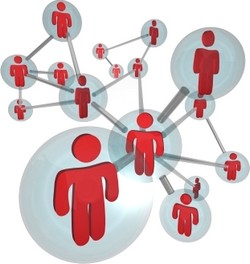
<ul><li><strong>Future of The Social Web</strong> - Of course, the web</strong> is not social. Just like technology is not social. Or media is not social. We use these resources for social means, but that is a function of use, not of the characteristics inherent in the web or media. We compress "<em>social uses of the web</em>" to <a href="http://www.masternewmedia.org/news/2006/02/14/the_interconnected_social_web_feedback.htm">social web</a> for convenience sake. But we really do not mean it like we say it.</li>

<li><strong>The Age of The Informavore</strong> - A good name is often as good as (or better than) a good idea. <a href="http://www.edge.org/3rd_culture/schirrmacher09/schirrmacher09_index.html">The age of the informavore</a> displays both provocative thinking and a memorable term.</li>

<li><strong>Openness and The Future of Education</strong> - <a href="http://www.irrodl.org/">IRRODL</a> just released a special issue on <a href="http://www.irrodl.org/index.php/irrodl/issue/view/38">Openness and the Future of Education</a>. Future of education is not an explicit focus in the articles, but can be anticipated as a result of the focus of the articles.</li>

<li><strong>Cannot Squeeze Knowledge From a Pixel</strong> - Meaning is found in associations. It is simple concept, but has substantial implications. To get an accurate picture of "<em>something</em>", context first needs to be understood. This short video - <a href="http://www.readwriteweb.com/enterprise/2009/10/ibms-identity-insight-server-y.php">cannot squeeze knowledge from a pixel</a> - summarizes this point.</li>

<li><strong>Personal View of E-Learning: Saudi Arabia</strong> - I have not had the privilege of visiting Saudi Arabia. As a result, I particularly appreciated reading <a href="http://www.tonybates.ca/tony-bates-associates/tony-bates-biography/">Tony Bates</a>' experiences of leading a series of workshops in his post: <a href="http://www.tonybates.ca/2009/11/05/a-personal-view-of-e-learning-in-saudi-arabia/">A personal view of e-learning</a>.</li>

<li><strong>Social Isolation and Technology</strong> - <a href="http://www.chass.utoronto.ca/~wellman/vita/index.html">Barry Wellman</a> - with his <a href="http://www.chass.utoronto.ca/~wellman/publications/publications.html#netville">Netville research</a> - was the first researcher that I am aware of who questioned the tech use = isolation viewpoint. People who are connected online often have higher levels face-to-face interactions.</li>

<li><strong>Call For Chapters: Personal Learning Environments / Networks</strong> - I posted this last month, but by way of a quick reminder: <a href="http://ple.elg.ca/call.php">Call for Chapters: Personal Learning Environments / Networks</a>.</li></ul>

Here all the details:
<!-- FA -->]]></content:encoded><description>&lt;p&gt;&lt;strong&gt;In this issue of&lt;/strong&gt; Media Literacy Digest, open education advocate &lt;a href="http://www.umanitoba.ca/learning_technologies/connectivisim/bio_george.php"&gt;George Siemens&lt;/a&gt;, takes you to news and stories on emergent media, technology and learning, helping you make good sense of the many changes taking place around you and of how these directly impact your daily lives.

&lt;/p&gt;

&lt;p&gt;&lt;img alt="Media_literacy_digest_georgesiemens_id5461591_size485.jpg" src="http://www.masternewmedia.org/Images/Media_literacy_digest_georgesiemens_id5461591_size485.jpg" width="485" height="696" /&gt;&lt;br /&gt;
&lt;span class="photocredit"&gt;Photo credit: &lt;a href="http://www.stockxpert.com/browse_image/profile/maninblack"&gt;Victor Habbick&lt;/a&gt;&lt;/span&gt;

&lt;/p&gt;

&lt;p&gt;&lt;br /&gt;
&lt;strong&gt;Inside this&lt;/strong&gt; Media Literacy Digest:

&lt;/p&gt;

&lt;ul&gt;&lt;li&gt;&lt;strong&gt;Future of The Social Web&lt;/strong&gt; - Of course, the web&lt;/strong&gt; is not social. Just like technology is not social. Or media is not social. We use these resources for social means, but that is a function of use, not of the characteristics inherent in the web or media. We compress "&lt;em&gt;social uses of the web&lt;/em&gt;" to &lt;a href="http://www.masternewmedia.org/news/2006/02/14/the_interconnected_social_web_feedback.htm"&gt;social web&lt;/a&gt; for convenience sake. But we really do not mean it like we say it.&lt;/li&gt;

&lt;p&gt;&lt;li&gt;&lt;strong&gt;The Age of The Informavore&lt;/strong&gt; - A good name is often as good as (or better than) a good idea. &lt;a href="http://www.edge.org/3rd_culture/schirrmacher09/schirrmacher09_index.html"&gt;The age of the informavore&lt;/a&gt; displays both provocative thinking and a memorable term.&lt;/li&gt;

&lt;/p&gt;

&lt;p&gt;&lt;li&gt;&lt;strong&gt;Openness and The Future of Education&lt;/strong&gt; - &lt;a href="http://www.irrodl.org/"&gt;IRRODL&lt;/a&gt; just released a special issue on &lt;a href="http://www.irrodl.org/index.php/irrodl/issue/view/38"&gt;Openness and the Future of Education&lt;/a&gt;. Future of education is not an explicit focus in the articles, but can be anticipated as a result of the focus of the articles.&lt;/li&gt;

&lt;/p&gt;

&lt;p&gt;&lt;li&gt;&lt;strong&gt;Cannot Squeeze Knowledge From a Pixel&lt;/strong&gt; - Meaning is found in associations. It is simple concept, but has substantial implications. To get an accurate picture of "&lt;em&gt;something&lt;/em&gt;", context first needs to be understood. This short video - &lt;a href="http://www.readwriteweb.com/enterprise/2009/10/ibms-identity-insight-server-y.php"&gt;cannot squeeze knowledge from a pixel&lt;/a&gt; - summarizes this point.&lt;/li&gt;

&lt;/p&gt;

&lt;p&gt;&lt;li&gt;&lt;strong&gt;Personal View of E-Learning: Saudi Arabia&lt;/strong&gt; - I have not had the privilege of visiting Saudi Arabia. As a result, I particularly appreciated reading &lt;a href="http://www.tonybates.ca/tony-bates-associates/tony-bates-biography/"&gt;Tony Bates&lt;/a&gt;' experiences of leading a series of workshops in his post: &lt;a href="http://www.tonybates.ca/2009/11/05/a-personal-view-of-e-learning-in-saudi-arabia/"&gt;A personal view of e-learning&lt;/a&gt;.&lt;/li&gt;

&lt;/p&gt;

&lt;p&gt;&lt;li&gt;&lt;strong&gt;Social Isolation and Technology&lt;/strong&gt; - &lt;a href="http://www.chass.utoronto.ca/~wellman/vita/index.html"&gt;Barry Wellman&lt;/a&gt; - with his &lt;a href="http://www.chass.utoronto.ca/~wellman/publications/publications.html#netville"&gt;Netville research&lt;/a&gt; - was the first researcher that I am aware of who questioned the tech use = isolation viewpoint. People who are connected online often have higher levels face-to-face interactions.&lt;/li&gt;

&lt;/p&gt;

&lt;p&gt;&lt;li&gt;&lt;strong&gt;Call For Chapters: Personal Learning Environments / Networks&lt;/strong&gt; - I posted this last month, but by way of a quick reminder: &lt;a href="http://ple.elg.ca/call.php"&gt;Call for Chapters: Personal Learning Environments / Networks&lt;/a&gt;.&lt;/li&gt;&lt;/ul&gt;

&lt;/p&gt;

&lt;p&gt;Here all the details:&lt;br /&gt;
&lt;!-- FA --&gt;

&lt;/p&gt;&lt;p&gt;&lt;!-- MIDDLE_GAD --&gt;

&lt;/p&gt;

&lt;p&gt;

&lt;/p&gt;

&lt;p&gt;&lt;br /&gt;&lt;br /&gt;&lt;br /&gt;&lt;br /&gt;
&lt;h2&gt;eLearning Resources and News&lt;/h2&gt;

&lt;/p&gt;

&lt;p&gt;&lt;em&gt;learning, networks, knowledge, technology, trends&lt;/em&gt;

&lt;/p&gt;

&lt;p&gt;&lt;em&gt;by George Siemens&lt;/em&gt;

&lt;/p&gt;

&lt;p&gt;

&lt;/p&gt;

&lt;p&gt;&lt;br /&gt;&lt;br /&gt;&lt;br /&gt;&lt;br /&gt;
&lt;h2&gt;Future of The Social Web&lt;/h2&gt;

&lt;/p&gt;

&lt;p&gt;&lt;img alt="Media_literacy_digest_georgesiemens_future_of_the_social_web_id31803.jpg" src="http://www.masternewmedia.org/Images/Media_literacy_digest_georgesiemens_future_of_the_social_web_id31803.jpg" width="292" height="249" /&gt;

&lt;/p&gt;

&lt;p&gt;&lt;strong&gt;Of course, the web&lt;/strong&gt; is not social. Just like technology is not social. Or media is not social. We use these resources for social means, but that is a function of use, not of the characteristics inherent in the web or media.

&lt;/p&gt;

&lt;p&gt;We compress "&lt;em&gt;social uses of the web&lt;/em&gt;" to &lt;a href="http://www.masternewmedia.org/news/2006/02/14/the_interconnected_social_web_feedback.htm"&gt;social web&lt;/a&gt; for convenience sake. But we really do not mean it like we say it.

&lt;/p&gt;

&lt;p&gt;Anyway, in case you are wondering what the &lt;a href="http://www.socialmediatoday.com/SMC/138686"&gt;social web will look like in the future&lt;/a&gt;, it will be about meaningful experiences:

&lt;/p&gt;

&lt;blockquote&gt;"&lt;em&gt;&lt;strong&gt;The past five years of&lt;/strong&gt; &lt;a href="http://www.masternewmedia.org/social-media-what-is-it-and-why-its-so-important-for-any-organization/"&gt;Social Media&lt;/a&gt; evolution have focused on growth and adoption, but anticipates that the next stage of advancement is dedicated to improving social functionality. I would also add personalization and portability.

&lt;p&gt;The biggest opportunity for the expansion of social networks is to build bridges between these isolated islands to deliver a more fulfilling, meaningful and productive experience.&lt;/em&gt;"&lt;/blockquote&gt;

&lt;/p&gt;

&lt;p&gt;&lt;strong&gt;Random point&lt;/strong&gt; - sentences like this do not mean much to most human beings: "&lt;em&gt;The future of the social web must begin with data portability to accelerate proliferation throughout &lt;a href="http://en.wikipedia.org/wiki/Everett_Rogers"&gt;Roger&lt;/a&gt;'s &lt;a href="http://www.stanford.edu/class/symbsys205/Diffusion%20of%20Innovations.htm"&gt;Diffusion of Innovation&lt;/a&gt; adoption system&lt;/em&gt;". 

&lt;/p&gt;

&lt;p&gt;Um. Ok.

&lt;/p&gt;

&lt;p&gt;

&lt;/p&gt;

&lt;p&gt;

&lt;/p&gt;

&lt;p&gt;

&lt;/p&gt;

&lt;p&gt;&lt;br /&gt;&lt;br /&gt;&lt;br /&gt;&lt;br /&gt;&lt;br /&gt;&lt;br /&gt;&lt;br /&gt;&lt;br /&gt;
&lt;h2&gt;The Age of The Informavore&lt;/h2&gt;

&lt;/p&gt;

&lt;p&gt;&lt;img alt="Media_literacy_digest_georgesiemens_the_age_of_the_informavore_id394907.jpg" src="http://www.masternewmedia.org/Images/Media_literacy_digest_georgesiemens_the_age_of_the_informavore_id394907.jpg" width="325" height="197" /&gt;

&lt;/p&gt;

&lt;p&gt;&lt;strong&gt;A good name is often as good as&lt;/strong&gt; (or better than) a good idea. 

&lt;/p&gt;

&lt;p&gt;&lt;a href="http://www.edge.org/3rd_culture/schirrmacher09/schirrmacher09_index.html"&gt;The age of the informavore&lt;/a&gt; displays both provocative thinking and a memorable term. The video (about 30 min) is a loosely connected flow of thoughts on:

&lt;/p&gt;

&lt;ul&gt;&lt;li&gt;&lt;strong&gt;The impact of the web&lt;/strong&gt; on humanity,&lt;/li&gt;

&lt;p&gt;&lt;li&gt;&lt;strong&gt;information abundance&lt;/strong&gt;,&lt;/li&gt;

&lt;/p&gt;

&lt;p&gt;&lt;li&gt;&lt;strong&gt;thinking outside&lt;/strong&gt; of the human brain (i.e. network as a cognitive agent), and&lt;/li&gt;

&lt;/p&gt;

&lt;p&gt;&lt;li&gt;&lt;strong&gt;the lack of understanding&lt;/strong&gt; most users have about the ideology of software.&lt;/li&gt;&lt;/ul&gt;

&lt;/p&gt;

&lt;p&gt;While we spend much time talking about change, the &lt;a href="http://www.connectivism.ca/?p=96"&gt;"&lt;em&gt;becoming&lt;/em&gt;" aspect&lt;/a&gt; is overlooked. 

&lt;/p&gt;

&lt;p&gt;What are we becoming due to technology? Is it what we want to become? Which parts should we be resisting? Or, for that matter, what have you resisted recently?

&lt;/p&gt;

&lt;p&gt;

&lt;/p&gt;

&lt;p&gt;

&lt;/p&gt;

&lt;p&gt;

&lt;/p&gt;

&lt;p&gt;&lt;br /&gt;&lt;br /&gt;&lt;br /&gt;&lt;br /&gt;&lt;br /&gt;&lt;br /&gt;&lt;br /&gt;&lt;br /&gt;
&lt;h2&gt;Openness and The Future of Education&lt;/h2&gt;

&lt;/p&gt;

&lt;p&gt;&lt;img alt="Media_literacy_digest_georgesiemens_openness_and_the_future_of_education_id51408271.jpg" src="http://www.masternewmedia.org/Images/Media_literacy_digest_georgesiemens_openness_and_the_future_of_education_id51408271.jpg" width="320" height="214" /&gt;

&lt;/p&gt;

&lt;p&gt;&lt;a href="http://www.irrodl.org/"&gt;IRRODL&lt;/a&gt;&lt;strong&gt; just released a special&lt;/strong&gt; issue on &lt;a href="http://www.irrodl.org/index.php/irrodl/issue/view/38"&gt;Openness and the Future of Education&lt;/a&gt;. 

&lt;/p&gt;

&lt;p&gt;Future of education is not an explicit focus in the articles, but can be anticipated as a result of the focus of the articles. Topics include:

&lt;/p&gt;

&lt;ul&gt;&lt;li&gt;&lt;strong&gt;Openess and&lt;/strong&gt; textbooks,&lt;/li&gt;

&lt;p&gt;&lt;li&gt;&lt;strong&gt;peer-to-peer&lt;/strong&gt; learning,&lt;/li&gt;

&lt;/p&gt;

&lt;p&gt;&lt;li&gt;&lt;strong&gt;impact of&lt;/strong&gt; openness,&lt;/li&gt;

&lt;/p&gt;

&lt;p&gt;&lt;li&gt;&lt;strong&gt;disaggregated future&lt;/strong&gt; of higher education, and even&lt;/li&gt;

&lt;/p&gt;

&lt;p&gt;&lt;li&gt;&lt;strong&gt;an article reviewing&lt;/strong&gt; &lt;a href="http://ltc.umanitoba.ca/connectivism/"&gt;CCK08&lt;/a&gt; (the open course I taught with &lt;a href="http://www.downes.ca/me/index.htm"&gt;Stephen Downes&lt;/a&gt; last fall - the 2009 version is going strong as well).&lt;/li&gt;&lt;/ul&gt;

&lt;/p&gt;

&lt;p&gt;A strong issue - congrats to &lt;a href="http://me2u.athabascau.ca/elgg/profile/extended.php?profile_name=terrya"&gt;Terry Anderson&lt;/a&gt;, &lt;a href="http://davidwiley.org/"&gt;David Wiley&lt;/a&gt;, and &lt;a href="http://www.johnhiltoniii.com/about/"&gt;John Hilton III&lt;/a&gt;.

&lt;/p&gt;

&lt;p&gt;I keep returning to a question that is often overlooked in discussions of openness: What happens once everything is open?

&lt;/p&gt;

&lt;p&gt;&lt;strong&gt;So far we have a fair&lt;/strong&gt; bit of experience with the impact of open content on curriculum, a bit less experience with the impact of openness on teaching / learning, and almost nothing on how the system of education itself is impacted.

&lt;/p&gt;

&lt;p&gt;Openness is not the end game. It is a transitory stage that will shape teaching and learning. My interest lies with the emerging landscape of systemic change.

&lt;/p&gt;

&lt;p&gt;

&lt;/p&gt;

&lt;p&gt;

&lt;/p&gt;

&lt;p&gt;

&lt;/p&gt;

&lt;p&gt;&lt;br /&gt;&lt;br /&gt;&lt;br /&gt;&lt;br /&gt;&lt;br /&gt;&lt;br /&gt;&lt;br /&gt;&lt;br /&gt;
&lt;h2&gt;Cannot Squeeze Knowledge From a Pixel&lt;/h2&gt;

&lt;/p&gt;

&lt;p&gt;&lt;img alt="Media_literacy_digest_georgesiemens_cannot_squeeze_knowledge_from a_pixel_id13991691.jpg" src="http://www.masternewmedia.org/Images/Media_literacy_digest_georgesiemens_cannot_squeeze_knowledge_from%20a_pixel_id13991691.jpg" width="259" height="225" /&gt;

&lt;/p&gt;

&lt;p&gt;&lt;strong&gt;Meaning is found in associations&lt;/strong&gt;. It is simple concept, but has substantial implications. To get an accurate picture of "&lt;em&gt;something&lt;/em&gt;", context first needs to be understood. This short video - &lt;a href="http://www.readwriteweb.com/enterprise/2009/10/ibms-identity-insight-server-y.php"&gt;cannot squeeze knowledge from a pixel&lt;/a&gt; - summarizes this point.

&lt;/p&gt;

&lt;p&gt;An email address, for example, means very little unless we see it in a broader context and in light of associations formed between the address and other entities. Nothing new about that. However, information connectedness raises privacy and ethical concerns.

&lt;/p&gt;

&lt;p&gt;Should my doctor know my credit rating? My driving record? Should the government be able to get complete, integrated access to all my data (remember &lt;a href="http://en.wikipedia.org/wiki/Information_Awareness_Office"&gt;Total Information Awareness&lt;/a&gt;?).

&lt;/p&gt;

&lt;p&gt;&lt;strong&gt;Spaces and barriers between&lt;/strong&gt; data are important - only what is required for a particular context should be known to banker / government / doctor / lawyer / employer. However, and this is a significant concern, participation on the &lt;a href="http://www.masternewmedia.org/net-neutrality-is-the-open-web-for-anybody/"&gt;open web&lt;/a&gt; is increasing data accessibility.

&lt;/p&gt;

&lt;p&gt;An employer cannot ask a potential employee her / his age. But that information is freely available on &lt;a href="http://www.masternewmedia.org/facebook-business-guide-how-companies-can-utilize-facebook-pages-for-social-media-marketing-part-1/"&gt;Facebook&lt;/a&gt; (often). An employer cannot ask about health concerns. But, again, that information can often be gleaned through &lt;a href="http://www.masternewmedia.org/social_networking/twitter-instant-messaging-mobile-messaging/twitter-a-beginners-guide-20070425.htm"&gt;Twitter&lt;/a&gt;, blogging, and Facebook &lt;a href="http://en.wikipedia.org/wiki/Facebook_features#Status"&gt;status updates&lt;/a&gt;.

&lt;/p&gt;

&lt;p&gt;

&lt;/p&gt;

&lt;p&gt;

&lt;/p&gt;

&lt;p&gt;

&lt;/p&gt;

&lt;p&gt;&lt;br /&gt;&lt;br /&gt;&lt;br /&gt;&lt;br /&gt;&lt;br /&gt;&lt;br /&gt;&lt;br /&gt;&lt;br /&gt;
&lt;h2&gt;Personal View of E-Learning: Saudi Arabia&lt;/h2&gt;

&lt;/p&gt;

&lt;p&gt;&lt;img alt="Media_literacy_digest_georgesiemens_personal_view_of_e-learning_saudi_arabia_id2114491.jpg" src="http://www.masternewmedia.org/Images/Media_literacy_digest_georgesiemens_personal_view_of_e-learning_saudi_arabia_id2114491.jpg" width="230" height="324" /&gt;

&lt;/p&gt;

&lt;p&gt;&lt;strong&gt;I have not had the privilege&lt;/strong&gt; of visiting Saudi Arabia. As a result, I particularly appreciated reading &lt;a href="http://www.tonybates.ca/tony-bates-associates/tony-bates-biography/"&gt;Tony Bates&lt;/a&gt;' experiences of leading a series of workshops in his post: &lt;a href="http://www.tonybates.ca/2009/11/05/a-personal-view-of-e-learning-in-saudi-arabia/"&gt;A personal view of e-learning&lt;/a&gt;.

&lt;/p&gt;

&lt;p&gt;The limited adoption of technology in universities is not that unusual from my experience. A growing number of universities are more organized and structured in their online learning initiative, but many do so without strategic considerations.

&lt;/p&gt;

&lt;p&gt;&lt;strong&gt;Technology use is driven&lt;/strong&gt; at a grassroots level (which is fine, but for system-level implementation, some top down support and resources allocation is needed). Tony's discussion of his presentation experiences and how male / female separate varied by different universities is worth a quick read.

&lt;/p&gt;

&lt;p&gt;

&lt;/p&gt;

&lt;p&gt;

&lt;/p&gt;

&lt;p&gt;

&lt;/p&gt;

&lt;p&gt;&lt;br /&gt;&lt;br /&gt;&lt;br /&gt;&lt;br /&gt;&lt;br /&gt;&lt;br /&gt;&lt;br /&gt;&lt;br /&gt;
&lt;h2&gt;Social Isolation and Technology&lt;/h2&gt;

&lt;/p&gt;

&lt;p&gt;&lt;img alt="Media_literacy_digest_georgesiemens_social_isolation_and_technology_id19092861.jpg" src="http://www.masternewmedia.org/Images/Media_literacy_digest_georgesiemens_social_isolation_and_technology_id19092861.jpg" width="320" height="211" /&gt;

&lt;/p&gt;

&lt;p&gt;&lt;strong&gt;Technology use is routinely&lt;/strong&gt; equated with &lt;a href="http://en.wikipedia.org/wiki/Social_isolation"&gt;social isolation&lt;/a&gt;. We are often told (and in turn tell our youth) to "&lt;em&gt;log out and interact with the real world&lt;/em&gt;".

&lt;/p&gt;

&lt;p&gt;&lt;a href="http://www.chass.utoronto.ca/~wellman/vita/index.html"&gt;Barry Wellman&lt;/a&gt; - with his &lt;a href="http://www.chass.utoronto.ca/~wellman/publications/publications.html#netville"&gt;Netville research&lt;/a&gt; - was the first researcher that I am aware of who questioned the tech use = isolation viewpoint. People who are connected online often have higher levels face-to-face interactions.

&lt;/p&gt;

&lt;p&gt;A new &lt;a href="http://www.pewinternet.org/"&gt;Pew Internet&lt;/a&gt; (motto: "&lt;em&gt;Why say it in 20 pages when you can say it in 84&lt;/em&gt;") report, &lt;a href="http://www.pewinternet.org/Reports/2009/18--Social-Isolation-and-New-Technology.aspx"&gt;Social Isolation and New Technology&lt;/a&gt;, explores how internet and mobile use influences network diversity and socialization (or isolation).

&lt;/p&gt;

&lt;p&gt;In the process, the report challenges most myths about online participation:

&lt;/p&gt;

&lt;ul&gt;&lt;li&gt;&lt;strong&gt;Most people have diverse&lt;/strong&gt; networks, are socially connected (not only in remote online relationships but also to local online networks),&lt;/li&gt;

&lt;p&gt;&lt;li&gt;&lt;strong&gt;participate more actively&lt;/strong&gt; in volunteering than individuals with less online activity, and&lt;/li&gt;

&lt;/p&gt;

&lt;p&gt;&lt;li&gt;&lt;strong&gt;visit libraries&lt;/strong&gt; and public spaces.&lt;/li&gt;&lt;/ul&gt;

&lt;/p&gt;

&lt;p&gt;

&lt;/p&gt;

&lt;p&gt;

&lt;/p&gt;

&lt;p&gt;

&lt;/p&gt;

&lt;p&gt;&lt;br /&gt;&lt;br /&gt;&lt;br /&gt;&lt;br /&gt;&lt;br /&gt;&lt;br /&gt;&lt;br /&gt;&lt;br /&gt;
&lt;h2&gt;Call For Chapters: Personal Learning Environments / Networks&lt;/h2&gt;

&lt;/p&gt;

&lt;p&gt;&lt;img alt="Media_literacy_digest_georgesiemens_call_for_chapters_personal_learning_environments_networks_id17940821.jpg" src="http://www.masternewmedia.org/Images/Media_literacy_digest_georgesiemens_call_for_chapters_personal_learning_environments_networks_id17940821.jpg" width="320" height="240" /&gt;

&lt;/p&gt;

&lt;p&gt;&lt;strong&gt;I posted this last&lt;/strong&gt; month, but by way of a quick reminder: &lt;a href="http://ple.elg.ca/call.php"&gt;Call for Chapters: Personal Learning Environments / Networks&lt;/a&gt;. Deadline for a two-page abstract is November 15, 2009.

&lt;/p&gt;

&lt;p&gt;

&lt;/p&gt;

&lt;p&gt;&lt;br /&gt;&lt;br /&gt;&lt;br /&gt;
&lt;span class="photocredit"&gt;Originally written by &lt;a href="http://www.elearnspace.org/blog/"&gt;George Siemens&lt;/a&gt; for &lt;a href="http://www.elearnspace.org/blog/"&gt;elearnspace&lt;/a&gt; and first published on November 7th, 2009 in his newsletter eLearning Resources and News.&lt;/span&gt;

&lt;/p&gt;

&lt;p&gt;&lt;br /&gt;
&lt;br /&gt;&lt;br /&gt;&lt;br /&gt;
&lt;strong&gt;About George Siemens&lt;/strong&gt;

&lt;/p&gt;

&lt;p&gt;&lt;img width="118" height="89" alt="George-Siemens.jpg" src="http://www.masternewmedia.org/images/George-Siemens.jpg" /&gt;

&lt;/p&gt;

&lt;p&gt;&lt;span class="photocredit"&gt;&lt;a href="http://www.umanitoba.ca/learning_technologies/connectivisim/bio_george.php"&gt;George Siemens&lt;/a&gt; is the Associate Director in the &lt;a href="http://www.umanitoba.ca/learning_technologies/"&gt;Learning Technologies Centre at the University of Manitoba&lt;/a&gt;. George blogs at &lt;a href="http://www.elearnspace.org/"&gt;www.elearnspace.org&lt;/a&gt; where he shares his vision on the educational landscape and the impact that media technologies have on the educational system. George Siemens is also the author of &lt;a href="http://www.elearnspace.org/Articles/connectivism.htm"&gt;Connectivism: A Learning Theory for the Digital Age&lt;/a&gt; and the book "&lt;em&gt;&lt;a href="http://www.amazon.com/Knowing-Knowledge-George-Siemens/dp/1430302305"&gt;Knowing Knowledge&lt;/a&gt;&lt;/em&gt;" where he develops a learning theory called &lt;a href="http://www.masternewmedia.org/news/2008/08/09/educational_models_and_learning_in/"&gt;connectivism&lt;/a&gt; which uses a network as the central metaphor for learning and focuses on knowledge as a way to making connections.&lt;/span&gt;

&lt;/p&gt;

&lt;p&gt;&lt;br /&gt;&lt;br /&gt;&lt;br /&gt;
&lt;span class="photocredit"&gt;Photo credits:&lt;/span&gt;&lt;br /&gt;
&lt;span class="photocredit"&gt;Future of The Social Web - &lt;a href="http://www.stockxpert.com/browse_image/profile/lovleah"&gt;Leah-Anne Thompson&lt;/a&gt;&lt;/span&gt;&lt;br /&gt;
&lt;span class="photocredit"&gt;The Age of The Informavore - &lt;a href="http://www.stockxpert.com/browse_image/profile/chrishall"&gt;Christopher Hall&lt;/a&gt;&lt;/span&gt;&lt;br /&gt;
&lt;span class="photocredit"&gt;Openness and The Future of Education - &lt;a href="http://www.stockxpert.com/browse_image/profile/refat"&gt;Refat&lt;/a&gt;&lt;/span&gt;&lt;br /&gt;
&lt;span class="photocredit"&gt;Cannot Squeeze Knowledge From a Pixel - &lt;a href="http://www.stockxpert.com/browse_image/profile/vacuum3d"&gt;Vacuum3d&lt;/a&gt;&lt;/span&gt;&lt;br /&gt;
&lt;span class="photocredit"&gt;Personal View of E-Learning: Saudi Arabia - &lt;a href="http://www.stockxpert.com/browse_image/profile/InvisibleV"&gt;Viktoriia Kulish&lt;/a&gt;&lt;/span&gt;&lt;br /&gt;
&lt;span class="photocredit"&gt;Social Isolation and Technology - &lt;a href="http://www.stockxpert.com/browse_image/profile/Penguinn"&gt;Elena Volegzhanina&lt;/a&gt;&lt;/span&gt;&lt;br /&gt;
&lt;span class="photocredit"&gt;Call For Chapters: Personal Learning Environments / Networks - &lt;a href="http://www.stockxpert.com/browse_image/profile/Physiker"&gt;Andrey Davidenko&lt;/a&gt;&lt;/span&gt;

&lt;/p&gt;</description></item><item><title>Media Literacy: Making Sense Of New Technologies And Media by George Siemens - Oct 31 09</title><link>http://www.masternewmedia.org/media-literacy-making-sense-of-new-technologies-and-media_2009_10_31/</link><category>Learning - Educational Technologies</category><dc:creator xmlns:dc="http://purl.org/dc/elements/1.1/">George Siemens</dc:creator><pubDate>Sat, 31 Oct 2009 01:11:00 PDT</pubDate><guid isPermaLink="false">http://www.masternewmedia.org/2009/10/31/9/index.htm</guid><content:encoded xmlns:content="http://purl.org/rss/1.0/modules/content/"><![CDATA[<strong>If you are interested in finding</strong> out the key media trends, the events and the new communication technologies that are shaping your future, in this issue of Media Literacy Digest, open education advocate <a href="http://www.umanitoba.ca/learning_technologies/connectivisim/bio_george.php">George Siemens</a>, explores and reports on new fascinating stories and insights and their impact on learning, work and society.

<img alt="Media_literacy_digest_georgesiemens_id8100132_size485.jpg" src="http://www.masternewmedia.org/Images/Media_literacy_digest_georgesiemens_id8100132_size485.jpg" width="485" height="602" />
<span class="photocredit">Photo credit: <a href="http://www.stockxpert.com/browse_image/profile/rjmiz">Robert Mizerek</a></span>


<strong>Inside this</strong> Media Literacy Digest:

<ul><li><strong>Social Media Time</strong> - <a href="http://en-us.nielsen.com">Nielsen</a>'s <a href="http://en-us.nielsen.com/main/news/news_releases/2009/september/nielsen_reports_17">research</a> states that 18% of time spent online is spent on social networking sites and services.</li>

<li><strong>Social Search</strong> - Google just announced <a href="http://googleblog.blogspot.com/2009/10/introducing-google-social-search-i.html">Social Search</a>. The service helps you "<em>to find publicly available content from your social circle</em>".</li>

<li><strong>The Web In 5 Years: More of Now</strong> - Interesting thoughts from <a href="http://www.businessweek.com/it100/2005/executive/GOOG.htm">Eric Schmidt</a> - CEO, Google - <a href="http://www.readwriteweb.com/archives/google_web_in_five_years.php">on the web in five years</a>.</li>

<li><strong>Go Grandpa!</strong> - By now, I think the view of innate generational differences in technology use has been sufficiently debunked (see <a href="http://bullenmark.wordpress.com/about-mark-bullen/">Mark Bullen</a>'s <a href="http://www.netgenskeptic.com/">Netgenskeptic</a> site). <a href="http://www.nytimes.com/">NY Times</a> <a href="http://www.nytimes.com/2009/10/29/technology/personaltech/29basics.html?_r=2">highlights the appeal of technology among the elderly</a>.</li>

<li><strong>Communicating Complexity</strong> - I have been following <a href="http://thisisindexed.com">Indexed</a> - a site that uses simple visuals to communicate complex relationships and interactions. For example: The relationship between <a href="http://thisisindexed.com/2009/10/needles-and-haystacks-and-such/">information and confusion</a>. </li>

<li><strong>Falling of The Cliff</strong> - When change happens in a networked environment, it is rapid. We have seen it in the financial markets, music industry, TV (<a href="http://www.youtube.com/">YouTube</a>), and, perhaps at it is most pronounced, the newspaper industry.</li>

<li><strong>A Personal Cyberinfrastructure</strong> - At <a href="http://www.connectivism.ca/?p=151">Open Education in Vancouver in August</a>, <a href="http://www.educause.edu/Community/MemDir/Profiles/WGardnerCampbell/47976">Gardner Campbell</a> argued that <a href="http://www.cpanel.net/">cPanel</a> could be used as an <a href="http://en.wikipedia.org/wiki/Learning_management_system">LMS</a>.</li></ul>

Here all the details:
<!-- FA -->]]></content:encoded><description>&lt;p&gt;&lt;strong&gt;If you are interested in finding&lt;/strong&gt; out the key media trends, the events and the new communication technologies that are shaping your future, in this issue of Media Literacy Digest, open education advocate &lt;a href="http://www.umanitoba.ca/learning_technologies/connectivisim/bio_george.php"&gt;George Siemens&lt;/a&gt;, explores and reports on new fascinating stories and insights and their impact on learning, work and society.

&lt;/p&gt;

&lt;p&gt;&lt;img alt="Media_literacy_digest_georgesiemens_id8100132_size485.jpg" src="http://www.masternewmedia.org/Images/Media_literacy_digest_georgesiemens_id8100132_size485.jpg" width="485" height="602" /&gt;&lt;br /&gt;
&lt;span class="photocredit"&gt;Photo credit: &lt;a href="http://www.stockxpert.com/browse_image/profile/rjmiz"&gt;Robert Mizerek&lt;/a&gt;&lt;/span&gt;

&lt;/p&gt;

&lt;p&gt;&lt;br /&gt;
&lt;strong&gt;Inside this&lt;/strong&gt; Media Literacy Digest:

&lt;/p&gt;

&lt;ul&gt;&lt;li&gt;&lt;strong&gt;Social Media Time&lt;/strong&gt; - &lt;a href="http://en-us.nielsen.com"&gt;Nielsen&lt;/a&gt;'s &lt;a href="http://en-us.nielsen.com/main/news/news_releases/2009/september/nielsen_reports_17"&gt;research&lt;/a&gt; states that 18% of time spent online is spent on social networking sites and services.&lt;/li&gt;

&lt;p&gt;&lt;li&gt;&lt;strong&gt;Social Search&lt;/strong&gt; - Google just announced &lt;a href="http://googleblog.blogspot.com/2009/10/introducing-google-social-search-i.html"&gt;Social Search&lt;/a&gt;. The service helps you "&lt;em&gt;to find publicly available content from your social circle&lt;/em&gt;".&lt;/li&gt;

&lt;/p&gt;

&lt;p&gt;&lt;li&gt;&lt;strong&gt;The Web In 5 Years: More of Now&lt;/strong&gt; - Interesting thoughts from &lt;a href="http://www.businessweek.com/it100/2005/executive/GOOG.htm"&gt;Eric Schmidt&lt;/a&gt; - CEO, Google - &lt;a href="http://www.readwriteweb.com/archives/google_web_in_five_years.php"&gt;on the web in five years&lt;/a&gt;.&lt;/li&gt;

&lt;/p&gt;

&lt;p&gt;&lt;li&gt;&lt;strong&gt;Go Grandpa!&lt;/strong&gt; - By now, I think the view of innate generational differences in technology use has been sufficiently debunked (see &lt;a href="http://bullenmark.wordpress.com/about-mark-bullen/"&gt;Mark Bullen&lt;/a&gt;'s &lt;a href="http://www.netgenskeptic.com/"&gt;Netgenskeptic&lt;/a&gt; site). &lt;a href="http://www.nytimes.com/"&gt;NY Times&lt;/a&gt; &lt;a href="http://www.nytimes.com/2009/10/29/technology/personaltech/29basics.html?_r=2"&gt;highlights the appeal of technology among the elderly&lt;/a&gt;.&lt;/li&gt;

&lt;/p&gt;

&lt;p&gt;&lt;li&gt;&lt;strong&gt;Communicating Complexity&lt;/strong&gt; - I have been following &lt;a href="http://thisisindexed.com"&gt;Indexed&lt;/a&gt; - a site that uses simple visuals to communicate complex relationships and interactions. For example: The relationship between &lt;a href="http://thisisindexed.com/2009/10/needles-and-haystacks-and-such/"&gt;information and confusion&lt;/a&gt;. &lt;/li&gt;

&lt;/p&gt;

&lt;p&gt;&lt;li&gt;&lt;strong&gt;Falling of The Cliff&lt;/strong&gt; - When change happens in a networked environment, it is rapid. We have seen it in the financial markets, music industry, TV (&lt;a href="http://www.youtube.com/"&gt;YouTube&lt;/a&gt;), and, perhaps at it is most pronounced, the newspaper industry.&lt;/li&gt;

&lt;/p&gt;

&lt;p&gt;&lt;li&gt;&lt;strong&gt;A Personal Cyberinfrastructure&lt;/strong&gt; - At &lt;a href="http://www.connectivism.ca/?p=151"&gt;Open Education in Vancouver in August&lt;/a&gt;, &lt;a href="http://www.educause.edu/Community/MemDir/Profiles/WGardnerCampbell/47976"&gt;Gardner Campbell&lt;/a&gt; argued that &lt;a href="http://www.cpanel.net/"&gt;cPanel&lt;/a&gt; could be used as an &lt;a href="http://en.wikipedia.org/wiki/Learning_management_system"&gt;LMS&lt;/a&gt;.&lt;/li&gt;&lt;/ul&gt;

&lt;/p&gt;

&lt;p&gt;Here all the details:&lt;br /&gt;
&lt;!-- FA --&gt;

&lt;/p&gt;&lt;p&gt;&lt;!-- MIDDLE_GAD --&gt;

&lt;/p&gt;

&lt;p&gt;

&lt;/p&gt;

&lt;p&gt;&lt;br /&gt;&lt;br /&gt;&lt;br /&gt;&lt;br /&gt;
&lt;h2&gt;eLearning Resources and News&lt;/h2&gt;

&lt;/p&gt;

&lt;p&gt;&lt;em&gt;learning, networks, knowledge, technology, trends&lt;/em&gt;

&lt;/p&gt;

&lt;p&gt;&lt;em&gt;by George Siemens&lt;/em&gt;

&lt;/p&gt;

&lt;p&gt;

&lt;/p&gt;

&lt;p&gt;&lt;br /&gt;&lt;br /&gt;&lt;br /&gt;&lt;br /&gt;
&lt;h2&gt;Social Media Time&lt;/h2&gt;

&lt;/p&gt;

&lt;p&gt;&lt;img alt="Media_literacy_digest_georgesiemens_social_media_time_id6826861_by_CCE.jpg" src="http://www.masternewmedia.org/Images/Media_literacy_digest_georgesiemens_social_media_time_id6826861_by_CCE.jpg" width="360" height="256" /&gt;

&lt;/p&gt;

&lt;p&gt;&lt;a href="http://en-us.nielsen.com"&gt;Nielsen&lt;/a&gt;&lt;strong&gt;'s&lt;/strong&gt; &lt;a href="http://en-us.nielsen.com/main/news/news_releases/2009/september/nielsen_reports_17"&gt;research&lt;/a&gt; &lt;strong&gt;states that 18%&lt;/strong&gt; of time spent online is spent on social networking sites and services. At first glance, this seems a bit high - especially considering the figure is 3x's greater than last year. 

&lt;/p&gt;

&lt;p&gt;However, if accurate, it provides strong support to the reports claim that

&lt;/p&gt;

&lt;blockquote&gt;"&lt;em&gt;&lt;strong&gt;This growth suggests&lt;/strong&gt; a wholesale change in the way the Internet is used… While video and text content remain central to the Web experience - the desire of online consumers to connect, communicate and share is increasingly driving the medium's growth&lt;/em&gt;".&lt;/blockquote&gt;

&lt;p&gt;&lt;a href="http://www.briansolis.com/2009/10/social-media-accounts-for-18-of-information-search-market/"&gt;More info&lt;/a&gt; is available here. 

&lt;/p&gt;

&lt;p&gt;

&lt;/p&gt;

&lt;p&gt;

&lt;/p&gt;

&lt;p&gt;

&lt;/p&gt;

&lt;p&gt;&lt;br /&gt;&lt;br /&gt;&lt;br /&gt;&lt;br /&gt;&lt;br /&gt;&lt;br /&gt;&lt;br /&gt;&lt;br /&gt;
&lt;h2&gt;Social Search&lt;/h2&gt;

&lt;/p&gt;

&lt;p&gt;&lt;img alt="Media_literacy_digest_georgesiemens_social_search_id42039131.jpg" src="http://www.masternewmedia.org/Images/Media_literacy_digest_georgesiemens_social_search_id42039131.jpg" width="354" height="287" /&gt;

&lt;/p&gt;

&lt;p&gt;&lt;strong&gt;Google just announced&lt;/strong&gt; &lt;a href="http://googleblog.blogspot.com/2009/10/introducing-google-social-search-i.html"&gt;Social Search&lt;/a&gt;. The service helps you "&lt;em&gt;to find publicly available content from your social circle&lt;/em&gt;".

&lt;/p&gt;

&lt;p&gt;Google extracts information on your social circle from three sources: &lt;a href="https://www.google.com/accounts/ServiceLogin?hl=en&amp;nui=1&amp;service=reader&amp;continue=http%3A%2F%2Fwww.google.com%2Freader"&gt;Google Reader&lt;/a&gt; subscriptions, &lt;a href="http://www.google.com/profiles"&gt;Google Profiles&lt;/a&gt;, and &lt;a href="http://www.google.com/talk/"&gt;Google chat&lt;/a&gt; (&lt;a href="https://www.google.com/accounts/ServiceLogin?service=mail&amp;passive=true&amp;rm=false&amp;continue=http%3A%2F%2Fmail.google.com%2Fmail%2F%3Fui%3Dhtml%26zy%3Dl&amp;bsv=zpwhtygjntrz&amp;scc=1&amp;ltmpl=default&amp;ltmplcache=2"&gt;GMail&lt;/a&gt;). They use the term "&lt;em&gt;surfacing&lt;/em&gt;" connections to describe not only adding your friends, but one additional degree: your friend's friends.

&lt;/p&gt;

&lt;p&gt;&lt;strong&gt;This move by Google&lt;/strong&gt; is a direct assault on &lt;a href="http://www.masternewmedia.org/social_networking/social-network-service-content-aggregation/facebook-beginners-guide-online-social-networking-20070626.htm"&gt;Facebook&lt;/a&gt;.

&lt;/p&gt;

&lt;p&gt;Facebook has emphasized social connections over content. Google has, to date, primarily emphasized information sorting, filtering, and ranking. Facebook's model of emphasizing social rather than information connections is a problem for Google.

&lt;/p&gt;

&lt;p&gt;&lt;strong&gt;What is unique in&lt;/strong&gt; Social Search is the focus on aggregation rather than place-based interaction. In theory, Google emphasizes pulling together various pieces of online interactions through aggregation, whereas Facebook emphasizes housing interactions in their environment. 

&lt;/p&gt;

&lt;p&gt;

&lt;/p&gt;

&lt;p&gt;

&lt;/p&gt;

&lt;p&gt;

&lt;/p&gt;

&lt;p&gt;&lt;br /&gt;&lt;br /&gt;&lt;br /&gt;&lt;br /&gt;&lt;br /&gt;&lt;br /&gt;&lt;br /&gt;&lt;br /&gt;
&lt;h2&gt;The Web In 5 Years: More of Now&lt;/h2&gt;

&lt;/p&gt;

&lt;p&gt;&lt;img alt="Media_literacy_digest_georgesiemens_the_web_in_5_years_more_of_now_id787639.jpg" src="http://www.masternewmedia.org/Images/Media_literacy_digest_georgesiemens_the_web_in_5_years_more_of_now_id787639.jpg" width="360" height="248" /&gt;

&lt;/p&gt;

&lt;p&gt;&lt;strong&gt;Interesting thoughts from&lt;/strong&gt; &lt;a href="http://www.businessweek.com/it100/2005/executive/GOOG.htm"&gt;Eric Schmidt&lt;/a&gt; - CEO, Google - &lt;a href="http://www.readwriteweb.com/archives/google_web_in_five_years.php"&gt;on the web in five years&lt;/a&gt;.

&lt;/p&gt;

&lt;p&gt;It is interesting to note that we are seeing increased consolidation of ideas and concepts around the future of technology and the web.

&lt;/p&gt;

&lt;p&gt;Schmidt's comments do not provide anything new. It is a laundry list of topics and predictions that most people who are involved in technology fields are already familiar with:

&lt;/p&gt;

&lt;ul&gt;&lt;li&gt;&lt;a href="http://www.masternewmedia.org/a-fundamental-shift-in-how-we-communicate-george-siemens/"&gt;Real-time web&lt;/a&gt;,&lt;/li&gt;

&lt;p&gt;&lt;li&gt;&lt;strong&gt;greater bandwidth&lt;/strong&gt;,&lt;/li&gt;

&lt;/p&gt;

&lt;p&gt;&lt;li&gt;&lt;strong&gt;user-generated information&lt;/strong&gt;,&lt;/li&gt;

&lt;/p&gt;

&lt;p&gt;&lt;li&gt;&lt;strong&gt;power / authority shifts&lt;/strong&gt; due to amateur content,&lt;/li&gt;

&lt;/p&gt;

&lt;p&gt;&lt;li&gt;&lt;strong&gt;growth of Chinese&lt;/strong&gt; language online, etc.&lt;/li&gt;&lt;/ul&gt;

&lt;/p&gt;

&lt;p&gt;Five years ago, when the groundwork of the &lt;a href="http://www.masternewmedia.org/news/2006/02/14/the_interconnected_social_web_feedback.htm"&gt;social web&lt;/a&gt; and emerging technologies in general was being laid, new and revolutionary ideas arose every week (at least that is what it felt like).

&lt;/p&gt;

&lt;p&gt;&lt;strong&gt;It is possible that a reduction&lt;/strong&gt; of diverse views is a natural progression as the web matures. On the other hand, the revolution is being monetized and utility-drive of technologies might be pushing concept normalization.

&lt;/p&gt;

&lt;p&gt;

&lt;/p&gt;

&lt;p&gt;

&lt;/p&gt;

&lt;p&gt;

&lt;/p&gt;

&lt;p&gt;&lt;br /&gt;&lt;br /&gt;&lt;br /&gt;&lt;br /&gt;&lt;br /&gt;&lt;br /&gt;&lt;br /&gt;&lt;br /&gt;
&lt;h2&gt;Go Grandpa!&lt;/h2&gt;

&lt;/p&gt;

&lt;p&gt;&lt;img alt="Media_literacy_digest_georgesiemens_go_grandpa_id184378.jpg" src="http://www.masternewmedia.org/Images/Media_literacy_digest_georgesiemens_go_grandpa_id184378.jpg" width="330" height="263" /&gt;

&lt;/p&gt;

&lt;p&gt;&lt;strong&gt;By now, I think the&lt;/strong&gt; view of innate generational differences in technology use has been sufficiently debunked (see &lt;a href="http://bullenmark.wordpress.com/about-mark-bullen/"&gt;Mark Bullen&lt;/a&gt;'s &lt;a href="http://www.netgenskeptic.com/"&gt;Netgenskeptic&lt;/a&gt; site).

&lt;/p&gt;

&lt;p&gt;&lt;a href="http://www.nytimes.com/"&gt;NY Times&lt;/a&gt; &lt;a href="http://www.nytimes.com/2009/10/29/technology/personaltech/29basics.html?_r=2"&gt;highlights the appeal of technology among the elderly&lt;/a&gt;:

&lt;/p&gt;

&lt;blockquote&gt;"&lt;em&gt;&lt;strong&gt;Some of the highest growth&lt;/strong&gt; rates in broadband use are happening among the elderly. The &lt;a href="http://pewresearch.org"&gt;Pew Research Center&lt;/a&gt; &lt;a href="http://pewresearch.org/pubs/1254/home-broadband-adoption-2009"&gt;found&lt;/a&gt; that broadband use for those 65 and older increased from 19 percent in May 2008 to 30 percent in April 2009. Since 2005, broadband use has tripled in that group.&lt;/em&gt;"&lt;/blockquote&gt;

&lt;p&gt;

&lt;/p&gt;

&lt;p&gt;

&lt;/p&gt;

&lt;p&gt;

&lt;/p&gt;

&lt;p&gt;&lt;br /&gt;&lt;br /&gt;&lt;br /&gt;&lt;br /&gt;&lt;br /&gt;&lt;br /&gt;&lt;br /&gt;&lt;br /&gt;
&lt;h2&gt;Communicating Complexity&lt;/h2&gt;

&lt;/p&gt;

&lt;p&gt;&lt;img alt="Media_literacy_digest_georgesiemens_communicating_complexity_by_indexity.gif" src="http://www.masternewmedia.org/Images/Media_literacy_digest_georgesiemens_communicating_complexity_by_indexity.gif" width="399" height="95" /&gt;

&lt;/p&gt;

&lt;p&gt;&lt;strong&gt;I have been following&lt;/strong&gt; &lt;a href="http://thisisindexed.com"&gt;Indexed&lt;/a&gt; - a site that uses simple visuals to communicate complex relationships and interactions. 

&lt;/p&gt;

&lt;p&gt;For example: The relationship between &lt;a href="http://thisisindexed.com/2009/10/needles-and-haystacks-and-such/"&gt;information and confusion&lt;/a&gt;. The simplicity of the approach somewhat hides the impact. We live life in flows, but we are remembered by artifacts. A blog post, a paper, or an image are artifacts.

&lt;/p&gt;

&lt;p&gt;&lt;strong&gt;Given the abundance&lt;/strong&gt; of information that washes across our mind on a daily basis, an image can have greater impact than a well-reasoned scientific paper. Connections, associations, and relationships can often be better communicated visually than with text. 

&lt;/p&gt;

&lt;p&gt;

&lt;/p&gt;

&lt;p&gt;

&lt;/p&gt;

&lt;p&gt;

&lt;/p&gt;

&lt;p&gt;&lt;br /&gt;&lt;br /&gt;&lt;br /&gt;&lt;br /&gt;&lt;br /&gt;&lt;br /&gt;&lt;br /&gt;&lt;br /&gt;
&lt;h2&gt;Falling of The Cliff&lt;/h2&gt;

&lt;/p&gt;

&lt;p&gt;&lt;img alt="Media_literacy_digest_georgesiemens_falling_of_the_cliff_id35802181.jpg" src="http://www.masternewmedia.org/Images/Media_literacy_digest_georgesiemens_falling_of_the_cliff_id35802181.jpg" width="330" height="284" /&gt;

&lt;/p&gt;

&lt;p&gt;&lt;strong&gt;When change happens in a&lt;/strong&gt; networked environment, it is rapid. We have seen it in the financial markets, music industry, TV (&lt;a href="http://www.youtube.com/"&gt;YouTube&lt;/a&gt;), and, perhaps at it is most pronounced, the newspaper industry.

&lt;/p&gt;

&lt;p&gt;For example, consider these results from major publications in the US. Only one had increased circulation - others had enormous drops - up to 25% in a six month period.

&lt;/p&gt;

&lt;p&gt;Hierarchical organizations are simply not designed to adapt to change at this pace.

&lt;/p&gt;

&lt;p&gt;

&lt;/p&gt;

&lt;p&gt;

&lt;/p&gt;

&lt;p&gt;

&lt;/p&gt;

&lt;p&gt;&lt;br /&gt;&lt;br /&gt;&lt;br /&gt;&lt;br /&gt;&lt;br /&gt;&lt;br /&gt;&lt;br /&gt;&lt;br /&gt;
&lt;h2&gt;A Personal Cyberinfrastructure&lt;/h2&gt;

&lt;/p&gt;

&lt;p&gt;&lt;img alt="Media_literacy_digest_georgesiemens_a_personal_cyberinfrastructure_id16082571.jpg" src="http://www.masternewmedia.org/Images/Media_literacy_digest_georgesiemens_a_personal_cyberinfrastructure_id16082571.jpg" width="280" height="316" /&gt;

&lt;/p&gt;

&lt;p&gt;At &lt;a href="http://www.connectivism.ca/?p=151"&gt;Open Education in Vancouver in August&lt;/a&gt;, &lt;a href="http://www.educause.edu/Community/MemDir/Profiles/WGardnerCampbell/47976"&gt;Gardner Campbell&lt;/a&gt; argued that &lt;a href="http://www.cpanel.net/"&gt;cPanel&lt;/a&gt; could be used as an &lt;a href="http://en.wikipedia.org/wiki/Learning_management_system"&gt;LMS&lt;/a&gt;.

&lt;/p&gt;

&lt;p&gt;If you are not familiar with cPanel, it is a fairly accessible interface (similar to &lt;a href="http://www.ensim.com/"&gt;Ensim&lt;/a&gt;) for managing websites on a server. Adding a wiki, a forum, a blog, or a chat room only requires a few clicks. Gardner expands this view in &lt;a href="http://www.educause.edu/EDUCAUSE+Review/EDUCAUSEReviewMagazineVolume44/APersonalCyberinfrastructure/178431"&gt;A Personal Cyberinfrastructure&lt;/a&gt;:

&lt;/p&gt;

&lt;blockquote&gt;"&lt;em&gt;&lt;strong&gt;Suppose that when students matriculate&lt;/strong&gt;, they are assigned their own web servers - not 1GB folders in the institution's web space but honest-to-goodness virtualized web servers of the kind available for $7.99 a month from a variety of hosting services, with built-in affordances ranging from database maintenance to web analytics. As part of the first-year orientation, each student would pick a domain name.

&lt;p&gt;Over the course of the first year, in a set of lab seminars facilitated by instructional technologists, librarians, and faculty advisors from across the curriculum, students would build out their digital presences in an environment made of the medium of the web itself.&lt;/em&gt;"&lt;/blockquote&gt;

&lt;/p&gt;

&lt;p&gt;

&lt;/p&gt;

&lt;p&gt;&lt;br /&gt;&lt;br /&gt;&lt;br /&gt;
&lt;span class="photocredit"&gt;Originally written by &lt;a href="http://www.elearnspace.org/blog/"&gt;George Siemens&lt;/a&gt; for &lt;a href="http://www.elearnspace.org/blog/"&gt;elearnspace&lt;/a&gt; and first published on October 30th, 2009 in his newsletter eLearning Resources and News.&lt;/span&gt;

&lt;/p&gt;

&lt;p&gt;&lt;br /&gt;
&lt;br /&gt;&lt;br /&gt;&lt;br /&gt;
&lt;strong&gt;About George Siemens&lt;/strong&gt;

&lt;/p&gt;

&lt;p&gt;&lt;img width="118" height="89" alt="George-Siemens.jpg" src="http://www.masternewmedia.org/images/George-Siemens.jpg" /&gt;

&lt;/p&gt;

&lt;p&gt;&lt;span class="photocredit"&gt;&lt;a href="http://www.umanitoba.ca/learning_technologies/connectivisim/bio_george.php"&gt;George Siemens&lt;/a&gt; is the Associate Director in the &lt;a href="http://www.umanitoba.ca/learning_technologies/"&gt;Learning Technologies Centre at the University of Manitoba&lt;/a&gt;. George blogs at &lt;a href="http://www.elearnspace.org/"&gt;www.elearnspace.org&lt;/a&gt; where he shares his vision on the educational landscape and the impact that media technologies have on the educational system. George Siemens is also the author of &lt;a href="http://www.elearnspace.org/Articles/connectivism.htm"&gt;Connectivism: A Learning Theory for the Digital Age&lt;/a&gt; and the book "&lt;em&gt;&lt;a href="http://www.amazon.com/Knowing-Knowledge-George-Siemens/dp/1430302305"&gt;Knowing Knowledge&lt;/a&gt;&lt;/em&gt;" where he develops a learning theory called &lt;a href="http://www.masternewmedia.org/news/2008/08/09/educational_models_and_learning_in/"&gt;connectivism&lt;/a&gt; which uses a network as the central metaphor for learning and focuses on knowledge as a way to making connections.&lt;/span&gt;

&lt;/p&gt;

&lt;p&gt;&lt;br /&gt;&lt;br /&gt;&lt;br /&gt;
&lt;span class="photocredit"&gt;Photo credits:&lt;/span&gt;&lt;br /&gt;
&lt;span class="photocredit"&gt;Social Media Time - &lt;a href="http://www.stockxpert.com/browse_image/profile/julydfg"&gt;Stefan Hanusch&lt;/a&gt;&lt;/span&gt;&lt;br /&gt;
&lt;span class="photocredit"&gt;Social Media Time - &lt;a href="http://wvwcservice.wordpress.com"&gt;Center for Community Engagement&lt;/a&gt;&lt;/span&gt;&lt;br /&gt;
&lt;span class="photocredit"&gt;Social Search - &lt;a href="http://www.stockxpert.com/browse_image/profile/iqoncept"&gt;Chris Lamphear&lt;/a&gt;&lt;/span&gt;&lt;br /&gt;
&lt;span class="photocredit"&gt;The Web In 5 Years: More of Now - &lt;a href="http://www.stockxpert.com/browse_image/profile/latent"&gt;Stephen Aaron Rees&lt;/a&gt;&lt;/span&gt;&lt;br /&gt;
&lt;span class="photocredit"&gt;Go Grandpa! - &lt;a href="http://www.stockxpert.com/browse_image/profile/lisafx"&gt;Lisa F. Young&lt;/a&gt;&lt;/span&gt;&lt;br /&gt;
&lt;span class="photocredit"&gt;Communicating Complexity - &lt;a href="http://thisisindexed.com/"&gt;Indexed&lt;/a&gt;&lt;/span&gt;&lt;br /&gt;
&lt;span class="photocredit"&gt;Falling of The Cliff - &lt;a href="http://www.stockxpert.com/browse_image/profile/tetorsto"&gt;Stefan Hanusch&lt;/a&gt;&lt;/span&gt;&lt;br /&gt;
&lt;span class="photocredit"&gt;A Personal Cyberinfrastructure - &lt;a href="http://www.stockxpert.com/browse_image/profile/logos"&gt;Yuri Arcurs&lt;/a&gt;&lt;/span&gt;

&lt;/p&gt;</description></item><item><title>Media Literacy: Making Sense Of New Technologies And Media by George Siemens - Oct 24 09</title><link>http://www.masternewmedia.org/media-literacy-making-sense-of-new-technologies-and-media_2009_10_24/</link><category>Learning - Educational Technologies</category><dc:creator xmlns:dc="http://purl.org/dc/elements/1.1/">George Siemens</dc:creator><pubDate>Sat, 24 Oct 2009 01:43:00 PDT</pubDate><guid isPermaLink="false">http://www.masternewmedia.org/2009/10/24/9/index.htm</guid><content:encoded xmlns:content="http://purl.org/rss/1.0/modules/content/"><![CDATA[<strong>In this weekly Media Literacy Digest</strong>, open education and <a href="http://www.masternewmedia.org/news/2008/08/09/educational_models_and_learning_in/">connectivism</a> advocate <a href="http://www.umanitoba.ca/learning_technologies/connectivisim/bio_george.php">George Siemens</a>, brings to you a great set of news stories on emerging media, communication technologies and education-related trends. His goal is one of helping you make good sense of the many changes taking place around you and of how these directly impact your daily lives. 

<img alt="Media_literacy_digest_georgesiemens_id5109711_size485.jpg" src="http://www.masternewmedia.org/Images/Media_literacy_digest_georgesiemens_id5109711_size485.jpg" width="485" height="448" />
<span class="photocredit">Photo credit: <a href="http://www.stockxpert.com/browse_image/profile/ene">Ene</a></span>

<strong>Inside this</strong> Media Literacy Digest:

<ul><li><strong>Twitter and Status Updating</strong> - <a href="http://www.masternewmedia.org/social_networking/twitter-instant-messaging-mobile-messaging/twitter-a-beginners-guide-20070425.htm">Twitter</a> has been criticized for its lack of relevance to younger internet users (teens). Some progress is being made on that front, according to a <a href="http://pewinternet.org/Reports/2009/17-Twitter-and-Status-Updating-Fall-2009.aspx">new Pew report</a>.</li>

<li><strong>Networked Learning Hotseat</strong> - In preparation for</strong> <a href="http://www.networkedlearningconference.org.uk/">Networked Learning 2010</a>, conference organizers have arranged several "<em>hot seat</em>" sessions. A hot seat is basically a week long (mostly asynchronous) discussion on a particular theme / topic.</li>

<li><strong>Economy and Internet Trends</strong> - <a href="http://www.nba.com/techsummit/bio_mary_meeker.html">Mary Meeker</a> delivered a presentation to <a href="http://www.web2summit.com/web2009">Web 2.0 conference</a> recently looking at <a href="http://www.morganstanley.com/institutional/techresearch/pdfs/MS_Economy_Internet_Trends_102009_FINAL.pdf">the state of the economy and the Internet</a> (powerpoint / pdf slides).</li>

<li><strong>ECAR Annual Report of Undergraduate Tech Use</strong> - The <a href="http://www.educause.edu/ECAR/ECARHome/AboutECAR/94">ECAR</a> <a href="http://www.educause.edu/Resources/TheECARStudyofUndergraduateStu/187215">2009 report of undergraduate IT use</a> has been released. If you have followed these reports over the last few years, you will not find much new.</li>

<li><strong>Search: Twitter, Facebook, People</strong> - <a href="http://www.masternewmedia.org/news/2008/02/11/online_collaboration_technologies_new.htm">Bing</a> and Google search deals for <a href="http://www.masternewmedia.org/social_networking/social-network-service-content-aggregation/facebook-beginners-guide-online-social-networking-20070626.htm">Facebook</a> and <a href="http://www.masternewmedia.org/social_networking/twitter-instant-messaging-mobile-messaging/twitter-a-beginners-guide-20070425.htm">Twitter</a> are getting quite a bit of attention and commentary. Somewhat related, I just came across <a href="http://www.cluuz.com/">Cluuz</a> - a people search tool.</li>

<li><strong>Technologically Externalized Knowledge and Learning</strong> - I have been thinking about what learning might / could / should look like in today's technological age.</li>

<li><strong>LearnTrends 2009</strong> - I am looking forward to <a href="http://learntrends.ning.com/page/learntrends-2009">LearnTrends 2009</a>. The <a href="http://spreadsheets.google.com/viewform?formkey=dDd3V3ExNkw0SnhDdkJlU245TnlUTlE6MA">LearnTrends Innovation nominations</a> close Oct 31. A reminder - the <a href="http://spreadsheets.google.com/viewform?formkey=dDd3V3ExNkw0SnhDdkJlU245TnlUTlE6MA">LearnTrends Innovation nominations</a> close Oct 31.</li></ul>


Here all the details:
<!-- FA -->]]></content:encoded><description>&lt;p&gt;&lt;strong&gt;In this weekly Media Literacy Digest&lt;/strong&gt;, open education and &lt;a href="http://www.masternewmedia.org/news/2008/08/09/educational_models_and_learning_in/"&gt;connectivism&lt;/a&gt; advocate &lt;a href="http://www.umanitoba.ca/learning_technologies/connectivisim/bio_george.php"&gt;George Siemens&lt;/a&gt;, brings to you a great set of news stories on emerging media, communication technologies and education-related trends. His goal is one of helping you make good sense of the many changes taking place around you and of how these directly impact your daily lives. 

&lt;/p&gt;

&lt;p&gt;&lt;img alt="Media_literacy_digest_georgesiemens_id5109711_size485.jpg" src="http://www.masternewmedia.org/Images/Media_literacy_digest_georgesiemens_id5109711_size485.jpg" width="485" height="448" /&gt;&lt;br /&gt;
&lt;span class="photocredit"&gt;Photo credit: &lt;a href="http://www.stockxpert.com/browse_image/profile/ene"&gt;Ene&lt;/a&gt;&lt;/span&gt;

&lt;/p&gt;

&lt;p&gt;&lt;strong&gt;Inside this&lt;/strong&gt; Media Literacy Digest:

&lt;/p&gt;

&lt;ul&gt;&lt;li&gt;&lt;strong&gt;Twitter and Status Updating&lt;/strong&gt; - &lt;a href="http://www.masternewmedia.org/social_networking/twitter-instant-messaging-mobile-messaging/twitter-a-beginners-guide-20070425.htm"&gt;Twitter&lt;/a&gt; has been criticized for its lack of relevance to younger internet users (teens). Some progress is being made on that front, according to a &lt;a href="http://pewinternet.org/Reports/2009/17-Twitter-and-Status-Updating-Fall-2009.aspx"&gt;new Pew report&lt;/a&gt;.&lt;/li&gt;

&lt;p&gt;&lt;li&gt;&lt;strong&gt;Networked Learning Hotseat&lt;/strong&gt; - In preparation for&lt;/strong&gt; &lt;a href="http://www.networkedlearningconference.org.uk/"&gt;Networked Learning 2010&lt;/a&gt;, conference organizers have arranged several "&lt;em&gt;hot seat&lt;/em&gt;" sessions. A hot seat is basically a week long (mostly asynchronous) discussion on a particular theme / topic.&lt;/li&gt;

&lt;/p&gt;

&lt;p&gt;&lt;li&gt;&lt;strong&gt;Economy and Internet Trends&lt;/strong&gt; - &lt;a href="http://www.nba.com/techsummit/bio_mary_meeker.html"&gt;Mary Meeker&lt;/a&gt; delivered a presentation to &lt;a href="http://www.web2summit.com/web2009"&gt;Web 2.0 conference&lt;/a&gt; recently looking at &lt;a href="http://www.morganstanley.com/institutional/techresearch/pdfs/MS_Economy_Internet_Trends_102009_FINAL.pdf"&gt;the state of the economy and the Internet&lt;/a&gt; (powerpoint / pdf slides).&lt;/li&gt;

&lt;/p&gt;

&lt;p&gt;&lt;li&gt;&lt;strong&gt;ECAR Annual Report of Undergraduate Tech Use&lt;/strong&gt; - The &lt;a href="http://www.educause.edu/ECAR/ECARHome/AboutECAR/94"&gt;ECAR&lt;/a&gt; &lt;a href="http://www.educause.edu/Resources/TheECARStudyofUndergraduateStu/187215"&gt;2009 report of undergraduate IT use&lt;/a&gt; has been released. If you have followed these reports over the last few years, you will not find much new.&lt;/li&gt;

&lt;/p&gt;

&lt;p&gt;&lt;li&gt;&lt;strong&gt;Search: Twitter, Facebook, People&lt;/strong&gt; - &lt;a href="http://www.masternewmedia.org/news/2008/02/11/online_collaboration_technologies_new.htm"&gt;Bing&lt;/a&gt; and Google search deals for &lt;a href="http://www.masternewmedia.org/social_networking/social-network-service-content-aggregation/facebook-beginners-guide-online-social-networking-20070626.htm"&gt;Facebook&lt;/a&gt; and &lt;a href="http://www.masternewmedia.org/social_networking/twitter-instant-messaging-mobile-messaging/twitter-a-beginners-guide-20070425.htm"&gt;Twitter&lt;/a&gt; are getting quite a bit of attention and commentary. Somewhat related, I just came across &lt;a href="http://www.cluuz.com/"&gt;Cluuz&lt;/a&gt; - a people search tool.&lt;/li&gt;

&lt;/p&gt;

&lt;p&gt;&lt;li&gt;&lt;strong&gt;Technologically Externalized Knowledge and Learning&lt;/strong&gt; - I have been thinking about what learning might / could / should look like in today's technological age.&lt;/li&gt;

&lt;/p&gt;

&lt;p&gt;&lt;li&gt;&lt;strong&gt;LearnTrends 2009&lt;/strong&gt; - I am looking forward to &lt;a href="http://learntrends.ning.com/page/learntrends-2009"&gt;LearnTrends 2009&lt;/a&gt;. The &lt;a href="http://spreadsheets.google.com/viewform?formkey=dDd3V3ExNkw0SnhDdkJlU245TnlUTlE6MA"&gt;LearnTrends Innovation nominations&lt;/a&gt; close Oct 31. A reminder - the &lt;a href="http://spreadsheets.google.com/viewform?formkey=dDd3V3ExNkw0SnhDdkJlU245TnlUTlE6MA"&gt;LearnTrends Innovation nominations&lt;/a&gt; close Oct 31.&lt;/li&gt;&lt;/ul&gt;

&lt;/p&gt;

&lt;p&gt;&lt;br /&gt;
Here all the details:&lt;br /&gt;
&lt;!-- FA --&gt;

&lt;/p&gt;&lt;p&gt;&lt;!-- MIDDLE_GAD --&gt;

&lt;/p&gt;

&lt;p&gt;

&lt;/p&gt;

&lt;p&gt;&lt;br /&gt;&lt;br /&gt;&lt;br /&gt;&lt;br /&gt;
&lt;h2&gt;eLearning Resources and News&lt;/h2&gt;

&lt;/p&gt;

&lt;p&gt;&lt;em&gt;learning, networks, knowledge, technology, trends&lt;/em&gt;

&lt;/p&gt;

&lt;p&gt;&lt;em&gt;by George Siemens&lt;/em&gt;

&lt;/p&gt;

&lt;p&gt;

&lt;/p&gt;

&lt;p&gt;&lt;br /&gt;&lt;br /&gt;&lt;br /&gt;&lt;br /&gt;
&lt;h2&gt;Twitter and Status Updating&lt;/h2&gt;

&lt;/p&gt;

&lt;p&gt;&lt;img alt="Media_literacy_digest_georgesiemens_twitter_and_status_updating_by_jimmacmusichall.jpg" src="http://www.masternewmedia.org/Images/Media_literacy_digest_georgesiemens_twitter_and_status_updating_by_jimmacmusichall.jpg" width="306" height="232" /&gt;

&lt;/p&gt;

&lt;p&gt;&lt;a href="http://www.masternewmedia.org/social_networking/twitter-instant-messaging-mobile-messaging/twitter-a-beginners-guide-20070425.htm"&gt;Twitter&lt;/a&gt; &lt;strong&gt;has been criticized for&lt;/strong&gt; its lack of relevance to younger internet users (teens). Some progress is being made on that front, according to a &lt;a href="http://pewinternet.org/Reports/2009/17-Twitter-and-Status-Updating-Fall-2009.aspx"&gt;new Pew report&lt;/a&gt;.

&lt;/p&gt;

&lt;p&gt;In terms of numbers, one in five internet users utilize Twitter (or similar status updating) service. From a quick read of the article, I do not see any mention of how often people actually update their status.

&lt;/p&gt;

&lt;p&gt;&lt;strong&gt;This "&lt;em&gt;I am on Twitter&lt;/em&gt;" statement&lt;/strong&gt; reminds me of blogs in early 2000. I would frequently hear someone say "&lt;em&gt;oh, yeah, I blog&lt;/em&gt;". Not mentioned, however, was that one or two posts had been made and the site had since been largely abandoned. Not sure if Twitter has the same profile. The real question is not "&lt;em&gt;are you on Twitter&lt;/em&gt;", but "&lt;em&gt;are you consistently on Twitter&lt;/em&gt;".

&lt;/p&gt;

&lt;p&gt;

&lt;/p&gt;

&lt;p&gt;

&lt;/p&gt;

&lt;p&gt;

&lt;/p&gt;

&lt;p&gt;&lt;br /&gt;&lt;br /&gt;&lt;br /&gt;&lt;br /&gt;&lt;br /&gt;&lt;br /&gt;&lt;br /&gt;&lt;br /&gt;
&lt;h2&gt;Networked Learning Hotseat&lt;/h2&gt;

&lt;/p&gt;

&lt;p&gt;&lt;img alt="Media_literacy_digest_georgesiemens_networked_learning_hotseat_id34744671.jpg" src="http://www.masternewmedia.org/Images/Media_literacy_digest_georgesiemens_networked_learning_hotseat_id34744671.jpg" width="325" height="248" /&gt;

&lt;/p&gt;

&lt;p&gt;&lt;strong&gt;In preparation for&lt;/strong&gt; &lt;a href="http://www.networkedlearningconference.org.uk/"&gt;Networked Learning 2010&lt;/a&gt;, conference organizers have arranged several "&lt;em&gt;hot seat&lt;/em&gt;" sessions. A hot seat is basically a week long (mostly asynchronous) discussion on a particular theme / topic.

&lt;/p&gt;

&lt;p&gt;Starting Oct 26, &lt;a href="http://www.downes.ca/me/index.htm"&gt;Stephen Downes&lt;/a&gt; and I are hosting a discussion on the &lt;a href="http://www.networkedlearningconference.org.uk/index.php/forum/forum?id=6"&gt;impact of learning on networked technologies&lt;/a&gt;. Attendance is free for the online session, but you do need to register / create an account to contribute.

&lt;/p&gt;

&lt;p&gt;

&lt;/p&gt;

&lt;p&gt;

&lt;/p&gt;

&lt;p&gt;

&lt;/p&gt;

&lt;p&gt;&lt;br /&gt;&lt;br /&gt;&lt;br /&gt;&lt;br /&gt;&lt;br /&gt;&lt;br /&gt;&lt;br /&gt;&lt;br /&gt;
&lt;h2&gt;Economy and Internet Trends&lt;/h2&gt;

&lt;/p&gt;

&lt;p&gt;&lt;img alt="Media_literacy_digest_georgesiemens_economy_and_internet_trends_id48959841.jpg" src="http://www.masternewmedia.org/Images/Media_literacy_digest_georgesiemens_economy_and_internet_trends_id48959841.jpg" width="253" height="292" /&gt;

&lt;/p&gt;

&lt;p&gt;&lt;a href="http://www.nba.com/techsummit/bio_mary_meeker.html"&gt;Mary Meeker&lt;/a&gt; &lt;strong&gt;delivered a presentation to&lt;/strong&gt; &lt;a href="http://www.web2summit.com/web2009"&gt;Web 2.0 conference&lt;/a&gt; recently looking at &lt;a href="http://www.morganstanley.com/institutional/techresearch/pdfs/MS_Economy_Internet_Trends_102009_FINAL.pdf"&gt;the state of the economy and the Internet&lt;/a&gt; (powerpoint / pdf slides).

&lt;/p&gt;

&lt;p&gt;From slide 28, a quick look back over the last few years:

&lt;/p&gt;

&lt;ul&gt;&lt;li&gt;&lt;strong&gt;2004&lt;/strong&gt; - China Internet - Opportunity is Immense 2005 - Broadband - Becoming Pervasive, Driving Growth in Communications / UGC&lt;/li&gt;

&lt;p&gt;&lt;li&gt;&lt;strong&gt;2006&lt;/strong&gt; - Online Video - Building Momentum&lt;/li&gt;

&lt;/p&gt;

&lt;p&gt;&lt;li&gt;&lt;strong&gt;2007&lt;/strong&gt; - Social Networks - Proliferating, Driving Platform Changes&lt;/li&gt;

&lt;/p&gt;

&lt;p&gt;&lt;li&gt;&lt;strong&gt;2008&lt;/strong&gt; - Economic Recession - Creates Challenge + Opportunity for Web Companies&lt;/li&gt;

&lt;/p&gt;

&lt;p&gt;&lt;li&gt;&lt;strong&gt;2009&lt;/strong&gt; - Mobile Internet - Is and Will be Bigger Than Most Think&lt;/li&gt;&lt;/ul&gt;

&lt;/p&gt;

&lt;p&gt;Later in the presentation (slide 32), Meeker forecasts the huge growth, and increased integration, of internet-connected devices.

&lt;/p&gt;

&lt;p&gt;The iPhone and social media sites (&lt;a href="http://www.masternewmedia.org/social_networking/social-network-service-content-aggregation/facebook-beginners-guide-online-social-networking-20070626.htm"&gt;Facebook&lt;/a&gt;, &lt;a href="http://www.masternewmedia.org/social_networking/twitter-instant-messaging-mobile-messaging/twitter-a-beginners-guide-20070425.htm"&gt;Twitter&lt;/a&gt;) figure prominently in her assessment.

&lt;/p&gt;

&lt;p&gt;

&lt;/p&gt;

&lt;p&gt;

&lt;/p&gt;

&lt;p&gt;

&lt;/p&gt;

&lt;p&gt;&lt;br /&gt;&lt;br /&gt;&lt;br /&gt;&lt;br /&gt;&lt;br /&gt;&lt;br /&gt;&lt;br /&gt;&lt;br /&gt;
&lt;h2&gt;ECAR Annual Report of Undergraduate Tech Use&lt;/h2&gt;

&lt;/p&gt;

&lt;p&gt;&lt;img alt="Media_literacy_digest_georgesiemens_ecar_annual_report_of_undergraduate_tech_use_id11755171.jpg" src="http://www.masternewmedia.org/Images/Media_literacy_digest_georgesiemens_ecar_annual_report_of_undergraduate_tech_use_id11755171.jpg" width="274" height="285" /&gt;

&lt;/p&gt;

&lt;p&gt;&lt;strong&gt;The&lt;/strong&gt; &lt;a href="http://www.educause.edu/ECAR/ECARHome/AboutECAR/94"&gt;ECAR&lt;/a&gt; &lt;a href="http://www.educause.edu/Resources/TheECARStudyofUndergraduateStu/187215"&gt;2009 report of undergraduate IT use&lt;/a&gt; has been released. If you have followed these reports over the last few years, you will not find much new.

&lt;/p&gt;

&lt;p&gt;A key assertion from previous surveys is validated: "&lt;em&gt;They [students] consistently report that they prefer only a moderate amount of &lt;a href="http://en.wikipedia.org/wiki/Information_technology"&gt;IT&lt;/a&gt; when it comes to their courses&lt;/em&gt;".

&lt;/p&gt;

&lt;p&gt;The main difference in this year's report is the inclusion of a new, but basic, chapter on mobile technologies.

&lt;/p&gt;

&lt;p&gt;&lt;strong&gt;One drawback - the ECAR&lt;/strong&gt; survey continues to suffer from low response rate (see Appendix D), resulting in some concern about accepting generalizations made in the report.

&lt;/p&gt;

&lt;p&gt;However, it is the most complete report on IT use by students that I am aware of… and, since it has been around for five years, it will grow in value for longitudinal analysis (of undergraduate profiles, though it would be helpful to track development of learners use of IT during their time in university and beyond).

&lt;/p&gt;

&lt;p&gt;

&lt;/p&gt;

&lt;p&gt;

&lt;/p&gt;

&lt;p&gt;

&lt;/p&gt;

&lt;p&gt;&lt;br /&gt;&lt;br /&gt;&lt;br /&gt;&lt;br /&gt;&lt;br /&gt;&lt;br /&gt;&lt;br /&gt;&lt;br /&gt;
&lt;h2&gt;Search: Twitter, Facebook, People&lt;/h2&gt;

&lt;/p&gt;

&lt;p&gt;&lt;img alt="Media_literacy_digest_georgesiemens_search_twitter_facebook_people_id20721651.jpg" src="http://www.masternewmedia.org/Images/Media_literacy_digest_georgesiemens_search_twitter_facebook_people_id20721651.jpg" width="325" height="223" /&gt;

&lt;/p&gt;

&lt;p&gt;&lt;a href="http://www.masternewmedia.org/news/2008/02/11/online_collaboration_technologies_new.htm"&gt;Bing&lt;/a&gt; &lt;strong&gt;and Google search deals&lt;/strong&gt; for &lt;a href="http://www.masternewmedia.org/social_networking/social-network-service-content-aggregation/facebook-beginners-guide-online-social-networking-20070626.htm"&gt;Facebook&lt;/a&gt; and &lt;a href="http://www.masternewmedia.org/social_networking/twitter-instant-messaging-mobile-messaging/twitter-a-beginners-guide-20070425.htm"&gt;Twitter&lt;/a&gt; are getting quite a bit of attention and commentary.

&lt;/p&gt;

&lt;p&gt;What is the value of real time search? It is largely about being aware of global patterns of interest - a sort of &lt;a href="http://www.masternewmedia.org/news/2008/02/13/learning_zeitgeist_the_future_of.htm"&gt;zeitgeist&lt;/a&gt; or attentional focus (some have called it consciousness, but that seems silly - knowing what many people are talking about is hardly "&lt;em&gt;consciousness&lt;/em&gt;". Perhaps awareness is a better term):

&lt;/p&gt;

&lt;blockquote&gt;&lt;em&gt;&lt;strong&gt;Now that Google and Bing are&lt;/strong&gt; getting the firehose, it could have a big impact on search results. For the search engines, the firehose is much more valuable than any single Tweet. They can index it and sift it, looking for patterns and spikes in keywords and shared links to get a better sense of what people across the Web are paying attention to at any given moment. This data can then be folded back into regular search results, even if the top result is not a Tweet.&lt;/em&gt;&lt;/blockquote&gt;

&lt;p&gt;&lt;strong&gt;Somewhat related, I just&lt;/strong&gt; came across &lt;a href="http://www.cluuz.com/"&gt;Cluuz&lt;/a&gt; - a people search tool. The results are fairly accurate - but the images displaying network connections are still a bit basic.

&lt;/p&gt;

&lt;p&gt;

&lt;/p&gt;

&lt;p&gt;

&lt;/p&gt;

&lt;p&gt;

&lt;/p&gt;

&lt;p&gt;&lt;br /&gt;&lt;br /&gt;&lt;br /&gt;&lt;br /&gt;&lt;br /&gt;&lt;br /&gt;&lt;br /&gt;&lt;br /&gt;
&lt;h2&gt;Technologically Externalized Knowledge and Learning&lt;/h2&gt;

&lt;/p&gt;

&lt;p&gt;&lt;img alt="Media_literacy_digest_georgesiemens_technologically_externalized_knowledge_and_learning_by_connectivism.jpg" src="http://www.masternewmedia.org/Images/Media_literacy_digest_georgesiemens_technologically_externalized_knowledge_and_learning_by_connectivism.jpg" width="350" height="270" /&gt;

&lt;/p&gt;

&lt;p&gt;&lt;strong&gt;I have been thinking about what&lt;/strong&gt; learning might / could / should look like in today's technological age. Thoughts are posted on my &lt;a href="http://www.connectivism.ca"&gt;connectivism&lt;/a&gt; blog: &lt;a href="http://www.connectivism.ca/?p=181"&gt;Technologically externalized knowledge and learning&lt;/a&gt;.

&lt;/p&gt;

&lt;p&gt;

&lt;/p&gt;

&lt;p&gt;

&lt;/p&gt;

&lt;p&gt;

&lt;/p&gt;

&lt;p&gt;&lt;br /&gt;&lt;br /&gt;&lt;br /&gt;&lt;br /&gt;&lt;br /&gt;&lt;br /&gt;&lt;br /&gt;&lt;br /&gt;
&lt;h2&gt;LearnTrends 2009&lt;/h2&gt;

&lt;/p&gt;

&lt;p&gt;&lt;img alt="Media_literacy_digest_georgesiemens_learntrends_2009_by_learntrends.jpg" src="http://www.masternewmedia.org/Images/Media_literacy_digest_georgesiemens_learntrends_2009_by_learntrends.jpg" width="400" height="51" /&gt;

&lt;/p&gt;

&lt;p&gt;&lt;strong&gt;I am looking forward to&lt;/strong&gt; &lt;a href="http://learntrends.ning.com/page/learntrends-2009"&gt;LearnTrends 2009&lt;/a&gt; - an online conference that &lt;a href="http://www.blogger.com/profile/15408035995182843336"&gt;Tony Karrer&lt;/a&gt;, &lt;a href="http://internettime.pbworks.com/bio"&gt;Jay Cross&lt;/a&gt;, and I are organizing. The official conference page has been posted. Fantastic lineup of speakers (great job Jay &amp; Tony!!).

&lt;/p&gt;

&lt;p&gt;A reminder - the &lt;a href="http://spreadsheets.google.com/viewform?formkey=dDd3V3ExNkw0SnhDdkJlU245TnlUTlE6MA"&gt;LearnTrends Innovation nominations&lt;/a&gt; close Oct 31.

&lt;/p&gt;

&lt;p&gt;

&lt;/p&gt;

&lt;p&gt;&lt;br /&gt;&lt;br /&gt;&lt;br /&gt;
&lt;span class="photocredit"&gt;Originally written by &lt;a href="http://www.elearnspace.org/blog/"&gt;George Siemens&lt;/a&gt; for &lt;a href="http://www.elearnspace.org/blog/"&gt;elearnspace&lt;/a&gt; and first published on October 23rd, 2009 in his newsletter eLearning Resources and News.&lt;/span&gt;

&lt;/p&gt;

&lt;p&gt;&lt;br /&gt;
&lt;br /&gt;&lt;br /&gt;&lt;br /&gt;
&lt;strong&gt;About George Siemens&lt;/strong&gt;

&lt;/p&gt;

&lt;p&gt;&lt;img width="118" height="89" alt="George-Siemens.jpg" src="http://www.masternewmedia.org/images/George-Siemens.jpg" /&gt;

&lt;/p&gt;

&lt;p&gt;&lt;span class="photocredit"&gt;&lt;a href="http://www.umanitoba.ca/learning_technologies/connectivisim/bio_george.php"&gt;George Siemens&lt;/a&gt; is the Associate Director in the &lt;a href="http://www.umanitoba.ca/learning_technologies/"&gt;Learning Technologies Centre at the University of Manitoba&lt;/a&gt;. George blogs at &lt;a href="http://www.elearnspace.org/"&gt;www.elearnspace.org&lt;/a&gt; where he shares his vision on the educational landscape and the impact that media technologies have on the educational system. George Siemens is also the author of &lt;a href="http://www.elearnspace.org/Articles/connectivism.htm"&gt;Connectivism: A Learning Theory for the Digital Age&lt;/a&gt; and the book "&lt;em&gt;&lt;a href="http://www.amazon.com/Knowing-Knowledge-George-Siemens/dp/1430302305"&gt;Knowing Knowledge&lt;/a&gt;&lt;/em&gt;" where he develops a learning theory called &lt;a href="http://www.masternewmedia.org/news/2008/08/09/educational_models_and_learning_in/"&gt;connectivism&lt;/a&gt; which uses a network as the central metaphor for learning and focuses on knowledge as a way to making connections.&lt;/span&gt;

&lt;/p&gt;

&lt;p&gt;&lt;br /&gt;&lt;br /&gt;&lt;br /&gt;
&lt;span class="photocredit"&gt;Photo credits:&lt;/span&gt;&lt;br /&gt;
&lt;span class="photocredit"&gt;Twitter and Status Updating - &lt;a href="http://jimmac.musichall.cz"&gt;Jimmac.Musichall&lt;/a&gt;&lt;/span&gt;&lt;br /&gt;
&lt;span class="photocredit"&gt;Networked Learning Hotseat - &lt;a href="http://www.stockxpert.com/browse_image/profile/mreco99"&gt;Mreco99&lt;/a&gt;&lt;/span&gt;&lt;br /&gt;
&lt;span class="photocredit"&gt;Economy and Internet Trends - &lt;a href="http://www.stockxpert.com/browse_image/profile/Sashkinw"&gt;Alexandr Shirokov &lt;/a&gt;&lt;/span&gt;&lt;br /&gt;
&lt;span class="photocredit"&gt;ECAR Annual Report of Undergraduate Tech Use - &lt;a href="http://www.stockxpert.com/browse_image/profile/flashon"&gt;Flashon&lt;/a&gt;&lt;/span&gt;&lt;br /&gt;
&lt;span class="photocredit"&gt;Search: Twitter, Facebook, People - &lt;a href="http://www.stockxpert.com/browse_image/profile/jazza"&gt;Jay Simmons &lt;/a&gt;&lt;/span&gt;&lt;br /&gt;
&lt;span class="photocredit"&gt;Technologically Externalized Knowledge and Learning - &lt;a href="http://www.connectivism.ca"&gt;Connectivism&lt;/a&gt;&lt;/span&gt;&lt;br /&gt;
&lt;span class="photocredit"&gt;LearnTrends 2009 - &lt;a href="http://learntrends.ning.com"&gt;LearnTrends&lt;/a&gt;&lt;/span&gt;

&lt;/p&gt;</description><enclosure url="http://www.morganstanley.com/institutional/techresearch/pdfs/MS_Economy_Internet_Trends_102009_FINAL.pdf" length="1497276" type="application/pdf" /><media:content url="http://www.morganstanley.com/institutional/techresearch/pdfs/MS_Economy_Internet_Trends_102009_FINAL.pdf" fileSize="1497276" type="application/pdf" /><itunes:explicit>no</itunes:explicit><itunes:subtitle> In this weekly Media Literacy Digest, open education and connectivism advocate George Siemens, brings to you a great set of news stories on emerging media, communication technologies and education-related trends. His goal is one of helping you make good </itunes:subtitle><itunes:summary> In this weekly Media Literacy Digest, open education and connectivism advocate George Siemens, brings to you a great set of news stories on emerging media, communication technologies and education-related trends. His goal is one of helping you make good sense of the many changes taking place around you and of how these directly impact your daily lives. Photo credit: Ene Inside this Media Literacy Digest: Twitter and Status Updating - Twitter has been criticized for its lack of relevance to younger internet users (teens). Some progress is being made on that front, according to a new Pew report. Networked Learning Hotseat - In preparation for Networked Learning 2010, conference organizers have arranged several "hot seat" sessions. A hot seat is basically a week long (mostly asynchronous) discussion on a particular theme / topic. Economy and Internet Trends - Mary Meeker delivered a presentation to Web 2.0 conference recently looking at the state of the economy and the Internet (powerpoint / pdf slides). ECAR Annual Report of Undergraduate Tech Use - The ECAR 2009 report of undergraduate IT use has been released. If you have followed these reports over the last few years, you will not find much new. Search: Twitter, Facebook, People - Bing and Google search deals for Facebook and Twitter are getting quite a bit of attention and commentary. Somewhat related, I just came across Cluuz - a people search tool. Technologically Externalized Knowledge and Learning - I have been thinking about what learning might / could / should look like in today's technological age. LearnTrends 2009 - I am looking forward to LearnTrends 2009. The LearnTrends Innovation nominations close Oct 31. A reminder - the LearnTrends Innovation nominations close Oct 31. Here all the details: eLearning Resources and News learning, networks, knowledge, technology, trends by George Siemens Twitter and Status Updating Twitter has been criticized for its lack of relevance to younger internet users (teens). Some progress is being made on that front, according to a new Pew report. In terms of numbers, one in five internet users utilize Twitter (or similar status updating) service. From a quick read of the article, I do not see any mention of how often people actually update their status. This "I am on Twitter" statement reminds me of blogs in early 2000. I would frequently hear someone say "oh, yeah, I blog". Not mentioned, however, was that one or two posts had been made and the site had since been largely abandoned. Not sure if Twitter has the same profile. The real question is not "are you on Twitter", but "are you consistently on Twitter". Networked Learning Hotseat In preparation for Networked Learning 2010, conference organizers have arranged several "hot seat" sessions. A hot seat is basically a week long (mostly asynchronous) discussion on a particular theme / topic. Starting Oct 26, Stephen Downes and I are hosting a discussion on the impact of learning on networked technologies. Attendance is free for the online session, but you do need to register / create an account to contribute. Economy and Internet Trends Mary Meeker delivered a presentation to Web 2.0 conference recently looking at the state of the economy and the Internet (powerpoint / pdf slides). From slide 28, a quick look back over the last few years: 2004 - China Internet - Opportunity is Immense 2005 - Broadband - Becoming Pervasive, Driving Growth in Communications / UGC 2006 - Online Video - Building Momentum 2007 - Social Networks - Proliferating, Driving Platform Changes 2008 - Economic Recession - Creates Challenge + Opportunity for Web Companies 2009 - Mobile Internet - Is and Will be Bigger Than Most Think Later in the presentation (slide 32), Meeker forecasts the huge growth, and increased integration, of internet-connected devices. The iPhone and social media sites (Facebook, Twitter) figure prominently in her assessment. ECAR Annual Report of Undergraduate Tech Use The ECAR 2009 report </itunes:summary><itunes:keywords>Learning - Educational Technologies</itunes:keywords></item><item><title>Media Literacy: Making Sense Of New Technologies And Media by George Siemens - Oct 17 09</title><link>http://www.masternewmedia.org/media-literacy-making-sense-of-new-technologies-and-media_2009_10_17/</link><category>Learning - Educational Technologies</category><dc:creator xmlns:dc="http://purl.org/dc/elements/1.1/">George Siemens</dc:creator><pubDate>Sat, 17 Oct 2009 01:02:00 PDT</pubDate><guid isPermaLink="false">http://www.masternewmedia.org/2009/10/17/9/index.htm</guid><content:encoded xmlns:content="http://purl.org/rss/1.0/modules/content/"><![CDATA[<strong>In this issue of Media Literacy Digest</strong>, open education advocate <a href="http://www.umanitoba.ca/learning_technologies/connectivisim/bio_george.php">George Siemens</a>, reports on this week most interesting breakthroughs, events, new media technologies and on the social impact these have on society, work and learning. 

<img alt="Media_literacy_digest_georgesiemens_id38797511_size485.jpg" src="http://www.masternewmedia.org/Images/Media_literacy_digest_georgesiemens_id38797511_size485.jpg" width="485" height="343" />
<span class="photocredit">Photo credit: <a href="http://www.stockxpert.com/browse_image/profile/UltraONE">Anatoly Vartanov </a></span>


<strong>Inside this</strong> Media Literacy Digest:

<ul><li><strong>Decentralized Work: The Final Frontier</strong> - Consider work. Many people are now involved in work that does not require physical presence at an office. Yet, how we define and value work still carries the views from 50+ years ago.</li>

<li><strong>Value of Visual Thinking</strong> - Resources such as this - <a href="http://darmano.typepad.com/logic_emotion/2009/10/the-value-of-visual-thinking.html">the value of visual thinking</a> - are helpful in increasing my guilt and sense of inadequacy with visuals and increasing my desire</strong> to continue improving how I communicate.</li>

<li><strong>A Few Web 2.0 Resources</strong> - <a href="http://blogs.msdn.com/alfredth/archive/2009/10/14/web-2-0-and-other-educational-resources-from-microsoft.aspx">Microsoft and web 2.0 resources</a> (via <a href="http://www.downes.ca/me/index.htm">Stephen Downes</a>) I am not sure how Microsoft defines web 2.0 - not much in the list that fits my definition. However, still a number of useful resources.</li>

<li><strong>The Chemistry of Information Addiction</strong> - <a href="http://www.scientificamerican.com/article.cfm?id=are-we-addicted-to-inform">The chemistry of information addiction</a> indicates why many people find the internet (particularly under the banner of <a href="http://www.readwriteweb.com/archives/top_100_real-time_web_companies.php">real-time tools</a>) so rewarding: We crave information and we want it now.</li>

<li><strong>Using Technology To Improve The Cost-Effectiveness of The Academy</strong> - <a href="http://www.tonybates.ca/tony-bates-associates/tony-bates-biography/">Tony Bates</a> explores <a href="http://www.tonybates.ca/2009/10/10/using-technology-to-improve-the-cost-effectiveness-of-the-academy-part-1/">using technology to improve the cost-effectiveness of the academy</a> (and <a href="http://www.tonybates.ca/2009/10/14/a-vision-for-the-future-using-technology-to-improve-the-cost-effectiveness-of-the-academy-part-2/">part 2</a>). Toward the end of the second post, Tony offers a series of 10 implications. I generally agree with these points, but do not think it offers enough about the systemic change required by universities.</li>

<li><strong>Personal Learning Environments / Networks: Call For Chapters</strong> - Our <a href="http://ltc.umanitoba.ca/blogs/ples/">PLE / N</a> <a href="http://ltc.umanitoba.ca/blogs/ples/2009/10/14/conference-well-underway/">conference is well underway</a>. If interested, the <a href="http://ltc.umanitoba.ca/wiki/CCK09_Recordings">recordings</a> are available (under week five).</li>

<li><strong>Nowism</strong> - <a href="http://www.masternewmedia.org/the-new-communication-and-collaboration-revolution-google-wave/">Google Wave</a>, <a href="http://www.masternewmedia.org/business-applications-of-social-media-inside-organizations-twitter/">Twitter</a>, <a href="http://friendfeed.com/">FriendFeed</a>, and <a href="http://www.masternewmedia.org/social_networking/social-network-service-content-aggregation/facebook-beginners-guide-online-social-networking-20070626.htm">Facebook</a> have given rise to the what is known as the real time web. <a href="http://trendwatching.com/">Trendwatching</a> picks up on this theme and addresses it as <a href="http://trendwatching.com/briefing/">Nowism</a>  (good list of realtime tools about 1 / 3 of the way in).</li>

<li><strong>Emerging Technologies, Africa</strong> - <a href="http://en.wikiversity.org/wiki/Emerging_tech_Africa">Introduction to Emerging Technologies, Africa</a> is an open online 12 week course. I am teaching the course with <a href="http://davecormier.com/edblog/whos-dave/">Dave Cormier</a>. IETA is delivered in both English and French. </li></ul>

Here all the details:
<!-- FA -->]]></content:encoded><description>&lt;p&gt;&lt;strong&gt;In this issue of Media Literacy Digest&lt;/strong&gt;, open education advocate &lt;a href="http://www.umanitoba.ca/learning_technologies/connectivisim/bio_george.php"&gt;George Siemens&lt;/a&gt;, reports on this week most interesting breakthroughs, events, new media technologies and on the social impact these have on society, work and learning. 

&lt;/p&gt;

&lt;p&gt;&lt;img alt="Media_literacy_digest_georgesiemens_id38797511_size485.jpg" src="http://www.masternewmedia.org/Images/Media_literacy_digest_georgesiemens_id38797511_size485.jpg" width="485" height="343" /&gt;&lt;br /&gt;
&lt;span class="photocredit"&gt;Photo credit: &lt;a href="http://www.stockxpert.com/browse_image/profile/UltraONE"&gt;Anatoly Vartanov &lt;/a&gt;&lt;/span&gt;

&lt;/p&gt;

&lt;p&gt;&lt;br /&gt;
&lt;strong&gt;Inside this&lt;/strong&gt; Media Literacy Digest:

&lt;/p&gt;

&lt;ul&gt;&lt;li&gt;&lt;strong&gt;Decentralized Work: The Final Frontier&lt;/strong&gt; - Consider work. Many people are now involved in work that does not require physical presence at an office. Yet, how we define and value work still carries the views from 50+ years ago.&lt;/li&gt;

&lt;p&gt;&lt;li&gt;&lt;strong&gt;Value of Visual Thinking&lt;/strong&gt; - Resources such as this - &lt;a href="http://darmano.typepad.com/logic_emotion/2009/10/the-value-of-visual-thinking.html"&gt;the value of visual thinking&lt;/a&gt; - are helpful in increasing my guilt and sense of inadequacy with visuals and increasing my desire&lt;/strong&gt; to continue improving how I communicate.&lt;/li&gt;

&lt;/p&gt;

&lt;p&gt;&lt;li&gt;&lt;strong&gt;A Few Web 2.0 Resources&lt;/strong&gt; - &lt;a href="http://blogs.msdn.com/alfredth/archive/2009/10/14/web-2-0-and-other-educational-resources-from-microsoft.aspx"&gt;Microsoft and web 2.0 resources&lt;/a&gt; (via &lt;a href="http://www.downes.ca/me/index.htm"&gt;Stephen Downes&lt;/a&gt;) I am not sure how Microsoft defines web 2.0 - not much in the list that fits my definition. However, still a number of useful resources.&lt;/li&gt;

&lt;/p&gt;

&lt;p&gt;&lt;li&gt;&lt;strong&gt;The Chemistry of Information Addiction&lt;/strong&gt; - &lt;a href="http://www.scientificamerican.com/article.cfm?id=are-we-addicted-to-inform"&gt;The chemistry of information addiction&lt;/a&gt; indicates why many people find the internet (particularly under the banner of &lt;a href="http://www.readwriteweb.com/archives/top_100_real-time_web_companies.php"&gt;real-time tools&lt;/a&gt;) so rewarding: We crave information and we want it now.&lt;/li&gt;

&lt;/p&gt;

&lt;p&gt;&lt;li&gt;&lt;strong&gt;Using Technology To Improve The Cost-Effectiveness of The Academy&lt;/strong&gt; - &lt;a href="http://www.tonybates.ca/tony-bates-associates/tony-bates-biography/"&gt;Tony Bates&lt;/a&gt; explores &lt;a href="http://www.tonybates.ca/2009/10/10/using-technology-to-improve-the-cost-effectiveness-of-the-academy-part-1/"&gt;using technology to improve the cost-effectiveness of the academy&lt;/a&gt; (and &lt;a href="http://www.tonybates.ca/2009/10/14/a-vision-for-the-future-using-technology-to-improve-the-cost-effectiveness-of-the-academy-part-2/"&gt;part 2&lt;/a&gt;). Toward the end of the second post, Tony offers a series of 10 implications. I generally agree with these points, but do not think it offers enough about the systemic change required by universities.&lt;/li&gt;

&lt;/p&gt;

&lt;p&gt;&lt;li&gt;&lt;strong&gt;Personal Learning Environments / Networks: Call For Chapters&lt;/strong&gt; - Our &lt;a href="http://ltc.umanitoba.ca/blogs/ples/"&gt;PLE / N&lt;/a&gt; &lt;a href="http://ltc.umanitoba.ca/blogs/ples/2009/10/14/conference-well-underway/"&gt;conference is well underway&lt;/a&gt;. If interested, the &lt;a href="http://ltc.umanitoba.ca/wiki/CCK09_Recordings"&gt;recordings&lt;/a&gt; are available (under week five).&lt;/li&gt;

&lt;/p&gt;

&lt;p&gt;&lt;li&gt;&lt;strong&gt;Nowism&lt;/strong&gt; - &lt;a href="http://www.masternewmedia.org/the-new-communication-and-collaboration-revolution-google-wave/"&gt;Google Wave&lt;/a&gt;, &lt;a href="http://www.masternewmedia.org/business-applications-of-social-media-inside-organizations-twitter/"&gt;Twitter&lt;/a&gt;, &lt;a href="http://friendfeed.com/"&gt;FriendFeed&lt;/a&gt;, and &lt;a href="http://www.masternewmedia.org/social_networking/social-network-service-content-aggregation/facebook-beginners-guide-online-social-networking-20070626.htm"&gt;Facebook&lt;/a&gt; have given rise to the what is known as the real time web. &lt;a href="http://trendwatching.com/"&gt;Trendwatching&lt;/a&gt; picks up on this theme and addresses it as &lt;a href="http://trendwatching.com/briefing/"&gt;Nowism&lt;/a&gt;  (good list of realtime tools about 1 / 3 of the way in).&lt;/li&gt;

&lt;/p&gt;

&lt;p&gt;&lt;li&gt;&lt;strong&gt;Emerging Technologies, Africa&lt;/strong&gt; - &lt;a href="http://en.wikiversity.org/wiki/Emerging_tech_Africa"&gt;Introduction to Emerging Technologies, Africa&lt;/a&gt; is an open online 12 week course. I am teaching the course with &lt;a href="http://davecormier.com/edblog/whos-dave/"&gt;Dave Cormier&lt;/a&gt;. IETA is delivered in both English and French. &lt;/li&gt;&lt;/ul&gt;

&lt;/p&gt;

&lt;p&gt;Here all the details:&lt;br /&gt;
&lt;!-- FA --&gt;

&lt;/p&gt;&lt;p&gt;&lt;!-- MIDDLE_GAD --&gt;

&lt;/p&gt;

&lt;p&gt;

&lt;/p&gt;

&lt;p&gt;&lt;br /&gt;&lt;br /&gt;&lt;br /&gt;&lt;br /&gt;
&lt;h2&gt;eLearning Resources and News&lt;/h2&gt;

&lt;/p&gt;

&lt;p&gt;&lt;em&gt;learning, networks, knowledge, technology, trends&lt;/em&gt;

&lt;/p&gt;

&lt;p&gt;&lt;em&gt;by George Siemens&lt;/em&gt;

&lt;/p&gt;

&lt;p&gt;

&lt;/p&gt;

&lt;p&gt;&lt;br /&gt;&lt;br /&gt;&lt;br /&gt;&lt;br /&gt;
&lt;h2&gt;Decentralized Work: The Final Frontier&lt;/h2&gt;

&lt;/p&gt;

&lt;p&gt;&lt;img alt="Media_literacy_digest_georgesiemens_decentralized_work_the_final_frontier_id1386111.jpg" src="http://www.masternewmedia.org/Images/Media_literacy_digest_georgesiemens_decentralized_work_the_final_frontier_id1386111.jpg" width="280" height="333" /&gt;

&lt;/p&gt;

&lt;p&gt;&lt;strong&gt;The ideologies that give birth&lt;/strong&gt; to systems remain long after they cease being valuable.

&lt;/p&gt;

&lt;p&gt;End result: We have systems and policies that function under ideologies / views that are no longer needed, and in many instances, have an overall negative impact. Consider work.

&lt;/p&gt;

&lt;p&gt;Many people are now involved in work that does not require physical presence at an office. Yet, how we define and value work still carries the views from 50+ years ago. 

&lt;/p&gt;

&lt;p&gt;&lt;a href="http://en.wikipedia.org/wiki/Scientific_management"&gt;Taylorism&lt;/a&gt; &lt;strong&gt;is still reflected&lt;/strong&gt; in how we see work and employees. 

&lt;/p&gt;

&lt;p&gt;&lt;a href="http://www.insidehighered.com"&gt;Inside Higher Ed&lt;/a&gt; considers &lt;a href="http://www.insidehighered.com/advice/2009/10/14/draeger"&gt;decentralized work&lt;/a&gt;:

&lt;/p&gt;

&lt;blockquote&gt;"&lt;em&gt;&lt;strong&gt;Whether you call it&lt;/strong&gt; &lt;a href="http://en.wikipedia.org/wiki/Telecommuting"&gt;teleworking&lt;/a&gt;, Web working, telecommuting, distance working or e-working, the concept is the same: Work is not some place you go, it is something you do. It focuses on the information-age idea of decentralizing the office, as opposed to the industrial-age idea of bringing everyone to one single location.&lt;/em&gt;"&lt;/blockquote&gt;

&lt;p&gt;

&lt;/p&gt;

&lt;p&gt;

&lt;/p&gt;

&lt;p&gt;

&lt;/p&gt;

&lt;p&gt;&lt;br /&gt;&lt;br /&gt;&lt;br /&gt;&lt;br /&gt;&lt;br /&gt;&lt;br /&gt;&lt;br /&gt;&lt;br /&gt;
&lt;h2&gt;Value of Visual Thinking&lt;/h2&gt;

&lt;/p&gt;

&lt;p&gt;&lt;img alt="Media_literacy_digest_georgesiemens_value_of_visual_thinking_by_david_armano.jpg" src="http://www.masternewmedia.org/Images/Media_literacy_digest_georgesiemens_value_of_visual_thinking_by_david_armano.jpg" width="300" height="296" /&gt;

&lt;/p&gt;

&lt;p&gt;&lt;strong&gt;I am inept with visuals&lt;/strong&gt;.

&lt;/p&gt;

&lt;p&gt;I made a decision at the start of the year to increase my use of visuals in presentation and blog posts. I have not been tremendously successful, but I will keep trying.

&lt;/p&gt;

&lt;p&gt;Resources such as this - &lt;a href="http://darmano.typepad.com/logic_emotion/2009/10/the-value-of-visual-thinking.html"&gt;the value of visual thinking&lt;/a&gt; - are helpful in

&lt;/p&gt;

&lt;ul&gt;&lt;li&gt;&lt;strong&gt; increasing my guilt&lt;/strong&gt; and sense of inadequacy with visuals and&lt;/li&gt;

&lt;p&gt;&lt;li&gt;&lt;strong&gt;increasing my desire&lt;/strong&gt; to continue improving how I communicate.&lt;/li&gt;&lt;/ul&gt;

&lt;/p&gt;

&lt;p&gt;From the post:

&lt;/p&gt;

&lt;blockquote&gt;"&lt;em&gt;&lt;strong&gt;In the design of business&lt;/strong&gt;, visual thinking will be key in the design of new processes, systems, and structures.

&lt;p&gt;Expect to see the mapping of

&lt;/p&gt;

&lt;ul&gt;&lt;li&gt;&lt;strong&gt;ecosystems&lt;/strong&gt;,&lt;/li&gt;

&lt;p&gt;&lt;li&gt;&lt;strong&gt;flows&lt;/strong&gt;,&lt;/li&gt;

&lt;/p&gt;

&lt;p&gt;&lt;li&gt;&lt;strong&gt;org charts&lt;/strong&gt;,&lt;/li&gt;

&lt;/p&gt;

&lt;p&gt;&lt;li&gt;&lt;strong&gt;social systems&lt;/strong&gt; and&lt;/li&gt;

&lt;/p&gt;

&lt;p&gt;&lt;li&gt;&lt;strong&gt;data visualization&lt;/strong&gt;.&lt;/li&gt;&lt;/ul&gt;

&lt;/p&gt;

&lt;p&gt;All of which can help people understand and get behind change.&lt;/em&gt;"&lt;/blockquote&gt;

&lt;/p&gt;

&lt;p&gt;

&lt;/p&gt;

&lt;p&gt;

&lt;/p&gt;

&lt;p&gt;

&lt;/p&gt;

&lt;p&gt;&lt;br /&gt;&lt;br /&gt;&lt;br /&gt;&lt;br /&gt;&lt;br /&gt;&lt;br /&gt;&lt;br /&gt;&lt;br /&gt;
&lt;h2&gt;A Few Web 2.0 Resources&lt;/h2&gt;

&lt;/p&gt;

&lt;p&gt;&lt;img alt="Media_literacy_digest_georgesiemens_a_few_web_2_0_resources_id2406531.jpg" src="http://www.masternewmedia.org/Images/Media_literacy_digest_georgesiemens_a_few_web_2_0_resources_id2406531.jpg" width="320" height="240" /&gt;

&lt;/p&gt;

&lt;p&gt;&lt;strong&gt;A few (unrelated) resources on&lt;/strong&gt; &lt;a href="http://www.masternewmedia.org/news/2005/08/30/what_is_web_20.htm"&gt;web 2.0&lt;/a&gt;:

&lt;/p&gt;

&lt;p&gt;&lt;a href="http://blogs.msdn.com/alfredth/archive/2009/10/14/web-2-0-and-other-educational-resources-from-microsoft.aspx"&gt;Microsoft and web 2.0 resources&lt;/a&gt; (via &lt;a href="http://www.downes.ca/me/index.htm"&gt;Stephen Downes&lt;/a&gt;) I am not sure how Microsoft defines web 2.0 - not much in the list that fits my definition. However, still a number of useful resources.

&lt;/p&gt;

&lt;p&gt;&lt;strong&gt;The distance between Microsoft&lt;/strong&gt; and Google is quite evident in participative / collaborative tools. Google is the web 2.0 poster child (have a quick look at &lt;a href="http://www.googlelabs.com/"&gt;their labs&lt;/a&gt;). I think Google needs a strong competitor. Microsoft has had trouble playing that role so far …

&lt;/p&gt;

&lt;p&gt;&lt;a href="http://www-01.ibm.com/software/info/web20/library/"&gt;IBM &amp; Web 2.0&lt;/a&gt; - a number of videos, websites, whitepapers, etc. on how &lt;a href="http://www.ibm.com/us/en/"&gt;IBM&lt;/a&gt; uses web 2.0.

&lt;/p&gt;

&lt;p&gt;&lt;strong&gt;Adoption of emerging technologies&lt;/strong&gt; for collaborating and organizational productivity (interesting to note that learning is not an explicit focus) is growing.

&lt;/p&gt;

&lt;p&gt;

&lt;/p&gt;

&lt;p&gt;

&lt;/p&gt;

&lt;p&gt;

&lt;/p&gt;

&lt;p&gt;&lt;br /&gt;&lt;br /&gt;&lt;br /&gt;&lt;br /&gt;&lt;br /&gt;&lt;br /&gt;&lt;br /&gt;&lt;br /&gt;
&lt;h2&gt;The Chemistry of Information Addiction&lt;/h2&gt;

&lt;/p&gt;

&lt;p&gt;&lt;img alt="Media_literacy_digest_georgesiemens_the_chemistry_of_information_addiction_id15815071.jpg" src="http://www.masternewmedia.org/Images/Media_literacy_digest_georgesiemens_the_chemistry_of_information_addiction_id15815071.jpg" width="250" height="310" /&gt;

&lt;/p&gt;

&lt;p&gt;&lt;strong&gt;Information addiction is appearing&lt;/strong&gt; more frequently as a term to describe how our brain craves information.

&lt;/p&gt;

&lt;p&gt;&lt;a href="http://www.scientificamerican.com/article.cfm?id=are-we-addicted-to-inform"&gt;The chemistry of information addiction&lt;/a&gt; indicates why many people find the internet (particularly under the banner of &lt;a href="http://www.readwriteweb.com/archives/top_100_real-time_web_companies.php"&gt;real-time tools&lt;/a&gt;) so rewarding: We crave information and we want it now.

&lt;/p&gt;

&lt;p&gt;The &lt;a href="http://twitter.com/lanec86"&gt;author&lt;/a&gt; states that we find "&lt;em&gt;not-knowing&lt;/em&gt;" to be stressful. I am curious how the stress of not-knowing relates to the stress of information abundance - i.e. "&lt;em&gt;significant attainments lost in the mass of the inconsequential&lt;/em&gt;"

&lt;/p&gt;

&lt;p&gt;

&lt;/p&gt;

&lt;p&gt;

&lt;/p&gt;

&lt;p&gt;

&lt;/p&gt;

&lt;p&gt;&lt;br /&gt;&lt;br /&gt;&lt;br /&gt;&lt;br /&gt;&lt;br /&gt;&lt;br /&gt;&lt;br /&gt;&lt;br /&gt;
&lt;h2&gt;Using Technology To Improve The Cost-Effectiveness of The Academy&lt;/h2&gt;

&lt;/p&gt;

&lt;p&gt;&lt;img alt="Media_literacy_digest_georgesiemens_using_technology_to_improve_the_cost_effectiveness_of_the_academy_id31375301.jpg" src="http://www.masternewmedia.org/Images/Media_literacy_digest_georgesiemens_using_technology_to_improve_the_cost_effectiveness_of_the_academy_id31375301.jpg" width="301" height="294" /&gt;

&lt;/p&gt;

&lt;p&gt;&lt;a href="http://www.tonybates.ca/tony-bates-associates/tony-bates-biography/"&gt;Tony Bates&lt;/a&gt; &lt;strong&gt;explores&lt;/strong&gt; &lt;a href="http://www.tonybates.ca/2009/10/10/using-technology-to-improve-the-cost-effectiveness-of-the-academy-part-1/"&gt;using technology to improve the cost-effectiveness of the academy&lt;/a&gt; (and &lt;a href="http://www.tonybates.ca/2009/10/14/a-vision-for-the-future-using-technology-to-improve-the-cost-effectiveness-of-the-academy-part-2/"&gt;part 2&lt;/a&gt;).

&lt;/p&gt;

&lt;p&gt;After exploring the challenges faced by universities, Tony concludes, logically, that:

&lt;/p&gt;

&lt;blockquote&gt;&lt;em&gt;&lt;strong&gt;I believe we need much more&lt;/strong&gt; variety in institutional structures and models of educational delivery than we have at the current time. 

&lt;p&gt;We need in other words more innovation and experimentation, if the challenge of greater access, greater quality and lower cost is to be met.

&lt;/p&gt;

&lt;p&gt;Only through experimentation, trial and error and a certain amount of risk-taking are we likely to find new models that "&lt;em&gt;work&lt;/em&gt;" in that they achieve the three goals stated: more access, better quality, less cost.&lt;/em&gt;&lt;/blockquote&gt;

&lt;/p&gt;

&lt;p&gt;&lt;strong&gt;The problem with this observation&lt;/strong&gt; is that traditional universities are generally too tied to existing models to innovate rapidly. I have met with too many departments that have plans like "&lt;em&gt;next year, we will have two courses online&lt;/em&gt;".

&lt;/p&gt;

&lt;p&gt;There is a sense that the university's response is mismatched to reality of the scope of societal change. 

&lt;/p&gt;

&lt;p&gt;Toward the end of the second post, Tony offers a series of 10 implications. I generally agree with these points, but do not think it offers enough about the systemic change required by universities.

&lt;/p&gt;

&lt;p&gt;&lt;strong&gt;If we are going to look&lt;/strong&gt; 20 years in the future, I am less concerned about details such as instructional tactics than I am about the big issues of policy / funding / research / systemic structure of higher education.

&lt;/p&gt;

&lt;p&gt;

&lt;/p&gt;

&lt;p&gt;

&lt;/p&gt;

&lt;p&gt;

&lt;/p&gt;

&lt;p&gt;&lt;br /&gt;&lt;br /&gt;&lt;br /&gt;&lt;br /&gt;&lt;br /&gt;&lt;br /&gt;&lt;br /&gt;&lt;br /&gt;
&lt;h2&gt;Personal Learning Environments/Networks: Call For Chapters&lt;/h2&gt;

&lt;/p&gt;

&lt;p&gt;&lt;img alt="Media_literacy_digest_georgesiemens_personal_learning_environments_networks_call_for_chapters_id411493.jpg" src="http://www.masternewmedia.org/Images/Media_literacy_digest_georgesiemens_personal_learning_environments_networks_call_for_chapters_id411493.jpg" width="220" height="342" /&gt;

&lt;/p&gt;

&lt;p&gt;&lt;strong&gt;Our&lt;/strong&gt; &lt;a href="http://ltc.umanitoba.ca/blogs/ples/"&gt;PLE / N&lt;/a&gt; &lt;a href="http://ltc.umanitoba.ca/blogs/ples/2009/10/14/conference-well-underway/"&gt;conference is well underway&lt;/a&gt;. If interested, the &lt;a href="http://ltc.umanitoba.ca/wiki/CCK09_Recordings"&gt;recordings&lt;/a&gt; are available (under week five).

&lt;/p&gt;

&lt;p&gt;A &lt;a href="http://ltc.umanitoba.ca/blogs/ples/call-for-chapters/"&gt;call for chapters&lt;/a&gt; has been issued as well for an upcoming PLE book.

&lt;/p&gt;

&lt;p&gt;

&lt;/p&gt;

&lt;p&gt;

&lt;/p&gt;

&lt;p&gt;

&lt;/p&gt;

&lt;p&gt;&lt;br /&gt;&lt;br /&gt;&lt;br /&gt;&lt;br /&gt;&lt;br /&gt;&lt;br /&gt;&lt;br /&gt;&lt;br /&gt;
&lt;h2&gt;Nowism&lt;/h2&gt;

&lt;/p&gt;

&lt;p&gt;&lt;img alt="Media_literacy_digest_georgesiemens_nowism_id14717.jpg" src="http://www.masternewmedia.org/Images/Media_literacy_digest_georgesiemens_nowism_id14717.jpg" width="370" height="239" /&gt;

&lt;/p&gt;

&lt;p&gt;&lt;a href="http://www.masternewmedia.org/the-new-communication-and-collaboration-revolution-google-wave/"&gt;Google Wave&lt;/a&gt;, &lt;a href="http://www.masternewmedia.org/business-applications-of-social-media-inside-organizations-twitter/"&gt;Twitter&lt;/a&gt;, &lt;a href="http://friendfeed.com/"&gt;FriendFeed&lt;/a&gt;, and &lt;a href="http://www.masternewmedia.org/social_networking/social-network-service-content-aggregation/facebook-beginners-guide-online-social-networking-20070626.htm"&gt;Facebook&lt;/a&gt; have given rise to the what is known as the real time web. &lt;a href="http://trendwatching.com/"&gt;Trendwatching&lt;/a&gt; picks up on this theme and addresses it as &lt;a href="http://trendwatching.com/briefing/"&gt;Nowism&lt;/a&gt;  (good list of realtime tools about 1 / 3 of the way in). This briefing is worth a skim.

&lt;/p&gt;

&lt;p&gt;Notable quote:

&lt;/p&gt;

&lt;blockquote&gt;&lt;em&gt;&lt;strong&gt;The bottom line&lt;/strong&gt;: While the appeal and influence of "now" has been building for years, societal attitudes, sky-high consumer expectations and new technologies are currently converging in such a powerful way that brands truly have no choice but to go "real-time": 

&lt;ul&gt;&lt;li&gt;&lt;strong&gt;In their business&lt;/strong&gt; intelligence processes,&lt;/li&gt;

&lt;p&gt;&lt;li&gt;&lt;strong&gt;in their customer&lt;/strong&gt; conversations,&lt;/li&gt;

&lt;/p&gt;

&lt;p&gt;&lt;li&gt;&lt;strong&gt;in their innovation&lt;/strong&gt; labs,&lt;/li&gt;

&lt;/p&gt;

&lt;p&gt;&lt;li&gt;&lt;strong&gt;in their distribution, sales&lt;/strong&gt;, marketing and branding departments…&lt;/li&gt;&lt;/ul&gt;&lt;/em&gt;&lt;/blockquote&gt;

&lt;/p&gt;

&lt;p&gt;

&lt;/p&gt;

&lt;p&gt;

&lt;/p&gt;

&lt;p&gt;

&lt;/p&gt;

&lt;p&gt;&lt;br /&gt;&lt;br /&gt;&lt;br /&gt;&lt;br /&gt;&lt;br /&gt;&lt;br /&gt;&lt;br /&gt;&lt;br /&gt;
&lt;h2&gt;Emerging Technologies, Africa&lt;/h2&gt;

&lt;/p&gt;

&lt;p&gt;&lt;img alt="Media_literacy_digest_georgesiemens_emerging_technologies_africa_id392299_by_adama01.jpg" src="http://www.masternewmedia.org/Images/Media_literacy_digest_georgesiemens_emerging_technologies_africa_id392299_by_adama01.jpg" width="356" height="267" /&gt;

&lt;/p&gt;

&lt;p&gt;&lt;strong&gt;I have posted this before&lt;/strong&gt;, but, since the course started today, I will mention it again: &lt;a href="http://en.wikiversity.org/wiki/Emerging_tech_Africa"&gt;Introduction to Emerging Technologies, Africa&lt;/a&gt; is an open online 12 week course. I am teaching the course with &lt;a href="http://davecormier.com/edblog/whos-dave/"&gt;Dave Cormier&lt;/a&gt;. IETA is delivered in both English and French. 

&lt;/p&gt;

&lt;p&gt;More information:

&lt;/p&gt;

&lt;ul&gt;&lt;li&gt;&lt;a href="http://groups.google.com/"&gt;Google Groups&lt;/a&gt; - for regular emails from course instructors&lt;/li&gt;

&lt;p&gt;&lt;li&gt;&lt;a href="http://ltc.umanitoba.ca/moodle/course/view.php?id=70"&gt;Moodle - English&lt;/a&gt;&lt;/li&gt;

&lt;/p&gt;

&lt;p&gt;&lt;li&gt;&lt;a href="http://ltc.umanitoba.ca/moodle/course/view.php?id=69"&gt;Moodle - French&lt;/a&gt;&lt;/li&gt;

&lt;/p&gt;

&lt;p&gt;&lt;li&gt;&lt;a href="http://en.wikiversity.org/wiki/Intro_Emerging_Tech"&gt;Syllabus - English&lt;/a&gt;&lt;/li&gt;

&lt;/p&gt;

&lt;p&gt;&lt;li&gt;&lt;a href="http://fr.wikiversity.org/wiki/Introduction_aux_technologies_%C3%A9mergentes"&gt;Syllabus - French&lt;/a&gt;&lt;/li&gt;&lt;/ul&gt;

&lt;/p&gt;

&lt;p&gt;&lt;a href="http://en.wikiversity.org/wiki/Emerging_tech_Africa"&gt;Main landing page&lt;/a&gt; for the course.

&lt;/p&gt;

&lt;p&gt;

&lt;/p&gt;

&lt;p&gt;&lt;br /&gt;
&lt;br /&gt;&lt;br /&gt;&lt;br /&gt;
&lt;span class="photocredit"&gt;Originally written by &lt;a href="http://www.elearnspace.org/blog/"&gt;George Siemens&lt;/a&gt; for &lt;a href="http://www.elearnspace.org/blog/"&gt;elearnspace&lt;/a&gt; and first published on October 16th, 2009 in his newsletter eLearning Resources and News.&lt;/span&gt;

&lt;/p&gt;

&lt;p&gt;&lt;br /&gt;
&lt;br /&gt;&lt;br /&gt;&lt;br /&gt;
&lt;strong&gt;About George Siemens&lt;/strong&gt;

&lt;/p&gt;

&lt;p&gt;&lt;img width="118" height="89" alt="George-Siemens.jpg" src="http://www.masternewmedia.org/images/George-Siemens.jpg" /&gt;

&lt;/p&gt;

&lt;p&gt;&lt;span class="photocredit"&gt;&lt;a href="http://www.umanitoba.ca/learning_technologies/connectivisim/bio_george.php"&gt;George Siemens&lt;/a&gt; is the Associate Director in the &lt;a href="http://www.umanitoba.ca/learning_technologies/"&gt;Learning Technologies Centre at the University of Manitoba&lt;/a&gt;. George blogs at &lt;a href="http://www.elearnspace.org/"&gt;www.elearnspace.org&lt;/a&gt; where he shares his vision on the educational landscape and the impact that media technologies have on the educational system. George Siemens is also the author of &lt;a href="http://www.elearnspace.org/Articles/connectivism.htm"&gt;Connectivism: A Learning Theory for the Digital Age&lt;/a&gt; and the book "&lt;em&gt;&lt;a href="http://www.amazon.com/Knowing-Knowledge-George-Siemens/dp/1430302305"&gt;Knowing Knowledge&lt;/a&gt;&lt;/em&gt;" where he develops a learning theory called &lt;a href="http://www.masternewmedia.org/news/2008/08/09/educational_models_and_learning_in/"&gt;connectivism&lt;/a&gt; which uses a network as the central metaphor for learning and focuses on knowledge as a way to making connections.&lt;/span&gt;

&lt;/p&gt;

&lt;p&gt;&lt;br /&gt;&lt;br /&gt;&lt;br /&gt;
&lt;span class="photocredit"&gt;Photo credits:&lt;/span&gt;&lt;br /&gt;
&lt;span class="photocredit"&gt;Decentralized Work: The Final Frontier - &lt;a href="http://www.stockxpert.com/browse_image/profile/logos"&gt;Yuri Arcurs&lt;/a&gt;&lt;/span&gt;&lt;br /&gt;
&lt;span class="photocredit"&gt;Value of Visual Thinking - &lt;a href="http://darmano.typepad.com/logic_emotion/about-me.html"&gt;David Armano&lt;/a&gt;&lt;/span&gt;&lt;br /&gt;
&lt;span class="photocredit"&gt;A Few Web 2.0 Resources - &lt;a href="http://www.stockxpert.com/browse_image/profile/TebNad"&gt;TebNad&lt;/a&gt;&lt;/span&gt;&lt;br /&gt;
&lt;span class="photocredit"&gt;The Chemistry of Information Addiction - &lt;a href="http://www.stockxpert.com/browse_image/profile/scol22"&gt;Scol22&lt;/a&gt;&lt;/span&gt;&lt;br /&gt;
&lt;span class="photocredit"&gt;Using Technology To Improve The Cost-Effectiveness of The Academy - &lt;a href="http://www.stockxpert.com/browse_image/profile/nruboc"&gt;Stephen Coburn&lt;/a&gt;&lt;/span&gt;&lt;br /&gt;
&lt;span class="photocredit"&gt;Personal Learning Environments / Networks: Call For Chapters - &lt;a href="http://www.stockxpert.com/browse_image/profile/Luminis"&gt;Luminis&lt;/a&gt;&lt;/span&gt;&lt;br /&gt;
&lt;span class="photocredit"&gt;Nowism - &lt;a href="http://www.stockxpert.com/browse_image/profile/mdilsiz"&gt;Mehmet Dilsiz &lt;/a&gt;&lt;/span&gt;&lt;br /&gt;
&lt;span class="photocredit"&gt;Emerging Technologies, Africa - &lt;a href="http://www.stockxpert.com/browse_image/profile/winterling"&gt;Marc Dietrich&lt;/a&gt;&lt;/span&gt;&lt;br /&gt;
&lt;span class="photocredit"&gt;Emerging Technologies, Africa - &lt;a href="http://s162.photobucket.com/albums/t264/adama01/"&gt;Adama01&lt;/a&gt;&lt;/span&gt;

&lt;/p&gt;</description></item><item><title>Media Literacy: Making Sense Of New Technologies And Media by George Siemens - Oct 10 09</title><link>http://www.masternewmedia.org/media-literacy-making-sense-of-new-technologies-and-media_2009_10_10/</link><category>Learning - Educational Technologies</category><dc:creator xmlns:dc="http://purl.org/dc/elements/1.1/">George Siemens</dc:creator><pubDate>Sat, 10 Oct 2009 03:10:00 PDT</pubDate><guid isPermaLink="false">http://www.masternewmedia.org/2009/10/10/9/index.htm</guid><content:encoded xmlns:content="http://purl.org/rss/1.0/modules/content/"><![CDATA[<strong>If you are interested in finding</strong> out the key media trends, the events and the new communication technologies that are shaping your future, in this issue of Media Literacy Digest, open education advocate <a href="http://www.umanitoba.ca/learning_technologies/connectivisim/bio_george.php">George Siemens</a>, takes you to places, people and new resources to help you make greater sense of this fast changing panorama.

<img alt="Media_literacy_digest_georgesiemens_id21791851_size485.jpg" src="http://www.masternewmedia.org/Images/Media_literacy_digest_georgesiemens_id21791851_size485.jpg" width="485" height="433" />
<span class="photocredit">Photo credit: <a href="http://www.stockxpert.com/browse_image/profile/Ndul">Ndul</a></span>

<strong>Inside this</strong> Media Literacy Digest:

<ul><li><strong>Trends…</strong> - What worked pre-internet for managing information will not work today. Little surprise then that trend watching / recognition is quickly becoming a field of value for educators, business leaders, and governments.</li>

<li><strong>History and Evolution of Social Media</strong> - We are still early on the <a href="http://www.masternewmedia.org/social-media-what-is-it-and-why-its-so-important-for-any-organization/">social media</a> hype curve. Letting people connect effortlessly produces all kinds of interesting results. But the implications of easy connectivity are not fully understood. </li>

<li><strong>The Great Keynote Meltdown</strong> - It seems that a poor keynote presentation caused the audience to go into mild mob mode through the twitter back channel.</li>

<li><strong>Personal Learning Environments Conference</strong> - 
<a href="http://ltc.umanitoba.ca/blogs/ples/about/">The Personal Learning Environments and Networks Conference</a> starts next week (Oct 13-16). The event is free to attend. The event has been organized by <a href="http://ple.elg.ca/">National Research Council of Canada PLE Project</a> and the<a href="http://umanitoba.ca/learning_technologies/"> Learning Technologies Centre</a> at <a href="http://umanitoba.ca">University of Manitoba</a>.</li>

<li><strong>Obesity, Politics, STDs Flow In Social Networks</strong> - I am interested in how networks influence learning. To date, this has received too little attention from researchers. Yes, I know, disease research generates more funds for universities</li>

<li><strong>Real Time Web and Google</strong> - <a href="http://www.collisiondetection.net/">Clive Thompson</a>'s argument that <a href="http://www.wired.com/techbiz/people/magazine/17-10/st_thompson">the real time web is leaving Google behind</a> makes a few interesting points… but it is essentially wrong.</li>

<li><strong>Saudi Arabia: KAUST</strong> - Education is rapidly globalizing. Local views need to give way to international perspectives. For example, consider the <a href="http://globalhighered.wordpress.com/2009/10/05/the-kaust-inauguration/">new $12 billion Saudi Arabian</a> <a href="http://www.kaust.edu.sa/">KAUST</a></li>

<li><strong>Local Politicians Use Social Media To Connect With Voters</strong> - Something as simple as an online forum or <a href="http://www.masternewmedia.org/independent_publishing/blogging-how-to-blog/guide-to-publishing-first-blog-20071104.htm.htm">blog</a> - or even online consultation - is not unrealistic. Decision made in isolation and then dropped on others is no way to run an organization or a community.</li>

<li><strong>Social Network Statistics</strong> - We rely on government to provide some level of protection (in Canada we have fairly rigid rules for the type of individual data that can be shared). Even then, sites like <a href="http://www.masternewmedia.org/social_networking/social-network-service-content-aggregation/facebook-beginners-guide-online-social-networking-20070626.htm">Facebook</a> can gain a fairly accurate "<em>picture</em>" of who individuals are simply by mining network associations.</li>

<li><strong>Finding Data</strong> - Let's say you have this idea for a visualization or application, or you are just curious about some trend. You can not find the data, and without the data, you can not even start.</li></ul>

Here all the details:
<!-- FA -->]]></content:encoded><description>&lt;p&gt;&lt;strong&gt;If you are interested in finding&lt;/strong&gt; out the key media trends, the events and the new communication technologies that are shaping your future, in this issue of Media Literacy Digest, open education advocate &lt;a href="http://www.umanitoba.ca/learning_technologies/connectivisim/bio_george.php"&gt;George Siemens&lt;/a&gt;, takes you to places, people and new resources to help you make greater sense of this fast changing panorama.

&lt;/p&gt;

&lt;p&gt;&lt;img alt="Media_literacy_digest_georgesiemens_id21791851_size485.jpg" src="http://www.masternewmedia.org/Images/Media_literacy_digest_georgesiemens_id21791851_size485.jpg" width="485" height="433" /&gt;&lt;br /&gt;
&lt;span class="photocredit"&gt;Photo credit: &lt;a href="http://www.stockxpert.com/browse_image/profile/Ndul"&gt;Ndul&lt;/a&gt;&lt;/span&gt;

&lt;/p&gt;

&lt;p&gt;&lt;strong&gt;Inside this&lt;/strong&gt; Media Literacy Digest:

&lt;/p&gt;

&lt;ul&gt;&lt;li&gt;&lt;strong&gt;Trends…&lt;/strong&gt; - What worked pre-internet for managing information will not work today. Little surprise then that trend watching / recognition is quickly becoming a field of value for educators, business leaders, and governments.&lt;/li&gt;

&lt;p&gt;&lt;li&gt;&lt;strong&gt;History and Evolution of Social Media&lt;/strong&gt; - We are still early on the &lt;a href="http://www.masternewmedia.org/social-media-what-is-it-and-why-its-so-important-for-any-organization/"&gt;social media&lt;/a&gt; hype curve. Letting people connect effortlessly produces all kinds of interesting results. But the implications of easy connectivity are not fully understood. &lt;/li&gt;

&lt;/p&gt;

&lt;p&gt;&lt;li&gt;&lt;strong&gt;The Great Keynote Meltdown&lt;/strong&gt; - It seems that a poor keynote presentation caused the audience to go into mild mob mode through the twitter back channel.&lt;/li&gt;

&lt;/p&gt;

&lt;p&gt;&lt;li&gt;&lt;strong&gt;Personal Learning Environments Conference&lt;/strong&gt; - &lt;br /&gt;
&lt;a href="http://ltc.umanitoba.ca/blogs/ples/about/"&gt;The Personal Learning Environments and Networks Conference&lt;/a&gt; starts next week (Oct 13-16). The event is free to attend. The event has been organized by &lt;a href="http://ple.elg.ca/"&gt;National Research Council of Canada PLE Project&lt;/a&gt; and the&lt;a href="http://umanitoba.ca/learning_technologies/"&gt; Learning Technologies Centre&lt;/a&gt; at &lt;a href="http://umanitoba.ca"&gt;University of Manitoba&lt;/a&gt;.&lt;/li&gt;

&lt;/p&gt;

&lt;p&gt;&lt;li&gt;&lt;strong&gt;Obesity, Politics, STDs Flow In Social Networks&lt;/strong&gt; - I am interested in how networks influence learning. To date, this has received too little attention from researchers. Yes, I know, disease research generates more funds for universities&lt;/li&gt;

&lt;/p&gt;

&lt;p&gt;&lt;li&gt;&lt;strong&gt;Real Time Web and Google&lt;/strong&gt; - &lt;a href="http://www.collisiondetection.net/"&gt;Clive Thompson&lt;/a&gt;'s argument that &lt;a href="http://www.wired.com/techbiz/people/magazine/17-10/st_thompson"&gt;the real time web is leaving Google behind&lt;/a&gt; makes a few interesting points… but it is essentially wrong.&lt;/li&gt;

&lt;/p&gt;

&lt;p&gt;&lt;li&gt;&lt;strong&gt;Saudi Arabia: KAUST&lt;/strong&gt; - Education is rapidly globalizing. Local views need to give way to international perspectives. For example, consider the &lt;a href="http://globalhighered.wordpress.com/2009/10/05/the-kaust-inauguration/"&gt;new $12 billion Saudi Arabian&lt;/a&gt; &lt;a href="http://www.kaust.edu.sa/"&gt;KAUST&lt;/a&gt;&lt;/li&gt;

&lt;/p&gt;

&lt;p&gt;&lt;li&gt;&lt;strong&gt;Local Politicians Use Social Media To Connect With Voters&lt;/strong&gt; - Something as simple as an online forum or &lt;a href="http://www.masternewmedia.org/independent_publishing/blogging-how-to-blog/guide-to-publishing-first-blog-20071104.htm.htm"&gt;blog&lt;/a&gt; - or even online consultation - is not unrealistic. Decision made in isolation and then dropped on others is no way to run an organization or a community.&lt;/li&gt;

&lt;/p&gt;

&lt;p&gt;&lt;li&gt;&lt;strong&gt;Social Network Statistics&lt;/strong&gt; - We rely on government to provide some level of protection (in Canada we have fairly rigid rules for the type of individual data that can be shared). Even then, sites like &lt;a href="http://www.masternewmedia.org/social_networking/social-network-service-content-aggregation/facebook-beginners-guide-online-social-networking-20070626.htm"&gt;Facebook&lt;/a&gt; can gain a fairly accurate "&lt;em&gt;picture&lt;/em&gt;" of who individuals are simply by mining network associations.&lt;/li&gt;

&lt;/p&gt;

&lt;p&gt;&lt;li&gt;&lt;strong&gt;Finding Data&lt;/strong&gt; - Let's say you have this idea for a visualization or application, or you are just curious about some trend. You can not find the data, and without the data, you can not even start.&lt;/li&gt;&lt;/ul&gt;

&lt;/p&gt;

&lt;p&gt;Here all the details:&lt;br /&gt;
&lt;!-- FA --&gt;

&lt;/p&gt;&lt;p&gt;&lt;!-- MIDDLE_GAD --&gt;

&lt;/p&gt;

&lt;p&gt;

&lt;/p&gt;

&lt;p&gt;&lt;br /&gt;&lt;br /&gt;&lt;br /&gt;&lt;br /&gt;
&lt;h2&gt;eLearning Resources and News&lt;/h2&gt;

&lt;/p&gt;

&lt;p&gt;&lt;em&gt;learning, networks, knowledge, technology, trends&lt;/em&gt;

&lt;/p&gt;

&lt;p&gt;&lt;em&gt;by George Siemens&lt;/em&gt;

&lt;/p&gt;

&lt;p&gt;

&lt;/p&gt;

&lt;p&gt;&lt;br /&gt;&lt;br /&gt;&lt;br /&gt;&lt;br /&gt;
&lt;h2&gt;Trends…&lt;/h2&gt;

&lt;/p&gt;

&lt;p&gt;&lt;img alt="Media_literacy_digest_georgesiemens_trends_by_trendsmap.jpg" src="http://www.masternewmedia.org/Images/Media_literacy_digest_georgesiemens_trends_by_trendsmap.jpg" width="380" height="245" /&gt;

&lt;/p&gt;

&lt;p&gt;&lt;a href="http://en.wikipedia.org/wiki/Philip_Warren_Anderson"&gt;P. W. Anderson&lt;/a&gt; &lt;strong&gt;made the statement &lt;/strong&gt;in the early 70's that "&lt;em&gt;more is different&lt;/em&gt;". Or, as a slight variation, &lt;a href="http://www.edge.org/3rd_culture/bios/gelernter.html"&gt;David Gelernter&lt;/a&gt; &lt;a href="http://www.edge.org/3rd_culture/gelernter/gelernter_index.html"&gt;has stated&lt;/a&gt;: "&lt;em&gt;30. If you have three pet dogs, give them names. If you have 10,000 head of cattle, do not bother.&lt;/em&gt;"

&lt;/p&gt;

&lt;p&gt;When considering the pace of information flow today, it makes sense that we need 

&lt;/p&gt;

&lt;ul&gt;&lt;li&gt;&lt;strong&gt;new skills&lt;/strong&gt;,&lt;/li&gt;

&lt;p&gt;&lt;li&gt;&lt;strong&gt;new attitudes&lt;/strong&gt;, and&lt;/li&gt;

&lt;/p&gt;

&lt;p&gt;&lt;li&gt;&lt;strong&gt;new tools&lt;/strong&gt; to function.&lt;/li&gt;&lt;/ul&gt;

&lt;/p&gt;

&lt;p&gt;What worked pre-internet for managing information will not work today. Little surprise then that trend watching / recognition is quickly becoming a field of value for 

&lt;/p&gt;

&lt;ul&gt;&lt;li&gt;&lt;strong&gt;educators&lt;/strong&gt;,&lt;/li&gt;

&lt;p&gt;&lt;li&gt;&lt;strong&gt;business leaders&lt;/strong&gt;, and&lt;/li&gt;

&lt;/p&gt;

&lt;p&gt;&lt;li&gt;&lt;strong&gt;governments&lt;/strong&gt;.&lt;/li&gt;&lt;/ul&gt;

&lt;/p&gt;

&lt;p&gt;&lt;a href="http://trendwatching.com"&gt;Trendwatching&lt;/a&gt;'s &lt;a href="http://trendwatching.com/briefing/"&gt;monthly briefings&lt;/a&gt; are helpful in this regard. It is a well curated list of trends.

&lt;/p&gt;

&lt;p&gt;If you are interested in something a bit more chaotic, &lt;a href="http://trendsmap.com/"&gt;Trendsmap&lt;/a&gt; follows emerging &lt;a href="http://www.masternewmedia.org/social_networking/twitter-instant-messaging-mobile-messaging/twitter-a-beginners-guide-20070425.htm"&gt;Twitter&lt;/a&gt; topics.

&lt;/p&gt;

&lt;p&gt;&lt;strong&gt;The curatorial and the visualization&lt;/strong&gt; of emerging trends approach are first generation attempts at making sense of abundance. We need better tools that are somewhat tied to our context (i.e. search patterns, our interests, needs). 

&lt;/p&gt;

&lt;p&gt;

&lt;/p&gt;

&lt;p&gt;

&lt;/p&gt;

&lt;p&gt;

&lt;/p&gt;

&lt;p&gt;&lt;br /&gt;&lt;br /&gt;&lt;br /&gt;&lt;br /&gt;&lt;br /&gt;&lt;br /&gt;&lt;br /&gt;&lt;br /&gt;
&lt;h2&gt;History and Evolution of Social Media&lt;/h2&gt;

&lt;/p&gt;

&lt;p&gt;&lt;img alt="Media_literacy_digest_georgesiemens_history_and_evolution_of_social_media_id43800641.jpg" src="http://www.masternewmedia.org/Images/Media_literacy_digest_georgesiemens_history_and_evolution_of_social_media_id43800641.jpg" width="260" height="284" /&gt;

&lt;/p&gt;

&lt;p&gt;&lt;strong&gt;We are still early&lt;/strong&gt; on the &lt;a href="http://www.masternewmedia.org/social-media-what-is-it-and-why-its-so-important-for-any-organization/"&gt;social media&lt;/a&gt; hype curve. Letting people connect effortlessly produces all kinds of interesting results. But the implications of easy connectivity are not fully understood.

&lt;/p&gt;

&lt;ul&gt;&lt;li&gt;&lt;strong&gt;Should we have&lt;/strong&gt; "&lt;em&gt;tech free&lt;/em&gt;" zones in schools?&lt;/li&gt;

&lt;p&gt;&lt;li&gt;&lt;strong&gt;How does etiquette change&lt;/strong&gt; when conversation continually flows on microblogging services such as &lt;a href="http://www.masternewmedia.org/social_networking/twitter-instant-messaging-mobile-messaging/twitter-a-beginners-guide-20070425.htm"&gt;Twitter&lt;/a&gt;?&lt;/li&gt;

&lt;/p&gt;

&lt;p&gt;&lt;li&gt;&lt;strong&gt;What is appropriate&lt;/strong&gt; to post on &lt;a href="http://www.masternewmedia.org/social_networking/social-network-service-content-aggregation/facebook-beginners-guide-online-social-networking-20070626.htm"&gt;Facebook&lt;/a&gt;?&lt;/li&gt;

&lt;/p&gt;

&lt;p&gt;&lt;li&gt;&lt;strong&gt;What about mobile&lt;/strong&gt; phone etiquette? Or, perhaps most importantly for educators,&lt;/li&gt;

&lt;/p&gt;

&lt;p&gt;&lt;li&gt;&lt;strong&gt;How should teaching&lt;/strong&gt; and learning be structured in a networked world?&lt;/li&gt;&lt;/ul&gt;

&lt;/p&gt;

&lt;p&gt;These questions are already being addressed by educators and researchers (journal special editions and even new journal launches are focusing on the social media aspect of teaching / learning).

&lt;/p&gt;

&lt;p&gt;A quick look back - to gain a sense of history - is always a good idea.

&lt;/p&gt;

&lt;p&gt;&lt;a href="http://www.webdesignerdepot.com/2009/10/the-history-and-evolution-of-social-media/"&gt;The history and evolution of social media&lt;/a&gt; takes a rapid stroll through various services and potential implications. While the article is not focused on education, it is a good overview of how we got to where we are.

&lt;/p&gt;

&lt;p&gt;&lt;a href="http://jcmc.indiana.edu/vol13/issue1/boyd.ellison.html"&gt;Social networking site: Definition, history, and scholarship&lt;/a&gt; tackles a similar theme…

&lt;/p&gt;

&lt;p&gt;

&lt;/p&gt;

&lt;p&gt;

&lt;/p&gt;

&lt;p&gt;

&lt;/p&gt;

&lt;p&gt;&lt;br /&gt;&lt;br /&gt;&lt;br /&gt;&lt;br /&gt;&lt;br /&gt;&lt;br /&gt;&lt;br /&gt;&lt;br /&gt;
&lt;h2&gt;The Great Keynote Meltdown&lt;/h2&gt;

&lt;/p&gt;

&lt;p&gt;&lt;img alt="Media_literacy_digest_georgesiemens_the_great_keynote_meltdown_id7632291.jpg" src="http://www.masternewmedia.org/Images/Media_literacy_digest_georgesiemens_the_great_keynote_meltdown_id7632291.jpg" width="320" height="256" /&gt;

&lt;/p&gt;

&lt;p&gt;&lt;a href="http://doteduguru.com/id3712-the-great-keynote-meltdown-of-2009.html"&gt;The Great Keynote Meltdown&lt;/a&gt; traces a failed keynote presentation and the response of the audience: "&lt;em&gt;Presentational etiquette is changing along with audience expectations. &lt;a href="http://www.masternewmedia.org/social_networking/twitter-instant-messaging-mobile-messaging/twitter-a-beginners-guide-20070425.htm"&gt;Twitter&lt;/a&gt; is there, and people are going to use it, for good or for bad&lt;/em&gt;".

&lt;/p&gt;

&lt;p&gt;It seems that a poor keynote presentation caused the audience to go into mild mob mode through the Twitter back channel. This type of critique often happens post-presentation (remember pre-realtime web? "&lt;em&gt;I will not go to that conference again. Poor speakers, badly organized. It was a waste of time&lt;/em&gt;").

&lt;/p&gt;

&lt;p&gt;&lt;strong&gt;The prominence of mobile devices&lt;/strong&gt; and &lt;a href="http://www.masternewmedia.org/news/2008/02/05/microblogging_and_lifestreaming_a_beginners.htm"&gt;microblogging services&lt;/a&gt; surfaces this type of feedback and amplifies it when conference attendees connect to each other. It is a reality both speakers and organizers need be aware of… and plan for.

&lt;/p&gt;

&lt;p&gt;What is a conference organizer / keynote presenter to do these days? Create and encourage the use of channels for surfacing criticism and feedback. Hiding failures is not really success.

&lt;/p&gt;

&lt;p&gt;

&lt;/p&gt;

&lt;p&gt;

&lt;/p&gt;

&lt;p&gt;

&lt;/p&gt;

&lt;p&gt;&lt;br /&gt;&lt;br /&gt;&lt;br /&gt;&lt;br /&gt;&lt;br /&gt;&lt;br /&gt;&lt;br /&gt;&lt;br /&gt;
&lt;h2&gt;Personal Learning Environments Conference&lt;/h2&gt;

&lt;/p&gt;

&lt;p&gt;&lt;img alt="Media_literacy_digest_georgesiemens_personal_learning_environments_conference_id47848941.jpg" src="http://www.masternewmedia.org/Images/Media_literacy_digest_georgesiemens_personal_learning_environments_conference_id47848941.jpg" width="340" height="214" /&gt;

&lt;/p&gt;

&lt;p&gt;&lt;a href="http://ltc.umanitoba.ca/blogs/ples/about/"&gt;The Personal Learning Environments and Networks Conference&lt;/a&gt; starts next week (Oct 13-16). The event is free to attend. We will be posting summaries on &lt;a href="http://connect.downes.ca/"&gt;The Daily&lt;/a&gt;, so you might want to &lt;a href="http://connect.downes.ca/cgi-bin/login.cgi"&gt;sign up&lt;/a&gt; for the week to keep track of the conference.

&lt;/p&gt;

&lt;p&gt;&lt;strong&gt;The event has been&lt;/strong&gt; organized by &lt;a href="http://ple.elg.ca/"&gt;National Research Council of Canada PLE Project&lt;/a&gt; and the&lt;a href="http://umanitoba.ca/learning_technologies/"&gt; Learning Technologies Centre&lt;/a&gt; at &lt;a href="http://umanitoba.ca"&gt;University of Manitoba&lt;/a&gt;.

&lt;/p&gt;

&lt;p&gt;

&lt;/p&gt;

&lt;p&gt;

&lt;/p&gt;

&lt;p&gt;

&lt;/p&gt;

&lt;p&gt;&lt;br /&gt;&lt;br /&gt;&lt;br /&gt;&lt;br /&gt;&lt;br /&gt;&lt;br /&gt;&lt;br /&gt;&lt;br /&gt;
&lt;h2&gt;Obesity, Politics, STDs Flow In Social Networks&lt;/h2&gt;

&lt;/p&gt;

&lt;p&gt;&lt;img alt="Media_literacy_digest_georgesiemens_obesity_politics_stds_flow_in_social_networks_by_cnn.jpg" src="http://www.masternewmedia.org/Images/Media_literacy_digest_georgesiemens_obesity_politics_stds_flow_in_social_networks_by_cnn.jpg" width="330" height="248" /&gt;

&lt;/p&gt;

&lt;p&gt;&lt;strong&gt;Networks are the language&lt;/strong&gt; of our era - explaining, among other things 

&lt;/p&gt;

&lt;ul&gt;&lt;li&gt;&lt;strong&gt;biology&lt;/strong&gt;,&lt;/li&gt;

&lt;p&gt;&lt;li&gt;&lt;strong&gt;information&lt;/strong&gt; flow,&lt;/li&gt;

&lt;/p&gt;

&lt;p&gt;&lt;li&gt;&lt;strong&gt;disease&lt;/strong&gt; transfer,&lt;/li&gt;

&lt;/p&gt;

&lt;p&gt;&lt;li&gt;&lt;strong&gt;financial market&lt;/strong&gt; failure, and&lt;/li&gt;

&lt;/p&gt;

&lt;p&gt;&lt;li&gt;&lt;strong&gt;political structures&lt;/strong&gt; underlying public voting records.&lt;/li&gt;&lt;/ul&gt;

&lt;/p&gt;

&lt;p&gt;A recently published text - &lt;a href="http://www.amazon.com/Connected-Surprising-Power-Social-Networks/dp/0316036145"&gt;Connected&lt;/a&gt; - addresses how networks influence our lives on a daily basis.

&lt;/p&gt;

&lt;p&gt;From a promotional article on the book: &lt;a href="http://edition.cnn.com/2009/TECH/10/08/social.networks.connected/index.html"&gt;Obesity, politics, STDs flow in social networks&lt;/a&gt;

&lt;/p&gt;

&lt;blockquote&gt;&lt;em&gt;&lt;strong&gt;Examining years of research&lt;/strong&gt; of their own and from others, the authors conclude that social networks, both offline and online, are crucial in understanding everything from voting patterns to the spread of disease.

&lt;p&gt;People have profound influences on each other's behavior within three degrees of separation, the authors find. That means that your friends, your friends' friends, and your friends' friends' friends may all affect your eating habits, voting preferences, happiness, and more.&lt;/em&gt;&lt;/blockquote&gt;

&lt;/p&gt;

&lt;p&gt;I am interested in how networks influence learning. To date, this has received too little attention from researchers.

&lt;/p&gt;

&lt;p&gt;&lt;strong&gt;Yes, I know, disease research&lt;/strong&gt; generates more funds for universities. For that matter negatives like disease, obesity, and other challenges confronting humanity provide greater motivation than pursuing positives like learning and development. Maybe that is part of the research problem…

&lt;/p&gt;

&lt;p&gt;

&lt;/p&gt;

&lt;p&gt;

&lt;/p&gt;

&lt;p&gt;

&lt;/p&gt;

&lt;p&gt;&lt;br /&gt;&lt;br /&gt;&lt;br /&gt;&lt;br /&gt;&lt;br /&gt;&lt;br /&gt;&lt;br /&gt;&lt;br /&gt;
&lt;h2&gt;Real Time Web and Google&lt;/h2&gt;

&lt;/p&gt;

&lt;p&gt;&lt;img alt="Media_literacy_digest_georgesiemens_real_time_web_and_google_id41593681_by_wipeout44.jpg" src="http://www.masternewmedia.org/Images/Media_literacy_digest_georgesiemens_real_time_web_and_google_id41593681_by_wipeout44.jpg" width="270" height="224" /&gt;

&lt;/p&gt;

&lt;p&gt;&lt;a href="http://www.collisiondetection.net/"&gt;Clive Thompson&lt;/a&gt;&lt;strong&gt;'s argument that&lt;/strong&gt; &lt;a href="http://www.wired.com/techbiz/people/magazine/17-10/st_thompson"&gt;the real time web is leaving Google behind&lt;/a&gt; makes a few interesting points… but it is essentially wrong.

&lt;/p&gt;

&lt;p&gt;Controversial statements draw more attention (hence, why I am linking to this!), but what Thompson overlooks is that the web is expanding and fragmenting into specialized subsets… not that the core web is changing.

&lt;/p&gt;

&lt;p&gt;For example, an individual wanting to research Michael Jackson (as stated in Thompson's article), will not only be concerned with the events over the last few days, but over Jackson's lifetime.

&lt;/p&gt;

&lt;p&gt;&lt;strong&gt;We use the web for different&lt;/strong&gt; purposes at different times.

&lt;/p&gt;

&lt;p&gt;The author also states that Google's contribution was organizing the web on authority, somehow suggesting that this is not the case with &lt;a href="http://www.masternewmedia.org/social_networking/twitter-instant-messaging-mobile-messaging/twitter-a-beginners-guide-20070425.htm"&gt;Twitter&lt;/a&gt; and &lt;a href="http://www.masternewmedia.org/social_networking/social-network-service-content-aggregation/facebook-beginners-guide-online-social-networking-20070626.htm"&gt;Facebook&lt;/a&gt;.

&lt;/p&gt;

&lt;p&gt;Have you ever tried following a trending topic on Twitter? If you are tracking a hot topic, you will have 800 updates each time you refresh. It is a mess. It is like Yahoo in 1997: Topics by categories… but largely useless.

&lt;/p&gt;

&lt;p&gt;&lt;strong&gt;This trend-lover attitude&lt;/strong&gt; (Ooh, look, it is new, that means it changes everything) is great for drawing attention… but rather useless for anything else. 

&lt;/p&gt;

&lt;p&gt;A contextual, balanced, and nuanced understanding of search patterns and varying circumstance with varying needs is needed. But, it appears nuanced and balanced is now the new extreme.

&lt;/p&gt;

&lt;p&gt;

&lt;/p&gt;

&lt;p&gt;

&lt;/p&gt;

&lt;p&gt;

&lt;/p&gt;

&lt;p&gt;&lt;br /&gt;&lt;br /&gt;&lt;br /&gt;&lt;br /&gt;&lt;br /&gt;&lt;br /&gt;&lt;br /&gt;&lt;br /&gt;
&lt;h2&gt;Saudi Arabia: KAUST&lt;/h2&gt;

&lt;/p&gt;

&lt;p&gt;&lt;img alt="Media_literacy_digest_georgesiemens_saudi_arabia_kaust_by_kaust.gif" src="http://www.masternewmedia.org/Images/Media_literacy_digest_georgesiemens_saudi_arabia_kaust_by_kaust.gif" width="330" height="237" /&gt;

&lt;/p&gt;

&lt;p&gt;&lt;strong&gt;Education can be somewhat&lt;/strong&gt; insular.

&lt;/p&gt;

&lt;p&gt;A university campus is a community… a small city. For many students (if my experience can be generalized), understanding the local university environment is a big enough challenge in itself.

&lt;/p&gt;

&lt;p&gt;It is unrealistic to expect most members of society to be aware of the complexities of higher education in other provinces / states or even other countries.

&lt;/p&gt;

&lt;p&gt;Education is rapidly globalizing. Local views need to give way to international perspectives.For example, consider the &lt;a href="http://globalhighered.wordpress.com/2009/10/05/the-kaust-inauguration/"&gt;new $12 billion Saudi Arabian&lt;/a&gt; &lt;a href="http://www.kaust.edu.sa/"&gt;KAUST&lt;/a&gt;.

&lt;/p&gt;

&lt;p&gt;&lt;strong&gt;Those who proclaim universities&lt;/strong&gt; have a limited future need to redirect their focus to the enormous funds directed to universities and how national pride (and future identity) are reflected in "&lt;em&gt;world class&lt;/em&gt;" universities.

&lt;/p&gt;

&lt;p&gt;

&lt;/p&gt;

&lt;p&gt;

&lt;/p&gt;

&lt;p&gt;

&lt;/p&gt;

&lt;p&gt;&lt;br /&gt;&lt;br /&gt;&lt;br /&gt;&lt;br /&gt;&lt;br /&gt;&lt;br /&gt;&lt;br /&gt;&lt;br /&gt;
&lt;h2&gt;Local Politicians Use Social Media To Connect With Voters&lt;/h2&gt;

&lt;/p&gt;

&lt;p&gt;&lt;img alt="Media_literacy_digest_georgesiemens_local_politicians_use_social_media_to_connect_with_voters_id48003731.gif" src="http://www.masternewmedia.org/Images/Media_literacy_digest_georgesiemens_local_politicians_use_social_media_to_connect_with_voters_id48003731.gif" width="230" height="210" /&gt;

&lt;/p&gt;

&lt;p&gt;&lt;strong&gt;I live south of Winnipeg&lt;/strong&gt; in a small community. 

&lt;/p&gt;

&lt;p&gt;During my commute this morning, I noticed a section of our street "&lt;em&gt;under construction&lt;/em&gt;". The street was closed off. I have no idea what they are doing. And why.

&lt;/p&gt;

&lt;p&gt;It occurred to me that I am no longer satisfied in "&lt;em&gt;letting things happen to me&lt;/em&gt;". Perhaps I am influenced too much by participatory technologies, but I like to know what is happening my community. 

&lt;/p&gt;

&lt;ul&gt;&lt;li&gt;&lt;strong&gt;Who decided&lt;/strong&gt; this road should be repaired?&lt;/li&gt;

&lt;p&gt;&lt;li&gt;&lt;strong&gt;Why?&lt;/strong&gt;&lt;/li&gt;

&lt;/p&gt;

&lt;p&gt;&lt;li&gt;&lt;strong&gt;How long&lt;/strong&gt; will it take?&lt;/li&gt;

&lt;/p&gt;

&lt;p&gt;&lt;li&gt;&lt;strong&gt;What other priorities&lt;/strong&gt; were shelved as a result?&lt;/li&gt;&lt;/ul&gt;

&lt;/p&gt;

&lt;p&gt;Not-knowing is not acceptable. Something as simple as an online forum or &lt;a href="http://www.masternewmedia.org/independent_publishing/blogging-how-to-blog/guide-to-publishing-first-blog-20071104.htm.htm"&gt;blog&lt;/a&gt; - or even online consultation - is not unrealistic. It takes five minutes to set up a blog. Decision made in isolation and then dropped on others is no way to run an organization or a community.

&lt;/p&gt;

&lt;p&gt;&lt;a href="http://www.pbs.org/mediashift/2009/09/local-politicians-use-social-media-to-connect-with-voters272.html"&gt;Local Politicians Use Social Media to Connect with Voters:&lt;/a&gt; 

&lt;/p&gt;

&lt;blockquote&gt;"&lt;em&gt;&lt;strong&gt;Perhaps most significant&lt;/strong&gt; to the evolving shift in local political communication is the sense that &lt;a href="http://www.masternewmedia.org/social-media-what-is-it-and-why-its-so-important-for-any-organization/"&gt;social media&lt;/a&gt; is starting to fill the void left by downsized news staffs or the complete absence of journalists in smaller communities.&lt;/em&gt;"&lt;/blockquote&gt;

&lt;p&gt;We want information and we want to be involved. That is not asking too much, is it?

&lt;/p&gt;

&lt;p&gt;

&lt;/p&gt;

&lt;p&gt;

&lt;/p&gt;

&lt;p&gt;

&lt;/p&gt;

&lt;p&gt;&lt;br /&gt;&lt;br /&gt;&lt;br /&gt;&lt;br /&gt;&lt;br /&gt;&lt;br /&gt;&lt;br /&gt;&lt;br /&gt;
&lt;h2&gt;Social Network Statistics&lt;/h2&gt;

&lt;/p&gt;

&lt;p&gt;&lt;img alt="Media_literacy_digest_georgesiemens_social_network_statistics_id582588.jpg" src="http://www.masternewmedia.org/Images/Media_literacy_digest_georgesiemens_social_network_statistics_id582588.jpg" width="330" height="220" /&gt;

&lt;/p&gt;

&lt;p&gt;&lt;strong&gt;The Internet knows us&lt;/strong&gt;. Really. It does. It knows us at an aggregate level - consider the age / income / children / gender information on &lt;a href="http://www.briansolis.com/2009/10/revealing-the-people-defining-social-networks/"&gt;social network statistics&lt;/a&gt;. But, we are also known individually.

&lt;/p&gt;

&lt;p&gt;We rely on government to provide some level of protection (in Canada we have fairly rigid rules for the type of individual data that can be shared). Even then, sites like &lt;a href="http://www.masternewmedia.org/social_networking/social-network-service-content-aggregation/facebook-beginners-guide-online-social-networking-20070626.htm"&gt;Facebook&lt;/a&gt; can gain a fairly accurate "&lt;em&gt;picture&lt;/em&gt;" of who individuals are simply by mining network associations.

&lt;/p&gt;

&lt;p&gt;If I am predominantly friending people with certain religious or political views, I am signaling some level or probability as to my own views. But, it does not stop there.

&lt;/p&gt;

&lt;p&gt;&lt;strong&gt;Facebook has one of my&lt;/strong&gt; favorite &lt;a href="http://www.masternewmedia.org/social_networking/social-network-service-content-aggregation/facebook-beginners-guide-online-social-networking-20070626.htm"&gt;lines about data collection&lt;/a&gt;:

&lt;/p&gt;

&lt;blockquote&gt;"&lt;em&gt;Facebook may also collect information about you from other sources, such as 

&lt;ul&gt;&lt;li&gt;&lt;strong&gt;newspapers&lt;/strong&gt;,&lt;/li&gt;

&lt;p&gt;&lt;li&gt;&lt;a href="http://www.masternewmedia.org/independent_publishing/blogging-how-to-blog/guide-to-publishing-first-blog-20071104.htm.htm"&gt;blogs&lt;/a&gt;,&lt;/li&gt;

&lt;/p&gt;

&lt;p&gt;&lt;li&gt;&lt;strong&gt;instant messaging services&lt;/strong&gt;, and&lt;/li&gt;

&lt;/p&gt;

&lt;p&gt;&lt;li&gt;&lt;strong&gt;other users of the Facebook&lt;/strong&gt; service through the operation of the service (e.g., photo tags)&lt;/li&gt;&lt;/ul&gt;

&lt;/p&gt;

&lt;p&gt;in order to provide you with more useful information and a more personalized experience.&lt;/em&gt;"&lt;/blockquote&gt;

&lt;/p&gt;

&lt;p&gt;

&lt;/p&gt;

&lt;p&gt;

&lt;/p&gt;

&lt;p&gt;

&lt;/p&gt;

&lt;p&gt;&lt;br /&gt;&lt;br /&gt;&lt;br /&gt;&lt;br /&gt;&lt;br /&gt;&lt;br /&gt;&lt;br /&gt;&lt;br /&gt;
&lt;h2&gt;Finding Data&lt;/h2&gt;

&lt;/p&gt;

&lt;p&gt;&lt;img alt="Media_literacy_digest_georgesiemens_finding_data_id7197851.jpg" src="http://www.masternewmedia.org/Images/Media_literacy_digest_georgesiemens_finding_data_id7197851.jpg" width="270" height="288" /&gt;

&lt;/p&gt;

&lt;p&gt;&lt;strong&gt;As little as 10 years ago&lt;/strong&gt;, the barrier to finding data was something like a pay wall (or that the data was in a physical form and you had to go to a library to access it).

&lt;/p&gt;

&lt;p&gt;Today, data abounds. It is readily accessible. Which is great if you are trying to visualize data and / or interactions. &lt;a href="http://flowingdata.com/2009/10/01/30-resources-to-find-the-data-you-need/"&gt;30 Resources to Find the Data You Need&lt;/a&gt;:

&lt;/p&gt;

&lt;blockquote&gt;"&lt;em&gt;&lt;strong&gt;Let's say you have this idea&lt;/strong&gt; for a visualization or application, or you are just curious about some trend. But you have a problem.

&lt;p&gt;You can not find the data, and without the data, you can not even start. This is a guide and a list of sources for where you can find that data you're looking for. There is a lot out there.&lt;/em&gt;"&lt;/blockquote&gt;

&lt;/p&gt;

&lt;p&gt;Follow through to the comments - several additional resources listed there…

&lt;/p&gt;

&lt;p&gt;

&lt;/p&gt;

&lt;p&gt;&lt;br /&gt;
&lt;br /&gt;&lt;br /&gt;&lt;br /&gt;
&lt;span class="photocredit"&gt;Originally written by &lt;a href="http://www.elearnspace.org/blog/"&gt;George Siemens&lt;/a&gt; for &lt;a href="http://www.elearnspace.org/blog/"&gt;elearnspace&lt;/a&gt; and first published on October 9th, 2009 in his newsletter eLearning Resources and News.&lt;/span&gt;

&lt;/p&gt;

&lt;p&gt;&lt;br /&gt;
&lt;br /&gt;&lt;br /&gt;&lt;br /&gt;
&lt;strong&gt;About George Siemens&lt;/strong&gt;

&lt;/p&gt;

&lt;p&gt;&lt;img width="118" height="89" alt="George-Siemens.jpg" src="http://www.masternewmedia.org/images/George-Siemens.jpg" /&gt;

&lt;/p&gt;

&lt;p&gt;&lt;span class="photocredit"&gt;&lt;a href="http://www.umanitoba.ca/learning_technologies/connectivisim/bio_george.php"&gt;George Siemens&lt;/a&gt; is the Associate Director in the &lt;a href="http://www.umanitoba.ca/learning_technologies/"&gt;Learning Technologies Centre at the University of Manitoba&lt;/a&gt;. George blogs at &lt;a href="http://www.elearnspace.org/"&gt;www.elearnspace.org&lt;/a&gt; where he shares his vision on the educational landscape and the impact that media technologies have on the educational system. George Siemens is also the author of &lt;a href="http://www.elearnspace.org/Articles/connectivism.htm"&gt;Connectivism: A Learning Theory for the Digital Age&lt;/a&gt; and the book "&lt;em&gt;&lt;a href="http://www.amazon.com/Knowing-Knowledge-George-Siemens/dp/1430302305"&gt;Knowing Knowledge&lt;/a&gt;&lt;/em&gt;" where he develops a learning theory called &lt;a href="http://www.masternewmedia.org/news/2008/08/09/educational_models_and_learning_in/"&gt;connectivism&lt;/a&gt; which uses a network as the central metaphor for learning and focuses on knowledge as a way to making connections.&lt;/span&gt;

&lt;/p&gt;

&lt;p&gt;&lt;br /&gt;&lt;br /&gt;&lt;br /&gt;
&lt;span class="photocredit"&gt;Photo credits:&lt;/span&gt;&lt;br /&gt;
&lt;span class="photocredit"&gt;Trends… - &lt;a href="http://trendsmap.com/"&gt;Trendsmap&lt;/a&gt;&lt;/span&gt;&lt;br /&gt;
&lt;span class="photocredit"&gt;History and Evolution of Social Media - &lt;a href="http://www.stockxpert.com/browse_image/profile/vaeenma"&gt;Dmitry Margolin&lt;/a&gt;&lt;/span&gt;&lt;br /&gt;
&lt;span class="photocredit"&gt;The Great Keynote Meltdown - &lt;a href="http://www.stockxpert.com/browse_image/profile/argus456"&gt;Argus456&lt;/a&gt;&lt;/span&gt;&lt;br /&gt;
&lt;span class="photocredit"&gt;Personal Learning Environments Conference - &lt;a href="http://www.stockxpert.com/browse_image/profile/Chagin-art"&gt;Konstantin Chagin&lt;/a&gt;&lt;/span&gt;&lt;br /&gt;
&lt;span class="photocredit"&gt;Obesity, Politics, STDs Flow In Social Networks - &lt;a href="http://edition.cnn.com"&gt;CNN&lt;/a&gt;&lt;/span&gt;&lt;br /&gt;
&lt;span class="photocredit"&gt;Real Time Web and Google - &lt;a href="http://www.stockxpert.com/browse_image/profile/iqoncept"&gt;Chris Lamphear&lt;/a&gt;&lt;/span&gt;&lt;br /&gt;
&lt;span class="photocredit"&gt;Real Time Web and Google - &lt;a href="http://www.wipeout44.com/"&gt;Wipeout44&lt;/a&gt;&lt;/span&gt;&lt;br /&gt;
&lt;span class="photocredit"&gt;Saudi Arabia: KAUST - &lt;a href="http://www.careers.brad.ac.uk/"&gt;University of Bradford&lt;/a&gt;&lt;/span&gt;&lt;br /&gt;
&lt;span class="photocredit"&gt;Local Politicians Use Social Media To Connect With Voters - &lt;a href="http://www.stockxpert.com/browse_image/profile/OKeen"&gt;Aliaksei Lakamkin &lt;/a&gt;&lt;/span&gt;&lt;br /&gt;
&lt;span class="photocredit"&gt;Social Network Statistics - &lt;a href="http://www.stockxpert.com/browse_image/profile/pablo631"&gt;Pablo631&lt;/a&gt;&lt;/span&gt;&lt;br /&gt;
&lt;span class="photocredit"&gt;Finding Data - &lt;a href="http://www.stockxpert.com/browse_image/profile/hypermania"&gt;Hypermania&lt;/a&gt;&lt;/span&gt;

&lt;/p&gt;</description><enclosure url="http://www.kaust.edu.sa/" length="-1" type="application/xhtml+xml;charset=ISO-8859-1" /><media:content url="http://www.kaust.edu.sa/" type="application/xhtml+xml;charset=ISO-8859-1" /><itunes:explicit>no</itunes:explicit><itunes:subtitle> If you are interested in finding out the key media trends, the events and the new communication technologies that are shaping your future, in this issue of Media Literacy Digest, open education advocate George Siemens, takes you to places, people and new</itunes:subtitle><itunes:summary> If you are interested in finding out the key media trends, the events and the new communication technologies that are shaping your future, in this issue of Media Literacy Digest, open education advocate George Siemens, takes you to places, people and new resources to help you make greater sense of this fast changing panorama. Photo credit: Ndul Inside this Media Literacy Digest: Trends… - What worked pre-internet for managing information will not work today. Little surprise then that trend watching / recognition is quickly becoming a field of value for educators, business leaders, and governments. History and Evolution of Social Media - We are still early on the social media hype curve. Letting people connect effortlessly produces all kinds of interesting results. But the implications of easy connectivity are not fully understood. The Great Keynote Meltdown - It seems that a poor keynote presentation caused the audience to go into mild mob mode through the twitter back channel. Personal Learning Environments Conference - The Personal Learning Environments and Networks Conference starts next week (Oct 13-16). The event is free to attend. The event has been organized by National Research Council of Canada PLE Project and the Learning Technologies Centre at University of Manitoba. Obesity, Politics, STDs Flow In Social Networks - I am interested in how networks influence learning. To date, this has received too little attention from researchers. Yes, I know, disease research generates more funds for universities Real Time Web and Google - Clive Thompson's argument that the real time web is leaving Google behind makes a few interesting points… but it is essentially wrong. Saudi Arabia: KAUST - Education is rapidly globalizing. Local views need to give way to international perspectives. For example, consider the new $12 billion Saudi Arabian KAUST Local Politicians Use Social Media To Connect With Voters - Something as simple as an online forum or blog - or even online consultation - is not unrealistic. Decision made in isolation and then dropped on others is no way to run an organization or a community. Social Network Statistics - We rely on government to provide some level of protection (in Canada we have fairly rigid rules for the type of individual data that can be shared). Even then, sites like Facebook can gain a fairly accurate "picture" of who individuals are simply by mining network associations. Finding Data - Let's say you have this idea for a visualization or application, or you are just curious about some trend. You can not find the data, and without the data, you can not even start. Here all the details: eLearning Resources and News learning, networks, knowledge, technology, trends by George Siemens Trends… P. W. Anderson made the statement in the early 70's that "more is different". Or, as a slight variation, David Gelernter has stated: "30. If you have three pet dogs, give them names. If you have 10,000 head of cattle, do not bother." When considering the pace of information flow today, it makes sense that we need new skills, new attitudes, and new tools to function. What worked pre-internet for managing information will not work today. Little surprise then that trend watching / recognition is quickly becoming a field of value for educators, business leaders, and governments. Trendwatching's monthly briefings are helpful in this regard. It is a well curated list of trends. If you are interested in something a bit more chaotic, Trendsmap follows emerging Twitter topics. The curatorial and the visualization of emerging trends approach are first generation attempts at making sense of abundance. We need better tools that are somewhat tied to our context (i.e. search patterns, our interests, needs). History and Evolution of Social Media We are still early on the social media hype curve. Letting people connect effortlessly produces all kinds of interesting results. But the implications of easy connectivity are not fully </itunes:summary><itunes:keywords>Learning - Educational Technologies</itunes:keywords></item><item><title>Media Literacy: Making Sense Of New Technologies And Media by George Siemens - Oct 03 09</title><link>http://www.masternewmedia.org/media-literacy-making-sense-of-new-technologies-and-media_2009_10_03/</link><category>Learning - Educational Technologies</category><dc:creator xmlns:dc="http://purl.org/dc/elements/1.1/">George Siemens</dc:creator><pubDate>Sat, 03 Oct 2009 01:10:00 PDT</pubDate><guid isPermaLink="false">http://www.masternewmedia.org/2009/10/03/9/index.htm</guid><content:encoded xmlns:content="http://purl.org/rss/1.0/modules/content/"><![CDATA[<strong>In this issue of</strong> Media Literacy Digest, open education advocate <a href="http://www.umanitoba.ca/learning_technologies/connectivisim/bio_george.php">George Siemens</a>, explores and reports on new fascinating stories and insights converging around communication technologies and their impact on learning, work and society.

<img alt="Media_literacy_digest_georgesiemens_id15348231_size485.jpg" src="http://www.masternewmedia.org/Images/Media_literacy_digest_georgesiemens_id15348231_size485.jpg" width="485" height="568" />
<span class="photocredit">Photo credit: <a href="http://www.stockxpert.com/browse_image/profile/bowie15">Michele Piacquadio</a></span>

<strong>Inside this</strong> Media Literacy Digest:

<ul><li><strong>Heading To Athabasca University</strong> - I have accepted a position with <a href="http://www.athabascau.ca/">Athabasca University</a> and, as a result, will be leaving my current position at <a href="http://umanitoba.ca/">University of Manitoba</a>. It was a tough decision.</li>

<li><strong>Social Learning Presentations</strong> - <a href="http://c4lpt.co.uk/jane.html">Jane Hart</a> <a href="http://janeknight.typepad.com/socialmedia/2009/09/my-social-learning-presentations-on-slideshare.html">shares her social media presentations via slideshare playlist</a>. A total of 18 presentations are available, addressing a variety of technologies, concepts, and frameworks for social learning.</li>

<li><strong>Narrowing Gap - Face-To-Face and Online</strong> - With <a href="http://www.campustechnology.com/Articles/2007/02/LocationAware-Services--Where-on-Earth.aspx">location-aware software</a> and mobile devices… and the immediacy of <a href="http://www.masternewmedia.org/social_networking/twitter-instant-messaging-mobile-messaging/twitter-a-beginners-guide-20070425.htm">Twitter</a> / <a href="http://www.masternewmedia.org/social_networking/social-network-service-content-aggregation/facebook-beginners-guide-online-social-networking-20070626.htm">Facebook</a>, the gap between physical and virtual is shrinking.</li>

<li><strong>Universities and Research</strong> - Most research in universities is not commercialized. For that matter, most likely cannot be commercialized due to specialized nature of inquiry.</li>

<li><strong>Introduction To Emerging Technologies: Open Course</strong> - In about two weeks, <a href="http://davecormier.com/edblog/whos-dave/">Dave Cormier</a> and I will begin our open online course on <a href="http://groups.google.ca/group/africaiet09">Introduction to Emerging Technologies, Africa</a>. The course will be offered in both English and French. </li></ul>

Here all the details:
<!-- FA -->]]></content:encoded><description>&lt;p&gt;&lt;strong&gt;In this issue of&lt;/strong&gt; Media Literacy Digest, open education advocate &lt;a href="http://www.umanitoba.ca/learning_technologies/connectivisim/bio_george.php"&gt;George Siemens&lt;/a&gt;, explores and reports on new fascinating stories and insights converging around communication technologies and their impact on learning, work and society.

&lt;/p&gt;

&lt;p&gt;&lt;img alt="Media_literacy_digest_georgesiemens_id15348231_size485.jpg" src="http://www.masternewmedia.org/Images/Media_literacy_digest_georgesiemens_id15348231_size485.jpg" width="485" height="568" /&gt;&lt;br /&gt;
&lt;span class="photocredit"&gt;Photo credit: &lt;a href="http://www.stockxpert.com/browse_image/profile/bowie15"&gt;Michele Piacquadio&lt;/a&gt;&lt;/span&gt;

&lt;/p&gt;

&lt;p&gt;&lt;strong&gt;Inside this&lt;/strong&gt; Media Literacy Digest:

&lt;/p&gt;

&lt;ul&gt;&lt;li&gt;&lt;strong&gt;Heading To Athabasca University&lt;/strong&gt; - I have accepted a position with &lt;a href="http://www.athabascau.ca/"&gt;Athabasca University&lt;/a&gt; and, as a result, will be leaving my current position at &lt;a href="http://umanitoba.ca/"&gt;University of Manitoba&lt;/a&gt;. It was a tough decision.&lt;/li&gt;

&lt;p&gt;&lt;li&gt;&lt;strong&gt;Social Learning Presentations&lt;/strong&gt; - &lt;a href="http://c4lpt.co.uk/jane.html"&gt;Jane Hart&lt;/a&gt; &lt;a href="http://janeknight.typepad.com/socialmedia/2009/09/my-social-learning-presentations-on-slideshare.html"&gt;shares her social media presentations via slideshare playlist&lt;/a&gt;. A total of 18 presentations are available, addressing a variety of technologies, concepts, and frameworks for social learning.&lt;/li&gt;

&lt;/p&gt;

&lt;p&gt;&lt;li&gt;&lt;strong&gt;Narrowing Gap - Face-To-Face and Online&lt;/strong&gt; - With &lt;a href="http://www.campustechnology.com/Articles/2007/02/LocationAware-Services--Where-on-Earth.aspx"&gt;location-aware software&lt;/a&gt; and mobile devices… and the immediacy of &lt;a href="http://www.masternewmedia.org/social_networking/twitter-instant-messaging-mobile-messaging/twitter-a-beginners-guide-20070425.htm"&gt;Twitter&lt;/a&gt; / &lt;a href="http://www.masternewmedia.org/social_networking/social-network-service-content-aggregation/facebook-beginners-guide-online-social-networking-20070626.htm"&gt;Facebook&lt;/a&gt;, the gap between physical and virtual is shrinking.&lt;/li&gt;

&lt;/p&gt;

&lt;p&gt;&lt;li&gt;&lt;strong&gt;Universities and Research&lt;/strong&gt; - Most research in universities is not commercialized. For that matter, most likely cannot be commercialized due to specialized nature of inquiry.&lt;/li&gt;

&lt;/p&gt;

&lt;p&gt;&lt;li&gt;&lt;strong&gt;Introduction To Emerging Technologies: Open Course&lt;/strong&gt; - In about two weeks, &lt;a href="http://davecormier.com/edblog/whos-dave/"&gt;Dave Cormier&lt;/a&gt; and I will begin our open online course on &lt;a href="http://groups.google.ca/group/africaiet09"&gt;Introduction to Emerging Technologies, Africa&lt;/a&gt;. The course will be offered in both English and French. &lt;/li&gt;&lt;/ul&gt;

&lt;/p&gt;

&lt;p&gt;Here all the details:&lt;br /&gt;
&lt;!-- FA --&gt;

&lt;/p&gt;&lt;p&gt;&lt;!-- MIDDLE_GAD --&gt;

&lt;/p&gt;

&lt;p&gt;

&lt;/p&gt;

&lt;p&gt;&lt;br /&gt;&lt;br /&gt;&lt;br /&gt;&lt;br /&gt;
&lt;h2&gt;eLearning Resources and News&lt;/h2&gt;

&lt;/p&gt;

&lt;p&gt;&lt;em&gt;learning, networks, knowledge, technology, trends&lt;/em&gt;

&lt;/p&gt;

&lt;p&gt;&lt;em&gt;by George Siemens&lt;/em&gt;

&lt;/p&gt;

&lt;p&gt;

&lt;/p&gt;

&lt;p&gt;&lt;br /&gt;&lt;br /&gt;&lt;br /&gt;&lt;br /&gt;
&lt;h2&gt;Heading To Athabasca University&lt;/h2&gt;

&lt;/p&gt;

&lt;p&gt;&lt;img alt="Media_literacy_digest_georgesiemens_heading_to_athabasca_university_id439046.jpg" src="http://www.masternewmedia.org/Images/Media_literacy_digest_georgesiemens_heading_to_athabasca_university_id439046.jpg" width="200" height="300" /&gt;

&lt;/p&gt;

&lt;p&gt;&lt;strong&gt;I have accepted a position&lt;/strong&gt; with &lt;a href="http://www.athabascau.ca/"&gt;Athabasca University&lt;/a&gt; and, as a result, will be leaving my current position at &lt;a href="http://umanitoba.ca/"&gt;University of Manitoba&lt;/a&gt;. It was a tough decision. 

&lt;/p&gt;

&lt;p&gt;I have enjoyed working at U of M - particularly with &lt;a href="http://eduspaces.net/profile/extended.php?profile_name=camera"&gt;Peter Tittenberger&lt;/a&gt;, Director of &lt;a href="http://umanitoba.ca/academic_support/ltc/"&gt;Learning Technologies Centre&lt;/a&gt;, one of the most creative / innovative leaders I have ever had the pleasure of working with.

&lt;/p&gt;

&lt;p&gt;When presented with an opportunity to work with &lt;a href="http://cde.athabascau.ca/faculty/terrya.php"&gt;Terry Anderson&lt;/a&gt;, &lt;a href="http://me2u.athabascau.ca/elgg/jond/"&gt;Jon Dron&lt;/a&gt;, &lt;a href="http://www.athabascau.ca/research/staff/rorymcg.php"&gt;Rory McGreal&lt;/a&gt;, &lt;a href="http://cde.athabascau.ca/faculty/grich.php"&gt;Griff Richards&lt;/a&gt;, and others (I do not think I will be working directly with &lt;a href="http://cde.athabascau.ca/faculty/debrah.php"&gt;Debra Hoven&lt;/a&gt;, but will enjoy the conversations, I am sure!), the prospect of fertile soil for innovation and discussion is too great to resist!

&lt;/p&gt;

&lt;p&gt;&lt;strong&gt;I will post more about&lt;/strong&gt; position details and work tasks soon, but at this stage, my work will be positioned with the &lt;a href="https://tekri.athabascau.ca/"&gt;Technology Enhanced Knowledge Research Institute&lt;/a&gt; and the broader university community in developing a virtual media lab.

&lt;/p&gt;

&lt;p&gt;It appears I will be able to continue

&lt;/p&gt;

&lt;ul&gt;&lt;li&gt;&lt;strong&gt;my current focus&lt;/strong&gt; of online conferences,&lt;/li&gt;

&lt;p&gt;&lt;li&gt;&lt;strong&gt;workshops&lt;/strong&gt;,&lt;/li&gt;

&lt;/p&gt;

&lt;p&gt;&lt;li&gt;&lt;a href="http://www.elearnspace.org/blog/about/"&gt;elearnspace newsletter&lt;/a&gt;, and&lt;/li&gt;

&lt;/p&gt;

&lt;p&gt;&lt;li&gt;&lt;strong&gt;related&lt;/strong&gt; activities.&lt;/li&gt;&lt;/ul&gt;

&lt;/p&gt;

&lt;p&gt;In addition to planning a November 1 start date at Athabasca, I have a somewhat hectic speaking schedule for the rest of fall (Portugal, Vancouver, Norway, Barcelona, Toronto, New Zealand).

&lt;/p&gt;

&lt;p&gt;&lt;strong&gt;I believe we are at&lt;/strong&gt; an exciting time in higher education, where new technologies, new pedagogies, and even new institutional structures, will converge to produce an unprecedented period of innovation in learning and learning sciences.

&lt;/p&gt;

&lt;p&gt;Change, at personal, professional, and organizational levels is today's educational &lt;a href="http://en.wikipedia.org/wiki/Zeitgeist"&gt;zeitgeist&lt;/a&gt;. 

&lt;/p&gt;

&lt;p&gt;

&lt;/p&gt;

&lt;p&gt;

&lt;/p&gt;

&lt;p&gt;&lt;br /&gt;
&lt;br /&gt;&lt;br /&gt;&lt;br /&gt;&lt;br /&gt;&lt;br /&gt;&lt;br /&gt;&lt;br /&gt;
&lt;h2&gt;Social Learning Presentations&lt;/h2&gt;

&lt;/p&gt;

&lt;p&gt;&lt;img alt="Media_literacy_digest_georgesiemens_social_learning_presentations_id3720781.jpg" src="http://www.masternewmedia.org/Images/Media_literacy_digest_georgesiemens_social_learning_presentations_id3720781.jpg" width="326" height="208" /&gt;

&lt;/p&gt;

&lt;p&gt;&lt;a href="http://c4lpt.co.uk/jane.html"&gt;Jane Hart&lt;/a&gt; &lt;a href="http://janeknight.typepad.com/socialmedia/2009/09/my-social-learning-presentations-on-slideshare.html"&gt;shares her social media presentations via slideshare playlist&lt;/a&gt; (you can select various presentations on the right-hand side of the embedded slideshare "&lt;em&gt;player&lt;/em&gt;").

&lt;/p&gt;

&lt;p&gt;A total of 18 presentations are available, addressing a variety of technologies, concepts, and frameworks for social learning. Some level of narration would be a helpful addition, but overall, a good resource to introduce technologically-mediated social learning.

&lt;/p&gt;

&lt;p&gt;

&lt;/p&gt;

&lt;p&gt;

&lt;/p&gt;

&lt;p&gt;&lt;br /&gt;
&lt;br /&gt;&lt;br /&gt;&lt;br /&gt;&lt;br /&gt;&lt;br /&gt;&lt;br /&gt;&lt;br /&gt;
&lt;h2&gt;Narrowing Gap - Face-To-Face and Online&lt;/h2&gt;

&lt;/p&gt;

&lt;p&gt;&lt;img alt="Media_literacy_digest_georgesiemens_narrowing_gap_face_to_face_and_online_id19876131.jpg" src="http://www.masternewmedia.org/Images/Media_literacy_digest_georgesiemens_narrowing_gap_face_to_face_and_online_id19876131.jpg" width="281" height="270" /&gt;

&lt;/p&gt;

&lt;p&gt;&lt;strong&gt;With&lt;/strong&gt; &lt;a href="http://www.campustechnology.com/Articles/2007/02/LocationAware-Services--Where-on-Earth.aspx"&gt;location-aware software&lt;/a&gt; &lt;strong&gt;and mobile devices&lt;/strong&gt;… and the immediacy of &lt;a href="http://www.masternewmedia.org/social_networking/twitter-instant-messaging-mobile-messaging/twitter-a-beginners-guide-20070425.htm"&gt;Twitter&lt;/a&gt; / &lt;a href="http://www.masternewmedia.org/social_networking/social-network-service-content-aggregation/facebook-beginners-guide-online-social-networking-20070626.htm"&gt;Facebook&lt;/a&gt;, the gap between physical and virtual is shrinking.

&lt;/p&gt;

&lt;p&gt;As &lt;a href="http://www.blogger.com/profile/15408035995182843336"&gt;Tony Karrer&lt;/a&gt; &lt;a href="http://www.techcrunch.com/2009/09/30/shooting-for-the-moon-how-universities-can-turn-innovation-into-companies/"&gt;notes&lt;/a&gt;, in addressing online / face-to-face conferences:

&lt;/p&gt;

&lt;blockquote&gt;"&lt;em&gt;&lt;strong&gt;What is interesting here&lt;/strong&gt; is that it used to be that you could count on your in-person audience to be singletasking (is that a word?) and paying attention. Now, they are going to be multitasking just like your online audience.&lt;/em&gt;"&lt;/blockquote&gt;

&lt;p&gt;Perhaps I spend too much time online, but I would like to do with the physical world (and conversations) what I do online:

&lt;/p&gt;

&lt;ul&gt;&lt;li&gt;&lt;strong&gt;tag&lt;/strong&gt;,&lt;/li&gt;

&lt;p&gt;&lt;li&gt;&lt;strong&gt;sort&lt;/strong&gt;,&lt;/li&gt;

&lt;/p&gt;

&lt;p&gt;&lt;li&gt;&lt;strong&gt;annotate&lt;/strong&gt;,&lt;/li&gt;

&lt;/p&gt;

&lt;p&gt;&lt;li&gt;&lt;strong&gt;organize&lt;/strong&gt;,&lt;/li&gt;

&lt;/p&gt;

&lt;p&gt;&lt;li&gt;&lt;strong&gt;archive&lt;/strong&gt; (the internet of things?).&lt;/li&gt;&lt;/ul&gt;

&lt;/p&gt;

&lt;p&gt;Overlaying a data layer on the physical world - such as walking through a historical district and being able to see buildings on your mobile device as they looked 100 years ago - contributes to physical / virtual blurring.

&lt;/p&gt;

&lt;p&gt;&lt;strong&gt;I will take it a step further&lt;/strong&gt;: The biggest challenge facing technologists today is to provide a seamless method of integrating our online selves and our physical selves. I would argue the two separate selves should not even exist - they will converge into one entity.

&lt;/p&gt;

&lt;p&gt;

&lt;/p&gt;

&lt;p&gt;

&lt;/p&gt;

&lt;p&gt;&lt;br /&gt;
&lt;br /&gt;&lt;br /&gt;&lt;br /&gt;&lt;br /&gt;&lt;br /&gt;&lt;br /&gt;&lt;br /&gt;
&lt;h2&gt;Universities and Research&lt;/h2&gt;

&lt;/p&gt;

&lt;p&gt;&lt;img alt="Media_literacy_digest_georgesiemens_universities_and_research_id359724.jpg" src="http://www.masternewmedia.org/Images/Media_literacy_digest_georgesiemens_universities_and_research_id359724.jpg" width="200" height="302" /&gt;

&lt;/p&gt;

&lt;p&gt;&lt;strong&gt;In an idea reminiscent&lt;/strong&gt; of &lt;a href="http://kiwi.uchicago.edu/swanson.biogsketch"&gt;Swanson&lt;/a&gt;'s concept of &lt;a href="http://www.asis.org/Bulletin/Mar-01/swanson.html"&gt;undiscovered public knowledge&lt;/a&gt;, &lt;a href="http://www.techcrunch.com/"&gt;Techcrunch&lt;/a&gt; &lt;a href="http://www.techcrunch.com/2009/09/30/shooting-for-the-moon-how-universities-can-turn-innovation-into-companies/"&gt;is suggesting corporations turn to universities for a wealth of innovative ideas&lt;/a&gt;.

&lt;/p&gt;

&lt;p&gt;Most research in universities is not commercialized. For that matter, most likely cannot be commercialized due to specialized nature of inquiry.

&lt;/p&gt;

&lt;p&gt;However, according to TC, entrepreneurs should explore the "&lt;em&gt;motherlode of innovation hidden in the huge stacks of patents and discoveries backlogged at our universities and research labs&lt;/em&gt;". 

&lt;/p&gt;

&lt;p&gt;&lt;strong&gt;Universities are attempting to&lt;/strong&gt; take control of commercializing their own research.Specialized departments have been set up in larger universities to facilitate this task (and, in many cases, revenues from commercialization activities are growing as a percentage of overall funding).

&lt;/p&gt;

&lt;p&gt;By design, however, higher education is not equipped to function at the speed (or for that matter, the priorities) of business.

&lt;/p&gt;

&lt;p&gt;I am concerned that a revenue generation focus will cause universities to lose focus of the broader (philosophic / social / exploratory) they play in societies.

&lt;/p&gt;

&lt;p&gt;&lt;strong&gt;Do all aspects of society - health care&lt;/strong&gt;, education, even government - need to converge on a corporate/business model? If so, where will we find the important counter balance to ensure one model does not come to dominate completely?

&lt;/p&gt;

&lt;p&gt;

&lt;/p&gt;

&lt;p&gt;

&lt;/p&gt;

&lt;p&gt;&lt;br /&gt;
&lt;br /&gt;&lt;br /&gt;&lt;br /&gt;&lt;br /&gt;&lt;br /&gt;&lt;br /&gt;&lt;br /&gt;
&lt;h2&gt;Introduction To Emerging Technologies: Open Course&lt;/h2&gt;

&lt;/p&gt;

&lt;p&gt;&lt;img alt="Media_literacy_digest_georgesiemens_introduction_to_emerging_technologies_open_course_id30324751.jpg" src="http://www.masternewmedia.org/Images/Media_literacy_digest_georgesiemens_introduction_to_emerging_technologies_open_course_id30324751.jpg" width="165" height="312" /&gt;

&lt;/p&gt;

&lt;p&gt;&lt;strong&gt;In about two weeks,&lt;/strong&gt; &lt;a href="http://davecormier.com/edblog/whos-dave/"&gt;Dave Cormier&lt;/a&gt; and I will begin our open online course on &lt;a href="http://groups.google.ca/group/africaiet09"&gt;Introduction to Emerging Technologies, Africa&lt;/a&gt;. The course will be offered in both English and French. 

&lt;/p&gt;

&lt;p&gt;If you would like to be kept informed about the course (as a participant or observer), please &lt;a href="http://groups.google.ca/group/africaiet09/subscribe"&gt;join the Google Group&lt;/a&gt;.

&lt;/p&gt;

&lt;p&gt;

&lt;/p&gt;

&lt;p&gt;&lt;br /&gt;
&lt;br /&gt;&lt;br /&gt;&lt;br /&gt;
&lt;span class="photocredit"&gt;Originally written by &lt;a href="http://www.elearnspace.org/blog/"&gt;George Siemens&lt;/a&gt; for &lt;a href="http://www.elearnspace.org/blog/"&gt;elearnspace&lt;/a&gt; and first published on October 2nd, 2009 in his newsletter eLearning Resources and News.&lt;/span&gt;

&lt;/p&gt;

&lt;p&gt;&lt;br /&gt;
&lt;br /&gt;&lt;br /&gt;&lt;br /&gt;
&lt;strong&gt;About George Siemens&lt;/strong&gt;

&lt;/p&gt;

&lt;p&gt;&lt;img width="118" height="89" alt="George-Siemens.jpg" src="http://www.masternewmedia.org/images/George-Siemens.jpg" /&gt;

&lt;/p&gt;

&lt;p&gt;&lt;span class="photocredit"&gt;&lt;a href="http://www.umanitoba.ca/learning_technologies/connectivisim/bio_george.php"&gt;George Siemens&lt;/a&gt; is the Associate Director in the &lt;a href="http://www.umanitoba.ca/learning_technologies/"&gt;Learning Technologies Centre at the University of Manitoba&lt;/a&gt;. George blogs at &lt;a href="http://www.elearnspace.org/"&gt;www.elearnspace.org&lt;/a&gt; where he shares his vision on the educational landscape and the impact that media technologies have on the educational system. George Siemens is also the author of &lt;a href="http://www.elearnspace.org/Articles/connectivism.htm"&gt;Connectivism: A Learning Theory for the Digital Age&lt;/a&gt; and the book "&lt;em&gt;&lt;a href="http://www.amazon.com/Knowing-Knowledge-George-Siemens/dp/1430302305"&gt;Knowing Knowledge&lt;/a&gt;&lt;/em&gt;" where he develops a learning theory called &lt;a href="http://www.masternewmedia.org/news/2008/08/09/educational_models_and_learning_in/"&gt;connectivism&lt;/a&gt; which uses a network as the central metaphor for learning and focuses on knowledge as a way to making connections.&lt;/span&gt;

&lt;/p&gt;

&lt;p&gt;&lt;br /&gt;&lt;br /&gt;&lt;br /&gt;
&lt;span class="photocredit"&gt;Photo credits:&lt;/span&gt;&lt;br /&gt;
&lt;span class="photocredit"&gt;Heading To Athabasca University - &lt;a href="http://www.stockxpert.com/browse_image/profile/bellestock"&gt;Bellestock&lt;/a&gt;&lt;/span&gt;&lt;br /&gt;
&lt;span class="photocredit"&gt;Social Learning Presentations - &lt;a href="http://www.stockxpert.com/browse_image/profile/yanc"&gt;Yanik Chauvin&lt;/a&gt;&lt;/span&gt;&lt;br /&gt;
&lt;span class="photocredit"&gt;Narrowing Gap - Face-To-Face and Online - &lt;a href="http://www.stockxpert.com/browse_image/profile/Cepn"&gt;Sergey Peterman&lt;/a&gt;&lt;/span&gt;&lt;br /&gt;
&lt;span class="photocredit"&gt;Universities and Research - &lt;a href="http://www.stockxpert.com/browse_image/profile/logos"&gt;Yuri Arcurs&lt;/a&gt;&lt;/span&gt;&lt;br /&gt;
&lt;span class="photocredit"&gt;Introduction To Emerging Technologies: Open Course - &lt;a href="http://www.stockxpert.com/browse_image/profile/Anyka"&gt;Anyka&lt;/a&gt;&lt;/span&gt;

&lt;/p&gt;</description></item><item><title>Media Literacy: Making Sense Of New Technologies And Media by George Siemens - Sep 26 09</title><link>http://www.masternewmedia.org/media-literacy-making-sense-of-new-technologies-and-media_2009_09_26/</link><category>Learning - Educational Technologies</category><dc:creator xmlns:dc="http://purl.org/dc/elements/1.1/">George Siemens</dc:creator><pubDate>Sat, 26 Sep 2009 04:33:00 PDT</pubDate><guid isPermaLink="false">http://www.masternewmedia.org/2009/09/26/9/index.htm</guid><content:encoded xmlns:content="http://purl.org/rss/1.0/modules/content/"><![CDATA[<p><strong>In this weekly</strong> Media Literacy Digest, open education and <a href="http://www.masternewmedia.org/news/2008/08/09/educational_models_and_learning_in/">connectivism</a> advocate <a href="http://www.umanitoba.ca/learning_technologies/connectivisim/bio_george.php">George Siemens</a>, takes you to news and stories on emergent media, technology and learning that can help you make greater sense of the revolutionary changes taking place all around you.

</p>

<p><img alt="Media_literacy_digest_georgesiemens_id1673151_size485.jpg" src="http://www.masternewmedia.org/Images/Media_literacy_digest_georgesiemens_id1673151_size485.jpg" width="485" height="452" /><br />
<span class="photocredit">Photo credit: <a href="http://www.stockxpert.com/browse_image/profile/delion">delion</a></span>

</p>

<p><strong>Inside this</strong> Media Literacy Digest:

</p>

<ul><li><strong>Google</strong> - <a href="http://code.google.com/chrome/chromeframe/">Chrome Frame</a> is a service that runs <a href="http://www.masternewmedia.org/news/2008/09/03/the_new_google_chrome_browser_all/">Chrome</a> directly in <a href="http://www.microsoft.com/windows/internet-explorer/default.aspx">Internet Explorer</a>. Next, Google announces <a href="http://www.google.com/sidewiki/intl/en/index.html">Sidewiki</a>. </li>

<p><li><strong>What I Think Connectivism Is…</strong> - <a href="http://ltc.umanitoba.ca/connectivism/">Connectivism and Connective Knowledge 2009</a> is in full swing. <a href="http://connect.downes.ca/">The Daily</a> is experiencing a bit of a delay as <a href="http://www.downes.ca/me/index.htm">Stephen</a>'s <a href="http://www.downes.ca/">website</a> (and <a href="http://www.downes.ca/news/OLDaily.htm">OLDaily</a>) are recovering from a rather significant attack.</li>

</p>

<p><li><strong>Trends and Issues In Open and Distance Learning In Africa</strong> - <a href="http://davecormier.com/edblog/whos-dave/">Dave Cormier</a> and I are offering a <a href="http://www.irrodl.org/index.php/irrodl/issue/view/37">bi-lingual (French / English) open online course on emerging technologies for learning</a> starting Oct. 12.</li>

</p>

<p><li><strong>Networked Learning 2010 Preconference Online Hot Seats</strong> - <a href="http://www.networkedlearningconference.org.uk/index.php">Networked Learning 2010 conference</a> is hosting a series of online "<em>hot seats</em>" over the next few months. These online sessions are free to attend, but registration is required.</li>

</p>

<p><li><strong>Corporate Learning: Trends and Implications</strong> - I am pleased to announce our <a href="http://elearningtech.blogspot.com/2009/09/learntrends-2009-free-online-conference.html">third annual LearnTrends online(and free) conference on corporate learning</a>, to be held November 17-19, 2009.</li>

</p>

<p><li><strong>Scaling Mt. Idiocy</strong> - As I read another article about another <a href="http://www.businessweek.com/bios/Kevin_Maney.htm">business leader</a> <a href="http://www.businessweek.com/technology/content/sep2009/tc20090914_969227.htm?chan=technology_technology+index+page_internet">declaring the obsolescence of universities</a>, I started thinking about how absurd this language would sound if we applied it to other large institutions.</li>

</p>

<p><li><strong>Speed of Memes</strong> - Messages spread much quicker than they used to… but satire still reigns supreme as a means of creating artifacts for sharing cultural humour.</li></ul>

</p>

<p>Here all the details:<br />
<!-- FA -->

</p>]]></content:encoded><description>&lt;p&gt;&lt;strong&gt;In this weekly&lt;/strong&gt; Media Literacy Digest, open education and &lt;a href="http://www.masternewmedia.org/news/2008/08/09/educational_models_and_learning_in/"&gt;connectivism&lt;/a&gt; advocate &lt;a href="http://www.umanitoba.ca/learning_technologies/connectivisim/bio_george.php"&gt;George Siemens&lt;/a&gt;, takes you to news and stories on emergent media, technology and learning that can help you make greater sense of the revolutionary changes taking place all around you.

&lt;/p&gt;

&lt;p&gt;&lt;img alt="Media_literacy_digest_georgesiemens_id1673151_size485.jpg" src="http://www.masternewmedia.org/Images/Media_literacy_digest_georgesiemens_id1673151_size485.jpg" width="485" height="452" /&gt;&lt;br /&gt;
&lt;span class="photocredit"&gt;Photo credit: &lt;a href="http://www.stockxpert.com/browse_image/profile/delion"&gt;delion&lt;/a&gt;&lt;/span&gt;

&lt;/p&gt;

&lt;p&gt;&lt;strong&gt;Inside this&lt;/strong&gt; Media Literacy Digest:

&lt;/p&gt;

&lt;ul&gt;&lt;li&gt;&lt;strong&gt;Google&lt;/strong&gt; - &lt;a href="http://code.google.com/chrome/chromeframe/"&gt;Chrome Frame&lt;/a&gt; is a service that runs &lt;a href="http://www.masternewmedia.org/news/2008/09/03/the_new_google_chrome_browser_all/"&gt;Chrome&lt;/a&gt; directly in &lt;a href="http://www.microsoft.com/windows/internet-explorer/default.aspx"&gt;Internet Explorer&lt;/a&gt;. Next, Google announces &lt;a href="http://www.google.com/sidewiki/intl/en/index.html"&gt;Sidewiki&lt;/a&gt;. &lt;/li&gt;

&lt;p&gt;&lt;li&gt;&lt;strong&gt;What I Think Connectivism Is…&lt;/strong&gt; - &lt;a href="http://ltc.umanitoba.ca/connectivism/"&gt;Connectivism and Connective Knowledge 2009&lt;/a&gt; is in full swing. &lt;a href="http://connect.downes.ca/"&gt;The Daily&lt;/a&gt; is experiencing a bit of a delay as &lt;a href="http://www.downes.ca/me/index.htm"&gt;Stephen&lt;/a&gt;'s &lt;a href="http://www.downes.ca/"&gt;website&lt;/a&gt; (and &lt;a href="http://www.downes.ca/news/OLDaily.htm"&gt;OLDaily&lt;/a&gt;) are recovering from a rather significant attack.&lt;/li&gt;

&lt;/p&gt;

&lt;p&gt;&lt;li&gt;&lt;strong&gt;Trends and Issues In Open and Distance Learning In Africa&lt;/strong&gt; - &lt;a href="http://davecormier.com/edblog/whos-dave/"&gt;Dave Cormier&lt;/a&gt; and I are offering a &lt;a href="http://www.irrodl.org/index.php/irrodl/issue/view/37"&gt;bi-lingual (French / English) open online course on emerging technologies for learning&lt;/a&gt; starting Oct. 12.&lt;/li&gt;

&lt;/p&gt;

&lt;p&gt;&lt;li&gt;&lt;strong&gt;Networked Learning 2010 Preconference Online Hot Seats&lt;/strong&gt; - &lt;a href="http://www.networkedlearningconference.org.uk/index.php"&gt;Networked Learning 2010 conference&lt;/a&gt; is hosting a series of online "&lt;em&gt;hot seats&lt;/em&gt;" over the next few months. These online sessions are free to attend, but registration is required.&lt;/li&gt;

&lt;/p&gt;

&lt;p&gt;&lt;li&gt;&lt;strong&gt;Corporate Learning: Trends and Implications&lt;/strong&gt; - I am pleased to announce our &lt;a href="http://elearningtech.blogspot.com/2009/09/learntrends-2009-free-online-conference.html"&gt;third annual LearnTrends online(and free) conference on corporate learning&lt;/a&gt;, to be held November 17-19, 2009.&lt;/li&gt;

&lt;/p&gt;

&lt;p&gt;&lt;li&gt;&lt;strong&gt;Scaling Mt. Idiocy&lt;/strong&gt; - As I read another article about another &lt;a href="http://www.businessweek.com/bios/Kevin_Maney.htm"&gt;business leader&lt;/a&gt; &lt;a href="http://www.businessweek.com/technology/content/sep2009/tc20090914_969227.htm?chan=technology_technology+index+page_internet"&gt;declaring the obsolescence of universities&lt;/a&gt;, I started thinking about how absurd this language would sound if we applied it to other large institutions.&lt;/li&gt;

&lt;/p&gt;

&lt;p&gt;&lt;li&gt;&lt;strong&gt;Speed of Memes&lt;/strong&gt; - Messages spread much quicker than they used to… but satire still reigns supreme as a means of creating artifacts for sharing cultural humour.&lt;/li&gt;&lt;/ul&gt;

&lt;/p&gt;

&lt;p&gt;Here all the details:&lt;br /&gt;
&lt;!-- FA --&gt;

&lt;/p&gt;&lt;p&gt;&lt;!-- MIDDLE_GAD --&gt;

&lt;/p&gt;

&lt;p&gt;

&lt;/p&gt;

&lt;p&gt;&lt;br /&gt;&lt;br /&gt;&lt;br /&gt;&lt;br /&gt;
&lt;h2&gt;eLearning Resources and News&lt;/h2&gt;

&lt;/p&gt;

&lt;p&gt;&lt;em&gt;learning, networks, knowledge, technology, trends&lt;/em&gt;

&lt;/p&gt;

&lt;p&gt;&lt;em&gt;by George Siemens&lt;/em&gt;

&lt;/p&gt;

&lt;p&gt;

&lt;/p&gt;

&lt;p&gt;&lt;br /&gt;&lt;br /&gt;&lt;br /&gt;&lt;br /&gt;
&lt;h2&gt;Google&lt;/h2&gt;

&lt;/p&gt;

&lt;p&gt;&lt;img alt="Media_literacy_digest_georgesiemens_google_by_zonkio.jpg" src="http://www.masternewmedia.org/Images/Media_literacy_digest_georgesiemens_google_by_zonkio.jpg" width="343" height="190" /&gt;

&lt;/p&gt;

&lt;p&gt;&lt;strong&gt;Google has been busy this week:&lt;/strong&gt; &lt;a href="http://code.google.com/chrome/chromeframe/"&gt;Chrome Frame&lt;/a&gt; is a service that runs &lt;a href="http://www.masternewmedia.org/news/2008/09/03/the_new_google_chrome_browser_all/"&gt;Chrome&lt;/a&gt; directly in &lt;a href="http://www.microsoft.com/windows/internet-explorer/default.aspx"&gt;Internet Explorer&lt;/a&gt;. &lt;a href="http://blog.chromium.org/2009/09/introducing-google-chrome-frame.html"&gt;The announcement&lt;/a&gt; provides more detail. It is Google's way of letting Microsoft know that inefficiencies can be bypassed.

&lt;/p&gt;

&lt;p&gt;I am a bit negative on Microsoft these days. I am teaching a course using &lt;a href="http://sharepoint.microsoft.com/Pages/Default.aspx"&gt;Sharepoint&lt;/a&gt; (an Old English term meaning "&lt;em&gt;hell&lt;/em&gt;"). It is horrendous.

&lt;/p&gt;

&lt;p&gt;Please, if you like the people or customers you work with, never, ever, make them use Sharepoint. 

&lt;/p&gt;

&lt;p&gt;Microsoft understands systems / process. But not end users.

&lt;/p&gt;

&lt;p&gt;&lt;strong&gt;Next, Google announces&lt;/strong&gt; &lt;a href="http://www.google.com/sidewiki/intl/en/index.html"&gt;Sidewiki&lt;/a&gt;. 

&lt;/p&gt;

&lt;p&gt;Sidewiki lets users post comments on web pages through the &lt;a href="http://www.google.com/toolbar/ff/index.html#utm_campaign=en&amp;utm_source=en-ha-ww-google&amp;utm_medium=ha&amp;tbbrand=GZAZ"&gt;Google Toolbar&lt;/a&gt;. This is not new - &lt;a href="http://www.stumbleupon.com/"&gt;StumbleUpon&lt;/a&gt; and &lt;a href="http://www.diigo.com/"&gt;Diigo&lt;/a&gt; offer similar services. But Google has scope, reach, and the ability to integrate the service quickly into the online habits of users. 

&lt;/p&gt;

&lt;p&gt;But, the more Google innovates (meaning - wants to assist in my online interaction and data creation / consumption) the more concerned I become. &lt;a href="http://www.buzzmachine.com/2009/09/23/google-sidewiki-danger/"&gt;Others feel the same way&lt;/a&gt;.

&lt;/p&gt;

&lt;p&gt;&lt;strong&gt;And, in case you are wondering&lt;/strong&gt; how Google got to the point of owning everything online, the summary of their acquisitions is a good starting point.

&lt;/p&gt;

&lt;p&gt;

&lt;/p&gt;

&lt;p&gt;

&lt;/p&gt;

&lt;p&gt;&lt;br /&gt;
&lt;br /&gt;&lt;br /&gt;&lt;br /&gt;&lt;br /&gt;&lt;br /&gt;&lt;br /&gt;&lt;br /&gt;
&lt;h2&gt;What I Think Connectivism Is…&lt;/h2&gt;

&lt;/p&gt;

&lt;p&gt;&lt;img alt="Media_literacy_digest_georgesiemens_what_i_think_connectivism_is_id150248.jpg" src="http://www.masternewmedia.org/Images/Media_literacy_digest_georgesiemens_what_i_think_connectivism_is_id150248.jpg" width="325" height="244" /&gt;

&lt;/p&gt;

&lt;p&gt;&lt;a href="http://ltc.umanitoba.ca/connectivism/"&gt;Connectivism and Connective Knowledge 2009&lt;/a&gt; is in full swing.

&lt;/p&gt;

&lt;p&gt; The value of a distributed course is found in these points of failure.

&lt;/p&gt;

&lt;p&gt;&lt;strong&gt;If one tool goes down&lt;/strong&gt;, other options exist. In this instance, I want to draw attention to a somewhat interesting conversation thread on &lt;a href="http://moodle.org/"&gt;Moodle&lt;/a&gt;: &lt;a href="http://ltc.umanitoba.ca/moodle/mod/forum/discuss.php?d=2193"&gt;What I think connectivism is…&lt;/a&gt;

&lt;/p&gt;

&lt;p&gt;

&lt;/p&gt;

&lt;p&gt;

&lt;/p&gt;

&lt;p&gt;&lt;br /&gt;
&lt;br /&gt;&lt;br /&gt;&lt;br /&gt;&lt;br /&gt;&lt;br /&gt;&lt;br /&gt;&lt;br /&gt;
&lt;h2&gt;Trends and Issues In Open and Distance Learning In Africa&lt;/h2&gt;

&lt;/p&gt;

&lt;p&gt;&lt;img alt="Media_literacy_digest_georgesiemens_trends_and_issues_in_open_and_distance_learning_in_africa_by_adama01.jpg" src="http://www.masternewmedia.org/Images/Media_literacy_digest_georgesiemens_trends_and_issues_in_open_and_distance_learning_in_africa_by_adama01.jpg" width="310" height="327" /&gt;

&lt;/p&gt;

&lt;p&gt;&lt;a href="http://davecormier.com/edblog/"&gt;Dave Cormier&lt;/a&gt; &lt;strong&gt;and I are offering&lt;/strong&gt; a &lt;a href="http://www.irrodl.org/index.php/irrodl/issue/view/37"&gt;bi-lingual (French / English) open online course on emerging technologies for learning&lt;/a&gt; starting Oct. 12.

&lt;/p&gt;

&lt;p&gt;The course is part of a grant from &lt;a href="http://www.osiwa.org/"&gt;OSIWA&lt;/a&gt; and a collaboration between &lt;a href="http://www.aau.org/"&gt;Association of African Universities&lt;/a&gt; and &lt;a href="http://umanitoba.ca/"&gt;University of Manitoba&lt;/a&gt;. I will post more information on this in the next week or so. The course is directed to African learners, but others are welcome to participate.

&lt;/p&gt;

&lt;p&gt;&lt;strong&gt;With that course on my mind&lt;/strong&gt;, I was quite please to see the most recent edition of &lt;a href="http://www.irrodl.org"&gt;IRRODL&lt;/a&gt; focused on &lt;a href="http://www.irrodl.org/index.php/irrodl/issue/view/37"&gt;Trends and Issues in Open and Distance Learning in Africa&lt;/a&gt;.

&lt;/p&gt;

&lt;p&gt;

&lt;/p&gt;

&lt;p&gt;

&lt;/p&gt;

&lt;p&gt;&lt;br /&gt;
&lt;br /&gt;&lt;br /&gt;&lt;br /&gt;&lt;br /&gt;&lt;br /&gt;&lt;br /&gt;&lt;br /&gt;
&lt;h2&gt;Networked Learning 2010 Preconference Online Hot Seats&lt;/h2&gt;

&lt;/p&gt;

&lt;p&gt;&lt;img alt="Media_literacy_digest_georgesiemens_networked_learning_2010_preconference_online_hot_seats_id47991751.jpg" src="http://www.masternewmedia.org/Images/Media_literacy_digest_georgesiemens_networked_learning_2010_preconference_online_hot_seats_id47991751.jpg" width="311" height="329" /&gt;

&lt;/p&gt;

&lt;p&gt;&lt;a href="http://www.networkedlearningconference.org.uk/index.php"&gt;Networked Learning 2010 conference&lt;/a&gt; is hosting a series of online "&lt;em&gt;hot seats&lt;/em&gt;" over the next few months. These online sessions are free to attend, but registration is required. &lt;a href="http://www.networkedlearningconference.org.uk/index.php/community"&gt;Details and schedule&lt;/a&gt; can be found here. 

&lt;/p&gt;

&lt;p&gt;I am looking forward to &lt;a href="http://haythorn.wordpress.com/"&gt;Caroline Haythornthwaite&lt;/a&gt;'s discussion next week (Sept 28) - she has done fascinating work around evaluating language use (noun-phrase analysis in online communities as well as media use in strong / weak tie formation).

&lt;/p&gt;

&lt;p&gt;&lt;a href="http://www.downes.ca/me/index.htm"&gt;Stephen Downes&lt;/a&gt; &lt;strong&gt;and I are&lt;/strong&gt; scheduled at the end of October. Sessions continue into early 2010.

&lt;/p&gt;

&lt;p&gt;

&lt;/p&gt;

&lt;p&gt;

&lt;/p&gt;

&lt;p&gt;&lt;br /&gt;
&lt;br /&gt;&lt;br /&gt;&lt;br /&gt;&lt;br /&gt;&lt;br /&gt;&lt;br /&gt;&lt;br /&gt;
&lt;h2&gt;Corporate Learning: Trends and Implications&lt;/h2&gt;

&lt;/p&gt;

&lt;p&gt;&lt;img alt="Media_literacy_digest_georgesiemens_corporate_learning_trends_and_implications_by_elearningtech.jpg" src="http://www.masternewmedia.org/Images/Media_literacy_digest_georgesiemens_corporate_learning_trends_and_implications_by_elearningtech.jpg" width="480" height="62" /&gt;

&lt;/p&gt;

&lt;p&gt;&lt;strong&gt;I am pleased to announce our&lt;/strong&gt; &lt;a href="http://elearningtech.blogspot.com/2009/09/learntrends-2009-free-online-conference.html"&gt;third annual LearnTrends online (and free) conference&lt;/a&gt; on corporate learning, to be held November 17-19, 2009.

&lt;/p&gt;

&lt;p&gt;&lt;a href="http://www.blogger.com/profile/15408035995182843336"&gt;Tony Karrer&lt;/a&gt; has more detailed information on his site: 

&lt;/p&gt;

&lt;blockquote&gt;"&lt;em&gt;&lt;strong&gt;The theme / focus this&lt;/strong&gt; year is on Convergence in Workplace Learning. 

&lt;p&gt;We will bring together people who look at different aspects of learning and knowledge work to understand better what is going on in those areas and how we should be thinking about this holistically.&lt;/em&gt;"&lt;/blockquote&gt;

&lt;/p&gt;

&lt;p&gt;This year, we are going to focus more on highlighting examples of innovative projects, products and companies.

&lt;/p&gt;

&lt;p&gt;&lt;strong&gt;If you would like&lt;/strong&gt; to &lt;a href="http://elearningtech.blogspot.com/2009/09/learntrends-innovation-awards.html"&gt;submit an entity to be considered for innovation&lt;/a&gt;, please see Tony's post.

&lt;/p&gt;

&lt;p&gt;

&lt;/p&gt;

&lt;p&gt;

&lt;/p&gt;

&lt;p&gt;&lt;br /&gt;
&lt;br /&gt;&lt;br /&gt;&lt;br /&gt;&lt;br /&gt;&lt;br /&gt;&lt;br /&gt;&lt;br /&gt;
&lt;h2&gt;Scaling Mt. Idiocy&lt;/h2&gt;

&lt;/p&gt;

&lt;p&gt;&lt;img alt="Media_literacy_digest_georgesiemens_scaling_mt_idiocy_id46362351.jpg" src="http://www.masternewmedia.org/Images/Media_literacy_digest_georgesiemens_scaling_mt_idiocy_id46362351.jpg" width="290" height="222" /&gt;

&lt;/p&gt;

&lt;p&gt;&lt;strong&gt;I am a strong proponent in&lt;/strong&gt; advocating for universities to change. But, universities are systems. You cannot alter one aspect without creating a ripple effect of unintended consequences.

&lt;/p&gt;

&lt;p&gt;As I read another article about another &lt;a href="http://www.businessweek.com/bios/Kevin_Maney.htm"&gt;business leader&lt;/a&gt; &lt;a href="http://www.businessweek.com/technology/content/sep2009/tc20090914_969227.htm?chan=technology_technology+index+page_internet"&gt;declaring the obsolescence of universities&lt;/a&gt; (a Latin phrase meaning "&lt;em&gt;to scale Mt. Idiocy&lt;/em&gt;"), I started thinking about how absurd this language would sound if we applied it to other large institutions.

&lt;/p&gt;

&lt;p&gt;Let's try banks:

&lt;/p&gt;

&lt;ul&gt;&lt;li&gt;"&lt;em&gt;&lt;strong&gt;Banks are obsolete&lt;/strong&gt; because they were founded in an industrial era mindset&lt;/em&gt;" (they were not, but neither was teaching, so misinformation works here too)&lt;/li&gt;

&lt;p&gt;&lt;li&gt;"&lt;em&gt;&lt;strong&gt;Banks are too bloated&lt;/strong&gt;. They cannot survive. They need to completely change in order to meet the needs of today's world&lt;/em&gt;"&lt;/li&gt;

&lt;/p&gt;

&lt;p&gt;&lt;li&gt;"&lt;em&gt;&lt;strong&gt;Now that we have the internet&lt;/strong&gt;, people will not need banks anymore&lt;/em&gt;" (do not worry if it does not make sense… As &lt;a href="http://en.wikipedia.org/wiki/Don_Tapscott"&gt;Meister Mt Scaler Tapscott&lt;/a&gt; has proven, accuracy can be subverted by sensationalism).&lt;/li&gt;

&lt;/p&gt;

&lt;p&gt;&lt;li&gt;"&lt;em&gt;&lt;strong&gt;People no longer need money&lt;/strong&gt;, they will just share everything online&lt;/em&gt;"&lt;/li&gt;&lt;/ul&gt;

&lt;/p&gt;

&lt;p&gt;…and the list could go on.

&lt;/p&gt;

&lt;p&gt;Try it - pick your own favorite industry. You too can play the game!

&lt;/p&gt;

&lt;p&gt;

&lt;/p&gt;

&lt;p&gt;

&lt;/p&gt;

&lt;p&gt;&lt;br /&gt;
&lt;br /&gt;&lt;br /&gt;&lt;br /&gt;&lt;br /&gt;&lt;br /&gt;&lt;br /&gt;&lt;br /&gt;
&lt;h2&gt;Speed of Memes&lt;/h2&gt;

&lt;/p&gt;

&lt;p&gt;&lt;img alt="Media_literacy_digest_georgesiemens_speed_of_memes_id14878321.jpg" src="http://www.masternewmedia.org/Images/Media_literacy_digest_georgesiemens_speed_of_memes_id14878321.jpg" width="290" height="290" /&gt;

&lt;/p&gt;

&lt;p&gt;&lt;strong&gt;Messages spread much quicker&lt;/strong&gt; than they used to… but satire still reigns supreme as a means of creating artifacts for sharing cultural humour. 

&lt;/p&gt;

&lt;p&gt;&lt;a href="http://www.theglobeandmail.com/news/technology/yo-kanye-imma-let-you-have-the-best-meme-of-all/article1292877/"&gt;Yo Kanye, I'mma let you have one of the best memes of all time&lt;/a&gt; discusses how changes in cultural memes are influenced by collective "&lt;em&gt;knowing what to do&lt;/em&gt;": 

&lt;/p&gt;

&lt;blockquote&gt;&lt;em&gt;&lt;strong&gt;What is most remarkable&lt;/strong&gt; about this is the speed with which it happened. 

&lt;p&gt;We are used to seeing a meme bubble up from the Web's danker crevices, spreading from site to site over a period of months until it hits a tipping point and becomes unavoidable.

&lt;/p&gt;

&lt;p&gt;But once &lt;a href="http://en.wikipedia.org/wiki/Kanye_West"&gt;Kanye West&lt;/a&gt; opened his trap and bequeathed a pop-culture moment upon us, it was as if everyone sprang to meme action stations.

&lt;/p&gt;

&lt;p&gt;We have had the drills; we know what to do.&lt;/em&gt;&lt;/blockquote&gt;

&lt;/p&gt;

&lt;p&gt;&lt;br /&gt;
&lt;strong&gt;This might be pushing the lesson&lt;/strong&gt; here a bit, but early broadcasters needed to figure out what worked or did not with audiences.

&lt;/p&gt;

&lt;p&gt;TV is largely stableThe odd moment of a new trend - such as reality TV - quickly sets in play predictable duplication.

&lt;/p&gt;

&lt;p&gt;&lt;strong&gt;Perhaps, what we are&lt;/strong&gt; seeing with memes and sharing on sites like YouTube is that the mass of amateurs are similarly developing a tool kit of shared artistic (?) responses to novel events.

&lt;/p&gt;

&lt;p&gt;

&lt;/p&gt;

&lt;p&gt;&lt;br /&gt;&lt;br /&gt;&lt;br /&gt;
&lt;span class="photocredit"&gt;Originally written by &lt;a href="http://www.elearnspace.org/blog/"&gt;George Siemens&lt;/a&gt; for &lt;a href="http://www.elearnspace.org/blog/"&gt;elearnspace&lt;/a&gt; and first published on September 24th, 2009 in his newsletter eLearning Resources and News.&lt;/span&gt;

&lt;/p&gt;

&lt;p&gt;&lt;br /&gt;
&lt;br /&gt;&lt;br /&gt;&lt;br /&gt;
&lt;strong&gt;About George Siemens&lt;/strong&gt;

&lt;/p&gt;

&lt;p&gt;&lt;img width="118" height="89" alt="George-Siemens.jpg" src="http://www.masternewmedia.org/images/George-Siemens.jpg" /&gt;

&lt;/p&gt;

&lt;p&gt;&lt;span class="photocredit"&gt;&lt;a href="http://www.umanitoba.ca/learning_technologies/connectivisim/bio_george.php"&gt;George Siemens&lt;/a&gt; is the Associate Director in the &lt;a href="http://www.umanitoba.ca/learning_technologies/"&gt;Learning Technologies Centre at the University of Manitoba&lt;/a&gt;. George blogs at &lt;a href="http://www.elearnspace.org/"&gt;www.elearnspace.org&lt;/a&gt; where he shares his vision on the educational landscape and the impact that media technologies have on the educational system. George Siemens is also the author of &lt;a href="http://www.elearnspace.org/Articles/connectivism.htm"&gt;Connectivism: A Learning Theory for the Digital Age&lt;/a&gt; and the book "&lt;em&gt;&lt;a href="http://www.amazon.com/Knowing-Knowledge-George-Siemens/dp/1430302305"&gt;Knowing Knowledge&lt;/a&gt;&lt;/em&gt;" where he develops a learning theory called &lt;a href="http://www.masternewmedia.org/news/2008/08/09/educational_models_and_learning_in/"&gt;connectivism&lt;/a&gt; which uses a network as the central metaphor for learning and focuses on knowledge as a way to making connections.&lt;/span&gt;

&lt;/p&gt;

&lt;p&gt;&lt;br /&gt;&lt;br /&gt;&lt;br /&gt;
&lt;span class="photocredit"&gt;Photo credits:&lt;/span&gt;&lt;br /&gt;
&lt;span class="photocredit"&gt;Google - &lt;a href="http://www.zonkio.com"&gt;Zonkio&lt;/a&gt;&lt;/span&gt;&lt;br /&gt;
&lt;span class="photocredit"&gt;What I Think Connectivism Is… - &lt;a href="http://www.stockxpert.com/browse_image/profile/yurok"&gt;Yurok Aleksandrovich&lt;/a&gt;&lt;/span&gt;&lt;br /&gt;
&lt;span class="photocredit"&gt;Trends and Issues In Open and Distance Learning In Africa - &lt;a href="http://s162.photobucket.com/albums/t264/adama01/"&gt;adama01&lt;/a&gt;&lt;/span&gt;&lt;br /&gt;
&lt;span class="photocredit"&gt;Networked Learning 2010 Preconference Online Hot Seats - &lt;a href="http://www.stockxpert.com/browse_image/profile/iqoncept"&gt;Chris Lamphear&lt;/a&gt;&lt;/span&gt;&lt;br /&gt;
&lt;span class="photocredit"&gt;Corporate Learning: Trends and Implications - &lt;a href="http://elearningtech.blogspot.com/2009/09/learntrends-2009-free-online-conference.html"&gt;elearningtech&lt;/a&gt;&lt;/span&gt;&lt;br /&gt;
&lt;span class="photocredit"&gt;Scaling Mt. Idiocy - &lt;a href="http://www.stockxpert.com/browse_image/profile/3DClipArts"&gt;Ralf Kraft&lt;/a&gt;&lt;/span&gt;&lt;br /&gt;
&lt;span class="photocredit"&gt;Speed of Memes - &lt;a href="http://www.stockxpert.com/browse_image/profile/yellow2j"&gt;yellow2j&lt;/a&gt;&lt;/span&gt;

&lt;/p&gt;</description></item><item><title>A Fundamental Shift In How We Communicate: George Siemens, Twitter And The Real-Time Web</title><link>http://www.masternewmedia.org/a-fundamental-shift-in-how-we-communicate-george-siemens/</link><category>Search Tools and Technologies</category><dc:creator xmlns:dc="http://purl.org/dc/elements/1.1/">Robin Good</dc:creator><pubDate>Fri, 25 Sep 2009 03:50:00 PDT</pubDate><guid isPermaLink="false">http://www.masternewmedia.org/2009/09/25/9/index.htm</guid><content:encoded xmlns:content="http://purl.org/rss/1.0/modules/content/"><![CDATA[<strong>Are</strong> <a href="http://www.masternewmedia.org/social_networking/twitter-instant-messaging-mobile-messaging/twitter-a-beginners-guide-20070425.htm">Twitter</a> <strong>and the real-time web</strong> a fundamental shift in how we communicate? Or is the real-time web just a fad?

<img alt="real_time_web_id41593681_size485.jpg" src="http://www.masternewmedia.org/Images/real_time_web_id41593681_size485.jpg" width="485" height="483" />
<span class="photocredit">Photo credit: <a href="http://www.stockxpert.com/browse_image/profile/iqoncept">Chris Lamphear</a></span>

<strong>While it is clear</strong> that the web has greatly simplified the way you and I consume information, now the problem is how to handle the <a href="http://www.masternewmedia.org/information_overload_what_it_is_and_how/">huge amount of content</a> that is produced.

Just a few decades ago your morning newspaper, TV news and a couple of phone calls with your friends would just suffice to keep you updated on your interests. But now the web has created new scenarios by tearing down the barriers of physical proximity.

<strong>People all around the world</strong> are forming an army of content producers that upload videos to YouTube, tweet interesting resources and report every sort of thing in an instant fashion, just as it happens.

While it is absolutely great to receive news in a way that old media could never do, <a href="http://www.cloudave.com/link/steve-jobs-panic-the-anatomy-of-fake-news-on-twitter">rapid information tends also to be less accurate</a>. A news story is frequently spitted out with no regard for the original sources and ends up being just useless buzz.

<strong>What is the real-time web then?</strong> Is it a revolution or just an involution?

To find out, I asked my good friend and learning researcher <a href="http://www.umanitoba.ca/learning_technologies/connectivisim/bio_george.php">George Siemens</a> to share his personal experience with Twitter and the real-time web tools.

Here is what George had to say:
<!-- FA -->]]></content:encoded><description>&lt;p&gt;&lt;strong&gt;Are&lt;/strong&gt; &lt;a href="http://www.masternewmedia.org/social_networking/twitter-instant-messaging-mobile-messaging/twitter-a-beginners-guide-20070425.htm"&gt;Twitter&lt;/a&gt; &lt;strong&gt;and the real-time web&lt;/strong&gt; a fundamental shift in how we communicate? Or is the real-time web just a fad?

&lt;/p&gt;

&lt;p&gt;&lt;img alt="real_time_web_id41593681_size485.jpg" src="http://www.masternewmedia.org/Images/real_time_web_id41593681_size485.jpg" width="485" height="483" /&gt;&lt;br /&gt;
&lt;span class="photocredit"&gt;Photo credit: &lt;a href="http://www.stockxpert.com/browse_image/profile/iqoncept"&gt;Chris Lamphear&lt;/a&gt;&lt;/span&gt;

&lt;/p&gt;

&lt;p&gt;&lt;strong&gt;While it is clear&lt;/strong&gt; that the web has greatly simplified the way you and I consume information, now the problem is how to handle the &lt;a href="http://www.masternewmedia.org/information_overload_what_it_is_and_how/"&gt;huge amount of content&lt;/a&gt; that is produced.

&lt;/p&gt;

&lt;p&gt;Just a few decades ago your morning newspaper, TV news and a couple of phone calls with your friends would just suffice to keep you updated on your interests. But now the web has created new scenarios by tearing down the barriers of physical proximity.

&lt;/p&gt;

&lt;p&gt;&lt;strong&gt;People all around the world&lt;/strong&gt; are forming an army of content producers that upload videos to YouTube, tweet interesting resources and report every sort of thing in an instant fashion, just as it happens.

&lt;/p&gt;

&lt;p&gt;While it is absolutely great to receive news in a way that old media could never do, &lt;a href="http://www.cloudave.com/link/steve-jobs-panic-the-anatomy-of-fake-news-on-twitter"&gt;rapid information tends also to be less accurate&lt;/a&gt;. A news story is frequently spitted out with no regard for the original sources and ends up being just useless buzz.

&lt;/p&gt;

&lt;p&gt;&lt;strong&gt;What is the real-time web then?&lt;/strong&gt; Is it a revolution or just an involution?

&lt;/p&gt;

&lt;p&gt;To find out, I asked my good friend and learning researcher &lt;a href="http://www.umanitoba.ca/learning_technologies/connectivisim/bio_george.php"&gt;George Siemens&lt;/a&gt; to share his personal experience with Twitter and the real-time web tools.

&lt;/p&gt;

&lt;p&gt;Here is what George had to say:&lt;br /&gt;
&lt;!-- FA --&gt;

&lt;/p&gt;&lt;p&gt;&lt;!-- MIDDLE_GAD --&gt;

&lt;/p&gt;

&lt;p&gt;

&lt;/p&gt;

&lt;p&gt;&lt;br /&gt;&lt;br /&gt;&lt;br /&gt;&lt;br /&gt;
&lt;h2&gt;A Fundamental Shift In How We Communicate: George Siemens, Twitter And The Real-Time Web&lt;/h2&gt;

&lt;/p&gt;

&lt;p&gt;&lt;object width="480" height="295"&gt;&lt;param name="movie" value="http://www.youtube.com/v/fKDW_94KKwA&amp;hl=en&amp;fs=1&amp;"&gt;&lt;/param&gt;&lt;param name="allowFullScreen" value="true"&gt;&lt;/param&gt;&lt;param name="allowscriptaccess" value="always"&gt;&lt;/param&gt;&lt;embed src="http://www.youtube.com/v/fKDW_94KKwA&amp;hl=en&amp;fs=1&amp;" type="application/x-shockwave-flash" allowscriptaccess="always" allowfullscreen="true" width="480" height="295"&gt;&lt;/embed&gt;&lt;/object&gt;&lt;br /&gt;
Duration: 7' 05''

&lt;/p&gt;

&lt;p&gt;&lt;br /&gt;&lt;br /&gt;
&lt;strong&gt;Full English Text Transcription&lt;/strong&gt;

&lt;/p&gt;

&lt;p&gt;&lt;br /&gt;&lt;br /&gt;
&lt;strong&gt;George Siemens&lt;/strong&gt;: With the &lt;a href="http://en.wikipedia.org/wiki/Real-time_web"&gt;real-time-web&lt;/a&gt; my experience at least has been that it is a very big conceptual change. But it is not something that is new by itself.

&lt;/p&gt;

&lt;p&gt;When I first started blogging, for example, the first thing it did to me was it challenged the notion of the newspaper. It challenged the notion that I had to go and get my information at a certain time of the day, in a certain format. No longer did I have to wait until six o'clock in the evening to catch the news program that told me what happened during the day. No longer did I have to wait for my morning newspaper at 7am to hear what happened in the US presidential election.


&lt;/p&gt;

&lt;p&gt;&lt;strong&gt;Now, especially as last&lt;/strong&gt; several elections have taught us, through just following &lt;a href="http://www.masternewmedia.org/news/2007/12/01/what_is_a_blog_blogs.htm"&gt;blogs&lt;/a&gt; and following online conversations, I can get a really good sense of what is happening in almost real-time on blogs. And it has even caused now newspapers to have started a huge blog component to their news sharing. Even sites like &lt;a href="http://www.ireport.com/"&gt;CNN's iReporter&lt;/a&gt;... they have started to incorporate comments that are shared with readers of the site.

&lt;/p&gt;

&lt;p&gt;Normally, this would be people who would only be readers. Now they become participants. &lt;a href="http://www.masternewmedia.org/social_networking/twitter-instant-messaging-mobile-messaging/twitter-a-beginners-guide-20070425.htm/"&gt;Twitter&lt;/a&gt;, &lt;a href="http://www.jaiku.com/"&gt;Jaiku&lt;/a&gt;, &lt;a href="http://friendfeed.com/"&gt;FriendFeed&lt;/a&gt; and other tools have kind of changed that, again.

&lt;/p&gt;

&lt;p&gt;&lt;strong&gt;I read recently that the big&lt;/strong&gt; news events, so far at this year, have been first broadcast on Twitter. They have not been broadcast trough traditional media channels. That experience resonates perfectly with me with the &lt;a href="http://www.cnn.com/2009/US/01/15/new.york.plane.crash/index.html"&gt;Hudson river plane crash&lt;/a&gt; earlier this year. 

&lt;/p&gt;

&lt;p&gt;It was within a minute or so there was an image of someone basically sitting in their apartment... watching out their window... obviously being completely startled to see this plane coming in... They grabbed, I guess, a cell phone, took a quick image of it and posted it on to &lt;a href="http://twitpic.com/"&gt;Twitpic&lt;/a&gt;... It was that fast. Before the plane was even in the river, somebody was saying: "&lt;em&gt;This is what is happening&lt;/em&gt;". It was on Twitter immediately and I followed the initial conversation exclusively on Twitter. The reason was: Nothing else at the time was covering it.


&lt;/p&gt;

&lt;p&gt;&lt;strong&gt;A second much more&lt;/strong&gt; tragic incident was with the &lt;a href="http://en.wikipedia.org/wiki/Air_France_Flight_447"&gt;Air France flight that crashed&lt;/a&gt;, or disappeared I guess, just a few days ago.

&lt;/p&gt;

&lt;p&gt;I was sitting in an airport in Winnipeg and I brought up &lt;a href="http://en.wikipedia.org/wiki/Twitterrific"&gt;Twitterrific&lt;/a&gt; on my iPhone... I was just sort of flipping through and... the first announcement there was: "&lt;em&gt;Plane missing... Air France&lt;/em&gt;" ...and so I immediately went to sites that I would normally trust: &lt;a href="http://www.cbc.ca/news/"&gt;CBC News&lt;/a&gt;, &lt;a href="http://edition.cnn.com/"&gt;CNN&lt;/a&gt;... nothing. There was nothing on these channels about this yet. I kept following the feed on Twitterrific... somebody had, of course, assigned the flight tag already to it... and someone said: "&lt;em&gt;Go to this site to see the most updated news&lt;/em&gt;"... I started following the entire incident in about half an hour before I left.

&lt;/p&gt;

&lt;p&gt;It was only when I got to Toronto, two hours later, that I was able to log on to a computer and then check online to see what was happening. There was a bit of information on some of the main news sites. What was interesting though... I learned nothing new from these news sites.


&lt;/p&gt;

&lt;p&gt;&lt;strong&gt;If I am someone&lt;/strong&gt; who has a huge interest obviously in what is happening and in the incident unfolding, &lt;a href="http://www.masternewmedia.org/social_networking/twitter-instant-messaging-mobile-messaging/twitter-a-beginners-guide-20070425.htm/"&gt;Twitter&lt;/a&gt; is far superior to free information sharing purposes than some of these structured news sites. But that is around a significant event, that is around a once-in-a-lifetime or catastrophic events. That is not the only reason we use tools like Twitter for.

&lt;/p&gt;

&lt;p&gt;I use Twitter heavily just for sharing information. I will come across a link that I like... I do not want to write a &lt;a href="http://http://www.masternewmedia.org/independent_publishing/blogging-how-to-blog/guide-to-publishing-first-blog-20071104.htm"&gt;blog&lt;/a&gt; post about it. I just want to say: "&lt;em&gt;Hey, this is interesting&lt;/em&gt;" and so I quickly share with people who are part of my network. If they like it, great. If they do not like it, no problem.

&lt;/p&gt;

&lt;p&gt;&lt;strong&gt;I think it is the immediacy of Twitter&lt;/strong&gt;, but also one of the unique things about Twitter is... One of the things that blogs never allowed me to do was to get to know people. You could know them somewhat through their ideas, but you would only know them intellectually or by emotions. They would say: "&lt;em&gt;Oh, this really takes me off... I do not like... whatever...&lt;/em&gt;" Also in Twitter comes along and now I could know them by their life. What I mean by that is it became that morning water cooler conversation you used to have. The guy that would say: "&lt;em&gt;I ate bagels... I love espresso... I enjoy this... I saw this movie last night, it was... whatever&lt;/em&gt;". Pieces of information that were too insignificant to share on a blog, but extremely personal, that helped me to form a relationship about a human being.

&lt;/p&gt;

&lt;p&gt;What that end has done, it has generated in a short period of time, a sense of social cohesion that I never had in seven / eight years of blogging.

&lt;/p&gt;

&lt;p&gt;Now I have found in less than a year on Twitter, that I know people that I follow on &lt;a href="http://www.masternewmedia.org/social_networking/twitter-instant-messaging-mobile-messaging/twitter-a-beginners-guide-20070425.htm"&gt;Twitter&lt;/a&gt; far better, because I know their likes and dislikes. Before I just knew their thoughts.

&lt;/p&gt;

&lt;p&gt;&lt;strong&gt;Now I get to know them&lt;/strong&gt; as a person, as a personality. That has been one significant change as well. Otherwise... 

&lt;/p&gt;

&lt;p&gt;This is one thing that I find for me at least, was to recognize that Twitter emulates the flow of information, which means...

&lt;/p&gt;

&lt;p&gt;I used to... I have blogs that I would read regularly... and I go to the site... or my blog reader... I would follow what had been happening... which meant that I could follow the development of a person's thought, consistently. 

&lt;/p&gt;

&lt;p&gt;&lt;strong&gt;I would never miss&lt;/strong&gt; a blog post by certain prominent bloggers...  I would follow &lt;a href="http://www.masternewmedia.org/about.htm"&gt;your work&lt;/a&gt;, &lt;a href="&lt;a href="http://www.downes.ca/me/bio.htm"&gt;Stephen Downes&lt;/a&gt;, &lt;a href="http://www.darcynorman.net/about/"&gt;D'Arcy Norman&lt;/a&gt;, &lt;a href="http://en.wikipedia.org/wiki/Brian_Lamb"&gt;Brian Lamb&lt;/a&gt;, &lt;a href="http://educationaltechnology.ca/couros/"&gt;Alec Couros&lt;/a&gt;, &lt;a href="http://brandon-hall.com/janetclarey/"&gt;Janet Cleary&lt;/a&gt; who is with &lt;a href="http://www.brandon-hall.com/about/brandonhallbio.shtml"&gt;Brandon Hall&lt;/a&gt;... I would follow these people and I would always know when they had posted.

&lt;/p&gt;

&lt;p&gt;With Twitter you gain a real sense of how tremendous the information flow is. I have said before that I am OK following just one percent of what happens on Twitter. 

&lt;/p&gt;

&lt;p&gt;&lt;strong&gt;I cannot follow Twitter&lt;/strong&gt; the way I follow a blog. I Twitter, I sample.

&lt;/p&gt;

&lt;p&gt;When I am on Twitter I read what has happened in the last little bit... and I go on. I cannot keep track of what everyone has done, because there is too much being shared.
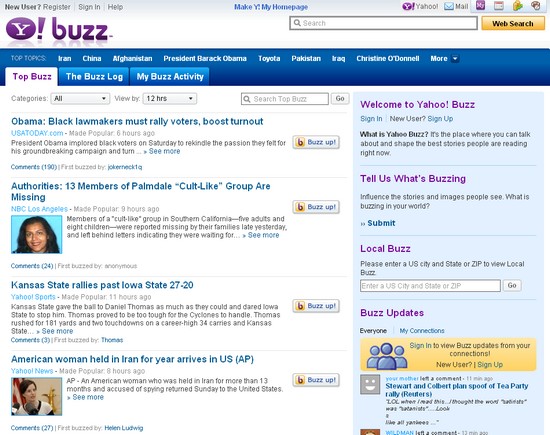

&lt;/p&gt;

&lt;p&gt;I found &lt;a href="http://www.masternewmedia.org/social_networking/twitter-instant-messaging-mobile-messaging/twitter-a-beginners-guide-20070425.htm"&gt;Twitter&lt;/a&gt; to be a big conceptual shift for me and I have had to recognize that I cannot keep track. I have had to be at peace with myself to only follow one percent of what is happened, and to recognize that it is OK... even that one percent is important to me, but I just do not have time to follow the full breadth of it.

&lt;/p&gt;

&lt;p&gt;&lt;strong&gt;Your question of&lt;/strong&gt;: "&lt;em&gt;What is about the real-time web then? Is it just a fad? Is it something...&lt;/em&gt;"

&lt;/p&gt;

&lt;p&gt;My response would be: Twitter may be a fad. It may come and go the way like many other tools have, but:

&lt;/p&gt;

&lt;ul&gt;&lt;li&gt;&lt;strong&gt;The notion of being&lt;/strong&gt; able to connect socially, connect consistently,&lt;/li&gt;

&lt;p&gt;&lt;li&gt;&lt;strong&gt;The ability to connect&lt;/strong&gt; informally without just being part of my work routine, or having read a blog post to talk about it,&lt;/li&gt;&lt;/ul&gt;
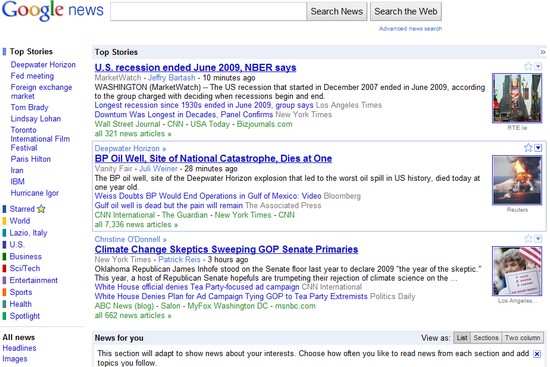

&lt;/p&gt;

&lt;p&gt;that, I think, is far more than a fad.

&lt;/p&gt;

&lt;p&gt;I think that:

&lt;/p&gt;

&lt;ul&gt;&lt;li&gt;&lt;strong&gt;The real-time&lt;/strong&gt; information,&lt;/li&gt;

&lt;p&gt;&lt;li&gt;&lt;strong&gt;The real-time&lt;/strong&gt; awareness of what is happening,&lt;/li&gt;

&lt;/p&gt;

&lt;p&gt;&lt;li&gt;&lt;strong&gt;The close connection&lt;/strong&gt; with friends and family through a tool like Twitter...&lt;/li&gt;&lt;/ul&gt;

&lt;/p&gt;

&lt;p&gt;...that, I think, is a fundamental shift in how we communicate.

&lt;/p&gt;

&lt;p&gt;

&lt;/p&gt;

&lt;p&gt;&lt;br /&gt;&lt;br /&gt;&lt;br /&gt;
&lt;span class="photocredit"&gt;Video interviews by Robin Good for &lt;a href="http://www.masternewmedia.org"&gt;MasterNewMedia&lt;/a&gt;. Article editing by Daniele Bazzano and Elia Lombardi. First published on September 25th, 2009 as "&lt;a href="http://www.masternewmedia.org/a-fundamental-shift-in-how-we-communicate-george-siemens/"&gt;A Fundamental Shift In How We Communicate: George Siemens, Twitter And The Real-Time Web&lt;/a&gt;".&lt;/span&gt;

&lt;/p&gt;

&lt;p&gt;&lt;br /&gt;
&lt;br /&gt;&lt;br /&gt;&lt;br /&gt;
&lt;strong&gt;About George Siemens&lt;/strong&gt;

&lt;/p&gt;

&lt;p&gt;&lt;img width="118" height="89" alt="George-Siemens.jpg" src="http://www.masternewmedia.org/images/George-Siemens.jpg" /&gt;

&lt;/p&gt;

&lt;p&gt;&lt;span class="photocredit"&gt;&lt;a href="http://www.umanitoba.ca/learning_technologies/connectivisim/bio_george.php"&gt;George Siemens&lt;/a&gt; is the Associate Director in the &lt;a href="http://www.umanitoba.ca/learning_technologies/"&gt;Learning Technologies Centre at the University of Manitoba&lt;/a&gt;. George blogs at &lt;a href="http://www.elearnspace.org/"&gt;www.elearnspace.org&lt;/a&gt; where he shares his vision on the educational landscape and the impact that media technologies have on the educational system. George Siemens is also the author of &lt;a href="http://www.elearnspace.org/Articles/connectivism.htm"&gt;Connectivism: A Learning Theory for the Digital Age&lt;/a&gt; and the book "&lt;em&gt;&lt;a href="http://www.amazon.com/Knowing-Knowledge-George-Siemens/dp/1430302305"&gt;Knowing Knowledge&lt;/a&gt;&lt;/em&gt;" where he develops a learning theory called &lt;a href="http://www.masternewmedia.org/news/2008/08/09/educational_models_and_learning_in/"&gt;connectivism&lt;/a&gt; which uses a network as the central metaphor for learning and focuses on knowledge as a way to making connections.&lt;/span&gt;

&lt;/p&gt;</description></item><item><title>Media Literacy: Making Sense Of New Technologies And Media by George Siemens - Sep 19 09</title><link>http://www.masternewmedia.org/media-literacy-making-sense-of-new-technologies-and-media_2009_09_19/</link><category>Learning - Educational Technologies</category><dc:creator xmlns:dc="http://purl.org/dc/elements/1.1/">George Siemens</dc:creator><pubDate>Sat, 19 Sep 2009 02:55:00 PDT</pubDate><guid isPermaLink="false">http://www.masternewmedia.org/2009/09/19/9/index.htm</guid><content:encoded xmlns:content="http://purl.org/rss/1.0/modules/content/"><![CDATA[<strong>In this weekly</strong> Media Literacy Digest, open education advocate <a href="http://www.umanitoba.ca/learning_technologies/connectivisim/bio_george.php">George Siemens</a>, explores and reports about emergent media, learning, education and on the future impact that new technologies may have on society.

<img alt="Media_literacy_digest_georgesiemens_id682999_size485.jpg" src="http://www.masternewmedia.org/Images/Media_literacy_digest_georgesiemens_id682999_size485.jpg" width="485" height="435" />
<span class="photocredit">Photo credit: <a href="http://www.stockxpert.com/browse_image/profile/rgbspace">rgbspace</a></span>

<strong>Inside this</strong> Media Literacy Digest:

<ul><li><strong>Untangling The Web</strong> - Why do two people share information with each other? What impact does a connection (social or conceptual) have on a learner's level of understanding a subject?</li>

<li><strong>Microsoft and Google</strong> - For most of the late 80's and into early 2000, innovation on the desktop seemed slow or even non-existent. Microsoft dominated the personal computer experience. That has changed.</li>

<li><strong>Identity, Memory, Death and The Internet</strong> - <a href="http://davecormier.com/edblog/whos-dave/">Dave Cormier</a> offers an insightful (and touching) <a href="http://davecormier.com/edblog/2009/09/18/identity-memory-death-and-the-internet/">post on how identity and memory are preserved online</a>.</li>

<li><strong>Taming Digital Distractions</strong> -  It is always been easy to find distractions (going for coffee with a colleague, chats around the water cooler), but even then, a bit of effort was required. I actually had to leave my office.</li>

<li><strong>The Future of Work</strong> - <a href="http://www.britannica.com">Britannica</a> is getting sloppy with their blog postings. Most posts - even ones I disagree with - are usually fairly well thought-out. Then, they post this: <a href="http://www.britannica.com/blogs/2009/09/the-future-world-of-work-flexible-and-decentralized-a-gen-xers-perspective/">The Future World of Work: Flexible and Decentralized</a>.</li>

<li><strong>Thoughts On New Learning</strong> - Is connective learning naturally self-reinforcing? Is the building of community a means to an end (learning), an end in and of itself, or both?</li>

<li><strong>Immediacy</strong> - The implications of immediacy is particularly interesting. What used to be an off the record comment can now be broadcast immediately.</li>

<li><strong>Why Studies About Multitasking Are Missing The Point</strong> - If you judge a juggler by how many times the balls hit the floor and contrast that with someone throwing and catching one ball at a time, the juggler will always lose.</li>

<li><strong>Information Rich... and Attention Poor</strong> - What changes in how we access information? How we process it? What types of tools do we need to cope? </li>

<li><strong>Liberating Data From Google</strong> - The <a href="http://googlepublicpolicy.blogspot.com/2009/09/introducing-dataliberationorg-liberate.html">DataLiberation</a> initiative by Google is a huge step in the right direction.</li></ul>

Here all the details:
<!-- FA -->]]></content:encoded><description>&lt;p&gt;&lt;strong&gt;In this weekly&lt;/strong&gt; Media Literacy Digest, open education advocate &lt;a href="http://www.umanitoba.ca/learning_technologies/connectivisim/bio_george.php"&gt;George Siemens&lt;/a&gt;, explores and reports about emergent media, learning, education and on the future impact that new technologies may have on society.

&lt;/p&gt;

&lt;p&gt;&lt;img alt="Media_literacy_digest_georgesiemens_id682999_size485.jpg" src="http://www.masternewmedia.org/Images/Media_literacy_digest_georgesiemens_id682999_size485.jpg" width="485" height="435" /&gt;&lt;br /&gt;
&lt;span class="photocredit"&gt;Photo credit: &lt;a href="http://www.stockxpert.com/browse_image/profile/rgbspace"&gt;rgbspace&lt;/a&gt;&lt;/span&gt;

&lt;/p&gt;

&lt;p&gt;&lt;strong&gt;Inside this&lt;/strong&gt; Media Literacy Digest:

&lt;/p&gt;

&lt;ul&gt;&lt;li&gt;&lt;strong&gt;Untangling The Web&lt;/strong&gt; - Why do two people share information with each other? What impact does a connection (social or conceptual) have on a learner's level of understanding a subject?&lt;/li&gt;

&lt;p&gt;&lt;li&gt;&lt;strong&gt;Microsoft and Google&lt;/strong&gt; - For most of the late 80's and into early 2000, innovation on the desktop seemed slow or even non-existent. Microsoft dominated the personal computer experience. That has changed.&lt;/li&gt;

&lt;/p&gt;

&lt;p&gt;&lt;li&gt;&lt;strong&gt;Identity, Memory, Death and The Internet&lt;/strong&gt; - &lt;a href="http://davecormier.com/edblog/whos-dave/"&gt;Dave Cormier&lt;/a&gt; offers an insightful (and touching) &lt;a href="http://davecormier.com/edblog/2009/09/18/identity-memory-death-and-the-internet/"&gt;post on how identity and memory are preserved online&lt;/a&gt;.&lt;/li&gt;

&lt;/p&gt;

&lt;p&gt;&lt;li&gt;&lt;strong&gt;Taming Digital Distractions&lt;/strong&gt; -  It is always been easy to find distractions (going for coffee with a colleague, chats around the water cooler), but even then, a bit of effort was required. I actually had to leave my office.&lt;/li&gt;

&lt;/p&gt;

&lt;p&gt;&lt;li&gt;&lt;strong&gt;The Future of Work&lt;/strong&gt; - &lt;a href="http://www.britannica.com"&gt;Britannica&lt;/a&gt; is getting sloppy with their blog postings. Most posts - even ones I disagree with - are usually fairly well thought-out. Then, they post this: &lt;a href="http://www.britannica.com/blogs/2009/09/the-future-world-of-work-flexible-and-decentralized-a-gen-xers-perspective/"&gt;The Future World of Work: Flexible and Decentralized&lt;/a&gt;.&lt;/li&gt;

&lt;/p&gt;

&lt;p&gt;&lt;li&gt;&lt;strong&gt;Thoughts On New Learning&lt;/strong&gt; - Is connective learning naturally self-reinforcing? Is the building of community a means to an end (learning), an end in and of itself, or both?&lt;/li&gt;

&lt;/p&gt;

&lt;p&gt;&lt;li&gt;&lt;strong&gt;Immediacy&lt;/strong&gt; - The implications of immediacy is particularly interesting. What used to be an off the record comment can now be broadcast immediately.&lt;/li&gt;

&lt;/p&gt;

&lt;p&gt;&lt;li&gt;&lt;strong&gt;Why Studies About Multitasking Are Missing The Point&lt;/strong&gt; - If you judge a juggler by how many times the balls hit the floor and contrast that with someone throwing and catching one ball at a time, the juggler will always lose.&lt;/li&gt;

&lt;/p&gt;

&lt;p&gt;&lt;li&gt;&lt;strong&gt;Information Rich... and Attention Poor&lt;/strong&gt; - What changes in how we access information? How we process it? What types of tools do we need to cope? &lt;/li&gt;

&lt;/p&gt;

&lt;p&gt;&lt;li&gt;&lt;strong&gt;Liberating Data From Google&lt;/strong&gt; - The &lt;a href="http://googlepublicpolicy.blogspot.com/2009/09/introducing-dataliberationorg-liberate.html"&gt;DataLiberation&lt;/a&gt; initiative by Google is a huge step in the right direction.&lt;/li&gt;&lt;/ul&gt;

&lt;/p&gt;

&lt;p&gt;Here all the details:&lt;br /&gt;
&lt;!-- FA --&gt;

&lt;/p&gt;&lt;p&gt;&lt;!-- MIDDLE_GAD --&gt;

&lt;/p&gt;

&lt;p&gt;

&lt;/p&gt;

&lt;p&gt;&lt;br /&gt;&lt;br /&gt;&lt;br /&gt;&lt;br /&gt;
&lt;h2&gt;eLearning Resources and News&lt;/h2&gt;

&lt;/p&gt;

&lt;p&gt;&lt;em&gt;learning, networks, knowledge, technology, trends&lt;/em&gt;

&lt;/p&gt;

&lt;p&gt;&lt;em&gt;by George Siemens&lt;/em&gt;

&lt;/p&gt;

&lt;p&gt;

&lt;/p&gt;

&lt;p&gt;&lt;br /&gt;&lt;br /&gt;&lt;br /&gt;&lt;br /&gt;
&lt;h2&gt;Untangling The Web&lt;/h2&gt;

&lt;/p&gt;

&lt;p&gt;&lt;img alt="Media_literacy_digest_georgesiemens_untangling_the_web_id47427701.jpg" src="http://www.masternewmedia.org/Images/Media_literacy_digest_georgesiemens_untangling_the_web_id47427701.jpg" width="310" height="214" /&gt;

&lt;/p&gt;

&lt;p&gt;&lt;strong&gt;Networks serve as a useful model&lt;/strong&gt; to describe electricity grids, business activity, the internet, spread of diseases, and even obesity. 

&lt;/p&gt;

&lt;p&gt;Caution is warranted, however, in over emphasizing networks. 

&lt;/p&gt;

&lt;p&gt;In themselves, networks reveal a structure and mode of organizing. They can serve as both a foundation on which to build societal structures (such as education) and as a gateway to action. 

&lt;/p&gt;

&lt;p&gt;&lt;strong&gt;Network analysis reveals&lt;/strong&gt; the flow of information in an organization. 

&lt;/p&gt;

&lt;p&gt;As important as the structure itself is the why and how of connection forming. 

&lt;/p&gt;

&lt;ul&gt;&lt;li&gt;&lt;strong&gt;Why do two people share&lt;/strong&gt; information with each other?&lt;/li&gt; 

&lt;p&gt;&lt;li&gt;&lt;strong&gt;What impact does a connection&lt;/strong&gt; (social or conceptual) have on a learner's level of understanding a subject?&lt;/li&gt;&lt;/ul&gt;

&lt;/p&gt;

&lt;p&gt;&lt;a href="http://www.mindhacks.com"&gt;Mindhacks&lt;/a&gt; links to &lt;a href="http://www.mindhacks.com/blog/2009/09/unweaving_the_tangle.html"&gt;several reports addressing network structures underlying happiness and health&lt;/a&gt;.

&lt;/p&gt;

&lt;p&gt;

&lt;/p&gt;

&lt;p&gt;

&lt;/p&gt;

&lt;p&gt;&lt;br /&gt;
&lt;br /&gt;&lt;br /&gt;&lt;br /&gt;&lt;br /&gt;&lt;br /&gt;&lt;br /&gt;&lt;br /&gt;
&lt;h2&gt;Microsoft and Google&lt;/h2&gt;

&lt;/p&gt;

&lt;p&gt;&lt;img alt="Media_literacy_digest_georgesiemens_microsoft_and_google_by_blogs_zdnet.jpg" src="http://www.masternewmedia.org/Images/Media_literacy_digest_georgesiemens_microsoft_and_google_by_blogs_zdnet.jpg" width="265" height="196" /&gt;

&lt;/p&gt;

&lt;p&gt;&lt;strong&gt;For most of the late 80's&lt;/strong&gt; and into early 2000, innovation on the desktop seemed slow or even non-existent. 

&lt;/p&gt;

&lt;p&gt;Microsoft dominated the personal computer experience. That has changed.

&lt;/p&gt;

&lt;p&gt;Between Apple, Google, and &lt;a href="http://www.masternewmedia.org/news/2007/02/16/the_opensource_story_from_free.htm"&gt;open source software&lt;/a&gt;, innovation abounds. 

&lt;/p&gt;

&lt;ul&gt;&lt;li&gt;&lt;strong&gt;New devices&lt;/strong&gt; (iPhone),&lt;/li&gt;

&lt;p&gt;&lt;li&gt;&lt;strong&gt;views of software&lt;/strong&gt; (&lt;a href="http://www.masternewmedia.org/cloud-computing-enterprise-content-distributors-moving-from-database-to-web-services-curation/"&gt;cloud computing&lt;/a&gt;) and&lt;/li&gt;

&lt;/p&gt;

&lt;p&gt;&lt;li&gt;&lt;strong&gt;applications&lt;/strong&gt; (&lt;a href="http://www.masternewmedia.org/online_collaboration/document-collaboration/Google-Docs-explained-in-simple-words-by-Lee-Lefever-20070919.htm"&gt;Google Docs&lt;/a&gt;)&lt;/li&gt;&lt;/ul&gt;

&lt;/p&gt;

&lt;p&gt;have generated a new spirit of progress around information and communication technologies.

&lt;/p&gt;

&lt;p&gt;Microsoft recognizes the threat and is responding by developing an &lt;a href="http://office.microsoft.com"&gt;online version of its Office suite&lt;/a&gt;. &lt;a href="http://www.techcrunch.com"&gt;Techcrunch&lt;/a&gt; has a &lt;a href="http://www.techcrunch.com/2009/09/17/imitation-isnt-always-flattery-microsoft-previews-google-apps-killer-to-beta-testers/"&gt;(mostly) positive overview of the service&lt;/a&gt;, expected for public release next year.

&lt;/p&gt;

&lt;p&gt;

&lt;/p&gt;

&lt;p&gt;

&lt;/p&gt;

&lt;p&gt;&lt;br /&gt;
&lt;br /&gt;&lt;br /&gt;&lt;br /&gt;&lt;br /&gt;&lt;br /&gt;&lt;br /&gt;&lt;br /&gt;
&lt;h2&gt;Identity, Memory, Death and The Internet&lt;/h2&gt;

&lt;/p&gt;

&lt;p&gt;&lt;img alt="Media_literacy_digest_georgesiemens_identity_memory_death_and_the_internet_id10258462.jpg" src="http://www.masternewmedia.org/Images/Media_literacy_digest_georgesiemens_identity_memory_death_and_the_internet_id10258462.jpg" width="260" height="260" /&gt;

&lt;/p&gt;

&lt;p&gt;&lt;a href="http://davecormier.com/edblog/whos-dave/"&gt;Dave Cormier&lt;/a&gt; offers an insightful (and touching) &lt;a href="http://davecormier.com/edblog/2009/09/18/identity-memory-death-and-the-internet/"&gt;post on how identity and memory are preserved online&lt;/a&gt;. He compares the passing of a colleague (last year) and his brother (20 years ago) and how they are remembered today. 

&lt;/p&gt;

&lt;p&gt;The identity people create online today is, in a sense, a gift to their children and future generations. I know my grandparents through a few black and white pictures. As Cormier notes, his children / grandchildren will know him through rich media. Memories preserved in full colour.

&lt;/p&gt;

&lt;p&gt;Too often, when discussing identity, the focus rests on "&lt;em&gt;do not post this online, you will regret it in the future when you are [running for office, interviewing for a new job, etc.]&lt;/em&gt;". The flip side of this argument is aptly expressed in Dave's post.

&lt;/p&gt;

&lt;p&gt;

&lt;/p&gt;

&lt;p&gt;

&lt;/p&gt;

&lt;p&gt;&lt;br /&gt;
&lt;br /&gt;&lt;br /&gt;&lt;br /&gt;&lt;br /&gt;&lt;br /&gt;&lt;br /&gt;&lt;br /&gt;
&lt;h2&gt;Taming Digital Distractions&lt;/h2&gt;

&lt;/p&gt;

&lt;p&gt;&lt;img alt="Media_literacy_digest_georgesiemens_taming_digital_distractions_by_pitchengine.jpg" src="http://www.masternewmedia.org/Images/Media_literacy_digest_georgesiemens_taming_digital_distractions_by_pitchengine.jpg" width="273" height="299" /&gt;

&lt;/p&gt;

&lt;p&gt;&lt;strong&gt;Forget multitasking.&lt;/strong&gt;

&lt;/p&gt;

&lt;p&gt;The real challenge many people face in work productivity is coping with distractions. I find it rather easy to ignore activities I ought to be doing with sites like 

&lt;/p&gt;

&lt;ul&gt;&lt;li&gt;&lt;a href="http://www.youtube.com/"&gt;YouTube&lt;/a&gt;,&lt;/li&gt;

&lt;p&gt;&lt;li&gt;&lt;a href="http://www.masternewmedia.org/social_networking/twitter-instant-messaging-mobile-messaging/twitter-a-beginners-guide-20070425.htm"&gt;Twitter,&lt;/a&gt;&lt;/li&gt;

&lt;/p&gt;

&lt;p&gt;&lt;li&gt;&lt;a href="http://news.google.com/"&gt;Google News&lt;/a&gt;,&lt;/li&gt;

&lt;/p&gt;

&lt;p&gt;&lt;li&gt;&lt;a href="http://www.masternewmedia.org/social_networking/social-network-service-content-aggregation/facebook-beginners-guide-online-social-networking-20070626.htm"&gt;Facebook&lt;/a&gt; and&lt;/li&gt;

&lt;/p&gt;

&lt;p&gt;&lt;li&gt;&lt;a href="http://www.masternewmedia.org/news/2005/10/12/interface_design_and_user_experience.htm"&gt;Google Reader&lt;/a&gt;&lt;/li&gt;&lt;/ul&gt;

&lt;/p&gt;

&lt;p&gt;at my finger tips.

&lt;/p&gt;

&lt;p&gt;&lt;strong&gt;It is always been easy&lt;/strong&gt; to find distractions (going for coffee with a colleague, chats around the water cooler), but even then, a bit of effort was required. I actually had to leave my office.

&lt;/p&gt;

&lt;p&gt;Now, distractions are much more accessible. But there are &lt;a href="http://www.nytimes.com/2009/09/17/technology/personaltech/17basics.html?_r=1&amp;partner=rss&amp;emc=rss"&gt;ways of coping&lt;/a&gt; with, of course, more technology.

&lt;/p&gt;

&lt;p&gt;

&lt;/p&gt;

&lt;p&gt;

&lt;/p&gt;

&lt;p&gt;&lt;br /&gt;
&lt;br /&gt;&lt;br /&gt;&lt;br /&gt;&lt;br /&gt;&lt;br /&gt;&lt;br /&gt;&lt;br /&gt;
&lt;h2&gt;The Future of Work&lt;/h2&gt;

&lt;/p&gt;

&lt;p&gt;&lt;img alt="Media_literacy_digest_georgesiemens_the_future_of_work_id38051911.jpg" src="http://www.masternewmedia.org/Images/Media_literacy_digest_georgesiemens_the_future_of_work_id38051911.jpg" width="430" height="138" /&gt;

&lt;/p&gt;

&lt;p&gt;&lt;a href="http://www.britannica.com"&gt;Britannica&lt;/a&gt; &lt;strong&gt;is getting sloppy with&lt;/strong&gt; their blog postings. Most posts - even ones I disagree with - are usually fairly well though-tout. 

&lt;/p&gt;

&lt;p&gt;Then, they post this: &lt;a href="http://www.britannica.com/blogs/2009/09/the-future-world-of-work-flexible-and-decentralized-a-gen-xers-perspective/"&gt;The Future World of Work: Flexible and Decentralized&lt;/a&gt;. The post is poorly presented and largely speculative. Most obvious is the generational argument.

&lt;/p&gt;

&lt;p&gt;&lt;strong&gt;Work in organizations is changing&lt;/strong&gt;. That has nothing to do with generational differences. Technological advances in communication and collaboration tools are producing a distributed workforce. What does that have to do with age?

&lt;/p&gt;

&lt;p&gt;The idea that work is changing is worth exploring. The concept that it is generational is silly.

&lt;/p&gt;

&lt;p&gt;

&lt;/p&gt;

&lt;p&gt;

&lt;/p&gt;

&lt;p&gt;&lt;br /&gt;
&lt;br /&gt;&lt;br /&gt;&lt;br /&gt;&lt;br /&gt;&lt;br /&gt;&lt;br /&gt;&lt;br /&gt;
&lt;h2&gt;Thoughts On New Learning&lt;/h2&gt;

&lt;/p&gt;

&lt;p&gt;&lt;img alt="Media_literacy_digest_georgesiemens_thoughts_on_new_learning_id2919213.jpg" src="http://www.masternewmedia.org/Images/Media_literacy_digest_georgesiemens_thoughts_on_new_learning_id2919213.jpg" width="350" height="211" /&gt;

&lt;/p&gt;

&lt;p&gt;&lt;strong&gt;With&lt;/strong&gt; &lt;a href="http://ltc.umanitoba.ca/connectivism/"&gt;CCK09&lt;/a&gt; &lt;strong&gt;now underway&lt;/strong&gt;, I am having a bit of trouble keeping up with posts and reflections of learners.

&lt;/p&gt;

&lt;p&gt;We encourage individuals to set up &lt;a href="http://www.masternewmedia.org/news/2007/12/01/what_is_a_blog_blogs.htm"&gt;blogs&lt;/a&gt; (or use &lt;a href="http://www.masternewmedia.org/news/2004/03/01/elearning_with_moodle_open_source.htm"&gt;Moodle&lt;/a&gt;, &lt;a href="http://www.masternewmedia.org/news/2006/10/25/virtual_reality_worlds_content_distribution.htm"&gt;SecondLife&lt;/a&gt;, whatever else)... and reading blog posts takes more effort than reading discussion forums.

&lt;/p&gt;

&lt;ul&gt;&lt;li&gt;&lt;strong&gt;Discussion forum posts&lt;/strong&gt; are generally shorter and the context is often established by the original post.&lt;/li&gt;

&lt;p&gt;&lt;li&gt;&lt;strong&gt;Blogs also appear to&lt;/strong&gt; be a better environment for a deeper level of analysis. I am not sure why - perhaps it is due to the sense of personal space or identity.&lt;/li&gt;&lt;/ul&gt;

&lt;/p&gt;

&lt;p&gt;&lt;a href="http://ericcalvert.wordpress.com/2009/09/16/thoughts-on-new-literacy-and-motivation/"&gt;Thoughts on new learning&lt;/a&gt;:

&lt;/p&gt;

&lt;blockquote&gt;"&lt;em&gt;... &lt;strong&gt;Humans have an innate&lt;/strong&gt; motivation to participate in shared knowlege and that it is this motivation that makes writing for "real" audiences more rewarding for students than writing for an individual "teacher"... is connective learning naturally self-reinforcing?

&lt;p&gt;Is the building of community a means to an end (learning), an end in and of itself, or both?

&lt;/p&gt;

&lt;p&gt;Put another way, would you keep writing your blog of you knew nobody was reading it?&lt;/em&gt;"&lt;/blockquote&gt;

&lt;/p&gt;

&lt;p&gt;

&lt;/p&gt;

&lt;p&gt;

&lt;/p&gt;

&lt;p&gt;&lt;br /&gt;
&lt;br /&gt;&lt;br /&gt;&lt;br /&gt;&lt;br /&gt;&lt;br /&gt;&lt;br /&gt;&lt;br /&gt;
&lt;h2&gt;Immediacy&lt;/h2&gt;

&lt;/p&gt;

&lt;p&gt;&lt;img alt="Media_literacy_digest_georgesiemens_immediacy_id41593681.jpg" src="http://www.masternewmedia.org/Images/Media_literacy_digest_georgesiemens_immediacy_id41593681.jpg" width="300" height="240" /&gt;

&lt;/p&gt;

&lt;p&gt;&lt;strong&gt;Location and immediacy&lt;/strong&gt; are two big trends developing in part to mobile devices - constant connectivity enables us to receive information in context - i.e. location... and microblogging produces a constant flow of information. The implications of immediacy is particularly interesting.

&lt;/p&gt;

&lt;p&gt;What used to be an off the record comment can now be broadcast immediately.

&lt;/p&gt;

&lt;p&gt;Consider &lt;a href="http://features.csmonitor.com/innovation/2009/09/16/moral-of-obama-kanye-incident-nothing-is-off-the-record-anymore/"&gt;Obama's experience this week&lt;/a&gt;. For celebrities and leaders, the concept of a "&lt;em&gt;safe zone&lt;/em&gt;" or an "&lt;em&gt;off period&lt;/em&gt;" simply do not exist.

&lt;/p&gt;

&lt;p&gt;&lt;strong&gt;I wonder how many higher&lt;/strong&gt; education faculty are blissfully unaware that their statements / lecture habits / clothing choice are the topic of lively discussion and commentary on &lt;a href="http://www.masternewmedia.org/social_networking/social-network-service-content-aggregation/facebook-beginners-guide-online-social-networking-20070626.htm"&gt;Facebook&lt;/a&gt; / &lt;a href="http://www.masternewmedia.org/social_networking/twitter-instant-messaging-mobile-messaging/twitter-a-beginners-guide-20070425.htm"&gt;Twitter&lt;/a&gt; / &lt;a href="http://friendfeed.com/"&gt;Friendfeed&lt;/a&gt;?

&lt;/p&gt;

&lt;p&gt;

&lt;/p&gt;

&lt;p&gt;

&lt;/p&gt;

&lt;p&gt;&lt;br /&gt;
&lt;br /&gt;&lt;br /&gt;&lt;br /&gt;&lt;br /&gt;&lt;br /&gt;&lt;br /&gt;&lt;br /&gt;
&lt;h2&gt;Why Studies About Multitasking Are Missing The Point&lt;/h2&gt;

&lt;/p&gt;

&lt;p&gt;&lt;img alt="Media_literacy_digest_georgesiemens_why_studies_about_multitasking_are_missing_the_point_id19532301.jpg" src="http://www.masternewmedia.org/Images/Media_literacy_digest_georgesiemens_why_studies_about_multitasking_are_missing_the_point_id19532301.jpg" width="250" height="305" /&gt;

&lt;/p&gt;

&lt;p&gt;&lt;strong&gt;Multitasking has gotten bad&lt;/strong&gt; publicity recently. 

&lt;/p&gt;

&lt;p&gt;I personally do not think I multitask - I task switch. Some people can task switch rapidly. Others prefer to focus on one element at a time. However, this article - &lt;a href="http://www.stoweboyd.com/message/2009/08/the-war-on-flow-2009.html"&gt;why studies about multitasking Are missing the point&lt;/a&gt; - takes a different stance. 

&lt;/p&gt;

&lt;p&gt;The author states: 

&lt;/p&gt;

&lt;blockquote&gt;"&lt;em&gt;&lt;strong&gt;If you judge a juggler&lt;/strong&gt; by how many times the balls hit the floor and contrast that with someone throwing and catching one ball at a time, the juggler will always lose. But the juggler is doing something different&lt;/em&gt;".&lt;/blockquote&gt;

&lt;p&gt; This is a valid point, but it also misses the differences in the type of activities we engage in. 

&lt;/p&gt;

&lt;p&gt;&lt;strong&gt;When I am involved&lt;/strong&gt; in "&lt;em&gt;flow&lt;/em&gt;" activities, I jump from my RSS reader, to &lt;a href="http://www.elearnspace.org/blog/"&gt;my  blog&lt;/a&gt;, to &lt;a href="http://delicious.com/gsiemens"&gt;delicious&lt;/a&gt;, to a &lt;a href="http://www.skype.com"&gt;Skype&lt;/a&gt; chat, to &lt;a href="http://tweetdeck.com/beta/"&gt;Tweetdeck&lt;/a&gt;, to an online news site, etc.

&lt;/p&gt;

&lt;p&gt;But... when I want to create something (a paper, design a course, create a podcast), I need a different approach. If I continue to utilize a flow approach, I will likely not apply the depth of thinking needed to complete the project well.

&lt;/p&gt;

&lt;p&gt;&lt;strong&gt;Context is king&lt;/strong&gt;. Approaches to learning and interacting are rooted in differing contexts.

&lt;/p&gt;

&lt;p&gt;

&lt;/p&gt;

&lt;p&gt;

&lt;/p&gt;

&lt;p&gt;&lt;br /&gt;
&lt;br /&gt;&lt;br /&gt;&lt;br /&gt;&lt;br /&gt;&lt;br /&gt;&lt;br /&gt;&lt;br /&gt;
&lt;h2&gt;Information Rich... and Attention Poor&lt;/h2&gt;

&lt;/p&gt;

&lt;p&gt;&lt;img alt="Media_literacy_digest_georgesiemens_information_rich_and_attention_poor_id19532301.jpg" src="http://www.masternewmedia.org/Images/Media_literacy_digest_georgesiemens_information_rich_and_attention_poor_id19532301.jpg" width="310" height="225" /&gt;

&lt;/p&gt;

&lt;p&gt;&lt;a href="http://www.theglobeandmail.com/news/opinions/information-rich-and-attention-poor/article1285001/"&gt;&lt;br /&gt;
Information rich, and attention poor&lt;/a&gt; addresses a frustration many of us feel: There is too much! it is all going too fast! 

&lt;/p&gt;

&lt;p&gt;I agree with &lt;a href="http://www.zoominfo.com/people/Nicholson_Peter_6943918.aspx"&gt;the author&lt;/a&gt; that attention is the attribute in greatest demand today. But that misses an important point: Abundance is not simply more, it is also different. Which means (and the author addresses this slightly at the end of the article) we need to think about what changes in this world of "&lt;em&gt;much more&lt;/em&gt;". 

&lt;/p&gt;

&lt;ul&gt;&lt;li&gt;&lt;strong&gt;What changes in how&lt;/strong&gt; we access information?&lt;/li&gt;

&lt;p&gt;&lt;li&gt;&lt;strong&gt;How we process&lt;/strong&gt; it?&lt;/li&gt;

&lt;/p&gt;

&lt;p&gt;&lt;li&gt;&lt;strong&gt;What types of tools do&lt;/strong&gt; we need to cope? (i.e. visualization tools and methods).&lt;/li&gt;

&lt;/p&gt;

&lt;p&gt;&lt;li&gt;&lt;strong&gt;Where is our education&lt;/strong&gt; system falling short?&lt;/li&gt;&lt;/ul&gt;

&lt;/p&gt;

&lt;p&gt;In my own, obviously non-opinionated view, education as a system has an opportunity to take a different view of how educational experiences are designed and delivered. 

&lt;/p&gt;

&lt;p&gt;Open online courses - such as &lt;a href="http://ltc.umanitoba.ca/connectivism/"&gt;CCK09&lt;/a&gt; - serve as a transparent experiment. 

&lt;/p&gt;

&lt;ul&gt;&lt;li&gt;&lt;strong&gt;How effective is&lt;/strong&gt; sensemaking in social networks in relation to traditional course cohorts?&lt;/li&gt;

&lt;p&gt;&lt;li&gt;&lt;strong&gt;What role should&lt;/strong&gt; the educator play?&lt;/li&gt;

&lt;/p&gt;

&lt;p&gt;&lt;li&gt;&lt;strong&gt;And what role&lt;/strong&gt; should students play?&lt;/li&gt;&lt;/ul&gt;

&lt;/p&gt;

&lt;p&gt;

&lt;/p&gt;

&lt;p&gt;

&lt;/p&gt;

&lt;p&gt;&lt;br /&gt;
&lt;br /&gt;&lt;br /&gt;&lt;br /&gt;&lt;br /&gt;&lt;br /&gt;&lt;br /&gt;&lt;br /&gt;
&lt;h2&gt;Liberating Data From Google&lt;/h2&gt;

&lt;/p&gt;

&lt;p&gt;&lt;img alt="Media_literacy_digest_georgesiemens_liberating_data_from_google_by_googlepublicpolicy_blogspot.gif" src="http://www.masternewmedia.org/Images/Media_literacy_digest_georgesiemens_liberating_data_from_google_by_googlepublicpolicy_blogspot.gif" width="230" height="246" /&gt;

&lt;/p&gt;

&lt;p&gt;&lt;strong&gt;I am frequently negative on Google&lt;/strong&gt; (largely because in a few year's time, Google will likely have a similar lock-in in many of its services / markets to what Microsoft had at its peak). However, the &lt;a href="http://googlepublicpolicy.blogspot.com/2009/09/introducing-dataliberationorg-liberate.html"&gt;DataLiberation&lt;/a&gt; initiative by Google is a huge step in the right direction:

&lt;/p&gt;

&lt;blockquote&gt;&lt;strong&gt;At the heart of this lies&lt;/strong&gt; our strong commitment to an open web run on open standards. 

&lt;p&gt;We think open is better than closed - not because closed is inherently bad, but because when it is easy for users to leave your product, there is a sense of urgency to improve and innovate in order to keep your users. 

&lt;/p&gt;

&lt;p&gt;When your users are locked in, there is a strong temptation to be complacent and focus less on making your product better.&lt;/blockquote&gt;

&lt;/p&gt;

&lt;p&gt;

&lt;/p&gt;

&lt;p&gt;&lt;br /&gt;&lt;br /&gt;&lt;br /&gt;
&lt;span class="photocredit"&gt;Originally written by &lt;a href="http://www.elearnspace.org/blog/"&gt;George Siemens&lt;/a&gt; for &lt;a href="http://www.elearnspace.org/blog/"&gt;elearnspace&lt;/a&gt; and first published on September 18th, 2009 in his newsletter eLearning Resources and News.&lt;/span&gt;

&lt;/p&gt;

&lt;p&gt;&lt;br /&gt;
&lt;br /&gt;&lt;br /&gt;&lt;br /&gt;
&lt;strong&gt;About George Siemens&lt;/strong&gt;

&lt;/p&gt;

&lt;p&gt;&lt;img width="118" height="89" alt="George-Siemens.jpg" src="http://www.masternewmedia.org/images/George-Siemens.jpg" /&gt;

&lt;/p&gt;

&lt;p&gt;&lt;span class="photocredit"&gt;&lt;a href="http://www.umanitoba.ca/learning_technologies/connectivisim/bio_george.php"&gt;George Siemens&lt;/a&gt; is the Associate Director in the &lt;a href="http://www.umanitoba.ca/learning_technologies/"&gt;Learning Technologies Centre at the University of Manitoba&lt;/a&gt;. George blogs at &lt;a href="http://www.elearnspace.org/"&gt;www.elearnspace.org&lt;/a&gt; where he shares his vision on the educational landscape and the impact that media technologies have on the educational system. George Siemens is also the author of &lt;a href="http://www.elearnspace.org/Articles/connectivism.htm"&gt;Connectivism: A Learning Theory for the Digital Age&lt;/a&gt; and the book "&lt;em&gt;&lt;a href="http://www.amazon.com/Knowing-Knowledge-George-Siemens/dp/1430302305"&gt;Knowing Knowledge&lt;/a&gt;&lt;/em&gt;" where he developes a learning theory called &lt;a href="http://www.masternewmedia.org/news/2008/08/09/educational_models_and_learning_in/"&gt;connectivism&lt;/a&gt; which uses a network as the central metaphor for learning and focuses on knowledge as a way to making connections.&lt;/span&gt;

&lt;/p&gt;

&lt;p&gt;&lt;br /&gt;&lt;br /&gt;&lt;br /&gt;
&lt;span class="photocredit"&gt;Photo credits:&lt;/span&gt;&lt;br /&gt;
&lt;span class="photocredit"&gt;Untangling The Web - &lt;a href="http://www.stockxpert.com/browse_image/profile/amagraphic"&gt;Mostafa Fawzy&lt;/a&gt;&lt;/span&gt;&lt;br /&gt;
&lt;span class="photocredit"&gt;Microsoft and Google - &lt;a href="http://blogs.zdnet.com"&gt;Blogs Zdnet&lt;/a&gt;&lt;/span&gt;&lt;br /&gt;
&lt;span class="photocredit"&gt;Identity, Memory, Death and The Internet - &lt;a href="http://www.stockxpert.com/browse_image/profile/Yakobchuk"&gt;Vasyl Yakobchuk&lt;/a&gt;&lt;/span&gt;&lt;br /&gt;
&lt;span class="photocredit"&gt;Taming Digital Distractions - &lt;a href="http://www.pitchengine.com"&gt;Pitchengine&lt;/a&gt;&lt;/span&gt;&lt;br /&gt;
&lt;span class="photocredit"&gt;The Future of Work - &lt;a href="http://www.stockxpert.com/browse_image/profile/AlienCat"&gt;Linda Bucklin&lt;/a&gt;&lt;/span&gt;&lt;br /&gt;
&lt;span class="photocredit"&gt;Thoughts On New Learning - &lt;a href="http://www.stockxpert.com/browse_image/profile/gbh"&gt;Jacek Chabraszewski&lt;/a&gt;&lt;/span&gt;&lt;br /&gt;
&lt;span class="photocredit"&gt;Immediacy - &lt;a href="http://www.stockxpert.com/browse_image/profile/iqoncept"&gt;Chris Lamphear&lt;/a&gt;&lt;/span&gt;&lt;br /&gt;
&lt;span class="photocredit"&gt;Why Studies About Multitasking Are Missing The Point - &lt;a href="http://www.stockxpert.com/browse_image/profile/narpika"&gt;Arpad Nagy-Bagoly&lt;/a&gt;&lt;/span&gt;&lt;br /&gt;
&lt;span class="photocredit"&gt;Information Rich... and Attention Poor - &lt;a href="http://www.stockxpert.com/browse_image/profile/yekorzh"&gt;Yegor Korzh&lt;/a&gt;&lt;/span&gt;&lt;br /&gt;
&lt;span class="photocredit"&gt;Liberating Data From Google - &lt;a href="http://googlepublicpolicy.blogspot.com/2009/09/introducing-dataliberationorg-liberate.html"&gt;Google Public Policy Blogspot&lt;/a&gt;&lt;/span&gt;

&lt;/p&gt;</description></item><item><title>Media Literacy: Making Sense Of New Technologies And Media by George Siemens - Sept 12 09</title><link>http://www.masternewmedia.org/media-literacy-making-sense-of-new-technologies-and-media_2009_09_12/</link><category>Learning - Educational Technologies</category><dc:creator xmlns:dc="http://purl.org/dc/elements/1.1/">George Siemens</dc:creator><pubDate>Sat, 12 Sep 2009 02:51:00 PDT</pubDate><guid isPermaLink="false">http://www.masternewmedia.org/2009/09/12/9/index.htm</guid><content:encoded xmlns:content="http://purl.org/rss/1.0/modules/content/"><![CDATA[<strong>In this weekly</strong> Media Literacy Digest, open education advocate <a href="http://www.umanitoba.ca/learning_technologies/connectivisim/bio_george.php">George Siemens</a>, reports on emergent media and technology issues and on the future impact that these new technologies may have on the way you work, learn and interact with others.

<img alt="Media_literacy_george_siemens_by__size344.jpg" src="http://www.masternewmedia.org/images/Media_literacy_george_siemens_by__size344.jpg" width="334" height="414" />
<span class="photocredit">Photo credit: <a href="http://flickr.com/photos/cyprien/2239052749/">Cyprien Lomas</a></span>

<strong>Inside this</strong> Media Literacy Digest:

<ul><li><strong>Reorganizing For The Online Environment</strong> -  Many institutions are</strong> slow to react to technology. Systemic inefficiencies trail new opportunities and technological affordances.</li>

<li><strong>Google Internet Stats</strong> -  Once data has been sucked into Google Giant Vacuum Cache, it is ripe for analysis. After a decade of collecting (and digitizing) Google has created an astonishing resource that is ripe for value exploitation.</li>

<li><strong>Passionate Creatives</strong> - 
<a href="http://edgeperspectives.typepad.com/about.html">John Hagel</a> <strong>talks about</strong> <a href="http://edgeperspectives.typepad.com/edge_perspectives/2009/09/a-labor-day-manifesto-for-a-new-world.html">Passionate Creatives</a>. For a growing segment of society, geography no longer restricts opportunity.</li>

<li><strong>Frequent Releases Change Software Engineering</strong> - Design of software and design</strong> of learning share similar attributes. I would go so far as to say that <a href="http://en.wikipedia.org/wiki/Instructional_design">instructional design</a> would benefit from considering how software design has changed over the last decade.</li>

<li><strong>The Cloud and Collaboration</strong> - <a href="http://en.wikipedia.org/wiki/Stephen_Downes">Stephen Downes</a> (in addition to hurling the odd grenade my way) consistently demonstrates the ability to provide innovative and critical commentary on concepts that many people accept on the surface.</li>

<li><strong>Virtual Learning Reports of The Demise of The VLE / LMS Are Greatly Exaggerated</strong> - The challenge with personal learning environments is most notable in how they fail to align with existing learning structures in schools and universities.</li>

<li><strong>Wiki Growth</strong> - How do you evaluate the impact of wikis on learning? Or, how do you research the contributions that wikis make to information creation and sharing?</li></ul>

Here all the details:
<!-- FA -->]]></content:encoded><description>&lt;p&gt;&lt;strong&gt;In this weekly&lt;/strong&gt; Media Literacy Digest, open education advocate &lt;a href="http://www.umanitoba.ca/learning_technologies/connectivisim/bio_george.php"&gt;George Siemens&lt;/a&gt;, reports on emergent media and technology issues and on the future impact that these new technologies may have on the way you work, learn and interact with others.

&lt;/p&gt;

&lt;p&gt;&lt;img alt="Media_literacy_george_siemens_by__size344.jpg" src="http://www.masternewmedia.org/images/Media_literacy_george_siemens_by__size344.jpg" width="334" height="414" /&gt;&lt;br /&gt;
&lt;span class="photocredit"&gt;Photo credit: &lt;a href="http://flickr.com/photos/cyprien/2239052749/"&gt;Cyprien Lomas&lt;/a&gt;&lt;/span&gt;

&lt;/p&gt;

&lt;p&gt;&lt;strong&gt;Inside this&lt;/strong&gt; Media Literacy Digest:

&lt;/p&gt;

&lt;ul&gt;&lt;li&gt;&lt;strong&gt;Reorganizing For The Online Environment&lt;/strong&gt; -  Many institutions are&lt;/strong&gt; slow to react to technology. Systemic inefficiencies trail new opportunities and technological affordances.&lt;/li&gt;

&lt;p&gt;&lt;li&gt;&lt;strong&gt;Google Internet Stats&lt;/strong&gt; -  Once data has been sucked into Google Giant Vacuum Cache, it is ripe for analysis. After a decade of collecting (and digitizing) Google has created an astonishing resource that is ripe for value exploitation.&lt;/li&gt;

&lt;/p&gt;

&lt;p&gt;&lt;li&gt;&lt;strong&gt;Passionate Creatives&lt;/strong&gt; - &lt;br /&gt;
&lt;a href="http://edgeperspectives.typepad.com/about.html"&gt;John Hagel&lt;/a&gt; &lt;strong&gt;talks about&lt;/strong&gt; &lt;a href="http://edgeperspectives.typepad.com/edge_perspectives/2009/09/a-labor-day-manifesto-for-a-new-world.html"&gt;Passionate Creatives&lt;/a&gt;. For a growing segment of society, geography no longer restricts opportunity.&lt;/li&gt;

&lt;/p&gt;

&lt;p&gt;&lt;li&gt;&lt;strong&gt;Frequent Releases Change Software Engineering&lt;/strong&gt; - Design of software and design&lt;/strong&gt; of learning share similar attributes. I would go so far as to say that &lt;a href="http://en.wikipedia.org/wiki/Instructional_design"&gt;instructional design&lt;/a&gt; would benefit from considering how software design has changed over the last decade.&lt;/li&gt;

&lt;/p&gt;

&lt;p&gt;&lt;li&gt;&lt;strong&gt;The Cloud and Collaboration&lt;/strong&gt; - &lt;a href="http://en.wikipedia.org/wiki/Stephen_Downes"&gt;Stephen Downes&lt;/a&gt; (in addition to hurling the odd grenade my way) consistently demonstrates the ability to provide innovative and critical commentary on concepts that many people accept on the surface.&lt;/li&gt;

&lt;/p&gt;

&lt;p&gt;&lt;li&gt;&lt;strong&gt;Virtual Learning Reports of The Demise of The VLE / LMS Are Greatly Exaggerated&lt;/strong&gt; - The challenge with personal learning environments is most notable in how they fail to align with existing learning structures in schools and universities.&lt;/li&gt;

&lt;/p&gt;

&lt;p&gt;&lt;li&gt;&lt;strong&gt;Wiki Growth&lt;/strong&gt; - How do you evaluate the impact of wikis on learning? Or, how do you research the contributions that wikis make to information creation and sharing?&lt;/li&gt;&lt;/ul&gt;

&lt;/p&gt;

&lt;p&gt;Here all the details:&lt;br /&gt;
&lt;!-- FA --&gt;

&lt;/p&gt;&lt;p&gt;&lt;!-- MIDDLE_GAD --&gt;

&lt;/p&gt;

&lt;p&gt;

&lt;/p&gt;

&lt;p&gt;&lt;br /&gt;&lt;br /&gt;&lt;br /&gt;&lt;br /&gt;
&lt;h2&gt;eLearning Resources and News&lt;/h2&gt;

&lt;/p&gt;

&lt;p&gt;&lt;em&gt;learning, networks, knowledge, technology, trends&lt;/em&gt;

&lt;/p&gt;

&lt;p&gt;&lt;em&gt;by George Siemens&lt;/em&gt;

&lt;/p&gt;

&lt;p&gt;

&lt;/p&gt;

&lt;p&gt;&lt;br /&gt;&lt;br /&gt;&lt;br /&gt;&lt;br /&gt;
&lt;h2&gt;Reorganizing For The Online Environment&lt;/h2&gt;

&lt;/p&gt;

&lt;p&gt;&lt;img alt="Media_literacy_digest_georgesiemens_reorganizing_for_the_online_environment_id2442511.jpg" src="http://www.masternewmedia.org/Images/Media_literacy_digest_georgesiemens_reorganizing_for_the_online_environment_id2442511.jpg" width="310" height="233" /&gt;

&lt;/p&gt;

&lt;p&gt;&lt;strong&gt;Many institutions are&lt;/strong&gt; slow to react to technology. Systemic inefficiencies trail new opportunities and technological affordances. 

&lt;/p&gt;

&lt;p&gt;For example, somewhere in the past at an unnamed institution, I developed a course for online delivery. We had many international students from Hong Kong and other Asian countries. The registration department at this organization handled enrollment and contacted learners with access information. 

&lt;/p&gt;

&lt;p&gt;When the course started, I noticed limited interaction in the online forums. I emailed the students to encourage them to log in and post introductions. I received several replies: we do not have access information. I then contacted the registration department. “&lt;em&gt;Has contact information been sent?&lt;/em&gt;” I asked. “&lt;em&gt;Yes&lt;/em&gt;”. “&lt;em&gt;When?&lt;/em&gt;”. “&lt;em&gt;We sent it on Friday&lt;/em&gt;”. “&lt;em&gt;Oh, that is strange&lt;/em&gt;” I say “&lt;em&gt;most students don’t have the information&lt;/em&gt;”. “&lt;em&gt;Well, we only mailed the packages on Friday&lt;/em&gt;”. “&lt;em&gt;MAILED?!?&lt;/em&gt;”. “&lt;em&gt;Yes&lt;/em&gt;”.&lt;br /&gt;
Oh well. We move slowly in new directions… at least until we feel threatened. 

&lt;/p&gt;

&lt;p&gt;&lt;strong&gt;Many educators do not&lt;/strong&gt; feel a sense of urgency around technology adoption. But many aspects of our organizations need to be adjusted to reflect what is possible with technology. Sometimes the answer is not clear (for example, &lt;a href="http://thelede.blogs.nytimes.com/2009/09/10/wikipedias-rapid-reaction-to-outburst-during-obama-speech/"&gt;Wikipedia’s decision around how to record historical events&lt;/a&gt;). 

&lt;/p&gt;

&lt;p&gt;At other times, the decision is really quite simple (i.e. email vs. mail). I wonder how much productivity people and organizations lose as result of failure to rethink existing “&lt;em&gt;ways of doing things&lt;/em&gt;”…

&lt;/p&gt;

&lt;p&gt;

&lt;/p&gt;

&lt;p&gt;

&lt;/p&gt;

&lt;p&gt;&lt;br /&gt;
&lt;br /&gt;&lt;br /&gt;&lt;br /&gt;&lt;br /&gt;&lt;br /&gt;&lt;br /&gt;&lt;br /&gt;
&lt;h2&gt;Google Internet Stats&lt;/h2&gt;

&lt;/p&gt;

&lt;p&gt;&lt;img alt="Media_literacy_digest_georgesiemens_google_internet_stats_by_google_co_uk.jpg" src="http://www.masternewmedia.org/Images/Media_literacy_digest_georgesiemens_google_internet_stats_by_google_co_uk.jpg" width="291" height="70" /&gt;

&lt;/p&gt;

&lt;p&gt;&lt;strong&gt;No company in the world&lt;/strong&gt; has access to more data and more data processing power than Google. 

&lt;/p&gt;

&lt;p&gt;Once data has been sucked into Google Giant Vacuum Cache, it is ripe for analysis. After a decade of collecting (and digitizing) Google has created an astonishing resource that is ripe for value exploitation. 

&lt;/p&gt;

&lt;p&gt;Many organizations and companies have idly watched Google conquer a domain more completely than Alexandar the Great could have ever dreamed. It only makes sense that Google reveals a little bit of its long term intention: &lt;a href="http://www.google.co.uk/intl/en/landing/internetstats/"&gt;Google internet stats&lt;/a&gt;. 

&lt;/p&gt;

&lt;p&gt;&lt;strong&gt;This is child’s play at this stage&lt;/strong&gt;, but more value-driven data analysis will be developed soon. The data is there. Mining is next. When you organize the worlds data, you are eventually able to organize the world according to your interests as well.

&lt;/p&gt;

&lt;p&gt;

&lt;/p&gt;

&lt;p&gt;

&lt;/p&gt;

&lt;p&gt;&lt;br /&gt;
&lt;br /&gt;&lt;br /&gt;&lt;br /&gt;&lt;br /&gt;&lt;br /&gt;&lt;br /&gt;&lt;br /&gt;
&lt;h2&gt;Passionate Creatives&lt;/h2&gt;

&lt;/p&gt;

&lt;p&gt;&lt;img alt="Media_literacy_digest_georgesiemens_passionate_creatives_id35623151.jpg" src="http://www.masternewmedia.org/Images/Media_literacy_digest_georgesiemens_passionate_creatives_id35623151.jpg" width="300" height="200" /&gt;

&lt;/p&gt;

&lt;p&gt;&lt;a href="http://edgeperspectives.typepad.com/about.html"&gt;John Hagel&lt;/a&gt; &lt;strong&gt;talks about&lt;/strong&gt; &lt;a href="http://edgeperspectives.typepad.com/edge_perspectives/2009/09/a-labor-day-manifesto-for-a-new-world.html"&gt;Passionate Creatives&lt;/a&gt;:

&lt;/p&gt;

&lt;blockquote&gt;&lt;em&gt;&lt;strong&gt;Many of us have suppressed&lt;/strong&gt; our passions in an attempt to fit in and integrate ourselves into a world that expected stability, predictability and safety. But they remain in the margins of our lives or in the daydreams that distract us from our daily tasks. Our challenge is to re-discover and cultivate them, moving them from the margins into the center of our lives.&lt;/em&gt;&lt;/blockquote&gt; 

&lt;p&gt;The article is a bit irritating at times - manifestos have a way of feeling dated once the emotions that drove their writing wears off - but captures a reality that I think many people experience daily. 

&lt;/p&gt;

&lt;p&gt;For a growing segment of society, geography no longer restricts opportunity. 

&lt;/p&gt;

&lt;p&gt;&lt;strong&gt;When I was at&lt;/strong&gt; &lt;a href="http://www.rrc.mb.ca/"&gt;Red River College&lt;/a&gt;, I found great value in blogging as a means to connect with others outside of the college. There were only a few of us “&lt;em&gt;online learning&lt;/em&gt;” folks at the campus…and many colleges / universities around the world also had a few. As a result, in pockets of two’s and three’s, a network of passionately creative people emerged around learning and technology. 

&lt;/p&gt;

&lt;p&gt;

&lt;/p&gt;

&lt;p&gt;

&lt;/p&gt;

&lt;p&gt;&lt;br /&gt;
&lt;br /&gt;&lt;br /&gt;&lt;br /&gt;&lt;br /&gt;&lt;br /&gt;&lt;br /&gt;&lt;br /&gt;
&lt;h2&gt;Frequent Releases Change Software Engineering&lt;/h2&gt;

&lt;/p&gt;

&lt;p&gt;&lt;img alt="Media_literacy_digest_georgesiemens_frequent_releases_change_software_engineering_id12983131.jpg" src="http://www.masternewmedia.org/Images/Media_literacy_digest_georgesiemens_frequent_releases_change_software_engineering_id12983131.jpg" width="290" height="218" /&gt;

&lt;/p&gt;

&lt;p&gt;&lt;strong&gt;Design of software and design&lt;/strong&gt; of learning share similar attributes.

&lt;/p&gt;

&lt;p&gt;I would go so far as to say that &lt;a href="http://en.wikipedia.org/wiki/Instructional_design"&gt;instructional design&lt;/a&gt; would benefit from considering how software design has changed over the last decade. 

&lt;/p&gt;

&lt;p&gt;Consider this article as a quick overview - &lt;a href="http://cacm.acm.org/blogs/blog-cacm/40796-frequent-releases-change-software-engineering/fulltext"&gt;Frequent releases change software engineering&lt;/a&gt;:

&lt;/p&gt;

&lt;blockquote&gt;&lt;em&gt;&lt;strong&gt;The main reason to consider&lt;/strong&gt; frequent deployments is not the direct impact of getting software out to customers more quickly, but the indirect impact internally.

&lt;p&gt;Frequent releases force changes in how an organization develops software. These changes ultimately reduce risk, speed development, and improve the product.&lt;/em&gt;&lt;/blockquote&gt;

&lt;/p&gt;

&lt;p&gt;

&lt;/p&gt;

&lt;p&gt;

&lt;/p&gt;

&lt;p&gt;&lt;br /&gt;
&lt;br /&gt;&lt;br /&gt;&lt;br /&gt;&lt;br /&gt;&lt;br /&gt;&lt;br /&gt;&lt;br /&gt;
&lt;h2&gt;The Cloud and Collaboration&lt;/h2&gt;

&lt;/p&gt;

&lt;p&gt;&lt;img alt="Media_literacy_digest_georgesiemens_the_clouds_and_collaboration_id758845.jpg" src="http://www.masternewmedia.org/Images/Media_literacy_digest_georgesiemens_the_clouds_and_collaboration_id758845.jpg" width="200" height="233" /&gt;

&lt;/p&gt;

&lt;p&gt;&lt;a href="http://en.wikipedia.org/wiki/Stephen_Downes"&gt;Stephen Downes&lt;/a&gt; &lt;strong&gt;(in addition to&lt;/strong&gt; hurling the odd grenade my way) consistently demonstrates the ability to provide innovative and critical commentary on concepts that many people accept on the surface. 

&lt;/p&gt;

&lt;p&gt;His most recent presentation on &lt;a href="http://www.downes.ca/cgi-bin/page.cgi?presentation=229"&gt;The Cloud and Collaboration&lt;/a&gt; is a good example. 

&lt;/p&gt;

&lt;p&gt;The talk (short – only 20 minutes) juxtaposes neural architecture and functioning with existing models of collaboration in society. He makes a compelling argument: if we use the “&lt;em&gt;global technological / networked brain&lt;/em&gt;” as an example, then we need to base it on an accurate understanding of how the brain actually works.

&lt;/p&gt;

&lt;p&gt;&lt;strong&gt;If it is neural structure&lt;/strong&gt; we desire, then we need to rethink privileged / star individual mentality in society and in learning. As he puts it, there is no head neuron in the brain. Toward the end of the talk he moves into a discussion of socialism (unrelated, but humorous: &lt;a href="http://en.wikipedia.org/wiki/Ze_Frank"&gt;Ze Frank&lt;/a&gt; on &lt;a href="http://www.time.com/time/video/player/0,32068,37761983001_1920887,00.html"&gt;Labor Day and Socialism&lt;/a&gt;) and attributes of networks.

&lt;/p&gt;

&lt;p&gt;

&lt;/p&gt;

&lt;p&gt;

&lt;/p&gt;

&lt;p&gt;&lt;br /&gt;
&lt;br /&gt;&lt;br /&gt;&lt;br /&gt;&lt;br /&gt;&lt;br /&gt;&lt;br /&gt;&lt;br /&gt;
&lt;h2&gt;Virtual Learning Reports of The Demise of The VLE / LMS Are Greatly Exaggerated&lt;/h2&gt;

&lt;/p&gt;

&lt;p&gt;&lt;img alt="Media_literacy_digest_georgesiemens_virtual_learning_reports_of_the_demise_of_the_VLE_LMS_are_greatly_exaggerated_id2328281.jpg" src="http://www.masternewmedia.org/Images/Media_literacy_digest_georgesiemens_virtual_learning_reports_of_the_demise_of_the_VLE_LMS_are_greatly_exaggerated_id2328281.jpg" width="230" height="270" /&gt;

&lt;/p&gt;

&lt;p&gt;&lt;a href="http://www.virtualcampuses.eu/index.php/Niall_Sclater"&gt;Niall Sclater&lt;/a&gt; &lt;a href="http://sclater.com/blog/?p=219"&gt;summarizes with anti / pro-learning management system rhetoric&lt;/a&gt; (I am proud to say that I have contributed to the rhetoric: &lt;a href="http://www.elearnspace.org/Articles/lms.htm"&gt;LMS: Wrong place to start elearning&lt;/a&gt; and &lt;a href="http://ltc.umanitoba.ca/wordpress/wp-content/uploads/2006/10/learning-or-management-system-with-reference-list.doc"&gt;Learning or Management System?&lt;/a&gt;). 

&lt;/p&gt;

&lt;p&gt;According to Niall:

&lt;/p&gt;

&lt;blockquote&gt;&lt;em&gt;&lt;strong&gt;Whether&lt;/strong&gt; &lt;a href="http://en.wikipedia.org/wiki/Virtual_learning_environment"&gt;VLEs&lt;/a&gt; &lt;strong&gt;are any&lt;/strong&gt; good at facilitating effective learning as well depends on the imagination and skills of those creating the content hosted by them and the activities facilitated by them. Meanwhile, denial-of-service attacks permitting, social networking sites and free learning content go from strength to strength for those with the time and inclination to engage with them.&lt;/em&gt;&lt;/blockquote&gt;

&lt;p&gt;The challenge with personal learning environments is most notable in how they fail to align with existing learning structures in schools and universities (see my earlier &lt;a href="http://ltc.umanitoba.ca/blog/2008/12/systematization-of-education-room-for-ples/"&gt;commentary on the systematization of education&lt;/a&gt;).

&lt;/p&gt;

&lt;p&gt;&lt;a href="http://it.wikipedia.org/wiki/Learning_management_system"&gt;LMS'&lt;/a&gt; are used in corporations and schools because they support the existing structure. By supporting the existing structure, they also play a role in preserving it. A co-dependent addiction…

&lt;/p&gt;

&lt;p&gt;

&lt;/p&gt;

&lt;p&gt;

&lt;/p&gt;

&lt;p&gt;&lt;br /&gt;
&lt;br /&gt;&lt;br /&gt;&lt;br /&gt;&lt;br /&gt;&lt;br /&gt;&lt;br /&gt;&lt;br /&gt;
&lt;h2&gt;Wiki Growth&lt;/h2&gt;

&lt;/p&gt;

&lt;p&gt;&lt;img alt="Media_literacy_digest_georgesiemens_wiki_growth_id36743881_by_nomoregameblogs.jpg" src="http://www.masternewmedia.org/Images/Media_literacy_digest_georgesiemens_wiki_growth_id36743881_by_nomoregameblogs.jpg" width="290" height="128" /&gt;

&lt;/p&gt;

&lt;p&gt;&lt;strong&gt;We have been running&lt;/strong&gt; &lt;a href="http://www.masternewmedia.org/online_collaboration/wikis/what-are-wikis-video-tutorial--Lee-LeFever-CommonCraft-20070930.htm"&gt;wikis&lt;/a&gt; in our department at &lt;a href="http://umanitoba.ca/"&gt;U of Manitoba&lt;/a&gt; for three years. The project is very much grassroots.

&lt;/p&gt;

&lt;p&gt;We installed &lt;a href="http://www.mediawiki.org"&gt;Mediawiki&lt;/a&gt; and began experimenting. As a result, numerous faculty members have requested additional wiki installs for their classes and research.

&lt;/p&gt;

&lt;p&gt;The question becomes: how do you evaluate the impact of wikis on learning? Or, how do you research the contributions that wikis make to information creation and sharing? Or, for that matter, what would educators be using if they didn’t have access to a hosted wiki and would it be better / worse?

&lt;/p&gt;

&lt;p&gt;&lt;a href="http://www.tudelft.nl/"&gt;Delft University&lt;/a&gt;&lt;strong&gt;, running what&lt;/strong&gt; looks like a similar wiki project to ours, &lt;a href="http://wiki.tudelft.nl/bin/view/Main/WikiGrowthOverTime"&gt;offers a variety of visualizations&lt;/a&gt; of wiki activity:

&lt;/p&gt;

&lt;ul&gt;&lt;li&gt;&lt;strong&gt;Edits&lt;/strong&gt;,&lt;/li&gt;

&lt;p&gt;&lt;li&gt;&lt;strong&gt;co-authorship&lt;/strong&gt;,&lt;/li&gt;

&lt;/p&gt;

&lt;p&gt;&lt;li&gt;&lt;strong&gt;article / page&lt;/strong&gt; connectedness (to other pages).&lt;/li&gt;&lt;/ul&gt; 

&lt;/p&gt;

&lt;p&gt;Research of this type is interesting, but fails to get at the bigger questions of impact. 

&lt;/p&gt;

&lt;p&gt;What have wikis added that would not have been possible in their absence? Activity and co-authorship are basic metrics, similar to saying "&lt;em&gt;Jane and Bob talked to each other four times during a group project in class&lt;/em&gt;". That is nice. Now what does it mean? What did that interaction contribute to learning?

&lt;/p&gt;

&lt;p&gt;

&lt;/p&gt;

&lt;p&gt;&lt;br /&gt;&lt;br /&gt;&lt;br /&gt;
&lt;span class="photocredit"&gt;Originally written by &lt;a href="http://www.elearnspace.org/blog/"&gt;George Siemens&lt;/a&gt; for &lt;a href="http://www.elearnspace.org/blog/"&gt;elearnspace&lt;/a&gt; and first published on September 11th, 2009 in his newsletter eLearning Resources and News.&lt;/span&gt;

&lt;/p&gt;

&lt;p&gt;&lt;br /&gt;
&lt;br /&gt;&lt;br /&gt;&lt;br /&gt;
&lt;strong&gt;About George Siemens&lt;/strong&gt;

&lt;/p&gt;

&lt;p&gt;&lt;img width="118" height="89" alt="George-Siemens.jpg" src="http://www.masternewmedia.org/images/George-Siemens.jpg" /&gt;

&lt;/p&gt;

&lt;p&gt;&lt;span class="photocredit"&gt;&lt;a href="http://www.umanitoba.ca/learning_technologies/connectivisim/bio_george.php"&gt;George Siemens&lt;/a&gt; is the Associate Director in the &lt;a href="http://www.umanitoba.ca/learning_technologies/"&gt;Learning Technologies Centre at the University of Manitoba&lt;/a&gt;. George blogs at &lt;a href="http://www.elearnspace.org/"&gt;www.elearnspace.org&lt;/a&gt; where he shares his vision on the educational landscape and the impact that media technologies have on the educational system. George Siemens is also the author of &lt;a href="http://www.elearnspace.org/Articles/connectivism.htm"&gt;Connectivism: A Learning Theory for the Digital Age&lt;/a&gt; and the book "&lt;em&gt;&lt;a href="http://www.amazon.com/Knowing-Knowledge-George-Siemens/dp/1430302305"&gt;Knowing Knowledge&lt;/a&gt;&lt;/em&gt;" where he developes a learning theory called &lt;a href="http://www.masternewmedia.org/news/2008/08/09/educational_models_and_learning_in/"&gt;connectivism&lt;/a&gt; which uses a network as the central metaphor for learning and focuses on knowledge as a way to making connections.&lt;/span&gt;

&lt;/p&gt;

&lt;p&gt;&lt;br /&gt;&lt;br /&gt;&lt;br /&gt;
&lt;span class="photocredit"&gt;Photo credits:&lt;/span&gt;&lt;br /&gt;
&lt;span class="photocredit"&gt;Reorganizing For The Online Environment - &lt;a href="http://www.stockxpert.com/browse_image/profile/Plevnjak"&gt;Plevnjak&lt;/a&gt;&lt;/span&gt;&lt;br /&gt;
&lt;span class="photocredit"&gt;Google Internet Stats - &lt;a href="http://www.google.co.uk"&gt;Google&lt;/a&gt;&lt;/span&gt;&lt;br /&gt;
&lt;span class="photocredit"&gt;Passionate Creatives - &lt;a href="http://www.stockxpert.com/browse_image/profile/bowie15"&gt;Michele Piacquadio&lt;/a&gt;&lt;/span&gt;&lt;br /&gt;
&lt;span class="photocredit"&gt;The Cloud and Collaboration - &lt;a href="http://www.stockxpert.com/browse_image/profile/Krisdog"&gt;Krisdog&lt;/a&gt;&lt;/span&gt;&lt;br /&gt;
&lt;span class="photocredit"&gt;Virtual Learning Reports Of The Demise Of The VLE / LMS Are Greatly Exaggerated - &lt;a href="http://www.stockxpert.com/browse_image/profile/ljupco"&gt;Ljupco Smokovski&lt;/a&gt;&lt;/span&gt;&lt;br /&gt;
&lt;span class="photocredit"&gt;Wiki Growth - &lt;a href="www.nomoregameblogs.com"&gt;No More Game Blogs&lt;/a&gt;&lt;/span&gt;&lt;br /&gt;
&lt;span class="photocredit"&gt;Wiki Growth - &lt;a href="http://www.stockxpert.com/browse_image/profile/michaeldb"&gt;Michael Brown&lt;/a&gt;&lt;/span&gt;&lt;br /&gt;


&lt;/p&gt;</description></item><media:rating>nonadult</media:rating></channel></rss>