<?xml version="1.0" encoding="UTF-8"?><feed
	xmlns="http://www.w3.org/2005/Atom"
	xmlns:thr="http://purl.org/syndication/thread/1.0"
	xml:lang="en-US"
	>
	<title type="text">The ANSI Blog</title>
	<subtitle type="text">You know ANSI. We know standards.</subtitle>

	<updated>2025-06-10T14:02:06Z</updated>

	<link rel="alternate" type="text/html" href="https://blog.ansi.org/" />
	<id>https://blog.ansi.org/feed/atom/</id>
	<link rel="self" type="application/atom+xml" href="https://blog.ansi.org/feed/atom/" />

	<generator uri="https://wordpress.org/" version="6.8.1">WordPress</generator>
	<entry>
		<author>
			<name>Alexandra Schirn</name>
					</author>

		<title type="html"><![CDATA[NSF/ANSI/CAN 600-2024: Chemicals in Drinking Water]]></title>
		<link rel="alternate" type="text/html" href="https://blog.ansi.org/nsf-ansi-can-600-2024-chemicals-in-drinking-water/" />

		<id>https://blog.ansi.org/?p=181685</id>
		<updated>2025-06-05T19:40:20Z</updated>
		<published>2025-06-12T11:34:00Z</published>
		<category scheme="https://blog.ansi.org/" term="Drinking Water" /><category scheme="https://blog.ansi.org/" term="contamination prevention" /><category scheme="https://blog.ansi.org/" term="drinking water" /><category scheme="https://blog.ansi.org/" term="NSF/ANSI/CAN 600-2024" /><category scheme="https://blog.ansi.org/" term="toxicity" /><category scheme="https://blog.ansi.org/" term="treatment units" /><category scheme="https://blog.ansi.org/" term="water" /><category scheme="https://blog.ansi.org/" term="water treatment" />
		<summary type="html"><![CDATA[The Center for Disease Control and Prevention (CDC) estimates that 1.1 million people in the United States get sick every year from germs in drinking<a class="moretag" href="https://blog.ansi.org/nsf-ansi-can-600-2024-chemicals-in-drinking-water/"> [...]</a>]]></summary>

					<content type="html" xml:base="https://blog.ansi.org/nsf-ansi-can-600-2024-chemicals-in-drinking-water/"><![CDATA[
<figure class="wp-block-image size-full"><img fetchpriority="high" decoding="async" width="724" height="483" src="https://blog.ansi.org/wp-content/uploads/2025/02/drinking-water.jpg" alt="Consumer filling water glass up with drinking water that adheres to NSF/ANSI/CAN 600-2024 guidelines for evaluation chemicals and contaminants in drinking water. " class="wp-image-181687" srcset="https://blog.ansi.org/wp-content/uploads/2025/02/drinking-water.jpg 724w, https://blog.ansi.org/wp-content/uploads/2025/02/drinking-water-467x311.jpg 467w, https://blog.ansi.org/wp-content/uploads/2025/02/drinking-water-120x80.jpg 120w, https://blog.ansi.org/wp-content/uploads/2025/02/drinking-water-768x512.jpg 768w, https://blog.ansi.org/wp-content/uploads/2025/02/drinking-water-248x165.jpg 248w, https://blog.ansi.org/wp-content/uploads/2025/02/drinking-water-300x200.jpg 300w, https://blog.ansi.org/wp-content/uploads/2025/02/drinking-water-600x400.jpg 600w" sizes="(max-width: 724px) 100vw, 724px" /></figure>


<p>The Center for Disease Control and Prevention (CDC) estimates that 1.1 million people in the United States get sick every year from <a href="https://www.cdc.gov/drinking-water/data-research/facts-stats/index.html" target="_blank" rel="nofollow">germs in drinking water</a>. Although water treatment vastly decreases the number of people who get sick from drinking water, tap water can still get contaminated with harmful germs and chemical, making people sick. <a href="https://webstore.ansi.org/standards/nsf/nsfansi6002024?source=blog" target="_blank">NSF/ANSI/CAN 600-2024: Health Effects Evaluation and Criteria for Chemicals in Drinking Water</a> defines how to assess the toxicity of substances that may contaminate drinking water.</p>


<h2 class="wp-block-heading" id="h-what-substances-are-hazardous-in-drinking-water"><strong>What Substances Are Hazardous in Drinking Water?</strong><strong></strong></h2>


<p>Drinking water sources (e.g., rivers, lakes, reservoirs, and groundwater aquifers) may contain a variety of contaminants, such as:</p>


<ul class="wp-block-list">
<li>Inorganic chemicals (e.g., lead, arsenic, nitrates, and nitrites)</li>


<li>Organic chemicals (e.g., atrazine, glyphosate, trichloroethylene, and tetrachloroethylene)</li>


<li>Microorganisms (e.g., E. coli, Giardia, and noroviruses)</li>


<li>Chemical elements (e.g., mercury and radium)</li>


<li>Pesticides (e.g., alachlor, simazine, and diuron)</li>


<li>Disinfection byproducts (e.g., chloroform)</li>


<li>Heavy metals (e.g., cadmium and chromium)</li>


<li>Emerging contaminants [e.g., Per- and polyfluoroalkyl substances (PFAS)]</li>
</ul>


<p>These contaminants can cause a range of health issues including cancer, developmental problems in children, kidney damage, liver damage, and reproductive issues. Hence, due to their toxicity, they can pose significant adverse health effects. Luckily, documents like <a href="https://webstore.ansi.org/standards/nsf/nsfansi6002024?source=blog" target="_blank">NSF/ANSI/CAN 600-2024</a> exists, which details methods for how to evaluate contaminants in drinking water,</p>


<h2 class="wp-block-heading" id="h-what-is-nsf-ansi-can-600"><strong>What Is </strong><a href="https://webstore.ansi.org/standards/nsf/nsfansi6002024?source=blog" target="_blank"><strong>NSF/ANSI/CAN 600</strong></a><strong>?</strong><strong></strong></h2>


<p><a href="https://webstore.ansi.org/standards/nsf/nsfansi6002024?source=blog" target="_blank">NSF/ANSI/CAN 600-2024</a> defines the toxicological review and evaluation procedures for the evaluation of substances imparted to drinking water through contact with drinking water system components (and drinking water additives). This American National Standard aims to establish the human health risk, if any, of the substances imparted to drinking water under the anticipated use conditions of the product.</p>


<p>Table 4.1,<em> Drinking Water Criteria</em>, contains evaluation criteria that have been determined according to the requirements of this standard. Further, the drinking water criteria provided in <a href="https://webstore.ansi.org/standards/nsf/nsfansi6002024?source=blog" target="_blank">NSF/ANSI/CAN 600-2024</a> should be used as evaluation criteria for the determination of product compliance to the health effects requirements of drinking water standards in which this standard is cited, including <a href="https://webstore.ansi.org/standards/nsf/nsfansi602024600?source=blog" target="_blank">NSF/ANSI/CAN 60</a> and <a href="https://webstore.ansi.org/standards/nsf/nsfansi612024600?source=blog" target="_blank">NSF/ANSI/CAN 61</a>.</p>


<p>Our blog posts <a href="https://blog.ansi.org/nsf-ansi-60-2024-drinking-water-chemicals-health/">NSF/ANSI 60-2024: Drinking Water Chemicals Health Effects</a> and <a href="https://blog.ansi.org/nsf-ansi-61-2024-drinking-water-system-components/">NSF/ANSI 61-2024: Drinking Water System Components – Health Effects</a> explain these standards in more detail.</p>


<h2 class="wp-block-heading" id="h-disinfecting-drinking-water"><strong>Disinfecting Drinking Water</strong><strong></strong></h2>


<p>In the early 1900s, communities across the United States began to consistently&nbsp;<a href="https://www.cdc.gov/drinking-water/data-research/facts-stats/index.html" target="_blank" rel="nofollow">treat tap water&nbsp;</a>in order to remove harmful germs and chemicals. Since the 20<sup>th</sup> century, major advances have occurred in regards to disinfecting drinking water to reduce water-borne infectious disease. In fact, that all of the water that comes into your home, whether it is for your sink, shower, toilet or outdoor faucet, is <a href="https://www.ntmwd.com/250/Drinking-Water-Treatment-Process" target="_blank" rel="nofollow">treated drinking water</a>.</p>


<p>The method by which infectious agents are removed or chemically inactivated depends on the type and <a href="https://www.cdc.gov/drinking-water/about/how-water-treatment-works.html" target="_blank" rel="nofollow">quality of the drinking water source</a> entering the treatment plant as well as the volume of water to be treated. The rigorous water treatment process begins when water is taken from a water source and then brought to a treatment plant, and the following treatment methods can be utilized:</p>


<ul class="wp-block-list">
<li><strong>Coagulation:</strong> Chemicals called &#8220;coagulants&#8221; are added to water to destabilize and clump together tiny suspended particles, like dirt and bacteria, into larger masses called flocs.</li>


<li><strong>F</strong><strong>locculation:</strong> As the negatively charged particles and positively charged coagulants combine, they form larger particles known as floc. The flocs are then removed from the water, making it easier to treat. </li>


<li><strong>Sedimentation:</strong> This process removes solids (accumulated sludge) that float and settle in the water.</li>


<li><strong>Disinfection:</strong> After the water has been clarified, the water undergoes a two-step disinfection process to prevent infectious disease from spreading and to assure water is safe for people and the environment. The first step is ozone disinfection and the second step is chlorine disinfection.</li>


<li><strong>Filtration:</strong> As a final step in the water treatment process, this process removes solid particles, like sediment, bacteria, parasites, and other contaminants from water by passing it through a porous material that allows the clean water to flow through while trapping the unwanted particles. This step essentially purifies water by physically separating solids from the liquid phase using a filter medium. </li>
</ul>


<p>This treated water is then collected and can flows into a pump station at a water treatment plant, where it is released to into local waterways to be used for drinking. Here, cities can also perform their own water quality testing, additional maintenance procedures, and compliance to standards like <a href="https://webstore.ansi.org/standards/nsf/nsfansi6002024?source=blog" target="_blank">NSF/ANSI/CAN 600-2024</a> &nbsp;to assure the highest drinking water quality free of contaminants.</p>


<p><a href="https://webstore.ansi.org/standards/nsf/nsfansi6002024?source=blog" target="_blank">NSF/ANSI/CAN 600-2024: Health Effects Evaluation and Criteria for Chemicals in Drinking Water</a> is available on the ANSI Webstore.</p>
]]></content>
		
					<link rel="replies" type="text/html" href="https://blog.ansi.org/nsf-ansi-can-600-2024-chemicals-in-drinking-water/#comments" thr:count="0" />
			<link rel="replies" type="application/atom+xml" href="https://blog.ansi.org/nsf-ansi-can-600-2024-chemicals-in-drinking-water/feed/atom/" thr:count="0" />
			<thr:total>0</thr:total>
			</entry>
		<entry>
		<author>
			<name>Alexandra Schirn</name>
					</author>

		<title type="html"><![CDATA[ASCE/SEI 24-2025: Flood Resistant Design and Construction]]></title>
		<link rel="alternate" type="text/html" href="https://blog.ansi.org/asce-sei-24-2025-flood-resistant-building-design/" />

		<id>https://blog.ansi.org/?p=181691</id>
		<updated>2025-06-05T19:17:25Z</updated>
		<published>2025-06-11T11:16:00Z</published>
		<category scheme="https://blog.ansi.org/" term="Building Design and Construction" /><category scheme="https://blog.ansi.org/" term="ASCE/SEI 24-2025" /><category scheme="https://blog.ansi.org/" term="Building" /><category scheme="https://blog.ansi.org/" term="building design" /><category scheme="https://blog.ansi.org/" term="construction" /><category scheme="https://blog.ansi.org/" term="flood hazard area" /><category scheme="https://blog.ansi.org/" term="flood-resistant" /><category scheme="https://blog.ansi.org/" term="flooding" />
		<summary type="html"><![CDATA[Besides the dangers that floods pose to humans, they also can leave behind a broad array of destruction in their wake, such as dismantling roads,<a class="moretag" href="https://blog.ansi.org/asce-sei-24-2025-flood-resistant-building-design/"> [...]</a>]]></summary>

					<content type="html" xml:base="https://blog.ansi.org/asce-sei-24-2025-flood-resistant-building-design/"><![CDATA[
<figure class="wp-block-image size-full"><img decoding="async" width="724" height="483" src="https://blog.ansi.org/wp-content/uploads/2025/02/flood-resistant-design.jpg" alt="Flood-resistant design of a park in NYC that adheres to ASCE/SEI 24-2025 flood-resistant construction guidelines." class="wp-image-181693" srcset="https://blog.ansi.org/wp-content/uploads/2025/02/flood-resistant-design.jpg 724w, https://blog.ansi.org/wp-content/uploads/2025/02/flood-resistant-design-467x311.jpg 467w, https://blog.ansi.org/wp-content/uploads/2025/02/flood-resistant-design-120x80.jpg 120w, https://blog.ansi.org/wp-content/uploads/2025/02/flood-resistant-design-248x165.jpg 248w, https://blog.ansi.org/wp-content/uploads/2025/02/flood-resistant-design-300x200.jpg 300w, https://blog.ansi.org/wp-content/uploads/2025/02/flood-resistant-design-600x400.jpg 600w" sizes="(max-width: 724px) 100vw, 724px" /></figure>


<p>Besides the dangers that floods pose to humans, they also can leave behind a broad array of destruction in their wake, such as dismantling roads, damaging electrical systems, damaging crops and agriculture, and destroying buildings. In fact, in 2022, there were at least half a million retail, office, and multi-unit residential buildings facing <a href="https://www.statista.com/statistics/1292056/number-buildings-flood-damage-risk-by-state-us/" target="_blank" rel="nofollow">risk of flood damage</a> in the United States. <a href="https://webstore.ansi.org/standards/asce/ascesei242025?source=blog" target="_blank">ASCE/SEI 24-2025: Flood Resistant Design and Construction</a> establishes requirements for flood-resistant design and construction&nbsp;of structures located in flood hazard areas.</p>


<h2 class="wp-block-heading" id="h-fema-s-definition-of-a-flood"><strong>FEMA’s Definition of a Flood</strong><strong></strong></h2>


<p>The Federal Emergency Management Agency (FEMA) identifies flood hazards across the United States and manages the&nbsp;<a href="https://www.fema.gov/flood-insurance" target="_blank" rel="noreferrer noopener nofollow">National Flood Insurance Program</a>&nbsp;(NFIP). FEMA defines a <a href="https://www.fema.gov/about/glossary/flood" target="_blank" rel="nofollow">flood</a> as a general and temporary condition of partial or complete inundation of two or more acres of normally dry land or of two or more properties (at least one of which is the policyholder’s property). Depending on local topography and hydraulic/hydrologic conditions, one or more water bodies (e.g., river stream, ocean, storm water retention/detention, bay etc.,) can contribute to flooding at a given site. FEMA notes that most floods fall into three major categories:</p>


<ol class="wp-block-list">
<li>Riverine flooding—When a river or stream overflows its banks</li>


<li>Coastal flooding—When water from the ocean or other bodies of water cover normally dry land along the coast</li>


<li>Shallow flooding—Flooding that occurs when water reaches an average depth of 3 feet or less in an area without a defined channel</li>
</ol>


<p><a href="https://webstore.ansi.org/standards/asce/ascesei242025?source=blog" target="_blank">ASCE/SEI 24-2025</a> is, in part, based on examination of damage after floods and is intended to meet or exceed the requirements of NFIP.</p>


<h2 class="wp-block-heading" id="h-how-does-flooding-impact-buildings"><strong>How Does Flooding Impact Buildings?</strong><strong></strong></h2>


<p><a href="https://www.wbdg.org/resources/flood-resistance-building-envelope" target="_blank" rel="nofollow">Flooding can damage buildings</a> and their contents in a variety of ways, including the following:</p>


<ul class="wp-block-list">
<li>Direct damage during a flood from inundation, high velocity flow, waves, erosion, sedimentation, and/or flood-borne debris</li>


<li>Degradation of building materials</li>


<li>Contamination of the building due to flood-borne substances or&nbsp;mold</li>
</ul>


<p>The likelihood and impacts of these damages can be reduced via the implementation of siting, design, construction, and maintenance practices appropriate to floodplain areas.&nbsp;Additionally, buildings&nbsp;and&nbsp;structures&nbsp;designed according to <a href="https://webstore.ansi.org/standards/asce/ascesei242025?source=blog" target="_blank">ASCE/SEI 24-2025</a> are better able to&nbsp;resist flood&nbsp;loads and&nbsp;flood&nbsp;damage.</p>


<figure class="wp-block-image size-full"><img decoding="async" width="724" height="483" src="https://blog.ansi.org/wp-content/uploads/2025/02/flood-scaled.jpg" alt="Aerial view of flooded buildings." class="wp-image-181695" srcset="https://blog.ansi.org/wp-content/uploads/2025/02/flood-scaled.jpg 724w, https://blog.ansi.org/wp-content/uploads/2025/02/flood-466x311.jpg 466w, https://blog.ansi.org/wp-content/uploads/2025/02/flood-120x80.jpg 120w, https://blog.ansi.org/wp-content/uploads/2025/02/flood-248x165.jpg 248w, https://blog.ansi.org/wp-content/uploads/2025/02/flood-300x200.jpg 300w, https://blog.ansi.org/wp-content/uploads/2025/02/flood-600x400.jpg 600w" sizes="(max-width: 724px) 100vw, 724px" /></figure>


<h2 class="wp-block-heading" id="h-what-is-asce-sei-24"><strong>What Is </strong><a href="https://webstore.ansi.org/standards/asce/ascesei242025?source=blog" target="_blank"><strong>ASCE/SEI 24</strong></a><strong>?</strong><strong></strong></h2>


<p><a href="https://webstore.ansi.org/standards/asce/ascesei242025?source=blog" target="_blank">ASCE/SEI 24-2025</a> provides minimum requirements for flood resistant design and construction of structures that are subject to building code requirements or floodplain management regulations in flood hazard areas. It details various strategies for flood resistant design and construction, providing specifications for foundation walls and wall footing, columns and piles, use of fill, anchorage and connections, and more. This standard applies to new construction, including subsequent work to such structures, and work classified as substantial improvement of existing structures that are not historic structures.</p>


<p><a href="https://webstore.ansi.org/standards/asce/ascesei242025?source=blog" target="_blank">ASCE/SEI 24-2025</a> is intended for use by registered design professionals, and designs based on this standard should be signed and sealed by the professional who is responsible for the design.</p>


<h2 class="wp-block-heading" id="h-flood-resistant-foundation-design"><strong>Flood Resistant Foundation Design</strong></h2>


<p><a href="https://webstore.ansi.org/standards/asce/ascesei242025?source=blog" target="_blank">ASCE/SEI 24-2025</a> specifies that foundations of structures should be designed and constructed to support the structures during design flood conditions, providing the required support to prevent flotation, collapse, or permanent lateral movement under the load combinations. Further, the foundation design should be based on the geotechnical characteristics of the soils and strata below the structure. <a href="https://webstore.ansi.org/standards/asce/ascesei242025?source=blog" target="_blank">ASCE/SEI 24-2025</a> notes that the foundation design should account for instability and decreased structural capacity associated with soil consolidation, expansion, or movement; the foundation design should consider erosion and local scour, liquefaction, and subsidence.</p>


<p><a href="https://webstore.ansi.org/standards/asce/ascesei242025?source=blog" target="_blank">ASCE/SEI 24-2025: Flood Resistant Design and Construction</a> is available on the ANSI Webstore.</p>
]]></content>
		
					<link rel="replies" type="text/html" href="https://blog.ansi.org/asce-sei-24-2025-flood-resistant-building-design/#comments" thr:count="0" />
			<link rel="replies" type="application/atom+xml" href="https://blog.ansi.org/asce-sei-24-2025-flood-resistant-building-design/feed/atom/" thr:count="0" />
			<thr:total>0</thr:total>
			</entry>
		<entry>
		<author>
			<name>Alexandra Schirn</name>
					</author>

		<title type="html"><![CDATA[ASA/ANSI S12.61-2024: Noise Emission Values of Machinery]]></title>
		<link rel="alternate" type="text/html" href="https://blog.ansi.org/asa-ansi-s12-61-2024-machine-noise-emission-values/" />

		<id>https://blog.ansi.org/?p=181678</id>
		<updated>2025-06-10T14:02:06Z</updated>
		<published>2025-06-10T11:30:00Z</published>
		<category scheme="https://blog.ansi.org/" term="Acoustics and Sound" /><category scheme="https://blog.ansi.org/" term="Construction Machines" /><category scheme="https://blog.ansi.org/" term="acoustics" /><category scheme="https://blog.ansi.org/" term="ASA/ANSI S12.61-2024" /><category scheme="https://blog.ansi.org/" term="construction machinery" /><category scheme="https://blog.ansi.org/" term="construction noise" /><category scheme="https://blog.ansi.org/" term="Machinery" /><category scheme="https://blog.ansi.org/" term="noise emission" /><category scheme="https://blog.ansi.org/" term="noise pollution" />
		<summary type="html"><![CDATA[Due to the presence of machinery, engines, and heavy equipment, industrial environments can produce high levels of noise. The noise can be loud enough to<a class="moretag" href="https://blog.ansi.org/asa-ansi-s12-61-2024-machine-noise-emission-values/"> [...]</a>]]></summary>

					<content type="html" xml:base="https://blog.ansi.org/asa-ansi-s12-61-2024-machine-noise-emission-values/"><![CDATA[
<figure class="wp-block-image size-full"><img decoding="async" width="724" height="482" src="https://blog.ansi.org/wp-content/uploads/2025/02/machine-noise.jpg" alt="Worker wearing ear in protection in a factory with loud machinery that adheres to ASA/ANSI S12.61-2024 acoustical noise guidelines." class="wp-image-181680" srcset="https://blog.ansi.org/wp-content/uploads/2025/02/machine-noise.jpg 724w, https://blog.ansi.org/wp-content/uploads/2025/02/machine-noise-467x311.jpg 467w, https://blog.ansi.org/wp-content/uploads/2025/02/machine-noise-120x80.jpg 120w, https://blog.ansi.org/wp-content/uploads/2025/02/machine-noise-248x165.jpg 248w, https://blog.ansi.org/wp-content/uploads/2025/02/machine-noise-300x200.jpg 300w, https://blog.ansi.org/wp-content/uploads/2025/02/machine-noise-600x399.jpg 600w" sizes="(max-width: 724px) 100vw, 724px" /></figure>


<p>Due to the presence of machinery, engines, and heavy equipment, industrial environments can produce high levels of noise. The noise can be loud enough to cause hearing damage if not properly controlled. Consequently, it is paramount to limit industrial noise in order to protect the environment, wildlife, and public health.&nbsp;<a href="https://webstore.ansi.org/standards/asa/asaansis12612024?source=blog" target="_blank">ASA/ANSI S12.61-2024: Declaration and Verification of Noise Emission Values of Machinery, Equipment, and Products</a> covers information on the acoustical noise emitted by machinery, equipment, and products.</p>


<h2 class="wp-block-heading" id="h-why-is-it-important-to-measure-noise-emission-from-machinery"><strong>Why Is it Important to Measure Noise Emission from Machinery?</strong></h2>


<p>Measuring noise emission from machinery is crucial because it&nbsp;allows for the identification of potential health hazards to workers due to excessive noise exposure. It additionally enables the implementation of noise control measures to mitigate these risks, assuring compliance with standards like <a href="https://webstore.ansi.org/standards/asa/asaansis12612024?source=blog" target="_blank">ASA/ANSI S12.61-2024</a>, helping to design quieter machinery by pinpointing the sources of noise within a machine. As such, for the protection of workers, it is important for employers to prioritize technical controls to minimize noise at the source.</p>


<h2 class="wp-block-heading" id="h-what-is-asa-ansi-s12-61"><strong>What Is </strong><a href="https://webstore.ansi.org/standards/asa/asaansis12612024?source=blog" target="_blank"><strong>ASA/ANSI S12.61</strong></a><strong>?</strong><strong></strong></h2>


<p>Information on the acoustical noise emitted by machinery, equipment, and products is needed by consumers, manufacturers, building and land-use planners, governmental authorities, and others concerned about noise in order to make informed purchasing decisions. As such, <a href="https://webstore.ansi.org/standards/asa/asaansis12612024?source=blog" target="_blank">ASA/ANSI S12.61-2024</a> gives requirements and guidelines for how to properly and uniformly provide product noise level information to the public. The document details uniform methods of product noise measurement.<strong></strong></p>


<p>This American National Standard specifies the noise emission values to be declared (required and optional) for a batch of machines, equipment, or products and the requirements for their presentation. <a href="https://webstore.ansi.org/standards/asa/asaansis12612024?source=blog" target="_blank">ASA/ANSI S12.61-2024</a> also describes the method for determining the following:</p>


<ul class="wp-block-list">
<li>The mean A-weighted sound power level</li>


<li>The method for determining the standard deviation of production</li>


<li>The method for determining the total standard deviation</li>


<li>The method for determining the mean A-weighted emission sound pressure level</li>


<li>The method for determining the expanded uncertainty</li>


<li>The method for verifying the noise emission values that are declared by manufacturers and other product suppliers.</li>
</ul>


<p><a href="https://webstore.ansi.org/standards/asa/asaansis12612024?source=blog" target="_blank">ASA/ANSI S12.61-2024</a> is applicable to commercially available products that emit noise, including consumer products and household appliances, information technology products, industrial equipment, outdoor equipment and construction machinery, and other products.</p>


<h2 class="wp-block-heading" id="h-asa-standards-for-measuring-noise-emission"><strong>ASA Standards for Measuring Noise Emission</strong></h2>


<p>There are various ASA standards that provide methods for measuring sound power levels, such as:</p>


<ul class="wp-block-list">
<li>The <a href="https://webstore.ansi.org/standards/asa/ansiasas12502002iso37402000-2416711?source=blog" target="_blank">ASA/ANSI S12.50</a> series specifies methods for determining the sound power levels of noise sources from sound pressure level measurements.</li>


<li><a href="https://webstore.ansi.org/standards/asa/asaansis12121992r2024?source=blog" target="_blank">ASA/ANSI S12.12</a> specifies methods for determining the sound power levels from sound intensity level measurements.</li>


<li><a href="https://webstore.ansi.org/standards/asa/ansiasas12431997r2020?source=blog" target="_blank">ASA/ANSI S12.43</a> and <a href="https://webstore.ansi.org/standards/asa/ansiasas12441997r2020?source=blog" target="_blank">ASA/ANSI S12.44</a> describe methods for determining emission sound pressure levels at specified positions in the vicinity of machinery and equipment.</li>
</ul>


<p><a href="https://webstore.ansi.org/standards/asa/asaansis12612024?source=blog" target="_blank">ASA/ANSI S12.61-2024</a> notes that other standards in the form of test codes give procedures for the measurement of the noise emissions of particular types of machinery, equipment, and products which are based on these methods. The installation conditions and operating modes of the equipment under test invariably affect the measured noise emission levels and therefore are usually specified in the underlying test code.</p>


<p><a href="https://webstore.ansi.org/standards/asa/asaansis12612024?source=blog" target="_blank">ASA/ANSI S12.61-2024: Declaration and Verification of Noise Emission Values of Machinery, Equipment, and Products</a> is available on the ANSI Webstore.</p>


<p></p>
]]></content>
		
					<link rel="replies" type="text/html" href="https://blog.ansi.org/asa-ansi-s12-61-2024-machine-noise-emission-values/#comments" thr:count="0" />
			<link rel="replies" type="application/atom+xml" href="https://blog.ansi.org/asa-ansi-s12-61-2024-machine-noise-emission-values/feed/atom/" thr:count="0" />
			<thr:total>0</thr:total>
			</entry>
		<entry>
		<author>
			<name>Alexandra Schirn</name>
					</author>

		<title type="html"><![CDATA[World Accreditation Day 2025: Small and Medium Enterprises]]></title>
		<link rel="alternate" type="text/html" href="https://blog.ansi.org/anab/world-accreditation-day-2025-smes/" />

		<id>https://blog.ansi.org/?p=182465</id>
		<updated>2025-06-04T15:50:33Z</updated>
		<published>2025-06-04T15:48:03Z</published>
		<category scheme="https://blog.ansi.org/" term="ANAB" /><category scheme="https://blog.ansi.org/" term="Corporate and Business" /><category scheme="https://blog.ansi.org/" term="Accreditation" /><category scheme="https://blog.ansi.org/" term="business" /><category scheme="https://blog.ansi.org/" term="business management" /><category scheme="https://blog.ansi.org/" term="economy" /><category scheme="https://blog.ansi.org/" term="management system" /><category scheme="https://blog.ansi.org/" term="organization" /><category scheme="https://blog.ansi.org/" term="World Accreditation Day" />
		<summary type="html"><![CDATA[This year’s World Accreditation Day theme, “Accreditation: Empowering Small and Medium Enterprises (SMEs),” focuses on how SMEs are essential to the global economy, driving innovation,<a class="moretag" href="https://blog.ansi.org/anab/world-accreditation-day-2025-smes/"> [...]</a>]]></summary>

					<content type="html" xml:base="https://blog.ansi.org/anab/world-accreditation-day-2025-smes/"><![CDATA[
<figure class="wp-block-image size-full"><img decoding="async" width="724" height="483" src="https://blog.ansi.org/wp-content/uploads/2025/06/WAD-2025-scaled.jpg" alt="Happy coworkers in a medium enterprise celebrating World Accreditation Day (WAD) 2025." class="wp-image-182470" srcset="https://blog.ansi.org/wp-content/uploads/2025/06/WAD-2025-scaled.jpg 724w, https://blog.ansi.org/wp-content/uploads/2025/06/WAD-2025-467x311.jpg 467w, https://blog.ansi.org/wp-content/uploads/2025/06/WAD-2025-120x80.jpg 120w, https://blog.ansi.org/wp-content/uploads/2025/06/WAD-2025-248x165.jpg 248w, https://blog.ansi.org/wp-content/uploads/2025/06/WAD-2025-300x200.jpg 300w, https://blog.ansi.org/wp-content/uploads/2025/06/WAD-2025-600x400.jpg 600w" sizes="(max-width: 724px) 100vw, 724px" /></figure>


<p>This year’s World Accreditation Day theme, “Accreditation: Empowering Small and Medium Enterprises (SMEs),” focuses on how SMEs are essential to the global economy, driving innovation, creating jobs, and supporting local communities. &nbsp;</p>


<h2 class="wp-block-heading" id="h-importance-of-small-and-medium-size-enterprises-smes"><strong>Importance of</strong> <strong>Small and Medium Size Enterprises (SMEs)</strong></h2>


<p>Small and medium enterprises (SMEs) are businesses that fall within a specific size category, typically defined by employee count and/or revenue. They encompass a wide range of businesses, from local shops, online retailers, and restaurants to manufacturing firms, construction businesses, and IT service providers. Hence, SMEs are the backbone of our economy, driving innovation, fueling job creation, and vastly contributing to local and global markets.</p>


<h2 class="wp-block-heading" id="h-how-does-accredited-conformity-assessment-empower-smes"><strong>How Does Accredited Conformity Assessment Empower SMEs?</strong><strong></strong></h2>


<p>Many SMEs face barriers in accessing international markets, demonstrating compliance, or gaining consumer trust. Luckily, accreditation and third party accredited conformity assessment help bridge these gaps by verifying the quality, safety, and sustainability of products, services, and processes, and the competence of the personnel. Accredited conformity assessment assures that products, services, and processes meet internationally recognized standards, which can open up new markets and opportunities for growth. Simply put, accredited conformity assessment empowers SMEs by&nbsp;enhancing credibility and trust, facilitating access to markets, and building a strong brand image and reputation.</p>


<h2 class="wp-block-heading" id="h-anab-accredited-conformity-assessment-for-smes"><strong>ANAB Accredited Conformity Assessment for SMEs</strong></h2>


<p>Accredited conformity assessment can provide SMEs with a competitive edge, demonstrating their commitment to quality, environmental responsibility, and safety. It can also enhance customer trust and confidence.&nbsp;</p>


<p>As an example, ANAB accredits management system conformity assessment bodies to <a href="https://anab.ansi.org/standard/iso-iec-17021-1/?source=blog" target="_blank">ISO/IEC 17021</a>, which allows them to certify organizations (SMEs) to standards such as &nbsp;<a href="https://anab.ansi.org/accreditation/iso-9001-quality-management-systems/?source=blog" target="_blank">ISO 9001: Quality Management Systems</a>.&nbsp;ISO 9001 focuses on quality of the SMEs management system and helps SMEs assure that they have processes in place to consistently deliver products and services that meet customer requirements and legal obligations.&nbsp;Accreditated certification to ISO 9001 can enhance credibility and market access.&nbsp;</p>


<p>Other common management system standards valuable to SMEs include&nbsp;<a href="https://anab.ansi.org/accreditation/iso-14001-environmental-management-ems/" target="_blank">ISO 14001&nbsp;(environmental management)</a>,&nbsp;<a href="https://anab.ansi.org/accreditation/iso-45001-ohs-management-systems/?source=blog" target="_blank">ISO 45001&nbsp;(health and safety)</a>, and&nbsp;<a href="https://anab.ansi.org/accreditation/iso-iec-27001-information-security/?source=blog" target="_blank">ISO/IEC 27001&nbsp;(information security)</a>. ISO 14001 deals with environmental management systems, helping SMEs identify and reduce their environmental impact, comply with regulations, and potentially reduce costs.&nbsp;ISO 45001 focuses on occupational health and safety, assuring a safe and healthy working environment for employees. This standard also helps SMEs meet legal obligations, reduce accidents and injuries, and potentially lower insurance costs. ISO/IEC 27001 addresses information security, helping SMEs protect their data and systems from cyber threats.</p>


<p>SMEs can also hold accredited certification to other standards depending on their specific industry and needs. You can see which <a href="https://anab.ansi.org/accreditations/#tab-accreditationprograms?source=blog" target="_blank">ANAB accreditation schemes or programs</a> can be applicable to your industry.<strong></strong></p>


<h2 class="wp-block-heading" id="h-celebrating-world-accreditation-day-wad-2025"><strong>Celebrating World Accreditation Day (WAD) 2025</strong><strong></strong></h2>


<p>Celebrated annually on June 9 to raise awareness of the importance of accreditation activities,&nbsp;<a href="https://ilac.org/news-and-events/world-accreditation-day/world-accreditation-day-archive/world-accreditation-day-2025/" target="_blank" rel="nofollow">World Accreditation Day&nbsp;</a>was established jointly by the&nbsp;International Accreditation Forum&nbsp;(<a href="https://www.iaf.nu/" target="_blank" rel="nofollow">IAF</a>) and the&nbsp;International Laboratory Accreditation Cooperation (<a href="https://ilac.org/news-and-events/world-accreditation-day/world-accreditation-day-archive/world-accreditation-day-2025/" target="_blank" rel="nofollow">ILAC</a>). The theme for WAD 2025 is &#8220;Accreditation: Empowering Small and Medium Enterprises&#8221;.&nbsp;IAF and ILAC will also be holding a <a href="https://iaf.nu/en/news/iaf-ilac-world-accreditation-day-2025-event/" target="_blank" rel="nofollow">virtual event on June 9<sup>th</sup> to celebrate WAD 2025</a>. The event will be held in two time zones, encouraging international participation of #WAD2025 and will include presentations from the IAF and ILAC Chairs, UNIDO and FSSC. The event will highlight the role that accreditation can play in empowering small and medium enterprises. There will also be video presentations from SMEs relating how accredited conformity assessment has improved their business models.</p>


<p>You can attend the IAF/ILAC event at either 9:00 UTC or 17:00 UTC, by registering in advance at one of the following links:</p>


<ul class="wp-block-list">
<li>9:00 UTC session:&nbsp;<a href="https://us02web.zoom.us/webinar/register/WN_8RyTTi8lTVaJi5daZ-VWrQ" target="_blank" rel="noreferrer noopener nofollow">https://us02web.zoom.us/webinar/register/WN_8RyTTi8lTVaJi5daZ-VWrQ</a></li>


<li>17:00 UTC session:&nbsp;<a href="https://us02web.zoom.us/webinar/register/WN_QQi-8F48QA-o0zE2cl7nJw" target="_blank" rel="noreferrer noopener nofollow">https://us02web.zoom.us/webinar/register/WN_QQi-8F48QA-o0zE2cl7nJw</a></li>
</ul>


<p>ANAB, the ANSI National Accreditation Board, will join this global celebration and will also be hosting an <a href="https://anab.ansi.org/event/2025-anab-scheme-owners-meeting/" target="_blank">event on June 6th, 2025, for Scheme Owners</a>.&nbsp;</p>


<p>To learn more about WAD celebrations around the globe, follow @ANAB_ACCREDIT and the conversation on social media: #WAD2025.</p>
]]></content>
		
					<link rel="replies" type="text/html" href="https://blog.ansi.org/anab/world-accreditation-day-2025-smes/#comments" thr:count="0" />
			<link rel="replies" type="application/atom+xml" href="https://blog.ansi.org/anab/world-accreditation-day-2025-smes/feed/atom/" thr:count="0" />
			<thr:total>0</thr:total>
			</entry>
		<entry>
		<author>
			<name>Alexandra Schirn</name>
					</author>

		<title type="html"><![CDATA[IPC-9257, Testing Flexible Printed Electronics]]></title>
		<link rel="alternate" type="text/html" href="https://blog.ansi.org/ipc-9257-testing-flexible-printed-electronics/" />

		<id>https://blog.ansi.org/?p=182413</id>
		<updated>2025-05-05T18:06:16Z</updated>
		<published>2025-05-08T11:05:00Z</published>
		<category scheme="https://blog.ansi.org/" term="Electrical Safety" /><category scheme="https://blog.ansi.org/" term="Tech Everyday" /><category scheme="https://blog.ansi.org/" term="electrical" /><category scheme="https://blog.ansi.org/" term="electronic circuits" /><category scheme="https://blog.ansi.org/" term="electronic device" /><category scheme="https://blog.ansi.org/" term="flexible printed electronics" /><category scheme="https://blog.ansi.org/" term="IPC-9257" /><category scheme="https://blog.ansi.org/" term="printed circuit board" /><category scheme="https://blog.ansi.org/" term="technology" />
		<summary type="html"><![CDATA[As digital technology rapidly evolves, the role of electronics in our day to day lives and industries becomes vaster and more usable. Flexible printed electronics enable<a class="moretag" href="https://blog.ansi.org/ipc-9257-testing-flexible-printed-electronics/"> [...]</a>]]></summary>

					<content type="html" xml:base="https://blog.ansi.org/ipc-9257-testing-flexible-printed-electronics/"><![CDATA[
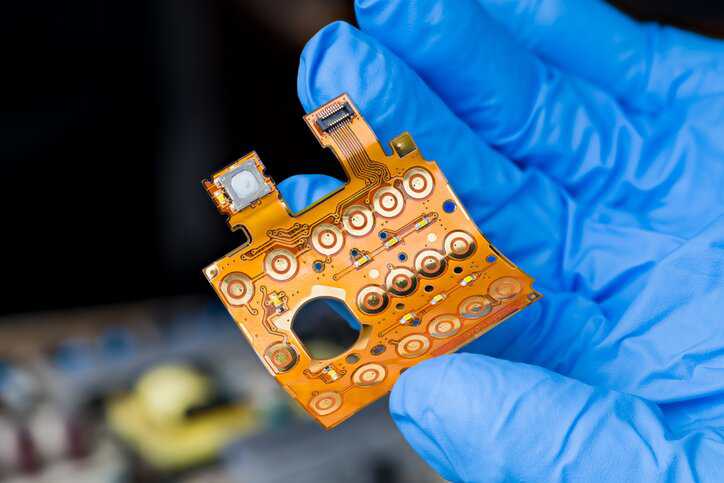
<figure class="wp-block-image size-full"><img decoding="async" width="724" height="483" src="https://blog.ansi.org/wp-content/uploads/2025/05/flexible-printed-circuit-board.jpg" alt="Close-up of an electronic flexible cable with connector on bent plastic circuit board that adheres to IPC-9257." class="wp-image-182418" srcset="https://blog.ansi.org/wp-content/uploads/2025/05/flexible-printed-circuit-board.jpg 724w, https://blog.ansi.org/wp-content/uploads/2025/05/flexible-printed-circuit-board-467x311.jpg 467w, https://blog.ansi.org/wp-content/uploads/2025/05/flexible-printed-circuit-board-120x80.jpg 120w, https://blog.ansi.org/wp-content/uploads/2025/05/flexible-printed-circuit-board-248x165.jpg 248w, https://blog.ansi.org/wp-content/uploads/2025/05/flexible-printed-circuit-board-300x200.jpg 300w, https://blog.ansi.org/wp-content/uploads/2025/05/flexible-printed-circuit-board-600x400.jpg 600w" sizes="(max-width: 724px) 100vw, 724px" /></figure>


<p>As digital technology rapidly evolves, the role of electronics in our day to day lives and industries becomes vaster and more usable. Flexible printed electronics enable compact, bendable, and portable designs, but they require specialized testing technologies.<em> </em><a href="https://webstore.ansi.org/standards/ipc/ipc92572021?source=blog" target="_blank">IPC-9257, Requirements for Electrical Testing of Flexible Printed Electronics</a> is intended to assist in selecting the test equipment, test parameters, test data, and fixturing required to perform electrical test(s) on flexible printed electronics.</p>


<h2 class="wp-block-heading" id="h-what-are-flexible-printed-electronics"><strong>What Are Flexible Printed Electronics?</strong></h2>


<p><a href="https://www.ansys.com/simulation-topics/what-are-flexible-pcbs" target="_blank" rel="nofollow">Flexible printed electronics</a> are&nbsp;electronic circuits built on flexible, stretchable, or conformable substrates like plastic, paper, or even metal foil.&nbsp;These circuits are typically created using printing methods, such as inkjet or screen printing, making them cost-effective and enabling mass production.&nbsp;This technology opens up possibilities for new product designs and functionalities, like flexible displays, wearable devices, and smart packaging.&nbsp;Flexible electronics can help make an existing product smaller, lighter, and more pliable.</p>


<p>The unique characteristics of flexible printed electronics, such as their ability to bend and stretch, require specific testing methods to validate their functionality under various conditions.&nbsp;</p>


<h2 class="wp-block-heading" id="h-what-is-the-purpose-of-testing-flexible-printed-electronic"><strong>What Is the Purpose of Testing Flexible Printed Electronic?</strong></h2>


<p>The main objective of electrical testing for flexible printed electronics—such as wearables, smart packaging, and medical devices—is&nbsp;to assure their safe and reliable operation.<strong> </strong>Rigorous electrical testing involves inspecting, evaluating, and monitoring electrical installations to identify potential hazards and assure compliance with safety standards. According to <a href="https://webstore.ansi.org/standards/ipc/ipc92572021?source=blog" target="_blank">IPC-9257</a>, electrical testing verifies that the conductive networks on the flexible printed electronics are interconnected according to the design requirements.</p>


<p><em>The standard does note, however, that many physical characteristics of the conductors (e.g., dimensional accuracy, conductor geometry and registration, presence of holes) cannot be determined by electrical test, so other checks should be employed to confirm these characteristics.</em><strong><em></em></strong></p>


<h2 class="wp-block-heading" id="h-what-is-ipc-9257"><strong>What Is </strong><a href="https://webstore.ansi.org/standards/ipc/ipc92572021?source=blog" target="_blank">IPC-9257</a><strong>?</strong><strong></strong></h2>


<p><a href="https://webstore.ansi.org/standards/ipc/ipc92572021?source=blog" target="_blank">IPC-9257</a> outlines the requirements for electrical testing of flexible printed electronics.&nbsp;It specifies test equipment, parameters, data collection, and fixturing methods to assure that the flexible printed electronics product meets the electrical design criteria detailed in <a href="https://webstore.ansi.org/standards/ipc/ipc69022021?source=blog" target="_blank">IPC-6902</a>.&nbsp;The <a href="https://webstore.ansi.org/standards/ipc/ipc92572021?source=blog" target="_blank">IPC-9257</a> standard also defines different levels of testing.</p>


<h2 class="wp-block-heading" id="h-uses-of-flexible-printed-electronics"><strong>Uses of Flexible Printed Electronics </strong><strong></strong></h2>


<p>Flexible printed electronics find use in a wide array of applications, leveraging their ability to be both flexible and printed on various substrates.&nbsp;These include&nbsp;flexible displays, RFID tags, smart textiles, in-mold electronics, and a variety of sensors and biosensors.&nbsp;They also play a crucial role in consumer electronics, medical devices, and industrial application. Here are a few examples of how <a href="https://www.tapecon.com/blog/how-printed-flexible-electronics-are-shaping-the-future" target="_blank" rel="nofollow">flexible printed electronics are used</a>:</p>


<ul class="wp-block-list">
<li><strong>Sensors and Biosensors:</strong> Flexible sensors are used for a variety of applications, including light, temperature, pressure, and even biosensors that can detect bodily fluids. </li>


<li><strong>Smart Packaging:</strong> Flexible electronics can be used in smart packaging, such as RFID antennas on delivery boxes, for tracking and monitoring.</li>


<li><strong>Consumer electronics: </strong>Smartphones, tablets, and wearables utilize flexible circuits for their compact designs and ability to fit in curved spaces</li>


<li><strong>Medical Devices:</strong> Flexible printed circuit boards are used in hearing aids, cochlear implants, and implantable medical technology due to their miniaturization and biocompatibility. </li>


<li><strong>Continuous Health Monitoring:</strong> Flexible sensors can be worn discreetly on the skin to provide real-time data on vital signs, allowing for continuous health monitoring. </li>


<li><strong>Automotive:</strong> Flexible circuits are used in automotive electronics for connecting components across hinges, doors, and seats, and in safety systems like airbag deployment. </li>


<li><strong>Wearable Technology: </strong>Flexible electronics enable the creation of wearable devices like e-textiles with integrated sensors, flexible batteries, and displays.</li>
</ul>


<p><a href="https://webstore.ansi.org/standards/ipc/ipc92572021?source=blog" target="_blank">IPC-9257, Requirements for Electrical Testing of Flexible Printed Electronics</a> is available on the ANSI Webstore.</p>
]]></content>
		
					<link rel="replies" type="text/html" href="https://blog.ansi.org/ipc-9257-testing-flexible-printed-electronics/#comments" thr:count="0" />
			<link rel="replies" type="application/atom+xml" href="https://blog.ansi.org/ipc-9257-testing-flexible-printed-electronics/feed/atom/" thr:count="0" />
			<thr:total>0</thr:total>
			</entry>
		<entry>
		<author>
			<name>Alexandra Schirn</name>
					</author>

		<title type="html"><![CDATA[IPC-2251, Packaging of High-Speed Electronic Circuits]]></title>
		<link rel="alternate" type="text/html" href="https://blog.ansi.org/ipc-2251-packaging-high-speed-electronic-circuits/" />

		<id>https://blog.ansi.org/?p=182404</id>
		<updated>2025-05-02T18:11:01Z</updated>
		<published>2025-05-07T12:09:00Z</published>
		<category scheme="https://blog.ansi.org/" term="Electrical Safety" /><category scheme="https://blog.ansi.org/" term="Electromagnetic Interference" /><category scheme="https://blog.ansi.org/" term="automotive" /><category scheme="https://blog.ansi.org/" term="electrical noise" /><category scheme="https://blog.ansi.org/" term="electromagnetic interference" /><category scheme="https://blog.ansi.org/" term="electronic circuits" /><category scheme="https://blog.ansi.org/" term="IPC-2251" /><category scheme="https://blog.ansi.org/" term="network security" /><category scheme="https://blog.ansi.org/" term="telecommunications" />
		<summary type="html"><![CDATA[Packaging high-speed electronic circuits is essential for assuring reliability, performance, and longevity because it protects delicate components from environmental factors, provides essential connections, and manages<a class="moretag" href="https://blog.ansi.org/ipc-2251-packaging-high-speed-electronic-circuits/"> [...]</a>]]></summary>

					<content type="html" xml:base="https://blog.ansi.org/ipc-2251-packaging-high-speed-electronic-circuits/"><![CDATA[
<figure class="wp-block-image size-full"><img decoding="async" width="724" height="480" src="https://blog.ansi.org/wp-content/uploads/2025/05/high-speed-circuitry.jpg" alt="Close up of a high-tech electronic parts and microprocessors on the high-speed circuit board, which adheres to IPC-2251." class="wp-image-182408" srcset="https://blog.ansi.org/wp-content/uploads/2025/05/high-speed-circuitry.jpg 724w, https://blog.ansi.org/wp-content/uploads/2025/05/high-speed-circuitry-469x311.jpg 469w, https://blog.ansi.org/wp-content/uploads/2025/05/high-speed-circuitry-120x80.jpg 120w, https://blog.ansi.org/wp-content/uploads/2025/05/high-speed-circuitry-248x165.jpg 248w, https://blog.ansi.org/wp-content/uploads/2025/05/high-speed-circuitry-300x199.jpg 300w, https://blog.ansi.org/wp-content/uploads/2025/05/high-speed-circuitry-600x397.jpg 600w" sizes="(max-width: 724px) 100vw, 724px" /></figure>


<p>Packaging high-speed electronic circuits is essential for assuring reliability, performance, and longevity because it protects delicate components from environmental factors, provides essential connections, and manages heat dissipation. <a href="https://webstore.ansi.org/standards/ipc/ipc22512003?source=blog" target="_blank">IPC-2251, Design Guide for the Packaging of High Speed Electronic Circuits</a> addresses the major factors influencing the design of high-speed circuitry.</p>


<h2 class="wp-block-heading" id="h-what-are-high-speed-electronic-circuits"><strong>What Are High-</strong><strong>Speed Electronic Circuits?</strong><strong></strong></h2>


<p><a href="https://www.protoexpress.com/blog/effects-high-speed-signals-pcb-design/" target="_blank" rel="nofollow">High-speed electronic circuits</a> are designed to handle frequencies above 50 MHz, often reaching gigahertz range. They primarily deal with digital signals, including clock signals and data transmission. Furthermore, common applications of high-speed electronic circuits include high-speed computing (e.g., processors, memory), telecommunications, networking, and automotive systems.</p>


<p>High-speed electronic circuits are designed to handle high-frequency digital signals, requiring careful attention to signal integrity, impedance control, thermal management, and printed circuit board (PCB) design to assure reliable and fast data transfer.</p>


<h2 class="wp-block-heading" id="h-do-high-speed-circuits-require-different-packaging"><strong>Do High-Speed Circuits Require Different Packaging?</strong><strong></strong></h2>


<p><a href="https://www.marketsandmarkets.com/Market-Reports/integrated-circuit-packaging-market-35002119.html" target="_blank" rel="nofollow">High-speed circuits often require specialized packaging</a> that differs from that used for lower-speed applications.&nbsp;While low-speed circuits have more flexibility in packaging choices, high-speed circuits require specialized packaging to handle fast signals and minimize signal degradation. <strong></strong></p>


<p>High-speed circuits necessitate packaging that minimizes signal delay, assures proper heat dissipation, and maintains electrical integrity. Therefore, high-speed data transmission can only be achieved with high quality, reliable, and moisture-proof packaging. The<strong> </strong><a href="https://webstore.ansi.org/standards/ipc/ipc22512003?source=blog" target="_blank">IPC-2251</a> standard lays out requirements for packaging high-speed circuitry; it addresses key design considerations to minimize issues like&nbsp;electrical noise,&nbsp;electromagnetic interference,&nbsp;and&nbsp;signal integrity&nbsp;in high-speed circuits.<strong></strong></p>


<h2 class="wp-block-heading" id="h-what-is-ipc-2251"><strong>What Is </strong><a href="https://webstore.ansi.org/standards/ipc/ipc22512003?source=blog" target="_blank"><strong>IPC-2251</strong></a><strong>?</strong><strong></strong></h2>


<p><a href="https://webstore.ansi.org/standards/ipc/ipc22512003?source=blog" target="_blank">IPC-2251</a> provides guidelines for the design of high-speed circuitry. The standard considers electrical noise, electromagnetic interference, signal propagation time, impedance, thermo-mechanical environmental protection, and heat dissipation. <a href="https://webstore.ansi.org/standards/ipc/ipc22512003?source=blog" target="_blank">IPC-2251</a> is intended to be used by circuit designers, packaging engineers, circuit board fabricators, and procurement personnel so that all may have a common understanding of each area.</p>


<p><a href="https://webstore.ansi.org/standards/ipc/ipc22512003?source=blog" target="_blank">IPC-2251</a> supersedes IPC-D-317A. Key improvements over the prior IPC-D-317A document include updated impedance models for embedded microstrip, centered stripline and dual stripline geometries, expanded EMI layout practices, signal integrity design constraints, enhanced graphics, and updated terms and definitions.</p>


<h2 class="wp-block-heading" id="h-when-is-nbsp-electronic-packaging-of-circuits-nbsp-useful"><strong>When Is&nbsp;Electronic Packaging of Circuits&nbsp;Useful?</strong></h2>


<p>Electronic packaging is useful whenever a circuit needs protection from the environment, reliable connectivity, and/or effective thermal management.&nbsp;By providing physical protection, electrical connectivity, thermal management, and potentially shielding against electromagnetic interference (EMI), packaging for high-speed electronic circuits assures reliable and efficient operation.</p>


<p>Packaging high-speed electronic circuits requires specialized techniques to maintain signal integrity, manage heat, and assure reliable performance at high frequencies.&nbsp;This includes using materials and designs that minimize signal delays, reduce interference, and efficiently dissipate heat generated by high-speed operation.&nbsp;As such, <a href="https://webstore.ansi.org/standards/ipc/ipc22512003?source=blog" target="_blank">IPC 2251-2003</a> is a valuable resource for engineers designing and implementing high-speed electronic systems, assuring that they can effectively address the challenges associated with these complex circuit.</p>


<p><a href="https://webstore.ansi.org/standards/ipc/ipc22512003?source=blog" target="_blank">IPC-2251, Design Guide for the Packaging of High Speed Electronic Circuits</a> is available on the ANSI Webstore.</p>
]]></content>
		
					<link rel="replies" type="text/html" href="https://blog.ansi.org/ipc-2251-packaging-high-speed-electronic-circuits/#comments" thr:count="0" />
			<link rel="replies" type="application/atom+xml" href="https://blog.ansi.org/ipc-2251-packaging-high-speed-electronic-circuits/feed/atom/" thr:count="0" />
			<thr:total>0</thr:total>
			</entry>
		<entry>
		<author>
			<name>Alexandra Schirn</name>
					</author>

		<title type="html"><![CDATA[AGMA 915-2-B20 (R2025): Radial Composite Method]]></title>
		<link rel="alternate" type="text/html" href="https://blog.ansi.org/agma-915-2-b20-r2025-radial-composite-method/" />

		<id>https://blog.ansi.org/?p=182398</id>
		<updated>2025-05-06T13:12:04Z</updated>
		<published>2025-05-06T11:34:00Z</published>
		<category scheme="https://blog.ansi.org/" term="Machinery" /><category scheme="https://blog.ansi.org/" term="AGMA 915-2-B20 (R2025)" /><category scheme="https://blog.ansi.org/" term="calibration" /><category scheme="https://blog.ansi.org/" term="cylindrical involute gears" /><category scheme="https://blog.ansi.org/" term="double flank testing" /><category scheme="https://blog.ansi.org/" term="gears" /><category scheme="https://blog.ansi.org/" term="quality management" /><category scheme="https://blog.ansi.org/" term="radial composite method" />
		<summary type="html"><![CDATA[The radial composite method is a testing procedure used for cylindrical gears, particularly in the context of&#160;gear accuracy&#160;and&#160;runout deviation. This method helps determine the&#160;peak-to-peak span,&#160;maximum<a class="moretag" href="https://blog.ansi.org/agma-915-2-b20-r2025-radial-composite-method/"> [...]</a>]]></summary>

					<content type="html" xml:base="https://blog.ansi.org/agma-915-2-b20-r2025-radial-composite-method/"><![CDATA[
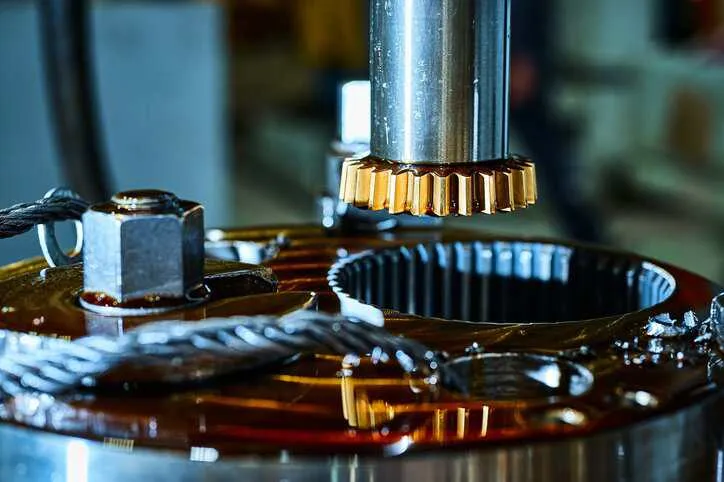
<figure class="wp-block-image size-full"><img decoding="async" width="724" height="482" src="https://blog.ansi.org/wp-content/uploads/2025/05/master-gear-for-radial-composite-method.jpg" alt="Manufacturer using the radial composite (double flank) method to test cylindrical gears, while adhering to AGMA 915-2-B20 (R2025)." class="wp-image-182401" srcset="https://blog.ansi.org/wp-content/uploads/2025/05/master-gear-for-radial-composite-method.jpg 724w, https://blog.ansi.org/wp-content/uploads/2025/05/master-gear-for-radial-composite-method-467x311.jpg 467w, https://blog.ansi.org/wp-content/uploads/2025/05/master-gear-for-radial-composite-method-120x80.jpg 120w, https://blog.ansi.org/wp-content/uploads/2025/05/master-gear-for-radial-composite-method-248x165.jpg 248w, https://blog.ansi.org/wp-content/uploads/2025/05/master-gear-for-radial-composite-method-300x200.jpg 300w, https://blog.ansi.org/wp-content/uploads/2025/05/master-gear-for-radial-composite-method-600x399.jpg 600w" sizes="(max-width: 724px) 100vw, 724px" /></figure>


<p>The radial composite method is a testing procedure used for cylindrical gears, particularly in the context of&nbsp;gear accuracy&nbsp;and&nbsp;runout deviation. This method helps determine the&nbsp;peak-to-peak span,&nbsp;maximum shortwave span,&nbsp;and&nbsp;runout,&nbsp;which are crucial parameters for evaluating gear accuracy. <a href="https://webstore.ansi.org/standards/AGMA/agma915b20r2025?source=blog" target="_blank">AGMA 915-2-B20 (R2025): Inspection Practices – Part 2: Double Flank Radial Composite Measurement</a> discusses inspection of cylindrical involute gears using the radial (double flank) composite method, with recommended practices detailed.</p>


<h2 class="wp-block-heading" id="h-what-is-radial-composite-double-flank-testing"><strong>What Is </strong><strong>Radial Composite (Double Flank) Testing?</strong><strong></strong></h2>


<p><a href="https://www.sciencedirect.com/science/article/abs/pii/S0007850620300895" target="_blank" rel="nofollow">Radial composite testing</a>, also termed double-flank-testing, is&nbsp;a fast and simple functional near production test method for cylindrical gears. This technique is used in various fields, primarily in reservoir modeling and gear testing. The calibration method simulates how gears interact during meshing, allowing for the detection of errors that might not be apparent from individual component measurements.&nbsp;It is particularly useful for monitoring the quality of gear production, predicting potential issues before they affect gear function, and accounting for changes in properties (like permeability or fluid flow) at different distances from a central point.</p>


<h2 class="wp-block-heading" id="h-what-is-agma-915-2-b20-r2025"><strong>What Is </strong><a href="https://webstore.ansi.org/standards/AGMA/agma915b20r2025?source=blog" target="_blank"><strong>AGMA 915-2-B20 (R2025)</strong></a><strong>?</strong><strong></strong></h2>


<p><a href="https://webstore.ansi.org/standards/AGMA/agma915b20r2025?source=blog" target="_blank">AGMA 915-2-B20 (R2025)</a> is an information sheet that constitutes a code of practice dealing with inspection relevant to radial composite deviations of gears when measurements are made by using a master gear in double flank contact. In providing advice on gear checking methods and the analysis of measurement results, it supplements the standard ANSI/AGMA 2015-2.</p>


<h2 class="wp-block-heading" id="h-what-is-double-flank-composite-error"><strong>What Is Double Flank Composite Error?</strong></h2>


<p>The modeling of double-flank testing is the basis to develop a method for the interpretation of composite error measurements in gears. The test measures the center distance variation during one rotation of the test gear.&nbsp;This variation is the total composite error, which includes&nbsp;tooth-to-tooth error&nbsp;and&nbsp;runout error.&nbsp;&nbsp;</p>


<p>Hence, double flank composite error, also known as total composite error (TCE), is a measure of the total functional accuracy of a gear when it is rolled in tight mesh with a master gear. It represents the variation in center distance between the two gears during one complete rotation, essentially capturing the combined effect of all gear errors like profile, tooth thickness, and runout.</p>


<h2 class="wp-block-heading" id="h-importance-of-radial-composite-testing"><strong>Importance of Radial Composite Testing</strong></h2>


<p>Radial composite method testing is important because it evaluates the combined effect of various gear errors, providing a more realistic assessment of gear performance under operating conditions.&nbsp;This method helps determine the accuracy grade of a gear pair and even an entire gear train, providing insights into their rolling performance and quality as a whole. By simulating the conditions under which gear operates in a transmission system, radial composite (double flank) testing is critical for detecting any errors in the early manufacturing process.</p>


<p><a href="https://webstore.ansi.org/standards/AGMA/agma915b20r2025?source=blog" target="_blank">AGMA 915-2-B20 (R2025): Inspection Practices – Part 2: Double Flank Radial Composite Measurement</a> is available on the ANSI Webstore.</p>
]]></content>
		
					<link rel="replies" type="text/html" href="https://blog.ansi.org/agma-915-2-b20-r2025-radial-composite-method/#comments" thr:count="0" />
			<link rel="replies" type="application/atom+xml" href="https://blog.ansi.org/agma-915-2-b20-r2025-radial-composite-method/feed/atom/" thr:count="0" />
			<thr:total>0</thr:total>
			</entry>
		<entry>
		<author>
			<name>Alexandra Schirn</name>
					</author>

		<title type="html"><![CDATA[IPC-1792, Cybersecurity in Electronics Manufacturing]]></title>
		<link rel="alternate" type="text/html" href="https://blog.ansi.org/ipc-1792-cybersecurity-in-electronics-manufacturing/" />

		<id>https://blog.ansi.org/?p=182381</id>
		<updated>2025-04-30T22:08:14Z</updated>
		<published>2025-05-05T12:04:00Z</published>
		<category scheme="https://blog.ansi.org/" term="Quality Management" /><category scheme="https://blog.ansi.org/" term="Risk Management" /><category scheme="https://blog.ansi.org/" term="cybersecurity" /><category scheme="https://blog.ansi.org/" term="electronic assemblies" /><category scheme="https://blog.ansi.org/" term="electronics" /><category scheme="https://blog.ansi.org/" term="IPC-1792" /><category scheme="https://blog.ansi.org/" term="manufacturing" /><category scheme="https://blog.ansi.org/" term="printed circuit board" />
		<summary type="html"><![CDATA[Due to the interconnectedness and digitization of manufacturing processes, cybersecurity issues in the electronics manufacturing supply chain are becoming more numerous and evolving. Weaknesses in<a class="moretag" href="https://blog.ansi.org/ipc-1792-cybersecurity-in-electronics-manufacturing/"> [...]</a>]]></summary>

					<content type="html" xml:base="https://blog.ansi.org/ipc-1792-cybersecurity-in-electronics-manufacturing/"><![CDATA[
<figure class="wp-block-image size-full"><img decoding="async" width="724" height="483" src="https://blog.ansi.org/wp-content/uploads/2025/04/electronics-manufacturing.jpg" alt="Quality control team working in electronics production factory, assuring electronics adhere to IPC-1792  cybersecurity guidelines." class="wp-image-182390" srcset="https://blog.ansi.org/wp-content/uploads/2025/04/electronics-manufacturing.jpg 724w, https://blog.ansi.org/wp-content/uploads/2025/04/electronics-manufacturing-466x311.jpg 466w, https://blog.ansi.org/wp-content/uploads/2025/04/electronics-manufacturing-120x80.jpg 120w, https://blog.ansi.org/wp-content/uploads/2025/04/electronics-manufacturing-248x165.jpg 248w, https://blog.ansi.org/wp-content/uploads/2025/04/electronics-manufacturing-300x200.jpg 300w, https://blog.ansi.org/wp-content/uploads/2025/04/electronics-manufacturing-600x400.jpg 600w" sizes="(max-width: 724px) 100vw, 724px" /></figure>


<p>Due to the interconnectedness and digitization of manufacturing processes, <a href="https://techinformed.com/manufacturers-face-losses-up-to-2m-cyberattack/" target="_blank" rel="nofollow">cybersecurity issues in the electronics manufacturing</a> supply chain are becoming more numerous and evolving. Weaknesses in supplier cybersecurity can lead to data breaches, malware attacks, and intellectual property (IP) theft, impacting not only individual companies but also the entire supply chain.&nbsp;<a href="https://webstore.ansi.org/standards/ipc/ipc17922022?source=blog" target="_blank">IPC-1792, Standard for the Management and Mitigation of Cybersecurity Incidents in the Manufacturing Industry Supply Chain</a> outlines requirements for managing and mitigating cybersecurity incidents within the electronics manufacturing supply chain.&nbsp;<strong></strong></p>


<h2 class="wp-block-heading" id="h-effective-management-of-cybersecurity-incidents"><strong>Effective Management of Cybersecurity Incidents </strong><strong></strong></h2>


<p>Managing and mitigating cybersecurity incidents requires a proactive, multi-faceted approach.&nbsp;This involves establishing a strong cybersecurity framework, implementing robust risk management practices, and fostering a culture of security awareness among all stakeholders.&nbsp;This is essential for protecting sensitive data, maintaining customer trust, and assuring business continuity.</p>


<h2 class="wp-block-heading" id="h-cybersecurity-incidents-in-electronics"><strong>Cybersecurity Incidents in Electronics </strong><strong></strong></h2>


<p>The electronic manufacturing is facing an increase in cybersecurity attacks. The rise in these attacks is driven by factors, such as increased connectivity and the integration of&nbsp;information technology (IT) and operational technology (OT) systems,&nbsp;making manufacturing operations more vulnerable. Some key cybersecurity vulnerabilities among enterprise electronics companies include unsecured networks, compromised login credentials, and others.</p>


<p>Furthermore, common threats include ransomware, phishing, supply chain attacks, intellectual property theft, and insider threats—all of which can lead to significant financial losses, disruptions to operations, and reputational damage.&nbsp;To manage and mitigate these threats, the <a href="https://webstore.ansi.org/standards/ipc/ipc17922022?source=blog" target="_blank">IPC-1792</a> standard helps assure that the electronics manufacturing process is secure and free from the risk of cybersecurity incidents affecting the final product.&nbsp;</p>


<h2 class="wp-block-heading" id="h-what-is-ipc-1792"><strong>What Is </strong><a href="https://webstore.ansi.org/standards/ipc/ipc17922022?source=blog" target="_blank"><strong>IPC-1792</strong></a><strong>?</strong></h2>


<p><a href="https://webstore.ansi.org/standards/ipc/ipc17922022?source=blog" target="_blank">IPC-1792</a> details guidance to the various entities in the electronics manufacturing supply chain—including component materials, paths, and storage areas. The procedures and requirements specified in this standard provide manufacturing companies the ability to manage the effects of cybersecurity incidents, should they occur within their organization.</p>


<p>This standard specifies actions that need to be taken if a cybersecurity incident is detected, identifying all possible affected products. <a href="https://webstore.ansi.org/standards/ipc/ipc17922022?source=blog" target="_blank">IPC-1792</a> &nbsp;also establishes requirements for companies to provide assurance that their products have been manufactured in cybersecure environments, assuring that there has been no risk of impact to the product due to any cybersecurity incident.</p>


<h2 class="wp-block-heading" id="h-electronic-supply-chain-management-understanding-the-risks"><strong>Electronic Supply Chain Management: Understanding the Risks</strong></h2>


<p>The electronics supply chain encompasses a wide variety of products, from consumer electronics like smartphones and laptops to industrial components and materials like Bill of Materials (BOM) components, raw PCBs, mechanical housings, cabling harnesses, etc. The electronics supply chain itself involves a complex network of processes, from the procurement of raw materials, designing and assembling individual components, distributing finished products, and managing post-production logistics.&nbsp;</p>


<p>While the use of advanced technology helps optimize every step of the electronics manufacturing process, guaranteeing increased efficiency, improving coordination between all involved parties, and lowering total costs, this <a href="https://cybermagazine.com/articles/why-industry-4-0-is-increasing-manufacturing-cyber-attacks" target="_blank" rel="nofollow">evolving technology also can lead to cybersecurity threats</a>. Fortunately, there are capabilities electronic manufacturing companies can use to protect themselves against existing and future threats, and these are detailed in the <a href="https://webstore.ansi.org/standards/ipc/ipc17922022?source=blog" target="_blank">IPC-1792</a> standard.</p>


<p><a href="https://webstore.ansi.org/standards/ipc/ipc17922022?source=blog" target="_blank">IPC-1792, Standard for the Management and Mitigation of Cybersecurity Incidents in the Manufacturing Industry Supply Chain</a> is available on the ANSI Webstore.</p>
]]></content>
		
					<link rel="replies" type="text/html" href="https://blog.ansi.org/ipc-1792-cybersecurity-in-electronics-manufacturing/#comments" thr:count="0" />
			<link rel="replies" type="application/atom+xml" href="https://blog.ansi.org/ipc-1792-cybersecurity-in-electronics-manufacturing/feed/atom/" thr:count="0" />
			<thr:total>0</thr:total>
			</entry>
		<entry>
		<author>
			<name>Alexandra Schirn</name>
					</author>

		<title type="html"><![CDATA[IPC 2152, Current Carrying Capacity in Printed Board Design]]></title>
		<link rel="alternate" type="text/html" href="https://blog.ansi.org/ipc-2152-ipc-2152-current-carrying-capacity-in-pcbs/" />

		<id>https://blog.ansi.org/?p=182372</id>
		<updated>2025-04-30T21:58:18Z</updated>
		<published>2025-05-02T11:52:00Z</published>
		<category scheme="https://blog.ansi.org/" term="Electrical Safety" /><category scheme="https://blog.ansi.org/" term="copper" /><category scheme="https://blog.ansi.org/" term="electrical appliances" /><category scheme="https://blog.ansi.org/" term="electrical current" /><category scheme="https://blog.ansi.org/" term="electrical safety" /><category scheme="https://blog.ansi.org/" term="electronic device" /><category scheme="https://blog.ansi.org/" term="IPC-2152" /><category scheme="https://blog.ansi.org/" term="printed circuit board" />
		<summary type="html"><![CDATA[Determining the current-carrying capacity of printed circuit boards (PCBs) is critical for reliable and safe operation. This process assures that traces can handle the required<a class="moretag" href="https://blog.ansi.org/ipc-2152-ipc-2152-current-carrying-capacity-in-pcbs/"> [...]</a>]]></summary>

					<content type="html" xml:base="https://blog.ansi.org/ipc-2152-ipc-2152-current-carrying-capacity-in-pcbs/"><![CDATA[
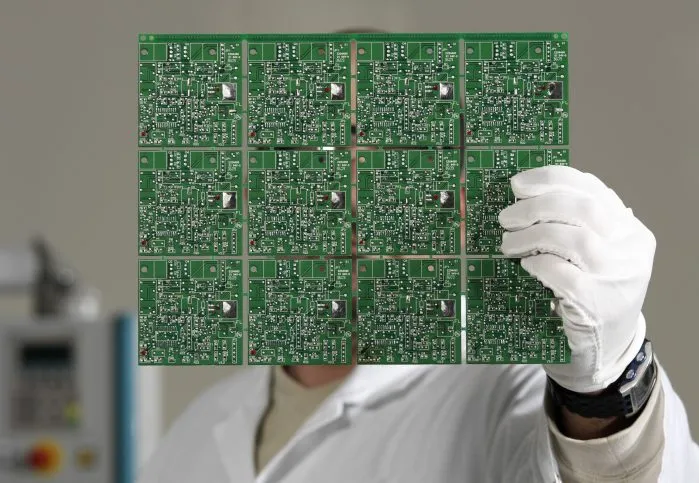
<figure class="wp-block-image size-large"><img decoding="async" width="699" height="483" src="https://blog.ansi.org/wp-content/uploads/2025/04/printed-circuit-board-699x483.jpg" alt="Electronics engineer controlling a printed circuit board that adheres to design specifications outlined in IPC 2152-2009." class="wp-image-182376" srcset="https://blog.ansi.org/wp-content/uploads/2025/04/printed-circuit-board-699x483.jpg 699w, https://blog.ansi.org/wp-content/uploads/2025/04/printed-circuit-board-450x311.jpg 450w, https://blog.ansi.org/wp-content/uploads/2025/04/printed-circuit-board.jpg 724w, https://blog.ansi.org/wp-content/uploads/2025/04/printed-circuit-board-300x207.jpg 300w, https://blog.ansi.org/wp-content/uploads/2025/04/printed-circuit-board-600x415.jpg 600w" sizes="(max-width: 699px) 100vw, 699px" /></figure>


<p>Determining the current-carrying capacity of printed circuit boards (PCBs) is critical for reliable and safe operation. This process assures that traces can handle the required current without overheating, which could lead to component damage, fire hazards, and signal integrity issues. <a href="https://webstore.ansi.org/standards/ipc/ipc21522009?source=blog" target="_blank">IPC-2152, Standard for Determining Current Carrying Capacity in Printed Board Design</a> is a guide that can be used in the design and evaluation of copper conductors in printed boards.</p>


<h2 class="wp-block-heading" id="h-determining-the-current-carrying-capacity-of-a-pcb"><strong>Determining the Current Carrying Capacity of a PCB</strong></h2>


<p>The current-carrying capacity of conductors on a printed circuit board (PCB), also known as trace current capacity, refers to the maximum amount of electrical current a trace can safely carry without causing excessive heating or damage.&nbsp; This capacity is crucial in determining the reliability and performance of electronic devices.</p>


<p>The current-carrying capacity of a PCB trace is determined by several factors, including trace width, thickness (copper weight), temperature rise, and the surrounding environment. <a href="https://webstore.ansi.org/standards/ipc/ipc21522009?source=blog" target="_blank">IPC 2152</a> is the industry standard for determining the current capacity, temperature rise, and width of a trace in a printed circuit board.&nbsp;</p>


<h2 class="wp-block-heading" id="h-what-is-ipc-2152"><strong>What Is </strong><a href="https://webstore.ansi.org/standards/ipc/ipc21522009?source=blog" target="_blank"><strong>IPC 2152</strong></a><strong>?</strong><strong></strong></h2>


<p><a href="https://webstore.ansi.org/standards/ipc/ipc21522009?source=blog" target="_blank">IPC 2152</a> outlines how to determine the current-carrying capacity of conductors on printed circuit boards. This document is the sole industry standard for determining appropriate internal and external conductor sizes on printed boards as a function of the current carrying capacity required and the acceptable conductor temperature rise.</p>


<p>The standard provides guidance on how thermal conductivity, vias, copper planes, power dissipation, printed board material, and thickness all factor into the relationship between current, conductor size, and temperature. The purpose of <a href="https://webstore.ansi.org/standards/ipc/ipc21522009?source=blog" target="_blank"><a href="https://webstore.ansi.org/standards/ipc/ipc21522009?source=blog" target="_blank">IPC 2152</a></a> is to provide guidance on determining the appropriate conductor sizes on the finished printed boards as a function of the current carrying capacity required and the acceptable conductor temperature rise.</p>


<h2 class="wp-block-heading" id="h-what-factors-influence-the-current-carrying-capacity"><strong>What Factors Influence the Current-Carrying Capacity?</strong></h2>


<p>Factors that influence <a href="https://www.protoexpress.com/blog/trace-current-capacity-pcb-design/" target="_blank" rel="nofollow">current-carrying capacity</a> of a trace on a printed circuit board (PCB) include:</p>


<ul class="wp-block-list">
<li><strong>Trace width:</strong>&nbsp;Wider traces can carry more current due to their increased cross-sectional area.&nbsp;</li>


<li><strong>Copper thickness:</strong>&nbsp;Thicker copper traces can carry more current.&nbsp;</li>


<li><strong>Allowable temperature rise:</strong>&nbsp;Higher allowable temperature rises (within safe limits) allow for higher current ratings (but may impact board reliability).</li>


<li><strong>Layer position:</strong> Traces on outer layers can dissipate heat more effectively than inner layers, potentially allowing for higher current capacities.</li>


<li><strong>Ambient conditions:</strong>&nbsp;Surrounding temperature and airflow affect heat dissipation and thus current capacity.&nbsp;</li>


<li><strong>PCB material and structure:</strong>&nbsp;Different materials have different thermal conductivities, affecting heat dissipation.&nbsp;</li>
</ul>


<p>Understanding and accurately determining current-carrying capacity is essential for designing reliable and safe electronic devices.&nbsp;<a href="https://webstore.ansi.org/standards/ipc/ipc21522009?source=blog" target="_blank">IPC 2152</a> exists to lay out the requirements for determining the appropriate internal and external conductor sizes on printed boards.</p>


<p><a href="https://webstore.ansi.org/standards/ipc/ipc21522009?source=blog" target="_blank">IPC-2152, Standard for Determining Current Carrying Capacity in Printed Board Design</a> is available on the ANSI Webstore.</p>


<p></p>
]]></content>
		
					<link rel="replies" type="text/html" href="https://blog.ansi.org/ipc-2152-ipc-2152-current-carrying-capacity-in-pcbs/#comments" thr:count="0" />
			<link rel="replies" type="application/atom+xml" href="https://blog.ansi.org/ipc-2152-ipc-2152-current-carrying-capacity-in-pcbs/feed/atom/" thr:count="0" />
			<thr:total>0</thr:total>
			</entry>
		<entry>
		<author>
			<name>Alexandra Schirn</name>
					</author>

		<title type="html"><![CDATA[IEEE 2621.1-2022: Wireless Diabetes Device Security]]></title>
		<link rel="alternate" type="text/html" href="https://blog.ansi.org/ieee-2621-1-2022-wireless-diabetes-device-security/" />

		<id>https://blog.ansi.org/?p=182354</id>
		<updated>2025-05-01T14:43:02Z</updated>
		<published>2025-05-01T11:52:00Z</published>
		<category scheme="https://blog.ansi.org/" term="Diabetes" /><category scheme="https://blog.ansi.org/" term="Medical Tools and Devices" /><category scheme="https://blog.ansi.org/" term="connected diabetes devices" /><category scheme="https://blog.ansi.org/" term="diabetes" /><category scheme="https://blog.ansi.org/" term="diabetes devices" /><category scheme="https://blog.ansi.org/" term="electronic device" /><category scheme="https://blog.ansi.org/" term="IEEE 2621.1-2022" /><category scheme="https://blog.ansi.org/" term="medical" /><category scheme="https://blog.ansi.org/" term="medical device manufacturers" />
		<summary type="html"><![CDATA[A growing number of people with diabetes are turning to wireless diabetes devices to monitor and manage their condition in an automated fashion. As diabetes<a class="moretag" href="https://blog.ansi.org/ieee-2621-1-2022-wireless-diabetes-device-security/"> [...]</a>]]></summary>

					<content type="html" xml:base="https://blog.ansi.org/ieee-2621-1-2022-wireless-diabetes-device-security/"><![CDATA[
<figure class="wp-block-image size-full"><img decoding="async" width="724" height="483" src="https://blog.ansi.org/wp-content/uploads/2025/04/diabetes-device.jpg" alt="Doctor connecting patient's continuous glucose monitor with a connected diabetes devices, which adheres to IEEE 2621.1-2022, to check his blood sugar level in real time." class="wp-image-182357" srcset="https://blog.ansi.org/wp-content/uploads/2025/04/diabetes-device.jpg 724w, https://blog.ansi.org/wp-content/uploads/2025/04/diabetes-device-467x311.jpg 467w, https://blog.ansi.org/wp-content/uploads/2025/04/diabetes-device-120x80.jpg 120w, https://blog.ansi.org/wp-content/uploads/2025/04/diabetes-device-248x165.jpg 248w, https://blog.ansi.org/wp-content/uploads/2025/04/diabetes-device-300x200.jpg 300w, https://blog.ansi.org/wp-content/uploads/2025/04/diabetes-device-600x400.jpg 600w" sizes="(max-width: 724px) 100vw, 724px" /></figure>


<p>A growing number of people with diabetes are turning to wireless diabetes devices to monitor and manage their condition in an automated fashion. As <a href="https://www.ncbi.nlm.nih.gov/pmc/articles/PMC4667325/" target="_blank" rel="nofollow">diabetes devices</a> are increasingly connected wirelessly to each other and to data-displaying reader devices, more threats to the security of these devices persist. Assuring the security of wireless diabetes devices is essential for maintaining confidentiality, integrity, and availability of the data and commands. <a href="https://webstore.ansi.org/standards/ieee/ieee26212022?source=blog" target="_blank">IEEE 2621.1-2022: IEEE Standard for Wireless Diabetes Device Security Assurance Evaluation: Connected Electronic Product Security Evaluation Programs</a> defines a framework for a connected electronic product security evaluation program.</p>


<h2 class="wp-block-heading" id="h-how-do-connected-diabetes-devices-cdds-work"><strong>How Do Connected Diabetes Devices (CDDs) Work?</strong><strong></strong></h2>


<p>Currently designed <a href="https://standards.ieee.org/beyond-standards/addressing-the-need-for-protecting-cybersecurity-in-connected-diabetes-devices/" target="_blank" rel="nofollow">connected diabetes devices (CDDs)</a> include blood glucose monitors, continuous glucose monitors, insulin pumps, smart insulin injection pens, and automated insulin dosing systems. Data generated by a CDD is wirelessly transmitted to an app on a smartphone, smartwatch, or other devices, or to a cloud platform. As interconnections and data exchanges increase among CDDs, smart devices, and networks via wireless protocols, there is an increased risk to the safety and privacy of the patient as well as to the integrity and availability of data shared with the healthcare professional.</p>


<h2 class="wp-block-heading" id="h-cybersecurity-for-connected-diabetes-devices-cdds"><strong>Cybersecurity for Connected Diabetes Devices (CDDs)</strong><strong></strong></h2>


<p>Unauthorized agents and patients themselves can <a href="https://www.ncbi.nlm.nih.gov/pmc/articles/PMC4667325/" target="_blank" rel="nofollow">hack connected diabetes devices (CDDS)</a> and consequently extract data that are not automatically provided by the product software. Hacking CDDs can compromise their function and their accurate flow of information. These threats put users of diabetes devices at risk of health complications. &nbsp;As such, a cybersecurity standard like <a href="https://webstore.ansi.org/standards/ieee/ieee26212022?source=blog" target="_blank">IEEE 2621.1-2022</a>, which is designed specifically for connected diabetes devices, helps improve the safety of these products and increase confidence of users that the products will be secure.</p>


<h2 class="wp-block-heading" id="h-what-is-ieee-2621-1"><strong>What Is </strong><a href="https://webstore.ansi.org/standards/ieee/ieee26212022?source=blog" target="_blank"><strong>IEEE 2621.1</strong></a><strong>?</strong><strong></strong></h2>


<p><a href="https://webstore.ansi.org/standards/ieee/ieee26212022?source=blog" target="_blank">IEEE 2621.1-2022</a> aims to help manufacturers of connected diabetes devices (CDDs) develop more secure and thereby safer products. It proves grounds for confidence to stakeholders—including patients and consumers—that a CDD device meets its cybersecurity claims.</p>


<p><a href="https://webstore.ansi.org/standards/ieee/ieee26212022?source=blog" target="_blank">IEEE 2621.1-2022</a> is targeted to wireless diabetes devices and their components (e.g., operating systems, network stacks, apps). It specifies a framework for a connected electronic product security assurance evaluation program, with specific requirements and guidance relating to digital diabetes devices and solutions, such as insulin pumps. The standard has the following objectives:</p>


<ul class="wp-block-list">
<li>Provide for security evaluations of electronic products performed to high standards, including the ability to achieve protection and an overall contribution toward enhanced safety, privacy, and security for electronic product stakeholders, including product manufacturers, resellers, users, and administrators</li>


<li>Improve the availability of connected electronic products that have been independently evaluated and certified to meet such standards</li>


<li>Reduce the use of ad hoc, unreliable, and low security assurance connected electronic product development and evaluation methods that can increase risk to electronic product stakeholders</li>


<li>Continuously improve the efficiency (cost and time) of the security evaluation and certification of connected electronic products</li>
</ul>


<h2 class="wp-block-heading" id="h-why-is-secure-information-important-for-people-with-diabetes"><strong>Why Is Secure Information Important for People with Diabetes?</strong></h2>


<p><a href="https://www.ncbi.nlm.nih.gov/pmc/articles/PMC4667325/" target="_blank" rel="nofollow">Patients with diabetes</a> have an extremely high need for secure information flow to display glucose information and deliver insulin dosing commands when sensor and actuator information is transmitted wirelessly through connected medical devices. Therefore, sound cybersecurity is needed for connected diabetes devices to maintain confidentiality, integrity, and availability of the data and commands.<strong></strong></p>


<p><a href="https://webstore.ansi.org/standards/ieee/ieee26212022?source=blog" target="_blank">IEEE 2621.1-2022: IEEE Standard for Wireless Diabetes Device Security Assurance Evaluation: Connected Electronic Product Security Evaluation Programs</a> is available on the ANSI Webstore.</p>


<p></p>
]]></content>
		
					<link rel="replies" type="text/html" href="https://blog.ansi.org/ieee-2621-1-2022-wireless-diabetes-device-security/#comments" thr:count="0" />
			<link rel="replies" type="application/atom+xml" href="https://blog.ansi.org/ieee-2621-1-2022-wireless-diabetes-device-security/feed/atom/" thr:count="0" />
			<thr:total>0</thr:total>
			</entry>
	</feed>