<?xml version="1.0" encoding="UTF-8"?><feed
	xmlns="http://www.w3.org/2005/Atom"
	xmlns:thr="http://purl.org/syndication/thread/1.0"
	xml:lang="en-GB"
	>
	<title type="text">Gardeners Tips</title>
	<subtitle type="text">Tips and advice for gardeners about gardening</subtitle>

	<updated>2024-11-13T18:23:06Z</updated>

	<link rel="alternate" type="text/html" href="https://gardenerstips.co.uk/blog" />
	<id>https://gardenerstips.co.uk/blog/feed/atom/</id>
	<link rel="self" type="application/atom+xml" href="https://gardenerstips.co.uk/blog/feed/atom/" />

	<generator uri="https://wordpress.org/" version="6.8.5">WordPress</generator>
	<entry>
		<author>
			<name>hortoris</name>
					</author>

		<title type="html"><![CDATA[&#8212; Tree Summary    &#8211; Root and Branch Review]]></title>
		<link rel="alternate" type="text/html" href="https://gardenerstips.co.uk/blog/articles/trees-and-shrubs/tree-root-and-branch/tree-summary-template/" />

		<id>http://gardenerstips.co.uk/blog/?p=11864</id>
		<updated>2021-09-27T16:05:14Z</updated>
		<published>2025-12-26T06:06:34Z</published>
		<category scheme="https://gardenerstips.co.uk/blog" term="Tree - Root and Branch" />
		<summary type="html"><![CDATA[waiting for photo &#8211; if you have a suitable image let us know Root and Branch Review Key Features of the Latin name &#8211; other common names Height &#8211; Type of tree &#8211; Evergreen/ Deciduous &#8211; dictoyledons monocotyledon Conifer Leaves &#8211; Flowers &#8211; Fruit &#8211; Bark &#8211; Family &#8211; Origins and Distribution of the . . Uses and Attributes of the . . Gardeners Tips for the . . Other types of and key species . . comments from elsewhere...<p class="read-more"><a class="btn btn-default" href="https://gardenerstips.co.uk/blog/articles/trees-and-shrubs/tree-root-and-branch/tree-summary-template/"> Read More<span class="screen-reader-text">  Read More</span></a></p>]]></summary>

					<content type="html" xml:base="https://gardenerstips.co.uk/blog/articles/trees-and-shrubs/tree-root-and-branch/tree-summary-template/"><![CDATA[<p><a href="http://www.amazon.co.uk/exec/obidos/ASIN/1861972989/richardpettin-21"><img decoding="async" class="aligncenter" src="http://images.amazon.com/images/P/1780233612.01.LZZZZZZZ.jpg" alt="Book Cover" /></a></p>
<p style="text-align: center;"><a href="http://www.amazon.co.uk/exec/obidos/ASIN/1861972989/richardpettin-21"><img decoding="async" class="aligncenter" src="http://images.amazon.com/images/P/ 0565092952.01.LZZZZZZZ.jpg" alt="Book Cover" /></a></p>
<p><em>waiting for photo &#8211; if you have a suitable image let us know<br />
</em>Root and Branch Review</p>
<h2>Key Features of the</h2>
<ul>
<li><strong>Latin name</strong> &#8211; other common names</li>
<li><strong>Height</strong> &#8211;</li>
<li><strong>Type of tree</strong> &#8211; Evergreen/ Deciduous &#8211; dictoyledons monocotyledon Conifer</li>
<li><strong>Leaves </strong> &#8211;</li>
<li><strong>Flowers</strong> &#8211;</li>
<li><strong>Fruit </strong> &#8211;</li>
<li><strong>Bark</strong> &#8211;</li>
<li><strong>Family</strong> &#8211;</li>
</ul>
<h2>Origins and Distribution of the</h2>
<ul>
<li>.</li>
<li>.</li>
</ul>
<h2>Uses and Attributes of the</h2>
<ul>
<li>.</li>
<li>.</li>
</ul>
<h2>Gardeners Tips for the</h2>
<ul>
<li>.</li>
<li>.</li>
</ul>
<h2>Other types of and key species</h2>
<ul>
<li>.</li>
<li>.</li>
</ul>
<h2>comments from elsewhere</h2>
<ul>
<li>.</li>
</ul>
<p><em><strong>Credits</strong> </em></p>
]]></content>
		
			</entry>
		<entry>
		<author>
			<name>hortoris</name>
					</author>

		<title type="html"><![CDATA[Tips for Growing]]></title>
		<link rel="alternate" type="text/html" href="https://gardenerstips.co.uk/blog/flowers/tips-on-growing/" />

		<id>http://gardenerstips.co.uk/blog/?p=13021</id>
		<updated>2021-09-27T16:05:26Z</updated>
		<published>2025-04-25T00:36:31Z</published>
		<category scheme="https://gardenerstips.co.uk/blog" term="Flowers and Plants" />
		<summary type="html"><![CDATA[Cultivation and Growing Tips Common Names and Varieties to Consider Unusual Facts about Old &#38; Odd Tips From Gardeners Tips Horticultural Sources and Advice Credits]]></summary>

					<content type="html" xml:base="https://gardenerstips.co.uk/blog/flowers/tips-on-growing/"><![CDATA[<p><a href="http://www.amazon.co.uk/exec/obidos/ASIN/1405363126/richardpettin-21"><img decoding="async" src="http://images.amazon.com/images/P/0711231419.01.LZZZZZZZ.jpg" alt="Book Cover" /></a></p>
<h3><strong>Cultivation and Growing Tips</strong></h3>
<h3><strong> Common Names and Varieties to Consider </strong></h3>
<h3><strong>Unusual Facts about </strong></h3>
<h3>Old &amp; Odd Tips From Gardeners Tips</h3>
<h3>Horticultural Sources and Advice</h3>
<p><em><strong>Credits </strong></em></p>
]]></content>
		
			</entry>
		<entry>
		<author>
			<name>hortoris</name>
					</author>

		<title type="html"><![CDATA[Absence of War or Peace Gardens]]></title>
		<link rel="alternate" type="text/html" href="https://gardenerstips.co.uk/blog/articles/design/gardens-of-spirit/absence-of-war-gardens/" />

		<id>http://gardenerstips.co.uk/blog/?p=14552</id>
		<updated>2024-11-13T18:23:06Z</updated>
		<published>2024-11-11T00:23:34Z</published>
		<category scheme="https://gardenerstips.co.uk/blog" term="Gardens of Spirit" />
		<summary type="html"><![CDATA[Peace is not just the absence of war it can be a reflection of a personal inner tranquility. To many gardeners peace may be a state of harmony with nature. It is a theme of several 'hard landscape' projects and sculptural works as shown by the selection of Peace gardens below.]]></summary>

					<content type="html" xml:base="https://gardenerstips.co.uk/blog/articles/design/gardens-of-spirit/absence-of-war-gardens/"><![CDATA[<p>Peace is not just the absence of war it can be a reflection of a personal inner tranquility. To many gardeners peace may be a state of harmony with nature. It is a theme of several &#8216;hard landscape&#8217; projects and sculptural works as shown by the selection of Peace gardens below.</p>
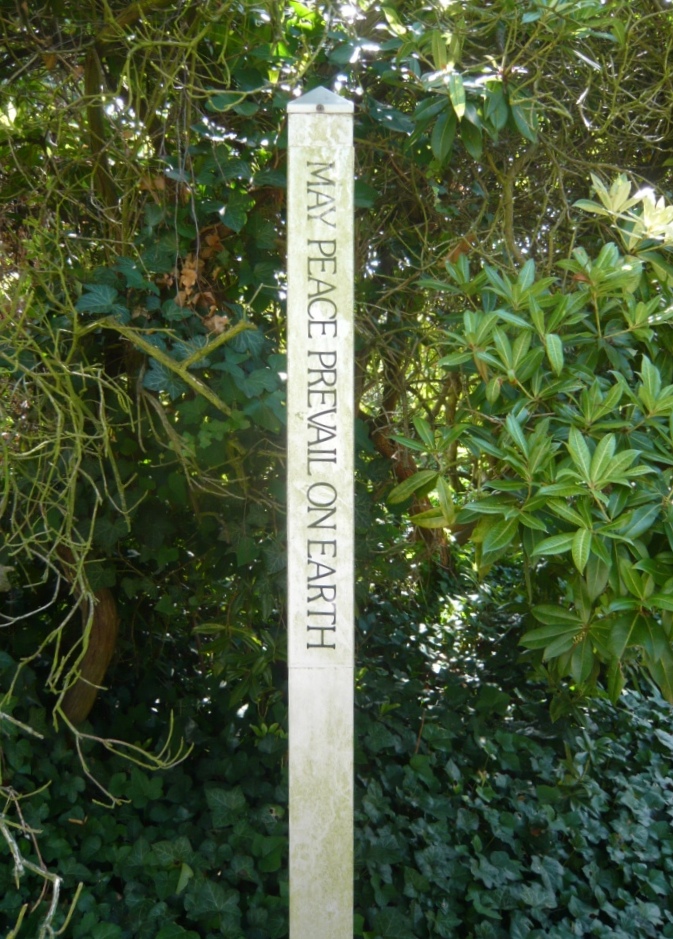
<p><img fetchpriority="high" decoding="async" class="size-full wp-image-14553 aligncenter" title="london 9.09 020" src="https://gardenerstips.co.uk/blog/wp-content/uploads/2012/10/london-9.09-020.jpg" alt="" width="546" height="761" srcset="https://gardenerstips.co.uk/blog/wp-content/uploads/2012/10/london-9.09-020.jpg 673w, https://gardenerstips.co.uk/blog/wp-content/uploads/2012/10/london-9.09-020-215x300.jpg 215w" sizes="(max-width: 546px) 100vw, 546px" /></p>
<p><strong>The World Peace Garden Network </strong><br />
You can join this consciousness raising network of gardens simply by declaring that your own garden, patio, balcony, or subject to appropriate approvals your local public park or garden be made into a <a href="http://www.worldpeacegardensnet.org/members.htm">World Peace Garden  </a><span style="font-family: Arial, Helvetica, sans-serif;">Bristol Communal Gardens Group &amp; Clifton Gardens Society was designated a World Peace Garden in 2001.</span></p>
<p><strong>20th Anniversary of <a href="http://www.gardensforpeace.org/">Gardens for Peace</a></strong><br />
This organisation seeks to designate and develop the garden as a place for meditation and a symbol for peace throughout the world. Stron in the USA there is scope to nominate a UK garden via the link above.</p>
<p><strong>The Sheffield Peace Gardens</strong><br />
Are part of Sheffield Heart of the City project, a project that has been connected with the City&#8217;s economic and cultural regeneration since it began in 1998. Originally a temporary garden within the church walls was named St Paul&#8217;s Gardens. However, the name changed to the Peace Gardens after WWII and a desire for a return to peacetime. The gardens occupy an area of 0.67 hectares with sculptures and fountains.<br />
The Peace Gardens form the central part of a spectacular walk, the emerging <strong>Gold Route</strong>, taking visitors from Sheffield Railway Station through a series of exciting new developments each with their own distinctive lighting, public art and water features. More information about the <a title="Link to more information about the history of the Peace Gardens." href="https://www.sheffield.gov.uk/out--about/parks-woodlands--countryside/gardens/the-peace-gardens/peace-gardens-history.html">Peace Gardens&#8217; History</a>.</p>
<p><strong>St Thomas&#8217; Peace Garden</strong><br />
This is an example of a small public park in Birmingham &#8211; designated as a monument to peace and a memorial to all those killed in armed conflict.</p>
<p><strong>The International Peace Garden</strong><br />
It lies along the world&#8217;s longest unfortified border and encompasses a 2,339 acre Botanical Garden. Between the State of North Dakota and the Province of Manitoba this garden is a well frequented site maintained jointly by USA and Canada. It was dedicated in 1932 and devoted to World Peace.</p>
<h3>Sri Chinmoy Peace Garden &#8211; San Diego</h3>
<p><img decoding="async" class="aligncenter size-full wp-image-21536" src="https://gardenerstips.co.uk/blog/wp-content/uploads/2024/11/sri-chinmoy-peace-garden.jpg" alt="" width="1000" height="562" srcset="https://gardenerstips.co.uk/blog/wp-content/uploads/2024/11/sri-chinmoy-peace-garden.jpg 1000w, https://gardenerstips.co.uk/blog/wp-content/uploads/2024/11/sri-chinmoy-peace-garden-300x169.jpg 300w, https://gardenerstips.co.uk/blog/wp-content/uploads/2024/11/sri-chinmoy-peace-garden-768x432.jpg 768w, https://gardenerstips.co.uk/blog/wp-content/uploads/2024/11/sri-chinmoy-peace-garden-480x270.jpg 480w" sizes="(max-width: 1000px) 100vw, 1000px" /></p>
<p>&nbsp;</p>
<p>A former vacant lot in San Diego, this area has been converted to a peace garden, with statue of Sri Chinmoy.</p>
<p>At <a href="https://www.yelp.com/biz/sri-chinmoy-peace-garden-san-diego">Yelp</a>, there are many reviews of the healing powers of this meditation garden</p>
<blockquote><p><span class=" raw__09f24__T4Ezm" lang="en">&#8220;This is one of my favorite peaceful places in SD. I&#8217;m blessed to live in this neighborhood and to see this little piece of peace on my afternoon walks.  I don&#8217;t know exactly who keeps this garden groomed but who ever does a big thank you.  Sometimes I don&#8217;t have enough energy for a power walk but at least I make it to this garden and give myself the gift of meditating for at least 5 minutes. I would say it has magical powers because I always leave feeling at peace and relaxed. If meditating is not your thing, it has a couple of benches so you can sit and enjoy the scenery&#8221; </span></p></blockquote>
<p><img decoding="async" class="aligncenter size-medium wp-image-21537" src="https://gardenerstips.co.uk/blog/wp-content/uploads/2024/11/sri-chinmoy-peace-garden-plaque-300x169.jpg" alt="sri-chinmoy-peace-garden-plaque" width="300" height="169" srcset="https://gardenerstips.co.uk/blog/wp-content/uploads/2024/11/sri-chinmoy-peace-garden-plaque-300x169.jpg 300w, https://gardenerstips.co.uk/blog/wp-content/uploads/2024/11/sri-chinmoy-peace-garden-plaque-768x432.jpg 768w, https://gardenerstips.co.uk/blog/wp-content/uploads/2024/11/sri-chinmoy-peace-garden-plaque-480x270.jpg 480w, https://gardenerstips.co.uk/blog/wp-content/uploads/2024/11/sri-chinmoy-peace-garden-plaque.jpg 1000w" sizes="(max-width: 300px) 100vw, 300px" /></p>
<hr />
<p><a href="https://gardenerstips.co.uk/blog/flowers/peace-gardens/">Gardeners Tips</a> Peace Gardens.</p>
<ul>
<li>Find your own Peace in a garden or let us know about other &#8216;Peace Gardens&#8217; you have visited.</li>
<li>Many hospitals believe in the healing power of nature and the serenity it can provide.</li>
<li>An old cemetery in the heart of Barnsley has develop it into a cleaner, safer environment for the local community.</li>
<li>A guide on how to create a Peace garden from the I<a href="http://paxchristi.org.uk/peace-education/primary-schools/peace-garden/">nternational Catholic Movement for Peace</a></li>
</ul>
<p><span class="BxUVEf ILfuVd" lang="en"><span class="hgKElc">You can visit the Garden of Gethsemane with a perimeter of  a collection of olive trees, some very old, in single file. The interior of the garden is off-limits and may be subject to security features during the current war and conflicts. </span></span></p>
]]></content>
		
					<link rel="replies" type="text/html" href="https://gardenerstips.co.uk/blog/articles/design/gardens-of-spirit/absence-of-war-gardens/#comments" thr:count="1" />
			<link rel="replies" type="application/atom+xml" href="https://gardenerstips.co.uk/blog/articles/design/gardens-of-spirit/absence-of-war-gardens/feed/atom/" thr:count="1" />
			<thr:total>1</thr:total>
			</entry>
		<entry>
		<author>
			<name>hortoris</name>
					</author>

		<title type="html"><![CDATA[Monastic and Medieval Christian Gardens]]></title>
		<link rel="alternate" type="text/html" href="https://gardenerstips.co.uk/blog/articles/design/gardens-of-spirit/components-of-a-medieval-garden/" />

		<id>http://gardenerstips.co.uk/blog/?p=19671</id>
		<updated>2024-11-12T17:46:56Z</updated>
		<published>2024-11-10T12:40:14Z</published>
		<category scheme="https://gardenerstips.co.uk/blog" term="Gardens of Spirit" />
		<summary type="html"><![CDATA[Romans were were enthusiastic gardeners (not just for the grapes) but when the empire fell gardening collapsed. Then in around the 9th century AD the gardening skills were revived and every town was encouraged to grow herbs, fruit and nut trees. The formal gardens of the middle ages had an atmosphere of tranquillity rarely equaled and were thought of as &#8216;Heaven on Earth&#8217;. Fountains Abbey Yorkshire Features of a Christian Garden With many features in common with Islamic gardens the...<p class="read-more"><a class="btn btn-default" href="https://gardenerstips.co.uk/blog/articles/design/gardens-of-spirit/components-of-a-medieval-garden/"> Read More<span class="screen-reader-text">  Read More</span></a></p>]]></summary>

					<content type="html" xml:base="https://gardenerstips.co.uk/blog/articles/design/gardens-of-spirit/components-of-a-medieval-garden/"><![CDATA[<p><img loading="lazy" decoding="async" class="alignleft size-full wp-image-7255" src="http://www.godsowncounty.co.uk/wp-content/uploads/2018/02/menston-march-14-060.jpg" alt="" width="1536" height="2048" /></p>
<p>Romans were were enthusiastic gardeners (not just for the grapes) but when the empire fell gardening collapsed. Then in around the 9th century AD the gardening skills were revived and every town was encouraged to grow herbs, fruit and nut trees.<br />
The formal gardens of the middle ages had an atmosphere of tranquillity rarely equaled and were thought of as &#8216;Heaven on Earth&#8217;. <em>Fountains Abbey Yorkshire</em></p>
<h3>Features of a Christian Garden</h3>
<ul>
<li>With many features in common with Islamic gardens the Christian monks took inspiration from a revived interest in gardens.</li>
<li>Boundaries and square structures were the most common with stone walls used in castles and cloisters.  Hedges, wattle fences, palisades, trellis and ditches were also used as boundaries by the less well to do. The effort was made to make them safe as they were a place of retreat and protection from evil.</li>
<li>Simple paths were used to divide up a rectangular space.</li>
<li>A medieval garden could be a microcosm of paradise and seen as &#8216;a recreation of good things&#8217;.</li>
<li>Raised beds of simple geometric shapes accentuated the impression of symbolically clean lines and at the same time helped drainage for herbs.</li>
<li>Covered walkways and arbors created enclosed spaces within the already enclosed space of the garden.</li>
<li>Seating was important to facilitate contemplation and prayer.</li>
</ul>
<h3>Monastic gardens</h3>
<p>Generally monastic gardens consisted of  several different types of gardens for different and specific purposes. A monastery would typically have a physic garden, plus a secluded garden for contemplation and meditation. There would also be community facilities for separate vegetable and fruit gardens, orchard or cemetery gardens, as well as fishponds and dovecotes.</p>
<p>As recorded on the behalf of St Hildegard Germany&#8217;s greatest mystic and God companion  &#8216;The medieval garden, as with any garden, is a work of love. Gardens are instruments of healing, a means to provide sustenance and health, and reminders of our connectivity with the natural world.</p>
<p>&nbsp;</p>
<p><img loading="lazy" decoding="async" class="aligncenter size-large wp-image-19683" src="https://gardenerstips.co.uk/blog/wp-content/uploads/2018/12/Tatton-gardens-049-1024x768.jpg" alt="" width="640" height="480" srcset="https://gardenerstips.co.uk/blog/wp-content/uploads/2018/12/Tatton-gardens-049-1024x768.jpg 1024w, https://gardenerstips.co.uk/blog/wp-content/uploads/2018/12/Tatton-gardens-049-200x150.jpg 200w, https://gardenerstips.co.uk/blog/wp-content/uploads/2018/12/Tatton-gardens-049-300x225.jpg 300w, https://gardenerstips.co.uk/blog/wp-content/uploads/2018/12/Tatton-gardens-049-768x576.jpg 768w" sizes="auto, (max-width: 640px) 100vw, 640px" /></p>
]]></content>
		
			</entry>
		<entry>
		<author>
			<name>hortoris</name>
					</author>

		<title type="html"><![CDATA[The Tea Garden and Tea House]]></title>
		<link rel="alternate" type="text/html" href="https://gardenerstips.co.uk/blog/articles/design/gardens-of-spirit/the-tea-garden-and-tea-house/" />

		<id>http://gardenerstips.co.uk/blog/?p=19670</id>
		<updated>2024-11-12T17:40:01Z</updated>
		<published>2024-11-08T12:40:10Z</published>
		<category scheme="https://gardenerstips.co.uk/blog" term="Gardens of Spirit" />
		<summary type="html"><![CDATA[Modern tea gardens may seem to be a contradiction but since the 15th century the wabi tea ceremony has influenced the tea gardens purpose and design. Originally when tea plants (Camellia sensi) were introduced into Japan from China in the 6th century they were the prerogative of the ruling classes and used expensive ingredients and equipment. The  subsequent simplification was started by Zen monk Shuko Murata. It led to the tea-room&#8217;s interior being reduced in space to the bare minimum...<p class="read-more"><a class="btn btn-default" href="https://gardenerstips.co.uk/blog/articles/design/gardens-of-spirit/the-tea-garden-and-tea-house/"> Read More<span class="screen-reader-text">  Read More</span></a></p>]]></summary>

					<content type="html" xml:base="https://gardenerstips.co.uk/blog/articles/design/gardens-of-spirit/the-tea-garden-and-tea-house/"><![CDATA[<p>Modern tea gardens may seem to be a contradiction but since the 15th century the wabi tea ceremony has influenced the tea gardens purpose and design. Originally when tea plants (Camellia sensi) were introduced into Japan from China in the 6th century they were the prerogative of the ruling classes and used expensive ingredients and equipment.</p>
<p>The  subsequent simplification was started by Zen monk Shuko Murata. It led to the tea-room&#8217;s interior being reduced in space to the bare minimum needed for the contemplation of the relationship between people and things.</p>
<figure id="attachment_19673" aria-describedby="caption-attachment-19673" style="width: 640px" class="wp-caption aligncenter"><img loading="lazy" decoding="async" class="size-large wp-image-19673" src="https://gardenerstips.co.uk/blog/wp-content/uploads/2018/12/Tatton-gardens-117-1024x768.jpg" alt="" width="640" height="480" srcset="https://gardenerstips.co.uk/blog/wp-content/uploads/2018/12/Tatton-gardens-117-1024x768.jpg 1024w, https://gardenerstips.co.uk/blog/wp-content/uploads/2018/12/Tatton-gardens-117-200x150.jpg 200w, https://gardenerstips.co.uk/blog/wp-content/uploads/2018/12/Tatton-gardens-117-300x225.jpg 300w, https://gardenerstips.co.uk/blog/wp-content/uploads/2018/12/Tatton-gardens-117-768x576.jpg 768w" sizes="auto, (max-width: 640px) 100vw, 640px" /><figcaption id="caption-attachment-19673" class="wp-caption-text"><em>Tea House Tatton Park</em></figcaption></figure>
<h3>Key Features of a Zen Tea House</h3>
<ul>
<li>As a location for the tea ceremony the core attribute is providing a support for humility. &#8216;We can&#8217;t focus on what is important if our egos get in the way&#8217;. Thus the entrance to a tea house is generally so low that you must crawl to pass through it.</li>
<li>The tea house should provide the best views for meditation.</li>
<li>The objective is to create a hut that emphasises the rustic and humble.</li>
<li>The approach to the tea house is through the tea garden. To sharpen the mind and senses the path should consist of a series of detailed views.</li>
<li>Stepping stones help to slow your paceÂ  to a speed suitable for meditation and contemplation.</li>
<li>Outside the door of the tea room is a stone basin to wash your hands and mouth before the tea ceremony begins.</li>
<li>There should be a light or lantern to guide you in the dark.</li>
</ul>
<p>&nbsp;</p>
<h3>Other Quotes about the Tea Ceremony</h3>
<ul>
<li>&#8220;Tea began as a medicine and grew into a beverage.&#8221; &#8211;Katkuzo Okakura</li>
<li>&#8220;The Way of Tea cannot be taught in any book&#8230;It is a state of mind. Tea is a living<br />
tradition.&#8221; &#8211;Professor Kimiko Gunji,</li>
<li>&#8220;Holding a bowl of tea whisked to a fine froth&#8230;<br />
Such a simple thing: yet filled with a spirit that<br />
Reaches back more than a thousand years.&#8221;&#8211;The Urasenke Tradition of Tea</li>
<li>&#8216;Show them who wait<br />
Only for flowers<br />
There in the mountain villages:<br />
Grass peeks through the snow,<br />
And with it, spring.&#8217; Fujiwara no letaka</li>
</ul>
<h2>Korean Tea and Tea Garden Guide</h2>
<p>For anyone wishing to learn more about Korean culture, enjoy Korean tea, visit beautiful tea gardens or become an expert in Korean tea, this photo-filled, comprehensive guide to Korean tea and tea gardens is a sumptuous seasonal gift. <em>Yang Seok Yoo  Co-author Esther Yoo </em></p>
<p>&nbsp;</p>
]]></content>
		
			</entry>
		<entry>
		<author>
			<name>hortoris</name>
					</author>

		<title type="html"><![CDATA[Growing Iris siberica]]></title>
		<link rel="alternate" type="text/html" href="https://gardenerstips.co.uk/blog/flowers/growing-iris-siberica/" />

		<id>http://gardenerstips.co.uk/blog/?p=7641</id>
		<updated>2024-09-22T12:59:24Z</updated>
		<published>2024-09-25T05:07:51Z</published>
		<category scheme="https://gardenerstips.co.uk/blog" term="Flowers and Plants" /><category scheme="https://gardenerstips.co.uk/blog" term="Tips for Growing Series" />
		<summary type="html"><![CDATA[Iris sibirica is a clump forming member or the Iris family. In this walled garden the clump has been left undivided for several years and looks good in early summer with its blue flowers held above the foliage. Growing Siberian Iris Iris siberica is widely and easily grown in gardens with moist sunny conditions. This Iris is the parent plant of many hybrids that vary widely in flower colour. The roots grow and spread with the foliage, neither bulbs, rhizomes...<p class="read-more"><a class="btn btn-default" href="https://gardenerstips.co.uk/blog/flowers/growing-iris-siberica/"> Read More<span class="screen-reader-text">  Read More</span></a></p>]]></summary>

					<content type="html" xml:base="https://gardenerstips.co.uk/blog/flowers/growing-iris-siberica/"><![CDATA[<p><a title="Iris Clump" href="http://www.flickr.com/photos/hortoris/4655797521/"><img loading="lazy" decoding="async" src="http://farm5.static.flickr.com/4008/4655797521_955ba0ba12.jpg" alt="Iris" width="500" height="375" /></a></p>
<p>Iris sibirica is a clump forming member or the Iris family. In this walled garden the clump has been left undivided for several years and looks good in early summer with its blue flowers held above the foliage.</p>
<p><strong>Growing Siberian Iris</strong></p>
<ul>
<li>Iris siberica is widely and easily grown in gardens with moist sunny conditions.</li>
<li>This Iris is the parent plant of many hybrids that vary widely in flower colour.</li>
<li>The roots grow and spread with the foliage, neither bulbs, rhizomes nor stolonesque.</li>
<li>The flower stems usually carry three buds which open to 3&#8243; wide flowers.</li>
<li>The leaves look deep brown in Autumn.</li>
</ul>
<p><strong>Siberian Iris Botany</strong></p>
<ul>
<li>Iris siberica is one of eleven species of Siberian iris split into two groups.</li>
<li>28 Chromosome group are the easiest to growÂ  comprising Iris siberica, closely related Iris typhifolia and Iris sanguinea .</li>
<li>Iris siberica has been cultivated since Carolus Clusius 1526-1609 and there are numerous hybrids.</li>
<li>40 Chromosome species include I. bulleyana, I. chryographes, I. clarkie, plus the later flowering I. delavayi, I. dykesii, I. forrestii and I. wilsonii.</li>
<li>In another series Tripetalae there are 2 more species the easy grown Iris setosa, 2-3&#8242; tall with six or more flowers and Iris tridentata.</li>
</ul>
<p><a title="Iris " href="http://www.flickr.com/photos/hortoris/4656417216/"><img loading="lazy" decoding="async" src="http://farm5.static.flickr.com/4069/4656417216_89d1fb34ec.jpg" alt="Iris" width="375" height="500" /></a></p>
]]></content>
		
					<link rel="replies" type="text/html" href="https://gardenerstips.co.uk/blog/flowers/growing-iris-siberica/#comments" thr:count="2" />
			<link rel="replies" type="application/atom+xml" href="https://gardenerstips.co.uk/blog/flowers/growing-iris-siberica/feed/atom/" thr:count="2" />
			<thr:total>2</thr:total>
			</entry>
		<entry>
		<author>
			<name>hortoris</name>
					</author>

		<title type="html"><![CDATA[Growing Mesembryanthemum]]></title>
		<link rel="alternate" type="text/html" href="https://gardenerstips.co.uk/blog/flowers/help-growing-mesembryanthemum-livingstone-daisy/" />

		<id>http://gardenerstips.co.uk/blog/?p=12375</id>
		<updated>2024-09-22T12:59:43Z</updated>
		<published>2024-09-20T06:16:01Z</published>
		<category scheme="https://gardenerstips.co.uk/blog" term="Flowers and Plants" />
		<summary type="html"><![CDATA[Description of Mesembryanthemum criniflorum Often called the Livingstone daisy, Fig Marigold or the Ice Plant. The leaves are juicy &#38; succulent with a furry texture. Flowers are single in a wide range of gaudy colours from white through shocking pink to orange. Many flowers have light coloured centres and there are now more self colour seed packets available. Plants are from the Aizoaceae family that contains a130 genera and over 1200 species that also includes Lithops Cultivation Tips for Mesembryanthemum...<p class="read-more"><a class="btn btn-default" href="https://gardenerstips.co.uk/blog/flowers/help-growing-mesembryanthemum-livingstone-daisy/"> Read More<span class="screen-reader-text">  Read More</span></a></p>]]></summary>

					<content type="html" xml:base="https://gardenerstips.co.uk/blog/flowers/help-growing-mesembryanthemum-livingstone-daisy/"><![CDATA[<p><a title="IMG_7526 by Chris Ibbotson, on Flickr" href="http://www.flickr.com/photos/chrisibbotson/352002243/"><img loading="lazy" decoding="async" src="http://farm1.staticflickr.com/166/352002243_f36a5c0be9.jpg" alt="IMG_7526" width="500" height="333" /></a></p>
<h2>Description of Mesembryanthemum criniflorum</h2>
<ul>
<li>Often called the Livingstone daisy, Fig Marigold or the Ice Plant.</li>
<li>The leaves are juicy &amp; succulent with a furry texture.</li>
<li>Flowers are single in a wide range of gaudy colours from white through shocking pink to orange.</li>
<li>Many flowers have light coloured centres and there are now more self colour seed packets available.</li>
<li>Plants are from the Aizoaceae family that contains a130 genera and over 1200 species that also includes Lithops</li>
</ul>
<h2>Cultivation Tips for Mesembryanthemum criniflorum</h2>
<ul>
<li>Sow seed February to April at 60-70F in John Innes Seed Compost.</li>
<li>Sow on surface of compost and gently firm down compost. Keep soil damp but not wet. Do not exclude light which helps germination.</li>
<li>Sealing in a polythene bag after sowing is also helpful. Germination usually takes 15-21 days.</li>
<li>When seedlings are large enough to handle, transplant and grow on in cooler conditions for 10-15 days before planting out in a sunny frost free spot on light well drained soil.</li>
<li>Plants are low growing and spread 6-10&#8243;.</li>
<li>Ideal for poor soil conditions in full sun.</li>
<li>Flowers remain shut in dull weather</li>
</ul>
<p><span id="more-12375"></span></p>
<h2>Special Growing Tips for Mesembryanthemum criniflorum</h2>
<ul>
<li>I prefer the name Livingstone daisy as it is easier to say and spell. However part of the family are real living stones that flower just like Mesembryanthemums.</li>
<li>Mesembryanthemums are annuals that are full of flower when planted in good sunlight.</li>
<li>The fleshy leaves do not like to be constantly wet as it causes rot.</li>
</ul>
<p><a title="Hoverfly by --Tico--, on Flickr" href="http://www.flickr.com/photos/tico_bassie/3759535540/"><img loading="lazy" decoding="async" src="http://farm4.staticflickr.com/3533/3759535540_17935b874f.jpg" alt="Hoverfly" width="500" height="375" /></a></p>
<h2>Varieties, Species and Types of Mesembryanthemum</h2>
<ul>
<li>A large genus including shruby and other Conophytums and Lithops</li>
<li>Apricot Tu Tu creates a glowing display of gorgeous apricot, frilled blooms. A quick carpeting plant which will practically paint the ground in colour.</li>
<li>Magic carpet and Sarkles are other seed mixes</li>
<li></li>
</ul>
<h2>Horticulture Sources and Advice on Mesembryanthemum criniflorum</h2>
<ul>
<li style="list-style-type: none;">
<ul>
<li>You can often obtain seeds or plants from our mail order company of choice Thompson &amp; Morgan</li>
</ul>
</li>
</ul>
<p><a title="IMG_7527 by Chris Ibbotson, on Flickr" href="http://www.flickr.com/photos/chrisibbotson/352003417/"><img loading="lazy" decoding="async" src="http://farm1.staticflickr.com/149/352003417_2a2de9e4aa.jpg" alt="IMG_7527" width="500" height="333" /></a></p>
<p><em>Credits</em></p>
<p>IMG_7526 by Chris Ibbotson CC BY-NC 2.0<br />
Hoverfly by &#8211;Tico&#8211; CC BY-NC-ND 2.0<br />
IMG_7527 by Chris Ibbotson CC BY-NC 2.0</p>
<h4>Bibliography</h4>
<ul>
<li class="a-size-mini a-spacing-none a-color-base s-line-clamp-2"><span class="a-size-medium a-color-base a-text-normal">Observations on the Genus Mesembryanthemum, Containing Scientific Descriptions of Above One Hundred and Thirty Species <em>Adrian Howarth</em></span></li>
<li>The cultivation of the Mesembryanthemacea <em>G Schwantes</em></li>
</ul>
]]></content>
		
					<link rel="replies" type="text/html" href="https://gardenerstips.co.uk/blog/flowers/help-growing-mesembryanthemum-livingstone-daisy/#comments" thr:count="7" />
			<link rel="replies" type="application/atom+xml" href="https://gardenerstips.co.uk/blog/flowers/help-growing-mesembryanthemum-livingstone-daisy/feed/atom/" thr:count="7" />
			<thr:total>7</thr:total>
			</entry>
		<entry>
		<author>
			<name>hortoris</name>
					</author>

		<title type="html"><![CDATA[Perfect Parsley]]></title>
		<link rel="alternate" type="text/html" href="https://gardenerstips.co.uk/blog/flowers/vegetables-herbs/get-parsley-to-germinate/" />

		<id>http://gardenerstips.co.uk/blog/?p=212</id>
		<updated>2024-09-22T12:58:12Z</updated>
		<published>2024-09-05T23:28:14Z</published>
		<category scheme="https://gardenerstips.co.uk/blog" term="Fruit, Vegetables &amp; Herbs" />
		<summary type="html"><![CDATA[Parsley Tips I have grown this parsley from spring sown seed. Germination can be a bit erratic as warm temperatures are needed. After a summer in the herb bed I have potted a clump up in the greenhouse. Before the worst frosts I will bring a pot into the house for snipping onto potatoes and garnishing fish. The flat leaved variety is one of my favourite herbs but I am not very successful at growing it. Fortunately there are many...<p class="read-more"><a class="btn btn-default" href="https://gardenerstips.co.uk/blog/flowers/vegetables-herbs/get-parsley-to-germinate/"> Read More<span class="screen-reader-text">  Read More</span></a></p>]]></summary>

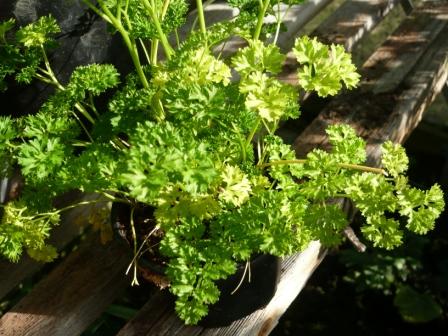
					<content type="html" xml:base="https://gardenerstips.co.uk/blog/flowers/vegetables-herbs/get-parsley-to-germinate/"><![CDATA[<p><a href="https://gardenerstips.co.uk/blog/wp-content/uploads/2008/10/parsley.jpg"><img loading="lazy" decoding="async" class="alignnone size-full wp-image-767" title="parsley" src="https://gardenerstips.co.uk/blog/wp-content/uploads/2008/10/parsley.jpg" alt="" width="448" height="336" srcset="https://gardenerstips.co.uk/blog/wp-content/uploads/2008/10/parsley.jpg 448w, https://gardenerstips.co.uk/blog/wp-content/uploads/2008/10/parsley-300x224.jpg 300w" sizes="auto, (max-width: 448px) 100vw, 448px" /></a></p>
<h3>Parsley Tips</h3>
<ul>
<li>I have grown this parsley from spring sown seed. <strong>Germination can be a bit erratic </strong>as warm temperatures are needed.</li>
<li>After a summer in the herb bed I have <strong>potted a clump up</strong> in the greenhouse.</li>
<li>Before the worst frosts I will bring a pot into the house for snipping onto potatoes and garnishing fish.</li>
<li>The flat leaved variety is one of my favourite herbs but I am not very successful at growing it. Fortunately there are many varieties that seem to be within my compass.</li>
<li><strong>Parsley is a hungry feeder</strong> so if growing in a container add some bone meal</li>
</ul>
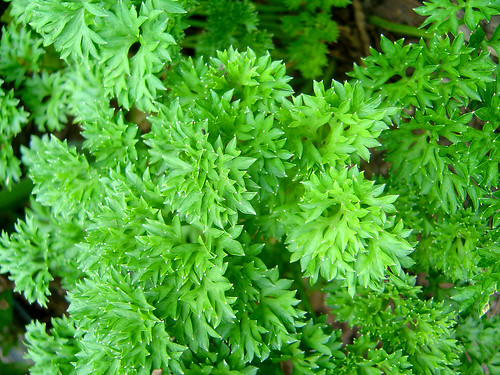
<p>The curly herb Parsley crispum is naturally <strong>slow to germinate</strong>. If the soil dries out it may never germinate.</p>
<p><a title="DSC03927 - parsley by RaeAllen, on Flickr" href="http://www.flickr.com/photos/raeallen/114356207/"><img loading="lazy" decoding="async" src="http://farm1.staticflickr.com/53/114356207_de16515d3c.jpg" alt="DSC03927 - parsley" width="500" height="375" /></a></p>
<h3>Germination Tips</h3>
<ul>
<li style="list-style-type: none;">
<ul>
<li>Try watering the drill then sow the seed in the drill covering with dry soil. This covering will dramatically reduce evaporation so the seed will be in contact with moisture for longer.</li>
</ul>
</li>
</ul>
<p><span id="more-212"></span></p>
<ul>
<li>Keep the soil warm 70-80 degrees F</li>
<li>Pre soak the seed overnight and sow in soil modules too transplant when roots are still small</li>
<li>Try flat leaved parsley neapolitanum (as shown) as it is easier to germinate and has a good flavour and vigorous growth</li>
<li>Plant out supermarket grown potted herbs. If growing in your own pot sow heavily and grow a big clump.</li>
<li>Hamburg Parsley is grown for the roots which are a cross between the flavour of celery and parsley</li>
<li>If you struggle try a cover that improves humidity until germination but remove promptly to prevent mould.</li>
<li>Flat leaf or Italian parsley is easier to germinate.</li>
</ul>
<p><a title="Parsley by TonalLuminosity, on Flickr" href="http://www.flickr.com/photos/tonalluminosity/7112004167/"><img loading="lazy" decoding="async" src="http://farm9.staticflickr.com/8155/7112004167_50516dd6fd.jpg" alt="Parsley" width="333" height="500" /></a></p>
<h3><strong>Old wives tales (that aren&#8217;t true)</strong></h3>
<ul>
<li>Parsley doesn&#8217;t only germinate when the woman wears the trousers</li>
<li>You don&#8217;t need to pour boiling water on the seeds</li>
<li>Parsley seeds do not need to go to the devil and back nine times before germinating</li>
</ul>
<p>If you are keen to grow tasty Parsley then here are some quick tips.</p>
<p>West Dean Gardens have been conducting trials on various Parsley varieties. In the May 2010 edition of The Garden the RHS published some of the results in an article by Sarah Wain the &#8216;Gardens Supervisor&#8217;.</p>
<p><strong>Quick Tips Growing Parsley</strong></p>
<ul>
<li>Plants usually stay in good crop producing condition for 5 months. Sarah recommends sowing two crops, in January for summer &amp; July to over winter.</li>
<li>Unlike many herbs, Parsley need an abundant supply of water.</li>
<li>Grow Parsley as a green edging plant to flower borders.</li>
<li>If growing in a container provide good drainage and water frequently.</li>
<li>If your plants are prone to bolt, cut out the flowering stem and water well.</li>
<li>Pick regularly to retain shape and encourage new growth.</li>
</ul>
<p><strong>Seed sowing</strong></p>
<ul>
<li>Sow fresh seed on all purpose compost and cover lightly with vermiculite.</li>
<li>Keep moist to improve germination (I do not think the boiling water trick is really needed)</li>
<li>Prick out small seedlings taking care with the roots.</li>
<li>Plant 3 seedlings in a 3&#8243; pot and grow on as one plant giving more apparent growth.</li>
<li>Plant out in March in a sunny position with some protection.</li>
</ul>
<p><strong>Varieties of Petroselinum crispum (Parsely) to Grow</strong></p>
<ul>
<li>Moss Curled and Lisette have fine curl to the leaves.</li>
<li>Rosette and Opal may occasionally bolt</li>
<li>Envy and Favorit were the best for flavour.</li>
<li>Afrodite and Faulds make uniform, good looking plants</li>
</ul>
<p>Also read &#8216;Grow your own Bouquet Garni <a href="https://gardenerstips.co.uk/blog/flowers/grow-bouquet-garni/">Herbs</a></p>
<p><em>Photo credits<br />
DSC03927 &#8211; parsley by RaeAllen CC BY-NC-SA 2.0<br />
Parsley by TonalLuminosity CC BY-NC 2.0 Parsley. Petroselinum crispum var. neapolitanum</em></p>
]]></content>
		
			</entry>
		<entry>
		<author>
			<name>tejvan</name>
					</author>

		<title type="html"><![CDATA[Allotments on Knight&#8217;s Hill London]]></title>
		<link rel="alternate" type="text/html" href="https://gardenerstips.co.uk/blog/flowers/rosendale-allotments-on-knights-hill-london/" />

		<id>http://gardenerstips.co.uk/blog/?p=12433</id>
		<updated>2024-09-22T12:58:23Z</updated>
		<published>2024-09-05T14:21:10Z</published>
		<category scheme="https://gardenerstips.co.uk/blog" term="Flowers and Plants" />
		<summary type="html"><![CDATA[I was caught by the headline &#8216;On the Eighth day God Created Allotments With new interest in researching allotments I came across this fantastic picture with lots of detail. &#8216;Back garden, spring 2008 by Darkroom Daze&#8217; has been made available under a creative commons license CC BY-NC-SA 2.0. Here is some of the supporting detail but you can find more by clicking the picture thanks to Darkroom Daze. &#8216;NOTE ON THE GARDEN The garden was very plain and bare when...<p class="read-more"><a class="btn btn-default" href="https://gardenerstips.co.uk/blog/flowers/rosendale-allotments-on-knights-hill-london/"> Read More<span class="screen-reader-text">  Read More</span></a></p>]]></summary>

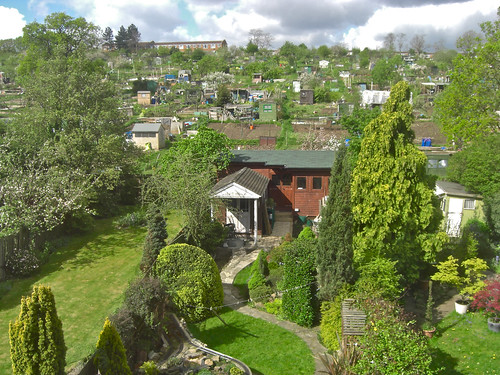
					<content type="html" xml:base="https://gardenerstips.co.uk/blog/flowers/rosendale-allotments-on-knights-hill-london/"><![CDATA[<p><a title="Back garden, spring 2008 by Darkroom Daze, on Flickr" href="http://www.flickr.com/photos/brize/5868470365/"><img loading="lazy" decoding="async" src="http://farm4.staticflickr.com/3172/5868470365_3fc07b7d57.jpg" alt="Back garden, spring 2008" width="500" height="375" /></a></p>
<p>I was caught by the headline<a href="https://gardenerstips.co.uk/products/399/on-the-eighth-day-god-created-allotments/index.html"> &#8216;On the Eighth day God Created Allotments</a></p>
<p>With new interest in researching allotments I came across this fantastic picture with lots of detail. &#8216;Back garden, spring 2008 by Darkroom Daze&#8217; has been made available under a creative commons license CC BY-NC-SA 2.0. Here is some of the supporting detail but you can find more by clicking the picture thanks to Darkroom Daze.</p>
<h6><strong>&#8216;NOTE ON THE GARDEN</strong><br />
The garden was very plain and bare when we arrived in 1985. We have been developing the design gradually since then, but not from a single pre-planned conception. Eventually we developed the overall shape, with a &#8216;winding river&#8217; effect made by the lawns and path. The shapes of the rockeries, planting and other features are based on the way a small stream winds between &#8216;interlocking spurs&#8217; in hilly terrain. We did all the planting, and I built many of the features. For further history of our garden, see set description for &#8216;OUR BACK GARDEN&#8217;</h6>
<h6><strong>FEATURES (also noted on photo if viewed with flickr)</strong><br />
&#8211; Arbour &#8211; R foreground, only slat-roof visible, assembled from flat-pack.<br />
&#8211; Garden railway &#8211; L foreground, on Water Rockery, G-scale 45mm gauge.<br />
&#8211; Path &#8211; of reclaimed York stone laid in &#8216;crazy&#8217; style by local landscaper, late Mr. Rogers, to our own winding design, shortly after we arrived in 1985.<br />
&#8211; Temple of Juno garden shed &#8211; centre L, with white portico and shingled roof, built by me in sections out of reclaimed timber (&#8220;Rosen Wanted&#8221;) at a previous house, brought here and extended with portico, and finished by joiner Steve Cruse.<br />
&#8211; Upper Rockery (Railway Rockery) &#8211; lower centre, with evergreen and alpine planting, and Upper Loop ofGarden Railway (not visible here), built myself of various kinds of stone in simulated geological structure.<br />
&#8211; Valrosa Cabin workshop &#8211; centre background, brown, fully insulated, completed earlier in the year by Acer Landscapes.<br />
&#8211; Water Rockery &#8211; centre L, with pumped water course, upper pools, cascades, and lower loop of garden railway, though only the railway is visible here. Almost all built myself.</h6>
<h6><strong>PLANTS</strong> (also noted on photo)<br />
&#8211; Buxus sempervirens &#8211; jelly-mould box-hedge, centre L foreground.<br />
&#8211; Chamaecyparis, columnar, not sure what species or form &#8211; in neighbour&#8217;s garden to L, along the fence.<br />
&#8211; Chamaecyparis &#8211; probably C. lawsoniana, Lawson&#8217;s cypress, &#8216;Stewartii&#8217; or &#8216;Westermannii&#8217; &#8211; neighbours&#8217; tall bright conifer, R centre.<br />
&#8211; Chamaecyparis pisifera &#8216;Squarrosa&#8217; &#8211; Sawara cypress, centre L immediately in front of Temple of Juno portico.<br />
&#8211; Clematis armandii &#8211; evergreen climber on fence behind arbour, lower R. Looks reddish because this is colour of new spring shoots.<br />
&#8211; Clematis cirrhosa var. balearica &#8211; growing over old apple tree stumps. centre L foreground.<br />
&#8211; Cotoneaster frigidus &#8211; centre L in front of Temple of Juno.<br />
&#8211; Escallonia macrantha &#8211; two shrubs shaped into an arch over side path, L side only visible here, centre R.<br />
&#8211; Juniperus scopulorum &#8216;Skyrocket&#8217; &#8211; pillar juniper, centre R.<br />
&#8211; Lonicera japonica &#8211; Japanese honeysuckle, evergreen, closest part of R hedge.<br />
&#8211; Lonicera nitida &#8216;Baggesen&#8217;s Gold&#8217; &#8211; lower centre R, between path and arbour.<br />
&#8211; Origanum vulgare &#8216;Aureum&#8217; &#8211; golden marjoram, at front of Upper Rockery along the path, lower centre.<br />
&#8211; Phormium tenax probably &#8216;Rainbow Queen&#8217; &#8211; New Zealand flax, the spiky plant just R of centre foreground.<br />
&#8211; Picea glauca var. albertiana &#8216;Conica&#8217; &#8211; dwarf white spruce, two of them, one behind the other, lower centre by path.<br />
&#8211; Picea glauca var. albertiana &#8216;Conica&#8217; &#8211; dwarf white spruce, two trees one behind the other, lower centre on Upper Rockery.<br />
&#8211; Picea mariana &#8216;Nana&#8217; &#8211; dwarf black spruce, lower centre by path.<br />
&#8211; Platycladus orientalis &#8216;Beverleyensis&#8217; &#8211; golden form of Eastern Thuja, in shade, L foreground.<br />
&#8211; Prunus domesticus (presumably) &#8211; the neighbours&#8217; plum tree, upper centre L, to L of Valrosa Cabin.<br />
&#8211; Pyracantha, probably P. x watereri &#8211; in neighbours&#8217; garden, growing against fence, lower R.<br />
&#8211; Pyrus probably P. communis &#8211; common pear tree, in neighbours&#8217; garden, top L.<br />
&#8211; Quercus &#8211; probably Q. robur L., pedunculate oak, growing along fence behind a neighbouring garden, top R.<br />
&#8211; Taxus baccata &#8211; yew, golden fastigiate form, probably &#8216;Standishii&#8217; &#8211; front L in neighbour&#8217;s garden.&#8217;</h6>
<h3>Rosendale Allotments Association</h3>
<ul>
<li>Established in 1880 the Rosendale Allotments Association RAA has 480 plots on the site with plot holders and sharers from South London.</li>
<li>RAA is looking for votes in a competition to find a name for their periodic newsletter.<br />
â€¢ The Plot Thickens<br />
â€¢ Green Stuff<br />
â€¢ Hot Off The Plot<br />
â€¢ Green News Digest</li>
<li>In common with many other allotment sites RAA has had to suspend the waiting list as at current rate of turnover waiting time for an allotment on the site is estimated at twenty years.</li>
</ul>
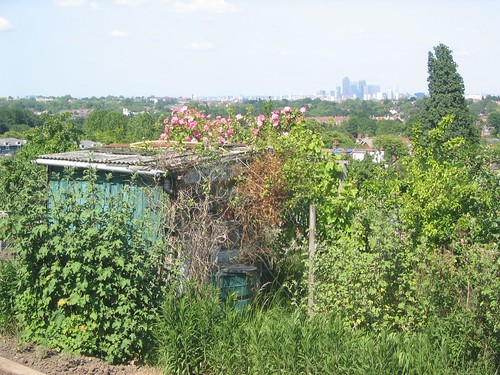
<p><a title="Shed view by coconinoco, on Flickr" href="http://www.flickr.com/photos/coconino/3584268393/"><img loading="lazy" decoding="async" src="http://farm3.staticflickr.com/2483/3584268393_943eb691ef.jpg" alt="Shed view" width="500" height="375" /></a><br />
Other credits Shed view by coconinoco CC BY-NC-ND 2.0 with London skyline.</p>
]]></content>
		
			</entry>
		<entry>
		<author>
			<name>hortoris</name>
					</author>

		<title type="html"><![CDATA[Hydrangeas Gardeners Tips]]></title>
		<link rel="alternate" type="text/html" href="https://gardenerstips.co.uk/blog/gardening/growing-easy-plants/tips-for-growing-hydrangeas/" />

		<id>http://gardenerstips.co.uk/blog/?p=6824</id>
		<updated>2024-09-22T12:58:34Z</updated>
		<published>2024-09-03T23:44:17Z</published>
		<category scheme="https://gardenerstips.co.uk/blog" term="Hydrangea" /><category scheme="https://gardenerstips.co.uk/blog" term="Tips for Growing Series" /><category scheme="https://gardenerstips.co.uk/blog" term="floristry" /><category scheme="https://gardenerstips.co.uk/blog" term="houseplant" />
		<summary type="html"><![CDATA[Hydra may be a monster but Hydrangeas can be stunningly beautiful. Hydrangea are easy to grow, voluminous shrubs with long lasting flower-heads. They can grow to be handsome 6 foot high and wide shrubs. Growing Hydrangea Early autumn is the best time to plant new Hydrangeas. If planting in spring take more care with watering and mulch the plants to keep the soil damp. Hydrangeas grow best in semi shade in rich moist soil. Trim off old flower heads and...<p class="read-more"><a class="btn btn-default" href="https://gardenerstips.co.uk/blog/gardening/growing-easy-plants/tips-for-growing-hydrangeas/"> Read More<span class="screen-reader-text">  Read More</span></a></p>]]></summary>

					<content type="html" xml:base="https://gardenerstips.co.uk/blog/gardening/growing-easy-plants/tips-for-growing-hydrangeas/"><![CDATA[<p>Hydra may be a monster but Hydrangeas can be stunningly beautiful.<br />
<a title="Hydrangea by brianpettinger, on Flickr" href="http://www.flickr.com/photos/hortoris/3926934022/"><img loading="lazy" decoding="async" src="http://farm3.static.flickr.com/2511/3926934022_2e543d81e1.jpg" alt="Hydrangea" width="500" height="500" /></a></p>
<p>Hydrangea are easy to grow, voluminous shrubs with long lasting flower-heads. They can grow to be handsome 6 foot high and wide shrubs.</p>
<p><strong>Growing Hydrangea </strong>Early autumn is the best time to plant new Hydrangeas. If planting in spring take more care with watering and mulch the plants to keep the soil damp. Hydrangeas grow best in semi shade in rich moist soil. Trim off old flower heads and dead stems in spring. Give them a balanced fertilizer in spring.</p>
<p><strong>Choose the Right Variety</strong> Mophead or Hortensia hydrangeas are the type that have pompom like heads that open into a globe shape such as â€˜Blue Bonnet&#8217; or &#8216;Forever Pink&#8217;. Lacecap varieties have flat heads whose flowers do not open at the same time.<br />
Quercifolias often have pyramid shaped white flowers and oak shaped leaves. Annabelle is the best known and well liked variety of Hydrangea arborescens.<br />
<span id="more-6824"></span><img loading="lazy" decoding="async" class="aligncenter size-large wp-image-18722" src="https://gardenerstips.co.uk/blog/wp-content/uploads/2017/07/end-june-007-1024x768.jpg" alt="" width="1024" height="768" srcset="https://gardenerstips.co.uk/blog/wp-content/uploads/2017/07/end-june-007-1024x768.jpg 1024w, https://gardenerstips.co.uk/blog/wp-content/uploads/2017/07/end-june-007-200x150.jpg 200w, https://gardenerstips.co.uk/blog/wp-content/uploads/2017/07/end-june-007-300x225.jpg 300w, https://gardenerstips.co.uk/blog/wp-content/uploads/2017/07/end-june-007-768x576.jpg 768w" sizes="auto, (max-width: 1024px) 100vw, 1024px" /><br />
<strong>Where to Plant </strong>Hydrangeas are good seaside plants tolerating salty air. Grow in shade or full sun but avoid early spring sun after frosts. Hydrangeas resist wind and only request a moist soil. Their characteristics make Hydrangeas good on the edge of woodland or as an informal hedge. Pot grown varieties are popular as house plants that can be planted in the garden when they are finished in the house.</p>
<p><strong>Drying Hydrangeas</strong> can provide decoration out of season and tips can be found on the <a href="http://www.hydrangeashydrangeas.com/dryingnat.html">Hydrangea web site.</a></p>
<p>See Thorp Perrow <a href="https://gardenerstips.co.uk/blog/flowers/trees-and-shrubs/thorp-perrow-hydrageas/">Hydrangeas</a></p>
<p><strong>Hydrangea colouring.</strong> Alkaline soil produces pink flowers and acidic soil blue flowers. You can add Aluminium sulphate to get blue flowers or lime to change to pink flowers. White varieties will not change colour.<br />
Hydrangea macrophylla produce slightly different colour tones depending on the soil pH. <strong>See</strong> Help to change Hydrangea colour<br />
RHS hydrangeas including climbing hydrangeas<br />
Great seaside flowering shrubs and a powerful garden statement. There are a wide range of species and you get &#8216;a good bang for your buck&#8217;.<br />
<img loading="lazy" decoding="async" class="aligncenter" src="http://farm3.static.flickr.com/2714/4090057598_e6f212275c.jpg" alt="" width="500" height="375" /></p>
<p>Hydrangeas are voluminous shrubs with lasting flowers. They are easy to grow even in windy locations and the flowers are good for cutting (add a little liquid soap and sugar to the water so they last longer).Â  As the name suggests they like water or at least a moisture retentive soil.</p>
<p><a href="http://www.amazon.co.uk/exec/obidos/ASIN/1554072638/richardpettin-21"><img decoding="async" src="http://images.amazon.com/images/P/1554072638.01.MZZZZZZZ.jpg" alt="Book Cover" /></a></p>
<ul>
<li style="list-style-type: none;">
<ul>
<li>New Hydrangeas can be planted in Autumn with a good mulch of shredded bark or compost.</li>
<li>In Spring cut out old flower heads and dead stems. Cut just above an outward facing bud.</li>
</ul>
</li>
</ul>
<p><!--more--></p>
<ul>
<li>To make the flowers blue add Aluminium Sulphate to the soil. Lime makes them pink.</li>
<li>In summer cut out any leafless stems.</li>
<li>Buy new plants in bloom so you know what the flowers look like. Avoid plants with brown or spotted leaves.</li>
<li>Hortensa Hydrangeas look like pompoms or mopheads often seen at  seaside locations. Lacecap varieties open flat. Paniculata and quercifolia have conical flowers often white.</li>
</ul>
<p>For more information try <a href="http://www.hydrangeashydrangeas.com/">All about Hydrangeas</a></p>
]]></content>
		
					<link rel="replies" type="text/html" href="https://gardenerstips.co.uk/blog/gardening/growing-easy-plants/tips-for-growing-hydrangeas/#comments" thr:count="3" />
			<link rel="replies" type="application/atom+xml" href="https://gardenerstips.co.uk/blog/gardening/growing-easy-plants/tips-for-growing-hydrangeas/feed/atom/" thr:count="3" />
			<thr:total>3</thr:total>
			</entry>
	</feed>