<?xml version="1.0" encoding="UTF-8"?>
<?xml-stylesheet type="text/xsl" media="screen" href="/~d/styles/atom10full.xsl"?><?xml-stylesheet type="text/css" media="screen" href="http://feeds.feedburner.com/~d/styles/itemcontent.css"?><feed xmlns="http://www.w3.org/2005/Atom">
    <title>HMP Research Station | Haughton-Mars Project</title>
    <link rel="alternate" type="text/html" href="http://www.marsonearth.org/" />
    
   <id>tag:www.marsonearth.org,2009://11</id>
    <link rel="service.post" type="application/atom+xml" href="http://blogs.aterra.com/mvt/mt-atom.cgi/weblog/blog_id=11" title="HMP Research Station | Haughton-Mars Project" />
    <updated>2009-06-28T16:44:26Z</updated>
    <subtitle>Welcome to the Haughton-Mars Project Research Station</subtitle>
    <generator uri="http://www.sixapart.com/movabletype/">Movable Type 3.35</generator>
 
<link rel="self" href="http://feeds.feedburner.com/hmprs" type="application/atom+xml" /><entry>
    <title>HMP-2009 Air National Guard Flight to Resolute Bay</title>
    <link rel="alternate" type="text/html" href="http://www.marsonearth.org/2009/06/hmp2009_air_national_guard_to.html" />
    <link rel="service.edit" type="application/atom+xml" href="http://blogs.aterra.com/mvt/mt-atom.cgi/weblog/blog_id=11/entry_id=11526" title="HMP-2009 Air National Guard Flight to Resolute Bay" />
    <id>tag:www.marsonearth.org,2009://11.11526</id>
    
    <published>2009-06-28T16:25:52Z</published>
    <updated>2009-06-28T16:44:26Z</updated>
    
    <summary> Yesterday an Air National Guard C-130 out of Long Island, New York left the Vancouver international airport after being loaded with gear and personnel for a flight to Resolute Bay in the Canadian high arctic. Personnel aboard included core...</summary>
    <author>
        <name>Marc Boucher</name>
        
    </author>
            <category term="Status Reports" />
    
    <content type="html" xml:lang="en" xml:base="http://www.marsonearth.org/">
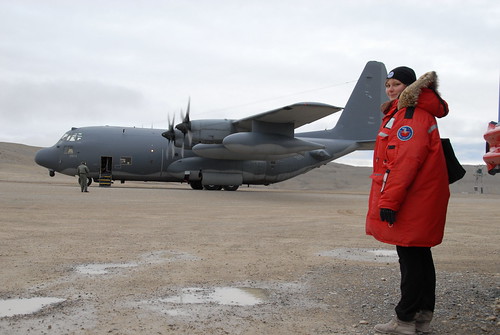
        &lt;p&gt;&lt;a href="http://www.flickr.com/photos/hmpresearchstation/3667922635/" title="Air National Guard C-130 at YVR by HMPResearchStation, on Flickr"&gt;&lt;img src="http://farm4.static.flickr.com/3301/3667922635_f68aaebc31_m.jpg" width="240" height="180" alt="Air National Guard C-130 at YVR" align="right" /&gt;&lt;/a&gt;&lt;br /&gt;
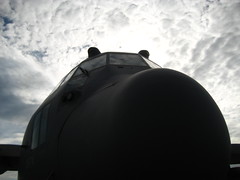
Yesterday an Air National Guard C-130 out of Long Island, New York left the Vancouver international airport after being loaded with gear and personnel for a flight to Resolute Bay in the Canadian high arctic. Personnel aboard included core HMP participants from the Mars Institute and Simon Fraser University.&lt;/p&gt;

&lt;p&gt;This is the second year we've had support from the Air National Guard out of Long Island, New York. It is always much appreciated. We'll have more pictures with credits once we get them from Resolute. The support of the Air National Guard enables us to deploy cargo and people in a timely and cost effective way. &lt;/p&gt;

&lt;p&gt;Today HMP personnel are busy organizing cargo for the first flight to the HMP Research Station on Devon Island tomorrow. Weather being what it is in the high arctic, all flights are subject to the weather and conditions on the ground at the HMP airstrip.&lt;/p&gt;

&lt;p&gt;- &lt;a href="http://www.flickr.com/photos/hmpresearchstation/sets/72157620680112242/"&gt;Images from cargo loading at the Vancouver International Airport.&lt;/a&gt;&lt;/p&gt;
        
    &lt;img src="http://feeds.feedburner.com/~r/hmprs/~4/0maXxdHzG_4" height="1" width="1"/&gt;</content>
</entry>
<entry>
    <title>HMP-2009 Field Season Preparations Underway</title>
    <link rel="alternate" type="text/html" href="http://www.marsonearth.org/2009/06/hmp_2009_field_season_preparat.html" />
    <link rel="service.edit" type="application/atom+xml" href="http://blogs.aterra.com/mvt/mt-atom.cgi/weblog/blog_id=11/entry_id=11464" title="HMP-2009 Field Season Preparations Underway" />
    <id>tag:www.marsonearth.org,2009://11.11464</id>
    
    <published>2009-06-22T16:23:35Z</published>
    <updated>2009-06-22T17:29:09Z</updated>
    
    <summary>The 2009 HMP field season is almost upon us. This Saturday, June 27, the first participants from the Mars Institute core team will make their from Vancouver to Resolute Bay by way of an Air National Guard C-130 from the...</summary>
    <author>
        <name>Marc Boucher</name>
        
    </author>
            <category term="Status Reports" />
    
    <content type="html" xml:lang="en" xml:base="http://www.marsonearth.org/">
        &lt;p&gt;The 2009 HMP field season is almost upon us. This Saturday, June 27, the first participants from the Mars Institute core team will make their from Vancouver to Resolute Bay by way of an Air National Guard C-130 from the Long Island Air National Guard Rescue Unit.&lt;/p&gt;

&lt;p&gt;This year will see over 50 participants from 11 organizations visiting the HMP Research Station on Devon Island including representatives from the Canadian Space Agency and NASA.&lt;/p&gt;

&lt;p&gt;We'll have more detail on the field season in the coming week.&lt;/p&gt;
        
    &lt;img src="http://feeds.feedburner.com/~r/hmprs/~4/UfP1t6ML_Js" height="1" width="1"/&gt;</content>
</entry>
<entry>
    <title>Mars Institute "Moon-1" Humvee Rover Successfully Completes 500 km Drive Along Northwest Passage</title>
    <link rel="alternate" type="text/html" href="http://www.marsonearth.org/2009/04/mars_institute_moon1_humvee_ro.html" />
    <link rel="service.edit" type="application/atom+xml" href="http://blogs.aterra.com/mvt/mt-atom.cgi/weblog/blog_id=11/entry_id=10974" title="Mars Institute &quot;Moon-1&quot; Humvee Rover Successfully Completes 500 km Drive Along Northwest Passage" />
    <id>tag:www.marsonearth.org,2009://11.10974</id>
    
    <published>2009-04-24T17:00:32Z</published>
    <updated>2009-04-24T17:56:01Z</updated>
    
    <summary> PRESS RELEASE: Mountain View, CA and Vancouver, BC, 24 April 2009 - An international team of researchers led by Mars Institute scientist Dr. Pascal Lee successfully reached the arctic community of Cambridge Bay, Nunavut, Canada on Friday, 17 April,...</summary>
    <author>
        <name>Marc Boucher</name>
        
    </author>
            <category term="2009 Northwest Passage Drive Expedition" />
    
    <content type="html" xml:lang="en" xml:base="http://www.marsonearth.org/">
        &lt;p&gt;&lt;a href="http://www.flickr.com/photos/hmpresearchstation/3466186703/" title="The Moon-1 Humvee Rover and Bombardier Snowmobiles by HMPResearchStation, on Flickr"&gt;&lt;img src="http://farm4.static.flickr.com/3585/3466186703_6c3a16210e_m.jpg" width="240" height="124" alt="The Moon-1 Humvee Rover and Bombardier Snowmobiles" align="right" /&gt;&lt;/a&gt;&lt;/p&gt;

&lt;p&gt;&lt;strong&gt;PRESS RELEASE: Mountain View, CA and Vancouver, BC, 24 April 2009&lt;/strong&gt; - An international team of researchers led by Mars Institute scientist Dr. Pascal Lee successfully reached the arctic community of Cambridge Bay, Nunavut, Canada on Friday, 17 April, after an 8-day, 500 km vehicular trek on sea-ice along the fabled Northwest Passage. The team of five departed Kugluktuk, Nunavut on 10 April aboard the Mars Institute’s Moon-1 Humvee Rover and two snowmobiles, and logged a record-breaking total of 494 km, the longest distance ever driven on sea-ice in a road vehicle.&lt;/p&gt;

&lt;p&gt;The expedition is an integral part of the Haughton-Mars Project (HMP) on Devon Island, High Arctic, where research in space science and exploration is being conducted by the National Aeronautics and Space Administration (NASA), the Canadian Space Agency (CSA), the Mars Institute, the SETI Institute, and other partnering organizations. The primary goal of the Northwest Passage Drive Expedition was to transport the Mars Institute’s new Moon-1 Humvee Rover from Kugluktuk to Devon Island. The rover serves as a concept vehicle simulating future pressurized rovers to be used by humans on the Moon and Mars.&lt;/p&gt;

&lt;p&gt;During their traverse from Kugluktuk to Cambridge Bay, the field team encountered challenging weather and ice surface conditions, including a 40-hour whiteout, unseasonably thick snow cover, massive rough ice, and treacherous snow-covered leads (open cracks in the sea-ice exposing liquid seawater). At one point, the rear of the Moon-1 sank into one such hidden lead, but the vehicle was saved by the team’s immediate actions and thanks to the Humvee’s unique capabilities and equipment. “For a moment there, I thought this might be it, but we had come prepared and trained, and our rover is an incredible machine” says Lee.&lt;/p&gt;

&lt;div align="center"&gt;
&lt;a href="http://www.flickr.com/photos/hmpresearchstation/3466199737/" title="Campsite Four of the Northwest Passage Drive Expedition by HMPResearchStation, on Flickr"&gt;&lt;img src="http://farm4.static.flickr.com/3572/3466199737_fae07bbf36.jpg" width="500" height="138" alt="Campsite Four of the Northwest Passage Drive Expedition" /&gt;&lt;/a&gt;
&lt;/div&gt;

&lt;p&gt;Because of the unusual amount of late snow covering the region this year which prevents efficient progress on sea-ice and dangerously obscures open leads, the Mars Institute has decided to pause the Northwest Passage Drive Expedition in Cambridge Bay and is now seeking to airlift the Moon-1 Humvee Rover the rest of the way to Resolute Bay. Once in Resolute, the driving expedition will resume in order to transfer the rover from Cornwallis Island to Devon Island, where it will be used for lunar exploration research for NASA at the Haughton-Mars Project Research Station this coming Summer and beyond.&lt;br /&gt;
&lt;/p&gt;
        &lt;p&gt;During this past week’s trek, the scientists have already collected important scientific and technical data that will help plan and implement future long-range rover traverses on the Moon and Mars. In addition, snow samples were collected to study the potential biological impact of humans exploring pristine environments, a study that will help understand the potential for forward contamination in future Moon and Mars exploration. Snow and sea-ice thickness measurements were also made that will feed into Climate Change studies and the long term monitoring of the Arctic environment. Throughout their voyage, the expedition stayed in periodic contact with Dr Stephen Braham at Simon Fraser University who served as the mission’s “Capcom”.&lt;/p&gt;

&lt;p&gt;While visiting the Kugluktuk and Cambridge Bay communities, the Northwest Passage Drive Expedition team was greeted by local government representatives and gave talks at high schools. Throughout its journey, the Moon-1 Humvee Rover has received remarkable interest and support from northern communities in the Northwest Territories and Nunavut. “The value of understanding Earth and space are things that humans from all cultures can relate to, but in the North, there is first hand experience with the challenges of living in extreme environments, and our expedition strikes a chord with Arctic communities” says Marc Boucher, CEO of the Mars Institute.&lt;/p&gt;

&lt;p&gt;The Moon-1 will remain in Cambridge Bay until it catches its flight northward to Resolute Bay. &lt;/p&gt;

&lt;p&gt;Partners and official sponsors of the Mars Institute Haughton-Mars Project and Northwest Passage Drive Expedition include NASA, Canadian Space Agency, Air National Guard, SETI Institute, Simon Fraser University, National Space Biomedical Research Institute, Cornell University, University of Alberta, University of Florida, AM General, ARB, Bassett Petroleum Distributors of Yellowknife, Bombardier, First Air, Hamilton Sundstrand, Kikiak of Kugluktuk, Kitnuna of Cambridge Bay, Mattracks, Mountain Hardwear, Musk Foundation, Pelican Signs, Pull-Pal, RTL Robinson Enterprises, Shokolade Cafe, Sorel, SpaceRef Interactive, and Jules Verne Adventures.&lt;/p&gt;

&lt;p&gt;Photo's from the expedition can be seen here: &lt;a href="http://www.flickr.com/photos/hmpresearchstation/"&gt;http://www.flickr.com/photos/hmpresearchstation/&lt;/a&gt;&lt;/p&gt;

&lt;p&gt;Google Earth KMZ file marking the beginning point of the expedition and ending point with SPOT GPS tracking data: &lt;a href="http://www.marsonearth.org/2009/kml/2009NorthwestPassageDriveExpedition.kmz"&gt;http://www.marsonearth.org/2009/kml/2009NorthwestPassageDriveExpedition.kmz&lt;/a&gt;&lt;/p&gt;

&lt;p&gt;&lt;br /&gt;
For more information, please visit &lt;a href="http://www.marsinstitute.info"&gt;www.marsinstitute.info&lt;/a&gt; or &lt;a href="http://www.marsonearth.org"&gt;www.marsonearth.org&lt;/a&gt; or contact:&lt;/p&gt;

&lt;p&gt;Dr Pascal Lee&lt;br /&gt;
Mars Institute&lt;br /&gt;
pascal.lee@marsinstitute.net&lt;br /&gt;
408-687-7103&lt;/p&gt;

&lt;p&gt;Marc Boucher, CEO								&lt;br /&gt;
Mars Institute						&lt;br /&gt;
marc.boucher@marsinstitute.net				&lt;br /&gt;
604-628-2121						&lt;br /&gt;
&lt;/p&gt;
    &lt;img src="http://feeds.feedburner.com/~r/hmprs/~4/D_gMKKSTTgY" height="1" width="1"/&gt;</content>
</entry>
<entry>
    <title>SUCCESS - Northwest Passage Expedition Team Reaches Cambridge Bay</title>
    <link rel="alternate" type="text/html" href="http://www.marsonearth.org/2009/04/success_northwest_passage_expe.html" />
    <link rel="service.edit" type="application/atom+xml" href="http://blogs.aterra.com/mvt/mt-atom.cgi/weblog/blog_id=11/entry_id=10937" title="SUCCESS - Northwest Passage Expedition Team Reaches Cambridge Bay" />
    <id>tag:www.marsonearth.org,2009://11.10937</id>
    
    <published>2009-04-17T21:21:42Z</published>
    <updated>2009-04-17T21:48:13Z</updated>
    
    <summary>Late this morning after traveling across the arctic ice for the last week from Kugluktuk and covering over 500 kilometers, the Northwest Passage Drive Expedition team arrived safely in Cambridge Bay on the south-eastern portion of Victoria Island. Never before...</summary>
    <author>
        <name>Marc Boucher</name>
        
    </author>
            <category term="2009 Northwest Passage Drive Expedition" />
    
    <content type="html" xml:lang="en" xml:base="http://www.marsonearth.org/">
        &lt;p&gt;Late this morning after traveling across the arctic ice for the last week from Kugluktuk and covering over 500 kilometers, the Northwest Passage Drive Expedition team arrived safely in Cambridge Bay on the south-eastern portion of Victoria Island. Never before has anyone driven this route, a portion of the Northwest Passage, in a road vehicle. &lt;/p&gt;

&lt;p&gt;Along the way the team experienced highs and lows as the drive started off slowly, encountered a blizzard which kept them isolated in one location for a day and half and also had a the rear of the Moon-1 Humvee Rover briefly go through the ice.&lt;/p&gt;

&lt;p&gt;They encountered scenery none of them have ever experienced and few have ever seen. They were not alone on their journey as flocks of birds could be seen at times.&lt;/p&gt;

&lt;p&gt;This is an experience the team will remember for a lifetime and an accomplishment all should be proud of. Their experiences were documented for a film to come out later this year. We will post some of the images the team took and perhaps some short video in the coming days. Further updates will be posted as well in the coming days. For now the team is resting in Cambridge Bay.&lt;/p&gt;
        
    &lt;img src="http://feeds.feedburner.com/~r/hmprs/~4/RNmfXkjhM_w" height="1" width="1"/&gt;</content>
</entry>
<entry>
    <title>NWP Expedition Team Update - April 16, 8:08 PM PT</title>
    <link rel="alternate" type="text/html" href="http://www.marsonearth.org/2009/04/nwp_expedition_team_update_apr_6.html" />
    <link rel="service.edit" type="application/atom+xml" href="http://blogs.aterra.com/mvt/mt-atom.cgi/weblog/blog_id=11/entry_id=10929" title="NWP Expedition Team Update - April 16, 8:08 PM PT" />
    <id>tag:www.marsonearth.org,2009://11.10929</id>
    
    <published>2009-04-17T04:05:17Z</published>
    <updated>2009-04-17T04:06:44Z</updated>
    
    <summary>The Northwest Passage Expedition team had an excellent day of driving. Covering over 100 km, they are now in shouting distance of Cambridge Bay! They are parked for the night by the Southernmost Finlayson Island. Tomorrow, they will drive north...</summary>
    <author>
        <name>Elaine Walker</name>
        
    </author>
            <category term="2009 Northwest Passage Drive Expedition" />
    
    <content type="html" xml:lang="en" xml:base="http://www.marsonearth.org/">
        &lt;p&gt;The Northwest Passage Expedition team had an excellent day of driving. Covering over 100 km, they are now in shouting distance of Cambridge Bay! They are parked for the night by the Southernmost Finlayson Island. Tomorrow, they will drive north along the island chain to Long Point, to avoid blocky ice seen in radar images from space by Mission Support, as well as reported pressure ridges. Indeed, the ice approaching Cambridge Bay has been increasingly blocky today. Everybody is healthy, warm, and having fun. The team is looking forward to an expected arrival in Cambridge Bay, after a drive from the landing area at Long Point.&lt;br /&gt;
&lt;/p&gt;
        
    &lt;img src="http://feeds.feedburner.com/~r/hmprs/~4/QYssH1AbGBA" height="1" width="1"/&gt;</content>
</entry>
<entry>
    <title>NWP Expedition Team Update - April 15, 7:15 AM PT</title>
    <link rel="alternate" type="text/html" href="http://www.marsonearth.org/2009/04/nwp_expedition_team_update_apr_5.html" />
    <link rel="service.edit" type="application/atom+xml" href="http://blogs.aterra.com/mvt/mt-atom.cgi/weblog/blog_id=11/entry_id=10920" title="NWP Expedition Team Update - April 15, 7:15 AM PT" />
    <id>tag:www.marsonearth.org,2009://11.10920</id>
    
    <published>2009-04-16T16:07:22Z</published>
    <updated>2009-04-16T16:08:00Z</updated>
    
    <summary>The Northwest Passage Expedition crew had another long traverse today - 92km made good from this morning's location, and over 100 km of total traverse! They traversed through the Wilmot Islands back towards the south coast, and will move along...</summary>
    <author>
        <name>Elaine Walker</name>
        
    </author>
            <category term="2009 Northwest Passage Drive Expedition" />
    
    <content type="html" xml:lang="en" xml:base="http://www.marsonearth.org/">
        &lt;p&gt;The Northwest Passage Expedition crew had another long traverse today - 92km made good from this morning's location, and over 100 km of total traverse! They traversed through the Wilmot Islands back towards the south coast, and will move along the coast until close to Cambridge Bay, at which time they will traverse across the channel. However, there was some excitement at the end of the day when Moon-1 went through the ice! Everyone is fine - the rear tracks of Moon-1 went through a slushy lead, hidden by snow. The crew placed an anchoring system into the ice and used the powerful forward winch on the rover to pull it out of the water. No damage was done, and everybody is warm and happy in Moon-1 tonight, expecting another big drive tomorrow. It was expected that the ice would be in a more broken condition in this final part of the traverse towards Cambridge Bay, and the team will stay alert!&lt;/p&gt;
        
    &lt;img src="http://feeds.feedburner.com/~r/hmprs/~4/ZEk15gxTVqQ" height="1" width="1"/&gt;</content>
</entry>
<entry>
    <title>2009 Northwest Passage Drive Expedition Official Sponsors</title>
    <link rel="alternate" type="text/html" href="http://www.marsonearth.org/2009/04/expedition_official_sponsors_a.html" />
    <link rel="service.edit" type="application/atom+xml" href="http://blogs.aterra.com/mvt/mt-atom.cgi/weblog/blog_id=11/entry_id=10914" title="2009 Northwest Passage Drive Expedition Official Sponsors" />
    <id>tag:www.marsonearth.org,2009://11.10914</id>
    
    <published>2009-04-16T02:20:51Z</published>
    <updated>2009-04-16T02:27:37Z</updated>
    
    <summary>The Mars Institute and the Haughton-Mars Project would like to heartily thank the many generous sponsors who helped this expedition become a reality. Without their faith in our abilities and mission we would not be where we are today....</summary>
    <author>
        <name>Marc Boucher</name>
        
    </author>
            <category term="2009 Northwest Passage Drive Expedition" />
    
    <content type="html" xml:lang="en" xml:base="http://www.marsonearth.org/">
        &lt;p&gt;The Mars Institute and the Haughton-Mars Project would like to heartily thank the many generous sponsors who helped this expedition become a reality. Without their faith in our abilities and mission we would not be where we are today. &lt;br /&gt;
&lt;/p&gt;
        &lt;p&gt;&lt;strong&gt;&lt;a href="http://www.amgeneral.com"&gt;AM General&lt;/a&gt;&lt;/strong&gt;&lt;/p&gt;

&lt;p&gt;AM General is the manufacturer of the military High Mobility Multipurpose Wheeled Vehicle (HMMWV) or Humvee. The Moon-1 Humvee Rover was provided to the Mars Institute by AM General in support of Science and Exploration research at HMP. The HMP uses Humvees because of their exceptional characteristics as all-terrain personnel and cargo transport vehicles, and their suitability as Moon/Mars pressurized rover simulators in the high Arctic’s extreme environment.&lt;/p&gt;

&lt;p&gt;&lt;br /&gt;
&lt;strong&gt;&lt;a href="http://www.arbusa.com/"&gt;ARB&lt;/a&gt;&lt;/strong&gt;&lt;/p&gt;

&lt;p&gt;ARB is a leading supplier of 4x4 accessories. The Moon-1 Humvee Rover carries two ARB Bushranger Jack-X inflatable jacks that allow the vehicle to be raised for maintenance work anywhere in the field, including on soft ground.  ARB ‘s sound history of quality and convenient products are necessary for the field team while in the extreme conditions of Canada’s Arctic. &lt;/p&gt;

&lt;p&gt;&lt;strong&gt;&lt;a href="http://www.brp.com"&gt;Bombardier Recreational Products (BRP)&lt;/a&gt;&lt;/strong&gt;&lt;/p&gt;

&lt;p&gt;BRP is a leading manufacturer of motorized recreational vehicles. Two BRP Skandic  snowmobiles will be used to support the NWP Drive Expedition, with one Skandic 550F serving as a scout vehicle over treacherous sea-ice and the other serving as logistics snowmobile and back-up scout. BRP has a history of  exceptional performance, endurance, and reliability, which Is needed on such a long-range polar expedition. &lt;/p&gt;

&lt;p&gt;&lt;strong&gt;&lt;a href="http://www.firstair.ca"&gt;First Air&lt;/a&gt;&lt;/strong&gt;&lt;/p&gt;

&lt;p&gt;First Air, the Airline of the North, is Canada’s largest Arctic airline. First Air has been an Official Sponsor of the Haughton-Mars Project since the earliest days of the project and is well known for their excellent safety records, reliability and exceptional knowledge of Canada’s Arctic. A First Air C-130 Hercules transport plane will be used to deliver the Moon-1 Humvee Rover from Yellowknife to Kugluktuk, the starting point of the NWP Drive Expedition.  First Air will also be used to transport the NWP Drive Expedition’s field team and cargo across the Arctic.&lt;/p&gt;

&lt;p&gt;&lt;strong&gt;&lt;a href="http://www.mattracks.com"&gt;Mattracks&lt;/a&gt;&lt;/strong&gt;&lt;/p&gt;

&lt;p&gt;Mattracks is the inventor and leading manufacturer of off-road all-terrain rubber track conversion systems. Mattracks tracks have been successfully used on the HMP’s Mars- 1 Humvee Rover since 2003. Mattracks is the supplier of the Moon-1 Humvee Rover’s critical track system that will allow the vehicle to travel over sea-ice during the NWP Drive Expedition.&lt;/p&gt;

&lt;p&gt;&lt;strong&gt;&lt;a href="http://www.mountainheardwear.com"&gt;Mountain Hardwear&lt;/a&gt;&lt;/strong&gt;&lt;/p&gt;

&lt;p&gt;Mountain Hardwear is a leading designer and manufacturer of high performance outdoors gear. Mountain Hardwear has been a supplier of tents on the Haughton-Mars Project since 1998. Mountain Hardwear down sleeping bags, full body suits, and other extreme environment gear will be used during the NWP Drive Expedition.&lt;/p&gt;

&lt;p&gt;&lt;strong&gt;&lt;a href="http://www.muskfoundation.org"&gt;Musk Foundation&lt;/a&gt;&lt;/strong&gt;&lt;/p&gt;

&lt;p&gt;The Musk Foundation awards grants in support of research in human space exploration, renewable energies, and science and engineering education. Research, education, and public outreach activities on the NWP Drive Expedition are supported in part by the Musk Foundation.&lt;/p&gt;

&lt;p&gt;&lt;strong&gt;&lt;a href="http://www.pullpal.com"&gt;Pull Pal&lt;/a&gt;&lt;/strong&gt;&lt;/p&gt;

&lt;p&gt;Pull-Pal is a world leading designer and manufacturer of anchoring systems for all-terrain vehicles. The HMP’s Mars-1 and Moon-1 Humvee Rovers are both equipped with a Pull-Pal RW14,000 anchor. Pull-Pal anchors are necessary when exploring the extreme terrain of the High Arctic because of their exceptional ease of use, effectiveness, and reliability.&lt;/p&gt;

&lt;p&gt;&lt;strong&gt;&lt;a href="http://www.rtl.ca"&gt;RTL Robinson Enterprises Ltd.&lt;/a&gt;&lt;/strong&gt;&lt;/p&gt;

&lt;p&gt;RTL Robinson is a leading transportation and logistics company in the North. RTL Robinson was used for critical transportation and logistics support to the NWP Drive Expedition. RTL Robinson is known for their exceptional transportation expediency, reliability, and security, which is of extreme importance for the NWP expedition’s supplies.&lt;/p&gt;

&lt;p&gt;&lt;strong&gt;&lt;a href="http://www.sorel.com"&gt;Sorel&lt;/a&gt;&lt;/strong&gt;&lt;/p&gt;

&lt;p&gt;Sorel is a leading designer and manufacturer of high-performance cold-weather footwear. The NWP Drive Expedition team will be wearing Sorel Intrepid Explorer and Intrepid Expedition boots and liners. Sorel boots are known for their safety, warmth, dryness, and comfort and are a necessity in the extreme environment of the polar regions.&lt;/p&gt;

&lt;p&gt;&lt;strong&gt;&lt;a href="http://www.spaceref.com"&gt;SpaceRef Interactive&lt;/a&gt;&lt;/strong&gt;&lt;/p&gt;

&lt;p&gt;SpaceRef Interactive is an international internet content and database firm specializing in scientific and technical websites, in particular on space exploration. SpaceRef Interactive has been an Official Sponsor of the HMP since 2002. The NWP Drive Expedition’s education and public outreach activities are supported in part by SpaceRef Interactive.&lt;/p&gt;

&lt;p&gt;&lt;strong&gt;&lt;a href="http://www.pelicansigns.com"&gt;Pelican Signs&lt;/a&gt;&lt;/strong&gt;&lt;/p&gt;

&lt;p&gt;For over 30 years Pelican Signs in Santa Clara, CA. have worked with businesses of all types to help create the signage that reflects their products or services. Pelican Signs has made the high quality logo decals placed on the Moon-1.  The highest quality signs are needed in the extreme environments of Canada’s Arctic.  &lt;/p&gt;

&lt;p&gt;&lt;strong&gt;&lt;a href="http://www.schokoladecafe.com/"&gt;Schokolade Artisan Chocolates&lt;/a&gt;&lt;/strong&gt;&lt;/p&gt;

&lt;p&gt;Freshly Made, All Natural Chocolate, Handcrafted in Vancouver , B.C.  The Schokolade Café has kindly offered to supply the NWP Expedition some natural handmade chocolate to warm them while on the ice.   &lt;br /&gt;
&lt;/p&gt;
    &lt;img src="http://feeds.feedburner.com/~r/hmprs/~4/sTX79m8RZ-c" height="1" width="1"/&gt;</content>
</entry>
<entry>
    <title>Haughton-Mars Project Partners and Supporters</title>
    <link rel="alternate" type="text/html" href="http://www.marsonearth.org/2009/04/haughtonmars_project_partners.html" />
    <link rel="service.edit" type="application/atom+xml" href="http://blogs.aterra.com/mvt/mt-atom.cgi/weblog/blog_id=11/entry_id=10915" title="Haughton-Mars Project Partners and Supporters" />
    <id>tag:www.marsonearth.org,2009://11.10915</id>
    
    <published>2009-04-16T02:02:31Z</published>
    <updated>2009-04-16T02:26:14Z</updated>
    
    <summary>The Mars Institute and the Haughton-Mars Project are pleased to have partnered with the following government agencies, universities, organizations and companies. Through these partnerships we are able to conduct world class research....</summary>
    <author>
        <name>Marc Boucher</name>
        
    </author>
            <category term="HMP Partners" />
    
    <content type="html" xml:lang="en" xml:base="http://www.marsonearth.org/">
        &lt;p&gt;The Mars Institute and the Haughton-Mars Project are pleased to have partnered with the following government agencies, universities, organizations and companies. Through these partnerships we are able to conduct world class research. &lt;/p&gt;
        &lt;p&gt;Presented here is a partial list. Additions are forthcoming.&lt;/p&gt;

&lt;p&gt;&lt;strong&gt;Government Agencies&lt;/strong&gt;&lt;/p&gt;

&lt;p&gt;&lt;a href="http://www.ang.af.mil/"&gt;Air National Guard (USA) &lt;/a&gt;&lt;/p&gt;

&lt;p&gt;The Air National Guard's federal mission is to maintain well-trained, well-equipped units available for prompt mobilization during war and provide assistance during national emergencies (such as natural disasters or civil disturbances). During peacetime, the combat-ready units and support units are assigned to most Air Force major commands to carry out missions compatible with training, mobilization readiness, humanitarian and contingency operations.&lt;/p&gt;

&lt;p&gt;&lt;strong&gt;&lt;a href="http://www.asc-csa.gc.ca"&gt;Canadian Space Agency (CSA)&lt;/a&gt;&lt;/strong&gt;&lt;/p&gt;

&lt;p&gt;CSA began supporting research at HMP in 2003. In 2005, CSA selected HMP to become a node of its newly formed Canadian Analogue Research Network (CARN). CSA continues to sponsor Science investigations at HMP. &lt;/p&gt;

&lt;p&gt;&lt;strong&gt;&lt;a href="http://www.ainc-inac.gc.ca/index-eng.asp"&gt;Indian &amp; Northern Affairs Canada (Canada)&lt;/a&gt;&lt;/strong&gt;&lt;/p&gt;

&lt;p&gt;Canada's economic and social well-being benefits from strong, self-sufficient Aboriginal and northern people and communities.  Our vision is a future in which First Nations, Inuit, Métis and northern communities are healthy, safe, self-sufficient and prosperous - a Canada where people make their own decisions, manage their own affairs and make strong contributions to the country as a whole.&lt;/p&gt;

&lt;p&gt;&lt;strong&gt;&lt;a href="http://www.nasa.gov"&gt;National Aeronautics &amp; Space Administration (NASA)&lt;/a&gt;&lt;/strong&gt;&lt;/p&gt;

&lt;p&gt;NASA has been supporting research at HMP since the beginning of the project in 1997 and continues to sponsor both Science and Exploration studies at HMP.&lt;/p&gt;

&lt;p&gt;&lt;strong&gt;&lt;a href="http://www.nri.nu.ca/index.html"&gt;Nunavut Research Institute (Nunavut)&lt;/a&gt;&lt;/strong&gt; &lt;/p&gt;

&lt;p&gt;The Nunavut Research Institute strives to provide leadership in developing, facilitating and promoting traditional knowledge, science, research and technology as a resource for the well-being of people in Nunavut.&lt;/p&gt;

&lt;p&gt;&lt;strong&gt;&lt;a href="http://polar.nrcan.gc.ca/"&gt;Polar Continental Shelf Project (Canada)&lt;/a&gt; &lt;/strong&gt;&lt;/p&gt;

&lt;p&gt;Polar Continental Shelf Project (PCSP) coordinates support for, and offers expert advice to Canadian government and university scientists and independent, private sector and non-Canadian researchers working in isolated areas throughout the Canadian Arctic. &lt;/p&gt;

&lt;p&gt;&lt;br /&gt;
&lt;strong&gt;Local Arctic Communities&lt;/strong&gt;&lt;/p&gt;

&lt;p&gt;&lt;strong&gt;Nunavut Communities of Kugluktuk, Cambridge Bay, Gjoa Haven,&lt;br /&gt;
Resolute Bay, Grise Fiord.&lt;/strong&gt;&lt;/p&gt;

&lt;p&gt;&lt;br /&gt;
&lt;strong&gt;Organizations&lt;/strong&gt;&lt;/p&gt;

&lt;p&gt;&lt;strong&gt;&lt;a href="http://www.julesvernefestival.com"&gt;Jules Verne Adventures (France &amp; USA)&lt;/a&gt;&lt;/strong&gt;&lt;/p&gt;

&lt;p&gt;Explorers and filmmakers Jean-Christophe Jeauffre and Frédéric Dieudonné founded the Jules Verne Adventures team in 1991, in Paris. It is a nonprofit organization dedicated to Exploration, Conservation and Education.&lt;/p&gt;

&lt;p&gt;&lt;strong&gt;&lt;a href="http://www.nsbri.org/"&gt;The National Space Biomedical Research&lt;/a&gt;&lt;/strong&gt;&lt;/p&gt;

&lt;p&gt;Institute (NSBRI) seeks solutions to health concerns facing astronauts on&lt;br /&gt;
long missions.&lt;/p&gt;

&lt;p&gt;&lt;strong&gt;&lt;a href="http://www.seti.org"&gt;SETI Institute&lt;/a&gt;&lt;/strong&gt;&lt;/p&gt;

&lt;p&gt;The mission of the SETI Institute is to explore, understand and explain the origin, nature and prevalence of life in the universe. The SETI Institute has a been a partner of the HMP since 1997.&lt;/p&gt;

&lt;p&gt;&lt;strong&gt;Private Companies&lt;/strong&gt;&lt;/p&gt;

&lt;p&gt;&lt;strong&gt;&lt;a href="http://www.garmin.com/garmin/cms/site/us"&gt;Garmin&lt;/a&gt;&lt;/strong&gt;&lt;/p&gt;

&lt;p&gt;Garmin is founded on the principles of innovation, convenience, performance, value, and service.  What began as a brainstorming session of a handful of engineers around a card table in 1989 has evolved into a worldwide collaborative effort of thousands of colleagues. Garmin’s goal, as it was then, remains simple: To create navigation and communication devices that can enrich our customers’ lives. Our innovative products span various areas of interest, including automotive, aviation, marine, fitness, outdoor recreation and wireless applications. &lt;/p&gt;

&lt;p&gt;&lt;strong&gt;&lt;a href="http://www.hamiltonsundstrand.com"&gt;Hamilton Sundstrand&lt;/a&gt;&lt;/strong&gt;&lt;/p&gt;

&lt;p&gt;Hamilton Sundstrand designs and manufactures aerospace systems for commercial, regional, corporate and military aircraft, and is a major supplier for international space programs. Hamilton Sundstrand's industrial products serve industries ranging from hydrocarbon, chemical and food processing to construction and mining.&lt;/p&gt;

&lt;p&gt;&lt;strong&gt;Universities&lt;/strong&gt;&lt;/p&gt;

&lt;p&gt;&lt;strong&gt;&lt;a href="http://www.sfu.ca"&gt;Simon Fraser University&lt;/a&gt;&lt;/strong&gt;&lt;/p&gt;

&lt;p&gt;Named after explorer Simon Fraser, SFU opened on September 9, 1965. Taking only 30 months to grow from the idea stage into an almost-completed campus with 2,500 students it was dubbed the “Instant University”. Just over 42 years later SFU has over 30,000 students and 100,000 alumni, more than 700 tenure-track faculty and 1,600 staff. The original campus has grown into three vibrant campuses in Burnaby, Vancouver and Surrey and SFU’s reputation has grown into one of innovative teaching, research, and community outreach.&lt;br /&gt;
&lt;/p&gt;
    &lt;img src="http://feeds.feedburner.com/~r/hmprs/~4/AgIiebDu13E" height="1" width="1"/&gt;</content>
</entry>
<entry>
    <title>NWP Expedition Team Update - April 15, 8:25 AM PT</title>
    <link rel="alternate" type="text/html" href="http://www.marsonearth.org/2009/04/nwp_expedition_team_update_apr_4.html" />
    <link rel="service.edit" type="application/atom+xml" href="http://blogs.aterra.com/mvt/mt-atom.cgi/weblog/blog_id=11/entry_id=10911" title="NWP Expedition Team Update - April 15, 8:25 AM PT" />
    <id>tag:www.marsonearth.org,2009://11.10911</id>
    
    <published>2009-04-15T17:01:51Z</published>
    <updated>2009-04-16T16:08:52Z</updated>
    
    <summary>The Northwest Passage Expedition team has woken up in good spirits and is setting course for the Wilmot Islands across expected smooth ice. Conditions are overcast, which makes it hard to see the shape of the terrain at times. This...</summary>
    <author>
        <name>Elaine Walker</name>
        
    </author>
            <category term="2009 Northwest Passage Drive Expedition" />
    
    <content type="html" xml:lang="en" xml:base="http://www.marsonearth.org/">
        &lt;p&gt;The Northwest Passage Expedition team has woken up in good spirits and is setting course for the Wilmot Islands across expected smooth ice. Conditions are overcast, which makes it hard to see the shape of the terrain at times. This was a problem often seen during lunar traverses, when the Sun was in a position that did not create long shadows. However, weather is due to improve and the NWP Expedition crew is looking forward to a great drive!&lt;/p&gt;
        
    &lt;img src="http://feeds.feedburner.com/~r/hmprs/~4/VFIFv3DMQcg" height="1" width="1"/&gt;</content>
</entry>
<entry>
    <title>NWP Expedition Team Update - April 14, 9:59 PM</title>
    <link rel="alternate" type="text/html" href="http://www.marsonearth.org/2009/04/nwp_expedition_team_update_apr_3.html" />
    <link rel="service.edit" type="application/atom+xml" href="http://blogs.aterra.com/mvt/mt-atom.cgi/weblog/blog_id=11/entry_id=10908" title="NWP Expedition Team Update - April 14, 9:59 PM" />
    <id>tag:www.marsonearth.org,2009://11.10908</id>
    
    <published>2009-04-15T02:59:02Z</published>
    <updated>2009-04-15T06:17:07Z</updated>
    
    <summary>The Northwest Passage Expedition crew were happy to traverse 100 km with the Moon-1 Humvee Rover today, even after stops due to a white-out! However, snow is still slowing the traverse down a lot. Even though the path worked out...</summary>
    <author>
        <name>Elaine Walker</name>
        
    </author>
            <category term="2009 Northwest Passage Drive Expedition" />
    
    <content type="html" xml:lang="en" xml:base="http://www.marsonearth.org/">
        &lt;p&gt;The Northwest Passage Expedition crew were happy to traverse 100 km with the Moon-1 Humvee Rover today, even after stops due to a white-out! However, snow is still slowing the traverse down a lot. Even though the path worked out between the crew and Mission Support, detected from satellite data, did indeed lead to far smoother ice after Hepburn Island, the amount of snow on top of the ice right now makes it hard going. With more snow storms happening right now, conditions are going to remain tough. However, the team is very happy, and the expedition crew enjoyed the amazing scenery today, especially as they drove past the spectacular island chains formed from volcanic rocks. They are being followed by birds and have seen some polar bear tracks. The guys continue to wolf down their freeze-dried food, enjoy relaxation when it comes, and are taking time to absorb the wonder of the Arctic experience that brings all of us at HMP back again year after year. Everybody remains healthy and sends their love to friends and family. We're learning a lot about what it takes, and what the constraints are for long-range planetary pressurized rover traverses.&lt;/p&gt;
        
    &lt;img src="http://feeds.feedburner.com/~r/hmprs/~4/65HGQuwmOnc" height="1" width="1"/&gt;</content>
</entry>
<entry>
    <title>NWP Expedition Team Update - April 14, 9:44 AM PT</title>
    <link rel="alternate" type="text/html" href="http://www.marsonearth.org/2009/04/nwp_expedition_team_update_apr_2.html" />
    <link rel="service.edit" type="application/atom+xml" href="http://blogs.aterra.com/mvt/mt-atom.cgi/weblog/blog_id=11/entry_id=10903" title="NWP Expedition Team Update - April 14, 9:44 AM PT" />
    <id>tag:www.marsonearth.org,2009://11.10903</id>
    
    <published>2009-04-14T17:59:43Z</published>
    <updated>2009-04-14T18:15:46Z</updated>
    
    <summary>The Northwest Passage Expedition team checked in this morning, reporting to be healthy and hoping to get moving! They proceeded to make 20 km of steady progress towards the gap which should lead into better ice, then entered another period...</summary>
    <author>
        <name>Elaine Walker</name>
        
    </author>
            <category term="2009 Northwest Passage Drive Expedition" />
    
    <content type="html" xml:lang="en" xml:base="http://www.marsonearth.org/">
        &lt;p&gt;The Northwest Passage Expedition team checked in this morning, reporting to be healthy and hoping to get moving! They proceeded to make 20 km of steady progress towards the gap which should lead into better ice, then entered another period of white-out. They're stopping to wait it out. There may be periods of blowing snow today, so hopefully the weather will clear and the traverse will resume. Everybody is in good spirits and doing well.&lt;/p&gt;
        
    &lt;img src="http://feeds.feedburner.com/~r/hmprs/~4/ucQfRj5Rh30" height="1" width="1"/&gt;</content>
</entry>
<entry>
    <title>NWP Expedition Team Update - April 13, 6:08 PM PT</title>
    <link rel="alternate" type="text/html" href="http://www.marsonearth.org/2009/04/nwp_expedition_team_update_apr_1.html" />
    <link rel="service.edit" type="application/atom+xml" href="http://blogs.aterra.com/mvt/mt-atom.cgi/weblog/blog_id=11/entry_id=10899" title="NWP Expedition Team Update - April 13, 6:08 PM PT" />
    <id>tag:www.marsonearth.org,2009://11.10899</id>
    
    <published>2009-04-14T06:05:47Z</published>
    <updated>2009-04-14T06:07:12Z</updated>
    
    <summary>The Northwest Passage Expedition crew is healthy and in good spirits, and will remain at the same location overnight. The weather improved slightly earlier on this evening, but then visibility got worse, and nightfall is approaching. Conditions should be clear...</summary>
    <author>
        <name>Elaine Walker</name>
        
    </author>
            <category term="2009 Northwest Passage Drive Expedition" />
    
    <content type="html" xml:lang="en" xml:base="http://www.marsonearth.org/">
        &lt;p&gt;The Northwest Passage Expedition crew is healthy and in good spirits, and will remain at the same location overnight. The weather improved slightly earlier on this evening, but then visibility got worse, and nightfall is approaching. Conditions should be clear tomorrow, and the traverse is expected to re-start in the morning.&lt;/p&gt;
        
    &lt;img src="http://feeds.feedburner.com/~r/hmprs/~4/m9lMVrYGF2g" height="1" width="1"/&gt;</content>
</entry>
<entry>
    <title>NWP Expedition Team Update - April 13, 3:59 PM PT</title>
    <link rel="alternate" type="text/html" href="http://www.marsonearth.org/2009/04/nwp_expedition_team_update_apr.html" />
    <link rel="service.edit" type="application/atom+xml" href="http://blogs.aterra.com/mvt/mt-atom.cgi/weblog/blog_id=11/entry_id=10898" title="NWP Expedition Team Update - April 13, 3:59 PM PT" />
    <id>tag:www.marsonearth.org,2009://11.10898</id>
    
    <published>2009-04-14T06:02:15Z</published>
    <updated>2009-04-14T06:02:49Z</updated>
    
    <summary>The Northwest Passage Expedition Crew are remaining at the same site for another night, with hopes that the storm will clear by morning. They remain in great spirits, and are happy and warm inside the Moon-1 Humvee Rover. They are...</summary>
    <author>
        <name>Elaine Walker</name>
        
    </author>
            <category term="2009 Northwest Passage Drive Expedition" />
    
    <content type="html" xml:lang="en" xml:base="http://www.marsonearth.org/">
        &lt;p&gt;The Northwest Passage Expedition Crew are remaining at the same site for another night, with hopes that the storm will clear by morning. They remain in great spirits, and are happy and warm inside the Moon-1 Humvee Rover. They are still in almost continuous white-out conditions, with only an occasional patch of blue sky.&lt;/p&gt;
        
    &lt;img src="http://feeds.feedburner.com/~r/hmprs/~4/Ewzg5Y0TvL8" height="1" width="1"/&gt;</content>
</entry>
<entry>
    <title>NWP Expedition Team Update - April 13, 10:50 AM PT</title>
    <link rel="alternate" type="text/html" href="http://www.marsonearth.org/2009/04/expedition_team_update_april_1.html" />
    <link rel="service.edit" type="application/atom+xml" href="http://blogs.aterra.com/mvt/mt-atom.cgi/weblog/blog_id=11/entry_id=10892" title="NWP Expedition Team Update - April 13, 10:50 AM PT" />
    <id>tag:www.marsonearth.org,2009://11.10892</id>
    
    <published>2009-04-13T19:02:58Z</published>
    <updated>2009-04-14T18:16:17Z</updated>
    
    <summary>The NWP Expedition crew is still in a white-out, and can only see pieces of blue ice around them. They are hunkering down until the weather clears. Mission Support presently believes that conditions will improve in the afternoon or early...</summary>
    <author>
        <name>Elaine Walker</name>
        
    </author>
            <category term="2009 Northwest Passage Drive Expedition" />
    
    <content type="html" xml:lang="en" xml:base="http://www.marsonearth.org/">
        &lt;p&gt;The NWP Expedition crew is still in a white-out, and can only see pieces of blue ice around them. They are hunkering down until the weather clears. Mission Support presently believes that conditions will improve in the afternoon or early evening. Spirits are very high and the team is taking the time to simply relax and keep warm.&lt;/p&gt;
        
    &lt;img src="http://feeds.feedburner.com/~r/hmprs/~4/ONS1lb5BzaA" height="1" width="1"/&gt;</content>
</entry>
<entry>
    <title>NWP Expedition Team Update - April 13, 10:35 AM PT</title>
    <link rel="alternate" type="text/html" href="http://www.marsonearth.org/2009/04/expedtion_team_update_april_13.html" />
    <link rel="service.edit" type="application/atom+xml" href="http://blogs.aterra.com/mvt/mt-atom.cgi/weblog/blog_id=11/entry_id=10891" title="NWP Expedition Team Update - April 13, 10:35 AM PT" />
    <id>tag:www.marsonearth.org,2009://11.10891</id>
    
    <published>2009-04-13T17:54:53Z</published>
    <updated>2009-04-13T20:55:32Z</updated>
    
    <summary>Expedition commander Dr. Pascal Lee has just checked in and reports the team is doing well. Family members should be reassured that all members are ok. The weather however has been problematic and the team is in the same location...</summary>
    <author>
        <name>Marc Boucher</name>
        
    </author>
            <category term="2009 Northwest Passage Drive Expedition" />
    
    <content type="html" xml:lang="en" xml:base="http://www.marsonearth.org/">
        &lt;p&gt;Expedition commander Dr. Pascal Lee has just checked in and reports the team is doing well. Family members should be reassured that all members are ok.&lt;/p&gt;

&lt;p&gt;The weather however has been problematic and the team is in the &lt;a href="http://share.findmespot.com/shared/faces/viewspots.jsp?glId=0m18jAeIFdWAdvqvm2bPueel4eSsk2Nsy"&gt;same location&lt;/a&gt; that they stopped at yesterday afternoon and are waiting out the storm. The&lt;a href="http://www.weatheroffice.gc.ca/city/pages/nu-15_metric_e.html"&gt; weather is expected to get better by tomorrow&lt;/a&gt; with clear skies expected by Wednesday. The team hopes to be in Cambridge Bay sometime on Friday.&lt;/p&gt;
        
    &lt;img src="http://feeds.feedburner.com/~r/hmprs/~4/_pCkClFuLYA" height="1" width="1"/&gt;</content>
</entry>

</feed>