<?xml version="1.0" encoding="UTF-8"?><feed
  xmlns="http://www.w3.org/2005/Atom"
  xmlns:thr="http://purl.org/syndication/thread/1.0"
  xml:lang=""
  xml:base="https://developer.nvidia.com/blog/wp-atom.php"
   >
	<title type="text">NVIDIA Technical Blog</title>
	<subtitle type="text">News and tutorials for developers, data scientists, and IT admins</subtitle>

	<updated>2026-04-25T00:04:16Z</updated>

	<link rel="alternate" type="text/html" href="https://developer.nvidia.com/blog" />
	<id>https://developer.nvidia.com/blog/feed/</id>
	<link rel="self" type="application/atom+xml" href="https://developer.nvidia.com/blog/feed/" />

	
		<entry>
		<author>
			<name>Anu Srivastava</name>
					</author>
		<title type="html"><![CDATA[Build with DeepSeek V4 Using NVIDIA Blackwell and GPU-Accelerated Endpoints]]></title>
		<link rel="alternate" type="text/html" href="https://developer.nvidia.com/blog/build-with-deepseek-v4-using-nvidia-blackwell-and-gpu-accelerated-endpoints/" />
		<id>https://developer.nvidia.com/blog/?p=116127</id>
		<updated>2026-04-25T00:04:16Z</updated>
		<published>2026-04-24T23:29:56Z</published>
		<category scheme="https://developer.nvidia.com/blog" term="Agentic AI / Generative AI" /><category scheme="https://developer.nvidia.com/blog" term="Top Stories" /><category scheme="https://developer.nvidia.com/blog" term="featured" />		<summary type="html"><![CDATA[<img width="768" height="432" src="https://developer-blogs.nvidia.com/wp-content/uploads/2026/04/ai-model-representation-2-768x432.png" class="webfeedsFeaturedVisual wp-post-image" alt="" style="display: block; margin-bottom: 5px; clear:both;max-width: 100%;" link_thumbnail="" decoding="async" fetchpriority="high" srcset="https://developer-blogs.nvidia.com/wp-content/uploads/2026/04/ai-model-representation-2-768x432.png 768w, https://developer-blogs.nvidia.com/wp-content/uploads/2026/04/ai-model-representation-2-179x101.png 179w, https://developer-blogs.nvidia.com/wp-content/uploads/2026/04/ai-model-representation-2-300x169.png 300w, https://developer-blogs.nvidia.com/wp-content/uploads/2026/04/ai-model-representation-2-625x352.png 625w, https://developer-blogs.nvidia.com/wp-content/uploads/2026/04/ai-model-representation-2-1536x864.png 1536w, https://developer-blogs.nvidia.com/wp-content/uploads/2026/04/ai-model-representation-2-645x363.png 645w, https://developer-blogs.nvidia.com/wp-content/uploads/2026/04/ai-model-representation-2-660x370.png 660w, https://developer-blogs.nvidia.com/wp-content/uploads/2026/04/ai-model-representation-2-500x281.png 500w, https://developer-blogs.nvidia.com/wp-content/uploads/2026/04/ai-model-representation-2-160x90.png 160w, https://developer-blogs.nvidia.com/wp-content/uploads/2026/04/ai-model-representation-2-362x204.png 362w, https://developer-blogs.nvidia.com/wp-content/uploads/2026/04/ai-model-representation-2-196x110.png 196w, https://developer-blogs.nvidia.com/wp-content/uploads/2026/04/ai-model-representation-2-1024x576.png 1024w, https://developer-blogs.nvidia.com/wp-content/uploads/2026/04/ai-model-representation-2-960x540.png 960w, https://developer-blogs.nvidia.com/wp-content/uploads/2026/04/ai-model-representation-2.webp 1920w" sizes="(max-width: 768px) 100vw, 768px" title="ai-model-representation-2" />DeepSeek just launched its fourth generation of flagship models with DeepSeek-V4-Pro and DeepSeek-V4-Flash, both targeted at enabling highly efficient...]]></summary>
		<content type="html" xml:base="https://developer.nvidia.com/blog/build-with-deepseek-v4-using-nvidia-blackwell-and-gpu-accelerated-endpoints/"><![CDATA[<img width="768" height="432" src="https://developer-blogs.nvidia.com/wp-content/uploads/2026/04/ai-model-representation-2-768x432.png" class="webfeedsFeaturedVisual wp-post-image" alt="" style="display: block; margin-bottom: 5px; clear:both;max-width: 100%;" link_thumbnail="" decoding="async" srcset="https://developer-blogs.nvidia.com/wp-content/uploads/2026/04/ai-model-representation-2-768x432.png 768w, https://developer-blogs.nvidia.com/wp-content/uploads/2026/04/ai-model-representation-2-179x101.png 179w, https://developer-blogs.nvidia.com/wp-content/uploads/2026/04/ai-model-representation-2-300x169.png 300w, https://developer-blogs.nvidia.com/wp-content/uploads/2026/04/ai-model-representation-2-625x352.png 625w, https://developer-blogs.nvidia.com/wp-content/uploads/2026/04/ai-model-representation-2-1536x864.png 1536w, https://developer-blogs.nvidia.com/wp-content/uploads/2026/04/ai-model-representation-2-645x363.png 645w, https://developer-blogs.nvidia.com/wp-content/uploads/2026/04/ai-model-representation-2-660x370.png 660w, https://developer-blogs.nvidia.com/wp-content/uploads/2026/04/ai-model-representation-2-500x281.png 500w, https://developer-blogs.nvidia.com/wp-content/uploads/2026/04/ai-model-representation-2-160x90.png 160w, https://developer-blogs.nvidia.com/wp-content/uploads/2026/04/ai-model-representation-2-362x204.png 362w, https://developer-blogs.nvidia.com/wp-content/uploads/2026/04/ai-model-representation-2-196x110.png 196w, https://developer-blogs.nvidia.com/wp-content/uploads/2026/04/ai-model-representation-2-1024x576.png 1024w, https://developer-blogs.nvidia.com/wp-content/uploads/2026/04/ai-model-representation-2-960x540.png 960w, https://developer-blogs.nvidia.com/wp-content/uploads/2026/04/ai-model-representation-2.webp 1920w" sizes="(max-width: 768px) 100vw, 768px" title="ai-model-representation-2" />DeepSeek just launched its fourth generation of flagship models with DeepSeek-V4-Pro and DeepSeek-V4-Flash, both targeted at enabling highly efficient...<img width="768" height="432" src="https://developer-blogs.nvidia.com/wp-content/uploads/2026/04/ai-model-representation-2-768x432.png" class="webfeedsFeaturedVisual wp-post-image" alt="" style="display: block; margin-bottom: 5px; clear:both;max-width: 100%;" link_thumbnail="" decoding="async" loading="lazy" srcset="https://developer-blogs.nvidia.com/wp-content/uploads/2026/04/ai-model-representation-2-768x432.png 768w, https://developer-blogs.nvidia.com/wp-content/uploads/2026/04/ai-model-representation-2-179x101.png 179w, https://developer-blogs.nvidia.com/wp-content/uploads/2026/04/ai-model-representation-2-300x169.png 300w, https://developer-blogs.nvidia.com/wp-content/uploads/2026/04/ai-model-representation-2-625x352.png 625w, https://developer-blogs.nvidia.com/wp-content/uploads/2026/04/ai-model-representation-2-1536x864.png 1536w, https://developer-blogs.nvidia.com/wp-content/uploads/2026/04/ai-model-representation-2-645x363.png 645w, https://developer-blogs.nvidia.com/wp-content/uploads/2026/04/ai-model-representation-2-660x370.png 660w, https://developer-blogs.nvidia.com/wp-content/uploads/2026/04/ai-model-representation-2-500x281.png 500w, https://developer-blogs.nvidia.com/wp-content/uploads/2026/04/ai-model-representation-2-160x90.png 160w, https://developer-blogs.nvidia.com/wp-content/uploads/2026/04/ai-model-representation-2-362x204.png 362w, https://developer-blogs.nvidia.com/wp-content/uploads/2026/04/ai-model-representation-2-196x110.png 196w, https://developer-blogs.nvidia.com/wp-content/uploads/2026/04/ai-model-representation-2-1024x576.png 1024w, https://developer-blogs.nvidia.com/wp-content/uploads/2026/04/ai-model-representation-2-960x540.png 960w, https://developer-blogs.nvidia.com/wp-content/uploads/2026/04/ai-model-representation-2.webp 1920w" sizes="auto, (max-width: 768px) 100vw, 768px" title="ai-model-representation-2" /><p>DeepSeek just launched its fourth generation of flagship models with DeepSeek-V4-Pro and DeepSeek-V4-Flash, both targeted at enabling highly efficient million-token context inference. DeepSeek-V4-Pro is the largest model in the family, with 1.6T total parameters and 49B active parameters. DeepSeek-V4-Flash is a smaller 284B-parameter model with 13B active parameters, designed for higher-speed…</p>
<p><a href="https://developer.nvidia.com/blog/build-with-deepseek-v4-using-nvidia-blackwell-and-gpu-accelerated-endpoints/" rel="nofollow" data-wpel-link="internal" target="_self">Source</a></p>]]></content>
		<link rel="replies" type="text/html" href="https://developer.nvidia.com/blog/build-with-deepseek-v4-using-nvidia-blackwell-and-gpu-accelerated-endpoints/#comments" thr:count="0"/>
		<link rel="replies" type="application/atom+xml" href="https://developer.nvidia.com/blog/build-with-deepseek-v4-using-nvidia-blackwell-and-gpu-accelerated-endpoints/feed/" thr:count="0"/>
		<thr:total>0</thr:total>
	</entry>
		<entry>
		<author>
			<name>Holger Roth</name>
					</author>
		<title type="html"><![CDATA[Federated Learning Without the Refactoring Overhead Using NVIDIA FLARE]]></title>
		<link rel="alternate" type="text/html" href="https://developer.nvidia.com/blog/federated-learning-without-the-refactoring-overhead-using-nvidia-flare/" />
		<id>https://developer.nvidia.com/blog/?p=116007</id>
		<updated>2026-04-23T20:07:21Z</updated>
		<published>2026-04-24T15:00:00Z</published>
		<category scheme="https://developer.nvidia.com/blog" term="Agentic AI / Generative AI" /><category scheme="https://developer.nvidia.com/blog" term="Data Science" /><category scheme="https://developer.nvidia.com/blog" term="Edge Computing" /><category scheme="https://developer.nvidia.com/blog" term="AI Agent" /><category scheme="https://developer.nvidia.com/blog" term="Federated Learning" /><category scheme="https://developer.nvidia.com/blog" term="Internet/Communications" /><category scheme="https://developer.nvidia.com/blog" term="NVFLARE" /><category scheme="https://developer.nvidia.com/blog" term="NVIDIA Flare" />		<summary type="html"><![CDATA[<img width="600" height="338" src="https://developer-blogs.nvidia.com/wp-content/uploads/2023/06/connected-healthcare-facilities-graphic.jpg" class="webfeedsFeaturedVisual wp-post-image" alt="Connected healthcare facilities graphic" style="display: block; margin-bottom: 5px; clear:both;max-width: 100%;" link_thumbnail="" decoding="async" loading="lazy" srcset="https://developer-blogs.nvidia.com/wp-content/uploads/2023/06/connected-healthcare-facilities-graphic.jpg 600w, https://developer-blogs.nvidia.com/wp-content/uploads/2023/06/connected-healthcare-facilities-graphic-300x169.jpg 300w, https://developer-blogs.nvidia.com/wp-content/uploads/2023/06/connected-healthcare-facilities-graphic-179x101.jpg 179w, https://developer-blogs.nvidia.com/wp-content/uploads/2023/06/connected-healthcare-facilities-graphic-500x282.jpg 500w, https://developer-blogs.nvidia.com/wp-content/uploads/2023/06/connected-healthcare-facilities-graphic-160x90.jpg 160w, https://developer-blogs.nvidia.com/wp-content/uploads/2023/06/connected-healthcare-facilities-graphic-362x204.jpg 362w, https://developer-blogs.nvidia.com/wp-content/uploads/2023/06/connected-healthcare-facilities-graphic-195x110.jpg 195w" sizes="auto, (max-width: 600px) 100vw, 600px" title="connected-healthcare-facilities-graphic" />Federated learning (FL) is no longer a research curiosity—it’s a practical response to a hard constraint: the most valuable data is often the least movable....]]></summary>
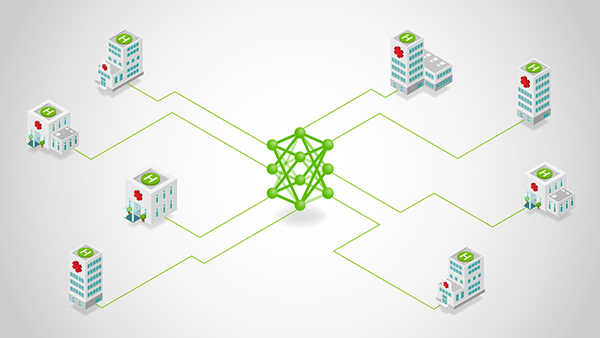
		<content type="html" xml:base="https://developer.nvidia.com/blog/federated-learning-without-the-refactoring-overhead-using-nvidia-flare/"><![CDATA[<img width="600" height="338" src="https://developer-blogs.nvidia.com/wp-content/uploads/2023/06/connected-healthcare-facilities-graphic.jpg" class="webfeedsFeaturedVisual wp-post-image" alt="Connected healthcare facilities graphic" style="display: block; margin-bottom: 5px; clear:both;max-width: 100%;" link_thumbnail="" decoding="async" loading="lazy" srcset="https://developer-blogs.nvidia.com/wp-content/uploads/2023/06/connected-healthcare-facilities-graphic.jpg 600w, https://developer-blogs.nvidia.com/wp-content/uploads/2023/06/connected-healthcare-facilities-graphic-300x169.jpg 300w, https://developer-blogs.nvidia.com/wp-content/uploads/2023/06/connected-healthcare-facilities-graphic-179x101.jpg 179w, https://developer-blogs.nvidia.com/wp-content/uploads/2023/06/connected-healthcare-facilities-graphic-500x282.jpg 500w, https://developer-blogs.nvidia.com/wp-content/uploads/2023/06/connected-healthcare-facilities-graphic-160x90.jpg 160w, https://developer-blogs.nvidia.com/wp-content/uploads/2023/06/connected-healthcare-facilities-graphic-362x204.jpg 362w, https://developer-blogs.nvidia.com/wp-content/uploads/2023/06/connected-healthcare-facilities-graphic-195x110.jpg 195w" sizes="auto, (max-width: 600px) 100vw, 600px" title="connected-healthcare-facilities-graphic" />Federated learning (FL) is no longer a research curiosity—it’s a practical response to a hard constraint: the most valuable data is often the least movable....<img width="600" height="338" src="https://developer-blogs.nvidia.com/wp-content/uploads/2023/06/connected-healthcare-facilities-graphic.jpg" class="webfeedsFeaturedVisual wp-post-image" alt="Connected healthcare facilities graphic" style="display: block; margin-bottom: 5px; clear:both;max-width: 100%;" link_thumbnail="" decoding="async" loading="lazy" srcset="https://developer-blogs.nvidia.com/wp-content/uploads/2023/06/connected-healthcare-facilities-graphic.jpg 600w, https://developer-blogs.nvidia.com/wp-content/uploads/2023/06/connected-healthcare-facilities-graphic-300x169.jpg 300w, https://developer-blogs.nvidia.com/wp-content/uploads/2023/06/connected-healthcare-facilities-graphic-179x101.jpg 179w, https://developer-blogs.nvidia.com/wp-content/uploads/2023/06/connected-healthcare-facilities-graphic-500x282.jpg 500w, https://developer-blogs.nvidia.com/wp-content/uploads/2023/06/connected-healthcare-facilities-graphic-160x90.jpg 160w, https://developer-blogs.nvidia.com/wp-content/uploads/2023/06/connected-healthcare-facilities-graphic-362x204.jpg 362w, https://developer-blogs.nvidia.com/wp-content/uploads/2023/06/connected-healthcare-facilities-graphic-195x110.jpg 195w" sizes="auto, (max-width: 600px) 100vw, 600px" title="connected-healthcare-facilities-graphic" /><p>Federated learning (FL) is no longer a research curiosity—it’s a practical response to a hard constraint: the most valuable data is often the least movable. Regulatory boundaries, data sovereignty rules, and organizational risk tolerance routinely prevent centralized aggregation. Meanwhile, sheer data gravity makes even permitted transfers slow, expensive, and fragile at scale.</p>
<p><a href="https://developer.nvidia.com/blog/federated-learning-without-the-refactoring-overhead-using-nvidia-flare/" rel="nofollow" data-wpel-link="internal" target="_self">Source</a></p>]]></content>
		<link rel="replies" type="text/html" href="https://developer.nvidia.com/blog/federated-learning-without-the-refactoring-overhead-using-nvidia-flare/#comments" thr:count="0"/>
		<link rel="replies" type="application/atom+xml" href="https://developer.nvidia.com/blog/federated-learning-without-the-refactoring-overhead-using-nvidia-flare/feed/" thr:count="0"/>
		<thr:total>0</thr:total>
	</entry>
		<entry>
		<author>
			<name>Chris Deotte</name>
						<uri>https://www.kaggle.com/cdeotte</uri>
					</author>
		<title type="html"><![CDATA[Winning a Kaggle Competition with Generative AI–Assisted Coding]]></title>
		<link rel="alternate" type="text/html" href="https://developer.nvidia.com/blog/winning-a-kaggle-competition-with-generative-ai-assisted-coding/" />
		<id>https://developer.nvidia.com/blog/?p=116054</id>
		<updated>2026-04-23T20:15:30Z</updated>
		<published>2026-04-23T20:15:02Z</published>
		<category scheme="https://developer.nvidia.com/blog" term="Agentic AI / Generative AI" /><category scheme="https://developer.nvidia.com/blog" term="Data Science" /><category scheme="https://developer.nvidia.com/blog" term="Developer Tools &amp; Techniques" /><category scheme="https://developer.nvidia.com/blog" term="Kaggle" /><category scheme="https://developer.nvidia.com/blog" term="LLM Techniques" />		<summary type="html"><![CDATA[<img width="768" height="432" src="https://developer-blogs.nvidia.com/wp-content/uploads/2026/04/agentic-ai-768x432.jpg" class="webfeedsFeaturedVisual wp-post-image" alt="" style="display: block; margin-bottom: 5px; clear:both;max-width: 100%;" link_thumbnail="" decoding="async" loading="lazy" srcset="https://developer-blogs.nvidia.com/wp-content/uploads/2026/04/agentic-ai-768x432.jpg 768w, https://developer-blogs.nvidia.com/wp-content/uploads/2026/04/agentic-ai-179x101.jpg 179w, https://developer-blogs.nvidia.com/wp-content/uploads/2026/04/agentic-ai-300x169.jpg 300w, https://developer-blogs.nvidia.com/wp-content/uploads/2026/04/agentic-ai-625x352.jpg 625w, https://developer-blogs.nvidia.com/wp-content/uploads/2026/04/agentic-ai-1536x864.jpg 1536w, https://developer-blogs.nvidia.com/wp-content/uploads/2026/04/agentic-ai-645x363.jpg 645w, https://developer-blogs.nvidia.com/wp-content/uploads/2026/04/agentic-ai-660x370.jpg 660w, https://developer-blogs.nvidia.com/wp-content/uploads/2026/04/agentic-ai-500x281.jpg 500w, https://developer-blogs.nvidia.com/wp-content/uploads/2026/04/agentic-ai-160x90.jpg 160w, https://developer-blogs.nvidia.com/wp-content/uploads/2026/04/agentic-ai-362x204.jpg 362w, https://developer-blogs.nvidia.com/wp-content/uploads/2026/04/agentic-ai-196x110.jpg 196w, https://developer-blogs.nvidia.com/wp-content/uploads/2026/04/agentic-ai-1024x576.jpg 1024w, https://developer-blogs.nvidia.com/wp-content/uploads/2026/04/agentic-ai-960x540.jpg 960w, https://developer-blogs.nvidia.com/wp-content/uploads/2026/04/agentic-ai.webp 1920w" sizes="auto, (max-width: 768px) 100vw, 768px" title="agentic-ai" />In March 2026, three LLM agents generated over 600,000 lines of code, ran 850 experiments, and helped secure a first-place finish in a Kaggle playground...]]></summary>
		<content type="html" xml:base="https://developer.nvidia.com/blog/winning-a-kaggle-competition-with-generative-ai-assisted-coding/"><![CDATA[<img width="768" height="432" src="https://developer-blogs.nvidia.com/wp-content/uploads/2026/04/agentic-ai-768x432.jpg" class="webfeedsFeaturedVisual wp-post-image" alt="" style="display: block; margin-bottom: 5px; clear:both;max-width: 100%;" link_thumbnail="" decoding="async" loading="lazy" srcset="https://developer-blogs.nvidia.com/wp-content/uploads/2026/04/agentic-ai-768x432.jpg 768w, https://developer-blogs.nvidia.com/wp-content/uploads/2026/04/agentic-ai-179x101.jpg 179w, https://developer-blogs.nvidia.com/wp-content/uploads/2026/04/agentic-ai-300x169.jpg 300w, https://developer-blogs.nvidia.com/wp-content/uploads/2026/04/agentic-ai-625x352.jpg 625w, https://developer-blogs.nvidia.com/wp-content/uploads/2026/04/agentic-ai-1536x864.jpg 1536w, https://developer-blogs.nvidia.com/wp-content/uploads/2026/04/agentic-ai-645x363.jpg 645w, https://developer-blogs.nvidia.com/wp-content/uploads/2026/04/agentic-ai-660x370.jpg 660w, https://developer-blogs.nvidia.com/wp-content/uploads/2026/04/agentic-ai-500x281.jpg 500w, https://developer-blogs.nvidia.com/wp-content/uploads/2026/04/agentic-ai-160x90.jpg 160w, https://developer-blogs.nvidia.com/wp-content/uploads/2026/04/agentic-ai-362x204.jpg 362w, https://developer-blogs.nvidia.com/wp-content/uploads/2026/04/agentic-ai-196x110.jpg 196w, https://developer-blogs.nvidia.com/wp-content/uploads/2026/04/agentic-ai-1024x576.jpg 1024w, https://developer-blogs.nvidia.com/wp-content/uploads/2026/04/agentic-ai-960x540.jpg 960w, https://developer-blogs.nvidia.com/wp-content/uploads/2026/04/agentic-ai.webp 1920w" sizes="auto, (max-width: 768px) 100vw, 768px" title="agentic-ai" />In March 2026, three LLM agents generated over 600,000 lines of code, ran 850 experiments, and helped secure a first-place finish in a Kaggle playground...<img width="768" height="432" src="https://developer-blogs.nvidia.com/wp-content/uploads/2026/04/agentic-ai-768x432.jpg" class="webfeedsFeaturedVisual wp-post-image" alt="" style="display: block; margin-bottom: 5px; clear:both;max-width: 100%;" link_thumbnail="" decoding="async" loading="lazy" srcset="https://developer-blogs.nvidia.com/wp-content/uploads/2026/04/agentic-ai-768x432.jpg 768w, https://developer-blogs.nvidia.com/wp-content/uploads/2026/04/agentic-ai-179x101.jpg 179w, https://developer-blogs.nvidia.com/wp-content/uploads/2026/04/agentic-ai-300x169.jpg 300w, https://developer-blogs.nvidia.com/wp-content/uploads/2026/04/agentic-ai-625x352.jpg 625w, https://developer-blogs.nvidia.com/wp-content/uploads/2026/04/agentic-ai-1536x864.jpg 1536w, https://developer-blogs.nvidia.com/wp-content/uploads/2026/04/agentic-ai-645x363.jpg 645w, https://developer-blogs.nvidia.com/wp-content/uploads/2026/04/agentic-ai-660x370.jpg 660w, https://developer-blogs.nvidia.com/wp-content/uploads/2026/04/agentic-ai-500x281.jpg 500w, https://developer-blogs.nvidia.com/wp-content/uploads/2026/04/agentic-ai-160x90.jpg 160w, https://developer-blogs.nvidia.com/wp-content/uploads/2026/04/agentic-ai-362x204.jpg 362w, https://developer-blogs.nvidia.com/wp-content/uploads/2026/04/agentic-ai-196x110.jpg 196w, https://developer-blogs.nvidia.com/wp-content/uploads/2026/04/agentic-ai-1024x576.jpg 1024w, https://developer-blogs.nvidia.com/wp-content/uploads/2026/04/agentic-ai-960x540.jpg 960w, https://developer-blogs.nvidia.com/wp-content/uploads/2026/04/agentic-ai.webp 1920w" sizes="auto, (max-width: 768px) 100vw, 768px" title="agentic-ai" /><p>In March 2026, three LLM agents generated over 600,000 lines of code, ran 850 experiments, and helped secure a first-place finish in a Kaggle playground competition. Success in modern machine learning competitions is increasingly defined by how quickly you can generate, test, and iterate on ideas. LLM agents, combined with GPU acceleration, dramatically compress this loop. Historically…</p>
<p><a href="https://developer.nvidia.com/blog/winning-a-kaggle-competition-with-generative-ai-assisted-coding/" rel="nofollow" data-wpel-link="internal" target="_self">Source</a></p>]]></content>
		<link rel="replies" type="text/html" href="https://developer.nvidia.com/blog/winning-a-kaggle-competition-with-generative-ai-assisted-coding/#comments" thr:count="0"/>
		<link rel="replies" type="application/atom+xml" href="https://developer.nvidia.com/blog/winning-a-kaggle-competition-with-generative-ai-assisted-coding/feed/" thr:count="0"/>
		<thr:total>0</thr:total>
	</entry>
		<entry>
		<author>
			<name>Aart J.C. Bik</name>
					</author>
		<title type="html"><![CDATA[Simplify Sparse Deep Learning with Universal Sparse Tensor in nvmath-python]]></title>
		<link rel="alternate" type="text/html" href="https://developer.nvidia.com/blog/simplify-sparse-deep-learning-with-universal-sparse-tensor-in-nvmath-python/" />
		<id>https://developer.nvidia.com/blog/?p=114799</id>
		<updated>2026-04-22T23:50:46Z</updated>
		<published>2026-04-22T23:50:10Z</published>
		<category scheme="https://developer.nvidia.com/blog" term="Developer Tools &amp; Techniques" /><category scheme="https://developer.nvidia.com/blog" term="Python" />		<summary type="html"><![CDATA[<img width="768" height="431" src="https://developer-blogs.nvidia.com/wp-content/uploads/2026/03/Sparse-Deep-Learning-e1774302337562-768x431.webp" class="webfeedsFeaturedVisual wp-post-image" alt="Decorative image." style="display: block; margin-bottom: 5px; clear:both;max-width: 100%;" link_thumbnail="" decoding="async" loading="lazy" srcset="https://developer-blogs.nvidia.com/wp-content/uploads/2026/03/Sparse-Deep-Learning-e1774302337562-768x431.webp 768w, https://developer-blogs.nvidia.com/wp-content/uploads/2026/03/Sparse-Deep-Learning-e1774302337562-179x100.webp 179w, https://developer-blogs.nvidia.com/wp-content/uploads/2026/03/Sparse-Deep-Learning-e1774302337562-300x168.webp 300w, https://developer-blogs.nvidia.com/wp-content/uploads/2026/03/Sparse-Deep-Learning-e1774302337562-625x351.webp 625w, https://developer-blogs.nvidia.com/wp-content/uploads/2026/03/Sparse-Deep-Learning-e1774302337562-1536x862.webp 1536w, https://developer-blogs.nvidia.com/wp-content/uploads/2026/03/Sparse-Deep-Learning-e1774302337562-645x362.webp 645w, https://developer-blogs.nvidia.com/wp-content/uploads/2026/03/Sparse-Deep-Learning-e1774302337562-660x370.webp 660w, https://developer-blogs.nvidia.com/wp-content/uploads/2026/03/Sparse-Deep-Learning-e1774302337562-500x280.webp 500w, https://developer-blogs.nvidia.com/wp-content/uploads/2026/03/Sparse-Deep-Learning-e1774302337562-160x90.webp 160w, https://developer-blogs.nvidia.com/wp-content/uploads/2026/03/Sparse-Deep-Learning-e1774302337562-362x203.webp 362w, https://developer-blogs.nvidia.com/wp-content/uploads/2026/03/Sparse-Deep-Learning-e1774302337562-196x110.webp 196w, https://developer-blogs.nvidia.com/wp-content/uploads/2026/03/Sparse-Deep-Learning-e1774302337562-1024x574.webp 1024w, https://developer-blogs.nvidia.com/wp-content/uploads/2026/03/Sparse-Deep-Learning-e1774302337562-960x540.webp 960w, https://developer-blogs.nvidia.com/wp-content/uploads/2026/03/Sparse-Deep-Learning-e1774302337562.webp 1936w" sizes="auto, (max-width: 768px) 100vw, 768px" title="Sparse-Deep-Learning" />In a previous post, we introduced the Universal Sparse Tensor (UST), enabling developers to decouple a tensor’s sparsity from its memory layout for greater...]]></summary>
		<content type="html" xml:base="https://developer.nvidia.com/blog/simplify-sparse-deep-learning-with-universal-sparse-tensor-in-nvmath-python/"><![CDATA[<img width="768" height="431" src="https://developer-blogs.nvidia.com/wp-content/uploads/2026/03/Sparse-Deep-Learning-e1774302337562-768x431.webp" class="webfeedsFeaturedVisual wp-post-image" alt="Decorative image." style="display: block; margin-bottom: 5px; clear:both;max-width: 100%;" link_thumbnail="" decoding="async" loading="lazy" srcset="https://developer-blogs.nvidia.com/wp-content/uploads/2026/03/Sparse-Deep-Learning-e1774302337562-768x431.webp 768w, https://developer-blogs.nvidia.com/wp-content/uploads/2026/03/Sparse-Deep-Learning-e1774302337562-179x100.webp 179w, https://developer-blogs.nvidia.com/wp-content/uploads/2026/03/Sparse-Deep-Learning-e1774302337562-300x168.webp 300w, https://developer-blogs.nvidia.com/wp-content/uploads/2026/03/Sparse-Deep-Learning-e1774302337562-625x351.webp 625w, https://developer-blogs.nvidia.com/wp-content/uploads/2026/03/Sparse-Deep-Learning-e1774302337562-1536x862.webp 1536w, https://developer-blogs.nvidia.com/wp-content/uploads/2026/03/Sparse-Deep-Learning-e1774302337562-645x362.webp 645w, https://developer-blogs.nvidia.com/wp-content/uploads/2026/03/Sparse-Deep-Learning-e1774302337562-660x370.webp 660w, https://developer-blogs.nvidia.com/wp-content/uploads/2026/03/Sparse-Deep-Learning-e1774302337562-500x280.webp 500w, https://developer-blogs.nvidia.com/wp-content/uploads/2026/03/Sparse-Deep-Learning-e1774302337562-160x90.webp 160w, https://developer-blogs.nvidia.com/wp-content/uploads/2026/03/Sparse-Deep-Learning-e1774302337562-362x203.webp 362w, https://developer-blogs.nvidia.com/wp-content/uploads/2026/03/Sparse-Deep-Learning-e1774302337562-196x110.webp 196w, https://developer-blogs.nvidia.com/wp-content/uploads/2026/03/Sparse-Deep-Learning-e1774302337562-1024x574.webp 1024w, https://developer-blogs.nvidia.com/wp-content/uploads/2026/03/Sparse-Deep-Learning-e1774302337562-960x540.webp 960w, https://developer-blogs.nvidia.com/wp-content/uploads/2026/03/Sparse-Deep-Learning-e1774302337562.webp 1936w" sizes="auto, (max-width: 768px) 100vw, 768px" title="Sparse-Deep-Learning" />In a previous post, we introduced the Universal Sparse Tensor (UST), enabling developers to decouple a tensor’s sparsity from its memory layout for greater...<img width="768" height="431" src="https://developer-blogs.nvidia.com/wp-content/uploads/2026/03/Sparse-Deep-Learning-e1774302337562-768x431.webp" class="webfeedsFeaturedVisual wp-post-image" alt="Decorative image." style="display: block; margin-bottom: 5px; clear:both;max-width: 100%;" link_thumbnail="" decoding="async" loading="lazy" srcset="https://developer-blogs.nvidia.com/wp-content/uploads/2026/03/Sparse-Deep-Learning-e1774302337562-768x431.webp 768w, https://developer-blogs.nvidia.com/wp-content/uploads/2026/03/Sparse-Deep-Learning-e1774302337562-179x100.webp 179w, https://developer-blogs.nvidia.com/wp-content/uploads/2026/03/Sparse-Deep-Learning-e1774302337562-300x168.webp 300w, https://developer-blogs.nvidia.com/wp-content/uploads/2026/03/Sparse-Deep-Learning-e1774302337562-625x351.webp 625w, https://developer-blogs.nvidia.com/wp-content/uploads/2026/03/Sparse-Deep-Learning-e1774302337562-1536x862.webp 1536w, https://developer-blogs.nvidia.com/wp-content/uploads/2026/03/Sparse-Deep-Learning-e1774302337562-645x362.webp 645w, https://developer-blogs.nvidia.com/wp-content/uploads/2026/03/Sparse-Deep-Learning-e1774302337562-660x370.webp 660w, https://developer-blogs.nvidia.com/wp-content/uploads/2026/03/Sparse-Deep-Learning-e1774302337562-500x280.webp 500w, https://developer-blogs.nvidia.com/wp-content/uploads/2026/03/Sparse-Deep-Learning-e1774302337562-160x90.webp 160w, https://developer-blogs.nvidia.com/wp-content/uploads/2026/03/Sparse-Deep-Learning-e1774302337562-362x203.webp 362w, https://developer-blogs.nvidia.com/wp-content/uploads/2026/03/Sparse-Deep-Learning-e1774302337562-196x110.webp 196w, https://developer-blogs.nvidia.com/wp-content/uploads/2026/03/Sparse-Deep-Learning-e1774302337562-1024x574.webp 1024w, https://developer-blogs.nvidia.com/wp-content/uploads/2026/03/Sparse-Deep-Learning-e1774302337562-960x540.webp 960w, https://developer-blogs.nvidia.com/wp-content/uploads/2026/03/Sparse-Deep-Learning-e1774302337562.webp 1936w" sizes="auto, (max-width: 768px) 100vw, 768px" title="Sparse-Deep-Learning" /><p>In a previous post, we introduced the Universal Sparse Tensor (UST), enabling developers to decouple a tensor’s sparsity from its memory layout for greater flexibility and performance. We’re excited to announce the integration of the UST into nvmath-python v0.9.0 to accelerate sparse scientific and deep learning applications. This post provides a walkthrough of key UST features…</p>
<p><a href="https://developer.nvidia.com/blog/simplify-sparse-deep-learning-with-universal-sparse-tensor-in-nvmath-python/" rel="nofollow" data-wpel-link="internal" target="_self">Source</a></p>]]></content>
		<link rel="replies" type="text/html" href="https://developer.nvidia.com/blog/simplify-sparse-deep-learning-with-universal-sparse-tensor-in-nvmath-python/#comments" thr:count="3"/>
		<link rel="replies" type="application/atom+xml" href="https://developer.nvidia.com/blog/simplify-sparse-deep-learning-with-universal-sparse-tensor-in-nvmath-python/feed/" thr:count="3"/>
		<thr:total>3</thr:total>
	</entry>
		<entry>
		<author>
			<name>Phoebe Lee</name>
					</author>
		<title type="html"><![CDATA[Scaling the AI-Ready Data Center with NVIDIA RTX PRO 4500 Blackwell Server Edition and NVIDIA vGPU 20]]></title>
		<link rel="alternate" type="text/html" href="https://developer.nvidia.com/blog/scaling-the-ai-ready-data-center-with-nvidia-rtx-pro-4500-blackwell-server-edition-and-nvidia-vgpu-20/" />
		<id>https://developer.nvidia.com/blog/?p=115767</id>
		<updated>2026-04-22T19:52:07Z</updated>
		<published>2026-04-22T20:30:00Z</published>
		<category scheme="https://developer.nvidia.com/blog" term="Data Center / Cloud" /><category scheme="https://developer.nvidia.com/blog" term="Multi-GPU" /><category scheme="https://developer.nvidia.com/blog" term="Multi-Instance GPU (MIG)" /><category scheme="https://developer.nvidia.com/blog" term="vGPU" /><category scheme="https://developer.nvidia.com/blog" term="Virtualization" /><category scheme="https://developer.nvidia.com/blog" term="VMware" />		<summary type="html"><![CDATA[<img width="768" height="432" src="https://developer-blogs.nvidia.com/wp-content/uploads/2026/04/nvidia-blackwell-gpu-768x432.png" class="webfeedsFeaturedVisual wp-post-image" alt="" style="display: block; margin-bottom: 5px; clear:both;max-width: 100%;" link_thumbnail="" decoding="async" loading="lazy" srcset="https://developer-blogs.nvidia.com/wp-content/uploads/2026/04/nvidia-blackwell-gpu-768x432.png 768w, https://developer-blogs.nvidia.com/wp-content/uploads/2026/04/nvidia-blackwell-gpu-179x101.png 179w, https://developer-blogs.nvidia.com/wp-content/uploads/2026/04/nvidia-blackwell-gpu-300x169.png 300w, https://developer-blogs.nvidia.com/wp-content/uploads/2026/04/nvidia-blackwell-gpu-625x352.png 625w, https://developer-blogs.nvidia.com/wp-content/uploads/2026/04/nvidia-blackwell-gpu-1536x864.png 1536w, https://developer-blogs.nvidia.com/wp-content/uploads/2026/04/nvidia-blackwell-gpu-645x363.png 645w, https://developer-blogs.nvidia.com/wp-content/uploads/2026/04/nvidia-blackwell-gpu-660x370.png 660w, https://developer-blogs.nvidia.com/wp-content/uploads/2026/04/nvidia-blackwell-gpu-500x281.png 500w, https://developer-blogs.nvidia.com/wp-content/uploads/2026/04/nvidia-blackwell-gpu-160x90.png 160w, https://developer-blogs.nvidia.com/wp-content/uploads/2026/04/nvidia-blackwell-gpu-362x204.png 362w, https://developer-blogs.nvidia.com/wp-content/uploads/2026/04/nvidia-blackwell-gpu-196x110.png 196w, https://developer-blogs.nvidia.com/wp-content/uploads/2026/04/nvidia-blackwell-gpu-1024x576.png 1024w, https://developer-blogs.nvidia.com/wp-content/uploads/2026/04/nvidia-blackwell-gpu-960x540.png 960w, https://developer-blogs.nvidia.com/wp-content/uploads/2026/04/nvidia-blackwell-gpu.webp 1920w" sizes="auto, (max-width: 768px) 100vw, 768px" title="nvidia-blackwell-gpu" />AI integration is redefining mainstream enterprise applications, from productivity software like Microsoft Office to more complex design and engineering tools....]]></summary>
		<content type="html" xml:base="https://developer.nvidia.com/blog/scaling-the-ai-ready-data-center-with-nvidia-rtx-pro-4500-blackwell-server-edition-and-nvidia-vgpu-20/"><![CDATA[<img width="768" height="432" src="https://developer-blogs.nvidia.com/wp-content/uploads/2026/04/nvidia-blackwell-gpu-768x432.png" class="webfeedsFeaturedVisual wp-post-image" alt="" style="display: block; margin-bottom: 5px; clear:both;max-width: 100%;" link_thumbnail="" decoding="async" loading="lazy" srcset="https://developer-blogs.nvidia.com/wp-content/uploads/2026/04/nvidia-blackwell-gpu-768x432.png 768w, https://developer-blogs.nvidia.com/wp-content/uploads/2026/04/nvidia-blackwell-gpu-179x101.png 179w, https://developer-blogs.nvidia.com/wp-content/uploads/2026/04/nvidia-blackwell-gpu-300x169.png 300w, https://developer-blogs.nvidia.com/wp-content/uploads/2026/04/nvidia-blackwell-gpu-625x352.png 625w, https://developer-blogs.nvidia.com/wp-content/uploads/2026/04/nvidia-blackwell-gpu-1536x864.png 1536w, https://developer-blogs.nvidia.com/wp-content/uploads/2026/04/nvidia-blackwell-gpu-645x363.png 645w, https://developer-blogs.nvidia.com/wp-content/uploads/2026/04/nvidia-blackwell-gpu-660x370.png 660w, https://developer-blogs.nvidia.com/wp-content/uploads/2026/04/nvidia-blackwell-gpu-500x281.png 500w, https://developer-blogs.nvidia.com/wp-content/uploads/2026/04/nvidia-blackwell-gpu-160x90.png 160w, https://developer-blogs.nvidia.com/wp-content/uploads/2026/04/nvidia-blackwell-gpu-362x204.png 362w, https://developer-blogs.nvidia.com/wp-content/uploads/2026/04/nvidia-blackwell-gpu-196x110.png 196w, https://developer-blogs.nvidia.com/wp-content/uploads/2026/04/nvidia-blackwell-gpu-1024x576.png 1024w, https://developer-blogs.nvidia.com/wp-content/uploads/2026/04/nvidia-blackwell-gpu-960x540.png 960w, https://developer-blogs.nvidia.com/wp-content/uploads/2026/04/nvidia-blackwell-gpu.webp 1920w" sizes="auto, (max-width: 768px) 100vw, 768px" title="nvidia-blackwell-gpu" />AI integration is redefining mainstream enterprise applications, from productivity software like Microsoft Office to more complex design and engineering tools....<img width="768" height="432" src="https://developer-blogs.nvidia.com/wp-content/uploads/2026/04/nvidia-blackwell-gpu-768x432.png" class="webfeedsFeaturedVisual wp-post-image" alt="" style="display: block; margin-bottom: 5px; clear:both;max-width: 100%;" link_thumbnail="" decoding="async" loading="lazy" srcset="https://developer-blogs.nvidia.com/wp-content/uploads/2026/04/nvidia-blackwell-gpu-768x432.png 768w, https://developer-blogs.nvidia.com/wp-content/uploads/2026/04/nvidia-blackwell-gpu-179x101.png 179w, https://developer-blogs.nvidia.com/wp-content/uploads/2026/04/nvidia-blackwell-gpu-300x169.png 300w, https://developer-blogs.nvidia.com/wp-content/uploads/2026/04/nvidia-blackwell-gpu-625x352.png 625w, https://developer-blogs.nvidia.com/wp-content/uploads/2026/04/nvidia-blackwell-gpu-1536x864.png 1536w, https://developer-blogs.nvidia.com/wp-content/uploads/2026/04/nvidia-blackwell-gpu-645x363.png 645w, https://developer-blogs.nvidia.com/wp-content/uploads/2026/04/nvidia-blackwell-gpu-660x370.png 660w, https://developer-blogs.nvidia.com/wp-content/uploads/2026/04/nvidia-blackwell-gpu-500x281.png 500w, https://developer-blogs.nvidia.com/wp-content/uploads/2026/04/nvidia-blackwell-gpu-160x90.png 160w, https://developer-blogs.nvidia.com/wp-content/uploads/2026/04/nvidia-blackwell-gpu-362x204.png 362w, https://developer-blogs.nvidia.com/wp-content/uploads/2026/04/nvidia-blackwell-gpu-196x110.png 196w, https://developer-blogs.nvidia.com/wp-content/uploads/2026/04/nvidia-blackwell-gpu-1024x576.png 1024w, https://developer-blogs.nvidia.com/wp-content/uploads/2026/04/nvidia-blackwell-gpu-960x540.png 960w, https://developer-blogs.nvidia.com/wp-content/uploads/2026/04/nvidia-blackwell-gpu.webp 1920w" sizes="auto, (max-width: 768px) 100vw, 768px" title="nvidia-blackwell-gpu" /><p>AI integration is redefining mainstream enterprise applications, from productivity software like Microsoft Office to more complex design and engineering tools. This shift requires the modern data center to move beyond single-purpose silos. For developers, gaining access to dedicated GPU compute can often be a bottleneck. Virtual machines (VMs) solve part of this challenge by providing secure…</p>
<p><a href="https://developer.nvidia.com/blog/scaling-the-ai-ready-data-center-with-nvidia-rtx-pro-4500-blackwell-server-edition-and-nvidia-vgpu-20/" rel="nofollow" data-wpel-link="internal" target="_self">Source</a></p>]]></content>
		<link rel="replies" type="text/html" href="https://developer.nvidia.com/blog/scaling-the-ai-ready-data-center-with-nvidia-rtx-pro-4500-blackwell-server-edition-and-nvidia-vgpu-20/#comments" thr:count="0"/>
		<link rel="replies" type="application/atom+xml" href="https://developer.nvidia.com/blog/scaling-the-ai-ready-data-center-with-nvidia-rtx-pro-4500-blackwell-server-edition-and-nvidia-vgpu-20/feed/" thr:count="0"/>
		<thr:total>0</thr:total>
	</entry>
		<entry>
		<author>
			<name>Hao Wu</name>
					</author>
		<title type="html"><![CDATA[Advancing Emerging Optimizers for Accelerated LLM Training with NVIDIA Megatron]]></title>
		<link rel="alternate" type="text/html" href="https://developer.nvidia.com/blog/advancing-emerging-optimizers-for-accelerated-llm-training-with-nvidia-megatron/" />
		<id>https://developer.nvidia.com/blog/?p=115983</id>
		<updated>2026-04-23T23:00:07Z</updated>
		<published>2026-04-22T20:01:03Z</published>
		<category scheme="https://developer.nvidia.com/blog" term="Agentic AI / Generative AI" /><category scheme="https://developer.nvidia.com/blog" term="Developer Tools &amp; Techniques" /><category scheme="https://developer.nvidia.com/blog" term="AI Agent" /><category scheme="https://developer.nvidia.com/blog" term="GB300" /><category scheme="https://developer.nvidia.com/blog" term="Megatron" /><category scheme="https://developer.nvidia.com/blog" term="NVIDIA Research" /><category scheme="https://developer.nvidia.com/blog" term="Training AI Models" />		<summary type="html"><![CDATA[<img width="768" height="432" src="https://developer-blogs.nvidia.com/wp-content/uploads/2024/07/stacked-geometric-shapes-1-768x432.jpg" class="webfeedsFeaturedVisual wp-post-image" alt="" style="display: block; margin-bottom: 5px; clear:both;max-width: 100%;" link_thumbnail="" decoding="async" loading="lazy" srcset="https://developer-blogs.nvidia.com/wp-content/uploads/2024/07/stacked-geometric-shapes-1-768x432.jpg 768w, https://developer-blogs.nvidia.com/wp-content/uploads/2024/07/stacked-geometric-shapes-1-300x169.jpg 300w, https://developer-blogs.nvidia.com/wp-content/uploads/2024/07/stacked-geometric-shapes-1-625x352.jpg 625w, https://developer-blogs.nvidia.com/wp-content/uploads/2024/07/stacked-geometric-shapes-1-179x101.jpg 179w, https://developer-blogs.nvidia.com/wp-content/uploads/2024/07/stacked-geometric-shapes-1-645x363.jpg 645w, https://developer-blogs.nvidia.com/wp-content/uploads/2024/07/stacked-geometric-shapes-1-660x370.jpg 660w, https://developer-blogs.nvidia.com/wp-content/uploads/2024/07/stacked-geometric-shapes-1-500x281.jpg 500w, https://developer-blogs.nvidia.com/wp-content/uploads/2024/07/stacked-geometric-shapes-1-160x90.jpg 160w, https://developer-blogs.nvidia.com/wp-content/uploads/2024/07/stacked-geometric-shapes-1-362x204.jpg 362w, https://developer-blogs.nvidia.com/wp-content/uploads/2024/07/stacked-geometric-shapes-1-196x110.jpg 196w, https://developer-blogs.nvidia.com/wp-content/uploads/2024/07/stacked-geometric-shapes-1-1024x576.jpg 1024w, https://developer-blogs.nvidia.com/wp-content/uploads/2024/07/stacked-geometric-shapes-1-960x540.jpg 960w, https://developer-blogs.nvidia.com/wp-content/uploads/2024/07/stacked-geometric-shapes-1.jpg 1209w" sizes="auto, (max-width: 768px) 100vw, 768px" title="stacked-geometric-shapes." />Higher-order optimization algorithms such as Shampoo have been effectively applied in neural network training for at least a decade. These methods have achieved...]]></summary>
		<content type="html" xml:base="https://developer.nvidia.com/blog/advancing-emerging-optimizers-for-accelerated-llm-training-with-nvidia-megatron/"><![CDATA[<img width="768" height="432" src="https://developer-blogs.nvidia.com/wp-content/uploads/2024/07/stacked-geometric-shapes-1-768x432.jpg" class="webfeedsFeaturedVisual wp-post-image" alt="" style="display: block; margin-bottom: 5px; clear:both;max-width: 100%;" link_thumbnail="" decoding="async" loading="lazy" srcset="https://developer-blogs.nvidia.com/wp-content/uploads/2024/07/stacked-geometric-shapes-1-768x432.jpg 768w, https://developer-blogs.nvidia.com/wp-content/uploads/2024/07/stacked-geometric-shapes-1-300x169.jpg 300w, https://developer-blogs.nvidia.com/wp-content/uploads/2024/07/stacked-geometric-shapes-1-625x352.jpg 625w, https://developer-blogs.nvidia.com/wp-content/uploads/2024/07/stacked-geometric-shapes-1-179x101.jpg 179w, https://developer-blogs.nvidia.com/wp-content/uploads/2024/07/stacked-geometric-shapes-1-645x363.jpg 645w, https://developer-blogs.nvidia.com/wp-content/uploads/2024/07/stacked-geometric-shapes-1-660x370.jpg 660w, https://developer-blogs.nvidia.com/wp-content/uploads/2024/07/stacked-geometric-shapes-1-500x281.jpg 500w, https://developer-blogs.nvidia.com/wp-content/uploads/2024/07/stacked-geometric-shapes-1-160x90.jpg 160w, https://developer-blogs.nvidia.com/wp-content/uploads/2024/07/stacked-geometric-shapes-1-362x204.jpg 362w, https://developer-blogs.nvidia.com/wp-content/uploads/2024/07/stacked-geometric-shapes-1-196x110.jpg 196w, https://developer-blogs.nvidia.com/wp-content/uploads/2024/07/stacked-geometric-shapes-1-1024x576.jpg 1024w, https://developer-blogs.nvidia.com/wp-content/uploads/2024/07/stacked-geometric-shapes-1-960x540.jpg 960w, https://developer-blogs.nvidia.com/wp-content/uploads/2024/07/stacked-geometric-shapes-1.jpg 1209w" sizes="auto, (max-width: 768px) 100vw, 768px" title="stacked-geometric-shapes." />Higher-order optimization algorithms such as Shampoo have been effectively applied in neural network training for at least a decade. These methods have achieved...<img width="768" height="432" src="https://developer-blogs.nvidia.com/wp-content/uploads/2024/07/stacked-geometric-shapes-1-768x432.jpg" class="webfeedsFeaturedVisual wp-post-image" alt="" style="display: block; margin-bottom: 5px; clear:both;max-width: 100%;" link_thumbnail="" decoding="async" loading="lazy" srcset="https://developer-blogs.nvidia.com/wp-content/uploads/2024/07/stacked-geometric-shapes-1-768x432.jpg 768w, https://developer-blogs.nvidia.com/wp-content/uploads/2024/07/stacked-geometric-shapes-1-300x169.jpg 300w, https://developer-blogs.nvidia.com/wp-content/uploads/2024/07/stacked-geometric-shapes-1-625x352.jpg 625w, https://developer-blogs.nvidia.com/wp-content/uploads/2024/07/stacked-geometric-shapes-1-179x101.jpg 179w, https://developer-blogs.nvidia.com/wp-content/uploads/2024/07/stacked-geometric-shapes-1-645x363.jpg 645w, https://developer-blogs.nvidia.com/wp-content/uploads/2024/07/stacked-geometric-shapes-1-660x370.jpg 660w, https://developer-blogs.nvidia.com/wp-content/uploads/2024/07/stacked-geometric-shapes-1-500x281.jpg 500w, https://developer-blogs.nvidia.com/wp-content/uploads/2024/07/stacked-geometric-shapes-1-160x90.jpg 160w, https://developer-blogs.nvidia.com/wp-content/uploads/2024/07/stacked-geometric-shapes-1-362x204.jpg 362w, https://developer-blogs.nvidia.com/wp-content/uploads/2024/07/stacked-geometric-shapes-1-196x110.jpg 196w, https://developer-blogs.nvidia.com/wp-content/uploads/2024/07/stacked-geometric-shapes-1-1024x576.jpg 1024w, https://developer-blogs.nvidia.com/wp-content/uploads/2024/07/stacked-geometric-shapes-1-960x540.jpg 960w, https://developer-blogs.nvidia.com/wp-content/uploads/2024/07/stacked-geometric-shapes-1.jpg 1209w" sizes="auto, (max-width: 768px) 100vw, 768px" title="stacked-geometric-shapes." /><p>Higher-order optimization algorithms such as Shampoo have been effectively applied in neural network training for at least a decade. These methods have achieved significant success more recently when applied to leading LLMs. In particular, Muon (MomentUm Orthogonalized by Newton-Schulz) was used to train some of today’s best open source models, including Kimi K2 and GLM-5.</p>
<p><a href="https://developer.nvidia.com/blog/advancing-emerging-optimizers-for-accelerated-llm-training-with-nvidia-megatron/" rel="nofollow" data-wpel-link="internal" target="_self">Source</a></p>]]></content>
		<link rel="replies" type="text/html" href="https://developer.nvidia.com/blog/advancing-emerging-optimizers-for-accelerated-llm-training-with-nvidia-megatron/#comments" thr:count="0"/>
		<link rel="replies" type="application/atom+xml" href="https://developer.nvidia.com/blog/advancing-emerging-optimizers-for-accelerated-llm-training-with-nvidia-megatron/feed/" thr:count="0"/>
		<thr:total>0</thr:total>
	</entry>
		<entry>
		<author>
			<name>Anshuman Bhat</name>
					</author>
		<title type="html"><![CDATA[Maximizing Memory Efficiency to Run Bigger Models on NVIDIA Jetson]]></title>
		<link rel="alternate" type="text/html" href="https://developer.nvidia.com/blog/maximizing-memory-efficiency-to-run-bigger-models-on-nvidia-jetson/" />
		<id>https://developer.nvidia.com/blog/?p=115920</id>
		<updated>2026-04-24T18:04:56Z</updated>
		<published>2026-04-20T23:01:04Z</published>
		<category scheme="https://developer.nvidia.com/blog" term="Developer Tools &amp; Techniques" /><category scheme="https://developer.nvidia.com/blog" term="Edge Computing" /><category scheme="https://developer.nvidia.com/blog" term="Robotics" /><category scheme="https://developer.nvidia.com/blog" term="featured" />		<summary type="html"><![CDATA[<img width="768" height="432" src="https://developer-blogs.nvidia.com/wp-content/uploads/2026/04/Robotics-Jetson-OSS-768x432.png" class="webfeedsFeaturedVisual wp-post-image" alt="Decorative image." style="display: block; margin-bottom: 5px; clear:both;max-width: 100%;" link_thumbnail="" decoding="async" loading="lazy" srcset="https://developer-blogs.nvidia.com/wp-content/uploads/2026/04/Robotics-Jetson-OSS-768x432.png 768w, https://developer-blogs.nvidia.com/wp-content/uploads/2026/04/Robotics-Jetson-OSS-179x101.png 179w, https://developer-blogs.nvidia.com/wp-content/uploads/2026/04/Robotics-Jetson-OSS-300x169.png 300w, https://developer-blogs.nvidia.com/wp-content/uploads/2026/04/Robotics-Jetson-OSS-625x352.png 625w, https://developer-blogs.nvidia.com/wp-content/uploads/2026/04/Robotics-Jetson-OSS-1536x864.png 1536w, https://developer-blogs.nvidia.com/wp-content/uploads/2026/04/Robotics-Jetson-OSS-645x363.png 645w, https://developer-blogs.nvidia.com/wp-content/uploads/2026/04/Robotics-Jetson-OSS-660x370.png 660w, https://developer-blogs.nvidia.com/wp-content/uploads/2026/04/Robotics-Jetson-OSS-500x281.png 500w, https://developer-blogs.nvidia.com/wp-content/uploads/2026/04/Robotics-Jetson-OSS-160x90.png 160w, https://developer-blogs.nvidia.com/wp-content/uploads/2026/04/Robotics-Jetson-OSS-362x204.png 362w, https://developer-blogs.nvidia.com/wp-content/uploads/2026/04/Robotics-Jetson-OSS-196x110.png 196w, https://developer-blogs.nvidia.com/wp-content/uploads/2026/04/Robotics-Jetson-OSS-1024x576.png 1024w, https://developer-blogs.nvidia.com/wp-content/uploads/2026/04/Robotics-Jetson-OSS-960x540.png 960w, https://developer-blogs.nvidia.com/wp-content/uploads/2026/04/Robotics-Jetson-OSS.webp 1920w" sizes="auto, (max-width: 768px) 100vw, 768px" title="Robotics-Jetson-OSS" />The boom in open source generative AI models is pushing beyond data centers into machines operating in the physical world. Developers are eager to deploy these...]]></summary>
		<content type="html" xml:base="https://developer.nvidia.com/blog/maximizing-memory-efficiency-to-run-bigger-models-on-nvidia-jetson/"><![CDATA[<img width="768" height="432" src="https://developer-blogs.nvidia.com/wp-content/uploads/2026/04/Robotics-Jetson-OSS-768x432.png" class="webfeedsFeaturedVisual wp-post-image" alt="Decorative image." style="display: block; margin-bottom: 5px; clear:both;max-width: 100%;" link_thumbnail="" decoding="async" loading="lazy" srcset="https://developer-blogs.nvidia.com/wp-content/uploads/2026/04/Robotics-Jetson-OSS-768x432.png 768w, https://developer-blogs.nvidia.com/wp-content/uploads/2026/04/Robotics-Jetson-OSS-179x101.png 179w, https://developer-blogs.nvidia.com/wp-content/uploads/2026/04/Robotics-Jetson-OSS-300x169.png 300w, https://developer-blogs.nvidia.com/wp-content/uploads/2026/04/Robotics-Jetson-OSS-625x352.png 625w, https://developer-blogs.nvidia.com/wp-content/uploads/2026/04/Robotics-Jetson-OSS-1536x864.png 1536w, https://developer-blogs.nvidia.com/wp-content/uploads/2026/04/Robotics-Jetson-OSS-645x363.png 645w, https://developer-blogs.nvidia.com/wp-content/uploads/2026/04/Robotics-Jetson-OSS-660x370.png 660w, https://developer-blogs.nvidia.com/wp-content/uploads/2026/04/Robotics-Jetson-OSS-500x281.png 500w, https://developer-blogs.nvidia.com/wp-content/uploads/2026/04/Robotics-Jetson-OSS-160x90.png 160w, https://developer-blogs.nvidia.com/wp-content/uploads/2026/04/Robotics-Jetson-OSS-362x204.png 362w, https://developer-blogs.nvidia.com/wp-content/uploads/2026/04/Robotics-Jetson-OSS-196x110.png 196w, https://developer-blogs.nvidia.com/wp-content/uploads/2026/04/Robotics-Jetson-OSS-1024x576.png 1024w, https://developer-blogs.nvidia.com/wp-content/uploads/2026/04/Robotics-Jetson-OSS-960x540.png 960w, https://developer-blogs.nvidia.com/wp-content/uploads/2026/04/Robotics-Jetson-OSS.webp 1920w" sizes="auto, (max-width: 768px) 100vw, 768px" title="Robotics-Jetson-OSS" />The boom in open source generative AI models is pushing beyond data centers into machines operating in the physical world. Developers are eager to deploy these...<img width="768" height="432" src="https://developer-blogs.nvidia.com/wp-content/uploads/2026/04/Robotics-Jetson-OSS-768x432.png" class="webfeedsFeaturedVisual wp-post-image" alt="Decorative image." style="display: block; margin-bottom: 5px; clear:both;max-width: 100%;" link_thumbnail="" decoding="async" loading="lazy" srcset="https://developer-blogs.nvidia.com/wp-content/uploads/2026/04/Robotics-Jetson-OSS-768x432.png 768w, https://developer-blogs.nvidia.com/wp-content/uploads/2026/04/Robotics-Jetson-OSS-179x101.png 179w, https://developer-blogs.nvidia.com/wp-content/uploads/2026/04/Robotics-Jetson-OSS-300x169.png 300w, https://developer-blogs.nvidia.com/wp-content/uploads/2026/04/Robotics-Jetson-OSS-625x352.png 625w, https://developer-blogs.nvidia.com/wp-content/uploads/2026/04/Robotics-Jetson-OSS-1536x864.png 1536w, https://developer-blogs.nvidia.com/wp-content/uploads/2026/04/Robotics-Jetson-OSS-645x363.png 645w, https://developer-blogs.nvidia.com/wp-content/uploads/2026/04/Robotics-Jetson-OSS-660x370.png 660w, https://developer-blogs.nvidia.com/wp-content/uploads/2026/04/Robotics-Jetson-OSS-500x281.png 500w, https://developer-blogs.nvidia.com/wp-content/uploads/2026/04/Robotics-Jetson-OSS-160x90.png 160w, https://developer-blogs.nvidia.com/wp-content/uploads/2026/04/Robotics-Jetson-OSS-362x204.png 362w, https://developer-blogs.nvidia.com/wp-content/uploads/2026/04/Robotics-Jetson-OSS-196x110.png 196w, https://developer-blogs.nvidia.com/wp-content/uploads/2026/04/Robotics-Jetson-OSS-1024x576.png 1024w, https://developer-blogs.nvidia.com/wp-content/uploads/2026/04/Robotics-Jetson-OSS-960x540.png 960w, https://developer-blogs.nvidia.com/wp-content/uploads/2026/04/Robotics-Jetson-OSS.webp 1920w" sizes="auto, (max-width: 768px) 100vw, 768px" title="Robotics-Jetson-OSS" /><p>The boom in open source generative AI models is pushing beyond data centers into machines operating in the physical world. Developers are eager to deploy these models at the edge, enabling physical AI agents and autonomous robots to automate heavy-duty tasks. A key challenge is efficiently running multi-billion-parameter models on edge devices with limited memory. With ongoing constraints on…</p>
<p><a href="https://developer.nvidia.com/blog/maximizing-memory-efficiency-to-run-bigger-models-on-nvidia-jetson/" rel="nofollow" data-wpel-link="internal" target="_self">Source</a></p>]]></content>
		<link rel="replies" type="text/html" href="https://developer.nvidia.com/blog/maximizing-memory-efficiency-to-run-bigger-models-on-nvidia-jetson/#comments" thr:count="0"/>
		<link rel="replies" type="application/atom+xml" href="https://developer.nvidia.com/blog/maximizing-memory-efficiency-to-run-bigger-models-on-nvidia-jetson/feed/" thr:count="0"/>
		<thr:total>0</thr:total>
	</entry>
		<entry>
		<author>
			<name>Guyue Huang</name>
					</author>
		<title type="html"><![CDATA[Run High-Throughput Reinforcement Learning Training with End-to-End FP8 Precision]]></title>
		<link rel="alternate" type="text/html" href="https://developer.nvidia.com/blog/run-high-throughput-reinforcement-learning-training-with-end-to-end-fp8-precision/" />
		<id>https://developer.nvidia.com/blog/?p=115945</id>
		<updated>2026-04-20T22:52:45Z</updated>
		<published>2026-04-20T22:52:15Z</published>
		<category scheme="https://developer.nvidia.com/blog" term="Agentic AI / Generative AI" /><category scheme="https://developer.nvidia.com/blog" term="Data Science" /><category scheme="https://developer.nvidia.com/blog" term="MLOps" /><category scheme="https://developer.nvidia.com/blog" term="LLMs" /><category scheme="https://developer.nvidia.com/blog" term="Training AI Models" />		<summary type="html"><![CDATA[<img width="768" height="432" src="https://developer-blogs.nvidia.com/wp-content/uploads/2026/04/RL-FP8-e1776716106922-768x432.webp" class="webfeedsFeaturedVisual wp-post-image" alt="Decorative image." style="display: block; margin-bottom: 5px; clear:both;max-width: 100%;" link_thumbnail="" decoding="async" loading="lazy" srcset="https://developer-blogs.nvidia.com/wp-content/uploads/2026/04/RL-FP8-e1776716106922-768x432.webp 768w, https://developer-blogs.nvidia.com/wp-content/uploads/2026/04/RL-FP8-e1776716106922-179x101.webp 179w, https://developer-blogs.nvidia.com/wp-content/uploads/2026/04/RL-FP8-e1776716106922-300x169.webp 300w, https://developer-blogs.nvidia.com/wp-content/uploads/2026/04/RL-FP8-e1776716106922-625x352.webp 625w, https://developer-blogs.nvidia.com/wp-content/uploads/2026/04/RL-FP8-e1776716106922-645x363.webp 645w, https://developer-blogs.nvidia.com/wp-content/uploads/2026/04/RL-FP8-e1776716106922-658x370.webp 660w, https://developer-blogs.nvidia.com/wp-content/uploads/2026/04/RL-FP8-e1776716106922-500x281.webp 500w, https://developer-blogs.nvidia.com/wp-content/uploads/2026/04/RL-FP8-e1776716106922-160x90.webp 160w, https://developer-blogs.nvidia.com/wp-content/uploads/2026/04/RL-FP8-e1776716106922-362x204.webp 362w, https://developer-blogs.nvidia.com/wp-content/uploads/2026/04/RL-FP8-e1776716106922-196x110.webp 196w, https://developer-blogs.nvidia.com/wp-content/uploads/2026/04/RL-FP8-e1776716106922-1024x576.webp 1024w, https://developer-blogs.nvidia.com/wp-content/uploads/2026/04/RL-FP8-e1776716106922-960x540.webp 960w, https://developer-blogs.nvidia.com/wp-content/uploads/2026/04/RL-FP8-e1776716106922.webp 1173w" sizes="auto, (max-width: 768px) 100vw, 768px" title="RL-FP8" />As LLMs transition from simple text generation to complex reasoning, reinforcement learning (RL) plays a central role. Algorithms like Group Relative Policy...]]></summary>
		<content type="html" xml:base="https://developer.nvidia.com/blog/run-high-throughput-reinforcement-learning-training-with-end-to-end-fp8-precision/"><![CDATA[<img width="768" height="432" src="https://developer-blogs.nvidia.com/wp-content/uploads/2026/04/RL-FP8-e1776716106922-768x432.webp" class="webfeedsFeaturedVisual wp-post-image" alt="Decorative image." style="display: block; margin-bottom: 5px; clear:both;max-width: 100%;" link_thumbnail="" decoding="async" loading="lazy" srcset="https://developer-blogs.nvidia.com/wp-content/uploads/2026/04/RL-FP8-e1776716106922-768x432.webp 768w, https://developer-blogs.nvidia.com/wp-content/uploads/2026/04/RL-FP8-e1776716106922-179x101.webp 179w, https://developer-blogs.nvidia.com/wp-content/uploads/2026/04/RL-FP8-e1776716106922-300x169.webp 300w, https://developer-blogs.nvidia.com/wp-content/uploads/2026/04/RL-FP8-e1776716106922-625x352.webp 625w, https://developer-blogs.nvidia.com/wp-content/uploads/2026/04/RL-FP8-e1776716106922-645x363.webp 645w, https://developer-blogs.nvidia.com/wp-content/uploads/2026/04/RL-FP8-e1776716106922-658x370.webp 660w, https://developer-blogs.nvidia.com/wp-content/uploads/2026/04/RL-FP8-e1776716106922-500x281.webp 500w, https://developer-blogs.nvidia.com/wp-content/uploads/2026/04/RL-FP8-e1776716106922-160x90.webp 160w, https://developer-blogs.nvidia.com/wp-content/uploads/2026/04/RL-FP8-e1776716106922-362x204.webp 362w, https://developer-blogs.nvidia.com/wp-content/uploads/2026/04/RL-FP8-e1776716106922-196x110.webp 196w, https://developer-blogs.nvidia.com/wp-content/uploads/2026/04/RL-FP8-e1776716106922-1024x576.webp 1024w, https://developer-blogs.nvidia.com/wp-content/uploads/2026/04/RL-FP8-e1776716106922-960x540.webp 960w, https://developer-blogs.nvidia.com/wp-content/uploads/2026/04/RL-FP8-e1776716106922.webp 1173w" sizes="auto, (max-width: 768px) 100vw, 768px" title="RL-FP8" />As LLMs transition from simple text generation to complex reasoning, reinforcement learning (RL) plays a central role. Algorithms like Group Relative Policy...<img width="768" height="432" src="https://developer-blogs.nvidia.com/wp-content/uploads/2026/04/RL-FP8-e1776716106922-768x432.webp" class="webfeedsFeaturedVisual wp-post-image" alt="Decorative image." style="display: block; margin-bottom: 5px; clear:both;max-width: 100%;" link_thumbnail="" decoding="async" loading="lazy" srcset="https://developer-blogs.nvidia.com/wp-content/uploads/2026/04/RL-FP8-e1776716106922-768x432.webp 768w, https://developer-blogs.nvidia.com/wp-content/uploads/2026/04/RL-FP8-e1776716106922-179x101.webp 179w, https://developer-blogs.nvidia.com/wp-content/uploads/2026/04/RL-FP8-e1776716106922-300x169.webp 300w, https://developer-blogs.nvidia.com/wp-content/uploads/2026/04/RL-FP8-e1776716106922-625x352.webp 625w, https://developer-blogs.nvidia.com/wp-content/uploads/2026/04/RL-FP8-e1776716106922-645x363.webp 645w, https://developer-blogs.nvidia.com/wp-content/uploads/2026/04/RL-FP8-e1776716106922-658x370.webp 660w, https://developer-blogs.nvidia.com/wp-content/uploads/2026/04/RL-FP8-e1776716106922-500x281.webp 500w, https://developer-blogs.nvidia.com/wp-content/uploads/2026/04/RL-FP8-e1776716106922-160x90.webp 160w, https://developer-blogs.nvidia.com/wp-content/uploads/2026/04/RL-FP8-e1776716106922-362x204.webp 362w, https://developer-blogs.nvidia.com/wp-content/uploads/2026/04/RL-FP8-e1776716106922-196x110.webp 196w, https://developer-blogs.nvidia.com/wp-content/uploads/2026/04/RL-FP8-e1776716106922-1024x576.webp 1024w, https://developer-blogs.nvidia.com/wp-content/uploads/2026/04/RL-FP8-e1776716106922-960x540.webp 960w, https://developer-blogs.nvidia.com/wp-content/uploads/2026/04/RL-FP8-e1776716106922.webp 1173w" sizes="auto, (max-width: 768px) 100vw, 768px" title="RL-FP8" /><p>As LLMs transition from simple text generation to complex reasoning, reinforcement learning (RL) plays a central role. Algorithms like Group Relative Policy Optimization (GRPO) power this transition, enabling reasoning-grade models to continuously improve through iterative feedback. Unlike standard supervised fine-tuning, RL training loops are bifurcated into two distinct, high-intensity phases: a…</p>
<p><a href="https://developer.nvidia.com/blog/run-high-throughput-reinforcement-learning-training-with-end-to-end-fp8-precision/" rel="nofollow" data-wpel-link="internal" target="_self">Source</a></p>]]></content>
		<link rel="replies" type="text/html" href="https://developer.nvidia.com/blog/run-high-throughput-reinforcement-learning-training-with-end-to-end-fp8-precision/#comments" thr:count="0"/>
		<link rel="replies" type="application/atom+xml" href="https://developer.nvidia.com/blog/run-high-throughput-reinforcement-learning-training-with-end-to-end-fp8-precision/feed/" thr:count="0"/>
		<thr:total>0</thr:total>
	</entry>
		<entry>
		<author>
			<name>Daniel Teixeira</name>
					</author>
		<title type="html"><![CDATA[Mitigating Indirect AGENTS.md Injection Attacks in Agentic Environments]]></title>
		<link rel="alternate" type="text/html" href="https://developer.nvidia.com/blog/mitigating-indirect-agents-md-injection-attacks-in-agentic-environments/" />
		<id>https://developer.nvidia.com/blog/?p=115480</id>
		<updated>2026-04-14T20:31:21Z</updated>
		<published>2026-04-20T17:00:00Z</published>
		<category scheme="https://developer.nvidia.com/blog" term="Agentic AI / Generative AI" /><category scheme="https://developer.nvidia.com/blog" term="Trustworthy AI / Cybersecurity" /><category scheme="https://developer.nvidia.com/blog" term="AI Agent" /><category scheme="https://developer.nvidia.com/blog" term="AI Red Team" /><category scheme="https://developer.nvidia.com/blog" term="Security for AI" /><category scheme="https://developer.nvidia.com/blog" term="Trustworthy AI" />		<summary type="html"><![CDATA[<img width="768" height="432" src="https://developer-blogs.nvidia.com/wp-content/uploads/2026/04/agentic-ai-768x432.jpg" class="webfeedsFeaturedVisual wp-post-image" alt="" style="display: block; margin-bottom: 5px; clear:both;max-width: 100%;" link_thumbnail="" decoding="async" loading="lazy" srcset="https://developer-blogs.nvidia.com/wp-content/uploads/2026/04/agentic-ai-768x432.jpg 768w, https://developer-blogs.nvidia.com/wp-content/uploads/2026/04/agentic-ai-179x101.jpg 179w, https://developer-blogs.nvidia.com/wp-content/uploads/2026/04/agentic-ai-300x169.jpg 300w, https://developer-blogs.nvidia.com/wp-content/uploads/2026/04/agentic-ai-625x352.jpg 625w, https://developer-blogs.nvidia.com/wp-content/uploads/2026/04/agentic-ai-1536x864.jpg 1536w, https://developer-blogs.nvidia.com/wp-content/uploads/2026/04/agentic-ai-645x363.jpg 645w, https://developer-blogs.nvidia.com/wp-content/uploads/2026/04/agentic-ai-660x370.jpg 660w, https://developer-blogs.nvidia.com/wp-content/uploads/2026/04/agentic-ai-500x281.jpg 500w, https://developer-blogs.nvidia.com/wp-content/uploads/2026/04/agentic-ai-160x90.jpg 160w, https://developer-blogs.nvidia.com/wp-content/uploads/2026/04/agentic-ai-362x204.jpg 362w, https://developer-blogs.nvidia.com/wp-content/uploads/2026/04/agentic-ai-196x110.jpg 196w, https://developer-blogs.nvidia.com/wp-content/uploads/2026/04/agentic-ai-1024x576.jpg 1024w, https://developer-blogs.nvidia.com/wp-content/uploads/2026/04/agentic-ai-960x540.jpg 960w, https://developer-blogs.nvidia.com/wp-content/uploads/2026/04/agentic-ai.webp 1920w" sizes="auto, (max-width: 768px) 100vw, 768px" title="agentic-ai" />AI tools are significantly accelerating software development and changing how developers work with code. These tools serve as real-time copilots, automating...]]></summary>
		<content type="html" xml:base="https://developer.nvidia.com/blog/mitigating-indirect-agents-md-injection-attacks-in-agentic-environments/"><![CDATA[<img width="768" height="432" src="https://developer-blogs.nvidia.com/wp-content/uploads/2026/04/agentic-ai-768x432.jpg" class="webfeedsFeaturedVisual wp-post-image" alt="" style="display: block; margin-bottom: 5px; clear:both;max-width: 100%;" link_thumbnail="" decoding="async" loading="lazy" srcset="https://developer-blogs.nvidia.com/wp-content/uploads/2026/04/agentic-ai-768x432.jpg 768w, https://developer-blogs.nvidia.com/wp-content/uploads/2026/04/agentic-ai-179x101.jpg 179w, https://developer-blogs.nvidia.com/wp-content/uploads/2026/04/agentic-ai-300x169.jpg 300w, https://developer-blogs.nvidia.com/wp-content/uploads/2026/04/agentic-ai-625x352.jpg 625w, https://developer-blogs.nvidia.com/wp-content/uploads/2026/04/agentic-ai-1536x864.jpg 1536w, https://developer-blogs.nvidia.com/wp-content/uploads/2026/04/agentic-ai-645x363.jpg 645w, https://developer-blogs.nvidia.com/wp-content/uploads/2026/04/agentic-ai-660x370.jpg 660w, https://developer-blogs.nvidia.com/wp-content/uploads/2026/04/agentic-ai-500x281.jpg 500w, https://developer-blogs.nvidia.com/wp-content/uploads/2026/04/agentic-ai-160x90.jpg 160w, https://developer-blogs.nvidia.com/wp-content/uploads/2026/04/agentic-ai-362x204.jpg 362w, https://developer-blogs.nvidia.com/wp-content/uploads/2026/04/agentic-ai-196x110.jpg 196w, https://developer-blogs.nvidia.com/wp-content/uploads/2026/04/agentic-ai-1024x576.jpg 1024w, https://developer-blogs.nvidia.com/wp-content/uploads/2026/04/agentic-ai-960x540.jpg 960w, https://developer-blogs.nvidia.com/wp-content/uploads/2026/04/agentic-ai.webp 1920w" sizes="auto, (max-width: 768px) 100vw, 768px" title="agentic-ai" />AI tools are significantly accelerating software development and changing how developers work with code. These tools serve as real-time copilots, automating...<img width="768" height="432" src="https://developer-blogs.nvidia.com/wp-content/uploads/2026/04/agentic-ai-768x432.jpg" class="webfeedsFeaturedVisual wp-post-image" alt="" style="display: block; margin-bottom: 5px; clear:both;max-width: 100%;" link_thumbnail="" decoding="async" loading="lazy" srcset="https://developer-blogs.nvidia.com/wp-content/uploads/2026/04/agentic-ai-768x432.jpg 768w, https://developer-blogs.nvidia.com/wp-content/uploads/2026/04/agentic-ai-179x101.jpg 179w, https://developer-blogs.nvidia.com/wp-content/uploads/2026/04/agentic-ai-300x169.jpg 300w, https://developer-blogs.nvidia.com/wp-content/uploads/2026/04/agentic-ai-625x352.jpg 625w, https://developer-blogs.nvidia.com/wp-content/uploads/2026/04/agentic-ai-1536x864.jpg 1536w, https://developer-blogs.nvidia.com/wp-content/uploads/2026/04/agentic-ai-645x363.jpg 645w, https://developer-blogs.nvidia.com/wp-content/uploads/2026/04/agentic-ai-660x370.jpg 660w, https://developer-blogs.nvidia.com/wp-content/uploads/2026/04/agentic-ai-500x281.jpg 500w, https://developer-blogs.nvidia.com/wp-content/uploads/2026/04/agentic-ai-160x90.jpg 160w, https://developer-blogs.nvidia.com/wp-content/uploads/2026/04/agentic-ai-362x204.jpg 362w, https://developer-blogs.nvidia.com/wp-content/uploads/2026/04/agentic-ai-196x110.jpg 196w, https://developer-blogs.nvidia.com/wp-content/uploads/2026/04/agentic-ai-1024x576.jpg 1024w, https://developer-blogs.nvidia.com/wp-content/uploads/2026/04/agentic-ai-960x540.jpg 960w, https://developer-blogs.nvidia.com/wp-content/uploads/2026/04/agentic-ai.webp 1920w" sizes="auto, (max-width: 768px) 100vw, 768px" title="agentic-ai" /><p>AI tools are significantly accelerating software development and changing how developers work with code. These tools serve as real-time copilots, automating repetitive tasks, executing tasks, writing documentation, and more. OpenAI Codex, for example, is a coding agent designed to assist developers through tasks like code generation, debugging, and automated pull request (PR) creation.</p>
<p><a href="https://developer.nvidia.com/blog/mitigating-indirect-agents-md-injection-attacks-in-agentic-environments/" rel="nofollow" data-wpel-link="internal" target="_self">Source</a></p>]]></content>
		<link rel="replies" type="text/html" href="https://developer.nvidia.com/blog/mitigating-indirect-agents-md-injection-attacks-in-agentic-environments/#comments" thr:count="0"/>
		<link rel="replies" type="application/atom+xml" href="https://developer.nvidia.com/blog/mitigating-indirect-agents-md-injection-attacks-in-agentic-environments/feed/" thr:count="0"/>
		<thr:total>0</thr:total>
	</entry>
		<entry>
		<author>
			<name>Ishan Dhanani</name>
					</author>
		<title type="html"><![CDATA[Full-Stack Optimizations for Agentic Inference with NVIDIA Dynamo]]></title>
		<link rel="alternate" type="text/html" href="https://developer.nvidia.com/blog/full-stack-optimizations-for-agentic-inference-with-nvidia-dynamo/" />
		<id>https://developer.nvidia.com/blog/?p=115673</id>
		<updated>2026-04-17T22:53:22Z</updated>
		<published>2026-04-17T22:52:47Z</published>
		<category scheme="https://developer.nvidia.com/blog" term="Agentic AI / Generative AI" /><category scheme="https://developer.nvidia.com/blog" term="Data Center / Cloud" /><category scheme="https://developer.nvidia.com/blog" term="Developer Tools &amp; Techniques" /><category scheme="https://developer.nvidia.com/blog" term="Build AI Agents" />		<summary type="html"><![CDATA[<img width="768" height="432" src="https://developer-blogs.nvidia.com/wp-content/uploads/2026/03/inference-press-dynamo-gtc26-4960950-1920x1080-1-768x432.png" class="webfeedsFeaturedVisual wp-post-image" alt="" style="display: block; margin-bottom: 5px; clear:both;max-width: 100%;" link_thumbnail="" decoding="async" loading="lazy" srcset="https://developer-blogs.nvidia.com/wp-content/uploads/2026/03/inference-press-dynamo-gtc26-4960950-1920x1080-1-768x432.png 768w, https://developer-blogs.nvidia.com/wp-content/uploads/2026/03/inference-press-dynamo-gtc26-4960950-1920x1080-1-179x101.png 179w, https://developer-blogs.nvidia.com/wp-content/uploads/2026/03/inference-press-dynamo-gtc26-4960950-1920x1080-1-300x169.png 300w, https://developer-blogs.nvidia.com/wp-content/uploads/2026/03/inference-press-dynamo-gtc26-4960950-1920x1080-1-625x352.png 625w, https://developer-blogs.nvidia.com/wp-content/uploads/2026/03/inference-press-dynamo-gtc26-4960950-1920x1080-1-1536x864.png 1536w, https://developer-blogs.nvidia.com/wp-content/uploads/2026/03/inference-press-dynamo-gtc26-4960950-1920x1080-1-645x363.png 645w, https://developer-blogs.nvidia.com/wp-content/uploads/2026/03/inference-press-dynamo-gtc26-4960950-1920x1080-1-660x370.png 660w, https://developer-blogs.nvidia.com/wp-content/uploads/2026/03/inference-press-dynamo-gtc26-4960950-1920x1080-1-500x281.png 500w, https://developer-blogs.nvidia.com/wp-content/uploads/2026/03/inference-press-dynamo-gtc26-4960950-1920x1080-1-160x90.png 160w, https://developer-blogs.nvidia.com/wp-content/uploads/2026/03/inference-press-dynamo-gtc26-4960950-1920x1080-1-362x204.png 362w, https://developer-blogs.nvidia.com/wp-content/uploads/2026/03/inference-press-dynamo-gtc26-4960950-1920x1080-1-196x110.png 196w, https://developer-blogs.nvidia.com/wp-content/uploads/2026/03/inference-press-dynamo-gtc26-4960950-1920x1080-1-1024x576.png 1024w, https://developer-blogs.nvidia.com/wp-content/uploads/2026/03/inference-press-dynamo-gtc26-4960950-1920x1080-1-960x540.png 960w, https://developer-blogs.nvidia.com/wp-content/uploads/2026/03/inference-press-dynamo-gtc26-4960950-1920x1080-1.webp 1920w" sizes="auto, (max-width: 768px) 100vw, 768px" title="inference-press-dynamo-gtc26-4960950-1920x1080" />Coding agents are starting to write production code at scale. Stripe’s agents generate 1,300+ PRs per week. Ramp attributes 30% of merged PRs to agents....]]></summary>
		<content type="html" xml:base="https://developer.nvidia.com/blog/full-stack-optimizations-for-agentic-inference-with-nvidia-dynamo/"><![CDATA[<img width="768" height="432" src="https://developer-blogs.nvidia.com/wp-content/uploads/2026/03/inference-press-dynamo-gtc26-4960950-1920x1080-1-768x432.png" class="webfeedsFeaturedVisual wp-post-image" alt="" style="display: block; margin-bottom: 5px; clear:both;max-width: 100%;" link_thumbnail="" decoding="async" loading="lazy" srcset="https://developer-blogs.nvidia.com/wp-content/uploads/2026/03/inference-press-dynamo-gtc26-4960950-1920x1080-1-768x432.png 768w, https://developer-blogs.nvidia.com/wp-content/uploads/2026/03/inference-press-dynamo-gtc26-4960950-1920x1080-1-179x101.png 179w, https://developer-blogs.nvidia.com/wp-content/uploads/2026/03/inference-press-dynamo-gtc26-4960950-1920x1080-1-300x169.png 300w, https://developer-blogs.nvidia.com/wp-content/uploads/2026/03/inference-press-dynamo-gtc26-4960950-1920x1080-1-625x352.png 625w, https://developer-blogs.nvidia.com/wp-content/uploads/2026/03/inference-press-dynamo-gtc26-4960950-1920x1080-1-1536x864.png 1536w, https://developer-blogs.nvidia.com/wp-content/uploads/2026/03/inference-press-dynamo-gtc26-4960950-1920x1080-1-645x363.png 645w, https://developer-blogs.nvidia.com/wp-content/uploads/2026/03/inference-press-dynamo-gtc26-4960950-1920x1080-1-660x370.png 660w, https://developer-blogs.nvidia.com/wp-content/uploads/2026/03/inference-press-dynamo-gtc26-4960950-1920x1080-1-500x281.png 500w, https://developer-blogs.nvidia.com/wp-content/uploads/2026/03/inference-press-dynamo-gtc26-4960950-1920x1080-1-160x90.png 160w, https://developer-blogs.nvidia.com/wp-content/uploads/2026/03/inference-press-dynamo-gtc26-4960950-1920x1080-1-362x204.png 362w, https://developer-blogs.nvidia.com/wp-content/uploads/2026/03/inference-press-dynamo-gtc26-4960950-1920x1080-1-196x110.png 196w, https://developer-blogs.nvidia.com/wp-content/uploads/2026/03/inference-press-dynamo-gtc26-4960950-1920x1080-1-1024x576.png 1024w, https://developer-blogs.nvidia.com/wp-content/uploads/2026/03/inference-press-dynamo-gtc26-4960950-1920x1080-1-960x540.png 960w, https://developer-blogs.nvidia.com/wp-content/uploads/2026/03/inference-press-dynamo-gtc26-4960950-1920x1080-1.webp 1920w" sizes="auto, (max-width: 768px) 100vw, 768px" title="inference-press-dynamo-gtc26-4960950-1920x1080" />Coding agents are starting to write production code at scale. Stripe’s agents generate 1,300+ PRs per week. Ramp attributes 30% of merged PRs to agents....<img width="768" height="432" src="https://developer-blogs.nvidia.com/wp-content/uploads/2026/03/inference-press-dynamo-gtc26-4960950-1920x1080-1-768x432.png" class="webfeedsFeaturedVisual wp-post-image" alt="" style="display: block; margin-bottom: 5px; clear:both;max-width: 100%;" link_thumbnail="" decoding="async" loading="lazy" srcset="https://developer-blogs.nvidia.com/wp-content/uploads/2026/03/inference-press-dynamo-gtc26-4960950-1920x1080-1-768x432.png 768w, https://developer-blogs.nvidia.com/wp-content/uploads/2026/03/inference-press-dynamo-gtc26-4960950-1920x1080-1-179x101.png 179w, https://developer-blogs.nvidia.com/wp-content/uploads/2026/03/inference-press-dynamo-gtc26-4960950-1920x1080-1-300x169.png 300w, https://developer-blogs.nvidia.com/wp-content/uploads/2026/03/inference-press-dynamo-gtc26-4960950-1920x1080-1-625x352.png 625w, https://developer-blogs.nvidia.com/wp-content/uploads/2026/03/inference-press-dynamo-gtc26-4960950-1920x1080-1-1536x864.png 1536w, https://developer-blogs.nvidia.com/wp-content/uploads/2026/03/inference-press-dynamo-gtc26-4960950-1920x1080-1-645x363.png 645w, https://developer-blogs.nvidia.com/wp-content/uploads/2026/03/inference-press-dynamo-gtc26-4960950-1920x1080-1-660x370.png 660w, https://developer-blogs.nvidia.com/wp-content/uploads/2026/03/inference-press-dynamo-gtc26-4960950-1920x1080-1-500x281.png 500w, https://developer-blogs.nvidia.com/wp-content/uploads/2026/03/inference-press-dynamo-gtc26-4960950-1920x1080-1-160x90.png 160w, https://developer-blogs.nvidia.com/wp-content/uploads/2026/03/inference-press-dynamo-gtc26-4960950-1920x1080-1-362x204.png 362w, https://developer-blogs.nvidia.com/wp-content/uploads/2026/03/inference-press-dynamo-gtc26-4960950-1920x1080-1-196x110.png 196w, https://developer-blogs.nvidia.com/wp-content/uploads/2026/03/inference-press-dynamo-gtc26-4960950-1920x1080-1-1024x576.png 1024w, https://developer-blogs.nvidia.com/wp-content/uploads/2026/03/inference-press-dynamo-gtc26-4960950-1920x1080-1-960x540.png 960w, https://developer-blogs.nvidia.com/wp-content/uploads/2026/03/inference-press-dynamo-gtc26-4960950-1920x1080-1.webp 1920w" sizes="auto, (max-width: 768px) 100vw, 768px" title="inference-press-dynamo-gtc26-4960950-1920x1080" /><p>Coding agents are starting to write production code at scale. Stripe’s agents generate 1,300+ PRs per week. Ramp attributes 30% of merged PRs to agents. Spotify reports 650+ agent-generated PRs per month. Tools like Claude Code and Codex make hundreds of API calls per coding session, each carrying the full conversation history. Behind every one of these workflows is an inference stack under…</p>
<p><a href="https://developer.nvidia.com/blog/full-stack-optimizations-for-agentic-inference-with-nvidia-dynamo/" rel="nofollow" data-wpel-link="internal" target="_self">Source</a></p>]]></content>
		<link rel="replies" type="text/html" href="https://developer.nvidia.com/blog/full-stack-optimizations-for-agentic-inference-with-nvidia-dynamo/#comments" thr:count="0"/>
		<link rel="replies" type="application/atom+xml" href="https://developer.nvidia.com/blog/full-stack-optimizations-for-agentic-inference-with-nvidia-dynamo/feed/" thr:count="0"/>
		<thr:total>0</thr:total>
	</entry>
		<entry>
		<author>
			<name>Patrick Moorhead</name>
					</author>
		<title type="html"><![CDATA[Build a More Secure, Always-On Local AI Agent with OpenClaw and NVIDIA NemoClaw]]></title>
		<link rel="alternate" type="text/html" href="https://developer.nvidia.com/blog/build-a-secure-always-on-local-ai-agent-with-nvidia-nemoclaw-and-openclaw/" />
		<id>https://developer.nvidia.com/blog/?p=115891</id>
		<updated>2026-04-17T23:38:42Z</updated>
		<published>2026-04-17T18:59:12Z</published>
		<category scheme="https://developer.nvidia.com/blog" term="Agentic AI / Generative AI" /><category scheme="https://developer.nvidia.com/blog" term="Developer Tools &amp; Techniques" /><category scheme="https://developer.nvidia.com/blog" term="Top Stories" /><category scheme="https://developer.nvidia.com/blog" term="Trustworthy AI / Cybersecurity" /><category scheme="https://developer.nvidia.com/blog" term="claws" /><category scheme="https://developer.nvidia.com/blog" term="DGX Spark" /><category scheme="https://developer.nvidia.com/blog" term="LLMs" /><category scheme="https://developer.nvidia.com/blog" term="NemoClaw" /><category scheme="https://developer.nvidia.com/blog" term="OpenShell" />		<summary type="html"><![CDATA[<img width="768" height="432" src="https://developer-blogs.nvidia.com/wp-content/uploads/2026/04/Claw-DGX-Spark-768x432.jpg" class="webfeedsFeaturedVisual wp-post-image" alt="Decorative image." style="display: block; margin-bottom: 5px; clear:both;max-width: 100%;" link_thumbnail="" decoding="async" loading="lazy" srcset="https://developer-blogs.nvidia.com/wp-content/uploads/2026/04/Claw-DGX-Spark-768x432.jpg 768w, https://developer-blogs.nvidia.com/wp-content/uploads/2026/04/Claw-DGX-Spark-179x101.jpg 179w, https://developer-blogs.nvidia.com/wp-content/uploads/2026/04/Claw-DGX-Spark-300x169.jpg 300w, https://developer-blogs.nvidia.com/wp-content/uploads/2026/04/Claw-DGX-Spark-625x352.jpg 625w, https://developer-blogs.nvidia.com/wp-content/uploads/2026/04/Claw-DGX-Spark-1536x864.jpg 1536w, https://developer-blogs.nvidia.com/wp-content/uploads/2026/04/Claw-DGX-Spark-645x363.jpg 645w, https://developer-blogs.nvidia.com/wp-content/uploads/2026/04/Claw-DGX-Spark-660x370.jpg 660w, https://developer-blogs.nvidia.com/wp-content/uploads/2026/04/Claw-DGX-Spark-500x281.jpg 500w, https://developer-blogs.nvidia.com/wp-content/uploads/2026/04/Claw-DGX-Spark-160x90.jpg 160w, https://developer-blogs.nvidia.com/wp-content/uploads/2026/04/Claw-DGX-Spark-362x204.jpg 362w, https://developer-blogs.nvidia.com/wp-content/uploads/2026/04/Claw-DGX-Spark-196x110.jpg 196w, https://developer-blogs.nvidia.com/wp-content/uploads/2026/04/Claw-DGX-Spark-1024x576.jpg 1024w, https://developer-blogs.nvidia.com/wp-content/uploads/2026/04/Claw-DGX-Spark-960x540.jpg 960w, https://developer-blogs.nvidia.com/wp-content/uploads/2026/04/Claw-DGX-Spark.webp 1920w" sizes="auto, (max-width: 768px) 100vw, 768px" title="Claw-DGX-Spark" />Agents are evolving from question-and-answer systems into long-running autonomous assistants that read files, call APIs, and drive multi-step workflows....]]></summary>
		<content type="html" xml:base="https://developer.nvidia.com/blog/build-a-secure-always-on-local-ai-agent-with-nvidia-nemoclaw-and-openclaw/"><![CDATA[<img width="768" height="432" src="https://developer-blogs.nvidia.com/wp-content/uploads/2026/04/Claw-DGX-Spark-768x432.jpg" class="webfeedsFeaturedVisual wp-post-image" alt="Decorative image." style="display: block; margin-bottom: 5px; clear:both;max-width: 100%;" link_thumbnail="" decoding="async" loading="lazy" srcset="https://developer-blogs.nvidia.com/wp-content/uploads/2026/04/Claw-DGX-Spark-768x432.jpg 768w, https://developer-blogs.nvidia.com/wp-content/uploads/2026/04/Claw-DGX-Spark-179x101.jpg 179w, https://developer-blogs.nvidia.com/wp-content/uploads/2026/04/Claw-DGX-Spark-300x169.jpg 300w, https://developer-blogs.nvidia.com/wp-content/uploads/2026/04/Claw-DGX-Spark-625x352.jpg 625w, https://developer-blogs.nvidia.com/wp-content/uploads/2026/04/Claw-DGX-Spark-1536x864.jpg 1536w, https://developer-blogs.nvidia.com/wp-content/uploads/2026/04/Claw-DGX-Spark-645x363.jpg 645w, https://developer-blogs.nvidia.com/wp-content/uploads/2026/04/Claw-DGX-Spark-660x370.jpg 660w, https://developer-blogs.nvidia.com/wp-content/uploads/2026/04/Claw-DGX-Spark-500x281.jpg 500w, https://developer-blogs.nvidia.com/wp-content/uploads/2026/04/Claw-DGX-Spark-160x90.jpg 160w, https://developer-blogs.nvidia.com/wp-content/uploads/2026/04/Claw-DGX-Spark-362x204.jpg 362w, https://developer-blogs.nvidia.com/wp-content/uploads/2026/04/Claw-DGX-Spark-196x110.jpg 196w, https://developer-blogs.nvidia.com/wp-content/uploads/2026/04/Claw-DGX-Spark-1024x576.jpg 1024w, https://developer-blogs.nvidia.com/wp-content/uploads/2026/04/Claw-DGX-Spark-960x540.jpg 960w, https://developer-blogs.nvidia.com/wp-content/uploads/2026/04/Claw-DGX-Spark.webp 1920w" sizes="auto, (max-width: 768px) 100vw, 768px" title="Claw-DGX-Spark" />Agents are evolving from question-and-answer systems into long-running autonomous assistants that read files, call APIs, and drive multi-step workflows....<img width="768" height="432" src="https://developer-blogs.nvidia.com/wp-content/uploads/2026/04/Claw-DGX-Spark-768x432.jpg" class="webfeedsFeaturedVisual wp-post-image" alt="Decorative image." style="display: block; margin-bottom: 5px; clear:both;max-width: 100%;" link_thumbnail="" decoding="async" loading="lazy" srcset="https://developer-blogs.nvidia.com/wp-content/uploads/2026/04/Claw-DGX-Spark-768x432.jpg 768w, https://developer-blogs.nvidia.com/wp-content/uploads/2026/04/Claw-DGX-Spark-179x101.jpg 179w, https://developer-blogs.nvidia.com/wp-content/uploads/2026/04/Claw-DGX-Spark-300x169.jpg 300w, https://developer-blogs.nvidia.com/wp-content/uploads/2026/04/Claw-DGX-Spark-625x352.jpg 625w, https://developer-blogs.nvidia.com/wp-content/uploads/2026/04/Claw-DGX-Spark-1536x864.jpg 1536w, https://developer-blogs.nvidia.com/wp-content/uploads/2026/04/Claw-DGX-Spark-645x363.jpg 645w, https://developer-blogs.nvidia.com/wp-content/uploads/2026/04/Claw-DGX-Spark-660x370.jpg 660w, https://developer-blogs.nvidia.com/wp-content/uploads/2026/04/Claw-DGX-Spark-500x281.jpg 500w, https://developer-blogs.nvidia.com/wp-content/uploads/2026/04/Claw-DGX-Spark-160x90.jpg 160w, https://developer-blogs.nvidia.com/wp-content/uploads/2026/04/Claw-DGX-Spark-362x204.jpg 362w, https://developer-blogs.nvidia.com/wp-content/uploads/2026/04/Claw-DGX-Spark-196x110.jpg 196w, https://developer-blogs.nvidia.com/wp-content/uploads/2026/04/Claw-DGX-Spark-1024x576.jpg 1024w, https://developer-blogs.nvidia.com/wp-content/uploads/2026/04/Claw-DGX-Spark-960x540.jpg 960w, https://developer-blogs.nvidia.com/wp-content/uploads/2026/04/Claw-DGX-Spark.webp 1920w" sizes="auto, (max-width: 768px) 100vw, 768px" title="Claw-DGX-Spark" /><p></p>
<p><a href="https://developer.nvidia.com/blog/build-a-secure-always-on-local-ai-agent-with-nvidia-nemoclaw-and-openclaw/" rel="nofollow" data-wpel-link="internal" target="_self">Source</a></p>]]></content>
		<link rel="replies" type="text/html" href="https://developer.nvidia.com/blog/build-a-secure-always-on-local-ai-agent-with-nvidia-nemoclaw-and-openclaw/#comments" thr:count="0"/>
		<link rel="replies" type="application/atom+xml" href="https://developer.nvidia.com/blog/build-a-secure-always-on-local-ai-agent-with-nvidia-nemoclaw-and-openclaw/feed/" thr:count="0"/>
		<thr:total>0</thr:total>
	</entry>
		<entry>
		<author>
			<name>Mark Hobbs</name>
					</author>
		<title type="html"><![CDATA[Accelerate Clean, Modular, Nuclear Reactor Design with AI Physics]]></title>
		<link rel="alternate" type="text/html" href="https://developer.nvidia.com/blog/accelerate-clean-modular-nuclear-reactor-design-with-ai-physics/" />
		<id>https://developer.nvidia.com/blog/?p=115829</id>
		<updated>2026-04-17T04:31:32Z</updated>
		<published>2026-04-17T15:00:00Z</published>
		<category scheme="https://developer.nvidia.com/blog" term="Simulation / Modeling / Design" /><category scheme="https://developer.nvidia.com/blog" term="Energy" /><category scheme="https://developer.nvidia.com/blog" term="GTC 2026" /><category scheme="https://developer.nvidia.com/blog" term="PhysicsNeMo" />		<summary type="html"><![CDATA[<img width="600" height="338" src="https://developer-blogs.nvidia.com/wp-content/uploads/2026/04/image8.gif" class="webfeedsFeaturedVisual wp-post-image" alt="" style="display: block; margin-bottom: 5px; clear:both;max-width: 100%;" link_thumbnail="" decoding="async" loading="lazy" srcset="https://developer-blogs.nvidia.com/wp-content/uploads/2026/04/image8.gif 600w, https://developer-blogs.nvidia.com/wp-content/uploads/2026/04/image8-179x101.gif 179w, https://developer-blogs.nvidia.com/wp-content/uploads/2026/04/image8-300x169.gif 300w, https://developer-blogs.nvidia.com/wp-content/uploads/2026/04/image8-500x282.gif 500w, https://developer-blogs.nvidia.com/wp-content/uploads/2026/04/image8-160x90.gif 160w, https://developer-blogs.nvidia.com/wp-content/uploads/2026/04/image8-362x204.gif 362w, https://developer-blogs.nvidia.com/wp-content/uploads/2026/04/image8-195x110.gif 195w" sizes="auto, (max-width: 600px) 100vw, 600px" title="image8" />The development of socially acceptable nuclear reactors requires that they are safe, clean, efficient, economical, and sustainable. Meeting these requirements...]]></summary>
		<content type="html" xml:base="https://developer.nvidia.com/blog/accelerate-clean-modular-nuclear-reactor-design-with-ai-physics/"><![CDATA[<img width="600" height="338" src="https://developer-blogs.nvidia.com/wp-content/uploads/2026/04/image8.gif" class="webfeedsFeaturedVisual wp-post-image" alt="" style="display: block; margin-bottom: 5px; clear:both;max-width: 100%;" link_thumbnail="" decoding="async" loading="lazy" srcset="https://developer-blogs.nvidia.com/wp-content/uploads/2026/04/image8.gif 600w, https://developer-blogs.nvidia.com/wp-content/uploads/2026/04/image8-179x101.gif 179w, https://developer-blogs.nvidia.com/wp-content/uploads/2026/04/image8-300x169.gif 300w, https://developer-blogs.nvidia.com/wp-content/uploads/2026/04/image8-500x282.gif 500w, https://developer-blogs.nvidia.com/wp-content/uploads/2026/04/image8-160x90.gif 160w, https://developer-blogs.nvidia.com/wp-content/uploads/2026/04/image8-362x204.gif 362w, https://developer-blogs.nvidia.com/wp-content/uploads/2026/04/image8-195x110.gif 195w" sizes="auto, (max-width: 600px) 100vw, 600px" title="image8" />The development of socially acceptable nuclear reactors requires that they are safe, clean, efficient, economical, and sustainable. Meeting these requirements...<img width="600" height="338" src="https://developer-blogs.nvidia.com/wp-content/uploads/2026/04/image8.gif" class="webfeedsFeaturedVisual wp-post-image" alt="" style="display: block; margin-bottom: 5px; clear:both;max-width: 100%;" link_thumbnail="" decoding="async" loading="lazy" srcset="https://developer-blogs.nvidia.com/wp-content/uploads/2026/04/image8.gif 600w, https://developer-blogs.nvidia.com/wp-content/uploads/2026/04/image8-179x101.gif 179w, https://developer-blogs.nvidia.com/wp-content/uploads/2026/04/image8-300x169.gif 300w, https://developer-blogs.nvidia.com/wp-content/uploads/2026/04/image8-500x282.gif 500w, https://developer-blogs.nvidia.com/wp-content/uploads/2026/04/image8-160x90.gif 160w, https://developer-blogs.nvidia.com/wp-content/uploads/2026/04/image8-362x204.gif 362w, https://developer-blogs.nvidia.com/wp-content/uploads/2026/04/image8-195x110.gif 195w" sizes="auto, (max-width: 600px) 100vw, 600px" title="image8" /><p>The development of socially acceptable nuclear reactors requires that they are safe, clean, efficient, economical, and sustainable. Meeting these requirements calls for new approaches, driving growing interest in Small Modular Reactors (SMRs) and in Generation IV designs. SMRs aim to improve project economics by standardising designs and shifting construction to controlled manufacturing…</p>
<p><a href="https://developer.nvidia.com/blog/accelerate-clean-modular-nuclear-reactor-design-with-ai-physics/" rel="nofollow" data-wpel-link="internal" target="_self">Source</a></p>]]></content>
		<link rel="replies" type="text/html" href="https://developer.nvidia.com/blog/accelerate-clean-modular-nuclear-reactor-design-with-ai-physics/#comments" thr:count="0"/>
		<link rel="replies" type="application/atom+xml" href="https://developer.nvidia.com/blog/accelerate-clean-modular-nuclear-reactor-design-with-ai-physics/feed/" thr:count="0"/>
		<thr:total>0</thr:total>
	</entry>
		<entry>
		<author>
			<name>Debraj Sinha</name>
					</author>
		<title type="html"><![CDATA[How to Build Vision AI Pipelines Using NVIDIA DeepStream Coding Agents ]]></title>
		<link rel="alternate" type="text/html" href="https://developer.nvidia.com/blog/how-to-build-vision-ai-pipelines-using-deepstream-coding-agents/" />
		<id>https://developer.nvidia.com/blog/?p=115804</id>
		<updated>2026-04-16T18:12:39Z</updated>
		<published>2026-04-16T15:00:00Z</published>
		<category scheme="https://developer.nvidia.com/blog" term="Computer Vision / Video Analytics" /><category scheme="https://developer.nvidia.com/blog" term="Developer Tools &amp; Techniques" /><category scheme="https://developer.nvidia.com/blog" term="Edge Computing" /><category scheme="https://developer.nvidia.com/blog" term="DeepStream" /><category scheme="https://developer.nvidia.com/blog" term="featured" /><category scheme="https://developer.nvidia.com/blog" term="GTC 2026" /><category scheme="https://developer.nvidia.com/blog" term="Metropolis" />		<summary type="html"><![CDATA[<img width="768" height="432" src="https://developer-blogs.nvidia.com/wp-content/uploads/2026/04/robotics-key-visual-metropolis-deepstream-gtc26-abstract-code-r2_1920x1080-768x432.png" class="webfeedsFeaturedVisual wp-post-image" alt="" style="display: block; margin-bottom: 5px; clear:both;max-width: 100%;" link_thumbnail="" decoding="async" loading="lazy" srcset="https://developer-blogs.nvidia.com/wp-content/uploads/2026/04/robotics-key-visual-metropolis-deepstream-gtc26-abstract-code-r2_1920x1080-768x432.png 768w, https://developer-blogs.nvidia.com/wp-content/uploads/2026/04/robotics-key-visual-metropolis-deepstream-gtc26-abstract-code-r2_1920x1080-179x101.png 179w, https://developer-blogs.nvidia.com/wp-content/uploads/2026/04/robotics-key-visual-metropolis-deepstream-gtc26-abstract-code-r2_1920x1080-300x169.png 300w, https://developer-blogs.nvidia.com/wp-content/uploads/2026/04/robotics-key-visual-metropolis-deepstream-gtc26-abstract-code-r2_1920x1080-625x352.png 625w, https://developer-blogs.nvidia.com/wp-content/uploads/2026/04/robotics-key-visual-metropolis-deepstream-gtc26-abstract-code-r2_1920x1080-1536x864.png 1536w, https://developer-blogs.nvidia.com/wp-content/uploads/2026/04/robotics-key-visual-metropolis-deepstream-gtc26-abstract-code-r2_1920x1080-645x363.png 645w, https://developer-blogs.nvidia.com/wp-content/uploads/2026/04/robotics-key-visual-metropolis-deepstream-gtc26-abstract-code-r2_1920x1080-660x370.png 660w, https://developer-blogs.nvidia.com/wp-content/uploads/2026/04/robotics-key-visual-metropolis-deepstream-gtc26-abstract-code-r2_1920x1080-500x281.png 500w, https://developer-blogs.nvidia.com/wp-content/uploads/2026/04/robotics-key-visual-metropolis-deepstream-gtc26-abstract-code-r2_1920x1080-160x90.png 160w, https://developer-blogs.nvidia.com/wp-content/uploads/2026/04/robotics-key-visual-metropolis-deepstream-gtc26-abstract-code-r2_1920x1080-362x204.png 362w, https://developer-blogs.nvidia.com/wp-content/uploads/2026/04/robotics-key-visual-metropolis-deepstream-gtc26-abstract-code-r2_1920x1080-196x110.png 196w, https://developer-blogs.nvidia.com/wp-content/uploads/2026/04/robotics-key-visual-metropolis-deepstream-gtc26-abstract-code-r2_1920x1080-1024x576.png 1024w, https://developer-blogs.nvidia.com/wp-content/uploads/2026/04/robotics-key-visual-metropolis-deepstream-gtc26-abstract-code-r2_1920x1080-960x540.png 960w, https://developer-blogs.nvidia.com/wp-content/uploads/2026/04/robotics-key-visual-metropolis-deepstream-gtc26-abstract-code-r2_1920x1080.webp 1920w" sizes="auto, (max-width: 768px) 100vw, 768px" title="robotics-key-visual-metropolis-deepstream-gtc26-abstract-code-r2_1920x1080" />Developing real-time vision AI applications presents a significant challenge for developers, often demanding intricate data pipelines, countless lines of code,...]]></summary>
		<content type="html" xml:base="https://developer.nvidia.com/blog/how-to-build-vision-ai-pipelines-using-deepstream-coding-agents/"><![CDATA[<img width="768" height="432" src="https://developer-blogs.nvidia.com/wp-content/uploads/2026/04/robotics-key-visual-metropolis-deepstream-gtc26-abstract-code-r2_1920x1080-768x432.png" class="webfeedsFeaturedVisual wp-post-image" alt="" style="display: block; margin-bottom: 5px; clear:both;max-width: 100%;" link_thumbnail="" decoding="async" loading="lazy" srcset="https://developer-blogs.nvidia.com/wp-content/uploads/2026/04/robotics-key-visual-metropolis-deepstream-gtc26-abstract-code-r2_1920x1080-768x432.png 768w, https://developer-blogs.nvidia.com/wp-content/uploads/2026/04/robotics-key-visual-metropolis-deepstream-gtc26-abstract-code-r2_1920x1080-179x101.png 179w, https://developer-blogs.nvidia.com/wp-content/uploads/2026/04/robotics-key-visual-metropolis-deepstream-gtc26-abstract-code-r2_1920x1080-300x169.png 300w, https://developer-blogs.nvidia.com/wp-content/uploads/2026/04/robotics-key-visual-metropolis-deepstream-gtc26-abstract-code-r2_1920x1080-625x352.png 625w, https://developer-blogs.nvidia.com/wp-content/uploads/2026/04/robotics-key-visual-metropolis-deepstream-gtc26-abstract-code-r2_1920x1080-1536x864.png 1536w, https://developer-blogs.nvidia.com/wp-content/uploads/2026/04/robotics-key-visual-metropolis-deepstream-gtc26-abstract-code-r2_1920x1080-645x363.png 645w, https://developer-blogs.nvidia.com/wp-content/uploads/2026/04/robotics-key-visual-metropolis-deepstream-gtc26-abstract-code-r2_1920x1080-660x370.png 660w, https://developer-blogs.nvidia.com/wp-content/uploads/2026/04/robotics-key-visual-metropolis-deepstream-gtc26-abstract-code-r2_1920x1080-500x281.png 500w, https://developer-blogs.nvidia.com/wp-content/uploads/2026/04/robotics-key-visual-metropolis-deepstream-gtc26-abstract-code-r2_1920x1080-160x90.png 160w, https://developer-blogs.nvidia.com/wp-content/uploads/2026/04/robotics-key-visual-metropolis-deepstream-gtc26-abstract-code-r2_1920x1080-362x204.png 362w, https://developer-blogs.nvidia.com/wp-content/uploads/2026/04/robotics-key-visual-metropolis-deepstream-gtc26-abstract-code-r2_1920x1080-196x110.png 196w, https://developer-blogs.nvidia.com/wp-content/uploads/2026/04/robotics-key-visual-metropolis-deepstream-gtc26-abstract-code-r2_1920x1080-1024x576.png 1024w, https://developer-blogs.nvidia.com/wp-content/uploads/2026/04/robotics-key-visual-metropolis-deepstream-gtc26-abstract-code-r2_1920x1080-960x540.png 960w, https://developer-blogs.nvidia.com/wp-content/uploads/2026/04/robotics-key-visual-metropolis-deepstream-gtc26-abstract-code-r2_1920x1080.webp 1920w" sizes="auto, (max-width: 768px) 100vw, 768px" title="robotics-key-visual-metropolis-deepstream-gtc26-abstract-code-r2_1920x1080" />Developing real-time vision AI applications presents a significant challenge for developers, often demanding intricate data pipelines, countless lines of code,...<img width="768" height="432" src="https://developer-blogs.nvidia.com/wp-content/uploads/2026/04/robotics-key-visual-metropolis-deepstream-gtc26-abstract-code-r2_1920x1080-768x432.png" class="webfeedsFeaturedVisual wp-post-image" alt="" style="display: block; margin-bottom: 5px; clear:both;max-width: 100%;" link_thumbnail="" decoding="async" loading="lazy" srcset="https://developer-blogs.nvidia.com/wp-content/uploads/2026/04/robotics-key-visual-metropolis-deepstream-gtc26-abstract-code-r2_1920x1080-768x432.png 768w, https://developer-blogs.nvidia.com/wp-content/uploads/2026/04/robotics-key-visual-metropolis-deepstream-gtc26-abstract-code-r2_1920x1080-179x101.png 179w, https://developer-blogs.nvidia.com/wp-content/uploads/2026/04/robotics-key-visual-metropolis-deepstream-gtc26-abstract-code-r2_1920x1080-300x169.png 300w, https://developer-blogs.nvidia.com/wp-content/uploads/2026/04/robotics-key-visual-metropolis-deepstream-gtc26-abstract-code-r2_1920x1080-625x352.png 625w, https://developer-blogs.nvidia.com/wp-content/uploads/2026/04/robotics-key-visual-metropolis-deepstream-gtc26-abstract-code-r2_1920x1080-1536x864.png 1536w, https://developer-blogs.nvidia.com/wp-content/uploads/2026/04/robotics-key-visual-metropolis-deepstream-gtc26-abstract-code-r2_1920x1080-645x363.png 645w, https://developer-blogs.nvidia.com/wp-content/uploads/2026/04/robotics-key-visual-metropolis-deepstream-gtc26-abstract-code-r2_1920x1080-660x370.png 660w, https://developer-blogs.nvidia.com/wp-content/uploads/2026/04/robotics-key-visual-metropolis-deepstream-gtc26-abstract-code-r2_1920x1080-500x281.png 500w, https://developer-blogs.nvidia.com/wp-content/uploads/2026/04/robotics-key-visual-metropolis-deepstream-gtc26-abstract-code-r2_1920x1080-160x90.png 160w, https://developer-blogs.nvidia.com/wp-content/uploads/2026/04/robotics-key-visual-metropolis-deepstream-gtc26-abstract-code-r2_1920x1080-362x204.png 362w, https://developer-blogs.nvidia.com/wp-content/uploads/2026/04/robotics-key-visual-metropolis-deepstream-gtc26-abstract-code-r2_1920x1080-196x110.png 196w, https://developer-blogs.nvidia.com/wp-content/uploads/2026/04/robotics-key-visual-metropolis-deepstream-gtc26-abstract-code-r2_1920x1080-1024x576.png 1024w, https://developer-blogs.nvidia.com/wp-content/uploads/2026/04/robotics-key-visual-metropolis-deepstream-gtc26-abstract-code-r2_1920x1080-960x540.png 960w, https://developer-blogs.nvidia.com/wp-content/uploads/2026/04/robotics-key-visual-metropolis-deepstream-gtc26-abstract-code-r2_1920x1080.webp 1920w" sizes="auto, (max-width: 768px) 100vw, 768px" title="robotics-key-visual-metropolis-deepstream-gtc26-abstract-code-r2_1920x1080" /><p>Developing real-time vision AI applications presents a significant challenge for developers, often demanding intricate data pipelines, countless lines of code, and lengthy development cycles. NVIDIA DeepStream 9 removes these development barriers using coding agents, such as Claude Code or Cursor, to help you easily create deployable, optimized code that brings your vision AI applications to…</p>
<p><a href="https://developer.nvidia.com/blog/how-to-build-vision-ai-pipelines-using-deepstream-coding-agents/" rel="nofollow" data-wpel-link="internal" target="_self">Source</a></p>]]></content>
		<link rel="replies" type="text/html" href="https://developer.nvidia.com/blog/how-to-build-vision-ai-pipelines-using-deepstream-coding-agents/#comments" thr:count="0"/>
		<link rel="replies" type="application/atom+xml" href="https://developer.nvidia.com/blog/how-to-build-vision-ai-pipelines-using-deepstream-coding-agents/feed/" thr:count="0"/>
		<thr:total>0</thr:total>
	</entry>
		<entry>
		<author>
			<name>Erica Tsai</name>
					</author>
		<title type="html"><![CDATA[Building Custom Atomistic Simulation Workflows for Chemistry and Materials Science with NVIDIA ALCHEMI Toolkit]]></title>
		<link rel="alternate" type="text/html" href="https://developer.nvidia.com/blog/building-custom-atomistic-simulation-workflows-for-chemistry-and-materials-science-with-nvidia-alchemi-toolkit/" />
		<id>https://developer.nvidia.com/blog/?p=115414</id>
		<updated>2026-04-23T19:55:29Z</updated>
		<published>2026-04-14T16:30:00Z</published>
		<category scheme="https://developer.nvidia.com/blog" term="Developer Tools &amp; Techniques" /><category scheme="https://developer.nvidia.com/blog" term="Simulation / Modeling / Design" /><category scheme="https://developer.nvidia.com/blog" term="ALCHEMI" /><category scheme="https://developer.nvidia.com/blog" term="Computational Chemistry / Materials Science" /><category scheme="https://developer.nvidia.com/blog" term="featured" /><category scheme="https://developer.nvidia.com/blog" term="PyTorch" />		<summary type="html"><![CDATA[<img width="768" height="432" src="https://developer-blogs.nvidia.com/wp-content/uploads/2026/04/materials-science-chemistry-768x432.jpg" class="webfeedsFeaturedVisual wp-post-image" alt="" style="display: block; margin-bottom: 5px; clear:both;max-width: 100%;" link_thumbnail="" decoding="async" loading="lazy" srcset="https://developer-blogs.nvidia.com/wp-content/uploads/2026/04/materials-science-chemistry-768x432.jpg 768w, https://developer-blogs.nvidia.com/wp-content/uploads/2026/04/materials-science-chemistry-179x101.jpg 179w, https://developer-blogs.nvidia.com/wp-content/uploads/2026/04/materials-science-chemistry-300x169.jpg 300w, https://developer-blogs.nvidia.com/wp-content/uploads/2026/04/materials-science-chemistry-625x352.jpg 625w, https://developer-blogs.nvidia.com/wp-content/uploads/2026/04/materials-science-chemistry-1536x864.jpg 1536w, https://developer-blogs.nvidia.com/wp-content/uploads/2026/04/materials-science-chemistry-2048x1152.jpg 2048w, https://developer-blogs.nvidia.com/wp-content/uploads/2026/04/materials-science-chemistry-645x363.jpg 645w, https://developer-blogs.nvidia.com/wp-content/uploads/2026/04/materials-science-chemistry-660x370.jpg 660w, https://developer-blogs.nvidia.com/wp-content/uploads/2026/04/materials-science-chemistry-500x281.jpg 500w, https://developer-blogs.nvidia.com/wp-content/uploads/2026/04/materials-science-chemistry-160x90.jpg 160w, https://developer-blogs.nvidia.com/wp-content/uploads/2026/04/materials-science-chemistry-362x204.jpg 362w, https://developer-blogs.nvidia.com/wp-content/uploads/2026/04/materials-science-chemistry-196x110.jpg 196w, https://developer-blogs.nvidia.com/wp-content/uploads/2026/04/materials-science-chemistry-1024x576.jpg 1024w, https://developer-blogs.nvidia.com/wp-content/uploads/2026/04/materials-science-chemistry-960x540.jpg 960w" sizes="auto, (max-width: 768px) 100vw, 768px" title="materials-science-chemistry" />For decades, computational chemistry has faced a tug-of-war between accuracy and speed. Ab initio methods like density functional theory (DFT) provide high...]]></summary>
		<content type="html" xml:base="https://developer.nvidia.com/blog/building-custom-atomistic-simulation-workflows-for-chemistry-and-materials-science-with-nvidia-alchemi-toolkit/"><![CDATA[<img width="768" height="432" src="https://developer-blogs.nvidia.com/wp-content/uploads/2026/04/materials-science-chemistry-768x432.jpg" class="webfeedsFeaturedVisual wp-post-image" alt="" style="display: block; margin-bottom: 5px; clear:both;max-width: 100%;" link_thumbnail="" decoding="async" loading="lazy" srcset="https://developer-blogs.nvidia.com/wp-content/uploads/2026/04/materials-science-chemistry-768x432.jpg 768w, https://developer-blogs.nvidia.com/wp-content/uploads/2026/04/materials-science-chemistry-179x101.jpg 179w, https://developer-blogs.nvidia.com/wp-content/uploads/2026/04/materials-science-chemistry-300x169.jpg 300w, https://developer-blogs.nvidia.com/wp-content/uploads/2026/04/materials-science-chemistry-625x352.jpg 625w, https://developer-blogs.nvidia.com/wp-content/uploads/2026/04/materials-science-chemistry-1536x864.jpg 1536w, https://developer-blogs.nvidia.com/wp-content/uploads/2026/04/materials-science-chemistry-2048x1152.jpg 2048w, https://developer-blogs.nvidia.com/wp-content/uploads/2026/04/materials-science-chemistry-645x363.jpg 645w, https://developer-blogs.nvidia.com/wp-content/uploads/2026/04/materials-science-chemistry-660x370.jpg 660w, https://developer-blogs.nvidia.com/wp-content/uploads/2026/04/materials-science-chemistry-500x281.jpg 500w, https://developer-blogs.nvidia.com/wp-content/uploads/2026/04/materials-science-chemistry-160x90.jpg 160w, https://developer-blogs.nvidia.com/wp-content/uploads/2026/04/materials-science-chemistry-362x204.jpg 362w, https://developer-blogs.nvidia.com/wp-content/uploads/2026/04/materials-science-chemistry-196x110.jpg 196w, https://developer-blogs.nvidia.com/wp-content/uploads/2026/04/materials-science-chemistry-1024x576.jpg 1024w, https://developer-blogs.nvidia.com/wp-content/uploads/2026/04/materials-science-chemistry-960x540.jpg 960w" sizes="auto, (max-width: 768px) 100vw, 768px" title="materials-science-chemistry" />For decades, computational chemistry has faced a tug-of-war between accuracy and speed. Ab initio methods like density functional theory (DFT) provide high...<img width="768" height="432" src="https://developer-blogs.nvidia.com/wp-content/uploads/2026/04/materials-science-chemistry-768x432.jpg" class="webfeedsFeaturedVisual wp-post-image" alt="" style="display: block; margin-bottom: 5px; clear:both;max-width: 100%;" link_thumbnail="" decoding="async" loading="lazy" srcset="https://developer-blogs.nvidia.com/wp-content/uploads/2026/04/materials-science-chemistry-768x432.jpg 768w, https://developer-blogs.nvidia.com/wp-content/uploads/2026/04/materials-science-chemistry-179x101.jpg 179w, https://developer-blogs.nvidia.com/wp-content/uploads/2026/04/materials-science-chemistry-300x169.jpg 300w, https://developer-blogs.nvidia.com/wp-content/uploads/2026/04/materials-science-chemistry-625x352.jpg 625w, https://developer-blogs.nvidia.com/wp-content/uploads/2026/04/materials-science-chemistry-1536x864.jpg 1536w, https://developer-blogs.nvidia.com/wp-content/uploads/2026/04/materials-science-chemistry-2048x1152.jpg 2048w, https://developer-blogs.nvidia.com/wp-content/uploads/2026/04/materials-science-chemistry-645x363.jpg 645w, https://developer-blogs.nvidia.com/wp-content/uploads/2026/04/materials-science-chemistry-660x370.jpg 660w, https://developer-blogs.nvidia.com/wp-content/uploads/2026/04/materials-science-chemistry-500x281.jpg 500w, https://developer-blogs.nvidia.com/wp-content/uploads/2026/04/materials-science-chemistry-160x90.jpg 160w, https://developer-blogs.nvidia.com/wp-content/uploads/2026/04/materials-science-chemistry-362x204.jpg 362w, https://developer-blogs.nvidia.com/wp-content/uploads/2026/04/materials-science-chemistry-196x110.jpg 196w, https://developer-blogs.nvidia.com/wp-content/uploads/2026/04/materials-science-chemistry-1024x576.jpg 1024w, https://developer-blogs.nvidia.com/wp-content/uploads/2026/04/materials-science-chemistry-960x540.jpg 960w" sizes="auto, (max-width: 768px) 100vw, 768px" title="materials-science-chemistry" /><p>For decades, computational chemistry has faced a tug-of-war between accuracy and speed. Ab initio methods like density functional theory (DFT) provide high fidelity but are computationally expensive, limiting researchers to systems of a few hundred atoms. Conversely, classical force fields are fast but often lack the chemical accuracy required for complex bond-breaking or transition-state analysis.</p>
<p><a href="https://developer.nvidia.com/blog/building-custom-atomistic-simulation-workflows-for-chemistry-and-materials-science-with-nvidia-alchemi-toolkit/" rel="nofollow" data-wpel-link="internal" target="_self">Source</a></p>]]></content>
		<link rel="replies" type="text/html" href="https://developer.nvidia.com/blog/building-custom-atomistic-simulation-workflows-for-chemistry-and-materials-science-with-nvidia-alchemi-toolkit/#comments" thr:count="0"/>
		<link rel="replies" type="application/atom+xml" href="https://developer.nvidia.com/blog/building-custom-atomistic-simulation-workflows-for-chemistry-and-materials-science-with-nvidia-alchemi-toolkit/feed/" thr:count="0"/>
		<thr:total>0</thr:total>
	</entry>
		<entry>
		<author>
			<name>Eva Sitaridi</name>
					</author>
		<title type="html"><![CDATA[NVIDIA NVbandwidth: Your Essential Tool for Measuring GPU Interconnect and Memory Performance]]></title>
		<link rel="alternate" type="text/html" href="https://developer.nvidia.com/blog/nvidia-nvbandwidth-your-essential-tool-for-measuring-gpu-interconnect-and-memory-performance/" />
		<id>https://developer.nvidia.com/blog/?p=115566</id>
		<updated>2026-04-20T15:35:36Z</updated>
		<published>2026-04-14T16:00:00Z</published>
		<category scheme="https://developer.nvidia.com/blog" term="Data Center / Cloud" /><category scheme="https://developer.nvidia.com/blog" term="Developer Tools &amp; Techniques" /><category scheme="https://developer.nvidia.com/blog" term="Networking / Communications" /><category scheme="https://developer.nvidia.com/blog" term="CUDA" /><category scheme="https://developer.nvidia.com/blog" term="featured" /><category scheme="https://developer.nvidia.com/blog" term="NCCL" />		<summary type="html"><![CDATA[<img width="768" height="432" src="https://developer-blogs.nvidia.com/wp-content/uploads/2026/01/image1-1-768x432.jpg" class="webfeedsFeaturedVisual wp-post-image" alt="" style="display: block; margin-bottom: 5px; clear:both;max-width: 100%;" link_thumbnail="" decoding="async" loading="lazy" srcset="https://developer-blogs.nvidia.com/wp-content/uploads/2026/01/image1-1-768x432.jpg 768w, https://developer-blogs.nvidia.com/wp-content/uploads/2026/01/image1-1-179x101.jpg 179w, https://developer-blogs.nvidia.com/wp-content/uploads/2026/01/image1-1-300x169.jpg 300w, https://developer-blogs.nvidia.com/wp-content/uploads/2026/01/image1-1-625x351.jpg 625w, https://developer-blogs.nvidia.com/wp-content/uploads/2026/01/image1-1-645x362.jpg 645w, https://developer-blogs.nvidia.com/wp-content/uploads/2026/01/image1-1-660x370.jpg 660w, https://developer-blogs.nvidia.com/wp-content/uploads/2026/01/image1-1-500x281.jpg 500w, https://developer-blogs.nvidia.com/wp-content/uploads/2026/01/image1-1-160x90.jpg 160w, https://developer-blogs.nvidia.com/wp-content/uploads/2026/01/image1-1-362x203.jpg 362w, https://developer-blogs.nvidia.com/wp-content/uploads/2026/01/image1-1-196x110.jpg 196w, https://developer-blogs.nvidia.com/wp-content/uploads/2026/01/image1-1-1024x575.jpg 1024w, https://developer-blogs.nvidia.com/wp-content/uploads/2026/01/image1-1-960x540.jpg 960w, https://developer-blogs.nvidia.com/wp-content/uploads/2026/01/image1-1-jpg.webp 1536w" sizes="auto, (max-width: 768px) 100vw, 768px" title="image1" />When you’re writing CUDA applications, one of the most important things you need to focus on to write great code is data transfer performance. This applies to...]]></summary>
		<content type="html" xml:base="https://developer.nvidia.com/blog/nvidia-nvbandwidth-your-essential-tool-for-measuring-gpu-interconnect-and-memory-performance/"><![CDATA[<img width="768" height="432" src="https://developer-blogs.nvidia.com/wp-content/uploads/2026/01/image1-1-768x432.jpg" class="webfeedsFeaturedVisual wp-post-image" alt="" style="display: block; margin-bottom: 5px; clear:both;max-width: 100%;" link_thumbnail="" decoding="async" loading="lazy" srcset="https://developer-blogs.nvidia.com/wp-content/uploads/2026/01/image1-1-768x432.jpg 768w, https://developer-blogs.nvidia.com/wp-content/uploads/2026/01/image1-1-179x101.jpg 179w, https://developer-blogs.nvidia.com/wp-content/uploads/2026/01/image1-1-300x169.jpg 300w, https://developer-blogs.nvidia.com/wp-content/uploads/2026/01/image1-1-625x351.jpg 625w, https://developer-blogs.nvidia.com/wp-content/uploads/2026/01/image1-1-645x362.jpg 645w, https://developer-blogs.nvidia.com/wp-content/uploads/2026/01/image1-1-660x370.jpg 660w, https://developer-blogs.nvidia.com/wp-content/uploads/2026/01/image1-1-500x281.jpg 500w, https://developer-blogs.nvidia.com/wp-content/uploads/2026/01/image1-1-160x90.jpg 160w, https://developer-blogs.nvidia.com/wp-content/uploads/2026/01/image1-1-362x203.jpg 362w, https://developer-blogs.nvidia.com/wp-content/uploads/2026/01/image1-1-196x110.jpg 196w, https://developer-blogs.nvidia.com/wp-content/uploads/2026/01/image1-1-1024x575.jpg 1024w, https://developer-blogs.nvidia.com/wp-content/uploads/2026/01/image1-1-960x540.jpg 960w, https://developer-blogs.nvidia.com/wp-content/uploads/2026/01/image1-1-jpg.webp 1536w" sizes="auto, (max-width: 768px) 100vw, 768px" title="image1" />When you’re writing CUDA applications, one of the most important things you need to focus on to write great code is data transfer performance. This applies to...<img width="768" height="432" src="https://developer-blogs.nvidia.com/wp-content/uploads/2026/01/image1-1-768x432.jpg" class="webfeedsFeaturedVisual wp-post-image" alt="" style="display: block; margin-bottom: 5px; clear:both;max-width: 100%;" link_thumbnail="" decoding="async" loading="lazy" srcset="https://developer-blogs.nvidia.com/wp-content/uploads/2026/01/image1-1-768x432.jpg 768w, https://developer-blogs.nvidia.com/wp-content/uploads/2026/01/image1-1-179x101.jpg 179w, https://developer-blogs.nvidia.com/wp-content/uploads/2026/01/image1-1-300x169.jpg 300w, https://developer-blogs.nvidia.com/wp-content/uploads/2026/01/image1-1-625x351.jpg 625w, https://developer-blogs.nvidia.com/wp-content/uploads/2026/01/image1-1-645x362.jpg 645w, https://developer-blogs.nvidia.com/wp-content/uploads/2026/01/image1-1-660x370.jpg 660w, https://developer-blogs.nvidia.com/wp-content/uploads/2026/01/image1-1-500x281.jpg 500w, https://developer-blogs.nvidia.com/wp-content/uploads/2026/01/image1-1-160x90.jpg 160w, https://developer-blogs.nvidia.com/wp-content/uploads/2026/01/image1-1-362x203.jpg 362w, https://developer-blogs.nvidia.com/wp-content/uploads/2026/01/image1-1-196x110.jpg 196w, https://developer-blogs.nvidia.com/wp-content/uploads/2026/01/image1-1-1024x575.jpg 1024w, https://developer-blogs.nvidia.com/wp-content/uploads/2026/01/image1-1-960x540.jpg 960w, https://developer-blogs.nvidia.com/wp-content/uploads/2026/01/image1-1-jpg.webp 1536w" sizes="auto, (max-width: 768px) 100vw, 768px" title="image1" /><p>When you’re writing CUDA applications, one of the most important things you need to focus on to write great code is data transfer performance. This applies to both single-GPU and multi-GPU systems alike. One of the tools you can use to understand the memory characteristics of your GPU system is NVIDIA NVbandwidth. In this blog post, we’ll explore what NVbandwidth is, how it works…</p>
<p><a href="https://developer.nvidia.com/blog/nvidia-nvbandwidth-your-essential-tool-for-measuring-gpu-interconnect-and-memory-performance/" rel="nofollow" data-wpel-link="internal" target="_self">Source</a></p>]]></content>
		<link rel="replies" type="text/html" href="https://developer.nvidia.com/blog/nvidia-nvbandwidth-your-essential-tool-for-measuring-gpu-interconnect-and-memory-performance/#comments" thr:count="0"/>
		<link rel="replies" type="application/atom+xml" href="https://developer.nvidia.com/blog/nvidia-nvbandwidth-your-essential-tool-for-measuring-gpu-interconnect-and-memory-performance/feed/" thr:count="0"/>
		<thr:total>0</thr:total>
	</entry>
		<entry>
		<author>
			<name>Tom Lubowe</name>
					</author>
		<title type="html"><![CDATA[NVIDIA Ising Introduces AI-Powered Workflows to Build Fault-Tolerant Quantum Systems]]></title>
		<link rel="alternate" type="text/html" href="https://developer.nvidia.com/blog/nvidia-ising-introduces-ai-powered-workflows-to-build-fault-tolerant-quantum-systems/" />
		<id>https://developer.nvidia.com/blog/?p=115554</id>
		<updated>2026-04-16T18:04:05Z</updated>
		<published>2026-04-14T14:15:56Z</published>
		<category scheme="https://developer.nvidia.com/blog" term="Agentic AI / Generative AI" /><category scheme="https://developer.nvidia.com/blog" term="Data Center / Cloud" /><category scheme="https://developer.nvidia.com/blog" term="Developer Tools &amp; Techniques" /><category scheme="https://developer.nvidia.com/blog" term="Top Stories" /><category scheme="https://developer.nvidia.com/blog" term="featured" /><category scheme="https://developer.nvidia.com/blog" term="Ising" />		<summary type="html"><![CDATA[<img width="768" height="432" src="https://developer-blogs.nvidia.com/wp-content/uploads/2026/04/Ising-Quantum-768x432.jpg" class="webfeedsFeaturedVisual wp-post-image" alt="Decorative image." style="display: block; margin-bottom: 5px; clear:both;max-width: 100%;" link_thumbnail="" decoding="async" loading="lazy" srcset="https://developer-blogs.nvidia.com/wp-content/uploads/2026/04/Ising-Quantum-768x432.jpg 768w, https://developer-blogs.nvidia.com/wp-content/uploads/2026/04/Ising-Quantum-179x101.jpg 179w, https://developer-blogs.nvidia.com/wp-content/uploads/2026/04/Ising-Quantum-300x169.jpg 300w, https://developer-blogs.nvidia.com/wp-content/uploads/2026/04/Ising-Quantum-625x352.jpg 625w, https://developer-blogs.nvidia.com/wp-content/uploads/2026/04/Ising-Quantum-1536x864.jpg 1536w, https://developer-blogs.nvidia.com/wp-content/uploads/2026/04/Ising-Quantum-645x363.jpg 645w, https://developer-blogs.nvidia.com/wp-content/uploads/2026/04/Ising-Quantum-660x370.jpg 660w, https://developer-blogs.nvidia.com/wp-content/uploads/2026/04/Ising-Quantum-500x281.jpg 500w, https://developer-blogs.nvidia.com/wp-content/uploads/2026/04/Ising-Quantum-160x90.jpg 160w, https://developer-blogs.nvidia.com/wp-content/uploads/2026/04/Ising-Quantum-362x204.jpg 362w, https://developer-blogs.nvidia.com/wp-content/uploads/2026/04/Ising-Quantum-196x110.jpg 196w, https://developer-blogs.nvidia.com/wp-content/uploads/2026/04/Ising-Quantum-1024x576.jpg 1024w, https://developer-blogs.nvidia.com/wp-content/uploads/2026/04/Ising-Quantum-960x540.jpg 960w, https://developer-blogs.nvidia.com/wp-content/uploads/2026/04/Ising-Quantum.webp 1600w" sizes="auto, (max-width: 768px) 100vw, 768px" title="Ising-Quantum" />NVIDIA Ising is the world's first family of open AI models for building quantum processors, launching with two model domains: Ising Calibration and Ising...]]></summary>
		<content type="html" xml:base="https://developer.nvidia.com/blog/nvidia-ising-introduces-ai-powered-workflows-to-build-fault-tolerant-quantum-systems/"><![CDATA[<img width="768" height="432" src="https://developer-blogs.nvidia.com/wp-content/uploads/2026/04/Ising-Quantum-768x432.jpg" class="webfeedsFeaturedVisual wp-post-image" alt="Decorative image." style="display: block; margin-bottom: 5px; clear:both;max-width: 100%;" link_thumbnail="" decoding="async" loading="lazy" srcset="https://developer-blogs.nvidia.com/wp-content/uploads/2026/04/Ising-Quantum-768x432.jpg 768w, https://developer-blogs.nvidia.com/wp-content/uploads/2026/04/Ising-Quantum-179x101.jpg 179w, https://developer-blogs.nvidia.com/wp-content/uploads/2026/04/Ising-Quantum-300x169.jpg 300w, https://developer-blogs.nvidia.com/wp-content/uploads/2026/04/Ising-Quantum-625x352.jpg 625w, https://developer-blogs.nvidia.com/wp-content/uploads/2026/04/Ising-Quantum-1536x864.jpg 1536w, https://developer-blogs.nvidia.com/wp-content/uploads/2026/04/Ising-Quantum-645x363.jpg 645w, https://developer-blogs.nvidia.com/wp-content/uploads/2026/04/Ising-Quantum-660x370.jpg 660w, https://developer-blogs.nvidia.com/wp-content/uploads/2026/04/Ising-Quantum-500x281.jpg 500w, https://developer-blogs.nvidia.com/wp-content/uploads/2026/04/Ising-Quantum-160x90.jpg 160w, https://developer-blogs.nvidia.com/wp-content/uploads/2026/04/Ising-Quantum-362x204.jpg 362w, https://developer-blogs.nvidia.com/wp-content/uploads/2026/04/Ising-Quantum-196x110.jpg 196w, https://developer-blogs.nvidia.com/wp-content/uploads/2026/04/Ising-Quantum-1024x576.jpg 1024w, https://developer-blogs.nvidia.com/wp-content/uploads/2026/04/Ising-Quantum-960x540.jpg 960w, https://developer-blogs.nvidia.com/wp-content/uploads/2026/04/Ising-Quantum.webp 1600w" sizes="auto, (max-width: 768px) 100vw, 768px" title="Ising-Quantum" />NVIDIA Ising is the world's first family of open AI models for building quantum processors, launching with two model domains: Ising Calibration and Ising...<img width="768" height="432" src="https://developer-blogs.nvidia.com/wp-content/uploads/2026/04/Ising-Quantum-768x432.jpg" class="webfeedsFeaturedVisual wp-post-image" alt="Decorative image." style="display: block; margin-bottom: 5px; clear:both;max-width: 100%;" link_thumbnail="" decoding="async" loading="lazy" srcset="https://developer-blogs.nvidia.com/wp-content/uploads/2026/04/Ising-Quantum-768x432.jpg 768w, https://developer-blogs.nvidia.com/wp-content/uploads/2026/04/Ising-Quantum-179x101.jpg 179w, https://developer-blogs.nvidia.com/wp-content/uploads/2026/04/Ising-Quantum-300x169.jpg 300w, https://developer-blogs.nvidia.com/wp-content/uploads/2026/04/Ising-Quantum-625x352.jpg 625w, https://developer-blogs.nvidia.com/wp-content/uploads/2026/04/Ising-Quantum-1536x864.jpg 1536w, https://developer-blogs.nvidia.com/wp-content/uploads/2026/04/Ising-Quantum-645x363.jpg 645w, https://developer-blogs.nvidia.com/wp-content/uploads/2026/04/Ising-Quantum-660x370.jpg 660w, https://developer-blogs.nvidia.com/wp-content/uploads/2026/04/Ising-Quantum-500x281.jpg 500w, https://developer-blogs.nvidia.com/wp-content/uploads/2026/04/Ising-Quantum-160x90.jpg 160w, https://developer-blogs.nvidia.com/wp-content/uploads/2026/04/Ising-Quantum-362x204.jpg 362w, https://developer-blogs.nvidia.com/wp-content/uploads/2026/04/Ising-Quantum-196x110.jpg 196w, https://developer-blogs.nvidia.com/wp-content/uploads/2026/04/Ising-Quantum-1024x576.jpg 1024w, https://developer-blogs.nvidia.com/wp-content/uploads/2026/04/Ising-Quantum-960x540.jpg 960w, https://developer-blogs.nvidia.com/wp-content/uploads/2026/04/Ising-Quantum.webp 1600w" sizes="auto, (max-width: 768px) 100vw, 768px" title="Ising-Quantum" /><p>NVIDIA Ising is the world’s first family of open AI models for building quantum processors, launching with two model domains: Ising Calibration and Ising Decoding. Both target the fundamental challenge in quantum computing—qubits are inherently noisy. The best quantum processors make an error roughly once in every thousand operations. To become useful accelerators for scientific and…</p>
<p><a href="https://developer.nvidia.com/blog/nvidia-ising-introduces-ai-powered-workflows-to-build-fault-tolerant-quantum-systems/" rel="nofollow" data-wpel-link="internal" target="_self">Source</a></p>]]></content>
		<link rel="replies" type="text/html" href="https://developer.nvidia.com/blog/nvidia-ising-introduces-ai-powered-workflows-to-build-fault-tolerant-quantum-systems/#comments" thr:count="3"/>
		<link rel="replies" type="application/atom+xml" href="https://developer.nvidia.com/blog/nvidia-ising-introduces-ai-powered-workflows-to-build-fault-tolerant-quantum-systems/feed/" thr:count="3"/>
		<thr:total>3</thr:total>
	</entry>
		<entry>
		<author>
			<name>Anu Srivastava</name>
					</author>
		<title type="html"><![CDATA[MiniMax M2.7 Advances Scalable Agentic Workflows on NVIDIA Platforms for Complex AI Applications ]]></title>
		<link rel="alternate" type="text/html" href="https://developer.nvidia.com/blog/minimax-m2-7-advances-scalable-agentic-workflows-on-nvidia-platforms-for-complex-ai-applications/" />
		<id>https://developer.nvidia.com/blog/?p=115559</id>
		<updated>2026-04-16T17:15:00Z</updated>
		<published>2026-04-12T01:02:44Z</published>
		<category scheme="https://developer.nvidia.com/blog" term="Agentic AI / Generative AI" /><category scheme="https://developer.nvidia.com/blog" term="Data Center / Cloud" /><category scheme="https://developer.nvidia.com/blog" term="Top Stories" /><category scheme="https://developer.nvidia.com/blog" term="featured" /><category scheme="https://developer.nvidia.com/blog" term="Mixture of Experts (MoE)" /><category scheme="https://developer.nvidia.com/blog" term="NemoClaw" /><category scheme="https://developer.nvidia.com/blog" term="Open Source" />		<summary type="html"><![CDATA[<img width="768" height="432" src="https://developer-blogs.nvidia.com/wp-content/uploads/2026/04/MM-Release-768x432.png" class="webfeedsFeaturedVisual wp-post-image" alt="Decorative object." style="display: block; margin-bottom: 5px; clear:both;max-width: 100%;" link_thumbnail="" decoding="async" loading="lazy" srcset="https://developer-blogs.nvidia.com/wp-content/uploads/2026/04/MM-Release-768x432.png 768w, https://developer-blogs.nvidia.com/wp-content/uploads/2026/04/MM-Release-179x101.png 179w, https://developer-blogs.nvidia.com/wp-content/uploads/2026/04/MM-Release-300x169.png 300w, https://developer-blogs.nvidia.com/wp-content/uploads/2026/04/MM-Release-625x352.png 625w, https://developer-blogs.nvidia.com/wp-content/uploads/2026/04/MM-Release-1536x864.png 1536w, https://developer-blogs.nvidia.com/wp-content/uploads/2026/04/MM-Release-645x363.png 645w, https://developer-blogs.nvidia.com/wp-content/uploads/2026/04/MM-Release-660x370.png 660w, https://developer-blogs.nvidia.com/wp-content/uploads/2026/04/MM-Release-500x281.png 500w, https://developer-blogs.nvidia.com/wp-content/uploads/2026/04/MM-Release-160x90.png 160w, https://developer-blogs.nvidia.com/wp-content/uploads/2026/04/MM-Release-362x204.png 362w, https://developer-blogs.nvidia.com/wp-content/uploads/2026/04/MM-Release-196x110.png 196w, https://developer-blogs.nvidia.com/wp-content/uploads/2026/04/MM-Release-1024x576.png 1024w, https://developer-blogs.nvidia.com/wp-content/uploads/2026/04/MM-Release-960x540.png 960w, https://developer-blogs.nvidia.com/wp-content/uploads/2026/04/MM-Release.webp 1920w" sizes="auto, (max-width: 768px) 100vw, 768px" title="MM-Release" />The release of&nbsp;MiniMax M2.7&nbsp;adds enhancements to the popular&nbsp;MiniMax&nbsp;M2.5 model,&nbsp;built for agentic harnesses,...]]></summary>
		<content type="html" xml:base="https://developer.nvidia.com/blog/minimax-m2-7-advances-scalable-agentic-workflows-on-nvidia-platforms-for-complex-ai-applications/"><![CDATA[<img width="768" height="432" src="https://developer-blogs.nvidia.com/wp-content/uploads/2026/04/MM-Release-768x432.png" class="webfeedsFeaturedVisual wp-post-image" alt="Decorative object." style="display: block; margin-bottom: 5px; clear:both;max-width: 100%;" link_thumbnail="" decoding="async" loading="lazy" srcset="https://developer-blogs.nvidia.com/wp-content/uploads/2026/04/MM-Release-768x432.png 768w, https://developer-blogs.nvidia.com/wp-content/uploads/2026/04/MM-Release-179x101.png 179w, https://developer-blogs.nvidia.com/wp-content/uploads/2026/04/MM-Release-300x169.png 300w, https://developer-blogs.nvidia.com/wp-content/uploads/2026/04/MM-Release-625x352.png 625w, https://developer-blogs.nvidia.com/wp-content/uploads/2026/04/MM-Release-1536x864.png 1536w, https://developer-blogs.nvidia.com/wp-content/uploads/2026/04/MM-Release-645x363.png 645w, https://developer-blogs.nvidia.com/wp-content/uploads/2026/04/MM-Release-660x370.png 660w, https://developer-blogs.nvidia.com/wp-content/uploads/2026/04/MM-Release-500x281.png 500w, https://developer-blogs.nvidia.com/wp-content/uploads/2026/04/MM-Release-160x90.png 160w, https://developer-blogs.nvidia.com/wp-content/uploads/2026/04/MM-Release-362x204.png 362w, https://developer-blogs.nvidia.com/wp-content/uploads/2026/04/MM-Release-196x110.png 196w, https://developer-blogs.nvidia.com/wp-content/uploads/2026/04/MM-Release-1024x576.png 1024w, https://developer-blogs.nvidia.com/wp-content/uploads/2026/04/MM-Release-960x540.png 960w, https://developer-blogs.nvidia.com/wp-content/uploads/2026/04/MM-Release.webp 1920w" sizes="auto, (max-width: 768px) 100vw, 768px" title="MM-Release" />The release of&nbsp;MiniMax M2.7&nbsp;adds enhancements to the popular&nbsp;MiniMax&nbsp;M2.5 model,&nbsp;built for agentic harnesses,...<img width="768" height="432" src="https://developer-blogs.nvidia.com/wp-content/uploads/2026/04/MM-Release-768x432.png" class="webfeedsFeaturedVisual wp-post-image" alt="Decorative object." style="display: block; margin-bottom: 5px; clear:both;max-width: 100%;" link_thumbnail="" decoding="async" loading="lazy" srcset="https://developer-blogs.nvidia.com/wp-content/uploads/2026/04/MM-Release-768x432.png 768w, https://developer-blogs.nvidia.com/wp-content/uploads/2026/04/MM-Release-179x101.png 179w, https://developer-blogs.nvidia.com/wp-content/uploads/2026/04/MM-Release-300x169.png 300w, https://developer-blogs.nvidia.com/wp-content/uploads/2026/04/MM-Release-625x352.png 625w, https://developer-blogs.nvidia.com/wp-content/uploads/2026/04/MM-Release-1536x864.png 1536w, https://developer-blogs.nvidia.com/wp-content/uploads/2026/04/MM-Release-645x363.png 645w, https://developer-blogs.nvidia.com/wp-content/uploads/2026/04/MM-Release-660x370.png 660w, https://developer-blogs.nvidia.com/wp-content/uploads/2026/04/MM-Release-500x281.png 500w, https://developer-blogs.nvidia.com/wp-content/uploads/2026/04/MM-Release-160x90.png 160w, https://developer-blogs.nvidia.com/wp-content/uploads/2026/04/MM-Release-362x204.png 362w, https://developer-blogs.nvidia.com/wp-content/uploads/2026/04/MM-Release-196x110.png 196w, https://developer-blogs.nvidia.com/wp-content/uploads/2026/04/MM-Release-1024x576.png 1024w, https://developer-blogs.nvidia.com/wp-content/uploads/2026/04/MM-Release-960x540.png 960w, https://developer-blogs.nvidia.com/wp-content/uploads/2026/04/MM-Release.webp 1920w" sizes="auto, (max-width: 768px) 100vw, 768px" title="MM-Release" /><p>The release of MiniMax M2.7 adds enhancements to the popular MiniMax M2.5 model, built for agentic harnesses, and other complex use cases in fields such as reasoning, ML research workflows, software, engineering, and office work. The open weights release of MiniMax M2.7 is now available through NVIDIA and across the open source inference ecosystem. The MiniMax M2 series is a sparse mixture-of…</p>
<p><a href="https://developer.nvidia.com/blog/minimax-m2-7-advances-scalable-agentic-workflows-on-nvidia-platforms-for-complex-ai-applications/" rel="nofollow" data-wpel-link="internal" target="_self">Source</a></p>]]></content>
		<link rel="replies" type="text/html" href="https://developer.nvidia.com/blog/minimax-m2-7-advances-scalable-agentic-workflows-on-nvidia-platforms-for-complex-ai-applications/#comments" thr:count="0"/>
		<link rel="replies" type="application/atom+xml" href="https://developer.nvidia.com/blog/minimax-m2-7-advances-scalable-agentic-workflows-on-nvidia-platforms-for-complex-ai-applications/feed/" thr:count="0"/>
		<thr:total>0</thr:total>
	</entry>
		<entry>
		<author>
			<name>Anton Polyakov</name>
					</author>
		<title type="html"><![CDATA[Running Large-Scale GPU Workloads on Kubernetes with Slurm]]></title>
		<link rel="alternate" type="text/html" href="https://developer.nvidia.com/blog/running-large-scale-gpu-workloads-on-kubernetes-with-slurm/" />
		<id>https://developer.nvidia.com/blog/?p=115345</id>
		<updated>2026-04-16T18:06:43Z</updated>
		<published>2026-04-09T17:00:00Z</published>
		<category scheme="https://developer.nvidia.com/blog" term="Data Center / Cloud" /><category scheme="https://developer.nvidia.com/blog" term="Developer Tools &amp; Techniques" /><category scheme="https://developer.nvidia.com/blog" term="Networking / Communications" /><category scheme="https://developer.nvidia.com/blog" term="Cloud Services" /><category scheme="https://developer.nvidia.com/blog" term="featured" /><category scheme="https://developer.nvidia.com/blog" term="Kubernetes" />		<summary type="html"><![CDATA[<img width="768" height="432" src="https://developer-blogs.nvidia.com/wp-content/uploads/2026/04/compute-stack-768x432.png" class="webfeedsFeaturedVisual wp-post-image" alt="" style="display: block; margin-bottom: 5px; clear:both;max-width: 100%;" link_thumbnail="" decoding="async" loading="lazy" srcset="https://developer-blogs.nvidia.com/wp-content/uploads/2026/04/compute-stack-768x432.png 768w, https://developer-blogs.nvidia.com/wp-content/uploads/2026/04/compute-stack-179x101.png 179w, https://developer-blogs.nvidia.com/wp-content/uploads/2026/04/compute-stack-300x169.png 300w, https://developer-blogs.nvidia.com/wp-content/uploads/2026/04/compute-stack-625x352.png 625w, https://developer-blogs.nvidia.com/wp-content/uploads/2026/04/compute-stack-1536x864.png 1536w, https://developer-blogs.nvidia.com/wp-content/uploads/2026/04/compute-stack-645x363.png 645w, https://developer-blogs.nvidia.com/wp-content/uploads/2026/04/compute-stack-660x370.png 660w, https://developer-blogs.nvidia.com/wp-content/uploads/2026/04/compute-stack-500x281.png 500w, https://developer-blogs.nvidia.com/wp-content/uploads/2026/04/compute-stack-160x90.png 160w, https://developer-blogs.nvidia.com/wp-content/uploads/2026/04/compute-stack-362x204.png 362w, https://developer-blogs.nvidia.com/wp-content/uploads/2026/04/compute-stack-195x110.png 195w, https://developer-blogs.nvidia.com/wp-content/uploads/2026/04/compute-stack-1024x576.png 1024w, https://developer-blogs.nvidia.com/wp-content/uploads/2026/04/compute-stack-960x540.png 960w, https://developer-blogs.nvidia.com/wp-content/uploads/2026/04/compute-stack.webp 1921w" sizes="auto, (max-width: 768px) 100vw, 768px" title="compute-stack" />Slurm is an open source cluster management and job scheduling system for Linux. It manages job scheduling for over 65% of TOP500 systems. Most organizations...]]></summary>
		<content type="html" xml:base="https://developer.nvidia.com/blog/running-large-scale-gpu-workloads-on-kubernetes-with-slurm/"><![CDATA[<img width="768" height="432" src="https://developer-blogs.nvidia.com/wp-content/uploads/2026/04/compute-stack-768x432.png" class="webfeedsFeaturedVisual wp-post-image" alt="" style="display: block; margin-bottom: 5px; clear:both;max-width: 100%;" link_thumbnail="" decoding="async" loading="lazy" srcset="https://developer-blogs.nvidia.com/wp-content/uploads/2026/04/compute-stack-768x432.png 768w, https://developer-blogs.nvidia.com/wp-content/uploads/2026/04/compute-stack-179x101.png 179w, https://developer-blogs.nvidia.com/wp-content/uploads/2026/04/compute-stack-300x169.png 300w, https://developer-blogs.nvidia.com/wp-content/uploads/2026/04/compute-stack-625x352.png 625w, https://developer-blogs.nvidia.com/wp-content/uploads/2026/04/compute-stack-1536x864.png 1536w, https://developer-blogs.nvidia.com/wp-content/uploads/2026/04/compute-stack-645x363.png 645w, https://developer-blogs.nvidia.com/wp-content/uploads/2026/04/compute-stack-660x370.png 660w, https://developer-blogs.nvidia.com/wp-content/uploads/2026/04/compute-stack-500x281.png 500w, https://developer-blogs.nvidia.com/wp-content/uploads/2026/04/compute-stack-160x90.png 160w, https://developer-blogs.nvidia.com/wp-content/uploads/2026/04/compute-stack-362x204.png 362w, https://developer-blogs.nvidia.com/wp-content/uploads/2026/04/compute-stack-195x110.png 195w, https://developer-blogs.nvidia.com/wp-content/uploads/2026/04/compute-stack-1024x576.png 1024w, https://developer-blogs.nvidia.com/wp-content/uploads/2026/04/compute-stack-960x540.png 960w, https://developer-blogs.nvidia.com/wp-content/uploads/2026/04/compute-stack.webp 1921w" sizes="auto, (max-width: 768px) 100vw, 768px" title="compute-stack" />Slurm is an open source cluster management and job scheduling system for Linux. It manages job scheduling for over 65% of TOP500 systems. Most organizations...<img width="768" height="432" src="https://developer-blogs.nvidia.com/wp-content/uploads/2026/04/compute-stack-768x432.png" class="webfeedsFeaturedVisual wp-post-image" alt="" style="display: block; margin-bottom: 5px; clear:both;max-width: 100%;" link_thumbnail="" decoding="async" loading="lazy" srcset="https://developer-blogs.nvidia.com/wp-content/uploads/2026/04/compute-stack-768x432.png 768w, https://developer-blogs.nvidia.com/wp-content/uploads/2026/04/compute-stack-179x101.png 179w, https://developer-blogs.nvidia.com/wp-content/uploads/2026/04/compute-stack-300x169.png 300w, https://developer-blogs.nvidia.com/wp-content/uploads/2026/04/compute-stack-625x352.png 625w, https://developer-blogs.nvidia.com/wp-content/uploads/2026/04/compute-stack-1536x864.png 1536w, https://developer-blogs.nvidia.com/wp-content/uploads/2026/04/compute-stack-645x363.png 645w, https://developer-blogs.nvidia.com/wp-content/uploads/2026/04/compute-stack-660x370.png 660w, https://developer-blogs.nvidia.com/wp-content/uploads/2026/04/compute-stack-500x281.png 500w, https://developer-blogs.nvidia.com/wp-content/uploads/2026/04/compute-stack-160x90.png 160w, https://developer-blogs.nvidia.com/wp-content/uploads/2026/04/compute-stack-362x204.png 362w, https://developer-blogs.nvidia.com/wp-content/uploads/2026/04/compute-stack-195x110.png 195w, https://developer-blogs.nvidia.com/wp-content/uploads/2026/04/compute-stack-1024x576.png 1024w, https://developer-blogs.nvidia.com/wp-content/uploads/2026/04/compute-stack-960x540.png 960w, https://developer-blogs.nvidia.com/wp-content/uploads/2026/04/compute-stack.webp 1921w" sizes="auto, (max-width: 768px) 100vw, 768px" title="compute-stack" /><p>Slurm is an open source cluster management and job scheduling system for Linux. It manages job scheduling for over 65% of TOP500 systems. Most organizations running large-scale AI training have years of investment in Slurm job scripts, fair-share policies, and accounting workflows. The challenge is getting Slurm scheduling capabilities onto Kubernetes—the standard platform for managing GPU…</p>
<p><a href="https://developer.nvidia.com/blog/running-large-scale-gpu-workloads-on-kubernetes-with-slurm/" rel="nofollow" data-wpel-link="internal" target="_self">Source</a></p>]]></content>
		<link rel="replies" type="text/html" href="https://developer.nvidia.com/blog/running-large-scale-gpu-workloads-on-kubernetes-with-slurm/#comments" thr:count="0"/>
		<link rel="replies" type="application/atom+xml" href="https://developer.nvidia.com/blog/running-large-scale-gpu-workloads-on-kubernetes-with-slurm/feed/" thr:count="0"/>
		<thr:total>0</thr:total>
	</entry>
		<entry>
		<author>
			<name>Wenqi Glantz</name>
					</author>
		<title type="html"><![CDATA[Cut Checkpoint Costs with About 30 Lines of Python and NVIDIA nvCOMP]]></title>
		<link rel="alternate" type="text/html" href="https://developer.nvidia.com/blog/cut-checkpoint-costs-with-about-30-lines-of-python-and-nvidia-nvcomp/" />
		<id>https://developer.nvidia.com/blog/?p=115453</id>
		<updated>2026-04-16T17:15:03Z</updated>
		<published>2026-04-09T16:48:38Z</published>
		<category scheme="https://developer.nvidia.com/blog" term="Data Center / Cloud" /><category scheme="https://developer.nvidia.com/blog" term="Data Science" /><category scheme="https://developer.nvidia.com/blog" term="Developer Tools &amp; Techniques" /><category scheme="https://developer.nvidia.com/blog" term="featured" /><category scheme="https://developer.nvidia.com/blog" term="LLM Techniques" />		<summary type="html"><![CDATA[<img width="768" height="432" src="https://developer-blogs.nvidia.com/wp-content/uploads/2026/04/Checkpoint-Costs-e1775685819565-768x432.webp" class="webfeedsFeaturedVisual wp-post-image" alt="" style="display: block; margin-bottom: 5px; clear:both;max-width: 100%;" link_thumbnail="" decoding="async" loading="lazy" srcset="https://developer-blogs.nvidia.com/wp-content/uploads/2026/04/Checkpoint-Costs-e1775685819565-768x432.webp 768w, https://developer-blogs.nvidia.com/wp-content/uploads/2026/04/Checkpoint-Costs-e1775685819565-179x101.webp 179w, https://developer-blogs.nvidia.com/wp-content/uploads/2026/04/Checkpoint-Costs-e1775685819565-300x169.webp 300w, https://developer-blogs.nvidia.com/wp-content/uploads/2026/04/Checkpoint-Costs-e1775685819565-625x352.webp 625w, https://developer-blogs.nvidia.com/wp-content/uploads/2026/04/Checkpoint-Costs-e1775685819565-1536x864.webp 1536w, https://developer-blogs.nvidia.com/wp-content/uploads/2026/04/Checkpoint-Costs-e1775685819565-645x363.webp 645w, https://developer-blogs.nvidia.com/wp-content/uploads/2026/04/Checkpoint-Costs-e1775685819565-658x370.webp 660w, https://developer-blogs.nvidia.com/wp-content/uploads/2026/04/Checkpoint-Costs-e1775685819565-500x281.webp 500w, https://developer-blogs.nvidia.com/wp-content/uploads/2026/04/Checkpoint-Costs-e1775685819565-160x90.webp 160w, https://developer-blogs.nvidia.com/wp-content/uploads/2026/04/Checkpoint-Costs-e1775685819565-362x204.webp 362w, https://developer-blogs.nvidia.com/wp-content/uploads/2026/04/Checkpoint-Costs-e1775685819565-195x110.webp 195w, https://developer-blogs.nvidia.com/wp-content/uploads/2026/04/Checkpoint-Costs-e1775685819565-1024x576.webp 1024w, https://developer-blogs.nvidia.com/wp-content/uploads/2026/04/Checkpoint-Costs-e1775685819565-960x540.webp 960w, https://developer-blogs.nvidia.com/wp-content/uploads/2026/04/Checkpoint-Costs-e1775685819565.webp 1843w" sizes="auto, (max-width: 768px) 100vw, 768px" title="Checkpoint-Costs" />Training LLMs requires periodic checkpoints. These full snapshots of model weights, optimizer states, and gradients are saved to storage so training can resume...]]></summary>
		<content type="html" xml:base="https://developer.nvidia.com/blog/cut-checkpoint-costs-with-about-30-lines-of-python-and-nvidia-nvcomp/"><![CDATA[<img width="768" height="432" src="https://developer-blogs.nvidia.com/wp-content/uploads/2026/04/Checkpoint-Costs-e1775685819565-768x432.webp" class="webfeedsFeaturedVisual wp-post-image" alt="" style="display: block; margin-bottom: 5px; clear:both;max-width: 100%;" link_thumbnail="" decoding="async" loading="lazy" srcset="https://developer-blogs.nvidia.com/wp-content/uploads/2026/04/Checkpoint-Costs-e1775685819565-768x432.webp 768w, https://developer-blogs.nvidia.com/wp-content/uploads/2026/04/Checkpoint-Costs-e1775685819565-179x101.webp 179w, https://developer-blogs.nvidia.com/wp-content/uploads/2026/04/Checkpoint-Costs-e1775685819565-300x169.webp 300w, https://developer-blogs.nvidia.com/wp-content/uploads/2026/04/Checkpoint-Costs-e1775685819565-625x352.webp 625w, https://developer-blogs.nvidia.com/wp-content/uploads/2026/04/Checkpoint-Costs-e1775685819565-1536x864.webp 1536w, https://developer-blogs.nvidia.com/wp-content/uploads/2026/04/Checkpoint-Costs-e1775685819565-645x363.webp 645w, https://developer-blogs.nvidia.com/wp-content/uploads/2026/04/Checkpoint-Costs-e1775685819565-658x370.webp 660w, https://developer-blogs.nvidia.com/wp-content/uploads/2026/04/Checkpoint-Costs-e1775685819565-500x281.webp 500w, https://developer-blogs.nvidia.com/wp-content/uploads/2026/04/Checkpoint-Costs-e1775685819565-160x90.webp 160w, https://developer-blogs.nvidia.com/wp-content/uploads/2026/04/Checkpoint-Costs-e1775685819565-362x204.webp 362w, https://developer-blogs.nvidia.com/wp-content/uploads/2026/04/Checkpoint-Costs-e1775685819565-195x110.webp 195w, https://developer-blogs.nvidia.com/wp-content/uploads/2026/04/Checkpoint-Costs-e1775685819565-1024x576.webp 1024w, https://developer-blogs.nvidia.com/wp-content/uploads/2026/04/Checkpoint-Costs-e1775685819565-960x540.webp 960w, https://developer-blogs.nvidia.com/wp-content/uploads/2026/04/Checkpoint-Costs-e1775685819565.webp 1843w" sizes="auto, (max-width: 768px) 100vw, 768px" title="Checkpoint-Costs" />Training LLMs requires periodic checkpoints. These full snapshots of model weights, optimizer states, and gradients are saved to storage so training can resume...<img width="768" height="432" src="https://developer-blogs.nvidia.com/wp-content/uploads/2026/04/Checkpoint-Costs-e1775685819565-768x432.webp" class="webfeedsFeaturedVisual wp-post-image" alt="" style="display: block; margin-bottom: 5px; clear:both;max-width: 100%;" link_thumbnail="" decoding="async" loading="lazy" srcset="https://developer-blogs.nvidia.com/wp-content/uploads/2026/04/Checkpoint-Costs-e1775685819565-768x432.webp 768w, https://developer-blogs.nvidia.com/wp-content/uploads/2026/04/Checkpoint-Costs-e1775685819565-179x101.webp 179w, https://developer-blogs.nvidia.com/wp-content/uploads/2026/04/Checkpoint-Costs-e1775685819565-300x169.webp 300w, https://developer-blogs.nvidia.com/wp-content/uploads/2026/04/Checkpoint-Costs-e1775685819565-625x352.webp 625w, https://developer-blogs.nvidia.com/wp-content/uploads/2026/04/Checkpoint-Costs-e1775685819565-1536x864.webp 1536w, https://developer-blogs.nvidia.com/wp-content/uploads/2026/04/Checkpoint-Costs-e1775685819565-645x363.webp 645w, https://developer-blogs.nvidia.com/wp-content/uploads/2026/04/Checkpoint-Costs-e1775685819565-658x370.webp 660w, https://developer-blogs.nvidia.com/wp-content/uploads/2026/04/Checkpoint-Costs-e1775685819565-500x281.webp 500w, https://developer-blogs.nvidia.com/wp-content/uploads/2026/04/Checkpoint-Costs-e1775685819565-160x90.webp 160w, https://developer-blogs.nvidia.com/wp-content/uploads/2026/04/Checkpoint-Costs-e1775685819565-362x204.webp 362w, https://developer-blogs.nvidia.com/wp-content/uploads/2026/04/Checkpoint-Costs-e1775685819565-195x110.webp 195w, https://developer-blogs.nvidia.com/wp-content/uploads/2026/04/Checkpoint-Costs-e1775685819565-1024x576.webp 1024w, https://developer-blogs.nvidia.com/wp-content/uploads/2026/04/Checkpoint-Costs-e1775685819565-960x540.webp 960w, https://developer-blogs.nvidia.com/wp-content/uploads/2026/04/Checkpoint-Costs-e1775685819565.webp 1843w" sizes="auto, (max-width: 768px) 100vw, 768px" title="Checkpoint-Costs" /><p>Training LLMs requires periodic checkpoints. These full snapshots of model weights, optimizer states, and gradients are saved to storage so training can resume after interruptions. At scale, these checkpoints become massive (782 GB for a 70B model) and frequent (every 15-30 minutes), generating one of the largest line items in a training budget. Most AI teams chase GPU utilization…</p>
<p><a href="https://developer.nvidia.com/blog/cut-checkpoint-costs-with-about-30-lines-of-python-and-nvidia-nvcomp/" rel="nofollow" data-wpel-link="internal" target="_self">Source</a></p>]]></content>
		<link rel="replies" type="text/html" href="https://developer.nvidia.com/blog/cut-checkpoint-costs-with-about-30-lines-of-python-and-nvidia-nvcomp/#comments" thr:count="0"/>
		<link rel="replies" type="application/atom+xml" href="https://developer.nvidia.com/blog/cut-checkpoint-costs-with-about-30-lines-of-python-and-nvidia-nvcomp/feed/" thr:count="0"/>
		<thr:total>0</thr:total>
	</entry>
		<entry>
		<author>
			<name>Christian Dallago</name>
					</author>
		<title type="html"><![CDATA[How to Accelerate Protein Structure Prediction at Proteome-Scale]]></title>
		<link rel="alternate" type="text/html" href="https://developer.nvidia.com/blog/how-to-accelerate-protein-structure-prediction-at-proteome-scale/" />
		<id>https://developer.nvidia.com/blog/?p=115196</id>
		<updated>2026-04-16T17:15:05Z</updated>
		<published>2026-04-09T15:00:00Z</published>
		<category scheme="https://developer.nvidia.com/blog" term="Data Science" /><category scheme="https://developer.nvidia.com/blog" term="BioNeMo" /><category scheme="https://developer.nvidia.com/blog" term="CUDA" /><category scheme="https://developer.nvidia.com/blog" term="Drug Discovery" /><category scheme="https://developer.nvidia.com/blog" term="featured" /><category scheme="https://developer.nvidia.com/blog" term="Healthcare &amp; Life Sciences" /><category scheme="https://developer.nvidia.com/blog" term="HPC / Scientific Computing" />		<summary type="html"><![CDATA[<img width="768" height="432" src="https://developer-blogs.nvidia.com/wp-content/uploads/2026/04/image1-5-768x432.jpg" class="webfeedsFeaturedVisual wp-post-image" alt="" style="display: block; margin-bottom: 5px; clear:both;max-width: 100%;" link_thumbnail="" decoding="async" loading="lazy" srcset="https://developer-blogs.nvidia.com/wp-content/uploads/2026/04/image1-5-768x432.jpg 768w, https://developer-blogs.nvidia.com/wp-content/uploads/2026/04/image1-5-179x101.jpg 179w, https://developer-blogs.nvidia.com/wp-content/uploads/2026/04/image1-5-300x169.jpg 300w, https://developer-blogs.nvidia.com/wp-content/uploads/2026/04/image1-5-625x352.jpg 625w, https://developer-blogs.nvidia.com/wp-content/uploads/2026/04/image1-5-1536x864.jpg 1536w, https://developer-blogs.nvidia.com/wp-content/uploads/2026/04/image1-5-645x363.jpg 645w, https://developer-blogs.nvidia.com/wp-content/uploads/2026/04/image1-5-660x370.jpg 660w, https://developer-blogs.nvidia.com/wp-content/uploads/2026/04/image1-5-500x281.jpg 500w, https://developer-blogs.nvidia.com/wp-content/uploads/2026/04/image1-5-160x90.jpg 160w, https://developer-blogs.nvidia.com/wp-content/uploads/2026/04/image1-5-362x204.jpg 362w, https://developer-blogs.nvidia.com/wp-content/uploads/2026/04/image1-5-195x110.jpg 195w, https://developer-blogs.nvidia.com/wp-content/uploads/2026/04/image1-5-1024x576.jpg 1024w, https://developer-blogs.nvidia.com/wp-content/uploads/2026/04/image1-5-960x540.jpg 960w, https://developer-blogs.nvidia.com/wp-content/uploads/2026/04/image1-5.webp 1930w" sizes="auto, (max-width: 768px) 100vw, 768px" title="image1" />Proteins rarely function in isolation as individual monomers. Most biological processes are governed by proteins interacting with other proteins, forming...]]></summary>
		<content type="html" xml:base="https://developer.nvidia.com/blog/how-to-accelerate-protein-structure-prediction-at-proteome-scale/"><![CDATA[<img width="768" height="432" src="https://developer-blogs.nvidia.com/wp-content/uploads/2026/04/image1-5-768x432.jpg" class="webfeedsFeaturedVisual wp-post-image" alt="" style="display: block; margin-bottom: 5px; clear:both;max-width: 100%;" link_thumbnail="" decoding="async" loading="lazy" srcset="https://developer-blogs.nvidia.com/wp-content/uploads/2026/04/image1-5-768x432.jpg 768w, https://developer-blogs.nvidia.com/wp-content/uploads/2026/04/image1-5-179x101.jpg 179w, https://developer-blogs.nvidia.com/wp-content/uploads/2026/04/image1-5-300x169.jpg 300w, https://developer-blogs.nvidia.com/wp-content/uploads/2026/04/image1-5-625x352.jpg 625w, https://developer-blogs.nvidia.com/wp-content/uploads/2026/04/image1-5-1536x864.jpg 1536w, https://developer-blogs.nvidia.com/wp-content/uploads/2026/04/image1-5-645x363.jpg 645w, https://developer-blogs.nvidia.com/wp-content/uploads/2026/04/image1-5-660x370.jpg 660w, https://developer-blogs.nvidia.com/wp-content/uploads/2026/04/image1-5-500x281.jpg 500w, https://developer-blogs.nvidia.com/wp-content/uploads/2026/04/image1-5-160x90.jpg 160w, https://developer-blogs.nvidia.com/wp-content/uploads/2026/04/image1-5-362x204.jpg 362w, https://developer-blogs.nvidia.com/wp-content/uploads/2026/04/image1-5-195x110.jpg 195w, https://developer-blogs.nvidia.com/wp-content/uploads/2026/04/image1-5-1024x576.jpg 1024w, https://developer-blogs.nvidia.com/wp-content/uploads/2026/04/image1-5-960x540.jpg 960w, https://developer-blogs.nvidia.com/wp-content/uploads/2026/04/image1-5.webp 1930w" sizes="auto, (max-width: 768px) 100vw, 768px" title="image1" />Proteins rarely function in isolation as individual monomers. Most biological processes are governed by proteins interacting with other proteins, forming...<img width="768" height="432" src="https://developer-blogs.nvidia.com/wp-content/uploads/2026/04/image1-5-768x432.jpg" class="webfeedsFeaturedVisual wp-post-image" alt="" style="display: block; margin-bottom: 5px; clear:both;max-width: 100%;" link_thumbnail="" decoding="async" loading="lazy" srcset="https://developer-blogs.nvidia.com/wp-content/uploads/2026/04/image1-5-768x432.jpg 768w, https://developer-blogs.nvidia.com/wp-content/uploads/2026/04/image1-5-179x101.jpg 179w, https://developer-blogs.nvidia.com/wp-content/uploads/2026/04/image1-5-300x169.jpg 300w, https://developer-blogs.nvidia.com/wp-content/uploads/2026/04/image1-5-625x352.jpg 625w, https://developer-blogs.nvidia.com/wp-content/uploads/2026/04/image1-5-1536x864.jpg 1536w, https://developer-blogs.nvidia.com/wp-content/uploads/2026/04/image1-5-645x363.jpg 645w, https://developer-blogs.nvidia.com/wp-content/uploads/2026/04/image1-5-660x370.jpg 660w, https://developer-blogs.nvidia.com/wp-content/uploads/2026/04/image1-5-500x281.jpg 500w, https://developer-blogs.nvidia.com/wp-content/uploads/2026/04/image1-5-160x90.jpg 160w, https://developer-blogs.nvidia.com/wp-content/uploads/2026/04/image1-5-362x204.jpg 362w, https://developer-blogs.nvidia.com/wp-content/uploads/2026/04/image1-5-195x110.jpg 195w, https://developer-blogs.nvidia.com/wp-content/uploads/2026/04/image1-5-1024x576.jpg 1024w, https://developer-blogs.nvidia.com/wp-content/uploads/2026/04/image1-5-960x540.jpg 960w, https://developer-blogs.nvidia.com/wp-content/uploads/2026/04/image1-5.webp 1930w" sizes="auto, (max-width: 768px) 100vw, 768px" title="image1" /><p>Proteins rarely function in isolation as individual monomers. Most biological processes are governed by proteins interacting with other proteins, forming protein complexes whose structures are described in the hierarchy of protein structure as the quaternary representation. This represents one level of complexity up from tertiary representations, the 3D structure of monomers…</p>
<p><a href="https://developer.nvidia.com/blog/how-to-accelerate-protein-structure-prediction-at-proteome-scale/" rel="nofollow" data-wpel-link="internal" target="_self">Source</a></p>]]></content>
		<link rel="replies" type="text/html" href="https://developer.nvidia.com/blog/how-to-accelerate-protein-structure-prediction-at-proteome-scale/#comments" thr:count="0"/>
		<link rel="replies" type="application/atom+xml" href="https://developer.nvidia.com/blog/how-to-accelerate-protein-structure-prediction-at-proteome-scale/feed/" thr:count="0"/>
		<thr:total>0</thr:total>
	</entry>
		<entry>
		<author>
			<name>Ashley Goldstein</name>
					</author>
		<title type="html"><![CDATA[Integrate Physical AI Capabilities into Existing Apps with NVIDIA Omniverse Libraries]]></title>
		<link rel="alternate" type="text/html" href="https://developer.nvidia.com/blog/integrate-physical-ai-capabilities-into-existing-apps-with-nvidia-omniverse-libraries/" />
		<id>https://developer.nvidia.com/blog/?p=115313</id>
		<updated>2026-04-16T18:07:51Z</updated>
		<published>2026-04-08T16:00:00Z</published>
		<category scheme="https://developer.nvidia.com/blog" term="Content Creation / Rendering" /><category scheme="https://developer.nvidia.com/blog" term="Edge Computing" /><category scheme="https://developer.nvidia.com/blog" term="Robotics" /><category scheme="https://developer.nvidia.com/blog" term="Simulation / Modeling / Design" /><category scheme="https://developer.nvidia.com/blog" term="featured" /><category scheme="https://developer.nvidia.com/blog" term="Graphic Design" /><category scheme="https://developer.nvidia.com/blog" term="GTC 2026" /><category scheme="https://developer.nvidia.com/blog" term="Industrial Digitalization / Digital Twin" /><category scheme="https://developer.nvidia.com/blog" term="Isaac Lab" /><category scheme="https://developer.nvidia.com/blog" term="Isaac Sim" /><category scheme="https://developer.nvidia.com/blog" term="Omniverse" />		<summary type="html"><![CDATA[<img width="768" height="432" src="https://developer-blogs.nvidia.com/wp-content/uploads/2026/04/ov-libraries-tech-blog-1920x1080-1-768x432.jpg" class="webfeedsFeaturedVisual wp-post-image" alt="" style="display: block; margin-bottom: 5px; clear:both;max-width: 100%;" link_thumbnail="" decoding="async" loading="lazy" srcset="https://developer-blogs.nvidia.com/wp-content/uploads/2026/04/ov-libraries-tech-blog-1920x1080-1-768x432.jpg 768w, https://developer-blogs.nvidia.com/wp-content/uploads/2026/04/ov-libraries-tech-blog-1920x1080-1-179x101.jpg 179w, https://developer-blogs.nvidia.com/wp-content/uploads/2026/04/ov-libraries-tech-blog-1920x1080-1-300x169.jpg 300w, https://developer-blogs.nvidia.com/wp-content/uploads/2026/04/ov-libraries-tech-blog-1920x1080-1-625x352.jpg 625w, https://developer-blogs.nvidia.com/wp-content/uploads/2026/04/ov-libraries-tech-blog-1920x1080-1-1536x864.jpg 1536w, https://developer-blogs.nvidia.com/wp-content/uploads/2026/04/ov-libraries-tech-blog-1920x1080-1-645x363.jpg 645w, https://developer-blogs.nvidia.com/wp-content/uploads/2026/04/ov-libraries-tech-blog-1920x1080-1-660x370.jpg 660w, https://developer-blogs.nvidia.com/wp-content/uploads/2026/04/ov-libraries-tech-blog-1920x1080-1-500x281.jpg 500w, https://developer-blogs.nvidia.com/wp-content/uploads/2026/04/ov-libraries-tech-blog-1920x1080-1-160x90.jpg 160w, https://developer-blogs.nvidia.com/wp-content/uploads/2026/04/ov-libraries-tech-blog-1920x1080-1-362x204.jpg 362w, https://developer-blogs.nvidia.com/wp-content/uploads/2026/04/ov-libraries-tech-blog-1920x1080-1-196x110.jpg 196w, https://developer-blogs.nvidia.com/wp-content/uploads/2026/04/ov-libraries-tech-blog-1920x1080-1-1024x576.jpg 1024w, https://developer-blogs.nvidia.com/wp-content/uploads/2026/04/ov-libraries-tech-blog-1920x1080-1-960x540.jpg 960w, https://developer-blogs.nvidia.com/wp-content/uploads/2026/04/ov-libraries-tech-blog-1920x1080-1.webp 1920w" sizes="auto, (max-width: 768px) 100vw, 768px" title="ov-libraries-tech-blog-1920x1080" />Physical AI—AI systems that perceive, reason, and act in physically grounded simulated environments—is changing how teams design and validate robots and...]]></summary>
		<content type="html" xml:base="https://developer.nvidia.com/blog/integrate-physical-ai-capabilities-into-existing-apps-with-nvidia-omniverse-libraries/"><![CDATA[<img width="768" height="432" src="https://developer-blogs.nvidia.com/wp-content/uploads/2026/04/ov-libraries-tech-blog-1920x1080-1-768x432.jpg" class="webfeedsFeaturedVisual wp-post-image" alt="" style="display: block; margin-bottom: 5px; clear:both;max-width: 100%;" link_thumbnail="" decoding="async" loading="lazy" srcset="https://developer-blogs.nvidia.com/wp-content/uploads/2026/04/ov-libraries-tech-blog-1920x1080-1-768x432.jpg 768w, https://developer-blogs.nvidia.com/wp-content/uploads/2026/04/ov-libraries-tech-blog-1920x1080-1-179x101.jpg 179w, https://developer-blogs.nvidia.com/wp-content/uploads/2026/04/ov-libraries-tech-blog-1920x1080-1-300x169.jpg 300w, https://developer-blogs.nvidia.com/wp-content/uploads/2026/04/ov-libraries-tech-blog-1920x1080-1-625x352.jpg 625w, https://developer-blogs.nvidia.com/wp-content/uploads/2026/04/ov-libraries-tech-blog-1920x1080-1-1536x864.jpg 1536w, https://developer-blogs.nvidia.com/wp-content/uploads/2026/04/ov-libraries-tech-blog-1920x1080-1-645x363.jpg 645w, https://developer-blogs.nvidia.com/wp-content/uploads/2026/04/ov-libraries-tech-blog-1920x1080-1-660x370.jpg 660w, https://developer-blogs.nvidia.com/wp-content/uploads/2026/04/ov-libraries-tech-blog-1920x1080-1-500x281.jpg 500w, https://developer-blogs.nvidia.com/wp-content/uploads/2026/04/ov-libraries-tech-blog-1920x1080-1-160x90.jpg 160w, https://developer-blogs.nvidia.com/wp-content/uploads/2026/04/ov-libraries-tech-blog-1920x1080-1-362x204.jpg 362w, https://developer-blogs.nvidia.com/wp-content/uploads/2026/04/ov-libraries-tech-blog-1920x1080-1-196x110.jpg 196w, https://developer-blogs.nvidia.com/wp-content/uploads/2026/04/ov-libraries-tech-blog-1920x1080-1-1024x576.jpg 1024w, https://developer-blogs.nvidia.com/wp-content/uploads/2026/04/ov-libraries-tech-blog-1920x1080-1-960x540.jpg 960w, https://developer-blogs.nvidia.com/wp-content/uploads/2026/04/ov-libraries-tech-blog-1920x1080-1.webp 1920w" sizes="auto, (max-width: 768px) 100vw, 768px" title="ov-libraries-tech-blog-1920x1080" />Physical AI—AI systems that perceive, reason, and act in physically grounded simulated environments—is changing how teams design and validate robots and...<img width="768" height="432" src="https://developer-blogs.nvidia.com/wp-content/uploads/2026/04/ov-libraries-tech-blog-1920x1080-1-768x432.jpg" class="webfeedsFeaturedVisual wp-post-image" alt="" style="display: block; margin-bottom: 5px; clear:both;max-width: 100%;" link_thumbnail="" decoding="async" loading="lazy" srcset="https://developer-blogs.nvidia.com/wp-content/uploads/2026/04/ov-libraries-tech-blog-1920x1080-1-768x432.jpg 768w, https://developer-blogs.nvidia.com/wp-content/uploads/2026/04/ov-libraries-tech-blog-1920x1080-1-179x101.jpg 179w, https://developer-blogs.nvidia.com/wp-content/uploads/2026/04/ov-libraries-tech-blog-1920x1080-1-300x169.jpg 300w, https://developer-blogs.nvidia.com/wp-content/uploads/2026/04/ov-libraries-tech-blog-1920x1080-1-625x352.jpg 625w, https://developer-blogs.nvidia.com/wp-content/uploads/2026/04/ov-libraries-tech-blog-1920x1080-1-1536x864.jpg 1536w, https://developer-blogs.nvidia.com/wp-content/uploads/2026/04/ov-libraries-tech-blog-1920x1080-1-645x363.jpg 645w, https://developer-blogs.nvidia.com/wp-content/uploads/2026/04/ov-libraries-tech-blog-1920x1080-1-660x370.jpg 660w, https://developer-blogs.nvidia.com/wp-content/uploads/2026/04/ov-libraries-tech-blog-1920x1080-1-500x281.jpg 500w, https://developer-blogs.nvidia.com/wp-content/uploads/2026/04/ov-libraries-tech-blog-1920x1080-1-160x90.jpg 160w, https://developer-blogs.nvidia.com/wp-content/uploads/2026/04/ov-libraries-tech-blog-1920x1080-1-362x204.jpg 362w, https://developer-blogs.nvidia.com/wp-content/uploads/2026/04/ov-libraries-tech-blog-1920x1080-1-196x110.jpg 196w, https://developer-blogs.nvidia.com/wp-content/uploads/2026/04/ov-libraries-tech-blog-1920x1080-1-1024x576.jpg 1024w, https://developer-blogs.nvidia.com/wp-content/uploads/2026/04/ov-libraries-tech-blog-1920x1080-1-960x540.jpg 960w, https://developer-blogs.nvidia.com/wp-content/uploads/2026/04/ov-libraries-tech-blog-1920x1080-1.webp 1920w" sizes="auto, (max-width: 768px) 100vw, 768px" title="ov-libraries-tech-blog-1920x1080" /><p>Physical AI—AI systems that perceive, reason, and act in physically grounded simulated environments—is changing how teams design and validate robots and industrial systems, long before anything ships to the factory floor. At GTC 2026, NVIDIA highlighted physical AI as a key direction for robotics and digital twins, where policies are trained and validated against physically grounded environments.</p>
<p><a href="https://developer.nvidia.com/blog/integrate-physical-ai-capabilities-into-existing-apps-with-nvidia-omniverse-libraries/" rel="nofollow" data-wpel-link="internal" target="_self">Source</a></p>]]></content>
		<link rel="replies" type="text/html" href="https://developer.nvidia.com/blog/integrate-physical-ai-capabilities-into-existing-apps-with-nvidia-omniverse-libraries/#comments" thr:count="0"/>
		<link rel="replies" type="application/atom+xml" href="https://developer.nvidia.com/blog/integrate-physical-ai-capabilities-into-existing-apps-with-nvidia-omniverse-libraries/feed/" thr:count="0"/>
		<thr:total>0</thr:total>
	</entry>
		<entry>
		<author>
			<name>Ryan Prout</name>
					</author>
		<title type="html"><![CDATA[Running AI Workloads on Rack-Scale Supercomputers: From Hardware to Topology-Aware Scheduling]]></title>
		<link rel="alternate" type="text/html" href="https://developer.nvidia.com/blog/running-ai-workloads-on-rack-scale-supercomputers-from-hardware-to-topology-aware-scheduling/" />
		<id>https://developer.nvidia.com/blog/?p=114998</id>
		<updated>2026-04-16T18:08:04Z</updated>
		<published>2026-04-07T18:51:01Z</published>
		<category scheme="https://developer.nvidia.com/blog" term="Data Center / Cloud" /><category scheme="https://developer.nvidia.com/blog" term="Developer Tools &amp; Techniques" /><category scheme="https://developer.nvidia.com/blog" term="Networking / Communications" /><category scheme="https://developer.nvidia.com/blog" term="featured" /><category scheme="https://developer.nvidia.com/blog" term="NVL72" />		<summary type="html"><![CDATA[<img width="768" height="432" src="https://developer-blogs.nvidia.com/wp-content/uploads/2026/04/gtc25-tech-blog-dgx-gb300-1920x1080-1-768x432.png" class="webfeedsFeaturedVisual wp-post-image" alt="Decorative image." style="display: block; margin-bottom: 5px; clear:both;max-width: 100%;" link_thumbnail="" decoding="async" loading="lazy" srcset="https://developer-blogs.nvidia.com/wp-content/uploads/2026/04/gtc25-tech-blog-dgx-gb300-1920x1080-1-768x432.png 768w, https://developer-blogs.nvidia.com/wp-content/uploads/2026/04/gtc25-tech-blog-dgx-gb300-1920x1080-1-179x101.png 179w, https://developer-blogs.nvidia.com/wp-content/uploads/2026/04/gtc25-tech-blog-dgx-gb300-1920x1080-1-300x169.png 300w, https://developer-blogs.nvidia.com/wp-content/uploads/2026/04/gtc25-tech-blog-dgx-gb300-1920x1080-1-625x352.png 625w, https://developer-blogs.nvidia.com/wp-content/uploads/2026/04/gtc25-tech-blog-dgx-gb300-1920x1080-1-1536x864.png 1536w, https://developer-blogs.nvidia.com/wp-content/uploads/2026/04/gtc25-tech-blog-dgx-gb300-1920x1080-1-645x363.png 645w, https://developer-blogs.nvidia.com/wp-content/uploads/2026/04/gtc25-tech-blog-dgx-gb300-1920x1080-1-660x370.png 660w, https://developer-blogs.nvidia.com/wp-content/uploads/2026/04/gtc25-tech-blog-dgx-gb300-1920x1080-1-500x281.png 500w, https://developer-blogs.nvidia.com/wp-content/uploads/2026/04/gtc25-tech-blog-dgx-gb300-1920x1080-1-160x90.png 160w, https://developer-blogs.nvidia.com/wp-content/uploads/2026/04/gtc25-tech-blog-dgx-gb300-1920x1080-1-362x204.png 362w, https://developer-blogs.nvidia.com/wp-content/uploads/2026/04/gtc25-tech-blog-dgx-gb300-1920x1080-1-196x110.png 196w, https://developer-blogs.nvidia.com/wp-content/uploads/2026/04/gtc25-tech-blog-dgx-gb300-1920x1080-1-1024x576.png 1024w, https://developer-blogs.nvidia.com/wp-content/uploads/2026/04/gtc25-tech-blog-dgx-gb300-1920x1080-1-960x540.png 960w, https://developer-blogs.nvidia.com/wp-content/uploads/2026/04/gtc25-tech-blog-dgx-gb300-1920x1080-1.webp 1920w" sizes="auto, (max-width: 768px) 100vw, 768px" title="dgx-gb300" />The NVIDIA GB200 NVL72 and NVIDIA GB300 NVL72 systems, featuring NVIDIA Blackwell architecture, are rack-scale supercomputers. They’re designed with 18...]]></summary>
		<content type="html" xml:base="https://developer.nvidia.com/blog/running-ai-workloads-on-rack-scale-supercomputers-from-hardware-to-topology-aware-scheduling/"><![CDATA[<img width="768" height="432" src="https://developer-blogs.nvidia.com/wp-content/uploads/2026/04/gtc25-tech-blog-dgx-gb300-1920x1080-1-768x432.png" class="webfeedsFeaturedVisual wp-post-image" alt="Decorative image." style="display: block; margin-bottom: 5px; clear:both;max-width: 100%;" link_thumbnail="" decoding="async" loading="lazy" srcset="https://developer-blogs.nvidia.com/wp-content/uploads/2026/04/gtc25-tech-blog-dgx-gb300-1920x1080-1-768x432.png 768w, https://developer-blogs.nvidia.com/wp-content/uploads/2026/04/gtc25-tech-blog-dgx-gb300-1920x1080-1-179x101.png 179w, https://developer-blogs.nvidia.com/wp-content/uploads/2026/04/gtc25-tech-blog-dgx-gb300-1920x1080-1-300x169.png 300w, https://developer-blogs.nvidia.com/wp-content/uploads/2026/04/gtc25-tech-blog-dgx-gb300-1920x1080-1-625x352.png 625w, https://developer-blogs.nvidia.com/wp-content/uploads/2026/04/gtc25-tech-blog-dgx-gb300-1920x1080-1-1536x864.png 1536w, https://developer-blogs.nvidia.com/wp-content/uploads/2026/04/gtc25-tech-blog-dgx-gb300-1920x1080-1-645x363.png 645w, https://developer-blogs.nvidia.com/wp-content/uploads/2026/04/gtc25-tech-blog-dgx-gb300-1920x1080-1-660x370.png 660w, https://developer-blogs.nvidia.com/wp-content/uploads/2026/04/gtc25-tech-blog-dgx-gb300-1920x1080-1-500x281.png 500w, https://developer-blogs.nvidia.com/wp-content/uploads/2026/04/gtc25-tech-blog-dgx-gb300-1920x1080-1-160x90.png 160w, https://developer-blogs.nvidia.com/wp-content/uploads/2026/04/gtc25-tech-blog-dgx-gb300-1920x1080-1-362x204.png 362w, https://developer-blogs.nvidia.com/wp-content/uploads/2026/04/gtc25-tech-blog-dgx-gb300-1920x1080-1-196x110.png 196w, https://developer-blogs.nvidia.com/wp-content/uploads/2026/04/gtc25-tech-blog-dgx-gb300-1920x1080-1-1024x576.png 1024w, https://developer-blogs.nvidia.com/wp-content/uploads/2026/04/gtc25-tech-blog-dgx-gb300-1920x1080-1-960x540.png 960w, https://developer-blogs.nvidia.com/wp-content/uploads/2026/04/gtc25-tech-blog-dgx-gb300-1920x1080-1.webp 1920w" sizes="auto, (max-width: 768px) 100vw, 768px" title="dgx-gb300" />The NVIDIA GB200 NVL72 and NVIDIA GB300 NVL72 systems, featuring NVIDIA Blackwell architecture, are rack-scale supercomputers. They’re designed with 18...<img width="768" height="432" src="https://developer-blogs.nvidia.com/wp-content/uploads/2026/04/gtc25-tech-blog-dgx-gb300-1920x1080-1-768x432.png" class="webfeedsFeaturedVisual wp-post-image" alt="Decorative image." style="display: block; margin-bottom: 5px; clear:both;max-width: 100%;" link_thumbnail="" decoding="async" loading="lazy" srcset="https://developer-blogs.nvidia.com/wp-content/uploads/2026/04/gtc25-tech-blog-dgx-gb300-1920x1080-1-768x432.png 768w, https://developer-blogs.nvidia.com/wp-content/uploads/2026/04/gtc25-tech-blog-dgx-gb300-1920x1080-1-179x101.png 179w, https://developer-blogs.nvidia.com/wp-content/uploads/2026/04/gtc25-tech-blog-dgx-gb300-1920x1080-1-300x169.png 300w, https://developer-blogs.nvidia.com/wp-content/uploads/2026/04/gtc25-tech-blog-dgx-gb300-1920x1080-1-625x352.png 625w, https://developer-blogs.nvidia.com/wp-content/uploads/2026/04/gtc25-tech-blog-dgx-gb300-1920x1080-1-1536x864.png 1536w, https://developer-blogs.nvidia.com/wp-content/uploads/2026/04/gtc25-tech-blog-dgx-gb300-1920x1080-1-645x363.png 645w, https://developer-blogs.nvidia.com/wp-content/uploads/2026/04/gtc25-tech-blog-dgx-gb300-1920x1080-1-660x370.png 660w, https://developer-blogs.nvidia.com/wp-content/uploads/2026/04/gtc25-tech-blog-dgx-gb300-1920x1080-1-500x281.png 500w, https://developer-blogs.nvidia.com/wp-content/uploads/2026/04/gtc25-tech-blog-dgx-gb300-1920x1080-1-160x90.png 160w, https://developer-blogs.nvidia.com/wp-content/uploads/2026/04/gtc25-tech-blog-dgx-gb300-1920x1080-1-362x204.png 362w, https://developer-blogs.nvidia.com/wp-content/uploads/2026/04/gtc25-tech-blog-dgx-gb300-1920x1080-1-196x110.png 196w, https://developer-blogs.nvidia.com/wp-content/uploads/2026/04/gtc25-tech-blog-dgx-gb300-1920x1080-1-1024x576.png 1024w, https://developer-blogs.nvidia.com/wp-content/uploads/2026/04/gtc25-tech-blog-dgx-gb300-1920x1080-1-960x540.png 960w, https://developer-blogs.nvidia.com/wp-content/uploads/2026/04/gtc25-tech-blog-dgx-gb300-1920x1080-1.webp 1920w" sizes="auto, (max-width: 768px) 100vw, 768px" title="dgx-gb300" /><p>The NVIDIA GB200 NVL72 and NVIDIA GB300 NVL72 systems, featuring NVIDIA Blackwell architecture, are rack-scale supercomputers. They’re designed with 18 tightly coupled compute trays, massive GPU fabrics, and high-bandwidth networking packaged as a unit. For AI architects and HPC platform operators, the challenge isn’t just racking and stacking hardware—it’s turning infrastructure into safe…</p>
<p><a href="https://developer.nvidia.com/blog/running-ai-workloads-on-rack-scale-supercomputers-from-hardware-to-topology-aware-scheduling/" rel="nofollow" data-wpel-link="internal" target="_self">Source</a></p>]]></content>
		<link rel="replies" type="text/html" href="https://developer.nvidia.com/blog/running-ai-workloads-on-rack-scale-supercomputers-from-hardware-to-topology-aware-scheduling/#comments" thr:count="0"/>
		<link rel="replies" type="application/atom+xml" href="https://developer.nvidia.com/blog/running-ai-workloads-on-rack-scale-supercomputers-from-hardware-to-topology-aware-scheduling/feed/" thr:count="0"/>
		<thr:total>0</thr:total>
	</entry>
		<entry>
		<author>
			<name>Andreas Kieslinger</name>
					</author>
		<title type="html"><![CDATA[Accelerating Vision AI Pipelines with Batch Mode VC-6 and NVIDIA Nsight]]></title>
		<link rel="alternate" type="text/html" href="https://developer.nvidia.com/blog/accelerating-vision-ai-pipelines-with-batch-mode-vc-6-and-nvidia-nsight/" />
		<id>https://developer.nvidia.com/blog/?p=115141</id>
		<updated>2026-04-16T17:15:09Z</updated>
		<published>2026-04-02T20:00:00Z</published>
		<category scheme="https://developer.nvidia.com/blog" term="Data Center / Cloud" /><category scheme="https://developer.nvidia.com/blog" term="Networking / Communications" /><category scheme="https://developer.nvidia.com/blog" term="AI workflows" /><category scheme="https://developer.nvidia.com/blog" term="featured" /><category scheme="https://developer.nvidia.com/blog" term="Video Decode / Encode" />		<summary type="html"><![CDATA[<img width="768" height="432" src="https://developer-blogs.nvidia.com/wp-content/uploads/2025/08/blue-square-field-768x432-jpg.webp" class="webfeedsFeaturedVisual wp-post-image" alt="" style="display: block; margin-bottom: 5px; clear:both;max-width: 100%;" link_thumbnail="" decoding="async" loading="lazy" srcset="https://developer-blogs.nvidia.com/wp-content/uploads/2025/08/blue-square-field-768x432-jpg.webp 768w, https://developer-blogs.nvidia.com/wp-content/uploads/2025/08/blue-square-field-300x169-jpg.webp 300w, https://developer-blogs.nvidia.com/wp-content/uploads/2025/08/blue-square-field-625x352-jpg.webp 625w, https://developer-blogs.nvidia.com/wp-content/uploads/2025/08/blue-square-field-179x101-jpg.webp 179w, https://developer-blogs.nvidia.com/wp-content/uploads/2025/08/blue-square-field-1536x864-jpg.webp 1536w, https://developer-blogs.nvidia.com/wp-content/uploads/2025/08/blue-square-field-2048x1152-jpg.webp 2048w, https://developer-blogs.nvidia.com/wp-content/uploads/2025/08/blue-square-field-645x363-jpg.webp 645w, https://developer-blogs.nvidia.com/wp-content/uploads/2025/08/blue-square-field-660x370-jpg.webp 660w, https://developer-blogs.nvidia.com/wp-content/uploads/2025/08/blue-square-field-500x281-jpg.webp 500w, https://developer-blogs.nvidia.com/wp-content/uploads/2025/08/blue-square-field-160x90-jpg.webp 160w, https://developer-blogs.nvidia.com/wp-content/uploads/2025/08/blue-square-field-362x204-jpg.webp 362w, https://developer-blogs.nvidia.com/wp-content/uploads/2025/08/blue-square-field-195x110-jpg.webp 195w, https://developer-blogs.nvidia.com/wp-content/uploads/2025/08/blue-square-field-1024x576-jpg.webp 1024w, https://developer-blogs.nvidia.com/wp-content/uploads/2025/08/blue-square-field-960x540-jpg.webp 960w" sizes="auto, (max-width: 768px) 100vw, 768px" title="blue-square-field" />In vision AI systems, model throughput continues to improve. The surrounding pipeline stages must keep pace, including decode, preprocessing, and GPU...]]></summary>
		<content type="html" xml:base="https://developer.nvidia.com/blog/accelerating-vision-ai-pipelines-with-batch-mode-vc-6-and-nvidia-nsight/"><![CDATA[<img width="768" height="432" src="https://developer-blogs.nvidia.com/wp-content/uploads/2025/08/blue-square-field-768x432-jpg.webp" class="webfeedsFeaturedVisual wp-post-image" alt="" style="display: block; margin-bottom: 5px; clear:both;max-width: 100%;" link_thumbnail="" decoding="async" loading="lazy" srcset="https://developer-blogs.nvidia.com/wp-content/uploads/2025/08/blue-square-field-768x432-jpg.webp 768w, https://developer-blogs.nvidia.com/wp-content/uploads/2025/08/blue-square-field-300x169-jpg.webp 300w, https://developer-blogs.nvidia.com/wp-content/uploads/2025/08/blue-square-field-625x352-jpg.webp 625w, https://developer-blogs.nvidia.com/wp-content/uploads/2025/08/blue-square-field-179x101-jpg.webp 179w, https://developer-blogs.nvidia.com/wp-content/uploads/2025/08/blue-square-field-1536x864-jpg.webp 1536w, https://developer-blogs.nvidia.com/wp-content/uploads/2025/08/blue-square-field-2048x1152-jpg.webp 2048w, https://developer-blogs.nvidia.com/wp-content/uploads/2025/08/blue-square-field-645x363-jpg.webp 645w, https://developer-blogs.nvidia.com/wp-content/uploads/2025/08/blue-square-field-660x370-jpg.webp 660w, https://developer-blogs.nvidia.com/wp-content/uploads/2025/08/blue-square-field-500x281-jpg.webp 500w, https://developer-blogs.nvidia.com/wp-content/uploads/2025/08/blue-square-field-160x90-jpg.webp 160w, https://developer-blogs.nvidia.com/wp-content/uploads/2025/08/blue-square-field-362x204-jpg.webp 362w, https://developer-blogs.nvidia.com/wp-content/uploads/2025/08/blue-square-field-195x110-jpg.webp 195w, https://developer-blogs.nvidia.com/wp-content/uploads/2025/08/blue-square-field-1024x576-jpg.webp 1024w, https://developer-blogs.nvidia.com/wp-content/uploads/2025/08/blue-square-field-960x540-jpg.webp 960w" sizes="auto, (max-width: 768px) 100vw, 768px" title="blue-square-field" />In vision AI systems, model throughput continues to improve. The surrounding pipeline stages must keep pace, including decode, preprocessing, and GPU...<img width="768" height="432" src="https://developer-blogs.nvidia.com/wp-content/uploads/2025/08/blue-square-field-768x432-jpg.webp" class="webfeedsFeaturedVisual wp-post-image" alt="" style="display: block; margin-bottom: 5px; clear:both;max-width: 100%;" link_thumbnail="" decoding="async" loading="lazy" srcset="https://developer-blogs.nvidia.com/wp-content/uploads/2025/08/blue-square-field-768x432-jpg.webp 768w, https://developer-blogs.nvidia.com/wp-content/uploads/2025/08/blue-square-field-300x169-jpg.webp 300w, https://developer-blogs.nvidia.com/wp-content/uploads/2025/08/blue-square-field-625x352-jpg.webp 625w, https://developer-blogs.nvidia.com/wp-content/uploads/2025/08/blue-square-field-179x101-jpg.webp 179w, https://developer-blogs.nvidia.com/wp-content/uploads/2025/08/blue-square-field-1536x864-jpg.webp 1536w, https://developer-blogs.nvidia.com/wp-content/uploads/2025/08/blue-square-field-2048x1152-jpg.webp 2048w, https://developer-blogs.nvidia.com/wp-content/uploads/2025/08/blue-square-field-645x363-jpg.webp 645w, https://developer-blogs.nvidia.com/wp-content/uploads/2025/08/blue-square-field-660x370-jpg.webp 660w, https://developer-blogs.nvidia.com/wp-content/uploads/2025/08/blue-square-field-500x281-jpg.webp 500w, https://developer-blogs.nvidia.com/wp-content/uploads/2025/08/blue-square-field-160x90-jpg.webp 160w, https://developer-blogs.nvidia.com/wp-content/uploads/2025/08/blue-square-field-362x204-jpg.webp 362w, https://developer-blogs.nvidia.com/wp-content/uploads/2025/08/blue-square-field-195x110-jpg.webp 195w, https://developer-blogs.nvidia.com/wp-content/uploads/2025/08/blue-square-field-1024x576-jpg.webp 1024w, https://developer-blogs.nvidia.com/wp-content/uploads/2025/08/blue-square-field-960x540-jpg.webp 960w" sizes="auto, (max-width: 768px) 100vw, 768px" title="blue-square-field" /><p>In vision AI systems, model throughput continues to improve. The surrounding pipeline stages must keep pace, including decode, preprocessing, and GPU scheduling. In the previous post, Build High-Performance Vision AI Pipelines with NVIDIA CUDA-Accelerated VC-6, this was described as the data-to-tensor gap—a performance mismatch between AI pipeline stages. The SMPTE VC-6 (ST 2117-1) codec…</p>
<p><a href="https://developer.nvidia.com/blog/accelerating-vision-ai-pipelines-with-batch-mode-vc-6-and-nvidia-nsight/" rel="nofollow" data-wpel-link="internal" target="_self">Source</a></p>]]></content>
		<link rel="replies" type="text/html" href="https://developer.nvidia.com/blog/accelerating-vision-ai-pipelines-with-batch-mode-vc-6-and-nvidia-nsight/#comments" thr:count="0"/>
		<link rel="replies" type="application/atom+xml" href="https://developer.nvidia.com/blog/accelerating-vision-ai-pipelines-with-batch-mode-vc-6-and-nvidia-nsight/feed/" thr:count="0"/>
		<thr:total>0</thr:total>
	</entry>
		<entry>
		<author>
			<name>Anu Srivastava</name>
					</author>
		<title type="html"><![CDATA[Bringing AI Closer to the Edge and On-Device with Gemma 4 ]]></title>
		<link rel="alternate" type="text/html" href="https://developer.nvidia.com/blog/bringing-ai-closer-to-the-edge-and-on-device-with-gemma-4/" />
		<id>https://developer.nvidia.com/blog/?p=115165</id>
		<updated>2026-04-16T17:15:11Z</updated>
		<published>2026-04-02T16:27:46Z</published>
		<category scheme="https://developer.nvidia.com/blog" term="Agentic AI / Generative AI" /><category scheme="https://developer.nvidia.com/blog" term="Edge Computing" /><category scheme="https://developer.nvidia.com/blog" term="Top Stories" /><category scheme="https://developer.nvidia.com/blog" term="featured" /><category scheme="https://developer.nvidia.com/blog" term="LLMs" />		<summary type="html"><![CDATA[<img width="768" height="432" src="https://developer-blogs.nvidia.com/wp-content/uploads/2026/04/Gemma-4-TechBlog-featured-768x432.png" class="webfeedsFeaturedVisual wp-post-image" alt="" style="display: block; margin-bottom: 5px; clear:both;max-width: 100%;" link_thumbnail="" decoding="async" loading="lazy" srcset="https://developer-blogs.nvidia.com/wp-content/uploads/2026/04/Gemma-4-TechBlog-featured-768x432.png 768w, https://developer-blogs.nvidia.com/wp-content/uploads/2026/04/Gemma-4-TechBlog-featured-179x101.png 179w, https://developer-blogs.nvidia.com/wp-content/uploads/2026/04/Gemma-4-TechBlog-featured-300x169.png 300w, https://developer-blogs.nvidia.com/wp-content/uploads/2026/04/Gemma-4-TechBlog-featured-625x352.png 625w, https://developer-blogs.nvidia.com/wp-content/uploads/2026/04/Gemma-4-TechBlog-featured-1536x864.png 1536w, https://developer-blogs.nvidia.com/wp-content/uploads/2026/04/Gemma-4-TechBlog-featured-645x363.png 645w, https://developer-blogs.nvidia.com/wp-content/uploads/2026/04/Gemma-4-TechBlog-featured-660x370.png 660w, https://developer-blogs.nvidia.com/wp-content/uploads/2026/04/Gemma-4-TechBlog-featured-500x281.png 500w, https://developer-blogs.nvidia.com/wp-content/uploads/2026/04/Gemma-4-TechBlog-featured-160x90.png 160w, https://developer-blogs.nvidia.com/wp-content/uploads/2026/04/Gemma-4-TechBlog-featured-362x204.png 362w, https://developer-blogs.nvidia.com/wp-content/uploads/2026/04/Gemma-4-TechBlog-featured-196x110.png 196w, https://developer-blogs.nvidia.com/wp-content/uploads/2026/04/Gemma-4-TechBlog-featured-1024x576.png 1024w, https://developer-blogs.nvidia.com/wp-content/uploads/2026/04/Gemma-4-TechBlog-featured-960x540.png 960w, https://developer-blogs.nvidia.com/wp-content/uploads/2026/04/Gemma-4-TechBlog-featured.webp 2003w" sizes="auto, (max-width: 768px) 100vw, 768px" title="Gemma 4 TechBlog featured" />The Gemmaverse expands with the launch of the latest Gemma 4 multimodal and multilingual models, designed to scale across the full spectrum of deployments, from...]]></summary>
		<content type="html" xml:base="https://developer.nvidia.com/blog/bringing-ai-closer-to-the-edge-and-on-device-with-gemma-4/"><![CDATA[<img width="768" height="432" src="https://developer-blogs.nvidia.com/wp-content/uploads/2026/04/Gemma-4-TechBlog-featured-768x432.png" class="webfeedsFeaturedVisual wp-post-image" alt="" style="display: block; margin-bottom: 5px; clear:both;max-width: 100%;" link_thumbnail="" decoding="async" loading="lazy" srcset="https://developer-blogs.nvidia.com/wp-content/uploads/2026/04/Gemma-4-TechBlog-featured-768x432.png 768w, https://developer-blogs.nvidia.com/wp-content/uploads/2026/04/Gemma-4-TechBlog-featured-179x101.png 179w, https://developer-blogs.nvidia.com/wp-content/uploads/2026/04/Gemma-4-TechBlog-featured-300x169.png 300w, https://developer-blogs.nvidia.com/wp-content/uploads/2026/04/Gemma-4-TechBlog-featured-625x352.png 625w, https://developer-blogs.nvidia.com/wp-content/uploads/2026/04/Gemma-4-TechBlog-featured-1536x864.png 1536w, https://developer-blogs.nvidia.com/wp-content/uploads/2026/04/Gemma-4-TechBlog-featured-645x363.png 645w, https://developer-blogs.nvidia.com/wp-content/uploads/2026/04/Gemma-4-TechBlog-featured-660x370.png 660w, https://developer-blogs.nvidia.com/wp-content/uploads/2026/04/Gemma-4-TechBlog-featured-500x281.png 500w, https://developer-blogs.nvidia.com/wp-content/uploads/2026/04/Gemma-4-TechBlog-featured-160x90.png 160w, https://developer-blogs.nvidia.com/wp-content/uploads/2026/04/Gemma-4-TechBlog-featured-362x204.png 362w, https://developer-blogs.nvidia.com/wp-content/uploads/2026/04/Gemma-4-TechBlog-featured-196x110.png 196w, https://developer-blogs.nvidia.com/wp-content/uploads/2026/04/Gemma-4-TechBlog-featured-1024x576.png 1024w, https://developer-blogs.nvidia.com/wp-content/uploads/2026/04/Gemma-4-TechBlog-featured-960x540.png 960w, https://developer-blogs.nvidia.com/wp-content/uploads/2026/04/Gemma-4-TechBlog-featured.webp 2003w" sizes="auto, (max-width: 768px) 100vw, 768px" title="Gemma 4 TechBlog featured" />The Gemmaverse expands with the launch of the latest Gemma 4 multimodal and multilingual models, designed to scale across the full spectrum of deployments, from...<img width="768" height="432" src="https://developer-blogs.nvidia.com/wp-content/uploads/2026/04/Gemma-4-TechBlog-featured-768x432.png" class="webfeedsFeaturedVisual wp-post-image" alt="" style="display: block; margin-bottom: 5px; clear:both;max-width: 100%;" link_thumbnail="" decoding="async" loading="lazy" srcset="https://developer-blogs.nvidia.com/wp-content/uploads/2026/04/Gemma-4-TechBlog-featured-768x432.png 768w, https://developer-blogs.nvidia.com/wp-content/uploads/2026/04/Gemma-4-TechBlog-featured-179x101.png 179w, https://developer-blogs.nvidia.com/wp-content/uploads/2026/04/Gemma-4-TechBlog-featured-300x169.png 300w, https://developer-blogs.nvidia.com/wp-content/uploads/2026/04/Gemma-4-TechBlog-featured-625x352.png 625w, https://developer-blogs.nvidia.com/wp-content/uploads/2026/04/Gemma-4-TechBlog-featured-1536x864.png 1536w, https://developer-blogs.nvidia.com/wp-content/uploads/2026/04/Gemma-4-TechBlog-featured-645x363.png 645w, https://developer-blogs.nvidia.com/wp-content/uploads/2026/04/Gemma-4-TechBlog-featured-660x370.png 660w, https://developer-blogs.nvidia.com/wp-content/uploads/2026/04/Gemma-4-TechBlog-featured-500x281.png 500w, https://developer-blogs.nvidia.com/wp-content/uploads/2026/04/Gemma-4-TechBlog-featured-160x90.png 160w, https://developer-blogs.nvidia.com/wp-content/uploads/2026/04/Gemma-4-TechBlog-featured-362x204.png 362w, https://developer-blogs.nvidia.com/wp-content/uploads/2026/04/Gemma-4-TechBlog-featured-196x110.png 196w, https://developer-blogs.nvidia.com/wp-content/uploads/2026/04/Gemma-4-TechBlog-featured-1024x576.png 1024w, https://developer-blogs.nvidia.com/wp-content/uploads/2026/04/Gemma-4-TechBlog-featured-960x540.png 960w, https://developer-blogs.nvidia.com/wp-content/uploads/2026/04/Gemma-4-TechBlog-featured.webp 2003w" sizes="auto, (max-width: 768px) 100vw, 768px" title="Gemma 4 TechBlog featured" /><p>The Gemmaverse expands with the launch of the latest Gemma 4 multimodal and multilingual models, designed to scale across the full spectrum of deployments, from NVIDIA Blackwell in the data center to Jetson at the edge. These models are suited to meet the growing demand for local deployment for AI development and prototyping, secure on-prem requirements, cost efficiency, and latency-sensitive use…</p>
<p><a href="https://developer.nvidia.com/blog/bringing-ai-closer-to-the-edge-and-on-device-with-gemma-4/" rel="nofollow" data-wpel-link="internal" target="_self">Source</a></p>]]></content>
<link href="https://developer-blogs.nvidia.com/wp-content/uploads/2026/04/EeveeDemo.mov" rel="enclosure" length="7959691" type="video/quicktime" />
		<link rel="replies" type="text/html" href="https://developer.nvidia.com/blog/bringing-ai-closer-to-the-edge-and-on-device-with-gemma-4/#comments" thr:count="0"/>
		<link rel="replies" type="application/atom+xml" href="https://developer.nvidia.com/blog/bringing-ai-closer-to-the-edge-and-on-device-with-gemma-4/feed/" thr:count="0"/>
		<thr:total>0</thr:total>
	</entry>
		<entry>
		<author>
			<name>Nikolay Markovskiy</name>
					</author>
		<title type="html"><![CDATA[Achieving Single-Digit Microsecond Latency Inference for Capital Markets]]></title>
		<link rel="alternate" type="text/html" href="https://developer.nvidia.com/blog/achieving-single-digit-microsecond-latency-inference-for-capital-markets/" />
		<id>https://developer.nvidia.com/blog/?p=115102</id>
		<updated>2026-04-16T17:15:13Z</updated>
		<published>2026-04-02T16:00:00Z</published>
		<category scheme="https://developer.nvidia.com/blog" term="Agentic AI / Generative AI" /><category scheme="https://developer.nvidia.com/blog" term="Data Center / Cloud" /><category scheme="https://developer.nvidia.com/blog" term="featured" /><category scheme="https://developer.nvidia.com/blog" term="Low-Latency Inference" />		<summary type="html"><![CDATA[<img width="768" height="432" src="https://developer-blogs.nvidia.com/wp-content/uploads/2026/03/finance-trading-768x432.png" class="webfeedsFeaturedVisual wp-post-image" alt="" style="display: block; margin-bottom: 5px; clear:both;max-width: 100%;" link_thumbnail="" decoding="async" loading="lazy" srcset="https://developer-blogs.nvidia.com/wp-content/uploads/2026/03/finance-trading-768x432.png 768w, https://developer-blogs.nvidia.com/wp-content/uploads/2026/03/finance-trading-179x101.png 179w, https://developer-blogs.nvidia.com/wp-content/uploads/2026/03/finance-trading-300x169.png 300w, https://developer-blogs.nvidia.com/wp-content/uploads/2026/03/finance-trading-625x352.png 625w, https://developer-blogs.nvidia.com/wp-content/uploads/2026/03/finance-trading-1536x864.png 1536w, https://developer-blogs.nvidia.com/wp-content/uploads/2026/03/finance-trading-645x363.png 645w, https://developer-blogs.nvidia.com/wp-content/uploads/2026/03/finance-trading-660x370.png 660w, https://developer-blogs.nvidia.com/wp-content/uploads/2026/03/finance-trading-500x281.png 500w, https://developer-blogs.nvidia.com/wp-content/uploads/2026/03/finance-trading-160x90.png 160w, https://developer-blogs.nvidia.com/wp-content/uploads/2026/03/finance-trading-362x204.png 362w, https://developer-blogs.nvidia.com/wp-content/uploads/2026/03/finance-trading-196x110.png 196w, https://developer-blogs.nvidia.com/wp-content/uploads/2026/03/finance-trading-1024x576.png 1024w, https://developer-blogs.nvidia.com/wp-content/uploads/2026/03/finance-trading-960x540.png 960w, https://developer-blogs.nvidia.com/wp-content/uploads/2026/03/finance-trading.webp 1920w" sizes="auto, (max-width: 768px) 100vw, 768px" title="finance-trading" />In algorithmic trading, reducing response times to market events is crucial. To keep pace with high-speed electronic markets, latency-sensitive firms often use...]]></summary>
		<content type="html" xml:base="https://developer.nvidia.com/blog/achieving-single-digit-microsecond-latency-inference-for-capital-markets/"><![CDATA[<img width="768" height="432" src="https://developer-blogs.nvidia.com/wp-content/uploads/2026/03/finance-trading-768x432.png" class="webfeedsFeaturedVisual wp-post-image" alt="" style="display: block; margin-bottom: 5px; clear:both;max-width: 100%;" link_thumbnail="" decoding="async" loading="lazy" srcset="https://developer-blogs.nvidia.com/wp-content/uploads/2026/03/finance-trading-768x432.png 768w, https://developer-blogs.nvidia.com/wp-content/uploads/2026/03/finance-trading-179x101.png 179w, https://developer-blogs.nvidia.com/wp-content/uploads/2026/03/finance-trading-300x169.png 300w, https://developer-blogs.nvidia.com/wp-content/uploads/2026/03/finance-trading-625x352.png 625w, https://developer-blogs.nvidia.com/wp-content/uploads/2026/03/finance-trading-1536x864.png 1536w, https://developer-blogs.nvidia.com/wp-content/uploads/2026/03/finance-trading-645x363.png 645w, https://developer-blogs.nvidia.com/wp-content/uploads/2026/03/finance-trading-660x370.png 660w, https://developer-blogs.nvidia.com/wp-content/uploads/2026/03/finance-trading-500x281.png 500w, https://developer-blogs.nvidia.com/wp-content/uploads/2026/03/finance-trading-160x90.png 160w, https://developer-blogs.nvidia.com/wp-content/uploads/2026/03/finance-trading-362x204.png 362w, https://developer-blogs.nvidia.com/wp-content/uploads/2026/03/finance-trading-196x110.png 196w, https://developer-blogs.nvidia.com/wp-content/uploads/2026/03/finance-trading-1024x576.png 1024w, https://developer-blogs.nvidia.com/wp-content/uploads/2026/03/finance-trading-960x540.png 960w, https://developer-blogs.nvidia.com/wp-content/uploads/2026/03/finance-trading.webp 1920w" sizes="auto, (max-width: 768px) 100vw, 768px" title="finance-trading" />In algorithmic trading, reducing response times to market events is crucial. To keep pace with high-speed electronic markets, latency-sensitive firms often use...<img width="768" height="432" src="https://developer-blogs.nvidia.com/wp-content/uploads/2026/03/finance-trading-768x432.png" class="webfeedsFeaturedVisual wp-post-image" alt="" style="display: block; margin-bottom: 5px; clear:both;max-width: 100%;" link_thumbnail="" decoding="async" loading="lazy" srcset="https://developer-blogs.nvidia.com/wp-content/uploads/2026/03/finance-trading-768x432.png 768w, https://developer-blogs.nvidia.com/wp-content/uploads/2026/03/finance-trading-179x101.png 179w, https://developer-blogs.nvidia.com/wp-content/uploads/2026/03/finance-trading-300x169.png 300w, https://developer-blogs.nvidia.com/wp-content/uploads/2026/03/finance-trading-625x352.png 625w, https://developer-blogs.nvidia.com/wp-content/uploads/2026/03/finance-trading-1536x864.png 1536w, https://developer-blogs.nvidia.com/wp-content/uploads/2026/03/finance-trading-645x363.png 645w, https://developer-blogs.nvidia.com/wp-content/uploads/2026/03/finance-trading-660x370.png 660w, https://developer-blogs.nvidia.com/wp-content/uploads/2026/03/finance-trading-500x281.png 500w, https://developer-blogs.nvidia.com/wp-content/uploads/2026/03/finance-trading-160x90.png 160w, https://developer-blogs.nvidia.com/wp-content/uploads/2026/03/finance-trading-362x204.png 362w, https://developer-blogs.nvidia.com/wp-content/uploads/2026/03/finance-trading-196x110.png 196w, https://developer-blogs.nvidia.com/wp-content/uploads/2026/03/finance-trading-1024x576.png 1024w, https://developer-blogs.nvidia.com/wp-content/uploads/2026/03/finance-trading-960x540.png 960w, https://developer-blogs.nvidia.com/wp-content/uploads/2026/03/finance-trading.webp 1920w" sizes="auto, (max-width: 768px) 100vw, 768px" title="finance-trading" /><p>In algorithmic trading, reducing response times to market events is crucial. To keep pace with high-speed electronic markets, latency-sensitive firms often use specialized hardware like FPGAs and ASICs. Yet, as markets grow more efficient, traders increasingly depend on advanced models such as deep neural networks to enhance profitability. Because implementing these complex models on low-level…</p>
<p><a href="https://developer.nvidia.com/blog/achieving-single-digit-microsecond-latency-inference-for-capital-markets/" rel="nofollow" data-wpel-link="internal" target="_self">Source</a></p>]]></content>
		<link rel="replies" type="text/html" href="https://developer.nvidia.com/blog/achieving-single-digit-microsecond-latency-inference-for-capital-markets/#comments" thr:count="0"/>
		<link rel="replies" type="application/atom+xml" href="https://developer.nvidia.com/blog/achieving-single-digit-microsecond-latency-inference-for-capital-markets/feed/" thr:count="0"/>
		<thr:total>0</thr:total>
	</entry>
		<entry>
		<author>
			<name>Rob Armstrong</name>
					</author>
		<title type="html"><![CDATA[CUDA Tile Programming Now Available for BASIC!]]></title>
		<link rel="alternate" type="text/html" href="https://developer.nvidia.com/blog/cuda-tile-programming-now-available-for-basic/" />
		<id>https://developer.nvidia.com/blog/?p=115121</id>
		<updated>2026-04-16T17:15:14Z</updated>
		<published>2026-04-01T16:00:00Z</published>
		<category scheme="https://developer.nvidia.com/blog" term="Developer Tools &amp; Techniques" /><category scheme="https://developer.nvidia.com/blog" term="Top Stories" /><category scheme="https://developer.nvidia.com/blog" term="April Fools" /><category scheme="https://developer.nvidia.com/blog" term="featured" /><category scheme="https://developer.nvidia.com/blog" term="News" />		<summary type="html"><![CDATA[<img width="768" height="432" src="https://developer-blogs.nvidia.com/wp-content/uploads/2026/03/0331-1-768x432.gif" class="webfeedsFeaturedVisual wp-post-image" alt="" style="display: block; margin-bottom: 5px; clear:both;max-width: 100%;" link_thumbnail="" decoding="async" loading="lazy" srcset="https://developer-blogs.nvidia.com/wp-content/uploads/2026/03/0331-1-768x432.gif 768w, https://developer-blogs.nvidia.com/wp-content/uploads/2026/03/0331-1-179x101.gif 179w, https://developer-blogs.nvidia.com/wp-content/uploads/2026/03/0331-1-300x169.gif 300w, https://developer-blogs.nvidia.com/wp-content/uploads/2026/03/0331-1-625x351.gif 625w, https://developer-blogs.nvidia.com/wp-content/uploads/2026/03/0331-1-645x363.gif 645w, https://developer-blogs.nvidia.com/wp-content/uploads/2026/03/0331-1-660x370.gif 660w, https://developer-blogs.nvidia.com/wp-content/uploads/2026/03/0331-1-500x281.gif 500w, https://developer-blogs.nvidia.com/wp-content/uploads/2026/03/0331-1-160x90.gif 160w, https://developer-blogs.nvidia.com/wp-content/uploads/2026/03/0331-1-362x204.gif 362w, https://developer-blogs.nvidia.com/wp-content/uploads/2026/03/0331-1-196x110.gif 196w, https://developer-blogs.nvidia.com/wp-content/uploads/2026/03/0331-1-1024x576.gif 1024w, https://developer-blogs.nvidia.com/wp-content/uploads/2026/03/0331-1-960x540.gif 960w, https://developer-blogs.nvidia.com/wp-content/uploads/2026/03/0331-1.gif 1138w" sizes="auto, (max-width: 768px) 100vw, 768px" title="CUDA Tile BASIC" />Note: CUDA Tile Programming in BASIC is an April Fools’ joke, but it's also real and actually works,  demonstrating the flexibility of CUDA. CUDA 13.1...]]></summary>
		<content type="html" xml:base="https://developer.nvidia.com/blog/cuda-tile-programming-now-available-for-basic/"><![CDATA[<img width="768" height="432" src="https://developer-blogs.nvidia.com/wp-content/uploads/2026/03/0331-1-768x432.gif" class="webfeedsFeaturedVisual wp-post-image" alt="" style="display: block; margin-bottom: 5px; clear:both;max-width: 100%;" link_thumbnail="" decoding="async" loading="lazy" srcset="https://developer-blogs.nvidia.com/wp-content/uploads/2026/03/0331-1-768x432.gif 768w, https://developer-blogs.nvidia.com/wp-content/uploads/2026/03/0331-1-179x101.gif 179w, https://developer-blogs.nvidia.com/wp-content/uploads/2026/03/0331-1-300x169.gif 300w, https://developer-blogs.nvidia.com/wp-content/uploads/2026/03/0331-1-625x351.gif 625w, https://developer-blogs.nvidia.com/wp-content/uploads/2026/03/0331-1-645x363.gif 645w, https://developer-blogs.nvidia.com/wp-content/uploads/2026/03/0331-1-660x370.gif 660w, https://developer-blogs.nvidia.com/wp-content/uploads/2026/03/0331-1-500x281.gif 500w, https://developer-blogs.nvidia.com/wp-content/uploads/2026/03/0331-1-160x90.gif 160w, https://developer-blogs.nvidia.com/wp-content/uploads/2026/03/0331-1-362x204.gif 362w, https://developer-blogs.nvidia.com/wp-content/uploads/2026/03/0331-1-196x110.gif 196w, https://developer-blogs.nvidia.com/wp-content/uploads/2026/03/0331-1-1024x576.gif 1024w, https://developer-blogs.nvidia.com/wp-content/uploads/2026/03/0331-1-960x540.gif 960w, https://developer-blogs.nvidia.com/wp-content/uploads/2026/03/0331-1.gif 1138w" sizes="auto, (max-width: 768px) 100vw, 768px" title="CUDA Tile BASIC" />Note: CUDA Tile Programming in BASIC is an April Fools’ joke, but it's also real and actually works,  demonstrating the flexibility of CUDA. CUDA 13.1...<img width="768" height="432" src="https://developer-blogs.nvidia.com/wp-content/uploads/2026/03/0331-1-768x432.gif" class="webfeedsFeaturedVisual wp-post-image" alt="" style="display: block; margin-bottom: 5px; clear:both;max-width: 100%;" link_thumbnail="" decoding="async" loading="lazy" srcset="https://developer-blogs.nvidia.com/wp-content/uploads/2026/03/0331-1-768x432.gif 768w, https://developer-blogs.nvidia.com/wp-content/uploads/2026/03/0331-1-179x101.gif 179w, https://developer-blogs.nvidia.com/wp-content/uploads/2026/03/0331-1-300x169.gif 300w, https://developer-blogs.nvidia.com/wp-content/uploads/2026/03/0331-1-625x351.gif 625w, https://developer-blogs.nvidia.com/wp-content/uploads/2026/03/0331-1-645x363.gif 645w, https://developer-blogs.nvidia.com/wp-content/uploads/2026/03/0331-1-660x370.gif 660w, https://developer-blogs.nvidia.com/wp-content/uploads/2026/03/0331-1-500x281.gif 500w, https://developer-blogs.nvidia.com/wp-content/uploads/2026/03/0331-1-160x90.gif 160w, https://developer-blogs.nvidia.com/wp-content/uploads/2026/03/0331-1-362x204.gif 362w, https://developer-blogs.nvidia.com/wp-content/uploads/2026/03/0331-1-196x110.gif 196w, https://developer-blogs.nvidia.com/wp-content/uploads/2026/03/0331-1-1024x576.gif 1024w, https://developer-blogs.nvidia.com/wp-content/uploads/2026/03/0331-1-960x540.gif 960w, https://developer-blogs.nvidia.com/wp-content/uploads/2026/03/0331-1.gif 1138w" sizes="auto, (max-width: 768px) 100vw, 768px" title="CUDA Tile BASIC" /><p>Note: CUDA Tile Programming in BASIC is an April Fools’ joke, but it’s also real and actually works, demonstrating the flexibility of CUDA. CUDA 13.1 introduced CUDA Tile, a next generation tile-based GPU programming paradigm designed to make fine-grained parallelism more accessible and flexible. One of its key strengths is language openness: any programming language can target CUDA Tile…</p>
<p><a href="https://developer.nvidia.com/blog/cuda-tile-programming-now-available-for-basic/" rel="nofollow" data-wpel-link="internal" target="_self">Source</a></p>]]></content>
		<link rel="replies" type="text/html" href="https://developer.nvidia.com/blog/cuda-tile-programming-now-available-for-basic/#comments" thr:count="0"/>
		<link rel="replies" type="application/atom+xml" href="https://developer.nvidia.com/blog/cuda-tile-programming-now-available-for-basic/feed/" thr:count="0"/>
		<thr:total>0</thr:total>
	</entry>
		<entry>
		<author>
			<name>Ashraf Eassa</name>
					</author>
		<title type="html"><![CDATA[NVIDIA Platform Delivers Lowest Token Cost Enabled by Extreme Co-Design]]></title>
		<link rel="alternate" type="text/html" href="https://developer.nvidia.com/blog/nvidia-platform-delivers-lowest-token-cost-enabled-by-extreme-co-design/" />
		<id>https://developer.nvidia.com/blog/?p=115040</id>
		<updated>2026-04-16T17:15:16Z</updated>
		<published>2026-04-01T15:00:48Z</published>
		<category scheme="https://developer.nvidia.com/blog" term="Data Center / Cloud" /><category scheme="https://developer.nvidia.com/blog" term="Top Stories" /><category scheme="https://developer.nvidia.com/blog" term="Blackwell Ultra" /><category scheme="https://developer.nvidia.com/blog" term="featured" /><category scheme="https://developer.nvidia.com/blog" term="GB300" /><category scheme="https://developer.nvidia.com/blog" term="Groq 3 LPX" /><category scheme="https://developer.nvidia.com/blog" term="Rubin GPU" /><category scheme="https://developer.nvidia.com/blog" term="Vera Rubin NVL72" />		<summary type="html"><![CDATA[<img width="768" height="432" src="https://developer-blogs.nvidia.com/wp-content/uploads/2026/03/NVL72-768x432.png" class="webfeedsFeaturedVisual wp-post-image" alt="Decorative image." style="display: block; margin-bottom: 5px; clear:both;max-width: 100%;" link_thumbnail="" decoding="async" loading="lazy" srcset="https://developer-blogs.nvidia.com/wp-content/uploads/2026/03/NVL72-768x432.png 768w, https://developer-blogs.nvidia.com/wp-content/uploads/2026/03/NVL72-179x101.png 179w, https://developer-blogs.nvidia.com/wp-content/uploads/2026/03/NVL72-300x169.png 300w, https://developer-blogs.nvidia.com/wp-content/uploads/2026/03/NVL72-625x352.png 625w, https://developer-blogs.nvidia.com/wp-content/uploads/2026/03/NVL72-1536x864.png 1536w, https://developer-blogs.nvidia.com/wp-content/uploads/2026/03/NVL72-645x363.png 645w, https://developer-blogs.nvidia.com/wp-content/uploads/2026/03/NVL72-660x370.png 660w, https://developer-blogs.nvidia.com/wp-content/uploads/2026/03/NVL72-500x281.png 500w, https://developer-blogs.nvidia.com/wp-content/uploads/2026/03/NVL72-160x90.png 160w, https://developer-blogs.nvidia.com/wp-content/uploads/2026/03/NVL72-362x204.png 362w, https://developer-blogs.nvidia.com/wp-content/uploads/2026/03/NVL72-196x110.png 196w, https://developer-blogs.nvidia.com/wp-content/uploads/2026/03/NVL72-1024x576.png 1024w, https://developer-blogs.nvidia.com/wp-content/uploads/2026/03/NVL72-960x540.png 960w, https://developer-blogs.nvidia.com/wp-content/uploads/2026/03/NVL72.webp 1920w" sizes="auto, (max-width: 768px) 100vw, 768px" title="NVL72" />Co-designed hardware, software, and models are key to delivering the highest AI factory throughput and lowest token cost. Measuring this goes far beyond peak...]]></summary>
		<content type="html" xml:base="https://developer.nvidia.com/blog/nvidia-platform-delivers-lowest-token-cost-enabled-by-extreme-co-design/"><![CDATA[<img width="768" height="432" src="https://developer-blogs.nvidia.com/wp-content/uploads/2026/03/NVL72-768x432.png" class="webfeedsFeaturedVisual wp-post-image" alt="Decorative image." style="display: block; margin-bottom: 5px; clear:both;max-width: 100%;" link_thumbnail="" decoding="async" loading="lazy" srcset="https://developer-blogs.nvidia.com/wp-content/uploads/2026/03/NVL72-768x432.png 768w, https://developer-blogs.nvidia.com/wp-content/uploads/2026/03/NVL72-179x101.png 179w, https://developer-blogs.nvidia.com/wp-content/uploads/2026/03/NVL72-300x169.png 300w, https://developer-blogs.nvidia.com/wp-content/uploads/2026/03/NVL72-625x352.png 625w, https://developer-blogs.nvidia.com/wp-content/uploads/2026/03/NVL72-1536x864.png 1536w, https://developer-blogs.nvidia.com/wp-content/uploads/2026/03/NVL72-645x363.png 645w, https://developer-blogs.nvidia.com/wp-content/uploads/2026/03/NVL72-660x370.png 660w, https://developer-blogs.nvidia.com/wp-content/uploads/2026/03/NVL72-500x281.png 500w, https://developer-blogs.nvidia.com/wp-content/uploads/2026/03/NVL72-160x90.png 160w, https://developer-blogs.nvidia.com/wp-content/uploads/2026/03/NVL72-362x204.png 362w, https://developer-blogs.nvidia.com/wp-content/uploads/2026/03/NVL72-196x110.png 196w, https://developer-blogs.nvidia.com/wp-content/uploads/2026/03/NVL72-1024x576.png 1024w, https://developer-blogs.nvidia.com/wp-content/uploads/2026/03/NVL72-960x540.png 960w, https://developer-blogs.nvidia.com/wp-content/uploads/2026/03/NVL72.webp 1920w" sizes="auto, (max-width: 768px) 100vw, 768px" title="NVL72" />Co-designed hardware, software, and models are key to delivering the highest AI factory throughput and lowest token cost. Measuring this goes far beyond peak...<img width="768" height="432" src="https://developer-blogs.nvidia.com/wp-content/uploads/2026/03/NVL72-768x432.png" class="webfeedsFeaturedVisual wp-post-image" alt="Decorative image." style="display: block; margin-bottom: 5px; clear:both;max-width: 100%;" link_thumbnail="" decoding="async" loading="lazy" srcset="https://developer-blogs.nvidia.com/wp-content/uploads/2026/03/NVL72-768x432.png 768w, https://developer-blogs.nvidia.com/wp-content/uploads/2026/03/NVL72-179x101.png 179w, https://developer-blogs.nvidia.com/wp-content/uploads/2026/03/NVL72-300x169.png 300w, https://developer-blogs.nvidia.com/wp-content/uploads/2026/03/NVL72-625x352.png 625w, https://developer-blogs.nvidia.com/wp-content/uploads/2026/03/NVL72-1536x864.png 1536w, https://developer-blogs.nvidia.com/wp-content/uploads/2026/03/NVL72-645x363.png 645w, https://developer-blogs.nvidia.com/wp-content/uploads/2026/03/NVL72-660x370.png 660w, https://developer-blogs.nvidia.com/wp-content/uploads/2026/03/NVL72-500x281.png 500w, https://developer-blogs.nvidia.com/wp-content/uploads/2026/03/NVL72-160x90.png 160w, https://developer-blogs.nvidia.com/wp-content/uploads/2026/03/NVL72-362x204.png 362w, https://developer-blogs.nvidia.com/wp-content/uploads/2026/03/NVL72-196x110.png 196w, https://developer-blogs.nvidia.com/wp-content/uploads/2026/03/NVL72-1024x576.png 1024w, https://developer-blogs.nvidia.com/wp-content/uploads/2026/03/NVL72-960x540.png 960w, https://developer-blogs.nvidia.com/wp-content/uploads/2026/03/NVL72.webp 1920w" sizes="auto, (max-width: 768px) 100vw, 768px" title="NVL72" /><p>Co-designed hardware, software, and models are key to delivering the highest AI factory throughput and lowest token cost. Measuring this goes far beyond peak chip specifications. Rigorous AI inference performance benchmarks are critical to understanding real-world token output, which drives AI factory revenue. MLPerf Inference v6.0 is the latest in a series of industry benchmarks that measure…</p>
<p><a href="https://developer.nvidia.com/blog/nvidia-platform-delivers-lowest-token-cost-enabled-by-extreme-co-design/" rel="nofollow" data-wpel-link="internal" target="_self">Source</a></p>]]></content>
		<link rel="replies" type="text/html" href="https://developer.nvidia.com/blog/nvidia-platform-delivers-lowest-token-cost-enabled-by-extreme-co-design/#comments" thr:count="0"/>
		<link rel="replies" type="application/atom+xml" href="https://developer.nvidia.com/blog/nvidia-platform-delivers-lowest-token-cost-enabled-by-extreme-co-design/feed/" thr:count="0"/>
		<thr:total>0</thr:total>
	</entry>
		<entry>
		<author>
			<name>Pradyumna Desale</name>
					</author>
		<title type="html"><![CDATA[Accelerate Token Production in AI Factories Using Unified Services and Real-Time AI]]></title>
		<link rel="alternate" type="text/html" href="https://developer.nvidia.com/blog/accelerate-token-production-in-ai-factories-using-unified-services-and-real-time-ai/" />
		<id>https://developer.nvidia.com/blog/?p=114947</id>
		<updated>2026-04-16T17:15:17Z</updated>
		<published>2026-04-01T15:00:00Z</published>
		<category scheme="https://developer.nvidia.com/blog" term="Data Center / Cloud" /><category scheme="https://developer.nvidia.com/blog" term="Networking / Communications" /><category scheme="https://developer.nvidia.com/blog" term="AI Data Platform" /><category scheme="https://developer.nvidia.com/blog" term="AI Factory" /><category scheme="https://developer.nvidia.com/blog" term="AI Inference" /><category scheme="https://developer.nvidia.com/blog" term="AI Platform" /><category scheme="https://developer.nvidia.com/blog" term="Blackwell" /><category scheme="https://developer.nvidia.com/blog" term="Cloud Services" /><category scheme="https://developer.nvidia.com/blog" term="DGX" /><category scheme="https://developer.nvidia.com/blog" term="featured" /><category scheme="https://developer.nvidia.com/blog" term="GTC 2026" />		<summary type="html"><![CDATA[<img width="768" height="432" src="https://developer-blogs.nvidia.com/wp-content/uploads/2026/03/image3-9-768x432.png" class="webfeedsFeaturedVisual wp-post-image" alt="" style="display: block; margin-bottom: 5px; clear:both;max-width: 100%;" link_thumbnail="" decoding="async" loading="lazy" srcset="https://developer-blogs.nvidia.com/wp-content/uploads/2026/03/image3-9-768x432.png 768w, https://developer-blogs.nvidia.com/wp-content/uploads/2026/03/image3-9-179x101.png 179w, https://developer-blogs.nvidia.com/wp-content/uploads/2026/03/image3-9-300x169.png 300w, https://developer-blogs.nvidia.com/wp-content/uploads/2026/03/image3-9-625x352.png 625w, https://developer-blogs.nvidia.com/wp-content/uploads/2026/03/image3-9-1536x864.png 1536w, https://developer-blogs.nvidia.com/wp-content/uploads/2026/03/image3-9-645x363.png 645w, https://developer-blogs.nvidia.com/wp-content/uploads/2026/03/image3-9-660x370.png 660w, https://developer-blogs.nvidia.com/wp-content/uploads/2026/03/image3-9-500x281.png 500w, https://developer-blogs.nvidia.com/wp-content/uploads/2026/03/image3-9-160x90.png 160w, https://developer-blogs.nvidia.com/wp-content/uploads/2026/03/image3-9-362x204.png 362w, https://developer-blogs.nvidia.com/wp-content/uploads/2026/03/image3-9-196x110.png 196w, https://developer-blogs.nvidia.com/wp-content/uploads/2026/03/image3-9-1024x576.png 1024w, https://developer-blogs.nvidia.com/wp-content/uploads/2026/03/image3-9-960x540.png 960w, https://developer-blogs.nvidia.com/wp-content/uploads/2026/03/image3-9.webp 1920w" sizes="auto, (max-width: 768px) 100vw, 768px" title="image3" />In today’s AI factory environment, performance is not theoretical. It is economic, competitive, and existential. A 1% drop in usable GPU time can mean...]]></summary>
		<content type="html" xml:base="https://developer.nvidia.com/blog/accelerate-token-production-in-ai-factories-using-unified-services-and-real-time-ai/"><![CDATA[<img width="768" height="432" src="https://developer-blogs.nvidia.com/wp-content/uploads/2026/03/image3-9-768x432.png" class="webfeedsFeaturedVisual wp-post-image" alt="" style="display: block; margin-bottom: 5px; clear:both;max-width: 100%;" link_thumbnail="" decoding="async" loading="lazy" srcset="https://developer-blogs.nvidia.com/wp-content/uploads/2026/03/image3-9-768x432.png 768w, https://developer-blogs.nvidia.com/wp-content/uploads/2026/03/image3-9-179x101.png 179w, https://developer-blogs.nvidia.com/wp-content/uploads/2026/03/image3-9-300x169.png 300w, https://developer-blogs.nvidia.com/wp-content/uploads/2026/03/image3-9-625x352.png 625w, https://developer-blogs.nvidia.com/wp-content/uploads/2026/03/image3-9-1536x864.png 1536w, https://developer-blogs.nvidia.com/wp-content/uploads/2026/03/image3-9-645x363.png 645w, https://developer-blogs.nvidia.com/wp-content/uploads/2026/03/image3-9-660x370.png 660w, https://developer-blogs.nvidia.com/wp-content/uploads/2026/03/image3-9-500x281.png 500w, https://developer-blogs.nvidia.com/wp-content/uploads/2026/03/image3-9-160x90.png 160w, https://developer-blogs.nvidia.com/wp-content/uploads/2026/03/image3-9-362x204.png 362w, https://developer-blogs.nvidia.com/wp-content/uploads/2026/03/image3-9-196x110.png 196w, https://developer-blogs.nvidia.com/wp-content/uploads/2026/03/image3-9-1024x576.png 1024w, https://developer-blogs.nvidia.com/wp-content/uploads/2026/03/image3-9-960x540.png 960w, https://developer-blogs.nvidia.com/wp-content/uploads/2026/03/image3-9.webp 1920w" sizes="auto, (max-width: 768px) 100vw, 768px" title="image3" />In today’s AI factory environment, performance is not theoretical. It is economic, competitive, and existential. A 1% drop in usable GPU time can mean...<img width="768" height="432" src="https://developer-blogs.nvidia.com/wp-content/uploads/2026/03/image3-9-768x432.png" class="webfeedsFeaturedVisual wp-post-image" alt="" style="display: block; margin-bottom: 5px; clear:both;max-width: 100%;" link_thumbnail="" decoding="async" loading="lazy" srcset="https://developer-blogs.nvidia.com/wp-content/uploads/2026/03/image3-9-768x432.png 768w, https://developer-blogs.nvidia.com/wp-content/uploads/2026/03/image3-9-179x101.png 179w, https://developer-blogs.nvidia.com/wp-content/uploads/2026/03/image3-9-300x169.png 300w, https://developer-blogs.nvidia.com/wp-content/uploads/2026/03/image3-9-625x352.png 625w, https://developer-blogs.nvidia.com/wp-content/uploads/2026/03/image3-9-1536x864.png 1536w, https://developer-blogs.nvidia.com/wp-content/uploads/2026/03/image3-9-645x363.png 645w, https://developer-blogs.nvidia.com/wp-content/uploads/2026/03/image3-9-660x370.png 660w, https://developer-blogs.nvidia.com/wp-content/uploads/2026/03/image3-9-500x281.png 500w, https://developer-blogs.nvidia.com/wp-content/uploads/2026/03/image3-9-160x90.png 160w, https://developer-blogs.nvidia.com/wp-content/uploads/2026/03/image3-9-362x204.png 362w, https://developer-blogs.nvidia.com/wp-content/uploads/2026/03/image3-9-196x110.png 196w, https://developer-blogs.nvidia.com/wp-content/uploads/2026/03/image3-9-1024x576.png 1024w, https://developer-blogs.nvidia.com/wp-content/uploads/2026/03/image3-9-960x540.png 960w, https://developer-blogs.nvidia.com/wp-content/uploads/2026/03/image3-9.webp 1920w" sizes="auto, (max-width: 768px) 100vw, 768px" title="image3" /><p>In today’s AI factory environment, performance is not theoretical. It is economic, competitive, and existential. A 1% drop in usable GPU time can mean millions of tokens lost per hour. Minutes of congestion can cascade into hours of recovery. A rack-level power oversubscription can lead to stranded power and reduced tokens per watt, silently eroding factory output at scale. As AI factories scale…</p>
<p><a href="https://developer.nvidia.com/blog/accelerate-token-production-in-ai-factories-using-unified-services-and-real-time-ai/" rel="nofollow" data-wpel-link="internal" target="_self">Source</a></p>]]></content>
		<link rel="replies" type="text/html" href="https://developer.nvidia.com/blog/accelerate-token-production-in-ai-factories-using-unified-services-and-real-time-ai/#comments" thr:count="0"/>
		<link rel="replies" type="application/atom+xml" href="https://developer.nvidia.com/blog/accelerate-token-production-in-ai-factories-using-unified-services-and-real-time-ai/feed/" thr:count="0"/>
		<thr:total>0</thr:total>
	</entry>
		<entry>
		<author>
			<name>Max Bickley</name>
					</author>
		<title type="html"><![CDATA[Stream High-Fidelity Spatial Computing Content to Any Device with NVIDIA CloudXR 6.0]]></title>
		<link rel="alternate" type="text/html" href="https://developer.nvidia.com/blog/stream-high-fidelity-spatial-computing-content-to-any-device-with-nvidia-cloudxr-6-0/" />
		<id>https://developer.nvidia.com/blog/?p=114702</id>
		<updated>2026-04-16T17:15:19Z</updated>
		<published>2026-03-31T18:14:50Z</published>
		<category scheme="https://developer.nvidia.com/blog" term="AR / VR" /><category scheme="https://developer.nvidia.com/blog" term="Developer Tools &amp; Techniques" /><category scheme="https://developer.nvidia.com/blog" term="Simulation / Modeling / Design" /><category scheme="https://developer.nvidia.com/blog" term="featured" /><category scheme="https://developer.nvidia.com/blog" term="Visualization" />		<summary type="html"><![CDATA[<img width="768" height="432" src="https://developer-blogs.nvidia.com/wp-content/uploads/2026/03/Workstation-CloudXr-768x432.jpg" class="webfeedsFeaturedVisual wp-post-image" alt="Decorative image." style="display: block; margin-bottom: 5px; clear:both;max-width: 100%;" link_thumbnail="" decoding="async" loading="lazy" srcset="https://developer-blogs.nvidia.com/wp-content/uploads/2026/03/Workstation-CloudXr-768x432.jpg 768w, https://developer-blogs.nvidia.com/wp-content/uploads/2026/03/Workstation-CloudXr-179x101.jpg 179w, https://developer-blogs.nvidia.com/wp-content/uploads/2026/03/Workstation-CloudXr-300x169.jpg 300w, https://developer-blogs.nvidia.com/wp-content/uploads/2026/03/Workstation-CloudXr-625x352.jpg 625w, https://developer-blogs.nvidia.com/wp-content/uploads/2026/03/Workstation-CloudXr-1536x864.jpg 1536w, https://developer-blogs.nvidia.com/wp-content/uploads/2026/03/Workstation-CloudXr-645x363.jpg 645w, https://developer-blogs.nvidia.com/wp-content/uploads/2026/03/Workstation-CloudXr-660x370.jpg 660w, https://developer-blogs.nvidia.com/wp-content/uploads/2026/03/Workstation-CloudXr-500x281.jpg 500w, https://developer-blogs.nvidia.com/wp-content/uploads/2026/03/Workstation-CloudXr-160x90.jpg 160w, https://developer-blogs.nvidia.com/wp-content/uploads/2026/03/Workstation-CloudXr-362x204.jpg 362w, https://developer-blogs.nvidia.com/wp-content/uploads/2026/03/Workstation-CloudXr-196x110.jpg 196w, https://developer-blogs.nvidia.com/wp-content/uploads/2026/03/Workstation-CloudXr-1024x576.jpg 1024w, https://developer-blogs.nvidia.com/wp-content/uploads/2026/03/Workstation-CloudXr-960x540.jpg 960w, https://developer-blogs.nvidia.com/wp-content/uploads/2026/03/Workstation-CloudXr.webp 1920w" sizes="auto, (max-width: 768px) 100vw, 768px" title="Workstation-CloudXr" />Spatial computing is moving from visualization to active collaboration, adding increasingly more GPU demands on XR hardware to render photorealistic,...]]></summary>
		<content type="html" xml:base="https://developer.nvidia.com/blog/stream-high-fidelity-spatial-computing-content-to-any-device-with-nvidia-cloudxr-6-0/"><![CDATA[<img width="768" height="432" src="https://developer-blogs.nvidia.com/wp-content/uploads/2026/03/Workstation-CloudXr-768x432.jpg" class="webfeedsFeaturedVisual wp-post-image" alt="Decorative image." style="display: block; margin-bottom: 5px; clear:both;max-width: 100%;" link_thumbnail="" decoding="async" loading="lazy" srcset="https://developer-blogs.nvidia.com/wp-content/uploads/2026/03/Workstation-CloudXr-768x432.jpg 768w, https://developer-blogs.nvidia.com/wp-content/uploads/2026/03/Workstation-CloudXr-179x101.jpg 179w, https://developer-blogs.nvidia.com/wp-content/uploads/2026/03/Workstation-CloudXr-300x169.jpg 300w, https://developer-blogs.nvidia.com/wp-content/uploads/2026/03/Workstation-CloudXr-625x352.jpg 625w, https://developer-blogs.nvidia.com/wp-content/uploads/2026/03/Workstation-CloudXr-1536x864.jpg 1536w, https://developer-blogs.nvidia.com/wp-content/uploads/2026/03/Workstation-CloudXr-645x363.jpg 645w, https://developer-blogs.nvidia.com/wp-content/uploads/2026/03/Workstation-CloudXr-660x370.jpg 660w, https://developer-blogs.nvidia.com/wp-content/uploads/2026/03/Workstation-CloudXr-500x281.jpg 500w, https://developer-blogs.nvidia.com/wp-content/uploads/2026/03/Workstation-CloudXr-160x90.jpg 160w, https://developer-blogs.nvidia.com/wp-content/uploads/2026/03/Workstation-CloudXr-362x204.jpg 362w, https://developer-blogs.nvidia.com/wp-content/uploads/2026/03/Workstation-CloudXr-196x110.jpg 196w, https://developer-blogs.nvidia.com/wp-content/uploads/2026/03/Workstation-CloudXr-1024x576.jpg 1024w, https://developer-blogs.nvidia.com/wp-content/uploads/2026/03/Workstation-CloudXr-960x540.jpg 960w, https://developer-blogs.nvidia.com/wp-content/uploads/2026/03/Workstation-CloudXr.webp 1920w" sizes="auto, (max-width: 768px) 100vw, 768px" title="Workstation-CloudXr" />Spatial computing is moving from visualization to active collaboration, adding increasingly more GPU demands on XR hardware to render photorealistic,...<img width="768" height="432" src="https://developer-blogs.nvidia.com/wp-content/uploads/2026/03/Workstation-CloudXr-768x432.jpg" class="webfeedsFeaturedVisual wp-post-image" alt="Decorative image." style="display: block; margin-bottom: 5px; clear:both;max-width: 100%;" link_thumbnail="" decoding="async" loading="lazy" srcset="https://developer-blogs.nvidia.com/wp-content/uploads/2026/03/Workstation-CloudXr-768x432.jpg 768w, https://developer-blogs.nvidia.com/wp-content/uploads/2026/03/Workstation-CloudXr-179x101.jpg 179w, https://developer-blogs.nvidia.com/wp-content/uploads/2026/03/Workstation-CloudXr-300x169.jpg 300w, https://developer-blogs.nvidia.com/wp-content/uploads/2026/03/Workstation-CloudXr-625x352.jpg 625w, https://developer-blogs.nvidia.com/wp-content/uploads/2026/03/Workstation-CloudXr-1536x864.jpg 1536w, https://developer-blogs.nvidia.com/wp-content/uploads/2026/03/Workstation-CloudXr-645x363.jpg 645w, https://developer-blogs.nvidia.com/wp-content/uploads/2026/03/Workstation-CloudXr-660x370.jpg 660w, https://developer-blogs.nvidia.com/wp-content/uploads/2026/03/Workstation-CloudXr-500x281.jpg 500w, https://developer-blogs.nvidia.com/wp-content/uploads/2026/03/Workstation-CloudXr-160x90.jpg 160w, https://developer-blogs.nvidia.com/wp-content/uploads/2026/03/Workstation-CloudXr-362x204.jpg 362w, https://developer-blogs.nvidia.com/wp-content/uploads/2026/03/Workstation-CloudXr-196x110.jpg 196w, https://developer-blogs.nvidia.com/wp-content/uploads/2026/03/Workstation-CloudXr-1024x576.jpg 1024w, https://developer-blogs.nvidia.com/wp-content/uploads/2026/03/Workstation-CloudXr-960x540.jpg 960w, https://developer-blogs.nvidia.com/wp-content/uploads/2026/03/Workstation-CloudXr.webp 1920w" sizes="auto, (max-width: 768px) 100vw, 768px" title="Workstation-CloudXr" /><p>Spatial computing is moving from visualization to active collaboration, adding increasingly more GPU demands on XR hardware to render photorealistic, physics-accurate, high-fidelity spatial content in real time. Meanwhile, developers have had to maintain separate codebases for every platform, each with different toolchains, SDKs, and streaming protocols. At NVIDIA GTC 2026, NVIDIA CloudXR 6.0…</p>
<p><a href="https://developer.nvidia.com/blog/stream-high-fidelity-spatial-computing-content-to-any-device-with-nvidia-cloudxr-6-0/" rel="nofollow" data-wpel-link="internal" target="_self">Source</a></p>]]></content>
		<link rel="replies" type="text/html" href="https://developer.nvidia.com/blog/stream-high-fidelity-spatial-computing-content-to-any-device-with-nvidia-cloudxr-6-0/#comments" thr:count="0"/>
		<link rel="replies" type="application/atom+xml" href="https://developer.nvidia.com/blog/stream-high-fidelity-spatial-computing-content-to-any-device-with-nvidia-cloudxr-6-0/feed/" thr:count="0"/>
		<thr:total>0</thr:total>
	</entry>
		<entry>
		<author>
			<name>Yanzi Zhu</name>
					</author>
		<title type="html"><![CDATA[Build and Stream Browser-Based XR Experiences with NVIDIA CloudXR.js]]></title>
		<link rel="alternate" type="text/html" href="https://developer.nvidia.com/blog/build-and-stream-browser-based-xr-experiences-with-nvidia-cloudxr-js/" />
		<id>https://developer.nvidia.com/blog/?p=114958</id>
		<updated>2026-04-16T17:15:21Z</updated>
		<published>2026-03-31T17:30:00Z</published>
		<category scheme="https://developer.nvidia.com/blog" term="AR / VR" /><category scheme="https://developer.nvidia.com/blog" term="Developer Tools &amp; Techniques" /><category scheme="https://developer.nvidia.com/blog" term="Robotics" /><category scheme="https://developer.nvidia.com/blog" term="CloudXR" /><category scheme="https://developer.nvidia.com/blog" term="featured" /><category scheme="https://developer.nvidia.com/blog" term="Industrial Digitalization / Digital Twin" />		<summary type="html"><![CDATA[<img width="768" height="432" src="https://developer-blogs.nvidia.com/wp-content/uploads/2026/03/robotic-assembly-line-1-768x432.png" class="webfeedsFeaturedVisual wp-post-image" alt="" style="display: block; margin-bottom: 5px; clear:both;max-width: 100%;" link_thumbnail="" decoding="async" loading="lazy" srcset="https://developer-blogs.nvidia.com/wp-content/uploads/2026/03/robotic-assembly-line-1-768x432.png 768w, https://developer-blogs.nvidia.com/wp-content/uploads/2026/03/robotic-assembly-line-1-179x101.png 179w, https://developer-blogs.nvidia.com/wp-content/uploads/2026/03/robotic-assembly-line-1-300x169.png 300w, https://developer-blogs.nvidia.com/wp-content/uploads/2026/03/robotic-assembly-line-1-625x351.png 625w, https://developer-blogs.nvidia.com/wp-content/uploads/2026/03/robotic-assembly-line-1-1536x864.png 1536w, https://developer-blogs.nvidia.com/wp-content/uploads/2026/03/robotic-assembly-line-1-645x363.png 645w, https://developer-blogs.nvidia.com/wp-content/uploads/2026/03/robotic-assembly-line-1-660x370.png 660w, https://developer-blogs.nvidia.com/wp-content/uploads/2026/03/robotic-assembly-line-1-500x281.png 500w, https://developer-blogs.nvidia.com/wp-content/uploads/2026/03/robotic-assembly-line-1-160x90.png 160w, https://developer-blogs.nvidia.com/wp-content/uploads/2026/03/robotic-assembly-line-1-362x204.png 362w, https://developer-blogs.nvidia.com/wp-content/uploads/2026/03/robotic-assembly-line-1-196x110.png 196w, https://developer-blogs.nvidia.com/wp-content/uploads/2026/03/robotic-assembly-line-1-1024x576.png 1024w, https://developer-blogs.nvidia.com/wp-content/uploads/2026/03/robotic-assembly-line-1-960x540.png 960w, https://developer-blogs.nvidia.com/wp-content/uploads/2026/03/robotic-assembly-line-1.webp 1862w" sizes="auto, (max-width: 768px) 100vw, 768px" title="robotic-assembly-line" />Delivering high-fidelity VR and AR experiences to enterprise users has typically required native application development, custom device management, and complex...]]></summary>
		<content type="html" xml:base="https://developer.nvidia.com/blog/build-and-stream-browser-based-xr-experiences-with-nvidia-cloudxr-js/"><![CDATA[<img width="768" height="432" src="https://developer-blogs.nvidia.com/wp-content/uploads/2026/03/robotic-assembly-line-1-768x432.png" class="webfeedsFeaturedVisual wp-post-image" alt="" style="display: block; margin-bottom: 5px; clear:both;max-width: 100%;" link_thumbnail="" decoding="async" loading="lazy" srcset="https://developer-blogs.nvidia.com/wp-content/uploads/2026/03/robotic-assembly-line-1-768x432.png 768w, https://developer-blogs.nvidia.com/wp-content/uploads/2026/03/robotic-assembly-line-1-179x101.png 179w, https://developer-blogs.nvidia.com/wp-content/uploads/2026/03/robotic-assembly-line-1-300x169.png 300w, https://developer-blogs.nvidia.com/wp-content/uploads/2026/03/robotic-assembly-line-1-625x351.png 625w, https://developer-blogs.nvidia.com/wp-content/uploads/2026/03/robotic-assembly-line-1-1536x864.png 1536w, https://developer-blogs.nvidia.com/wp-content/uploads/2026/03/robotic-assembly-line-1-645x363.png 645w, https://developer-blogs.nvidia.com/wp-content/uploads/2026/03/robotic-assembly-line-1-660x370.png 660w, https://developer-blogs.nvidia.com/wp-content/uploads/2026/03/robotic-assembly-line-1-500x281.png 500w, https://developer-blogs.nvidia.com/wp-content/uploads/2026/03/robotic-assembly-line-1-160x90.png 160w, https://developer-blogs.nvidia.com/wp-content/uploads/2026/03/robotic-assembly-line-1-362x204.png 362w, https://developer-blogs.nvidia.com/wp-content/uploads/2026/03/robotic-assembly-line-1-196x110.png 196w, https://developer-blogs.nvidia.com/wp-content/uploads/2026/03/robotic-assembly-line-1-1024x576.png 1024w, https://developer-blogs.nvidia.com/wp-content/uploads/2026/03/robotic-assembly-line-1-960x540.png 960w, https://developer-blogs.nvidia.com/wp-content/uploads/2026/03/robotic-assembly-line-1.webp 1862w" sizes="auto, (max-width: 768px) 100vw, 768px" title="robotic-assembly-line" />Delivering high-fidelity VR and AR experiences to enterprise users has typically required native application development, custom device management, and complex...<img width="768" height="432" src="https://developer-blogs.nvidia.com/wp-content/uploads/2026/03/robotic-assembly-line-1-768x432.png" class="webfeedsFeaturedVisual wp-post-image" alt="" style="display: block; margin-bottom: 5px; clear:both;max-width: 100%;" link_thumbnail="" decoding="async" loading="lazy" srcset="https://developer-blogs.nvidia.com/wp-content/uploads/2026/03/robotic-assembly-line-1-768x432.png 768w, https://developer-blogs.nvidia.com/wp-content/uploads/2026/03/robotic-assembly-line-1-179x101.png 179w, https://developer-blogs.nvidia.com/wp-content/uploads/2026/03/robotic-assembly-line-1-300x169.png 300w, https://developer-blogs.nvidia.com/wp-content/uploads/2026/03/robotic-assembly-line-1-625x351.png 625w, https://developer-blogs.nvidia.com/wp-content/uploads/2026/03/robotic-assembly-line-1-1536x864.png 1536w, https://developer-blogs.nvidia.com/wp-content/uploads/2026/03/robotic-assembly-line-1-645x363.png 645w, https://developer-blogs.nvidia.com/wp-content/uploads/2026/03/robotic-assembly-line-1-660x370.png 660w, https://developer-blogs.nvidia.com/wp-content/uploads/2026/03/robotic-assembly-line-1-500x281.png 500w, https://developer-blogs.nvidia.com/wp-content/uploads/2026/03/robotic-assembly-line-1-160x90.png 160w, https://developer-blogs.nvidia.com/wp-content/uploads/2026/03/robotic-assembly-line-1-362x204.png 362w, https://developer-blogs.nvidia.com/wp-content/uploads/2026/03/robotic-assembly-line-1-196x110.png 196w, https://developer-blogs.nvidia.com/wp-content/uploads/2026/03/robotic-assembly-line-1-1024x576.png 1024w, https://developer-blogs.nvidia.com/wp-content/uploads/2026/03/robotic-assembly-line-1-960x540.png 960w, https://developer-blogs.nvidia.com/wp-content/uploads/2026/03/robotic-assembly-line-1.webp 1862w" sizes="auto, (max-width: 768px) 100vw, 768px" title="robotic-assembly-line" /><p>Delivering high-fidelity VR and AR experiences to enterprise users has typically required native application development, custom device management, and complex deployment pipelines. Now, with the new JavaScript SDK NVIDIA CloudXR.js, developers can stream GPU-rendered immersive content directly to a standard web browser—no app store, no installs, no device-specific builds. NVIDIA CloudXR.</p>
<p><a href="https://developer.nvidia.com/blog/build-and-stream-browser-based-xr-experiences-with-nvidia-cloudxr-js/" rel="nofollow" data-wpel-link="internal" target="_self">Source</a></p>]]></content>
		<link rel="replies" type="text/html" href="https://developer.nvidia.com/blog/build-and-stream-browser-based-xr-experiences-with-nvidia-cloudxr-js/#comments" thr:count="0"/>
		<link rel="replies" type="application/atom+xml" href="https://developer.nvidia.com/blog/build-and-stream-browser-based-xr-experiences-with-nvidia-cloudxr-js/feed/" thr:count="0"/>
		<thr:total>0</thr:total>
	</entry>
		<entry>
		<author>
			<name>Sagar Desai</name>
					</author>
		<title type="html"><![CDATA[Maximize AI Infrastructure Throughput by Consolidating Underutilized GPU Workloads]]></title>
		<link rel="alternate" type="text/html" href="https://developer.nvidia.com/blog/maximize-ai-infrastructure-throughput-by-consolidating-underutilized-gpu-workloads/" />
		<id>https://developer.nvidia.com/blog/?p=114752</id>
		<updated>2026-04-16T17:15:22Z</updated>
		<published>2026-03-25T16:35:43Z</published>
		<category scheme="https://developer.nvidia.com/blog" term="Agentic AI / Generative AI" /><category scheme="https://developer.nvidia.com/blog" term="Data Center / Cloud" /><category scheme="https://developer.nvidia.com/blog" term="MLOps" /><category scheme="https://developer.nvidia.com/blog" term="featured" /><category scheme="https://developer.nvidia.com/blog" term="LLM Techniques" />		<summary type="html"><![CDATA[<img width="768" height="432" src="https://developer-blogs.nvidia.com/wp-content/uploads/2025/12/CUDA-MPS-e1765825617242-768x432.webp" class="webfeedsFeaturedVisual wp-post-image" alt="" style="display: block; margin-bottom: 5px; clear:both;max-width: 100%;" link_thumbnail="" decoding="async" loading="lazy" srcset="https://developer-blogs.nvidia.com/wp-content/uploads/2025/12/CUDA-MPS-e1765825617242-768x432.webp 768w, https://developer-blogs.nvidia.com/wp-content/uploads/2025/12/CUDA-MPS-e1765825617242-300x169.webp 300w, https://developer-blogs.nvidia.com/wp-content/uploads/2025/12/CUDA-MPS-e1765825617242-625x352.webp 625w, https://developer-blogs.nvidia.com/wp-content/uploads/2025/12/CUDA-MPS-e1765825617242-179x101.webp 179w, https://developer-blogs.nvidia.com/wp-content/uploads/2025/12/CUDA-MPS-e1765825617242-1536x864.webp 1536w, https://developer-blogs.nvidia.com/wp-content/uploads/2025/12/CUDA-MPS-e1765825617242-645x363.webp 645w, https://developer-blogs.nvidia.com/wp-content/uploads/2025/12/CUDA-MPS-e1765825617242-657x370.webp 660w, https://developer-blogs.nvidia.com/wp-content/uploads/2025/12/CUDA-MPS-e1765825617242-500x281.webp 500w, https://developer-blogs.nvidia.com/wp-content/uploads/2025/12/CUDA-MPS-e1765825617242-160x90.webp 160w, https://developer-blogs.nvidia.com/wp-content/uploads/2025/12/CUDA-MPS-e1765825617242-362x204.webp 362w, https://developer-blogs.nvidia.com/wp-content/uploads/2025/12/CUDA-MPS-e1765825617242-195x110.webp 195w, https://developer-blogs.nvidia.com/wp-content/uploads/2025/12/CUDA-MPS-e1765825617242-1024x576.webp 1024w, https://developer-blogs.nvidia.com/wp-content/uploads/2025/12/CUDA-MPS-e1765825617242-960x540.webp 960w, https://developer-blogs.nvidia.com/wp-content/uploads/2025/12/CUDA-MPS-e1765825617242.webp 1800w" sizes="auto, (max-width: 768px) 100vw, 768px" title="Close-up of NVIDIA processors on a server motherboard." />In production Kubernetes environments, the difference between model requirements and GPU size creates inefficiencies. Lightweight automatic speech recognition...]]></summary>
		<content type="html" xml:base="https://developer.nvidia.com/blog/maximize-ai-infrastructure-throughput-by-consolidating-underutilized-gpu-workloads/"><![CDATA[<img width="768" height="432" src="https://developer-blogs.nvidia.com/wp-content/uploads/2025/12/CUDA-MPS-e1765825617242-768x432.webp" class="webfeedsFeaturedVisual wp-post-image" alt="" style="display: block; margin-bottom: 5px; clear:both;max-width: 100%;" link_thumbnail="" decoding="async" loading="lazy" srcset="https://developer-blogs.nvidia.com/wp-content/uploads/2025/12/CUDA-MPS-e1765825617242-768x432.webp 768w, https://developer-blogs.nvidia.com/wp-content/uploads/2025/12/CUDA-MPS-e1765825617242-300x169.webp 300w, https://developer-blogs.nvidia.com/wp-content/uploads/2025/12/CUDA-MPS-e1765825617242-625x352.webp 625w, https://developer-blogs.nvidia.com/wp-content/uploads/2025/12/CUDA-MPS-e1765825617242-179x101.webp 179w, https://developer-blogs.nvidia.com/wp-content/uploads/2025/12/CUDA-MPS-e1765825617242-1536x864.webp 1536w, https://developer-blogs.nvidia.com/wp-content/uploads/2025/12/CUDA-MPS-e1765825617242-645x363.webp 645w, https://developer-blogs.nvidia.com/wp-content/uploads/2025/12/CUDA-MPS-e1765825617242-657x370.webp 660w, https://developer-blogs.nvidia.com/wp-content/uploads/2025/12/CUDA-MPS-e1765825617242-500x281.webp 500w, https://developer-blogs.nvidia.com/wp-content/uploads/2025/12/CUDA-MPS-e1765825617242-160x90.webp 160w, https://developer-blogs.nvidia.com/wp-content/uploads/2025/12/CUDA-MPS-e1765825617242-362x204.webp 362w, https://developer-blogs.nvidia.com/wp-content/uploads/2025/12/CUDA-MPS-e1765825617242-195x110.webp 195w, https://developer-blogs.nvidia.com/wp-content/uploads/2025/12/CUDA-MPS-e1765825617242-1024x576.webp 1024w, https://developer-blogs.nvidia.com/wp-content/uploads/2025/12/CUDA-MPS-e1765825617242-960x540.webp 960w, https://developer-blogs.nvidia.com/wp-content/uploads/2025/12/CUDA-MPS-e1765825617242.webp 1800w" sizes="auto, (max-width: 768px) 100vw, 768px" title="Close-up of NVIDIA processors on a server motherboard." />In production Kubernetes environments, the difference between model requirements and GPU size creates inefficiencies. Lightweight automatic speech recognition...<img width="768" height="432" src="https://developer-blogs.nvidia.com/wp-content/uploads/2025/12/CUDA-MPS-e1765825617242-768x432.webp" class="webfeedsFeaturedVisual wp-post-image" alt="" style="display: block; margin-bottom: 5px; clear:both;max-width: 100%;" link_thumbnail="" decoding="async" loading="lazy" srcset="https://developer-blogs.nvidia.com/wp-content/uploads/2025/12/CUDA-MPS-e1765825617242-768x432.webp 768w, https://developer-blogs.nvidia.com/wp-content/uploads/2025/12/CUDA-MPS-e1765825617242-300x169.webp 300w, https://developer-blogs.nvidia.com/wp-content/uploads/2025/12/CUDA-MPS-e1765825617242-625x352.webp 625w, https://developer-blogs.nvidia.com/wp-content/uploads/2025/12/CUDA-MPS-e1765825617242-179x101.webp 179w, https://developer-blogs.nvidia.com/wp-content/uploads/2025/12/CUDA-MPS-e1765825617242-1536x864.webp 1536w, https://developer-blogs.nvidia.com/wp-content/uploads/2025/12/CUDA-MPS-e1765825617242-645x363.webp 645w, https://developer-blogs.nvidia.com/wp-content/uploads/2025/12/CUDA-MPS-e1765825617242-657x370.webp 660w, https://developer-blogs.nvidia.com/wp-content/uploads/2025/12/CUDA-MPS-e1765825617242-500x281.webp 500w, https://developer-blogs.nvidia.com/wp-content/uploads/2025/12/CUDA-MPS-e1765825617242-160x90.webp 160w, https://developer-blogs.nvidia.com/wp-content/uploads/2025/12/CUDA-MPS-e1765825617242-362x204.webp 362w, https://developer-blogs.nvidia.com/wp-content/uploads/2025/12/CUDA-MPS-e1765825617242-195x110.webp 195w, https://developer-blogs.nvidia.com/wp-content/uploads/2025/12/CUDA-MPS-e1765825617242-1024x576.webp 1024w, https://developer-blogs.nvidia.com/wp-content/uploads/2025/12/CUDA-MPS-e1765825617242-960x540.webp 960w, https://developer-blogs.nvidia.com/wp-content/uploads/2025/12/CUDA-MPS-e1765825617242.webp 1800w" sizes="auto, (max-width: 768px) 100vw, 768px" title="Close-up of NVIDIA processors on a server motherboard." /><p>In production Kubernetes environments, the difference between model requirements and GPU size creates inefficiencies. Lightweight automatic speech recognition (ASR) or text-to-speech (TTS) models may require only 10 GB of VRAM, yet occupy an entire GPU in standard Kubernetes deployments. Because the scheduler maps a model to one or more GPUs and can’t easily share across GPUs across models…</p>
<p><a href="https://developer.nvidia.com/blog/maximize-ai-infrastructure-throughput-by-consolidating-underutilized-gpu-workloads/" rel="nofollow" data-wpel-link="internal" target="_self">Source</a></p>]]></content>
		<link rel="replies" type="text/html" href="https://developer.nvidia.com/blog/maximize-ai-infrastructure-throughput-by-consolidating-underutilized-gpu-workloads/#comments" thr:count="0"/>
		<link rel="replies" type="application/atom+xml" href="https://developer.nvidia.com/blog/maximize-ai-infrastructure-throughput-by-consolidating-underutilized-gpu-workloads/feed/" thr:count="0"/>
		<thr:total>0</thr:total>
	</entry>
		<entry>
		<author>
			<name>Lachlan Dowling</name>
					</author>
		<title type="html"><![CDATA[How Centralized Radar Processing on NVIDIA DRIVE Enables Safer, Smarter Level 4 Autonomy]]></title>
		<link rel="alternate" type="text/html" href="https://developer.nvidia.com/blog/how-centralized-radar-processing-on-nvidia-drive-enables-safer-smarter-level-4-autonomy/" />
		<id>https://developer.nvidia.com/blog/?p=114855</id>
		<updated>2026-04-16T17:15:23Z</updated>
		<published>2026-03-25T16:00:00Z</published>
		<category scheme="https://developer.nvidia.com/blog" term="Edge Computing" /><category scheme="https://developer.nvidia.com/blog" term="Robotics" /><category scheme="https://developer.nvidia.com/blog" term="Computer Graphics &amp; Visualization" /><category scheme="https://developer.nvidia.com/blog" term="DRIVE" /><category scheme="https://developer.nvidia.com/blog" term="DRIVE AGX" /><category scheme="https://developer.nvidia.com/blog" term="featured" /><category scheme="https://developer.nvidia.com/blog" term="GTC 2026" /><category scheme="https://developer.nvidia.com/blog" term="Lidar" /><category scheme="https://developer.nvidia.com/blog" term="Radar" />		<summary type="html"><![CDATA[<img width="600" height="338" src="https://developer-blogs.nvidia.com/wp-content/uploads/2026/03/Feature1_new.gif" class="webfeedsFeaturedVisual wp-post-image" alt="" style="display: block; margin-bottom: 5px; clear:both;max-width: 100%;" link_thumbnail="" decoding="async" loading="lazy" srcset="https://developer-blogs.nvidia.com/wp-content/uploads/2026/03/Feature1_new.gif 600w, https://developer-blogs.nvidia.com/wp-content/uploads/2026/03/Feature1_new-179x101.gif 179w, https://developer-blogs.nvidia.com/wp-content/uploads/2026/03/Feature1_new-300x169.gif 300w, https://developer-blogs.nvidia.com/wp-content/uploads/2026/03/Feature1_new-500x282.gif 500w, https://developer-blogs.nvidia.com/wp-content/uploads/2026/03/Feature1_new-160x90.gif 160w, https://developer-blogs.nvidia.com/wp-content/uploads/2026/03/Feature1_new-362x204.gif 362w, https://developer-blogs.nvidia.com/wp-content/uploads/2026/03/Feature1_new-195x110.gif 195w" sizes="auto, (max-width: 600px) 100vw, 600px" title="Feature1_new" />In the current state of automotive radar, machine learning engineers can't work with camera-equivalent raw RGB images. Instead, they work with the output of...]]></summary>
		<content type="html" xml:base="https://developer.nvidia.com/blog/how-centralized-radar-processing-on-nvidia-drive-enables-safer-smarter-level-4-autonomy/"><![CDATA[<img width="600" height="338" src="https://developer-blogs.nvidia.com/wp-content/uploads/2026/03/Feature1_new.gif" class="webfeedsFeaturedVisual wp-post-image" alt="" style="display: block; margin-bottom: 5px; clear:both;max-width: 100%;" link_thumbnail="" decoding="async" loading="lazy" srcset="https://developer-blogs.nvidia.com/wp-content/uploads/2026/03/Feature1_new.gif 600w, https://developer-blogs.nvidia.com/wp-content/uploads/2026/03/Feature1_new-179x101.gif 179w, https://developer-blogs.nvidia.com/wp-content/uploads/2026/03/Feature1_new-300x169.gif 300w, https://developer-blogs.nvidia.com/wp-content/uploads/2026/03/Feature1_new-500x282.gif 500w, https://developer-blogs.nvidia.com/wp-content/uploads/2026/03/Feature1_new-160x90.gif 160w, https://developer-blogs.nvidia.com/wp-content/uploads/2026/03/Feature1_new-362x204.gif 362w, https://developer-blogs.nvidia.com/wp-content/uploads/2026/03/Feature1_new-195x110.gif 195w" sizes="auto, (max-width: 600px) 100vw, 600px" title="Feature1_new" />In the current state of automotive radar, machine learning engineers can't work with camera-equivalent raw RGB images. Instead, they work with the output of...<img width="600" height="338" src="https://developer-blogs.nvidia.com/wp-content/uploads/2026/03/Feature1_new.gif" class="webfeedsFeaturedVisual wp-post-image" alt="" style="display: block; margin-bottom: 5px; clear:both;max-width: 100%;" link_thumbnail="" decoding="async" loading="lazy" srcset="https://developer-blogs.nvidia.com/wp-content/uploads/2026/03/Feature1_new.gif 600w, https://developer-blogs.nvidia.com/wp-content/uploads/2026/03/Feature1_new-179x101.gif 179w, https://developer-blogs.nvidia.com/wp-content/uploads/2026/03/Feature1_new-300x169.gif 300w, https://developer-blogs.nvidia.com/wp-content/uploads/2026/03/Feature1_new-500x282.gif 500w, https://developer-blogs.nvidia.com/wp-content/uploads/2026/03/Feature1_new-160x90.gif 160w, https://developer-blogs.nvidia.com/wp-content/uploads/2026/03/Feature1_new-362x204.gif 362w, https://developer-blogs.nvidia.com/wp-content/uploads/2026/03/Feature1_new-195x110.gif 195w" sizes="auto, (max-width: 600px) 100vw, 600px" title="Feature1_new" /><p>In the current state of automotive radar, machine learning engineers can’t work with camera-equivalent raw RGB images. Instead, they work with the output of radar constant false alarm rate (CFAR), which is similar to computer vision (CV) edge detections. The communications and compute architectures haven’t kept pace with trends in AI and the needs of Level 4 autonomy, despite radar being a staple…</p>
<p><a href="https://developer.nvidia.com/blog/how-centralized-radar-processing-on-nvidia-drive-enables-safer-smarter-level-4-autonomy/" rel="nofollow" data-wpel-link="internal" target="_self">Source</a></p>]]></content>
<link href="https://developer-blogs.nvidia.com/wp-content/uploads/2026/03/Video1-1.mp4" rel="enclosure" length="6205963" type="video/mp4" />
		<link rel="replies" type="text/html" href="https://developer.nvidia.com/blog/how-centralized-radar-processing-on-nvidia-drive-enables-safer-smarter-level-4-autonomy/#comments" thr:count="0"/>
		<link rel="replies" type="application/atom+xml" href="https://developer.nvidia.com/blog/how-centralized-radar-processing-on-nvidia-drive-enables-safer-smarter-level-4-autonomy/feed/" thr:count="0"/>
		<thr:total>0</thr:total>
	</entry>
		<entry>
		<author>
			<name>Kyle Gion</name>
					</author>
		<title type="html"><![CDATA[Designing Protein Binders Using the Generative Model Proteina-Complexa]]></title>
		<link rel="alternate" type="text/html" href="https://developer.nvidia.com/blog/designing-protein-binders-using-the-generative-model-proteina-complexa/" />
		<id>https://developer.nvidia.com/blog/?p=114669</id>
		<updated>2026-04-16T17:15:25Z</updated>
		<published>2026-03-25T13:00:00Z</published>
		<category scheme="https://developer.nvidia.com/blog" term="Agentic AI / Generative AI" /><category scheme="https://developer.nvidia.com/blog" term="Developer Tools &amp; Techniques" /><category scheme="https://developer.nvidia.com/blog" term="Simulation / Modeling / Design" /><category scheme="https://developer.nvidia.com/blog" term="featured" /><category scheme="https://developer.nvidia.com/blog" term="Open Source" />		<summary type="html"><![CDATA[<img width="768" height="432" src="https://developer-blogs.nvidia.com/wp-content/uploads/2026/03/Proteina-Complexa-Binder-1920x1080-1-768x432.png" class="webfeedsFeaturedVisual wp-post-image" alt="" style="display: block; margin-bottom: 5px; clear:both;max-width: 100%;" link_thumbnail="" decoding="async" loading="lazy" srcset="https://developer-blogs.nvidia.com/wp-content/uploads/2026/03/Proteina-Complexa-Binder-1920x1080-1-768x432.png 768w, https://developer-blogs.nvidia.com/wp-content/uploads/2026/03/Proteina-Complexa-Binder-1920x1080-1-179x101.png 179w, https://developer-blogs.nvidia.com/wp-content/uploads/2026/03/Proteina-Complexa-Binder-1920x1080-1-300x169.png 300w, https://developer-blogs.nvidia.com/wp-content/uploads/2026/03/Proteina-Complexa-Binder-1920x1080-1-625x352.png 625w, https://developer-blogs.nvidia.com/wp-content/uploads/2026/03/Proteina-Complexa-Binder-1920x1080-1-1536x865.png 1536w, https://developer-blogs.nvidia.com/wp-content/uploads/2026/03/Proteina-Complexa-Binder-1920x1080-1-645x363.png 645w, https://developer-blogs.nvidia.com/wp-content/uploads/2026/03/Proteina-Complexa-Binder-1920x1080-1-660x370.png 660w, https://developer-blogs.nvidia.com/wp-content/uploads/2026/03/Proteina-Complexa-Binder-1920x1080-1-500x282.png 500w, https://developer-blogs.nvidia.com/wp-content/uploads/2026/03/Proteina-Complexa-Binder-1920x1080-1-160x90.png 160w, https://developer-blogs.nvidia.com/wp-content/uploads/2026/03/Proteina-Complexa-Binder-1920x1080-1-362x204.png 362w, https://developer-blogs.nvidia.com/wp-content/uploads/2026/03/Proteina-Complexa-Binder-1920x1080-1-195x110.png 195w, https://developer-blogs.nvidia.com/wp-content/uploads/2026/03/Proteina-Complexa-Binder-1920x1080-1-1024x577.png 1024w, https://developer-blogs.nvidia.com/wp-content/uploads/2026/03/Proteina-Complexa-Binder-1920x1080-1-960x540.png 960w, https://developer-blogs.nvidia.com/wp-content/uploads/2026/03/Proteina-Complexa-Binder-1920x1080-1.webp 1920w" sizes="auto, (max-width: 768px) 100vw, 768px" title="Proteina-Complexa-Binder-1920x1080" />Developing new protein-based therapies and catalysts involves the challenging task of designing protein binders, or proteins that bind to a target protein or...]]></summary>
		<content type="html" xml:base="https://developer.nvidia.com/blog/designing-protein-binders-using-the-generative-model-proteina-complexa/"><![CDATA[<img width="768" height="432" src="https://developer-blogs.nvidia.com/wp-content/uploads/2026/03/Proteina-Complexa-Binder-1920x1080-1-768x432.png" class="webfeedsFeaturedVisual wp-post-image" alt="" style="display: block; margin-bottom: 5px; clear:both;max-width: 100%;" link_thumbnail="" decoding="async" loading="lazy" srcset="https://developer-blogs.nvidia.com/wp-content/uploads/2026/03/Proteina-Complexa-Binder-1920x1080-1-768x432.png 768w, https://developer-blogs.nvidia.com/wp-content/uploads/2026/03/Proteina-Complexa-Binder-1920x1080-1-179x101.png 179w, https://developer-blogs.nvidia.com/wp-content/uploads/2026/03/Proteina-Complexa-Binder-1920x1080-1-300x169.png 300w, https://developer-blogs.nvidia.com/wp-content/uploads/2026/03/Proteina-Complexa-Binder-1920x1080-1-625x352.png 625w, https://developer-blogs.nvidia.com/wp-content/uploads/2026/03/Proteina-Complexa-Binder-1920x1080-1-1536x865.png 1536w, https://developer-blogs.nvidia.com/wp-content/uploads/2026/03/Proteina-Complexa-Binder-1920x1080-1-645x363.png 645w, https://developer-blogs.nvidia.com/wp-content/uploads/2026/03/Proteina-Complexa-Binder-1920x1080-1-660x370.png 660w, https://developer-blogs.nvidia.com/wp-content/uploads/2026/03/Proteina-Complexa-Binder-1920x1080-1-500x282.png 500w, https://developer-blogs.nvidia.com/wp-content/uploads/2026/03/Proteina-Complexa-Binder-1920x1080-1-160x90.png 160w, https://developer-blogs.nvidia.com/wp-content/uploads/2026/03/Proteina-Complexa-Binder-1920x1080-1-362x204.png 362w, https://developer-blogs.nvidia.com/wp-content/uploads/2026/03/Proteina-Complexa-Binder-1920x1080-1-195x110.png 195w, https://developer-blogs.nvidia.com/wp-content/uploads/2026/03/Proteina-Complexa-Binder-1920x1080-1-1024x577.png 1024w, https://developer-blogs.nvidia.com/wp-content/uploads/2026/03/Proteina-Complexa-Binder-1920x1080-1-960x540.png 960w, https://developer-blogs.nvidia.com/wp-content/uploads/2026/03/Proteina-Complexa-Binder-1920x1080-1.webp 1920w" sizes="auto, (max-width: 768px) 100vw, 768px" title="Proteina-Complexa-Binder-1920x1080" />Developing new protein-based therapies and catalysts involves the challenging task of designing protein binders, or proteins that bind to a target protein or...<img width="768" height="432" src="https://developer-blogs.nvidia.com/wp-content/uploads/2026/03/Proteina-Complexa-Binder-1920x1080-1-768x432.png" class="webfeedsFeaturedVisual wp-post-image" alt="" style="display: block; margin-bottom: 5px; clear:both;max-width: 100%;" link_thumbnail="" decoding="async" loading="lazy" srcset="https://developer-blogs.nvidia.com/wp-content/uploads/2026/03/Proteina-Complexa-Binder-1920x1080-1-768x432.png 768w, https://developer-blogs.nvidia.com/wp-content/uploads/2026/03/Proteina-Complexa-Binder-1920x1080-1-179x101.png 179w, https://developer-blogs.nvidia.com/wp-content/uploads/2026/03/Proteina-Complexa-Binder-1920x1080-1-300x169.png 300w, https://developer-blogs.nvidia.com/wp-content/uploads/2026/03/Proteina-Complexa-Binder-1920x1080-1-625x352.png 625w, https://developer-blogs.nvidia.com/wp-content/uploads/2026/03/Proteina-Complexa-Binder-1920x1080-1-1536x865.png 1536w, https://developer-blogs.nvidia.com/wp-content/uploads/2026/03/Proteina-Complexa-Binder-1920x1080-1-645x363.png 645w, https://developer-blogs.nvidia.com/wp-content/uploads/2026/03/Proteina-Complexa-Binder-1920x1080-1-660x370.png 660w, https://developer-blogs.nvidia.com/wp-content/uploads/2026/03/Proteina-Complexa-Binder-1920x1080-1-500x282.png 500w, https://developer-blogs.nvidia.com/wp-content/uploads/2026/03/Proteina-Complexa-Binder-1920x1080-1-160x90.png 160w, https://developer-blogs.nvidia.com/wp-content/uploads/2026/03/Proteina-Complexa-Binder-1920x1080-1-362x204.png 362w, https://developer-blogs.nvidia.com/wp-content/uploads/2026/03/Proteina-Complexa-Binder-1920x1080-1-195x110.png 195w, https://developer-blogs.nvidia.com/wp-content/uploads/2026/03/Proteina-Complexa-Binder-1920x1080-1-1024x577.png 1024w, https://developer-blogs.nvidia.com/wp-content/uploads/2026/03/Proteina-Complexa-Binder-1920x1080-1-960x540.png 960w, https://developer-blogs.nvidia.com/wp-content/uploads/2026/03/Proteina-Complexa-Binder-1920x1080-1.webp 1920w" sizes="auto, (max-width: 768px) 100vw, 768px" title="Proteina-Complexa-Binder-1920x1080" /><p>Developing new protein-based therapies and catalysts involves the challenging task of designing protein binders, or proteins that bind to a target protein or small molecule. The search space for possible amino acid sequence permutations and resulting 3D protein structures for a designed binder is vast, and achieving strong, specific binding requires careful optimization of the interactions between…</p>
<p><a href="https://developer.nvidia.com/blog/designing-protein-binders-using-the-generative-model-proteina-complexa/" rel="nofollow" data-wpel-link="internal" target="_self">Source</a></p>]]></content>
		<link rel="replies" type="text/html" href="https://developer.nvidia.com/blog/designing-protein-binders-using-the-generative-model-proteina-complexa/#comments" thr:count="0"/>
		<link rel="replies" type="application/atom+xml" href="https://developer.nvidia.com/blog/designing-protein-binders-using-the-generative-model-proteina-complexa/feed/" thr:count="0"/>
		<thr:total>0</thr:total>
	</entry>
		<entry>
		<author>
			<name>Kibibi Moseley</name>
					</author>
		<title type="html"><![CDATA[Scaling Token Factory Revenue and AI Efficiency by Maximizing Performance per Watt]]></title>
		<link rel="alternate" type="text/html" href="https://developer.nvidia.com/blog/scaling-token-factory-revenue-and-ai-efficiency-by-maximizing-performance-per-watt/" />
		<id>https://developer.nvidia.com/blog/?p=114827</id>
		<updated>2026-04-16T17:15:27Z</updated>
		<published>2026-03-25T11:00:00Z</published>
		<category scheme="https://developer.nvidia.com/blog" term="Agentic AI / Generative AI" /><category scheme="https://developer.nvidia.com/blog" term="Data Center / Cloud" /><category scheme="https://developer.nvidia.com/blog" term="Networking / Communications" /><category scheme="https://developer.nvidia.com/blog" term="AI Factory" /><category scheme="https://developer.nvidia.com/blog" term="featured" /><category scheme="https://developer.nvidia.com/blog" term="Groq 3 LPX" /><category scheme="https://developer.nvidia.com/blog" term="Industrial Digitalization / Digital Twin" /><category scheme="https://developer.nvidia.com/blog" term="NVFP4" /><category scheme="https://developer.nvidia.com/blog" term="Sustainable Computing" /><category scheme="https://developer.nvidia.com/blog" term="Vera Rubin" />		<summary type="html"><![CDATA[<img width="768" height="432" src="https://developer-blogs.nvidia.com/wp-content/uploads/2026/03/data-center-768x432.jpg" class="webfeedsFeaturedVisual wp-post-image" alt="" style="display: block; margin-bottom: 5px; clear:both;max-width: 100%;" link_thumbnail="" decoding="async" loading="lazy" srcset="https://developer-blogs.nvidia.com/wp-content/uploads/2026/03/data-center-768x432.jpg 768w, https://developer-blogs.nvidia.com/wp-content/uploads/2026/03/data-center-179x101.jpg 179w, https://developer-blogs.nvidia.com/wp-content/uploads/2026/03/data-center-300x169.jpg 300w, https://developer-blogs.nvidia.com/wp-content/uploads/2026/03/data-center-625x352.jpg 625w, https://developer-blogs.nvidia.com/wp-content/uploads/2026/03/data-center-1536x864.jpg 1536w, https://developer-blogs.nvidia.com/wp-content/uploads/2026/03/data-center-2048x1152.jpg 2048w, https://developer-blogs.nvidia.com/wp-content/uploads/2026/03/data-center-645x363.jpg 645w, https://developer-blogs.nvidia.com/wp-content/uploads/2026/03/data-center-660x370.jpg 660w, https://developer-blogs.nvidia.com/wp-content/uploads/2026/03/data-center-500x281.jpg 500w, https://developer-blogs.nvidia.com/wp-content/uploads/2026/03/data-center-160x90.jpg 160w, https://developer-blogs.nvidia.com/wp-content/uploads/2026/03/data-center-362x204.jpg 362w, https://developer-blogs.nvidia.com/wp-content/uploads/2026/03/data-center-196x110.jpg 196w, https://developer-blogs.nvidia.com/wp-content/uploads/2026/03/data-center-1024x576.jpg 1024w, https://developer-blogs.nvidia.com/wp-content/uploads/2026/03/data-center-960x540.jpg 960w" sizes="auto, (max-width: 768px) 100vw, 768px" title="data-center" />In the AI era, power is the ultimate constraint, and every AI factory operates within a hard limit. This makes performance per watt—the rate at which power is...]]></summary>
		<content type="html" xml:base="https://developer.nvidia.com/blog/scaling-token-factory-revenue-and-ai-efficiency-by-maximizing-performance-per-watt/"><![CDATA[<img width="768" height="432" src="https://developer-blogs.nvidia.com/wp-content/uploads/2026/03/data-center-768x432.jpg" class="webfeedsFeaturedVisual wp-post-image" alt="" style="display: block; margin-bottom: 5px; clear:both;max-width: 100%;" link_thumbnail="" decoding="async" loading="lazy" srcset="https://developer-blogs.nvidia.com/wp-content/uploads/2026/03/data-center-768x432.jpg 768w, https://developer-blogs.nvidia.com/wp-content/uploads/2026/03/data-center-179x101.jpg 179w, https://developer-blogs.nvidia.com/wp-content/uploads/2026/03/data-center-300x169.jpg 300w, https://developer-blogs.nvidia.com/wp-content/uploads/2026/03/data-center-625x352.jpg 625w, https://developer-blogs.nvidia.com/wp-content/uploads/2026/03/data-center-1536x864.jpg 1536w, https://developer-blogs.nvidia.com/wp-content/uploads/2026/03/data-center-2048x1152.jpg 2048w, https://developer-blogs.nvidia.com/wp-content/uploads/2026/03/data-center-645x363.jpg 645w, https://developer-blogs.nvidia.com/wp-content/uploads/2026/03/data-center-660x370.jpg 660w, https://developer-blogs.nvidia.com/wp-content/uploads/2026/03/data-center-500x281.jpg 500w, https://developer-blogs.nvidia.com/wp-content/uploads/2026/03/data-center-160x90.jpg 160w, https://developer-blogs.nvidia.com/wp-content/uploads/2026/03/data-center-362x204.jpg 362w, https://developer-blogs.nvidia.com/wp-content/uploads/2026/03/data-center-196x110.jpg 196w, https://developer-blogs.nvidia.com/wp-content/uploads/2026/03/data-center-1024x576.jpg 1024w, https://developer-blogs.nvidia.com/wp-content/uploads/2026/03/data-center-960x540.jpg 960w" sizes="auto, (max-width: 768px) 100vw, 768px" title="data-center" />In the AI era, power is the ultimate constraint, and every AI factory operates within a hard limit. This makes performance per watt—the rate at which power is...<img width="768" height="432" src="https://developer-blogs.nvidia.com/wp-content/uploads/2026/03/data-center-768x432.jpg" class="webfeedsFeaturedVisual wp-post-image" alt="" style="display: block; margin-bottom: 5px; clear:both;max-width: 100%;" link_thumbnail="" decoding="async" loading="lazy" srcset="https://developer-blogs.nvidia.com/wp-content/uploads/2026/03/data-center-768x432.jpg 768w, https://developer-blogs.nvidia.com/wp-content/uploads/2026/03/data-center-179x101.jpg 179w, https://developer-blogs.nvidia.com/wp-content/uploads/2026/03/data-center-300x169.jpg 300w, https://developer-blogs.nvidia.com/wp-content/uploads/2026/03/data-center-625x352.jpg 625w, https://developer-blogs.nvidia.com/wp-content/uploads/2026/03/data-center-1536x864.jpg 1536w, https://developer-blogs.nvidia.com/wp-content/uploads/2026/03/data-center-2048x1152.jpg 2048w, https://developer-blogs.nvidia.com/wp-content/uploads/2026/03/data-center-645x363.jpg 645w, https://developer-blogs.nvidia.com/wp-content/uploads/2026/03/data-center-660x370.jpg 660w, https://developer-blogs.nvidia.com/wp-content/uploads/2026/03/data-center-500x281.jpg 500w, https://developer-blogs.nvidia.com/wp-content/uploads/2026/03/data-center-160x90.jpg 160w, https://developer-blogs.nvidia.com/wp-content/uploads/2026/03/data-center-362x204.jpg 362w, https://developer-blogs.nvidia.com/wp-content/uploads/2026/03/data-center-196x110.jpg 196w, https://developer-blogs.nvidia.com/wp-content/uploads/2026/03/data-center-1024x576.jpg 1024w, https://developer-blogs.nvidia.com/wp-content/uploads/2026/03/data-center-960x540.jpg 960w" sizes="auto, (max-width: 768px) 100vw, 768px" title="data-center" /><p>In the AI era, power is the ultimate constraint, and every AI factory operates within a hard limit. This makes performance per watt—the rate at which power is converted into revenue-generating intelligence—the defining metric for modern AI infrastructure. AI data centers now operate as token factories tied directly to the energy ecosystem, where access to land, power…</p>
<p><a href="https://developer.nvidia.com/blog/scaling-token-factory-revenue-and-ai-efficiency-by-maximizing-performance-per-watt/" rel="nofollow" data-wpel-link="internal" target="_self">Source</a></p>]]></content>
		<link rel="replies" type="text/html" href="https://developer.nvidia.com/blog/scaling-token-factory-revenue-and-ai-efficiency-by-maximizing-performance-per-watt/#comments" thr:count="0"/>
		<link rel="replies" type="application/atom+xml" href="https://developer.nvidia.com/blog/scaling-token-factory-revenue-and-ai-efficiency-by-maximizing-performance-per-watt/feed/" thr:count="0"/>
		<thr:total>0</thr:total>
	</entry>
		<entry>
		<author>
			<name>Chintan Patel</name>
					</author>
		<title type="html"><![CDATA[Building NVIDIA Nemotron 3 Agents for Reasoning, Multimodal RAG, Voice, and Safety]]></title>
		<link rel="alternate" type="text/html" href="https://developer.nvidia.com/blog/building-nvidia-nemotron-3-agents-for-reasoning-multimodal-rag-voice-and-safety/" />
		<id>https://developer.nvidia.com/blog/?p=114720</id>
		<updated>2026-04-16T17:15:29Z</updated>
		<published>2026-03-24T16:00:00Z</published>
		<category scheme="https://developer.nvidia.com/blog" term="Agentic AI / Generative AI" /><category scheme="https://developer.nvidia.com/blog" term="Content Creation / Rendering" /><category scheme="https://developer.nvidia.com/blog" term="Data Science" /><category scheme="https://developer.nvidia.com/blog" term="Top Stories" /><category scheme="https://developer.nvidia.com/blog" term="featured" /><category scheme="https://developer.nvidia.com/blog" term="GTC 2026" /><category scheme="https://developer.nvidia.com/blog" term="Llama" /><category scheme="https://developer.nvidia.com/blog" term="LLMs" /><category scheme="https://developer.nvidia.com/blog" term="Machine Learning &amp; Artificial Intelligence" /><category scheme="https://developer.nvidia.com/blog" term="NeMo" /><category scheme="https://developer.nvidia.com/blog" term="Nemotron" /><category scheme="https://developer.nvidia.com/blog" term="NVFP4" /><category scheme="https://developer.nvidia.com/blog" term="Open Source" /><category scheme="https://developer.nvidia.com/blog" term="Retrieval Augmented Generation (RAG)" />		<summary type="html"><![CDATA[<img width="768" height="432" src="https://developer-blogs.nvidia.com/wp-content/uploads/2026/03/Copy-of-genai-social-nemotron-3-4643900-1920x1080-1-1-768x432.png" class="webfeedsFeaturedVisual wp-post-image" alt="" style="display: block; margin-bottom: 5px; clear:both;max-width: 100%;" link_thumbnail="" decoding="async" loading="lazy" srcset="https://developer-blogs.nvidia.com/wp-content/uploads/2026/03/Copy-of-genai-social-nemotron-3-4643900-1920x1080-1-1-768x432.png 768w, https://developer-blogs.nvidia.com/wp-content/uploads/2026/03/Copy-of-genai-social-nemotron-3-4643900-1920x1080-1-1-179x101.png 179w, https://developer-blogs.nvidia.com/wp-content/uploads/2026/03/Copy-of-genai-social-nemotron-3-4643900-1920x1080-1-1-300x169.png 300w, https://developer-blogs.nvidia.com/wp-content/uploads/2026/03/Copy-of-genai-social-nemotron-3-4643900-1920x1080-1-1-625x352.png 625w, https://developer-blogs.nvidia.com/wp-content/uploads/2026/03/Copy-of-genai-social-nemotron-3-4643900-1920x1080-1-1-1536x864.png 1536w, https://developer-blogs.nvidia.com/wp-content/uploads/2026/03/Copy-of-genai-social-nemotron-3-4643900-1920x1080-1-1-645x363.png 645w, https://developer-blogs.nvidia.com/wp-content/uploads/2026/03/Copy-of-genai-social-nemotron-3-4643900-1920x1080-1-1-660x370.png 660w, https://developer-blogs.nvidia.com/wp-content/uploads/2026/03/Copy-of-genai-social-nemotron-3-4643900-1920x1080-1-1-500x281.png 500w, https://developer-blogs.nvidia.com/wp-content/uploads/2026/03/Copy-of-genai-social-nemotron-3-4643900-1920x1080-1-1-160x90.png 160w, https://developer-blogs.nvidia.com/wp-content/uploads/2026/03/Copy-of-genai-social-nemotron-3-4643900-1920x1080-1-1-362x204.png 362w, https://developer-blogs.nvidia.com/wp-content/uploads/2026/03/Copy-of-genai-social-nemotron-3-4643900-1920x1080-1-1-196x110.png 196w, https://developer-blogs.nvidia.com/wp-content/uploads/2026/03/Copy-of-genai-social-nemotron-3-4643900-1920x1080-1-1-1024x576.png 1024w, https://developer-blogs.nvidia.com/wp-content/uploads/2026/03/Copy-of-genai-social-nemotron-3-4643900-1920x1080-1-1-960x540.png 960w, https://developer-blogs.nvidia.com/wp-content/uploads/2026/03/Copy-of-genai-social-nemotron-3-4643900-1920x1080-1-1.webp 1920w" sizes="auto, (max-width: 768px) 100vw, 768px" title="Copy of genai-social-nemotron-3-4643900-1920x1080 (1)" />Agentic AI is an ecosystem where specialized models work together to handle planning, reasoning, retrieval, and safety guardrailing. As these systems scale,...]]></summary>
		<content type="html" xml:base="https://developer.nvidia.com/blog/building-nvidia-nemotron-3-agents-for-reasoning-multimodal-rag-voice-and-safety/"><![CDATA[<img width="768" height="432" src="https://developer-blogs.nvidia.com/wp-content/uploads/2026/03/Copy-of-genai-social-nemotron-3-4643900-1920x1080-1-1-768x432.png" class="webfeedsFeaturedVisual wp-post-image" alt="" style="display: block; margin-bottom: 5px; clear:both;max-width: 100%;" link_thumbnail="" decoding="async" loading="lazy" srcset="https://developer-blogs.nvidia.com/wp-content/uploads/2026/03/Copy-of-genai-social-nemotron-3-4643900-1920x1080-1-1-768x432.png 768w, https://developer-blogs.nvidia.com/wp-content/uploads/2026/03/Copy-of-genai-social-nemotron-3-4643900-1920x1080-1-1-179x101.png 179w, https://developer-blogs.nvidia.com/wp-content/uploads/2026/03/Copy-of-genai-social-nemotron-3-4643900-1920x1080-1-1-300x169.png 300w, https://developer-blogs.nvidia.com/wp-content/uploads/2026/03/Copy-of-genai-social-nemotron-3-4643900-1920x1080-1-1-625x352.png 625w, https://developer-blogs.nvidia.com/wp-content/uploads/2026/03/Copy-of-genai-social-nemotron-3-4643900-1920x1080-1-1-1536x864.png 1536w, https://developer-blogs.nvidia.com/wp-content/uploads/2026/03/Copy-of-genai-social-nemotron-3-4643900-1920x1080-1-1-645x363.png 645w, https://developer-blogs.nvidia.com/wp-content/uploads/2026/03/Copy-of-genai-social-nemotron-3-4643900-1920x1080-1-1-660x370.png 660w, https://developer-blogs.nvidia.com/wp-content/uploads/2026/03/Copy-of-genai-social-nemotron-3-4643900-1920x1080-1-1-500x281.png 500w, https://developer-blogs.nvidia.com/wp-content/uploads/2026/03/Copy-of-genai-social-nemotron-3-4643900-1920x1080-1-1-160x90.png 160w, https://developer-blogs.nvidia.com/wp-content/uploads/2026/03/Copy-of-genai-social-nemotron-3-4643900-1920x1080-1-1-362x204.png 362w, https://developer-blogs.nvidia.com/wp-content/uploads/2026/03/Copy-of-genai-social-nemotron-3-4643900-1920x1080-1-1-196x110.png 196w, https://developer-blogs.nvidia.com/wp-content/uploads/2026/03/Copy-of-genai-social-nemotron-3-4643900-1920x1080-1-1-1024x576.png 1024w, https://developer-blogs.nvidia.com/wp-content/uploads/2026/03/Copy-of-genai-social-nemotron-3-4643900-1920x1080-1-1-960x540.png 960w, https://developer-blogs.nvidia.com/wp-content/uploads/2026/03/Copy-of-genai-social-nemotron-3-4643900-1920x1080-1-1.webp 1920w" sizes="auto, (max-width: 768px) 100vw, 768px" title="Copy of genai-social-nemotron-3-4643900-1920x1080 (1)" />Agentic AI is an ecosystem where specialized models work together to handle planning, reasoning, retrieval, and safety guardrailing. As these systems scale,...<img width="768" height="432" src="https://developer-blogs.nvidia.com/wp-content/uploads/2026/03/Copy-of-genai-social-nemotron-3-4643900-1920x1080-1-1-768x432.png" class="webfeedsFeaturedVisual wp-post-image" alt="" style="display: block; margin-bottom: 5px; clear:both;max-width: 100%;" link_thumbnail="" decoding="async" loading="lazy" srcset="https://developer-blogs.nvidia.com/wp-content/uploads/2026/03/Copy-of-genai-social-nemotron-3-4643900-1920x1080-1-1-768x432.png 768w, https://developer-blogs.nvidia.com/wp-content/uploads/2026/03/Copy-of-genai-social-nemotron-3-4643900-1920x1080-1-1-179x101.png 179w, https://developer-blogs.nvidia.com/wp-content/uploads/2026/03/Copy-of-genai-social-nemotron-3-4643900-1920x1080-1-1-300x169.png 300w, https://developer-blogs.nvidia.com/wp-content/uploads/2026/03/Copy-of-genai-social-nemotron-3-4643900-1920x1080-1-1-625x352.png 625w, https://developer-blogs.nvidia.com/wp-content/uploads/2026/03/Copy-of-genai-social-nemotron-3-4643900-1920x1080-1-1-1536x864.png 1536w, https://developer-blogs.nvidia.com/wp-content/uploads/2026/03/Copy-of-genai-social-nemotron-3-4643900-1920x1080-1-1-645x363.png 645w, https://developer-blogs.nvidia.com/wp-content/uploads/2026/03/Copy-of-genai-social-nemotron-3-4643900-1920x1080-1-1-660x370.png 660w, https://developer-blogs.nvidia.com/wp-content/uploads/2026/03/Copy-of-genai-social-nemotron-3-4643900-1920x1080-1-1-500x281.png 500w, https://developer-blogs.nvidia.com/wp-content/uploads/2026/03/Copy-of-genai-social-nemotron-3-4643900-1920x1080-1-1-160x90.png 160w, https://developer-blogs.nvidia.com/wp-content/uploads/2026/03/Copy-of-genai-social-nemotron-3-4643900-1920x1080-1-1-362x204.png 362w, https://developer-blogs.nvidia.com/wp-content/uploads/2026/03/Copy-of-genai-social-nemotron-3-4643900-1920x1080-1-1-196x110.png 196w, https://developer-blogs.nvidia.com/wp-content/uploads/2026/03/Copy-of-genai-social-nemotron-3-4643900-1920x1080-1-1-1024x576.png 1024w, https://developer-blogs.nvidia.com/wp-content/uploads/2026/03/Copy-of-genai-social-nemotron-3-4643900-1920x1080-1-1-960x540.png 960w, https://developer-blogs.nvidia.com/wp-content/uploads/2026/03/Copy-of-genai-social-nemotron-3-4643900-1920x1080-1-1.webp 1920w" sizes="auto, (max-width: 768px) 100vw, 768px" title="Copy of genai-social-nemotron-3-4643900-1920x1080 (1)" /><p>Agentic AI is an ecosystem where specialized models work together to handle planning, reasoning, retrieval, and safety guardrailing. As these systems scale, developers need models that can understand real-world multimodal data, converse naturally with users globally, and operate safely across languages and modalities. At GTC 2026, NVIDIA introduced a new generation of NVIDIA Nemotron models…</p>
<p><a href="https://developer.nvidia.com/blog/building-nvidia-nemotron-3-agents-for-reasoning-multimodal-rag-voice-and-safety/" rel="nofollow" data-wpel-link="internal" target="_self">Source</a></p>]]></content>
		<link rel="replies" type="text/html" href="https://developer.nvidia.com/blog/building-nvidia-nemotron-3-agents-for-reasoning-multimodal-rag-voice-and-safety/#comments" thr:count="0"/>
		<link rel="replies" type="application/atom+xml" href="https://developer.nvidia.com/blog/building-nvidia-nemotron-3-agents-for-reasoning-multimodal-rag-voice-and-safety/feed/" thr:count="0"/>
		<thr:total>0</thr:total>
	</entry>
		<entry>
		<author>
			<name>Suhas Hariharapura Sheshadri</name>
						<uri>https://www.linkedin.com/in/suhassheshadri/</uri>
					</author>
		<title type="html"><![CDATA[NVIDIA IGX Thor Powers Industrial, Medical, and Robotics Edge AI Applications]]></title>
		<link rel="alternate" type="text/html" href="https://developer.nvidia.com/blog/nvidia-igx-thor-powers-industrial-medical-and-robotics-edge-ai-applications/" />
		<id>https://developer.nvidia.com/blog/?p=112736</id>
		<updated>2026-04-16T17:15:31Z</updated>
		<published>2026-03-23T20:24:17Z</published>
		<category scheme="https://developer.nvidia.com/blog" term="Developer Tools &amp; Techniques" /><category scheme="https://developer.nvidia.com/blog" term="Edge Computing" /><category scheme="https://developer.nvidia.com/blog" term="Robotics" /><category scheme="https://developer.nvidia.com/blog" term="featured" /><category scheme="https://developer.nvidia.com/blog" term="GTC 2026" /><category scheme="https://developer.nvidia.com/blog" term="Multi-Instance GPU (MIG)" /><category scheme="https://developer.nvidia.com/blog" term="Physical AI" /><category scheme="https://developer.nvidia.com/blog" term="Thor" />		<summary type="html"><![CDATA[<img width="768" height="432" src="https://developer-blogs.nvidia.com/wp-content/uploads/2026/03/nvidia-igx-thor-768x432.jpg" class="webfeedsFeaturedVisual wp-post-image" alt="" style="display: block; margin-bottom: 5px; clear:both;max-width: 100%;" link_thumbnail="" decoding="async" loading="lazy" srcset="https://developer-blogs.nvidia.com/wp-content/uploads/2026/03/nvidia-igx-thor-768x432.jpg 768w, https://developer-blogs.nvidia.com/wp-content/uploads/2026/03/nvidia-igx-thor-179x101.jpg 179w, https://developer-blogs.nvidia.com/wp-content/uploads/2026/03/nvidia-igx-thor-300x169.jpg 300w, https://developer-blogs.nvidia.com/wp-content/uploads/2026/03/nvidia-igx-thor-625x352.jpg 625w, https://developer-blogs.nvidia.com/wp-content/uploads/2026/03/nvidia-igx-thor-1536x864.jpg 1536w, https://developer-blogs.nvidia.com/wp-content/uploads/2026/03/nvidia-igx-thor-645x363.jpg 645w, https://developer-blogs.nvidia.com/wp-content/uploads/2026/03/nvidia-igx-thor-660x370.jpg 660w, https://developer-blogs.nvidia.com/wp-content/uploads/2026/03/nvidia-igx-thor-500x281.jpg 500w, https://developer-blogs.nvidia.com/wp-content/uploads/2026/03/nvidia-igx-thor-160x90.jpg 160w, https://developer-blogs.nvidia.com/wp-content/uploads/2026/03/nvidia-igx-thor-362x204.jpg 362w, https://developer-blogs.nvidia.com/wp-content/uploads/2026/03/nvidia-igx-thor-196x110.jpg 196w, https://developer-blogs.nvidia.com/wp-content/uploads/2026/03/nvidia-igx-thor-1024x576.jpg 1024w, https://developer-blogs.nvidia.com/wp-content/uploads/2026/03/nvidia-igx-thor-960x540.jpg 960w, https://developer-blogs.nvidia.com/wp-content/uploads/2026/03/nvidia-igx-thor.webp 1920w" sizes="auto, (max-width: 768px) 100vw, 768px" title="nvidia-igx-thor" />Industrial and medical systems are rapidly increasing the use of high-performance AI to improve worker productivity, human-machine interaction, and downtime...]]></summary>
		<content type="html" xml:base="https://developer.nvidia.com/blog/nvidia-igx-thor-powers-industrial-medical-and-robotics-edge-ai-applications/"><![CDATA[<img width="768" height="432" src="https://developer-blogs.nvidia.com/wp-content/uploads/2026/03/nvidia-igx-thor-768x432.jpg" class="webfeedsFeaturedVisual wp-post-image" alt="" style="display: block; margin-bottom: 5px; clear:both;max-width: 100%;" link_thumbnail="" decoding="async" loading="lazy" srcset="https://developer-blogs.nvidia.com/wp-content/uploads/2026/03/nvidia-igx-thor-768x432.jpg 768w, https://developer-blogs.nvidia.com/wp-content/uploads/2026/03/nvidia-igx-thor-179x101.jpg 179w, https://developer-blogs.nvidia.com/wp-content/uploads/2026/03/nvidia-igx-thor-300x169.jpg 300w, https://developer-blogs.nvidia.com/wp-content/uploads/2026/03/nvidia-igx-thor-625x352.jpg 625w, https://developer-blogs.nvidia.com/wp-content/uploads/2026/03/nvidia-igx-thor-1536x864.jpg 1536w, https://developer-blogs.nvidia.com/wp-content/uploads/2026/03/nvidia-igx-thor-645x363.jpg 645w, https://developer-blogs.nvidia.com/wp-content/uploads/2026/03/nvidia-igx-thor-660x370.jpg 660w, https://developer-blogs.nvidia.com/wp-content/uploads/2026/03/nvidia-igx-thor-500x281.jpg 500w, https://developer-blogs.nvidia.com/wp-content/uploads/2026/03/nvidia-igx-thor-160x90.jpg 160w, https://developer-blogs.nvidia.com/wp-content/uploads/2026/03/nvidia-igx-thor-362x204.jpg 362w, https://developer-blogs.nvidia.com/wp-content/uploads/2026/03/nvidia-igx-thor-196x110.jpg 196w, https://developer-blogs.nvidia.com/wp-content/uploads/2026/03/nvidia-igx-thor-1024x576.jpg 1024w, https://developer-blogs.nvidia.com/wp-content/uploads/2026/03/nvidia-igx-thor-960x540.jpg 960w, https://developer-blogs.nvidia.com/wp-content/uploads/2026/03/nvidia-igx-thor.webp 1920w" sizes="auto, (max-width: 768px) 100vw, 768px" title="nvidia-igx-thor" />Industrial and medical systems are rapidly increasing the use of high-performance AI to improve worker productivity, human-machine interaction, and downtime...<img width="768" height="432" src="https://developer-blogs.nvidia.com/wp-content/uploads/2026/03/nvidia-igx-thor-768x432.jpg" class="webfeedsFeaturedVisual wp-post-image" alt="" style="display: block; margin-bottom: 5px; clear:both;max-width: 100%;" link_thumbnail="" decoding="async" loading="lazy" srcset="https://developer-blogs.nvidia.com/wp-content/uploads/2026/03/nvidia-igx-thor-768x432.jpg 768w, https://developer-blogs.nvidia.com/wp-content/uploads/2026/03/nvidia-igx-thor-179x101.jpg 179w, https://developer-blogs.nvidia.com/wp-content/uploads/2026/03/nvidia-igx-thor-300x169.jpg 300w, https://developer-blogs.nvidia.com/wp-content/uploads/2026/03/nvidia-igx-thor-625x352.jpg 625w, https://developer-blogs.nvidia.com/wp-content/uploads/2026/03/nvidia-igx-thor-1536x864.jpg 1536w, https://developer-blogs.nvidia.com/wp-content/uploads/2026/03/nvidia-igx-thor-645x363.jpg 645w, https://developer-blogs.nvidia.com/wp-content/uploads/2026/03/nvidia-igx-thor-660x370.jpg 660w, https://developer-blogs.nvidia.com/wp-content/uploads/2026/03/nvidia-igx-thor-500x281.jpg 500w, https://developer-blogs.nvidia.com/wp-content/uploads/2026/03/nvidia-igx-thor-160x90.jpg 160w, https://developer-blogs.nvidia.com/wp-content/uploads/2026/03/nvidia-igx-thor-362x204.jpg 362w, https://developer-blogs.nvidia.com/wp-content/uploads/2026/03/nvidia-igx-thor-196x110.jpg 196w, https://developer-blogs.nvidia.com/wp-content/uploads/2026/03/nvidia-igx-thor-1024x576.jpg 1024w, https://developer-blogs.nvidia.com/wp-content/uploads/2026/03/nvidia-igx-thor-960x540.jpg 960w, https://developer-blogs.nvidia.com/wp-content/uploads/2026/03/nvidia-igx-thor.webp 1920w" sizes="auto, (max-width: 768px) 100vw, 768px" title="nvidia-igx-thor" /><p>Industrial and medical systems are rapidly increasing the use of high-performance AI to improve worker productivity, human-machine interaction, and downtime management. From factory automation cells to autonomous mobile platforms to surgical rooms, operators are deploying increasingly complex generative AI models, more sensors, and higher‑fidelity data streams at the edge.</p>
<p><a href="https://developer.nvidia.com/blog/nvidia-igx-thor-powers-industrial-medical-and-robotics-edge-ai-applications/" rel="nofollow" data-wpel-link="internal" target="_self">Source</a></p>]]></content>
		<link rel="replies" type="text/html" href="https://developer.nvidia.com/blog/nvidia-igx-thor-powers-industrial-medical-and-robotics-edge-ai-applications/#comments" thr:count="0"/>
		<link rel="replies" type="application/atom+xml" href="https://developer.nvidia.com/blog/nvidia-igx-thor-powers-industrial-medical-and-robotics-edge-ai-applications/feed/" thr:count="0"/>
		<thr:total>0</thr:total>
	</entry>
		<entry>
		<author>
			<name>Hema Bontha</name>
					</author>
		<title type="html"><![CDATA[Building a Zero-Trust Architecture for Confidential AI Factories]]></title>
		<link rel="alternate" type="text/html" href="https://developer.nvidia.com/blog/building-a-zero-trust-architecture-for-confidential-ai-factories/" />
		<id>https://developer.nvidia.com/blog/?p=114591</id>
		<updated>2026-04-16T17:15:33Z</updated>
		<published>2026-03-23T12:00:00Z</published>
		<category scheme="https://developer.nvidia.com/blog" term="Agentic AI / Generative AI" /><category scheme="https://developer.nvidia.com/blog" term="Data Center / Cloud" /><category scheme="https://developer.nvidia.com/blog" term="Trustworthy AI / Cybersecurity" /><category scheme="https://developer.nvidia.com/blog" term="AI Agent" /><category scheme="https://developer.nvidia.com/blog" term="AI Factory" /><category scheme="https://developer.nvidia.com/blog" term="Confidential Compute" /><category scheme="https://developer.nvidia.com/blog" term="featured" /><category scheme="https://developer.nvidia.com/blog" term="LLMs" />		<summary type="html"><![CDATA[<img width="768" height="432" src="https://developer-blogs.nvidia.com/wp-content/uploads/2025/02/cybersecurity-ai-featured-768x432.png" class="webfeedsFeaturedVisual wp-post-image" alt="Decorative image." style="display: block; margin-bottom: 5px; clear:both;max-width: 100%;" link_thumbnail="" decoding="async" loading="lazy" srcset="https://developer-blogs.nvidia.com/wp-content/uploads/2025/02/cybersecurity-ai-featured-768x432.png 768w, https://developer-blogs.nvidia.com/wp-content/uploads/2025/02/cybersecurity-ai-featured-300x169.png 300w, https://developer-blogs.nvidia.com/wp-content/uploads/2025/02/cybersecurity-ai-featured-625x352.png 625w, https://developer-blogs.nvidia.com/wp-content/uploads/2025/02/cybersecurity-ai-featured-179x101.png 179w, https://developer-blogs.nvidia.com/wp-content/uploads/2025/02/cybersecurity-ai-featured-1536x864.png 1536w, https://developer-blogs.nvidia.com/wp-content/uploads/2025/02/cybersecurity-ai-featured-645x363.png 645w, https://developer-blogs.nvidia.com/wp-content/uploads/2025/02/cybersecurity-ai-featured-660x370.png 660w, https://developer-blogs.nvidia.com/wp-content/uploads/2025/02/cybersecurity-ai-featured-500x281.png 500w, https://developer-blogs.nvidia.com/wp-content/uploads/2025/02/cybersecurity-ai-featured-160x90.png 160w, https://developer-blogs.nvidia.com/wp-content/uploads/2025/02/cybersecurity-ai-featured-362x204.png 362w, https://developer-blogs.nvidia.com/wp-content/uploads/2025/02/cybersecurity-ai-featured-196x110.png 196w, https://developer-blogs.nvidia.com/wp-content/uploads/2025/02/cybersecurity-ai-featured-1024x576.png 1024w, https://developer-blogs.nvidia.com/wp-content/uploads/2025/02/cybersecurity-ai-featured-960x540.png 960w, https://developer-blogs.nvidia.com/wp-content/uploads/2025/02/cybersecurity-ai-featured.png 1920w" sizes="auto, (max-width: 768px) 100vw, 768px" title="cybersecurity-ai-featured" />AI is moving from experimentation to production. However, most data enterprises need exists outside the public cloud. This includes sensitive information like...]]></summary>
		<content type="html" xml:base="https://developer.nvidia.com/blog/building-a-zero-trust-architecture-for-confidential-ai-factories/"><![CDATA[<img width="768" height="432" src="https://developer-blogs.nvidia.com/wp-content/uploads/2025/02/cybersecurity-ai-featured-768x432.png" class="webfeedsFeaturedVisual wp-post-image" alt="Decorative image." style="display: block; margin-bottom: 5px; clear:both;max-width: 100%;" link_thumbnail="" decoding="async" loading="lazy" srcset="https://developer-blogs.nvidia.com/wp-content/uploads/2025/02/cybersecurity-ai-featured-768x432.png 768w, https://developer-blogs.nvidia.com/wp-content/uploads/2025/02/cybersecurity-ai-featured-300x169.png 300w, https://developer-blogs.nvidia.com/wp-content/uploads/2025/02/cybersecurity-ai-featured-625x352.png 625w, https://developer-blogs.nvidia.com/wp-content/uploads/2025/02/cybersecurity-ai-featured-179x101.png 179w, https://developer-blogs.nvidia.com/wp-content/uploads/2025/02/cybersecurity-ai-featured-1536x864.png 1536w, https://developer-blogs.nvidia.com/wp-content/uploads/2025/02/cybersecurity-ai-featured-645x363.png 645w, https://developer-blogs.nvidia.com/wp-content/uploads/2025/02/cybersecurity-ai-featured-660x370.png 660w, https://developer-blogs.nvidia.com/wp-content/uploads/2025/02/cybersecurity-ai-featured-500x281.png 500w, https://developer-blogs.nvidia.com/wp-content/uploads/2025/02/cybersecurity-ai-featured-160x90.png 160w, https://developer-blogs.nvidia.com/wp-content/uploads/2025/02/cybersecurity-ai-featured-362x204.png 362w, https://developer-blogs.nvidia.com/wp-content/uploads/2025/02/cybersecurity-ai-featured-196x110.png 196w, https://developer-blogs.nvidia.com/wp-content/uploads/2025/02/cybersecurity-ai-featured-1024x576.png 1024w, https://developer-blogs.nvidia.com/wp-content/uploads/2025/02/cybersecurity-ai-featured-960x540.png 960w, https://developer-blogs.nvidia.com/wp-content/uploads/2025/02/cybersecurity-ai-featured.png 1920w" sizes="auto, (max-width: 768px) 100vw, 768px" title="cybersecurity-ai-featured" />AI is moving from experimentation to production. However, most data enterprises need exists outside the public cloud. This includes sensitive information like...<img width="768" height="432" src="https://developer-blogs.nvidia.com/wp-content/uploads/2025/02/cybersecurity-ai-featured-768x432.png" class="webfeedsFeaturedVisual wp-post-image" alt="Decorative image." style="display: block; margin-bottom: 5px; clear:both;max-width: 100%;" link_thumbnail="" decoding="async" loading="lazy" srcset="https://developer-blogs.nvidia.com/wp-content/uploads/2025/02/cybersecurity-ai-featured-768x432.png 768w, https://developer-blogs.nvidia.com/wp-content/uploads/2025/02/cybersecurity-ai-featured-300x169.png 300w, https://developer-blogs.nvidia.com/wp-content/uploads/2025/02/cybersecurity-ai-featured-625x352.png 625w, https://developer-blogs.nvidia.com/wp-content/uploads/2025/02/cybersecurity-ai-featured-179x101.png 179w, https://developer-blogs.nvidia.com/wp-content/uploads/2025/02/cybersecurity-ai-featured-1536x864.png 1536w, https://developer-blogs.nvidia.com/wp-content/uploads/2025/02/cybersecurity-ai-featured-645x363.png 645w, https://developer-blogs.nvidia.com/wp-content/uploads/2025/02/cybersecurity-ai-featured-660x370.png 660w, https://developer-blogs.nvidia.com/wp-content/uploads/2025/02/cybersecurity-ai-featured-500x281.png 500w, https://developer-blogs.nvidia.com/wp-content/uploads/2025/02/cybersecurity-ai-featured-160x90.png 160w, https://developer-blogs.nvidia.com/wp-content/uploads/2025/02/cybersecurity-ai-featured-362x204.png 362w, https://developer-blogs.nvidia.com/wp-content/uploads/2025/02/cybersecurity-ai-featured-196x110.png 196w, https://developer-blogs.nvidia.com/wp-content/uploads/2025/02/cybersecurity-ai-featured-1024x576.png 1024w, https://developer-blogs.nvidia.com/wp-content/uploads/2025/02/cybersecurity-ai-featured-960x540.png 960w, https://developer-blogs.nvidia.com/wp-content/uploads/2025/02/cybersecurity-ai-featured.png 1920w" sizes="auto, (max-width: 768px) 100vw, 768px" title="cybersecurity-ai-featured" /><p>AI is moving from experimentation to production. However, most data enterprises need exists outside the public cloud. This includes sensitive information like patient records, market research, and legacy systems containing enterprise knowledge. There’s also a risk of using private data with AI models, and adoption is often slowed or blocked by privacy and trust concerns.</p>
<p><a href="https://developer.nvidia.com/blog/building-a-zero-trust-architecture-for-confidential-ai-factories/" rel="nofollow" data-wpel-link="internal" target="_self">Source</a></p>]]></content>
		<link rel="replies" type="text/html" href="https://developer.nvidia.com/blog/building-a-zero-trust-architecture-for-confidential-ai-factories/#comments" thr:count="0"/>
		<link rel="replies" type="application/atom+xml" href="https://developer.nvidia.com/blog/building-a-zero-trust-architecture-for-confidential-ai-factories/feed/" thr:count="0"/>
		<thr:total>0</thr:total>
	</entry>
		<entry>
		<author>
			<name>Anish Maddipoti</name>
					</author>
		<title type="html"><![CDATA[Deploying Disaggregated LLM Inference Workloads on Kubernetes]]></title>
		<link rel="alternate" type="text/html" href="https://developer.nvidia.com/blog/deploying-disaggregated-llm-inference-workloads-on-kubernetes/" />
		<id>https://developer.nvidia.com/blog/?p=113609</id>
		<updated>2026-04-16T17:15:34Z</updated>
		<published>2026-03-23T07:01:00Z</published>
		<category scheme="https://developer.nvidia.com/blog" term="Agentic AI / Generative AI" /><category scheme="https://developer.nvidia.com/blog" term="Data Center / Cloud" /><category scheme="https://developer.nvidia.com/blog" term="Networking / Communications" /><category scheme="https://developer.nvidia.com/blog" term="AI Agent" /><category scheme="https://developer.nvidia.com/blog" term="AI Inference" /><category scheme="https://developer.nvidia.com/blog" term="AI Networking" /><category scheme="https://developer.nvidia.com/blog" term="Cloud Networking" /><category scheme="https://developer.nvidia.com/blog" term="Dynamo-Triton" /><category scheme="https://developer.nvidia.com/blog" term="featured" /><category scheme="https://developer.nvidia.com/blog" term="GB200" /><category scheme="https://developer.nvidia.com/blog" term="Inference Performance" /><category scheme="https://developer.nvidia.com/blog" term="Kubernetes" /><category scheme="https://developer.nvidia.com/blog" term="News" /><category scheme="https://developer.nvidia.com/blog" term="NVLink" /><category scheme="https://developer.nvidia.com/blog" term="Tutorial" />		<summary type="html"><![CDATA[<img width="768" height="432" src="https://developer-blogs.nvidia.com/wp-content/uploads/2026/03/image3-1-768x432.png" class="webfeedsFeaturedVisual wp-post-image" alt="" style="display: block; margin-bottom: 5px; clear:both;max-width: 100%;" link_thumbnail="" decoding="async" loading="lazy" srcset="https://developer-blogs.nvidia.com/wp-content/uploads/2026/03/image3-1-768x432.png 768w, https://developer-blogs.nvidia.com/wp-content/uploads/2026/03/image3-1-179x101.png 179w, https://developer-blogs.nvidia.com/wp-content/uploads/2026/03/image3-1-300x169.png 300w, https://developer-blogs.nvidia.com/wp-content/uploads/2026/03/image3-1-625x352.png 625w, https://developer-blogs.nvidia.com/wp-content/uploads/2026/03/image3-1-1536x864.png 1536w, https://developer-blogs.nvidia.com/wp-content/uploads/2026/03/image3-1-645x363.png 645w, https://developer-blogs.nvidia.com/wp-content/uploads/2026/03/image3-1-660x370.png 660w, https://developer-blogs.nvidia.com/wp-content/uploads/2026/03/image3-1-500x281.png 500w, https://developer-blogs.nvidia.com/wp-content/uploads/2026/03/image3-1-160x90.png 160w, https://developer-blogs.nvidia.com/wp-content/uploads/2026/03/image3-1-362x204.png 362w, https://developer-blogs.nvidia.com/wp-content/uploads/2026/03/image3-1-196x110.png 196w, https://developer-blogs.nvidia.com/wp-content/uploads/2026/03/image3-1-1024x576.png 1024w, https://developer-blogs.nvidia.com/wp-content/uploads/2026/03/image3-1-960x540.png 960w, https://developer-blogs.nvidia.com/wp-content/uploads/2026/03/image3-1.webp 1920w" sizes="auto, (max-width: 768px) 100vw, 768px" title="image3" />As large language model (LLM) inference workloads grow in complexity, a single monolithic serving process starts to hit its limits. Prefill and decode stages...]]></summary>
		<content type="html" xml:base="https://developer.nvidia.com/blog/deploying-disaggregated-llm-inference-workloads-on-kubernetes/"><![CDATA[<img width="768" height="432" src="https://developer-blogs.nvidia.com/wp-content/uploads/2026/03/image3-1-768x432.png" class="webfeedsFeaturedVisual wp-post-image" alt="" style="display: block; margin-bottom: 5px; clear:both;max-width: 100%;" link_thumbnail="" decoding="async" loading="lazy" srcset="https://developer-blogs.nvidia.com/wp-content/uploads/2026/03/image3-1-768x432.png 768w, https://developer-blogs.nvidia.com/wp-content/uploads/2026/03/image3-1-179x101.png 179w, https://developer-blogs.nvidia.com/wp-content/uploads/2026/03/image3-1-300x169.png 300w, https://developer-blogs.nvidia.com/wp-content/uploads/2026/03/image3-1-625x352.png 625w, https://developer-blogs.nvidia.com/wp-content/uploads/2026/03/image3-1-1536x864.png 1536w, https://developer-blogs.nvidia.com/wp-content/uploads/2026/03/image3-1-645x363.png 645w, https://developer-blogs.nvidia.com/wp-content/uploads/2026/03/image3-1-660x370.png 660w, https://developer-blogs.nvidia.com/wp-content/uploads/2026/03/image3-1-500x281.png 500w, https://developer-blogs.nvidia.com/wp-content/uploads/2026/03/image3-1-160x90.png 160w, https://developer-blogs.nvidia.com/wp-content/uploads/2026/03/image3-1-362x204.png 362w, https://developer-blogs.nvidia.com/wp-content/uploads/2026/03/image3-1-196x110.png 196w, https://developer-blogs.nvidia.com/wp-content/uploads/2026/03/image3-1-1024x576.png 1024w, https://developer-blogs.nvidia.com/wp-content/uploads/2026/03/image3-1-960x540.png 960w, https://developer-blogs.nvidia.com/wp-content/uploads/2026/03/image3-1.webp 1920w" sizes="auto, (max-width: 768px) 100vw, 768px" title="image3" />As large language model (LLM) inference workloads grow in complexity, a single monolithic serving process starts to hit its limits. Prefill and decode stages...<img width="768" height="432" src="https://developer-blogs.nvidia.com/wp-content/uploads/2026/03/image3-1-768x432.png" class="webfeedsFeaturedVisual wp-post-image" alt="" style="display: block; margin-bottom: 5px; clear:both;max-width: 100%;" link_thumbnail="" decoding="async" loading="lazy" srcset="https://developer-blogs.nvidia.com/wp-content/uploads/2026/03/image3-1-768x432.png 768w, https://developer-blogs.nvidia.com/wp-content/uploads/2026/03/image3-1-179x101.png 179w, https://developer-blogs.nvidia.com/wp-content/uploads/2026/03/image3-1-300x169.png 300w, https://developer-blogs.nvidia.com/wp-content/uploads/2026/03/image3-1-625x352.png 625w, https://developer-blogs.nvidia.com/wp-content/uploads/2026/03/image3-1-1536x864.png 1536w, https://developer-blogs.nvidia.com/wp-content/uploads/2026/03/image3-1-645x363.png 645w, https://developer-blogs.nvidia.com/wp-content/uploads/2026/03/image3-1-660x370.png 660w, https://developer-blogs.nvidia.com/wp-content/uploads/2026/03/image3-1-500x281.png 500w, https://developer-blogs.nvidia.com/wp-content/uploads/2026/03/image3-1-160x90.png 160w, https://developer-blogs.nvidia.com/wp-content/uploads/2026/03/image3-1-362x204.png 362w, https://developer-blogs.nvidia.com/wp-content/uploads/2026/03/image3-1-196x110.png 196w, https://developer-blogs.nvidia.com/wp-content/uploads/2026/03/image3-1-1024x576.png 1024w, https://developer-blogs.nvidia.com/wp-content/uploads/2026/03/image3-1-960x540.png 960w, https://developer-blogs.nvidia.com/wp-content/uploads/2026/03/image3-1.webp 1920w" sizes="auto, (max-width: 768px) 100vw, 768px" title="image3" /><p>As large language model (LLM) inference workloads grow in complexity, a single monolithic serving process starts to hit its limits. Prefill and decode stages have fundamentally different compute profiles, yet traditional deployments force them onto the same hardware, leaving GPUs underutilized and scaling inflexible. Disaggregated serving addresses this by splitting the inference pipeline…</p>
<p><a href="https://developer.nvidia.com/blog/deploying-disaggregated-llm-inference-workloads-on-kubernetes/" rel="nofollow" data-wpel-link="internal" target="_self">Source</a></p>]]></content>
		<link rel="replies" type="text/html" href="https://developer.nvidia.com/blog/deploying-disaggregated-llm-inference-workloads-on-kubernetes/#comments" thr:count="0"/>
		<link rel="replies" type="application/atom+xml" href="https://developer.nvidia.com/blog/deploying-disaggregated-llm-inference-workloads-on-kubernetes/feed/" thr:count="0"/>
		<thr:total>0</thr:total>
	</entry>
		<entry>
		<author>
			<name>Sean Lopp</name>
					</author>
		<title type="html"><![CDATA[How to Build Deep Agents for Enterprise Search with NVIDIA AI-Q and LangChain]]></title>
		<link rel="alternate" type="text/html" href="https://developer.nvidia.com/blog/how-to-build-deep-agents-for-enterprise-search-with-nvidia-ai-q-and-langchain/" />
		<id>https://developer.nvidia.com/blog/?p=114078</id>
		<updated>2026-04-16T17:15:35Z</updated>
		<published>2026-03-18T16:00:00Z</published>
		<category scheme="https://developer.nvidia.com/blog" term="Agentic AI / Generative AI" /><category scheme="https://developer.nvidia.com/blog" term="Blueprint" /><category scheme="https://developer.nvidia.com/blog" term="featured" /><category scheme="https://developer.nvidia.com/blog" term="GTC 2026" /><category scheme="https://developer.nvidia.com/blog" term="LLMs" /><category scheme="https://developer.nvidia.com/blog" term="NeMo" /><category scheme="https://developer.nvidia.com/blog" term="Nemotron" /><category scheme="https://developer.nvidia.com/blog" term="Retrieval Augmented Generation (RAG)" />		<summary type="html"><![CDATA[<img width="768" height="432" src="https://developer-blogs.nvidia.com/wp-content/uploads/2026/03/agentic-ai-aiq-blueprint-blog-gtc26-press-1920x1080-1-768x432.png" class="webfeedsFeaturedVisual wp-post-image" alt="" style="display: block; margin-bottom: 5px; clear:both;max-width: 100%;" link_thumbnail="" decoding="async" loading="lazy" srcset="https://developer-blogs.nvidia.com/wp-content/uploads/2026/03/agentic-ai-aiq-blueprint-blog-gtc26-press-1920x1080-1-768x432.png 768w, https://developer-blogs.nvidia.com/wp-content/uploads/2026/03/agentic-ai-aiq-blueprint-blog-gtc26-press-1920x1080-1-179x101.png 179w, https://developer-blogs.nvidia.com/wp-content/uploads/2026/03/agentic-ai-aiq-blueprint-blog-gtc26-press-1920x1080-1-300x169.png 300w, https://developer-blogs.nvidia.com/wp-content/uploads/2026/03/agentic-ai-aiq-blueprint-blog-gtc26-press-1920x1080-1-625x352.png 625w, https://developer-blogs.nvidia.com/wp-content/uploads/2026/03/agentic-ai-aiq-blueprint-blog-gtc26-press-1920x1080-1-1536x864.png 1536w, https://developer-blogs.nvidia.com/wp-content/uploads/2026/03/agentic-ai-aiq-blueprint-blog-gtc26-press-1920x1080-1-645x363.png 645w, https://developer-blogs.nvidia.com/wp-content/uploads/2026/03/agentic-ai-aiq-blueprint-blog-gtc26-press-1920x1080-1-660x370.png 660w, https://developer-blogs.nvidia.com/wp-content/uploads/2026/03/agentic-ai-aiq-blueprint-blog-gtc26-press-1920x1080-1-500x281.png 500w, https://developer-blogs.nvidia.com/wp-content/uploads/2026/03/agentic-ai-aiq-blueprint-blog-gtc26-press-1920x1080-1-160x90.png 160w, https://developer-blogs.nvidia.com/wp-content/uploads/2026/03/agentic-ai-aiq-blueprint-blog-gtc26-press-1920x1080-1-362x204.png 362w, https://developer-blogs.nvidia.com/wp-content/uploads/2026/03/agentic-ai-aiq-blueprint-blog-gtc26-press-1920x1080-1-196x110.png 196w, https://developer-blogs.nvidia.com/wp-content/uploads/2026/03/agentic-ai-aiq-blueprint-blog-gtc26-press-1920x1080-1-1024x576.png 1024w, https://developer-blogs.nvidia.com/wp-content/uploads/2026/03/agentic-ai-aiq-blueprint-blog-gtc26-press-1920x1080-1-960x540.png 960w, https://developer-blogs.nvidia.com/wp-content/uploads/2026/03/agentic-ai-aiq-blueprint-blog-gtc26-press-1920x1080-1.webp 1920w" sizes="auto, (max-width: 768px) 100vw, 768px" title="agentic-ai-aiq-blueprint-blog-gtc26-press-1920x1080" />While consumer AI offers powerful capabilities, workplace tools often suffer from disjointed data and limited context. Built with LangChain, the NVIDIA AI-Q...]]></summary>
		<content type="html" xml:base="https://developer.nvidia.com/blog/how-to-build-deep-agents-for-enterprise-search-with-nvidia-ai-q-and-langchain/"><![CDATA[<img width="768" height="432" src="https://developer-blogs.nvidia.com/wp-content/uploads/2026/03/agentic-ai-aiq-blueprint-blog-gtc26-press-1920x1080-1-768x432.png" class="webfeedsFeaturedVisual wp-post-image" alt="" style="display: block; margin-bottom: 5px; clear:both;max-width: 100%;" link_thumbnail="" decoding="async" loading="lazy" srcset="https://developer-blogs.nvidia.com/wp-content/uploads/2026/03/agentic-ai-aiq-blueprint-blog-gtc26-press-1920x1080-1-768x432.png 768w, https://developer-blogs.nvidia.com/wp-content/uploads/2026/03/agentic-ai-aiq-blueprint-blog-gtc26-press-1920x1080-1-179x101.png 179w, https://developer-blogs.nvidia.com/wp-content/uploads/2026/03/agentic-ai-aiq-blueprint-blog-gtc26-press-1920x1080-1-300x169.png 300w, https://developer-blogs.nvidia.com/wp-content/uploads/2026/03/agentic-ai-aiq-blueprint-blog-gtc26-press-1920x1080-1-625x352.png 625w, https://developer-blogs.nvidia.com/wp-content/uploads/2026/03/agentic-ai-aiq-blueprint-blog-gtc26-press-1920x1080-1-1536x864.png 1536w, https://developer-blogs.nvidia.com/wp-content/uploads/2026/03/agentic-ai-aiq-blueprint-blog-gtc26-press-1920x1080-1-645x363.png 645w, https://developer-blogs.nvidia.com/wp-content/uploads/2026/03/agentic-ai-aiq-blueprint-blog-gtc26-press-1920x1080-1-660x370.png 660w, https://developer-blogs.nvidia.com/wp-content/uploads/2026/03/agentic-ai-aiq-blueprint-blog-gtc26-press-1920x1080-1-500x281.png 500w, https://developer-blogs.nvidia.com/wp-content/uploads/2026/03/agentic-ai-aiq-blueprint-blog-gtc26-press-1920x1080-1-160x90.png 160w, https://developer-blogs.nvidia.com/wp-content/uploads/2026/03/agentic-ai-aiq-blueprint-blog-gtc26-press-1920x1080-1-362x204.png 362w, https://developer-blogs.nvidia.com/wp-content/uploads/2026/03/agentic-ai-aiq-blueprint-blog-gtc26-press-1920x1080-1-196x110.png 196w, https://developer-blogs.nvidia.com/wp-content/uploads/2026/03/agentic-ai-aiq-blueprint-blog-gtc26-press-1920x1080-1-1024x576.png 1024w, https://developer-blogs.nvidia.com/wp-content/uploads/2026/03/agentic-ai-aiq-blueprint-blog-gtc26-press-1920x1080-1-960x540.png 960w, https://developer-blogs.nvidia.com/wp-content/uploads/2026/03/agentic-ai-aiq-blueprint-blog-gtc26-press-1920x1080-1.webp 1920w" sizes="auto, (max-width: 768px) 100vw, 768px" title="agentic-ai-aiq-blueprint-blog-gtc26-press-1920x1080" />While consumer AI offers powerful capabilities, workplace tools often suffer from disjointed data and limited context. Built with LangChain, the NVIDIA AI-Q...<img width="768" height="432" src="https://developer-blogs.nvidia.com/wp-content/uploads/2026/03/agentic-ai-aiq-blueprint-blog-gtc26-press-1920x1080-1-768x432.png" class="webfeedsFeaturedVisual wp-post-image" alt="" style="display: block; margin-bottom: 5px; clear:both;max-width: 100%;" link_thumbnail="" decoding="async" loading="lazy" srcset="https://developer-blogs.nvidia.com/wp-content/uploads/2026/03/agentic-ai-aiq-blueprint-blog-gtc26-press-1920x1080-1-768x432.png 768w, https://developer-blogs.nvidia.com/wp-content/uploads/2026/03/agentic-ai-aiq-blueprint-blog-gtc26-press-1920x1080-1-179x101.png 179w, https://developer-blogs.nvidia.com/wp-content/uploads/2026/03/agentic-ai-aiq-blueprint-blog-gtc26-press-1920x1080-1-300x169.png 300w, https://developer-blogs.nvidia.com/wp-content/uploads/2026/03/agentic-ai-aiq-blueprint-blog-gtc26-press-1920x1080-1-625x352.png 625w, https://developer-blogs.nvidia.com/wp-content/uploads/2026/03/agentic-ai-aiq-blueprint-blog-gtc26-press-1920x1080-1-1536x864.png 1536w, https://developer-blogs.nvidia.com/wp-content/uploads/2026/03/agentic-ai-aiq-blueprint-blog-gtc26-press-1920x1080-1-645x363.png 645w, https://developer-blogs.nvidia.com/wp-content/uploads/2026/03/agentic-ai-aiq-blueprint-blog-gtc26-press-1920x1080-1-660x370.png 660w, https://developer-blogs.nvidia.com/wp-content/uploads/2026/03/agentic-ai-aiq-blueprint-blog-gtc26-press-1920x1080-1-500x281.png 500w, https://developer-blogs.nvidia.com/wp-content/uploads/2026/03/agentic-ai-aiq-blueprint-blog-gtc26-press-1920x1080-1-160x90.png 160w, https://developer-blogs.nvidia.com/wp-content/uploads/2026/03/agentic-ai-aiq-blueprint-blog-gtc26-press-1920x1080-1-362x204.png 362w, https://developer-blogs.nvidia.com/wp-content/uploads/2026/03/agentic-ai-aiq-blueprint-blog-gtc26-press-1920x1080-1-196x110.png 196w, https://developer-blogs.nvidia.com/wp-content/uploads/2026/03/agentic-ai-aiq-blueprint-blog-gtc26-press-1920x1080-1-1024x576.png 1024w, https://developer-blogs.nvidia.com/wp-content/uploads/2026/03/agentic-ai-aiq-blueprint-blog-gtc26-press-1920x1080-1-960x540.png 960w, https://developer-blogs.nvidia.com/wp-content/uploads/2026/03/agentic-ai-aiq-blueprint-blog-gtc26-press-1920x1080-1.webp 1920w" sizes="auto, (max-width: 768px) 100vw, 768px" title="agentic-ai-aiq-blueprint-blog-gtc26-press-1920x1080" /><p>While consumer AI offers powerful capabilities, workplace tools often suffer from disjointed data and limited context. Built with LangChain, the NVIDIA AI-Q blueprint is an open source template that bridges this gap. LangChain recently introduced an enterprise agent platform built with NVIDIA AI to support scalable, production-ready agent development. This tutorial, available as an NVIDIA…</p>
<p><a href="https://developer.nvidia.com/blog/how-to-build-deep-agents-for-enterprise-search-with-nvidia-ai-q-and-langchain/" rel="nofollow" data-wpel-link="internal" target="_self">Source</a></p>]]></content>
		<link rel="replies" type="text/html" href="https://developer.nvidia.com/blog/how-to-build-deep-agents-for-enterprise-search-with-nvidia-ai-q-and-langchain/#comments" thr:count="1"/>
		<link rel="replies" type="application/atom+xml" href="https://developer.nvidia.com/blog/how-to-build-deep-agents-for-enterprise-search-with-nvidia-ai-q-and-langchain/feed/" thr:count="1"/>
		<thr:total>1</thr:total>
	</entry>
		<entry>
		<author>
			<name>Sree Sankar</name>
					</author>
		<title type="html"><![CDATA[Building the AI Grid with NVIDIA: Orchestrating Intelligence Everywhere ]]></title>
		<link rel="alternate" type="text/html" href="https://developer.nvidia.com/blog/building-the-ai-grid-with-nvidia-orchestrating-intelligence-everywhere/" />
		<id>https://developer.nvidia.com/blog/?p=114089</id>
		<updated>2026-04-16T17:15:37Z</updated>
		<published>2026-03-17T17:13:20Z</published>
		<category scheme="https://developer.nvidia.com/blog" term="Data Center / Cloud" /><category scheme="https://developer.nvidia.com/blog" term="Edge Computing" /><category scheme="https://developer.nvidia.com/blog" term="Networking / Communications" /><category scheme="https://developer.nvidia.com/blog" term="AI Agent" /><category scheme="https://developer.nvidia.com/blog" term="Cloud Networking" /><category scheme="https://developer.nvidia.com/blog" term="featured" /><category scheme="https://developer.nvidia.com/blog" term="GTC 2026" /><category scheme="https://developer.nvidia.com/blog" term="Machine Learning &amp; Artificial Intelligence" /><category scheme="https://developer.nvidia.com/blog" term="Telecommunications" />		<summary type="html"><![CDATA[<img width="768" height="431" src="https://developer-blogs.nvidia.com/wp-content/uploads/2026/03/telco-promo-pack-ai-grid-tech-blog-1480x830-1-768x431.png" class="webfeedsFeaturedVisual wp-post-image" alt="" style="display: block; margin-bottom: 5px; clear:both;max-width: 100%;" link_thumbnail="" decoding="async" loading="lazy" srcset="https://developer-blogs.nvidia.com/wp-content/uploads/2026/03/telco-promo-pack-ai-grid-tech-blog-1480x830-1-768x431.png 768w, https://developer-blogs.nvidia.com/wp-content/uploads/2026/03/telco-promo-pack-ai-grid-tech-blog-1480x830-1-179x100.png 179w, https://developer-blogs.nvidia.com/wp-content/uploads/2026/03/telco-promo-pack-ai-grid-tech-blog-1480x830-1-300x168.png 300w, https://developer-blogs.nvidia.com/wp-content/uploads/2026/03/telco-promo-pack-ai-grid-tech-blog-1480x830-1-625x351.png 625w, https://developer-blogs.nvidia.com/wp-content/uploads/2026/03/telco-promo-pack-ai-grid-tech-blog-1480x830-1-645x362.png 645w, https://developer-blogs.nvidia.com/wp-content/uploads/2026/03/telco-promo-pack-ai-grid-tech-blog-1480x830-1-660x370.png 660w, https://developer-blogs.nvidia.com/wp-content/uploads/2026/03/telco-promo-pack-ai-grid-tech-blog-1480x830-1-500x280.png 500w, https://developer-blogs.nvidia.com/wp-content/uploads/2026/03/telco-promo-pack-ai-grid-tech-blog-1480x830-1-160x90.png 160w, https://developer-blogs.nvidia.com/wp-content/uploads/2026/03/telco-promo-pack-ai-grid-tech-blog-1480x830-1-362x203.png 362w, https://developer-blogs.nvidia.com/wp-content/uploads/2026/03/telco-promo-pack-ai-grid-tech-blog-1480x830-1-196x110.png 196w, https://developer-blogs.nvidia.com/wp-content/uploads/2026/03/telco-promo-pack-ai-grid-tech-blog-1480x830-1-1024x574.png 1024w, https://developer-blogs.nvidia.com/wp-content/uploads/2026/03/telco-promo-pack-ai-grid-tech-blog-1480x830-1-960x538.png 960w, https://developer-blogs.nvidia.com/wp-content/uploads/2026/03/telco-promo-pack-ai-grid-tech-blog-1480x830-1.webp 1480w" sizes="auto, (max-width: 768px) 100vw, 768px" title="telco-promo-pack-ai-grid-tech-blog-1480x830" />AI-native services are exposing a new bottleneck in AI infrastructure: As millions of users, agents, and devices demand access to intelligence, the challenge is...]]></summary>
		<content type="html" xml:base="https://developer.nvidia.com/blog/building-the-ai-grid-with-nvidia-orchestrating-intelligence-everywhere/"><![CDATA[<img width="768" height="431" src="https://developer-blogs.nvidia.com/wp-content/uploads/2026/03/telco-promo-pack-ai-grid-tech-blog-1480x830-1-768x431.png" class="webfeedsFeaturedVisual wp-post-image" alt="" style="display: block; margin-bottom: 5px; clear:both;max-width: 100%;" link_thumbnail="" decoding="async" loading="lazy" srcset="https://developer-blogs.nvidia.com/wp-content/uploads/2026/03/telco-promo-pack-ai-grid-tech-blog-1480x830-1-768x431.png 768w, https://developer-blogs.nvidia.com/wp-content/uploads/2026/03/telco-promo-pack-ai-grid-tech-blog-1480x830-1-179x100.png 179w, https://developer-blogs.nvidia.com/wp-content/uploads/2026/03/telco-promo-pack-ai-grid-tech-blog-1480x830-1-300x168.png 300w, https://developer-blogs.nvidia.com/wp-content/uploads/2026/03/telco-promo-pack-ai-grid-tech-blog-1480x830-1-625x351.png 625w, https://developer-blogs.nvidia.com/wp-content/uploads/2026/03/telco-promo-pack-ai-grid-tech-blog-1480x830-1-645x362.png 645w, https://developer-blogs.nvidia.com/wp-content/uploads/2026/03/telco-promo-pack-ai-grid-tech-blog-1480x830-1-660x370.png 660w, https://developer-blogs.nvidia.com/wp-content/uploads/2026/03/telco-promo-pack-ai-grid-tech-blog-1480x830-1-500x280.png 500w, https://developer-blogs.nvidia.com/wp-content/uploads/2026/03/telco-promo-pack-ai-grid-tech-blog-1480x830-1-160x90.png 160w, https://developer-blogs.nvidia.com/wp-content/uploads/2026/03/telco-promo-pack-ai-grid-tech-blog-1480x830-1-362x203.png 362w, https://developer-blogs.nvidia.com/wp-content/uploads/2026/03/telco-promo-pack-ai-grid-tech-blog-1480x830-1-196x110.png 196w, https://developer-blogs.nvidia.com/wp-content/uploads/2026/03/telco-promo-pack-ai-grid-tech-blog-1480x830-1-1024x574.png 1024w, https://developer-blogs.nvidia.com/wp-content/uploads/2026/03/telco-promo-pack-ai-grid-tech-blog-1480x830-1-960x538.png 960w, https://developer-blogs.nvidia.com/wp-content/uploads/2026/03/telco-promo-pack-ai-grid-tech-blog-1480x830-1.webp 1480w" sizes="auto, (max-width: 768px) 100vw, 768px" title="telco-promo-pack-ai-grid-tech-blog-1480x830" />AI-native services are exposing a new bottleneck in AI infrastructure: As millions of users, agents, and devices demand access to intelligence, the challenge is...<img width="768" height="431" src="https://developer-blogs.nvidia.com/wp-content/uploads/2026/03/telco-promo-pack-ai-grid-tech-blog-1480x830-1-768x431.png" class="webfeedsFeaturedVisual wp-post-image" alt="" style="display: block; margin-bottom: 5px; clear:both;max-width: 100%;" link_thumbnail="" decoding="async" loading="lazy" srcset="https://developer-blogs.nvidia.com/wp-content/uploads/2026/03/telco-promo-pack-ai-grid-tech-blog-1480x830-1-768x431.png 768w, https://developer-blogs.nvidia.com/wp-content/uploads/2026/03/telco-promo-pack-ai-grid-tech-blog-1480x830-1-179x100.png 179w, https://developer-blogs.nvidia.com/wp-content/uploads/2026/03/telco-promo-pack-ai-grid-tech-blog-1480x830-1-300x168.png 300w, https://developer-blogs.nvidia.com/wp-content/uploads/2026/03/telco-promo-pack-ai-grid-tech-blog-1480x830-1-625x351.png 625w, https://developer-blogs.nvidia.com/wp-content/uploads/2026/03/telco-promo-pack-ai-grid-tech-blog-1480x830-1-645x362.png 645w, https://developer-blogs.nvidia.com/wp-content/uploads/2026/03/telco-promo-pack-ai-grid-tech-blog-1480x830-1-660x370.png 660w, https://developer-blogs.nvidia.com/wp-content/uploads/2026/03/telco-promo-pack-ai-grid-tech-blog-1480x830-1-500x280.png 500w, https://developer-blogs.nvidia.com/wp-content/uploads/2026/03/telco-promo-pack-ai-grid-tech-blog-1480x830-1-160x90.png 160w, https://developer-blogs.nvidia.com/wp-content/uploads/2026/03/telco-promo-pack-ai-grid-tech-blog-1480x830-1-362x203.png 362w, https://developer-blogs.nvidia.com/wp-content/uploads/2026/03/telco-promo-pack-ai-grid-tech-blog-1480x830-1-196x110.png 196w, https://developer-blogs.nvidia.com/wp-content/uploads/2026/03/telco-promo-pack-ai-grid-tech-blog-1480x830-1-1024x574.png 1024w, https://developer-blogs.nvidia.com/wp-content/uploads/2026/03/telco-promo-pack-ai-grid-tech-blog-1480x830-1-960x538.png 960w, https://developer-blogs.nvidia.com/wp-content/uploads/2026/03/telco-promo-pack-ai-grid-tech-blog-1480x830-1.webp 1480w" sizes="auto, (max-width: 768px) 100vw, 768px" title="telco-promo-pack-ai-grid-tech-blog-1480x830" /><p>AI-native services are exposing a new bottleneck in AI infrastructure: As millions of users, agents, and devices demand access to intelligence, the challenge is shifting from peak training throughput to delivering deterministic inference at scale—predictable latency, jitter, and sustainable token economics. NVIDIA announced at GTC 2026 that telcos and distributed cloud providers are…</p>
<p><a href="https://developer.nvidia.com/blog/building-the-ai-grid-with-nvidia-orchestrating-intelligence-everywhere/" rel="nofollow" data-wpel-link="internal" target="_self">Source</a></p>]]></content>
		<link rel="replies" type="text/html" href="https://developer.nvidia.com/blog/building-the-ai-grid-with-nvidia-orchestrating-intelligence-everywhere/#comments" thr:count="0"/>
		<link rel="replies" type="application/atom+xml" href="https://developer.nvidia.com/blog/building-the-ai-grid-with-nvidia-orchestrating-intelligence-everywhere/feed/" thr:count="0"/>
		<thr:total>0</thr:total>
	</entry>
		<entry>
		<author>
			<name>Mingxin Zheng</name>
					</author>
		<title type="html"><![CDATA[Using Simulation to Build Robotic Systems for Hospital Automation]]></title>
		<link rel="alternate" type="text/html" href="https://developer.nvidia.com/blog/using-simulation-to-build-robotic-systems-for-hospital-automation/" />
		<id>https://developer.nvidia.com/blog/?p=114095</id>
		<updated>2026-04-16T17:15:39Z</updated>
		<published>2026-03-16T22:00:00Z</published>
		<category scheme="https://developer.nvidia.com/blog" term="Robotics" /><category scheme="https://developer.nvidia.com/blog" term="Simulation / Modeling / Design" /><category scheme="https://developer.nvidia.com/blog" term="featured" /><category scheme="https://developer.nvidia.com/blog" term="GR00T" /><category scheme="https://developer.nvidia.com/blog" term="GTC 2026" /><category scheme="https://developer.nvidia.com/blog" term="Healthcare &amp; Life Sciences" /><category scheme="https://developer.nvidia.com/blog" term="Physical AI" /><category scheme="https://developer.nvidia.com/blog" term="Robotics Simulation" />		<summary type="html"><![CDATA[<img width="768" height="432" src="https://developer-blogs.nvidia.com/wp-content/uploads/2026/03/image1-copy-768x432.png" class="webfeedsFeaturedVisual wp-post-image" alt="PeritasAI trains a DexMate Humanoid Robot at Advent Health hospital for sterilizing tools at a nursing station" style="display: block; margin-bottom: 5px; clear:both;max-width: 100%;" link_thumbnail="" decoding="async" loading="lazy" srcset="https://developer-blogs.nvidia.com/wp-content/uploads/2026/03/image1-copy-768x432.png 768w, https://developer-blogs.nvidia.com/wp-content/uploads/2026/03/image1-copy-179x101.png 179w, https://developer-blogs.nvidia.com/wp-content/uploads/2026/03/image1-copy-300x169.png 300w, https://developer-blogs.nvidia.com/wp-content/uploads/2026/03/image1-copy-625x351.png 625w, https://developer-blogs.nvidia.com/wp-content/uploads/2026/03/image1-copy-645x363.png 645w, https://developer-blogs.nvidia.com/wp-content/uploads/2026/03/image1-copy-660x370.png 660w, https://developer-blogs.nvidia.com/wp-content/uploads/2026/03/image1-copy-500x281.png 500w, https://developer-blogs.nvidia.com/wp-content/uploads/2026/03/image1-copy-160x90.png 160w, https://developer-blogs.nvidia.com/wp-content/uploads/2026/03/image1-copy-362x204.png 362w, https://developer-blogs.nvidia.com/wp-content/uploads/2026/03/image1-copy-196x110.png 196w, https://developer-blogs.nvidia.com/wp-content/uploads/2026/03/image1-copy-1024x576.png 1024w, https://developer-blogs.nvidia.com/wp-content/uploads/2026/03/image1-copy-960x540.png 960w, https://developer-blogs.nvidia.com/wp-content/uploads/2026/03/image1-copy.webp 1252w" sizes="auto, (max-width: 768px) 100vw, 768px" title="Using Simulation to Build Robotic Systems for Hospital Automation" />Healthcare faces a structural demand–capacity crisis: a projected global shortfall of ~10 million clinicians by 2030, billions of diagnostic exams annually...]]></summary>
		<content type="html" xml:base="https://developer.nvidia.com/blog/using-simulation-to-build-robotic-systems-for-hospital-automation/"><![CDATA[<img width="768" height="432" src="https://developer-blogs.nvidia.com/wp-content/uploads/2026/03/image1-copy-768x432.png" class="webfeedsFeaturedVisual wp-post-image" alt="PeritasAI trains a DexMate Humanoid Robot at Advent Health hospital for sterilizing tools at a nursing station" style="display: block; margin-bottom: 5px; clear:both;max-width: 100%;" link_thumbnail="" decoding="async" loading="lazy" srcset="https://developer-blogs.nvidia.com/wp-content/uploads/2026/03/image1-copy-768x432.png 768w, https://developer-blogs.nvidia.com/wp-content/uploads/2026/03/image1-copy-179x101.png 179w, https://developer-blogs.nvidia.com/wp-content/uploads/2026/03/image1-copy-300x169.png 300w, https://developer-blogs.nvidia.com/wp-content/uploads/2026/03/image1-copy-625x351.png 625w, https://developer-blogs.nvidia.com/wp-content/uploads/2026/03/image1-copy-645x363.png 645w, https://developer-blogs.nvidia.com/wp-content/uploads/2026/03/image1-copy-660x370.png 660w, https://developer-blogs.nvidia.com/wp-content/uploads/2026/03/image1-copy-500x281.png 500w, https://developer-blogs.nvidia.com/wp-content/uploads/2026/03/image1-copy-160x90.png 160w, https://developer-blogs.nvidia.com/wp-content/uploads/2026/03/image1-copy-362x204.png 362w, https://developer-blogs.nvidia.com/wp-content/uploads/2026/03/image1-copy-196x110.png 196w, https://developer-blogs.nvidia.com/wp-content/uploads/2026/03/image1-copy-1024x576.png 1024w, https://developer-blogs.nvidia.com/wp-content/uploads/2026/03/image1-copy-960x540.png 960w, https://developer-blogs.nvidia.com/wp-content/uploads/2026/03/image1-copy.webp 1252w" sizes="auto, (max-width: 768px) 100vw, 768px" title="Using Simulation to Build Robotic Systems for Hospital Automation" />Healthcare faces a structural demand–capacity crisis: a projected global shortfall of ~10 million clinicians by 2030, billions of diagnostic exams annually...<img width="768" height="432" src="https://developer-blogs.nvidia.com/wp-content/uploads/2026/03/image1-copy-768x432.png" class="webfeedsFeaturedVisual wp-post-image" alt="PeritasAI trains a DexMate Humanoid Robot at Advent Health hospital for sterilizing tools at a nursing station" style="display: block; margin-bottom: 5px; clear:both;max-width: 100%;" link_thumbnail="" decoding="async" loading="lazy" srcset="https://developer-blogs.nvidia.com/wp-content/uploads/2026/03/image1-copy-768x432.png 768w, https://developer-blogs.nvidia.com/wp-content/uploads/2026/03/image1-copy-179x101.png 179w, https://developer-blogs.nvidia.com/wp-content/uploads/2026/03/image1-copy-300x169.png 300w, https://developer-blogs.nvidia.com/wp-content/uploads/2026/03/image1-copy-625x351.png 625w, https://developer-blogs.nvidia.com/wp-content/uploads/2026/03/image1-copy-645x363.png 645w, https://developer-blogs.nvidia.com/wp-content/uploads/2026/03/image1-copy-660x370.png 660w, https://developer-blogs.nvidia.com/wp-content/uploads/2026/03/image1-copy-500x281.png 500w, https://developer-blogs.nvidia.com/wp-content/uploads/2026/03/image1-copy-160x90.png 160w, https://developer-blogs.nvidia.com/wp-content/uploads/2026/03/image1-copy-362x204.png 362w, https://developer-blogs.nvidia.com/wp-content/uploads/2026/03/image1-copy-196x110.png 196w, https://developer-blogs.nvidia.com/wp-content/uploads/2026/03/image1-copy-1024x576.png 1024w, https://developer-blogs.nvidia.com/wp-content/uploads/2026/03/image1-copy-960x540.png 960w, https://developer-blogs.nvidia.com/wp-content/uploads/2026/03/image1-copy.webp 1252w" sizes="auto, (max-width: 768px) 100vw, 768px" title="Using Simulation to Build Robotic Systems for Hospital Automation" /><p></p>
<p><a href="https://developer.nvidia.com/blog/using-simulation-to-build-robotic-systems-for-hospital-automation/" rel="nofollow" data-wpel-link="internal" target="_self">Source</a></p>]]></content>
		<link rel="replies" type="text/html" href="https://developer.nvidia.com/blog/using-simulation-to-build-robotic-systems-for-hospital-automation/#comments" thr:count="0"/>
		<link rel="replies" type="application/atom+xml" href="https://developer.nvidia.com/blog/using-simulation-to-build-robotic-systems-for-hospital-automation/feed/" thr:count="0"/>
		<thr:total>0</thr:total>
	</entry>
		<entry>
		<author>
			<name>Amr Elmeleegy</name>
					</author>
		<title type="html"><![CDATA[How NVIDIA Dynamo 1.0 Powers Multi-Node Inference at Production Scale]]></title>
		<link rel="alternate" type="text/html" href="https://developer.nvidia.com/blog/nvidia-dynamo-1-production-ready/" />
		<id>https://developer.nvidia.com/blog/?p=113961</id>
		<updated>2026-04-02T18:35:30Z</updated>
		<published>2026-03-16T20:30:00Z</published>
		<category scheme="https://developer.nvidia.com/blog" term="Agentic AI / Generative AI" /><category scheme="https://developer.nvidia.com/blog" term="Data Center / Cloud" /><category scheme="https://developer.nvidia.com/blog" term="Developer Tools &amp; Techniques" /><category scheme="https://developer.nvidia.com/blog" term="Agent toolkit" /><category scheme="https://developer.nvidia.com/blog" term="AI Agent" /><category scheme="https://developer.nvidia.com/blog" term="CUDA" /><category scheme="https://developer.nvidia.com/blog" term="Dynamo-Triton" /><category scheme="https://developer.nvidia.com/blog" term="featured" /><category scheme="https://developer.nvidia.com/blog" term="GB200" /><category scheme="https://developer.nvidia.com/blog" term="GB300" /><category scheme="https://developer.nvidia.com/blog" term="GTC 2026" /><category scheme="https://developer.nvidia.com/blog" term="Hopper" /><category scheme="https://developer.nvidia.com/blog" term="Kubernetes" /><category scheme="https://developer.nvidia.com/blog" term="LLMs" /><category scheme="https://developer.nvidia.com/blog" term="MLPerf" /><category scheme="https://developer.nvidia.com/blog" term="NVL72" /><category scheme="https://developer.nvidia.com/blog" term="NVLink" /><category scheme="https://developer.nvidia.com/blog" term="TensorRT-LLM" /><category scheme="https://developer.nvidia.com/blog" term="vLLM" />		<summary type="html"><![CDATA[<img width="768" height="432" src="https://developer-blogs.nvidia.com/wp-content/uploads/2026/03/inference-press-dynamo-gtc26-4960950-1920x1080-1-768x432.png" class="webfeedsFeaturedVisual wp-post-image" alt="" style="display: block; margin-bottom: 5px; clear:both;max-width: 100%;" link_thumbnail="" decoding="async" loading="lazy" srcset="https://developer-blogs.nvidia.com/wp-content/uploads/2026/03/inference-press-dynamo-gtc26-4960950-1920x1080-1-768x432.png 768w, https://developer-blogs.nvidia.com/wp-content/uploads/2026/03/inference-press-dynamo-gtc26-4960950-1920x1080-1-179x101.png 179w, https://developer-blogs.nvidia.com/wp-content/uploads/2026/03/inference-press-dynamo-gtc26-4960950-1920x1080-1-300x169.png 300w, https://developer-blogs.nvidia.com/wp-content/uploads/2026/03/inference-press-dynamo-gtc26-4960950-1920x1080-1-625x352.png 625w, https://developer-blogs.nvidia.com/wp-content/uploads/2026/03/inference-press-dynamo-gtc26-4960950-1920x1080-1-1536x864.png 1536w, https://developer-blogs.nvidia.com/wp-content/uploads/2026/03/inference-press-dynamo-gtc26-4960950-1920x1080-1-645x363.png 645w, https://developer-blogs.nvidia.com/wp-content/uploads/2026/03/inference-press-dynamo-gtc26-4960950-1920x1080-1-660x370.png 660w, https://developer-blogs.nvidia.com/wp-content/uploads/2026/03/inference-press-dynamo-gtc26-4960950-1920x1080-1-500x281.png 500w, https://developer-blogs.nvidia.com/wp-content/uploads/2026/03/inference-press-dynamo-gtc26-4960950-1920x1080-1-160x90.png 160w, https://developer-blogs.nvidia.com/wp-content/uploads/2026/03/inference-press-dynamo-gtc26-4960950-1920x1080-1-362x204.png 362w, https://developer-blogs.nvidia.com/wp-content/uploads/2026/03/inference-press-dynamo-gtc26-4960950-1920x1080-1-196x110.png 196w, https://developer-blogs.nvidia.com/wp-content/uploads/2026/03/inference-press-dynamo-gtc26-4960950-1920x1080-1-1024x576.png 1024w, https://developer-blogs.nvidia.com/wp-content/uploads/2026/03/inference-press-dynamo-gtc26-4960950-1920x1080-1-960x540.png 960w, https://developer-blogs.nvidia.com/wp-content/uploads/2026/03/inference-press-dynamo-gtc26-4960950-1920x1080-1.webp 1920w" sizes="auto, (max-width: 768px) 100vw, 768px" title="inference-press-dynamo-gtc26-4960950-1920x1080" />Reasoning models are growing rapidly in size and are increasingly being integrated into agentic AI workflows that interact with other models and external tools....]]></summary>
		<content type="html" xml:base="https://developer.nvidia.com/blog/nvidia-dynamo-1-production-ready/"><![CDATA[<img width="768" height="432" src="https://developer-blogs.nvidia.com/wp-content/uploads/2026/03/inference-press-dynamo-gtc26-4960950-1920x1080-1-768x432.png" class="webfeedsFeaturedVisual wp-post-image" alt="" style="display: block; margin-bottom: 5px; clear:both;max-width: 100%;" link_thumbnail="" decoding="async" loading="lazy" srcset="https://developer-blogs.nvidia.com/wp-content/uploads/2026/03/inference-press-dynamo-gtc26-4960950-1920x1080-1-768x432.png 768w, https://developer-blogs.nvidia.com/wp-content/uploads/2026/03/inference-press-dynamo-gtc26-4960950-1920x1080-1-179x101.png 179w, https://developer-blogs.nvidia.com/wp-content/uploads/2026/03/inference-press-dynamo-gtc26-4960950-1920x1080-1-300x169.png 300w, https://developer-blogs.nvidia.com/wp-content/uploads/2026/03/inference-press-dynamo-gtc26-4960950-1920x1080-1-625x352.png 625w, https://developer-blogs.nvidia.com/wp-content/uploads/2026/03/inference-press-dynamo-gtc26-4960950-1920x1080-1-1536x864.png 1536w, https://developer-blogs.nvidia.com/wp-content/uploads/2026/03/inference-press-dynamo-gtc26-4960950-1920x1080-1-645x363.png 645w, https://developer-blogs.nvidia.com/wp-content/uploads/2026/03/inference-press-dynamo-gtc26-4960950-1920x1080-1-660x370.png 660w, https://developer-blogs.nvidia.com/wp-content/uploads/2026/03/inference-press-dynamo-gtc26-4960950-1920x1080-1-500x281.png 500w, https://developer-blogs.nvidia.com/wp-content/uploads/2026/03/inference-press-dynamo-gtc26-4960950-1920x1080-1-160x90.png 160w, https://developer-blogs.nvidia.com/wp-content/uploads/2026/03/inference-press-dynamo-gtc26-4960950-1920x1080-1-362x204.png 362w, https://developer-blogs.nvidia.com/wp-content/uploads/2026/03/inference-press-dynamo-gtc26-4960950-1920x1080-1-196x110.png 196w, https://developer-blogs.nvidia.com/wp-content/uploads/2026/03/inference-press-dynamo-gtc26-4960950-1920x1080-1-1024x576.png 1024w, https://developer-blogs.nvidia.com/wp-content/uploads/2026/03/inference-press-dynamo-gtc26-4960950-1920x1080-1-960x540.png 960w, https://developer-blogs.nvidia.com/wp-content/uploads/2026/03/inference-press-dynamo-gtc26-4960950-1920x1080-1.webp 1920w" sizes="auto, (max-width: 768px) 100vw, 768px" title="inference-press-dynamo-gtc26-4960950-1920x1080" />Reasoning models are growing rapidly in size and are increasingly being integrated into agentic AI workflows that interact with other models and external tools....<img width="768" height="432" src="https://developer-blogs.nvidia.com/wp-content/uploads/2026/03/inference-press-dynamo-gtc26-4960950-1920x1080-1-768x432.png" class="webfeedsFeaturedVisual wp-post-image" alt="" style="display: block; margin-bottom: 5px; clear:both;max-width: 100%;" link_thumbnail="" decoding="async" loading="lazy" srcset="https://developer-blogs.nvidia.com/wp-content/uploads/2026/03/inference-press-dynamo-gtc26-4960950-1920x1080-1-768x432.png 768w, https://developer-blogs.nvidia.com/wp-content/uploads/2026/03/inference-press-dynamo-gtc26-4960950-1920x1080-1-179x101.png 179w, https://developer-blogs.nvidia.com/wp-content/uploads/2026/03/inference-press-dynamo-gtc26-4960950-1920x1080-1-300x169.png 300w, https://developer-blogs.nvidia.com/wp-content/uploads/2026/03/inference-press-dynamo-gtc26-4960950-1920x1080-1-625x352.png 625w, https://developer-blogs.nvidia.com/wp-content/uploads/2026/03/inference-press-dynamo-gtc26-4960950-1920x1080-1-1536x864.png 1536w, https://developer-blogs.nvidia.com/wp-content/uploads/2026/03/inference-press-dynamo-gtc26-4960950-1920x1080-1-645x363.png 645w, https://developer-blogs.nvidia.com/wp-content/uploads/2026/03/inference-press-dynamo-gtc26-4960950-1920x1080-1-660x370.png 660w, https://developer-blogs.nvidia.com/wp-content/uploads/2026/03/inference-press-dynamo-gtc26-4960950-1920x1080-1-500x281.png 500w, https://developer-blogs.nvidia.com/wp-content/uploads/2026/03/inference-press-dynamo-gtc26-4960950-1920x1080-1-160x90.png 160w, https://developer-blogs.nvidia.com/wp-content/uploads/2026/03/inference-press-dynamo-gtc26-4960950-1920x1080-1-362x204.png 362w, https://developer-blogs.nvidia.com/wp-content/uploads/2026/03/inference-press-dynamo-gtc26-4960950-1920x1080-1-196x110.png 196w, https://developer-blogs.nvidia.com/wp-content/uploads/2026/03/inference-press-dynamo-gtc26-4960950-1920x1080-1-1024x576.png 1024w, https://developer-blogs.nvidia.com/wp-content/uploads/2026/03/inference-press-dynamo-gtc26-4960950-1920x1080-1-960x540.png 960w, https://developer-blogs.nvidia.com/wp-content/uploads/2026/03/inference-press-dynamo-gtc26-4960950-1920x1080-1.webp 1920w" sizes="auto, (max-width: 768px) 100vw, 768px" title="inference-press-dynamo-gtc26-4960950-1920x1080" /><p>Reasoning models are growing rapidly in size and are increasingly being integrated into agentic AI workflows that interact with other models and external tools. Deploying these models and workflows in production environments requires distributing them across multiple GPU nodes, which demands careful orchestration and coordination across GPUs. NVIDIA Dynamo 1.0—available now—addresses these…</p>
<p><a href="https://developer.nvidia.com/blog/nvidia-dynamo-1-production-ready/" rel="nofollow" data-wpel-link="internal" target="_self">Source</a></p>]]></content>
		<link rel="replies" type="text/html" href="https://developer.nvidia.com/blog/nvidia-dynamo-1-production-ready/#comments" thr:count="1"/>
		<link rel="replies" type="application/atom+xml" href="https://developer.nvidia.com/blog/nvidia-dynamo-1-production-ready/feed/" thr:count="1"/>
		<thr:total>1</thr:total>
	</entry>
		<entry>
		<author>
			<name>Allen Bourgoyne</name>
					</author>
		<title type="html"><![CDATA[Scaling Autonomous AI Agents and Workloads with NVIDIA DGX Spark]]></title>
		<link rel="alternate" type="text/html" href="https://developer.nvidia.com/blog/scaling-autonomous-ai-agents-and-workloads-with-nvidia-dgx-spark/" />
		<id>https://developer.nvidia.com/blog/?p=114188</id>
		<updated>2026-04-16T17:15:40Z</updated>
		<published>2026-03-16T20:30:00Z</published>
		<category scheme="https://developer.nvidia.com/blog" term="Agentic AI / Generative AI" /><category scheme="https://developer.nvidia.com/blog" term="Data Science" /><category scheme="https://developer.nvidia.com/blog" term="Edge Computing" /><category scheme="https://developer.nvidia.com/blog" term="AI Agent" /><category scheme="https://developer.nvidia.com/blog" term="AI Inference" /><category scheme="https://developer.nvidia.com/blog" term="ConnectX" /><category scheme="https://developer.nvidia.com/blog" term="DGX Spark" /><category scheme="https://developer.nvidia.com/blog" term="featured" /><category scheme="https://developer.nvidia.com/blog" term="LLMs" />		<summary type="html"><![CDATA[<img width="768" height="432" src="https://developer-blogs.nvidia.com/wp-content/uploads/2026/03/four-stacked-nvidia-dgx-spark-768x432.png" class="webfeedsFeaturedVisual wp-post-image" alt="" style="display: block; margin-bottom: 5px; clear:both;max-width: 100%;" link_thumbnail="" decoding="async" loading="lazy" srcset="https://developer-blogs.nvidia.com/wp-content/uploads/2026/03/four-stacked-nvidia-dgx-spark-768x432.png 768w, https://developer-blogs.nvidia.com/wp-content/uploads/2026/03/four-stacked-nvidia-dgx-spark-179x101.png 179w, https://developer-blogs.nvidia.com/wp-content/uploads/2026/03/four-stacked-nvidia-dgx-spark-300x169.png 300w, https://developer-blogs.nvidia.com/wp-content/uploads/2026/03/four-stacked-nvidia-dgx-spark-625x352.png 625w, https://developer-blogs.nvidia.com/wp-content/uploads/2026/03/four-stacked-nvidia-dgx-spark-1536x864.png 1536w, https://developer-blogs.nvidia.com/wp-content/uploads/2026/03/four-stacked-nvidia-dgx-spark-2048x1152.png 2048w, https://developer-blogs.nvidia.com/wp-content/uploads/2026/03/four-stacked-nvidia-dgx-spark-645x363.png 645w, https://developer-blogs.nvidia.com/wp-content/uploads/2026/03/four-stacked-nvidia-dgx-spark-660x370.png 660w, https://developer-blogs.nvidia.com/wp-content/uploads/2026/03/four-stacked-nvidia-dgx-spark-500x281.png 500w, https://developer-blogs.nvidia.com/wp-content/uploads/2026/03/four-stacked-nvidia-dgx-spark-160x90.png 160w, https://developer-blogs.nvidia.com/wp-content/uploads/2026/03/four-stacked-nvidia-dgx-spark-362x204.png 362w, https://developer-blogs.nvidia.com/wp-content/uploads/2026/03/four-stacked-nvidia-dgx-spark-196x110.png 196w, https://developer-blogs.nvidia.com/wp-content/uploads/2026/03/four-stacked-nvidia-dgx-spark-1024x576.png 1024w, https://developer-blogs.nvidia.com/wp-content/uploads/2026/03/four-stacked-nvidia-dgx-spark-960x540.png 960w" sizes="auto, (max-width: 768px) 100vw, 768px" title="four-stacked-nvidia-dgx-spark" />Autonomous AI agents are driving the next wave of AI innovation. These agents must often manage long-running tasks that use multiple communication channels and...]]></summary>
		<content type="html" xml:base="https://developer.nvidia.com/blog/scaling-autonomous-ai-agents-and-workloads-with-nvidia-dgx-spark/"><![CDATA[<img width="768" height="432" src="https://developer-blogs.nvidia.com/wp-content/uploads/2026/03/four-stacked-nvidia-dgx-spark-768x432.png" class="webfeedsFeaturedVisual wp-post-image" alt="" style="display: block; margin-bottom: 5px; clear:both;max-width: 100%;" link_thumbnail="" decoding="async" loading="lazy" srcset="https://developer-blogs.nvidia.com/wp-content/uploads/2026/03/four-stacked-nvidia-dgx-spark-768x432.png 768w, https://developer-blogs.nvidia.com/wp-content/uploads/2026/03/four-stacked-nvidia-dgx-spark-179x101.png 179w, https://developer-blogs.nvidia.com/wp-content/uploads/2026/03/four-stacked-nvidia-dgx-spark-300x169.png 300w, https://developer-blogs.nvidia.com/wp-content/uploads/2026/03/four-stacked-nvidia-dgx-spark-625x352.png 625w, https://developer-blogs.nvidia.com/wp-content/uploads/2026/03/four-stacked-nvidia-dgx-spark-1536x864.png 1536w, https://developer-blogs.nvidia.com/wp-content/uploads/2026/03/four-stacked-nvidia-dgx-spark-2048x1152.png 2048w, https://developer-blogs.nvidia.com/wp-content/uploads/2026/03/four-stacked-nvidia-dgx-spark-645x363.png 645w, https://developer-blogs.nvidia.com/wp-content/uploads/2026/03/four-stacked-nvidia-dgx-spark-660x370.png 660w, https://developer-blogs.nvidia.com/wp-content/uploads/2026/03/four-stacked-nvidia-dgx-spark-500x281.png 500w, https://developer-blogs.nvidia.com/wp-content/uploads/2026/03/four-stacked-nvidia-dgx-spark-160x90.png 160w, https://developer-blogs.nvidia.com/wp-content/uploads/2026/03/four-stacked-nvidia-dgx-spark-362x204.png 362w, https://developer-blogs.nvidia.com/wp-content/uploads/2026/03/four-stacked-nvidia-dgx-spark-196x110.png 196w, https://developer-blogs.nvidia.com/wp-content/uploads/2026/03/four-stacked-nvidia-dgx-spark-1024x576.png 1024w, https://developer-blogs.nvidia.com/wp-content/uploads/2026/03/four-stacked-nvidia-dgx-spark-960x540.png 960w" sizes="auto, (max-width: 768px) 100vw, 768px" title="four-stacked-nvidia-dgx-spark" />Autonomous AI agents are driving the next wave of AI innovation. These agents must often manage long-running tasks that use multiple communication channels and...<img width="768" height="432" src="https://developer-blogs.nvidia.com/wp-content/uploads/2026/03/four-stacked-nvidia-dgx-spark-768x432.png" class="webfeedsFeaturedVisual wp-post-image" alt="" style="display: block; margin-bottom: 5px; clear:both;max-width: 100%;" link_thumbnail="" decoding="async" loading="lazy" srcset="https://developer-blogs.nvidia.com/wp-content/uploads/2026/03/four-stacked-nvidia-dgx-spark-768x432.png 768w, https://developer-blogs.nvidia.com/wp-content/uploads/2026/03/four-stacked-nvidia-dgx-spark-179x101.png 179w, https://developer-blogs.nvidia.com/wp-content/uploads/2026/03/four-stacked-nvidia-dgx-spark-300x169.png 300w, https://developer-blogs.nvidia.com/wp-content/uploads/2026/03/four-stacked-nvidia-dgx-spark-625x352.png 625w, https://developer-blogs.nvidia.com/wp-content/uploads/2026/03/four-stacked-nvidia-dgx-spark-1536x864.png 1536w, https://developer-blogs.nvidia.com/wp-content/uploads/2026/03/four-stacked-nvidia-dgx-spark-2048x1152.png 2048w, https://developer-blogs.nvidia.com/wp-content/uploads/2026/03/four-stacked-nvidia-dgx-spark-645x363.png 645w, https://developer-blogs.nvidia.com/wp-content/uploads/2026/03/four-stacked-nvidia-dgx-spark-660x370.png 660w, https://developer-blogs.nvidia.com/wp-content/uploads/2026/03/four-stacked-nvidia-dgx-spark-500x281.png 500w, https://developer-blogs.nvidia.com/wp-content/uploads/2026/03/four-stacked-nvidia-dgx-spark-160x90.png 160w, https://developer-blogs.nvidia.com/wp-content/uploads/2026/03/four-stacked-nvidia-dgx-spark-362x204.png 362w, https://developer-blogs.nvidia.com/wp-content/uploads/2026/03/four-stacked-nvidia-dgx-spark-196x110.png 196w, https://developer-blogs.nvidia.com/wp-content/uploads/2026/03/four-stacked-nvidia-dgx-spark-1024x576.png 1024w, https://developer-blogs.nvidia.com/wp-content/uploads/2026/03/four-stacked-nvidia-dgx-spark-960x540.png 960w" sizes="auto, (max-width: 768px) 100vw, 768px" title="four-stacked-nvidia-dgx-spark" /><p>Autonomous AI agents are driving the next wave of AI innovation. These agents must often manage long-running tasks that use multiple communication channels and background subprocesses simultaneously to explore options, test solutions, and generate optimal results. This places extreme demands on local compute. NVIDIA DGX Spark provides the performance necessary for autonomous agents to execute…</p>
<p><a href="https://developer.nvidia.com/blog/scaling-autonomous-ai-agents-and-workloads-with-nvidia-dgx-spark/" rel="nofollow" data-wpel-link="internal" target="_self">Source</a></p>]]></content>
		<link rel="replies" type="text/html" href="https://developer.nvidia.com/blog/scaling-autonomous-ai-agents-and-workloads-with-nvidia-dgx-spark/#comments" thr:count="1"/>
		<link rel="replies" type="application/atom+xml" href="https://developer.nvidia.com/blog/scaling-autonomous-ai-agents-and-workloads-with-nvidia-dgx-spark/feed/" thr:count="1"/>
		<thr:total>1</thr:total>
	</entry>
		<entry>
		<author>
			<name>Moshe Anschel</name>
					</author>
		<title type="html"><![CDATA[Introducing NVIDIA BlueField-4-Powered CMX Context Memory Storage Platform for the Next Frontier of AI]]></title>
		<link rel="alternate" type="text/html" href="https://developer.nvidia.com/blog/introducing-nvidia-bluefield-4-powered-inference-context-memory-storage-platform-for-the-next-frontier-of-ai/" />
		<id>https://developer.nvidia.com/blog/?p=111143</id>
		<updated>2026-04-02T18:35:31Z</updated>
		<published>2026-03-16T20:30:00Z</published>
		<category scheme="https://developer.nvidia.com/blog" term="Networking / Communications" /><category scheme="https://developer.nvidia.com/blog" term="AI Agent" /><category scheme="https://developer.nvidia.com/blog" term="AI Factory" /><category scheme="https://developer.nvidia.com/blog" term="AI Inference" /><category scheme="https://developer.nvidia.com/blog" term="CES26" /><category scheme="https://developer.nvidia.com/blog" term="featured" /><category scheme="https://developer.nvidia.com/blog" term="GTC 2026" /><category scheme="https://developer.nvidia.com/blog" term="Rubin" /><category scheme="https://developer.nvidia.com/blog" term="Storage Networking &amp; Security" />		<summary type="html"><![CDATA[<img width="768" height="432" src="https://developer-blogs.nvidia.com/wp-content/uploads/2026/01/dgx-vera-rubin-nvl72-768x432.png" class="webfeedsFeaturedVisual wp-post-image" alt="" style="display: block; margin-bottom: 5px; clear:both;max-width: 100%;" link_thumbnail="" decoding="async" loading="lazy" srcset="https://developer-blogs.nvidia.com/wp-content/uploads/2026/01/dgx-vera-rubin-nvl72-768x432.png 768w, https://developer-blogs.nvidia.com/wp-content/uploads/2026/01/dgx-vera-rubin-nvl72-179x101.png 179w, https://developer-blogs.nvidia.com/wp-content/uploads/2026/01/dgx-vera-rubin-nvl72-300x169.png 300w, https://developer-blogs.nvidia.com/wp-content/uploads/2026/01/dgx-vera-rubin-nvl72-625x352.png 625w, https://developer-blogs.nvidia.com/wp-content/uploads/2026/01/dgx-vera-rubin-nvl72-1536x864.png 1536w, https://developer-blogs.nvidia.com/wp-content/uploads/2026/01/dgx-vera-rubin-nvl72-645x363.png 645w, https://developer-blogs.nvidia.com/wp-content/uploads/2026/01/dgx-vera-rubin-nvl72-660x370.png 660w, https://developer-blogs.nvidia.com/wp-content/uploads/2026/01/dgx-vera-rubin-nvl72-500x281.png 500w, https://developer-blogs.nvidia.com/wp-content/uploads/2026/01/dgx-vera-rubin-nvl72-160x90.png 160w, https://developer-blogs.nvidia.com/wp-content/uploads/2026/01/dgx-vera-rubin-nvl72-362x204.png 362w, https://developer-blogs.nvidia.com/wp-content/uploads/2026/01/dgx-vera-rubin-nvl72-196x110.png 196w, https://developer-blogs.nvidia.com/wp-content/uploads/2026/01/dgx-vera-rubin-nvl72-1024x576.png 1024w, https://developer-blogs.nvidia.com/wp-content/uploads/2026/01/dgx-vera-rubin-nvl72-960x540.png 960w, https://developer-blogs.nvidia.com/wp-content/uploads/2026/01/dgx-vera-rubin-nvl72.webp 1920w" sizes="auto, (max-width: 768px) 100vw, 768px" title="dgx-vera-rubin-nvl72" />AI‑native organizations increasingly face scaling challenges as agentic AI workflows drive context windows to millions of tokens and models scale toward...]]></summary>
		<content type="html" xml:base="https://developer.nvidia.com/blog/introducing-nvidia-bluefield-4-powered-inference-context-memory-storage-platform-for-the-next-frontier-of-ai/"><![CDATA[<img width="768" height="432" src="https://developer-blogs.nvidia.com/wp-content/uploads/2026/01/dgx-vera-rubin-nvl72-768x432.png" class="webfeedsFeaturedVisual wp-post-image" alt="" style="display: block; margin-bottom: 5px; clear:both;max-width: 100%;" link_thumbnail="" decoding="async" loading="lazy" srcset="https://developer-blogs.nvidia.com/wp-content/uploads/2026/01/dgx-vera-rubin-nvl72-768x432.png 768w, https://developer-blogs.nvidia.com/wp-content/uploads/2026/01/dgx-vera-rubin-nvl72-179x101.png 179w, https://developer-blogs.nvidia.com/wp-content/uploads/2026/01/dgx-vera-rubin-nvl72-300x169.png 300w, https://developer-blogs.nvidia.com/wp-content/uploads/2026/01/dgx-vera-rubin-nvl72-625x352.png 625w, https://developer-blogs.nvidia.com/wp-content/uploads/2026/01/dgx-vera-rubin-nvl72-1536x864.png 1536w, https://developer-blogs.nvidia.com/wp-content/uploads/2026/01/dgx-vera-rubin-nvl72-645x363.png 645w, https://developer-blogs.nvidia.com/wp-content/uploads/2026/01/dgx-vera-rubin-nvl72-660x370.png 660w, https://developer-blogs.nvidia.com/wp-content/uploads/2026/01/dgx-vera-rubin-nvl72-500x281.png 500w, https://developer-blogs.nvidia.com/wp-content/uploads/2026/01/dgx-vera-rubin-nvl72-160x90.png 160w, https://developer-blogs.nvidia.com/wp-content/uploads/2026/01/dgx-vera-rubin-nvl72-362x204.png 362w, https://developer-blogs.nvidia.com/wp-content/uploads/2026/01/dgx-vera-rubin-nvl72-196x110.png 196w, https://developer-blogs.nvidia.com/wp-content/uploads/2026/01/dgx-vera-rubin-nvl72-1024x576.png 1024w, https://developer-blogs.nvidia.com/wp-content/uploads/2026/01/dgx-vera-rubin-nvl72-960x540.png 960w, https://developer-blogs.nvidia.com/wp-content/uploads/2026/01/dgx-vera-rubin-nvl72.webp 1920w" sizes="auto, (max-width: 768px) 100vw, 768px" title="dgx-vera-rubin-nvl72" />AI‑native organizations increasingly face scaling challenges as agentic AI workflows drive context windows to millions of tokens and models scale toward...<img width="768" height="432" src="https://developer-blogs.nvidia.com/wp-content/uploads/2026/01/dgx-vera-rubin-nvl72-768x432.png" class="webfeedsFeaturedVisual wp-post-image" alt="" style="display: block; margin-bottom: 5px; clear:both;max-width: 100%;" link_thumbnail="" decoding="async" loading="lazy" srcset="https://developer-blogs.nvidia.com/wp-content/uploads/2026/01/dgx-vera-rubin-nvl72-768x432.png 768w, https://developer-blogs.nvidia.com/wp-content/uploads/2026/01/dgx-vera-rubin-nvl72-179x101.png 179w, https://developer-blogs.nvidia.com/wp-content/uploads/2026/01/dgx-vera-rubin-nvl72-300x169.png 300w, https://developer-blogs.nvidia.com/wp-content/uploads/2026/01/dgx-vera-rubin-nvl72-625x352.png 625w, https://developer-blogs.nvidia.com/wp-content/uploads/2026/01/dgx-vera-rubin-nvl72-1536x864.png 1536w, https://developer-blogs.nvidia.com/wp-content/uploads/2026/01/dgx-vera-rubin-nvl72-645x363.png 645w, https://developer-blogs.nvidia.com/wp-content/uploads/2026/01/dgx-vera-rubin-nvl72-660x370.png 660w, https://developer-blogs.nvidia.com/wp-content/uploads/2026/01/dgx-vera-rubin-nvl72-500x281.png 500w, https://developer-blogs.nvidia.com/wp-content/uploads/2026/01/dgx-vera-rubin-nvl72-160x90.png 160w, https://developer-blogs.nvidia.com/wp-content/uploads/2026/01/dgx-vera-rubin-nvl72-362x204.png 362w, https://developer-blogs.nvidia.com/wp-content/uploads/2026/01/dgx-vera-rubin-nvl72-196x110.png 196w, https://developer-blogs.nvidia.com/wp-content/uploads/2026/01/dgx-vera-rubin-nvl72-1024x576.png 1024w, https://developer-blogs.nvidia.com/wp-content/uploads/2026/01/dgx-vera-rubin-nvl72-960x540.png 960w, https://developer-blogs.nvidia.com/wp-content/uploads/2026/01/dgx-vera-rubin-nvl72.webp 1920w" sizes="auto, (max-width: 768px) 100vw, 768px" title="dgx-vera-rubin-nvl72" /><p>AI‑native organizations increasingly face scaling challenges as agentic AI workflows drive context windows to millions of tokens and models scale toward trillions of parameters. These systems rely on agentic long‑term memory for context that persists across turns, tools, and sessions so agents can build on prior reasoning instead of starting from scratch on every request.</p>
<p><a href="https://developer.nvidia.com/blog/introducing-nvidia-bluefield-4-powered-inference-context-memory-storage-platform-for-the-next-frontier-of-ai/" rel="nofollow" data-wpel-link="internal" target="_self">Source</a></p>]]></content>
		<link rel="replies" type="text/html" href="https://developer.nvidia.com/blog/introducing-nvidia-bluefield-4-powered-inference-context-memory-storage-platform-for-the-next-frontier-of-ai/#comments" thr:count="0"/>
		<link rel="replies" type="application/atom+xml" href="https://developer.nvidia.com/blog/introducing-nvidia-bluefield-4-powered-inference-context-memory-storage-platform-for-the-next-frontier-of-ai/feed/" thr:count="0"/>
		<thr:total>0</thr:total>
	</entry>
		<entry>
		<author>
			<name>Ranga Maddipudi</name>
					</author>
		<title type="html"><![CDATA[Design, Simulate, and Scale AI Factory Infrastructure with NVIDIA DSX Air]]></title>
		<link rel="alternate" type="text/html" href="https://developer.nvidia.com/blog/design-simulate-and-scale-ai-factory-infrastructure-with-nvidia-dsx-air/" />
		<id>https://developer.nvidia.com/blog/?p=113689</id>
		<updated>2026-04-02T18:35:32Z</updated>
		<published>2026-03-16T20:01:33Z</published>
		<category scheme="https://developer.nvidia.com/blog" term="Data Center / Cloud" /><category scheme="https://developer.nvidia.com/blog" term="Networking / Communications" /><category scheme="https://developer.nvidia.com/blog" term="Simulation / Modeling / Design" /><category scheme="https://developer.nvidia.com/blog" term="AI Factory" /><category scheme="https://developer.nvidia.com/blog" term="featured" /><category scheme="https://developer.nvidia.com/blog" term="GTC 2026" />		<summary type="html"><![CDATA[<img width="768" height="432" src="https://developer-blogs.nvidia.com/wp-content/uploads/2026/03/DSX-Air-768x432.png" class="webfeedsFeaturedVisual wp-post-image" alt="Image of NVIDIA DSX Air being used on a laptop." style="display: block; margin-bottom: 5px; clear:both;max-width: 100%;" link_thumbnail="" decoding="async" loading="lazy" srcset="https://developer-blogs.nvidia.com/wp-content/uploads/2026/03/DSX-Air-768x432.png 768w, https://developer-blogs.nvidia.com/wp-content/uploads/2026/03/DSX-Air-179x101.png 179w, https://developer-blogs.nvidia.com/wp-content/uploads/2026/03/DSX-Air-300x169.png 300w, https://developer-blogs.nvidia.com/wp-content/uploads/2026/03/DSX-Air-625x352.png 625w, https://developer-blogs.nvidia.com/wp-content/uploads/2026/03/DSX-Air-1536x864.png 1536w, https://developer-blogs.nvidia.com/wp-content/uploads/2026/03/DSX-Air-645x363.png 645w, https://developer-blogs.nvidia.com/wp-content/uploads/2026/03/DSX-Air-660x370.png 660w, https://developer-blogs.nvidia.com/wp-content/uploads/2026/03/DSX-Air-500x281.png 500w, https://developer-blogs.nvidia.com/wp-content/uploads/2026/03/DSX-Air-160x90.png 160w, https://developer-blogs.nvidia.com/wp-content/uploads/2026/03/DSX-Air-362x204.png 362w, https://developer-blogs.nvidia.com/wp-content/uploads/2026/03/DSX-Air-196x110.png 196w, https://developer-blogs.nvidia.com/wp-content/uploads/2026/03/DSX-Air-1024x576.png 1024w, https://developer-blogs.nvidia.com/wp-content/uploads/2026/03/DSX-Air-960x540.png 960w, https://developer-blogs.nvidia.com/wp-content/uploads/2026/03/DSX-Air.webp 1920w" sizes="auto, (max-width: 768px) 100vw, 768px" title="DSX-Air" />Building AI factories is complex and requires efficient integration across compute, networking, security, and storage systems. To achieve rapid Time to AI and...]]></summary>
		<content type="html" xml:base="https://developer.nvidia.com/blog/design-simulate-and-scale-ai-factory-infrastructure-with-nvidia-dsx-air/"><![CDATA[<img width="768" height="432" src="https://developer-blogs.nvidia.com/wp-content/uploads/2026/03/DSX-Air-768x432.png" class="webfeedsFeaturedVisual wp-post-image" alt="Image of NVIDIA DSX Air being used on a laptop." style="display: block; margin-bottom: 5px; clear:both;max-width: 100%;" link_thumbnail="" decoding="async" loading="lazy" srcset="https://developer-blogs.nvidia.com/wp-content/uploads/2026/03/DSX-Air-768x432.png 768w, https://developer-blogs.nvidia.com/wp-content/uploads/2026/03/DSX-Air-179x101.png 179w, https://developer-blogs.nvidia.com/wp-content/uploads/2026/03/DSX-Air-300x169.png 300w, https://developer-blogs.nvidia.com/wp-content/uploads/2026/03/DSX-Air-625x352.png 625w, https://developer-blogs.nvidia.com/wp-content/uploads/2026/03/DSX-Air-1536x864.png 1536w, https://developer-blogs.nvidia.com/wp-content/uploads/2026/03/DSX-Air-645x363.png 645w, https://developer-blogs.nvidia.com/wp-content/uploads/2026/03/DSX-Air-660x370.png 660w, https://developer-blogs.nvidia.com/wp-content/uploads/2026/03/DSX-Air-500x281.png 500w, https://developer-blogs.nvidia.com/wp-content/uploads/2026/03/DSX-Air-160x90.png 160w, https://developer-blogs.nvidia.com/wp-content/uploads/2026/03/DSX-Air-362x204.png 362w, https://developer-blogs.nvidia.com/wp-content/uploads/2026/03/DSX-Air-196x110.png 196w, https://developer-blogs.nvidia.com/wp-content/uploads/2026/03/DSX-Air-1024x576.png 1024w, https://developer-blogs.nvidia.com/wp-content/uploads/2026/03/DSX-Air-960x540.png 960w, https://developer-blogs.nvidia.com/wp-content/uploads/2026/03/DSX-Air.webp 1920w" sizes="auto, (max-width: 768px) 100vw, 768px" title="DSX-Air" />Building AI factories is complex and requires efficient integration across compute, networking, security, and storage systems. To achieve rapid Time to AI and...<img width="768" height="432" src="https://developer-blogs.nvidia.com/wp-content/uploads/2026/03/DSX-Air-768x432.png" class="webfeedsFeaturedVisual wp-post-image" alt="Image of NVIDIA DSX Air being used on a laptop." style="display: block; margin-bottom: 5px; clear:both;max-width: 100%;" link_thumbnail="" decoding="async" loading="lazy" srcset="https://developer-blogs.nvidia.com/wp-content/uploads/2026/03/DSX-Air-768x432.png 768w, https://developer-blogs.nvidia.com/wp-content/uploads/2026/03/DSX-Air-179x101.png 179w, https://developer-blogs.nvidia.com/wp-content/uploads/2026/03/DSX-Air-300x169.png 300w, https://developer-blogs.nvidia.com/wp-content/uploads/2026/03/DSX-Air-625x352.png 625w, https://developer-blogs.nvidia.com/wp-content/uploads/2026/03/DSX-Air-1536x864.png 1536w, https://developer-blogs.nvidia.com/wp-content/uploads/2026/03/DSX-Air-645x363.png 645w, https://developer-blogs.nvidia.com/wp-content/uploads/2026/03/DSX-Air-660x370.png 660w, https://developer-blogs.nvidia.com/wp-content/uploads/2026/03/DSX-Air-500x281.png 500w, https://developer-blogs.nvidia.com/wp-content/uploads/2026/03/DSX-Air-160x90.png 160w, https://developer-blogs.nvidia.com/wp-content/uploads/2026/03/DSX-Air-362x204.png 362w, https://developer-blogs.nvidia.com/wp-content/uploads/2026/03/DSX-Air-196x110.png 196w, https://developer-blogs.nvidia.com/wp-content/uploads/2026/03/DSX-Air-1024x576.png 1024w, https://developer-blogs.nvidia.com/wp-content/uploads/2026/03/DSX-Air-960x540.png 960w, https://developer-blogs.nvidia.com/wp-content/uploads/2026/03/DSX-Air.webp 1920w" sizes="auto, (max-width: 768px) 100vw, 768px" title="DSX-Air" /><p>Building AI factories is complex and requires efficient integration across compute, networking, security, and storage systems. To achieve rapid Time to AI and strong ROI, the new NVIDIA DSX Air is enabling organizations to simulate their entire AI factory infrastructure in the cloud—covering compute, networking, storage, and security. Being able to design, test, and optimize systems before…</p>
<p><a href="https://developer.nvidia.com/blog/design-simulate-and-scale-ai-factory-infrastructure-with-nvidia-dsx-air/" rel="nofollow" data-wpel-link="internal" target="_self">Source</a></p>]]></content>
		<link rel="replies" type="text/html" href="https://developer.nvidia.com/blog/design-simulate-and-scale-ai-factory-infrastructure-with-nvidia-dsx-air/#comments" thr:count="0"/>
		<link rel="replies" type="application/atom+xml" href="https://developer.nvidia.com/blog/design-simulate-and-scale-ai-factory-infrastructure-with-nvidia-dsx-air/feed/" thr:count="0"/>
		<thr:total>0</thr:total>
	</entry>
		<entry>
		<author>
			<name>Praveen Menon</name>
					</author>
		<title type="html"><![CDATA[NVIDIA Vera CPU Delivers High Performance, Bandwidth, and Efficiency for AI Factories]]></title>
		<link rel="alternate" type="text/html" href="https://developer.nvidia.com/blog/nvidia-vera-cpu-delivers-high-performance-bandwidth-and-efficiency-for-ai-factories/" />
		<id>https://developer.nvidia.com/blog/?p=114004</id>
		<updated>2026-04-21T15:53:20Z</updated>
		<published>2026-03-16T19:30:33Z</published>
		<category scheme="https://developer.nvidia.com/blog" term="Data Science" /><category scheme="https://developer.nvidia.com/blog" term="Top Stories" /><category scheme="https://developer.nvidia.com/blog" term="AI Factory" /><category scheme="https://developer.nvidia.com/blog" term="featured" /><category scheme="https://developer.nvidia.com/blog" term="GTC 2026" /><category scheme="https://developer.nvidia.com/blog" term="Vera CPU" /><category scheme="https://developer.nvidia.com/blog" term="Vera Rubin NVL72" />		<summary type="html"><![CDATA[<img width="768" height="432" src="https://developer-blogs.nvidia.com/wp-content/uploads/2026/03/Vera-CPU-768x432.png" class="webfeedsFeaturedVisual wp-post-image" alt="Vera CPU render." style="display: block; margin-bottom: 5px; clear:both;max-width: 100%;" link_thumbnail="" decoding="async" loading="lazy" srcset="https://developer-blogs.nvidia.com/wp-content/uploads/2026/03/Vera-CPU-768x432.png 768w, https://developer-blogs.nvidia.com/wp-content/uploads/2026/03/Vera-CPU-179x101.png 179w, https://developer-blogs.nvidia.com/wp-content/uploads/2026/03/Vera-CPU-300x169.png 300w, https://developer-blogs.nvidia.com/wp-content/uploads/2026/03/Vera-CPU-625x352.png 625w, https://developer-blogs.nvidia.com/wp-content/uploads/2026/03/Vera-CPU-1536x864.png 1536w, https://developer-blogs.nvidia.com/wp-content/uploads/2026/03/Vera-CPU-645x363.png 645w, https://developer-blogs.nvidia.com/wp-content/uploads/2026/03/Vera-CPU-660x370.png 660w, https://developer-blogs.nvidia.com/wp-content/uploads/2026/03/Vera-CPU-500x281.png 500w, https://developer-blogs.nvidia.com/wp-content/uploads/2026/03/Vera-CPU-160x90.png 160w, https://developer-blogs.nvidia.com/wp-content/uploads/2026/03/Vera-CPU-362x204.png 362w, https://developer-blogs.nvidia.com/wp-content/uploads/2026/03/Vera-CPU-196x110.png 196w, https://developer-blogs.nvidia.com/wp-content/uploads/2026/03/Vera-CPU-1024x576.png 1024w, https://developer-blogs.nvidia.com/wp-content/uploads/2026/03/Vera-CPU-960x540.png 960w, https://developer-blogs.nvidia.com/wp-content/uploads/2026/03/Vera-CPU.webp 2000w" sizes="auto, (max-width: 768px) 100vw, 768px" title="Vera-CPU" />AI is evolving, and reasoning models are increasing token demand, placing new requirements on every layer of AI infrastructure. More than ever, compute must...]]></summary>
		<content type="html" xml:base="https://developer.nvidia.com/blog/nvidia-vera-cpu-delivers-high-performance-bandwidth-and-efficiency-for-ai-factories/"><![CDATA[<img width="768" height="432" src="https://developer-blogs.nvidia.com/wp-content/uploads/2026/03/Vera-CPU-768x432.png" class="webfeedsFeaturedVisual wp-post-image" alt="Vera CPU render." style="display: block; margin-bottom: 5px; clear:both;max-width: 100%;" link_thumbnail="" decoding="async" loading="lazy" srcset="https://developer-blogs.nvidia.com/wp-content/uploads/2026/03/Vera-CPU-768x432.png 768w, https://developer-blogs.nvidia.com/wp-content/uploads/2026/03/Vera-CPU-179x101.png 179w, https://developer-blogs.nvidia.com/wp-content/uploads/2026/03/Vera-CPU-300x169.png 300w, https://developer-blogs.nvidia.com/wp-content/uploads/2026/03/Vera-CPU-625x352.png 625w, https://developer-blogs.nvidia.com/wp-content/uploads/2026/03/Vera-CPU-1536x864.png 1536w, https://developer-blogs.nvidia.com/wp-content/uploads/2026/03/Vera-CPU-645x363.png 645w, https://developer-blogs.nvidia.com/wp-content/uploads/2026/03/Vera-CPU-660x370.png 660w, https://developer-blogs.nvidia.com/wp-content/uploads/2026/03/Vera-CPU-500x281.png 500w, https://developer-blogs.nvidia.com/wp-content/uploads/2026/03/Vera-CPU-160x90.png 160w, https://developer-blogs.nvidia.com/wp-content/uploads/2026/03/Vera-CPU-362x204.png 362w, https://developer-blogs.nvidia.com/wp-content/uploads/2026/03/Vera-CPU-196x110.png 196w, https://developer-blogs.nvidia.com/wp-content/uploads/2026/03/Vera-CPU-1024x576.png 1024w, https://developer-blogs.nvidia.com/wp-content/uploads/2026/03/Vera-CPU-960x540.png 960w, https://developer-blogs.nvidia.com/wp-content/uploads/2026/03/Vera-CPU.webp 2000w" sizes="auto, (max-width: 768px) 100vw, 768px" title="Vera-CPU" />AI is evolving, and reasoning models are increasing token demand, placing new requirements on every layer of AI infrastructure. More than ever, compute must...<img width="768" height="432" src="https://developer-blogs.nvidia.com/wp-content/uploads/2026/03/Vera-CPU-768x432.png" class="webfeedsFeaturedVisual wp-post-image" alt="Vera CPU render." style="display: block; margin-bottom: 5px; clear:both;max-width: 100%;" link_thumbnail="" decoding="async" loading="lazy" srcset="https://developer-blogs.nvidia.com/wp-content/uploads/2026/03/Vera-CPU-768x432.png 768w, https://developer-blogs.nvidia.com/wp-content/uploads/2026/03/Vera-CPU-179x101.png 179w, https://developer-blogs.nvidia.com/wp-content/uploads/2026/03/Vera-CPU-300x169.png 300w, https://developer-blogs.nvidia.com/wp-content/uploads/2026/03/Vera-CPU-625x352.png 625w, https://developer-blogs.nvidia.com/wp-content/uploads/2026/03/Vera-CPU-1536x864.png 1536w, https://developer-blogs.nvidia.com/wp-content/uploads/2026/03/Vera-CPU-645x363.png 645w, https://developer-blogs.nvidia.com/wp-content/uploads/2026/03/Vera-CPU-660x370.png 660w, https://developer-blogs.nvidia.com/wp-content/uploads/2026/03/Vera-CPU-500x281.png 500w, https://developer-blogs.nvidia.com/wp-content/uploads/2026/03/Vera-CPU-160x90.png 160w, https://developer-blogs.nvidia.com/wp-content/uploads/2026/03/Vera-CPU-362x204.png 362w, https://developer-blogs.nvidia.com/wp-content/uploads/2026/03/Vera-CPU-196x110.png 196w, https://developer-blogs.nvidia.com/wp-content/uploads/2026/03/Vera-CPU-1024x576.png 1024w, https://developer-blogs.nvidia.com/wp-content/uploads/2026/03/Vera-CPU-960x540.png 960w, https://developer-blogs.nvidia.com/wp-content/uploads/2026/03/Vera-CPU.webp 2000w" sizes="auto, (max-width: 768px) 100vw, 768px" title="Vera-CPU" /><p>AI is evolving, and reasoning models are increasing token demand, placing new requirements on every layer of AI infrastructure. More than ever, compute must scale efficiently to maximize token production and improve productivity for model creators and users. Modern GPUs operate at peak capacity, pushing throughput higher every generation, but system performance is increasingly gated by the…</p>
<p><a href="https://developer.nvidia.com/blog/nvidia-vera-cpu-delivers-high-performance-bandwidth-and-efficiency-for-ai-factories/" rel="nofollow" data-wpel-link="internal" target="_self">Source</a></p>]]></content>
		<link rel="replies" type="text/html" href="https://developer.nvidia.com/blog/nvidia-vera-cpu-delivers-high-performance-bandwidth-and-efficiency-for-ai-factories/#comments" thr:count="0"/>
		<link rel="replies" type="application/atom+xml" href="https://developer.nvidia.com/blog/nvidia-vera-cpu-delivers-high-performance-bandwidth-and-efficiency-for-ai-factories/feed/" thr:count="0"/>
		<thr:total>0</thr:total>
	</entry>
		<entry>
		<author>
			<name>Ali Golshan</name>
					</author>
		<title type="html"><![CDATA[Run Autonomous, Self-Evolving Agents More Safely with NVIDIA OpenShell]]></title>
		<link rel="alternate" type="text/html" href="https://developer.nvidia.com/blog/run-autonomous-self-evolving-agents-more-safely-with-nvidia-openshell/" />
		<id>https://developer.nvidia.com/blog/?p=113924</id>
		<updated>2026-04-02T18:35:34Z</updated>
		<published>2026-03-16T16:10:00Z</published>
		<category scheme="https://developer.nvidia.com/blog" term="Agentic AI / Generative AI" /><category scheme="https://developer.nvidia.com/blog" term="Developer Tools &amp; Techniques" /><category scheme="https://developer.nvidia.com/blog" term="Top Stories" /><category scheme="https://developer.nvidia.com/blog" term="Trustworthy AI / Cybersecurity" /><category scheme="https://developer.nvidia.com/blog" term="Agent toolkit" /><category scheme="https://developer.nvidia.com/blog" term="AI Agent" /><category scheme="https://developer.nvidia.com/blog" term="claws" /><category scheme="https://developer.nvidia.com/blog" term="DGX Spark" /><category scheme="https://developer.nvidia.com/blog" term="featured" /><category scheme="https://developer.nvidia.com/blog" term="GTC 2026" /><category scheme="https://developer.nvidia.com/blog" term="LLMs" /><category scheme="https://developer.nvidia.com/blog" term="NeMo" /><category scheme="https://developer.nvidia.com/blog" term="NemoClaw" /><category scheme="https://developer.nvidia.com/blog" term="Nemotron" /><category scheme="https://developer.nvidia.com/blog" term="Open Source" /><category scheme="https://developer.nvidia.com/blog" term="OpenShell" /><category scheme="https://developer.nvidia.com/blog" term="RTX GPU" />		<summary type="html"><![CDATA[<img width="768" height="432" src="https://developer-blogs.nvidia.com/wp-content/uploads/2026/03/agentic-ai-enterprise-agents-gtc26-press-1920x1080-1-768x432.png" class="webfeedsFeaturedVisual wp-post-image" alt="" style="display: block; margin-bottom: 5px; clear:both;max-width: 100%;" link_thumbnail="" decoding="async" loading="lazy" srcset="https://developer-blogs.nvidia.com/wp-content/uploads/2026/03/agentic-ai-enterprise-agents-gtc26-press-1920x1080-1-768x432.png 768w, https://developer-blogs.nvidia.com/wp-content/uploads/2026/03/agentic-ai-enterprise-agents-gtc26-press-1920x1080-1-179x101.png 179w, https://developer-blogs.nvidia.com/wp-content/uploads/2026/03/agentic-ai-enterprise-agents-gtc26-press-1920x1080-1-300x169.png 300w, https://developer-blogs.nvidia.com/wp-content/uploads/2026/03/agentic-ai-enterprise-agents-gtc26-press-1920x1080-1-625x352.png 625w, https://developer-blogs.nvidia.com/wp-content/uploads/2026/03/agentic-ai-enterprise-agents-gtc26-press-1920x1080-1-1536x864.png 1536w, https://developer-blogs.nvidia.com/wp-content/uploads/2026/03/agentic-ai-enterprise-agents-gtc26-press-1920x1080-1-645x363.png 645w, https://developer-blogs.nvidia.com/wp-content/uploads/2026/03/agentic-ai-enterprise-agents-gtc26-press-1920x1080-1-660x370.png 660w, https://developer-blogs.nvidia.com/wp-content/uploads/2026/03/agentic-ai-enterprise-agents-gtc26-press-1920x1080-1-500x281.png 500w, https://developer-blogs.nvidia.com/wp-content/uploads/2026/03/agentic-ai-enterprise-agents-gtc26-press-1920x1080-1-160x90.png 160w, https://developer-blogs.nvidia.com/wp-content/uploads/2026/03/agentic-ai-enterprise-agents-gtc26-press-1920x1080-1-362x204.png 362w, https://developer-blogs.nvidia.com/wp-content/uploads/2026/03/agentic-ai-enterprise-agents-gtc26-press-1920x1080-1-196x110.png 196w, https://developer-blogs.nvidia.com/wp-content/uploads/2026/03/agentic-ai-enterprise-agents-gtc26-press-1920x1080-1-1024x576.png 1024w, https://developer-blogs.nvidia.com/wp-content/uploads/2026/03/agentic-ai-enterprise-agents-gtc26-press-1920x1080-1-960x540.png 960w, https://developer-blogs.nvidia.com/wp-content/uploads/2026/03/agentic-ai-enterprise-agents-gtc26-press-1920x1080-1.webp 1920w" sizes="auto, (max-width: 768px) 100vw, 768px" title="agentic-ai-enterprise-agents-gtc26-press-1920x1080" />AI has evolved from assistants following your directions to agents that act independently. Called claws, these agents can take a goal, figure out how to achieve...]]></summary>
		<content type="html" xml:base="https://developer.nvidia.com/blog/run-autonomous-self-evolving-agents-more-safely-with-nvidia-openshell/"><![CDATA[<img width="768" height="432" src="https://developer-blogs.nvidia.com/wp-content/uploads/2026/03/agentic-ai-enterprise-agents-gtc26-press-1920x1080-1-768x432.png" class="webfeedsFeaturedVisual wp-post-image" alt="" style="display: block; margin-bottom: 5px; clear:both;max-width: 100%;" link_thumbnail="" decoding="async" loading="lazy" srcset="https://developer-blogs.nvidia.com/wp-content/uploads/2026/03/agentic-ai-enterprise-agents-gtc26-press-1920x1080-1-768x432.png 768w, https://developer-blogs.nvidia.com/wp-content/uploads/2026/03/agentic-ai-enterprise-agents-gtc26-press-1920x1080-1-179x101.png 179w, https://developer-blogs.nvidia.com/wp-content/uploads/2026/03/agentic-ai-enterprise-agents-gtc26-press-1920x1080-1-300x169.png 300w, https://developer-blogs.nvidia.com/wp-content/uploads/2026/03/agentic-ai-enterprise-agents-gtc26-press-1920x1080-1-625x352.png 625w, https://developer-blogs.nvidia.com/wp-content/uploads/2026/03/agentic-ai-enterprise-agents-gtc26-press-1920x1080-1-1536x864.png 1536w, https://developer-blogs.nvidia.com/wp-content/uploads/2026/03/agentic-ai-enterprise-agents-gtc26-press-1920x1080-1-645x363.png 645w, https://developer-blogs.nvidia.com/wp-content/uploads/2026/03/agentic-ai-enterprise-agents-gtc26-press-1920x1080-1-660x370.png 660w, https://developer-blogs.nvidia.com/wp-content/uploads/2026/03/agentic-ai-enterprise-agents-gtc26-press-1920x1080-1-500x281.png 500w, https://developer-blogs.nvidia.com/wp-content/uploads/2026/03/agentic-ai-enterprise-agents-gtc26-press-1920x1080-1-160x90.png 160w, https://developer-blogs.nvidia.com/wp-content/uploads/2026/03/agentic-ai-enterprise-agents-gtc26-press-1920x1080-1-362x204.png 362w, https://developer-blogs.nvidia.com/wp-content/uploads/2026/03/agentic-ai-enterprise-agents-gtc26-press-1920x1080-1-196x110.png 196w, https://developer-blogs.nvidia.com/wp-content/uploads/2026/03/agentic-ai-enterprise-agents-gtc26-press-1920x1080-1-1024x576.png 1024w, https://developer-blogs.nvidia.com/wp-content/uploads/2026/03/agentic-ai-enterprise-agents-gtc26-press-1920x1080-1-960x540.png 960w, https://developer-blogs.nvidia.com/wp-content/uploads/2026/03/agentic-ai-enterprise-agents-gtc26-press-1920x1080-1.webp 1920w" sizes="auto, (max-width: 768px) 100vw, 768px" title="agentic-ai-enterprise-agents-gtc26-press-1920x1080" />AI has evolved from assistants following your directions to agents that act independently. Called claws, these agents can take a goal, figure out how to achieve...<img width="768" height="432" src="https://developer-blogs.nvidia.com/wp-content/uploads/2026/03/agentic-ai-enterprise-agents-gtc26-press-1920x1080-1-768x432.png" class="webfeedsFeaturedVisual wp-post-image" alt="" style="display: block; margin-bottom: 5px; clear:both;max-width: 100%;" link_thumbnail="" decoding="async" loading="lazy" srcset="https://developer-blogs.nvidia.com/wp-content/uploads/2026/03/agentic-ai-enterprise-agents-gtc26-press-1920x1080-1-768x432.png 768w, https://developer-blogs.nvidia.com/wp-content/uploads/2026/03/agentic-ai-enterprise-agents-gtc26-press-1920x1080-1-179x101.png 179w, https://developer-blogs.nvidia.com/wp-content/uploads/2026/03/agentic-ai-enterprise-agents-gtc26-press-1920x1080-1-300x169.png 300w, https://developer-blogs.nvidia.com/wp-content/uploads/2026/03/agentic-ai-enterprise-agents-gtc26-press-1920x1080-1-625x352.png 625w, https://developer-blogs.nvidia.com/wp-content/uploads/2026/03/agentic-ai-enterprise-agents-gtc26-press-1920x1080-1-1536x864.png 1536w, https://developer-blogs.nvidia.com/wp-content/uploads/2026/03/agentic-ai-enterprise-agents-gtc26-press-1920x1080-1-645x363.png 645w, https://developer-blogs.nvidia.com/wp-content/uploads/2026/03/agentic-ai-enterprise-agents-gtc26-press-1920x1080-1-660x370.png 660w, https://developer-blogs.nvidia.com/wp-content/uploads/2026/03/agentic-ai-enterprise-agents-gtc26-press-1920x1080-1-500x281.png 500w, https://developer-blogs.nvidia.com/wp-content/uploads/2026/03/agentic-ai-enterprise-agents-gtc26-press-1920x1080-1-160x90.png 160w, https://developer-blogs.nvidia.com/wp-content/uploads/2026/03/agentic-ai-enterprise-agents-gtc26-press-1920x1080-1-362x204.png 362w, https://developer-blogs.nvidia.com/wp-content/uploads/2026/03/agentic-ai-enterprise-agents-gtc26-press-1920x1080-1-196x110.png 196w, https://developer-blogs.nvidia.com/wp-content/uploads/2026/03/agentic-ai-enterprise-agents-gtc26-press-1920x1080-1-1024x576.png 1024w, https://developer-blogs.nvidia.com/wp-content/uploads/2026/03/agentic-ai-enterprise-agents-gtc26-press-1920x1080-1-960x540.png 960w, https://developer-blogs.nvidia.com/wp-content/uploads/2026/03/agentic-ai-enterprise-agents-gtc26-press-1920x1080-1.webp 1920w" sizes="auto, (max-width: 768px) 100vw, 768px" title="agentic-ai-enterprise-agents-gtc26-press-1920x1080" /><p>AI has evolved from assistants following your directions to agents that act independently. Called claws, these agents can take a goal, figure out how to achieve it, and execute indefinitely—while leaving you out of the loop. The more capable claws become, the harder they are to trust. And their self-evolving autonomy changes everything about the environment in which they operate.</p>
<p><a href="https://developer.nvidia.com/blog/run-autonomous-self-evolving-agents-more-safely-with-nvidia-openshell/" rel="nofollow" data-wpel-link="internal" target="_self">Source</a></p>]]></content>
		<link rel="replies" type="text/html" href="https://developer.nvidia.com/blog/run-autonomous-self-evolving-agents-more-safely-with-nvidia-openshell/#comments" thr:count="1"/>
		<link rel="replies" type="application/atom+xml" href="https://developer.nvidia.com/blog/run-autonomous-self-evolving-agents-more-safely-with-nvidia-openshell/feed/" thr:count="1"/>
		<thr:total>1</thr:total>
	</entry>
		<entry>
		<author>
			<name>Kyle Aubrey</name>
					</author>
		<title type="html"><![CDATA[Inside NVIDIA Groq 3 LPX: The Low-Latency Inference Accelerator for the NVIDIA Vera Rubin Platform]]></title>
		<link rel="alternate" type="text/html" href="https://developer.nvidia.com/blog/inside-nvidia-groq-3-lpx-the-low-latency-inference-accelerator-for-the-nvidia-vera-rubin-platform/" />
		<id>https://developer.nvidia.com/blog/?p=114202</id>
		<updated>2026-04-02T18:35:35Z</updated>
		<published>2026-03-16T16:09:00Z</published>
		<category scheme="https://developer.nvidia.com/blog" term="Agentic AI / Generative AI" /><category scheme="https://developer.nvidia.com/blog" term="Data Center / Cloud" /><category scheme="https://developer.nvidia.com/blog" term="Top Stories" /><category scheme="https://developer.nvidia.com/blog" term="AI Factory" /><category scheme="https://developer.nvidia.com/blog" term="featured" /><category scheme="https://developer.nvidia.com/blog" term="Groq 3 LPX" /><category scheme="https://developer.nvidia.com/blog" term="GTC 2026" /><category scheme="https://developer.nvidia.com/blog" term="Rubin GPU" /><category scheme="https://developer.nvidia.com/blog" term="Vera Rubin" />		<summary type="html"><![CDATA[<img width="768" height="432" src="https://developer-blogs.nvidia.com/wp-content/uploads/2026/03/LPX-Rack-768x432.png" class="webfeedsFeaturedVisual wp-post-image" alt="Render of LPX rack." style="display: block; margin-bottom: 5px; clear:both;max-width: 100%;" link_thumbnail="" decoding="async" loading="lazy" srcset="https://developer-blogs.nvidia.com/wp-content/uploads/2026/03/LPX-Rack-768x432.png 768w, https://developer-blogs.nvidia.com/wp-content/uploads/2026/03/LPX-Rack-179x101.png 179w, https://developer-blogs.nvidia.com/wp-content/uploads/2026/03/LPX-Rack-300x169.png 300w, https://developer-blogs.nvidia.com/wp-content/uploads/2026/03/LPX-Rack-625x352.png 625w, https://developer-blogs.nvidia.com/wp-content/uploads/2026/03/LPX-Rack-1536x864.png 1536w, https://developer-blogs.nvidia.com/wp-content/uploads/2026/03/LPX-Rack-645x363.png 645w, https://developer-blogs.nvidia.com/wp-content/uploads/2026/03/LPX-Rack-660x370.png 660w, https://developer-blogs.nvidia.com/wp-content/uploads/2026/03/LPX-Rack-500x281.png 500w, https://developer-blogs.nvidia.com/wp-content/uploads/2026/03/LPX-Rack-160x90.png 160w, https://developer-blogs.nvidia.com/wp-content/uploads/2026/03/LPX-Rack-362x204.png 362w, https://developer-blogs.nvidia.com/wp-content/uploads/2026/03/LPX-Rack-196x110.png 196w, https://developer-blogs.nvidia.com/wp-content/uploads/2026/03/LPX-Rack-1024x576.png 1024w, https://developer-blogs.nvidia.com/wp-content/uploads/2026/03/LPX-Rack-960x540.png 960w, https://developer-blogs.nvidia.com/wp-content/uploads/2026/03/LPX-Rack.webp 1920w" sizes="auto, (max-width: 768px) 100vw, 768px" title="LPX-Rack" />NVIDIA Groq 3 LPX is a new rack-scale inference accelerator for the NVIDIA Vera Rubin platform, designed for the low-latency and large-context demands of...]]></summary>
		<content type="html" xml:base="https://developer.nvidia.com/blog/inside-nvidia-groq-3-lpx-the-low-latency-inference-accelerator-for-the-nvidia-vera-rubin-platform/"><![CDATA[<img width="768" height="432" src="https://developer-blogs.nvidia.com/wp-content/uploads/2026/03/LPX-Rack-768x432.png" class="webfeedsFeaturedVisual wp-post-image" alt="Render of LPX rack." style="display: block; margin-bottom: 5px; clear:both;max-width: 100%;" link_thumbnail="" decoding="async" loading="lazy" srcset="https://developer-blogs.nvidia.com/wp-content/uploads/2026/03/LPX-Rack-768x432.png 768w, https://developer-blogs.nvidia.com/wp-content/uploads/2026/03/LPX-Rack-179x101.png 179w, https://developer-blogs.nvidia.com/wp-content/uploads/2026/03/LPX-Rack-300x169.png 300w, https://developer-blogs.nvidia.com/wp-content/uploads/2026/03/LPX-Rack-625x352.png 625w, https://developer-blogs.nvidia.com/wp-content/uploads/2026/03/LPX-Rack-1536x864.png 1536w, https://developer-blogs.nvidia.com/wp-content/uploads/2026/03/LPX-Rack-645x363.png 645w, https://developer-blogs.nvidia.com/wp-content/uploads/2026/03/LPX-Rack-660x370.png 660w, https://developer-blogs.nvidia.com/wp-content/uploads/2026/03/LPX-Rack-500x281.png 500w, https://developer-blogs.nvidia.com/wp-content/uploads/2026/03/LPX-Rack-160x90.png 160w, https://developer-blogs.nvidia.com/wp-content/uploads/2026/03/LPX-Rack-362x204.png 362w, https://developer-blogs.nvidia.com/wp-content/uploads/2026/03/LPX-Rack-196x110.png 196w, https://developer-blogs.nvidia.com/wp-content/uploads/2026/03/LPX-Rack-1024x576.png 1024w, https://developer-blogs.nvidia.com/wp-content/uploads/2026/03/LPX-Rack-960x540.png 960w, https://developer-blogs.nvidia.com/wp-content/uploads/2026/03/LPX-Rack.webp 1920w" sizes="auto, (max-width: 768px) 100vw, 768px" title="LPX-Rack" />NVIDIA Groq 3 LPX is a new rack-scale inference accelerator for the NVIDIA Vera Rubin platform, designed for the low-latency and large-context demands of...<img width="768" height="432" src="https://developer-blogs.nvidia.com/wp-content/uploads/2026/03/LPX-Rack-768x432.png" class="webfeedsFeaturedVisual wp-post-image" alt="Render of LPX rack." style="display: block; margin-bottom: 5px; clear:both;max-width: 100%;" link_thumbnail="" decoding="async" loading="lazy" srcset="https://developer-blogs.nvidia.com/wp-content/uploads/2026/03/LPX-Rack-768x432.png 768w, https://developer-blogs.nvidia.com/wp-content/uploads/2026/03/LPX-Rack-179x101.png 179w, https://developer-blogs.nvidia.com/wp-content/uploads/2026/03/LPX-Rack-300x169.png 300w, https://developer-blogs.nvidia.com/wp-content/uploads/2026/03/LPX-Rack-625x352.png 625w, https://developer-blogs.nvidia.com/wp-content/uploads/2026/03/LPX-Rack-1536x864.png 1536w, https://developer-blogs.nvidia.com/wp-content/uploads/2026/03/LPX-Rack-645x363.png 645w, https://developer-blogs.nvidia.com/wp-content/uploads/2026/03/LPX-Rack-660x370.png 660w, https://developer-blogs.nvidia.com/wp-content/uploads/2026/03/LPX-Rack-500x281.png 500w, https://developer-blogs.nvidia.com/wp-content/uploads/2026/03/LPX-Rack-160x90.png 160w, https://developer-blogs.nvidia.com/wp-content/uploads/2026/03/LPX-Rack-362x204.png 362w, https://developer-blogs.nvidia.com/wp-content/uploads/2026/03/LPX-Rack-196x110.png 196w, https://developer-blogs.nvidia.com/wp-content/uploads/2026/03/LPX-Rack-1024x576.png 1024w, https://developer-blogs.nvidia.com/wp-content/uploads/2026/03/LPX-Rack-960x540.png 960w, https://developer-blogs.nvidia.com/wp-content/uploads/2026/03/LPX-Rack.webp 1920w" sizes="auto, (max-width: 768px) 100vw, 768px" title="LPX-Rack" /><p>NVIDIA Groq 3 LPX is a new rack-scale inference accelerator for the NVIDIA Vera Rubin platform, designed for the low-latency and large-context demands of agentic systems. Co-designed with the NVIDIA Vera Rubin NVL72, LPX equips the AI factory with an engine optimized for fast, predictable token generation, while Vera Rubin NVL72 remains the flexible, general-purpose workhorse for training and…</p>
<p><a href="https://developer.nvidia.com/blog/inside-nvidia-groq-3-lpx-the-low-latency-inference-accelerator-for-the-nvidia-vera-rubin-platform/" rel="nofollow" data-wpel-link="internal" target="_self">Source</a></p>]]></content>
		<link rel="replies" type="text/html" href="https://developer.nvidia.com/blog/inside-nvidia-groq-3-lpx-the-low-latency-inference-accelerator-for-the-nvidia-vera-rubin-platform/#comments" thr:count="0"/>
		<link rel="replies" type="application/atom+xml" href="https://developer.nvidia.com/blog/inside-nvidia-groq-3-lpx-the-low-latency-inference-accelerator-for-the-nvidia-vera-rubin-platform/feed/" thr:count="0"/>
		<thr:total>0</thr:total>
	</entry>
		<entry>
		<author>
			<name>Rohil Bhargava</name>
					</author>
		<title type="html"><![CDATA[NVIDIA Vera Rubin POD: Seven Chips, Five Rack-Scale Systems, One AI Supercomputer]]></title>
		<link rel="alternate" type="text/html" href="https://developer.nvidia.com/blog/nvidia-vera-rubin-pod-seven-chips-five-rack-scale-systems-one-ai-supercomputer/" />
		<id>https://developer.nvidia.com/blog/?p=113993</id>
		<updated>2026-04-02T18:35:36Z</updated>
		<published>2026-03-16T16:05:58Z</published>
		<category scheme="https://developer.nvidia.com/blog" term="Agentic AI / Generative AI" /><category scheme="https://developer.nvidia.com/blog" term="Data Center / Cloud" /><category scheme="https://developer.nvidia.com/blog" term="Networking / Communications" /><category scheme="https://developer.nvidia.com/blog" term="Top Stories" /><category scheme="https://developer.nvidia.com/blog" term="AI Agent" /><category scheme="https://developer.nvidia.com/blog" term="AI Factory" /><category scheme="https://developer.nvidia.com/blog" term="featured" /><category scheme="https://developer.nvidia.com/blog" term="GTC 2026" /><category scheme="https://developer.nvidia.com/blog" term="Rubin" /><category scheme="https://developer.nvidia.com/blog" term="Vera CPU" /><category scheme="https://developer.nvidia.com/blog" term="Vera Rubin NVL72" />		<summary type="html"><![CDATA[<img width="768" height="432" src="https://developer-blogs.nvidia.com/wp-content/uploads/2026/03/nvidia-vera-rubin-pod-768x432.jpg" class="webfeedsFeaturedVisual wp-post-image" alt="" style="display: block; margin-bottom: 5px; clear:both;max-width: 100%;" link_thumbnail="" decoding="async" loading="lazy" srcset="https://developer-blogs.nvidia.com/wp-content/uploads/2026/03/nvidia-vera-rubin-pod-768x432.jpg 768w, https://developer-blogs.nvidia.com/wp-content/uploads/2026/03/nvidia-vera-rubin-pod-179x101.jpg 179w, https://developer-blogs.nvidia.com/wp-content/uploads/2026/03/nvidia-vera-rubin-pod-300x169.jpg 300w, https://developer-blogs.nvidia.com/wp-content/uploads/2026/03/nvidia-vera-rubin-pod-625x352.jpg 625w, https://developer-blogs.nvidia.com/wp-content/uploads/2026/03/nvidia-vera-rubin-pod-1536x864.jpg 1536w, https://developer-blogs.nvidia.com/wp-content/uploads/2026/03/nvidia-vera-rubin-pod-645x363.jpg 645w, https://developer-blogs.nvidia.com/wp-content/uploads/2026/03/nvidia-vera-rubin-pod-660x370.jpg 660w, https://developer-blogs.nvidia.com/wp-content/uploads/2026/03/nvidia-vera-rubin-pod-500x281.jpg 500w, https://developer-blogs.nvidia.com/wp-content/uploads/2026/03/nvidia-vera-rubin-pod-160x90.jpg 160w, https://developer-blogs.nvidia.com/wp-content/uploads/2026/03/nvidia-vera-rubin-pod-362x204.jpg 362w, https://developer-blogs.nvidia.com/wp-content/uploads/2026/03/nvidia-vera-rubin-pod-196x110.jpg 196w, https://developer-blogs.nvidia.com/wp-content/uploads/2026/03/nvidia-vera-rubin-pod-1024x576.jpg 1024w, https://developer-blogs.nvidia.com/wp-content/uploads/2026/03/nvidia-vera-rubin-pod-960x540.jpg 960w, https://developer-blogs.nvidia.com/wp-content/uploads/2026/03/nvidia-vera-rubin-pod.webp 1920w" sizes="auto, (max-width: 768px) 100vw, 768px" title="nvidia-vera-rubin-pod" />Artificial intelligence is token-driven. Every prompt, reasoning step, and agent interaction generates tokens. Over the past year, token consumption has grown...]]></summary>
		<content type="html" xml:base="https://developer.nvidia.com/blog/nvidia-vera-rubin-pod-seven-chips-five-rack-scale-systems-one-ai-supercomputer/"><![CDATA[<img width="768" height="432" src="https://developer-blogs.nvidia.com/wp-content/uploads/2026/03/nvidia-vera-rubin-pod-768x432.jpg" class="webfeedsFeaturedVisual wp-post-image" alt="" style="display: block; margin-bottom: 5px; clear:both;max-width: 100%;" link_thumbnail="" decoding="async" loading="lazy" srcset="https://developer-blogs.nvidia.com/wp-content/uploads/2026/03/nvidia-vera-rubin-pod-768x432.jpg 768w, https://developer-blogs.nvidia.com/wp-content/uploads/2026/03/nvidia-vera-rubin-pod-179x101.jpg 179w, https://developer-blogs.nvidia.com/wp-content/uploads/2026/03/nvidia-vera-rubin-pod-300x169.jpg 300w, https://developer-blogs.nvidia.com/wp-content/uploads/2026/03/nvidia-vera-rubin-pod-625x352.jpg 625w, https://developer-blogs.nvidia.com/wp-content/uploads/2026/03/nvidia-vera-rubin-pod-1536x864.jpg 1536w, https://developer-blogs.nvidia.com/wp-content/uploads/2026/03/nvidia-vera-rubin-pod-645x363.jpg 645w, https://developer-blogs.nvidia.com/wp-content/uploads/2026/03/nvidia-vera-rubin-pod-660x370.jpg 660w, https://developer-blogs.nvidia.com/wp-content/uploads/2026/03/nvidia-vera-rubin-pod-500x281.jpg 500w, https://developer-blogs.nvidia.com/wp-content/uploads/2026/03/nvidia-vera-rubin-pod-160x90.jpg 160w, https://developer-blogs.nvidia.com/wp-content/uploads/2026/03/nvidia-vera-rubin-pod-362x204.jpg 362w, https://developer-blogs.nvidia.com/wp-content/uploads/2026/03/nvidia-vera-rubin-pod-196x110.jpg 196w, https://developer-blogs.nvidia.com/wp-content/uploads/2026/03/nvidia-vera-rubin-pod-1024x576.jpg 1024w, https://developer-blogs.nvidia.com/wp-content/uploads/2026/03/nvidia-vera-rubin-pod-960x540.jpg 960w, https://developer-blogs.nvidia.com/wp-content/uploads/2026/03/nvidia-vera-rubin-pod.webp 1920w" sizes="auto, (max-width: 768px) 100vw, 768px" title="nvidia-vera-rubin-pod" />Artificial intelligence is token-driven. Every prompt, reasoning step, and agent interaction generates tokens. Over the past year, token consumption has grown...<img width="768" height="432" src="https://developer-blogs.nvidia.com/wp-content/uploads/2026/03/nvidia-vera-rubin-pod-768x432.jpg" class="webfeedsFeaturedVisual wp-post-image" alt="" style="display: block; margin-bottom: 5px; clear:both;max-width: 100%;" link_thumbnail="" decoding="async" loading="lazy" srcset="https://developer-blogs.nvidia.com/wp-content/uploads/2026/03/nvidia-vera-rubin-pod-768x432.jpg 768w, https://developer-blogs.nvidia.com/wp-content/uploads/2026/03/nvidia-vera-rubin-pod-179x101.jpg 179w, https://developer-blogs.nvidia.com/wp-content/uploads/2026/03/nvidia-vera-rubin-pod-300x169.jpg 300w, https://developer-blogs.nvidia.com/wp-content/uploads/2026/03/nvidia-vera-rubin-pod-625x352.jpg 625w, https://developer-blogs.nvidia.com/wp-content/uploads/2026/03/nvidia-vera-rubin-pod-1536x864.jpg 1536w, https://developer-blogs.nvidia.com/wp-content/uploads/2026/03/nvidia-vera-rubin-pod-645x363.jpg 645w, https://developer-blogs.nvidia.com/wp-content/uploads/2026/03/nvidia-vera-rubin-pod-660x370.jpg 660w, https://developer-blogs.nvidia.com/wp-content/uploads/2026/03/nvidia-vera-rubin-pod-500x281.jpg 500w, https://developer-blogs.nvidia.com/wp-content/uploads/2026/03/nvidia-vera-rubin-pod-160x90.jpg 160w, https://developer-blogs.nvidia.com/wp-content/uploads/2026/03/nvidia-vera-rubin-pod-362x204.jpg 362w, https://developer-blogs.nvidia.com/wp-content/uploads/2026/03/nvidia-vera-rubin-pod-196x110.jpg 196w, https://developer-blogs.nvidia.com/wp-content/uploads/2026/03/nvidia-vera-rubin-pod-1024x576.jpg 1024w, https://developer-blogs.nvidia.com/wp-content/uploads/2026/03/nvidia-vera-rubin-pod-960x540.jpg 960w, https://developer-blogs.nvidia.com/wp-content/uploads/2026/03/nvidia-vera-rubin-pod.webp 1920w" sizes="auto, (max-width: 768px) 100vw, 768px" title="nvidia-vera-rubin-pod" /><p>Artificial intelligence is token-driven. Every prompt, reasoning step, and agent interaction generates tokens. Over the past year, token consumption has grown multifold and now exceeds 10 quadrillion tokens per year. And while the majority of tokens have been generated from humans interacting with AI, the new era is one in which most tokens will be generated from AI interacting with AI.</p>
<p><a href="https://developer.nvidia.com/blog/nvidia-vera-rubin-pod-seven-chips-five-rack-scale-systems-one-ai-supercomputer/" rel="nofollow" data-wpel-link="internal" target="_self">Source</a></p>]]></content>
		<link rel="replies" type="text/html" href="https://developer.nvidia.com/blog/nvidia-vera-rubin-pod-seven-chips-five-rack-scale-systems-one-ai-supercomputer/#comments" thr:count="0"/>
		<link rel="replies" type="application/atom+xml" href="https://developer.nvidia.com/blog/nvidia-vera-rubin-pod-seven-chips-five-rack-scale-systems-one-ai-supercomputer/feed/" thr:count="0"/>
		<thr:total>0</thr:total>
	</entry>
		<entry>
		<author>
			<name>Philipp Reist</name>
					</author>
		<title type="html"><![CDATA[Newton Adds Contact-Rich Manipulation and Locomotion Capabilities for Industrial Robotics]]></title>
		<link rel="alternate" type="text/html" href="https://developer.nvidia.com/blog/newton-adds-contact-rich-manipulation-and-locomotion-capabilities-for-industrial-robotics/" />
		<id>https://developer.nvidia.com/blog/?p=113754</id>
		<updated>2026-04-02T18:35:37Z</updated>
		<published>2026-03-16T16:00:50Z</published>
		<category scheme="https://developer.nvidia.com/blog" term="Developer Tools &amp; Techniques" /><category scheme="https://developer.nvidia.com/blog" term="Robotics" /><category scheme="https://developer.nvidia.com/blog" term="Simulation / Modeling / Design" /><category scheme="https://developer.nvidia.com/blog" term="Top Stories" /><category scheme="https://developer.nvidia.com/blog" term="featured" /><category scheme="https://developer.nvidia.com/blog" term="GTC 2026" />		<summary type="html"><![CDATA[<img width="600" height="338" src="https://developer-blogs.nvidia.com/wp-content/uploads/2026/03/Newton-Tasks.webp" class="webfeedsFeaturedVisual wp-post-image" alt="A Gif showing robot movements." style="display: block; margin-bottom: 5px; clear:both;max-width: 100%;" link_thumbnail="" decoding="async" loading="lazy" srcset="https://developer-blogs.nvidia.com/wp-content/uploads/2026/03/Newton-Tasks.webp 600w, https://developer-blogs.nvidia.com/wp-content/uploads/2026/03/Newton-Tasks-179x101.webp 179w, https://developer-blogs.nvidia.com/wp-content/uploads/2026/03/Newton-Tasks-300x169.webp 300w, https://developer-blogs.nvidia.com/wp-content/uploads/2026/03/Newton-Tasks-500x282.webp 500w, https://developer-blogs.nvidia.com/wp-content/uploads/2026/03/Newton-Tasks-160x90.webp 160w, https://developer-blogs.nvidia.com/wp-content/uploads/2026/03/Newton-Tasks-362x204.webp 362w, https://developer-blogs.nvidia.com/wp-content/uploads/2026/03/Newton-Tasks-195x110.webp 195w" sizes="auto, (max-width: 600px) 100vw, 600px" title="Newton-Tasks" />Physics forms the foundation of robotic simulation, enabling realistic modeling of motion and interaction. For tasks like locomotion and manipulation,...]]></summary>
		<content type="html" xml:base="https://developer.nvidia.com/blog/newton-adds-contact-rich-manipulation-and-locomotion-capabilities-for-industrial-robotics/"><![CDATA[<img width="600" height="338" src="https://developer-blogs.nvidia.com/wp-content/uploads/2026/03/Newton-Tasks.webp" class="webfeedsFeaturedVisual wp-post-image" alt="A Gif showing robot movements." style="display: block; margin-bottom: 5px; clear:both;max-width: 100%;" link_thumbnail="" decoding="async" loading="lazy" srcset="https://developer-blogs.nvidia.com/wp-content/uploads/2026/03/Newton-Tasks.webp 600w, https://developer-blogs.nvidia.com/wp-content/uploads/2026/03/Newton-Tasks-179x101.webp 179w, https://developer-blogs.nvidia.com/wp-content/uploads/2026/03/Newton-Tasks-300x169.webp 300w, https://developer-blogs.nvidia.com/wp-content/uploads/2026/03/Newton-Tasks-500x282.webp 500w, https://developer-blogs.nvidia.com/wp-content/uploads/2026/03/Newton-Tasks-160x90.webp 160w, https://developer-blogs.nvidia.com/wp-content/uploads/2026/03/Newton-Tasks-362x204.webp 362w, https://developer-blogs.nvidia.com/wp-content/uploads/2026/03/Newton-Tasks-195x110.webp 195w" sizes="auto, (max-width: 600px) 100vw, 600px" title="Newton-Tasks" />Physics forms the foundation of robotic simulation, enabling realistic modeling of motion and interaction. For tasks like locomotion and manipulation,...<img width="600" height="338" src="https://developer-blogs.nvidia.com/wp-content/uploads/2026/03/Newton-Tasks.webp" class="webfeedsFeaturedVisual wp-post-image" alt="A Gif showing robot movements." style="display: block; margin-bottom: 5px; clear:both;max-width: 100%;" link_thumbnail="" decoding="async" loading="lazy" srcset="https://developer-blogs.nvidia.com/wp-content/uploads/2026/03/Newton-Tasks.webp 600w, https://developer-blogs.nvidia.com/wp-content/uploads/2026/03/Newton-Tasks-179x101.webp 179w, https://developer-blogs.nvidia.com/wp-content/uploads/2026/03/Newton-Tasks-300x169.webp 300w, https://developer-blogs.nvidia.com/wp-content/uploads/2026/03/Newton-Tasks-500x282.webp 500w, https://developer-blogs.nvidia.com/wp-content/uploads/2026/03/Newton-Tasks-160x90.webp 160w, https://developer-blogs.nvidia.com/wp-content/uploads/2026/03/Newton-Tasks-362x204.webp 362w, https://developer-blogs.nvidia.com/wp-content/uploads/2026/03/Newton-Tasks-195x110.webp 195w" sizes="auto, (max-width: 600px) 100vw, 600px" title="Newton-Tasks" /><p>Physics forms the foundation of robotic simulation, enabling realistic modeling of motion and interaction. For tasks like locomotion and manipulation, simulators must handle complex dynamics such as contact forces and deformable objects. While most engines trade off speed for realism, Newton—a GPU-accelerated, open source simulator—is designed to do both. Newton 1.0 GA…</p>
<p><a href="https://developer.nvidia.com/blog/newton-adds-contact-rich-manipulation-and-locomotion-capabilities-for-industrial-robotics/" rel="nofollow" data-wpel-link="internal" target="_self">Source</a></p>]]></content>
<link href="https://developer.download.nvidia.com/video/devblog/Tactile.mp4" rel="enclosure" length="2597996" type="video/mp4" />
<link href="https://developer.download.nvidia.com/video/devblog/Warp.mp4" rel="enclosure" length="14542963" type="video/mp4" />
<link href="https://developer.download.nvidia.com/video/devblog/kamino-dr-legs.mp4" rel="enclosure" length="16339398" type="video/mp4" />
<link href="https://developer.download.nvidia.com/video/devblog/skild-busbar.mp4" rel="enclosure" length="109763230" type="video/mp4" />
<link href="https://developer.download.nvidia.com/video/devblog/waterhose.mp4" rel="enclosure" length="20213115" type="video/mp4" />
		<link rel="replies" type="text/html" href="https://developer.nvidia.com/blog/newton-adds-contact-rich-manipulation-and-locomotion-capabilities-for-industrial-robotics/#comments" thr:count="0"/>
		<link rel="replies" type="application/atom+xml" href="https://developer.nvidia.com/blog/newton-adds-contact-rich-manipulation-and-locomotion-capabilities-for-industrial-robotics/feed/" thr:count="0"/>
		<thr:total>0</thr:total>
	</entry>
		<entry>
		<author>
			<name>Pranjali Joshi</name>
					</author>
		<title type="html"><![CDATA[Scale Synthetic Data and Physical AI Reasoning with NVIDIA Cosmos World Foundation Models]]></title>
		<link rel="alternate" type="text/html" href="https://developer.nvidia.com/blog/scale-synthetic-data-and-physical-ai-reasoning-with-nvidia-cosmos-world-foundation-models/" />
		<id>https://developer.nvidia.com/blog/?p=97132</id>
		<updated>2026-04-02T18:35:38Z</updated>
		<published>2026-03-13T16:00:47Z</published>
		<category scheme="https://developer.nvidia.com/blog" term="Agentic AI / Generative AI" /><category scheme="https://developer.nvidia.com/blog" term="Content Creation / Rendering" /><category scheme="https://developer.nvidia.com/blog" term="Robotics" /><category scheme="https://developer.nvidia.com/blog" term="Simulation / Modeling / Design" /><category scheme="https://developer.nvidia.com/blog" term="Cosmos" /><category scheme="https://developer.nvidia.com/blog" term="featured" /><category scheme="https://developer.nvidia.com/blog" term="GTC 2026" />		<summary type="html"><![CDATA[<img width="600" height="338" src="https://developer-blogs.nvidia.com/wp-content/uploads/2025/03/Cosmos-Data-Reasoning.gif" class="webfeedsFeaturedVisual wp-post-image" alt="A GIF showing robotics." style="display: block; margin-bottom: 5px; clear:both;max-width: 100%;" link_thumbnail="" decoding="async" loading="lazy" title="Cosmos-Data-Reasoning" />The next generation of AI-driven robots like humanoids and autonomous vehicles depends on high-fidelity, physics-aware training data. Without diverse and...]]></summary>
		<content type="html" xml:base="https://developer.nvidia.com/blog/scale-synthetic-data-and-physical-ai-reasoning-with-nvidia-cosmos-world-foundation-models/"><![CDATA[<img width="600" height="338" src="https://developer-blogs.nvidia.com/wp-content/uploads/2025/03/Cosmos-Data-Reasoning.gif" class="webfeedsFeaturedVisual wp-post-image" alt="A GIF showing robotics." style="display: block; margin-bottom: 5px; clear:both;max-width: 100%;" link_thumbnail="" decoding="async" loading="lazy" title="Cosmos-Data-Reasoning" />The next generation of AI-driven robots like humanoids and autonomous vehicles depends on high-fidelity, physics-aware training data. Without diverse and...<img width="600" height="338" src="https://developer-blogs.nvidia.com/wp-content/uploads/2025/03/Cosmos-Data-Reasoning.gif" class="webfeedsFeaturedVisual wp-post-image" alt="A GIF showing robotics." style="display: block; margin-bottom: 5px; clear:both;max-width: 100%;" link_thumbnail="" decoding="async" loading="lazy" title="Cosmos-Data-Reasoning" /><p>The next generation of AI-driven robots like humanoids and autonomous vehicles depends on high-fidelity, physics-aware training data. Without diverse and representative datasets, these systems don’t get proper training and face testing risks due to poor generalization, limited exposure to real-world variations, and unpredictable behavior in edge cases. Collecting massive real-world datasets for…</p>
<p><a href="https://developer.nvidia.com/blog/scale-synthetic-data-and-physical-ai-reasoning-with-nvidia-cosmos-world-foundation-models/" rel="nofollow" data-wpel-link="internal" target="_self">Source</a></p>]]></content>
		<link rel="replies" type="text/html" href="https://developer.nvidia.com/blog/scale-synthetic-data-and-physical-ai-reasoning-with-nvidia-cosmos-world-foundation-models/#comments" thr:count="0"/>
		<link rel="replies" type="application/atom+xml" href="https://developer.nvidia.com/blog/scale-synthetic-data-and-physical-ai-reasoning-with-nvidia-cosmos-world-foundation-models/feed/" thr:count="0"/>
		<thr:total>0</thr:total>
	</entry>
		<entry>
		<author>
			<name>Sheel Nidhan</name>
					</author>
		<title type="html"><![CDATA[Build Accelerated, Differentiable Computational Physics Code for AI with NVIDIA Warp]]></title>
		<link rel="alternate" type="text/html" href="https://developer.nvidia.com/blog/build-accelerated-differentiable-computational-physics-code-for-ai-with-nvidia-warp/" />
		<id>https://developer.nvidia.com/blog/?p=113051</id>
		<updated>2026-04-02T18:35:39Z</updated>
		<published>2026-03-12T17:30:00Z</published>
		<category scheme="https://developer.nvidia.com/blog" term="Developer Tools &amp; Techniques" /><category scheme="https://developer.nvidia.com/blog" term="Robotics" /><category scheme="https://developer.nvidia.com/blog" term="Simulation / Modeling / Design" /><category scheme="https://developer.nvidia.com/blog" term="CAE" /><category scheme="https://developer.nvidia.com/blog" term="featured" /><category scheme="https://developer.nvidia.com/blog" term="Physics" /><category scheme="https://developer.nvidia.com/blog" term="Python" /><category scheme="https://developer.nvidia.com/blog" term="research" /><category scheme="https://developer.nvidia.com/blog" term="Warp" />		<summary type="html"><![CDATA[<img width="768" height="432" src="https://developer-blogs.nvidia.com/wp-content/uploads/2026/03/decaying-turbulence-768x432.png" class="webfeedsFeaturedVisual wp-post-image" alt="" style="display: block; margin-bottom: 5px; clear:both;max-width: 100%;" link_thumbnail="" decoding="async" loading="lazy" srcset="https://developer-blogs.nvidia.com/wp-content/uploads/2026/03/decaying-turbulence-768x432.png 768w, https://developer-blogs.nvidia.com/wp-content/uploads/2026/03/decaying-turbulence-179x101.png 179w, https://developer-blogs.nvidia.com/wp-content/uploads/2026/03/decaying-turbulence-300x169.png 300w, https://developer-blogs.nvidia.com/wp-content/uploads/2026/03/decaying-turbulence-625x352.png 625w, https://developer-blogs.nvidia.com/wp-content/uploads/2026/03/decaying-turbulence-1536x864.png 1536w, https://developer-blogs.nvidia.com/wp-content/uploads/2026/03/decaying-turbulence-645x363.png 645w, https://developer-blogs.nvidia.com/wp-content/uploads/2026/03/decaying-turbulence-660x370.png 660w, https://developer-blogs.nvidia.com/wp-content/uploads/2026/03/decaying-turbulence-500x281.png 500w, https://developer-blogs.nvidia.com/wp-content/uploads/2026/03/decaying-turbulence-160x90.png 160w, https://developer-blogs.nvidia.com/wp-content/uploads/2026/03/decaying-turbulence-362x204.png 362w, https://developer-blogs.nvidia.com/wp-content/uploads/2026/03/decaying-turbulence-195x110.png 195w, https://developer-blogs.nvidia.com/wp-content/uploads/2026/03/decaying-turbulence-1024x576.png 1024w, https://developer-blogs.nvidia.com/wp-content/uploads/2026/03/decaying-turbulence-960x540.png 960w, https://developer-blogs.nvidia.com/wp-content/uploads/2026/03/decaying-turbulence.webp 1999w" sizes="auto, (max-width: 768px) 100vw, 768px" title="decaying-turbulence" />Computer-aided engineering (CAE) is shifting from human-driven workflows toward AI-driven ones, including physics foundation models that generalize across...]]></summary>
		<content type="html" xml:base="https://developer.nvidia.com/blog/build-accelerated-differentiable-computational-physics-code-for-ai-with-nvidia-warp/"><![CDATA[<img width="768" height="432" src="https://developer-blogs.nvidia.com/wp-content/uploads/2026/03/decaying-turbulence-768x432.png" class="webfeedsFeaturedVisual wp-post-image" alt="" style="display: block; margin-bottom: 5px; clear:both;max-width: 100%;" link_thumbnail="" decoding="async" loading="lazy" srcset="https://developer-blogs.nvidia.com/wp-content/uploads/2026/03/decaying-turbulence-768x432.png 768w, https://developer-blogs.nvidia.com/wp-content/uploads/2026/03/decaying-turbulence-179x101.png 179w, https://developer-blogs.nvidia.com/wp-content/uploads/2026/03/decaying-turbulence-300x169.png 300w, https://developer-blogs.nvidia.com/wp-content/uploads/2026/03/decaying-turbulence-625x352.png 625w, https://developer-blogs.nvidia.com/wp-content/uploads/2026/03/decaying-turbulence-1536x864.png 1536w, https://developer-blogs.nvidia.com/wp-content/uploads/2026/03/decaying-turbulence-645x363.png 645w, https://developer-blogs.nvidia.com/wp-content/uploads/2026/03/decaying-turbulence-660x370.png 660w, https://developer-blogs.nvidia.com/wp-content/uploads/2026/03/decaying-turbulence-500x281.png 500w, https://developer-blogs.nvidia.com/wp-content/uploads/2026/03/decaying-turbulence-160x90.png 160w, https://developer-blogs.nvidia.com/wp-content/uploads/2026/03/decaying-turbulence-362x204.png 362w, https://developer-blogs.nvidia.com/wp-content/uploads/2026/03/decaying-turbulence-195x110.png 195w, https://developer-blogs.nvidia.com/wp-content/uploads/2026/03/decaying-turbulence-1024x576.png 1024w, https://developer-blogs.nvidia.com/wp-content/uploads/2026/03/decaying-turbulence-960x540.png 960w, https://developer-blogs.nvidia.com/wp-content/uploads/2026/03/decaying-turbulence.webp 1999w" sizes="auto, (max-width: 768px) 100vw, 768px" title="decaying-turbulence" />Computer-aided engineering (CAE) is shifting from human-driven workflows toward AI-driven ones, including physics foundation models that generalize across...<img width="768" height="432" src="https://developer-blogs.nvidia.com/wp-content/uploads/2026/03/decaying-turbulence-768x432.png" class="webfeedsFeaturedVisual wp-post-image" alt="" style="display: block; margin-bottom: 5px; clear:both;max-width: 100%;" link_thumbnail="" decoding="async" loading="lazy" srcset="https://developer-blogs.nvidia.com/wp-content/uploads/2026/03/decaying-turbulence-768x432.png 768w, https://developer-blogs.nvidia.com/wp-content/uploads/2026/03/decaying-turbulence-179x101.png 179w, https://developer-blogs.nvidia.com/wp-content/uploads/2026/03/decaying-turbulence-300x169.png 300w, https://developer-blogs.nvidia.com/wp-content/uploads/2026/03/decaying-turbulence-625x352.png 625w, https://developer-blogs.nvidia.com/wp-content/uploads/2026/03/decaying-turbulence-1536x864.png 1536w, https://developer-blogs.nvidia.com/wp-content/uploads/2026/03/decaying-turbulence-645x363.png 645w, https://developer-blogs.nvidia.com/wp-content/uploads/2026/03/decaying-turbulence-660x370.png 660w, https://developer-blogs.nvidia.com/wp-content/uploads/2026/03/decaying-turbulence-500x281.png 500w, https://developer-blogs.nvidia.com/wp-content/uploads/2026/03/decaying-turbulence-160x90.png 160w, https://developer-blogs.nvidia.com/wp-content/uploads/2026/03/decaying-turbulence-362x204.png 362w, https://developer-blogs.nvidia.com/wp-content/uploads/2026/03/decaying-turbulence-195x110.png 195w, https://developer-blogs.nvidia.com/wp-content/uploads/2026/03/decaying-turbulence-1024x576.png 1024w, https://developer-blogs.nvidia.com/wp-content/uploads/2026/03/decaying-turbulence-960x540.png 960w, https://developer-blogs.nvidia.com/wp-content/uploads/2026/03/decaying-turbulence.webp 1999w" sizes="auto, (max-width: 768px) 100vw, 768px" title="decaying-turbulence" /><p>Computer-aided engineering (CAE) is shifting from human-driven workflows toward AI-driven ones, including physics foundation models that generalize across geometries and operating conditions. Unlike LLMs, these models depend on large volumes of high-fidelity, physics-compliant data. Recent scaling-law work on computational fluid dynamics (CFD) surrogates indicates that simulation-generated…</p>
<p><a href="https://developer.nvidia.com/blog/build-accelerated-differentiable-computational-physics-code-for-ai-with-nvidia-warp/" rel="nofollow" data-wpel-link="internal" target="_self">Source</a></p>]]></content>
		<link rel="replies" type="text/html" href="https://developer.nvidia.com/blog/build-accelerated-differentiable-computational-physics-code-for-ai-with-nvidia-warp/#comments" thr:count="0"/>
		<link rel="replies" type="application/atom+xml" href="https://developer.nvidia.com/blog/build-accelerated-differentiable-computational-physics-code-for-ai-with-nvidia-warp/feed/" thr:count="0"/>
		<thr:total>0</thr:total>
	</entry>
		<entry>
		<author>
			<name>Mark Chmarny</name>
					</author>
		<title type="html"><![CDATA[Validate Kubernetes for GPU Infrastructure with Layered, Reproducible Recipes]]></title>
		<link rel="alternate" type="text/html" href="https://developer.nvidia.com/blog/validate-kubernetes-for-gpu-infrastructure-with-layered-reproducible-recipes/" />
		<id>https://developer.nvidia.com/blog/?p=112987</id>
		<updated>2026-04-02T18:35:40Z</updated>
		<published>2026-03-12T16:30:00Z</published>
		<category scheme="https://developer.nvidia.com/blog" term="Data Center / Cloud" /><category scheme="https://developer.nvidia.com/blog" term="Developer Tools &amp; Techniques" /><category scheme="https://developer.nvidia.com/blog" term="MLOps" /><category scheme="https://developer.nvidia.com/blog" term="Cloud Services" /><category scheme="https://developer.nvidia.com/blog" term="featured" /><category scheme="https://developer.nvidia.com/blog" term="Kubernetes" /><category scheme="https://developer.nvidia.com/blog" term="Open Source" />		<summary type="html"><![CDATA[<img width="768" height="431" src="https://developer-blogs.nvidia.com/wp-content/uploads/2026/02/security-social-cve-workflow-3882621-1200x628-1-e1772213795405-768x431.webp" class="webfeedsFeaturedVisual wp-post-image" alt="Decorative image." style="display: block; margin-bottom: 5px; clear:both;max-width: 100%;" link_thumbnail="" decoding="async" loading="lazy" srcset="https://developer-blogs.nvidia.com/wp-content/uploads/2026/02/security-social-cve-workflow-3882621-1200x628-1-e1772213795405-768x431.webp 768w, https://developer-blogs.nvidia.com/wp-content/uploads/2026/02/security-social-cve-workflow-3882621-1200x628-1-e1772213795405-179x101.webp 179w, https://developer-blogs.nvidia.com/wp-content/uploads/2026/02/security-social-cve-workflow-3882621-1200x628-1-e1772213795405-300x169.webp 300w, https://developer-blogs.nvidia.com/wp-content/uploads/2026/02/security-social-cve-workflow-3882621-1200x628-1-e1772213795405-625x351.webp 625w, https://developer-blogs.nvidia.com/wp-content/uploads/2026/02/security-social-cve-workflow-3882621-1200x628-1-e1772213795405-645x362.webp 645w, https://developer-blogs.nvidia.com/wp-content/uploads/2026/02/security-social-cve-workflow-3882621-1200x628-1-e1772213795405-660x370.webp 660w, https://developer-blogs.nvidia.com/wp-content/uploads/2026/02/security-social-cve-workflow-3882621-1200x628-1-e1772213795405-500x281.webp 500w, https://developer-blogs.nvidia.com/wp-content/uploads/2026/02/security-social-cve-workflow-3882621-1200x628-1-e1772213795405-160x90.webp 160w, https://developer-blogs.nvidia.com/wp-content/uploads/2026/02/security-social-cve-workflow-3882621-1200x628-1-e1772213795405-362x203.webp 362w, https://developer-blogs.nvidia.com/wp-content/uploads/2026/02/security-social-cve-workflow-3882621-1200x628-1-e1772213795405-196x110.webp 196w, https://developer-blogs.nvidia.com/wp-content/uploads/2026/02/security-social-cve-workflow-3882621-1200x628-1-e1772213795405-1024x575.webp 1024w, https://developer-blogs.nvidia.com/wp-content/uploads/2026/02/security-social-cve-workflow-3882621-1200x628-1-e1772213795405-960x540.webp 960w, https://developer-blogs.nvidia.com/wp-content/uploads/2026/02/security-social-cve-workflow-3882621-1200x628-1-e1772213795405.webp 1054w" sizes="auto, (max-width: 768px) 100vw, 768px" title="security-social-cve-workflow-3882621-1200x628" />Every AI cluster running on Kubernetes requires a full software stack that works together, from low-level driver and kernel settings to high-level operator and...]]></summary>
		<content type="html" xml:base="https://developer.nvidia.com/blog/validate-kubernetes-for-gpu-infrastructure-with-layered-reproducible-recipes/"><![CDATA[<img width="768" height="431" src="https://developer-blogs.nvidia.com/wp-content/uploads/2026/02/security-social-cve-workflow-3882621-1200x628-1-e1772213795405-768x431.webp" class="webfeedsFeaturedVisual wp-post-image" alt="Decorative image." style="display: block; margin-bottom: 5px; clear:both;max-width: 100%;" link_thumbnail="" decoding="async" loading="lazy" srcset="https://developer-blogs.nvidia.com/wp-content/uploads/2026/02/security-social-cve-workflow-3882621-1200x628-1-e1772213795405-768x431.webp 768w, https://developer-blogs.nvidia.com/wp-content/uploads/2026/02/security-social-cve-workflow-3882621-1200x628-1-e1772213795405-179x101.webp 179w, https://developer-blogs.nvidia.com/wp-content/uploads/2026/02/security-social-cve-workflow-3882621-1200x628-1-e1772213795405-300x169.webp 300w, https://developer-blogs.nvidia.com/wp-content/uploads/2026/02/security-social-cve-workflow-3882621-1200x628-1-e1772213795405-625x351.webp 625w, https://developer-blogs.nvidia.com/wp-content/uploads/2026/02/security-social-cve-workflow-3882621-1200x628-1-e1772213795405-645x362.webp 645w, https://developer-blogs.nvidia.com/wp-content/uploads/2026/02/security-social-cve-workflow-3882621-1200x628-1-e1772213795405-660x370.webp 660w, https://developer-blogs.nvidia.com/wp-content/uploads/2026/02/security-social-cve-workflow-3882621-1200x628-1-e1772213795405-500x281.webp 500w, https://developer-blogs.nvidia.com/wp-content/uploads/2026/02/security-social-cve-workflow-3882621-1200x628-1-e1772213795405-160x90.webp 160w, https://developer-blogs.nvidia.com/wp-content/uploads/2026/02/security-social-cve-workflow-3882621-1200x628-1-e1772213795405-362x203.webp 362w, https://developer-blogs.nvidia.com/wp-content/uploads/2026/02/security-social-cve-workflow-3882621-1200x628-1-e1772213795405-196x110.webp 196w, https://developer-blogs.nvidia.com/wp-content/uploads/2026/02/security-social-cve-workflow-3882621-1200x628-1-e1772213795405-1024x575.webp 1024w, https://developer-blogs.nvidia.com/wp-content/uploads/2026/02/security-social-cve-workflow-3882621-1200x628-1-e1772213795405-960x540.webp 960w, https://developer-blogs.nvidia.com/wp-content/uploads/2026/02/security-social-cve-workflow-3882621-1200x628-1-e1772213795405.webp 1054w" sizes="auto, (max-width: 768px) 100vw, 768px" title="security-social-cve-workflow-3882621-1200x628" />Every AI cluster running on Kubernetes requires a full software stack that works together, from low-level driver and kernel settings to high-level operator and...<img width="768" height="431" src="https://developer-blogs.nvidia.com/wp-content/uploads/2026/02/security-social-cve-workflow-3882621-1200x628-1-e1772213795405-768x431.webp" class="webfeedsFeaturedVisual wp-post-image" alt="Decorative image." style="display: block; margin-bottom: 5px; clear:both;max-width: 100%;" link_thumbnail="" decoding="async" loading="lazy" srcset="https://developer-blogs.nvidia.com/wp-content/uploads/2026/02/security-social-cve-workflow-3882621-1200x628-1-e1772213795405-768x431.webp 768w, https://developer-blogs.nvidia.com/wp-content/uploads/2026/02/security-social-cve-workflow-3882621-1200x628-1-e1772213795405-179x101.webp 179w, https://developer-blogs.nvidia.com/wp-content/uploads/2026/02/security-social-cve-workflow-3882621-1200x628-1-e1772213795405-300x169.webp 300w, https://developer-blogs.nvidia.com/wp-content/uploads/2026/02/security-social-cve-workflow-3882621-1200x628-1-e1772213795405-625x351.webp 625w, https://developer-blogs.nvidia.com/wp-content/uploads/2026/02/security-social-cve-workflow-3882621-1200x628-1-e1772213795405-645x362.webp 645w, https://developer-blogs.nvidia.com/wp-content/uploads/2026/02/security-social-cve-workflow-3882621-1200x628-1-e1772213795405-660x370.webp 660w, https://developer-blogs.nvidia.com/wp-content/uploads/2026/02/security-social-cve-workflow-3882621-1200x628-1-e1772213795405-500x281.webp 500w, https://developer-blogs.nvidia.com/wp-content/uploads/2026/02/security-social-cve-workflow-3882621-1200x628-1-e1772213795405-160x90.webp 160w, https://developer-blogs.nvidia.com/wp-content/uploads/2026/02/security-social-cve-workflow-3882621-1200x628-1-e1772213795405-362x203.webp 362w, https://developer-blogs.nvidia.com/wp-content/uploads/2026/02/security-social-cve-workflow-3882621-1200x628-1-e1772213795405-196x110.webp 196w, https://developer-blogs.nvidia.com/wp-content/uploads/2026/02/security-social-cve-workflow-3882621-1200x628-1-e1772213795405-1024x575.webp 1024w, https://developer-blogs.nvidia.com/wp-content/uploads/2026/02/security-social-cve-workflow-3882621-1200x628-1-e1772213795405-960x540.webp 960w, https://developer-blogs.nvidia.com/wp-content/uploads/2026/02/security-social-cve-workflow-3882621-1200x628-1-e1772213795405.webp 1054w" sizes="auto, (max-width: 768px) 100vw, 768px" title="security-social-cve-workflow-3882621-1200x628" /><p>Every AI cluster running on Kubernetes requires a full software stack that works together, from low-level driver and kernel settings to high-level operator and workload configurations. You get one cluster working, and spend days getting the next one to match. Upgrade a component, and something else breaks. Move to a new cloud and start over. AI Cluster Runtime is a new open-source project designed…</p>
<p><a href="https://developer.nvidia.com/blog/validate-kubernetes-for-gpu-infrastructure-with-layered-reproducible-recipes/" rel="nofollow" data-wpel-link="internal" target="_self">Source</a></p>]]></content>
		<link rel="replies" type="text/html" href="https://developer.nvidia.com/blog/validate-kubernetes-for-gpu-infrastructure-with-layered-reproducible-recipes/#comments" thr:count="0"/>
		<link rel="replies" type="application/atom+xml" href="https://developer.nvidia.com/blog/validate-kubernetes-for-gpu-infrastructure-with-layered-reproducible-recipes/feed/" thr:count="0"/>
		<thr:total>0</thr:total>
	</entry>
		<entry>
		<author>
			<name>Lin Chai</name>
					</author>
		<title type="html"><![CDATA[Build Next-Gen Physical AI with Edge‑First LLMs for Autonomous Vehicles and Robotics]]></title>
		<link rel="alternate" type="text/html" href="https://developer.nvidia.com/blog/build-next-gen-physical-ai-with-edge%e2%80%91first-llms-for-autonomous-vehicles-and-robotics/" />
		<id>https://developer.nvidia.com/blog/?p=113671</id>
		<updated>2026-03-12T00:11:11Z</updated>
		<published>2026-03-12T16:00:00Z</published>
		<category scheme="https://developer.nvidia.com/blog" term="Developer Tools &amp; Techniques" /><category scheme="https://developer.nvidia.com/blog" term="Edge Computing" /><category scheme="https://developer.nvidia.com/blog" term="Robotics" /><category scheme="https://developer.nvidia.com/blog" term="AI Inference" /><category scheme="https://developer.nvidia.com/blog" term="autonomous vehicles" /><category scheme="https://developer.nvidia.com/blog" term="GTC 2026" /><category scheme="https://developer.nvidia.com/blog" term="IoT" /><category scheme="https://developer.nvidia.com/blog" term="LLMs" /><category scheme="https://developer.nvidia.com/blog" term="Mixture of Experts (MoE)" /><category scheme="https://developer.nvidia.com/blog" term="Physical AI" /><category scheme="https://developer.nvidia.com/blog" term="Retrieval Augmented Generation (RAG)" /><category scheme="https://developer.nvidia.com/blog" term="Thor" /><category scheme="https://developer.nvidia.com/blog" term="VLMs" />		<summary type="html"><![CDATA[<img width="768" height="432" src="https://developer-blogs.nvidia.com/wp-content/uploads/2026/03/autonomous-vehicle-backseat-view-768x432.jpg" class="webfeedsFeaturedVisual wp-post-image" alt="" style="display: block; margin-bottom: 5px; clear:both;max-width: 100%;" link_thumbnail="" decoding="async" loading="lazy" srcset="https://developer-blogs.nvidia.com/wp-content/uploads/2026/03/autonomous-vehicle-backseat-view-768x432.jpg 768w, https://developer-blogs.nvidia.com/wp-content/uploads/2026/03/autonomous-vehicle-backseat-view-179x101.jpg 179w, https://developer-blogs.nvidia.com/wp-content/uploads/2026/03/autonomous-vehicle-backseat-view-300x169.jpg 300w, https://developer-blogs.nvidia.com/wp-content/uploads/2026/03/autonomous-vehicle-backseat-view-625x352.jpg 625w, https://developer-blogs.nvidia.com/wp-content/uploads/2026/03/autonomous-vehicle-backseat-view-1536x864.jpg 1536w, https://developer-blogs.nvidia.com/wp-content/uploads/2026/03/autonomous-vehicle-backseat-view-645x363.jpg 645w, https://developer-blogs.nvidia.com/wp-content/uploads/2026/03/autonomous-vehicle-backseat-view-660x370.jpg 660w, https://developer-blogs.nvidia.com/wp-content/uploads/2026/03/autonomous-vehicle-backseat-view-500x281.jpg 500w, https://developer-blogs.nvidia.com/wp-content/uploads/2026/03/autonomous-vehicle-backseat-view-160x90.jpg 160w, https://developer-blogs.nvidia.com/wp-content/uploads/2026/03/autonomous-vehicle-backseat-view-362x204.jpg 362w, https://developer-blogs.nvidia.com/wp-content/uploads/2026/03/autonomous-vehicle-backseat-view-196x110.jpg 196w, https://developer-blogs.nvidia.com/wp-content/uploads/2026/03/autonomous-vehicle-backseat-view-1024x576.jpg 1024w, https://developer-blogs.nvidia.com/wp-content/uploads/2026/03/autonomous-vehicle-backseat-view-960x540.jpg 960w, https://developer-blogs.nvidia.com/wp-content/uploads/2026/03/autonomous-vehicle-backseat-view.webp 1600w" sizes="auto, (max-width: 768px) 100vw, 768px" title="autonomous-vehicle-backseat-view" />Physical AI is rapidly evolving, from next-generation software-defined autonomous vehicles (AVs) to humanoid robots. The challenge is no longer how to run a...]]></summary>
		<content type="html" xml:base="https://developer.nvidia.com/blog/build-next-gen-physical-ai-with-edge%e2%80%91first-llms-for-autonomous-vehicles-and-robotics/"><![CDATA[<img width="768" height="432" src="https://developer-blogs.nvidia.com/wp-content/uploads/2026/03/autonomous-vehicle-backseat-view-768x432.jpg" class="webfeedsFeaturedVisual wp-post-image" alt="" style="display: block; margin-bottom: 5px; clear:both;max-width: 100%;" link_thumbnail="" decoding="async" loading="lazy" srcset="https://developer-blogs.nvidia.com/wp-content/uploads/2026/03/autonomous-vehicle-backseat-view-768x432.jpg 768w, https://developer-blogs.nvidia.com/wp-content/uploads/2026/03/autonomous-vehicle-backseat-view-179x101.jpg 179w, https://developer-blogs.nvidia.com/wp-content/uploads/2026/03/autonomous-vehicle-backseat-view-300x169.jpg 300w, https://developer-blogs.nvidia.com/wp-content/uploads/2026/03/autonomous-vehicle-backseat-view-625x352.jpg 625w, https://developer-blogs.nvidia.com/wp-content/uploads/2026/03/autonomous-vehicle-backseat-view-1536x864.jpg 1536w, https://developer-blogs.nvidia.com/wp-content/uploads/2026/03/autonomous-vehicle-backseat-view-645x363.jpg 645w, https://developer-blogs.nvidia.com/wp-content/uploads/2026/03/autonomous-vehicle-backseat-view-660x370.jpg 660w, https://developer-blogs.nvidia.com/wp-content/uploads/2026/03/autonomous-vehicle-backseat-view-500x281.jpg 500w, https://developer-blogs.nvidia.com/wp-content/uploads/2026/03/autonomous-vehicle-backseat-view-160x90.jpg 160w, https://developer-blogs.nvidia.com/wp-content/uploads/2026/03/autonomous-vehicle-backseat-view-362x204.jpg 362w, https://developer-blogs.nvidia.com/wp-content/uploads/2026/03/autonomous-vehicle-backseat-view-196x110.jpg 196w, https://developer-blogs.nvidia.com/wp-content/uploads/2026/03/autonomous-vehicle-backseat-view-1024x576.jpg 1024w, https://developer-blogs.nvidia.com/wp-content/uploads/2026/03/autonomous-vehicle-backseat-view-960x540.jpg 960w, https://developer-blogs.nvidia.com/wp-content/uploads/2026/03/autonomous-vehicle-backseat-view.webp 1600w" sizes="auto, (max-width: 768px) 100vw, 768px" title="autonomous-vehicle-backseat-view" />Physical AI is rapidly evolving, from next-generation software-defined autonomous vehicles (AVs) to humanoid robots. The challenge is no longer how to run a...<img width="768" height="432" src="https://developer-blogs.nvidia.com/wp-content/uploads/2026/03/autonomous-vehicle-backseat-view-768x432.jpg" class="webfeedsFeaturedVisual wp-post-image" alt="" style="display: block; margin-bottom: 5px; clear:both;max-width: 100%;" link_thumbnail="" decoding="async" loading="lazy" srcset="https://developer-blogs.nvidia.com/wp-content/uploads/2026/03/autonomous-vehicle-backseat-view-768x432.jpg 768w, https://developer-blogs.nvidia.com/wp-content/uploads/2026/03/autonomous-vehicle-backseat-view-179x101.jpg 179w, https://developer-blogs.nvidia.com/wp-content/uploads/2026/03/autonomous-vehicle-backseat-view-300x169.jpg 300w, https://developer-blogs.nvidia.com/wp-content/uploads/2026/03/autonomous-vehicle-backseat-view-625x352.jpg 625w, https://developer-blogs.nvidia.com/wp-content/uploads/2026/03/autonomous-vehicle-backseat-view-1536x864.jpg 1536w, https://developer-blogs.nvidia.com/wp-content/uploads/2026/03/autonomous-vehicle-backseat-view-645x363.jpg 645w, https://developer-blogs.nvidia.com/wp-content/uploads/2026/03/autonomous-vehicle-backseat-view-660x370.jpg 660w, https://developer-blogs.nvidia.com/wp-content/uploads/2026/03/autonomous-vehicle-backseat-view-500x281.jpg 500w, https://developer-blogs.nvidia.com/wp-content/uploads/2026/03/autonomous-vehicle-backseat-view-160x90.jpg 160w, https://developer-blogs.nvidia.com/wp-content/uploads/2026/03/autonomous-vehicle-backseat-view-362x204.jpg 362w, https://developer-blogs.nvidia.com/wp-content/uploads/2026/03/autonomous-vehicle-backseat-view-196x110.jpg 196w, https://developer-blogs.nvidia.com/wp-content/uploads/2026/03/autonomous-vehicle-backseat-view-1024x576.jpg 1024w, https://developer-blogs.nvidia.com/wp-content/uploads/2026/03/autonomous-vehicle-backseat-view-960x540.jpg 960w, https://developer-blogs.nvidia.com/wp-content/uploads/2026/03/autonomous-vehicle-backseat-view.webp 1600w" sizes="auto, (max-width: 768px) 100vw, 768px" title="autonomous-vehicle-backseat-view" /><p>Physical AI is rapidly evolving, from next-generation software-defined autonomous vehicles (AVs) to humanoid robots. The challenge is no longer how to run a large language model (LLM), but how to enable high-fidelity reasoning, real-time multimodal interaction, and trajectory planning within strict power and latency envelopes. NVIDIA TensorRT Edge-LLM, a high-performance C++ inference runtime…</p>
<p><a href="https://developer.nvidia.com/blog/build-next-gen-physical-ai-with-edge%e2%80%91first-llms-for-autonomous-vehicles-and-robotics/" rel="nofollow" data-wpel-link="internal" target="_self">Source</a></p>]]></content>
		<link rel="replies" type="text/html" href="https://developer.nvidia.com/blog/build-next-gen-physical-ai-with-edge%e2%80%91first-llms-for-autonomous-vehicles-and-robotics/#comments" thr:count="0"/>
		<link rel="replies" type="application/atom+xml" href="https://developer.nvidia.com/blog/build-next-gen-physical-ai-with-edge%e2%80%91first-llms-for-autonomous-vehicles-and-robotics/feed/" thr:count="0"/>
		<thr:total>0</thr:total>
	</entry>
		<entry>
		<author>
			<name>Chris Alexiuk</name>
					</author>
		<title type="html"><![CDATA[Introducing Nemotron 3 Super: An Open Hybrid Mamba-Transformer MoE for Agentic Reasoning]]></title>
		<link rel="alternate" type="text/html" href="https://developer.nvidia.com/blog/introducing-nemotron-3-super-an-open-hybrid-mamba-transformer-moe-for-agentic-reasoning/" />
		<id>https://developer.nvidia.com/blog/?p=113379</id>
		<updated>2026-03-12T17:36:42Z</updated>
		<published>2026-03-11T16:00:00Z</published>
		<category scheme="https://developer.nvidia.com/blog" term="Agentic AI / Generative AI" /><category scheme="https://developer.nvidia.com/blog" term="featured" /><category scheme="https://developer.nvidia.com/blog" term="LLM Benchmarking" /><category scheme="https://developer.nvidia.com/blog" term="LLM Techniques" /><category scheme="https://developer.nvidia.com/blog" term="LLMs" /><category scheme="https://developer.nvidia.com/blog" term="Machine Learning &amp; Artificial Intelligence" /><category scheme="https://developer.nvidia.com/blog" term="Mixture of Experts (MoE)" /><category scheme="https://developer.nvidia.com/blog" term="NeMo" /><category scheme="https://developer.nvidia.com/blog" term="Nemotron" /><category scheme="https://developer.nvidia.com/blog" term="News" /><category scheme="https://developer.nvidia.com/blog" term="NIM" /><category scheme="https://developer.nvidia.com/blog" term="NVFP4" /><category scheme="https://developer.nvidia.com/blog" term="Reinforcement Learning" /><category scheme="https://developer.nvidia.com/blog" term="TensorRT-LLM" />		<summary type="html"><![CDATA[<img width="768" height="432" src="https://developer-blogs.nvidia.com/wp-content/uploads/2026/03/Copy-of-genai-social-nemotron-3-4643900-1920x1080-1-768x432.png" class="webfeedsFeaturedVisual wp-post-image" alt="" style="display: block; margin-bottom: 5px; clear:both;max-width: 100%;" link_thumbnail="" decoding="async" loading="lazy" srcset="https://developer-blogs.nvidia.com/wp-content/uploads/2026/03/Copy-of-genai-social-nemotron-3-4643900-1920x1080-1-768x432.png 768w, https://developer-blogs.nvidia.com/wp-content/uploads/2026/03/Copy-of-genai-social-nemotron-3-4643900-1920x1080-1-179x101.png 179w, https://developer-blogs.nvidia.com/wp-content/uploads/2026/03/Copy-of-genai-social-nemotron-3-4643900-1920x1080-1-300x169.png 300w, https://developer-blogs.nvidia.com/wp-content/uploads/2026/03/Copy-of-genai-social-nemotron-3-4643900-1920x1080-1-625x352.png 625w, https://developer-blogs.nvidia.com/wp-content/uploads/2026/03/Copy-of-genai-social-nemotron-3-4643900-1920x1080-1-1536x864.png 1536w, https://developer-blogs.nvidia.com/wp-content/uploads/2026/03/Copy-of-genai-social-nemotron-3-4643900-1920x1080-1-645x363.png 645w, https://developer-blogs.nvidia.com/wp-content/uploads/2026/03/Copy-of-genai-social-nemotron-3-4643900-1920x1080-1-660x370.png 660w, https://developer-blogs.nvidia.com/wp-content/uploads/2026/03/Copy-of-genai-social-nemotron-3-4643900-1920x1080-1-500x281.png 500w, https://developer-blogs.nvidia.com/wp-content/uploads/2026/03/Copy-of-genai-social-nemotron-3-4643900-1920x1080-1-160x90.png 160w, https://developer-blogs.nvidia.com/wp-content/uploads/2026/03/Copy-of-genai-social-nemotron-3-4643900-1920x1080-1-362x204.png 362w, https://developer-blogs.nvidia.com/wp-content/uploads/2026/03/Copy-of-genai-social-nemotron-3-4643900-1920x1080-1-196x110.png 196w, https://developer-blogs.nvidia.com/wp-content/uploads/2026/03/Copy-of-genai-social-nemotron-3-4643900-1920x1080-1-1024x576.png 1024w, https://developer-blogs.nvidia.com/wp-content/uploads/2026/03/Copy-of-genai-social-nemotron-3-4643900-1920x1080-1-960x540.png 960w, https://developer-blogs.nvidia.com/wp-content/uploads/2026/03/Copy-of-genai-social-nemotron-3-4643900-1920x1080-1.webp 1920w" sizes="auto, (max-width: 768px) 100vw, 768px" title="Copy of genai-social-nemotron-3-4643900-1920x1080" />Agentic AI systems need models with the specialized depth to solve dense technical problems autonomously. They must excel at reasoning, coding, and long-context...]]></summary>
		<content type="html" xml:base="https://developer.nvidia.com/blog/introducing-nemotron-3-super-an-open-hybrid-mamba-transformer-moe-for-agentic-reasoning/"><![CDATA[<img width="768" height="432" src="https://developer-blogs.nvidia.com/wp-content/uploads/2026/03/Copy-of-genai-social-nemotron-3-4643900-1920x1080-1-768x432.png" class="webfeedsFeaturedVisual wp-post-image" alt="" style="display: block; margin-bottom: 5px; clear:both;max-width: 100%;" link_thumbnail="" decoding="async" loading="lazy" srcset="https://developer-blogs.nvidia.com/wp-content/uploads/2026/03/Copy-of-genai-social-nemotron-3-4643900-1920x1080-1-768x432.png 768w, https://developer-blogs.nvidia.com/wp-content/uploads/2026/03/Copy-of-genai-social-nemotron-3-4643900-1920x1080-1-179x101.png 179w, https://developer-blogs.nvidia.com/wp-content/uploads/2026/03/Copy-of-genai-social-nemotron-3-4643900-1920x1080-1-300x169.png 300w, https://developer-blogs.nvidia.com/wp-content/uploads/2026/03/Copy-of-genai-social-nemotron-3-4643900-1920x1080-1-625x352.png 625w, https://developer-blogs.nvidia.com/wp-content/uploads/2026/03/Copy-of-genai-social-nemotron-3-4643900-1920x1080-1-1536x864.png 1536w, https://developer-blogs.nvidia.com/wp-content/uploads/2026/03/Copy-of-genai-social-nemotron-3-4643900-1920x1080-1-645x363.png 645w, https://developer-blogs.nvidia.com/wp-content/uploads/2026/03/Copy-of-genai-social-nemotron-3-4643900-1920x1080-1-660x370.png 660w, https://developer-blogs.nvidia.com/wp-content/uploads/2026/03/Copy-of-genai-social-nemotron-3-4643900-1920x1080-1-500x281.png 500w, https://developer-blogs.nvidia.com/wp-content/uploads/2026/03/Copy-of-genai-social-nemotron-3-4643900-1920x1080-1-160x90.png 160w, https://developer-blogs.nvidia.com/wp-content/uploads/2026/03/Copy-of-genai-social-nemotron-3-4643900-1920x1080-1-362x204.png 362w, https://developer-blogs.nvidia.com/wp-content/uploads/2026/03/Copy-of-genai-social-nemotron-3-4643900-1920x1080-1-196x110.png 196w, https://developer-blogs.nvidia.com/wp-content/uploads/2026/03/Copy-of-genai-social-nemotron-3-4643900-1920x1080-1-1024x576.png 1024w, https://developer-blogs.nvidia.com/wp-content/uploads/2026/03/Copy-of-genai-social-nemotron-3-4643900-1920x1080-1-960x540.png 960w, https://developer-blogs.nvidia.com/wp-content/uploads/2026/03/Copy-of-genai-social-nemotron-3-4643900-1920x1080-1.webp 1920w" sizes="auto, (max-width: 768px) 100vw, 768px" title="Copy of genai-social-nemotron-3-4643900-1920x1080" />Agentic AI systems need models with the specialized depth to solve dense technical problems autonomously. They must excel at reasoning, coding, and long-context...<img width="768" height="432" src="https://developer-blogs.nvidia.com/wp-content/uploads/2026/03/Copy-of-genai-social-nemotron-3-4643900-1920x1080-1-768x432.png" class="webfeedsFeaturedVisual wp-post-image" alt="" style="display: block; margin-bottom: 5px; clear:both;max-width: 100%;" link_thumbnail="" decoding="async" loading="lazy" srcset="https://developer-blogs.nvidia.com/wp-content/uploads/2026/03/Copy-of-genai-social-nemotron-3-4643900-1920x1080-1-768x432.png 768w, https://developer-blogs.nvidia.com/wp-content/uploads/2026/03/Copy-of-genai-social-nemotron-3-4643900-1920x1080-1-179x101.png 179w, https://developer-blogs.nvidia.com/wp-content/uploads/2026/03/Copy-of-genai-social-nemotron-3-4643900-1920x1080-1-300x169.png 300w, https://developer-blogs.nvidia.com/wp-content/uploads/2026/03/Copy-of-genai-social-nemotron-3-4643900-1920x1080-1-625x352.png 625w, https://developer-blogs.nvidia.com/wp-content/uploads/2026/03/Copy-of-genai-social-nemotron-3-4643900-1920x1080-1-1536x864.png 1536w, https://developer-blogs.nvidia.com/wp-content/uploads/2026/03/Copy-of-genai-social-nemotron-3-4643900-1920x1080-1-645x363.png 645w, https://developer-blogs.nvidia.com/wp-content/uploads/2026/03/Copy-of-genai-social-nemotron-3-4643900-1920x1080-1-660x370.png 660w, https://developer-blogs.nvidia.com/wp-content/uploads/2026/03/Copy-of-genai-social-nemotron-3-4643900-1920x1080-1-500x281.png 500w, https://developer-blogs.nvidia.com/wp-content/uploads/2026/03/Copy-of-genai-social-nemotron-3-4643900-1920x1080-1-160x90.png 160w, https://developer-blogs.nvidia.com/wp-content/uploads/2026/03/Copy-of-genai-social-nemotron-3-4643900-1920x1080-1-362x204.png 362w, https://developer-blogs.nvidia.com/wp-content/uploads/2026/03/Copy-of-genai-social-nemotron-3-4643900-1920x1080-1-196x110.png 196w, https://developer-blogs.nvidia.com/wp-content/uploads/2026/03/Copy-of-genai-social-nemotron-3-4643900-1920x1080-1-1024x576.png 1024w, https://developer-blogs.nvidia.com/wp-content/uploads/2026/03/Copy-of-genai-social-nemotron-3-4643900-1920x1080-1-960x540.png 960w, https://developer-blogs.nvidia.com/wp-content/uploads/2026/03/Copy-of-genai-social-nemotron-3-4643900-1920x1080-1.webp 1920w" sizes="auto, (max-width: 768px) 100vw, 768px" title="Copy of genai-social-nemotron-3-4643900-1920x1080" /><p>Agentic AI systems need models with the specialized depth to solve dense technical problems autonomously. They must excel at reasoning, coding, and long-context analysis, while remaining efficient enough to run continuously at scale. Multi-agent systems generate up to 15x the tokens of standard chats, re-sending history, tool outputs, and reasoning steps at every turn. Over long tasks…</p>
<p><a href="https://developer.nvidia.com/blog/introducing-nemotron-3-super-an-open-hybrid-mamba-transformer-moe-for-agentic-reasoning/" rel="nofollow" data-wpel-link="internal" target="_self">Source</a></p>]]></content>
		<link rel="replies" type="text/html" href="https://developer.nvidia.com/blog/introducing-nemotron-3-super-an-open-hybrid-mamba-transformer-moe-for-agentic-reasoning/#comments" thr:count="0"/>
		<link rel="replies" type="application/atom+xml" href="https://developer.nvidia.com/blog/introducing-nemotron-3-super-an-open-hybrid-mamba-transformer-moe-for-agentic-reasoning/feed/" thr:count="0"/>
		<thr:total>0</thr:total>
	</entry>
		<entry>
		<author>
			<name>Ike Nnoli</name>
					</author>
		<title type="html"><![CDATA[NVIDIA RTX Innovations Are Powering the Next Era of Game Development]]></title>
		<link rel="alternate" type="text/html" href="https://developer.nvidia.com/blog/nvidia-rtx-innovations-are-powering-the-next-era-of-game-development/" />
		<id>https://developer.nvidia.com/blog/?p=113506</id>
		<updated>2026-03-12T20:47:03Z</updated>
		<published>2026-03-10T15:30:00Z</published>
		<category scheme="https://developer.nvidia.com/blog" term="Agentic AI / Generative AI" /><category scheme="https://developer.nvidia.com/blog" term="Content Creation / Rendering" /><category scheme="https://developer.nvidia.com/blog" term="DirectX" /><category scheme="https://developer.nvidia.com/blog" term="GDC" /><category scheme="https://developer.nvidia.com/blog" term="GeForce" /><category scheme="https://developer.nvidia.com/blog" term="Neural Graphics" /><category scheme="https://developer.nvidia.com/blog" term="NvRTX" /><category scheme="https://developer.nvidia.com/blog" term="Ray Tracing / Path Tracing" /><category scheme="https://developer.nvidia.com/blog" term="Text Processing" /><category scheme="https://developer.nvidia.com/blog" term="Unreal Engine" /><category scheme="https://developer.nvidia.com/blog" term="vGPU" />		<summary type="html"><![CDATA[<img width="600" height="338" src="https://developer-blogs.nvidia.com/wp-content/uploads/2026/03/foliage-mountain-gif.gif" class="webfeedsFeaturedVisual wp-post-image" alt="" style="display: block; margin-bottom: 5px; clear:both;max-width: 100%;" link_thumbnail="" decoding="async" loading="lazy" srcset="https://developer-blogs.nvidia.com/wp-content/uploads/2026/03/foliage-mountain-gif.gif 600w, https://developer-blogs.nvidia.com/wp-content/uploads/2026/03/foliage-mountain-gif-179x101.gif 179w, https://developer-blogs.nvidia.com/wp-content/uploads/2026/03/foliage-mountain-gif-300x169.gif 300w, https://developer-blogs.nvidia.com/wp-content/uploads/2026/03/foliage-mountain-gif-500x282.gif 500w, https://developer-blogs.nvidia.com/wp-content/uploads/2026/03/foliage-mountain-gif-160x90.gif 160w, https://developer-blogs.nvidia.com/wp-content/uploads/2026/03/foliage-mountain-gif-362x204.gif 362w, https://developer-blogs.nvidia.com/wp-content/uploads/2026/03/foliage-mountain-gif-195x110.gif 195w" sizes="auto, (max-width: 600px) 100vw, 600px" title="foliage-mountain-gif" />NVIDIA RTX ray tracing and AI-powered neural rendering technologies are redefining how games are made, enabling a new standard for visuals and performance. At...]]></summary>
		<content type="html" xml:base="https://developer.nvidia.com/blog/nvidia-rtx-innovations-are-powering-the-next-era-of-game-development/"><![CDATA[<img width="600" height="338" src="https://developer-blogs.nvidia.com/wp-content/uploads/2026/03/foliage-mountain-gif.gif" class="webfeedsFeaturedVisual wp-post-image" alt="" style="display: block; margin-bottom: 5px; clear:both;max-width: 100%;" link_thumbnail="" decoding="async" loading="lazy" srcset="https://developer-blogs.nvidia.com/wp-content/uploads/2026/03/foliage-mountain-gif.gif 600w, https://developer-blogs.nvidia.com/wp-content/uploads/2026/03/foliage-mountain-gif-179x101.gif 179w, https://developer-blogs.nvidia.com/wp-content/uploads/2026/03/foliage-mountain-gif-300x169.gif 300w, https://developer-blogs.nvidia.com/wp-content/uploads/2026/03/foliage-mountain-gif-500x282.gif 500w, https://developer-blogs.nvidia.com/wp-content/uploads/2026/03/foliage-mountain-gif-160x90.gif 160w, https://developer-blogs.nvidia.com/wp-content/uploads/2026/03/foliage-mountain-gif-362x204.gif 362w, https://developer-blogs.nvidia.com/wp-content/uploads/2026/03/foliage-mountain-gif-195x110.gif 195w" sizes="auto, (max-width: 600px) 100vw, 600px" title="foliage-mountain-gif" />NVIDIA RTX ray tracing and AI-powered neural rendering technologies are redefining how games are made, enabling a new standard for visuals and performance. At...<img width="600" height="338" src="https://developer-blogs.nvidia.com/wp-content/uploads/2026/03/foliage-mountain-gif.gif" class="webfeedsFeaturedVisual wp-post-image" alt="" style="display: block; margin-bottom: 5px; clear:both;max-width: 100%;" link_thumbnail="" decoding="async" loading="lazy" srcset="https://developer-blogs.nvidia.com/wp-content/uploads/2026/03/foliage-mountain-gif.gif 600w, https://developer-blogs.nvidia.com/wp-content/uploads/2026/03/foliage-mountain-gif-179x101.gif 179w, https://developer-blogs.nvidia.com/wp-content/uploads/2026/03/foliage-mountain-gif-300x169.gif 300w, https://developer-blogs.nvidia.com/wp-content/uploads/2026/03/foliage-mountain-gif-500x282.gif 500w, https://developer-blogs.nvidia.com/wp-content/uploads/2026/03/foliage-mountain-gif-160x90.gif 160w, https://developer-blogs.nvidia.com/wp-content/uploads/2026/03/foliage-mountain-gif-362x204.gif 362w, https://developer-blogs.nvidia.com/wp-content/uploads/2026/03/foliage-mountain-gif-195x110.gif 195w" sizes="auto, (max-width: 600px) 100vw, 600px" title="foliage-mountain-gif" /><p>NVIDIA RTX ray tracing and AI-powered neural rendering technologies are redefining how games are made, enabling a new standard for visuals and performance. At GDC 2026, NVIDIA unveiled the latest path tracing innovations elevating visual fidelity, on-device AI models enabling players to interact with their favorite experiences in new ways, and enterprise solutions accelerating game development…</p>
<p><a href="https://developer.nvidia.com/blog/nvidia-rtx-innovations-are-powering-the-next-era-of-game-development/" rel="nofollow" data-wpel-link="internal" target="_self">Source</a></p>]]></content>
		<link rel="replies" type="text/html" href="https://developer.nvidia.com/blog/nvidia-rtx-innovations-are-powering-the-next-era-of-game-development/#comments" thr:count="1"/>
		<link rel="replies" type="application/atom+xml" href="https://developer.nvidia.com/blog/nvidia-rtx-innovations-are-powering-the-next-era-of-game-development/feed/" thr:count="1"/>
		<thr:total>1</thr:total>
	</entry>
		<entry>
		<author>
			<name>Paul Logan</name>
					</author>
		<title type="html"><![CDATA[Reliable AI Coding for Unreal Engine: Improving Accuracy and Reducing Token Costs]]></title>
		<link rel="alternate" type="text/html" href="https://developer.nvidia.com/blog/reliable-ai-coding-for-unreal-engine-improving-accuracy-and-reducing-token-costs/" />
		<id>https://developer.nvidia.com/blog/?p=113547</id>
		<updated>2026-03-09T19:47:04Z</updated>
		<published>2026-03-10T15:30:00Z</published>
		<category scheme="https://developer.nvidia.com/blog" term="Agentic AI / Generative AI" /><category scheme="https://developer.nvidia.com/blog" term="Content Creation / Rendering" /><category scheme="https://developer.nvidia.com/blog" term="Developer Tools &amp; Techniques" /><category scheme="https://developer.nvidia.com/blog" term="C++" /><category scheme="https://developer.nvidia.com/blog" term="Unreal Engine" />		<summary type="html"><![CDATA[<img width="768" height="433" src="https://developer-blogs.nvidia.com/wp-content/uploads/2026/03/Reliable-AI-Coding-e1772828712460-768x433.webp" class="webfeedsFeaturedVisual wp-post-image" alt="" style="display: block; margin-bottom: 5px; clear:both;max-width: 100%;" link_thumbnail="" decoding="async" loading="lazy" srcset="https://developer-blogs.nvidia.com/wp-content/uploads/2026/03/Reliable-AI-Coding-e1772828712460-768x433.webp 768w, https://developer-blogs.nvidia.com/wp-content/uploads/2026/03/Reliable-AI-Coding-e1772828712460-179x101.webp 179w, https://developer-blogs.nvidia.com/wp-content/uploads/2026/03/Reliable-AI-Coding-e1772828712460-300x169.webp 300w, https://developer-blogs.nvidia.com/wp-content/uploads/2026/03/Reliable-AI-Coding-e1772828712460-625x352.webp 625w, https://developer-blogs.nvidia.com/wp-content/uploads/2026/03/Reliable-AI-Coding-e1772828712460-645x363.webp 645w, https://developer-blogs.nvidia.com/wp-content/uploads/2026/03/Reliable-AI-Coding-e1772828712460-500x282.webp 500w, https://developer-blogs.nvidia.com/wp-content/uploads/2026/03/Reliable-AI-Coding-e1772828712460-160x90.webp 160w, https://developer-blogs.nvidia.com/wp-content/uploads/2026/03/Reliable-AI-Coding-e1772828712460-362x204.webp 362w, https://developer-blogs.nvidia.com/wp-content/uploads/2026/03/Reliable-AI-Coding-e1772828712460-195x110.webp 195w, https://developer-blogs.nvidia.com/wp-content/uploads/2026/03/Reliable-AI-Coding-e1772828712460-1024x577.webp 1024w, https://developer-blogs.nvidia.com/wp-content/uploads/2026/03/Reliable-AI-Coding-e1772828712460-960x540.webp 960w, https://developer-blogs.nvidia.com/wp-content/uploads/2026/03/Reliable-AI-Coding-e1772828712460.webp 1536w" sizes="auto, (max-width: 768px) 100vw, 768px" title="Reliable-AI-Coding" />Agentic code assistants are moving into daily game development as studios build larger worlds, ship more DLCs, and support distributed teams. These assistants...]]></summary>
		<content type="html" xml:base="https://developer.nvidia.com/blog/reliable-ai-coding-for-unreal-engine-improving-accuracy-and-reducing-token-costs/"><![CDATA[<img width="768" height="433" src="https://developer-blogs.nvidia.com/wp-content/uploads/2026/03/Reliable-AI-Coding-e1772828712460-768x433.webp" class="webfeedsFeaturedVisual wp-post-image" alt="" style="display: block; margin-bottom: 5px; clear:both;max-width: 100%;" link_thumbnail="" decoding="async" loading="lazy" srcset="https://developer-blogs.nvidia.com/wp-content/uploads/2026/03/Reliable-AI-Coding-e1772828712460-768x433.webp 768w, https://developer-blogs.nvidia.com/wp-content/uploads/2026/03/Reliable-AI-Coding-e1772828712460-179x101.webp 179w, https://developer-blogs.nvidia.com/wp-content/uploads/2026/03/Reliable-AI-Coding-e1772828712460-300x169.webp 300w, https://developer-blogs.nvidia.com/wp-content/uploads/2026/03/Reliable-AI-Coding-e1772828712460-625x352.webp 625w, https://developer-blogs.nvidia.com/wp-content/uploads/2026/03/Reliable-AI-Coding-e1772828712460-645x363.webp 645w, https://developer-blogs.nvidia.com/wp-content/uploads/2026/03/Reliable-AI-Coding-e1772828712460-500x282.webp 500w, https://developer-blogs.nvidia.com/wp-content/uploads/2026/03/Reliable-AI-Coding-e1772828712460-160x90.webp 160w, https://developer-blogs.nvidia.com/wp-content/uploads/2026/03/Reliable-AI-Coding-e1772828712460-362x204.webp 362w, https://developer-blogs.nvidia.com/wp-content/uploads/2026/03/Reliable-AI-Coding-e1772828712460-195x110.webp 195w, https://developer-blogs.nvidia.com/wp-content/uploads/2026/03/Reliable-AI-Coding-e1772828712460-1024x577.webp 1024w, https://developer-blogs.nvidia.com/wp-content/uploads/2026/03/Reliable-AI-Coding-e1772828712460-960x540.webp 960w, https://developer-blogs.nvidia.com/wp-content/uploads/2026/03/Reliable-AI-Coding-e1772828712460.webp 1536w" sizes="auto, (max-width: 768px) 100vw, 768px" title="Reliable-AI-Coding" />Agentic code assistants are moving into daily game development as studios build larger worlds, ship more DLCs, and support distributed teams. These assistants...<img width="768" height="433" src="https://developer-blogs.nvidia.com/wp-content/uploads/2026/03/Reliable-AI-Coding-e1772828712460-768x433.webp" class="webfeedsFeaturedVisual wp-post-image" alt="" style="display: block; margin-bottom: 5px; clear:both;max-width: 100%;" link_thumbnail="" decoding="async" loading="lazy" srcset="https://developer-blogs.nvidia.com/wp-content/uploads/2026/03/Reliable-AI-Coding-e1772828712460-768x433.webp 768w, https://developer-blogs.nvidia.com/wp-content/uploads/2026/03/Reliable-AI-Coding-e1772828712460-179x101.webp 179w, https://developer-blogs.nvidia.com/wp-content/uploads/2026/03/Reliable-AI-Coding-e1772828712460-300x169.webp 300w, https://developer-blogs.nvidia.com/wp-content/uploads/2026/03/Reliable-AI-Coding-e1772828712460-625x352.webp 625w, https://developer-blogs.nvidia.com/wp-content/uploads/2026/03/Reliable-AI-Coding-e1772828712460-645x363.webp 645w, https://developer-blogs.nvidia.com/wp-content/uploads/2026/03/Reliable-AI-Coding-e1772828712460-500x282.webp 500w, https://developer-blogs.nvidia.com/wp-content/uploads/2026/03/Reliable-AI-Coding-e1772828712460-160x90.webp 160w, https://developer-blogs.nvidia.com/wp-content/uploads/2026/03/Reliable-AI-Coding-e1772828712460-362x204.webp 362w, https://developer-blogs.nvidia.com/wp-content/uploads/2026/03/Reliable-AI-Coding-e1772828712460-195x110.webp 195w, https://developer-blogs.nvidia.com/wp-content/uploads/2026/03/Reliable-AI-Coding-e1772828712460-1024x577.webp 1024w, https://developer-blogs.nvidia.com/wp-content/uploads/2026/03/Reliable-AI-Coding-e1772828712460-960x540.webp 960w, https://developer-blogs.nvidia.com/wp-content/uploads/2026/03/Reliable-AI-Coding-e1772828712460.webp 1536w" sizes="auto, (max-width: 768px) 100vw, 768px" title="Reliable-AI-Coding" /><p>Agentic code assistants are moving into daily game development as studios build larger worlds, ship more DLCs, and support distributed teams. These assistants can accelerate development by helping with tasks like generating gameplay scaffolding, refactoring repetitive systems, and answering engine-specific questions faster. This post outlines how developers can build reliable AI coding…</p>
<p><a href="https://developer.nvidia.com/blog/reliable-ai-coding-for-unreal-engine-improving-accuracy-and-reducing-token-costs/" rel="nofollow" data-wpel-link="internal" target="_self">Source</a></p>]]></content>
		<link rel="replies" type="text/html" href="https://developer.nvidia.com/blog/reliable-ai-coding-for-unreal-engine-improving-accuracy-and-reducing-token-costs/#comments" thr:count="0"/>
		<link rel="replies" type="application/atom+xml" href="https://developer.nvidia.com/blog/reliable-ai-coding-for-unreal-engine-improving-accuracy-and-reducing-token-costs/feed/" thr:count="0"/>
		<thr:total>0</thr:total>
	</entry>
		<entry>
		<author>
			<name>Jonathan Bentz</name>
					</author>
		<title type="html"><![CDATA[CUDA 13.2 Introduces Enhanced CUDA Tile Support and New Python Features]]></title>
		<link rel="alternate" type="text/html" href="https://developer.nvidia.com/blog/cuda-13-2-introduces-enhanced-cuda-tile-support-and-new-python-features/" />
		<id>https://developer.nvidia.com/blog/?p=112653</id>
		<updated>2026-03-09T21:13:43Z</updated>
		<published>2026-03-09T21:13:18Z</published>
		<category scheme="https://developer.nvidia.com/blog" term="Data Science" /><category scheme="https://developer.nvidia.com/blog" term="Developer Tools &amp; Techniques" /><category scheme="https://developer.nvidia.com/blog" term="Simulation / Modeling / Design" /><category scheme="https://developer.nvidia.com/blog" term="CUDA C++" /><category scheme="https://developer.nvidia.com/blog" term="CUDA Tile" /><category scheme="https://developer.nvidia.com/blog" term="Memory" /><category scheme="https://developer.nvidia.com/blog" term="Multi-Instance GPU (MIG)" /><category scheme="https://developer.nvidia.com/blog" term="Python" /><category scheme="https://developer.nvidia.com/blog" term="Release" />		<summary type="html"><![CDATA[<img width="768" height="432" src="https://developer-blogs.nvidia.com/wp-content/uploads/2026/02/cube-768x432.png" class="webfeedsFeaturedVisual wp-post-image" alt="" style="display: block; margin-bottom: 5px; clear:both;max-width: 100%;" link_thumbnail="" decoding="async" loading="lazy" srcset="https://developer-blogs.nvidia.com/wp-content/uploads/2026/02/cube-768x432.png 768w, https://developer-blogs.nvidia.com/wp-content/uploads/2026/02/cube-179x101.png 179w, https://developer-blogs.nvidia.com/wp-content/uploads/2026/02/cube-300x169.png 300w, https://developer-blogs.nvidia.com/wp-content/uploads/2026/02/cube-625x352.png 625w, https://developer-blogs.nvidia.com/wp-content/uploads/2026/02/cube-1536x864.png 1536w, https://developer-blogs.nvidia.com/wp-content/uploads/2026/02/cube-645x363.png 645w, https://developer-blogs.nvidia.com/wp-content/uploads/2026/02/cube-660x370.png 660w, https://developer-blogs.nvidia.com/wp-content/uploads/2026/02/cube-500x281.png 500w, https://developer-blogs.nvidia.com/wp-content/uploads/2026/02/cube-160x90.png 160w, https://developer-blogs.nvidia.com/wp-content/uploads/2026/02/cube-362x204.png 362w, https://developer-blogs.nvidia.com/wp-content/uploads/2026/02/cube-196x110.png 196w, https://developer-blogs.nvidia.com/wp-content/uploads/2026/02/cube-1024x576.png 1024w, https://developer-blogs.nvidia.com/wp-content/uploads/2026/02/cube-960x540.png 960w, https://developer-blogs.nvidia.com/wp-content/uploads/2026/02/cube-png.webp 1600w" sizes="auto, (max-width: 768px) 100vw, 768px" title="cube" />CUDA 13.2 arrives with a major update: NVIDIA CUDA Tile is now supported on devices of compute capability 8.X architectures (NVIDIA Ampere and NVIDIA Ada), as...]]></summary>
		<content type="html" xml:base="https://developer.nvidia.com/blog/cuda-13-2-introduces-enhanced-cuda-tile-support-and-new-python-features/"><![CDATA[<img width="768" height="432" src="https://developer-blogs.nvidia.com/wp-content/uploads/2026/02/cube-768x432.png" class="webfeedsFeaturedVisual wp-post-image" alt="" style="display: block; margin-bottom: 5px; clear:both;max-width: 100%;" link_thumbnail="" decoding="async" loading="lazy" srcset="https://developer-blogs.nvidia.com/wp-content/uploads/2026/02/cube-768x432.png 768w, https://developer-blogs.nvidia.com/wp-content/uploads/2026/02/cube-179x101.png 179w, https://developer-blogs.nvidia.com/wp-content/uploads/2026/02/cube-300x169.png 300w, https://developer-blogs.nvidia.com/wp-content/uploads/2026/02/cube-625x352.png 625w, https://developer-blogs.nvidia.com/wp-content/uploads/2026/02/cube-1536x864.png 1536w, https://developer-blogs.nvidia.com/wp-content/uploads/2026/02/cube-645x363.png 645w, https://developer-blogs.nvidia.com/wp-content/uploads/2026/02/cube-660x370.png 660w, https://developer-blogs.nvidia.com/wp-content/uploads/2026/02/cube-500x281.png 500w, https://developer-blogs.nvidia.com/wp-content/uploads/2026/02/cube-160x90.png 160w, https://developer-blogs.nvidia.com/wp-content/uploads/2026/02/cube-362x204.png 362w, https://developer-blogs.nvidia.com/wp-content/uploads/2026/02/cube-196x110.png 196w, https://developer-blogs.nvidia.com/wp-content/uploads/2026/02/cube-1024x576.png 1024w, https://developer-blogs.nvidia.com/wp-content/uploads/2026/02/cube-960x540.png 960w, https://developer-blogs.nvidia.com/wp-content/uploads/2026/02/cube-png.webp 1600w" sizes="auto, (max-width: 768px) 100vw, 768px" title="cube" />CUDA 13.2 arrives with a major update: NVIDIA CUDA Tile is now supported on devices of compute capability 8.X architectures (NVIDIA Ampere and NVIDIA Ada), as...<img width="768" height="432" src="https://developer-blogs.nvidia.com/wp-content/uploads/2026/02/cube-768x432.png" class="webfeedsFeaturedVisual wp-post-image" alt="" style="display: block; margin-bottom: 5px; clear:both;max-width: 100%;" link_thumbnail="" decoding="async" loading="lazy" srcset="https://developer-blogs.nvidia.com/wp-content/uploads/2026/02/cube-768x432.png 768w, https://developer-blogs.nvidia.com/wp-content/uploads/2026/02/cube-179x101.png 179w, https://developer-blogs.nvidia.com/wp-content/uploads/2026/02/cube-300x169.png 300w, https://developer-blogs.nvidia.com/wp-content/uploads/2026/02/cube-625x352.png 625w, https://developer-blogs.nvidia.com/wp-content/uploads/2026/02/cube-1536x864.png 1536w, https://developer-blogs.nvidia.com/wp-content/uploads/2026/02/cube-645x363.png 645w, https://developer-blogs.nvidia.com/wp-content/uploads/2026/02/cube-660x370.png 660w, https://developer-blogs.nvidia.com/wp-content/uploads/2026/02/cube-500x281.png 500w, https://developer-blogs.nvidia.com/wp-content/uploads/2026/02/cube-160x90.png 160w, https://developer-blogs.nvidia.com/wp-content/uploads/2026/02/cube-362x204.png 362w, https://developer-blogs.nvidia.com/wp-content/uploads/2026/02/cube-196x110.png 196w, https://developer-blogs.nvidia.com/wp-content/uploads/2026/02/cube-1024x576.png 1024w, https://developer-blogs.nvidia.com/wp-content/uploads/2026/02/cube-960x540.png 960w, https://developer-blogs.nvidia.com/wp-content/uploads/2026/02/cube-png.webp 1600w" sizes="auto, (max-width: 768px) 100vw, 768px" title="cube" /><p>CUDA 13.2 arrives with a major update: NVIDIA CUDA Tile is now supported on devices of compute capability 8.X architectures (NVIDIA Ampere and NVIDIA Ada), as well as 10.X, 11.X and 12.X architectures (NVIDIA Blackwell). In an upcoming release of the CUDA Toolkit, all GPU architectures starting with Ampere will be fully supported. If you’re using Ampere, Ada, or Blackwell GPU architectures…</p>
<p><a href="https://developer.nvidia.com/blog/cuda-13-2-introduces-enhanced-cuda-tile-support-and-new-python-features/" rel="nofollow" data-wpel-link="internal" target="_self">Source</a></p>]]></content>
		<link rel="replies" type="text/html" href="https://developer.nvidia.com/blog/cuda-13-2-introduces-enhanced-cuda-tile-support-and-new-python-features/#comments" thr:count="0"/>
		<link rel="replies" type="application/atom+xml" href="https://developer.nvidia.com/blog/cuda-13-2-introduces-enhanced-cuda-tile-support-and-new-python-features/feed/" thr:count="0"/>
		<thr:total>0</thr:total>
	</entry>
		<entry>
		<author>
			<name>Mireille Fares</name>
					</author>
		<title type="html"><![CDATA[Implementing Falcon-H1 Hybrid Architecture in NVIDIA Megatron Core]]></title>
		<link rel="alternate" type="text/html" href="https://developer.nvidia.com/blog/implementing-falcon-h1-hybrid-architecture-in-nvidia-megatron-core/" />
		<id>https://developer.nvidia.com/blog/?p=113474</id>
		<updated>2026-03-09T18:07:24Z</updated>
		<published>2026-03-09T19:30:00Z</published>
		<category scheme="https://developer.nvidia.com/blog" term="Agentic AI / Generative AI" /><category scheme="https://developer.nvidia.com/blog" term="Developer Tools &amp; Techniques" /><category scheme="https://developer.nvidia.com/blog" term="AI Foundation Models" /><category scheme="https://developer.nvidia.com/blog" term="Megatron" /><category scheme="https://developer.nvidia.com/blog" term="Open Source" />		<summary type="html"><![CDATA[<img width="768" height="432" src="https://developer-blogs.nvidia.com/wp-content/uploads/2024/07/stacked-geometric-shapes-1-768x432.jpg" class="webfeedsFeaturedVisual wp-post-image" alt="" style="display: block; margin-bottom: 5px; clear:both;max-width: 100%;" link_thumbnail="" decoding="async" loading="lazy" srcset="https://developer-blogs.nvidia.com/wp-content/uploads/2024/07/stacked-geometric-shapes-1-768x432.jpg 768w, https://developer-blogs.nvidia.com/wp-content/uploads/2024/07/stacked-geometric-shapes-1-300x169.jpg 300w, https://developer-blogs.nvidia.com/wp-content/uploads/2024/07/stacked-geometric-shapes-1-625x352.jpg 625w, https://developer-blogs.nvidia.com/wp-content/uploads/2024/07/stacked-geometric-shapes-1-179x101.jpg 179w, https://developer-blogs.nvidia.com/wp-content/uploads/2024/07/stacked-geometric-shapes-1-645x363.jpg 645w, https://developer-blogs.nvidia.com/wp-content/uploads/2024/07/stacked-geometric-shapes-1-660x370.jpg 660w, https://developer-blogs.nvidia.com/wp-content/uploads/2024/07/stacked-geometric-shapes-1-500x281.jpg 500w, https://developer-blogs.nvidia.com/wp-content/uploads/2024/07/stacked-geometric-shapes-1-160x90.jpg 160w, https://developer-blogs.nvidia.com/wp-content/uploads/2024/07/stacked-geometric-shapes-1-362x204.jpg 362w, https://developer-blogs.nvidia.com/wp-content/uploads/2024/07/stacked-geometric-shapes-1-196x110.jpg 196w, https://developer-blogs.nvidia.com/wp-content/uploads/2024/07/stacked-geometric-shapes-1-1024x576.jpg 1024w, https://developer-blogs.nvidia.com/wp-content/uploads/2024/07/stacked-geometric-shapes-1-960x540.jpg 960w, https://developer-blogs.nvidia.com/wp-content/uploads/2024/07/stacked-geometric-shapes-1.jpg 1209w" sizes="auto, (max-width: 768px) 100vw, 768px" title="stacked-geometric-shapes." />In the rapidly evolving landscape of large language model (LLM) development, NVIDIA Megatron Core has emerged as the foundational framework for training massive...]]></summary>
		<content type="html" xml:base="https://developer.nvidia.com/blog/implementing-falcon-h1-hybrid-architecture-in-nvidia-megatron-core/"><![CDATA[<img width="768" height="432" src="https://developer-blogs.nvidia.com/wp-content/uploads/2024/07/stacked-geometric-shapes-1-768x432.jpg" class="webfeedsFeaturedVisual wp-post-image" alt="" style="display: block; margin-bottom: 5px; clear:both;max-width: 100%;" link_thumbnail="" decoding="async" loading="lazy" srcset="https://developer-blogs.nvidia.com/wp-content/uploads/2024/07/stacked-geometric-shapes-1-768x432.jpg 768w, https://developer-blogs.nvidia.com/wp-content/uploads/2024/07/stacked-geometric-shapes-1-300x169.jpg 300w, https://developer-blogs.nvidia.com/wp-content/uploads/2024/07/stacked-geometric-shapes-1-625x352.jpg 625w, https://developer-blogs.nvidia.com/wp-content/uploads/2024/07/stacked-geometric-shapes-1-179x101.jpg 179w, https://developer-blogs.nvidia.com/wp-content/uploads/2024/07/stacked-geometric-shapes-1-645x363.jpg 645w, https://developer-blogs.nvidia.com/wp-content/uploads/2024/07/stacked-geometric-shapes-1-660x370.jpg 660w, https://developer-blogs.nvidia.com/wp-content/uploads/2024/07/stacked-geometric-shapes-1-500x281.jpg 500w, https://developer-blogs.nvidia.com/wp-content/uploads/2024/07/stacked-geometric-shapes-1-160x90.jpg 160w, https://developer-blogs.nvidia.com/wp-content/uploads/2024/07/stacked-geometric-shapes-1-362x204.jpg 362w, https://developer-blogs.nvidia.com/wp-content/uploads/2024/07/stacked-geometric-shapes-1-196x110.jpg 196w, https://developer-blogs.nvidia.com/wp-content/uploads/2024/07/stacked-geometric-shapes-1-1024x576.jpg 1024w, https://developer-blogs.nvidia.com/wp-content/uploads/2024/07/stacked-geometric-shapes-1-960x540.jpg 960w, https://developer-blogs.nvidia.com/wp-content/uploads/2024/07/stacked-geometric-shapes-1.jpg 1209w" sizes="auto, (max-width: 768px) 100vw, 768px" title="stacked-geometric-shapes." />In the rapidly evolving landscape of large language model (LLM) development, NVIDIA Megatron Core has emerged as the foundational framework for training massive...<img width="768" height="432" src="https://developer-blogs.nvidia.com/wp-content/uploads/2024/07/stacked-geometric-shapes-1-768x432.jpg" class="webfeedsFeaturedVisual wp-post-image" alt="" style="display: block; margin-bottom: 5px; clear:both;max-width: 100%;" link_thumbnail="" decoding="async" loading="lazy" srcset="https://developer-blogs.nvidia.com/wp-content/uploads/2024/07/stacked-geometric-shapes-1-768x432.jpg 768w, https://developer-blogs.nvidia.com/wp-content/uploads/2024/07/stacked-geometric-shapes-1-300x169.jpg 300w, https://developer-blogs.nvidia.com/wp-content/uploads/2024/07/stacked-geometric-shapes-1-625x352.jpg 625w, https://developer-blogs.nvidia.com/wp-content/uploads/2024/07/stacked-geometric-shapes-1-179x101.jpg 179w, https://developer-blogs.nvidia.com/wp-content/uploads/2024/07/stacked-geometric-shapes-1-645x363.jpg 645w, https://developer-blogs.nvidia.com/wp-content/uploads/2024/07/stacked-geometric-shapes-1-660x370.jpg 660w, https://developer-blogs.nvidia.com/wp-content/uploads/2024/07/stacked-geometric-shapes-1-500x281.jpg 500w, https://developer-blogs.nvidia.com/wp-content/uploads/2024/07/stacked-geometric-shapes-1-160x90.jpg 160w, https://developer-blogs.nvidia.com/wp-content/uploads/2024/07/stacked-geometric-shapes-1-362x204.jpg 362w, https://developer-blogs.nvidia.com/wp-content/uploads/2024/07/stacked-geometric-shapes-1-196x110.jpg 196w, https://developer-blogs.nvidia.com/wp-content/uploads/2024/07/stacked-geometric-shapes-1-1024x576.jpg 1024w, https://developer-blogs.nvidia.com/wp-content/uploads/2024/07/stacked-geometric-shapes-1-960x540.jpg 960w, https://developer-blogs.nvidia.com/wp-content/uploads/2024/07/stacked-geometric-shapes-1.jpg 1209w" sizes="auto, (max-width: 768px) 100vw, 768px" title="stacked-geometric-shapes." /><p>In the rapidly evolving landscape of large language model (LLM) development, NVIDIA Megatron Core has emerged as the foundational framework for training massive transformer models at scale. The open source library offers industry-leading parallelism and GPU-optimized performance. Now developed GitHub-first in the NVIDIA/Megatron-LM repo, Megatron Core is increasingly shaped by contributions from…</p>
<p><a href="https://developer.nvidia.com/blog/implementing-falcon-h1-hybrid-architecture-in-nvidia-megatron-core/" rel="nofollow" data-wpel-link="internal" target="_self">Source</a></p>]]></content>
		<link rel="replies" type="text/html" href="https://developer.nvidia.com/blog/implementing-falcon-h1-hybrid-architecture-in-nvidia-megatron-core/#comments" thr:count="0"/>
		<link rel="replies" type="application/atom+xml" href="https://developer.nvidia.com/blog/implementing-falcon-h1-hybrid-architecture-in-nvidia-megatron-core/feed/" thr:count="0"/>
		<thr:total>0</thr:total>
	</entry>
		<entry>
		<author>
			<name>Seonghee Lee</name>
					</author>
		<title type="html"><![CDATA[Enhancing Distributed Inference Performance with the NVIDIA Inference Transfer Library]]></title>
		<link rel="alternate" type="text/html" href="https://developer.nvidia.com/blog/enhancing-distributed-inference-performance-with-the-nvidia-inference-transfer-library/" />
		<id>https://developer.nvidia.com/blog/?p=113426</id>
		<updated>2026-03-06T18:29:04Z</updated>
		<published>2026-03-09T17:00:00Z</published>
		<category scheme="https://developer.nvidia.com/blog" term="Developer Tools &amp; Techniques" /><category scheme="https://developer.nvidia.com/blog" term="MLOps" /><category scheme="https://developer.nvidia.com/blog" term="Networking / Communications" /><category scheme="https://developer.nvidia.com/blog" term="AI Agent" /><category scheme="https://developer.nvidia.com/blog" term="AI Inference" /><category scheme="https://developer.nvidia.com/blog" term="Inference Performance" /><category scheme="https://developer.nvidia.com/blog" term="Python" />		<summary type="html"><![CDATA[<img width="768" height="432" src="https://developer-blogs.nvidia.com/wp-content/uploads/2026/03/ai-data-768x432.png" class="webfeedsFeaturedVisual wp-post-image" alt="" style="display: block; margin-bottom: 5px; clear:both;max-width: 100%;" link_thumbnail="" decoding="async" loading="lazy" srcset="https://developer-blogs.nvidia.com/wp-content/uploads/2026/03/ai-data-768x432.png 768w, https://developer-blogs.nvidia.com/wp-content/uploads/2026/03/ai-data-179x101.png 179w, https://developer-blogs.nvidia.com/wp-content/uploads/2026/03/ai-data-300x169.png 300w, https://developer-blogs.nvidia.com/wp-content/uploads/2026/03/ai-data-625x352.png 625w, https://developer-blogs.nvidia.com/wp-content/uploads/2026/03/ai-data-1536x864.png 1536w, https://developer-blogs.nvidia.com/wp-content/uploads/2026/03/ai-data-645x363.png 645w, https://developer-blogs.nvidia.com/wp-content/uploads/2026/03/ai-data-660x370.png 660w, https://developer-blogs.nvidia.com/wp-content/uploads/2026/03/ai-data-500x281.png 500w, https://developer-blogs.nvidia.com/wp-content/uploads/2026/03/ai-data-160x90.png 160w, https://developer-blogs.nvidia.com/wp-content/uploads/2026/03/ai-data-362x204.png 362w, https://developer-blogs.nvidia.com/wp-content/uploads/2026/03/ai-data-196x110.png 196w, https://developer-blogs.nvidia.com/wp-content/uploads/2026/03/ai-data-1024x576.png 1024w, https://developer-blogs.nvidia.com/wp-content/uploads/2026/03/ai-data-960x540.png 960w, https://developer-blogs.nvidia.com/wp-content/uploads/2026/03/ai-data.webp 1920w" sizes="auto, (max-width: 768px) 100vw, 768px" title="ai-data" />Deploying large language models (LLMs) requires large-scale distributed inference, which spreads model computation and request handling across many GPUs and...]]></summary>
		<content type="html" xml:base="https://developer.nvidia.com/blog/enhancing-distributed-inference-performance-with-the-nvidia-inference-transfer-library/"><![CDATA[<img width="768" height="432" src="https://developer-blogs.nvidia.com/wp-content/uploads/2026/03/ai-data-768x432.png" class="webfeedsFeaturedVisual wp-post-image" alt="" style="display: block; margin-bottom: 5px; clear:both;max-width: 100%;" link_thumbnail="" decoding="async" loading="lazy" srcset="https://developer-blogs.nvidia.com/wp-content/uploads/2026/03/ai-data-768x432.png 768w, https://developer-blogs.nvidia.com/wp-content/uploads/2026/03/ai-data-179x101.png 179w, https://developer-blogs.nvidia.com/wp-content/uploads/2026/03/ai-data-300x169.png 300w, https://developer-blogs.nvidia.com/wp-content/uploads/2026/03/ai-data-625x352.png 625w, https://developer-blogs.nvidia.com/wp-content/uploads/2026/03/ai-data-1536x864.png 1536w, https://developer-blogs.nvidia.com/wp-content/uploads/2026/03/ai-data-645x363.png 645w, https://developer-blogs.nvidia.com/wp-content/uploads/2026/03/ai-data-660x370.png 660w, https://developer-blogs.nvidia.com/wp-content/uploads/2026/03/ai-data-500x281.png 500w, https://developer-blogs.nvidia.com/wp-content/uploads/2026/03/ai-data-160x90.png 160w, https://developer-blogs.nvidia.com/wp-content/uploads/2026/03/ai-data-362x204.png 362w, https://developer-blogs.nvidia.com/wp-content/uploads/2026/03/ai-data-196x110.png 196w, https://developer-blogs.nvidia.com/wp-content/uploads/2026/03/ai-data-1024x576.png 1024w, https://developer-blogs.nvidia.com/wp-content/uploads/2026/03/ai-data-960x540.png 960w, https://developer-blogs.nvidia.com/wp-content/uploads/2026/03/ai-data.webp 1920w" sizes="auto, (max-width: 768px) 100vw, 768px" title="ai-data" />Deploying large language models (LLMs) requires large-scale distributed inference, which spreads model computation and request handling across many GPUs and...<img width="768" height="432" src="https://developer-blogs.nvidia.com/wp-content/uploads/2026/03/ai-data-768x432.png" class="webfeedsFeaturedVisual wp-post-image" alt="" style="display: block; margin-bottom: 5px; clear:both;max-width: 100%;" link_thumbnail="" decoding="async" loading="lazy" srcset="https://developer-blogs.nvidia.com/wp-content/uploads/2026/03/ai-data-768x432.png 768w, https://developer-blogs.nvidia.com/wp-content/uploads/2026/03/ai-data-179x101.png 179w, https://developer-blogs.nvidia.com/wp-content/uploads/2026/03/ai-data-300x169.png 300w, https://developer-blogs.nvidia.com/wp-content/uploads/2026/03/ai-data-625x352.png 625w, https://developer-blogs.nvidia.com/wp-content/uploads/2026/03/ai-data-1536x864.png 1536w, https://developer-blogs.nvidia.com/wp-content/uploads/2026/03/ai-data-645x363.png 645w, https://developer-blogs.nvidia.com/wp-content/uploads/2026/03/ai-data-660x370.png 660w, https://developer-blogs.nvidia.com/wp-content/uploads/2026/03/ai-data-500x281.png 500w, https://developer-blogs.nvidia.com/wp-content/uploads/2026/03/ai-data-160x90.png 160w, https://developer-blogs.nvidia.com/wp-content/uploads/2026/03/ai-data-362x204.png 362w, https://developer-blogs.nvidia.com/wp-content/uploads/2026/03/ai-data-196x110.png 196w, https://developer-blogs.nvidia.com/wp-content/uploads/2026/03/ai-data-1024x576.png 1024w, https://developer-blogs.nvidia.com/wp-content/uploads/2026/03/ai-data-960x540.png 960w, https://developer-blogs.nvidia.com/wp-content/uploads/2026/03/ai-data.webp 1920w" sizes="auto, (max-width: 768px) 100vw, 768px" title="ai-data" /><p>Deploying large language models (LLMs) requires large-scale distributed inference, which spreads model computation and request handling across many GPUs and nodes to scale to more users while reducing latency. Distributed inference frameworks use techniques such as disaggregated serving, KV cache loading, and wide expert parallelism. In disaggregated serving environments…</p>
<p><a href="https://developer.nvidia.com/blog/enhancing-distributed-inference-performance-with-the-nvidia-inference-transfer-library/" rel="nofollow" data-wpel-link="internal" target="_self">Source</a></p>]]></content>
		<link rel="replies" type="text/html" href="https://developer.nvidia.com/blog/enhancing-distributed-inference-performance-with-the-nvidia-inference-transfer-library/#comments" thr:count="0"/>
		<link rel="replies" type="application/atom+xml" href="https://developer.nvidia.com/blog/enhancing-distributed-inference-performance-with-the-nvidia-inference-transfer-library/feed/" thr:count="0"/>
		<thr:total>0</thr:total>
	</entry>
		<entry>
		<author>
			<name>Tianhao Xu</name>
					</author>
		<title type="html"><![CDATA[Removing the Guesswork from Disaggregated Serving]]></title>
		<link rel="alternate" type="text/html" href="https://developer.nvidia.com/blog/removing-the-guesswork-from-disaggregated-serving/" />
		<id>https://developer.nvidia.com/blog/?p=113333</id>
		<updated>2026-03-09T15:13:35Z</updated>
		<published>2026-03-09T16:00:00Z</published>
		<category scheme="https://developer.nvidia.com/blog" term="Agentic AI / Generative AI" /><category scheme="https://developer.nvidia.com/blog" term="Data Center / Cloud" /><category scheme="https://developer.nvidia.com/blog" term="Developer Tools &amp; Techniques" /><category scheme="https://developer.nvidia.com/blog" term="A100" /><category scheme="https://developer.nvidia.com/blog" term="Dynamo" /><category scheme="https://developer.nvidia.com/blog" term="GB200" /><category scheme="https://developer.nvidia.com/blog" term="GB300" /><category scheme="https://developer.nvidia.com/blog" term="H100" /><category scheme="https://developer.nvidia.com/blog" term="LLM Techniques" /><category scheme="https://developer.nvidia.com/blog" term="LLMs" /><category scheme="https://developer.nvidia.com/blog" term="Machine Learning &amp; Artificial Intelligence" /><category scheme="https://developer.nvidia.com/blog" term="Mixture of Experts (MoE)" /><category scheme="https://developer.nvidia.com/blog" term="TensorRT-LLM" />		<summary type="html"><![CDATA[<img width="768" height="432" src="https://developer-blogs.nvidia.com/wp-content/uploads/2026/03/genai-mixture-of-experts-blog-3105601-1920x1080-1-768x432.jpg" class="webfeedsFeaturedVisual wp-post-image" alt="" style="display: block; margin-bottom: 5px; clear:both;max-width: 100%;" link_thumbnail="" decoding="async" loading="lazy" srcset="https://developer-blogs.nvidia.com/wp-content/uploads/2026/03/genai-mixture-of-experts-blog-3105601-1920x1080-1-768x432.jpg 768w, https://developer-blogs.nvidia.com/wp-content/uploads/2026/03/genai-mixture-of-experts-blog-3105601-1920x1080-1-179x101.jpg 179w, https://developer-blogs.nvidia.com/wp-content/uploads/2026/03/genai-mixture-of-experts-blog-3105601-1920x1080-1-300x169.jpg 300w, https://developer-blogs.nvidia.com/wp-content/uploads/2026/03/genai-mixture-of-experts-blog-3105601-1920x1080-1-625x352.jpg 625w, https://developer-blogs.nvidia.com/wp-content/uploads/2026/03/genai-mixture-of-experts-blog-3105601-1920x1080-1-1536x864.jpg 1536w, https://developer-blogs.nvidia.com/wp-content/uploads/2026/03/genai-mixture-of-experts-blog-3105601-1920x1080-1-645x363.jpg 645w, https://developer-blogs.nvidia.com/wp-content/uploads/2026/03/genai-mixture-of-experts-blog-3105601-1920x1080-1-660x370.jpg 660w, https://developer-blogs.nvidia.com/wp-content/uploads/2026/03/genai-mixture-of-experts-blog-3105601-1920x1080-1-500x281.jpg 500w, https://developer-blogs.nvidia.com/wp-content/uploads/2026/03/genai-mixture-of-experts-blog-3105601-1920x1080-1-160x90.jpg 160w, https://developer-blogs.nvidia.com/wp-content/uploads/2026/03/genai-mixture-of-experts-blog-3105601-1920x1080-1-362x204.jpg 362w, https://developer-blogs.nvidia.com/wp-content/uploads/2026/03/genai-mixture-of-experts-blog-3105601-1920x1080-1-196x110.jpg 196w, https://developer-blogs.nvidia.com/wp-content/uploads/2026/03/genai-mixture-of-experts-blog-3105601-1920x1080-1-1024x576.jpg 1024w, https://developer-blogs.nvidia.com/wp-content/uploads/2026/03/genai-mixture-of-experts-blog-3105601-1920x1080-1-960x540.jpg 960w, https://developer-blogs.nvidia.com/wp-content/uploads/2026/03/genai-mixture-of-experts-blog-3105601-1920x1080-1.webp 1920w" sizes="auto, (max-width: 768px) 100vw, 768px" title="genai-mixture-of-experts-blog-3105601-1920x1080" />Deploying and optimizing large language models (LLMs) for high-performance, cost-effective serving can be an overwhelming engineering problem. The ideal...]]></summary>
		<content type="html" xml:base="https://developer.nvidia.com/blog/removing-the-guesswork-from-disaggregated-serving/"><![CDATA[<img width="768" height="432" src="https://developer-blogs.nvidia.com/wp-content/uploads/2026/03/genai-mixture-of-experts-blog-3105601-1920x1080-1-768x432.jpg" class="webfeedsFeaturedVisual wp-post-image" alt="" style="display: block; margin-bottom: 5px; clear:both;max-width: 100%;" link_thumbnail="" decoding="async" loading="lazy" srcset="https://developer-blogs.nvidia.com/wp-content/uploads/2026/03/genai-mixture-of-experts-blog-3105601-1920x1080-1-768x432.jpg 768w, https://developer-blogs.nvidia.com/wp-content/uploads/2026/03/genai-mixture-of-experts-blog-3105601-1920x1080-1-179x101.jpg 179w, https://developer-blogs.nvidia.com/wp-content/uploads/2026/03/genai-mixture-of-experts-blog-3105601-1920x1080-1-300x169.jpg 300w, https://developer-blogs.nvidia.com/wp-content/uploads/2026/03/genai-mixture-of-experts-blog-3105601-1920x1080-1-625x352.jpg 625w, https://developer-blogs.nvidia.com/wp-content/uploads/2026/03/genai-mixture-of-experts-blog-3105601-1920x1080-1-1536x864.jpg 1536w, https://developer-blogs.nvidia.com/wp-content/uploads/2026/03/genai-mixture-of-experts-blog-3105601-1920x1080-1-645x363.jpg 645w, https://developer-blogs.nvidia.com/wp-content/uploads/2026/03/genai-mixture-of-experts-blog-3105601-1920x1080-1-660x370.jpg 660w, https://developer-blogs.nvidia.com/wp-content/uploads/2026/03/genai-mixture-of-experts-blog-3105601-1920x1080-1-500x281.jpg 500w, https://developer-blogs.nvidia.com/wp-content/uploads/2026/03/genai-mixture-of-experts-blog-3105601-1920x1080-1-160x90.jpg 160w, https://developer-blogs.nvidia.com/wp-content/uploads/2026/03/genai-mixture-of-experts-blog-3105601-1920x1080-1-362x204.jpg 362w, https://developer-blogs.nvidia.com/wp-content/uploads/2026/03/genai-mixture-of-experts-blog-3105601-1920x1080-1-196x110.jpg 196w, https://developer-blogs.nvidia.com/wp-content/uploads/2026/03/genai-mixture-of-experts-blog-3105601-1920x1080-1-1024x576.jpg 1024w, https://developer-blogs.nvidia.com/wp-content/uploads/2026/03/genai-mixture-of-experts-blog-3105601-1920x1080-1-960x540.jpg 960w, https://developer-blogs.nvidia.com/wp-content/uploads/2026/03/genai-mixture-of-experts-blog-3105601-1920x1080-1.webp 1920w" sizes="auto, (max-width: 768px) 100vw, 768px" title="genai-mixture-of-experts-blog-3105601-1920x1080" />Deploying and optimizing large language models (LLMs) for high-performance, cost-effective serving can be an overwhelming engineering problem. The ideal...<img width="768" height="432" src="https://developer-blogs.nvidia.com/wp-content/uploads/2026/03/genai-mixture-of-experts-blog-3105601-1920x1080-1-768x432.jpg" class="webfeedsFeaturedVisual wp-post-image" alt="" style="display: block; margin-bottom: 5px; clear:both;max-width: 100%;" link_thumbnail="" decoding="async" loading="lazy" srcset="https://developer-blogs.nvidia.com/wp-content/uploads/2026/03/genai-mixture-of-experts-blog-3105601-1920x1080-1-768x432.jpg 768w, https://developer-blogs.nvidia.com/wp-content/uploads/2026/03/genai-mixture-of-experts-blog-3105601-1920x1080-1-179x101.jpg 179w, https://developer-blogs.nvidia.com/wp-content/uploads/2026/03/genai-mixture-of-experts-blog-3105601-1920x1080-1-300x169.jpg 300w, https://developer-blogs.nvidia.com/wp-content/uploads/2026/03/genai-mixture-of-experts-blog-3105601-1920x1080-1-625x352.jpg 625w, https://developer-blogs.nvidia.com/wp-content/uploads/2026/03/genai-mixture-of-experts-blog-3105601-1920x1080-1-1536x864.jpg 1536w, https://developer-blogs.nvidia.com/wp-content/uploads/2026/03/genai-mixture-of-experts-blog-3105601-1920x1080-1-645x363.jpg 645w, https://developer-blogs.nvidia.com/wp-content/uploads/2026/03/genai-mixture-of-experts-blog-3105601-1920x1080-1-660x370.jpg 660w, https://developer-blogs.nvidia.com/wp-content/uploads/2026/03/genai-mixture-of-experts-blog-3105601-1920x1080-1-500x281.jpg 500w, https://developer-blogs.nvidia.com/wp-content/uploads/2026/03/genai-mixture-of-experts-blog-3105601-1920x1080-1-160x90.jpg 160w, https://developer-blogs.nvidia.com/wp-content/uploads/2026/03/genai-mixture-of-experts-blog-3105601-1920x1080-1-362x204.jpg 362w, https://developer-blogs.nvidia.com/wp-content/uploads/2026/03/genai-mixture-of-experts-blog-3105601-1920x1080-1-196x110.jpg 196w, https://developer-blogs.nvidia.com/wp-content/uploads/2026/03/genai-mixture-of-experts-blog-3105601-1920x1080-1-1024x576.jpg 1024w, https://developer-blogs.nvidia.com/wp-content/uploads/2026/03/genai-mixture-of-experts-blog-3105601-1920x1080-1-960x540.jpg 960w, https://developer-blogs.nvidia.com/wp-content/uploads/2026/03/genai-mixture-of-experts-blog-3105601-1920x1080-1.webp 1920w" sizes="auto, (max-width: 768px) 100vw, 768px" title="genai-mixture-of-experts-blog-3105601-1920x1080" /><p>Deploying and optimizing large language models (LLMs) for high-performance, cost-effective serving can be an overwhelming engineering problem. The ideal configuration for any given workload (such as hardware, parallelism, and prefill/decode split) resides in a massive, multi-dimensional search space that is impossible to explore manually or through exhaustive testing. AIConfigurator…</p>
<p><a href="https://developer.nvidia.com/blog/removing-the-guesswork-from-disaggregated-serving/" rel="nofollow" data-wpel-link="internal" target="_self">Source</a></p>]]></content>
		<link rel="replies" type="text/html" href="https://developer.nvidia.com/blog/removing-the-guesswork-from-disaggregated-serving/#comments" thr:count="0"/>
		<link rel="replies" type="application/atom+xml" href="https://developer.nvidia.com/blog/removing-the-guesswork-from-disaggregated-serving/feed/" thr:count="0"/>
		<thr:total>0</thr:total>
	</entry>
		<entry>
		<author>
			<name>Alessandro Morari</name>
					</author>
		<title type="html"><![CDATA[Tuning Flash Attention for Peak Performance in NVIDIA CUDA Tile]]></title>
		<link rel="alternate" type="text/html" href="https://developer.nvidia.com/blog/tuning-flash-attention-for-peak-performance-in-nvidia-cuda-tile/" />
		<id>https://developer.nvidia.com/blog/?p=113179</id>
		<updated>2026-03-05T19:48:13Z</updated>
		<published>2026-03-05T17:00:00Z</published>
		<category scheme="https://developer.nvidia.com/blog" term="Agentic AI / Generative AI" /><category scheme="https://developer.nvidia.com/blog" term="Data Science" /><category scheme="https://developer.nvidia.com/blog" term="Developer Tools &amp; Techniques" /><category scheme="https://developer.nvidia.com/blog" term="Top Stories" /><category scheme="https://developer.nvidia.com/blog" term="CUDA Tile" /><category scheme="https://developer.nvidia.com/blog" term="cuTile" /><category scheme="https://developer.nvidia.com/blog" term="featured" />		<summary type="html"><![CDATA[<img width="768" height="431" src="https://developer-blogs.nvidia.com/wp-content/uploads/2026/03/CUDA-Tile-Flash-Attention-768x431.png" class="webfeedsFeaturedVisual wp-post-image" alt="Decorative image." style="display: block; margin-bottom: 5px; clear:both;max-width: 100%;" link_thumbnail="" decoding="async" loading="lazy" srcset="https://developer-blogs.nvidia.com/wp-content/uploads/2026/03/CUDA-Tile-Flash-Attention-768x431.png 768w, https://developer-blogs.nvidia.com/wp-content/uploads/2026/03/CUDA-Tile-Flash-Attention-179x100.png 179w, https://developer-blogs.nvidia.com/wp-content/uploads/2026/03/CUDA-Tile-Flash-Attention-300x168.png 300w, https://developer-blogs.nvidia.com/wp-content/uploads/2026/03/CUDA-Tile-Flash-Attention-625x351.png 625w, https://developer-blogs.nvidia.com/wp-content/uploads/2026/03/CUDA-Tile-Flash-Attention-1536x862.png 1536w, https://developer-blogs.nvidia.com/wp-content/uploads/2026/03/CUDA-Tile-Flash-Attention-645x362.png 645w, https://developer-blogs.nvidia.com/wp-content/uploads/2026/03/CUDA-Tile-Flash-Attention-660x370.png 660w, https://developer-blogs.nvidia.com/wp-content/uploads/2026/03/CUDA-Tile-Flash-Attention-500x281.png 500w, https://developer-blogs.nvidia.com/wp-content/uploads/2026/03/CUDA-Tile-Flash-Attention-160x90.png 160w, https://developer-blogs.nvidia.com/wp-content/uploads/2026/03/CUDA-Tile-Flash-Attention-362x203.png 362w, https://developer-blogs.nvidia.com/wp-content/uploads/2026/03/CUDA-Tile-Flash-Attention-196x110.png 196w, https://developer-blogs.nvidia.com/wp-content/uploads/2026/03/CUDA-Tile-Flash-Attention-1024x575.png 1024w, https://developer-blogs.nvidia.com/wp-content/uploads/2026/03/CUDA-Tile-Flash-Attention-960x540.png 960w, https://developer-blogs.nvidia.com/wp-content/uploads/2026/03/CUDA-Tile-Flash-Attention.webp 1837w" sizes="auto, (max-width: 768px) 100vw, 768px" title="CUDA-Tile-Flash-Attention" />In this post, we dive into one of the most critical workloads in modern AI: Flash Attention, where you’ll learn: How to implement Flash Attention using NVIDIA...]]></summary>
		<content type="html" xml:base="https://developer.nvidia.com/blog/tuning-flash-attention-for-peak-performance-in-nvidia-cuda-tile/"><![CDATA[<img width="768" height="431" src="https://developer-blogs.nvidia.com/wp-content/uploads/2026/03/CUDA-Tile-Flash-Attention-768x431.png" class="webfeedsFeaturedVisual wp-post-image" alt="Decorative image." style="display: block; margin-bottom: 5px; clear:both;max-width: 100%;" link_thumbnail="" decoding="async" loading="lazy" srcset="https://developer-blogs.nvidia.com/wp-content/uploads/2026/03/CUDA-Tile-Flash-Attention-768x431.png 768w, https://developer-blogs.nvidia.com/wp-content/uploads/2026/03/CUDA-Tile-Flash-Attention-179x100.png 179w, https://developer-blogs.nvidia.com/wp-content/uploads/2026/03/CUDA-Tile-Flash-Attention-300x168.png 300w, https://developer-blogs.nvidia.com/wp-content/uploads/2026/03/CUDA-Tile-Flash-Attention-625x351.png 625w, https://developer-blogs.nvidia.com/wp-content/uploads/2026/03/CUDA-Tile-Flash-Attention-1536x862.png 1536w, https://developer-blogs.nvidia.com/wp-content/uploads/2026/03/CUDA-Tile-Flash-Attention-645x362.png 645w, https://developer-blogs.nvidia.com/wp-content/uploads/2026/03/CUDA-Tile-Flash-Attention-660x370.png 660w, https://developer-blogs.nvidia.com/wp-content/uploads/2026/03/CUDA-Tile-Flash-Attention-500x281.png 500w, https://developer-blogs.nvidia.com/wp-content/uploads/2026/03/CUDA-Tile-Flash-Attention-160x90.png 160w, https://developer-blogs.nvidia.com/wp-content/uploads/2026/03/CUDA-Tile-Flash-Attention-362x203.png 362w, https://developer-blogs.nvidia.com/wp-content/uploads/2026/03/CUDA-Tile-Flash-Attention-196x110.png 196w, https://developer-blogs.nvidia.com/wp-content/uploads/2026/03/CUDA-Tile-Flash-Attention-1024x575.png 1024w, https://developer-blogs.nvidia.com/wp-content/uploads/2026/03/CUDA-Tile-Flash-Attention-960x540.png 960w, https://developer-blogs.nvidia.com/wp-content/uploads/2026/03/CUDA-Tile-Flash-Attention.webp 1837w" sizes="auto, (max-width: 768px) 100vw, 768px" title="CUDA-Tile-Flash-Attention" />In this post, we dive into one of the most critical workloads in modern AI: Flash Attention, where you’ll learn: How to implement Flash Attention using NVIDIA...<img width="768" height="431" src="https://developer-blogs.nvidia.com/wp-content/uploads/2026/03/CUDA-Tile-Flash-Attention-768x431.png" class="webfeedsFeaturedVisual wp-post-image" alt="Decorative image." style="display: block; margin-bottom: 5px; clear:both;max-width: 100%;" link_thumbnail="" decoding="async" loading="lazy" srcset="https://developer-blogs.nvidia.com/wp-content/uploads/2026/03/CUDA-Tile-Flash-Attention-768x431.png 768w, https://developer-blogs.nvidia.com/wp-content/uploads/2026/03/CUDA-Tile-Flash-Attention-179x100.png 179w, https://developer-blogs.nvidia.com/wp-content/uploads/2026/03/CUDA-Tile-Flash-Attention-300x168.png 300w, https://developer-blogs.nvidia.com/wp-content/uploads/2026/03/CUDA-Tile-Flash-Attention-625x351.png 625w, https://developer-blogs.nvidia.com/wp-content/uploads/2026/03/CUDA-Tile-Flash-Attention-1536x862.png 1536w, https://developer-blogs.nvidia.com/wp-content/uploads/2026/03/CUDA-Tile-Flash-Attention-645x362.png 645w, https://developer-blogs.nvidia.com/wp-content/uploads/2026/03/CUDA-Tile-Flash-Attention-660x370.png 660w, https://developer-blogs.nvidia.com/wp-content/uploads/2026/03/CUDA-Tile-Flash-Attention-500x281.png 500w, https://developer-blogs.nvidia.com/wp-content/uploads/2026/03/CUDA-Tile-Flash-Attention-160x90.png 160w, https://developer-blogs.nvidia.com/wp-content/uploads/2026/03/CUDA-Tile-Flash-Attention-362x203.png 362w, https://developer-blogs.nvidia.com/wp-content/uploads/2026/03/CUDA-Tile-Flash-Attention-196x110.png 196w, https://developer-blogs.nvidia.com/wp-content/uploads/2026/03/CUDA-Tile-Flash-Attention-1024x575.png 1024w, https://developer-blogs.nvidia.com/wp-content/uploads/2026/03/CUDA-Tile-Flash-Attention-960x540.png 960w, https://developer-blogs.nvidia.com/wp-content/uploads/2026/03/CUDA-Tile-Flash-Attention.webp 1837w" sizes="auto, (max-width: 768px) 100vw, 768px" title="CUDA-Tile-Flash-Attention" /><p>In this post, we dive into one of the most critical workloads in modern AI: Flash Attention, where you’ll learn: Environment requirements: See the quickstart doc for more information on installing cuTile Python. The attention mechanism is the computational heart of transformer models. Given a sequence of tokens, attention enables each token to “look at” every other…</p>
<p><a href="https://developer.nvidia.com/blog/tuning-flash-attention-for-peak-performance-in-nvidia-cuda-tile/" rel="nofollow" data-wpel-link="internal" target="_self">Source</a></p>]]></content>
		<link rel="replies" type="text/html" href="https://developer.nvidia.com/blog/tuning-flash-attention-for-peak-performance-in-nvidia-cuda-tile/#comments" thr:count="0"/>
		<link rel="replies" type="application/atom+xml" href="https://developer.nvidia.com/blog/tuning-flash-attention-for-peak-performance-in-nvidia-cuda-tile/feed/" thr:count="0"/>
		<thr:total>0</thr:total>
	</entry>
		<entry>
		<author>
			<name>Nader Al Awar</name>
					</author>
		<title type="html"><![CDATA[Controlling Floating-Point Determinism in NVIDIA CCCL]]></title>
		<link rel="alternate" type="text/html" href="https://developer.nvidia.com/blog/controlling-floating-point-determinism-in-nvidia-cccl/" />
		<id>https://developer.nvidia.com/blog/?p=113316</id>
		<updated>2026-03-05T19:19:41Z</updated>
		<published>2026-03-05T17:00:00Z</published>
		<category scheme="https://developer.nvidia.com/blog" term="Data Science" /><category scheme="https://developer.nvidia.com/blog" term="Developer Tools &amp; Techniques" /><category scheme="https://developer.nvidia.com/blog" term="Simulation / Modeling / Design" /><category scheme="https://developer.nvidia.com/blog" term="featured" />		<summary type="html"><![CDATA[<img width="768" height="432" src="https://developer-blogs.nvidia.com/wp-content/uploads/2026/03/Floating-Point-CUB-768x432.png" class="webfeedsFeaturedVisual wp-post-image" alt="Decorative image." style="display: block; margin-bottom: 5px; clear:both;max-width: 100%;" link_thumbnail="" decoding="async" loading="lazy" srcset="https://developer-blogs.nvidia.com/wp-content/uploads/2026/03/Floating-Point-CUB-768x432.png 768w, https://developer-blogs.nvidia.com/wp-content/uploads/2026/03/Floating-Point-CUB-179x101.png 179w, https://developer-blogs.nvidia.com/wp-content/uploads/2026/03/Floating-Point-CUB-300x169.png 300w, https://developer-blogs.nvidia.com/wp-content/uploads/2026/03/Floating-Point-CUB-625x352.png 625w, https://developer-blogs.nvidia.com/wp-content/uploads/2026/03/Floating-Point-CUB-1536x864.png 1536w, https://developer-blogs.nvidia.com/wp-content/uploads/2026/03/Floating-Point-CUB-645x363.png 645w, https://developer-blogs.nvidia.com/wp-content/uploads/2026/03/Floating-Point-CUB-660x370.png 660w, https://developer-blogs.nvidia.com/wp-content/uploads/2026/03/Floating-Point-CUB-500x281.png 500w, https://developer-blogs.nvidia.com/wp-content/uploads/2026/03/Floating-Point-CUB-160x90.png 160w, https://developer-blogs.nvidia.com/wp-content/uploads/2026/03/Floating-Point-CUB-362x204.png 362w, https://developer-blogs.nvidia.com/wp-content/uploads/2026/03/Floating-Point-CUB-196x110.png 196w, https://developer-blogs.nvidia.com/wp-content/uploads/2026/03/Floating-Point-CUB-1024x576.png 1024w, https://developer-blogs.nvidia.com/wp-content/uploads/2026/03/Floating-Point-CUB-960x540.png 960w, https://developer-blogs.nvidia.com/wp-content/uploads/2026/03/Floating-Point-CUB.webp 1920w" sizes="auto, (max-width: 768px) 100vw, 768px" title="Floating-Point-CUB" />A computation is considered deterministic if multiple runs with the same input data produce the same bitwise result. While this may seem like a simple property...]]></summary>
		<content type="html" xml:base="https://developer.nvidia.com/blog/controlling-floating-point-determinism-in-nvidia-cccl/"><![CDATA[<img width="768" height="432" src="https://developer-blogs.nvidia.com/wp-content/uploads/2026/03/Floating-Point-CUB-768x432.png" class="webfeedsFeaturedVisual wp-post-image" alt="Decorative image." style="display: block; margin-bottom: 5px; clear:both;max-width: 100%;" link_thumbnail="" decoding="async" loading="lazy" srcset="https://developer-blogs.nvidia.com/wp-content/uploads/2026/03/Floating-Point-CUB-768x432.png 768w, https://developer-blogs.nvidia.com/wp-content/uploads/2026/03/Floating-Point-CUB-179x101.png 179w, https://developer-blogs.nvidia.com/wp-content/uploads/2026/03/Floating-Point-CUB-300x169.png 300w, https://developer-blogs.nvidia.com/wp-content/uploads/2026/03/Floating-Point-CUB-625x352.png 625w, https://developer-blogs.nvidia.com/wp-content/uploads/2026/03/Floating-Point-CUB-1536x864.png 1536w, https://developer-blogs.nvidia.com/wp-content/uploads/2026/03/Floating-Point-CUB-645x363.png 645w, https://developer-blogs.nvidia.com/wp-content/uploads/2026/03/Floating-Point-CUB-660x370.png 660w, https://developer-blogs.nvidia.com/wp-content/uploads/2026/03/Floating-Point-CUB-500x281.png 500w, https://developer-blogs.nvidia.com/wp-content/uploads/2026/03/Floating-Point-CUB-160x90.png 160w, https://developer-blogs.nvidia.com/wp-content/uploads/2026/03/Floating-Point-CUB-362x204.png 362w, https://developer-blogs.nvidia.com/wp-content/uploads/2026/03/Floating-Point-CUB-196x110.png 196w, https://developer-blogs.nvidia.com/wp-content/uploads/2026/03/Floating-Point-CUB-1024x576.png 1024w, https://developer-blogs.nvidia.com/wp-content/uploads/2026/03/Floating-Point-CUB-960x540.png 960w, https://developer-blogs.nvidia.com/wp-content/uploads/2026/03/Floating-Point-CUB.webp 1920w" sizes="auto, (max-width: 768px) 100vw, 768px" title="Floating-Point-CUB" />A computation is considered deterministic if multiple runs with the same input data produce the same bitwise result. While this may seem like a simple property...<img width="768" height="432" src="https://developer-blogs.nvidia.com/wp-content/uploads/2026/03/Floating-Point-CUB-768x432.png" class="webfeedsFeaturedVisual wp-post-image" alt="Decorative image." style="display: block; margin-bottom: 5px; clear:both;max-width: 100%;" link_thumbnail="" decoding="async" loading="lazy" srcset="https://developer-blogs.nvidia.com/wp-content/uploads/2026/03/Floating-Point-CUB-768x432.png 768w, https://developer-blogs.nvidia.com/wp-content/uploads/2026/03/Floating-Point-CUB-179x101.png 179w, https://developer-blogs.nvidia.com/wp-content/uploads/2026/03/Floating-Point-CUB-300x169.png 300w, https://developer-blogs.nvidia.com/wp-content/uploads/2026/03/Floating-Point-CUB-625x352.png 625w, https://developer-blogs.nvidia.com/wp-content/uploads/2026/03/Floating-Point-CUB-1536x864.png 1536w, https://developer-blogs.nvidia.com/wp-content/uploads/2026/03/Floating-Point-CUB-645x363.png 645w, https://developer-blogs.nvidia.com/wp-content/uploads/2026/03/Floating-Point-CUB-660x370.png 660w, https://developer-blogs.nvidia.com/wp-content/uploads/2026/03/Floating-Point-CUB-500x281.png 500w, https://developer-blogs.nvidia.com/wp-content/uploads/2026/03/Floating-Point-CUB-160x90.png 160w, https://developer-blogs.nvidia.com/wp-content/uploads/2026/03/Floating-Point-CUB-362x204.png 362w, https://developer-blogs.nvidia.com/wp-content/uploads/2026/03/Floating-Point-CUB-196x110.png 196w, https://developer-blogs.nvidia.com/wp-content/uploads/2026/03/Floating-Point-CUB-1024x576.png 1024w, https://developer-blogs.nvidia.com/wp-content/uploads/2026/03/Floating-Point-CUB-960x540.png 960w, https://developer-blogs.nvidia.com/wp-content/uploads/2026/03/Floating-Point-CUB.webp 1920w" sizes="auto, (max-width: 768px) 100vw, 768px" title="Floating-Point-CUB" /><p></p>
<p><a href="https://developer.nvidia.com/blog/controlling-floating-point-determinism-in-nvidia-cccl/" rel="nofollow" data-wpel-link="internal" target="_self">Source</a></p>]]></content>
		<link rel="replies" type="text/html" href="https://developer.nvidia.com/blog/controlling-floating-point-determinism-in-nvidia-cccl/#comments" thr:count="0"/>
		<link rel="replies" type="application/atom+xml" href="https://developer.nvidia.com/blog/controlling-floating-point-determinism-in-nvidia-cccl/feed/" thr:count="0"/>
		<thr:total>0</thr:total>
	</entry>
		<entry>
		<author>
			<name>Brandon Rowlett</name>
					</author>
		<title type="html"><![CDATA[How to Minimize Game Runtime Inference Costs with Coding Agents]]></title>
		<link rel="alternate" type="text/html" href="https://developer.nvidia.com/blog/how-to-minimize-game-runtime-inference-costs-with-coding-agents/" />
		<id>https://developer.nvidia.com/blog/?p=113159</id>
		<updated>2026-03-05T19:19:43Z</updated>
		<published>2026-03-03T19:49:57Z</published>
		<category scheme="https://developer.nvidia.com/blog" term="Agentic AI / Generative AI" /><category scheme="https://developer.nvidia.com/blog" term="Developer Tools &amp; Techniques" /><category scheme="https://developer.nvidia.com/blog" term="DLSS" /><category scheme="https://developer.nvidia.com/blog" term="featured" /><category scheme="https://developer.nvidia.com/blog" term="Game Performance" /><category scheme="https://developer.nvidia.com/blog" term="RTX AI" /><category scheme="https://developer.nvidia.com/blog" term="SLMs" />		<summary type="html"><![CDATA[<img width="768" height="432" src="https://developer-blogs.nvidia.com/wp-content/uploads/2026/03/Inference-Game-Agents-768x432.png" class="webfeedsFeaturedVisual wp-post-image" alt="Decorative-image." style="display: block; margin-bottom: 5px; clear:both;max-width: 100%;" link_thumbnail="" decoding="async" loading="lazy" srcset="https://developer-blogs.nvidia.com/wp-content/uploads/2026/03/Inference-Game-Agents-768x432.png 768w, https://developer-blogs.nvidia.com/wp-content/uploads/2026/03/Inference-Game-Agents-179x101.png 179w, https://developer-blogs.nvidia.com/wp-content/uploads/2026/03/Inference-Game-Agents-300x169.png 300w, https://developer-blogs.nvidia.com/wp-content/uploads/2026/03/Inference-Game-Agents-625x352.png 625w, https://developer-blogs.nvidia.com/wp-content/uploads/2026/03/Inference-Game-Agents-1536x864.png 1536w, https://developer-blogs.nvidia.com/wp-content/uploads/2026/03/Inference-Game-Agents-645x363.png 645w, https://developer-blogs.nvidia.com/wp-content/uploads/2026/03/Inference-Game-Agents-660x370.png 660w, https://developer-blogs.nvidia.com/wp-content/uploads/2026/03/Inference-Game-Agents-500x281.png 500w, https://developer-blogs.nvidia.com/wp-content/uploads/2026/03/Inference-Game-Agents-160x90.png 160w, https://developer-blogs.nvidia.com/wp-content/uploads/2026/03/Inference-Game-Agents-362x204.png 362w, https://developer-blogs.nvidia.com/wp-content/uploads/2026/03/Inference-Game-Agents-196x110.png 196w, https://developer-blogs.nvidia.com/wp-content/uploads/2026/03/Inference-Game-Agents-1024x576.png 1024w, https://developer-blogs.nvidia.com/wp-content/uploads/2026/03/Inference-Game-Agents-960x540.png 960w, https://developer-blogs.nvidia.com/wp-content/uploads/2026/03/Inference-Game-Agents.webp 1920w" sizes="auto, (max-width: 768px) 100vw, 768px" title="Inference-Game-Agents" />NVIDIA ACE is a suite of technologies for building AI agents for gaming. ACE provides ready-to-integrate cloud and on-device AI models for every part of in-game...]]></summary>
		<content type="html" xml:base="https://developer.nvidia.com/blog/how-to-minimize-game-runtime-inference-costs-with-coding-agents/"><![CDATA[<img width="768" height="432" src="https://developer-blogs.nvidia.com/wp-content/uploads/2026/03/Inference-Game-Agents-768x432.png" class="webfeedsFeaturedVisual wp-post-image" alt="Decorative-image." style="display: block; margin-bottom: 5px; clear:both;max-width: 100%;" link_thumbnail="" decoding="async" loading="lazy" srcset="https://developer-blogs.nvidia.com/wp-content/uploads/2026/03/Inference-Game-Agents-768x432.png 768w, https://developer-blogs.nvidia.com/wp-content/uploads/2026/03/Inference-Game-Agents-179x101.png 179w, https://developer-blogs.nvidia.com/wp-content/uploads/2026/03/Inference-Game-Agents-300x169.png 300w, https://developer-blogs.nvidia.com/wp-content/uploads/2026/03/Inference-Game-Agents-625x352.png 625w, https://developer-blogs.nvidia.com/wp-content/uploads/2026/03/Inference-Game-Agents-1536x864.png 1536w, https://developer-blogs.nvidia.com/wp-content/uploads/2026/03/Inference-Game-Agents-645x363.png 645w, https://developer-blogs.nvidia.com/wp-content/uploads/2026/03/Inference-Game-Agents-660x370.png 660w, https://developer-blogs.nvidia.com/wp-content/uploads/2026/03/Inference-Game-Agents-500x281.png 500w, https://developer-blogs.nvidia.com/wp-content/uploads/2026/03/Inference-Game-Agents-160x90.png 160w, https://developer-blogs.nvidia.com/wp-content/uploads/2026/03/Inference-Game-Agents-362x204.png 362w, https://developer-blogs.nvidia.com/wp-content/uploads/2026/03/Inference-Game-Agents-196x110.png 196w, https://developer-blogs.nvidia.com/wp-content/uploads/2026/03/Inference-Game-Agents-1024x576.png 1024w, https://developer-blogs.nvidia.com/wp-content/uploads/2026/03/Inference-Game-Agents-960x540.png 960w, https://developer-blogs.nvidia.com/wp-content/uploads/2026/03/Inference-Game-Agents.webp 1920w" sizes="auto, (max-width: 768px) 100vw, 768px" title="Inference-Game-Agents" />NVIDIA ACE is a suite of technologies for building AI agents for gaming. ACE provides ready-to-integrate cloud and on-device AI models for every part of in-game...<img width="768" height="432" src="https://developer-blogs.nvidia.com/wp-content/uploads/2026/03/Inference-Game-Agents-768x432.png" class="webfeedsFeaturedVisual wp-post-image" alt="Decorative-image." style="display: block; margin-bottom: 5px; clear:both;max-width: 100%;" link_thumbnail="" decoding="async" loading="lazy" srcset="https://developer-blogs.nvidia.com/wp-content/uploads/2026/03/Inference-Game-Agents-768x432.png 768w, https://developer-blogs.nvidia.com/wp-content/uploads/2026/03/Inference-Game-Agents-179x101.png 179w, https://developer-blogs.nvidia.com/wp-content/uploads/2026/03/Inference-Game-Agents-300x169.png 300w, https://developer-blogs.nvidia.com/wp-content/uploads/2026/03/Inference-Game-Agents-625x352.png 625w, https://developer-blogs.nvidia.com/wp-content/uploads/2026/03/Inference-Game-Agents-1536x864.png 1536w, https://developer-blogs.nvidia.com/wp-content/uploads/2026/03/Inference-Game-Agents-645x363.png 645w, https://developer-blogs.nvidia.com/wp-content/uploads/2026/03/Inference-Game-Agents-660x370.png 660w, https://developer-blogs.nvidia.com/wp-content/uploads/2026/03/Inference-Game-Agents-500x281.png 500w, https://developer-blogs.nvidia.com/wp-content/uploads/2026/03/Inference-Game-Agents-160x90.png 160w, https://developer-blogs.nvidia.com/wp-content/uploads/2026/03/Inference-Game-Agents-362x204.png 362w, https://developer-blogs.nvidia.com/wp-content/uploads/2026/03/Inference-Game-Agents-196x110.png 196w, https://developer-blogs.nvidia.com/wp-content/uploads/2026/03/Inference-Game-Agents-1024x576.png 1024w, https://developer-blogs.nvidia.com/wp-content/uploads/2026/03/Inference-Game-Agents-960x540.png 960w, https://developer-blogs.nvidia.com/wp-content/uploads/2026/03/Inference-Game-Agents.webp 1920w" sizes="auto, (max-width: 768px) 100vw, 768px" title="Inference-Game-Agents" /><p>NVIDIA ACE is a suite of technologies for building AI agents for gaming. ACE provides ready-to-integrate cloud and on-device AI models for every part of in-game characters, from speech to intelligence to animation. To run these models alongside the game engine efficiently, the NVIDIA In-Game Inferencing (NVIGI) SDK includes a set of performant libraries that developers can integrate into C++…</p>
<p><a href="https://developer.nvidia.com/blog/how-to-minimize-game-runtime-inference-costs-with-coding-agents/" rel="nofollow" data-wpel-link="internal" target="_self">Source</a></p>]]></content>
		<link rel="replies" type="text/html" href="https://developer.nvidia.com/blog/how-to-minimize-game-runtime-inference-costs-with-coding-agents/#comments" thr:count="0"/>
		<link rel="replies" type="application/atom+xml" href="https://developer.nvidia.com/blog/how-to-minimize-game-runtime-inference-costs-with-coding-agents/feed/" thr:count="0"/>
		<thr:total>0</thr:total>
	</entry>
		<entry>
		<author>
			<name>Tim Besard</name>
					</author>
		<title type="html"><![CDATA[cuTile.jl Brings NVIDIA CUDA Tile-Based Programming to Julia]]></title>
		<link rel="alternate" type="text/html" href="https://developer.nvidia.com/blog/cutile-jl-brings-nvidia-cuda-tile-based-programming-to-julia/" />
		<id>https://developer.nvidia.com/blog/?p=112860</id>
		<updated>2026-03-05T19:45:49Z</updated>
		<published>2026-03-03T19:48:16Z</published>
		<category scheme="https://developer.nvidia.com/blog" term="Data Science" /><category scheme="https://developer.nvidia.com/blog" term="Developer Tools &amp; Techniques" /><category scheme="https://developer.nvidia.com/blog" term="Simulation / Modeling / Design" /><category scheme="https://developer.nvidia.com/blog" term="Top Stories" /><category scheme="https://developer.nvidia.com/blog" term="CUDA Tile" /><category scheme="https://developer.nvidia.com/blog" term="cuTile" /><category scheme="https://developer.nvidia.com/blog" term="featured" /><category scheme="https://developer.nvidia.com/blog" term="Python" />		<summary type="html"><![CDATA[<img width="768" height="432" src="https://developer-blogs.nvidia.com/wp-content/uploads/2026/02/JuliaHub-768x432.jpg" class="webfeedsFeaturedVisual wp-post-image" alt="JuliaHub logo." style="display: block; margin-bottom: 5px; clear:both;max-width: 100%;" link_thumbnail="" decoding="async" loading="lazy" srcset="https://developer-blogs.nvidia.com/wp-content/uploads/2026/02/JuliaHub-768x432.jpg 768w, https://developer-blogs.nvidia.com/wp-content/uploads/2026/02/JuliaHub-179x101.jpg 179w, https://developer-blogs.nvidia.com/wp-content/uploads/2026/02/JuliaHub-300x169.jpg 300w, https://developer-blogs.nvidia.com/wp-content/uploads/2026/02/JuliaHub-625x352.jpg 625w, https://developer-blogs.nvidia.com/wp-content/uploads/2026/02/JuliaHub-645x363.jpg 645w, https://developer-blogs.nvidia.com/wp-content/uploads/2026/02/JuliaHub-660x370.jpg 660w, https://developer-blogs.nvidia.com/wp-content/uploads/2026/02/JuliaHub-500x281.jpg 500w, https://developer-blogs.nvidia.com/wp-content/uploads/2026/02/JuliaHub-160x90.jpg 160w, https://developer-blogs.nvidia.com/wp-content/uploads/2026/02/JuliaHub-362x204.jpg 362w, https://developer-blogs.nvidia.com/wp-content/uploads/2026/02/JuliaHub-195x110.jpg 195w, https://developer-blogs.nvidia.com/wp-content/uploads/2026/02/JuliaHub-1024x576.jpg 1024w, https://developer-blogs.nvidia.com/wp-content/uploads/2026/02/JuliaHub-960x540.jpg 960w, https://developer-blogs.nvidia.com/wp-content/uploads/2026/02/JuliaHub.webp 1514w" sizes="auto, (max-width: 768px) 100vw, 768px" title="JuliaHub" />NVIDIA CUDA Tile is one of the most significant additions to NVIDIA CUDA programming and unlocks automatic access to tensor cores and other specialized...]]></summary>
		<content type="html" xml:base="https://developer.nvidia.com/blog/cutile-jl-brings-nvidia-cuda-tile-based-programming-to-julia/"><![CDATA[<img width="768" height="432" src="https://developer-blogs.nvidia.com/wp-content/uploads/2026/02/JuliaHub-768x432.jpg" class="webfeedsFeaturedVisual wp-post-image" alt="JuliaHub logo." style="display: block; margin-bottom: 5px; clear:both;max-width: 100%;" link_thumbnail="" decoding="async" loading="lazy" srcset="https://developer-blogs.nvidia.com/wp-content/uploads/2026/02/JuliaHub-768x432.jpg 768w, https://developer-blogs.nvidia.com/wp-content/uploads/2026/02/JuliaHub-179x101.jpg 179w, https://developer-blogs.nvidia.com/wp-content/uploads/2026/02/JuliaHub-300x169.jpg 300w, https://developer-blogs.nvidia.com/wp-content/uploads/2026/02/JuliaHub-625x352.jpg 625w, https://developer-blogs.nvidia.com/wp-content/uploads/2026/02/JuliaHub-645x363.jpg 645w, https://developer-blogs.nvidia.com/wp-content/uploads/2026/02/JuliaHub-660x370.jpg 660w, https://developer-blogs.nvidia.com/wp-content/uploads/2026/02/JuliaHub-500x281.jpg 500w, https://developer-blogs.nvidia.com/wp-content/uploads/2026/02/JuliaHub-160x90.jpg 160w, https://developer-blogs.nvidia.com/wp-content/uploads/2026/02/JuliaHub-362x204.jpg 362w, https://developer-blogs.nvidia.com/wp-content/uploads/2026/02/JuliaHub-195x110.jpg 195w, https://developer-blogs.nvidia.com/wp-content/uploads/2026/02/JuliaHub-1024x576.jpg 1024w, https://developer-blogs.nvidia.com/wp-content/uploads/2026/02/JuliaHub-960x540.jpg 960w, https://developer-blogs.nvidia.com/wp-content/uploads/2026/02/JuliaHub.webp 1514w" sizes="auto, (max-width: 768px) 100vw, 768px" title="JuliaHub" />NVIDIA CUDA Tile is one of the most significant additions to NVIDIA CUDA programming and unlocks automatic access to tensor cores and other specialized...<img width="768" height="432" src="https://developer-blogs.nvidia.com/wp-content/uploads/2026/02/JuliaHub-768x432.jpg" class="webfeedsFeaturedVisual wp-post-image" alt="JuliaHub logo." style="display: block; margin-bottom: 5px; clear:both;max-width: 100%;" link_thumbnail="" decoding="async" loading="lazy" srcset="https://developer-blogs.nvidia.com/wp-content/uploads/2026/02/JuliaHub-768x432.jpg 768w, https://developer-blogs.nvidia.com/wp-content/uploads/2026/02/JuliaHub-179x101.jpg 179w, https://developer-blogs.nvidia.com/wp-content/uploads/2026/02/JuliaHub-300x169.jpg 300w, https://developer-blogs.nvidia.com/wp-content/uploads/2026/02/JuliaHub-625x352.jpg 625w, https://developer-blogs.nvidia.com/wp-content/uploads/2026/02/JuliaHub-645x363.jpg 645w, https://developer-blogs.nvidia.com/wp-content/uploads/2026/02/JuliaHub-660x370.jpg 660w, https://developer-blogs.nvidia.com/wp-content/uploads/2026/02/JuliaHub-500x281.jpg 500w, https://developer-blogs.nvidia.com/wp-content/uploads/2026/02/JuliaHub-160x90.jpg 160w, https://developer-blogs.nvidia.com/wp-content/uploads/2026/02/JuliaHub-362x204.jpg 362w, https://developer-blogs.nvidia.com/wp-content/uploads/2026/02/JuliaHub-195x110.jpg 195w, https://developer-blogs.nvidia.com/wp-content/uploads/2026/02/JuliaHub-1024x576.jpg 1024w, https://developer-blogs.nvidia.com/wp-content/uploads/2026/02/JuliaHub-960x540.jpg 960w, https://developer-blogs.nvidia.com/wp-content/uploads/2026/02/JuliaHub.webp 1514w" sizes="auto, (max-width: 768px) 100vw, 768px" title="JuliaHub" /><p>NVIDIA CUDA Tile is one of the most significant additions to NVIDIA CUDA programming and unlocks automatic access to tensor cores and other specialized hardware. Earlier this year, NVIDIA released cuTile for Python, giving Python developers a natural way to write high-performance GPU kernels. Now, the same programming model is available in Julia through cuTile.jl. In this blog post…</p>
<p><a href="https://developer.nvidia.com/blog/cutile-jl-brings-nvidia-cuda-tile-based-programming-to-julia/" rel="nofollow" data-wpel-link="internal" target="_self">Source</a></p>]]></content>
		<link rel="replies" type="text/html" href="https://developer.nvidia.com/blog/cutile-jl-brings-nvidia-cuda-tile-based-programming-to-julia/#comments" thr:count="0"/>
		<link rel="replies" type="application/atom+xml" href="https://developer.nvidia.com/blog/cutile-jl-brings-nvidia-cuda-tile-based-programming-to-julia/feed/" thr:count="0"/>
		<thr:total>0</thr:total>
	</entry>
		<entry>
		<author>
			<name>Aiden Chang</name>
					</author>
		<title type="html"><![CDATA[Building Telco Reasoning Models for Autonomous Networks with NVIDIA NeMo]]></title>
		<link rel="alternate" type="text/html" href="https://developer.nvidia.com/blog/building-telco-reasoning-models-for-autonomous-networks-with-nvidia-nemo/" />
		<id>https://developer.nvidia.com/blog/?p=112936</id>
		<updated>2026-03-05T19:19:46Z</updated>
		<published>2026-03-01T07:00:00Z</published>
		<category scheme="https://developer.nvidia.com/blog" term="Agentic AI / Generative AI" /><category scheme="https://developer.nvidia.com/blog" term="Networking / Communications" /><category scheme="https://developer.nvidia.com/blog" term="AI Agent" /><category scheme="https://developer.nvidia.com/blog" term="featured" /><category scheme="https://developer.nvidia.com/blog" term="Retrieval Augmented Generation (RAG)" /><category scheme="https://developer.nvidia.com/blog" term="Training AI Models" />		<summary type="html"><![CDATA[<img width="768" height="432" src="https://developer-blogs.nvidia.com/wp-content/uploads/2026/02/ai-reasoning-networking-768x432.png" class="webfeedsFeaturedVisual wp-post-image" alt="" style="display: block; margin-bottom: 5px; clear:both;max-width: 100%;" link_thumbnail="" decoding="async" loading="lazy" srcset="https://developer-blogs.nvidia.com/wp-content/uploads/2026/02/ai-reasoning-networking-768x432.png 768w, https://developer-blogs.nvidia.com/wp-content/uploads/2026/02/ai-reasoning-networking-179x101.png 179w, https://developer-blogs.nvidia.com/wp-content/uploads/2026/02/ai-reasoning-networking-300x169.png 300w, https://developer-blogs.nvidia.com/wp-content/uploads/2026/02/ai-reasoning-networking-625x352.png 625w, https://developer-blogs.nvidia.com/wp-content/uploads/2026/02/ai-reasoning-networking-1536x864.png 1536w, https://developer-blogs.nvidia.com/wp-content/uploads/2026/02/ai-reasoning-networking-645x363.png 645w, https://developer-blogs.nvidia.com/wp-content/uploads/2026/02/ai-reasoning-networking-660x370.png 660w, https://developer-blogs.nvidia.com/wp-content/uploads/2026/02/ai-reasoning-networking-500x281.png 500w, https://developer-blogs.nvidia.com/wp-content/uploads/2026/02/ai-reasoning-networking-160x90.png 160w, https://developer-blogs.nvidia.com/wp-content/uploads/2026/02/ai-reasoning-networking-362x204.png 362w, https://developer-blogs.nvidia.com/wp-content/uploads/2026/02/ai-reasoning-networking-196x110.png 196w, https://developer-blogs.nvidia.com/wp-content/uploads/2026/02/ai-reasoning-networking-1024x576.png 1024w, https://developer-blogs.nvidia.com/wp-content/uploads/2026/02/ai-reasoning-networking-960x540.png 960w, https://developer-blogs.nvidia.com/wp-content/uploads/2026/02/ai-reasoning-networking.webp 1920w" sizes="auto, (max-width: 768px) 100vw, 768px" title="ai-reasoning-networking" />Autonomous networks are quickly becoming one of the top priorities in telecommunications. According to the latest NVIDIA State of AI in Telecommunications...]]></summary>
		<content type="html" xml:base="https://developer.nvidia.com/blog/building-telco-reasoning-models-for-autonomous-networks-with-nvidia-nemo/"><![CDATA[<img width="768" height="432" src="https://developer-blogs.nvidia.com/wp-content/uploads/2026/02/ai-reasoning-networking-768x432.png" class="webfeedsFeaturedVisual wp-post-image" alt="" style="display: block; margin-bottom: 5px; clear:both;max-width: 100%;" link_thumbnail="" decoding="async" loading="lazy" srcset="https://developer-blogs.nvidia.com/wp-content/uploads/2026/02/ai-reasoning-networking-768x432.png 768w, https://developer-blogs.nvidia.com/wp-content/uploads/2026/02/ai-reasoning-networking-179x101.png 179w, https://developer-blogs.nvidia.com/wp-content/uploads/2026/02/ai-reasoning-networking-300x169.png 300w, https://developer-blogs.nvidia.com/wp-content/uploads/2026/02/ai-reasoning-networking-625x352.png 625w, https://developer-blogs.nvidia.com/wp-content/uploads/2026/02/ai-reasoning-networking-1536x864.png 1536w, https://developer-blogs.nvidia.com/wp-content/uploads/2026/02/ai-reasoning-networking-645x363.png 645w, https://developer-blogs.nvidia.com/wp-content/uploads/2026/02/ai-reasoning-networking-660x370.png 660w, https://developer-blogs.nvidia.com/wp-content/uploads/2026/02/ai-reasoning-networking-500x281.png 500w, https://developer-blogs.nvidia.com/wp-content/uploads/2026/02/ai-reasoning-networking-160x90.png 160w, https://developer-blogs.nvidia.com/wp-content/uploads/2026/02/ai-reasoning-networking-362x204.png 362w, https://developer-blogs.nvidia.com/wp-content/uploads/2026/02/ai-reasoning-networking-196x110.png 196w, https://developer-blogs.nvidia.com/wp-content/uploads/2026/02/ai-reasoning-networking-1024x576.png 1024w, https://developer-blogs.nvidia.com/wp-content/uploads/2026/02/ai-reasoning-networking-960x540.png 960w, https://developer-blogs.nvidia.com/wp-content/uploads/2026/02/ai-reasoning-networking.webp 1920w" sizes="auto, (max-width: 768px) 100vw, 768px" title="ai-reasoning-networking" />Autonomous networks are quickly becoming one of the top priorities in telecommunications. According to the latest NVIDIA State of AI in Telecommunications...<img width="768" height="432" src="https://developer-blogs.nvidia.com/wp-content/uploads/2026/02/ai-reasoning-networking-768x432.png" class="webfeedsFeaturedVisual wp-post-image" alt="" style="display: block; margin-bottom: 5px; clear:both;max-width: 100%;" link_thumbnail="" decoding="async" loading="lazy" srcset="https://developer-blogs.nvidia.com/wp-content/uploads/2026/02/ai-reasoning-networking-768x432.png 768w, https://developer-blogs.nvidia.com/wp-content/uploads/2026/02/ai-reasoning-networking-179x101.png 179w, https://developer-blogs.nvidia.com/wp-content/uploads/2026/02/ai-reasoning-networking-300x169.png 300w, https://developer-blogs.nvidia.com/wp-content/uploads/2026/02/ai-reasoning-networking-625x352.png 625w, https://developer-blogs.nvidia.com/wp-content/uploads/2026/02/ai-reasoning-networking-1536x864.png 1536w, https://developer-blogs.nvidia.com/wp-content/uploads/2026/02/ai-reasoning-networking-645x363.png 645w, https://developer-blogs.nvidia.com/wp-content/uploads/2026/02/ai-reasoning-networking-660x370.png 660w, https://developer-blogs.nvidia.com/wp-content/uploads/2026/02/ai-reasoning-networking-500x281.png 500w, https://developer-blogs.nvidia.com/wp-content/uploads/2026/02/ai-reasoning-networking-160x90.png 160w, https://developer-blogs.nvidia.com/wp-content/uploads/2026/02/ai-reasoning-networking-362x204.png 362w, https://developer-blogs.nvidia.com/wp-content/uploads/2026/02/ai-reasoning-networking-196x110.png 196w, https://developer-blogs.nvidia.com/wp-content/uploads/2026/02/ai-reasoning-networking-1024x576.png 1024w, https://developer-blogs.nvidia.com/wp-content/uploads/2026/02/ai-reasoning-networking-960x540.png 960w, https://developer-blogs.nvidia.com/wp-content/uploads/2026/02/ai-reasoning-networking.webp 1920w" sizes="auto, (max-width: 768px) 100vw, 768px" title="ai-reasoning-networking" /><p>Autonomous networks are quickly becoming one of the top priorities in telecommunications. According to the latest NVIDIA State of AI in Telecommunications report, 65% of operators said AI is driving network automation, and 50% named autonomous networks as the top AI use case for ROI. Yet many telcos still report gaps in AI and data science expertise. This makes it difficult to scale safe…</p>
<p><a href="https://developer.nvidia.com/blog/building-telco-reasoning-models-for-autonomous-networks-with-nvidia-nemo/" rel="nofollow" data-wpel-link="internal" target="_self">Source</a></p>]]></content>
		<link rel="replies" type="text/html" href="https://developer.nvidia.com/blog/building-telco-reasoning-models-for-autonomous-networks-with-nvidia-nemo/#comments" thr:count="0"/>
		<link rel="replies" type="application/atom+xml" href="https://developer.nvidia.com/blog/building-telco-reasoning-models-for-autonomous-networks-with-nvidia-nemo/feed/" thr:count="0"/>
		<thr:total>0</thr:total>
	</entry>
		<entry>
		<author>
			<name>Cindy Goh</name>
					</author>
		<title type="html"><![CDATA[5 New Digital Twin Products Developers Can Use to Build 6G Networks]]></title>
		<link rel="alternate" type="text/html" href="https://developer.nvidia.com/blog/5-new-digital-twin-products-developers-can-use-to-build-6g-networks/" />
		<id>https://developer.nvidia.com/blog/?p=113018</id>
		<updated>2026-03-25T23:15:33Z</updated>
		<published>2026-03-01T07:00:00Z</published>
		<category scheme="https://developer.nvidia.com/blog" term="Developer Tools &amp; Techniques" /><category scheme="https://developer.nvidia.com/blog" term="Networking / Communications" /><category scheme="https://developer.nvidia.com/blog" term="Simulation / Modeling / Design" /><category scheme="https://developer.nvidia.com/blog" term="5G / 6G" /><category scheme="https://developer.nvidia.com/blog" term="featured" /><category scheme="https://developer.nvidia.com/blog" term="Industrial Digitalization / Digital Twin" />		<summary type="html"><![CDATA[<img width="768" height="431" src="https://developer-blogs.nvidia.com/wp-content/uploads/2026/02/image6-768x431.png" class="webfeedsFeaturedVisual wp-post-image" alt="A 3D visualization of a digital twin of a city." style="display: block; margin-bottom: 5px; clear:both;max-width: 100%;" link_thumbnail="" decoding="async" loading="lazy" srcset="https://developer-blogs.nvidia.com/wp-content/uploads/2026/02/image6-768x431.png 768w, https://developer-blogs.nvidia.com/wp-content/uploads/2026/02/image6-179x100.png 179w, https://developer-blogs.nvidia.com/wp-content/uploads/2026/02/image6-300x168.png 300w, https://developer-blogs.nvidia.com/wp-content/uploads/2026/02/image6-625x351.png 625w, https://developer-blogs.nvidia.com/wp-content/uploads/2026/02/image6-645x362.png 645w, https://developer-blogs.nvidia.com/wp-content/uploads/2026/02/image6-660x370.png 660w, https://developer-blogs.nvidia.com/wp-content/uploads/2026/02/image6-500x280.png 500w, https://developer-blogs.nvidia.com/wp-content/uploads/2026/02/image6-160x90.png 160w, https://developer-blogs.nvidia.com/wp-content/uploads/2026/02/image6-362x203.png 362w, https://developer-blogs.nvidia.com/wp-content/uploads/2026/02/image6-196x110.png 196w, https://developer-blogs.nvidia.com/wp-content/uploads/2026/02/image6-1024x574.png 1024w, https://developer-blogs.nvidia.com/wp-content/uploads/2026/02/image6-960x538.png 960w, https://developer-blogs.nvidia.com/wp-content/uploads/2026/02/image6.webp 1480w" sizes="auto, (max-width: 768px) 100vw, 768px" title="image6" />To make 6G a reality, the telecom industry must overcome a fundamental challenge: how to design, train, and validate AI-native networks that are too complex to...]]></summary>
		<content type="html" xml:base="https://developer.nvidia.com/blog/5-new-digital-twin-products-developers-can-use-to-build-6g-networks/"><![CDATA[<img width="768" height="431" src="https://developer-blogs.nvidia.com/wp-content/uploads/2026/02/image6-768x431.png" class="webfeedsFeaturedVisual wp-post-image" alt="A 3D visualization of a digital twin of a city." style="display: block; margin-bottom: 5px; clear:both;max-width: 100%;" link_thumbnail="" decoding="async" loading="lazy" srcset="https://developer-blogs.nvidia.com/wp-content/uploads/2026/02/image6-768x431.png 768w, https://developer-blogs.nvidia.com/wp-content/uploads/2026/02/image6-179x100.png 179w, https://developer-blogs.nvidia.com/wp-content/uploads/2026/02/image6-300x168.png 300w, https://developer-blogs.nvidia.com/wp-content/uploads/2026/02/image6-625x351.png 625w, https://developer-blogs.nvidia.com/wp-content/uploads/2026/02/image6-645x362.png 645w, https://developer-blogs.nvidia.com/wp-content/uploads/2026/02/image6-660x370.png 660w, https://developer-blogs.nvidia.com/wp-content/uploads/2026/02/image6-500x280.png 500w, https://developer-blogs.nvidia.com/wp-content/uploads/2026/02/image6-160x90.png 160w, https://developer-blogs.nvidia.com/wp-content/uploads/2026/02/image6-362x203.png 362w, https://developer-blogs.nvidia.com/wp-content/uploads/2026/02/image6-196x110.png 196w, https://developer-blogs.nvidia.com/wp-content/uploads/2026/02/image6-1024x574.png 1024w, https://developer-blogs.nvidia.com/wp-content/uploads/2026/02/image6-960x538.png 960w, https://developer-blogs.nvidia.com/wp-content/uploads/2026/02/image6.webp 1480w" sizes="auto, (max-width: 768px) 100vw, 768px" title="image6" />To make 6G a reality, the telecom industry must overcome a fundamental challenge: how to design, train, and validate AI-native networks that are too complex to...<img width="768" height="431" src="https://developer-blogs.nvidia.com/wp-content/uploads/2026/02/image6-768x431.png" class="webfeedsFeaturedVisual wp-post-image" alt="A 3D visualization of a digital twin of a city." style="display: block; margin-bottom: 5px; clear:both;max-width: 100%;" link_thumbnail="" decoding="async" loading="lazy" srcset="https://developer-blogs.nvidia.com/wp-content/uploads/2026/02/image6-768x431.png 768w, https://developer-blogs.nvidia.com/wp-content/uploads/2026/02/image6-179x100.png 179w, https://developer-blogs.nvidia.com/wp-content/uploads/2026/02/image6-300x168.png 300w, https://developer-blogs.nvidia.com/wp-content/uploads/2026/02/image6-625x351.png 625w, https://developer-blogs.nvidia.com/wp-content/uploads/2026/02/image6-645x362.png 645w, https://developer-blogs.nvidia.com/wp-content/uploads/2026/02/image6-660x370.png 660w, https://developer-blogs.nvidia.com/wp-content/uploads/2026/02/image6-500x280.png 500w, https://developer-blogs.nvidia.com/wp-content/uploads/2026/02/image6-160x90.png 160w, https://developer-blogs.nvidia.com/wp-content/uploads/2026/02/image6-362x203.png 362w, https://developer-blogs.nvidia.com/wp-content/uploads/2026/02/image6-196x110.png 196w, https://developer-blogs.nvidia.com/wp-content/uploads/2026/02/image6-1024x574.png 1024w, https://developer-blogs.nvidia.com/wp-content/uploads/2026/02/image6-960x538.png 960w, https://developer-blogs.nvidia.com/wp-content/uploads/2026/02/image6.webp 1480w" sizes="auto, (max-width: 768px) 100vw, 768px" title="image6" /><p>To make 6G a reality, the telecom industry must overcome a fundamental challenge: how to design, train, and validate AI-native networks that are too complex to be tested in the physical world. The NVIDIA Aerial Omniverse Digital Twin (AODT) solves this by enabling a continuous integration/continuous development (CI/CD)-style workflow where Radio Access Network (RAN) software is trained…</p>
<p><a href="https://developer.nvidia.com/blog/5-new-digital-twin-products-developers-can-use-to-build-6g-networks/" rel="nofollow" data-wpel-link="internal" target="_self">Source</a></p>]]></content>
		<link rel="replies" type="text/html" href="https://developer.nvidia.com/blog/5-new-digital-twin-products-developers-can-use-to-build-6g-networks/#comments" thr:count="1"/>
		<link rel="replies" type="application/atom+xml" href="https://developer.nvidia.com/blog/5-new-digital-twin-products-developers-can-use-to-build-6g-networks/feed/" thr:count="1"/>
		<thr:total>1</thr:total>
	</entry>
		<entry>
		<author>
			<name>Anu Srivastava</name>
					</author>
		<title type="html"><![CDATA[Develop Native Multimodal Agents with Qwen3.5 VLM Using NVIDIA GPU-Accelerated Endpoints]]></title>
		<link rel="alternate" type="text/html" href="https://developer.nvidia.com/blog/develop-native-multimodal-agents-with-qwen3-5-vlm-using-nvidia-gpu-accelerated-endpoints/" />
		<id>https://developer.nvidia.com/blog/?p=112969</id>
		<updated>2026-03-05T19:46:08Z</updated>
		<published>2026-02-27T17:30:00Z</published>
		<category scheme="https://developer.nvidia.com/blog" term="Agentic AI / Generative AI" /><category scheme="https://developer.nvidia.com/blog" term="Developer Tools &amp; Techniques" /><category scheme="https://developer.nvidia.com/blog" term="Top Stories" /><category scheme="https://developer.nvidia.com/blog" term="AI Agent" /><category scheme="https://developer.nvidia.com/blog" term="featured" /><category scheme="https://developer.nvidia.com/blog" term="Mixture of Experts (MoE)" /><category scheme="https://developer.nvidia.com/blog" term="NIM" /><category scheme="https://developer.nvidia.com/blog" term="Open Source" /><category scheme="https://developer.nvidia.com/blog" term="VLMs" />		<summary type="html"><![CDATA[<img width="768" height="432" src="https://developer-blogs.nvidia.com/wp-content/uploads/2026/02/qwen3-5-768x432.png" class="webfeedsFeaturedVisual wp-post-image" alt="" style="display: block; margin-bottom: 5px; clear:both;max-width: 100%;" link_thumbnail="" decoding="async" loading="lazy" srcset="https://developer-blogs.nvidia.com/wp-content/uploads/2026/02/qwen3-5-768x432.png 768w, https://developer-blogs.nvidia.com/wp-content/uploads/2026/02/qwen3-5-179x101.png 179w, https://developer-blogs.nvidia.com/wp-content/uploads/2026/02/qwen3-5-300x169.png 300w, https://developer-blogs.nvidia.com/wp-content/uploads/2026/02/qwen3-5-625x352.png 625w, https://developer-blogs.nvidia.com/wp-content/uploads/2026/02/qwen3-5-645x363.png 645w, https://developer-blogs.nvidia.com/wp-content/uploads/2026/02/qwen3-5-660x370.png 660w, https://developer-blogs.nvidia.com/wp-content/uploads/2026/02/qwen3-5-500x281.png 500w, https://developer-blogs.nvidia.com/wp-content/uploads/2026/02/qwen3-5-160x90.png 160w, https://developer-blogs.nvidia.com/wp-content/uploads/2026/02/qwen3-5-362x204.png 362w, https://developer-blogs.nvidia.com/wp-content/uploads/2026/02/qwen3-5-196x110.png 196w, https://developer-blogs.nvidia.com/wp-content/uploads/2026/02/qwen3-5-1024x576.png 1024w, https://developer-blogs.nvidia.com/wp-content/uploads/2026/02/qwen3-5-960x540.png 960w, https://developer-blogs.nvidia.com/wp-content/uploads/2026/02/qwen3-5-png.webp 1200w" sizes="auto, (max-width: 768px) 100vw, 768px" title="qwen3-5" />Alibaba has introduced the new open source Qwen3.5 series built for native multimodal agents. The first model in this series is a ~400B parameter native...]]></summary>
		<content type="html" xml:base="https://developer.nvidia.com/blog/develop-native-multimodal-agents-with-qwen3-5-vlm-using-nvidia-gpu-accelerated-endpoints/"><![CDATA[<img width="768" height="432" src="https://developer-blogs.nvidia.com/wp-content/uploads/2026/02/qwen3-5-768x432.png" class="webfeedsFeaturedVisual wp-post-image" alt="" style="display: block; margin-bottom: 5px; clear:both;max-width: 100%;" link_thumbnail="" decoding="async" loading="lazy" srcset="https://developer-blogs.nvidia.com/wp-content/uploads/2026/02/qwen3-5-768x432.png 768w, https://developer-blogs.nvidia.com/wp-content/uploads/2026/02/qwen3-5-179x101.png 179w, https://developer-blogs.nvidia.com/wp-content/uploads/2026/02/qwen3-5-300x169.png 300w, https://developer-blogs.nvidia.com/wp-content/uploads/2026/02/qwen3-5-625x352.png 625w, https://developer-blogs.nvidia.com/wp-content/uploads/2026/02/qwen3-5-645x363.png 645w, https://developer-blogs.nvidia.com/wp-content/uploads/2026/02/qwen3-5-660x370.png 660w, https://developer-blogs.nvidia.com/wp-content/uploads/2026/02/qwen3-5-500x281.png 500w, https://developer-blogs.nvidia.com/wp-content/uploads/2026/02/qwen3-5-160x90.png 160w, https://developer-blogs.nvidia.com/wp-content/uploads/2026/02/qwen3-5-362x204.png 362w, https://developer-blogs.nvidia.com/wp-content/uploads/2026/02/qwen3-5-196x110.png 196w, https://developer-blogs.nvidia.com/wp-content/uploads/2026/02/qwen3-5-1024x576.png 1024w, https://developer-blogs.nvidia.com/wp-content/uploads/2026/02/qwen3-5-960x540.png 960w, https://developer-blogs.nvidia.com/wp-content/uploads/2026/02/qwen3-5-png.webp 1200w" sizes="auto, (max-width: 768px) 100vw, 768px" title="qwen3-5" />Alibaba has introduced the new open source Qwen3.5 series built for native multimodal agents. The first model in this series is a ~400B parameter native...<img width="768" height="432" src="https://developer-blogs.nvidia.com/wp-content/uploads/2026/02/qwen3-5-768x432.png" class="webfeedsFeaturedVisual wp-post-image" alt="" style="display: block; margin-bottom: 5px; clear:both;max-width: 100%;" link_thumbnail="" decoding="async" loading="lazy" srcset="https://developer-blogs.nvidia.com/wp-content/uploads/2026/02/qwen3-5-768x432.png 768w, https://developer-blogs.nvidia.com/wp-content/uploads/2026/02/qwen3-5-179x101.png 179w, https://developer-blogs.nvidia.com/wp-content/uploads/2026/02/qwen3-5-300x169.png 300w, https://developer-blogs.nvidia.com/wp-content/uploads/2026/02/qwen3-5-625x352.png 625w, https://developer-blogs.nvidia.com/wp-content/uploads/2026/02/qwen3-5-645x363.png 645w, https://developer-blogs.nvidia.com/wp-content/uploads/2026/02/qwen3-5-660x370.png 660w, https://developer-blogs.nvidia.com/wp-content/uploads/2026/02/qwen3-5-500x281.png 500w, https://developer-blogs.nvidia.com/wp-content/uploads/2026/02/qwen3-5-160x90.png 160w, https://developer-blogs.nvidia.com/wp-content/uploads/2026/02/qwen3-5-362x204.png 362w, https://developer-blogs.nvidia.com/wp-content/uploads/2026/02/qwen3-5-196x110.png 196w, https://developer-blogs.nvidia.com/wp-content/uploads/2026/02/qwen3-5-1024x576.png 1024w, https://developer-blogs.nvidia.com/wp-content/uploads/2026/02/qwen3-5-960x540.png 960w, https://developer-blogs.nvidia.com/wp-content/uploads/2026/02/qwen3-5-png.webp 1200w" sizes="auto, (max-width: 768px) 100vw, 768px" title="qwen3-5" /><p>Alibaba has introduced the new open source Qwen3.5 series built for native multimodal agents. The first model in this series is a ~400B parameter native vision-language model (VLM) with reasoning built with a hybrid architecture of mixture of experts (MoE) and Gated Delta Networks. Qwen3.5 can understand and navigate user interfaces, which improves on the previous generation of VLMs. Qwen3.5…</p>
<p><a href="https://developer.nvidia.com/blog/develop-native-multimodal-agents-with-qwen3-5-vlm-using-nvidia-gpu-accelerated-endpoints/" rel="nofollow" data-wpel-link="internal" target="_self">Source</a></p>]]></content>
<link href="https://developer-blogs.nvidia.com/wp-content/uploads/2026/02/Qwen35.mp4" rel="enclosure" length="5261815" type="video/mp4" />
		<link rel="replies" type="text/html" href="https://developer.nvidia.com/blog/develop-native-multimodal-agents-with-qwen3-5-vlm-using-nvidia-gpu-accelerated-endpoints/#comments" thr:count="0"/>
		<link rel="replies" type="application/atom+xml" href="https://developer.nvidia.com/blog/develop-native-multimodal-agents-with-qwen3-5-vlm-using-nvidia-gpu-accelerated-endpoints/feed/" thr:count="0"/>
		<thr:total>0</thr:total>
	</entry>
		<entry>
		<author>
			<name>Shwetha Krishnamurthy</name>
					</author>
		<title type="html"><![CDATA[Maximizing GPU Utilization with NVIDIA Run:ai and NVIDIA NIM]]></title>
		<link rel="alternate" type="text/html" href="https://developer.nvidia.com/blog/maximizing-gpu-utilization-with-nvidia-runai-and-nvidia-nim/" />
		<id>https://developer.nvidia.com/blog/?p=112973</id>
		<updated>2026-03-05T19:19:47Z</updated>
		<published>2026-02-27T17:00:00Z</published>
		<category scheme="https://developer.nvidia.com/blog" term="Agentic AI / Generative AI" /><category scheme="https://developer.nvidia.com/blog" term="Data Center / Cloud" /><category scheme="https://developer.nvidia.com/blog" term="Developer Tools &amp; Techniques" /><category scheme="https://developer.nvidia.com/blog" term="featured" /><category scheme="https://developer.nvidia.com/blog" term="Inference Performance" /><category scheme="https://developer.nvidia.com/blog" term="LLMs" />		<summary type="html"><![CDATA[<img width="768" height="432" src="https://developer-blogs.nvidia.com/wp-content/uploads/2026/02/genai-visual-mixture-of-experts-3105423-e1772062206929-768x432.webp" class="webfeedsFeaturedVisual wp-post-image" alt="" style="display: block; margin-bottom: 5px; clear:both;max-width: 100%;" link_thumbnail="" decoding="async" loading="lazy" srcset="https://developer-blogs.nvidia.com/wp-content/uploads/2026/02/genai-visual-mixture-of-experts-3105423-e1772062206929-768x432.webp 768w, https://developer-blogs.nvidia.com/wp-content/uploads/2026/02/genai-visual-mixture-of-experts-3105423-e1772062206929-179x101.webp 179w, https://developer-blogs.nvidia.com/wp-content/uploads/2026/02/genai-visual-mixture-of-experts-3105423-e1772062206929-300x169.webp 300w, https://developer-blogs.nvidia.com/wp-content/uploads/2026/02/genai-visual-mixture-of-experts-3105423-e1772062206929-625x351.webp 625w, https://developer-blogs.nvidia.com/wp-content/uploads/2026/02/genai-visual-mixture-of-experts-3105423-e1772062206929-1536x864.webp 1536w, https://developer-blogs.nvidia.com/wp-content/uploads/2026/02/genai-visual-mixture-of-experts-3105423-e1772062206929-645x363.webp 645w, https://developer-blogs.nvidia.com/wp-content/uploads/2026/02/genai-visual-mixture-of-experts-3105423-e1772062206929-658x370.webp 660w, https://developer-blogs.nvidia.com/wp-content/uploads/2026/02/genai-visual-mixture-of-experts-3105423-e1772062206929-500x281.webp 500w, https://developer-blogs.nvidia.com/wp-content/uploads/2026/02/genai-visual-mixture-of-experts-3105423-e1772062206929-160x90.webp 160w, https://developer-blogs.nvidia.com/wp-content/uploads/2026/02/genai-visual-mixture-of-experts-3105423-e1772062206929-362x204.webp 362w, https://developer-blogs.nvidia.com/wp-content/uploads/2026/02/genai-visual-mixture-of-experts-3105423-e1772062206929-196x110.webp 196w, https://developer-blogs.nvidia.com/wp-content/uploads/2026/02/genai-visual-mixture-of-experts-3105423-e1772062206929-1024x576.webp 1024w, https://developer-blogs.nvidia.com/wp-content/uploads/2026/02/genai-visual-mixture-of-experts-3105423-e1772062206929-960x540.webp 960w, https://developer-blogs.nvidia.com/wp-content/uploads/2026/02/genai-visual-mixture-of-experts-3105423-e1772062206929.webp 1917w" sizes="auto, (max-width: 768px) 100vw, 768px" title="genai-visual-mixture-of-experts-3105423" />Organizations deploying LLMs are challenged by inference workloads with different resource requirements. A small embedding model might use only a few gigabytes...]]></summary>
		<content type="html" xml:base="https://developer.nvidia.com/blog/maximizing-gpu-utilization-with-nvidia-runai-and-nvidia-nim/"><![CDATA[<img width="768" height="432" src="https://developer-blogs.nvidia.com/wp-content/uploads/2026/02/genai-visual-mixture-of-experts-3105423-e1772062206929-768x432.webp" class="webfeedsFeaturedVisual wp-post-image" alt="" style="display: block; margin-bottom: 5px; clear:both;max-width: 100%;" link_thumbnail="" decoding="async" loading="lazy" srcset="https://developer-blogs.nvidia.com/wp-content/uploads/2026/02/genai-visual-mixture-of-experts-3105423-e1772062206929-768x432.webp 768w, https://developer-blogs.nvidia.com/wp-content/uploads/2026/02/genai-visual-mixture-of-experts-3105423-e1772062206929-179x101.webp 179w, https://developer-blogs.nvidia.com/wp-content/uploads/2026/02/genai-visual-mixture-of-experts-3105423-e1772062206929-300x169.webp 300w, https://developer-blogs.nvidia.com/wp-content/uploads/2026/02/genai-visual-mixture-of-experts-3105423-e1772062206929-625x351.webp 625w, https://developer-blogs.nvidia.com/wp-content/uploads/2026/02/genai-visual-mixture-of-experts-3105423-e1772062206929-1536x864.webp 1536w, https://developer-blogs.nvidia.com/wp-content/uploads/2026/02/genai-visual-mixture-of-experts-3105423-e1772062206929-645x363.webp 645w, https://developer-blogs.nvidia.com/wp-content/uploads/2026/02/genai-visual-mixture-of-experts-3105423-e1772062206929-658x370.webp 660w, https://developer-blogs.nvidia.com/wp-content/uploads/2026/02/genai-visual-mixture-of-experts-3105423-e1772062206929-500x281.webp 500w, https://developer-blogs.nvidia.com/wp-content/uploads/2026/02/genai-visual-mixture-of-experts-3105423-e1772062206929-160x90.webp 160w, https://developer-blogs.nvidia.com/wp-content/uploads/2026/02/genai-visual-mixture-of-experts-3105423-e1772062206929-362x204.webp 362w, https://developer-blogs.nvidia.com/wp-content/uploads/2026/02/genai-visual-mixture-of-experts-3105423-e1772062206929-196x110.webp 196w, https://developer-blogs.nvidia.com/wp-content/uploads/2026/02/genai-visual-mixture-of-experts-3105423-e1772062206929-1024x576.webp 1024w, https://developer-blogs.nvidia.com/wp-content/uploads/2026/02/genai-visual-mixture-of-experts-3105423-e1772062206929-960x540.webp 960w, https://developer-blogs.nvidia.com/wp-content/uploads/2026/02/genai-visual-mixture-of-experts-3105423-e1772062206929.webp 1917w" sizes="auto, (max-width: 768px) 100vw, 768px" title="genai-visual-mixture-of-experts-3105423" />Organizations deploying LLMs are challenged by inference workloads with different resource requirements. A small embedding model might use only a few gigabytes...<img width="768" height="432" src="https://developer-blogs.nvidia.com/wp-content/uploads/2026/02/genai-visual-mixture-of-experts-3105423-e1772062206929-768x432.webp" class="webfeedsFeaturedVisual wp-post-image" alt="" style="display: block; margin-bottom: 5px; clear:both;max-width: 100%;" link_thumbnail="" decoding="async" loading="lazy" srcset="https://developer-blogs.nvidia.com/wp-content/uploads/2026/02/genai-visual-mixture-of-experts-3105423-e1772062206929-768x432.webp 768w, https://developer-blogs.nvidia.com/wp-content/uploads/2026/02/genai-visual-mixture-of-experts-3105423-e1772062206929-179x101.webp 179w, https://developer-blogs.nvidia.com/wp-content/uploads/2026/02/genai-visual-mixture-of-experts-3105423-e1772062206929-300x169.webp 300w, https://developer-blogs.nvidia.com/wp-content/uploads/2026/02/genai-visual-mixture-of-experts-3105423-e1772062206929-625x351.webp 625w, https://developer-blogs.nvidia.com/wp-content/uploads/2026/02/genai-visual-mixture-of-experts-3105423-e1772062206929-1536x864.webp 1536w, https://developer-blogs.nvidia.com/wp-content/uploads/2026/02/genai-visual-mixture-of-experts-3105423-e1772062206929-645x363.webp 645w, https://developer-blogs.nvidia.com/wp-content/uploads/2026/02/genai-visual-mixture-of-experts-3105423-e1772062206929-658x370.webp 660w, https://developer-blogs.nvidia.com/wp-content/uploads/2026/02/genai-visual-mixture-of-experts-3105423-e1772062206929-500x281.webp 500w, https://developer-blogs.nvidia.com/wp-content/uploads/2026/02/genai-visual-mixture-of-experts-3105423-e1772062206929-160x90.webp 160w, https://developer-blogs.nvidia.com/wp-content/uploads/2026/02/genai-visual-mixture-of-experts-3105423-e1772062206929-362x204.webp 362w, https://developer-blogs.nvidia.com/wp-content/uploads/2026/02/genai-visual-mixture-of-experts-3105423-e1772062206929-196x110.webp 196w, https://developer-blogs.nvidia.com/wp-content/uploads/2026/02/genai-visual-mixture-of-experts-3105423-e1772062206929-1024x576.webp 1024w, https://developer-blogs.nvidia.com/wp-content/uploads/2026/02/genai-visual-mixture-of-experts-3105423-e1772062206929-960x540.webp 960w, https://developer-blogs.nvidia.com/wp-content/uploads/2026/02/genai-visual-mixture-of-experts-3105423-e1772062206929.webp 1917w" sizes="auto, (max-width: 768px) 100vw, 768px" title="genai-visual-mixture-of-experts-3105423" /><p>Organizations deploying LLMs are challenged by inference workloads with different resource requirements. A small embedding model might use only a few gigabytes of GPU memory, while a 70B+ parameter LLM could require multiple GPUs. This diversity often leads to low average GPU utilization, high compute costs, and unpredictable latency. The problem isn’t just about packing more workloads onto…</p>
<p><a href="https://developer.nvidia.com/blog/maximizing-gpu-utilization-with-nvidia-runai-and-nvidia-nim/" rel="nofollow" data-wpel-link="internal" target="_self">Source</a></p>]]></content>
		<link rel="replies" type="text/html" href="https://developer.nvidia.com/blog/maximizing-gpu-utilization-with-nvidia-runai-and-nvidia-nim/#comments" thr:count="0"/>
		<link rel="replies" type="application/atom+xml" href="https://developer.nvidia.com/blog/maximizing-gpu-utilization-with-nvidia-runai-and-nvidia-nim/feed/" thr:count="0"/>
		<thr:total>0</thr:total>
	</entry>
		<entry>
		<author>
			<name>Jamie Li</name>
					</author>
		<title type="html"><![CDATA[Making Softmax More Efficient with NVIDIA Blackwell Ultra]]></title>
		<link rel="alternate" type="text/html" href="https://developer.nvidia.com/blog/making-softmax-more-efficient-with-nvidia-blackwell-ultra/" />
		<id>https://developer.nvidia.com/blog/?p=112900</id>
		<updated>2026-03-05T19:19:48Z</updated>
		<published>2026-02-25T17:00:00Z</published>
		<category scheme="https://developer.nvidia.com/blog" term="Agentic AI / Generative AI" /><category scheme="https://developer.nvidia.com/blog" term="Data Center / Cloud" /><category scheme="https://developer.nvidia.com/blog" term="AI Inference" /><category scheme="https://developer.nvidia.com/blog" term="Blackwell" /><category scheme="https://developer.nvidia.com/blog" term="Blackwell Ultra" /><category scheme="https://developer.nvidia.com/blog" term="cuDNN" /><category scheme="https://developer.nvidia.com/blog" term="featured" /><category scheme="https://developer.nvidia.com/blog" term="GB200" /><category scheme="https://developer.nvidia.com/blog" term="GB300" /><category scheme="https://developer.nvidia.com/blog" term="LLMs" /><category scheme="https://developer.nvidia.com/blog" term="Tensor Cores" />		<summary type="html"><![CDATA[<img width="768" height="432" src="https://developer-blogs.nvidia.com/wp-content/uploads/2026/02/image2-4-768x432.png" class="webfeedsFeaturedVisual wp-post-image" alt="" style="display: block; margin-bottom: 5px; clear:both;max-width: 100%;" link_thumbnail="" decoding="async" loading="lazy" srcset="https://developer-blogs.nvidia.com/wp-content/uploads/2026/02/image2-4-768x432.png 768w, https://developer-blogs.nvidia.com/wp-content/uploads/2026/02/image2-4-179x101.png 179w, https://developer-blogs.nvidia.com/wp-content/uploads/2026/02/image2-4-300x169.png 300w, https://developer-blogs.nvidia.com/wp-content/uploads/2026/02/image2-4-625x352.png 625w, https://developer-blogs.nvidia.com/wp-content/uploads/2026/02/image2-4-1536x864.png 1536w, https://developer-blogs.nvidia.com/wp-content/uploads/2026/02/image2-4-645x363.png 645w, https://developer-blogs.nvidia.com/wp-content/uploads/2026/02/image2-4-660x370.png 660w, https://developer-blogs.nvidia.com/wp-content/uploads/2026/02/image2-4-500x281.png 500w, https://developer-blogs.nvidia.com/wp-content/uploads/2026/02/image2-4-160x90.png 160w, https://developer-blogs.nvidia.com/wp-content/uploads/2026/02/image2-4-362x204.png 362w, https://developer-blogs.nvidia.com/wp-content/uploads/2026/02/image2-4-196x110.png 196w, https://developer-blogs.nvidia.com/wp-content/uploads/2026/02/image2-4-1024x576.png 1024w, https://developer-blogs.nvidia.com/wp-content/uploads/2026/02/image2-4-960x540.png 960w, https://developer-blogs.nvidia.com/wp-content/uploads/2026/02/image2-4-png.webp 1920w" sizes="auto, (max-width: 768px) 100vw, 768px" title="image2" />LLM context lengths are exploding, and architectures are moving toward complex attention schemes like Multi-Head Latent Attention (MLA) and Grouped Query...]]></summary>
		<content type="html" xml:base="https://developer.nvidia.com/blog/making-softmax-more-efficient-with-nvidia-blackwell-ultra/"><![CDATA[<img width="768" height="432" src="https://developer-blogs.nvidia.com/wp-content/uploads/2026/02/image2-4-768x432.png" class="webfeedsFeaturedVisual wp-post-image" alt="" style="display: block; margin-bottom: 5px; clear:both;max-width: 100%;" link_thumbnail="" decoding="async" loading="lazy" srcset="https://developer-blogs.nvidia.com/wp-content/uploads/2026/02/image2-4-768x432.png 768w, https://developer-blogs.nvidia.com/wp-content/uploads/2026/02/image2-4-179x101.png 179w, https://developer-blogs.nvidia.com/wp-content/uploads/2026/02/image2-4-300x169.png 300w, https://developer-blogs.nvidia.com/wp-content/uploads/2026/02/image2-4-625x352.png 625w, https://developer-blogs.nvidia.com/wp-content/uploads/2026/02/image2-4-1536x864.png 1536w, https://developer-blogs.nvidia.com/wp-content/uploads/2026/02/image2-4-645x363.png 645w, https://developer-blogs.nvidia.com/wp-content/uploads/2026/02/image2-4-660x370.png 660w, https://developer-blogs.nvidia.com/wp-content/uploads/2026/02/image2-4-500x281.png 500w, https://developer-blogs.nvidia.com/wp-content/uploads/2026/02/image2-4-160x90.png 160w, https://developer-blogs.nvidia.com/wp-content/uploads/2026/02/image2-4-362x204.png 362w, https://developer-blogs.nvidia.com/wp-content/uploads/2026/02/image2-4-196x110.png 196w, https://developer-blogs.nvidia.com/wp-content/uploads/2026/02/image2-4-1024x576.png 1024w, https://developer-blogs.nvidia.com/wp-content/uploads/2026/02/image2-4-960x540.png 960w, https://developer-blogs.nvidia.com/wp-content/uploads/2026/02/image2-4-png.webp 1920w" sizes="auto, (max-width: 768px) 100vw, 768px" title="image2" />LLM context lengths are exploding, and architectures are moving toward complex attention schemes like Multi-Head Latent Attention (MLA) and Grouped Query...<img width="768" height="432" src="https://developer-blogs.nvidia.com/wp-content/uploads/2026/02/image2-4-768x432.png" class="webfeedsFeaturedVisual wp-post-image" alt="" style="display: block; margin-bottom: 5px; clear:both;max-width: 100%;" link_thumbnail="" decoding="async" loading="lazy" srcset="https://developer-blogs.nvidia.com/wp-content/uploads/2026/02/image2-4-768x432.png 768w, https://developer-blogs.nvidia.com/wp-content/uploads/2026/02/image2-4-179x101.png 179w, https://developer-blogs.nvidia.com/wp-content/uploads/2026/02/image2-4-300x169.png 300w, https://developer-blogs.nvidia.com/wp-content/uploads/2026/02/image2-4-625x352.png 625w, https://developer-blogs.nvidia.com/wp-content/uploads/2026/02/image2-4-1536x864.png 1536w, https://developer-blogs.nvidia.com/wp-content/uploads/2026/02/image2-4-645x363.png 645w, https://developer-blogs.nvidia.com/wp-content/uploads/2026/02/image2-4-660x370.png 660w, https://developer-blogs.nvidia.com/wp-content/uploads/2026/02/image2-4-500x281.png 500w, https://developer-blogs.nvidia.com/wp-content/uploads/2026/02/image2-4-160x90.png 160w, https://developer-blogs.nvidia.com/wp-content/uploads/2026/02/image2-4-362x204.png 362w, https://developer-blogs.nvidia.com/wp-content/uploads/2026/02/image2-4-196x110.png 196w, https://developer-blogs.nvidia.com/wp-content/uploads/2026/02/image2-4-1024x576.png 1024w, https://developer-blogs.nvidia.com/wp-content/uploads/2026/02/image2-4-960x540.png 960w, https://developer-blogs.nvidia.com/wp-content/uploads/2026/02/image2-4-png.webp 1920w" sizes="auto, (max-width: 768px) 100vw, 768px" title="image2" /><p>LLM context lengths are exploding, and architectures are moving toward complex attention schemes like Multi-Head Latent Attention (MLA) and Grouped Query Attention (GQA). As a result, AI ”speed of thought” is increasingly governed not by the massive throughput of matrix multiplications, but by the transcendental math of the softmax function. Transcendentals refer to functions that cannot be…</p>
<p><a href="https://developer.nvidia.com/blog/making-softmax-more-efficient-with-nvidia-blackwell-ultra/" rel="nofollow" data-wpel-link="internal" target="_self">Source</a></p>]]></content>
		<link rel="replies" type="text/html" href="https://developer.nvidia.com/blog/making-softmax-more-efficient-with-nvidia-blackwell-ultra/#comments" thr:count="0"/>
		<link rel="replies" type="application/atom+xml" href="https://developer.nvidia.com/blog/making-softmax-more-efficient-with-nvidia-blackwell-ultra/feed/" thr:count="0"/>
		<thr:total>0</thr:total>
	</entry>
		<entry>
		<author>
			<name>Aditya Vavre</name>
					</author>
		<title type="html"><![CDATA[Using NVFP4 Low-Precision Model Training for Higher Throughput Without Losing Accuracy]]></title>
		<link rel="alternate" type="text/html" href="https://developer.nvidia.com/blog/using-nvfp4-low-precision-model-training-for-higher-throughput-without-losing-accuracy/" />
		<id>https://developer.nvidia.com/blog/?p=112818</id>
		<updated>2026-03-05T19:19:49Z</updated>
		<published>2026-02-23T18:00:00Z</published>
		<category scheme="https://developer.nvidia.com/blog" term="Agentic AI / Generative AI" /><category scheme="https://developer.nvidia.com/blog" term="Developer Tools &amp; Techniques" /><category scheme="https://developer.nvidia.com/blog" term="MLOps" /><category scheme="https://developer.nvidia.com/blog" term="featured" /><category scheme="https://developer.nvidia.com/blog" term="NVFP4" /><category scheme="https://developer.nvidia.com/blog" term="Training AI Models" />		<summary type="html"><![CDATA[<img width="768" height="432" src="https://developer-blogs.nvidia.com/wp-content/uploads/2026/02/best-models-trained-768x432.jpg" class="webfeedsFeaturedVisual wp-post-image" alt="" style="display: block; margin-bottom: 5px; clear:both;max-width: 100%;" link_thumbnail="" decoding="async" loading="lazy" srcset="https://developer-blogs.nvidia.com/wp-content/uploads/2026/02/best-models-trained-768x432.jpg 768w, https://developer-blogs.nvidia.com/wp-content/uploads/2026/02/best-models-trained-179x101.jpg 179w, https://developer-blogs.nvidia.com/wp-content/uploads/2026/02/best-models-trained-300x169.jpg 300w, https://developer-blogs.nvidia.com/wp-content/uploads/2026/02/best-models-trained-625x352.jpg 625w, https://developer-blogs.nvidia.com/wp-content/uploads/2026/02/best-models-trained-1536x864.jpg 1536w, https://developer-blogs.nvidia.com/wp-content/uploads/2026/02/best-models-trained-645x363.jpg 645w, https://developer-blogs.nvidia.com/wp-content/uploads/2026/02/best-models-trained-660x370.jpg 660w, https://developer-blogs.nvidia.com/wp-content/uploads/2026/02/best-models-trained-500x281.jpg 500w, https://developer-blogs.nvidia.com/wp-content/uploads/2026/02/best-models-trained-160x90.jpg 160w, https://developer-blogs.nvidia.com/wp-content/uploads/2026/02/best-models-trained-362x204.jpg 362w, https://developer-blogs.nvidia.com/wp-content/uploads/2026/02/best-models-trained-196x110.jpg 196w, https://developer-blogs.nvidia.com/wp-content/uploads/2026/02/best-models-trained-1024x576.jpg 1024w, https://developer-blogs.nvidia.com/wp-content/uploads/2026/02/best-models-trained-960x540.jpg 960w, https://developer-blogs.nvidia.com/wp-content/uploads/2026/02/best-models-trained-jpg.webp 1920w" sizes="auto, (max-width: 768px) 100vw, 768px" title="best-models-trained" />As the sizes of AI models and datasets continue to increase, relying only on higher-precision BF16 training is no longer sufficient. Key challenges such as...]]></summary>
		<content type="html" xml:base="https://developer.nvidia.com/blog/using-nvfp4-low-precision-model-training-for-higher-throughput-without-losing-accuracy/"><![CDATA[<img width="768" height="432" src="https://developer-blogs.nvidia.com/wp-content/uploads/2026/02/best-models-trained-768x432.jpg" class="webfeedsFeaturedVisual wp-post-image" alt="" style="display: block; margin-bottom: 5px; clear:both;max-width: 100%;" link_thumbnail="" decoding="async" loading="lazy" srcset="https://developer-blogs.nvidia.com/wp-content/uploads/2026/02/best-models-trained-768x432.jpg 768w, https://developer-blogs.nvidia.com/wp-content/uploads/2026/02/best-models-trained-179x101.jpg 179w, https://developer-blogs.nvidia.com/wp-content/uploads/2026/02/best-models-trained-300x169.jpg 300w, https://developer-blogs.nvidia.com/wp-content/uploads/2026/02/best-models-trained-625x352.jpg 625w, https://developer-blogs.nvidia.com/wp-content/uploads/2026/02/best-models-trained-1536x864.jpg 1536w, https://developer-blogs.nvidia.com/wp-content/uploads/2026/02/best-models-trained-645x363.jpg 645w, https://developer-blogs.nvidia.com/wp-content/uploads/2026/02/best-models-trained-660x370.jpg 660w, https://developer-blogs.nvidia.com/wp-content/uploads/2026/02/best-models-trained-500x281.jpg 500w, https://developer-blogs.nvidia.com/wp-content/uploads/2026/02/best-models-trained-160x90.jpg 160w, https://developer-blogs.nvidia.com/wp-content/uploads/2026/02/best-models-trained-362x204.jpg 362w, https://developer-blogs.nvidia.com/wp-content/uploads/2026/02/best-models-trained-196x110.jpg 196w, https://developer-blogs.nvidia.com/wp-content/uploads/2026/02/best-models-trained-1024x576.jpg 1024w, https://developer-blogs.nvidia.com/wp-content/uploads/2026/02/best-models-trained-960x540.jpg 960w, https://developer-blogs.nvidia.com/wp-content/uploads/2026/02/best-models-trained-jpg.webp 1920w" sizes="auto, (max-width: 768px) 100vw, 768px" title="best-models-trained" />As the sizes of AI models and datasets continue to increase, relying only on higher-precision BF16 training is no longer sufficient. Key challenges such as...<img width="768" height="432" src="https://developer-blogs.nvidia.com/wp-content/uploads/2026/02/best-models-trained-768x432.jpg" class="webfeedsFeaturedVisual wp-post-image" alt="" style="display: block; margin-bottom: 5px; clear:both;max-width: 100%;" link_thumbnail="" decoding="async" loading="lazy" srcset="https://developer-blogs.nvidia.com/wp-content/uploads/2026/02/best-models-trained-768x432.jpg 768w, https://developer-blogs.nvidia.com/wp-content/uploads/2026/02/best-models-trained-179x101.jpg 179w, https://developer-blogs.nvidia.com/wp-content/uploads/2026/02/best-models-trained-300x169.jpg 300w, https://developer-blogs.nvidia.com/wp-content/uploads/2026/02/best-models-trained-625x352.jpg 625w, https://developer-blogs.nvidia.com/wp-content/uploads/2026/02/best-models-trained-1536x864.jpg 1536w, https://developer-blogs.nvidia.com/wp-content/uploads/2026/02/best-models-trained-645x363.jpg 645w, https://developer-blogs.nvidia.com/wp-content/uploads/2026/02/best-models-trained-660x370.jpg 660w, https://developer-blogs.nvidia.com/wp-content/uploads/2026/02/best-models-trained-500x281.jpg 500w, https://developer-blogs.nvidia.com/wp-content/uploads/2026/02/best-models-trained-160x90.jpg 160w, https://developer-blogs.nvidia.com/wp-content/uploads/2026/02/best-models-trained-362x204.jpg 362w, https://developer-blogs.nvidia.com/wp-content/uploads/2026/02/best-models-trained-196x110.jpg 196w, https://developer-blogs.nvidia.com/wp-content/uploads/2026/02/best-models-trained-1024x576.jpg 1024w, https://developer-blogs.nvidia.com/wp-content/uploads/2026/02/best-models-trained-960x540.jpg 960w, https://developer-blogs.nvidia.com/wp-content/uploads/2026/02/best-models-trained-jpg.webp 1920w" sizes="auto, (max-width: 768px) 100vw, 768px" title="best-models-trained" /><p>As the sizes of AI models and datasets continue to increase, relying only on higher-precision BF16 training is no longer sufficient. Key challenges such as training throughput expectations, memory limits, and rising costs are becoming the primary barriers to scaling transformer models. Using lower-precision training can address these challenges. By reducing the numeric precision used during…</p>
<p><a href="https://developer.nvidia.com/blog/using-nvfp4-low-precision-model-training-for-higher-throughput-without-losing-accuracy/" rel="nofollow" data-wpel-link="internal" target="_self">Source</a></p>]]></content>
		<link rel="replies" type="text/html" href="https://developer.nvidia.com/blog/using-nvfp4-low-precision-model-training-for-higher-throughput-without-losing-accuracy/#comments" thr:count="0"/>
		<link rel="replies" type="application/atom+xml" href="https://developer.nvidia.com/blog/using-nvfp4-low-precision-model-training-for-higher-throughput-without-losing-accuracy/feed/" thr:count="0"/>
		<thr:total>0</thr:total>
	</entry>
		<entry>
		<author>
			<name>Mukul Joshi</name>
					</author>
		<title type="html"><![CDATA[Accelerating Data Processing with NVIDIA Multi-Instance GPU and Locality Domains]]></title>
		<link rel="alternate" type="text/html" href="https://developer.nvidia.com/blog/accelerating-data-processing-with-nvidia-multi-instance-gpu-and-numa-node-localization/" />
		<id>https://developer.nvidia.com/blog/?p=112599</id>
		<updated>2026-04-10T23:11:35Z</updated>
		<published>2026-02-19T17:30:00Z</published>
		<category scheme="https://developer.nvidia.com/blog" term="Agentic AI / Generative AI" /><category scheme="https://developer.nvidia.com/blog" term="Data Center / Cloud" /><category scheme="https://developer.nvidia.com/blog" term="Simulation / Modeling / Design" /><category scheme="https://developer.nvidia.com/blog" term="CUDA C++" /><category scheme="https://developer.nvidia.com/blog" term="Data Analytics / Processing" /><category scheme="https://developer.nvidia.com/blog" term="featured" /><category scheme="https://developer.nvidia.com/blog" term="Memory" /><category scheme="https://developer.nvidia.com/blog" term="Multi-Instance GPU (MIG)" />		<summary type="html"><![CDATA[<img width="768" height="432" src="https://developer-blogs.nvidia.com/wp-content/uploads/2026/02/multicolored-bulging-cube-1-768x432.jpg" class="webfeedsFeaturedVisual wp-post-image" alt="" style="display: block; margin-bottom: 5px; clear:both;max-width: 100%;" link_thumbnail="" decoding="async" loading="lazy" srcset="https://developer-blogs.nvidia.com/wp-content/uploads/2026/02/multicolored-bulging-cube-1-768x432.jpg 768w, https://developer-blogs.nvidia.com/wp-content/uploads/2026/02/multicolored-bulging-cube-1-179x101.jpg 179w, https://developer-blogs.nvidia.com/wp-content/uploads/2026/02/multicolored-bulging-cube-1-300x169.jpg 300w, https://developer-blogs.nvidia.com/wp-content/uploads/2026/02/multicolored-bulging-cube-1-625x352.jpg 625w, https://developer-blogs.nvidia.com/wp-content/uploads/2026/02/multicolored-bulging-cube-1-645x363.jpg 645w, https://developer-blogs.nvidia.com/wp-content/uploads/2026/02/multicolored-bulging-cube-1-660x370.jpg 660w, https://developer-blogs.nvidia.com/wp-content/uploads/2026/02/multicolored-bulging-cube-1-500x281.jpg 500w, https://developer-blogs.nvidia.com/wp-content/uploads/2026/02/multicolored-bulging-cube-1-160x90.jpg 160w, https://developer-blogs.nvidia.com/wp-content/uploads/2026/02/multicolored-bulging-cube-1-362x204.jpg 362w, https://developer-blogs.nvidia.com/wp-content/uploads/2026/02/multicolored-bulging-cube-1-195x110.jpg 195w, https://developer-blogs.nvidia.com/wp-content/uploads/2026/02/multicolored-bulging-cube-1-960x540.jpg 960w, https://developer-blogs.nvidia.com/wp-content/uploads/2026/02/multicolored-bulging-cube-1-jpg.webp 979w" sizes="auto, (max-width: 768px) 100vw, 768px" title="multicolored-bulging-cube" />NVIDIA flagship data center GPUs in the NVIDIA Ampere, NVIDIA Hopper, and NVIDIA Blackwell families all feature non-uniform memory access (NUMA) behaviors, but...]]></summary>
		<content type="html" xml:base="https://developer.nvidia.com/blog/accelerating-data-processing-with-nvidia-multi-instance-gpu-and-numa-node-localization/"><![CDATA[<img width="768" height="432" src="https://developer-blogs.nvidia.com/wp-content/uploads/2026/02/multicolored-bulging-cube-1-768x432.jpg" class="webfeedsFeaturedVisual wp-post-image" alt="" style="display: block; margin-bottom: 5px; clear:both;max-width: 100%;" link_thumbnail="" decoding="async" loading="lazy" srcset="https://developer-blogs.nvidia.com/wp-content/uploads/2026/02/multicolored-bulging-cube-1-768x432.jpg 768w, https://developer-blogs.nvidia.com/wp-content/uploads/2026/02/multicolored-bulging-cube-1-179x101.jpg 179w, https://developer-blogs.nvidia.com/wp-content/uploads/2026/02/multicolored-bulging-cube-1-300x169.jpg 300w, https://developer-blogs.nvidia.com/wp-content/uploads/2026/02/multicolored-bulging-cube-1-625x352.jpg 625w, https://developer-blogs.nvidia.com/wp-content/uploads/2026/02/multicolored-bulging-cube-1-645x363.jpg 645w, https://developer-blogs.nvidia.com/wp-content/uploads/2026/02/multicolored-bulging-cube-1-660x370.jpg 660w, https://developer-blogs.nvidia.com/wp-content/uploads/2026/02/multicolored-bulging-cube-1-500x281.jpg 500w, https://developer-blogs.nvidia.com/wp-content/uploads/2026/02/multicolored-bulging-cube-1-160x90.jpg 160w, https://developer-blogs.nvidia.com/wp-content/uploads/2026/02/multicolored-bulging-cube-1-362x204.jpg 362w, https://developer-blogs.nvidia.com/wp-content/uploads/2026/02/multicolored-bulging-cube-1-195x110.jpg 195w, https://developer-blogs.nvidia.com/wp-content/uploads/2026/02/multicolored-bulging-cube-1-960x540.jpg 960w, https://developer-blogs.nvidia.com/wp-content/uploads/2026/02/multicolored-bulging-cube-1-jpg.webp 979w" sizes="auto, (max-width: 768px) 100vw, 768px" title="multicolored-bulging-cube" />NVIDIA flagship data center GPUs in the NVIDIA Ampere, NVIDIA Hopper, and NVIDIA Blackwell families all feature non-uniform memory access (NUMA) behaviors, but...<img width="768" height="432" src="https://developer-blogs.nvidia.com/wp-content/uploads/2026/02/multicolored-bulging-cube-1-768x432.jpg" class="webfeedsFeaturedVisual wp-post-image" alt="" style="display: block; margin-bottom: 5px; clear:both;max-width: 100%;" link_thumbnail="" decoding="async" loading="lazy" srcset="https://developer-blogs.nvidia.com/wp-content/uploads/2026/02/multicolored-bulging-cube-1-768x432.jpg 768w, https://developer-blogs.nvidia.com/wp-content/uploads/2026/02/multicolored-bulging-cube-1-179x101.jpg 179w, https://developer-blogs.nvidia.com/wp-content/uploads/2026/02/multicolored-bulging-cube-1-300x169.jpg 300w, https://developer-blogs.nvidia.com/wp-content/uploads/2026/02/multicolored-bulging-cube-1-625x352.jpg 625w, https://developer-blogs.nvidia.com/wp-content/uploads/2026/02/multicolored-bulging-cube-1-645x363.jpg 645w, https://developer-blogs.nvidia.com/wp-content/uploads/2026/02/multicolored-bulging-cube-1-660x370.jpg 660w, https://developer-blogs.nvidia.com/wp-content/uploads/2026/02/multicolored-bulging-cube-1-500x281.jpg 500w, https://developer-blogs.nvidia.com/wp-content/uploads/2026/02/multicolored-bulging-cube-1-160x90.jpg 160w, https://developer-blogs.nvidia.com/wp-content/uploads/2026/02/multicolored-bulging-cube-1-362x204.jpg 362w, https://developer-blogs.nvidia.com/wp-content/uploads/2026/02/multicolored-bulging-cube-1-195x110.jpg 195w, https://developer-blogs.nvidia.com/wp-content/uploads/2026/02/multicolored-bulging-cube-1-960x540.jpg 960w, https://developer-blogs.nvidia.com/wp-content/uploads/2026/02/multicolored-bulging-cube-1-jpg.webp 979w" sizes="auto, (max-width: 768px) 100vw, 768px" title="multicolored-bulging-cube" /><p>NVIDIA flagship data center GPUs in the NVIDIA Ampere, NVIDIA Hopper, and NVIDIA Blackwell families all feature non-uniform memory access (NUMA) behaviors, but expose a single memory space. Most programs therefore do not have an issue with memory non-uniformity. However, as bandwidth increases in newer generation GPUs, there are significant performance and power gains to be had when taking into…</p>
<p><a href="https://developer.nvidia.com/blog/accelerating-data-processing-with-nvidia-multi-instance-gpu-and-numa-node-localization/" rel="nofollow" data-wpel-link="internal" target="_self">Source</a></p>]]></content>
		<link rel="replies" type="text/html" href="https://developer.nvidia.com/blog/accelerating-data-processing-with-nvidia-multi-instance-gpu-and-numa-node-localization/#comments" thr:count="0"/>
		<link rel="replies" type="application/atom+xml" href="https://developer.nvidia.com/blog/accelerating-data-processing-with-nvidia-multi-instance-gpu-and-numa-node-localization/feed/" thr:count="0"/>
		<thr:total>0</thr:total>
	</entry>
		<entry>
		<author>
			<name>Boskey Savla</name>
					</author>
		<title type="html"><![CDATA[Unlock Massive Token Throughput with GPU Fractioning in NVIDIA Run:ai]]></title>
		<link rel="alternate" type="text/html" href="https://developer.nvidia.com/blog/unlock-massive-token-throughput-with-gpu-fractioning-in-nvidia-runai/" />
		<id>https://developer.nvidia.com/blog/?p=112734</id>
		<updated>2026-03-05T19:19:51Z</updated>
		<published>2026-02-18T18:00:00Z</published>
		<category scheme="https://developer.nvidia.com/blog" term="Agentic AI / Generative AI" /><category scheme="https://developer.nvidia.com/blog" term="Data Center / Cloud" /><category scheme="https://developer.nvidia.com/blog" term="Data Science" /><category scheme="https://developer.nvidia.com/blog" term="AI Inference" /><category scheme="https://developer.nvidia.com/blog" term="featured" /><category scheme="https://developer.nvidia.com/blog" term="Inference Performance" /><category scheme="https://developer.nvidia.com/blog" term="LLMs" />		<summary type="html"><![CDATA[<img width="768" height="432" src="https://developer-blogs.nvidia.com/wp-content/uploads/2025/06/run-ai-featured-768x432-png.webp" class="webfeedsFeaturedVisual wp-post-image" alt="" style="display: block; margin-bottom: 5px; clear:both;max-width: 100%;" link_thumbnail="" decoding="async" loading="lazy" srcset="https://developer-blogs.nvidia.com/wp-content/uploads/2025/06/run-ai-featured-768x432-png.webp 768w, https://developer-blogs.nvidia.com/wp-content/uploads/2025/06/run-ai-featured-300x169-png.webp 300w, https://developer-blogs.nvidia.com/wp-content/uploads/2025/06/run-ai-featured-625x352-png.webp 625w, https://developer-blogs.nvidia.com/wp-content/uploads/2025/06/run-ai-featured-179x101-png.webp 179w, https://developer-blogs.nvidia.com/wp-content/uploads/2025/06/run-ai-featured-1536x864-png.webp 1536w, https://developer-blogs.nvidia.com/wp-content/uploads/2025/06/run-ai-featured-645x363-png.webp 645w, https://developer-blogs.nvidia.com/wp-content/uploads/2025/06/run-ai-featured-660x370-png.webp 660w, https://developer-blogs.nvidia.com/wp-content/uploads/2025/06/run-ai-featured-500x281-png.webp 500w, https://developer-blogs.nvidia.com/wp-content/uploads/2025/06/run-ai-featured-160x90-png.webp 160w, https://developer-blogs.nvidia.com/wp-content/uploads/2025/06/run-ai-featured-362x204-png.webp 362w, https://developer-blogs.nvidia.com/wp-content/uploads/2025/06/run-ai-featured-196x110-png.webp 196w, https://developer-blogs.nvidia.com/wp-content/uploads/2025/06/run-ai-featured-1024x576-png.webp 1024w, https://developer-blogs.nvidia.com/wp-content/uploads/2025/06/run-ai-featured-960x540-png.webp 960w, https://developer-blogs.nvidia.com/wp-content/uploads/2025/06/run-ai-featured-png.webp 1600w" sizes="auto, (max-width: 768px) 100vw, 768px" title="run ai featured" />As AI workloads scale, achieving high throughput, efficient resource usage, and predictable latency becomes essential. NVIDIA Run:ai addresses these challenges...]]></summary>
		<content type="html" xml:base="https://developer.nvidia.com/blog/unlock-massive-token-throughput-with-gpu-fractioning-in-nvidia-runai/"><![CDATA[<img width="768" height="432" src="https://developer-blogs.nvidia.com/wp-content/uploads/2025/06/run-ai-featured-768x432-png.webp" class="webfeedsFeaturedVisual wp-post-image" alt="" style="display: block; margin-bottom: 5px; clear:both;max-width: 100%;" link_thumbnail="" decoding="async" loading="lazy" srcset="https://developer-blogs.nvidia.com/wp-content/uploads/2025/06/run-ai-featured-768x432-png.webp 768w, https://developer-blogs.nvidia.com/wp-content/uploads/2025/06/run-ai-featured-300x169-png.webp 300w, https://developer-blogs.nvidia.com/wp-content/uploads/2025/06/run-ai-featured-625x352-png.webp 625w, https://developer-blogs.nvidia.com/wp-content/uploads/2025/06/run-ai-featured-179x101-png.webp 179w, https://developer-blogs.nvidia.com/wp-content/uploads/2025/06/run-ai-featured-1536x864-png.webp 1536w, https://developer-blogs.nvidia.com/wp-content/uploads/2025/06/run-ai-featured-645x363-png.webp 645w, https://developer-blogs.nvidia.com/wp-content/uploads/2025/06/run-ai-featured-660x370-png.webp 660w, https://developer-blogs.nvidia.com/wp-content/uploads/2025/06/run-ai-featured-500x281-png.webp 500w, https://developer-blogs.nvidia.com/wp-content/uploads/2025/06/run-ai-featured-160x90-png.webp 160w, https://developer-blogs.nvidia.com/wp-content/uploads/2025/06/run-ai-featured-362x204-png.webp 362w, https://developer-blogs.nvidia.com/wp-content/uploads/2025/06/run-ai-featured-196x110-png.webp 196w, https://developer-blogs.nvidia.com/wp-content/uploads/2025/06/run-ai-featured-1024x576-png.webp 1024w, https://developer-blogs.nvidia.com/wp-content/uploads/2025/06/run-ai-featured-960x540-png.webp 960w, https://developer-blogs.nvidia.com/wp-content/uploads/2025/06/run-ai-featured-png.webp 1600w" sizes="auto, (max-width: 768px) 100vw, 768px" title="run ai featured" />As AI workloads scale, achieving high throughput, efficient resource usage, and predictable latency becomes essential. NVIDIA Run:ai addresses these challenges...<img width="768" height="432" src="https://developer-blogs.nvidia.com/wp-content/uploads/2025/06/run-ai-featured-768x432-png.webp" class="webfeedsFeaturedVisual wp-post-image" alt="" style="display: block; margin-bottom: 5px; clear:both;max-width: 100%;" link_thumbnail="" decoding="async" loading="lazy" srcset="https://developer-blogs.nvidia.com/wp-content/uploads/2025/06/run-ai-featured-768x432-png.webp 768w, https://developer-blogs.nvidia.com/wp-content/uploads/2025/06/run-ai-featured-300x169-png.webp 300w, https://developer-blogs.nvidia.com/wp-content/uploads/2025/06/run-ai-featured-625x352-png.webp 625w, https://developer-blogs.nvidia.com/wp-content/uploads/2025/06/run-ai-featured-179x101-png.webp 179w, https://developer-blogs.nvidia.com/wp-content/uploads/2025/06/run-ai-featured-1536x864-png.webp 1536w, https://developer-blogs.nvidia.com/wp-content/uploads/2025/06/run-ai-featured-645x363-png.webp 645w, https://developer-blogs.nvidia.com/wp-content/uploads/2025/06/run-ai-featured-660x370-png.webp 660w, https://developer-blogs.nvidia.com/wp-content/uploads/2025/06/run-ai-featured-500x281-png.webp 500w, https://developer-blogs.nvidia.com/wp-content/uploads/2025/06/run-ai-featured-160x90-png.webp 160w, https://developer-blogs.nvidia.com/wp-content/uploads/2025/06/run-ai-featured-362x204-png.webp 362w, https://developer-blogs.nvidia.com/wp-content/uploads/2025/06/run-ai-featured-196x110-png.webp 196w, https://developer-blogs.nvidia.com/wp-content/uploads/2025/06/run-ai-featured-1024x576-png.webp 1024w, https://developer-blogs.nvidia.com/wp-content/uploads/2025/06/run-ai-featured-960x540-png.webp 960w, https://developer-blogs.nvidia.com/wp-content/uploads/2025/06/run-ai-featured-png.webp 1600w" sizes="auto, (max-width: 768px) 100vw, 768px" title="run ai featured" /><p>As AI workloads scale, achieving high throughput, efficient resource usage, and predictable latency becomes essential. NVIDIA Run:ai addresses these challenges through intelligent scheduling and dynamic GPU fractioning. GPU fractioning is wholly delivered by NVIDIA Run:ai in any environment—cloud, NCP, and on-premises. This post presents the joint benchmarking effort between NVIDIA and AI…</p>
<p><a href="https://developer.nvidia.com/blog/unlock-massive-token-throughput-with-gpu-fractioning-in-nvidia-runai/" rel="nofollow" data-wpel-link="internal" target="_self">Source</a></p>]]></content>
		<link rel="replies" type="text/html" href="https://developer.nvidia.com/blog/unlock-massive-token-throughput-with-gpu-fractioning-in-nvidia-runai/#comments" thr:count="0"/>
		<link rel="replies" type="application/atom+xml" href="https://developer.nvidia.com/blog/unlock-massive-token-throughput-with-gpu-fractioning-in-nvidia-runai/feed/" thr:count="0"/>
		<thr:total>0</thr:total>
	</entry>
		<entry>
		<author>
			<name>Daniel Rodriguez</name>
					</author>
		<title type="html"><![CDATA[Topping the GPU MODE Kernel Leaderboard with NVIDIA cuda.compute]]></title>
		<link rel="alternate" type="text/html" href="https://developer.nvidia.com/blog/topping-the-gpu-mode-kernel-leaderboard-with-nvidia-cuda-compute/" />
		<id>https://developer.nvidia.com/blog/?p=112718</id>
		<updated>2026-03-05T19:19:52Z</updated>
		<published>2026-02-18T17:00:00Z</published>
		<category scheme="https://developer.nvidia.com/blog" term="Agentic AI / Generative AI" /><category scheme="https://developer.nvidia.com/blog" term="Data Science" /><category scheme="https://developer.nvidia.com/blog" term="Developer Tools &amp; Techniques" /><category scheme="https://developer.nvidia.com/blog" term="CUDA" /><category scheme="https://developer.nvidia.com/blog" term="featured" />		<summary type="html"><![CDATA[<img width="768" height="432" src="https://developer-blogs.nvidia.com/wp-content/uploads/2026/02/cuda-compute-gpu-mode-768x432.png" class="webfeedsFeaturedVisual wp-post-image" alt="" style="display: block; margin-bottom: 5px; clear:both;max-width: 100%;" link_thumbnail="" decoding="async" loading="lazy" srcset="https://developer-blogs.nvidia.com/wp-content/uploads/2026/02/cuda-compute-gpu-mode-768x432.png 768w, https://developer-blogs.nvidia.com/wp-content/uploads/2026/02/cuda-compute-gpu-mode-179x101.png 179w, https://developer-blogs.nvidia.com/wp-content/uploads/2026/02/cuda-compute-gpu-mode-300x169.png 300w, https://developer-blogs.nvidia.com/wp-content/uploads/2026/02/cuda-compute-gpu-mode-625x352.png 625w, https://developer-blogs.nvidia.com/wp-content/uploads/2026/02/cuda-compute-gpu-mode-1536x864.png 1536w, https://developer-blogs.nvidia.com/wp-content/uploads/2026/02/cuda-compute-gpu-mode-645x363.png 645w, https://developer-blogs.nvidia.com/wp-content/uploads/2026/02/cuda-compute-gpu-mode-660x370.png 660w, https://developer-blogs.nvidia.com/wp-content/uploads/2026/02/cuda-compute-gpu-mode-500x281.png 500w, https://developer-blogs.nvidia.com/wp-content/uploads/2026/02/cuda-compute-gpu-mode-160x90.png 160w, https://developer-blogs.nvidia.com/wp-content/uploads/2026/02/cuda-compute-gpu-mode-362x204.png 362w, https://developer-blogs.nvidia.com/wp-content/uploads/2026/02/cuda-compute-gpu-mode-196x110.png 196w, https://developer-blogs.nvidia.com/wp-content/uploads/2026/02/cuda-compute-gpu-mode-1024x576.png 1024w, https://developer-blogs.nvidia.com/wp-content/uploads/2026/02/cuda-compute-gpu-mode-960x540.png 960w, https://developer-blogs.nvidia.com/wp-content/uploads/2026/02/cuda-compute-gpu-mode-png.webp 1600w" sizes="auto, (max-width: 768px) 100vw, 768px" title="cuda compute gpu mode" />Python dominates machine learning for its ergonomics, but writing truly fast GPU code has historically meant dropping into C++ to write custom kernels and to...]]></summary>
		<content type="html" xml:base="https://developer.nvidia.com/blog/topping-the-gpu-mode-kernel-leaderboard-with-nvidia-cuda-compute/"><![CDATA[<img width="768" height="432" src="https://developer-blogs.nvidia.com/wp-content/uploads/2026/02/cuda-compute-gpu-mode-768x432.png" class="webfeedsFeaturedVisual wp-post-image" alt="" style="display: block; margin-bottom: 5px; clear:both;max-width: 100%;" link_thumbnail="" decoding="async" loading="lazy" srcset="https://developer-blogs.nvidia.com/wp-content/uploads/2026/02/cuda-compute-gpu-mode-768x432.png 768w, https://developer-blogs.nvidia.com/wp-content/uploads/2026/02/cuda-compute-gpu-mode-179x101.png 179w, https://developer-blogs.nvidia.com/wp-content/uploads/2026/02/cuda-compute-gpu-mode-300x169.png 300w, https://developer-blogs.nvidia.com/wp-content/uploads/2026/02/cuda-compute-gpu-mode-625x352.png 625w, https://developer-blogs.nvidia.com/wp-content/uploads/2026/02/cuda-compute-gpu-mode-1536x864.png 1536w, https://developer-blogs.nvidia.com/wp-content/uploads/2026/02/cuda-compute-gpu-mode-645x363.png 645w, https://developer-blogs.nvidia.com/wp-content/uploads/2026/02/cuda-compute-gpu-mode-660x370.png 660w, https://developer-blogs.nvidia.com/wp-content/uploads/2026/02/cuda-compute-gpu-mode-500x281.png 500w, https://developer-blogs.nvidia.com/wp-content/uploads/2026/02/cuda-compute-gpu-mode-160x90.png 160w, https://developer-blogs.nvidia.com/wp-content/uploads/2026/02/cuda-compute-gpu-mode-362x204.png 362w, https://developer-blogs.nvidia.com/wp-content/uploads/2026/02/cuda-compute-gpu-mode-196x110.png 196w, https://developer-blogs.nvidia.com/wp-content/uploads/2026/02/cuda-compute-gpu-mode-1024x576.png 1024w, https://developer-blogs.nvidia.com/wp-content/uploads/2026/02/cuda-compute-gpu-mode-960x540.png 960w, https://developer-blogs.nvidia.com/wp-content/uploads/2026/02/cuda-compute-gpu-mode-png.webp 1600w" sizes="auto, (max-width: 768px) 100vw, 768px" title="cuda compute gpu mode" />Python dominates machine learning for its ergonomics, but writing truly fast GPU code has historically meant dropping into C++ to write custom kernels and to...<img width="768" height="432" src="https://developer-blogs.nvidia.com/wp-content/uploads/2026/02/cuda-compute-gpu-mode-768x432.png" class="webfeedsFeaturedVisual wp-post-image" alt="" style="display: block; margin-bottom: 5px; clear:both;max-width: 100%;" link_thumbnail="" decoding="async" loading="lazy" srcset="https://developer-blogs.nvidia.com/wp-content/uploads/2026/02/cuda-compute-gpu-mode-768x432.png 768w, https://developer-blogs.nvidia.com/wp-content/uploads/2026/02/cuda-compute-gpu-mode-179x101.png 179w, https://developer-blogs.nvidia.com/wp-content/uploads/2026/02/cuda-compute-gpu-mode-300x169.png 300w, https://developer-blogs.nvidia.com/wp-content/uploads/2026/02/cuda-compute-gpu-mode-625x352.png 625w, https://developer-blogs.nvidia.com/wp-content/uploads/2026/02/cuda-compute-gpu-mode-1536x864.png 1536w, https://developer-blogs.nvidia.com/wp-content/uploads/2026/02/cuda-compute-gpu-mode-645x363.png 645w, https://developer-blogs.nvidia.com/wp-content/uploads/2026/02/cuda-compute-gpu-mode-660x370.png 660w, https://developer-blogs.nvidia.com/wp-content/uploads/2026/02/cuda-compute-gpu-mode-500x281.png 500w, https://developer-blogs.nvidia.com/wp-content/uploads/2026/02/cuda-compute-gpu-mode-160x90.png 160w, https://developer-blogs.nvidia.com/wp-content/uploads/2026/02/cuda-compute-gpu-mode-362x204.png 362w, https://developer-blogs.nvidia.com/wp-content/uploads/2026/02/cuda-compute-gpu-mode-196x110.png 196w, https://developer-blogs.nvidia.com/wp-content/uploads/2026/02/cuda-compute-gpu-mode-1024x576.png 1024w, https://developer-blogs.nvidia.com/wp-content/uploads/2026/02/cuda-compute-gpu-mode-960x540.png 960w, https://developer-blogs.nvidia.com/wp-content/uploads/2026/02/cuda-compute-gpu-mode-png.webp 1600w" sizes="auto, (max-width: 768px) 100vw, 768px" title="cuda compute gpu mode" /><p>Python dominates machine learning for its ergonomics, but writing truly fast GPU code has historically meant dropping into C++ to write custom kernels and to maintain bindings back to Python. For most Python developers and researchers, this is a significant barrier to entry. Frameworks like PyTorch address this by implementing kernels in CUDA C++—either handwritten or by leveraging libraries…</p>
<p><a href="https://developer.nvidia.com/blog/topping-the-gpu-mode-kernel-leaderboard-with-nvidia-cuda-compute/" rel="nofollow" data-wpel-link="internal" target="_self">Source</a></p>]]></content>
		<link rel="replies" type="text/html" href="https://developer.nvidia.com/blog/topping-the-gpu-mode-kernel-leaderboard-with-nvidia-cuda-compute/#comments" thr:count="0"/>
		<link rel="replies" type="application/atom+xml" href="https://developer.nvidia.com/blog/topping-the-gpu-mode-kernel-leaderboard-with-nvidia-cuda-compute/feed/" thr:count="0"/>
		<thr:total>0</thr:total>
	</entry>
		<entry>
		<author>
			<name>Utkarsh Uppal</name>
					</author>
		<title type="html"><![CDATA[How NVIDIA Extreme Hardware-Software Co-Design Delivered a Large Inference Boost for Sarvam AI’s Sovereign Models]]></title>
		<link rel="alternate" type="text/html" href="https://developer.nvidia.com/blog/how-nvidia-extreme-hardware-software-co-design-delivered-a-large-inference-boost-for-sarvam-ais-sovereign-models/" />
		<id>https://developer.nvidia.com/blog/?p=112699</id>
		<updated>2026-03-05T19:19:53Z</updated>
		<published>2026-02-18T16:00:00Z</published>
		<category scheme="https://developer.nvidia.com/blog" term="Agentic AI / Generative AI" /><category scheme="https://developer.nvidia.com/blog" term="Data Center / Cloud" /><category scheme="https://developer.nvidia.com/blog" term="Data Science" /><category scheme="https://developer.nvidia.com/blog" term="Blackwell" /><category scheme="https://developer.nvidia.com/blog" term="featured" /><category scheme="https://developer.nvidia.com/blog" term="H100" /><category scheme="https://developer.nvidia.com/blog" term="NeMo" /><category scheme="https://developer.nvidia.com/blog" term="Nemotron" /><category scheme="https://developer.nvidia.com/blog" term="NVIDIA Inception" />		<summary type="html"><![CDATA[<img width="768" height="432" src="https://developer-blogs.nvidia.com/wp-content/uploads/2026/02/ov-dgx-cloud-ari-blog-1920x1080-2-768x432.png" class="webfeedsFeaturedVisual wp-post-image" alt="" style="display: block; margin-bottom: 5px; clear:both;max-width: 100%;" link_thumbnail="" decoding="async" loading="lazy" srcset="https://developer-blogs.nvidia.com/wp-content/uploads/2026/02/ov-dgx-cloud-ari-blog-1920x1080-2-768x432.png 768w, https://developer-blogs.nvidia.com/wp-content/uploads/2026/02/ov-dgx-cloud-ari-blog-1920x1080-2-179x101.png 179w, https://developer-blogs.nvidia.com/wp-content/uploads/2026/02/ov-dgx-cloud-ari-blog-1920x1080-2-300x169.png 300w, https://developer-blogs.nvidia.com/wp-content/uploads/2026/02/ov-dgx-cloud-ari-blog-1920x1080-2-625x352.png 625w, https://developer-blogs.nvidia.com/wp-content/uploads/2026/02/ov-dgx-cloud-ari-blog-1920x1080-2-1536x864.png 1536w, https://developer-blogs.nvidia.com/wp-content/uploads/2026/02/ov-dgx-cloud-ari-blog-1920x1080-2-645x363.png 645w, https://developer-blogs.nvidia.com/wp-content/uploads/2026/02/ov-dgx-cloud-ari-blog-1920x1080-2-660x370.png 660w, https://developer-blogs.nvidia.com/wp-content/uploads/2026/02/ov-dgx-cloud-ari-blog-1920x1080-2-500x281.png 500w, https://developer-blogs.nvidia.com/wp-content/uploads/2026/02/ov-dgx-cloud-ari-blog-1920x1080-2-160x90.png 160w, https://developer-blogs.nvidia.com/wp-content/uploads/2026/02/ov-dgx-cloud-ari-blog-1920x1080-2-362x204.png 362w, https://developer-blogs.nvidia.com/wp-content/uploads/2026/02/ov-dgx-cloud-ari-blog-1920x1080-2-196x110.png 196w, https://developer-blogs.nvidia.com/wp-content/uploads/2026/02/ov-dgx-cloud-ari-blog-1920x1080-2-1024x576.png 1024w, https://developer-blogs.nvidia.com/wp-content/uploads/2026/02/ov-dgx-cloud-ari-blog-1920x1080-2-960x540.png 960w, https://developer-blogs.nvidia.com/wp-content/uploads/2026/02/ov-dgx-cloud-ari-blog-1920x1080-2-png.webp 1920w" sizes="auto, (max-width: 768px) 100vw, 768px" title="ov-dgx-cloud-ari-blog-1920x1080" />As global AI adoption accelerates, developers face a growing challenge: delivering large language model (LLM) performance that meets real-world latency and cost...]]></summary>
		<content type="html" xml:base="https://developer.nvidia.com/blog/how-nvidia-extreme-hardware-software-co-design-delivered-a-large-inference-boost-for-sarvam-ais-sovereign-models/"><![CDATA[<img width="768" height="432" src="https://developer-blogs.nvidia.com/wp-content/uploads/2026/02/ov-dgx-cloud-ari-blog-1920x1080-2-768x432.png" class="webfeedsFeaturedVisual wp-post-image" alt="" style="display: block; margin-bottom: 5px; clear:both;max-width: 100%;" link_thumbnail="" decoding="async" loading="lazy" srcset="https://developer-blogs.nvidia.com/wp-content/uploads/2026/02/ov-dgx-cloud-ari-blog-1920x1080-2-768x432.png 768w, https://developer-blogs.nvidia.com/wp-content/uploads/2026/02/ov-dgx-cloud-ari-blog-1920x1080-2-179x101.png 179w, https://developer-blogs.nvidia.com/wp-content/uploads/2026/02/ov-dgx-cloud-ari-blog-1920x1080-2-300x169.png 300w, https://developer-blogs.nvidia.com/wp-content/uploads/2026/02/ov-dgx-cloud-ari-blog-1920x1080-2-625x352.png 625w, https://developer-blogs.nvidia.com/wp-content/uploads/2026/02/ov-dgx-cloud-ari-blog-1920x1080-2-1536x864.png 1536w, https://developer-blogs.nvidia.com/wp-content/uploads/2026/02/ov-dgx-cloud-ari-blog-1920x1080-2-645x363.png 645w, https://developer-blogs.nvidia.com/wp-content/uploads/2026/02/ov-dgx-cloud-ari-blog-1920x1080-2-660x370.png 660w, https://developer-blogs.nvidia.com/wp-content/uploads/2026/02/ov-dgx-cloud-ari-blog-1920x1080-2-500x281.png 500w, https://developer-blogs.nvidia.com/wp-content/uploads/2026/02/ov-dgx-cloud-ari-blog-1920x1080-2-160x90.png 160w, https://developer-blogs.nvidia.com/wp-content/uploads/2026/02/ov-dgx-cloud-ari-blog-1920x1080-2-362x204.png 362w, https://developer-blogs.nvidia.com/wp-content/uploads/2026/02/ov-dgx-cloud-ari-blog-1920x1080-2-196x110.png 196w, https://developer-blogs.nvidia.com/wp-content/uploads/2026/02/ov-dgx-cloud-ari-blog-1920x1080-2-1024x576.png 1024w, https://developer-blogs.nvidia.com/wp-content/uploads/2026/02/ov-dgx-cloud-ari-blog-1920x1080-2-960x540.png 960w, https://developer-blogs.nvidia.com/wp-content/uploads/2026/02/ov-dgx-cloud-ari-blog-1920x1080-2-png.webp 1920w" sizes="auto, (max-width: 768px) 100vw, 768px" title="ov-dgx-cloud-ari-blog-1920x1080" />As global AI adoption accelerates, developers face a growing challenge: delivering large language model (LLM) performance that meets real-world latency and cost...<img width="768" height="432" src="https://developer-blogs.nvidia.com/wp-content/uploads/2026/02/ov-dgx-cloud-ari-blog-1920x1080-2-768x432.png" class="webfeedsFeaturedVisual wp-post-image" alt="" style="display: block; margin-bottom: 5px; clear:both;max-width: 100%;" link_thumbnail="" decoding="async" loading="lazy" srcset="https://developer-blogs.nvidia.com/wp-content/uploads/2026/02/ov-dgx-cloud-ari-blog-1920x1080-2-768x432.png 768w, https://developer-blogs.nvidia.com/wp-content/uploads/2026/02/ov-dgx-cloud-ari-blog-1920x1080-2-179x101.png 179w, https://developer-blogs.nvidia.com/wp-content/uploads/2026/02/ov-dgx-cloud-ari-blog-1920x1080-2-300x169.png 300w, https://developer-blogs.nvidia.com/wp-content/uploads/2026/02/ov-dgx-cloud-ari-blog-1920x1080-2-625x352.png 625w, https://developer-blogs.nvidia.com/wp-content/uploads/2026/02/ov-dgx-cloud-ari-blog-1920x1080-2-1536x864.png 1536w, https://developer-blogs.nvidia.com/wp-content/uploads/2026/02/ov-dgx-cloud-ari-blog-1920x1080-2-645x363.png 645w, https://developer-blogs.nvidia.com/wp-content/uploads/2026/02/ov-dgx-cloud-ari-blog-1920x1080-2-660x370.png 660w, https://developer-blogs.nvidia.com/wp-content/uploads/2026/02/ov-dgx-cloud-ari-blog-1920x1080-2-500x281.png 500w, https://developer-blogs.nvidia.com/wp-content/uploads/2026/02/ov-dgx-cloud-ari-blog-1920x1080-2-160x90.png 160w, https://developer-blogs.nvidia.com/wp-content/uploads/2026/02/ov-dgx-cloud-ari-blog-1920x1080-2-362x204.png 362w, https://developer-blogs.nvidia.com/wp-content/uploads/2026/02/ov-dgx-cloud-ari-blog-1920x1080-2-196x110.png 196w, https://developer-blogs.nvidia.com/wp-content/uploads/2026/02/ov-dgx-cloud-ari-blog-1920x1080-2-1024x576.png 1024w, https://developer-blogs.nvidia.com/wp-content/uploads/2026/02/ov-dgx-cloud-ari-blog-1920x1080-2-960x540.png 960w, https://developer-blogs.nvidia.com/wp-content/uploads/2026/02/ov-dgx-cloud-ari-blog-1920x1080-2-png.webp 1920w" sizes="auto, (max-width: 768px) 100vw, 768px" title="ov-dgx-cloud-ari-blog-1920x1080" /><p>As global AI adoption accelerates, developers face a growing challenge: delivering large language model (LLM) performance that meets real-world latency and cost requirements. Running models with tens of billions of parameters in production, especially for conversational or voice-based AI agents, demands high throughput, low latency, and predictable service-level performance.</p>
<p><a href="https://developer.nvidia.com/blog/how-nvidia-extreme-hardware-software-co-design-delivered-a-large-inference-boost-for-sarvam-ais-sovereign-models/" rel="nofollow" data-wpel-link="internal" target="_self">Source</a></p>]]></content>
		<link rel="replies" type="text/html" href="https://developer.nvidia.com/blog/how-nvidia-extreme-hardware-software-co-design-delivered-a-large-inference-boost-for-sarvam-ais-sovereign-models/#comments" thr:count="0"/>
		<link rel="replies" type="application/atom+xml" href="https://developer.nvidia.com/blog/how-nvidia-extreme-hardware-software-co-design-delivered-a-large-inference-boost-for-sarvam-ais-sovereign-models/feed/" thr:count="0"/>
		<thr:total>0</thr:total>
	</entry>
		<entry>
		<author>
			<name>Shruthii Sathyanarayanan</name>
					</author>
		<title type="html"><![CDATA[Build AI-Ready Knowledge Systems Using 5 Essential Multimodal RAG Capabilities]]></title>
		<link rel="alternate" type="text/html" href="https://developer.nvidia.com/blog/build-ai-ready-knowledge-systems-using-5-essential-multimodal-rag-capabilities/" />
		<id>https://developer.nvidia.com/blog/?p=112325</id>
		<updated>2026-03-13T21:02:27Z</updated>
		<published>2026-02-17T18:00:00Z</published>
		<category scheme="https://developer.nvidia.com/blog" term="Agentic AI / Generative AI" /><category scheme="https://developer.nvidia.com/blog" term="Data Center / Cloud" /><category scheme="https://developer.nvidia.com/blog" term="AI Agent" /><category scheme="https://developer.nvidia.com/blog" term="AI Data Platform" /><category scheme="https://developer.nvidia.com/blog" term="AI-Ready Data" /><category scheme="https://developer.nvidia.com/blog" term="featured" /><category scheme="https://developer.nvidia.com/blog" term="LLMs" /><category scheme="https://developer.nvidia.com/blog" term="Retrieval Augmented Generation (RAG)" />		<summary type="html"><![CDATA[<img width="768" height="432" src="https://developer-blogs.nvidia.com/wp-content/uploads/2026/02/retrieval-augmented-generation-768x432.png" class="webfeedsFeaturedVisual wp-post-image" alt="" style="display: block; margin-bottom: 5px; clear:both;max-width: 100%;" link_thumbnail="" decoding="async" loading="lazy" srcset="https://developer-blogs.nvidia.com/wp-content/uploads/2026/02/retrieval-augmented-generation-768x432.png 768w, https://developer-blogs.nvidia.com/wp-content/uploads/2026/02/retrieval-augmented-generation-179x101.png 179w, https://developer-blogs.nvidia.com/wp-content/uploads/2026/02/retrieval-augmented-generation-300x169.png 300w, https://developer-blogs.nvidia.com/wp-content/uploads/2026/02/retrieval-augmented-generation-625x352.png 625w, https://developer-blogs.nvidia.com/wp-content/uploads/2026/02/retrieval-augmented-generation-1536x864.png 1536w, https://developer-blogs.nvidia.com/wp-content/uploads/2026/02/retrieval-augmented-generation-645x363.png 645w, https://developer-blogs.nvidia.com/wp-content/uploads/2026/02/retrieval-augmented-generation-660x370.png 660w, https://developer-blogs.nvidia.com/wp-content/uploads/2026/02/retrieval-augmented-generation-500x281.png 500w, https://developer-blogs.nvidia.com/wp-content/uploads/2026/02/retrieval-augmented-generation-160x90.png 160w, https://developer-blogs.nvidia.com/wp-content/uploads/2026/02/retrieval-augmented-generation-362x204.png 362w, https://developer-blogs.nvidia.com/wp-content/uploads/2026/02/retrieval-augmented-generation-196x110.png 196w, https://developer-blogs.nvidia.com/wp-content/uploads/2026/02/retrieval-augmented-generation-1024x576.png 1024w, https://developer-blogs.nvidia.com/wp-content/uploads/2026/02/retrieval-augmented-generation-960x540.png 960w, https://developer-blogs.nvidia.com/wp-content/uploads/2026/02/retrieval-augmented-generation-png.webp 1920w" sizes="auto, (max-width: 768px) 100vw, 768px" title="retrieval-augmented-generation" />Enterprise data is inherently complex: real-world documents are multimodal, spanning text, tables, charts and graphs, images, diagrams, scanned pages, forms,...]]></summary>
		<content type="html" xml:base="https://developer.nvidia.com/blog/build-ai-ready-knowledge-systems-using-5-essential-multimodal-rag-capabilities/"><![CDATA[<img width="768" height="432" src="https://developer-blogs.nvidia.com/wp-content/uploads/2026/02/retrieval-augmented-generation-768x432.png" class="webfeedsFeaturedVisual wp-post-image" alt="" style="display: block; margin-bottom: 5px; clear:both;max-width: 100%;" link_thumbnail="" decoding="async" loading="lazy" srcset="https://developer-blogs.nvidia.com/wp-content/uploads/2026/02/retrieval-augmented-generation-768x432.png 768w, https://developer-blogs.nvidia.com/wp-content/uploads/2026/02/retrieval-augmented-generation-179x101.png 179w, https://developer-blogs.nvidia.com/wp-content/uploads/2026/02/retrieval-augmented-generation-300x169.png 300w, https://developer-blogs.nvidia.com/wp-content/uploads/2026/02/retrieval-augmented-generation-625x352.png 625w, https://developer-blogs.nvidia.com/wp-content/uploads/2026/02/retrieval-augmented-generation-1536x864.png 1536w, https://developer-blogs.nvidia.com/wp-content/uploads/2026/02/retrieval-augmented-generation-645x363.png 645w, https://developer-blogs.nvidia.com/wp-content/uploads/2026/02/retrieval-augmented-generation-660x370.png 660w, https://developer-blogs.nvidia.com/wp-content/uploads/2026/02/retrieval-augmented-generation-500x281.png 500w, https://developer-blogs.nvidia.com/wp-content/uploads/2026/02/retrieval-augmented-generation-160x90.png 160w, https://developer-blogs.nvidia.com/wp-content/uploads/2026/02/retrieval-augmented-generation-362x204.png 362w, https://developer-blogs.nvidia.com/wp-content/uploads/2026/02/retrieval-augmented-generation-196x110.png 196w, https://developer-blogs.nvidia.com/wp-content/uploads/2026/02/retrieval-augmented-generation-1024x576.png 1024w, https://developer-blogs.nvidia.com/wp-content/uploads/2026/02/retrieval-augmented-generation-960x540.png 960w, https://developer-blogs.nvidia.com/wp-content/uploads/2026/02/retrieval-augmented-generation-png.webp 1920w" sizes="auto, (max-width: 768px) 100vw, 768px" title="retrieval-augmented-generation" />Enterprise data is inherently complex: real-world documents are multimodal, spanning text, tables, charts and graphs, images, diagrams, scanned pages, forms,...<img width="768" height="432" src="https://developer-blogs.nvidia.com/wp-content/uploads/2026/02/retrieval-augmented-generation-768x432.png" class="webfeedsFeaturedVisual wp-post-image" alt="" style="display: block; margin-bottom: 5px; clear:both;max-width: 100%;" link_thumbnail="" decoding="async" loading="lazy" srcset="https://developer-blogs.nvidia.com/wp-content/uploads/2026/02/retrieval-augmented-generation-768x432.png 768w, https://developer-blogs.nvidia.com/wp-content/uploads/2026/02/retrieval-augmented-generation-179x101.png 179w, https://developer-blogs.nvidia.com/wp-content/uploads/2026/02/retrieval-augmented-generation-300x169.png 300w, https://developer-blogs.nvidia.com/wp-content/uploads/2026/02/retrieval-augmented-generation-625x352.png 625w, https://developer-blogs.nvidia.com/wp-content/uploads/2026/02/retrieval-augmented-generation-1536x864.png 1536w, https://developer-blogs.nvidia.com/wp-content/uploads/2026/02/retrieval-augmented-generation-645x363.png 645w, https://developer-blogs.nvidia.com/wp-content/uploads/2026/02/retrieval-augmented-generation-660x370.png 660w, https://developer-blogs.nvidia.com/wp-content/uploads/2026/02/retrieval-augmented-generation-500x281.png 500w, https://developer-blogs.nvidia.com/wp-content/uploads/2026/02/retrieval-augmented-generation-160x90.png 160w, https://developer-blogs.nvidia.com/wp-content/uploads/2026/02/retrieval-augmented-generation-362x204.png 362w, https://developer-blogs.nvidia.com/wp-content/uploads/2026/02/retrieval-augmented-generation-196x110.png 196w, https://developer-blogs.nvidia.com/wp-content/uploads/2026/02/retrieval-augmented-generation-1024x576.png 1024w, https://developer-blogs.nvidia.com/wp-content/uploads/2026/02/retrieval-augmented-generation-960x540.png 960w, https://developer-blogs.nvidia.com/wp-content/uploads/2026/02/retrieval-augmented-generation-png.webp 1920w" sizes="auto, (max-width: 768px) 100vw, 768px" title="retrieval-augmented-generation" /><p>Enterprise data is inherently complex: real-world documents are multimodal, spanning text, tables, charts and graphs, images, diagrams, scanned pages, forms, and embedded metadata. Financial reports carry critical insights in tables, engineering manuals rely on diagrams, and legal documents often include annotated or scanned content. Retrieval-augmented generation (RAG) was created to ground…</p>
<p><a href="https://developer.nvidia.com/blog/build-ai-ready-knowledge-systems-using-5-essential-multimodal-rag-capabilities/" rel="nofollow" data-wpel-link="internal" target="_self">Source</a></p>]]></content>
		<link rel="replies" type="text/html" href="https://developer.nvidia.com/blog/build-ai-ready-knowledge-systems-using-5-essential-multimodal-rag-capabilities/#comments" thr:count="1"/>
		<link rel="replies" type="application/atom+xml" href="https://developer.nvidia.com/blog/build-ai-ready-knowledge-systems-using-5-essential-multimodal-rag-capabilities/feed/" thr:count="1"/>
		<thr:total>1</thr:total>
	</entry>
		<entry>
		<author>
			<name>Oyindamola Omotuyi</name>
					</author>
		<title type="html"><![CDATA[R²D²: Scaling Multimodal Robot Learning with NVIDIA Isaac Lab]]></title>
		<link rel="alternate" type="text/html" href="https://developer.nvidia.com/blog/r2d2-scaling-multimodal-robot-learning-with-nvidia-isaac-lab/" />
		<id>https://developer.nvidia.com/blog/?p=112456</id>
		<updated>2026-03-05T19:19:55Z</updated>
		<published>2026-02-10T18:30:00Z</published>
		<category scheme="https://developer.nvidia.com/blog" term="Robotics" /><category scheme="https://developer.nvidia.com/blog" term="Simulation / Modeling / Design" /><category scheme="https://developer.nvidia.com/blog" term="Top Stories" /><category scheme="https://developer.nvidia.com/blog" term="AI Foundation Models" /><category scheme="https://developer.nvidia.com/blog" term="featured" /><category scheme="https://developer.nvidia.com/blog" term="Humanoid Robots" /><category scheme="https://developer.nvidia.com/blog" term="NVIDIA Research" /><category scheme="https://developer.nvidia.com/blog" term="Open Source" /><category scheme="https://developer.nvidia.com/blog" term="Physical AI" /><category scheme="https://developer.nvidia.com/blog" term="Robotics Research and Development Digest (R²D²)" />		<summary type="html"><![CDATA[<img width="600" height="338" src="https://developer-blogs.nvidia.com/wp-content/uploads/2026/02/multimodal-robotics-1.gif" class="webfeedsFeaturedVisual wp-post-image" alt="" style="display: block; margin-bottom: 5px; clear:both;max-width: 100%;" link_thumbnail="" decoding="async" loading="lazy" srcset="https://developer-blogs.nvidia.com/wp-content/uploads/2026/02/multimodal-robotics-1.gif 600w, https://developer-blogs.nvidia.com/wp-content/uploads/2026/02/multimodal-robotics-1-179x101.gif 179w, https://developer-blogs.nvidia.com/wp-content/uploads/2026/02/multimodal-robotics-1-300x169.gif 300w, https://developer-blogs.nvidia.com/wp-content/uploads/2026/02/multimodal-robotics-1-500x282.gif 500w, https://developer-blogs.nvidia.com/wp-content/uploads/2026/02/multimodal-robotics-1-160x90.gif 160w, https://developer-blogs.nvidia.com/wp-content/uploads/2026/02/multimodal-robotics-1-362x204.gif 362w, https://developer-blogs.nvidia.com/wp-content/uploads/2026/02/multimodal-robotics-1-195x110.gif 195w" sizes="auto, (max-width: 600px) 100vw, 600px" title="multimodal-robotics" />Building robust, intelligent robots requires testing them in complex environments. However, gathering data in the physical world is expensive, slow, and often...]]></summary>
		<content type="html" xml:base="https://developer.nvidia.com/blog/r2d2-scaling-multimodal-robot-learning-with-nvidia-isaac-lab/"><![CDATA[<img width="600" height="338" src="https://developer-blogs.nvidia.com/wp-content/uploads/2026/02/multimodal-robotics-1.gif" class="webfeedsFeaturedVisual wp-post-image" alt="" style="display: block; margin-bottom: 5px; clear:both;max-width: 100%;" link_thumbnail="" decoding="async" loading="lazy" srcset="https://developer-blogs.nvidia.com/wp-content/uploads/2026/02/multimodal-robotics-1.gif 600w, https://developer-blogs.nvidia.com/wp-content/uploads/2026/02/multimodal-robotics-1-179x101.gif 179w, https://developer-blogs.nvidia.com/wp-content/uploads/2026/02/multimodal-robotics-1-300x169.gif 300w, https://developer-blogs.nvidia.com/wp-content/uploads/2026/02/multimodal-robotics-1-500x282.gif 500w, https://developer-blogs.nvidia.com/wp-content/uploads/2026/02/multimodal-robotics-1-160x90.gif 160w, https://developer-blogs.nvidia.com/wp-content/uploads/2026/02/multimodal-robotics-1-362x204.gif 362w, https://developer-blogs.nvidia.com/wp-content/uploads/2026/02/multimodal-robotics-1-195x110.gif 195w" sizes="auto, (max-width: 600px) 100vw, 600px" title="multimodal-robotics" />Building robust, intelligent robots requires testing them in complex environments. However, gathering data in the physical world is expensive, slow, and often...<img width="600" height="338" src="https://developer-blogs.nvidia.com/wp-content/uploads/2026/02/multimodal-robotics-1.gif" class="webfeedsFeaturedVisual wp-post-image" alt="" style="display: block; margin-bottom: 5px; clear:both;max-width: 100%;" link_thumbnail="" decoding="async" loading="lazy" srcset="https://developer-blogs.nvidia.com/wp-content/uploads/2026/02/multimodal-robotics-1.gif 600w, https://developer-blogs.nvidia.com/wp-content/uploads/2026/02/multimodal-robotics-1-179x101.gif 179w, https://developer-blogs.nvidia.com/wp-content/uploads/2026/02/multimodal-robotics-1-300x169.gif 300w, https://developer-blogs.nvidia.com/wp-content/uploads/2026/02/multimodal-robotics-1-500x282.gif 500w, https://developer-blogs.nvidia.com/wp-content/uploads/2026/02/multimodal-robotics-1-160x90.gif 160w, https://developer-blogs.nvidia.com/wp-content/uploads/2026/02/multimodal-robotics-1-362x204.gif 362w, https://developer-blogs.nvidia.com/wp-content/uploads/2026/02/multimodal-robotics-1-195x110.gif 195w" sizes="auto, (max-width: 600px) 100vw, 600px" title="multimodal-robotics" /><p>Building robust, intelligent robots requires testing them in complex environments. However, gathering data in the physical world is expensive, slow, and often dangerous. It is nearly impossible to safely train for real-world critical risks, such as high-speed collisions or hardware failures. Worse, real-world data is usually biased toward “normal” conditions, leaving robots unprepared for the…</p>
<p><a href="https://developer.nvidia.com/blog/r2d2-scaling-multimodal-robot-learning-with-nvidia-isaac-lab/" rel="nofollow" data-wpel-link="internal" target="_self">Source</a></p>]]></content>
		<link rel="replies" type="text/html" href="https://developer.nvidia.com/blog/r2d2-scaling-multimodal-robot-learning-with-nvidia-isaac-lab/#comments" thr:count="0"/>
		<link rel="replies" type="application/atom+xml" href="https://developer.nvidia.com/blog/r2d2-scaling-multimodal-robot-learning-with-nvidia-isaac-lab/feed/" thr:count="0"/>
		<thr:total>0</thr:total>
	</entry>
		<entry>
		<author>
			<name>Quynh L. Nguyen</name>
					</author>
		<title type="html"><![CDATA[Using Accelerated Computing to Live-Steer Scientific Experiments at Massive Research Facilities]]></title>
		<link rel="alternate" type="text/html" href="https://developer.nvidia.com/blog/using-accelerated-computing-to-live-steer-scientific-experiments-at-massive-research-facilities/" />
		<id>https://developer.nvidia.com/blog/?p=110460</id>
		<updated>2026-03-05T19:19:56Z</updated>
		<published>2026-02-10T17:30:00Z</published>
		<category scheme="https://developer.nvidia.com/blog" term="Edge Computing" /><category scheme="https://developer.nvidia.com/blog" term="featured" /><category scheme="https://developer.nvidia.com/blog" term="research" />		<summary type="html"><![CDATA[<img width="600" height="338" src="https://developer-blogs.nvidia.com/wp-content/uploads/2025/12/star-gif.gif" class="webfeedsFeaturedVisual wp-post-image" alt="" style="display: block; margin-bottom: 5px; clear:both;max-width: 100%;" link_thumbnail="" decoding="async" loading="lazy" title="star-gif" />Scientists and engineers who design and build unique scientific research facilities face similar challenges. These include managing massive data rates that...]]></summary>
		<content type="html" xml:base="https://developer.nvidia.com/blog/using-accelerated-computing-to-live-steer-scientific-experiments-at-massive-research-facilities/"><![CDATA[<img width="600" height="338" src="https://developer-blogs.nvidia.com/wp-content/uploads/2025/12/star-gif.gif" class="webfeedsFeaturedVisual wp-post-image" alt="" style="display: block; margin-bottom: 5px; clear:both;max-width: 100%;" link_thumbnail="" decoding="async" loading="lazy" title="star-gif" />Scientists and engineers who design and build unique scientific research facilities face similar challenges. These include managing massive data rates that...<img width="600" height="338" src="https://developer-blogs.nvidia.com/wp-content/uploads/2025/12/star-gif.gif" class="webfeedsFeaturedVisual wp-post-image" alt="" style="display: block; margin-bottom: 5px; clear:both;max-width: 100%;" link_thumbnail="" decoding="async" loading="lazy" title="star-gif" /><p>Scientists and engineers who design and build unique scientific research facilities face similar challenges. These include managing massive data rates that exceed current computational infrastructure capacity to extract scientific insights and driving the experiments in real time. These challenges are obstacles to maximizing the impact of scientific discoveries and significantly slow the pace of…</p>
<p><a href="https://developer.nvidia.com/blog/using-accelerated-computing-to-live-steer-scientific-experiments-at-massive-research-facilities/" rel="nofollow" data-wpel-link="internal" target="_self">Source</a></p>]]></content>
		<link rel="replies" type="text/html" href="https://developer.nvidia.com/blog/using-accelerated-computing-to-live-steer-scientific-experiments-at-massive-research-facilities/#comments" thr:count="0"/>
		<link rel="replies" type="application/atom+xml" href="https://developer.nvidia.com/blog/using-accelerated-computing-to-live-steer-scientific-experiments-at-massive-research-facilities/feed/" thr:count="0"/>
		<thr:total>0</thr:total>
	</entry>
		<entry>
		<author>
			<name>​​Lucas Liebenwein</name>
					</author>
		<title type="html"><![CDATA[Automating Inference Optimizations with NVIDIA TensorRT LLM AutoDeploy]]></title>
		<link rel="alternate" type="text/html" href="https://developer.nvidia.com/blog/automating-inference-optimizations-with-nvidia-tensorrt-llm-autodeploy/" />
		<id>https://developer.nvidia.com/blog/?p=112441</id>
		<updated>2026-03-05T19:19:57Z</updated>
		<published>2026-02-09T18:30:00Z</published>
		<category scheme="https://developer.nvidia.com/blog" term="Agentic AI / Generative AI" /><category scheme="https://developer.nvidia.com/blog" term="Developer Tools &amp; Techniques" /><category scheme="https://developer.nvidia.com/blog" term="MLOps" /><category scheme="https://developer.nvidia.com/blog" term="AI Inference" /><category scheme="https://developer.nvidia.com/blog" term="featured" /><category scheme="https://developer.nvidia.com/blog" term="Inference Performance" /><category scheme="https://developer.nvidia.com/blog" term="LLMs" /><category scheme="https://developer.nvidia.com/blog" term="PyTorch" />		<summary type="html"><![CDATA[<img width="768" height="432" src="https://developer-blogs.nvidia.com/wp-content/uploads/2026/02/llm-optimize-deploy-1-768x432.png" class="webfeedsFeaturedVisual wp-post-image" alt="" style="display: block; margin-bottom: 5px; clear:both;max-width: 100%;" link_thumbnail="" decoding="async" loading="lazy" srcset="https://developer-blogs.nvidia.com/wp-content/uploads/2026/02/llm-optimize-deploy-1-768x432.png 768w, https://developer-blogs.nvidia.com/wp-content/uploads/2026/02/llm-optimize-deploy-1-179x101.png 179w, https://developer-blogs.nvidia.com/wp-content/uploads/2026/02/llm-optimize-deploy-1-300x169.png 300w, https://developer-blogs.nvidia.com/wp-content/uploads/2026/02/llm-optimize-deploy-1-625x352.png 625w, https://developer-blogs.nvidia.com/wp-content/uploads/2026/02/llm-optimize-deploy-1-1536x864.png 1536w, https://developer-blogs.nvidia.com/wp-content/uploads/2026/02/llm-optimize-deploy-1-645x363.png 645w, https://developer-blogs.nvidia.com/wp-content/uploads/2026/02/llm-optimize-deploy-1-660x370.png 660w, https://developer-blogs.nvidia.com/wp-content/uploads/2026/02/llm-optimize-deploy-1-500x281.png 500w, https://developer-blogs.nvidia.com/wp-content/uploads/2026/02/llm-optimize-deploy-1-160x90.png 160w, https://developer-blogs.nvidia.com/wp-content/uploads/2026/02/llm-optimize-deploy-1-362x204.png 362w, https://developer-blogs.nvidia.com/wp-content/uploads/2026/02/llm-optimize-deploy-1-195x110.png 195w, https://developer-blogs.nvidia.com/wp-content/uploads/2026/02/llm-optimize-deploy-1-1024x576.png 1024w, https://developer-blogs.nvidia.com/wp-content/uploads/2026/02/llm-optimize-deploy-1-960x540.png 960w, https://developer-blogs.nvidia.com/wp-content/uploads/2026/02/llm-optimize-deploy-1-png.webp 1999w" sizes="auto, (max-width: 768px) 100vw, 768px" title="llm-optimize-deploy" />NVIDIA TensorRT LLM enables developers to build high-performance inference engines for large language models (LLMs), but deploying a new architecture...]]></summary>
		<content type="html" xml:base="https://developer.nvidia.com/blog/automating-inference-optimizations-with-nvidia-tensorrt-llm-autodeploy/"><![CDATA[<img width="768" height="432" src="https://developer-blogs.nvidia.com/wp-content/uploads/2026/02/llm-optimize-deploy-1-768x432.png" class="webfeedsFeaturedVisual wp-post-image" alt="" style="display: block; margin-bottom: 5px; clear:both;max-width: 100%;" link_thumbnail="" decoding="async" loading="lazy" srcset="https://developer-blogs.nvidia.com/wp-content/uploads/2026/02/llm-optimize-deploy-1-768x432.png 768w, https://developer-blogs.nvidia.com/wp-content/uploads/2026/02/llm-optimize-deploy-1-179x101.png 179w, https://developer-blogs.nvidia.com/wp-content/uploads/2026/02/llm-optimize-deploy-1-300x169.png 300w, https://developer-blogs.nvidia.com/wp-content/uploads/2026/02/llm-optimize-deploy-1-625x352.png 625w, https://developer-blogs.nvidia.com/wp-content/uploads/2026/02/llm-optimize-deploy-1-1536x864.png 1536w, https://developer-blogs.nvidia.com/wp-content/uploads/2026/02/llm-optimize-deploy-1-645x363.png 645w, https://developer-blogs.nvidia.com/wp-content/uploads/2026/02/llm-optimize-deploy-1-660x370.png 660w, https://developer-blogs.nvidia.com/wp-content/uploads/2026/02/llm-optimize-deploy-1-500x281.png 500w, https://developer-blogs.nvidia.com/wp-content/uploads/2026/02/llm-optimize-deploy-1-160x90.png 160w, https://developer-blogs.nvidia.com/wp-content/uploads/2026/02/llm-optimize-deploy-1-362x204.png 362w, https://developer-blogs.nvidia.com/wp-content/uploads/2026/02/llm-optimize-deploy-1-195x110.png 195w, https://developer-blogs.nvidia.com/wp-content/uploads/2026/02/llm-optimize-deploy-1-1024x576.png 1024w, https://developer-blogs.nvidia.com/wp-content/uploads/2026/02/llm-optimize-deploy-1-960x540.png 960w, https://developer-blogs.nvidia.com/wp-content/uploads/2026/02/llm-optimize-deploy-1-png.webp 1999w" sizes="auto, (max-width: 768px) 100vw, 768px" title="llm-optimize-deploy" />NVIDIA TensorRT LLM enables developers to build high-performance inference engines for large language models (LLMs), but deploying a new architecture...<img width="768" height="432" src="https://developer-blogs.nvidia.com/wp-content/uploads/2026/02/llm-optimize-deploy-1-768x432.png" class="webfeedsFeaturedVisual wp-post-image" alt="" style="display: block; margin-bottom: 5px; clear:both;max-width: 100%;" link_thumbnail="" decoding="async" loading="lazy" srcset="https://developer-blogs.nvidia.com/wp-content/uploads/2026/02/llm-optimize-deploy-1-768x432.png 768w, https://developer-blogs.nvidia.com/wp-content/uploads/2026/02/llm-optimize-deploy-1-179x101.png 179w, https://developer-blogs.nvidia.com/wp-content/uploads/2026/02/llm-optimize-deploy-1-300x169.png 300w, https://developer-blogs.nvidia.com/wp-content/uploads/2026/02/llm-optimize-deploy-1-625x352.png 625w, https://developer-blogs.nvidia.com/wp-content/uploads/2026/02/llm-optimize-deploy-1-1536x864.png 1536w, https://developer-blogs.nvidia.com/wp-content/uploads/2026/02/llm-optimize-deploy-1-645x363.png 645w, https://developer-blogs.nvidia.com/wp-content/uploads/2026/02/llm-optimize-deploy-1-660x370.png 660w, https://developer-blogs.nvidia.com/wp-content/uploads/2026/02/llm-optimize-deploy-1-500x281.png 500w, https://developer-blogs.nvidia.com/wp-content/uploads/2026/02/llm-optimize-deploy-1-160x90.png 160w, https://developer-blogs.nvidia.com/wp-content/uploads/2026/02/llm-optimize-deploy-1-362x204.png 362w, https://developer-blogs.nvidia.com/wp-content/uploads/2026/02/llm-optimize-deploy-1-195x110.png 195w, https://developer-blogs.nvidia.com/wp-content/uploads/2026/02/llm-optimize-deploy-1-1024x576.png 1024w, https://developer-blogs.nvidia.com/wp-content/uploads/2026/02/llm-optimize-deploy-1-960x540.png 960w, https://developer-blogs.nvidia.com/wp-content/uploads/2026/02/llm-optimize-deploy-1-png.webp 1999w" sizes="auto, (max-width: 768px) 100vw, 768px" title="llm-optimize-deploy" /><p>NVIDIA TensorRT LLM enables developers to build high-performance inference engines for large language models (LLMs), but deploying a new architecture traditionally requires significant manual effort. To address this challenge, today we are announcing the availability of AutoDeploy as a beta feature in TensorRT LLM. AutoDeploy compiles off-the-shelf PyTorch models into inference-optimized…</p>
<p><a href="https://developer.nvidia.com/blog/automating-inference-optimizations-with-nvidia-tensorrt-llm-autodeploy/" rel="nofollow" data-wpel-link="internal" target="_self">Source</a></p>]]></content>
		<link rel="replies" type="text/html" href="https://developer.nvidia.com/blog/automating-inference-optimizations-with-nvidia-tensorrt-llm-autodeploy/#comments" thr:count="0"/>
		<link rel="replies" type="application/atom+xml" href="https://developer.nvidia.com/blog/automating-inference-optimizations-with-nvidia-tensorrt-llm-autodeploy/feed/" thr:count="0"/>
		<thr:total>0</thr:total>
	</entry>
		<entry>
		<author>
			<name>Ashraf Eassa</name>
					</author>
		<title type="html"><![CDATA[3 Ways NVFP4 Accelerates AI Training and Inference]]></title>
		<link rel="alternate" type="text/html" href="https://developer.nvidia.com/blog/3-ways-nvfp4-accelerates-ai-training-and-inference/" />
		<id>https://developer.nvidia.com/blog/?p=112492</id>
		<updated>2026-03-05T19:19:58Z</updated>
		<published>2026-02-06T16:00:00Z</published>
		<category scheme="https://developer.nvidia.com/blog" term="Agentic AI / Generative AI" /><category scheme="https://developer.nvidia.com/blog" term="Data Center / Cloud" /><category scheme="https://developer.nvidia.com/blog" term="Top Stories" /><category scheme="https://developer.nvidia.com/blog" term="Blackwell" /><category scheme="https://developer.nvidia.com/blog" term="Blackwell Ultra" /><category scheme="https://developer.nvidia.com/blog" term="featured" /><category scheme="https://developer.nvidia.com/blog" term="GB300" /><category scheme="https://developer.nvidia.com/blog" term="NVFP4" /><category scheme="https://developer.nvidia.com/blog" term="Rubin" />		<summary type="html"><![CDATA[<img width="768" height="432" src="https://developer-blogs.nvidia.com/wp-content/uploads/2026/02/image1-1-768x432.png" class="webfeedsFeaturedVisual wp-post-image" alt="" style="display: block; margin-bottom: 5px; clear:both;max-width: 100%;" link_thumbnail="" decoding="async" loading="lazy" srcset="https://developer-blogs.nvidia.com/wp-content/uploads/2026/02/image1-1-768x432.png 768w, https://developer-blogs.nvidia.com/wp-content/uploads/2026/02/image1-1-179x101.png 179w, https://developer-blogs.nvidia.com/wp-content/uploads/2026/02/image1-1-300x169.png 300w, https://developer-blogs.nvidia.com/wp-content/uploads/2026/02/image1-1-625x352.png 625w, https://developer-blogs.nvidia.com/wp-content/uploads/2026/02/image1-1-645x363.png 645w, https://developer-blogs.nvidia.com/wp-content/uploads/2026/02/image1-1-660x370.png 660w, https://developer-blogs.nvidia.com/wp-content/uploads/2026/02/image1-1-500x281.png 500w, https://developer-blogs.nvidia.com/wp-content/uploads/2026/02/image1-1-160x90.png 160w, https://developer-blogs.nvidia.com/wp-content/uploads/2026/02/image1-1-362x204.png 362w, https://developer-blogs.nvidia.com/wp-content/uploads/2026/02/image1-1-196x110.png 196w, https://developer-blogs.nvidia.com/wp-content/uploads/2026/02/image1-1-1024x576.png 1024w, https://developer-blogs.nvidia.com/wp-content/uploads/2026/02/image1-1-960x540.png 960w, https://developer-blogs.nvidia.com/wp-content/uploads/2026/02/image1-1-png.webp 1536w" sizes="auto, (max-width: 768px) 100vw, 768px" title="image1" />The latest AI models continue to grow in size and complexity, demanding increasing amounts of compute performance for training and inference—far beyond what...]]></summary>
		<content type="html" xml:base="https://developer.nvidia.com/blog/3-ways-nvfp4-accelerates-ai-training-and-inference/"><![CDATA[<img width="768" height="432" src="https://developer-blogs.nvidia.com/wp-content/uploads/2026/02/image1-1-768x432.png" class="webfeedsFeaturedVisual wp-post-image" alt="" style="display: block; margin-bottom: 5px; clear:both;max-width: 100%;" link_thumbnail="" decoding="async" loading="lazy" srcset="https://developer-blogs.nvidia.com/wp-content/uploads/2026/02/image1-1-768x432.png 768w, https://developer-blogs.nvidia.com/wp-content/uploads/2026/02/image1-1-179x101.png 179w, https://developer-blogs.nvidia.com/wp-content/uploads/2026/02/image1-1-300x169.png 300w, https://developer-blogs.nvidia.com/wp-content/uploads/2026/02/image1-1-625x352.png 625w, https://developer-blogs.nvidia.com/wp-content/uploads/2026/02/image1-1-645x363.png 645w, https://developer-blogs.nvidia.com/wp-content/uploads/2026/02/image1-1-660x370.png 660w, https://developer-blogs.nvidia.com/wp-content/uploads/2026/02/image1-1-500x281.png 500w, https://developer-blogs.nvidia.com/wp-content/uploads/2026/02/image1-1-160x90.png 160w, https://developer-blogs.nvidia.com/wp-content/uploads/2026/02/image1-1-362x204.png 362w, https://developer-blogs.nvidia.com/wp-content/uploads/2026/02/image1-1-196x110.png 196w, https://developer-blogs.nvidia.com/wp-content/uploads/2026/02/image1-1-1024x576.png 1024w, https://developer-blogs.nvidia.com/wp-content/uploads/2026/02/image1-1-960x540.png 960w, https://developer-blogs.nvidia.com/wp-content/uploads/2026/02/image1-1-png.webp 1536w" sizes="auto, (max-width: 768px) 100vw, 768px" title="image1" />The latest AI models continue to grow in size and complexity, demanding increasing amounts of compute performance for training and inference—far beyond what...<img width="768" height="432" src="https://developer-blogs.nvidia.com/wp-content/uploads/2026/02/image1-1-768x432.png" class="webfeedsFeaturedVisual wp-post-image" alt="" style="display: block; margin-bottom: 5px; clear:both;max-width: 100%;" link_thumbnail="" decoding="async" loading="lazy" srcset="https://developer-blogs.nvidia.com/wp-content/uploads/2026/02/image1-1-768x432.png 768w, https://developer-blogs.nvidia.com/wp-content/uploads/2026/02/image1-1-179x101.png 179w, https://developer-blogs.nvidia.com/wp-content/uploads/2026/02/image1-1-300x169.png 300w, https://developer-blogs.nvidia.com/wp-content/uploads/2026/02/image1-1-625x352.png 625w, https://developer-blogs.nvidia.com/wp-content/uploads/2026/02/image1-1-645x363.png 645w, https://developer-blogs.nvidia.com/wp-content/uploads/2026/02/image1-1-660x370.png 660w, https://developer-blogs.nvidia.com/wp-content/uploads/2026/02/image1-1-500x281.png 500w, https://developer-blogs.nvidia.com/wp-content/uploads/2026/02/image1-1-160x90.png 160w, https://developer-blogs.nvidia.com/wp-content/uploads/2026/02/image1-1-362x204.png 362w, https://developer-blogs.nvidia.com/wp-content/uploads/2026/02/image1-1-196x110.png 196w, https://developer-blogs.nvidia.com/wp-content/uploads/2026/02/image1-1-1024x576.png 1024w, https://developer-blogs.nvidia.com/wp-content/uploads/2026/02/image1-1-960x540.png 960w, https://developer-blogs.nvidia.com/wp-content/uploads/2026/02/image1-1-png.webp 1536w" sizes="auto, (max-width: 768px) 100vw, 768px" title="image1" /><p>The latest AI models continue to grow in size and complexity, demanding increasing amounts of compute performance for training and inference—far beyond what Moore’s Law can keep up with. That’s why NVIDIA engages in extreme codesign. Designing across multiple chips and a mountain of software cohesively enables large generational leaps in AI factory performance and efficiency.</p>
<p><a href="https://developer.nvidia.com/blog/3-ways-nvfp4-accelerates-ai-training-and-inference/" rel="nofollow" data-wpel-link="internal" target="_self">Source</a></p>]]></content>
		<link rel="replies" type="text/html" href="https://developer.nvidia.com/blog/3-ways-nvfp4-accelerates-ai-training-and-inference/#comments" thr:count="0"/>
		<link rel="replies" type="application/atom+xml" href="https://developer.nvidia.com/blog/3-ways-nvfp4-accelerates-ai-training-and-inference/feed/" thr:count="0"/>
		<thr:total>0</thr:total>
	</entry>
		<entry>
		<author>
			<name>Alex Steiner</name>
					</author>
		<title type="html"><![CDATA[How to Build License-Compliant Synthetic Data Pipelines for AI Model Distillation]]></title>
		<link rel="alternate" type="text/html" href="https://developer.nvidia.com/blog/how-to-build-license-compliant-synthetic-data-pipelines-for-ai-model-distillation/" />
		<id>https://developer.nvidia.com/blog/?p=112118</id>
		<updated>2026-03-05T19:19:59Z</updated>
		<published>2026-02-05T18:00:00Z</published>
		<category scheme="https://developer.nvidia.com/blog" term="Agentic AI / Generative AI" /><category scheme="https://developer.nvidia.com/blog" term="featured" /><category scheme="https://developer.nvidia.com/blog" term="LLMs" /><category scheme="https://developer.nvidia.com/blog" term="Open Source" /><category scheme="https://developer.nvidia.com/blog" term="pandas" /><category scheme="https://developer.nvidia.com/blog" term="Synthetic Data Generation" /><category scheme="https://developer.nvidia.com/blog" term="Training AI Models" />		<summary type="html"><![CDATA[<img width="600" height="338" src="https://developer-blogs.nvidia.com/wp-content/uploads/2026/01/ai-model-building-png.webp" class="webfeedsFeaturedVisual wp-post-image" alt="" style="display: block; margin-bottom: 5px; clear:both;max-width: 100%;" link_thumbnail="" decoding="async" loading="lazy" srcset="https://developer-blogs.nvidia.com/wp-content/uploads/2026/01/ai-model-building-png.webp 600w, https://developer-blogs.nvidia.com/wp-content/uploads/2026/01/ai-model-building-179x101.png 179w, https://developer-blogs.nvidia.com/wp-content/uploads/2026/01/ai-model-building-300x169.png 300w, https://developer-blogs.nvidia.com/wp-content/uploads/2026/01/ai-model-building-500x282.png 500w, https://developer-blogs.nvidia.com/wp-content/uploads/2026/01/ai-model-building-160x90.png 160w, https://developer-blogs.nvidia.com/wp-content/uploads/2026/01/ai-model-building-362x204.png 362w, https://developer-blogs.nvidia.com/wp-content/uploads/2026/01/ai-model-building-195x110.png 195w" sizes="auto, (max-width: 600px) 100vw, 600px" title="ai-model-building" />Specialized AI models are built to perform specific tasks or solve particular problems. But if you’ve ever tried to fine-tune or distill a domain-specific...]]></summary>
		<content type="html" xml:base="https://developer.nvidia.com/blog/how-to-build-license-compliant-synthetic-data-pipelines-for-ai-model-distillation/"><![CDATA[<img width="600" height="338" src="https://developer-blogs.nvidia.com/wp-content/uploads/2026/01/ai-model-building-png.webp" class="webfeedsFeaturedVisual wp-post-image" alt="" style="display: block; margin-bottom: 5px; clear:both;max-width: 100%;" link_thumbnail="" decoding="async" loading="lazy" srcset="https://developer-blogs.nvidia.com/wp-content/uploads/2026/01/ai-model-building-png.webp 600w, https://developer-blogs.nvidia.com/wp-content/uploads/2026/01/ai-model-building-179x101.png 179w, https://developer-blogs.nvidia.com/wp-content/uploads/2026/01/ai-model-building-300x169.png 300w, https://developer-blogs.nvidia.com/wp-content/uploads/2026/01/ai-model-building-500x282.png 500w, https://developer-blogs.nvidia.com/wp-content/uploads/2026/01/ai-model-building-160x90.png 160w, https://developer-blogs.nvidia.com/wp-content/uploads/2026/01/ai-model-building-362x204.png 362w, https://developer-blogs.nvidia.com/wp-content/uploads/2026/01/ai-model-building-195x110.png 195w" sizes="auto, (max-width: 600px) 100vw, 600px" title="ai-model-building" />Specialized AI models are built to perform specific tasks or solve particular problems. But if you’ve ever tried to fine-tune or distill a domain-specific...<img width="600" height="338" src="https://developer-blogs.nvidia.com/wp-content/uploads/2026/01/ai-model-building-png.webp" class="webfeedsFeaturedVisual wp-post-image" alt="" style="display: block; margin-bottom: 5px; clear:both;max-width: 100%;" link_thumbnail="" decoding="async" loading="lazy" srcset="https://developer-blogs.nvidia.com/wp-content/uploads/2026/01/ai-model-building-png.webp 600w, https://developer-blogs.nvidia.com/wp-content/uploads/2026/01/ai-model-building-179x101.png 179w, https://developer-blogs.nvidia.com/wp-content/uploads/2026/01/ai-model-building-300x169.png 300w, https://developer-blogs.nvidia.com/wp-content/uploads/2026/01/ai-model-building-500x282.png 500w, https://developer-blogs.nvidia.com/wp-content/uploads/2026/01/ai-model-building-160x90.png 160w, https://developer-blogs.nvidia.com/wp-content/uploads/2026/01/ai-model-building-362x204.png 362w, https://developer-blogs.nvidia.com/wp-content/uploads/2026/01/ai-model-building-195x110.png 195w" sizes="auto, (max-width: 600px) 100vw, 600px" title="ai-model-building" /><p>Specialized AI models are built to perform specific tasks or solve particular problems. But if you’ve ever tried to fine-tune or distill a domain-specific model, you’ve probably hit a few blockers, such as: These challenges often prevent promising AI projects from progressing beyond the experimental phase. This post walks you through how to remove all four of these blockers using a…</p>
<p><a href="https://developer.nvidia.com/blog/how-to-build-license-compliant-synthetic-data-pipelines-for-ai-model-distillation/" rel="nofollow" data-wpel-link="internal" target="_self">Source</a></p>]]></content>
		<link rel="replies" type="text/html" href="https://developer.nvidia.com/blog/how-to-build-license-compliant-synthetic-data-pipelines-for-ai-model-distillation/#comments" thr:count="1"/>
		<link rel="replies" type="application/atom+xml" href="https://developer.nvidia.com/blog/how-to-build-license-compliant-synthetic-data-pipelines-for-ai-model-distillation/feed/" thr:count="1"/>
		<thr:total>1</thr:total>
	</entry>
		<entry>
		<author>
			<name>Phillip Singh</name>
					</author>
		<title type="html"><![CDATA[How Painkiller RTX Uses Generative AI to Modernize Game Assets at Scale]]></title>
		<link rel="alternate" type="text/html" href="https://developer.nvidia.com/blog/how-painkiller-rtx-uses-generative-ai-to-modernize-game-assets-at-scale/" />
		<id>https://developer.nvidia.com/blog/?p=112455</id>
		<updated>2026-03-05T19:20:00Z</updated>
		<published>2026-02-05T14:00:00Z</published>
		<category scheme="https://developer.nvidia.com/blog" term="Content Creation / Rendering" /><category scheme="https://developer.nvidia.com/blog" term="Top Stories" /><category scheme="https://developer.nvidia.com/blog" term="featured" /><category scheme="https://developer.nvidia.com/blog" term="News" />		<summary type="html"><![CDATA[<img width="768" height="432" src="https://developer-blogs.nvidia.com/wp-content/uploads/2026/02/Painkiller-RTX-Featured-image-1-768x432.jpg" class="webfeedsFeaturedVisual wp-post-image" alt="" style="display: block; margin-bottom: 5px; clear:both;max-width: 100%;" link_thumbnail="" decoding="async" loading="lazy" srcset="https://developer-blogs.nvidia.com/wp-content/uploads/2026/02/Painkiller-RTX-Featured-image-1-768x432.jpg 768w, https://developer-blogs.nvidia.com/wp-content/uploads/2026/02/Painkiller-RTX-Featured-image-1-179x101.jpg 179w, https://developer-blogs.nvidia.com/wp-content/uploads/2026/02/Painkiller-RTX-Featured-image-1-300x169.jpg 300w, https://developer-blogs.nvidia.com/wp-content/uploads/2026/02/Painkiller-RTX-Featured-image-1-625x352.jpg 625w, https://developer-blogs.nvidia.com/wp-content/uploads/2026/02/Painkiller-RTX-Featured-image-1-1536x864.jpg 1536w, https://developer-blogs.nvidia.com/wp-content/uploads/2026/02/Painkiller-RTX-Featured-image-1-2048x1152.jpg 2048w, https://developer-blogs.nvidia.com/wp-content/uploads/2026/02/Painkiller-RTX-Featured-image-1-645x363.jpg 645w, https://developer-blogs.nvidia.com/wp-content/uploads/2026/02/Painkiller-RTX-Featured-image-1-660x370.jpg 660w, https://developer-blogs.nvidia.com/wp-content/uploads/2026/02/Painkiller-RTX-Featured-image-1-500x281.jpg 500w, https://developer-blogs.nvidia.com/wp-content/uploads/2026/02/Painkiller-RTX-Featured-image-1-160x90.jpg 160w, https://developer-blogs.nvidia.com/wp-content/uploads/2026/02/Painkiller-RTX-Featured-image-1-362x204.jpg 362w, https://developer-blogs.nvidia.com/wp-content/uploads/2026/02/Painkiller-RTX-Featured-image-1-196x110.jpg 196w, https://developer-blogs.nvidia.com/wp-content/uploads/2026/02/Painkiller-RTX-Featured-image-1-1024x576.jpg 1024w, https://developer-blogs.nvidia.com/wp-content/uploads/2026/02/Painkiller-RTX-Featured-image-1-960x540.jpg 960w" sizes="auto, (max-width: 768px) 100vw, 768px" title="Painkiller RTX Featured image" />Painkiller RTX sets a new standard for how small teams can balance massive visual ambition with limited resources by integrating generative AI. By upscaling...]]></summary>
		<content type="html" xml:base="https://developer.nvidia.com/blog/how-painkiller-rtx-uses-generative-ai-to-modernize-game-assets-at-scale/"><![CDATA[<img width="768" height="432" src="https://developer-blogs.nvidia.com/wp-content/uploads/2026/02/Painkiller-RTX-Featured-image-1-768x432.jpg" class="webfeedsFeaturedVisual wp-post-image" alt="" style="display: block; margin-bottom: 5px; clear:both;max-width: 100%;" link_thumbnail="" decoding="async" loading="lazy" srcset="https://developer-blogs.nvidia.com/wp-content/uploads/2026/02/Painkiller-RTX-Featured-image-1-768x432.jpg 768w, https://developer-blogs.nvidia.com/wp-content/uploads/2026/02/Painkiller-RTX-Featured-image-1-179x101.jpg 179w, https://developer-blogs.nvidia.com/wp-content/uploads/2026/02/Painkiller-RTX-Featured-image-1-300x169.jpg 300w, https://developer-blogs.nvidia.com/wp-content/uploads/2026/02/Painkiller-RTX-Featured-image-1-625x352.jpg 625w, https://developer-blogs.nvidia.com/wp-content/uploads/2026/02/Painkiller-RTX-Featured-image-1-1536x864.jpg 1536w, https://developer-blogs.nvidia.com/wp-content/uploads/2026/02/Painkiller-RTX-Featured-image-1-2048x1152.jpg 2048w, https://developer-blogs.nvidia.com/wp-content/uploads/2026/02/Painkiller-RTX-Featured-image-1-645x363.jpg 645w, https://developer-blogs.nvidia.com/wp-content/uploads/2026/02/Painkiller-RTX-Featured-image-1-660x370.jpg 660w, https://developer-blogs.nvidia.com/wp-content/uploads/2026/02/Painkiller-RTX-Featured-image-1-500x281.jpg 500w, https://developer-blogs.nvidia.com/wp-content/uploads/2026/02/Painkiller-RTX-Featured-image-1-160x90.jpg 160w, https://developer-blogs.nvidia.com/wp-content/uploads/2026/02/Painkiller-RTX-Featured-image-1-362x204.jpg 362w, https://developer-blogs.nvidia.com/wp-content/uploads/2026/02/Painkiller-RTX-Featured-image-1-196x110.jpg 196w, https://developer-blogs.nvidia.com/wp-content/uploads/2026/02/Painkiller-RTX-Featured-image-1-1024x576.jpg 1024w, https://developer-blogs.nvidia.com/wp-content/uploads/2026/02/Painkiller-RTX-Featured-image-1-960x540.jpg 960w" sizes="auto, (max-width: 768px) 100vw, 768px" title="Painkiller RTX Featured image" />Painkiller RTX sets a new standard for how small teams can balance massive visual ambition with limited resources by integrating generative AI. By upscaling...<img width="768" height="432" src="https://developer-blogs.nvidia.com/wp-content/uploads/2026/02/Painkiller-RTX-Featured-image-1-768x432.jpg" class="webfeedsFeaturedVisual wp-post-image" alt="" style="display: block; margin-bottom: 5px; clear:both;max-width: 100%;" link_thumbnail="" decoding="async" loading="lazy" srcset="https://developer-blogs.nvidia.com/wp-content/uploads/2026/02/Painkiller-RTX-Featured-image-1-768x432.jpg 768w, https://developer-blogs.nvidia.com/wp-content/uploads/2026/02/Painkiller-RTX-Featured-image-1-179x101.jpg 179w, https://developer-blogs.nvidia.com/wp-content/uploads/2026/02/Painkiller-RTX-Featured-image-1-300x169.jpg 300w, https://developer-blogs.nvidia.com/wp-content/uploads/2026/02/Painkiller-RTX-Featured-image-1-625x352.jpg 625w, https://developer-blogs.nvidia.com/wp-content/uploads/2026/02/Painkiller-RTX-Featured-image-1-1536x864.jpg 1536w, https://developer-blogs.nvidia.com/wp-content/uploads/2026/02/Painkiller-RTX-Featured-image-1-2048x1152.jpg 2048w, https://developer-blogs.nvidia.com/wp-content/uploads/2026/02/Painkiller-RTX-Featured-image-1-645x363.jpg 645w, https://developer-blogs.nvidia.com/wp-content/uploads/2026/02/Painkiller-RTX-Featured-image-1-660x370.jpg 660w, https://developer-blogs.nvidia.com/wp-content/uploads/2026/02/Painkiller-RTX-Featured-image-1-500x281.jpg 500w, https://developer-blogs.nvidia.com/wp-content/uploads/2026/02/Painkiller-RTX-Featured-image-1-160x90.jpg 160w, https://developer-blogs.nvidia.com/wp-content/uploads/2026/02/Painkiller-RTX-Featured-image-1-362x204.jpg 362w, https://developer-blogs.nvidia.com/wp-content/uploads/2026/02/Painkiller-RTX-Featured-image-1-196x110.jpg 196w, https://developer-blogs.nvidia.com/wp-content/uploads/2026/02/Painkiller-RTX-Featured-image-1-1024x576.jpg 1024w, https://developer-blogs.nvidia.com/wp-content/uploads/2026/02/Painkiller-RTX-Featured-image-1-960x540.jpg 960w" sizes="auto, (max-width: 768px) 100vw, 768px" title="Painkiller RTX Featured image" /><p></p>
<p><a href="https://developer.nvidia.com/blog/how-painkiller-rtx-uses-generative-ai-to-modernize-game-assets-at-scale/" rel="nofollow" data-wpel-link="internal" target="_self">Source</a></p>]]></content>
		<link rel="replies" type="text/html" href="https://developer.nvidia.com/blog/how-painkiller-rtx-uses-generative-ai-to-modernize-game-assets-at-scale/#comments" thr:count="2"/>
		<link rel="replies" type="application/atom+xml" href="https://developer.nvidia.com/blog/how-painkiller-rtx-uses-generative-ai-to-modernize-game-assets-at-scale/feed/" thr:count="2"/>
		<thr:total>2</thr:total>
	</entry>
		<entry>
		<author>
			<name>Anu Srivastava</name>
					</author>
		<title type="html"><![CDATA[Build with Kimi K2.5 Multimodal VLM Using NVIDIA GPU-Accelerated Endpoints ]]></title>
		<link rel="alternate" type="text/html" href="https://developer.nvidia.com/blog/build-with-kimi-k2-5-multimodal-vlm-using-nvidia-gpu-accelerated-endpoints/" />
		<id>https://developer.nvidia.com/blog/?p=112291</id>
		<updated>2026-03-05T19:20:00Z</updated>
		<published>2026-02-04T19:46:33Z</published>
		<category scheme="https://developer.nvidia.com/blog" term="Agentic AI / Generative AI" /><category scheme="https://developer.nvidia.com/blog" term="Top Stories" /><category scheme="https://developer.nvidia.com/blog" term="AI Agent" /><category scheme="https://developer.nvidia.com/blog" term="featured" /><category scheme="https://developer.nvidia.com/blog" term="Open Source" /><category scheme="https://developer.nvidia.com/blog" term="VLMs" />		<summary type="html"><![CDATA[<img width="768" height="432" src="https://developer-blogs.nvidia.com/wp-content/uploads/2026/01/vlm-retrieval-system-1-768x432.jpg" class="webfeedsFeaturedVisual wp-post-image" alt="" style="display: block; margin-bottom: 5px; clear:both;max-width: 100%;" link_thumbnail="" decoding="async" loading="lazy" srcset="https://developer-blogs.nvidia.com/wp-content/uploads/2026/01/vlm-retrieval-system-1-768x432.jpg 768w, https://developer-blogs.nvidia.com/wp-content/uploads/2026/01/vlm-retrieval-system-1-179x101.jpg 179w, https://developer-blogs.nvidia.com/wp-content/uploads/2026/01/vlm-retrieval-system-1-300x169.jpg 300w, https://developer-blogs.nvidia.com/wp-content/uploads/2026/01/vlm-retrieval-system-1-625x352.jpg 625w, https://developer-blogs.nvidia.com/wp-content/uploads/2026/01/vlm-retrieval-system-1-645x363.jpg 645w, https://developer-blogs.nvidia.com/wp-content/uploads/2026/01/vlm-retrieval-system-1-660x370.jpg 660w, https://developer-blogs.nvidia.com/wp-content/uploads/2026/01/vlm-retrieval-system-1-500x281.jpg 500w, https://developer-blogs.nvidia.com/wp-content/uploads/2026/01/vlm-retrieval-system-1-160x90.jpg 160w, https://developer-blogs.nvidia.com/wp-content/uploads/2026/01/vlm-retrieval-system-1-362x204.jpg 362w, https://developer-blogs.nvidia.com/wp-content/uploads/2026/01/vlm-retrieval-system-1-196x110.jpg 196w, https://developer-blogs.nvidia.com/wp-content/uploads/2026/01/vlm-retrieval-system-1-1024x576.jpg 1024w, https://developer-blogs.nvidia.com/wp-content/uploads/2026/01/vlm-retrieval-system-1-960x540.jpg 960w, https://developer-blogs.nvidia.com/wp-content/uploads/2026/01/vlm-retrieval-system-1-jpg.webp 1209w" sizes="auto, (max-width: 768px) 100vw, 768px" title="vlm-retrieval-system" />Kimi K2.5 is the newest open vision language model (VLM) from the Kimi family of models. Kimi K2.5 is a general-purpose multimodal model that excels in current...]]></summary>
		<content type="html" xml:base="https://developer.nvidia.com/blog/build-with-kimi-k2-5-multimodal-vlm-using-nvidia-gpu-accelerated-endpoints/"><![CDATA[<img width="768" height="432" src="https://developer-blogs.nvidia.com/wp-content/uploads/2026/01/vlm-retrieval-system-1-768x432.jpg" class="webfeedsFeaturedVisual wp-post-image" alt="" style="display: block; margin-bottom: 5px; clear:both;max-width: 100%;" link_thumbnail="" decoding="async" loading="lazy" srcset="https://developer-blogs.nvidia.com/wp-content/uploads/2026/01/vlm-retrieval-system-1-768x432.jpg 768w, https://developer-blogs.nvidia.com/wp-content/uploads/2026/01/vlm-retrieval-system-1-179x101.jpg 179w, https://developer-blogs.nvidia.com/wp-content/uploads/2026/01/vlm-retrieval-system-1-300x169.jpg 300w, https://developer-blogs.nvidia.com/wp-content/uploads/2026/01/vlm-retrieval-system-1-625x352.jpg 625w, https://developer-blogs.nvidia.com/wp-content/uploads/2026/01/vlm-retrieval-system-1-645x363.jpg 645w, https://developer-blogs.nvidia.com/wp-content/uploads/2026/01/vlm-retrieval-system-1-660x370.jpg 660w, https://developer-blogs.nvidia.com/wp-content/uploads/2026/01/vlm-retrieval-system-1-500x281.jpg 500w, https://developer-blogs.nvidia.com/wp-content/uploads/2026/01/vlm-retrieval-system-1-160x90.jpg 160w, https://developer-blogs.nvidia.com/wp-content/uploads/2026/01/vlm-retrieval-system-1-362x204.jpg 362w, https://developer-blogs.nvidia.com/wp-content/uploads/2026/01/vlm-retrieval-system-1-196x110.jpg 196w, https://developer-blogs.nvidia.com/wp-content/uploads/2026/01/vlm-retrieval-system-1-1024x576.jpg 1024w, https://developer-blogs.nvidia.com/wp-content/uploads/2026/01/vlm-retrieval-system-1-960x540.jpg 960w, https://developer-blogs.nvidia.com/wp-content/uploads/2026/01/vlm-retrieval-system-1-jpg.webp 1209w" sizes="auto, (max-width: 768px) 100vw, 768px" title="vlm-retrieval-system" />Kimi K2.5 is the newest open vision language model (VLM) from the Kimi family of models. Kimi K2.5 is a general-purpose multimodal model that excels in current...<img width="768" height="432" src="https://developer-blogs.nvidia.com/wp-content/uploads/2026/01/vlm-retrieval-system-1-768x432.jpg" class="webfeedsFeaturedVisual wp-post-image" alt="" style="display: block; margin-bottom: 5px; clear:both;max-width: 100%;" link_thumbnail="" decoding="async" loading="lazy" srcset="https://developer-blogs.nvidia.com/wp-content/uploads/2026/01/vlm-retrieval-system-1-768x432.jpg 768w, https://developer-blogs.nvidia.com/wp-content/uploads/2026/01/vlm-retrieval-system-1-179x101.jpg 179w, https://developer-blogs.nvidia.com/wp-content/uploads/2026/01/vlm-retrieval-system-1-300x169.jpg 300w, https://developer-blogs.nvidia.com/wp-content/uploads/2026/01/vlm-retrieval-system-1-625x352.jpg 625w, https://developer-blogs.nvidia.com/wp-content/uploads/2026/01/vlm-retrieval-system-1-645x363.jpg 645w, https://developer-blogs.nvidia.com/wp-content/uploads/2026/01/vlm-retrieval-system-1-660x370.jpg 660w, https://developer-blogs.nvidia.com/wp-content/uploads/2026/01/vlm-retrieval-system-1-500x281.jpg 500w, https://developer-blogs.nvidia.com/wp-content/uploads/2026/01/vlm-retrieval-system-1-160x90.jpg 160w, https://developer-blogs.nvidia.com/wp-content/uploads/2026/01/vlm-retrieval-system-1-362x204.jpg 362w, https://developer-blogs.nvidia.com/wp-content/uploads/2026/01/vlm-retrieval-system-1-196x110.jpg 196w, https://developer-blogs.nvidia.com/wp-content/uploads/2026/01/vlm-retrieval-system-1-1024x576.jpg 1024w, https://developer-blogs.nvidia.com/wp-content/uploads/2026/01/vlm-retrieval-system-1-960x540.jpg 960w, https://developer-blogs.nvidia.com/wp-content/uploads/2026/01/vlm-retrieval-system-1-jpg.webp 1209w" sizes="auto, (max-width: 768px) 100vw, 768px" title="vlm-retrieval-system" /><p>Kimi K2.5 is the newest open vision language model (VLM) from the Kimi family of models. Kimi K2.5 is a general-purpose multimodal model that excels in current high-demand tasks such as agentic AI workflows, chat, reasoning, coding, mathematics, and more. The model was trained using the open source Megatron‑LM framework. Megatron-LM provides accelerated computing for scalability and GPU…</p>
<p><a href="https://developer.nvidia.com/blog/build-with-kimi-k2-5-multimodal-vlm-using-nvidia-gpu-accelerated-endpoints/" rel="nofollow" data-wpel-link="internal" target="_self">Source</a></p>]]></content>
		<link rel="replies" type="text/html" href="https://developer.nvidia.com/blog/build-with-kimi-k2-5-multimodal-vlm-using-nvidia-gpu-accelerated-endpoints/#comments" thr:count="0"/>
		<link rel="replies" type="application/atom+xml" href="https://developer.nvidia.com/blog/build-with-kimi-k2-5-multimodal-vlm-using-nvidia-gpu-accelerated-endpoints/feed/" thr:count="0"/>
		<thr:total>0</thr:total>
	</entry>
		<entry>
		<author>
			<name>Chia-Chih Chen</name>
					</author>
		<title type="html"><![CDATA[How to Build a Document Processing Pipeline for RAG with Nemotron ]]></title>
		<link rel="alternate" type="text/html" href="https://developer.nvidia.com/blog/how-to-build-a-document-processing-pipeline-for-rag-with-nemotron/" />
		<id>https://developer.nvidia.com/blog/?p=112323</id>
		<updated>2026-03-05T19:20:01Z</updated>
		<published>2026-02-04T16:00:00Z</published>
		<category scheme="https://developer.nvidia.com/blog" term="Agentic AI / Generative AI" /><category scheme="https://developer.nvidia.com/blog" term="Data Science" /><category scheme="https://developer.nvidia.com/blog" term="Developer Tools &amp; Techniques" /><category scheme="https://developer.nvidia.com/blog" term="Top Stories" /><category scheme="https://developer.nvidia.com/blog" term="Build AI Agents" /><category scheme="https://developer.nvidia.com/blog" term="featured" /><category scheme="https://developer.nvidia.com/blog" term="LLM Techniques" /><category scheme="https://developer.nvidia.com/blog" term="LLMs" /><category scheme="https://developer.nvidia.com/blog" term="NeMo" /><category scheme="https://developer.nvidia.com/blog" term="NeMo Retriever" /><category scheme="https://developer.nvidia.com/blog" term="Nemotron" /><category scheme="https://developer.nvidia.com/blog" term="Retrieval Augmented Generation (RAG)" />		<summary type="html"><![CDATA[<img width="768" height="432" src="https://developer-blogs.nvidia.com/wp-content/uploads/2026/02/image1-768x432.png" class="webfeedsFeaturedVisual wp-post-image" alt="" style="display: block; margin-bottom: 5px; clear:both;max-width: 100%;" link_thumbnail="" decoding="async" loading="lazy" srcset="https://developer-blogs.nvidia.com/wp-content/uploads/2026/02/image1-768x432.png 768w, https://developer-blogs.nvidia.com/wp-content/uploads/2026/02/image1-179x101.png 179w, https://developer-blogs.nvidia.com/wp-content/uploads/2026/02/image1-300x169.png 300w, https://developer-blogs.nvidia.com/wp-content/uploads/2026/02/image1-625x352.png 625w, https://developer-blogs.nvidia.com/wp-content/uploads/2026/02/image1-1536x864.png 1536w, https://developer-blogs.nvidia.com/wp-content/uploads/2026/02/image1-645x363.png 645w, https://developer-blogs.nvidia.com/wp-content/uploads/2026/02/image1-660x370.png 660w, https://developer-blogs.nvidia.com/wp-content/uploads/2026/02/image1-500x281.png 500w, https://developer-blogs.nvidia.com/wp-content/uploads/2026/02/image1-160x90.png 160w, https://developer-blogs.nvidia.com/wp-content/uploads/2026/02/image1-362x204.png 362w, https://developer-blogs.nvidia.com/wp-content/uploads/2026/02/image1-195x110.png 195w, https://developer-blogs.nvidia.com/wp-content/uploads/2026/02/image1-1024x576.png 1024w, https://developer-blogs.nvidia.com/wp-content/uploads/2026/02/image1-960x540.png 960w, https://developer-blogs.nvidia.com/wp-content/uploads/2026/02/image1-png.webp 1999w" sizes="auto, (max-width: 768px) 100vw, 768px" title="image1" />What if your AI agent could instantly parse complex PDFs, extract nested tables, and "see" data within charts as easily as reading a text file? With NVIDIA...]]></summary>
		<content type="html" xml:base="https://developer.nvidia.com/blog/how-to-build-a-document-processing-pipeline-for-rag-with-nemotron/"><![CDATA[<img width="768" height="432" src="https://developer-blogs.nvidia.com/wp-content/uploads/2026/02/image1-768x432.png" class="webfeedsFeaturedVisual wp-post-image" alt="" style="display: block; margin-bottom: 5px; clear:both;max-width: 100%;" link_thumbnail="" decoding="async" loading="lazy" srcset="https://developer-blogs.nvidia.com/wp-content/uploads/2026/02/image1-768x432.png 768w, https://developer-blogs.nvidia.com/wp-content/uploads/2026/02/image1-179x101.png 179w, https://developer-blogs.nvidia.com/wp-content/uploads/2026/02/image1-300x169.png 300w, https://developer-blogs.nvidia.com/wp-content/uploads/2026/02/image1-625x352.png 625w, https://developer-blogs.nvidia.com/wp-content/uploads/2026/02/image1-1536x864.png 1536w, https://developer-blogs.nvidia.com/wp-content/uploads/2026/02/image1-645x363.png 645w, https://developer-blogs.nvidia.com/wp-content/uploads/2026/02/image1-660x370.png 660w, https://developer-blogs.nvidia.com/wp-content/uploads/2026/02/image1-500x281.png 500w, https://developer-blogs.nvidia.com/wp-content/uploads/2026/02/image1-160x90.png 160w, https://developer-blogs.nvidia.com/wp-content/uploads/2026/02/image1-362x204.png 362w, https://developer-blogs.nvidia.com/wp-content/uploads/2026/02/image1-195x110.png 195w, https://developer-blogs.nvidia.com/wp-content/uploads/2026/02/image1-1024x576.png 1024w, https://developer-blogs.nvidia.com/wp-content/uploads/2026/02/image1-960x540.png 960w, https://developer-blogs.nvidia.com/wp-content/uploads/2026/02/image1-png.webp 1999w" sizes="auto, (max-width: 768px) 100vw, 768px" title="image1" />What if your AI agent could instantly parse complex PDFs, extract nested tables, and "see" data within charts as easily as reading a text file? With NVIDIA...<img width="768" height="432" src="https://developer-blogs.nvidia.com/wp-content/uploads/2026/02/image1-768x432.png" class="webfeedsFeaturedVisual wp-post-image" alt="" style="display: block; margin-bottom: 5px; clear:both;max-width: 100%;" link_thumbnail="" decoding="async" loading="lazy" srcset="https://developer-blogs.nvidia.com/wp-content/uploads/2026/02/image1-768x432.png 768w, https://developer-blogs.nvidia.com/wp-content/uploads/2026/02/image1-179x101.png 179w, https://developer-blogs.nvidia.com/wp-content/uploads/2026/02/image1-300x169.png 300w, https://developer-blogs.nvidia.com/wp-content/uploads/2026/02/image1-625x352.png 625w, https://developer-blogs.nvidia.com/wp-content/uploads/2026/02/image1-1536x864.png 1536w, https://developer-blogs.nvidia.com/wp-content/uploads/2026/02/image1-645x363.png 645w, https://developer-blogs.nvidia.com/wp-content/uploads/2026/02/image1-660x370.png 660w, https://developer-blogs.nvidia.com/wp-content/uploads/2026/02/image1-500x281.png 500w, https://developer-blogs.nvidia.com/wp-content/uploads/2026/02/image1-160x90.png 160w, https://developer-blogs.nvidia.com/wp-content/uploads/2026/02/image1-362x204.png 362w, https://developer-blogs.nvidia.com/wp-content/uploads/2026/02/image1-195x110.png 195w, https://developer-blogs.nvidia.com/wp-content/uploads/2026/02/image1-1024x576.png 1024w, https://developer-blogs.nvidia.com/wp-content/uploads/2026/02/image1-960x540.png 960w, https://developer-blogs.nvidia.com/wp-content/uploads/2026/02/image1-png.webp 1999w" sizes="auto, (max-width: 768px) 100vw, 768px" title="image1" /><p>What if your AI agent could instantly parse complex PDFs, extract nested tables, and “see” data within charts as easily as reading a text file? With NVIDIA Nemotron RAG, you can build a high-throughput intelligent document processing pipeline that handles massive document workloads with precision and accuracy. This post walks you through the core components of a multimodal retrieval pipeline…</p>
<p><a href="https://developer.nvidia.com/blog/how-to-build-a-document-processing-pipeline-for-rag-with-nemotron/" rel="nofollow" data-wpel-link="internal" target="_self">Source</a></p>]]></content>
		<link rel="replies" type="text/html" href="https://developer.nvidia.com/blog/how-to-build-a-document-processing-pipeline-for-rag-with-nemotron/#comments" thr:count="0"/>
		<link rel="replies" type="application/atom+xml" href="https://developer.nvidia.com/blog/how-to-build-a-document-processing-pipeline-for-rag-with-nemotron/feed/" thr:count="0"/>
		<thr:total>0</thr:total>
	</entry>
		<entry>
		<author>
			<name>Sevin Fide Varoglu</name>
					</author>
		<title type="html"><![CDATA[Accelerating Long-Context Model Training in JAX and XLA]]></title>
		<link rel="alternate" type="text/html" href="https://developer.nvidia.com/blog/accelerating-long-context-model-training-in-jax-and-xla/" />
		<id>https://developer.nvidia.com/blog/?p=112140</id>
		<updated>2026-03-05T19:20:03Z</updated>
		<published>2026-02-03T17:30:00Z</published>
		<category scheme="https://developer.nvidia.com/blog" term="Agentic AI / Generative AI" /><category scheme="https://developer.nvidia.com/blog" term="Developer Tools &amp; Techniques" /><category scheme="https://developer.nvidia.com/blog" term="Networking / Communications" /><category scheme="https://developer.nvidia.com/blog" term="CUDA Graphs" /><category scheme="https://developer.nvidia.com/blog" term="featured" /><category scheme="https://developer.nvidia.com/blog" term="LLM Techniques" /><category scheme="https://developer.nvidia.com/blog" term="Training AI Models" />		<summary type="html"><![CDATA[<img width="768" height="432" src="https://developer-blogs.nvidia.com/wp-content/uploads/2026/01/llm-cloud-icons-768x432.png" class="webfeedsFeaturedVisual wp-post-image" alt="" style="display: block; margin-bottom: 5px; clear:both;max-width: 100%;" link_thumbnail="" decoding="async" loading="lazy" srcset="https://developer-blogs.nvidia.com/wp-content/uploads/2026/01/llm-cloud-icons-768x432.png 768w, https://developer-blogs.nvidia.com/wp-content/uploads/2026/01/llm-cloud-icons-179x101.png 179w, https://developer-blogs.nvidia.com/wp-content/uploads/2026/01/llm-cloud-icons-300x169.png 300w, https://developer-blogs.nvidia.com/wp-content/uploads/2026/01/llm-cloud-icons-625x352.png 625w, https://developer-blogs.nvidia.com/wp-content/uploads/2026/01/llm-cloud-icons-1536x864.png 1536w, https://developer-blogs.nvidia.com/wp-content/uploads/2026/01/llm-cloud-icons-645x363.png 645w, https://developer-blogs.nvidia.com/wp-content/uploads/2026/01/llm-cloud-icons-660x370.png 660w, https://developer-blogs.nvidia.com/wp-content/uploads/2026/01/llm-cloud-icons-500x281.png 500w, https://developer-blogs.nvidia.com/wp-content/uploads/2026/01/llm-cloud-icons-160x90.png 160w, https://developer-blogs.nvidia.com/wp-content/uploads/2026/01/llm-cloud-icons-362x204.png 362w, https://developer-blogs.nvidia.com/wp-content/uploads/2026/01/llm-cloud-icons-196x110.png 196w, https://developer-blogs.nvidia.com/wp-content/uploads/2026/01/llm-cloud-icons-1024x576.png 1024w, https://developer-blogs.nvidia.com/wp-content/uploads/2026/01/llm-cloud-icons-960x540.png 960w, https://developer-blogs.nvidia.com/wp-content/uploads/2026/01/llm-cloud-icons-png.webp 1920w" sizes="auto, (max-width: 768px) 100vw, 768px" title="llm-cloud-icons" />Large language models (LLMs) are rapidly expanding their context windows, with recent models supporting sequences of 128K tokens, 256K tokens, and beyond....]]></summary>
		<content type="html" xml:base="https://developer.nvidia.com/blog/accelerating-long-context-model-training-in-jax-and-xla/"><![CDATA[<img width="768" height="432" src="https://developer-blogs.nvidia.com/wp-content/uploads/2026/01/llm-cloud-icons-768x432.png" class="webfeedsFeaturedVisual wp-post-image" alt="" style="display: block; margin-bottom: 5px; clear:both;max-width: 100%;" link_thumbnail="" decoding="async" loading="lazy" srcset="https://developer-blogs.nvidia.com/wp-content/uploads/2026/01/llm-cloud-icons-768x432.png 768w, https://developer-blogs.nvidia.com/wp-content/uploads/2026/01/llm-cloud-icons-179x101.png 179w, https://developer-blogs.nvidia.com/wp-content/uploads/2026/01/llm-cloud-icons-300x169.png 300w, https://developer-blogs.nvidia.com/wp-content/uploads/2026/01/llm-cloud-icons-625x352.png 625w, https://developer-blogs.nvidia.com/wp-content/uploads/2026/01/llm-cloud-icons-1536x864.png 1536w, https://developer-blogs.nvidia.com/wp-content/uploads/2026/01/llm-cloud-icons-645x363.png 645w, https://developer-blogs.nvidia.com/wp-content/uploads/2026/01/llm-cloud-icons-660x370.png 660w, https://developer-blogs.nvidia.com/wp-content/uploads/2026/01/llm-cloud-icons-500x281.png 500w, https://developer-blogs.nvidia.com/wp-content/uploads/2026/01/llm-cloud-icons-160x90.png 160w, https://developer-blogs.nvidia.com/wp-content/uploads/2026/01/llm-cloud-icons-362x204.png 362w, https://developer-blogs.nvidia.com/wp-content/uploads/2026/01/llm-cloud-icons-196x110.png 196w, https://developer-blogs.nvidia.com/wp-content/uploads/2026/01/llm-cloud-icons-1024x576.png 1024w, https://developer-blogs.nvidia.com/wp-content/uploads/2026/01/llm-cloud-icons-960x540.png 960w, https://developer-blogs.nvidia.com/wp-content/uploads/2026/01/llm-cloud-icons-png.webp 1920w" sizes="auto, (max-width: 768px) 100vw, 768px" title="llm-cloud-icons" />Large language models (LLMs) are rapidly expanding their context windows, with recent models supporting sequences of 128K tokens, 256K tokens, and beyond....<img width="768" height="432" src="https://developer-blogs.nvidia.com/wp-content/uploads/2026/01/llm-cloud-icons-768x432.png" class="webfeedsFeaturedVisual wp-post-image" alt="" style="display: block; margin-bottom: 5px; clear:both;max-width: 100%;" link_thumbnail="" decoding="async" loading="lazy" srcset="https://developer-blogs.nvidia.com/wp-content/uploads/2026/01/llm-cloud-icons-768x432.png 768w, https://developer-blogs.nvidia.com/wp-content/uploads/2026/01/llm-cloud-icons-179x101.png 179w, https://developer-blogs.nvidia.com/wp-content/uploads/2026/01/llm-cloud-icons-300x169.png 300w, https://developer-blogs.nvidia.com/wp-content/uploads/2026/01/llm-cloud-icons-625x352.png 625w, https://developer-blogs.nvidia.com/wp-content/uploads/2026/01/llm-cloud-icons-1536x864.png 1536w, https://developer-blogs.nvidia.com/wp-content/uploads/2026/01/llm-cloud-icons-645x363.png 645w, https://developer-blogs.nvidia.com/wp-content/uploads/2026/01/llm-cloud-icons-660x370.png 660w, https://developer-blogs.nvidia.com/wp-content/uploads/2026/01/llm-cloud-icons-500x281.png 500w, https://developer-blogs.nvidia.com/wp-content/uploads/2026/01/llm-cloud-icons-160x90.png 160w, https://developer-blogs.nvidia.com/wp-content/uploads/2026/01/llm-cloud-icons-362x204.png 362w, https://developer-blogs.nvidia.com/wp-content/uploads/2026/01/llm-cloud-icons-196x110.png 196w, https://developer-blogs.nvidia.com/wp-content/uploads/2026/01/llm-cloud-icons-1024x576.png 1024w, https://developer-blogs.nvidia.com/wp-content/uploads/2026/01/llm-cloud-icons-960x540.png 960w, https://developer-blogs.nvidia.com/wp-content/uploads/2026/01/llm-cloud-icons-png.webp 1920w" sizes="auto, (max-width: 768px) 100vw, 768px" title="llm-cloud-icons" /><p>Large language models (LLMs) are rapidly expanding their context windows, with recent models supporting sequences of 128K tokens, 256K tokens, and beyond. However, training these models with extended context lengths presents significant computational and communication challenges. As context lengths grow, the memory and communication overhead of attention mechanisms scale quadratically…</p>
<p><a href="https://developer.nvidia.com/blog/accelerating-long-context-model-training-in-jax-and-xla/" rel="nofollow" data-wpel-link="internal" target="_self">Source</a></p>]]></content>
		<link rel="replies" type="text/html" href="https://developer.nvidia.com/blog/accelerating-long-context-model-training-in-jax-and-xla/#comments" thr:count="0"/>
		<link rel="replies" type="application/atom+xml" href="https://developer.nvidia.com/blog/accelerating-long-context-model-training-in-jax-and-xla/feed/" thr:count="0"/>
		<thr:total>0</thr:total>
	</entry>
		<entry>
		<author>
			<name>Fan Yu</name>
					</author>
		<title type="html"><![CDATA[Optimizing Communication for Mixture-of-Experts Training with Hybrid Expert Parallel]]></title>
		<link rel="alternate" type="text/html" href="https://developer.nvidia.com/blog/optimizing-communication-for-mixture-of-experts-training-with-hybrid-expert-parallel/" />
		<id>https://developer.nvidia.com/blog/?p=112038</id>
		<updated>2026-03-05T19:20:04Z</updated>
		<published>2026-02-02T18:43:08Z</published>
		<category scheme="https://developer.nvidia.com/blog" term="Agentic AI / Generative AI" /><category scheme="https://developer.nvidia.com/blog" term="Data Center / Cloud" /><category scheme="https://developer.nvidia.com/blog" term="Networking / Communications" /><category scheme="https://developer.nvidia.com/blog" term="featured" /><category scheme="https://developer.nvidia.com/blog" term="LLMs" /><category scheme="https://developer.nvidia.com/blog" term="Mixture of Experts (MoE)" />		<summary type="html"><![CDATA[<img width="768" height="432" src="https://developer-blogs.nvidia.com/wp-content/uploads/2026/02/MoE-nvidia-technical-blog-768x432.png" class="webfeedsFeaturedVisual wp-post-image" alt="" style="display: block; margin-bottom: 5px; clear:both;max-width: 100%;" link_thumbnail="" decoding="async" loading="lazy" srcset="https://developer-blogs.nvidia.com/wp-content/uploads/2026/02/MoE-nvidia-technical-blog-768x432.png 768w, https://developer-blogs.nvidia.com/wp-content/uploads/2026/02/MoE-nvidia-technical-blog-179x101.png 179w, https://developer-blogs.nvidia.com/wp-content/uploads/2026/02/MoE-nvidia-technical-blog-300x169.png 300w, https://developer-blogs.nvidia.com/wp-content/uploads/2026/02/MoE-nvidia-technical-blog-625x352.png 625w, https://developer-blogs.nvidia.com/wp-content/uploads/2026/02/MoE-nvidia-technical-blog-645x363.png 645w, https://developer-blogs.nvidia.com/wp-content/uploads/2026/02/MoE-nvidia-technical-blog-660x370.png 660w, https://developer-blogs.nvidia.com/wp-content/uploads/2026/02/MoE-nvidia-technical-blog-500x281.png 500w, https://developer-blogs.nvidia.com/wp-content/uploads/2026/02/MoE-nvidia-technical-blog-160x90.png 160w, https://developer-blogs.nvidia.com/wp-content/uploads/2026/02/MoE-nvidia-technical-blog-362x204.png 362w, https://developer-blogs.nvidia.com/wp-content/uploads/2026/02/MoE-nvidia-technical-blog-196x110.png 196w, https://developer-blogs.nvidia.com/wp-content/uploads/2026/02/MoE-nvidia-technical-blog-1024x576.png 1024w, https://developer-blogs.nvidia.com/wp-content/uploads/2026/02/MoE-nvidia-technical-blog-960x540.png 960w, https://developer-blogs.nvidia.com/wp-content/uploads/2026/02/MoE-nvidia-technical-blog-png.webp 1200w" sizes="auto, (max-width: 768px) 100vw, 768px" title="MoE nvidia technical blog" />In LLM training, Expert Parallel (EP) communication for hyperscale mixture-of-experts (MoE) models is challenging. EP communication is essentially all-to-all,...]]></summary>
		<content type="html" xml:base="https://developer.nvidia.com/blog/optimizing-communication-for-mixture-of-experts-training-with-hybrid-expert-parallel/"><![CDATA[<img width="768" height="432" src="https://developer-blogs.nvidia.com/wp-content/uploads/2026/02/MoE-nvidia-technical-blog-768x432.png" class="webfeedsFeaturedVisual wp-post-image" alt="" style="display: block; margin-bottom: 5px; clear:both;max-width: 100%;" link_thumbnail="" decoding="async" loading="lazy" srcset="https://developer-blogs.nvidia.com/wp-content/uploads/2026/02/MoE-nvidia-technical-blog-768x432.png 768w, https://developer-blogs.nvidia.com/wp-content/uploads/2026/02/MoE-nvidia-technical-blog-179x101.png 179w, https://developer-blogs.nvidia.com/wp-content/uploads/2026/02/MoE-nvidia-technical-blog-300x169.png 300w, https://developer-blogs.nvidia.com/wp-content/uploads/2026/02/MoE-nvidia-technical-blog-625x352.png 625w, https://developer-blogs.nvidia.com/wp-content/uploads/2026/02/MoE-nvidia-technical-blog-645x363.png 645w, https://developer-blogs.nvidia.com/wp-content/uploads/2026/02/MoE-nvidia-technical-blog-660x370.png 660w, https://developer-blogs.nvidia.com/wp-content/uploads/2026/02/MoE-nvidia-technical-blog-500x281.png 500w, https://developer-blogs.nvidia.com/wp-content/uploads/2026/02/MoE-nvidia-technical-blog-160x90.png 160w, https://developer-blogs.nvidia.com/wp-content/uploads/2026/02/MoE-nvidia-technical-blog-362x204.png 362w, https://developer-blogs.nvidia.com/wp-content/uploads/2026/02/MoE-nvidia-technical-blog-196x110.png 196w, https://developer-blogs.nvidia.com/wp-content/uploads/2026/02/MoE-nvidia-technical-blog-1024x576.png 1024w, https://developer-blogs.nvidia.com/wp-content/uploads/2026/02/MoE-nvidia-technical-blog-960x540.png 960w, https://developer-blogs.nvidia.com/wp-content/uploads/2026/02/MoE-nvidia-technical-blog-png.webp 1200w" sizes="auto, (max-width: 768px) 100vw, 768px" title="MoE nvidia technical blog" />In LLM training, Expert Parallel (EP) communication for hyperscale mixture-of-experts (MoE) models is challenging. EP communication is essentially all-to-all,...<img width="768" height="432" src="https://developer-blogs.nvidia.com/wp-content/uploads/2026/02/MoE-nvidia-technical-blog-768x432.png" class="webfeedsFeaturedVisual wp-post-image" alt="" style="display: block; margin-bottom: 5px; clear:both;max-width: 100%;" link_thumbnail="" decoding="async" loading="lazy" srcset="https://developer-blogs.nvidia.com/wp-content/uploads/2026/02/MoE-nvidia-technical-blog-768x432.png 768w, https://developer-blogs.nvidia.com/wp-content/uploads/2026/02/MoE-nvidia-technical-blog-179x101.png 179w, https://developer-blogs.nvidia.com/wp-content/uploads/2026/02/MoE-nvidia-technical-blog-300x169.png 300w, https://developer-blogs.nvidia.com/wp-content/uploads/2026/02/MoE-nvidia-technical-blog-625x352.png 625w, https://developer-blogs.nvidia.com/wp-content/uploads/2026/02/MoE-nvidia-technical-blog-645x363.png 645w, https://developer-blogs.nvidia.com/wp-content/uploads/2026/02/MoE-nvidia-technical-blog-660x370.png 660w, https://developer-blogs.nvidia.com/wp-content/uploads/2026/02/MoE-nvidia-technical-blog-500x281.png 500w, https://developer-blogs.nvidia.com/wp-content/uploads/2026/02/MoE-nvidia-technical-blog-160x90.png 160w, https://developer-blogs.nvidia.com/wp-content/uploads/2026/02/MoE-nvidia-technical-blog-362x204.png 362w, https://developer-blogs.nvidia.com/wp-content/uploads/2026/02/MoE-nvidia-technical-blog-196x110.png 196w, https://developer-blogs.nvidia.com/wp-content/uploads/2026/02/MoE-nvidia-technical-blog-1024x576.png 1024w, https://developer-blogs.nvidia.com/wp-content/uploads/2026/02/MoE-nvidia-technical-blog-960x540.png 960w, https://developer-blogs.nvidia.com/wp-content/uploads/2026/02/MoE-nvidia-technical-blog-png.webp 1200w" sizes="auto, (max-width: 768px) 100vw, 768px" title="MoE nvidia technical blog" /><p>In LLM training, Expert Parallel (EP) communication for hyperscale mixture-of-experts (MoE) models is challenging. EP communication is essentially all-to-all, but due to its dynamics and sparseness (only topk experts per AI token instead of all experts), it’s challenging to implement and optimize. This post details an efficient MoE EP communication solution, Hybrid-EP, and its use in the…</p>
<p><a href="https://developer.nvidia.com/blog/optimizing-communication-for-mixture-of-experts-training-with-hybrid-expert-parallel/" rel="nofollow" data-wpel-link="internal" target="_self">Source</a></p>]]></content>
		<link rel="replies" type="text/html" href="https://developer.nvidia.com/blog/optimizing-communication-for-mixture-of-experts-training-with-hybrid-expert-parallel/#comments" thr:count="0"/>
		<link rel="replies" type="application/atom+xml" href="https://developer.nvidia.com/blog/optimizing-communication-for-mixture-of-experts-training-with-hybrid-expert-parallel/feed/" thr:count="0"/>
		<thr:total>0</thr:total>
	</entry>
		<entry>
		<author>
			<name>Jie Xin</name>
					</author>
		<title type="html"><![CDATA[Advancing GPU Programming with the CUDA Tile IR Backend for OpenAI Triton]]></title>
		<link rel="alternate" type="text/html" href="https://developer.nvidia.com/blog/advancing-gpu-programming-with-the-cuda-tile-ir-backend-for-openai-triton/" />
		<id>https://developer.nvidia.com/blog/?p=112268</id>
		<updated>2026-03-05T19:20:05Z</updated>
		<published>2026-01-30T20:01:47Z</published>
		<category scheme="https://developer.nvidia.com/blog" term="Agentic AI / Generative AI" /><category scheme="https://developer.nvidia.com/blog" term="Data Science" /><category scheme="https://developer.nvidia.com/blog" term="Developer Tools &amp; Techniques" /><category scheme="https://developer.nvidia.com/blog" term="Top Stories" /><category scheme="https://developer.nvidia.com/blog" term="CUDA Tile" /><category scheme="https://developer.nvidia.com/blog" term="featured" />		<summary type="html"><![CDATA[<img width="768" height="432" src="https://developer-blogs.nvidia.com/wp-content/uploads/2026/01/abstract-image-green-square-overlay-768x432.png" class="webfeedsFeaturedVisual wp-post-image" alt="" style="display: block; margin-bottom: 5px; clear:both;max-width: 100%;" link_thumbnail="" decoding="async" loading="lazy" srcset="https://developer-blogs.nvidia.com/wp-content/uploads/2026/01/abstract-image-green-square-overlay-768x432.png 768w, https://developer-blogs.nvidia.com/wp-content/uploads/2026/01/abstract-image-green-square-overlay-179x101.png 179w, https://developer-blogs.nvidia.com/wp-content/uploads/2026/01/abstract-image-green-square-overlay-300x169.png 300w, https://developer-blogs.nvidia.com/wp-content/uploads/2026/01/abstract-image-green-square-overlay-625x352.png 625w, https://developer-blogs.nvidia.com/wp-content/uploads/2026/01/abstract-image-green-square-overlay-645x363.png 645w, https://developer-blogs.nvidia.com/wp-content/uploads/2026/01/abstract-image-green-square-overlay-660x370.png 660w, https://developer-blogs.nvidia.com/wp-content/uploads/2026/01/abstract-image-green-square-overlay-500x281.png 500w, https://developer-blogs.nvidia.com/wp-content/uploads/2026/01/abstract-image-green-square-overlay-160x90.png 160w, https://developer-blogs.nvidia.com/wp-content/uploads/2026/01/abstract-image-green-square-overlay-362x204.png 362w, https://developer-blogs.nvidia.com/wp-content/uploads/2026/01/abstract-image-green-square-overlay-196x110.png 196w, https://developer-blogs.nvidia.com/wp-content/uploads/2026/01/abstract-image-green-square-overlay-960x540.png 960w, https://developer-blogs.nvidia.com/wp-content/uploads/2026/01/abstract-image-green-square-overlay-png.webp 1024w" sizes="auto, (max-width: 768px) 100vw, 768px" title="abstract-image-green-square-overlay" />NVIDIA CUDA Tile is a GPU-based programming model that targets portability for NVIDIA Tensor Cores, unlocking peak GPU performance. One of the great things...]]></summary>
		<content type="html" xml:base="https://developer.nvidia.com/blog/advancing-gpu-programming-with-the-cuda-tile-ir-backend-for-openai-triton/"><![CDATA[<img width="768" height="432" src="https://developer-blogs.nvidia.com/wp-content/uploads/2026/01/abstract-image-green-square-overlay-768x432.png" class="webfeedsFeaturedVisual wp-post-image" alt="" style="display: block; margin-bottom: 5px; clear:both;max-width: 100%;" link_thumbnail="" decoding="async" loading="lazy" srcset="https://developer-blogs.nvidia.com/wp-content/uploads/2026/01/abstract-image-green-square-overlay-768x432.png 768w, https://developer-blogs.nvidia.com/wp-content/uploads/2026/01/abstract-image-green-square-overlay-179x101.png 179w, https://developer-blogs.nvidia.com/wp-content/uploads/2026/01/abstract-image-green-square-overlay-300x169.png 300w, https://developer-blogs.nvidia.com/wp-content/uploads/2026/01/abstract-image-green-square-overlay-625x352.png 625w, https://developer-blogs.nvidia.com/wp-content/uploads/2026/01/abstract-image-green-square-overlay-645x363.png 645w, https://developer-blogs.nvidia.com/wp-content/uploads/2026/01/abstract-image-green-square-overlay-660x370.png 660w, https://developer-blogs.nvidia.com/wp-content/uploads/2026/01/abstract-image-green-square-overlay-500x281.png 500w, https://developer-blogs.nvidia.com/wp-content/uploads/2026/01/abstract-image-green-square-overlay-160x90.png 160w, https://developer-blogs.nvidia.com/wp-content/uploads/2026/01/abstract-image-green-square-overlay-362x204.png 362w, https://developer-blogs.nvidia.com/wp-content/uploads/2026/01/abstract-image-green-square-overlay-196x110.png 196w, https://developer-blogs.nvidia.com/wp-content/uploads/2026/01/abstract-image-green-square-overlay-960x540.png 960w, https://developer-blogs.nvidia.com/wp-content/uploads/2026/01/abstract-image-green-square-overlay-png.webp 1024w" sizes="auto, (max-width: 768px) 100vw, 768px" title="abstract-image-green-square-overlay" />NVIDIA CUDA Tile is a GPU-based programming model that targets portability for NVIDIA Tensor Cores, unlocking peak GPU performance. One of the great things...<img width="768" height="432" src="https://developer-blogs.nvidia.com/wp-content/uploads/2026/01/abstract-image-green-square-overlay-768x432.png" class="webfeedsFeaturedVisual wp-post-image" alt="" style="display: block; margin-bottom: 5px; clear:both;max-width: 100%;" link_thumbnail="" decoding="async" loading="lazy" srcset="https://developer-blogs.nvidia.com/wp-content/uploads/2026/01/abstract-image-green-square-overlay-768x432.png 768w, https://developer-blogs.nvidia.com/wp-content/uploads/2026/01/abstract-image-green-square-overlay-179x101.png 179w, https://developer-blogs.nvidia.com/wp-content/uploads/2026/01/abstract-image-green-square-overlay-300x169.png 300w, https://developer-blogs.nvidia.com/wp-content/uploads/2026/01/abstract-image-green-square-overlay-625x352.png 625w, https://developer-blogs.nvidia.com/wp-content/uploads/2026/01/abstract-image-green-square-overlay-645x363.png 645w, https://developer-blogs.nvidia.com/wp-content/uploads/2026/01/abstract-image-green-square-overlay-660x370.png 660w, https://developer-blogs.nvidia.com/wp-content/uploads/2026/01/abstract-image-green-square-overlay-500x281.png 500w, https://developer-blogs.nvidia.com/wp-content/uploads/2026/01/abstract-image-green-square-overlay-160x90.png 160w, https://developer-blogs.nvidia.com/wp-content/uploads/2026/01/abstract-image-green-square-overlay-362x204.png 362w, https://developer-blogs.nvidia.com/wp-content/uploads/2026/01/abstract-image-green-square-overlay-196x110.png 196w, https://developer-blogs.nvidia.com/wp-content/uploads/2026/01/abstract-image-green-square-overlay-960x540.png 960w, https://developer-blogs.nvidia.com/wp-content/uploads/2026/01/abstract-image-green-square-overlay-png.webp 1024w" sizes="auto, (max-width: 768px) 100vw, 768px" title="abstract-image-green-square-overlay" /><p>NVIDIA CUDA Tile is a GPU-based programming model that targets portability for NVIDIA Tensor Cores, unlocking peak GPU performance. One of the great things about CUDA Tile is that you can build your own DSL on top of it. This post shares the work NVIDIA is doing to integrate CUDA Tile as a backend for OpenAI Triton, an open source Python DSL designed to write DL kernels for GPUs.</p>
<p><a href="https://developer.nvidia.com/blog/advancing-gpu-programming-with-the-cuda-tile-ir-backend-for-openai-triton/" rel="nofollow" data-wpel-link="internal" target="_self">Source</a></p>]]></content>
		<link rel="replies" type="text/html" href="https://developer.nvidia.com/blog/advancing-gpu-programming-with-the-cuda-tile-ir-backend-for-openai-triton/#comments" thr:count="0"/>
		<link rel="replies" type="application/atom+xml" href="https://developer.nvidia.com/blog/advancing-gpu-programming-with-the-cuda-tile-ir-backend-for-openai-triton/feed/" thr:count="0"/>
		<thr:total>0</thr:total>
	</entry>
		<entry>
		<author>
			<name>Aart J.C. Bik</name>
					</author>
		<title type="html"><![CDATA[Establishing a Scalable Sparse Ecosystem with the Universal Sparse Tensor]]></title>
		<link rel="alternate" type="text/html" href="https://developer.nvidia.com/blog/establishing-a-scalable-sparse-ecosystem-with-the-universal-sparse-tensor/" />
		<id>https://developer.nvidia.com/blog/?p=112213</id>
		<updated>2026-03-05T19:20:06Z</updated>
		<published>2026-01-30T18:00:00Z</published>
		<category scheme="https://developer.nvidia.com/blog" term="Developer Tools &amp; Techniques" /><category scheme="https://developer.nvidia.com/blog" term="deep learning" /><category scheme="https://developer.nvidia.com/blog" term="featured" /><category scheme="https://developer.nvidia.com/blog" term="Python" />		<summary type="html"><![CDATA[<img width="768" height="432" src="https://developer-blogs.nvidia.com/wp-content/uploads/2026/01/wave-0s-1s-1-768x432.jpg" class="webfeedsFeaturedVisual wp-post-image" alt="" style="display: block; margin-bottom: 5px; clear:both;max-width: 100%;" link_thumbnail="" decoding="async" loading="lazy" srcset="https://developer-blogs.nvidia.com/wp-content/uploads/2026/01/wave-0s-1s-1-768x432.jpg 768w, https://developer-blogs.nvidia.com/wp-content/uploads/2026/01/wave-0s-1s-1-179x101.jpg 179w, https://developer-blogs.nvidia.com/wp-content/uploads/2026/01/wave-0s-1s-1-300x169.jpg 300w, https://developer-blogs.nvidia.com/wp-content/uploads/2026/01/wave-0s-1s-1-625x352.jpg 625w, https://developer-blogs.nvidia.com/wp-content/uploads/2026/01/wave-0s-1s-1-1536x864.jpg 1536w, https://developer-blogs.nvidia.com/wp-content/uploads/2026/01/wave-0s-1s-1-645x363.jpg 645w, https://developer-blogs.nvidia.com/wp-content/uploads/2026/01/wave-0s-1s-1-660x370.jpg 660w, https://developer-blogs.nvidia.com/wp-content/uploads/2026/01/wave-0s-1s-1-500x281.jpg 500w, https://developer-blogs.nvidia.com/wp-content/uploads/2026/01/wave-0s-1s-1-160x90.jpg 160w, https://developer-blogs.nvidia.com/wp-content/uploads/2026/01/wave-0s-1s-1-362x204.jpg 362w, https://developer-blogs.nvidia.com/wp-content/uploads/2026/01/wave-0s-1s-1-195x110.jpg 195w, https://developer-blogs.nvidia.com/wp-content/uploads/2026/01/wave-0s-1s-1-1024x576.jpg 1024w, https://developer-blogs.nvidia.com/wp-content/uploads/2026/01/wave-0s-1s-1-960x540.jpg 960w, https://developer-blogs.nvidia.com/wp-content/uploads/2026/01/wave-0s-1s-1-jpg.webp 1999w" sizes="auto, (max-width: 768px) 100vw, 768px" title="wave-0s-1s" />Sparse tensors are vectors, matrices, and higher-dimensional generalizations with many zeros. They are crucial in various fields such as scientific computing,...]]></summary>
		<content type="html" xml:base="https://developer.nvidia.com/blog/establishing-a-scalable-sparse-ecosystem-with-the-universal-sparse-tensor/"><![CDATA[<img width="768" height="432" src="https://developer-blogs.nvidia.com/wp-content/uploads/2026/01/wave-0s-1s-1-768x432.jpg" class="webfeedsFeaturedVisual wp-post-image" alt="" style="display: block; margin-bottom: 5px; clear:both;max-width: 100%;" link_thumbnail="" decoding="async" loading="lazy" srcset="https://developer-blogs.nvidia.com/wp-content/uploads/2026/01/wave-0s-1s-1-768x432.jpg 768w, https://developer-blogs.nvidia.com/wp-content/uploads/2026/01/wave-0s-1s-1-179x101.jpg 179w, https://developer-blogs.nvidia.com/wp-content/uploads/2026/01/wave-0s-1s-1-300x169.jpg 300w, https://developer-blogs.nvidia.com/wp-content/uploads/2026/01/wave-0s-1s-1-625x352.jpg 625w, https://developer-blogs.nvidia.com/wp-content/uploads/2026/01/wave-0s-1s-1-1536x864.jpg 1536w, https://developer-blogs.nvidia.com/wp-content/uploads/2026/01/wave-0s-1s-1-645x363.jpg 645w, https://developer-blogs.nvidia.com/wp-content/uploads/2026/01/wave-0s-1s-1-660x370.jpg 660w, https://developer-blogs.nvidia.com/wp-content/uploads/2026/01/wave-0s-1s-1-500x281.jpg 500w, https://developer-blogs.nvidia.com/wp-content/uploads/2026/01/wave-0s-1s-1-160x90.jpg 160w, https://developer-blogs.nvidia.com/wp-content/uploads/2026/01/wave-0s-1s-1-362x204.jpg 362w, https://developer-blogs.nvidia.com/wp-content/uploads/2026/01/wave-0s-1s-1-195x110.jpg 195w, https://developer-blogs.nvidia.com/wp-content/uploads/2026/01/wave-0s-1s-1-1024x576.jpg 1024w, https://developer-blogs.nvidia.com/wp-content/uploads/2026/01/wave-0s-1s-1-960x540.jpg 960w, https://developer-blogs.nvidia.com/wp-content/uploads/2026/01/wave-0s-1s-1-jpg.webp 1999w" sizes="auto, (max-width: 768px) 100vw, 768px" title="wave-0s-1s" />Sparse tensors are vectors, matrices, and higher-dimensional generalizations with many zeros. They are crucial in various fields such as scientific computing,...<img width="768" height="432" src="https://developer-blogs.nvidia.com/wp-content/uploads/2026/01/wave-0s-1s-1-768x432.jpg" class="webfeedsFeaturedVisual wp-post-image" alt="" style="display: block; margin-bottom: 5px; clear:both;max-width: 100%;" link_thumbnail="" decoding="async" loading="lazy" srcset="https://developer-blogs.nvidia.com/wp-content/uploads/2026/01/wave-0s-1s-1-768x432.jpg 768w, https://developer-blogs.nvidia.com/wp-content/uploads/2026/01/wave-0s-1s-1-179x101.jpg 179w, https://developer-blogs.nvidia.com/wp-content/uploads/2026/01/wave-0s-1s-1-300x169.jpg 300w, https://developer-blogs.nvidia.com/wp-content/uploads/2026/01/wave-0s-1s-1-625x352.jpg 625w, https://developer-blogs.nvidia.com/wp-content/uploads/2026/01/wave-0s-1s-1-1536x864.jpg 1536w, https://developer-blogs.nvidia.com/wp-content/uploads/2026/01/wave-0s-1s-1-645x363.jpg 645w, https://developer-blogs.nvidia.com/wp-content/uploads/2026/01/wave-0s-1s-1-660x370.jpg 660w, https://developer-blogs.nvidia.com/wp-content/uploads/2026/01/wave-0s-1s-1-500x281.jpg 500w, https://developer-blogs.nvidia.com/wp-content/uploads/2026/01/wave-0s-1s-1-160x90.jpg 160w, https://developer-blogs.nvidia.com/wp-content/uploads/2026/01/wave-0s-1s-1-362x204.jpg 362w, https://developer-blogs.nvidia.com/wp-content/uploads/2026/01/wave-0s-1s-1-195x110.jpg 195w, https://developer-blogs.nvidia.com/wp-content/uploads/2026/01/wave-0s-1s-1-1024x576.jpg 1024w, https://developer-blogs.nvidia.com/wp-content/uploads/2026/01/wave-0s-1s-1-960x540.jpg 960w, https://developer-blogs.nvidia.com/wp-content/uploads/2026/01/wave-0s-1s-1-jpg.webp 1999w" sizes="auto, (max-width: 768px) 100vw, 768px" title="wave-0s-1s" /><p>Sparse tensors are vectors, matrices, and higher-dimensional generalizations with many zeros. They are crucial in various fields such as scientific computing, signal processing, and deep learning due to their efficiency in storage, computation, and power. Despite their benefits, handling sparse tensors manually or through existing libraries is often cumbersome, error-prone, nonportable…</p>
<p><a href="https://developer.nvidia.com/blog/establishing-a-scalable-sparse-ecosystem-with-the-universal-sparse-tensor/" rel="nofollow" data-wpel-link="internal" target="_self">Source</a></p>]]></content>
		<link rel="replies" type="text/html" href="https://developer.nvidia.com/blog/establishing-a-scalable-sparse-ecosystem-with-the-universal-sparse-tensor/#comments" thr:count="3"/>
		<link rel="replies" type="application/atom+xml" href="https://developer.nvidia.com/blog/establishing-a-scalable-sparse-ecosystem-with-the-universal-sparse-tensor/feed/" thr:count="3"/>
		<thr:total>3</thr:total>
	</entry>
		<entry>
		<author>
			<name>Rich Harang</name>
					</author>
		<title type="html"><![CDATA[Practical Security Guidance for Sandboxing Agentic Workflows and Managing Execution Risk]]></title>
		<link rel="alternate" type="text/html" href="https://developer.nvidia.com/blog/practical-security-guidance-for-sandboxing-agentic-workflows-and-managing-execution-risk/" />
		<id>https://developer.nvidia.com/blog/?p=112277</id>
		<updated>2026-03-05T19:20:06Z</updated>
		<published>2026-01-30T16:13:00Z</published>
		<category scheme="https://developer.nvidia.com/blog" term="Agentic AI / Generative AI" /><category scheme="https://developer.nvidia.com/blog" term="Top Stories" /><category scheme="https://developer.nvidia.com/blog" term="Trustworthy AI / Cybersecurity" /><category scheme="https://developer.nvidia.com/blog" term="AI Agent" /><category scheme="https://developer.nvidia.com/blog" term="AI Red Team" /><category scheme="https://developer.nvidia.com/blog" term="featured" />		<summary type="html"><![CDATA[<img width="768" height="432" src="https://developer-blogs.nvidia.com/wp-content/uploads/2025/09/security-techblog-press-1920x1080-1-768x432-jpg.webp" class="webfeedsFeaturedVisual wp-post-image" alt="" style="display: block; margin-bottom: 5px; clear:both;max-width: 100%;" link_thumbnail="" decoding="async" loading="lazy" srcset="https://developer-blogs.nvidia.com/wp-content/uploads/2025/09/security-techblog-press-1920x1080-1-768x432-jpg.webp 768w, https://developer-blogs.nvidia.com/wp-content/uploads/2025/09/security-techblog-press-1920x1080-1-300x169-jpg.webp 300w, https://developer-blogs.nvidia.com/wp-content/uploads/2025/09/security-techblog-press-1920x1080-1-625x352-jpg.webp 625w, https://developer-blogs.nvidia.com/wp-content/uploads/2025/09/security-techblog-press-1920x1080-1-179x101-jpg.webp 179w, https://developer-blogs.nvidia.com/wp-content/uploads/2025/09/security-techblog-press-1920x1080-1-1536x864-jpg.webp 1536w, https://developer-blogs.nvidia.com/wp-content/uploads/2025/09/security-techblog-press-1920x1080-1-645x363-jpg.webp 645w, https://developer-blogs.nvidia.com/wp-content/uploads/2025/09/security-techblog-press-1920x1080-1-660x370-jpg.webp 660w, https://developer-blogs.nvidia.com/wp-content/uploads/2025/09/security-techblog-press-1920x1080-1-500x281-jpg.webp 500w, https://developer-blogs.nvidia.com/wp-content/uploads/2025/09/security-techblog-press-1920x1080-1-160x90-jpg.webp 160w, https://developer-blogs.nvidia.com/wp-content/uploads/2025/09/security-techblog-press-1920x1080-1-362x204-jpg.webp 362w, https://developer-blogs.nvidia.com/wp-content/uploads/2025/09/security-techblog-press-1920x1080-1-196x110-jpg.webp 196w, https://developer-blogs.nvidia.com/wp-content/uploads/2025/09/security-techblog-press-1920x1080-1-1024x576-jpg.webp 1024w, https://developer-blogs.nvidia.com/wp-content/uploads/2025/09/security-techblog-press-1920x1080-1-960x540-jpg.webp 960w, https://developer-blogs.nvidia.com/wp-content/uploads/2025/09/security-techblog-press-1920x1080-1-jpg.webp 1920w" sizes="auto, (max-width: 768px) 100vw, 768px" title="security-techblog-press-1920x1080" />AI coding agents enable developers to work faster by streamlining tasks and driving automated, test-driven development. However, they also introduce a...]]></summary>
		<content type="html" xml:base="https://developer.nvidia.com/blog/practical-security-guidance-for-sandboxing-agentic-workflows-and-managing-execution-risk/"><![CDATA[<img width="768" height="432" src="https://developer-blogs.nvidia.com/wp-content/uploads/2025/09/security-techblog-press-1920x1080-1-768x432-jpg.webp" class="webfeedsFeaturedVisual wp-post-image" alt="" style="display: block; margin-bottom: 5px; clear:both;max-width: 100%;" link_thumbnail="" decoding="async" loading="lazy" srcset="https://developer-blogs.nvidia.com/wp-content/uploads/2025/09/security-techblog-press-1920x1080-1-768x432-jpg.webp 768w, https://developer-blogs.nvidia.com/wp-content/uploads/2025/09/security-techblog-press-1920x1080-1-300x169-jpg.webp 300w, https://developer-blogs.nvidia.com/wp-content/uploads/2025/09/security-techblog-press-1920x1080-1-625x352-jpg.webp 625w, https://developer-blogs.nvidia.com/wp-content/uploads/2025/09/security-techblog-press-1920x1080-1-179x101-jpg.webp 179w, https://developer-blogs.nvidia.com/wp-content/uploads/2025/09/security-techblog-press-1920x1080-1-1536x864-jpg.webp 1536w, https://developer-blogs.nvidia.com/wp-content/uploads/2025/09/security-techblog-press-1920x1080-1-645x363-jpg.webp 645w, https://developer-blogs.nvidia.com/wp-content/uploads/2025/09/security-techblog-press-1920x1080-1-660x370-jpg.webp 660w, https://developer-blogs.nvidia.com/wp-content/uploads/2025/09/security-techblog-press-1920x1080-1-500x281-jpg.webp 500w, https://developer-blogs.nvidia.com/wp-content/uploads/2025/09/security-techblog-press-1920x1080-1-160x90-jpg.webp 160w, https://developer-blogs.nvidia.com/wp-content/uploads/2025/09/security-techblog-press-1920x1080-1-362x204-jpg.webp 362w, https://developer-blogs.nvidia.com/wp-content/uploads/2025/09/security-techblog-press-1920x1080-1-196x110-jpg.webp 196w, https://developer-blogs.nvidia.com/wp-content/uploads/2025/09/security-techblog-press-1920x1080-1-1024x576-jpg.webp 1024w, https://developer-blogs.nvidia.com/wp-content/uploads/2025/09/security-techblog-press-1920x1080-1-960x540-jpg.webp 960w, https://developer-blogs.nvidia.com/wp-content/uploads/2025/09/security-techblog-press-1920x1080-1-jpg.webp 1920w" sizes="auto, (max-width: 768px) 100vw, 768px" title="security-techblog-press-1920x1080" />AI coding agents enable developers to work faster by streamlining tasks and driving automated, test-driven development. However, they also introduce a...<img width="768" height="432" src="https://developer-blogs.nvidia.com/wp-content/uploads/2025/09/security-techblog-press-1920x1080-1-768x432-jpg.webp" class="webfeedsFeaturedVisual wp-post-image" alt="" style="display: block; margin-bottom: 5px; clear:both;max-width: 100%;" link_thumbnail="" decoding="async" loading="lazy" srcset="https://developer-blogs.nvidia.com/wp-content/uploads/2025/09/security-techblog-press-1920x1080-1-768x432-jpg.webp 768w, https://developer-blogs.nvidia.com/wp-content/uploads/2025/09/security-techblog-press-1920x1080-1-300x169-jpg.webp 300w, https://developer-blogs.nvidia.com/wp-content/uploads/2025/09/security-techblog-press-1920x1080-1-625x352-jpg.webp 625w, https://developer-blogs.nvidia.com/wp-content/uploads/2025/09/security-techblog-press-1920x1080-1-179x101-jpg.webp 179w, https://developer-blogs.nvidia.com/wp-content/uploads/2025/09/security-techblog-press-1920x1080-1-1536x864-jpg.webp 1536w, https://developer-blogs.nvidia.com/wp-content/uploads/2025/09/security-techblog-press-1920x1080-1-645x363-jpg.webp 645w, https://developer-blogs.nvidia.com/wp-content/uploads/2025/09/security-techblog-press-1920x1080-1-660x370-jpg.webp 660w, https://developer-blogs.nvidia.com/wp-content/uploads/2025/09/security-techblog-press-1920x1080-1-500x281-jpg.webp 500w, https://developer-blogs.nvidia.com/wp-content/uploads/2025/09/security-techblog-press-1920x1080-1-160x90-jpg.webp 160w, https://developer-blogs.nvidia.com/wp-content/uploads/2025/09/security-techblog-press-1920x1080-1-362x204-jpg.webp 362w, https://developer-blogs.nvidia.com/wp-content/uploads/2025/09/security-techblog-press-1920x1080-1-196x110-jpg.webp 196w, https://developer-blogs.nvidia.com/wp-content/uploads/2025/09/security-techblog-press-1920x1080-1-1024x576-jpg.webp 1024w, https://developer-blogs.nvidia.com/wp-content/uploads/2025/09/security-techblog-press-1920x1080-1-960x540-jpg.webp 960w, https://developer-blogs.nvidia.com/wp-content/uploads/2025/09/security-techblog-press-1920x1080-1-jpg.webp 1920w" sizes="auto, (max-width: 768px) 100vw, 768px" title="security-techblog-press-1920x1080" /><p>AI coding agents enable developers to work faster by streamlining tasks and driving automated, test-driven development. However, they also introduce a significant, often overlooked, attack surface by running tools from the command line with the same permissions and entitlements as the user, making them computer use agents, with all the risks those entail. The primary threat to these tools is…</p>
<p><a href="https://developer.nvidia.com/blog/practical-security-guidance-for-sandboxing-agentic-workflows-and-managing-execution-risk/" rel="nofollow" data-wpel-link="internal" target="_self">Source</a></p>]]></content>
		<link rel="replies" type="text/html" href="https://developer.nvidia.com/blog/practical-security-guidance-for-sandboxing-agentic-workflows-and-managing-execution-risk/#comments" thr:count="1"/>
		<link rel="replies" type="application/atom+xml" href="https://developer.nvidia.com/blog/practical-security-guidance-for-sandboxing-agentic-workflows-and-managing-execution-risk/feed/" thr:count="1"/>
		<thr:total>1</thr:total>
	</entry>
		<entry>
		<author>
			<name>Ekin Karabulut</name>
					</author>
		<title type="html"><![CDATA[Ensuring Balanced GPU Allocation in Kubernetes Clusters with Time-Based Fairshare]]></title>
		<link rel="alternate" type="text/html" href="https://developer.nvidia.com/blog/ensuring-balanced-gpu-allocation-in-kubernetes-clusters-with-time-based-fairshare/" />
		<id>https://developer.nvidia.com/blog/?p=111945</id>
		<updated>2026-03-05T19:20:07Z</updated>
		<published>2026-01-28T17:00:00Z</published>
		<category scheme="https://developer.nvidia.com/blog" term="Agentic AI / Generative AI" /><category scheme="https://developer.nvidia.com/blog" term="Data Center / Cloud" /><category scheme="https://developer.nvidia.com/blog" term="featured" /><category scheme="https://developer.nvidia.com/blog" term="Kubernetes" />		<summary type="html"><![CDATA[<img width="768" height="432" src="https://developer-blogs.nvidia.com/wp-content/uploads/2026/01/run-ai-768x432.jpg" class="webfeedsFeaturedVisual wp-post-image" alt="" style="display: block; margin-bottom: 5px; clear:both;max-width: 100%;" link_thumbnail="" decoding="async" loading="lazy" srcset="https://developer-blogs.nvidia.com/wp-content/uploads/2026/01/run-ai-768x432.jpg 768w, https://developer-blogs.nvidia.com/wp-content/uploads/2026/01/run-ai-179x101.jpg 179w, https://developer-blogs.nvidia.com/wp-content/uploads/2026/01/run-ai-300x169.jpg 300w, https://developer-blogs.nvidia.com/wp-content/uploads/2026/01/run-ai-625x352.jpg 625w, https://developer-blogs.nvidia.com/wp-content/uploads/2026/01/run-ai-1536x864.jpg 1536w, https://developer-blogs.nvidia.com/wp-content/uploads/2026/01/run-ai-645x363.jpg 645w, https://developer-blogs.nvidia.com/wp-content/uploads/2026/01/run-ai-660x370.jpg 660w, https://developer-blogs.nvidia.com/wp-content/uploads/2026/01/run-ai-500x281.jpg 500w, https://developer-blogs.nvidia.com/wp-content/uploads/2026/01/run-ai-160x90.jpg 160w, https://developer-blogs.nvidia.com/wp-content/uploads/2026/01/run-ai-362x204.jpg 362w, https://developer-blogs.nvidia.com/wp-content/uploads/2026/01/run-ai-196x110.jpg 196w, https://developer-blogs.nvidia.com/wp-content/uploads/2026/01/run-ai-1024x576.jpg 1024w, https://developer-blogs.nvidia.com/wp-content/uploads/2026/01/run-ai-960x540.jpg 960w, https://developer-blogs.nvidia.com/wp-content/uploads/2026/01/run-ai-jpg.webp 1920w" sizes="auto, (max-width: 768px) 100vw, 768px" title="run-ai" />NVIDIA Run:ai v2.24 introduces time-based fairshare, a new scheduling mode that brings fair-share scheduling with time awareness for over-quota resources to...]]></summary>
		<content type="html" xml:base="https://developer.nvidia.com/blog/ensuring-balanced-gpu-allocation-in-kubernetes-clusters-with-time-based-fairshare/"><![CDATA[<img width="768" height="432" src="https://developer-blogs.nvidia.com/wp-content/uploads/2026/01/run-ai-768x432.jpg" class="webfeedsFeaturedVisual wp-post-image" alt="" style="display: block; margin-bottom: 5px; clear:both;max-width: 100%;" link_thumbnail="" decoding="async" loading="lazy" srcset="https://developer-blogs.nvidia.com/wp-content/uploads/2026/01/run-ai-768x432.jpg 768w, https://developer-blogs.nvidia.com/wp-content/uploads/2026/01/run-ai-179x101.jpg 179w, https://developer-blogs.nvidia.com/wp-content/uploads/2026/01/run-ai-300x169.jpg 300w, https://developer-blogs.nvidia.com/wp-content/uploads/2026/01/run-ai-625x352.jpg 625w, https://developer-blogs.nvidia.com/wp-content/uploads/2026/01/run-ai-1536x864.jpg 1536w, https://developer-blogs.nvidia.com/wp-content/uploads/2026/01/run-ai-645x363.jpg 645w, https://developer-blogs.nvidia.com/wp-content/uploads/2026/01/run-ai-660x370.jpg 660w, https://developer-blogs.nvidia.com/wp-content/uploads/2026/01/run-ai-500x281.jpg 500w, https://developer-blogs.nvidia.com/wp-content/uploads/2026/01/run-ai-160x90.jpg 160w, https://developer-blogs.nvidia.com/wp-content/uploads/2026/01/run-ai-362x204.jpg 362w, https://developer-blogs.nvidia.com/wp-content/uploads/2026/01/run-ai-196x110.jpg 196w, https://developer-blogs.nvidia.com/wp-content/uploads/2026/01/run-ai-1024x576.jpg 1024w, https://developer-blogs.nvidia.com/wp-content/uploads/2026/01/run-ai-960x540.jpg 960w, https://developer-blogs.nvidia.com/wp-content/uploads/2026/01/run-ai-jpg.webp 1920w" sizes="auto, (max-width: 768px) 100vw, 768px" title="run-ai" />NVIDIA Run:ai v2.24 introduces time-based fairshare, a new scheduling mode that brings fair-share scheduling with time awareness for over-quota resources to...<img width="768" height="432" src="https://developer-blogs.nvidia.com/wp-content/uploads/2026/01/run-ai-768x432.jpg" class="webfeedsFeaturedVisual wp-post-image" alt="" style="display: block; margin-bottom: 5px; clear:both;max-width: 100%;" link_thumbnail="" decoding="async" loading="lazy" srcset="https://developer-blogs.nvidia.com/wp-content/uploads/2026/01/run-ai-768x432.jpg 768w, https://developer-blogs.nvidia.com/wp-content/uploads/2026/01/run-ai-179x101.jpg 179w, https://developer-blogs.nvidia.com/wp-content/uploads/2026/01/run-ai-300x169.jpg 300w, https://developer-blogs.nvidia.com/wp-content/uploads/2026/01/run-ai-625x352.jpg 625w, https://developer-blogs.nvidia.com/wp-content/uploads/2026/01/run-ai-1536x864.jpg 1536w, https://developer-blogs.nvidia.com/wp-content/uploads/2026/01/run-ai-645x363.jpg 645w, https://developer-blogs.nvidia.com/wp-content/uploads/2026/01/run-ai-660x370.jpg 660w, https://developer-blogs.nvidia.com/wp-content/uploads/2026/01/run-ai-500x281.jpg 500w, https://developer-blogs.nvidia.com/wp-content/uploads/2026/01/run-ai-160x90.jpg 160w, https://developer-blogs.nvidia.com/wp-content/uploads/2026/01/run-ai-362x204.jpg 362w, https://developer-blogs.nvidia.com/wp-content/uploads/2026/01/run-ai-196x110.jpg 196w, https://developer-blogs.nvidia.com/wp-content/uploads/2026/01/run-ai-1024x576.jpg 1024w, https://developer-blogs.nvidia.com/wp-content/uploads/2026/01/run-ai-960x540.jpg 960w, https://developer-blogs.nvidia.com/wp-content/uploads/2026/01/run-ai-jpg.webp 1920w" sizes="auto, (max-width: 768px) 100vw, 768px" title="run-ai" /><p>NVIDIA Run:ai v2.24 introduces time-based fairshare, a new scheduling mode that brings fair-share scheduling with time awareness for over-quota resources to Kubernetes clusters. This capability, built on the open source KAI Scheduler that powers NVIDIA Run:ai, addresses a long-standing challenge in shared GPU infrastructure. Consider two teams with equal priority sharing a cluster.</p>
<p><a href="https://developer.nvidia.com/blog/ensuring-balanced-gpu-allocation-in-kubernetes-clusters-with-time-based-fairshare/" rel="nofollow" data-wpel-link="internal" target="_self">Source</a></p>]]></content>
		<link rel="replies" type="text/html" href="https://developer.nvidia.com/blog/ensuring-balanced-gpu-allocation-in-kubernetes-clusters-with-time-based-fairshare/#comments" thr:count="0"/>
		<link rel="replies" type="application/atom+xml" href="https://developer.nvidia.com/blog/ensuring-balanced-gpu-allocation-in-kubernetes-clusters-with-time-based-fairshare/feed/" thr:count="0"/>
		<thr:total>0</thr:total>
	</entry>
		<entry>
		<author>
			<name>Kunlun Li</name>
					</author>
		<title type="html"><![CDATA[Speeding Up Variable-Length Training with Dynamic Context Parallelism and NVIDIA Megatron Core]]></title>
		<link rel="alternate" type="text/html" href="https://developer.nvidia.com/blog/speeding-up-variable-length-training-with-dynamic-context-parallelism-and-nvidia-megatron-core/" />
		<id>https://developer.nvidia.com/blog/?p=111993</id>
		<updated>2026-03-05T17:52:06Z</updated>
		<published>2026-01-28T16:28:06Z</published>
		<category scheme="https://developer.nvidia.com/blog" term="Agentic AI / Generative AI" /><category scheme="https://developer.nvidia.com/blog" term="featured" /><category scheme="https://developer.nvidia.com/blog" term="LLMs" /><category scheme="https://developer.nvidia.com/blog" term="Megatron" />		<summary type="html"><![CDATA[<img width="600" height="338" src="https://developer-blogs.nvidia.com/wp-content/uploads/2026/01/Dynamic-Context-Parallelism-jpg.webp" class="webfeedsFeaturedVisual wp-post-image" alt="A decorative image." style="display: block; margin-bottom: 5px; clear:both;max-width: 100%;" link_thumbnail="" decoding="async" loading="lazy" srcset="https://developer-blogs.nvidia.com/wp-content/uploads/2026/01/Dynamic-Context-Parallelism-jpg.webp 600w, https://developer-blogs.nvidia.com/wp-content/uploads/2026/01/Dynamic-Context-Parallelism-179x101.jpg 179w, https://developer-blogs.nvidia.com/wp-content/uploads/2026/01/Dynamic-Context-Parallelism-300x169.jpg 300w, https://developer-blogs.nvidia.com/wp-content/uploads/2026/01/Dynamic-Context-Parallelism-500x282.jpg 500w, https://developer-blogs.nvidia.com/wp-content/uploads/2026/01/Dynamic-Context-Parallelism-160x90.jpg 160w, https://developer-blogs.nvidia.com/wp-content/uploads/2026/01/Dynamic-Context-Parallelism-362x204.jpg 362w, https://developer-blogs.nvidia.com/wp-content/uploads/2026/01/Dynamic-Context-Parallelism-195x110.jpg 195w" sizes="auto, (max-width: 600px) 100vw, 600px" title="Dynamic-Context-Parallelism" />This post introduces Dynamic Context Parallelism (Dynamic-CP), a scheduling approach in NVIDIA Megatron Core used for LLM post-training or DiT pre-training. It...]]></summary>
		<content type="html" xml:base="https://developer.nvidia.com/blog/speeding-up-variable-length-training-with-dynamic-context-parallelism-and-nvidia-megatron-core/"><![CDATA[<img width="600" height="338" src="https://developer-blogs.nvidia.com/wp-content/uploads/2026/01/Dynamic-Context-Parallelism-jpg.webp" class="webfeedsFeaturedVisual wp-post-image" alt="A decorative image." style="display: block; margin-bottom: 5px; clear:both;max-width: 100%;" link_thumbnail="" decoding="async" loading="lazy" srcset="https://developer-blogs.nvidia.com/wp-content/uploads/2026/01/Dynamic-Context-Parallelism-jpg.webp 600w, https://developer-blogs.nvidia.com/wp-content/uploads/2026/01/Dynamic-Context-Parallelism-179x101.jpg 179w, https://developer-blogs.nvidia.com/wp-content/uploads/2026/01/Dynamic-Context-Parallelism-300x169.jpg 300w, https://developer-blogs.nvidia.com/wp-content/uploads/2026/01/Dynamic-Context-Parallelism-500x282.jpg 500w, https://developer-blogs.nvidia.com/wp-content/uploads/2026/01/Dynamic-Context-Parallelism-160x90.jpg 160w, https://developer-blogs.nvidia.com/wp-content/uploads/2026/01/Dynamic-Context-Parallelism-362x204.jpg 362w, https://developer-blogs.nvidia.com/wp-content/uploads/2026/01/Dynamic-Context-Parallelism-195x110.jpg 195w" sizes="auto, (max-width: 600px) 100vw, 600px" title="Dynamic-Context-Parallelism" />This post introduces Dynamic Context Parallelism (Dynamic-CP), a scheduling approach in NVIDIA Megatron Core used for LLM post-training or DiT pre-training. It...<img width="600" height="338" src="https://developer-blogs.nvidia.com/wp-content/uploads/2026/01/Dynamic-Context-Parallelism-jpg.webp" class="webfeedsFeaturedVisual wp-post-image" alt="A decorative image." style="display: block; margin-bottom: 5px; clear:both;max-width: 100%;" link_thumbnail="" decoding="async" loading="lazy" srcset="https://developer-blogs.nvidia.com/wp-content/uploads/2026/01/Dynamic-Context-Parallelism-jpg.webp 600w, https://developer-blogs.nvidia.com/wp-content/uploads/2026/01/Dynamic-Context-Parallelism-179x101.jpg 179w, https://developer-blogs.nvidia.com/wp-content/uploads/2026/01/Dynamic-Context-Parallelism-300x169.jpg 300w, https://developer-blogs.nvidia.com/wp-content/uploads/2026/01/Dynamic-Context-Parallelism-500x282.jpg 500w, https://developer-blogs.nvidia.com/wp-content/uploads/2026/01/Dynamic-Context-Parallelism-160x90.jpg 160w, https://developer-blogs.nvidia.com/wp-content/uploads/2026/01/Dynamic-Context-Parallelism-362x204.jpg 362w, https://developer-blogs.nvidia.com/wp-content/uploads/2026/01/Dynamic-Context-Parallelism-195x110.jpg 195w" sizes="auto, (max-width: 600px) 100vw, 600px" title="Dynamic-Context-Parallelism" /><p>This post introduces Dynamic Context Parallelism (Dynamic-CP), a scheduling approach in NVIDIA Megatron Core used for LLM post-training or DiT pre-training. It dynamically selects the CP size per microbatch to efficiently handle variable-length sequences, achieving up to 1.48x speedup on real-world datasets. In large-scale model training, an often-overlooked bottleneck arises from the…</p>
<p><a href="https://developer.nvidia.com/blog/speeding-up-variable-length-training-with-dynamic-context-parallelism-and-nvidia-megatron-core/" rel="nofollow" data-wpel-link="internal" target="_self">Source</a></p>]]></content>
		<link rel="replies" type="text/html" href="https://developer.nvidia.com/blog/speeding-up-variable-length-training-with-dynamic-context-parallelism-and-nvidia-megatron-core/#comments" thr:count="0"/>
		<link rel="replies" type="application/atom+xml" href="https://developer.nvidia.com/blog/speeding-up-variable-length-training-with-dynamic-context-parallelism-and-nvidia-megatron-core/feed/" thr:count="0"/>
		<thr:total>0</thr:total>
	</entry>
		<entry>
		<author>
			<name>Joseph Lucas</name>
					</author>
		<title type="html"><![CDATA[Updating Classifier Evasion for Vision Language Models]]></title>
		<link rel="alternate" type="text/html" href="https://developer.nvidia.com/blog/updating-classifier-evasion-for-vision-language-models/" />
		<id>https://developer.nvidia.com/blog/?p=112078</id>
		<updated>2026-02-05T21:15:58Z</updated>
		<published>2026-01-28T16:19:12Z</published>
		<category scheme="https://developer.nvidia.com/blog" term="Agentic AI / Generative AI" /><category scheme="https://developer.nvidia.com/blog" term="Trustworthy AI / Cybersecurity" /><category scheme="https://developer.nvidia.com/blog" term="AI Red Team" /><category scheme="https://developer.nvidia.com/blog" term="featured" /><category scheme="https://developer.nvidia.com/blog" term="LLMs" /><category scheme="https://developer.nvidia.com/blog" term="Security for AI" /><category scheme="https://developer.nvidia.com/blog" term="VLMs" />		<summary type="html"><![CDATA[<img width="768" height="433" src="https://developer-blogs.nvidia.com/wp-content/uploads/2026/01/Cybersecuirty-LLMs-e1769616726424-768x433.webp" class="webfeedsFeaturedVisual wp-post-image" alt="Cars with bounding boxes driving over a bridge in a city." style="display: block; margin-bottom: 5px; clear:both;max-width: 100%;" link_thumbnail="" decoding="async" loading="lazy" srcset="https://developer-blogs.nvidia.com/wp-content/uploads/2026/01/Cybersecuirty-LLMs-e1769616726424-768x433.webp 768w, https://developer-blogs.nvidia.com/wp-content/uploads/2026/01/Cybersecuirty-LLMs-e1769616726424-179x101.webp 179w, https://developer-blogs.nvidia.com/wp-content/uploads/2026/01/Cybersecuirty-LLMs-e1769616726424-300x169.webp 300w, https://developer-blogs.nvidia.com/wp-content/uploads/2026/01/Cybersecuirty-LLMs-e1769616726424-625x352.webp 625w, https://developer-blogs.nvidia.com/wp-content/uploads/2026/01/Cybersecuirty-LLMs-e1769616726424-1536x865.webp 1536w, https://developer-blogs.nvidia.com/wp-content/uploads/2026/01/Cybersecuirty-LLMs-e1769616726424-645x363.webp 645w, https://developer-blogs.nvidia.com/wp-content/uploads/2026/01/Cybersecuirty-LLMs-e1769616726424-500x282.webp 500w, https://developer-blogs.nvidia.com/wp-content/uploads/2026/01/Cybersecuirty-LLMs-e1769616726424-160x90.webp 160w, https://developer-blogs.nvidia.com/wp-content/uploads/2026/01/Cybersecuirty-LLMs-e1769616726424-362x204.webp 362w, https://developer-blogs.nvidia.com/wp-content/uploads/2026/01/Cybersecuirty-LLMs-e1769616726424-195x110.webp 195w, https://developer-blogs.nvidia.com/wp-content/uploads/2026/01/Cybersecuirty-LLMs-e1769616726424-1024x577.webp 1024w, https://developer-blogs.nvidia.com/wp-content/uploads/2026/01/Cybersecuirty-LLMs-e1769616726424-960x540.webp 960w, https://developer-blogs.nvidia.com/wp-content/uploads/2026/01/Cybersecuirty-LLMs-e1769616726424.webp 2006w" sizes="auto, (max-width: 768px) 100vw, 768px" title="Cybersecuirty-LLMs" />Advances in AI architectures have unlocked multimodal functionality, enabling transformer models to process multiple forms of data in the same context. For...]]></summary>
		<content type="html" xml:base="https://developer.nvidia.com/blog/updating-classifier-evasion-for-vision-language-models/"><![CDATA[<img width="768" height="433" src="https://developer-blogs.nvidia.com/wp-content/uploads/2026/01/Cybersecuirty-LLMs-e1769616726424-768x433.webp" class="webfeedsFeaturedVisual wp-post-image" alt="Cars with bounding boxes driving over a bridge in a city." style="display: block; margin-bottom: 5px; clear:both;max-width: 100%;" link_thumbnail="" decoding="async" loading="lazy" srcset="https://developer-blogs.nvidia.com/wp-content/uploads/2026/01/Cybersecuirty-LLMs-e1769616726424-768x433.webp 768w, https://developer-blogs.nvidia.com/wp-content/uploads/2026/01/Cybersecuirty-LLMs-e1769616726424-179x101.webp 179w, https://developer-blogs.nvidia.com/wp-content/uploads/2026/01/Cybersecuirty-LLMs-e1769616726424-300x169.webp 300w, https://developer-blogs.nvidia.com/wp-content/uploads/2026/01/Cybersecuirty-LLMs-e1769616726424-625x352.webp 625w, https://developer-blogs.nvidia.com/wp-content/uploads/2026/01/Cybersecuirty-LLMs-e1769616726424-1536x865.webp 1536w, https://developer-blogs.nvidia.com/wp-content/uploads/2026/01/Cybersecuirty-LLMs-e1769616726424-645x363.webp 645w, https://developer-blogs.nvidia.com/wp-content/uploads/2026/01/Cybersecuirty-LLMs-e1769616726424-500x282.webp 500w, https://developer-blogs.nvidia.com/wp-content/uploads/2026/01/Cybersecuirty-LLMs-e1769616726424-160x90.webp 160w, https://developer-blogs.nvidia.com/wp-content/uploads/2026/01/Cybersecuirty-LLMs-e1769616726424-362x204.webp 362w, https://developer-blogs.nvidia.com/wp-content/uploads/2026/01/Cybersecuirty-LLMs-e1769616726424-195x110.webp 195w, https://developer-blogs.nvidia.com/wp-content/uploads/2026/01/Cybersecuirty-LLMs-e1769616726424-1024x577.webp 1024w, https://developer-blogs.nvidia.com/wp-content/uploads/2026/01/Cybersecuirty-LLMs-e1769616726424-960x540.webp 960w, https://developer-blogs.nvidia.com/wp-content/uploads/2026/01/Cybersecuirty-LLMs-e1769616726424.webp 2006w" sizes="auto, (max-width: 768px) 100vw, 768px" title="Cybersecuirty-LLMs" />Advances in AI architectures have unlocked multimodal functionality, enabling transformer models to process multiple forms of data in the same context. For...<img width="768" height="433" src="https://developer-blogs.nvidia.com/wp-content/uploads/2026/01/Cybersecuirty-LLMs-e1769616726424-768x433.webp" class="webfeedsFeaturedVisual wp-post-image" alt="Cars with bounding boxes driving over a bridge in a city." style="display: block; margin-bottom: 5px; clear:both;max-width: 100%;" link_thumbnail="" decoding="async" loading="lazy" srcset="https://developer-blogs.nvidia.com/wp-content/uploads/2026/01/Cybersecuirty-LLMs-e1769616726424-768x433.webp 768w, https://developer-blogs.nvidia.com/wp-content/uploads/2026/01/Cybersecuirty-LLMs-e1769616726424-179x101.webp 179w, https://developer-blogs.nvidia.com/wp-content/uploads/2026/01/Cybersecuirty-LLMs-e1769616726424-300x169.webp 300w, https://developer-blogs.nvidia.com/wp-content/uploads/2026/01/Cybersecuirty-LLMs-e1769616726424-625x352.webp 625w, https://developer-blogs.nvidia.com/wp-content/uploads/2026/01/Cybersecuirty-LLMs-e1769616726424-1536x865.webp 1536w, https://developer-blogs.nvidia.com/wp-content/uploads/2026/01/Cybersecuirty-LLMs-e1769616726424-645x363.webp 645w, https://developer-blogs.nvidia.com/wp-content/uploads/2026/01/Cybersecuirty-LLMs-e1769616726424-500x282.webp 500w, https://developer-blogs.nvidia.com/wp-content/uploads/2026/01/Cybersecuirty-LLMs-e1769616726424-160x90.webp 160w, https://developer-blogs.nvidia.com/wp-content/uploads/2026/01/Cybersecuirty-LLMs-e1769616726424-362x204.webp 362w, https://developer-blogs.nvidia.com/wp-content/uploads/2026/01/Cybersecuirty-LLMs-e1769616726424-195x110.webp 195w, https://developer-blogs.nvidia.com/wp-content/uploads/2026/01/Cybersecuirty-LLMs-e1769616726424-1024x577.webp 1024w, https://developer-blogs.nvidia.com/wp-content/uploads/2026/01/Cybersecuirty-LLMs-e1769616726424-960x540.webp 960w, https://developer-blogs.nvidia.com/wp-content/uploads/2026/01/Cybersecuirty-LLMs-e1769616726424.webp 2006w" sizes="auto, (max-width: 768px) 100vw, 768px" title="Cybersecuirty-LLMs" /><p>Advances in AI architectures have unlocked multimodal functionality, enabling transformer models to process multiple forms of data in the same context. For instance, vision language models (VLMs) can generate output from combined image and text input, enabling developers to build systems that interpret graphs, process camera feeds, or operate with traditionally human interfaces like desktop…</p>
<p><a href="https://developer.nvidia.com/blog/updating-classifier-evasion-for-vision-language-models/" rel="nofollow" data-wpel-link="internal" target="_self">Source</a></p>]]></content>
		<link rel="replies" type="text/html" href="https://developer.nvidia.com/blog/updating-classifier-evasion-for-vision-language-models/#comments" thr:count="0"/>
		<link rel="replies" type="application/atom+xml" href="https://developer.nvidia.com/blog/updating-classifier-evasion-for-vision-language-models/feed/" thr:count="0"/>
		<thr:total>0</thr:total>
	</entry>
		<entry>
		<author>
			<name>Weili Nie</name>
					</author>
		<title type="html"><![CDATA[Accelerating Diffusion Models with an Open, Plug-and-Play Offering]]></title>
		<link rel="alternate" type="text/html" href="https://developer.nvidia.com/blog/accelerating-diffusion-models-with-an-open-plug-and-play-offering/" />
		<id>https://developer.nvidia.com/blog/?p=111813</id>
		<updated>2026-02-05T21:15:44Z</updated>
		<published>2026-01-27T19:00:00Z</published>
		<category scheme="https://developer.nvidia.com/blog" term="Agentic AI / Generative AI" /><category scheme="https://developer.nvidia.com/blog" term="Developer Tools &amp; Techniques" /><category scheme="https://developer.nvidia.com/blog" term="Simulation / Modeling / Design" /><category scheme="https://developer.nvidia.com/blog" term="Diffusion models" /><category scheme="https://developer.nvidia.com/blog" term="featured" /><category scheme="https://developer.nvidia.com/blog" term="NVIDIA Research" />		<summary type="html"><![CDATA[<img width="768" height="432" src="https://developer-blogs.nvidia.com/wp-content/uploads/2026/01/image1-1-768x432.jpg" class="webfeedsFeaturedVisual wp-post-image" alt="" style="display: block; margin-bottom: 5px; clear:both;max-width: 100%;" link_thumbnail="" decoding="async" loading="lazy" srcset="https://developer-blogs.nvidia.com/wp-content/uploads/2026/01/image1-1-768x432.jpg 768w, https://developer-blogs.nvidia.com/wp-content/uploads/2026/01/image1-1-179x101.jpg 179w, https://developer-blogs.nvidia.com/wp-content/uploads/2026/01/image1-1-300x169.jpg 300w, https://developer-blogs.nvidia.com/wp-content/uploads/2026/01/image1-1-625x351.jpg 625w, https://developer-blogs.nvidia.com/wp-content/uploads/2026/01/image1-1-645x362.jpg 645w, https://developer-blogs.nvidia.com/wp-content/uploads/2026/01/image1-1-660x370.jpg 660w, https://developer-blogs.nvidia.com/wp-content/uploads/2026/01/image1-1-500x281.jpg 500w, https://developer-blogs.nvidia.com/wp-content/uploads/2026/01/image1-1-160x90.jpg 160w, https://developer-blogs.nvidia.com/wp-content/uploads/2026/01/image1-1-362x203.jpg 362w, https://developer-blogs.nvidia.com/wp-content/uploads/2026/01/image1-1-196x110.jpg 196w, https://developer-blogs.nvidia.com/wp-content/uploads/2026/01/image1-1-1024x575.jpg 1024w, https://developer-blogs.nvidia.com/wp-content/uploads/2026/01/image1-1-960x540.jpg 960w, https://developer-blogs.nvidia.com/wp-content/uploads/2026/01/image1-1-jpg.webp 1536w" sizes="auto, (max-width: 768px) 100vw, 768px" title="image1" />Recent advances in large-scale diffusion models have revolutionized generative AI across multiple domains, from image synthesis to audio generation, 3D asset...]]></summary>
		<content type="html" xml:base="https://developer.nvidia.com/blog/accelerating-diffusion-models-with-an-open-plug-and-play-offering/"><![CDATA[<img width="768" height="432" src="https://developer-blogs.nvidia.com/wp-content/uploads/2026/01/image1-1-768x432.jpg" class="webfeedsFeaturedVisual wp-post-image" alt="" style="display: block; margin-bottom: 5px; clear:both;max-width: 100%;" link_thumbnail="" decoding="async" loading="lazy" srcset="https://developer-blogs.nvidia.com/wp-content/uploads/2026/01/image1-1-768x432.jpg 768w, https://developer-blogs.nvidia.com/wp-content/uploads/2026/01/image1-1-179x101.jpg 179w, https://developer-blogs.nvidia.com/wp-content/uploads/2026/01/image1-1-300x169.jpg 300w, https://developer-blogs.nvidia.com/wp-content/uploads/2026/01/image1-1-625x351.jpg 625w, https://developer-blogs.nvidia.com/wp-content/uploads/2026/01/image1-1-645x362.jpg 645w, https://developer-blogs.nvidia.com/wp-content/uploads/2026/01/image1-1-660x370.jpg 660w, https://developer-blogs.nvidia.com/wp-content/uploads/2026/01/image1-1-500x281.jpg 500w, https://developer-blogs.nvidia.com/wp-content/uploads/2026/01/image1-1-160x90.jpg 160w, https://developer-blogs.nvidia.com/wp-content/uploads/2026/01/image1-1-362x203.jpg 362w, https://developer-blogs.nvidia.com/wp-content/uploads/2026/01/image1-1-196x110.jpg 196w, https://developer-blogs.nvidia.com/wp-content/uploads/2026/01/image1-1-1024x575.jpg 1024w, https://developer-blogs.nvidia.com/wp-content/uploads/2026/01/image1-1-960x540.jpg 960w, https://developer-blogs.nvidia.com/wp-content/uploads/2026/01/image1-1-jpg.webp 1536w" sizes="auto, (max-width: 768px) 100vw, 768px" title="image1" />Recent advances in large-scale diffusion models have revolutionized generative AI across multiple domains, from image synthesis to audio generation, 3D asset...<img width="768" height="432" src="https://developer-blogs.nvidia.com/wp-content/uploads/2026/01/image1-1-768x432.jpg" class="webfeedsFeaturedVisual wp-post-image" alt="" style="display: block; margin-bottom: 5px; clear:both;max-width: 100%;" link_thumbnail="" decoding="async" loading="lazy" srcset="https://developer-blogs.nvidia.com/wp-content/uploads/2026/01/image1-1-768x432.jpg 768w, https://developer-blogs.nvidia.com/wp-content/uploads/2026/01/image1-1-179x101.jpg 179w, https://developer-blogs.nvidia.com/wp-content/uploads/2026/01/image1-1-300x169.jpg 300w, https://developer-blogs.nvidia.com/wp-content/uploads/2026/01/image1-1-625x351.jpg 625w, https://developer-blogs.nvidia.com/wp-content/uploads/2026/01/image1-1-645x362.jpg 645w, https://developer-blogs.nvidia.com/wp-content/uploads/2026/01/image1-1-660x370.jpg 660w, https://developer-blogs.nvidia.com/wp-content/uploads/2026/01/image1-1-500x281.jpg 500w, https://developer-blogs.nvidia.com/wp-content/uploads/2026/01/image1-1-160x90.jpg 160w, https://developer-blogs.nvidia.com/wp-content/uploads/2026/01/image1-1-362x203.jpg 362w, https://developer-blogs.nvidia.com/wp-content/uploads/2026/01/image1-1-196x110.jpg 196w, https://developer-blogs.nvidia.com/wp-content/uploads/2026/01/image1-1-1024x575.jpg 1024w, https://developer-blogs.nvidia.com/wp-content/uploads/2026/01/image1-1-960x540.jpg 960w, https://developer-blogs.nvidia.com/wp-content/uploads/2026/01/image1-1-jpg.webp 1536w" sizes="auto, (max-width: 768px) 100vw, 768px" title="image1" /><p>Recent advances in large-scale diffusion models have revolutionized generative AI across multiple domains, from image synthesis to audio generation, 3D asset creation, molecular design, and beyond. These models have demonstrated unprecedented capabilities in producing high-quality, diverse outputs across various conditional generation tasks. Despite these successes…</p>
<p><a href="https://developer.nvidia.com/blog/accelerating-diffusion-models-with-an-open-plug-and-play-offering/" rel="nofollow" data-wpel-link="internal" target="_self">Source</a></p>]]></content>
		<link rel="replies" type="text/html" href="https://developer.nvidia.com/blog/accelerating-diffusion-models-with-an-open-plug-and-play-offering/#comments" thr:count="0"/>
		<link rel="replies" type="application/atom+xml" href="https://developer.nvidia.com/blog/accelerating-diffusion-models-with-an-open-plug-and-play-offering/feed/" thr:count="0"/>
		<thr:total>0</thr:total>
	</entry>
		<entry>
		<author>
			<name>George Stefanakis</name>
					</author>
		<title type="html"><![CDATA[Adaptive Inference in NVIDIA TensorRT for RTX Enables Automatic Optimization]]></title>
		<link rel="alternate" type="text/html" href="https://developer.nvidia.com/blog/adaptive-inference-in-nvidia-tensorrt-for-rtx-enables-automatic-optimization/" />
		<id>https://developer.nvidia.com/blog/?p=110135</id>
		<updated>2026-02-05T21:15:27Z</updated>
		<published>2026-01-26T21:00:00Z</published>
		<category scheme="https://developer.nvidia.com/blog" term="Agentic AI / Generative AI" /><category scheme="https://developer.nvidia.com/blog" term="Edge Computing" /><category scheme="https://developer.nvidia.com/blog" term="AI Inference" /><category scheme="https://developer.nvidia.com/blog" term="CUDA Graphs" /><category scheme="https://developer.nvidia.com/blog" term="featured" /><category scheme="https://developer.nvidia.com/blog" term="Inference Performance" />		<summary type="html"><![CDATA[<img width="768" height="432" src="https://developer-blogs.nvidia.com/wp-content/uploads/2025/12/desktop-laptop-screens-displaying-high-res-graphics-768x432-png.webp" class="webfeedsFeaturedVisual wp-post-image" alt="" style="display: block; margin-bottom: 5px; clear:both;max-width: 100%;" link_thumbnail="" decoding="async" loading="lazy" srcset="https://developer-blogs.nvidia.com/wp-content/uploads/2025/12/desktop-laptop-screens-displaying-high-res-graphics-768x432-png.webp 768w, https://developer-blogs.nvidia.com/wp-content/uploads/2025/12/desktop-laptop-screens-displaying-high-res-graphics-300x169-png.webp 300w, https://developer-blogs.nvidia.com/wp-content/uploads/2025/12/desktop-laptop-screens-displaying-high-res-graphics-625x352-png.webp 625w, https://developer-blogs.nvidia.com/wp-content/uploads/2025/12/desktop-laptop-screens-displaying-high-res-graphics-179x101-png.webp 179w, https://developer-blogs.nvidia.com/wp-content/uploads/2025/12/desktop-laptop-screens-displaying-high-res-graphics-1536x864-png.webp 1536w, https://developer-blogs.nvidia.com/wp-content/uploads/2025/12/desktop-laptop-screens-displaying-high-res-graphics-645x363-png.webp 645w, https://developer-blogs.nvidia.com/wp-content/uploads/2025/12/desktop-laptop-screens-displaying-high-res-graphics-660x370-png.webp 660w, https://developer-blogs.nvidia.com/wp-content/uploads/2025/12/desktop-laptop-screens-displaying-high-res-graphics-500x281-png.webp 500w, https://developer-blogs.nvidia.com/wp-content/uploads/2025/12/desktop-laptop-screens-displaying-high-res-graphics-160x90-png.webp 160w, https://developer-blogs.nvidia.com/wp-content/uploads/2025/12/desktop-laptop-screens-displaying-high-res-graphics-362x204-png.webp 362w, https://developer-blogs.nvidia.com/wp-content/uploads/2025/12/desktop-laptop-screens-displaying-high-res-graphics-196x110-png.webp 196w, https://developer-blogs.nvidia.com/wp-content/uploads/2025/12/desktop-laptop-screens-displaying-high-res-graphics-1024x576-png.webp 1024w, https://developer-blogs.nvidia.com/wp-content/uploads/2025/12/desktop-laptop-screens-displaying-high-res-graphics-960x540-png.webp 960w, https://developer-blogs.nvidia.com/wp-content/uploads/2025/12/desktop-laptop-screens-displaying-high-res-graphics-png.webp 1920w" sizes="auto, (max-width: 768px) 100vw, 768px" title="desktop-laptop-screens-displaying-high-res-graphics" />Deploying AI applications across diverse consumer hardware has traditionally forced a trade-off. You can optimize for specific GPU configurations and achieve...]]></summary>
		<content type="html" xml:base="https://developer.nvidia.com/blog/adaptive-inference-in-nvidia-tensorrt-for-rtx-enables-automatic-optimization/"><![CDATA[<img width="768" height="432" src="https://developer-blogs.nvidia.com/wp-content/uploads/2025/12/desktop-laptop-screens-displaying-high-res-graphics-768x432-png.webp" class="webfeedsFeaturedVisual wp-post-image" alt="" style="display: block; margin-bottom: 5px; clear:both;max-width: 100%;" link_thumbnail="" decoding="async" loading="lazy" srcset="https://developer-blogs.nvidia.com/wp-content/uploads/2025/12/desktop-laptop-screens-displaying-high-res-graphics-768x432-png.webp 768w, https://developer-blogs.nvidia.com/wp-content/uploads/2025/12/desktop-laptop-screens-displaying-high-res-graphics-300x169-png.webp 300w, https://developer-blogs.nvidia.com/wp-content/uploads/2025/12/desktop-laptop-screens-displaying-high-res-graphics-625x352-png.webp 625w, https://developer-blogs.nvidia.com/wp-content/uploads/2025/12/desktop-laptop-screens-displaying-high-res-graphics-179x101-png.webp 179w, https://developer-blogs.nvidia.com/wp-content/uploads/2025/12/desktop-laptop-screens-displaying-high-res-graphics-1536x864-png.webp 1536w, https://developer-blogs.nvidia.com/wp-content/uploads/2025/12/desktop-laptop-screens-displaying-high-res-graphics-645x363-png.webp 645w, https://developer-blogs.nvidia.com/wp-content/uploads/2025/12/desktop-laptop-screens-displaying-high-res-graphics-660x370-png.webp 660w, https://developer-blogs.nvidia.com/wp-content/uploads/2025/12/desktop-laptop-screens-displaying-high-res-graphics-500x281-png.webp 500w, https://developer-blogs.nvidia.com/wp-content/uploads/2025/12/desktop-laptop-screens-displaying-high-res-graphics-160x90-png.webp 160w, https://developer-blogs.nvidia.com/wp-content/uploads/2025/12/desktop-laptop-screens-displaying-high-res-graphics-362x204-png.webp 362w, https://developer-blogs.nvidia.com/wp-content/uploads/2025/12/desktop-laptop-screens-displaying-high-res-graphics-196x110-png.webp 196w, https://developer-blogs.nvidia.com/wp-content/uploads/2025/12/desktop-laptop-screens-displaying-high-res-graphics-1024x576-png.webp 1024w, https://developer-blogs.nvidia.com/wp-content/uploads/2025/12/desktop-laptop-screens-displaying-high-res-graphics-960x540-png.webp 960w, https://developer-blogs.nvidia.com/wp-content/uploads/2025/12/desktop-laptop-screens-displaying-high-res-graphics-png.webp 1920w" sizes="auto, (max-width: 768px) 100vw, 768px" title="desktop-laptop-screens-displaying-high-res-graphics" />Deploying AI applications across diverse consumer hardware has traditionally forced a trade-off. You can optimize for specific GPU configurations and achieve...<img width="768" height="432" src="https://developer-blogs.nvidia.com/wp-content/uploads/2025/12/desktop-laptop-screens-displaying-high-res-graphics-768x432-png.webp" class="webfeedsFeaturedVisual wp-post-image" alt="" style="display: block; margin-bottom: 5px; clear:both;max-width: 100%;" link_thumbnail="" decoding="async" loading="lazy" srcset="https://developer-blogs.nvidia.com/wp-content/uploads/2025/12/desktop-laptop-screens-displaying-high-res-graphics-768x432-png.webp 768w, https://developer-blogs.nvidia.com/wp-content/uploads/2025/12/desktop-laptop-screens-displaying-high-res-graphics-300x169-png.webp 300w, https://developer-blogs.nvidia.com/wp-content/uploads/2025/12/desktop-laptop-screens-displaying-high-res-graphics-625x352-png.webp 625w, https://developer-blogs.nvidia.com/wp-content/uploads/2025/12/desktop-laptop-screens-displaying-high-res-graphics-179x101-png.webp 179w, https://developer-blogs.nvidia.com/wp-content/uploads/2025/12/desktop-laptop-screens-displaying-high-res-graphics-1536x864-png.webp 1536w, https://developer-blogs.nvidia.com/wp-content/uploads/2025/12/desktop-laptop-screens-displaying-high-res-graphics-645x363-png.webp 645w, https://developer-blogs.nvidia.com/wp-content/uploads/2025/12/desktop-laptop-screens-displaying-high-res-graphics-660x370-png.webp 660w, https://developer-blogs.nvidia.com/wp-content/uploads/2025/12/desktop-laptop-screens-displaying-high-res-graphics-500x281-png.webp 500w, https://developer-blogs.nvidia.com/wp-content/uploads/2025/12/desktop-laptop-screens-displaying-high-res-graphics-160x90-png.webp 160w, https://developer-blogs.nvidia.com/wp-content/uploads/2025/12/desktop-laptop-screens-displaying-high-res-graphics-362x204-png.webp 362w, https://developer-blogs.nvidia.com/wp-content/uploads/2025/12/desktop-laptop-screens-displaying-high-res-graphics-196x110-png.webp 196w, https://developer-blogs.nvidia.com/wp-content/uploads/2025/12/desktop-laptop-screens-displaying-high-res-graphics-1024x576-png.webp 1024w, https://developer-blogs.nvidia.com/wp-content/uploads/2025/12/desktop-laptop-screens-displaying-high-res-graphics-960x540-png.webp 960w, https://developer-blogs.nvidia.com/wp-content/uploads/2025/12/desktop-laptop-screens-displaying-high-res-graphics-png.webp 1920w" sizes="auto, (max-width: 768px) 100vw, 768px" title="desktop-laptop-screens-displaying-high-res-graphics" /><p>Deploying AI applications across diverse consumer hardware has traditionally forced a trade-off. You can optimize for specific GPU configurations and achieve peak performance at the cost of portability. Alternatively, you can build generic, portable engines and leave performance on the table. Bridging this gap often requires manual tuning, multiple build targets, or accepting compromises.</p>
<p><a href="https://developer.nvidia.com/blog/adaptive-inference-in-nvidia-tensorrt-for-rtx-enables-automatic-optimization/" rel="nofollow" data-wpel-link="internal" target="_self">Source</a></p>]]></content>
		<link rel="replies" type="text/html" href="https://developer.nvidia.com/blog/adaptive-inference-in-nvidia-tensorrt-for-rtx-enables-automatic-optimization/#comments" thr:count="1"/>
		<link rel="replies" type="application/atom+xml" href="https://developer.nvidia.com/blog/adaptive-inference-in-nvidia-tensorrt-for-rtx-enables-automatic-optimization/feed/" thr:count="1"/>
		<thr:total>1</thr:total>
	</entry>
		<entry>
		<author>
			<name>Georg Ertl</name>
					</author>
		<title type="html"><![CDATA[How to Unlock Local Detail in Coarse Climate Projections with NVIDIA Earth-2]]></title>
		<link rel="alternate" type="text/html" href="https://developer.nvidia.com/blog/how-to-unlock-local-detail-in-coarse-climate-projections-with-nvidia-earth-2/" />
		<id>https://developer.nvidia.com/blog/?p=111844</id>
		<updated>2026-02-05T21:15:16Z</updated>
		<published>2026-01-26T14:00:00Z</published>
		<category scheme="https://developer.nvidia.com/blog" term="Data Science" /><category scheme="https://developer.nvidia.com/blog" term="Developer Tools &amp; Techniques" /><category scheme="https://developer.nvidia.com/blog" term="Simulation / Modeling / Design" /><category scheme="https://developer.nvidia.com/blog" term="Climate / Weather / Ocean Modeling" /><category scheme="https://developer.nvidia.com/blog" term="Earth-2" /><category scheme="https://developer.nvidia.com/blog" term="featured" />		<summary type="html"><![CDATA[<img width="768" height="431" src="https://developer-blogs.nvidia.com/wp-content/uploads/2026/01/CorrDiff-Local-e1768934215398-768x431.webp" class="webfeedsFeaturedVisual wp-post-image" alt="A global image showing weather patterns." style="display: block; margin-bottom: 5px; clear:both;max-width: 100%;" link_thumbnail="" decoding="async" loading="lazy" srcset="https://developer-blogs.nvidia.com/wp-content/uploads/2026/01/CorrDiff-Local-e1768934215398-768x431.webp 768w, https://developer-blogs.nvidia.com/wp-content/uploads/2026/01/CorrDiff-Local-e1768934215398-179x101.webp 179w, https://developer-blogs.nvidia.com/wp-content/uploads/2026/01/CorrDiff-Local-e1768934215398-300x169.webp 300w, https://developer-blogs.nvidia.com/wp-content/uploads/2026/01/CorrDiff-Local-e1768934215398-625x351.webp 625w, https://developer-blogs.nvidia.com/wp-content/uploads/2026/01/CorrDiff-Local-e1768934215398-1536x863.webp 1536w, https://developer-blogs.nvidia.com/wp-content/uploads/2026/01/CorrDiff-Local-e1768934215398-2048x1151.webp 2048w, https://developer-blogs.nvidia.com/wp-content/uploads/2026/01/CorrDiff-Local-e1768934215398-645x362.webp 645w, https://developer-blogs.nvidia.com/wp-content/uploads/2026/01/CorrDiff-Local-e1768934215398-660x370.webp 660w, https://developer-blogs.nvidia.com/wp-content/uploads/2026/01/CorrDiff-Local-e1768934215398-500x281.webp 500w, https://developer-blogs.nvidia.com/wp-content/uploads/2026/01/CorrDiff-Local-e1768934215398-160x90.webp 160w, https://developer-blogs.nvidia.com/wp-content/uploads/2026/01/CorrDiff-Local-e1768934215398-362x203.webp 362w, https://developer-blogs.nvidia.com/wp-content/uploads/2026/01/CorrDiff-Local-e1768934215398-196x110.webp 196w, https://developer-blogs.nvidia.com/wp-content/uploads/2026/01/CorrDiff-Local-e1768934215398-1024x575.webp 1024w, https://developer-blogs.nvidia.com/wp-content/uploads/2026/01/CorrDiff-Local-e1768934215398-960x540.webp 960w" sizes="auto, (max-width: 768px) 100vw, 768px" title="CorrDiff-Local" />Global climate models are good at the big picture—but local climate extremes, like hurricanes and typhoons, often disappear in the details. Those patterns are...]]></summary>
		<content type="html" xml:base="https://developer.nvidia.com/blog/how-to-unlock-local-detail-in-coarse-climate-projections-with-nvidia-earth-2/"><![CDATA[<img width="768" height="431" src="https://developer-blogs.nvidia.com/wp-content/uploads/2026/01/CorrDiff-Local-e1768934215398-768x431.webp" class="webfeedsFeaturedVisual wp-post-image" alt="A global image showing weather patterns." style="display: block; margin-bottom: 5px; clear:both;max-width: 100%;" link_thumbnail="" decoding="async" loading="lazy" srcset="https://developer-blogs.nvidia.com/wp-content/uploads/2026/01/CorrDiff-Local-e1768934215398-768x431.webp 768w, https://developer-blogs.nvidia.com/wp-content/uploads/2026/01/CorrDiff-Local-e1768934215398-179x101.webp 179w, https://developer-blogs.nvidia.com/wp-content/uploads/2026/01/CorrDiff-Local-e1768934215398-300x169.webp 300w, https://developer-blogs.nvidia.com/wp-content/uploads/2026/01/CorrDiff-Local-e1768934215398-625x351.webp 625w, https://developer-blogs.nvidia.com/wp-content/uploads/2026/01/CorrDiff-Local-e1768934215398-1536x863.webp 1536w, https://developer-blogs.nvidia.com/wp-content/uploads/2026/01/CorrDiff-Local-e1768934215398-2048x1151.webp 2048w, https://developer-blogs.nvidia.com/wp-content/uploads/2026/01/CorrDiff-Local-e1768934215398-645x362.webp 645w, https://developer-blogs.nvidia.com/wp-content/uploads/2026/01/CorrDiff-Local-e1768934215398-660x370.webp 660w, https://developer-blogs.nvidia.com/wp-content/uploads/2026/01/CorrDiff-Local-e1768934215398-500x281.webp 500w, https://developer-blogs.nvidia.com/wp-content/uploads/2026/01/CorrDiff-Local-e1768934215398-160x90.webp 160w, https://developer-blogs.nvidia.com/wp-content/uploads/2026/01/CorrDiff-Local-e1768934215398-362x203.webp 362w, https://developer-blogs.nvidia.com/wp-content/uploads/2026/01/CorrDiff-Local-e1768934215398-196x110.webp 196w, https://developer-blogs.nvidia.com/wp-content/uploads/2026/01/CorrDiff-Local-e1768934215398-1024x575.webp 1024w, https://developer-blogs.nvidia.com/wp-content/uploads/2026/01/CorrDiff-Local-e1768934215398-960x540.webp 960w" sizes="auto, (max-width: 768px) 100vw, 768px" title="CorrDiff-Local" />Global climate models are good at the big picture—but local climate extremes, like hurricanes and typhoons, often disappear in the details. Those patterns are...<img width="768" height="431" src="https://developer-blogs.nvidia.com/wp-content/uploads/2026/01/CorrDiff-Local-e1768934215398-768x431.webp" class="webfeedsFeaturedVisual wp-post-image" alt="A global image showing weather patterns." style="display: block; margin-bottom: 5px; clear:both;max-width: 100%;" link_thumbnail="" decoding="async" loading="lazy" srcset="https://developer-blogs.nvidia.com/wp-content/uploads/2026/01/CorrDiff-Local-e1768934215398-768x431.webp 768w, https://developer-blogs.nvidia.com/wp-content/uploads/2026/01/CorrDiff-Local-e1768934215398-179x101.webp 179w, https://developer-blogs.nvidia.com/wp-content/uploads/2026/01/CorrDiff-Local-e1768934215398-300x169.webp 300w, https://developer-blogs.nvidia.com/wp-content/uploads/2026/01/CorrDiff-Local-e1768934215398-625x351.webp 625w, https://developer-blogs.nvidia.com/wp-content/uploads/2026/01/CorrDiff-Local-e1768934215398-1536x863.webp 1536w, https://developer-blogs.nvidia.com/wp-content/uploads/2026/01/CorrDiff-Local-e1768934215398-2048x1151.webp 2048w, https://developer-blogs.nvidia.com/wp-content/uploads/2026/01/CorrDiff-Local-e1768934215398-645x362.webp 645w, https://developer-blogs.nvidia.com/wp-content/uploads/2026/01/CorrDiff-Local-e1768934215398-660x370.webp 660w, https://developer-blogs.nvidia.com/wp-content/uploads/2026/01/CorrDiff-Local-e1768934215398-500x281.webp 500w, https://developer-blogs.nvidia.com/wp-content/uploads/2026/01/CorrDiff-Local-e1768934215398-160x90.webp 160w, https://developer-blogs.nvidia.com/wp-content/uploads/2026/01/CorrDiff-Local-e1768934215398-362x203.webp 362w, https://developer-blogs.nvidia.com/wp-content/uploads/2026/01/CorrDiff-Local-e1768934215398-196x110.webp 196w, https://developer-blogs.nvidia.com/wp-content/uploads/2026/01/CorrDiff-Local-e1768934215398-1024x575.webp 1024w, https://developer-blogs.nvidia.com/wp-content/uploads/2026/01/CorrDiff-Local-e1768934215398-960x540.webp 960w" sizes="auto, (max-width: 768px) 100vw, 768px" title="CorrDiff-Local" /><p>Global climate models are good at the big picture—but local climate extremes, like hurricanes and typhoons, often disappear in the details. Those patterns are still there—you just need the right tools to unlock them in high-resolution climate data. Using NVIDIA Earth‑2, this blog post shows you how to downscale coarse climate projections into higher-resolution, bias‑corrected fields—revealing…</p>
<p><a href="https://developer.nvidia.com/blog/how-to-unlock-local-detail-in-coarse-climate-projections-with-nvidia-earth-2/" rel="nofollow" data-wpel-link="internal" target="_self">Source</a></p>]]></content>
		<link rel="replies" type="text/html" href="https://developer.nvidia.com/blog/how-to-unlock-local-detail-in-coarse-climate-projections-with-nvidia-earth-2/#comments" thr:count="0"/>
		<link rel="replies" type="application/atom+xml" href="https://developer.nvidia.com/blog/how-to-unlock-local-detail-in-coarse-climate-projections-with-nvidia-earth-2/feed/" thr:count="0"/>
		<thr:total>0</thr:total>
	</entry>
		<entry>
		<author>
			<name>Sandro Cavallari</name>
					</author>
		<title type="html"><![CDATA[Scaling NVFP4 Inference for FLUX.2 on NVIDIA Blackwell Data Center GPUs]]></title>
		<link rel="alternate" type="text/html" href="https://developer.nvidia.com/blog/scaling-nvfp4-inference-for-flux-2-on-nvidia-blackwell-data-center-gpus/" />
		<id>https://developer.nvidia.com/blog/?p=111878</id>
		<updated>2026-02-05T21:15:01Z</updated>
		<published>2026-01-22T19:21:07Z</published>
		<category scheme="https://developer.nvidia.com/blog" term="Content Creation / Rendering" /><category scheme="https://developer.nvidia.com/blog" term="Data Center / Cloud" /><category scheme="https://developer.nvidia.com/blog" term="Top Stories" /><category scheme="https://developer.nvidia.com/blog" term="AI Inference" /><category scheme="https://developer.nvidia.com/blog" term="featured" /><category scheme="https://developer.nvidia.com/blog" term="Image Generation" /><category scheme="https://developer.nvidia.com/blog" term="Low-Latency Inference" /><category scheme="https://developer.nvidia.com/blog" term="Multi-GPU" /><category scheme="https://developer.nvidia.com/blog" term="NVFP4" />		<summary type="html"><![CDATA[<img width="768" height="432" src="https://developer-blogs.nvidia.com/wp-content/uploads/2026/01/nvidia-gb300-nvl72-768x432.png" class="webfeedsFeaturedVisual wp-post-image" alt="" style="display: block; margin-bottom: 5px; clear:both;max-width: 100%;" link_thumbnail="" decoding="async" loading="lazy" srcset="https://developer-blogs.nvidia.com/wp-content/uploads/2026/01/nvidia-gb300-nvl72-768x432.png 768w, https://developer-blogs.nvidia.com/wp-content/uploads/2026/01/nvidia-gb300-nvl72-179x101.png 179w, https://developer-blogs.nvidia.com/wp-content/uploads/2026/01/nvidia-gb300-nvl72-300x169.png 300w, https://developer-blogs.nvidia.com/wp-content/uploads/2026/01/nvidia-gb300-nvl72-625x352.png 625w, https://developer-blogs.nvidia.com/wp-content/uploads/2026/01/nvidia-gb300-nvl72-1536x864.png 1536w, https://developer-blogs.nvidia.com/wp-content/uploads/2026/01/nvidia-gb300-nvl72-645x363.png 645w, https://developer-blogs.nvidia.com/wp-content/uploads/2026/01/nvidia-gb300-nvl72-660x370.png 660w, https://developer-blogs.nvidia.com/wp-content/uploads/2026/01/nvidia-gb300-nvl72-500x281.png 500w, https://developer-blogs.nvidia.com/wp-content/uploads/2026/01/nvidia-gb300-nvl72-160x90.png 160w, https://developer-blogs.nvidia.com/wp-content/uploads/2026/01/nvidia-gb300-nvl72-362x204.png 362w, https://developer-blogs.nvidia.com/wp-content/uploads/2026/01/nvidia-gb300-nvl72-196x110.png 196w, https://developer-blogs.nvidia.com/wp-content/uploads/2026/01/nvidia-gb300-nvl72-1024x576.png 1024w, https://developer-blogs.nvidia.com/wp-content/uploads/2026/01/nvidia-gb300-nvl72-960x540.png 960w, https://developer-blogs.nvidia.com/wp-content/uploads/2026/01/nvidia-gb300-nvl72-png.webp 1920w" sizes="auto, (max-width: 768px) 100vw, 768px" title="nvidia-gb300-nvl72" />In 2025, NVIDIA partnered with Black Forest Labs (BFL) to optimize the FLUX.1 text-to-image model series, unlocking FP4 image generation performance on NVIDIA...]]></summary>
		<content type="html" xml:base="https://developer.nvidia.com/blog/scaling-nvfp4-inference-for-flux-2-on-nvidia-blackwell-data-center-gpus/"><![CDATA[<img width="768" height="432" src="https://developer-blogs.nvidia.com/wp-content/uploads/2026/01/nvidia-gb300-nvl72-768x432.png" class="webfeedsFeaturedVisual wp-post-image" alt="" style="display: block; margin-bottom: 5px; clear:both;max-width: 100%;" link_thumbnail="" decoding="async" loading="lazy" srcset="https://developer-blogs.nvidia.com/wp-content/uploads/2026/01/nvidia-gb300-nvl72-768x432.png 768w, https://developer-blogs.nvidia.com/wp-content/uploads/2026/01/nvidia-gb300-nvl72-179x101.png 179w, https://developer-blogs.nvidia.com/wp-content/uploads/2026/01/nvidia-gb300-nvl72-300x169.png 300w, https://developer-blogs.nvidia.com/wp-content/uploads/2026/01/nvidia-gb300-nvl72-625x352.png 625w, https://developer-blogs.nvidia.com/wp-content/uploads/2026/01/nvidia-gb300-nvl72-1536x864.png 1536w, https://developer-blogs.nvidia.com/wp-content/uploads/2026/01/nvidia-gb300-nvl72-645x363.png 645w, https://developer-blogs.nvidia.com/wp-content/uploads/2026/01/nvidia-gb300-nvl72-660x370.png 660w, https://developer-blogs.nvidia.com/wp-content/uploads/2026/01/nvidia-gb300-nvl72-500x281.png 500w, https://developer-blogs.nvidia.com/wp-content/uploads/2026/01/nvidia-gb300-nvl72-160x90.png 160w, https://developer-blogs.nvidia.com/wp-content/uploads/2026/01/nvidia-gb300-nvl72-362x204.png 362w, https://developer-blogs.nvidia.com/wp-content/uploads/2026/01/nvidia-gb300-nvl72-196x110.png 196w, https://developer-blogs.nvidia.com/wp-content/uploads/2026/01/nvidia-gb300-nvl72-1024x576.png 1024w, https://developer-blogs.nvidia.com/wp-content/uploads/2026/01/nvidia-gb300-nvl72-960x540.png 960w, https://developer-blogs.nvidia.com/wp-content/uploads/2026/01/nvidia-gb300-nvl72-png.webp 1920w" sizes="auto, (max-width: 768px) 100vw, 768px" title="nvidia-gb300-nvl72" />In 2025, NVIDIA partnered with Black Forest Labs (BFL) to optimize the FLUX.1 text-to-image model series, unlocking FP4 image generation performance on NVIDIA...<img width="768" height="432" src="https://developer-blogs.nvidia.com/wp-content/uploads/2026/01/nvidia-gb300-nvl72-768x432.png" class="webfeedsFeaturedVisual wp-post-image" alt="" style="display: block; margin-bottom: 5px; clear:both;max-width: 100%;" link_thumbnail="" decoding="async" loading="lazy" srcset="https://developer-blogs.nvidia.com/wp-content/uploads/2026/01/nvidia-gb300-nvl72-768x432.png 768w, https://developer-blogs.nvidia.com/wp-content/uploads/2026/01/nvidia-gb300-nvl72-179x101.png 179w, https://developer-blogs.nvidia.com/wp-content/uploads/2026/01/nvidia-gb300-nvl72-300x169.png 300w, https://developer-blogs.nvidia.com/wp-content/uploads/2026/01/nvidia-gb300-nvl72-625x352.png 625w, https://developer-blogs.nvidia.com/wp-content/uploads/2026/01/nvidia-gb300-nvl72-1536x864.png 1536w, https://developer-blogs.nvidia.com/wp-content/uploads/2026/01/nvidia-gb300-nvl72-645x363.png 645w, https://developer-blogs.nvidia.com/wp-content/uploads/2026/01/nvidia-gb300-nvl72-660x370.png 660w, https://developer-blogs.nvidia.com/wp-content/uploads/2026/01/nvidia-gb300-nvl72-500x281.png 500w, https://developer-blogs.nvidia.com/wp-content/uploads/2026/01/nvidia-gb300-nvl72-160x90.png 160w, https://developer-blogs.nvidia.com/wp-content/uploads/2026/01/nvidia-gb300-nvl72-362x204.png 362w, https://developer-blogs.nvidia.com/wp-content/uploads/2026/01/nvidia-gb300-nvl72-196x110.png 196w, https://developer-blogs.nvidia.com/wp-content/uploads/2026/01/nvidia-gb300-nvl72-1024x576.png 1024w, https://developer-blogs.nvidia.com/wp-content/uploads/2026/01/nvidia-gb300-nvl72-960x540.png 960w, https://developer-blogs.nvidia.com/wp-content/uploads/2026/01/nvidia-gb300-nvl72-png.webp 1920w" sizes="auto, (max-width: 768px) 100vw, 768px" title="nvidia-gb300-nvl72" /><p>In 2025, NVIDIA partnered with Black Forest Labs (BFL) to optimize the FLUX.1 text-to-image model series, unlocking FP4 image generation performance on NVIDIA Blackwell GeForce RTX 50 Series GPUs. As a natural extension of the latent diffusion model, FLUX.1 Kontext [dev] proved that in-context learning is a feasible technique for visual-generation models, not just large language models (LLMs).</p>
<p><a href="https://developer.nvidia.com/blog/scaling-nvfp4-inference-for-flux-2-on-nvidia-blackwell-data-center-gpus/" rel="nofollow" data-wpel-link="internal" target="_self">Source</a></p>]]></content>
		<link rel="replies" type="text/html" href="https://developer.nvidia.com/blog/scaling-nvfp4-inference-for-flux-2-on-nvidia-blackwell-data-center-gpus/#comments" thr:count="0"/>
		<link rel="replies" type="application/atom+xml" href="https://developer.nvidia.com/blog/scaling-nvfp4-inference-for-flux-2-on-nvidia-blackwell-data-center-gpus/feed/" thr:count="0"/>
		<thr:total>0</thr:total>
	</entry>
		<entry>
		<author>
			<name>Giannis Gonidelis</name>
					</author>
		<title type="html"><![CDATA[Streamlining CUB with a Single-Call API]]></title>
		<link rel="alternate" type="text/html" href="https://developer.nvidia.com/blog/streamlining-cub-with-a-single-call-api/" />
		<id>https://developer.nvidia.com/blog/?p=111790</id>
		<updated>2026-01-22T19:14:18Z</updated>
		<published>2026-01-21T21:28:00Z</published>
		<category scheme="https://developer.nvidia.com/blog" term="Developer Tools &amp; Techniques" /><category scheme="https://developer.nvidia.com/blog" term="Simulation / Modeling / Design" /><category scheme="https://developer.nvidia.com/blog" term="Algorithms / Numerical Techniques" /><category scheme="https://developer.nvidia.com/blog" term="C++" /><category scheme="https://developer.nvidia.com/blog" term="CUDA" /><category scheme="https://developer.nvidia.com/blog" term="featured" /><category scheme="https://developer.nvidia.com/blog" term="PyTorch" />		<summary type="html"><![CDATA[<img width="768" height="432" src="https://developer-blogs.nvidia.com/wp-content/uploads/2026/01/person-desk-three-computers-768x432-jpg.webp" class="webfeedsFeaturedVisual wp-post-image" alt="" style="display: block; margin-bottom: 5px; clear:both;max-width: 100%;" link_thumbnail="" decoding="async" loading="lazy" srcset="https://developer-blogs.nvidia.com/wp-content/uploads/2026/01/person-desk-three-computers-768x432-jpg.webp 768w, https://developer-blogs.nvidia.com/wp-content/uploads/2026/01/person-desk-three-computers-300x169-jpg.webp 300w, https://developer-blogs.nvidia.com/wp-content/uploads/2026/01/person-desk-three-computers-625x352-jpg.webp 625w, https://developer-blogs.nvidia.com/wp-content/uploads/2026/01/person-desk-three-computers-179x101-jpg.webp 179w, https://developer-blogs.nvidia.com/wp-content/uploads/2026/01/person-desk-three-computers-1536x864-jpg.webp 1536w, https://developer-blogs.nvidia.com/wp-content/uploads/2026/01/person-desk-three-computers-645x363-jpg.webp 645w, https://developer-blogs.nvidia.com/wp-content/uploads/2026/01/person-desk-three-computers-660x370-jpg.webp 660w, https://developer-blogs.nvidia.com/wp-content/uploads/2026/01/person-desk-three-computers-500x281-jpg.webp 500w, https://developer-blogs.nvidia.com/wp-content/uploads/2026/01/person-desk-three-computers-160x90-jpg.webp 160w, https://developer-blogs.nvidia.com/wp-content/uploads/2026/01/person-desk-three-computers-362x204-jpg.webp 362w, https://developer-blogs.nvidia.com/wp-content/uploads/2026/01/person-desk-three-computers-195x110-jpg.webp 195w, https://developer-blogs.nvidia.com/wp-content/uploads/2026/01/person-desk-three-computers-1024x576-jpg.webp 1024w, https://developer-blogs.nvidia.com/wp-content/uploads/2026/01/person-desk-three-computers-960x540-jpg.webp 960w, https://developer-blogs.nvidia.com/wp-content/uploads/2026/01/person-desk-three-computers-jpg.webp 1999w" sizes="auto, (max-width: 768px) 100vw, 768px" title="person-desk-three-computers" />The C++ template library CUB is a go-to for high-performance GPU primitive algorithms, but its traditional "two-phase" API, which separates memory estimation...]]></summary>
		<content type="html" xml:base="https://developer.nvidia.com/blog/streamlining-cub-with-a-single-call-api/"><![CDATA[<img width="768" height="432" src="https://developer-blogs.nvidia.com/wp-content/uploads/2026/01/person-desk-three-computers-768x432-jpg.webp" class="webfeedsFeaturedVisual wp-post-image" alt="" style="display: block; margin-bottom: 5px; clear:both;max-width: 100%;" link_thumbnail="" decoding="async" loading="lazy" srcset="https://developer-blogs.nvidia.com/wp-content/uploads/2026/01/person-desk-three-computers-768x432-jpg.webp 768w, https://developer-blogs.nvidia.com/wp-content/uploads/2026/01/person-desk-three-computers-300x169-jpg.webp 300w, https://developer-blogs.nvidia.com/wp-content/uploads/2026/01/person-desk-three-computers-625x352-jpg.webp 625w, https://developer-blogs.nvidia.com/wp-content/uploads/2026/01/person-desk-three-computers-179x101-jpg.webp 179w, https://developer-blogs.nvidia.com/wp-content/uploads/2026/01/person-desk-three-computers-1536x864-jpg.webp 1536w, https://developer-blogs.nvidia.com/wp-content/uploads/2026/01/person-desk-three-computers-645x363-jpg.webp 645w, https://developer-blogs.nvidia.com/wp-content/uploads/2026/01/person-desk-three-computers-660x370-jpg.webp 660w, https://developer-blogs.nvidia.com/wp-content/uploads/2026/01/person-desk-three-computers-500x281-jpg.webp 500w, https://developer-blogs.nvidia.com/wp-content/uploads/2026/01/person-desk-three-computers-160x90-jpg.webp 160w, https://developer-blogs.nvidia.com/wp-content/uploads/2026/01/person-desk-three-computers-362x204-jpg.webp 362w, https://developer-blogs.nvidia.com/wp-content/uploads/2026/01/person-desk-three-computers-195x110-jpg.webp 195w, https://developer-blogs.nvidia.com/wp-content/uploads/2026/01/person-desk-three-computers-1024x576-jpg.webp 1024w, https://developer-blogs.nvidia.com/wp-content/uploads/2026/01/person-desk-three-computers-960x540-jpg.webp 960w, https://developer-blogs.nvidia.com/wp-content/uploads/2026/01/person-desk-three-computers-jpg.webp 1999w" sizes="auto, (max-width: 768px) 100vw, 768px" title="person-desk-three-computers" />The C++ template library CUB is a go-to for high-performance GPU primitive algorithms, but its traditional "two-phase" API, which separates memory estimation...<img width="768" height="432" src="https://developer-blogs.nvidia.com/wp-content/uploads/2026/01/person-desk-three-computers-768x432-jpg.webp" class="webfeedsFeaturedVisual wp-post-image" alt="" style="display: block; margin-bottom: 5px; clear:both;max-width: 100%;" link_thumbnail="" decoding="async" loading="lazy" srcset="https://developer-blogs.nvidia.com/wp-content/uploads/2026/01/person-desk-three-computers-768x432-jpg.webp 768w, https://developer-blogs.nvidia.com/wp-content/uploads/2026/01/person-desk-three-computers-300x169-jpg.webp 300w, https://developer-blogs.nvidia.com/wp-content/uploads/2026/01/person-desk-three-computers-625x352-jpg.webp 625w, https://developer-blogs.nvidia.com/wp-content/uploads/2026/01/person-desk-three-computers-179x101-jpg.webp 179w, https://developer-blogs.nvidia.com/wp-content/uploads/2026/01/person-desk-three-computers-1536x864-jpg.webp 1536w, https://developer-blogs.nvidia.com/wp-content/uploads/2026/01/person-desk-three-computers-645x363-jpg.webp 645w, https://developer-blogs.nvidia.com/wp-content/uploads/2026/01/person-desk-three-computers-660x370-jpg.webp 660w, https://developer-blogs.nvidia.com/wp-content/uploads/2026/01/person-desk-three-computers-500x281-jpg.webp 500w, https://developer-blogs.nvidia.com/wp-content/uploads/2026/01/person-desk-three-computers-160x90-jpg.webp 160w, https://developer-blogs.nvidia.com/wp-content/uploads/2026/01/person-desk-three-computers-362x204-jpg.webp 362w, https://developer-blogs.nvidia.com/wp-content/uploads/2026/01/person-desk-three-computers-195x110-jpg.webp 195w, https://developer-blogs.nvidia.com/wp-content/uploads/2026/01/person-desk-three-computers-1024x576-jpg.webp 1024w, https://developer-blogs.nvidia.com/wp-content/uploads/2026/01/person-desk-three-computers-960x540-jpg.webp 960w, https://developer-blogs.nvidia.com/wp-content/uploads/2026/01/person-desk-three-computers-jpg.webp 1999w" sizes="auto, (max-width: 768px) 100vw, 768px" title="person-desk-three-computers" /><p>The C++ template library CUB is a go-to for high-performance GPU primitive algorithms, but its traditional “two-phase” API, which separates memory estimation from allocation, can be cumbersome. While this programming model offers flexibility, it often results in repetitive boilerplate code. This post explains the shift from this API to the new CUB single-call API introduced in CUDA 13.1…</p>
<p><a href="https://developer.nvidia.com/blog/streamlining-cub-with-a-single-call-api/" rel="nofollow" data-wpel-link="internal" target="_self">Source</a></p>]]></content>
		<link rel="replies" type="text/html" href="https://developer.nvidia.com/blog/streamlining-cub-with-a-single-call-api/#comments" thr:count="0"/>
		<link rel="replies" type="application/atom+xml" href="https://developer.nvidia.com/blog/streamlining-cub-with-a-single-call-api/feed/" thr:count="0"/>
		<thr:total>0</thr:total>
	</entry>
		<entry>
		<author>
			<name>Chris Alexiuk</name>
					</author>
		<title type="html"><![CDATA[How to Train an AI Agent for Command-Line Tasks with Synthetic Data and Reinforcement Learning]]></title>
		<link rel="alternate" type="text/html" href="https://developer.nvidia.com/blog/how-to-train-an-ai-agent-for-command-line-tasks-with-synthetic-data-and-reinforcement-learning/" />
		<id>https://developer.nvidia.com/blog/?p=108968</id>
		<updated>2026-01-22T19:14:19Z</updated>
		<published>2026-01-15T16:00:00Z</published>
		<category scheme="https://developer.nvidia.com/blog" term="Agentic AI / Generative AI" /><category scheme="https://developer.nvidia.com/blog" term="AI Agent" /><category scheme="https://developer.nvidia.com/blog" term="Build AI Agents" /><category scheme="https://developer.nvidia.com/blog" term="featured" /><category scheme="https://developer.nvidia.com/blog" term="LLM Techniques" /><category scheme="https://developer.nvidia.com/blog" term="LLMs" /><category scheme="https://developer.nvidia.com/blog" term="NeMo" /><category scheme="https://developer.nvidia.com/blog" term="Nemotron" />		<summary type="html"><![CDATA[<img width="768" height="432" src="https://developer-blogs.nvidia.com/wp-content/uploads/2025/11/Copy-of-llm-press-bash-tech-blog-gtc25-dc-1920x1080-1-768x432-jpg.webp" class="webfeedsFeaturedVisual wp-post-image" alt="" style="display: block; margin-bottom: 5px; clear:both;max-width: 100%;" link_thumbnail="" decoding="async" loading="lazy" srcset="https://developer-blogs.nvidia.com/wp-content/uploads/2025/11/Copy-of-llm-press-bash-tech-blog-gtc25-dc-1920x1080-1-768x432-jpg.webp 768w, https://developer-blogs.nvidia.com/wp-content/uploads/2025/11/Copy-of-llm-press-bash-tech-blog-gtc25-dc-1920x1080-1-300x169-jpg.webp 300w, https://developer-blogs.nvidia.com/wp-content/uploads/2025/11/Copy-of-llm-press-bash-tech-blog-gtc25-dc-1920x1080-1-625x352-jpg.webp 625w, https://developer-blogs.nvidia.com/wp-content/uploads/2025/11/Copy-of-llm-press-bash-tech-blog-gtc25-dc-1920x1080-1-179x101-jpg.webp 179w, https://developer-blogs.nvidia.com/wp-content/uploads/2025/11/Copy-of-llm-press-bash-tech-blog-gtc25-dc-1920x1080-1-1536x864-jpg.webp 1536w, https://developer-blogs.nvidia.com/wp-content/uploads/2025/11/Copy-of-llm-press-bash-tech-blog-gtc25-dc-1920x1080-1-645x363-jpg.webp 645w, https://developer-blogs.nvidia.com/wp-content/uploads/2025/11/Copy-of-llm-press-bash-tech-blog-gtc25-dc-1920x1080-1-660x370-jpg.webp 660w, https://developer-blogs.nvidia.com/wp-content/uploads/2025/11/Copy-of-llm-press-bash-tech-blog-gtc25-dc-1920x1080-1-500x281-jpg.webp 500w, https://developer-blogs.nvidia.com/wp-content/uploads/2025/11/Copy-of-llm-press-bash-tech-blog-gtc25-dc-1920x1080-1-160x90-jpg.webp 160w, https://developer-blogs.nvidia.com/wp-content/uploads/2025/11/Copy-of-llm-press-bash-tech-blog-gtc25-dc-1920x1080-1-362x204-jpg.webp 362w, https://developer-blogs.nvidia.com/wp-content/uploads/2025/11/Copy-of-llm-press-bash-tech-blog-gtc25-dc-1920x1080-1-196x110-jpg.webp 196w, https://developer-blogs.nvidia.com/wp-content/uploads/2025/11/Copy-of-llm-press-bash-tech-blog-gtc25-dc-1920x1080-1-1024x576-jpg.webp 1024w, https://developer-blogs.nvidia.com/wp-content/uploads/2025/11/Copy-of-llm-press-bash-tech-blog-gtc25-dc-1920x1080-1-960x540-jpg.webp 960w, https://developer-blogs.nvidia.com/wp-content/uploads/2025/11/Copy-of-llm-press-bash-tech-blog-gtc25-dc-1920x1080-1-jpg.webp 1920w" sizes="auto, (max-width: 768px) 100vw, 768px" title="Copy of llm-press-bash-tech-blog-gtc25-dc-1920x1080" />What if your computer-use agent could learn a new Command Line Interface (CLI)—and operate it safely without ever writing files or free-typing shell commands?...]]></summary>
		<content type="html" xml:base="https://developer.nvidia.com/blog/how-to-train-an-ai-agent-for-command-line-tasks-with-synthetic-data-and-reinforcement-learning/"><![CDATA[<img width="768" height="432" src="https://developer-blogs.nvidia.com/wp-content/uploads/2025/11/Copy-of-llm-press-bash-tech-blog-gtc25-dc-1920x1080-1-768x432-jpg.webp" class="webfeedsFeaturedVisual wp-post-image" alt="" style="display: block; margin-bottom: 5px; clear:both;max-width: 100%;" link_thumbnail="" decoding="async" loading="lazy" srcset="https://developer-blogs.nvidia.com/wp-content/uploads/2025/11/Copy-of-llm-press-bash-tech-blog-gtc25-dc-1920x1080-1-768x432-jpg.webp 768w, https://developer-blogs.nvidia.com/wp-content/uploads/2025/11/Copy-of-llm-press-bash-tech-blog-gtc25-dc-1920x1080-1-300x169-jpg.webp 300w, https://developer-blogs.nvidia.com/wp-content/uploads/2025/11/Copy-of-llm-press-bash-tech-blog-gtc25-dc-1920x1080-1-625x352-jpg.webp 625w, https://developer-blogs.nvidia.com/wp-content/uploads/2025/11/Copy-of-llm-press-bash-tech-blog-gtc25-dc-1920x1080-1-179x101-jpg.webp 179w, https://developer-blogs.nvidia.com/wp-content/uploads/2025/11/Copy-of-llm-press-bash-tech-blog-gtc25-dc-1920x1080-1-1536x864-jpg.webp 1536w, https://developer-blogs.nvidia.com/wp-content/uploads/2025/11/Copy-of-llm-press-bash-tech-blog-gtc25-dc-1920x1080-1-645x363-jpg.webp 645w, https://developer-blogs.nvidia.com/wp-content/uploads/2025/11/Copy-of-llm-press-bash-tech-blog-gtc25-dc-1920x1080-1-660x370-jpg.webp 660w, https://developer-blogs.nvidia.com/wp-content/uploads/2025/11/Copy-of-llm-press-bash-tech-blog-gtc25-dc-1920x1080-1-500x281-jpg.webp 500w, https://developer-blogs.nvidia.com/wp-content/uploads/2025/11/Copy-of-llm-press-bash-tech-blog-gtc25-dc-1920x1080-1-160x90-jpg.webp 160w, https://developer-blogs.nvidia.com/wp-content/uploads/2025/11/Copy-of-llm-press-bash-tech-blog-gtc25-dc-1920x1080-1-362x204-jpg.webp 362w, https://developer-blogs.nvidia.com/wp-content/uploads/2025/11/Copy-of-llm-press-bash-tech-blog-gtc25-dc-1920x1080-1-196x110-jpg.webp 196w, https://developer-blogs.nvidia.com/wp-content/uploads/2025/11/Copy-of-llm-press-bash-tech-blog-gtc25-dc-1920x1080-1-1024x576-jpg.webp 1024w, https://developer-blogs.nvidia.com/wp-content/uploads/2025/11/Copy-of-llm-press-bash-tech-blog-gtc25-dc-1920x1080-1-960x540-jpg.webp 960w, https://developer-blogs.nvidia.com/wp-content/uploads/2025/11/Copy-of-llm-press-bash-tech-blog-gtc25-dc-1920x1080-1-jpg.webp 1920w" sizes="auto, (max-width: 768px) 100vw, 768px" title="Copy of llm-press-bash-tech-blog-gtc25-dc-1920x1080" />What if your computer-use agent could learn a new Command Line Interface (CLI)—and operate it safely without ever writing files or free-typing shell commands?...<img width="768" height="432" src="https://developer-blogs.nvidia.com/wp-content/uploads/2025/11/Copy-of-llm-press-bash-tech-blog-gtc25-dc-1920x1080-1-768x432-jpg.webp" class="webfeedsFeaturedVisual wp-post-image" alt="" style="display: block; margin-bottom: 5px; clear:both;max-width: 100%;" link_thumbnail="" decoding="async" loading="lazy" srcset="https://developer-blogs.nvidia.com/wp-content/uploads/2025/11/Copy-of-llm-press-bash-tech-blog-gtc25-dc-1920x1080-1-768x432-jpg.webp 768w, https://developer-blogs.nvidia.com/wp-content/uploads/2025/11/Copy-of-llm-press-bash-tech-blog-gtc25-dc-1920x1080-1-300x169-jpg.webp 300w, https://developer-blogs.nvidia.com/wp-content/uploads/2025/11/Copy-of-llm-press-bash-tech-blog-gtc25-dc-1920x1080-1-625x352-jpg.webp 625w, https://developer-blogs.nvidia.com/wp-content/uploads/2025/11/Copy-of-llm-press-bash-tech-blog-gtc25-dc-1920x1080-1-179x101-jpg.webp 179w, https://developer-blogs.nvidia.com/wp-content/uploads/2025/11/Copy-of-llm-press-bash-tech-blog-gtc25-dc-1920x1080-1-1536x864-jpg.webp 1536w, https://developer-blogs.nvidia.com/wp-content/uploads/2025/11/Copy-of-llm-press-bash-tech-blog-gtc25-dc-1920x1080-1-645x363-jpg.webp 645w, https://developer-blogs.nvidia.com/wp-content/uploads/2025/11/Copy-of-llm-press-bash-tech-blog-gtc25-dc-1920x1080-1-660x370-jpg.webp 660w, https://developer-blogs.nvidia.com/wp-content/uploads/2025/11/Copy-of-llm-press-bash-tech-blog-gtc25-dc-1920x1080-1-500x281-jpg.webp 500w, https://developer-blogs.nvidia.com/wp-content/uploads/2025/11/Copy-of-llm-press-bash-tech-blog-gtc25-dc-1920x1080-1-160x90-jpg.webp 160w, https://developer-blogs.nvidia.com/wp-content/uploads/2025/11/Copy-of-llm-press-bash-tech-blog-gtc25-dc-1920x1080-1-362x204-jpg.webp 362w, https://developer-blogs.nvidia.com/wp-content/uploads/2025/11/Copy-of-llm-press-bash-tech-blog-gtc25-dc-1920x1080-1-196x110-jpg.webp 196w, https://developer-blogs.nvidia.com/wp-content/uploads/2025/11/Copy-of-llm-press-bash-tech-blog-gtc25-dc-1920x1080-1-1024x576-jpg.webp 1024w, https://developer-blogs.nvidia.com/wp-content/uploads/2025/11/Copy-of-llm-press-bash-tech-blog-gtc25-dc-1920x1080-1-960x540-jpg.webp 960w, https://developer-blogs.nvidia.com/wp-content/uploads/2025/11/Copy-of-llm-press-bash-tech-blog-gtc25-dc-1920x1080-1-jpg.webp 1920w" sizes="auto, (max-width: 768px) 100vw, 768px" title="Copy of llm-press-bash-tech-blog-gtc25-dc-1920x1080" /><p>What if your computer-use agent could learn a new Command Line Interface (CLI)—and operate it safely without ever writing files or free-typing shell commands? In Part 1 of our series on building a computer use agent, we built a custom Bash computer-use agent using NVIDIA Nemotron in just one hour. In this sequel, we’ll take it further by teaching the same reasoning model with no prior…</p>
<p><a href="https://developer.nvidia.com/blog/how-to-train-an-ai-agent-for-command-line-tasks-with-synthetic-data-and-reinforcement-learning/" rel="nofollow" data-wpel-link="internal" target="_self">Source</a></p>]]></content>
		<link rel="replies" type="text/html" href="https://developer.nvidia.com/blog/how-to-train-an-ai-agent-for-command-line-tasks-with-synthetic-data-and-reinforcement-learning/#comments" thr:count="0"/>
		<link rel="replies" type="application/atom+xml" href="https://developer.nvidia.com/blog/how-to-train-an-ai-agent-for-command-line-tasks-with-synthetic-data-and-reinforcement-learning/feed/" thr:count="0"/>
		<thr:total>0</thr:total>
	</entry>
		<entry>
		<author>
			<name>Jinman Xie</name>
					</author>
		<title type="html"><![CDATA[How to Write High-Performance Matrix Multiply in NVIDIA CUDA Tile]]></title>
		<link rel="alternate" type="text/html" href="https://developer.nvidia.com/blog/how-to-write-high-performance-matrix-multiply-in-nvidia-cuda-tile/" />
		<id>https://developer.nvidia.com/blog/?p=111710</id>
		<updated>2026-01-22T19:16:47Z</updated>
		<published>2026-01-14T20:41:37Z</published>
		<category scheme="https://developer.nvidia.com/blog" term="Data Science" /><category scheme="https://developer.nvidia.com/blog" term="Developer Tools &amp; Techniques" /><category scheme="https://developer.nvidia.com/blog" term="Simulation / Modeling / Design" /><category scheme="https://developer.nvidia.com/blog" term="Top Stories" /><category scheme="https://developer.nvidia.com/blog" term="CUDA Tile" /><category scheme="https://developer.nvidia.com/blog" term="cuTile" /><category scheme="https://developer.nvidia.com/blog" term="featured" /><category scheme="https://developer.nvidia.com/blog" term="Python" />		<summary type="html"><![CDATA[<img width="768" height="432" src="https://developer-blogs.nvidia.com/wp-content/uploads/2025/11/colored-squares-graphic-768x432-png.webp" class="webfeedsFeaturedVisual wp-post-image" alt="" style="display: block; margin-bottom: 5px; clear:both;max-width: 100%;" link_thumbnail="" decoding="async" loading="lazy" srcset="https://developer-blogs.nvidia.com/wp-content/uploads/2025/11/colored-squares-graphic-768x432-png.webp 768w, https://developer-blogs.nvidia.com/wp-content/uploads/2025/11/colored-squares-graphic-300x169-png.webp 300w, https://developer-blogs.nvidia.com/wp-content/uploads/2025/11/colored-squares-graphic-625x352-png.webp 625w, https://developer-blogs.nvidia.com/wp-content/uploads/2025/11/colored-squares-graphic-179x101-png.webp 179w, https://developer-blogs.nvidia.com/wp-content/uploads/2025/11/colored-squares-graphic-645x363-png.webp 645w, https://developer-blogs.nvidia.com/wp-content/uploads/2025/11/colored-squares-graphic-660x370-png.webp 660w, https://developer-blogs.nvidia.com/wp-content/uploads/2025/11/colored-squares-graphic-500x281-png.webp 500w, https://developer-blogs.nvidia.com/wp-content/uploads/2025/11/colored-squares-graphic-160x90-png.webp 160w, https://developer-blogs.nvidia.com/wp-content/uploads/2025/11/colored-squares-graphic-362x204-png.webp 362w, https://developer-blogs.nvidia.com/wp-content/uploads/2025/11/colored-squares-graphic-196x110-png.webp 196w, https://developer-blogs.nvidia.com/wp-content/uploads/2025/11/colored-squares-graphic-png.webp 903w" sizes="auto, (max-width: 768px) 100vw, 768px" title="colored-squares-graphic" />This blog post is part of a series designed to help developers learn NVIDIA CUDA Tile programming for building high-performance GPU kernels, using matrix...]]></summary>
		<content type="html" xml:base="https://developer.nvidia.com/blog/how-to-write-high-performance-matrix-multiply-in-nvidia-cuda-tile/"><![CDATA[<img width="768" height="432" src="https://developer-blogs.nvidia.com/wp-content/uploads/2025/11/colored-squares-graphic-768x432-png.webp" class="webfeedsFeaturedVisual wp-post-image" alt="" style="display: block; margin-bottom: 5px; clear:both;max-width: 100%;" link_thumbnail="" decoding="async" loading="lazy" srcset="https://developer-blogs.nvidia.com/wp-content/uploads/2025/11/colored-squares-graphic-768x432-png.webp 768w, https://developer-blogs.nvidia.com/wp-content/uploads/2025/11/colored-squares-graphic-300x169-png.webp 300w, https://developer-blogs.nvidia.com/wp-content/uploads/2025/11/colored-squares-graphic-625x352-png.webp 625w, https://developer-blogs.nvidia.com/wp-content/uploads/2025/11/colored-squares-graphic-179x101-png.webp 179w, https://developer-blogs.nvidia.com/wp-content/uploads/2025/11/colored-squares-graphic-645x363-png.webp 645w, https://developer-blogs.nvidia.com/wp-content/uploads/2025/11/colored-squares-graphic-660x370-png.webp 660w, https://developer-blogs.nvidia.com/wp-content/uploads/2025/11/colored-squares-graphic-500x281-png.webp 500w, https://developer-blogs.nvidia.com/wp-content/uploads/2025/11/colored-squares-graphic-160x90-png.webp 160w, https://developer-blogs.nvidia.com/wp-content/uploads/2025/11/colored-squares-graphic-362x204-png.webp 362w, https://developer-blogs.nvidia.com/wp-content/uploads/2025/11/colored-squares-graphic-196x110-png.webp 196w, https://developer-blogs.nvidia.com/wp-content/uploads/2025/11/colored-squares-graphic-png.webp 903w" sizes="auto, (max-width: 768px) 100vw, 768px" title="colored-squares-graphic" />This blog post is part of a series designed to help developers learn NVIDIA CUDA Tile programming for building high-performance GPU kernels, using matrix...<img width="768" height="432" src="https://developer-blogs.nvidia.com/wp-content/uploads/2025/11/colored-squares-graphic-768x432-png.webp" class="webfeedsFeaturedVisual wp-post-image" alt="" style="display: block; margin-bottom: 5px; clear:both;max-width: 100%;" link_thumbnail="" decoding="async" loading="lazy" srcset="https://developer-blogs.nvidia.com/wp-content/uploads/2025/11/colored-squares-graphic-768x432-png.webp 768w, https://developer-blogs.nvidia.com/wp-content/uploads/2025/11/colored-squares-graphic-300x169-png.webp 300w, https://developer-blogs.nvidia.com/wp-content/uploads/2025/11/colored-squares-graphic-625x352-png.webp 625w, https://developer-blogs.nvidia.com/wp-content/uploads/2025/11/colored-squares-graphic-179x101-png.webp 179w, https://developer-blogs.nvidia.com/wp-content/uploads/2025/11/colored-squares-graphic-645x363-png.webp 645w, https://developer-blogs.nvidia.com/wp-content/uploads/2025/11/colored-squares-graphic-660x370-png.webp 660w, https://developer-blogs.nvidia.com/wp-content/uploads/2025/11/colored-squares-graphic-500x281-png.webp 500w, https://developer-blogs.nvidia.com/wp-content/uploads/2025/11/colored-squares-graphic-160x90-png.webp 160w, https://developer-blogs.nvidia.com/wp-content/uploads/2025/11/colored-squares-graphic-362x204-png.webp 362w, https://developer-blogs.nvidia.com/wp-content/uploads/2025/11/colored-squares-graphic-196x110-png.webp 196w, https://developer-blogs.nvidia.com/wp-content/uploads/2025/11/colored-squares-graphic-png.webp 903w" sizes="auto, (max-width: 768px) 100vw, 768px" title="colored-squares-graphic" /><p>This blog post is part of a series designed to help developers learn NVIDIA CUDA Tile programming for building high-performance GPU kernels, using matrix multiplication as a core example. In this post, you’ll learn: Before you begin, be sure your environment meets the following requirements (see the quickstart for more information): Environment requirements: Install…</p>
<p><a href="https://developer.nvidia.com/blog/how-to-write-high-performance-matrix-multiply-in-nvidia-cuda-tile/" rel="nofollow" data-wpel-link="internal" target="_self">Source</a></p>]]></content>
		<link rel="replies" type="text/html" href="https://developer.nvidia.com/blog/how-to-write-high-performance-matrix-multiply-in-nvidia-cuda-tile/#comments" thr:count="0"/>
		<link rel="replies" type="application/atom+xml" href="https://developer.nvidia.com/blog/how-to-write-high-performance-matrix-multiply-in-nvidia-cuda-tile/feed/" thr:count="0"/>
		<thr:total>0</thr:total>
	</entry>
		<entry>
		<author>
			<name>Ike Nnoli</name>
					</author>
		<title type="html"><![CDATA[NVIDIA DLSS 4.5 Delivers Super Resolution Upgrades and New Dynamic Multi Frame Generation]]></title>
		<link rel="alternate" type="text/html" href="https://developer.nvidia.com/blog/nvidia-dlss-4-5-delivers-super-resolution-upgrades-and-new-dynamic-multi-frame-generation/" />
		<id>https://developer.nvidia.com/blog/?p=111682</id>
		<updated>2026-01-22T19:17:26Z</updated>
		<published>2026-01-14T14:00:00Z</published>
		<category scheme="https://developer.nvidia.com/blog" term="Content Creation / Rendering" /><category scheme="https://developer.nvidia.com/blog" term="Top Stories" /><category scheme="https://developer.nvidia.com/blog" term="DLSS" /><category scheme="https://developer.nvidia.com/blog" term="featured" /><category scheme="https://developer.nvidia.com/blog" term="Nsight Tools - Graphics" /><category scheme="https://developer.nvidia.com/blog" term="NvRTX" /><category scheme="https://developer.nvidia.com/blog" term="RTX GPU" /><category scheme="https://developer.nvidia.com/blog" term="RTX Kit" /><category scheme="https://developer.nvidia.com/blog" term="Unreal Engine" />		<summary type="html"><![CDATA[<img width="768" height="432" src="https://developer-blogs.nvidia.com/wp-content/uploads/2026/01/image1-768x432-jpg.webp" class="webfeedsFeaturedVisual wp-post-image" alt="" style="display: block; margin-bottom: 5px; clear:both;max-width: 100%;" link_thumbnail="" decoding="async" loading="lazy" srcset="https://developer-blogs.nvidia.com/wp-content/uploads/2026/01/image1-768x432-jpg.webp 768w, https://developer-blogs.nvidia.com/wp-content/uploads/2026/01/image1-300x169-jpg.webp 300w, https://developer-blogs.nvidia.com/wp-content/uploads/2026/01/image1-625x352-jpg.webp 625w, https://developer-blogs.nvidia.com/wp-content/uploads/2026/01/image1-179x101-jpg.webp 179w, https://developer-blogs.nvidia.com/wp-content/uploads/2026/01/image1-1536x864-jpg.webp 1536w, https://developer-blogs.nvidia.com/wp-content/uploads/2026/01/image1-645x363-jpg.webp 645w, https://developer-blogs.nvidia.com/wp-content/uploads/2026/01/image1-660x370-jpg.webp 660w, https://developer-blogs.nvidia.com/wp-content/uploads/2026/01/image1-500x281-jpg.webp 500w, https://developer-blogs.nvidia.com/wp-content/uploads/2026/01/image1-160x90-jpg.webp 160w, https://developer-blogs.nvidia.com/wp-content/uploads/2026/01/image1-362x204-jpg.webp 362w, https://developer-blogs.nvidia.com/wp-content/uploads/2026/01/image1-196x110-jpg.webp 196w, https://developer-blogs.nvidia.com/wp-content/uploads/2026/01/image1-1024x576-jpg.webp 1024w, https://developer-blogs.nvidia.com/wp-content/uploads/2026/01/image1-960x540-jpg.webp 960w, https://developer-blogs.nvidia.com/wp-content/uploads/2026/01/image1-jpg.webp 1920w" sizes="auto, (max-width: 768px) 100vw, 768px" title="image1" />NVIDIA DLSS 4 with Multi Frame Generation has become the fastest-adopted NVIDIA gaming technology ever. Over 250 games and apps use it to make real-time path...]]></summary>
		<content type="html" xml:base="https://developer.nvidia.com/blog/nvidia-dlss-4-5-delivers-super-resolution-upgrades-and-new-dynamic-multi-frame-generation/"><![CDATA[<img width="768" height="432" src="https://developer-blogs.nvidia.com/wp-content/uploads/2026/01/image1-768x432-jpg.webp" class="webfeedsFeaturedVisual wp-post-image" alt="" style="display: block; margin-bottom: 5px; clear:both;max-width: 100%;" link_thumbnail="" decoding="async" loading="lazy" srcset="https://developer-blogs.nvidia.com/wp-content/uploads/2026/01/image1-768x432-jpg.webp 768w, https://developer-blogs.nvidia.com/wp-content/uploads/2026/01/image1-300x169-jpg.webp 300w, https://developer-blogs.nvidia.com/wp-content/uploads/2026/01/image1-625x352-jpg.webp 625w, https://developer-blogs.nvidia.com/wp-content/uploads/2026/01/image1-179x101-jpg.webp 179w, https://developer-blogs.nvidia.com/wp-content/uploads/2026/01/image1-1536x864-jpg.webp 1536w, https://developer-blogs.nvidia.com/wp-content/uploads/2026/01/image1-645x363-jpg.webp 645w, https://developer-blogs.nvidia.com/wp-content/uploads/2026/01/image1-660x370-jpg.webp 660w, https://developer-blogs.nvidia.com/wp-content/uploads/2026/01/image1-500x281-jpg.webp 500w, https://developer-blogs.nvidia.com/wp-content/uploads/2026/01/image1-160x90-jpg.webp 160w, https://developer-blogs.nvidia.com/wp-content/uploads/2026/01/image1-362x204-jpg.webp 362w, https://developer-blogs.nvidia.com/wp-content/uploads/2026/01/image1-196x110-jpg.webp 196w, https://developer-blogs.nvidia.com/wp-content/uploads/2026/01/image1-1024x576-jpg.webp 1024w, https://developer-blogs.nvidia.com/wp-content/uploads/2026/01/image1-960x540-jpg.webp 960w, https://developer-blogs.nvidia.com/wp-content/uploads/2026/01/image1-jpg.webp 1920w" sizes="auto, (max-width: 768px) 100vw, 768px" title="image1" />NVIDIA DLSS 4 with Multi Frame Generation has become the fastest-adopted NVIDIA gaming technology ever. Over 250 games and apps use it to make real-time path...<img width="768" height="432" src="https://developer-blogs.nvidia.com/wp-content/uploads/2026/01/image1-768x432-jpg.webp" class="webfeedsFeaturedVisual wp-post-image" alt="" style="display: block; margin-bottom: 5px; clear:both;max-width: 100%;" link_thumbnail="" decoding="async" loading="lazy" srcset="https://developer-blogs.nvidia.com/wp-content/uploads/2026/01/image1-768x432-jpg.webp 768w, https://developer-blogs.nvidia.com/wp-content/uploads/2026/01/image1-300x169-jpg.webp 300w, https://developer-blogs.nvidia.com/wp-content/uploads/2026/01/image1-625x352-jpg.webp 625w, https://developer-blogs.nvidia.com/wp-content/uploads/2026/01/image1-179x101-jpg.webp 179w, https://developer-blogs.nvidia.com/wp-content/uploads/2026/01/image1-1536x864-jpg.webp 1536w, https://developer-blogs.nvidia.com/wp-content/uploads/2026/01/image1-645x363-jpg.webp 645w, https://developer-blogs.nvidia.com/wp-content/uploads/2026/01/image1-660x370-jpg.webp 660w, https://developer-blogs.nvidia.com/wp-content/uploads/2026/01/image1-500x281-jpg.webp 500w, https://developer-blogs.nvidia.com/wp-content/uploads/2026/01/image1-160x90-jpg.webp 160w, https://developer-blogs.nvidia.com/wp-content/uploads/2026/01/image1-362x204-jpg.webp 362w, https://developer-blogs.nvidia.com/wp-content/uploads/2026/01/image1-196x110-jpg.webp 196w, https://developer-blogs.nvidia.com/wp-content/uploads/2026/01/image1-1024x576-jpg.webp 1024w, https://developer-blogs.nvidia.com/wp-content/uploads/2026/01/image1-960x540-jpg.webp 960w, https://developer-blogs.nvidia.com/wp-content/uploads/2026/01/image1-jpg.webp 1920w" sizes="auto, (max-width: 768px) 100vw, 768px" title="image1" /><p>NVIDIA DLSS 4 with Multi Frame Generation has become the fastest-adopted NVIDIA gaming technology ever. Over 250 games and apps use it to make real-time path tracing possible—and upcoming titles for 2026, including PRAGMATA and Resident Evil Requiem, also plan to incorporate the software. At CES 2026, the technology became even more powerful. NVIDIA introduced DLSS 4.5…</p>
<p><a href="https://developer.nvidia.com/blog/nvidia-dlss-4-5-delivers-super-resolution-upgrades-and-new-dynamic-multi-frame-generation/" rel="nofollow" data-wpel-link="internal" target="_self">Source</a></p>]]></content>
		<link rel="replies" type="text/html" href="https://developer.nvidia.com/blog/nvidia-dlss-4-5-delivers-super-resolution-upgrades-and-new-dynamic-multi-frame-generation/#comments" thr:count="0"/>
		<link rel="replies" type="application/atom+xml" href="https://developer.nvidia.com/blog/nvidia-dlss-4-5-delivers-super-resolution-upgrades-and-new-dynamic-multi-frame-generation/feed/" thr:count="0"/>
		<thr:total>0</thr:total>
	</entry>
	</feed>