<?xml version="1.0" encoding="UTF-8"?>
<feed xml:lang="en" xmlns="http://www.w3.org/2005/Atom" xmlns:opensearch="http://a9.com/-/spec/opensearch/1.1/" xmlns:s="http://jadedpixel.com/-/spec/shopify">
  <id>https://therelaxedgardener.com/blogs/martinis-and-marigolds.atom</id>
  <link rel="alternate" type="text/html" href="https://therelaxedgardener.com/blogs/martinis-and-marigolds"/>
  <link rel="self" type="application/atom+xml" href="https://therelaxedgardener.com/blogs/martinis-and-marigolds.atom"/>
  <title>The Relaxed Gardener - Martinis &amp; Marigolds | Refreshingly Simple Garden Tips</title>
  <updated>2025-11-13T09:57:38-05:00</updated>
  <author>
    <name>The Relaxed Gardener</name>
  </author>
  <entry>
    <id>https://therelaxedgardener.com/blogs/martinis-and-marigolds/succulent-secrets-low-fuss-greenery-for-the-relaxed-gardener-s-heart</id>
    <published>2025-11-13T09:57:38-05:00</published>
    <updated>2025-11-13T09:57:55-05:00</updated>
    <link rel="alternate" type="text/html" href="https://therelaxedgardener.com/blogs/martinis-and-marigolds/succulent-secrets-low-fuss-greenery-for-the-relaxed-gardener-s-heart"/>
    <title>Succulent Secrets: Low-Fuss Greenery for the Relaxed Gardener’s Heart</title>
    <author>
      <name>Donna Moyer</name>
    </author>
    <content type="html">
      <![CDATA[<p><span style="font-size: 12.0pt; line-height: 115%; font-family: 'Aptos',sans-serif; mso-ascii-theme-font: minor-latin; mso-fareast-font-family: Aptos; mso-fareast-theme-font: minor-latin; mso-hansi-theme-font: minor-latin; mso-bidi-font-family: 'Times New Roman'; mso-bidi-theme-font: minor-bidi; mso-ansi-language: EN-US; mso-fareast-language: EN-US; mso-bidi-language: AR-SA;">Picture this: you, feet up, martini in hand, while <strong>your plants thrive on neglect.</strong> Succulents are the ultimate low-drama houseguests—gorgeous, resilient, and perfectly content with a sunny windowsill and the occasional splash of water.</span></p>
<p><span style="font-size: 12.0pt; line-height: 115%; font-family: 'Aptos',sans-serif; mso-ascii-theme-font: minor-latin; mso-fareast-font-family: Aptos; mso-fareast-theme-font: minor-latin; mso-hansi-theme-font: minor-latin; mso-bidi-font-family: 'Times New Roman'; mso-bidi-theme-font: minor-bidi; mso-ansi-language: EN-US; mso-fareast-language: EN-US; mso-bidi-language: AR-SA;">Ready to invite a few desert divas into your life? Let’s spill the (agave) nectar.</span></p>
<h2 class="MsoNormal"><b>Five Foolproof Succulents to Start Your Collection</b></h2>
<p style="text-align: center;"><b><img height="208" width="371" alt="" src="https://cdn.shopify.com/s/files/1/1257/4137/files/Succulent_-_Echeveria_Lola.jpg?v=1763044421"></b></p>
<p><b>1. Echeveria ‘Lola’</b> Rosette perfection in soft lavender-blue. Tolerates forgetful watering like a champ. <i>Beginner score: 10/10</i></p>
<p><i><img src="https://cdn.shopify.com/s/files/1/1257/4137/files/Succulent_-_Haworthia_attenuata_Zebra_Plant.jpg?v=1763044418" alt="" width="370" height="296" style="display: block; margin-left: auto; margin-right: auto;"></i></p>
<p><b>2. Haworthia attenuata (Zebra Plant)</b> Tiny white stripes on dark green leaves. Loves bright indirect light—ideal for desks or bathrooms. <i>Beginner score: 9/10</i></p>
<p><i><img src="https://cdn.shopify.com/s/files/1/1257/4137/files/Succulent_-_Sedum_morganianum_Burro_s_Tail.jpg?v=1763044421" alt="" width="386" height="257" style="display: block; margin-left: auto; margin-right: auto;"></i></p>
<p><b><span style="font-size: 12.0pt; line-height: 115%; font-family: 'Aptos',sans-serif; mso-ascii-theme-font: minor-latin; mso-fareast-font-family: Aptos; mso-fareast-theme-font: minor-latin; mso-hansi-theme-font: minor-latin; mso-bidi-font-family: 'Times New Roman'; mso-bidi-theme-font: minor-bidi; mso-ansi-language: EN-US; mso-fareast-language: EN-US; mso-bidi-language: AR-SA;">3. Sedum morganianum (Burro’s Tail)</span></b><span style="font-size: 12.0pt; line-height: 115%; font-family: 'Aptos',sans-serif; mso-ascii-theme-font: minor-latin; mso-fareast-font-family: Aptos; mso-fareast-theme-font: minor-latin; mso-hansi-theme-font: minor-latin; mso-bidi-font-family: 'Times New Roman'; mso-bidi-theme-font: minor-bidi; mso-ansi-language: EN-US; mso-fareast-language: EN-US; mso-bidi-language: AR-SA;"> Cascading jelly-bean leaves that trail up to 3 feet. Fragile but forgiving.<em> Beginner score: 8/10 (handle with care)</em></span></p>
<p><span style="font-size: 12.0pt; line-height: 115%; font-family: 'Aptos',sans-serif; mso-ascii-theme-font: minor-latin; mso-fareast-font-family: Aptos; mso-fareast-theme-font: minor-latin; mso-hansi-theme-font: minor-latin; mso-bidi-font-family: 'Times New Roman'; mso-bidi-theme-font: minor-bidi; mso-ansi-language: EN-US; mso-fareast-language: EN-US; mso-bidi-language: AR-SA;"><em><img src="https://cdn.shopify.com/s/files/1/1257/4137/files/Succulent_-_Crassula_ovata_Jade_Plant.jpg?v=1763044420" alt="" width="390" height="223" style="display: block; margin-left: auto; margin-right: auto;"></em></span></p>
<p><strong><span style="font-size: 12.0pt; line-height: 115%; font-family: 'Aptos',sans-serif; mso-ascii-theme-font: minor-latin; mso-fareast-font-family: Aptos; mso-fareast-theme-font: minor-latin; mso-hansi-theme-font: minor-latin; mso-bidi-font-family: 'Times New Roman'; mso-bidi-theme-font: minor-bidi; mso-ansi-language: EN-US; mso-fareast-language: EN-US; mso-bidi-language: AR-SA;">4. </span></strong><span style="font-size: 12.0pt; line-height: 115%; font-family: 'Aptos',sans-serif; mso-ascii-theme-font: minor-latin; mso-fareast-font-family: Aptos; mso-fareast-theme-font: minor-latin; mso-hansi-theme-font: minor-latin; mso-bidi-font-family: 'Times New Roman'; mso-bidi-theme-font: minor-bidi; mso-ansi-language: EN-US; mso-fareast-language: EN-US; mso-bidi-language: AR-SA;"></span><span style="font-size: 12.0pt; line-height: 115%; font-family: 'Aptos',sans-serif; mso-ascii-theme-font: minor-latin; mso-fareast-font-family: Aptos; mso-fareast-theme-font: minor-latin; mso-hansi-theme-font: minor-latin; mso-bidi-font-family: 'Times New Roman'; mso-bidi-theme-font: minor-bidi; mso-ansi-language: EN-US; mso-fareast-language: EN-US; mso-bidi-language: AR-SA;"><strong>Crassula ovata (Jade Plant)</strong> The classic “money tree.” Woody stems, glossy leaves, and a reputation for good luck. <em>Beginner score: 9/10</em></span></p>
<p><span style="font-size: 12.0pt; line-height: 115%; font-family: 'Aptos',sans-serif; mso-ascii-theme-font: minor-latin; mso-fareast-font-family: Aptos; mso-fareast-theme-font: minor-latin; mso-hansi-theme-font: minor-latin; mso-bidi-font-family: 'Times New Roman'; mso-bidi-theme-font: minor-bidi; mso-ansi-language: EN-US; mso-fareast-language: EN-US; mso-bidi-language: AR-SA;"><em><img src="https://cdn.shopify.com/s/files/1/1257/4137/files/Succulent_-_Sempervivum_Hens_and_Chicks.jpg?v=1763044418" alt="" width="397" height="216" style="display: block; margin-left: auto; margin-right: auto;"></em></span></p>
<p><span style="font-size: 12.0pt; line-height: 115%; font-family: 'Aptos',sans-serif; mso-ascii-theme-font: minor-latin; mso-fareast-font-family: Aptos; mso-fareast-theme-font: minor-latin; mso-hansi-theme-font: minor-latin; mso-bidi-font-family: 'Times New Roman'; mso-bidi-theme-font: minor-bidi; mso-ansi-language: EN-US; mso-fareast-language: EN-US; mso-bidi-language: AR-SA;"><b>5. Sempervivum (Hens and Chicks)</b> Cold-hardy rosettes that multiply into colonies. Perfect for outdoor pots in zones 4–9. <em>Beginner score: 10/10</em></span></p>
<h2 class="MsoNormal"><b>Pro Care Tips That Take 30 Seconds (Seriously)</b></h2>
<p><b>1. Water like a cactus whisperer:</b> Soak thoroughly, then let soil dry <i>completely</i> (stick a finger in—bone-dry = time to water). Every 2–3 weeks indoors; monthly in winter.</p>
<p><b>2. Soil that drains faster than gossip:</b> 50% cactus mix + 50% perlite or coarse sand. No garden soil—ever.</p>
<p><b>3. Light without the sunburn:</b> 4–6 hours of direct morning sun or bright indirect light. South or west windows are gold.</p>
<p><b>4. Rotate for symmetry:</b> Turn pots ¼ every watering to prevent leaning toward the light.</p>
<p><b>5. Feed sparingly:</b> Diluted balanced fertilizer (e.g., 10-10-10) once in spring, once in summer. Skip fall/winter.</p>
<p><b>6. Repotting cheat code:</b> Only every 2–3 years, or when roots circle the drainage hole. Spring is best.</p>
<p><b>7. Pest patrol:</b> Mealybugs love crevices. Dab with 70% isopropyl alcohol on a Q-tip. Repeat weekly until gone.</p>
<h2 class="MsoNormal"><b>Propagation: Free Plants in 3 Easy Steps</b></h2>
<p><b><img src="https://cdn.shopify.com/s/files/1/1257/4137/files/Succulent_-_Propagating_Succulents.jpg?v=1763044422" alt="" width="435" height="227" style="display: block; margin-left: auto; margin-right: auto;"></b></p>
<p><strong>1.</strong> Gently twist a healthy leaf (it should snap off cleanly).</p>
<p><strong>2.</strong> Let it callus on a paper towel for 2–3 days.</p>
<p><strong>3.</strong> Place on well-draining soil; mist lightly when roots appear (1–3 weeks). Boom—baby succulents!</p>
<p class="MsoNormal"><i>Pro move:</i> Propagate in a clear plastic box for a mini greenhouse effect. Open lid daily for air flow.</p>
<p class="MsoNormal"><img src="https://cdn.shopify.com/s/files/1/1257/4137/files/Succulent_Grouping.jpg?v=1763045781" alt="" width="423" height="266" style="display: block; margin-left: auto; margin-right: auto;"></p>
<p class="MsoNormal">Whether you’re a serial plant killer or just short on time, these plump beauties were made for <i>you</i>. Grab one (or five), kick your feet up, and let the succulents do the heavy lifting.</p>
<p class="MsoNormal"><b>Ready to start your low-fuss collection?</b> Share your first succulent pick in the comments—we’re rooting for you! <span style="font-family: 'Segoe UI Emoji',sans-serif; mso-bidi-font-family: 'Segoe UI Emoji';">🌵🍸</span></p>]]>
    </content>
  </entry>
  <entry>
    <id>https://therelaxedgardener.com/blogs/martinis-and-marigolds/5-tips-for-stress-free-holiday-gift-giving-1</id>
    <published>2025-11-06T01:00:00-05:00</published>
    <updated>2025-11-06T15:43:06-05:00</updated>
    <link rel="alternate" type="text/html" href="https://therelaxedgardener.com/blogs/martinis-and-marigolds/5-tips-for-stress-free-holiday-gift-giving-1"/>
    <title>5 Tips for Stress-Free Holiday Gift Giving</title>
    <author>
      <name>Donna Moyer</name>
    </author>
    <summary type="html">
      <![CDATA[<meta charset="utf-8">
<p><span>A few years ago, I decided to take a more </span><strong>relaxed</strong><span>, stop-and-smell-the-pine-trees approach to the holidays. And I’m about to share one of my secrets to a more relaxing holiday season – stressing less about shopping and gift giving.</span></p>
<p><span>Read on while I share my <strong>﻿5 Tips for Stress-Free Holiday Gift Giving</strong></span></p><p><a class="read-more" href="https://therelaxedgardener.com/blogs/martinis-and-marigolds/5-tips-for-stress-free-holiday-gift-giving-1">More</a></p>]]>
    </summary>
    <content type="html">
      <![CDATA[<p> </p>
<p>The holidays are upon us. And for all of the bright lights and happy songs, they can <strong>also be very stressful.</strong> Adding to already busy schedules comes decorating, cooking, parties and shopping for just the right gifts. So many times I find myself just rushing through the holidays in an effort ‘to get things done’ and by New Year’s realize that I really did not enjoy anything.</p>
<p> A few years ago, I decided to take a more<span> </span><strong>relaxed</strong>, stop-and-smell-the-pine-trees approach to the holidays. And I’m about to share one of my secrets to a more relaxing holiday season – stressing less about shopping and gift giving.</p>
<p>It’s so tempting to run out to the stores and go on a hunt for the elusive ‘perfect gift’. But too many times I run out of time and end up grabbing something at the last minute.</p>
<p>So instead, <strong>I decided to make the whole experience much easier and much more enjoyable to me.</strong> And now I’m going to share my approach with you. I hope this helps relieve your shopping and gift-giving stress!</p>
<p><strong>Here are my 5 Tips for Stress-Free Holiday Gift Giving:</strong></p>
<p> <strong>1. Be Like Santa and “Make a List”</strong></p>
<p>It’s tempting to make a spreadsheet on your computer, do a list on an app on your phone or hastily scribble something down on a scrap of paper before running into the shopping mania.</p>
<p style="text-align: center;"><img src="https://cdn.shopify.com/s/files/1/1257/4137/files/Making_Holiday_Christmas_Gift_List.jpg?v=1752002046" alt=""></p>
<p>But this year why not make <strong>creating a list a Christmas experience</strong>. Put on some comfy clothes. If you have a fireplace, light a fire. Turn on relaxing music. Maybe even Christmas music to get you into the spirit. Make a cup of your favorite tea or pour a glass of wine and sit down with paper and pen.</p>
<p style="text-align: center;"><img src="https://cdn.shopify.com/s/files/1/1257/4137/files/Feet_up_by_the_fireplace_winter.jpg?v=1673965426" alt=""></p>
<p><strong>Yes, paper and pen.</strong> So why paper and pen? Because studies have shown that writing or drawing by hand unlocks creativity much more than typing on a computer. I happen to love really great pens and markers. If you have a favorite grab yours now.  The key here is to make the task of making your list as fun and enjoyable as possible. So for this step just write down the names of everyone that you want to purchase a gift for this holiday season. Below is an example of a gift planner you  can create for yourself.</p>
<p><img src="https://cdn.shopify.com/s/files/1/1257/4137/files/HOLIDAY_GIFT_LIST.png?v=1752002243" alt="" width="414" height="319" style="display: block; margin-left: auto; margin-right: auto;"></p>
<p><strong>2. Follow Santa's Lead and "Check it Twice"</strong></p>
<p>Next go back through the list and next to everyone’s name put the amount you want to budget for their gift. I know this is hard to do. But how stressful is it when you get those credit card bills in later January and see how much you overspent? By <strong>setting the budget for each person</strong> you can be realistic about much you can spend and relieve your own stress.</p>
<p style="text-align: center;"><img src="https://cdn.shopify.com/s/files/1/1257/4137/files/Santa_with_Christmas_Gift_List.jpg?v=1752002342"></p>
<p> </p>
<p><strong>3. Get Personal</strong></p>
<p>Next, close your eyes and <strong>imagine the first person</strong>. Think about</p>
<ul>
<li>What you talked about the last time you spoke</li>
<li>What they like to do in their free time – do they have a hobby or are they focused on kids or grandkids?</li>
<li>Where did they spend their last vacation?</li>
<li>Are they interested in switching careers or going back to school?</li>
</ul>
<p style="text-align: center;"><img src="https://cdn.shopify.com/s/files/1/1257/4137/files/Woman_Friends.jpg?v=1752002452" alt=""></p>
<p>Then open your eyes and <strong>next to each name write 3 interests or hobbies that you came up with. Do this for every person on your list. </strong></p>
<p>For some people on your list this might be easy. For others not so much. If you feel the need to buy something for your daughter’s boyfriend but really don’t know him that well, perhaps check out his Facebook page or Instagram feed. For example, if you looked at my Facebook page some very obvious things will pop up like my love for my horse and dog and my interest in gardening. Other not so obvious likes include great food, dining out, vacationing at the beach, and the belief that most problems can be solved by a great martini.</p>
<p><strong>4. </strong><strong>Brainstorm Three Gift Ideas</strong>.</p>
<p>Time to get creative. Based on what you wrote down about each person’s interests, <strong>write down 3 gift ideas</strong> and try to go beyond the obvious. Let’s take me for example – you now know I like horses. But I really don’t need one more kitchy horse statue or T-shirt. This would be the easy way out.</p>
<p>It’s time to really think about the person you are gifting for what they could really use or would enjoy. You may know that horses are expensive so someone like me would appreciate a gift card to my local tack shop. If this feels too impersonal, what about adding a certificate for spending an afternoon together going on an outing that includes a trip to the tack shop to use the gift card? Here are a few more ideas to help you put a unique spin on your gifts.</p>
<ul>
<li>
<em><strong>Give the Gift of Time</strong>:</em><span> </span>If you know a new mom you know that they have very little free time. Offer to baby sit for an hour or two so they can take an uninterrupted nap or go out for a manicure. Add a gift certificate for the manicure or a massage if that fits with your budget.</li>
</ul>
<div><img style="display: block; margin-left: auto; margin-right: auto;" src="https://cdn.shopify.com/s/files/1/1257/4137/files/New_Mom_Asleep_on_Stroller.jpg?v=1752002652"></div>
<div>Do you know a senior who loves gardening but maybe can’t do everything they used to be able to do to keep their garden going? Perhaps spend an afternoon with them in the spring helping them to pick out and plant their annuals. And I’m sure if you throw in a little weeding they won’t mind.</div>
<ul>
<li>
<strong> <em>Create a 'Doing' Gift</em> </strong>– Let’s face it – we all have tons of ‘stuff’. How about giving someone a gift for an outing. My significant other has what I consider to be the world’s worst birthday – Jan 3. By the time we get to his birthday everyone is sick of holidays, parties and gift giving. And he’s not easy to buy for. One year, I took him to a local attraction that he had never been to as a kid. Then we visited a local distillery for a private tour (he doesn’t drink much but loves the chemistry of it) and rounded out the day with a lovely meal at a restaurant we had never been to. I even created a fancy itinerary for the day that was on his seat when we got into the car. Really look at each person’s interests and commit to spending time with them doing something they really enjoy. BONUS – There are lots of fun things to do that don’t cost a ton of money.</li>
</ul>
<p style="text-align: center;"><img src="https://cdn.shopify.com/s/files/1/1257/4137/files/Older_Couple_Hiking.jpg?v=1752002792" alt=""></p>
<ul>
<li>
<strong> <em>Think About Gift Boxes or Bundles</em></strong><span> </span>– There are lots of companies on-line that create these for you or you can create your own. Find a fun box or plastic bin at a local craft store and then add lots of small items around a theme. Great pens and sketch pad for the aspiring artist, golf balls, tees and towels for the avid golfer, wine stoppers, a wine tasting notebook and pretty pen for the wine aficionado.</li>
</ul>
<p style="text-align: center;"><img src="https://cdn.shopify.com/s/files/1/1257/4137/files/Fotolia_182681503_XS.jpg?v=1752003054" alt=""></p>
<ul>
<li>
<strong> <em>Use Gift Guides and Amazon Search to Get Ideas</em></strong><span> </span>– Even if you don’t plan to buy from Amazon their search function is great. Just type Great Gifts for Golfers into Google search and Amazon’s Gift Guide is at the top. You can also go directly to Amazon and search for Great Gifts for Golfers. Check out the ideas and most popular items. Most interest magazines create gift guides that you can find on-line ( If you are looking for gardening gifts check out our Gifts for Gardeners Collection<span> </span><a title="Gifts for Gardeners" href="https://therelaxedgardener.com/collections/holiday-home-page" target="_blank">here</a>)</li>
</ul>
<p><strong>5. Shop til You Drop (NOT)</strong></p>
<p>Finally add where you plan to purchase your item to your list. This way you can plan your trip or on-line ordering experience to take care of everything at once. Here are a few tips to make your in-store or on-line shopping experience a breeze.</p>
<p style="text-align: center;"><img height="276" width="411" src="https://cdn.shopify.com/s/files/1/1257/4137/files/Woman_Shopping_on_Computer.jpg?v=1752003211" alt=""></p>
<ul>
<li>
<strong>On-line<span> </span></strong>– Nothing beats the convenience of Amazon especially if you are a Prime member. If you don’t love the behemoth that Amazon has become keep in mind that 50% of Amazon’s revenue now comes from third party sellers. There are lots of small businesses who have started their businesses on the Amazon platform or are now adding Amazon as one of their sales channels. So you can buy through the trusted Amazon platform<span> </span><em>and<span> </span></em>support small businesses. If you still don’t want to contribute to Amazon’s bottom line, you can always research the seller of your favorite gift and see if they have their own on-line store – just like we do here at The Relaxed Gardener! Just make sure to be aware of shipping and delivery times.</li>
</ul>
<p><img src="https://cdn.shopify.com/s/files/1/1257/4137/files/Woman_with_Shopping_Bags.jpg?v=1752003312" alt="" width="394" height="197" style="display: block; margin-left: auto; margin-right: auto;"></p>
<ul>
<li>
<strong>In-Store –<span> </span></strong>If you plan to venture out you may want to do a bit of research before going to be sure the stores that you plan to visit have what you want. Things get sold out quickly around the holidays and stores only keep a limited supply (stock is expensive!). We love supporting local stores and businesses and we try to enlist their help when we are looking to buy a gift that we know nothing about. I have no idea what makes a great golf ball so I would be sure to call my local golf store to find out. And if they are helpful, I’m always sure to purchase from them even if the item is less expensive on-line. It costs money to staff stores and helpful staff is always worth an extra cost to me.</li>
</ul>
<p>By taking some quality time to think through your shopping list and make a plan you can <strong>turn your holiday shopping from one more chore to an enjoyable experience. </strong></p>
<p style="text-align: center;"><img height="256" width="384" src="https://cdn.shopify.com/s/files/1/1257/4137/files/Holiday_Stocking_Feet_By_Fire.jpg?v=1752003596" alt=""></p>
<h3><em><strong>From All of Us Here at The Relaxed Gardener - We Wish You a Happy, Healthy and Relaxing Holiday Season.</strong></em></h3>
<p><img src="https://cdn.shopify.com/s/files/1/1257/4137/files/Family_Holiday_Christmas_Dinner.jpg?v=1752003705" alt="" style="display: block; margin-left: auto; margin-right: auto;"></p>
<p><img src="https://cdn.shopify.com/s/files/1/1257/4137/files/Fotolia_116315045_XS_large.jpg?v=1512657302" alt=""></p>]]>
    </content>
  </entry>
  <entry>
    <id>https://therelaxedgardener.com/blogs/martinis-and-marigolds/5-easy-to-grow-houseplants-that-also-help-clean-the-air</id>
    <published>2025-10-30T01:00:00-04:00</published>
    <updated>2025-10-30T12:45:31-04:00</updated>
    <link rel="alternate" type="text/html" href="https://therelaxedgardener.com/blogs/martinis-and-marigolds/5-easy-to-grow-houseplants-that-also-help-clean-the-air"/>
    <title>5 Easy to Grow Houseplants That Also Help Clean the Air</title>
    <author>
      <name>Donna Moyer</name>
    </author>
    <summary type="html">
      <![CDATA[<meta charset="utf-8">
<p><span>As the temperatures drop during autumn in many part of the US, we gardeners are forced to turn our attention to indoor activities. <strong>Houseplants have long been a way to get a ‘gardening fix’ as we put our outdoor gardens to rest</strong>. </span></p>
<p><span>As an added bonus, </span>studies have shown that these plants can <strong>help to clean harmful chemicals out of the air. </strong></p>
<p>Read on to find out about <strong>5 indoor houseplants that are easy to grow and help to clean the air!</strong></p><p><a class="read-more" href="https://therelaxedgardener.com/blogs/martinis-and-marigolds/5-easy-to-grow-houseplants-that-also-help-clean-the-air">More</a></p>]]>
    </summary>
    <content type="html">
      <![CDATA[<p>As the temperatures drop during autumn in many part of the US, we gardeners are forced to turn our attention to indoor activities. <strong>Houseplants have long been a way to get a ‘gardening fix’ as we put our outdoor gardens to rest.</strong></p>
<p>One of the main reasons to start adding indoor plants to your gardening habit is that <strong>studies have shown that these plants can help to clean harmful chemicals out of the air.</strong> These chemicals can enter our home and work environments from new carpeting, building materials, etc.</p>
<p>For a comprehensive list you can check out <a href="https://en.wikipedia.org/wiki/NASA_Clean_Air_Study" rel="noopener noreferrer" target="_blank">The NASA Clean Air Study Wikipedia Page</a>. (While this page tells you which plants help to remove which chemicals, it doesn’t cover the growing conditions they need.)</p>
<p>So, to help you get started on the right plants for your home or office, I’ve compiled a list of <strong>5 easy to grow plants that also help remove those nasty chemicals.</strong> The good news is that these are truly easy to grow and require minimal care.</p>
<h3>
<strong>Spider Plant </strong>(<em>Chlorophytum comosum</em>)</h3>
<p style="text-align: center;"><img src="https://cdn.shopify.com/s/files/1/1257/4137/files/Spider_plant.jpg?v=1752001514" alt=""><img alt="" src="https://cdn.shopify.com/s/files/1/1257/4137/files/Fotolia_187138312_XS_large.jpg?v=1540573384" style="float: none;"></p>
<p><strong>Chemical Removed</strong>: formaldehyde, xylene, and toluene</p>
<p><strong>Growing Conditions</strong>: moderate to bright indirect sunlight; cooler temperatures</p>
<p><strong>Bonus</strong>: It makes more plants by sending out shoots of babies that you can plant in their own pots.</p>
<p> </p>
<h3>
<strong>Peace Lily </strong>(<em>Spathiphyllu m</em>'Mauna Loa')</h3>
<p style="text-align: center;"><img src="https://cdn.shopify.com/s/files/1/1257/4137/files/Peace_Lilly_Houseplant_XS_48e0c3db-23f5-4b77-a911-ea86df1b06c3.jpg?v=1752001550" alt=""><img alt="" src="https://cdn.shopify.com/s/files/1/1257/4137/files/Fotolia_108873796_XS_large.jpg?v=1525341840" style="float: none;"></p>
<p><strong>Chemical Removed</strong>: benzene, formaldehyde, trichloroethylene, xylene, toluene, and ammonia</p>
<p><strong>Growing Conditions</strong>: moderate to low indirect sunlight</p>
<p><strong>Bonus</strong>: Beautiful white "flowers," that are actually leaf bracts</p>
<p> </p>
<h3>
<strong>Pothos </strong>(<em>Epipremnum aureum</em>)</h3>
<p style="text-align: center;"><img src="https://cdn.shopify.com/s/files/1/1257/4137/files/Pothos_Houseplant.jpg?v=1752001576" alt=""><img alt="" src="https://cdn.shopify.com/s/files/1/1257/4137/files/Fotolia_209652241_XS_large.jpg?v=1540573569" style="float: none;"></p>
<p><strong>Chemical Removed</strong>: benzene, formaldehyde, xylene, and toluene</p>
<p><strong>Growing Conditions</strong>: moderate to low indirect sunlight</p>
<p><strong>Bonus</strong>: Keeps growing even under not so ideal conditions which is why it is nicknamed “the cubical plant”</p>
<p> </p>
<h3>
<strong>Snake Plant/Mother-in-law’s Tongue </strong>(<em>Sansevieria trifasciata</em>'Laurentii')</h3>
<p style="text-align: center;"><img alt="" src="https://cdn.shopify.com/s/files/1/1257/4137/files/Fotolia_44785977_XS_large.jpg?v=1540573639" style="float: none;"><img src="https://cdn.shopify.com/s/files/1/1257/4137/files/Snake_plant.jpg?v=1752001626" alt=""><strong> </strong></p>
<p><strong>Chemical Removed</strong>: benzene, formaldehyde, trichloroethylene, xylene, and toluene</p>
<p><strong>Growing Conditions</strong>: moderate to low indirect sunlight. Does well in drier conditions.</p>
<p><strong>Bonus</strong>: Almost impossible to kill</p>
<p> </p>
<h3>
<strong>Aloe </strong>(<em>Aloe vera</em>)</h3>
<p style="text-align: center;"><img src="https://cdn.shopify.com/s/files/1/1257/4137/files/Aloe_Plant_Leaves.jpg?v=1752001657" alt=""><img alt="" src="https://cdn.shopify.com/s/files/1/1257/4137/files/Fotolia_133653299_XS_large.jpg?v=1540573646" style="float: none;"></p>
<p><strong>Chemical Removed</strong>: benzene and formaldehyde</p>
<p><strong>Growing Conditions</strong>: direct sunlight and sandy soil</p>
<p><strong>Bonus</strong>: The plant's leaves contain a clear liquid that is known to have wound-healing, antibacterial, and anti-inflammatory properties.</p>
<h3>Happy Indoor Gardening!</h3>
<p> </p>
<div><span>P.S. Indoor plants do need occasional pruning. Our small garden pruner set is perfect for the job. Check it out here!</span></div>
<div><a data-cke-saved-href="https://therelaxedgardener.com/collections/gardening-tools/products/garden-pruner-set" href="https://therelaxedgardener.com/collections/gardening-tools/products/garden-pruner-set" class="validating" rel="noopener noreferrer" target="_blank"><span>Click Here to Find Out More!</span></a></div>
<div style="text-align: left;"><img alt="" src="https://cdn.shopify.com/s/files/1/1257/4137/products/IMG_2739_compact.png?v=1528811855" style="float: none;"></div>
<div style="text-align: left;"><br></div>]]>
    </content>
  </entry>
  <entry>
    <id>https://therelaxedgardener.com/blogs/martinis-and-marigolds/shuttin-her-down-boss-1</id>
    <published>2025-10-24T01:00:00-04:00</published>
    <updated>2025-10-29T17:09:21-04:00</updated>
    <link rel="alternate" type="text/html" href="https://therelaxedgardener.com/blogs/martinis-and-marigolds/shuttin-her-down-boss-1"/>
    <title>Shuttin&apos; Her Down - 5 Garden Cleanup Chores to Do This Fall</title>
    <author>
      <name>Donna Moyer</name>
    </author>
    <summary type="html">
      <![CDATA[<meta charset="utf-8">
<p>I have a friend who is a just a hoot to be around. Every day when he is getting ready to leave work, he tells his supervisor -<span> </span><em>"Shuttin' her down boss"</em>. I keep hearing those words ringing in my ears as I look at my garden. Doing a few quick cleanup chores now can really feel good and set you up for success in the spring. </p>
<p>Read on for my list of chores and helpful tips if you are going to be 'shuttin' her down' too!</p><p><a class="read-more" href="https://therelaxedgardener.com/blogs/martinis-and-marigolds/shuttin-her-down-boss-1">More</a></p>]]>
    </summary>
    <content type="html">
      <![CDATA[<p> </p>
<p>I have a friend who is a just a hoot to be around. Every day when he is getting ready to leave work, he tells his supervisor -<span> </span><strong><em>"Shuttin' her down boss"</em></strong>. I keep hearing those words ringing in my ears <strong>as I look at my garden</strong>. Here in the Northeast our temperatures have finally fallen to normal levels. Mind you, I am not complaining. We've had a relatively warm fall.  And those warm temperatures lulled me into a false sense of security. <strong>so I kept putting off my final chores of the season.</strong></p>
<p>But there's no denying that Halloween is upon us and Thanksgiving is just around the corner, so now is a good time to be doing just that. Here is my list of chores and some helpful tips for you if you are going to be shuttin' her down too!</p>
<h3><strong>Empty all Pots and Clean Thoroughly</strong></h3>
<p style="text-align: center;"><img alt="" src="https://cdn.shopify.com/s/files/1/1257/4137/files/Clay_Pots.jpg?v=1752004187"></p>
<p style="text-align: left;"><img style="float: left;">It's finally time to clean up all of my window box planters and front porch pots. So many times I wait too long, rush because it is cold, and end up just throwing the pots on a heap in my shed.</p>
<p>This year I plan to use a hose nozzle with a good pressure to rinse away most of the dirt and scrub them lightly with a bit of soapy water and a brush. Before putting them in the shed I will allow them to dry in the yard. Making sure your pots are clean and dry before storing helps to cut down on spreading any plant diseases such as powdery mildew that may be lurking about. And finishing this task now will put you one step ahead in the spring.</p>
<h3><strong>Clean Your Gardening Tools</strong></h3>
<p style="text-align: center;"><img alt="" src="https://cdn.shopify.com/s/files/1/1257/4137/files/Garden_Tools_and_Watering_Can_1a15b02f-6797-40df-8f8a-125ba3cd5f8b.jpg?v=1752004330"><img alt=""></p>
<p>Investing in the right tools can make your gardening chores go so much quicker and give you more time to relax. And taking a few moments to care for those tools each time you use them will ensure that they last you a good long time. Here are few quick things you can do to care for your tools before storing them for the winter.</p>
<ul>
<li>
<strong>Brush and rinse</strong><span> </span>your tools before storing them to remove all surface dirt. If any of your metal tools are coated with sticky sap, use turpentine to remove it.</li>
<li>
<strong>Dry completely </strong>before storing them. Moisture is the enemy of most metals and of wood so keeping your tools dry will ensure that blades don't rust and wooden handles don't rot</li>
<li>
<strong>Apply</strong><span> </span>a light coating of linseed oil to bare wooden handles to protect and preserve them.</li>
<li>
<strong>Sharpen</strong><span> </span>your cutting tools using a hone or whetstone and file the edges of your shovels and trowels to remove nicks and keep the edges smooth</li>
<li> <strong>Hang</strong><span> </span>all tools in a well-ventilated shed or area in your garage. Keeping them off of concrete ( which retains moisture ) will help to prolong the life of your tools.</li>
</ul>
<h3><strong> Organize Your Shed or Garage</strong></h3>
<h3><img height="301" width="451" style="display: block; margin-left: auto; margin-right: auto;" src="https://cdn.shopify.com/s/files/1/1257/4137/files/Garden_Shed_Tools_Storage.jpg?v=1752004460" alt=""></h3>
<p>If you are lucky to have a garden shed, take some time to clean it out and organize it before the busy holiday season. Likewise if you have an area in your garage devoted to gardening. Hang up as many tools as possible and stack and store your newly cleaned pots. Organize fertilizers, potting soils and, discard ( safely ) any empty chemical containers. Give the shed or garage a good sweeping. Once again taking a few moments now will give you a jump start on the spring planting season.</p>
<h3><strong>Last Minute Garden Spruce Up</strong></h3>
<p style="text-align: center;"><img src="https://cdn.shopify.com/s/files/1/1257/4137/files/Yarrow_in_Winter.jpg?v=1752004727" alt=""><img style="float: none;"></p>
<p>What about the garden itself, you might ask. Be sure to remove any plants that have shown signs of disease. Do not add them to your compost pile and be sure to clean any tools that touch these plants with a 10% solution of chlorine bleach and water.</p>
<p>Since I generally plant for multiple seasons of interest, I don't really do much dead-heading. I like enjoy the textures created by the spent blossoms and seed pods during the winter. I also leave a thin coating of leaves as a winter mulch in most of our beds. Notice, I said thin, not heavy. We also remove as many leaves as possible from the lawn as a heavy build up can kill the grass.</p>
<h3><strong>Load Up the Compost Pile</strong></h3>
<p style="text-align: center;"><img alt="" src="https://cdn.shopify.com/s/files/1/1257/4137/files/Compost_Pile_XS.jpg?v=1752004814"><img alt=""></p>
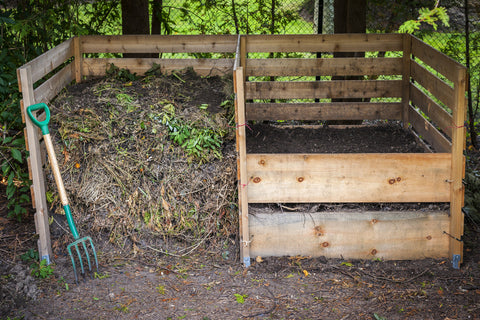
<p>Add as much compost, grass clippings, and leaves and allow it to rot over the winter. Doing this and turning it a few times during the winter create nutrient rich compost that you can add and easily till in during the spring.</p>
<p>Hope this helps those of you in cold weather areas to 'shut down' your garden. Now it's time to go enjoy a nice hot cup of cocoa or your favorite cocktail.</p>
<p style="text-align: center;"><img src="https://cdn.shopify.com/s/files/1/1257/4137/files/Highball_Cocktails.jpg?v=1752005082" alt=""><img style="float: none;"></p>
<p>In fact here's a link to one of my fall favorites the<span> </span><a href="http://www.bulleit.com/whiskey-drinks/rye-sazerac/">Bulleit Rye Sazerac</a>.</p>
<p>Enjoy!</p>
<p> </p>]]>
    </content>
  </entry>
  <entry>
    <id>https://therelaxedgardener.com/blogs/martinis-and-marigolds/choosing-shrubs-for-your-landscape</id>
    <published>2025-10-17T01:00:01-04:00</published>
    <updated>2025-10-17T01:00:02-04:00</updated>
    <link rel="alternate" type="text/html" href="https://therelaxedgardener.com/blogs/martinis-and-marigolds/choosing-shrubs-for-your-landscape"/>
    <title>Transform Your Garden Year-Round with These Stunning Shrubs</title>
    <author>
      <name>Donna Moyer</name>
    </author>
    <summary type="html">
      <![CDATA[<meta charset="utf-8">
<p><span>In our effort to add really unique perennials and annuals to our gardens, <strong>we can overlook the value of shrubs.</strong> Maybe it's because they can seem a bit boring. </span></p>
<p><span>But shrubs can provide a <strong>great filler</strong> for larger beds and become a nice backdrop for flowering perennials and annuals. They are an important addition for curb appeal in your front yard. And, can really add to the backyard landscape if chosen for low maintenance and interesting textures and colors.</span></p>
<p><strong>My favorite reason to grow shrubs is that they can provide multiple seasons of interest.</strong></p>
<p><span><br><strong>Read on</strong> to find 4 of my favorite shrubs that add color, texture and interest to my yard throughout the year.</span></p><p><a class="read-more" href="https://therelaxedgardener.com/blogs/martinis-and-marigolds/choosing-shrubs-for-your-landscape">More</a></p>]]>
    </summary>
    <content type="html">
      <![CDATA[<p> </p>
<p><span>I've been writing in my last few blog posts about the benefits of planting in the fall. And <strong>this includes planting shrubs</strong> as well as grasses and perennials.</span></p>
<p><span>In our effort to add really unique perennials and annuals to our gardens, <strong>we can overlook the value of shrubs.</strong> Maybe it's because they can seem a bit boring. But shrubs can provide a <strong>great filler for larger beds</strong> and become a nice <strong>backdrop for flowering perennials and annuals</strong>. Adding shrubs to my backyard in the area in front of my deck, reduced the amount of annuals I needed to plant and care for and provided a nice screen to the open area under the deck.</span></p>
<p><span>When I had our front yard professionally landscaped over 20 years ago, I worked with the landscaper to choose <strong>shrubs that provided a lot of different textures</strong> to compliment the house and the pavers we were installing. We kept the amount of perennials in this area to just enough to add a pop of color and let the shrubs really be the stars.</span><span> </span></p>
<p><span>If you choose shrubs carefully, they can  be a <strong>low maintenance</strong> addition to your landscape. My favorite reason to grow shrubs is that they can provide <strong>multiple seasons of interest</strong>.</span></p>
<p><span>Read on to find out about <strong>4 of my favorite shrubs</strong> that add color, texture and interest to my yard.</span></p>
<h2><strong>#1 Red Twig Dogwood (<em>Cornus Alba</em>) </strong></h2>
<p><img src="https://cdn.shopify.com/s/files/1/1257/4137/files/Red_Branches_of_Dogwood_Bush_in_Winter_480x480.jpg?v=1649109171" alt="Red Twig Dogwood" style="display: block; margin-left: auto; margin-right: auto;"></p>
<p><br><span>I bought this plant almost 20 years ago. My friends at work gave me a gift certificate to a garden center as a sympathy gift when my beloved dog (who was also my favorite gardening buddy) passed away. I chose this shrub in his honor.</span></p>
<p><br>This plant is extremely cold-hardy to USDA Zone 3. Mine is planted in a corner of a very large bed. Since this plant can grow to 10 ft high and several feet wide it does a great job softening the corner of our garage. During the spring it fills out with green leaves. In summer, white flowers bloom.</p>
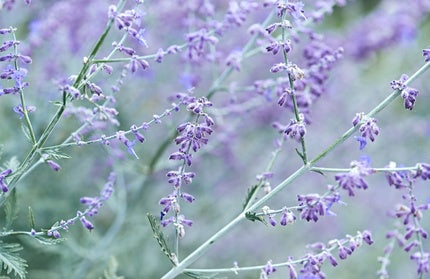
<p>For most of the year, it provides a nice backdrop for other plants. But the most compelling reason for planting this shrub is<strong> winter interest</strong>. In late fall, as the leaves drop, the <strong>twigs turn blood red</strong> as shown in the photo above. They look gorgeous against a snowy landscape and provide <strong>much-needed color at a dreary time of year.</strong></p>
<h2><span>#2 Beauty Berry (<em>Callicarpa</em>)</span></h2>
<p style="text-align: center;"><img src="https://cdn.shopify.com/s/files/1/1257/4137/files/Beauty_Berry_Bush_with_Berries_480x480.jpg?v=1649109211" alt="Beauty Berry"></p>
<p><span>The Beauty Berry comes in many varieties. <em>Callicarpa americana, </em>the <strong>American Beauty Berry is native to the United States</strong> but is only hardy to Zone 6. So if you live in a colder zone, you'll need to purchase one hardy in your area. I have 3 of these in a cluster in the landscaping at the front corner of my house.</span></p>
<p><span>Throughout most of the growing season they are pretty uninteresting. They <strong>really shine in the late summer into fall when these beautiful purple berries appear.</strong> Well worth the wait.</span></p>
<h2><span>#3 Weigela "Wine and Roses"</span></h2>
<p><img src="https://cdn.shopify.com/s/files/1/1257/4137/files/Wigelia_Flowers_480x480.jpg?v=1649109276" alt="Wigelia" style="display: block; margin-left: auto; margin-right: auto;"></p>
<p><span>Wegeila comes in many varieties as well. But 'Wine and Roses'  is my favorite. This is the shrub that I have planted along the front of my deck. It is <strong>very low maintenance, just requiring a trimming every once in a while</strong> in order to keep the plant to the height you want.</span></p>
<p><span>In early summer we are treated to these <strong>beautiful blooms</strong> that last for several weeks. For the rest of the growing season the shrub provides a nice soft screen for the front our our deck.</span></p>
<h2>
<span>#4 Oak Leaf Hydrangea </span><span></span>
</h2>
<p><span><img src="https://cdn.shopify.com/s/files/1/1257/4137/files/Oak_Leaf_Hydrangea_Blooms.jpg?v=1752005384" alt="" width="395" height="296" style="display: block; margin-left: auto; margin-right: auto;"></span></p>
<div><span>I absolutely love these. They are <strong>one of the most interesting shrubs that you can plant in a shady yard</strong>. I have one variety that surrounds a tree at a front corner of our home. The plants shown above are another larger variety that provides a backdrop to a flower bed at the edge of the woods. And finally I have a 'Snow Queen' that has grown so tall, I have shaped it from shrub to tree.</span></div>
<div><br></div>
<div><span>These plants begin the growing season by setting beautiful oak-leaf shaped leaves. In early summer, the <strong>white flower clusters appear. </strong> We leave them on the plant as they die off and turn brown because they are still pretty and interesting. Finally as the leaves drop in the fall, the rough bark on the stems provides interest in the winter landscape.</span></div>
<div>
<span></span><br>
</div>
<div><strong>Are you planning a new addition to your landscape this year? What shrubs will you use or do you already have that you just love.</strong></div>
<div>
<strong></strong><br>
</div>
<div><strong>Please comment below - I'd love to hear from you!</strong></div>]]>
    </content>
  </entry>
  <entry>
    <id>https://therelaxedgardener.com/blogs/martinis-and-marigolds/using-ornamental-grasses-to-enhance-your-landscape</id>
    <published>2025-10-09T01:00:00-04:00</published>
    <updated>2025-10-29T17:21:01-04:00</updated>
    <link rel="alternate" type="text/html" href="https://therelaxedgardener.com/blogs/martinis-and-marigolds/using-ornamental-grasses-to-enhance-your-landscape"/>
    <title>Using Ornamental Grasses to Enhance Your Landscape</title>
    <author>
      <name>Donna Moyer</name>
    </author>
    <summary type="html">
      <![CDATA[<meta charset="utf-8">
<p><span><strong>Fall is definitely a great time for planting</strong>. As we decide on what to plant, most of us think of flowering perennials, trees and shrubs. <strong>But as you consider your choices, consider perennial grasses.</strong></span></p>
<p><strong>Read on to find out why ornamental grasses are a great addition to any landscape.</strong></p><p><a class="read-more" href="https://therelaxedgardener.com/blogs/martinis-and-marigolds/using-ornamental-grasses-to-enhance-your-landscape">More</a></p>]]>
    </summary>
    <content type="html">
      <![CDATA[<p style="text-align: center;"><br></p>
<p style="text-align: left;"><strong>Fall is definitely a great time for planting.</strong> As we decide on what to plant, most of us think of flowering perennials, trees and shrubs. But as you consider your choices, consider perennial grasses.</p>
<p><br><strong>Here are 3 reasons to use grasses to enhance your landscape.</strong><br> </p>
<p><strong>1. They can help to soften or hide unwanted hard elements in the landscape.</strong></p>
<p style="text-align: center;"><img style="float: left;" alt="" src="https://cdn.shopify.com/s/files/1/1257/4137/files/Zebran_Grass_Ornamental_Grass.jpg?v=1752018504"><img style="float: left;" alt=""><img src="https://cdn.shopify.com/s/files/1/1257/4137/files/Zebra_Grass_Ornamental_Grass.jpg?v=1752438117" alt="Zebra Ornamental Grass"><br></p>
<p style="text-align: left;">At our old house we planted 3 Striped Zebra Grasses (<em>Miscanthus sinensis</em> ‘Zebrinus’), like the one in the photo above, to hide the propane tank for our fireplace. It hid the tank quite well and softened the entire view.</p>
<p><strong>2. They can provide an accent or backdrop to a garden bed.</strong></p>
<p>Grasses can grow quite large and provide a natural “wall” at the edge of bed</p>
<p>We’ve used another <em>Miscanthus</em> at the rear of a deep garden bed to creates a border at the edge of our woods. The grass also softens the edge of our shed in this area.</p>
<p style="text-align: center;"><img src="https://cdn.shopify.com/s/files/1/1257/4137/files/Fotolia_216665738_XS.jpg?v=1752018592" alt=""><img style="float: none;"></p>
<p style="text-align: left;"><strong>3. They provide interest throughout the fall and winter.</strong></p>
<p>Because the grasses bloom in late summer, they provide interest at a time when other plants are no longer flowering. I like to leave the plumes in place for wonderful winter interest.</p>
<p style="text-align: center;"><img src="https://cdn.shopify.com/s/files/1/1257/4137/files/Ornamental_Grass_Seed_Head.jpg?v=1752018899" alt="" width="355" height="237"><img style="float: none;"></p>
<p> </p>
<p><strong>Getting Started </strong></p>
<p>So how do you get started? First, be sure to know your hardiness zone. Not all grasses grow everywhere. You can do your research on which grasses you want to grow before going to the nursery or enlist the staff’s help before you get there. They should be able to tell you which grasses are hardy in your area. While you can plant grasses as annuals, you will get much more value for your money by planting grasses that come back year after year. A few things to note - be sure to know how much sunlight the spot receives during the day and the size of the space.</p>
<p>Some grasses can grow quite large both in height and span a large area quickly. Others grow more slowly. Take a quick measurement of your spot before going shopping.</p>
<p><strong>Caring for Your Grasses</strong></p>
<p>Most ornamental grasses are pretty tough. Be sure to check with the nursery on care tips for the type of grass you purchase. Most of the larger grasses do well with cutting all of the way back to a low mound in spring. It’s important to remove the previous season’s growth to ensure good growth throughout the spring and summer.</p>
<p>Grasses are a great addition to any garden. Try planting a few this fall to add interest and texture to your landscape.</p>
<p style="text-align: center;"><img height="406" width="351" alt="" src="https://cdn.shopify.com/s/files/1/1257/4137/files/Blue_Fescue_Ornamental_Grass.jpg?v=1752019053"><img alt=""></p>
<p> </p>]]>
    </content>
  </entry>
  <entry>
    <id>https://therelaxedgardener.com/blogs/martinis-and-marigolds/how-to-save-time-and-money-by-planting-perennials</id>
    <published>2025-10-02T01:00:01-04:00</published>
    <updated>2025-10-02T01:00:01-04:00</updated>
    <link rel="alternate" type="text/html" href="https://therelaxedgardener.com/blogs/martinis-and-marigolds/how-to-save-time-and-money-by-planting-perennials"/>
    <title>Bloom Smarter, Not Harder: How Perennials Slash Your Gardening Costs and Chores</title>
    <author>
      <name>Donna Moyer</name>
    </author>
    <summary type="html">
      <![CDATA[<p><strong>Fall is a great time for planting and a great time to take advantage of plant sales</strong>. By planting perennials in the fall you get a jump on spring.</p>
<p><strong>Read on</strong> to find out how to get the best value for your dollar when buying and planting perennials.</p><p><a class="read-more" href="https://therelaxedgardener.com/blogs/martinis-and-marigolds/how-to-save-time-and-money-by-planting-perennials">More</a></p>]]>
    </summary>
    <content type="html">
      <![CDATA[<p><strong>Spring is definitely prime gardening season</strong> in many parts of the United States. It’s a time when planting enthusiasm is at its highest. And so are the prices of plants. <strong>If you have a limited budget</strong> or just don’t want to spend lots of money filling in an area that does not get much attention there are <strong>more cost effective ways to do get the impact you are looking for.</strong></p>
<p>It may be tempting to plant annuals, most of which flower continuously throughout the summer growing season. <strong>But do consider perennials</strong>. While many perennials only flower during certain parts of the growing season, layering them with a concentration on bloom times can ensure color throughout the spring, summer and fall.</p>
<p style="text-align: center;"><img src="https://cdn.shopify.com/s/files/1/1257/4137/files/Blackeyed_Susans1.jpg?v=1752515813" alt="Blackeyed Susans"><img src="https://cdn.shopify.com/s/files/1/1257/4137/files/Blackeyed_Susans_854f87f6-4c72-4f5a-bfa9-756d7934acf6.jpg?v=1752005667" alt=""><img alt=""></p>
<p><strong>Because they come back year after year, perennials also increase in size</strong>. At some point you can <strong>dig them up, divide them</strong> and add them to other areas of your garden. With patience you can fill large areas with perennials that, once established, need little care and maintenance.</p>
<p>I like to do is find perennials that I can divide right after I purchase them. This means that a $5 to $10 investment can yield 2-3 plants.</p>
<p><strong>Because fall is such a great time to plant, I also like to shop end-of-season sales at my local home improvement stores.</strong></p>
<p>A few years ago, we were visiting the garden center area at our local home improvement store. As we were headed to the checkout I spotted rolling racks of some <strong>sad looking</strong> Plantain Lillies and Daylillies. I say sad not because the plants weren’t healthy but because the daylily foliage was starting to brown (as they do in the fall) the Plaintain Lillies were looking a little droopy. The plants were originally $10/a piece and were marked down to $5. Score! I have a bed near the edge of our woods that gets partial sun and I knew these would be perfect. I bought 6 containers – 3 of each and headed home with my purchase.</p>
<p style="text-align: center;"><img alt="" src="https://cdn.shopify.com/s/files/1/1257/4137/files/IMG_3239_large.JPG?v=1541107206" style="float: none;"></p>
<p>Unfortunately, temperatures were unseasonably warm for the next few weeks,  rising into the high 80’s and then the rains came. I nursed my plants along by keeping them in the shade of my garage. Finally, a nice sunny and cool day arrived. Perfect planting weather.</p>
<p><strong>I was able to divide my 6 plants into 13 which brought my cost down to around $2.30 per plant. I then planted my finds, spreading them over a pretty large area.</strong></p>
<p>Follow these <strong>simple directions</strong> to divide newly purchased perennials and get the most out of your investment.</p>
<ol>
<li>
<strong>Find plants that have multiple stalks.</strong> You should be able to see an area where it looks like the plant can be divided.</li>
</ol>
<p style="text-align: center;"><img alt="" src="https://cdn.shopify.com/s/files/1/1257/4137/files/IMG_3238_large.JPG?v=1541107314" style="float: none;"></p>
<ol start="2">
<li>Before planting anything, <strong>take a large bucket and mix up an all-purpose fertilizer</strong> like Miracle Grow according to the package directions.</li>
</ol>
<p style="text-align: center;"><img src="https://cdn.shopify.com/s/files/1/1257/4137/files/Adding_fertilizer_to_water.png?v=1752516146" alt="Adding fertilizer to water" width="433" height="434"> </p>
<ol start="3">
<li>
<strong>Submerge the container area of the plant to the top of the root ball</strong> so that the roots are saturated with the solution.</li>
</ol>
<p style="text-align: center;"><img alt="" src="https://cdn.shopify.com/s/files/1/1257/4137/files/IMG_3240_large.JPG?v=1541107434" style="float: none;" width="333" height="445"> </p>
<ol start="4">
<li><strong>Remove the plant from the bucket and then take it out of its container.</strong></li>
</ol>
<ol start="5">
<li>Find the spot where you want to<strong> split the plant</strong> and divide it using a trowel or large sharp knife.</li>
</ol>
<p style="text-align: center;"><img src="https://cdn.shopify.com/s/files/1/1257/4137/files/Dividing_Perennials.jpg?v=1678143202" alt="Dividing perennials" width="275" height="367"><img alt=""></p>
<p style="padding-left: 30px;">Here are some of mine after I divided them.</p>
<p style="text-align: center;"><img src="https://cdn.shopify.com/s/files/1/1257/4137/files/Divided_perennials-1.jpg?v=1752516044" alt="Divided perennials ready to be planted" width="347" height="260"><img style="float: none;"></p>
<ol start="6">
<li>Decide where you want to plant and <strong>lay out the plants</strong>. Then keep digging and planting until all are planted.</li>
</ol>
<ol start="7">
<li>
<strong>Pour the remaining fertilizer solution at the base of each of the plants</strong>.</li>
</ol>
<p style="padding-left: 30px;">That’s it! Here are several of mine after I finished planting.</p>
<p style="text-align: center;"><img src="https://cdn.shopify.com/s/files/1/1257/4137/files/Divided_perennials.jpg?v=1752516001" alt="Divided perennials ready to be planted" width="347" height="260"><img alt=""></p>
<p>The whole process took me about 30 minutes. While you can certainly do this in the spring, <strong>planting in the fall allows the plants to put their energy</strong> <strong>into developing the root system. </strong></p>
<p> </p>
<p>Happy Planting!</p>]]>
    </content>
  </entry>
  <entry>
    <id>https://therelaxedgardener.com/blogs/martinis-and-marigolds/planting-bulbs-for-spring-color</id>
    <published>2025-09-25T01:00:03-04:00</published>
    <updated>2025-09-25T01:00:03-04:00</updated>
    <link rel="alternate" type="text/html" href="https://therelaxedgardener.com/blogs/martinis-and-marigolds/planting-bulbs-for-spring-color"/>
    <title>Planting Bulbs for Spring Color</title>
    <author>
      <name>Donna Moyer</name>
    </author>
    <summary type="html">
      <![CDATA[<meta charset="utf-8">
<p><span><strong>Fall is a great time for gardening.</strong> Cool temperatures make for a great climate for both gardeners and new plants. While it may be tempting to put away your tools and forget about gardening until spring, <strong>fall is the perfect time to plant for spring color.</strong> And one of the most colorful spring plants that do need to be planted now are spring flowering bulbs.</span></p>
<p><strong>Read on to find out how to plant bulbs this fall for spectacular color next spring.</strong></p><p><a class="read-more" href="https://therelaxedgardener.com/blogs/martinis-and-marigolds/planting-bulbs-for-spring-color">More</a></p>]]>
    </summary>
    <content type="html">
      <![CDATA[<p><strong>Fall is a great time for gardening.</strong> Cool temperatures make for a great climate for both gardeners and new plants. During the fall and winter plants put their energy into their root systems, providing a good foundation for when temperatures are warmer and it is time for them to grow leaves and the flowers and seeds they use to reproduce.</p>
<p>While it may be tempting to put away your tools and forget about gardening until spring, <strong>fall is the perfect time to plant for spring color.</strong> And one of the most colorful spring plants that <strong>do need to be planted</strong> <strong>in the fall are</strong> <strong>spring flowering bulbs.</strong></p>
<p>Bulbs have been among the most popular types of flowers for many, many years.  Tulip bulbs were once so popular in Holland that a single bulb was worth more than an entire herd of cows. Tulip Mania as it was popularly called, is widely seen to be the first example of a <strong>market bubble.</strong></p>
<h2 style="text-align: center;"><img alt="" src="https://cdn.shopify.com/s/files/1/1257/4137/files/Tulips_on_landscape_480x480.jpg?v=1653578284"></h2>
<p>So while you may be weary from all of your summer gardening chores, I hope the picture above <strong>inspires you to plant bulbs this fall</strong>. I know that I have often decided not to plant bulbs in the fall, only to be envious of folks who had this pop of color in their landscapes in early spring.</p>
<p>And even though Tulip Mania is long past, bulbs are still beautiful and useful plants for the home gardener.  Bulbs are renowned for their hardiness and for their ability to <strong>re-bloom season after season. </strong> In addition, most bulb flowers are very easy to grow and very <strong>inexpensive to buy</strong>.  With all these advantages, it is easy to see why bulbs are so popular with all kinds of gardeners.</p>
<p>Most types of bulbs should be planted in the fall of the year, but<strong> it is important to get planting instructions when you buy your bulbs</strong>.  There are some bulbs that bloom in the fall of the year, and they are usually planted in the springtime instead. </p>
<p>Before you choose your bulbs, <strong>take a look at the area where you want to plant.</strong> It is important to know how much sunlight the area receives and whether the soil in the area tends to be very wet, dry or somewhere in between. Most bulbs prefer partial to full sun and moist loamy soil, but it is very important to check individual bulbs for their requirements.</p>
<p>So where do you buy bulbs? First, there are lots of <strong>on-line resources</strong> like Michigan Bulb Company or Brecks. You can browse on-line and from the descriptions be sure that the bulbs you order will work in your site. You can also request a <strong>free physical catalog.</strong> I used to love getting these before we started to do everything on-line. It was fun to browse and plan from these colorful resources.</p>
<p>One word of caution – if you haven’t planted bulbs before <strong>it’s easy to get carried away</strong> by the beautiful pictures in the catalogs. Start small so you know how much time and effort you can put into this task.</p>
<p><strong>Another great resource is your local garden center.</strong> The advantage of buying locally is that the garden center should be carrying bulbs that do well in your area. Additionally the staff should be able to assist you with selection and best practices in planting your bulbs.</p>
<p style="text-align: center;"><img alt="Tulip  bulbs" src="https://cdn.shopify.com/s/files/1/1257/4137/files/Tulip_Bulbs_480x480.jpg?v=1663769672"></p>
<p>When choosing bulbs for planting it is important to choose <strong>healthy ones</strong>.  The best way to choose healthy bulbs is to choose the <strong>firmest, largest bulbs you can find.</strong>  Firm bulbs are generally very healthy bulbs, and large bulbs typically produce the largest and best blooming flowers.</p>
<p>Unhealthy bulbs are generally very easy to spot as well.  <strong>Bulbs that are very light, cracked or soft should be avoided</strong>.  Many bulbs are susceptible to rot, and a soft bulb may be showing signs of rot.  In addition, a lightweight or shriveled looking bulb may be unable to bloom.  A good, healthy bulb will be surprisingly heavy for its size, so it is important to handle the bulbs to choose the best ones.</p>
<p><strong>When planting bulbs in the fall, they should be planted around early to mid-October.</strong>  The goal is to have the bulbs in the ground around six weeks prior to the time the ground starts to freeze.  This means that the optimum time for planting bulbs will vary according to your own location.</p>
<p style="text-align: center;"><img height="396" width="396" alt="Relaxed Gardener Cultivator in Use" src="https://cdn.shopify.com/s/files/1/1257/4137/files/Relaxed_Gardener_cultivator_in_use_1_480x480.jpg?v=1663769968"></p>
<p>It is important to plant bulbs in a soil that has been properly prepared.  <strong>The depth the bulbs should be planted will vary from variety to variety, so again it is important to get planting instructions if you are unfamiliar with the needs of the bulb</strong>.  For instance, crocus bulbs should be planted four inches deep, while daffodils and hyacinths need to be planted to a depth of six inches.  Tulips should be planted even deeper, to a depth of about eight inches.</p>
<p>One great tool to have on hand when working with bulbs is the <strong>bulb planter or trowel with depth markings.</strong>  Either of these tools can help you to plant your bulbs at the correct depth.</p>
<p style="text-align: center;"><img height="401" width="401" alt="Relaxed Gardener Transplanter in Use" src="https://cdn.shopify.com/s/files/1/1257/4137/files/Relaxed_Gardener_transplanter_in_use_480x480.jpg?v=1663769930"></p>
<p>Gardeners who want a more wild and natural look to their bulb garden often prefer to<strong> dig a trench</strong> to the appropriate depth and simply lay the bulbs in.  This approach can provide a unique, if somewhat unpredictable, look when the bulbs begin to emerge.</p>
<p style="text-align: center;"><img alt="Daffodils Along Roadside" src="https://cdn.shopify.com/s/files/1/1257/4137/files/Daffodils_along_the_road_480x480.jpg?v=1663770092"></p>
<p>When you plant your bulbs, it is a good idea to lay a <strong>small amount of fertilizer in the bottom of each hole, then cover that fertilizer with a layer of soil.</strong>  The fertilizer provides much needed nutrients for the bulb to start its growth, but it is important that the bulb not make direct contact with the fertilizer, since this could potentially cause the bulb to be burned. </p>
<p>Bulbs should always be planted with the <strong>pointed end sticking up and the flat side pointing down,</strong> directly on top of the layer of soil covering the fertilizer.  After the bulbs have been planted, they should be covered with more soil and provided with a good, thorough watering.</p>
<p><strong>I hope this article inspires you to start planning for planting your spring flowering bulbs now. </strong>This easy fall chore will provide beautiful spring color after the dreariness of winter.</p>
<p style="text-align: center;"><img alt="Child with Tulips" src="https://cdn.shopify.com/s/files/1/1257/4137/files/Child_with_Tulips_480x480.jpg?v=1663770156"></p>
<p><strong>Do you include spring flowering bulbs in your garden? Comment below and let us know your experiences. We love to hear from you!</strong></p>
<p>Happy Fall Planting!</p>
<p style="text-align: left;"> </p>]]>
    </content>
  </entry>
  <entry>
    <id>https://therelaxedgardener.com/blogs/martinis-and-marigolds/fall-is-here-time-to-think-spring-1</id>
    <published>2025-09-18T01:00:00-04:00</published>
    <updated>2025-09-18T09:46:05-04:00</updated>
    <link rel="alternate" type="text/html" href="https://therelaxedgardener.com/blogs/martinis-and-marigolds/fall-is-here-time-to-think-spring-1"/>
    <title>Fall Projects for a Stunning Spring Garden</title>
    <author>
      <name>Donna Moyer</name>
    </author>
    <summary type="html">
      <![CDATA[<p> </p>
<p><strong>Fall is a great time to prepare for spring!</strong><span> </span>You see there are so many things going on in the garden in the spring, that it’s almost too much to get done. And while spring is a really inspiring time to start new things in the garden, fall is actually a better time for certain garden tasks.</p>
<p>Read on for details on<span> </span><strong>5 Fall Projects</strong><span> </span>that you can do in the fall to make spring gardening season a lot easier. </p><p><a class="read-more" href="https://therelaxedgardener.com/blogs/martinis-and-marigolds/fall-is-here-time-to-think-spring-1">More</a></p>]]>
    </summary>
    <content type="html">
      <![CDATA[<p><span style="font-size: 11.5pt; font-family: 'Helvetica Neue'; color: black;">Cooler weather has finally arrived and fall is in the air. Here in Pennsylvania, fall is a wonderful time. It’s probably my favorite season. The temperatures are moderate during the day and the cool nights make for wonderful sleeping weather. </span></p>
<p style="margin: 0in 0in 12.0pt 0in;"><span style="font-size: 11.5pt; font-family: 'Helvetica Neue'; color: black;">Now I hate to rush the seasons – the fact that Christmas decorations are already starting to appear in stores drives me crazy. But….</span></p>
<p style="font-variant-ligatures: normal; font-variant-caps: normal; orphans: 2; text-align: start; widows: 2; -webkit-text-stroke-width: 0px; text-decoration-thickness: initial; text-decoration-style: initial; text-decoration-color: initial; word-spacing: 0px; margin: 0in 0in 12.0pt 0in;"><strong><span style="font-size: 11.5pt; font-family: 'Helvetica Neue'; color: black;">Fall is also a great time to prepare for spring!</span></strong><span style="font-size: 11.5pt; font-family: 'Helvetica Neue'; color: black;"> You see there are so many things going on in the garden in the spring, that there is almost too much to get done. And while spring is a really inspiring time to start new things in the garden, <b>fall is actually a better time</b> for certain garden tasks.</span></p>
<p style="font-variant-ligatures: normal; font-variant-caps: normal; orphans: 2; text-align: start; widows: 2; -webkit-text-stroke-width: 0px; text-decoration-thickness: initial; text-decoration-style: initial; text-decoration-color: initial; word-spacing: 0px; margin: 0in 0in 12.0pt 0in;"><span style="font-size: 11.5pt; font-family: 'Helvetica Neue'; color: black;"> If you are still looking to enjoy working in your garden, but aren’t sure where to start (especially if you live in a climate where colder temperatures are fast approaching) here are <strong><span style="font-family: 'Helvetica Neue';">5 Fall Projects</span></strong> that you can do in the fall to make spring gardening season a lot easier. <b>And a few of these are actually best done in the fall rather than the spring.</b></span></p>
<p style="font-variant-ligatures: normal; font-variant-caps: normal; orphans: 2; text-align: start; widows: 2; -webkit-text-stroke-width: 0px; text-decoration-thickness: initial; text-decoration-style: initial; text-decoration-color: initial; word-spacing: 0px; margin: 0in 0in 12.0pt 0in;"><strong><span style="font-size: 11.5pt; font-family: 'Helvetica Neue'; color: black;">1. Create a New Garden Bed: </span></strong><span style="font-size: 11.5pt; font-family: 'Helvetica Neue'; color: black;">Fall is a great time to prepare an area for a new bed. Check out my previous blog post on exactly how to do this: <a href="https://therelaxedgardener.com/blogs/martinis-and-marigolds/the-easy-way-to-create-a-new-garden-bed" rel="noopener" target="_blank">Creating a New Garden Bed - The Easy Way</a><a href="https://therelaxedgardener.com/blogs/garden-tips-and-treasures/the-fast-and-easy-way-to-create-a-new-garden-bed" rel="noopener noreferrer" target="_blank"></a>. <strong><span style="font-family: 'Helvetica Neue';"> </span></strong>Prepping the bed now allows the nutrients you add to really get into the soil. And in the spring, the bed will be ready for you to do the fun, creative part of this process – planting your plants.</span></p>
<p style="text-align: center;"><img src="https://cdn.shopify.com/s/files/1/1257/4137/files/Digging_New_Garden_Bed_L_f02571f9-a81f-4ff1-a93a-134d52b7c130_480x480.jpg?v=1663107534" alt="Digging a new garden bed"></p>
<p> <strong><span style="font-size: 11.5pt; font-family: 'Helvetica Neue'; color: black;">2. Plant New Shrubs and Perennials:</span></strong><span style="font-size: 11.5pt; font-family: 'Helvetica Neue'; color: black;"> The "Fall is for Planting" signs you see around garden centers are not just part of a marketing ploy so that shops can get more sales before winter hits. <b>Fall truly is the best time to plant new trees, shrubs and perennials.</b> Why? Because in the spring the plants are putting their energy into producing more foliage, flowers, and seeds. <b>In the fall,</b> as the plants hunker down for winter, all of the energy goes <b>into the roots.</b> By planting in the fall, you give the plants their best chance to get established. So get creative, pickup those plants you’ve been meaning to plant and just did not get the chance to in the spring. Talk to your local nurseryman about the best soil amendments for your choices and be sure to keep the newly planted plants well-watered.<strong><span style="font-family: 'Helvetica Neue';">  </span></strong><strong><span style="font-family: 'Helvetica Neue'; font-weight: normal;">And, of course, check out any plant sales or auctions where you can pick plants up for less money as vendors reduce their stock!</span></strong></span></p>
<p style="text-align: center;"><img src="https://cdn.shopify.com/s/files/1/1257/4137/files/Hydrangeas_in_Garden_Center_480x480.jpg?v=1663107470" alt="Hydrangeas in the garden center"></p>
<p style="margin: 0in 0in 12.0pt 0in;"><strong><span style="font-size: 11.5pt; font-family: 'Helvetica Neue'; color: black;">3. Divide Perennials:</span></strong><span style="font-size: 11.5pt; font-family: 'Helvetica Neue'; color: black;"> One of my favorite things about perennials is that many of them ‘make more’. <b>Dig them up, divide them at the root ball and either add them to other areas of your yard or share them with friends</b>! Fall is great time to do this for the same reason as planting new plants – it gives the perennials <b>time to establish their root systems</b> before needing to put more energy into foliage and flower growth. Check on-line to see which of your perennials will benefit from division and how to divide each one. If you’ve been wanting to add more plants to an existing bed, this is a great way to do it.</span></p>
<p style="text-align: center;"><img src="https://cdn.shopify.com/s/files/1/1257/4137/files/Daylillies_480x480.jpg?v=1663107428" alt="Daylillies"></p>
<p style="margin: 0in 0in 12.0pt 0in;"><strong><span style="font-size: 11.5pt; font-family: 'Helvetica Neue'; color: black;">4. Plant Bulbs for Early Spring Color:</span></strong><span style="font-size: 11.5pt; font-family: 'Helvetica Neue'; color: black;"> This is on task that isn’t just a good idea to do now. <b>Spring flowering bulbs need to be planted in the fall in order to be ready to show off their colors in the spring</b>. Like all other plants, some bulbs do better in shade and some do better in spring. Be sure to check out each one’s requirements and pick the right ones for the right spot. Also, it’s important to check <b>each bulb’s soil depth requirements</b> and be sure to follow them. Bulbs give the most impact when planted en mass. If you’ve never planted them before, pick a small area in your garden and then visit your local garden center and ask for help in picking out a variety that should work well for your site. Then buy 10-12 bulbs and plant them in a grouping and see how you like the effect.</span></p>
<p style="text-align: center;"><img src="https://cdn.shopify.com/s/files/1/1257/4137/files/Tulips_be1afbdb-f81b-4fae-aa99-22a5bb9c5af1_480x480.jpg?v=1663107367" alt="Tulips"></p>
<p style="margin: 0in 0in 12.0pt 0in;"><strong><span style="font-size: 11.5pt; font-family: 'Helvetica Neue'; color: black;">5. Install a Soaker Hose: </span></strong><span style="font-size: 11.5pt; font-family: 'Helvetica Neue'; color: black;">Watering can be a real chore in the summer, especially if you have a newly planted area. One of the best ways to save time and save water is to <b>install a soaker hose in new beds and around new plantings</b>. Check out my previous post on how to do this here: <a href="https://therelaxedgardener.com/blogs/martinis-and-marigolds/spending-too-much-time-watering-1" rel="noopener noreferrer" target="_blank">Spending Too Much Time Watering</a>. <strong><span style="font-family: 'Helvetica Neue';"> </span></strong>A few years back, I had a professional landscaping company do a new project in my front yard. One of the things I required was that they install soaker hose for me. Then I could simply walk out to my front porch, hook the soaker hose to my hose bid, turn on the water and come back an hour later knowing that my new plants were getting the water they needed. I did not lose any of my plants and I attribute the success of this project to my soaker hose.</span></p>
<p style="text-align: center;"><img src="https://cdn.shopify.com/s/files/1/1257/4137/files/soaker_hose_and_landscape_staple_480x480.jpg?v=1663107044" alt="" width="419" height="314"></p>
<p style="margin: 0in 0in 12.0pt 0in;"><span style="font-size: 11.5pt; font-family: 'Helvetica Neue'; color: black;">This is a great project to do when you are planting new shrubs or perennials as I suggested above. <strong>Set out the plants in a design you like and then lay out the soaker hose around the plants like I did in the  bed shown below.</strong></span></p>
<p style="margin: 0in 0in 12.0pt 0in;"><span style="font-size: 11.5pt; font-family: 'Helvetica Neue'; color: black;"><strong></strong></span><span style="font-size: 11.5pt; font-family: 'Helvetica Neue'; color: black;"><img src="https://cdn.shopify.com/s/files/1/1257/4137/files/garden_bed_with_soaker_hose_installed_85fe7737-71c9-45e2-bce6-8d1c0f63f407_480x480.jpg?v=1663107153" alt="New plantings with soaker hose" style="display: block; margin-left: auto; margin-right: auto;"></span></p>
<p><span style="font-size: 11.5pt; font-family: 'Helvetica Neue'; color: black;">Plant your plants and secure the soaker hose with landscape staples. Then cover the hose and other areas of the bed with a nice layer of mulch. You can use the soaker hose to be sure that your new plantings get enough water. (And don’t forget to disconnect the hose before freezing temperatures arrive!)</span></p>
<p by="" style="font-size: 11.5pt; font-family: 'Helvetica Neue'; color: black;"> </p>
<p style="font-variant-ligatures: normal; font-variant-caps: normal; orphans: 2; text-align: start; widows: 2; -webkit-text-stroke-width: 0px; text-decoration-thickness: initial; text-decoration-style: initial; text-decoration-color: initial; word-spacing: 0px; margin: 0in 0in 12.0pt 0in;"><strong><span style="font-size: 11.5pt; font-family: 'Helvetica Neue'; color: black;">What’s your favorite fall gardening project? Comment Below and fill us in – we’d love to hear your ideas! </span></strong><span style="font-size: 11.5pt; font-family: 'Helvetica Neue'; color: black;"></span></p>
<p> </p>
<p> </p>]]>
    </content>
  </entry>
  <entry>
    <id>https://therelaxedgardener.com/blogs/martinis-and-marigolds/cozy-up-your-home-fall-decorating-with-fall-flowers-gourds-and-pumpkins</id>
    <published>2025-09-11T01:00:02-04:00</published>
    <updated>2025-09-11T01:00:02-04:00</updated>
    <link rel="alternate" type="text/html" href="https://therelaxedgardener.com/blogs/martinis-and-marigolds/cozy-up-your-home-fall-decorating-with-fall-flowers-gourds-and-pumpkins"/>
    <title>Cozy Up Your Home: Fall Decorating with Fall Flowers, Gourds, and Pumpkins</title>
    <author>
      <name>Donna Moyer</name>
    </author>
    <summary type="html">
      <![CDATA[<p dir="auto">As autumn’s crisp air settles in,<strong> it’s time to cozy up your home</strong> with vibrant mums, asters, flowering kale, <span style="font-family: -apple-system, BlinkMacSystemFont, 'San Francisco', 'Segoe UI', Roboto, 'Helvetica Neue', sans-serif; font-size: 0.875rem;">quirky gourds, pumpkins, and stunning flowering kale and cabbage! 🍂🎃</span></p>
<p dir="auto">Our guide shares expert tips on selecting the perfect varieties—think tight, colorful kale rosettes and firm, hollow-sounding pumpkins. Learn how to carve jack-o'-lanterns like a pro, <strong>keep your decor fresh through the season</strong>, and care for mums and kale to keep them blooming until the first frost.</p>
<p dir="auto"><strong>Ready for a festive fall vibe? Dive into the full post for all the details!</strong></p><p><a class="read-more" href="https://therelaxedgardener.com/blogs/martinis-and-marigolds/cozy-up-your-home-fall-decorating-with-fall-flowers-gourds-and-pumpkins">More</a></p>]]>
    </summary>
    <content type="html">
      <![CDATA[<p dir="auto">As the leaves turn golden and the air gets crisp, there's no better way to embrace autumn than by decking out your home with<strong> vibrant mums, quirky gourds, and classic pumpkins.</strong> These seasonal staples bring warmth and color to porches, tables, and mantels. In this quick guide, we'll cover how to select and care for mums, pick the perfect gourds and pumpkins, carve those pumpkins like a pro, and keep everything fresh throughout the fall season.</p>
<h3 data-pm-slice="1 3 []" dir="ltr">Selecting and Caring for Fall Plants: Mums, Asters, Flowering Kale, and Cabbage</h3>
<p style="text-align: center;"><img height="291" width="437" alt="" src="https://cdn.shopify.com/s/files/1/1257/4137/files/Chrysanthemum.jpg?v=1757087040"></p>
<p dir="ltr">Fall’s vibrant palette comes alive with plants like chrysanthemums (mums), asters, and flowering kale and cabbage, perfect for adding color and texture to your autumn decor. While it may be tempting to choose mums in full bloom it's better to l<strong>ook for plants with plenty of unopened buds for longer blooms.</strong> Also look for healthy, pest-free foliage.</p>
<p dir="ltr"><img style="display: block; margin-left: auto; margin-right: auto;" alt="Purple Asters" src="https://cdn.shopify.com/s/files/1/1257/4137/files/Purple_Asters.jpg?v=1752016086"></p>
<p dir="ltr">Asters, with their star-shaped flowers in purples, pinks, and blues, should have <strong>dense blooms and no wilting.</strong></p>
<p dir="ltr"><strong><img style="display: block; margin-left: auto; margin-right: auto;" height="279" width="418" alt="" src="https://cdn.shopify.com/s/files/1/1257/4137/files/Flowering_Kale_and_Cabbage.jpg?v=1757537768"></strong></p>
<p dir="ltr">For flowering kale and cabbage, select plants with tight, colorful rosettes in shades of purple, pink, or white, <strong>avoiding any with yellowing or damaged leaves. </strong></p>
<p dir="ltr">Shop at garden centers or farmers' markets for hardy varieties suited to your climate.</p>
<p dir="ltr"><strong>Care Instructions:</strong></p>
<ul dir="ltr" data-tight="true" class="tight">
<li>
<p dir="ltr"><strong>Mums</strong>: Plant in well-drained soil or pots, ensuring full sun (6+ hours daily) with afternoon shade in warmer areas. Water regularly (about 1 inch per week) to keep soil moist but not soggy. Mulch to retain moisture and <strong>deadhead spent blooms to encourage growth. </strong>They’ll bloom until the first hard frost.</p>
</li>
<li>
<p dir="ltr"><strong>Asters</strong>: Place in full sun to partial shade with well-drained soil. Water consistently, keeping soil moist but not waterlogged (1 inch per week). Pinch back leggy growth early in the season for bushier plants, and deadhead to prolong blooming. Asters are hardy and tolerate light frosts.</p>
</li>
<li>
<p dir="ltr"><strong>Flowering Kale and Cabbage</strong>: Plant in well-drained soil or pots with 4-6 hours of sunlight. Water about 1 inch per week to maintain moist soil. T<strong>hese cold-tolerant plants thrive down to 20°F, perfect for late fall.</strong> Remove dead leaves for a tidy look and elevate pots for drainage.</p>
</li>
</ul>
<h3 dir="auto"><span style="font-family: -apple-system, BlinkMacSystemFont, 'San Francisco', 'Segoe UI', Roboto, 'Helvetica Neue', sans-serif; font-size: 0.875rem;">Choosing Gourds and Pumpkins</span></h3>
<p dir="auto">One of my favorite things to decorate with during the call are gourds and pumpkins. They add so much texture and whimsy to your decor.<strong> </strong></p>
<p dir="auto"><strong><img style="display: block; margin-left: auto; margin-right: auto;" height="255" width="382" alt="" src="https://cdn.shopify.com/s/files/1/1257/4137/files/Gourds.jpg?v=1757538210"></strong></p>
<p dir="auto"><strong>For gourds, seek out a mix of shapes</strong>—like bumpy, warty ones or smooth, swan-necked varieties—in colors from green to orange. Check for firmness; they should feel heavy for their size with no soft spots or cracks.</p>
<p dir="auto"><img style="display: block; margin-left: auto; margin-right: auto;" height="333" width="428" alt="" src="https://cdn.shopify.com/s/files/1/1257/4137/files/Pumpkins_-_Assorted.jpg?v=1757538715"></p>
<p dir="auto">Pumpkins come in all sizes, from mini ones for tabletops to large carving types. <strong>Select ones with a sturdy stem, even coloring, and a hard rind</strong>—tap it; it should sound hollow. Some of my personal favorites are the Cinderella pumpkins and heirloom varieties like white Lumina or blue Jarrahdale which offer unique twists beyond the traditional orange.</p>
<p dir="auto">Buy from local patches for freshness, and remember: smaller pumpkins are great for stacking, while bigger ones make statement pieces.</p>
<h3 dir="auto">Pumpkin Carving Tips</h3>
<p dir="auto">Nothing says fall like a glowing jack-o'-lantern! <strong>Start by sketching your design</strong>—simple faces for beginners or intricate patterns for pros. Use a serrated knife or carving kit for clean cuts. First, cut a lid from the top (or bottom for stability), scoop out the seeds and pulp (save seeds for roasting!), then carve your features.</p>
<p dir="auto">Safety first: Carve on a stable surface, and supervise kids. For a modern twist, try etching instead of full cuts for subtle designs. Once done,<strong> light it up with LED candles</strong> to avoid fire hazards and extend its life.</p>
<p dir="auto"><img height="253" width="451" style="display: block; margin-left: auto; margin-right: auto;" alt="" src="https://cdn.shopify.com/s/files/1/1257/4137/files/Carved_Pumpkins_on_Porch.jpg?v=1757538942"></p>
<h3 dir="auto">Preserving Your Gourds and Pumpkins from Rot</h3>
<p dir="auto"><strong>To keep your displays looking fresh, prevention is key</strong>. Store them in a cool, dry place before displaying—avoid direct sun or moisture, which speeds up decay. For carved pumpkins, coat the cut edges with petroleum jelly or a bleach-water mix (1 tsp bleach per quart of water) to deter mold. Spritz uncarved ones with the same solution weekly.</p>
<p dir="auto"><strong>Gourds are naturally durable but benefit from a vinegar wipe-down.</strong> If displaying outdoors, elevate them on hay bales or pallets for airflow. With these tricks, your setup can last 4-6 weeks or more, depending on weather.</p>
<p dir="auto">Fall decorating is all about creativity and coziness—mix mums in planters with stacked pumpkins and scattered gourds for a welcoming vibe. Happy autumn, and may your home be as inviting as a pumpkin spice latte!</p>
<p dir="auto"><img src="https://cdn.shopify.com/s/files/1/1257/4137/files/IMG_6167_ae8f39e7-211f-44a0-80a9-a0582e35ade0.jpg?v=1757539309" alt="" width="359" height="362" style="display: block; margin-left: auto; margin-right: auto;"></p>
<p dir="auto"><strong>What's your favorite way to decorate for fall? Share in the comments below - we'd love to hear from you!</strong></p>]]>
    </content>
  </entry>
  <entry>
    <id>https://therelaxedgardener.com/blogs/martinis-and-marigolds/popular-perennials-for-the-garden</id>
    <published>2025-09-04T01:00:00-04:00</published>
    <updated>2025-09-05T12:02:04-04:00</updated>
    <link rel="alternate" type="text/html" href="https://therelaxedgardener.com/blogs/martinis-and-marigolds/popular-perennials-for-the-garden"/>
    <title>20 Gorgeous Perennials to Plant This Fall for a Blooming Garden Next Spring</title>
    <author>
      <name>Donna Moyer</name>
    </author>
    <summary type="html">
      <![CDATA[<meta charset="utf-8">
<p><span>Perennials are one of the most popular types of flowering plants, both for the beginning and experienced gardeners.  And fall is a great time to plant them.</span></p>
<p><span>But there are so many varieties, choosing can be overwhelming.</span></p>
<p><span>Read on to find out about some of the most popular varieties to plant and how to get started.</span></p><p><a class="read-more" href="https://therelaxedgardener.com/blogs/martinis-and-marigolds/popular-perennials-for-the-garden">More</a></p>]]>
    </summary>
    <content type="html">
      <![CDATA[<p><strong>Perennials are one of the most popular types of flowering plants, both for the beginning and experienced gardeners.</strong>  Gardeners of all types and abilities enjoy the beauty, hardiness and ease of planting of these fine plants.</p>
<p>In addition, perennials come in every color of the rainbow, and in all shapes and sizes, making them a great choice for any garden.  What makes perennials special, however, is <strong>their ability to come back year after year.</strong>  While the actual life span of a perennial will vary from species to species and planting to planting, some types of perennials have been known to last for decades.</p>
<p><strong>Fall is a great time to plant perennials, especially in colder climates</strong>. Planting them now allows the roots to get established while the rest of the plant is dormant during the winter. Plants put a lot of energy into leaf and flower production in the spring and summer, so while you can plant perennials in the spring fall is an even better time.</p>
<p><strong>Perennials can be used anywhere in the garden, and anywhere around the home as well. </strong> Many varieties of perennials are great as landscape plantings, and <strong>their ability to regenerate</strong> makes them perfect for areas of the garden that are hard to reach.  Using perennials to line a driveway, surround a flagpole or accent a front porch is a great idea for any gardener.</p>
<p>In fact, the <strong>hardest part of perennials for many gardeners is choosing the right ones.</strong>  There are so many different perennials at your local garden center that it can be difficult to choose the right ones. </p>
<p><strong>Here are a few tips</strong> on what to know before selecting your plants so that you can get the right perennial for your particular spot.</p>
<ol>
<li>
<strong> </strong><strong>Know Your Zone</strong> – All areas of the US have designated hardiness zones. For perennials to come back every year, they need to be hardy enough to survive the coldest temperatures of a particular zone. You can do a search for hardiness zone for your area or check with your local garden center. Then when you find a plant you like, check to be sure it is hardy up to your zone.</li>
<li>
<strong> </strong><strong>Check the Sun </strong>– Check how many hours of sunlight the spot where you will plant gets. Then check on whether the plant is good for full sun, shade, or part sun/part shade.</li>
<li>
<strong> </strong><strong>Wet or Dry – </strong>It’s also good to know how wet or dry the spot is. Some perennials like well-drained soil while other like damp conditions.</li>
</ol>
<p>If you are unsure, just check with your local garden center before buying. They should be able to recommend the right plants for you.</p>
<p><strong>Getting Started</strong></p>
<p>Below is starter list of some of the most popular easy-care perennials for the home garden, as well as some brief care tips.</p>
<p style="text-align: center;"><img height="313" width="209" alt="" src="https://cdn.shopify.com/s/files/1/1257/4137/files/Yellow_Yarrow.jpg?v=1752007053"><img style="float: none;"></p>
<p><strong><u>Name</u>: Achillea</strong></p>
<p><u>Common name</u>: Yarrow</p>
<p><u>Needs</u>: Full sun, moderate water (less watering once fully established)</p>
<p> </p>
<p><img src="https://cdn.shopify.com/s/files/1/1257/4137/files/Japanese_Anemone.jpg?v=1752016048" alt="" width="331" height="221" style="display: block; margin-left: auto; margin-right: auto;"></p>
<p style="text-align: left;"><img alt=""><strong><u>Name</u>: <meta charset="utf-8"> Anenome</strong></p>
<p><u>Common name</u>: Japanese Anenome<meta charset="utf-8"></p>
<p><u>Needs</u>: Partial shade, regular watering</p>
<p> </p>
<p style="text-align: left;"><span style="text-decoration: underline;"><img src="https://cdn.shopify.com/s/files/1/1257/4137/files/Purple_Asters.jpg?v=1752016086" alt="" width="330" height="220" style="display: block; margin-left: auto; margin-right: auto;"><strong><img alt="">Name: </strong></span><strong>Aster</strong></p>
<p><u>Common name</u>: New England Aster</p>
<p><u>Needs</u>: Full sun, partial shade in hot climates, regular watering</p>
<p><img src="https://cdn.shopify.com/s/files/1/1257/4137/files/Pink_Astilbe1.jpg?v=1752515917" alt="Pink Astilbe" width="390" height="260" style="display: block; margin-left: auto; margin-right: auto;"></p>
<p style="text-align: left;"><strong><img alt=""><u>Name</u>: Astilbe</strong></p>
<p><u>Needs</u>: Partial to full shade (some sun OK in cool climates, regular watering</p>
<p><img src="https://cdn.shopify.com/s/files/1/1257/4137/files/Chrysanthemum.jpg?v=1757087040" alt="" width="413" height="276" style="display: block; margin-left: auto; margin-right: auto;"></p>
<p><strong><u>Name</u>: Chrysanthemum</strong></p>
<p><u>Common name</u>: Mums</p>
<p><u>Needs</u>: Full sun, partial shade in hot climates, regular watering</p>
<p> </p>
<p style="text-align: center;"><img alt="" src="https://cdn.shopify.com/s/files/1/1257/4137/files/Moonbeam_Coreopsis.jpg?v=1752016466"><img style="float: none;"></p>
<p><strong><u>Name</u>: Coreopsis</strong></p>
<p><u>Common name</u>: Moonbeam Coreopsis</p>
<p><u>Needs</u>: Full sun, moderate to little watering</p>
<p> </p>
<p style="text-align: center;"><img src="https://cdn.shopify.com/s/files/1/1257/4137/files/Blue_Delphiniums.jpg?v=1752016567" alt=""><img alt=""></p>
<p><strong><u>Name</u>: Delphinium</strong></p>
<p><u>Needs</u>: Full sun, regular watering</p>
<p style="text-align: center;"><img src="https://cdn.shopify.com/s/files/1/1257/4137/files/Purple_Echineacea_Flowers1.jpg?v=1752515864" alt="Purple Echineacea"></p>
<p><img src="https://cdn.shopify.com/s/files/1/1257/4137/files/Purple_Echineacea_Flowers_575fd6d8-a43e-4749-88ee-97f3fab7f920.jpg?v=1752016603" alt="" style="display: block; margin-left: auto; margin-right: auto;"></p>
<p><strong><u>Name</u>: Echinacea</strong></p>
<p><u>Common name</u>: Purple Coneflower</p>
<p><u>Needs</u>: Full sun, moderate watering</p>
<p> </p>
<p style="text-align: center;"><img alt="" src="https://cdn.shopify.com/s/files/1/1257/4137/files/Perennial_Purple_Geranium.jpg?v=1752016964"><img style="float: none;"></p>
<p><strong><u>Name</u>: Geranium</strong></p>
<p><u>Common name</u>: Geranium</p>
<p><u>Needs</u>: Full sun or partial shade.  Must have afternoon shade in hot climates.  Regular watering</p>
<p> </p>
<p style="text-align: center;"><img alt="" src="https://cdn.shopify.com/s/files/1/1257/4137/files/Lenten_Rose.jpg?v=1752016994"></p>
<p style="text-align: left;"><strong><img style="float: none;">Name: Helleborus</strong></p>
<p><u>Common name</u>: Lenten Rose</p>
<p><u>Needs</u>: Full sun in winter; partial to full shade in spring, summer and fall.  Regular watering</p>
<p> </p>
<p style="text-align: center;"><img alt="" src="https://cdn.shopify.com/s/files/1/1257/4137/files/Catmint_Nepeta.jpg?v=1752017038"></p>
<p style="text-align: left;"><strong><img style="float: none;">Name: Nepeta</strong></p>
<p><u>Common name</u>: Catmint</p>
<p><u>Needs</u>: Full sun, moderate watering</p>
<p> </p>
<p><img style="display: block; margin-left: auto; margin-right: auto;" alt="" src="https://cdn.shopify.com/s/files/1/1257/4137/files/Pink_Peonies.jpg?v=1752017382"></p>
<p style="text-align: left;"><strong><img style="float: none;"><u>Name</u>: Paeonia</strong></p>
<p><u>Common name</u>: Peony</p>
<p><u>Needs</u>: Full sun, partial shade in hot climates, regular watering</p>
<p> </p>
<p> </p>
<p style="text-align: center;"><img alt="" src="https://cdn.shopify.com/s/files/1/1257/4137/files/Poppy_Flower.jpg?v=1752017427"><img style="float: none;"></p>
<p><strong><u>Name</u>: Papaver</strong></p>
<p><u>Common name</u>: Oriental Poppy</p>
<p><u>Needs</u>: Full sun, regular to moderate watering</p>
<p> </p>
<p style="text-align: center;"><img alt="" src="https://cdn.shopify.com/s/files/1/1257/4137/files/Penstamon.jpg?v=1752017461"><img style="float: none;"></p>
<p><strong><u>Name</u>: Penstemon</strong></p>
<p><u>Common name</u>: Beard Tongue</p>
<p><u>Needs</u>: Full sun; light shade in hot climates.  Regular watering.</p>
<p> </p>
<p style="text-align: center;"><img alt="" src="https://cdn.shopify.com/s/files/1/1257/4137/files/Pink_Phlox.jpg?v=1752017512"><img style="float: none;"></p>
<p><strong><u>Name</u>: Phlox</strong></p>
<p><u>Common name</u>: Summer Phlox</p>
<p><u>Needs</u>: Full sun.  Flowers may fade in hot climates.  Needs regular watering.</p>
<p> </p>
<p style="text-align: center;"><img src="https://cdn.shopify.com/s/files/1/1257/4137/files/Blackeyed_Susans1.jpg?v=1752515813" alt="Blackeyed Susans"><img alt="" src="https://cdn.shopify.com/s/files/1/1257/4137/files/Blackeyed_Susans_da78922c-3f93-4541-b7ce-26b6bc8069b8.jpg?v=1752017546"><img style="float: none;"></p>
<p><strong><u>Name</u>: Rudbeckia</strong></p>
<p><u>Common name</u>: Black-Eyed Susan</p>
<p><u>Needs</u>: Full sun.  Regular to moderate watering.</p>
<p> </p>
<p style="text-align: center;"><img src="https://cdn.shopify.com/s/files/1/1257/4137/files/Purple_Sages_in_Garden_509d60c3-626c-4c24-bdc5-8ba362c3820a.jpg?v=1757087399" alt="" width="391" height="261"><img alt="" src="https://cdn.shopify.com/s/files/1/1257/4137/files/Purple_Sages_in_Garden_c132135c-6e64-4f36-a976-5b8d6b1942cb.jpg?v=1752017589"><img style="float: none;"></p>
<p><strong><u>Name</u>: Salvia</strong></p>
<p><u>Needs</u>: Full sun.  Regular watering.</p>
<p> </p>
<p><img src="https://cdn.shopify.com/s/files/1/1257/4137/files/Sedum_Autumn_Joy1.jpg?v=1752515765" alt="Sedem Autumn Joy" width="384" height="256" style="display: block; margin-left: auto; margin-right: auto;"></p>
<p style="text-align: left;"><strong><img style="float: none;"><u>Name</u>: Sedum</strong></p>
<p><u>Common name</u>: Autumn Joy</p>
<p><u>Needs</u>: Full sun or partial shade.  Moderate to little watering.</p>
<p> </p>
<p><img src="https://cdn.shopify.com/s/files/1/1257/4137/files/Shasta_Daisies1.jpg?v=1752515895" alt="Shasta Daisies" width="437" height="299" style="display: block; margin-left: auto; margin-right: auto;"></p>
<p> </p>
<p style="text-align: left;"><strong><img style="float: none;"><u>Name</u>: Shasta Daisy</strong></p>
<p><u>Needs</u>: Full sun or partial shade.  Moderate to little watering.</p>
<p> </p>
<p style="text-align: center;"><img alt="" src="https://cdn.shopify.com/s/files/1/1257/4137/files/Veronica_Spicata.jpg?v=1752017677"><img style="float: none;"></p>
<p><strong><u>Name</u>: Veronica</strong></p>
<p><u>Needs</u>: Full sun.  Regular watering.</p>
<p> </p>
<p>Happy Planting!</p>
<p> </p>]]>
    </content>
  </entry>
  <entry>
    <id>https://therelaxedgardener.com/blogs/martinis-and-marigolds/herbal-harvest</id>
    <published>2025-08-29T01:00:00-04:00</published>
    <updated>2025-08-29T15:46:55-04:00</updated>
    <link rel="alternate" type="text/html" href="https://therelaxedgardener.com/blogs/martinis-and-marigolds/herbal-harvest"/>
    <title>Maximize Your Herb Garden: Tips for Preserving Your Herb Harvest</title>
    <author>
      <name>Donna Moyer</name>
    </author>
    <summary type="html">
      <![CDATA[<p><meta charset="utf-8"><span data-mce-fragment="1">If you’re like me, when fall rolls around and frost is on the horizon, you hate to just throw the plants away. </span></p>
<p><span data-mce-fragment="1">And if you've grown herbs you probably have a lot of wonderful foliage on your plants. <strong>So what’s a gardener to do with all of this beautiful herb foliage? </strong></span></p>
<p><strong>Happily there are lots of ways to preserve your herbs for use during the cold of winter.</strong></p>
<p><strong>Read on to find out how!</strong></p><p><a class="read-more" href="https://therelaxedgardener.com/blogs/martinis-and-marigolds/herbal-harvest">More</a></p>]]>
    </summary>
    <content type="html">
      <![CDATA[<p data-mce-fragment="1">It’s no secret that I love herbs. <strong>My 30 year fascination with these plants probably stemmed from the fact that they were my first gardening success</strong>. At one time, when I had a very sunny yard, I had a pretty large area dedicated to an herb garden. I even found these great pewter plant markers for my precious herbs. I spent a lot of time researching how to use the herbs I planted and finding new recipes in which to use them.</p>
<p data-mce-fragment="1">Fast forward to today when I have a more limited amount of time to tend to my gardens, I’ve reduced the number of herbs I grow to a few favorites that I know I will use in cooking. I grow them in window boxes for easy care and access. In case you missed it you can learn about <strong>my 8 favorite herbs to grow in <a href="https://therelaxedgardener.com/blogs/martinis-and-marigolds/8-must-have-herbs-to-grow-this-summer" target="_blank">this article</a></strong>. If you’re new to herb gardening, I recommend that you start with these as they are very easy to grow, especially if you are growing them in containers.</p>
<p data-mce-fragment="1">If you’re like me, when fall rolls around and frost is on the horizon, you hate to just throw the plants away. So what’s a gardener to do with all of this beautiful herb foliage? Happily there are lots of ways to preserve your herbs for use during the cold of winter.</p>
<p data-mce-fragment="1"><img alt="Harvested Herbs" src="https://cdn.shopify.com/s/files/1/1257/4137/files/Herbs_in_a_Crate_71f82727-3639-4081-9eb3-5d722dc11403_480x480.jpg?v=1693248117" width="383" height="255" style="display: block; margin-left: auto; margin-right: auto;"></p>
<p data-mce-fragment="1"><strong data-mce-fragment="1">General Tips for Preserving Herbs</strong></p>
<ul data-mce-fragment="1">
<li data-mce-fragment="1">
<meta charset="utf-8">Harvest herbs in mid-morning when the dew has dried and before the sun has evaporated the essential oils</li>
<li data-mce-fragment="1">Harvest herbs for drying just before the first flowers open. Flowering herbs can tend to be bitter</li>
<li data-mce-fragment="1">Use scissors or micro-pruners to harvest the herbs just above a set of leaves. Leave about 4-6” of stem so that the herbs can continue to grow</li>
<li data-mce-fragment="1">Rinse herbs in water and pat dry.</li>
</ul>
<p data-mce-fragment="1"><strong data-mce-fragment="1">Drying</strong></p>
<p data-mce-fragment="1">If you have the space, drying herbs is a great option. This works great for herbs like oregano, sage, rosemary, parsley and thyme. Simply harvest small bundles and tie with a rubber band. <strong>Hang them in a dry area with good ventilation</strong>. Do not dry them in the sunlight as this will diminish the flavor.</p>
<p data-mce-fragment="1"><img alt="Drying Herbs" src="https://cdn.shopify.com/s/files/1/1257/4137/files/Herbs_Drying_480x480.jpg?v=1693248294" width="396" height="227" style="display: block; margin-left: auto; margin-right: auto;"></p>
<p data-mce-fragment="1">For more tender herbs like basil and mint that have a higher moisture content can mold is you are not careful.  Tie in small bunches and place in a paper bag with a few holes. <strong>Hang them upside down where air currents can pass through the holes in the bag and the paper bag will catch any falling leaves or seeds.</strong></p>
<p data-mce-fragment="1">For all of the above, when the leaves are dry you can put the whole stems in air tight containers and store in a cool dark place. Crush only the amount you need when you are ready to use them. You can also remove the leaves from the stem and crush before storing to save time when cooking. Dried herbs are 3-4 times stronger than fresh so be sure to only use 1/4 to 1/3 of the amount in the recipe if the recipe is calling for fresh herbs.</p>
<p data-mce-fragment="1">Another way to dry your herbs is to <strong>use a dehydrator</strong> shortening the drying time to only a few hours. Check your dehydrator manual for instructions on how to do this including drying temperature and times.</p>
<p data-mce-fragment="1"><strong data-mce-fragment="1">Freezing</strong></p>
<p data-mce-fragment="1">You can freeze more herbs but there a few that choose to preserve this way rather than drying. They are basil, mint, dill and chives.</p>
<p data-mce-fragment="1"><img alt="Freezing Dill" src="https://cdn.shopify.com/s/files/1/1257/4137/files/Herbs_in_Ice_Cubes_Trays_480x480.jpg?v=1693248418" width="360" height="241" style="display: block; margin-left: auto; margin-right: auto;"></p>
<p data-mce-fragment="1">For the chives, simply chop the stems. For other herbs remove the herbs from the stems and chop. Fill ice cube trays ½ full of water. Add the herbs and push them down into the water as far as possible. When the cubes are frozen solid add more water to top off the cube. Return to the freezer until frozen solid. Then pop the cubes out of the trays and store in freezer bags. Label and date each bag.</p>
<p data-mce-fragment="1"><img alt="Frozen basil cubes" src="https://cdn.shopify.com/s/files/1/1257/4137/files/Basil_Ice_Cubes_480x480.jpg?v=1693252363" width="381" height="254" style="display: block; margin-left: auto; margin-right: auto;"></p>
<p data-mce-fragment="1"><strong>You can then add these cubes in soups, stews, etc. You use these in the same amounts as fresh herbs.</strong></p>
<p data-mce-fragment="1"><strong><img alt="Freezing herbs in oil" src="https://cdn.shopify.com/s/files/1/1257/4137/files/Freezing_Herbs_in_Oil_480x480.jpg?v=1693251921" width="363" height="242" style="display: block; margin-left: auto; margin-right: auto;"></strong></p>
<p data-mce-fragment="1">You can also freeze herbs in oil. Use a neutral flavored oil like canola oil and mix 1/3 to 1/3 cup of oil to 2 cups of chopped herbs. This mixture can be frozen in ice cube trays and then stored in bags as above or in small glass jars. You can also freeze this mixture by placing a thin layer in a freezer bag with 1/2 “ of open space. Squeeze out the excess air before sealing completely and then lay the bag flat on a cooking sheet and place in the freezer until frozen solid. Cut or break off what you need when you are ready to cook.</p>
<p data-mce-fragment="1">Please note: Oil should only be added to herbs if it will be frozen. <strong data-mce-fragment="1">Do not</strong> store herbs in oil at room temperature.</p>
<p data-mce-fragment="1"><strong data-mce-fragment="1">Herb Butters</strong></p>
<p data-mce-fragment="1"><strong data-mce-fragment="1"><img alt="Herbal Butter" src="https://cdn.shopify.com/s/files/1/1257/4137/files/Herbal_Butter_Rounds_480x480.jpg?v=1693252557" width="267" height="401" style="display: block; margin-left: auto; margin-right: auto;"></strong></p>
<p data-mce-fragment="1"><strong data-mce-fragment="1"> </strong></p>
<p data-mce-fragment="1">Another great way to store fresh herbs is to make herbal butters. This works particularly well for herbs like chives, parsley, cilantro and tarragon. Wash, dry and chop your fresh herbs. Then <strong>mix the chopped herbs with room temperature butter.</strong> This mixture can be stored in the refrigerator for a few days. For longer storage roll the herb butter into a log in waxed paper and then place inside of a plastic freezer bag. Label and date the bag and be sure to use within 4-6 months.</p>
<p data-mce-fragment="1"><strong data-mce-fragment="1">Herbal Vinegars</strong></p>
<p data-mce-fragment="1">Another great way to preserve the flavor of your herbs is to <strong>create vinegar extracts.</strong> The flavor of the herbs is extracted into the vinegar adds flavoring to soups and sauces as well as salad dressings. Since the vinegars themselves have their own flavors, you experiment which vinegars you use with which herbs to create your extracts. Whatever vinegar you choose be sure that <strong>the acidity is at least 5%.</strong> </p>
<p data-mce-fragment="1">As with all other preservation methods be sure the thorough was and dry your herbs. Leaving water on the herbs can dilute the vinegar and cause bacterial growth in your extract. You can use fresh or dried herbs but don’t use frozen as they will have a higher water content.</p>
<p data-mce-fragment="1"><strong>If you are using fresh herbs,</strong> <strong>use a ratio of 2:1 vinegar to herbs</strong>. If you are using dried herbs, just a few tablespoons of the herbs per pint jar should be enough. Because vinegar is acidic avoid metal tools and plastic storage containers for this process. Glass jars work best. Sterilize them by submerging them and boiling then in water for 10 minutes. </p>
<p data-mce-fragment="1"><img alt="Herbal Vinegar" src="https://cdn.shopify.com/s/files/1/1257/4137/files/Herbal_Vinegar_Extraction_480x480.jpg?v=1693252811" width="399" height="299" style="display: block; margin-left: auto; margin-right: auto;"></p>
<p data-mce-fragment="1">Roughly chop your herbs and place in each glass container. Add the correct amount of vinegar to about ½ “ from the top. Cover the top of the jar with parchment paper and secure with a rubber band. <strong>Put in a cool dark place and allow to extract for 2-4 weeks.</strong> When the time is up, pour the vinegar through a fine mesh strainer and push on the herbs to release as much of the vinegar as possible from the plant material. A large glass measuring cup works well to strain your vinegar into. Next pour into small bottles, cork, label and date.</p>
<p data-mce-fragment="1"> </p>
<p data-mce-fragment="1">I hope all of these herbal preservation methods have given you a few good ideas on how to preserve your herbal harvest. <strong>Have you tried preserving herbs?</strong> What is your favorite way to preserve their wonderful flavors to use throughout the year?</p>
<p data-mce-fragment="1"><strong>Please comment below about your herbal preservation experiences - we'd love to hear from you!</strong></p>]]>
    </content>
  </entry>
  <entry>
    <id>https://therelaxedgardener.com/blogs/martinis-and-marigolds/the-easy-way-to-create-a-new-garden-bed</id>
    <published>2025-08-21T01:00:00-04:00</published>
    <updated>2025-08-21T09:31:08-04:00</updated>
    <link rel="alternate" type="text/html" href="https://therelaxedgardener.com/blogs/martinis-and-marigolds/the-easy-way-to-create-a-new-garden-bed"/>
    <title>Easy Steps to Create a Stunning New Garden Bed</title>
    <author>
      <name>Donna Moyer</name>
    </author>
    <summary type="html">
      <![CDATA[<meta charset="utf-8"><span><span>Knowing that Labor Day is just around the corner usually <strong>makes me sad.</strong> But this year I am really looking forward to cooler temperatures and planning ahead for the spring. <strong>You may have heard that fall is a good time for planting shrubs and perennials. </strong></span></span><meta charset="utf-8"><span><strong>The fall is also a great time to create a new garden bed.</strong> My method uses some very simple steps and time to create a bed that is ready for spring planting. <strong>Read on to find out how to create a new garden bed The Easy Way!</strong></span><p><a class="read-more" href="https://therelaxedgardener.com/blogs/martinis-and-marigolds/the-easy-way-to-create-a-new-garden-bed">More</a></p>]]>
    </summary>
    <content type="html">
      <![CDATA[<p style="margin: 0in 0in 12.0pt 0in;"><span style="font-size: 11.5pt; font-family: 'Helvetica Neue'; color: black;">Knowing that <b>Labor Day is just around the corner</b> usually makes me sad. Time seems to fly as we enjoy one holiday after another. But this year I am really looking forward to cooler temperatures and planning ahead for the spring.</span></p>
<p style="font-variant-ligatures: normal; font-variant-caps: normal; orphans: 2; text-align: start; widows: 2; -webkit-text-stroke-width: 0px; text-decoration-thickness: initial; text-decoration-style: initial; text-decoration-color: initial; word-spacing: 0px; margin: 0in 0in 12.0pt 0in;"><span style="font-size: 11.5pt; font-family: 'Helvetica Neue'; color: black;">While most of us think of spring as the time to plant, <strong><span style="font-family: 'Helvetica Neue';">fall is an even better time to plan out garden beds and plant shrubs and perennials.</span></strong> Spring is a time when plants put all of their energy into growing foliage and the flowers and seeds necessary to reproduce. <strong><span style="font-family: 'Helvetica Neue';">Fall is a time when plants put their energy into their roots and getting ready for winter survival.</span></strong> So planting in the fall allows plants to establish their roots and be ready for spring.</span></p>
<p style="margin: 0in 0in 12.0pt 0in;"><span style="font-size: 11.5pt; font-family: 'Helvetica Neue'; color: black;">So while you may be all gardened out for the year, planting a few plants in the fall will help you get a jump on spring. In future posts, I’ll outline my favorite fall gardening chores you can do as the temperatures fall.</span></p>
<p style="font-variant-ligatures: normal; font-variant-caps: normal; orphans: 2; text-align: start; widows: 2; -webkit-text-stroke-width: 0px; text-decoration-thickness: initial; text-decoration-style: initial; text-decoration-color: initial; word-spacing: 0px; margin: 0in 0in 12.0pt 0in;"><strong><span style="font-size: 11.5pt; font-family: 'Helvetica Neue'; color: black;">The fall is also a great time to create a new garden bed. </span></strong><span style="font-size: 11.5pt; font-family: 'Helvetica Neue'; color: black;"> You might be thinking – that’s a lot of work to <b>dig out a new bed</b>. And yes, it can be a daunting task to completely dig out a new bed, especially if you are doing this in what is now a grassy area. I’ve done this in the past, with my ex-husband and brother-in-law digging and using a rototiller to dig up and till our rocky clay Pennsylvania soil. It was a <b>very time consuming and back breaking task.</b></span></p>
<p style="font-variant-ligatures: normal; font-variant-caps: normal; orphans: 2; text-align: start; widows: 2; -webkit-text-stroke-width: 0px; text-decoration-thickness: initial; text-decoration-style: initial; text-decoration-color: initial; word-spacing: 0px; margin: 0in 0in 12.0pt 0in;"><span style="font-size: 11.5pt; font-family: 'Helvetica Neue'; color: black;">Below is a photo of part of the finished bed. The work was definitely worth it.</span></p>
<div style="text-align: center;"><img src="https://cdn.shopify.com/s/files/1/1257/4137/files/backyard_landscaping_480x480.jpg?v=1660845746" alt="Backyard landscaping" style="float: none;"></div>
<p style="margin: 0in 0in 12.0pt 0in;"><b><span style="font-size: 11.5pt; font-family: 'Helvetica Neue'; color: black;">Since then I’ve learned a much easier way to do this</span></b><span style="font-size: 11.5pt; font-family: 'Helvetica Neue'; color: black;">. And instead of back breaking work, you can put your time into planning what you will do with your bed. Before you jump in and use the steps I outline below to create your new garden bed, <b>take a few minutes to really think about it and how you are going to use it.</b></span></p>
<p style="margin: 0in 0in 12.0pt 0in;"><span style="font-size: 11.5pt; font-family: 'Helvetica Neue'; color: black;">When I moved to my 2+ acre property in the woods, all I saw was lots of space to create and design new beds. And the ones we created were beautiful. However, <b>the work to maintain what I created, grew exponentially.</b> <b>I did find that enjoyed the planning much more than the maintenance.</b> As I got older and wanted to explore other hobbies, that maintenance took away from time I wanted to spend on other things. In fact my new significant other and I <b>removed some of the beds</b> that were there when I bought the property but really did not serve a purpose. And our property still required <b>11 yards of mulch</b> to mulch all of the beds!</span></p>
<div style="text-align: center;"><img src="https://cdn.shopify.com/s/files/1/1257/4137/files/IMG_3970_480x480.jpg?v=1660846094" alt="Moving mulch with a tractor" style="float: none;"></div>
<p style="margin: 0in 0in 12.0pt 0in;"><span style="font-size: 11.5pt; font-family: 'Helvetica Neue'; color: black;">So first, <b>think about what you are doing with this new bed</b>. Perhaps it’s a vegetable garden to grow food or an herb garden to grow your favorite herbs for cooking. Maybe you’ve always dreamed of a cottage garden with flowers for cutting. Or perhaps you are adding landscaping with shrubs and a few flowering plants to accent your home and add curb appeal. Whatever the reason, make sure you have a reason that will stand the test of time and make the added maintenance worthwhile to you.</span></p>
<p style="margin: 0in 0in 12.0pt 0in;"><span style="font-size: 11.5pt; font-family: 'Helvetica Neue'; color: black;">Next, <b>take a look at the amount of sun that the area receives</b>. Vegetable and many popular flowering perennials <b>need full sun</b> so be sure to take a look at the plants that you are looking to put in this area to be sure they will work well with the amount of sun the area receives.</span></p>
<p style="margin: 0in 0in 12.0pt 0in;"><span style="font-size: 11.5pt; font-family: 'Helvetica Neue'; color: black;">If you are still ready to start your new bed, take a look at the new method I discovered. My method uses some very simple steps to create a bed that is ready for spring planting. <b>Read on to find out how to create a new garden bed The Easy Way!</b></span></p>
<p style="font-variant-ligatures: normal; font-variant-caps: normal; orphans: 2; text-align: start; widows: 2; -webkit-text-stroke-width: 0px; text-decoration-thickness: initial; text-decoration-style: initial; text-decoration-color: initial; word-spacing: 0px; margin: 0in 0in 12.0pt 0in;"><strong><span style="font-size: 11.5pt; font-family: 'Helvetica Neue'; color: black;">Step 1 Lay Out the Design</span></strong><span style="font-size: 11.5pt; font-family: 'Helvetica Neue'; color: black;"></span></p>
<p style="font-variant-ligatures: normal; font-variant-caps: normal; orphans: 2; text-align: start; widows: 2; -webkit-text-stroke-width: 0px; text-decoration-thickness: initial; text-decoration-style: initial; text-decoration-color: initial; word-spacing: 0px; margin: 0in 0in 12.0pt 0in;"><span style="font-size: 11.5pt; font-family: 'Helvetica Neue'; color: black;">Find an old <strong><span style="font-family: 'Helvetica Neue';">length of hose </span></strong><strong><span style="font-family: 'Helvetica Neue'; font-weight: normal;">in your garden shed or garage and use it</span></strong> to outline your new planting area. I recommend an old length if you are going to use paint to make the edge. If you are going to follow my suggestion below and use sand or flour, you can use any hose that you have available. This trick is very useful if you are going to have a curved edge to the bed, so the more flexible the hose, the better. Using the hose allows you to play with your design until you have it just right.  <b>IMPORTANT TIP</b>: When creating beds with curved lines, be sure to consider that you will need to mow around them. Tight curves might be aesthetically pleasing but they can be difficult and time-consuming to mow. Make sure that your design <strong><span style="font-family: 'Helvetica Neue';">allows for easy mowing</span></strong>.)</span></p>
<p style="text-align: center;"><img src="https://cdn.shopify.com/s/files/1/1257/4137/files/garden_bed_step_1_480x480.jpg?v=1660846213" alt="Using a hose to outline a new garden bed" width="397" height="298"></p>
<p> </p>
<p style="margin: 0in 0in 12.0pt 0in;"><strong><span style="font-size: 11.5pt; font-family: 'Helvetica Neue'; color: black;">Step 2 Mark the Edge of Your New Bed</span></strong><span style="font-size: 11.5pt; font-family: 'Helvetica Neue'; color: black;"></span></p>
<p style="font-variant-ligatures: normal; font-variant-caps: normal; orphans: 2; text-align: start; widows: 2; -webkit-text-stroke-width: 0px; text-decoration-thickness: initial; text-decoration-style: initial; text-decoration-color: initial; word-spacing: 0px; margin: 0in 0in 12.0pt 0in;"><span style="font-size: 11.5pt; font-family: 'Helvetica Neue'; color: black;">When you are happy with your design, mark the edge with <strong><span style="font-family: 'Helvetica Neue';">sand or flour</span></strong> and then remove the hose. Next, edge the area with a spade, shovel or edging tool. You can simply do a quick outline or you can completely dig the edge. <b>To prevent grass from growing back into the bed</b>, the edge should be about 8" deep and several inches wide.</span></p>
<p style="text-align: center;"><img src="https://cdn.shopify.com/s/files/1/1257/4137/files/Digging_New_Garden_Bed_L_480x480.jpg?v=1660846275" alt="Digging the edge for a new garden bed"></p>
<p style="margin: 0in 0in 12.0pt 0in;"><strong><span style="font-size: 11.5pt; font-family: 'Helvetica Neue'; color: black;">Step 3 Cover and Amend  </span></strong><span style="font-size: 11.5pt; font-family: 'Helvetica Neue'; color: black;"></span></p>
<p style="font-variant-ligatures: normal; font-variant-caps: normal; orphans: 2; text-align: start; widows: 2; -webkit-text-stroke-width: 0px; text-decoration-thickness: initial; text-decoration-style: initial; text-decoration-color: initial; word-spacing: 0px; margin: 0in 0in 12.0pt 0in;"><span style="font-size: 11.5pt; font-family: 'Helvetica Neue'; color: black;">If your new bed is currently covered in grass, mow the grassy area and <strong><span style="font-family: 'Helvetica Neue';">cover it with cardboard</span></strong>. This is a great way to recycle those Amazon boxes! Next add top soil, compost and other organic material like grass clippings, leaf mulch, etc. on top of the cardboard.</span></p>
<p style="text-align: center;"><img src="https://cdn.shopify.com/s/files/1/1257/4137/files/garden_bed_step_3_480x480.jpg?v=1660846314" alt="Overlay new bed withe cardboard to kill grass" width="425" height="318"></p>
<p style="margin: 0in 0in 12.0pt 0in;"><strong><span style="font-size: 11.5pt; font-family: 'Helvetica Neue'; color: black;">Step 4 Relax and Wait!</span></strong><span style="font-size: 11.5pt; font-family: 'Helvetica Neue'; color: black;"></span></p>
<p style="font-variant-ligatures: normal; font-variant-caps: normal; orphans: 2; text-align: start; widows: 2; -webkit-text-stroke-width: 0px; text-decoration-thickness: initial; text-decoration-style: initial; text-decoration-color: initial; word-spacing: 0px; margin: 0in 0in 12.0pt 0in;"><span style="font-size: 11.5pt; font-family: 'Helvetica Neue'; color: black;">Allow the new bed to sit until spring and <strong><span style="font-family: 'Helvetica Neue';">let nature do your work for you</span></strong>. The grass underneath the cardboard will die and the organic material you have added will have a chance to compost over the winter. </span></p>
<p style="font-variant-ligatures: normal; font-variant-caps: normal; orphans: 2; text-align: start; widows: 2; -webkit-text-stroke-width: 0px; text-decoration-thickness: initial; text-decoration-style: initial; text-decoration-color: initial; word-spacing: 0px; margin: 0in 0in 12.0pt 0in;"><strong><span style="font-size: 11.5pt; font-family: 'Helvetica Neue'; color: black;">That's it!</span></strong><span style="font-size: 11.5pt; font-family: 'Helvetica Neue'; color: black;"> When spring arrives you can till the bed and compost to get the bed ready for planting. But for now, enjoy the fall knowing that you got a major jump on your spring gardening chores!</span></p>
<p style="margin: 0in 0in 12.0pt 0in;"> </p>
<p> Are you planning a new garden bed this fall? How do you like to create your new beds? <strong>Comment below</strong> and let us know your thoughts – we’d love to hear from you!</p>]]>
    </content>
  </entry>
  <entry>
    <id>https://therelaxedgardener.com/blogs/martinis-and-marigolds/light-up-your-landscape</id>
    <published>2025-08-13T01:00:00-04:00</published>
    <updated>2025-08-13T16:22:36-04:00</updated>
    <link rel="alternate" type="text/html" href="https://therelaxedgardener.com/blogs/martinis-and-marigolds/light-up-your-landscape"/>
    <title>Illuminate Your Garden: Simple Outdoor Lighting Tips to Transform Your Outdoor Space</title>
    <author>
      <name>Donna Moyer</name>
    </author>
    <summary type="html">
      <![CDATA[<meta charset="utf-8">
<p><span>One of the best things that we’ve added to our exterior landscape was lighting. I love coming home and seeing the front of </span><strong>our house beautifully illuminated</strong><span> in a way that highlights the plantings and architecture of our house.</span></p>
<p><span>Read on to find out how we did it and how to get started.</span></p><p><a class="read-more" href="https://therelaxedgardener.com/blogs/martinis-and-marigolds/light-up-your-landscape">More</a></p>]]>
    </summary>
    <content type="html">
      <![CDATA[<meta charset="utf-8">
<p>One of the best things that we’ve added to our exterior landscape was lighting. I loved coming home and seeing the front of<span> </span><strong>our house beautifully illuminated</strong><span> </span>in a way that highlights the plantings and architecture of our house.</p>
<p>Landscape lighting is best described as<span> </span><strong>painting with light</strong><span> </span>and is about beautifying all that is natural or manmade in a landscaped setting around the home. It is most effective when used in limited, subtle ways.</p>
<p>If designed correctly it can be an<span> </span><strong>extension of your home decor</strong><span> </span>and can extend the use of outdoor spaces to the home while providing safety, atmosphere and space definition.</p>
<p>Properly placed landscape lights can be used to bring trees and shrubs to life at night and accentuate features around your home that are not visible or obvious during the day time. If used correctly, low level lighting can be used to i<strong>lluminate pathways and stairs for safety</strong><span> </span>and security. Landscape lighting allows you to enjoy your garden and exterior amenities of your home even after the sun has set.</p>
<p>My partner Chris loves to do lighting design, so when we had the front of our home landscaped, he suggested that I have the<span> </span><strong>contractors install the necessary wiring and transformers</strong>. The company sized the transformer so that we could add wire to the existing landscape at the back of our home and Chris added that wiring for us later.  He designed the lighting and installed all of the lights.</p>
<p>Landscape lighting around our home has given us the following benefits:</p>
<p><strong>1. Safety</strong><span> </span>– We placed mushroom lights along our front walkways. In addition to beautifully accenting the pavers with pools of light, they make it very easy for visitors to find their way to our front door.</p>
<div><img src="https://cdn.shopify.com/s/files/1/1257/4137/files/landscape_lighting_front_step_480x480.jpg?v=1652976094" alt="front step landscape lighting" style="display: block; margin-left: auto; margin-right: auto;"></div>
<p><br><strong>2. Security</strong><span> </span>– Properly placed rocks lights and spot lights not only accentuate the landscape and front of our home, but the illumination can serve to deter trespassers.</p>
<p style="text-align: center;"><img src="https://cdn.shopify.com/s/files/1/1257/4137/files/front_landscape_lighting_480x480.jpg?v=1652976157" alt="front landscape lighting"></p>
<p><br><strong>3. Ambience</strong><span> </span>– small domed lights placed throughout the landscaping around our deck accentuate the plantings and provide plenty of lighting for entertaining without the need to turn on glaring spotlights.</p>
<p> </p>
<p style="text-align: center;"><img src="https://cdn.shopify.com/s/files/1/1257/4137/files/deck_steps_landscape_lighting_480x480.jpg?v=1652976222" alt="landscape lighting deck steps"></p>
<p>So how do you get started?</p>
<h3>Design and Plan</h3>
<p>Once the layout of the landscape has been established, it is very important to<span> </span><strong>plan the placement of your landscape lighting</strong>. Lighting can focus on aspects in your landscape which are special to you, such as garden art, a water feature, or an unusual planting. Create a point of interest by highlighting a particular tree, shrub, or architectural aspect of your landscape with a flood light placed at ground level and focused upward.</p>
<p><img src="https://cdn.shopify.com/s/files/1/1257/4137/files/backyard_landscape_lighting_480x480.jpg?v=1652976279" alt="backyard landscape lighting" style="display: block; margin-left: auto; margin-right: auto;"></p>
<p>Combinations of light and shadow can<span> </span><strong>create dramatic effects</strong><span> </span>in complete contrast to the daylight scene. Lighting around pools can create a nice mirroring effect off of water or create a tropical feel. Lighting can hide obvious landscape problems while accentuating positive features.</p>
<p><strong>TIP FROM CHRIS:</strong><span> </span>You want to accentuate the landscape, not have it look like Stalag 13.<span> </span><strong>Use a flashlight to test out your design</strong>. Go out at night and use the flashlight to find the best angle to highlight a plant or feature or decide where to create pools of light on a pathway.</p>
<p>If you’re still not sure, hire a landscape architect to provide a design.</p>
<h3>Safety</h3>
<p>Typically,<span> </span><strong>low voltage lighting systems</strong><span> </span>are used for landscape lighting around the home. The preferred light fittings used to create landscape lighting, are low voltage, weather resistant fixtures. The low voltage used reduces the risk of electrocution if live wiring or terminals are touched. Also if power supply transformers are used to reduce the voltage, then they also isolate the low voltage system from the mains voltage which increases safety.</p>
<p><strong>Pre-wired low voltage systems</strong><span> </span>are available for those who want to install their own. These are low voltage light fittings that come completely prewired and ready to install, with weather proof transformers, sealed connectors and pre-installed lamps.</p>
<p><strong>Separately wired low voltage light fittings and transformers should only be installed by persons that have the experience to do so.</strong><span> </span>It is recommended that these installations should be carried out by a qualified electrician. (Chris used to work for his grandfather’s electrical contracting business, so he had the necessary experience.)</p>
<p><strong>TIP FROM CHRIS:</strong><span> </span>Safety first! He notes that if you aren’t using a prewired lighting package, it’s necessary to calculate how much electricity your combination of lights will draw<span> </span><strong>so as not to overload the system.</strong><span> </span>If you don’t know how to do this – hire a professional!</p>
<p>Whatever you choose, be sure to<span> </span><strong>include a timer or a daylight sensor</strong><span> </span>so that the lighting is automatically switched off during daylight hours.</p>
<p><strong>What About Solar?</strong></p>
<p>An alternative to low voltage lighting are solar lights. Solar landscape lighting<span> </span><strong>stores energy captured during the day</strong><span> </span>and then when it becomes dark enough, the outside lighting switches on automatically and stay on all night until they run out of battery power. One advantage is that solar lighting does not use any wiring or external power source.</p>
<p>When we did our lighting design years ago solar options were limited. While there are more options available today,<span> </span><strong>Chris says he would still use the low voltage wired lights in the areas where we have them</strong>. Why? Because they provide consistent dependable levels of lighting. Depending on shade and the weather, solar charging levels can be unpredictable. In addition, the lighting levels will diminish as the night goes on. </p>
<p><strong>TIP FROM CHRIS:</strong><span> </span>Use solar lights where it’s<span> </span><strong>impossible or challenging</strong><span> </span>to run the wire necessary for low voltage systems.</p>
<p>We used solar lights to accent a dark corner near our garage and in a bed next to our shed which is far away from the house to light that corner of the yard.</p>
<p> <img src="https://cdn.shopify.com/s/files/1/1257/4137/files/shed_landscape_lighting_480x480.jpg?v=1652976351" alt="solar landscape lights" style="display: block; margin-left: auto; margin-right: auto;"></p>
<p>Whatever style you choose, lighting can truly add to your landscape. Comment below and show us your designs!</p>
<p> <img src="https://cdn.shopify.com/s/files/1/1257/4137/files/landscape_lighting_front_port_480x480.jpg?v=1652976402" alt="landscape lighting at front step" style="display: block; margin-left: auto; margin-right: auto;"></p>
<h3>Happy Lighting!</h3>]]>
    </content>
  </entry>
  <entry>
    <id>https://therelaxedgardener.com/blogs/martinis-and-marigolds/controlling-insect-pests-in-your-garden</id>
    <published>2025-08-07T01:00:02-04:00</published>
    <updated>2025-08-07T01:00:02-04:00</updated>
    <link rel="alternate" type="text/html" href="https://therelaxedgardener.com/blogs/martinis-and-marigolds/controlling-insect-pests-in-your-garden"/>
    <title>Banish Garden Pests the Natural Way: Smart, Safe Solutions for a Healthy Garden</title>
    <author>
      <name>Donna Moyer</name>
    </author>
    <summary type="html">
      <![CDATA[<meta charset="utf-8">
<p>As gardeners, we deal with lots of challenges in our gardens.</p>
<p><strong>Unwanted insects in your garden are just that: unwanted.</strong> Unwanted insects may eat and destroy your vegetables and prized flowers, something both farmers and home gardeners have in common.</p>
<p>Organic gardening is a means of controlling unwanted insects naturally, without the use of dangerous pesticides.</p>
<p><strong>Read on to find out how to control unwanted garden insects naturally that are also cheap, easy and good for the earth.</strong></p><p><a class="read-more" href="https://therelaxedgardener.com/blogs/martinis-and-marigolds/controlling-insect-pests-in-your-garden">More</a></p>]]>
    </summary>
    <content type="html">
      <![CDATA[<p style="text-align: left;">As gardeners, we deal with lots of challenges in our gardens. <strong>Unwanted insects in your garden are just that: unwanted.</strong> Unwanted insects may eat and destroy your vegetables and prized flowers, something both farmers and home gardeners have in common.</p>
<p><strong>Organic gardening is a means of controlling unwanted insects naturally, without the use of dangerous pesticides.</strong> There are many ways to control unwanted garden insects naturally that are also cheap, easy and good for the earth.</p>
<h3><strong>Isn’t It Easier to Just Use Pesticides?</strong></h3>
<p>While pesticides may eliminate the pest, they most often cause more harm than good. Unfortunately, many home and commercial gardeners are unaware of alternatives to pesticides.</p>
<p style="text-align: center;"><img src="https://cdn.shopify.com/s/files/1/1257/4137/files/Man_Spraying_in_Garden_480x480.jpg?v=1658444004" alt="Spraying pesticides in garden" width="441" height="294"></p>
<p>Yet apart from <strong>damaging the soil</strong> and being a health hazard to people including our children, pesticides present a major problem. They <strong>eradicate species indiscriminately</strong>, causing helpful garden co-habitants to disappear along with the harmful ones.</p>
<p style="text-align: center;"><img src="https://cdn.shopify.com/s/files/1/1257/4137/files/Honey_Bee_on_Orange_Flower_480x480.jpg?v=1658444047" alt="Honey bee on flower"></p>
<p>Indeed, the fact remains that not all insects are unwanted insects. Any kindergartner can tell you that <strong>bees help flowers</strong>. He or she could also tell you that a ladybug is good luck. But more than just good luck, <strong>ladybugs</strong> are a highly helpful natural pesticide to have in your garden, feeding on a myriad of insect unwanted insects including aphids. (If you ever see little alligator like insects around your garden, leave them be! These are the larval stage of ladybugs.) Obviously, pesticides are not as intelligent as your average kindergartner. They kill bugs on a wholesale level while upsetting ecosystems and ruining your plants as well as your soil.</p>
<p>Commercial farmers today have a strong reliance on pesticides. Large companies sell pesticides to farmers who use them on their crops. Over the years the unwanted <strong>insects become resistant</strong> to the pesticides and increasingly larger amounts must be used. So it is that the farmer pays more and more money and dumps more and more of them onto his/her crops-our food. The result is a coated crop and a pesticide resistant bug, a crop that is more susceptible to the insect pest.</p>
<p style="text-align: center;"><img src="https://cdn.shopify.com/s/files/1/1257/4137/files/Hawk_480x480.jpg?v=1658444076" alt="Hawk"></p>
<p>Recent studies have been conducted concerning pesticides effect on <strong>local bird populations</strong>. Birds eat the insects, which have ingested the pesticides. Because the pesticide is an indiscriminate poison, the bird is targeted as well. Furthermore, if the birds do not immediately disappear, their eggshells become thinner and thinner and often break when parent birds sit on the eggs. This is a huge problem with bald eagles in North America. With no insects and no birds those predators which live off of the birds disappear too, causing a huge disruption in the local ecosystem which is never beneficial to growth of any kind.</p>
<p>Years of pesticide use may be so disruptive to a local ecosystem that the land may become unusable after only a few years. They remain in the soil and become more concentrated with each year of use, eventually rendering the soil unable to produce vigorous plants.</p>
<h3><strong>What’s A Gardener to Do?</strong></h3>
<p>There are things that you can do to reverse the effects of pesticides and maintain a more natural ecosystem in your garden. There are many natural, organic alternatives to pesticides that are more long lasting, safe, vigorous and generally effective.</p>
<p>The soil can heal. <strong>Adding organic matter</strong> that does not contain pesticides can work to dilute the concentration of pesticides in the soil.</p>
<p>One of the simplest pest control devices is a <strong>barrier</strong>. By covering a row of crop with a light netting (which allows the sunlight to come through) unwanted flying insects are effectively kept away from the plants. These are generally used for food crops. Cabbage can be protected from flea beetles and green beans from Mexican Bean Beetles.</p>
<p style="text-align: center;"><img src="https://cdn.shopify.com/s/files/1/1257/4137/files/Slug_480x480.jpg?v=1658444106" alt="slug" width="408" height="272"></p>
<p style="text-align: left;">Another simple method of pest control for a small garden is <strong>handpicking</strong>. Many slugs and Hornworms can be handpicked off of plants with great success.</p>
<p>Drop unwanted insects into a dish of soapy water to kill them. Certain moths and bugs can be knocked out of trees with a stick; allow them to fall onto a large piece of cloth so that they can be gathered and, later, submerged in a soapy solution or incinerated.</p>
<p><strong>Beneficial insects</strong> will control the bad insects. Some insects like the Ladybug, Praying Mantis and the Green Lacewing are called beneficial because they are the good guys who are on the hunt for the bad guys that are feeding on your plants.</p>
<p style="text-align: center;"><img src="https://cdn.shopify.com/s/files/1/1257/4137/files/Lacewing_480x480.jpg?v=1658444138" alt="Lacewing"></p>
<p>Green Lacewings <em>Chrysoperla carnea</em> are an all-purpose beneficial insect that feed on insects such as aphids and other insects that will come and feed on your plants. Green Lacewings are perfect for a backyard garden, larger garden, or a greenhouse.</p>
<p>Certain <strong>varieties of plants</strong> are more resistant to insects. Some research into the types of plants you grow and the unwanted insects common to your area could prevent a lot of pest problems. Also, some plants themselves are pesticides. For instance, planting tobacco around your vegetable garden is an excellent way to discourage slugs and aphids!</p>
<p>Plant species in your garden that are <strong>native to your area</strong>. Buy local transplants to avoid bringing non-native unwanted insects into your garden.</p>
<p>Add mulch and other simple barriers around your crops and check your garden regularly. <strong>Healthy plants</strong> are naturally more resistant to predators; just like having a strong immune system.</p>
<p style="text-align: center;"><img src="https://cdn.shopify.com/s/files/1/1257/4137/files/Robin_in_Birdbath_480x480.jpg?v=1658444176" alt="Robin in birdbath"></p>
<p><strong>Encourage birds to come into your garden</strong> by placing a bird bath in the garden and by planting plants that will attract birds such as sunflowers. There are even perennial sunflowers that will not only attract birds year round but, can also be planted like a hedge and repel deer and other animals.</p>
<p>All of these methods are natural and easy preventative measures to help you obtain a pest free garden.</p>
<p>I<strong>f your preventative measures did not work, there are many, natural and organic plant sprays that can control unwanted insects.</strong> Many oils, shells and plant extracts can also be used as safe, effective, natural pesticides.</p>
<p>Natural pest control is a safer and, ultimately, more effective means of keeping a vigorous organic garden. With a little more knowledge it becomes obvious that the use of non-organic pesticides is not only ineffective but dangerous and irresponsible.</p>
<p>By understanding your native habitat ecosystem and <strong>working in partnership</strong> with establishing a balance of beneficial insect predators such as ladybugs and praying mantis, and birds, as well as planting species that naturally prohibit invasion by unwanted insects, you too can have a vigorous garden by working in partnership with your garden.</p>
<p style="text-align: center;"><img alt="" src="https://cdn.shopify.com/s/files/1/1257/4137/files/Fotolia_85907321_S_34b14f0e-9eed-4908-99da-081df0ebc620_large.jpg?v=1536269295" style="float: none;"></p>]]>
    </content>
  </entry>
  <entry>
    <id>https://therelaxedgardener.com/blogs/martinis-and-marigolds/dealing-with-deer</id>
    <published>2025-07-31T01:00:30-04:00</published>
    <updated>2025-07-31T01:00:30-04:00</updated>
    <link rel="alternate" type="text/html" href="https://therelaxedgardener.com/blogs/martinis-and-marigolds/dealing-with-deer"/>
    <title>Guarding My Blooms: Strategies to Discourage Deer in a Country Garden</title>
    <author>
      <name>Donna Moyer</name>
    </author>
    <summary type="html">
      <![CDATA[<meta charset="utf-8">
<p>I have a <strong>live-and-let-live approach</strong> to dealing with wildlife that sometimes can be destructive. As long as things don’t get too out of hand, we share and deal with the downside. </p>
<p>In the past the deer have browsed on the lower limbs of trees on their way to other feeding grounds. Not a problem until last summer when I found that <strong>they had eaten every single daylily flower</strong> (and there were lots) and munched on my favorite begonias. And this year they’ve added flowers from the pots on the front porch to their menu.</p>
<p><strong>Read on to find out what options I've explored and what I'm doing about it!</strong></p><p><a class="read-more" href="https://therelaxedgardener.com/blogs/martinis-and-marigolds/dealing-with-deer">More</a></p>]]>
    </summary>
    <content type="html">
      <![CDATA[<p style="text-align: left;"><strong><em>NOTE from Donna</em></strong></p>
<p style="text-align: left;"><em>Since I originally published this article we have moved on from this property. We took advantage of the current crazy real estate market and sold our home. </em></p>
<p style="text-align: left;"><em>I can tell you I don't miss the deer (or the groundhogs who took residence under our shed). If we had decided to stay, I would have needed to get a dog. </em><em>The method I used to repel the deer (application of scented products) was effective but did take constant application and monitoring. I found that if I missed a week or did not rotate the products I was using, the deer were back feasting on my daylillies. </em></p>
<p style="text-align: left;"><em>Right now we are renting in a small town so no deer are feasting on the beds I'm caring for. And the rabbits and squirrels seem to be content to feast in the grove of trees next to our property and not chew on the few things I've planted. I'll keep you posted on where we land!</em></p>
<p style="text-align: left;">I live in the country – specifically in the woods. I have been a country girl all of my life. I love living where I do because I really enjoy the quiet and seeing the animals that share our land.<strong> I have a live-and-let-live approach to dealing with wildlife</strong> that sometimes can be destructive. As long as things don’t get too out of hand, we share and deal with the downside. I look at the moles that dig tunnels in my yard as my personal aerators – as long as they don’t eat the roots of my favorite flowers and I can deal with a slightly lumpy yard.</p>
<p>In the past the deer have browsed on the lower limbs of trees on their way to other feeding grounds. Not a problem until last summer when I found that they had <strong>eaten every single daylily flower</strong> (and there were lots) and munched on my favorite begonias. And this year they’ve added flowers from the pots on the front porch to their menu.</p>
<p>In frustration, I’ve decided I need to do something or see all my hard work and the money I spent on plants go to upscaling their diet.</p>
<p><strong>What Happened?</strong></p>
<p>So why <strong>after 20 years</strong> did the deer suddenly decide to ruin our working relationship? A few things happened.</p>
<p>First our dog was getting older. He did not mark his territory as much as he used to. We finally had to say goodbye to him so <strong>he was not there to let the deer know that this was his yard and not theirs.</strong></p>
<p style="text-align: center;"><img alt="" src="https://cdn.shopify.com/s/files/1/1257/4137/files/DSC_0439_large.JPG?v=1535651082" style="float: none;"></p>
<p>Second, the orchard near our house put up a very high fence around the field across the street from our house.</p>
<p style="text-align: center;"><img src="https://cdn.shopify.com/s/files/1/1257/4137/files/Deer_Fence_480x480.jpg?v=1659617788" alt="Deer Fence"></p>
<p>Before our property was just a path to a much better selection of food. Now that access was cut off, we became the new smorgasbord of choice. I can’t really blame the orchard, but when they did it, I was pretty sure we were going to have the results we have now.</p>
<p> </p>
<p><span><strong>So What’s A Gardener to Do?</strong></span></p>
<p>Ask around and you’ll get lots of suggestions on how to keep deer out of your yard or discourage them from eating your plants. I’ve heard lots of these stories, but before settling on a plan of attack, I decided to do some research on-line.</p>
<p>One of the main suggestions I found is to plant plants that deer don’t like. One downside to this is that if they’re hungry enough, deer will eat anything. So before I rip out all of my hostas and daylilies, I decided I wanted to look at other options. </p>
<p><strong>The 3 Methods for Keeping Deer Away from Your Plants</strong></p>
<p>After doing some research, I found was that there are <strong>3 basic ways</strong> to keep deer away from your plants:</p>
<ol>
<li><span>Physical Barrier</span></li>
<li><span>Scaring Them</span></li>
<li><span>Unpleasant Odors</span></li>
</ol>
<p><span>Let’s take a look at each.</span></p>
<p><strong>Physical Barrier</strong></p>
<p>Yes, I do mean a fence. There are lots of different kinds but the most important thing to remember here is that <strong>deer can jump – really high</strong>. I have watched them jump in and out of the pastures on the farm where I keep my horse. And the ones who are too small to jump over will often find a way to go under the fence.</p>
<p style="text-align: center;"><img src="https://cdn.shopify.com/s/files/1/1257/4137/files/Deer_jumping_over_fence_480x480.jpg?v=1659616794" alt="Deer Jumping Fence"></p>
<p>The fence that the orchard put up is a perfect deer fence (unfortunately for me). It’s hard to tell by the photo in the previous section, but <strong>the fence is about 7-8 feet high</strong> and secured to the ground making it very difficult for the average white tail to jump over or go under.</p>
<p>Since this is not an option for us, I looked for other ways to discourage the deer.</p>
<p> </p>
<p><strong>Scaring Them</strong></p>
<p>While noise and moving objects might be scary to deer in the wild, our <strong>suburban deer here in Eastern PA don’t see to be phased by much.</strong></p>
<p style="text-align: center;"><img src="https://cdn.shopify.com/s/files/1/1257/4137/files/Scrarecrow_in_Garden_480x480.jpg?v=1659616757" alt="Scarecrow in Garden"></p>
<p>You can try aluminum pie plates or cans that are set up to rattle when the wind blows, scarecrows and ribbons that are scary to look at or motion activated sprinklers. There are also commercially available devices that make noise when motion-activated. And some are ultrasonic so humans can’t hear the sound. Whatever you choose, you probably will need to <strong>rotate what you use</strong>, since the deer are smart and will quickly learn what they can ignore.</p>
<p><strong>Unpleasant Odors</strong></p>
<p>Deer are influenced to eat something just like we are – their sense of smell encourages or discourages them depending on what’s at hand.</p>
<p style="text-align: center;"><img src="https://cdn.shopify.com/s/files/1/1257/4137/files/Deer_in_Garden_480x480.jpg?v=1659616685" alt="Deer in Garden" width="434" height="359"></p>
<p> </p>
<p><span>You can spread soap (I’ve always heard Irish Spring works great), have your dog mark his territory, plant plants that deer don't like or use homemade or commercially available deer repellants. </span></p>
<p><span>When the plants aren’t in season you’ll need to choose another method and for any repellant you apply, you’ll <strong>need to reapply after it rains</strong>. The other downside is that some of these repellants have an odor that is also distasteful to humans. Everything is a trade-off.</span></p>
<p><strong>Some deer-repelling plants</strong> to consider are sage, thyme, lavender, oregano, Artemisia, Russian sage (Perovskia), catmint (Nepeta), hyssop (Agastache), boxwood (Buxus), <a data-cke-saved-href="https://www.amazon.com/Early-Bonfire-Salvia-Seeds-Botanical/dp/B00EJSRKT8/ref=as_li_ss_tl?s=lawn-garden&amp;ie=UTF8&amp;qid=1492540383&amp;sr=1-1-fkmr0&amp;keywords=botanical+interests+salvia&amp;linkCode=ll1&amp;tag=savvygarde-20&amp;linkId=ca93c06f40d775ddb8380ae0b1b7cfdf" href="https://www.amazon.com/Early-Bonfire-Salvia-Seeds-Botanical/dp/B00EJSRKT8/ref=as_li_ss_tl?s=lawn-garden&amp;ie=UTF8&amp;qid=1492540383&amp;sr=1-1-fkmr0&amp;keywords=botanical+interests+salvia&amp;linkCode=ll1&amp;tag=savvygarde-20&amp;linkId=ca93c06f40d775ddb8380ae0b1b7cfdf" class="validating" target="_blank">Salvias</a>, tansy (Tanacetum), bee balm (Monarda), mountain mint (Pycnanthemum), dead nettle (Lamium), blue mist shrub (Caryopteris), <a data-cke-saved-href="https://www.amazon.com/Tetra-Dill-Herb-Seeds-grams/dp/B0042T4DFI/ref=as_li_ss_tl?s=lawn-garden&amp;ie=UTF8&amp;qid=1492540431&amp;sr=1-1&amp;keywords=botanical+interests+dill&amp;linkCode=ll1&amp;tag=savvygarde-20&amp;linkId=79d9927f73e8db77497d9662f13e112f" href="https://www.amazon.com/Tetra-Dill-Herb-Seeds-grams/dp/B0042T4DFI/ref=as_li_ss_tl?s=lawn-garden&amp;ie=UTF8&amp;qid=1492540431&amp;sr=1-1&amp;keywords=botanical+interests+dill&amp;linkCode=ll1&amp;tag=savvygarde-20&amp;linkId=79d9927f73e8db77497d9662f13e112f" class="validating" target="_blank">dill</a>, lantana, and calamint (Calamintha). (I already have a few of these like bee balm and Russian sage in my gardens and they are doing quite well.)</p>
<p style="text-align: center;"><img src="https://cdn.shopify.com/s/files/1/1257/4137/files/Russian_Sage_Perovskia_XS_480x480.jpg?v=1659616650" alt="Russian Sage" width="381" height="247"></p>
<p> </p>
<div><span>For <strong>my first line of defense</strong>,  <strong>I purchased Liquid Fence</strong> from my local home store and sprayed it wherever I saw them eating plants. I’ve often heard that these don’t work, but my research shows that the main reason they don’t is because they aren’t reapplied enough. I am happy to report that as long as I kept applying (especially after it rained), the deer were discouraged and stopped eating those plants. </span></div>
<div><br></div>
<div><span>And when they moved on to others that they had not eaten in the past, I just applied the Liquid Fence and they stopped eating those as well. </span></div>
<div>
<span></span><br>
</div>
<p style="text-align: center;"><img src="https://cdn.shopify.com/s/files/1/1257/4137/files/liquid_fence.jpg?v=1752088032" alt="" width="197" height="197"><img alt=""></p>
<p> </p>
<p><strong>Living in Harmony</strong></p>
<p> </p>
<p><span>While not perfect, my spraying unpleasant scents like Liquid Fence on my favorite plants <strong>did discourage them</strong>. I did find that I needed to <strong>rotate the scents</strong> and <strong>use other repellants</strong> like Repel-All for a while and then go back to LiquidFence.</span></p>
<p> </p>
<p style="text-align: center;"><img src="https://cdn.shopify.com/s/files/1/1257/4137/files/Deer_in_Yard_480x480.jpg?v=1659616587" alt="Deer in Yard"></p>
<p><strong>Have you been successful at keeping deer out of your yard? Comment below and let me know your experiences. We'd love to hear from you!</strong></p>]]>
    </content>
  </entry>
  <entry>
    <id>https://therelaxedgardener.com/blogs/martinis-and-marigolds/getting-started-with-composting</id>
    <published>2025-07-24T01:00:01-04:00</published>
    <updated>2025-07-24T01:00:01-04:00</updated>
    <link rel="alternate" type="text/html" href="https://therelaxedgardener.com/blogs/martinis-and-marigolds/getting-started-with-composting"/>
    <title>Kickstart Composting: Transform Your Scraps into Soil Magic</title>
    <author>
      <name>Donna Moyer</name>
    </author>
    <summary type="html">
      <![CDATA[<p> </p>
<p>I love this time of year!<span> </span><strong>We are so blessed with the bounty of summer fruits and vegetables</strong>. I hope that you are finding delicious ways to enjoy them!</p>
<p> </p>
<p>But we are also faced with the resulting peels and pits that many times end up in our trash. According to the EPA<span> </span><a href="https://www.epa.gov/facts-and-figures-about-materials-waste-and-recycling/food-material-specific-data#:~:text=The%20estimated%2035.3%20million%20tons,percent%20of%20all%20MSW%20landfilled.">“The estimated 35.3 million tons of<span> </span><strong>wasted food that went to landfills in 2018 represents 24.1 percent of all MSW landfilled.”</strong></a><strong><span> </span> </strong>Somehow that just doesn’t make sense, since all of this organic waste can quickly break down and return lots of nutrients to the soil.</p>
<p> So what’s a home gardener to do?<span> </span><strong>Composting your kitchen and garden waste</strong><span> </span>is a great way to <strong>reduce the amount of waste you dispose of in the trash.</strong>  By composting, you can generate a free source of <strong>nutrient-rich material</strong> to help improve your garden.</p>
<p>Read on to find out how to get started!</p><p><a class="read-more" href="https://therelaxedgardener.com/blogs/martinis-and-marigolds/getting-started-with-composting">More</a></p>]]>
    </summary>
    <content type="html">
      <![CDATA[<p>I love this time of year! <strong>We are so blessed with the bounty of summer fruits and vegetables</strong>. I hope that you are finding delicious ways to enjoy them!</p>
<p><img src="https://cdn.shopify.com/s/files/1/1257/4137/files/Fresh_Vegetables_at_Farmers_Market_480x480.jpg?v=1661977368" alt="Fresh Vegetables at Market" width="434" height="228" style="display: block; margin-left: auto; margin-right: auto;"></p>
<p>But we are also faced with the resulting peels and pits that many times end up in our trash. According to the EPA <a href="https://www.epa.gov/facts-and-figures-about-materials-waste-and-recycling/food-material-specific-data#:~:text=The%20estimated%2035.3%20million%20tons,percent%20of%20all%20MSW%20landfilled.">“The estimated 35.3 million tons of <strong>wasted food that went to landfills in 2018 represents 24.1 percent of all MSW landfilled.”</strong></a><strong>  </strong>Somehow that just doesn’t make sense, since all of this organic waste can quickly break down and return lots of nutrients to the soil.</p>
<p> So what’s a home gardener to do? <strong>Composting your kitchen and garden waste</strong> is a great way to <strong>reduce the amount of waste you dispose of in the trash.</strong>  By composting, you can generate a free source of <strong>nutrient-rich material</strong> to help improve your garden.</p>
<p>Read on to find out how to get started!</p>
<h3><strong>The Compost Pile or Bin </strong></h3>
<p style="text-align: center;"><img src="https://cdn.shopify.com/s/files/1/1257/4137/files/Compost_Pile_480x480.jpg?v=1661976421" alt="Compost pile"></p>
<p>The first step is to decide <strong>where to position the compost bin or pile</strong>, which can affect the overall quality of the compost that is produced.  For best results place it in a <strong>well-drained area which has good access to sunlight. </strong> The drainage will enable excess water to drain out of the compost and placing the bin in a sunny spot helps to speed up the composting process.</p>
<p style="text-align: center;"><img src="https://cdn.shopify.com/s/files/1/1257/4137/files/Plastic_Compost_bin_with_scrap_buckets_480x480.jpg?v=1661976594" alt="Plastic Compost Bin with Buckets of Scraps"></p>
<p> </p>
<p><strong>You can either purchase a compost bin or you can make your own</strong>.  Compost bins can be bought from the majority of garden centers or on-line and they come in a variety of shapes and sizes. Or you can do what I did and simply have a compost pile at a secluded edge of your property.</p>
<h3> <strong>What should I put in my compost bin?</strong>
</h3>
<p style="text-align: center;"><img src="https://cdn.shopify.com/s/files/1/1257/4137/files/Adding_Scraps_to_Compost_Pile_480x480.jpg?v=1661976980" alt="Adding Food Scraps to Compost Pile"> </p>
<p>Successful c<strong>omposting needs the best ingredients</strong>. There are lots of everyday waste items from your garden and kitchen that can go into your compost bin.  These are broken down into <strong>“Greens” and “Browns”</strong>. </p>
<p style="text-align: center;"><img src="https://cdn.shopify.com/s/files/1/1257/4137/files/Compost_Scraps_in_Bin_480x480.jpg?v=1661976659" alt="Compost Scraps"> </p>
<p><strong>Greens</strong> are the type of items that provide moisture and nitrogen and are quick to rot.  Items classed as Greens includes:</p>
<p>Grass cuttings</p>
<p>Vegetable peelings</p>
<p>Green Leaves</p>
<p>Fruit</p>
<p>Tea bags</p>
<p><strong>Browns</strong> are waste items that take longer to rot but provide pockets of air, along with fiber and carbon.  This includes items such as:</p>
<p>Cardboard boxes</p>
<p>Newspapers (scrunched up)</p>
<p>Toilet roll tubes</p>
<p>Egg shells (crushed)</p>
<p>Shredded paper</p>
<p>Dry brown leaves</p>
<p>Twigs</p>
<p>There are <strong>some organic materials that should not be added to the compost pile</strong>. Bad composting materials include: diseased plants, weeds with seed heads, invasive weeds, pet feces, dead animals, bread and grains, meat or fish parts, dairy products, grease, cooking oil, or oily foods.</p>
<p><strong>Don’t Add Products Labelled Compostable or Biodegradable</strong></p>
<p>Please note that I did not mention compostable food containers and packaging or biodegradable items like diapers in my list of items to add to your compost pile. Packaging that is labelled as <strong>compostable means that it will break down in an industrial composting setting.</strong> Residential compost piles <strong>do not reach the temperatures</strong> needed to breakdown these products.</p>
<p>When a product is called <strong>biodegradable</strong> it means that it will break down in a landfill over time. While this is a good thing, the key here is that we don’t know how long it will take them to break down. These also are not suitable to add to your compost pile.</p>
<h3><strong>How do I make a good quality compost? </strong></h3>
<p>To make a good quality compost it is important to use a <strong>good mix of both 'green' and 'brown' wastes.</strong>  Microorganisms are tiny forms of plant and animal life, which break down organic material. A small amount of garden soil or manure supplies adequate microorganisms. The air, nitrogen, and water offer an encouraging environment for the microorganisms to produce your compost. Air is the one ingredient which you can’t have too much of. Too much nitrogen can kill microbes; too much water causes insufficient air in the pile.</p>
<p>If microorganisms have more surface area to feed off of, the materials will decompose faster. Chopping your organic materials with a machete, or using a shredder or lawnmower to shred materials will help them break down faster.</p>
<p><strong>The compost pile is your oven</strong>. Compost piles catch heat created by the activity of millions of microorganisms. The minimum size for hot, fast composting is a 3-foot by 3-foot by 3-foot. Piles that are wider or taller than 5 feet don't permit <strong>enough air to reach the microorganisms at the center.</strong></p>
<p style="text-align: center;"><img src="https://cdn.shopify.com/s/files/1/1257/4137/files/Garden_Fork_in_Compost_Pile_480x480.jpg?v=1661977332" alt="Garden Fork in Compost Pile"></p>
<p>Your compost pile’s microorganisms work their hardest when the materials have about the <strong>moistness of a wrung-out sponge</strong> and as many air passages. The air in the pile is usually consumed faster than the moisture, <strong>so the pile should be turned</strong> or mixed up now and then to add more air; this maintains high temperatures and controls odor. Use a pitchfork, rake, or other garden tool can to turn materials with.</p>
<p>It is simply a case of monitoring the compost and adding more waste depending on the look of the compost.  For example, if it looks too dry add more green waste, and if it looks too wet add more brown waste. </p>
<h3><strong>How long will it take for my compost to be ready to use?</strong></h3>
<p style="text-align: center;"><img src="https://cdn.shopify.com/s/files/1/1257/4137/files/Seedlings_480x480.jpg?v=1661977437" alt="Seedlings"> </p>
<p>This will vary depending on the mixture of waste that is placed into the compost bin, the surrounding conditions and the weather.  In general, it should take between <strong>6 and 9 months for your finished compost to be ready to use</strong>.</p>
<p><strong>Composting Services</strong></p>
<p><strong>So what should you do if you don’t have the space for a compost pile or the time to properly attend to it?</strong> Many municipalities have services that will pick up yard waste. Some then provide composted materials for residents to use in their gardens. For food waste, there are <strong>paid for services</strong> that will provide home owners with a bucket to store food scraps and then pick up on a regular basis. If you live in SE PA check out services like <strong><a href="https://mothercompost.com/">Mother Compost</a></strong>.</p>
<p><strong>Want to learn more about composting?</strong> My friend Gwenn over at Mother Compost is a composting guru. She and her team have put together an on-line course called <strong><a href="https://mothercompost.com/compost-coach/">Compost Coach</a></strong>. She also does consulting to help people who have more in-depth questions or are having problems with their compost piles.</p>
<p><strong>Do you compost or are you looking to get started? Comment below and let us know about your composting experiences! We’d love to hear from you!</strong></p>]]>
    </content>
  </entry>
  <entry>
    <id>https://therelaxedgardener.com/blogs/martinis-and-marigolds/grilling-the-garden</id>
    <published>2025-07-17T01:00:00-04:00</published>
    <updated>2025-07-17T11:38:24-04:00</updated>
    <link rel="alternate" type="text/html" href="https://therelaxedgardener.com/blogs/martinis-and-marigolds/grilling-the-garden"/>
    <title>Sizzle and Serve: Garden Goodness on the Grill</title>
    <author>
      <name>Donna Moyer</name>
    </author>
    <summary type="html">
      <![CDATA[<meta charset="utf-8"><span><span>With summer in full swing, the bounty of fruits and vegetables available is almost overwhelming. </span></span><strong>Grilling is an ideal way</strong> to cook not only meats, but fruits and vegetables as well.
<p class="p2"> </p>
<p class="p4">Never done it before? Don’t worry - the good news is that grilling perfect produce is easy. Read on for  a few helpful hints to make your fruit and veggie grilling a success.</p><p><a class="read-more" href="https://therelaxedgardener.com/blogs/martinis-and-marigolds/grilling-the-garden">More</a></p>]]>
    </summary>
    <content type="html">
      <![CDATA[<p>With summer in full swing, the <strong>bounty of fruits and vegetables available is almost overwhelming</strong>.</p>
<p>IHere in SE Pennsylvania,<strong> we are blessed to have lots of farmers, including Amish and Mennonite folks, who sell their produce at small roadside stands</strong>. We don’t have to drive far to find fresh fruits and vegetables to add to our dinners and we can travel all over the local area to see who has the best of what we crave.</p>
<p>With all of this beautiful produce to choose from, it’s hard not to buy everything in sight.</p>
<p class="p2"> </p>
<p style="text-align: center;" class="p3"><img alt="Grilled vegetables" src="https://cdn.shopify.com/s/files/1/1257/4137/files/Griller_Vegetables_480x480.jpg?v=1657822931"></p>
<p>And the bounty of fresh produce, can make meal planning easy. From late spring to late fall, I truly try to ‘<strong>eat with the seasons’ and make my decision around what’s for dinner based on what is available at our local produce stands</strong>. Try to take this approach and you’ll find a reason to <strong>try new things</strong> that you may not have tried before.</p>
<p>In the past, I have also subscribed to a CSA (Community Sponsored Agriculture) program where we took the risk with the farmers. Pay in advance and get a basket of fresh product each week. It was so interesting to see what we would receive and <strong>made me get creative cooking whatever we received.</strong> Doing this made me find fun ways to make patty pan squash and easy kohlrabi like potato chips with a light dip on the side.</p>
<p>Since cooking on the grill is our preferred way to cook summer dinners, the recipes I tried usually involved grilling all parts of our meal.</p>
<p><strong>Grilling is an ideal way to cook not only meats, but fruits and vegetables as well</strong> because there is minimal loss of nutrients.</p>
<p>Never done it before? Don’t worry - <strong>the good news is that grilling perfect produce is easy.</strong> Here are a few helpful hints to make your fruit and veggie grilling a success.</p>
<p><strong>Start Fresh</strong></p>
<p>Choose fruits and vegetables that are <strong>ripe and ready to eat.</strong> Under-ripe or overly mature produce won't work on the grill. If you can only find under-ripe produce, give it a few days to mature on the counter.</p>
<h3 class="p4">
<br><span class="s1"></span>
</h3>
<p style="text-align: center;" class="p4"><img alt="Zucchini and Yellow Squash" src="https://cdn.shopify.com/s/files/1/1257/4137/files/Zucchini_at_Farm_Market_480x480.jpg?v=1657823162"><span class="s1"></span></p>
<h3 class="p3"><b>Wash Just Before Using</b></h3>
<p class="p4">For the freshest possible produce, it is best to refrigerate fruits and vegetables unwashed. But be sure to <strong>wash and pat dry before grilling.</strong><br><span class="s1"></span></p>
<p style="text-align: center;" class="p3"><img alt="Tomatoes in collander" src="https://cdn.shopify.com/s/files/1/1257/4137/files/Tomatoes_in_colander_480x480.jpg?v=1657823199"></p>
<p class="p6"> </p>
<h3 class="p2">
<b>Smaller is Better</b><br><span class="s1"></span>
</h3>
<p class="p4">Cut fruits and vegetables into <strong>small bite-sized pieces</strong>. This will help to reduce cooking time and ensure the proper level of doneness.</p>
<p class="p4"> </p>
<p style="text-align: center;" class="p4"><img alt="Sliced eggplant" src="https://cdn.shopify.com/s/files/1/1257/4137/files/Sliced_Eggplant_480x480.jpg?v=1657823229"></p>
<p class="p4"> </p>
<h3><b>Take Their Temperature</b></h3>
<p class="p4">For the best results, bring fruits and vegetables to <strong>room temperature before grilling.</strong></p>
<p class="p2"> </p>
<h3 class="p2">
<b>Add a Splash of Oil</b><br><span class="s1"></span>
</h3>
<p class="p2">Brush fruits and vegetables (except corn) lightly with oil, melted butter or your favorite marinade or oil-based dressing for added flavor and to help prevent sticking.<br><span class="s1"></span></p>
<h3 class="p2"><b>For the Sweet Tooth</b></h3>
<h3 class="p2">
<span class="s1"></span><br>
</h3>
<p class="p4">Add brown sugar to melted butter, brush over fruits and season with cinnamon or ginger while grilling. To prevent sugar from burning, brush on close to end of grilling time.<br><span class="s1"></span></p>
<p style="text-align: center;" class="p4"><img alt="Grilled peaches" src="https://cdn.shopify.com/s/files/1/1257/4137/files/Grilled_Peaches_480x480.jpg?v=1657823259"><br><span class="s1"></span></p>
<p class="p2"> </p>
<h3 class="p3"><b>It's Hot on the Grill</b></h3>
<p class="p2"><strong>Allow the grill rack to get hot</strong> before adding your fruits and vegetables. This will help seal in the natural juices without drying it out.<br><span class="s1"></span></p>
<p style="text-align: center;" class="p2"><img alt="Grill" src="https://cdn.shopify.com/s/files/1/1257/4137/files/Grill_480x480.jpg?v=1657823283"></p>
<p class="p4"> </p>
<h3 class="p4"> <b>Use Medium Coals</b><br><span class="s1"></span>
</h3>
<p class="p2">To avoid burning, grill fruits and vegetables above a lightly dispersed bed of medium coals. Medium describes coals that glow through a layer of gray ash. To test for medium heat, you should be able to hold your hand over the grill for only four to five seconds.<br><span class="s1"></span></p>
<p class="p2"> </p>
<h3 class="p2"><b>Think Fruits and Veggies First</b></h3>
<p class="p2"> </p>
<p style="text-align: center;" class="p3"><img alt="Grilled Vegetables" src="https://cdn.shopify.com/s/files/1/1257/4137/files/Grilled_Vegetables_in_Pan_480x480.jpg?v=1657823311"></p>
<p class="p3"> </p>
<p class="p3">Because they taste <strong>best served closest to room temperature</strong>, grill fruits and veggies before grilling meat. This will allow time for the fruits and vegetables to cool so you can serve them alongside hot meats.</p>
<p class="p2"> </p>
<h3 class="p2"><b>Flawless Corn on the Cob</b></h3>
<h3 class="p4">
<span class="s1"></span><br>
</h3>
<p class="p2">For perfect corn on the cob, immerse the ears of corn (still in husk) in <strong>cold water</strong> for one to two hours prior to grilling. Then grill -- it's not necessary to remove silks -- over direct heat until <strong>husks are charred</strong> (about 15-20 minutes), turning occasionally. The moisture in the corn turns to steam when heated and cooks the corn without burning. Remember r to wear heavy rubber gloves when peeling off the hot husks and silks.</p>
<p class="p2"> </p>
<p style="text-align: center;" class="p2"><img alt="Grilled Corn" src="https://cdn.shopify.com/s/files/1/1257/4137/files/Grilled_Corn_480x480.jpg?v=1657823341"></p>
<p class="p4"> </p>
<h3 class="p4">
<b>Foiled again!</b><br><span class="s1"></span>
</h3>
<p class="p3">For a <strong>steamed effect, wrap vegetables in foil</strong> before grilling. Add a touch of butter, juices and herbs or your favorite dressing or marinade and you've got a great side dish. Husked and de-silked corn on the cob can be prepared this way.</p>
<p class="p2"> </p>
<p style="text-align: center;" class="p2"><img alt="Grilled asparagus" src="https://cdn.shopify.com/s/files/1/1257/4137/files/Grilled_asparagus_480x480.jpg?v=1657823365"></p>
<p><strong>What’s your favorite way to enjoy the bounty of the season? Comment below and let us know. We’d love to hear from you!</strong></p>]]>
    </content>
  </entry>
  <entry>
    <id>https://therelaxedgardener.com/blogs/martinis-and-marigolds/spending-too-much-time-watering-1</id>
    <published>2025-07-10T01:00:03-04:00</published>
    <updated>2025-07-10T12:16:46-04:00</updated>
    <link rel="alternate" type="text/html" href="https://therelaxedgardener.com/blogs/martinis-and-marigolds/spending-too-much-time-watering-1"/>
    <title>How to Spend Less Time Watering and More Time Enjoying Your Garden</title>
    <author>
      <name>Donna Moyer</name>
    </author>
    <summary type="html">
      <![CDATA[<meta charset="utf-8">
<p>In most of the US the heat of the summer is upon us. This is the time of year that we see our plants drooping under the hot summer sun and we need to spend more time watering. Hmmm or do we?</p>
<p>Not if you use my<span> </span><strong>secret weapon</strong>. Read on to find out how to decrease the time you spend watering your flower beds, giving you more time to relax and enjoy your garden. </p><p><a class="read-more" href="https://therelaxedgardener.com/blogs/martinis-and-marigolds/spending-too-much-time-watering-1">More</a></p>]]>
    </summary>
    <content type="html">
      <![CDATA[<p> </p>
<p>In most of the US the heat of the summer is upon us. This is the time of year that we see our plants drooping under the hot summer sun and we need to spend more time watering. Hmmm or do we?</p>
<p>Not if you use my <strong>secret weapon</strong>. This is guaranteed to decrease the time you spend watering your flower beds, giving you more time to relax and enjoy your garden and is one of the main tools I use to create low maintenance garden beds. So here it is. Drum roll please! <strong>Install soaker hose.</strong></p>
<p>First of all, what is soaker hose? It is a porous length of hose that allows water to seep out of the pores along the entire length of the hose. You can see how this works in the picture below.</p>
<p style="text-align: center;"><img src="https://cdn.shopify.com/s/files/1/1257/4137/files/installed_soaker_hose_480x480.jpg?v=1657142204" alt="Installed soaker hose dripping water"></p>
<p> </p>
<p><strong>The advantages of installing this hose in your beds are:</strong></p>
<ol>
<li>Water drips directly into the ground around the plants. This provides <strong>more water directly</strong> to where the plants need it most.</li>
<li>
<strong>Reduces your watering costs</strong>. Since you are delivering the water directly to where the plants need it, you can reduce the amount of water you use and save on your water bill.</li>
<li>
<strong>Saves you time.</strong> Instead of your needing to stand and water your bed each day, you can hook up a regular garden hose to the soaker hose, turn on the water and come back a short time later to check on whether or not the plants are sufficiently watered. When you've figured out your timing you can even set a timer on your main hose so that the water is turned off automatically.</li>
</ol>
<p><strong>How's that for saving both time and money?</strong></p>
<p>But, you might say, isn't irrigation expensive. Yes, some drip irrigation systems are expensive but soaker hoses are not. The cost for a 50 ft length of 5/8" soaker hose usually runs around $25.00</p>
<p><strong>Where Can You Use Soaker Hose?</strong></p>
<p>Soaker hoses work best in level beds. Because they work under a low pressure they are not effective on steep slopes. For steeper slopes a drip irrigation system is best. And for watering your lawn, sprinklers are still the best option.</p>
<p><strong>What Do You Need to Get Started?</strong></p>
<p><strong>Soaker Hose</strong></p>
<p> First a length of soaker hose like the one in this picture. You can find it online or in your favorite home improvement store.</p>
<p style="text-align: center;"><img src="https://cdn.shopify.com/s/files/1/1257/4137/files/coil_of_soaker_hose_480x480.jpg?v=1657142258" alt="Coil of Soaker Hose" width="445" height="445"></p>
<p><strong>Landscape Staples</strong></p>
<p>Next you will need something to hold the hose in place. For this you can use<span> </span><strong>landscape staples.</strong><span> </span><span>Also called sod staples or landscape pins, these handy little guys work perfectly for holding down soaker hose, fencing and more. You can find these lots of places but be sure that you purchase staples that are at least 6" in length. This will ensure that they hold securely.</span></p>
<p style="text-align: center;"><img src="https://cdn.shopify.com/s/files/1/1257/4137/files/11gauge_landscape_staples_480x480.jpg?v=1657142406" alt="landscape staples" width="418" height="418"></p>
<p> </p>
<p><strong>Backflow Preventer:</strong></p>
<p>If your faucet is not a newer faucet that contains a backflow preventer you will need one of these handy devices to prevent dirty water from the hose from running back into your water supply. In some areas they are required on all outdoor faucet connections. Here are two photos of one that I picked up at my local home improvement store.</p>
<p style="text-align: center;"><strong><img src="https://cdn.shopify.com/s/files/1/1257/4137/files/backflowpreventer-1_8d10f819-972c-44ce-8862-a9a24df282ce_480x480.jpg?v=1657142496" alt="Backflow Preventer End view" width="242" height="182"> <span> <img src="https://cdn.shopify.com/s/files/1/1257/4137/files/backflowpreventer-2_4adb08e7-e68d-4bec-b131-b020f162b077_480x480.jpg?v=1657142548" alt="Backflow preventer side view" width="247" height="185"></span></strong></p>
<p>This gets attached directly to your outdoor faucet as shown below.</p>
<p style="text-align: center;"><img alt="" src="https://cdn.shopify.com/s/files/1/1257/4137/files/bfp-1_large.JPG?v=1491914531" style="float: none;"></p>
<p> </p>
<p><strong>A Pressure Regulator (optional):</strong></p>
<p>The hose I purchased does not have a pressure regulator inside of the hose itself so if your water pressure is high you will need to install one on the faucet. Water should seep not squirt out of the soaker hose and if the pressure is too high you can split the hose. Be sure to turn the water on slowly when first testing your hose. Here's are two photos of the pressure regulator I picked up a my local home improvement store.</p>
<p style="text-align: center;"><span><img alt="" src="https://cdn.shopify.com/s/files/1/1257/4137/files/pressure-2_medium.JPG?v=1491914606" style="float: none;"> </span><img alt="" src="https://cdn.shopify.com/s/files/1/1257/4137/files/pressure-1_medium.JPG?v=1491916101"></p>
<p>The pressure regulator gets attached to your backflow preventer before attaching your hose as shown below.</p>
<div style="text-align: center;"><img src="https://cdn.shopify.com/s/files/1/1257/4137/files/backflow_preventer_and_pressure_regulator_installed_on_hose_bib_480x480.jpg?v=1657201297" alt="Backflow preventer and pressure regulator on hose bib" style="float: none;" width="324" height="432"></div>
<p> </p>
<p> </p>
<p><strong>Connecting Hose (optional):</strong></p>
<p>If your faucet is close to your soaker hose you can connect the hose directly to the pressure regulator or backflow preventer. If not purchase a length of regular hose that will reach from your faucet to the soaker hose.</p>
<p> <strong>Installing the Soaker Hose</strong></p>
<p> Take your length of hose and uncoil it. You can lay it out in the warm sun to make it easier to handle. One end will have a hose connection and the other will have a cap on it. Start with the end that will be closest to where you will connect to water.</p>
<p style="text-align: center;"><img src="https://cdn.shopify.com/s/files/1/1257/4137/files/soaker_hose_start_of_installing_landsape_staple_480x480.jpg?v=1657201409" alt="Installing soaker hose with landscape staples" width="414" height="414"></p>
<p>Place the hose close to existing plants. The staples have points that go into the soil on either side of the hose and a curved top which fits nicely over the top of the hose . BE CAREFUL NOT TO PIERCE YOUR HOSE WITH THE STAPLES! </p>
<p>Continue to lay out the hose, securing it with staples every 12-18 inches until you reach the end with the cap on it. This cap remains on the hose in order to make sure the water seeps out of the pores rather than running out of the end of the hose. If you need to add additional lengths of hose, you can remove the cap at the end of the first length and add the second length as shown below.</p>
<p><img src="https://cdn.shopify.com/s/files/1/1257/4137/files/soaker_hoses_to_be_connected_480x480.jpg?v=1657201490" alt="two soaker hoses with cap" style="display: block; margin-left: auto; margin-right: auto;" width="410" height="410"></p>
<p style="text-align: center;"><img src="https://cdn.shopify.com/s/files/1/1257/4137/files/soaker_hose_connection_installed_with_landscape_staple_480x480.jpg?v=1657201548" alt="two soaker hoses connected" width="324" height="432"></p>
<p style="text-align: center;"><span> </span>             <span> </span></p>
<p>The last length needs to have a cap at the very end so that the water does not run out of the end of the hose.</p>
<p style="text-align: center;"><img alt="" src="https://cdn.shopify.com/s/files/1/1257/4137/files/085_large.JPG?v=1491914349" style="float: none;"></p>
<p style="text-align: center;"> </p>
<p>When you have finished your bed should look something like this:</p>
<p style="text-align: center;"><img src="https://cdn.shopify.com/s/files/1/1257/4137/files/garden_bed_with_soaker_hose_installed_480x480.jpg?v=1657201646" alt="garden bed with soaker hose installed" width="409" height="307"></p>
<p>Now all you need to do is hook up your garden hose and turn on the water. <strong>Water should seep out of the pores</strong> of the hose as shown below.</p>
<p style="text-align: center;"><img src="https://cdn.shopify.com/s/files/1/1257/4137/files/installed_soaker_hose_8f8bd9e5-afbe-4ec2-bc04-3bff244a06be_480x480.jpg?v=1657201692" alt="installed soaker hose delivering water" width="443" height="332"></p>
<p><strong>To prevent evaporation, you can now add a layer of mulch</strong> over the hose and around your plants.</p>
<p><strong>That's it! </strong>You now have your own low cost irrigation system for your beds making them even more <strong>low maintenance and easy to maintain.</strong> So turn on the water, grab a cold drink and RELAX!</p>
<p><strong>What is your favorite way to reduce your watering chores? Comment below – we’d love to hear from you!</strong></p>]]>
    </content>
  </entry>
  <entry>
    <id>https://therelaxedgardener.com/blogs/martinis-and-marigolds/its-too-hot-to-plant-now-what</id>
    <published>2025-07-02T01:00:00-04:00</published>
    <updated>2025-07-03T09:16:42-04:00</updated>
    <link rel="alternate" type="text/html" href="https://therelaxedgardener.com/blogs/martinis-and-marigolds/its-too-hot-to-plant-now-what"/>
    <title>It&apos;s Too Hot to Plant - Now What?</title>
    <author>
      <name>Donna Moyer</name>
    </author>
    <summary type="html">
      <![CDATA[<meta charset="utf-8">
<p>The heat of summer is upon us in most of the US. While it might be tempting to continue planting, the next optimum time to plant perennials and shrubs is fall.</p>
<p>So what' a gardener to do besides maintenance chores?  (And hopefully by following our tips you don't have too many of those!)</p>
<p>Read on for 5 of my favorite gardening-related and relaxing<span> </span>things to do now that the rush of Spring planting is over. </p><p><a class="read-more" href="https://therelaxedgardener.com/blogs/martinis-and-marigolds/its-too-hot-to-plant-now-what">More</a></p>]]>
    </summary>
    <content type="html">
      <![CDATA[<p>The heat of summer is upon us in most of the US. While it might be tempting to continue planting, the <strong>next optimum time to plant perennials and shrubs is fall. </strong>While you can plant at this time of year, plants can struggle and, during dry spells, can require lots of watering to stay healthy.</p>
<p><strong>So what' a gardener to do besides maintenance chores like weeding, feeding and deadheading?</strong> </p>
<p>Here are <strong>5 of my favorite gardening-related and relaxing things to do now</strong> the rush of Spring planting is over. </p>
<p><strong>1. Visit Botanical Gardens</strong></p>
<p>Touring botanical gardens is a great way to find inspiring ideas for your landscape. Some gardens also trial plants for growers and research groups, so these can be good places to find plants that are <strong>grown specifically to do well in the area you are visiting</strong>. This means that if you visit a local trial garden you can find plants that should do well for you in your garden. And if the plants are meant to do well in your area, this means less maintenance for you!</p>
<p><img src="https://cdn.shopify.com/s/files/1/1257/4137/files/Longwood_Gardens_480x480.jpg?v=1656621015" alt="Longwood Gardens Fountain Show" style="display: block; margin-left: auto; margin-right: auto;"></p>
<p>My all-time favorite garden to visit is <strong>Longwood Gardens</strong> here in Southeastern PA. Pictured above are the fountains at Longwood which are featured in a spectacular show. The property was originally a private estate owned by Pierre duPont, Before he died duPont created a foundation so that the property could be enjoyed by the public. Today. Longwood Gardens is a center to botanical education, research in sustainability, and a beautiful place to visit during all seasons. Since I live in this area, visiting can give me ideas for plants to try in my own yard.</p>
<p>But beware, i<strong>t is easy to get overwhelmed</strong> here at Longwood or at any botanical garden since there is usually so much to see. Look to get i<strong>nspiration in one area</strong> (like perennials or indoor plants for example) and then just enjoy your tour of the rest of the attractions. For more information events and tickets, visit their website at l<a href="https://longwoodgardens.org/">ongwoodgardens.org</a></p>
<p><strong>2. Get Outta Town</strong></p>
<p style="text-align: center;"><strong><img src="https://cdn.shopify.com/s/files/1/1257/4137/files/Canal_in_Frederick_MD_480x480.jpg?v=1656621768" alt="Canal in Frederick MD"></strong></p>
<p>I love to find <strong>small towns</strong> that have enjoyed a resurgence in recent years. Downtown improvement area are everywhere as people work to revitalize shopping, art and restaurant districts. In most cases, businesses and residents are encouraged to do plantings and container gardens as part of the beautification project.</p>
<p>One of our favorite towns to visit is Frederick, MD. This town is steeped in Civil War History and has worked really hard to help local businesses flourish. And <strong>gardens and planters</strong> are definitely part of the effort. The photo above is of the gardens around the canal that runs through part of town.</p>
<p>Below is a trumpet vine decorating a fence around one of the many <strong>outdoor dining areas of a local restaurants.</strong></p>
<p><strong><img src="https://cdn.shopify.com/s/files/1/1257/4137/files/Trumpet_Vine_on_Wrought_Iron_Fence_480x480.jpg?v=1656621829" alt="Trumpet Vine on Wrought Iron Fence" style="display: block; margin-left: auto; margin-right: auto;"></strong></p>
<p>And this swath of Echinacea at a park entrance was stunning.</p>
<p><img src="https://cdn.shopify.com/s/files/1/1257/4137/files/Echinecea_Border_in_Frederick_MD_480x480.jpg?v=1656621896" alt="Echinecea Bed in Frederick MD" style="display: block; margin-left: auto; margin-right: auto;" width="412" height="309"></p>
<p><strong>3. Check Out Your Local Cooperative Extension</strong></p>
<p>Every state has a <strong>land grant university</strong>. And they usually have a <strong>cooperative extension and/or a Master Gardener program.</strong> Many of these have demonstration gardens. These are great places to visit to find native plants and commercially available plants that will work great in your area. The goal of the Master Gardener Program is education so you should be able to find lots of good info at their office. And they may have workshops as well. </p>
<p>The photo below is part of the Demo Garden at the cooperative extension where I spent 10 years working as a Master Gardener. This particular section highlighted plants that were native to our area.</p>
<p><img src="https://cdn.shopify.com/s/files/1/1257/4137/files/Native_Plant_Bed_at_Cooperative_Extension_Office_480x480.png?v=1656622196" alt="Native Plant Display Garden" style="display: block; margin-left: auto; margin-right: auto;" width="444" height="333"></p>
<p> </p>
<p>During my time as a Master Gardener I worked on the annual bed at our office with a very good friend. We signed up to be part of <strong>Penn State’s Trail Garden program</strong>. This meant that we planted varieties of plants sent to us by Penn State and documented how well they did. The ones that did well were then recommended to area growers so that they would have plants that has the best chances to do well both for them and their customers.</p>
<p>Anyone could stop by our annual bed and see what we were trialing to get ideas. Check to see if your local cooperative extension is working on any programs such as this one.</p>
<p><strong>4. Get Together with Your Fellow Gardeners</strong></p>
<p><strong><img src="https://cdn.shopify.com/s/files/1/1257/4137/files/Small_Garden_with_Seating_Area_480x480.jpg?v=1656622400" alt="Outdoor dining table in garden" style="display: block; margin-left: auto; margin-right: auto;" width="425" height="283"></strong></p>
<p>It’s always great to get ideas from other gardeners. So, create your own <strong>garden tour</strong> with a few of your friends. Visit their gardens and invite them to yours so everyone can admire each other's hard work. It’s great if you can find people with different interests. For example, maybe include someone who has a big vegetable garden, someone who does gardening in the shade, someone who loves containers, an herb gardening fan and someone who loves perennials.</p>
<p>Remember to keep this fun and relaxed - not formal and to cheer on everyone’s successes. I tend to get my best <strong>ideas from other gardeners</strong> and love to get a peek at what they've done.</p>
<p>One thing to note whether you are traveling to visit a formal garden or just stopping by a friend’s house, be sure to jot down the ideas and inspirations you get from your visits. It’s easy to think you’ll remember but with how hectic life can be I find my ideas are fleeting. Keep a journal of your adventures to refer to when you are doing your garden planning.</p>
<p><strong>5. Be a Guest in Your Own Garden</strong></p>
<p><strong><img src="https://cdn.shopify.com/s/files/1/1257/4137/files/Dinner_in_the_Garden_480x480.jpg?v=1656622479" alt="Dinner for two in the garden" style="display: block; margin-left: auto; margin-right: auto;"></strong></p>
<p>With the rush of everyday life, it's easy to forget to slow down and enjoy what we have. <strong>I love for things to be special</strong>, even if it's just a quiet meal for my partner and I. So I like to mix up <strong>cocktails and mocktails with a simple appetizer for us to enjoy while he's grilling </strong>out on the deck. I like summer dinners to be easy so that we can relax and enjoy sitting on the deck, looking at the garden, and the wildlife in our backyard. </p>
<p>You've worked hard to create a beautiful garden space, so be sure take time to <strong>sit back, relax, and enjoy</strong> what you've created.</p>
<p>What's your favorite garden-related thing to do when you're not planting or weeding? Please share with us in the comments below - we'd love to hear from you. </p>]]>
    </content>
  </entry>
  <entry>
    <id>https://therelaxedgardener.com/blogs/martinis-and-marigolds/5-tips-for-relaxing-summer-entertaining</id>
    <published>2025-06-26T01:00:02-04:00</published>
    <updated>2025-06-27T19:29:13-04:00</updated>
    <link rel="alternate" type="text/html" href="https://therelaxedgardener.com/blogs/martinis-and-marigolds/5-tips-for-relaxing-summer-entertaining"/>
    <title>5 Easy Ways to Host Stress-Free Summer Gatherings</title>
    <author>
      <name>Donna Moyer</name>
    </author>
    <summary type="html">
      <![CDATA[<p> </p>
<p>Ready to enjoy your backyard without the party prep stress? Discover five simple tips to make your summer entertaining relaxed, beautiful, and totally doable—even if you're short on time or energy.</p>
<p><strong>Read on for my tips on how to be a guest at your own parties!</strong></p><p><a class="read-more" href="https://therelaxedgardener.com/blogs/martinis-and-marigolds/5-tips-for-relaxing-summer-entertaining">More</a></p>]]>
    </summary>
    <content type="html">
      <![CDATA[<p> </p>
<p> If you been following our suggestions for creating a low maintenance garden, <strong>hopefully you're ready to spend some time relaxing and enjoying your hard work.</strong> As summer approaches it's also a great time to share your beautiful outdoor spaces with friends and family.</p>
<p>As a young housewife in the late 80's I tried really hard to make my guests feel special at parties and picnics.<span> </span><strong>I would obsess</strong><span> </span>for weeks about the menu, decor and how my house looked. And, of course, with<span> </span><strong>Martha Stewart's rise to fame,</strong><span> </span>it was easy to feel inadequate.</p>
<p>But as I grew older, (<strong>and realized that Martha had an entire staff</strong><span> </span>to make her events look amazing), I decided it was more important to spend time with my guests than to spend time impressing them. I also realize that the way to make them feel special was by being able to spend as much time with them as possible rather than slaving in the kitchen.</p>
<p>Summer party and picnic season is upon us, so I thought it might be great to<span> </span><strong>share some of my tips for relaxing at my own parties.</strong></p>
<p><strong>1. Keep the Menu Simple</strong></p>
<p><img style="display: block; margin-left: auto; margin-right: auto;" alt="" src="https://cdn.shopify.com/s/files/1/1257/4137/files/Woman_Cutting_Fresh_Vegetables_480x480.jpg?v=1654810648"></p>
<p>Plan for one or two great appetizers that are easy to prepare ahead of time. This will give folks something to snack on while enjoying their cocktails. Make the main dish something that you can make ahead as well  or with minimal cook time the day of the party and serve buffet style. Dessert should be light and easy for guests to serve themselves.</p>
<p><strong>2. Make it a Pot Luck</strong></p>
<p><img style="display: block; margin-left: auto; margin-right: auto;" alt="pot luck dinner" src="https://cdn.shopify.com/s/files/1/1257/4137/files/Pot_Luck_Dinner_480x480.jpg?v=1654810714"></p>
<p>My mother always taught me that when I'm invited somewhere, I should offer to bring something. <strong>Chances are your guests would love to contribute</strong>, so if they offer, accept. Perhaps you can take care of the main course and ask them to bring appetizers and desserts or snacks.</p>
<p><strong>3. Use Your Favorite Containers of Flowers or Herbs for Decorations and Centerpieces</strong></p>
<p><img height="417" width="424" style="display: block; margin-left: auto; margin-right: auto;" alt="herbs in containers" src="https://cdn.shopify.com/s/files/1/1257/4137/files/herbs_in_containers_480x480.jpg?v=1654810867"></p>
<p>If you have some small pots with pretty flower combinations, use them to decorate your tables. <strong>One great idea is to have containers of herbs on the tables so that guest can add them to the dishes themselves.</strong> The basket above can easily be moved to a picnic table. If your herbs are out in the garden, snip a few sprigs and put into glasses or Mason jars with a bit of water and use them to decorate your table. Be sure to label them so guests know what's edible!</p>
<p><strong>4. Resist the Urge to Add or Complicate</strong></p>
<p><img style="display: block; margin-left: auto; margin-right: auto;" alt="Keep it Simple sign with cactus" src="https://cdn.shopify.com/s/files/1/1257/4137/files/Keep_it_Simple_Sign_with_Plant_480x480.jpg?v=1654810928"></p>
<p>While sites like Pinterest are full of great ideas for decorations and amazing food, they can also be a distraction. Create your plan and then stick to it. <strong>Don't keep adding!</strong> That way you can finalize the menu and pickup everything you need in one trip.</p>
<p><strong>5. Always Have a Plan B</strong></p>
<p><img style="display: block; margin-left: auto; margin-right: auto;" alt="dog with umbrella at puddle" src="https://cdn.shopify.com/s/files/1/1257/4137/files/Dog_with_unbrella_in_puddle_480x480.jpg?v=1654810994"></p>
<p>If you're planning an outdoor event <strong>be sure to plan for inclement weather</strong>. Rent a tent, clean out the garage, or spruce up your family room. That way if the weather man botches his forecast, you can easily switch to 'indoor' mode.</p>
<p>Remember, parties are supposed to be fun - not just for your guests but for you as well. <strong>Keeping things simple and low key</strong> will help you to enjoy your own event.</p>
<p>What's your favorite way to simplify entertaining? Comment below and let us know. We would love to hear from you!</p>]]>
    </content>
  </entry>
  <entry>
    <id>https://therelaxedgardener.com/blogs/martinis-and-marigolds/an-herb-and-a-spice-in-one</id>
    <published>2025-06-19T01:00:00-04:00</published>
    <updated>2025-06-27T19:29:55-04:00</updated>
    <link rel="alternate" type="text/html" href="https://therelaxedgardener.com/blogs/martinis-and-marigolds/an-herb-and-a-spice-in-one"/>
    <title>From Salsa to Stew: Why Cilantro Deserves a Spot in Your Garden (Even If It Drives You Crazy)</title>
    <author>
      <name>Donna Moyer</name>
    </author>
    <summary type="html">
      <![CDATA[<p> </p>
<p style="margin: 0in 0in 12.0pt 0in;"><strong>Cilantro can be a tricky herb</strong>—beloved by some, despised by others, and quick to bolt in the heat.</p>
<p style="margin: 0in 0in 12.0pt 0in;">But don’t give up on it! This one plant offers two flavors: fresh, zesty cilantro leaves in the spring and warm, aromatic coriander seeds by fall.</p>
<p style="margin: 0in 0in 12.0pt 0in;"><strong>Read on to learn how to grow, harvest, and make the most of both.</strong></p>
<p> </p><p><a class="read-more" href="https://therelaxedgardener.com/blogs/martinis-and-marigolds/an-herb-and-a-spice-in-one">More</a></p>]]>
    </summary>
    <content type="html">
      <![CDATA[<p data-end="509" data-start="315">I’ve always loved growing herbs. There’s something so satisfying about stepping outside to <strong>snip a bit of freshness</strong> to add to dinner. <strong>But cilantro? That one took me a little longer to appreciate.</strong></p>
<p data-end="722" data-start="511">It can be <em data-end="528" data-start="521">a lot</em>. Fun, frustrating, fast-growing, and sometimes fickle. But it’s also fascinating—and worth getting to know. Let me explain why this plant has such a split personality… and <strong>why I grow it anyway.</strong></p>
<h3 data-end="761" data-start="729">Cilantro: Love It or Hate It</h3>
<p data-end="1109" data-start="763"><strong>Cilantro, also known as Chinese parsley</strong>, is the leafy part of the <em data-end="849" data-start="829">Coriandrum sativum</em> plant. It’s widely used in Latin American and Asian cuisines and looks a lot like flat-leaf parsley—but that’s where the similarity ends. <strong>Cilantro has a bold, citrusy flavor that people either love… or absolutely can’t stand (hello, “tastes like soap” crowd).</strong></p>
<p data-end="1370" data-start="1111"><strong>I happen to be on team <em data-end="1143" data-start="1134">love it</em>.</strong> I use it in salsa, pico de gallo, and as a fresh garnish for tacos and chili. One of my favorite Mexican restaurants even had a little garden near the entrance filled with cilantro. </p>
<p style="text-align: center;"><img alt="Cilantro Leaves" src="https://cdn.shopify.com/s/files/1/1257/4137/files/Cilantro_Leaves_480x480.jpg?v=1659034013"></p>
<h3 data-end="1422" data-start="1377">The Challenge: Cilantro Bolts in the Heat</h3>
<p data-end="1659" data-start="1424">Here’s the tricky part: <strong>cilantro doesn’t like heat.</strong> Once the weather warms up, <strong>it bolts—meaning it quickly produces flowers and seeds in an effort to reproduce.</strong> When that happens, the leaves lose their signature flavor and turn bitter.</p>
<p data-end="1823" data-start="1661">Some herbs, like basil, benefit from pinching off the flower buds. That trick doesn’t work as well with cilantro. Once it decides to bolt, there's no stopping it.</p>
<p style="text-align: center;"><img alt="Cilantro Flowers" src="https://cdn.shopify.com/s/files/1/1257/4137/files/Cilantro_Flowers_480x480.jpg?v=1659034076"></p>
<p data-end="1911" data-start="1825">But if you want a more reliable harvest, don’t give up just yet. Try these strategies:</p>
<ul data-end="2165" data-start="1912">
<li data-end="1975" data-start="1912">
<p data-end="1975" data-start="1914"><strong data-end="1947" data-start="1914">Choose slow-bolting varieties</strong> bred to tolerate more heat.</p>
</li>
<li data-end="2064" data-start="1976">
<p data-end="2064" data-start="1978"><strong data-end="1998" data-start="1978">Succession plant</strong> every two to three weeks so you always have new growth coming in.</p>
</li>
<li data-end="2165" data-start="2065">
<p data-end="2165" data-start="2067"><strong data-end="2089" data-start="2067">Time your planting</strong> to cooler seasons—early spring, early summer (in cooler climates), or fall.</p>
</li>
</ul>
<p data-end="2341" data-start="2167"><span style="font-size: 0.875rem;">Eventually, though, temps will soar and cilantro will bolt. The good news? That’s when the next phase of the plant’s life begins.</span></p>
<p style="margin: 0in 0in 12.0pt 0in;"><img style="display: block; margin-left: auto; margin-right: auto;" height="383" width="287" alt="Cilantro bolting and forming seeds" src="https://cdn.shopify.com/s/files/1/1257/4137/files/cilantro_boltingjpeg_480x480.jpg?v=1659046306"></p>
<h3 data-start="2491" data-end="2526">Don’t Pull It—Embrace the Seeds</h3>
<p data-start="2528" data-end="2641"><strong>When your cilantro bolts, don’t yank it out in frustration</strong>. Let it go to seed and see what happens.</p>
<p data-start="2643" data-end="2892">The plant’s flowers will <strong>produce small, round seeds—<em data-start="2695" data-end="2706">coriander</em></strong>. Some of those seeds may even fall and sprout new plants the following season. Others you can harvest and dry for your spice rack. And get this—coriander tastes <em data-start="2868" data-end="2877">nothing</em> like cilantro.</p>
<p style="text-align: center;"><img alt="Coriander Seeds" src="https://cdn.shopify.com/s/files/1/1257/4137/files/Coriander_in_scoop_480x480.jpg?v=1659034154"></p>
<h3 data-start="2899" data-end="2934">Coriander: A Warm, Earthy Spice</h3>
<p data-start="2936" data-end="3176"><strong>While cilantro divides the crowd, coriander tends to win people over.</strong> It’s a common ingredient in Indian, Mexican, Thai, Egyptian, and Chinese cuisine. The flavor is warm, citrusy, and a little nutty—perfect for cozy fall and winter dishes.</p>
<p data-start="3178" data-end="3405">I have fond memories of <strong>my dad using coriander when he made homemade sausage</strong>. He’d experiment with different spice blends until he got it just right. That warm, toasty flavor still reminds me of those childhood kitchen moments.</p>
<p data-start="3407" data-end="3577">To use coriander, <strong>let the seeds dry on the plant, then harvest them.</strong> I like to grind them with a mortar and pestle, but a coffee grinder or food processor works well too.</p>
<p data-start="3579" data-end="3789">One of my favorite recipes to make with coriander is a sausage and bean stew. The spice adds a comforting depth of flavor that pairs beautifully with other warming spices like cumin, cinnamon, and chili powder.</p>
<h3 data-start="3796" data-end="3822">One Plant, Two Flavors</h3>
<p data-start="3824" data-end="3970">So whether you love the fresh zip of cilantro or prefer the earthy flavor of coriander, this plant has something to offer every gardener and cook.</p>
<p data-start="3972" data-end="4087">It might bolt before you’re ready, but if you let it finish its cycle, you’ll get not just an herb—but a spice too.</p>
<p data-start="4089" data-end="4235"><strong>Have you tried growing cilantro and harvesting coriander seeds? I’d love to hear how it went. Share your tips or challenges in the comments below!</strong></p>
<p data-start="4237" data-end="4289">Until next time—<br data-start="4253" data-end="4256">Happy Gardening and Harvesting 🌿</p>
<p> </p>]]>
    </content>
  </entry>
  <entry>
    <id>https://therelaxedgardener.com/blogs/martinis-and-marigolds/give-foliage-the-spotlight-in-your-summer-garden</id>
    <published>2025-06-12T01:00:02-04:00</published>
    <updated>2025-07-09T15:20:49-04:00</updated>
    <link rel="alternate" type="text/html" href="https://therelaxedgardener.com/blogs/martinis-and-marigolds/give-foliage-the-spotlight-in-your-summer-garden"/>
    <title>Give Foliage the Spotlight in Your Summer Garden</title>
    <author>
      <name>Donna Moyer</name>
    </author>
    <summary type="html">
      <![CDATA[<p><strong data-start="115" data-end="181">Think flowers are the stars of the summer garden? Think again.</strong> Foliage plants bring bold color, texture, and structure that can take your garden from ordinary to unforgettable—and many are surprisingly low maintenance. Whether you're designing a lush container or refreshing a tired garden bed, leaves can do more than just fill in the gaps—they can steal the show. In this post, you'll discover three simple ways to use foliage for big visual impact. Ready to see how a few well-placed leaves can transform your garden?</p>
<p><strong data-start="640" data-end="708" data-is-last-node="">Keep reading—you might never look at flowers the same way again.</strong></p><p><a class="read-more" href="https://therelaxedgardener.com/blogs/martinis-and-marigolds/give-foliage-the-spotlight-in-your-summer-garden">More</a></p>]]>
    </summary>
    <content type="html">
      <![CDATA[<p data-end="481" data-start="230">When we think about planting a summer garden, <strong>it's easy to go straight to flowers</strong>—bright, cheerful blooms in every shape and size. But if you really want to <strong>elevate your garden’s beauty and texture</strong>, it’s time to give foliage the spotlight it deserves.</p>
<p data-end="1013" data-start="483"><strong>Foliage plants are selected not for their flowers, but for the incredible beauty of their leaves.</strong> Think of them as the backdrop dancers that often steal the show. Their color, shape, and structure add <strong>depth, contrast, and drama</strong>—and in some cases, they <em data-end="740" data-start="735">are</em> the show. Whether it’s the bold chartreuse of a hosta, the deep purple of a coleus, or the architectural flair of a canna lily, foliage offers a longer-lasting visual punch than most flowers. And here’s the best part: many of these plants are surprisingly low maintenance.</p>
<p data-end="1199" data-start="1015">If you're rethinking your garden design this summer, consider going beyond blooms and letting leaves lead the way. <strong>Here are three ways to incorporate foliage plants to stunning effect:</strong></p>
<h3 data-end="1298" data-start="1263">1. <strong data-end="1298" data-start="1270">Foliage as a Focal Point</strong>
</h3>
<p data-end="1593" data-start="1300">Every great garden design benefits from a strong focal point—something that stops you in your tracks. Large-leaved plants like <strong data-end="1444" data-start="1427">elephant ears</strong> (Colocasia or Alocasia) do just that, with bold shapes and impressive height. They look just as striking in a pot as they do anchoring a garden bed.</p>
<p data-end="1593" data-start="1300"><img style="display: block; margin-left: auto; margin-right: auto;" alt="" src="https://cdn.shopify.com/s/files/1/1257/4137/files/Elephant_Ears_Landscape.jpg?v=1748719837"></p>
<p data-end="1908" data-start="1595">In shady areas, reliable standbys like <strong data-end="1644" data-start="1634">hostas</strong> or the glossy, deeply lobed leaves of <strong data-end="1702" data-start="1683">Fatsia japonica</strong> bring drama with very little fuss. If you're going for movement and softness, try <strong data-end="1824" data-start="1785">Japanese forest grass (Hakonechloa)</strong>—it flows gently with the breeze and adds a graceful touch to containers or borders.</p>
<h3 data-end="1946" data-start="1915">2. <strong data-end="1946" data-start="1922">Foliage for Contrast</strong>
</h3>
<p data-end="2341" data-start="1948">Foliage is your best friend when you want to <strong>create contrast</strong> in the garden. Leaves come in all shapes, sizes, and colors—far beyond basic green. A wonderful example is pairing a variegated <strong data-end="2148" data-start="2137">liriope</strong> with a finely cut <strong data-end="2185" data-start="2167">Japanese maple</strong>. The bold stripes of the liriope highlight the deep red or burgundy of the maple’s delicate leaves, creating a striking contrast in both color and texture.</p>
<p data-end="2574" data-start="2343"><img src="https://cdn.shopify.com/s/files/1/1257/4137/files/Liriope_against_Japanese_Maple.jpg?v=1748719663" alt="" style="display: block; margin-left: auto; margin-right: auto;" width="473" height="494"></p>
<p data-end="2574" data-start="2343">Even without a single flower, you can build combinations that pop. Try mixing rough with smooth, tall with trailing, light with dark. Texture and tone go a long way in creating visual interest that evolves as the season progresses.</p>
<h3 data-end="2620" data-start="2581">3. <strong data-end="2620" data-start="2588">Design a Foliage-Only Garden</strong>
</h3>
<p data-end="2998" data-start="2622">One of the most inspiring garden ideas I’ve seen is creating an <strong>entire space using only foliage.</strong> That’s right: no flowers, just leaves. It might sound counterintuitive, but the result can be absolutely stunning. You can lean into a cool-toned theme with silver, blue-green, and deep plum, or turn up the volume with tropical reds, golds, and lime greens.</p>
<p data-end="2998" data-start="2622"><img alt="" src="https://cdn.shopify.com/s/files/1/1257/4137/files/Persian_Shield_in_Landscape.jpg?v=1748720877"></p>
<p data-end="3307" data-start="3000">Plants like <strong data-end="3030" data-start="3012">Persian Shield</strong>, with its metallic purple shimmer, and <strong data-end="3082" data-start="3070">Heuchera</strong> (coral bells), which now come in a rainbow of leaf colors, are perfect for this kind of design. In hot, sunny spots, <strong data-end="3209" data-start="3200">sedum</strong>, <strong data-end="3224" data-start="3211">echeveria</strong>, and other sculptural succulents bring a clean, modern look with almost no upkeep.</p>
<p data-end="3307" data-start="3000"><img style="display: block; margin-left: auto; margin-right: auto;" alt="" src="https://cdn.shopify.com/s/files/1/1257/4137/files/Heuchera_Coral_Bells_092fdf87-1c45-4dcf-98d1-c0a3f239836f.jpg?v=1748720949"></p>
<h3 data-end="3345" data-start="3314">Bonus: Foliage Is Fuss-Free</h3>
<p data-end="3624" data-start="3347">One of the best parts about designing with foliage?<strong> It tends to be lower maintenance.</strong> Many of these plants are shade tolerant, drought resistant, and don’t need constant grooming. You get season-long impact without the high-maintenance routine of deadheading or chasing blooms.</p>
<p data-end="3786" data-start="3626">If your garden feels like it’s missing something, it might not be more flowers—<strong>it could be the grounding, soothing, and often show-stopping presence of foliage.</strong></p>
<p data-end="4013" data-start="3788">So this summer, let the leaves do the talking. Whether you’re planting a single container or reworking an entire bed, <strong>incorporating foliage-first plants will give your garden layers of beauty that last well beyond bloom time.</strong></p>]]>
    </content>
  </entry>
  <entry>
    <id>https://therelaxedgardener.com/blogs/martinis-and-marigolds/creating-a-garden-butterflies-will-love</id>
    <published>2025-06-05T01:00:02-04:00</published>
    <updated>2025-06-27T19:30:52-04:00</updated>
    <link rel="alternate" type="text/html" href="https://therelaxedgardener.com/blogs/martinis-and-marigolds/creating-a-garden-butterflies-will-love"/>
    <title>Creating a Garden Butterflies Will Love</title>
    <author>
      <name>Donna Moyer</name>
    </author>
    <summary type="html">
      <![CDATA[<p> </p>
<p><span>When creating our low maintenance garden spaces, it’s fun to provide a habitat for garden visitors like butterflies.</span><strong><span> </span> Butterflies can add even more beauty</strong><span> to already beautiful landscape. I love sitting on my deck and seeing them flutter from one plant to another along with the bees and hummingbird moths. It’s fun to see them enjoying all of the flowers that I spent so much time planting.</span></p>
<p>Butterfly gardens require several things to be successful. <strong>Read on to find out how to create a garden that butterflies will 'flock' to.</strong></p><p><a class="read-more" href="https://therelaxedgardener.com/blogs/martinis-and-marigolds/creating-a-garden-butterflies-will-love">More</a></p>]]>
    </summary>
    <content type="html">
      <![CDATA[<p>When creating our low maintenance garden spaces, it’s fun to provide a habitat for garden visitors like butterflies.<strong>  Butterflies can add even more beauty</strong> to an already beautiful landscape. I love sitting on my deck and seeing them flutter from one plant to another along with the bees and hummingbird moths. It’s fun to see them enjoying all of the flowers that I spent so much time planting.</p>
<p><strong>If you want to create a butterfly garden, there are several things that you need to be successful</strong>: the right plants, a protected location, easy to reach water, and the right gardening attitude. I’m going to take a look at all of these so that you can confidently plant gardens that butterflies will love to visit.</p>
<p style="text-align: center;"><img src="https://cdn.shopify.com/s/files/1/1257/4137/files/Moth_on_Thistle_480x480.jpg?v=1655996521" alt="Moth on Pink Thistle Flower"></p>
<p>First, create lists of plants that butterflies love.  Consider planting Asters, Joe-Pye weed, Black-eyed Susans, Lantana, Butterfly Bush, Butterfly Weed, Liatris,  Pentas, Coreopsis and Purple Coneflowers. These are gorgeous plants and butterflies will flock to them in large numbers.</p>
<p><img src="https://cdn.shopify.com/s/files/1/1257/4137/files/Purple_Echineacea_Flowers_b2a182e6-7f81-435f-9a2a-3376fe05ec51_480x480.jpg?v=1655998555" alt="Purple Coneflower - Echinecea" style="display: block; margin-left: auto; margin-right: auto;" width="391" height="261"></p>
<p>To be sure that you have the right plants for your area, a little research can help. Before you even begin your butterfly garden, <strong>find out which species of butterflies are in your area</strong>. Consider taking an exploratory hike around your location with a butterfly identification book. This may take a little extra time and effort, but the results will be worth it. After you have compiled your list of local butterfly species, be sure to <strong>write down in your butterfly garden plan</strong> what these particular species of butterflies use for nectar and food plants.</p>
<p><strong>This is also a good time to decide if you want annuals, perennials or a combination.</strong> Plants that are perennial in your area will come back every year so while they may be more expensive initially, they have value over time. Many also grow large enough to be divided and placed in other areas of your garden.</p>
<p>To determine whether or not a plant is perennial in your area you need to know you Hardiness Zone. The USDA provides a map on this website: <a href="https://planthardiness.ars.usda.gov/" rel="noopener noreferrer" target="_blank">https://planthardiness.ars.usda.gov/</a>. You can type in your zip code and it will return your hardiness zone number. For example here in SE PA were are in zone 6B.</p>
<p style="text-align: center;"><img src="https://cdn.shopify.com/s/files/1/1257/4137/files/hardiness_zone_map_99354e62-4f5d-4fd3-8246-360ca0880df6_480x480.jpg?v=1655998740" alt="USDA Hardiness Zone Map"></p>
<p><strong>Garden centers and growers label plants with the zones where the plants will be ‘hardy’</strong> meaning that they will survive cold temperatures that occur in a given zone. For example, <em>Bougainvillea</em> will be a perennial in places like Florida but will not survive our cold winters in Pennsylvania and thus will be an annual.</p>
<h3><strong>A Protected Location</strong></h3>
<p style="text-align: center;"><img src="https://cdn.shopify.com/s/files/1/1257/4137/files/Tiger_Swallowtail_Butterfly_on_Lilac_bush_480x480.jpg?v=1655998977" alt="Tiger Swallowtail Butterfly on Lilac Bush"></p>
<p>Be sure that your garden is in a location that provides <strong>at least six hours of sunlight per day</strong>. Butterflies are cold-blooded creatures and therefore do better where they are warm and sheltered.</p>
<p>The plants that you chose will also probably need at least 6 hours of sunlight to survive, so be sure to check your location for their benefit as well. Plants that do not receive enough sunlight will struggle to survive.</p>
<p>Garden centers and plant growers label plant sunlight requirements as shown below:</p>
<ul>
<li><strong>Full Sun: More than 6 hours of sun/day</strong></li>
<li><strong>Part Sun: 4-6 hours of sun /day</strong></li>
<li><strong>Part Shade: 2-4 hours of sun/day</strong></li>
<li><strong>Shade: Less than 2 hours of sun/day</strong></li>
</ul>
<p> As we noted above be sure that your site receives at least 6 hours of sun and choose plants that are <strong>labelled part to full sun</strong>.</p>
<p><strong>Wind can be a butterfly's worst enemy</strong> so be sure to have plenty of <strong>wind protection</strong> in your design. You can plant tall shrubs and other plants in order to create a wind break, but a location that avoids heavy winds is even better.</p>
<h3><strong>Water</strong></h3>
<p style="text-align: center;"><img src="https://cdn.shopify.com/s/files/1/1257/4137/files/Butterflies_Drinking_from_Puddle_480x480.jpg?v=1655999018" alt="Butterflies Drinking from Puddle - Puddling, Mud Puddling"></p>
<p><strong>By providing water, you’ll attract butterflies</strong>.  Gardeners can easily provide water for butterflies by soaking the ground in an area next to their favorite plants or by having small dishes/birdbaths with water in the garden. <strong>Butterflies cannot land on water</strong> so be sure to place stones or sand in the birdbaths give the butterflies a place to land and drink.</p>
<p>Butterflies do get liquid from the nectar they drink but will need additional water during very hot periods to cool off.</p>
<p>Additionally, some species of butterflies <strong>‘puddle’ or ‘mud puddle’</strong>. They will land on pebbles, sand or mud and drink the water in order to extract minerals that they need to grow and reproduce. So, again, be sure to include sand or pebbles in the birdbaths or dishes of water that you set out for butterflies.</p>
<p>If you have a small pond, lay a stick on the edge so one end is in the water and one end on the shore.  This will provide an easy entranceway for both butterflies and frogs.</p>
<h3><strong>The Right Gardening Attitude</strong></h3>
<p style="text-align: center;"> </p>
<p>We all love our flowers and plants to look perfect. But when trying to attarct butterflies to our gardens, we need to come to a different gardening attitude. We need to realize that in order to get those gorgeous butterflies to live in our gardens, <strong>we need to feed the caterpillars</strong> that hatch out to be butterflies.</p>
<p> <img src="https://cdn.shopify.com/s/files/1/1257/4137/files/Monarch_Butterfly_Caterpiller_and_Chrysais_480x480.jpg?v=1655999147" alt="Monarch Butterfly Caterpillar with Chrysalis" style="display: block; margin-left: auto; margin-right: auto;"></p>
<p> </p>
<p> </p>
<p>This means that as they feast, <strong>some of our plants will not look at pristine as we would like</strong>. Below is a photo of some caterpillars feasting on parsley I had planted in container gardens. I was happy to share because they need to eat too!</p>
<p><img src="https://cdn.shopify.com/s/files/1/1257/4137/files/Monarch_butterfly_caterpillars_on_parsley_plant_480x480.jpg?v=1655999570" alt="Monarch Butterfly Caterpillar on Parsley Plant" style="display: block; margin-left: auto; margin-right: auto;" width="415" height="311"></p>
<p>It is OK to plant specific plants these immature insects require and it is OK if they chew them up.  <strong>You have to have food in your garden for all phases</strong> of this creature if you want to attract them.  A helpful tip is to plant these plants at the back of the garden so you won’t see the damage.</p>
<p>Follow these few simple steps above to create a new garden or add to existing garden, and <strong>you will create a space that butterflies love to visit</strong>.  In return, they will add beauty to your outdoor spaces and help to pollinate your plants – creating a habitat that you both can enjoy.</p>
<p style="text-align: center;"><img src="https://cdn.shopify.com/s/files/1/1257/4137/files/Monarch_Butterflies_Migrating_480x480.jpg?v=1655999636" alt="Monarch Butterflies Migrating"></p>
<p style="text-align: left;"><strong>Have you created a butterfly garden? Comment below and share your experiences. I'd love to hear from you!</strong></p>]]>
    </content>
  </entry>
  <entry>
    <id>https://therelaxedgardener.com/blogs/martinis-and-marigolds/getting-started-with-growing-vegetables-a-beginner-s-guide</id>
    <published>2025-05-29T01:00:00-04:00</published>
    <updated>2025-06-28T19:07:24-04:00</updated>
    <link rel="alternate" type="text/html" href="https://therelaxedgardener.com/blogs/martinis-and-marigolds/getting-started-with-growing-vegetables-a-beginner-s-guide"/>
    <title>Getting Started with Growing Vegetables - A Beginner’s Guide</title>
    <author>
      <name>Donna Moyer</name>
    </author>
    <summary type="html">
      <![CDATA[<p> </p>
<p data-start="186" data-end="264"><strong data-start="186" data-end="261">Thinking About Growing Your Own Vegetables But Not Sure Where to Start?</strong> 🌱</p>
<p data-start="266" data-end="527">If the idea of planting a vegetable garden feels exciting—but a little overwhelming—you’re not alone. Maybe you’ve grown a few herbs or tomatoes in pots, or maybe you’re starting completely from scratch. Either way, this beginner-friendly guide is here to help.</p>
<p data-start="529" data-end="721">In this post, you’ll find the simple steps I followed to get started, what worked (even in the heat!), and tips to make your first veggie garden feel doable—no matter your experience or space.</p>
<p data-start="723" data-end="864">Whether you're dreaming of fresh-picked tomatoes or wondering what you <em data-start="794" data-end="804">actually</em> need to grow your own food, this is a great place to begin.</p>
<p data-start="866" data-end="948">Click below to Read More</p><p><a class="read-more" href="https://therelaxedgardener.com/blogs/martinis-and-marigolds/getting-started-with-growing-vegetables-a-beginner-s-guide">More</a></p>]]>
    </summary>
    <content type="html">
      <![CDATA[<p data-end="405" data-start="273"><em data-end="405" data-start="340">Yes, you really can grow your own food—even with limited space.</em></p>
<p data-end="719" data-start="407">If you’ve ever thought about <strong>growing your own vegetables but didn’t know where to start, you’re in good company.</strong> Maybe you’ve tried a few potted tomatoes or herbs, but the idea of a full vegetable garden feels overwhelming. What do you plant? Where should you put it? And how do you avoid wasting time and money?</p>
<p data-end="742" data-start="721"><strong>This post is for you.</strong></p>
<p data-end="1085" data-start="744">Although I’ve been gardening for nearly 40 years, <strong>I didn’t take vegetable gardening seriously until just a couple of years ago.</strong> I had always focused on flowers and perennials—partly because we lived in a wooded area with very little sun, and partly because I could easily get fresh, local produce from nearby Amish and Mennonite farm stands.</p>
<p data-end="1286" data-start="1087">But when <strong>we moved to a sunnier spot with a small but workable yard</strong>, I decided it was time to give veggies a try. I started small, kept things simple, and learned a lot along the way—mistakes and all!</p>
<p data-end="1319" data-start="1288">Here’s how you can do the same.</p>
<h3><strong>1. Start with the Right Spot</strong></h3>
<p><strong><img style="display: block; margin-left: auto; margin-right: auto;" height="320" width="427" alt="vegetables in the sun" src="https://cdn.shopify.com/s/files/1/1257/4137/files/vegetables_in_the_sun_480x480.jpg?v=1661469482"></strong></p>
<p>Vegetables love sun—<em data-end="1389" data-start="1383">lots</em> of it. Aim for a location that gets<strong> at least 6–8 hours of full sunlight per day.</strong> If you don’t have a large yard, that’s okay. A sunny deck, patio, or balcony can work too—as long as you get that all-important sunlight.</p>
<h3><strong>2. Start Small: Raised Beds Work Wonders</strong></h3>
<p data-end="1854" data-start="1678">If you're new to veggie gardening,<strong> skip the digging and tilling.</strong> It’s much easier (and more successful) to start with a raised bed or large containers filled with quality soil.</p>
<p data-end="2121" data-start="1856"><strong>I almost went big with a large bed at my partner’s warehouse</strong>—but the amount of soil and animal-proofing it required was more than I wanted for my first go-round.</p>
<p><img style="display: block; margin-left: auto; margin-right: auto;" height="260" width="390" alt="metal raised bed garden" src="https://cdn.shopify.com/s/files/1/1257/4137/files/Metal_Raised_Garden_Bed_small_56113462-c717-4055-b7a7-55fa6237dad2_480x480.jpg?v=1661469714"></p>
<p>Instead, I chose a <strong>smaller, taller raised container that fits wel</strong>l in our yard and is easier to manage.</p>
<p><img style="display: block; margin-left: auto; margin-right: auto;" height="310" width="413" alt="Small Raised Bed Garden" src="https://cdn.shopify.com/s/files/1/1257/4137/files/Raised_bed_vegetable_garden_480x480.jpg?v=1661469795"> </p>
<p><strong>Bonus tip:</strong> If you go with containers, choose ones made of plastic or resin (easier to move), and always make sure they have drainage holes!</p>
<p><img style="display: block; margin-left: auto; margin-right: auto;" height="410" width="273" alt="Growing vegetables in pots" src="https://cdn.shopify.com/s/files/1/1257/4137/files/Container_Grown_Tomatoes_480x480.jpg?v=1661470031"></p>
<h3><strong>3. Enlist the Help of an Experienced Vegetable Gardener</strong></h3>
<p><strong>One of the best decisions I made? Asking a vegetable gardening friend for advice.</strong> She helped me choose space-saving plants that are easy for beginners—like determinate tomatoes (which don’t get too tall), peppers, bush zucchini, and cucumbers. This kind of guidance can make a <strong>big difference</strong>, especially when you're working with limited space.</p>
<p><img style="display: block; margin-left: auto; margin-right: auto;" height="264" width="396" alt="women buying plants" src="https://cdn.shopify.com/s/files/1/1257/4137/files/Women_buying_plants_480x480.jpg?v=1661471013"></p>
<h3 data-start="2668" data-end="2722"><strong data-start="2672" data-end="2722">4. Skip Seeds (For Now) and Buy Starter Plants</strong></h3>
<p data-start="2723" data-end="3008">Unless you're excited about seed-starting, don’t stress over it your first time around. <strong>Visit your local greenhouse or nursery and talk to the staff.</strong> Let them know what kind of space and sunlight you're working with, and ask for help choosing healthy plants that are beginner-friendly.</p>
<h3 data-start="2723" data-end="3008"><strong>5. Fill Your Beds with the Right Soil</strong></h3>
<p>The first year, I used basic garden soil with composted manure. In year two,<strong> I switched</strong> to potting mix (much lighter!) and added nutrients throughout the season—just as I do with my herbs and flowers. Either method can work—just make sure your soil is rich and drains well.</p>
<p><strong><img style="display: block; margin-left: auto; margin-right: auto;" height="381" width="286" alt="Garden soil" src="https://cdn.shopify.com/s/files/1/1257/4137/files/Garden_Soil_480x480.jpg?v=1661470142"></strong></p>
<h3><strong>6. Get Planting!</strong></h3>
<p>I arranged my raised bed so that the <strong>vining plants like cucumbers and zucchini were in the back </strong>so that they could use the trellises for support.</p>
<p><img style="display: block; margin-left: auto; margin-right: auto;" height="317" width="423" alt="Raised bed with trellises for vining plants" src="https://cdn.shopify.com/s/files/1/1257/4137/files/Vegetable_garden_with_trellises_480x480.jpg?v=1661470243"></p>
<p>Then I added my tomatoes and peppers, <strong>using soft ties</strong> to train them on stakes as they grew.</p>
<p> <img style="display: block; margin-left: auto; margin-right: auto;" height="404" width="227" alt="Tomato Stake" src="https://cdn.shopify.com/s/files/1/1257/4137/files/Tomato_Stake_480x480.png?v=1661475530"></p>
<h3><strong>7. Learn As You Go—That’s Half the Fun</strong></h3>
<p>Not everything was perfect. The cucumbers started strong but struggled in the heat.</p>
<p><img style="display: block; margin-left: auto; margin-right: auto;" height="404" width="303" alt="Cucumbers" src="https://cdn.shopify.com/s/files/1/1257/4137/files/cucumbers_show_up_first_480x480.jpg?v=1661470311"></p>
<p>Zucchinis were tricky—turns out most of my early flowers were male, so I only harvested a couple of fruits. Peppers were hit or miss. </p>
<p> <img style="display: block; margin-left: auto; margin-right: auto;" height="305" width="407" alt="zucchini flowers" src="https://cdn.shopify.com/s/files/1/1257/4137/files/zucchini_flowers_480x480.jpg?v=1661470377"></p>
<p>But the <strong>tomatoes and jalapeños came through</strong>, and we enjoyed the payoff in summer meals.</p>
<p><img style="display: block; margin-left: auto; margin-right: auto;" height="425" width="239" alt="Tomatoes getting ripe" src="https://cdn.shopify.com/s/files/1/1257/4137/files/tomatos_getting_ripe_480x480.png?v=1661475470"></p>
<p data-start="4100" data-end="4387"><strong data-start="4100" data-end="4118">Final Thoughts</strong></p>
<p data-start="4100" data-end="4387"><strong>Vegetable gardening doesn’t have to be all-or-nothing.</strong> It’s okay to begin with a single raised bed or even a few pots. <strong>The key is to start somewhere</strong>, learn as you go, and celebrate the small wins—like that first homegrown tomato or the thrill of spotting a new pepper.</p>
<p data-start="4389" data-end="4549"><strong>Have you tried growing vegetables before? What worked for you—and what didn’t? Leave a comment and share your experience—I’d love to hear how your garden grows.</strong></p>]]>
    </content>
  </entry>
  <entry>
    <id>https://therelaxedgardener.com/blogs/martinis-and-marigolds/making-gardening-doable</id>
    <published>2025-05-22T01:00:08-04:00</published>
    <updated>2025-06-28T19:41:48-04:00</updated>
    <link rel="alternate" type="text/html" href="https://therelaxedgardener.com/blogs/martinis-and-marigolds/making-gardening-doable"/>
    <title>🌱 Gardening Made Doable: 5 Tips for Scaling Back Without Giving Up</title>
    <author>
      <name>Donna Moyer</name>
    </author>
    <summary type="html">
      <![CDATA[<p> </p>
<p>Gardening doesn’t have to be all or nothing. If you’re short on time, space, energy—or just feeling the strain of doing it all—you don’t have to give it up completely. With a few thoughtful adjustments, you can still enjoy the beauty, joy, and satisfaction of gardening on your own terms. In this post, I’m sharing 5 practical tips to help you scale back without stepping away, so you can keep your hands in the dirt and your heart in the garden.</p>
<article class="text-token-text-primary w-full" dir="auto" data-testid="conversation-turn-6" data-scroll-anchor="false">
<div class="text-base my-auto mx-auto py-5 [--thread-content-margin:--spacing(4)] @[37rem]:[--thread-content-margin:--spacing(6)] @[72rem]:[--thread-content-margin:--spacing(16)] px-(--thread-content-margin)">
<div class="[--thread-content-max-width:32rem] @[34rem]:[--thread-content-max-width:40rem] @[64rem]:[--thread-content-max-width:48rem] mx-auto flex max-w-(--thread-content-max-width) flex-1 text-base gap-4 md:gap-5 lg:gap-6 group/turn-messages focus-visible:outline-hidden" tabindex="-1">
<div class="group/conversation-turn relative flex w-full min-w-0 flex-col agent-turn">
<div class="relative flex-col gap-1 md:gap-3">
<div class="flex max-w-full flex-col grow">
<div data-message-author-role="assistant" data-message-id="eaa254fe-f0da-4daf-81e2-4fc0479c1540" dir="auto" class="min-h-8 text-message relative flex w-full flex-col items-end gap-2 text-start break-words whitespace-normal [.text-message+&amp;]:mt-5" data-message-model-slug="gpt-4o">
<div class="flex w-full flex-col gap-1 empty:hidden first:pt-[3px]">
<div class="markdown prose dark:prose-invert w-full break-words light">
<p data-start="117" data-end="316" class=""><strong>Read on for 5 simple strategies will help you keep growing—even when life says slow down.</strong></p>
</div>
</div>
</div>
</div>
</div>
</div>
</div>
</div>
</article><p><a class="read-more" href="https://therelaxedgardener.com/blogs/martinis-and-marigolds/making-gardening-doable">More</a></p>]]>
    </summary>
    <content type="html">
      <![CDATA[<p> </p>
<p>A few years ago, I had the privilege of<span> </span><strong>teaching my Container Gardening Secret Sauce workshop</strong><span> </span>to a group of lovely seniors at the Phoenixville Senior Center. They were a fun and engaging group. Several of the attendees approached me before the talk and<span> </span><strong>shared how they had a large garden for years but now 'just couldn't do it any more.'</strong><span> </span>I could relate since just a few days before I had been out planting my containers and came in stiff and sore. Other folks had moved to apartments or assisted living and were attending the workshop<span> </span><strong>looking for ways that they could grow a few plants indoors or on their patios.</strong></p>
<p>I started The Relaxed Gardener to<span> </span><strong>provide people with ways to spend less time working in their gardens and more time enjoying them.</strong><span> </span>I also wanted folks to not feel like they had to completely give up gardening as they got older or perhaps did not have as much time as they had in the past. Rather, I wanted to help them <span><strong>find ways to pare back what they were doing so they could still enjoy gardening even if they did not have a lot of time or when some aspects just became physically impossible</strong>.</span>(That's why all of our tools are designed to be ergonomic, comfortable and reduce hand strain.) </p>
<p><strong>Read on for 5 Tips to help you keep on gardening!</strong></p>
<p><strong>1. Reduce the Number of Beds You Need to Maintain</strong></p>
<p><img style="display: block; margin-left: auto; margin-right: auto;" alt="Tulips in landscape bed" src="https://cdn.shopify.com/s/files/1/1257/4137/files/Tulips_on_landscape_480x480.jpg?v=1653578284"></p>
<p>When I moved into my home I was working part time and was a lot younger. The property has lots and lots of beds - a true gardeners delight and an endless pallet for me to express my creativity. However, when I started my first business, I found that I just<span> </span><strong>did not have time to maintain all of them</strong>. Several had waves of plants that I just did not really like and would have required a great deal of time and money to get in shape. So I removed those beds. I ripped out the plants I did not like. In one case, we had to remove a very tall tree that was diseased and becoming a danger to the house. When I had it removed the surrounding bed was removed as well. This allowed me to<span> </span><strong>focus on a few beds and really make them shine.</strong></p>
<p><strong>2. Plant Low Maintenance Trees, Shrubs, and Perennials</strong></p>
<p style="text-align: center;"> <img alt="Liriope and Japanese Maple" src="https://cdn.shopify.com/s/files/1/1257/4137/files/Liriope_and_Japanese_Maple_480x480.jpg?v=1653578737"></p>
<p>In the beds that you have remaining plant<span> </span><strong>lots of low maintenance trees, shrubs and perennials.</strong><span> </span>Annuals require replanting every year. By planting trees, shrubs and perennials you can have lots of beautiful foliage and flowers throughout the year. And by skipping the annuals, you save on watering in the heat of summer.</p>
<p><strong>3. Consider Raised Planters for Veggies</strong></p>
<div style="text-align: center;"><img src="https://cdn.shopify.com/s/files/1/1257/4137/files/Raised_Bed_Vegetable_Garden.webp?v=1751154050" alt=""></div>
<p>If you currently maintain a large vegetable garden, you know what back-breaking work it can be.<span> </span><strong>Think about downsizing to a smaller number of plants and putting them in one of the raised planters</strong><span> </span>available on-line like the one in this photo. (<span> </span><a href="https://www.wayfair.com/outdoor/pdp/outdoor-living-today-8-ft-x-8-ft-western-red-cedar-raised-garden-xql1109.html" target="_blank">Available from Wayfair.com</a>) Or if you  have a handy relative, ask for their help to build your own. One of our family members built one of these for his mom and she just loves it. She can tend to her plants easily and without back and knee strain.</p>
<p><strong>4. Containers, Containers, Containers</strong></p>
<div style="text-align: center;"><img src="https://cdn.shopify.com/s/files/1/1257/4137/files/Container_Grown_Tomatoes.jpg?v=1661470031" alt="Container grown cherry tomatoes" width="250" height="375"></div>
<div style="text-align: center;"><br></div>
<p>The variety of containers available today is amazing. With all of the l<strong>ightweight plastic polymers</strong><span> </span>available it's easier than ever to find something that fits the space you have and is just as attractive as heavy ceramic.<span> </span><strong>They are perfect for a small patio or deck and can easily be moved if need.</strong><span> </span>Containers are great for planting colorful annuals and herbs in the summer and I am seeing more and more veggies at garden centers that are being specifically grown for container gardening. Talk to your local garden center about the right plants for you.</p>
<p><strong>5. Bring Your Love of Plants Indoors</strong></p>
<p style="text-align: center;"><img alt="Peace Lily" src="https://cdn.shopify.com/s/files/1/1257/4137/files/Peace_Lilly_Houseplant_480x480.jpg?v=1653579006"></p>
<p>If you live in an apartment, you can certainly enjoy gardening. There are<strong><span> </span>lots of indoor houseplants that do double duty by looking pretty and cleaning the air.</strong><span> </span>If you have a sun exposure consider succulents. And if you want to grow herbs and veggies indoor, consider grow light or an<span> </span><strong>Aerogarden</strong><span> </span>like the one in this photo.</p>
<div style="text-align: center;"><img src="https://cdn.shopify.com/s/files/1/1257/4137/files/aerogarden_promo_image.jpg?v=1751067340" alt="" width="371" height="371"></div>
<p>I raved about mine in a previous article<span> </span><a href="https://therelaxedgardener.com/blogs/martinis-and-marigolds/growing-herbs-indoors-made-easy">(</a><a href="https://therelaxedgardener.com/blogs/martinis-and-marigolds/growing-herbs-indoors-made-easy-1" target="_blank">Click here to read all about it</a><a href="https://therelaxedgardener.com/blogs/martinis-and-marigolds/growing-herbs-indoors-made-easy">)</a> because I love it for growing herbs indoor in the winter. There are also kits for growing lettuce, tomatoes, peppers, and flowers.</p>
<p data-start="111" data-end="332" class=""><strong>Gardening doesn’t have to be all or nothing.</strong> A few thoughtful changes can help you keep going—on your own terms. Whether you’re gardening in containers on a patio or just doing what you can when you can, every bit counts.</p>
<p data-start="334" data-end="563" class=""><strong>🌱 I'd love to hear from you!</strong> How have you adjusted your gardening over the years? <strong>Do you have your own tips for making it more doable? Share your thoughts in the comments—I always enjoy hearing how fellow gardeners keep growing.</strong></p>]]>
    </content>
  </entry>
  <entry>
    <id>https://therelaxedgardener.com/blogs/martinis-and-marigolds/right-plant-right-spot</id>
    <published>2025-05-15T01:00:00-04:00</published>
    <updated>2025-06-28T20:12:11-04:00</updated>
    <link rel="alternate" type="text/html" href="https://therelaxedgardener.com/blogs/martinis-and-marigolds/right-plant-right-spot"/>
    <title>Creating a Low Maintenance Garden - Step by Step</title>
    <author>
      <name>Donna Moyer</name>
    </author>
    <summary type="html">
      <![CDATA[<p> </p>
<p>We all want to have beautiful gardens in the summer. But who wants to spend hours and hours tending plants that are high maintenance or just don't do well? Not me.</p>
<p>I love to garden but I also like to 'set it and forget it'. Meaning, I want to plant something and have it look great with very little maintenance.  Impossible, you say? Not really.</p>
<p>Read on for my secrets to a low maintenance garden.</p><p><a class="read-more" href="https://therelaxedgardener.com/blogs/martinis-and-marigolds/right-plant-right-spot">More</a></p>]]>
    </summary>
    <content type="html">
      <![CDATA[<p>Spring planting season is in full swing. A trip to my local home store last week showed me that that gardening bug had bitten lots of people.</p>
<p>We all want to have <strong>beautiful gardens in the summer</strong>. But who wants to spend <strong>hours and hours tending plants</strong> that are high maintenance or just don't do well? Not me.</p>
<p style="text-align: center;"><img src="https://cdn.shopify.com/s/files/1/1257/4137/files/deck_july_2015.jpg?v=1751155878" alt="" width="518" height="388"></p>
<p>I love to garden but <strong>I also like to 'set it and forget it'</strong>. Meaning, I want to plant something and have it look great with very little maintenance.  Impossible, you say? Not really.</p>
<p>The trick is <strong>not to get too caught up in picking the most unusual plants</strong> that you can find. Sure, we all want to have something unique, different from our friends and neighbors. I used to spend hours scouring local nurseries and Amish and Mennonite greenhouses ( and where I live we have tons of them) to find new and unique plants. Only to have them languish and die because they needed too much care for my busy schedule.</p>
<p> </p>
<p><img style="display: block; margin-left: auto; margin-right: auto;" height="336" width="449" alt="" src="https://cdn.shopify.com/s/files/1/1257/4137/files/012_1e250919-169d-4276-8039-8adff2a810aa.jpg?v=1751154976"></p>
<p style="text-align: center;"><br></p>
<p>So finally, I decided to <strong>get over myself</strong> and go with the intent to find plants that looked great all summer and would work well in my yard with little to no attention on my part.</p>
<p>So how did you figure that out, you ask?</p>
<p>Well, <strong>first decide where</strong> you want to plant flowering plants. Will you have containers on your deck or do you plan to add some color to your existing landscape beds?<strong> Make a list - yes, <em>write it down</em>.</strong></p>
<p>Next figure out <strong>how much sun and shade</strong> each area gets in hours/day.  Note this next to each area and add a designation from the list below:</p>
<ul>
<li>
<strong>Full Sun</strong>: More than 6 hours of sun/day</li>
<li>
<strong>Part Sun</strong>: 4-6 hours of sun /day</li>
<li>
<strong>Part Shade</strong>: 2-4 hours of sun/day</li>
<li>
<strong>Shade</strong>: Less than 2 hours of sun/day</li>
</ul>
<p>Lastly if you are planting in existing beds look at soil moisture for those beds. Are they <strong>well-drained, dry or very damp</strong>.  Again note this on your list.</p>
<p><strong>Plants at the nursery should have tags</strong> designating not only how tall they get and how far apart they should be spaced but how much sun or shade they will tolerate and whether the plants likes well-drained or moist soil.</p>
<p>Take all of this into consideration when choosing your plants. It is very tempting to find something that will 'look perfect' in a given spot and not consider what the plant needs to do well. <strong>Choosing the right plant for the right location is key.</strong></p>
<p>The other thing I look for when I go to a nursery is <strong>Proven Winners</strong>. These are plants that have been tested over and over again to ensure great performance in the area in which they are sold. If I can find a petunia that is a proven winner I will take it over one that is not.</p>
<p>So let's look at a few examples:</p>
<p>Here is a photo of my deck at my old house. The planters along the front of the deck get 6+ hours of sunlight but the planters along the sides only get about 4 hours worth of sun. </p>
<p style="text-align: center;"><img height="440" width="440" alt="" src="https://cdn.shopify.com/s/files/1/1257/4137/files/007.jpg?v=1751155077"><img style="float: none;" src="https://cdn.shopify.com/s/files/1/1257/4137/files/007_cropped_large.JPG?v=1491489330" alt=""></p>
<p> </p>
<p style="text-align: left;">So I needed to find different plants for the side planters vs the front planters. I usually use sun-loving <em>Petunias</em> in the front planters.</p>
<p style="text-align: center;"><img height="291" width="388" alt="" src="https://cdn.shopify.com/s/files/1/1257/4137/files/IMG_1918.jpg?v=1751155213"></p>
<p style="text-align: left;">For the planters on each side, I use shade tolerant plants like<em> Begonias</em> and <em>Coleus.</em></p>
<p style="text-align: center;"><img height="293" width="391" alt="" src="https://cdn.shopify.com/s/files/1/1257/4137/files/IMG_1922_80f77e6b-8049-4673-b46b-7049341f1de7.jpg?v=1751155256"><img style="float: none;" src="https://cdn.shopify.com/s/files/1/1257/4137/files/cr6-a_large.jpg?v=1495107601" alt=""></p>
<p>Below is a photo of one of the sunniest areas of my yard. This bed gets right around 6 hours of sun per day in most of the bed. However, the back of the bed is in shade most of the day. So in the rear part of the bed I planted shade loving perennials.</p>
<p style="text-align: center;"><img height="346" width="346" alt="" src="https://cdn.shopify.com/s/files/1/1257/4137/files/new_bed1.jpg?v=1751155686"><img style="float: none;" src="https://cdn.shopify.com/s/files/1/1257/4137/files/newbed3_large.JPG?v=1491489071" alt=""></p>
<p>In this photo, the rest of the bed is planted with sun-loving annuals. At a later time, I added <strong>perennials so I didn't need to replant every year.</strong></p>
<p>By choosing the <strong>right plant for the right spot</strong> in your yard, you will be rewarded with lots of beautiful blooms all summer long and <strong>will not have to 'baby' plants that struggle to grow.</strong></p>
<p><strong>What's your favorite tip to keep your garden low maintenance. Share in the comments below - I'd love to hear from you!</strong></p>]]>
    </content>
  </entry>
  <entry>
    <id>https://therelaxedgardener.com/blogs/martinis-and-marigolds/8-must-have-herbs-to-grow-this-summer</id>
    <published>2025-05-08T01:00:05-04:00</published>
    <updated>2025-06-27T19:55:02-04:00</updated>
    <link rel="alternate" type="text/html" href="https://therelaxedgardener.com/blogs/martinis-and-marigolds/8-must-have-herbs-to-grow-this-summer"/>
    <title>Herb Gardening Made Simple: 8 Must-Haves for Your Summer Garden</title>
    <author>
      <name>Donna Moyer</name>
    </author>
    <summary type="html">
      <![CDATA[<meta charset="utf-8"><meta charset="utf-8">
<p><span>I don't remember when I fell in love with <strong>herb gardening</strong>. For a very long time, herbs have been one of my favorite types of plants to grow. Perhaps that's because growing herbs was one of my first gardening successes.</span></p>
<p><span>Whether I'm growing herbs in a big garden or containers on my deck, <strong>there are a few that I always plant</strong>. And the bonus here is that they're all easy to grow.</span></p>
<p><strong>Read on for my top 8 must have easy to grow herbs for you to try in your garden this summer</strong></p><p><a class="read-more" href="https://therelaxedgardener.com/blogs/martinis-and-marigolds/8-must-have-herbs-to-grow-this-summer">More</a></p>]]>
    </summary>
    <content type="html">
      <![CDATA[<p class="MsoNormal">I don't remember exactly when I fell in love with herb gardening, but I do know that herbs have been one of my favorite types of plants for a very long time. <strong>Perhaps it’s because growing herbs was one of my first gardening successes.</strong></p>
<p class="MsoNormal">When I had a yard that received <strong>mostly full sun, I had the luxury of having my very own herb garden.</strong> I experimented with various herb varieties, tested them in recipes, and preserved them for use when summer was over. I even found some beautiful pewter garden markers for my favorites.</p>
<p class="MsoNormal"><strong>After moving to a shaded yard in the woods,</strong> I didn’t have the time or space for a big herb garden, so I switched to <strong>growing herbs in pots and planters on my deck</strong>. This setup gave me fresh herbs throughout the summer, and<strong> having them so close</strong> to my kitchen made cooking even more enjoyable.</p>
<p><span><img src="https://cdn.shopify.com/s/files/1/1257/4137/files/herbs_in_containers.jpg?v=1654810867" alt="Herbs in containers on deck" width="314" height="309" style="display: block; margin-left: auto; margin-right: auto;"></span></p>
<p> </p>
<p class="MsoNormal"><strong>Herbs make fantastic container plants</strong>. They love full sun and well-drained soil, so you can be creative with their placement. Not only can you grow them in their own containers, but <strong>you can also mix them into your floral arrangements.</strong> For instance, I’ve used chives as a substitute for spikes in the center or back of large containers, and trailing herbs like thyme look great in the front.</p>
<p class="MsoNormal"><strong>Here are some reasons to grow herbs:</strong></p>
<ul type="disc" style="margin-top: 0in;">
<li style="mso-list: l0 level1 lfo1; tab-stops: list .5in;" class="MsoNormal">Many herbs are incredibly easy to grow, even for beginners.</li>
<li style="mso-list: l0 level1 lfo1; tab-stops: list .5in;" class="MsoNormal">Whether you have a lot of space or just a few containers on your deck, herbs can thrive in any setting.</li>
<li style="mso-list: l0 level1 lfo1; tab-stops: list .5in;" class="MsoNormal">Herbs are versatile: they have culinary, medicinal, and fragrant uses. I love adding fresh herbs from my garden to my cooking.</li>
</ul>
<p class="MsoNormal">Whether I’m growing herbs in a big garden or in containers on my deck, there are a few that I always plant. And the best part? They’re all easy to grow!</p>
<p class="MsoNormal"><b>Here are my top 8 must-have herbs to try in your garden:</b></p>
<div style="text-align: center;" align="center" class="MsoNormal"><hr align="center" width="100%" size="2"></div>
<h2 style="text-align: center;">#1 Basil</h2>
<h2 style="text-align: center;">
<img src="https://cdn.shopify.com/s/files/1/1257/4137/files/Basil_Leaves.jpg?v=1751068198" alt="" width="338" height="226"><img alt="" src="https://cdn.shopify.com/s/files/1/1257/4137/files/Fotolia_99066733_S_large.jpg?v=1527792275">
</h2>
<ul type="disc" style="margin-top: 0in;">
<li style="mso-list: l0 level1 lfo1; tab-stops: list .5in;" class="MsoNormal">
<b>Growing Conditions</b>: Full sun, well-drained soil</li>
<li style="mso-list: l0 level1 lfo1; tab-stops: list .5in;" class="MsoNormal">
<b>Hardiness Zones</b>: 9-11 (often grown as an annual in cooler zones)</li>
<li style="mso-list: l0 level1 lfo1; tab-stops: list .5in;" class="MsoNormal">
<b>What’s Great About It</b>:<br>There are many varieties of basil, like Thai basil and purple basil, but my favorite is the classic one. Nothing beats a caprese salad with fresh tomatoes, mozzarella, and basil—perfect for a summer dinner starter.</li>
</ul>
<p> </p>
<h2 style="text-align: center;">#2 Rosemary</h2>
<div><img alt="" src="https://cdn.shopify.com/s/files/1/1257/4137/files/Fotolia_180216063_S_large.jpg?v=1527792367" style="display: block; margin-left: auto; margin-right: auto;"></div>
<p><img src="https://cdn.shopify.com/s/files/1/1257/4137/files/Rosemary_Leaves.jpg?v=1751068253" alt="" width="290" height="435" style="display: block; margin-left: auto; margin-right: auto;"></p>
<ul type="disc" style="margin-top: 0in;">
<li style="mso-list: l0 level1 lfo1; tab-stops: list .5in;" class="MsoNormal">
<b>Growing Conditions</b>: Full sun, well-drained soil, drought-tolerant once established</li>
<li style="mso-list: l0 level1 lfo1; tab-stops: list .5in;" class="MsoNormal">
<b>Hardiness Zones</b>: 6-10</li>
<li style="mso-list: l0 level1 lfo1; tab-stops: list .5in;" class="MsoNormal">
<b>What’s Great About It</b>:<br>The pungent aroma of rosemary makes it a great addition to soups and stews. My favorite use is to toss it with butter and new potatoes before roasting them in the oven. It’s a must-try side dish!</li>
</ul>
<h2 style="text-align: center;"> #3 Parsley</h2>
<p><img src="https://cdn.shopify.com/s/files/1/1257/4137/files/Flat-leaved_parsley.jpg?v=1751068321" alt="" width="341" height="227" style="display: block; margin-left: auto; margin-right: auto;"></p>
<div><img alt="" src="https://cdn.shopify.com/s/files/1/1257/4137/files/Fotolia_66500337_XS_large.jpg?v=1527799902" style="display: block; margin-left: auto; margin-right: auto;"></div>
<ul style="margin-top: 0in;" type="disc">
<li class="MsoNormal" style="mso-list: l0 level1 lfo1; tab-stops: list .5in;">
<b>Growing Conditions</b>: Partial sun to full sun, moist, well-drained soil</li>
<li class="MsoNormal" style="mso-list: l0 level1 lfo1; tab-stops: list .5in;">
<b>Hardiness Zones</b>: 4-9</li>
<li class="MsoNormal" style="mso-list: l0 level1 lfo1; tab-stops: list .5in;">
<b>What’s Great About It</b>:<br>I prefer the flat-leaved variety over curly parsley because of its much more vibrant flavor. It makes an excellent garnish for almost any dish, adding both color and flavor.</li>
</ul>
<h2 style="text-align: center;"><span>#4 Sage</span></h2>
<p style="text-align: center;"><img src="https://cdn.shopify.com/s/files/1/1257/4137/files/Sage_leaves.jpg?v=1751068361" alt=""><img alt="" src="https://cdn.shopify.com/s/files/1/1257/4137/files/Fotolia_144090002_XS_large.jpg?v=1527799967"></p>
<ul style="margin-top: 0in;" type="disc">
<li class="MsoNormal" style="mso-list: l0 level1 lfo1; tab-stops: list .5in;">
<b>Growing Conditions</b>: Full sun, well-drained soil, drought-tolerant once established</li>
<li class="MsoNormal" style="mso-list: l0 level1 lfo1; tab-stops: list .5in;">
<b>Hardiness Zones</b>: 4-8</li>
<li class="MsoNormal" style="mso-list: l0 level1 lfo1; tab-stops: list .5in;">
<b>What’s Great About It</b>:<br>Sage is my go-to herb for adding chopped leaves to cornbread mix. It livens up my favorite muffins with its strong flavor, making it a delightful addition to any dinner table.</li>
</ul>
<h2 style="text-align: center;"><span>#5 Thyme</span></h2>
<p style="text-align: center;"><img alt="" src="https://cdn.shopify.com/s/files/1/1257/4137/files/Fotolia_108106910_XS_large.jpg?v=1527800030"><img src="https://cdn.shopify.com/s/files/1/1257/4137/files/Thyme_Leaves.jpg?v=1751068388" alt=""></p>
<ul style="margin-top: 0in;" type="disc">
<li class="MsoNormal" style="mso-list: l0 level1 lfo1; tab-stops: list .5in;">
<b>Growing Conditions</b>: Full sun, well-drained soil, drought-tolerant once established</li>
<li class="MsoNormal" style="mso-list: l0 level1 lfo1; tab-stops: list .5in;">
<b>Hardiness Zones</b>: 4-9</li>
<li class="MsoNormal" style="mso-list: l0 level1 lfo1; tab-stops: list .5in;">
<b>What’s Great About It</b>:<br>Thyme’s tiny leaves pack a punch of flavor, perfect for soups and stews. I also bundle the stems together and use them as a brush to spread sauce on meats during grilling.</li>
</ul>
<h2 style="text-align: center;"><span>#6 Chives</span></h2>
<p style="text-align: center;"><span><img src="https://cdn.shopify.com/s/files/1/1257/4137/files/Fotolia_190008094_XS_large.jpg?v=1527800120" alt=""><img src="https://cdn.shopify.com/s/files/1/1257/4137/files/Chive_Blossoms.jpg?v=1751068413" alt=""></span></p>
<ul style="margin-top: 0in;" type="disc">
<li class="MsoNormal" style="mso-list: l0 level1 lfo1; tab-stops: list .5in;">
<b>Growing Conditions</b>: Full sun to partial shade, moist, well-drained soil</li>
<li class="MsoNormal" style="mso-list: l0 level1 lfo1; tab-stops: list .5in;">
<b>Hardiness Zones</b>: 3-9</li>
<li class="MsoNormal" style="mso-list: l0 level1 lfo1; tab-stops: list .5in;">
<b>What’s Great About It</b>:<br>Chopped chives are a wonderful topping for baked potatoes, and their edible blossoms add a pretty and flavorful touch to summer salads.</li>
</ul>
<h2 style="text-align: center;"><span>#7 Dill</span></h2>
<p style="text-align: center;"><span><img src="https://cdn.shopify.com/s/files/1/1257/4137/files/Fotolia_204713768_XS_large.jpg?v=1527800248" alt=""><img src="https://cdn.shopify.com/s/files/1/1257/4137/files/Dill_Leaves.jpg?v=1751068438" alt="" width="323" height="221"></span></p>
<ul style="margin-top: 0in;" type="disc">
<li class="MsoNormal" style="mso-list: l0 level1 lfo1; tab-stops: list .5in;">
<b>Growing Conditions</b>: Full sun, well-drained soil, regular watering</li>
<li class="MsoNormal" style="mso-list: l0 level1 lfo1; tab-stops: list .5in;">
<b>Hardiness Zones</b>: 3-9</li>
<li class="MsoNormal" style="mso-list: l0 level1 lfo1; tab-stops: list .5in;">
<b>What’s Great About It</b>:<br>Dill is great for making a tangy sauce for chicken or salmon, or for chopping and adding to potato salad. Just be sure to remove the flowers when they appear, or the plant will “bolt” (go to seed) and stop producing leaves.</li>
</ul>
<h2 style="text-align: center;"><span>#8 Oregano</span></h2>
<p style="text-align: center;"><img src="https://cdn.shopify.com/s/files/1/1257/4137/files/Oregano_Leaves.jpg?v=1751068478" alt=""><span><img src="https://cdn.shopify.com/s/files/1/1257/4137/files/Fotolia_172667638_XS_large.jpg?v=1527800364" alt=""></span></p>
<ul style="margin-top: 0in;" type="disc">
<li class="MsoNormal" style="mso-list: l0 level1 lfo1; tab-stops: list .5in;">
<b>Growing Conditions</b>: Full sun, well-drained soil, drought-tolerant once established</li>
<li class="MsoNormal" style="mso-list: l0 level1 lfo1; tab-stops: list .5in;">
<b>Hardiness Zones</b>: 4-9</li>
<li class="MsoNormal" style="mso-list: l0 level1 lfo1; tab-stops: list .5in;">
<b>What’s Great About It</b>:<br>Oregano is perfect for adding flavor to tomato sauce and makes a lovely garnish for freshly made pizza. It’s a must-have for any Italian-inspired dish!</li>
</ul>
<p class="MsoNormal"><strong>With these 8 easy-to-grow herbs, you’ll enjoy a flavorful summer garden that you can use for cooking and more! What are your favorites? Comment below - we'd love to hear from you!</strong></p>]]>
    </content>
  </entry>
  <entry>
    <id>https://therelaxedgardener.com/blogs/martinis-and-marigolds/what-can-i-plant-in-the-shade-7-easy-care-shade-loving-perennials-for-your-garden</id>
    <published>2025-05-01T01:00:03-04:00</published>
    <updated>2025-06-28T20:14:57-04:00</updated>
    <link rel="alternate" type="text/html" href="https://therelaxedgardener.com/blogs/martinis-and-marigolds/what-can-i-plant-in-the-shade-7-easy-care-shade-loving-perennials-for-your-garden"/>
    <title>Gardening in the Shade: 7 Perennials You Can Count On</title>
    <author>
      <name>Donna Moyer</name>
    </author>
    <summary type="html">
      <![CDATA[<meta charset="utf-8">
<p><span><strong>Got shade?</strong> Gardening in the shade can be tricky. I’m always looking for plants that do well in the shade and I'm especially <strong>fond of perennials</strong> because they come back every year. Many also spread or grow large enough to be dug up and divided, <strong>giving me more value for my money</strong>.</span></p>
<p><span><strong>Read on to learn about a few shade loving perennials that have worked well for me.</strong> </span>I've included their hardiness zones so you can see if they will be perennial for you, too.</p><p><a class="read-more" href="https://therelaxedgardener.com/blogs/martinis-and-marigolds/what-can-i-plant-in-the-shade-7-easy-care-shade-loving-perennials-for-your-garden">More</a></p>]]>
    </summary>
    <content type="html">
      <![CDATA[<p> </p>
<p><span>At my previous home, we had shade. <strong>Lots of shade. And part shade.</strong> The lot was filled with beautiful old growth oaks and tulip poplars. The area around the house was cleared but as the trees continued to grow, the shade increased. </span></p>
<p><span>While I loved the coolness in the summer, <strong>gardening in the shade</strong> can be tricky. I was always looking for plants that did well under those conditions. I am especially <strong>fond of perennials</strong> because they come back every year. Many also spread or grow large enough to be dug up and divided, <strong>giving me more value for my money</strong>.</span></p>
<p>Read on to find out about the shade loving plants that <strong>worked well for me</strong>.</p>
<p><strong>NOTE: Please pay attention to the hardiness zones so you can be sure that these plants will be perennial for you, too.</strong></p>
<h3> <strong>#1 Bleeding Heart</strong>
</h3>
<p style="text-align: center;"><strong><img src="https://cdn.shopify.com/s/files/1/1257/4137/files/Bleeding_Hearts_480x480.jpg?v=1649108782" alt="Bleeding Hearts"></strong></p>
<ul>
<li>
<strong>Hardiness Zone:<span> </span></strong>Zone 4-8</li>
<li>
<strong>Light Requirements:<span> </span></strong>Half-Sun to Full Shade</li>
<li>
<strong>Bloom Time:<span> </span></strong>Late Spring to Early Summer</li>
<li>
<strong>Mature Plant Size:<span> </span></strong>24-36” tall 24-30” wide</li>
<li>
<strong>What's Great About It: </strong>I love to see these arrive in the spring and set their unique flowers. This is one of the few plants that I have planted only for their flowers but they're worth it.</li>
</ul>
<h3>
<strong> </strong><strong>#2 Vinca</strong>
</h3>
<p style="text-align: center;"><strong><img src="https://cdn.shopify.com/s/files/1/1257/4137/files/Periwinkle_Vinca_Purple_480x480.jpg?v=1649108804" alt="Vinca ( Periwinkle )"></strong></p>
<p><strong> </strong></p>
<ul>
<li>
<strong>Hardiness Zone:<span> </span></strong>Zone 4-9</li>
<li>
<strong>Light Requirements:<span> </span></strong>Full Sun-Part Shade</li>
<li>
<strong>Bloom Time:<span> </span></strong>Late Spring to Early Summer</li>
<li>
<strong>Mature Plant Size:<span> </span></strong>4-6” tall/ up to 18” wide</li>
<li>
<strong>What's Great About It: </strong>Another of my spring favorites, I plant these not only for their beautiful flowers but for their dark green foliage that works as a great ground cover. These plants are one of the few that I can get to grow in dry shade under our old-growth trees.</li>
</ul>
<h3><strong>#3 Hosta</strong></h3>
<p style="text-align: center;"><img src="https://cdn.shopify.com/s/files/1/1257/4137/files/Hosta_Varieties_d814745f-bac9-4a20-94a3-4decc0e31fa5_480x480.jpg?v=1649108878" alt="Hostas"></p>
<p> </p>
<ul>
<li>
<strong>Hardiness Zone:<span> </span></strong>Zone 3-9</li>
<li>
<strong>Light Requirements:<span> </span></strong>Half Sun-Full Shade</li>
<li>
<strong>Bloom Time:<span> </span></strong>Varies</li>
<li>
<strong>Mature Plant Size:<span> </span></strong>Varies</li>
<li>
<strong>What's Great About It: </strong>Hostas are incredibly versatile. The colors of the foliage and sizes of the plants are endless. I love them in shady borders and as a backdrop to annuals. They are extremely easy to divide so when I buy them I look for very full plants that I can divide immediately.</li>
</ul>
<h3><strong>#4 Coral Bells</strong></h3>
<p style="text-align: center;"><strong><img src="https://cdn.shopify.com/s/files/1/1257/4137/files/Heuchera_Coral_Bells_480x480.jpg?v=1649108909" alt="Heuchera Coral Bells"></strong></p>
<ul>
<li>
<strong>Hardiness Zone:<span> </span></strong>Zone 4-9</li>
<li>
<strong>Light Requirements:<span> </span></strong>Sun-Shade</li>
<li>
<strong>Bloom Time:<span> </span></strong>Mid-spring to early summer</li>
<li>
<strong>Mature Plant Size:<span> </span></strong>Average Size10-12” tall 18-24” wide</li>
<li>
<strong>What's Great About It: </strong>I love this plant mainly for its foliage. There are tons of varieties and colors. Some varieties do well in sun, others fare better in shade. Be sure to check varieties and tags before you buy. The sprays of tiny flowers in spring are a bonus. You are really buying this plant for the foliage.</li>
</ul>
<h3><strong>#5 Lily of the Valley</strong></h3>
<p style="text-align: center;"><img src="https://cdn.shopify.com/s/files/1/1257/4137/files/Lily_of_the_Valley_480x480.jpg?v=1649108947" alt="Lily of the Valley"> </p>
<p> </p>
<ul>
<li>
<strong>Hardiness Zone:<span> </span></strong>Zone 2-8</li>
<li>
<strong>Light Requirements:<span> </span></strong>Half Sun-Full Shade</li>
<li>
<strong>Bloom Time:<span> </span></strong>Early to Late Spring</li>
<li>
<strong>Mature Plant Size:<span> </span></strong>6-8” tall 12-18” wide</li>
<li>
<strong>What's Great About It: </strong>Lilly of the valley is a plant that spreads and spreads. I moved a few that had been planted in a small bed by near the house by the previous owner to an area under some very large trees. Every spring there are more and lilies filling in the area without my needing to do anything. The white flowers are beautiful to see in spring and the dark green foliage lasts all season long.</li>
</ul>
<p> </p>
<h3><strong>#6 Astilbe</strong></h3>
<p style="text-align: center;"><strong><img src="https://cdn.shopify.com/s/files/1/1257/4137/files/Pink_Astilbe_c4d1906d-c1d4-4021-a41f-17be29ef859d_480x480.jpg?v=1649108982" alt="Pink Astilbe"></strong></p>
<ul>
<li>
<strong>Hardiness Zone:<span> </span></strong>Zone 3-9</li>
<li>
<strong>Light Requirements:<span> </span></strong><span>Part</span> Sun-Full Shade</li>
<li>
<strong>Bloom Time:<span> </span></strong><span>Spring-Summer</span>
</li>
<li>
<strong>Mature Plant Size:<span> </span></strong>6"-5 feet tall 6-24"” wide</li>
<li>
<strong>What's Great About It: </strong>Astilbe's beautiful blooms in many colors. From white to dark pink they provide a beautiful focal point in the shade. And the fern-like foliage contributes additional interest to the landscape throughout the growing season. Be sure to plant in well-drained soil and make sure they receive enough moisture throughout dry periods. </li>
</ul>
<h3><strong>#7 Ferns</strong></h3>
<p style="text-align: center;"><img src="https://cdn.shopify.com/s/files/1/1257/4137/files/Ferns_fe79a0d6-7ae2-4a27-aca9-8421c4da612e_480x480.jpg?v=1649109035" alt="Ferns"></p>
<p> </p>
<ul>
<li>
<strong>Hardiness Zone:<span></span></strong> There are ferns varieties that do well in most of the US. Check with your local extension office or garden center for the varieties that will do well in your area.</li>
<li>
<strong>Light Requirements:<span> </span></strong><span>Part Shade - Shade</span>
</li>
<li>
<strong>Bloom Time:<span> </span></strong><span>N/A</span>
</li>
<li>
<strong>Mature Plant Size:<span> </span></strong><span>Varies depending on variety.</span>
</li>
<li>
<strong>What's Great About It: </strong>Plant ferns in moist soil with lots of organic matter.  They can provide a beautiful backdrop for flowering shade plants. Or stand on their own in lovely waves showing off their lacy appearance.</li>
</ul>
<p>Hopefully I've given you the inspiration to add some of these beauties to the shady areas of your garden.</p>
<p><strong>What are your favorite plants for shade? Comment below and let me know why you like them.</strong></p>]]>
    </content>
  </entry>
  <entry>
    <id>https://therelaxedgardener.com/blogs/martinis-and-marigolds/tips-for-success-with-mulching</id>
    <published>2025-04-24T01:00:07-04:00</published>
    <updated>2025-07-01T09:53:51-04:00</updated>
    <link rel="alternate" type="text/html" href="https://therelaxedgardener.com/blogs/martinis-and-marigolds/tips-for-success-with-mulching"/>
    <title>Mulch Your Way To a Happier Healthier Garden</title>
    <author>
      <name>Donna Moyer</name>
    </author>
    <summary type="html">
      <![CDATA[<p> </p>
<p><span>I love a freshly mulched garden bed in the spring. While it can be a lot of work, I love the tidy look when we've finished. Besides the aesthetics, mulch provides a few more benefits. </span></p>
<p><strong>Read on to find out how to get the most out mulching your flower beds and make your gardening life easier.</strong></p><p><a class="read-more" href="https://therelaxedgardener.com/blogs/martinis-and-marigolds/tips-for-success-with-mulching">More</a></p>]]>
    </summary>
    <content type="html">
      <![CDATA[<p> </p>
<p>I love a<strong> freshly mulched garden bed</strong> in the spring. While it can be a lot of work (we needed 11 yards to do all of the beds at our old house ), I love the tidy look when we've finished.</p>
<p>Besides the aesthetics, mulch provides a <strong>few more benefits</strong>. First, it can help <strong>suppress weeds</strong> which can cut down on your weeding chores. And the mulch will eventually break down and <strong>add nutrients to the soil. </strong></p>
<p><br>Here are few tips to get the most out mulching your flower beds and make your gardening life easier for the rest of the season.</p>
<p><br><strong>1. Choose a good hardwood mulch ( like the one below ) over less expensive options like pine bark.</strong></p>
<div><br></div>
<div><img src="https://cdn.shopify.com/s/files/1/1257/4137/files/Natural_Mulch_480x480.jpg?v=1647353989" alt="Mulch" style="display: block; margin-left: auto; margin-right: auto;" width="408" height="272"></div>
<div><br></div>
<p>Pine bark is light and can blow away easily. And the large chunks can take time to break down. Hardwoods provide a nice rich look and while they do break down, they can really add to the quality of your soil.<span> </span></p>
<p><strong>NOTE:</strong><span> </span>Based on where you live other options may be available or more desirable. Check with you local extension office for the best ones for the plants in your area.</p>
<p><strong>2. Before you mulch, weed the area thoroughly and put down a good pre-emergent weed control product like Preen.</strong></p>
<p><img alt="" src="https://cdn.shopify.com/s/files/1/1257/4137/files/Preen_large.jpg?v=1526597150" style="display: block; margin-left: auto; margin-right: auto;"></p>
<p>Pre-emergents work to <strong>suppress seed germination</strong> so they help to prevent weed seeds from germinating.<span> </span></p>
<p><strong>NOTE:</strong><span> </span><strong>Don't do this if you are going to plant flower or vegetable seeds in this area. Preen can't distinguish from a weed seed and an intentionally planted seed!</strong></p>
<p><strong>3. Add nitrogen to the bed before or after you mulch.</strong><span> </span>When the bacteria in the soil begin to break down the mulch, the process can deplete nitrogen from the soil. A soil test is the best way to determine how much to add but if you don't want to take the time, add per the package directions based on square footage.</p>
<p><strong>4.</strong><span> </span><strong>To make mulching go faster, cover existing plants with nursery pots.</strong> </p>
<p><img alt="" src="https://cdn.shopify.com/s/files/1/1257/4137/files/IMG_2444_large.jpg?v=1526597511" style="display: block; margin-left: auto; margin-right: auto;"></p>
<p>I keep a few around just for this task. By covering the plants, the plants you need to be less careful about throwing the mulch in a given area. The mulch will fall off of the pot. Then remove the pots and smooth out the mulch between the plants. This makes your mulching chores go faster and protect delicate plants.</p>
<p><strong>5. Rent the Right Equipment (if you know how to use it!)</strong></p>
<p style="text-align: center;"><strong><img src="https://cdn.shopify.com/s/files/1/1257/4137/files/Moving_Mulch_with_Tractor_480x480.jpg?v=1647355100" alt="Moving mulch with tractor"></strong></p>
<p>I'm lucky to have a partner who has a great many skills - one of which is driving vehicles like larger tractors. While we did not have use for one on a regular basis on our property,<strong> a tractor like this one can really be of great use when moving a lot of mulch. </strong></p>
<p>As I said previously, it took 11 yards of mulch to completely mulch the beds at our previous home. We tried having it all delivered at once and then moving it with wheel barrows. It took forever!</p>
<p>For several years, we would <strong>rent a trailer on weekends,</strong> pickup as much mulch as it could carry safely and then drive the truck and trailer around the house using it as a giant wheel barrow. This saved our backs, but meant several weekends of work since the mulch place closed at noon on Saturdays.</p>
<p>Finally, my partner said, let's rent a tractor, have all of the mulch delivered and try to do this in a day or two.</p>
<p>So one Saturday we did just that. I weeded and trimmed shrubs and he moved mulch. <strong>It took us 10 hours</strong> but it was finished in one day. If this is an option for you, the tractor rental was not that expensive and the time-saver was worth it. </p>
<p><strong>But a word of caution</strong> - please be sure you know how to use a piece of equipment like this before renting one.</p>
<p> </p>
<p><strong>6.</strong><span> </span><strong>Get a good supervisor :-)</strong></p>
<p><img alt="" src="https://cdn.shopify.com/s/files/1/1257/4137/files/FXVT6754_large.JPG?v=1526597650" style="display: block; margin-left: auto; margin-right: auto;"></p>
<p>Our dog used to like to watch us work and supervise what we did. He's no longer with us, but his spirit guides us and thanks to him the beds look great every time! </p>
<p><strong>What are your mulching plans this spring? Comment below and let us know!</strong></p>]]>
    </content>
  </entry>
</feed>