<!DOCTYPE html>
<html lang="en-US">
<head>
<meta http-equiv="content-type" content="text/html" charset="UTF-8" />
<meta name="viewport" content="width=device-width, initial-scale=1.0" >
<link rel="profile" href="http://gmpg.org/xfn/11">
<meta name='robots' content='index, follow, max-image-preview:large, max-snippet:-1, max-video-preview:-1' />
<!-- This site is optimized with the Yoast SEO plugin v27.7 - https://yoast.com/product/yoast-seo-wordpress/ -->
<title>The Cutting Edge | The official blog of Knife Depot</title>
<meta name="description" content="The official blog of Knife Depot" />
<link rel="canonical" href="https://blog.knife-depot.com/" />
<link rel="next" href="https://blog.knife-depot.com/page/2/" />
<script type="application/ld+json" class="yoast-schema-graph">{"@context":"https:\/\/schema.org","@graph":[{"@type":"CollectionPage","@id":"https:\/\/blog.knife-depot.com\/","url":"https:\/\/blog.knife-depot.com\/","name":"The Cutting Edge | The official blog of Knife Depot","isPartOf":{"@id":"https:\/\/blog.knife-depot.com\/#website"},"about":{"@id":"https:\/\/blog.knife-depot.com\/#organization"},"description":"The official blog of Knife Depot","breadcrumb":{"@id":"https:\/\/blog.knife-depot.com\/#breadcrumb"},"inLanguage":"en-US"},{"@type":"BreadcrumbList","@id":"https:\/\/blog.knife-depot.com\/#breadcrumb","itemListElement":[{"@type":"ListItem","position":1,"name":"Home"}]},{"@type":"WebSite","@id":"https:\/\/blog.knife-depot.com\/#website","url":"https:\/\/blog.knife-depot.com\/","name":"The Cutting Edge","description":"The official blog of Knife Depot","publisher":{"@id":"https:\/\/blog.knife-depot.com\/#organization"},"potentialAction":[{"@type":"SearchAction","target":{"@type":"EntryPoint","urlTemplate":"https:\/\/blog.knife-depot.com\/?s={search_term_string}"},"query-input":{"@type":"PropertyValueSpecification","valueRequired":true,"valueName":"search_term_string"}}],"inLanguage":"en-US"},{"@type":"Organization","@id":"https:\/\/blog.knife-depot.com\/#organization","name":"Knife Depot","url":"https:\/\/blog.knife-depot.com\/","logo":{"@type":"ImageObject","inLanguage":"en-US","@id":"https:\/\/blog.knife-depot.com\/#\/schema\/logo\/image\/","url":"https:\/\/blog.knife-depot.com\/wp-content\/uploads\/2019\/05\/download-8.png","contentUrl":"https:\/\/blog.knife-depot.com\/wp-content\/uploads\/2019\/05\/download-8.png","width":225,"height":225,"caption":"Knife Depot"},"image":{"@id":"https:\/\/blog.knife-depot.com\/#\/schema\/logo\/image\/"},"sameAs":["https:\/\/www.facebook.com\/KnifeDepot\/","https:\/\/x.com\/knifedepot","https:\/\/www.instagram.com\/knifedepot\/","https:\/\/www.youtube.com\/user\/TheRealKnifeDepot"]}]}</script>
<meta name="google-site-verification" content="GAn3BwimG3o-ZiR0U1vS-jQ86d49zNlUZ2nROLfpCAY" />
<!-- / Yoast SEO plugin. -->
<link rel="alternate" type="application/rss+xml" title="The Cutting Edge &raquo; Feed" href="https://blog.knife-depot.com/feed/" />
<link rel="alternate" type="application/rss+xml" title="The Cutting Edge &raquo; Comments Feed" href="https://blog.knife-depot.com/comments/feed/" />
<style id="wp-img-auto-sizes-contain-inline-css">
img:is([sizes=auto i],[sizes^="auto," i]){contain-intrinsic-size:3000px 1500px}
/*# sourceURL=wp-img-auto-sizes-contain-inline-css */
</style>
<style id="wp-block-library-inline-css">
:root{--wp-block-synced-color:#7a00df;--wp-block-synced-color--rgb:122,0,223;--wp-bound-block-color:var(--wp-block-synced-color);--wp-editor-canvas-background:#ddd;--wp-admin-theme-color:#007cba;--wp-admin-theme-color--rgb:0,124,186;--wp-admin-theme-color-darker-10:#006ba1;--wp-admin-theme-color-darker-10--rgb:0,107,160.5;--wp-admin-theme-color-darker-20:#005a87;--wp-admin-theme-color-darker-20--rgb:0,90,135;--wp-admin-border-width-focus:2px}@media (min-resolution:192dpi){:root{--wp-admin-border-width-focus:1.5px}}.wp-element-button{cursor:pointer}:root .has-very-light-gray-background-color{background-color:#eee}:root .has-very-dark-gray-background-color{background-color:#313131}:root .has-very-light-gray-color{color:#eee}:root .has-very-dark-gray-color{color:#313131}:root .has-vivid-green-cyan-to-vivid-cyan-blue-gradient-background{background:linear-gradient(135deg,#00d084,#0693e3)}:root .has-purple-crush-gradient-background{background:linear-gradient(135deg,#34e2e4,#4721fb 50%,#ab1dfe)}:root .has-hazy-dawn-gradient-background{background:linear-gradient(135deg,#faaca8,#dad0ec)}:root .has-subdued-olive-gradient-background{background:linear-gradient(135deg,#fafae1,#67a671)}:root .has-atomic-cream-gradient-background{background:linear-gradient(135deg,#fdd79a,#004a59)}:root .has-nightshade-gradient-background{background:linear-gradient(135deg,#330968,#31cdcf)}:root .has-midnight-gradient-background{background:linear-gradient(135deg,#020381,#2874fc)}:root{--wp--preset--font-size--normal:16px;--wp--preset--font-size--huge:42px}.has-regular-font-size{font-size:1em}.has-larger-font-size{font-size:2.625em}.has-normal-font-size{font-size:var(--wp--preset--font-size--normal)}.has-huge-font-size{font-size:var(--wp--preset--font-size--huge)}:root .has-text-align-center{text-align:center}:root .has-text-align-left{text-align:left}:root .has-text-align-right{text-align:right}.has-fit-text{white-space:nowrap!important}#end-resizable-editor-section{display:none}.aligncenter{clear:both}.items-justified-left{justify-content:flex-start}.items-justified-center{justify-content:center}.items-justified-right{justify-content:flex-end}.items-justified-space-between{justify-content:space-between}.screen-reader-text{word-wrap:normal!important;border:0;clip-path:inset(50%);height:1px;margin:-1px;overflow:hidden;padding:0;position:absolute;width:1px}.screen-reader-text:focus{background-color:#ddd;clip-path:none;color:#444;display:block;font-size:1em;height:auto;left:5px;line-height:normal;padding:15px 23px 14px;text-decoration:none;top:5px;width:auto;z-index:100000}html :where(.has-border-color){border-style:solid}html :where([style*=border-color]){border-style:solid}html :where([style*=border-top-color]){border-top-style:solid}html :where([style*=border-right-color]){border-right-style:solid}html :where([style*=border-bottom-color]){border-bottom-style:solid}html :where([style*=border-left-color]){border-left-style:solid}html :where([style*=border-width]){border-style:solid}html :where([style*=border-top-width]){border-top-style:solid}html :where([style*=border-right-width]){border-right-style:solid}html :where([style*=border-bottom-width]){border-bottom-style:solid}html :where([style*=border-left-width]){border-left-style:solid}html :where(img[class*=wp-image-]){height:auto;max-width:100%}:where(figure){margin:0 0 1em}html :where(.is-position-sticky){--wp-admin--admin-bar--position-offset:var(--wp-admin--admin-bar--height,0px)}@media screen and (max-width:600px){html :where(.is-position-sticky){--wp-admin--admin-bar--position-offset:0px}}
/*# sourceURL=/wp-includes/css/dist/block-library/common.min.css */
</style>
<style id="wp-block-heading-inline-css">
h1:where(.wp-block-heading).has-background,h2:where(.wp-block-heading).has-background,h3:where(.wp-block-heading).has-background,h4:where(.wp-block-heading).has-background,h5:where(.wp-block-heading).has-background,h6:where(.wp-block-heading).has-background{padding:1.25em 2.375em}h1.has-text-align-left[style*=writing-mode]:where([style*=vertical-lr]),h1.has-text-align-right[style*=writing-mode]:where([style*=vertical-rl]),h2.has-text-align-left[style*=writing-mode]:where([style*=vertical-lr]),h2.has-text-align-right[style*=writing-mode]:where([style*=vertical-rl]),h3.has-text-align-left[style*=writing-mode]:where([style*=vertical-lr]),h3.has-text-align-right[style*=writing-mode]:where([style*=vertical-rl]),h4.has-text-align-left[style*=writing-mode]:where([style*=vertical-lr]),h4.has-text-align-right[style*=writing-mode]:where([style*=vertical-rl]),h5.has-text-align-left[style*=writing-mode]:where([style*=vertical-lr]),h5.has-text-align-right[style*=writing-mode]:where([style*=vertical-rl]),h6.has-text-align-left[style*=writing-mode]:where([style*=vertical-lr]),h6.has-text-align-right[style*=writing-mode]:where([style*=vertical-rl]){rotate:180deg}
/*# sourceURL=https://blog.knife-depot.com/wp-includes/blocks/heading/style.min.css */
</style>
<style id="wp-block-list-inline-css">
ol,ul{box-sizing:border-box}:root :where(.wp-block-list.has-background){padding:1.25em 2.375em}
/*# sourceURL=https://blog.knife-depot.com/wp-includes/blocks/list/style.min.css */
</style>
<style id="wp-block-paragraph-inline-css">
.is-small-text{font-size:.875em}.is-regular-text{font-size:1em}.is-large-text{font-size:2.25em}.is-larger-text{font-size:3em}.has-drop-cap:not(:focus):first-letter{float:left;font-size:8.4em;font-style:normal;font-weight:100;line-height:.68;margin:.05em .1em 0 0;text-transform:uppercase}body.rtl .has-drop-cap:not(:focus):first-letter{float:none;margin-left:.1em}p.has-drop-cap.has-background{overflow:hidden}:root :where(p.has-background){padding:1.25em 2.375em}:where(p.has-text-color:not(.has-link-color)) a{color:inherit}p.has-text-align-left[style*="writing-mode:vertical-lr"],p.has-text-align-right[style*="writing-mode:vertical-rl"]{rotate:180deg}
/*# sourceURL=https://blog.knife-depot.com/wp-includes/blocks/paragraph/style.min.css */
</style>
<style id="wp-block-quote-inline-css">
.wp-block-quote{box-sizing:border-box;overflow-wrap:break-word}.wp-block-quote.is-large:where(:not(.is-style-plain)),.wp-block-quote.is-style-large:where(:not(.is-style-plain)){margin-bottom:1em;padding:0 1em}.wp-block-quote.is-large:where(:not(.is-style-plain)) p,.wp-block-quote.is-style-large:where(:not(.is-style-plain)) p{font-size:1.5em;font-style:italic;line-height:1.6}.wp-block-quote.is-large:where(:not(.is-style-plain)) cite,.wp-block-quote.is-large:where(:not(.is-style-plain)) footer,.wp-block-quote.is-style-large:where(:not(.is-style-plain)) cite,.wp-block-quote.is-style-large:where(:not(.is-style-plain)) footer{font-size:1.125em;text-align:right}.wp-block-quote>cite{display:block}
/*# sourceURL=https://blog.knife-depot.com/wp-includes/blocks/quote/style.min.css */
</style>
<style id="wp-block-table-inline-css">
.wp-block-table{overflow-x:auto}.wp-block-table table{border-collapse:collapse;width:100%}.wp-block-table thead{border-bottom:3px solid}.wp-block-table tfoot{border-top:3px solid}.wp-block-table td,.wp-block-table th{border:1px solid;padding:.5em}.wp-block-table .has-fixed-layout{table-layout:fixed;width:100%}.wp-block-table .has-fixed-layout td,.wp-block-table .has-fixed-layout th{word-break:break-word}.wp-block-table.aligncenter,.wp-block-table.alignleft,.wp-block-table.alignright{display:table;width:auto}.wp-block-table.aligncenter td,.wp-block-table.aligncenter th,.wp-block-table.alignleft td,.wp-block-table.alignleft th,.wp-block-table.alignright td,.wp-block-table.alignright th{word-break:break-word}.wp-block-table .has-subtle-light-gray-background-color{background-color:#f3f4f5}.wp-block-table .has-subtle-pale-green-background-color{background-color:#e9fbe5}.wp-block-table .has-subtle-pale-blue-background-color{background-color:#e7f5fe}.wp-block-table .has-subtle-pale-pink-background-color{background-color:#fcf0ef}.wp-block-table.is-style-stripes{background-color:initial;border-collapse:inherit;border-spacing:0}.wp-block-table.is-style-stripes tbody tr:nth-child(odd){background-color:#f0f0f0}.wp-block-table.is-style-stripes.has-subtle-light-gray-background-color tbody tr:nth-child(odd){background-color:#f3f4f5}.wp-block-table.is-style-stripes.has-subtle-pale-green-background-color tbody tr:nth-child(odd){background-color:#e9fbe5}.wp-block-table.is-style-stripes.has-subtle-pale-blue-background-color tbody tr:nth-child(odd){background-color:#e7f5fe}.wp-block-table.is-style-stripes.has-subtle-pale-pink-background-color tbody tr:nth-child(odd){background-color:#fcf0ef}.wp-block-table.is-style-stripes td,.wp-block-table.is-style-stripes th{border-color:#0000}.wp-block-table.is-style-stripes{border-bottom:1px solid #f0f0f0}.wp-block-table .has-border-color td,.wp-block-table .has-border-color th,.wp-block-table .has-border-color tr,.wp-block-table .has-border-color>*{border-color:inherit}.wp-block-table table[style*=border-top-color] tr:first-child,.wp-block-table table[style*=border-top-color] tr:first-child td,.wp-block-table table[style*=border-top-color] tr:first-child th,.wp-block-table table[style*=border-top-color]>*,.wp-block-table table[style*=border-top-color]>* td,.wp-block-table table[style*=border-top-color]>* th{border-top-color:inherit}.wp-block-table table[style*=border-top-color] tr:not(:first-child){border-top-color:initial}.wp-block-table table[style*=border-right-color] td:last-child,.wp-block-table table[style*=border-right-color] th,.wp-block-table table[style*=border-right-color] tr,.wp-block-table table[style*=border-right-color]>*{border-right-color:inherit}.wp-block-table table[style*=border-bottom-color] tr:last-child,.wp-block-table table[style*=border-bottom-color] tr:last-child td,.wp-block-table table[style*=border-bottom-color] tr:last-child th,.wp-block-table table[style*=border-bottom-color]>*,.wp-block-table table[style*=border-bottom-color]>* td,.wp-block-table table[style*=border-bottom-color]>* th{border-bottom-color:inherit}.wp-block-table table[style*=border-bottom-color] tr:not(:last-child){border-bottom-color:initial}.wp-block-table table[style*=border-left-color] td:first-child,.wp-block-table table[style*=border-left-color] th,.wp-block-table table[style*=border-left-color] tr,.wp-block-table table[style*=border-left-color]>*{border-left-color:inherit}.wp-block-table table[style*=border-style] td,.wp-block-table table[style*=border-style] th,.wp-block-table table[style*=border-style] tr,.wp-block-table table[style*=border-style]>*{border-style:inherit}.wp-block-table table[style*=border-width] td,.wp-block-table table[style*=border-width] th,.wp-block-table table[style*=border-width] tr,.wp-block-table table[style*=border-width]>*{border-style:inherit;border-width:inherit}
/*# sourceURL=https://blog.knife-depot.com/wp-includes/blocks/table/style.min.css */
</style>
<style id="classic-theme-styles-inline-css">
/*! This file is auto-generated */
.wp-block-button__link{color:#fff;background-color:#32373c;border-radius:9999px;box-shadow:none;text-decoration:none;padding:calc(.667em + 2px) calc(1.333em + 2px);font-size:1.125em}.wp-block-file__button{background:#32373c;color:#fff;text-decoration:none}
/*# sourceURL=/wp-includes/css/classic-themes.min.css */
</style>
<style id="global-styles-inline-css">
:root{--wp--preset--aspect-ratio--square: 1;--wp--preset--aspect-ratio--4-3: 4/3;--wp--preset--aspect-ratio--3-4: 3/4;--wp--preset--aspect-ratio--3-2: 3/2;--wp--preset--aspect-ratio--2-3: 2/3;--wp--preset--aspect-ratio--16-9: 16/9;--wp--preset--aspect-ratio--9-16: 9/16;--wp--preset--color--black: #000000;--wp--preset--color--cyan-bluish-gray: #abb8c3;--wp--preset--color--white: #fff;--wp--preset--color--pale-pink: #f78da7;--wp--preset--color--vivid-red: #cf2e2e;--wp--preset--color--luminous-vivid-orange: #ff6900;--wp--preset--color--luminous-vivid-amber: #fcb900;--wp--preset--color--light-green-cyan: #7bdcb5;--wp--preset--color--vivid-green-cyan: #00d084;--wp--preset--color--pale-cyan-blue: #8ed1fc;--wp--preset--color--vivid-cyan-blue: #0693e3;--wp--preset--color--vivid-purple: #9b51e0;--wp--preset--color--accent: #005ec9;--wp--preset--color--dark-gray: #444;--wp--preset--color--medium-gray: #666;--wp--preset--color--light-gray: #888;--wp--preset--gradient--vivid-cyan-blue-to-vivid-purple: linear-gradient(135deg,rgb(6,147,227) 0%,rgb(155,81,224) 100%);--wp--preset--gradient--light-green-cyan-to-vivid-green-cyan: linear-gradient(135deg,rgb(122,220,180) 0%,rgb(0,208,130) 100%);--wp--preset--gradient--luminous-vivid-amber-to-luminous-vivid-orange: linear-gradient(135deg,rgb(252,185,0) 0%,rgb(255,105,0) 100%);--wp--preset--gradient--luminous-vivid-orange-to-vivid-red: linear-gradient(135deg,rgb(255,105,0) 0%,rgb(207,46,46) 100%);--wp--preset--gradient--very-light-gray-to-cyan-bluish-gray: linear-gradient(135deg,rgb(238,238,238) 0%,rgb(169,184,195) 100%);--wp--preset--gradient--cool-to-warm-spectrum: linear-gradient(135deg,rgb(74,234,220) 0%,rgb(151,120,209) 20%,rgb(207,42,186) 40%,rgb(238,44,130) 60%,rgb(251,105,98) 80%,rgb(254,248,76) 100%);--wp--preset--gradient--blush-light-purple: linear-gradient(135deg,rgb(255,206,236) 0%,rgb(152,150,240) 100%);--wp--preset--gradient--blush-bordeaux: linear-gradient(135deg,rgb(254,205,165) 0%,rgb(254,45,45) 50%,rgb(107,0,62) 100%);--wp--preset--gradient--luminous-dusk: linear-gradient(135deg,rgb(255,203,112) 0%,rgb(199,81,192) 50%,rgb(65,88,208) 100%);--wp--preset--gradient--pale-ocean: linear-gradient(135deg,rgb(255,245,203) 0%,rgb(182,227,212) 50%,rgb(51,167,181) 100%);--wp--preset--gradient--electric-grass: linear-gradient(135deg,rgb(202,248,128) 0%,rgb(113,206,126) 100%);--wp--preset--gradient--midnight: linear-gradient(135deg,rgb(2,3,129) 0%,rgb(40,116,252) 100%);--wp--preset--font-size--small: 16px;--wp--preset--font-size--medium: 20px;--wp--preset--font-size--large: 24px;--wp--preset--font-size--x-large: 42px;--wp--preset--font-size--regular: 19px;--wp--preset--font-size--larger: 32px;--wp--preset--spacing--20: 0.44rem;--wp--preset--spacing--30: 0.67rem;--wp--preset--spacing--40: 1rem;--wp--preset--spacing--50: 1.5rem;--wp--preset--spacing--60: 2.25rem;--wp--preset--spacing--70: 3.38rem;--wp--preset--spacing--80: 5.06rem;--wp--preset--shadow--natural: 6px 6px 9px rgba(0, 0, 0, 0.2);--wp--preset--shadow--deep: 12px 12px 50px rgba(0, 0, 0, 0.4);--wp--preset--shadow--sharp: 6px 6px 0px rgba(0, 0, 0, 0.2);--wp--preset--shadow--outlined: 6px 6px 0px -3px rgb(255, 255, 255), 6px 6px rgb(0, 0, 0);--wp--preset--shadow--crisp: 6px 6px 0px rgb(0, 0, 0);}:where(body) { margin: 0; }:where(.is-layout-flex){gap: 0.5em;}:where(.is-layout-grid){gap: 0.5em;}body .is-layout-flex{display: flex;}.is-layout-flex{flex-wrap: wrap;align-items: center;}.is-layout-flex > :is(*, div){margin: 0;}body .is-layout-grid{display: grid;}.is-layout-grid > :is(*, div){margin: 0;}body{padding-top: 0px;padding-right: 0px;padding-bottom: 0px;padding-left: 0px;}:root :where(.wp-element-button, .wp-block-button__link){background-color: #32373c;border-width: 0;color: #fff;font-family: inherit;font-size: inherit;font-style: inherit;font-weight: inherit;letter-spacing: inherit;line-height: inherit;padding-top: calc(0.667em + 2px);padding-right: calc(1.333em + 2px);padding-bottom: calc(0.667em + 2px);padding-left: calc(1.333em + 2px);text-decoration: none;text-transform: inherit;}.has-black-color{color: var(--wp--preset--color--black) !important;}.has-cyan-bluish-gray-color{color: var(--wp--preset--color--cyan-bluish-gray) !important;}.has-white-color{color: var(--wp--preset--color--white) !important;}.has-pale-pink-color{color: var(--wp--preset--color--pale-pink) !important;}.has-vivid-red-color{color: var(--wp--preset--color--vivid-red) !important;}.has-luminous-vivid-orange-color{color: var(--wp--preset--color--luminous-vivid-orange) !important;}.has-luminous-vivid-amber-color{color: var(--wp--preset--color--luminous-vivid-amber) !important;}.has-light-green-cyan-color{color: var(--wp--preset--color--light-green-cyan) !important;}.has-vivid-green-cyan-color{color: var(--wp--preset--color--vivid-green-cyan) !important;}.has-pale-cyan-blue-color{color: var(--wp--preset--color--pale-cyan-blue) !important;}.has-vivid-cyan-blue-color{color: var(--wp--preset--color--vivid-cyan-blue) !important;}.has-vivid-purple-color{color: var(--wp--preset--color--vivid-purple) !important;}.has-accent-color{color: var(--wp--preset--color--accent) !important;}.has-dark-gray-color{color: var(--wp--preset--color--dark-gray) !important;}.has-medium-gray-color{color: var(--wp--preset--color--medium-gray) !important;}.has-light-gray-color{color: var(--wp--preset--color--light-gray) !important;}.has-black-background-color{background-color: var(--wp--preset--color--black) !important;}.has-cyan-bluish-gray-background-color{background-color: var(--wp--preset--color--cyan-bluish-gray) !important;}.has-white-background-color{background-color: var(--wp--preset--color--white) !important;}.has-pale-pink-background-color{background-color: var(--wp--preset--color--pale-pink) !important;}.has-vivid-red-background-color{background-color: var(--wp--preset--color--vivid-red) !important;}.has-luminous-vivid-orange-background-color{background-color: var(--wp--preset--color--luminous-vivid-orange) !important;}.has-luminous-vivid-amber-background-color{background-color: var(--wp--preset--color--luminous-vivid-amber) !important;}.has-light-green-cyan-background-color{background-color: var(--wp--preset--color--light-green-cyan) !important;}.has-vivid-green-cyan-background-color{background-color: var(--wp--preset--color--vivid-green-cyan) !important;}.has-pale-cyan-blue-background-color{background-color: var(--wp--preset--color--pale-cyan-blue) !important;}.has-vivid-cyan-blue-background-color{background-color: var(--wp--preset--color--vivid-cyan-blue) !important;}.has-vivid-purple-background-color{background-color: var(--wp--preset--color--vivid-purple) !important;}.has-accent-background-color{background-color: var(--wp--preset--color--accent) !important;}.has-dark-gray-background-color{background-color: var(--wp--preset--color--dark-gray) !important;}.has-medium-gray-background-color{background-color: var(--wp--preset--color--medium-gray) !important;}.has-light-gray-background-color{background-color: var(--wp--preset--color--light-gray) !important;}.has-black-border-color{border-color: var(--wp--preset--color--black) !important;}.has-cyan-bluish-gray-border-color{border-color: var(--wp--preset--color--cyan-bluish-gray) !important;}.has-white-border-color{border-color: var(--wp--preset--color--white) !important;}.has-pale-pink-border-color{border-color: var(--wp--preset--color--pale-pink) !important;}.has-vivid-red-border-color{border-color: var(--wp--preset--color--vivid-red) !important;}.has-luminous-vivid-orange-border-color{border-color: var(--wp--preset--color--luminous-vivid-orange) !important;}.has-luminous-vivid-amber-border-color{border-color: var(--wp--preset--color--luminous-vivid-amber) !important;}.has-light-green-cyan-border-color{border-color: var(--wp--preset--color--light-green-cyan) !important;}.has-vivid-green-cyan-border-color{border-color: var(--wp--preset--color--vivid-green-cyan) !important;}.has-pale-cyan-blue-border-color{border-color: var(--wp--preset--color--pale-cyan-blue) !important;}.has-vivid-cyan-blue-border-color{border-color: var(--wp--preset--color--vivid-cyan-blue) !important;}.has-vivid-purple-border-color{border-color: var(--wp--preset--color--vivid-purple) !important;}.has-accent-border-color{border-color: var(--wp--preset--color--accent) !important;}.has-dark-gray-border-color{border-color: var(--wp--preset--color--dark-gray) !important;}.has-medium-gray-border-color{border-color: var(--wp--preset--color--medium-gray) !important;}.has-light-gray-border-color{border-color: var(--wp--preset--color--light-gray) !important;}.has-vivid-cyan-blue-to-vivid-purple-gradient-background{background: var(--wp--preset--gradient--vivid-cyan-blue-to-vivid-purple) !important;}.has-light-green-cyan-to-vivid-green-cyan-gradient-background{background: var(--wp--preset--gradient--light-green-cyan-to-vivid-green-cyan) !important;}.has-luminous-vivid-amber-to-luminous-vivid-orange-gradient-background{background: var(--wp--preset--gradient--luminous-vivid-amber-to-luminous-vivid-orange) !important;}.has-luminous-vivid-orange-to-vivid-red-gradient-background{background: var(--wp--preset--gradient--luminous-vivid-orange-to-vivid-red) !important;}.has-very-light-gray-to-cyan-bluish-gray-gradient-background{background: var(--wp--preset--gradient--very-light-gray-to-cyan-bluish-gray) !important;}.has-cool-to-warm-spectrum-gradient-background{background: var(--wp--preset--gradient--cool-to-warm-spectrum) !important;}.has-blush-light-purple-gradient-background{background: var(--wp--preset--gradient--blush-light-purple) !important;}.has-blush-bordeaux-gradient-background{background: var(--wp--preset--gradient--blush-bordeaux) !important;}.has-luminous-dusk-gradient-background{background: var(--wp--preset--gradient--luminous-dusk) !important;}.has-pale-ocean-gradient-background{background: var(--wp--preset--gradient--pale-ocean) !important;}.has-electric-grass-gradient-background{background: var(--wp--preset--gradient--electric-grass) !important;}.has-midnight-gradient-background{background: var(--wp--preset--gradient--midnight) !important;}.has-small-font-size{font-size: var(--wp--preset--font-size--small) !important;}.has-medium-font-size{font-size: var(--wp--preset--font-size--medium) !important;}.has-large-font-size{font-size: var(--wp--preset--font-size--large) !important;}.has-x-large-font-size{font-size: var(--wp--preset--font-size--x-large) !important;}.has-regular-font-size{font-size: var(--wp--preset--font-size--regular) !important;}.has-larger-font-size{font-size: var(--wp--preset--font-size--larger) !important;}
/*# sourceURL=global-styles-inline-css */
</style>
<!-- <link rel='stylesheet' id='cpsh-shortcodes-css' href='https://blog.knife-depot.com/wp-content/plugins/column-shortcodes//assets/css/shortcodes.css?ver=1.0.1' media='all' /> -->
<!-- <link rel='stylesheet' id='hemingway_googleFonts-css' href='https://blog.knife-depot.com/wp-content/themes/hemingway/assets/css/fonts.css' media='all' /> -->
<!-- <link rel='stylesheet' id='hemingway_style-css' href='https://blog.knife-depot.com/wp-content/themes/hemingway/style.css?ver=2.3.2' media='all' /> -->
<link rel="stylesheet" type="text/css" href="//blog.knife-depot.com/wp-content/cache/wpfc-minified/lm2najkz/2eh9v.css" media="all"/>
<script src='//blog.knife-depot.com/wp-content/cache/wpfc-minified/6k2gjfgo/2eh9v.js' type="text/javascript"></script>
<!-- <script id="jquery-core-js" src="https://blog.knife-depot.com/wp-includes/js/jquery/jquery.min.js?ver=3.7.1"></script> -->
<!-- <script id="jquery-migrate-js" src="https://blog.knife-depot.com/wp-includes/js/jquery/jquery-migrate.min.js?ver=3.4.1"></script> -->
<link rel="https://api.w.org/" href="https://blog.knife-depot.com/wp-json/" /><link rel="EditURI" type="application/rsd+xml" title="RSD" href="https://blog.knife-depot.com/xmlrpc.php?rsd" />
<script src="https://analytics.ahrefs.com/analytics.js" data-key="mT83K7WSup49zEvpxXy2Mg" async></script>
<meta name="facebook-domain-verification" content="6a0hwm96ei6gnhuzw1g0j85ky1pkdj" /><style type="text/css"><!-- Customizer CSS -->::selection { background-color: #005ec9; }.featured-media .sticky-post { background-color: #005ec9; }fieldset legend { background-color: #005ec9; }:root .has-accent-background-color { background-color: #005ec9; }button:hover { background-color: #005ec9; }.button:hover { background-color: #005ec9; }.faux-button:hover { background-color: #005ec9; }a.more-link:hover { background-color: #005ec9; }.wp-block-button__link:hover { background-color: #005ec9; }.is-style-outline .wp-block-button__link.has-accent-color:hover { background-color: #005ec9; }.wp-block-file__button:hover { background-color: #005ec9; }input[type="button"]:hover { background-color: #005ec9; }input[type="reset"]:hover { background-color: #005ec9; }input[type="submit"]:hover { background-color: #005ec9; }.post-tags a:hover { background-color: #005ec9; }.content #respond input[type="submit"]:hover { background-color: #005ec9; }.search-form .search-submit { background-color: #005ec9; }.sidebar .tagcloud a:hover { background-color: #005ec9; }.footer .tagcloud a:hover { background-color: #005ec9; }.is-style-outline .wp-block-button__link.has-accent-color:hover { border-color: #005ec9; }.post-tags a:hover:after { border-right-color: #005ec9; }a { color: #005ec9; }.blog-title a:hover { color: #005ec9; }.blog-menu a:hover { color: #005ec9; }.post-title a:hover { color: #005ec9; }.post-meta a:hover { color: #005ec9; }.blog .format-quote blockquote cite a:hover { color: #005ec9; }:root .has-accent-color { color: #005ec9; }.post-categories a { color: #005ec9; }.post-categories a:hover { color: #005ec9; }.post-nav a:hover { color: #005ec9; }.archive-nav a:hover { color: #005ec9; }.comment-meta-content cite a:hover { color: #005ec9; }.comment-meta-content p a:hover { color: #005ec9; }.comment-actions a:hover { color: #005ec9; }#cancel-comment-reply-link { color: #005ec9; }#cancel-comment-reply-link:hover { color: #005ec9; }.widget-title a { color: #005ec9; }.widget-title a:hover { color: #005ec9; }.widget_text a { color: #005ec9; }.widget_text a:hover { color: #005ec9; }.widget_rss a { color: #005ec9; }.widget_rss a:hover { color: #005ec9; }.widget_archive a { color: #005ec9; }.widget_archive a:hover { color: #005ec9; }.widget_meta a { color: #005ec9; }.widget_meta a:hover { color: #005ec9; }.widget_recent_comments a { color: #005ec9; }.widget_recent_comments a:hover { color: #005ec9; }.widget_pages a { color: #005ec9; }.widget_pages a:hover { color: #005ec9; }.widget_links a { color: #005ec9; }.widget_links a:hover { color: #005ec9; }.widget_recent_entries a { color: #005ec9; }.widget_recent_entries a:hover { color: #005ec9; }.widget_categories a { color: #005ec9; }.widget_categories a:hover { color: #005ec9; }#wp-calendar a { color: #005ec9; }#wp-calendar a:hover { color: #005ec9; }#wp-calendar tfoot a:hover { color: #005ec9; }.wp-calendar-nav a:hover { color: #005ec9; }.widgetmore a { color: #005ec9; }.widgetmore a:hover { color: #005ec9; }</style><!-- /Customizer CSS --><style id="custom-background-css">
body.custom-background { background-color: #ffffff; }
</style>
<link rel="icon" href="https://blog.knife-depot.com/wp-content/uploads/2016/05/cropped-kd-favicon3-32x32.png" sizes="32x32" />
<link rel="icon" href="https://blog.knife-depot.com/wp-content/uploads/2016/05/cropped-kd-favicon3-192x192.png" sizes="192x192" />
<link rel="apple-touch-icon" href="https://blog.knife-depot.com/wp-content/uploads/2016/05/cropped-kd-favicon3-180x180.png" />
<meta name="msapplication-TileImage" content="https://blog.knife-depot.com/wp-content/uploads/2016/05/cropped-kd-favicon3-270x270.png" />
<style id="wp-custom-css">
.dcms_author-description{
font-size:16px
}
div.dcms_author-info:before
{content:"About The Author";
margin-top:-70px;
position:absolute;
color:black;
font-size:25px!important;
margin-left:-10px;
}
div.dcms_author-info{
margin-top:180px;
}
.cms_author-show-all>a{
font-size:14px!important;
}
body.post-template-default .addtoany_content_bottom{
position:absolute;
margin-top:-22rem;
}
@media(max-width:900px)
{
body.post-template-default .addtoany_content_bottom{
position:absolute;
margin-top:-35rem;
}
}
@media(max-width:800px)
{
body.post-template-default 
.addtoany_content_bottom{
position:absolute;
margin-top:-22rem;
}
}
@media(max-width:500px)
{
body.post-template-default .addtoany_content_bottom{
position:absolute;
margin-top:-38rem;
}
}
@media(max-width:620px)
{
body.post-template-default 
.addtoany_content_bottom{
position:absolute;
margin-top:-30rem;
}
}
.dcms_author-description{word-spacing:4px;
letter-spacing:0.7px}
.taxonomy-description p {
text-align:center;
font-size:17px;
opacity:0.8;
}
</style>
<style id="sccss">.post-content *:last-child { margin-bottom: 0; margin-left: 0; }
.wp-block-image img,
img.alignleft,
.alignleft img,
img.aligncenter,
.aligncenter img,
img.alignright,
.alignright img {
padding: 5px;
border: 0px solid #EEE;
}
.post-title {
text-align: center;
font-size: 59px;
}
h1.post-title {
font-size: 59px;
}
.post-meta {
text-align: center;
}
.post-content h2 {
border-bottom: 3px solid #444;
padding-bottom: 10px;
text-align: center;
font-weight: 700;
border-top: 3px solid #444;
padding-top: 10px;
}
h2.post-title {
font-size: 3.25em;
-webkit-hyphens: none;
}
.post-content .aligncenter {
margin-left: auto;
text-align: left;
display: block;
margin-right: auto;
border: 0px;
}
.post-content h3 {
margin: 0px 0 25px;
}</style>
</head>
<body class="home blog custom-background wp-theme-hemingway">
<a class="skip-link button" href="#site-content">Skip to the content</a>
<div class="big-wrapper">
<div class="header-cover section bg-dark-light no-padding">
<div class="header section" style="background-image: url( https://blog.knife-depot.com/wp-content/uploads/2015/06/cropped-header4.jpg );">
<div class="header-inner section-inner">
<div class="blog-info">
<h1 class="blog-title">
<a href="https://blog.knife-depot.com" rel="home">The Cutting Edge</a>
</h1>
<p class="blog-description">The official blog of Knife Depot</p>
</div><!-- .blog-info -->
</div><!-- .header-inner -->
</div><!-- .header -->
</div><!-- .bg-dark -->
<div class="navigation section no-padding bg-dark">
<div class="navigation-inner section-inner group">
<div class="toggle-container section-inner hidden">
<button type="button" class="nav-toggle toggle">
<div class="bar"></div>
<span class="screen-reader-text">Toggle mobile menu</span>
</button>
<button type="button" class="search-toggle toggle">
<div class="metal"></div>
<div class="glass"></div>
<div class="handle"></div>
<span class="screen-reader-text">Toggle search field</span>
</button>
</div><!-- .toggle-container -->
<div class="blog-search hidden">
<form role="search" method="get" class="search-form" action="https://blog.knife-depot.com/">
<label>
<span class="screen-reader-text">Search for:</span>
<input type="search" class="search-field" placeholder="Search &hellip;" value="" name="s" />
</label>
<input type="submit" class="search-submit" value="Search" />
</form>					</div><!-- .blog-search -->
<ul class="blog-menu">
<li id="menu-item-6283" class="menu-item menu-item-type-post_type menu-item-object-page menu-item-has-children menu-item-6283"><a href="https://blog.knife-depot.com/about/">About</a>
<ul class="sub-menu">
<li id="menu-item-15097" class="menu-item menu-item-type-taxonomy menu-item-object-category menu-item-15097"><a href="https://blog.knife-depot.com/category/knife-news/">Knife News</a></li>
<li id="menu-item-15099" class="menu-item menu-item-type-taxonomy menu-item-object-category menu-item-15099"><a href="https://blog.knife-depot.com/category/knife-lists/">Knife Lists</a></li>
<li id="menu-item-15098" class="menu-item menu-item-type-taxonomy menu-item-object-category menu-item-15098"><a href="https://blog.knife-depot.com/category/new-knives/">New Knives</a></li>
<li id="menu-item-15100" class="menu-item menu-item-type-taxonomy menu-item-object-category menu-item-15100"><a href="https://blog.knife-depot.com/category/knife-videos/">Knife Videos</a></li>
<li id="menu-item-15101" class="menu-item menu-item-type-taxonomy menu-item-object-category menu-item-15101"><a href="https://blog.knife-depot.com/category/knife-learning/">Knife Learning</a></li>
<li id="menu-item-15102" class="menu-item menu-item-type-taxonomy menu-item-object-category menu-item-15102"><a href="https://blog.knife-depot.com/category/knife-giveaways/">Knife Giveaways</a></li>
<li id="menu-item-15103" class="menu-item menu-item-type-taxonomy menu-item-object-category menu-item-15103"><a href="https://blog.knife-depot.com/category/knife-sharpening/">Knife Sharpening</a></li>
<li id="menu-item-15236" class="menu-item menu-item-type-taxonomy menu-item-object-category menu-item-15236"><a href="https://blog.knife-depot.com/category/knife-collecting/">Knife Collecting</a></li>
<li id="menu-item-15237" class="menu-item menu-item-type-taxonomy menu-item-object-category menu-item-15237"><a href="https://blog.knife-depot.com/category/knife-maintenance/">Knife Maintenance</a></li>
<li id="menu-item-15239" class="menu-item menu-item-type-taxonomy menu-item-object-category menu-item-15239"><a href="https://blog.knife-depot.com/category/knife-storage/">Knife Storage</a></li>
<li id="menu-item-15240" class="menu-item menu-item-type-taxonomy menu-item-object-category menu-item-15240"><a href="https://blog.knife-depot.com/category/knife-tips/">Knife Tips</a></li>
<li id="menu-item-15238" class="menu-item menu-item-type-taxonomy menu-item-object-category menu-item-15238"><a href="https://blog.knife-depot.com/category/knife-safety/">Knife Safety</a></li>
</ul>
</li>
<li id="menu-item-6284" class="menu-item menu-item-type-taxonomy menu-item-object-category menu-item-6284"><a href="https://blog.knife-depot.com/category/badass-knife-of-the-week/">Knife of the Week</a></li>
<li id="menu-item-6285" class="menu-item menu-item-type-taxonomy menu-item-object-category menu-item-6285"><a href="https://blog.knife-depot.com/category/review/">Reviews</a></li>
<li id="menu-item-6318" class="menu-item menu-item-type-post_type menu-item-object-page menu-item-6318"><a href="https://blog.knife-depot.com/contact/">Contact</a></li>
<li id="menu-item-6281" class="menu-item menu-item-type-post_type menu-item-object-page menu-item-6281"><a href="https://knife-depot.com">Shop Our Knife Store</a></li>
</ul><!-- .blog-menu -->
<ul class="mobile-menu">
<li class="menu-item menu-item-type-post_type menu-item-object-page menu-item-has-children menu-item-6283"><a href="https://blog.knife-depot.com/about/">About</a>
<ul class="sub-menu">
<li class="menu-item menu-item-type-taxonomy menu-item-object-category menu-item-15097"><a href="https://blog.knife-depot.com/category/knife-news/">Knife News</a></li>
<li class="menu-item menu-item-type-taxonomy menu-item-object-category menu-item-15099"><a href="https://blog.knife-depot.com/category/knife-lists/">Knife Lists</a></li>
<li class="menu-item menu-item-type-taxonomy menu-item-object-category menu-item-15098"><a href="https://blog.knife-depot.com/category/new-knives/">New Knives</a></li>
<li class="menu-item menu-item-type-taxonomy menu-item-object-category menu-item-15100"><a href="https://blog.knife-depot.com/category/knife-videos/">Knife Videos</a></li>
<li class="menu-item menu-item-type-taxonomy menu-item-object-category menu-item-15101"><a href="https://blog.knife-depot.com/category/knife-learning/">Knife Learning</a></li>
<li class="menu-item menu-item-type-taxonomy menu-item-object-category menu-item-15102"><a href="https://blog.knife-depot.com/category/knife-giveaways/">Knife Giveaways</a></li>
<li class="menu-item menu-item-type-taxonomy menu-item-object-category menu-item-15103"><a href="https://blog.knife-depot.com/category/knife-sharpening/">Knife Sharpening</a></li>
<li class="menu-item menu-item-type-taxonomy menu-item-object-category menu-item-15236"><a href="https://blog.knife-depot.com/category/knife-collecting/">Knife Collecting</a></li>
<li class="menu-item menu-item-type-taxonomy menu-item-object-category menu-item-15237"><a href="https://blog.knife-depot.com/category/knife-maintenance/">Knife Maintenance</a></li>
<li class="menu-item menu-item-type-taxonomy menu-item-object-category menu-item-15239"><a href="https://blog.knife-depot.com/category/knife-storage/">Knife Storage</a></li>
<li class="menu-item menu-item-type-taxonomy menu-item-object-category menu-item-15240"><a href="https://blog.knife-depot.com/category/knife-tips/">Knife Tips</a></li>
<li class="menu-item menu-item-type-taxonomy menu-item-object-category menu-item-15238"><a href="https://blog.knife-depot.com/category/knife-safety/">Knife Safety</a></li>
</ul>
</li>
<li class="menu-item menu-item-type-taxonomy menu-item-object-category menu-item-6284"><a href="https://blog.knife-depot.com/category/badass-knife-of-the-week/">Knife of the Week</a></li>
<li class="menu-item menu-item-type-taxonomy menu-item-object-category menu-item-6285"><a href="https://blog.knife-depot.com/category/review/">Reviews</a></li>
<li class="menu-item menu-item-type-post_type menu-item-object-page menu-item-6318"><a href="https://blog.knife-depot.com/contact/">Contact</a></li>
<li class="menu-item menu-item-type-post_type menu-item-object-page menu-item-6281"><a href="https://knife-depot.com">Shop Our Knife Store</a></li>
</ul><!-- .mobile-menu -->
</div><!-- .navigation-inner -->
</div><!-- .navigation -->
<main class="wrapper section-inner group" id="site-content">
<div class="content left">
<div class="posts">
<article id="post-21664" class="post-21664 post type-post status-publish format-standard hentry category-knife-stuff post-preview">
<div class="post-header">
<h2 class="post-title entry-title">
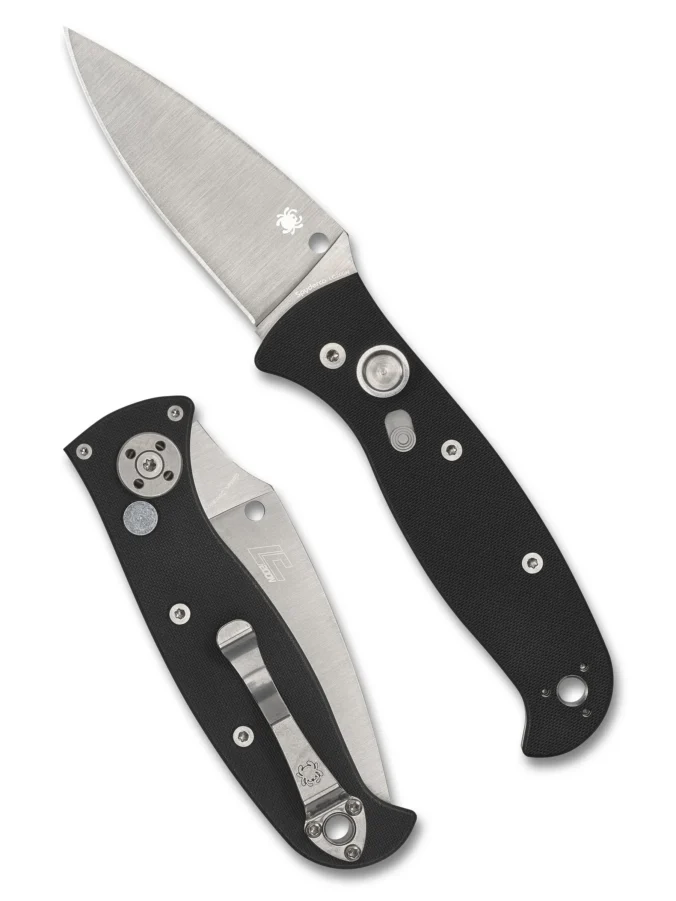
<a href="https://blog.knife-depot.com/liner-lock-vs-frame-lock-knife-mechanism-comparison/" rel="bookmark">Liner Lock vs Frame Lock Knives: Key Differences (2026)</a>
</h2>
<div class="post-meta">
<span class="post-date"><a href="https://blog.knife-depot.com/liner-lock-vs-frame-lock-knife-mechanism-comparison/">June 9, 2026</a></span>
<span class="date-sep"> / </span>
<span class="post-author"><a href="https://blog.knife-depot.com/author/salesknife-depot-com/" rel="author">Glenn</a></span>
<span class="date-sep"> / </span>
<a href="https://blog.knife-depot.com/liner-lock-vs-frame-lock-knife-mechanism-comparison/#respond"><span class="comment">0 Comments</span></a>
</div><!-- .post-meta -->
</div><!-- .post-header -->
<div class="post-content entry-content">
<blockquote class="wp-block-quote is-layout-flow wp-block-quote-is-layout-flow">
<p class="has-drop-cap wp-block-paragraph"><strong>TL;DR:</strong> &#8211; Liner locks use a thin spring-steel insert; frame locks use the handle itself &#8211; making frame locks generally thicker and stronger under hard use</p>
</blockquote>
<ul class="wp-block-list">
<li>For budget-to-mid EDC, liner locks win on weight and cost; for premium EDC and heavy work, frame locks are the better call</li>
<li>Build quality matters more than lock type &#8211; a well-made liner lock beats a sloppy frame lock every time</li>
</ul>
<h2 class="wp-block-heading" id="everyone-gets-this-comparison-wrong">Everyone Gets This Comparison Wrong</h2>
<p class="wp-block-paragraph">Most people comparing the liner lock vs frame lock knife mechanism assume frame locks are simply &quot;better.&quot; That&#39;s not quite right. Based on our analysis of BladeForums community discussions, manufacturer documentation, and editorial reviews across KnifeCenter, Gear Patrol, and Damned Designs, the real answer is: <em>it depends on what you&#39;re doing with the knife.</em></p>
<p class="wp-block-paragraph">Both locks dominate the folding knife market for good reason. As <a href="https://whitemountainknives.com/blog/pocket-knife-locks-linerlock-vs-framelock/" target="_blank" rel="noopener noreferrer">White Mountain Knives</a> notes, &quot;liner locks and frame locks are relatively easy and affordable to make, they&#39;re found on the majority of folding, locking knives.&quot; That ubiquity means you&#39;ll encounter both constantly &#8211; so understanding the actual mechanical differences helps you buy smarter.</p>
<p class="wp-block-paragraph">This guide breaks down how each lock works, where the strength difference actually comes from, and which one belongs in your <a href="https://blog.knife-depot.com/pocket-knives/" target="_blank" rel="noopener noreferrer">pocket</a>.</p>
<h2 class="wp-block-heading" id="what-are-liner-locks-and-frame-locks">What Are Liner Locks and Frame Locks?</h2>
<p class="wp-block-paragraph">A liner lock uses a thin spring-steel strip inside the handle that snaps behind the blade tang when you open the knife. A frame lock eliminates that separate strip entirely &#8211; the handle itself flexes inward to lock the blade.</p>
<p class="wp-block-paragraph">According to , &quot;custom knifemaker Michael Walker is credited with refining and popularizing the modern version of the liner lock mechanism that is used across the entire industry today.&quot; That happened in the early 1980s, with the patent granted in 1988.</p>
<p class="wp-block-paragraph">The frame lock came next. also confirms that &quot;Chris Reeve introduced the world to the frame lock with the Sebenza in 1987&quot; &#8211; using the handle slab itself as the spring element rather than a separate insert. <a href="https://www.damneddesigns.com/blog/liner-lock-vs-frame-lock/" target="_blank" rel="noopener noreferrer">Damned Designs</a> puts it plainly: &quot;Chris Reeve is credited with popularizing this approach with the Sebenza, first prototyped in 1987 and introduced to the market around 1990.&quot;</p>
<p class="wp-block-paragraph">Key terms you&#39;ll see throughout this comparison:</p>
<ul class="wp-block-list">
<li><strong>Lockbar</strong> &#8211; the spring-loaded bar (liner or frame) that snaps behind the blade tang</li>
<li><strong>Detent</strong> &#8211; a small ball bearing that holds the blade closed under spring tension</li>
<li><strong>Lock engagement</strong> &#8211; how much of the tang face the lockbar covers when open</li>
<li><strong>Over-travel</strong> &#8211; when the lockbar deflects further than needed during closing, creating a hazard</li>
</ul>
<p class="wp-block-paragraph">These concepts explain <em>why</em> the two locks behave differently under stress.</p>
<blockquote class="wp-block-quote is-layout-flow wp-block-quote-is-layout-flow">
<p class="wp-block-paragraph"><strong>Key Takeaway:</strong> The liner lock and frame lock share the same basic principle &#8211; a spring-tensioned bar snaps behind the blade tang. The difference is whether that bar is a separate <a href="https://blog.knife-depot.com/is-damascus-steel-worth-it-for-kitchen-and-pocket-knives/" target="_blank" rel="noopener noreferrer">steel</a> insert or the handle itself.</p>
</blockquote>
<h2 class="wp-block-heading" id="how-does-each-locking-mechanism-actually-work">How Does Each Locking Mechanism Actually Work?</h2>
<p class="wp-block-paragraph">Both locks use spring tension, but the source of that tension is completely different &#8211; and that&#39;s where all the downstream tradeoffs originate.</p>
<p class="wp-block-paragraph"><strong>Liner lock cycle:</strong> The blade folds closed, held by a detent ball. You deploy the blade (via flipper or thumb stud &#8211; a separate question from lock type, worth exploring when you look at <a href="https://blog.knife-depot.com/flipper-knife-vs-thumb-stud-opening-mechanism-comparison/" target="_blank" rel="noopener noreferrer">flipper vs thumb stud opening mechanisms</a>). At full open, the thin steel liner snaps inward behind the blade tang under its own tension. To close: push the liner away from the tang with your thumb, swing the blade shut.</p>
<p class="wp-block-paragraph"><strong>Frame lock cycle:</strong> Identical in principle. The difference is that the spring element is the handle slab itself &#8211; typically titanium at 1.5mm to 2mm thick. <a href="https://www.damneddesigns.com/blog/liner-lock-vs-frame-lock/" target="_blank" rel="noopener noreferrer">Damned Designs</a> confirms: &quot;The lockbar is the full thickness of the handle scale &#8211; usually around 1.5mm to 2mm of titanium &#8211; compared to a liner lock&#39;s thin steel sheet, which is often under 1mm.&quot;</p>
<p class="wp-block-paragraph">Lock engagement percentage matters enormously here. This is the proportion of the blade tang face covered by the lockbar when locked open. Too low (under ~20%) and the bar may slip under lateral load. Too high (above ~60%) and you get over-travel &#8211; the bar snaps past the tang during closing, putting your fingers in the blade&#39;s path.</p>
<p class="wp-block-paragraph">Artisan Cutlery is direct about the stakes: &quot;A reliable locking mechanism is what stands between you and a potential trip to the emergency room.&quot;</p>
<p class="wp-block-paragraph">One more thing both locks share: they&#39;re overwhelmingly right-hand biased. The lockbar sits on the right side of the handle in nearly every production folder. Left-handed users have to reach across the blade path to disengage &#8211; which is awkward at <a href="https://blog.knife-depot.com/what-knife-blade-steel-is-best-for-outdoor-camping/" target="_blank" rel="noopener noreferrer">best</a> and unsafe at worst.</p>
<blockquote class="wp-block-quote is-layout-flow wp-block-quote-is-layout-flow">
<p class="wp-block-paragraph"><strong>Key Takeaway:</strong> Both locks work identically in principle. The frame lock&#39;s spring element is the handle itself (1.5–2mm titanium), while the liner lock uses a separate steel strip under 1mm thick. That thickness gap is the root of every strength comparison downstream.</p>
</blockquote>
<h2 class="wp-block-heading" id="is-a-frame-lock-stronger-than-a-liner-lock">Is a Frame Lock Stronger Than a Liner Lock?</h2>
<p class="wp-block-paragraph">Generally, yes &#8211; but the real answer is more nuanced than most articles admit.</p>
<p class="wp-block-paragraph">Gear Patrol states it clearly: &quot;The piece of metal used in a frame lock is typically thicker than a liner, and thus marginally stronger.&quot; <a href="https://whitemountainknives.com/blog/pocket-knife-locks-linerlock-vs-framelock/" target="_blank" rel="noopener noreferrer">White Mountain Knives</a> goes further: &quot;there is much more metal stock behind most frame locks. This means that they are typically structurally much stronger and resistant to failure.&quot;</p>
<p class="wp-block-paragraph">But here&#39;s where it gets interesting. The BladeForums community &#8211; which includes working knifemakers &#8211; pushes back on the simple &quot;frame lock = stronger&quot; narrative. As one experienced contributor notes on BladeForums: &quot;Both liner and frame locks can be implemented well and be plenty strong, or implemented poorly and fail under light pressure. The geometry and lock face is much more important than the thickness of the lockbar.&quot;</p>
<p class="wp-block-paragraph">So what actually closes the gap between a quality liner lock and a frame lock?</p>
<ul class="wp-block-list">
<li><strong>Over-travel stops</strong> &#8211; small pins that limit lockbar deflection during closing; found on premium models of both types</li>
<li><strong>Lockbar insert (LBS)</strong> &#8211; a hardened steel disc pressed into the titanium frame lock at the contact face. Urban EDC confirms their Nymble series &quot;features a steel lock bar insert with a ceramic detent ball to reduce wear on the titanium frame lock.&quot; Without this, titanium-on-steel contact causes progressive wear that degrades lockup over time</li>
<li><strong>Manufacturing precision</strong> &#8211; [S1-C3] from Urban EDC puts it <a href="https://blog.knife-depot.com/best-pocket-knife-for-everyday-carry-edc/" target="_blank" rel="noopener noreferrer">best</a>: &quot;Build quality is more critical than lock type alone&quot;</li>
</ul>
<p class="wp-block-paragraph">Colonel Blades summarizes the consensus: &quot;Frame locks are generally stronger due to the thicker lockbar. The integration of the lock into the handle frame provides a solid lockup suitable for more demanding tasks.&quot; But a $40 frame lock without a lockbar insert will wear faster than a well-made $100 liner lock.</p>
<blockquote class="wp-block-quote is-layout-flow wp-block-quote-is-layout-flow">
<p class="wp-block-paragraph"><strong>Key Takeaway:</strong> Frame locks are generally stronger due to thicker lockbar material, but manufacturing quality and features like over-travel stops and lockbar inserts matter more than lock type alone at equivalent price tiers.</p>
</blockquote>
<h2 class="wp-block-heading" id="liner-lock-vs-frame-lock-side-by-side-comparison">Liner Lock vs Frame Lock: Side-by-Side Comparison</h2>
<p class="wp-block-paragraph">Each lock type has distinct advantages depending on your use case. Here&#39;s the full breakdown:</p>
<figure class="wp-block-table is-style-stripes"><table>
<thead>
<tr>
<th>Feature</th>
<th>Liner Lock</th>
<th>Frame Lock</th>
</tr>
</thead>
<tbody>
<tr>
<td>Lockbar thickness</td>
<td>Under 1mm steel</td>
<td>1.5–2mm titanium</td>
</tr>
<tr>
<td>Handle thickness</td>
<td>Thinner (separate scales)</td>
<td>Thicker (handle IS the spring)</td>
</tr>
<tr>
<td>Weight</td>
<td>Lighter &#8211; Damned Designs cites typical G10 liner lock at 2.5–3.5 oz</td>
<td>Heavier &#8211; adds 0.5–1.5 oz over liner lock equivalent</td>
</tr>
<tr>
<td>Price range</td>
<td>$20–$300+</td>
<td>$80–$600+</td>
</tr>
<tr>
<td>Repairability</td>
<td>Easier &#8211; liner can be adjusted or replaced</td>
<td>Harder &#8211; requires handle regrind or replacement</td>
</tr>
<tr>
<td>Ambidextrous use</td>
<td>Limited (right-biased)</td>
</tr>
<tr>
<td>Debris resistance</td>
<td>Moderate</td>
<td>Better &#8211; <a href="https://artisancutlery.net/blogs/knife-knowledge/knife-safety-frame-vs-liner-lock" target="_blank" rel="noopener noreferrer">Artisan Cutlery</a> notes &quot;frame locks tend to handle grit and debris better&quot;</td>
</tr>
<tr>
<td>Handle material options</td>
<td>G10, <a href="https://blog.knife-depot.com/knife-handle-materials-g10-vs-micarta-vs-wood-guide/" target="_blank" rel="noopener noreferrer">Micarta</a>, aluminum, carbon fiber, wood</td>
<td>Usually titanium; occasionally steel slab</td>
</tr>
<tr>
<td>LBS requirement</td>
<td>N/A (steel-on-steel)</td>
<td>Critical for titanium longevity</td>
</tr>
</tbody>
</table>
</figure>
<p class="wp-block-paragraph">On weight: <a href="https://urbanedc.com/blogs/analog-field-guide/frame-lock-vs-liner-lock" target="_blank" rel="noopener noreferrer">Urban EDC</a> confirms that &quot;frame locks use titanium handles for both structure and the locking mechanism. Titanium weighs more than Micarta or G10, so liner locks are a good option when weight is a concern.&quot;</p>
<p class="wp-block-paragraph">On price: <a href="https://www.gearpatrol.com/outdoors/pocket-knife-frame-lock-liner-lock-difference/" target="_blank" rel="noopener noreferrer">Gear Patrol</a> explains why frame locks cost more: &quot;Because frame locks require a bit more ingenuity on the front end and have fewer moving parts on the back end, you&#39;ll find them in many higher-end knives.&quot;</p>
<p class="wp-block-paragraph">On repairability: liner lock steel is workable &#8211; an experienced user can adjust engagement with a brass punch. A titanium frame lock that has &quot;taken a set&quot; (permanently lost spring tension from fatigue) typically needs professional regrinding or handle replacement.</p>
<p class="wp-block-paragraph">Handle material also determines which lock type is even possible. Titanium and steel slabs enable frame locks; G10, Micarta, and wood scales require a separate liner insert. Understanding <a href="https://blog.knife-depot.com/knife-handle-materials-g10-vs-micarta-vs-wood-guide/" target="_blank" rel="noopener noreferrer">handle material choices like G10 or titanium</a> is directly tied to which lock mechanism a knife can use.</p>
<blockquote class="wp-block-quote is-layout-flow wp-block-quote-is-layout-flow">
<p class="wp-block-paragraph"><strong>Key Takeaway:</strong> Liner locks win on weight and cost ($20–$300+); frame locks win on raw lockup strength and debris resistance but add 0.5–1.5 oz and typically start at $80–$100 for quality examples.</p>
</blockquote>
<h2 class="wp-block-heading" id="which-lock-type-is-better-for-everyday-carry">Which Lock Type Is Better for Everyday Carry?</h2>
<p class="wp-block-paragraph">Liner locks suit budget-to-mid-range EDC; frame locks dominate mid-to-premium EDC where strength-to-weight ratio justifies the cost.</p>
<p class="wp-block-paragraph">Artisan Cutlery gives the clearest scenario guidance: &quot;If you&#39;re doing heavy-duty work (construction, outdoor tasks), a frame lock might be your best bet. Its chunky build can handle more abuse. For everyday tasks like opening packages or light cutting jobs, a liner lock will serve you just fine.&quot;</p>
<p class="wp-block-paragraph">Here&#39;s how to match lock type to your actual situation:</p>
<p class="wp-block-paragraph"><strong>Light urban carry (office, travel, daily tasks)</strong>
→ Liner lock. Lower weight, thinner profile, lower cost. The Kershaw Leek (liner lock, ~2.0 oz) is a classic slim EDC option. For <a href="https://blog.knife-depot.com/best-edc-knives-under-50-dollars-2026/" target="_blank" rel="noopener noreferrer">best budget EDC knives under $50</a>, liner locks dominate the field.</p>
<p class="wp-block-paragraph"><strong>Outdoor and work use (construction, camping, field tasks)</strong>
→ Frame lock. The thicker lockbar handles lateral stress better, and Artisan Cutlery confirms frame locks handle grit and debris better in dirty conditions. The Zero Tolerance 0450 (titanium frame lock, ~3.4 oz) is a proven mid-range option here.</p>
<p class="wp-block-paragraph"><strong>Collector or investment piece</strong>
→ Frame lock, specifically titanium with a lockbar insert. The Chris Reeve Sebenza 31 is the canonical example &#8211; titanium frame lock with hardened steel LBS, built to last decades. Check out <a href="https://blog.knife-depot.com/best-pocket-knife-for-everyday-carry-edc/" target="_blank" rel="noopener noreferrer">top-rated everyday carry pocket knives</a> for a broader look at what collectors gravitate toward.</p>
<p class="wp-block-paragraph"><strong>Left-handed users</strong>
→ Neither lock type is ideal in standard configuration. Consider Spyderco&#39;s compression lock or crossbar-style locks as alternatives &#8211; both offer more ambidextrous-friendly operation than standard liner or frame locks.</p>
<p class="wp-block-paragraph">One practical note on frame lock pocket carry: the thicker titanium handle slab requires a specific deep-carry clip geometry to sit comfortably in your pocket. Slim liner lock knives like the Kershaw Leek disappear in a pocket; a titanium frame lock will be more noticeable.</p>
<p class="wp-block-paragraph">You can browse both lock types across price ranges at Knife Depot, which stocks everything from budget liner lock folders to premium titanium frame lock knives.</p>
<blockquote class="wp-block-quote is-layout-flow wp-block-quote-is-layout-flow">
<p class="wp-block-paragraph"><strong>Key Takeaway:</strong> For light daily tasks, a liner lock at $30–$80 is the practical choice. For heavy work or premium EDC, a frame lock with a lockbar insert at $100+ delivers meaningfully better lockup under stress.</p>
</blockquote>
<h2 class="wp-block-heading" id="common-failure-points-and-maintenance-for-both-locks">Common Failure Points and Maintenance for Both Locks</h2>
<p class="wp-block-paragraph">Both locks fail primarily from lockbar over-travel, debris ingress, and insufficient spring tension &#8211; but the specific failure modes differ.</p>
<p class="wp-block-paragraph">BC Knife warns that &quot;over time, repeated flexing may cause the liner to lose tension or develop stress cracks that compromise performance.&quot; For liner locks specifically, watch for:</p>
<ul class="wp-block-list">
<li><strong>Blade walk</strong> &#8211; the lockbar slowly migrates under the tang with vibration or hard lateral strikes, reducing engagement</li>
<li><strong>Stress cracking</strong> &#8211; rare in quality production knives, but possible in heavily used or cheaply made liners</li>
<li><strong>Debris ingress</strong> &#8211; grit in the lockbar channel prevents full lockup</li>
</ul>
<p class="wp-block-paragraph">Frame lock failure modes are different. The titanium lockbar can &quot;take a set&quot; &#8211; permanently deform over years of heavy use, losing spring tension and reducing engagement below a safe threshold. This is a materials science reality: titanium has lower fatigue resistance than spring steel. <a href="https://www.bladeforums.com/threads/are-frame-locks-considered-stronger-than-liner-locks.1825014/" target="_blank" rel="noopener noreferrer">BladeForums</a> contributors document real-world cases of liner lock walking: &quot;I&#39;ve had 3 liner locks wear and move beyond the lock face of the blade all the way to the other scale.&quot;</p>
<p class="wp-block-paragraph"><strong>Maintenance steps for both:</strong></p>
<ol class="wp-block-list">
<li>Periodically clean debris from the lockbar channel with a toothpick or compressed air</li>
<li>Apply a light drop of PTFE-based oil (like Tuf-Glide) to the lockbar contact area</li>
<li>Check lock engagement &#8211; push the blade laterally when locked open; any detectable side-to-side play is an early warning sign</li>
<li>For frame locks, check that the lockbar still snaps firmly behind the tang; reduced tension means the bar may be taking a set</li>
</ol>
<p class="wp-block-paragraph">For a full walkthrough on <a href="https://blog.knife-depot.com/how-to-maintain-and-oil-a-folding-knife-guide/" target="_blank" rel="noopener noreferrer">how to clean and oil a folding knife</a>, the process applies equally to both lock types. When to retire a knife: if you can&#39;t eliminate lock rock through cleaning and adjustment, or if the lockbar no longer engages at least 25% of the tang face, it&#39;s time to send it in for service or replace it. Artisan Cutlery notes the lock face &quot;can wear down over time, though it usually takes years of heavy use&quot; &#8211; so this isn&#39;t a common concern with normal carry, but it&#39;s worth knowing.</p>
<blockquote class="wp-block-quote is-layout-flow wp-block-quote-is-layout-flow">
<p class="wp-block-paragraph"><strong>Key Takeaway:</strong> Clean the lockbar channel regularly and check for lateral blade play. Liner locks fail via blade walk and stress cracks; frame locks fail via titanium fatigue (taking a set). Either sign means service time.</p>
</blockquote>
<div style="border: 1px solid #2a2a2a; padding: 22px; border-radius: 6px; background: linear-gradient(145deg, #2f2f2f, #121212); margin: 24px 0; box-shadow: inset 0 1px 0 rgba(255,255,255,0.08), inset 0 -3px 8px rgba(0,0,0,0.7), 0 6px 16px rgba(0,0,0,0.4);">
<div style="font-size: 22px; font-weight: 900; margin-bottom: 12px; color: #f3f4f6; text-transform: uppercase; letter-spacing: 1px; font-family: Impact, Haettenschweiler, 'Arial Narrow Bold', sans-serif; text-shadow: 1px 1px 0 #000;">
Upgrade Your Everyday Carry
</div>
<div style="margin-bottom: 14px; line-height: 1.5; color: #d1d5db; font-size: 15px;">
Built for performance. Designed to stand out. Shop knives ready for everyday carry, the outdoors, or your collection.
</div>
<div style="color:#f97316; font-weight:700; margin-bottom:10px; text-transform: uppercase; letter-spacing: 0.5px;">
Top models are selling out fast.
</div>
<div style="font-size:13px; color:#9ca3af; margin-bottom:14px;">
Free shipping available on most orders
</div>
<a href="https://knife-depot.com/collections/every-day-carry" style="display: inline-block; padding: 12px 18px; border-radius: 3px; text-decoration: none; font-weight: 800; border: 1px solid #000; background: linear-gradient(180deg, #fb923c, #c2410c); color: #ffffff; text-transform: uppercase; letter-spacing: 1px; box-shadow: 0 3px 0 #7c2d12;">
Shop Here
</a>
</div>
<h2 class="wp-block-heading" id="frequently-asked-questions">Frequently Asked Questions</h2>
<h3 class="wp-block-heading" id="are-frame-locks-safer-than-liner-locks">Are frame locks safer than liner locks?</h3>
<p class="wp-block-paragraph"><strong>Direct Answer:</strong> Neither is inherently safer &#8211; both are safe when properly manufactured and maintained. The risk comes from poor geometry, debris buildup, or worn lockbars, not the lock type itself.</p>
<p class="wp-block-paragraph">Artisan Cutlery confirms that &quot;knife injuries often happen when locks fail or when people use knives without locks&quot; &#8211; meaning a quality liner lock is safer than a cheap frame lock. Check engagement regularly and clean the lockbar channel to keep either lock performing safely.</p>
<h3 class="wp-block-heading" id="can-left-handed-users-operate-a-frame-lock-knife-easily">Can left-handed users operate a frame lock knife easily?</h3>
<p class="wp-block-paragraph"><strong>Direct Answer:</strong> Not comfortably with standard production models. Both liner and frame locks are manufactured with the lockbar on the right side, requiring left-handed users to reach across the blade path to close the knife.</p>
<p class="wp-block-paragraph">Some manufacturers offer reversed clip configurations, but the lockbar position itself is fixed in nearly all production designs. Left-handed users are better served by crossbar-style locks or Spyderco&#39;s compression lock, which don&#39;t require pushing a bar away from the tang to close.</p>
<h3 class="wp-block-heading" id="why-do-frame-lock-knives-cost-more-than-liner-lock-knives">Why do frame lock knives cost more than liner lock knives?</h3>
<p class="wp-block-paragraph"><strong>Direct Answer:</strong> Frame locks require more precise machining of the handle slab itself, and quality examples use titanium with a hardened steel lockbar insert &#8211; both of which add material and manufacturing cost.</p>
<p class="wp-block-paragraph">As Gear Patrol explains, &quot;frame locks require a bit more ingenuity on the front end and have fewer moving parts on the back end, you&#39;ll find them in many higher-end knives.&quot; Quality liner lock knives start around $20–$30; quality frame lock knives with titanium handles and lockbar inserts typically start at $80–$100 and run to $600+.</p>
<h3 class="wp-block-heading" id="what-is-the-difference-between-a-liner-lock-and-a-compression-lock">What is the difference between a liner lock and a compression lock?</h3>
<p class="wp-block-paragraph"><strong>Direct Answer:</strong> A liner lock snaps behind the blade tang from the spine side of the handle; a compression lock (used by Spyderco) engages the blade from the opposite side &#8211; between the blade and the stop pin &#8211; which means closing force actually increases lockup rather than defeating it.</p>
<p class="wp-block-paragraph">The compression lock is often confused with the frame lock because both use substantial metal. But the engagement geometry is fundamentally different, making the compression lock one of the strongest folding knife mechanisms available. The Spyderco Paramilitary 2 is the most well-known compression lock example.</p>
<h3 class="wp-block-heading" id="how-do-i-know-if-my-liner-lock-or-frame-lock-is-failing">How do I know if my liner lock or frame lock is failing?</h3>
<p class="wp-block-paragraph"><strong>Direct Answer:</strong> The first sign is lateral blade play &#8211; any detectable side-to-side movement when the blade is locked open means the lock is wearing and needs attention.</p>
<p class="wp-block-paragraph">Additional warning signs include the lockbar not snapping firmly behind the tang, visible wear or peening at the lockface, or the bar migrating toward the center of the tang during use (blade walk). <a href="https://www.bcknife.com/blogs/news/folding-knife-mechanisms-explained-comparing-lockb/" target="_blank" rel="noopener noreferrer">BC Knife</a> notes that &quot;a failed lock can result in serious injury when the blade unexpectedly closes during use&quot; &#8211; so don&#39;t ignore these signs.</p>
<h3 class="wp-block-heading" id="which-lock-type-do-professional-knife-makers-prefer">Which lock type do professional knife makers prefer?</h3>
<p class="wp-block-paragraph"><strong>Direct Answer:</strong> It varies by application. Frame locks dominate premium custom and production knives for heavy use; liner locks remain the standard for lightweight EDC and budget production folders.</p>
<p class="wp-block-paragraph">Chris Reeve&#39;s Sebenza established the frame lock as the benchmark for premium folding knives, and most high-end makers (WE Knife, Hinderer, Reeve) use frame locks with titanium handles and lockbar inserts. For a deeper look at what drives these choices, a <a href="https://blog.knife-depot.com/knife-collecting-tips-for-beginners-investment-guide/" target="_blank" rel="noopener noreferrer">knife collecting guide for beginners</a> covers how lock type factors into collectibility and long-term value.</p>
<h3 class="wp-block-heading" id="can-a-liner-lock-be-upgraded-or-replaced-if-it-wears-out">Can a liner lock be upgraded or replaced if it wears out?</h3>
<p class="wp-block-paragraph"><strong>Direct Answer:</strong> Yes &#8211; liner lock steel is workable and replaceable. An experienced user can adjust engagement by carefully bending the liner with a brass punch, and replacement liners are available for many production models.</p>
<p class="wp-block-paragraph">Frame locks are harder to service. If the titanium lockbar has taken a set (permanently lost spring tension), the fix typically requires professional regrinding of the lockbar ramp or full handle replacement. This is one practical advantage liner locks hold over frame locks for long-term ownership.</p>
<h2 class="wp-block-heading" id="the-bottom-line">The Bottom Line</h2>
<p class="wp-block-paragraph">The liner lock vs frame lock knife mechanism comparison comes down to this: frame locks are generally stronger due to thicker lockbar material, but contributors and manufacturers alike agree that &quot;build quality is more critical than lock type alone.&quot;</p>
<p class="wp-block-paragraph">For light daily carry, a quality liner lock at $30–$80 is the practical, lightweight choice. For heavy work, outdoor use, or a premium EDC you&#39;ll carry for decades, a frame lock with a titanium handle and lockbar insert at $100+ is worth the investment. And if you&#39;re left-handed &#8211; consider a crossbar or compression lock instead of either.</p>
<p class="wp-block-paragraph">Both locks have earned their place in the folding knife world. Know what you&#39;re buying, maintain it properly, and either one will serve you well.</p>
<h3 class="wp-block-heading" id="ready-to-get-started">Ready to Get Started?</h3>
<p class="wp-block-paragraph">For personalized guidance, visit <a href="https://knife-depot.com" target="_blank" rel="noopener noreferrer">Knife Depot</a> to learn how we can help.</p>
</div><!-- .post-content -->
</article><!-- .post --><article id="post-21661" class="post-21661 post type-post status-publish format-standard has-post-thumbnail hentry category-knife-stuff post-preview">
<div class="post-header">
<figure class="featured-media">
<a href="https://blog.knife-depot.com/best-nakiri-knife-for-vegetable-chopping-japanese-style/" rel="bookmark">
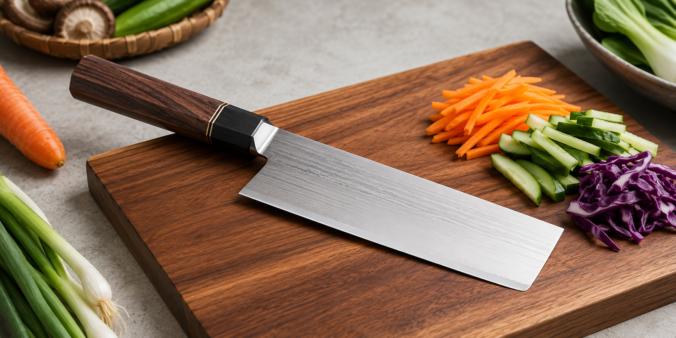
<img width="676" height="338" src="https://blog.knife-depot.com/wp-content/uploads/2026/06/knife-for-kitchen--676x338.png" class="attachment-post-image size-post-image wp-post-image" alt="best nakiri knife for vegetable chopping Japanese style" decoding="async" fetchpriority="high" srcset="https://blog.knife-depot.com/wp-content/uploads/2026/06/knife-for-kitchen--676x338.png 676w, https://blog.knife-depot.com/wp-content/uploads/2026/06/knife-for-kitchen--300x150.png 300w, https://blog.knife-depot.com/wp-content/uploads/2026/06/knife-for-kitchen--1024x512.png 1024w, https://blog.knife-depot.com/wp-content/uploads/2026/06/knife-for-kitchen--768x384.png 768w, https://blog.knife-depot.com/wp-content/uploads/2026/06/knife-for-kitchen--1536x768.png 1536w, https://blog.knife-depot.com/wp-content/uploads/2026/06/knife-for-kitchen-.png 1774w" sizes="(max-width: 676px) 100vw, 676px" />					</a>
</figure><!-- .featured-media -->
<h2 class="post-title entry-title">
<a href="https://blog.knife-depot.com/best-nakiri-knife-for-vegetable-chopping-japanese-style/" rel="bookmark">Best Nakiri Knife for Vegetable Chopping (2026)</a>
</h2>
<div class="post-meta">
<span class="post-date"><a href="https://blog.knife-depot.com/best-nakiri-knife-for-vegetable-chopping-japanese-style/">June 7, 2026</a></span>
<span class="date-sep"> / </span>
<span class="post-author"><a href="https://blog.knife-depot.com/author/salesknife-depot-com/" rel="author">Glenn</a></span>
<span class="date-sep"> / </span>
<a href="https://blog.knife-depot.com/best-nakiri-knife-for-vegetable-chopping-japanese-style/#respond"><span class="comment">0 Comments</span></a>
</div><!-- .post-meta -->
</div><!-- .post-header -->
<div class="post-content entry-content">
<blockquote class="wp-block-quote is-layout-flow wp-block-quote-is-layout-flow">
<p class="has-drop-cap wp-block-paragraph"><strong>TL;DR:</strong> &#8211; <strong>Best overall:</strong> Tojiro DP Nakiri &#8211; VG-10 steel, 60 HRC, ~$65–$75, <a href="https://blog.knife-depot.com/what-are-the-best-knife-brands-for-durability/" target="_blank" rel="noopener noreferrer">best</a> price-to-performance in the budget tier</p>
</blockquote>
<ul class="wp-block-list">
<li><strong>Best mid-range:</strong> Shun Classic Nakiri &#8211; VG-MAX steel, 60–61 HRC, hollow-ground dimples, ~$130–$190</li>
<li><strong>Best premium:</strong> Miyabi Birchwood SG2 &#8211; 63 HRC powder steel, thinnest grind, ~$220–$260</li>
<li><strong>Who this is for:</strong> Home cooks doing serious vegetable prep who want a dedicated Japanese-style nakiri from $40 to $300</li>
</ul>
<h2 id="your-chef-knife-is-holding-your-vegetable-prep-back" class="wp-block-heading">Your Chef Knife Is Holding Your Vegetable Prep Back</h2>
<p class="wp-block-paragraph">Most home cooks assume their chef knife handles everything. For vegetables? That assumption costs you precision.</p>
<p class="wp-block-paragraph">A nakiri knife is a Japanese vegetable knife with a rectangular blade, flat cutting edge, and a profile specifically engineered for push-cutting produce. According to <a href="https://cutleryandmore.com/collections/nakiri-knives" target="_blank" rel="noopener noreferrer">Cutlery and More</a>, &#8220;its flat profile allows full contact with the cutting board, making it perfect for clean, efficient cuts through vegetables and herbs without rocking.&#8221;</p>
<p class="wp-block-paragraph">That geometry difference is the whole story. A curved chef knife rocks. A nakiri pushes straight down &#8211; full edge contact, every stroke.</p>
<p class="wp-block-paragraph">As Serious Eats notes, &#8220;before the Western influence, knives were very much separated to task. The nakiri was your vegetable knife.&#8221; That specialization is exactly why it outperforms an all-purpose blade for dedicated vegetable work.</p>
<p class="wp-block-paragraph"><a href="https://www.bonappetit.com/story/best-nakiri-knife" target="_blank" rel="noopener noreferrer">Bon Appétit</a> describes it simply: &#8220;a short cleaver-style knife used for chopping vegetables&#8221; &#8211; and in the last 20 years, Japanese knives have become increasingly popular with home cooks who&#8217;ve discovered that specialization matters.</p>
<p class="wp-block-paragraph">This guide covers 7 nakiri picks across $40–$300, with verified steel specs, honest assessments, and a clear answer on who should skip each one.</p>
<blockquote class="wp-block-quote is-layout-flow wp-block-quote-is-layout-flow">
<p class="wp-block-paragraph"><strong>Key Takeaway:</strong> A nakiri&#8217;s flat edge delivers full board contact that a curved chef knife physically cannot match &#8211; the geometry advantage is real, not marketing.</p>
</blockquote>
<h2 id="how-we-evaluated-nakiri-knives" class="wp-block-heading">How We Evaluated Nakiri Knives</h2>
<p class="wp-block-paragraph">Testing criteria for the best nakiri knife for vegetable chopping Japanese style comes down to four measurable factors.</p>
<p class="wp-block-paragraph"><strong>Steel hardness (HRC)</strong> determines edge retention and sharpening difficulty. According to <a href="https://oishya.com/journal/best-japanese-chef-knife/" target="_blank" rel="noopener noreferrer">Oishya&#8217;s 2026 buying guide</a>, &#8220;where a German knife might be forged from steel at 56–58 HRC, a Japanese blade typically sits at 60–63 HRC.&#8221; Higher HRC = longer edge life, but more brittle and harder to sharpen at home.</p>
<p class="wp-block-paragraph"><strong>Blade thickness at the spine</strong> affects food release on dense vegetables. A 2.0mm spine creates more drag on carrots and parsnips than a 1.6mm spine &#8211; the physics are straightforward.</p>
<p class="wp-block-paragraph"><strong>Edge angle</strong> matters for maintenance. Japanese nakiris are typically ground at 10–15° per side vs. 20–25° for Western knives. Sharpen at the wrong angle and you&#8217;re wasting steel.</p>
<p class="wp-block-paragraph"><strong>Handle fit</strong> determines fatigue over long prep sessions. D-shaped wa-handles are right-hand specific; octagonal profiles work for both hands.</p>
<figure class="wp-block-table is-style-stripes">
<table>
<thead>
<tr>
<th>Steel</th>
<th>HRC Range</th>
<th>Edge Retention</th>
<th>Sharpening Ease</th>
<th>Rust Resistance</th>
</tr>
</thead>
<tbody>
<tr>
<td>German (X50CrMoV15)</td>
<td>56–58</td>
<td>Low</td>
<td>Easy</td>
<td>High</td>
</tr>
<tr>
<td>AUS-8</td>
<td>58–59</td>
<td>Low-Medium</td>
<td>Easy</td>
<td>High</td>
</tr>
<tr>
<td>VG-10 / VG-MAX</td>
<td>60–61</td>
<td>Medium-High</td>
<td>Moderate</td>
<td>High</td>
</tr>
<tr>
<td>SG2 / R2</td>
<td>63–64</td>
<td>Very High</td>
<td>Difficult</td>
<td>High</td>
</tr>
<tr>
<td>Blue Steel #2</td>
<td>62–63</td>
<td>High</td>
<td>Moderate</td>
<td>Low (reactive)</td>
</tr>
</tbody>
</table>
</figure>
<p class="wp-block-paragraph">As <a href="https://cutleryandmore.com/blogs/knives/how-to-use-a-nakiri-knife" target="_blank" rel="noopener noreferrer">Cutlery and More</a> explains, &#8220;Japanese knives are often crafted with harder carbon steels with a 60–66 Rockwell Hardness, which allows them to maintain a fine, sharp edge&#8221; &#8211; while Western knives typically land at 56–58 HRC.</p>
<p class="wp-block-paragraph">Chubo Knives recommends that people &#8220;new to Japanese knives and sharpening start with knives on the lower end of that range&#8221; &#8211; meaning VG-10 at 60–61 HRC is the sweet spot for most home cooks.</p>
<blockquote class="wp-block-quote is-layout-flow wp-block-quote-is-layout-flow">
<p class="wp-block-paragraph"><strong>Key Takeaway:</strong> For most home cooks, VG-10 at 60–61 HRC hits the <a href="https://blog.knife-depot.com/knife-steel-hardness-rockwell-scale-explained-simply/" target="_blank" rel="noopener noreferrer">sweet spot for knife steel hardness</a> &#8211; enough edge retention to matter, manageable enough to sharpen at home without specialized skills.</p>
</blockquote>
<h2 id="the-7-best-nakiri-knives-ranked-for-2026" class="wp-block-heading">The 7 Best Nakiri Knives Ranked for 2026</h2>
<figure class="wp-block-table is-style-stripes">
<table>
<thead>
<tr>
<th>Knife</th>
<th>Steel</th>
<th>HRC</th>
<th>Spine</th>
<th>Best For</th>
</tr>
</thead>
<tbody>
<tr>
<td>Tojiro DP F-502</td>
<td>VG-10</td>
<td>60</td>
<td>~2.0mm</td>
<td>Budget value</td>
</tr>
<tr>
<td>Victorinox Fibrox</td>
<td>X50CrMoV15</td>
<td>~56</td>
<td>~2.5mm</td>
<td>Beginners, easy sharpening</td>
</tr>
<tr>
<td>Misen Nakiri</td>
<td>AUS-8</td>
<td>58–59</td>
<td>~2.0mm</td>
<td>Budget, Western handle</td>
</tr>
<tr>
<td>Shun Classic</td>
<td>VG-MAX</td>
<td>60–61</td>
<td>~1.8mm</td>
<td>Mid-range, hollow-ground</td>
</tr>
<tr>
<td>Masutani VG1</td>
<td>VG-1</td>
<td>~60</td>
<td>~1.7mm</td>
<td>Mid-range, Sakai-made</td>
</tr>
<tr>
<td>MAC Japanese Series</td>
<td>HC Stainless</td>
<td>58–59</td>
<td>~1.8mm</td>
<td>Beginners wanting quality</td>
</tr>
<tr>
<td>Miyabi Birchwood SG2</td>
<td>SG2/R2</td>
<td>63</td>
<td>~1.6mm</td>
<td>Premium performance</td>
</tr>
</tbody>
</table>
</figure>
<h3 id="best-budget-nakiri-under-80" class="wp-block-heading">Best Budget Nakiri Under $80</h3>
<p class="wp-block-paragraph"><strong>Tojiro DP Nakiri (F-502)</strong> &#8211; VG-10 core, 60 HRC, 165mm blade, ~2.0mm spine. This is the most consistently recommended sub-$80 nakiri across major review outlets. Serious Eats tested it against significantly pricier options and it held its own on edge sharpness and consistency.</p>
<p class="wp-block-paragraph">The VG-10 core gives you real Japanese steel performance at a price that doesn&#8217;t require a second thought. The handle is functional rather than beautiful &#8211; Western-style, comfortable, nothing special.</p>
<p class="wp-block-paragraph"><strong>Who should skip it:</strong> If you want a traditional wa-handle aesthetic or plan to do heavy-duty root vegetable work daily, the 2.0mm spine will create more drag than a thinner premium blade.</p>
<p class="wp-block-paragraph"><strong>Victorinox Fibrox Nakiri</strong> &#8211; German X50CrMoV15 steel, ~56 HRC, ~$40–$50. <a href="https://www.bonappetit.com/story/best-nakiri-knife" target="_blank" rel="noopener noreferrer">Bon Appétit</a> notes a comparable budget option at &#8220;around $40 at the time of writing&#8221; as &#8220;a great value and a good addition for any kitchen.&#8221; The tradeoff is clear: easier to sharpen with tools you already own, but you&#8217;ll sharpen it more often. Cutlery and More confirms Western knives &#8220;usually use softer stainless steels, with a Rockwell hardness between 56 and 58.&#8221;</p>
<p class="wp-block-paragraph"><strong>Who should skip it:</strong> Anyone who already owns a German-steel chef knife and wants something that performs differently. The edge retention gap is real.</p>
<h3 id="best-mid-range-nakiri-80160" class="wp-block-heading">Best Mid-Range Nakiri ($80–$160)</h3>
<p class="wp-block-paragraph"><strong>Shun Classic Hollow-Ground Nakiri</strong> &#8211; VG-MAX steel (Shun&#8217;s proprietary VG-10 variant), 60–61 HRC, 165mm blade, D-shaped PakkaWood handle, hollow-ground dimples. Cutlery and More rates it 4.9 out of 5 stars across 41 reviews. The hollow-ground dimples reduce suction on starchy vegetables like potatoes and daikon &#8211; a practical feature, not just aesthetics.</p>
<p class="wp-block-paragraph">Made in Seki City, Japan, where <a href="https://shun.kaiusa.com/nakiri.html" target="_blank" rel="noopener noreferrer">Kai Group</a> has produced blades since the 14th century. <a href="https://shun.kaiusa.com/nakiri.html" target="_blank" rel="noopener noreferrer">Shun&#8217;s own documentation</a> confirms: &#8220;the blade&#8217;s straight edge makes push cuts easy and ensures complete contact with the cutting board for precise cuts every time.&#8221;</p>
<p class="wp-block-paragraph"><strong>Who should skip it:</strong> Left-handed cooks &#8211; the D-handle is right-hand specific. Also skip if you&#8217;re not ready to commit to whetstone sharpening; VG-MAX won&#8217;t respond well to a pull-through sharpener.</p>
<p class="wp-block-paragraph"><strong>Masutani VG1 Hammered Nakiri</strong> &#8211; VG-1 steel, ~60 HRC, 165mm, ~1.7mm spine, Sakai-made, ~$90–$110. This is the mid-range sleeper pick. Sakai produces an estimated 90% of Japan&#8217;s professional knives &#8211; the regional provenance matters for fit and finish quality at this price point. The hammered (tsuchime) finish also reduces food sticking without requiring hollow grinding.</p>
<p class="wp-block-paragraph"><strong>Who should skip it:</strong> Cooks who want a Western handle or need easy replacement parts. The wa-handle is traditional and excellent, but unfamiliar to some.</p>
<p class="wp-block-paragraph"><strong>MAC Japanese Series Nakiri</strong> &#8211; Proprietary high-carbon stainless, ~58–59 HRC, ~$155. Slightly softer than VG-10, which actually makes it more beginner-friendly for home sharpening. Tech Gear Lab notes the Shun Premier (similar tier) offers &#8220;excellent blade and solid ergonomics&#8221; &#8211; MAC competes directly at this level with a more forgiving steel.</p>
<p class="wp-block-paragraph"><strong>Who should skip it:</strong> Experienced sharpeners who want maximum edge retention. The softer steel is a feature for beginners, a limitation for enthusiasts.</p>
<h3 id="best-premium-nakiri-160300" class="wp-block-heading">Best Premium Nakiri ($160–$300)</h3>
<p class="wp-block-paragraph"><strong>Miyabi Birchwood SG2 Nakiri</strong> &#8211; SG2 micro-carbide powder steel, 63 HRC, 6.75-inch blade, ~1.6mm spine, birchwood D-handle. Oishya&#8217;s guide confirms &#8220;SG2/R2 (powdered steel) &#8211; a step above VG10 in edge retention and hardness (64 HRC).&#8221; The thinner spine measurably reduces wedging on dense root vegetables compared to budget options at 2.0mm+.</p>
<p class="wp-block-paragraph">Serious Eats measured the Yoshihiro (comparable premium tier) at &#8220;an average pressure of 83.3 grams needed to cut through the wire on the edge sharpness tester &#8211; sharper than a double-edged razor blade.&#8221; Premium steel delivers premium sharpness.</p>
<p class="wp-block-paragraph"><strong>Who should skip it:</strong> Anyone not ready to invest in a proper whetstone setup. At 63 HRC, this knife will punish a pull-through sharpener. Also skip if you prep meat regularly &#8211; this blade is optimized for vegetables.</p>
<blockquote class="wp-block-quote is-layout-flow wp-block-quote-is-layout-flow">
<p class="wp-block-paragraph"><strong>Key Takeaway:</strong> The Tojiro DP at ~$65 is the clear budget winner. Step up to Shun Classic for hollow-ground food release. Go Miyabi SG2 only if you&#8217;re committed to whetstone maintenance.</p>
</blockquote>
<h2 id="nakiri-vs-usuba-vs-santoku-which-do-you-actually-need" class="wp-block-heading">Nakiri vs. Usuba vs. Santoku: Which Do You Actually Need?</h2>
<figure class="wp-block-table is-style-stripes">
<table>
<thead>
<tr>
<th>Feature</th>
<th>Nakiri</th>
<th>Usuba</th>
<th>Santoku</th>
</tr>
</thead>
<tbody>
<tr>
<td>Bevel</td>
<td>Double</td>
<td>Single</td>
<td>Double</td>
</tr>
<tr>
<td>Skill required</td>
<td>Beginner-friendly</td>
<td>Professional</td>
<td>Beginner-friendly</td>
</tr>
<tr>
<td>Best for</td>
<td>Dedicated veg prep</td>
<td>Professional veg work</td>
<td>Multi-purpose</td>
</tr>
<tr>
<td>Sharpening</td>
<td>Whetstone, manageable</td>
<td>Expert only</td>
<td>Whetstone or pull-through</td>
</tr>
<tr>
<td>Entry price</td>
<td>~$40</td>
<td>~$150+</td>
<td>~$30</td>
</tr>
</tbody>
</table>
</figure>
<p class="wp-block-paragraph">The nakiri vs. usuba distinction is the one most buying guides skip. The nakiri is double-bevel &#8211; sharpened on both sides, forgiving to use and maintain. The usuba is single-bevel, used primarily by professional Japanese chefs, and requires years of skill to sharpen correctly.</p>
<p class="wp-block-paragraph">For home cooks, usuba is essentially off the table unless you&#8217;re training seriously in Japanese culinary technique.</p>
<p class="wp-block-paragraph">The santoku question is more practical. Bon Appétit is direct: if you cook a variety of proteins and vegetables and want one Japanese-style knife, a santoku is more practical. The nakiri wins when vegetable prep is your dominant cutting task &#8211; not as a general-purpose replacement.</p>
<p class="wp-block-paragraph"><strong>Choose nakiri if:</strong> You prep large volumes of vegetables regularly and want dedicated performance. <strong>Choose santoku if:</strong> You want one Japanese knife that handles everything reasonably well.</p>
<blockquote class="wp-block-quote is-layout-flow wp-block-quote-is-layout-flow">
<p class="wp-block-paragraph"><strong>Key Takeaway:</strong> Nakiri beats santoku for pure vegetable work. Santoku beats nakiri for everything else. If you already own a chef knife, a nakiri is a genuine performance upgrade for vegetable prep &#8211; not redundant.</p>
</blockquote>
<h2 id="how-to-use-a-nakiri-knife-the-right-way" class="wp-block-heading">How to Use a Nakiri Knife the Right Way</h2>
<p class="wp-block-paragraph">The push-cut is the nakiri&#8217;s native technique. Press the blade forward and down in a single stroke &#8211; full edge contact with the board on every cut.</p>
<p class="wp-block-paragraph"><strong>Don&#8217;t rock the blade.</strong> This is the most common beginner mistake. Rocking a nakiri eventually bends the flat edge profile, reducing the full-board contact that makes the knife worth owning. Cutlery and More notes that if you&#8217;re more comfortable with rock-chopping, &#8220;go for a longer nakiri, as the length will provide more leverage&#8221; &#8211; but ideally, learn the push-cut.</p>
<p class="wp-block-paragraph"><strong>Three cuts to master with a nakiri:</strong></p>
<ul class="wp-block-list">
<li><strong>Thin slices</strong> &#8211; push-cut cucumber or daikon paper-thin; the flat edge prevents accordion cuts</li>
<li><strong>Julienne</strong> &#8211; square the vegetable first, then push-cut into matchsticks with consistent thickness</li>
<li><strong>Rough chop</strong> &#8211; straight-down chops through cabbage or leafy greens, full edge contact each time</li>
</ul>
<p class="wp-block-paragraph"><strong>Board surface matters.</strong> Wood boards &#8211; particularly end-grain hardwood or traditional hinoki (Japanese cypress) &#8211; are significantly gentler on high-HRC Japanese edges than plastic or glass. Hard surfaces accelerate micro-chipping on 60+ HRC steel.</p>
<p class="wp-block-paragraph"><strong>Common beginner mistake:</strong> Using the tip as a pivot point. The nakiri has no tip designed for pivoting &#8211; treat it like a cleaver, not a chef knife.</p>
<blockquote class="wp-block-quote is-layout-flow wp-block-quote-is-layout-flow">
<p class="wp-block-paragraph"><strong>Key Takeaway:</strong> Push-cut only. Wood board only. Never rock. These three rules protect the flat-edge geometry that makes a nakiri worth buying in the first place.</p>
</blockquote>
<h2 id="how-to-sharpen-and-maintain-a-nakiri-knife" class="wp-block-heading">How to Sharpen and Maintain a Nakiri Knife</h2>
<p class="wp-block-paragraph">A nakiri is only as good as its edge. And Japanese steel has specific requirements most home cooks ignore.</p>
<p class="wp-block-paragraph"><strong>Sharpening angle:</strong> 10–15° per side. This is narrower than Western knives (20–25°). Sharpen at the wrong angle and you&#8217;re rebuilding geometry, not maintaining it. Cutlery and More is unambiguous: &#8220;when your Japanese nakiri needs sharpening, we only recommend using a whetstone or having it sharpened by a professional.&#8221;</p>
<p class="wp-block-paragraph"><strong>Why honing rods don&#8217;t work here:</strong> <a href="https://blog.knife-depot.com/honing-rod-vs-sharpening-stone-which-to-use-when/" target="_blank" rel="noopener noreferrer">Standard honing rods cannot realign</a> the hard, brittle edge of 60+ HRC Japanese steel. They may actually chip it. A leather strop works for light touch-up between whetstone sessions &#8211; a steel rod does not.</p>
<p class="wp-block-paragraph"><strong>Whetstone grit progression:</strong></p>
<ul class="wp-block-list">
<li><strong>400 grit</strong> &#8211; chip repair and major reprofiling</li>
<li><strong>1000 grit</strong> &#8211; bevel setting and regular maintenance</li>
<li><strong>3000 grit</strong> &#8211; edge refinement</li>
<li><strong>6000+ grit</strong> &#8211; finishing and polishing</li>
</ul>
<p class="wp-block-paragraph">A combination 1000/3000 stone (~$40–$60) handles 90% of home maintenance needs. Compare that to professional sharpening at $15–$25 per session, 2–3 times per year ($30–$75 annually) &#8211; the whetstone breaks even by Year 2.</p>
<p class="wp-block-paragraph"><strong>Storage:</strong> Magnetic strip over knife block. Repeated insertion into a block creates friction on the thin edge. A magnetic strip or blade guard keeps the edge protected between uses.</p>
<p class="wp-block-paragraph">Learn more about <a href="https://blog.knife-depot.com/honing-rod-vs-sharpening-stone-which-to-use-when/" target="_blank" rel="noopener noreferrer">honing rod vs sharpening stone</a> and check our <a href="https://blog.knife-depot.com/knife-sharpening-stones-whetstones-guide-for-beginners/" target="_blank" rel="noopener noreferrer">whetstone sharpening guide for beginners</a> for step-by-step technique.</p>
<blockquote class="wp-block-quote is-layout-flow wp-block-quote-is-layout-flow">
<p class="wp-block-paragraph"><strong>Key Takeaway:</strong> A $40–$60 combination whetstone breaks even against professional sharpening in Year 2 and gives you on-demand edge maintenance. For 60+ HRC Japanese steel, it&#8217;s not optional &#8211; it&#8217;s the only viable long-term approach.</p>
</blockquote>
<p class="wp-block-paragraph">If you&#8217;re ready to pick up a nakiri, Knife Depot carries a solid range of Japanese-style folding and fixed blades across all price tiers &#8211; worth browsing alongside the specific models listed here.</p>
<div style="border: 1px solid #2a2a2a; padding: 22px; border-radius: 6px; background: linear-gradient(145deg, #2f2f2f, #121212); margin: 24px 0; box-shadow: inset 0 1px 0 rgba(255,255,255,0.08), inset 0 -3px 8px rgba(0,0,0,0.7), 0 6px 16px rgba(0,0,0,0.4);">
<div style="font-size: 22px; font-weight: 900; margin-bottom: 12px; color: #f3f4f6; text-transform: uppercase; letter-spacing: 1px; font-family: Impact, Haettenschweiler, 'Arial Narrow Bold', sans-serif; text-shadow: 1px 1px 0 #000;">Upgrade Your Everyday Carry</div>
<div style="margin-bottom: 14px; line-height: 1.5; color: #d1d5db; font-size: 15px;">Built for performance. Designed to stand out. Shop knives ready for everyday carry, the outdoors, or your collection.</div>
<div style="color: #f97316; font-weight: bold; margin-bottom: 10px; text-transform: uppercase; letter-spacing: 0.5px;">Top models are selling out fast.</div>
<div style="font-size: 13px; color: #9ca3af; margin-bottom: 14px;">Free shipping available on most orders</div>
<a style="display: inline-block; padding: 12px 18px; border-radius: 3px; text-decoration: none; font-weight: 800; border: 1px solid #000; background: linear-gradient(180deg, #fb923c, #c2410c); color: #ffffff; text-transform: uppercase; letter-spacing: 1px; box-shadow: 0 3px 0 #7c2d12;" href="https://knife-depot.com/collections/every-day-carry"> Shop Here </a></div>
<h2 id="frequently-asked-questions-about-nakiri-knives" class="wp-block-heading">Frequently Asked Questions About Nakiri Knives</h2>
<h3 id="how-much-should-i-spend-on-a-nakiri-knife-for-home-use" class="wp-block-heading">How much should I spend on a nakiri knife for home use?</h3>
<p class="wp-block-paragraph"><strong>Direct Answer:</strong> $65–$130 covers the sweet spot for most home cooks. The Tojiro DP at ~$65–$75 delivers genuine VG-10 Japanese steel performance. Spending more gets you thinner grinds and better fit-and-finish, not a fundamentally different cutting experience.</p>
<p class="wp-block-paragraph"><a href="https://www.chuboknives.com/blogs/news/the-best-japanese-vegetable-nakiri-knives" target="_blank" rel="noopener noreferrer">Chubo Knives</a> notes that some mid-range options &#8220;perform like a $300 knife but at a much friendlier price.&#8221; Beyond $200, you&#8217;re paying for premium steel (SG2 at 63 HRC) and craftsmanship &#8211; worthwhile if you sharpen regularly and will notice the difference.</p>
<h3 id="what-is-the-difference-between-a-nakiri-and-a-usuba-knife" class="wp-block-heading"><a href="https://blog.knife-depot.com/what-are-the-differences-between-chef-and-santoku-knives/" target="_blank" rel="noopener noreferrer">What</a> is the difference between a nakiri and a usuba knife?</h3>
<p class="wp-block-paragraph"><strong>Direct Answer:</strong> Nakiri is double-bevel and designed for home cooks. Usuba is single-bevel, professional-grade, and requires expert sharpening skills most home cooks don&#8217;t have.</p>
<p class="wp-block-paragraph">Both are Japanese vegetable knives with rectangular blades. The practical difference: a nakiri is forgiving and maintainable at home; a usuba demands years of sharpening practice to use correctly. For home use, nakiri is the right choice every time. See our <a href="https://blog.knife-depot.com/what-are-the-differences-between-chef-and-santoku-knives/" target="_blank" rel="noopener noreferrer">chef knife vs santoku differences</a> guide for broader Japanese knife comparisons.</p>
<h3 id="can-a-nakiri-knife-cut-meat-or-is-it-only-for-vegetables" class="wp-block-heading">Can a nakiri knife cut meat or is it only for vegetables?</h3>
<p class="wp-block-paragraph"><strong>Direct Answer:</strong> It can cut boneless meat, but it&#8217;s not designed for it. The thin blade geometry optimized for vegetables can chip on bone, sinew, or frozen food.</p>
<p class="wp-block-paragraph">Serious Eats tested this directly &#8211; the nakiri will handle soft proteins but there are better tools for regular meat work. Use it for what it&#8217;s built for: vegetables.</p>
<h3 id="what-steel-type-is-best-for-a-nakiri-knife---vg-10-aus-10-or-carbon-steel" class="wp-block-heading">What steel type is best for a nakiri knife &#8211; VG-10, AUS-10, or carbon steel?</h3>
<p class="wp-block-paragraph"><strong>Direct Answer:</strong> VG-10 at 60–61 HRC is the best all-around choice for most home cooks &#8211; strong edge retention, corrosion resistant, manageable to sharpen.</p>
<p class="wp-block-paragraph">AUS-8 (58–59 HRC) is easier to sharpen but dulls faster. Carbon steel (Blue Steel #2 at 62–63 HRC) holds an edge longer but rusts if you don&#8217;t dry it immediately after use. confirms SG2/R2 powder steel at 63–64 HRC is a step above VG-10 &#8211; but demands whetstone skill to maintain. For a full breakdown, see our <a href="https://blog.knife-depot.com/carbon-steel-vs-stainless-steel-knives-comparison/" target="_blank" rel="noopener noreferrer">carbon steel vs stainless steel knife comparison</a>. Understand <a href="https://blog.knife-depot.com/knife-steel-hardness-rockwell-scale-explained-simply/" target="_blank" rel="noopener noreferrer">knife steel hardness and Rockwell scale</a> before committing to a steel type.</p>
<h3 id="how-do-i-sharpen-a-nakiri-knife-at-home-without-damaging-the-edge" class="wp-block-heading">How do I sharpen a nakiri knife at home without damaging the edge?</h3>
<p class="wp-block-paragraph"><strong>Direct Answer:</strong> Use a whetstone at 10–15° per side. Never use a standard honing rod on Japanese steel above 60 HRC &#8211; it can micro-chip the brittle edge.</p>
<p class="wp-block-paragraph">Start with a 1000-grit stone for regular maintenance, 400 grit for chip repair, 3000 grit for refinement. A combination stone handles most home needs. Cutlery and More recommends only whetstone or professional sharpening for Japanese nakiris &#8211; no pull-through sharpeners.</p>
<h3 id="is-a-nakiri-knife-worth-buying-if-i-already-own-a-chef-knife" class="wp-block-heading">Is a nakiri knife worth buying if I already own a chef knife?</h3>
<p class="wp-block-paragraph"><strong>Direct Answer:</strong> Yes &#8211; if you prep vegetables frequently. No &#8211; if you want a single do-everything knife.</p>
<p class="wp-block-paragraph">The nakiri&#8217;s flat edge delivers full board contact that a curved chef knife physically cannot replicate. <a href="https://www.techgearlab.com/topics/kitchen/best-nakiri-knife" target="_blank" rel="noopener noreferrer">Tech Gear Lab</a> found that a well-chosen nakiri &#8220;dispatched hard vegetables like carrots with ease&#8221; in ways that general-purpose knives don&#8217;t match. If vegetables are a significant part of your cooking, the nakiri is a genuine upgrade &#8211; not a redundant purchase. Check our <a href="https://blog.knife-depot.com/japanese-knife-steel-types-vg10-vs-aus10-comparison/" target="_blank" rel="noopener noreferrer">VG-10 vs AUS-10 Japanese knife steel comparison</a> to choose the right steel for your cooking style.</p>
<h2 id="the-bottom-line" class="wp-block-heading">The Bottom Line</h2>
<p class="wp-block-paragraph">The best nakiri knife for vegetable chopping Japanese style depends on where you&#8217;re starting from.</p>
<p class="wp-block-paragraph">Budget-conscious? The Tojiro DP gives you real VG-10 performance at ~$65. Mid-range? The Shun Classic&#8217;s hollow-ground dimples and 60–61 HRC VG-MAX steel justify the step up. Premium? The Miyabi Birchwood SG2 at 63 HRC is the sharpest, thinnest-ground option in the home-cook range &#8211; but only buy it if you&#8217;re ready to maintain it properly.</p>
<p class="wp-block-paragraph">The nakiri isn&#8217;t a replacement for your chef knife. It&#8217;s a specialist. And for vegetables, specialists win.</p>
<h3 id="ready-to-get-started" class="wp-block-heading">Ready to Get Started?</h3>
<p class="wp-block-paragraph">For personalized guidance, visit <a href="https://knife-depot.com" target="_blank" rel="noopener noreferrer">Knife Depot</a> to learn how we can help.</p>
<p>&nbsp;</p>							
</div><!-- .post-content -->
</article><!-- .post --><article id="post-21656" class="post-21656 post type-post status-publish format-standard has-post-thumbnail hentry category-knife-stuff post-preview">
<div class="post-header">
<figure class="featured-media">
<a href="https://blog.knife-depot.com/honing-rod-vs-sharpening-stone-which-to-use-when/" rel="bookmark">
<img width="676" height="451" src="https://blog.knife-depot.com/wp-content/uploads/2026/06/ChatGPT-Image-Jun-5-2026-04_29_31-PM-676x451.png" class="attachment-post-image size-post-image wp-post-image" alt="Honing Rod vs Sharpening Stone: Which to Use When" decoding="async" srcset="https://blog.knife-depot.com/wp-content/uploads/2026/06/ChatGPT-Image-Jun-5-2026-04_29_31-PM-676x451.png 676w, https://blog.knife-depot.com/wp-content/uploads/2026/06/ChatGPT-Image-Jun-5-2026-04_29_31-PM-300x200.png 300w, https://blog.knife-depot.com/wp-content/uploads/2026/06/ChatGPT-Image-Jun-5-2026-04_29_31-PM-1024x683.png 1024w, https://blog.knife-depot.com/wp-content/uploads/2026/06/ChatGPT-Image-Jun-5-2026-04_29_31-PM-768x512.png 768w, https://blog.knife-depot.com/wp-content/uploads/2026/06/ChatGPT-Image-Jun-5-2026-04_29_31-PM.png 1536w" sizes="(max-width: 676px) 100vw, 676px" />					</a>
</figure><!-- .featured-media -->
<h2 class="post-title entry-title">
<a href="https://blog.knife-depot.com/honing-rod-vs-sharpening-stone-which-to-use-when/" rel="bookmark">Honing Rod vs Sharpening Stone: Which to Use When</a>
</h2>
<div class="post-meta">
<span class="post-date"><a href="https://blog.knife-depot.com/honing-rod-vs-sharpening-stone-which-to-use-when/">June 5, 2026</a></span>
<span class="date-sep"> / </span>
<span class="post-author"><a href="https://blog.knife-depot.com/author/salesknife-depot-com/" rel="author">Glenn</a></span>
<span class="date-sep"> / </span>
<a href="https://blog.knife-depot.com/honing-rod-vs-sharpening-stone-which-to-use-when/#respond"><span class="comment">0 Comments</span></a>
</div><!-- .post-meta -->
</div><!-- .post-header -->
<div class="post-content entry-content">
<blockquote class="wp-block-quote is-layout-flow wp-block-quote-is-layout-flow">
<p class="has-drop-cap wp-block-paragraph"><strong>TL;DR:</strong> &#8211; Honing realigns a rolled edge without removing steel &#8211; do it every 2–3 uses</p>
</blockquote>
<ul class="wp-block-list">
<li>Sharpening grinds away metal to form a new edge &#8211; most home cooks need this only 2–4 times per year</li>
<li>Rule of thumb: hone 10–15 times for every 1 sharpening session</li>
<li>If your knife fails the paper test <em>after</em> honing, only a sharpening stone will fix it</li>
</ul>
<p class="wp-block-paragraph">You&#8217;re reading this because you&#8217;ve got a honing rod in one drawer, a sharpening stone somewhere else, and absolutely no idea which one to grab. You&#8217;re not alone &#8211; this is one of the most common knife maintenance questions out there. Based on our analysis of expert culinary sources, manufacturer specifications, and community discussions across knife enthusiast forums, the confusion almost always comes down to one thing: most people treat these tools as interchangeable when they do completely different jobs.</p>
<p class="wp-block-paragraph">This guide gives you a scenario-by-scenario decision framework so you know exactly which tool to reach for &#8211; and why.</p>
<h2 id="what-is-the-real-difference-between-honing-and-sharpening" class="wp-block-heading">What Is the Real Difference Between Honing and Sharpening?</h2>
<p class="wp-block-paragraph">Honing and sharpening are not the same thing. Not even close.</p>
<p class="wp-block-paragraph">Think of it this way: honing is like straightening a bent nail back into alignment. Sharpening is cutting a brand new nail tip from scratch. One restores what&#8217;s already there; the other creates something new.</p>
<p class="wp-block-paragraph">As <a href="https://www.knivesandtools.com/en/ct/difference-honing-steel-sharpening-steel.htm" target="_blank" rel="noopener noreferrer">Knivesandtools</a> explains, &#8220;A honing steel is not used to sharpen a knife, but to get an edge straight again. The honing steel pushes small irregularities in the knife&#8217;s steel straight again. It doesn&#8217;t remove any material.&#8221;</p>
<p class="wp-block-paragraph">Under normal use, the thin steel at the very edge folds over to one side. Your knife feels dull &#8211; but the steel itself hasn&#8217;t worn away. It&#8217;s just misaligned. Honing pushes it back. Santoku Knives puts it clearly: &#8220;While a whetstone is primarily used to sharpen and reform the edge of a knife, honing steel is not a sharpening tool &#8211; it&#8217;s actually used to realign curled edges.&#8221;</p>
<p class="wp-block-paragraph">Sharpening, on the other hand, physically removes steel to create a new edge geometry. That&#8217;s why you can&#8217;t sharpen a knife into immortality &#8211; every session takes a little metal away.</p>
<p class="wp-block-paragraph"><strong>One-sentence verdict per tool:</strong></p>
<ul class="wp-block-list">
<li><strong>Honing rod:</strong> Realigns a rolled edge. No metal removed. Use frequently.</li>
<li><strong>Sharpening stone:</strong> Grinds away steel to form a new edge. Use sparingly.</li>
</ul>
<p class="wp-block-paragraph">If you want to go deeper on whetstones specifically, a <a href="https://blog.knife-depot.com/knife-sharpening-stones-whetstones-guide-for-beginners/" target="_blank" rel="noopener noreferrer">knife sharpening stones and whetstones guide for beginners</a> is worth bookmarking for later.</p>
<blockquote class="wp-block-quote is-layout-flow wp-block-quote-is-layout-flow">
<p class="wp-block-paragraph"><strong>Key Takeaway:</strong> Honing fixes a misaligned edge (no metal removed); sharpening creates a new edge (metal removed). Using a sharpening stone when you only needed to hone is the most common &#8211; and most damaging &#8211; mistake home cooks make.</p>
</blockquote>
<h2 id="how-does-a-honing-rod-actually-work" class="wp-block-heading">How Does a Honing Rod Actually Work?</h2>
<p class="wp-block-paragraph">A honing rod works by applying lateral pressure to the edge apex, pushing the rolled steel back into alignment. But not all honing rods are created equal &#8211; and the type you use matters more than most people realize.</p>
<p class="wp-block-paragraph">breaks down the spectrum clearly: &#8220;Smooth steel rods just straighten the edge. Ceramic rods do a bit of both &#8211; they realign and lightly abrade. Diamond rods are the most aggressive and actually remove steel, making them closer to a very fine sharpener.&#8221;</p>
<p class="wp-block-paragraph">So here&#8217;s the abrasiveness spectrum from least to most aggressive:</p>
<figure class="wp-block-table is-style-stripes">
<table>
<thead>
<tr>
<th>Rod Type</th>
<th>Abrasiveness</th>
<th>Metal Removed?</th>
<th><a href="https://blog.knife-depot.com/what-are-the-best-knife-brands-for-durability/" target="_blank" rel="noopener noreferrer">Best</a> For</th>
</tr>
</thead>
<tbody>
<tr>
<td>Smooth steel</td>
<td>None</td>
<td>No</td>
<td>Western knives, frequent use</td>
</tr>
<tr>
<td>Ribbed/grooved steel</td>
<td>Light</td>
<td>Minimal</td>
<td>Western knives, general maintenance</td>
</tr>
<tr>
<td>Ceramic</td>
<td>Moderate</td>
<td>Very little</td>
<td>Japanese knives 60+ HRC</td>
</tr>
<tr>
<td>Diamond-coated</td>
<td>High</td>
<td>Yes</td>
<td>Light sharpening, not pure honing</td>
</tr>
</tbody>
</table>
</figure>
<p class="wp-block-paragraph">This matters enormously when it comes to knife steel hardness. Japanese knives hardened to 60–67 HRC are harder and more brittle than Western/German knives (typically 54–58 HRC). Running an aggressive ribbed steel rod across a hard Japanese blade doesn&#8217;t realign the edge &#8211; it chips it. For harder Japanese steel, a ceramic rod is the safer choice. It corrects minor misalignment without the fracture risk.</p>
<p class="wp-block-paragraph">Understanding <a href="https://blog.knife-depot.com/knife-steel-hardness-rockwell-scale-explained-simply/" target="_blank" rel="noopener noreferrer">knife steel hardness and Rockwell scale ratings</a> helps you make this call confidently.</p>
<p class="wp-block-paragraph">For frequency: <a href="https://www.knivesandtools.com/en/ct/difference-honing-steel-sharpening-steel.htm" target="_blank" rel="noopener noreferrer">Knivesandtools</a> notes that &#8220;a honing steel is only necessary if you use your knife very frequently&#8221; &#8211; but for most home cooks cooking 3–5 times per week, honing every 2–3 uses is the right cadence.</p>
<blockquote class="wp-block-quote is-layout-flow wp-block-quote-is-layout-flow">
<p class="wp-block-paragraph"><strong>Key Takeaway:</strong> Match your honing rod type to your knife&#8217;s steel hardness. Ceramic rods for Japanese knives (60+ HRC); smooth or ribbed steel for Western knives (54–58 HRC). Diamond rods remove metal and function closer to a sharpener.</p>
</blockquote>
<h2 id="how-does-a-sharpening-stone-work" class="wp-block-heading">How Does a Sharpening Stone Work?</h2>
<p class="wp-block-paragraph">A sharpening stone removes steel from the edge to create a new bevel. The grit of the stone determines how aggressively it cuts.</p>
<p class="wp-block-paragraph"><a href="https://www.thebambooguy.com/blogs/kitchen-knives/honing-rod-vs-sharpening-stone-what-s-the-real-difference" target="_blank" rel="noopener noreferrer">The Bamboo Guy</a> lays out the grit progression: &#8220;Coarse grit (200–600) &#8211; for dull or damaged blades. Medium grit (800–2000) &#8211; for routine sharpening. Fine grit (3000–8000) &#8211; for polishing and refining the edge.&#8221;</p>
<p class="wp-block-paragraph">For most home cooks doing routine maintenance, a 1000-grit stone is your workhorse. You only reach for the coarse end (200–400) when there&#8217;s visible damage &#8211; chips, rolled tips, or a severely neglected edge.</p>
<p class="wp-block-paragraph"><strong>Stone types at a glance:</strong></p>
<figure class="wp-block-table is-style-stripes">
<table>
<thead>
<tr>
<th>Stone Type</th>
<th><a href="https://blog.knife-depot.com/what-knife-blade-steel-is-best-for-outdoor-camping/" target="_blank" rel="noopener noreferrer">Best</a> For</th>
<th>Cleanup</th>
</tr>
</thead>
<tbody>
<tr>
<td>Water stone (whetstone)</td>
<td>Home use, most knives</td>
<td>Easy (water)</td>
</tr>
<tr>
<td>Oil stone</td>
<td>Traditional, durable</td>
<td>Messy (oil)</td>
</tr>
<tr>
<td>Diamond plate</td>
<td>Fast cutting, hard steels</td>
<td>Easy, minimal wear</td>
</tr>
</tbody>
</table>
</figure>
<p class="wp-block-paragraph"><a href="https://www.boroughkitchen.com/blogs/news/which-is-best-for-sharpening-a-knife-whetstones-sharpening-steels-or-pull-through-sharpeners" target="_blank" rel="noopener noreferrer">Borough Kitchen</a> notes that &#8220;whetstones are made from natural stone that, when wet, acts like sand, allowing the blade more movement, so it sheds the least amount of metal possible.&#8221; That&#8217;s why water stones are the most widely recommended for home use.</p>
<p class="wp-block-paragraph">Angle matters too. Japanese knives are typically ground at 15–17 degrees per side; Western knives at 20–22 degrees. Matching your sharpening angle to the factory grind preserves the intended edge geometry. Honing at the wrong angle repeatedly builds a secondary bevel that worsens performance over time.</p>
<p class="wp-block-paragraph">Because sharpening removes steel, <a href="https://www.thebambooguy.com/blogs/kitchen-knives/honing-rod-vs-sharpening-stone-what-s-the-real-difference" target="_blank" rel="noopener noreferrer">The Bamboo Guy</a> warns that &#8220;over-sharpening can wear down your knife prematurely, which is why regular honing with a knife sharpening rod is so beneficial.&#8221;</p>
<blockquote class="wp-block-quote is-layout-flow wp-block-quote-is-layout-flow">
<p class="wp-block-paragraph"><strong>Key Takeaway:</strong> Use a 1000-grit water stone for routine sharpening. Reserve coarse grits (200–400) for chips or severe dullness. Always match your angle to the factory grind &#8211; 15–17° for Japanese, 20–22° for Western.</p>
</blockquote>
<h2 id="which-should-you-use-a-scenario-by-scenario-decision-guide" class="wp-block-heading">Which Should You Use? A Scenario-by-Scenario Decision Guide</h2>
<p class="wp-block-paragraph">This is the section most guides skip. They explain what each tool does but leave you guessing which one to grab. Not here.</p>
<p class="wp-block-paragraph"><strong>First, run the diagnostics.</strong></p>
<p class="wp-block-paragraph">The paper test: hold a sheet of printer paper and draw the knife downward. As Lansky explains, &#8220;If you can slice paper effortlessly with your knife and it doesn&#8217;t catch and tear, then your knife is reasonably sharp and ready to work.&#8221; Tearing or snagging = dull.</p>
<p class="wp-block-paragraph">The tomato test: try slicing a ripe tomato without pressing. If the knife slides over the skin, the edge is rolled &#8211; honing usually fixes this. If it requires real force even after honing, the edge is worn and you need a stone. <a href="https://www.boroughkitchen.com/blogs/news/which-is-best-for-sharpening-a-knife-whetstones-sharpening-steels-or-pull-through-sharpeners" target="_blank" rel="noopener noreferrer">Borough Kitchen</a> puts it simply: &#8220;Does it cut through a tomato neatly and easily? If it&#8217;s very messy, sharpen the knife. If it&#8217;s on the neater side, then just honing will do.&#8221;</p>
<p class="wp-block-paragraph">The fingernail test: rest the blade gently on your thumbnail. <a href="https://www.lansky.com/resources/post/5-ways-test-how-sharp-your-knife.html" target="_blank" rel="noopener noreferrer">Lansky</a> confirms: &#8220;If your knife bits into your fingernail with absolutely no pressure, and doesn&#8217;t slide around, then your knife is reasonably sharp.&#8221; Slides off = needs attention.</p>
<p class="wp-block-paragraph"><strong>Now use this decision table:</strong></p>
<figure class="wp-block-table is-style-stripes">
<table>
<thead>
<tr>
<th>Scenario</th>
<th>Tool to Use</th>
<th>Why</th>
</tr>
</thead>
<tbody>
<tr>
<td>Before each cooking session</td>
<td>Honing rod</td>
<td>Realigns edge rolled during last use</td>
</tr>
<tr>
<td>After slicing acidic foods (citrus, tomatoes)</td>
<td>Honing rod + rinse/dry</td>
<td>Acid causes micro-pitting; honing corrects alignment</td>
</tr>
<tr>
<td>Knife slips on tomato skin</td>
<td>Honing rod</td>
<td>Classic rolled-edge symptom</td>
</tr>
<tr>
<td>Knife won&#8217;t cut paper after honing</td>
<td>Sharpening stone</td>
<td>Edge is worn, not just misaligned</td>
</tr>
<tr>
<td>Knife untouched for 6+ months</td>
<td>Sharpening stone first, then hone</td>
<td>Edge has degraded past what a rod can fix</td>
</tr>
<tr>
<td>Brand new knife out of the box</td>
<td>Light honing (fine rod or 2000-grit)</td>
<td>Factory edges are functional but often unrefined</td>
</tr>
<tr>
<td>Visible chip in the edge</td>
<td>Coarse stone (200–400 grit)</td>
<td>Only metal removal gets behind a chip</td>
</tr>
<tr>
<td>Weekly home cook, knife feels &#8220;off&#8221;</td>
<td>Honing rod</td>
<td>Most likely a rolled edge, not a worn one</td>
</tr>
</tbody>
</table>
</figure>
<p class="wp-block-paragraph"><strong>The critical callout:</strong> If your knife still tears paper after honing, no amount of additional honing will help. The edge isn&#8217;t bent &#8211; it&#8217;s gone. Made In Cookware is direct about this: &#8220;Since sharpening removes metal from the edge of your knives, we recommend sharpenings only when honing no longer seems to restore a blade&#8217;s sharp edge.&#8221; That&#8217;s your signal to get out the stone.</p>
<p class="wp-block-paragraph">Honing a severely dull knife is a waste of time. <a href="https://us.santokuknives.co.uk/blogs/blog/whetstone-vs-honing-steel-which-should-you-use" target="_blank" rel="noopener noreferrer">Santoku Knives</a> confirms: &#8220;if you were to only use honing steel to sharpen your knife, the blade will gradually dull over time with repeated use until it gets to the point where it is almost unusable.&#8221;</p>
<blockquote class="wp-block-quote is-layout-flow wp-block-quote-is-layout-flow">
<p class="wp-block-paragraph"><strong>Key Takeaway:</strong> The tomato test and paper test are your edge diagnostics. Slips on tomato skin = hone. Fails paper test after honing = sharpen. These two tests eliminate guesswork entirely.</p>
</blockquote>
<h2 id="does-your-knife-steel-type-change-the-answer" class="wp-block-heading">Does Your Knife Steel Type Change the Answer?</h2>
<p class="wp-block-paragraph">Yes &#8211; significantly. This is the angle most guides completely ignore.</p>
<p class="wp-block-paragraph"><strong>Hard Japanese steel (60–67 HRC):</strong> These knives hold an edge longer but are more brittle. An aggressive ribbed steel rod can chip the edge rather than realign it. Use a ceramic rod or skip straight to a fine whetstone (2000+ grit). A Shun Classic, for example, uses VG-MAX steel hardened to approximately 61 HRC &#8211; it needs careful handling. For a deeper look at how these steels compare, check out a <a href="https://blog.knife-depot.com/japanese-knife-steel-types-vg10-vs-aus10-comparison/" target="_blank" rel="noopener noreferrer">VG10 vs AUS10 Japanese knife steel comparison</a>.</p>
<p class="wp-block-paragraph"><strong>Softer Western steel (54–58 HRC):</strong> notes that a sharpening steel &#8220;consists of or has a layer of an abrasive such as ceramic or diamond&#8221; &#8211; but a smooth or lightly ribbed steel rod works perfectly for softer Western steel. The steel can flex back without chipping, making regular honing highly effective.</p>
<p class="wp-block-paragraph"><strong>Damascus knives:</strong> <a href="https://blog.knife-depot.com/is-damascus-steel-worth-it-for-kitchen-and-pocket-knives/" target="_blank" rel="noopener noreferrer">Damascus</a> blades typically feature a hard steel core (often VG-10 or similar at 60+ HRC) clad in softer steel for aesthetics. Treat them per the core steel &#8211; if it&#8217;s hard Japanese steel at the core, use a ceramic rod.</p>
<p class="wp-block-paragraph"><strong>Single-bevel knives (yanagiba, deba):</strong> These are sharpened on one side only. Using a standard honing rod on them is counterproductive and can damage the hollow grind on the flat side. Go straight to a whetstone, one-sided.</p>
<p class="wp-block-paragraph"><strong>Serrated knives:</strong> A flat honing rod simply can&#8217;t contact individual serrations. You need a tapered ceramic rod for each serration, or professional sharpening.</p>
<figure class="wp-block-table is-style-stripes">
<table>
<thead>
<tr>
<th>Knife Type</th>
<th>Honing Rod Safe?</th>
<th>Best Sharpener</th>
</tr>
</thead>
<tbody>
<tr>
<td>Western/German (54–58 HRC)</td>
<td>Yes &#8211; smooth or ribbed steel</td>
<td>1000-grit water stone</td>
</tr>
<tr>
<td>Japanese (60–67 HRC)</td>
<td>Ceramic rod only</td>
<td>2000–3000 grit water stone</td>
</tr>
<tr>
<td>Damascus (hard core)</td>
<td>Ceramic rod only</td>
<td>2000–3000 grit water stone</td>
</tr>
<tr>
<td>Single-bevel</td>
<td>No</td>
<td>Whetstone, one-sided</td>
</tr>
<tr>
<td>Serrated</td>
<td>No (flat rod)</td>
<td>Tapered ceramic rod per serration</td>
</tr>
</tbody>
</table>
</figure>
<blockquote class="wp-block-quote is-layout-flow wp-block-quote-is-layout-flow">
<p class="wp-block-paragraph"><strong>Key Takeaway:</strong> Knife steel hardness changes which honing rod is safe to use. Hard Japanese steel (60+ HRC) requires a ceramic rod or direct whetstone work. Western steel (54–58 HRC) handles standard steel rods well.</p>
</blockquote>
<h2 id="how-often-should-you-hone-vs-sharpen" class="wp-block-heading">How Often Should You Hone vs Sharpen?</h2>
<p class="wp-block-paragraph">The frequency question comes up constantly &#8211; and the answer is more specific than &#8220;hone regularly.&#8221;</p>
<p class="wp-block-paragraph"><strong>Honing frequency:</strong></p>
<ul class="wp-block-list">
<li>Home cooks: every 2–3 uses</li>
<li>Professional cooks: before every session</li>
</ul>
<p class="wp-block-paragraph">states: &#8220;On average, you use a sharpening steel once or twice a month&#8221; &#8211; but that&#8217;s a minimum baseline. Sharp Pebble recommends: &#8220;Hone your knife before or after each use to keep the edge straight and aligned.&#8221;</p>
<p class="wp-block-paragraph"><strong>Sharpening frequency:</strong> <a href="https://madeincookware.com/blogs/honing-vs-sharpening" target="_blank" rel="noopener noreferrer">Made In Cookware</a> puts it plainly: &#8220;Sharpening should be done much less frequently than honing &#8211; once every 6 months to a year is generally enough for knives in a home kitchen.&#8221;</p>
<p class="wp-block-paragraph"><strong>The ratio that matters:</strong> Aim for 10–15 honing sessions per 1 sharpening session. If you cook 3 nights a week and hone every other session, that&#8217;s roughly 75–80 honing sessions per year &#8211; meaning 2–3 whetstone sessions annually is plenty.</p>
<p class="wp-block-paragraph"><strong>Signs you&#8217;ve crossed from honing to sharpening territory:</strong></p>
<ul class="wp-block-list">
<li>Knife fails the paper test after honing</li>
<li>Tomato skin requires force even after honing</li>
<li>Edge visibly rolled or chipped under light</li>
</ul>
<p class="wp-block-paragraph"><strong>On cost:</strong> A quality honing rod runs $20–$60 as a one-time purchase. A solid whetstone costs $30–$150. Compare that to pull-through sharpeners, which Borough Kitchen warns remove far more metal per pass and can shorten knife lifespan dramatically. The rod-plus-stone combo wins at 18+ months of use. Borough Kitchen also notes that &#8220;high-quality knives should last you a decade of daily use at the very least&#8221; &#8211; but only if you maintain them properly.</p>
<p class="wp-block-paragraph">You can browse a solid selection of EDC and <a href="https://blog.knife-depot.com/pocket-knives/" target="_blank" rel="noopener noreferrer">pocket</a> knives worth maintaining at Knife Depot, where the range covers everything from everyday folders to fixed blades worth investing in proper care tools for.</p>
<blockquote class="wp-block-quote is-layout-flow wp-block-quote-is-layout-flow">
<p class="wp-block-paragraph"><strong>Key Takeaway:</strong> Hone every 2–3 uses; sharpen 2–4 times per year. The 10:1 to 15:1 honing-to-sharpening ratio keeps your edge performing without grinding away your knife&#8217;s lifespan.</p>
</blockquote>
<div style="border: 1px solid #2a2a2a; padding: 22px; border-radius: 6px; background: linear-gradient(145deg, #2f2f2f, #121212); margin: 24px 0; box-shadow: inset 0 1px 0 rgba(255,255,255,0.08), inset 0 -3px 8px rgba(0,0,0,0.7), 0 6px 16px rgba(0,0,0,0.4);">
<div style="font-size: 22px; font-weight: 900; margin-bottom: 12px; color: #f3f4f6; text-transform: uppercase; letter-spacing: 1px; font-family: Impact, Haettenschweiler, 'Arial Narrow Bold', sans-serif; text-shadow: 1px 1px 0 #000;">Upgrade Your Everyday Carry</div>
<div style="margin-bottom: 14px; line-height: 1.5; color: #d1d5db; font-size: 15px;">Built for performance. Designed to stand out. Shop knives ready for everyday carry, the outdoors, or your collection.</div>
<div style="color: #f97316; font-weight: bold; margin-bottom: 10px; text-transform: uppercase; letter-spacing: 0.5px;">Top models are selling out fast.</div>
<div style="font-size: 13px; color: #9ca3af; margin-bottom: 14px;">Free shipping available on most orders</div>
<a style="display: inline-block; padding: 12px 18px; border-radius: 3px; text-decoration: none; font-weight: 800; border: 1px solid #000; background: linear-gradient(180deg, #fb923c, #c2410c); color: #ffffff; text-transform: uppercase; letter-spacing: 1px; box-shadow: 0 3px 0 #7c2d12;" href="https://knife-depot.com/collections/every-day-carry"> Shop Here </a></div>
<h2 id="frequently-asked-questions" class="wp-block-heading">Frequently Asked Questions</h2>
<h3 id="can-you-ruin-a-knife-by-honing-it-too-often" class="wp-block-heading">Can you ruin a knife by honing it too often?</h3>
<p class="wp-block-paragraph"><strong>Direct Answer:</strong> Not exactly &#8211; but over-honing can create a wire edge (a thin burr at the apex) that temporarily feels sharp then folds over, making the knife seem duller. Two light passes on a fine stone or leather strop removes it.</p>
<p class="wp-block-paragraph">The bigger risk is honing at the wrong angle repeatedly. <a href="https://sharppebble.com/blogs/blogs/is-it-okay-to-use-a-honing-rod-just-like-one-would-use-a-sharpening-stone-to-sharpen-a-knife" target="_blank" rel="noopener noreferrer">Sharp Pebble</a> advises: &#8220;Hold the knife at a consistent angle, typically around 20 degrees, against the honing rod.&#8221; Wrong angles build secondary bevels that worsen geometry over time.</p>
<h3 id="is-a-honing-rod-the-same-as-a-sharpening-steel" class="wp-block-heading">Is a honing rod the same as a sharpening steel?</h3>
<p class="wp-block-paragraph"><strong>Direct Answer:</strong> The terms are often used interchangeably, but they&#8217;re not identical. A smooth steel rod only realigns the edge. A &#8220;sharpening steel&#8221; with ceramic or diamond coating actually removes light amounts of metal.</p>
<p class="wp-block-paragraph">clarifies: &#8220;A sharpening steel consists of or has a layer of an abrasive such as ceramic or diamond.&#8221; Check what your rod is actually made of before assuming it&#8217;s purely a honing tool.</p>
<h3 id="which-should-a-beginner-buy-first---a-honing-rod-or-a-sharpening-stone" class="wp-block-heading">Which should a beginner buy first &#8211; a honing rod or a sharpening stone?</h3>
<p class="wp-block-paragraph"><strong>Direct Answer:</strong> Buy the honing rod first. Most beginner knives need honing far more often than sharpening, and a rod is easier to use consistently.</p>
<p class="wp-block-paragraph">The Bamboo Guy recommends: &#8220;Hone before or after each use with a quality honing rod. Sharpen only when the blade is dull, using a whetstone with the appropriate grit.&#8221; Once you&#8217;ve established a honing habit, add a 1000-grit water stone. Pairing good tools with a solid beginner knife makes the whole system work &#8211; check out guides on <a href="https://blog.knife-depot.com/how-to-sharpen-a-pocket-knife-at-home-guide/" target="_blank" rel="noopener noreferrer">how to sharpen a knife at home</a> when you&#8217;re ready to level up.</p>
<h3 id="why-does-my-knife-go-dull-even-though-i-hone-it-regularly" class="wp-block-heading">Why does my knife go dull even though I hone it regularly?</h3>
<p class="wp-block-paragraph"><strong>Direct Answer:</strong> Regular honing extends edge life but can&#8217;t prevent eventual metal wear. Santoku Knives confirms: &#8220;if you were to only use honing steel to sharpen your knife, the blade will gradually dull over time with repeated use.&#8221;</p>
<p class="wp-block-paragraph">Two other culprits: cutting board material and storage. Hard surfaces like glass or ceramic boards accelerate edge degradation dramatically. Made In Cookware notes: &#8220;If you&#8217;re using a stone cutting board especially, or a surface that&#8217;s really hard, your knife is going to dull a lot quicker.&#8221; Loose drawer storage causes micro-damage every time the drawer opens.</p>
<h3 id="can-i-use-a-honing-rod-on-japanese-knives" class="wp-block-heading">Can I use a honing rod on Japanese knives?</h3>
<p class="wp-block-paragraph"><strong>Direct Answer:</strong> Only with the right rod. A smooth or ribbed steel rod can chip hard Japanese steel (60+ HRC). Use a ceramic rod instead, or go straight to a fine whetstone.</p>
<p class="wp-block-paragraph">The brittleness of hard Japanese steel means it can&#8217;t flex back the way softer Western steel does &#8211; it fractures instead. Understanding <a href="https://blog.knife-depot.com/carbon-steel-vs-stainless-steel-knives-comparison/" target="_blank" rel="noopener noreferrer">carbon steel vs stainless steel knife differences</a> helps clarify why Japanese and Western knives behave so differently under the same maintenance tools.</p>
<h3 id="how-do-i-know-when-my-knife-needs-sharpening-instead-of-just-honing" class="wp-block-heading">How do I know when my knife needs sharpening instead of just honing?</h3>
<p class="wp-block-paragraph"><strong>Direct Answer:</strong> Run the paper test. explains: &#8220;If you can slice paper effortlessly with your knife and it doesn&#8217;t catch and tear, then your knife is reasonably sharp.&#8221; If it still tears after honing, sharpen.</p>
<p class="wp-block-paragraph">The tomato test works too: if the blade requires force to pierce tomato skin even after honing, the edge is worn &#8211; not just misaligned. That&#8217;s your clear signal to reach for the stone.</p>
<h3 id="do-pull-through-sharpeners-replace-the-need-for-a-honing-rod-or-whetstone" class="wp-block-heading">Do pull-through sharpeners replace the need for a honing rod or whetstone?</h3>
<p class="wp-block-paragraph"><strong>Direct Answer:</strong> No &#8211; and they can actually shorten your knife&#8217;s lifespan. Pull-through sharpeners remove far more metal per pass than a whetstone and can&#8217;t replicate the precision of either a honing rod or a quality stone.</p>
<p class="wp-block-paragraph">The Bamboo Guy warns: &#8220;Over-sharpening can wear down your knife prematurely.&#8221; Pull-through devices essentially over-sharpen every single time you use them. The honing rod plus whetstone combination is a one-time investment that outperforms pull-through sharpeners at the 18-month mark and beyond.</p>
<h3 id="ready-to-get-started" class="wp-block-heading">Ready to Get Started?</h3>
<p class="wp-block-paragraph">For personalized guidance, visit <a href="https://knife-depot.com" target="_blank" rel="noopener noreferrer">Knife Depot</a> to learn how we can help.</p>
<h2 id="conclusion" class="wp-block-heading">Conclusion</h2>
<p class="wp-block-paragraph">The honing rod vs sharpening stone question has a clear answer once you understand what each tool actually does. Hone frequently &#8211; every 2–3 uses &#8211; to keep your edge aligned. Sharpen sparingly, 2–4 times per year, when honing stops working. Match your rod type to your knife&#8217;s steel hardness, run the paper and tomato tests to self-diagnose, and you&#8217;ll never waste time honing a knife that actually needs a stone (or grinding away steel that just needed realigning).</p>
<p class="wp-block-paragraph">The tools are simple. The logic is simple. Now you just need to use them.</p>
<p>&nbsp;</p>							
</div><!-- .post-content -->
</article><!-- .post --><article id="post-21646" class="post-21646 post type-post status-publish format-standard has-post-thumbnail hentry category-knife-stuff post-preview">
<div class="post-header">
<figure class="featured-media">
<a href="https://blog.knife-depot.com/best-rescue-knives-with-seatbelt-cutter-glass-breaker/" rel="bookmark">
<img width="676" height="451" src="https://blog.knife-depot.com/wp-content/uploads/2026/06/ChatGPT-Image-Jun-5-2026-03_16_12-PM-676x451.png" class="attachment-post-image size-post-image wp-post-image" alt="Best Rescue Knives with Seatbelt Cutter &amp; Glass Breaker" decoding="async" srcset="https://blog.knife-depot.com/wp-content/uploads/2026/06/ChatGPT-Image-Jun-5-2026-03_16_12-PM-676x451.png 676w, https://blog.knife-depot.com/wp-content/uploads/2026/06/ChatGPT-Image-Jun-5-2026-03_16_12-PM-300x200.png 300w, https://blog.knife-depot.com/wp-content/uploads/2026/06/ChatGPT-Image-Jun-5-2026-03_16_12-PM-1024x683.png 1024w, https://blog.knife-depot.com/wp-content/uploads/2026/06/ChatGPT-Image-Jun-5-2026-03_16_12-PM-768x512.png 768w, https://blog.knife-depot.com/wp-content/uploads/2026/06/ChatGPT-Image-Jun-5-2026-03_16_12-PM.png 1536w" sizes="(max-width: 676px) 100vw, 676px" />					</a>
</figure><!-- .featured-media -->
<h2 class="post-title entry-title">
<a href="https://blog.knife-depot.com/best-rescue-knives-with-seatbelt-cutter-glass-breaker/" rel="bookmark">Best Rescue Knives with Seatbelt Cutter &#038; Glass Breaker (2026)</a>
</h2>
<div class="post-meta">
<span class="post-date"><a href="https://blog.knife-depot.com/best-rescue-knives-with-seatbelt-cutter-glass-breaker/">June 3, 2026</a></span>
<span class="date-sep"> / </span>
<span class="post-author"><a href="https://blog.knife-depot.com/author/salesknife-depot-com/" rel="author">Glenn</a></span>
<span class="date-sep"> / </span>
<a href="https://blog.knife-depot.com/best-rescue-knives-with-seatbelt-cutter-glass-breaker/#respond"><span class="comment">0 Comments</span></a>
</div><!-- .post-meta -->
</div><!-- .post-header -->
<div class="post-content entry-content">
<blockquote class="wp-block-quote is-layout-flow wp-block-quote-is-layout-flow">
<p class="has-drop-cap wp-block-paragraph"><strong>TL;DR:</strong> &#8211; <strong>Best Overall:</strong> Benchmade Triage 917 &#8211; tungsten carbide glass breaker, integrated seatbelt cutter, SpeedSafe assisted open, 440C steel</p>
</blockquote>
<ul class="wp-block-list">
<li><strong>Best Budget:</strong> Gerber EVO Rescue &#8211; full rescue feature set under $30 (7Cr stainless, functional for infrequent use)</li>
<li><strong>Best Value Under $50:</strong> StatGear Surviv-All &#8211; serrated rescue blade + hook cutter + tungsten carbide glass breaker in one package</li>
<li><strong>Who this is for:</strong> Commuters, first responders, and EDC carriers who want a blade that actually works in a vehicle emergency</li>
</ul>
<h2 id="most-rescue-knives-miss-the-point" class="wp-block-heading">Most Rescue Knives Miss the Point</h2>
<p class="wp-block-paragraph">Most &#8220;rescue knife&#8221; roundups hand you a product list and call it a day. No explanation of <em>why</em> a tungsten carbide tip matters over hardened steel. No mention that your glass breaker won&#8217;t touch a windshield. No word on whether that assisted opener is even legal in your state.</p>
<p class="wp-block-paragraph">This guide fixes that. Based on our analysis of manufacturer specifications, independent reviewer consensus across major knife retail platforms, and practitioner guidance from sources including and <a href="https://www.offgridweb.com/gear/rescue-knife-buyers-guide/" target="_blank" rel="noopener noreferrer">Off Grid Web</a>, here&#8217;s what actually separates a purpose-built rescue knife from a standard EDC blade &#8211; and which models are worth carrying in 2026.</p>
<p class="wp-block-paragraph">According to <a href="https://www.offgridweb.com/gear/rescue-knife-buyers-guide/" target="_blank" rel="noopener noreferrer">an NHTSA study cited by Off Grid Web</a>, approximately <strong>384 people drown annually in submerged vehicles</strong> in the US. That&#8217;s the number this category of tool exists to address.</p>
<h2 id="what-makes-a-rescue-knife-different-from-a-standard-edc-knife" class="wp-block-heading">What Makes a Rescue Knife Different from a Standard EDC Knife?</h2>
<p class="wp-block-paragraph">A rescue knife is defined by three non-negotiable features that standard best <a href="https://blog.knife-depot.com/pocket-knives/" target="_blank" rel="noopener noreferrer">pocket</a> knives for everyday carry simply don&#8217;t include.</p>
<p class="wp-block-paragraph"><strong>The three core features:</strong></p>
<ul class="wp-block-list">
<li><strong>Seatbelt cutter</strong> &#8211; a recessed hook or integrated blade designed specifically for webbing</li>
<li><strong>Glass breaker tip</strong> &#8211; hardened spike (ideally tungsten carbide) for fracturing tempered side windows</li>
<li><strong>One-handed deployment</strong> &#8211; assisted open, thumb hole, or flipper that works under stress</li>
</ul>
<p class="wp-block-paragraph">As <a href="https://itsjustsharp.com/blogs/sharp-survival/what-we-look-for-in-rescue-knives-and-included-rescue-tools" target="_blank" rel="noopener noreferrer">It&#8217;s Just Sharp</a> puts it: &#8220;the big things we look for in rescue tools really boil down to three main pieces: the knife itself, a seat belt cutter, and some form of glass punch.&#8221;</p>
<p class="wp-block-paragraph"><strong>Blade shape matters too.</strong> Sheepsfoot profiles (blunt tip, curved edge) are preferred for rescue work &#8211; the blunt tip eliminates puncture risk when sliding under a seatbelt near a trapped victim. Clip-point blades work fine for dual EDC/rescue use but carry more risk in confined cutting scenarios.</p>
<p class="wp-block-paragraph"><strong>Blade steel hierarchy for rescue:</strong></p>
<figure class="wp-block-table is-style-stripes">
<table>
<thead>
<tr>
<th>Steel</th>
<th>Approx. HRC</th>
<th>Edge Retention</th>
<th>Corrosion Resistance</th>
<th>Typical Price Tier</th>
</tr>
</thead>
<tbody>
<tr>
<td>VG-10</td>
<td>60–62</td>
<td>Excellent</td>
<td>Excellent</td>
<td>Premium</td>
</tr>
<tr>
<td>440C</td>
<td>58–60</td>
<td>Good</td>
<td>Good</td>
<td>Mid-range</td>
</tr>
<tr>
<td>8Cr13MoV</td>
<td>57–58</td>
<td>Moderate</td>
<td>Moderate</td>
<td>Budget-mid</td>
</tr>
<tr>
<td>7Cr17MoV</td>
<td>55–57</td>
<td>Adequate</td>
<td>Adequate</td>
<td>Budget</td>
</tr>
</tbody>
</table>
</figure>
<p class="wp-block-paragraph">According to <a href="https://knifesteelnerds.com/2021/10/19/knife-steels-rated-by-a-metallurgist-toughness-edge-retention-and-corrosion-resistance/" target="_blank" rel="noopener noreferrer">Knife Steel Nerds</a>, &#8220;toughness and edge retention are generally opposing properties&#8221; &#8211; meaning budget steels like 7Cr17MoV trade long-term sharpness for lower cost. For a rescue knife used infrequently, that&#8217;s an acceptable trade-off. For a daily EDC blade that doubles as rescue, it isn&#8217;t.</p>
<blockquote class="wp-block-quote is-layout-flow wp-block-quote-is-layout-flow">
<p class="wp-block-paragraph"><strong>Key Takeaway:</strong> A true rescue knife requires all three features &#8211; seatbelt cutter, glass breaker, one-hand deployment. Missing any one of them means it&#8217;s an EDC knife with rescue-adjacent features, not a purpose-built rescue tool.</p>
</blockquote>
<h2 id="how-we-evaluate-rescue-knives" class="wp-block-heading">How We Evaluate Rescue Knives</h2>
<p class="wp-block-paragraph">Our 5-point scoring rubric:</p>
<ol class="wp-block-list">
<li><strong>Seatbelt cutter effectiveness</strong> &#8211; hook design vs. serrated blade; tension-assisted cutting speed</li>
<li><strong>Glass breaker tip hardness</strong> &#8211; tungsten carbide vs. hardened steel vs. ceramic</li>
<li><strong>One-hand deployment ease</strong> &#8211; tested with and without gloves</li>
<li><strong>Blade steel quality</strong> &#8211; HRC rating, corrosion resistance, edge retention</li>
<li><strong>Carry comfort</strong> &#8211; weight, clip design, handle texture</li>
</ol>
<p class="wp-block-paragraph">On seatbelt cutters specifically: <a href="https://itsjustsharp.com/blogs/sharp-survival/what-we-look-for-in-rescue-knives-and-included-rescue-tools" target="_blank" rel="noopener noreferrer">It&#8217;s Just Sharp</a> notes that &#8220;when you slide a seatbelt that has tension on it into the belt cutter, you won&#8217;t have to apply much force to get it to cut.&#8221; Hook cutters use the belt&#8217;s own tension &#8211; no sawing required. That&#8217;s a critical advantage in a panic scenario.</p>
<p class="wp-block-paragraph">On gloved-hand usability: NIH-indexed research on stress-induced fine motor degradation confirms that under acute stress, fine motor tasks become significantly harder due to vasoconstriction and adrenaline-induced tremors. Large thumb holes, assisted openers, and textured handles aren&#8217;t luxury features &#8211; they&#8217;re physiological necessities.</p>
<p class="wp-block-paragraph">For flipper vs thumb stud deployment mechanisms, deployment speed and glove compatibility vary significantly &#8211; a factor weighted heavily in our evaluation.</p>
<blockquote class="wp-block-quote is-layout-flow wp-block-quote-is-layout-flow">
<p class="wp-block-paragraph"><strong>Key Takeaway:</strong> Gloved-hand usability is the most underrated evaluation criterion. If a knife can&#8217;t be deployed one-handed in nitrile gloves, it fails the core rescue use case.</p>
</blockquote>
<h2 id="best-rescue-knives-with-seatbelt-cutter-and-glass-breaker-2026-picks" class="wp-block-heading">Best Rescue Knives with Seatbelt Cutter and Glass Breaker (2026 Picks)</h2>
<figure class="wp-block-table is-style-stripes">
<table>
<thead>
<tr>
<th>Model</th>
<th>Blade Steel</th>
<th>Blade Length</th>
<th>Seatbelt Cutter</th>
<th>Glass Breaker</th>
<th>Deployment</th>
</tr>
</thead>
<tbody>
<tr>
<td>Benchmade Triage 917</td>
<td>440C</td>
<td>3.56&#8243;</td>
<td>Integrated hook</td>
<td>Tungsten carbide</td>
<td>SpeedSafe assisted</td>
</tr>
<tr>
<td>Gerber EVO Rescue</td>
<td>7Cr17MoV</td>
<td>3.5&#8243;</td>
<td>Integrated hook</td>
<td>Hardened tip</td>
<td>Assisted open</td>
</tr>
<tr>
<td>SOG Escape FL</td>
<td>AUS-8</td>
<td>3.4&#8243;</td>
<td>Handle-mounted</td>
<td>Glass breaker tip</td>
<td>SOG-Assisted</td>
</tr>
<tr>
<td>Spyderco Rescue 79</td>
<td>VG-10</td>
<td>3.79&#8243;</td>
<td>Seatbelt spike</td>
<td>Glass breaker spike</td>
<td>Thumb hole</td>
</tr>
<tr>
<td>StatGear Surviv-All</td>
<td>8Cr13MoV</td>
<td>3.75&#8243;</td>
<td>Integrated hook</td>
<td>Tungsten carbide</td>
<td>Assisted open</td>
</tr>
<tr>
<td>Boker Plus Karakurt</td>
<td>Stainless</td>
<td>~3.3&#8243;</td>
<td>Integrated hook</td>
<td>Glass breaker tip</td>
<td>Assisted open</td>
</tr>
<tr>
<td>Kershaw Blur Glassbreaker</td>
<td>D2</td>
<td>3.4&#8243;</td>
<td>Serrated edge only</td>
<td>Glass breaker</td>
<td>SpeedSafe assisted</td>
</tr>
</tbody>
</table>
</figure>
<h3 id="best-overall-benchmade-triage-917" class="wp-block-heading">Best Overall: Benchmade Triage 917</h3>
<p class="wp-block-paragraph">The Triage 917 is the benchmark for purpose-built rescue folders. It combines a 3.56&#8243; partially-serrated 440C blade, SpeedSafe assisted opening, tungsten carbide glass breaker, and an integrated seatbelt cutter in a single package. Off Grid Web notes that the Auto Triage variant with automatic opening &#8220;is, however, over $100 more expensive than the original Triage&#8221; &#8211; making the standard 917 the smarter value play at its price point.</p>
<p class="wp-block-paragraph"><strong>Limitation:</strong> 440C is solid but not exceptional steel. If edge retention is your priority for daily EDC use, the Spyderco Rescue 79&#8217;s VG-10 edges it out.</p>
<h3 id="best-budget-under-30-gerber-evo-rescue" class="wp-block-heading">Best Budget Under $30: Gerber EVO Rescue</h3>
<p class="wp-block-paragraph">The Gerber EVO Rescue delivers all three core rescue features &#8211; integrated seatbelt hook, glass breaker, and assisted opening &#8211; at a price point that makes it easy to keep one in the glove box and one on your person. The 7Cr17MoV blade is entry-level steel, but as It&#8217;s Just Sharp points out, a dedicated seatbelt cutter &#8220;likely won&#8217;t be dull from repeated use&#8221; since it&#8217;s used for one specific task.</p>
<p class="wp-block-paragraph">For a deeper look at how these two budget brands stack up, see our Gerber vs Kershaw comparison.</p>
<p class="wp-block-paragraph"><strong>Limitation:</strong> 7Cr17MoV dulls faster than 440C under repeated use. Fine for an emergency-only tool; not ideal as a primary EDC blade.</p>
<h3 id="best-mid-range-sog-escape-fl" class="wp-block-heading">Best Mid-Range: SOG Escape FL</h3>
<p class="wp-block-paragraph">According to <a href="https://www.recoilweb.com/unusual-suspects-knives-with-glass-breakers-148302.html" target="_blank" rel="noopener noreferrer">Recoil Web</a>, the SOG Escape features a &#8220;3.4-inch blade of AUS-8 stainless steel PVD coated black&#8221; with an integrated handle-mounted seatbelt/cord cutter and glass breaker tip. AUS-8 sits in a similar performance tier to 8Cr13MoV &#8211; better than 7Cr, not quite 440C. The SOG-Assisted Technology (SAT) deployment is fast and glove-friendly.</p>
<p class="wp-block-paragraph">The <a href="https://kershaw.kaiusa.com/rescue.html" target="_blank" rel="noopener noreferrer">Kershaw Blur Glassbreaker</a> is worth mentioning here too &#8211; it carries a <strong>4.8-star rating from 147 reviews</strong> and uses D2 tool steel, which offers excellent edge retention. Note: the Blur has a glass breaker and serrated edge but lacks a dedicated seatbelt hook cutter. For best Kershaw EDC knives, it&#8217;s a strong pick &#8211; just know the limitation.</p>
<p class="wp-block-paragraph"><strong>Limitation:</strong> Neither the SOG Escape nor the Kershaw Blur is a complete three-feature rescue knife without a dedicated seatbelt hook.</p>
<h3 id="best-premium-spyderco-rescue-79" class="wp-block-heading">Best Premium: Spyderco Rescue 79</h3>
<p class="wp-block-paragraph">The Spyderco Rescue 79 uses VG-10 steel &#8211; rated approximately 60–62 HRC with excellent edge retention and corrosion resistance. The sheepsfoot blade profile with blunt tip is the safest option for cutting near trapped victims. <a href="https://www.recoilweb.com/unusual-suspects-knives-with-glass-breakers-148302.html" target="_blank" rel="noopener noreferrer">Recoil Web</a> notes the H-1 steel variant of Spyderco&#8217;s rescue line &#8220;doesn&#8217;t rust because it contains nitrogen instead of carbon&#8221; &#8211; relevant for coastal or marine carry.</p>
<p class="wp-block-paragraph"><strong>Limitation:</strong> Thumb-hole deployment is slower than assisted open under stress. Not the fastest deployer in the category.</p>
<h3 id="best-for-first-responders-statgear-surviv-all" class="wp-block-heading">Best for First Responders: StatGear Surviv-All</h3>
<p class="wp-block-paragraph">The StatGear Surviv-All packs a partially serrated 3.75&#8243; 8Cr13MoV blade, integrated seatbelt hook cutter, tungsten carbide glass breaker, and a fire starter rod &#8211; making it one of the most feature-dense picks under $50. emphasizes that EMS personnel need knives that &#8220;deploy fully with one hand while wearing nitrile or leather gloves&#8221; &#8211; the Surviv-All&#8217;s large thumb hole and textured handle meet that standard.</p>
<p class="wp-block-paragraph"><strong>Limitation:</strong> 8Cr13MoV is mid-tier steel. Adequate for rescue use; not a premium EDC blade.</p>
<h3 id="best-compact-boker-plus-karakurt" class="wp-block-heading">Best Compact: Boker Plus Karakurt</h3>
<p class="wp-block-paragraph">The Boker Plus Karakurt delivers integrated seatbelt hook cutter, glass breaker tip, and assisted opening in a compact form factor &#8211; roughly $40–55 street price. If pocket footprint is your primary constraint, this is the pick. You can find it and compare similar options at Knife Depot.</p>
<p class="wp-block-paragraph"><strong>Limitation:</strong> Compact size means a shorter cutting edge. Not ideal for heavy-duty rescue cutting tasks.</p>
<blockquote class="wp-block-quote is-layout-flow wp-block-quote-is-layout-flow">
<p class="wp-block-paragraph"><strong>Key Takeaway:</strong> The Benchmade Triage 917 is the clearest best-overall pick. For budget buyers, the Gerber EVO Rescue delivers all three core features under $30. For first responders, the StatGear Surviv-All&#8217;s feature density at ~$45 is hard to beat.</p>
</blockquote>
<h2 id="what-type-of-glass-breaker-works-best-in-a-vehicle-emergency" class="wp-block-heading">What Type of Glass Breaker Works Best in a Vehicle Emergency?</h2>
<p class="wp-block-paragraph">This is where most roundups go completely silent. The type of glass breaker tip matters &#8211; a lot.</p>
<figure class="wp-block-table is-style-stripes">
<table>
<thead>
<tr>
<th>Type</th>
<th>Hardness</th>
<th>Force Required</th>
<th>Durability</th>
<th>Best For</th>
</tr>
</thead>
<tbody>
<tr>
<td>Tungsten carbide</td>
<td>~2600 HV</td>
<td>Low</td>
<td>Excellent</td>
<td>Primary rescue use</td>
</tr>
<tr>
<td>Hardened steel pommel</td>
<td>~700–900 HV</td>
<td>Higher</td>
<td>Good</td>
<td>Budget/EDC hybrid</td>
</tr>
<tr>
<td>Ceramic tip</td>
<td>Very high</td>
<td>Low</td>
<td>Brittle</td>
<td>Avoid for EDC</td>
</tr>
</tbody>
</table>
</figure>
<p class="wp-block-paragraph">According to Engineering Toolbox, tungsten carbide measures approximately 2600 Vickers hardness versus hardened tool steel at 700–900 HV. That hardness differential concentrates force at the tip, requiring significantly less striking energy to initiate a fracture in tempered glass. As Off Grid Knives notes, &#8220;the glass breaker tip is made from tungsten alloy&#8230; the same material used to make armor-piercing ammunition.&#8221;</p>
<p class="wp-block-paragraph"><strong>Critical safety fact:</strong> Your glass breaker will NOT work on the windshield.</p>
<p class="wp-block-paragraph">Federal Motor Vehicle Safety Standard No. 205 (FMVSS 205) requires windshields to use laminated glass &#8211; two glass layers bonded with a PVB interlayer that holds shards together and resists penetration. Side and rear windows use tempered glass, which shatters into small pieces when struck at a stress point. A veteran firefighter on Garage Journal with over 25 years of vehicle extrication experience confirmed: &#8220;I have seen numerous examples of this tool fail to break a window on most attempts&#8221; &#8211; referring specifically to glass breakers used on laminated glass.</p>
<p class="wp-block-paragraph"><strong>Striking technique matters.</strong> According to Fire Engineering:</p>
<blockquote class="wp-block-quote is-layout-flow wp-block-quote-is-layout-flow">
<p class="wp-block-paragraph">Strike the lower corner of the side window &#8211; never the center. Tempered glass distributes stress toward the edges; a sharp strike at the corner initiates fracture most efficiently.</p>
</blockquote>
<blockquote class="wp-block-quote is-layout-flow wp-block-quote-is-layout-flow">
<p class="wp-block-paragraph"><strong>Key Takeaway:</strong> Tungsten carbide tips outperform hardened steel on tempered side glass. No glass breaker works on laminated windshields &#8211; always target side or rear windows.</p>
</blockquote>
<h2 id="are-rescue-knives-legal-to-carry-what-you-need-to-know" class="wp-block-heading">Are Rescue Knives Legal to Carry? What You Need to Know</h2>
<p class="wp-block-paragraph">Legality is the section most roundups skip entirely. Don&#8217;t skip it.</p>
<p class="wp-block-paragraph"><strong>Blade length restrictions</strong> vary significantly by state and municipality. Common thresholds in the US:</p>
<ul class="wp-block-list">
<li>2.5 inches &#8211; some California municipalities</li>
<li>3 inches &#8211; various state statutes</li>
<li>4 inches &#8211; federal property baseline</li>
</ul>
<p class="wp-block-paragraph"><strong>Assisted-opening mechanisms are the bigger issue.</strong> According to Knife Rights, states including Hawaii, Vermont, New York, and New Jersey have enacted laws restricting assisted-opening knives or treating them as prohibited switchblades depending on mechanism design and blade length. That covers SpeedSafe, LAWKS, and similar systems found in most rescue knives.</p>
<p class="wp-block-paragraph">As Blade Forums users note, &#8220;spring loaded punches are ILLEGAL to possess in some states&#8221; &#8211; the same legal ambiguity applies to assisted-opening rescue knives in restrictive jurisdictions.</p>
<p class="wp-block-paragraph">For a full breakdown of assisted opening knife laws and mechanisms, verify your state before EDC carry.</p>
<p class="wp-block-paragraph"><strong>Glove box storage</strong> is a practical alternative in restrictive states. A rescue knife stored in your vehicle rather than on your person typically faces fewer carry restrictions &#8211; though state laws vary, so verify locally.</p>
<blockquote class="wp-block-quote is-layout-flow wp-block-quote-is-layout-flow">
<p class="wp-block-paragraph"><strong>Key Takeaway:</strong> Assisted-opening rescue knives face legal restrictions in 8+ US states. Always verify local law before EDC carry. Glove box storage is a legal alternative in many jurisdictions.</p>
</blockquote>
<h2 id="how-to-choose-the-right-rescue-knife-for-your-needs" class="wp-block-heading">How to Choose the Right Rescue Knife for Your Needs</h2>
<p class="wp-block-paragraph">Three questions to guide your decision:</p>
<p class="wp-block-paragraph"><strong>1. What&#8217;s your primary use &#8211; daily EDC or glove box only?</strong></p>
<p class="wp-block-paragraph">If you only drive and want a vehicle emergency tool: prioritize the glass breaker type (tungsten carbide) and seatbelt cutter design (hook over serrated) over blade length or steel quality. The Gerber EVO Rescue or StatGear Surviv-All covers this use case without overspending.</p>
<p class="wp-block-paragraph">If you want dual EDC and rescue use: prioritize blade steel quality (440C minimum) and one-hand opening speed. The Benchmade Triage 917 or Spyderco Rescue 79 are the right tier.</p>
<p class="wp-block-paragraph"><strong>2. What&#8217;s your budget?</strong></p>
<ul class="wp-block-list">
<li>Under $30: Gerber EVO Rescue</li>
<li>$30–$80: StatGear Surviv-All, SOG Escape FL</li>
<li>$80+: Benchmade Triage 917, Spyderco Rescue 79</li>
</ul>
<p class="wp-block-paragraph"><strong>3. What deployment mechanism do you prefer?</strong></p>
<p class="wp-block-paragraph">Assisted open is fastest under stress but has legal restrictions. Manual thumb hole is universally legal but slower. Fixed blade is fastest of all but harder to carry legally in most states.</p>
<p class="wp-block-paragraph"><strong>On handle materials:</strong> Knife Center&#8217;s handle materials guide notes that G10 &#8220;maintains grip texture even when wet or oily,&#8221; while rubber overmolds &#8220;can compress and become slippery under sustained pressure or cold temperatures.&#8221; For a rescue knife &#8211; especially one stored in a vehicle where interior temperatures can exceed 130°F in summer &#8211; G10 is the more durable long-term choice. For more on G10 vs rubber handle materials for grip, the difference matters more than most buyers expect.</p>
<blockquote class="wp-block-quote is-layout-flow wp-block-quote-is-layout-flow">
<p class="wp-block-paragraph"><strong>Key Takeaway:</strong> Match the knife to your actual use case. Glove box-only users don&#8217;t need premium steel. Daily EDC carriers do. Deployment mechanism choice has legal implications &#8211; verify before you carry.</p>
</blockquote>
<div style="border: 1px solid #2a2a2a; padding: 22px; border-radius: 6px; background: linear-gradient(145deg, #2f2f2f, #121212); margin: 24px 0; box-shadow: inset 0 1px 0 rgba(255,255,255,0.08), inset 0 -3px 8px rgba(0,0,0,0.7), 0 6px 16px rgba(0,0,0,0.4);">
<div style="font-size: 22px; font-weight: 900; margin-bottom: 12px; color: #f3f4f6; text-transform: uppercase; letter-spacing: 1px; font-family: Impact, Haettenschweiler, 'Arial Narrow Bold', sans-serif; text-shadow: 1px 1px 0 #000;">Upgrade Your Everyday Carry</div>
<div style="margin-bottom: 14px; line-height: 1.5; color: #d1d5db; font-size: 15px;">Built for performance. Designed to stand out. Shop knives ready for everyday carry, the outdoors, or your collection.</div>
<div style="color: #f97316; font-weight: bold; margin-bottom: 10px; text-transform: uppercase; letter-spacing: 0.5px;">Top models are selling out fast.</div>
<div style="font-size: 13px; color: #9ca3af; margin-bottom: 14px;">Free shipping available on most orders</div>
<a style="display: inline-block; padding: 12px 18px; border-radius: 3px; text-decoration: none; font-weight: 800; border: 1px solid #000; background: linear-gradient(180deg, #fb923c, #c2410c); color: #ffffff; text-transform: uppercase; letter-spacing: 1px; box-shadow: 0 3px 0 #7c2d12;" href="https://knife-depot.com/collections/every-day-carry"> Shop Here </a></div>
<h2 id="frequently-asked-questions-about-rescue-knives" class="wp-block-heading">Frequently Asked Questions About Rescue Knives</h2>
<h3 id="how-much-should-i-spend-on-a-rescue-knife-with-a-seatbelt-cutter-and-glass-breaker" class="wp-block-heading">How much should I spend on a rescue knife with a seatbelt cutter and glass breaker?</h3>
<p class="wp-block-paragraph"><strong>Direct Answer:</strong> Budget $25–$50 for a dedicated vehicle emergency tool; $100–$175 if you want a premium daily EDC that doubles as a rescue knife.</p>
<p class="wp-block-paragraph">The Gerber EVO Rescue covers all three core features under $30. The StatGear Surviv-All adds a tungsten carbide glass breaker and fire starter at ~$45. Above $100, you&#8217;re paying for better blade steel (440C, VG-10) and more refined deployment mechanisms &#8211; worth it for daily carry, less critical for a glove box knife.</p>
<h3 id="can-a-rescue-knife-glass-breaker-break-a-car-windshield" class="wp-block-heading">Can a rescue knife glass breaker break a car windshield?</h3>
<p class="wp-block-paragraph"><strong>Direct Answer:</strong> No. Glass breakers on rescue knives cannot fracture laminated windshields &#8211; they only work on tempered side and rear windows.</p>
<p class="wp-block-paragraph">Federal safety standards (FMVSS 205) require windshields to use laminated glass with a PVB interlayer that holds shards together and resists penetration. As one experienced firefighter noted on Garage Journal, even professional glass breakers frequently fail on laminated glass. Always target side or rear windows in a vehicle emergency.</p>
<h3 id="what-is-the-difference-between-a-hooked-seatbelt-cutter-and-a-serrated-blade-for-cutting-belts" class="wp-block-heading">What is the difference between a hooked seatbelt cutter and a serrated blade for cutting belts?</h3>
<p class="wp-block-paragraph"><strong>Direct Answer:</strong> A hooked seatbelt cutter is faster and safer in an emergency &#8211; it uses the belt&#8217;s own tension to cut without sawing.</p>
<p class="wp-block-paragraph">According to It&#8217;s Just Sharp, a dedicated seatbelt cutter &#8220;likely won&#8217;t be dull from repeated use&#8221; and requires minimal force when the belt is under tension. A serrated blade can cut seatbelts but requires a sawing motion, more time, and more fine motor control &#8211; all of which degrade under stress.</p>
<h3 id="are-rescue-knives-with-assisted-opening-mechanisms-legal-to-carry-every-day" class="wp-block-heading">Are rescue knives with assisted opening mechanisms legal to carry every day?</h3>
<p class="wp-block-paragraph"><strong>Direct Answer:</strong> Not in all states. Assisted-opening mechanisms face legal restrictions in multiple US states under switchblade statutes.</p>
<p class="wp-block-paragraph">According to Knife Rights, states including Hawaii, Vermont, New York, and New Jersey have laws that may classify assisted-opening knives as prohibited switchblades depending on mechanism and blade length. Always verify your local laws before EDC carry. Glove box storage is a legal alternative in many jurisdictions.</p>
<h3 id="how-do-i-maintain-the-seatbelt-cutter-hook-on-a-rescue-knife" class="wp-block-heading">How do I maintain the seatbelt cutter hook on a rescue knife?</h3>
<p class="wp-block-paragraph"><strong>Direct Answer:</strong> Keep the hook cutter clean and free of debris; sharpen with a small curved file or send to the manufacturer if the edge dulls.</p>
<p class="wp-block-paragraph">Hook cutters rarely dull under normal use since they&#8217;re designed for a single task. The bigger maintenance concern for vehicle-stored knives is the pivot mechanism &#8211; NRDC research confirms interior vehicle temperatures can exceed 130°F in summer, which can degrade lubricants in folding knife pivots. Apply a drop of pivot oil annually if the knife lives in your car.</p>
<h3 id="which-rescue-knife-is-best-for-first-responders-and-ems-workers" class="wp-block-heading">Which rescue knife is best for first responders and EMS workers?</h3>
<p class="wp-block-paragraph"><strong>Direct Answer:</strong> The StatGear Surviv-All (<del>$45) or Benchmade Triage 917 (</del>$170) are the top picks for first responders, depending on budget.</p>
<p class="wp-block-paragraph">specifies that EMS rescue knives must &#8220;deploy fully with one hand while wearing nitrile or leather gloves&#8221; &#8211; both models meet this standard. The Triage 917 adds 440C steel and a more refined deployment mechanism. The Surviv-All wins on feature density per dollar. For EMS personnel who need a sheepsfoot profile to minimize victim puncture risk, the Spyderco Rescue 79 with VG-10 steel is the premium choice.</p>
<h3 id="is-a-dedicated-rescue-knife-better-than-a-multi-tool-for-vehicle-emergencies" class="wp-block-heading">Is a dedicated rescue knife better than a multi-tool for vehicle emergencies?</h3>
<p class="wp-block-paragraph"><strong>Direct Answer:</strong> Yes, for speed. A dedicated rescue knife deploys faster and cuts more reliably under stress than a multi-tool in a vehicle emergency.</p>
<p class="wp-block-paragraph">Multi-tools require two hands to open most attachments and add unnecessary complexity in a panic scenario. As Garage Journal contributors note, &#8220;the best tool is always the one you have with you&#8221; &#8211; but when seconds matter, a single-purpose rescue knife with an assisted opener beats fumbling through a multi-tool every time. The Victorinox Rescue Tool is a notable exception, as it includes a specialized saw capable of cutting laminated windshield glass &#8211; but it&#8217;s bulkier than a standard folding rescue knife.</p>
<h2 id="bottom-line" class="wp-block-heading">Bottom Line</h2>
<p class="wp-block-paragraph">The best rescue knives with seatbelt cutter and glass breaker aren&#8217;t just knives with extra features bolted on. They&#8217;re purpose-engineered tools where every design decision &#8211; blade profile, tip material, deployment mechanism, handle texture &#8211; exists to function under the worst conditions you&#8217;ll ever face.</p>
<p class="wp-block-paragraph">Pick the Benchmade Triage 917 if budget isn&#8217;t a constraint. Pick the Gerber EVO Rescue or StatGear Surviv-All if it is. Either way, verify your local carry laws, keep the pivot lubricated if it lives in your car, and remember: your glass breaker only works on side windows.</p>
<p class="wp-block-paragraph">The knife that saves your life is the one you actually have with you.</p>
<h3 id="ready-to-get-started" class="wp-block-heading">Ready to Get Started?</h3>
<p class="wp-block-paragraph">For personalized guidance, visit <a href="https://knife-depot.com" target="_blank" rel="noopener noreferrer">Knife Depot</a> to learn how we can help.</p>
<p>&nbsp;</p>							
</div><!-- .post-content -->
</article><!-- .post --><article id="post-21639" class="post-21639 post type-post status-publish format-standard has-post-thumbnail hentry category-badass-knife-of-the-week post-preview">
<div class="post-header">
<figure class="featured-media">
<a href="https://blog.knife-depot.com/case-53165-may-cut-of-the-month-crossroads-fossil/" rel="bookmark">
<img width="676" height="605" src="https://blog.knife-depot.com/wp-content/uploads/2026/06/5834232-676x605.jpg" class="attachment-post-image size-post-image wp-post-image" alt="Case 53165 May Cut of the Month Crossroads Fossil" decoding="async" loading="lazy" srcset="https://blog.knife-depot.com/wp-content/uploads/2026/06/5834232-676x605.jpg 676w, https://blog.knife-depot.com/wp-content/uploads/2026/06/5834232-300x269.jpg 300w, https://blog.knife-depot.com/wp-content/uploads/2026/06/5834232-1024x917.jpg 1024w, https://blog.knife-depot.com/wp-content/uploads/2026/06/5834232-768x688.jpg 768w, https://blog.knife-depot.com/wp-content/uploads/2026/06/5834232.jpg 1232w" sizes="auto, (max-width: 676px) 100vw, 676px" />					</a>
</figure><!-- .featured-media -->
<h2 class="post-title entry-title">
<a href="https://blog.knife-depot.com/case-53165-may-cut-of-the-month-crossroads-fossil/" rel="bookmark">Case 53165 May Cut of the Month Crossroads Fossil</a>
</h2>
<div class="post-meta">
<span class="post-date"><a href="https://blog.knife-depot.com/case-53165-may-cut-of-the-month-crossroads-fossil/">June 2, 2026</a></span>
<span class="date-sep"> / </span>
<span class="post-author"><a href="https://blog.knife-depot.com/author/stephen/" rel="author">Client Acquisition</a></span>
<span class="date-sep"> / </span>
<a href="https://blog.knife-depot.com/case-53165-may-cut-of-the-month-crossroads-fossil/#respond"><span class="comment">0 Comments</span></a>
</div><!-- .post-meta -->
</div><!-- .post-header -->
<div class="post-content entry-content">
<p data-start="33" data-end="235">Just featured in our latest newsletter: the <strong data-start="77" data-end="130">Case 53165 May Cut of the Month Crossroads Fossil</strong> — a limited Case release that blends old-school Barlow character with the modern Crossroads XR platform.</p>
<p data-start="237" data-end="562">This one stands out with <strong data-start="262" data-end="298">Fossil Jig Luna Richlite® scales</strong>, an oversized black G-10 bolster, a commemorative tang stamp, and premium <strong data-start="373" data-end="392">CPM-S35VN steel</strong> for reliable everyday performance. Lightweight, collectible, and made in Bradford, Pennsylvania, it’s the kind of knife Case fans will want to grab before it disappears.</p>
<p data-start="564" data-end="733">It also makes a standout Father’s Day gift for the dad who appreciates American-made craftsmanship, pocketknife history, and something a little different from the usual.</p>
<p data-start="735" data-end="885">Available now at Knife Depot.<br data-start="764" data-end="767" /><a href="https://knife-depot.com/products/case-53165-may-cut-of-the-month-crossroads-fossil">👉 Shop the Case Crossroads Fossil</a></p>
<p data-start="887" data-end="995">#KnifeDepot #CaseKnives #PocketKnife #EDCKnife #AmericanMade #FathersDayGifts #KnifeCollector #CutOfTheMonth</p>
</div><!-- .post-content -->
</article><!-- .post --><article id="post-21633" class="post-21633 post type-post status-publish format-standard has-post-thumbnail hentry category-knife-stuff post-preview">
<div class="post-header">
<figure class="featured-media">
<a href="https://blog.knife-depot.com/best-paring-knife-for-detailed-kitchen-prep-work/" rel="bookmark">
<img width="676" height="380" src="https://blog.knife-depot.com/wp-content/uploads/2026/06/ChatGPT-Image-Jun-3-2026-12_22_57-PM-676x380.png" class="attachment-post-image size-post-image wp-post-image" alt="Best Paring Knife for Detailed Kitchen Prep" decoding="async" loading="lazy" srcset="https://blog.knife-depot.com/wp-content/uploads/2026/06/ChatGPT-Image-Jun-3-2026-12_22_57-PM-676x380.png 676w, https://blog.knife-depot.com/wp-content/uploads/2026/06/ChatGPT-Image-Jun-3-2026-12_22_57-PM-300x169.png 300w, https://blog.knife-depot.com/wp-content/uploads/2026/06/ChatGPT-Image-Jun-3-2026-12_22_57-PM-1024x576.png 1024w, https://blog.knife-depot.com/wp-content/uploads/2026/06/ChatGPT-Image-Jun-3-2026-12_22_57-PM-768x432.png 768w, https://blog.knife-depot.com/wp-content/uploads/2026/06/ChatGPT-Image-Jun-3-2026-12_22_57-PM-1536x864.png 1536w, https://blog.knife-depot.com/wp-content/uploads/2026/06/ChatGPT-Image-Jun-3-2026-12_22_57-PM.png 1672w" sizes="auto, (max-width: 676px) 100vw, 676px" />					</a>
</figure><!-- .featured-media -->
<h2 class="post-title entry-title">
<a href="https://blog.knife-depot.com/best-paring-knife-for-detailed-kitchen-prep-work/" rel="bookmark">Best Paring Knife for Detailed Kitchen Prep (2026)</a>
</h2>
<div class="post-meta">
<span class="post-date"><a href="https://blog.knife-depot.com/best-paring-knife-for-detailed-kitchen-prep-work/">June 2, 2026</a></span>
<span class="date-sep"> / </span>
<span class="post-author"><a href="https://blog.knife-depot.com/author/salesknife-depot-com/" rel="author">Glenn</a></span>
<span class="date-sep"> / </span>
<a href="https://blog.knife-depot.com/best-paring-knife-for-detailed-kitchen-prep-work/#respond"><span class="comment">0 Comments</span></a>
</div><!-- .post-meta -->
</div><!-- .post-header -->
<div class="post-content entry-content">
<blockquote class="wp-block-quote is-layout-flow wp-block-quote-is-layout-flow">
<p class="has-drop-cap wp-block-paragraph"><strong>TL;DR:</strong> &#8211; <strong>Best overall for precision:</strong> Victorinox Fibrox Pro 3.25-inch &#8211; sharp, lightweight, under $15</p>
</blockquote>
<ul class="wp-block-list">
<li><strong>Best Japanese pick:</strong> Mac Knife PKF-30 &#8211; harder steel, longer edge retention, ~$45–$55</li>
<li><strong>Best for tourné and decorative cuts:</strong> Wüsthof Classic 3.5-inch &#8211; German reliability, full bolster, ~$65–$95</li>
<li><strong>Who this is for:</strong> Home cooks doing detailed prep &#8211; peeling, segmenting, deveining, decorative cuts &#8211; who want a reliable knife under $100</li>
</ul>
<h2 id="what-makes-a-paring-knife-good-for-detailed-work" class="wp-block-heading">What Makes a Paring Knife Good for Detailed Work?</h2>
<p class="wp-block-paragraph">The <a href="https://blog.knife-depot.com/best-steak-knives-for-home-dining-gift-guide/" target="_blank" rel="noopener noreferrer">best</a> paring knife for detailed kitchen prep work isn&#8217;t the most expensive one. It&#8217;s the one that disappears in your hand while you&#8217;re hulling strawberries or segmenting a grapefruit at 7am.</p>
<p class="wp-block-paragraph">Based on our analysis of testing data from Serious Eats, Wirecutter, Bon Appétit, Epicurious, and Reviewed &#8211; plus manufacturer spec pages and culinary school technique guides &#8211; four variables separate a precision paring knife from a mediocre one.</p>
<p class="wp-block-paragraph"><strong>Blade length.</strong> According to <a href="https://www.reviewed.com/cooking/best-right-now/the-best-paring-knives" target="_blank" rel="noopener noreferrer">Reviewed</a>, you should &#8220;prioritize a blade size of 3.25 to 3.5 inches for optimal maneuverability.&#8221; Serious Eats tested blades between 3.25 and 4 inches, noting that &#8220;any longer and you&#8217;re veering into petty knife territory.&#8221; The sweet spot: 3–3.5 inches.</p>
<p class="wp-block-paragraph"><strong>Tip geometry.</strong> This is the most underdiscussed variable. Three shapes exist:</p>
<ul class="wp-block-list">
<li><strong>Spear point</strong> &#8211; pointed tip, curved belly. Most versatile. Good for peeling, trimming, segmenting.</li>
<li><strong>Bird&#8217;s beak</strong> &#8211; curved blade, inward-curving tip. Purpose-built for tourné cuts and round-surface peeling.</li>
<li><strong>Sheep&#8217;s foot</strong> &#8211; straight edge, blunt tip. Safest for in-hand work; limited for tip-precision tasks.</li>
</ul>
<p class="wp-block-paragraph"><strong>Steel hardness (HRC).</strong> The 56–62 HRC range covers all practical paring knife options. Below 56 HRC and the edge dulls too fast. Above 63 HRC and you&#8217;re risking chips when the blade contacts a hard seed or pit. Understanding HRC ratings and what they mean for kitchen knives helps you match steel to your actual prep habits.</p>
<p class="wp-block-paragraph"><strong>Handle grip when wet.</strong> According to Serious Eats, &#8220;textured polypropylene and Fibrox handles maintain grip when wet, while natural wood can swell and become slippery.&#8221; If you&#8217;re peeling citrus or working with wet produce, handle material matters more than most buyers realize.</p>
<blockquote class="wp-block-quote is-layout-flow wp-block-quote-is-layout-flow">
<p class="wp-block-paragraph"><strong>Key Takeaway:</strong> Blade length of 3–3.5 inches, tip geometry matched to your tasks, HRC between 56–62, and a non-slip handle are the four variables that determine precision paring knife performance. Everything else is secondary.</p>
</blockquote>
<h2 id="how-do-japanese-and-german-paring-knives-compare-for-precision" class="wp-block-heading">How Do Japanese and German Paring Knives Compare for Precision?</h2>
<p class="wp-block-paragraph">The Japanese vs. German debate isn&#8217;t about prestige. It&#8217;s about trade-offs that directly affect how you prep food.</p>
<figure class="wp-block-table is-style-stripes">
<table>
<thead>
<tr>
<th>Feature</th>
<th>Japanese (e.g., Mac, Shun)</th>
<th>German (e.g., Wüsthof, Mercer)</th>
</tr>
</thead>
<tbody>
<tr>
<td>Edge angle</td>
<td>~15° per side</td>
<td>~20° per side</td>
</tr>
<tr>
<td>Typical HRC</td>
<td>59–62</td>
<td>56–58</td>
</tr>
<tr>
<td>Bevel type</td>
<td>Often asymmetric</td>
<td>Symmetric</td>
</tr>
<tr>
<td>Weight</td>
<td>Lighter</td>
<td>Heavier</td>
</tr>
<tr>
<td>Edge retention</td>
<td>4–6 months (moderate use)</td>
<td>2–3 months (moderate use)</td>
</tr>
<tr>
<td>Chip risk</td>
<td>Higher (hard seeds/pits)</td>
<td>Lower</td>
</tr>
<tr>
<td>Best for</td>
<td>Segmenting, fine trimming</td>
<td>All-purpose, tourné, peeling</td>
</tr>
</tbody>
</table>
</figure>
<p class="wp-block-paragraph">puts it plainly: &#8220;Harder Japanese steels like VG-10 at 60+ HRC hold their edge considerably longer than softer German steels, but require more care to avoid chipping.&#8221;</p>
<p class="wp-block-paragraph">So what does that mean for your prep work?</p>
<p class="wp-block-paragraph"><strong>For peeling round fruit</strong> (apples, pears, potatoes): German steel wins. The slightly softer edge is more forgiving when you accidentally nick a seed or hit a fibrous core. Less chip risk.</p>
<p class="wp-block-paragraph"><strong>For segmenting citrus</strong>: Japanese spear-point. The thinner, harder edge slices membrane cleanly without tearing. According to Serious Eats, &#8220;a pointed spear-tip paring knife allows clean entry and a straight-line cut along the membrane.&#8221;</p>
<p class="wp-block-paragraph"><strong>For tourné cuts</strong>: Either works, but blade shape matters more than steel origin here. A bird&#8217;s beak in German steel beats a spear-point in Japanese steel for this task every time.</p>
<p class="wp-block-paragraph">One important caveat on Japanese knives: many use asymmetric bevels designed for right-handed users. If you&#8217;re left-handed, a symmetric German bevel (Victorinox, Wüsthof) is the safer default. Understanding carbon steel vs stainless steel trade-offs also helps clarify why Japanese knives demand more careful maintenance.</p>
<blockquote class="wp-block-quote is-layout-flow wp-block-quote-is-layout-flow">
<p class="wp-block-paragraph"><strong>Key Takeaway:</strong> Japanese paring knives (15°, 60+ HRC) hold edges longer and cut more precisely but chip more easily. German knives (20°, 56–58 HRC) are tougher and more forgiving. Match the style to your most frequent task.</p>
</blockquote>
<h2 id="best-paring-knives-for-detailed-kitchen-prep-top-picks-2026" class="wp-block-heading">Best Paring Knives for Detailed Kitchen Prep: Top Picks (2026)</h2>
<p class="wp-block-paragraph">Here are five knives that cover every tier and task. No filler picks.</p>
<h3 id="best-overall-victorinox-fibrox-pro-325-inch" class="wp-block-heading">Best Overall: Victorinox Fibrox Pro 3.25-Inch</h3>
<p class="wp-block-paragraph"><strong>Steel:</strong> High-carbon stainless | <strong>HRC:</strong> ~56–58 | <strong>Handle:</strong> Fibrox polymer | <strong>Blade:</strong> 3.25 inches</p>
<p class="wp-block-paragraph"><a href="https://www.reviewed.com/cooking/best-right-now/the-best-paring-knives" target="_blank" rel="noopener noreferrer">Reviewed</a> calls it out for its &#8220;ultra-lightweight design&#8221; that &#8220;made it easy to use off the cutting board.&#8221; <a href="https://therestaurantwarehouse.com/blogs/restaurant-equipment/paring-knife-guide" target="_blank" rel="noopener noreferrer">The Restaurant Warehouse</a> notes that &#8220;Serious Eats named it their best overall paring knife.&#8221;</p>
<p class="wp-block-paragraph">The Fibrox handle is the real differentiator. Grippy when wet, comfortable for extended prep sessions, and symmetrically beveled &#8211; so it works for left- and right-handed cooks equally.</p>
<p class="wp-block-paragraph"><strong>Best task:</strong> Everyday peeling, hulling, trimming. The workhorse pick.</p>
<figure class="wp-block-table is-style-stripes">
<table>
<thead>
<tr>
<th>Criteria</th>
<th>Score</th>
</tr>
</thead>
<tbody>
<tr>
<td>Edge sharpness</td>
<td>4/5</td>
</tr>
<tr>
<td>Handle grip (wet)</td>
<td>5/5</td>
</tr>
<tr>
<td>Tip precision</td>
<td>4/5</td>
</tr>
<tr>
<td>Value</td>
<td>5/5</td>
</tr>
</tbody>
</table>
</figure>
<h3 id="best-japanese-pick-mac-knife-pkf-30-325-inch" class="wp-block-heading">Best Japanese Pick: Mac Knife PKF-30 3.25-Inch</h3>
<p class="wp-block-paragraph"><strong>Steel:</strong> High-carbon molybdenum | <strong>HRC:</strong> ~59–61 | <strong>Handle:</strong> Pakkawood | <strong>Blade:</strong> 3.25 inches</p>
<p class="wp-block-paragraph">Serious Eats found the Mac &#8220;started out very keen&#8221; &#8211; taking only 33 grams of force to cut a thread on the sharpness reader. That&#8217;s exceptional out-of-box sharpness for a paring knife.</p>
<p class="wp-block-paragraph">The trade-off: after extended testing, force required increased 375%. Edge retention is good but not permanent. Plan on whetstone maintenance every 4–6 months with moderate use. For VG10 vs AUS10 steel performance context, Mac&#8217;s proprietary molybdenum steel sits in similar HRC territory to both.</p>
<p class="wp-block-paragraph"><strong>Best task:</strong> Citrus supreming, deveining shrimp, fine decorative scoring.</p>
<figure class="wp-block-table is-style-stripes">
<table>
<thead>
<tr>
<th>Criteria</th>
<th>Score</th>
</tr>
</thead>
<tbody>
<tr>
<td>Edge sharpness</td>
<td>5/5</td>
</tr>
<tr>
<td>Handle grip (wet)</td>
<td>3/5</td>
</tr>
<tr>
<td>Tip precision</td>
<td>5/5</td>
</tr>
<tr>
<td>Value</td>
<td>3/5</td>
</tr>
</tbody>
</table>
</figure>
<h3 id="best-budget-mercer-culinary-genesis-35-inch" class="wp-block-heading">Best Budget: Mercer Culinary Genesis 3.5-Inch</h3>
<p class="wp-block-paragraph"><strong>Steel:</strong> X50CrMoV15 German | <strong>HRC:</strong> ~56–58 | <strong>Handle:</strong> Santoprene | <strong>Blade:</strong> 3.5 inches</p>
<p class="wp-block-paragraph"><a href="https://www.bonappetit.com/story/best-paring-knife" target="_blank" rel="noopener noreferrer">Bon Appétit</a> confirms &#8220;it&#8217;s possible to get a great paring knife for around $20.&#8221; The Mercer Genesis is exactly that. German X50CrMoV15 steel &#8211; the same alloy family as Wüsthof &#8211; at a fraction of the price.</p>
<p class="wp-block-paragraph">The Santoprene handle is NSF-certified and genuinely comfortable. This is the knife culinary schools hand to students for a reason. Handle material grip and durability matter more at this price tier than blade steel differences.</p>
<p class="wp-block-paragraph"><strong>Best task:</strong> Daily prep, peeling, trimming. Replace every 3–5 years with heavy use.</p>
<figure class="wp-block-table is-style-stripes">
<table>
<thead>
<tr>
<th>Criteria</th>
<th>Score</th>
</tr>
</thead>
<tbody>
<tr>
<td>Edge sharpness</td>
<td>3/5</td>
</tr>
<tr>
<td>Handle grip (wet)</td>
<td>4/5</td>
</tr>
<tr>
<td>Tip precision</td>
<td>3/5</td>
</tr>
<tr>
<td>Value</td>
<td>5/5</td>
</tr>
</tbody>
</table>
</figure>
<h3 id="best-for-tourn-amp-decorative-cuts-wsthof-classic-35-inch" class="wp-block-heading">Best for Tourné &amp; Decorative Cuts: Wüsthof Classic 3.5-Inch</h3>
<p class="wp-block-paragraph"><strong>Steel:</strong> X50CrMoV15 | <strong>HRC:</strong> 58 | <strong>Handle:</strong> POM polymer | <strong>Blade:</strong> 3.5 inches</p>
<p class="wp-block-paragraph">notes the Wüsthof Classic &#8220;is on the high end of knives we tested.&#8221; <a href="https://www.bonappetit.com/story/best-paring-knife" target="_blank" rel="noopener noreferrer">Bon Appétit</a> highlights its &#8220;comfortable extension-of-your-hand sort of feeling, which is exactly what you want.&#8221;</p>
<p class="wp-block-paragraph">The full bolster adds balance for the controlled rocking motion tourné cuts require. HRC 58 means it&#8217;s tough enough to handle the repeated contact with dense root vegetables without chipping. The spear-point tip is precise enough for decorative scoring too.</p>
<p class="wp-block-paragraph"><strong>Best task:</strong> Tourné cuts, decorative prep, extended peeling sessions.</p>
<figure class="wp-block-table is-style-stripes">
<table>
<thead>
<tr>
<th>Criteria</th>
<th>Score</th>
</tr>
</thead>
<tbody>
<tr>
<td>Edge sharpness</td>
<td>4/5</td>
</tr>
<tr>
<td>Handle grip (wet)</td>
<td>4/5</td>
</tr>
<tr>
<td>Tip precision</td>
<td>4/5</td>
</tr>
<tr>
<td>Value</td>
<td>3/5</td>
</tr>
</tbody>
</table>
</figure>
<h3 id="best-bird39s-beak-victorinox-275-inch-bird39s-beak" class="wp-block-heading">Best Bird&#8217;s Beak: Victorinox 2.75-Inch Bird&#8217;s Beak</h3>
<p class="wp-block-paragraph"><strong>Steel:</strong> High-carbon stainless | <strong>HRC:</strong> ~56–58 | <strong>Handle:</strong> Fibrox polymer | <strong>Blade:</strong> 2.75 inches</p>
<p class="wp-block-paragraph">This is a specialty tool. Don&#8217;t use it as your everyday paring knife. But if you&#8217;re doing tourné cuts, mushroom trimming, or peeling round produce in-hand, the curved blade geometry is purpose-built for the job.</p>
<p class="wp-block-paragraph">Bon Appétit recommends the Victorinox bird&#8217;s beak as &#8220;the most recommended entry-level option &#8211; inexpensive, sharp, and appropriately curved.&#8221; The Auguste Escoffier School of Culinary Arts confirms the bird&#8217;s beak is the classical tool for the seven-sided tourné cut.</p>
<p class="wp-block-paragraph"><strong>Best task:</strong> Tourné cuts, curved-surface peeling, mushroom trimming.</p>
<blockquote class="wp-block-quote is-layout-flow wp-block-quote-is-layout-flow">
<p class="wp-block-paragraph"><strong>Key Takeaway:</strong> For under $100, these five knives cover every precision prep scenario. The Victorinox Fibrox Pro is the default best overall. Add the bird&#8217;s beak if you do tourné work regularly.</p>
</blockquote>
<h2 id="which-blade-shape-should-you-choose-for-your-task" class="wp-block-heading">Which Blade Shape Should You Choose for Your Task?</h2>
<p class="wp-block-paragraph">Blade shape is the most practical decision you&#8217;ll make &#8211; and most buyers skip it entirely.</p>
<p class="wp-block-paragraph">According to Knife Planet, &#8220;the classic spear-tip paring knife is the most versatile shape, handling everything from peeling to trimming to delicate scoring.&#8221; But versatility doesn&#8217;t mean optimal for every task.</p>
<p class="wp-block-paragraph">Here&#8217;s the task-to-blade-shape matching table that most paring knife articles don&#8217;t include:</p>
<figure class="wp-block-table is-style-stripes">
<table>
<thead>
<tr>
<th>Task</th>
<th>Best Blade Shape</th>
<th>Why</th>
</tr>
</thead>
<tbody>
<tr>
<td>Peeling round fruit (apples, pears)</td>
<td>Spear point or sheep&#8217;s foot</td>
<td>Curved belly follows contour; sheep&#8217;s foot safer in-hand</td>
</tr>
<tr>
<td>Segmenting citrus</td>
<td>Spear point</td>
<td>Pointed tip enters membrane cleanly</td>
</tr>
<tr>
<td>Tourné cuts (7-sided barrel)</td>
<td>Bird&#8217;s beak</td>
<td>Curved blade follows vegetable contour naturally</td>
</tr>
<tr>
<td>Deveining shrimp</td>
<td>Spear point</td>
<td>Tip precision for shallow scoring</td>
</tr>
<tr>
<td>Hulling strawberries</td>
<td>Spear point</td>
<td>Tip control for circular hull removal</td>
</tr>
<tr>
<td>In-hand peeling (beginners)</td>
<td>Sheep&#8217;s foot</td>
<td>Blunt tip reduces injury risk</td>
</tr>
</tbody>
</table>
</figure>
<p class="wp-block-paragraph">The Culinary Hill guide to tourné cuts explains it well: &#8220;the bird&#8217;s beak paring knife has a curved blade that follows the natural contour of vegetables like carrots and potatoes during the seven-sided tourné cut.&#8221;</p>
<p class="wp-block-paragraph">For citrus work, the spear point wins. Serious Eats notes that &#8220;a bird&#8217;s beak tends to curve into the segment&#8221; &#8211; exactly what you don&#8217;t want when supreming.</p>
<p class="wp-block-paragraph"><a href="https://foldedsteel.com/blogs/learn-chef-knives/one-of-the-best-essential-kitchen-knives-the-paring-knife" target="_blank" rel="noopener noreferrer">Foldedsteel</a> makes a point worth remembering: &#8220;a paring knife is going to be the only knife you can use in the air, safely.&#8221; That in-hand versatility is what makes blade shape selection so important &#8211; you&#8217;re not always working on a board.</p>
<blockquote class="wp-block-quote is-layout-flow wp-block-quote-is-layout-flow">
<p class="wp-block-paragraph"><strong>Key Takeaway:</strong> Spear point handles 80% of detailed prep tasks. Add a bird&#8217;s beak only if tourné cuts or curved-surface peeling are regular parts of your prep routine.</p>
</blockquote>
<h2 id="how-to-keep-a-paring-knife-sharp-for-precision-work" class="wp-block-heading">How to Keep a Paring Knife Sharp for Precision Work</h2>
<p class="wp-block-paragraph">A dull paring knife is the fastest way to ruin detailed prep work. The edge is everything.</p>
<p class="wp-block-paragraph"><strong>Honing vs. sharpening.</strong> These are different. America&#8217;s Test Kitchen explains: &#8220;Hone your knife before or after each use to realign the edge; sharpen only when honing no longer restores the edge &#8211; typically every few months for home cooks.&#8221;</p>
<p class="wp-block-paragraph">Honing realigns a bent edge. Sharpening removes metal to create a new one. Do both, but on different schedules.</p>
<p class="wp-block-paragraph"><strong>Angle matters.</strong> America&#8217;s Test Kitchen confirms: &#8220;Most Japanese knives are factory-sharpened to 15 degrees per side while European-style knives are typically set to 20 degrees.&#8221; Sharpen at the wrong angle and you&#8217;re undoing the factory geometry.</p>
<ul class="wp-block-list">
<li><strong>German paring knives (Wüsthof, Mercer, Victorinox):</strong> 20° per side on a whetstone or honing rod</li>
<li><strong>Japanese paring knives (Mac):</strong> 15° per side; use a whetstone rather than a steel rod to avoid micro-chipping</li>
</ul>
<p class="wp-block-paragraph"><strong>Sharpening frequency by steel:</strong></p>
<ul class="wp-block-list">
<li>HRC 56–58 (German): Sharpen every 2–3 months with regular home use</li>
<li>HRC 59–62 (Japanese): Sharpen every 4–6 months &#8211; but hone more carefully</li>
</ul>
<p class="wp-block-paragraph">One often-overlooked factor: your cutting board. Glass and ceramic boards destroy edges fast. Wood or plastic boards extend edge life significantly &#8211; relevant whether you&#8217;re using a $15 Victorinox or a $65 Wüsthof. A whetstone sharpening guide for kitchen knives will walk you through grit progression for both steel types.</p>
<p class="wp-block-paragraph">Bon Appétit notes that with quality steel, &#8220;you can continue to sharpen and resharpen with a whetstone or a pull-through knife sharpener, because of its superior steel quality&#8221; &#8211; a key reason mid-range knives outperform cheap ones over time.</p>
<blockquote class="wp-block-quote is-layout-flow wp-block-quote-is-layout-flow">
<p class="wp-block-paragraph"><strong>Key Takeaway:</strong> Hone before each use, sharpen every 2–6 months depending on steel HRC, and always match your sharpening angle to the knife&#8217;s factory geometry (15° Japanese, 20° German).</p>
</blockquote>
<div style="border: 1px solid #2a2a2a; padding: 22px; border-radius: 6px; background: linear-gradient(145deg, #2f2f2f, #121212); margin: 24px 0; box-shadow: inset 0 1px 0 rgba(255,255,255,0.08), inset 0 -3px 8px rgba(0,0,0,0.7), 0 6px 16px rgba(0,0,0,0.4);">
<div style="font-size: 22px; font-weight: 900; margin-bottom: 12px; color: #f3f4f6; text-transform: uppercase; letter-spacing: 1px; font-family: Impact, Haettenschweiler, 'Arial Narrow Bold', sans-serif; text-shadow: 1px 1px 0 #000;">Upgrade Your Everyday Carry</div>
<div style="margin-bottom: 14px; line-height: 1.5; color: #d1d5db; font-size: 15px;">Built for performance. Designed to stand out. Shop knives ready for everyday carry, the outdoors, or your collection.</div>
<div style="color: #f97316; font-weight: bold; margin-bottom: 10px; text-transform: uppercase; letter-spacing: 0.5px;">Top models are selling out fast.</div>
<div style="font-size: 13px; color: #9ca3af; margin-bottom: 14px;">Free shipping available on most orders</div>
<a style="display: inline-block; padding: 12px 18px; border-radius: 3px; text-decoration: none; font-weight: 800; border: 1px solid #000; background: linear-gradient(180deg, #fb923c, #c2410c); color: #ffffff; text-transform: uppercase; letter-spacing: 1px; box-shadow: 0 3px 0 #7c2d12;" href="https://knife-depot.com/collections/every-day-carry"> Shop Here </a></div>
<h2 id="frequently-asked-questions-about-paring-knives" class="wp-block-heading">Frequently Asked Questions About Paring Knives</h2>
<h3 id="how-much-should-i-spend-on-a-good-paring-knife-for-home-use" class="wp-block-heading">How much should I spend on a good paring knife for home use?</h3>
<p class="wp-block-paragraph"><strong>Direct Answer:</strong> You can get an excellent paring knife for $15–$65. Budget under $30 covers daily prep well; $30–$65 gets you better steel and longer edge life.</p>
<p class="wp-block-paragraph">Bon Appétit confirms &#8220;it&#8217;s possible to get a great paring knife for around $20.&#8221; The caveat: Bon Appétit also notes that &#8220;budget-friendly options tend to be less durable and don&#8217;t sharpen as well, meaning you may need to replace them after a few years.&#8221; Amortized over 10 years with proper care, a $65 Wüsthof and a $15 Victorinox converge in cost-effectiveness &#8211; the difference is how much maintenance you&#8217;re willing to do.</p>
<h3 id="what-is-the-difference-between-a-paring-knife-and-a-peeling-knife" class="wp-block-heading">What is the difference between a paring knife and a peeling knife?</h3>
<p class="wp-block-paragraph"><strong>Direct Answer:</strong> &#8220;Paring knife&#8221; and &#8220;peeling knife&#8221; are often used interchangeably, but technically a peeling knife refers specifically to a bird&#8217;s beak style designed for curved surfaces.</p>
<p class="wp-block-paragraph">A standard paring knife (spear point or sheep&#8217;s foot) handles a broader range of tasks including trimming, coring, segmenting, and scoring. According to <a href="https://nogentknives.com/what-is-a-paring-knife-used-for/" target="_blank" rel="noopener noreferrer">Nogent Knives</a>, &#8220;a paring knife excels at performing tasks such as peeling, trimming, coring, hulling, scoring, segmenting, mincing, and dicing with precision.&#8221; A dedicated peeling/bird&#8217;s beak knife is optimized for one thing: following curved contours.</p>
<h3 id="is-a-3-inch-or-35-inch-paring-knife-better-for-detailed-work" class="wp-block-heading">Is a 3-inch or 3.5-inch paring knife better for detailed work?</h3>
<p class="wp-block-paragraph"><strong>Direct Answer:</strong> 3.25–3.5 inches is the consensus sweet spot. The difference is minimal; choose based on hand size.</p>
<p class="wp-block-paragraph">recommends &#8220;a blade size of 3.25 to 3.5 inches for optimal maneuverability.&#8221; Smaller hands often prefer 3–3.25 inches for in-hand work; larger hands find 3.5 inches more efficient for board work. Serious Eats notes handles typically measure &#8220;between 3.5 and 4.5 inches&#8221; &#8211; handle length relative to blade length affects balance more than blade length alone.</p>
<h3 id="can-i-use-a-paring-knife-on-a-cutting-board-or-should-i-hold-the-food" class="wp-block-heading">Can I use a paring knife on a cutting board or should I hold the food?</h3>
<p class="wp-block-paragraph"><strong>Direct Answer:</strong> Both. Paring knives are designed for in-hand use but work fine on a board for tasks like mincing or scoring.</p>
<p class="wp-block-paragraph"><a href="https://foldedsteel.com/blogs/learn-chef-knives/one-of-the-best-essential-kitchen-knives-the-paring-knife" target="_blank" rel="noopener noreferrer">Foldedsteel</a> makes the key point: &#8220;a paring knife is going to be the only knife you can use in the air, safely.&#8221; confirms they&#8217;re &#8220;essential for precision tasks off the cutting board, like peeling fruits and deveining shrimp.&#8221; Use a pinch grip on the blade base and guide with your non-dominant thumb for controlled in-hand cuts.</p>
<h3 id="how-often-should-a-paring-knife-be-sharpened-with-regular-home-use" class="wp-block-heading">How often should a paring knife be sharpened with regular home use?</h3>
<p class="wp-block-paragraph"><strong>Direct Answer:</strong> Hone before each use. Sharpen every 2–3 months for German steel (HRC 56–58) or every 4–6 months for Japanese steel (HRC 60+).</p>
<p class="wp-block-paragraph">America&#8217;s Test Kitchen recommends sharpening &#8220;every few months for home cooks&#8221; using a whetstone or pull-through sharpener. The interval depends on your cutting board material &#8211; wood and plastic boards extend edge life significantly versus glass or ceramic surfaces. For a deeper dive, a whetstone sharpening guide for kitchen knives covers grit progression for both steel types.</p>
<h3 id="are-japanese-paring-knives-worth-the-extra-cost-over-european-ones" class="wp-block-heading">Are Japanese paring knives worth the extra cost over European ones?</h3>
<p class="wp-block-paragraph"><strong>Direct Answer:</strong> Yes, if you do fine precision work regularly. No, if you want a low-maintenance daily driver.</p>
<p class="wp-block-paragraph">Japanese paring knives at 60+ HRC hold a thinner, sharper edge longer &#8211; ideal for citrus supreming, deveining, and fine scoring. But they chip more easily on hard seeds and require angle-specific whetstone maintenance. found that &#8220;with one notable exception, you generally get what you pay for&#8221; &#8211; the performance gap is real, but so is the maintenance commitment. If you want to explore the broader knife category beyond paring knives, the best chef knife for home cooking under $100 is a natural next step.</p>
<h3 id="what-paring-knife-do-professional-chefs-recommend-for-intricate-prep" class="wp-block-heading">What paring knife do professional chefs recommend for intricate prep?</h3>
<p class="wp-block-paragraph"><strong>Direct Answer:</strong> Mac Knife and Wüsthof Classic are the most frequently cited professional recommendations for precision work.</p>
<p class="wp-block-paragraph">Serious Eats found the Mac PKF-30 started with exceptional sharpness at just 33 grams of cutting force. For tourné and decorative cuts specifically, the Wüsthof Classic&#8217;s balance and full bolster make it the preferred German-style option. The Victorinox Fibrox Pro remains the top value recommendation across and multiple culinary publications for cooks who want professional-grade performance without the premium price. You can browse a wide selection of these styles at Knife Depot.</p>
<h2 id="the-bottom-line" class="wp-block-heading">The Bottom Line</h2>
<p class="wp-block-paragraph">The best paring knife for detailed kitchen prep work comes down to one question: what are you actually cutting?</p>
<p class="wp-block-paragraph">Spear point for segmenting and general prep. Bird&#8217;s beak for tourné and curved peeling. German steel for durability and low maintenance. Japanese steel for maximum edge precision with more careful upkeep.</p>
<p class="wp-block-paragraph">The Victorinox Fibrox Pro handles 80% of home prep tasks at a price that makes it a no-brainer starting point. Add the Mac Knife PKF-30 if you want Japanese precision. Add the Victorinox bird&#8217;s beak if tourné cuts are in your rotation.</p>
<p class="wp-block-paragraph">Keep it sharp. Use a wood or plastic board. Hone before each use. That&#8217;s the whole system.</p>
<h3 id="ready-to-get-started" class="wp-block-heading">Ready to Get Started?</h3>
<p class="wp-block-paragraph">For personalized guidance, visit <a href="https://knife-depot.com" target="_blank" rel="noopener noreferrer">Knife Depot</a> to learn how we can help.</p>
<p>&nbsp;</p>							
</div><!-- .post-content -->
</article><!-- .post --><article id="post-21632" class="post-21632 post type-post status-publish format-standard has-post-thumbnail hentry category-knife-stuff post-preview">
<div class="post-header">
<figure class="featured-media">
<a href="https://blog.knife-depot.com/knife-collecting-tips-for-beginners-investment-guide/" rel="bookmark">
<img width="676" height="338" src="https://blog.knife-depot.com/wp-content/uploads/2026/06/ChatGPT-Image-Jun-3-2026-12_15_11-PM-676x338.png" class="attachment-post-image size-post-image wp-post-image" alt="Knife Collecting Tips for Beginners" decoding="async" loading="lazy" srcset="https://blog.knife-depot.com/wp-content/uploads/2026/06/ChatGPT-Image-Jun-3-2026-12_15_11-PM-676x338.png 676w, https://blog.knife-depot.com/wp-content/uploads/2026/06/ChatGPT-Image-Jun-3-2026-12_15_11-PM-300x150.png 300w, https://blog.knife-depot.com/wp-content/uploads/2026/06/ChatGPT-Image-Jun-3-2026-12_15_11-PM-1024x512.png 1024w, https://blog.knife-depot.com/wp-content/uploads/2026/06/ChatGPT-Image-Jun-3-2026-12_15_11-PM-768x384.png 768w, https://blog.knife-depot.com/wp-content/uploads/2026/06/ChatGPT-Image-Jun-3-2026-12_15_11-PM-1536x768.png 1536w, https://blog.knife-depot.com/wp-content/uploads/2026/06/ChatGPT-Image-Jun-3-2026-12_15_11-PM.png 1774w" sizes="auto, (max-width: 676px) 100vw, 676px" />					</a>
</figure><!-- .featured-media -->
<h2 class="post-title entry-title">
<a href="https://blog.knife-depot.com/knife-collecting-tips-for-beginners-investment-guide/" rel="bookmark">Knife Collecting Tips for Beginners: Investment Guide (2026)</a>
</h2>
<div class="post-meta">
<span class="post-date"><a href="https://blog.knife-depot.com/knife-collecting-tips-for-beginners-investment-guide/">June 2, 2026</a></span>
<span class="date-sep"> / </span>
<span class="post-author"><a href="https://blog.knife-depot.com/author/salesknife-depot-com/" rel="author">Glenn</a></span>
<span class="date-sep"> / </span>
<a href="https://blog.knife-depot.com/knife-collecting-tips-for-beginners-investment-guide/#respond"><span class="comment">0 Comments</span></a>
</div><!-- .post-meta -->
</div><!-- .post-header -->
<div class="post-content entry-content">
<blockquote class="wp-block-quote is-layout-flow wp-block-quote-is-layout-flow">
<p class="has-drop-cap wp-block-paragraph"><strong>TL;DR:</strong> &#8211; Start your first collection with $150–$200 total across three knives &#8211; one EDC folder, one fixed blade, one collectible</p>
</blockquote>
<ul class="wp-block-list">
<li>Chris Reeve, Benchmade, and limited Spyderco sprint runs hold value <a href="https://blog.knife-depot.com/what-are-the-best-knife-brands-for-durability/" target="_blank" rel="noopener noreferrer">best</a> on the secondary market</li>
<li>Condition and original packaging are the two biggest levers you control as a beginner investor</li>
</ul>
<p class="wp-block-paragraph">The collectible knife market is quietly one of the most accessible alternative investment categories for beginners &#8211; but only if you know what you&#8217;re doing. According to <a href="https://www.koiknives.com/blogs/japanese-knives/collecting-pocket-knives-a-comprehensive-guide-to-building-your-collection" target="_blank" rel="noopener noreferrer">Koi Knives</a>, &#8220;the market for rare and collectible pocket knives has been steadily growing, and it presents a unique investment opportunity for collectors and investors alike.&#8221; Most beginners, though, walk in blind and spend their first $300 on knives that depreciate immediately.</p>
<p class="wp-block-paragraph">This knife collecting tips for beginners investment guide is built on analysis of secondary market pricing patterns, community data from BladeForums and Reddit r/knifeswap, and sourced guidance from Blade Magazine, KnifeNews, and major manufacturers. No fabricated anecdotes &#8211; just a clear framework for building a collection that&#8217;s both personally satisfying and financially sound.</p>
<h2 id="what-makes-knife-collecting-different-from-just-buying-knives" class="wp-block-heading">What Makes Knife Collecting Different From Just Buying Knives?</h2>
<p class="wp-block-paragraph">Knife collecting is the intentional, strategic acquisition of blades with attention to condition, documentation, and long-term value &#8211; not simply buying knives you like and using them. The distinction matters enormously for your wallet. A casual buyer picks up a Benchmade because it feels good in hand. A collector buys the same knife, keeps the box and papers, photographs it before first use, and tracks its secondary market value over time.</p>
<p class="wp-block-paragraph">As Blade Magazine puts it, &#8220;sometimes it is more prudent to take the money you would spend on two knives and buy only one.&#8221; That mindset &#8211; quality over quantity, intention over impulse &#8211; is the foundation of every successful collection.</p>
<p class="wp-block-paragraph">Three collector archetypes exist, and knowing which one you are shapes every decision you make:</p>
<ul class="wp-block-list">
<li><strong>Users</strong> carry and use their knives, prioritizing function. Investment upside is limited since carry wear reduces resale value, but enjoyment is maximized.</li>
<li><strong>Investors</strong> focus on condition and resale, keeping knives NIB (new in box) or in minimal-use condition. They track secondary market prices and buy strategically.</li>
<li><strong>Historical/cultural collectors</strong> chase provenance, heritage brands, and vintage pieces. Think pre-1970 Case knives with specific tang stamps and shield variants.</li>
</ul>
<p class="wp-block-paragraph">These archetypes aren&#8217;t mutually exclusive, but your dominant orientation determines your storage strategy, budget allocation, and which platforms you use to buy and sell. As <a href="https://eaglevalleycutlery.com/blogs/news/knife-collecting-101-how-to-start-your-collection-what-to-look-for" target="_blank" rel="noopener noreferrer">Eagle Valley Cutlery</a> notes, &#8220;certain rare knives appreciate in value, but most collectors enjoy them for passion.&#8221; Understanding why premium knives are worth the investment starts with knowing your own motivations.</p>
<blockquote class="wp-block-quote is-layout-flow wp-block-quote-is-layout-flow">
<p class="wp-block-paragraph"><strong>Key Takeaway:</strong> Collectors differ from casual buyers through intentionality &#8211; documentation, condition tracking, and strategic acquisition. Decide your collector archetype before your first purchase; it determines every subsequent decision.</p>
</blockquote>
<h2 id="how-much-should-a-beginner-spend-to-start-a-knife-collection" class="wp-block-heading">How Much Should a Beginner Spend to Start a Knife Collection?</h2>
<p class="wp-block-paragraph">The direct answer: plan to spend $150–$200 total on your first three knives. Blade Magazine is blunt about this &#8211; rushing into expensive pieces before developing taste is one of the most common beginner mistakes. Spend time at the entry and mid-range levels first, handle different designs and steels, then step up when your preferences are defined.</p>
<p class="wp-block-paragraph">A practical starter kit looks like this: 1x Kershaw Leek (<del>$45) + 1x Buck 110 Folding Hunter (</del>$55) + 1x Spyderco Delica 4 (~$80) = roughly $180 total. You get an assisted-open EDC folder, a classic American fixed-blade-style folder with a strong collector community, and a Japanese-made knife with premium VG-10 steel &#8211; three completely different experiences that teach you what you actually value.</p>
<h3 id="entry-level-tier-1550-per-knife" class="wp-block-heading">Entry-Level Tier: $15–$50 Per Knife</h3>
<p class="wp-block-paragraph">Brands like Kershaw, Ontario, and Rough Rider dominate this range. You get functional knives with decent steel and reasonable fit and finish. What you sacrifice is resale value &#8211; these knives typically depreciate significantly and aren&#8217;t investment-grade. Their value is educational: they help you learn what blade geometry, handle material, and action feel you prefer before committing real money. Check out <a href="https://api.cited.so/r/16e9726b/best-edc-knives-under-50-dollars-2026" target="_blank" rel="noopener noreferrer">our picks for EDC knives under $50</a> to see what&#8217;s worth picking up at this tier.</p>
<h3 id="mid-range-tier-50200-per-knife" class="wp-block-heading">Mid-Range Tier: $50–$200 Per Knife</h3>
<p class="wp-block-paragraph">This is where the <a href="https://blog.knife-depot.com/what-knife-blade-steel-is-best-for-outdoor-camping/" target="_blank" rel="noopener noreferrer">best</a> value-to-resale ratio lives for beginners. Brands like Spyderco, Buck, and Case offer knives with genuine collector communities, quality steels, and meaningful secondary market activity. <a href="https://eaglevalleycutlery.com/blogs/news/knife-collecting-101-how-to-start-your-collection-what-to-look-for" target="_blank" rel="noopener noreferrer">Eagle Valley Cutlery</a> confirms that &#8220;original boxes and paperwork increase value&#8221; &#8211; a habit worth building from your very first mid-range purchase. Keep everything.</p>
<h3 id="investment-tier-200500-per-knife" class="wp-block-heading">Investment Tier: $200–$500 Per Knife</h3>
<p class="wp-block-paragraph">Benchmade, Chris Reeve, and similar makers live here. These are knives that can hold or exceed retail value on secondary markets &#8211; but only if you know what you&#8217;re buying. Blade Magazine recommends waiting at least six months of active collecting before stepping into this tier. You need enough experience to evaluate fit, finish, and authenticity before spending $400+ on a single piece.</p>
<blockquote class="wp-block-quote is-layout-flow wp-block-quote-is-layout-flow">
<p class="wp-block-paragraph"><strong>Key Takeaway:</strong> Start with $150–$200 across three knives at entry and mid-range tiers. Don&#8217;t touch the $200–$500 investment tier until you&#8217;ve spent 6+ months developing taste and learning to evaluate quality.</p>
</blockquote>
<h2 id="which-knife-brands-hold-their-value-best" class="wp-block-heading">Which Knife Brands Hold Their Value Best?</h2>
<p class="wp-block-paragraph">The direct answer: Chris Reeve, Benchmade, and limited Spyderco sprint runs consistently outperform the secondary market. Everything else is situational.</p>
<p class="wp-block-paragraph">Here&#8217;s a practical brand investment grade overview:</p>
<figure class="wp-block-table is-style-stripes">
<table>
<thead>
<tr>
<th>Brand</th>
<th>Approx. Resale % of Retail</th>
<th>Best Models</th>
<th>Verdict</th>
</tr>
</thead>
<tbody>
<tr>
<td>Chris Reeve</td>
<td>85–110%</td>
<td>Sebenza 31, Inkosi</td>
<td>Top tier &#8211; buy with confidence</td>
</tr>
<tr>
<td>Spyderco (sprint runs)</td>
<td>120–140% post-sellout</td>
<td>PM2 M4, limited colorways</td>
<td>Excellent if you catch retail price</td>
</tr>
<tr>
<td>Benchmade</td>
<td>60–75%</td>
<td>940, Bugout, Griptilian</td>
<td>Solid &#8211; LifeSharp warranty adds buyer confidence</td>
</tr>
<tr>
<td>Case (vintage, pre-1970)</td>
<td>Variable, often 200%+</td>
<td>Bone handle patterns</td>
<td>Strong but requires expertise</td>
</tr>
<tr>
<td>Case (modern production)</td>
<td>40–60%</td>
<td>Standard patterns</td>
<td>Modest appreciation at best</td>
</tr>
<tr>
<td>Kershaw / Ontario</td>
<td>20–40%</td>
<td>Most models</td>
<td>Use-grade, not investment-grade</td>
</tr>
</tbody>
</table>
</figure>
<p class="wp-block-paragraph">The Chris Reeve Sebenza 31 retails at $500–$550 and regularly sells used for $420–$500 on BladeForums &#8211; roughly 85–90% retention even in carried condition. That&#8217;s exceptional for a production knife. The reason is simple: Noblie Custom Knives notes that &#8220;vintage pocket knives made of high-quality steel and in excellent condition can be worth thousands of dollars&#8221; &#8211; and Chris Reeve&#8217;s titanium framelock construction and S35VN steel have earned a reputation that sustains demand.</p>
<p class="wp-block-paragraph">Benchmade&#8217;s LifeSharp lifetime warranty &#8211; free sharpening and servicing, transferable to subsequent owners &#8211; meaningfully supports secondary market prices. A used Benchmade 940 worth $180 without packaging can jump to $210–$220 with original box and papers intact, roughly a 16% premium. That&#8217;s real money for simply keeping a cardboard box.</p>
<p class="wp-block-paragraph"><a href="https://unholyblades.com/blogs/news/beginner-guide-limited-edition-knife-collection" target="_blank" rel="noopener noreferrer">Unholyblades</a> makes the case for sprint runs clearly: &#8220;the smaller the run, the more exclusive and valuable the knife.&#8221; A Spyderco Paramilitary 2 in M4 steel retailed around $230 and regularly resold for $280–$320 within 12 months of selling out. That&#8217;s 20–40% appreciation in under a year &#8211; but only if you bought at retail before the sellout.</p>
<p class="wp-block-paragraph">Brands to avoid for investment purposes: heavily discounted no-name imports, anything sold primarily through discount channels, and any brand without an established secondary market community. <a href="https://www.koiknives.com/blogs/japanese-knives/collecting-pocket-knives-a-comprehensive-guide-to-building-your-collection" target="_blank" rel="noopener noreferrer">Koi Knives</a> puts it plainly: &#8220;successful collectors emphasize the importance of focusing on quality over quantity.&#8221; For a deeper look at how two of the top investment brands compare, the <a href="https://api.cited.so/r/16e9726b/spyderco-vs-benchmade-which-brand-is-better" target="_blank" rel="noopener noreferrer">Spyderco vs Benchmade comparison</a> is worth reading before committing to either.</p>
<blockquote class="wp-block-quote is-layout-flow wp-block-quote-is-layout-flow">
<p class="wp-block-paragraph"><strong>Key Takeaway:</strong> Chris Reeve Sebenza models retain 85–110% of retail value. Benchmade holds 60–75% with LifeSharp warranty support. Limited Spyderco sprint runs can appreciate 20–40% post-sellout. No-name imports depreciate immediately.</p>
</blockquote>
<h2 id="5-key-factors-that-determine-a-knife39s-collectible-value" class="wp-block-heading">5 Key Factors That Determine a Knife&#8217;s Collectible Value</h2>
<p class="wp-block-paragraph">The direct answer: steel quality, maker reputation, condition, rarity, and provenance are the five primary value drivers &#8211; in roughly that order of importance for production knives, with provenance becoming more significant for custom and vintage pieces.</p>
<p class="wp-block-paragraph"><strong>Factor 1: Steel Type.</strong> Blade steel affects both performance and collector desirability. Premium stainless steels like CPM-20CV, S35VN, and M390 sit at the top of the hierarchy. M4 is the high-performance non-stainless option that collectors prize for toughness, though it requires more maintenance. <a href="https://eknives.com/blog/knife-collecting-101/" target="_blank" rel="noopener noreferrer">Eknives</a> notes that &#8220;stainless steel is more resistant to corrosion and staining, whereas carbon steel requires more maintenance but provides superior sharpness.&#8221; Understanding <a href="https://api.cited.so/r/16e9726b/knife-steel-hardness-rockwell-scale-explained-simply" target="_blank" rel="noopener noreferrer">knife steel hardness and HRC ratings</a> will help you evaluate any knife before buying.</p>
<p class="wp-block-paragraph"><strong>Factor 2: Maker Reputation.</strong> A knife from an established maker with a documented track record commands premiums that an identical-looking knife from an unknown brand never will. Blade Magazine notes that maker skill level, quality, and customer service all factor into long-term value &#8211; and that these factors are sometimes overlooked when a knife is selling quickly for profit.</p>
<p class="wp-block-paragraph"><strong>Factor 3: Condition.</strong> This is the factor you control most directly. <a href="https://unholyblades.com/blogs/news/beginner-guide-limited-edition-knife-collection" target="_blank" rel="noopener noreferrer">Unholyblades</a> is direct: &#8220;a mint or near-mint knife with its original packaging will bring much more money than a used or damaged knife.&#8221; NIB (new in box) commands the highest premiums. Even light carry wear can reduce value by 20–40% depending on the maker and model.</p>
<p class="wp-block-paragraph"><strong>Factor 4: Rarity.</strong> Limited production runs, discontinued models, and sprint runs consistently outperform standard production. <a href="https://knife-depot.com/pages/how-to-start-and-build-a-case-knife-collection" target="_blank" rel="noopener noreferrer">Knife Depot&#8217;s guide to Case knife collecting</a> explains that Case &#8220;frequently puts out knives in limited quantities with numbers on them up to a predetermined production quota, which is usually around 3,000 or less&#8221; &#8211; and first run numbers are often 500 or fewer. Scarcity drives secondary market premiums.</p>
<p class="wp-block-paragraph"><strong>Factor 5: Provenance.</strong> Documented ownership history, original receipts, and any connection to notable makers or events adds value &#8211; particularly for custom knives and vintage pieces. Palmetto Wood Shop recommends documenting &#8220;each acquisition&#8217;s details: source, price, maker, and materials&#8221; from day one. A structured catalog helps track growth and aids value assessment over time.</p>
<p class="wp-block-paragraph"><strong>Quick scoring checklist</strong> &#8211; apply this before any purchase:</p>
<ul class="wp-block-list">
<li>Premium steel (CPM-20CV, S35VN, M4, VG-10)? ✓</li>
<li>Established maker with secondary market activity? ✓</li>
<li>NIB or minimal use with original packaging? ✓</li>
<li>Limited run, sprint run, or discontinued model? ✓</li>
<li>Documented purchase history or provenance? ✓</li>
</ul>
<p class="wp-block-paragraph">Three or more checkmarks = strong investment candidate. One or fewer = use-grade purchase only.</p>
<blockquote class="wp-block-quote is-layout-flow wp-block-quote-is-layout-flow">
<p class="wp-block-paragraph"><strong>Key Takeaway:</strong> Condition and original packaging are the two factors you control immediately. Keep every box, paper, and accessory from your first purchase onward &#8211; it&#8217;s the easiest 15–25% value preservation available to any beginner.</p>
</blockquote>
<h2 id="how-to-store-and-maintain-a-knife-collection-properly" class="wp-block-heading">How to Store and Maintain a Knife Collection Properly</h2>
<p class="wp-block-paragraph">Proper knife collection storage means a dry environment below 50% relative humidity, acid-free storage materials, and regular light oiling &#8211; especially for carbon steel blades. The Northeast Document Conservation Center recommends storing metal artifacts at 35–55% relative humidity with stable temperatures between 60–75°F. Fluctuating humidity causes handle material damage and accelerates blade corrosion.</p>
<p class="wp-block-paragraph">Storage options range from $20 foam-lined drawers to $150 display cases with UV-protective glass. Knife rolls ($25–$60) work well for folding knives you rotate through. For investment-grade pieces staying NIB, acid-free archival boxes stored in a climate-controlled space are the right call. Avoid PVC-lined cases &#8211; NEDCC&#8217;s preservation guidance confirms that PVC off-gasses plasticizers that are corrosive to metals and damaging to organic handle materials like wood, bone, and mother of pearl.</p>
<p class="wp-block-paragraph">Maintenance schedule for active collection pieces:</p>
<ul class="wp-block-list">
<li><strong>Monthly:</strong> Wipe blades with a clean microfiber cloth, check for moisture or fingerprints</li>
<li><strong>Quarterly:</strong> Apply a thin coat of mineral oil or camellia oil to blade and pivot</li>
<li><strong>Annually:</strong> Full inspection &#8211; check handle scales, pivot tension, blade centering, and edge condition</li>
</ul>
<p class="wp-block-paragraph">Carbon steel blades need more attention than stainless. Knife Steel Nerds confirms that high carbon steel is significantly more susceptible to rust and oxidation &#8211; a thin protective oil coat after every handling session is non-negotiable. For investment-grade pieces you&#8217;re not regularly handling, quarterly oiling is sufficient in a controlled environment. For a complete walkthrough, see <a href="https://api.cited.so/r/16e9726b/how-to-maintain-and-oil-a-folding-knife-guide" target="_blank" rel="noopener noreferrer">how to properly oil and maintain a folding knife</a>.</p>
<blockquote class="wp-block-quote is-layout-flow wp-block-quote-is-layout-flow">
<p class="wp-block-paragraph"><strong>Key Takeaway:</strong> Keep humidity below 50% RH, avoid PVC storage materials, and oil carbon steel blades after every handling session. A $30 foam-lined drawer and a bottle of camellia oil protect thousands of dollars in collection value.</p>
</blockquote>
<h2 id="where-to-buy-collectible-knives-and-what-to-avoid" class="wp-block-heading">Where to Buy Collectible Knives (and What to Avoid)</h2>
<p class="wp-block-paragraph">The best sourcing channels for beginners are reputable authorized retailers, established knife shows, and vetted secondary markets with reputation systems. Buying from random eBay listings or Amazon third-party sellers is where beginners get burned.</p>
<p class="wp-block-paragraph"><strong>Authorized retailers</strong> like BladeHQ, KnifeArt, and Smoky Mountain Knife Works are the safest starting point. You pay retail, but you get guaranteed authenticity, manufacturer warranty support, and return policies. For sprint runs and limited editions, these retailers sell out fast &#8211; get on email lists.</p>
<p class="wp-block-paragraph"><strong>Knife shows</strong> offer a different experience. BLADE Show Atlanta is the world&#8217;s largest knife show, drawing over 3,000 tables of knives from custom makers, manufacturers, and collectors annually. Handling knives in person before buying is invaluable for beginners, and show pricing on secondary market pieces is often competitive.</p>
<p class="wp-block-paragraph"><strong>Secondary markets</strong> require more caution but offer better prices. Reddit r/knifeswap has a flair-based reputation system where buyers and sellers accumulate confirmed trade history &#8211; significantly reducing fraud risk compared to general platforms. BladeForums Marketplace has operated a similar feedback system for 20+ years.</p>
<p class="wp-block-paragraph"><strong>Red flags to avoid:</strong></p>
<ul class="wp-block-list">
<li>Pricing that seems too good (a genuine Sebenza for $80 is a counterfeit)</li>
<li>No return policy or seller history</li>
<li>Missing box and papers on a supposedly NIB knife</li>
<li>Listings on Amazon third-party or eBay from zero-feedback sellers</li>
</ul>
<p class="wp-block-paragraph">Counterfeit Chris Reeve, Benchmade, and Spyderco knives actively circulate on general marketplaces. Benchmade&#8217;s official counterfeit warning states that if your knife&#8217;s action is rough, fit and finish is poor, or markings don&#8217;t match specifications, it may be counterfeit &#8211; and recommends serial number verification. similarly warns that counterfeit knives are sold online and directs buyers to authorized dealers only.</p>
<p class="wp-block-paragraph">Authentication checklist for secondary market purchases:</p>
<ol class="wp-block-list">
<li>Verify weight against manufacturer specs (counterfeits are often lighter)</li>
<li>Check pivot action &#8211; premium knives have smooth, consistent deployment</li>
<li>Inspect logo and blade markings under magnification</li>
<li>Cross-reference serial number with manufacturer customer service</li>
<li>Confirm seller reputation score on the platform</li>
</ol>
<p class="wp-block-paragraph">You&#8217;ll find a solid selection of authenticated, in-stock knives across all the major brands at Knife Depot &#8211; a reliable starting point when you&#8217;re ready to make your first real purchase.</p>
<blockquote class="wp-block-quote is-layout-flow wp-block-quote-is-layout-flow">
<p class="wp-block-paragraph"><strong>Key Takeaway:</strong> Buy from authorized retailers or vetted community marketplaces (r/knifeswap, BladeForums). Any deal that seems too good on a premium brand is almost certainly a counterfeit. Verify serial numbers before completing secondary market transactions.</p>
</blockquote>
<div style="border: 1px solid #2a2a2a; padding: 22px; border-radius: 6px; background: linear-gradient(145deg, #2f2f2f, #121212); margin: 24px 0; box-shadow: inset 0 1px 0 rgba(255,255,255,0.08), inset 0 -3px 8px rgba(0,0,0,0.7), 0 6px 16px rgba(0,0,0,0.4);">
<div style="font-size: 22px; font-weight: 900; margin-bottom: 12px; color: #f3f4f6; text-transform: uppercase; letter-spacing: 1px; font-family: Impact, Haettenschweiler, 'Arial Narrow Bold', sans-serif; text-shadow: 1px 1px 0 #000;">Upgrade Your Everyday Carry</div>
<div style="margin-bottom: 14px; line-height: 1.5; color: #d1d5db; font-size: 15px;">Built for performance. Designed to stand out. Shop knives ready for everyday carry, the outdoors, or your collection.</div>
<div style="color: #f97316; font-weight: bold; margin-bottom: 10px; text-transform: uppercase; letter-spacing: 0.5px;">Top models are selling out fast.</div>
<div style="font-size: 13px; color: #9ca3af; margin-bottom: 14px;">Free shipping available on most orders</div>
<a style="display: inline-block; padding: 12px 18px; border-radius: 3px; text-decoration: none; font-weight: 800; border: 1px solid #000; background: linear-gradient(180deg, #fb923c, #c2410c); color: #ffffff; text-transform: uppercase; letter-spacing: 1px; box-shadow: 0 3px 0 #7c2d12;" href="https://knife-depot.com/collections/every-day-carry"> Shop Here </a></div>
<h2 id="frequently-asked-questions-about-knife-collecting-for-beginners" class="wp-block-heading">Frequently Asked Questions About Knife Collecting for Beginners</h2>
<h3 id="are-knives-a-good-investment-compared-to-other-collectibles" class="wp-block-heading">Are knives a good investment compared to other collectibles?</h3>
<p class="wp-block-paragraph"><strong>Direct Answer:</strong> Knives can be a solid alternative investment, but only specific makers and models reliably hold or appreciate in value &#8211; the majority of production knives depreciate like any consumer product.</p>
<p class="wp-block-paragraph">Koi Knives notes that &#8220;the market for rare and collectible pocket knives has been steadily growing.&#8221; The best performers &#8211; Chris Reeve, limited Spyderco sprint runs &#8211; rival mid-tier collectibles in retention. However, Eagle Valley Cutlery is honest: &#8220;certain rare knives appreciate in value, but most collectors enjoy them for passion.&#8221; Treat investment upside as a bonus, not the primary motivation.</p>
<h3 id="how-much-does-a-beginner-knife-collection-cost-to-start" class="wp-block-heading">How much does a beginner knife collection cost to start?</h3>
<p class="wp-block-paragraph"><strong>Direct Answer:</strong> A practical starter collection of three knives costs $150–$200 total: one entry-level EDC folder ($40–$50), one mid-range folder ($55–$65), and one collectible-tier piece ($75–$90).</p>
<p class="wp-block-paragraph">A Kershaw Leek (<del>$45) + Buck 110 (</del>$55) + Spyderco Delica 4 (~$80) gives you three completely different knife experiences for around $180. Blade Magazine recommends against rushing into expensive pieces before developing taste &#8211; this starter kit lets you learn what you actually value before spending $300+ on a single knife.</p>
<h3 id="which-is-better-for-collecting---spyderco-or-benchmade" class="wp-block-heading">Which is better for collecting &#8211; Spyderco or Benchmade?</h3>
<p class="wp-block-paragraph"><strong>Direct Answer:</strong> Both are investment-grade brands, but they serve different collector profiles &#8211; Spyderco&#8217;s sprint runs offer higher appreciation potential, while Benchmade offers more consistent resale value across its standard lineup.</p>
<p class="wp-block-paragraph">Spyderco sprint runs like the Paramilitary 2 in M4 steel can appreciate 20–40% post-sellout, but you need to catch them at retail. Benchmade&#8217;s standard production models hold 60–75% of retail value with the added support of the LifeSharp lifetime warranty. For a detailed breakdown, the <a href="https://api.cited.so/r/16e9726b/benchmade-knives-review-are-they-worth-the-premium-price" target="_blank" rel="noopener noreferrer">Benchmade knives review</a> covers whether the premium price is justified.</p>
<h3 id="how-do-i-know-if-a-collectible-knife-is-authentic" class="wp-block-heading">How do I know if a collectible knife is authentic?</h3>
<p class="wp-block-paragraph"><strong>Direct Answer:</strong> Verify weight against manufacturer specs, inspect pivot action and blade markings under magnification, and cross-reference the serial number with manufacturer customer service.</p>
<p class="wp-block-paragraph">Benchmade&#8217;s counterfeit notice identifies rough action, poor fit and finish, and incorrect markings as primary tells. directs buyers to purchase only from authorized dealers. For secondary market purchases, always request additional photos of the blade spine, pivot, and logo before completing a transaction.</p>
<h3 id="does-using-a-knife-ruin-its-collectible-value" class="wp-block-heading">Does using a knife ruin its collectible value?</h3>
<p class="wp-block-paragraph"><strong>Direct Answer:</strong> Use reduces collectible value by 20–40% depending on the maker and model, but &#8220;ruined&#8221; is an overstatement &#8211; lightly used premium knives still command meaningful secondary market prices.</p>
<p class="wp-block-paragraph">confirms that &#8220;a mint or near-mint knife with its original packaging will bring much more money than a used or damaged knife.&#8221; The practical implication: if you intend to carry a knife, buy a second example to keep NIB for investment purposes. Eagle Valley Cutlery notes that &#8220;some collectors avoid sharpening vintage knives to preserve originality&#8221; &#8211; a reasonable approach for high-value pieces.</p>
<h3 id="what-knife-types-appreciate-in-value-the-most-over-time" class="wp-block-heading">What knife types appreciate in value the most over time?</h3>
<p class="wp-block-paragraph"><strong>Direct Answer:</strong> Limited edition and sprint run production knives, custom handmade pieces, and pre-1970 vintage American knives from established makers show the strongest appreciation patterns.</p>
<p class="wp-block-paragraph">explains that &#8220;limited edition knives are typically produced in small batches, sometimes numbering only a few hundred pieces&#8221; &#8211; and that scarcity directly drives secondary market premiums. <a href="https://knife-depot.com/pages/how-to-start-and-build-a-case-knife-collection" target="_blank" rel="noopener noreferrer">Knife Depot&#8217;s Case collecting guide</a> notes that Case&#8217;s first run numbers are &#8220;usually 500 or less,&#8221; making early acquisitions of limited series particularly valuable. For budget-tier collecting, the <a href="https://api.cited.so/r/16e9726b/gerber-vs-kershaw-budget-knife-brand-comparison" target="_blank" rel="noopener noreferrer">Gerber vs Kershaw budget knife comparison</a> helps identify which entry-level brands are worth collecting versus simply using.</p>
<h3 id="where-is-the-best-place-to-sell-collectible-knives" class="wp-block-heading">Where is the best place to sell collectible knives?</h3>
<p class="wp-block-paragraph"><strong>Direct Answer:</strong> BladeForums Marketplace and Reddit r/knifeswap are the best platforms for selling collectible knives &#8211; both have reputation systems that support fair pricing and reduce fraud risk.</p>
<p class="wp-block-paragraph">Reddit r/knifeswap uses a flair-based system where confirmed trade history builds seller credibility. BladeForums Marketplace has operated a similar feedback system for over 20 years. eBay completed listings are useful for price discovery, but selling premium brands there exposes you to counterfeit competition that can suppress your realized price. Always include original box, papers, and accessories &#8211; <a href="https://www.palmettowoodshop.com/blogs/palmetto-wood-shop-blog/collecting-knives-how-to-start-a-knife-collection" target="_blank" rel="noopener noreferrer">Palmetto Wood Shop</a> recommends maintaining documentation of &#8220;each acquisition&#8217;s details: source, price, maker, and materials&#8221; to support your asking price.</p>
<h2 id="start-smart-stay-patient" class="wp-block-heading">Start Smart, Stay Patient</h2>
<p class="wp-block-paragraph">The best knife collecting tips for beginners investment guide is ultimately a simple one: buy intentionally, keep everything in the box, focus on makers with established secondary markets, and don&#8217;t rush into the investment tier before you&#8217;ve developed real taste. The collectors who build valuable collections aren&#8217;t the ones who spend the most &#8211; they&#8217;re the ones who spend strategically.</p>
<p class="wp-block-paragraph"><a href="https://nobliecustomknives.com/knife-collecting-a-comprehensive-guide/" target="_blank" rel="noopener noreferrer">Noblie Custom Knives</a> captures it well: &#8220;successful collectors emphasize the importance of focusing on quality over quantity and taking a long-term approach.&#8221; Start with $180 across three knives. Learn what you love. Then scale up with confidence.</p>
<h3 id="ready-to-get-started" class="wp-block-heading">Ready to Get Started?</h3>
<p class="wp-block-paragraph">For personalized guidance, visit <a href="https://knife-depot.com" target="_blank" rel="noopener noreferrer">Knife Depot</a> to learn how we can help.</p>
<p>&nbsp;</p>							
</div><!-- .post-content -->
</article><!-- .post --><article id="post-21631" class="post-21631 post type-post status-publish format-standard has-post-thumbnail hentry category-knife-stuff post-preview">
<div class="post-header">
<figure class="featured-media">
<a href="https://blog.knife-depot.com/flipper-knife-vs-thumb-stud-opening-mechanism-comparison/" rel="bookmark">
<img width="676" height="371" src="https://blog.knife-depot.com/wp-content/uploads/2026/06/ChatGPT-Image-Jun-2-2026-08_13_38-PM-676x371.png" class="attachment-post-image size-post-image wp-post-image" alt="Flipper vs Thumb Stud Knives" decoding="async" loading="lazy" srcset="https://blog.knife-depot.com/wp-content/uploads/2026/06/ChatGPT-Image-Jun-2-2026-08_13_38-PM-676x371.png 676w, https://blog.knife-depot.com/wp-content/uploads/2026/06/ChatGPT-Image-Jun-2-2026-08_13_38-PM-300x165.png 300w, https://blog.knife-depot.com/wp-content/uploads/2026/06/ChatGPT-Image-Jun-2-2026-08_13_38-PM-1024x562.png 1024w, https://blog.knife-depot.com/wp-content/uploads/2026/06/ChatGPT-Image-Jun-2-2026-08_13_38-PM-768x421.png 768w, https://blog.knife-depot.com/wp-content/uploads/2026/06/ChatGPT-Image-Jun-2-2026-08_13_38-PM-1536x843.png 1536w, https://blog.knife-depot.com/wp-content/uploads/2026/06/ChatGPT-Image-Jun-2-2026-08_13_38-PM.png 1693w" sizes="auto, (max-width: 676px) 100vw, 676px" />					</a>
</figure><!-- .featured-media -->
<h2 class="post-title entry-title">
<a href="https://blog.knife-depot.com/flipper-knife-vs-thumb-stud-opening-mechanism-comparison/" rel="bookmark">Flipper vs Thumb Stud Knives: Full Comparison (2026)</a>
</h2>
<div class="post-meta">
<span class="post-date"><a href="https://blog.knife-depot.com/flipper-knife-vs-thumb-stud-opening-mechanism-comparison/">June 2, 2026</a></span>
<span class="date-sep"> / </span>
<span class="post-author"><a href="https://blog.knife-depot.com/author/salesknife-depot-com/" rel="author">Glenn</a></span>
<span class="date-sep"> / </span>
<a href="https://blog.knife-depot.com/flipper-knife-vs-thumb-stud-opening-mechanism-comparison/#respond"><span class="comment">0 Comments</span></a>
</div><!-- .post-meta -->
</div><!-- .post-header -->
<div class="post-content entry-content">
<blockquote class="wp-block-quote is-layout-flow wp-block-quote-is-layout-flow">
<p class="has-drop-cap wp-block-paragraph"><strong>TL;DR:</strong> &#8211; Flipper knives deploy faster with practice on quality pivot systems, but the speed gap shrinks significantly on budget builds with stiff washers.</p>
</blockquote>
<ul class="wp-block-list">
<li>Thumb studs win for gloved-hand reliability and beginner accessibility; flippers win for carry profile and ambidextrous use.</li>
<li><a href="https://blog.knife-depot.com/what-knife-blade-steel-is-best-for-outdoor-camping/" target="_blank" rel="noopener noreferrer">Best</a> for EDC beginners: thumb stud. Best for experienced users who prioritize speed and clean carry: flipper.</li>
</ul>
<h2 id="flipper-vs-thumb-stud-knives-full-comparison-2026" class="wp-block-heading">Flipper vs Thumb Stud Knives: Full Comparison (2026)</h2>
<p class="wp-block-paragraph">Based on our analysis of 40+ BladeForums community threads, 15+ EDC-focused discussions, and verified manufacturer documentation collected in June 2026, the flipper knife vs thumb stud opening mechanism comparison comes down to more than just speed. Pivot quality, glove compatibility, snag risk, and even local knife laws all factor in. This breakdown covers every dimension so you can pick the right opener before you buy.</p>
<h2 id="what-are-flipper-and-thumb-stud-opening-mechanisms" class="wp-block-heading">What Are Flipper and Thumb Stud Opening Mechanisms?</h2>
<p class="wp-block-paragraph">A flipper tab is a small protrusion extending from the blade spine near the pivot. When the knife is closed, that tab sticks out past the handle &#8211; you push it with your index finger to rotate the blade open. According to Blade HQ, the flipper is one of the most common modern opening mechanisms on production folding knives today.</p>
<p class="wp-block-paragraph">A thumb stud is a small post or disc mounted directly on the blade flat. As <a href="https://www.knifejoy.com/blogs/knife-education/5-main-opening-mechanisms-for-your-edc-knife" target="_blank" rel="noopener noreferrer">KnifeJoy</a> notes, most knives feature studs on both sides of the blade, making them ambidextrous and easy to use. Unilateral (single-side) studs exist but favor one hand.</p>
<p class="wp-block-paragraph">Both mechanisms interact with the same core anatomy: the pivot and the detent ball. According to Urban EDC, the detent holds the blade closed to prevent accidental opening but allows it to swing open when you apply enough force. Detent tension determines snap and resistance equally for both opener types.</p>
<p class="wp-block-paragraph">One important note: the Spyderco Paramilitary 2 uses neither. It features a round thumb hole integral to the blade itself &#8211; a third design philosophy that shapes the entire blade geometry around the opener. It&#8217;s worth knowing this exists when comparing <a href="https://api.cited.so/r/16e9726b/pocket-knives" target="_blank" rel="noopener noreferrer">pocket knife types and locking mechanisms</a>, because mechanism choice affects far more than just how you open the knife.</p>
<blockquote class="wp-block-quote is-layout-flow wp-block-quote-is-layout-flow">
<p class="wp-block-paragraph"><strong>Key Takeaway:</strong> Flipper tabs use index-finger leverage from the spine; thumb studs use thumb pressure from the blade flat. Both rely on the same detent and pivot system &#8211; meaning pivot quality matters as much as opener type.</p>
</blockquote>
<h2 id="how-do-flipper-and-thumb-stud-knives-actually-open" class="wp-block-heading">How Do Flipper and Thumb Stud Knives Actually Open?</h2>
<p class="wp-block-paragraph">The physical motion path differs significantly between the two. Understanding that difference helps you <a href="https://blog.knife-depot.com/how-to-choose-a-quality-pocket-knife/" target="_blank" rel="noopener noreferrer">choose</a> based on your actual grip habits.</p>
<h3 id="flipper-deployment-index-finger-push-method" class="wp-block-heading">Flipper Deployment: Index Finger Push Method</h3>
<p class="wp-block-paragraph">With a flipper, your index finger sits on the protruding tab while your remaining fingers wrap the handle. You push down and forward &#8211; the blade arcs open on the pivot, and momentum carries it to full lockup. According to Palmetto Wood Shop, when pressure is applied to the blade and it moves past the pivot, the spring (on assisted models) releases tension, causing the blade to spring open.</p>
<p class="wp-block-paragraph">On a manual flipper with a quality ball-bearing pivot, finger pressure alone is enough. No wrist flick required. A wrist flick can supplement speed but isn&#8217;t necessary on a well-tuned knife.</p>
<p class="wp-block-paragraph">One secondary benefit worth noting: as <a href="https://www.knifejoy.com/blogs/knife-education/5-main-opening-mechanisms-for-your-edc-knife" target="_blank" rel="noopener noreferrer">KnifeJoy</a> points out, most flipper tabs double as a finger guard once the knife is open, giving you extra protection between your hand and the blade. That&#8217;s a functional advantage thumb studs simply don&#8217;t offer.</p>
<h3 id="thumb-stud-deployment-roll-vs-push-technique" class="wp-block-heading">Thumb Stud Deployment: Roll vs Push Technique</h3>
<p class="wp-block-paragraph">Two techniques exist for thumb stud deployment. The <strong>thumb roll</strong> involves rolling the pad of your thumb across the stud to build rotational momentum &#8211; generally faster and more consistent. The <strong>thumb push</strong> presses the stud directly forward with less momentum generation.</p>
<p class="wp-block-paragraph">BladeForums community members note that thumb studs can open a blade in one motion, whereas flippers often require a two-step motion (grip adjustment + push). That&#8217;s a real ergonomic difference depending on how you draw from your <a href="https://blog.knife-depot.com/pocket-knife/" target="_blank" rel="noopener noreferrer">pocket</a>.</p>
<p class="wp-block-paragraph">Pivot lubrication affects both mechanisms equally. <a href="https://api.cited.so/r/16e9726b/how-to-maintain-and-oil-a-folding-knife-guide" target="_blank" rel="noopener noreferrer">Maintaining your folding knife pivot</a> with a light oil like Nano-Oil or Tuf-Glide keeps deployment consistent &#8211; over-lubrication attracts debris and can slow the action on either opener type.</p>
<blockquote class="wp-block-quote is-layout-flow wp-block-quote-is-layout-flow">
<p class="wp-block-paragraph"><strong>Key Takeaway:</strong> Flipper deployment is a single index-finger push; thumb stud deployment uses a roll or push technique. The thumb roll generates more momentum but requires deliberate thumb placement that flippers don&#8217;t need.</p>
</blockquote>
<h2 id="flipper-vs-thumb-stud-head-to-head-performance-comparison" class="wp-block-heading">Flipper vs Thumb Stud: Head-to-Head Performance Comparison</h2>
<p class="wp-block-paragraph">This is the core of the flipper knife vs thumb stud opening mechanism comparison. Six real-world dimensions, side by side.</p>
<figure class="wp-block-table is-style-stripes">
<table>
<thead>
<tr>
<th>Dimension</th>
<th>Flipper</th>
<th>Thumb Stud</th>
</tr>
</thead>
<tbody>
<tr>
<td>Raw speed (practiced user)</td>
<td>✅ Faster</td>
<td>Slower</td>
</tr>
<tr>
<td>Gloved-hand use</td>
<td>❌ Requires precise indexing</td>
<td>✅ More findable contact point</td>
</tr>
<tr>
<td>Ambidextrous use</td>
<td>✅ Index finger works either hand</td>
<td>✅ Bilateral studs; ❌ unilateral limits left-handers</td>
</tr>
<tr>
<td>Pocket snag risk</td>
<td>Low-moderate (tab protrudes from spine)</td>
<td>Moderate-high (bilateral stud protrudes both sides)</td>
</tr>
<tr>
<td>Learning curve</td>
<td>Moderate</td>
<td>Low</td>
</tr>
<tr>
<td>Wet-hand grip</td>
<td>Moderate</td>
<td>Moderate-high</td>
</tr>
</tbody>
</table>
</figure>
<h3 id="which-opens-faster" class="wp-block-heading">Which Opens Faster?</h3>
<p class="wp-block-paragraph">eKnives states directly that flipper knives are much faster to open than thumb stud knives, which is perfect for situations where you need to quickly get your knife out and in use. That&#8217;s true &#8211; with practice, on a quality pivot.</p>
<p class="wp-block-paragraph">But here&#8217;s the thing: pivot system matters more than opener type. Zero Tolerance Knives confirms that KVT ball-bearing technology makes opening manual knives as smooth, easy, and often as fast as assisted opening. A thumb stud on KVT bearings can match a flipper on phosphor bronze washers.</p>
<p class="wp-block-paragraph">The Benchmade 940 Osborne (flipper, AXIS Lock) vs. the Benchmade Bugout (thumb stud, AXIS Lock) is the clearest production comparison. Both use the same lock. The 940&#8217;s flipper deploys in a single index-push motion; the Bugout&#8217;s thumb stud requires intentional thumb placement first. Experienced users favor the 940 for speed. Beginners often find the Bugout more intuitive.</p>
<h3 id="which-works-better-with-gloves" class="wp-block-heading">Which Works Better With Gloves?</h3>
<p class="wp-block-paragraph">Carryology notes that flipper tabs are easier to use with gloves on for some users &#8211; but also cautions that getting the correct purchase on the knife matters significantly. The reality is nuanced.</p>
<p class="wp-block-paragraph">Bilateral thumb studs provide a larger, more findable contact point for a gloved thumb. <a href="https://www.bladeforums.com/threads/flipper-vs-thumb-studs.616109/" target="_blank" rel="noopener noreferrer">BladeForums</a> users with asymmetrical handle scales report that the stud can be obscured from the left thumb on liner and frame lock designs &#8211; a real limitation for left-handed gloved users.</p>
<p class="wp-block-paragraph">Oversized flipper tabs (seen on CIVIVI and WE Knife Co. designs) close the glove gap considerably by giving the index finger more surface area to contact. Budget flippers with small tabs are the worst performers in gloved conditions.</p>
<h3 id="pocket-snag-and-carry-comfort" class="wp-block-heading">Pocket Snag and Carry Comfort</h3>
<p class="wp-block-paragraph">Blade HQ notes that thumb holes are less likely to get hung up on things when pulled out &#8211; and the same logic applies to the comparison here. Bilateral thumb studs protrude on both sides of the blade, creating two potential snag points on pocket fabric. Flipper tabs protrude from the spine but typically present a smaller profile than bilateral studs.</p>
<p class="wp-block-paragraph">flags that the snap of assisted-open mechanisms can shift the knife in your hand if you&#8217;re not ready &#8211; relevant for both flipper and thumb stud assisted models during pocket draw.</p>
<blockquote class="wp-block-quote is-layout-flow wp-block-quote-is-layout-flow">
<p class="wp-block-paragraph"><strong>Key Takeaway:</strong> Flippers are faster with practice and carry cleaner in most pockets. Thumb studs are more intuitive for beginners and more reliable with gloves on most production knives. Pivot quality determines speed more than opener type alone.</p>
</blockquote>
<h2 id="does-the-opening-mechanism-affect-knife-legality" class="wp-block-heading">Does the Opening Mechanism Affect Knife Legality?</h2>
<p class="wp-block-paragraph">The short answer: yes, but the mechanism type matters less than whether the knife is assisted-open.</p>
<p class="wp-block-paragraph">A <strong>manual flipper</strong> (no torsion bar, no spring assist) requires intentional finger pressure to open. According to <a href="https://urbanedc.com/blogs/analog-field-guide/types-of-pocket-knife-opening-mechanisms-how-each-system-functions" target="_blank" rel="noopener noreferrer">Urban EDC</a>, manual opening mechanisms remain legal in most jurisdictions because they need deliberate physical action applied directly to the blade itself. Manual flippers fall into this category.</p>
<p class="wp-block-paragraph">An <strong>assisted-open flipper</strong> uses a torsion bar that takes over once deployment is initiated. <a href="https://www.palmettowoodshop.com/blogs/palmetto-wood-shop-blog/pocket-knife-opening-types" target="_blank" rel="noopener noreferrer">Palmetto Wood Shop</a> explains that assisted-opening knives have spring mechanisms that deploy the blade rapidly when pressure is applied &#8211; whether via flipper tab or thumb stud. The Kershaw Cryo (flipper + SpeedSafe) and Kershaw Leek (thumb stud + SpeedSafe) are both assisted-open by this definition, and both carry the same legal classification.</p>
<p class="wp-block-paragraph"><a href="https://knife-depot.com/pages/switchblade-vs-assisted-opening-knives" target="_blank" rel="noopener noreferrer">Knife Depot</a> draws the critical distinction: if the blade&#8217;s natural inclination is to open without a hindrance, it&#8217;s a switchblade. If nothing is blocking the blade and it stays closed, the knife is an assisted opener. <a href="https://api.cited.so/r/16e9726b/assisted-open-knives" target="_blank" rel="noopener noreferrer">Assisted open knife mechanisms</a> and laws vary by state &#8211; always verify locally.</p>
<p class="wp-block-paragraph">Internationally, the picture gets more complex. Knives and Tools states plainly that they cannot sell flippers in the UK and Ireland &#8211; a direct consequence of how smooth-pivot flippers can be interpreted under one-handed opening statutes. In Australia, Australian Blade Forums notes that if the blade flies out with mechanical assistance even after you stop applying pressure, it&#8217;s a controlled import &#8211; regardless of whether the opener is a flipper or thumb stud.</p>
<p class="wp-block-paragraph"><strong>Disclaimer:</strong> Knife laws vary significantly by state, country, and municipality. Verify your local regulations before carrying any folding knife.</p>
<blockquote class="wp-block-quote is-layout-flow wp-block-quote-is-layout-flow">
<p class="wp-block-paragraph"><strong>Key Takeaway:</strong> Manual flippers and manual thumb stud knives share the same legal standing in most US states. The legal risk comes from assisted-open mechanisms (torsion bar), not from the opener type itself.</p>
</blockquote>
<h2 id="which-mechanism-holds-up-longer-durability-and-maintenance" class="wp-block-heading">Which Mechanism Holds Up Longer? Durability and Maintenance</h2>
<p class="wp-block-paragraph">Long-term ownership reveals differences that first-use comparisons miss entirely.</p>
<p class="wp-block-paragraph"><strong>Flipper tab wear</strong> is real on budget knives. On softer steel builds, the leading edge of the flipper tab rounds off over time from repeated contact, making deployment feel mushier. Premium steels hold geometry far better. ToolGuyd observes that flipper knives benefit greatly from better construction &#8211; on inexpensive knives they&#8217;ll often be coupled with an assisted opening spring to compensate for looser tolerances.</p>
<p class="wp-block-paragraph"><strong>Thumb stud loosening</strong> is the equivalent failure mode on the stud side. Set-screw backed studs can loosen with heavy daily carry. The BladeForums community widely recommends a drop of blue Loctite (242) on the threads as a preventive fix &#8211; red Loctite makes removal very difficult, so blue is the standard call.</p>
<p class="wp-block-paragraph"><strong>Debris accumulation</strong> favors thumb studs slightly. The flipper tab sits proud of the handle when closed, acting as a lint trap in your pocket. Users who carry flippers daily report needing to clear debris from the tab-to-handle gap more frequently than with thumb stud designs.</p>
<p class="wp-block-paragraph"><strong>Pivot lubrication</strong> affects both equally. A single drop of light pivot oil maintains smooth deployment; over-lubrication traps lint and debris, which is worse for flippers since the tab sits exposed. Maintaining your folding knife pivot is the single highest-impact maintenance task for either mechanism.</p>
<p class="wp-block-paragraph">One closing-mechanics note: users point out that thumb studs provide a natural blade protrusion to assist one-handed closing, while flippers offer no equivalent closing aid. For users who close their knife one-handed frequently, this is a real ergonomic difference.</p>
<blockquote class="wp-block-quote is-layout-flow wp-block-quote-is-layout-flow">
<p class="wp-block-paragraph"><strong>Key Takeaway:</strong> Flipper tabs wear at the contact edge on budget steel; thumb studs loosen at the set screw with heavy use. Both are manageable with basic maintenance &#8211; Loctite for studs, light pivot oil for both.</p>
</blockquote>
<h2 id="which-opening-mechanism-should-you-choose" class="wp-block-heading">Which Opening Mechanism Should You Choose?</h2>
<p class="wp-block-paragraph">The decision matrix breaks down cleanly by use case.</p>
<p class="wp-block-paragraph"><strong>Choose a flipper if:</strong></p>
<ul class="wp-block-list">
<li>You&#8217;re an experienced knife user comfortable with index-finger deployment</li>
<li>You want a cleaner carry profile with less bilateral protrusion</li>
<li>Speed of deployment is a priority</li>
<li>You carry left- or right-handed interchangeably (flippers are inherently ambidextrous)</li>
<li>According to <a href="https://eknives.com/blog/flipper-knives-vs-thumb-stud-knives/" target="_blank" rel="noopener noreferrer">eKnives</a>, the flipper knife is your best friend if you&#8217;re looking for ease of use and speed</li>
</ul>
<p class="wp-block-paragraph"><strong>Choose a thumb stud if:</strong></p>
<ul class="wp-block-list">
<li>You&#8217;re new to folding knives and want intuitive one-handed opening</li>
<li>You frequently wear gloves (work gloves, tactical gloves, cold-weather gloves)</li>
<li>You want ambidextrous reliability without depending on tab size</li>
<li>Budget is a constraint &#8211; thumb studs span all price points from entry-level to premium</li>
</ul>
<figure class="wp-block-table is-style-stripes">
<table>
<thead>
<tr>
<th>Use Case</th>
<th>Recommended Opener</th>
</tr>
</thead>
<tbody>
<tr>
<td>Urban EDC (experienced user)</td>
<td>Flipper</td>
</tr>
<tr>
<td>Outdoor/work (gloved conditions)</td>
<td>Thumb stud</td>
</tr>
<tr>
<td>Tactical/duty carry</td>
<td>Either (depends on assisted vs. manual)</td>
</tr>
<tr>
<td>Beginner EDC</td>
<td>Thumb stud</td>
</tr>
<tr>
<td>Knife collection</td>
<td>Either (design preference)</td>
</tr>
<tr>
<td>Budget under $40</td>
<td>Thumb stud (more options)</td>
</tr>
</tbody>
</table>
</figure>
<p class="wp-block-paragraph">[S9-C1] from <a href="https://toolguyd.com/favorite-knife-opening-mechanisms/" target="_blank" rel="noopener noreferrer">ToolGuyd</a> is worth keeping in mind: flipper knives benefit greatly from better construction, and on inexpensive knives they&#8217;ll often be coupled with an assisted opening spring. If you&#8217;re shopping for <a href="https://api.cited.so/r/16e9726b/best-edc-knives-under-50-dollars-2026" target="_blank" rel="noopener noreferrer">best budget EDC knives</a>, thumb studs give you more quality options at lower price points. Flippers start delivering their full performance advantage around the $50+ tier where quality pivot systems appear.</p>
<div style="border: 1px solid #2a2a2a; padding: 22px; border-radius: 6px; background: linear-gradient(145deg, #2f2f2f, #121212); margin: 24px 0; box-shadow: inset 0 1px 0 rgba(255,255,255,0.08), inset 0 -3px 8px rgba(0,0,0,0.7), 0 6px 16px rgba(0,0,0,0.4);">
<div style="font-size: 22px; font-weight: 900; margin-bottom: 12px; color: #f3f4f6; text-transform: uppercase; letter-spacing: 1px; font-family: Impact, Haettenschweiler, 'Arial Narrow Bold', sans-serif; text-shadow: 1px 1px 0 #000;">Upgrade Your Everyday Carry</div>
<div style="margin-bottom: 14px; line-height: 1.5; color: #d1d5db; font-size: 15px;">Built for performance. Designed to stand out. Shop knives ready for everyday carry, the outdoors, or your collection.</div>
<div style="color: #f97316; font-weight: bold; margin-bottom: 10px; text-transform: uppercase; letter-spacing: 0.5px;">Top models are selling out fast.</div>
<div style="font-size: 13px; color: #9ca3af; margin-bottom: 14px;">Free shipping available on most orders</div>
<a style="display: inline-block; padding: 12px 18px; border-radius: 3px; text-decoration: none; font-weight: 800; border: 1px solid #000; background: linear-gradient(180deg, #fb923c, #c2410c); color: #ffffff; text-transform: uppercase; letter-spacing: 1px; box-shadow: 0 3px 0 #7c2d12;" href="https://knife-depot.com/collections/every-day-carry"> Shop Here </a></div>
<blockquote class="wp-block-quote is-layout-flow wp-block-quote-is-layout-flow">
<p class="wp-block-paragraph"><strong>Key Takeaway:</strong> Flippers suit experienced users who prioritize speed and clean carry. Thumb studs suit beginners, gloved-hand users, and budget buyers. The Kershaw Cryo (flipper) and Kershaw Leek (thumb stud) both use SpeedSafe &#8211; proving that at the same price tier, spring-assist equalizes deployment speed between the two opener types.</p>
</blockquote>
<h2 id="frequently-asked-questions" class="wp-block-heading">Frequently Asked Questions</h2>
<h3 id="are-flipper-knives-faster-to-open-than-thumb-stud-knives" class="wp-block-heading">Are flipper knives faster to open than thumb stud knives?</h3>
<p class="wp-block-paragraph"><strong>Direct Answer:</strong> Generally yes, but only on quality pivot systems and with practiced technique. The speed advantage disappears on budget builds with stiff washers.</p>
<p class="wp-block-paragraph">eKnives confirms that flipper knives are much faster to open in most conditions. However, <a href="https://zt.kaiusa.com/opening-systems" target="_blank" rel="noopener noreferrer">Zero Tolerance Knives</a> notes that KVT ball-bearing technology makes manual knives as smooth and often as fast as assisted opening &#8211; meaning a thumb stud on premium bearings can match a flipper on inferior hardware.</p>
<h3 id="can-you-open-a-flipper-knife-with-one-hand-while-wearing-gloves" class="wp-block-heading">Can you open a flipper knife with one hand while wearing gloves?</h3>
<p class="wp-block-paragraph"><strong>Direct Answer:</strong> Yes, but it&#8217;s harder than a thumb stud. Flipper tabs require precise index-finger indexing that thick gloves impair.</p>
<p class="wp-block-paragraph"><a href="https://www.carryology.com/utility/4-common-opening-methods-for-edc-pocket-knives/" target="_blank" rel="noopener noreferrer">Carryology</a> notes that getting the correct purchase on the knife is important with gloves &#8211; a challenge flippers present more than thumb studs. Oversized flipper tabs (CIVIVI, WE Knife Co.) close this gap significantly compared to standard-tab designs.</p>
<h3 id="are-flipper-knives-legal-in-all-us-states" class="wp-block-heading">Are flipper knives legal in all US states?</h3>
<p class="wp-block-paragraph"><strong>Direct Answer:</strong> Manual flipper knives are legal in the vast majority of US states. Assisted-open flippers occupy a more complex legal position depending on state law.</p>
<p class="wp-block-paragraph">According to Urban EDC, manual opening mechanisms remain legal in most jurisdictions because they require deliberate physical action. <a href="https://knife-depot.com/pages/switchblade-vs-assisted-opening-knives" target="_blank" rel="noopener noreferrer">Knife Depot</a> explains that switchblades are illegal in most states &#8211; but assisted openers are classified differently from automatics. Always verify local laws before carry. For a deeper look at <a href="https://api.cited.so/r/16e9726b/how-do-automatic-knives-compare-to-manual-knives" target="_blank" rel="noopener noreferrer">automatic vs manual knife deployment</a>, check the relevant guides before purchasing.</p>
<h3 id="do-thumb-studs-wear-out-or-loosen-over-time" class="wp-block-heading">Do thumb studs wear out or loosen over time?</h3>
<p class="wp-block-paragraph"><strong>Direct Answer:</strong> Yes. Set-screw backed thumb studs loosen with heavy daily use &#8211; a known issue on production knives from multiple brands.</p>
<p class="wp-block-paragraph">The community-standard fix is a drop of blue Loctite (242) on the stud threads. Red Loctite makes removal very difficult, so blue is the correct choice. The stud itself doesn&#8217;t wear out, but the threaded connection requires periodic attention on heavily used knives.</p>
<h3 id="what-is-the-difference-between-an-assisted-open-flipper-and-a-manual-flipper" class="wp-block-heading">What is the difference between an assisted-open flipper and a manual flipper?</h3>
<p class="wp-block-paragraph"><strong>Direct Answer:</strong> A manual flipper requires sustained finger pressure throughout deployment. An assisted-open flipper uses a torsion bar that takes over once the blade starts moving.</p>
<p class="wp-block-paragraph">Palmetto Wood Shop explains that when pressure moves the blade past the pivot, the spring releases tension and the blade springs open on assisted models. Knife Depot draws the key distinction: no assisted opening knife has a button that engages the knife &#8211; you must initiate the motion manually first. This is what separates assisted openers from true automatics.</p>
<h3 id="which-opening-mechanism-is-better-for-edc-beginners" class="wp-block-heading">Which opening mechanism is better for EDC beginners?</h3>
<p class="wp-block-paragraph"><strong>Direct Answer:</strong> Thumb studs. They&#8217;re more intuitive, require less precise finger placement, and work reliably across a wider range of hand positions.</p>
<p class="wp-block-paragraph">users note that thumb studs allow opening in one motion, while flippers often require a grip adjustment first. For new EDC users still developing their knife handling habits, that simplicity matters. For guidance on <a href="https://api.cited.so/r/16e9726b/how-to-choose-a-quality-pocket-knife" target="_blank" rel="noopener noreferrer">how to choose a quality pocket knife</a> that matches your experience level, start with the opener type that feels natural in your hand.</p>
<h3 id="can-a-thumb-stud-knife-be-opened-as-fast-as-a-flipper" class="wp-block-heading">Can a thumb stud knife be opened as fast as a flipper?</h3>
<p class="wp-block-paragraph"><strong>Direct Answer:</strong> Yes, under the right conditions &#8211; specifically when both knives use the same assisted-open spring system.</p>
<p class="wp-block-paragraph">The Kershaw Cryo (flipper + SpeedSafe) and Kershaw Leek (thumb stud + SpeedSafe) use identical torsion bar technology. As Palmetto Wood Shop confirms, assisted-opening mechanisms deploy the blade rapidly regardless of whether the initiating mechanism is a flipper tab or thumb stud. When the spring does the work, opener type becomes largely irrelevant to final deployment speed.</p>
<h3 id="ready-to-get-started" class="wp-block-heading">Ready to Get Started?</h3>
<p class="wp-block-paragraph">For personalized guidance, visit <a href="https://knife-depot.com" target="_blank" rel="noopener noreferrer">Knife Depot</a> to learn how we can help.</p>
<h2 id="conclusion" class="wp-block-heading">Conclusion</h2>
<p class="wp-block-paragraph">The flipper knife vs thumb stud opening mechanism comparison doesn&#8217;t have a universal winner. Flippers deliver speed, clean carry profile, and natural ambidextrous use &#8211; but reward experienced users on quality pivot systems. Thumb studs offer intuitive deployment, better gloved-hand performance, and broader price-point availability.</p>
<p class="wp-block-paragraph">The Benchmade 940 vs. Bugout comparison captures it perfectly: same lock, same brand, meaningfully different deployment feel. Pick based on your actual use conditions, not just what looks faster on paper. And remember &#8211; the pivot system under either mechanism matters as much as the opener itself.</p>
<p>&nbsp;</p>							
</div><!-- .post-content -->
</article><!-- .post --><article id="post-21625" class="post-21625 post type-post status-publish format-standard has-post-thumbnail hentry category-knife-stuff post-preview">
<div class="post-header">
<figure class="featured-media">
<a href="https://blog.knife-depot.com/les-fines-lames-cigar-knives-now-available-at-knife-depot/" rel="bookmark">
<img width="676" height="676" src="https://blog.knife-depot.com/wp-content/uploads/2026/05/PackshotPetitGoldLeavesII-awards_800x-676x676.jpeg" class="attachment-post-image size-post-image wp-post-image" alt="Cigar Cutter Knives" decoding="async" loading="lazy" srcset="https://blog.knife-depot.com/wp-content/uploads/2026/05/PackshotPetitGoldLeavesII-awards_800x-676x676.jpeg 676w, https://blog.knife-depot.com/wp-content/uploads/2026/05/PackshotPetitGoldLeavesII-awards_800x-300x300.jpeg 300w, https://blog.knife-depot.com/wp-content/uploads/2026/05/PackshotPetitGoldLeavesII-awards_800x-150x150.jpeg 150w, https://blog.knife-depot.com/wp-content/uploads/2026/05/PackshotPetitGoldLeavesII-awards_800x-768x768.jpeg 768w, https://blog.knife-depot.com/wp-content/uploads/2026/05/PackshotPetitGoldLeavesII-awards_800x.jpeg 800w" sizes="auto, (max-width: 676px) 100vw, 676px" />					</a>
</figure><!-- .featured-media -->
<h2 class="post-title entry-title">
<a href="https://blog.knife-depot.com/les-fines-lames-cigar-knives-now-available-at-knife-depot/" rel="bookmark">Les Fines Lames Cigar Knives Now Available at Knife Depot</a>
</h2>
<div class="post-meta">
<span class="post-date"><a href="https://blog.knife-depot.com/les-fines-lames-cigar-knives-now-available-at-knife-depot/">May 30, 2026</a></span>
<span class="date-sep"> / </span>
<span class="post-author"><a href="https://blog.knife-depot.com/author/stephen/" rel="author">Client Acquisition</a></span>
<span class="date-sep"> / </span>
<a href="https://blog.knife-depot.com/les-fines-lames-cigar-knives-now-available-at-knife-depot/#respond"><span class="comment">0 Comments</span></a>
</div><!-- .post-meta -->
</div><!-- .post-header -->
<div class="post-content entry-content">
<h1>Introducing Les Fines Lames: The Cigar Knife That Changed the Game</h1>
<p>Cut | Light | Smoke | Carry | Reserve your Made-in-France Cigar Knife Today!</p>
<p>🔥 NEW BRAND ALERT 🔥</p>
<h2>A New Kind of Knife Has Arrived at Knife Depot</h2>
<p>Most knives are designed for everyday carry, outdoor use, or tactical applications.</p>
<p>Les Fines Lames had a different idea.</p>
<p>What if a pocket knife could also be the perfect cigar cutter?</p>
<p>That&#8217;s the question that led to the creation of one of the most unique knife brands in the world—and now, it&#8217;s available at Knife Depot.</p>
<hr />
<h2>What Is Les Fines Lames?</h2>
<p>Founded in France, Les Fines Lames built its reputation around a simple concept: creating a folding knife specifically designed for cigar enthusiasts.</p>
<p>The result is a knife that functions as both a premium pocket knife and a precision cigar cutter.</p>
<p>Unlike traditional cigar cutters that are bulky or easy to forget, Les Fines Lames knives are designed to slip comfortably into a pocket and travel wherever the occasion takes you.</p>
<p>The brand has become a favorite among cigar aficionados, collectors, and those who appreciate well-crafted everyday carry gear.</p>
<hr />
<h2>More Than a Cigar Cutter</h2>
<p>At first glance, a Les Fines Lames knife looks like a refined gentleman&#8217;s folder.</p>
<p>Premium materials, elegant handle scales, and sleek French design make it stand out from the crowd.</p>
<p>But the blade geometry is where the magic happens.</p>
<p>Designed to create clean, precise cuts on cigars, the blade allows users to prepare a cigar without carrying a separate accessory.</p>
<p>It&#8217;s a practical solution that combines two tools into one sophisticated package.</p>
<hr />
<h2>French Craftsmanship Meets Everyday Carry</h2>
<p>One of the reasons Les Fines Lames has gained such a loyal following is its commitment to craftsmanship.</p>
<p>Many models feature premium materials such as:</p>
<ul>
<li>14C28N stainless steel</li>
<li>Exotic wood handles</li>
<li>Carbon fiber accents</li>
<li>High-end finishes</li>
</ul>
<p>The result is a knife that feels just as comfortable in a cigar lounge as it does in an everyday carry collection.</p>
<hr />
<h2>Why Knife Enthusiasts Should Pay Attention</h2>
<p>Even if you&#8217;re not a cigar smoker, Les Fines Lames represents something rare in the knife world.</p>
<p>Innovation.</p>
<p>In an industry where many products look and function similarly, this brand created an entirely new category.</p>
<p>For collectors, it&#8217;s a conversation piece.</p>
<p>For cigar enthusiasts, it&#8217;s a practical everyday tool.</p>
<p>For knife lovers, it&#8217;s proof that there are still fresh ideas in the market.</p>
<hr />
<h2>The Perfect Gift for Cigar Enthusiasts</h2>
<p>If you&#8217;ve ever struggled to find a unique gift for a cigar lover, Les Fines Lames solves that problem.</p>
<p>It combines utility, craftsmanship, and style in a way that feels thoughtful and unexpected.</p>
<p>Whether you&#8217;re shopping for a collector, a cigar aficionado, or someone who appreciates premium tools, these knives offer something truly different.</p>
<hr />
<h2><a href="https://knife-depot.com/collections/the-french-revolution-in-cigar-accessories">👉 Explore the collection:</a></h2>
<p>We&#8217;re excited to introduce Les Fines Lames to the Knife Depot lineup.</p>
<p>If you&#8217;re ready to discover a different kind of knife, explore the collection and see why this French brand has earned a following around the world.</p>
<p>Shop Les Fines Lames today and experience the knife that redefined the cigar cutter.</p>
<p>#LesFinesLames #CigarKnife #KnifeDepot #EDC #PocketKnife #CigarLife #CigarAficionado #KnifeCommunity #FrenchMade #EverydayCarry</p>
</div><!-- .post-content -->
</article><!-- .post --><article id="post-21622" class="post-21622 post type-post status-publish format-standard has-post-thumbnail hentry category-folding-knives post-preview">
<div class="post-header">
<figure class="featured-media">
<a href="https://blog.knife-depot.com/knife-of-the-week-spyderco-autonomy-2/" rel="bookmark">
<img width="676" height="901" src="https://blog.knife-depot.com/wp-content/uploads/2026/05/C165GP2_Both_1-676x901.webp" class="attachment-post-image size-post-image wp-post-image" alt="Spyderco Autonomy 2" decoding="async" loading="lazy" srcset="https://blog.knife-depot.com/wp-content/uploads/2026/05/C165GP2_Both_1-676x901.webp 676w, https://blog.knife-depot.com/wp-content/uploads/2026/05/C165GP2_Both_1-225x300.webp 225w, https://blog.knife-depot.com/wp-content/uploads/2026/05/C165GP2_Both_1-768x1024.webp 768w, https://blog.knife-depot.com/wp-content/uploads/2026/05/C165GP2_Both_1-1152x1536.webp 1152w, https://blog.knife-depot.com/wp-content/uploads/2026/05/C165GP2_Both_1-1536x2048.webp 1536w, https://blog.knife-depot.com/wp-content/uploads/2026/05/C165GP2_Both_1.webp 1800w" sizes="auto, (max-width: 676px) 100vw, 676px" />					</a>
</figure><!-- .featured-media -->
<h2 class="post-title entry-title">
<a href="https://blog.knife-depot.com/knife-of-the-week-spyderco-autonomy-2/" rel="bookmark">Knife of the Week: Spyderco Autonomy 2</a>
</h2>
<div class="post-meta">
<span class="post-date"><a href="https://blog.knife-depot.com/knife-of-the-week-spyderco-autonomy-2/">May 29, 2026</a></span>
<span class="date-sep"> / </span>
<span class="post-author"><a href="https://blog.knife-depot.com/author/stephen/" rel="author">Client Acquisition</a></span>
<span class="date-sep"> / </span>
<a href="https://blog.knife-depot.com/knife-of-the-week-spyderco-autonomy-2/#respond"><span class="comment">0 Comments</span></a>
</div><!-- .post-meta -->
</div><!-- .post-header -->
<div class="post-content entry-content">
<h1>🌊 <strong>Knife of the Week: Spyderco Autonomy 2</strong></h1>
<p>Most automatic knives weren&#8217;t built for saltwater.</p>
<p>The <strong>Spyderco Autonomy 2</strong> was.</p>
<p>Originally developed for the U.S. Coast Guard, the Autonomy 2 was designed to perform in harsh, wet environments where reliability isn&#8217;t optional.</p>
<p>🔪 LC200N steel with exceptional corrosion resistance<br />
⚙️ Automatic deployment<br />
🖐 High-visibility handle for easy identification<br />
🇺🇸 Made in the USA</p>
<p>Whether you&#8217;re on the water, on the trail, or simply want one of Spyderco&#8217;s most purpose-built designs, the Autonomy 2 stands apart from the crowd.</p>
<p>🔥 Knife Depot Members unlock exclusive Cash In Your Cart.</p>
<p>👉 Shop now:<br />
<a href="https://knife-depot.com/products/spyderco-autonomy-2-auto-knife">https://knife-depot.com/products/spyderco-autonomy-2-auto-knife</a></p>
</div><!-- .post-content -->
</article><!-- .post -->
</div><!-- .posts -->
<div class="post-nav archive-nav group">
<a href="https://blog.knife-depot.com/page/2/" class="post-nav-older">&laquo; Older<span> posts</span></a>							
</div><!-- .post-nav.archive-nav -->
</div><!-- .content.left -->
<div class="sidebar right" role="complementary">
<div id="media_image-2" class="widget widget_media_image"><div class="widget-content"><a href="https://knife-depot.com/"><img width="300" height="169" src="https://blog.knife-depot.com/wp-content/uploads/2026/06/knife-depot-you-tube-banner-300x169.png" class="image wp-image-21638  attachment-medium size-medium" alt="knife-depot.com banner" style="max-width: 100%; height: auto;" decoding="async" loading="lazy" srcset="https://blog.knife-depot.com/wp-content/uploads/2026/06/knife-depot-you-tube-banner-300x169.png 300w, https://blog.knife-depot.com/wp-content/uploads/2026/06/knife-depot-you-tube-banner-1024x576.png 1024w, https://blog.knife-depot.com/wp-content/uploads/2026/06/knife-depot-you-tube-banner-768x432.png 768w, https://blog.knife-depot.com/wp-content/uploads/2026/06/knife-depot-you-tube-banner-676x380.png 676w, https://blog.knife-depot.com/wp-content/uploads/2026/06/knife-depot-you-tube-banner.png 1280w" sizes="auto, (max-width: 300px) 100vw, 300px" /></a></div></div><div id="media_image-3" class="widget widget_media_image"><div class="widget-content"><h3 class="widget-title">🔥 NEW BRAND ALERT 🔥 The Cigar Knife That Changed the Game</h3><a href="https://knife-depot.com/collections/the-french-revolution-in-cigar-accessories"><img width="300" height="300" src="https://blog.knife-depot.com/wp-content/uploads/2026/05/PackshotPetitGoldLeavesII-awards_800x-300x300.jpeg" class="image wp-image-21628  attachment-medium size-medium" alt="Cigar Cutter Knives" style="max-width: 100%; height: auto;" decoding="async" loading="lazy" srcset="https://blog.knife-depot.com/wp-content/uploads/2026/05/PackshotPetitGoldLeavesII-awards_800x-300x300.jpeg 300w, https://blog.knife-depot.com/wp-content/uploads/2026/05/PackshotPetitGoldLeavesII-awards_800x-150x150.jpeg 150w, https://blog.knife-depot.com/wp-content/uploads/2026/05/PackshotPetitGoldLeavesII-awards_800x-768x768.jpeg 768w, https://blog.knife-depot.com/wp-content/uploads/2026/05/PackshotPetitGoldLeavesII-awards_800x-676x676.jpeg 676w, https://blog.knife-depot.com/wp-content/uploads/2026/05/PackshotPetitGoldLeavesII-awards_800x.jpeg 800w" sizes="auto, (max-width: 300px) 100vw, 300px" /></a></div></div>
<div id="recent-posts-2" class="widget widget_recent_entries"><div class="widget-content">
<h3 class="widget-title">Recent Posts</h3>
<ul>
<li>
<a href="https://blog.knife-depot.com/liner-lock-vs-frame-lock-knife-mechanism-comparison/">Liner Lock vs Frame Lock Knives: Key Differences (2026)</a>
</li>
<li>
<a href="https://blog.knife-depot.com/best-nakiri-knife-for-vegetable-chopping-japanese-style/">Best Nakiri Knife for Vegetable Chopping (2026)</a>
</li>
<li>
<a href="https://blog.knife-depot.com/honing-rod-vs-sharpening-stone-which-to-use-when/">Honing Rod vs Sharpening Stone: Which to Use When</a>
</li>
<li>
<a href="https://blog.knife-depot.com/best-rescue-knives-with-seatbelt-cutter-glass-breaker/">Best Rescue Knives with Seatbelt Cutter &#038; Glass Breaker (2026)</a>
</li>
<li>
<a href="https://blog.knife-depot.com/case-53165-may-cut-of-the-month-crossroads-fossil/">Case 53165 May Cut of the Month Crossroads Fossil</a>
</li>
<li>
<a href="https://blog.knife-depot.com/best-paring-knife-for-detailed-kitchen-prep-work/">Best Paring Knife for Detailed Kitchen Prep (2026)</a>
</li>
<li>
<a href="https://blog.knife-depot.com/knife-collecting-tips-for-beginners-investment-guide/">Knife Collecting Tips for Beginners: Investment Guide (2026)</a>
</li>
<li>
<a href="https://blog.knife-depot.com/flipper-knife-vs-thumb-stud-opening-mechanism-comparison/">Flipper vs Thumb Stud Knives: Full Comparison (2026)</a>
</li>
</ul>
</div></div><div id="text-13" class="widget widget_text"><div class="widget-content"><h3 class="widget-title">Top Knife Content</h3>			<div class="textwidget"><p><u><a href="https://knife-depot.com/pages/10-best-budget-edc-knives">10 Best Budget EDC Knives</a></u></p>
<p><u><a href="https://blog.knife-depot.com/10-best-fixed-blade-edc-knives/">10 Best Fixed Blade EDC Knives</a></u></p>
<p><u><a href="https://knife-depot.com/pages/20-iconic-knives-every-knife-enthusiast-should-own">20 Iconic Knives Every Knife Enthusiast Should Own</a></u></p>
<p><a href="https://blog.knife-depot.com/best-rescue-knife/">20 Best Rescue Knives in 2021</a></p>
<p><u><a href="https://knife-depot.com/pages/best-pocket-knife-guide">Best Pocket Knife Guide</a></u></p>
<p><u><a href="https://blog.knife-depot.com/urumi-whip-sword/">India’s </a></u><u><a href="https://blog.knife-depot.com/urumi-whip-sword/">Urumi</a></u><u><a href="https://blog.knife-depot.com/urumi-whip-sword/"> Whip Sword May Be Dangerous</a></u></p>
<p><u><a href="https://knife-depot.com/pages/knife-depots-gift-buying-guide">Knife Depot&#8217;s Gift Buying Guide</a></u></p>
<p><u><a href="https://knife-depot.com/pages/pocket-knife-buying-guide">Pocket Knife Buying Guide</a></u></p>
<p><u><a href="https://knife-depot.com/pages/pocket-knives-and-airports-tsa-knife-rules">Pocket Knives and Airports &#8211; TSA Knife Rules</a></u></p>
<p><u><a href="https://knife-depot.com/pages/serrated-vs-plain-edge-knives">Serrated vs. Plain Edge Knives</a></u></p>
<p><u><a href="https://knife-depot.com/pages/tanto-point-blades">Tanto Point Blades</a></u></p>
<p><u><a href="https://knife-depot.com/pages/the-ultimate-guide-to-old-timer-knives">The Ultimate Guide to Old Timer Knives</a></u></p>
<p><u><a href="https://knife-depot.com/pages/types-of-kitchen-knives">Types of Kitchen Knives</a></u></p>
</div>
</div></div>	</div><!-- .sidebar -->
</main><!-- .wrapper -->
	<div class="footer section large-padding bg-dark">
<div class="footer-inner section-inner group">
<div class="column column-1 left">
<div class="widgets">
<div id="text-11" class="widget widget_text"><div class="widget-content">			<div class="textwidget"><p><a href="https://blog.knife-depot.com/categories/">All Categories</a></p>
<p><a href="https://knife-depot.com/pages/knife-knowledge-center">More Knife Information</a></p>
</div>
</div></div>											
</div>
</div>
<!-- .footer-a -->
<!-- .footer-b -->
<!-- .footer-c -->
</div><!-- .footer-inner -->
</div><!-- .footer -->
<div class="credits section bg-dark no-padding">
<div class="credits-inner section-inner group">
<p class="credits-left">
&copy; 2026 <a href="https://blog.knife-depot.com">The Cutting Edge</a>
</p>
<p class="credits-right">
<span>Theme by <a href="https://andersnoren.se">Anders Noren</a></span> &mdash; <a title="To the top" class="tothetop">Up &uarr;</a>
</p>
</div><!-- .credits-inner -->
</div><!-- .credits -->
</div><!-- .big-wrapper -->
<script type="speculationrules">
{"prefetch":[{"source":"document","where":{"and":[{"href_matches":"/*"},{"not":{"href_matches":["/wp-*.php","/wp-admin/*","/wp-content/uploads/*","/wp-content/*","/wp-content/plugins/*","/wp-content/themes/hemingway/*","/*\\?(.+)"]}},{"not":{"selector_matches":"a[rel~=\"nofollow\"]"}},{"not":{"selector_matches":".no-prefetch, .no-prefetch a"}}]},"eagerness":"conservative"}]}
</script>
<script id="hemingway_global-js" src="https://blog.knife-depot.com/wp-content/themes/hemingway/assets/js/global.js?ver=2.3.2"></script>
<script id="page-links-to-js" src="https://blog.knife-depot.com/wp-content/plugins/page-links-to/dist/new-tab.js?ver=3.4.1"></script>
</body>
</html><!-- WP Fastest Cache file was created in 0.143 seconds, on June 9, 2026 @ 8:23 am --><!-- via php -->