<?xml version="1.0" encoding="UTF-8"?>
<?xml-stylesheet type="text/xsl" media="screen" href="/~d/styles/rss2full.xsl"?><?xml-stylesheet type="text/css" media="screen" href="http://feeds.feedburner.com/~d/styles/itemcontent.css"?><rss xmlns:content="http://purl.org/rss/1.0/modules/content/" xmlns:wfw="http://wellformedweb.org/CommentAPI/" xmlns:dc="http://purl.org/dc/elements/1.1/" xmlns:atom="http://www.w3.org/2005/Atom" xmlns:sy="http://purl.org/rss/1.0/modules/syndication/" xmlns:slash="http://purl.org/rss/1.0/modules/slash/" xmlns:feedburner="http://rssnamespace.org/feedburner/ext/1.0" version="2.0">

<channel>
	<title>Steve Andreas' NLP Blog</title>
	
	<link>http://realpeoplepress.com/blog</link>
	<description>NLP Articles, News, and Tidbits about Psychotherapy and Personal Development</description>
	<lastBuildDate>Tue, 14 May 2013 00:13:08 +0000</lastBuildDate>
	<language>en-US</language>
	<sy:updatePeriod>hourly</sy:updatePeriod>
	<sy:updateFrequency>1</sy:updateFrequency>
	<generator>http://wordpress.org/?v=349</generator>
		<atom10:link xmlns:atom10="http://www.w3.org/2005/Atom" rel="self" type="application/rss+xml" href="http://feeds.feedburner.com/SteveAndreasNlpBlog" /><feedburner:info uri="steveandreasnlpblog" /><atom10:link xmlns:atom10="http://www.w3.org/2005/Atom" rel="hub" href="http://pubsubhubbub.appspot.com/" /><feedburner:emailServiceId>SteveAndreasNlpBlog</feedburner:emailServiceId><feedburner:feedburnerHostname>http://feedburner.google.com</feedburner:feedburnerHostname><item>
		<title>Our Quality NLP Products Now in New Digital Formats, More Convenience</title>
		<link>http://feedproxy.google.com/~r/SteveAndreasNlpBlog/~3/pZK82jtZI1c/our-quality-nlp-products-now-in-new-digital-formats-more-convenience</link>
		<comments>http://realpeoplepress.com/blog/our-quality-nlp-products-now-in-new-digital-formats-more-convenience#comments</comments>
		<pubDate>Tue, 14 May 2013 00:13:08 +0000</pubDate>
		<dc:creator>Steve Andreas</dc:creator>
				<category><![CDATA[New Product]]></category>
		<category><![CDATA[advanced language patterns download]]></category>
		<category><![CDATA[core transformation download]]></category>
		<category><![CDATA[help for negative self talk]]></category>
		<category><![CDATA[help with negative self-talk]]></category>
		<category><![CDATA[nlp audio download]]></category>
		<category><![CDATA[nlp ebook]]></category>
		<category><![CDATA[nlp kindle book]]></category>
		<category><![CDATA[nlp video download]]></category>
		<category><![CDATA[transform negative self talk]]></category>

		<guid isPermaLink="false">http://realpeoplepress.com/blog/?p=1272</guid>
		<description><![CDATA[While you can still get our quality NLP products as print books, CD, or DVD, now you can also get many of our products in digital formats — saving you money on shipping (and often on price), as well as more convenient for our rapidly-changing digital world. Core Transformation DVD Set: now only $145 Our [...]]]></description>
				<content:encoded><![CDATA[<p>While you can still get our quality NLP products as print books, CD, or DVD, now you can also get many of our products in digital formats — saving you money on shipping (and often on price), as well as more convenient for our rapidly-changing digital world.</p>
<h3>Core Transformation DVD Set: now only $145</h3>
<p>Our popular <a href="http://www.realpeoplepress.com/core-transformationthe-full-3day-workshop-p-37.html" target="_blank">Core Transformation DVD training</a> is now $40 less, and much cheaper to ship for our international customers. This is because we&#8217;ve made the manual into an electronic PDF file which you will receive by email even before your DVDs arrive in the mail.</p>
<p>Also, a paperback copy of the <a href="http://www.realpeoplepress.com/core-transformation-p-49.html" target="_blank">Core Transformation book</a> can be added to your order for only $16.50 plus shipping.</p>
<h3>NLP Books on Amazon Kindle</h3>
<p>Many of our high-quality NLP books are now available on Amazon Kindle. Here&#8217;s a complete list of what we have on Kindle so far:</p>
<ul>
<li><em><a href="http://www.amazon.com/gp/product/B001BEXDQW/ref=as_li_ss_tl?ie=UTF8&amp;camp=1789&amp;creative=390957&amp;creativeASIN=B001BEXDQW&amp;linkCode=as2&amp;tag=realpeoplepress" target="_blank">Heart of the Mind</a></em></li>
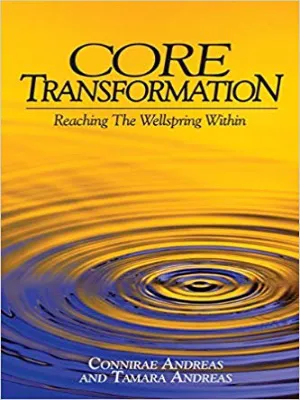
<li><em><a href="http://www.amazon.com/gp/product/B009I6ZJ08/ref=as_li_ss_tl?ie=UTF8&amp;camp=1789&amp;creative=390957&amp;creativeASIN=B009I6ZJ08&amp;linkCode=as2&amp;tag=realpeoplepress" target="_blank">Core Transformation</a></em></li>
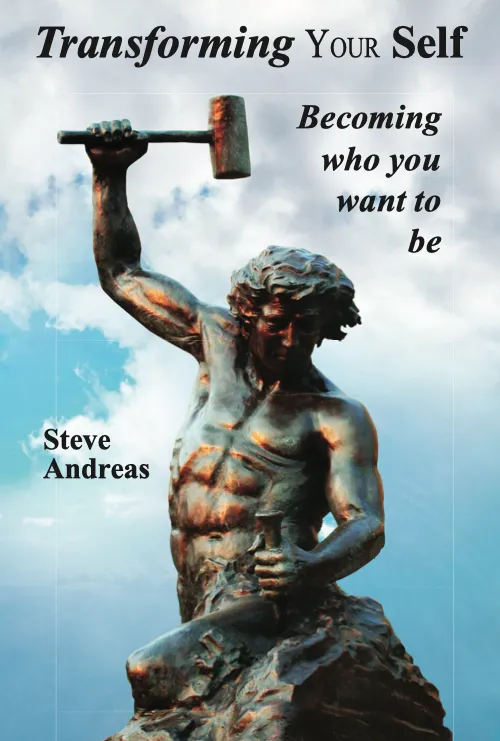
<li><em><a href="http://www.amazon.com/gp/product/B009Y5HS7K/ref=as_li_ss_tl?ie=UTF8&amp;camp=1789&amp;creative=390957&amp;creativeASIN=B009Y5HS7K&amp;linkCode=as2&amp;tag=realpeoplepress" target="_blank">Transforming Your Self</a></em></li>
<li><em><a href="http://www.amazon.com/gp/product/B00AEKCTXM/ref=as_li_ss_tl?ie=UTF8&amp;tag=realpeoplepress&amp;linkCode=as2&amp;camp=1789&amp;creative=390957&amp;creativeASIN=B00AEKCTXM" target="_blank">A Soprano on Her Head</a></em></li>
<li><em><a href="http://www.amazon.com/gp/product/B007HXL4L2/ref=as_li_ss_tl?ie=UTF8&amp;camp=1789&amp;creative=390957&amp;creativeASIN=B007HXL4L2&amp;linkCode=as2&amp;tag=realpeoplepress" target="_blank">Transforming Negative Self-Talk: Practical, Effective Exercises</a><img style="border: none !important; margin: 0px !important;" alt="" src="http://www.assoc-amazon.com/e/ir?t=realpeoplepress&amp;l=as2&amp;o=1&amp;a=B007HXL4L2" width="1" height="1" border="0" /><br />
</em></li>
<li><em><a href="http://www.amazon.com/gp/product/B007QF1POC/ref=as_li_ss_tl?ie=UTF8&amp;camp=1789&amp;creative=390957&amp;creativeASIN=B007QF1POC&amp;linkCode=as2&amp;tag=realpeoplepress" target="_blank">Sweet Fruit from the Bitter Tree</a></em></li>
</ul>
<p>Note that you don&#8217;t need a Kindle to read Kindle books! You can read Kindle books on most any computer, and even most smart phones such as the iPhone and tablets like the iPad. All you need is one of the <a href="http://www.amazon.com/gp/feature.html/ref=sa_menu_karl?ie=UTF8&amp;docId=1000493771" target="_blank">free Kindle viewers available from Amazon</a>. These programs will bookmark your place for you, even if you switch between devices (e.g. a phone and a laptop).</p>
<p>We also have <em><a href="http://www.realpeoplepress.com/pages.php?page=selftalkebook" target="_blank">Help with Negative Self Talk, Volume 2</a></em> (the sequel to Transforming Negative Self-Talk) available exclusively through RealPeoplePress.com as a PDF electronic file.</p>
<p>Coming soon is Andy Austin&#8217;s <em>The Rainbow Machine</em>, and many more within a couple of months.</p>
<h3>Classic NLP Audio and NLP Video Downloads</h3>
<p><a href="http://www.realpeoplepress.com/classic-video-audio-c-7.html" target="_blank">Steve and Connirae&#8217;s classic CD and DVD programs</a> produced with NLP Comprehensive are now available as digital downloads through RealPeoplePress.com. Choose from the popular <a href="http://www.realpeoplepress.com/advanced-language-patterns-audio-digital-download-p-98.html" target="_blank">Advanced Language Patterns audio</a> to the classic <a href="http://www.realpeoplepress.com/fast-phobia-trauma-relief-video-download-p-105.html" target="_blank">demo of the NLP Fast Phobia &amp; Trauma Relief process</a>, and <a href="http://www.realpeoplepress.com/classic-video-audio-c-7.html" target="_blank">many more</a>!</p>
<div class="feedflare">
<a href="http://feeds.feedburner.com/~ff/SteveAndreasNlpBlog?a=pZK82jtZI1c:Vw9w3yvVwKg:yIl2AUoC8zA"><img src="http://feeds.feedburner.com/~ff/SteveAndreasNlpBlog?d=yIl2AUoC8zA" border="0"></img></a> <a href="http://feeds.feedburner.com/~ff/SteveAndreasNlpBlog?a=pZK82jtZI1c:Vw9w3yvVwKg:gIN9vFwOqvQ"><img src="http://feeds.feedburner.com/~ff/SteveAndreasNlpBlog?i=pZK82jtZI1c:Vw9w3yvVwKg:gIN9vFwOqvQ" border="0"></img></a> <a href="http://feeds.feedburner.com/~ff/SteveAndreasNlpBlog?a=pZK82jtZI1c:Vw9w3yvVwKg:V_sGLiPBpWU"><img src="http://feeds.feedburner.com/~ff/SteveAndreasNlpBlog?i=pZK82jtZI1c:Vw9w3yvVwKg:V_sGLiPBpWU" border="0"></img></a>
</div><img src="http://feeds.feedburner.com/~r/SteveAndreasNlpBlog/~4/pZK82jtZI1c" height="1" width="1"/>]]></content:encoded>
			<wfw:commentRss>http://realpeoplepress.com/blog/our-quality-nlp-products-now-in-new-digital-formats-more-convenience/feed</wfw:commentRss>
		<slash:comments>0</slash:comments>
		<feedburner:origLink>http://realpeoplepress.com/blog/our-quality-nlp-products-now-in-new-digital-formats-more-convenience</feedburner:origLink></item>
		<item>
		<title>New Training with Steve: Resolving PTSD – Plus Calendar</title>
		<link>http://feedproxy.google.com/~r/SteveAndreasNlpBlog/~3/LuAMTyqnnpU/new-training-with-steve-resolving-ptsd-plus-calendar</link>
		<comments>http://realpeoplepress.com/blog/new-training-with-steve-resolving-ptsd-plus-calendar#comments</comments>
		<pubDate>Wed, 01 May 2013 23:09:53 +0000</pubDate>
		<dc:creator>Steve Andreas</dc:creator>
				<category><![CDATA[NLP Trainings]]></category>
		<category><![CDATA[how to end ptsd]]></category>
		<category><![CDATA[NLP Training]]></category>
		<category><![CDATA[ptsd]]></category>
		<category><![CDATA[ptsd nlp methods]]></category>
		<category><![CDATA[ptsd resolution]]></category>
		<category><![CDATA[PTSD treatment]]></category>
		<category><![CDATA[steve andreas ptsd]]></category>

		<guid isPermaLink="false">http://realpeoplepress.com/blog/?p=1231</guid>
		<description><![CDATA[Many people ask us when they can train with Steve Andreas, since he hasn&#8217;t done many public trainings in the past few years. Now is your opportunity! See below for details and also check out our full trainings schedule. &#160; Resolving PTSD: The Many Aspects with Steve Andreas August 15-18, 2013 in Boulder, Colorado Learn [...]]]></description>
				<content:encoded><![CDATA[<p>Many people ask us when they can train with Steve Andreas, since he hasn&#8217;t done many public trainings in the past few years.</p>
<p>Now is your opportunity! See below for details and also check out our <a href="http://andreasnlptrainings.com/" target="_blank">full trainings schedule</a>.</p>
<p>&nbsp;<br />
<strong>Resolving PTSD: The Many Aspects</strong><br />
<strong><em> with</em> Steve Andreas</strong><br />
August 15-18, 2013 in Boulder, Colorado</p>
<p><em>Learn to recognize and effectively work with both PTSD and it&#8217;s companion issues&#8230;.</em></p>
<p>PTSD is usually described and understood as a single problem, and most therapies have a “one size fits all” solution. But often it has many different aspects, each of which requires a distinctly different process for resolution.</p>
<p>The core of PTSD is usually a phobic response to a terrifying event that is relived (nightmares/flashbacks) in response to specific sensory triggers or during sleep. Some of the other experiences that may be triggered by the same memories are grief/loss, self-blame (guilt, shame, regret, remorse), other-blame (anger, rage, resentment), anxiety, or disillusionment — the loss or revision of fundamental meanings about the self or the world. Finally, the difficulty of coping with all the above may result in depression, drug abuse, or other problems. These may resolve spontaneously when the more fundamental causative issues are resolved.</p>
<p>Someone may also be troubled by questions like, “Why did this happen to me?” or “Why did this not happen to me?” (“survivor’s guilt”) which have no useful answers, and only distract from resolution and need to be abandoned.</p>
<p>In this training you will learn how to identify and separate the different aspects of PTSD, how to resolve each of them, and how to sequence your interventions to maximize ease and effectiveness.</p>
<p>You’ll learn&#8230;</p>
<ul>
<li>A checklist of different aspects to listen for</li>
<li>How to recognize and verify each—what are the signs, and how can you test</li>
<li>What intervention to use for each one</li>
<li>How to do each intervention, through demonstration and practice</li>
<li>How to sequence your interventions for maximum ease and effectiveness</li>
</ul>
<p><strong>Prerequisites:</strong> There are no prerequisites for this training. Most participants will be mental health professionals, and we anticipate that over half will have training background in Neuro-Linguistic Programming (NLP). Others may decide to attend for personal resolution of PTSD symptoms. We plan to videotape the entire training in the expectation of producing training products, and you will be asked to sign a video/audio release as a condition of attendance.</p>
<p><strong>Location:</strong> <a href="http://andreasnlptrainings.com/lodging-transport-and-food/" target="_blank">Boulder Inn, 770 28th St., in Boulder, Colorado</a><br />
<strong>Dates:</strong> August 15-18 (Thursday-Sunday)<br />
<strong>Times:</strong> 9:00 am &#8211; 5:00 pm the first 3 days, 9 am – 3 pm the last day.<br />
1.5 hr. lunch break each day.<br />
<strong>Investment:</strong> $595 Earlybird Rate (register before July 12); $650 thereafter<br />
&nbsp;</p>
<p style="text-align: center;"><a href="http://www.regonline.com/Register/Checkin.aspx?EventID=1233271" target="_blank"><strong><span style="font-size: larger;">To Register, Click Here</span></strong></a></p>
<p>&nbsp;</p>
<h3>Other Upcoming Trainings</h3>
<p><a href="http://andreasnlptrainings.com/wholeness/" target="_blank">For Coloradoans: Coming to Wholeness</a><br />
with <strong>Connirae Andreas</strong></p>
<p>Join a small group to learn a new process that Connirae describes as a synthesis of specific spiritual teachings, with the precision of NLP.</p>
<p>Four Saturday mornings: 9:30 am – 12 noon. May 18, May 25, June 1, June 8, 2013 in Boulder, Colorado</p>
<p><a href="http://andreasnlptrainings.com/transforming-negative-self-talk/" target="_blank">Transforming Negative Self Talk</a><br />
with <strong>Steve Andreas</strong></p>
<p>Learn a variety of ways to transform your inner self-critics into friendly allies.</p>
<p>Sept 14th &amp; 15th, 2013 in Boulder, CO</p>
<p><a href="http://andreasnlptrainings.com/core-transformation/" target="_blank">Core Transformation</a><br />
with <strong>Tamara Andreas</strong></p>
<p>Core Transformation is a personal change technique which takes you on a healing inner journey to the depths of your being.</p>
<p>Oct 11-13, 2013 in Boulder, CO</p>
<p><a href="http://nlpoftherockies.com/" target="_blank">12-Day NLP Practitioner Training</a><br />
Jan Prince together with a team of trainers is sponsoring a practitioner training this summer in the Rockies. Steve Andreas will be teaching for one day of the training.</p>
<p>July 23 &#8211; August 3, 2013 in Winter Park, CO</p>
<p><strong>Sign up for announcements of our trainings at <a href="http://andreasnlptrainings.com/" target="_blank">AndreasNLPTrainings.com</a></strong> (enter your email in the box on the upper right of that page).</p>
<p>We don&#8217;t email often, but do let you know about earlybird discounts, and new trainings as they&#8217;re scheduled.</p>
<div class="feedflare">
<a href="http://feeds.feedburner.com/~ff/SteveAndreasNlpBlog?a=LuAMTyqnnpU:4NjmdluWDW0:yIl2AUoC8zA"><img src="http://feeds.feedburner.com/~ff/SteveAndreasNlpBlog?d=yIl2AUoC8zA" border="0"></img></a> <a href="http://feeds.feedburner.com/~ff/SteveAndreasNlpBlog?a=LuAMTyqnnpU:4NjmdluWDW0:gIN9vFwOqvQ"><img src="http://feeds.feedburner.com/~ff/SteveAndreasNlpBlog?i=LuAMTyqnnpU:4NjmdluWDW0:gIN9vFwOqvQ" border="0"></img></a> <a href="http://feeds.feedburner.com/~ff/SteveAndreasNlpBlog?a=LuAMTyqnnpU:4NjmdluWDW0:V_sGLiPBpWU"><img src="http://feeds.feedburner.com/~ff/SteveAndreasNlpBlog?i=LuAMTyqnnpU:4NjmdluWDW0:V_sGLiPBpWU" border="0"></img></a>
</div><img src="http://feeds.feedburner.com/~r/SteveAndreasNlpBlog/~4/LuAMTyqnnpU" height="1" width="1"/>]]></content:encoded>
			<wfw:commentRss>http://realpeoplepress.com/blog/new-training-with-steve-resolving-ptsd-plus-calendar/feed</wfw:commentRss>
		<slash:comments>0</slash:comments>
		<feedburner:origLink>http://realpeoplepress.com/blog/new-training-with-steve-resolving-ptsd-plus-calendar</feedburner:origLink></item>
		<item>
		<title>An inspiring story of healing</title>
		<link>http://feedproxy.google.com/~r/SteveAndreasNlpBlog/~3/aXYa9mB8Q6g/an-inspiring-story-of-healing</link>
		<comments>http://realpeoplepress.com/blog/an-inspiring-story-of-healing#comments</comments>
		<pubDate>Wed, 24 Apr 2013 22:08:14 +0000</pubDate>
		<dc:creator>Steve Andreas</dc:creator>
				<category><![CDATA[Articles]]></category>
		<category><![CDATA[cancer]]></category>
		<category><![CDATA[cancer recovery]]></category>
		<category><![CDATA[conflict resolution]]></category>
		<category><![CDATA[sweet fruit from the bitter tree excerpt]]></category>
		<category><![CDATA[therapy]]></category>

		<guid isPermaLink="false">http://realpeoplepress.com/blog/?p=1223</guid>
		<description><![CDATA[The following is a guest post from Mark Hochwender, excerpted from Sweet Fruit from the Bitter Tree, available from Real People Press or Amazon.com. Internal Garden I work as a therapist, and my experience is that all successful therapy is the resolution or transformation of conflict within the self. One day I got a call [...]]]></description>
				<content:encoded><![CDATA[<p><em>The following is a guest post from <strong>Mark Hochwender</strong>, excerpted from </em>Sweet Fruit from the Bitter Tree<em>, available from <a href="http://www.realpeoplepress.com/sweet-fruit-from-bitter-tree-stories-creative-compassionate-ways-conflict-p-96.html">Real People Press</a> or <a href="http://www.amazon.com/gp/product/B007QF1POC/ref=as_li_ss_tl?ie=UTF8&#038;camp=1789&#038;creative=390957&#038;creativeASIN=B007QF1POC&#038;linkCode=as2&#038;tag=realpeoplepress" target="_blank">Amazon.com</a>.</em></p>
<p><strong>Internal Garden</strong></p>
<p>I work as a therapist, and my experience is that all successful therapy is the resolution or transformation of conflict within the self.</p>
<p>One day I got a call from a man asking me to go to the local hospice and work with his wife. She had cancer, and they said she would be dying any day. He just wanted me to do anything I could for her, so I said of course I would go. </p>
<p>I don’t remember the exact kind of cancer, but when I arrived the nurse told me that it had metastasized to such a degree that the woman had areas in her buttocks where the cancer had eaten away so much that you could put your whole fist in it. That image stuck with me.</p>
<p>This woman was in a fairly delusional state. She didn’t make much eye contact, always looking off in other directions. The cancer had progressed so far and she was so ill, that I just did what I could to be supportive. I was very gentle about it, giving her a lot of choices, such as not needing to talk to me — there was very little that she could say anyway. I just talked to her, doing my best to make good contact and give her the sense that she was cared for, even while she was mostly off in her own world. When I left, I figured it would be the last time I saw the woman.</p>
<p>A couple weeks later I was surprised to get another call from her husband. He told me that his wife had lingered longer than expected, and so hospice had thought it better to send her home where she could spend her remaining time with her husband. Over the phone her husband asked me, “Could you come in and meet with her again? She appreciated the last time you came.”</p>
<p>So I agreed to come, and figured it would be more of the same. </p>
<p>When I arrived at their house, I went in to where she was in bed in her room. She was much more lucid this time. We began talking, and in our conversation it became very apparent to me that for a long time she had really been holding people away from her. Other people felt like a threat and an imposition to her, and very unsafe. The more she interacted with me, the more clues I got telling me that this issue was very significant for her. I got the sense that there was no place at all where she felt safe to just be herself. </p>
<p>So I suggested that we do a visualization. I asked her to imagine some place that she felt very, very safe, and that felt comforting and inspiring to her. </p>
<p>She said, “A garden.” But it was interesting, because even there she was hesitant.</p>
<p>“What’s the problem?” I asked.</p>
<p>“Well, other things could come into the garden,” she said. “It’s too open.”</p>
<p>“What if we put some kind of force-field around the garden so nothing else can come in?” </p>
<p>At that suggestion, her whole face and body relaxed.</p>
<p>I asked her about the garden, and from what she told me it was pretty bare, pretty sparse. It had some flowers and that was about it. There wasn’t much there.</p>
<p>I said, “OK, you’ve got some flowers with a force-field around it.” We talked about that for a bit, and what that was like for her. Eventually I asked her, “Are there any other plants you’d like to have in the garden?”</p>
<p>“I like roses,” she said. </p>
<p>I told her that it was her garden, and she could plant roses there if she liked. She did.</p>
<p>Then I asked, “What about some fruit trees? They might provide nice shade for some of the flowers that don’t do well in direct sun.” It was a slow process, but gradually, in a way that was safe for her, we built up the sense of a true garden, always keeping that force-field around to protect it. We added nut trees, and some other plants that she liked. Plants seemed to be the one kind of living thing around which she could still feel safe.</p>
<p>Then, being a little bit pushy, I asked her, “Are there any earth worms in there?”</p>
<p>“No!” she said.</p>
<p>“Well do you think it would be a benefit for the plants to have some earth worms to loosen the soil?”</p>
<p>She had a lot of hesitation with the idea that letting in worms might be a good idea. It was a big deal. I took the plant’s point of view — what would be good for the plants. I appealed to her kindness and consideration for the plants. After a bit more discussing it she finally said, “I guess worms might be good for the garden.”</p>
<p>I said, “Now would that be safe for you? Would that be alright for you?”</p>
<p>After more exploring she eventually said, “I guess I can’t imagine that worms would be a problem.”</p>
<p>So I had her design some way that the worms could get into and out of the garden through the force-field, and that seemed pretty good to her.</p>
<p>“What about beetles?” I asked next. “Are there any beetles in there?” </p>
<p>“NO!”</p>
<p>“Well, do you think it might be good for the plants to have some beetles in there to eat the old leaves and help turn them into good compost for the garden?”</p>
<p>Eventually she agreed it would be a beneficial thing for the plants, and that beetles would not really pose a problem for her.</p>
<p>Next I asked, “Well are there any bees? Do you want bees to be able to pollinate the plants?” </p>
<p>She said, “huh?”</p>
<p>I asked, “Do you have any allergies to bees?”</p>
<p>“No, no I like bees,” she said.</p>
<p>So she figured out a way to let bees in and out, and we went through a few more beneficial insects — praying mantises and spiders. Each time we introduced something new we had to really work through, metaphorically, all her issues of engaging with any other kind of life beyond plants, and how she could do that in a way that was safe. </p>
<p>Then I said, “This garden sounds so beautiful with the fruit trees and the flowers and the insects, how about birds? Would birds be nice? To have birdsong — you know, to be able to share such a beautiful place with a bird — that might be nice.”</p>
<p>“Oh yeah,” she said, “I hadn’t thought about that; that does seem nice and I do like birds.”</p>
<p>So she designed a way for birds to come in and out of the force field that worked for her. One by one we went through all these things that can help a garden grow well, becoming a whole, balanced ecosystem. We added squirrels, and even let in a fox or two. The whole time she was safe and in control, and every time she let in another critter, I could see something light up in her a little more.</p>
<p>Finally I thought, I’ll push it even farther.</p>
<p>I said, “You know, this sounds like such a <em>beautiful</em> place. What would you think if we let somebody come in and see what a beautiful thing you’ve created?”</p>
<p>It was very interesting, because I could see on her face that, after having created such a beautiful place, a part of her longed to let somebody else see it. </p>
<p>“But I don’t want them to always be there,” she said. “I want to have the garden to myself.” </p>
<p>“Hey, you’re in charge,” I said. “You could set it up so that nobody comes in, or maybe only one day a week, or maybe for just a little time during each day — however you’d like to do it.”</p>
<p>We talked about it for quite a while, and finally she decided that it sounded like a good idea. To be able to share her garden with other people — something beautiful that she’d created — really appealed to her. As long as she got to choose when, and whether or not she was even there at the same time.</p>
<p>So she set that up in a way that felt safe for her, which involved building an airlock through the force-field — two pressurized doors so the visitor would have to come through the first one, which would then close behind the visitor and seal before the second door opened. She wanted that level of control. She didn’t want anything else or anyone else getting in by accident.</p>
<p>By this point it had probably been about 2 ½ to 3 hours. It was a <em>long</em>, <em>slow</em> process. So we closed with that. I really thanked her, both for sharing her garden with me, and for being open about it, and for letting me spend this kind of time with her. I left her room and walked down the hall and past the kitchen where her husband was cooking up a bunch of food to have on hand for himself, since his wife was due to die any day. He and I talked for probably fifteen, twenty minutes. Then we heard this pretty big noise come from the back room where his wife was staying. </p>
<p>We both were thinking, “What is that? Did she fall out of her bed? Is she calling out?” We heard another couple bangs, and around the corner the woman appeared, rolling herself in her wheelchair! The banging had been her getting out of bed into her wheelchair, which she hadn’t done in weeks and weeks. She looked at her husband and said, “I’m kind of hungry.” I knew she hadn’t asked for food in a long time. I talked to them a couple minutes more and then I left, because I realized this would be one of their last real moments together.</p>
<p>Three months later I ran into the woman’s husband downtown. I was a little cautious, because I figured his wife had died, and so what do you say? But I went over to him and asked, “How are you doing? How did your wife’s passing go?”</p>
<p>He said, “Well, she didn’t pass.”</p>
<p>I said, “What?”</p>
<p>He pointed down the street, and I saw her sitting there on a bench right next to where a bunch of kids were playing. There were people all around her. She was just sitting there watching everyone with a big smile on her face, clearly delighted at being out in public.</p>
<p>I walked over and talked with her, and she told me that the doctors said the cancer was gone. All these big sores — everything had healed up. It was the last thing I would have expected, but there she was, talking to me. </p>
<p>I had direct follow-up with her six months later, and indirect at least a year later through reports from other people. After a year I know for sure that she was still healthy and cancer free, and that’s a fair amount of time given the nature of the cancer that she had.</p>
<p>Back when I had met with her in her home, it was clear that she had retreated from other people, and that she didn’t think she had anything to offer. Yet at the same time, as I got further along in talking with her, it became obvious that she <em>wanted</em> to have connection with people and she <em>wanted</em> to have something to offer. She had this huge internal conflict of wanting something to offer, yet feeling that she had nothing to offer. The garden was something that <em>she</em> had created that was really beautiful. There was clear value in the garden, enough value that it was worth letting someone else in to see it. The garden was worth sharing with others. Before this, I don’t think she’d ever had a sense that there was something of value in her. The garden also represented something that she had to take care of, and something that was <em>worth</em> taking care of. The framework was, this is your garden, and whatever you decide, that’s what we’ll do. As the caretaker for the garden, what do you want for the garden? She was in charge, and that also allowed her to create and have control over her own safety. That was hugely important. Without that safety, none of it would have been possible.</p>
<p>I think there are so many things that were important for her about the garden, and who knows exactly how that affected her cancer, which is the body’s own cells growing out of balance — the body’s “ecosystem” going out of balance. I wondered about how that related to her experience of creating a garden that was no longer just flowers, as it had started out, but a whole network of plants and bugs and animals all working together. Whatever is the case, I never imagined that creating one story might have such a profound impact. The whole thing was a very powerful experience to be a part of.</p>
<p><em>This story is excerpted from </em>Sweet Fruit from the Bitter Tree: 61 stories of creative and compassionate ways out of conflict<em>, by Mark Andreas, available on <a href="http://www.amazon.com/gp/product/B007QF1POC/ref=as_li_ss_tl?ie=UTF8&#038;camp=1789&#038;creative=390957&#038;creativeASIN=B007QF1POC&#038;linkCode=as2&#038;tag=realpeoplepress" target="_blank">Amazon.com</a>.</em></p>
<p>Copyright ©2011 Real People Press. You are welcome to reproduce this story and share it with others as long as you include the above notice of source and copyright.</p>
<div class="feedflare">
<a href="http://feeds.feedburner.com/~ff/SteveAndreasNlpBlog?a=aXYa9mB8Q6g:jIPjuwXHFks:yIl2AUoC8zA"><img src="http://feeds.feedburner.com/~ff/SteveAndreasNlpBlog?d=yIl2AUoC8zA" border="0"></img></a> <a href="http://feeds.feedburner.com/~ff/SteveAndreasNlpBlog?a=aXYa9mB8Q6g:jIPjuwXHFks:gIN9vFwOqvQ"><img src="http://feeds.feedburner.com/~ff/SteveAndreasNlpBlog?i=aXYa9mB8Q6g:jIPjuwXHFks:gIN9vFwOqvQ" border="0"></img></a> <a href="http://feeds.feedburner.com/~ff/SteveAndreasNlpBlog?a=aXYa9mB8Q6g:jIPjuwXHFks:V_sGLiPBpWU"><img src="http://feeds.feedburner.com/~ff/SteveAndreasNlpBlog?i=aXYa9mB8Q6g:jIPjuwXHFks:V_sGLiPBpWU" border="0"></img></a>
</div><img src="http://feeds.feedburner.com/~r/SteveAndreasNlpBlog/~4/aXYa9mB8Q6g" height="1" width="1"/>]]></content:encoded>
			<wfw:commentRss>http://realpeoplepress.com/blog/an-inspiring-story-of-healing/feed</wfw:commentRss>
		<slash:comments>4</slash:comments>
		<feedburner:origLink>http://realpeoplepress.com/blog/an-inspiring-story-of-healing</feedburner:origLink></item>
		<item>
		<title>Client Intervention Planning Exercise</title>
		<link>http://feedproxy.google.com/~r/SteveAndreasNlpBlog/~3/5VUj8gAbKeQ/client-intervention-planning-exercise</link>
		<comments>http://realpeoplepress.com/blog/client-intervention-planning-exercise#comments</comments>
		<pubDate>Thu, 28 Mar 2013 23:02:36 +0000</pubDate>
		<dc:creator>Steve Andreas</dc:creator>
				<category><![CDATA[Articles]]></category>
		<category><![CDATA[NLP therapy]]></category>
		<category><![CDATA[resolving anger]]></category>
		<category><![CDATA[resolving trauma]]></category>

		<guid isPermaLink="false">http://realpeoplepress.com/blog/?p=1208</guid>
		<description><![CDATA[Many approaches to therapy are purely, or mostly, reactive. The classic example is Freud’s analytic method of sitting behind the couch out of sight of the client, quietly listening, and only occasionally making interpretations about what the client says. Carl Rogers listened and reflected back the words and feelings that clients expressed, in what was [...]]]></description>
				<content:encoded><![CDATA[<p>Many approaches to therapy are purely, or mostly, <em>reactive</em>. The classic example is Freud’s analytic method of sitting behind the couch out of sight of the client, quietly listening, and only occasionally making interpretations about what the client says. Carl Rogers listened and reflected back the words and feelings that clients expressed, in what was called “non-directive listening,” or “active listening.” In many other current approaches, the therapist allows the client to talk freely, and responds to what they say. These approaches usually result in a wandering dialogue that may have little relevance to the client’s outcome — what Fritz Perls often called “free dissociation.”</p>
<p>However, master therapists such as Milton Erickson, Fritz Perls and Virginia Satir were <em>very, very</em> active in interrupting the client’s problem trance state. And they used injunctive language — “Do this,” “Try this” — to elicit alternate states and understandings that were more useful. Erickson used overt hypnosis to create alternate realities, while Satir used her personal expressiveness and role-plays to achieve similar effects without overt hypnosis — and she didn’t like hypnosis. However, an instruction such as, “Get down on your knees to show that you are little,” was a pretty explicit instruction for age regression, a classic hypnotic method. Perls used the “empty chair” to embody troublesome people and events from the client’s past, evoking not only age regression, but what is supposedly one of the most difficult of hypnotic phenomena, positive hallucination, simply by saying, “Put your mother in the chair; what would she say?” </p>
<p>These therapists also deliberately planned the sequence of what they expected to do in a session to reach the client’s outcome, while at the same time respecting, utilizing, and responding to whatever the client did in the session. </p>
<p>In this article I want to present a description of what a client presented to a therapist, ask you to pause to consider what you might do, and make a “treatment plan” outline of what you would do with him.<br />
In a recent article in the Psychotherapy Networker magazine, “Living with the Devil You Know,” (January/February 2013) David Burns describes a client, Sam, who had been working in a fast food outlet six months earlier: </p>
<p>“One night, just before he closed up, two gunmen robbed the place. Before they left, they threw Sam into a walk-in freezer and left him there to die, laughing on the way out about the clever thing they’d done. The next morning, the manager came in early and was alarmed to see the doors open and the lights still on. When he opened the freezer, he found Sam huddled in a corner and shivering, but still alive. </p>
<p>“Although he’d survived, Sam was badly traumatized. He soon developed panic and rage attacks, and spent most of his waking hours haunted by vivid memories of the incident. He constantly worried that it would happen again, and woke up at night from terrible nightmares. When he wasn’t struggling with flashbacks or worrying about getting mugged again, he imagined finding the men and taking revenge on them. He said the anger and panic had totally consumed his life. All he wanted, he told me, was to get his life back, if that was possible, though he doubted it was.”</p>
<p>Imagine that Sam came into your office, and had just told you this. What ideas do you have about what you might do with him to achieve his outcomes? Recognizing that what you would do might change as you proceed, develop a tentative treatment plan. </p>
<p>Take a few minutes to think about what you would do, and in what order. What would you do with Sam first, . . . and what next, . . .  etc., and make a few brief notes as a reminder to compare with the discussion that follows below .  .  .  .</p>
<p>The outline below is only one of many, many, possibilities that could be useful. It is my best guess about a useful sequence that would give Sam a set of <strong><em>experiences</em></strong> that would be life-changing, and reach his stated outcomes. In what follows, the specific words are much less important than the principles they embody.</p>
<p>1. Whatever you did next, the <em>first</em> thing to do is to acknowledge and reflect his experience, so that he knows that you understand it fully, using an appropriate voice tone and emphasis, “That must have been truly horrible, spending all those hours in the cold, sure that you were slowly freezing to death!” — while monitoring his nonverbal response for signs of agreement. </p>
<p>In contrast, many therapists might say something like “I understand,” in a neutral tone of voice that would be weak and unconvincing to he client.</p>
<p>2. Then if you go on to say something about his experience that he didn’t tell you — and he may not have even thought of — yet that he is almost certain to agree with, he will feel even more fully understood. “It is one thing to die quickly from a gunshot to the heart; it is quite another to die agonizingly slowly over a period of many hours!” again monitoring his nonverbal response to confirm that he is responding with agreement. By saying this, you are not just accepting his experience, but amplifying it, fully acknowledging his horror — while at the same time offering an alternative scenario of what could have happened but didn’t, providing a different comparison that creates an alternate perspective.</p>
<p>3. Assuming that he was responding fully to what I said, next I would say, in a much more “upbeat” tone of voice, “And I wonder if you fully realize how <em>very</em> lucky you are.” This is an example of a hypnotic linguistic form called an “embedded question.” Although it is actually a statement, people typically respond as if it were a question to be answered. However, since it is not an overt question that demands a verbal answer, it is an invitation to “go internal” into a mini-trance and respond to it silently. This sentence also <em>presupposes</em> that he is lucky; the question is only whether or not he <em>realizes</em> it, and most likely he doesn’t — in fact what I said is probably very surprising and confusing to him. Since I have already agreed with him so fully, he <em>has</em> to consider it and try to figure out the apparent contradiction. If I had said this without previously agreeing with him, he would only have gotten very angry and probably walked out.</p>
<p>4. I would continue to make eye contact, while observing his response, which is almost guaranteed to be a mixture of shock, astonishment and incredulity! A moment before I had completely agreed with his experience; now I am saying something that apparently completely <em>disagrees</em> with it. He has undoubtedly been feeling very <em>un</em>lucky to have been mugged; how can I possibly say that he is <em>very</em> lucky!? His state of misery about his memory of being mugged has been completely interrupted; now he is in a <em>very</em> different state of confusion and intense curiosity about what I said, and how it could possibly make sense. This state of confusion and curiosity creates an openness to consider whatever I say next, because it promises a resolution of his confusion. </p>
<p>5. I would continue to wait patiently for him to process this, and wait for him to ask for some explanation. It doesn’t really matter what he says, but it is very important that I wait for him to actively seek an explanation, because asking increases his readiness to listen to and process what I say next. “How on earth can you say that I’m very lucky?!”</p>
<p>6. “Those robbers locked you in the freezer, expecting that you would die, and even laughed in cold-blood about it, and how clever they were. What do you suppose they would have done to you if they hadn’t locked you in the freezer?” This question is an indirect hypnotic command to make images of various other ways that they could have killed him — and one of them is almost certain to be the image that I deliberately planted earlier — a “gunshot to the heart.” </p>
<p>7. Again I would pause to watch him process this and respond to it. Notice that the earlier reference to the gunshot was that it was <em>faster</em> than freezing; now I am implicitly asking him to notice that the same image is much more <em>permanent</em>, using a different criterion to evaluate the same imagined event — one of the many patterns of reframing.</p>
<p><strong>Discussion:</strong></p>
<p>Regardless of what he says or does next, he now has at least one alternative horror scenario to compare what actually happened to him. In comparison to dying instantly from a gunshot, spending the night in the freezer with no permanent damage probably doesn’t seem quite as bad as it did in isolation. Moreover, this horrible alternative is tightly coupled in his mind to his memory of being in the freezer; from now on he can’t think of the freezer without thinking of being shot in the heart, giving him a much more balanced view. I call this the “Maurice Chevalier move,” because when someone asked Chevalier what it was like to be old, he replied, “Not bad — particularly when you consider the alternative!”</p>
<p>Again, this scenario is only one of a multitude of possibilities, and it isn’t guaranteed to work with everyone; I am using it only as an example to point out the importance of using your voice tone and other nonverbal expressiveness to create <em><strong>experiences</strong></em> that will likely impact the client and change his/her response in a useful way. </p>
<p>Now let’s go back to the beginning, and imagine that after listening to Sam’s statement of his problem, I had said, “You were really lucky they didn’t shoot you,” and imagine his response in your mind’s eye. Although that sentence is an accurate summary of what I have just described, its only impact would be proof that I didn’t understand his experience at all!</p>
<p>It is useful to think about the sequence of your interventions, and more important, use all your nonverbal expressiveness to create a vivid <em>experience</em> that will impact the client. However, most therapy training doesn’t include any improvisational theater or other acting training that would teach how to use nonverbal behavior to elicit feeling responses in others.</p>
<p>When Sam came in, he was totally immersed in his horrible memory and it had “totally consumed his life”; now his broader perspective reduces the intensity of his response, and it will be much easier for him to focus on the issues he mentioned initially: </p>
<p>1. His vivid horrible memories, nightmares and flashbacks,<br />
2. His anxiety and panic about being mugged again in the future,<br />
3. His anger at the robbers and desire for revenge. </p>
<p>These would probably best be dealt with in the order presented, because his anxiety results from his horrible memories, and his anger results from both his memories and his anxiety.</p>
<p>Sam’s horrible memories of the robbery can be quickly neutralized using a process that I used with a phobic client in a 7-minute video you can view on YouTube:</p>
<p><object width="560" height="315"><param name="movie" value="http://www.youtube.com/v/mss8dndyakQ?version=3&amp;hl=en_US"/><param name="allowFullScreen" value="true"/><param name="allowscriptaccess" value="always"/><embed src="http://www.youtube.com/v/mss8dndyakQ?version=3&amp;hl=en_US" type="application/x-shockwave-flash" width="560" height="315" allowscriptaccess="always" allowfullscreen="true"/></object><br />
<a href="http://www.youtube.com/watch?v=mss8dndyakQ" target="_blank">http://www.youtube.com/watch?v=mss8dndyakQ</a> </p>
<p>You can also view a 25-year follow-up with this client at:<br />
<object width="560" height="315"><param name="movie" value="http://www.youtube.com/v/TjjCzhrYJDQ?version=3&amp;hl=en_US"/><param name="allowFullScreen" value="true"/><param name="allowscriptaccess" value="always"/><embed src="http://www.youtube.com/v/TjjCzhrYJDQ?version=3&amp;hl=en_US" type="application/x-shockwave-flash" width="560" height="315" allowscriptaccess="always" allowfullscreen="true"/></object><br />
<a href="http://www.youtube.com/watch?v=TjjCzhrYJDQ" target="_blank">http://www.youtube.com/watch?v=TjjCzhrYJDQ</a> </p>
<p>This process would also automatically eliminate his nightmares and flashbacks.</p>
<p>Using the phobia cure may also eliminate his anxiety about a future repetition. But if not, there are two very rapid and effective ways to resolve anxiety developed by Nick Kemp in the UK, which you can find described in sufficient detail that you can <a href="http://realpeoplepress.com/blog/some-great-new-methods ">try them yourself here</a>.</p>
<p>Sam’s anger can be quickly resolved using the forgiveness process that my wife and I developed over 20 years ago. This process is described in great detail in this article about the <a href="http://www.steveandreas.com/Articles/forgiveness.html " target="_blank">NLP Forgiveness Process</a>.</p>
<p>When he has forgiven the robbers, he will no longer desire revenge.</p>
<p>Of course other issues might emerge while doing these processes, and some of them would be resolved by the processes themselves. For instance, as part of the forgiveness process it might emerge that he had low self-esteem about having been mugged, and was concerned that people would think he was a wimp if he forgave the robbers. This could be resolved by pointing out that even a black belt ninja would be stupid — and probably dead — if he tried to resist two men with guns. </p>
<p>If, like many people who have been wronged, he objected that the robbers don’t deserve forgiveness, you could agree wholeheartedly that they don’t deserve it, and then point out that forgiveness isn’t for the robbers; it’s for him, so that he doesn’t have to live with the intrusive and corrosive feelings of anger and revenge. Anger is easy and common — a very primitive animal survival reaction. It takes uncommon strength of human character to forgive, and this is even more true when someone realizes the intensity of his horrible experience; the more horrible the experience, the more strength of character it takes to forgive and move on.</p>
<p>It would also be useful to explore practical changes in his life to reduce his chances of being mugged again, such as moving or changing jobs. Your zip code is the best predictor of your chances of being mugged, and a late night job in a fast food outlet increases that risk substantially.</p>
<p>Of course other issues might emerge, and need to be dealt with. I repeat that this is only one way to proceed, and is presented only as a way to illustrate the value of being active in eliciting nonverbal unconscious responses, and of doing some planning before jumping in with interventions in the hope that something might work.</p>
<div class="feedflare">
<a href="http://feeds.feedburner.com/~ff/SteveAndreasNlpBlog?a=5VUj8gAbKeQ:SOlHQN2BzGM:yIl2AUoC8zA"><img src="http://feeds.feedburner.com/~ff/SteveAndreasNlpBlog?d=yIl2AUoC8zA" border="0"></img></a> <a href="http://feeds.feedburner.com/~ff/SteveAndreasNlpBlog?a=5VUj8gAbKeQ:SOlHQN2BzGM:gIN9vFwOqvQ"><img src="http://feeds.feedburner.com/~ff/SteveAndreasNlpBlog?i=5VUj8gAbKeQ:SOlHQN2BzGM:gIN9vFwOqvQ" border="0"></img></a> <a href="http://feeds.feedburner.com/~ff/SteveAndreasNlpBlog?a=5VUj8gAbKeQ:SOlHQN2BzGM:V_sGLiPBpWU"><img src="http://feeds.feedburner.com/~ff/SteveAndreasNlpBlog?i=5VUj8gAbKeQ:SOlHQN2BzGM:V_sGLiPBpWU" border="0"></img></a>
</div><img src="http://feeds.feedburner.com/~r/SteveAndreasNlpBlog/~4/5VUj8gAbKeQ" height="1" width="1"/>]]></content:encoded>
			<wfw:commentRss>http://realpeoplepress.com/blog/client-intervention-planning-exercise/feed</wfw:commentRss>
		<slash:comments>0</slash:comments>
		<feedburner:origLink>http://realpeoplepress.com/blog/client-intervention-planning-exercise</feedburner:origLink></item>
		<item>
		<title>Spring Training Calendar, Free Webinar, &amp; Discounts</title>
		<link>http://feedproxy.google.com/~r/SteveAndreasNlpBlog/~3/_RRI58EW-mY/spring-training-calendar-free-webinar-discounts</link>
		<comments>http://realpeoplepress.com/blog/spring-training-calendar-free-webinar-discounts#comments</comments>
		<pubDate>Wed, 23 Jan 2013 01:15:16 +0000</pubDate>
		<dc:creator>Steve Andreas</dc:creator>
				<category><![CDATA[NLP Trainings]]></category>
		<category><![CDATA[NLP Training]]></category>

		<guid isPermaLink="false">http://realpeoplepress.com/blog/?p=1184</guid>
		<description><![CDATA[The trainings we’re offering this Spring include new innovations (see the week-long series with Andy Austin), and Core Transformation, which remains one of the most deeply transformative offerings in NLP.  Earlybird Discount still available for the Weight Loss training with Andy, and Fall Core Transformation. Visit our NLP trainings website for more. Metaphors of Movement [...]]]></description>
				<content:encoded><![CDATA[<p>The trainings we’re offering this Spring include new innovations (see the week-long series with Andy Austin), and Core Transformation, which remains one of the most deeply transformative offerings in NLP.  Earlybird Discount still available for the Weight Loss training with Andy, and Fall Core Transformation. Visit our <a href="http://andreasnlptrainings.com/" target="_blank">NLP trainings website</a> for more.</p>
<h2 style="margin-bottom: 0; padding-bottom: 0;"><a href="http://andreasnlptrainings.com/metaphors-of-movement/" target="_blank">Metaphors of Movement</a></h2>
<p>with Andrew T. Austin<br />
April 13-16, 2013, (Saturday–Tuesday)<br />
Boulder, CO</p>
<p>Often we or our clients say things like&#8230;</p>
<ul>
<li>&#8220;I don’t feel like I’m going anywhere.&#8221;</li>
<li>&#8220;I’m stuck in a rut.&#8221;</li>
<li>&#8220;I lack direction in life.&#8221;</li>
</ul>
<p>&#8230;thus speaking of and indeed conceiving of their problems in specific metaphors. But how do we use these metaphors to create change?</p>
<p>Metaphor has been part of the field of NLP since the early days. However Metaphors of Movement is a new and incredibly powerful way of working that few people really understand.</p>
<p><strong>New this Year!</strong> Andy will be using a new teaching format, beginning with a demonstration of the whole process. The 4 days will be filled with both demonstrations and exercises — we will explore metaphors of identity, of emotional injury, of physical illness that you know is stress related.</p>
<p><strong><a href="http://www.regonline.com/Register/Checkin.aspx?EventID=1101595" target="_blank">Register for 4-Day Training Now</a>!</strong></p>
<h2 style="margin-bottom: 0; padding-bottom: 0;"><a href="http://andreasnlptrainings.com/mom-research-day/" target="_blank">Optional Day 5: Metaphors of Movement &#8211; Research &amp; Exploration Day</a></h2>
<p>with Andy Austin<br />
April 17, 2013 (Wednesday)<br />
Boulder, CO</p>
<p>Every Metaphors of Movement Training so far has ended with people feeling excited, inspired, pleased with the new learnings — <em>and</em> wishing there was time to do more. This day is to give us this time to continue. This will be a smaller group exploring in areas not yet understood. Be part of the innovation happening in this area. Join us for all 5 days of Metaphors work if you’re able.</p>
<p><strong>Prerequisite</strong>: a 4-day Metaphors of Movement Training with Andy</p>
<p><a href="http://www.regonline.com/Register/Checkin.aspx?EventID=1101649" target="_blank">Register here!</a></p>
<h2 style="margin-bottom: 0; padding-bottom: 0;"><a href="http://andreasnlptrainings.com/weight-loss/" target="_blank">Weight Loss: the <em>inner game</em> of Successful Slimming</a></h2>
<p>with Andrew T. Austin<br />
April 20-21, 2013 (Saturday &amp; Sunday)<br />
Boulder, CO</p>
<p>This workshop is not about diets, which food to eat or what exercises to do. Instead, “This two day workshop is the exploration of the mental processes, thought and emotional patterns that get in the way of successful slimming.”</p>
<p><a href="http://www.regonline.com/Register/Checkin.aspx?EventID=1102638" target="_blank">Register Here for Weight Loss Workshop!</a></p>
<h2><a href="http://andreasnlptrainings.com/core-transformation/" target="_blank">Core Transformation (Fall Training)</a></h2>
<p>with Tamara Andreas<br />
Oct 11-13, 2013 (Friday–Sunday)<br />
Boulder, CO</p>
<p><strong>Earlybird Discount when you <a href="http://www.regonline.com/Register/Checkin.aspx?EventID=1209174" target="_blank">register by Sept 20</a>!</strong></p>
<p>Get a free introduction to Core Transformation now when you <a href="http://www.tamaraandreas.com/ct/free-webinar/" target="_blank">watch this online free webinar</a> from Tamara Andreas.</p>
<blockquote><p>“I continue to be stunned at the power and effectiveness of the training. I&#8217;ve been searching for decades for tools that could help me understand and CHANGE issues that had been holding me hostage for a lifetime. Core Transformation is more powerful, easy, useful and effective than anything else I&#8217;ve seen and I continue to use it often.”<br />
— anonymous participant</p></blockquote>
<blockquote><p>“Magnificent. It started working for me before the seminar was over. Specific benefits for me: I had a totally different kind of conversation with a close family member. This experience has changed our relationship much for the better. Now I don&#8217;t have the urge to shop. I now carefully consider whether I want to spend $$ on items or not. So I&#8217;m spending less!!”<br />
— Kay Axtell, ADHD Life Coach</p></blockquote>
<p><a href="http://eepurl.com/tTP31" target="_blank">Read more about what people had to say about the last Core Transformation training&#8230;</a></p>
<div class="feedflare">
<a href="http://feeds.feedburner.com/~ff/SteveAndreasNlpBlog?a=_RRI58EW-mY:MJqkacqLo9s:yIl2AUoC8zA"><img src="http://feeds.feedburner.com/~ff/SteveAndreasNlpBlog?d=yIl2AUoC8zA" border="0"></img></a> <a href="http://feeds.feedburner.com/~ff/SteveAndreasNlpBlog?a=_RRI58EW-mY:MJqkacqLo9s:gIN9vFwOqvQ"><img src="http://feeds.feedburner.com/~ff/SteveAndreasNlpBlog?i=_RRI58EW-mY:MJqkacqLo9s:gIN9vFwOqvQ" border="0"></img></a> <a href="http://feeds.feedburner.com/~ff/SteveAndreasNlpBlog?a=_RRI58EW-mY:MJqkacqLo9s:V_sGLiPBpWU"><img src="http://feeds.feedburner.com/~ff/SteveAndreasNlpBlog?i=_RRI58EW-mY:MJqkacqLo9s:V_sGLiPBpWU" border="0"></img></a>
</div><img src="http://feeds.feedburner.com/~r/SteveAndreasNlpBlog/~4/_RRI58EW-mY" height="1" width="1"/>]]></content:encoded>
			<wfw:commentRss>http://realpeoplepress.com/blog/spring-training-calendar-free-webinar-discounts/feed</wfw:commentRss>
		<slash:comments>0</slash:comments>
		<feedburner:origLink>http://realpeoplepress.com/blog/spring-training-calendar-free-webinar-discounts</feedburner:origLink></item>
	</channel>
</rss>