Themes

Make a Tumblr theme from scratch.
See documentation





$49
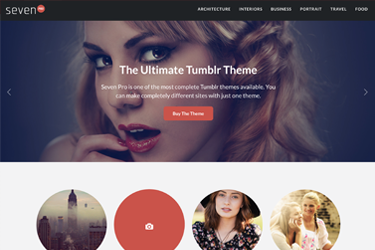
Seven Pro
by themelantic
The ultimate Tumblr theme, packed with layout options, widgets, and functionality.

Tumblr Official
It's nice.
$49
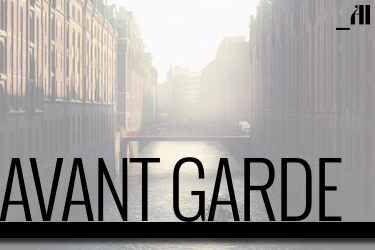
AVANT GARDE
Avant Garde is one of the most feature rich themes on Tumblr made with everything you need and more for a modern masonry grid style blog that can be used for both professional and personal blogging.
Square
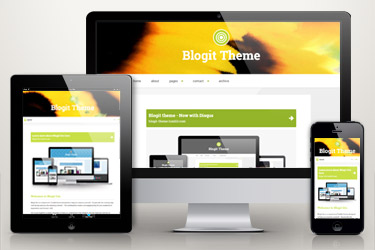
Squareは、Tumblrをポートフォリオとして使いたい方のために制作したTumblrテーマです。レスポンシブレイアウトによるモバイル対応やブログタイトルのロゴマーク設定、ソーシャルメディアへのリンク表示など、ポートフォリオに必要な要素をもれなくサポートしました。
Defiance
Open or bold resistance to or disregard for authority, opposition, or power.
Society
Featuring a flexible grid layout, bold post viewer, endless color options, and well polished features, Society might be Style Hatch’s most versatile and customizable theme.
EN VOGUE
A front cover magazine inspired Tumblr theme. Supports all post types, featured posts and one of a kind tagegories.
Elevator
by stashthemes
Elevator is a flossy portfolio that allows you to highlight your work through a very clean and minimal layout. Equipped with beautiful animations and a lot of customizeable features.
gonzopress(ious)
by rajtoral
'gonzopress(ious)' is a Premium Tumblr Theme made for writing. It features a clean, minimalist design to allow the content to shine and keep distractions to a minimum.
Jetty
Introducing Jetty, a thoughtfully designed premium Tumblr theme to channel for your ideas, inspiration and musings on Tumblr hand-crafted by your friends at Style Hatch.
Atlantic Noir
Elegant and classy premium theme by Style Hatch that gives full control for customization.
Other Frame
by other-themes
A graceful theme often referred to as the Rolls-Royce of Tumblr themes by creatives and the like. It sports a fancy parallax effect and a mind blowing slideshows for your photosets.
Patchwork
Style Hatch is proud to introduce their most customizable grid layout theme Patchwork.
Featured and minimal post options, responsive layout, and tons customization options are built into the theme.
Calidor
Highly customizable theme by Style Hatch with a bold look that scales beautifully from high resolution images and videos to mobile friendly layouts.
Cadence
A simple, yet powerful theme designed for highly visual blogs with long-form written articles. The modern and flexible layout will easily adapt to unlimited styles with the appearance options.
Huge
by precrafted
A premium theme of epic proportions - fully responsive, powerful features and perfect for image focused blogs
Venice
Not an ounce of attention to detail was left out when the polished theme Venice was created by Style Hatch. Highly customizable, high resolution and highly attractive.
Nirvana
Niravana. A powerful multi-column theme capable of 2, 3 and 4 column layouts, packed with features that allow for multiple blogging styles. Mobile/cell phone & tablet friendly. By Artistic Influence
MAELSTROM
Maelstrom. A highly customisable multi-column blogging theme unlike any other. A unique and versatile design capable of switching between a 2, 3 and 4 column layout with the click of your mouse.
Famous
Famous is your very own avant-garde digital magazine or portfolio all rolled into one.
Memorabilia
by themelantic
The perfect theme for keeping memories, good times, scrappy pictures, fun doodles, great songs, and everything else that tells the story of your life.
Byron
Hand crafted by Style Hatch, Byron works beautifully for long form posts and vivid, high resolution photography.
Otis
Featuring simplicity and a fluid grid system, Otis is minimal premium theme giving you the freedom to install it, make a few adjustments and start posting.
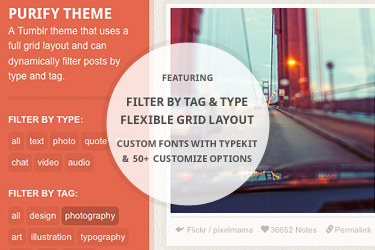
Purify
by rainerbird
Purify theme features a full grid layout and can dynamically filter posts by type and tag - perfect for portfolio blogs!
$49
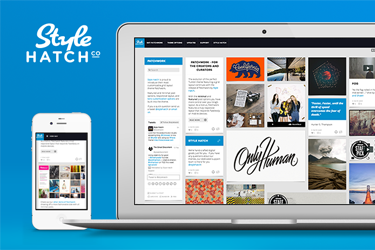
Patchwork
Style Hatch is proud to introduce their most customizable grid layout theme Patchwork.
Featured and minimal post options, responsive layout, and tons customization options are built into the theme.
$19
Travelogue
by rainerbird
Travelogue is a Tumblr theme for people on the go. Whether it's your favourite coffee shop or a country miles away, simply tag the location and Travelogue theme will display a map.
Pop Cultured
by rainerbird
Pop Cultured is a grid layout theme designed for both articles and images. Highlight the important tags, include star ratings and enhance posts with third-party film, music, tv, book & game data.
Ultimate PRO
by cubthemes
Ultimate PRO is the ONLY modular Tumblr theme with over 300 theme options and 800+ different settings.
Circularity
Circularity, our top seller, is a theme for bloggers who are looking to create a strong social media presence for their Tumblr.
Delicious
by themelantic
A feature-packed pro-blog theme for creating a stunning food, drink, lifestyle or fitness blog.
Cadence
A simple, yet powerful theme designed for highly visual blogs with long-form written articles. The modern and flexible layout will easily adapt to unlimited styles with the appearance options.
Silver
by themelantic
A portfolio Tumblr theme for fashionistas and visual creators, showing your work with a slider, stylish thumbnails, and packs a variety of widgets.
Metropolis
by storyware
Metropolis is a clean and super customizable theme. It offers features that no other themes provide (the Sticky Post and Featured Posts) plus Instagram integration, endless scrolling, and more.
Savoir Faire
Savoir Faire is one of the most feature rich themes on Tumblr made with the everything you need and more for a professional or personal blog. By Artistic Influence.
Inspire Well
Flexible grid-based theme by Style Hatch that gives complete creative freedom and is perfect for sharing creative inspiration!
Portfolio
A simple multi column portfolio theme for displaying your work. Connect your online media and customise the theme to personalise your portfolio.
Calidor
Highly customizable theme by Style Hatch with a bold look that scales beautifully from high resolution images and videos to mobile friendly layouts.
Society
Featuring a flexible grid layout, bold post viewer, endless color options, and well polished features, Society might be Style Hatch’s most versatile and customizable theme.
Swell
An expandable grid premium theme by Style Hatch that “swells” the page with visual posts and features a lightbox post view.
Verge
Horizontal scrolling Verge stands out from the crowd as a unique and flattering theme for your posts. Created by Style Hatch
Band
We’ve used minimalistic design and subtle animations to create this big impact theme for musicians and bands.
Strands
Strands by Style Hatch is responsive premium theme designed to close the gap between your blog and portfolio needs.
Ascender
A futuristic yet friendly grid style Style Hatch theme that is extremely customizable.
Write
This theme features a relaxed, minimalistic design to allow the content to shine and keep distractions to a minimum.
Square Eyes
by precrafted
Awesome hover interactions and a fluid square grid to show off your masterpieces.
Top Dog
by precrafted
Showcase your photos, tweets, music and more with this immersive profile page and a minimal, hi-res, powerful single column blog.
Venice
Not an ounce of attention to detail was left out when the polished theme Venice was created by Style Hatch. Highly customizable, high resolution and highly attractive.
Juuvy
Juuvy by Style Hatch is a highly fashionable & chic modular grid with adjustable post sizes.
gonzopress(ious)
by rajtoral
'gonzopress(ious)' is a Premium Tumblr Theme made for writing. It features a clean, minimalist design to allow the content to shine and keep distractions to a minimum.
Embrace
Embrace. Understated yet vivacious, the definition of blogging in style. Fully responsive, highly customizable and jam packed with features. By Artistic Influence.
$49
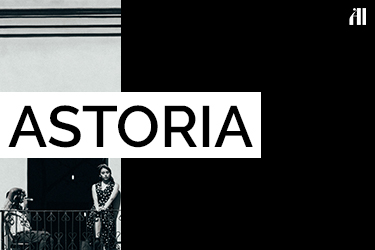
Astoria
Astoria, a free Artistic Influence Tumblr theme built to premium theme standards. Designed with an Avant-garde mindset to achieve a suprising and unexpected visual experience.
$49
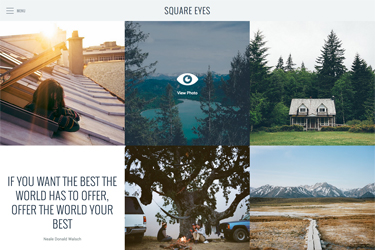
Square Eyes
by precrafted
Awesome hover interactions and a fluid square grid to show off your masterpieces.
Purify
by rainerbird
Purify theme features a full grid layout and can dynamically filter posts by type and tag - perfect for portfolio blogs!
Pray for Peace
by askfuse
Pray for Peace is an alluring, fresh visual storytelling tool. Bring your viewers closer to your content with ease.
Ten Toes
by stashthemes
Take this moment to actually appreciate the fact that you have ten toes. For those who appreciate beauty.
Wave
Wave is our insanely customizable premium theme for Tumblr. With a ton of options, you can select a single column or two column layout to best suit your content.
Stacked
by rainerbird
Stacked is a dead simple, clean and stunning photo theme that features two layout modes, integration with other photo sharing websites, responsive design and plenty of customisation options.
Napoleon
by stashthemes
Dual column excellence. Napoleon is a hybrid shadow-cat perfect for beautiful imagery and storytelling.
AVANT GARDE
Avant Garde is one of the most feature rich themes on Tumblr made with everything you need and more for a modern masonry grid style blog that can be used for both professional and personal blogging.
Emotion
Emotion theme, chic and understated to a balanced extent which compliments and places focus on your content to ensure it’s always at the centre of attention.
Other Frame
by other-themes
A graceful theme often referred to as the Rolls-Royce of Tumblr themes by creatives and the like. It sports a fancy parallax effect and a mind blowing slideshows for your photosets.
Apollo
by stashthemes
Think big. Apollo is a must-have for photographers and visual artists. From the clay tablets of Babylon.
Juuvy
Juuvy by Style Hatch is a highly fashionable & chic modular grid with adjustable post sizes.
Picasso
by stashthemes
Picasso is a beautiful full-width photo gallery. Perfect for showcasing your photos and videos. The perfect tool for photographers.
Other Spin
by other-themes
A minimal theme with an alternating left-right layout and the option to add a logo/avatar which spins when you scroll, super cool!
Other Board
by other-themes
Board sports a masonry grid style layout that makes your site look clean and organized. An overall well-structured theme that puts your work in the limelight.
ICE CREAM
The Ice Cream theme is a multi-column theme with a full width header that makes for an impeccable first impression.
Love
by stashthemes
Love is a beautiful, highly functional photography theme for your blog. Perfect for visual content such as photography, videos and designs. 2 column excellence.
EN VOGUE
A front cover magazine inspired Tumblr theme. Supports all post types, featured posts and one of a kind tagegories.
Mirrorless
by stashthemes
The scroll direction is 👉🏿 that way. Mirrorless is big, bold and beautiful. Perfect for portfolios, photo galleries, mood-boards and much more.
Inspire Well
Flexible grid-based theme by Style Hatch that gives complete creative freedom and is perfect for sharing creative inspiration!
UltraFlow
A clean and flowing Tumblr theme with an awesome parallax header and a smooth masonry style layout.
Pacific Grid
A highly visual theme from Style Hatch that puts your content at the center stage. With the flexible grid layout and post overlay, your visitors will find it easy to quickly browse through your posts.
Gallery
Void, Multiple Columns, Themecloset, Theme, Grid, Gallery, Simple, Versatile, Mobile friendly, Responsive, Website, Masonry, Layout
Origin West
Origin West, a fierce Style Hatch theme laced with color, lots of personality, and a bit of shine to show off a collection of noteworthy posts.
Suave
Suave is a silky smooth theme. It's clutter free - your content is king. It's also responsive and fully featured.
Viewfinder
by themelantic
A premium theme for photographers, with a slideshow header, big, beautiful images, and a powerful menu.
Swell
An expandable grid premium theme by Style Hatch that “swells” the page with visual posts and features a lightbox post view.
Venice
Not an ounce of attention to detail was left out when the polished theme Venice was created by Style Hatch. Highly customizable, high resolution and highly attractive.
Byron
Hand crafted by Style Hatch, Byron works beautifully for long form posts and vivid, high resolution photography.
Patchwork
Style Hatch is proud to introduce their most customizable grid layout theme Patchwork.
Featured and minimal post options, responsive layout, and tons customization options are built into the theme.
Famous
Famous is your very own avant-garde digital magazine or portfolio all rolled into one.
Verge
Horizontal scrolling Verge stands out from the crowd as a unique and flattering theme for your posts. Created by Style Hatch
Genesis
Genesis is a true tumblog-style grid theme. It's clean, clutter-free and allows for easy sharing, reblogging and liking of posts.
Portfolio
A simple multi column portfolio theme for displaying your work. Connect your online media and customise the theme to personalise your portfolio.
Other Scroll
by other-themes
A simple and beautiful theme with a horizontal layout. Other Scroll makes the most out of your images and is perfect for visual storytelling.
UltraGrid
A tile based masonry Tumblr theme, perfect for any type of Tumblr blogger.
Monaco
by stashthemes
Perfect for photo galleries & portfolios. Monaco is a highly functional user-controlled slideshow.
Society
Featuring a flexible grid layout, bold post viewer, endless color options, and well polished features, Society might be Style Hatch’s most versatile and customizable theme.
Other Mood
by other-themes
Just like in an AA-meeting where you are encouraged to share your emotional state with strangers, this theme likes to reflect your daily mood with posts you like.

$49
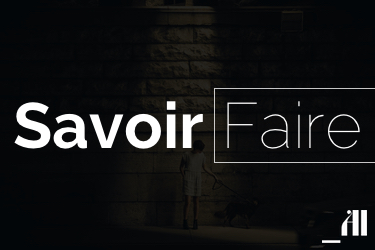
Savoir Faire
Savoir Faire is one of the most feature rich themes on Tumblr made with the everything you need and more for a professional or personal blog. By Artistic Influence.
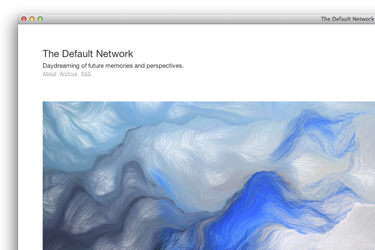
The Default Network 3.1
by markboyce
The Default Network (TheDN) is a fluid width, minimal Tumblr theme. Optimised for high resolution images and big video.
$49
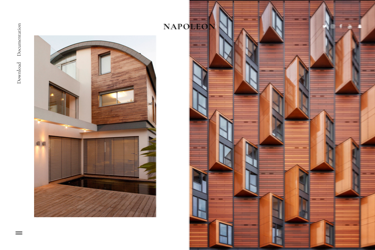
Napoleon
by stashthemes
Dual column excellence. Napoleon is a hybrid shadow-cat perfect for beautiful imagery and storytelling.
Chronicle
by rainerbird
Chronicle is a single column, responsive and hi res Tumblr theme that is built to show off stunning photos and text articles. Also includes titles and descriptions for photoset posts.
Revolution
The Revolution theme is one of the most feature rich multi-purpose themes to ever hit the theme garden. Aesthetic features usually seen in big budget websites can now be seen on your blog.
Other Line
by other-themes
If life is a circle, am I a box? Other Line was coded with a ship load of love. We put all your content inside a box to make it more... you?
Curly
by stashthemes
Curly is a fully responsive tumblr blog. It's flexible and clean layout is what makes this theme really stand out, like curly hair.
Compass
by precrafted
Tell your story with a stylish header slideshow, fixed sidebar navigation and large immersive posts.
Quite Big
Created for bloggers who like it BIG! Show all of your content in a single column at a bigger size in high resolution, ideal for photographers and film makers.
Brown
by stashthemes
Brown is perfect for photographers & for showcasing imagery. It features a fluid full-width layout with lots of customization options.
Other Basic
by other-themes
Our most basic theme. While still keeping it simple, fresh and zen alike, Basic offers a wide variety of features despite it’s name. Basic is simple but effective, like a microwave.
Elevate
by petervidani
Simple and customizable. Use 1, 2, or 3 columns for you blog and fill them with all sorts of little things. Incredibly simple permalink pages.
Apollo
by stashthemes
Think big. Apollo is a must-have for photographers and visual artists. From the clay tablets of Babylon.
ArtFolio
by guillaumeb
Turn your Tumblr blog into a portfolio. Make your pictures shine, tell a photo stories and write like a pro with ArtFolio. Geo-tag your posts with Google Maps integration
Effy
by mnmlstudioco
A creative solution for Tumblr bloggers, with a big sidebar but huge posts, your visitors will focus on your content.
Other Frame
by other-themes
A graceful theme often referred to as the Rolls-Royce of Tumblr themes by creatives and the like. It sports a fancy parallax effect and a mind blowing slideshows for your photosets.
Motify
An excellent theme for bloggers who love to write. Simple design with large fonts.
Utopia
Utopia. Clean but not too clean, flashy but not too flashy. Utopia takes the best of different design philosophies and presents content in its own unique way.
Jetty
Introducing Jetty, a thoughtfully designed premium Tumblr theme to channel for your ideas, inspiration and musings on Tumblr hand-crafted by your friends at Style Hatch.
Penman
Penman by Style Hatch is cosmopolitan, well cultured theme can handle heavy text post and large imagery. It’s for someone that has something to say!
Other Half
by other-themes
Half is great for those who like images, twice as much as they like any other content. We designed it with two columns to serve this purpose.
Houston
Houston is one of the most feature rich themes on Tumblr made with everything you need and more for a professional or personal blog.
Otis
Featuring simplicity and a fluid grid system, Otis is minimal premium theme giving you the freedom to install it, make a few adjustments and start posting.
Huge
by precrafted
A premium theme of epic proportions - fully responsive, powerful features and perfect for image focused blogs
Travel Pro
by themelantic
A premium Tumblr theme for travellers, photographers, and visual journals. Designed for sharing your adventure.
Venice
Not an ounce of attention to detail was left out when the polished theme Venice was created by Style Hatch. Highly customizable, high resolution and highly attractive.
Cadence
A simple, yet powerful theme designed for highly visual blogs with long-form written articles. The modern and flexible layout will easily adapt to unlimited styles with the appearance options.
Other One
by other-themes
One is named after its simple one column layout. It’s minimal, like one of Steve’s many wet dreams. It has Scandinavian influences, but a lot of attitude.
Sharp
Clean and sharp Tumblr theme with a wide layout. Perfect for long-form content or photography.
Other Story
by other-themes
Story is designed to serve your talent as a visual storyteller. Get Other Story, tell your saga in a linear fashion and allow no deviations.
Shifty
by safeasmilkco
If simplicity is the ultimate sophistication then please meet Shifty, the simplest theme yet.
Embrace
Embrace. Understated yet vivacious, the definition of blogging in style. Fully responsive, highly customizable and jam packed with features. By Artistic Influence.
Byron
Hand crafted by Style Hatch, Byron works beautifully for long form posts and vivid, high resolution photography.
Art She Said Pro
A new, updated version of the Art She Said theme. Responsive, fullbleed theme with big beautiful images. Works best for photo-heavy Tumblrs.
Other Scroll
by other-themes
A simple and beautiful theme with a horizontal layout. Other Scroll makes the most out of your images and is perfect for visual storytelling.
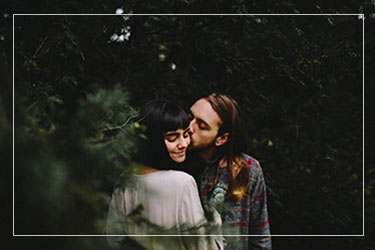
Picasso
by stashthemes
Picasso is a beautiful full-width photo gallery. Perfect for showcasing your photos and videos. The perfect tool for photographers.
$19
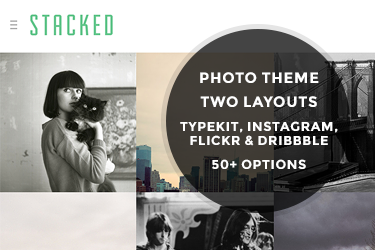
Stacked
by rainerbird
Stacked is a dead simple, clean and stunning photo theme that features two layout modes, integration with other photo sharing websites, responsive design and plenty of customisation options.
$19
Wallstocker
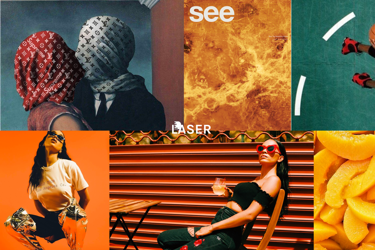
Wallstocker( ウォールストッカー )は、シンプルでクリーンなポートフォリオ向けtumblrテーマです。レスポンシブWebデザインによるモバイル・タブレット対応などの基本的なユーザビリティをサポートし、ブログタイトルをロゴ画像に変更したり、メニューリストのデザインを選べたりなど、様々なニーズに応える拡張機能を充実させました。
Astoria
Astoria, a free Artistic Influence Tumblr theme built to premium theme standards. Designed with an Avant-garde mindset to achieve a suprising and unexpected visual experience.
Ten Toes
by stashthemes
Take this moment to actually appreciate the fact that you have ten toes. For those who appreciate beauty.
Pacific Grid
A highly visual theme from Style Hatch that puts your content at the center stage. With the flexible grid layout and post overlay, your visitors will find it easy to quickly browse through your posts.
Chronicle
by rainerbird
Chronicle is a single column, responsive and hi res Tumblr theme that is built to show off stunning photos and text articles. Also includes titles and descriptions for photoset posts.
MONAI
photography, music, bands, clean, minimal, touch, grid,
photo, travel, instagram
RIMIKA
photography, music, bands, clean, minimal, touch, grid,
photo, background, instagram
Paper Stacks Pro
Introducing Paper Stacks Pro, a Tumblr theme developed in collaboration by FiftyThree & ALLDAYEVERYDAY. A beautiful new way to showcase ideas made with Paper and inspiration discovered across the web.
Monaco
by stashthemes
Perfect for photo galleries & portfolios. Monaco is a highly functional user-controlled slideshow.
Square Eyes
by precrafted
Awesome hover interactions and a fluid square grid to show off your masterpieces.
Other Frame
by other-themes
A graceful theme often referred to as the Rolls-Royce of Tumblr themes by creatives and the like. It sports a fancy parallax effect and a mind blowing slideshows for your photosets.
Portfolio
A simple multi column portfolio theme for displaying your work. Connect your online media and customise the theme to personalise your portfolio.
DISQO
Disqo was created with the intention of providing creatives a portfolio & blogging theme in 1 with the necessary features and widgets to present your visual, musical and textual art spectacularly.
Society
Featuring a flexible grid layout, bold post viewer, endless color options, and well polished features, Society might be Style Hatch’s most versatile and customizable theme.
Other Folio
by other-themes
Spend your time on the work you enjoy. Get Folio to showcase it in the best way possible.
Genesis
Genesis is a true tumblog-style grid theme. It's clean, clutter-free and allows for easy sharing, reblogging and liking of posts.
Strands
Strands by Style Hatch is responsive premium theme designed to close the gap between your blog and portfolio needs.
Workbook
by precrafted
Perfect for portfolios, Workbook is a premium Tumblr theme designed to show off your best work in style.
Elevator
by stashthemes
Elevator is a flossy portfolio that allows you to highlight your work through a very clean and minimal layout. Equipped with beautiful animations and a lot of customizeable features.
Patchwork
Style Hatch is proud to introduce their most customizable grid layout theme Patchwork.
Featured and minimal post options, responsive layout, and tons customization options are built into the theme.
Cadence
A simple, yet powerful theme designed for highly visual blogs with long-form written articles. The modern and flexible layout will easily adapt to unlimited styles with the appearance options.
Ritam
photography, music, bands, clean, minimal, touch, grid,
photo, background, opacity
Mirrorless
by stashthemes
The scroll direction is 👉🏿 that way. Mirrorless is big, bold and beautiful. Perfect for portfolios, photo galleries, mood-boards and much more.
One Stone
by stashthemes
One stone is a simple, clean two column feed. All the clutter is removed leaving space for your content to breathe.
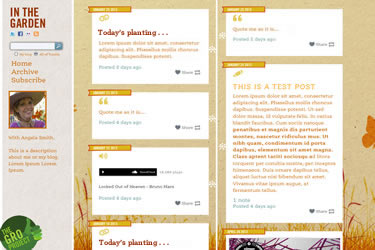
Gardening
by miracle-gro
Watch your Tumblr come to life as the seasons change, from spring blossoms to autumn foliage. All with a little help from The Gro Project, brought to you by Miracle-Gro.
$49
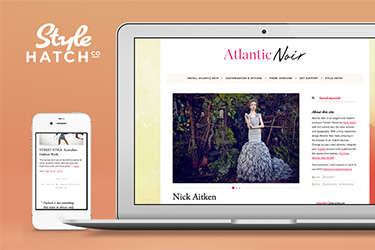
Atlantic Noir
Elegant and classy premium theme by Style Hatch that gives full control for customization.
$19
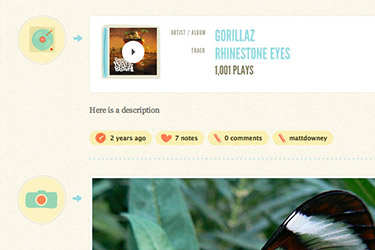
Sunrise
This theme provides a unique design for your Tumblr. A pale yellow background is accented with seafoam and salmon icons with text highlights. A neutral running stitch gives the theme a handmade look.
Tincture
by macoygarcia
Tincture v 1.1 has been used by thousands of Tumblelogs!
Support
If you have questions, comments or suggestions regarding this theme , please feel free to drop us a line at mkarlog@gmail.com
Fireheart
A sleek and ice-cool yet fiery-hot and customisable theme with a classic design.
Juuvy
Juuvy by Style Hatch is a highly fashionable & chic modular grid with adjustable post sizes.
Coco
Made with lots of heart and soul, Coco by Style Hatch comes in three unique flavors Creamy (light and floral), Bittersweet (brown) & White (neutral grey). As a bonus version 1.2.0 adds a grid layout!
$49
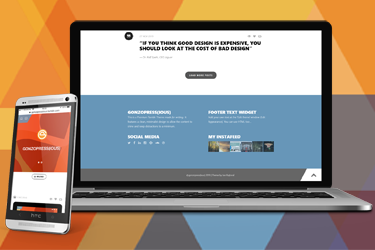
gonzopress(ious)
by rajtoral
'gonzopress(ious)' is a Premium Tumblr Theme made for writing. It features a clean, minimalist design to allow the content to shine and keep distractions to a minimum.
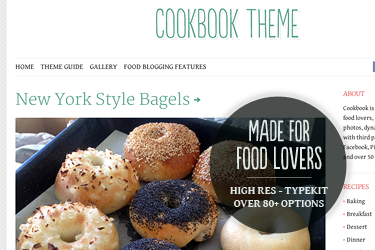
Cookbook
by rainerbird
Cookbook is a Tumblr theme built for food lovers, featuring high res photos, dynamic tags, beautiful typography and social media integration. A theme destined to get your tastebuds flowing.
$19
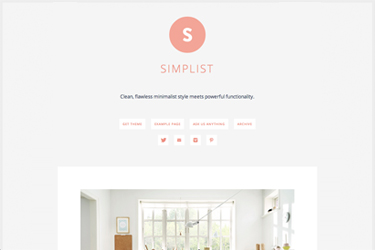
SIMPLIST
by precrafted
The perfect theme for minimalists - all the features you need and nothing more, presented beautifully.
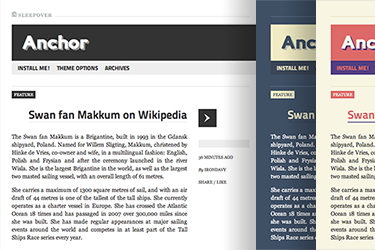
Anchor
by sleepoversf
Designed with professional bloggers in mind, Anchor has full color customization — every color is customizable, including the icons. An optional row across the top lets you highlight your best posts.
Vivid
Magazine, Simple, Layout, Fashion, Street, Photography, Style, Vintage, Retro, Women, One Column, Themecloset, Gallery, Masonry
Other Writer
by other-themes
The screenshot for this theme doesn't really do it justice, but let’s face it, Other Writer is there for you to just… write. This theme is a perfect theme for those who don’t own a camera.
Clarus
A clear, transparent theme with a focus on strong typography. Comes with interchangeable CSS3 background gradients, topped with a space background pattern. Also comes with three preset color schemes.
Otis
Featuring simplicity and a fluid grid system, Otis is minimal premium theme giving you the freedom to install it, make a few adjustments and start posting.
My Corner
by oboxdesign
A colorful, minimalist theme created by Obox Design. If you want your content to be the center of attention then 'My Corner' is for you.
Tuscan Leather
by askfuse
Functional yet simple. Tuscan Leather is a tasty customizeable rehash of the standard blog layout.
Silver
by themelantic
A portfolio Tumblr theme for fashionistas and visual creators, showing your work with a slider, stylish thumbnails, and packs a variety of widgets.
Embrace
Embrace. Understated yet vivacious, the definition of blogging in style. Fully responsive, highly customizable and jam packed with features. By Artistic Influence.
Other Basic
by other-themes
Our most basic theme. While still keeping it simple, fresh and zen alike, Basic offers a wide variety of features despite it’s name. Basic is simple but effective, like a microwave.
Circularity
Circularity, our top seller, is a theme for bloggers who are looking to create a strong social media presence for their Tumblr.
Other Centre
by other-themes
Other Centre is a fully responsive tumblr blog. It's clutter free and clean layout is what makes this theme really stand out. Other Centre is a perfect example of less is more.
Other One
by other-themes
One is named after its simple one column layout. It’s minimal, like one of Steve’s many wet dreams. It has Scandinavian influences, but a lot of attitude.
Simple Things
by danhauk
A simple theme with minimal design elements. It features a beautiful layout with the main focus on content.
Bagua
Bagua provides a very customizable and functional design for your Tumblr. A blonde wood or geometric background is accented with default seafoam, salmon, or blue icons and text highlights.
Acuity
A Tumblr theme with a very traditional blog style layout, perfect for any type of blogger.
Simplicity
by cubthemes
Simplicity is all about the main features, yet there's nothing less than what you’d need.
MARS
MARS by Style Hatch is a modern and bold theme that makes a statement that comes with multiple layout options—normal, HD and grid—and lots of customization!
Nova
With a choice between a two column layout and a single, HD layout Nova by Style Hatch will give you unlimited appearance options to match your look.
UltraMnml
A super minimal and clean theme with a very traditional blog style layout.
Elevate
by petervidani
Simple and customizable. Use 1, 2, or 3 columns for you blog and fill them with all sorts of little things. Incredibly simple permalink pages.
Atlantic Noir
Elegant and classy premium theme by Style Hatch that gives full control for customization.
Other Line
by other-themes
If life is a circle, am I a box? Other Line was coded with a ship load of love. We put all your content inside a box to make it more... you?
Backburner
Highly customizable, clean, and modern theme, created by Style Hatch, that comes with 3 custom styles.
Motify
An excellent theme for bloggers who love to write. Simple design with large fonts.
Other Book
by other-themes
This book inspired theme lets you, the author, fill the pages with your story. Wrap your Book in a fancy cover, give yourself a title, a thrilling description and start blogging on a blank page!
Waldorf
Waldorf. Elegance meets modern. Fully responsive with every feature you need and more for a professional or personal blog. By Artistic Influence.
Other Naked
by other-themes
Naked is a stripped down, minimalistic theme with a single column layout. It gives a lot, and ask for little in return. It comes with a crooked title and a funky menu.
Utopia
Utopia. Clean but not too clean, flashy but not too flashy. Utopia takes the best of different design philosophies and presents content in its own unique way.
$49
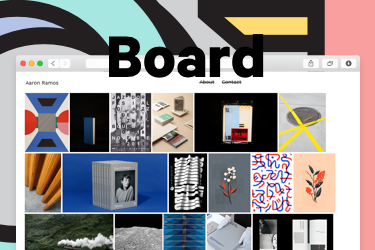
Other Board
by other-themes
Board sports a masonry grid style layout that makes your site look clean and organized. An overall well-structured theme that puts your work in the limelight.
$49
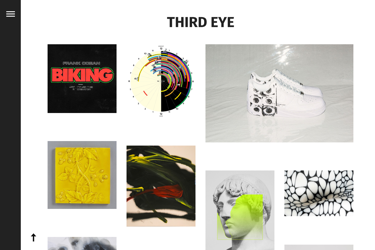
Third Eye
by stashthemes
If you're looking for a magazine-style layout then this should serve you well. That's what I had mind when creating it. I wish you more blessings and good health. Love you.
Clarus
A clear, transparent theme with a focus on strong typography. Comes with interchangeable CSS3 background gradients, topped with a space background pattern. Also comes with three preset color schemes.
Other Two
by other-themes
Two has double column design layout. With it’s infinite scrolling feature, Two just keeps on giving and giving until you ask for no more.
Famous
Famous is your very own avant-garde digital magazine or portfolio all rolled into one.
Pop Cultured
by rainerbird
Pop Cultured is a grid layout theme designed for both articles and images. Highlight the important tags, include star ratings and enhance posts with third-party film, music, tv, book & game data.
Other Mood
by other-themes
Just like in an AA-meeting where you are encouraged to share your emotional state with strangers, this theme likes to reflect your daily mood with posts you like.
Circularity
Circularity, our top seller, is a theme for bloggers who are looking to create a strong social media presence for their Tumblr.
Delicious
by themelantic
A feature-packed pro-blog theme for creating a stunning food, drink, lifestyle or fitness blog.
Ultimate PRO
by cubthemes
Ultimate PRO is the ONLY modular Tumblr theme with over 300 theme options and 800+ different settings.
Space
Lookbook, Gallery, Dairy, Theme, Layout, Creative, Design, Designer, Art, Masonry, Magazine, Look, Fashion, Tumblr, Wordpress, Simple, Clean, Kinfolk, Designer
Xtreme
Xtreme Theme is a Tumblr Theme. It is suitable for Personal Portfolio, Creative Agency, Designer Portfolio, Illustrator Portfolio, Photographer Portfolio and more. Its just as easy to customize.
Serendipity - Fashion tumblr theme
by brandlines
Serendipity theme is a minimalistic, fashionable and multipurpose tumblr theme.
MAELSTROM
Maelstrom. A highly customisable multi-column blogging theme unlike any other. A unique and versatile design capable of switching between a 2, 3 and 4 column layout with the click of your mouse.
Katz N' Dogz
by askfuse
Katz N' Dogz is an modern and powerful premium Tumblr theme by Fuse with full control over the color scheme and typography.
Metropolis
by storyware
Metropolis is a clean and super customizable theme. It offers features that no other themes provide (the Sticky Post and Featured Posts) plus Instagram integration, endless scrolling, and more.
Other Book
by other-themes
This book inspired theme lets you, the author, fill the pages with your story. Wrap your Book in a fancy cover, give yourself a title, a thrilling description and start blogging on a blank page!
Other Story
by other-themes
Story is designed to serve your talent as a visual storyteller. Get Other Story, tell your saga in a linear fashion and allow no deviations.
EN VOGUE
A front cover magazine inspired Tumblr theme. Supports all post types, featured posts and one of a kind tagegories.
Bagua
Bagua provides a very customizable and functional design for your Tumblr. A blonde wood or geometric background is accented with default seafoam, salmon, or blue icons and text highlights.
Embrace
Embrace. Understated yet vivacious, the definition of blogging in style. Fully responsive, highly customizable and jam packed with features. By Artistic Influence.
Allure
A tumblr theme should be two things: classy and fabulous, two things that are interwoven into the very impressive Allure theme.
Incredible
The Incredible theme is built with imagery at its heart - combined with modern philosophy.
Photographer
Themecloset, Minimalism, Minimal, Clean, Simple, Tumblr, Themes, Header, Full screen, Grid, Multiple Columns, Writer, Photography, Image, Gallery, Masonry
Strands
Strands by Style Hatch is responsive premium theme designed to close the gap between your blog and portfolio needs.
XOXO
Themecloset, Minimalism, Multiple Columns, Grid, Masonry, Minimal, Clean, Simple, Versatile, Mobile friendly, Responsive
$19
$49
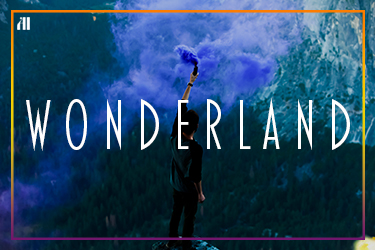
Wonderland
Wonderland is a highly customisable grid theme that transcends all standard website and blog conventions, and it is loaded with powerful features and is perfect for passionate curators.
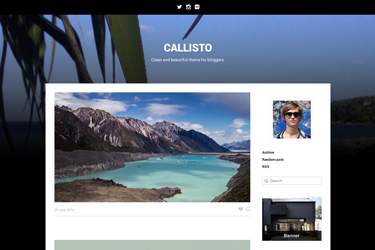
Byron
Hand crafted by Style Hatch, Byron works beautifully for long form posts and vivid, high resolution photography.
like-thunder-inthe-sky
"Strong & Fierce"
SIMPLIST
by precrafted
The perfect theme for minimalists - all the features you need and nothing more, presented beautifully.
Bagua
Bagua provides a very customizable and functional design for your Tumblr. A blonde wood or geometric background is accented with default seafoam, salmon, or blue icons and text highlights.
November
Themecloset, Tumblr, Minimal, Theme, Grid, Gallery, Simple, Versatile, Mobile friendly, Responsive, Website, Masonry, Layout, Load more
Video
by stashthemes
Video is a powerful multi-versed theme. Your content and video choice will determine the mood of your blog and with social and music features it's perfect for bands, brands & everything inbetween.
Queens
A delicate, delightful theme with gorgeous fullscreen background images and a social navigation bar - and more.
Incredible
The Incredible theme is built with imagery at its heart - combined with modern philosophy.
Strands
Strands by Style Hatch is responsive premium theme designed to close the gap between your blog and portfolio needs.
Columnizer
An amazing theme by all aesthetic and technical standards, highly customizable and capable of 2, 3, 4 and 5 column layouts with no coding needed. By Artistic Influence.
Venice
Not an ounce of attention to detail was left out when the polished theme Venice was created by Style Hatch. Highly customizable, high resolution and highly attractive.
Inspire Well
Flexible grid-based theme by Style Hatch that gives complete creative freedom and is perfect for sharing creative inspiration!
Sharp
Clean and sharp Tumblr theme with a wide layout. Perfect for long-form content or photography.
Precise
by themelantic
A pixel-perfect grid theme, with minimal lines, subtle patterns, and powerful features.
Calidor
Highly customizable theme by Style Hatch with a bold look that scales beautifully from high resolution images and videos to mobile friendly layouts.
JUMBLE
by precrafted
This beautifully organic layout gives your blog a unique look and feel, with posts randomly placed to create a different layout each time.
Nova
With a choice between a two column layout and a single, HD layout Nova by Style Hatch will give you unlimited appearance options to match your look.
Atlantic Noir
Elegant and classy premium theme by Style Hatch that gives full control for customization.
Top Dog
by precrafted
Showcase your photos, tweets, music and more with this immersive profile page and a minimal, hi-res, powerful single column blog.
Cadence
A simple, yet powerful theme designed for highly visual blogs with long-form written articles. The modern and flexible layout will easily adapt to unlimited styles with the appearance options.
The Florist
Themecloset, Minimalism, Minimal, Clean, Simple, Tumblr, Themes, Header, Full screen, Grid, One column
MARS
MARS by Style Hatch is a modern and bold theme that makes a statement that comes with multiple layout options—normal, HD and grid—and lots of customization!
Square Eyes
by precrafted
Awesome hover interactions and a fluid square grid to show off your masterpieces.
Penman
Penman by Style Hatch is cosmopolitan, well cultured theme can handle heavy text post and large imagery. It’s for someone that has something to say!
Circularity
Circularity, our top seller, is a theme for bloggers who are looking to create a strong social media presence for their Tumblr.
Houston
Houston is one of the most feature rich themes on Tumblr made with everything you need and more for a professional or personal blog.
Adventure
Adventure. A unique blogging theme unlike any other. Just like the name, this theme has been designed to be exciting throughout, offering a consistently fresh and new experience for your visitors.
Sunday
Minimal, Tumblr, Photography, Blog, Journal, Social media, Modern, Photographer, Clean, Soft, Grid, Header, Image, Responsive, Writer, Creative, Work

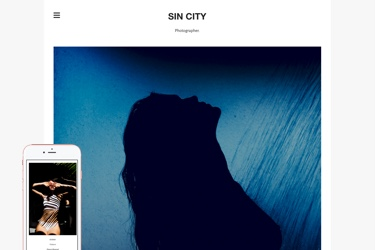
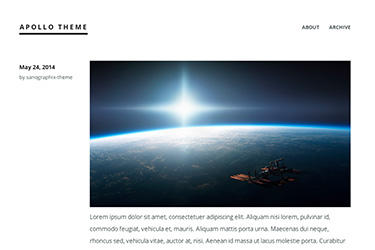
$49
Waldorf
Waldorf. Elegance meets modern. Fully responsive with every feature you need and more for a professional or personal blog. By Artistic Influence.
Handscroll Theme Pro
by gfrancescoa
A responsive columns layout, made with typography in mind, for tumblr writers.
Warhol
Warhol. An elegant and classy Tumblr theme, fully responsive with every feature you need and more for a professional or personal blog. By Artistic Influence.
Penman
Penman by Style Hatch is cosmopolitan, well cultured theme can handle heavy text post and large imagery. It’s for someone that has something to say!
Other Book
by other-themes
This book inspired theme lets you, the author, fill the pages with your story. Wrap your Book in a fancy cover, give yourself a title, a thrilling description and start blogging on a blank page!
My Corner
by oboxdesign
A colorful, minimalist theme created by Obox Design. If you want your content to be the center of attention then 'My Corner' is for you.
gonzopress(ious)
by rajtoral
'gonzopress(ious)' is a Premium Tumblr Theme made for writing. It features a clean, minimalist design to allow the content to shine and keep distractions to a minimum.
Viva
Modern, tasteful and functional. From personal journals to infinite streams of photos—Viva does it all.
Byron
Hand crafted by Style Hatch, Byron works beautifully for long form posts and vivid, high resolution photography.
Chronicle
by rainerbird
Chronicle is a single column, responsive and hi res Tumblr theme that is built to show off stunning photos and text articles. Also includes titles and descriptions for photoset posts.
Other Writer
by other-themes
The screenshot for this theme doesn't really do it justice, but let’s face it, Other Writer is there for you to just… write. This theme is a perfect theme for those who don’t own a camera.
Cookbook
by rainerbird
Cookbook is a Tumblr theme built for food lovers, featuring high res photos, dynamic tags, beautiful typography and social media integration. A theme destined to get your tastebuds flowing.
Atlantic Noir
Elegant and classy premium theme by Style Hatch that gives full control for customization.
Cadence
A simple, yet powerful theme designed for highly visual blogs with long-form written articles. The modern and flexible layout will easily adapt to unlimited styles with the appearance options.
Clarus
A clear, transparent theme with a focus on strong typography. Comes with interchangeable CSS3 background gradients, topped with a space background pattern. Also comes with three preset color schemes.
Other One
by other-themes
One is named after its simple one column layout. It’s minimal, like one of Steve’s many wet dreams. It has Scandinavian influences, but a lot of attitude.
Moth
Simple single-column theme made for those who value subtle elegance over flashy special effects.
Calidor
Highly customizable theme by Style Hatch with a bold look that scales beautifully from high resolution images and videos to mobile friendly layouts.
Utopia
Utopia. Clean but not too clean, flashy but not too flashy. Utopia takes the best of different design philosophies and presents content in its own unique way.
420
by stashthemes
420 is a minimal and bold theme that works perfectly with any post type on any screen size.
Motify
An excellent theme for bloggers who love to write. Simple design with large fonts.
Write
This theme features a relaxed, minimalistic design to allow the content to shine and keep distractions to a minimum.
$49
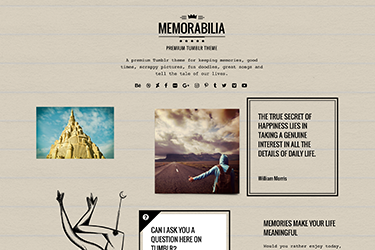
Memorabilia
by themelantic
The perfect theme for keeping memories, good times, scrappy pictures, fun doodles, great songs, and everything else that tells the story of your life.
$19
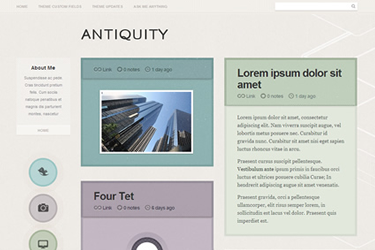
Antiquity
by oboxdesign
Antiquity is a grunge based Tumblr theme packed with incredible detail and CSS trickery that will make a huge impact on visitors to your site.
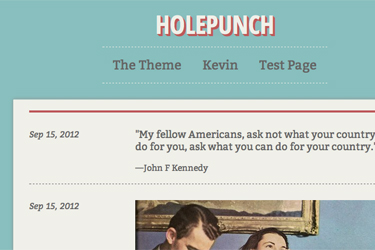
Holepunch
Holepunch is a clean, simple theme inspired by cold war era visual culture.
Onliest
Kinfolk, Minimal, Vintage, Portfolio, Design, Designer, Grid, Layout, Tumblr, Glossy, Layout, Photography, Magazine, Shopify, Store
Edwin
Named after Edwin Land, the creator of the Polaroid, this theme is the perfect companion for all your photos (analog & digital).
Coco
Made with lots of heart and soul, Coco by Style Hatch comes in three unique flavors Creamy (light and floral), Bittersweet (brown) & White (neutral grey). As a bonus version 1.2.0 adds a grid layout!
$49
Square Eyes
by precrafted
Awesome hover interactions and a fluid square grid to show off your masterpieces.
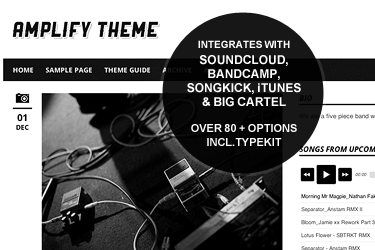
Amplify
by rainerbird
Amplify theme is built especially for bands and musicians. Features include integration with Soundcloud, Bandcamp, iTunes, Songkick, Instagram, Twitter, Facebook, Big Cartel & Mailchimp.
$49
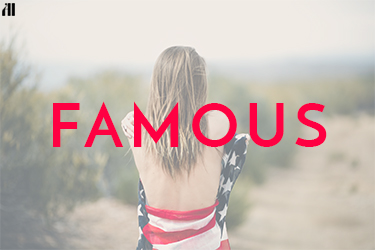
Famous
Famous is your very own avant-garde digital magazine or portfolio all rolled into one.

Amplify 2
by rainerbird
Amplify 2 theme is built especially for bands and musicians. Features include integration with Soundcloud, Bandcamp, iTunes, Songkick, Instagram, Twitter, Facebook, Big Cartel & Mailchimp.
Nirvana
Niravana. A powerful multi-column theme capable of 2, 3 and 4 column layouts, packed with features that allow for multiple blogging styles. Mobile/cell phone & tablet friendly. By Artistic Influence
Reverb
by rainerbird
Reverb is a Tumblr theme built for bands and musicians. Reverb includes a full screen feature header background, responsive layout and over 50 customise options.
Other Folio
by other-themes
Spend your time on the work you enjoy. Get Folio to showcase it in the best way possible.
Patchwork
Style Hatch is proud to introduce their most customizable grid layout theme Patchwork.
Featured and minimal post options, responsive layout, and tons customization options are built into the theme.
Top Dog
by precrafted
Showcase your photos, tweets, music and more with this immersive profile page and a minimal, hi-res, powerful single column blog.
Young Blood
by stashthemes
Just like a rolex. This theme is perfect for making a statement. Fully responsive, Young Blood has plenty of custom features, sharing buttons and much more.
Allure
A tumblr theme should be two things: classy and fabulous, two things that are interwoven into the very impressive Allure theme.
Band
We’ve used minimalistic design and subtle animations to create this big impact theme for musicians and bands.
Other Half
by other-themes
Half is great for those who like images, twice as much as they like any other content. We designed it with two columns to serve this purpose.
$49
$49
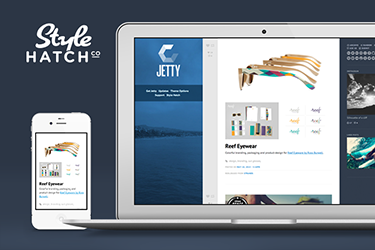
Jetty
Introducing Jetty, a thoughtfully designed premium Tumblr theme to channel for your ideas, inspiration and musings on Tumblr hand-crafted by your friends at Style Hatch.
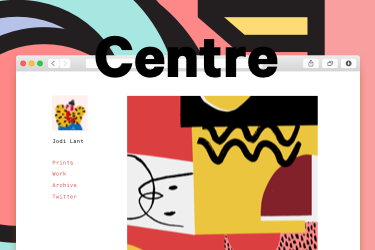
Other Centre
by other-themes
Other Centre is a fully responsive tumblr blog. It's clutter free and clean layout is what makes this theme really stand out. Other Centre is a perfect example of less is more.
The Default Network 3.1
by markboyce
The Default Network (TheDN) is a fluid width, minimal Tumblr theme. Optimised for high resolution images and big video.
Travel Pro
by themelantic
A premium Tumblr theme for travellers, photographers, and visual journals. Designed for sharing your adventure.
Origin West
Origin West, a fierce Style Hatch theme laced with color, lots of personality, and a bit of shine to show off a collection of noteworthy posts.
Other Half
by other-themes
Half is great for those who like images, twice as much as they like any other content. We designed it with two columns to serve this purpose.
Video
by stashthemes
Video is a powerful multi-versed theme. Your content and video choice will determine the mood of your blog and with social and music features it's perfect for bands, brands & everything inbetween.
Otis
Featuring simplicity and a fluid grid system, Otis is minimal premium theme giving you the freedom to install it, make a few adjustments and start posting.
Houston
Houston is one of the most feature rich themes on Tumblr made with everything you need and more for a professional or personal blog.
Revolution
The Revolution theme is one of the most feature rich multi-purpose themes to ever hit the theme garden. Aesthetic features usually seen in big budget websites can now be seen on your blog.
$49
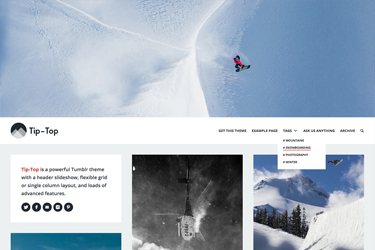
Tip-Top
by precrafted
Tip-Top is a powerful Tumblr theme with a header slideshow, flexible grid or single column layout, and loads of advanced features.
Anchor
by sleepoversf
Designed with professional bloggers in mind, Anchor has full color customization — every color is customizable, including the icons. An optional row across the top lets you highlight your best posts.
$49
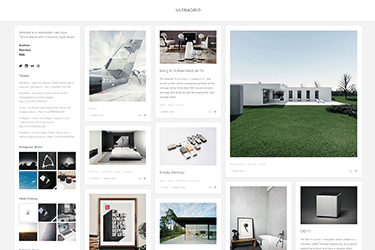
UltraGrid
A tile based masonry Tumblr theme, perfect for any type of Tumblr blogger.
$49
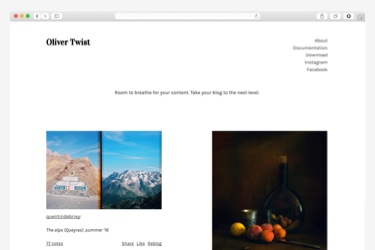
Oliver Twist
by askfuse
Oliver Twist is a minimal yet powerful theme for your blog. Your content is at the forefront allowing you to shape and mould the feeling of your blog.
Juuvy
Juuvy by Style Hatch is a highly fashionable & chic modular grid with adjustable post sizes.
Patchwork
Style Hatch is proud to introduce their most customizable grid layout theme Patchwork.
Featured and minimal post options, responsive layout, and tons customization options are built into the theme.
Inspire Well
Flexible grid-based theme by Style Hatch that gives complete creative freedom and is perfect for sharing creative inspiration!
Other Folio
by other-themes
Spend your time on the work you enjoy. Get Folio to showcase it in the best way possible.
MAELSTROM
Maelstrom. A highly customisable multi-column blogging theme unlike any other. A unique and versatile design capable of switching between a 2, 3 and 4 column layout with the click of your mouse.
Strands
Strands by Style Hatch is responsive premium theme designed to close the gap between your blog and portfolio needs.
Cadence
A simple, yet powerful theme designed for highly visual blogs with long-form written articles. The modern and flexible layout will easily adapt to unlimited styles with the appearance options.
Utopia
Utopia. Clean but not too clean, flashy but not too flashy. Utopia takes the best of different design philosophies and presents content in its own unique way.
Coco
Made with lots of heart and soul, Coco by Style Hatch comes in three unique flavors Creamy (light and floral), Bittersweet (brown) & White (neutral grey). As a bonus version 1.2.0 adds a grid layout!
Other Story
by other-themes
Story is designed to serve your talent as a visual storyteller. Get Other Story, tell your saga in a linear fashion and allow no deviations.
Society
Featuring a flexible grid layout, bold post viewer, endless color options, and well polished features, Society might be Style Hatch’s most versatile and customizable theme.
Paper Stacks Pro
Introducing Paper Stacks Pro, a Tumblr theme developed in collaboration by FiftyThree & ALLDAYEVERYDAY. A beautiful new way to showcase ideas made with Paper and inspiration discovered across the web.
TimelineProPhoto
photography, music, bands, clean, minimal, touch, grid,
photo, background, timeline
Swell
An expandable grid premium theme by Style Hatch that “swells” the page with visual posts and features a lightbox post view.
Other Frame
by other-themes
A graceful theme often referred to as the Rolls-Royce of Tumblr themes by creatives and the like. It sports a fancy parallax effect and a mind blowing slideshows for your photosets.
Metropolis
by storyware
Metropolis is a clean and super customizable theme. It offers features that no other themes provide (the Sticky Post and Featured Posts) plus Instagram integration, endless scrolling, and more.
Monaco
by stashthemes
Perfect for photo galleries & portfolios. Monaco is a highly functional user-controlled slideshow.
$49
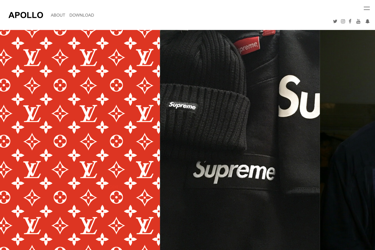
Apollo
by stashthemes
Think big. Apollo is a must-have for photographers and visual artists. From the clay tablets of Babylon.
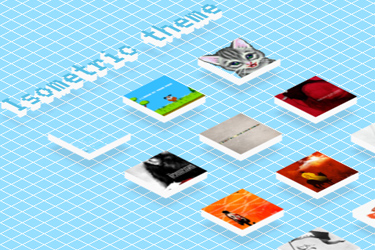
Isometric Theme
This theme shows off your photo blog in super sexy retro power fashion cocktails shoulderpads and pixel art baby! Yeah!
$49
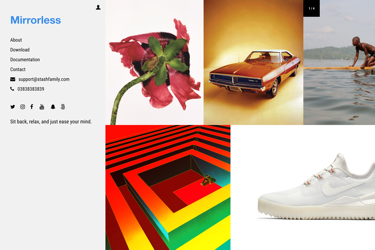
Mirrorless
by stashthemes
The scroll direction is 👉🏿 that way. Mirrorless is big, bold and beautiful. Perfect for portfolios, photo galleries, mood-boards and much more.

Cluster
A decidedly effed-up Tumblr theme. Randomly places && rotates page elements. Like/reblog buttons are not placed with their posts for chance-based social interaction, interface is click-and-drag.
Pop Gallery Lite
by misspato
A clean and responsive portfolio theme for illustrators, photographers and all visual artists.
Video
by stashthemes
Video is a powerful multi-versed theme. Your content and video choice will determine the mood of your blog and with social and music features it's perfect for bands, brands & everything inbetween.
Other Scroll
by other-themes
A simple and beautiful theme with a horizontal layout. Other Scroll makes the most out of your images and is perfect for visual storytelling.
Verge
Horizontal scrolling Verge stands out from the crowd as a unique and flattering theme for your posts. Created by Style Hatch
LSD
by stashthemes
LSD is a psychedelic and adventurous theme that works beautiful with all post types on any screen size. Perfect for portfolios and visual moodboards.
Origin West
Origin West, a fierce Style Hatch theme laced with color, lots of personality, and a bit of shine to show off a collection of noteworthy posts.
Other Spin
by other-themes
A minimal theme with an alternating left-right layout and the option to add a logo/avatar which spins when you scroll, super cool!
$49
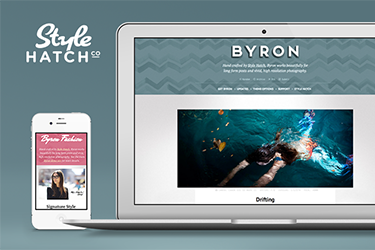
Byron
Hand crafted by Style Hatch, Byron works beautifully for long form posts and vivid, high resolution photography.
$49
Patchwork
Style Hatch is proud to introduce their most customizable grid layout theme Patchwork.
Featured and minimal post options, responsive layout, and tons customization options are built into the theme.
Otis
Featuring simplicity and a fluid grid system, Otis is minimal premium theme giving you the freedom to install it, make a few adjustments and start posting.
Cadence
A simple, yet powerful theme designed for highly visual blogs with long-form written articles. The modern and flexible layout will easily adapt to unlimited styles with the appearance options.
Origin West
Origin West, a fierce Style Hatch theme laced with color, lots of personality, and a bit of shine to show off a collection of noteworthy posts.
Penman
Penman by Style Hatch is cosmopolitan, well cultured theme can handle heavy text post and large imagery. It’s for someone that has something to say!
Inspire Well
Flexible grid-based theme by Style Hatch that gives complete creative freedom and is perfect for sharing creative inspiration!
Memorabilia
by themelantic
The perfect theme for keeping memories, good times, scrappy pictures, fun doodles, great songs, and everything else that tells the story of your life.
Juuvy
Juuvy by Style Hatch is a highly fashionable & chic modular grid with adjustable post sizes.
Elevate
by petervidani
Simple and customizable. Use 1, 2, or 3 columns for you blog and fill them with all sorts of little things. Incredibly simple permalink pages.
Nova
With a choice between a two column layout and a single, HD layout Nova by Style Hatch will give you unlimited appearance options to match your look.
Ascender
A futuristic yet friendly grid style Style Hatch theme that is extremely customizable.
Interlace
by themelantic
Bold colors, big photos, and a customisable layout that lets you style every post.
Strands
Strands by Style Hatch is responsive premium theme designed to close the gap between your blog and portfolio needs.
Coco
Made with lots of heart and soul, Coco by Style Hatch comes in three unique flavors Creamy (light and floral), Bittersweet (brown) & White (neutral grey). As a bonus version 1.2.0 adds a grid layout!
MARS
MARS by Style Hatch is a modern and bold theme that makes a statement that comes with multiple layout options—normal, HD and grid—and lots of customization!
Wave
Wave is our insanely customizable premium theme for Tumblr. With a ton of options, you can select a single column or two column layout to best suit your content.
Houston
Houston is one of the most feature rich themes on Tumblr made with everything you need and more for a professional or personal blog.
Calidor
Highly customizable theme by Style Hatch with a bold look that scales beautifully from high resolution images and videos to mobile friendly layouts.
Circularity
Circularity, our top seller, is a theme for bloggers who are looking to create a strong social media presence for their Tumblr.
$19
Write
This theme features a relaxed, minimalistic design to allow the content to shine and keep distractions to a minimum.
$19
$49
$49
gonzopress(ious)
by rajtoral
'gonzopress(ious)' is a Premium Tumblr Theme made for writing. It features a clean, minimalist design to allow the content to shine and keep distractions to a minimum.
Art She Said Pro
A new, updated version of the Art She Said theme. Responsive, fullbleed theme with big beautiful images. Works best for photo-heavy Tumblrs.
Purify
by rainerbird
Purify theme features a full grid layout and can dynamically filter posts by type and tag - perfect for portfolio blogs!
$49
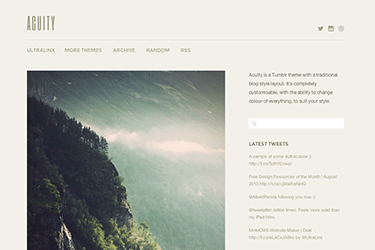
Acuity
A Tumblr theme with a very traditional blog style layout, perfect for any type of blogger.
$49
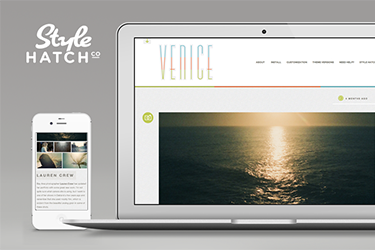
Venice
Not an ounce of attention to detail was left out when the polished theme Venice was created by Style Hatch. Highly customizable, high resolution and highly attractive.
Amplify
by rainerbird
Amplify theme is built especially for bands and musicians. Features include integration with Soundcloud, Bandcamp, iTunes, Songkick, Instagram, Twitter, Facebook, Big Cartel & Mailchimp.
Suave
Suave is a silky smooth theme. It's clutter free - your content is king. It's also responsive and fully featured.
Travelogue
by rainerbird
Travelogue is a Tumblr theme for people on the go. Whether it's your favourite coffee shop or a country miles away, simply tag the location and Travelogue theme will display a map.
Calidor
Highly customizable theme by Style Hatch with a bold look that scales beautifully from high resolution images and videos to mobile friendly layouts.
Anchor
by sleepoversf
Designed with professional bloggers in mind, Anchor has full color customization — every color is customizable, including the icons. An optional row across the top lets you highlight your best posts.
Verge
Horizontal scrolling Verge stands out from the crowd as a unique and flattering theme for your posts. Created by Style Hatch
Cookbook
by rainerbird
Cookbook is a Tumblr theme built for food lovers, featuring high res photos, dynamic tags, beautiful typography and social media integration. A theme destined to get your tastebuds flowing.
Adventure
Adventure. A unique blogging theme unlike any other. Just like the name, this theme has been designed to be exciting throughout, offering a consistently fresh and new experience for your visitors.
Pop Cultured
by rainerbird
Pop Cultured is a grid layout theme designed for both articles and images. Highlight the important tags, include star ratings and enhance posts with third-party film, music, tv, book & game data.
UltraMnml
A super minimal and clean theme with a very traditional blog style layout.
Square Eyes
by precrafted
Awesome hover interactions and a fluid square grid to show off your masterpieces.
Embrace
Embrace. Understated yet vivacious, the definition of blogging in style. Fully responsive, highly customizable and jam packed with features. By Artistic Influence.
Sunrise
This theme provides a unique design for your Tumblr. A pale yellow background is accented with seafoam and salmon icons with text highlights. A neutral running stitch gives the theme a handmade look.
UltraGrid
A tile based masonry Tumblr theme, perfect for any type of Tumblr blogger.
Waldorf
Waldorf. Elegance meets modern. Fully responsive with every feature you need and more for a professional or personal blog. By Artistic Influence.
Circularity
Circularity, our top seller, is a theme for bloggers who are looking to create a strong social media presence for their Tumblr.
Motify
An excellent theme for bloggers who love to write. Simple design with large fonts.
Queens
A delicate, delightful theme with gorgeous fullscreen background images and a social navigation bar - and more.
Ascender
A futuristic yet friendly grid style Style Hatch theme that is extremely customizable.
Pacific Grid
A highly visual theme from Style Hatch that puts your content at the center stage. With the flexible grid layout and post overlay, your visitors will find it easy to quickly browse through your posts.
Otis
Featuring simplicity and a fluid grid system, Otis is minimal premium theme giving you the freedom to install it, make a few adjustments and start posting.
Houston
Houston is one of the most feature rich themes on Tumblr made with everything you need and more for a professional or personal blog.
Portfolio
A simple multi column portfolio theme for displaying your work. Connect your online media and customise the theme to personalise your portfolio.
Warhol
Warhol. An elegant and classy Tumblr theme, fully responsive with every feature you need and more for a professional or personal blog. By Artistic Influence.
Strands
Strands by Style Hatch is responsive premium theme designed to close the gap between your blog and portfolio needs.
UltraVisual
Very minimalistic and clean grid style Tumblr theme, perfect for photo bloggers.
Society
Featuring a flexible grid layout, bold post viewer, endless color options, and well polished features, Society might be Style Hatch’s most versatile and customizable theme.
UltraFlow
A clean and flowing Tumblr theme with an awesome parallax header and a smooth masonry style layout.
Love
by stashthemes
Love is a beautiful, highly functional photography theme for your blog. Perfect for visual content such as photography, videos and designs. 2 column excellence.
Nova
With a choice between a two column layout and a single, HD layout Nova by Style Hatch will give you unlimited appearance options to match your look.
Atlantic Noir
Elegant and classy premium theme by Style Hatch that gives full control for customization.
Cadence
A simple, yet powerful theme designed for highly visual blogs with long-form written articles. The modern and flexible layout will easily adapt to unlimited styles with the appearance options.
Antiquity
by oboxdesign
Antiquity is a grunge based Tumblr theme packed with incredible detail and CSS trickery that will make a huge impact on visitors to your site.
Origin West
Origin West, a fierce Style Hatch theme laced with color, lots of personality, and a bit of shine to show off a collection of noteworthy posts.
Bagua
Bagua provides a very customizable and functional design for your Tumblr. A blonde wood or geometric background is accented with default seafoam, salmon, or blue icons and text highlights.
Swell
An expandable grid premium theme by Style Hatch that “swells” the page with visual posts and features a lightbox post view.
Byron
Hand crafted by Style Hatch, Byron works beautifully for long form posts and vivid, high resolution photography.
Backburner
Highly customizable, clean, and modern theme, created by Style Hatch, that comes with 3 custom styles.
Coco
Made with lots of heart and soul, Coco by Style Hatch comes in three unique flavors Creamy (light and floral), Bittersweet (brown) & White (neutral grey). As a bonus version 1.2.0 adds a grid layout!
Metropolis
by storyware
Metropolis is a clean and super customizable theme. It offers features that no other themes provide (the Sticky Post and Featured Posts) plus Instagram integration, endless scrolling, and more.
Top Dog
by precrafted
Showcase your photos, tweets, music and more with this immersive profile page and a minimal, hi-res, powerful single column blog.
Sharp
Clean and sharp Tumblr theme with a wide layout. Perfect for long-form content or photography.
Elevate
by petervidani
Simple and customizable. Use 1, 2, or 3 columns for you blog and fill them with all sorts of little things. Incredibly simple permalink pages.
Patchwork
Style Hatch is proud to introduce their most customizable grid layout theme Patchwork.
Featured and minimal post options, responsive layout, and tons customization options are built into the theme.
MARS
MARS by Style Hatch is a modern and bold theme that makes a statement that comes with multiple layout options—normal, HD and grid—and lots of customization!
Inspire Well
Flexible grid-based theme by Style Hatch that gives complete creative freedom and is perfect for sharing creative inspiration!
Wave
Wave is our insanely customizable premium theme for Tumblr. With a ton of options, you can select a single column or two column layout to best suit your content.
Ceramic
Ceramic is our most customizable and responsive theme to date. We’ve taken the time to ensure that will look great on any device.
Write
This theme features a relaxed, minimalistic design to allow the content to shine and keep distractions to a minimum.
SIMPLIST
by precrafted
The perfect theme for minimalists - all the features you need and nothing more, presented beautifully.
$19
$49
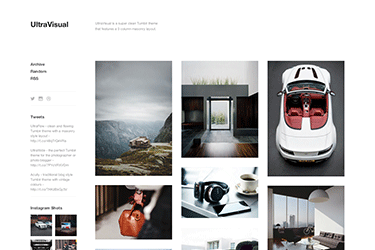
UltraVisual
Very minimalistic and clean grid style Tumblr theme, perfect for photo bloggers.

Curly
by stashthemes
Curly is a fully responsive tumblr blog. It's flexible and clean layout is what makes this theme really stand out, like curly hair.
Gallery
Void, Multiple Columns, Themecloset, Theme, Grid, Gallery, Simple, Versatile, Mobile friendly, Responsive, Website, Masonry, Layout
Sharp
Clean and sharp Tumblr theme with a wide layout. Perfect for long-form content or photography.
ICE CREAM
The Ice Cream theme is a multi-column theme with a full width header that makes for an impeccable first impression.
Other Basic
by other-themes
Our most basic theme. While still keeping it simple, fresh and zen alike, Basic offers a wide variety of features despite it’s name. Basic is simple but effective, like a microwave.
UltraFlow
A clean and flowing Tumblr theme with an awesome parallax header and a smooth masonry style layout.
Emotion
Emotion theme, chic and understated to a balanced extent which compliments and places focus on your content to ensure it’s always at the centre of attention.
Other Spin
by other-themes
A minimal theme with an alternating left-right layout and the option to add a logo/avatar which spins when you scroll, super cool!
Elevate
by petervidani
Simple and customizable. Use 1, 2, or 3 columns for you blog and fill them with all sorts of little things. Incredibly simple permalink pages.
gonzopress(ious)
by rajtoral
'gonzopress(ious)' is a Premium Tumblr Theme made for writing. It features a clean, minimalist design to allow the content to shine and keep distractions to a minimum.
Acuity
A Tumblr theme with a very traditional blog style layout, perfect for any type of blogger.
Utopia
Utopia. Clean but not too clean, flashy but not too flashy. Utopia takes the best of different design philosophies and presents content in its own unique way.
Tuscan Leather
by askfuse
Functional yet simple. Tuscan Leather is a tasty customizeable rehash of the standard blog layout.
SIMPLIST
by precrafted
The perfect theme for minimalists - all the features you need and nothing more, presented beautifully.
Curate
by themelantic
A colourful, visual way to collect and curate your inspiration in one beautiful place.
Other Naked
by other-themes
Naked is a stripped down, minimalistic theme with a single column layout. It gives a lot, and ask for little in return. It comes with a crooked title and a funky menu.
Other One
by other-themes
One is named after its simple one column layout. It’s minimal, like one of Steve’s many wet dreams. It has Scandinavian influences, but a lot of attitude.
Love
by stashthemes
Love is a beautiful, highly functional photography theme for your blog. Perfect for visual content such as photography, videos and designs. 2 column excellence.
Write
This theme features a relaxed, minimalistic design to allow the content to shine and keep distractions to a minimum.
UltraMnml
A super minimal and clean theme with a very traditional blog style layout.
Other Two
by other-themes
Two has double column design layout. With it’s infinite scrolling feature, Two just keeps on giving and giving until you ask for no more.
Byron
Hand crafted by Style Hatch, Byron works beautifully for long form posts and vivid, high resolution photography.
Other Frame
by other-themes
A graceful theme often referred to as the Rolls-Royce of Tumblr themes by creatives and the like. It sports a fancy parallax effect and a mind blowing slideshows for your photosets.
Motify
An excellent theme for bloggers who love to write. Simple design with large fonts.
Interlace
by themelantic
Bold colors, big photos, and a customisable layout that lets you style every post.
Waldorf
Waldorf. Elegance meets modern. Fully responsive with every feature you need and more for a professional or personal blog. By Artistic Influence.
JUMBLE
by precrafted
This beautifully organic layout gives your blog a unique look and feel, with posts randomly placed to create a different layout each time.
Otis
Featuring simplicity and a fluid grid system, Otis is minimal premium theme giving you the freedom to install it, make a few adjustments and start posting.
Oliver Twist
by askfuse
Oliver Twist is a minimal yet powerful theme for your blog. Your content is at the forefront allowing you to shape and mould the feeling of your blog.
$49
Stacked
by rainerbird
Stacked is a dead simple, clean and stunning photo theme that features two layout modes, integration with other photo sharing websites, responsive design and plenty of customisation options.
$49
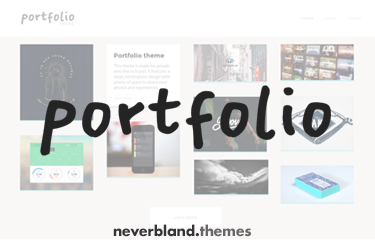
Portfolio
A simple multi column portfolio theme for displaying your work. Connect your online media and customise the theme to personalise your portfolio.
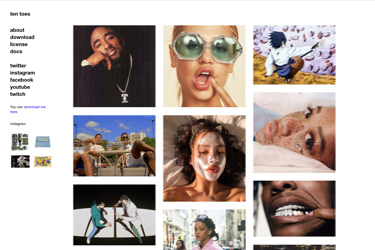
Ten Toes
by stashthemes
Take this moment to actually appreciate the fact that you have ten toes. For those who appreciate beauty.
UltraFlow
A clean and flowing Tumblr theme with an awesome parallax header and a smooth masonry style layout.
Wicked
Design, Minimal, Tumblr, Themecloset, Clean, Photography, Images, Gallery, Photography, Simple, Themes, Fashion, Photographer, Modern, Portfolio, Creative, Creativity, Minimal, One column, Minimalism
November
Themecloset, Tumblr, Minimal, Theme, Grid, Gallery, Simple, Versatile, Mobile friendly, Responsive, Website, Masonry, Layout, Load more
Void
Design, Minimal, Tumblr, Themecloset, Clean, Photography, Images, Gallery, Photography, Simple, Themes, Fashion, Photographer, Modern, Portfolio, Creative, Creativity, Minimal, One column, Minimalism
Pop Cultured
by rainerbird
Pop Cultured is a grid layout theme designed for both articles and images. Highlight the important tags, include star ratings and enhance posts with third-party film, music, tv, book & game data.
Genesis
Genesis is a true tumblog-style grid theme. It's clean, clutter-free and allows for easy sharing, reblogging and liking of posts.
Elevator
by stashthemes
Elevator is a flossy portfolio that allows you to highlight your work through a very clean and minimal layout. Equipped with beautiful animations and a lot of customizeable features.
Gallery
Void, Multiple Columns, Themecloset, Theme, Grid, Gallery, Simple, Versatile, Mobile friendly, Responsive, Website, Masonry, Layout
Swell
An expandable grid premium theme by Style Hatch that “swells” the page with visual posts and features a lightbox post view.
Nirvana
Niravana. A powerful multi-column theme capable of 2, 3 and 4 column layouts, packed with features that allow for multiple blogging styles. Mobile/cell phone & tablet friendly. By Artistic Influence
Brooklyn
Side to Side, Themecloset, Themes, Fixed columns, Minimal, Photography, Creative, Responsive, Highly customizable, Glossy
Square Eyes
by precrafted
Awesome hover interactions and a fluid square grid to show off your masterpieces.
Memories
by themelantic
A flat, minimal grid theme that couldn't be simpler. Perfect for blogs and portfolios.
Method
by safeasmilkco
Turn down the noise and clear your mind with Method, the new ultra-minimal Tumblr theme.
Suave
Suave is a silky smooth theme. It's clutter free - your content is king. It's also responsive and fully featured.
XOXO
Themecloset, Minimalism, Multiple Columns, Grid, Masonry, Minimal, Clean, Simple, Versatile, Mobile friendly, Responsive
Precise
by themelantic
A pixel-perfect grid theme, with minimal lines, subtle patterns, and powerful features.
Third Eye
by stashthemes
If you're looking for a magazine-style layout then this should serve you well. That's what I had mind when creating it. I wish you more blessings and good health. Love you.
Other Reveal
by other-themes
Other Reveal is perfect for lazy “slow-scrolling-couch-evenings”. Other Reveal reacts to your scroll and bring posts into view when appropriate, thus giving your content the treatment it deserves.
Patchwork
Style Hatch is proud to introduce their most customizable grid layout theme Patchwork.
Featured and minimal post options, responsive layout, and tons customization options are built into the theme.
Typist
by precrafted
Say hello to Typist. With an optional typed intro, flexible grid layout and tons of powerful features, it's the perfect premium theme for all kinds of blogs.
StylePhoto
Stylephoto Theme is a Flat Tumblr Theme. Multilayout 1 to 4 grid. 3 types of pagination including infinite scroll. Disqus and facebook comments
Pacific Grid
A highly visual theme from Style Hatch that puts your content at the center stage. With the flexible grid layout and post overlay, your visitors will find it easy to quickly browse through your posts.
ReeGridPhoto2
photography, music, bands, clean, minimal, touch, grid,
photo, background, opacity
Strands
Strands by Style Hatch is responsive premium theme designed to close the gap between your blog and portfolio needs.
Wave
Wave is our insanely customizable premium theme for Tumblr. With a ton of options, you can select a single column or two column layout to best suit your content.
Japan
by safeasmilkco
Versatile, beautiful and so easy to customize, Japan will be your blog's new best friend.
Inspire Well
Flexible grid-based theme by Style Hatch that gives complete creative freedom and is perfect for sharing creative inspiration!
Ascender
A futuristic yet friendly grid style Style Hatch theme that is extremely customizable.
UltraGrid
A tile based masonry Tumblr theme, perfect for any type of Tumblr blogger.
Ceramic
Ceramic is our most customizable and responsive theme to date. We’ve taken the time to ensure that will look great on any device.
Other Board
by other-themes
Board sports a masonry grid style layout that makes your site look clean and organized. An overall well-structured theme that puts your work in the limelight.
MARS
MARS by Style Hatch is a modern and bold theme that makes a statement that comes with multiple layout options—normal, HD and grid—and lots of customization!
UltraVisual
Very minimalistic and clean grid style Tumblr theme, perfect for photo bloggers.
Bella
Bella is a Flat Tumblr Theme. Multilayout 1 to 4 grid. 3 types of pagination including infinite scroll. Disqus and facebook comments. Instagram, twitter widgets. Info boxes.
Columnizer
An amazing theme by all aesthetic and technical standards, highly customizable and capable of 2, 3, 4 and 5 column layouts with no coding needed. By Artistic Influence.
Society
Featuring a flexible grid layout, bold post viewer, endless color options, and well polished features, Society might be Style Hatch’s most versatile and customizable theme.
Juuvy
Juuvy by Style Hatch is a highly fashionable & chic modular grid with adjustable post sizes.
Katz N' Dogz
by askfuse
Katz N' Dogz is an modern and powerful premium Tumblr theme by Fuse with full control over the color scheme and typography.
Other Grid
by other-themes
An honest theme with a grid style layout where you can collect things you like. Just like all of our Other themes, Grid is fully customisable to suit whatever weird need you might have.
AVANT GARDE
Avant Garde is one of the most feature rich themes on Tumblr made with everything you need and more for a modern masonry grid style blog that can be used for both professional and personal blogging.
Other Things
by other-themes
Tell us your story or showcase your favourite things the world wide web on a minimal, Scandinavian inspired design.